
MANUFACTURING PRODUCTION SEPT/OCT 2022 MANUFACTURINGENGINEERING PRODUCTION ROBOTICS THE BIG FIVE AMR QUESTIONS BY FRAZER WATSON EUROBLECH 2022 WHAT THE FUTURE OF SHEET METAL WORKING LOOKS LIKE


A PREMIUM CHAIN SOLUTION FOR HIGH DEMAND DRIVES A new Chain for the UK market offering a premium solution with three times the performance for wear resistance, fatigue resistance and high speed performance of comparable Roller Chain. Designed with unique pin coating, optimised plate geometry and high precision stamping, the X³ Roller Chain delivers significantly reduced maintenance downtime and longer service life. Available from Approved Product Partners and Stockists. donghua.co.uk/X3-chain 1 6 2 5 3 4 Optimised plate shape1 High press fit to guarantee maximum fatigue strength 3 Special heat treatment and surface-coated pins give exceptional wear life 4 Seamless bushings & rollers throughout 5 High performance pre-lubrication 6 Calibrated pin and bushing holes2 DOWNLOAD THE NEW X³ CATALOGUE Tube Tel: 01902 866200 Donghua Limited Sidings Close Wednesfield Way Wolverhampton West Midlands WV11 3DR
Editor
Paul Attwood
editor@mpemagazine.co.uk
Senior
Francesca Amato
editorial@mpemagazine.co.uk
Features
Harry Peters
editorial@mpemagazine.co.uk
Production/Design
Laura Whitehead laura@lapthornmedia.co.uk
Sales
Charlotte Chapman charlotte@mpemagazine.co.uk
Sales
Felicity Hamilton sales@mpemagazine.co.uk
Accounts
Richard Lapthorn accounts@mpemagazine.co.uk
Circulation
Leo Phillips
subs@mpemagazine.co.uk
Publishing
Maria Lapthorn
maria@lapthornmedia.co.uk
5-7 Ozengell Place, Eurokent Business Park, Ramsgate, Kent, CT12 6PB
Tel: 01843 808 117
CONTENTS
04 08 18 28 34
ACG On a Mission to Help Pharmaceutical Companies Future Proof Ageing Plant
PP C&A launches ‘resource centre’ for machine builders and technology disruptors


Timers halve SAF blower power use, by Andrew Baird

Five things to consider when creating a bespoke ductwork system
EuroBLECH 2022: What the future of sheet metal working looks like


Editors Note
It has been a difficult period for industry, with uncertain and anxious times ahead, however, this does not mean that research, development and investment stops. It has been a busy time for product launches, exhibitions and industry events. In this issue we have previews for the upcoming EuroBLECH 2022 Show in Hanover, Germany, and LiftEx 2022 in Aberdeen, Scotland, both taking place in October.
In this edition of Manufacturing & Production Engineering Magazine we hear from Frazer Watson, VP for Sales in UK/Ireland for AMR manufacturer iFollow. He discusses the key questions companies need to ask themselves when considering using Autonomous Mobile Robots.
We also feature a piece with John Cavanagh, Technical Sales Manager with Airmatic, who gives us an insight into what to bear in mind when creating and installing a bespoke ductwork system.

We hope you enjoy this issue and as always, if you have any news that you would like to feature within the next edition, our popular End of Year Review, please email details to editor@mpemagazine.co.uk
Every effort is made to ensure the accuracy and reliability of material published in Manufacturing & Production Engineering Magazine however, the publishers accept no responsibility for the claims or opinions made by advertisers, manufactures or contributors. No part of this publication may be reproduced or transmitted in any form or by any means, mechanical, electronic (including photocopying) or stored in any information retrieval system without the prior consent of the publisher.
Paul
03Manufacturing & Production Engineering Magazine
Editorial Assistant
Editor
Manager
Executive
Manager
Director
Lapthorn Media Ltd
04 1834 08 28
Attwood Editor @mpemaguk mpemagazine.co.uk
The cutting-edge manufacturer set to shake up sustainability in the manufacturing industry
MSP – the leading manufacturer of stampings and springs that minimises energy consumption in all areas of their business – is looking to lead the manufacturing industry to be more sustainable.

With the competitive nature of the industry, the lack of sustainability is a serious issue that is increasingly damaging to the environment, with organisations and manufacturers often choosing to prioritise their bottom line.
MSP has committed to procuring electricity only through 100% renewable sources, as well as operating with a dedicated Sustainability Team that meets
regularly to discuss ideas and projects to improve sustainability and support the local community.
This year, the team has invested in their MSBees programme, welcoming a hive of bees into the head office in Worcestershire to support the essential role bees and other pollinators play in

ACG: On a Mission to Help Pharmaceutical Companies Future Proof Ageing Plant
ACG, a leading supplier of fully integrated manufacturing solutions to the global pharmaceutical and nutraceutical industry, is pleased to announce its engineering business - dedicated to aftermarkets service - is working with its manufacturing customers to increase the life cycle of their machines.
The company is on a mission to ensure its customers do not add to their productivity concerns and is helping them to remove any avoidable interruptions to their production whilst enhancing performance. ACG engineers analyse machines around the world enabling them to help owners and operators find better methods of working.
From electronic upgrades to updated OEM parts, ACG’s customers can reduce changeover and setup times, improve yield and operator safety standards. By upgrading, rather than replacing, machines can sustain less wear and tear, run more smoothly and last longer.
Additionally, the ACG team is helping its customers with ageing
machines achieve 21 CFR Part 11 compliance, the US Food and Drug Administration’s (FDA) regulation for electronic documentation and electronic signatures.
Depending on the type and age of an individual machine, the different methods for improving machine performance include production planning, condition monitoring, predictive maintenance, energy optimisation, operator augmentation and remote servicing. All are designed to help reduce costs and boost revenues and profit.
Ashish Karulkar, Head of Aftermarkets at ACG, comments: “The message at the heart of our operation is ‘make it better’. A healthier world means providing affordable quality medicines and supplements safely to all areas of the planet, with minimal impact on the environment. Good machines are needed to make good medicines.
“21 CFR Part 11 compliance is the need of the hour for all the FDA regulated customers and ACG supports our customers to achieve this compliance effectively, and provides
maintaining the health of the planet.
Neil Matthews, Managing Director, MSP, says: “As a company, we look for any opportunity to make a difference not just to the environment but to our employees and the local community. We thought this MSBees programme was an unusual but great idea.
them with critical real-time information and even saving on digital storage is all part of how we continue to operate in these economically challenging times. In coming time, the ACG driven digital initiatives like iIOT and Smart Serve will also boost up to achieve our objective of enhancing performance and improving machine productivity
“At a time of unprecedented increases in manufacturing costs that extend to energy, raw materials, labour and services – having plant that not only lasts but supports production has never been more important.”
04 Manufacturing & Production Engineering Magazine
News
”The reduction in global bee populations is threatening the pollination benefits to both the planet and people. Bees play a major role in achieving the United Nations Sustainable Development Goals and the pollinators are essential to feeding a growing world population in a sustainable way and to maintain biodiversity and an active and productive ecosystem.”
To improve their awareness of the carbon costs of everyday activities in the manufacturing industry, several team members at MSP have recently undertaken Carbon Literacy Training. This has further embodied sustainability within the organisation and given the firm the tools to tackle its ambitious sustainability initiatives.
Neil says: “We have found that as we encourage our employees to get more involved, our staff are more engaged and enthused by what we’re trying to achieve, because this important message of sustainability now runs through everything we do. We encourage other manufacturing organisations to get involved in integrating sustainability into every aspect of their business.
“Our team have been incredibly innovative with their ideas and our job now is to prioritise them. We have really seen a snowball effect with our sustainability idea generation. The more initiatives we do, the more people see what and why we are doing it and they are encouraged to bring their own thoughts to the table.”
Neil believes that MSP can lead the way as an example of what can be done to make a difference in the manufacturing industry.
He added: “If the government could present ideas and show initiatives that have already been put in place and have made a difference, I am sure more companies will want to follow suit.
“It doesn’t take too much time in the working day to make a difference but we have seen that sustainability projects can give back tenfold to the environment, employees and local communities.”
Servitization push set to deliver £800,000 sales boost for Alucast
One of the Black Country’s leading aluminium foundries is reaping the benefits of a move to ‘servitization’ and forecasts that it will add nearly 10% to its annual turnover.
Alucast, which employs over 100 people at its continuously growing factory in Wednesbury, has invested nearly £500,000 in new technology to ensure that it now offers customers access to Magmasoft casting simulation, prototyping and heat treatment.


The company has also expanded its CNC machining capacity to offer 5-axis machines and non-destructive testing, including X-Ray and dyepenetrant testing.
This strategy is boosting sales and the management team forecasts an additional £800,000 of turnover through customers accessing one-off services or using one element that then leads on to volume production in sand, gravity and high and low pressure castings.
Tony Sartorius, Chairman of Alucast, commented: “Manufacturing is extremely competitive, so the more value we can add to the customer, the more chance we will have of building strong, lasting relationships.”
Alucast offers sand, gravity and high and low pressure casting to a client base that spans automotive, fluid power, electrification and hydraulics.
Part of the Manufacturing Assembly Network (MAN), the company is currently enjoying the strongest order book in its 55-year history, and this includes technical support for one of the world’s largest automotive engineering agencies and full casting assembly for a 4x4 manufacturer.
The firm, which has recently been re-accredited to the TS16949 automotive quality standard, is also continuing to support carmakers and tier 1s with structural lightweight parts for use in next generation vehicles and electric cars.
As a company, we look for any opportunity to make a difference not just to the environment but to our employees and the local community. We thought this MSBees programme was an unusual but great idea.
Neil Matthews
05Manufacturing & Production Engineering Magazine
News
Danutek Enters a New Partnership with a Leading Thermal Profiling Solutions Provider
Danutek, daughter company of Altus Group, a principal distributor and service provider in the SMT manufacturing industry is pleased to announce that Solderstar, a technology leader in the design and manufacture of thermal profiling systems, will be joining the supplier portfolio.
Working with some of the most innovative suppliers in the industry, Solderstar is another feather in the cap for Danutek who strive to ensure they provide the very best technologies and equipment to their customers throughout Eastern Europe.
Marian Gavrilia, General Manager, Danutek said: ‘’It’s great to bring Solderstar into our portfolio. We have always worked with the best reflow providers, and our customers, without exception all require top-notch profilers to ensure their quality of output through a critical stage of the manufacturing process. That is exactly what Solderstar offers.”
Danutek will introduce its customers to all of Solderstar’s systems, including the new datalogger, SLX. SLX is an accurate, robust, ultra-compact, battery powered datalogger used for measuring and recording process parameters from any soldering process. Requiring no user setup the SLX unit can be docked onto any SMARTLink reflow heatshield or other process accessory and the system will auto-configure itself for data capture
To find out more visit www.danutek.com
New Sustainability in bearings
brochure released by Brammer Buck & Hickman and SKF
‘Committed to Sustainability’ is a new brochure produced by Brammer Buck & Hickman, the UK’s leading supplier of industrial maintenance, repair and overhaul (MRO) products and services, in partnership with bearings manufacturer SKF. It is available to download now from Brammer Buck & Hickman’s SKF bearings section on its website: uk.rubix.com/supplier/skf.

At a time when the world is looking to limit its energy usage and impact on the climate, pressure is mounting on industry world-wide to reduce its overall environmental impact. Individual bearings may use relatively little energy, but are in such widespread use and are also one of the most frequently replaced components, that building sustainability in to the product and their usage matters.
The new Brammer Buck & Hickman ‘Committed to Sustainability’ brochure provides customers with a guide to getting the most out of their bearings whilst having the least impact on the environment by applying the 3Rs waste hierarchy - Reduce, Reuse, Recycle.
Download the new bearings sustainability brochure at uk.rubix.com/supplier/skf
invests
engineering hours to secure DO178 compliance
MBE Systems announced it had secured DO-178C compliance for a key project. Achieving DO-178C Design Assurance Level B (DAL-B), MBE joins only a few companies in the world that have seen the task through the final avionics design audit known as SOI#4 for engine control systems.
RTCA DO-178C / EEUROCAE ED-12C has a well-earned reputation as being the most demanding software development standard in the world requiring systematic engineering process and four formal audits at key project stages from an FAA designated representative.
MBE was the first to start the process for a US Army UAV project, having been awarded the contract to develop a Full Authority Digital Engine Control System.

The company invested 8,500 engineering hours into the process and it has led to a restructuring and a revolutionising of systems and processes. For example, two separate teams now look after the design/development and testing of the systems –these are separate areas of the company.
This provides MBE Systems with a foundation to build their aerospace and defense work, and are now in contact with several major OEMs in the USA and Europe. They are now in a position to design and develop embedded airborne systems quickly.
The accreditation was carried out by ConsuNova, a leading global provider of commercial (FAA /EASA) and defense avionics certification solutions with vast experience in critical embedded software.
Steve Baker of MBE Systems, said: “We have always known that our systems were efficient, effective and safe – and indeed have been improving the performance of aircraft and automotive engines for decades. However, it was important that we formally demonstrated this and DO-178C compliance is already opening doors.”
Reza Madjidi, FAA DER, CEO of ConsuNova, said: “The electronic, software and control engineers at MBE Systems are a close-knit team and a pleasure to work with. I really enjoyed working with the team and seeing them grow and develop throughout the whole process. MBE Systems engineering team were open and welcoming of accepting DO-178C as their software standards via our Avionics Training and Gap Analysis. MBE’s willingness to go through this deterministic and systematic process with our continuous coaching, mentoring and audit resulted in the successful acceptance of their software design approval by US Army. We at ConsuNova are proud to be the part of this success.”
06 Manufacturing & Production Engineering Magazine
MBE Systems
8,500
News
CWM's brand new robot test cell allows customers from a wide range of industries to see proof of concept for all of their pick & place solutions.


The test cell can be quickly configured to prove operational repeatability and speeds for picking and placing of all different types of products.

+44 (0)1427 614 222 sales@cwm-automation.com North Warren Rd, Gainsborough, Lincs, DN21 2TU CWM AUTOMATION'S ROBOT TEST CELL
Book a visit to trial your products on CWM's robot test cell today!
Historic manufacturer posts record year with a little recruitment help from MET
A Black Country manufacturer that has its products installed in the Tottenham Hotspur Stadium, The Shard and Birmingham’s iconic Rotunda building has posted a record year.
Isaac H. Grainger’s, which is a market leader in the manufacture of raised access flooring pedestals, has seen a rise in sales after securing a surge of reshoring successes from abroad.
The 158-year-old Cradley Heath business has extended its long-standing relationship with MET Recruitment to help it meet increases in demand from customers in the UK and overseas.

This means that, at any one time, the firm could have tens of temporary workers sourced by the Dudley recruitment specialist, with some candidates vetted and supplied within a few hours’ notice. Now in sixth-generation family ownership, Isaac H. Grainger’s has ambitious plans to build on the recent growth by diversifying its engineering expertise to look at new tubing products for UK and international opportunities.
Driving this strategy is investment in latest machinery and extensive growth and improvements at its Gawne Lane factory, as well as the pending launch of
PP C&A launches ‘resource centre’ for machine builders and technology disruptors
Machinery builders and companies looking to bring new technologies to market are set to benefit from a new resource centre being launched by PP Control & Automation (PP C&A).

The UK’s leading strategic manufacturing outsourcing specialist has pooled all its expertise and knowledge into an easy-to-use online hub that will provide crucial insights into the benefits of outsourcing and how common ‘pain points’ can be overcome.
Free of charge to access, the content will be a mix of downloadable documents, podcasts and video that will address key strategic outsourcing questions through a combination of guides, customer case studies and ‘thought leadership’ pieces.
There will also be specific white papers on UL standards, production and engineering topics and industry analysis and trends – all information that will educate and inform companies looking to grow and develop new technologies.
PP Control & Automation, which employs 230 people at its world class factory in Cheslyn Hay, had a record sales year in 2021 of £28m with a future order pipeline suggesting further growth is on the horizon.
The strategic manufacturing outsourcing specialist has seen demand for its services rise by 25% on the previous year and bosses at the firm believe this is due to a combination of reshoring and an increasing number of high technology businesses bringing new innovations to market.
Members of the Manufacturing Assembly Network (MAN), the firm has
a more interactive website and proactive marketing campaigns.
Originally set up to supply staff to the mechanical and electrical trades, MET Recruitment has gone from three people in a small office on the Pensnett Trading Estate to a 23-strong agency operating from a dedicated head office on Wolverhampton Street in Dudley and The Permanent Staffing Hub on the Waterfront.
Investment in its 360 degrees recruitment solution for clients and an industry-best support infrastructure for candidates has helped it secure a strong client base across engineering, manufacturing and professional services.
For further information, please visit www.isaacgrainger.co.uk and www.metrecruitment.com
recently widened its engineering and manufacturing capabilities to include a more comprehensive mechanical/ pneumatic offer and a dedicated Electrostatic Discharge (ESD) area to support electronics integration.
The company’s new resource centre, which has only been live for two weeks, has already attracted 100 unique visitors and, with regular new content and releases planned, the ambition is for more than 1000 companies to tap into the expertise every year.
For further information, visit ppcanda.com/resource-centre
Latest News 08 Manufacturing & Production Engineering Magazine
AZM150 SOLENOID INTERLOCK WITH NEW DHS-150 HANDLE SYSTEM
O
THE DHS-150 DOOR HANDLE SYSTEM IS ESPECIALLY SUITED TO HEAVY SWING DOORS

With the new practical DHS-150 door handle system, the slimline AZM150 solenoid interlock from Schmersal is now even easier to use. The ergonomic DHS-150 avoids the need for a separate door handle and is suitable for machine enclosures or fencing and all standard aluminium profiles with a width of 40 mm. The robust door bolt is particularly useful on heavy swing doors and for use in harsh environments.
One benefit of the new accessory is that the actuator is pre-positioned by the bolt in the DHS system, thus ensuring optimal insertion into the device. This gives the system stability against lateral forces. In addition, the DHS-150 door handle system is also equipped with an integrated locking device (LOTO). This locking tag function protects operating staff from mistakenly being locked inside larger, walk-in systems and machines while performing servicing and repair work.
The AZM150 has an interlocking force of 1500 Newtons and can be combined with three different actuators for different attachment situations. A positive of the interlock is the rotating actuator head which can be locked with ease by simple placement on the cover, rather than being bolted into place. The solenoid interlock is electromechanical in design and can be combined with a high safety standard: a low coding level as standard, or optionally with a high coding level in accordance with ISO 14119.

Scan the QR code below or visit our website for more information.

www.schmersal.co.uk uksupport@schmersal.com SCHMERSAL | Enigma Business Park Malvern, Worcestershire, WR14 1GL
Don’t try to retrofit your engineering configurator for consumers Feature
When it comes to guided selling, a new approach is needed
By Jesper Blak Møller, director of system engineering, Configit
More and more products today are what’s known as configurable – that is, there are multiple varieties and options as to what the final product will look like. An example we can all relate to is buying a new laptop. The manufacturer’s engineering team will start by defining the key technical components of the product – for example, the clock frequency of the CPU, the number of cells in the battery, the type of memory modules, the display, the keyboard and so on. There will be restrictions on how these components can be combined, such as the size of the laptop case, which limits how many components can be fitted in the case.
To keep up with the market demand for more and more individualized and specialized products, engineers are asked to create many different products. To simplify the design, they group similar products in groups that share common components. These are typically called product lines or models. For notebooks, there might be an “X” line, a “T” line, and so on.
Now, when a customer wants to buy a laptop, how does she find one that matches her needs and budget? First, how does she know which main product
Configurable products require a different approach to selling.
line to select? Should she choose the X lines or the T line? And when she has selected a product line, how does she know which values to select for the technical parameters of the product, such as the type of RAM modules and the clock frequency of the CPU, when the main requirements she has for the laptop is that it should be good for light business applications and easy to travel with?
Guiding the sale
Engineering configurators are built with the purpose of making it easy for engineers to configure the technical, often very low-level parameters of a product (such as a laptop), but they’re not made to be customer-facing. They’d fall short if customers tried to use this same kind of configurator to select the right product specs to fit their needs.
Configurable products require a different approach to selling. You need to guide the prospective buyers through the process as they evaluate the different options and
determine what will work for them. This is a process known as guided selling –which is really about putting yourself in the buyer’s seat, understanding things from their perspective and taking that “insideout view.”
Putting this approach into place takes a concerted effort. A configurator plays a key role, but don’t make the mistake of thinking you can just take the configurators used on the engineering side and retrofit them for sales – because it’s probably not going to work. You need a far more nuanced approach.
The problem with engineering configurators
Engineering configurators aren’t sufficient for producing sales orders. In fact, they too often fail when you try to use them for this purpose. The complexity needed for engineering isn’t efficient and is often detrimental for the purposes of configuring a sellable product.

Too often, these engineering configurators essentially require salespeople to also be engineers (which most aren’t). It can result in orders that can’t be manufactured or that are extensively engineered to order. This can result in products that don’t fit the customers’ needs.
Creating a more customercentric process
In contrast, a sales configurator can speak in the language of the customers. A good sales configurator should guide users toward the best choices. It makes it easy to select the right product and the right combination of features.
A sales configurator works from the perspective of the customer. It helps decouple the very technical parameters and parts of your product from the more commercial features of your product, which is what you want your customers to select. And it promotes selections that have better margins. For manufacturers looking to stay competitive and on top, they have to ensure they are making the selection process as customer friendly as possible.
10 Manufacturing & Production Engineering Magazine
Implementing a sales-centric configurator
Manufacturers who create complex products need to start thinking about how to add the guided selling component into their process – and how to build a sales configurator by essentially adding a sales layer (also called a commercial layer) on top of their engineering models.
This sales model will then link the technical aspects of the product to some that are more high-level or commercially oriented features that customers can better understand.
This gives the manufacturer more flexibility in defining those more commercial features of the product and decouples them from the actual physical parts that comprise the product.


For instance, your customer probably doesn’t care which vendor you’re purchasing a specific component from; they just care about the output. This results in a better user experience and a better buying experience. And happier customers can mean longer-term customers.
Configuring a better sales process
Engineering configurators are designed for a specific need and work well in engineering and manufacturing environments.
These purpose-built configurators aren’t meant for sales needs and often fail for sales needs. Moving your configurator closer to sales and using a guided selling approach can solve these problems, creating more suitable products and greater customer satisfaction.
11Manufacturing & Production Engineering Magazine Feature
Juice dispenser manufacturer embraces augmented reality to accelerate growth
GenerationJuice transforms sales process with support from Made Smarter’s North West Adoption programme.
A manufacturer of juice dispensers is using augmented reality to transform its sales process, drive productivity and create new jobs.
GenerationJuice, based in Bromborough, Liverpool City Region, makes app-driven drink dispensers, or drink hubs, designed to serve natural juice drinks from concentrate into reusable bottles, as an alternative to single use plastic and aluminium cans.


After success in the leisure and hospitality industry the business, which launched in 2019, has started to target emerging markets such as education and healthcare.
It worked with Made Smarter’s Adoption Programme in the North West to develop a digital demo experience using augmented reality
to enable customers to visualise the dispenser on their site while tasting samples of the drinks at the same time.
The app-based solution eliminates the time-consuming and inefficient face-to-face demonstration process which typically ties up two sales staff for half a day.
GenerationJuice estimates that with new marketing activity to generate demo leads, productivity will increase by 600% and turnover by 50%. The technology investment has also created two new jobs.
By using the app and sending tasting samples of its 180-drink portfolio by courier, GenerationJuice will cut its annual mileage by 20,000, reducing its own carbon footprint.
With sustainability high on the agenda, GenerationJuice estimates its products can offer resource efficiency for its customers in terms of waste reduction, energy savings, and environmental impact.
It estimates that an average customer can expect to save one ton of plastic or aluminium waste based on an average consumption of 75-90,000 plastic bottles or cans - potentially reducing the company’s energy consumption by up to 63%.
For more information, visit www.madesmarter.uk/adoption
Construction boom leads to £120,000 investment in Bruderer highspeed press line
Taking advantage of new reshoring opportunities has seen a Warwick-based manufacturer invest more than £120,000 in its first high-speed press line with Bruderer UK.
JBS Products Ltd, known worldwide for its patented hook-on plaster bead, has installed a precision BSTA 25H press line at its Park Farm factory.
The machine is set to deliver greater accuracy and increased capacity, meaning the family-run business can guarantee process stability and part quality for its innovative building products that are bought direct or stocked in the likes of Selco, Travis Perkins and RJ Builders Hardware.
This new addition, which features advanced tooling automation, is set to be utilised on several new projects that are meeting the increasing demand for UKmanufactured products and will help deliver greater security of supply following significant global disruption.
“Having worked with Bruderer technology before, there was only one machine I wanted to have in our press shop when the opportunity came to expand,” explained Bud Dhinjan, Founder and CEO of JBS Products.
“We had enjoyed a number of reshoring successes and, in order to keep up with demand, we had to increase our press capability and that is why we decided to purchase a new BSTA 25H press line to give us that tremendous reliability and the famous Bruderer service. Our reputation has been built on providing quality, innovative products that are cost effective and make the end-

Company News 12 Manufacturing & Production Engineering Magazine
users life as simple and easy as possible, offering our wholesale customers a one-stop shop for design, product development and volume production. Since the onset of the pandemic, we have seen demand rocket, driving the employment of an additional five people and prompting investment in a further £250,000 onsite toolroom at our Warwick works to maintain a double shift pattern.”
Bruderer UK’s technical team worked with JBS to spec out the BSTA 25H, which consists of a precision feeder BBV 202/120, dual stock decoiler, cut-tolength system and full press line control.
Scott Baker, Technical Sales Manager at Bruderer UK, commented: “This machine will future-proof JBS’ production and delivers unrivalled speed, precision

and reliability for the firm’s growing customer base. Bud and his team will also benefit from our full technical support and back-up for decades to come.”
Manny Dhinjan, Sales Director at JBS Products, concluded: “The installation process is going to be fully projectmanaged by Bruderer, meaning we can
AMETEK Land Celebrates 75 Years of Product Innovation and Technology
AMETEK Land, the world’s leading manufacturer of monitors and analysers for industrial temperature measurements, celebrates 75 years of producing innovative systems and solutions for industries including metals, glass, hydrocarbon processing and power generation.
Founded in 1947 by Tom Land, AMETEK Land now employs around 150 people worldwide, supporting customers with industrial temperature measurement, combustion efficiency and emissions monitoring.
The company has seen many notable milestones in its history; AMETEK Land launched its first surface pyrometer in 1958, followed by its first non-contact infrared pyrometer along with a blackbody calibration source in 1965. This was a game-changer in safety and accuracy, allowing for faster and more efficient temperature readings in industrial operations.

Looking to the future, AMETEK Land is continuing its innovation and technological advancements, to enable
its customers to meet the highest standards of plant safety, process control and product quality.
David Primhak, Director of Sales and Product Management at AMETEK Land commented: “As a company, we are incredibly proud of our contribution to industrial manufacturing. We have a magnificent team leading the way in product development and advanced technologies, developing new solutions and updating existing systems to help improve safety, increase yields, and reduce carbon footprints. Decarbonisation is top of the agenda for us all, and we’re working closely with our customer base to understand their needs and help them achieve their decarbonisation goals as the world becomes greener.”
AMETEK Land offers a range of products used by industrial manufacturers worldwide, including the SPOT range of non-contact pyrometers, the NIR-B thermal imaging borescopes, as well as supporting software including the latest IMAGEPro.
concentrate on meeting production increases and putting in place the platform we need to maximise several reshoring opportunities we are currently working on.”
For further information, please visit www.jbs-products.com or www.bruderer.co.uk
This is backed by a team of experts including physicists, research and development professionals, and production teams, all of which contribute to the success of the business.
AMETEK Land became part of AMETEK, Inc. within the Process & Analytical Instruments Division in 2006. This business alliance means that Land benefits from being part of a corporation with global supply chains and business functions.
Find out more at ametek-land.com
This machine will future-proof JBS’ production and delivers unrivalled speed, precision and reliability for the firm’s growing customer base.
13Manufacturing & Production Engineering Magazine
Company News
Apprenticeship stars recognised at eleventh In-Comm Training Awards

An advanced engineering & manufacturing apprentice from Telford was named as the region’s brightest vocational star last week.
Torus Measurement Systems’ James Morgan overcame competition from more than 100 apprentices across the West Midlands to secure the ‘Outstanding Learner of the Year’ title at this year’s annual In-Comm Training Awards.
More than 300 people packed into The Eastside Rooms in Birmingham to hear how the 24-year-old is working his way towards a degree by impressing on the shopfloor, helping deliver critical projects and, importantly, becoming a STEM ambassador that sees him go into schools to inspire the next generation.
The high-profile ceremony, which is backed by main sponsor the Engineering Technology Group (ETG), saw ‘girl power’ come to the fore again, with four out of the eight personal accolades won by females, illustrating how apprenticeships are increasingly for everyone.
Britney Biju (Collins Aerospace) won Engineering & Manufacturing Foundation – Telford, Jean Catchpowle (Gestamp) secured Quality & Continuous Improvement, whilst Emily Lander (M&A Doocey) and Tracy Reynolds (William King) were successful in the Business Support and Ambassador categories.
Companies were also recognised on the evening, with Billcar Precision Engineering winning the small employer award for the way it uses staff to develop young learners and Hoshizaki Europe taking the large employer accolade.
The latter has been a long-term supporter of vocational learning and has invested heavily in an apprentice scheme that spans all departments, including engineering, quality, manufacturing and business administration.
It also runs a scheme where apprentices are rewarded for their ideas on how to improve their role or the business.
This was the eleventh year the In-Comm Training Awards have been held and gave nearly 50 finalists the opportunity to celebrate their achievements in front of their peers, mentors and employers.
The evening was also used to celebrate the life of Her Majesty the Queen, with guests marking the unrivalled service and dedication of Her Royal Highness.
The In-Comm Training Awards were made possible by headline sponsor the Engineering Technology Group (ETG) and other sponsors, including Aptem, Black Country Chamber of Commerce, Collins Aerospace, Crowe LLP, EAL Awards, FBC Manby Bowdler, In-Comm TMG, MyWorkwear and the West Midlands Apprentice Ambassador Network.
Website: in-comm.co.uk
Nulogy’s Josephine Coombe & Christine Barnhart Recognised at Women in Supply Chain Awards
Nulogy, a leading provider of collaborative supply chain solutions, today announced that two of the company’s senior leaders, Josephine Coombe and Christine Barnhart, were named recipients of Supply & Demand Chain Executive’s 2022 Women in Supply Chain Awards.


The prestigious awards list honours female supply chain leaders and executives whose accomplishments, mentorship and examples set a foundation for women in all levels of a company’s supply chain network.
As Nulogy’s Managing Director, UK, Josephine Coombe launched Nulogy’s operations in Bristol in 2020, and currently leads its regional European operations. Leveraging her extensive senior executive experience in enterprise software, Coombe has demonstrated a commitment to helping Nulogy’s current and prospective customers (including contract packagers, third-party logistics providers (3PLs) and consumer brands) garner the most value out of cloud-based software for their business operations.
As Vice President, Product Marketing and Go-To-Market, Christine Barnhart focuses on Nulogy’s new product initiatives, working closely with the company’s product, marketing, and sales teams. Barnhart’s previous roles include Vice President, Product Strategy and Go-To-Market at Verusen and Senior Director of Product and Industry Market Strategy for Infor. Barnhart additionally leverages her extensive background in building and managing manufacturing supply chains in appliances and consumer products to bring the voice of the customer into product development.

Events & Awards News 14 Manufacturing & Production Engineering Magazine

Robotics
The big five AMR questions
Frazer Watson, VP-Sales UK/Ireland at AMR designer and manufacturer iFollow, runs through the key questions customers need to ask when considering an Autonomous Mobile Robot (AMR) solution.

Interest in Autonomous Mobile Robots (AMRs) is escalating at a rapid pace. The classic combination of camera and QR-code navigation robots is proliferating in logistics environments across the UK for applications in goods receiving, despatch and order picking. This is down to falling costs for the technology allied to a growing list of good reasons to make that investment – reasons such as: changing workforce demographics, constraints on supply and movement of goods, supply chain disruption, a covid-generated upswing in online retail, increasing interest in industry 4.0 technologies and the ever continuing drive to improve productivity.
In a world where uncertainty is becoming the everyday experience, companies in all sectors must strive for improved accuracy, efficiency, productivity and sustainability.
The key consideration must be gaining competitive advantage because those that do not or leave it too late will fall behind.
Many logistics operations are reconfiguring their warehouse networks around flexible, scaleable solutions to provide fast and reliable fulfilment closer to the growing number of customers in urban centres. Scarcity of available property and restrictions for transport in these areas often results in the need to rethink warehousing estate and the internal fit out. They are looking at fresh thinking on how these facilities are best served by materials handling equipment. Automated materials handling solutions without the need for dedicated infrastructure, such as AMRs, are in prime position on the flexibility spectrum. This means they can contribute to futureproofing warehouse operations, while improving operations.
Many will still perceive mobile robots as leading edge technology and are only now considering an AMR solution for the first time. In so doing there are five key questions they should be asking:
1. What can the AMR carry?
This consideration comes in two parts, with load capacity generally being the initial one. For many AMRs, this can be a constraint but those able to carry loads up to 1.5 tonnes will be suited to a broad
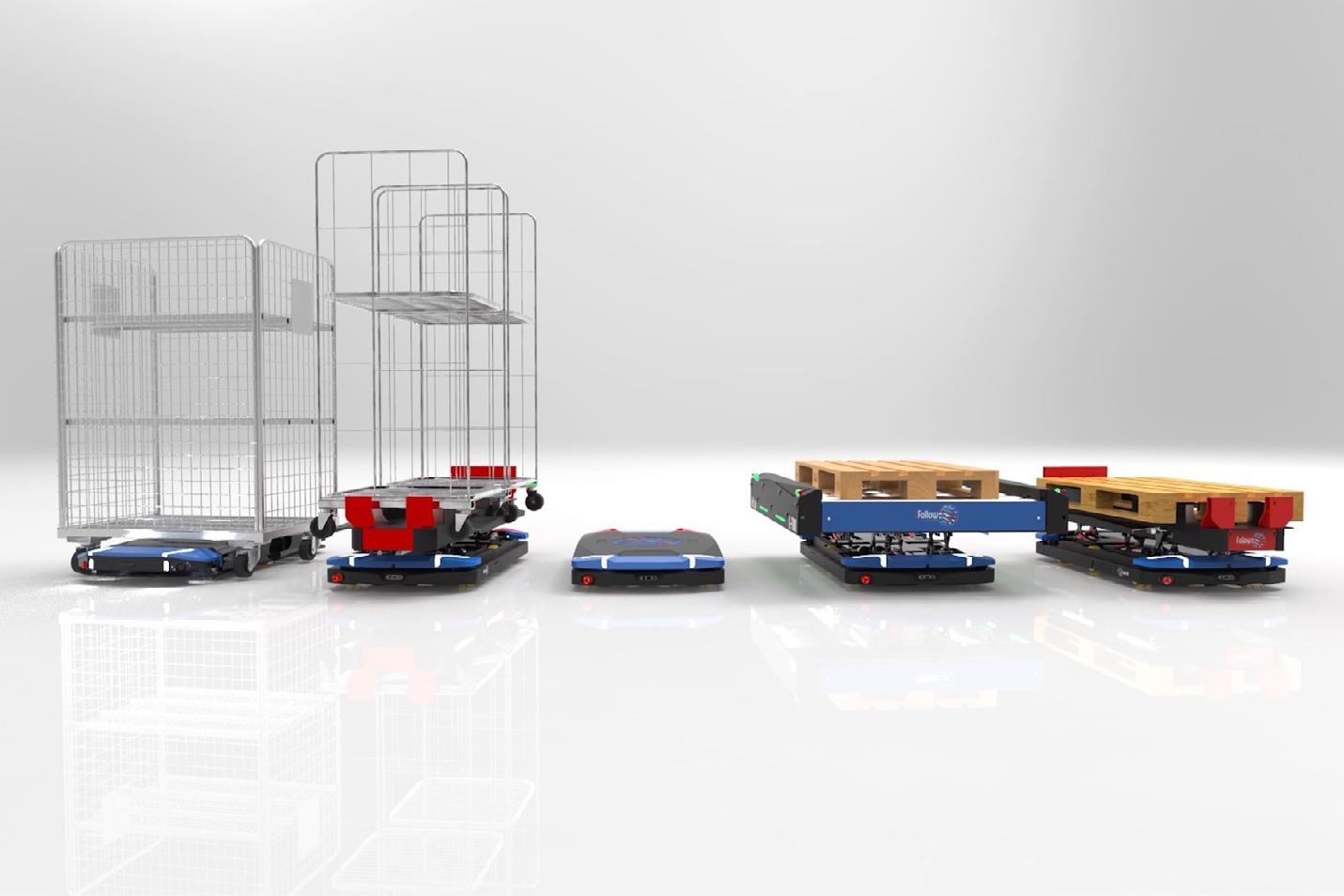
range of applications in warehouses and fulfilment centres. The other half of the load-carrying question is what type of load-carrying unit can the AMR handle? Most warehouses see a wide range of load-carrying units going through their doors, particularly as the numbers of suppliers swells and their locations diversify. This can result in dealing with a mix of traditional pallets, Euro pallets, roll cages, plastic containers, etc. An AMR that can handle all of these will be an incredible asset for warehouse versatility.
Some systems will be required to perform a specific task, focused on a single load carrying unit. For example, handling roll cages is a fundamental part of the grocery


16 Manufacturing & Production Engineering Magazine
retail intralogistics operation. The ability for a mobile robot to transport roll cages safely and securely ticks this sector’s box; furthermore, a single AMR that can handle two roll cages at once to a total load of 1,300 kg will be even more appealing. Given the height of roll cages, a low height profile, such as the 17cm height of iFollow’s AMRs, will assist in smooth travel through entrances. A low height also allows a device to fit under any surface or load carrying unit.
Warehouses might seem fairly similar but an AMR navigating its way round the building will have a different perspective. For a start, will it be too cold for the mobile robot to operate – or even, in rare circumstances, too warm? If so, an AMR able to comfortably perform in temperatures from -25° C to +40°C without degradation of battery life will be required. Coldstores seeking ways to minimise their normally demanding energy use will particularly appreciate a mobile robot that can carry two roll cages at once to move more product quickly in a cold area, while also ensuring that coldstore doors remain closed for a greater proportion of a day.
Speaking of batteries, such operations will be seeking a battery life of 16 hours with opportune charging to maximise uptime. A full charge from 10% to 100% in 1.5 hours would be handy. Given the relative roughness of many warehouse floors, a robust AMR, built to withstand the rigours of constant traveling over the long-term will be a big benefit.
AMR technology achieves a productivity advantage without compromising
operator health and safety. The route planning software prevents robots from heading towards fixed obstacles, such as walls or racking, as well as moveable objects such as workers, which are detected by the machine’s sensors. AMRs with LIDAR arrays navigate ‘safe areas’ for forward or reverse motion – if anything should be detected within these areas, the AMR’s motor will stop and the brakes are applied.
Using AMRs to automate the transportation of goods, roll cages, pallets and other storage units between these areas in a warehouse is a highly effective method for separating people from vehicle traffic to avoid the risk of collisions.
4. Will I be able to rely on mobile robots?
Warehouse operations are generally rigorous with repetitive transportation of heavy loads across rough floors, over long shifts. Clearly this suggests paying careful consideration to the quality of the robot itself. What is it made from? How well is it made? The broad range of AMR suppliers promoting mobile robots for warehouse applications will be offering systems with varying degrees of build quality.
Some are built to ensure low costs, while others are designed to provide better lifecycle cost benefits, and will have undergone a thorough quality process.
Compliance with local standards is fundamental: buying a fleet of mobile robots, for example, without certification would be a huge risk. The ability to provide local support and parts for quick response will be important.
5. Will I gain a solution rather than a product?
Every business is different. A supplier that designs and manufactures its own robots and uses its own software will be able to tailor solutions to meet the specific needs of individual applications. A properly conceived and designed AMR solution will always retain flexibility when it comes to internal transportation because, unlike AGVs or conveyors, they do not require fixed infrastructure. Distribution centres often work with a combination of pallets and roll cages, the ratios of which may change over time. An AMR that allows for a swift and simple swap of carrier frames will readily convert from cage transporter to pallet or trolley use, and vice versa.
Intelligent mobile robots offer a flexible solution that can be easily adapted to changing needs, which makes the technology ideal for supporting warehouse operations facing demands for ever-shorter delivery times from growing e-commerce channels as well as store orders.
Find out more about AMRs from iFollow by visiting their website: https://www.ifollow.fr/en/
2. In what circumstances will the AMRs operate?
3. Will AMRs be safe in the warehouse?
In a world where uncertainty is becoming the everyday experience, companies in all sectors must strive for improved accuracy, efficiency, productivity and sustainability.
Frazer Watson
17Manufacturing & Production Engineering Magazine
Robotics
Timers halve SAF blower power use Wastewater Treatment
A simple adjustment to blowers on submerged aerated filter (SAF) technology is bringing significant energy reductions in wastewater treatment, writes Andrew Baird, technical director, WCS Environmental Engineering, meaning cost savings for utilities.
The water sector ranks as the fourth most energy intensive industry in the UK, and utilities in England and Wales, striving to reach net zero carbon by 2030, are now focusing intensely on how to save on power.
Making wastewater treatment more energy efficient is key to companies’ business strategies. For a water company with over 600 treatment works, around 55% of energy usage is in the treatment of wastewater, with its electricity bills coming in at around £25 million a year – that is before the recent increases.
The water sector’s Net Zero 2030 Routemap notes an upward trend in electricity consumption between 2015 and 2019, attributed in part to an increase in water and wastewater treatment driven by rising environmental standards, and more intense rainfall due to climatic changes. Water companies are investing in energy efficiency interventions, with suppliers taking a lead in the development of new technology.
Water recycling specialist WCS Environmental Engineering (WCSEE) has undertaken a five-year study, alongside University of Portsmouth researchers, at Petersfield wastewater treatment works in Hampshire, to enhance process efficiency of its patented Hybrid-SAF technology.
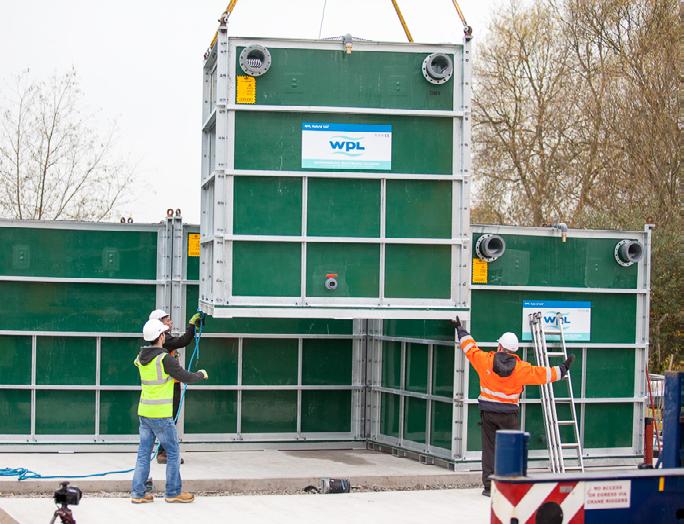

One outcome of the research is the introduction of automated timers to operate the blowers which provide the air for biological treatment processes in WCSEE SAF units. Blowers typically operate 24/7, accounting for more than 90% of the energy used in a SAF unit. They are now timed to pulse air into the process for 15 minute intervals, rather than operate continuously.
Peg timers, similar to those used in central heating systems, are being used as standard with WCSEE’s HiPAF treatment plants, and existing WCSEE SAF technology can be easily retrofitted. This will cut the amount of energy consumed by the blowers by up to 50%, addressing the market need for net zero carbon, reducing energy consumption, and cost efficiencies.
From conversations with utilities, WCSEE understands the need to reduce power consumption of SAF units. The introduction of a timer is a very low cost method of power reduction.
While the concept was simple, finding the optimum times to turn blowers on and off, and determining ideal time-lengths, proved more of a challenge. Part of the research involved exploring the impact of turning the blowers off for longer periods, including overnight.
In general, it was found that the HiPAF saw a reduction in dissolved oxygen after 2030 minutes. This made it possible to set timers to 15 minutes on and 15 minutes off – so, in operation for half the amount of time while still providing effective aeration for reliable treatment. The 15-minute intervals give the added advantage of not exceeding the hourly on-off cycles required by blower manufacturers to maintain guarantees.
This solution, developed through a longterm collaboration with the University of Portsmouth may be a simple fix, but it is supported by five years of research, and a three-year test period.
These studies have already achieved significant energy and cost savings with the introduction of the patented SAF technology to the biological treatment section, known as the biozone. The patented technology employs a submerged moving-bed, fixed-film reactor which can treat wastewater with greater energy efficiency compared to traditional SAFs, in a tighter site footprint whilst meeting environmental compliance.
Now, with such a huge drive towards energy reduction, this successful timer outcome, combined with the unique patended technology at the heart of our Hybrid SAF range, will contribute to the utilities’ urgent drive to cut their carbon footprints, deliver cost efficiencies and protect the environment.
Making wastewater treatment more energy efficient is key to companies’ business strategies.
18 Manufacturing & Production Engineering Magazine
EXPERTS IN PUMP TECHNOLOGY
Our progressive cavity pumps, macerators and control systems are used across all industry sectors wherever thin to highly viscous, shear-sensitive, aggressive or abrasive media must be conveyed at low pulsation rates.

SEEPEX’s portfolio also includes digital solutions, consulting, spare parts and after sales services.
“SEEPEX stands for technological leadership, excellent management and outstanding product and application expertise. Focusing on our core competencies and know-how enables us to take the best, most forward-looking course of action for each part of our business. We identify innovative approaches that bring about positive changes for the entire industry.”
PETER MCGARIAN MANAGING DIRECTOR, SEEPEX UK LTD.
SEEPEX UK Ltd. | sales.uk@seepex.com | www.seepex.com
Anritsu Launches World’s First Single Sweep VNA-Spectrum Analyzer Solution Supporting 70 kHz to 220 GHz

Anritsu Company enhances its VectorStar™ vector network analyzer (VNA) family with comprehensive spectrum analysis capability to create the world’s first single sweep VNA-spectrum analyzer solution that supports 70 kHz to 220 GHz. With the spectrum analyzer option installed, VectorStar can conduct single connection VNA and spectrum-based measurements to create a more efficient and accurate testing environment to verify active and passive devices during the design, troubleshooting, or characterization stages.
The spectrum analyzer option is compatible with all baseband VectorStar models – broadband and banded system configurations. Integrating VNA/spectrum analyzer capability provides engineers with an innovative method to quickly transfer a challenging VNA measurement to the spectrum analyzer – without changing the test setup or using multiple instruments. It is particularly beneficial
for applications involving mixers and amplifiers, including those with multiple outputs or input-output comparisons.
Simultaneous, sequential S-parameter and spectrum analysis are possible with the VNA-spectrum analyzer instrument. Spectral domain measurements of harmonics, spurious, other distortion products, and general frequency content can be made effectively with the single-instrument solution. It allows engineers to analyze VNA-like and spectrum-analyzer-like response of a device under test (DUT).
The VNA-spectrum analyzer solution is ideal for on-wafer measurements, as it leverages VectorStar’s inherent advantages of making a direct connection to an on-wafer device
Mounting and demounting of onwafer devices, which can cause major errors in measurement, are eliminated with the solution. Power calibration can be conducted at the probe tip for greater accuracy and repeatability.
Engineers can also use the VNA source as a stimulus and any port as
a receiver for scalar measurements. Using the multiple test ports on the VNA delivers multi-channel spectrum analysis that is synchronized with the internal swept signal generators. Spectrum analysis for broadband and banded is also available with Anritsu or other millimeter (mmWave) modules.
Two configurations are available in the spectrum analyzer option. The standard VNA mode supports pointbased spectrum analysis for faster measurements, making it well suited for known signal analysis. For unknown signal analysis, the solution can be configured with a traditional sweepbased spectrum analyzer.
Clamping technology novelty: angle presetter with vernier scale and positioning holes
Another innovation from the fixturing system specialist Witte Barskamp promises a more uncomplicated, faster and more precise alignment or attachment of workpieces: long adjustment brackets with scale and nonius setting grid in 1-degree steps.

The new angle presetters are based on the high-precision ALUFIX fixturing system from Witte and thus adopt its reference values in terms of accuracy and material quality. The angle presetters, which
are compatible with the ALUFIX 25 system size, have two brackets with longitudinal and cross holes for mounting or fixing to a grid base plate, for example. The opening angle of the brackets ranges from 0 to 180 degrees.
The marked grid in 1-degree steps of the new angle presetters adapts the principle of the TopPos positioning system from Witte. TopPos is based on standardized precision components that can be easily moved in the grid using a
Product News 20 Manufacturing & Production Engineering Magazine
Arturn makes a turn for Dugard
Arturn Precision Engineering Ltd has just invested in a Hanwha XD38II sliding head turning centre from Dugard to enhance capacity and throughput at its Rugbybased facility. As a Tier 1 automotive supplier as well as a manufacturer for the fastener, electrical, food and pharmaceutical industries, Arturn is no stranger to high-volume production runs – this is where the Hanwha machine from Dugard is making a difference.

When asked why the company opted for the Hanwha XD38II sliding head turning centre from Dugard, Myles Rudkin from
positioning element and thus reach the clamping point precisely - without the need for specially made adapters. In this way, TopPos makes a good 90 percent of the cost-intensive special components otherwise required in conventional workpiece systems superfluous.
In addition to the ALUFIX 25 version of the new angle setters, Witte is providing a lower-priced but no less precise version with reduced thickness and slots as an alternative to fitting holes in the ALUFIX grid. It is perfectly suited for “more robust”, also ALUFIX-independent applications, for example in laser welding or in glueing technology.

Arturn Engineering Ltd said: “One of the main reasons we bought this machine is because we can turn up to 38mm diameter on a sliding head machine, which in my opinion is pretty impressive, especially when the sweet spot is from 32 to 38mm - that’s where we have a broad diameter of parts, so it means we can expand the range of components that we can machine for our customers.”
Looking at the specific attributes of the machine that has recently been installed at the Warwickshire subcontract business, Myles adds: “It’s a great machine and where the tools are located, particularly the power tools – this makes it easily accessible to interchange cutting tools and speed-up our setup processes.”
Considering the FANUC 32i-Model B CNC control system and the programming of the machine, Myles says: “I like the programming on this machine too. It has broadened my knowledge of programming, and this

 Myles Rudkin
is because a lot of the M-Codes are familiar, like on a fixed head machine. This means that my knowledge of fixed head machines and the respective G and M-codes will transfer directly to the Hanwha machine. So, when I come on to the Hanwha machine, it has both a familiarity whilst broadening my knowledge.”
I like the programming on this machine too. It has broadened my knowledge of programming, and this is because a lot of the M-Codes are familiar, like on a fixed head machine.
21Manufacturing & Production Engineering Magazine
Product News
Walter is expanding its PVD indexable insert range
After the launch of the Tiger- tec® Gold indexable inserts in WKP45G PVD grade for the Walter Xtra·tec® XT, BLAXX and M4000 milling cutter families, this successful grade is now also available for Xtra·tec® shoulder milling cutters, helical milling cutters, slotting cutters, high-feed F2330 milling cutters and F2239 copy milling cutters.

Just like the previously launched insert styles, the new indexable inserts stand out from the crowd due to their versatility and range of applications. The foundation for the high process reliability of the Tiger·tec® Gold indexable inserts is their balance between wear resistance
and toughness. The world’s first PVD Aluminium Oxide coating ensures that the rake face is extremely smooth, thereby offering low friction and long tool life. Depending on their needs, users can either use higher cutting data to produce more components in the same time or make use of the insert’s increased tool life to reduce their machining times and costs.
Alongside the coating technology, the layer structure of the grade also makes it unique. The tough carbide substrate is topped with an extremely wear-resistant titanium aluminium nitride layer, followed by a highly temperature-resistant aluminium oxide layer and then a goldcoloured zirconium nitride top layer.
This optimises friction behaviour and wear detection. This unique structure makes the Tiger·tec® Gold PVD indexable inserts suitable for universal use in a wide range of Walter milling cutters to machine all materials in ISO groups P (steels), ISO S (titanium and heat resistant alloys) and M (austenitic stainless steels). It can also be applied in tough situations such as machining with large overhangs or wet machining.

Optimised toolpaths for medical engineering components

OPEN MIND Technologies now offers hyperMILL® MEDICAL Solutions for companies that handle demanding machining tasks in the medical industry. Manufacturers of implants and bone plates in various standard sizes can benefit from automated CAM programming. Optimised toolpaths protect machines and tools, enable safe and efficient processes, and ensure high surface qualities.
Despite the diverse range of shapes and materials used in the sector, what most machining tasks have in common is a high level of complexity. As one of the leading CAM systems for 5-axis machining, hyperMILL® has made a name for itself in programming efficient toolpaths for implants and other medical engineering products.

When it comes to producing highquality surfaces with minimum need for finishing, OPEN MIND offers optimised finishing strategies that ensure perfect transitions between different sections.
Tools and toolpaths
A key feature of hyperMILL® MEDICAL Solutions is its powerful tool database with interfaces to catalogues from renowned tool manufacturers. Special tools can also be mapped in the tool database. Materials suitable for medical applications, whether it is titanium, cobalt-chromium alloys or temperature-sensitive plastics such as UHMWPE – are usually difficult to machine. It is therefore important to select suitable tools and cutting parameters and to account for these when programming the toolpaths with 2.5D, 3D or 5-axis strategies.
Automated programming hyperMILL® MEDICAL Solutions shines when it comes to accommodating the need for patientspecific adjustments, the various standard sizes and part families, as well as the associated automation of NC code generation. The hyperMILL® AUTOMATION Center allows users to define and standardise CAD/ CAM processes. This includes the specification of steps for data preparation and programming, right up to simulation and NC program generation. Once this has been done, the process is deployed and carried out on new components automatically. This makes it possible to automatically prepare and programme machining projects. Automation can be learned by any CAM user with ease, but OPEN MIND also offers support for the automation of CAD/CAM processes. Numerous satisfied customers of automation projects can testify to the solution’s enormous potential for saving time.
Product News 22 Manufacturing & Production Engineering Magazine


Whenever existing mechanical and electrical interfaces are key coupled with fast delivery Motors up to 15 MW and 13.8 kV • Low voltage slip-ring and squirrel cage motors up to 3,000 kW • Medium voltage slip-ring and squirrel cage motors up to 15,000 kW • Direct current motors up to 2,000 kW • Frequency converter-proof drives • In-house load test facility up to 13.800 V, 2.300 kVA, 120 Hz Customized special designs • Custom designs for special applications and operating conditions • Optimized motor design for higher efficiency • Mechanically and electrically interchangeable motors • Commissioning worldwide MENZEL Elektromotoren GmbH | German Headquarters Neues Ufer 19-25 | D–10553 Berlin | Germany Tel.: +49-30-349922-0 | Fax: +49-30-349922-999 MENZEL Great Britain Ltd. | UK Branch Office 27 Hunt Drive | Melton Mowbray | Leicestershire LE13 1PB Martin Rooney | Tel.: +44 1664 500 844 | Mobil: +44 7957 618046 martin.rooney@menzelgb.co.uk info@menzel-motors.com www.menzel-motors.com Custom Solutions for Electric Motors Around the Clock, Against the Clock! MemberCertified Management System More than 20.000 motors available from stock! 24/7 emergency service
Edge computing will unlock manufacturing’s smart future
For manufacturers, edge computing gives access to a vast range of transformational artificial intelligence (AI) driven applications and services. The industrial internet of things (IIoT) is fast becoming a reality as telecoms companies roll out 5G connectivity and edge infrastructure providers expand their networks.
These nationwide infrastructure platforms are fast becoming essential foundations of the new IT architecture that innovative organisations need for growth and competitiveness.
With the ability to process data close to where users and devices generate it at low latency, edge infrastructure platforms remove all the difficulties that conventionally arise when a manufacturing facility is a long distance from the hubs of the big names in cloud computing.
Edge data centres provide the necessary low latency, but they also have highspeed fibre to ensure fast and cost-
effective transfer of data at scale to the public cloud. This is important because not all data needs to be processed at the edge of the cloud. As advanced manufacturing progresses, companies will still need to process certain types of data in the public cloud for cost reasons, or because they need specific proprietary capabilities.

The important convergence of IT and OT
Where they process data at the edge, manufacturers benefit from advanced applications. But at a more strategic level, edge computing will accelerate the convergence of information technology (IT) with operational technology (OT), bringing together systems that run machines, devices, and processes with the world of data and analytics. Once they have accomplished this bridge, manufacturing organisations will be able to use standard software and hardware to replace proprietary equipment, liberating them from long innovation cycles.
OT/IT convergence will transform efficiency using streaming sensor data from the factory floor to optimise power use, raw materials, and human time.
The data will fuel artificial intelligence applications, robotics, predictive maintenance, and prescriptive capabilities. Live data from logistics operations, warehouses and sales will ensure plants meet demand without cost overruns. Smart manufacturing systems in the cloud will remove the costly requirements of on-site control systems in cleanroom environments. Employees can use augmented reality headsets to resolve production line problems quickly and cost-effectively.
Digital twin technologies, creating realtime virtual simulations of manufacturing processes with live data will enable manufacturers to run scenarios to see where they can improve or adapt processes, giving them the confidence to make important decisions very quickly.
Rapidly growing awareness of these transformational advantages is why market intelligence company IDC estimates discrete and process manufacturing companies will invest $33. bn in edge architecture in 2022.
It can, however, be difficult to see through the various configurations proposed for 5G and edge computing which include small data centres close to phone masts or allied to radio access network base stations. We are already seeing, however that private, localised 5G networks are gaining popularity with large enterprises such as port operators, while telecommunications companies are fast collaborating with cloud providers on business-oriented solutions.
The right kind of edge data centre
What is certain is that most advanced manufacturing applications will depend on data from sensors which are relatively dumb devices. The IoT gateways needed to process this data can only do so
Simon Michie, CTO at Pulsant explains why the smart future of manufacturing depends on edge computing and why success will hang on the right partnerships.
24 Manufacturing & Production Engineering Magazine
Technology & Software
efficiently and cost-effectively in a fully mature edge data centre.

Manufacturing enterprises looking to embrace the edge should seek out such highly connected edge infrastructure platforms. Edge data centres need to be in a spread of strategic locations with low latency connections to diverse connectivity providers and the main cloud hubs. This connectivity with the public cloud must be flexible (with the ability to switch cloud connections) and resilient, with route diversity.
Having the capacity for all that sensor data is utterly vital, not just for today, but for the future as volumes expand and processing requirements change. For this reason, organisations also need edge providers to offer them effective, next-generation cloud tools to manage all their environments. Most manufacturers will inevitably continue to operate hybrid architectures, using on-premises environments as well as multiple clouds for various workloads, as appropriate.
Yet this can easily become difficult to manage and rack up high costs,


even before an organisation adopts edge computing. A manufacturer with edge applications, that also needs to reconfigure its workloads or integrate new types of applications will find it extremely challenging without edgeenabled management tools providing a single pane of glass across all environments.



Security is another consideration that is always aired whenever IoT technologies come under the microscope. SD-WAN technology has emerged as the answer to many of these concerns. It both optimises and monitors network traffic, automating significant tasks such as device configuration and patching. SASE – a set of new security approaches summed up in an acronym – combined with zero-trust technologies, also bar hackers and cyber-criminals from systems.
Given all these advances in low latency infrastructure and security, it seems obvious the future of manufacturing is at the edge. It is time for the sector to expand its knowledge of 5G and edge computing, forging new partnerships

with organisations possessing the insight and experience to advise on best practices. Allied to the right partners, manufacturing organisations can quickly shift to smart processes and implement the advances of AI and cutting-edge SaaS applications, transforming the efficiency of operations while creating new products and business models.

Having the capacity for all that sensor data is utterly vital, not just for today, but for the future as volumes expand and processing requirements change.
Simon Michie
25Manufacturing & Production Engineering Magazine Technology & Software
COMPLEX FORMS NEED STRAIGHTFORWARD SOLUTIONS: VOLLMER www.vollmer-group.com To shape the future you will need forward-looking PCD tools – and intelligent solutions for their production, processing and maintenance. VOLLMER supports you: with innovative PCD sharpening and eroding machines, economical automation options and strong services. For the highest flexibility, efficiency and quality. The future takes shape: with VOLLMER. VOLLMER UK LTD. // Nottingham NG10 5BP // +44 115 9491040 // info-uk@vollmer-group.com VGrind 360 VPulse 500
Siemens and Awen Collective collaboration offers SME manufacturers affordable cybersecurity solutions
Siemens has partnered with cybersecurity software company Awen Collective to develop a new, accessible and affordable, managed OT security solution for SME manufacturers.
The collaboration will allow businesses to buy into a managed security solution, protecting any networked, internetconnected technology starting from £10,000. Ordinarily, setting up and maintaining a security operations centre can cost a business hundreds of thousands of pounds.
The solution is built on Awen Collective’s Dot software, which has been developed with the support of Siemens, and performs asset and vulnerability
discovery on operational technology (OT), which covers everything from coffee machines to large industrial robots, including ICS, SCADA and IIoT systems.
According to the UK Government: Cybersecurity Breaches Survey 2022 half of small businesses (48%) and six in 10 medium-sized businesses (59%) report having been impacted by some kind of cyber breach or attack in the last 12 months.
Digitalisation and the growing networking of machines and industrial systems also mean that operational technology (OT) is at an increased risk of cyber attack. Indeed, new cybercrime incidents are reported every day by UK businesses.
Large packaging specialist opens second warehouse after 120% sales boom
Lesters has announced it has invested £100,000 into the opening of a second warehouse to help it cope with a 120% increase in orders.
The large packaging specialist, which has recently recruited 15 new staff, has fitted out the 25,000
sq ft facility near its headquarters in Burntwood with flexible racking options meaning it has enough space to store over 2000 pallets. This latest move, coupled with its existing Lesters Logistics facilities, means the company can now offer 47,000 sq ft of storage space, 20,000 sq ft of floor storage
Despite this, many SMEs do not prioritise cybersecurity support, thinking that they either cannot afford it or do not need it.
The project is to be piloted in the North West with the backing from a consortium of North West-based organisations including the University of Manchester, the University of Salford, the North West Cyber Resilience Centre, BRIM and IN4.0 Group, before looking to expand across the rest of the UK.
Awen Collective’s success and development of Dot was made possible, in part, by advisory and grant support received from the Welsh Government, including through Business Wales’ Accelerated Growth Programme. The business is also closely partnered with
space and 3,000 pallet spaces. It will help the firm bring its storage of its stocked items in-house, reducing lead times and ensuring even better customer service for clients in the aerospace, automotive, pharma, renewables and online shopping sectors.

A new Warehouse Manager has already been appointed to oversee the additional operation.
The last twelve months have been transformational for Lesters, the UK’s leading specialist in big box packaging for the aerospace, automotive, bike manufacturing, mail order and thirdparty logistics space.
Boosted by a significant surge in online shopping, the Burntwoodbased company has seen sales soar to £16m and its workforce increase to 60 people.
The growth has been driven by investment in skills and, importantly, a £7m investment programme that has resulted in the installation of a new TCY Jumbo Casemaker (first of its type to be operational in the UK) and the impending arrival of a TCY N6 3 colour casemaker machine.
These acquisitions have helped the company reduce lead times and increase capacity from a combined 180 boxes per minute to over 360essential if it is going to meet planned expansion targets.
For further information, please visit www.lesterspackaging.co.uk
Company News 26 Manufacturing & Production Engineering Magazine
Cardiff University, University of Wales Trinity St David’s and the University of South Wales and has taken on a number of graduates from the Cardiff region.
Siemens applies IEC 62443 the highest industry standards globally for industrial cyber security. It is also the creator of the Charter of Trust at the 2018 Munich Security Conference which has multi-national corporations such as AES, Airbus, Allianz, Atos, Cisco, Daimler, IBM and Dell Technologies among many other companies as signatories.
Cyber-attacks on Industrial Control Systems (ICS), which help run OT, can interrupt production, damage physical assets, and even result in injury or death to employees and public alike.
AWI overcomes
Brexit challenges to post European sales boost
A Black Country manufacturer has shaken off the Brexit blues to post a major increase in European sales.
Alloy Wire International (AWI), which supplies round, flat and profile wire, has seen orders soar to nearly a third of its predicted £13m annual turnover, with the firm’s commitment to short lead times and security of supply securing a string of new clients.

Investment in creating a strong network of sales offices across the globe is really paying off, with local on-the-ground knowledge now present in forty countries and proving crucial
to building strong relationships in the automotive, aerospace, high value engineering, medical, oil and gas and nuclear sectors.
AWI’s shipping department also put in place a number of contingency plans with some of the world’s best transport carriers, ensuring its material can be anywhere in Europe within three weeks of the order being placed.
Tom Mander, Managing Director Designate, commented: “We’ve seen all the newspaper headlines around Brexit and the complications it is causing, but we’re bucking the national trend it seems. Yes, it hasn’t been easy, and we’ve had to spend a lot of time and money in getting the processes right. However, the results speak for themselves with European sales up 20% over the last twelve months, underlining the importance of supply chain resilience.” A lot of our growth has come through our ability to meet
supply requirements when we say we are going to do it. Our lead times are three weeks, and this is among some of the fastest in industry, thanks predominantly to our investment in 400 tonnes of stock at any one time, the quality of our production capabilities in the UK and our logistical operation.”

Tom went on to add: “Customers in these high-tech sectors stipulate raw material from selected approved sources and the wire being manufactured to specific AMS and ASTM specifications. We adopt these practices, making it easy for customers to select AWI as their programme partner. This is further strengthened by our quality and operational systems being accredited to AS 9100 (Aerospace) and ISO 13485 (Medical devices).”
For further information, please visit www.alloywire.com or follow @alloywire on twitter.

27Manufacturing & Production Engineering Magazine Company News
Ductwork System
Five things to consider when creating a bespoke ductwork system
Over 40 years ago, I found myself as a young, qualified engineer, having completed a recognised, four-year apprenticeship. This led to working as a skilled fabricator on a shop floor and gaining site installation experience.
I became fascinated with fabrication and discovered the many professional routes I could take if I applied additional learning. By doing so, I calved myself a meaningful career path, seeing me into various professional roles in coded welding, fabrication inspection, production control, health & safety coordination and quality assurance management.
I’m now the Technical Sales Manager of Airmatic, based in Bury, Greater Manchester, which offers a unique extraction service through designing premium ductwork systems, fabrication and bespoke solutions for challenging workspaces. Having acquired a wealth of knowledge in ferritic and austenitic materials and experience in quality assurance, I assist and advise in creating bespoke design ducting systems and general fabrications for customers across the United Kingdom.
We believe that our input at the earliest stage of a project is valuable, identifying the right ducting size, material grade, parent metal thickness and welding process that stipulates the right design

that serves our customer’s needs.
As Technical Sales Manager, I must consider several factors to fulfil my role, which are incredibly important when crafting a bespoke system. Here, I will shed light on these factors and how my encyclopaedia of knowledge advances the customer journey.
1. Seek a specification
Our in-house sales team manages every incoming enquiry and involves a precise evaluation procedure to establish customer requirements. In the first instance, we seek any known specifications and gather as much detail as possible, helping us fully understand and visualise the project’s scope and identify how we can add the most value as a team.
Sometimes, I speak with customers with a firm technical understanding, and in a separate instance, they may need me to fill in a few gaps to ensure the system or product design is fit. In every circumstance, Airmatic’s vast pool of knowledge translates into a complete and reliable solution.
2. Pinpoint the solution
It’s essential to identify the operating environment in which a ducting system
will perform. My expertise contributes towards a unique element of our service offering, involving a thorough review of the specification and highlighting the most suitable method of manufacture whilst maintaining the all-important quality of those materials.
To achieve this, I ask questions about the pressure, operating temperature and what particles the system will be exposed to, which often raises additional construction considerations that need to be factored into the planning stage of the customer journey.
Once addressed, we can move towards building a correctly designed ducting system to eliminate risks such as dust, fumes, vapours, and heat. This lends itself to controlling occupational hazards in today’s workplace, thus creating a safe and comfortable working environment for all.
Alongside this, we consider all known contractual obligations, related codes of practice and mandatory legislation requirements to ensure that the design system will work to the highest standards and comply with the customer’s workspace or site.
3. Material selection and quality assurance
The lifespan and effectiveness of any ductwork system ultimately come down to the quality of materials and techniques used in the manufacturing process.
I became fascinated with fabrication and discovered the many professional routes I could take if I applied additional learning.
John Cavanagh
John Cavanagh: ‘My unique approach as Airmatic’s Technical Sales Manager’
28 Manufacturing & Production Engineering Magazine
The environment is a prominent factor when selecting the right materials for the required ducting, which is why I ask our customers about where the system will be based. If it were an external environment near the seaside, for example, I would know to supply 316 stainless steel as it would withstand the weather conditions and salty air.
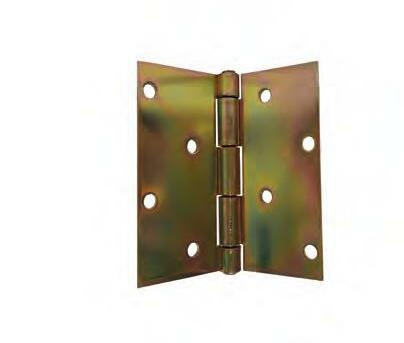


We rigorously test our ductwork and fabrications in line with the related specification to ensure the system withstands the environmental challenges of that workspace.
As a seasoned Quality Assurance Inspector, I conduct appropriate tests to ensure that the finished product is built with full compliance.
4. Welding techniques
Applying the correct welding techniques will sustain the purpose and longevity of a build system. I often advise on the two most common types of arc welding: Metal Inert Gas (MIG) and Tungsten Inert Gas (TIG), which complement systems differently.

The application of MIG welding is suited to larger, thicker materials and offers lower production costs than TIG. The benefits of MIG welding are also prominent in large, general areas of fabrication work.
TIG welding is a manual process that involves feeding a wire into a weld pool, created using an electric arc sealed by an


inert gas such as Argon. This discipline is often used as a more concentrated arc when working with stainless steel. This welding technique aligns well with small and thinner types of material as it is easier to control and ultimately provides a high level of accuracy to mirror the customer’s specifications.

5. Pool knowledge and expertise
My final and ever-present consideration is how I can utilise the knowledge of Airmatic’s diverse and expert team. Our woven capabilities and proud industrial heritage are the foundation of our ability to assist various sectors such as Chemical, Recycling & Waste and Manufacturing.

Industrial process heating equipment and solutions specialist Babcock Wanson has launched the E-VAP horizontal Rapid Steam Generator, with steam outputs from 1700 to 5700 kg/h produced in 5-15 minutes from cold.
A multi-pass coil Steam Generator, E-VAP has been designed for simple, reliable, long-life operation. It comes with a fully integrated digital control panel including easyto-use touchscreen operator interface, along with auto start and stop plus an option for full sequence control. A specialist low maintenance pump contributes to this simple operation, whilst E-VAP’s horizontal configuration ensures easy access to all components for both operation and maintenance.
Safety is at the heart of E-VAP. Babcock Wanson has designed this latest Rapid Steam Generator to operate with low water content for safe operation and only simple water and chemical treatment are required.

TIG welding is a manual process that involves feeding a wire into a weld pool, created using an electric arc sealed by an inert gas such as Argon.
John Cavanagh
New Babcock Wanson horizontal E-VAP Rapid Steam Generator provides simple, reliable operation
29Manufacturing & Production Engineering Magazine Ductwork System
QUALITY HINGES FOR OVER 200 YEARS 01827 63391 - SA LE S@G OL DWA SS ALLH I NGE S.C O.UK - @ GWH I NGE S Gold & Wassall have been manufacturing hinges for over two centuries, so it’s safe to say we know what we’re doing. Our team of experts can design and manufacture almost any hinge, for any application. We have made upwards of 250,000 unique hinge designs, with more designs being drawn up each day. S EE M OR E AT GO LDWASSA LL HI NGE S.CO. UK/BESPOK E
For more information, please contact Babcock Wanson on 020 8953 7111 or info@babcock-wanson.com or go to www.babcock-wanson.com/product-category/coil-typesteam-boilers/
Latest Product Launches
ITC Extends Aluminium Turning Line
For medium to finish turning applications on aluminium and other non-ferrous materials, Industrial Tooling Corporation (ITC) now introduces the new WIDIA aluminium AL geometry ISO turning insert. The new cost-effective, universal solution expands the ISO Turning portfolio, strengthening its broad offering of affordable tooling solutions for small to medium-sized machine shops.
Ideal for machining aluminium and non-ferrous materials, the AL geometry insert is offered in two grades for increased machining versatility.
The two new additions are an uncoated microfine carbide WU10HT grade and the WU05PT PVD AlTiN coated grade.

Each grade is available in all popular styles, including C, D, R, T, and V inserts to increase customer options.
In addition to enhanced product versatility from multiple grades and style offerings, the AL geometry insert offers a highly polished rake face that improves chip flow.
The periphery ground insert also features a sharp cutting edge to increase overall tooling precision and
reduce cutting forces. Reliable tooling performance means that customers can dedicate more time to machining and less time to post-machining deburring operations caused by builtup edges.

Commenting upon the new arrival, Anil Kumar, the WIDIA Global Turning Portfolio Manager says: “The AL geometry portfolio offers tooling versatility when machining different components and workpieces, while also providing more precise and reliable machining performance.
“By focusing on both tooling performance and value, we are helping our customers maximise their return on our products.”
Versatile, reliable, and costeffective – the AL geometry is a universal solution for customers seeking to lower cutting forces, extend tool life and generate greater tooling productivity when machining a variety of non-ferrous workpiece materials such as aluminium.
The Walter M5460 Profile Milling Series Profile milling with a significant tool life increase
With the Xtra·tec® XT M5460, Walter has launched a new profile milling cutter.

It has been designed specifically for highly precise machining of freeform surfaces and deep cavities. The M5460 cutter features an internal coolant channel, which enables chip evacuation using coolant, compressed air or minimum quantity lubrication. This is necessary for deep pockets in particular, because it allows the user to blow out the chips. Walter offers the M5460 both with a Weldon and cylindrical shank, as well as with the cylindrical modular interface that is commonly used in mould and die making. As a first step, Walter is launching the milling cutter for diameters from 8 to 32mm (or 3/8 to 1inch).
The M5460 is a specialist for materials with difficult cutting properties, particularly for hard machining of steels up to 63HRC. Alongside the geometry of the indexable inserts with extremely stable cutting edges, the key to its success is the WHH15X grade developed by Walter. This is extremely wear-resistant, therefore achieving high precision and long tool life. In field tests, Walter achieved increases in tool life of up to 500%.
Thanks to an extensive range of cutting tool grades, the M5460 cutter can be used on steel, cast iron, stainless steels and materials with difficult cutting properties such as high temperature alloys. This means that, in addition to mould and die making, it also offers advantages for the aerospace or energy industries. The M5460 delivers high productivity with maximum process reliability.
30 Manufacturing & Production Engineering Magazine
Latest Product Launches
LO45 and LO65 AC-dc converters extend Mornsun’s high-specification PSUs
Medical-grade power supplies from Mornsun are compact and available on short lead times and from Relec Electronics.

Two medically-approved power supplies extend the LOF series from Mornsun. The LO45 (45W) and LO65 (65W) medical power supplies are approved to EN60601 and EN/UL62368. The high quality ac-dc converters are covered by a five-year manufacturer’s warranty.
Both ac-dc converters are compact, yet despite measuring just 3” x 2”x1” (76mm x 50mm x 25mm), they have a universal AC iput of 90 to 264Vac while also accepting 127 to 373Vdc and has outputs from 3V3 to 48V. Efficiency is up to 91%.
The small, low cost PSUs have double or reinforced insulation and offer excellent EMC and safety performance. They are ideal for a wide range of specialised
Making the ‘Impossible’, ‘possible’ with new Nakamura JX-200
Taking its industry-leading turning technology to a new level, Nakamura-Tome has now introduced the new JX-200 multi-tasking mill/ turn centre. Now available in the UK from the Engineering Technology Group (ETG), the JX-200 incorporates Nakamura’s new NT Smart Cube - the world’s shortest tool spindle in its class. This provides a compact footprint with a spacious work area and unrivalled kinematics that drastically improve machining performance.
Nakamura has recognised the increased need of industry to manufacture smaller batch sizes with higher flexibility. With customers wanting ‘more flexible machining’ and ‘higher part production’ rates with a single machine, the JX-200 is the solution. This new machine can accommodate a larger number of tools and this delivers unrivalled flexibility for handling multiple types of low-quantity production.

The impressive new JX-220 is a twin-spindle machine with an upper tool spindle that swivels +/-95 degrees to provide exceptional flexibility. This unit has an impressive 15/11kW power output and a 12,000rpm spindle with an 18,000rpm spindle as an option. The upper tool spindle has an 80-position tool carousel as standard with 40 or 120 tools as optional extras.
On the lower tooling turret as standard is milling capability and also Y-axis machining. The lower turret provides a 6,000rpm milling spindle with 8,000rpm optional and both upper and lower milling capability is extremely rigid and robust for heavy-duty material removal applications.
In combination with the upper tool spindle and the lower turret, the new JX200 machine is perfect for a multitude of different machining methods such as simultaneous machining with both left and right spindles, engaging both upper and lower tool positions simultaneously, and even machining with centre support mounted on the lower turret. Whatever your application, the JX-200 is the epitome of flexibility for your machining tasks. With the facility for operations such as turning, milling, drilling and gear cutting, this ‘All in One’ machine will appeal to manufacturers
medical equipment oxygenators, microscopes, endoscopes, dentistry, ventilators and syringe pumps.
Qualified to IEC/EN/UL62368, GB4943, IEC/EN60335, IEC/EN61558 and IEC/EN/ES60601. Additionally, they are EN60601 2xMOPP (Means of Patient Protection) for patient connected applications.
The LO45 and LO65 are available in open frame or caged versions. Operating temperature range is -40°C to +85°C.
In addition to medical equipment, the LO45 and LO65 series are also approved to EN62368-1 for industrial applications, LED, street lighting control, electricity, security, telecommunications and smart homes.
in an extremely wide variety of industry sectors.
This flexibility is underpinned by a new heavy-duty column structure that has now been introduced to the JX-200. To create the most stable and robust platform for machining all material and component types, the new design has an optimised centre of gravity design that gives unparalleled strength and stability against loads from any direction.
The machine has a 65mm bar capacity with 51 and 80mm diameter options. The 65mm machine has a maximum turning diameter of 325/255mm with a maximum turning length of 1058mm. All this is crammed into a compact floor area of 2.9m by 5.2m. With the Nakamura-Tome JX200, ETG can change the impossible to possible.

31Manufacturing & Production Engineering Magazine
LiftEx is back and better than ever
LiftEx 2022, the free-to-attend flagship event hosted by The Lifting Equipment Engineers Association (LEEA), will be held at P&J Live, in the major Oil and Gas centre of Aberdeen on 5-6 October 2022.


Marking a return for the leading networking event for the lifting industry, LiftEx 2022, is set to be better than ever and is proud to have Rapid Response Solutions as Headline Sponsor and Van Beest as Silver Sponsor. An exhibition floor packed with major lifting suppliers offers the perfect opportunity for attendees from multiple markets to gain vital lifting related knowledge and insights, as well as an opportunity to meet LEEA members and discuss ways they can help achieve best lifting practice.
A series of sessions delivered by the LEEA team and industry experts will discuss topics of recent interest, issues, trends, and recruitment strategies – through guest speaker interviews, case studies and interactive sessions. New features for LiftEx include a series of 5-minute
pitches from exhibitors to engage the audience with a concise overview of key brands, services and new products on the market. The Military Transition Scheme, which forms a vital part of LEEA’s lifting industry recruiting strategy by connecting service leavers to Association members, will be featured strongly at LiftEx 2022. The White Ensign Association will all be joining the event to support the scheme.
There will also be Learning Development sessions on Day Two of LiftEx, allowing visitors to top up their knowledge. On offer will be a selection of Advanced Programme (Diploma) refresher courses (ideal for individual CPD or exam preparation), and the all new End User Guidance (EUG) and Introduction to Lifting Equipment (ILE) training courses. Hands-on training sessions will be available as well. Visitors can also attend ‘Ask the Expert’ surgeries taking place on the show floor, involving Q&A sessions with senior team members from LEEA.
32 Manufacturing & Production Engineering Magazine Show Preview
LiftEx Industry Careers Day
LEEA will host the LiftEx Industry Careers Day on 6 October 2022, working closely with TechFest, a local specialist in the promotion of STEM (Science, Technology, Engineering and Mathematics) subjects. Senior pupils aged 16-18, and their teachers, with an interest in learning more about the huge range of opportunities available to them in the lifting industry will be engaging with industry professionals and interacting with global companies and organisations at the event. There will be career information, advice and guidance session for the students. Speakers from industry and partners from universities and the military will introduce students to learning opportunities and career routes. Updated interactive experiments, which are part of LEEA’s Think Lifting programme, will be rolled out to introduce the students to core principles used throughout the industry.
Exhibitors
In addition to these new developments, visitors to LiftEx 2022 will be able to catch up with suppliers, view demonstrations and explore the latest solutions from the industry’s top vendors.
They will include a broad array of lifting equipment solutions from companies such as Atlas Winch & Hoist Services,
Caldwell Lifting Solutions, Carl Stahl Evita, Delta, Durham Lifting, George Taylor Lifting Gear, (Royal Van Beest), Hird, Modulift, Tusk Lifting and Wirop Europe. Visitors interested in hoists and materials handling equipment will find Davinder Technical Services, Lift Turn Move, OZ Lifting Products, Probst and Tawi UK.
Chains, ropes and accessories will be featured by companies including European Management & Marine (EMM Corp), Franklin Offshore Europe BV, IronGrip, Latch and Batchelor, Lift Turn Move, RUD Chains, Sahm Splice, Talurit, Tensology and William Hackett Chains. There will be slings and rigging from Aberdeen Web, Anchor Sourcing (UK), Crosby, Lift-Tex, Petersen Stainless Rigging, PMS Industrie and Slingmax Rigging Solutions.
Exhibitors displaying height safety equipment include Brindley Chains, RidgeGear, SpanSet, Tiger Lifting, TransWeb and YOKE Industrial Corp. There will be load monitoring equipment from DLM, JCM Load Monitoring, Load Monitoring Systems (LMS) and Red Rooster Lifting. A range of IT solutions will be shown from companies including Core Inspection Software, CoreRFID, Motion Software, Onix Work and RiConnect.
Stands featuring moving and transport include those of Global Gravity and Rapid Response Solutions. Test machinery can be seen from AJT Equipment and Structure-flex. Training will be on offer

Show
from NSL, Nucleus Learning. LEEA itself will have its prominent stand for visitors to meet and engage with the Association’s team.
LEEA Awards 2022
On the evening of 5 October 2022 – Day One of LiftEx – the fourth annual LEEA Awards ceremony will be held at P&J Live in Aberdeen. LEEA CEO Ross Moloney and special guest speaker Scottish former rugby union player and coach, Sir Ian McGeechan, will announce the winners of the LEEA Awards 2022 and present their trophies during the ‘party of the year’ for the Lifting Industry.
Lifting is an essential function in many supply chains including Oil & Gas, Construction, Ports & Maritime, Logistics, Offshore, Manufacturing, Automotive, Utilities and Entertainment. All of these sectors that would come to a halt without a bewildering variety of cranes, hoists, platforms, cradles and their associated chains, ropes, slings and other lifting equipment – and not forgetting services such as inspection, maintenance and training. It is vital that leaders responsible for procuring lifting equipment and services in any of these markets fully understand the risks, consequences and legal obligations, as well as being able to filter good practice from the bad.

The Lifting Industry is constantly evolving with the onset of new materials, new innovative ideas, better ways of doing things and the inclusion of modern technologies adds to the portfolio of solutions that will improve productiveness and efficiency while also ensuring safety for end users in a range of sectors, which each have their own particular challenges. All of this makes a visit to LiftEx 2022 essential.
For further information on LiftEx, and to download your free visitor ticket, go to: https:// liftex.org/liftex-aberdeen. To book a guest ticket, or a table of 10, at the LEEA Awards ceremony, go to the registration page or contact Leah Phelps tel +44 (0) 203 488 2865, email: enquiries@L2Events.com.

Stands featuring moving and transport include those of Global Gravity and Rapid Response Solutions.
33Manufacturing & Production Engineering Magazine
Preview
EuroBLECH 2022: What the future of sheet metal working looks like Show Preview
The world’s leading trade exhibition for the sheet metal working industry is back and opens its doors from 25 – 28 October 2022 at the Hanover Exhibition Grounds in Germany.

A total of 1,300 exhibitors from 39 countries are ready to showcase their latest innovative manufacturing solutions covering a total net exhibition space of 88,000 square metres. Reflected in this year’s motto ‘Your gateway to a smarter future’, EuroBLECH 2022 focuses on intelligent solutions and the ongoing
automation and digitalisation of the manufacturing chain to enable an increase in output and efficiency.
After a compulsory break, the sheet metal working community is looking forward to doing business in person and on a large international scale again. As the world’s leading exhibition for the industry, EuroBLECH 2022 provides the opportunity to finally catch up with the latest innovations that have been developed in the past few years as well as meeting with new and existing business contacts. “Experiencing machines and systems in action, fostering business relationships and discovering what the future of sheet metal working looks like. All live and in person. This is what EuroBLECH is about!” says Evelyn Warwick, Event
Director of EuroBLECH, on behalf of the organiser Mack-Brooks Exhibitions.
“Covering the entire sheet metal working technology chain, exhibitors will present everything they have on offer to innovate and digitalise the manufacturing process. We’re talking about companies like ADIGE SPA, Amada GmbH, ArcelorMittal Commercial Germany GmbH, BAYKAL MAKINA SAN. VE TIC. A.S., BLM Spa, Bystronic Laser AG, DURMAZLAR Makina San. ve. Tic. A.S., ERMAKSAN MAK. SAN. VE TIC. A.S., KUKA Deutschland GmbH, LVD COMPANY NV, Mazak EU Laser HQ, Mitsubishi Electric Europe B.V, MOTOFIL Group, Otto Bihler Maschinenfabrik GmbH & Co. KG, PRIMA POWER GmbH, SafanDarley B.V., SALVAGNINI, Salzgitter AG, Schuler Pressen GmbH,

34 Manufacturing & Production Engineering Magazine
ThyssenKrupp Steel Europe AG and TRUMPF Werkzeugmaschinen SE + Co. KG to name but a few”, concludes Evelyn Warwick. Major exhibitor countries are Germany, Italy, Turkey, China, Switzerland, the Netherlands, Spain, Belgium, Poland, Austria, Portugal and the USA.
NEW: EuroBLECH 2022 Presentation Area

In addition to the innovations and numerous live demonstrations at the exhibition stands, attendees can look forward to the launch of the EuroBLECH 2022 Presentation Area. Located in hall 26 (stand L60), the new show feature delivers around 20 sessions throughout the four exhibition days offering exciting insight into innovative companies and projects, interesting discussions and valuable networking opportunities. Attendance is free of charge to all registered exhibitors and visitors and further information will be released closer to the show.
Exhibitor List and Show Preview available
Both the EuroBLECH Exhibitor List tool and the Online Show Preview with detailed information on the many exhibitors and products, are regularly updated and available at www.euroblech.com.
The Exhibitor List tool helps users to effectively prepare their visit by finding the companies and products most relevant to them. The Online Show Preview provides an overview of the wide
Evelyn Warwick
variety of innovations, technologies and systems on display at the event.

Student Day at EuroBLECH 2022
The young generation is increasingly gaining importance in the sheet metal working industry due to the digital transformation and the related changes to occupational profiles. In addition, the last few years have been challenging to get a foot in the industry due to insufficient in person events and networking opportunities. Therefore, EuroBLECH offers students the opportunity to visit EuroBLECH free of charge. On Friday, 28 October 2022, students will be able to get free entry to the show when presenting a valid student

ID at the entrance. During all other show days, students are invited to visit at a reduced student fare of €18 per day ticket.
EuroBLECH App
The new EuroBLECH App for Android and iPhone will be available to download via the App Store from mid-September. It includes an interactive area map and a function to search for exhibitors and plan your visit to the show, as well as further useful features for visitors of EuroBLECH.
Access to the show
EuroBLECH 2022 will be held in halls 11, 12, 13, 14, 15, 16, 17, 26 and 27 at the Hanover Exhibition Grounds in Germany. The opening times are from Tuesday, 25 October 2022 to Friday, 28 October 2022, from 9:00 to 18:00. Entrance tickets for EuroBLECH 2022 are available via the online ticket shop at a discounted price. Tickets can also be purchased on-site throughout the duration of the exhibition. International flight connections, as well as the excellent local infrastructure make the venue in Hanover easily accessible by plane, car and public transport. Visitors requiring a visa to travel are recommended to start their preparation as early as possible. Further information is available in the Travel hub on the website.
Further detailed information about the exhibition, as well as travel and accommodation, is available on the show website www.euroblech.com.
Experiencing machines and systems in action, fostering business relationships and discovering what the future of sheet metal working looks like. All live and in person. This is what EuroBLECH is about!
35Manufacturing & Production Engineering Magazine
Show Preview
Hydrogen fuel - essential in the race to net zero Hydrogen Fuel
With the UK pledging to reduce its greenhouse-gas emissions to net zero by 2050, Jim Gregory from Luxfer Gas Cylinder explores the significant potential of hydrogen, as the nation’s greenest energy source.

Hydrogen as an alternative fuel source is now gathering pace, interest and investment. While it’s not new to us at Luxfer (we’ve been in the industry for 80 years), this invisible, scentfree substance – which makes up 75 per cent of the universe’s mass – is rapidly becoming a crucial part of greener systems for the future.
Where hydrogen really comes into its own is via its available power-to-weight ratio. In the transport industry, for example –one of the planet’s most polluting sectors - hydrogen provides a zero-emissions solution comparable to battery electric vehicles (BEVs), combined with a vehicle range and convenience similar to diesel or petrol.
Hydrogen storage systems can power larger, intensive use vehicles, such as buses, truck, 4x4s and trains, for several days at a time, without the need for unmanageably large batteries that would require charging after a few hours. Refuelling times are vastly reduced. In short, it’s a game-changer.

Yet hydrogen’s potential to make a colossal impact in the race to net zero and to transform everyday life has been punctuated by false starts. And despite huge leaps in commitment for it as an alternative, vital fuel source, hurdles remain in the widespread adoption of it.
The current challenge curtailing the potential of hydrogen is how to scale up
Jim Gregory
an entire industry, incrementally, across many unconnected markets. And how to provide the necessary infrastructure to support those operators who are making strides into hydrogen mobility. The pandemic brought additional challenges, of course – yet also brought the opportunity to devise new ways of working with global partners, to deliver significant projects that demonstrate hydrogen’s vast power and potential.
We’re proud to have worked on numerous ‘world-firsts’ over the last 18 months. They include the first ever double-decker hydrogen buses, launched in Aberdeen in 2021, which recently surpassed a landmark one million miles in service. The same design now features on the streets of London, and is destined for other UK cities.
Similarly, earlier this year, the Mobility & Innovation H2Bus launched in Slovakia. It is the most lightweight, fuel efficient and quickest-to-refuel bus in the world, and is currently touring Europe to prove the benefits of hydrogen powered passenger transport.
Rail will also be an important and very visible part of the hydrogen story over the next few years. HydroFLEX is the first passenger-carrying train of its kind in the UK, fitted by Luxfer - featuring a 36-cylinder system, with each cylinder 3.2 metres long and holding 7.8kg of hydrogen. With all diesel trains being decommissioned in the UK by 2040, retrofits like HydroFLEX provide a fast service and are a cheaper alternative to purchasing new purpose-built trains.

Over the next two years, I’m confident we’ll see a step change in the variety of new applications for hydrogen in areas we perhaps could not have imagined just a few years ago.
The advances made by JCB, and its first hydrogen-powered construction machinery, are a great example. We’re also seeing innovation in the heavy goods lifting and mechanical handling industry across the ports of Europe, with multiple investments going into hydrogenpowered equipment.
With the right infrastructure in place, and a sustainable scale-up strategy, the possibilities are endless.
Over the next two years, I’m confident we’ll see a step change in the variety of new applications for hydrogen in areas we perhaps could not have imagined just a few years ago.
36 Manufacturing & Production Engineering Magazine
There is wide misconception that cooling large spaces like factories and warehouses is so expensive it is not viable. While there is of course a cost, it may not be as great as initially considered and the benefits of providing a comfortable environment for staff is not only beneficial to the employees in the space but can also reduce absenteeism and promote longevity of employment.

We were really alerted to such benefits by a large retail end-user who installed our product recently in a large warehouse. Making changes to their building by installing another floor closer to the roof, they knew would create an even greater problem of heat than already existed and already having to pay their staff extra money to carry on working over a certain temperature. Despite there being no legal upper limit currently in the UK, the end-user anticipated if they worsened conditions their staff would be ‘down
the road’ to go and work in neighboring warehouses. Like many buildings situated in industrial / commercial areas, the competition in the local employment market is very high and in times of low unemployment, staff can take advantage to pick and choose the best companies.
In which case, can you afford not to provide the best environment for your staff? The beauty of choosing evaporative cooling solutions by Seeley International

is not just about reducing temperatures because our coolers supply 100% outdoor air which creates a very comfortable environment, unlike traditional airconditioning that recycles air that gets stale. With high IAQ you can be certain of health benefits for your staff, leading to reduced headaches & fatigue associated with low IAQ. Purging the space will also reduce the risk of airborne viruses and ultimately increase production.
With low running costs and using only water as a cooling medium, Seeley International can provide you with solutions to promote staff wellbeing which in turn encourages long term staff retention, reducing recruitment and the time & costs associated.

The cost of not cooling your greatest assets – your people! 37Manufacturing & Production Engineering Magazine With high IAQ you can be certain of health benefits for your staff, leading to reduced headaches & fatigue associated with low IAQ. Affordable cooling with no chemical refrigerants Low running costs giving high Indoor Air Quality (IAQ) www.seeleyinternational.com uksales@seeleyinternational.com +44 (0)115 9635630 Healthy building, productive people!
AFNOR UK ready for the next 30 years of challenges facing the power and renewables sectors
The UK arm of one of the world’s largest certification bodies is ready to meet the main challenges to the power, energy, and renewables sectors head on as it plans for another three decades in business.
West Midlands-headquartered AFNOR UK, which is celebrating its 30th birthday, works with clients across the UK to help ensure they comply with legislation as well as support them in their shift to net zero.
Philip Daubeney, chairman of AFNOR UK, says that challenges for AFNOR UK come in the shape of the transition from fossil fuels to net zero carbon, the energy mix to include more renewables, and the security concern over energy sourcing from unstable political regimes. However, Philip is confident that AFNOR UK, a subsidiary of the French standardisation operator AFNOR Group, is ideally placed to ensure UK businesses thrive in the face of existing and emerging threats.
To assist the UK’s goal of achieving net zero by 2050, AFNOR UK is working closely with the UK energy sector to reduce emissions, generate power for low carbon sources and build a net zero energy workforce.
In addition, AFNOR UK, which seeks to improve the performance of companies by gaining confidence through new markets, is not resting on its laurels as it turns 30.
The company, renamed AFNOR UK in 2010, was formed in 1992 after the Electricity Association Quality Association (EAQA) and the Electricity Training Association (ETA) were acquired by AFNOR.
AFNOR UK, part of AFNOR Group, has been providing independent, accredited, third-party certification to internationally recognised standards, issuing over 25,000 certificates in more than 90 countries.
This certification enables clients to improve performance and ensure consistency with their performances, as well as providing international recognition and the reassurance that they are operating competitively and to the benchmark standards.
Fabienne Bonin-Bree, AFNOR UK managing director, is relishing the future as the company – a long standing member of the Association of British Certification Bodies (ABCB) – continues to “contribute to something bigger”.

Teepee harnesses new opportunities with £200,000 investment in second factory
One of the UK’s leading manufacturers of complex cable harnesses and wiring looms has opened a second manufacturing site in the Black Country after a surge in orders from new and existing customers.
Teepee Electrical, which has secured over £500,000 of additional contracts since the turn of the year, has invested more than £200,000 in taking on and fitting out the additional 7500 sq ft unit in Aldridge.

Located just six miles from its existing unit in Bloxwich, the new facility will house machinery recently purchased from a company that went into receivership and the installation of automated cable, strip and cutting machines, ink jet printing and technical crimp presses.
Fresh investment has also been channelled into installing a 30-metre+ cable cut and assembly bench with matching A-frames, ideal for complex wiring and vehicle harness sets.
Teepee Electrical is looking to take turnover to £5m in 2022, as more customers tap into its ability to supply low, medium and high volumes.

The company has also started supplying volume cable assemblies to a second tier UK automotive supplier with plans in place to be involved in new vehicle platforms by Spring 2023.
This growth, coupled with opportunities in ‘EV Markets’, places the business at the forefront of supply for infrastructure, equipment and vehicles.
For further information, please visit www.teepeeelectrical.co.uk.
Philip is confident that AFNOR UK, a subsidiary of the French standardisation operator AFNOR Group, is ideally placed to ensure UK businesses thrive in the face of existing and emerging threats.
Company News 38 Manufacturing & Production Engineering Magazine





 SCAN
SCAN
THE NORTON RAPID RANGE www.nortonabrasives.com sga-uk@saint-gobain.com STRIPPING & CLEANING BLENDING & CONDITIONING FINISHING & REFINING SCAN FOR VIDEO
FOR VIDEO SCAN FOR VIDEO
Events
Awards
Altus Partners with Fuji to Host The Factory of the Future Event
Altus Group, a leading distributor of capital equipment for electronics assembly in the UK and Ireland, has partnered with Fuji, principal manufacturer of SMT and assembly machines and tools, to host ‘The Factory of the Future’ event on 19th and 20th October 2022 at the Advanced Manufacturing Technology Centre (AMTC), Coventry.

The 2-day technology event will allow electronics manufacturers the opportunity to understand emerging technology within the sector and the processes that will help to improve production. With 12 speakers lined up to present, including big names in the industry like Fuji, Koh Young, Heller, LPKF, Essemtec, Asscon, YJ Link and Lazpiur, and over 20 machines on display, the technology day will benefit all those attending.
Joe Booth, Altus CEO said: “We are delighted to launch this brand-new Factory of the Future event in partnership with Fuji. It will give our customers and prospects the chance to visit the MTC and absorb what is a superb speaker and machine line-up. The market is in a great place with investment and process improvement ideas, but for many over the last period, it has been difficult getting hands on time and the opportunity to learn what is new. We hope that this event will allow people to learn more about industry hot topics, understand established solutions and experience the innovative new equipment in action.”
Jonas Ernst, Assistant General Manager, Fuji added: “The event looks like it will be a great showcase for the industry to see the best-in-class
technology in action. Alongside Altus Group, there isn’t a production process that is not covered across the two days. We at Fuji are excited to present the very latest in our hardware offerings and software capabilities, but more importantly, connect with our existing customers and prospective users at a great period for UK and Irish investment.”
The Factory of the Future event will be hosted by senior experts at Altus and Fuji. It will include a number of key speakers covering everything from 3D inspection data and AI for automatic process improvement, to the latest developments in vapour phase soldering and the allimportant topic of reshoring production to Europe.
“Working in partnership with Fuji has enabled us to pull together a really impressive event that will allow attendees the opportunity to find out the latest
information to improve manufacturing processes and explore the latest technology. It will ultimately provide a platform for those interested in turnkey solutions to boost productivity. Together with Fuji we look forward to welcoming delegates from across the UK and Ireland.”
The Altus technical team will be available throughout the event to run detailed demonstrations and offer advice on all equipment. For further information visit altusgroup.co.uk
Master Indexable Milling Event
Do you want to improve your milling techniques, productivity, performance and tool longevity? If so, the Walter ‘Mastering Indexable Milling’ online event on 7th October is the place to be.

Register for this event now and learn from industry experts at a world-leading company on how you can overcome machining obstacles and challenges in your business. With the demands placed upon machine shops increasing
with more complex workpieces, more diverse materials and an increasingly competitive industry, this event provides the tools your business needs to excel.
During the ‘Mastering Indexable Milling’ event, Walter will provide answers to your questions and support engineers with their machining challenges. Attendees will also get a fascinating insight into indexable insert milling based on specific application examples – directly from a customer’s site to emphasise how your business can succeed. Experts from Walter will share their knowledge, answer your questions and offer handy tips and tricks.
To register for this exciting event, please register here: https://events.walterlive.com/ G5qxR?RefId=Presse+Deutsch
We are delighted to launch this brandnew Factory of the Future event in partnership with Fuji.
Joe Booth
40 Manufacturing & Production Engineering Magazine
&
News
The Lifting Equipment Engineers Association has announced the LEEA Awards 2022 finalists, chosen from the inspiring collection of high quality entries from the Association’s members.

The winners will be announced during the ‘party of the year’ at the LEEA Awards Ceremony, which will be held at the P&J Live events venue in Aberdeen on the evening of Wednesday 5th October 2022 – the first evening of LiftEx 2022. The ceremony hosted by LEEA CEO Ross Moloney will feature special guest speaker Sir Ian McGeechan, Scottish former rugby union player and coach. The announced finalists are as follows:
BEST ATS (Accredited Training Scheme) Training Member
• Technical Royal Excellence Oil and Gas Services


• GGR Group
• JCD Training
• EDF Generation
Best Digital Innovation
• Core Inspection Software Ltd
• Onix AS
• RI Connect Inc
• Certs Assured
• Select Plant Hire (Laing O’Rourke)
• YOKE Ind Corp
• LMS Load Monitoring Systems
Craig Morelli Award for ATS Best Trainer
• Mohamed Elserafy of Petrolift
• Andy Dowd of Speedy Hire
• Rob Ballantyne of GGR Group
• David Middlemiss of Elevation Training & Development
Kevin Holmes Award for Excellence in People Development – sponsored by Rigging Services
• Hugh Simpson of Hugh Simpson (Contractors) Ltd
• Nicola Tocher of First Integrated Solutions
• Anthony Hope of Sparrows
• Tony Bergman of Shell
Outstanding Apprentice – sponsored by Bridger Howes
• Nidhin Mathew of Technical Royal Excellence Oil and Gas
• Ben Behai of Sunbelt Rentals
• Lewis Barr of GAP Group
• Kai Carrick of Sunbelt Rentals
Rising Star
• Abbey McLean of Scotia Handling
• Connor Prentice of EMCOR UK –Aviation
• James McAreavey of Sparrows
• Tyler Spendiff of GAP Group
• Ian Kessels of BUNZL
• Bradley Atkinson of Europa Engineering
• T/A Lifting Gear Products

• Harry Buttigieg of Delmark
The Best Contribution to GLAD Award, LEEA CEO’s Award, LEEA Member of the Year, Robert Gordon University Awards and the Stuart Everitt Award for Outstanding Contribution to LEEA will all be announced on the night.
41Manufacturing & Production Engineering Magazine
LEEA Awards 2022 finalists announced Events & Awards News Spend less while your machines do more Start saving today. Call ROCOL Customer Care Team on: +44 (0)113 232 2600 for information and suppliers Longer-lasting generating 15,200 litres of cutting fluid per barrel with 1% top up Cost-effective making the equivalent of 3 barrels of our competitor’s product* Economical with a single product to support your cutting and grinding operations * Based on lab testing at ROCOL laboratories ULTRACUT 370 EP keeps your CNC machine tools working harder for longer, for less money. with ROCOL® ULTRACUT 370 EP high performance semi-synthetic fluid ULTRACUT 370 EP is Our extreme pressure additive ensures a greater surface finish and improved tool life for your machinery. And that’s not all.
The
Andrew Jackson joins Cundall’s London office as new MEP Partner
Multi-disciplinary engineering consultancy, Cundall, welcomes Andrew Jackson as the newest Partner in the London office as a part of the Building Services team.
Andrew joins the practice from Foster+Partners, where he has led the environmental engineering team on complex projects for the last decade. With over 17 years of experience in the industry, Andrew has led multi-disciplinary engineering teams on complex projects in the UK, Europe, Asia, Russia, North America and the Middle East.
He has been working in engineering design and consultancy since 2005, and became a chartered engineer in 2011, after completing projects across all major construction sectors. In recent years, Andrew has successfully led teams to deliver commercial and mixeduse projects, overseeing them through all design stages and always ensuring technical excellence.
Such projects include the Lusail Towers in Qatar, Oceanwide Centre in San Francisco, and the China Merchants Bank HQ in Shenzen, China.
Through his work across the globe, Andrew has developed a strong interest in sustainable building design and climate adaptation, which he brings to all his projects. He is an expert in
RTITB Instructor Academy
Appoints Laura Mack as Manager
The RTITB Instructor Academy is pleased to announce the appointment of Laura Mack as Instructor Academy Manager, following a recent team restructure.
In her new role, Laura will be managing the RTITB Instructor Academy’s team of Instructors and customer support team. She will manage the coordination, preparation, and delivery of training activities, both at the Academy, and at employers’ premises.
Laura has vast industry experience. She worked for eight years as a Freight Transport Agent and Freight Transport Supervisor with Securicor Omega
designing innovative, high-performing HVAC systems to meet the requirements of global sustainability benchmarking systems including BREEAM, LEED, WELL and GSAS.
Andrew has been both a visiting professor on the subject of sustainable building design at the University of Sheffield and a STEM ambassador.
Commenting on his new role, Andrew Jackson said: “I am very excited to join the Cundall family in London. Cundall’s focus on sustainable design reflects my passions for creating better buildings. I hope to achieve this with my team through an integrated approach

Connect (which later became DHL Freight). Laura has now been working at RTITB for more than 11 years. First as an Operations Administrator, then Customer Services Administration Team leader, and Quality Assurance and Administration Manager.

“In my new role, my aim will be to give our customers a great experience, and to help the team be the best it can be,” says Laura. “I enjoy a customerfocused role, and my strengths lie in effective communication, supporting team members to succeed, and always aiming to exceed our customers’ expectations.”
As RTITB Instructor Academy Manager, Laura will be conducting regular quality checks to ensure compliance and excellent customer service and support. She will also be responsible for ensuring the Academy’s Instructor competency procedure is fully implemented and making sure that policies and procedures are up to date and always fit for purpose.
to design, with open collaboration between key disciplines early in the design evolution process and the use of advanced analytical tools to inform design decisions and optimisation.”
Carole O’Neil, global Managing Partner for Cundall commented: “We are very pleased to have Andrew join the team. His passion and expertise for sustainable building design and built environments with climate-adaptability are not only intrinsic to Cundall’s philosophies, but also vital to our future in the face of climate change.”
Cundall operates as a UK-registered Limited Liability Partnership wholly owned by the Partners – all of whom have a hands-on role in the management of the business and the projects they are commissioned to deliver.
“Compliance is a hugely important aspect of the RTITB Instructor Academy in terms of all accreditations and memberships the Academy holds,” says Laura. “So, maintaining the policies, procedures, and accreditations for the Academy, will be a key focus, as well as facilitating the required audits.”
For more information, visit www.rtitbacademy.com.
Cundall’s focus on sustainable design reflects my passions for creating better buildings.
People On
Move 42 Manufacturing & Production Engineering Magazine


we edm
MAN Group creates 50 new jobs with new recruitment push
A unique collective of manufacturers are embarking on a major recruitment drive after a string of reshoring wins and new breakthroughs in electrification technology.
The Manufacturing Assembly Network (MAN), which comprises eight sub-contract manufacturers and a specialist engineering design agency, has got more than 50 different vacancies currently up for grabs and is urging people to come forward to make the most of the opportunities.

Roles range from SMT quality technicians and casting experts to technical sales and CNC machine setters, with firms also placing their faith in the future by investing in a host of interns and apprentices.
Employing more than 1750 people across 13 different factories, the Manufacturing Assembly Network can offer every engineering discipline imaginable, including aluminium casting, automation and control systems, forging, plastic injection moulding, contract electronics manufacturing, precision machining, high-volume pressing, tube manipulation and welded assemblies.
Its membership includes Alucast, Barkley Plastics, Brandauer, Grove Design, James Lister & Sons, Kimbermills International, Muller Holdings, Nemco and PP Control & Automation.
For further information or to apply for one of the jobs, please visit https://www.man-group. co.uk/careers/
IWS Group secures LDC investment to support acquisitive growth plans
The West Midlands team of leading mid-market private equity firm LDC has made a significant minority investment in international warehouse safety, impact protection and storage equipment provider, IWS Group, to support a continued buy and build strategy.

IWS Group provides essential products and services to the global warehousing, logistics and material handling sectors. Through its growing family of companies, IWS Group provides its customers with a one-stop solution to make their sites safer, more efficient and environmentally sustainable.
The Group has a global customer base across multiple channels including operators, contractors, system integrators and resellers.
In the UK alone, the number of business premises used for transport, logistics and warehousing has almost doubled in the last decade. With the on-going rise of e-commerce, the requirement for warehousing solutions is set to continue to grow in the UK and across international markets.

LDC is backing the existing management team, led by CEO Jeroen van den Berge and Director Tim Lacey, to continue its acquisitive growth strategy, having already made four acquisitions in the last four years. The company is looking to acquire complementary businesses that expand its range of specialist products and services and enhance its international footprint, particularly in Europe. IWS Group
will also continue to invest in organic new product development, building on the strength and success of its innovative product brand portfolio, which includes racksack®, a marketleading range of space-saving waste sacks which gives businesses a simple and cost-effective solution to segregate waste and Rack Armour®, the original pallet racking upright protection guard.
The investment was led by LDC’s team in the West Midlands, including Investment Director Matt Newbold, Partner and Head of the West Midlands Chris Handy and Investment Director Karen Mann.
LDC is currently supporting more than two thirds of its portfolio to expand through acquisition. Over the past two years it has provided funding and expertise to help its portfolio firms complete more than 100 acquisitions. The firm also has extensive experience supporting industrials businesses to achieve successful acquisitive growth strategies, including Kee Safety, Stuart Turner and ADEY.
LDC recently announced that it has extended its partnership with The Prince’s Trust to support the next generation of entrepreneurs. The five-year partnership will help up to 10,000 young people across the UK to start, sustain and grow their own businesses.
Newco was provided with acquisition facilities by HSBC UK, Leveraged Finance and HSBC Asset Management, Direct Lending and was advised by Eversheds Sutherland, FRP Advisory, EY, Strategy&, Interpath, and KPMG.
IWS Group was advised by Rothschild & Co Arrowpoint Advisory and Addleshaw Goddard, with vendor due diligence services provided by CIL and Mazars.
Company News 44 Manufacturing & Production Engineering Magazine


T H E T OOLIN G SP ECI A LI S T S F O R P R EC ISION COM P O N E NT M A C H I N IN G CALL 01462 491919 OR VISIT WWW.FLOYDAUTOMATIC.CO.UK Precision Carbide Bars & Inserts, including internal Micro copying tools with indexable insert from Ø5.20mm Precision Thread Milling tool, Threading Dies and Gauges
Burges Salmon appoints new senior technology and data specialist
Burges Salmon is pleased to announce the appointment of Martin Cuell as a Consultant in its Technology practice.

Prior to this, Martin led the Technology practice at law firm Foot Anstey for over ten years, advising clients on a wide range of technology work including major technology transformation projects, the implementation and outsourcing of technology solutions, the supply of technology services and licensing and cloud services, as well as advising organisations on the supply and implementation of new technologies (such as drones, quantum computing and AI). Martin has supported clients in a wide variety of sectors including finance, transport, utilities, emergency services, military, retail, energy and pure technology.
Martin previously worked at Burges Salmon, and so is re-joining a firm he knows well. Martin’s return to Burges Salmon is testament to the firm’s rapidly-growing Technology practice and positive and collaborative culture. Earlier this year, Burges Salmon was named the RollOnFriday ‘Best Law Firm to Work at 2022’, a unique award based on the views of the firm’s people.
Banbury-based Norbar Torque Tools Appoints New Managing Director

Banbury-based Norbar Torque Tools Ltd. has appointed a new managing director to lead the manufacturers’ global operations.

John Reynertson is the incoming managing director for the company and will replace the outgoing Andrew Lobo. He brings 36 years of experience in the torque tool industry to the role.
John Reynertson joins Norbar from his role as president at
Sturtevant Richmont, a US company recently purchased by Norbar’s owner Snap-on, that has designed and manufactured torque wrenches and torque control solutions since the 1920s. His appointment is part of the continuing collaboration between the three organisations to bring customers the best quality torque products for their industries.
Mr Reynertson says: “I am looking forward to the challenge of running a larger company in a new region, working within an industry that I know and love so well. I will bring with me my engineering expertise from my years at Sturtevant Richmont and apply that to the vibrant and fast-moving markets that Norbar serves.”
Mr Lobo, says: “Though my leaving the managing director position is a bittersweet moment, I have every confidence in John to continue to drive Norbar towards a successful future. I am proud of all we achieved in bringing the Snapon expertise together with the rich Norbar history and will continue to work with its teams and those from Sturtevant Richmont as I return to Snap-on in the US.”
For more information, visit www.norbar.com
People On The Move 46 Manufacturing & Production Engineering Magazine
Tiger·tec® Gold

Fascinating milling work. Exciting solutions.
Go for better, go for Gold
Efficiency-oriented businesses cannot make any compromises when it comes to milling. Customers seeking to optimise their production must not only improve their productivity, but also guarantee process reliability. Rely on power and expertise for your milling work. High-performance milling: Tiger·tec® Gold.

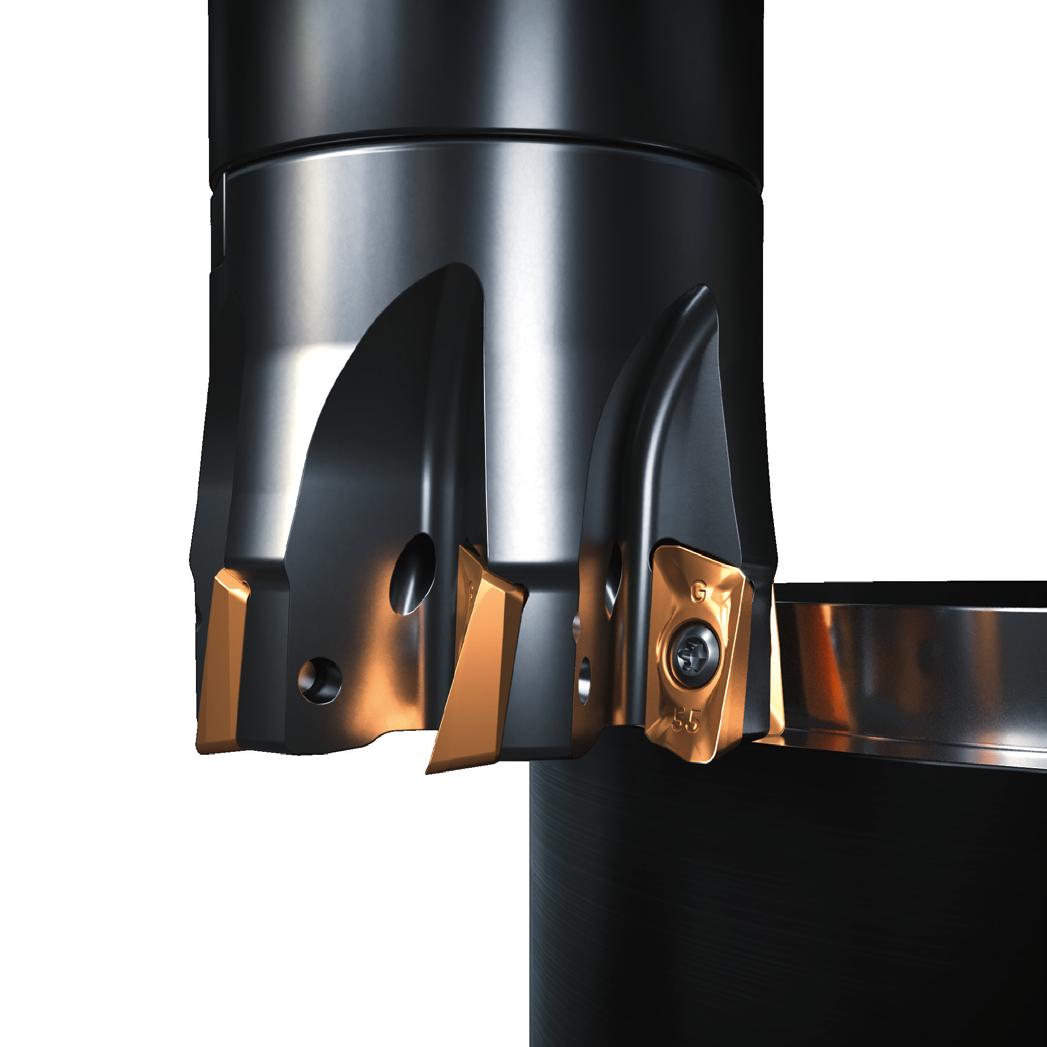


tigertec-gold.walter
