lamda.ac.uk1lamda.ac.uk HandbookStudent 2022-23

It is also helpful to know how to find our Policies and Procedures in case you need to read them to get advice on a specific issue. These include LAMDA’s Complaints and Appeals Policy, Non-Academic Misconduct Policy, Disability Statement, Non-Academic Misconduct Procedures, and Equal Opportunities Policy. All of these documents will be made available to you on enrolment an d are on the Student Central Information Point. You can also ask Student and Academic Services or the Student Advisor for a copy of anything you wish to read: student.advisor@lamda.ac.uk. You can also view course and module specifications for all courses online here
If you have a disability which makes reading this document or navigating information on our website difficult and you would like to receive information in an alternative format, please contact The Student Advisor student.advisor@lamda. ac.uk.
Helpful documents
lamda.ac.uk2

When reading this Handbook you may need to refer to your Course Handbook.

- Casting Policy
- Lateness
- Anti-racism Action Plan
- How can the Student Wellbeing Manager help?
- Academy Regulations: General Student Expectations
10
- Academy Regulations: External Engagement
- Mental Health First Aid
lamda.ac.uk3
Complaints and Grievances: How to Report and Resolve an Issue 30
- Room & Work Etiquette
11
- Decolonisation statement
- Special educational needs, long term health problems and disabilities
32
- Fitness to Train Policy and Procedure
5
17
Equity, Diversity and Inclusion at LAMDA
Student Support
- Degree Awarding Powers -Term -ReflectionDatesweeks at LAMDA
Student Union Presidents’ Welcome
- Student Wellbeing: Where can I get help?
Physiotherapy through LAMDA

- Access and reasonable adjustments
- General health
- LAMDA Integrated Safeguarding / Welfare Process
Contents
- Safeguarding and Prevent
- What does my Personal Tutor do?
- Allyship Groups
- Staying safe
-IntroductionWelcomefrom The Dean
- EDI Task Force
The Ensemble Commitment
- Disabled Students Allowance and mental health support
- Academy Regulations: Facilities and Estates
The Practical Stuff
- Monitoring Attendance and Academic Engagement
- Punctuality, Attendance and Engagement
7
- Academy Regulations: Financial
- Academy Regulations
- The Customer Service Desk / Facilities - General health and safety
- Acceptable Use Policy
- ICT – Information Communications Technology
Financial Support
41
Appendix 1: LAMDA’s Courses
- General guidance for use of IT - Box Office
- Who do I go to if...
Appendix 4: Student Feedback Summary
Appendix 2: Who Does What?
55
- The LAMDA library
Appendix 3: Student Support Summary
- Estates
- COVID-19 Secure at LAMDA
- Students working at LAMDA

- Plagiarism and Referencing
- Research and Ethics (Working in a Safe & Professional Way)
38
- Scholarships, bursaries, and hardship grants
Facilities, ICT and Resources
- Scholarship Awarding Process
Contents
- 155 Talgarth Road: The building
You are at the beginning of a journey to develop new skills as actors, technicians and directors and to grow your confidence as artists and collaborators. We believe passionately that you are the future of our industry and our hope is that you will leave LAMDA with the experience and knowledge to build a career in the creative skills sector empowered to make a difference and to create change.
Your time with us will be exciting and it will be demanding. In order that you get the most out of your training we expect you to bring your full attention and focus to all you experience. We encourage you to step towards creative challenges, reflect on your discoveries, not put limits on what you think you can and can’t do, be open to having your expectations changed and to learn from collaboration with your peers. As learners, teachers, and artists we don’t have many rules but the ones we do have are important for creativity to flourish and learning to happen.
Welcome from The Dean
Introduction
All information about the content of the Academy’s courses, and the rules and regulations associated with each course, can be found in your course-specific handbook.
Welcome to LAMDA. We are a creative community of technicians, actors, artists, teachers, learners, support staff and fellow collaborators. We believe passionately that everyone at LAMDA has a part to play in creating and maintaining a Safe space in order for us all to work. Through listening to one another, celebrating our differences and supporting each other we are committed to building trust so everyone can learn.
lamda.ac.uk5


The Student Handbook is designed to give you a concise overview of student life at LAMDA. You will also find a ‘who does what’ list of key contacts to help you get in touch with the right people.
The most up-to-date versions of these are available on the Student Central Information Point.
• You can find me in my office or on email or Teams, so come and introduce yourself.
• Talk to your personal tutor (PTASS) or Head of Year (Acting)
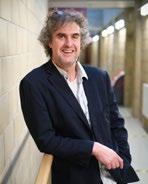
Will ExecutiveWollen,Dean of the Drama School
• Talk to your Course Leader
• Talk to any of the Student Services team, including the Advisor or the Wellbeing Manager
• We are always alert and aware of the impact of our actions on others
lamda.ac.uk6


• We listen to each other with care and respect everyone’s ideas
You are bound to feel nervous and uncertain in the first days of your course and have many questions. Hopefully your first week will be a supportive introduction to LAMDA. If you feel you need more clarity, don’t have the things you need to feel comfortable or need support with anything please let us know. We want you to settle in as quickly as possible. Asking questions is something that is an essential part of all our programmes. So please reach out to us and ask anything you like.

• We collaborate and cooperate to learn and to express ourselves creatively
• We all turn up on time ready to focus on the work
I am very much looking forward to getting to know you all and collaborating with you and want to wish you the best of luck as you start your adventure with us.
A warm welcome to the wonderful world of LAMDA!

You can contact SU Presidents via student.president@lamda.ac.uk or the email below.
BA Acting student). I am very honored to be a Student President at LAMDA and will be putting as much of myself as I can into it. As a B I represented my year as a Student Rep, and from this, I feel that I gained the ability to communicate the issues I see around me, and presented to me, confidently and with fairness. I’m no stranger to doing work around my studies as I am also a producer outside of LAMDA, and I think to have this kind of perspective from a Student President is going to be useful for the team and the school.
and to the start of what I hope will be a very exciting time for all of you! I’m Josh, I’m a second year MFA student. I’m really excited about having been selected as part of the student President team, I plan on taking a key role in organising events around LAMDA, so please if you see me around say hi and feel free to drop me an email with any ideas you may have, also make sure to get involved in any student activities! Looking forward to meeting you all.
Looking forward to chipping in where I can in order to create a better school for everyone!
TOP TIP!
8 minutes walk from the BP Garage is Tesco, get yourself a club card and save a small fortune.
A quick introduction:
Kieton Saunders-Browne Mykieton.saunders-browne@lamda.ac.uk(he/him)nameisKietonandI’maC(3rdyear


Heyjosh.ely@lamda.ac.uk(he/him)all,welcometoLAMDA
lamda.ac.uk7
Student Presidents’ Welcome
Josh Ely
PTASS student. My priorities as a student president are helping keep LAMDA a transparent and communicative organisation, ensuring creative and technical excellence and organising excellent socials. I can be found at stage managers’ desks around the building, rummaging around in the props store, or at the local Spoons! Come and say hi x
The NUS https://www.nus.org.uk/ is one of the largest student organisations in the world and represents the interests of around five million students in further and higher education throughout the UK. The NUS provides research, representation and expert advice for individual students and students’ unions. Students’ unions are the backbone of the NUS and are integral to student life. Upon enrolment, you will be issued with a card that confirms your membership to the NUS. This card will also provide discounts in a variety of stores and leisure activities.
E2 and excited to be part of the SU Presidents team. My goal is to create a sense of culture, unity, and comradery within the student body. I hope to get to know as many people as possible and be part of bringing the student body together so that we support each other on this journey. If you see me in the corridors, please feel free to stop me and say “hi”.
Hello,kit.fowler@lamda.ac.uk(he/him)I’mKit,a2ndyear
Hey!jazz.jenkins@lamda.ac.uk(she/her)MynameisJazzand
The National Union of Students (NUS)
lamda.ac.uk8
Heymarion.githegi@lamda.ac.uk(she/her)Everyone,I’mMarion,an
Jazz Jenkins
I will be serving as LAMDA’s Student Trustee for the 20222023 school year. I am a third year on the BA Acting course and relocated from New York to train here two years ago. I have held several leadership positions across various organizations and feel very passionately about advocating for the student body and representing the student voice. I look forward to serving you all this year and helping usher LAMDA into its future. Feel free to reach out to me with any questions or suggestions for how I can best represent you!

Who are the Student Union and Student Reps at LAMDA?
At LAMDA there are 4 main Representatives who are the Presidential Team. A separate Student Representative serves on the Board of Trustees. There are also a series of Reps elected for each year group. They will represent your year group at the Student Staff Liaison Committee (SSLC) to share your feedback. There are several specialist posts to represent different groups at LAMDA. These can change yearly depending on the needs and wants of the students. As an example, LAMDA may elect people to act as a Disability and Inclusion Rep, or an International Student Rep so that different voices are heard to represent key issues such as race and gender equality, and disability inclusion.
Marion Githegi

Kit Fowler

The Student Union and your Reps are there as a team to make sure that the student voice is heard, provide support (from someone who really gets what you’re about to go through) and provide communication channels between staff and students. The President Team will lead on managing the online presence of the Student Union, promoting, and organising key student events and attending the Boards and Committees at LAMDA. Presidents will split their duties between them and work out which Boards and Committees they would like to attend. These are:
• Research and Ethics Committee
Student Staff Liaison Committee (SSLC)
What Can I Ask?
• Academic Board
• Learning, Teaching and Quality Committee
As a general guide Student Reps can get feedback and raise queries around topics which include: teaching resources, rooms and onsite facilities, disabled access, feedback on teaching delivery, study resources, course content and structure, feedback and marking, timetable, communication etc. You can contact them via email with any issues or concerns that you have about these topics. LAMDA’s Student Reps will do many important things; however there are limits to the Student Rep role and certain things that falls outside of their role. They will be happy to signpost you towards a member of staff if you need specialist advice or support.
What Does the Student Trustee Do?
• Equity, Diversity & Inclusion Committee (LAMDA currently has one EDI taskforce that meets monthly focusing on access and inclusion, anti-racism, dismantling antisemitism, gender, sexuality and trans-inclusivity and will welcome more Student Reps to support these groups)
The Board of Trustees is an independent and non-executive board of experts at LAMDA. The Student Trustee is asked to bring forward recommendations, feedback, and issues from students at LAMDA. They are also there to listen and observe at the meetings, so that LAMDA offers an insight into our practices so students can be confident that key organisational decisions are made in a fair and transparent way.
What do the Student Union do?
The Presidents will also run the Student Staff Liaison Committee at LAMDA. The SSLC meetings are meetings between all student representatives, Senior Management Team members, and staff across LAMDA to address any issues raised and improvements suggested by students. Meetings are held termly as a minimum.
For more information on the Student Union roles please see the appendices which include the full constitution and role descriptions. Contact Student and Academic Services, who can help with any questions: student.advisor@lamda.ac.uk.
lamda.ac.uk9
This Ensemble Commitment constitutes a code of conduct for students and tutors.
• To honour the understanding that we are all creative artists as well as actors, technicians, directors and stage managers.

• To engage with the work fully, in a way that offers the greatest opportunity for progression of ourselves and the ensemble
1. The students’ responsibility to themselves:
• To be proactive in maintaining our physical and mental wellbeing, so we are fit to engage with the work.
Ensemble responsibilities. Four parts
2. The students’ responsibility to their cohort:
• To assume good intentions.
• To turn up on time and do the work.
• To recognise discomfort as opportunity and move away from resisting challenges.
• To believe experiences.
• To respect our authentic response to the work whilst remaining open to interrogating it as part of our practice.
In our studios you will see the Ensemble Commitment which has been developed over the last few years and constitutes a code of conduct for students and tutors staff.
• To understand that a brave space must evolve with the ensemble.
We come together at LAMDA to learn, train, create and grow. It is this shared goal that brings us together as creative artists. We focus our energy on contributing to the work of the ensemble, and by doing this we grow ourselves. We are all equally responsible for building an inclusive, creative space free of harassment, discrimination, bullying and racism. We must respect and welcome our differences in order to understand each other and work together. We enable a brave environment by always supporting each other and listening without judgement. Let’s empower and challenge each other to be the best we can be. Together, as active allies, we can create an equitable environment of respect in which everyone feels brave, seen and empowered to work, play, fail, discover, and evolve.
The Ensemble Commitment
lamda.ac.uk10
4. Tutors’ responsibility towards their students:
• To give honest, constructive feedback.
• To value different opinions as an essential ingredient in healthy artistic practice.
• To remain engaged in wider conversations about the school’s direction where it is comfortable and appropriate for us to do so.
• To model respectful supportive behaviour for new cohorts.
• To accept the offer of the curriculum and to acknowledge that the centring of the student voice is not synonymous with curating our own training.
• To turn up on time, and to engage in all classes.
• To engage in respectful discourse if the work is perceived as problematic, in order to maintain an open-minded attitude to the possibilities of the material.
• To recognise that some people’s experiences will sit outside our own understanding, and in this case, our role is to listen.
• To be kind.
• To acknowledge the specific needs of each cohort in order to facilitate a brave space for learning, practice and reflection.
lamda.ac.uk11
• To understand that a brave space is guided by the boundaries set by the tutor.
• To evaluate our own contributions with an awareness of how they may impact our classmates.
• To value diversity and the need for active allyship.
• To listen and be willing to engage in a dialogue.
• To acknowledge that the tutor is also a learner.
• To know that the learning space is a humane space where everyone makes mistakes and learns from them.
• To strive for a supportive school-wide community that involves all courses.
For any questions, concerns or feedback please speak to your Personal Tutor, Course Leader, Student Advisor, the Admissions and Student Services Manager or student representatives or for staff, the HR department.
• To comply with LAMDA’s standards for professional conduct at all times.
• To be curious and compassionate.
3. The students’ responsibility towards the school:
• To understand that personal conflicts cannot be brought into the working environment.
• To communicate respectfully at all times with staff and fellow students
LAMDA is committed to being a diverse and inclusive community where individuals from all backgrounds are welcome and can thrive. We want equity, diversity and inclusion to underpin all LAMDA’s activities and relationships, so that all students and staff can enjoy and succeed during their time at LAMDA and are set up to succeed and positively influence industry norms. This commitment is described in detailed actions in LAMDA’s EDI Strategic Framework which includes a refreshed anti-racism action plan which has been endorsed by LAMDA’s trustees and will run throughout all LAMDA’s strategies and policies.
Diversity and inclusivity manifesto
LAMDA’s leadership individually and collectively take accountability for progress in anti-racism and wider inclusivity. We ask every member of the LAMDA community to play their part by upholding LAMDA’s codes of conduct, treating each other with dignity and respect. We recognise that not all students or staff have experienced this inclusivity in the past, and our current practice falls short of where we would like to be. We continue to seek to change as an institution and to bring about change in the performing arts sectors.
Equity, Diversity and Inclusionat LAMDA

6. Foster partnerships that support racial diversity and inclusion
Anti-racism action plan
The following are the 6 high-level goals of LAMDA’s Anti-Racism Action Plan 2022-24. The action plan can be seen in full in the EDI section of LAMDA World.
1. Define and champion the Academy’s anti- racism ambitions
lamda.ac.uk12
2. Provide an equitable student experience and support the wellbeing of Global Majority students
4. Create a diverse, inclusive workforce and support the success of Global Majority staff
5. Create a welcoming and inclusive campus
3. Develop expanded diverse curricula, programming, and exams for the Academy
Over the past few years, LAMDA as an institution and individual staff members have started the work of decolonising the curriculum and teaching practices. Decolonising interrogates the shifting relationships between the Global North (such as Europe, UK, USA and Australia) and the Global South (including regions of Latin America, Asia, Africa and Oceania. This means acknowledging and examining the influence of Eurocentric, imperial and colonial perspectives on history, knowledge structures and educational systems in the arts and in the world around us, reimagining and transforming the legacies of these past histories, ideas and perspectives.
We seek to recognise, celebrate, and train each individual student. We seek to curate a series of training experiences that allow actors, directors and technical creatives to work from themselves and develop their self- expression; becoming confident artists, assured of their own voice. We also seek to create projects that offer the opportunity to work confidently outside of their own experience, reaching imaginatively to inhabit the experiences of others. We work with new writers to develop texts with our cohorts for a diverse range of voices.
We believe in training technicians on the Production and Technical Arts courses in fully inclusive practice, empowering them to be the strongest technical artists for the future. Similarly, we believe that seeing yourself reflected in the texts and the practitioners you work with at LAMDA is fundamental in supporting the training of actors, directors and technicians from diverse backgrounds and identities.
4. Moving from the ‘gate-keeper of knowledge’, ‘guru’, ‘banking system’ of education - our classes are playgrounds where an experienced practitioner brings provocation and an experienced POV, but students are co-creators of the learning experience.
lamda.ac.uk13
LAMDA is committed to embed diversity, equity and inclusivity in teaching, learning and student support processes. We do this through active diversification of the source materials we work with and ongoing review of our programmes and practices. By giving space to ideas, voices and stories which have been previously unheard or marginalised, we seek to celebrate and normalise the diversity of human experience.
1. Acknowledging the expertise of each actor’s body by validating that they have been moving all their life, inviting each actor’s body heritage
Screen and Audio:
Decolonisation statement
Here are some examples of recent developments:
Commitment to the creation and continued development of a screen-specific script library for scripts found outside of the traditional European and American canon.
3. Including elements of self-led devised work throughout the training journey
5. Building in the year several moments of reflection and revision of our practice in and between the departments from the inclusive practice POV.
Whilst decolonialisation shares similar aims with anti-racist culture, actions around decolonial education are distinct in that they are concerned with improving teaching practices, the development of the curriculum, and the co-creation of resources with students. This requires a commitment to engage in self-education, learning and unlearning, whether one has been been opppressed by or has benefitted from Eurocentric, colonial, and imperial legacies.
We believe this approach to training creates wide ranging and flexible career paths, where our graduates are the agents of who they choose to be as artists and agents of real change in the industry.
Movement teaching:
2. Engaging practitioners that come from non-white Eurocentric heritages to share their practice
Voice
Students are expected to undertake any role that is required of them and each public show should be given your full commitment regardless of casting. A student’s best possible professional light does not necessarily equate to a leading role or to on-centre casting. It may relate to areas we feel the student still needs to explore, allowing them to have the greatest versatility on leaving the training. Students should be aware that not everyone will get equal parts over the course of the year and that casting will be affected by any current or previous disciplinary issues.
Casting Policy
lamda.ac.uk14
1. We do not assume that students come into training with negative vocal habits. Training is a conversation which gives respect and dignity to individual voices
2. We are decolonizing the curriculum by expanding the diversity of texts used in class to include authors from a wider range of global majority sources.
Singing and Music:
4. We have begun to broaden the music reading list to include more Global Majority authors.
5. In an attempt to decolonise and broaden our musical teaching, we approach ‘Western’ sheet music as a useful tool in musical collaboration and notation, rather than centre it as the only way to rehearse and produce music.
2. Students have been encouraged to share music that is culturally significant and music in languages other than 3.English.Wehave included many more music written by global majority voices into the curriculum. For example, firstyear projects include an investigation of Akala’s ‘The Thieves’ Banquet’, and the second-year musical theatre project last year was focused on developing a new musical by an African American creative team.
1. We have dedicated class time to Inclusive Practice in music, guiding students through reflection on topics including authenticity and cultural appropriation.
Casting in public showcases, short films, show reels and productions aim to show each student in their best possible professional light whilst furthering their development as an actor during the graduating year or term. The Head of Acting (or Head of Screen & Audio for recorded work), in consultation with relevant teaching staff, decides which roles will create opportunities, and the casting is signed off by the Executive Dean. The decision is final.
1. Students participate in new writing blocks, working with playwrights and also with projects which are responsive to issues of identity.
2. We are committed to using carefully selected texts that are bespoke to the make-up of each cohort: texts which reflect and help us understand the world we live in now.
Above all, LAMDA values the work of the ensemble. We believe that the full and engaged commitment of the group to the act of making the work is the most effective way to fulfil an individual’s potential. We also ask that students are mindful
Whilst workshops and other showings may have a small in-house audience, they are not evaluated as public performances, but as learning experiences; the relevance is on the process of the training.
Acting
When commissioning new plays and films:
• Are we telling stories and representing experiences that haven’t been told before?
Our approach to casting all projects and productions will be colour-conscious. In all the work we make with LAMDA students, individual identity, ethnicity, gender, sexuality, disability, class and all their intersections are our starting point. The first part of any process is to imagine a world for the story being told that reflects and supports the unique identity of the student group working together.
• Are we commissioning and working with artists who represent the entire student body in terms of race, class, gender, disability and sexuality?
• How could this play and its world be reimagined for today?
of the complexity of the programming and casting of work for an entire year group, and trust that the staff involved have everyone’s very best interests at heart.
When choosing and working on stories that have already been told we ask these questions:
• Are we challenging stereotypes in terms of race, class, gender, disability and sexuality?
Our approach to Casting and Play/Project Selection
lamda.ac.uk15
• How are the individual identities and cultural heritage of actors expressed freely in the imagined world of the play?
• How is this play / text relevant for now?

Allyship Groups
lamda.ac.uk16

Reimagining does not mean merely taking a text and changing the context. It means giving our students the agency to interrogate and reimagine the texts they are working with. Such a culture of creative investigation needs to be part and parcel of every text that is explored.
We have an EDI taskforce at LAMDA that reports to the Equity, Diversity and Inclusion Committee. The taskforce meets monthly, is open to all interested students and staff and aspires to focus on an intersectional approach to; access and inclusion, anti-racism, dismantling antisemitism, gender, sexuality and trans-inclusivity. Get in touch with edi@lamda.ac.uk to join the EDI taskforce.
For too long, the responsibility to create change has been on those oppressed by a system that benefits and centres whiteness, maleness and heteronormativity, is ableist and classist. Global majority students and those from other typically marginalised groups deserve to see sustainable change without having to repeatedly open their wounds to see progress. The work must also be carried out by those who have benefited from the oppressive systems of institutions. This is a space requiring continuous self-education, learning and unlearning that is part of the life-time work of intersectional anti-racism. These spaces also promote activism and advancing progress. It is about learning to do more and do better within our institution, our industry and the world. There are similar groups for staff to investigate and promote inclusive practice in all we do.
Look out for the chance to take part in EDI-related events and groups led by the Student Union and other ways of collective working in the area of equity, diversity and inclusion. They are an opportunity for students to challenge themselves and each other to be active allies.
EDI taskforce
These are accurate at the time of publication. Please note some dates may need to change if LAMDA is required to up date measures related to Covid-19. Any changes will be published on LAMDA World, communicated to you via email and publicised in other appropriate ways.
Spring Term begins: Monday 9th January 2023
In this section you will find practical information such as term dates, Academy Regulations and policies.
Autumn Term ends: Friday 16th December 2022
Spring Term begins: Monday 9th January 2023
Term Dates
The Practical Stuff
Spring Term ends: Friday 14th April 2023
Autumn Term ends: Friday 16th December 2022
Summer Term begins: Monday 8th May Summer2023Term ends: Friday 7th July 2023
Dates for Third Year [C group]
Autumn Term begins: Monday 12th September 2022
Autumn Term begins: Monday 12th September 2022
Dates for Second Year [B group]
Summer Term begins: Monday 1st May Summer2023Term ends: Friday 7th July 2023
Autumn Term ends: Friday 16th December 2022
Dates for First Year [A group]
lamda.ac.uk17
Autumn Term begins: Monday 12th September 2022
Degree Awarding Powers (DAPs)
Spring Term ends: Friday 14th April 2023
BA (Hons) Professional Acting Term Dates
Summer Term begins: Monday 8th May Summer2023Term ends: Friday 7th July 2023
Spring Term begins: Monday 9th January 2023
LAMDA has been granted the power to award undergraduate and taught postgraduate degrees and other Higher Education qualifications. All students who have joined LAMDA from 2021-22 onwards will be working towards LAMDA degrees and awards.
Spring Term ends: Friday 14th April 2023
Dates for First Year [PT1 group] Dates for Second Year [PT2 group]
Spring Term begins: Monday 9th January 2023
Summer Term begins: Monday 1st May Summer2023Term ends: Friday 7th July 2023
Autumn Term begins: Monday 12th September 2022
Summer Term begins: Monday 1st May Summer2023Term ends: Friday 7th July 2023
Spring Term begins: Monday 9th January 2023
Spring Term begins: Monday 9th January 2023
lamda.ac.uk18
BA (Hons) Production & Technical Arts Term Dates
Spring Term ends: Friday 14th April 2023
Autumn Term ends: Friday 16th December 2022
Spring Term begins: Monday 9th January 2023
Spring Term ends: Friday 14th April 2023
Autumn Term begins: Monday 12th September 2022
Spring Term ends: Friday 14th April 2023
Dates for Top up year [PT3 group]
Autumn Term ends: Friday 16th December 2022
Summer Term begins: Monday 1st May 2023
MFA Professional Acting Term Dates
Autumn Term begins: Monday 12th September 2022
Dates for First Year [E1 group]
Autumn Term ends: Friday 16th December 2022
Spring Term ends: Friday 14th April 2023
Spring Term ends: Friday 14th April 2023
Dates for Second Year [E2 group]
Summer Term begins: Monday 1st May Summer2023Term ends: Friday 7th July 2023
Spring Term begins: Monday 9th January 2023
FdA Production & Technical Arts Term Dates
Autumn Term ends: Friday 16th December 2022
Autumn Term ends: Friday 16th December 2022
Summer Term ends: Friday 7th July 2023
Summer Term begins: Monday 1st May Summer2023Term ends: Friday 7th July 2023
Autumn Term begins: Monday 12th September 2022
Autumn Term begins: Monday 12th September 2022
Dates for F group
Autumn Term begins: Monday 12th September 2022
Autumn Term begins: Monday 10th October 2022
lamda.ac.uk19
Dates for Dir group
Dates for D group
Final Term begins: Monday 24th July 2023
Autumn Term begins: Monday 12th September 2022
Autumn Term ends: Friday 16th December 2022
Semester Programme Term Dates
Summer Term begins: Monday 8th May 2023
Spring Term ends: Friday 14th April 2023
Performing Arts Foundation Diploma Term Dates
Spring Term begins: Monday 9th January 2023
Spring Term begins: Monday 9th January 2023
Dates for Spring Semester Programme group [S2]
Semester Programme Term Dates
Summer Term begins: Monday 24th April 2023
Autumn Term ends: Friday 16th December 2022
Final Term ends: Thursday 7th September 2023
Autumn Term ends: Friday 16th December 2022
Spring Term begins: Monday 9th January 2023
Autumn Term begins: Monday 12th September 2022
MA Classical Acting for the Professional Theatre Term Dates
Summer Term ends: Friday 7th July 2023
Dates for Autumn Semester Programme group [S1]
Spring Term ends: Friday 14th April 2023
Final Term ends: Thursday 7th September 2023
Summer Term ends: Friday 7th July 2023
Spring Term begins: Monday 9th January 2023
Spring Term ends: Friday 31st March 2023
MA Directing Term Dates
Autumn Term ends: Friday 16th December 2022
Spring Term ends: Friday 14th April 2023
Final Term begins: Monday 31st July 2023
• Bring comfortable socks, non-slippery socks are best to keep you warm and prevent you from slipping when running.
We generally work barefoot as it is better for your grounding and balance. Alternatively, you can wear non-slippery socks or black soft shoes – however these might sometimes restrain your feet or impede your balance. Working barefoot, you will feel the difference when it is time to wear character shoes. Most of the work will be done barefoot, but for some classes, you will need character shoes or practice skirts. Your tutors will let you know in advance, so you can find your own or get them from LAMDA’s costume storage.
Do not bring your phone/tablet* or smart watches; notifications and other sounds are distracting, and the use of phones/tablets has been shown to make actor’s breaks less effective. We aim for a focused work environment without any distractions. Checking phones etc. Can be disrespectful to your fellow students and teacher/director. We recommend you keep all devices in your locker during the working day.
• Do not wear fake eyelashes or nails (specifically gel nails that are long or extended). They not only are additional costume and take you away from your own unique neutrality, but they can also be a health and safety hazard to yourself and others. For this reason we also ask that you avoid wearing make-up to lessons (unless it is part of the work you are •doing).
Reflection Weeks at LAMDA
On some courses, at the end of every production cycle there will be a Reflection week (i.e two in the Autumn and Spring terms, and one in the Summer term) These weeks allow staff and students to reflect on learning and development. They also allow space for some different types of activity and special sessions and events. Usually there will be opportunities to see the work of other students.
• Do not wear jewellery in class: rings, necklaces, bracelets, earrings and piercings. When moving wearing jewellery, you might hurt yourself or others.
You will need specific clothes for your training at LAMDA. For all classes, wear black training clothes that are easy to move in (not too tight, not too loose) and don’t have any logos or drawings on them. The reason why we ask you to wear basic black training clothes is because it is easier to see everyone’s body and the story they tell at all times. It is also your working costume – ready to be replaced with any costume required for any role.
Here is a list of items you should not wear/bring into class:
Taking care of our space: Our studios are the precious space where learning and creating happens. As such, they should be taken care of with love, responsibility and professionalism.
Room and Work Etiquette
What to wear when at LAMDA
* There are exceptions for students on a learning agreement who need specific apps to track their health.
lamda.ac.uk20
Since September 2020, mask wearing in classes might be requested. Please let us know if you are exempt from wearing masks on health grounds. When choosing masks to wear during your training, make sure these are light and don’t get in the way of your breathing. You will sometimes do high intensity physical activity and your mask needs to allow you to breathe easily. In our experience the best way to know if a mask is good is to try it out. Make sure you try different masks and choose the best ones that will make your movement work easy.
• We advise you to have your own Yoga/Pilates mat – you will be requested to bring those in some classes and morning warm-ups.
You must take responsibility for your own physical well-being – do not push, force, or overstretch. Do the class to the best of your ability, but avoid accidents at all costs.
Online lessons
• Please do not come in with street shoes (shoes you have been wearing outside). Come with bare feet or bring your own LAMDA shoes.
• Do not eat in the space (unless you have a learning agreement that allows you to do it). Only water is allowed in the space (no coffee, tea, soft drinks).
lamda.ac.uk21
Try to position the camera (whatever the device) with any light source behind it, so that you are clearly visible. Make the light source a window and daylight if possible. Please wear comfortable clothes to class – clothes that you can move in –and work barefoot if possible.
Academy Regulations
Try to ensure you have some privacy so that you can focus as best you can. It might be useful to let your family/house mates know that you will be moving and speaking and that there may be noise from your room. Let them know that it is important that you have as much focus as possible and reassure them that you are safe and secure in what you are doing. Make sure you have social media and email notifications turned off for the duration of the class.
Here are some basic rules for our spaces:
• Always leave the space better than you found it: make sure you tidy any furniture, rubbish or writings on white board before you leave class – even if you are going to have a class in the same space next.
This also applies to your phone if you are not using it. Take care of all technical aspects (turning on speakers, checking meeting ID, charging your device, etc) at least 15 minutes before class starts.
The following rules apply to all LAMDA students for the duration of their studies. Payment of course fees constitutes acceptance of the Academy Regulations. Students who breach the regulations may be subjected to disciplinary procedures. This is detailed in the Non-Academic Student Misconduct Policy & Procedure, available on the Student
For some classes you might be required to wear hard soled shoes (or trainers) - the tutor will let you know in advance. Make sure you are not wearing any jewellery. Make a difference between your working movement clothes and the clothes you normally wear at home.
• Work together to take care of the space and let facilities know if there is anything missing/out of order (lights, windows, heating, ventilation, cleaning).
Do not record classes . If you would like to review the class in your own time, please ask the teacher before or during class to make a recording. The teacher will then email you a viewing only link. If you are on a Learning Agreement you many have permission to record certain parts of a lesson to aid with your learning, permission should always be sought in this instance. These recordings are for your own personal use and should not be uploaded or shared with anyone. Recording people and sharing files to public platforms puts you in breach of LAMDA’s rules & regulations and in some cases is illegal. Keep a journal of your experience, noting any problems as you go – you can then adjust these before the next class or raise them with the teacher.
Why are these important?
If any of your lessons are scheduled to be online, please ensure that you have a bit of space to move in: about 2x2 metres (if possible). Make sure the floor space is clear. Check for any hazards within reach: shelves, windows, cables, or any sharp objects that might be in your way as you move.
Advice about academy rules or acts of misconduct is available from the Student and Academic Services team. See also the ‘Student Feedback Summary’ flowchart at the end of this Handbook.
lamda.ac.uk22
Central Information Point. This covers everything from an informal warning for a first offence right through to your studies being terminated for serious/repeated misconduct.
Academy Regulations: General Student Expectations
3.above.Students
shall have no choice in the selection of their instructors. They are required to attend all classes arranged for them and to accept any role which is allocated to them by the Head of Actor Training, Head of Screen & Audio or Head of Technical Training as appropriate. This applies for internal projects and public performances alike. Students have the right to raise genuine concerns or issues, and the Student Handbook sets out how to do so, through the processes for feedback and complaints.
4. All cases of unexpected lateness or absence through illness must be notified immediately by email to absence@ lamda.ac.uk , no later than 8.30am for a 9am class, and 9.30am, for a 10.00am class. Please note that you may only self-certify for up to 5 working days. In cases of illness of more than 5 working days a doctor’s certificate must be obtained. If you are absent from assessed classes where a formally graded activity is scheduled to take place, you should complete the Mitigating Circumstances Form Please also contact your Personal Tutor or the Student Advisor if you need advice on this.
5. Students who are late or absent without reason, or have repeated issues with lateness/punctuality as outlined in our ‘Punctuality, Attendance and Engagement’ section in this Handbook may be called for a disciplinary interview and may be subject to disciplinary proceedings including dismissal.
2. Students must attend all classes regularly and punctually and take part in performances as directed. There are no optional classes. If absence is essential, prior permission should be obtained from either the Executive Dean of the Drama School, Head of Actor Training or the Head of Technical Training, as appropriate. For absences of more than a day, for professional work or family reasons for instance, prior permission must be obtained from the staff specified
6. Students may be required to work in the evenings, on Saturdays, Sundays and Bank Holidays where necessary.
7. Students are expected to conduct themselves with due care and attention to health and safety guidelines, including those which relate to Covid-19 adjustments. Any student who acts outside the guidelines and risks their own safety and the safety of those around them may be called for a disciplinary interview and may be subject to disciplinary proceedings including dismissal.
1. LAMDA operates a number of policies and procedures, including polcies on Equal Opportunities; Non-Academic Misconduct; Health and Safety; and Safeguarding. LAMDA may add and amend to these during your studies. Students are always expected to conduct themselves within the terms of our policies. Students who break the rules of the Academy should expect that they may be called for a disciplinary interview. Failure to follow the expected professional standards outlined in our policies may result in dismissal, as outlined in the Non-Academic Misconduct Policy.
8. Students are not permitted to film, photograph, publish or record any aspect of LAMDA’s work including but not limited to, rehearsals, productions, workshops, classes or scene showings on any recording format, including mobile phones and no footage can be aired or published on any external or public media (including but not limited to YouTube, Facebook
lamda.ac.uk23

9. The use of any form of social media for the making of critical, insulting or defamatory statements about the Academy, its staff, students or people and organisations associated with it, as well as its professional and artistic achievements and output, may be subject to disciplinary proceedings including dismissal. The definition of social media in this context is as an umbrella term for any tool or service that facilitates the documenting and exchange of information over the internet e.g. Facebook, WhatsApp, Instagram, TikTok, Twitter etc.
11. Behaviour at LAMDA (online, onsite and when representing the Academy on trips or external events) must meet professional standards at all times. Misconduct such as bullying, damaging property, physical/sexual assault, hostile or discriminatory language, or abusive activity relating to an individual’s sexual orientation, religion or belief, race, pregnancy, marriage or civil partnership status, gender, gender identity, disability or age will not be tolerated. A more comprehensive list of behaviours and the consequences arising from them is detailed in the Non-Academic Misconduct Policy. LAMDA has a zero-tolerance stance and as a minimum a disciplinary interview will ordinarily arise where incidents are reported.
12. Behaviour at LAMDA (online, onsite and when representing the Academy on trips or external events) must meet professional standards at all times. Misconduct such as bullying, damaging property, physical/sexual assault, hostile or discriminatory language, or abusive activity relating to an individual’s sexual orientation, religion or belief, race, pregnancy, marriage or civil partnership status, gender, gender identity, disability or age will not be tolerated. A more comprehensive list of behaviours and the consequences arising from them is detailed in the Non-Academic Misconduct Policy. LAMDA has a zero-tolerance stance and as a minimum a disciplinary interview will ordinarily arise where incidents are reported.
Instagram, TikTok etc.) without the prior written consent of the Executive Dean, the Head of Actor Training or the Head of Technical Training and all actors and artists involved.
10. Students must take responsibility for their own learning and work pro-actively with fellow students and staff. Communication from tutors and staff is via your LAMDA email. All students are expected to engage regularly with their LAMDA emails, online learning platforms, familiarise themselves with their timetables and other key sources of information such as handbooks and assessment briefs, and engage with any independent study tasks within the timeframes set. Students have a responsibility to declare if they have a disability, injury, or other mitigating circumstances which are affecting them to our staff so that they access support.
15. The Academy reserves the right to alter the curriculum, staffing or regulations without prior notice, within the Terms and Conditions to which students consent upon enrolment.
19. Students are expected to devote their whole attention and work time to the Academy’s course. They are not to undertake outside professional or amateur engagements during term time without the prior written approval of the Director or the Head of Technical Training, nor engage in outside employment in other areas during term time where it might impede or prevent their studies.
Academy Regulations: Facilities and Estates
22. Interviews are not to be given to the press, radio or television unless organised by LAMDA.
14. A student’s course of study will be terminated if they fail to make satisfactory progress within their programme of study, in accordance with our policies and procedures.
18. Students, in exceptional circumstances, intending to leave the Academy must give at least a full term’s notice in writing of such intention to the Director or Head of Technical Training. Students will be liable for fees throughout the notice period (for example if a student leaves halfway through the Autumn term they are liable for the remainder of fees for that term and the full fees for the following Spring term). Separate arrangements are in place for students funded via the UK Student Loans Company ; the Terms and Conditions se t out the details of these.
23. The Academy does not hold itself responsible for any accident, injury or death sustained by students on the
Academy Regulations: Financial
16. Fees for each term must be paid in advance and no later than the date specified in the student’s offer letter. [This does not apply to students whose fees are paid via certain official student loan schemes; the Terms and Conditions set out the details of this provision.] Any student who is in arrears with their fees will not be able to progress with their training until all outstanding monies owed to the Academy are paid. Students who have not paid their fees in full prior to completing their programme of study will have their degree withheld until such payments are made.
21. No student may sign an agreement or otherwise or come to any understanding with regard to their professional services with any Artist’s Agent or employer without the permission of the Director prior to the completion of the course.
Academy Regulations: External Engagement
13. Students are required to behave with honesty and integrity in fulfilling requirements in relation to assessment of their academic progress. All assessment and disciplinary matters relating to students enrolled on programmes leading to degrees or higher education credits will follow the procedures laid down in the Academic Regulations and Credit Framework. This includes the regulations governing academic offences (such as cheating, plagiarism or attempting to influence an examiner or teacher improperly).
20. Students may not attend outside classes without prior permission of either the Head of Actor Training or the Head of Technical Training.
lamda.ac.uk24
17. Payment for the course constitutes acceptance of a place and agreement to the course regulations. All payments will be subject to the refund policy as stated in these regulations.
Your timetable or call sheet will indicate when your class is due to start. You should be in the space at least five minutes before the start time so that at the start time you are
24. The Academy premises are designated no smoking areas. This also applies to e-cigarettes.
Attendance & Lateness
Illness
You should not attend if you are too ill to work, or if you have received a positive Covid Test (in which case you should follow the latest NHS guidelines), or are displaying Covid symptoms. In this case you should:
a) Attendance is compulsory at all timetabled classes, warm-ups, company meetings and rehearsal calls
Punctuality, Attendance and Engagement
a) Ready to work
The building is open from 8.30am to allow time to arrive and breaks allow enough time for movement between classes so you should be able to arrive at all classes ready to work on time.
b) Students should attend, ready to work, on time.
lamda.ac.uk25
Academy’s premises or at outside premises attended during training.
b) Supply evidence where you can If you are ill or indisposed, you should not come in at all on the day you are ill.
Good time-keeping is an essential part of the learning experience at LAMDA, and part of your preparation for an industry where punctuality can mean the difference between keeping or losing a job. Lateness is not acceptable and continued unauthorised lateness and absence constitute non-academic misconduct (a disciplinary offence). We also have a statutory obligation to monitor attendance of students attending LAMDA on a Tier 4 visa.
What is ‘on time’?
25. The Academy does not accept responsibility for the loss of or damage to any property belonging to students either on the premises or in outside rehearsal or performance spaces.
b) In the right clothes with the right equipment, with the right water bottle c) Warmed up
While there may be different arrangements for technical and acting students, and those students in performance reps, the following principles remain :
Transport hold-ups
c) Students should seek permission, in advance, for absence d)Students should not attend if they are unwell
Transport delays are a normal part of living in our city. It is your responsibility to check your travel and leave home in plenty of time. Where there is large scale travel disruption (e.g. tube/train strikes) you will be notified and some leniency will be applied. In these cases too, every effort should be made to plan your travel and arrive on time.
a) Notify absence@lamda.ac.uk and copy in your course leader and relevant teachers and or stage managers on each day that you are absent
Authorised absence for Covid positive test 0
Late for your first warm-up or class of the day 1
Absence for medical appointments is permitted, providing it has been approved by your Course Leader, Student Services Manager, Head of Technical Training or Head of Actor Training. Do not ask other people for permission. You should email your course leader (copying in absence@lamda.ac.uk) in advance to request permission, and this should have been requested by 4 pm on the day before the absence – or well before then if possible. Staff will not check their emails at 11 pm even if that is when you have requested permission. If the appointment is an emergency and only bookable on the day, you can be given retrospective permission. In that case, let us know as soon as possible that you need an absence for medical reasons. Unless it is part of your learning agreement (and therefore an agreed reasonable adjustment), if you are consistently absent for medical appointments, we may require that you provide proof of attendance at these appointments for future permissions. As above, consistent failure to communicate about absence will be treated as a disciplinary offence.
Authorised absence or lateness 0
Your teaching staff will take an electronic register for every class, using our timetabling system CelCat. Recording attendance and absence is good practice as it helps teaching and support staff to keep track of your engagement with your course. It is also a requirement of LAMDA’s Sponsor Licence from UK Visas and Immigration (UKVI).
lamda.ac.uk26
Communication
Authorised absence
Note that consistent failure to inform us of your absence and lateness can also be treated as disciplinary offence. We would consider three instances in the year of failure to inform us consistent.
Impact of absence
Monitoring Attendance and Academic Engagement
If you are ill or indisposed, you should not come in at all on the day you are ill. If you are clearly displaying symptoms of illness you should expect to be sent home.
Late class (for anything after the first class) 1
Absent without consent and did not notify us 1 Missed class 1
Absence for other reasons will only be granted in exceptional circumstances (e.g. bereavement or funeral of family member), and apart from this will not be granted. This is in line with industry expectations.
In consideration of the ensemble, consistent or repeated unauthorised absence will be taken into account when casting and staffing projects and productions.
Note that authorised absence is still recorded as absence, and students must still meet minimum attendance requirements, and be assessed in order to progress with their course. Dropping below 80% attendance across the course will jeopardise a student’s ability to achieve learning outcomes on their course or modules, and may trigger a ‘fitness to train’ process as well as disciplinary action. Missed assessments may also mean that students do not achieve the requisite credit to progress.
Points
‘Fitness to Train’ refers to a student’s ability to engage positively and fully with their training and to fulfil the expectations of the course without negative impact on students or staff. It is a policy designed to support the needs of students.
• That they can demonstrate they are able to attend and engage effectively in a range of classes, workshops, rehearsals, lectures and tutorials including with staff, students and professionals.
lamda.ac.uk27
• For courses at Foundation Degree level and below, LAMDA is required to report to UKVI all students whose attendance is less than 85% of what is expected. As set out in the Academy Regulations, LAMDA expects all students to attend all classes arranged for them. Unless there are mitigating reasons, failure to meet that 85% threshold will initiate a disciplinary investigation.
• That they are aware of their own health and safety and that of others, including changing behaviour if it is pointed out to them that they are potentially breaching health and safety requirements.
In cases where these expectations are not being met the Fitness to Train policy may be applied.
What is ‘Fitness to Train’?
• That they arrive at LAMDA consistently at the time required and meet other attendance requirements.
• For courses at BA level and above, the UKVI requirements for academic engagement are more flexible, reflecting the increasing autonomy of students at that level. However, as set out in the Academy Regulations, LAMDA expects all students to attend all classes arranged for them. Unless there are mitigating reasons, failure to meet an 85% attendance threshold will initiate a disciplinary investigation.
• That they are abiding by the Academy Regulations.
Fitness to Train Policy and Procedure
• Students working only on dissertations or research projects must check in weekly with their project supervisor.
For overseas students with a CAS, the rules relating to attendance and academic engagement changed with effect from October 2020. LAMDA’s requirements are therefore re-stated below:
• That they can participate in assessments throughout the academic year, with adjustments if required.
The policy may be applied in relation to student behaviour while on LAMDA premises, on industry placements or at other venues booked by LAMDA for classes, rehearsals or performances.
When should the fitness to train policy be applied?
• Students on placement, undergoing work-based learning or allocated to roles (whether on stage/camera or off) in LAMDA’s public productions must meet the attendance and preparation requirements laid out by the director of that project or placement supervisor.
Each application of the policy will be based on individual circumstances. The following list provides examples of situations when the policy may be applied but should not be considered exhaustive.
• The student declares difficulties related to ill health, disability, alcohol or drug problems, or other personal •circumstances.Thestudentbehaves in a manner indicative of the above circumstances.
• That they can demonstrate that they can undertake private study or activity without supervision.
If a student has a disability then reasonable adjustments or other support will be put in place, usually in a Learning Agreement. The following lists reasonable expectations of any student, regardless of whether they are on a learning agreement or not:
• the matter is considered resolved and no further action is needed;
• The student is in serious and continued breach of the attendance policy.
In the first instance, students and/or staff should bring the matter to the attention of the relevant Course Leader or the Head of Technical Training, as appropriate. They will then, in consultation with other senior members of staff where appropriate, follow the procedures outlined below. Normally there will be a three-stage process once it has been established that a Fitness to Train issue has arisen.
What happens when a student’s Fitness to Train is questioned?
• the matter is referred directly to the next stage.
Risk assessment
Stage Three: If there has been no resolution of the problems or change in behaviour, the Director and the Course Leader/Head of Actor Training Head of Technical Training will meet with the student with a view to determine whether the student may either continue on the course, or be suspended for a period of time (through intermitting their training) or be withdrawn from the course entirely.
At all and any stages used, a risk assessment should be undertaken to identify the level of risk to the student and/ or others and to consider whether the student’s presence within the Academy puts the student and/or others at an unacceptable level of risk or exacerbates the student’s difficulties.
• The student behaves in a way that would usually be considered a disciplinary matter but there is reason to believe this may be due to underlying cause(s) which could provide mitigating factors.
lamda.ac.uk28
• A third party such as another student, staff member, or healthcare professional reports concerns about a student’s health or personal circumstances that are having a negative impact on their ability to engage with their studies.
• Multiple complaints are received about the student from other students and/or staff.
• the issue is referred to the Admissions Manager for a Learning Agreement to be drawn up, which may include referral to additional support services;
All appropriate evidence should be included within the risk assessment. This will include ensuring that LAMDA makes sure that both male and female staff at an appropriate level of seniority can be involved in any process where, for example, most of the key staff supporting a learner are of one gender.
Stage One: The Course Leader/Head of Actor Training/Head of Technical Training/Admissions and Student Services Manager will have a conversation with the student setting out concerns, how or why the student is not meeting his or her obligations and strategies for resolving the situation. This is an informal stage.
Stage Two: The Course Leader/Head of Actor Training/Head of Technical Training, the Admissions Manager and another member of the senior team will have a formal meeting with the student which outlines the continuing problems and the agreed strategy for managing the situation and a reasonable timeframe for seeing improvement.
• the student decides that they wish to interrupt studies for a period;
The possible outcomes at Stage One in the process are:
• the student is made aware that if there is no improvement, the matter may be escalated to the next stage, at which the student may be withdrawn from the course.
• an updated Learning Agreement is agreed, which may include further referral to support services;
The possible outcomes at Stage Two in the process are:
• Assessment Regulations / Unsatisfactory Progress Procedures: Fitness to Train should not be used for issues related solely to a student’s academic performance. It should only be applied in response to poor academic performance when that poor perfor mance may be thought to be caused by factors noted above.
lamda.ac.uk29
Limitations and relationship to other LAMDA policies and procedures
The Fitness to Train policy should be distinguished from other policies: • Concessions: when a student is incapable of being assessed for a specific project or class because of ill health or personal •circumstances.Disciplinary:when a student may have formal sanctions applied to them arising from a contravention of the Academy regulations. Students may be referred to disciplinary procedures when their behaviour continues to be disruptive to students and/or staff and there is no indication of the student’s willingness to engage with the Fitness to Train procedure.
Speak out! At LAMDA we want to empower both staff and students to call out incidents where practice is not inclusive, so that issues get addressed in a clear, transparent, and timely manner. If something has made you feel uncomfortablefrom either a peer or member of staff – we want to know. This includes microaggressions, or any form of discriminatory behaviour experienced. You can speak out as an ally to report issues that have affected others.
Don’t let problems build
In cases of exceptional risk, and on the Director’s judgment, the process may move directly to Stage Three. At all stages, Students are subject to the standard LAMDA regulations governing complaints, grievances and (non-academic) student disciplinary matters. The regulations are explained in our Complaints Policy and Non-Academic Misconduct Policy which are available on the Student Central Information Point and our Policies and Procedures Page.
Online and anonymous reporting
We encourage students to speak out and give constructive feedback to staff as a problem arises either verbally or in an email if you prefer. This way it can be dealt with quickly in a session, or shortly afterwards in a positive way with the people directly involved. Do not be embarrassed or afraid to raise an issue. You can also talk to your personal tutor or the Student Advisor to get help with issues informally.
To ensure we are transparent around how to report any issues, LAMDA has created channels to provide feedback or report an issue either anonymously or as a named person both individually and as a group:
Informal face to face
lamda.ac.uk30
Addressing Issues and Complaints
LAMDA now has an logging system to report any issues or feedback, anonymously or not. Students can report issues here (form opens in new browser). This online system allows all students to report microaggressions or any issue anonymously. Students can also contact student support staff for confidential advice and escalate any issues anonymously with them (student.advisor@lamda.ac.uk/amy.richardson@lamda.ac.uk). The support staff who receive these cases will work with students to ensure that anonymity is maintained where this is preferred. It should be noted that
Complaints and Grievances:How to Report and Resolvean Issue
How to Report…
LAMDA recognises that incidents where students or staff experience a problem such as a microaggression it can seem small, but when problems accumulate, they significantly affect, hinder and sabotage an individual’s experience.

• complaints about other students (see LAMDA’s disciplinary policy).
• how your training is provided when on placement.
If you have tried to address an issue informally but are unhappy with the result, you may wish to discuss formal options. Email the Student Advisor who can help you access the Complaints and Appeals Policy and Form on the Student Central Information Point. Students can also act as a nominated student representative on behalf of groups experiencing any issues to protect anonymity if preferred. This procedure covers complaints in the following areas:
• the provision of academic programmes (how your training is provided).
Formal Complaints
• discrimination, harassment, or bullying
As LAMDA is a small institution, where appropriate, LAMDA may provide an external contact from a similar school or a supportive external contact from our industry allies whom a student may wish to speak to for advice and guidance and who will be fully independent from the review process during a complaint.
• inadequate services or facilities at LAMDA (e.g. student wellbeing, IT or catering).
following up anonymous complaints and reporting progress on these can by its nature be more difficult to do.
• staff misconduct.
• decisions, actions, or perceived lack of action taken by a member of LAMDA staff
LAMDA’s complaints procedure will be explained in full to students during their welcome week induction so that they understand that it should be used as a proactive, restorative tool at the earliest opportunity.
Outside Specialist Support
lamda.ac.uk31
LAMDA operates a personal tutoring system where all students are allocated a personal tutor. There is a Personal Tutor Policy which students can access via the Student Central Information Point. The Personal Tutor role at LAMDA is one which ensures that our students feel safe and supported in all matters. All students are allocated a named Personal Tutor. The Tutor will be a member of LAMDA’s staff but may be selected from any of our departments.
By the time you read this, you will have enrolled at LAMDA and received your Induction Pack which contains advice on a range of issues, from equipment to travel, accommodation and visa requirements.
Embarking on an intensive vocational course possibly in a new city and living on your own for the first time is exciting but can also be stressful. It is very important that you look after your physical and mental health and LAMDA offers several routes to support should you need it. Below we explain which staff can offer you help when you need it.
For complaints advice: The Student Advisor can offer advice on request: student.advisor@lamda.ac.uk.
Student Wellbeing: Where can I get help?
lamda.ac.uk32

LAMDA defines Personal Tutoring as:
What does my Personal Tutor Do?
The Personal Tutor role does not cover giving feedback or advice on academic or professional matters. The Tutor can support tutees to contact Academic Tutors, and professional development staff as required. Students are notified of the Personal Tutor details as soon as possible after enrolment each year. At LAMDA students should meet their tutor at least once a term. Students may email the tutor to request tutorials as required throughout the year as any issues arise. Tutors should expect that students send a request in advance and understand they may need to await a response (usually within
This section in the student handbook aims to provide you with an overview of the student support available at LAMDA, the rules and regulations governing students working at LAMDA, and specific information for students with Special Educational Needs [SEN] who wish to get a Learning Agreement in place. This is an agreement between you and LAMDA that explains to staff what kind of support you might need, and what adjustments they can make to help you feel fully included as well as what can be expected of you.
The provision of support to students by a named Personal Tutor. The Tutor acts as a first port of call to assist students with matters relating to their personal development and progress as appropriate. The Personal Tutor can also signpost and encourage students to access academic, professional, and other forms of specialist support during their studies.
Student Support
• Follow up on Personal Tutees who have engaged with them for specific advice or support within an agreed timeframe
• Are feeling lost, lonely, and disconnected
• Assist in keeping records of communication, and allowing tutors to share key updates with other staff as needed
The Student Wellbeing Manager’s role is to engage with students through difficult and overwhelming times by taking a problem solving and practical approach to identify tools and strategies to overcome adversity. Students can self-refer via email or be refereed by members of staff. They will then be offered a one to one session to help signpost resources and offer advice and support of a mental health and wellbeing nature. Students may wish to talk to the Student Wellbeing Manager if they are feeling:
• Experiencing low mood and are feeling hopelessness
• Ensure that mutual expectations are discussed and set from the outset, including preferred meth ods of communication, preferred pronouns and name, and any boundaries around sharing informa tion with other staff
What Students can Expect of Personal Tutors? What Personal Tutors Can Expect of Students?
How can the Student Wellbeing Manager help?
• Overwhelmed and unable to cope
• Ensure that Personal Tutees who have declared disabilities feel safe and empowered to engage with personal tuition in a format that suits their needs
• Initiate a first meeting and subsequent meetings with Personal Tutees using their official LAMDA email and meet with their Personal Tutees at least once per Term, whether on a 1-2-1 basis or as part of a group
• Maintain regular communication with each of their designated Personal Tutees
• Experiencing unhelpful thinking patterns or dark and intrusive thoughts
• Are looking for advise on resilience and self-care
• Have been or are experiencing a difficult life event or trauma
• Simply need a safe place to share
The Student Wellbeing Manager is Danny Lee, Danny.Lee@lamda.ac.uk. He can help to signpost you towards sources of advice and support as required. He can also help you access counselling with an appropriate counsellor who matches any specific needs or experiences you have, please discuss with him how best to access appropriate support. LAMDA has a diverse range of counsellors that can be accessed through our Wellbeing Manager. In the Wellbeing Manager’s absence the Admissions and Student Services Manager can assist: amy.richardson@lamda.ac.uk.
• Support and assist students in their personal de velopment, planning and progress
• Understand and respect the fact that there are limits to the remit of Personal Tutors, for example, they are not trained counsellors and, depending on the nature of the issue, may need to refer them to other special ist sources of support
lamda.ac.uk33 1 working week).
• Act on the recommendations and advice offered by their Personal Tutor
• Maintain regular communication with their Person al Tutor, including responding to meeting requests using their official LAMDA email
• Contact their Personal Tutor if any issues arise that may affect their personal development or be a risk to their progress or continuation on the programme
• Keep records of communications with Personal Tutees within the confines of GDPR and confidenti ality boundaries
• Follow the agreed methods and times of communi cation with the Tutor and respect boundaries.
Counselling
Mental health first aid
Disabled Students Allowance and mental health support
Admissions
Students can request access to counsellors from different backgrounds and with different specialisms so that they match their needs. Some students may need long term Counselling support and this is another reason why it is important to register with your GP at the start of your training. We have several different counselling services that we can suggest so students can choose the most suitable Counsellor for their needs. Students are encouraged to make sure that they keep their GP up to date with any mental health concerns that they have.
If after accessing the Togetherall support students feel that they need further support they should contact the Student Wellbeing Manager who can discuss further options including referrals for counselling. Students are initially approved for six sessions which may be increased at the Counsellor’s suggestion. The counselling service is confidential and off site and students are usually seen within 7-10 days of their referral.
Want to access more wellbeing support?
Upon receiving an offer of a place, applicants are encouraged to contact the Admissions and Student Services Manager to provide more details on their disability/access requirements if they wish. Queries can often be resolved via a telephone call, email or letter;
If you are a UK student on an HE course with a long term mental health issue such as depression or anxiety, you may be eligible for added support through the Disabled Students’ Allowance (DSA). For more information see: https://www.gov.uk/disabled-stu dents-allowance-dsa or speak to the Admissions Team.
All matters relating to meeting the requirements of students with Special Educational Needs, long term health problems and Disabilities are processed by the Admissions and Student Services Manager Amy Richardson (amy.richardson@lamda.ac.uk). Students are supported to create a Learning Agreement. This is an agreement between you and LAMDA that explains to staff what kind of support you might need, and what adjustments they can make in classes to help you feel fully included as well as what can be expected of you.
lamda.ac.uk34
Special educational needs, long term health problems and disabilities – Access and reasonable adjustments
LAMDA students have access to free online support with Togetherall. Togetherall provides a safe space online to get things off your chest, explore your feelings, get creative and learn how to self-manage your mental health and wellbeing. To join, simply go to www.togetherall.com and sign up under ‘organisation’ with your LAMDA e-mail address. Visit LAMDA World for more resources on wellbeing and mental health.
While the Counselling service is confidential the Counsellor may contact LAMDA if they feel that a student is a risk to themselves or others. If LAMDA is concerned about the physical safety of a student we may have to contact the student’s next of kin.
an emergency or risk to self and others must seek professional support via GP or A&E.
LAMDA have a number of trained Mental Health First Aiders that are onsite during class hours to offer support. A list of the Mental Health First Aiders can be found in every classroom and on our dedicated mental health first aiders page on LAMDA World.
Medical Support
LAMDA can organise initial screening for any student who believes they may be dyslexic or possess a learning difference and pos sibly offer a full diagnostic assessment. (Please note some SpLDs such as AD(H)D and ASD will need to be diagnosed by a GP or other specialist.) The assessment will determine the level of student support required, if any. Successful applications for Disabled Students Allowance will provide the student with specialist one-on-one support and other practical help. Students should contact the Admissions and Student Services Manager or Librarian if they wish to be screened. More information on neurodiversity and support can be found on the Learning Support site.
Assessments
The nature of the training at LAMDA ensures that the majority of assessment is undertaken through practice. Where a written exam or sight reading is required, special arrangements can be made. In appropriate cases students may use technology to assist them, but please note that this requires prior approval by the Admissions and Student Services Manager Amy Richardson (amy. richardson@lamda.ac.uk).
Students who sustain an injury through their work at LAMDA can access physiotherapy if needed. Students will need to speak to the Admissions and Student Services Manager in the first instance in order to get a referral. Students will generally be supported for a small number of sessions, students with long term physiotherapy may need to self-fund long term treatment that is not covered by the NHS.
Any D/deaf or visually impaired student will be provided for on an individual basis; however LAMDA does not employ specialist support staff. LAMDA has provision to provide Braille texts and welcomes students with guide dogs. D/deaf students who require note takers and signers should contact providers such as the Deaf Agency who can provide further information. There is a great demand for signers, note-takers etc, so students are advised to arrange the support as soon as they have been offered a place.
Physiotherapy through LAMDA
Dyslexia / Dyspraxia / Specific Learning Differences and neurodiversity
lamda.ac.uk35
applicants may also be invited to visit LAMDA to discuss support arrangements and requirements with regard to the nature of the disability and availability of support. This information will remain confidential and will only be released to other staff members with the applicant’s permission. Once enrolled on a course, students who disclose a disability will be encouraged to complete a Learn ing Agreement to ensure they are fully supported in the training.
D/deaf and visually impaired students
Overseas students who have not paid the Health Surcharge as part of their visa need to be aware that they may have to pay for their treatment and are advised to take out health insurance in their home country.
For applicants from non-EU countries who have medical care needs, it is vitally important to establish prior to arrival what care might be available on the NHS. Such students are encouraged to organise private personal health care plans or insurance policies to ensure they are able to cover any eventuality.
The Academy is able to assist students seeking medical support in a number of practical ways. Please contact the Admissions and Student Services Manager Amy Richardson (amy.richardson@lamda.ac.uk) for further information.
LAMDA operates an integrated model for student welfare and safeguarding support, as laid out in Fig. 1 below. A process of infor mal sharing of information about any student giving cause for concern may lead to an onward referral from the Student Wellbeing Manager or the Student Advsor to the Admissions and Student Services Manager.
• Watch how much you drink
• Be extra wary of your car or bike
• Have precautions in place when going out – especially if you are alone
• Keep personal details safe
• Take responsibility for yourself
• Register your belongings
lamda.ac.uk36
For emergencies there are a couple of NHS walk-in centres nearby; in Parson’s Green (5-7 Parsons Green, SW6 4UL, Tel. 020 8846 6758) and Charing Cross Hospital (Fulham Palace Road, W6 8RF, Tel. 020 8383 0904).
The Complete University Guide offers some helpful tips for staying safe during your studies:
• Be extra careful with money – cash and online
If you have any concerns about the safety or wellbeing of one of your fellow students, related to radicalisation or any other issues, you should contact the Student Wellbeing Officer, or the Admissions and Student Services Manager, Amy Richardson, who is LAMDA’s safeguarding lead.
LAMDA Integrated Safeguarding/Welfare Process
All overseas students should be aware that they may be charged for some treatment they receive, for example prescriptions, dental care and eye tests, which are not free of charge for UK residents either.
Staying safe
LAMDA’s full policy on safeguarding, including Prevent, can be found on the LAMDA Website.
• Make sure your house is secure
• Install security software on laptop
LAMDA has reviewed its safeguarding policies in the light of the Prevent duty, which relates to the need to prevent people being drawn into terrorism. Having due regard for this is part of our wider responsibility for the safeguarding of the students training with us, in the same way that we have a duty of care to protect students from a range of other harms and abuse.
These roles have direct access to LAMDA’s Principal and CEO if the need arises, but the standard next step following a referral is
• Insure your possessions
Safeguarding and Prevent
General health
All students are advised to register with their local NHS GP for non-emergency appointments. A local GP surgery can be found here: https://www.nhs.uk/Service-Search/GP/LocationSearch/4.
More information can be found on https://www.thecompleteuniversityguide.co.uk/preparing-to-go/staying-safe-at-university/toptips-to-stay-safe/
• No formal action required
Further details of LAMDA’s provision are published in the Prevent Strategy and in the Safeguarding and Concern Policy and Procedures.
• Onwards referral to relevant procedures, e.g. student complaints, non-academic misconduct, fitness to train, study skills support services
• Onwards referral for professional external counselling
These outcomes are not mutually exclusive; a package of measures appropriate for an individual student might include a few the support options listed above.
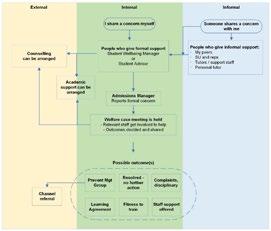
• Onward referral for the creation of a Learning Agreement
lamda.ac.uk37

for the Admissions and Student Services Manager to call a welfare case meeting, attended by all those deemed by the Admissions and Student Services Manager to hold relevant information.
• Onwards referral to Prevent Management Group
A range of outcomes is possible after a welfare case meeting, including:
Financial Support
Upfront Scholarships
• From the Global Majority
Scholarships, bursaries, and hardship grants
• From lower Socio-Economic Backgrounds
Here at LAMDA we believe that drama school training needs to be accessible to anyone who wishes to build on their life experi ence and pursue a career in the creative industries.This means we are looking to shake up the performing arts industry as a whole – nurturing emerging artists from all walks of life and who reflect the world that we live in.
• Have a declared disability
This programme aims to provide the vital financial support necessary for students from underrepresented groups to access and complete our training, allowing students to focus fully on their course without the burden of financial strain.
Scholarships will be for the duration of the recipient’s studies unless indicated otherwise at point of offer. Some scholarships have specific criteria i.e. nationality and that will be taken into consideration by the committee. All recipients who are eligible for a Student Loan or Postgraduate loan for tuition fees will be expected to take out the maximum tuition loan available to them to help with the cost of tuition fees. This means that LAMDA will be able to target our scholarship support towards training barriers such as living costs.
• Care Leavers
LAMDA’s scholarships usually range between £3,000 - £15,000 and are funded through grants from trusts and foundations, com panies and individual donors.
lamda.ac.uk38
To help ensure that access to the arts is at the heart of what we do at LAMDA we have an Access and Participation Plan which sets out how as a higher education provider we will improve access to education and opportunities for underrepresented groups. Which includes but is not limited to applicants who are.
There is always a greater need for scholarships than what we can currently provide, and we are working to increase the number of scholarships available to ensure that finance is not a barrier to students who wish to access LAMDA’s training.

• From lower Socio-Economic Backgrounds
These are awarded to incoming students at point of entry to LAMDA. They are based on potential shown during the audition process and financial need as determined from information supplied by prospective students on application to the Academy and supported by Student Finance income assessments.
Financial support is also available at any point during a student’s training through LAMDA’s Student Hardship Funds. Support awarded from these funds is based entirely on financial need due to a change in personal circumstances. Two methods of support are available:
General Bursary Awards
• BA Hons Professional Acting
• MFA Professional Acting
• MA in Classical Acting for the Professional Theatre (Fulbright Scholarship Only)
• BA Hons Professional Acting
• Foundation Degree Production & Technical Arts: Stage & Screen
Consideration for a scholarship does not affect the outcome of a student’s application to LAMDA.
Students on LAMDA’s MA Classical Acting, Foundation Diploma and Semester Diploma are not eligible for General
Final year scholarships may be Tuition fee or maintenance support. International students will only be contacted to apply for a final year scholarship if there are available final year scholarships.
LAMDA General Bursary Awards aim to provide help for students who experience a long-term change in personal circumstances, which leaves them in demonstrable financial need (e.g. the loss of a parent or other change in family situation such as divorce or unemployment). A General Bursary Award can also be awarded to students in demonstrable financial need who were not awarded a scholarship. The eligibility criteria for General Bursary awards are the same as for scholarships. General Bursary funds are subject to funds being available and cannot be guaranteed.
• Foundation Diploma (two tuition fee scholarships one of which is awarded via LAMDA Pathways.
• BA Hons Production & Technical Arts: Stage & Screen
Final Year Scholarships
Final year scholarships are awarded at the beginning of the academic year to support students until they graduate. Scholarships are awarded on the basis of talent (which will be decided by looking at academic reports) and financial need and are awarded to ensure that a talented student is able to complete their training, despite a reduction in earned income or change to their financial
Students on the following courses may apply for final year scholarship support:
Pleasecircumstances.Note:Any
• Foundation Degree Production & Technical Arts: Stage & Screen
There are currently upfront scholarships available for the following courses;
In keeping with the Academy’s fee policy, all fees must be paid by the dates specified on a student’s offer letter. Any student who is in arrears with their fees may not be considered for scholarship support.
• MFA Professional Acting
lamda.ac.uk39
prospective student to LAMDA should not rely on – or expect – that a scholarship will be forthcoming in their final year or base their financial calculations for fees and maintenance for the entire period of their training upon the likelihood that scholarship support will be forthcoming at a later stage. Final year scholarships are usually awarded to Students who are struggling financially and have shown full commitment to their studies throughout their training and are subject to availability.
Scholarship Awarding Process
In addition you will need to complete the following documentation before any payments will be processed:
• National Insurance Number – this is issued at 16 or can be applied for if you are not a British Citizen.
• Casual Starter Form
• A casual contract drawn up by the line manager which states rate of pay, period of employment and place of work.
Bursary Fund Awards
Documentation:
This emergency fund exists to help all students who suffer unexpected, short-term financial difficulties during their training – such as the theft of a bicycle. Hardship payments tend not to exceed £1,500 within a year and should not be applied towards fee pay ments. Scholarship meetings focusing on Student hardship & General Bursary awards will take place monthly, students must therefore keep the Admissions & Student Services Manager updated of any financial difficulty they are facing. The Admissions & Student Services Manager will be able to advise them on eligibility and other funding sources available to them and provide them with the application form
• AllP46forms are available from the Finance Office or the relevant line manager.
Student hardship
lamda.ac.uk40
• NB. Overseas students will need to need to provide proof of their visa.
The payroll runs fortnightly based on a schedule of dates determined by LAMDA. Please ask a member of the Finance Team. All signed timesheets will be processed and monies will be paid directly into your bank account. Please notify the Payroll Coordinator of any updates to your bank account or address by completing an amendment form available from the Finance Office.
Some students get the opportunity to work for LAMDA, for which they receive payment. Prior to any work being undertaken, they must hold the following information:
Awards are considered and approved by LAMDA’s Scholarship and Bursary Committee. Further information about the process is available from the Admissions and Student Services Manager. Students working at LAMDA

• Have an open UK Bank Account
On completion of work, you will need to complete a timesheet and assignment form which will be authorised by the line manager and passed onto the Payroll Coordinator.
• Estates
We have completed a COVID-19 risk assessment and we continue to review it as new guidance is published. In short, our safe system of work for Talgarth Road as this is written is:
The opening hours of the building are usually 8:30am to 9:00pm on weekdays, and 9am – 5:00pm at weekends, unless there are
• General Health & Safety
• Face coverings are no longer required but masks are available.
• Library Resources
This section contains information on the following topics:
• COVID 19
• ICT
• The customer Service Desk/Facilities
• If you are feeling unwell you should stay at home and report your absence through the usual channels.
The Estates Manager Roy Mustoe (interim) can provide further advice and support about health and safety on site roy.mustoe@ LAMDAlamda.ac.uk.islocated at 155 Talgarth Road and this is the base for the Academy. In addition, some public performances may be held in professional venues across London and beyond. Students on the Production and Technical Arts programmes will also be based at the scenic workshop at Bermondsey for some elements of the training.
Further information can be found on LAMDA World: https://lamdaac.sharepoint.com/sites/LAMDAIntranet/SitePages/Coronavi rus.aspx
Facilities, ICT and Resources
lamda.ac.uk41
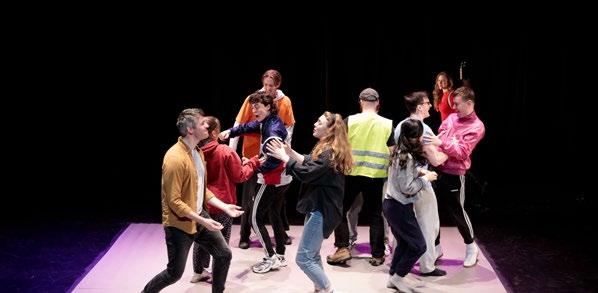
• Box Office Estates
COVID-19 Secure at LAMDA
155 Talgarth Road: The building
Who can I ask for help?
If you spot something which you think needs urgent addressing, please let the customer service desk know. If the service desk is closed, please call 07503103679 and the facilities assistant on duty will be able to help you.
The Customer Service Desk / Facilities
Smoking
Use our Every reporting platform for all other estates related queries such as cleaning issues, maintenance issues and operational issues. The platform shortcut is available on LAMDA desktop PCs or alternatively, you can search ‘Every Education’ on your web site browser and login with your Office 365 account.
A map of the building can be found on LAMDA World.
The customer service team and cleaners work very hard trying to keep your facilities as clean and tidy as possible in order for you
Use our Every.education reporting platform for all other estates related queries such as cleaning issues, maintenance issues and operational issues. The platform shortcut is available on LAMDA desktop PCs or alternatively, you can search ‘Every Education’ on your website browser and login with your Office 365 account.
The Customer Service Desk / Facilities
later performances (subject to minor amendments). The building is closed completely on all public Bank Holidays and for two weeks over Christmas.
Facilities
The Customer Service Desk also looks after all aspects of the buildings, including maintenance, housekeeping and security as well as health and safety issues. The purpose of having the building managed in this way is to ensure that the facilities and support services are working in an effective and efficient way in order not to distract or inconvenience you from the training.
There is no smoking at Talgarth Road; this includes smoking at the front of the building on Talgarth Road. There is a smoking area outside the student common room. Please dispose of your cigarette butts responsibly. E-cigarettes are not permitted inside the building. There is also a secondary smoking point at the opposite end of the building.
Maintenance
The Customer Service Desk can be found in the Manny & Brigitta Davidson Foyer and is open from 8.30 am until 6,00pm, Monday to Friday (except on Bank Holidays and other days when LAMDA is closed).
The Customer Service Desk can be found in the Manny & Brigitta Davidson Foyer and is open from 8.30 am until 6,00pm, Monday to Friday (except on Bank Holidays and other days when LAMDA is closed).
lamda.ac.uk42
If you spot something which you think needs urgent addressing, please let the customer service desk know. If the service desk is closed, please call 07503103679 and the facilities assistant on duty will be able to help you.
You can help to maintain the building and your working environment by reporting to the customer service desk or on Every any faults or problems that you may find when using the facilities. The sooner a problem is reported, the sooner it will be fixed, so please don’t wait for someone else to report it. Types of faults you may discover may include a blocked toilet, a cold rehearsal studio or a problem with the lighting – anything to do with the building that may affect your use of the facilities and make the building an unpleasant working space.
Caretaking and Cleaning
• Never allow any unknown person access to the buildings. Always ask guests and visitors to call at the customer service desk via the external call button at the main entrance
Rubbish and Recycling
Security and Safety
lamda.ac.uk43
• Never leave personal items or valuable items unattended – always secure your belongings in your locker.
LAMDA has dedicated communal General Waste and Recycling bins located across the entire site. Please familiarise yourself with what waste is and isn’t recyclable.
• Never allow an unknown person to follow you into the building when you are using your security swipe card to gain access. Al ways check behind you.
Swipe Cards and Access
The student common room is located at the far end of the East Wing. This is your facility and there is limited space for the students, so it is vital that the room is kept clean and tidy. The common room is managed by the Students Union (SU) and any issues relating to the downstairs of the space should be directed to the SU reps in the first instance. Information on SU reps is available from the Admissions and Student Services Manager and the Student Advisor and on the Student Central Information Point. Upstairs are a
Student Common Room
Certain doors around the Academy are alarmed and are signed as such. By opening these doors, you will set off an audible alarm. If you require access through these alarmed doors, please contact the customer service desk to have the door alarms de-activat ed. Unauthorised use of the alarmed doors may be considered a disciplinary offence.
We have had some thefts in the building where strangers have been allowed access. Please help to keep LAMDA a safe and secure environment for everyone to work in by keeping in mind the following advice:
An electronic swipe card will be issued to you that will allow you to gain access to the buildings from 8.30am-9pm Monday to Friday. All facilities must be vacated by 9.00pm on weekdays and 5.00pm at weekends unless there is scheduled production work or a performance. Access to the buildings at weekends is not allowed unless you are required to attend an organised session by a member of the Academy’s staff or you have pre-booked a space.
• Never leave external doors open or propped open, even for a short time. Always have someone on guard if you need to leave the door unattended for any time.
• If you are the last person to leave a room, please ensure the windows are closed
A member of the Facilities team is on duty from 8.00am until 9.00pm Monday to Friday and from 8:30am – 6:00pm at weekends. Please call 07503103679 if you witness something or someone that is suspicious, or you encounter a situation that causes you concern. Do not feel embarrassed or that you are making a fuss out of nothing, the safety and security of everyone at LAMDA is of the utmost importance to us.
If you lose your swipe card, you should report it immediately to the customer service desk, so that it can be deactivated to prevent any unauthorised use.
to undertake your studies in a pleasant environment. Please help the staff by being considerate and not creating more work by leaving litter around, not clearing up after your class or not using your personal locker to store your belongings.
• Wear your LAMDA lanyard and ID card when moving around the building either during or between classes or at lunchtime. This helps us to identify strangers.
The best way to ensure the floors stay as clean as possible between the point they are cleaned and the last class of the day is for you to change into a pair of indoor shoes when you enter the building, which can be kept in your locker.
LAMDA pursues a policy to promote health and safety at work and seeks the co-operation of all students and staff for that purpose. LAMDA will provide, so far as is reasonably practicable, working conditions which comply with the relevant statutory requirements and officially approved codes of practice that are designed to ensure good standards of health and safety. The Academy is com mitted to operating in accordance with the Health and Safety at Work Act 1974 and related guidance and legislation.
The Head of Technical Training is responsible for maintaining a safe working environment in all the performance and related spaces at the Talgarth Road site. The Production Manager is responsible for maintaining a safe working environment in all external perfor mance spaces and the wardrobe premises at Chiswick Studios and the Senior Construction Tutor is responsible for safety at the scenic workshop in Bermondsey. Any Health & Safety issues or concerns should be raised with the relevant person as above in the
• Providing safe means of access to and exit from places of work which are under the company’s control. However, injuries can happen in any environment and it is LAMDA’s objective to reduce the incidence of accidents and injuries to an absolute minimum. Neglecting health & safety requirements is a serious breach of the Academy’s regulations and will be dealt with in the same way as any other disciplinary matter.
Changing Rooms
All staff and students must take responsibility for their own safety, and the safety of others, during their day to day work.
Male and Female changing rooms are located next to the Student Common Room and along the ground floor corridor in the west wing. You will be issued a key to a locker in those changing rooms for your personal use. Always use your locker and don’t leave any personal belongings in studios or the common room. There are shower and toilet facilities as well as a laundry facility. Please keep the changing rooms tidy at all times. If there are any problems, please contact the customer service desk. Non-binary toilet and shower facilities are available on the ground floor corridor in the west wing (new building).
General health and safety
number of computers for students’ use.
Particular regard will be paid to:
• Providing information, instruction and, where appropriate, supervision to enable all students and staff to contribute positively to their own health and safety at work.
lamda.ac.uk44
Staff and student responsibilities
• Ensuring that electrical equipment and systems of work are safe and do not endanger health
The Academy accepts no responsibility for the loss or theft of personal property brought onto Academy premises. You are strongly advised to purchase insurance cover for your belongings; student insurance is not expensive. Lost property should be handed into the customer service desk. Lost property will be put in the student common room and will be cleared at the end of each calendar
Lost Property and Insurance
• Providing safe arrangements for storage, handling and movement of materials
Ifmonth.youlose your locker key or swipe card please ask at the customer service desk, and a replacement item will be available for you to collect from the customer service desk the following day. Please do not label your locker key or swipe card with details of your locker number or the Academy’s address, as they may then be used by a thief to steal from you and gain unauthorised access to the Losingbuildings.swipe cards or any keys that you may have been issued with will mean that you will lose part, or all of your key deposit paid at the beginning of your course. A full refund of your key deposit will be given at the end of your course when you return all items issued to you.
Students on the Stage Management and Technical Theatre course are issued with a more detailed in-house Health & Safety man ual which they are required to study and adhere to at all times.
No matter how small the injury, it must be entered in the Accident Book.
All students are given an equipment list, which includes clothing appropriate to the teaching. Students will not be permitted to take a class if they are inappropriately dressed or equipped; any student wearing clothing unsuitable for the class, or which would pose a risk to Health and Safety, will be sent out of the class in order to change into more suitable clothing. Any student sent out of a class must report to the Head of Actor Training or the Head of Technical Training.
In the event of a first aid incident, no matter how small, a designated first aider must be called. Under no circumstance must first aid be administered by anyone not listed as a designated first aider. In the event that a first aid incident occurs in a remote part of the building the facilities team can be reached on their mobile.
In the event of an accident or injury at LAMDA, students must inform a member of staff immediately. It is a legal requirement to complete the Accident Book detailing the accident. The Accident Book is kept in the Facilities Management Office (The customer service desk) on the ground floor at Talgarth Road, in the designated Production Office at external performance venues and the office of the Scenic Workshop.
lamda.ac.uk45
Fire drills and evacuation
You should not be working in the building alone. If you need to be in the building on your own, please make sure someone knows where you are, either a staff member or the facilities team, then let them know when you leave.
There are first-aiders at Talgarth Road and the scenic workshop. Please familiarise yourself with the information on display within these buildings, which indicates the names of first-aiders and locations of first aid supplies. An appropriate number of staff at Tal garth Road are first-aiders. Outside venues provide a designated first aid point and their own first-aiders.
Regular fire drills are held at Talgarth Road. Please familiarise yourself with the evacuation procedure and the assembly point out side these premises.
First aid
Staffinstance.areresponsible
for ensuring that students are working in a safe environment, undertaking safe practice using the correct equipment and wearing suitable clothing. To ensure student safety, training is given for the use of any technical equipment used in production by an appropriate member of staff.
If you are unsure what action to take in the event of an accident or incident, please contact The customer service desk and they will advise you or phone for the emergency services.
Accident, injury and ‘near miss’ incidents
first
If there is an accident or injury in an outside venue, you must still complete the Accident Book at Talgarth Road. It need not be the person who had the accident that fills in the book; it can be anyone who was present when the accident or injury occurred.
“Near miss” incidents are those where an accident nearly occurred or staff/students found themselves in a dangerous situation. Any “near miss” incident must also be reported to the Facilities Manager at Talgarth Road or the Production Manager at an external performance venue.
If the fire alarm sounds or you are asked to leave the building, please do so immediately; do not stop to collect belongings. Do not return until instructed to do so by a member of the facilities team.
Borrowing books and DVDs
Items can be borrowed from the library using the self-service machina and/or the lbrary app. Search for books and other items on the LAMDA catalogue here: https://lamda.koha-ptfs.co.uk/. Quick Search using the search bar at the top or perform an Advanced search to narrow down your results.
You can search by title, author, subject and more. You can use the main search window or the Advanced Search feature.
Study Skills Support: Who Can Help?
Fig. 3 Home page of library website
The LAMDA library is a designated quiet study space and is located on the first floor of the West Wing. It is open Monday to Friday from 9am-8pm and on weekends from 9am-4pm. There is a self-service machine and library app available and a librarian present at least 3 days a week. All full-time students automatically receive a library account once they have enrolled at LAMDA.
The LAMDA library
Students with an identified impairment who would have difficulty evacuating the teaching spaces unaided should ensure that they have a personal safety plan for each of the teaching spaces expected to be used. Such a plan can be drawn up with the help of the Admissions and Student Services Manager Amy Richardson (amy.richardson@lamda.ac.uk) and should be shared by the student with the Facilities Manager, who is responsible for fire evacuations.
Please be mindful of any social distancing guidelines and health and safety when entering the library. Stay safe, be respectful, and follow instructions set out in the space.
lamda.ac.uk46
Personal Emergency Evacuation Plans (PEEP)
The librarian can offer study skills support and assistance finding resources in the library as well as assistance with advanced study skills, referencing and postgraduate research queries. Please email them to access help; library@lamda.ac.uk.
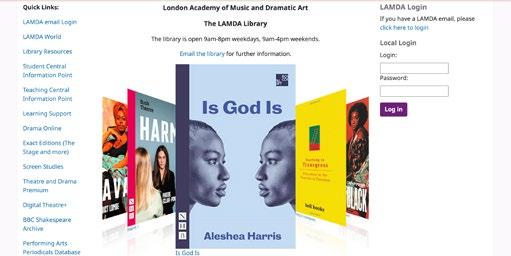
• Items can be borrowed for 3 weeks at a time.
• If an item you need is on loan, log into your Library account via the library website and place a reservation. You will get a notification as soon as the item is returned and we will hold it for you at the library for one week.
LAMDA is part of the SCONUL Access scheme which allows undergraduate students reference access to hundreds of university libraries around the country and borrowing rights to postgraduate students. Once enrolled, students can apply to the scheme on https://www.sconul.ac.uk/sconul-access. Many libraries stll remain closed to external visitors so please check individual COVID advice for the university before applying.
Anyone can apply for a reading pass at the British Library and students have also found the V&A’s Theatre and Performance Archives in Hammersmith particularly useful.
Online resources
Returning books/Fines
Always include a Reference if you quote or paraphrase from any source
Plagiarism and Referencing
When you hand in work you must take care not to plagiarise. This means you have used a source for information (for example quot ing a director in an interview) but you have not included a reference to show your source – this would be plagiarism.
• Books can be renewed online via the website, on the self-service machine, app or with the librarian for a week at a time provided they have not been reserved.
lamda.ac.uk47
• Items can be returned on the self-service machine in the library or put in the dropbox outside the library.
Other libraries
• If you lose a library book or other item you will need to pay for the cost of replacing it.
Enrolled, full-time LAMDA students have access to online resources, including Drama Online Library, Digital Theatre+ and Screen Studies. A full list of online resources can be found on the Library website and accessed with your LAMDA email account. User guides, videos, induction materials and resource lists can be found on the Library Resources page. For information about accessing our digital resources, please get in touch with the librarian on library@lamda.ac.uk.
You must provide a reference whenever you quote or paraphrase e.g. summarise someone else’s ideas, theories or data. LAMDA asks that students use the Harvard referencing system so that students always acknowledge the sources of information that have developed the work they are submitting.
Using the Harvard System
LAMDA students should use the Harvard Referencing system to show where you have got sources from. This is a simple guide that tells you how to make it clear when you are using a source in your text, and how to sum up your sources in a clear list at the end of your work (usually called a bibliography or reference list).
• All items need to be returned to the library or renewed by the due date.
• Overdue books will incur a fine of £0.10 per item per each day they are not returned.
• An email notification will be sent the day before your item is due back, on the day it’s due back and if not returned, a week after it was due and two weeks after it was due.
• It is your responsibility to return items on time. Do not lend your borrowed items to anyone else. You will still be responsible for their return and fines, even if lost.
SCONUL Access Scheme
• Full-time students can borrow a maximum of 10 items at a time.
1. Collecting data by involving human participants e.g. through interviews or questionnaires (especially if the research involves vulnerable adults and/or people under the age of 18),
Training and Support with Referencing
You will need to obtain Ethical Approval from LAMDA’s Research & Ethics Committee where your project involves:
• LAMDA Harvard referencing guide
• https://www.citethisforme.com/
• Activities which involve human or animal participants, especially those which present an indirect or physical risk to participants.
What does ‘working ethically’ mean? There is a general duty to work to the best of your ability to protect any participants you work with from harm, and to ensure that the design of your research (this includes practical and written projects) has considered the physical and emotional wellbeing of any participants.
General duty to act ethically when conducting research for a dissertation or project
Research and Ethics (Working in a Safe & Professional Way)
Before you start to collect data in connection with carrying out research for a project or dissertation at LAMDA, you must consider the ethical implications of your project and whether ethical approval is required.
Students writing dissertations will receive sessions which teach you the basic principles of referencing and can also request spe cialist support and further resources from the librarian or the Executive Dean of the Drama School. Resources related to referenc ing, plagiarism and study skills are available on the Student Central Information Point.
All researchers have a responsibility to ensure that they fully identify and address any ethical concerns in relation to their proposal. These tend to fall into two categories:
lamda.ac.uk48
Obtaining Informed Consent
Ethical approval is needed where your project at LAMDA involves:
Ethical Approval
• Collecting new or primary data, from or about living participants (including yourself), i.e. Data other than that which is already avail able in the public domain. (This will include all projects using interview, questionnaire or survey data, social media, or any other data containing personally identifiable information).
In order to act ethically you must always fully inform all participants about the purpose, methods and intended possible uses of your research, as well as what their participation entails and what risks might be involved.
Participation in the research must always be voluntary and you must obtain participants’ consent to take part. These things can be dealt with by issuing your participants with a Participant Information Leaflet (PIL) from Student and Academic Services and asking for participants’ written consent.
There are online resources available to help you with this:
2. The storage and use of personal, social or economic data, especially sensitive data.
• Activities you deliver which involve participant observation or participation (e.g. Interactive workshops, observations of workshops in external settings such as theatres, participatory performance events you create).
• Activities which involve observing, interacting or otherwise with children (under the age of 18) or with vulnerable adults.
These will be made available to students on the Student Central Information Point where copies of all policies, handbooks, and key guidance documents about IT and Student Support are stored. Email Ian Warren ian.warren@lamda.ac.uk if you need a resource added here to help you with your studies.
The Executive Dean of the Drama School, Will Wollen, will.wollen@lamda.ac.uk can give students advice and support about writing dissertations, learning about referencing and plagiarism, conducting research, understanding how to conduct research ethically and ensuring that they get appropriate participant consent in place.
You need to apply for Ethical Approval using the LAMDA pro forma obtained from Student and Academic Services. Your supervi sor needs to sign the completed form and will give you any help you need to complete the form. You need to allow enough time for the Research & Ethics Committee to meet and approve your application before you collect any data.
Please make sure that your online learning space is sufficient for you to carry out the activities needed and free of any items (e.g.
Where can I find the Forms I need?
lamda.ac.uk49
Who can I ask for help?
In 2022-23, students should be prepared to engage in some online learning. This may include online classes and activities. This will enable us to manage how many people are in the Talgarth Road building at any given time and to comply with government guide lines in the interests of the health and safety of all staff and students. The industry we serve is also adapting rapidly to make use of remote working technologies; developing these skills is essential for students and graduates.
c) collecting or analysing primary or unpublished data about people who have recently died (NB: most projects would not normally do this)
a) collecting new or primary data, from or about living participants (including yourself), i.e. data other than that which is already avail able in the public domain. NB: This will include all projects using interview, questionnaire or survey data, social media, or any other data containing personally identifiable information
Where to find information online at LAMDA? You will have an introduction in how to use Microsoft Teams and Zoom at the start of term, but for more information or training please read the guides provided on LAMDA World. LAMDA World is our intranet and is a good place to learn about news and updates at LAMDA.
e) analysing secondary data (data you haven’t collected yourself) from, or about, living participants that could include personally identifiable information/data.
Online Learning at LAMDA
d) collecting or analysing primary or unpublished data about or from companies, organisations or agencies of any kind other than data that are already in the public domain (e.g. company strategies/policies/finance/other data)
Always check with staff first before you carry out anything like an interview, an observation, survey, or questionnaire to make sure it is appropriate!
ICT – Information Communications Technology
There is a SharePoint site called Student Central Information Point where you will find all student handbooks, module specifications, policies, forms and links to resources you might need during your studies. Email Ian Warren ian.warren@lamda.ac.uk if you need a resource added here to help you with your studies.
Online Learning Etiquette
b) analysing primary or unpublished data from, or about, living human beings
• make a note of deadlines
• check how to submit assessment online
• engage in any online tasks.
lamda.ac.uk50
• Library PCs
• Wireless network
• lamda.ac.uk email account
To manage online learning effectively you must:
Your lamda.ac.uk account must be used for all email communication between you and the Academy, so it is essential that you monitor it regularly.
Student IT resources available to you
• There are 12 workstations in the student common room and also a colour printer/photocopier/scanner
Please note that unacceptable behaviour that amounts to misconduct, whether online or on social media, may result in disciplinary proceedings. Unacceptable behaviour includes bullying and/or harassment, such as stalking and cyber bullying. Always be careful about what you say and how you behave online.
• check your emails daily
Digital resources are available on the LAMDA network and via institutional access using your LAMDA email credentials. Timetables are delivered to you via your email and populated in your Outlook calendar. There are additional facilities available for Production & Technical Theatre students.
These computers are all Windows 10 and have Office 365 installed, additionally the computers in the library have assistive technol ogy for students with specific learning differences.
IT facilities listed below are available to LAMDA students at 155 Talgarth Road. Please ensure that you read and adhere to the Academy’s acceptable usage policies when accessing the Internet and using your LAMDA accounts. In addition, please note that the Academy’s guidelines for the use of social media networks apply for the duration of an individual’s studentship, and not just when using the LAMDA network.
• Student common room PCs
• Access to the internet through the Student common room PCs, Library Pcs and the public wireless network
Any questions relating to LAMDA’s IT provision should be directed to Aura on support@yourservicedesk.co.uk or call 03003 034
• Office 365 for Students, licensed for up to five devices
• There are 4 workstations in the library and an additional colour printer/photocopier/scanner
IT Facilities and Help
The770.
furniture) that could obstruct you. Make sure that the space is private and that you will not be disturbed. When you are in a class you should normally keep your microphone muted unless you are speaking or are instructed otherwise. Use the ‘raise hand’ function if you want to ask a question.
• log into Teams daily e.g. to check for new conversations or information
• Printing facilities in the student common room, library and Mischief Room
• read and download all assignment briefs on Teams
Additional facilities for Production and Technical Arts students
lamda.ac.uk51
of Office 365 Applications for your computer or mobile device, please see here for reference: https://www.microsoft. com/en-gb/education/products/office
Your Academy timetable will be populated into your outlook calendar.
Timetable
LAMDA will respect the privacy and confidentially of your email account. The only exception to this will be if LAMDA is ever required by law to disclose the contents of your email account to a third party or parties.
OneDrive
The student gateway is linked from LAMDA’s home page and takes you into the same system (called Quercus) which you used to apply for your course. Please note that this site is currently being developed further; you will be notified about any changes or additions.
Your lamda.ac.uk mail account is provided by Office 365 and gives you a prestigious email address. It will be used for all email com munication between LAMDA and you. You will be given your login name and password by the Facilities/IT team. The first time you login you will have to change your password. If you forget your password, you will need to contact the IT Service desk to get it reset.
OneDrive gives you ample online storage and online versions of Microsoft Word, Excel and PowerPoint. It is a useful facility for storing or backing up your files and documents. You get to it via your lamda.ac.uk mail account login.
Deleted files – please note that the logged in user accounts for all the student computers will delete any files saved on the next Downloadinglogin.
Student Gateway
Storage – You can save your files via working in the remote desktop environment. This is accessible via the LAMDA shortcut on the student desktops. Once logged into this you will be able to save documents and files to your profile and this will be saved on the servers.
The wireless network is called “LAMDA-Guest” and covers the whole site. You will be given the password when you enrol.
WiFi
You are responsible for anything sent from your email account so you must keep your password secret. If you are using a shared computer make sure that you log out of your email account when you have finished, otherwise others will be able to access and use your email account.
lamda.ac.uk mail account
Six months after you finish studying at LAMDA, your email account will be disabled. You have until this time to save any emails or contacts elsewhere.
A guide to using Office365 is available online at the Office 365 training centre: https://support.office.com/en-us/office-trainingcenter.
To login go to https://outlook.live.com/owa/ and enter your email address and password. This gets you access to your email.
A guide to using OneDrive is available at the Office 365 training centre
You will be issued with a LAMDA email address and password while you are at LAMDA. You must not share your email address, login or password with anyone.
You must use the ICT facilities in accordance with the following:
• Unsolicited and offensive email – you must not initiate or forward email chain letters, jokes or other mass emails (spam). You must not send email that any member of LAMDA or wider community may reasonably find offensive or likely to cause annoyance or needless anxiety.
lamda.ac.uk52
Legal Requirements and Prohibited Use
• Defamation – you should take care to avoid content which may be defamatory. Particular care is required when sending material electronically or posting on the internet (e.g. through web pages or social media). Refer to LAMDA’s Social Media Policy for further •information.
• Computer misuse – unauthorised access to accounts, programs and/or data (including copying, corrupting or deleting) and all forms of hacking are prohibited and may be an offence under the Computer Misuse Act 1990.
Use of LAMDA IT facilities is subject to acceptable usage rules, and you will be required to sign the acceptable use policy. Adherence to these rules is compulsory for all students and staff at LAMDA and their breach may result in disciplinary action up to and including expulsion. All usage must comply with the Academy’s Regulations.
• Personal Data - data on living persons must be held and processed in accordance with the Data Protection Act 1998. Persons who hold personal data are, with few exceptions, required to notify the Information Commissioner of details of their processing of data, which must in any event be in accordance with the data protection principles set out in the Act. Refer to LAMDA’s Data Protection Policy for further information.
Production and Technical Theatre students have access to other IT facilities as part of their course. These facilities will be explained by the relevant tutors.
• Data – all data owned, processed or held by LAMDA, whether primary or secondary, must be accessed, stored, transmitted, processed and backed up in a manner appropriate to its security classification. Refer to LAMDA’s Data Classification Policy for further information. In particular, attention is drawn to data classified as high risk/impact which must not be transmitted or stored on removable media/portable devices in unencrypted form.
• Software – software may only be installed on the ICT facilities by authorised staff and should always be used in accordance with the terms of the relevant license agreement. Copying and distribution of licensed software is prohibited.
Acceptable Use Policy
Discrimination and harassment – you must not create, distribute or access material that is unlawfully discriminatory, including on the grounds of age, sex, sexual orientation, race, disability or religion; that is likely to incite any form of violence or hatred; that is likely to cause harassment, alarm or distress; or contravenes LAMDA’s Equality Policy.
You must not use the ICT facilities in any way that could expose you or LAMDA to any criminal or civil liability.
Extremist material - in compliance with Section 26 of the Counter-Terrorism and Security Act 2015, staff, students and visitors using LAMDA IT systems should not create, transmit, receive, view or store material with the intent to radicalise themselves or others. If a member of LAMDA community believes they may have encountered a breach of this provision, they should contact the Head of Student & Academic Services immediately.
• Rights in content – do not use third party text, images, sounds, trademarks or logos in materials such as emails, documents and web pages without the consent of the rights holder.
• Offensive material – you must not use the ICT facilities to access, store or distribute material that is obscene, indecent or •pornographic.
• Formation of contracts - you should note that it is possible to form contracts electronically, without any hard copy confirmation from the user. Care should be taken to obtain appropriate authority before purporting to commit LAMDA to any contractual obligations (which may include clicking ‘I agree’ to an online dialogue box) and the wording ‘subject to contract’ should be used on
You should:
You must:
• Attach any equipment that has not been supplied by LAMDA to the Academy’s cabled network
You must:
lamda.ac.uk
• Refer virus warnings to the Aura Service Desk immediately on 03003 034 770
Social Media Acceptable Use Policy
• Report non-working IT facilities to Aura Service Desk / 03003 034 770
Internet Use
The IT Systems and all information and communications created, sent or received when using them remain the property of •LAMDA.LAMDA will respect the privacy and confidentially of your lamda.ac.uk email account. The only exceptions to this will be if there is evidence of breaches of the Acceptable Use Policy, or if LAMDA is required by law to disclose its contents to a third party or parties.
• remember that email is not an informal method of communication. Emails can be a permanent record and the recipient may forward your email to others.
53
• make sure that any device you link to your email is protected by a password or pin number.
Use of LAMDA equipment
• Misuse printer facilities by printing excessively
You should:
• Take all reasonable care to protect LAMDA’s IT equipment from damage or theft.
The following rules apply to all internet access using equipment provided by LAMDA or via its wireless network.
• LAMDA reserves the right to discontinue or restrict access to the IT Facilities at any time
• take care when speakers that sound from the computer or device is not annoying to others.
You must not:
• show consideration to others using LAMDA’s internet facilities
• LAMDA will delete your email account and its contents six months after the conclusion of your training.
LAMDA’s Rights and Duties
Please find further information on Professional Email Etiquette, Using Email And Social Media and Staying Secure on the Student Central Information Point.
• use any standard email templates provided by LAMDA, including the email disclaimer.
General guidance for use of IT
Please see the Academy Regulations in this Handbook and our policies page on the website for further details. Students are limited to booking only one ticket per production and are only able to use that ticket for themselves. Please book your ticket via the LAMDA website using your LAMDA e-mail address as your login. Once you have selected a standard ticket for a show, it will be discounted at the checkout stage. Alternatively you can make a booking via the Box Office at boxoffice@lamda.
• Attempt to circumvent any of the Academy’s security systems.
The final year students perform in many public performances throughout the academic year. Tickets can often sell out, particularly in smaller venues where seating is limited.

ac.uk.
1. Family and friends can either book online through our website: https://www.lamda.ac.uk/whats-on or by contacting the Box Office at boxoffice@lamda.ac.uk
LAMDA charges for its performances but each student can get ONE complimentary ticket per production, which they can only use themselves. This ticket is non-transferable and can only be collected by the student in question with their LAMDA ID card. It is important that you turn up for a show that you have booked or cancel your ticket with at least 24 hours’ notice if you are unable to attend. You cannot pass your ticket on to another student or person. Agents and Industry Professionals will always have priority booking, even when shows are fully booked.
3. Waiting lists may operate in the event of a show being sold out, however entry is not guaranteed and will only be confirmed at the discretion of the Duty Manager
6. Students attending a performance must confirm and collect their ticket at least 15 minutes before the start of every performance or they may be released for sale. This applies to staff and students of the school.
5. If you do not use your tickets, they will be released for sale. They cannot be collected by another student.
2. If a show is sold out, agents and industry professionals will have priority for any returns or held tickets
4. Students must cancel any tickets they will not be using; at the very latest on the morning the performance.
Box Office
lamda.ac.uk54
8. Latecomers will be admitted at the discretion of the Duty Manager at a suitable point in the show and to a suitable area of the auditorium
7. Box office will be open during normal Reception hours (9am – 6pm) and up to when each show starts.
Please adhere to the rules below to avoid disappointment during showings:
be aware that access to the internet from LAMDA provided equipment and through the LAMDA Internet wireless network may be monitored.
LAMDA’s higher education courses include the BA (Hons), FdA, MA and MFA programmes, as well as the modules in the Semes ter Programmes and the 8 week Shakespeare Summer School. LAMDA also offers shorter courses and courses without higher education credits. These include the Foundation Diploma in Acting, and a range of shorter courses.
You must:
Appendix 1: LAMDA’s Courses
• keep personal passwords confidential and change them regularly. You are responsible for anything done in your name.
• make sure that you do not leave your email account logged in on a shared PC.
• check your lamda.ac.uk email account regularly
The following rules apply to all emails, whether internal or external
• use your lamda.ac.uk email account for all email communication with LAMDA

emails where appropriate.
Appendix
lamda.ac.uk55
You should:
• use a polite and professional manner in all your emails
• remember that when using a LAMDA mail account, you are representing the Academy.
Outline information
LAMDA operates a Policy on the Handling and Storage of Security Sensitive Materials. Staff or students considering that it may be necessary to consult security sensitive materials should read this policy before proceeding to consult such materials. Please contact the Librarian, the Aura Service Desk or the Head of Academic Services, all of whom can provide advice on this.
Details about individual courses, their modules, and any relevant information regarding delivery and quality assurance can be found in the relevant course handbooks, and outline information is always available on LAMDA’s website.
Qualification: MFA Professional Acting
Qualification: Performing Arts Foundation Diploma
Qualification: Semester Programme in Classical Acting
LAMDA Course Code: DIPASM (Autumn) / DIPSSM (Spring)
Qualification: MA Classical Acting for the Professional Theatre
lamda.ac.uk56
Year One students are A’s; Year Two students are B’s; Year Three students are C’s
Year Group Code: Students are PG’s
LAMDA Course Code: 8W
LAMDA Course Code: FNDACT
Year Group Codes: Year One students are PT1’s; Year Two students are PT2’s
Year Group Code: Students are PT3’s
LAMDA Course Code: MACACT
Year Group Code: 8W
Qualification: BA (Hons) Production and Technical Arts (Top-up)
LAMDA Course Code: MFAPACT
Qualification: MA Directing
Informal title: Single Semester Acting Programmes
Qualification: Foundation Degree Production and Technical Arts: Stage & Screen
LAMDA Course Code: PTALIGHT / PTAPM / PTASCENE / PTASNA / PTASOUND / PTASM
Qualification: BA (Hons) Professional Acting
Year Group Codes (used for all timetables, memos, tutorial information etc.):
Informal title: PTASS, LAMDA Course Code: FDPTA
Year Group Codes: Year One students are E1’s; Year Two students are E2’s
Year Group Codes: Autumn Semester students are S1’s; pring Semester students are S2’s
LAMDA Course Code: MADIR
LAMDA Course Code: BAPACT
Qualification: LAMDA Shakespeare Summer School
Informal title: 8 week
Year Group Code: Students are F’s
Year Group Code: Students are D’s

will.wollen@lamda.ac.uk
Ian Warren
Roy Mustoe
Student Wellbeing Manager
JocelynDirectorPrudence
Interim
Admissions and Student Services Manager
+44mark.othomas@lamda.ac.uk(0)2088340544
Estates Manager (interim)
Appendix 2: Who Does What?
Appendix 3: Student Support Summary
Head of Student & Academic Services
MelkorkaLibrarian Oskarsdottir
Executive Dean of the Drama School
Will Wollen
Staff Roles Contacts
+44customerservice@lamda.ac.uk(0)2088340500
+44amy.richardson@lamda.ac.uk(0)2088340505
+44jocelyn.prudence@lamda.ac.uk(0)2088340544
Student Advisor
danny.lee@lamda.ac.uk
Customer Service
(0)20TBCstudent.advisor@lamda.ac.uk88345548
Mark O’Thomas
TBC
+44roy.mustoe@lamda.ac.uk(0)2088340508
Principal & Cheif Executive (from 1 Oct 2022)
Who do I go to if... I have a question about my course? Have a chat with your Course Leader or send them an email.
Danny Lee
Amy Richardson
lamda.ac.uk57
Please refer to the dedicated staff page on LAMDA World for up-to-date listings of staff roles and responsibilities.
+44library@lamda.ac.uk(0)2088340540
+44ian.warren@lamda.ac.uk(0)2031419478
Contact your GP or get in touch with Student Wellbeing Manager, Danny Lee for a chat or for help accessing additional support. You can drop-in without an appointment on Tuesdays,1 – 2.30pm and Fridays, 10.30am – 12pm or email danny.lee@lamda.ac.uk. In an emergency, dial 999.
Get in touch with the Student Advisor on student.advisor@lamda.ac.uk; Head of Student & Academic Services, Ian Warren or Admissions and Student Services Manager, Amy Richardson or fill in a feedback form, anonymously or not. You can also speak to the student presidents who can raise queries on your behalf. Email them on student.president@lamda.ac.uk.
I have an IT problem
Speak to Admissions and Student Services Manager, Amy Richardson. You can find Amy in the admissions office or send an email to amy.richardson@lamda.ac.uk.
I have an idea, feedback or want to report a microaggression or raise an issue?
Contact Aura support@yourservicedesk.co.uk or call 03003 034 770.
I am concerned about another student’s welfare?
I want to discuss equality, diversity and inclusion?
I need financial support or want to discuss my scholarship / bursary?
I would like mental health and wellbeing support?
Get in touch with Shamrika Sydes, the HR Manager - Equality, Diversity and Inclusion on shamrika.sydes@lamda.ac.uk or email EDI@lamda.ac.uk.
Speak to Admissions and Student Services Manager, Amy Richardson. You can find Amy in the admissions office or send an email to amy.richardson@lamda.ac.uk.
lamda.ac.uk58

I would like support for a disability?
I have a question about study skills, referencing or library resources?
Speak to Amy Richardson, Danny Lee, your personal tutor or Course Leader. In an emergency, dial 999.
Contact library@lamda.ac.uk
iv) You will have timetabled feedback sessions with the Student Advisor.
You will be issued with a Log Reference number and given a timeframe for a response. Staff will follow the Safeguard ing policy and procedures regarding confidentiality rights if a concern about safety or welfare is raised.
Confidential / anonymous reporting Formal Complaints
For suggestions or general Fillquestions:infeedback form or ingPleasereceived.communicationsprocedures,support,aboutorence,tionsgood•tootherin•widelysponse•knowforquestion•Uselamda.ac.ukyouincludestudent.advisor@lamda.ac.ukemailtheStudentUnionifwish:student.president@thisif:YouhaveanideaoraandyouarehappyStudentRepsandstafftoandrespond.YouunderstandthattherecouldbesharedmoreacrossLAMDA.Youprefertoofferfeedbackwritingasopposedtothefeedbackforumsopenyou.Youcanusethistohighlightpractice,makesuggestoimproveyourexperiproposeanewinitiative,askgeneralquestionswheretogetadvice,ortoclarifypolicies,regulationsoryouhaveallowuptotwoworkweeksforresponses.
• You want to report an issue that will NOT be seen by stu•dents.Youwant to raise a micro-ag •gressionYouneed a confidential re•sponse.Youhave a serious concern you want to address BEFORE it is escalated to a formal •complaint.Youwant to escalate an exist-ing issue
• the provision of your course (how your training is provided).
• decisions, actions, or per ceived lack of action taken by a member of staff
• discrimination, harassment, or bullying
iii) You will also have oppor tunities to feedback and offer suggestions directly to your Student Reps
• placements.
ii) An academic tutor can listen to feedback and offer general guidance about matters relat ed to your studies in a tutorial.
• inadequate services or facilities (eg student wellbeing, IT or catering).
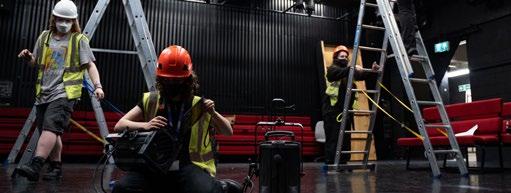
If you have tried an informal route but wish to escalate the issue, you may wish to discuss formal ServicesStudentoptions.andAcademicstaffcanhelpyou to complete a formal complaint Thisformprocedure
covers:
If something has made you feel uncomfortable - from ei ther a peer or member of staff – we want to know. You can report issues anony-mously here (form opens in new Pleasebrowser):use this if:
General Feedback Open Suggestions & Ques tions
Please allow up to two work ing weeks for investigation and response.
vi) Make sure you know when you’ll get a response.
i) Your Personal Tutor is there to listen to you and offer infor mal advice and support.
Appendix 4: Student Feedback Summary
v) You can give anonymous feedback in online surveys. These run regularly during your course
• staff misconduct.
lamda.ac.uk59
• complaints about other stu dents (see LAMDA’s discipli nary policy).
If LAMDA’s complaints and appeals procedure has been completed, you can take an appeal to the Office of the Independent https://www.oiahe.org.uk/Adjudicator