Natural History Museums of Los Angeles County 2025 Annual Report (July 2024–June 2025)





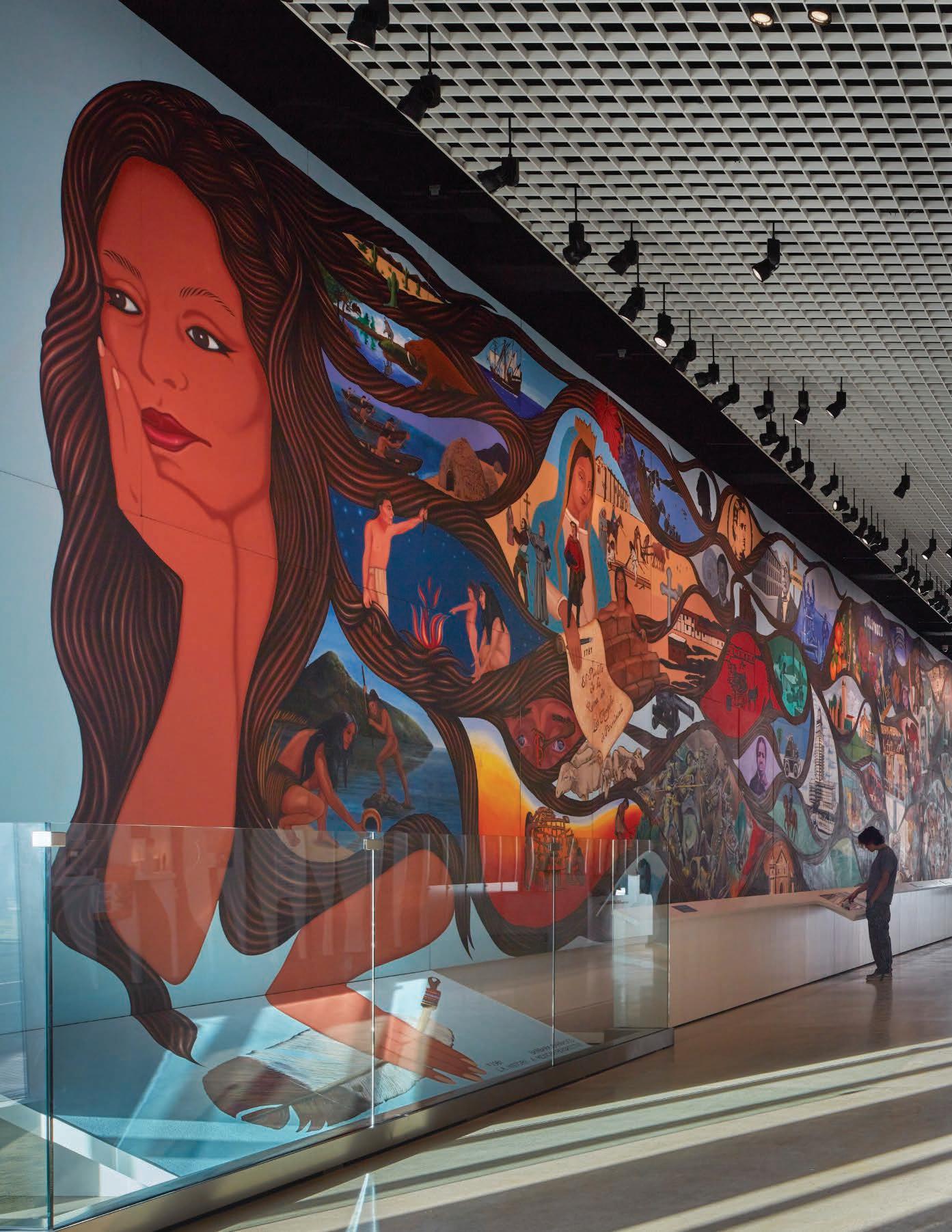
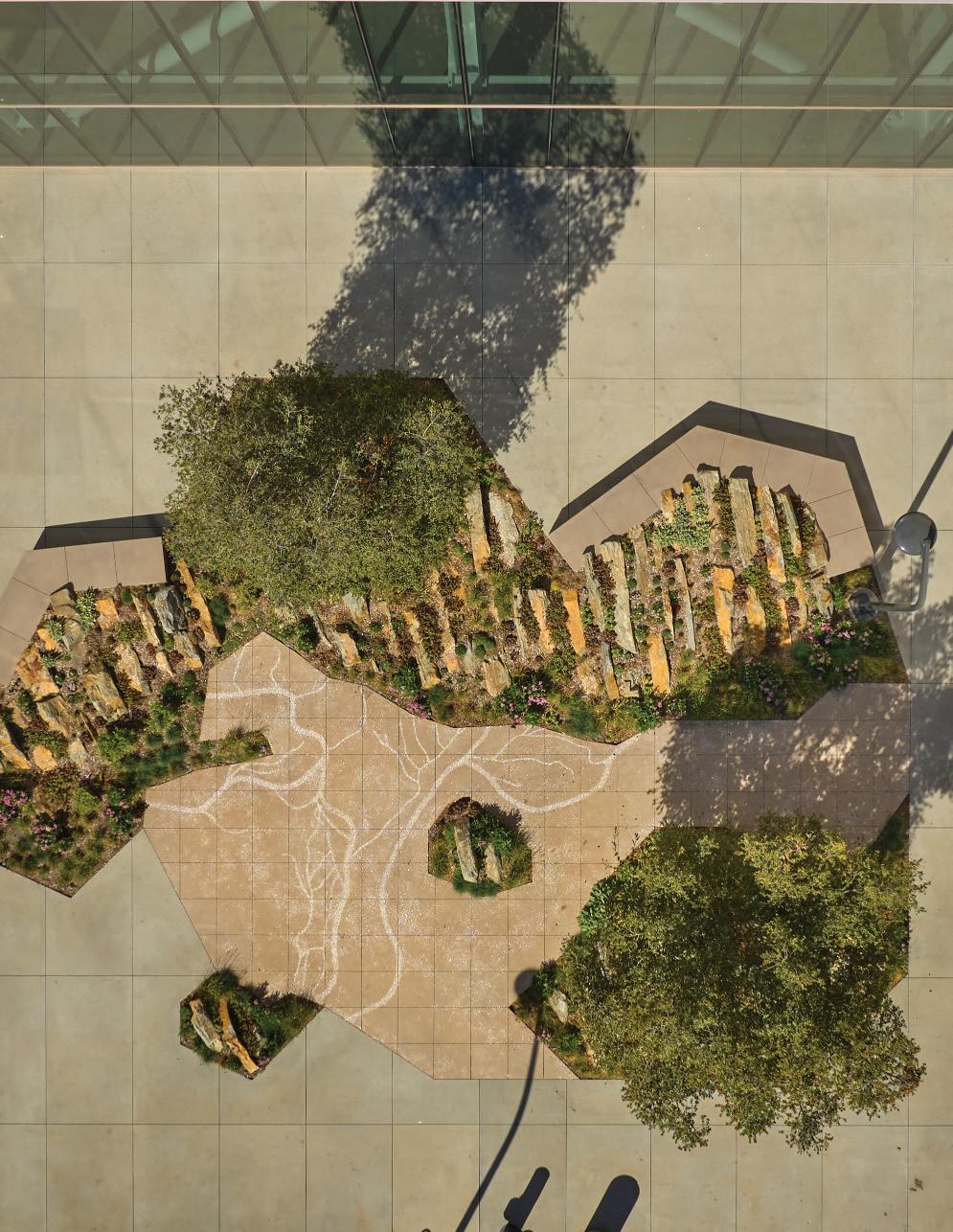
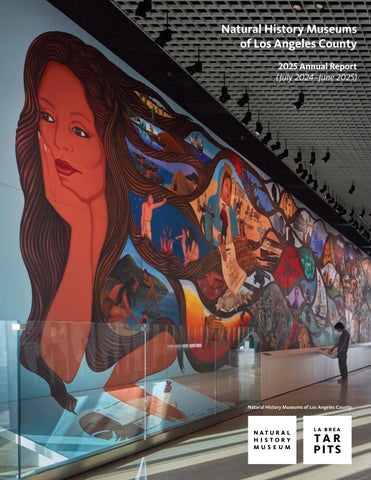
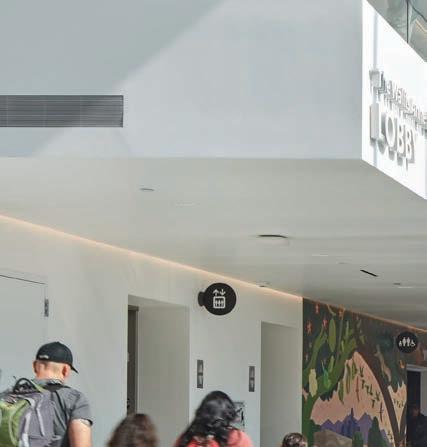
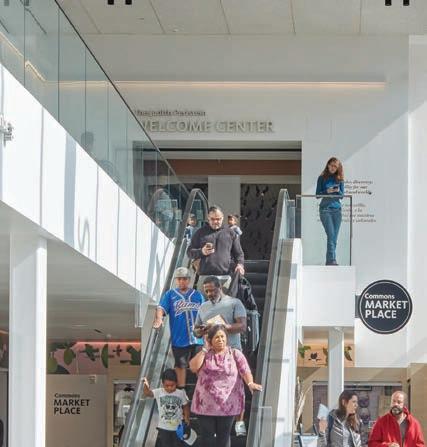
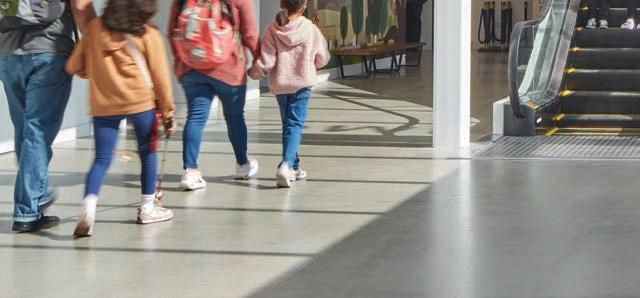
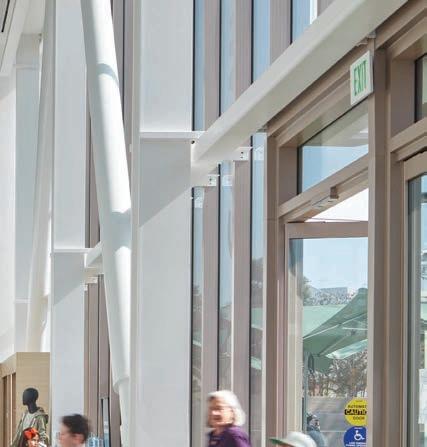
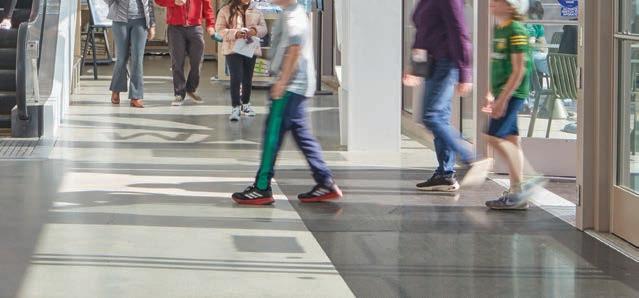
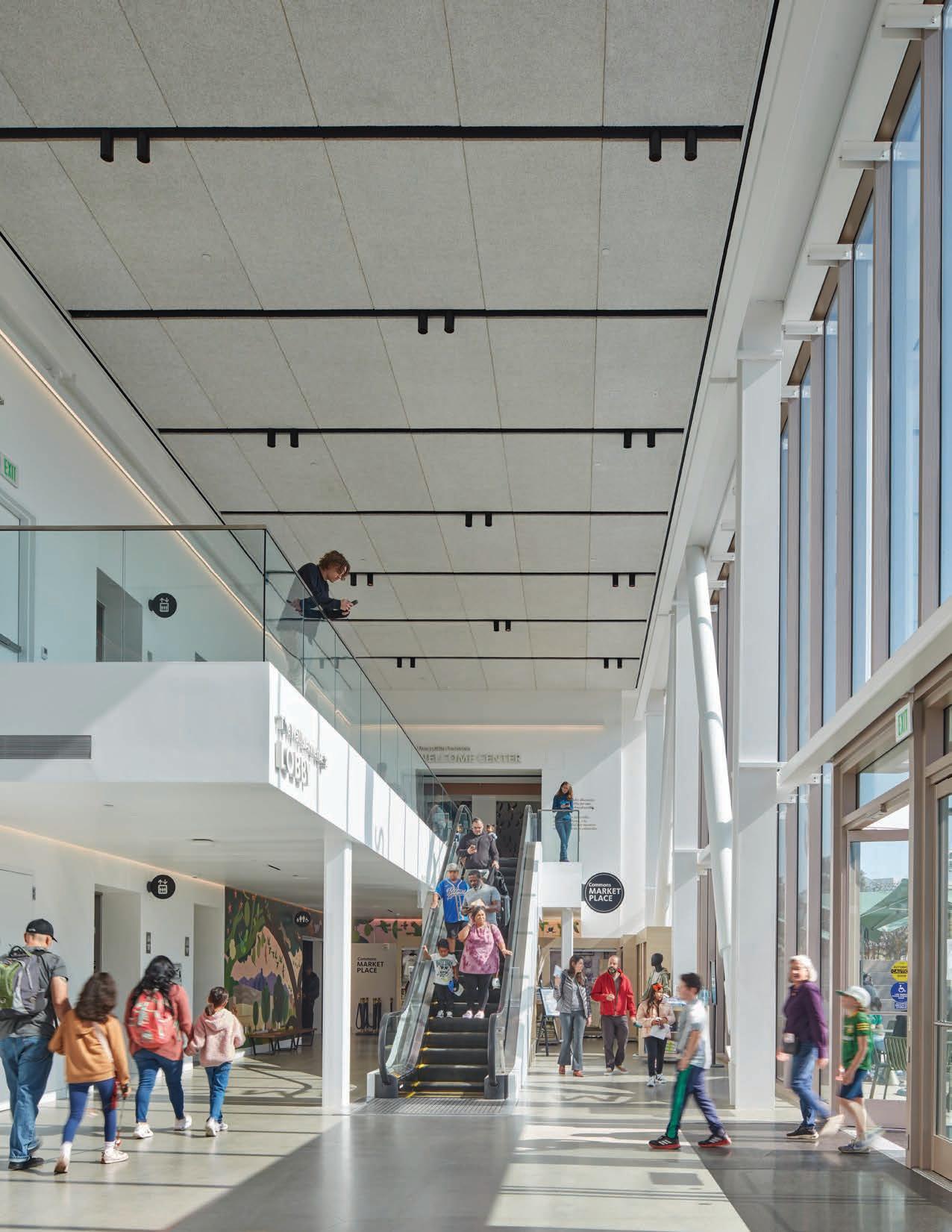
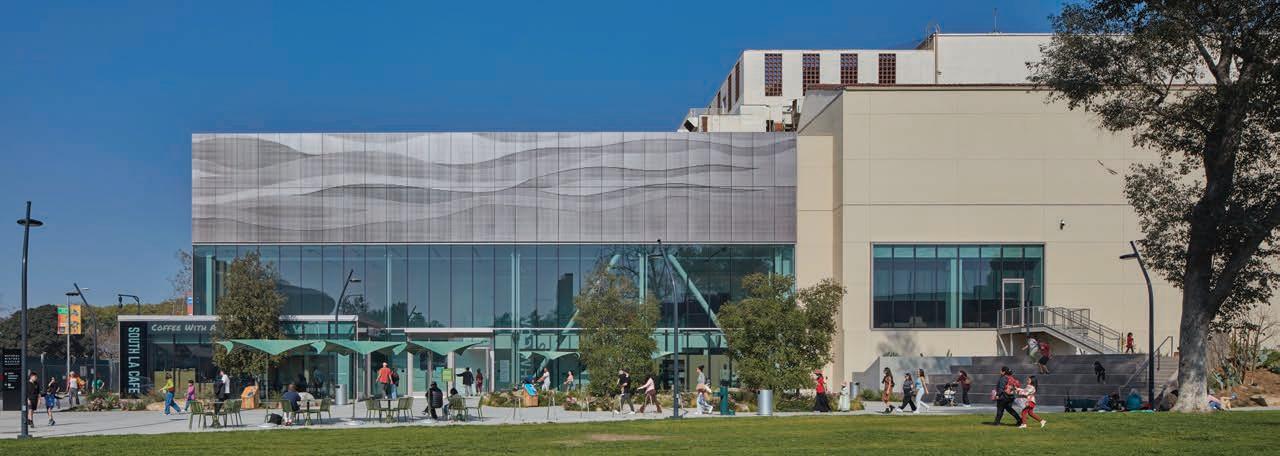
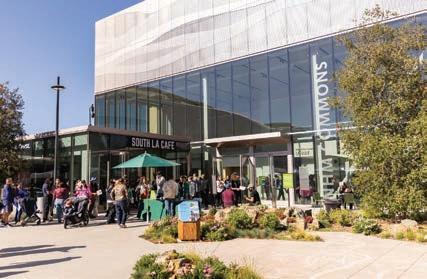
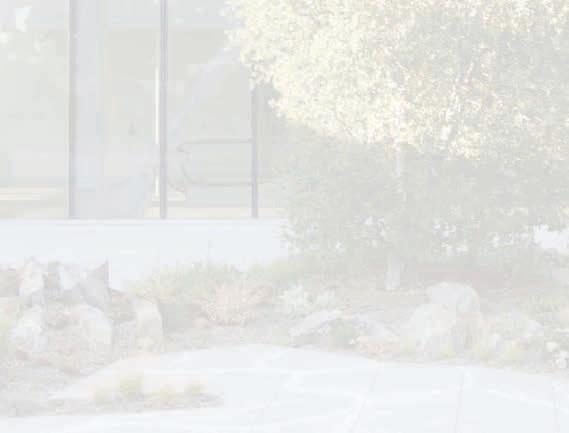
Front, opposite, and back: NHM Commons, Photos by Benny Chan

Natural History Museums of Los Angeles County 2025 Annual Report (July 2024–June 2025)
The Natural History Museums of Los Angeles County (NHMLAC) are governed through a public-private partnership between the nonpro t Natural History Museum Foundation and the County of Los Angeles. The Foundation Board of Trustees appoints most of its own members, with members of the County-appointed Board of Governors also serving as Trustees so the Board meetings can provide uni ed Museum oversight, policy, and governance. NHMLAC’s operational revenue base is derived from public funding secured by a contractual agreement with the County and private funding in the form of gifts, grants, and Museum enterprises.

The two institutions that comprise the Natural History Museums of Los Angeles County include: the Natural History Museum (NHM) and La Brea Tar Pits. The Natural History Museums of Los Angeles County are accredited by the American Association of Museums.



A
I am honored to introduce the Natural History Museums of Los Angeles County’s Annual Report for scal year 2025. Despite the challenges of the past year, NHMLAC has doubled down on our commitment to being “of, for, and with Los Angeles.” This was a period of marked dramatic change, with tectonic social and environmental issues impacting our communities, as well as challenges for the scienti c eld that have long-term implications for our society and our work.
In the past year, La Brea Tar Pits and the Natural History Museum welcomed 1.2 million visitors and served 175,000 schoolchildren through eld trips and workshops. Our three Mobile Museums, sent to schools and parks throughout the County, served more than 800,000 students. We o ered STEAM Pathways education to learners from kindergarten through post-graduate, worked with community partners to o er engaging events on-and o -site, launched amazing new exhibitions, participated in the Getty’s regionwide Paci c Standard Time initiative, opened a new wing, published more than 73 scienti c papers, and so much more!
Also during this period, NHMLAC wrapped up decades of care and maintenance of the Hart Museum in Newhall, transferring the Museum and Hart Park to the City of Santa Clarita. This evolution was years in the making, with curators and other teams working to create a smooth transition in service of the greater Santa Clarita community.
In January, we experienced an unprecedented disaster. While Los Angeles reeled in the wake of the res, NHM stepped up for the community—opening its doors for free to provide a respite from the smoke and stress, o ering temporary classrooms and eld trips for students who had lost their schools, and sending our Mobile Museums to reach those children whose schools and lives were impacted. During that terrible time, NHM was a safe place to visit, explore, and still dream despite the devastation.
The Natural History Museums of Los Angeles County, an example of a highly successful and e ective public-private partnership, relies on the ongoing investment of Los Angeles County as well as the generous philanthropy of thousands of individuals, corporations, and foundations.
I am grateful to my fellow Trustees for their continued support and passionate dedication. In the past year, we welcomed Ambassador Cynthia Telles, Ford Edgerton, and Michael Molina to the Board, strengthening our work and extending our outreach to the community. We also thank outgoing Governors Susan Dever, Diane Medina, and Joseph Lumarda for their many years of service and commitment to NHMLAC.
I hope that in reading this report, you see the impact of your support and that of the community of people working together to ensure NHMLAC’s robust and thriving future.
On behalf of the Board of Trustees, I thank President and Director Lori Bettison-Varga for the vision and heart with which she stewards this incredible institution. She is an accomplished scientist, educator, and beloved leader who has reshaped how our museums show up in Los Angeles and in the world. We congratulate her as we celebrate her 10th anniversary!
Sincerely,
Megan McGowan Epstein
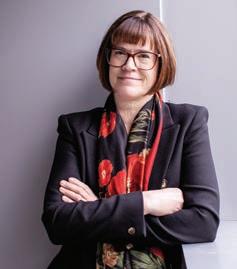
A message from Lori Bettison-Varga, President and Director of the Natural History Museums of Los Angeles
As I celebrate my 10th year leading these institutions, I am so inspired by our museums’ evolution as a community, one that meaningfully connects greater Los Angeles every day. Together, we have rede ned what it means to be a natural history museum in the 21st century: rooted in scienti c rigor, guided by the public good, and shaped by the people of Los Angeles. This new Annual Report demonstrates the local-to-global impact of our work in science, education, entertainment, and community building.
Over the past decade, we have opened new doors, both literally and guratively. The launch of NHM Commons last year marked a bold step toward deeper civic engagement and accessibility, creating new gathering spaces and programs that invite Angelenos to see science, nature, and culture as integral to their everyday lives.
NHM Commons is more than a beautiful new expansion on our southwest corner. Opening into Exposition Park, it is the physical manifestation of our “of, for, and with Los Angeles” ethos. This new wing o ers a welcoming outdoor gathering space, inviting people to experience free exhibits as well as new o erings in the Commons Theater and a portal into the rest of the Museum.
Now, at the La Brea Tar Pits we are reimagining the future of one of the world’s most important Ice Age sites, linking the dramatic changes of the past to the urgent questions of our own time, including biodiversity loss and the future of climate resilience, while better connecting with the local community and upgrading an essential green space. We continue to conduct important research and excavations in the heart of Los Angeles, giving us a clearer vision of our past to illuminate our shared future.
Scienti c research, exhibits, and collections are foundational to our work. Just as important is our focus on people—our communities, our partners, and the next generation of scientists and storytellers. From our City Nature Challenge and BioSCAN to STEAM Pathways, from our advisory councils to our collaborations with Native communities, we have built a shared movement showing that science is strongest when it is inclusive, participatory, and civic-minded.
The City of Los Angeles — and the global scienti c community — are still recovering from last year’s wild res, the most signi cant disaster our state has experienced. In this report, you’ll read about how we rallied for our community during that time and how our ongoing scienti c research and education inform recovery and prevention e orts.
We are proudly a public-private institution and grateful to our biggest supporter, the County of Los Angeles. We are deeply grateful to the Board of Supervisors for their unwavering support and recognition of the important role we play in the vitality of our county and city.
Our Board of Trustees, Board of Governors, and generous public and private donors make all of this possible. They are our partners in envisioning a future that celebrates the lessons and possibilities of our natural and cultural worlds, as well as the ways our museums can drive knowledge and inspire a better future.
With gratitude, Dr. Lori Bettison-Varga
The Natural History Museum (NHM) occupies a special place in Los Angeles: It is L.A.’s oldest museum building and the present-day anchor of an emerging cultural, educational, and entertainment hub in Exposition Park. NHM visitors are awed by extraordinary specimens and the stories behind them in permanent exhibitions such as Age of Mammals, the Dinosaur Hall, the Gem and Mineral Hall, and beloved dioramas, as well as in special exhibitions. In addition to sharing the history of the planet, NHM also explores a more local transformation: Becoming Los Angeles , the outdoor Nature Gardens, and the Nature Lab look at how the environment and people, past and present, interact in L.A. The unifying theme in these indoor and outdoor experiences is the interplay of nature and culture in Los Angeles and the world.
900 Exposition Boulevard, Los Angeles, CA, 90007
More information at NHM.ORG or call 213.763.DINO



For more information, visit NHM.ORG/nhm-commons
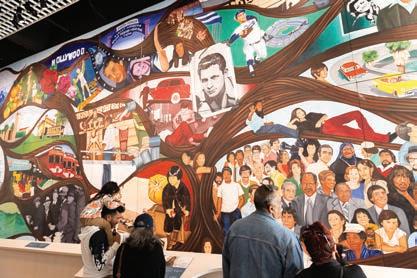

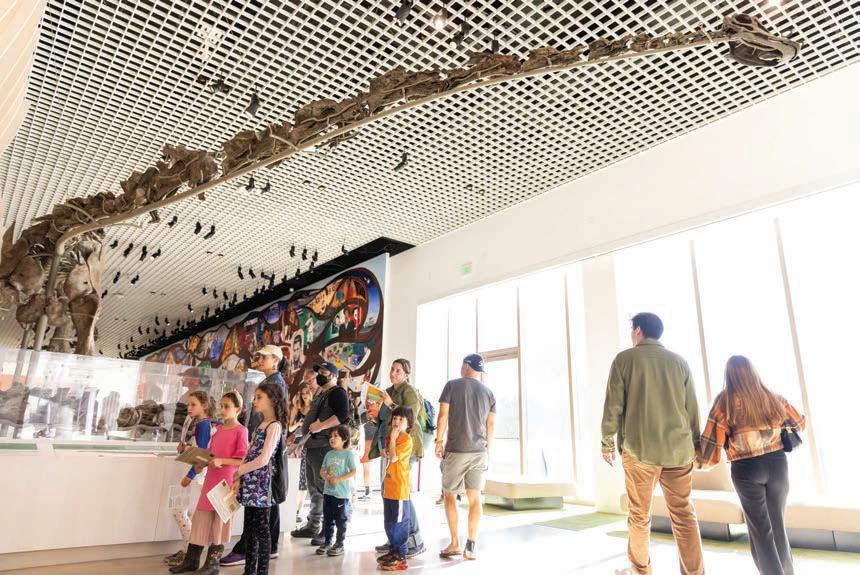
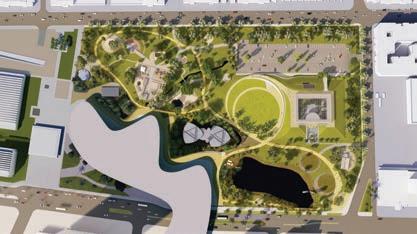
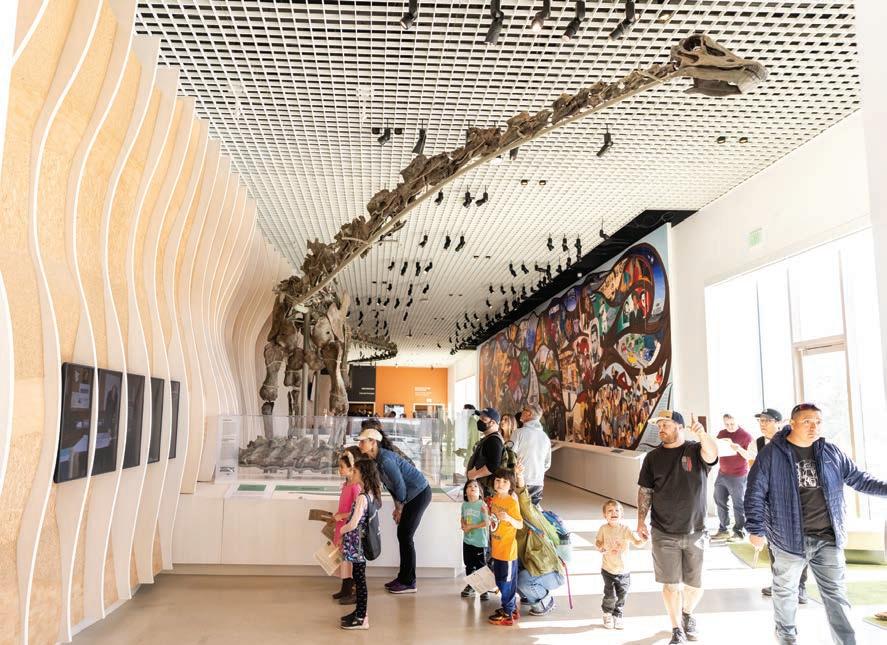
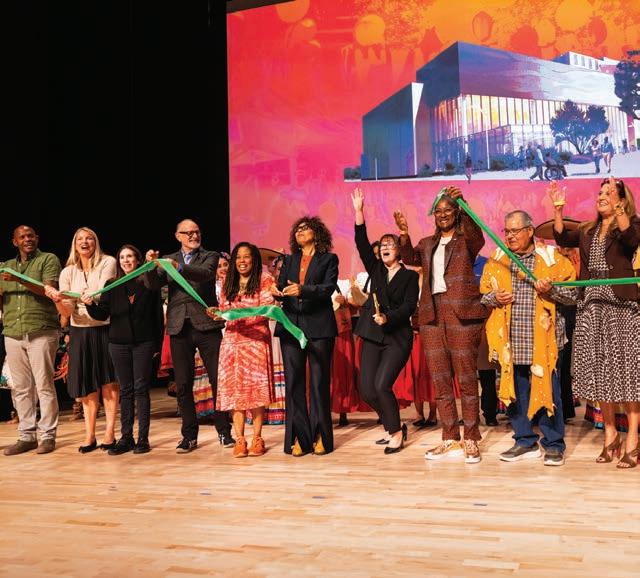
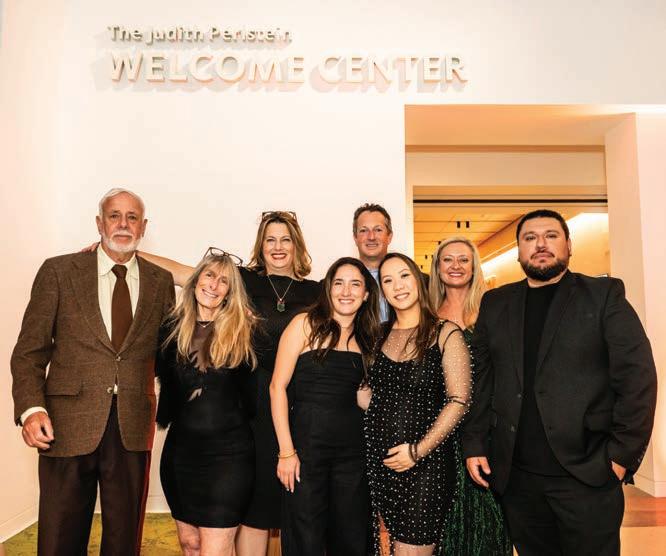
In November, 2024, we were proud to open NHM Commons, the Museum’s new wing and community hub in Exposition Park. Celebrating the intersection of science, nature, and culture, this unique outside-inside experience features 75,000 square feet of new and refreshed spaces, including many free activities. See Gnatalie, a more than 75-foot-long green-boned sauropod. Get up close to L.A. artist Barbara Carrasco’s landmark mural L.A. History: A Mexican Perspective and see an exhibition of notable specimens found by local community scientists and collected and researched by our own scientists. In addition, NHM Commons includes a new beautifully landscaped plaza, garden, entrance, and a multipurpose theater with mission-aligned programs, films, and performances. The expansive Judith Perlstein Welcome Center has new exhibits, displays, and ticketing desks for visitors and Members. There is a new grab ‘n’ go cafe on the plaza run by South LA Cafe and a local-inspired museum shop.

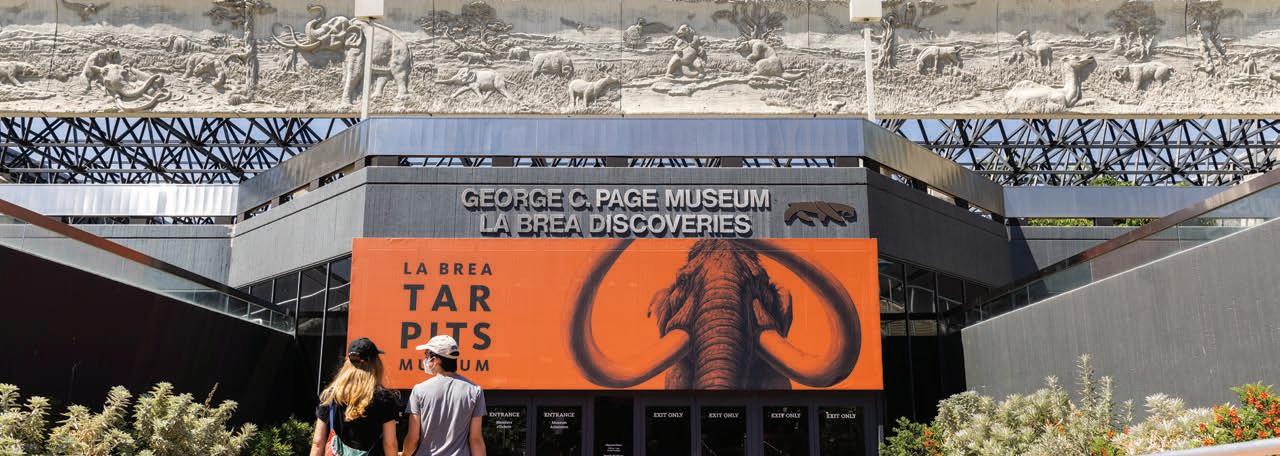
The asphalt seeps at La Brea Tar Pits are the only consistently active and urban Ice Age excavation site in the world. Earth’s most important Ice Age fossil site, La Brea Tar Pits in 2022 was selected as one of the First 100 Geological Heritage Sites by the International Union of Geological Sciences. In 2024, we celebrated the 60th anniversary of the site’s National Natural Landmark recognition. This makes the site—both a museum and a park—a unique window into active science where fossils are discovered, prepared, researched, and displayed in one place. Outside, visitors can watch excavators unearth fossils of wildlife trapped in the seeps 10,000 to 50,000 years ago. Inside the museum, scientists and volunteers clean, repair, and identify those very fossils and conduct cutting-edge research that inspires and informs scienti c study globally. The best specimens are displayed and available for research: extraordinary saber-toothed cats, giant sloths, dire wolves, mammoths, and mastodons.
As part of Paci c Standard Time, La Brea Tar Pits opened an immersive, playful installation by artist Mark Dion, entitled Excavations, evoking a behind-the-scenes museum space, displaying new work alongside early museum murals, dioramas, and maquettes of Ice Age mammals.
The site is certainly a gateway to the Ice Age, and also to the world around us; fossilized remains of microscopic plants, insects, and reptiles are increasingly becoming a focus of research because of what they reveal about ancient climate and how we can use those insights to investigate climate change today.
5801 Wilshire Boulevard, Los Angeles, CA, 90036
More information at TARPITS.ORG or call 323.934.PAGE

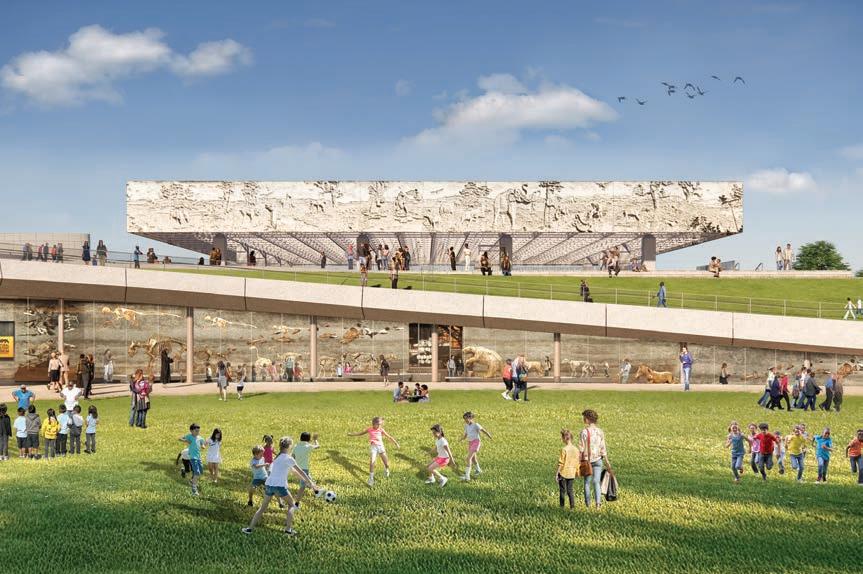

A beloved destination for generations, La Brea Tar Pits is Earth’s most important Ice Age fossil site and a hub for both public education and critical research that connects the last major episode of climate change to today.
Los Angeles County led an environmental review process for the La Brea Tar Pits Master Plan beginning in February 2022, and the Board of Supervisors approved the plan, including certi cation of the Final Environmental Impact Report (EIR), in February 2025. An EIR provides an assessment of the project’s probable environmental e ects pursuant to State of California requirements under the California Environmental Quality Act (CEQA).
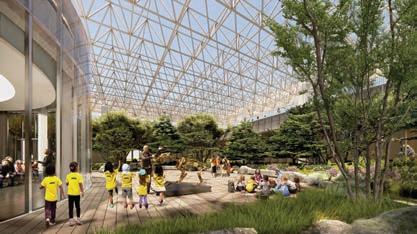

RESEARCH & COLLECTIONS (“R&C”) is the main academic department in our family of museums. Our extensive collections are a large, world-renowned archive of the world’s cultures and biological diversity, spanning history, anthropology, paleontology, geology, and biology. The diversity of life on this planet and its relation to humanity cannot be understood and measured without the existence of museum collections—the records of life on Earth and even of Earth itself. Like a library that has birds, gems, fossils, and archival records instead of books, our collection is used in hundreds of research projects every year, as well as in exhibitions and outreach projects. Our own curators and researchers create new knowledge through academic scholarship in the humanities and sciences. We are particularly interested in the interaction between nature and culture. The L.A. region and its people, cultures, history, biology, and geology will always be a core focus of our research and collections, but we work around the world and on global as well as local problems. Our scientists and historians use modern tools like genomics and DNA barcoding, electron microscopy and CT scanning, and “big data’’ analyses to research topics including the relationships among species, the evolutionary trajectories of life, the historical and social roots of our cultural diversity, how humans and nature a ect one another, and how global change a ects them both. We are also a leader in community science practices that are transforming how we collect data in urban settings, do research, and share its results. R&C includes sta in a wide range of jobs and roles. Collectively, they do world-class research; develop, care for, document, preserve, improve, and promote our collections; and contribute to their use at NHMLAC, by other institutions, and by the public.
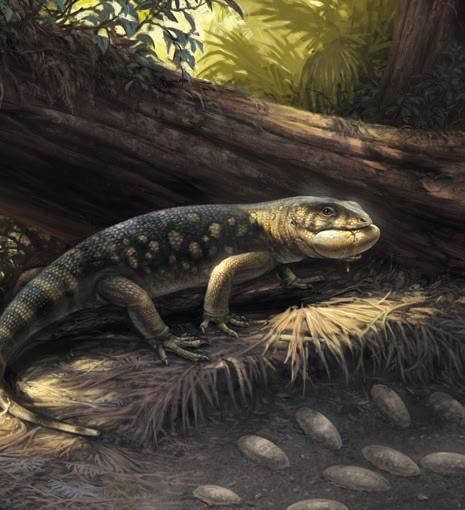
Research and Collections produced 73 publications during Fiscal Year 2025, with articles re ecting the incredible diversity of NHM’s research, ranging from new species of crocodile relatives and raccoons from the ancient past to environmental remediation using mineral science and a rst-of-its-kind atlas of how bird species got their names. Discoveries made national and local headlines, including a J. R. R. Tolkien—inspired goblin prince of a lizard, and appeared in high-pro le publications like Popular Science; the clearest picture yet of bird brain evolution lit up NPR’s airways.
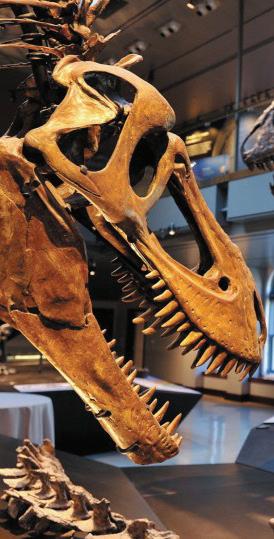
ANTHROPOLOGY
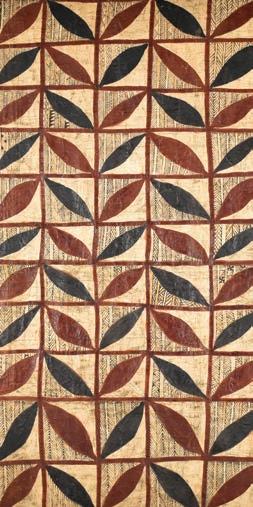
ARCHIVES & LIBRARY
CRUSTACEA
DINOSAUR INSTITUTE
ECHINODERMS
ENTOMOLOGY
HERPETOLOGY
HISTORY
ICHTHYOLOGY
INVERTEBRATE PALEONTOLOGY
MALACOLOGY
MAMMALOGY
MARINE BIODIVERSITY CENTER
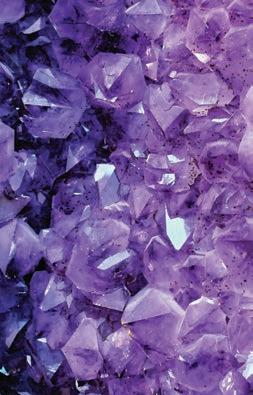
MINERAL SCIENCES
ORNITHOLOGY
POLYCHAETOUS ANNELIDS
RANCHO LA BREA
VERTEBRATE PALEONTOLOGY
REGISTRATION
CONSERVATION
DATABASE MANAGEMENT
COMMUNITY SCIENCE
URBAN NATURE RESEARCH CENTER (UNRC)
DISCO (DIVERSITY INITIATIVE FOR THE SOUTHERN CALIFORNIA OCEAN) TAR PITS OF THE WORLD
For more information, visit NHM.ORG/research-collections.
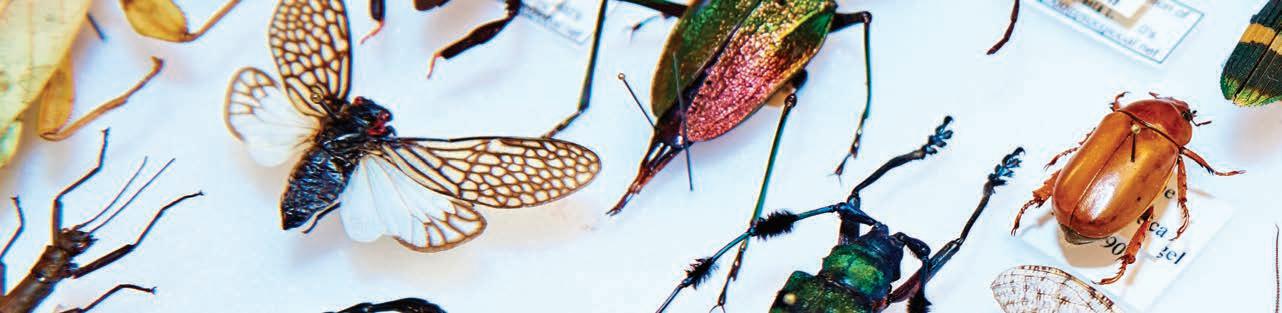
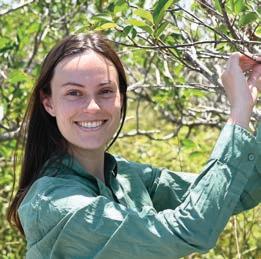
At the beginning of 2025, NHM welcomed Dr. Megan Barkdull as one of two new Assistant Curators of Entomology. She earned her PhD in ecology and evolutionary biology at Cornell University. As an entomologist and evolutionary biologist, Dr. Barkdull uses museum collections, genomics, and developmental biology to understand the processes that generate Earth’s insect biodiversity.
Much of her primary research focuses on ants in the family Formicidae, speci cally the shield-headed turtle ants. Dr. Barkdull is investigating the genetic and evolutionary basis for the complex social traits of these charismatic insects. From soldiers to workers to reproductive queens, turtle ants build three distinct adult forms from one genetic blueprint, a feat accomplished through turning o and on thousands of genes. Exactly how those genes are activated and when turtle ants started producing their di erent adult forms are still poorly understood. Dr. Barkdull is deciphering the genetic and evolutionary pathways behind these incredible transformations using molecular analyses.
She’ll also be researching landscape genomics, with a focus on California’s native harvester ants dealing with shrinking habitats and invasive Argentine ants. Landscape genomics is a discipline investigating how patterns of genetic diversity are distributed across a landscape and what that can tell us about how different populations are connected or isolated from one another. Genes can tell scientists like Dr. Barkdull whether they are successfully traveling between ever-shrinking habitats and successfully interbreeding with other populations, key indicators for whether a species can survive or needs more meaningful protection. Along with other Entomology sta , Dr. Barkdull will also be spearheading the California Insect Barcoding Initiative, a statewide e ort to document every insect species in California. The resulting barcodes will help deepen our understanding of landscape genomics, and all of this research can help us better understand how to protect threatened species amid a changing climate and habitat loss.
Finally, she’s also investigating the enigmatic and death-defying insects that call La Brea Tar Pits home. Petroleum ies have always been present at the Tar Pits, and their larvae literally swim through the asphaltic deposits made famous by fossils of sabertoothed cats and giant sloths, but how these tiny marvels survive an environment famous for claiming the lives of much larger creatures is a mystery. Dr. Barkdull and scientists from tar pits around the world are collecting and examining these maggots to answer basic questions like whether there are di erent species between di erent tar pits, how they got there in the rst place, and how they’re able to live in petroleum.
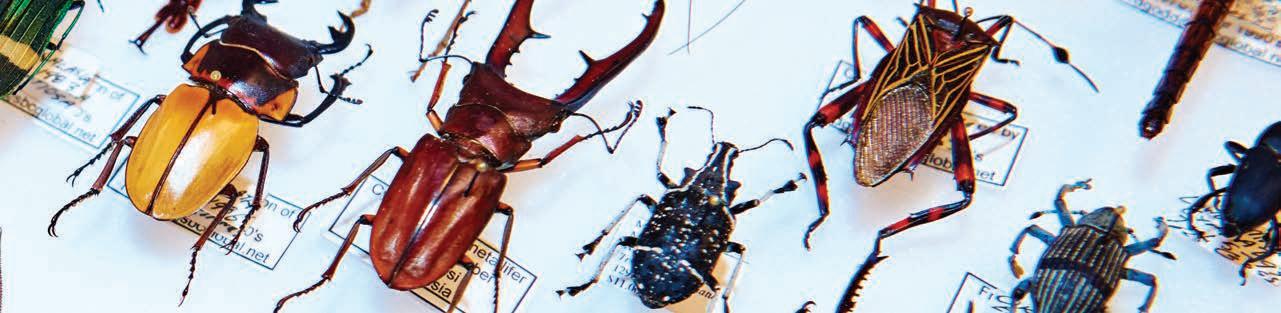
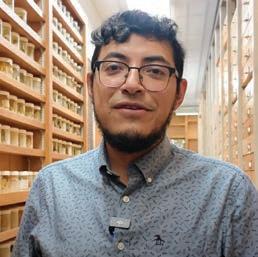
Dr. Rodrigo Monjaraz Ruedas joined NHM’s sta as one of two new Assistant Curators of Entomology early in 2025. Dr. Ruedas is originally from Mexico City, where he earned a master’s degree and a PhD from the Universidad Nacional Autonoma de Mexico (UNAM).
He studies evolutionary biology and the systematics of short-range endemic arthropods— insects or spiders limited to single areas like caves. His research combines eldwork, museum collection data, morphology, and phylogenomics to address speci c questions about how new species arise, how we classify them, morphological evolution, and biodiversity. Much of his research also emphasizes conservation biology, taxonomy, and bioinformatics, a discipline combining mathematics, statistics, and computer science to solve complex biological problems.
His passion for arthropods, the phylum that includes insects and spiders, is linked to his passion for caves. As a young undergrad, he joined the mountaineering club and started visiting and exploring caves in the mountains of Central Mexico. Many of those caves and the biodiversity inhabiting them remain unexplored. His love of caves and the arthropods living there led him to investigate short-range endemic arthropods, and he learned specialized techniques like cave diving to collect specimens from some of the most remote places on the planet.
One of Dr. Ruedas’s primary research focuses has been schizomids, or short-tailed whip-scorpions, distributed across North America that he first encountered and collected while exploring caves. Combining molecular data and morphology to evaluate their evolutionary history and the relationships of the North American genus Stenochrus, his research resulted in the description of multiple new genera and species, as well as new understandings of their agella, their short whip-like tail.
Most of his research has focused on poorly known arthropod groups, which have been forgotten by the scienti c community and are in desperate need of study. As a result, one of his main goals as curator and researcher is to transmit his passion for arthropods to the people. Dr. Ruedas strives to show how diverse and vital these groups are by highlighting the crucial roles they play in their ecosystems, and to be able to describe these species before they are completely gone.
As NHM’s rst arachnologist, he hopes to help people see both how incredible and essential arachnids are for our ecosystems. He hopes to help shift public perception of these misunderstood creatures from objects of fear to animals in need of conservation, study, and discovery, in line with their value and threatened status in our changing world.
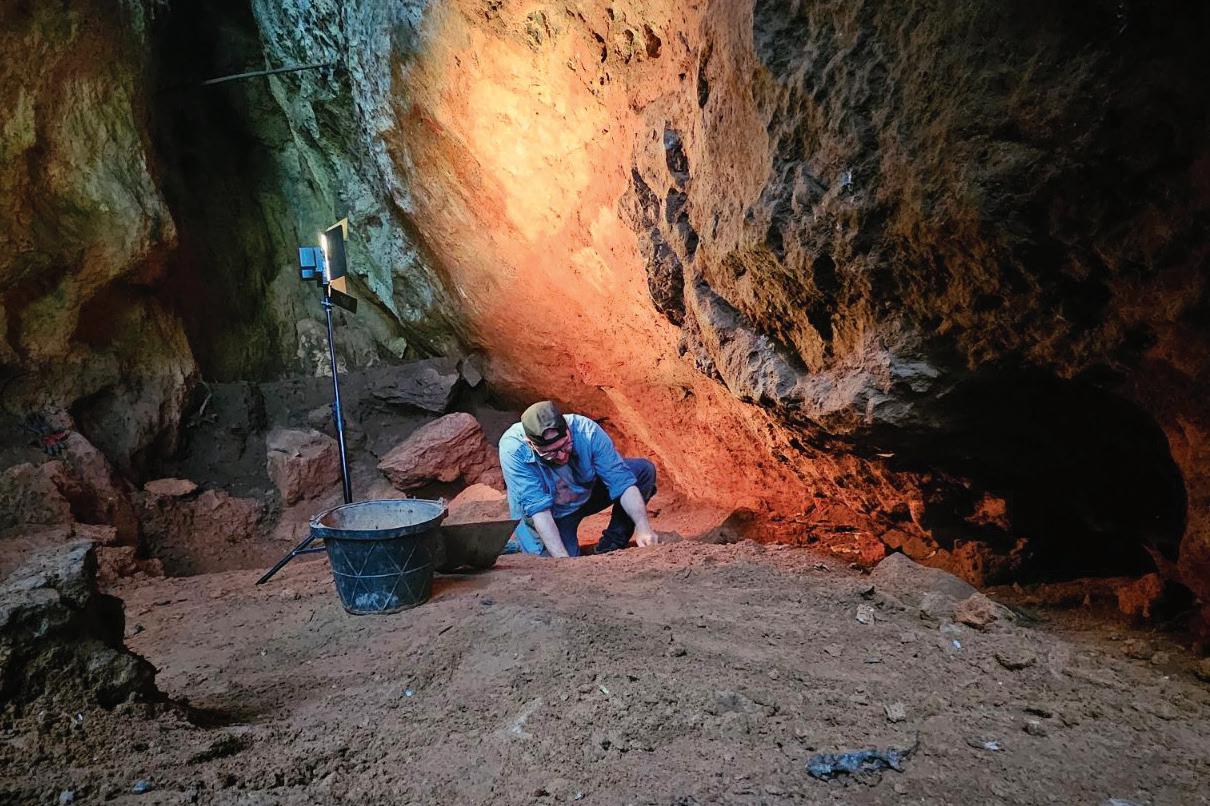
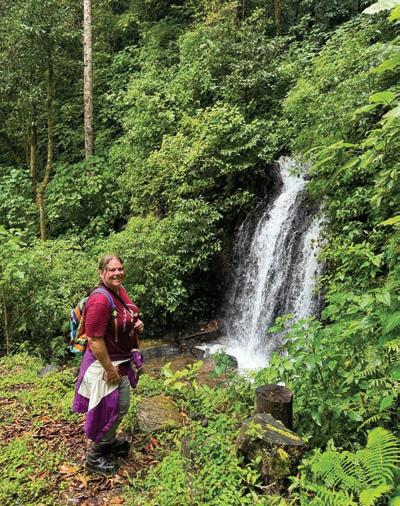
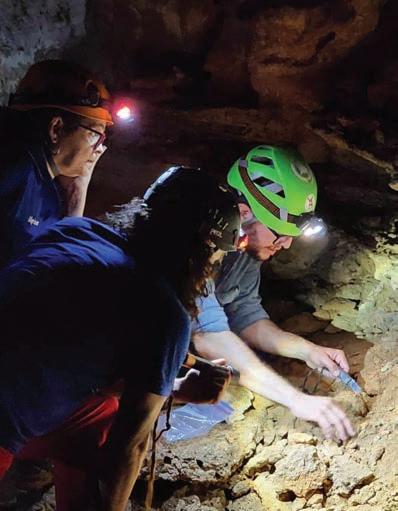
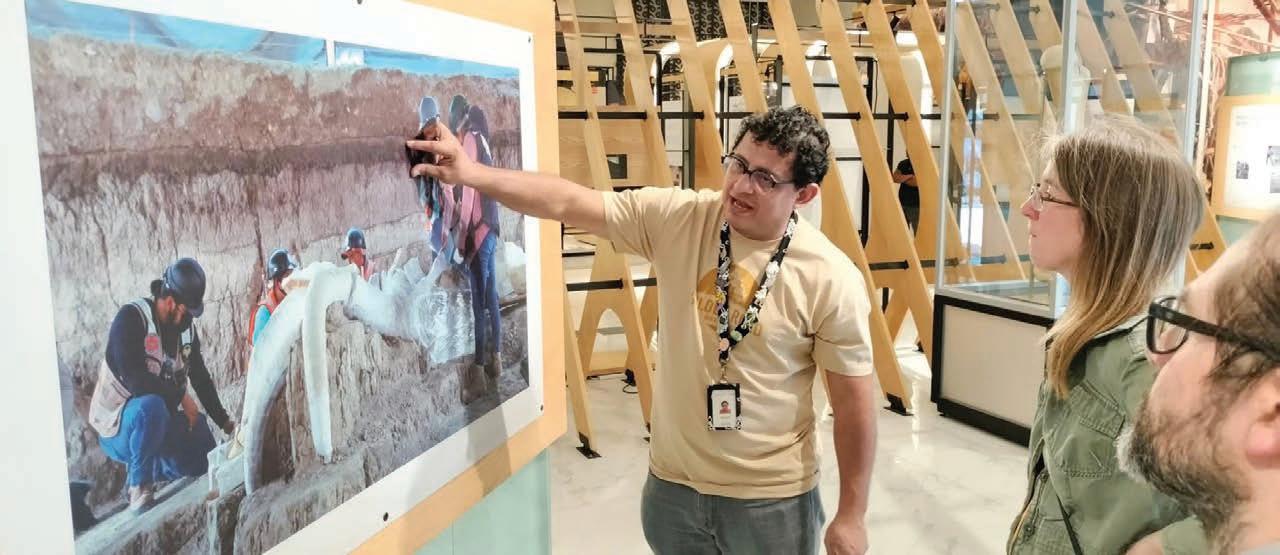
Whether searching for evolutionary clues on distant continents or eyeing biodiversity in L.A. backyards, fieldwork is in our genes.
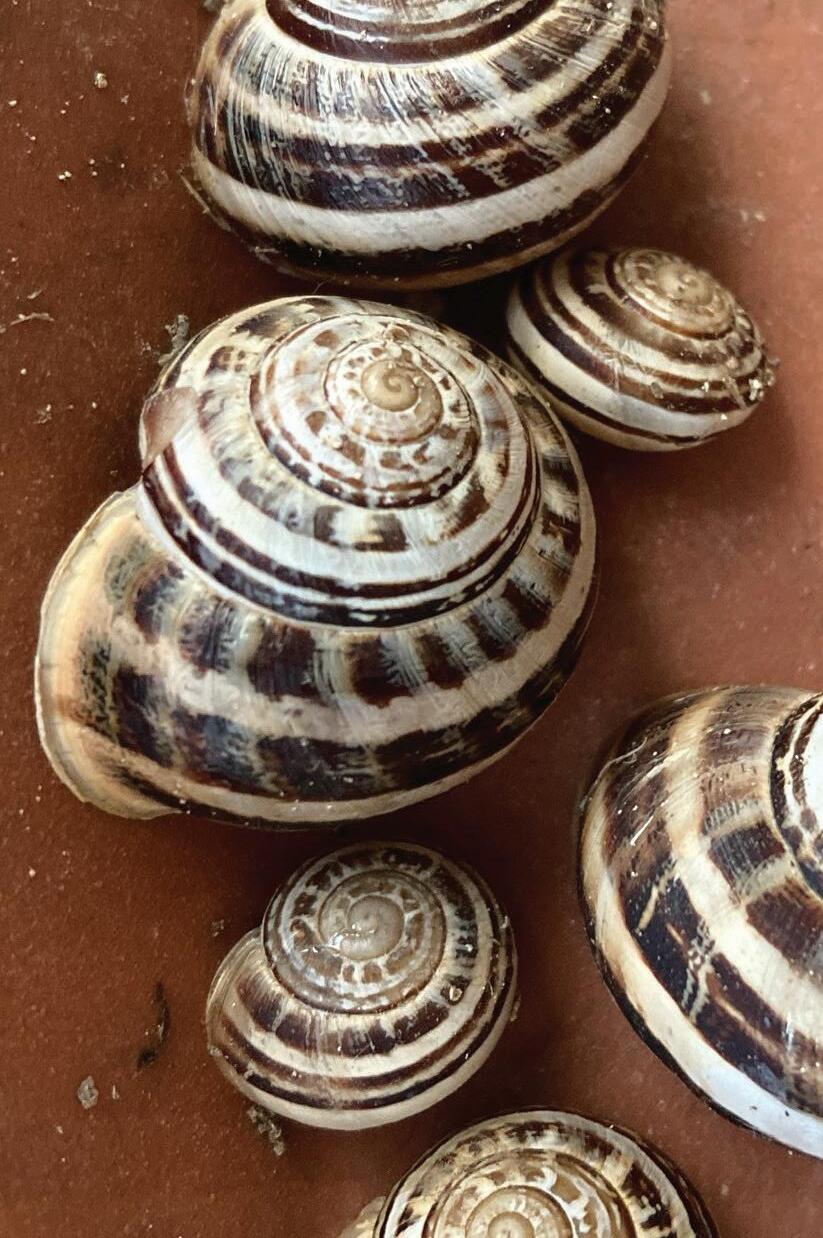
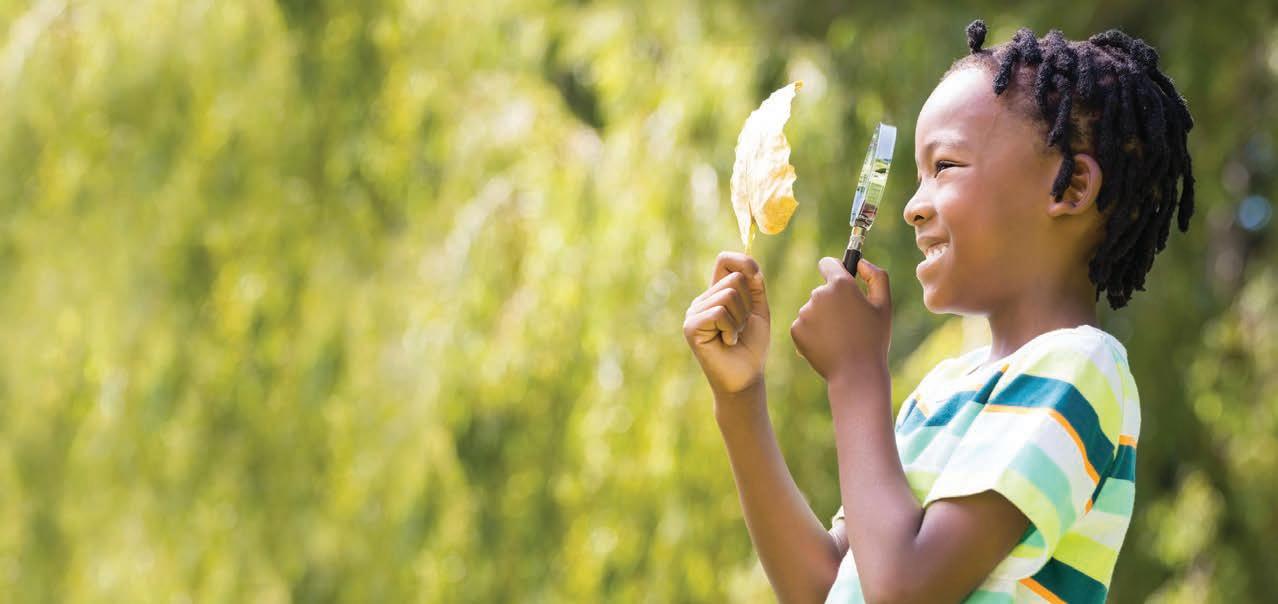
This year marked the 10th anniversary of City Nature Challenge (CNC), the global community science project that calls on current and aspiring community scientists, nature and science fans, and people of all ages and backgrounds to observe and submit pictures of wild plants, animals, and fungi. From April 28 to May 1, 2025, participants submitted their observations of their wild neighbors to the free app iNaturalist.
From a friendly competition between San Francisco and Los Angeles founded by NHM and the California Academy of Sciences, CNC has blossomed to include nearly 700 cities in 62 countries across six continents. This year’s results continued to break records with more than 100,000 people documenting more than 3 million wildlife observations of almost 74,000 species, for a staggering grand total of 12,948,135 observations over 10 years. While the dandelion was the most common observation globally and the western fence lizard the most common in L.A. County, more than 3,338 rare, endangered, or threatened species were photographed and shared by participants in 2025 and more than 7,000 over 10 years.
The impact of the CNC will be felt for many years to come, especially as people continue to identify 2025’s submissions, increasing the percentage of Research Grade observations, which contribute to the Global Biodiversity Information Facility (GBIF) and increase the body of knowledge centered around urban biodiversity. Collectively, these photographic observations represent an unprecedented snapshot of biodiversity on planet Earth, providing critical data to help researchers study wildlife in and around cities while informing policy makers on conservation strategies.
Spectacular and rare specimens are on display in Age of Mammals. What makes this exhibition truly unique, however, are the connections it makes between planetary change and the mammal story.
This exhibition spotlights the complex, layered cultural and environmental history of our famously sprawling metropolis.
The seasonal pavilions enthrall visitors who witness hundreds of butter ies in every stage of the life cycle in the spring months and countless spiders in their amazing webs in the fall.
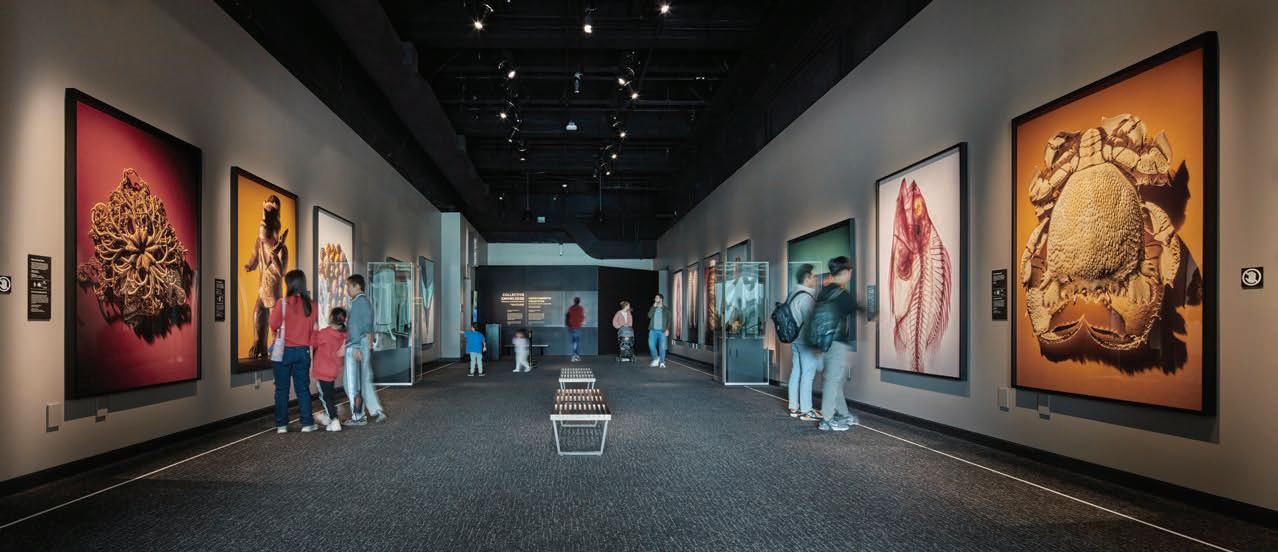
Featuring vibrant photographs and a lm by Craig Cutler and Scott Bremneron on the Annenberg Screen, Collective Knowledge o ers a new look at objects and specimens from across NHM's vast collection of 35 million objects and highlights the unexpected stories they reveal about our rapidly changing world. Twelve large-scale photographs bring objects and specimens to life, and behind-the-scenes stories highlight some of the incredible research taking place every day.
The large-scale permanent Dinosaur Hall is presented in two light- lled galleries. It rivals the world’s leading dinosaur halls for the sheer volume of individual fossils exhibited and for the size and awesomeness of the major mounts, including the world’s only T. rex growth series.
The Dino Lab is a working paleontology laboratory where Museum paleontologists work on fossils in full view of the public.
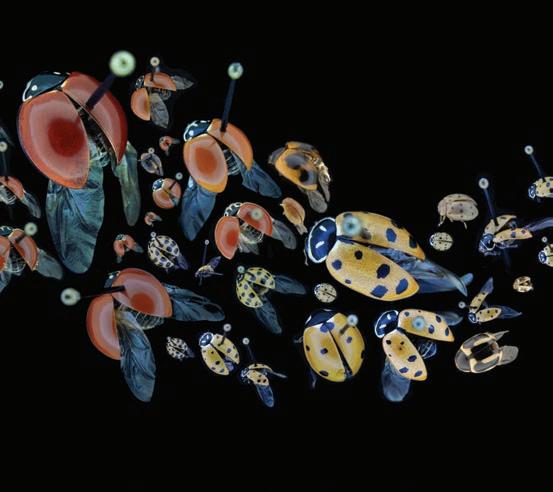
In this airy space, kids can learn about fossils in the Paleo Play Zone and marvel at insects in the Bugtopia displays. In the back, NHMLAC’s exhibition team created a transparent staging area for Dinosaur Encounters.
The exhibition spotlights key NHM community science initiatives and the advances that have been made by everyday Angelenos and NHM scientists working together—including the discovery of 50 species completely new to science! Featuring photos of Angelenos in action, Doing Science Better, Together introduces and welcomes the public to NHM’s community science initiatives and underscores the Museum’s commitment to community co-creation.
The world-renowned, 6,000-square-foot Gem and Mineral Hall opened in 1978 and is one of the most multifaceted and dynamic permanent exhibition halls of minerals, rocks, gems, ores, and meteorites in the world.
A ectionately nicknamed for the stinging gnats that pestered its excavators during the digs, Gnatalie (pronounced “nat-ah-lee”) is the most complete sauropod skeletal mount on the West Coast—and the only green-colored fossil specimen on the planet. More than 75 feet in length, the long-neck dinosaur is the biggest specimen on display at the Museum.
The Museum’s three habitat dioramas, among the nest in the world, re-create the natural environments in which these animals of Africa and North America were found at the beginning of the 20th century.
This hall presents an incredibly diverse selection of birds from all over the world, with examples of the more than 400 species local to Southern California.
L.A. HISTORY: A MEXICAN PERSPECTIVE (JUDITH PERLSTEIN WELCOME CENTER)
This 80-foot-long mural portrays Los Angeles history through a series of vignettes woven into the owing hair of la Reina de Los Ángeles (the queen of Los Angeles). The mural, created by artist Barbara Carrasco, was censored and placed into storage in 1981 when the artist refused to remove 14 vignettes that were deemed too controversial, including the 1871 Chinese massacre, the internment of Japanese Americans during World War II, and the Zoot Suit Riots of 1943.
What once was an asphalt sea of parking lots and hardscape has been transformed into living habitats, extending the Museum’s footprint to include nature space and an outdoor living laboratory. The 3 1⁄2 acres are a “performative” landscape on all levels, with plants carefully selected and planted to enhance and foster biodiversity and sub-areas, which are interconnected. The gardens are also an interactive play area for kids, with a water feature, a pond, and the Get Dirty Zone where children learn about composting, as well as a Bird Viewing Platform just o the main path. We also created a Community Garden outside of NHM Commons, working with Indigenous artist, Lazaro Arvizu, on site-speci c mortar and pestles, as well as developed new didactics using reclaimed wood.
This hands-on space helps visitors appreciate and understand the natural processes and human activity that shape L.A.’s constantly changing nature.
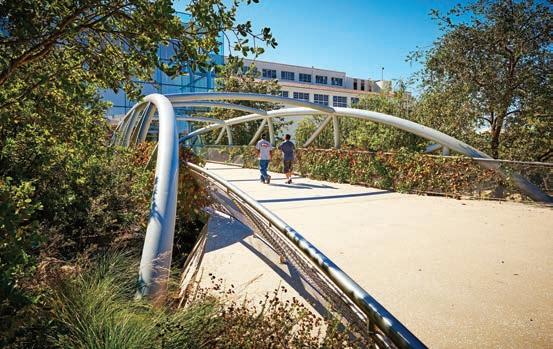
With a magni cent 63-foot n whale diving within it, the Otis Booth Pavilion is a dramatic entryway and an iconic north face of the Museum. Made possible by a $13 million donation from the Los Angeles based Otis Booth Foundation, the light- lled three-story glass structure is connected to Exposition Boulevard by a pedestrian bridge that soars over the Nature Gardens. Visitors have a dramatic view of the diving 7,000-pound n whale, one of the Museum’s signature specimens.
NHM created an exhibition that could house hundreds of objects—reminiscent of an archaeology collection storage room. The Visible Vault features monumental stone sculptures, ceramic vessels, and gold ornaments created by artists of ancient Latin America.
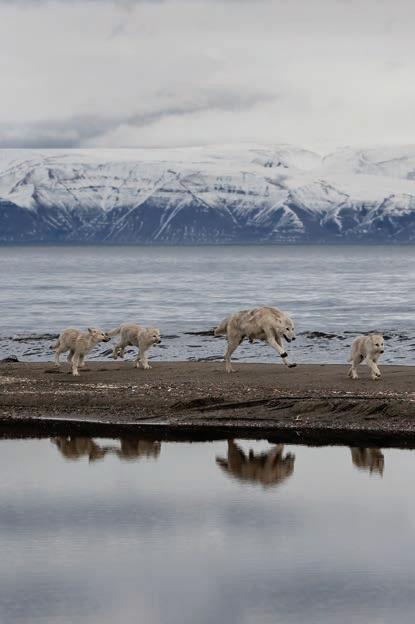
WOLVES: PHOTOGRAPHY BY RONAN DONOVAN
Ronan Donovan, a National Geographic Explorer and photographer, has examined the relationship between wild wolves and humans in order to better understand the animals, our shared history, and what drives the persistent human-wolf con ict. This moving exhibition features Ronan Donovan’s striking images and videos of wild wolves in the Greater Yellowstone Ecosystem and Ellesmere Island in the high Canadian Arctic.
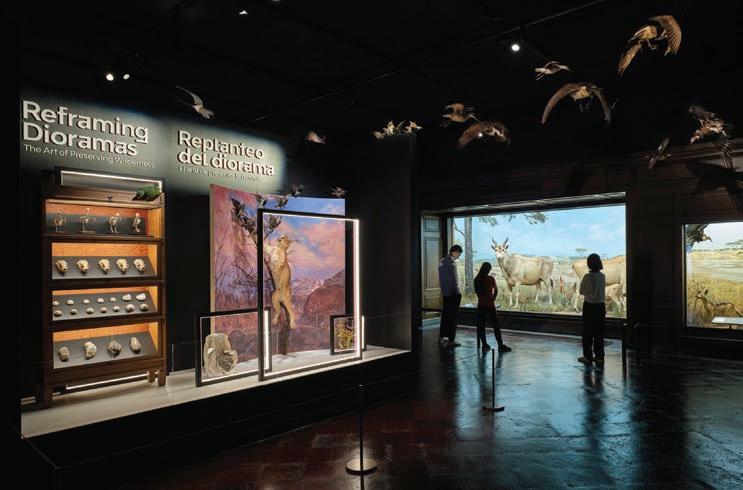
The Natural History Museum’s historic diorama halls are the largest exhibitions at the museum, showcasing over 75 incredibly detailed habitats ranging from arctic tundra to tropical rainforest.
To celebrate the 100th anniversary of the dioramas, NHM restored and reopened a diorama hall that has been closed for decades. There, visitors have experienced immersive new installations — by artists RFX1 (Jason Chang), Joel Fernando, and Yesenia Prieto (working as a three-artist team), as well as Saul Becker and Lauren Schoth — that call attention to dioramas as a unique combination of art and science and explore biodiversity, ecology, conservation, colonialism, and changing museum display techniques. NHM maintains an active diorama program where sta continue to update and build dioramas, keeping this art form alive. Visitors can examine these illusions of wilderness through a series of displays, engaging programs, and a new book that sheds light on the previously untold history of NHM’s dioramas.
Reframing Dioramas is one of two groundbreaking exhibits hosted by NHMLAC combining art and science for this year’s PST ART event.
NHMLAC prides itself on having a continuum of experiences and learning opportunities for all visitors and community members that inspire deeper engagement in the natural and cultural worlds. We o er programs for all ages—children and families and adults—and encourage you to participate. We do this through programming and interpretation in areas of nature play, dinosaurs, horticulture, insects, geology, archaeology, culture, and more. We make this happen every day by creating and co-creating impactful activities with our partners in the L.A. community and beyond.
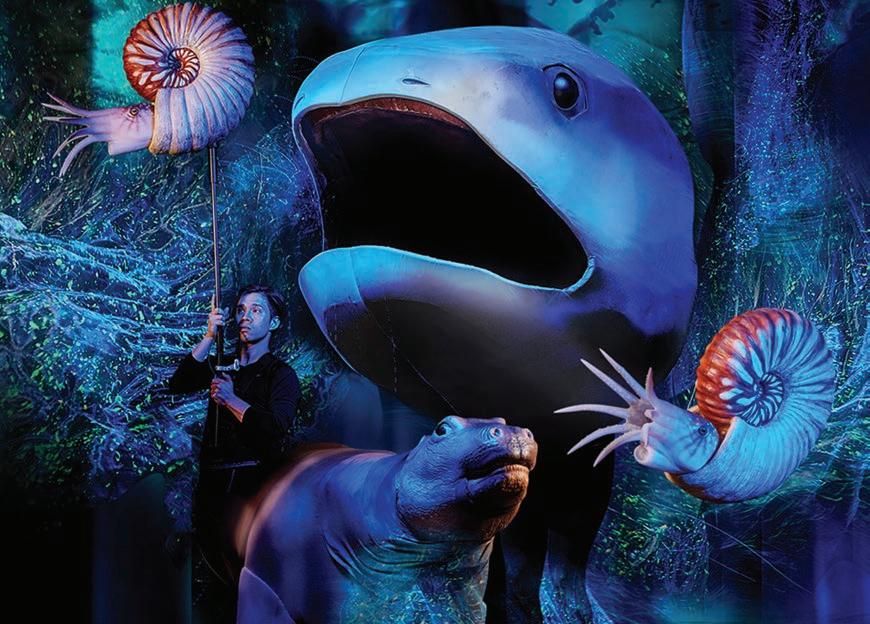
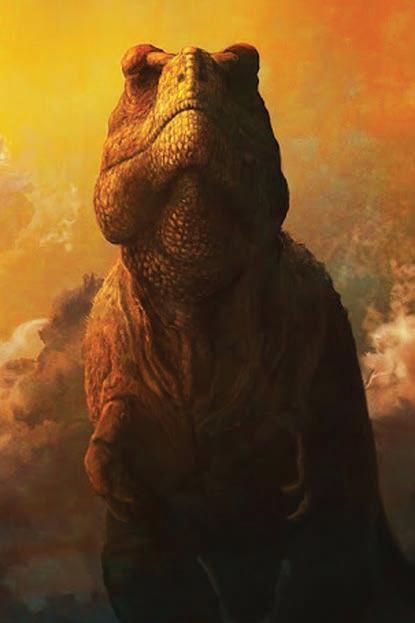
New family-friendly daytime programs in the NHM Commons Theater—Ocean Encounters, Animals Alive, and Collections Revealed—invite all visitors to experience large-scale marine puppets, live animal ambassadors, and rarely seen collection objects and specimens. Ocean Encounters invites visitors to dive into a prehistoric undersea adventure with a new live performance starring life-size sea creature puppets. In Animals Alive, our Living Collections team introduces furry, scaly, slimy, and leggy friends to visitors in the Commons Theater, helping us all understand how to protect our animal neighbors. Every week in Collections Revealed guests can discover some of the 99% of Museum Collections not on display that drive research and discoveries at NHM and across the globe, from tiny marine invertebrates and extraordinary artifacts to newly described species and the oldest things on Earth. The lm, T. REX 3D, a science adventure that celebrates the greatest of all tyrants, captivates visitors.
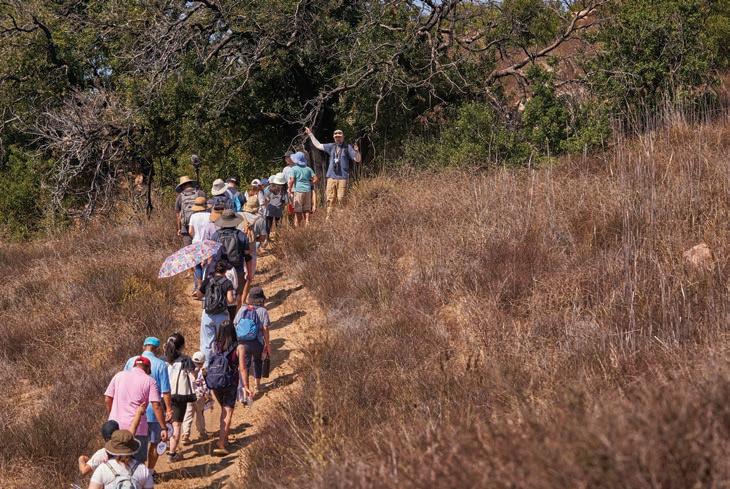
Wild L.A.: Explore the Amazing Nature In and Around L.A. is a cross-departmental e ort brought together by the Museum’s Community Partners and Museum experts to increase outdoor equity. The program aims to foster a sense of belonging and con dence in natural areas, increase environmental literacy and stewardship, and provide opportunities for individuals from marginalized communities to access and connect with natural environments.
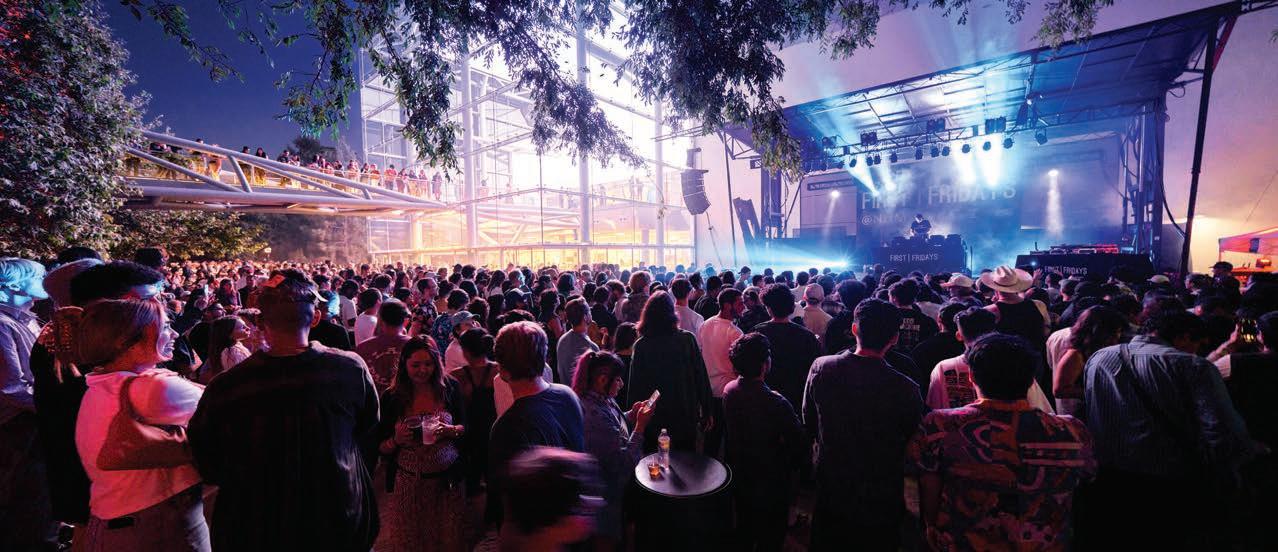
This season’s First Fridays: Ampli ed turned the volume up on sound and music, with guests taking in stimulating talks in the new NHM Commons Theater, listening to live music in the Nature Gardens, and enjoying DJs, sound baths, art installations, and other activities in the galleries throughout the Museum.
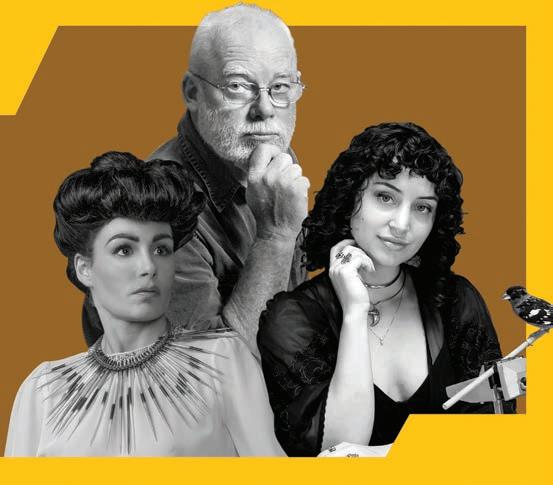
Evening collaborations with Zócalo Public Square and KCRW Films brought fresh energy to our programming, alongside expanded Public Programs & Community Engagement o erings like Green Screen, Elephant in the Room, and Partners in Commons.
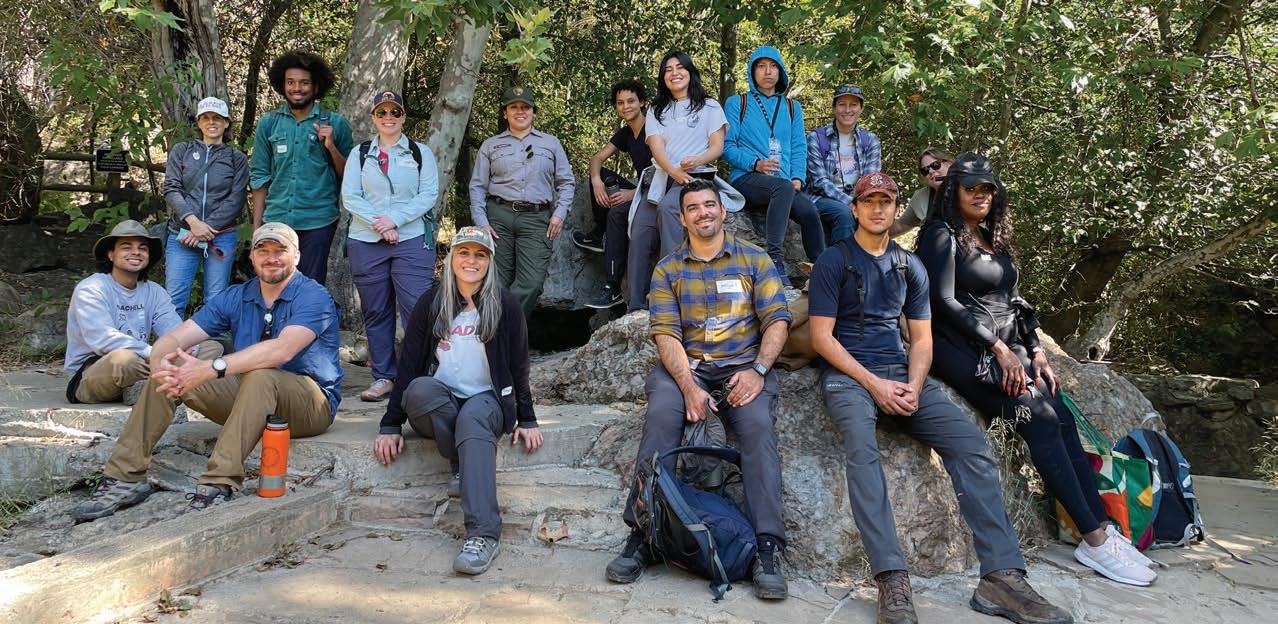
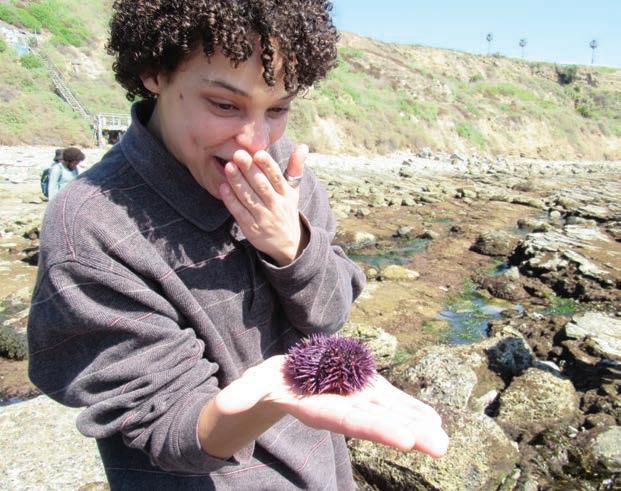
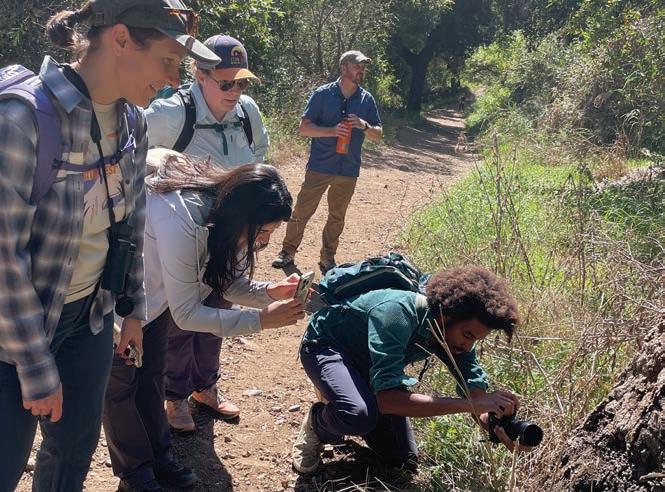
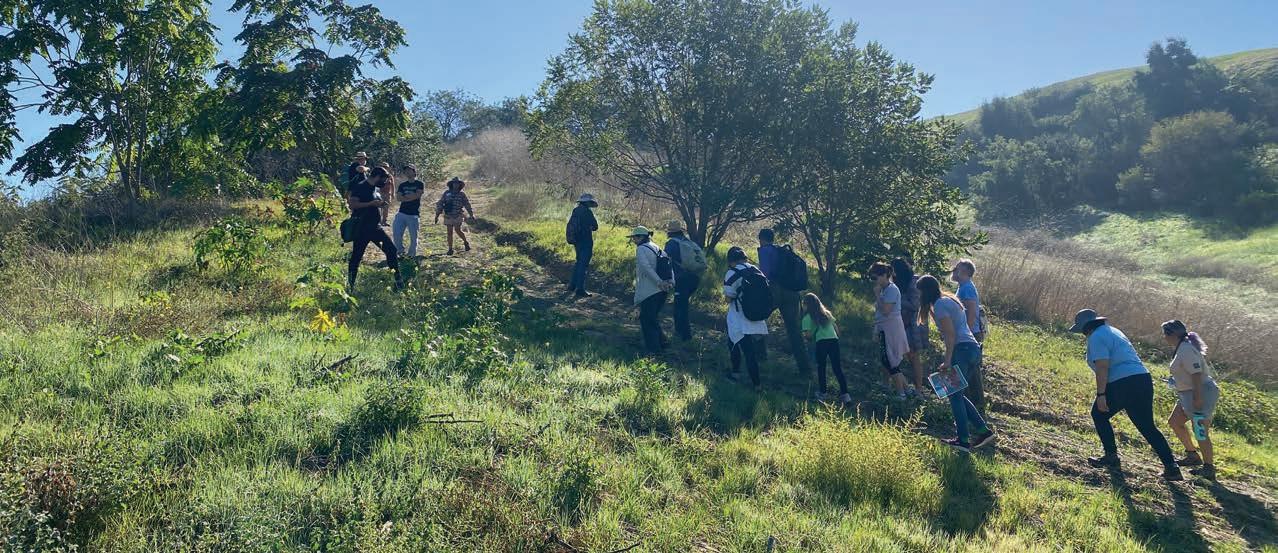
In the past year, the Natural History Museum’s events continued to extend into and engage with the L.A. community. In the annual Bat Roost Count, teams of community scientists watched bat roost sites—where bats rest during the day—to count how many emerge as dusk drifts into night. In the Elephant Hill Community Nature Habitat Survey, community members and scientists studied nature on Elephant Hill, an open space in North East L.A. valuable to humans and wildlife.
This year, we engaged with our Community Partners both onsite and o site throughout L.A. County through eld trips, camp outs, community events, and co-created programs. Our Community Partner Organizations continued to grow to more than 50 nonpro t organizations. New partnership organizations in 2025 included Midnight Mission, Give Kids Art, Fifty over Fifty, Operation Mend, and Young SAMOA.
Through a combination of o erings including internships, volunteering, apprenticeships, and other mentoring programs, we provide learners of all ages valuable opportunities to explore, contribute to, and pursue STEAM careers. This includes innovative internship programs such as Marine Teens, supported by Vera Campbell, the Wild L.A. Outdoor Equity Program, which is supported by the California Natural Resources Agency, as well as private funds, and Understanding Nature and Los Angeles Biodiversity (UNLAB).
When the National Science Foundation funds for the UNLAB program were terminated, the museum committed to continuing the current cohort of researchers through the end of the scal year.
By mentoring under-resourced post-baccalaureate students in a program dedicated to urban nature in Los Angeles, our researchers are changing the face of science. Approximately 80% of the current cohort of UNLAB researchers have been accepted into graduate school, and two alumni, Jessica Flores and Moses Aubrey, are now employees at NHM.
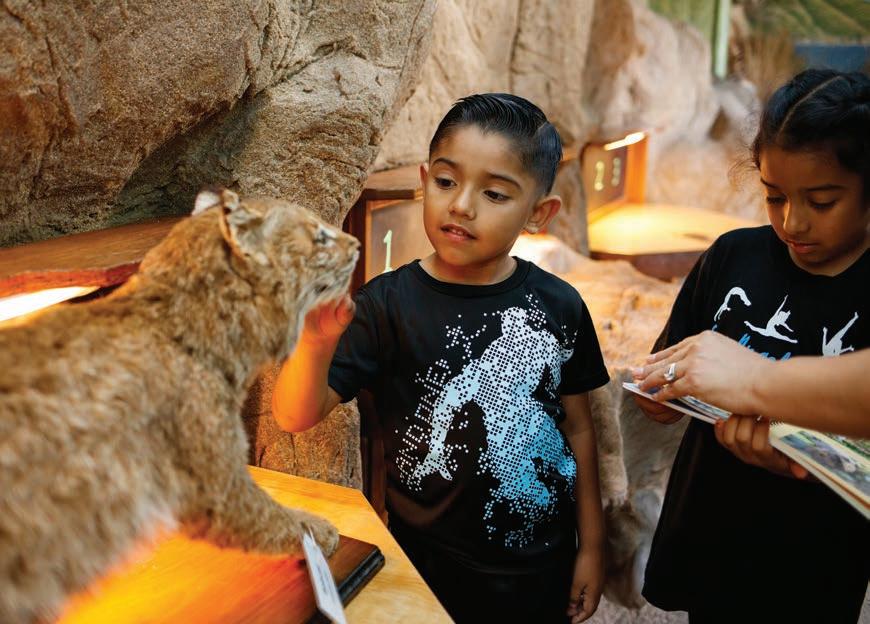
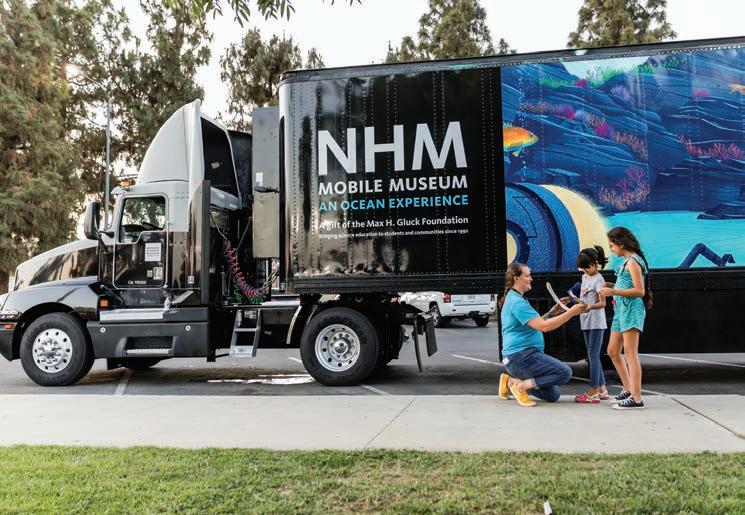
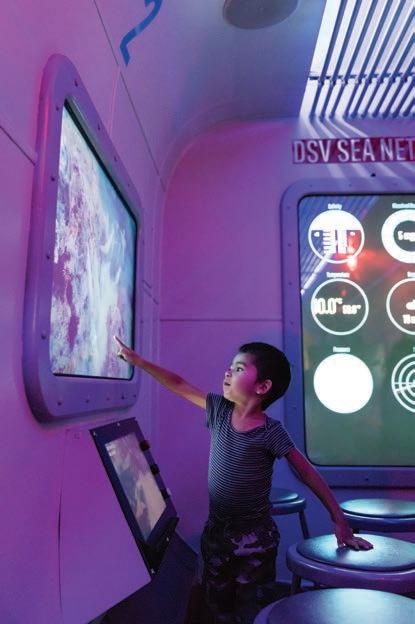
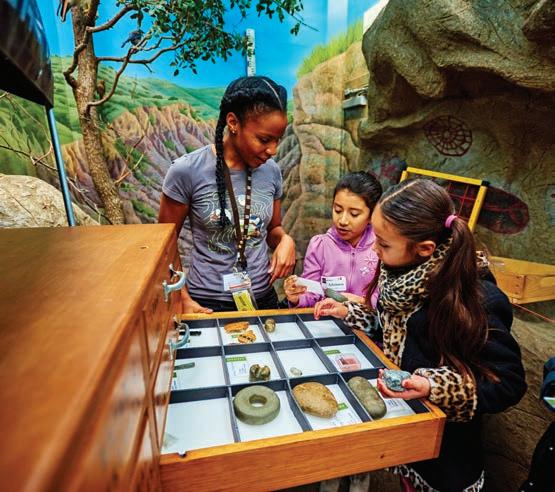
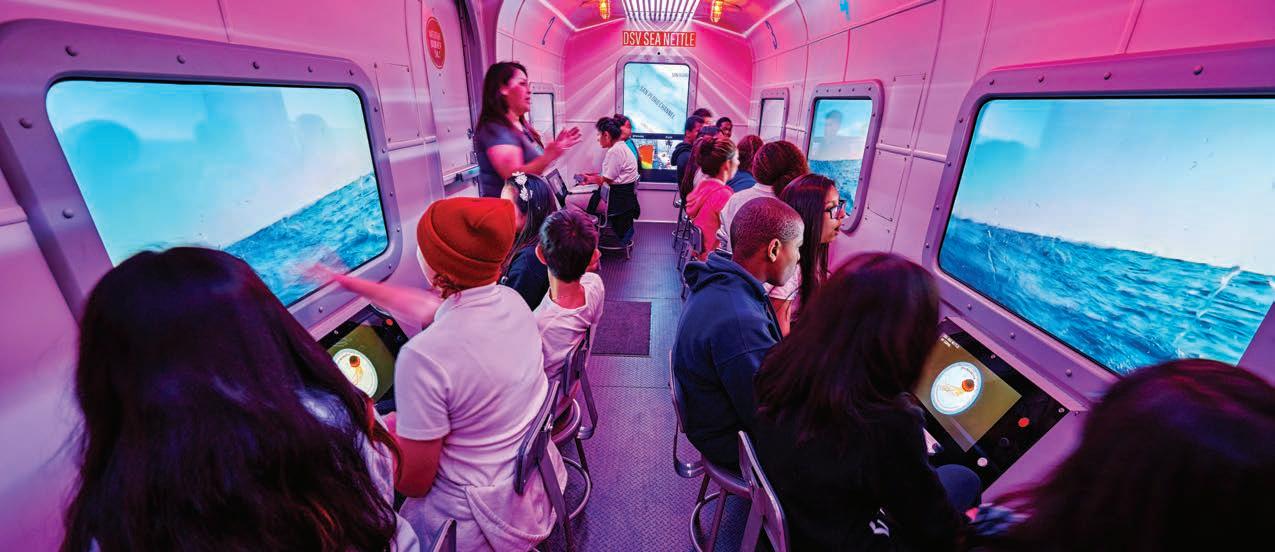
NHM is immensely grateful for the Max H. Gluck Foundation’s enduring and transformative support, which has been pivotal in the sustained success and growth of our Mobile Museum program. Since 1991, the Foundation has invested more than $20 million in the Mobile Museum program, allowing us to amplify our commitment to accessible education and inspiring scienti c curiosity.
The rst Mobile Museum called Earthmobile traveled to schools throughout Los Angeles Uni ed School District to bring “a virtual museum on wheels” directly to elementary schools, providing hands-on exploration of Southern California habitats, American Indian culture, and natural sciences. Decades later, the Gluck Foundation’s continued generosity has enabled the Mobile Museum to evolve and expand its reach, impacting tens of thousands of students and families annually. Today, the program o ers the Archaeology Experience for grades 3–5, where students become archaeologists to learn about the Chumash peoples, Ocean Experience for grades 6–12, transforming students into marine scientists exploring local ocean life, and Ice Age Discoveries for transitional kindergarten (TK)–grade 2, inspiring young learners to explore the natural world and Ice Age fossils.
The Mobile Museum programs are o ered free to Los Angeles County schools thanks to the generosity of the Max H. Gluck Foundation, ensuring NHM can continue to deliver engaging, hands-on learning experiences, fostering a deeper understanding of the natural world, and inspire the next generation of scientists and environmental stewards, regardless of their proximity to the Museum. NHM proudly recognizes the Max H. Gluck Foundation as a foundational partner in our mission to inspire wonder, discovery, and responsibility for our natural and cultural worlds.
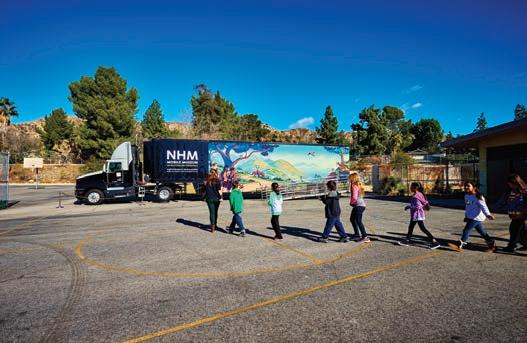
The program has reached an estimated 850,000 individuals since the Mobile Museum program launched in 1991!
TIMELINE 1991 Earthmobile launched 1995 Seamobile launched 2002 Skymobile launched 2012 Skymobile retired 2023 Ice Age Discoveries launched
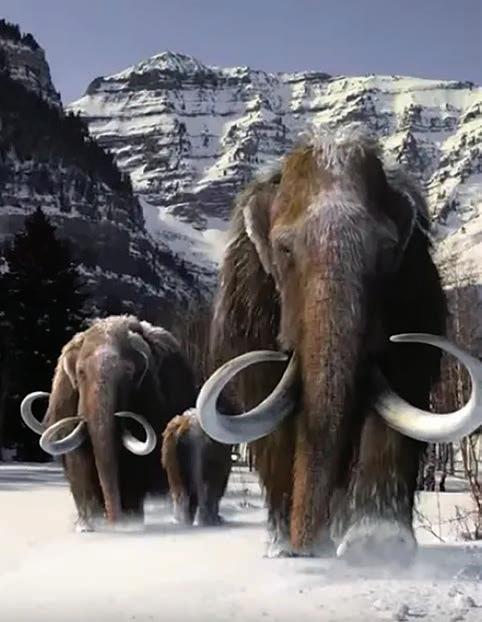
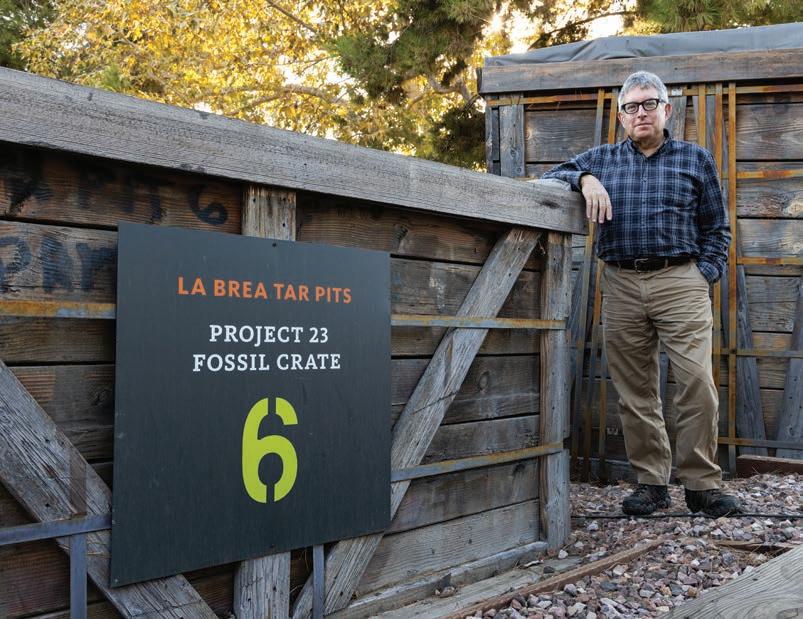
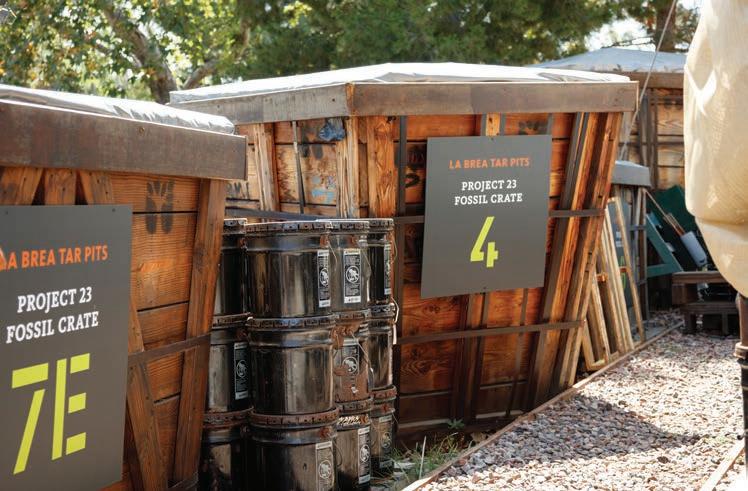
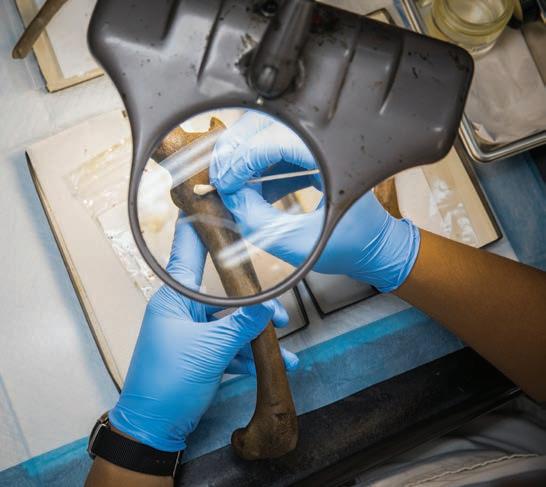
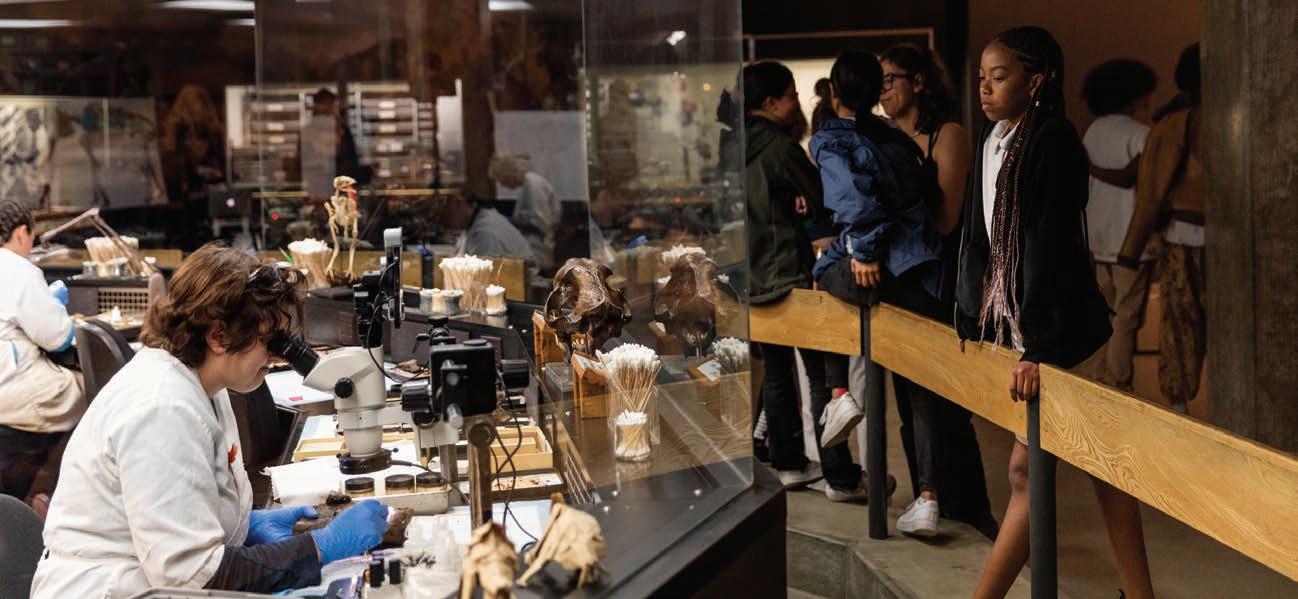
Titans of the Ice Age: The La Brea Story in 3D was partially lmed at, and customized for, La Brea Tar Pits. The 22-minute action-packed lm includes recent footage and interviews with museum paleontologists.
The Fossil Lab is a busy glass-walled paleontological laboratory in the center of the museum that o ers visitors an exceptional opportunity to witness how Ice Age fossils are cleaned, studied, and prepared for exhibit and research.
OBSERVATION PIT (Currently Closed)
Designed by Henry Sims Bent (1952), this round, mid-century structure near LACMA was the rst museum in Hancock Park.
PIT 91
Pit 91 is the only long-term excavation e ort at La Brea Tar Pits—museum sta have been exploring it for approximately 40 years.
In 2006, the Los Angeles County Museum of Art began work on a new underground parking garage. During the course of construction, 16 fossil deposits were discovered, including the semi-articulated, largely complete skeleton of an adult mammoth.
TEMPORARY EXHIBITION
MARK DION: EXCAVATIONS
Mark Dion’s immersive, uncanny installation at La Brea Tar Pits, Excavations, evokes a behindthe-scenes museum space, displaying new work alongside early museum murals, dioramas, and maquettes of Ice Age mammals in a playful, irreverent presentation in keeping with his meticulous yet mischievous approach.
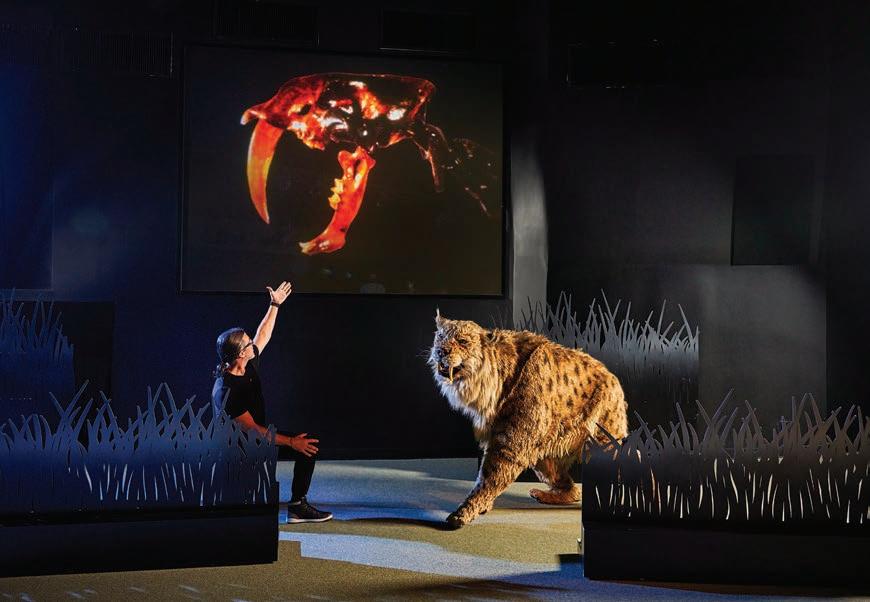
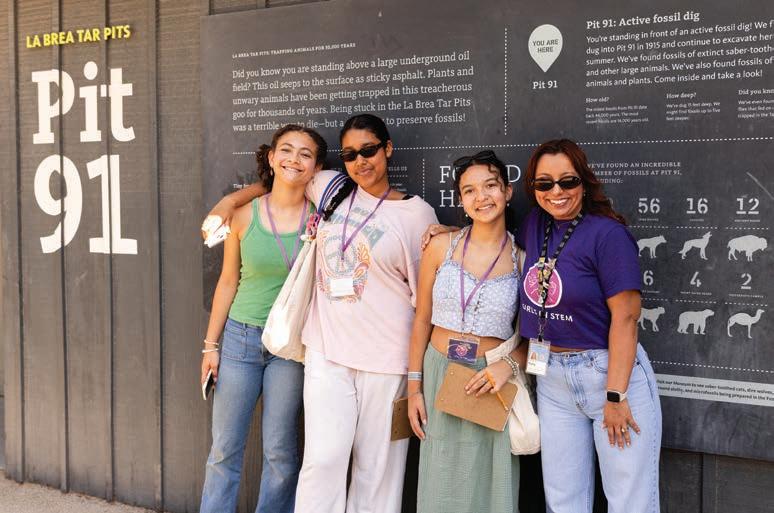
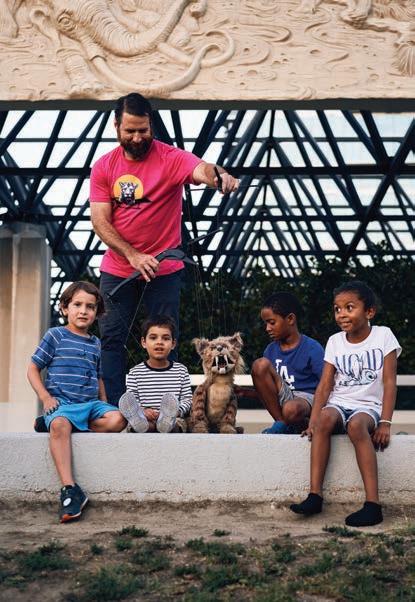
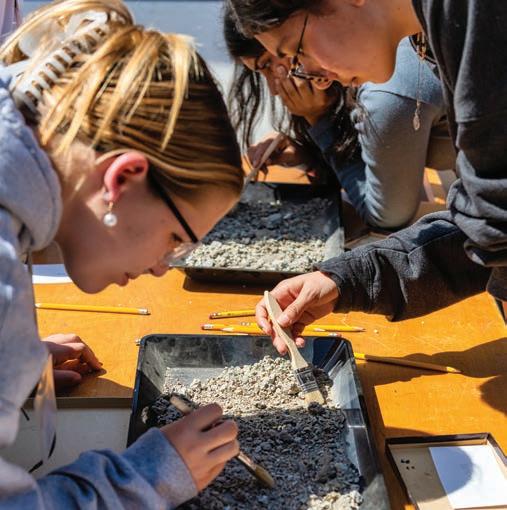
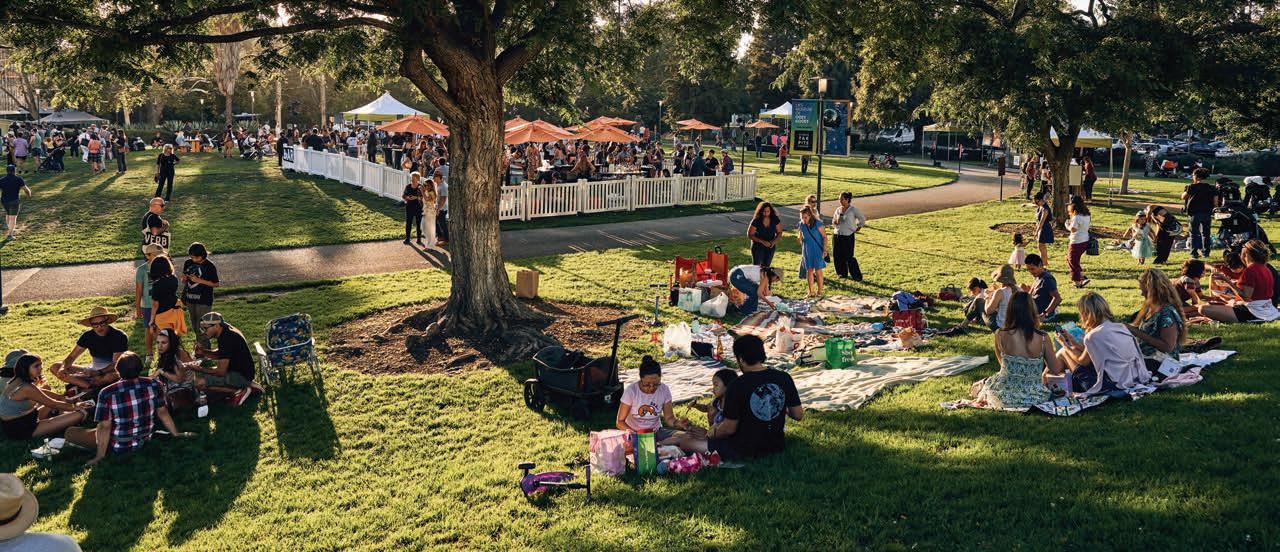
This indoor/outdoor tour was created to better connect the research inside the museum with the live excavation sites outside. It is free, and with it visitors hear the stories of the Fossil Lab, Lake Pit, Observation Pit, and Project 23.
La Brea Tar Pits invites young people ages 8–18 to participate in STEM activities and explore future career paths in fun and engaging ways. This educational event and celebration includes a STEMinist Fair, Women in STEM stage discussion, and Collections tables hosted by our friendly scientists.
A dynamic, 15-minute multimedia show featuring a life-size adult saber-toothed cat puppet digs into the past to uncover the mysteries of some of the extinct creatures who roamed Ice Age Los Angeles over 10,000 years ago.
Visitors celebrated the captivating world of sloths at Sloths Summer Night at the Tar Pits, honoring these relaxed Ice Age giants and exploring their fossils and even meeting our living tree sloth friend from the Wildlife Learning Center up close.
The PST ART + Science Family Festival at La Brea Tar Pits o ered a unique blend of art and science for families. The three-day festival featured interactive exhibits, workshops, an outdoor stage with performances, and Street Science performers. This program was presented by Getty, hosted by La Brea Tar Pits, and produced by Edinburgh Science Festival.
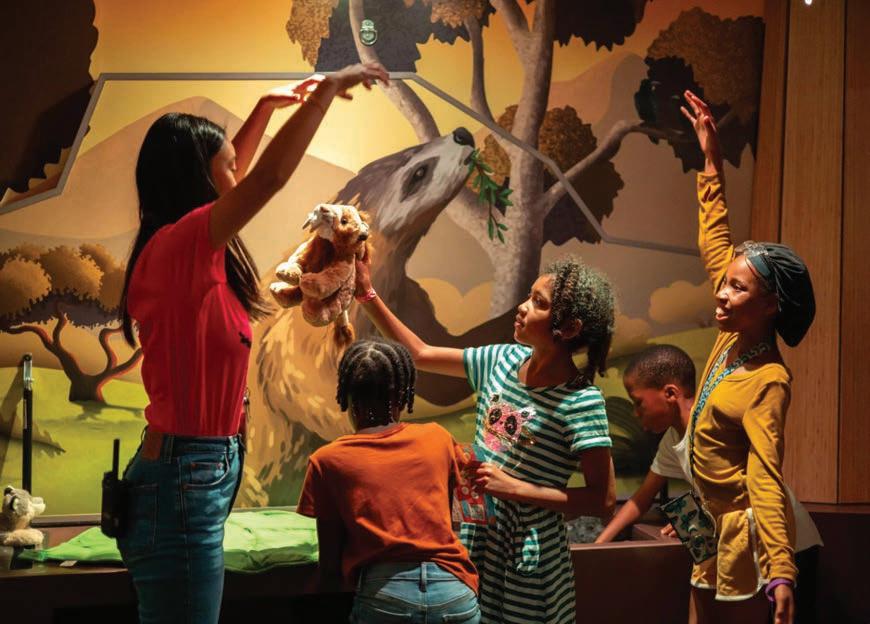
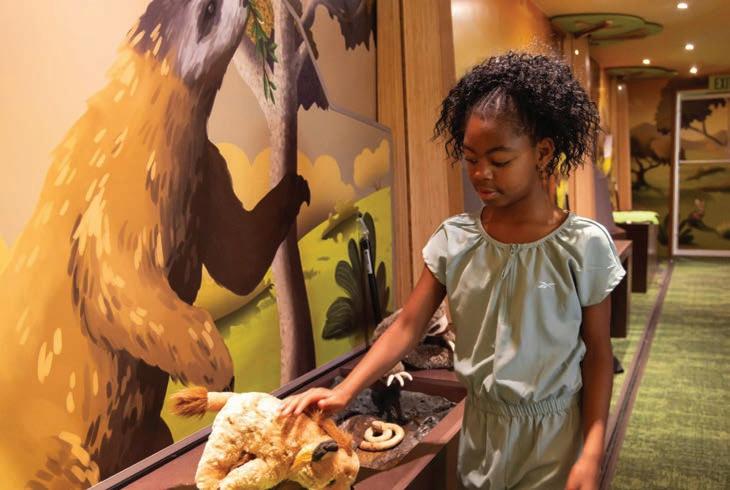
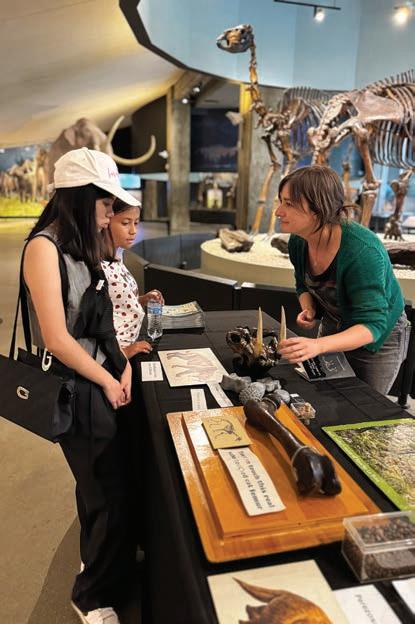
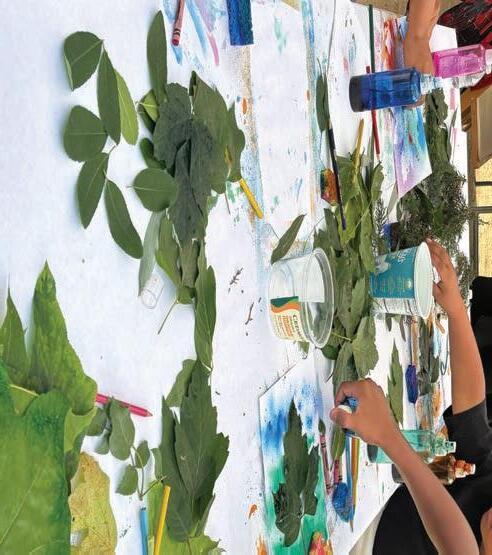
School and Teacher Programs provide support and free admission for nearly 175,000 school children onsite at all the museum locations. This includes facilitated programs that engage students in authentic scienti c practices and discovery, chaperone guides, gallery interpretation access, eld trips, Dinosaur Encounters, Homeschool Days, “For Teachers by Teachers” curriculum development, and educator workshops.
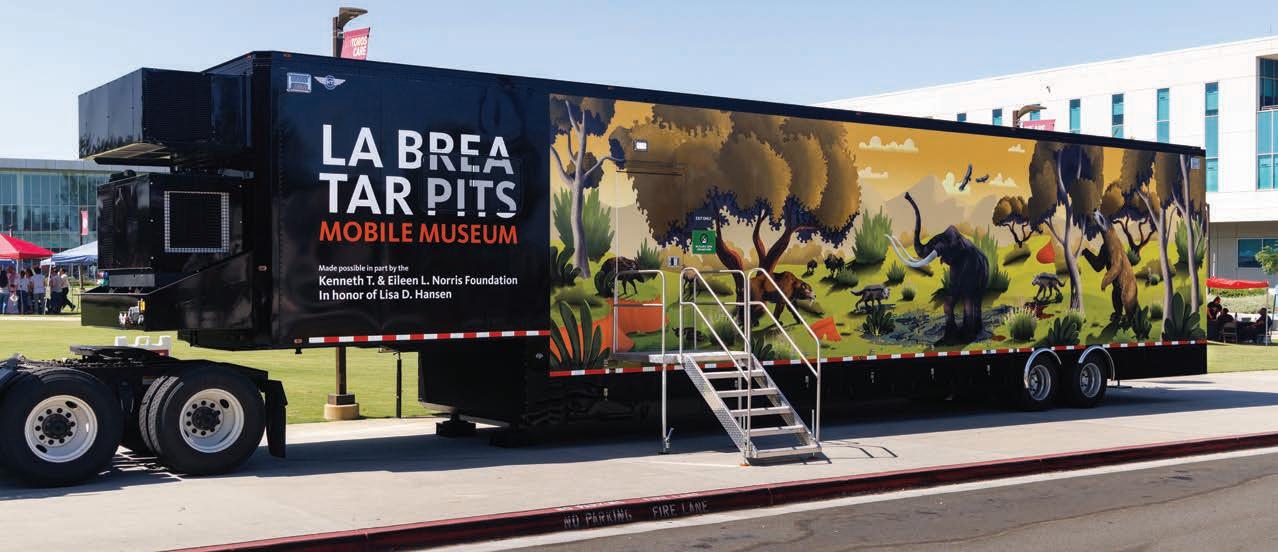
With the two Mobile Museums previously available—one themed after archaeology and the other marine biology—covering the latter portions of elementary school and beyond, the new addition of a La Brea Tar Pits Mobile Museum allows a K–2 audience to learn about and play as their favorite Ice Age megafauna.
Through Education Outreach events across the County, we reached over 175,000 school visitors and had 49,000 onsite eld trips in FY25. During that time, we welcomed 41,000 teachers and students to La Brea Tar Pits. Since its launch in 1992, the Mobile Museum program has served more than 800,000 students.
School Programs partnered with School on Wheels in the summer to develop a free program for students experiencing homelessness in L.A. County to come to the Tar Pits. This day consisted of special guided and self-guided programming led by our sta , and a picnic lunch. Students participated in crafts, explored R&C discovery tables, sorted microfossils with volunteers, learned about the Pleistocene Garden with horticulturists, and enjoyed Ice Age Encounters.
We also celebrated the 60th anniversary of La Brea Tar Pits’ designation as a National Natural Landmark through the lens of some vintage photography.



&

GENERAL & ADMINISTRATIVE

*Restricted for capital projects
Report re ects July 1, 2024, through June 30, 2025, and is complete and accurate to the best of our knowledge as of November 2025. For questions, contact dgordon@nhm.org
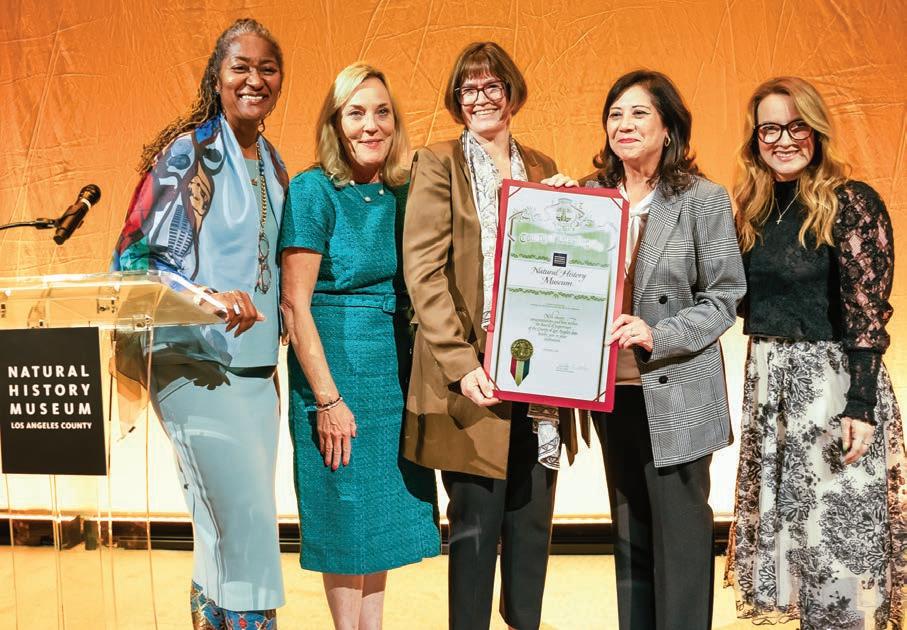
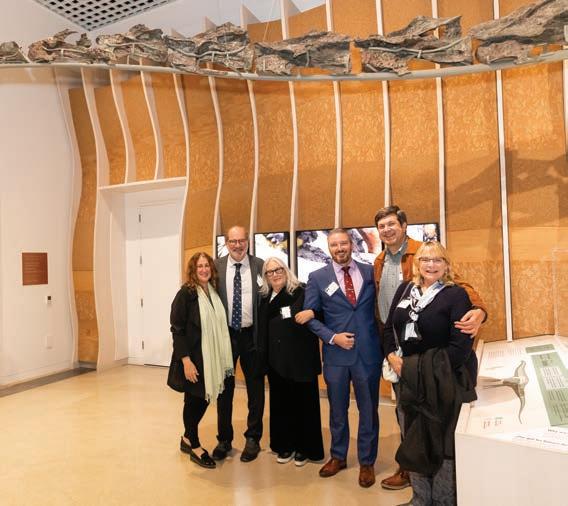
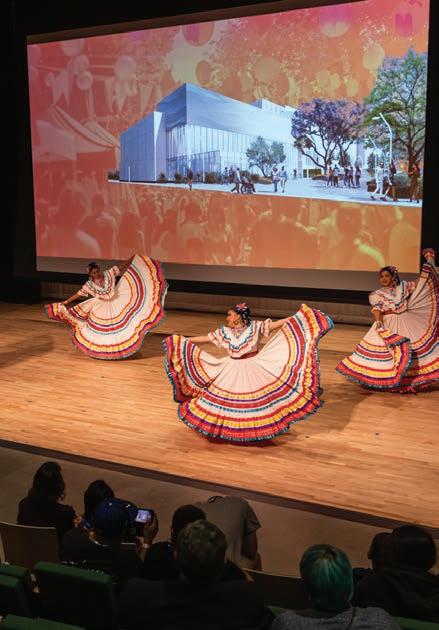
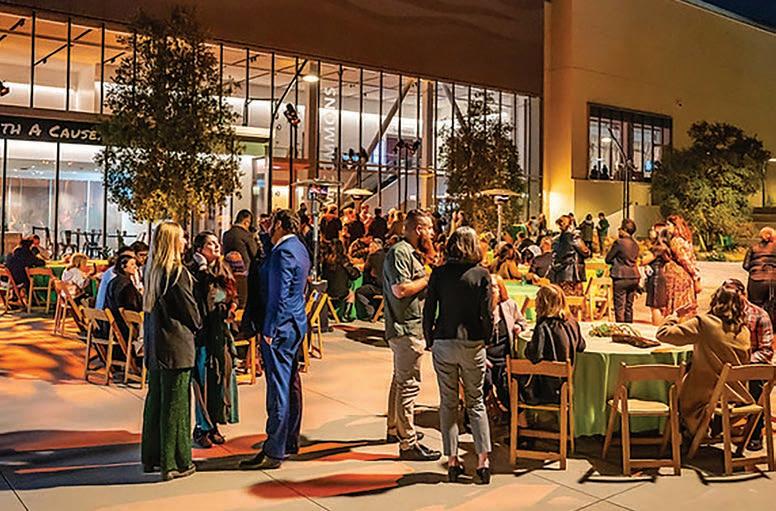
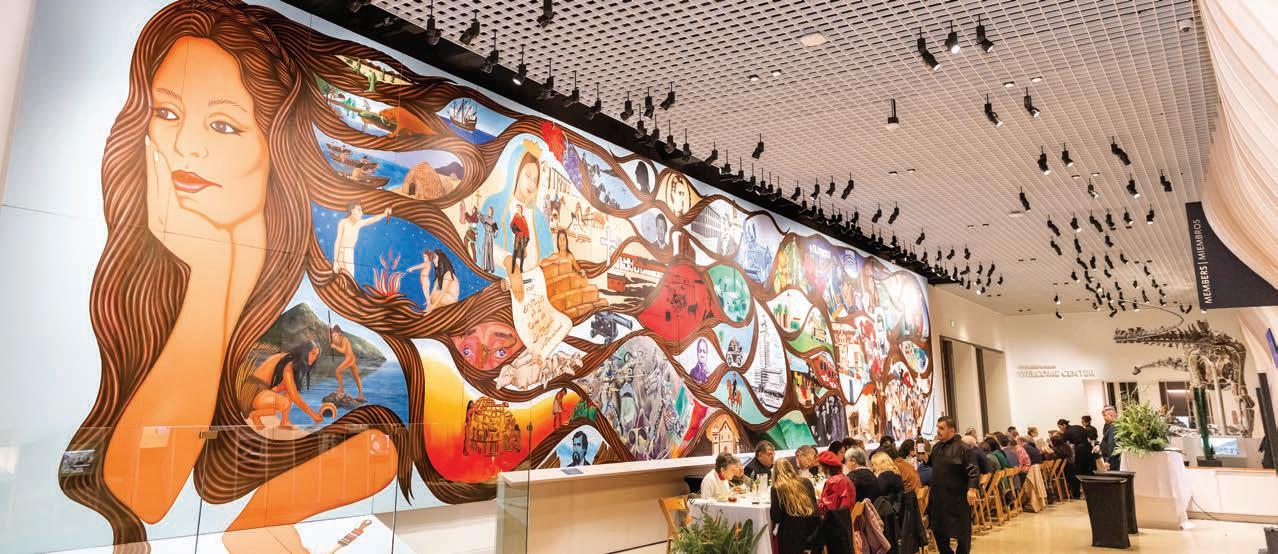
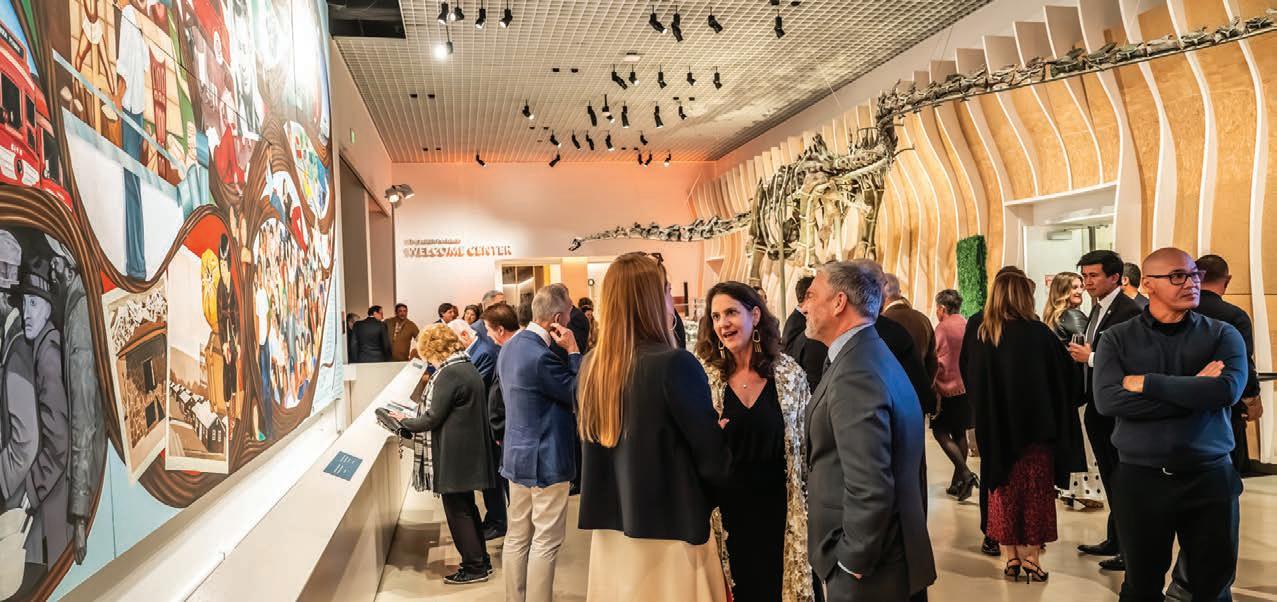
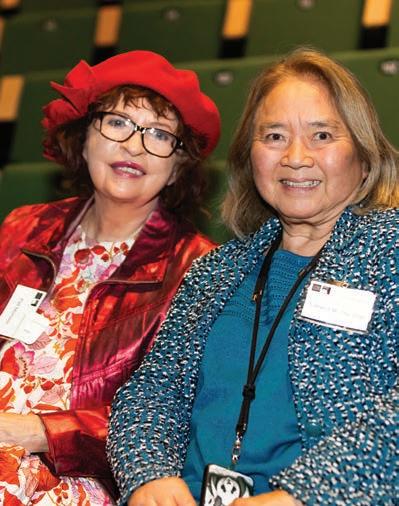
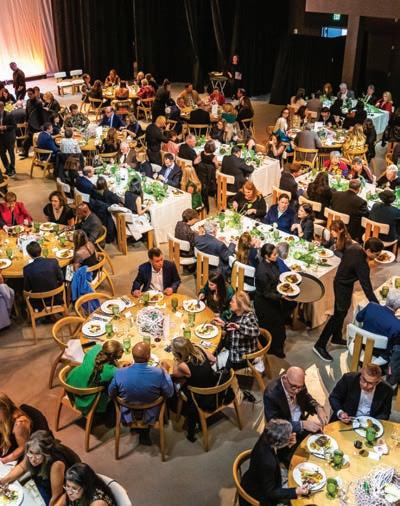
Thank you to our donors for their extraordinary support of the NHM Commons Campaign. To date, more than $64 million has been committed, allowing us to open this new space that is truly of, for, and with Los Angeles. In November 2024, we celebrated the grand opening of this remarkable addition with events including a Campaign Dinner, and Community Ceremony, complete with a “green ribbon” cutting in honor of Gnatalie the Green Dino!
The Museum thanks the following donors for their generosity. The list below represents gifts of $5,000 or more made between July 1, 2024, and June 30, 2025.
$1,000,000+
The Ahmanson Foundation
County of Los Angeles
$250,000+
Annenberg Foundation
California Institute for Biodiversity
The Rose Hills Foundation
The Estate of Barbara Wolpert
$100,000+
The Boeing Company
Brighton-Best International, Inc.
Vera R. Campbell Foundation
Heather and Dirk de Roos
Edgerton Foundation
John and Nancy Edwards
Megan McGowan Epstein and Alan Epstein
Heartland Charter
W. M. Keck Foundation
Dr. Robert Lavinsky and The Arkenstone Ltd.
Margaret Levy
Los Angeles Department of Water and Power
Nickelodeon
NPS - National Park Service
Joan A. Payden
Santa Monica Westside Legacy Fund for Women and Girls
The Seaver Institute
Anonymous (2)
$50,000+
Association of Science and Technology Centers
BCM Foundation
Capital Group
Joseph Drown Foundation
Henry L. Guenther Foundation
Heather and Paul G. Haaga, Jr.
David B. Jones Foundation
Michael and Wanda Jones
Alexander and Elizabeth Kendall
Naomi Nakagama-Kurata and Fred Kurata
Jacques Marie Mage, Inc.
Maya, Amar, Raj, and Athena Nair
The Kenneth T. and Eileen L. Norris Foundation
Paramount
Jenna Perlstein
Peter and Marcie Scranton
Steinmetz Foundation
The Stone Family Fund
S. Mark Taper Foundation
The Flora L. Thornton Foundation
$25,000+
Amgen
Victoria Aparece
Esther S. M. Chui-Chao
East West Bank
Rick and Mary Genow
Irena and Barry Gernstein
Anne M. Baker-Hayes and Richard Hayes
JPMorgan Chase
Jennifer and Rick Keller
Mike and Jeri Kerney
Lisa and Gregg Martin
MATT Construction
Leslie R. Mitchner
Susan Montgomery
Richard F. and Tina Moss
Kathleen and Robert Patterson
Payden & Rygel
The Pipkin Family Foundation
Robert Procop
Quest Foundation
Steven & LeAnne Schwartz Foundation
Sega of America
Joan Seidel
Dwight Stuart Youth Fund
Doug Upshaw
Lori Bettison-Varga and Robert Varga
Mrs. Linda Washburn
Nancy Welsh
Anonymous (2)
$10,000+
Jean Aigner
American Ornithological Society
Anissa and Paul John Balson
Neal and Molly Brockmeyer
The California Wellness Foundation
Johnny Carson Foundation
City of Los Angeles Department of Cultural A airs
The Walt Disney Company
Ducommun and Gross Family Foundation
Edison International
Freemark Financial
John Fukunaga and Cheryl Shojinaga
Goodman Genow Schenkman Smelkinson + Christopher, LLP
Madeleine Heil and Sean Petersen
Janice F. Holland
Travis and Melissa Hu
Ann Jicha
Johnson Shapiro Slewett & Kole LLP
Deborah and Ivan Kallick
Roberto and Lorri Kampfner
Kathleen Kostlan
Brad Lemons Foundation
Roger Lustberg and Cheryl Petersen
Mattel
Eric and Karen Moore
Morgan Stanley
Franklin G. Moser and Caroline Labiner Moser
NBCUniversal
Plus Capital
The Shammas Group
Patricia and Stanley Silver
SoCalGas
Society for the Preservation of Natural History Collections
Keith and Cecilia Terasaki
TGIS Catering
Karen and William Timberlake
I. N. and Susanna H. Van Nuys Foundation
Mr. and Mrs. Richard S. Volpert
Larry and Sharon Walraven
Weiss Manfredi Architecture
$5,000+
3 Arts Talent Management, LLC
Acton Family Giving
Carlos Barron
Bel Air Investment Advisors
Joann and Stan Benson
Michelle Black
Mara W. Breech Foundation
City National Bank
Nathan Dean
DreamWorks Animation
Richard and Eileen Garson
The J. Paul Getty Trust
Glendale College Foundation
Gruen Associates
Peter and Elizabeth Haaker
Mary Hicks
Dr. Marcus Horwitz and Ms. Helene DesRuisseaux
Kenneth and Cydney Kirshbaum
Dr. and Mrs. Peter Kuhl
Al Latham and Elaine Kramer
Anita and Vince Lawler
Art and Sarah Ludwick
Mail Stream Inc
Chris Malachowsky
Dawn McDivitt
Melvin Miller
Margaret A. Neighbors, Ph.D
Joel K. Okada
Rebecca Papendick
Caryl Portnoy-Worth
Eileen Becker Salmas
Sidney Stern Memorial Trust in memory of
Betty S. and Marvin Ho enberg
Sony Pictures Entertainment
Strategic Investment Group
Kin Tso
Drs. Paul and Ann Tuskes
United Talent Agency, Inc.
Araceli R. Vargas and Randell Y. Kina
Dawn Vincent and Charles Shickley
Tina and Larry Wiener
Anonymous
Nikhil and Lorena Shah’s memories of NHMLAC date back decades. Nikhil wandered the halls of NHM when he was a college student at UCLA, while Lorena, a lifelong Angeleno, rst visited as a young child. Their o cial membership journey began in 2009, but it was the opening of the Jane Pisano Dinosaur Hall in 2013 that sparked a deeper investment and love of the Museum. From there, Nikhil’s fascination with dinosaurs grew, leading him to participate in digs around the world and frequent visits with Dr. Nathan Smith, Gretchen Augustyn Director and Curator of NHM’s Dinosaur Institute.
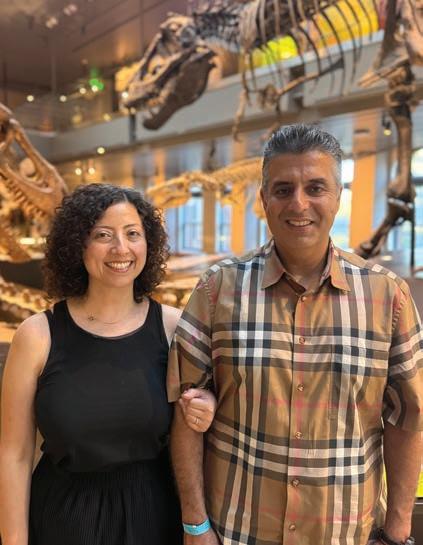
Nikhil’s interest in dinosaur digs began after an extensive arm surgery sidelined his martial arts practice. Instead of turning to a di erent tness hobby, he combined his love of science with the need for movement. Participating in excavations put him at the very heart of discovery and deepened his love of paleontology. It doesn’t hurt that, according to Nikhil, paleontologists are the “party animals” of science.
For Lorena, the whole, diverse museum is what keeps her coming back. From gems and minerals to history and culture, NHMLAC has something for everyone. She sees it as a re ection of L.A. itself—vibrant, layered, and full of stories. Becoming Los Angeles is especially meaningful to her, as she believes it is vital for young Angelenos to understand who was here rst and how our city came to be. As Nikhil noted, NHM “is a vital part of L.A. I think L.A. has in uenced the museum, and I think the museum has in uenced L.A.”
One memorable event for the Shahs was a lecture about Godzilla, which explored how nuclear testing on the Marshall Islands caused environmental and health devastation and inspired the creation of the iconic monster. Even more meaningful are the moments with curators, underscoring how special Fellows access can be.
The Shahs’ values of science, awareness, and social and environmental justice are re ected in the museums and are pillars of their support. They appreciate that NHMLAC is unwavering in these commitments, something that is vital today.
When Stanley Silver first brought his beloved wife, Patti, to La Brea Tar Pits, he had no idea they were about to build a deep connection that would ultimately become a lasting legacy. For Patti, the answer to why they kept returning was simple: “Digging!” For Stanley, the reason was even simpler—because Patti loved it so much.
Over the years, the Silver family became fixtures at the Tar Pits, bringing their children and grandchildren to witness real science in action. In early 2024 , Stanley brought the family together at the place that brought Patti such joy. During the visit, they engaged with researchers and helped sort specimens with the same curiosity.
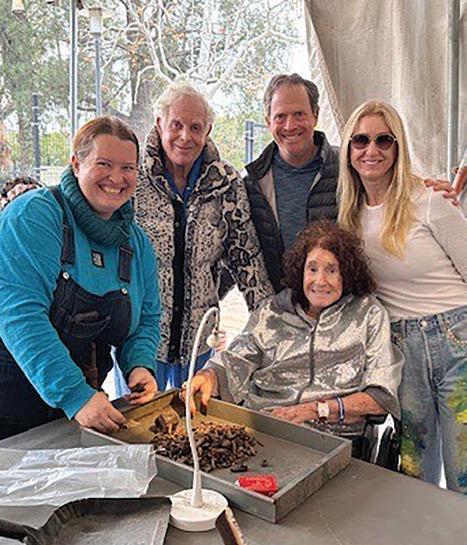
When Patti passed away only one week after this last special visit, Stanley honored her memory in the most fitting way. He established a generous multiyear annual gift to support fieldwork and excavations—the very “digging” that had captivated Patti’s imagination.
“I will follow through with Patti’s legacy as long as I am alive,” Stanley shared. “Every day was a honeymoon with my bride.”
Now 92 , Stanley continues visiting with his daughter, Deena, and other family members, ensuring the next generation understands the importance of supporting scientific discovery. His commitment guarantees that Patti’s passion for paleontology will continue to fund groundbreaking excavations and research long into the future.
“La Brea Tar Pits always feels like our home away from home,” Stanley reflects. It’s a sentiment that captures the essence of what makes our family of museums so special—where curiosity becomes connection, and love becomes legacy.
In supporting the work Patti loved most, Stanley has created something beautiful—a living memorial where her curiosity informs scientific advancement, and her memory becomes a bridge linking the past and future through the wonder of discovery.
Since this was written, Stanley has joined his beloved Patti. Their shared legacy lives on through the ongoing excavations and discoveries at the Tar Pits that continue to be funded by their generous gift.
The Silver family’s story remains a testament to how love, curiosity, and dedication can create an impact that extends far beyond a single lifetime.
Victoria Aparece
Stacey Armato*
Anissa Balson
Keith Berglund
Lori Bettison-Varga, President and Director of the Museum
Michelle Black
Esther Chao
Heather de Roos, Chair of the Board
Charlene Dimas-Peinado*, Vice President of the Board of Governors
Ford Edgerton
Nancy Edwards
Alan Epstein
William M. Garland, III
Richard Genow
Karen A. Ho man
Michael H. Jones
Curtis C. Jung* President of the Board of Governors
Deborah Kallick*
Rita Kampalath*
Lorri Kampfner, Fellows Chair
Rick Keller
Alexander Kendall, Vice President of the Board of Trustees
Vince Lawler*
Margaret Levy*
Walter Marks*
Gregg Martin
Megan McGowan Epstein, President of the Board of Trustees
Michael Molina*
Richard Moss
Noramae Munster*
Naomi Nakagama-Kurata
Joan Payden
Jenna Perlstein
Robert Procop
Naomi Rainey-Pierson*
Mikaela J. Randolph*
Peter Scranton
Je Stibel
Ambassador Cynthia A. Telles*
Jun Xu
* Governor
Last updated: August 15, 2025
Chebon Marshall, Secretary
Lynn W. Brengel
Neal Brockmeyer
H. Frederick Christie
Shannon Faulk
Stanley Gold
Paul G. Haaga, Jr.
Patricia Lombard
Sarah Meeker Jensen
Diane Naegele
Dr. Jane G. Pisano
Richard K. Roeder
Kevin W. Sharer
Sheldon Stone
For more information, please contact:
Paul Bessire
Chief Advancement O cer
Natural History Museums of Los Angeles County NHM and La Brea Tar Pits
900 Exposition Boulevard Los Angeles, CA 90007
213.763.3306