Karen Kuse Highlights How Restorative Practices Strengthen the Montessori Approach to Discipline
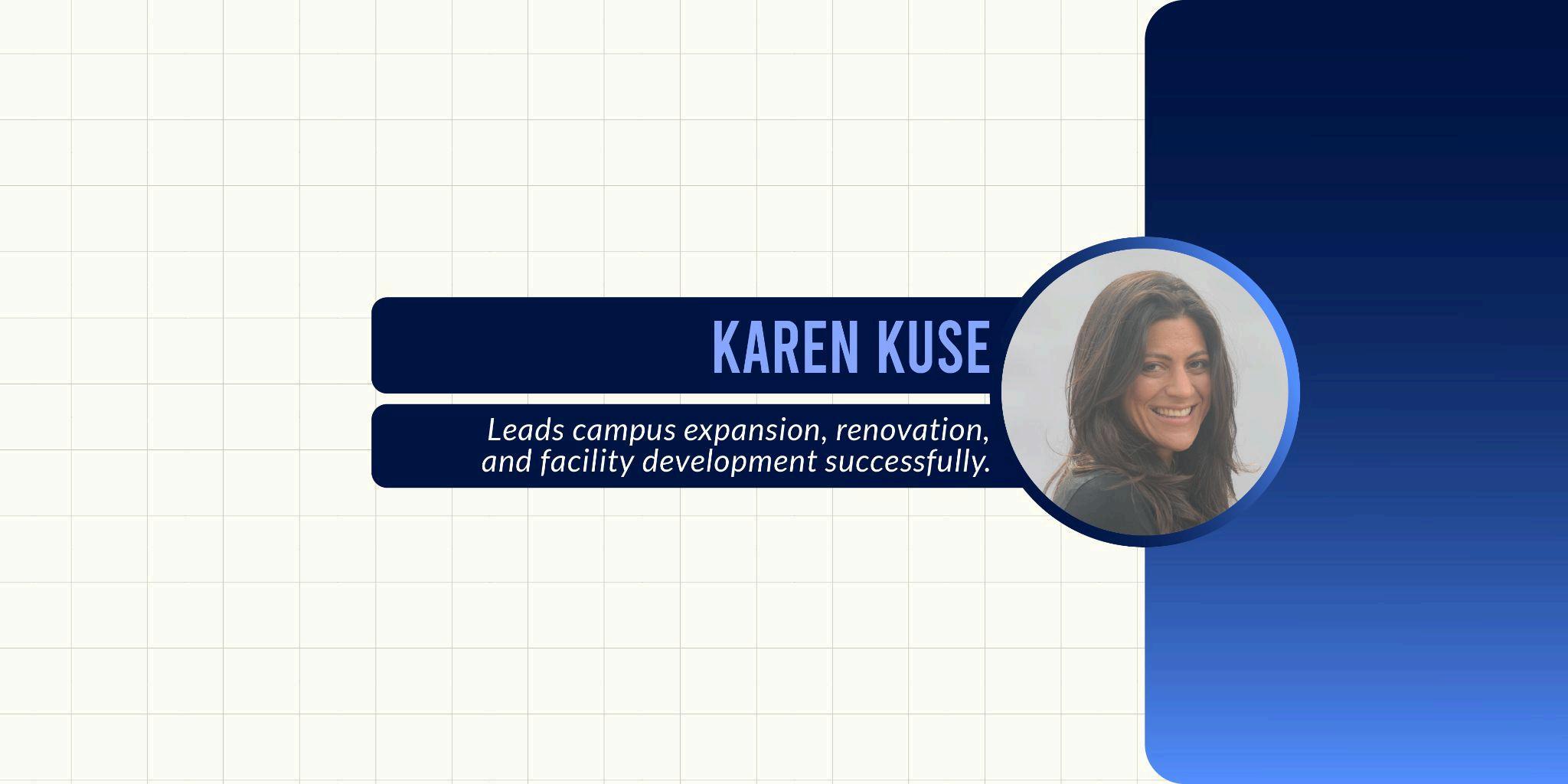
Many people think discipline means correcting behavior through rewards or punishment. Karen Kuse understands that Montessori education takes a different path, one that helps children learn responsibility, empathy, and self control from within Instead of focusing only on consequences, educators guide students toward understanding how their choices affect others. This thoughtful approach builds stronger relationships and encourages lasting personal growth When combined with restorative practices, Montessori classrooms become places where children learn valuable life skills alongside academic lessons.
The Montessori approach views discipline as a learning process instead of a system of control Children are encouraged to understand expectations, make thoughtful choices, and solve problems with guidance Teachers create environments where respect becomes part of daily life rather than something enforced through fear This helps students develop confidence and independence over time.
Restorative practices fit naturally within this educational philosophy Instead of asking who should be blamed, teachers ask what happened and how the situation can be repaired. These conversations help children recognize the impact of their actions They also encourage honest reflection without creating shame or embarrassment
Respect plays a central role in every classroom interaction Teachers model calm communication and patient listening. Students learn to express their thoughts clearly while giving others the same opportunity This daily practice strengthens relationships and creates a peaceful learning environment where everyone feels valued.
Conflict is treated as an opportunity to learn Disagreements happen in every classroom, especially when children work closely together Rather than immediately assigning punishment, educators guide students through conversations that encourage understanding and cooperation Children begin to see mistakes as chances to improve instead of reasons to feel discouraged.
Personal responsibility grows through consistent practice Students are encouraged to recognize their actions, accept accountability, and participate in finding solutions This process helps children understand that repairing relationships is just as important as correcting behavior. These lessons often remain valuable long after they leave the classroom
Teachers also guide children by observing before reacting. Careful observation helps identify the reasons behind challenging behavior Sometimes a child needs additional support, more independence, or a different learning approach Understanding the cause allows educators to respond with patience instead of making quick assumptions.
Families play an important role in reinforcing these values When parents and teachers communicate openly, children receive consistent guidance at school and at home. Shared expectations create stability and help students practice respectful behavior in different environments Strong partnerships make restorative conversations even more meaningful
A peaceful classroom does not happen by accident. It develops through daily habits, thoughtful leadership, and genuine respect for every child Small moments of kindness, honest communication, and patient guidance gradually build a caring community where students feel safe enough to grow Over time, children begin solving problems with greater confidence because they understand the value of listening, empathy, and cooperation This lasting growth reflects the power of peaceful conflict resolution, preparing young learners to build healthy relationships throughout their lives