
Welcome to Year 10
Which options should I choose? What will my Year 10 timetable look like?
Hospitality Certificate II
Options ranking and combinations
Making the final decision
Submitting your choices
Class allocation
Changes of options during the year
As a transition year into Senior School, Year 10 students will be given more choice in the range of Year 10 subjects available while still maintaining a breadth of learning Year 10 is a very important year as it allows students to build a foundation for Years 11 and 12. Results from the Year 10 Semester 1 Report will be used to indicate which courses students will select in Year 11 Students will be made aware of existing Year 11 prerequisites in Year 10 to help them to focus on their studies. Year 10 is also a year in which students need to form good study and organisational habits as the workload increases and they strive to prepare themselves for the demands of Senior School
The Year 10 options program is designed to allow students to develop more skills in the subjects in which they are interested and potentially continue in Senior School Education has changed significantly over recent years enabling many courses to be offered as part of a university pathway and TAFE recognised qualifications delivered at school in the form of Certificates
Parents and students will receive more information regarding the structure of Senior School and post school options next year; however, it is important to have some understanding of how the system works Below each option description in this Handbook you will find listed one or more Senior School courses (General or ATAR) and/or Certificate courses related to the option As students progress into Senior School, they will complete ATAR courses for a direct university entry pathway and General courses for TAFE or other training options Certificates are nationally recognised qualifications that John Wollaston has introduced to further enrich the options of our students These qualifications are the same as those being delivered by a TAFE
As you consider your options for next year, think about what areas you would like to continue with in Years 11 and 12
It is very important that you choose options in which you are interested, not what you think your friends will choose or which subject you think has the best teacher. Options are an opportunity for you to study in an area of strength and interest, and should be treated with as much regard as your other subjects Remember, your four options may end up being directly related to four of your Senior School courses! Make sure you talk to your teachers and parents, and become actively involved in deciding your future
A Year 10 timetable is made up of the following allocation of sessions:
* Please read the section Options Combinations (Page 4) to find out more information
Optionsshouldbechosencarefully Theyaresubjectsinwhichyouhavethechancetoreally developyourskillsbeforepotentiallychoosingtocontinuestudyingoneormoreinYears11and12 aspartofauniversity,generaland/orvocationalpathway
Thegradesyouachieveinyourfirstsemesterofstudyinganoptionwilldetermineifyoucan continueintoYear11 Refertothesection,‘What’ssospecialaboutYear10?’formoreinformation onprerequisites.
Hospitality Certificate II (Year 1) is a special qualification that runs over four sessions a week This allows you to start working on the Year 11 certificate early, freeing you up in Year 12 to study another certificate If you choose Hospitality, this will replace one of your other option slots
Examples of students studying options with and without the four-session option are shown below:
Hospitality Cert II*
While every effort is made to give you all of your chosen options, it may not be possible due to restrictions in class numbers, subject clashes on the timetable and the demand of the option. However, we will endeavour to give you as many of your first preferences as possible

You need to study options from at least three different Learning Areas. Students studying Hospitality must study subjects from a minimum of two different Learning Areas.
The ranking order of your options is important! Ensure that the option you rank as your first preference is the one you most want to study
You will not be permitted to study more than one of the following food-related options:
Café Culture
Food Specialisation
Hospitality Certificate II (Year 1)
You will not be permitted to study more than one of the following Digital Technologies-related options:
Computer Science & Security
Creative Computing
You can still rank more than one of these in your preferences as a reserve.
Hospitality - Certificate II (Year 1)* Materials and Design
Read through the information regarding each option carefully You will be allocated four options unless Hospitality Certificate II (Year 1) is selected.
Students will submit their selections Further information will be provided regarding the process involved with this.
Every effort to allocate a student’s first preference will be made. Where a student is not allocated their first preference, priority will be given to the student’s second and third preferences
Please note that not all Options are guaranteed to run as they are subject to student numbers, timetable and staffing considerations
You are not permitted to change your timetable during the year unless there are exceptional circumstances
You are encouraged to discuss any concerns with your teachers and to attempt all challenges that arise with enthusiasm

L E A R N I N G A R E A
Science
P R E R E Q U I S I T E S
Open to all current Year 9 students
C O S T
$70 specialised subject fee
S E N I O R S C H O O L
P A T H W A Y S
This course is ideally suited for students who are considering Biology and Human Biology courses in Years 11 and 12
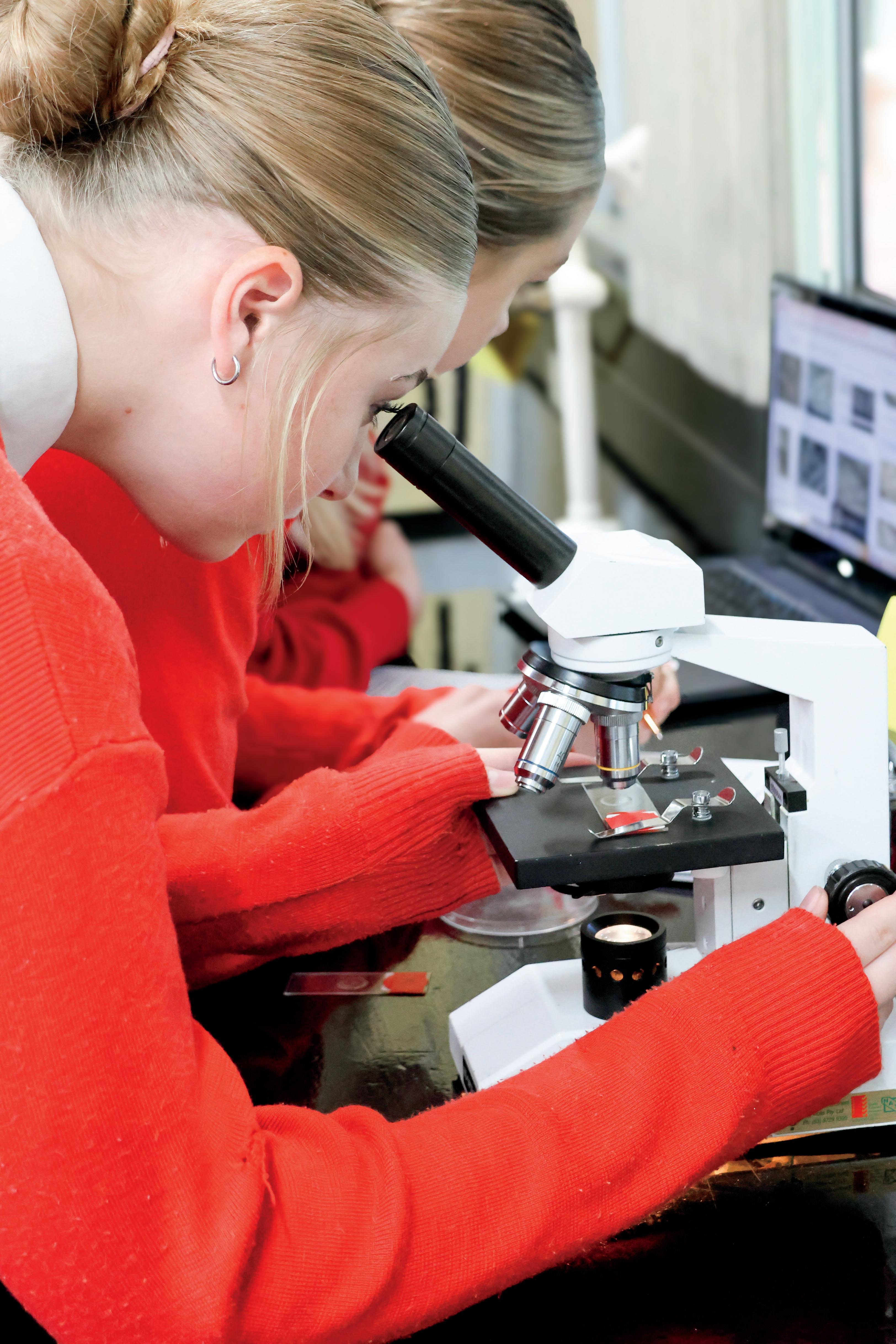
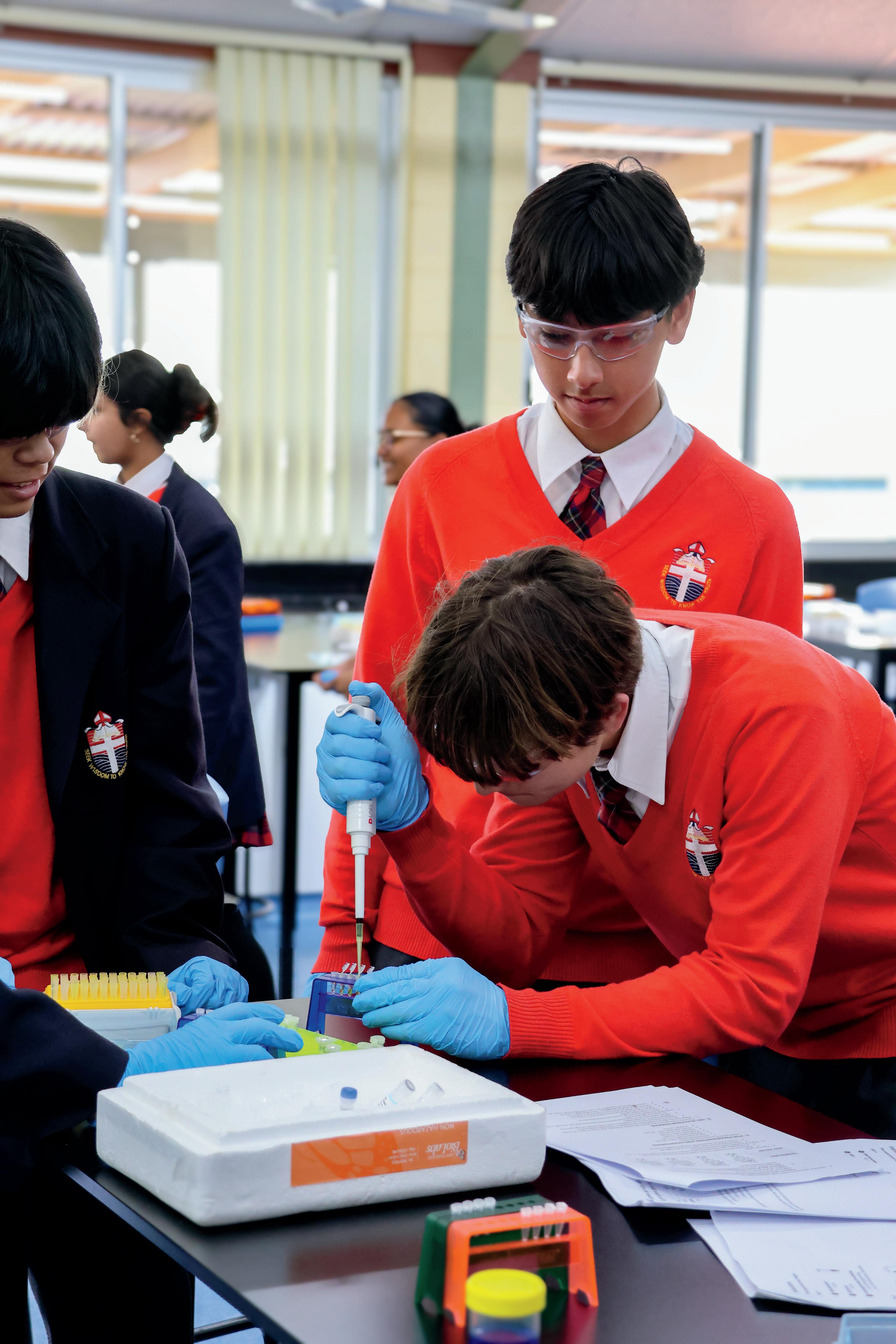
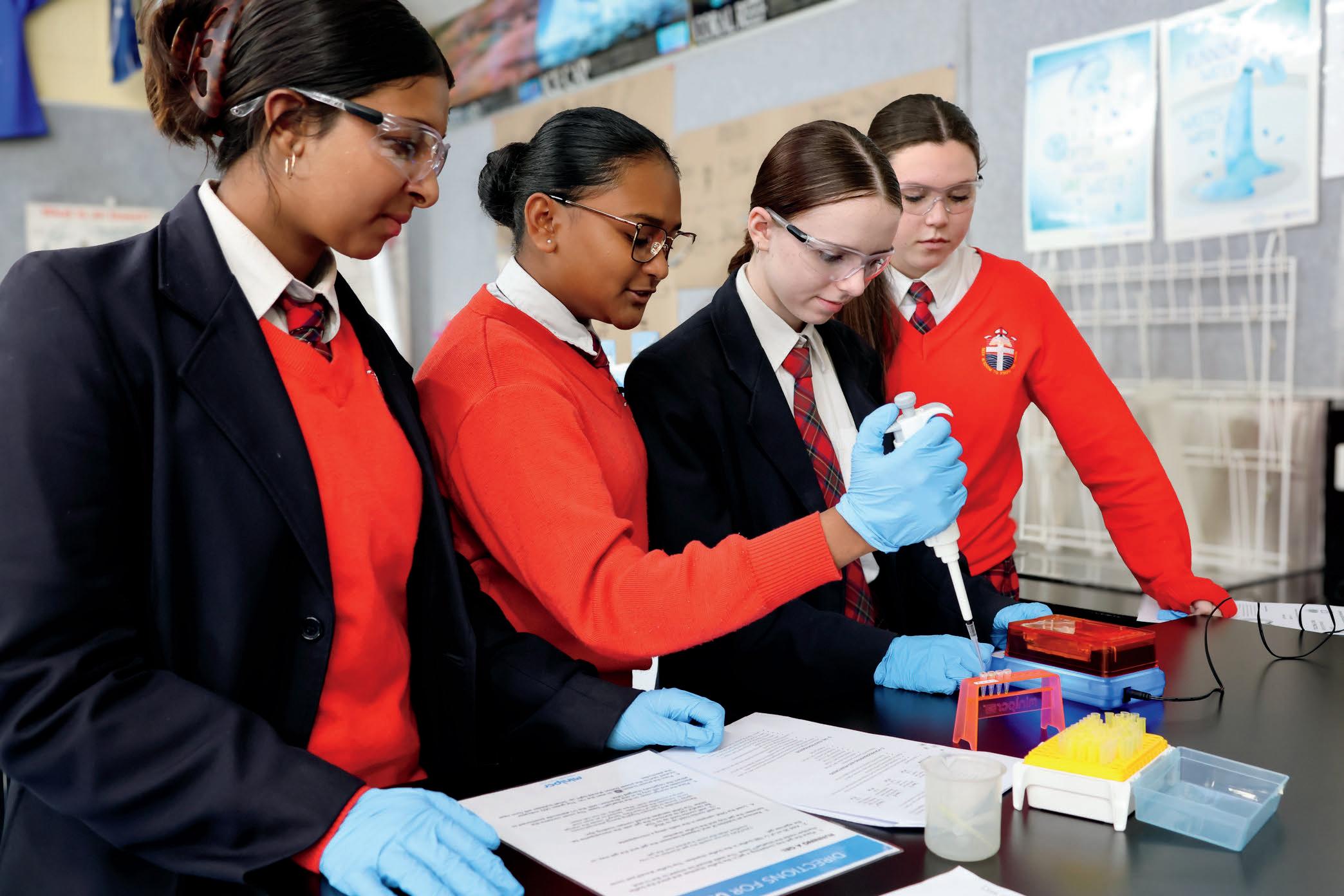
In the Biomedical elective course, students will explore different areas of biology which relates to both human and animal health It is designed for students with an interest in pursuing careers in industries such as medicine, dentistry, radiology, veterinarian, and zoology. The course includes an exploration of topics like the body systems, microbiology, diseases, human genetics, pharmacology, toxicology and modern medical technologies This course is based on research methodologies and provides an opportunity for students to gain a deeper understanding of these concepts by offering hands-on experiences

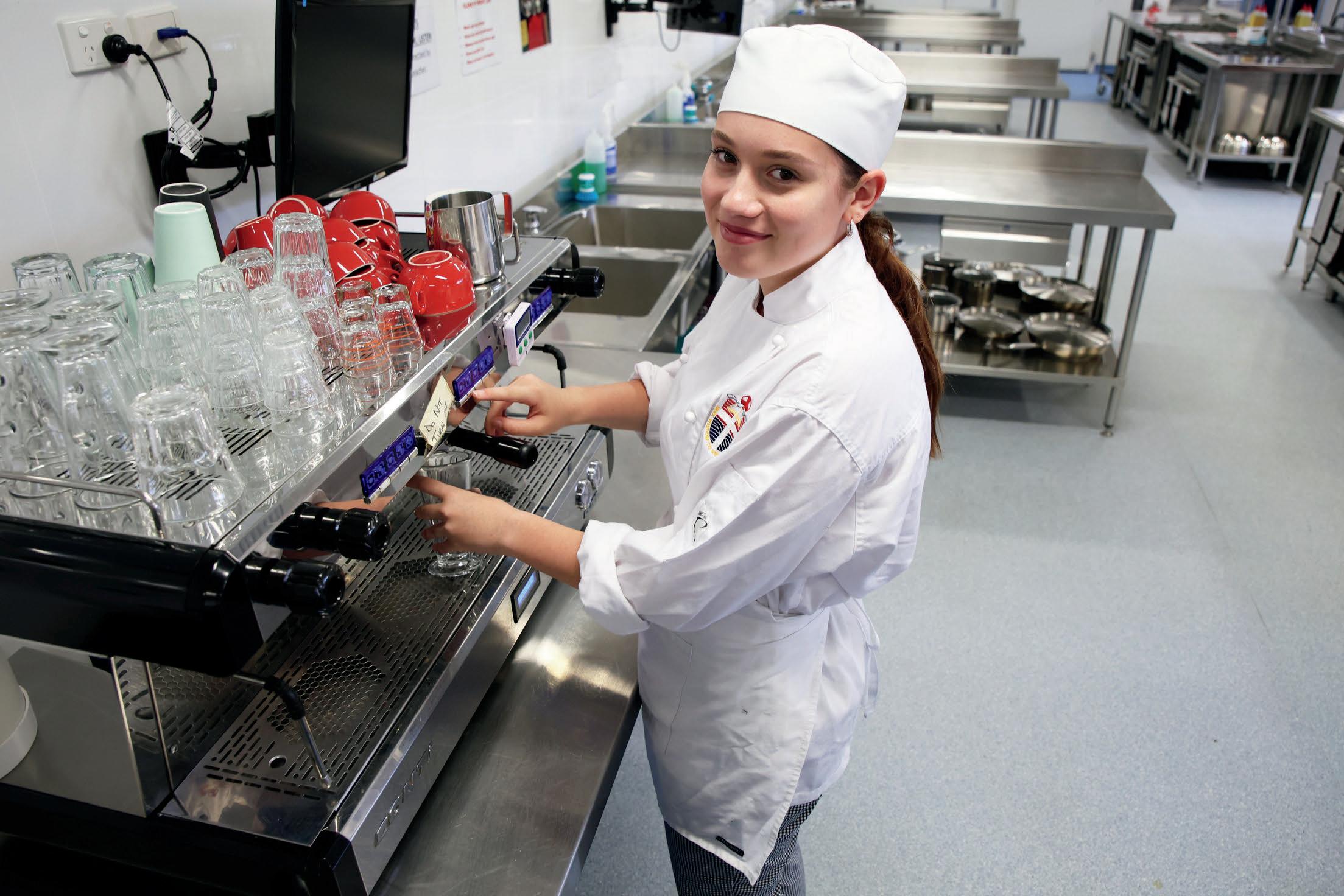
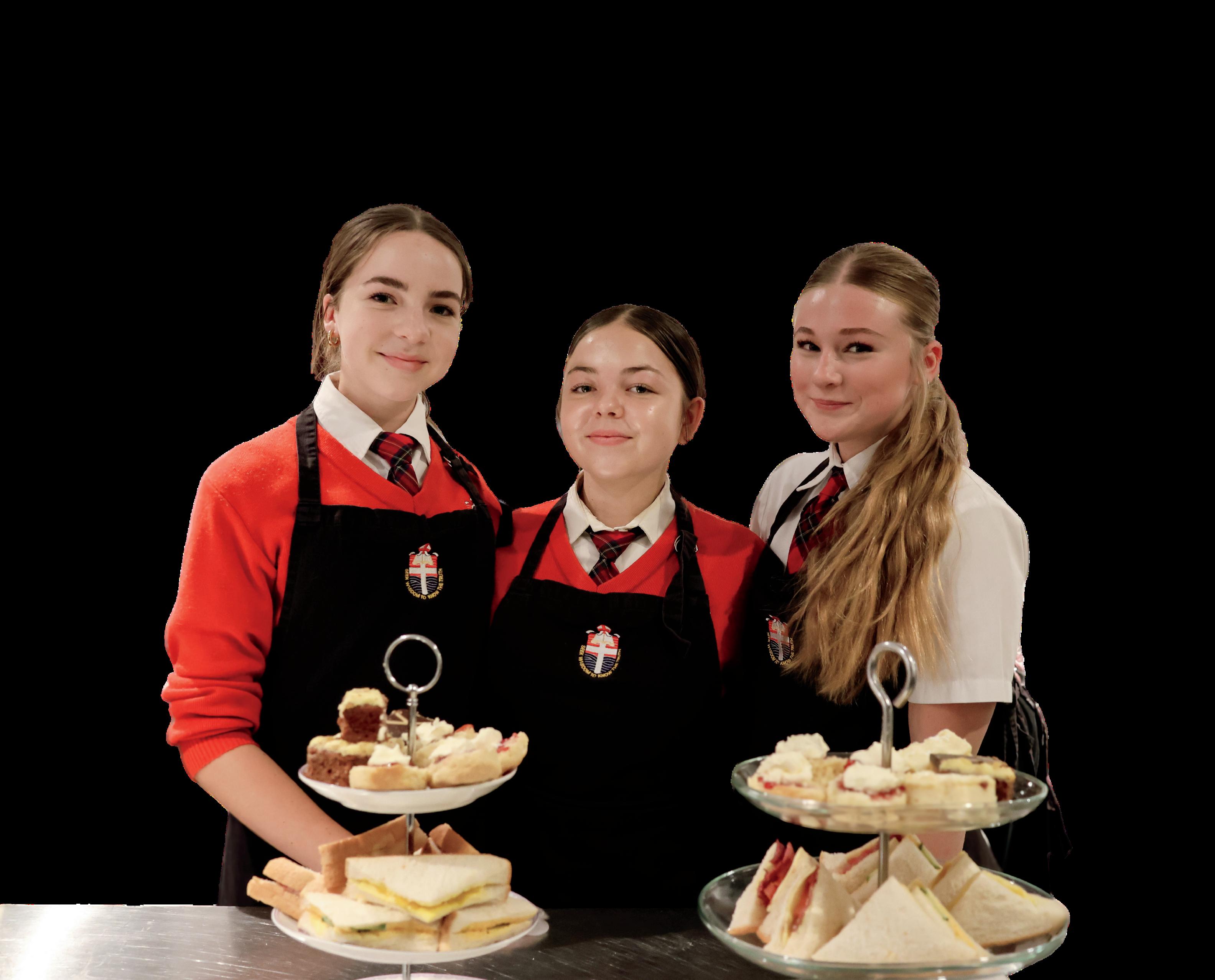
CaféCulturehasbeendesignedtohelpstudents capitaliseoncareeropportunitiesinthebooming Perthfoodindustry.Thelackofprofessionally trainedhospitalitypersonnelinWestern Australiahasbeenwell-documentedandweaim torespondtotheseconcerns Thecoursewill covereverythingyouneedtoknowaboutcoffee culture.
Open to all current Year 9 students
There will be a $200 fee for this option. This includes a fee for assessing the Units of Competency and a consumable levy to allow more individual work with a greater range of ingredients C O S T
Certificate II Hospitality and/or Year 11 and Year 12 Food Science and Technology
Studentswilldeveloptheirbaristaskillsand learnaboutespressoequipmenttocomplement thecoffeeproducedandcustomerservice.They willbepreparingcaféstylefood,primarilyfor cateringpurposes CaféCulturesuitsstudents whoenjoycustomerserviceandpractical learning
CaféCultureincludesthecompletionofthree NationallyRecognisedUnitsofCompetency towardsaCertificateIIinHospitalityincluding: Prepareandserveespressocoffee Usehygienicpracticesforfoodsafety Interactwithcustomers
InHospitality,weinstillexcellentworkready attitudes;studentsmustbepreparedtotake safetyseriouslyandadheretoworkplace standards CaféCulturerequirescommitment anditiscompulsoryforstudentstoarriveat schoolat7:30amthreetimeseachtermto practisetheirskillsandcustomerservice Studentsalsocompleteanintensivebarista workshopatacoffeeroastery
Studentswilllearntothinkontheirfeetinreal lifeandsimulatedfunctionsandeventsandfeel proudoftheirachievements Wearedelightedto beofferingthisoptionintheJohnWollaston stateoftheartcommercialkitchen
L E A R N I N G A R E A
Technologies
P R E R E Q U I S I T E S
Open to all current Year 9 students
C O S T
There will be a $40 fee for this option
S E N I O R S C H O O L
P A T H W A Y S
Children, Family and the Community General, Food Science Technology General, Materials, Design and Technology-Textiles General
2 S E S S I O N S
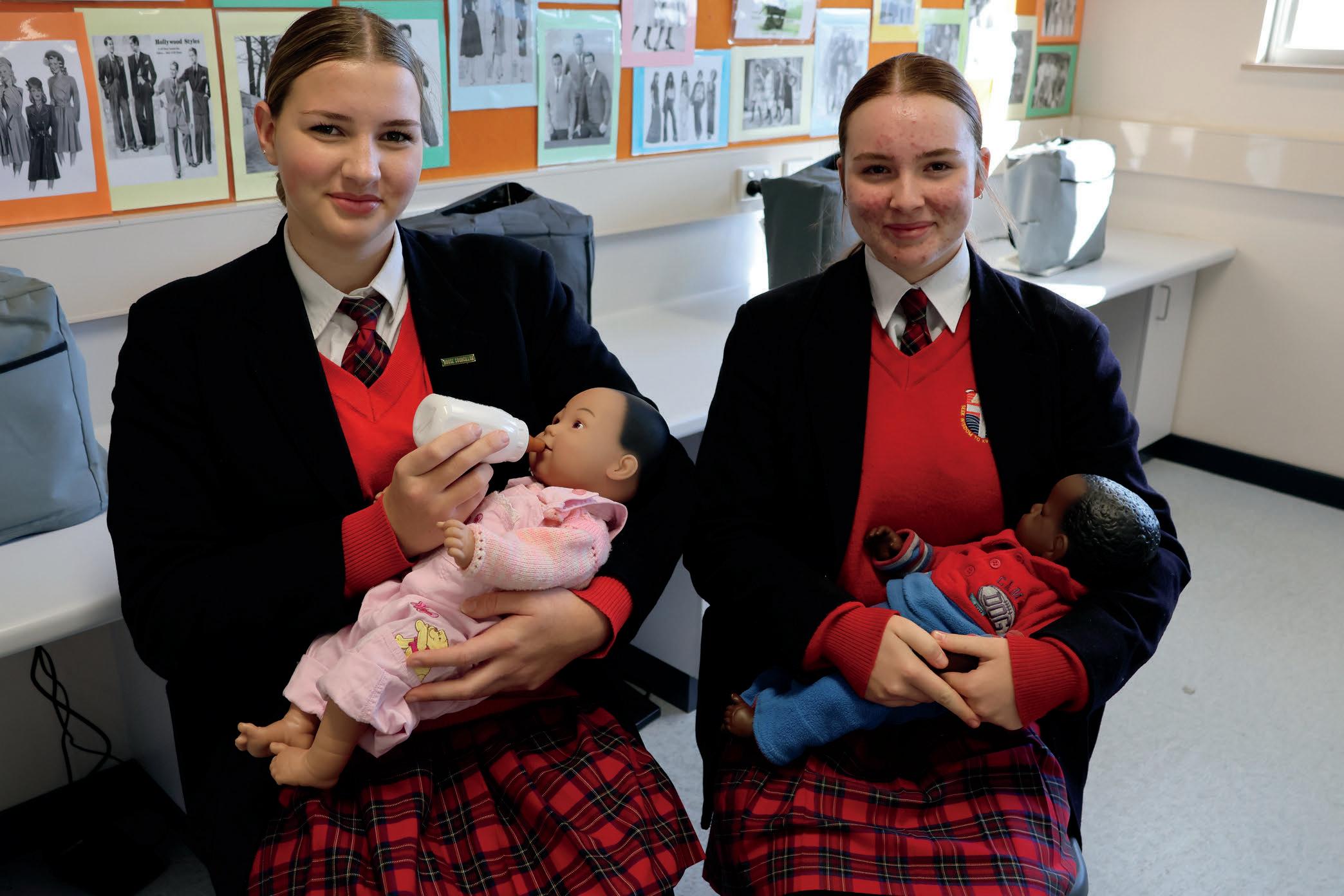
Childcare explores the stages of human development from conception to pre-school It also focuses on the roles and responsibilities of parents and caregivers, to ensure the physical, emotional and social needs of children are met
Students will be required to care for the virtual baby to experience parenting as part of their assessment There is an opportunity for students to develop activities and interact with children Students will also complete a range of practical activities such as creating and producing suitable play items for this age group and preparing nutritious meals
Childcare is a good choice for any student wishing to pursue a career involving children such as childcare, nursing or teaching. C O U R

L E A R N I N G A R E A
Digital Technologies
P R E R E Q U I S I T E S
Open to all current Year 9 students
C O S T
$75 (approximation only)
S E N I O R S C H O O L
P A T H W A Y S
Computer Science General, Applied Information Technology General, Business Certificate II
2 S E S S I O N S
O U R S E S U M M A R Y
Computing is an essential skill for the workplace as technology continues to evolve at an astounding rate In Computer Science, students will study core topics such as digital systems, office applications, communications, and presentation software. The main areas in the option include programming, Artificial Intelligence robotics, and network security
Learning in Digital Technologies focuses on further developing understanding and skills in computational thinking such as precisely and accurately describing problems and the use of modular approaches to solutions In Year 10, students consider how human interaction with networked systems introduces complexities surrounding access to, and the security and privacy of, data of various types Students will further develop their skills using Python, Minecraft Java Code and LEGO Mindstorms
The skills learnt in Computer Science are highly desirable and transferable to any future career as technology continues to be a strong focus in the workplace Computer Science is an important part of the STEM initiative.
L E A R N I N G A R E A
Digital Technologies
P R E R E Q U I S I T E S
Open to all current Year 9 students
C O S T
$50 resources fee
S E N I O R S C H O O L
P A T H W A Y S
Materials, Design and Technology
General, Applied Information
Technology General, Computer Science
General, Visual Arts ATAR or General
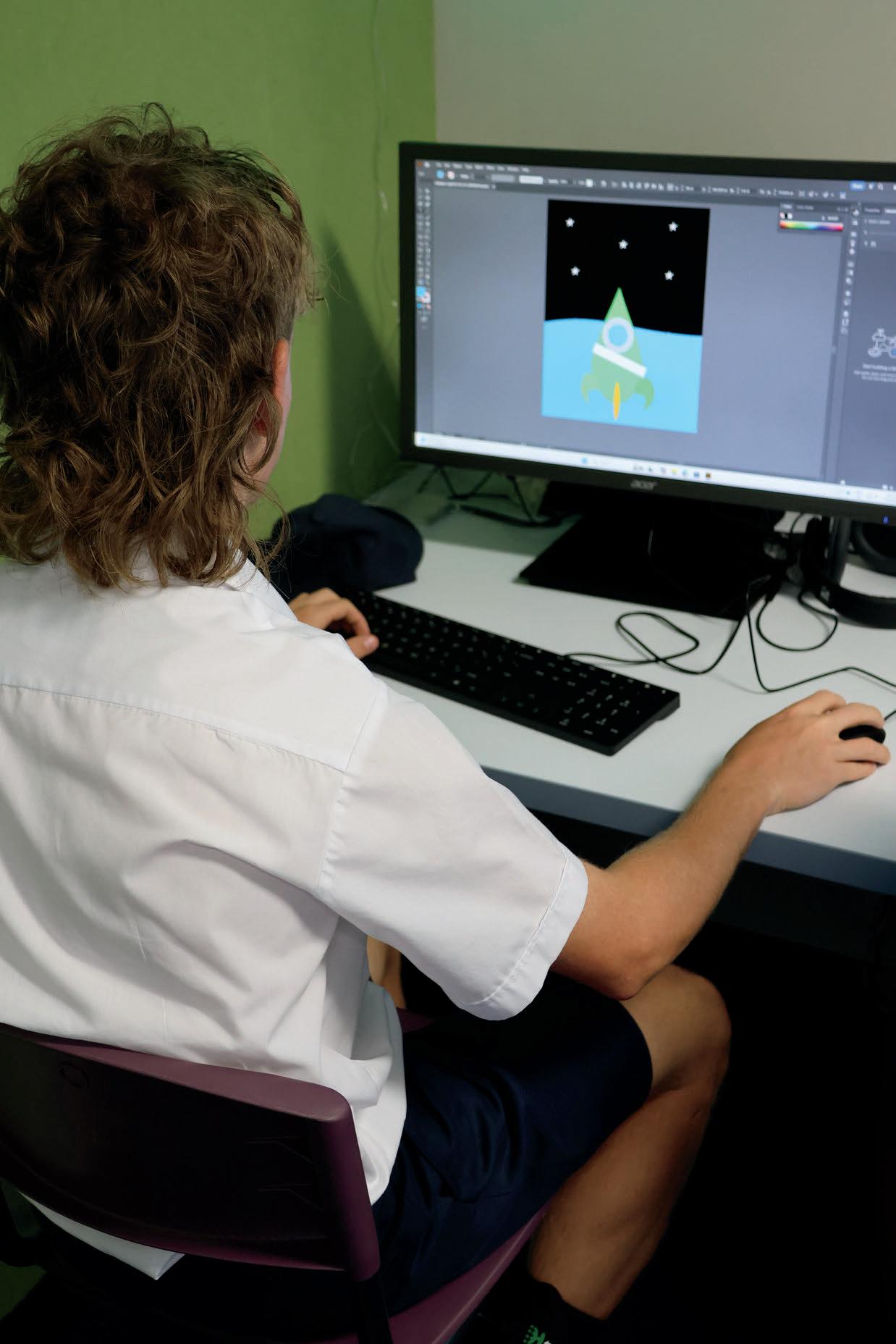
Creative Computing enables students to learn many transferable skills in a fun, engaging and interactive STEM environment A sound understanding of computers, problem solving and the desire to express creativity are key employability skills in this world
Creative Computing is interdisciplinary in nature and topics covered include many applications in the Adobe suite, evolution of game design and graphics theory
Students will use a variety of software to create 3D design art, computer gaming characters, design game platforms, computer games, multimedia, web design and other interactive systems
Creative Computing would suit any student who wishes to work in the media industry, the Arts and all aspects of the computing industry including game design and development
L
Open to all current Year 9 students P
C O S T
Specialised Subject Fee: $20
S
Visual Arts ATAR
Visual Arts General
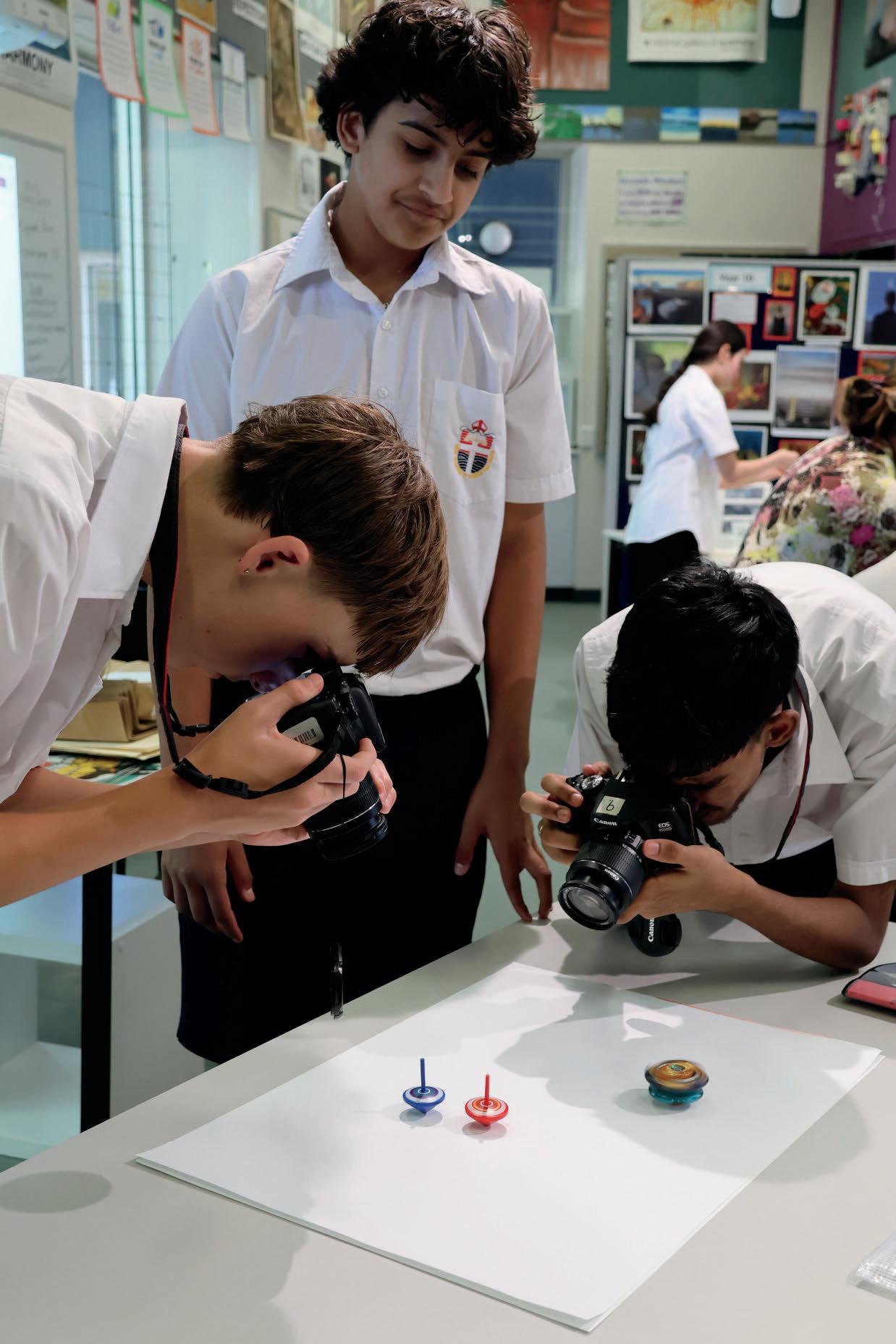
Digital Arts is a rapidly expanding field that encompasses the production of visual information particularly for online media By selecting this option, students will learn the fundamental principles and techniques used in digital photography Students will know and understand how to use a DSLR camera and/or smart phone to capture images Digital Arts will provide students with the opportunity to learn about composition and design along with developing creative problem solving skills Students will develop their Arts language skills as they reflect on their work and that of others, including analysing visual media
The main components to this option:
PHOTOGRAPHY TECHNIQUES - Introduction to using a DLSR camera, including aperture, shutter speed, compositional devices, portrait photography
CREATIVE PHOTOGRAPHY - Use your photography skills to express your creativity through macro photography, photomontages, flat lay arrangements and a range of other techniques
DIGITAL DRAWING - Use of Adobe Photoshop and other digital software, to create digital drawings and paintings using a tablet Use digital drawing to explore character design, create comics, posters and advertisements
There is an expectation that students take photographs outside of school hours Participants may also be asked to photograph School events such as sports carnivals, performances or assemblies C O U R S E S U M M A R Y
L E A R N I N G A R E A
P R E R E Q U I S I T E S
C O S T
Specialised subject cost $60
S E N I O R S C H O O L
P A T H W A Y S
Drama ATAR and Drama General
C O U R S E S U M M A R Y
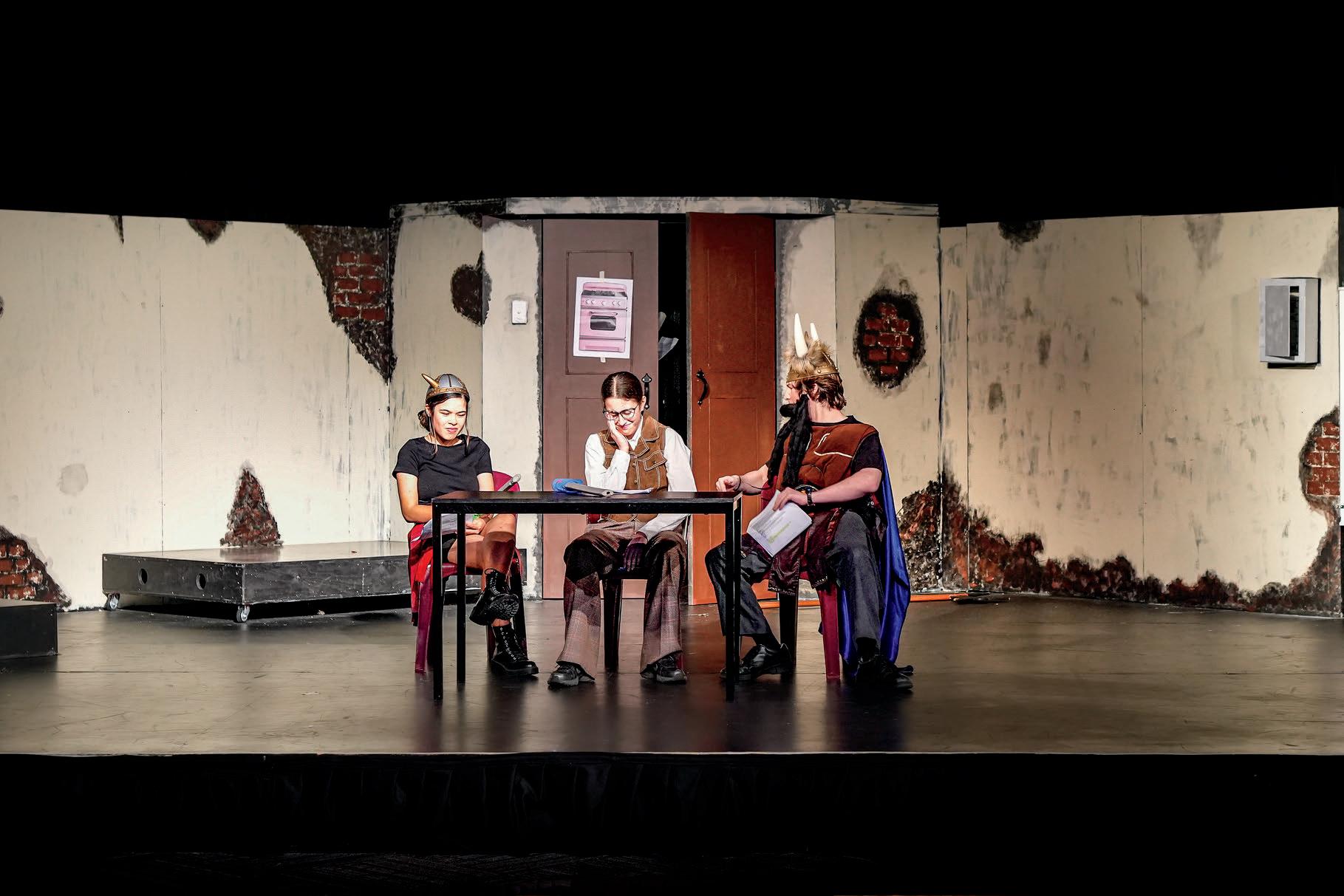
Drama allows students to develop Drama skills with a focus on style and performance
Students will develop Drama skills with a focus on acting styles and theatre forms including scripted drama, devised drama, representational theatre and Epic theatre The course builds knowledge for those moving onto Year 11 General and ATAR as well as for students who want to develop an appreciation for fine performance.
Students will gain an understanding of the Elements of Drama (including language and texts, situation, dramatic tension, mood and atmosphere, voice and movement, and characterisation and relationships) through research, workshops, improvisation, play- building and performance
Drama involves design and production work and students are required to study non-actor roles such as costume, lighting, sound and scenography (set and staging) Drama also contains written and theoretical work including text and character analysis, research, design, reviews of performance, a reflective journal and a written examination This option requires students to attend and review a professional theatre production selected by the Department
Drama is a practical option where participation and rehearsal are the key to success Therefore, individual involvement and cooperation are essential. There will also be some time required out of school hours for attending public performances and productions. This option involves both individual and group work.
Students studying Year 10 Drama are expected to perform in the Year 10 Drama Night as part of their assessment All students will also participate in YOH Fest, an annual competition hosted by Act-BelongCommit, which will require them to write and rehearse a short Drama piece to be presented in an evening performance
L E A R N I N G A R E A
Science
P R E R E Q U I S I T E S
Open to all current Year 9 students
C O S T
$300 specialised subject fee
S E N I O R S C H O O L
P A T H W A Y S
Remote Pilot Licence (RePL) or Certificate III in Aviation (Remote Pilot)
2 S E S S I O N S
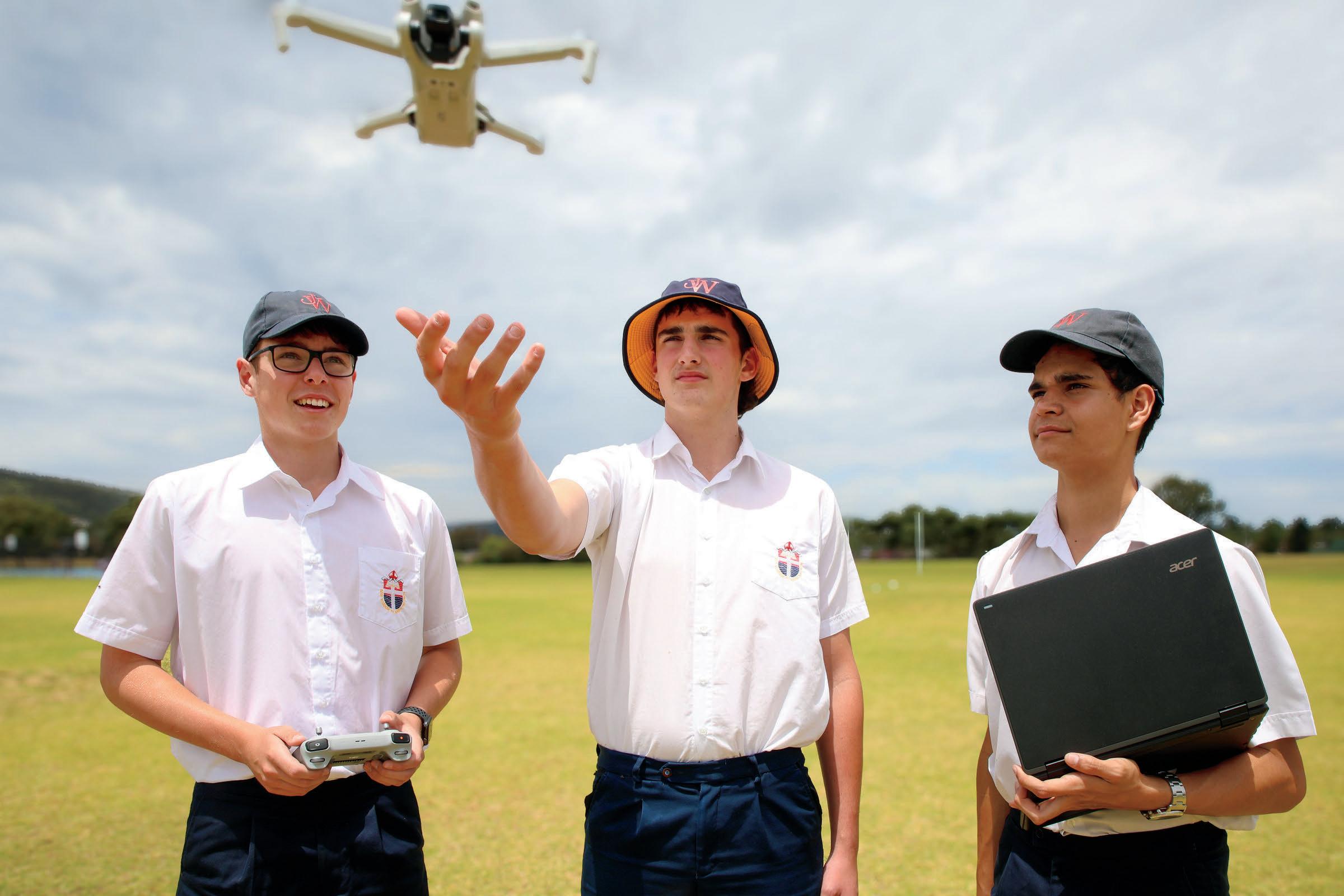
Drone technology is rapidly advancing and creating many possible career options.
Drone pilots are required in areas such as:
Aerial photography
Shipping and delivery
Geographic mapping
Disaster management
Precision agriculture
Search and rescue
Weather forecasting
Wildlife monitoring
Drone Pilot will give you the opportunity to build, code and fly your own drone and learn about the science of flight and meteorology. You will also learn some of the safety considerations around flying drones
This option will lead into a Certificate III Remote Pilot qualification which is a CASA approved course allowing you to work as a Drone Pilot in Australia
L E A R N I N G A R E A
Technologies
P R E R E Q U I S I T E S
Open to all current Year 9 students
C O S T
There will be a $95 fee for this option to allow more individual work with a greater range of ingredients
S E N I O R S C H O O L
P A T H W A Y S
Food, Science and Technology General
Hospitality Certificate II
Cookery Certificate II
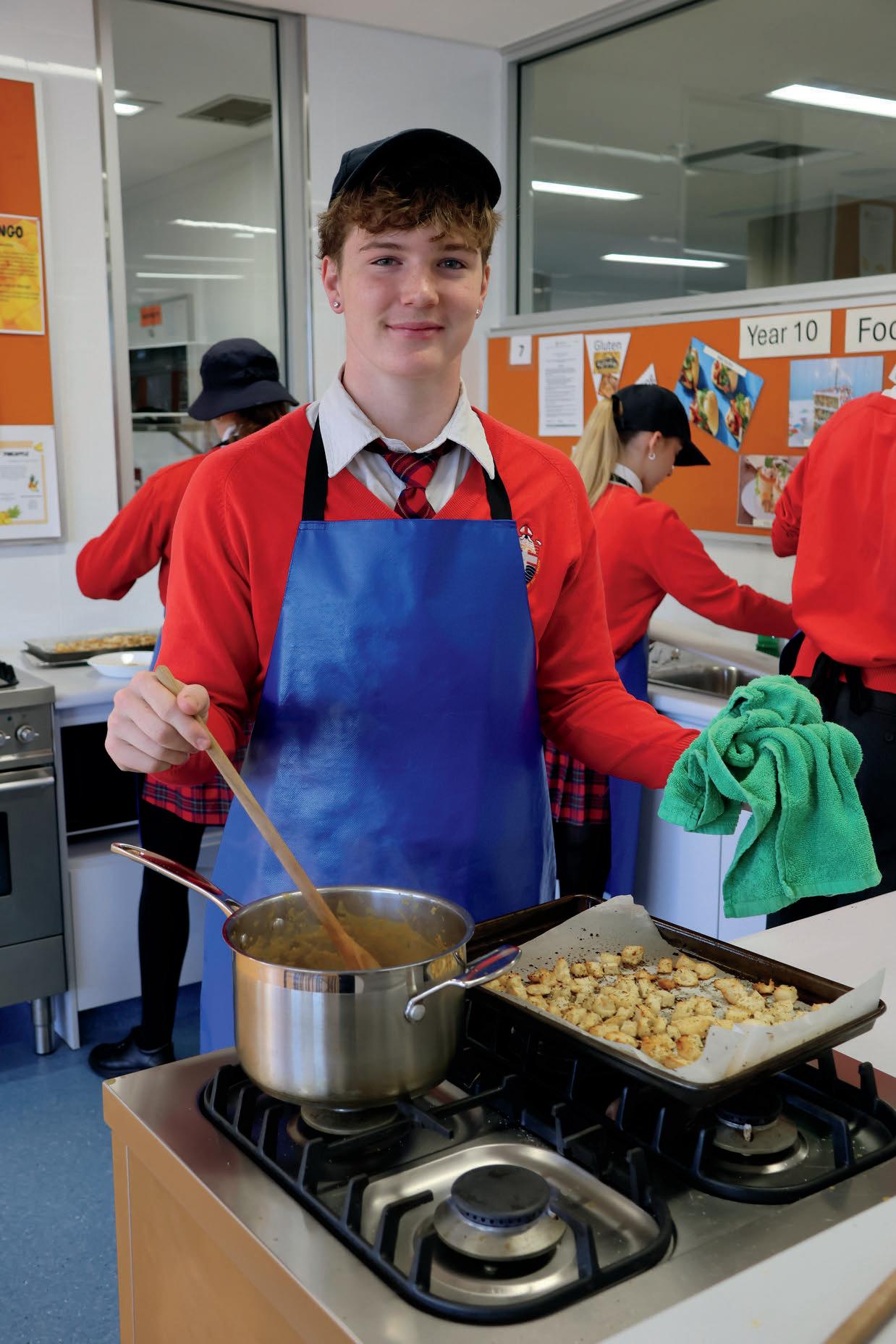
In Year 10 Food Specialisation there is a focus on the application of nutrition principles and knowledge about the characteristics, properties, selection and preparation of food, as well as contemporary technology-related food issues.
Students will complete theory and practical tasks that explore the following:
Healthy eating through the skills and knowledge of nutrients and the application of the principles of food safety (cooking with macro nutrients)
Impact of emerging technologies on economic, environmental and social sustainability (using small appliances to compare commercially prepared food to homemade food e.g. smoothies and steamed bao buns)
Bush Tucker and Indigenous Foods (wattleseed pavlovas with sugar bark and vanilla cream)
Global Influences: cultural and religious sensitivity when serving food e.g. Halal, Kosher Identify the needs of the client/stakeholder e g through a Food Truck Meal and Packaging Assignment
Consider time, cost, risk, safety, production processes, sustainability and legal responsibilities e g egg marketing and social ethics (free range vs caged)
Students will also prepare a large range of dishes from entrée to dessert
Dishes and projects may vary from year to year
Digital Technologies L E A R N I N G A R E A
C O S T
$50 Levy
P R E R E Q U I S I T E S
Open to all current Year 9 students
S E N I O R S C H O O L
P A T H W A Y S
Computer Science General/ATAR
Applied Information Technology
General/ATAR
Certificate II Creative Industries
2 S E S S I O N S
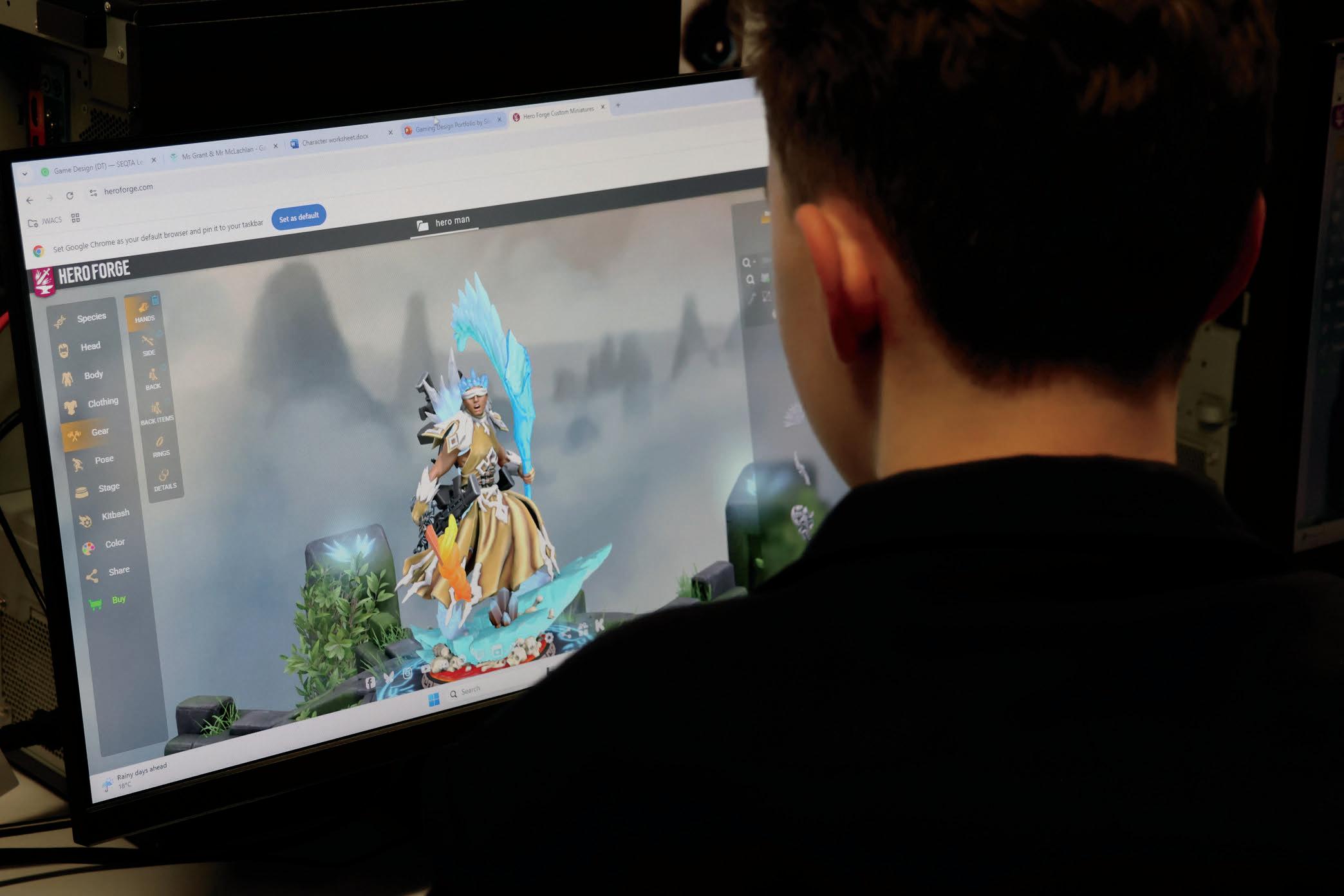
This course introduces students to the exciting world of computer game design and development. It provides a solid foundation in the key concepts and skills needed to create engaging and interactive gaming experiences
This course is designed to stimulate students’ creativity and innovation, while also teaching them about the technical aspects of game development
1 Understand the basics of game design: Students will learn the fundamental principles of game design, including game mechanics, dynamics and aesthetics
2 Learn Programming Concepts: Students will be introduced to programming concepts such as variables, loops, conditionals and functions, which are essential for game development
3 Develop Artistic Skills: Students will understand the role of Physics in games, learning how to implement gravity, collisions and other physical phenomena.
4 Create a Game Prototype: By the end of the course, students will apply what they have learned to create a simple game prototype
5 Understand the Game Industry: Students will learn about the game development industry, including career opportunities and ethical considerations
This course aims to inspire students to explore their creativity, while gaining valuable technical skills
L E A R N I N G A R E A
P R E R E Q U I S I T E S
Students eligible for LEC programs or students with an interest in horticulture and business enterprise
S P E C I A L C O N S I D E R A T I O N S
Suitable for eligible LEC students
S E N I O R S C H O O L P A T H W A Y S
This is a suggested pathway for students wishing to study further ASDAN modules in Years 11 and 12
2 S E S S I O N S
C O U R S E S U M M A R Y
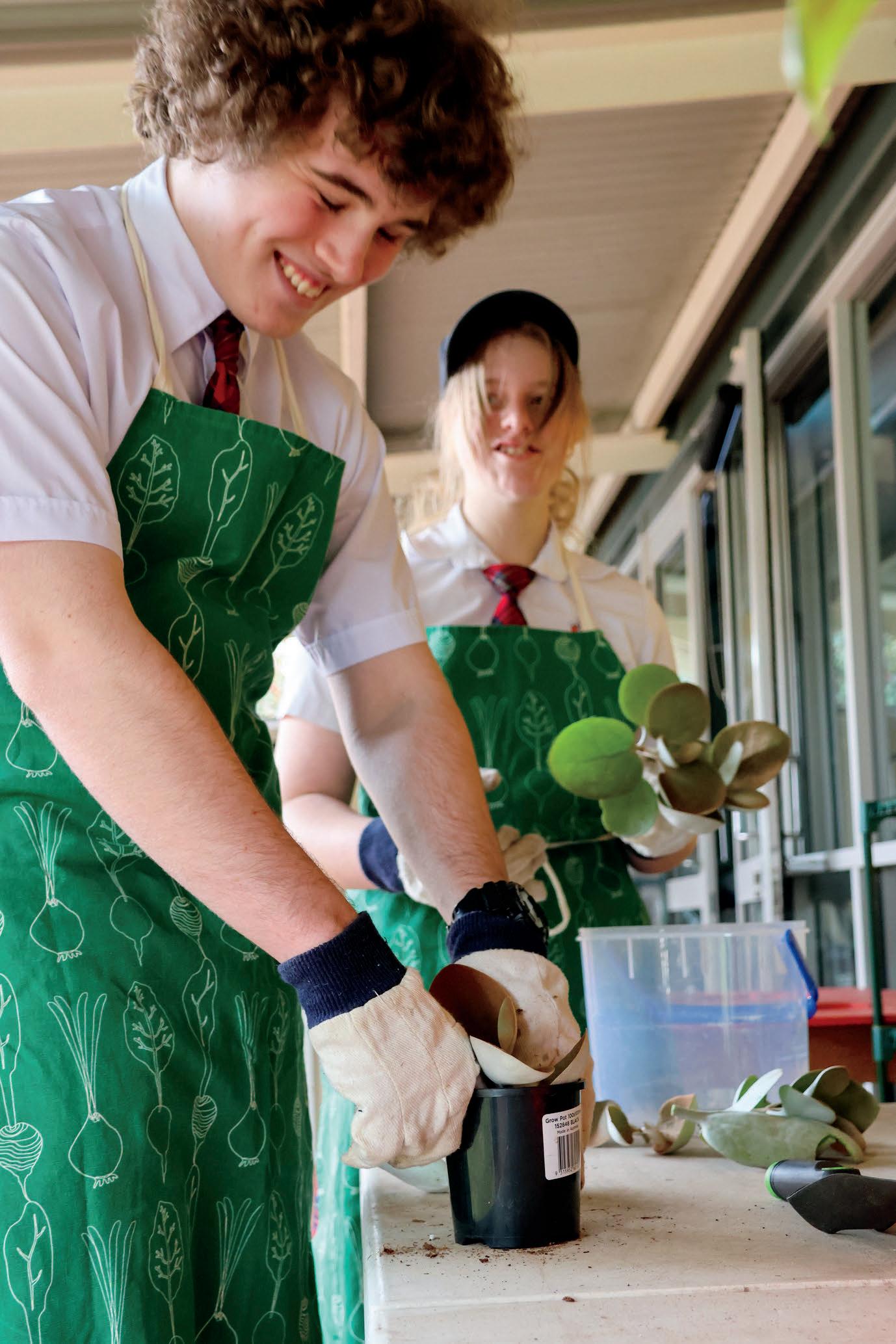
Gardening and Enterprise offers eligible students the opportunity to create and care for gardens, gaining valuable knowledge and skills related to the horticulture industry.
Students learn about plant and soil types and develop skills to create and care for gardens
Knowledge and skills are further developed through the involvement in community projects. Students experience business enterprise by marketing and selling products from the garden project
Examples of skills developed include:
Preparing garden beds, propagating seeds, planting seedlings and re-potting
Harvesting produce
Cooking with produce
Planning, starting, advertising, running and reviewing a mini-business enterprise
Safe and effective use of gardening tools including cleaning and storage
L E A R N I N G A R E A
Technologies
P R E R E Q U I S I T E S
Open to all current Year 9 students
C O S T
There will be a $300 fee for this option which includes consumables and access to the units of competency
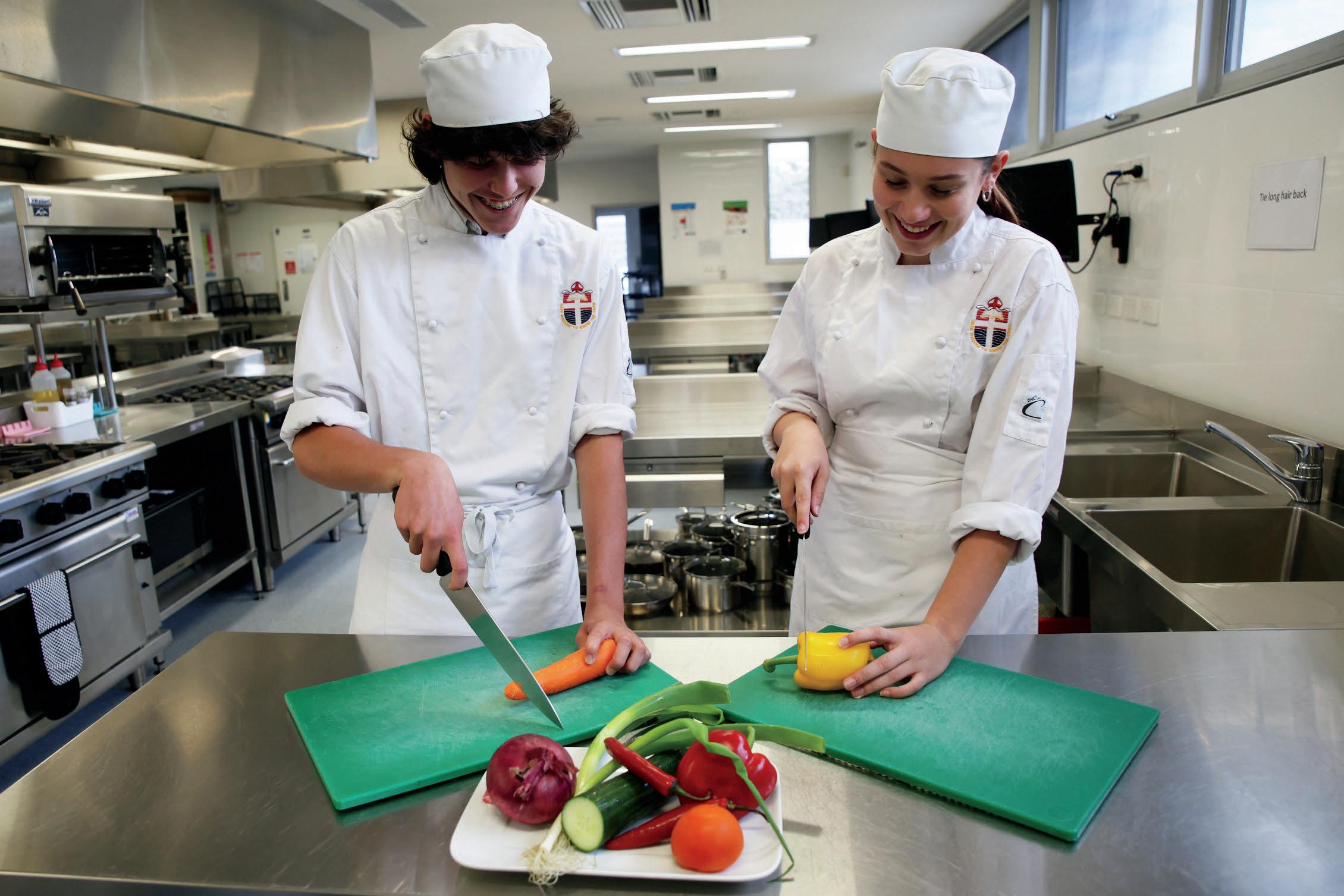
Hospitality – Certificate II builds on the same skills as the Food Specialisation option with an emphasis on professional food presentation and hospitality to industry standards Hospitality explores the use of commercial grade equipment in and around the kitchen Students will learn Hospitality in our state-ofthe-art commercial kitchen Here they will prepare and produce creative recipes from various cultures using new knowledge and skills Students will complete six units towards a Certificate II in Hospitality.
S E N I O R S C H O O L P A T H W A Y S
Completion of Hospitality Certificate II
This Certificate will suit students who enjoy cooking, wish to develop their skills in the kitchen and expand their knowledge of food and workplace opportunities. The qualification equips students seeking employment in the Hospitality workplace Certificate II in Hospitality is an asset for students either heading towards university or wishing to pursue hospitality as a career and then Certificate II in Cookery C
While learning new cookery methods, students will cater for functions, follow sample recipes and serve customers in a team environment Students will have the opportunity to interact with customers and learn about the importance of working safely and hygienically. Practice in the workplace will be viewed first-hand through excursions and incursions As a result, students must participate in out-of-school activities to practice their skills and customer service.
L E A R N I N G A R E A
Languages
P R E R E Q U I S I T E S
Minimum 65% or better in Year 9
Japanese
C O S T
There will be a $55 fee for this option
S E N I O R S C H O O L
P A T H W A Y S
Japanese: Second Language ATAR
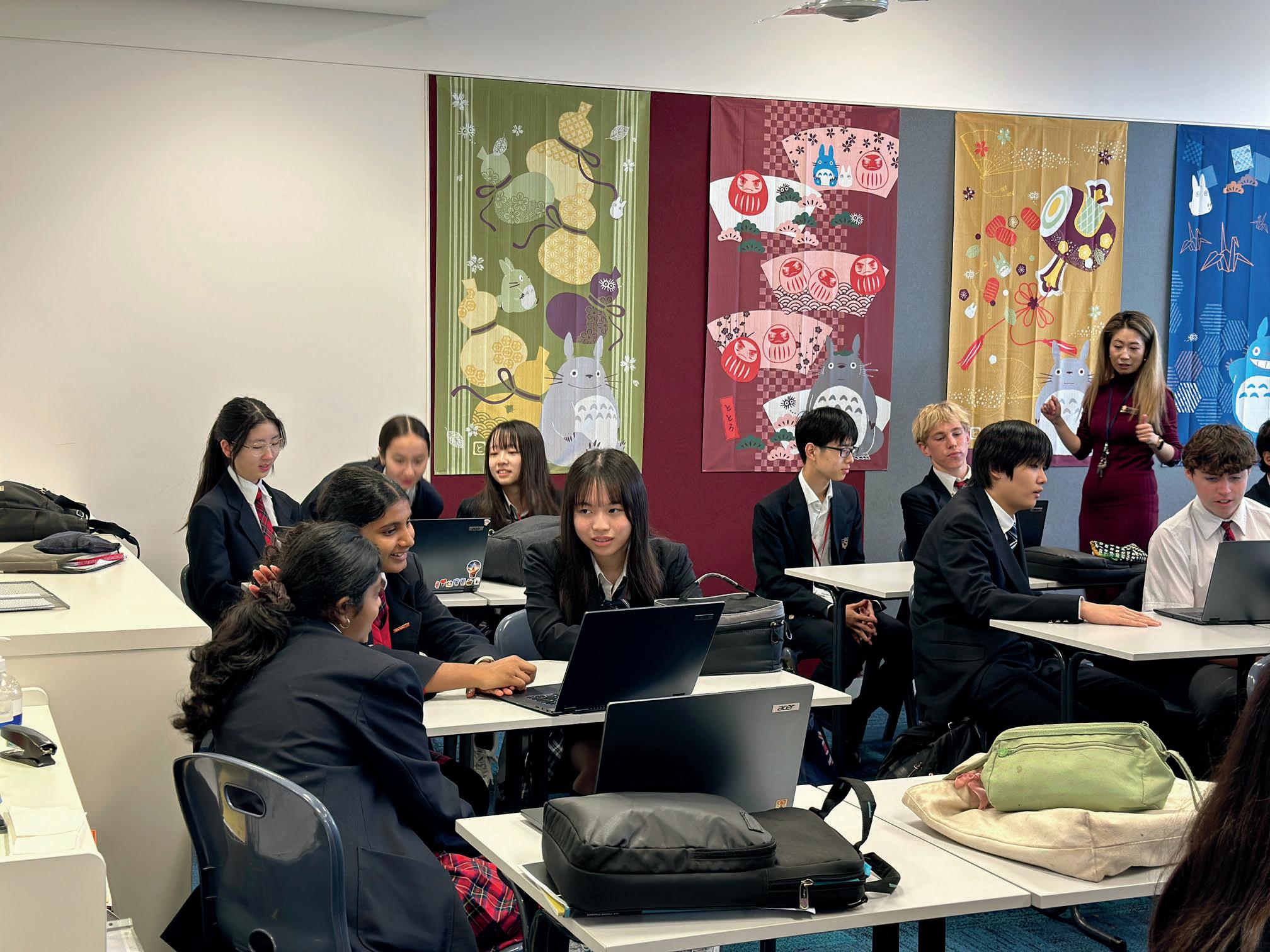
Students who have enjoyed studying Japanese, consistently demonstrated satisfactory achievement in Year 9 and feel they have an aptitude for the language are strongly encouraged to select these options They give an excellent background for further studies in Japanese and enable a student to undertake the study of Japanese in Years 11 and 12. Universities in Perth currently add extra points to a student’s entrance ranking (ATAR) if a language is studied in Years 11 and 12 The student does not have to go on to study the language at university level
Students continue to discover and develop skills and strategies to assist in the learning of the language so that they can communicate effectively
L E A R N I N G A R E A
P R E R E Q U I S I T E S
B grade (WAC) in Year 9 English
Completion of Emerging Writers: Masterclass or Literary Foundations is desirable A willingness to collaborate, share and discuss writing with others is essential
C O S T
$180 (Includes course materials, author workshops, and an excursion to The Literature Centre in Fremantle)
S E N I O R S C H O O L
P A T H W A Y S
ATAR English
ATAR Literature
2 S E S S I O N S
C O U R S E S U M M A R Y
Are you passionate about powerful stories and creative expression?
Do you want to explore the worlds of literary analysis and creative writing side by side?
Are you ready to take your writing and reading skills to the next level?
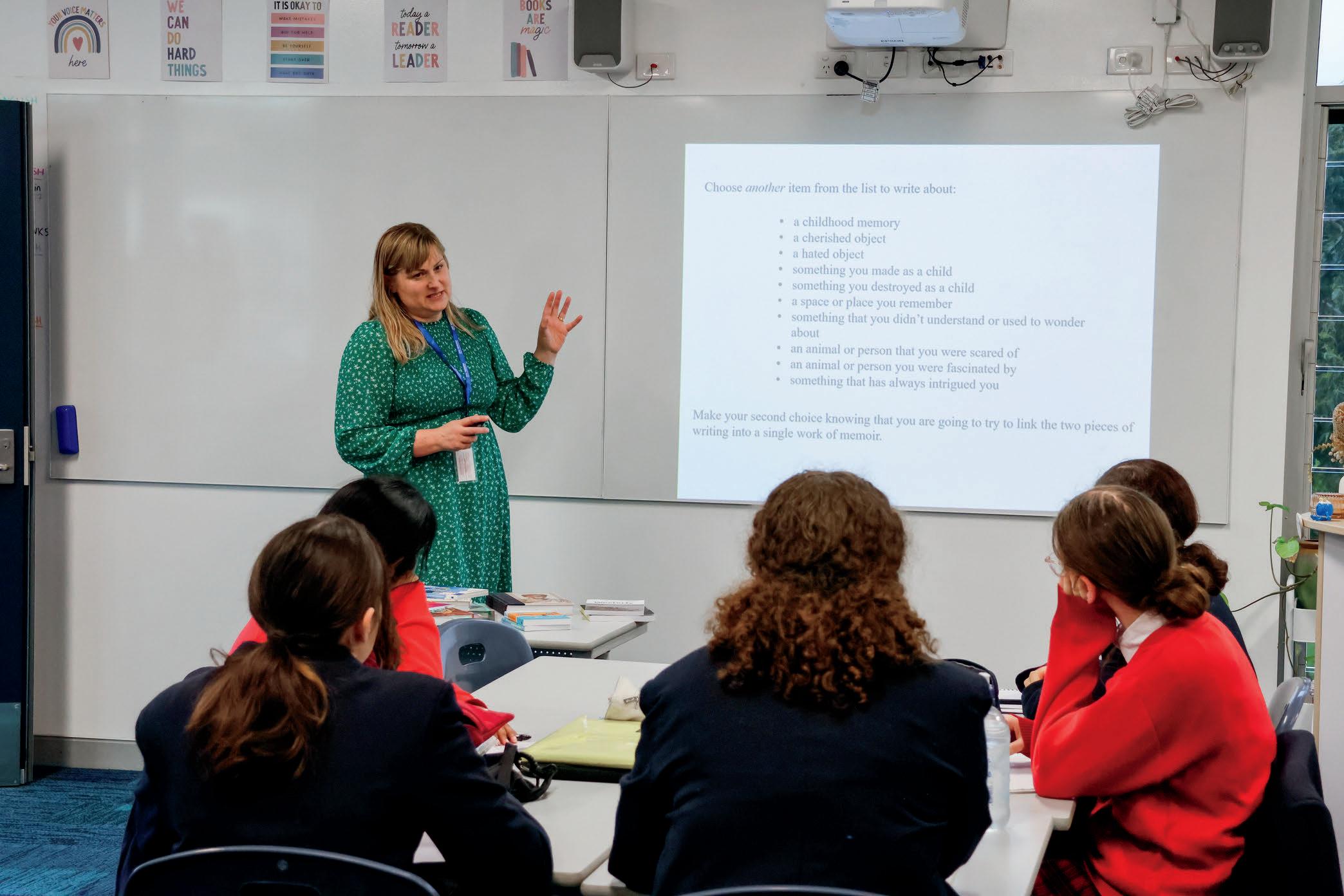
Literary Explorations is a unique course that combines the rich, interpretive reading of classic and contemporary literature with the creative freedom of writing for publication. You’ll study texts that have shaped how we see the world poetry, plays, memoirs, and short stories while also producing your own anthology of original writing
This course is ideal for students who are curious, thoughtful, and creative those who enjoy deep reading, engaging discussion, and bringing their own voice to the page Through guided workshops, literary analysis, and peer feedback sessions, you’ll explore how writers craft meaning and learn to do the same in your own work. You’ll attend writing workshops led by published Australian authors and have the opportunity to enter writing competitions such as the Armadale Young Writers’ Awards, Primo Lux Anthology, or the Craig Silvey Award for Young Writers You’ll also explore ideas and techniques that will support success in ATAR English and ATAR Literature
In this course, you will:
• Read and interpret a variety of literary texts, including poetry, plays, memoirs, and short stories
• Create an anthology of original work across genres including short fiction, poetry, and persuasive writing
• Take part in peer feedback workshops to refine your work and build confidence
• Receive feedback and guidance from published authors and mentors
• Explore literary perspectives and techniques that prepare you for senior English subjects.
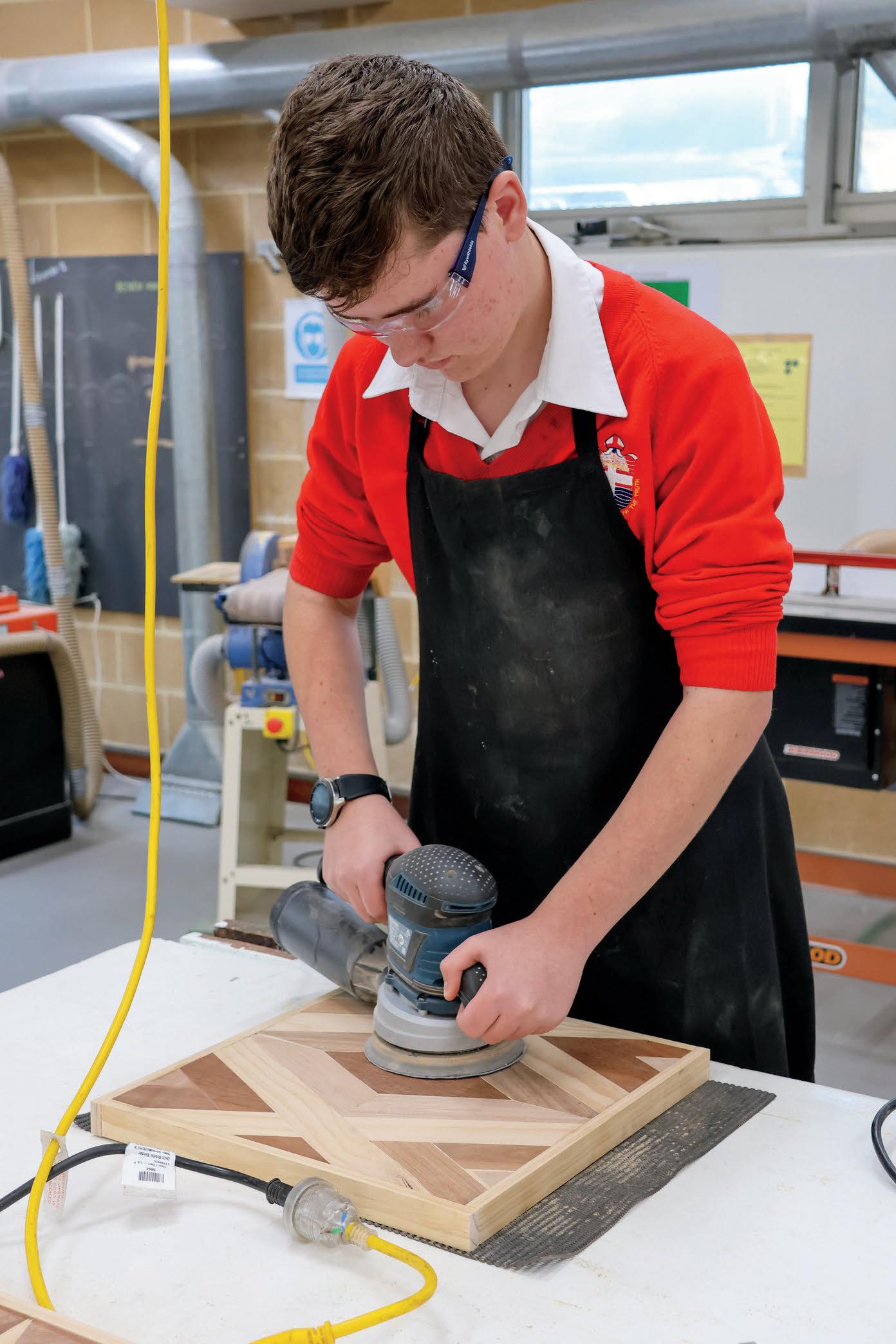
Industry and society are increasingly demanding young people to be confident, adaptable and creative problem solvers who are able to interpret and communicate information effectively Materials and Design seeks to develop these skills and qualities in students giving them opportunities to solve practical problems through designing, making and evaluating tasks.
Students will study existing products and tackle a series of design tasks leading to the manufacture and evaluation of solutions in a range of materials Materials and Design will focus on building the technical drawing and production skills of students before moving into production style tasks Students will be assessed in the areas of:
Open to all current Year 9 students
C O S T
$60 resources fee
S E N I O R S C H O O L
P A T H W A Y S
Materials, Design and Technology
General
Visual Arts ATAR or General
* DESIGNING: Students follow the design process and present their work as a design folio The design folio illustrates how students arrived at their solution to the problem
* DRAWING ABILITIES: This is the use of drawing instruments and other drafting aids to produce drawings of everyday objects in 2D and 3D form Freehand sketching methods are also taught
* ILLUSTRATION AND PRESENTATION: Students will learn how to produce a range of design illustrations including; drawings in pencil, coloured pencil, pastel and/or graphic marker Modern computer hardware and software is used throughout the course to produce technical design drawings and diagrams
* PRACTICAL: Students learn how to construct and assemble their solutions using hand tools
* ABILITIES: Students will learn to use machine tools and equipment safely and skillfully They will experience working with wood, metal and plastic
* KNOWLEDGE AND UNDERSTANDING: This involves learning how to read and interpret drawings and diagrams; colour theory; understanding the function and application of computer devices and software packages Students will acquire knowledge and understanding of designing and the factors influencing design; common materials, their properties and uses; the manufacturing processes and safe working practices Technologies
L E A R N I N G A R E A
Mathematics
P R E R E Q U I S I T E S
A or B grade (WAC) in Year 9 Mathematics.
Curiosity and a hunger for mathematical exploration
Expectation to study advanced maths courses in Senior Secondary School
S E N I O R S C H O O L
P A T H W A Y S
Mathematics Applications ATAR
Mathematics Methods ATAR
Mathematics Specialist ATAR
S E S S I
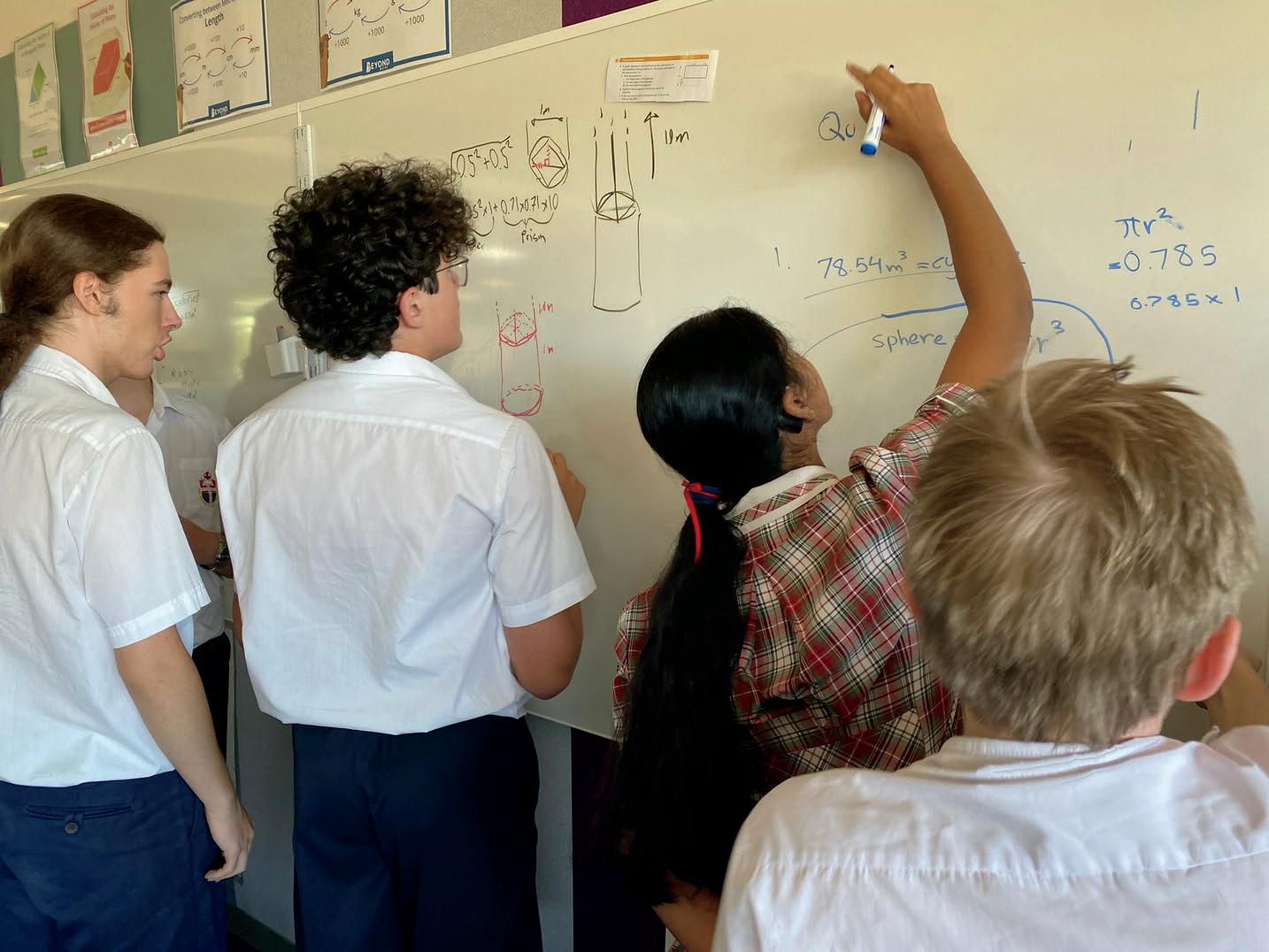
The Mathematics Extension (MatE) course is designed for curious minds who seek to delve deeper into the fascinating world of mathematics
Team up with your classmates to have fun extending your maths skills!
Course Highlights:
Explore advanced concepts
Problem-solving adventures
Creative thinking
Real-world applications
Enter competitions to see how you fare against advanced students across the state and country
Why Choose Mathematics Extension?
Boost your understanding: Build your confidence in your mathematical ability
Future-Ready: Prepare for advanced maths
courses in senior secondary school
Tertiary Pathways: Prepare for further studies in mathematics or related fields.
Join us on our mathematical adventure!
C O S T
$10 specialised subject fee
S E N I O R S C H O O L
P A T H W A Y S
Music ATAR
Music General
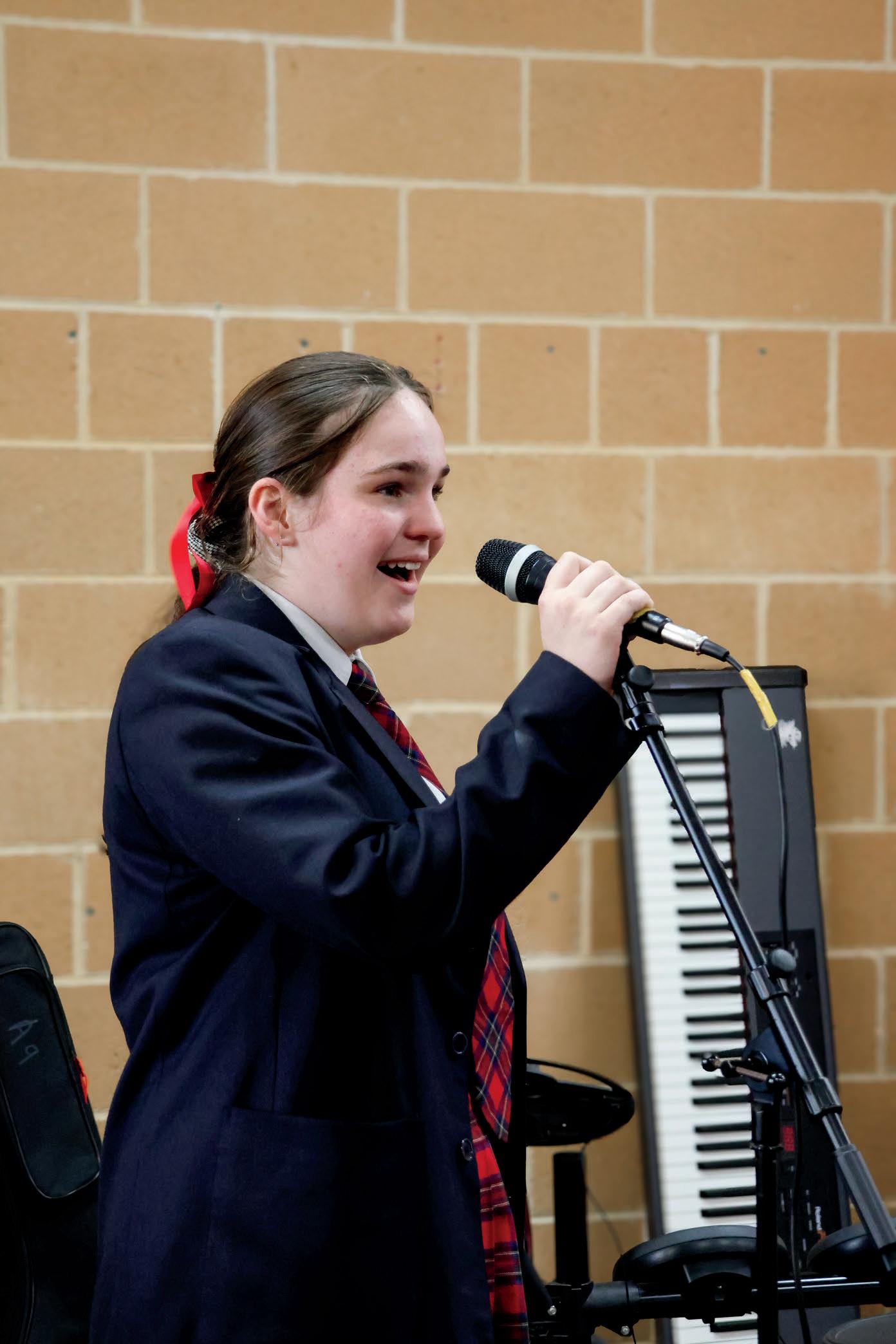
Music allows students to develop music skills, techniques and knowledge.
Students will learn the basics of music production and instrumentation and develop an understanding of the elements of music
Working with these elements, students use skills in listening, singing, playing, improvising, composing and using new technologies They respond to and evaluate music and experience a range of musical forms and styles
It is highly recommended that the students receive music tuition (i e the peripatetic music program or private music lessons) Each student will nominate an instrument which will be their performance focus for the year. Music contains some written and theoretical work including music analysis, elementary notation, research, a reflective journal and a written examination. Music technology is an area of focus, with exploration in the development and use of this in the music industry
Music is a practical option where participation and rehearsal are the keys to success. Therefore, the student’s individual involvement and cooperation are essential There will also be some time required out of normal class hours for performances and productions This option involves individual and group work, as well as group and individual performances for audiences
Music is recommended for students looking to continue with studies in the Performing Arts in Years 11 and 12
Open to all current Year 9 students
C O S T
Specialised subject cost: $60
P A T H W A Y S
Drama ATAR/General
Music ATAR/General
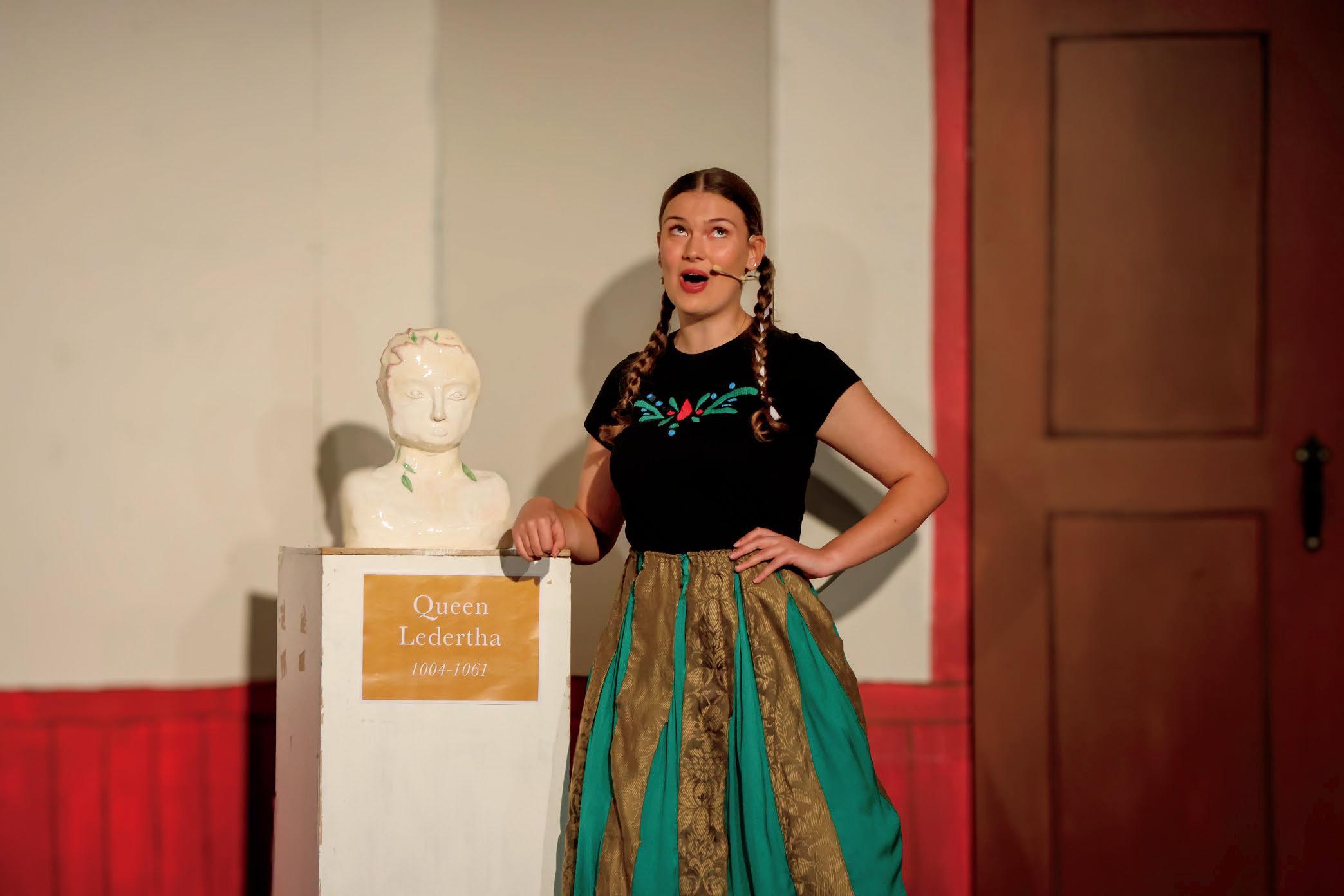
Musical Theatre combines all the elements necessary for producing a Musical Theatre Production and allows students to create, present and analyse musical theatre. Throughout the year, students will learn all the skills to perform a one-act musical production, culminating in a performance in Term 4 Students will develop skills in drama, dance, and singing
DRAMA: Students will develop drama skills in performance, with opportunities to refine their knowledge and skills in processes, techniques and conventions using creativity and spontaneity
DANCE: Students will be involved in choreography and performance in the style of Musical Theatre, combining multiple dance styles including jazz, tap and hip hop as relevant to their production.
SINGING: Students will learn to sing in the style of Musical Theatre All students will be expected to sing either solo or as part of an ensemble
This is a practical option where participation and rehearsal are the key to success. Therefore, individual involvement and cooperation is essential There will be time required out of normal class hours for performances and productions, and excursions
L E A R N I N G A R E A
Health and Physical Education
P R E R E Q U I S I T E S
Must be competent swimmers
C O S T
$200* Enrolment fee, excursions, equipment hire and transport to be paid throughout the year *Costs are an approximation only
S E N I O R S C H O O L
P A T H W A Y S
Certificate II in Outdoor Recreation
Physical Education Studies General
2 S E S S I O N S
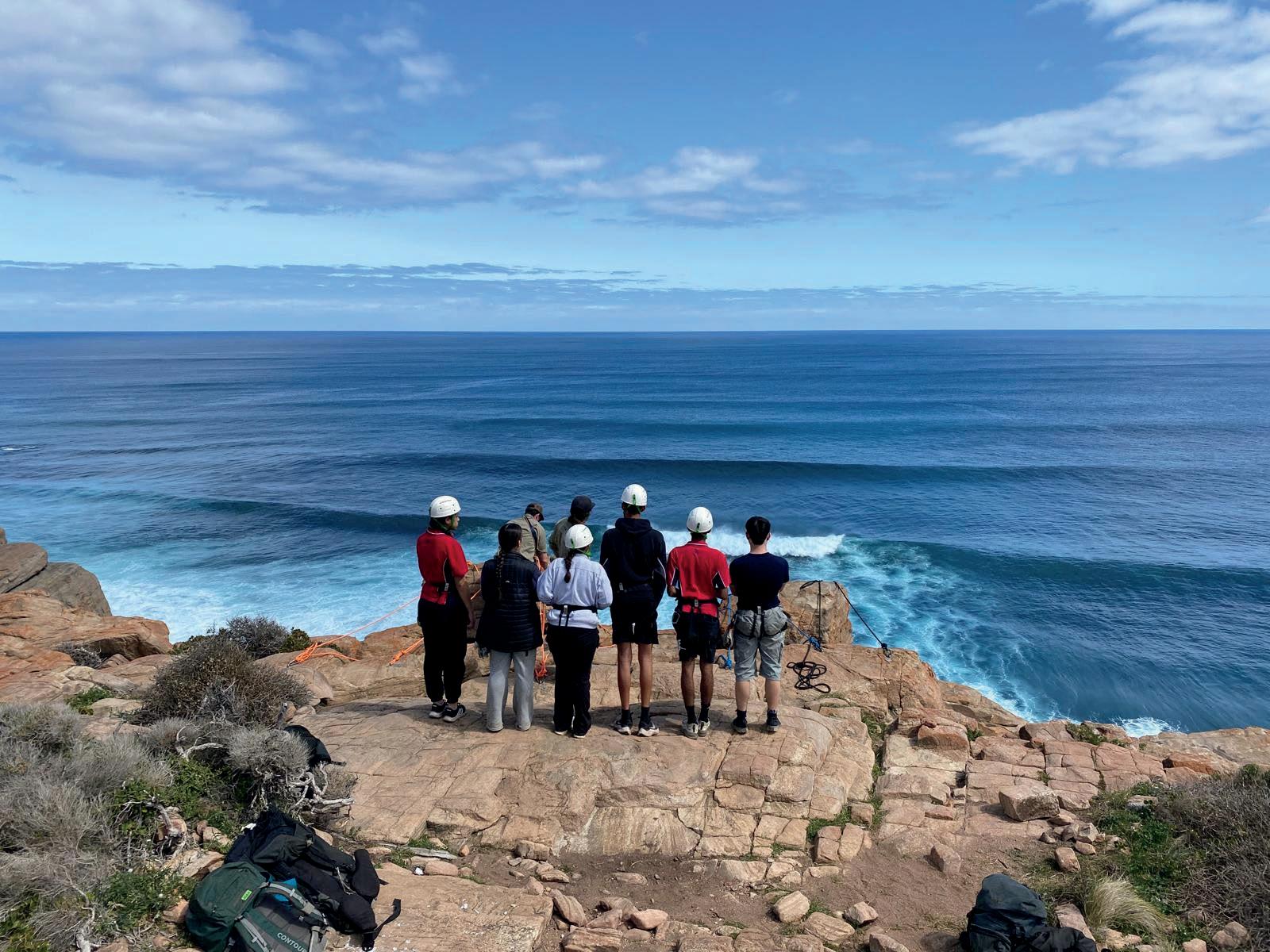
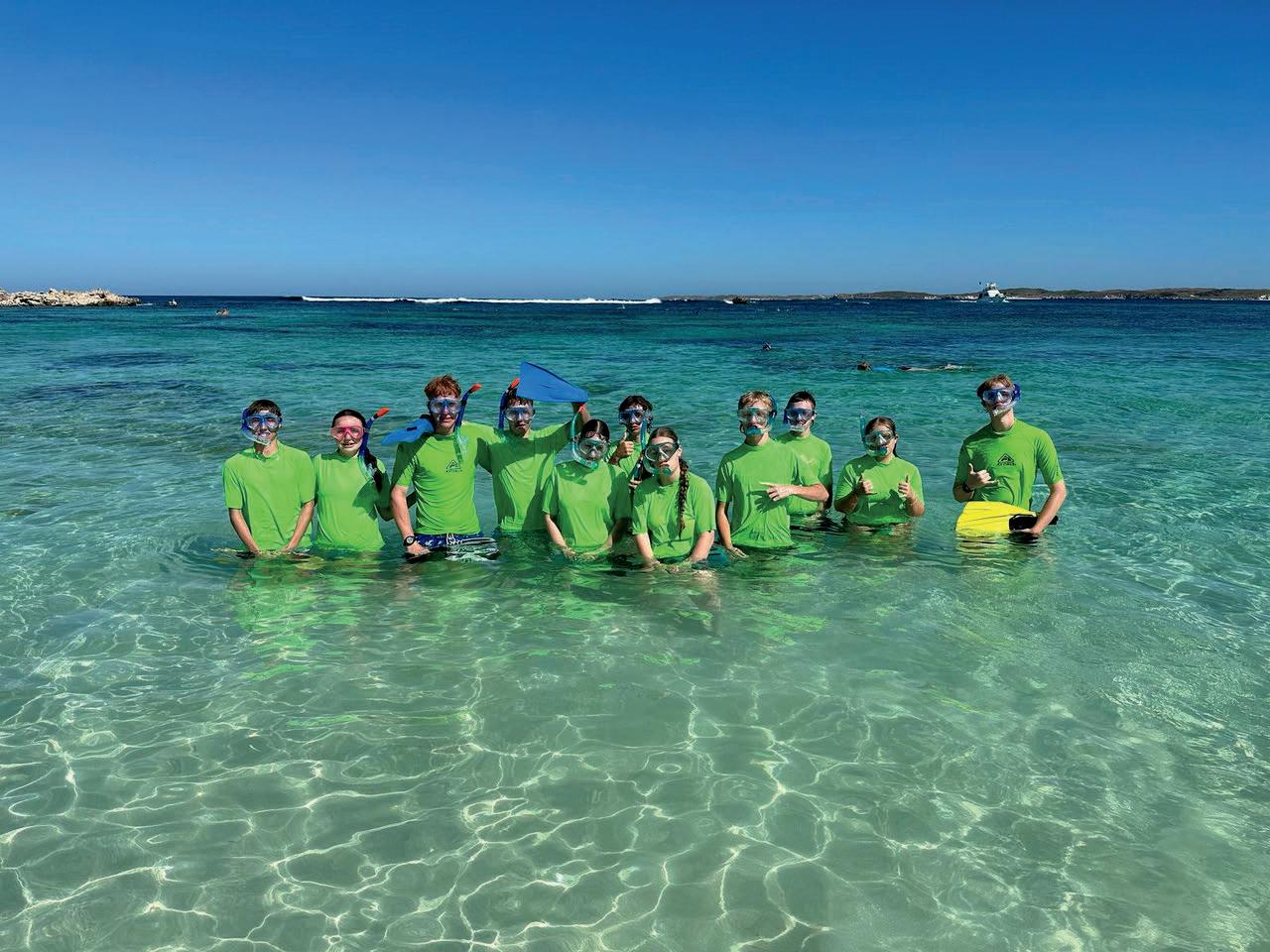
Outdoor Recreation is specifically designed to prepare students for participation in outdoor education activities. Students have a chance to apply classroom theory and practical skills to a real life context with excursions to Rottnest Island (snorkelling), Canning River (kayaking) and Lake Leschenaultia (mountain biking)
This option includes aspects of:
Safety in the natural environment
Flatwater paddling skills
Snorkelling
Mountain Biking
Students selecting this option must be competent swimmers. C
L E A R N I N G A R E A
P R E R E Q U I S I T E S
S E N I O R S C H O O L
P A T H W A Y S
Any Humanities courses in Years 11 and 12
C O U R S E S U M M A R Y
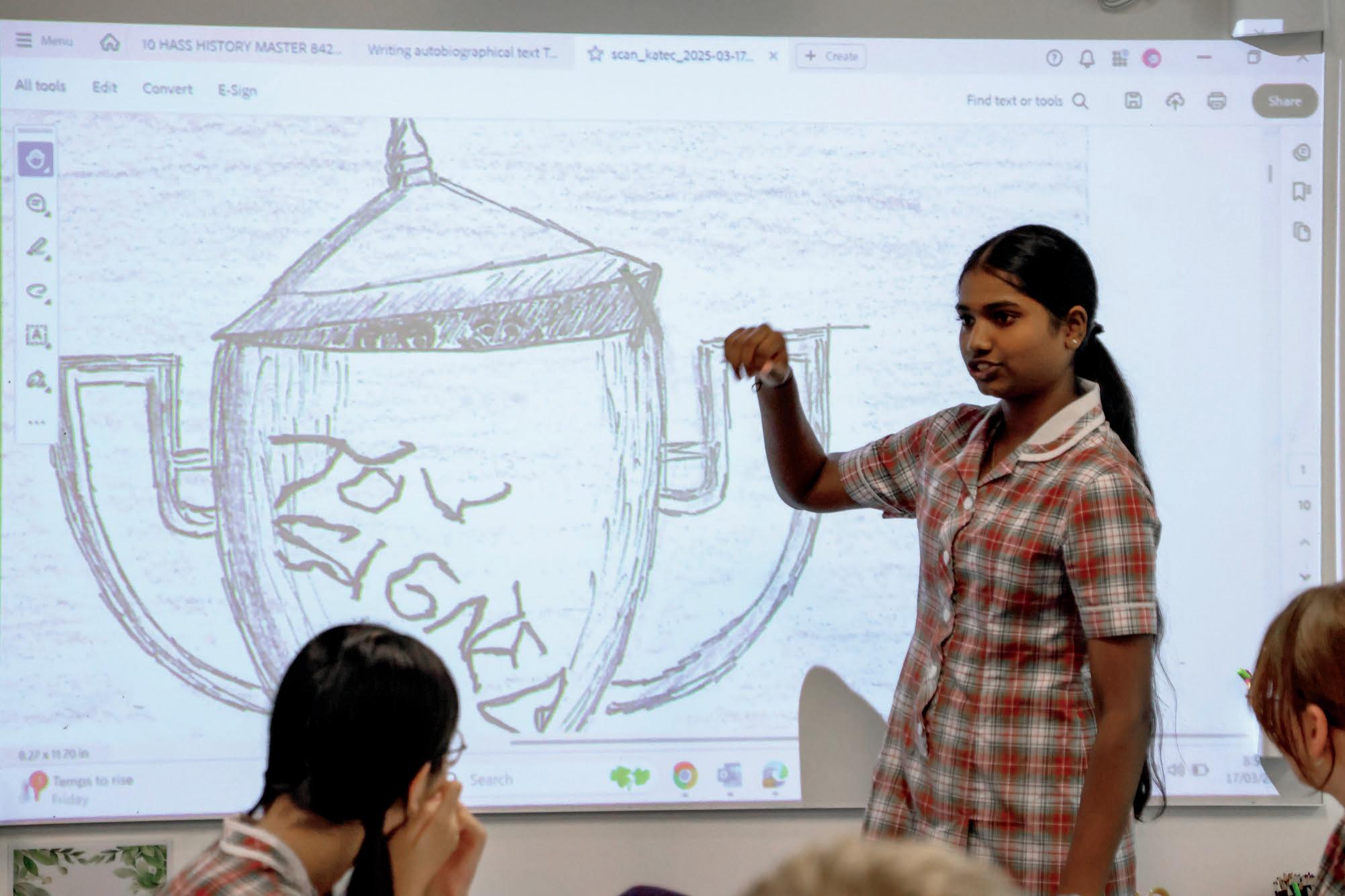
The Philosophy and Ethics option is an introduction to classical questions about the human condition: ‘What is real?’; ‘How do we know?’ and ‘How should we live?’
Students study critical reasoning and form a Community of Inquiry to engage in philosophical dialogue, where they develop skills in questioning, reasoning, and argument Philosophy and Ethics uses contemporary and historical case studies to explore philosophical concepts and ethical dilemmas.
Students participating in this option will have the opportunities to participate in competitions such as the WA Philosothon and the Ethics Olympiad
Students are encouraged to advance their own views by mapping and constructing arguments
L E A R N I N G A R E A
Science
P R E R E Q U I S I T E S
C O S T
$70 specialised subject fee
S E N I O R S C H O O L
P A T H W A Y S
Psychology ATAR
Psychology General
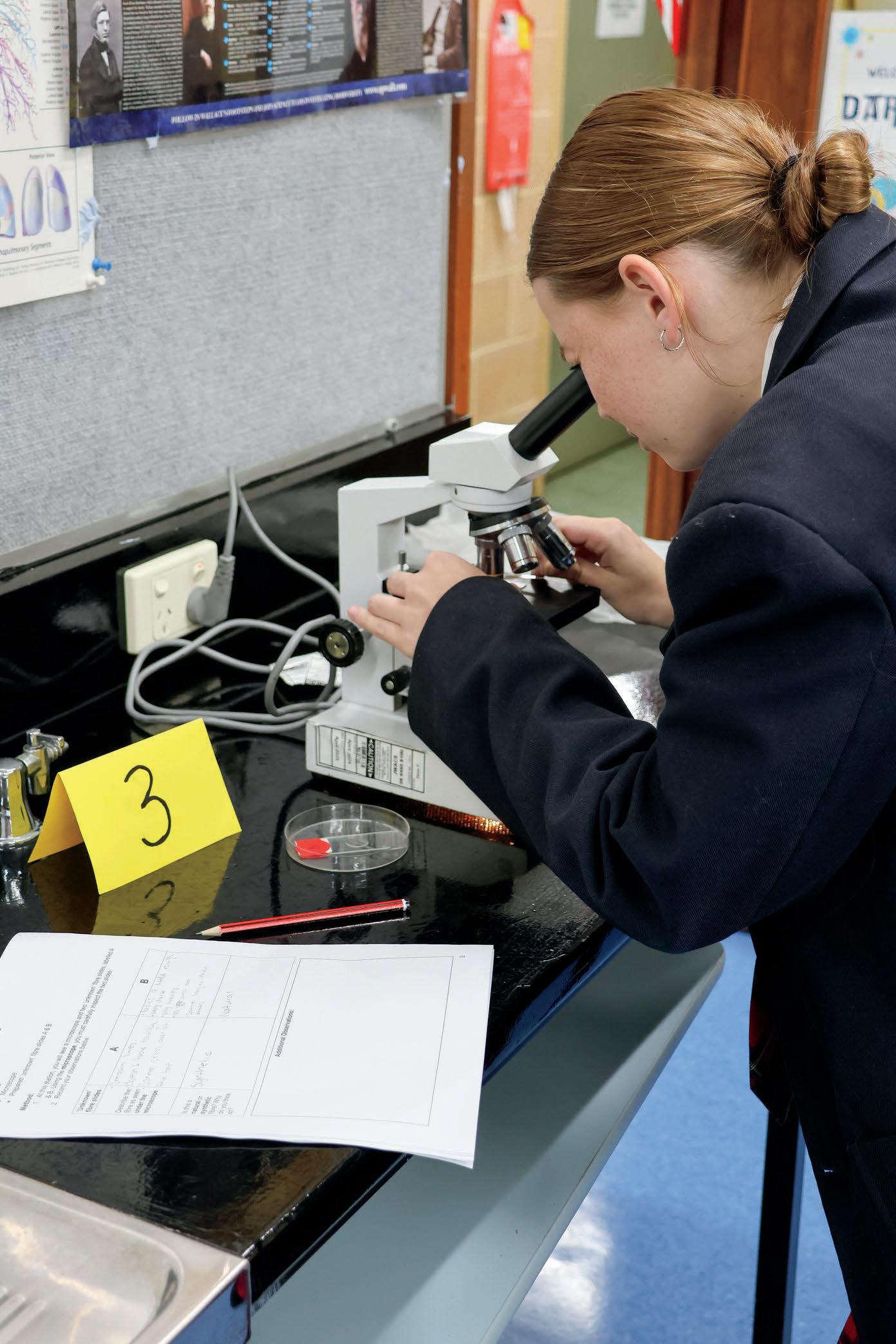
Psychology is the scientific study of how people think, feel and act, and is rigorous in its use of scientific method This allows for systematic exploration of human behaviour based on evidence.
The Year 10 Psychology option introduces students to the psychology of self and others
Psychological knowledge helps us to understand individuals and the way we function within groups
On a larger scale, psychological knowledge can help us to understand how individuals function within different contexts and how this is influenced by culture, values, attitudes and beliefs.
In Year 10 Psychology, we explore a wide range of topics and areas of specialisation, including:
Forensic Psychology e.g. criminal profiling, deception, eyewitness memory
Sport Psychology e g motivation, goal setting, meditation
Clinical Psychology e g mental disorders, intelligence and personality.
A significant part of Psychology is the development of important research skills
Students engage in the collection and evaluation of data to show how empirical procedures can be used to investigate psychological concepts
The study of Psychology is very useful, both to individuals seeking to improve themselves and their relationships, and to society as a whole Psychology can help students to improve their communication and critical thinking skills, and the knowledge they acquire is applicable in any career or setting in which people are involved
L E A R N I N G A R E A
Science
P R E R E Q U I S I T E S
Open to all current Year 9 students with an interest in Science
C O S T
$90 specialised subject fee
S E N I O R S C H O O L
P A T H W A Y S
This course is ideally suited for students considering taking Mathematics and Science courses in Year 11
2 S E S S I O N S
O U R S E S U M M A R Y
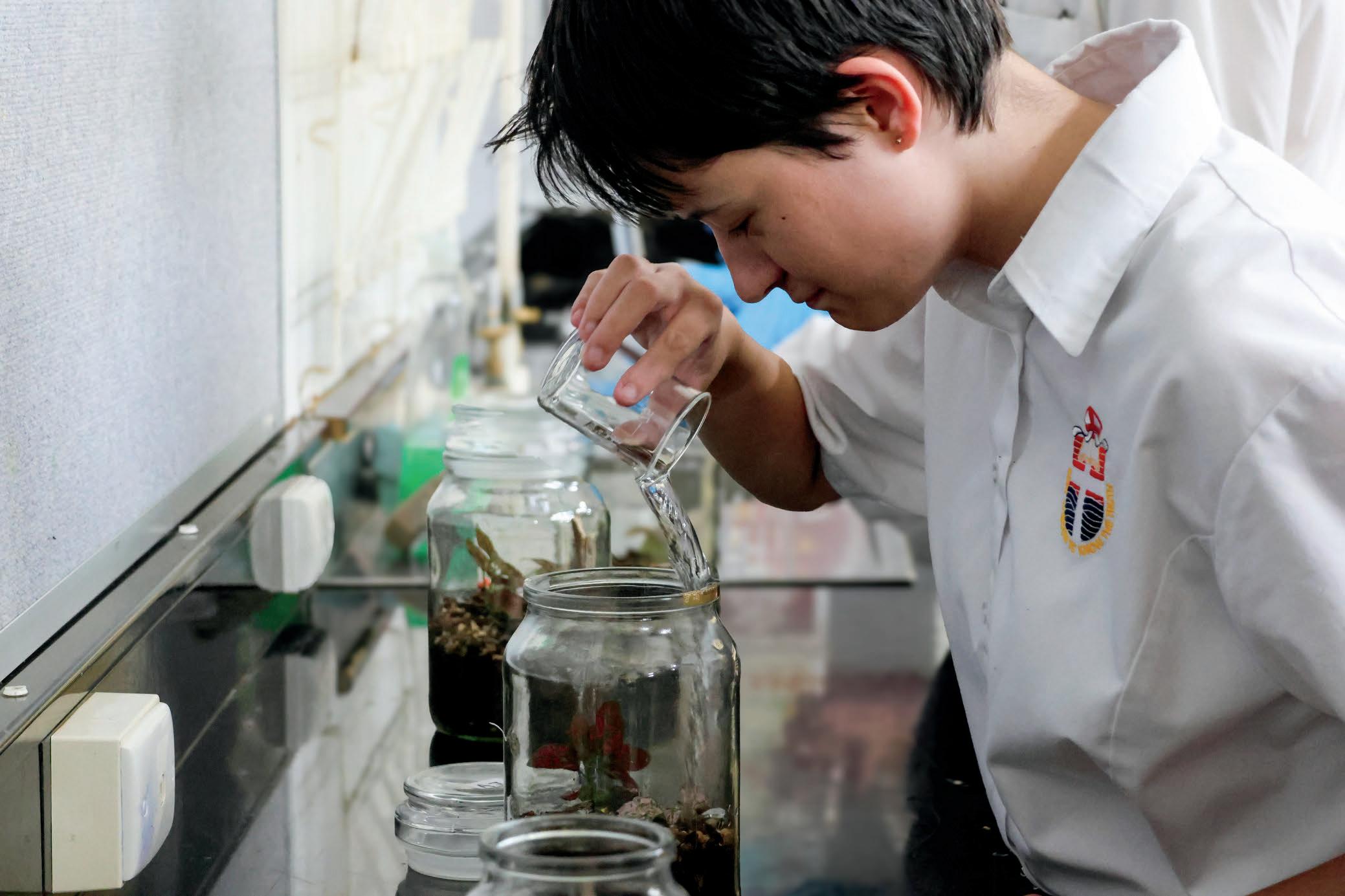
The Science Innovation elective course offers real-world problem-solving skills using STEM (Science, Technology, Engineering and Mathematics), but with a focus on innovation principles
Students will learn the necessary skills to understand the processes involved in innovation and then apply these processes to indicate what drives and ultimately what makes an innovation successful Further, each student will participate in two competitions depending on their interests Competitions include the Titration competition, DPIRD Innovation Challenge and First Lego League Innovation (all presented by Curtin University), the Science and Engineering Challenge (offered by the University of Newcastle) and finally Tournament of the Minds (presented by ECU). These competitions further offer students the opportunity to develop complex competency skills such as teamwork, collaboration and communication in the STEM field
L E A R N I N G A R E A
Health and Physical Education
P R E R E Q U I S I T E S
A minimum B grade in Health and Physical Education
C O S T
$85 specialised subject fee
S E N I O R S C H O O L
P A T H W A Y S
Physical Education General, Certificate II in Outdoor Recreation
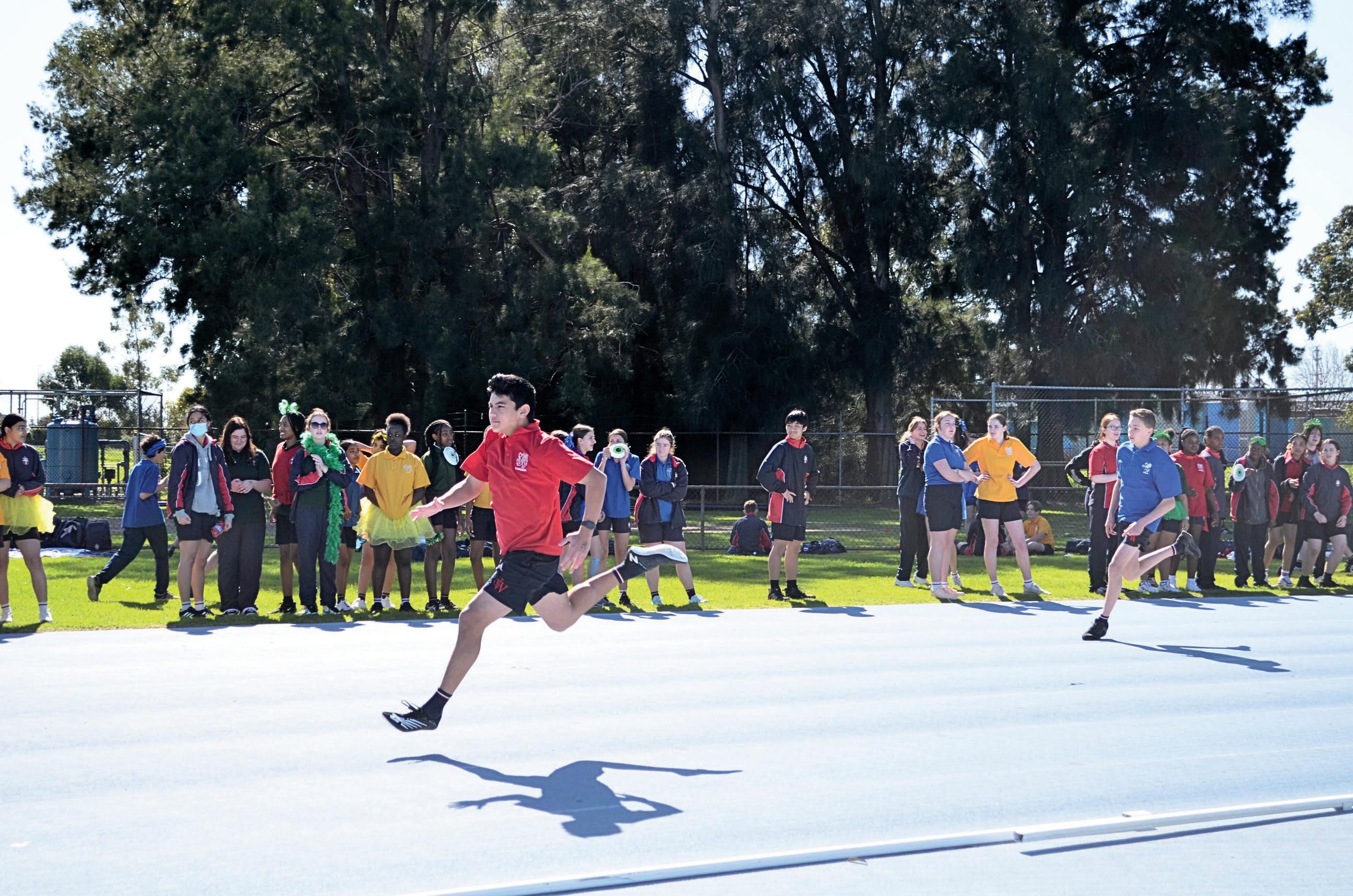
Sport Science is 50% theory and 50% practical An excursion to the Western Australia Institute of Sport (WAIS) is included
Students will explore the structure and function of the skeletal, muscular, circulatory and respiratory systems They will analyse the contribution and importance of each system during sport and physical activity. Students will learn how the human body responds to exercise and how athletes can improve their sporting performance in order to reach their peak Sport Science includes the following:
Training the body’s energy systems
Development of physical skills
Role of nutrition in sport performance
Sport psychology
Basic anatomy and physiology
Drugs in sport
Injury prevention and rehabilitation
Basic biomechanics
Students will investigate the components of physical fitness, training methods and principles to improve physical fitness They will design and evaluate a training program to achieve specific fitness goals
Students will participate in a negotiated curriculum
The teacher will involve students in the decisionmaking process regarding the sport and physical activities that will be studied The practical component will be used to reinforce the concepts studied during the theoretical component Students will participate in regular fitness sessions
L E A R N I N G A R E A
Technologies
P R E R E Q U I S I T E S
Open to all current Year 9 students
C O S T
$60 fabric levy (students may also choose to purchase clothing from second hand stores to use in their garment designs)
S E N I O R S C H O O L
P A T H W A Y S
Materials, Design and Technology –
Textiles General, Visual Arts ATAR or General
2 S E S S I O N S
O U R S E S U M M A R Y
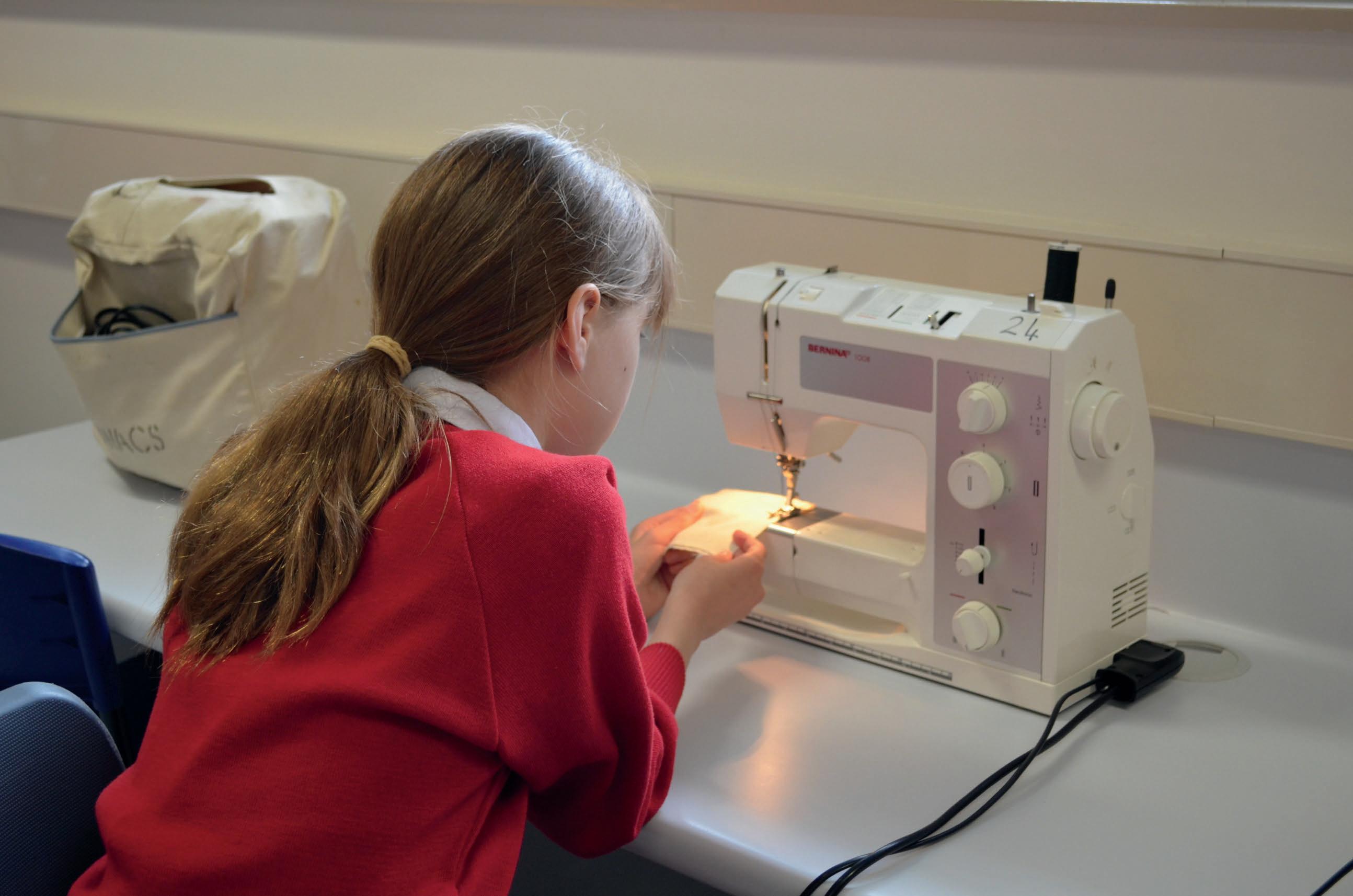
The textile industry is one of the oldest and most established industries in history It also has some of the most technologically advanced manufacturing techniques If you are interested in FABRIC, FASHION and TECHNOLOGY this is the course for you.
Textiles and Fashion Design utilises a wide range of materials and technologically advanced equipment The focus will be on designing and constructing aesthetically pleasing garments. In this course students will explore the use of vintage fabrics and styles that were popular in past eras, including the 1960s, 70s and 80s and the cyclical nature of fashion The subject will delve into the value of online patterns and instructional videos and where possible incorporate them in production of garments.
As a technology, textiles have evolved over time because of advances in science and expertise. Initially it was limited to weaving fibres together by hand, but now includes new methods such as 3D printing In this course students will develop skills such as using the overlockers, Scan and Cut, Heat Press and computerised sewing machines.
L E A R N I N G A R E A
P R E R E Q U I S I T E S
Open to all current Year 9 students
C O S T
Specialised Subject Fee: $75 approx
S E N I O R S C H O O L
P A T H W A Y S
Visual Arts ATAR or General
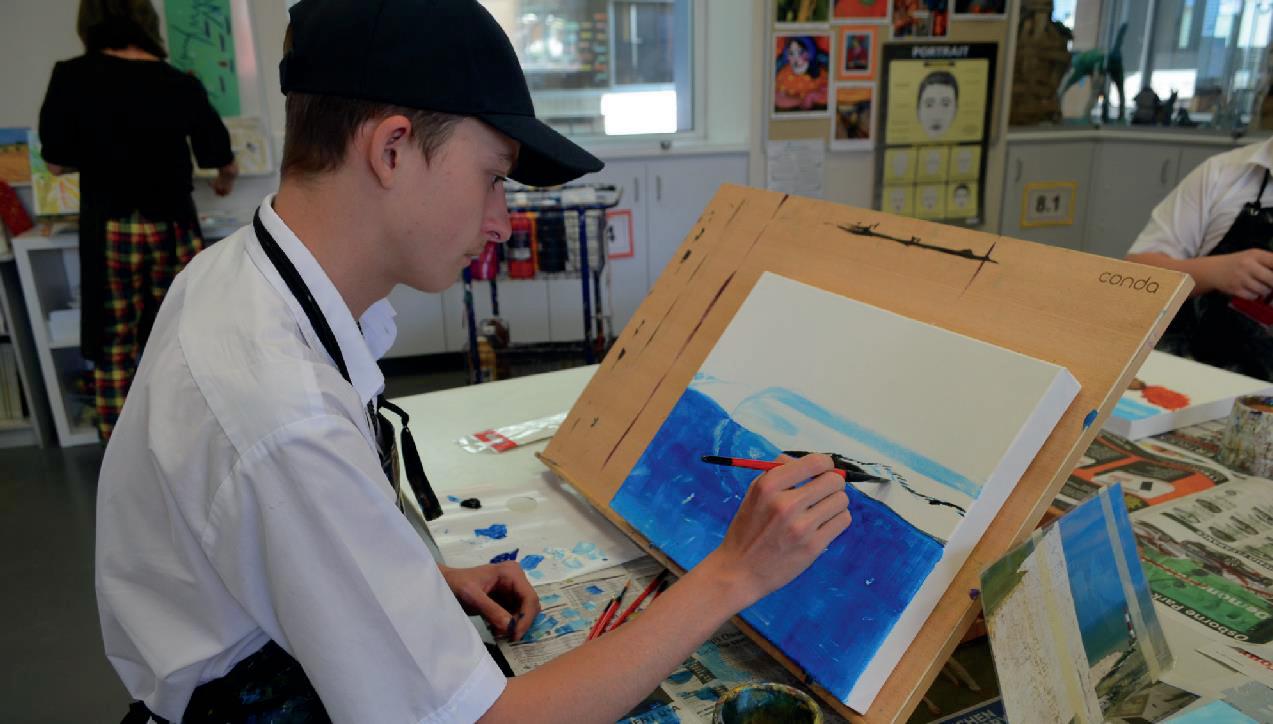
This hands-on, practical Visual Arts option enables students to explore art and design by utilising a broad range of artistic forms including: drawing, painting, clay sculpture, printmaking and more Students are given an opportunity to develop their own artistic style as a method of self–expression while also learning about composition, design and creative problem solving skills.
Visual Arts includes exploration of the following studio areas:
Drawing: Explore a variety of drawing techniques to develop skills, including cross hatching, scumbling, stippling and blending Test drawing materials including charcoal, pastels, ink and pencils
Painting: Investigate painting materials and techniques, with the potential to experiment with water colour, oil or acrylic mediums
Ceramic Sculpture: Build on practical skills using construction methods including pinch, coil and slab in the creation of a three-dimensional sculpture
Printmaking: Experiment with printing techniques to create an edition of hand-pulled prints.