4 minute read

Next Article
Coin Laundry vs POS Systems: What’s Cheaper to Run?
Some costs sneak up on you like an unpaid electricity bill. You think you’re ahead—until you’re not. If you’re running a laundromat or thinking about jumping in, chances are you’ve asked: “Should I just stick with coin laundry machines, or upgrade to a POS system?”
Here’s the TL;DR: Coin-operated systems may look cheap upfront, but the hidden operational costs and missed revenue opportunities stack up. A modern Coin Laundry POS System might seem like a splurge—but in the long run, it’s often the cheaper (and smarter) option.
Let’s break it down.
What’s the real cost of coin laundry systems?
Sure, coin machines seem “set-and-forget”—but they come with a few quiet budget bleeds:
Cash handling: Someone’s got to collect, count, store, and bank coins. If that’s you, your time isn’t free.
Security risks: Machines stuffed with cash attract unwanted attention (and insurance premiums).
Breakdowns & vandalism: Coin slots jam, machines get bashed open. Repairs and downtime cost money—and customer trust.
Pricing inflexibility: Want to charge more on weekends or run promos? Good luck with coin-only tech.
A laundromat owner in Melbourne shared, “We thought we were saving money with coins. But after three break-ins in 12 months and the hassle of banking cash, we were out thousands. And that’s not counting lost trade.”
What seems “cheaper” upfront is often just deferring the real expense.
How much does a POS system cost to run?
Modern laundromat POS systems aren’t just payment portals. They’re smart tech platforms that handle:
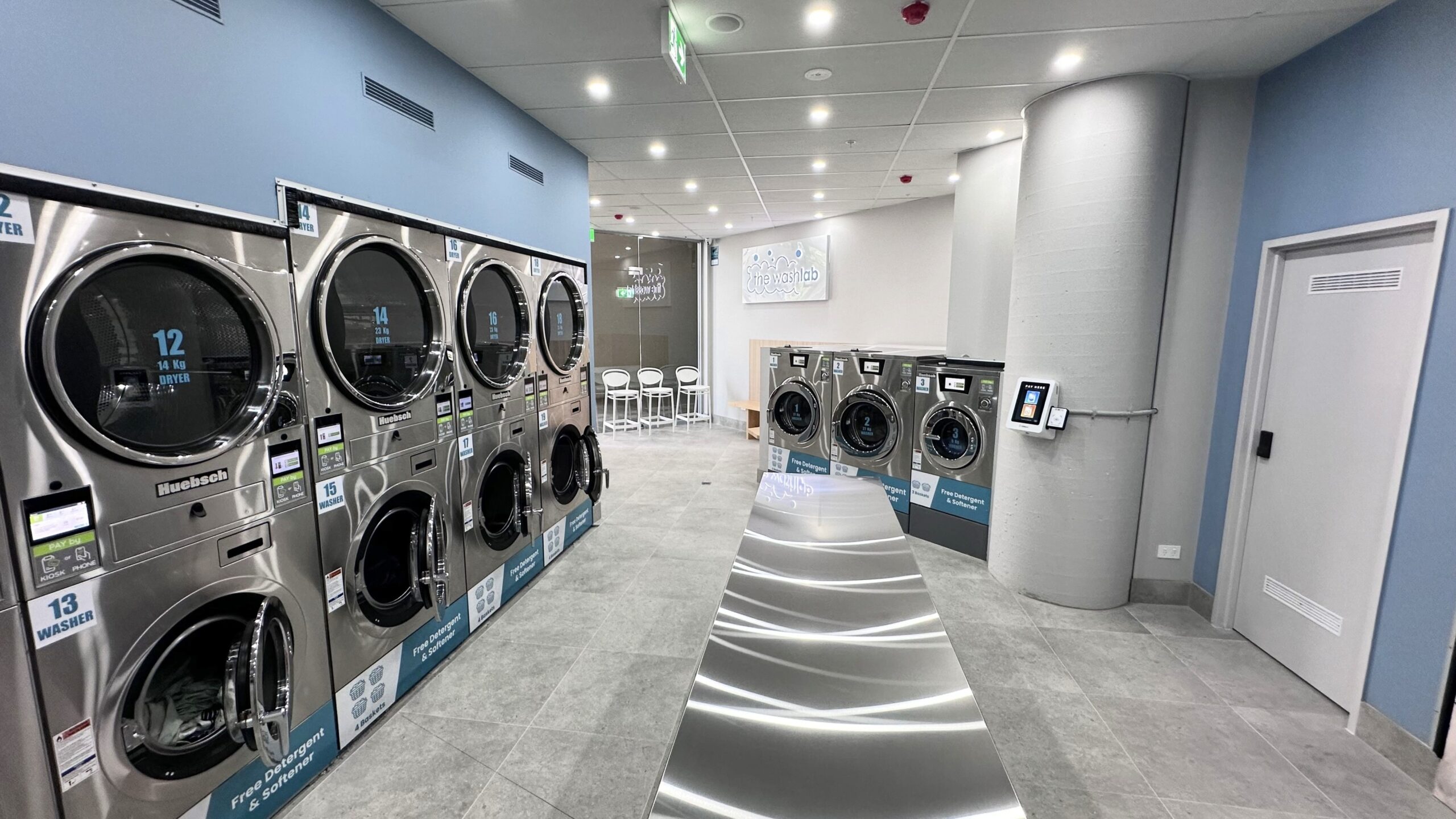
Cashless payments (EFTPOS, mobile, prepaid cards)
Machine availability tracking
Dynamic pricing
Loyalty programs
Usage data and reporting
Running costs typically include:
Hardware setup: EFTPOS terminals, controllers (once-off or lease)
Software subscription: Usually a monthly SaaS fee
Transaction fees: Per payment, though often minimal
Maintenance: But fewer moving parts = fewer breakdowns
Now here’s the kicker: most operators report they recoup these costs within months through increased customer spend and smoother operations.
Case in point? One Brisbane operator said switching to a POS system bumped average spend by 22%—thanks to upsells, bundles, and customers no longer being limited by how many gold coins they could dig out of the car console.
What about user behaviour? Do customers prefer one over the other?
Absolutely—and this is where behavioural science comes in.
Loss aversion plays a huge role here. People hate being caught short on coins. If they rock up to your laundry without enough change, guess what? They leave. That’s lost revenue.
POS systems remove friction. Tap-and-go feeds into default bias—customers will choose the easiest option. And if your competitor down the street accepts Apple Pay and you don’t, well…
There’s also a social proof factor. Customers expect businesses to keep up with modern payment options. When they see a clean, cashless system, it signals trust and professionalism—even before they use the machine.
Are there hidden savings with POS systems?
Yes, and they’re often overlooked:
Staffing savings: Less need for onsite supervision
Insurance discounts: Lower risk with no cash on premises
Pricing agility: Adjust for demand spikes or offer loyalty discounts
Energy efficiency tracking: Spot usage trends and optimise machine cycles
Plus, smart POS systems help you future-proof. As cash use declines in Australia (only 13% of transactions in 2024), the writing’s on the wall for coin-only setups (source).
What do real-world operators say?
“Since moving to a POS setup, we’ve seen less vandalism, higher spend per customer, and fewer complaints. It’s like the laundry runs itself now.” – Liz, regional NSW laundromat owner
“Our weekend revenue jumped 30% when we could finally charge peak pricing and offer wash/dry bundles through the app.” – Darren, Perth
These aren’t just isolated wins. They’re examples of commitment and consistency in action—when customers use a digital system once and have a smooth experience, they’re more likely to come back.
Is there a breakeven point?
Most operators find that within 6–12 months, a quality POS system pays for itself—either through increased revenue, lower theft and maintenance, or fewer staffing needs.
Yes, there’s an initial outlay. But spread over time (and balanced against rising cash handling costs), it’s often the better long-term bet.
And with modular systems available, you can often start small—say, 2–3 machines—and scale up.
FAQ
Can I still accept coins if I install a POS system?Yes. Many POS systems offer hybrid setups, letting you accept both coins and cashless payments.
Is internet access a problem for POS systems?Most modern setups have 4G fallback or offline modes to keep things running even during outages.
Are POS systems hard to manage?Not really. Most offer dashboards and training, and some even let you operate remotely via an app.
Whether you’re running a corner-shop laundrette or a 24/7 high-capacity site, tech is changing the game. What looked “cheaper” 10 years ago can end up costing you more in lost time, customers, and control.
Choosing a modern Coin Laundry POS System isn’t just about payments—it’s about smarter business.