section vi BrakeS
made of reinforced carbon, carbon ceramic, or composite ceramic substances to reduce weight and withstand much higher temperatures. Since the rotor surfaces are squeezed between two brake pads, any unevenness of the rotor surfaces will cause pulsation of the brakes as the thicker and thinner portions pass between the brake pads. The rotor surfaces must be parallel to each other to avoid this situation. Rotors can fail in two ways: parallelism, which is also called thickness variation, and lateral runout. Parallelism is the most critical condition. If the rotor’s thickness varies by as little a 0.003" (0.076 mm), the rotor will tend to push the brake pads outward at any high spots. This tends to create more pressure on the brake pads and slows the vehicle down faster at that point. It also pushes up on the brake pedal as fl uid is being forced back to the master cylinder. The result is a pulsation of the brake pedal and a surging of the vehicle while braking, which is usually more noticeable at lower braking speeds. Lateral runout , also called warpage, is the side- toside movement of the rotor surfaces as the rotor turns. A warped rotor can be within specifi cations for parallelism but out of specifi cation for lateral runout. Lateral runout tends to move the caliper pistons in the same direction as each other, so brake fl uid is not pushed back to the master cylinder. However, the caliper tends to be moved side to side. This movement can cause the steering wheel to shimmy as the warped rotor follows the brake pads, if the lateral runout is greater than about 0.003" (0.076 mm). Also, runout causes the pads to rub on high spots of the rotor when the brakes are not being applied, causing uneven wear and/or the depositing of pad material on the rotor, which leads to thickness variation concerns.
© SA 20 M 12 PL Jo E ne C s H & AP B TE art R let O tL N ea LY r n
in
g
16
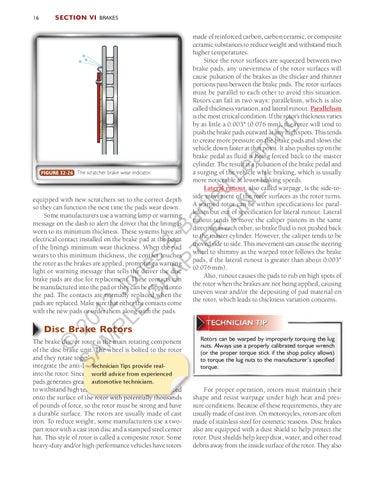
FIGURE 32-26 32-26 The scratcher brake wear indicator.
equipped with new scratchers set to the correct depth so they can function the next time the pads wear down. Some manufacturers use a warning lamp or warning message on the dash to alert the driver that the lining is worn to its minimum thickness. These systems have an electrical contact installed on the brake pad at the point of the lining’s minimum wear thickness. When the pad wears to this minimum thickness, the contact touches the rotor as the brakes are applied, prompting a warning light or warning message that tells the driver the disc brake pads are due for replacement. These contacts can be manufactured into the pad or they can be clipped onto the pad. The contacts are normally replaced when the pads are replaced. Make sure that either the contacts come with the new pads or order them along with the pads.
Disc Brake Rotors
he brake disc or rotor is the main rotating component T of the disc brake unit. The wheel is bolted to the rotor and they rotate together, leading some manufacturers to integrate the anti-lock brake system (ABS) tone wheel Technician Tips provide realinto the rotor. Since friction between the rotor and brake world advice from experienced pads generates great amounts of heat, rotors must be able automotive technicians. to withstand high temperatures. The pads are also forced onto the surface of the rotor with potentially thousands of pounds of force, so the rotor must be strong and have a durable surface. The rotors are usually made of cast iron. To reduce weight, some manufacturers use a twopart rotor with a cast iron disc and a stamped steel center hat. This style of rotor is called a composite rotor. Some heavy-duty and/or high-performance vehicles have rotors
TECHNICIAN TIP
otors can be warped by improperly torquing the lug r nuts. always use a properly calibrated torque wrench (or the proper torque stick if the shop policy allows) to torque the lug nuts to the manufacturer’s specifi ed torque.
or proper operation, rotors must maintain their F shape and resist warpage under high heat and pressure conditions. Because of these requirements, they are usually made of cast iron. On motorcycles, rotors are often made of stainless steel for cosmetic reasons. Disc brakes also are equipped with a dust shield to help protect the rotor. Dust shields help keep dust, water, and other road debris away from the inside surface of the rotor. They also