Forest conservation and indigenous peoples’ rights: A review of experiences
41
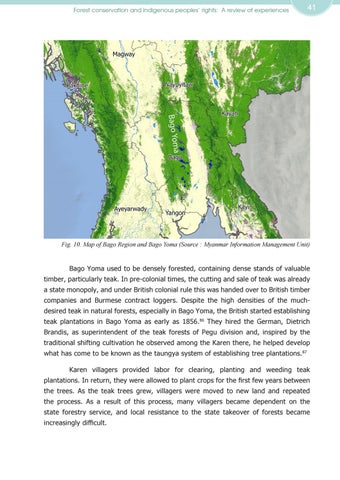
Fig. 10. Map of Bago Region and Bago Yoma (Source : Myanmar Information Management Unit)
Bago Yoma used to be densely forested, containing dense stands of valuable
timber, particularly teak. In pre-colonial times, the cutting and sale of teak was already a state monopoly, and under British colonial rule this was handed over to British timber companies and Burmese contract loggers. Despite the high densities of the muchdesired teak in natural forests, especially in Bago Yoma, the British started establishing teak plantations in Bago Yoma as early as 1856.86 They hired the German, Dietrich Brandis, as superintendent of the teak forests of Pegu division and, inspired by the traditional shifting cultivation he observed among the Karen there, he helped develop what has come to be known as the taungya system of establishing tree plantations.87
Karen villagers provided labor for clearing, planting and weeding teak
plantations. In return, they were allowed to plant crops for the first few years between the trees. As the teak trees grew, villagers were moved to new land and repeated the process. As a result of this process, many villagers became dependent on the state forestry service, and local resistance to the state takeover of forests became increasingly difficult.