THE INDEPENDENT VOICE OF PHARMACY
In this issue:
NEWS: Frontline Pharmacy Informatics Symposium Page 4
REPORT: PGEU publishes Medicine
Shortages Report Page 12
BABY FOCUS: Asthma Medication in Pregnancy Page 16

CPD: Sleep Disorders Page 41
AWARDS: Irish Pharmacy Awards 2024 – Categories Announced Page 46
AWARDS:
Myths around Osteoporosis Page 66
TEAM TRAINING: Suppository Pain Relief Page 77
March 2024 Volume 16 Issue 3
PHARMACYNEWSIRELAND.COM This Publication is for Healthcare Professionals Only
Don’t get left in the dark

Since 1st September 2023, the EU has banned the sale of fluorescent lighting. This may directly affect your business. With a fully funded lighting upgrade from Energia, you can get your old fluorescent lighting replaced, while also reducing your lighting consumption by up to 80%. We’ll make it easy by managing the entire process from start to finish.
Find out more at energia.ie/lighting
Contents
Page 4: Blackrock Health gain Pharmacy Accreditation
Page 6: HSE approves life-enhancing medicines
Page 8: Innovation in the Community event
Page 12: PGEU publishes Annual Report on Medicine Shortages
Page 14: A Guide on ‘Burnout’ for Pharmacists
Page 28: Oral Health in Infants and Children
Page 32: Recognising World Glaucoma Week
Page 46: Launch of the Irish Pharmacy Awards 2024 Categories
Page 70: ¤10m to Support Core Mental Health
PUBLISHER:
IPN Communications
Ireland Ltd.
Clifton House, Fitzwilliam Street Lower, Dublin 2 00353 (01) 6690562
MANAGING DIRECTOR
Natalie Maginnis n-maginnis@btconnect.com
EDITOR
Kelly Jo Eastwood: 00353 (87)737 6308 kelly-jo@ipn.ie
ADVERTISING EXECUTIVE
Esther Elliott-Coulter: 00353 (87) 062 2025
Esther@ipn.ie
EDITORIAL/ EVENTS & MARKETING EXECUTIVE
Aoife Hunter: aoife@ipn.ie
CONTRIBUTORS
Michele O’Brien | Caroline Donovan
Dr Grainne Sheill | Motty Varghese
John Hayden | Jodie Dee
F.E. O’Toole | G. Mealy
SL. Killeen | A. Murphy-Cruse
B. Soldati | J. Fitzgerald
S. Curran | F.M. McAuliffe
J.M. Walsh | Dr Madelaine Jackson
Sinead FitzGerald

Foreword
The Guaranteed Irish Pharmaceutical Forum took place recently where insights were shared around the theme of "Innovation in the Community – Positioning Ireland to Deliver Best Patient Care"
This annual event hosted by Guaranteed Irish featured an industry leading line-up within the pharmaceutical sector. Optimism reigned throughout panel discussions, looking to the future with hope and practical actions underway to ensure important improvements in data access and collaboration is prioritised. Mairéad McCaul, MD of MSD, spoke about the continued need for collaboration and trust between all stakeholders, similar to what was done during Covid 19 when processes were implemented with speed.
Turn to page 8 to read more.
In other news, from antibiotics to cardiovascular to respiratory, most types of medicines continue to be in short supply. PGEU annual medicine shortages report indicates that in 2023 the situation grew worse compared to previous years. In the Netherlands alone 2.292 shortages were registered last year affecting about 5 million people. Other countries like Sweden, Portugal and Spain saw a significant increase in the number of shortages.

Trinity St James’s Patient Representative Group
Dr Brian Higgins
Professor Orla Hardiman
Dr Margaret Gleeson
Dr Claire McCarthy
Professor Dorothy Ryan
DESIGN DIRECTOR
Ian Stoddart Design



In 2023 every pharmacy across the EU spent on average almost 10 hours per week dealing with medicine shortages. This time has tripled over the last 10 years; precious time which could be devoted to other useful tasks such as providing patients advice on the safe and effective use of medicines. Pharmacies struggle even more to provide patients solutions for shortages given the current healthcare workforce shortage.
The full report is available on page 12.
The issue also sees the launch of the 2024 Irish Pharmacy Awards.
Recognising the importance of continued knowledge, education and sharing of information amongst the pharmacy profession. The Irish Pharmacy Awards 2024 will be a celebration of success and also a platform of gratitude to community pharmacists and their teams. The awards recognise excellence and innovation and this is the premier opportunity for the industry to show their appreciation.
We look forward to welcoming you all to Clayton Hotel, Burlington Road, Dublin on Saturday, 25th May 2024.
I hope you enjoy the issue.
CPD: SLEEP DISORDERS P41
FEATURE: HYDRATION AND HEART HEALTH P62
FEATURE: SKIN PROBLEMS P72
TEAM TRAINING: SUPPOSITORY PAIN RELIEF P77
CLINICAL PR: P80
Regulars
3 PHARMACYNEWSIRELAND.COM 8 Irish Pharmacy News is circulated to all independent, multiple Pharmacists and academics in Ireland. All rights reserved by Irish Pharmacy News. All material published in Irish Pharmacy News is copyright and no part of this magazine may be reproduced, stored in a retrieval system or transmitted in any form without written permission. IPN Communications Ltd. has taken every care in compiling the magazine to ensure that it is correct at the time of going to press, however the publishers assume no responsibility for any effects from omissions or errors. IRISH PHARMACY NEWS 4 46
PHARMACYNEWSIRELAND.COM @Irish_PharmNews IrishPharmacyNews
70
Frontline Pharmacy Informatics
The Health Informatics Society of Ireland (HISI) and University of Galway recently co-hosted a captivating and informative ‘Symposium on Frontline Pharmacy Informatics’ covering both recent and established digital tools to support healthcare professionals in their clinical practice. Held in the impressive Aula Maxima in the Quadrangle, University of Galway, it proved to be an exceptional showcase of pharmacy services that add value, safety, and effectiveness to patient care.

There was much interest from members and the pharmacy community across the country with 100 leading experts, clinical professionals, and innovators in attendance. After an inspiring opening address by Professor Martin O’Donnell, Dean of College of Medicine, Nursing, and Health Sciences at the University of Galway, a wide variety of cuttingedge topics were discussed. These included implementation experiences of the Hospital Medicines Management System
(HMMS) and the National Cancer Information System (NCIS), digital tools to improve medications safety and use of high alert medications in Galway University Hospitals, PCRS data analytics, CHI paediatric formulary app, Electronic Prescribing experience in St James’ Hospital, and the use of barcode scanning and traceability standards to track vaccines for improved medication safety.
Speaking at the launch Professor John Given, Executive Pharmacy
Vincent Jordan, Chair of the Health Informatics Society of Ireland; Treasa Ní Ici, Chief II pharmacist and Dispensary Pharmacy manager, UHG Pharmacy; Peter Kidd, GUH Implementation Manager, National Cancer Information System; Professor Diana Hogan Murphy, Chief 2 Pharmacist Medication Safety UHG and Adjunct Professor College of Medicine, Nursing and Health Sciences, University of Galway; Professor John Given, Executive Pharmacy Manager at Galway University Hospitals and Adjunct Professor College of Medicine, Nursing and Health Sciences, University of Galway; and Siobhan Smyth, Senior Pharmacist, University Hospital GalwayCredit:Martina Regan
Manager at Galway University Hospitals and Adjunct Professor at University of Galway, said, “Pharmacy informatics plays a pivotal role in optimising healthcare delivery by leveraging technology to enhance patient safety, streamline processes and improve overall medication management. This symposium provided a platform for thought leaders to share insights, best practices and the latest advancements in the field. This collaborative effort with University of Galway and the Health Informatics Society of Ireland underscores the commitment to fostering innovation and knowledge-sharing.”
Pharmacy Training Accreditation
At Blackrock Health, the staff are committed to continuous education in order to develop and maintain their world-class expertise, including the education of the next generation of healthcare professionals.
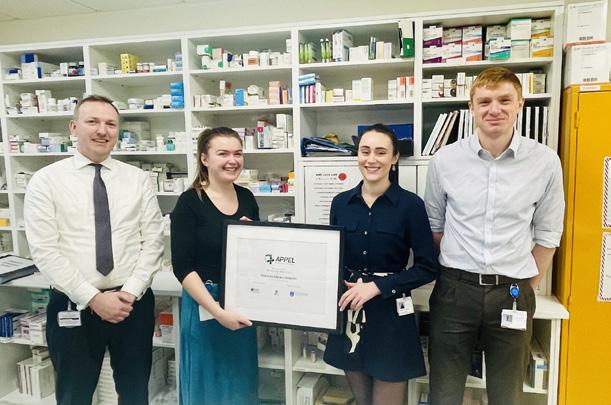
Blackrock Health Hermitage Clinic was delighted to be recently re-accredited by APPEL as a training establishment. The Affiliation for Pharmacy Practice Experiential Learning (APPEL) is a unique collaboration between the Schools of Pharmacy at UCC, RCSI and TCD.
This is the fifth year in a row that Hermitage Clinic has facilitated pre-registration pharmacists. Their pre-reg pharmacists enjoyed learning about the role of the clinical pharmacist during their 8 month placements.
Patient Care closer to Home
The HSE is rolling out new ways of working across community and hospital settings that are allowing patients to access high quality care closer to home and reducing overall waiting times for many healthcare services.
Beneficial impacts include:
• Patients able to access routine care services locally via their GP and community teams
• Patients are seen in a more timely manner in line with best practice
• Improved patient experience, with easier access to appointments and a reduction in the number of appointments which the patient needs to attend
• Telehealth options and digital innovations made more available for use when appropriate
• Healthcare professionals being empowered to work to the top of their current grade with supported continuous professional development training, ensuring the highest quality of care is delivered to all patients/service users.
Meeting the teams delivering ophthalmology, urology, orthopaedics, nephrology and diabetes care to patients in this new and innovative way at St Vincent’s University Hospital today, Minister Donnelly, said. “We are now ensuring that patients can be seen faster and progress through our health service in a more integrated way. Ensuring they have fewer overall visits to a hospital.”
Dr Colm Henry, HSE Chief Clinical Officer, added that “Modernised care pathways are a key milestone in healthcare reform and are consistent with Sláintecare principles. These pathways enable timely access to healthcare teams that are integrated across hospitals and the community. Reforms like these would not be possible without a highly capable and dedicated workforce of healthcare professionals who are committed to improving patient experience and outcomes.”
PHARMACYNEWSIRELAND.COM 4 News
Photographed from left to right; Patrick Foley, Anna Bourguignon, Katie McGoldrick and Murray Dick
Musculoskeletal Pain Pharmacy Report
Managing musculoskeletal pain in community pharmacies is explored in a report from a FIP insight board.
The board, gathering community pharmacists, policy experts and researchers, discussed the pharmacological (analgesics, non-steroidal anti-inflammatory drugs and muscle relaxants) and non-pharmacological (pulsed short duration therapy devices and heat and cold therapy) approaches for symptom relief in patients with muscle and joint pain. The board also shared views on the barriers, training and resources needed for pharmacists to effectively guide self-care of this type of pain.
‘Managing chronic MSK pain is a challenging issue due to its multifactorial nature, and a collaborative care model of healthcare professions that includes pharmacists is essential for better health outcomes. A multimodal approach is also recommended,’ says the report.
‘Community pharmacists being the most accessible and frequently visited healthcare professionals, can play a vital role in the assessment and management of MSK pain from a pharmacological and non-pharmacological point of view. They can do this by partnering with the patient in optimising the safe use of medicines for chronic pain and other comorbidities related to mood, sleep, substance use and use disorders.
‘Pharmacists can advocate for self-care through pain education and wellness to improve the quality of life and the stigma some patients may experience. This also includes supporting behavioural change, especially for modifiable risk factors like obesity and smoking, which have been identified to increase pain intensity.
‘Most importantly, when dealing with chronic pain, pharmacists should provide resources that educate the patient and emphasise that MSK pain is not cured but is managed, while respecting patients’ beliefs and preferences. Pharmacists can guide on the use of non-prescription analgesics to manage acute muscle pain. This includes topical creams or gels with non-steroidal anti-inflammatory drugs (NSAIDs) or capsaicin.’
Lighting up Woods HealthPoint Pharmacy
TV Star Dr. Sumi Lights Up Woods HealthPoint Pharmacy with RTE's Operation Transformation!

Woods HealthPoint Pharmacy recently became the talk of the town with a special appearance from TV celebrity Dr. Sumi, as part of RTE's Operation Transformation supported by the Irish Pharmacy Union. This event turned the pharmacy into a buzzing hub of health and wellness activities.
John O'Shaughnessy, the Managing Pharmacist at Woods HealthPoint, shared his excitement, "We were so happy to host this event. It's fantastic that RTE chose our pharmacy to emphasize the importance of regular blood pressure checks." This collaboration highlights the pharmacy's commitment to promoting health in our community.
Eithne Mannering, the Store Supervisor, added, "We've always provided blood pressure checks, but Operation Transformation's spotlight has raised public awareness to a new level." This reflects the event's impact in


increasing the community's health consciousness.
The pharmacy was a hive of activity, offering free blood pressure checks to all visitors, mirroring similar events across Keane's HealthPoint Pharmacy branches in Mullingar. The turnout was impressive, indicating a heightened interest in health among the locals.
Pharmacist Robert Keane also shared his thoughts on the event's success. "It was heartening to
see so many people taking charge of their health by getting their blood pressure checked. Kudos to Operation Transformation for promoting health awareness," he said.
As Woods HealthPoint Pharmacy, along with the entire Keane's team, awaited the airing of this special segment on RTE, they invited everyone to tune in. Witness how Woods HealthPoint Pharmacy is not just a place to get medicines, but a cornerstone for health and wellness in the community.
Call for Expressions of Interest for Pharmacist Appointments
The Pharmaceutical Society of Ireland (PSI) is seeking applications from pharmacists to act as expert witnesses before Committees of Inquiry in relation to fitness to practise complaints. The role involves:
• Reviewing allegations of professional misconduct and poor professional performance
• Providing a written report and opinion on the allegations
• Giving oral evidence as required before the Committee of Inquiry
These allegations will be against a pharmacist and may extend to other allegations against a pharmacy owner, under the Pharmacy Act 2007.
How do I apply?
You can visit www.thepsi.ie to download, complete and return an application form which should be emailed back to eoiexpertpharmacists@psi.ie with your name in the subject box.
What happens if my application is successful?
If you are a successful applicant, you will be placed on a Panel of Experts to be established under this Expression of Interest and mandatory training will be provided upon appointment. Training is currently scheduled to take place on Friday, 12 April and all successful applicants will be required to attend. This role is remunerated, and vouched expenses will be paid in accordance with standard PSI policy.
More information about this role, including qualification criteria and remuneration, is available in this information booklet. Please contact us eoiexpertpharmacists@psi.ie if you have any questions.
PHARMACYNEWSIRELAND.COM 5
News
Dr Sumi Dunne from Operation Transformation with members of the Woods HealthPoint Pharmacy team, (from left) John O’Shaughnessy, MPSI, Dr Sumi Dunne, Gillian Ryan, MPSI, John Keane, MPSI, and Robert Keane, MPSI. Also pictured top are pharmacy team members
HSE Approves Seven Life-enhancing Medicines
Osteoporosis, antimicrobial-resistant infections and several types of cancer are among the ailments that will be tackled by seven drugs newly approved by the HSE. These seven new life-enhancing drugs will be funded from the €20 million funding recently allocated for new medicines in 2024.
Dr Colm Henry, Chief Clinical Officer, HSE, said, “These newly approved drugs will have a profound impact on those who need them. With these seven drugs, we hope to be able to continue to support people to live healthier, happier lives in the future.
“The approved medicines will be available under the Community Drugs Schemes and other arrangements, ensuring equitable access for those whose treatment requires them. The HSE has a robust assessment in place for approving medicines, with decisions based on several factors, including clinical need, efficacy and effectiveness. Many of the newly approved drugs are responding to a previously unmet need. They will target conditions that existing approved medications cannot treat, such as infections caused by multidrug-resistant (MDR) bacteria.”
“Cefiderocol (Fetcroja®) has been approved for the treatment of adults who have antimicrobialresistant infections. In these cases, no other medication has been effective. Cefiderocol presents a new opportunity to treat extremely vulnerable patients, for whom medication options are limited.
“Given the growing issue of antimicrobial resistance, it will be
PMI Raise over ¤10,000
important to limit the use of this drug to cases that are otherwise beyond help,” Dr Henry explained.
Postmenopausal women, with severe osteoporosis who have had a major osteoporotic fracture (within the previous year and who are at imminent risk of another fragility fracture) will benefit from the approval of Romosozumab (Evenity®).
There were approximately 32,000 new fragility fractures diagnosed in Ireland in 2019, with annual figures expected to increase to 51,000 by 2034 as Ireland’s population ages. Osteoporotic fractures are associated with substantial pain and disability; they can result in an older person needing long-term care and, can ultimately result in earlier deaths.
"This reimbursement agreement will target a very specific, at-risk, subgroup of postmenopausal women," said Dr Henry. "It's a first-in-class medication and could prevent these women from requiring additional care. It's also been shown that severe fractures in older age can result in morbidity within one year.
Providing these medications could have a significant benefit for this population in the future."
Three medications [Osimertinib (Tagrisso®); Atezolizumab
for LauraLynn
The Pharmaceutical Manufacturers Institute have raised an incredible ¤10,340 for LauraLynn. The money was raised at the annual PMI Christmas Lunch and this amount is the highest ever raised at the charity event.
Fiona O’Hara, President and Fiona Dunphy, Commercial Manager with the PMI recently went over to LauraLynn and met with their CEO, Kerry McLaverty, for a cheque presentation.
LauraLynn's mission is to provide a Community of Care that delivers evidencebased, personalised services to children with palliative care needs, complex care needs and complex disabilities, while also providing family support services and a home to our residents where quality-of-life is paramount.
(Tecentriq®); and Atezolizumab (Tecentriq®)] to treat adults with non-small cell lung cancer (NSCLC) have also been approved. "NSCLC is known to have a high rate of tumour recurrence post-surgery. However, these new medicines can prevent recurrence and potentially prolong a patient's chance of survival post-treatment," Dr Henry noted.
Another group of vulnerable people to benefit from this round of approvals is transplant patients. “Transplant patients are immunosuppressed to reduce the risk of organ rejection. This, however, leaves them susceptible to other infections, such as cytomegalovirus (CMV). Maribavir (Livtencity®) treats CMV and will reduce the risk of infection and illness for patients.”
Finally, through Ireland’s participation in the Beneluxa Initiative, a collaboration between Belgium, the Netherlands, Luxembourg, Austria, and Ireland, Atidasagene autotemcel (Libmeldy®) was approved to treat metachromatic leukodystrophy (MLD). MLD is a rare genetic disease and Libmeldy is a onetime therapy designed to correct this gene mutation.

New Pharmacy Guidebook
Guidance for pharmacists to manage symptoms of iron deficiency anaemia (including supporting self-care) and to prevent the condition has been shared in a new handbook from the International Pharmaceutical Federation (FIP).
“With the increasing role of pharmacists in the healthcare system, pharmacists can play a vital role in providing health information on the prevention and management of iron deficiency anaemia. It is, therefore, a pleasure to present this comprehensive handbook for pharmacists to serve as a guiding resource.
“This handbook was developed in response to the recommendations from a FIP roundtable report in 2022, which highlighted the increasing opportunity for pharmacists to contribute to achieving the World Health Organization’s target of reducing anaemia by 50% among women of reproductive age by 2025,” said FIP CEO Catherine Duggan.
The handbook describes iron deficiency anaemia roles for pharmacists in community pharmacies, hospitals and research. It also provides the knowledge needed to offer advice to special populations, such as children, non-pregnant women of reproductive age, pregnant individuals and breastfeeding mothers, elderly people with chronic diseases, and patients with chronic blood loss.
Anaemia is a global public health concern, affecting individuals of all ages and demographic groups, with implications for health, morbidity and mortality. It stems from many factors, including diet, chronic illnesses, infections, hereditary blood disorders and other conditions related to blood loss and reduced haemoglobin levels. While anaemia manifests as decreased haemoglobin or haematocrit levels, iron deficiency anaemia is the most prevalent type.
The report adds, “In conclusion, this handbook serves as an invaluable resource for pharmacists in managing IDA, underpinning the importance of pharmacists’ role in screening, managing, treating, patient education and holistic self-care practices. It is recommended to accompany this handbook with further CPD and resources for other types of anaemia.”
PHARMACYNEWSIRELAND.COM 6
News
Mosquito & Tick Protection
For the whole family

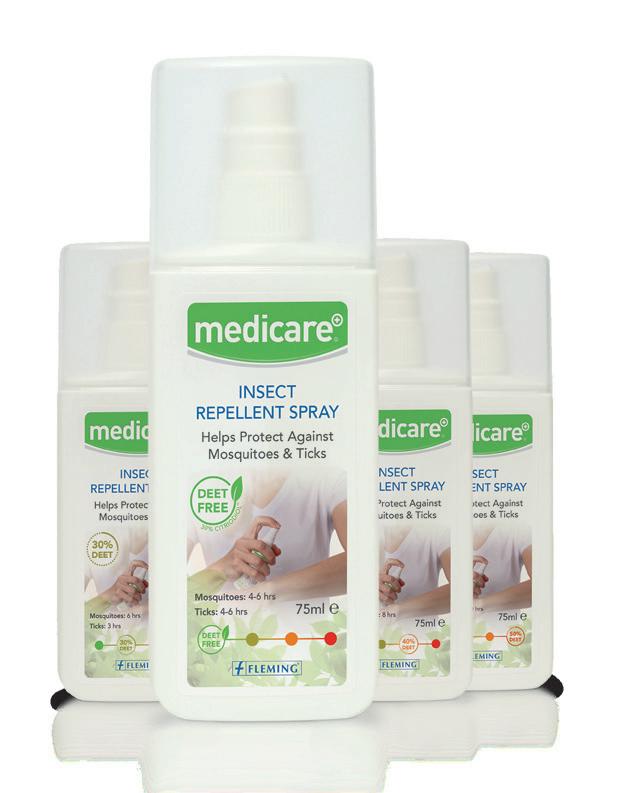
Suitable for children over 3 months old
30% Naturally Sourced Citriodiol
full Insect Repellent range.
Mosquitoes: 4-6 hours
Ticks: 4-6 hours
Freephone: 1800 307777
more
Learn
about our
Innovation in the Community Positioning Ireland to Deliver Best Patient Care
The Guaranteed Irish Pharmaceutical Forum, sponsored by MSD, took place recently where insights were shared around the theme of "Innovation in the Community – Positioning Ireland to Deliver Best Patient Care"

This annual event hosted by Guaranteed Irish featured an industry leading line-up within the pharmaceutical sector. The panel discussion featured industry thought leaders Mairéad McCaul Managing Director of MSD Ireland, Shane Ryan General Manager Takeda Ireland and Vice-President of IPHA, Emily Kelly, Community Pharmacist at McCauley Pharmacy, Deputy Colm Burke, T.D., and Angela Clayton-Lea, Acting CEO of Cancer Trials Ireland.
Optimism reigned throughout panel discussions, looking to the future with hope and practical actions underway to ensure important improvements in data access and collaboration is prioritised. Mairéad McCaul, MD of MSD, spoke about the continued need for collaboration and trust between all stakeholders, similar to what was done during Covid 19 when processes were implemented with speed.
The pharmaceutical industry is a significant employer with up to 40,000 people working in the sector in Ireland – a cornerstone of the Irish economy. While it was noted that Ireland has a good reputation for manufacturing, there is a renewed call to focus on enhancing the Research & Development positioning for Ireland and Europe to prevent a drift towards China and the US.
Data is Key
The importance of data being at the centre for digital healthcare improvements was discussed. Progress in digital data technology will allow more innovation and access for patients to make informed choices with healthcare professionals. R&D is needed around technology to progress and transfer data to patients. Looking to the future, more wearable devices will feature to capture and share healthcare information.
Shane Ryan commented, “From my perspective if you consider the future trends and the shift of healthcare towards the community and the progression of digital technology we're in really good place for patients. Also looking at current and future medicines many of those will have a digital component which will make them very compatible for community care so it's fantastic here today talking about this topic exchanging views and building a network.’’
Trials and Research
Angela Clayton-Lea spoke about a number of important issues which are a focus for Cancer Trials Ireland (CTI) at present. The goal for the National Cancer strategy is to have 6% of cancer patients taking part in trials in the near future. Study types need to include more data from an all-Ireland perspective, using CTI as a central hub. Improved data collection
Mairéad McCaul, Managing Director, MSD Ireland, Deputy Colm Burke, T.D, Angela Clayton-Lea, Acting CEO of Cancer Trials Ireland, Shane Ryan, General Manager, Takeda Ireland/Vice President, IPHA and Emily Kelly, Community Pharmacist, McCauley Pharmacy. Pic Orla Murray/Coalesce
processes are needed to reach this target. Angela commented, “Increasing focused collaboration between Pharmaceutical Industry and cancer clinical research for the benefit of patients is our main priority. We hope to make data collection processes a main priority this year.’’
Community Pharmacy Communication between all healthcare divisions is vital to provide interoperable health systems which will improve information sharing and access for patients. Emily Kelly, community pharmacist said, “We welcome the task force and commitment from Minister Donnelly for expanding the scope of practice of pharmacists within Community pharmacy. To make it operational we need access to sustainable funding for quality service across the state. Shared health records and a reduction in administration of government schemes would enable this to be expedited and the
role of the community pharmacy enhanced. At McCauleys we are all about solutions for patient health to live healthier lives. These advances would further what we already do for our patients.”
Collaboration
Deputy Colm Burke discussed the need for a coordinated way of working together with hospitals, the pharmaceutical industry, and universities. Funding is red taped for companies to invest in services to improve patient care. Deputy Burke stated, “The Pharmaceutical industry is a major contributor to the Irish economy with 9 out of 10 of the top companies with a base in Cork. I am committed to ensuring the much-needed funding can be accessed for R&D between all parties involved including universities, pharmaceutical companies and hospitals as we work together to one patient centric goal.”
Finally, Mairéad McCaul, Managing Director of MSD Ireland Human Health, praised Guaranteed Irish, acknowledging the role the organisation plays in promoting Ireland and facilitating networking opportunities for likeminded industry experts and leaders to share ideas and create new key relationships.
Shane Ryan, General Manager, Takeda Ireland/Vice-President, IPHA and Emily Kelly, Community Pharmacist at McCauley Pharmacy. Pic Orla Murray/Coalesce

PHARMACYNEWSIRELAND.COM 8 News



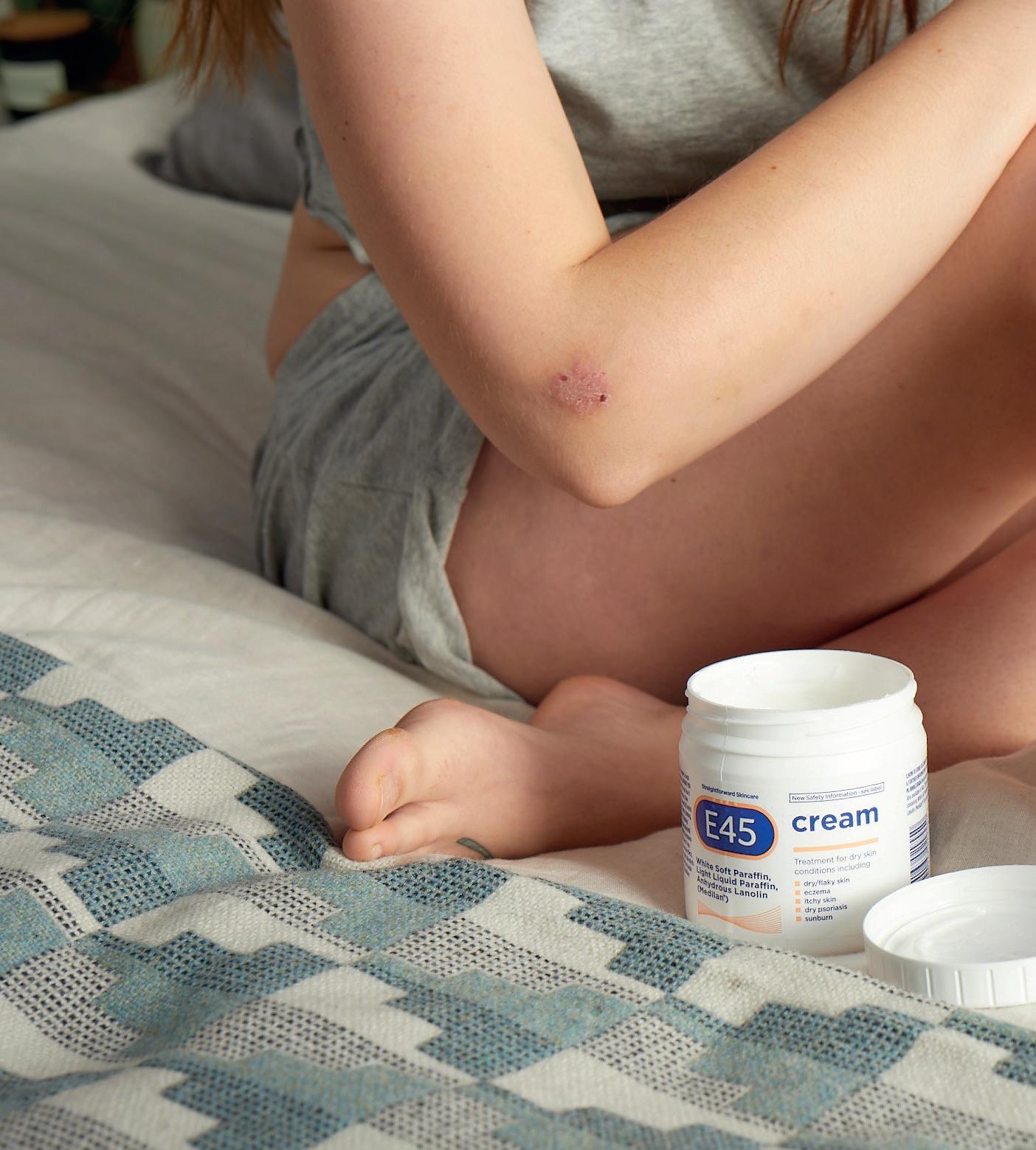
E45 knows how to support skin
E45 Cream creates a protective barrier to lock in natural moisture. E45 cream is used for treating dry skin conditions such as dry/flaky skin, eczema, itchy skin, dry psoriasis, and sunburn. Suitable for the whole family. Apply 2-3 times daily for best results.
STRAIGHT UP SKINCARE

Minister Questioned on Pharmaceutical Legislation
In November 2020, the Commission put forward a Pharmaceutical Strategy for Europe which aims to create a future-proof and patient-centred pharmaceutical environment in which the EU industry can innovate, flourish, and continue to be a global leader. As a key part of the EU’s comprehensive response to these challenges, the Commission proposed an ambitious revision of the EU pharmaceutical legislation.
On the 26 April 2023 the EU Commission published its proposal to revise the general pharmaceutical legislation - this is in the form of a Directive and a Regulation. This is the first full revision of the pharmaceutical legislation in over twenty years and is significant to all stakeholders involved in the medicines’ ecosystem.
Deputy Frankie Feighan recently asked the Minister for Health during a Dáil Éireann Debate for an update on the development of Ireland's national position on the revision of the EU general pharmaceuticals legislation; when Ireland will be making its
official response to the European Commission on the pharmaceutical review known; and if he will make a statement on the matter.
The Minister for Health stated that he had established the Cross Government and Cross Agency Pharmaceutical Strategy Working Group to support the development of Ireland’s response to the proposal from a national perspective. He said, “The PSWG continues to meet to discuss this package regularly and is actively involved in considering the detail of the proposed package of legislative measures, ensuring a well informed and balanced Irish position on the package.”
He added, “The Department of Health will conduct a consultation with Stakeholders on the policy topic incentives in the coming weeks and again this will help inform the national position and assist in the deliberations at an EU level. Information about this will be available on the Department's website shortly.
Ireland will continue to listen to the views of stakeholders in progressing the Pharmaceutical Strategy for Europe.”
The Department is also encouraging stakeholders to submit their opinions on the legislative proposal and feedback can be submitted to the Department at EUpharmastrategy@health.gov.ie.
Supporting Childline at Christmas
€15,000 was raised to support Childline at Christmas by colleagues and customers of United Drug, LloydsPharmacy and TCP Homecare.
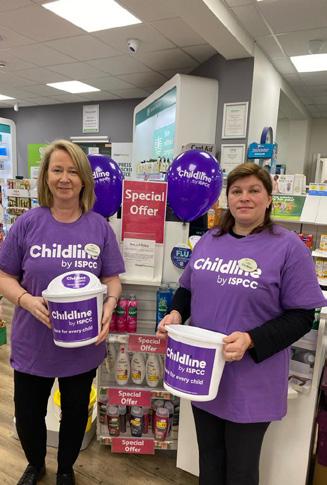
was
as the new charity partner for the group in 2022 after a companywide vote and a period of research and consultation with staff. This ISPCC partnership further highlights how the group values inclusion and is committed to looking after all customers regardless of age, gender, or location.
Sharon and Nina in LloydsPharmacy Bray
The fundraising efforts of 2022 were continued in 2023 and as it takes ¤12,000 to run Childline for just one day the overall goal for the group fundraising was to generate ¤12,000 to support Childline on Christmas Day.
To reach this goal, the group fundraised by hosting a number of events across the business, including an ISPCC Donation Day in the LloydsPharmacy stores, a bumper raffle in support office, Santa Express and a generous donation on behalf on United Drug Customers.
The company were thrilled to announce that they had smashed their target for the ISPCC Childline Christmas initiative. With a target of ¤12,000, they raised a whopping ¤15,000 to support Childline at Christmas.
PHX Ireland Group Limited, is Ireland’s leading fully integrated healthcare provider. PHX Ireland Group Limited comprises United Drug, Ireland’s leading pharmaceutical distributor; LloydsPharmacy Ireland, a major

¤4.88m SFI research award
Professor Sakis Mantalaris, a leading figure in cell therapy research, has been awarded ¤4.88 million as part of the prestigious Science Foundation Ireland Research Professorship Programme. The award will facilitate Professor Mantalaris and a team of researchers in spearheading a pioneering research programme to improve the biomanufacturing of cellular therapeutics that could potentially lead to improved clinical outcomes.
Professor Mantalaris is a joint appointment between Trinity College, where he holds the Don Panoz Chair of Pharmaceutical Biology at the School of Pharmacy & Pharmaceutical Sciences, and the National Institute for Bioprocessing Research and Training (NIBRT), where he is Principal Investigator. The use of cultured cells to treat patients, especially with advanced cancers, immune or degenerative conditions, is increasing as the benefits are being realised. However, variability in cell quality, type and the process used to create them makes the product unpredictable. Professor Mantalaris and his team are working to mitigate this.
Prof. Mantalaris' research is interdisciplinary in nature, in collaboration with Prof Nicki Panoskaltsis, spanning fundamental science to biomanufacturing engineering science towards future clinical translation. His collaborations – with Trinity Translational Medicine Institute (TTMI), NIBRT, and St James’s Hospital – will benefit Ireland’s growing cell and gene therapy ecosystem.
Prof. Mantalaris also aims to bring a new MSc training programme in Advanced Precision Therapeutics & Biomanufacturing, in collaboration with NIBRT, St James’s, and IBTS to Trinity’s Graduate Studies Committee.
Commenting on this award, Prof. Mantalaris said, “This award will provide a unique opportunity to integrate the academic excellence at Trinity College Dublin with the biomanufacturing excellence at the National Institute for Bioprocessing Research and Training (NIBRT) towards future clinical translation of cellular therapies at the St James’s academic campus.”
PHARMACYNEWSIRELAND.COM 10 News
ISPCC
chosen
community pharmacy chain; and TCP Homecare, innovators in clinical home nursing services and direct to patient delivery solutions. In Ireland, PHX Ireland employs over 1,800 people, operate 5 distribution centres and 80 Pharmacies.
Raffle winners - Gina McMahon and Pat McDonald

Stocked
If it’s not on the list, it’s on its way! Contact us: www.udw.ie | 01 4632410 Access Ireland’s largest portfolio of unlicensed medicines with over 1400 products ready to order.
sourcing of products to deliver the right product to the right patient
the right time.
Drug - your partner for unlicensed medicines.
expanding product range.
Bespoke
at
United
Continuously
products delivered within 24 hours.
in class product and pricing for Exempt Medicinal Products.
Customer Care Line for answering any EMP quality guidelines or sourcing queries.
Best
Dedicated
For the purpose of this report, the term “medicine shortage” covers every (temporary) inability for a community pharmacy to supply patients with the medicinal product requested as a result of factors beyond their control, requiring the dispensing of an alternative agent or even discontinuation of an ongoing medical therapy. Shortages of drug-device combinations were counted towards shortages of “medicines”. In terms of reporting/notification of medicine shortages, respondents were asked to apply their national definition, if available.
Medicines Continue to be in Short Supply PGEU publishes Annual Report
From antibiotics to cardiovascular to respiratory, most types of medicines continue to be in short supply. PGEU annual medicine shortages report indicates that in 2023 the situation grew worse compared to previous years. In the Netherlands alone 2.292 shortages were registered last year affecting about 5 million people. Other countries like Sweden, Portugal and Spain saw a significant increase in the number of shortages.
Key Findings
PGEU President Aris Prins said, “Despite pharmacists continued best efforts to find solutions, shortages still leave many patients without their prescribed treatment. This situation causes frustration and inconvenience for patients and erodes their trust in pharmacists and in the healthcare system. They also cause stress for pharmacy staff and impose an additional administrative burden on pharmacies daily work”.
In 2023 every pharmacy across the EU spent on average almost 10 hours per week dealing with medicine shortages. This time has tripled over the last 10 years; precious time which could be devoted to other useful tasks such as providing patients advice on the safe and effective use of medicines. Pharmacies struggle even more to provide patients solutions for shortages given the current healthcare workforce shortage.
Strong differences exist among countries regarding the options that pharmacists can explore to find alternatives – for example substitution or compounding – in case the prescribed medicine is unavailable. Pharmacists should be granted greater flexibility and enabled to leverage their skills, knowledge, and experience to efficiently assist patients.
“The reform of the EU pharmaceutical legislation is a unique opportunity to build a more resilient supply chain and improve shortages prevention, monitoring, and management. However, we need more immediate measures to address this chronic problem and reverse the negative trend that pharmacists have been denouncing for over a decade. We urge for earlier notification of shortages, for a timelier information to pharmacists and a fairer redistribution of medicines across countries” Prins added.
Each year PGEU conducts a survey among its members to map the impact of medicine shortages across Europe from the community pharmacists’ perspective. The 2023 Survey was open to all PGEU member organisations and has been conducted between 4 December 2023 and 17 January 2024. A total
For the purpose of this report, the term “medicine shortage” covers every (temporary) inability for a community pharmacy to supply patients with the medicinal product requested as a result of factors beyond their control, requiring the dispensing of an alternative agent or even discontinuation of an ongoing medical therapy. Shortages of drug-device combinations were counted towards shortages of “medicines”. In terms of reporting/notification of medicine shortages, respondents were asked to apply their national definition, if available.
Key Findings

In 2023, medicine shortages continued to affect all European countries , and grew worse compared to 2022 in most countries.
In 2023, medicine shortages continued grew worse compared to 2022 in most
Shortages of medical devices available all categories in various European countries, across countries.

Shortages of medical devices available in pharmacy continue to exist across all categories in various European countries, with significant differences across countries.
Pharmacists across the EU spend nearly shortages as they did a decade ago, amounting on average
Pharmacists across the EU spend nearly three times as much time addressing shortages as they did a decade ago, amounting to almost 10 hours per week on average
The burden of medicine shortages on patients has increased when compared to patients’ trust in the pharmaceutical supply
The burden of medicine shortages on patients and pharmacies across Europe has increased when compared to previous years, negatively impacting patients’ trust in the pharmaceutical supply chain
Despite community pharmacists continued information, tools, and legal solutions preventing them from effectively helping
Despite community pharmacists’ continued efforts, there are gaps in information, tools, and legal solutions available in many European countries , preventing them from effectively helping patients in case of a shortage.
of 26 PGEU members responded to the survey, including Ireland.
Policy Recommendations
Community pharmacists are, in most cases, successful in minimising the negative impact of shortages on patients’ health and ensuring continuity of care. However, to effectively address the growing problem of medicine shortages in Europe, PGEU calls on policy makers to adopt urgent, bold, and ambitious measures, namely:
Survey Results
Ensure availability: Governments and stakeholders must put patients’ needs first when developing national laws and business strategies, respectively. These should first and foremost aim to ensure a timely and adequate supply of medicines to patients. These principles should apply also to the ongoing reform of the European pharmaceutical legislation, where patients’ interests should prevail over commercial ones. It is also necessary to ensure effective
compliance with EU and national laws related to the public service obligations of supply chain actors. Policy makers also need to consider the impact of pricing policies on medicines availability and on the security of the supply chain.
Question 1. In the last 12 months, have you experienced shortages of medicines in community pharmacy in your country?
100% of responding countries (26) experienced medicine shortages in the last 12 months.
Widen professional competence: The scope of pharmacy practice should be extended when medicines are in short supply, so pharmacists can use their skills, knowledge, and experience to better manage patient care and ensure continuity of treatment. When medicines are not available, pharmacists should be allowed to substitute with the most appropriate alternative, as part of a shared decision-making process with prescribers and patients and/ or in accordance with national protocols. Shared electronic
Since 2019, all surveyed countries have experienced shortages.
Question 1. In the last 12 months, have you experienced shortages of medicines in community pharmacy in your country?
(% of responding countries)
Question 2. If you have experienced shortages, how would you compare to the situation in the previous 12 months:
PHARMACYNEWSIRELAND.COM 12 Report
2
(% of responding countries)
(% of responding countries) 100% 0% 0% 50% 100% Yes No
Question 3. If you have experienced shortages in the last 12 months in your country, which medicine classes have been in short supply in community pharmacy?
(ATC Level 1, multiple answers per country, % of responding countries)
Question 3. If you have experienced shortages in the last 12 months in your country, which medicine classes have been in short supply in community pharmacy?
(ATC Level 1, multiple answers per country, % of responding countries)
cardiovascular systems (92%). The most frequent medicines in shortage were anti-infectives for systemic use, medicines for the cardiovascular system, and medicines for the nervous system.
communication tools between pharmacists and prescribers (e.g., shared electronic health records) can facilitate this process effectively and safely.
Top 3
From those, the three classes of medicines most frequently in short supply were:
Develop effective governance systems: A close collaboration between EU Member States and the European Medicines Agency (EMA) is needed to improve reporting, monitoring, and communication on medicine shortages. At national level, more structural, timely and transparent collaboration models between supply chain stakeholders and national competent authorities must be developed to increase the efficiency and effectiveness of joint notification and assessment practices, and to empower pharmacists in reducing the impact on European patients.
such as
Improve communication: It is vital to ensure greater transparency and availability of medicine shortages data. Effective communication, early detection and central assessment of potential shortages can be achieved by connecting all medicine supply chain actors and NCAs at national level in consistent reporting systems. This will ensure that community pharmacists have timely information on current and foreseen medicine shortages. It is also necessary to increase access to the information available across the supply chain.
Compensate financial impact: The resource investment by pharmacists and pharmacies to manage shortages must be recognised and valued.
Survey Results
When asked if, in the last 12 months, have there been
medicine shortages in community pharmacy in your country, 100% of responding countries (26) experienced medicine shortages in the last 12 months. Since 2019, all surveyed countries have experienced shortages.
Compared to the previous 12 months, in 2023, in 17 of the 26 responding countries the situation grew worse (65%) and stayed the same in 6 countries (23%). Only 3 countries, namely Cyprus, Greece and North Macedonia registered improvements when compared to the year before.
In 2022, 76% of the responding countries said the situation had gotten worse or stayed the same in 24% of the cases.
According to the Irish Pharmacy Union shortages have significantly increased in the last year and pharmacists in Ireland do not receive sufficient advance warnings of shortages.
69% of responding countries experienced shortages of medical devices in community pharmacy in the last 12 months, which shows a slight increase from last year’s situation (66%).
In terms of measuring how far medicine shortages have impacted on community pharmacies, over 90% said they had suffered financial loss due to time invested in mitigating shortages while over 80% said they had incurred increased administrative duties.
The Irish Pharmacy Union said the workload in management of shortages and associated phone calls from patients is rising year after year, leading to increased stress in pharmacy staff and mental health issues.
They added that there is an ongoing legislative process for a medicine shortage protocol that allows for therapeutic substitution by a pharmacist in limited circumstances where a medicine is in short supply. Normally a pharmacist liaises with the prescriber for an alternative medicine to be supplied, still requiring a new prescription.
In 12 out of the 26 responding countries (46%) there is a commonly agreed definition of medicine shortages at national level, and in 5 countries (19%) the definition of medicine shortages is enshrined in the national legislation.
In 18 out of the 26 countries surveyed (69%), there are reporting systems for shortages in place that can be used by community pharmacists.
Conclusion
In the last 12 months, all countries that responded to the PGEU survey experienced medicine shortages in community pharmacies. Similar to the previous year, a majority of these countries (65%) noted a deterioration in the situation compared to the preceding 12 months. In a few instances, the situation remained unchanged (23%), while a smaller percentage of countries reported positive improvements (12%).
Medicine shortages in community pharmacies have an impact on every medicine class across the countries surveyed - shortages of anti-infectives for systemic use (such as antibiotics) were experienced in all countries. Furthermore, 96% of the countries registered shortages of medicines for the respiratory and
In a significant number of countries that participated in the survey (27%), the list of medicines facing shortages exceeded 600 at the time of survey completion. When compared to data from the previous year, both evidence and feedback from pharmacists indicate a worsening of the situation, with an increasing number of countries reporting a larger number of medicines in short supply over the course of the year.
A total of 69% of the countries that contributed to this year’s study reported encountering shortages of medical devices in community pharmacies, reflecting a slight increase from the previous year's figure of 66%. These shortages span across all categories of medical devices. However, in only 2 countries there are systems to monitor shortages of medical devices, making it difficult to have a clear picture of the situation across Europe.
All responding countries indicated that they believe medicine shortages cause distress and inconvenience to patients. The most perceived consequences include treatment interruptions (reported by 88% of countries), increased co-payments due to more expensive or nonreimbursed alternatives (73%), and suboptimal treatment with reduced efficacy (73%). Notably, these percentages have shown an increase compared to the previous years.
Available solutions to community pharmacists in the event of shortages vary significantly across European countries. Generic substitution (92% of countries), preparing compounding formulations (50%), and adjusting therapy and posology when the same medicine is available in a different strength (50%) are commonly permitted solutions in many European countries. However, it is worth noting that some of these solutions may be subject to restrictions (e.g. requiring a new prescription). Additionally, the implementation of these solutions can be cumbersome and timeconsuming for both the patient and the pharmacist.
PHARMACYNEWSIRELAND.COM 13
6
Medicines Responding countries (%) Anti-infectives for systemic use (antibiotics) 100% Respiratory system 96% Cardiovascular system 92% Alimentary tract and metabolism 77% Antineoplastic and immunomodulating agents 77% Nervous system 77% Musculo-skeletal system 69% Vaccines 69% Blood and blood forming organs 65% Systemic hormonal preparations, (excl sex hormones/insulins) 65% Dermatologicals 62% Genito-urinary system and sex hormones 62% Sensory organs 62% Various 58% Antiparasitic products, insecticides and repellents 46%
Anti-infectives for systemic use,
antibiotics (84%) Nervous system (60%) Cardiovascular system (56%)
What is Burnout? A Guide for Pharmacists
Burnout is a term used to describe the psychological response to work related stress, presenting as emotional exhaustion, increased levels of depersonalisation and cynicism and a reduced feeling of personal accomplishment. It’s described as an occupational phenomenon that occurs when chronic stress is ineffectively managed, though it is not considered a medical condition.

The term burnout was first coined in the 1970’s and since then, there has been an explosion of interest in researching this concept and burnout has been characterised and studied among a wide range of professions to understand how it occurs and the contributing risk factors that lead to burnout. This has subsequently lead to the development of multiple burnout assessment questionnaires. Burnout rates are particularly high among pharmacists and has been associated with reduction in productivity, increased job turnover and reduced psychological and physical wellbeing. The subsequent negative impact on patient care is significant, resulting in increased likelihood of medication errors and reduced quality of care.
This is of importance as the role of the pharmacist in healthcare provision has evolved rapidly. Across all pharmacy practice settings, there has been an expansion in the scope of practice for pharmacists. With a growing ageing population worldwide, multimorbidity and polypharmacy is now commonplace and pharmacist-directed care and medicines management is becoming increasingly complex. Pharmacists play a vital role in the safe and efficient use of medicines, continuity of supply amid regular medicines shortages,
Written by John Hayden, Senior Lecturer, Royal College of Surgeons Ireland and Jodie Dee, Community Pharmacist
compounding of medicines, medicines information, research and policy making. In addition, patient-facing pharmacists, especially those in a community setting, are a substantially utilised resource by the public, due to pharmacies’ convenience, accessibility and free services, resulting in high patient and prescription volumes, frequent clinical consultation and patient education. This increase in workload and responsibility may impact pharmacists’ physical and psychological wellbeing and rates of burnout.
A recent study of Irish pharmacists found that over 62% of participants were experiencing moderate to high levels of burnout, which is in line with burnout prevalence among pharmacists globally. Associated risk factors increasing rates of burnout included longer working hours, less professional experience, high patient and prescription volumes, excessive workload, high levels of non-clinical or administrative duties and poor work/life balance.
Those that were experiencing burnout were more likely to have
made a medication error and were more likely to leave their current employment. Factors associated with a lower rate or protective effect against burnout were involvement in patient and peer education and training, time away from work, regular social interactions and hobbies, and availing of burnout management resources. Since burnout is centred around poorly managed stress, it is important that we look after both our mental health and physical health.
Healthy habits like keeping active, eating well and being part of a social group all contribute to relieving stress and anxiety, as well as self care techniques such as meditation, mindfulness and journaling. There are a number of wellbeing resources for pharmacists, available on the IIOP resource hub. Managing stress at work can be challenging, but it is important that we prioritise a positive working environment and a positive attitude, as psychological safety and optimism are predictors of burnout.
Having realistic work goals and setting boundaries between work and personal life all contribute to a better work/life balance and reducing work related stress and burnout. While there are many things we can do to manage stress and burnout as individuals, ultimately organisational change
and review of current pharmacy practice and work culture in Ireland needs to be addressed.
There is no doubt that the organisational structure of community pharmacy in Ireland is contributing to burnout and community pharmacists have the highest rates of burnout.
The PSI’s Workforce Intelligence Report identified that pharmacists experience high levels of stress and some of the sources of stress are inherent in our work culture, such as the high administrative and paperwork burden, a lack of proper lunch breaks or having to stay on the premises to supervise all medicine sales.
Thankfully, this report has made several recommendations and associated actions and timeframes to address current shortcomings in pharmacy (stress and burnout being one of them) which we will hopefully see being rolled out in the coming years. Burnout is a legitimate concern that can have a negative impact on pharmacists and patients, so it is vital that we are aware of the signs and take proactive steps to prevent it and utilise the resources we have to manage work related stress.
Self-care and creating a positive work environment are essential in its management.

PHARMACYNEWSIRELAND.COM 14 Report
Available from Health Food Stores, Pharmacies and reviveactive.com




SUPER SUPPLEMENTS SUPER YOU ���� 091 769803 ✉ customerservice@reviveactive.com or contact your area sales representative *Source: Euromonitor Passport report on Consumer Health National Statistics. Date: September 2023
Baby Special Focus
Asthma Medicines

Asthma Medications in Pregnancy
Written by Dr Margaret Gleeson, Clinical Research Fellow in Beaumont Hospital/RCSI, Dr Claire McCarthy, Consultant Obstetrician and Gynaecologist, Rotunda Hospital and Prof Dorothy Ryan, Consultant Respiratory Physician in Beaumont Hospital/RCSI



Asthma is an inflammatory disease of the airways, characterised by variable airflow obstruction presenting clinically as cough, wheeze and dyspnoea. With a prevalence of 4-12% in women of childbearing age, it is the most common chronic respiratory condition encountered in pregnancy. Hormonal, physiological and mechanical changes during pregnancy can manifest as a change in asthma control. The clinical course of asthma in pregnancy is difficult to predict however and can vary significantly between patients. Those with severe asthma pre-conceptually are more likely to deteriorate during pregnancy compared to those with mild disease.
For the majority of women, asthma poses no adverse risk to pregnancy outcome. However compelling evidence suggests that those with poorly controlled disease or repeated exacerbations in the antenatal period are at risk of significant materno-fetal complications including pregnancy loss, pre-eclampsia, postpartum haemorrhage, low birth weight and preterm birth. The goals of asthma management in pregnancy are the same as in non-pregnant patients: to control symptoms, preserve lung function, prevent and treat exacerbations and minimise medication side-effects. Pharmacists play a crucial role
facilitating safe, effective and informed management of asthma during pregnancy, working collaboratively with the multidisciplinary team to optimize treatment outcomes.
The most common cause of deterioration in asthma control is due to poor compliance with medication. Expectant mothers may perceive there to be a risk associated with asthma medications, specifically corticosteroids and less so with bronchodilators. Almost 50% of women reduce or discontinue their medications early in pregnancy without specialist input, putting them at risk of complications.
A review of prescriptions in the first trimester compared to the preconception period saw a reduction of 13%, 23% and 54% of short acting beta agonists (SABA), inhaled (ICS) and oral corticosteroids (OCS) respectively.
Evidence to date on medication safety in pregnancy and lactation is limited by a lack of randomised controlled trials in this cohort, however clinical practice has been longitudinally observed and robust data retrospectively reviewed.
Research examining medication safety during pregnancy can also be influenced by the severity of asthma where increased medication use and above standard dosing may contribute to resultant complications.
MANAGEMENT
Diagnosis
Ideally patients should have an asthma diagnosis confirmed and optimised pre-conceptually. Asthma symptoms of cough, wheeze and shortness of breath are highly non-specific. There should be a pattern of variability in symptoms and response to asthma therapies such as ICS, OCS or SABA. Thus, before and during pregnancy exclusion of alternative causes of asthma-like symptoms of wheeze, dyspnoea and cough (e.g. reflux, rhinitis, obesity and cardiovascular disease) is important.
Monitoring during Pregnancy
Estimating severity, disease monitoring and assessment of treatment response throughout pregnancy improves outcomes. Patients with poorly controlled asthma (e.g persistent symptoms despite adherence to standard therapy, hospitalisation or OCS use in the 12 months prior to pregnancy) should be followed closely by a multi-disciplinary team including an obstetrician and respiratory physician. Education should include inhaler technique, peak flow monitoring and action plan provision. Recent guidelines recommend regular review for patients to facilitate reassurance, further education and treatment
manipulation. This also provides an opportunity to support smoking cessation and vaccination to minimise risk factors for poorly controlled asthma.
Convincing evidence to date repeatedly indicates that the potential risks of untreated asthma far outweighs any theoretical risk or speculative concerns associated with the use of asthma medications during pregnancy.
Role of the pharmacist
Counselling patients on medication use, compliance and safety is of utmost importance. Involvement of a clinical pharmacist in this process improves patient’s understanding and experience of asthma in pregnancy and in some centres pharmacy services are included as standard of care.
The pharmacist often serves as the initial point of contact for patients experiencing asthma symptoms. This early interaction can be pivotal, as it may reveal either a diagnosis of asthma, indicate poorly controlled disease or suggest an alternate unrelated pathology. All scenarios are of concern and signal the need for further medical evaluation.
Pharmacists assist in optimizing maternal asthma to achieve optimal control while minimizing potential risks. This may involve titrating medication doses, switching to safer alternatives, or incorporating non-pharmacological approaches such as proper inhaler techniques and trigger avoidance. Red flags include excessive collection of reliever medications (e.g. SABA) and discontinuation or reduced use of controller (ICS) medications.
ASTHMA MEDICATIONS
Bronchodilators
Short acting beta2 agonists (SABA) are primarily used as a reliever therapy. As in non-pregnant asthma, their use in isolation is no longer recommended. Salbutamol is the preferred agent as it has been most extensively studied
16 | PHARMACYNEWSIRELAND.COM
Prof Dorothy Ryan
Dr Margaret Gleeson Dr Claire McCarthy

including 10mcg vitamin D and 300mg DHA for mums during lac tation.1



With you ever y step of the way AFT E R
21 nutrients
Pregnac are® Original with19 nutrients including folic acid and vitamin D as recommended by the Depar tment of Health. D URING PREGNA N C Y BEF O R E Pregnac are® Conception with 21 nutrients including folic acid as recommended for all women tr ying to conceive More than just folic acid Most trusted by mums2 Most recommended by midwives 2,3 Helping to make healthy mums and babies for over 25 years, Pregnacare® provides the recommended level of folic acid.4 I t also provides a range of micronutrients, and is suppor ted by unique clinical research with mums-to -be . 6,7 BEFORE DURING AFTER 1. Journal of the American College of Nutrition, Vol.18, No.5, 487-489 (1999). 2. For more information on this research, please visit ww w.pregnacare com/mostrecommended 3. Based on a sur vey of 1000 midwives 4. Folic acid contributes to maternal tissue growth during pregnanc y Pregnacare® has always contained 400mcg folic acid, the level recommended for all women from the star t of tr ying to conceive until the 12th week of pregnanc y 5. Source: NHS Choices 6. Agrawal, R. et al Prospec tive randomised trial of multiple micronutrients in women undergoing ovulation induction, Reproductive BioMedicine Online December 2011. 7. L Brough et al Effec t of multiple -micronutrient supplementation on maternal nutrient status, infant birth weight and gestational age at birth in a low-income, multi-ethnic population British Journal of Nutrition (2010), 104, 437-445 *Awarded Number 1 pregnancy supplement by NPPA & Mums and Tots Awards Available from leading pharmacies, supermarkets and health food stores nationwide For more information, visit ww w.pregnacare com 2 For more information on promotions and POS, contac t your Valeo Healthcare Account Manager or Sales Rep David Keane 087 279 2860 david.keane@valeofoods.ie Fintan Byrne 087 647 0764 Julie Webster 086 462 1723 julie webster@valeofoods.ie Stephen Moloney 087 699 9344 stephen.moloney@valeofoods.ie Gary Considine 087 933 4227 gary.considine@valeofoods.ie With you ever y step of the way AFT E R Pregnac are® Breast-feeding with 21 nutrients including 10mcg vitamin D and 300mg DHA for mums during lac tation.1 Pregnac are® Original with19 nutrients including folic acid and vitamin D as recommended by the Depar tment of Health. D URING PREGNA N C Y BEF O R E Pregnac are® Conception with 21 nutrients including folic acid as recommended for all women tr ying to conceive More than just folic acid Most trusted by mums2 Most recommended by midwives 2,3 Helping to make healthy mums and babies for over 25 years, Pregnacare® provides the recommended level of folic acid.4 I t also provides a range of micronutrients, and is suppor ted by unique clinical research with mums-to -be 6,7 BEFORE DURING AFTER 1. Journal of the American College of Nutrition, Vol.18, No.5, 487-489 (1999). 2. For more information on this research, please visit ww w.pregnacare com/mostrecommended 3. Based on a sur vey of 1000 midwives 4. Folic acid contributes to maternal tissue growth during pregnanc y Pregnacare® has always contained 400mcg folic acid, the level recommended for all women from the star t of tr ying to conceive until the 12th week of pregnanc y 5. Source: NHS Choices 6. Agrawal, R. et al Prospec tive randomised trial of multiple micronutrients in women undergoing ovulation induction, Reproductive BioMedicine Online December 2011. 7. L Brough et al Effec t of multiple -micronutrient supplementation on maternal nutrient status, infant birth weight and gestational age at birth in a low-income, multi-ethnic population British Journal of Nutrition (2010), 104, 437-445 *Awarded Number 1 pregnancy supplement by NPPA & Mums and Tots Awards Available from leading pharmacies, supermarkets and health food stores nationwide For more information, visit ww w.pregnacare.com 2 For more information on promotions and POS, contac t your Valeo Healthcare Account Manager or Sales Rep David Keane 087 279 2860 david.keane@valeofoods.ie Fintan Byrne Julie Webster 086 462 1723 julie webster@valeofoods.ie Stephen Moloney 087 699 9344 stephen.moloney@valeofoods.ie Eamonn Connolly eamonn.connolly@valeofoods.ie With you ever y step of the way AFT E R Pregnac are® Breast-feeding with 21 nutrients including 10mcg vitamin D and 300mg DHA for mums during lac tation.1 Pregnac are® Original with19 nutrients including folic acid and vitamin D as recommended by the Depar tment of Health. D URING PREGNA N C Y BEF O R E Pregnac are® Conception with 21 nutrients including folic acid as recommended for all women tr ying to conceive More than just folic acid Most trusted by mums2 Most recommended by midwives 2,3 Helping to make healthy mums and babies for over 25 years, Pregnacare® provides the recommended level of folic acid 4 I t also provides a range of micronutrients, and is suppor ted by unique clinical research with mums-to -be 6,7 BEFORE DURING AFTER 1. Journal of the American College of Nutrition, Vol.18, No.5, 487-489 (1999). 2. For more information on this research, please visit ww w.pregnacare com/mostrecommended 3. Based on a sur vey of 1000 midwives 4. Folic acid contributes to maternal tissue growth during pregnanc y Pregnacare® has always contained 400mcg folic acid, the level recommended for all women from the star t of tr ying to conceive until the 12th week of pregnanc y 5. Source: NHS Choices 6. Agrawal, R. et al Prospec tive randomised trial of multiple micronutrients in women undergoing ovulation induction, Reproductive BioMedicine Online December 2011. 7. L Brough et al Effec t of multiple -micronutrient supplementation on maternal nutrient status, infant birth weight and gestational age at birth in a low-income, multi-ethnic population British Journal of Nutrition (2010), 104, 437-445 *Awarded Number 1 pregnancy supplement by NPPA & Mums and Tots Awards
Pregnac are® Breast-feeding with
pharmacies, supermarkets and health food stores nationwide. For more information,
2 For more information on promotions and POS, contac t your Valeo Healthcare Account Manager or Sales Rep David Keane 087 279 2860 david.keane@valeofoods.ie Fintan Byrne 087 647 0764 Julie Webster 086 462 1723 julie.webster@valeofoods.ie Stephen Moloney 087 699 9344 stephen.moloney@valeofoods.ie Eamonn Connolly 087 238 5648 eamonn.connolly@valeofoods.ie Marie Amond marie.amond@valeofoods.ie
Available from leading
visit ww w.pregnacare.com
Baby Special Focus
Asthma Medicines
Drug type Drug with strongest evidence base Advice
SABA Salbutamol
LABA
LAMA
ICS
OCS
LRTA
Methylxanthines
Biologics
but terbutaline may be used if already prescribed. Following inhalation, salbutamol is essentially undetectable in the blood however small amounts may be absorbed systemically via oral deposition. There is no evidence to date that SABA exposure is associated with fetal malformations.
Longer acting beta2 agonists (LABAs) should be used in fixed combination with ICS for control or relief of asthma symptoms.
Studies on the use of LABAs alone are lacking with pharmacologic and toxicologic profiles largely extrapolated from that of SABAs.
To date these have not been shown to cause any significant harm and should be continued in those already established on treatment. Salmeterol and formoterol are the most widely used with salmeterol the drug of choice if needed based on more readily available longitudinal evidence. There is limited human experience with newer UltraLABAs such as olodaterol and vilanterol but were considered low risk in animal models.
Anti-cholinergics
Short acting anticholinergic agents are used as an alternative reliever medication to SABAs
Not for use in isolation
Salmeterol, formoterol Use in single device combined with ICS
Tiotropium Adjunct to ICS/LABA
Budesonide
Prednisolone
Montelukast
Theophylline
Omalizumab (anti-IgE), Mepolizumab (anti-IL5), Benralizumab (anti-IL5R) and Dupilumab (anti-IL4R)
Lowest dose to achieve control
Limit dose/duration if possible, consider stress dose steroids peripartum if prolonged use
Continue if responsive
Monitor drug levels
Specialist input required, benefits may outweigh potential risk of stopping if established
SABA: short acting beta2 agonists, LABA: long acting beta2 agonists, LAMA: long acting muscarinic antagonists; ICS: inhaled corticosteroids; OCS: oral corticosteroids LTRA: leukotriene receptor antagonists
SABA: short acting beta2 agonists, LABA: long acting beta2 agonists, LAMA: long acting muscarinic antagonists; ICS: inhaled corticosteroids; OCS: oral corticosteroids
LTRA: leukotriene receptor antagonists
Asthma Medications
Bronchodilators
and ipratropium can be used if indicated. Long acting muscarinic antagonists (LAMA) are not considered first line treatment in asthma and there is limited experience with their use in human pregnancy. Tiotropium is the most commonly prescribed in addition to ICS/LABA for those sub-optimally controlled. Animal studies indicated negative outcomes at high doses however there have been no concerns for adverse effects in those who continued during pregnancy.
Corticosteroids
required in pregnancy. If asthma is controlled on an alternative ICS pre-pregnancy, particularly if severe disease, it should be continued. Where possible the lowest dose of ICS should be used to maintain disease control. High-dose ICS will absorb systemically and could mimic oral corticosteroids (OCS) side-effects (see below).
hydrocortisone. Adverse events can be minimised by limiting the dose and duration of exposure.
Short acting beta2 agonists (SABA) are primarily used as a reliever therapy. As in nonpregnant asthma, their use in isolation is no longer recommended. Salbutamol is the preferred agent as it has been most extensively studied but terbutaline may be used if already prescribed. Following inhalation, salbutamol is essentially undetectable in the blood however small amounts may be absorbed systemically via oral deposition. There is no evidence to date that SABA exposure is associated with fetal malformations.
Longer acting beta2 agonists (LABAs) should be used in fixed combination with ICS for control or relief of asthma symptoms. Studies on the use of LABAs alone are lacking with pharmacologic and toxicologic profiles largely extrapolated from that of SABAs. To date these have not been shown to cause any significant harm and should be continued in those already established on treatment. Salmeterol and formoterol are the most widely used with salmeterol the drug of choice if needed based on more readily available longitudinal evidence. There is limited human experience with newer Ultra-LABAs such as olodaterol and vilanterol but were considered low risk in animal models.
Anti-cholinergics
As in non-pregnancy asthma, inhaled corticosteroids (ICS) are the mainstay of asthma therapy. ICS have been shown to reduce exacerbations which is essential to prevent fetal hypoxia and improve lung function during pregnancy. For some formulations there is little to no data in pregnancy, however studies to date have not identified a risk to the foetus with ICS and their use has been supported in subsequent systematic reviews. Budesonide, with the most gestational data including a large study in over 2,000 pregnant women with no increased risk of fetal abnormalities, is the recommended agent if newly
OCS in asthma are prescribed for acute exacerbations and less frequently as maintenance therapy in severe refractory asthma. Whilst evidence in asthma during pregnancy is limited, OCS have been used in pregnancy for many other inflammatory and autoimmune conditions from which relevant data can be extrapolated. Some studies have reported a threefold increase (0.3%) in the risk of cleft lip with or without cleft palate compared to the background population (0.1%) when exposed to OCS in the first trimester. Prematurity, pre-eclampsia and low birth weight have also been reported but not consistently across studies in humans . Prednisolone is the drug of choice as the predicted level in fetal blood is only 10% that of the mother, much less than dexamethasone and
Short acting anticholinergic agents are used as an alternative reliever medication to SABAs and ipratropium can be used if indicated. Long acting muscarinic antagonists (LAMA) are
Women taking regular OCS (>7.5mg for two or more weeks) are potentially at risk of hypothalamic–pituitary–adrenal axis suppression and thus strong consideration should be given here to administering a “stress dose” of parenteral steroids in the peripartum period. Prednisolone can cross the placenta and while initial case reports have suggested supra-physiological maternal OCS use in the later stages of pregnancy can be associated with neonatal adrenal insufficiency, a further retrospective review found no prolonged or clinically significant adverse outcomes as a result of their use. Drug levels for prednisolone in breast milk peak two hours after ingestion but with very low detectable levels. There have been no adverse effects reported in breastfed infants and thus recommendations to delay breastfeeding are not necessary in standard dosing regimens.
Leukotriene receptor antagonists
Leukotriene receptor antagonists (LRTA) are not first line and rarely prescribed alone for the
18 | PHARMACYNEWSIRELAND.COM
Table 1. Asthma Medications Commonly used in Pregnancy
Table 1. Asthma Medications Commonly used in Pregnancy
It takes nine twelve months make a baby
Before conception, there’s a three month window where both sperm and egg health can be optimised.
Why Recommend Proceive®?
The most complete formulas
Pure, active nutrition - no fillers or binders
Highest quality nutrients
Tailored for men and women
Irish brand

Don’t Presume, Proceive ®
Distributed by Ocean Healthcare, 01 2968080 | Available through all Wholesalers
Baby Special Focus
Asthma Medicines
treatment of asthma so specific safety data on their use in pregnancy is lacking. Animal studies have not shown any risk to the fetus and prospective observational studies in humans did not show an increased risk of malformations compared to the background population.
Initial studies suggesting adverse pregnancy outcomes with use later in pregnancy have not been reproduced and may be confounded by asthma control.
The Asthma and Pregnancy Working Group and British Thoracic Society guidelines suggest that they be continued if already established on treatment with a significant improvement in asthma control demonstrated prior to pregnancy, with most evidence available for Montelukast.
Theophylline
At recommended doses these agents can be used safely in pregnancy with no evidence for congenital abnormalities.
Data on pregnancy outcomes is largely conflicting but adverse pregnancy outcomes have not been consistently proven in human studies. Theophylline can be used as a regular preventer as an add-on therapy. Ideally monthly

drug levels should be monitored during pregnancy as circulating binding proteins are reduced in pregnancy and free drug levels can increase. Above standard doses were associated with adverse pregnancy outcomes in animal studies. Theophylline crosses the placenta and so its use in the third trimester can be associated with therapeutic serum levels in the foetus. Transient neonatal withdrawal symptoms can occur following delivery, including irritability, tremor, tachycardia and vomiting. Theophylline has a low concentration in maternal breast milk and is safe in nursing mothers, with slower release preparations suggested to minimise risk of infant irritability.
ITS Flashcard
Asthma Medications in Pregnancy accessible via this QR code
Biologics
The advent of targeted monoclonal antibody therapy licenced for severe asthma has been revolutionary. As yet, evidence on their use in pregnancy is preliminary though encouraging. Drug properties suggest low risk to breastfed infants, however limited data advises caution in premature neonates and in the early neonatal period. Delaying the first postpartum dose to two weeks after delivery can minimise transfer to the infant.
Currently there is most evidence for the anti-IgE biologic Omalizumab (Xolair) based on the Xolair Pregnancy Registry

(EXPECT). The conclusion of this registry study was that adverse outcomes in those exposed to this monoclonal antibody before or during pregnancy such as congenital malformations, low birth weight and premature delivery were similar to those found in asthma patients not taking it.
Newer monoclonal antibodies used in asthma including Mepolizumab (anti-IL5), Benralizumab (anti-IL5R) and Dupilumab (anti-IL4Rα) have scant safety data in pregnancy to date. Benralizumab administered at maximum doses during pregnancy in animal studies showed no adverse effects. Mepolizumab also did not have any embryotoxic, teratogenic or adverse effect on neonatal growth when used during pregnancy or nursing.
Discontinuation of biologic therapy may lead to a deterioration in asthma control and thus benefits may outweigh any potential risks. There is a lack of consensus on commencing or continuing biologic therapy for severe asthma during pregnancy, and decisions are made by a specialist severe asthma team on a case by case basis.
CONCLUSION
Managing asthma during pregnancy requires a delicate balance between controlling maternal symptoms and minimizing potential risks to the pregnancy. With a multidisciplinary approach including collaboration with clinical pharmacy, expectant mothers can receive personalized care that prioritizes both maternal and fetal health.
References available on request
20 | PHARMACYNEWSIRELAND.COM
Acknowledgments to Ms Joanna Carroll, Pharmacist, Beaumont Pharmacy Department and Dr Fergal O'Shaughnessy, Pharmacist, Irish Medicines in Pregnancy service/Rotunda Hospital.








































































Baby Special Focus Supplements
Micronutrient Supplementation Before, During and After Pregnancy
Written by F.E. O’Toole
1,2, G. Mealy 2, SL. Killeen 1,3, A. Murphy-Cruse 1,5, B. Soldati 1,4, J. Fitzgerald 1,5 ,
S. Curran1,3, F.M. McAuliffe
1,2,
J.M. Walsh
1,2
1. National Maternity Hospital, Dublin, Ireland 2. UCD Perinatal Research Centre, School of Medicine, Dublin 3. Department of Dietetics, National Maternity Hospital 4. Pharmacy Department, National Maternity Hospital 5. Department of Haematology, National Maternity Hospital

In Ireland, the two micronutrients recommended for all women as supplements to a healthy diet during preconception and pregnancy are folic acid and vitamin D. Due to increased requirements, iron supplementation is additionally commonly recommended and has important benefits for fetal and maternal health. Most prenatal vitamins have the baseline recommended doses of folic acid, vitamin D and iron.
Folic Acid
All women of reproductive age should be advised to take folic acid supplementation of 400µg a day to reduce the risk of neural tube defects (NTDs) in the event of a pregnancy. NTDs are the most common major congenital malformation of the central nervous system and include spinal bifida, anencephaly, encephalocele and hemivertebrae. They have a profound impact on families and the health service. The incidence of NTDs in Ireland remains higher by European standards.1 Ideally
supplementation would be for three months pre-conceptually, with the aim of optimising folate levels before neural tube closure by the 4th week, and can continue throughout pregnancy.
Higher doses of folic acid (5mg once daily orally) are prescribed if there is a personal or family history of neural tube defects, moderate to severe obesity (BMI>34.9), pre-existing diabetes (type 1 or 2) or concurrent medication which interferes with folate metabolism. Folic acid supplementation should be continued throughout the first trimester and there is increasing evidence to suggest a benefit to continuing it through-out the pregnancy.2 The World Health Organization and the International Federation of Obstetrics and Gynaecology recommend continuing low dose folic acid supplementation through-out lactation. This promotes foetal and neonatal development in addition to reducing the risk of anaemia in the mother.3, 4

Vitamin D
Vitamin D is found naturally in oily fish, eggs and fortified sources. Humans can synthesise vitamin D in their cutaneous tissues however in countries with latitudes above 40 degrees such as Ireland, vitamin D cannot be synthesised between October to March as the UV light required to promote synthesis cannot penetrate the atmosphere during this time. Previous observational studies in pregnant women in Ireland have demonstrated significant levels of vitamin D deficiency as well as suboptimal dietary intakes.5, 6 All pregnant and lactating women in Ireland are recommend to take 15µg or 600IU of vitamin D.7 This fat soluble vitamin is essential for the absorption of calcium and supports the immune system. Deficiencies have been associated with adverse pregnancy outcomes
including pre-eclampsia, pregnancy-induced hypertension and also may influence bone health and atopy risk in children.8 Maintenance of vitamin D may be particularly important in preventing anaemia, particularly in diseases of inflammation.9 It appears to be a potent regulator in the hepcidin-ferroportin axis which affects iron homeostasis.10
Iron
Irish nutritional guidelines outline that 16-20mg supplemental iron in pregnancy alongside an ironrich diet could help to reduce anaemia. This is typically found in most pregnancy multivitamin formulations. Iron is an essential component of haem and is key to oxygen transport, energy production and DNA synthesis. Pregnancy increases iron requirements due to an increase in maternal red cell mass, foetal and placental growth and blood loss at delivery. The overall iron requirement in pregnancy is approximately 1000mg, and by the second trimester the daily requirements increase to 6.8mg, which is three time that of a non-pregnant woman. Iron stores will deplete through-out pregnancy and women with pre-existing low iron stores are particularly at risk of developing iron deficiency anaemia. Both iron deficiency and iron deficiency anaemia can cause symptoms of fatigue, palpitations, breathlessness, dizziness, pallor, poor exercise tolerance and may also affect cognitive function, mood, sleep and memory. Iron deficiency anaemia in pregnancy increases the risk of maternal morbidity as well as the risk of poor pregnancy outcomes including
22 | PHARMACYNEWSIRELAND.COM
IronMother Team Photo


P R OT ECTI O N W I T H O U T C O M P R O M I S E LET HER SHINE IN THE SUN WE KEEP HER PROTECTED Riemann P20 Kids SPF50+ is water resistant for up to 3 hours, allowing for more time to enjoy the sun and outdoors knowing that your kids have the best durable sun protection. Sun Facts Enlighten yourself at P20.com
Baby Special Focus Supplements

intra-uterine growth restriction, prematurity and low birth weight.11, 12 There is an increased risk of perinatal and neonatal mortality in the setting of iron deficiency anaemia in pregnancy and concerns regarding longterm neurodevelopmental and behavioural effects in children.13, 14 Postpartum anaemia has been linked to increased risk of postnatal depression, fatigue, lactation failure and early cessation of breastfeeding.15-17
A diagnosis of iron deficiency anaemia in pregnancy is generally suspected with a haemoglobin level of <11g/dL in the first trimester and <10.5g/ dL in the second and third
trimesters while iron deficiency, regardless of haemoglobin, is typically diagnosed with a ferritin level below 30 micrograms/L.18 There are a multitude of possible causes of anaemia, which may overlap. These include acute or chronic blood loss, red blood cell destruction (e.g. haemolytic anaemias, haemoglobinopathies), myelosuppression due to medications or disease, megaloblastic anaemia due to vitamin B12 or folate deficiency, impaired absorption (e.g. bariatric surgery, inflammation due to infection, autoimmune, chronic disease) but by far the most common cause in pregnancy is nutritional iron deficiency. Irish national nutrition surveys indicate
that up to 1/3 of women of child bearing age consume less than the recommended quantity of iron from diet.
Oral iron supplementation in the form of ferrous iron salts are typically commenced first-line as a diagnostic and therapeutic trial. Therapeutic doses of 100mg elemental iron are licensed in Ireland only from the start of the second trimester for the treatment of iron deficiency anaemia. In addition, maternal iron absorption in the first trimester is curtailed and in murine models iron has been demonstrated to show neurotoxicity in the early embryonic period.19
Therapeutic doses of oral iron should not be advised universally to all pregnant women. Ireland has the highest rate of hereditary haemochromatosis in the world, with 1 in 5 people carriers in our population. Several studies suggest an increased risk of gestational diabetes, hypertensive disease and small for gestational age infants in iron-replete women prescribed supplemental iron.20, 21 High haemoglobin concentrations in the third trimester have also been associated with an increased risk of stillbirth.22, 23 It remains unclear if the associations with adverse outcomes are being driven by direct alterations in functional Hb for essential functions or by the indirect underlying causes of anaemia (e.g. iron deficiency) or high Hb (e.g. excess iron vs. failure of plasma volume expansion).24
In terms of optimising absorption of oral iron in pregnancy, advice surrounding method of ingestion is important. Advising women to take their iron supplement in the morning, on an empty stomach if possible and to avoid ingesting with tannins, calcium and phytates in foodstuff is crucial to ensure it is ingested correctly. Gastrointestinal side-effects are common and may worsen pre-existing symptoms of pregnancy such as constipation, haemorrhoidal disease, nausea, vomiting and heartburn.25
Fractional iron absorption is impacted by iron intake, mediated by increase hepcidin levels in the following 48 hours. To overcome this, there is growing scientific evidence for improved absorption of oral iron supplements with alternate day dosing yet this has yet to be confirmed in a pregnancy setting.26, 27 IronMother (EudraCT number:2022-001815-25) is a randomised controlled trial of alternate day versus daily ferrous fumarate for the treatment of confirmed mild to moderate iron deficiency anaemia in pregnancy. This trial is being sponsored by the UCD Clinical Research Centre and has been ethically approved by the National Research Ethics Committee and the Health Products Regulatory Authority and is currently recruiting at the National Maternity Hospital, Dublin. References available on request
24 | PHARMACYNEWSIRELAND.COM

Baby Special Focus News
Fertility Related Stigma or Judgement
More than one in three adults (34%) have experienced stigma or judgement in relation to their fertility, either directly or through a friend or family member according to new research commissioned by Sims IVF. The nationally representative research, which was carried out amongst 1,000 Irish adults, points to the widespread prevalence of stigma that individuals and couples in Ireland experience when trying to conceive or when undergoing fertility treatment.

Almost half (46%) of adults surveyed have had experience with fertility issues, either personally or through someone they know.[i] The incidence rises to 60% amongst younger adults, aged between 25-34.
The research underlined the widespread nature of the prejudice associated with fertility as almost half (49%) of respondents recounted feelings of stigma during interactions with friends and 50% experienced stigma with their extended family members. 23% of people experienced stigma at work with regard to their fertility status.
Karen Ferguson, Director of Nursing and Clinical Services at Sims IVF said, “Stigma is a hidden burden that people who are going through fertility treatment or who may be trying to start a family without success often carry with them. The research revealed that people are experiencing stigma in many different forms including dealing with judgement from others, humour or sarcasm directed towards them, or unsolicited advice, which can
Irish sports journalist and RTÉ television presenter
Evanne Ní Chuilinn
be devastating. It was also clear that the stigma often presents from those who are closest to us, amongst immediate and extended family, friends, and in the workplace.”
Concerningly, the research revealed that 14% of respondents believe that fertility is a taboo subject which shouldn’t be discussed openly and 21% believe that fertility is perceived as a ‘women’s issue’. Other experiences included:
• 26% have felt pressure from family, friends or society to have children.
• 16% have been subject to invasive questions about their reproductive plans.
• 15% have experienced humour or sarcasm directed towards those without children.
• 14% have received or witnessed someone else receiving unsolicited fertility advice.
Graham Coull, Group Scientific Director at Sims IVF added, “Whether they know it or not, everyone in Ireland knows someone affected by fertility issues. According to the WHO, one in six people will be affected by infertility.[ii] There is often an
assumption that fertility struggles are a woman’s issue, but the truth is that everyone seeking fertility support, male or female, deserves dignity and respect. In the same way it is inappropriate to discuss someone’s weight or dress size, it is highly insensitive to question someone’s family planning.”
Commenting on the findings, Caitríona Fitzpatrick, Chairperson of the National Infertility Charity NISIG said, “Given that so many people or those close to them are affected by infertility issues in Ireland, it is truly shameful that anyone would feel stigma or judgement as a result. Infertility is a disease as defined by the WHO and something we need to talk about more - to educate people of every age, to make employers aware of the issues associated with it and of course more broadly the need for legislation around it. A key message we always tell people who come to us who are experiencing infertility is, you are not alone, although you may feel that way, there is help and support available and many people are in a similar situation to you out there. However, until we start really getting that message out across
all of society, people will continue to feel isolated and as the survey suggests, unjustly stigmatised.”
Respondents were asked about the measure needed to tackle stigma, with the majority (51%) citing education during primary, secondary and third level education. 48% of respondents favoured access to specialist counselling and support and 46% felt there is a need for the availability of reliable information online. Workplace policies to support those going through treatment were also a popular choice amongst respondents, with 37% also in favour of increased support at work.
The research was presented in full at an event hosted by Sims IVF.
References
[i] Empathy Research, commissioned by Sims IVF, December 2023. Conducted among a nationally representative sample of 1,044 members of the general public aged 18 and above.
[ii] 1 in 6 people globally affected by infertility: WHO - https://www.who. int/news/item/04-04-2023-1-in-6people-globally-affected-by-infertility

26 | PHARMACYNEWSIRELAND.COM
Pictured at the Sims IVF Hidden Burden panel event in the Alex Hotel, Dublin is: Event MC, Irish sports journalist and RTÉ television presenter Evanne Ní Chuilinn; Karen Ferguson, Director of Nursing and Clinical Services at Sims IVF; Klara McDonnell; Caitríona Fitzpatrick, Chairperson of the National Infertility Support and Information Group (NISIG); and Graham Coull, Group Scientific Director at Sims IVF. (Angela Mujica Photography)
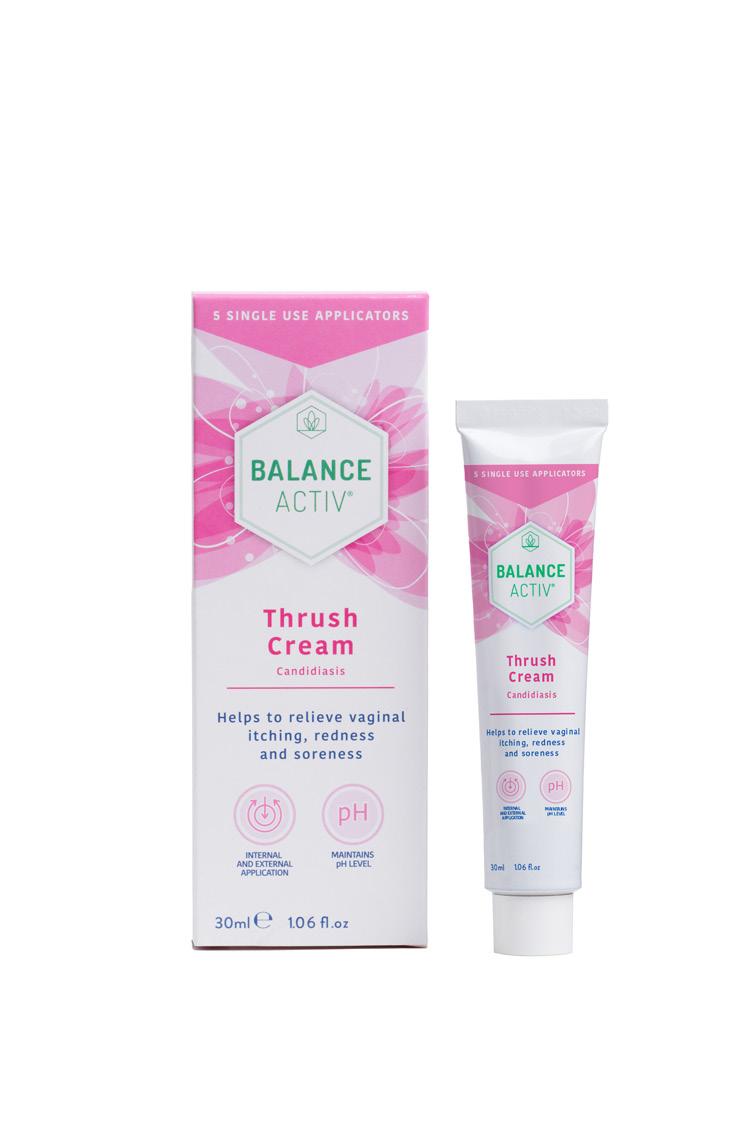


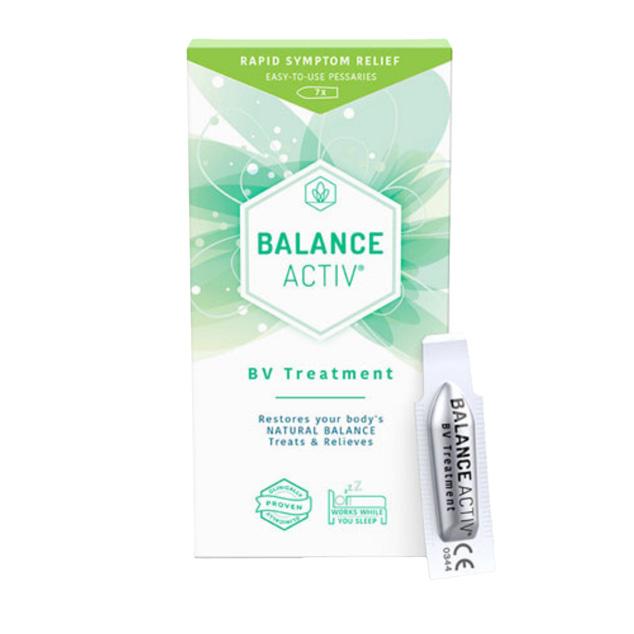



Baby Special Focus
Oral Care
Oral Health in Infants and Children
As a Mum of two children aged 6 and 8, oral healthcare is of paramount importance. For my children to understand the importance of healthy teeth is valuable knowledge they are learning for all their lives. Away from the dental practice I have been able to spend time with my children’s other classmates at school to educate on the same topic. The kids are always super responsive to the facts and learnings I teach. Free toothbrushes, toothpaste also helps in getting their attention.

Tooth decay is a common disease affecting up to 90% of children worldwide and remains the single most common disease of childhood. It impacts on quality of life and can be the reason for thousands of children needing dental treatment under general anaesthetic in hospital. However, it can easily be prevented by good oral health habits such as brushing teeth regularly with toothpaste that contains fluoride and cutting down on sugary food and drinks. If left undisturbed, the unhelpful bacteria in the mouth- which cause decaymultiply and stick to the surfaces of teeth producing a sticky film. Then when sugar is eaten or drank, the bad bacteria in the film make acid resulting in tooth decay.
Promoting oral health in the early years is essential to protecting young teeth and establishing good habits. Children need to form good oral habits from an early age to help avoid tooth decay.
Written by Dr Madelaine Jackson, Dentist, New Life Teeth, Lisburn Road, Belfast
@DoctorMadelaine
There are three main themes in good dental health:
• Limit frequency of and keep sugary and acidic food and drinks to mealtimes
• Brush teeth at least twice a day with a fluoride toothpaste
• Visit the dentist regularly If appropriate measures are applied early enough, it is possible to prevent dental disease.
Dental caries
Enamel is made up of calcium and phosphorus minerals. When the mouth becomes too acidic, it begins to pull these minerals out of the teeth. This process is called ‘demineralisation’. Tooth demineralisation is caused by acids excreted by bacteria as a product of their metabolism of sugar or acidic foods. A diet high in sugars supports an acidic environment promoting demineralisation of dental enamel; if this continues deeper into the tooth it can eventually lead to a cavity (dental caries).
Saliva acts as a natural buffer; it contains calcium and phosphorus and bathes our teeth to replace these lost minerals. This process is called ‘remineralisation’. Early cavities that are just beginning to form can be reversed through remineralisation.
Onset of dental caries
By the age of 12 months, infants begin to establish an oral environment that places them at risk of dental caries. Breastfeeding up to 12 months of age is associated with a decreased risk
of tooth decay, whilst prolonged bottle feeding, can provide an oral environment ideal for decay producing bacteria to proliferate. Streptococcus mutans, implicated as the principal bacteria responsible for the initiation of dental caries, is acquired by infants primarily from their mother.
Fluoride
Fluoride acts to bring calcium and phosphate ions together, making the teeth resistant to demineralisation, at the same time enhancing enamel remineralisation.
Topical fluoride in toothpastes, mouthwash and professionally applied varnish are highly effective in increasing resistance of children’s teeth to dental caries.
Special care needs
Children with special care may have special dental needs. They have a higher susceptibility to gum disease, dental caries, and oral trauma. Extra care and support must be taken to prevent dental caries, infection, and other problems among these children.
Promoting good oral care at home
Oral health and nutrition are essential for the proper growth and development of children. Parents and caregivers often receive little guidance about oral health care and prevention, including fluoride and nutrition.
To promote good oral health in infancy caregivers should provide the correct amounts of fluoride alongside a healthy diet. It important to limit amount and frequency of sugary foods and drinks and avoid sugar-containing foods and drinks at bedtime when saliva flow is reduced, and buffering capacity is reduced.
To reduce the incidence of dental caries, parents and other caregivers should be educated about proper feeding practices during infancy and the preschool
years. Preventative oral strategies and education should begin with the mother before birth and continue throughout infancy and childhood. Support mothers who breastfeed, to do so exclusively for the first 6 months, breastfed babies experience less tooth decay. For parents and carers feeding babies by bottle only breastmilk, formula or cooled boiled water should be given in a bottle. Babies should be introduced to drinking from a free flow cup at 6 months of age and bottles discouraged from 1 year. Specific recommendations include elimination of a bottle in bed, early use of soft bristled toothbrushes with parental supervision and limitation of sugar after the teeth have been brushed.
Toothbrushing should begin when the first tooth erupts, with a soft bristled toothbrush and a tiny amount of fluoride toothpaste. Brush last thing at night and one other time of day. Children 3-6 years should apply a pea size amount. Toothbrushing should be supervised until at least 7 years of age. Each child should attend the dentist by no later than 12 months of age.
In early infancy 0-6 months, although the teeth have yet to erupt, the teeth and jaw are developing rapidly. Thumb sucking and pacifiers may cause problems with tooth alignment and jaw development at this stage.
Future and new possibilities include xylitol wipes, antibacterial against streptococcus mutans, tested for cleaning babies’ gums and erupting teeth, show some promise as an intervention in preventing caries.
Finally, there are still some inconsistencies and grey areas to be resolved in defining, labelling, and marketing ‘no added sugar’ food and drinks, containing concentrated amounts of natural and free sugars that adversely impact children’s’ teeth.
28 | PHARMACYNEWSIRELAND.COM

Advertorial
Research behind L.reuteri Strains Unlocking the Power of L. reuteri Strains DSM17938, ATCC PTA 6475
In this fast-paced world, there is a growing awareness of the importance of gut health, probiotics have gained immense popularity. More probiotics on the Irish market than ever before highlighting the need to educate about probiotic benefits with the importance of good clinical research is essential. Now is the time to start to understand which probiotic strain is best for what gut issue, because we know not all probiotics are equal or have the same effect or result.

BioGaia has been in the probiotic market for 30+yrs. Extensive research on key L. reuteri strains has revealed their unique ability to support a range of health benefits. The clinical research behind their L.reuteri strains are considerable and enables HCP to recommend these probiotic strains with confidence. The research behind their strains easily highlights what conditions these reuteri strains can be used to promote better health and wellbeing. L.reuteri DSM17938 & ATCC PTA 6475 have over 258 clinical studies in over 21,279 individuals of all ages.
L. reuteri are a strain of friendly bacteria naturally found in the human gut. They play a crucial role in maintaining a healthy intestinal environment by influencing the balance of good and harmful bacteria. Resilient to stomach acid and bile salts, reaching the intestines where it needed. Proven to modulate the immune response. A potent producer of the anti-pathogenic and antimicrobial substances reuterin and reutericyclin, which can inhibit the growth of harmful bacteria by causing oxidative stress in other bacteria, Helicobacter pylori, Candida albicans, Rota virus to name a few.
Written by Sinead FitzGerald, Owner, HappyTummy.ie
L. reuteri DSM17938, ATCC PTA 6475 have shown to positively affect gut motility, alleviating constipation, reducing dysbiosis. They have anti-inflammatory and anti-viral effects and reduce visceral pain. L. reuteri improves the barrier function of the mucosa by tightening the epithelial lining and increasing epithelial cell growth. This means faster replacement of wounded epithelial cells and decreased gut permeability probably explaining the faster recovery from pathogen infections. Also been shown to increase:
• Proliferation i.e. production of new enterocytes in the crypt
• Enterocyte migration and wash-out
• Crypt height
May explain faster recovery from diarrhoea when taking L. reuteri.
DSM17938 shows strong antipathogenic effect. L. reuteri ATCC PTA 6475 reduces gastric inflammation. Both strains survive well in gastric acid and show exceptional adhesion to GI lining – “best in class” in adhesion capacity in fact alongside improvements to epithelial barrier function. Reuteri strain ATCC
PTA 6475 is a potent inhibitor of inflammation as TNF-α is a potent trigger of the inflammatory cascade and it causes an 80% inhibition of TNF-α. DSM 17938 causes an 15% inhibition of TNF-α. BioGaia Gastrus product has both of these key strains.
L. reuteri also proven to reduce severity and activity of inflammation caused by H. pylori infection as it down-regulates gastrin-17, a hormone that aids digestion and which affects acid levels in the stomach. BioGaia Gastrus can be beneficial for those on long-term use of antacids or proton pump inhibitors.
BioGaia ProTectis L. reuteri DSM17938 is particularly beneficial for infant gut health and have been proven to reduce symptoms of colic, reduce crying time by over 56%, reduce regurgitation, increase the number of bowel movements, and support overall gut health development in babies. Found naturally in breastmilk. It helps balance baby’s gut flora. Research indicates that an immaturity of the gut is linked to issues with digestion, and an imbalanced microbiota. Probiotics help support the gut in these key areas. L. reuteri 17938 is trusted and recommended by Paediatricians, Midwives, Dieticians, Nutritional therapists worldwide. Probiotic strain,
L. reuteri DSM17928 is the most scientifically researched probiotic strain in the world for the management of infant colic. Just 5 drops per day.
The Lactobacillus genus was split in April 2020 and as a result Lactobacillus reuteri got a new name Limosilactobacillus reuteri known as L. reuteri. As research grows even more in this exciting probiotic space we may see more name changes in the future as research grows.
BioGaia’s have probiotic products for all the family. BioGaia probiotics are especially good for supporting those with constipation and colic. Paediatric ProTectis probiotic products for full term babies and beyond with digestive issues, in the form of easy to administer drops suspended in oil, which do not need to be refrigerated. ProTectis tablets with/without vitamin D for those over 3 yrs. Gastrus for those with IBD, wind, bloating, HPylori etc. The new product Pharax has DSM17938 & ATCC PTA 5289 and has been proven to reduce length and severity of upper respiratory infections.
HappyTummy.ie are the Irish distributor of BioGaia products in Ireland. Contact info@happytummy.ie for more information, training, CPD learning opportunities and product sales.

PHARMACYNEWSIRELAND.COM 30


BioGaia Probiotic Baby Drops


PRODUCT INFORMATION
Small drops - Big difference for Infant Colic
Information to healthcare professionals
BioGaia Protectis baby drops
BioGaia Protectis baby drops
BioGaia Protectis baby drops
BioGaia Protectis baby drops
BioGaia Protectis baby drops
Small drops – Big difference
BioGaia Protectis baby drops
BioGaia Protectis baby drops
Small drops – Big difference
Small drops – Big difference
Small drops – Big difference
Small drops – Big difference
Small drops – Big difference
Small drops – Big difference
Small drops – Big difference
• The most clinically researched probiotic for infant colic - Limosilactobacillus Reuteri ProTectis - L. reuteri DSM17938. Tested in more than 150 studies
BioGaia Protectis baby drops are a simple, safe and convenient way to and function in infants. 1-9
BioGaia Protectis baby drops are a simple, safe and convenient way to maintain and function in infants. 1-9
BioGaia Protectis baby drops are a simple, safe and convenient way to maintain and function in infants. 1-9
BioGaia Protectis baby drops are a simple, safe and convenient way to maintain and function in infants. 1-9
BioGaia Protectis baby drops are a simple, safe and convenient way to maintain and function in infants. 1-9
BioGaia Protectis baby drops are a simple, safe and convenient way to maintain and function in infants. 1-9
BioGaia Protectis baby drops are a simple, safe and convenient way to maintain and function in infants. 1-9
BioGaia Protectis baby drops are a simple, safe and convenient way to maintain gastrointestinal motility, health and function in infants. 1-9
The drops contains Limosilactobacillus* reuteri Protectis® (L. reuteri DSM strain. Five drops daily provides the recommended daily dose of 100
The drops contains Limosilactobacillus* reuteri Protectis® (L. reuteri DSM 17938) strain. Five drops daily provides the recommended daily dose of 100 million
The drops contains Limosilactobacillus* reuteri Protectis® (L. reuteri DSM 17938) strain. Five drops daily provides the recommended daily dose of 100 million
The drops contains Limosilactobacillus* reuteri Protectis® (L. reuteri DSM 17938) strain. Five drops daily provides the recommended daily dose of 100 million
The drops contains Limosilactobacillus* reuteri Protectis® (L. reuteri DSM 17938) strain. Five drops daily provides the recommended daily dose of 100 million
The drops contains Limosilactobacillus* reuteri Protectis® (L. reuteri DSM 17938) strain. Five drops daily provides the recommended daily dose of 100 million live
The drops contains Limosilactobacillus* reuteri Protectis® (L. reuteri DSM strain. Five drops daily provides the recommended daily dose of 100 million
The drops contains Limosilactobacillus* reuteri Protectis® (L. reuteri DSM 17938), a safe and documented probiotic strain. Five drops daily provides the recommended daily dose of 100 million live active L. reuteri Protectis bacteria.
• Encourages good bacteria in the digestive tract.
Several clinical studies have proven that BioGaia Protectis baby drops reduced as well as in healthy infants5. Clincal studies have also shown increased frequency and healthy infants10, 5 and decreased regurgitation.4-5
Several clinical studies have proven that BioGaia Protectis baby drops reduced as well as in healthy infants5. Clincal studies have also shown increased frequency and healthy infants10, 5 and decreased regurgitation.4-5
Can be given from birth and onwards. Intended for use in term infants.
Also available with Vitamin D
• Reduced crying time in infantile colic1-3,5
• Increased number of bowel movements in constipated and healthy infants 7,10
• Reduced number of regurgitations5-6
• Safe for infants and children6-8
• Convenient administration and dosage
• Daily dose: 5 drops
• Do not affect breast-feeding or the taste of food
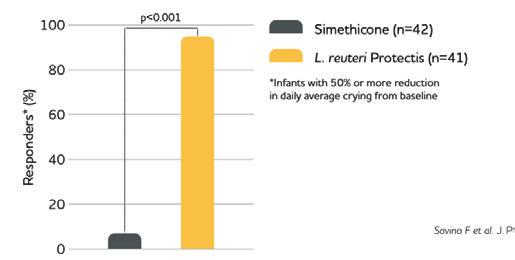
Several clinical studies have proven that BioGaia Protectis baby drops reduced as well as in healthy infants5. Clincal studies have also shown increased frequency and healthy infants10, 5 and decreased regurgitation.4-5
Several clinical studies have proven that BioGaia Protectis baby drops reduced crying time in infants with colic1-3 as well as in healthy infants5. Clincal studies have also shown increased frequency of bowel movements in constipated and healthy infants10, 5 and decreased regurgitation.4-5
Can be given from birth and onwards. Intended for use in term infants.
Several clinical studies have proven that BioGaia Protectis baby drops reduced as well as in healthy infants5. Clincal studies have also shown increased frequency and healthy infants10, 5 and decreased regurgitation.4-5
Can be given from birth and onwards. Intended for use in term infants.
Can be given from birth and onwards. Intended for use in term infants.
Several clinical studies have proven that BioGaia Protectis baby drops reduced as well as in healthy infants5. Clincal studies have also shown increased frequency and healthy infants10, 5 and decreased regurgitation.4-5
Several clinical studies have proven that BioGaia Protectis baby drops reduced as well as in healthy infants5. Clincal studies have also shown increased frequency and healthy infants10, 5 and decreased regurgitation.4-5
Several clinical studies have proven that BioGaia Protectis baby drops as well as in healthy infants5. Clincal studies have also shown increased frequency and healthy infants10, 5 and decreased regurgitation.4-5 Can be given from birth and onwards. Intended for use in term infants.
Can be given from birth and onwards. Intended for use in term infants.
Can be given from birth and onwards. Intended for use in term infants.
• Reduced crying time in infantile colic1-3,5
• Suitable from birth.
• Reduced crying time in infantile colic1-3,5
• Reduced crying time in infantile colic1-3,5
• Reduced crying time in infantile colic1-3,5
• Reduced crying time in infantile colic1-3,5
• Increased number of bowel movements in constipated and healthy infants 7,10
Can be given from birth and onwards. Intended for use in term infants.
• Reduced crying time in infantile colic1-3,5
• Reduced crying time in infantile colic1-3,5
• Increased number of bowel movements in constipated and healthy infants 7,10
• Increased number of bowel movements in constipated and healthy infants 7,10
• Increased number of bowel movements in constipated and healthy infants 7,10
• Reduced number of regurgitations5-6
• Increased number of bowel movements in constipated and healthy infants 7,10
• Safe for infants and children6-8
• Increased number of bowel movements in constipated and healthy infants 7,10
• Reduced number of regurgitations5-6
• Increased number of bowel movements in constipated and healthy infants 7,10
• Reduced number of regurgitations5-6
• Trusted by Paediatricians worldwide.
• Reduced number of regurgitations5-6
• Reduced number of regurgitations5-6
• Safe for infants and children6-8
• Reduced number of regurgitations5-6
Convenient administration and dosage
• Safe for infants and children6-8
• Safe for infants and children6-8
• Convenient administration and dosage
• Convenient administration and dosage


• Convenient administration and dosage
• Daily dose: 5 drops
• Daily dose: 5 drops
• Daily dose: 5 drops
• Do not affect breast-feeding or the taste of food
• Do not affect breast-feeding or the taste of food

Shelf life: Room maximum 25 °C/77
Ingredients:
• Do not affect breast-feeding or the taste of food Ingredients:
Refrigerated product: seem to be strain-dependent (i.e. specific for particular strains) and should not be ascribed to other strains. Based on FAO/WHO statement from 2001 (FAO/WHO, Argentina 1-4.10.2001).

Ingredients: Sunflower (palm kernel) Shelf life: Room
5x Use 5 drops daily Give by spoon Shake well before use
PRODUCT Information
PRODUCT
Read more on
Information
www.biogaia.com
(palm kernel) Shelf life: Room maximum 25 Refrigerated Please note: Positive effects of Lactobacillus reuteri seem to be strain-dependent
Information Use 5 drops daily Give by spoon Shake well before use * Previosuly Lactobacillus
PRODUCT
Ingredients: Sunflower (palm kernel) and L.
5x Dosing
PRODUCT Information
Dosing
Ingredients: Sunflower (palm kernel) Shelf life: Room
5x Use 5 drops daily Give by spoon Shake well before use
in glass bottle, 5 or 10
PRODUCT Information
Dosing Available
ml
(palm kernel) Shelf life:
PRODUCT Information 5x Use 5 drops daily Give by spoon Shake well before use Dosing Available in glass bottle, 5 or 10 ml versus Simethicone randomized study. Lactobacillus reuteri regurgitation in infants. al. (2014) Prophylactic Regurgitation, and Published online January 6. Weizman Z et al. infections in child Pediatrics 115:5-9.
Ingredients: Sunflower (palm kernel) BioGaia Protectis baby drops PRODUCT Information 5x Use 5 drops daily Give by spoon Shake well before use Dosing Available in glass bottle, 5 or 10 ml Savino F et al. J Pediatrics 2007;119:124-130 95% successful treatment response Compared to simethicone, L. reuteri Protectis: • Was superior in reducing daily cry ing time • Decreased cr ying time more than twice as muc h Rate of responders* of L. reuteri Protectis versus simethicone
World Glaucoma Week 2024
World Glaucoma Week (WGW) is a global initiative of the World Glaucoma Association (WGA) that puts a spotlight on glaucoma as the leading cause of preventable irreversible blindness worldwide. It takes place from March 10-16, 2024.
The Irish College of Ophthalmologists has highlighted the importance of early detection in slowing the progression of glaucoma and that regular eye tests are the only way to detect ‘symptomless’ glaucoma early. At a late stage glaucoma is irreversible and results in sight loss and blindness.
Based on our growing and ageing population, the level of the eye disease is expected to rise by a third in Ireland over the coming decade, but treatment for glaucoma works very well if detected early and usually involves eye drops alone.
Early detection of glaucoma is key to preventing later sight loss, as is the importance of sight tests to detect possible glaucoma so that it can be diagnosed by an eye doctor and treated in the community where possible.
Those most at risk of developing glaucoma are people over 60, people with a family history of the disease and individuals of African and Hispanic ethnicity.
Types of Glaucoma
There are four main types.
Chronic glaucoma: The most common is chronic glaucoma in which the aqueous fluid can get to the drainage channels (open angle) but they slowly become blocked over many years. The eye pressure rises very slowly and there is no pain to show there is a problem, but the field of vision gradually becomes impaired. In Ireland when people talk about glaucoma they are mostly referring to this chronic type, sometimes referred to as primary open angle glaucoma.
Acute glaucoma: Acute glaucoma is much less common in western countries. This happens when there is a sudden and more complete blockage to the flow of aqueous fluid to the eye. This is because a narrow angle closes to prevent fluid ever getting to the drainage channels. This can be quite painful and will cause permanent damage to your sight if not treated promptly.
Secondary and developmental glaucoma: There are two other

main types of glaucoma. When a rise in eye pressure is caused by another eye condition this is called secondary glaucoma. There is also a rare but potentially serious condition in babies called developmental or congenital glaucoma which is caused by malformation in the eye.
Figures for the UK and Ireland suggest some form of glaucoma affects about two in 100 people over the age of 40.
Chronic Glaucoma
There are several factors which increase the risk.
Age: Chronic glaucoma becomes much more common with increasing age. It is uncommon below the age of 40 but affects one per cent of people over this age and five per cent over 65.
Race: If you are of African origin you are more at risk of chronic glaucoma and it may come on somewhat earlier and be more severe. So make sure that you have regular tests.
Family: If you have a close relative who has chronic glaucoma then you should have an eye test at regular intervals. You should advise other members of your family to
do the same. This is especially important if you are aged over 40 when tests should be done every year.
Short sight: People with a high degree of short sight are more prone to chronic glaucoma.
Diabetes is believed to increase the risk of developing this condition.
Is there a risk of sight loss?
The danger with chronic glaucoma is that your eye may seem perfectly normal. There is no pain and your eyesight will seem to be unchanged, but your vision is being damaged. Some people do seek advice because they notice that their sight is less good in one eye than the other.
The early loss in the field of vision is usually in the shape of an arc a little above and / or below the centre when looking 'straight ahead'. This blank area, if the glaucoma is untreated, spreads both outwards and inwards. The centre of the field is last affected so that eventually it becomes like looking through a long tube, socalled 'tunnel vision'. In time even this sight would be lost.
Detection
As glaucoma becomes much more common over the age of 40
you should have eye tests at least every two years.
Acute Glaucoma
In acute glaucoma the pressure in the eye rises rapidly. This is because the periphery of the iris and the front of the eye (cornea) come into contact so that aqueous fluid is not able to reach the tiny drainage channels in the angle between them. This is sometimes called closed angle glaucoma.
Symptoms
The sudden increase in eye pressure can be very painful. The affected eye becomes red, the sight deteriorates and may even black out. There may also be nausea and vomiting. In the early stages you may see misty rainbow coloured rings around white lights. Sometimes people have a series of mild attacks, often in the evening. Vision may seem ‘misty’ with coloured rings seen around white lights and there may be some discomfort in the eye. If you think that you are having mild attacks you should contact your doctor without delay. In routine examinations the structure of the eye may make the examiner suspect a risk of acute glaucoma and advise further tests.
PHARMACYNEWSIRELAND.COM 32
Week
Glaucoma



Ref 1: https://www.eyedoctors.ie/your-eye-health/eye-conditions.asp TP24008 Théa Pharma ltd., Golden Mile Industrial Park, Breaffy Rd., Castlebar, Co. Mayo, F23 D299. Phone: 094 9250290 Website: www.theapharma.ie World Glaucoma Week 11th-17th March Talk to your patients about Glaucoma this week Glaucoma is the leading cause of blindness in Ireland1
detection is key to slowing progression and preventing later sight loss due to Glaucoma1
over the age of 40 should have eye tests every two years to detect Glaucoma as early as possible1 Scan the QR Code for our FREE Glaucoma Patient Support Booklet to share with your patients Latanopr ost 50 mic rograms/ml eye drops solution in single- dose contain er ® Fixapost 50 micrograms/ml + 5 mg/ml eye drops solution in single-dose container Prescribing Information: Please refer to Summary of Product Characteristics (SmPC) before prescribing. Presentation: Box of 6 sachets (30 pack) each containing 5 single-dose containers (LDPE) containing 0.2 ml of eye drops 1 ml eye drops solution contains 50 micrograms of latanoprost 5 mg of timolol and 50 mg of macrogolglycerol hydroxystearate 40 (castor oil polyoxyl hydrogenated). Indication: R of intraocular pressure (IOP) in adult and elderly patients with open angle glaucoma and ocular hypertension who are insufficiently responsive to topical beta-blockers or prostaglandin analogues. Posology and Method of Administration: Adults (including the elderly):One drop in the affected eye(s) once daily Do not exceed this dose Use immediately a ter opening the single-dose container and discard any remaining contents after use Remove contact lenses before instillation and reinsert after 15 minutes Punctal occlusion for two minutes immediately a ter instillation can reduce possible systemic absorption Paediatric population: No data are available Administer topical ophthalmic medicines at east five minutes apart. Contra-indications: Known hypersensitivity to any ingredient Reactive airway disease including bronchial asthma or history o bronchial asthma severe chronic obstructive pulmonary disease Sinus bradycardia sick sinus syndrome sino-atrial block second or third degree atrioventricular block not controlled with pacemaker overt cardiac failure cardiogenic shock. Warnings and Precautions: Cardiac disorders: Therapy with beta-blockers in patients with cardiovascular diseases (e.g coronary heart disease Prinzmetal s angina and cardiac failure) and hypo-tension should be critically assessed and consider therapy with other active substances Watch patients with cardiovascular diseases for signs of deterioration and for adverse reactions Due to the negative effect on conduction time only give beta-blockers with caution to patients with first degree heart block. Cardiac reactions and rarely death in association with cardiac failures have been reported following timolol administration Vascular disorders: Treat with caution in patients with severe peripheral circulatory disturbance/disorders (severe forms o Raynaud s disease or Raynaud s syndrome) Respiratory disorders: Respiratory reactions including death due to bronchospasm in patients with asthma have been reported following administration of some ophthalmic betablockers Use FIXAPOST with caution in patients with mild/moderate chronic obstructive pulmonary disease (COPD) and only i the benefit outweighs the risk Hypoglycaemia/ diabetes: Beta-blockers may mask the signs and symptoms of acute hypoglycaemia so use with caution in patients subject to spontaneous hypoglycaemia or in patients with labile diabetesHyperthyroidism:Beta-blockers may mask the signs o hyperthyroidism Corneal diseases: Ophthalmic betablockers may induce dryness of eyes Use with caution in patients with corneal diseases Other beta-blockers: E fect on intra-ocular pressure or o systemic betablockade may be potentiated when timolol is given to patients already receiving a systemic beta-blocking agent Closely observe the response of these patients Concomitant therapy:Timolol may interact with other drugs Other prostaglandin analogues: Concomitant use of two or more prostaglandins prostaglandin analogues or prostaglandin derivatives is not recommended Anaphylactic reactions: While taking beta-blockers patients with a history of atopy or of severe anaphylactic reaction to a variety of allergens may be more reactive to repeated challenge with such allergens and unresponsive to the usual doses of adrenaline used to treat anaphylactic reactions Choroidal detachment: Has been reported with administration of aqueous suppressant therapy (e.g timolol acetazolamide) after filtration procedures Surgical anaesthesia: Beta-blocking ophthalmic preparations may block systemic beta-agonist effects e.g of adrenaline Inform the anaesthetist when the patient is receiving timololIris pigmentation changes: Latanoprost may gradually change eye colour by increasing the amount of brown pigment in the iris predominantly in patients with mixed coloured irides, i.e green-brown, yellow-brown or blue/grey-brown The change has only rarely been seen in patients with homogeneously blue grey green or brown eyes Change in iris colour occurs slowly and has not been associated with any symptom or pathological changes The resultant colour change may be permanent Neither naevi nor freckles of the iris have been affected by the reatment Examine patients regularly and consider stopping treatment f increased iris pigmentation ensues Before treatment is instituted patients should be informed o the possibility of a change in eye colour Unilateral treatment can result in permanent heterochromia Eyelid and eyelash changes:Eyelid skin darkening which may be reversible has been reported Latanoprost may gradually change eyelashes and vellus hair in the treated eye; these changes include increased length thickness pigmentation and number o lashes or hairs and misdirected growth of eyelashes and are reversible when treatment is discontinued Glaucoma: There is no documented experience with atanoprost in inflammatory, neovascular or chronic angle closure glaucoma in open angle glaucoma of pseudophakic patients in pigmentary glaucoma or in acute attacks of closed angle glaucoma Latanoprost has no or little effect on the pupil Use FIXAPOST with caution in these conditionsHerpetic keratitis: Use with caution in patients with a history of herpetic keratitis and avoid in cases of active herpes simplex keratitis and in patients with a history of recurrent herpetic keratitis specifically associated with prostaglandin analoguesMacular oedema: Macular oedema including cystoid macular oedema has been reported during treatment with latanoprost mainly in aphakic patients in pseudophakic patients with a torn posterior lens capsule or in patients with known risk factors for macular oedema Use FIXAPOST with caution in these patients Excipients: FIXAPOST contains macrogolglycerol hydroxystearate (castor oil polyoxyl hydrogenated) which may cause skin reactions. Pregnancy: Do not use FIXAPOST during pregnancy Lactation: Do not use or stop breast feeding. Fertility: No e fect on fertility in animal studies. Driving and Using Machines: Minor influence Do not drive or use machines until vision is clear Interactions: Please refer to Summary of Product Characteristics (SmPC). Undesirable Effects: FIXAPOST is absorbed systemically and the same types of cardiovascular pulmonary and other adverse reactions as seen with systemic beta-adrenergic blocking agents may occur Incidence o systemic ADRs after topical ophthalmic administration is lower than for systemic administration Most latanoprost ocular adverse events are generally ransient and occur on dose administration For timolol the most serious adverse reactions are systemic in nature, including bradycardia, arrhythmia congestive heart failure, bronchospasm and allergic reactions Treatment related adverse reactions seen in clinical trials with the combined atanoprost/timolol preserved reference product are: Very common: Iris hyperpigmentation. Common: eye pain eye irritation (including stinging burning itching foreign body sensation) Uncommon: Corneal disorders conjunctivitis blepharitis eye hyperaemia vision blurred lacrimation increased headache rash pruritus Please refer to Summary of Product Characteristics (SmPC) for active-specific adverse reactions. Overdose: No data are available in humans Symptoms of systemic timolol overdose are: bradycardia, hypotension bronchospasm and cardiac arrest Symptomatic and supportive treatment in case of systemic symptoms or accidental oral ingestion Timolol does not dialyse readily Storage: This medicinal product does not require any special temperature storage conditions After first opening of the sachet: use the single-dose containers within 1 month After first opening o the single-dose container: use immediately and discard after use Keep the unused single dose containers in the opened sachet to protect rom light. Legal Category: POM. Basic NHS Price: £13.49 for 30 pack. PL Number: PL 20162/0026. PL Holder: LABORATOIRES THEA 12 RUE LOUIS BLERIOT 63017 CLERMONT-FERRAND CEDEX 2 France. Date of Preparation: 01/05/2020. Fixapost Prescribing information TP22032 -IE-Fixapost api- V1 SCAN ME
Early
People
MAKING THE MOST OF MPS
MAKING
MAKING THE MOST OF MPS
MAKING THE MOST OF MPS
MAKING THE MOST OF MPS
Are you using all the features of your McLernons system to run your business efficiently and effectively?
Are you using all the features of your McLernons system to run your business efficiently and effectively?
Are
Are you using all the features of your McLernons system to run your business efficiently and effectively?
Are you using all the features of your McLernons system to run your business efficiently and effectively?
We have put together a prompt sheet outlining some of the features of modules which you may not use or want more information on.
We have put together a prompt sheet outlining some of the features of modules which you may not use or want more information on.
We have put together a prompt sheet outlining some of the features of modules which you may not use or want more information on.
MAKING MOST
MPS FEATURES AND BENEFITS
MPS FEATURES AND BENEFITS
MPS FEATURES AND BENEFITS
Are you using all the system to run your business
MPS SCRIPT SCHEDULER & QUEUING MODULE
MPS SCRIPT SCHEDULER & QUEUING MODULE
MPS SCRIPT SCHEDULER & QUEUING MODULE
Identify patients due repeat medication.
Identify patients due repeat medication.
Identify patients due repeat medication.
TEXT MESSAGING
SCRIPTFINDER
SCRIPTFINDER
SCRIPTFINDER
SCRIPTFINDER
Easily track & retrieve bagged scripts, Text reminder to patients.
Easily track & retrieve bagged scripts, Text reminder to patients.
Easily track & retrieve bagged scripts, Text reminder to patients.
Easily track & retrieve bagged scripts, Text reminder to patients.
MESSAGING
TEXT MESSAGING
TEXT MESSAGING
Only pay for the number of texts you send.
Only pay for the number of texts you send.
Only pay for the number of texts you send.
Only pay for the number of texts you send.
We have put together a prompt modules which you may not
CLAIMS RECONCILIATION
CLAIMS RECONCILIATION
CLAIMS RECONCILIATION
MPS FEATURES
CLAIMS RECONCILIATION
Ensure you get paid what is due. New enhanced dashboard.
Ensure you get paid what is due. New enhanced dashboard.
Ensure you get paid what is due. New enhanced dashboard.
Ensure you get paid what is due. New enhanced dashboard.
MPS SCRIPT SCHEDULER & QUEUING MODULE
Identify patients due repeat medication.
REMOTE PAYMENT
REMOTE PAYMENT
REMOTE PAYMENT
REMOTE PAYMENT
Are
Text payment link for delivery patients.
Text payment link for delivery patients.
Text payment link for delivery patients.
Text payment link for delivery patients.
SERVICES
SERVICES
SERVICES
SERVICES
SCRIPTFINDER
Record ‘Flu vaccines, Blood Pressure, Cholesterol Testing, etc.
Record ‘Flu vaccines, Blood Pressure, Cholesterol Testing, etc.
Record ‘Flu vaccines, Blood Pressure, Cholesterol Testing, etc.
Record ‘Flu vaccines, Blood Pressure, Cholesterol Testing, etc.
Easily track & retrieve bagged scripts, Text reminder to patients.
NURSING HOMES
NURSING HOMES
NURSING HOMES
NURSING HOMES
Stand-alone MAR sheets
Stand-alone MAR sheets or integrated to NuLife, DigiCare, Nova etc.
ENHANCED DOCUMENT SCANNING
ENHANCED DOCUMENT SCANNING
REMOTE PAYMENT
Stand-alone MAR sheets or integrated to NuLife, DigiCare, Nova etc.
ENHANCED DOCUMENT SCANNING
Stand-alone MAR sheets or integrated to NuLife, DigiCare, Nova etc.
Not just script scanning but letters, notes, invoices etc against patient record.
Not just script scanning but letters, notes, invoices etc against patient record.
Not just script scanning but letters, notes, invoices etc against patient record.
Text payment link for delivery patients.
If you would like any information or training to maximise your use of the MPS software, please contact: Sandra e. sandram@mclernons.ie
NURSING HOMES
If you would like any information or training to maximise your use of the MPS software, please contact: Sandra e. sandram@mclernons.ie
Stand-alone MAR sheets or integrated DigiCare, Nova etc.
If you would like any information or training to maximise your use of the MPS software, please contact: Sandra e. sandram@mclernons.ie
mclernons.ie
mclernons.ie
integrated to NuLife, DigiCare, Nova
you
any information or training to maximise your use of the MPS software, please contact: Sandra e. sandram@mclernons.ie
SCANNING
just script scanning but letters, notes, invoices etc against patient record. mclernons.ie
MPS
or
etc. If
would like
ENHANCED DOCUMENT
Not
MAKING THE MOST OF
you using all the features of your McLernons system to run your business efficiently and effectively?
use or want more information on. MPS FEATURES AND BENEFITS MPS SCRIPT SCHEDULER & QUEUING MODULE Identify patients due repeat medication. TEXT MESSAGING Only pay for the number of texts you send. SCRIPTFINDER Easily track & retrieve bagged scripts, Text reminder to patients. CLAIMS RECONCILIATION Ensure you get paid what is due. New enhanced dashboard. Sandra sandram@mclernons.ie If you would like any information or training to maximise your use of the MPS software, please contact: HEALTHMAIL INTEGRATION Streamline workflow by accessing Healthmail within MPS. ABILITY TO CHANGE SCHEME TYPES Easily change script scheme type if required. mclernons.ie
We have put together a prompt sheet outlining some of the features of modules which you may not
THE MOST OF MPS
features
your McLernons system
you using all the
of
to run your business efficiently and effectively?
We have put together a prompt sheet outlining some of the features of modules which you may not use or want more information on.
AND BENEFITS
SCRIPT SCHEDULER & QUEUING MODULE
patients
medication.
MPS FEATURES
MPS
Identify
due repeat
TEXT



























MAKING THE MOST OF MPS the features of your McLernons business efficiently and prompt sheet outlining some of the not use or want more information FEATURES AND BENEFITS & medication. TEXT MESSAGING Only pay for the number CLAIMS RECONCILIATION Ensure you get paid what New enhanced dashboard. patients. Record ‘Flu vaccines, Blood integrated to NuLife, ENHANCED DOCUMENT SCANNING Not just script scanning but invoices etc against patient Sandra sandram@mclernons.ie Book a demo today - contact: GETTING THE MOST FROM YOUR MPS RETAIL Do you currently use our MPS Retail EPOS solution to help you grow your business and increase your sales? Would you like better control of your stock, with the ability to set up offers and create hampers? Get the reports that you need to see how your business, and your staff, are performing, with real time data to assist in your buying and retail decisions. Are you using all the features in the system to help you get maximum benefit? PROMOTIONS Linked Offers, Future Pricing. STOCK TAKING MODULE Full & Random Counts, Continuous Stock Take. SHELF EDGE LABELS With option to integrate into electronic SEL’s. BASKET OF GOODS Allow hamper creation, selling & reporting. DYNAMIC REPORTING MODULE ALTERNATE TENDER TYPE OPTIONS Selling & redeeming vouchers / coupons. MPS RETAIL FEATURES AND BENEFITS Book a demo today – contact Sandra on: Sandra e. sandram@mclernons.ie For queuing scripts to enhance workflow. GETTING THE MOST YOUR MPS our MPS Retail EPOS solution business and increase your sales? better control of your stock, with the create hampers? you need to see how your business, time data to assist in your buying features in the system to help you Pricing. STOCK Full & Random LABELS into electronic SEL’s. BASKET Allow hamper ACCOUNTS DYNAMIC New and TENDER TYPE vouchers / coupons. RETAIL FEATURES AND Book a demo today – contact Sandra Sandra e. sandram@mclernons.ie EASY ACCESS For queuing
Exercise and Haematological Cancer: The Patient Experience
Currently
there are over 200,000 people living with and beyond cancer in Ireland and that number is expected to double over the next 25 years. Approximately 10% of these patients have had haematological cancers such as lymphomas, leukaemia’s or myeloma.1
 Written
Grainne Sheill
Cancer and Exercise
Treatment options for haematological cancers include watch-and-wait approaches, chemotherapy, radiotherapy, immunotherapy, and stem cell transplantation (SCT). Long term and late effects following treatments include reduced physical functioning, fatigue, pain, physical inactivity and depression, mainly associated with steroid induced myopathy. Graft versus host disease (GVHD) occurring following SCT can lead to significant morbidity, and it can take years to recover pretransplant physical abilities
Although patients may be advised to rest and avoid intensive exercises, there is an established body of evidence demonstrating the potential effects of exercise to improve physical and psychosocial functioning in patients undergoing treatment for cancer. The current evidence in haematological cancer also suggests that exercise interventions are safe and effectively improve quality of life, cancer related fatigue and depression and trials are ongoing examining the effects of exercise on a variety of other treatmentrelated side effects,2 however pathways to support patients to exercise are underdeveloped.
Exercising During and after Treatment for Haematological Cancer
Three patients living with or after haematological cancer talk about their experience of staying active during cancer treatment:
Pt 1: When I was diagnosed, I was fit and engaged in regular exercise but I was told to stop all levels of exercise and activities including housework. As I progressed through my induction (treatment) I began to return to exercise in particular cycling and yoga which I continued right through both stem cell transplants even bringing my yoga mat into the hospital. Some staff were encouraging and facilitated my yoga by taking me off my drip for an hour. After each stem cell transplant, I returned to cycling and tennis as soon as my energy levels allowed. As my disease progressed, I dealt with pathological fractures which interrupted and reduced my activity levels. I received targeted physiotherapy following bone fractures. I continued to cycle, walk and do yoga over the past seven years through many lines of treatment and bone damage and sclerotic skin GVHD. All efforts to exercise have been through my own determination.
Pt 2: I had a stem cell transplant in 2013 as treatment for Chronic Mylo Monositic Leukemia. The treatment was in isolation wards. The treatment and care provided was excellent. I believe physiotherapy had been planned prior to my discharge. But my discharge was hastened due to pressure on beds. The recovery from treatment was difficult not least because of the long time being bedridden in a confined space. In retrospect my recovery from the treatment might have been foreshortened if I had put
greater focus on rehabilitation during and after my treatment.
Pt 3: I am on a daily treatment for CLL; I have been in treatment for 20 years. I exercise with a trainer twice a week. I started with pilates and have moved to personal training sessions with weights and cardio. My bone density has increased; my muscle strength and muscle definition have noticeably improved. I am 73 and I am able to get up off the floor unaided after a workout. After a session I feel amazing - the endorphin release lasts for a long time. Because I am active nearly everyday I do not allow myself to dwell on my diagnosis.
Development of Haematological Exercise Support and Services
Despite the known benefits of exercise, only 20-40% haematological cancer survivors participate in regular exercise. All patients are advised to avoid inactivity and be as active as possible during and after cancer treatment. If possible, the current guidance is for patients to aim for 150 minutes of moderate intensity or 75 minutes of vigorous intensity aerobic exercise per week, plus 2–3 days of resistance training of major muscle groups.
Patients outline what they feel would have encouraged them to include their physical activity levels during and after their cancer treatment:
Pt 1: (I think) patients should be assessed and given guidance and encouragement to be active and exercise right from diagnosis through stem cell transplants and beyond. Simply asking and reminding patients about activity levels should be included in the questions asked at each check up…Advice about post treatment exercise programmes – PERCS and Exwell should be offered to every patient.
Pt 2: An assessment of exercise needs prior to, during and post treatment together with personalised advice on appropriate exercises would be of huge benefit. Provision of this advice by physiotherapists with experience of dealing with cancer patients would be particularly
beneficial. This service would improve patient well-being and perhaps reduce the need and cost of medical interventions required following treatment.
Pt 3: Since diagnosis in 2003 to now, I cannot recall being advised to exercise as part of my treatment regime. I was always active and exercise was something I did not do for the first year and a half after diagnosis as I was exhausted from treatment. Going back to being active was something I did on my own working with a physio on a one to one or in a group setting…The benefits I have received have been immeasurable. Exercise should be part of the regime for all patients.
As survival from haematological cancer continues to improve, an increasing number of people are living with treatment related sideeffects. With increasing awareness of the benefits of increasing physical activity levels and physical fitness in this group, there is a need for dedicated exercise programmes tailored to individual’s needs. The physiotherapy department in St James’s Hospital are currently developing their exercise rehabilitation pathway for haematological cancer. A directory of current cancer rehabilitation services available nationally in Ireland is available here: Home | Cancer Rehabilitation www.cancerrehabilitation.ie
References
1. National Cancer Registry Ireland (2022) Cancer in Ireland 19942020: Annual statistical report of the National Cancer Registry. NCRI, Cork, Ireland.
2. Knips L, Bergenthal N, Streckmann F, Monsef I, Elter T, Skoetz N. Aerobic physical exercise for adult patients with haematological malignancies. Cochrane Database of Systematic Reviews 2019, Issue 1. Art. No.: CD009075. DOI: 10.1002/14651858. CD009075.pub3
PHARMACYNEWSIRELAND.COM 36 Exercise & Cancer
by Members of the Trinity St James’s Patient Representative Group and Dr


paracetamol/caffeine

DUAL ACTIVE FORMULA PROVIDES 30% MORE POWERFUL PAIN RELIEF THAN STANDARD PARACETAMOL1
GENTLE ON THE STOMACH AND NON-DROWSY**
SOLUBLE RELIEF FOR TOUGH PAIN, INCLUDING HEADACHES, PERIOD PAIN AND DENTAL PAIN
*compared to standard paracetamol. **when used as directed/always read the label before use.
Reference: 1. Laska EM et al. JAMA 1984; 251(13): 1711-1718.
Product Information: Please consult the summary of product characteristics for full product information. Panadol Extra 500mg/65mg Soluble
Effervescent Tablets, paracetamol 500mg, caffeine 65mg. Indications: Relief of mild to moderate pain including rheumatism, neuralgia, musculoskeletal disorders, headache, symptoms of colds and flu, fever, toothache and menstrual pain. Dosage: Adults and children 16 years and over: 2 tablets up to 4 times a day. Do not exceed 8 tablets in 24 hours. You may need a lower dose if you are underweight (<50kg), malnourished, dehydrated or if you have alcohol problems. Children aged 12-15 years: 1 tablet up to 4 times a day. Do not exceed 4 tablets in 24 hours. Do not give to children under 12 years. Minimum dosing interval: 4 hours. Contraindications: Hypersensitivity to paracetamol, caffeine or any ingredients. Precautions: Avoid concurrent use with other paracetamol-containing products. Diagnosed liver of kidney impairment. Patients on concomitant treatment with drugs that induce hepatic enzymes. Patients with depleted glutathione levels or chronic alcoholism or sepsis. Avoid excessive caffeine intake. Caution in those with hereditary sugar intolerance or on a low sodium diet. Should not be used in pregnancy or lactation without medical advice. Caution, due to paracetamol, if administered with flucloxacillin due to increased risk of high anion gap metabolic acidosis. Do not exceed the stated dose. Prolonged use except under medical supervision may be harmful. If high fever, or signs of secondary infection occur or if symptoms persist for longer than 3 days, consult your doctor. Side effects: See SPC for full details. All very rare: Thrombocytopenia, hypersensitivity reactions including anaphylaxis and skin rash, angioedema, Stevens-Johnson syndrome, Toxic Epidermal Necrolysis, bronchospasm, hepatic dysfunction. Frequency unknown: Nervousness, dizziness. When combined with dietary caffeine intake, higher doses of caffeine may increase potential for caffeine related adverse events such as insomnia, restlessness, anxiety, irritability, headaches, GI disturbances and palpitations. Overdose: Immediate medical advice should be sought in the event of an overdose, even if symptoms of overdose are not present. Legal Category: Supply through pharmacy only. MA Number: PA 678/39/10. MA Holder: GlaxoSmithKline Consumer Healthcare (Ireland) Limited, 12 Riverwalk, Citywest Business Campus, Dublin 24. Additional information is available upon request. Text prepared: September 2022. Contains paracetamol. Always read the label/leaflet. Trade marks are owned by or licensed to the Haleon group of companies. PM-IE-PAN-21-00017.
FIND OUT MORE AT HALEONHEALTHPARTNER.COM
RECOMMEND FOR FAST RELIEF OF TOUGH PAIN
Axium Buying Group: Ireland’s largest buying group supporting independent pharmacies
Axium Buying Group: Ireland’s largest buying group supporting independent pharmacies
Axium has grown to become Ireland’s largest independent community pharmacy buying group. Serving over 500 independent pharmacies and built on the support of a best-in-class team who are all focused on the same vision of making pharmacy life easier for our pharmacy business partners.
Axium has grown to become Ireland’s largest independent community pharmacy buying group. Serving over 500 independent pharmacies and built on the support of a best-in-class team who are all focused on the same vision of making pharmacy life easier for our pharmacy business partners.
In the increasingly complex world of community pharmacy, making business as efficient and cost-effective as possible is crucial. It was on this basis that pharmacist, John Carroll, founded Axium Buying Group in 2009, aiming to empower independent Irish pharmacies to thrive amidst challenges in the market.
In the increasingly complex world of community pharmacy, making business as efficient and cost-effective as possible is crucial. It was on this basis that pharmacist, John Carroll, founded Axium Buying Group in 2009, aiming to empower independent Irish pharmacies to thrive amidst challenges in the market.
BENEFITS OF JOINING AXIUM BUYING GROUP
BENEFITS OF JOINING AXIUM BUYING GROUP
Joining Axium Buying Group offers numerous benefits for independent pharmacies, each designed to help make their business more efficient, protect margins, save time, and ensure competitive advantage.
Joining Axium Buying Group offers numerous benefits for independent pharmacies, each designed to help make their business more efficient, protect margins, save time, and ensure competitive advantage.
Buying power:
Buying power:
With the collective strength of over 500 retail pharmacists, Axium negotiates preferential pricing and discounts on ethical lines, generic lines and PIs.
With the collective strength of over 500 retail pharmacists, Axium negotiates preferential pricing and discounts on ethical lines, generic lines and PIs. To streamline and maximise front of shop buying, Axium has a complimentary, electronic front of shop ordering system – aXel - where orders can be placed with multiple direct suppliers.
Transparency:
To streamline and maximise front of shop buying, Axium has a complimentary, electronic front of shop ordering system – aXel - where orders can be placed with multiple direct suppliers.
Transparency:
Net prices are displayed on invoice with full line level transparency on all purchases.
Improving efficiency:
Net prices are displayed on invoice with full line level transparency on all purchases.
Improving efficiency:
The most important thing to me is Axium’s transparency on pricing –I get full line level transparency on all purchases I make, which gives peace of mind and saves time reviewing invoicing. Their product range on ethical lines, generics and parallel imports is next to none. I would highly recommend becoming an Axium member.
David
– O’Connell’s Pharmacy, Borrisoleigh
Axium leverages advanced IT systems to streamline ordering processes, making it easier and more efficient for pharmacies to manage inventory, saving valuable staff time in the process.
Axium leverages advanced IT systems to streamline ordering processes, making it easier and more efficient for pharmacies to manage inventory, saving valuable staff time in the process.
Axium supports customers with information in relation to upcoming manufacturer shortages and recommended alternatives, and have recently developed an electronic back-order feature to assist pharmacy teams in sourcing stock as soon as it becomes available after a shortage.
Axium supports customers with information in relation to upcoming manufacturer shortages and recommended alternatives, and have recently developed an electronic back-order feature to assist pharmacy teams in sourcing stock as soon as it becomes available after a shortage.
Relationship management support & customer service:
Relationship management support & customer service:
Axium prides itself on its high level of customer service with a team of dedicated pharmacy technicians to answer all your queries by phone from the Support Office or online via an interactive chat function.
Axium prides itself on its high level of customer service with a team of dedicated pharmacy technicians to answer all your queries by phone from the Support Office or online via an interactive chat function.
Axium understands the needs of busy pharmacies to receive the highest level of customer support, and have expanded their team on the road, all of whom have many years of expertise and are well known in the world of community pharmacy. The team, who regularly make face-to-face visits to Axium pharmacies, are dedicated to helping them to achieve the highest procurement margins and operational efficiencies in store.
Axium understands the needs of busy pharmacies to receive the highest level of customer support, and have expanded their team on the road, all of whom have many years of expertise and are well known in the world of community pharmacy. The team, who regularly make face-to-face visits to Axium pharmacies, are dedicated to helping them to achieve the highest procurement margins and operational efficiencies in store.






PHARMACYNEWSIRELAND.COM 38 News
Jean Tomkins Business Development Manager Leinster Region, 087 183 7293
Philip Morrissey Business Development Manager Leinster Region, 087 441 6072
Joey McNamara National Business Development Manager 087 607 6019
Aisling Smith Head of Business Relationship Management 087 786 4803
Clodagh Maguire Business Development Manager Connacht and Ulster Region, 087 091 2165
Karen Donovan Business Development Manager Munster Region, 085 866 7689
Jean Tomkins Business Development Manager Leinster Region, 087 183 7293 Philip Morrissey Business Development Manager Leinster Region, 087 441 6072 Joey McNamara National Business Development Manager 087 607 6019 Aisling Smith Head of Business Relationship Management 087 786 4803 Clodagh Maguire Business Development Manager Connacht and Ulster Region, 087 091 2165 Karen Donovan Business Development Manager Munster Region, 085 866 7689 Interested in joining Ireland’s largest independent buying group? E: customerservice@axium.ie PH: 01 4433884
O’Connell
The end of erectile problems? Touch wood.
Sidena. Your new firm favourite.
Sidena 50mg Tablets are now available over the counter in a 4 and 8 pack.
ABBREVIATED PRESCRIBING INFORMATION
Product Name: Sidena 50 mg Tablets.
Composition: Each tablet contains, 50 mg sildena l (as citrate) .
Description: Light blue, round, slightly dotted tablets. Cross breaking notch on one side and marked ‘50’ on the other side. Can be divided into equal quarters. (Only two quarters of the 50 mg is covered by posology).
Indication(s): Treatment of men with erectile dysfunction, which is the inability to achieve or maintain a penile erection su cient for satisfactory sexual performance.
Dosage: Adults and elderly: 50 mg taken as needed approximately one hour before sexual activity. Dose may be decreased to 25 mg. Max dose: 50mg once daily. Impaired renal and hepatic function: Sildena l clearance is reduced in hepatic and severe renal impairment. Consider a dose of 25 mg. Dose may be increased step-wise to 50 mg if tolerated. Children and adolescents below 18 years of age: Contraindicated. Use in patients using other medicines: Starting dose of 25 mg with CYP3A4 inhibitors (not advised to use with ritonavir). To minimise postural hypotension in patients receiving and alpha-blocker, stabilise patient rst on the alpha blocker and use a starting dose of 25 mg sildena l.
Contraindications: Hypersensitivity to sildena l or any of the excipients. Concomitant with ritonavir, nitric oxide donors or nitrates in any form, guanylate cyclase stimulators e.g. riociguat. In patients that sexual activity is inadvisable (e.g. severe cardiovascular disorders such as a recent (6 months) acute myocardial infarction (AMI) or stroke, unstable angina or severe cardiac failure). Refer these patients to a doctor. Patients with loss of vision in one eye due to NAION. Known hereditary degenerative retinal disorders. Severe hepatic impairment. Hypotension. Anatomical deformation of the penis. Women. Not intended if no erectile dysfunction.
Warnings and Precautions for Use: First diagnose erectile dysfunction and determine potential underlying causes (e.g. hypertension, diabetes mellitus, hypercholesterolaemia or cardiovascular disease), before considering pharmacological treatment. Consider the cardiovascular status of patients, since there is a degree of cardiac risk associated with sexual activity. Serious cardiovascular events, including myocardial infarction, unstable angina, sudden cardiac death, ventricular arrhythmia, cerebrovascular haemorrhage, transient ischaemic attack, hypertension and hypotension have been reported post-marketing in temporal association with the use of sildena l. Most, but not all, of these patients had pre-existing cardiovascular risk factors. Sildena l has vasodilator properties, resulting in mild and transient decreases in blood pressure. Caution: Patients with anatomical deformation of the penis (such as angulation, cavernosal brosis or Peyronie’s disease), or in patients who have conditions which may predispose them to priapism (such as sickle cell anaemia, multiple myeloma or leukaemia). Advise patients that in case of priapism, prolonged erections (longer than 4 hours) or sudden visual defect, they should stop taking sildena l and consult a physician immediately. Administer to patients with bleeding disorders or active peptic ulceration only after careful bene t-risk assessment, as there is no safety information available.
Interactions: Inhibitors of the cytochrome P450 (CYP) isoforms 3A4 (major route) and 2C9 (minor route) isoenzymes such as CYP3A4 inhibitors: Itraconazole, ketoconazole, erythromycin, cimetidine, HIV protease inhibitor saquinavir: May reduce sildena l clearance and increase sildena l plasma levels. Consider a starting dose of 25 mg. Strong CYP3A4 inducers e.g. rifampicin may increase sildena l clearance and decrease sildena l plasma concentrations. Grapefruit juice: May give rise to modest increases in plasma levels of sildena l. Nicorandil (Hybrid of potassium channel activator and nitrate): Due to the nitrate component it has the potential to have serious interaction with sildena l. Sildena l potentiates the hypotensive e ect of nitrates. Alpha blocker: Concomitant administration of sildena l may lead to symptomatic hypotension in a few susceptible individuals. Patients should be hemodynamically stable on alpha-blocker therapy prior to initiating sildena l treatment. Sildena l potentiates the antiaggregatory e ect of sodium nitroprusside in vitro. Not recommended in patients with a history of bleeding disorders or active peptic ulceration. Not recommended to use with other pulmonary arterial hypertension treatment containing sildena l. Ability to Drive and Use Machinery: Minor in uence, dizziness and altered vision were reported. Patients should be aware of how they react to sildena l before driving or using machinery. Undesirable E ects: Very common: Headache. Common: Dizziness, visual disorders, visual colour distortion, vision blurred, ushing, hot ush, nasal congestion, nausea, dyspepsia. See SPC for more adverse e ects.
Marketing Authorisation Holder: Rowex Ltd, Bantry, Co. Cork. Marketing Authorisation Number: PA 0711/170/002. Further information and SPC are available from: Rowex Ltd., Bantry, Co. Cork. Freephone: 1800 304 400 Fax: 027 50417 E-mail: rowex@rowa-pharma.ie
Legal Category: Not subject to medical prescription.
Date of Preparation: Aug 2022
Adverse events should be reported. Reporting forms and information can be found on the HPRA website (www.hpra.ie) or by emailing Rowex pv@rowa-pharma.ie
Date of preparation: (10-22) CCF: 25156 Supply status: Supply through pharmacies only.
IREL AND’S No.1
Sl eep A Id BRAND CAN H E LP YOU GET A GOOD NIGHT’S SLEEP

CLINICALLY PROVEN
*Based on IQVIA sales data MAT 11/2023.
Nytol One-A-Night 50 mg Tablets contains diphenhydramine hydrochloride. A symptomatic aid to the relief of temporary sleep disturbance in adults.
Adults: One tablet to be taken 20 minutes before going to bed, or as directed by a physician. Do not exceed the maximum dose of one tablet in 24 hours. Elderly patients or patients with liver or kidney problems should consult their doctor before taking this medicine. Children under 18 years: Not recommended. The product should not be taken for more than 7 days without consulting a doctor. Contraindications: hypersensitivity to the active substance or to any of the excipients, stenosing peptic ulcer, pyloroduodenal obstruction, phaeochromocytoma, known acquired or congenital QT interval prolongation, known risk factors for QT interval prolongation. Special warnings and precautions: pregnancy/lactation, renal and hepatic impairment, myasthenia gravis, epilepsy or seizure disorders, narrow-angle glaucoma, prostatic hypertrophy, urinary retention, asthma, bronchitis, COPD. Patients should be advised to promptly report any cardiac symptoms. Tolerance and / or dependence may develop with continuous use. Do not take for more than 7 consecutive nights without consulting a doctor. Should not be used in patients currently receiving MAO inhibitors (MAOI) or patients who have received treatment with MAOIs within the last two weeks. Use in the elderly should be avoided. Avoid concomitant use of alcohol or other antihistamine-containing preparations. Do not drive or operate machines. Cases of abuse and dependence were reported in adolescents or young adults for recreational use and/or in patients with psychiatric dis-orders and/or history of abuse disorders. Contains lactose. May suppress the cutaneous histamine response to allergen extracts and should be stopped several days before skin testing. Interactions: Alcohol, CNS depressants, MAO inhibitors, anticholinergic drugs (e.g. atropine, tricyclic antidepressants), metoprolol and venlafaxine, CYP2D6 inhibitors, Class Ia and Class III anti-arrhythmics. Side effects: dry mouth, fatigue, sedation, drowsiness, disturbance in attention, unsteadiness, dizziness, thrombocytopenia, hypersensitivity reactions, confusion, paradoxical excitation, convulsions, headache, paraesthesia, dyskinesias, blurred vision, tachycardia, palpitations, thickening of bronchial secretions, gastrointestinal disturbance, muscle twitching, urinary difficulty, urinary retention. Product not subject to medical prescription. PA1186/016/001. MAH: Chefaro Ireland DAC. The Sharp Building. Hogan Place. Dublin 2. Ireland. Date of preparation: Nov. 2023. SPC: https://www.medicines.ie/medicines/nytol-one-a-night-50-mg-tablets-34889/spc
IRE NYT 2024 17
AUTHOR: Motty Varghese RPSGT, Sleep Physiologist
Motty completed his BSc in (Allied Health Sciences) with specialisation in Respiratory physiology in 2000. He registered with the Board of Polysomnography Technologists in the United States in 2008 after acquiring his international RPSGT certification. Motty attended training programmes in CBTi in Circadian and neuroscience institute in the University of Oxford and completed a mini-fellowship in Behavioural Sleep Medicine from Perelman School of Medicine at the University of Pennsylvania. He worked as a Senior Respiratory and Sleep Physiologist at St. James’s Hospital from 2003 to 2018.
Motty currently manages the Sleep Therapy Clinic, a Behavioural Sleep Medicine clinic where he offers non-medication treatment for insomnia and circadian rhythm disorders, and sleep diagnostic services.
Motty is a member of the Irish Sleep Society and the European Sleep Research Society.
60 Second Summary
Sleep medicine as a clinical speciality and awareness of sleep disorders have grown over the last few decades. The awareness of sleep disorders is not satisfactory, and effort needs to be made for the identification, diagnosis, and treatment of sleep disorders.
Approximately 10% of the adult population suffers from an insomnia disorder and another 20% of the global population experiences occasional insomnia. Women, older individuals, and individuals with anxiety are predisposed to insomnia.
The reasons for sleep loss are multifactorial. The prominent factors are lifestyle-related factors (irregular sleep schedules, shiftwork related), environmental factors, psychosocial factors, and factors associated with sleep disorders (sleep-breathing disorders, insomnia, and other disorders).
Several large epidemiological studies have found an association between heart disease and sleep disruption.
The association between shorter sleep times and impaired glucose tolerance is also well-established in experimental studies. When sleep was restricted to four hours or less for a total of 6 nights led to impaired glucose tolerance.
However, when sleep duration was normalized this effect had resolved and glucose tolerance returned to normal levels.
The common symptoms of OSA are snoring, witnessed apneas (witnessed by bed partner), and excessive daytime sleepiness. Morning headaches are also reported commonly, but not always.
An insomnia disorder is defined as a persistent difficulty with sleep initiation, duration, or consolidation that occurs despite adequate opportunity and circumstances for sleep and results in concern, dissatisfaction, or perceived daytime impairment, such as fatigue, decreased mood or irritability, general malaise, or cognitive impairment.
1. REFLECT - Before reading this module, consider the following: Will this clinical area be relevant to my practice?
2. IDENTIFY - If the answer is no, I may still be interested in the area but the article may not contribute towards my continuing professional development (CPD). If the answer is yes, I should identify any knowledge gaps in the clinical area.
3. PLAN - If I have identified a
knowledge gap - will this article satisfy those needs - or will more reading be required?
4. EVALUATE - Did this article meet my learning needs - and how has my practise changed as a result? Have I identified further learning needs?
5. WHAT NEXT - At this time you may like to record your learning for future use or assessment. Follow the

4 previous steps, log and record your findings.
Published by HPN.
Copies can be downloaded from www.irishpharmacytraining.ie
Disclaimer: All material published is copyright, no part of this can be used in any other publication without permission of the publishers and author. Nytol has no editorial oversight of the CPD programmes included in these modules
Sleep Disorders on the Rise: What Community Pharmacies can do about it
Sleep medicine as a clinical speciality and awareness of sleep disorders have grown over the last few decades. The awareness of sleep disorders is not satisfactory, and effort needs to be made for the identification, diagnosis, and treatment of sleep disorders.
The International Classification of Sleep Disorders lists approximately 90 different types of sleep disorders, and sleep breathing disorders like obstructive sleep apnea, and Insomnia that result in the loss of sleep duration are the most prevalent ones. When the American Academy of Sleep Medicine 2012 diagnostic criteria were used to identify sleep apnea, an alarming 936 million adults aged between 30 and 69 years of age were estimated to have mild to severe obstructive sleep apnea and 425 million adults aged between 30 and 69 years of age have moderate to severe sleep apnea globally. This shows the global high prevalence of sleep apnea with approximately 1 billion people affected by sleep breathing disorder. The prevalence exceeds 50% in some countries, highlighting the importance of effective access to sleep medicine practitioners, and diagnostic and therapeutic strategies.

Approximately 10% of the adult population suffers from an insomnia disorder and another 20% of the global population experiences occasional insomnia. Women, older individuals, and individuals with anxiety are predisposed to insomnia. In a survey carried out among pharmacists in Ireland in January 2024, one in three pharmacists reported that 11% or more of their customers consult and purchase sleep aids in a week.
In Ireland, the national prevalence data is not available for clinical sleep disorders including sleep breathing disorders. However, the global trend in the increased prevalence of sleep breathing disorders applies to Ireland and much of the Western countries due to both aging and obesity. International incidence trends also show that men are two and a half to three times more likely to be diagnosed with sleep apnea compared to women.
From the above statistics, the high prevalence of sleep disorders is evident, and they are also frequently overlooked despite being readily treatable health problems. Sleep disorders also have significant public health consequences including errors
in judgment contributing to disastrous events and accidents, but not limited to them. The more common, but less noticeable ones are the effects they have on public health indicators including mortality, morbidity, performance degradation, accidents, and injuries, functioning and quality of life, family well-being, and health care utilization.
The etiology of sleep disruption
The reasons for sleep loss are multifactorial. The prominent factors are lifestyle-related factors (irregular sleep schedules, shiftwork related), environmental factors, psychosocial factors, and factors associated with sleep disorders (sleep-breathing disorders, insomnia, and other disorders). While lifestyle-related factors can be modified with behaviour changes, environmental factors can be optimized, and psychosocial factors and sleep disorders need to be assessed, diagnosed, and treated by qualified professionals.
Sleep disruption, both from sleep loss and sleep disorders is associated with a profound and significant impact on human health. These can be divided into short-term and long-term health consequences. The short-term

41 CPD: Sleep Disorders
CPD Continuing Professional Development CPD
IRE NYT 2024 16 Product not subject to medical prescription. Further information is available upon request or in the SmPC: https://www.medicines.ie/medicines/nytol-one-a-night-50-mg-tablets-34889/spc MAH: Chefaro Ireland DAC. The Sharp Building, Hogan Place, Dublin 2, Ireland.
Sleep Disorders
consequences include increased stress responsivity, somatic problems, reduced quality of life, emotional distress, issues with cognition, memory and performance deficits, mood disorders, and other mental health problems. The long-term consequences associated with sleep disruption are hypertension, dyslipidemia, metabolic syndrome, cardiovascular diseases, type 2 diabetes mellitus, difficulty with weight management, and gastrointestinal disorders. Sleep disruption is a risk factor for the above health difficulties and research has proven that they are not limited to it.
Sleep disruption and cardiovascular morbidity
Several large epidemiological studies have found an association between heart disease and sleep disruption.
In experimental studies done in mice, the formation of atherosclerosis was triggered by frequently disrupting the sleep cycles. These mice also had elevated white blood cells indicative of inflammation.
Five hours of sleep or less is associated with a significant increase in risk. Increased sympathetic nervous system activity is also identified as a factor that links sleep deprivation to coronary diseases.
Sleep disruption, diabetes mellitus, and impaired glucose tolerance
Impaired glucose tolerance is a precursor to diabetes. In the sleep heart health study adults who reported five hours of sleep or less were two and half times more likely to have diabetes compared with those who slept 7 to 8 hours per night those reporting six hours per night were about 1.7 times more likely to have diabetes. The association between shorter sleep times and impaired glucose tolerance is also well-established in experimental studies. When sleep was restricted to four hours or less for a total of 6 nights led to impaired glucose tolerance. However, when sleep duration was normalized this effect had resolved and glucose tolerance returned to normal levels. This association between sleep loss and diabetes or impaired glucose
tolerance may also be mediating the relationship between sleep loss and cardiovascular morbidity described above.
Sleep disruption, obesity, and weight management
In a prospective 13-year study of nearly 500 adults, it was shown that by age 27 individuals with short sleep duration were seven and half times more likely to have a higher body mass index after controlling for confounding factors such as family history levels of physical activity and demographic factors.
A link between two appetiteregulating hormones has also been identified as a potential reason for this weight gain. Sleep disruption was associated with lower levels of leptin, a hormone produced by adipose tissue that suppresses appetite, and higher levels of Ghrelin, a peptide that stimulates appetite. Sleep deprivation results in an imbalance of these two appetite-regulating hormones mediates an increase in appetite, and exhibits the relationship between sleep deprivation and obesity. Other mechanisms
including the effects of sleep deprivation on the sympathetic nervous system have also been proposed as a potential reason for weight gain.
Obesity also contributes to obstructive sleep apnea through fat deposition and Airways causing them to narrow. External and internal neck circumferences and the degree of obesity are important predictors of sleep apnea.
Sleep deprivation, mental health, and alcohol use
Adults with chronic sleep loss reported excessive mental distress, depressive symptoms, anxiety, and alcohol use.
Unfortunately, this was also true for adolescents. In a study with more than 3000 high school students inadequate sleep was associated with higher levels of depressed mood, anxiety behavior problems, and alcohol use. A bidirectional relationship has also been proven with sleep laws and mental health problems.
Obstructive sleep apnea
The hallmark features of obstructive sleep apnea (OSA) are bouts of

42 CPD:
IRE NYT 2024 16 Product not subject to medical prescription. Further information is available upon request or in the SmPC: https://www.medicines.ie/medicines/nytol-one-a-night-50-mg-tablets-34889/spc MAH: Chefaro Ireland DAC. The Sharp Building, Hogan Place, Dublin 2, Ireland.
total or partial airway collapse accompanied by a drop in oxygen saturation or an increase in arousal from sleep. The frequent and multiple arousals result in nonrestorative sleep with immediate consequences of reduced quality of life, and attention deficits that can result in accidents while engaged in safety-critical tasks. The frequent oxygen desaturations and resaturations can result in the development of metabolic disorders and inflammatory responses.
The symptoms of sleep apnea include loud, disruptive snoring, witnessed apneas during sleep, and excessive daytime sleepiness.
Etiology
Sleep apnea is the result of pharyngeal narrowing and partial or complete closure and obstruction to the airflow. This is a complex mechanism and multiple factors play a role in it. There are anatomical factors like retrognathia, mandibular hypoplasia, adenoid, and tonsillar hypertrophy that could contribute to the development of sleep apnea. Anatomical factors combined with sleep-related reduced ventilatory drive play a significant role in upper airway obstruction. Non-anatomical risk factors are central fat distribution, obesity, advanced age, male gender, and supine sleeping position. Alcohol use, smoking and use of sedatives or hypnotics can also be contributing factors.
Pathogenesis of obstructive sleep apnea
As described above, the snoring and witnessed apneas are due to the repetitive closure of the upper airways. A narrow upper airway is generally more collapsible than a larger one. The upper airway cross-sectional area is significantly reduced in patients with OSA. The altered arrangement of soft tissues in patients with OSA also makes it prone to collapse. Multiple methodologies have shown that a compromised upper airway anatomy and the development of negative pressure increases the collapsibility of the upper airway resulting in narrowing and closure and the observed symptoms.
Evaluation and diagnosis
The common symptoms of OSA are snoring, witnessed apneas (witnessed by bed partner), and excessive daytime sleepiness. Morning headaches are also reported commonly, but not
The Mallampati Score
CLASS I
Complete visualization of the soft palate
CLASS II
Complete visualization of the uvula
always. An adult with unexplained daytime sleepiness or sleeprelated symptoms like snoring, and frequent body movements should be evaluated for sleep apnea.
Physical examination should include evaluation of anatomical risk factors and non-anatomic risk factors like elevated BMI, collar size, and co-existing health issues. Mallampatti score is a useful method to assess oropharyngeal crowding.
Screening questionnaires like stop-bang questionnaire is useful for screening for sleep apnea. Excessive daytime sleepiness can be assessed by the Epworth sleepiness scale.
An in-lab polysomnography test is the gold standard diagnostic test for the diagnosis of Obstructive sleep apnea. During the test, patients are monitored with EEG leads, pulse oximetry, temperature, and pressure sensors to detect nasal and oral airflow, respiratory impedance plethysmography belts around the chest and abdomen to detect motion, an ECG lead, and EMG sensors to detect muscle contraction in the chin, chest, and legs. The purpose of the test is to identify sleep and wakefulness and also to detect the presence and frequency of apneic or hypopneic events during sleep. An apnea is the cessation of breathing, and a hypopnea is the reduction in the flow of breathing.
CLASS III
Visualization of only the base of the uvula
The severity of OSA in adults is based on the following criteria:
• Mild: 5 to 15 events per hour
• Moderate: >15 to 30 events per hour
• Severe: greater than 30 events per hour
Treatment of Obstructive sleep apnea
The treatment of OSA usually depends on the etiology and the severity of the disease. Continuous positive Airway Pressure (CPAP therapy) is a common treatment prescribed for individuals with OSA when the symptoms and test reports warrant it. CPAP therapy involves introducing an airflow into the upper airway at a certain pressure to prevent the collapse of the upper airway and to maintain its patency to ensure smoother airflow through to the lungs to facilitate better oxygenation and restful sleep.
Other modalities include the use of a mandibular advancement device to expand the pharyngeal space during sleep and a positional device to prevent individuals from sleeping in the supine position in the case of positional sleep apnea. Weight loss is also another strategy but is seldom achieved. Insomnia
An insomnia disorder is defined as a persistent difficulty with sleep
CLASS IV Soft palate is not visible at all
initiation, duration, or consolidation that occurs despite adequate opportunity and circumstances for sleep and results in concern, dissatisfaction, or perceived daytime impairment, such as fatigue, decreased mood or irritability, general malaise, or cognitive impairment. Among adults with insomnia disorder, sleep complaints typically include difficulties initiating or maintaining sleep. Due to its chronic nature, insomnia is associated with substantial impairment in an individual’s quality of life.
A prolonged sleep onset latency of 30 minutes or longer, with a minimum of thrice a weekly occurrence is categorized as sleep onset insomnia. If an individual takes 30 minutes or longer to return to sleep upon awakening at night is suffering from sleep maintenance insomnia. If an individual wakes up earlier in the morning by 30 minutes or longer and does not return to sleep, it is characteristic of early morning awakening insomnia.
The pharmacist's survey in Ireland also identified difficulty falling asleep and returning to sleep as the main sleep complaints presented to them by members of the public.
Pathogenesis of insomnia
Insomnia is a disorder of hyperarousal. The cognitive model
43
IRE NYT 2024 16 Product not subject to medical prescription. Further information is available upon request or in the SmPC: https://www.medicines.ie/medicines/nytol-one-a-night-50-mg-tablets-34889/spc MAH: Chefaro Ireland DAC. The Sharp Building, Hogan Place, Dublin 2, Ireland.
Predisposing Precipitating Prerpetuating
of insomnia (3 P model) suggests that life stresses can act as a precipitating factor of poor sleep, for a predisposed person. Anxious tendencies, female gender, and old age are some of the predisposing factors to develop insomnia.
The worry and rumination about stressors can lead to an acute episode of insomnia with difficulty falling asleep or difficulty returning to sleep. Once an individual consistently sleeps poorly, the worry shifts from life events to poor sleep itself and it is often these anxious thoughts related to poor sleep and the resultant hypervigilance that perpetuates the poor sleep.
Assessment and diagnosis of insomnia
Insomnia is primarily diagnosed by clinical evaluation through a thorough sleep history and detailed medical, substance, and psychiatric history. The sleep history should cover specific insomnia complaints, pre-sleep conditions, sleep-wake patterns, other sleep-related symptoms, and daytime consequences.
The history helps to establish the type and evolution of insomnia, perpetuating factors, and identification of comorbid medical, substance, and/or psychiatric conditions. Instruments which
are helpful in the evaluation and differential diagnosis of insomnia include self-administered questionnaires, at-home sleep logs, symptom checklists, psychological screening tests, and bed partner interviews.
Treatment of insomnia
The American Academy of Sleep Medicine recommends that clinicians use multicomponent cognitive behavioural therapy for insomnia (CBT-I) for the treatment of chronic insomnia disorder in adults.
CBT-I combines one or more of the cognitive therapy strategies with education about sleep regulation plus stimulus control instructions and sleep restriction therapy. CBT-I also often includes sleep hygiene education, relaxation training, and other counter-arousal methods. Treatment progresses using information typically gathered with sleep diaries completed by the patient throughout treatment.
The pharmacist's role in the management of sleep disorders
The undetected sleep disorders present with significant public health consequences and pharmacists and pharmacy staff are uniquely placed to contribute to the management of these
No Insomnia
sleep disorders by identifying, counselling, prescribing, educating, and referring them to sleep health professionals.
For individuals presenting with snoring, witnessed apneas, and excessive daytime sleepiness, explaining the referral pathway and advising them to consult with the GP or a respiratory/sleep physician will enable them to undergo an evaluation, diagnostic tests, and finally establish treatment.
An acute insomnia sufferer stands to benefit from immediate intervention by a pharmacist. Insomnia is perpetuated by the anxiety the individual maintains about sleep. Sleep education will be useful to help them to rationalise their anxieties and reduce hypervigilance which can pave the way to better sleep.
Sleep hygiene measures are also extremely useful in the early stages of poor sleep to improve sleep. These include:
1. Consistent bedtime and wake time. Make sure you have a consistent bedtime and wake time. This will help to optimize your sleep drive. Sleep drive or sleepiness is determined by the amount of wake hours you have before going to bed at night
2. Avoid bright light exposure to facilitate the production of sleep hormone - Melatonin.
3. Limit caffeine consumption and have none in the afternoon. Caffeine can have a long halflife in sensitive individuals and avoid caffeine for 8 hrs before your bedtime. Caffeine is found in tea, coffee, soft drinks, chocolate, etc
4. Cooler body temperature promotes sleep. Promote the body’s natural tendency to reduce the body temperature by avoiding eating late, exercising, and avoiding a hot shower in the last 2 hours before bedtime.
5. Avoid alcohol within 3 hrs of bedtime. Once alcohol is metabolized, you may wake up and can stay awake or sleep poorly for the rest of the night.
6. Schedule some “worry time”/ journaling time in the late afternoon or early evening. Use this time to plan activities for the next day or to think about things that may cause you to feel upset, angry, or anxious
7. Remember sleep is a natural process and the result of building up sleep drive/ sleepiness. It is like feeling hungry and feeling thirsty and will happen naturally. Find comfort in the fact that you do not need to force it to happen.
If the individual has developed chronicity to their insomnia and exhibits anxiety about their inability to sleep and if there is any evidence of dysfunctional beliefs and attitudes about sleep, they will benefit from attending a behavioural sleep medicine practitioner/therapist to address their insomnia.
To summarise, sleep disorders and its increased prevalence poses a significant risk to public health. Sleep disorders are often associated with other comorbidities like cardiovascular diseases, hypertension, diabetes mellitus, anxiety, mood disorders. Identifying and addressing common sleep disorders including obstructive sleep apnea, and insomnia is imperative to this effort. Pharmacists are uniquely positioned to be of help to this client group. The services they can provide include assessment for common sleep disorders, sleep education, advising sleep hygiene measures, appropriate dispensing of sleep medications, and educating the patients on the referral pathway.
44 CPD: Sleep Disorders
IRE NYT 2024 16 Product not subject to medical prescription. Further information is available upon request or in the SmPC: https://www.medicines.ie/medicines/nytol-one-a-night-50-mg-tablets-34889/spc MAH: Chefaro Ireland DAC. The Sharp Building, Hogan Place, Dublin 2, Ireland. Insomnia
Insomnia Threshold
*when


Adverse events should be reported. Reporting forms and information can be found at www.hpra.ie.
Adverse events should also be reported to Teva UK Limited on +44 (0) 207 540 7117 or medinfo@tevauk.com
Please refer to the Summary of Product Characteristics (SmPC) for full details of Prescribing Information.
Motusol Max (diclofenac sodium) 2% w/w gel Abbreviated Prescribing Information. Presentation: White to almost white, homogeneous gel. 1g of gel contains diclofenac as 23.2mg diclofenac diethylamine corresponding to 20mg of diclofenac sodium. Indications: Local symptomatic treatment of pain in acute strains, sprains or contusions following blunt trauma. For short term treatment only. Dosage and administration: For cutaneous use. Apply to a ected parts of the body thinly and gently rub into skin. Wash hands after application unless area to be treated. Allow gel to dry on skin before applying bandages. Adults and adolescents aged 14 years and over: depending on the size of the a ected site, apply a cherry to walnut size quantity 2 times a day (preferably morning and evening). Should not be used for longer than 1 week without medical advice. Children: no data in children and adolescents under 14 years of age. Elderly: no dosage adjustment required. Monitor patient carefully. Renal and hepatic impairment: no dosage adjustment required. Contraindications: Hypersensitivity to active substances or excipients; patients with a history of hypersensitivity reactions such as asthma, bronchospasmus, urticaria, acute rhinitis in response to acetylsalicylic acid or non- steroidal anti-inflammatory drugs (NSAIDs); open injuries, inflammations or infections of the skin as well as on eczema or mucous membranes; in the last trimester of pregnancy; in children and adolescents under 14 years of age. Precautions and warnings: Systemic undesirable e ects cannot be excluded if applied on larger areas of skin over a prolonged period of time. Must only be applied to intact, not diseased or injured skin. Must not come into contact with eyes and oral mucous membranes. Must not be taken orally. May be used with non-occlusive bandages, but not with airtight occlusive dressing. Consult doctor if symptoms worsen or do not improve after 3-5 days. Patients su ering from asthma, hay fever, swelling of nasal mucous membranes (so called nasal polyps) or chronic obstructive pulmonary disease, chronic respiratory infections (particularly associated with hay fever-like symptoms), and patients with hypersensitivity to painkillers and anti-rheumatic medicinal products of all kinds are rather at risk to asthma attacks (so called analgesic intolerance / analgesic asthma), to local skin or mucous membrane swelling (so-called quincke edema) or to urticaria than other patients when treated with Motusol Max. In these patients, Motusol Max may only be used under certain precautions (emergency preparedness) and direct medical supervision. The same applies for patients who are also allergic to other substances e.g. with skin reactions, itching or urticaria. Discontinue treatment if skin rash occurs. Photosensitivity can occur with the appearance of skin reactions after exposition to sunlight. Avoid children coming into contact to the skin areas where the gel has been applied. Contains butylhydroxytoluene which may cause local skin reactions or irritation to the eyes and mucous membranes. Contains fragrance with benzyl alcohol (0.15mg/g), citral, citronellol, coumarin, eugenol, farnesol, geraniol, d-limonene and linalool which may cause allergic reactions. In addition, benzyl alcohol may cause mild local irritation. Interactions: None known. Pregnancy and lactation: Should not be used during first and second trimester unless clearly necessary. Contraindicated during third trimester. Should only be used during breast-feeding under advice from a healthcare professional and should not be applied on the breasts, nor elsewhere on large areas of skin for a prolonged period of time. E ects on ability to drive and use machines: No or negligible influence. Adverse reactions: Hypersensitivity, angioedema, dermatitis bullous, Common: dermatitis (including contact dermatitis), skin rash, erythema, eczema, pruritus. Consult the Summary of Product Characteristics in relation to other side e ects. Overdose: Wash skin with water where applied. If ingested, apply general therapeutic measures normally adopted to treat poisoning with non-steroidal anti-inflammatory medicinal products. Gastric lavage and use of activated charcoal should be considered. Legal category: Pharmacy. Marketing Authorisation Number: PA1986/093/002. Marketing Authorisation Holder: Teva B.V., Swensweg 5, 2031GA Haarlem, Netherlands.
Job Code: MED-IE-00036. Date of Preparation: June 2021.
Job Code: MOT-IE-00005. Date of Preparation: December 2023.



applied twice daily
Irish Pharmacy Awards 2024
Ireland’s
Now is the time to recognise that dedication.
The







‘Most Trusted’* pharmacy publication - Irish Pharmacy News - are delighted to announce the launch
the
Irish Pharmacy
2024
of
annual
Awards
Irish Pharmacy Awards 2024 will be a celebration of success and also a platform of gratitude to community pharmacists and their teams. The awards recognise excellence and innovation and this is the premier opportunity for the industry to show their appreciation.
welcoming
all to Clayton
the importance of continued knowledge, education and sharing of information amongst the pharmacy profession
Date for Entries: Friday, March 29th, 2024 For an Entry Form Contact: Aoife Jackson on: Mobile: 00353 (87) 337 9258/07444757673 Email: aoife@ipn.ie
We look forward to
you
Hotel, Burlington Road, Dublin on Recognising
Closing
Haleon Self-Care Award
(Independent)
United Drug Business Development
Award
Pharmacist of
Perrigo Superintendent
the Year
Reckitt Community Pharmacist of the Year
& Development Award
Uniphar Training
Community Pharmacist of the
Award
JPA Brenson Lawlor Young
Year
Pharmacy Retailer of the Year Award
650 of Ireland’s pharmacy industry professionals will join us on Saturday, May 25th 2024 at the Clayton Hotel (Burlington Road) Dublin. Don’t miss out on this opportunity to network and celebrate community pharmacy. This is sure to be a night to remember. Seats and tables are filling up fast. Book your table now to attend Ireland’s premier Pharmacy Awards event. Contact Aoife Jackson via email: aoife@ipn.ie BOOK YOUR TABLE
Online
Over
BOI
Acceptance
Service Development
Payment
(BOIPA) Innovation &
(Chain) Award
Viatris Community Pharmacy Team of the Year Award
of the Year Award
McLernons Independent Community Pharmacy
Counter
OTC
Assistant of the Year Award
Pharmacy Technician
Community
of the Year Award
Easolief
DUO Business Development (Chain) Award
Applications can be downloaded from www.irishpharmacyawards.ie Introducing...
Entries are now open:


Community Pharmacy Technician of the Year 2024
It is evident that pharmacy technicians are playing an increasingly important supporting role as pharmacists are increasingly spending more time with patient consultations and engaging local stakeholders.
The shift in emphasis from dispensing to healthcare provision has meant that the wider pharmacy team has to pull together – pharmacy technicians capture the essence of this in everything that they do.
The Community Pharmacy Technician of the Year Award will recognise the winner’s important contribution to the community pharmacy technician profession. Applications are invited from both the independent and chain sectors.
How to Enter:
The judges will be looking for those who can demonstrate promotion of the role ofthe Pharmacy Technician and those who continue to champion excellence through forward thinking and innovation.
The winners’ achievements will be an inspiration to those pursuing innovative practice; to those striving to raise standards; and to pharmacists who, through their professionalism, provide models for others within pharmacy.
Awards Criteria:
1. Evidence of long-term, consistent dedication and outstanding achievements that have led to the advancement of the profession of pharmacy and public health
2. Evidence of a large variety of skills, attributes and accomplishments
3. Evidence of an individual strong in character, cumulative professional accomplishments and the ability to properly represent and model what pharmacy technicians as a profession encompasses
4. Evidence of an understanding the goals of pharmacy, and significantly contributing to how these goals may be achieved
Applications Close - Friday, March 29th, 2024
Send your entries to - aoife@ipn.ie
Download application forms from: https://irishpharmacyawards.ie/
PHARMACYNEWSIRELAND.COM | 47
OTC Counter Assistant of the Year Award 2024
Pharmacists are widely recognised for their invaluable work in the community. But what about the rest of the team? All of the team and especially the counter staff play a critical role in the success of the pharmacy and the service it provides.
Perhaps you are a counter assistant, or know of one who has made a huge impact within their local pharmacy around customer care, delivering health promotion activities or forging links with the local community. Or you/they might have improved safety or efficiency in the dispensing process, taken on delivery of clinical services or management responsibilities, or mentored colleagues.
How to Enter:
The OTC Counter Assistant of the Year Award recognises excellence in knowledge and service to retail customers. Nominations for the category can be made through self-nomination, by colleagues or by pharmacy business owners. Judges will be looking to reward those who bring something extra to the consumers experience of the pharmacy setting within a community.
Awards Criteria:

1. Clear demonstration of how the nominee/counter assistant has successfully placed customer care at the forefront of their pharmacy
2. The details and rationale for any specific initiatives developed by the nominee for customer care
3. Levels of excellence displayed above and beyond that expected from a counter assistant role
4. Clear evidence of team working and excellent communication between the individual, their peers/colleagues and their patients and local community
48 | PHARMACYNEWSIRELAND.COM


BOI Payment Acceptance (BOIPA) Innovation & Service Development (Chain) Award 2024
* Open to all pharmacies with more than 3 stores

The Innovation & Service Development Award’s principal aim is to reward innovation within the community pharmacy sector. The judging panel will be looking for ways in which a project is both innovative and successful.
This Award identifies individuals and teams working within multiple community pharmacies in Ireland whose ideas or inventions have, or could lead to, improvement in the patient experience in all areas of care throughout their community.
How to Enter:
Applications are sought from those demonstrating clear enthusiasm and commitment to the enhancement of community pharmacy in Ireland, exceptional quality above and beyond what is expected and an ability to overcome challenges in pursuit of goals.
Awards Criteria:
1. Activities that may involve pioneering new models or systems that improve pharmacists’ impact as members of the healthcare team; patient safety and outcomes; patient care in general and other professional development
2. Development of a system or tool for pharmacy that will directly or immediately impact patient care or the profession and/or serve as an example or template for other pharmacy professionals to follow
3. Measurable benefits of your initiative. Please use financial data wherever possible (percentages, rations, graphic images etc.), as well as other statistics to show how your project has bought added value, profits, customer satisfaction improvements, productivity increases or any other benefit relevant to this award category.
Applications Close - Friday, March 29th, 2024 Send your entries to - aoife@ipn.ie
Download application forms from: https://irishpharmacyawards.ie/
PHARMACYNEWSIRELAND.COM | 49
United Drug Business Development (Independent) Award 2024
* Open to all pharmacies with less than 3 stores
The United Drug Business Development (Independent) Award serves to recognise those who have displayed success in terms of sales, training, recruitment, customer service, product development or other areas of business development.
Entries should demonstrate an innovative approach to creating new business, and outline the timescales, objectives and results of the initiative.
How to Enter:

Judges will look for a business initiative that stands out in terms of its scale, scope or approach. This award will credit the company that has demonstrated excellent levels of customer service backed by clear standards and adequate monitoring performance.
Awards Criteria:
1. Clear demonstration of an identified need and personal rationale along with details of the process of implementation from concept to design, planning and results
2. Evidence will be displayed for plans for further research and development
3. Evidence of a sound business plan, sales and marketing strategies
4. Strong leadership skills with the ability to drive the business forward Innovation and ambition
50 | PHARMACYNEWSIRELAND.COM
Easolief Duo Business Development (Chain) Award 2024
* Open to all pharmacies with more than 3 stores

The Easolief Duo Business Development (Chain) Award serves to recognise those who have displayed success in terms of sales, training, recruitment, customer service, product development or other areas of business development.
Entries should demonstrate an innovative approach to creating new business, and outline the timescales, objectives and results of the initiative.
How to Enter:
Judges will look for a business initiative that stands out in terms of its scale, scope or approach. This award will credit the company that has demonstrated excellent levels of customer service backed by clear standards and adequate monitoring performance.
Awards Criteria:
1. Clear demonstration of an identified need and personal rationale along with details of the process of implementation from concept to design, planning and results
2. Evidence will be displayed for plans for further research and development
3. Evidence of a sound business plan, sales and marketing strategies
4. Strong leadership skills with the ability to d rive the business forward Innovation and ambition
Download application forms from: https://irishpharmacyawards.ie/
PHARMACYNEWSIRELAND.COM | 51
Applications Close - Friday, March 29th, 2024 Send your entries to - aoife@ipn.ie
McLernons Independent Community Pharmacy of the Year Award 2024
This Award Category is open to all pharmacies with 3 or less stores. The McLernons Independent Community Pharmacy of the Year Award seeks to recognize excellence within the independent community pharmacy sector.
Independent pharmacies across Ireland have long been the backbone of community services, but must continuously look for new ways to be innovative, delivering high quality patient care and pharmacy offerings to rival the increasingly competitive force of the larger multiples and chain stores.
The judging panel will be looking for ways in which entries are both innovative and successful.
This Award identifies pharmacy stores and their teams who have demonstrated dedication towards their customer-base in all areas of care throughout their community.
How to Enter:
Applications are sought from those demonstrating clear enthusiasm and commitment to the Independent community pharmacy business in Ireland, exceptional quality above and beyond what is expected and an ability to overcome challenges in pursuit of goals.
Awards Criteria:
1. Measurable benefits your pharmacy has brought to the community; with evidence to show how you have brought added services or value to your customers; productivity increases or other benefits relevant to this Award
2. Evidence of strong team working, clear goals and achievements
3. Demonstration of how your independent pharmacy has had an impact on the community its serves
4. Evidence of how your way of working, within an independent, rivals the larger multiple stores to bring the same benefits to patients
52 | PHARMACYNEWSIRELAND.COM
Haleon Self-Care Award 2024
The Haleon Self-Care Award recognises community pharmacy’s commitment to tackling health inequalities and serves to reward achievement in the development and implementation of health promotion, self-care and community wellbeing strategies/initiatives.
It is designed to encourage excellence in the production and dissemination of accessible, well-designed and clinically balanced patient support.
How to Enter:
The Award will be presented to the team or individual who can demonstrate a significant positive impact on the experience of those who use Pharmacy services. This may be through campaigns, promotions or initiatives which have identified a need within the community to address certain health issues.
Awards Criteria:
Haleon, formerly part of GSK




1. Evidence of long-term, consistent dedication and outstanding achievements that have led to the advancement of the profession of pharmacy and self-care
2. Evidence of how you/your team have researched and identified a need within the self-care market and how you have met this need for the enhancement of patient care
3. Examples of entries may include evidence of the impact your self-care offering has had on the community you serve/ improved your links with allied healthcare professionals or organisations and/or tackled a health inequality through self-care initiatives and promotions
Applications Close - Friday, March 29th, 2024 Send your entries to - aoife@ipn.ie
Download application forms from: https://irishpharmacyawards.ie/
PHARMACYNEWSIRELAND.COM | 53
Introducing...
MGK9299 Haleon Trade Ads.pdf 1 10/08/2022 14:58
Uniphar Training & Development Award 2024
The Uniphar Training & Development Award will recognise an outstanding pharmacy individual, team or project that has made significant contribution to the education, training and development of the profession in Ireland. Judges will be looking for innovative practice, across projects that may have upskilled a pharmacy team, led to an increase in productivity, or motivated and inspired peers and colleagues.
Perhaps you’ve developed an innovative training programme to upskill your team(s)? Maybe you’ve introduced an initiative to celebrate your best-performers that has led to an increase in productivity? Or are you a trainee pharmacist tutor who has found new ways to inspire and motivate their trainees to reach their full potential? The judges will want to see how you have put your people and their skills at the heart of what you do and the impact this has had on the business and your patients.
How to Enter:
Judges will be looking for pharmacies that can showcase a commitment to cultivating exceptional skills and that can demonstrate a positive impact on business goals and a return on investment.
Awards Criteria:
1. Evidence of training, education and/or support initiatives undertaken by the pharmacist/pharmacy team
2. Demonstration of how your training and development initiative(s) developed, utilised and/or motivated your pharmacy team(s)
3. An ability to show what impact your training and development initiative(s) had on patients
4. Examples of how this training and development initiative has impacted your pharmacy/ies
54 | PHARMACYNEWSIRELAND.COM
Online Pharmacy Retailer of the Year Award 2024
This Award seeks to recognise community pharmacies that have employed e-commerce with a clear focus on innovation. This Award invites entries from both independent and multiple pharmacies who taken innovative steps to enhance the customer experience and journey.
As online retail grows, and technology develops to allow shopping to be carried out at anytime and anywhere, the pharmacy presence within ecommerce is emerging – reflecting the constantly evolving online retail marketplace.
Judges will be looking for evidence of the key goals, strategies and outcomes of your business over the last 12 months with a clear overview of your pharmacy business culture and how this differs as an online retailer.
This Award will credit the pharmacy that has demonstrated excellent levels of online customer service backed by clear standards and adequate monitoring of performance.
How to Enter:
Judges will look for a pharmacy business, either independent or multiple, that stands out in terms of their OTC retail offering, whether this be through the introduction of new initiatives, growth of scale, scope or approach. This Award will credit the pharmacy that has demonstrated excellent levels of customer service backed by clear standards and adequate monitoring performance across the OTC market.
Awards Criteria:
1. Demonstration of identifying key promotional opportunities to add value for the online customer
2. A showing of continuous working to plan yearly promotional calendars to meet your online pharmacy profit goals
3. Implementation of innovative strategies to remain competitive
4. Examples of health promotion education and convenyance to customers as to OTC offering efficacy and usage
Applications Close - Friday, March 29th, 2024 Send your entries to - aoife@ipn.ie
Download application forms from: https://irishpharmacyawards.ie/
PHARMACYNEWSIRELAND.COM | 55
Perrigo Superintendent
Pharmacist of the Year 2024
Superintendent pharmacists have overall responsibility for setting out the standards and policies for the provision of pharmacy services by their organisations. The role of Superintendent Pharmacist is a key position carrying full time responsibility and accountability.
This Award will be looking to recognise those individuals who are serving as key drivers for the implementation of enhanced and excellent pharmacy care within the community they serve. Judges will be looking for applications from those that are focused on establishing a framework for achievement of a high quality, safe and consistent service for the benefits of the patient, as well as facilitating the development of the professional role of the pharmacist.
How to Enter:

Judges will be looking for applications from those that are focused on establishing a framework for achievement of a high quality, safe and consistent service for the benefits of the patient, as well as facilitating the development of the professional role of the pharmacist.
Awards Criteria:
Applications are invited from independent and multiple Superintendent Pharmacists who can demonstrate one or more of the following:
1. Understanding patient needs when delivering healthcare in the community
2. Examples of great patient experience and care, innovation and ambition
3. Best practice in delivering professional services and patient reviews
4. Encouragement of staff education in patient health and wellbeing advice
5. Strong leadership skills with the ability to drive the business forward
56 | PHARMACYNEWSIRELAND.COM
JPA Brenson Lawlor
Young Community Pharmacist of the Year Award 2024
The JPA Brenson Lawlor Young Community Pharmacist of the Year Award recognises rising talent – those individuals who despite being in the early stages of their pharmacy careers are already demonstrating that they can make a difference to the pharmacy profession and the companies for whom they work and the communities they serve.
How to Enter:
This award is open to pharmacists aged up to 30 - at the date of entry submission - who are working within any pharmacy, multiple or independent, where their involvement has been greater than six months. It is the individual qualities that will be evaluated, rather than those of any of the projects worked on.
Awards Criteria:
1. Judges will want to see effective communication skills with both staff and customers
2. Demonstration of a commitment to mentoring or other leadership activities
3. Operation within their own pharmacy liaising with key staff members and management and developing key communication skills
4. A dedication and commitment to furthering the profession into the future
Applications Close - Friday, March 29th, 2024 Send your entries to - aoife@ipn.ie
Download application forms from: https://irishpharmacyawards.ie/
PHARMACYNEWSIRELAND.COM | 57
Reckitt Community
Pharmacist of the Year 2024
The Reckitt Community Pharmacist of the Year Award seeks to recognise a community pharmacist who is defining the future standard of pharmacy practice by his or her professional practice and/or by advocacy in the pharmacy industry.
Judges will be looking for those who demonstrate leadership and exemplifies the evolution of the pharmacy profession towards an expanded role in health care. The winner will be able to show significant contributions to the pharmacy industry overall resulting in meaningful improvements in the quality of patient care and improved delivery models and pharmacy’s role on the health care team. Applications are invited from both the independent and chain sectors.
How to Enter:

To be eligible, a nominee must have been practicing for at most 5 years. Those working under the age of 30 should apply for the Young Community Pharmacist of the Year category.
Awards Criteria:
1. Evidence of long-term, consistent dedication and outstanding achievements that have led to the advancement of the profession of pharmacy and public health
2. Evidence of a large variety of skills, attributes and accomplishments
3. Evidence of an individual strong in character, cumulative professional accomplishments and the ability to properly represent and model what pharmacy as a profession encompasses
4. Evidence of an understanding the goals of pharmacy, and significantly contributing to how these goals may be achieved
58 | PHARMACYNEWSIRELAND.COM
Viatris Community Pharmacy Team of the Year Award 2024
This Award will be given to the community pharmacy team that demonstrates the best combination of team spirit and enhancement of patient care at all levels.
The judges will be looking for those who encourage and support each other and those who have collectively demonstrated innovation and forward thinking.
How to Enter:
The key to any successful pharmacy is Teamwork and this award recognises the power and potential of a focused and unified approach to healthcare initiatives. Teams can be based within one organisation or spread over multiple organisations; but they must comprise individuals working towards the same objective or goal.
Awards Criteria:
1. How the team has demonstrated their ability to deliver clear benefits to patients; and/or staff members through working together efficiently and effectively
2. How the team has worked together to achieve its objectives over the past twelve months
3. Projects that the team has successfully managed which demonstrate excellence in quality, innovation, productivity and prevention
4. A clear display of the principles underpinning their success as a team
Applications Close - Friday, March 29th, 2024 Send your entries to - aoife@ipn.ie
Download application forms from: https://irishpharmacyawards.ie/
PHARMACYNEWSIRELAND.COM | 59
¤5.3m to Tackle Fatal Bloodstream Infections
Bloodstream infections are a major cause of illness and death worldwide. The bacterium Staphylococcus aureus is the leading global cause of these fatal bloodstream infections, with antimicrobial resistant (AMR) strains such as methicillin resistant S. aureus (MRSA) compounding this major clinical problem.
Despite advances in modern medicine the incidences of S. aureus bloodstream infection is increasing year-on-year, and scientists and doctors have no definitive understanding of why this is. Furthermore, these bacteria are present in the microbiome of approximately one third of the human population, and it is well established that those colonised by S. aureus are at higher risk of infection.
Now Prof. Ruth Massey, based at the School of Microbiology in UCC and APC Microbiome Ireland, together with Prof. Rachel McLoughlin from the School of Biochemistry and Immunology at Trinity College Dublin, Prof. Mario Recker at the University of Exeter and researchers at the University of Bristol will, through this Wellcome Trust funding, examine how this bacteria cause damage to human tissue and evade the immune system
Envisaging Pharmacy Success?
This female-led project brings together experts from the Trinity Biomedical Sciences Institute, APC Microbiome Ireland, a world leading SFI Research Centre based at University College Cork (UCC), the University of Exeter and the University of Bristol.
Utilising their combined crossdisciplinary expertise they will now build the first detailed description of the key bacteria-
host interactions and processes that control the establishment and severity of S. aureus bloodstream infection, with a view to identifying key intervention points to inform treatment guidelines and ultimately reduce the burden of S. aureus infection for patients and healthcare settings. The project will advance critical understanding of how this notorious human pathogen causes disease.
Pharmacies across Ireland can now avail of a newly launched service to help improve efficiency.
 Brian Battles, MD, Pharmacy Success Ltd.
Brian Battles set up Pharmacy Success Ltd. in order to provide independent Pharmacy owners and Pharmacy Groups, with the necessary tools and services to improve the efficiency of their operations, increase revenue and maximise profitability. Brian offers a wide range of services including staff training, margin maximisation, HSE claim recovery and operational efficiency consulting.
Brian understands that given the significant pressure under which pharmacy owners operate and
their commitment to providing patients with the highest levels of care, that finding time to focus on the commercial side of their business can be challenging and often an area that doesn’t get the focus and attention it deserves.
As someone with over 20 years’ experience in the industry, from field pharmacy to roles in the HSE and PCRS, progressing to senior management positions in some of Irelands best known and successful pharmacy groups, Brian believes the holistic experience he has gained provides him with unique insights into all critical aspects of this industry and the ability to add value for his clients. Brian understands each pharmacy will come with its own unique issues and so offers a personalised solution, tailored to meet the specific needs of each client.
New e-referral Platform Launched
Core Service Offerings:
• Margin Maximisation
• HSE Claim Recovery and Process Improvement
• Staff Training
• Improving Operational Efficiency
For more information on each service offering visit www.pharmacysuccess.ie
If you would like to discuss how Brian can help enhance your pharmacies financial performance, please don’t hesitate to reach out for a conversation by emailing brian@pharmacysuccess.ie or calling 086 080 9879.

The Asthma Society of Ireland has this month launched a new, free e-referral platform for healthcare professionals. The platform, available on the Asthma Society website at https://www.asthma.ie/patient-ereferral, allows healthcare professionals all over Ireland to refer patients or carers with questions/concerns about asthma or COPD to the charity’s Adviceline service.
Operating for over 25 years, the Adviceline is a free service which allows users to speak to a respiratory specialist nurse or physiotherapist about various aspects of their asthma or COPD. The service is also available to parents/carers of young people with asthma or COPD. Through the Adviceline, respiratory nurse specialists and physiotherapists
provide information and support, promote self-management, and signpost to appropriate healthcare interventions.
Healthcare professionals can now, with the permission of the patient, complete a simple form on the asthma society website to refer patients or their carers to the service. The form gathers
some basic contact information which will allow a member of the Asthma Society’s Patient Services team to get in touch with the patient directly and arrange an appointment with a nurse specialist or physiotherapist. The form can be accessed at https://www.asthma.ie/ patient-e-referral
Patients or their carers can access the Adviceline or the Asthma Society’s WhatsApp messaging service directly via these numbers:
• Asthma Adviceline: 1800 44 54 64
• COPD Adviceline: 1800 83 21 46
• WhatsApp: 086 059 0132
PHARMACYNEWSIRELAND.COM 60 News
Recent Product Launches
Retail
As the world’s leading provider of generic medicines, Teva understands the importance of making quality medications accessible and affordable.
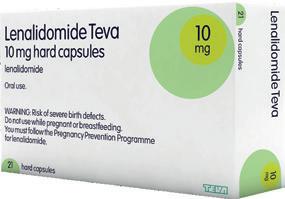

Hospital
Our scientists are continuously developing medicines, that aim to increase access to treatments that can improve patients’ health and save healthcare providers millions.
Freephone:
Prescription
Teva Pharmaceuticals Ireland, Digital Office Centre Swords, Suite 101 - 103, Balheary Demesne, Balheary Road, Swords, Co Dublin, K67E5AO, Ireland.
1800 - 201 700 | Email: info@teva.ie
Medicines Further information is available on request or in the SmPC. Product Information also available on the HPRA website. Adverse events should be reported. Reporting forms and information can be found at www.hpra.ie. Adverse events should also be reported to Teva UK Limited on +44 (0) 207 540 7117 or medinfo@tevauk.com Date of Preparation: January 2024 | Job Code: GEN-IE-00056 Visit teva.ie for more information
Only
Hydration and heart health

Water and heart health
Water is the main constituent of the body, accounting for 50-60% of body weight in adults. In infants, it is suggested that 75% of body weight is accounted for by water, while this reduces to 55% in older adults. Given that water is also the largest component of our hearts, it is unsurprising that adequate water in-take is key to maintaining heart health. Adequate intake is essential for many bodily functions, but with regard to the heart it is essential in helping the heart pump efficiently, supporting blood vessel function, and in maintaining healthy circulation. Staying well hydrated allows these functions to work optimally.
In the longer term, staying hydrated has been associated with a reduced risk of developing heart failure. Consuming sufficient amounts of fluids throughout the life course not only supports essential body functioning but may also reduce the risk of severe heart problems in older age. Cardiovascular disease mortality risk has been found to be lower among those who consume adequate amounts of water regularly. Water is therefore considered an essential component of dietary intakes given that only a small amount of water (~250ml/day) is produced through metabolism.
Recently, drinking water and staying hydrated has been trending, thanks to the wellness industry. Influencers have helped the cause of water intakes with a rise among influencers promoting branded, affiliated reusable water bottles and #hydration trending across social media platforms, with challenges
Written by Caroline Donovan, CORU Registered Dietitian with the Irish Heart Foundation BSc., MSc., Pg. Dip.
and trends aiming to increase hydration status. Glamorizing humble hydration is most certainly a trend to be welcomed.
The focus of this article is for those who are generally well and wish to maintain optimum health, particularly heart health. Those with acute or chronic conditions may have individualised fluid requirements, and certain medications may also dictate such requirements. These are therefore beyond the scope of this article and require individualised fluid requirements.
Dehydration and heart rate –how does dehydration affect heart and health?
The sensation of feeling thirsty is the body’s way of letting us know that we are dehydrated. However, often by the time we feel the sensation of thirst the body may already be dehydrated. Dehydration occurs when inadequate amounts of fluids are either consumed, or are lost and not replaced. Water is lost by way of bodily excretion through urine, sweat, faeces, evaporation through respiration and is lost through the skin. Dehydration can impair mental and physical performance, causing tiredness and poor concentration levels but may also have a negative impact on cardiovascular health. Cardiovascular function is impaired when the body is dehydrated, whereby heart rate increases, and blood pressure decreases more rapidly than when the body is adequately hydrated. It has been found that prolonged states of dehydration may reduce endothelial function, increase sympathetic nervous system activity, and worsen orthostatic tolerance. Ultimately, these negative impacts cause the heart to work harder, compensating by beating faster and hence increasing stress on the heart.
Those at greatest risk of dehydration are babies and infants, older adults, people with long-term health conditions such as diabetes and kidney disease, and athletes. Adequate hydration status is also important while pregnant and breastfeeding.
How much water do you need?
According to the current guidelines in Ireland, women and teenage girls should aim to consume 2 liters of water daily, while men and teenage boys should aim for 2.5 liters. This equates to between 8-10 200ml cups of water per day. It is advised to drink plenty of fluids throughout the day, with water recommended as the best option as it replaces fluids lost without increasing caloric intake. While these are general recommendations, various factors can impact on our fluid requirements.
Factors that influence your water needs
Fluid requirements vary depending on factors including age, weight, levels of physical activity and environmental factors such as extreme heat. Requirements are estimated based on average body weight; therefore, children require less fluid than adults. Due to the increased period of growth and activity experienced in adolescent years, fluid requirements for teenagers are the same as those for adults to compensate for natural losses. Levels of physical activity also influence fluid requirements. This is especially relevant to those undertaking regular vigorous physical activity as their requirements will be greater given losses through sweating.
Tips for increasing your water intake
Paying attention to the colour of your urine is one of the easiest ways to assess one’s own hydration status. Good hydration is indicated by a pale clear straw yellow colour urine, while darker colour urine indicates poor hydration and is a sign that more fluids should be consumed.
Steadily consuming water throughout the day is the single best way to increase hydration status. Fruit and vegetables are also considered a source of water. Increasing your intake can help to improve your hydration status while also meeting the dietary requirements of 5-7 servings of fruit and vegetables per day. Although other drinks such as milk, fruit juice, tea and coffee also contribute to fluid intakes, water is considered the most preferable choice.
Here are some tips for increasing daily water intake:
• Having a reusable water bottle is a good way to both encourage water intake throughout the day and help you to become conscious of your overall water intake.
• Build drinking water into your daily routine, be this at work, in meetings, while travelling or with meals.
• Add fruits to add flavor if you find drinking plain water difficult.
• If you choose to add squashes or a dilutable ensure these are sugar-free.
• If you prefer chilled water, make sure to keep a jug of water in the fridge or freeze your water bottle overnight, or simply add some ice cubes to keep your water chilled.
• Swap one tea or coffee to water to increase your water intake. Although caffeinated drinks count towards overall fluid intakes, swapping one to plain water would help to improve water intake.
• Throughout the day, aim for water to be the main fluid you are consuming.
For more information on water and your heart health, visit irishheart.ie

PHARMACYNEWSIRELAND.COM 62 Hydration & Heart
FAST, PROVEN HYDRATION



SPORTS & EXERCISE


HANGOVER HYDRATION


EVERYDAY WELLNESS

TRAVEL


HOT WEATHER FOR YOUR LITTLE ONES

email: info@pharmed.ie Official Hydration Partner
Debunking some of the Myths regarding Osteoporosis
The Irish Osteoporosis Society (IOS) are calling on all health professionals to help eliminate some of the most common myths they deal with on a weekly basis, as they are leaving those who live in Ireland at risk of multiple fractures, loss of independence and possible premature death.

Osteoporosis is known as the “Silent killer” because there are no signs of symptoms prior to a person fracturing. It is very disappointing that the words “Signs and symptoms of Osteoporosis” continue to put out in print, when there are NO signs and symptoms warning a person, they are experiencing bone loss. No one feels bone loss occurring.
The following are the only signs of symptoms of possible undiagnosed Osteoporosis which sadly is rampant not only in Ireland but Worldwide.
• A broken bone from a trip and fall or less
• Upper, middle or low back pain, intermittent or constant
• Loss of height
• Postural changes
• Head protruding forward from body
• Shoulders becoming rounded
• Body shape changing such as a pot belly
• Hump developing
NOTE: Have you ever looked at your customers/family members/ friends from a side view? You may be quite shocked how many of them have postural changes that are not obvious when looking straight at them. The images to the right show the sideview postural changes that can occur due to
Written by Michele O’Brien, CEO, Irish Osteoporosis Society
vertebral fractures. It is usually thoracic fractures which cause a Dowager’s hump to develop. The IOS do not recommend that back braces are used to try to force a person’s shoulders back. The person should have a DXA scan with an LVA, causes of bone loss investigated and addressed and in the majority of cases treatment initiated as it would be rare when the changes would not be from bone loss.
Red flags with family members such as parents or grandparents are;
“Its odd I cannot reach the shelf I always put my mug on”.
“I must have bought the wrong size length trousers; my trousers are too long”
How can health professionals help to decrees the amount of people fracturing?
All health care professionals could initiate screening those they interact with for risk factors for bone loss. 58% of people attend a pharmacy once a month and since Pharmacists have a unique bond with many of their customers, this can help to get this message out to those who are high risk for fractures.
For example, make it a new year’s priority that every new customer's medical history is screened for bone loss risk factors, and implement a conversation regarding their bone health. Example: Have you had a DXA scan done? This pharmacy promotes bone health, and we encourage are customers who have had Chemotherapy/ Radiation or was on Arimidex or an Aromatase inhibitor, to speak
to their GP for a referral for a DXA scan. Some form of check mark could be put on their file, so that your team know this person has been informed. Or contact the IOS and ask for the general facts sheet which can be printed off as needed to hand out to customers.
For your regular customers make a point for February and March that each time a prescription is given out that every patient who is on corticosteroids is encouraged to speak to their GP regarding a DXA scan, as they cause significant bone loss or contact the IOS and ask for the general facts sheet which can be printed off as needed to hand out to customers.
Those who have fought to survive cancer, should not end up disfigured, loss of self-esteem and the secondary effects that occur from becoming deformed, from a disease which is preventable and treatable in the majority of people.

PHARMACYNEWSIRELAND.COM 64 Osteoporosis
The effects of undiagnosed bone loss
A generat iona l oppor t u n it y t o f u nd you r pension t a x-free up to €2.15mill ion



A recent paradigm shift in pension regulations has unlocked unprecedented taxe cient cash extraction options for business owners.














Finance Act 2023 has opened up a unique opportunity for company directors, employed spouses, and their adult children to each fund their pensions and grow them to the maximum tax-e cient value of €2.15 million at retirement age. The change creates an exciting but time limited opportunity for you to move surplus funds from your balance sheet to your pensions.
Naturally, every case is different and there are rules and regulations in place, but as Certified Financial Planners™, Moore Wealth Management can guide you through this incredible opportunity.




For a no obligation, expert consultation, book online today: https://mwm.ie/fund-my-pension













Moore Wealth Management Limited trading as Moore Wealth Management is Regulated by the Central Bank of Ireland. Registration number 55195 colm@mwm.ie 086 860 39 53 | kieran@mwm.ie 086 380 18 68 BUSINESS OWNERS
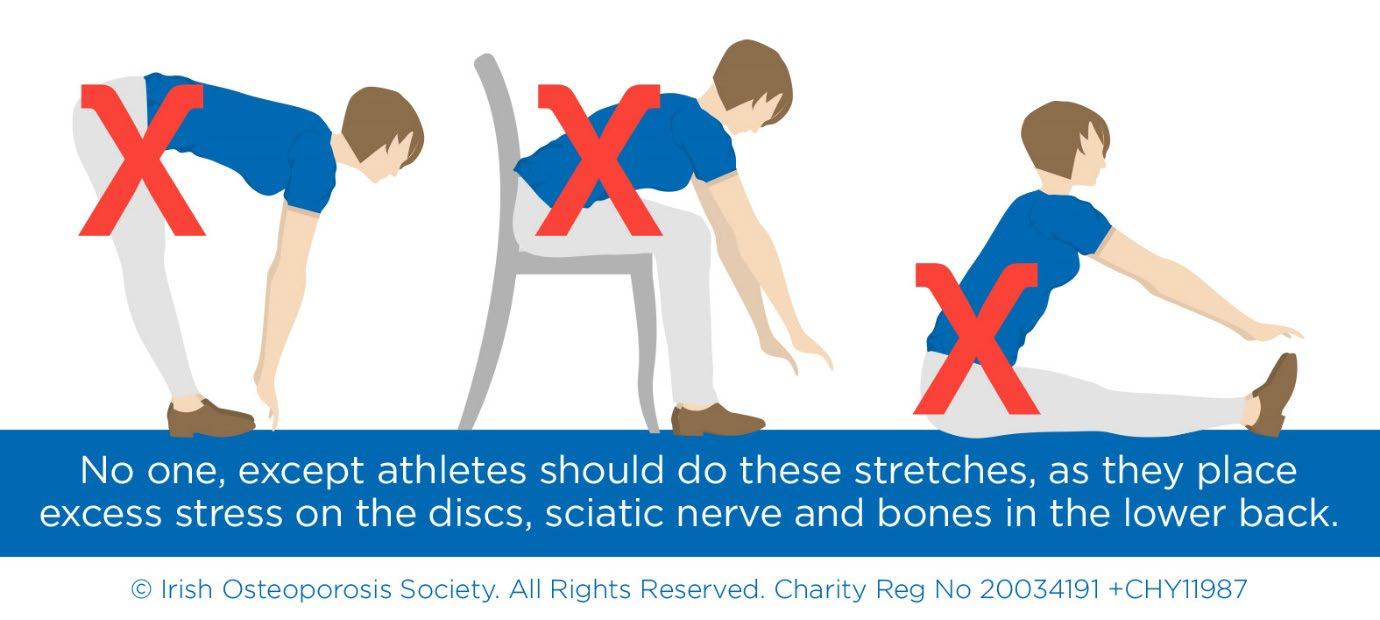
Myth; A broken bone from a trip and fall or less on ice or cement is normal
Going forward in 2024, the IOS are calling on all health professionals to consider anyone who breaks a bone from a trip and fall or less to automatically be considered to have possible bone loss. A recent survey by Athena Pharmaceuticals found that one in five adults have fractured a bone since they turned 40, over a third of these people reported to have had a fragility fracture and the rate of these low impact fractures was high amongst 40 to 54 year olds. Osteoporosis has been known for decades as the “The old Lady’s disease”; however this is not accurate and is misleading.
Secondary effects of fractures
The secondary effects of fractures can severely limit a person’s ability to take care of themselves. Everyone needs to take broken bones more seriously, especially in senior citizens, as they can be life altering and shatter the persons quality of life. 20% of those 60+ who fracture their hip will die within 6 to 12 months, from a blood clot, pneumonia or infection. Genetics is one of the strongest risk factors for bone loss, especially a hip fracture, yet most families would have no idea that they are now possible high risk to die the same way as their loved one. We would have to assume that on the death certificate of those who pass away due to hip fractures, do not say and will never say, “Premature death occurred due to the secondary effects of a fractured hip, as 90% of hip fractures are due to Osteoporosis”.
50% who fracture their hip 60+lose their independence and that can have a devastating effect on a person’s physiological wellbeing, outlook on life, personality, family relationships and most of all quality of life.
A Broken bone is a Fracture
It is quite shocking the amount of people who contact the IOS who do not realise that “a small crack in their back” is a broken bone, that a broken bone is a fracture, and that a crushed vertebrae is a broken bone in their back. Research shows that once a vertebral fracture occurs, it is essential to help prevent the “Domino” effect, which is multiple vertebral fractures.
NOTE: Feedback from the IOS on this topic as to why this domino effect can occur:
• Patients making the decision themselves to not continue on their treatment for various reasons, one of the most common being that they read on the internet they can treat their bone loss without a prescribed medication, or a friend told them similar information.
• Patients being put on a drug holiday which should NEVER occur for those on Prolia, as some are confusing a 5 year maximum on bisphosphates with Prolia.
• Patients being told to discontinue their Prolia In order to get teeth extractions etc NOTE the physician prescribing Prolia should be the person making the decision regarding discontinuing Prolia or delaying
it, but in reality 4 weeks should be the maximum delay. If a patient no longer needs to be on Prolia, a Bisphophonate should be prescribed for 12 months, to counter act the process of how Prolia works, as this will decrease the risk of spontanous verbetral fractures from occurring.
• Those with bone loss are telling the IOS that they have incontinence issues but are too embaressed to tell anyone. Many people are not aware of the significant advances in this area, please contact the IOS for further information.
• Inappropriate exercise – The IOS does not recommend YOGA The IOS do not ever recommend yoga for Patients, with and without bone loss.
1. Patients should not be encouraged to do yoga, as most yoga stretches put excess stress on the verterbrae, the discs and the sciatic nerve. Patients in wheelchairs should not be told (especially in senior citizen/bone health classes ) to lean forward in their chairs to stretch their backs, as this is totally inappropriate and placing them at risk of vertebral fractures, as well as possibly falling out of their wheelchair. Most senior citizens will be doing forward flexion when dressing themselves.
2. Patients been told that they should carry their food shopping as a form of weight bearing exercise is ludicrous, as anyone lifting weights should be in a controlled environment.
3. Grandparents not wanting to give up babysitting their grandchildren or feeling under pressure to help out when in reality, it is not safe for most senior citizens with and without bone loss to lift a child out of a cot, pram or car. Babies and young children are heavy, awkward and unpredictable, not only can fractures occur and the grandparent will not be able to spend quality time with their grandchildren, but neck, shoulder, back and hip issues can occur from lifting young children. The IOS recommend that all parents encourage their children from a young age not to be carried around, especially on one hip which can cause a hip and back issue, piggy backs, or on someone’s shoulders, they should be encouraged to walk themselves.
4. The IOS does not recommend that a person just diagnosed with bone loss join a regular exercise class or online class. Most people who contact the IOS after being diagnosed are in shock, the majority believe they are going to die. The IOS recommends that anyone just diagnosed with bone loss should initially only do walking or walking up and down a flight of stairs till the following has occurred: All their causes of bone loss have been investigated and addressed, they are on a prescribed medication.In an ideal world, the individual is assessed by a chartered physiotherpist who deals in bone health and Their balance should be assessed and addressed. It is essentail this
PHARMACYNEWSIRELAND.COM 66 Osteoporosis
Scalp dermatitis? Scalp psoriasis?
Dandruff?

No problem!
Capasal Therapeutic Shampoo
TripleActionTherapy
Salicylic acid removes scales, distilled coal tar relieves itching, and coconut oil softens and moisturises the scalp
Recommend Capasal Therapeutic Shampoo
Capasal™ Therapeutic Shampoo
Salicylic acid 0.5% w/w, coconut oil 1.0% w/w, distilled coal tar 1.0% w/w.
Uses: As a shampoo in the treatment of dry, scaly scalp conditions such as seborrhoeic eczema, seborrhoeic dermatitis, pityriasis capitis, psoriasis and cradle cap in children. It may also be used to remove previous scalp applications.
Directions: Adults, children and the elderly: Use as a shampoo, once or twice weekly until the condition improves. Thereafter, occasional use may be necessary. Wet the hair thoroughly. Massage a small amount of the shampoo into the scalp, leaving on for a few minutes. Remove as much lather as possible with the hands, before rinsing out thoroughly under running water. Repeat if necessary.

Contra-indications, warnings, side effects etc: Please refer to SPC for full details before prescribing. Do not use if sensitive to any of the ingredients. If there is no improvement after 4 weeks, or the condition is aggravated, discontinue treatment. Keep away from the eyes. Keep out of the reach of children. Use in pregnancy: avoid use during first trimester.
Package quantities, trade prices and MA number: 100ml bottle €3.78, 250ml bottle €7.30, PA23128/008/001.
Legal category: Supply through pharmacy only.
Further information is available from: Dermal Laboratories (Ireland) Ltd, Head Office Tatmore Place, Gosmore, Hitchin, Herts, SG4 7QR, UK.
Date of preparation: October 2023. ‘Capasal’ is a trademark.
Adverse events should be reported. Reporting forms and information can be found at www.hpra.ie. Adverse events should also be reported to Dermal.

www.dermal.ie
CAPPR 034 /I/DEC 23
Prescribing information
person understands DXA scan reports, as a person cannot be put on a safe and appropriate programme without knowing the level of bone loss and the patients risk of fracturing.
5. In hospital settings post fractures, mobility, ADL’s, balance etc is normally assessed and addressed and depending on the patients ability will depend on the progression of exercise.
6. The IOS recommend that with senior citizens who have never lifted weights should be initiated without them. This is due from feedback on the National Osteoporosis helpline that many comment that “the person was very nice but that they never went back because they were in agony after sessions. There should not be a rush to increase weights, this progression should be done slwoly to avoid the patient having significant muscle and/or joint pain,
News
which will improve compliance. By gradually increasing the weights, a person is less likely to discontinue the programme, which is the ultimate goal of rehabiliatating a patient.
Pharmacists can help to prevent the domino effect by checking those who have been prescribed Prolia (Denosumab). Is there a way you can red flag on your system when their next Prola injection is due?
Osteoporosis is known as “The old Lady’s disease”, however this is in reality a misconception.
40+ male
Severe back pain, loss of height (3.5 inches), pain would go away for a while and would then return, sitting, standing and walking. Diagnosed with muscle strains NOTE: Did you know that 75% of people with vertebral fractures have intermittent back pain? Only 25% have constant pain which
when the usual pain medications are not effective, please think?
Vertebral fracture.
While gardening he hit his ankle lightly off a trailer, it fractured, one year later, he broke the other ankle just putting on a pair of trousers.
Once the fractures had healed, he fractured his other wrist doing basic DIY.
X-rays etc were done but it was not till he had a DXA scan with an LVA (Lateral Vertebral Assessment) that his multiple vertebral fractures were diagnosed. The average cost of a DXA scan is ¤120, the total spent on all the other tests prior were thousands.
DXA myth is that a DXA scan contains excessive amounts of radiation. A DXA scan contains 10% radiation of a regular chest X-ray. A person flying from Dublin to New York will be exposed to more radiation than while having a DXA scan. This is why anyone
with one or more of the signs or symptoms of undiagnosed Osteoporosis should be referred for a DXA scan, as 1 in 4 men and 1 in 2 women will develop an Osteoporotic fracture in their lifetime. Shockingly more men pass away from Osteoporosis then get prostate cancer and more women pass away from Osteoporosis then the combined deaths of cancer of the ovaries, cervix and uterus. These statistics show why it is so important that everyone discuss bone health, as Osteoporosis is one of the few diseases that people take a medication/treatment to improve their disease, not like most other diseases which the treatment is to slow down the progression of the disease or reduce the symptoms.
For further information, such as our Male and female risk factor questionnaire, please contact the Irish Osteoporosis Society at info@irishosteoporosis.ie
Appointments for Institute for Clinical Trials
World-leading research academic Professor Fidelma Dunne has been appointed Interim Director of the Institute for Clinical Trials at University of Galway.

Professor Dunne has an extensive background in clinical trial management and is ranked number 1 in Ireland and number 6 in the world for her research into gestational diabetes.
The University has also announced John Kilmartin, former Vice-
President of Regulatory Affairs at Medtronic and an independent medtech regulatory expert, joins the Institute for Clinical Trials as Adjunct Professor.
Mr Kilmartin has more than 30 years’ experience in the medtech industry, with a particular focus
Professor Fidelma Dunne and John Kilmartin
Credit Martina Regan
on the emerging regulatory and clinical frameworks in Europe.
Professor Martin O’Donnell, Dean of the College of Medicine, Nursing and Health Sciences and Consultant Geriatrician at Saolta University Health Care Group, said, “We are honoured to have both Professor Fidelma Dunne and Mr John Kilmartin join the Institute for Clinical Trials. Their combined expertise in clinical trials, medical research and regulatory affairs will significantly contribute to our mission of advancing impactful clinical research. They will help to advance our clinical research goals and will make meaningful contributions to healthcare outcomes.”
Professor Dunne added, “Clinical trials in new medicines and devices are vital to improving the
health of people living in Ireland and worldwide. Improving health also has economic and societal benefits. Engaging in clinical trials allows patients in Ireland to receive new medicines and devices early. We have a track record of designing and delivering impactful clinical trials at University of Galway and I am delighted to lead the Institute for Clinical Trials which will have a pivotal role in further enhancing the clinical research landscape in Ireland.”
Mr Kilmartin said, “The medtech industry is of huge importance to Ireland and Europe for the benefit of our patients, health systems and society. I believe that the Institute for Clinical Trials at University of Galway can play a key role in helping to support innovation in medtech by strategically targeting barriers within the Irish ecosystem. It aims to strengthen and further promote growth in the medtech sector, expand treatment options for patients and ultimately contribute to the advancement of healthcare on a broader scale."
PHARMACYNEWSIRELAND.COM 68 Osteoporosis




Your EVERYDAY GET UP & GO ROBBIE HENSHAW Irish International Rugby Player LIVE THE WAY is available exclusively from www.uniphar.ie (01) 468 7501 A DIVISION OF linkup@uniphar.ie
¤10m to Support Core Mental Health
Recently, the Sharing the Vision - National Mental Health Conference took place at Dublin Castle. The Conference provided an opportunity for stakeholders to discuss developments in national mental health policy and delivery, and to review how Sharing the Vision is driving the delivery of a modern, patient-centered mental health service which is focused on best practice, innovative service development, and improved service delivery. The Conference was convened and opened by Minister for Mental Health and Older People Mary Butler with contributions from Taoiseach Leo Varadkar and Minister for Health Stephen Donnelly.

Opening the Conference, Minister Butler said, "Over the lifetime of this government, investment in mental health services has grown to ¤1.3 billion. Today’s
announcement of a further ¤10 million to support the clinical programmes and youth mental health, further highlights the government’s recognition of mental
Minister for Mental Health and Older People Mary Butler
health as a central component to overall health. I look forward to working with colleagues in my department and the HSE to identify service improvements and innovations that can be underpinned and delivered through this funding."
The Conference, organised by the Department of Health with the support of the Health Service Executive (HSE), marks the end of the first phase of implementation of the national mental health policy, and provides an opportunity to reflect on the successes and challenges over the last three years.
Minister Butler stated, "Ensuring that the voice of patients, and
Investigating Lewy Body Dementia
lived experience is embedded in mental health services and policy implementation is so important. Mental health services should not be developed in a vacuum, and only by ensuring that the voice of those who use services, and those who have experienced mental health difficulties and have experienced recovery, should always be taken into account. Only by doing so can we ensure that our policies and services are modern, and person-centred. In 2023, 19,000 people accessed Mental Health Recovery Colleges across Ireland. These colleges have been developed with the voice of those at the very heart of its model, those that are receiving support from these services. The success of these colleges further exemplifies how listening to the lived experience, can positively impact on health services."
Trinity research team awarded €2.49m by the Health Research Board to investigate Lewy Body Dementia (LBD) which accounts for 20% of the nearly 65,000 people with dementia in Ireland, but fewer than 5% of those affected receive a formal diagnosis.
Researchers will undertake the four-year ‘EMERALDLewy program’ following the award. Lewy body dementia (LBD) includes Parkinson's dementia (PDD) and dementia with Lewy body (DLB). LBD can be characterised by cognitive difficulties, vivid hallucinations and sleep problems, but is a ‘chameleon of sorts’ making its definitive diagnosis difficult. Patients can go through years of misdiagnosis or remain undiagnosed making life incredibly challenging for them and those caring for them.
The EMERALD-Lewy program will improve the diagnosis, management, and lived experience of patients with LBD and their carers, and is the first large scale program of research for the Lewy body dementias (LBD) in Ireland.
Gaps in diagnosis and care will be addressed in several ways by improving the rate and quality of diagnosis and management
of LBD. Researchers led by Professor Iracema Leroi will support ‘living well’ with LBD by better understanding quality of life, daily lived experiences and peer support. Finally, together with people with LBD and their families, the research team will shape policy and practice to improve quality of life and share knowledge about LBD in Ireland.
This funding will significantly improve diagnostic practices and support in LBD, which will have far-reaching positive effects on individuals, families, and society at large by providing appropriate treatment and support, reducing inequity in diagnosis and treatment, and improving mental health and well-being.
Professor Iracema Leroi, Geriatric Psychiatry, Trinity College Dublin, St James’s Hospital, Global Brain Health Institute (GBHI) and Principal Investigator, said, “This funding from the HRB is a fantastic opportunity to finally
move the agenda forward for the 10,000 people with Lewy body dementia living in Ireland. Improving the recognition of and care pathways for LBD is essential to improve quality of life when living with dementia.”
Because dementia care cuts across disciplines, EMERALDLewy will be conducted by an interdisciplinary team of researchers, clinicians (from geriatric psychiatry, neurology, medicine of the elderly), health economists, psychologists and other disciplines from across Ireland. This type of crossdiscipline working is essential to address the gaps in diagnosis and care for the LBD community in Ireland.
A key element of the program will be patient and carer involvement and participation. Ken Greaney , co-founder of Lewy Body Ireland and co-applicant for the EMERALD-Lewy program and whose Dad, Dave lives with
LBD welcomes the prospect of the positive impact that the programme will make to the lives of people with LBD. Ken added, “It took 7 long years for my Dad Dave to get his diagnosis of Lewy Body Dementia. While it is far too late for him, the Emerald Lewy Project can be part of his legacy, so that we know his suffering was not in vain. Thousands of other people because of Emerald Lewy will no longer travel that road. This project has the power the change the entire landscape of how this cruel illness is diagnosed and understood, helping those who need it, when they need it most.”
Trinity’s award is one of eight successful Applied Programme Awards from the Health Research Board (HRB). The award is valued at ¤2,499,965. The awards were specifically designed to ensure that knowledge generated from the research can be quickly put into policy and/or practice.
PHARMACYNEWSIRELAND.COM 70
News


CLINI CALLY PROVEN HELP YOUR SCAR FADE TO FEEL YOUR CONFIDENCE GROW JB-001200 Date of Prep Dec 21 Act now to help your scar fade. Visit www.kelo-cote.com more information KELO-COTE® is an advanced formula silicone treatment designed to improve the appearance of scars resulting from trauma, surgery and burns. Helps soften and flatten scars Relieves itching and discomfort Reduces redness Most effective on new and immature scars up to 2 years old Silicone gels are the first line treatment for scars recommended by healthcare professional including plastic surgeons.* *Monstrey S, et al. Updated Scar Management Practical Guidelines: Non-invasive and invasive measures. Journal of Plastic, Reconstructive & Aesthetic Surgery 2014;67:1017-25.
Skin Problems in Primary Care
As you will be aware from your practice, dermatological complaints comprise a huge portion of the medical care delivered in the community. Approximately 20% of presentations to general practice are skincare related and most patients will suffer with a skin-related complaint at some point in their lives.

Identifying, diagnosing and treating dermatological conditions can be difficult, not only because of the vast range of disease but also the complication of an often confusing range of products and prescription medication that patients may use prior to seeking help.
I hope that by sharing my approach to managing dermatological issues it may be of help to you in your own clinical settings for your patients.
Where to begin
“Will you look at this?” The line which we pray is followed by a sleeve rolling up and not pants sliding down, is generally how it starts. The temptation is always there to attempt a diagnosis by inspection alone but that often misses the most crucial diagnostic information - the history.
Every rash has a story - When did it start? Is this the first time you have had this rash? How does it feel? Does it itch, burn, sting, come and go? Is it spreading? Do you have it anywhere else that you might not be as comfortable showing me? Does anything make it worse? Has anything changed in your work or home life in the weeks before the rash appeared? Have you been putting anything on it and if so what has that done to it?
Written by Dr Brian Higgins Managing Partner, Galway Primary Care Medical Director, Galway Skin Clinic
All of these questions build a picture, a picture as important as the one you see with your eyes.
Common things are common
I worry about cutaneous lupus and T-cell lymphomas, but thankfully these are rare. Whereas acne, eczema, psoriasis, impetigo, seborrheic dermatitis, shingles, chickenpox, herpes, irritant dermatitis and rosacea are all extremely common.
Familiarizing yourself with the above rashes, getting confident in their diagnosis and being comfortable with advising some high quality products for home use, or alternatively knowing when a medical review is required, will be a great support to your patients.
Diseases behaving badly
As a GP, I reserve consultant referral for what I call Diseases Behaving Badly. As a GP I should be able to diagnose and treat the vast majority of cases I see. When the disease is not responding as it should to empiric treatment, I know that this is an unusual case - either more severe than normal, or perhaps one illness masquerading as another, and specialist input is required.
How does this apply in pharmacy? Well, think of the common illnesses you are going to see - eczema, acne and seborrheic dermatitis. In milder cases, using over the counter, pharmacy grade skin care that is appropriate for the condition and skin type should make a considerable improvement to the condition. If it doesn’t, that’s a disease behaving badly and a referral to the patients’ GP for prescription treatment of further investigation is warranted.
What products should I be advising
In my journey through dermatology, a field that has always fascinated me due to my personal battles with eczema, I reached a significant milestone in 2022 by establishing
the Galway Skin Clinic. My goal was to introduce advanced medical skincare solutions to the community, driven by a lifelong passion and two decades of medical experience.
However, the vast and seemingly boundless array of skincare products on the market was both astonishing and overwhelming. The challenge wasn't just about choosing brands; it extended to navigating the extensive product lines each offered. This complexity made it difficult to decide where to begin.
The strategy I adopted focused on three key aspects:
Price Spectrum: I considered products across three price categories—budget-friendly, mid-range, and high-end—to cater to diverse client needs and preferences.
Value in Ingredients: It's crucial to ensure that the product's price reflects its ingredients' quality and efficacy, rather than the cost of marketing. Often, products with anti-aging properties command a higher price, but younger clients can achieve remarkable results with more affordable options.
Tailored Selection: I prioritize products that address the most common skin conditions we encounter, such as eczema and acne. Understanding these conditions deeply allows for a more informed selection of products. Collaborating with company representatives has been invaluable; they serve as excellent resources, offering detailed product knowledge and recommendations.
To provide a comprehensive skincare range, I've chosen to stock esteemed brands like Avene, Relife, Mesoestetic, Skinceuticals, Revision, and Skin Better Science, each selected for their proven results and alignment with our clinic's ethos and our patients’ needs.
Prescription treatments
In practice, the most common prescriptions you're likely to encounter are for eczema and acne. For eczema, a frequent misunderstanding among patients is the hesitancy to use adequate amounts of steroids. Contrary to
the often-misleading advice to use steroids 'sparingly', they should, in fact, be applied generously as needed. This confusion can lead patients to underuse, necessitating prolonged treatment durations. The recommended dosage is a fingertip unit, meaning a line of cream from the distal crease to the fingertip should suffice to cover an area the size of two palms.
Regarding emollients, I observe two prevalent errors. Firstly, some patients mistakenly use their steroid creams as emollients, which can lead to complications like skin thinning. Secondly, applying the steroid after the emollient can be ineffective, as the emollient may act as a barrier, significantly reducing the steroid's efficacy. I advise patients to apply their prescribed steroid first, followed by a brief interval—perhaps having breakfast or brushing their teeth—before applying the emollient.
Acne treatments can vary significantly, ranging from topical retinols, antibiotics, and acids to oral antibiotics, the oral contraceptive pill, and isotretinoin. These patients require extensive education and support. It's crucial to manage expectations by highlighting that for moderate to severe cases, noticeable results may take up to three months. Patients should be encouraged not to abandon their regimen prematurely and to return for a review if there's no improvement after three months, allowing for treatment adjustments or escalation as necessary.
More than skin deep
It's imperative to acknowledge the profound psychological toll dermatological issues can impose on individuals. The intricate link between our appearance and selfidentity means that even seemingly minor skin conditions can lead to substantial emotional distress. Notably, conditions like acne are associated with an elevated risk of suicide, highlighting the critical need for comprehensive patient care. In our practice, we prioritise not only the physical treatment of skin ailments but also the mental well-being of our patients.
Each consultation is an opportunity to assess their psychological state, offering support and ensuring they know help is always within reach.
PHARMACYNEWSIRELAND.COM 72 Skincare
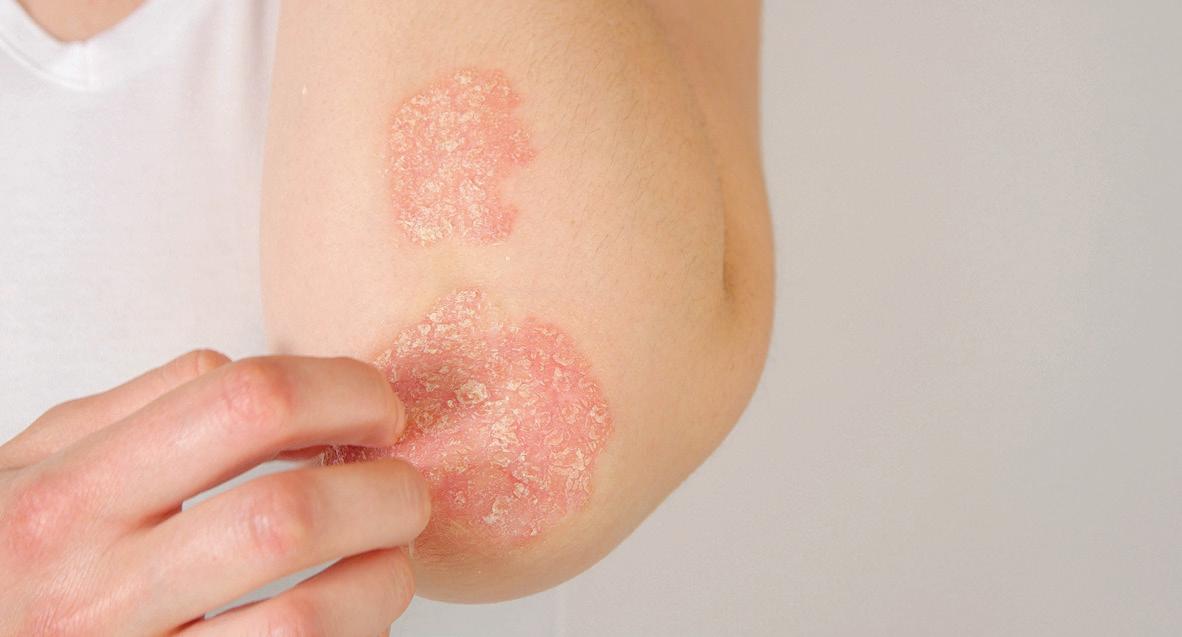
Targeted







skin care for dry and
skin.


• Urea 10%
• Emu Oil

• Allantoin

• Urea 30%
• Mandelic Acid
• Allantoin





www.citrinehealthcare.com | Tel: 01 445 7206 Protect the skin you’re in
1 00% I R I S H OWNE D 1 %00 I R I S H ENWO D
fl aky
Endometriosis: An Overview
Endometriosis is a chronic, progressive, inflammatory disease where tissue similar to the lining of the womb is found elsewhere in the body. The disease is estimated to affect 10% (190 million) girls, women and individuals assigned female at birth worldwide. In Ireland it is estimated that 155,000 of women are affected by endometriosis.

The condition creates an inflammatory reaction, which can result in the development of scar tissue and lesions throughout the body. There are numerous types of lesions that exist and vary in severity depending on the stage of the disease.
What are the symptoms?
Endometriosis symptoms may develop before the first menstrual cycle and on past menopause, which can significantly impact quality of life.
This disease can be associated with a range of different symptoms including painful periods, menstruation pain, pelvic pain, discomfort during and after sex, unexplained fatigue, bloating, nausea, infertility and more. Pain can be cyclical or daily and mild to severe. This is not a complete list of symptoms, as endometriosis affects everyone differently and causes a variety of ailments, not all of which are physical, it can also be completely asymptomatic, making it difficult to diagnose and treat.
Diagnosing Endometriosis
A definitive diagnosis is only possible with a laparoscopy.
Tissue suspected of containing endometriosis is extracted during the laparoscopy and sent to the pathologist to be examined under
Written by Ayisha Lightbourne, Co-ordinator, Endometriosis Association of Ireland
a microscope to confirm the diagnosis. The American Society of Reproductive Medicine (ASRM) developed a staging system for the disease and is classified according to prevalence:
Stages 1 and 2: minimal to mild disease – superficial endometriosis which is found primarily in the pelvis
Stages 3 and 4: moderate to severe disease – deep penetrating endometriosis can be found on the bladder, bowel and on other organs outside of the pelvis.
However, prevalence does not correspond with discomfort; someone in stage 1 can have chronic daily pain, whilst someone in stage 4 may not have any pain at all. This complicates diagnosis because it is frequently overlooked or confused with other illnesses such as IBS and ovarian cysts.
Treating Endometriosis
There is currently no cure for endometriosis. The different treatment options available for endometriosis aim to decrease the severity of symptoms and improve the quality of life for individuals living with the condition and are also dependent on a person’s individual situation.
Hormonal medication, usually in the form of contraceptives, is one
of the first types of treatments prescribed to those affected by the disease to help reduce the severity of symptoms. Hormone therapy may include: the pill, IUDs, implants, injections, patches or vaginal rings.
Analgesics like paracetamol and non-steroidal anti-inflammatory drugs (NSAIDs) can help reduce pain felt by sufferers. NSAIDs are a preferred type of pain relief due to inflammation caused by endometriosis. In some cases, standard pain killers may not be proficient in helping to relieve symptoms and co-codamol/ co-dydramol or opioids may be prescribed.
In many cases, surgery is required for the treatment of endometriosis. Surgical interventions look to remove endometriosis lesions, divide adhesions, and restore nerve pathways. Excision and ablation surgery are the techniques used to treat endometriosis. Excision is the physical removal of the lesions and surrounding tissue while ablation vaporises and destroys the tissue. The recurrence rate with ablation is much higher
therefore excision surgery is considered the gold standard. It is a common misunderstanding that a hysterectomy will "cure" endometriosis. This is not true because the lesions do not originate from the uterus. If endometriosis is not treated and removed during a hysterectomy, symptoms may persist after the surgery. Those on HRT (even those without a womb or using an IUD) can benefit by including body identical progesterone into their regimen. A holistic approach is required for managing symptoms and should include complementary and alternative therapies to assist with pain management.
Endometriosis can be a debilitating condition. Much more rigorous research is needed to understand the disease better and to learn how to treat the condition more effectively. To find out more visit https://www.endometriosis. ie/ or email info@endometriosis. ie and you can also sign up to become a member of the EAI for free via our website.

PHARMACYNEWSIRELAND.COM 74 Endometriosis
GOODBYE SCARS


Summary
of Solution for Scars Clinical Trial
Solution for Scars can be used on all scar types including:
• Surgical Scars
C Section Scarring
• Burn Scars
Chicken Pox Scars
• Laser Treatment
Radiation Burns
• Older symptomatic (red /irritated/ raised) scars
• Tattoo scars
Laser burns
• Keloid Scars Burns
• Sunburn
Radiation burns
For all queries & orders, please contact your Allegro representative: Sarah Murphy
Tel: 01-8580880 / Mobile: 087-773004
smurphy@allegro.ie
Solution for Scars is a clinically proven scar cream, formulated with epigallocatechin gallate (EGCG), a naturally active ingredient that helps combat the thickening and redness that contribute to the prominence of scars within 2 weeks*

“I had become frustratedwith the lack of effective products in the market forscarring.Afteryears of scientific research,we’ve developed a range of breakthrough products that are clinicallyproven towork” Douglas McGeorge
Key benefits
Improves the appearance and size of scars by up to 40%
• Reduces thickness
• Reduces redness
Increases scar mobility — faster rehabilitation
• Improves scar hydration
Soothes the skin
• Reduces skin irritation
• Suitable for use from birth
*In
www.scienceofskin.com
Douglas McGeorge Founder and leading cosmetic surgeon
SOLUTION FOR SCARS SCAR OIL TREATMENTS SILICONE SCAR TREATMENTS/ SCAR SHEETS Moisturising Softens scar Reduce redness Reduce scar thickness Increase scar mobility Clinically proven to reduce scars Why Solution for Scars?
a controlled clinical study on recently healed scars, measures of thickness and redness were significantly reduced, compared to a control, after just 2 weeks use of Solution for Scars.[ double-blind randomized trial demonstrates the role of zonal priming & direct topical application of epigallocatechin-3-gallate in modulation of cutaneous scarring in human skin.S Ud-Din, S Bulfone-Paus, A. Bayat, P. Foden,M. Mazhari, S. Al-Habba, M. Baguneid, D. McGeorge.] 40% reduction in scar redness 20% reduction in scar thickness 30% improvement in elasticity of scar 50% increase in hydration 50% increase in the presence of antioxidants











For relief of symptoms of hay fever and other allergic conditions, skin rashes or itchy, watery eyes. Order via www.uniphar.ie or your uniphar sales representative or phone 01-4687501 Product Information: Zitrease Allergy 10 mg Film-coated Tablets (Cetirizine dihydrochloride). Marketing Authorisation Holder (MAH): Bluefish Pharmaceuticals AB, P.O. Box 49013, 100 28 Stockholm, Sweden Marketing Authorisation Number(s): PA1436/042/001. Legal Category: Retail Sale through Pharmacy only. Date of Last Review of API : 30/01/2024. Further information including the SPC is available on request from MAH holder. Adverse event details should be reported to: HPRA Pharmacovigilance, Website: www.hpra.ie Zitrease_IPN_01 Jan 2024 Cetirizine Dihydrochloride
Topic Team Training – Suppository Pain Relief
A community pharmacy environment that fosters teamwork ensured high levels of consumer satisfaction. This series of articles is designed for you to use as guide to assist your team in focusing on meeting ongoing CPD targets and to identify any training needs in order to keep the knowledge and skills of you and your team up to date.

The below information, considerations and checklist provides support to enable you to run a team training session and identify opportunities for learning within the topic of Suppository Pain Relief
Suppositories may not be the most pleasant product you’ll ever advise on. But they can make it easier to take medicine that some can't swallow or that their stomach or intestines wouldn't absorb well.
Types of Suppositories
Suppositories have a base made from substances like gelatin or cocoa butter that surrounds the drug. As the warmth of the body melts the outside, the drug slowly releases.
Suppositories and pessaries as drug delivery vehicles are not new dosage forms. Rectal drug delivery is one of the world's oldest strategies for drug dosing and rectally applied products have existed for hundreds of years. Suppositories have been referenced in the Hebrew Scriptures. Even vaginally applied pessaries are equally as old with documentation reported in Egyptian papyruses. Hippocrates wrote of various acorn-based medicines delivered rectally and vaginally for local pharmacologic effects. Different types of suppositories go into the rectum, vagina, or the urethra. Sometimes they treat the area where they are inserted. Or the medicine absorbs into the blood and travels to other parts of the body.
Regardless of indication, such as constipation, yeast infection, pain
Consider:
relief, viral prevention or antiviral treatment, drug delivery from a suppository, like all topically applied dosage forms, occurs primarily by passive diffusion for both vaginal and rectal administration.
1. Rectal suppositories: These are administered rectally either to treat local conditions such as hemorrhoids or to achieve systemic absorption (sedatives, tranquilizers, and analgesics). Rectal suppositories can be used when the patient is unable to take medication by mouth, or when the patient is unconscious.
2. Vaginal suppositories: These are applied vaginally for a local effect. The vaginal suppositories are larger than the rectal suppositories. They are used for their local action in the vagina.
3. Urethral suppositories: These are cylindrical dosage forms, administered urethral to treat local conditions. They are unusual dosage forms.
4. Nasal suppositories: The nasal suppositories are also called nasal bougies or Bulgaria. The nasal suppositories are meant for introduction into the nasal cavity. They are usually prepared with a glycerogelatin base.
5. Ear cones: Ear cones are used for insertion into the ear. They are also known as Auraria. They are used rarely. For the preparation of ear cones generally, theobroma oil is used as a base. They are prepared in urethral bougies mold and cut according to size.
Parenteral and rectal routes of administration are preferred when
The different types of suppositories
What is required for administration
Indications for administering
The administration procedure
Any follow-up actions that may be required
quick therapeutic response is required. Rectally administered drugs are found to achieve better plasma levels and therapeutic effectiveness when compared with orally or intramuscularly administered drugs of similar dose The primary advantages of suppositories over other dosage forms include reduced first pass metabolism, both topical and systemic effect, accommodates patients who have difficulty swallowing pills, and increased bioavailability of drugs.
Advantages of Suppositories
1. Suppositories can exert a local effect on rectal mucosa.
2. It is used to promote evacuation of the bowel.
3. It avoids any gastrointestinal irritation.
4. Suppositories can be used in unconscious patients (e.g. during fits).
5. Suppositories can be used for systemic absorption of drugs and to avoid first-pass metabolism.
6. It is useful for babies or old people who cannot swallow oral medication.
Key Points:
Check your pharmacy team are aware and understand the following key points:
The pharmacy team knows to be sensitive in dealing with customers who may feel vulnerable as a result of poor mental health
The team knows which groups of customers are likely to be at risk of depression and other mental health conditions, such as anxiety
My pharmacy assistants can meet the points in this training checklist.
7. It is also useful for postoperative people who cannot be administered oral medication.
8. It is a very suitable dosage form for people suffering from severe nausea or vomiting.
Disadvantages of Suppositories
1. Suppositories have a problem with patient acceptability.
2. In some cases, the total amount of the drug must be given. This will be either too irritating or in a greater amount than reasonably can be placed into a suppository.
3. Incomplete absorption may be obtained because the suppository usually promotes evacuation of the bowel.
4. Suppositories are not suitable for patients suffering from diarrhea.
Further Resources:
YourMentalHealth.ie
YourMentalHealth Information Line 1800 111 888
Actions:
Ensure efficient sign posting to discreet consultation areas within the pharmacy for further help and advice
Ensure that I know the recommendations for each OTC treatment which impact a customer’s mental health
Do any of us suffer from depression in the pharmacy team? Are some individuals more affected than others? If so, why?
Are we confident about raising issues of depression and mental health with customers?
Can we provide good advice on dealing with depression?
Train the team to meet all the above considerations
PHARMACYNEWSIRELAND.COM | 77
Recognising Brain Awareness
National Brain Awareness Week is an annual initiative organized in March each year by the Neurological Alliance of Ireland to promote greater awareness and understanding of the impact of living with a neurological condition as well as the need for investment in services, research and prevention. The Neurological Alliance of Ireland is the national umbrella group for neurological charities.
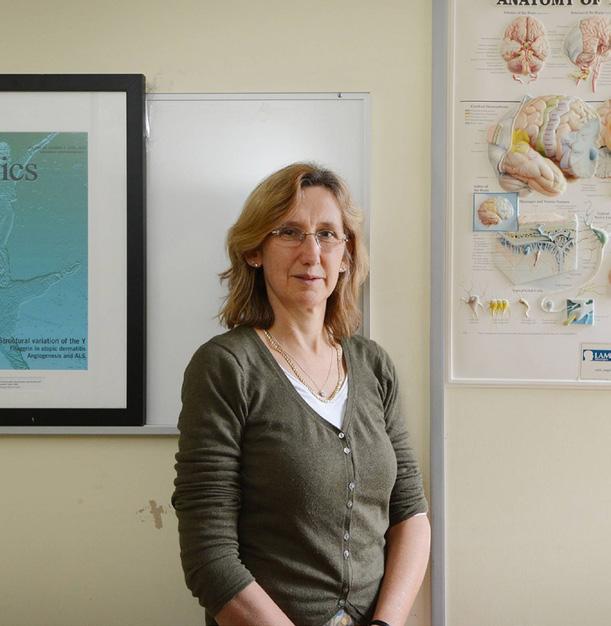
In Ireland, almost 800,000 people are affected by a neurological condition, and up to 1 in 8 consultations in primary care and at least 1 in 5 in emergency medical admissions to hospital are because of a neurological problem.
Neurological diseases range from those that are invisible but quality of life- threating (e.g epilepsy, migraine etc) to those that are associated with severe and progressive physical and / or cognitive decline (e.g. motor neurone disease , Parkinson’s Disease Alzheimers Disease).
Neurological conditions affect all age groups from the young, the economically active and older people. While some neurological conditions are easily recognizable as they are associated with obvious signs (e.g. established Parkinson’s or Alzheimer’s disease) others can be difficult to diagnose as they are based on history (e.g the epilepsies, migraine etc), or because the early signs may be subtle and generate a wide differential diagnosis (e.g. early motor neuron disease). However,
the majority are long term conditions necessitating specialist and multidisciplinary health care throughout life.
Clinical Neurology is concerned with the prevention, diagnosis, treatment, and care of people with disorders of the brain and spine. While clinical history and physical examination remain the cornerstone of neurological diagnosis, advances in neuroimaging, blood and CSF based biomarkers, and neurophysiology have enabled refinement of the diagnostic process and have supported treatment planning. For example, modern imaging has altered the classification of Multiple Sclerosis, which is now based on patterns of active inflammation on MRI; a diagnosis of Parkinson’s Disease can be confirmed by a DAT scan, and PET imaging is helpful in subclassifying different types of dementia. Similarly, CSF biomarkers can help to segregate different types of neurodegeneration, and the presence of elevated
Written by Professor Orla Hardiman, Professor of Neurology/Head of Academic, Trinity College Dublin
levels of neurofilaments can help to predict prognosis in both Multiple Sclerosis and Motor Neuron Disease. Advances in neurophysiology, along with detailed neuroimaging can help to localize seizures and guide surgical resection in selected cases. Advances in neural engineering are driving technologies such as deep brain stimulation for Parkinson’s Disease. Modern genomics can provide categorical diagnoses, as exemplified by the identification of the gene for Duchenne Muscular Dystrophy in 1988, and for Huntington’s Disease 1993. The completion of the Human Genome mapping project has led to the discovery of a multitude of additional genes that have provided greater understanding of the pathobiology of a wide range of neurological conditions. These insights have in turn driven interest and investment in drug discovery for diseases for which effective treatments remain elusive. Indeed, the past 10 years have witnessed exciting developments in effective targeted pharmacological treatments for many neurological conditions. Targeted immunomodulatory therapies have revolutionized the treatment of multiple sclerosis, such that a newly diagnosed patient can be assured of minimal disability and an excellent quality of life. Genome based therapies are firmly on the horizon for many hereditary conditions. Spinal Muscular Atrophy, a motor neuron degeneration of childhood, is now a treatable disease, as is the adult
form of motor neuron disease associated with mutations in the SOD1 gene. Pharmacogenomics can help the selection of appropriate treatments for some forms of epilepsy. And while early trials in Huntington’s disease have been disappointing, exciting new trials are in progress.
But early access to specialist services remains a problem , and optimal management remains accordingly curtailed for many Irish citizens. In some instances such as Relapsing Remitting Multiple Sclerosis, we have learned that failure to treat in the early phase of the illness can lead to increased disability in later years. The same is true for poor controlled epilepsy. And increased neurological disability of all types has an adverse effect on all aspects of life. While services have improved over the years with an increase in the number of Neurologists and the appointment of advanced practitioners and specialist nurses, the requirements associated with evolution of new treatments, and greater need for surveillance continue to outpace the expansion of neurological services. We still lack critical mass to provide uniformly high standards of care across the entire country and to facilitate the necessary degree of sub-specialization. And while the value of high quality hospital-based multidisciplinary services with community outreach is recognised, there is much work to be done to develop and expand these services to all neurology centres. There is also a need to commensurately develop community based neurorehabilitation services that link with those within the acute hospitals across the country to ensure that all of those with neurological disability have uniform access to new therapeutics, and high quality multidisciplinary care as close to home as is possible.
National Brain Awareness Week takes place from 11th to 17th March 2024.
For more information on National Brain Awareness Week visit the Neurological Alliance of Ireland website www.nai.ie or follow the conversation on social media #brainawarenessweek2024
PHARMACYNEWSIRELAND.COM 78 Neurology

is a weekly email updating you on stocks, new product launches and other business news, sent directly to your inbox. Or register online at https://cloud.teva-europe.com/TevaSource_Registration. Stay up to date, scan the QR code and sign up today. Teva Pharmaceuticals Ireland, Digital Office Centre Swords, Suite 101 - 103, Balheary Demesne, Balheary Road, Swords, Co Dublin, K67E5AO, Ireland. Freephone: 1800 - 201 700 | Email: info@teva.ie Date of Preparation: January 2024 Job Code: GEN-IE-00058 Did you know? You can order stock through TevaSource.
Clarification – Pharmacy Assist Ireland 2024
On page 156 of the Pharmacy Assist Ireland Directory we incorrectly published contact details for Scope Healthcare. We would ask all pharmacists to please replace page 156 in the PAI with the following correct information.
SCOPE

Suite 5, Westland House, Westland Park, Willow Road, Dublin 12, D12 Y012
Type of company: Healthcare and Pharmaceuticals
Website: www.scopeeyecare.com & www.scopehealthcare.ie | Tel: IE + 353 1 525 3683 | Freephone: 1800 816 005
Bio-Kult® Products: Bio-Kult® Advanced; Bio-Kult® Boosted; Bio-Kult® Candea; Bio-Kult® Migrea; Bio-Kult® Pro-Cyan.
Fusion® Allergy Products: Fusion® Allergy Cooling Mask; Fusion® Allergy Day and Night Eye Gel; Fusion® Allergy Eye Drops; Fusion® Allergy Eye Spray; Fusion® Allergy Face and Eyelid Wipes; Fusion® Allergy Nasal Spray.
VIVIO® Products: VIVIO® Junior Cough Syrup; VIVIO® Junior Multivitamin Tonic; VIVIO® Junior Tummies.
Optase® Products: Optase® Allergy Eye Drops; Optase® Comfort Drop; Optase® Comfort Dry Eye Spray; Optase® Moist Heat Mask; Optase® Cooling Mask; Optase® Protect; Optase® TTO Eyelid Cleansing Gel, Optase® Tea Tree Oil Eyelid Wipes.
Actase® Products: Actase® Lutein ZA; Actase® OmegaEye Daily;
Hylo® Products: Hylo Night®; Hylo Care®; Hylo Dual®; Hylo Dual Intense®; Hylo Forte®; Hylo Fresh®; Hylo Tear®
Other Eye Drops: EvoTears®
Business Development Managers:
Caitriona Eves (North Leinster Healthcare): caitrionaeves@scopehealthcare.ie +35387 1438418
Alison Fallon (South Leinster Healthcare): alisonfallon@scopehealthcare.ie +35387 7525572
Laoise Fitzgerald (West of Ireland Healthcare): LaoiseFitzgerald@scopehealthcare.ie +35387 6248719
Alyane Mulcahy (Munster Healthcare): AlayneMulcahy@ScopeHealthcare.ie +35387 0925411
Victoria Kehoe (Northern Ireland Healthcare): VictoriaKehoe@scopeeyecare.com +00447736879987
Karina McCarthy (Connacht Eyecare): KarinaMcCarthy@scopeeyecare.com +35387 6562813
Shane Halpin (North Leinster Eyecare): shanehalpin@scopeeyecare.com +35387 7752164
Niamh Thornton (Munster Eyecare): Niamhthornton@scopeeyecare.com +35387 4289517
Paul Sheeran (South Leinster Eyecare): Paulsheeran@scopeeyecare.com +35387 3570199
Solvotrin Therapeutics – Active Iron
Hoffmann Park, Little Island, Cork,T45 YX04
Website: www.activeiron.com | Email: info@solvotrin.com | customerservice@pharmed.ie
Type of company: Iron Supplements
Information: Active Iron is clinically proven to increase iron and energy levels, helping to fight tiredness & fatigue.1 Active Iron is specially formulated to avoid constipation, making it kind on the stomach while being strong enough to increase iron levels.1
How does it work? Active Iron’s groundbreaking whey protein formula targets the body’s natural site of absorption, the DMT-1. This helps reduce oxidation and protects the gut from inflammation. As a result Active Iron delivers 2X better absorption of iron sulphate.2 1Wang et al. 2017, Acta Haematologica, 138: 223-232.
2Ledwidge et al. 2021, Data on file. doi: https://doi.org/10.1101/2021.09.01.21262983
COMPANY LISTINGS 156
BOOTS IRELAND PARTNER WITH HYGIENE HUB
For the month of February, Boots, in partnership with Hygiene Hub, will match donations made in participating stores to help those living in poverty across Ireland*. Hygiene poverty is being unable to afford everyday items that many people take for granted. Hygiene Hub provides essential personal care items to those in need.
Recent research** from Hygiene Hub has shown that people with a disability, those working parttime, students and those having responsibility for children were most likely to experience hygiene poverty. Of those surveyed, 65% of people had experienced difficulties affording hygiene items in the previous year.
In the financial year 2023, through donations made by customers, via in store drop off points, and through direct donations by Boots, 1,100KG of items were donated to the Hygiene Hub.
Boots has added drop off points to five additional stores around the country, taking the total number of stores accepting donations to fifteen. Drop off points are now located in six locations in Dublin:
• Dundrum
• Carrickmines
• Swords
• Malahide
• Liffey Valley
• Blanchardstown
Across Ireland, there are drop off points in Letterkenny, Wicklow Town, Bray and Clonmel. There

are also three locations in Cork –Douglas, Blackpool, and Half Moon Street as well two locations in Galway - Shop Street and Wellpark. If customers would like to donate items, they can easily purchase them in store or take any new, unused, personal care and household cleaning essentials – including dental products, deodorant, shower gel, shampoo, nappies, toilet roll, razors, period products and hairbrushes to the donation drop off points in participating Boots stores. Products are then distributed by Hygiene Hub’s Community Volunteers to Community Partners – a mix of organisations, charities, and schools.
Commenting on the partnership, Martha Ryan, Head of Human Resources and ESG Lead for Boots said, “We very much value our partnership with Hygiene Hub which has been in place since 2022. Matching donations that customers make in store throughout February is a further step in our continued commitment towards the partnership. We hope our customers take advantage of the great value offering available in Boots stores including the Boots Everyday Range to pick up additional items to donate to this very deserving charity.”
‘THE RIGHT CARE IN THE RIGHT PLACE AT THE RIGHT TIME’
The HSE is rolling out new ways of working across community and hospital settings that are allowing patients to access high quality care closer to home and reducing overall waiting times for many healthcare services.
These new modernised care pathways will provide service users with access to care by specialist community teams where appropriate, freeing consultant capacity to see patients most in need in a timelier manner.
Beneficial impacts include:
• Patients able to access routine care services locally via their GP and community teams;
• Patients are seen in a more timely manner in line with best practice;
• Improved patient experience, with easier access to appointments and a reduction in the number of appointments which the patient needs to attend;
• Telehealth options and digital innovations made more available for use when appropriate;
• Healthcare professionals being empowered to work to the top of their current grade
Clinical Profiles
with supported continuous professional development training, ensuring the highest quality of care is delivered to all patients/service users.
Meeting the teams delivering ophthalmology, urology, orthopaedics, nephrology and diabetes care to patients in this new and innovative way at St Vincent’s University Hospital today, Minister Donnelly, said: “I am delighted to visit St Vincent’s University Hospital to see first-hand how patients are accessing integrated care in a high quality setting.
“This is creating new access points for patients to healthcare that often have the longest waiting lists. We are now ensuring that patients can be seen faster and progress through our health service in a more integrated way. Ensuring they have fewer overall visits to a hospital.
“These new care pathways have also reduced overall waiting times for many health care services across our hospitals as patients, who need scheduledcare move from our hospitals to community based care closer to their own homes.”
Deirdre McNamara, Director, HSE Strategic Programmes Office (SPO), explained: “By streamlining referral processes, embracing new tools in e-healthcare and allowing for more care to be delivered in the community by advanced nurse practitioners and health and social care professionals, modernised care pathways will help reduce waiting lists and improve the quality of patient care.”
FOCUS ON ROSACEA-PRONE SKIN WITH THE ROSATRINE RANGE FROM CITRINE HEALTHCARE
Winter skincare is challenging and here in Ireland redness, dry skin, pimples and small dilated blood vessels are as much a sign of winter weather, as the frost and bare trees.
Predominantly on the cheeks, forehead and chin, over 3% of the
population suffer from rosacea symptoms. These include redness and irritation, as low temperatures and low humidity attack the skin’s barrier function. UV is one of the biggest triggers of rosacea, so even welcome winter sunshine is a threat for sufferers.
A new range for rosacea-prone skin is now available in pharmacies from an Irish Dermatology company, Citrine Healthcare, which provides support for chronic skin conditions.
This simple 2 step routine begins with our daily moisturiser for Rosacea-prone skin, Rosatrine Light cream. Rosatrine Light cream with SPF 30 helps to manage the symptoms of redness and keep them at bay. Formulated with Hyaluronic acid to hydrate and soothe, it also contains Vitamin C to help protect the skin barrier, and Niacinamide to reduce the redness in the skin.
The Rosatrine Intensive Cream helps to reduce the appearance of redness and calm irritated skin during flare ups. Dermatologically tested on people with sensitive skin, the hydrating cream is formulated with SPF 30 and Azelaic Acid, a powerful antioxidant that is clinically proven to reduce symptoms of intense redness. It also contains Tea Tree oil to reduce bacteria and a green pigment to help even the skin tone. Using both products together, will ensure daily protection from symptoms and help manage and reduce flare ups of redness.
Rosacea is a common but underdiagnosed skin condition, women, and those aged over 30 with fair skin, are most likely to suffer. The exact cause is unknown, but rosacea is hereditary and factors like spicy foods, alcohol, sunlight and stress can worsen symptoms according to Sarah O`Leary of the Irish skincare specialists, Citrine Healthcare.
“Internal and external factors can damage our skin, not least the weather. When the skin barrier is

PHARMACYNEWSIRELAND.COM 81
Martha Ryan, Head of Human Resources and ESG Lead for Boots with Ciára Dalton, Head of Partnerships at Hygiene Hub
82 Clinical Profiles
compromised, skin will feel tight, dry and easily irritated.
“It becomes more prone to inflammation and may not tolerate regular moisturising products.
Building up the skin barrier with nourishing ingredients will help it to both look better and be more resilient too”.
The Rosatrine range was created by Irish-owned Citrine Healthcare in 2022. The range was formulated to provide accessible and clinically effective solutions for those who are dealing with Rosacea-prone skin.
Rosatrine Intensive Cream, (¤17.95 for 30ml) and Rosatrine Light (19.50 for 50ml), are available in pharmacies nationwide and online at Citrine Healthcare. https:// citrinehealthcare.com/shop/
As well as pharmacy ranges for Psoriasis-prone skin, Rosaceaprone skin and Dermatitis-prone skin, the Irish skincare company, which was launched in 2021 in west Dublin, also produces a targeted range to help manage the symptoms of acne- prone skin.
FLEMING MEDICAL SUPPORTS
IRISH RED CROSS
Fleming Medical have made a substantial donation of medical and diagnostic equipment to the Irish Red Cross. The Limerick-based medical supplier has organised this donation to help meet the IRC’s requirements for high quality training equipment and to continue their support of the charity’s ongoing humanitarian work.
The donation includes a vast selection of diagnostic and simulation equipment including defibrillators, first aid training
manikins, ECG machines, blood pressure monitors, BP arm trainers, nebulisers and patient monitors.
Supporting the Irish Red Cross
Fleming Medical acknowledges the role that Irish Red Cross plays nationally and internationally. In the event of an emergency, IRC volunteers call on their extensive training to offer life-saving care to those in need. Fleming Medical hopes that the donation of medical and diagnostic equipment will enhance the training and development of the Irish Red Cross’ large network of volunteers. As a leading supplier of medical devices and supplies in Ireland, Fleming Medical want to ensure that the Irish Red Cross has access to essential equipment and supplies that assures their preparedness and readiness in the event of a national and global emergency.
Fleming Medical encourages companies with the available resources to show their support to their local IRC branch. A donation of medical supplies and equipment will have a direct impact and enhance the development and capabilities of IRC branches nationwide.
Founded over 35 years ago,
Fleming Medical is an Irish familyowned business and leading innovator of diagnostic, sports therapy, first aid, and wound care products. The Limerickbased medical supplier designs, produces, and delivers these products under their Medicare and Physiologix brands. Fleming Medical operate successfully in more than 20 countries worldwide and are a trusted partner for Irish and international pharmacy, community health, and hospital healthcare professionals.
SUPPORTING BRAIN HEALTH WITH CLEANMARINE KRILL OIL

exact same form naturally found in the brain, which is a great way to support brain health and function.
- Emerging evidence indicates that phospholipids contribute to a variety of cognitive processes3
Speaking about the benefits of Krill Oil for brain health, Nils Hoem, Chief Scientist at Aker BioMarine in Norway, the largest supplier of krill oil globally, commented, “Cognitive health is all about making the brain perform at its best even as you age. Krill Oil is a natural source of Choline and Omega-3 DHA, which has been proven to contribute to brain function as well as supporting our other organs too. By taking Cleanmarine Krill Oil you are providing your brain with the key nutrients it requires to maintain your brain health naturally.”
Fleming Medical have donated medical and diagnostic equipment to support the training and development of Irish Red Cross volunteers nationwide
As August approaches and the summer holidays come to an end, many will be eager to give their body and mind some muchneeded extra nourishment ahead

of the Autumn and Winter months. Cleanmarine Krill Oil is here to help with its concentrated formula which provides all the essential fatty acids required for the normal function of the brain as well as your heart and vision*.
With over 97% of the western population deficient in Omega 3 fatty acids1, which is one of the key nutrients required for a healthy brain, it is very important to ensure we are getting our body’s requirement in other ways. Unlike other Omega-3 sources, krill oil is not only a great natural source of Omega-3, but the nutrients are in addition bound to phospholipids, which ensures effective absorption into the cell membranes and into our bodies.†
Much research has been carried out in relation to the benefits of krill oil with some very interesting findings emerging on the topic of brain health;
- People with higher levels of Omega-3 DHA in their blood are 49% less likely to develop dementia than those with lower levels2
- As much as 60% of our brain weight consists of phospholipids rich in fatty acid Omega-3’s and Choline, and they play a vital role in our cellular function, nerve signalling and cognitive function. Krill oil is naturally rich in vital and brain-supporting nutrients like phospholipids (PC, LPC), Omega-3 EPA & DHA and Choline, therefore nourishing the brain with key nutrients in the
Each capsule of Cleanmarine Krill Oil, the highly absorbable form of Omega 3†, contains 590mg of concentrated, high strength Omega 3 with Phospholipids now with even higher levels of EPA, DHA, with naturally occurring Choline and Astaxanthin, plus 10µg of vitamin D3, 200% of your RDI. Cleanmarine Krill Oil (¤24.99RRP for 60 capsules) is available in leading pharmacies and health stores nationwide. For more information on brain health and Cleanmarine Krill Oil log onto www.cleanmarine.ie
KINVARA
SKINCARE - THE PERFECT MOTHER’S DAY GIFT
There’s a wealth of fantastic Irish beauty brands out there and one of the best is Kinvara Skincare based in Galway. More than ten years on the go and flying the flag for clean beauty formulations that are free from unnecessary chemicals, Kinvara has built up a loyal fanbase that won't use anything else. It's hard to argue why you would either, given Kinvara’s multi-award winning, plant-based products that have racked up over 70 awards here and in the UK. Kinvara’s founder, Dr Joanne Reilly is committed to delivering results and moments of Feel Good to her customers through products that all smell amazing - the face serum has to be tried to be believed and the absolute cleansing oil has customers gushing that it ‘feels like a facial’. We couldn't agree more and the team in Kinvara have thoughtfully bundled their 2 bestsellers together in a gorgeous gift bag aptly named the Daily Duo. It would be a wonderful gift this Mother's Day or just a gift for yourself.
PHARMACYNEWSIRELAND.COM
Dr Nils Home, Aker Biomarine




Voltarol Emulgel
Extra Strength 2% w/w Gel (diclofenac diethylammonium) easy-to-open cap*
Powerful Anti-Inflammatory Provides All-Day Joint & Muscle Pain Relief**
Making life easier for your patients with pain in their hands
Contains a unique permeation enhancer – up to 3x increased skin permeation of diclofenac†1
Clinically proven to demonstrate deep penetration into tissue 2
Reduces pain on movement – to help patients get moving again
Patient convenience – twice daily application for clinically proven 12 hour-pain relief
Find out more at our dedicated healthcare website HaleonHealthPartner.com

*100g pack only. **with twice daily application. †compared with Voltarol Emulgel 1% in vitro study. 1. Quartarone & Hasler-Nguyen 2014; GSK data on file 2. Seefried et al. Ther Adv Musculoskel Dis (2020) Vol. 12: 1-13.
Product Information: Please consult the Summary of Product Characteristics for full product information. Voltarol Emulgel 1% w/w Gel (diclofenac) and Voltarol Emulgel Extra Strength 2% w/w Gel (diclofenac). Indications: For the local symptomatic relief of pain and inflammation in trauma of tendons, ligaments, muscles and joints, localised forms of soft tissue rheumatism. Dosage: Adults and adolescents 14 years and over: Voltarol Emulgel 1% w/w Gel: 2g to 4g of gel, applied topically 3-4 times daily. Maximum treatment duration is 7 days. Voltarol Emulgel Extra Strength 2% w/w Gel: 2g to 4g of gel, applied topically 2 times daily – morning and evening. Maximum treatment duration is 14 days. All gels: Patients should consult their doctor if the condition does not improve within 7 days, or worsens. Contraindications: Patients with or without chronic asthma in whom asthma, angioedema, urticaria or acute rhinitis are precipitated by aspirin or other non-steroidal anti-inflammatory agents. Hypersensitivity to diclofenac, acetylsalicylic acid or other non-steroidal anti-inflammatory drugs. Hypersensitivity to any other ingredient of the gel. Use in third trimester of pregnancy. Use in children and adolescents aged less than 14 years. Warnings and precautions: Apply only to intact, non-diseased skin and not to skin wounds or open injuries. It should not be used with occlusion. Do not smoke and avoid naked flames. It should not be allowed to come into contact with the eyes or mucous membranes and should never be taken by mouth. Application over extensive areas for prolonged periods or application in excess of recommended dosage may give rise to systemic effects. These include gastrointestinal disturbances and bleeding, irritability, fluid retention, rash, hepatitis, renal dysfunction, anaphylaxis and rarely blood dyscrasias, bronchospasm and erythema multiforme. Discontinue if rash develops. Use with caution in patients with a history of peptic ulcers, gastrointestinal bleeding, hepatic or renal insufficiency, or bleeding diathesis, or intestinal inflammation. Side effects: Very rare: rash pustular, hypersensitivity (including urticaria), angioedema, asthma, photosensitivity reaction. Rare: Dermatitis bullous. Common: Dermatitis (including contact dermatitis), rash, erythema, eczema, pruritus. MA Holder: GlaxoSmithKline Consumer Healthcare (Ireland) Limited, 12 Riverwalk, Citywest Business Campus, Dublin 24, Ireland. MA Number: Voltarol 1% w/w Gel: PA 678/140/2. Voltarol 2% w/w Gel: PA 678/140/3. Legal Category: 1%: GSL, 2%: Pharmacy only. Text revised: March 2022. Further information available on request. Contains diclofenac diethylammonium. Always read the label/leaflet Haleon, formerly part of GSK. Trade marks are owned by or licensed to the Haleon group of companies. PM-IE-VOLT-21-00011.