THE INDEPENDENT VOICE OF PHARMACY
120 mg Film-coated tablets
Fexofenadine hydrochloride Indicated for adults and children 12 years and older for the relief of symptoms associated with allergic rhinitis.
In this
NEWS: Prescription Validity Extension Welcomed Page 6
CONFERENCE: Challenging Wait Times for New Medicines Page 8
REPORT: The ‘Nitty Gritty’ of being a Superintendent Page 16
FEATURE: Management of Sensitive Teeth Page 22
ASK THE EXPERT: Interview with Professor Carel Le Roux Page 30



CPD: Joint and Muscle Pain Page 41
AWARDS: OTC & Retail Pharmacy Product Award Winners Page 47 TEAM TRAINING: Sleep Disorders Page 76
April 2024 Volume 16 Issue 4
issue:
PHARMACYNEWSIRELAND.COM
A copy of the summary of product characteristics is available upon request or alternatively please go to www.clonmelhealthcare.ie. Product not subject to medical prescription. Supply through pharmacies only. PA23180/014/001. PA Holder: Opella Healthcare France SAS, 157 avenue Charles de Gaulle, 92200 Neuilly-sur-Seine, France. Distributed by: Clonmel Healthcare Ltd., Clonmel, Co.Tipperary Date Prepared: February 2024 2024/ADV/TEL/032H This Publication is for Healthcare Professionals Only

The speed of soluble pain relief
Now with a LEMON FLAVOUR
Panadol Actifast Lemon 500mg
Soluble Tablets (paracetamol)
• Can start to relieve pain in just 15 minutes
• Dissolves in water to create a lemon-flavour solution
• An alternative for patients who don’t like the taste of unflavoured soluble tablets
Absorbed up to 2x faster than standard paracetamol tablets
Find out how Panadol Actifast Lemon 500mg Soluble Tablets can help your patients
Product Information:
Please consult the summary of product characteristics for full product information.





Panadol Actifast Lemon 500 mg Soluble Tablets (paracetamol) Indications: Short-term management of symptoms of headaches, musculoskeletal disorders, menstrual pain, toothache, colds and flu, as well as symptomatic relief of mild to moderate pain associated with doctor-diagnosed osteoarthritis. Dosage: Adults (including the elderly) and children 16 years and over: 1-2 tablets up to 4 times daily, as required. Children aged 10-15 years: 1 tablet up to 4 times daily, as required. Max 4 doses in 24 hours. Do not give to children for more than 3 days without consulting a doctor. Do not give to children under 10 years. Minimum dosing interval: 4 hours. Contraindications: Hypersensitivity to paracetamol or any of the other ingredients. Precautions: Do not use with any other paracetamol-containing products. Use with caution in patients with glutathione depleted states, those with risk factors for hepatotoxicity (see SPC for list). Caution, due to paracetamol, if administered with flucloxacillin due to increased risk of high anion gap metabolic acidosis. Contains: 427 mg sodium per tablet, use with caution in those on a low sodium diet. 50 mg sorbitol per tablet Patients with hereditary fructose intolerance should not take this medicinal product. Side e ects: All very rare: Thrombocytopaenia, hypersensitivity reactions including anaphylaxis, skin rash, angioedema, Stevens-Johnson syndrome, Toxic Epidermal Necrolysis, serious skin reactions, bronchospasm, hepatic dysfunction. MA Holder: Haleon Ireland Limited, 12 Riverwalk, CityWest Business Campus, Dublin 24. MA Number: PA 678/39/17. Legal Category: Pharmacy Only. Text revised: January 2024. Further information available on request. Contains Paracetamol. Always read the label/leaflet.
Trade marks are owned by or licensed to the Haleon group of companies. PM-IE-PAN-24-00008

 Paracetamol
Contents
Page 6: Pharmacy regulator welcomes extension of prescription legal validity
Page 8: IPHA host their Annual Conference
Page 12: Irish Medical Council publishes Workforce Intelligence Report
Page 14: PHX Ireland announce new Company Values
Page 16: What does it mean to be a Superintendent Pharmacist?
Page 26: Delivering Gestational Diabetes Care
Page 30: Professor Carel Le Roux discusses the Obesity landscape
Page 47: OTC Retail Pharmacy Product Award winners 2023
Foreword

From the beginning of last month (March), the maximum legal validity of prescriptions has been extended from 6 to 12 months.
The new measures provide flexibility for patients, reduce the demand on primary care services and utilise the expertise of pharmacists to improve the provision of healthcare. It could also reduce costs for patients who do not receive free GP care via a GP Visit Card or a medical card.
PUBLISHER:
IPN Communications
Ireland Ltd.
Clifton House, Fitzwilliam Street Lower, Dublin 2 00353 (01) 6690562
MANAGING DIRECTOR
Natalie Maginnis n-maginnis@btconnect.com
EDITOR
Kelly Jo Eastwood: 00353 (87)737 6308 kelly-jo@ipn.ie
ADVERTISING EXECUTIVE
Esther Elliott-Coulter: 00353 (87) 062 2025 Esther@ipn.ie
EDITORIAL/ EVENTS & MARKETING EXECUTIVE
Aoife Hunter: aoife@ipn.ie
CONTRIBUTORS
Anna Cotter
Dr Bronagh Kane
Kate Parry
Werd Al-Najim
Pauline Dunne
Lisa Wynne
Donna Cosgrove
Ruth Morrow
Miriam Forde
Margaret Mullett
Dr Kate Gajewska
Linda Asaad Ghazal
DESIGN DIRECTOR
Ian Stoddart Design



Irish Pharmacy News is circulated to all independent, multiple Pharmacists and academics in Ireland. All rights reserved by Irish Pharmacy News. All material published in Irish Pharmacy News is copyright and no part of this magazine may be reproduced, stored in a retrieval system or transmitted in any form without written permission. IPN Communications Ltd. has taken every care in compiling the magazine to ensure that it is correct at the time of going to press, however the publishers assume no responsibility for any effects from omissions or errors.
The news has been welcomed by both the Pharmaceutical Society of Ireland and the Irish Pharmacy Union, with PSI Registrar and Chief Officer Joanne Kissane stating, “As experts in medicines, we are confident that pharmacists possess the knowledge and skills necessary to safely introduce this change into their practice.”
Derek Reilly, IPU Acting Secretary says that while pharmacists are ‘eagerly awaiting the introduction of this element of prescription extension and future recommendations of the Expert Taskforce to enable pharmacist prescribing,’ he added that it will need to be adequately resourced. “The act of reviewing a medication and determining if it is clinically appropriate to extend must be funded appropriately and must reflect and recognise the unique skillset of pharmacists as medicines experts and their commitment to providing continuity of pharmaceutical care to their patients,” he says.
You can read more about this on page 6.
Elsewhere, IPHA held their Annual Conference and released new data a indicating continuing lengthy timelines of two years or more for the reimbursement of new life-enhancing medicines which can be of vital benefit to Irish patients. PHA believes timelines can be reduced by bringing resourcing of the evaluation system up to international standards, enhancing the capacity of the HSE Drugs Group, eliminating process ‘dead time’, and developing more efficient engagement between pharmaceutical companies and the HSE and NCPE. The full story is on page 8.
This issue also carries all the winners of the 2024 OTC & Retail Pharmacy Product Awards. These are the only industry Awards specifically recognising and rewarding the companies and their products within the OTC market, acting as a celebration and showcase of product innovation, marketing and value to its customer.
The Winners are revealed on pages 47-73.
I hope you enjoy the issue.
Regulars
FEATURE: PARKINSON’S DISEASE
FEATURE: HAEMOCHROMATOSIS
P34
P41
CPD: JOINT AND MUSCLE PAIN
P46
P74
P76 CLINICAL PR: P96
FEATURE: DIABETES
TEAM TRAINING: SLEEP DISORDERS
3 PHARMACYNEWSIRELAND.COM 14
IRISH PHARMACY NEWS 6 30
PHARMACYNEWSIRELAND.COM @Irish_PharmNews IrishPharmacyNews
47
Pharmacy Group Annual Report
The Pharmaceutical Group of the European Union (PGEU) has published its Annual Report, showing that chronic medicine shortages continue to affect patients’ health and pharmacy practice.

The Pharmaceutical Group of the European Union (PGEU) is the organization representing European community pharmacists. PGEU members are the national associations and professional bodies of community pharmacists in 33 European countries, including EU Member States, EFTA countries, the UK and EU candidate countries. PGEU represents about 500.000 pharmacists and 200.000 pharmacies in the European Region.
President Koen Straetmans reflects in the Report, “As you delve into the contents of this Annual Report, you will see
that the main challenges for community pharmacists are medicines shortages — a pressing issue that demands urgent attention and concerted action. Despite the tireless efforts of pharmacists, shortages persist, undermining patient care and eroding trust in the healthcare system. The growing burden of shortages not only poses logistical challenges but also highlights the need for effective measures to strengthen supply chains and enhance shortages prevention and management mechanisms. In this light PGEU contributed to the debate on the reform of the EU pharmaceutical legislation which promises to improve
FIP Approval Membership
shortages prevention, monitoring, communication and management.
“In reflecting on the achievements of the past year, we are reminded of our unwavering commitment to advance the role of community pharmacists in safeguarding public health, enhancing patient care and ensuring access to medicines for all citizens across Europe. PGEU could as always count on the enduring support and collaboration of its members, whose dedication continues to shape the future of pharmacy practice. Last year we had the privilege to meet the EU Health Commissioner, Stella Kyriakides. Her public acknowledgment of the vital role played by community pharmacists in ensuring patients' access to medicines serves as a testament to the invaluable contributions of our profession. Such recognition reaffirms PGEU engagement in advocating for policies that empower pharmacists to effectively serve as frontline trusted healthcare professionals working at the service of their communities.”
The International Pharmaceutical Federation (FIP) is now a member of the Global Alliance Against Chronic Respiratory Diseases, an international network of stakeholders hosted by the World Health Organization (WHO) and with a vision of a world where all people “breathe freely”.
“Approval as a member not only implies an acknowledgement of the role of pharmacists in the prevention and management of chronic respiratory diseases, but also a recognition of FIP’s work in this area,” said FIP lead for practice development and transformation Gonçalo Sousa Pinto.
One of FIP’s priority programmes focuses on non-communicable diseases (NCDs) and the FIP Practice Transformation Programme on NCDs aims to equip pharmacists with tools and strategic support for developing and implementing pharmacy services making a sustained positive impact on the prevention, screening, management and treatment optimisation of NCDs, including chronic respiratory diseases. In this area, FIP’s work includes publications like “Chronic respiratory diseases: A handbook for pharmacists” and its accompanying knowledge and skills reference guide, along with several digital events. FIP is also actively involved in addressing the health impacts of air pollution and promoting tobacco cessation. (Access all resources here: https://ncd.fip.org/.)
“Membership of this alliance will also give us the opportunity to further disseminate our work on chronic respiratory diseases and tobacco cessation, and to engage in collaboration with other alliance members and the WHO itself,” Mr Sousa Pinto added.
National Cancer Registry Strategic Plan
The Minister for Health Stephen Donnelly T.D. has launched the National Cancer Registry’s (NCRI) Strategic Plan 20242026. The insights provided by cancer registry data are of vital importance as we seek to reduce the impact of cancer, a major health challenge in our community. The systematic tracking, collation and analysis of cancer cases by the Registry enables better understanding of cancer in Ireland. Registry data helps to plan prevention interventions, improve early detection, and enhance the effectiveness of cancer treatment.
The NCRI’s Strategic Plan sets out five key objectives and outlines the organisation’s continued commitment to work alongside Government and stakeholders to improve patient outcomes and enhance cancer control.
The Strategic Plan was completed through a significant consultation process with key stakeholders, including Government departments across the health services, academic and research institutions, cancer advocacy groups, patient advocacy groups, the NCRI Board and Advisory Council.
Minister Donnelly also marked the NCRI’s 30th anniversary of cancer data collection and celebrated Ireland’s 30 years of population-based cancer registration, a significant milestone in the country's efforts to combat cancer. The wealth of data provided by the NCRI has enabled Ireland to benchmark its cancer control efforts against its European peers and inform life saving policy change and resource allocation.
Speaking at the launch of the new Strategic plan, Prof Deirdre Murray, Director of NCRI said: “The NCRI has always striven to be a dynamic, agile organisation that is responsive to the information needs of policymakers, planners and researchers. In the last 30 years, the environment in which the NCRI operates has seen many changes. I am confident that our new Strategy will ensure that the NCRI is well placed to continue to serve the Irish public as a trusted source of high-quality cancer data”.
PHARMACYNEWSIRELAND.COM 4 News
PGEU President Koen Straetmans
Mental Health Research
Minister for Mental Health and Older People Mary Butler has announced a doubling in funding for mental health research, compared with the average level of comparable funding over the last five years.
Funding of ¤7 million will support the advancement of mental health research projects through the Health Research Board (HRB), under the national mental health policy Sharing the Vision and aligned with the Department of Health Statement of Research Priorities. This funding was allocated during 2023, with further funding rounds specific to mental health research, and aligned to Sharing the Vision, to take place over the lifetime of the policy (2020-2030).
The funded research projects will generate important and actionable evidence to support mental health improvements in areas such as:
• improving recovery for people affected by psychotic disorders
• the effective use of social media to access mental health information
• how to reduce rates and improve the experience of involuntary care for young people in the Irish mental health service
• why people with diabetes in Ireland appear to be more likely to experience depression compared with other EU countries
Globally, it has long been recognised that mental health research is underfunded compared to other (physical) disease areas in the context of disease burden, and the majority of mental health research investment tends to be in basic research rather than spanning the full spectrum of mental health.
This ¤7 million of funding reflects the government’s continued and enhanced investment in mental health research in Ireland. Funded projects by the HRB include investigator-led research projects and fellowships, as well as two larger awards through a new HRB Applied Programme Grants scheme where mental health has been identified as a thematic priority.
Changes to Rules around Prescriptions
Minister for Health Stephen Donnelly has announced that from the beginning of March, the maximum legal validity of prescriptions has been extended from 6 to 12 months.
This means that:
• prescribers can now write prescriptions for patients that are valid for up to 12 months
• from September, patients can ask their pharmacists to extend prescriptions from 6 months to a maximum of 12 months, if they have a prescription dated March 1, 2024, or later
The new measures provide flexibility for patients, reduce the demand on primary care services and utilise the expertise of pharmacists to improve the provision of healthcare. It could also reduce costs for patients who do not receive free GP care via a GP Visit Card or a medical card.
The change has been implemented following the Minister’s acceptance of a recommendation from the Expert Taskforce to Support the Expansion of the Role of Pharmacists.
It is the first recommendation of the Taskforce, which was established in July 2023. The Taskforce continues its work and will make further recommendations on expanding the role of the pharmacist in the coming months.
Minister Donnelly said, "The changes taking effect today will be welcomed by many patients, particularly those who are stable on medication and who are deemed by their prescriber to be suitable to receive a 12-month prescription, as it reduces the need for repeat visits.
“I’m encouraging people to talk to their GP or other prescriber at their next appointment to see if they are suitable for extended prescriptions.
“Pharmacists also have a very important role to play, and I’m pleased that by giving pharmacists authority to extend prescriptions
Hillary ‘One to Watch’
from 6 to 12 months, subject to their professional judgement, we are recognising their expertise and their valued contribution to healthcare in Ireland.
“I want to thank the Expert Taskforce members for their work, and I look forward to receiving further recommendations that will enhance pharmacists’ scope of practice for the benefit of all.”
Dr Pat O’Mahony, as chair of the Expert Taskforce added, "The work of the Expert Taskforce is advancing well, and we look forward to delivering our recommendations for enabling prescribing by pharmacists.
“Implementation of this first recommendation is a very welcome step that facilitates patients and relieves some pressure from our very busy GP practices.”
Well done and congratulations to Hillary Collins MCIPD Collins, energetic and passionate People & Culture Director at PHX Ireland, who was listed in peopleHum.com as one of their top 50 global women in HR leaders to watch this decade.
Hillary’s drive, dedication and people centricity is apparent amongst her Board members, her
own HR team and indeed across all teammates, as she delivers enhanced People and Culture

initiatives across PHX Ireland’s Business from establishing the our people Strategy, building the Employer Brand, launching their new values (see page 14), developing the Female Mentorship Program and rolling out new health and wellbeing initiatives to name a few.

PHARMACYNEWSIRELAND.COM 5
News
Welcome for Prescription Validity Extension
The Pharmaceutical Society of Ireland (PSI), the pharmacy regulator has welcomed the announcement from the Minister for Health, Stephen Donnelly TD, that the maximum legal validity of prescriptions has been extended from six to 12 months.

This change is being introduced following the Minister’s acceptance of a recommendation from the Expert Taskforce on the expansion of the role of pharmacists.
Under legislation, doctors and other prescribers may issue prescriptions that are valid for up to 12 months. In addition, from 1 September (i.e., six months after the introduction of the legislation), pharmacists can extend certain prescriptions that have been written for six months and continue to dispense them for a further six months. The decision on extending a prescription will be subject to the professional and clinical judgement of the pharmacist, who will consider the ongoing need for the medication, and whether the extension is in the best interest of the patient. It will apply to prescriptions dated on or after 1 March 2024.
The PSI have published information on their website
www.psi.ie for the public and pharmacists about the work of the Expert Taskforce and the implementation of the first recommendation. We are also developing updated guidelines to support pharmacists with the safe introduction of this change to their practice.
“We welcome the implementation of this recommendation of the Expert Taskforce as a first step in expanding the role of pharmacists in Ireland with the aim of improving patient access, streamlining healthcare delivery and contributing to better patient outcomes” said Joanne Kissane, Registrar and Chief Officer, PSI, and a member of the Expert Taskforce. “As experts in medicines, we are confident that pharmacists possess the knowledge and skills necessary to safely introduce this change into their practice. As the pharmacy regulator, the
 Joanne Kissane, PSI
PSI protects the health, safety and wellbeing of patients and the public by regulating pharmacists and pharmacies in Ireland. As part of our remit to ensure the public has access to trusted pharmacy services, we will play our part in ensuring pharmacists are clear about what is required when making decisions to extend prescriptions by providing relevant information, guidance and supports.”
The PSI is an active member of the Expert Taskforce established by the Minister for Health to support the expansion of the role of pharmacy. The Taskforce is made up of 13 members with specific expertise, perspective and competence in pharmacy education and practice, healthcare policy and delivery, and other related disciplines. Set up in July 2023, the Taskforce is continuing to meet fortnightly and is advising on a comprehensive approach to empower pharmacists to prescribe within their scope of practice.
The Irish Pharmacy Union (IPU) has also welcomed the news.
IPU Acting Secretary General Derek Reilly said, “The use of prescription extension was highly successful during the pandemic and this announcement will be welcomed by patients across the country. This measure will prevent the need for a large number of patients visiting a GP for routine repeat prescriptions. However, the true value of prescription extension to patients will only be seen when pharmacists are given
The PMI Pharma Summit 24
similar clinical discretion. This will facilitate patients to seek an extension of a prescription directly from their pharmacist.
“When a patient is on an effective medication, the pharmacist will use their clinical expertise in collaboration with patients to assess the stability of clinical regime, adherence to and complexity of medication, side effects or the absence of these in the provision of prescription extension. Pharmacist based prescription extensions will make a huge difference to the patient experience and will also alleviate pressure on GPs.
“Pharmacists are eagerly awaiting the introduction of this element of prescription extension and future recommendations of the Expert Taskforce to enable pharmacist prescribing. However, it will need to be adequately resourced. The act of reviewing a medication and determining if it is clinically appropriate to extend must be funded appropriately and must reflect and recognise the unique skillset of pharmacists as medicines experts and their commitment to providing continuity of pharmaceutical care to their patients.
Concluding Mr Reilly said, “Pharmacists are highly trained professionals capable of administering a broad range of additional services including the prescription extension initiative and we look forward to being consulted in relation to the roll out and implementation of any new schemes and the funding for these services will need to be agreed as part of the on-going discussions with the Department of Health.”
The PMI's Annual Pharma Summit takes place on Thursday 18th April, 2024 in the Croke Park conference centre. The day promises to be a "must-attend" for all those working within the healthcare industry, and those interested in the developments of this dynamic industry.
As part of the Pharma Summit the PMI are planning an engaging panel discussion with industry leaders. Their esteemed panellists are:
Duggan Caitriona, Country Manager with Amgen and Lead of the Market Access Advisory Forum with IPHA, David Delaney, Head of Policy & Market Access with Viatris and Vice-Chair of Medicines for Ireland, Carl Prescott, Head of HTA Consulting with AXIS Healthcare Consulting Ltd and Angela Clayton-Lea, Acting CEO with Cancer Trials Ireland. The discussion will be moderated by Brenda Dooley, CEO with AXIS Healthcare Consulting Ltd
For full details of the event, speakers and to reserve your seat, please visit www.thepmi.com
PHARMACYNEWSIRELAND.COM 6
News

Challenging of Wait Times for New Medicines
The Irish Pharmaceutical Healthcare Association (IPHA) has released new data indicating continuing lengthy timelines of two years or more for the reimbursement of new life-enhancing medicines which can be of vital benefit to Irish patients.

IPHA believes these timelines can, and must be, improved significantly. Patients deserve to know that they can, through their clinicians, access the best medicines available to treat cancers, obesity, rare diseases and many others. The challenge that industry and the HSE can address together is to improve the following issues that their research has established:
• Of the 23 medicines of IPHA member companies made available to public patients during 2023, the average time to availability from application to the HSE was 729 days, or approximately two years.
• For medicines, which the HSE and National Centre for Pharmacoeconomics required a Health Technology Assessment, the average time was over 1,000 days to reach patients.
• For cancer medicines the average time was 651 days and for orphan medicines the timeframe was 759 days.
• It takes an average of one year after a health need has been recognised by the HSE Drugs Group to implement a ‘managed access protocol’ before patients can access these medicines.
• While a robust clinical and economic evaluation is needed, the Irish reimbursement system can have approximately twenty to thirty separate steps, depending on the medicine concerned.
• The HSE Drugs Group meets on average once a month, for two hours, and considers all
medicines with a budget impact. The equivalent group in England and Wales delegates their work across four committees and meet for eight hours once a month.
• It takes approximately 3-4 months for a medicine to be considered at the HSE Drugs Group meeting after a price is agreed. It takes approximately six months from a final pricing offer being proposed and accepted to the medicine being made available to patients. There is clear ‘dead time’ in this process.
In most cases, clinicians are well aware of the medicines that are pending. They wish to prescribe them to patients in the public service, as they build on and improve existing standards of care and health outcomes. However, an increasing consequence of the lengthy timelines is that some private patients can avail of cancer treatments under health insurance, immediately on the granting of a licence by the European Commission. Public patients, typically wait two years after this point before accessing the same medicine.
IPHA believes timelines can be reduced by bringing resourcing of the evaluation system up to international standards, enhancing the capacity of the HSE Drugs Group, eliminating process ‘dead time’, and developing more efficient engagement between pharmaceutical companies and the HSE and NCPE. IPHA members are keen to work closely with these agencies to deliver improvements.
Last year, Minister Donnelly announced the establishment of a working group on the reimbursement system following the publication of a report by the firm Mazars.
Speaking ahead of the Annual IPHA Conference in Dublin, Michael O’Connell, IPHA President said, “IPHA’s goal is to ensure a continuous flow of life-enhancing medicines and vaccines for Irish patients in a faster and fairer manner. We welcome the ¤20 million allocated to new medicines last December and the ¤10 million to be found in efficiency savings. This funding will benefit 4,000 Irish patients across a number of different therapy areas.
“IPHA is willing to work with the State towards finding efficiency savings to ease the burden on the overall health budget. We have signified our commitment to realise savings through the IPHA Agreement where we have already delivered more than ¤400 million in savings to the HSE in its first two years. We also look forward to engaging with the newly established Medicines Sustainability Taskforce.
“Patients need the system to work better; they deserve fundamental reform of the process. We stand ready to collaborate with all stakeholders to ensure that
meaningful reform is achieved. We look forward to the outcome of the Mazars Working Group. We appreciated the Minister’s invitation to provide input to the Working Group and are very keen now to see a range of actions for urgent implementation.”
Oliver O’Connor IPHA Chief Executive said, “Reducing the lengthy timelines to reimbursement will improve standards of care and outcomes for patients in Ireland.
“Industry and the State can partner much better to improve this. It is very much a shared challenge. No-one wants a public-private divide in access to medicines to grow.
“The specialist staff operating the system have faced muchincreased workloads from new medicines developments and applications; they’ve been under resourced for the challenges. We hope the Minister will follow up on his funding announcements with the approval of much needed staff in the pricing and reimbursement system. These highly specialised experts are as important to the health of the nation as frontline workers.
“Ireland’s health care, health outcomes for patients and the health status of the population have all improved. We can and should aspire to be as good as any health system in Europe. Where there are gaps, such as in timely access to medicines, we can fix them, by collaborative, purposeful work together.
“Ultimately, we can deliver a system where patients in Ireland will receive the best of care and treatment, with the right medicine at the right time.”

PHARMACYNEWSIRELAND.COM 8 Conference
IPHA President Michael O'Connell






Pharmacy Pilot announced by IIOP
In 2022, the PSI published a Workforce Intelligence Report which identified that greater leadership of and for the profession was required within Irish pharmacy. Recommendation 5.2 of that report recommends that the Irish Institute of Pharmacy (IIOP) provide access to dedicated leadership and governance training resources which can support pharmacists’ career pathways.
IIOP is currently exploring and scoping options for development of the leadership agenda to inform medium-term plans. As part of this exploration phase, it will be undertaking a pilot programme in partnership with Leading Ireland’s Future Together (LIFT), a social enterprise initiative aimed at increasing the level of positive leadership in Ireland. The pilot programme will involve training twelve pharmacists to be certified LIFT facilitators. These facilitators will host the IIOP/LIFT Leadership Pilot Programme for pharmacists in small, regionally distributed groups. The pilot programme will be evaluated, and learnings will be
used to inform future planning for leadership development. The IIOP is currently seeking expressions of interest from pharmacists who would be interested in being involved in this pilot programme as IIOP/LIFT facilitators.
Previous involvement in the IIOP is not required. However, evidence of proactive involvement in supporting peers within the profession will be an advantage. Demonstrated experience in facilitating groups would also be an advantage.
An overview of the IIOP/LIFT Leadership Pilot Programme LIFT Ireland is a social enterprise
initiative aimed at increasing the level of positive leadership in Ireland. More information can be found at www.liftireland.ie.
The IIOP/LIFT Leadership Pilot Programme is being delivered in partnership between IIOP and LIFT. Facilitators will be trained on the delivery of LIFT materials during a central, face-to-face training event which will take place in Dublin on Wednesday 10 April (10.30am - 3.30pm). The facilitators will then deliver the programme to a local group of 4 pharmacists by facilitating a weekly roundtable discussion for 8 weeks. Roundtable discussions
Interested in helping future pharmacists?
generally take 40 minutes. IIOP/ LIFT facilitators will share their insights and experiences with IIOP as part of the evaluation of the pilot programme.
If you are interested in being involved in the IIOP/LIFT pilot as a facilitator, you can download the expression of interest information by visiting www.iiop.ie, and the link to the application form to be completed.
If you are interested in being involved in the IIOP/LIFT pilot as a participant, a separate expression of interest process will be undertaken in the coming weeks.

APPEL (Affiliation for Pharmacy Practice
Interested in helping future pharmacists?
APPEL (Affiliation for Pharmacy Practice Experiential Learning) is now seeking expressions of interest from pharmacists in community and hospital pharmacy settings who would like to facilitate an experiential learning placement for a final-year pharmacy student in 2025
Experiential Learning) is now seeking expressions of interest from pharmacists in community and hospital pharmacy settings who would like to facilitate an experiential learning placement for a final-year pharmacy student in 2025.
In the 5th-year of their M.Pharm programme, students solidify their learning by completing an eightmonth placement in a patient-facing setting before becoming eligible to sit the Professional Examination (PRE) and enter the PSI register.
In the 5th-year of their M.Pharm programme, students solidify their learning by completing an eightmonth placement in a patientfacing setting before becoming eligible to sit the Professional Registration Examination (PRE) and enter the PSI register.
the organisations or practice settings where they undertook their placements
The advantages of facilitating an APPEL placement include:
The advantages of facilitating an APPEL placement include:
• Continuing Professional Development - APPEL Trainer Training can contribute to pharmacist's CPD, as can the experience of facilitating a placement.
• Engagement - participating in the APPEL programme provides you with the opportunity to increase awareness of your pharmacy/organisation. APPEL training and events provide fantastic networking opportunities.

• Continuing Professional Development - APPEL Trainer Training can contribute to pharmacists CPD, as can the experience of facilitating a placement.
• Development of your talent pipeline – many students will look to start their career in the organisations or practice settings where they undertook their placements

• Development of your talent pipeline - many students will look to start their career in
The next 5th-year placements will run from the 6th of January to the 29th of August 2025. You can confirm your interest in offering a placement by clicking on the link below and answering a few short questions: https://forms.gle/ Fjx8C66XFpfR3aHM8
If you have any questions or want further information, please contact us at ops@appel.ie. C
• Engagement – participating in the APPEL programme provides you with the opportunity to increase awareness of your pharmacy/organisation. APPEL training and events provide fantastic networking opportunities.

The next 5th-year placements will run from the 6th of January to the 29th of August 2025. You can confirm your interest in offering a placement by clicking on the link below and answering a few short questions: https://forms.gle/Fjx8C66XFpfR3aHM8
If you have any questions or want further information, please contact us at ops@appel.ie
PHARMACYNEWSIRELAND.COM 10 News
o
a f u t u r e p h a r m a c i s t ?
u l d y o u h e l p
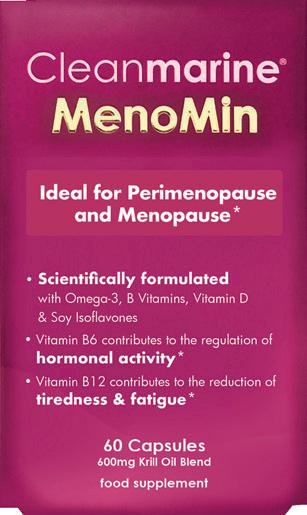
No. 1, Clinically Proven Supplement for Peri and Menopause
Cleanmarine® MenoMin trusted by me and thousands of Irish Women to support their menopause journey. It’s natural, Irish and genuinely works”
Lorraine Keane Broadcaster & Mum


Exclusive to Pharmacies and Health Stores
“ *ISJR 2016 Study - Issue 8. An Open Label Pilot Study to Evaluate The Effectiveness of A Proprietary Krill Oil Formulation in the Relief of Troublesome Symptoms of the Menopause. Michael P Wakeman. *
Workforce Intelligence Report Published
On International Women’s Day, the Medical Council published its 2022 Workforce Intelligence report. The report analyses and presents data provided by doctors on the Medical Council’s medical register (the ‘Register’). Its data reveals the growing number of female doctors registering with the Medical Council for the first time. It also provides insights from doctors as to why they chose to withdraw from the Register in 2022.

This includes doctors who have registered for the first time or retained registration with the Medical Council, and those who have voluntarily withdrawn from the Register throughout 2022.
The number of doctors on the Register has been increasing year on year, with the number of young female doctors having risen steadily over the past decade.
This year’s International Women’s Day theme is #Inspire Inclusion, and encourages everyone to recognise the unique perspectives and contributions of women from all walks of life. It calls on those involved to break down barriers, challenge stereotypes, and create environments where all women are valued and respected.
2022 Key Highlights
First Time Registered Doctors:
o 3,008 doctors registered with the Medical Council for the first time in 2022, compared with 2,605 in the previous year, representing a 15% increase, between 2021 and 2022.
o Over half (52.6%) of doctors registering for the first time in 2022 were male, and 47.4% were female.
o Notably, the ratio of females to males is greater in the youngest cohort of doctors, aged 24 and younger (45% male vs 55% female).
o Furthermore, 71.2% of doctors registering for the first time obtained their qualifications abroad.
Doctors Retaining Registration:
o 18,839 (81.5%) doctors who renewed their registration with the Medical Council were clinically active in Ireland, all or some of the time in 2022.
o In 2022, 46.8% of clinically active doctors in Ireland were female, while 53.2% were male. The distribution of males and females was split more evenly in younger cohorts, whereas the majority of older doctors are male. Over half (51.7%) of clinically active doctors working in Ireland were on the Specialist Division of the Register, 16.3% of doctors were on the Trainee Specialist Division; and 31.2% were on the General Division of the Register.
o In 2022, over a quarter of clinically active doctors working in Ireland self-reported working more than 48 hours a week on average.
In 2022, 1,341 doctors, of whom 593 were female, voluntarily withdrew their registration with the Medical Council. Among doctors who completed the voluntary withdrawal survey, 45.9% offered detailed explanations on the reasons for withdrawing their registration. A number of work-
MSc Clinical Pharmacy
related issues were cited, including limited career progression and training opportunities, poor working conditions, personal or family reasons, plans to practise abroad, and other reasons such as registration requirements and the emergency response to COVID-19 coming to an end.
President of the Medical Council, Dr Suzanne Crowe said, “As the world collectively celebrates International Women's Day, I’m glad to see a rising number of women in medicine in Ireland, particularly those aged 24 and under. In 1994, women made up just 30% of the medical Register. Now, 30 years later, we are nearly at a 50/50 split male to female, with the numbers of female doctors in the younger age cohorts outpacing male doctors."
“Over the years, there has been a significant increase in the representation of women within the medical profession, reflecting a positive shift towards greater gender diversity and inclusivity in healthcare.
“One of the key elements of Inspire Inclusion is promoting diversity in leadership and decision-making positions. Women, especially those belonging to underrepresented groups, continue to face barriers when seeking leadership roles.
“Today, I’m also reflecting on the contributions of the women who tirelessly advocate for patients and vulnerable people in Ireland. Today, we celebrate their dedication, compassion, and commitment to making a positive difference in the lives of others. Women can bring a unique understanding of women’s health issues, paving the way for change in medicine, and helping other patients to feel safe and heard.”
University College Cork are now accepting applications for the Sept 2024 intake of the MSc Clinical Pharmacy programme at University College Cork.
This part-time, 2-year online course is perfect for pharmacists who want to enhance their clinical pharmacy knowledge and practice skills within the evolving clinical healthcare system.
Graduates emerge with the skills needed to become leaders in clinical pharmacy services, such as critical appraisal of drug therapies, rational drug use (including pharmacoeconomic evaluation), medication safety management, research project management, presentation skills and report writing. Visit www.ucc.ie for further details.
Pharmacy Research Grant
The FIP Foundation for Education and Research (FIP Foundation) and the Board of Pharmacy Specialties (BPS) have announced that applications for their collaborative research grant opportunity for non-USAbased investigators researching the impact of pharmacist board certification are now open. Visit the FIP Foundation webpage for the electronic application link. Applications are due 1 May 2024.
BPS, in collaboration with the FIP Foundation, is sponsoring one research grant of up to EUR 5,000 to support researchers outside of the USA who are interested in conducting research related to the impact of pharmacist board certification. To be eligible, research projects must be focused on the impact of pharmacist board certification on specialisation and advanced practice through the following research aims:
• Patients and/or outcomes (e.g., adherence, quality of life, patient satisfaction, health literacy);
• Healthcare systems (e.g., medication safety, cost avoidance, drug-related problems, admissions/ readmissions, emergency department visits, institutional credentialing and privileging);
• Interprofessional collaboration (e.g., recognition, perception, increased efficiency in providing care); and/or,
• Pharmacist employment, professional development, and/or wellbeing (e.g., job satisfaction, retention, career advancement).
The grant awardee will be recognised during the 82nd FIP World Congress of Pharmacy and Pharmaceutical Sciences in September 2024 and through FIP Foundation and BPS online publications. The final research report will be suitable for publication in the International Pharmacy Journal.
Questions about the research grant can be directed to the FIP Foundation at foundation@fip.org.
The Board of Pharmacy Specialties (BPS) was established in 1976 as an autonomous division of the American Pharmacists Association (APhA).
PHARMACYNEWSIRELAND.COM 12 News
Dr Suzanne Crowe, President, Irish Medical Council

May Measurement Month
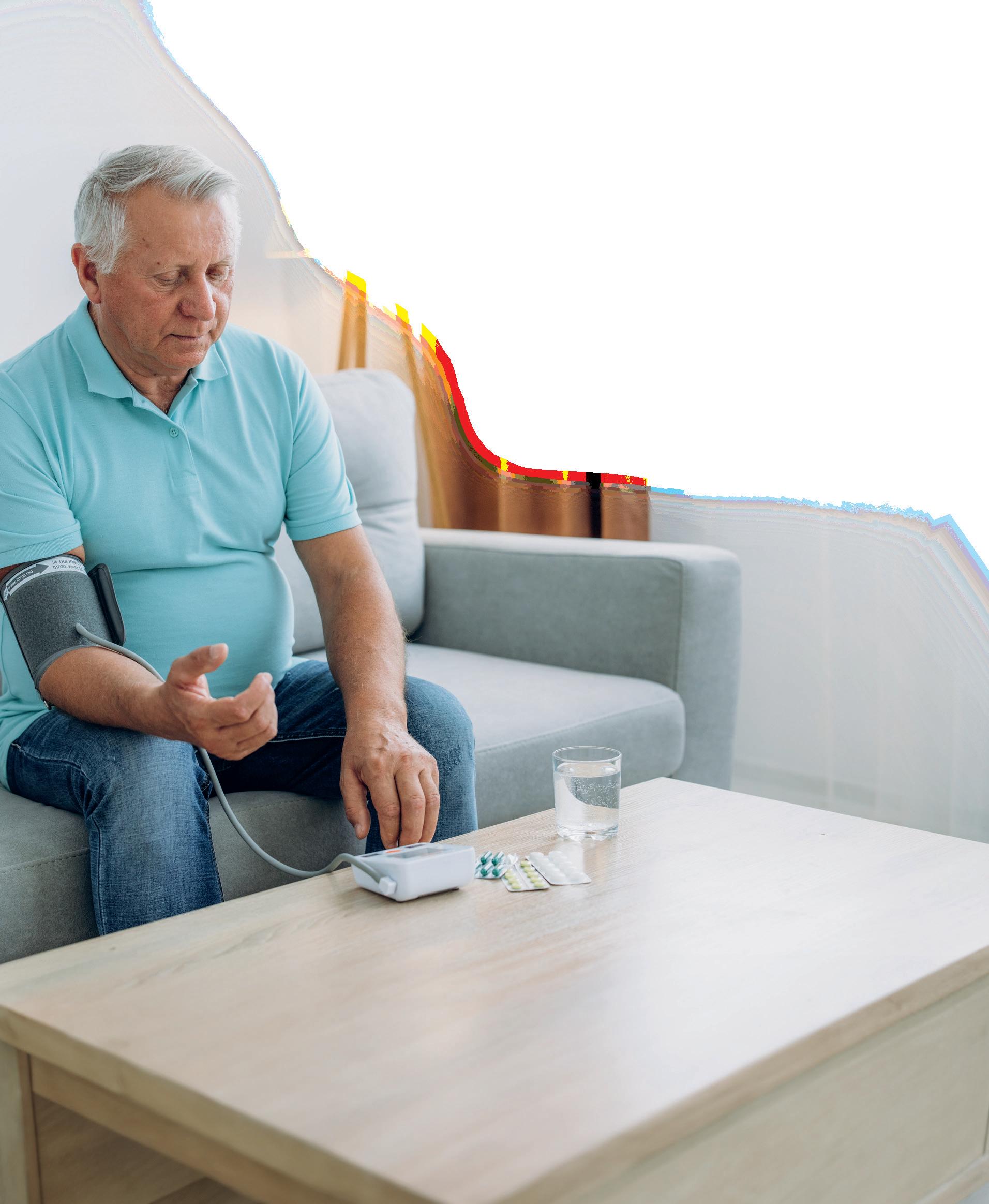
Join Fleming Medical in supporting the Irish Heart Foundation’s National Blood Pressure Awareness Campaign, “Before Damage is Done.”
The “Before Damage is Done” campaign will coincide with May Measurement Month and aims to encourage adults, particularly those over fifty, to get their blood pressure checked in their local pharmacy.
Participating pharmacies will receive branded merchandise, in-store informational resources, and a blood pressure monitoring information session.
Supported by

Contact your Local Sales Representative for more information about how to be a participating pharmacy for May Measurement Month and get involved in supporting the Irish Heart Foundation.
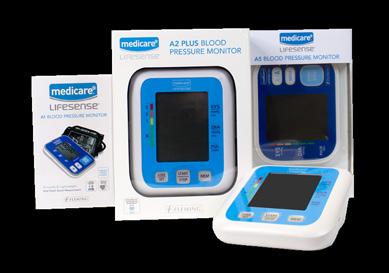
For further information on this campaign and to view the Medicare LifeSense® Blood Pressure range, simply scan the QR Code above.
FLEMINGMEDICAL.IE Freephone: 1800 307777 Email: pharmacy@flemingmedical.ie @Medicarefirstaid @Medicarefirstaid @Medicare1staid
Tackling Fatal Bloodstream Infections
Bloodstream infections are a major cause of illness and death worldwide. The bacterium Staphylococcus aureus is the leading global cause of these fatal bloodstream infections, with antimicrobial resistant (AMR) strains such as methicillin resistant S. aureus (MRSA) compounding this major clinical problem.
Despite advances in modern medicine the incidences of S. aureus bloodstream infection is increasing year-on-year, and scientists and doctors have no definitive understanding of why this is. Furthermore, these bacteria are present in the microbiome of approximately one third of the human population, and it is well established that those colonised by S. aureus are at higher risk of infection.
Now Professor Ruth Massey, based at the School of
Microbiology in UCC and APC
Microbiome Ireland, together with Professor Rachel McLoughlin from the School of Biochemistry and Immunology at Trinity College Dublin, Professor Mario Recker at the University of Exeter and researchers at the University of Bristol will, through this WelPage 14 Wellcome lcome Trust funding, examine how this bacteria cause damage to human tissue and evade the immune system.
Utilising their combined crossdisciplinary expertise they will
now build the first detailed description of the key bacteriahost interactions and processes that control the establishment and severity of S. aureus bloodstream infection, with a view to identifying key intervention points to inform treatment guidelines and ultimately reduce the burden of S. aureus infection for patients and healthcare settings. The project will advance critical understanding of how this notorious human pathogen causes disease.
PHX Ireland announce Company Values
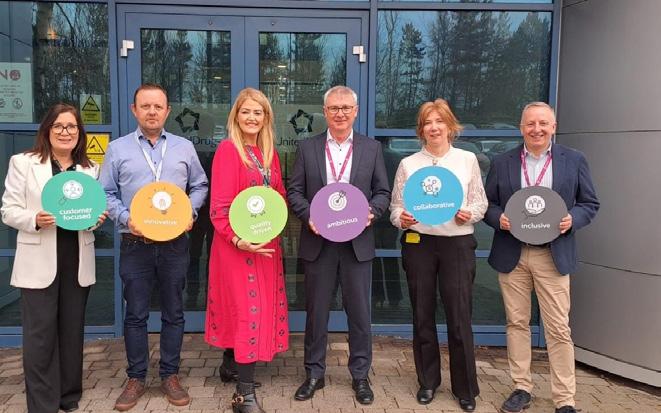
After a lengthy period of interpretation and inspiration drawn from the mission statement of their parent company, PHOENIX Group, PHX Ireland have released their new company values.
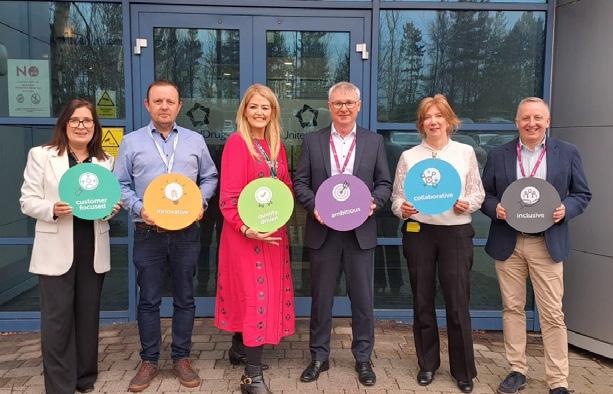
PHX Ireland have recognised the importance of a strong, defining set of core values that accurately reflect what is at the heart of their motto, to deliver health. The values can be summarised as: remain customer focused, quality driven, embrace collaboration, foster a culture of ambitious thinking, welcome innovative ideas, and ensure inclusivity always.
Colleagues from across TCP Homecare, LloydsPharmacy Ireland, and United Drug came together both virtually and in person to enjoy the reveal via livestream. Paul Reilly, CEO PHX Ireland, and Hillary Collins, People
& Culture Director PHX Ireland, described how these values will serve as a guide for the future journey of the business.
“Values are very important to an organisation and are massively important to my team and I. Values are what help set the culture within an organisation”, said Paul during his company address. “Having a strong set of values, help you refine your thought process and help you to make the right decision for the organisation. They’ll also help you understand what the organisation would want of you in certain circumstances”, he continued.
Pharmacy Guide Book
Guidance for pharmacists to manage symptoms of iron deficiency anaemia (including supporting self-care) and to prevent the condition is shared in a new FIP handbook.
“With the increasing role of pharmacists in the healthcare system, pharmacists can play a vital role in providing health information on the prevention and management of iron deficiency anaemia. It is, therefore, a pleasure to present this comprehensive handbook for pharmacists to serve as a guiding resource. This handbook was developed in response to the recommendations from a FIP roundtable report in 2022, which highlighted the increasing opportunity for pharmacists to contribute to achieving the World Health Organization’s target of reducing anaemia by 50% among women of reproductive age by 2025,” said FIP CEO Catherine Duggan. The handbook describes iron deficiency anaemia roles for pharmacists in community pharmacies, hospitals and research.
Pictured at the PHX Ireland values launch are Emily O’Neill, Michael Taylor, Hillary Collins, Paul Reilly, Mary Higgins and Alan Pender
However, the journey does not end with the launch. Over the next weeks and months, the company have committed to visibly bringing these values to life. Through informative sessions, creating values packs, and, most significantly, by bringing the values to life and embodying them in every way possible.
The group are encouraged to embrace the new values wholeheartedly and actively reflect on them in times of doubt or uncertainty.
PHX Ireland Group Limited, is Ireland’s leading fully integrated healthcare provider. PHX Ireland Group Limited comprises United Drug, Ireland’s leading pharmaceutical distributor; LloydsPharmacy Ireland, a major community pharmacy chain; and TCP Homecare, innovators in clinical home nursing services and direct to patient delivery solutions. In Ireland, PHX Ireland employs over 1,800 people, operate 5 distribution centres and 80 Pharmacies.
It also provides the knowledge needed to offer advice to special populations, such as children, non-pregnant women of reproductive age, pregnant individuals and breastfeeding mothers, elderly people with chronic diseases, and patients with chronic blood loss.
Anaemia is a global public health concern, affecting individuals of all ages and demographic groups, with implications for health, morbidity and mortality. While anaemia manifests as decreased haemoglobin or haematocrit levels, iron deficiency anaemia is the most prevalent type, and iron is a crucial element for growth and development and a component of haemoglobin. In 2022, the International Pharmaceutical Federation (FIP) explored the role of pharmacists in anaemia management, emphasising the need for an educational guide to support pharmacists, particularly in addressing iron deficiency anaemia (IDA). IDA, which affects 1.2 billion individuals worldwide, is preventable and treatable, highlighting the importance of early detection.
Pharmacists, as accessible healthcare providers, bear a critical responsibility to educate patients, tailored to factors like age, sex, underlying conditions and the causes of IDA, encompassing selfcare interventions and various management approaches.
PHARMACYNEWSIRELAND.COM 14 News

Ireland’s No. 1 leading provider of Ostomy products & services Sourcing from over 35 leading manufacturers. 48-hour turnaround time for emergency orders. Cutting up to 10,000 bags per week. Access to Stoma Nurses across Ireland. Dedicated Customer Care Team. Over 3000 products available. For more information call 01 463 2347 or visit www.udw.ie
Being a Supervising Pharmacist
The Nitty Gritty of being a Supervising Pharmacist in a Community Pharmacy
The responsibility is much higher, the pay is not-that-much higher and every patient wants to say hello to you - 'the boss' of their local chemist. Meanwhile, all you can think of is a growing list of tasks you are behind on. Let's get real about what it means to be a supervising pharmacist in a community pharmacy.

INTRODUCTION
When I started to work as a supervising pharmacist in 2020, I could not believe there was no course in preparation to it. You are just recruited for the job, because you have practiced for three years since registration and you're not afraid of the responsibility. You accept the title and a payrise and... voila, you are a supervising pharmacist. And so, I truly believe there needs to be a better flow of information between pharmacists not only about what are the requirements and duties, but also what the job actually entails.
STEP-UP TO SUPERVISING PHARMACIST IPU COURSE
I welcomed recently released StepUp to Supervising Pharmacist IPU course as a really positive development. To quote from the IPU website, it is a one-day course that lasts from 10am to 4pm and covers the legal requirements that stem from the Pharmacy Act, role of the PSI, responsibilities of a supervising pharmacist (vs superintendent), Pharmacy Assessment System, HSE/GMS Contract requirements, etc.
WHAT IT MEANS TO BE A SUPERVISING PHARMACIST
ACCORDING TO THE PSI
The PSI outlines the responsibilities of a supervising pharmacist in the 'Guidance on the
Written by Anna Cotter, MPSI
Roles and Responsibilities of the Superintendent and Supervising pharmacists' from 2008. We all know the phrases, 'ensure the safe delivery of medicines', 'responsible for day-to-day operation of the pharmacy', 'ensuring pharmacy is compliant with The Pharmacy Act', but what does it mean in practically? And how much more duties arise from being a ‘managing pharmacist’ - a shop manager?
WHAT
IT MEANS TO BE A SUPERVISING (AND MANAGING) PHARMACIST IN A COMMUNITY PHARMACY IN REAL LIFE
1. You’ll have to manage the team with no formal training or preparation (unless you do some in your own time), often with team members older and more experienced (what do you think that’ll do to your confidence?). Having an open mind helps as it is a piece of a humble pie when you're wrong (and you will be).
2. Doing rosters – and we all know that one member of Staff who changes their holiday dates three times…
3. You will probably soon supervise trainee techs, or become a preceptor to a pharmacy student during an APPEL placement – and if you’d like to do it right, you should regularly spend some time with them to reflect on learnings. See a pattern there? All these tasks and same amount of TIME in the day…
4. You will be responsible for training any new OTC Staff coming your way, sometimes from scratch if it's their first pharmacy job. Yes, they might have some internal online training, but you will have to constantly listen in with one ear from the dispensary and tweak the advice they give as needed. They will also come to you as you check prescriptions to ask questions about the customer they serve –so having the ability to multitask helps. A lot.
5. In smaller shops, as a manager you will also be accountable
for cash. This means cash discrepancies or weekly lodgement sheet not being sent are for some reason yours to explain to accounts department. Just stop dispensing, checking and answering calls, you have lots of TIME to spare...
6. In a smaller shop with no floor supervisor, you will be responsible for what the shop floor looks like, you will have to walk the floor and check: are the promotions for the month up to date, are the shelves full and faced off and are all SEL's printed? Meanwhile, the head office will still think that 'there isn't anything to manage', because it is only a team of 3-6 Staff, most of them part-time…
7. Supervise the claim quality, are hardship applications up to date and manual claims paid? Have a look at rejects from the previous month and make sure Staff know what went good and what bad and how to avoid rejects in the future. This one is a constant learning curve for you and your techs, unless you have a very experienced tech working with you. Which you probably don’t!
8. You are responsible for the CD safe count - but you will only ever get to check it every couple of months as opposed to ideal monthly check - you simply haven't got the TIME…
9. You are the face of the pharmacy, always looking professional, eager to approach the patient at the till or at least wave, ask how they are doing or throw a witty one-liner from behind the dispensary counter. You really don’t want to be dismissive, you simply haven’t got the TIME to talk.
10. As a result of all the above, you will wake up in the middle of the night, worrying if you dispensed something wrong or rubbed the customer the wrong way and they will make a complaint. You probably didn’t and they probably won’t, but good luck trying to fall back asleep.
11. You will be expected to produce some extra reports - f.e. lost patient reports, health and safety check –so get good at delegating, perhaps a tech savvy OTC colleague can help you with these?
12. Learn how to set boundariesotherwise you will not get a single prescription checked without OTC Staff and trainee techs approaching you with a question. And try not to sigh, when Staff do approach you leading with ‘Anna, I know you’re very busy, when you’re ready, a question’.
13. Drive the pleasant atmosphere in the shop, maintain good relationships with Staff, have the TIME for 'a little chat': ‘How was everybody’s weekend?’
14. Fill in the Pharmacy Assessment System – and try to come up with different practice examples every year!
15. All the while, you still ought to dispense accurately and deal with increased pressure during winter season due to influenza and Covid-19 vaccination...
16. Continuously make the place run more efficiently, improve the dispensing flow, increase items and attract new patients. You surely can work just a little harder!
17. Drive monthly/annual housekeeping jobs in the dispensary- emptying the drawers from prescriptions that haven't been collected, date checking all stock, sending old paperwork for storage elsewhere or to be destroyed, etc.
18. Not to mention new duties approaching - medication reviews when dispensing of a 12 month prescription, minor ailments scheme, initiating contraception. Is your shift also nine hours long? It surely should be twelve hours long at this stage!
WHY DO IT?
The job is busy, fast pacing and it is hard. So why are we putting up with it? Being a supervising/ managing pharmacist can definitely be rewarding too. When you get things done right, it is the best job in the world. When you see your Staff and your patients trust you, when the claim quality hits 100%, when you build a good relationship with a local surgery. You can really make a difference in your local community. And that, from my perspective, is why we stick it out.
PHARMACYNEWSIRELAND.COM 16 Leadership


CETIRIZINE DIHYDROCHLORIDE





Clearing ...to
a brighter day
For relief of symptoms of hay fever and other allergic conditions, skin rashes or itchy, watery eyes.




Contraindications: Hypersensitivity to the active ingredient, any of the excipients, hydroxyzine or to any piperazine derivatives. Patients with severe renal impairment at less than 10ml/minute creatinine clearance. For supply through pharmacies only. A copy of the summary of product characteristics is available upon request. PA 126/267/1-2. PA Holder: Clonmel Healthcare, Waterford Road, Clonmel, Co. Tipperary. Date prepared: July 2022. 2022/ADV/ANT/188H
Pharmacological interventions ARIA 2019
Allergies
Management in Pharmacy of Allergic Rhinitis
There are several treatment options available to the patient and a combination of these options may be required for optimal relief of symptoms. These are outlined in Table 1. Saline douching/nasal irrigation should also be encouraged and is available either as a saline rinse or saline spray. Saline rinsing involves high volume at a low pressure whereas saline spray is a low volume delivered at high pressure. The advantages of saline douching include:
● Direct cleansing
Allergic Rhinitis refers to inflammation of the nasal passages which results in symptoms such as sneezing, nasal congestion and blockage. Rhinitis which is caused by an allergic trigger is known as Allergic Rhinitis (AR). This accounts for about 75% of rhinitis cases while the remaining 25% are caused by non-allergic rhinitis. It is estimated that over 80% of people with asthma have AR. It is also a risk factor for asthma with 10-40% of people who have AR also having asthma. AR is more likely to develop initially with asthma developing later. Therefore, people with AR should be assessed for asthma due to the increased risk of developing asthma. Similarly, patients with persistent asthma should be assessed for AR. As spring and summer emerges, this can be a challenging time as various pollen levels start to increase.
 Written by Ruth Morrow, Respiratory Nurse Specialist, Asthma Society of Ireland
AR and asthma often co-exist as “united airway disease” or “one airway disease”. Both conditions are chronic inflammatory diseases affecting both the upper and lower airways. Both conditions can be triggered by allergic or non-allergic triggers and may present as several phenotypes. Assessment and management of AR and asthma should be jointly carried out, leading to better control of both conditions.
Rhinitis can occur without a known allergic trigger. This is known nonallergic rhinitis. Non AR accounts for about 25% of rhinitis cases. Non-allergic rhinitis can be caused by structural nasal problems such as septal deviation and through exposure to environmental
Intermittent Symptoms
< 4 days per week
or < 4 weeks at time
Mild
Normal sleep
Normal daily activities
Normal work and school
No troublesome symptoms
● Removal of mucous and inflammatory mediators
● Reduces bacterial burden
● Reduces mucus thickness
● Improves mucocillary function by increasing ciliary beat frequency
Smoking and vaping cessation should be encouraged at every opportunity. Smoking and vaping increases the likelihood of chronic nasal symptoms and may be associated with the development of nasal polyposis. Passive smoking, environmental exposure and passive vaping also increase the likelihood of chronic nasal symptoms and nasal polyposis.
Drug therapy options Symptoms
Oral H1 antagonists
Intranasal HI antagonist
Intraocular HI antagonist
Intraocular cromones
Intranasal Decongestants
Oral Decongestants
Sneezing, rhinorrhoea, nasal itch, eye symptoms
Sneezing, rhinorrhoea, nasal itch
Eye symptoms
Eye symptoms
Nasal blockage
Nasal blockage
Leukotriene Receptor Antagonists (LTRA) Rhinorrhoea, nasal blockage, eye symptoms
Intranasal Corticosteroids (INCS)
Oral Corticosteroids
Immunotherapy
All symptoms
All symptoms
All symptoms
Table 1: Pharmacological options of allergic rhinitis
pollution, chlorinated pools and even fragrances. Hormonal changes that occur during puberty, pregnancy and menopause can also act as a trigger.
Symptoms of Allergic Rhinitis
Typical symptoms of seasonal (Hayfever) and perennial allergic rhinitis are
• Sneezing
• Itchy, blocked, or runny nose
• Red, itchy, or watery eyes
• Itchy throat, inner ear, or mouth
• Postnasal drip (a drip of mucus from the back of the nose into the throat)
• Headaches
• Loss of concentration and generally feeling unwell
• Reduced sensation of taste and smell
Persistent Symptoms
> 4 days per week
or ≥ 4 weeks at time
Moderate to severe (One or more items)
Abnormal sleep
Impairment of daily activities, sport and leisure
Difficulties caused at school or work
Troublesome symptoms
Patients may experience all or some of the above. Symptoms may be confused with symptoms of COVID19.
Classification
In 2019, the classification of “seasonal” and “perennial” rhinitis was changed to “intermittent” and “perennial” rhinitis (ARIA, 2019). Intermittent rhinitis occurs less than 4 days per week or for less than 4 weeks. Persistent rhinitis lasts more than 4 days and longer than 4 weeks. Both intermittent and persistent AR can be mild or moderate/severe (see Figure 1).
Pharmacological interventions ARIA 2019
There are several treatment options available to the patient and a combination of these options may be required for optimal relief of symptoms. These are outlined in Table 1. Saline douching/ nasal irrigation should also be encouraged and is available either as a saline rinse or saline spray. Saline rinsing involves high volume at a low pressure whereas saline spray is a low volume delivered at high pressure. The advantages of saline douching include:
Table 1: Pharmacological options of allergic rhinitis
• Direct cleansing
• Removal of mucous and inflammatory mediators
• Reduces bacterial burden
• Reduces mucus thickness
• Improves mucocillary function by increasing ciliary beat frequency
Smoking and vaping cessation should be encouraged at every opportunity. Smoking and vaping increases the likelihood of chronic nasal symptoms and may be associated with the development of nasal polyposis. Passive smoking, environmental exposure and passive vaping also increase the likelihood of chronic nasal symptoms and nasal polyposis.
Figure 1: Classification of allergic rhinitis (ARIA, 2019)
Mild intermittent AR treatment options include oral and nasal decongestants which can be used as a rescue medication. These medications will reduce nasal congestion and should be used for no longer than 7 days and should be avoided in pregnancy and breastfeeding. Oral H1 antagonists block the physiological effects from mast cell-derived histamine. 2nd generation antihistamines are preferred due to their less sedating effect and are available over the counter. Antihistamines are also available intranasally or intraocular. Intranasal corticosteroid (INCS) is the 1st line treatment for
PHARMACYNEWSIRELAND.COM 18


FAST RELIEF OF ALLERGIES 24hr
Cetrine Allergy 10mg Film-Coated Tablets available in packs of 7s and 30s. Always read the leaflet.
ABBREVIATED PRESCRIBING INFORMATION
Product Name: Cetrine Allergy 10mg lm-coated tablets & 1 mg/ml oral solution.
Composition(s): Each tablet contains 10 mg cetirizine dihydrochloride. One ml of the oral solution contains 1 mg cetirizine dihydrochloride. Description(s): White, oblong lm-coated tablets, scored on one side. Can be divided into equal halves. Clear, colourless liquid with banana avour.
Indication(s): Tablets: Adults and paediatric patients 6 years and above. Oral solution: Adults and children 2 years and above. Relief of nasal and ocular symptoms of seasonal and perennial allergic rhinitis (hay fever); relief of symptoms of chronic idiopathic urticaria.


Dosage: Tablets: Adults, elderly and children aged 12 years and over: 10 mg once daily. Children from 6 years to 12 years: 5 mg (half a tablet) twice daily. Moderate renal insu ciency (creatinine clearance CrCl 30-49 ml/min): 5 mg once daily. Severe renal insu ciency (creatinine clearance ≤30 ml/min): 5 mg once every 2 days. Children under 6 years: Not recommended. Oral solution: Children aged from 2 to 6 years: 2.5 mg twice daily (2.5 ml oral solution twice daily (half a measuring spoon twice daily)). Children aged from 6 to 12 years: 5 mg twice daily (5 ml oral solution (a full measuring spoon twice daily)). Adults and adolescents over 12 years of age: 10 mg once daily (10 ml oral solution (2 full measuring spoons)). Not recommended in children aged less than 2 years. Moderate renal insu ciency (creatinine clearance CrCl 30-49 ml/min): 5 mg once daily. Severe renal insu ciency (creatinine clearance ≤30 ml/min): 5 mg once every 2 days. In paediatric patients su ering from renal impairment: Adjust dose on an individual basis taking into account the renal clearance of the patient, his age and his body weight. Contraindications: History of hypersensitivity to the active substance, to any of the excipients, piperazine derivatives or hydroxyzine. Severe renal impairment < 10 ml/min creatinine clearance.
Warnings and Precautions for Use: Cetirizine may increase risk of urinary retention, therefore caution in patients with predisposition factors of urinary retention (e.g. spinal cord lesion, prostatic hyperplasia). Caution in epileptic patients and patients at risk of convulsions. Discontinue use of cetirizine three days before allergy testing. Pruritis and/or urticaria may occur when cetirizine is stopped, even if the symptoms were not present before treatment initiation. In some cases, the symptoms may be intense and may require treatment to be restarted. The symptoms should resolve when the treatment is restarted. Tablets contain lactose. Oral solution contains sorbitol, propylene glycol, sodium (essentially ‘sodium free’), methyl - & propyl-parahydroxybenzoate.
Interactions: Caution is advised when taken concomitantly with alcohol or other CNS depressants. Cetirizine does not potentiate the e ect of alcohol (0.5 g/l blood levels). The extent of absorption of cetirizine is not reduced with food, although the rate of absorption is decreased.
Pregnancy and Lactation: Caution during pregnancy and breast-feeding.
Ability to Drive and Use Machinery: Usually non-sedative, patients should take their response to the product into account. In sensitive patients, concurrent use with alcohol or other CNS depressants may cause additional reductions in alertness and impairment of performance.
Undesirable E ects: Cetirizine at the recommended dosage has minor adverse e ects on the CNS, including somnolence, fatigue, dizziness and headache. In some cases, paradoxical CNS stimulation has been reported. Although cetirizine is a selective antagonist of peripheral H1-receptors and is relatively free of anticholinergic activity, isolated cases of micturition di culty, eye accommodation disorders and dry mouth have been reported. Instances of abnormal hepatic function with elevated hepatic enzymes accompanied by elevated bilirubin have been reported which resolves on discontinuation of the drug. Uncommon: Agitation, diarrhoea, pruritus, rash, asthenia, malaise, paraesthesia. See SPC for all adverse reactions.
Marketing Authorisation Holder: Rowex Ltd, Bantry, Co. Cork.
Marketing Authorisation Number: PA0711/075/002-003. Further information and SPC are available from: Rowex Ltd., Bantry, Co. Cork. Freephone: 1800 304 400 Fax: 027 50417 E-mail: rowex@rowa-pharma.ie
Legal Category: Not subject to medical prescription.
Date of Preparation: March 2021


Adverse events should be reported. Reporting forms and information can be found on the HPRA website (www.hpra.ie) or by emailing Rowex pv@rowa-pharma.ie
Date of preparation: (04-22) CCF: 24955 Supply status: Supply through pharmacies only.
20 Allergies
moderate/severe intermittent and persistent AR. These medications are used once or twice daily to each nostril and good technique is essential and should be checked at every opportunity. If the nasal cavity is very obstructed, a nasal spray may not be effective. Nasal drops may be more effective in this scenario. Nasal spray and nasal drop technique can be viewed on https://www.asthma.ie/ about-asthma/resources/inhalertechnique-videos.
The efficacy of INCS is not improved when used with oral corticosteroids (OCS).
Sublingual Immunotherapy (SLIT)/ Allergen Immunotherapy (AIT) is now recommended by GINA (2021) as a treatment option for patients with asthma who are sensitised and have allergic rhinitis. Immunotherapy is also recommended by ARIA (2019) for patients with AR who do not achieve an optimal response from oral H1 or INCS therapies. These medications are not available on the GMS and can be prescribed by GPs.
Immunotherapy
Sublingual immunotherapy (SLIT)/ Allergen Immunotherapy (AIT) is recommended by GINA (2021) as a treatment option for patients who are sensitised and have allergic rhinitis. Immunotherapy is also recommended by ARIA (2019) for patients who have AR and who do not get an optimal response from oral H1 or INCS therapies. There are three SLIT/AIT products available in Ireland to treat allergygrass pollen, tree pollen and house dust mite allergy. These are taken sublingually daily for three years.
Endonasal Phototherapy
Endonasal phototherapy has an immunosuppressive effect by inhibiting allergen-induced histamine released from mast cells. It also induces apoptosis
in the T-lymphocytes and eosinophils. The procedure directs a combination of UV-B. UV-A and visible light into the nasal cavity. Endonasal phototherapy is generally well tolerated and effective and is a treatment option when pharmacological treatment is insufficient or contraindicated.
Surgical Intervention
It is considered that allergic rhinitis is a medical condition that requires medical intervention. However, if symptoms are unilateral or if there is a septal deviation, nasal polyps or tumour present, surgery should be considered. Patients will still need to have an AR plan in place post-surgical intervention.
Lifestyle Intervention
• Keep windows closed at night-time or when the pollen count is high.
• Monitor the pollen levels on https://www.met.ie/forecasts/ pollen
• Minimize time spent outdoors when the pollen count is high.
• Apply Vaseline around nostrils when outdoors to trap pollen.
• Wear wraparound sunglasses to minimize levels of pollen irritating the eyes.
• Splash the eyes with cold water to help flush out pollen and soothe and cool the eyes.
• Shower, wash your hair and change clothes if you have been outdoors for an extended time.
• Exercise in the morning rather than the evening when there are higher rates of pollen falling.
• Avoid drying clothes outdoors and shake clothes outside before bringing them inside –particularly bedclothes.
• Minimise contact with pets that have been outdoors and are likely to carry pollen.
• Have an Asthma Action Plan in place which contains all the information a person with asthma needs to keep their condition in control. Every person with asthma should be offered a plan. It should be reviewed frequently, and any time medication is changed. These can be downloaded for free from www.asthma.ie and should be filled out with the patient’s healthcare professional.
Exam time…
Walker et al (2007) showed that allergic rhinitis can have a significant impact on exam performance and results with students dropping a grade in the state exams compared with their mock exams. Students should be advised to have their allergic rhinitis assessed and treatment started well in advance of sitting exams, usually around Easter time. Some other useful tips during exam time include:
• Use non-sedating anti-histamines
• Students should tell the adjudicator if their seasonal allergic rhinitis is bothering them.
• Splash the eyes with cold water before going into the exam room.
• Try not to sit near an open window.
• Keep a supply of tissues and effective, quick-acting treatments close at hand just in case.
Special Considerations in Allergic Rhinitis
Children under 4 years
Outdoor allergens are unusual in children under 2 years of age. Type 2 sub-endotype IL4/ IL-13 are associated with AR in children. IL-5 is associated with asthma. Treatment of children under 4 should focus on allergen avoidance and saline spray. Cetirizine is the oral H1 antagonist of choice. Cetirizine is licensed
from 2 years, but good safety is reported from 6 months of age. For moderate/severe persistent AR, intranasal corticosteroids such as Fluticasone or Mometasone should be considered 1st line treatment. Long term follow-up studies suggest no growth retardation if used as a once-daily dose. Caution should be taken in children who are also using inhaled or topical corticosteroids for asthma or dermatitis. In children, with resistant symptoms and those with co-existing asthma, leukotriene receptor antagonists should be considered. Parents should be educated about possible side effects of sleep disturbance and mood disorders.
Pregnancy
AR affects 20% of pregnancies and women with pre-existing AR can experience an increase in symptoms. Medications should be avoided where possible and should be used if benefits to the mother are greater than the risk to the foetus. Medication should be avoided in the first trimester if possible. Topical administration of medication should be the first line where possible.
Conclusion
This article has explored the assessment and management of AR. Special considerations in children and pregnancy have also been addressed. The impact of allergic rhinitis on health and well-being is significant, with many people experiencing impairment of daily activities, learning and cognitive function, as well as reduced productivity at work and school. Optimal control of symptoms through pharmacological and non-pharmacological treatment regimes in combination with education, self-management and empowerment is paramount to managing this distressing condition.
Patient Resources
People who have questions about managing their asthma are encouraged to send a WhatsApp message to the HSE-funded Asthma WhatsApp service on 086 059 0132 or Freephone the Asthma Society’s HSE-funded Asthma Adviceline on 1800 44 54 64. Both services are free and allow users to communicate directly with an asthma nurse specialist. Pharmacists can refer patients to these services using the e-referral form at https://www. asthma.ie/patient-e-referral. The annual Asthma Society Hayfever Campaign will be running over the coming months with media engagement amongst its activities. References available on request
PHARMACYNEWSIRELAND.COM
recommendation for management of allergic rhinitis mild intermittent moderate severe intermittent mild persistent moderate severe persistent intranasal steroid local chromone oral or local non-sedative H1-blocker oral/topical (<10 days) nasal decongestant allergen and irritant avoidance immunotherapy
Figure 2: Stepwise pharmacological treatment for allergic rhinitis
ARIA











For relief of symptoms of hay fever and other allergic conditions, skin rashes or itchy, watery eyes. Order via www.uniphar.ie or your uniphar sales representative or phone 01-4687501 Product Information: Zitrease Allergy 10 mg Film-coated Tablets (Cetirizine dihydrochloride). Marketing Authorisation Holder (MAH): Bluefish Pharmaceuticals AB, P.O. Box 49013, 100 28 Stockholm, Sweden Marketing Authorisation Number(s): PA1436/042/001. Legal Category: Retail Sale through Pharmacy only. Date of Last Review of API : 30/01/2024. Further information including the SPC is available on request from MAH holder. Adverse event details should be reported to: HPRA Pharmacovigilance, Website: www.hpra.ie Zitrease_IPN_01 Jan 2024 Cetirizine Dihydrochloride

Management of Sensitive Teeth

Sensitive teeth are a very common dental condition where patients experience pain from cold, hot or sweet things on their teeth. Patients often alter their lifestyles to help manage this condition. The aim here is not to describe all the treatments that are available to help manage tooth sensitivity, but to help you manage this sensitivity through simple changes to your oral hygiene routine, using various dental products.
The most common causes for sensitive teeth include gum recession which exposes the underlying dentin and tooth wear. Tooth wear involves the breakdown of enamel. The enamel is the white outer layer of the tooth which extends to the gum line and it is the hardest substance in the body, protecting the underlying tooth structure. It is a multifactorial process caused by things like recession of the gum, erosion from stomach acids, abrasive toothpastes, or an abrasive toothbrush. When the dentin is exposed, stimuli are sent down the tubules initiating a pain response. However, sometimes tooth discomfort is caused by other factors such as a cavity, a cracked / chipped tooth, a worn filling, or gum disease, which is why it is important to see a dentist first to rule out any conditions that may require professional treatment.
Do you remember being told to go in and scrub your teeth? Well not anymore, this is a thing of the past. Aggressive brushing like scrubbing back and forwards, especially with a medium or hard bristle toothbrush, can push the gum back, exposing the root dentin which contains the nerve endings, causing discomfort. People should either use a soft bristle manual toothbrush in a circular motion along the gum line to compliment the gum contour and flick all the plaque away from the gum. Alternately, use a circle head electric toothbrush to again match the gum by holding the brush there for two seconds on each tooth surface, to allow the toothbrush to remove plaque away from the gum with its rotating movement. It also helps to make sure that if you do pick an electric toothbrush, get one with a sensitive setting and pressure sensor to help avoid over brushing.
What a lot of people do not know is that toothpaste should not be rinsed off with water or mouthwash after brushing your teeth. Do not believe the mouthwash adverts or movies which can be contradictory to what we learn in dental school. This can be like putting cream on your skin and jumping in the shower, you have not given the toothpaste enough time to soak into your teeth. Fluoride is needed to strengthen our teeth by enhancing tooth remineralisation. This works by accelerating the growth of hydroxy fluorapatite crystals in these weakened and exposed areas of the teeth. Not rinsing after brushing, with water or mouthwash, is my number one hack for preventing cavities and sensitive teeth.
The best toothpaste is any sensitive toothpaste with fluoride. The brand makes no difference, but it must contain at least 1350 ppm of fluoride and be used twice a day. You can also rub a small bit of toothpaste on the sensitive areas at other
times of the day. Whitening and charcoal toothpastes are prime suspects for causing sensitive and yellower teeth as people age. When we age, we naturally thin our enamel with our food and drinking habits, but whitening and charcoal toothpastes will accelerate this process. They contain small abrasive particles such as hydrated silica and sodium bicarbonate in combination with peroxide. This lowers the pH, weakening the teeth before aggressively scrubbing off the top layer of the tooth with the small particles to remove surface stains. Dentists prescribe up to 6% of hydrogen peroxide for professional at home whitening to effectively penetrate the enamel and change the colour of your teeth. The EU has regulated this to limit the hydrogen peroxide in over-the counter products to 0.1%. Which is why over-the counter products such as whitening and charcoal toothpastes use aggressive components to whiten teeth because this 0.1% hydrogen peroxide is not sufficient to be effective. It only removes surface stains for 24 hours and causes sensitive teeth.
Getting a high fluoride prescription toothpaste such as Duraphat 5000ppm contains nearly four times the amount of fluoride to regular toothpaste. This can be super helpful as an additional fluoride boost, to strengthen the enamel, making the teeth more resistant to acid erosion and sensitivity. Another product that helps with sensitive teeth is SensiKin gel. It contains 10% potassium nitrate and 1000ppm of sodium fluoride. The potassium nitrate helps to calm the nerves. This can also be applied after brushing your teeth by rubbing it on or putting it on interdental brushes to apply between your teeth.
I hope this has shed some light on the management of sensitive teeth. Follow @drbronaghkeane on Instagram for more dental tips and tricks.
22 | PHARMACYNEWSIRELAND.COM
Written by Dr Bronagh Keane, Ireland’s Toothfairy, Dublin
Promoting good oral health since 1965
Developed in collaboration with dental experts, TePe is the UK’s No. 1 selling Interdental Brush (IDB) and most recommended by dental hygienists.* IDB’s are highly effective in removing dental plaque between teeth and TePe offers a wide range in multiple sizes and handle lengths to suit everybody.
We’re using a range of initiatives from raw materials to energy supply that reduces our IDBs carbon footprint by 80% – without compromising on product quality, efficiency or design.
Get the details at tepe.com
*Source: A survey of 201 dental hygienists in the UK, Ipsos (2019)


01 296 8080 | orders@oceanhealthcare.ie www.oceanhealthcare.ie
Obesity Therapy in Patients with Inflammatory Bowel Disease
Written by Kate Parry1,2 and Werd Al-Najim1,3,4
1BeyondBMI, Ireland 2Kings College Hospital, London, United Kingdom 3Conway Institute, University College Dublin, Ireland 4ProHealth365 Physiotherapy & Nutrition, Ireland


Obesity
A person with a body mass index (BMI) over 30 is classified as having obesity, which can be defined as abnormal or excessive fat accumulation presenting a risk to health. With increasing research in this field, we are aware more than ever that obesity is a complex multifactorial disease with genetic, behavioural, socioeconomic, and environmental origins. According to the World Obesity Federation 2023 the prevalence of obesity is anticipated to rise from 14% to 24% of the population affecting nearly 2 billion adults, children and adolescents by 2035. The rising prevalence of obesity is expected to be steepest among children and adolescents, rising from 10% to 20% of the world’s boys during the period 2020 to 2035, and rising from 8% to 18% of the world’s girls demonstrating a need to provide greater preventative measures.
IBD
Inflammatory bowel disease (IBD) is a lifelong condition that can cause inflammation and ulcers in the gut. The two most common types of IBD are Crohn's disease (CD) and Ulcerative Colitis (UC). People with the disease can go through periods of time where the
disease is active or in remission. The rate of IBD in Ireland is among the highest in the world. According to data from the Irish Society for Colitis and Crohn's Disease (ISCC), it is estimated that around 40,000 people in Ireland have IBD, with approximately 1 in every 160 individuals affected. UC usually affects the rectum but it can extend into the sigmoid and beyond including the entire colon. CD can affect any part of the gastrointestinal tract but most often affecting the ileum and colon. Both diseases are classified by location and extent; mild, moderate or severe.
IBD and Obesity
The incidence of IBD appears to be on the rise, particularly in developing nations where it was previously uncommon. The major common trend which can be noted among these areas is a rise in westernised diets. Modern westernised diets can be characterised by increased consumption of simple sugars and carbohydrates, higher quantities of animal sources compared with plant based sources, heavier reliance on processed foods and overall increase in caloric consumption.
In the ESPEN guideline on Clinical Nutrition in inflammatory bowel
disease, they acknowledged that in the past obesity has not been associated with the disease, however they note that obesity does not stop in the IBD population and in fact obesity may worsen outcomes. Furthermore, it is increasingly recognised that obesity itself represents a low-grade inflammatory state and has been implicated as a risk factor for adverse outcomes in a number of other chronic inflammatory conditions, including psoriasis and rheumatoid arthritis, however, limited studies have been conducted to look at the relationship between IBD and obesity.
It is important to note that a significant percentage of the IBD population develop loss of lean body mass. With the increased risk of obesity this brings about a new concern over sarcopenic obesity which may occur due to chronically poor nutritional quality, increased rates of protein turnover and gut losses during phases of active flare.
What is obesity therapy?
Obesity therapy is a way in which we can support weight loss in individuals living with obesity to improve health. There are multiple
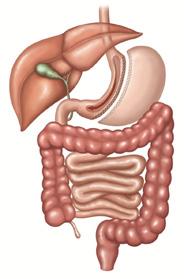
types of obesity therapy which are often offered in a step approach.
1. Diet and lifestyle
In Ireland, several services have been established to offer support to individuals through dietary and lifestyle modifications. These services are often provided as part of a multidisciplinary team, comprising professionals such as medical experts, dietitians, psychologists, and exercise specialists. Their aim is to assist individuals dealing with obesity by imparting knowledge on sustainable changes to enhance diet quality, decrease energy intake, boost physical activity, and cultivate new cognitive patterns conducive to altering eating habits.
2.
Pharmacotherapy
Developments in pharmacotherapy over the past few years means there are more options available to support individuals living with obesity. Orlistat, a fat binding medication that when taken with food partially inhibits hydrolysis of triglycerides, thus reducing the subsequent absorption, was the only available option for many years. However, Liraglutide and Semaglutide have recently been approved by NICE for managing obesity and can be seen to support weight loss by reduced appetite and hunger with increased fullness and satiety. These medications are encouraged in addition to dietary, lifestyle and behavioural changes.
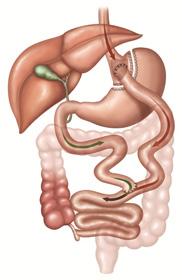
PHARMACYNEWSIRELAND.COM 24 Gastroenterology & Endocrinology
Kate Parry, Specialist Weight Management and Bariatric Dietitian Werd Al-Najim, Registered Dietitian
Bariatric surgery
Roux-en-Y Gastric Bypass (RYGB)
Sleeve Gastrectomy (SG)
3. Bariatric surgery
Bariatric surgery is a surgical procedure used in the management of obesity offering interventions to achieve substantial and sustained weight loss. The two most commonly used surgical procedures are the Roux-en-Y Gastric Bypass (RYGB) and Sleeve Gastrectomy (SG).
RYGB involves creating a small stomach pouch, restricting food intake. The small intestine is then rerouted to this pouch, bypassing a portion of the stomach and upper small intestine. The restrictive and malabsorptive components of RYGB contribute to weight loss. The reduced stomach size limits food intake, while bypassing part of the small intestine alters nutrient absorption. RYGB is associated with significant weight loss. Beyond weight reduction, it often leads to improvements in obesity-related comorbidities such as type 2 diabetes.
SG involves removing ~70% of the stomach, leaving a narrow tube or "sleeve." This results in reduced stomach capacity and reduced production of hunger hormones. The procedure primarily relies on restrictive mechanisms, limiting the amount of food the stomach can hold. Additionally, hormonal changes contribute to appetite reduction and weight loss. SG is often chosen for its relative simplicity and lower risk of complications, with positive impacts on obesityrelated conditions.
Can weight loss improve IBD outcomes?
Patients within this population are
at a high prevalence of sarcopenia and micronutrient deficiencies indicating that on a restrictive diet they may be at risk of further deficiencies and muscle mass loss, especially in catabolic states such as those associated with IBD flares. With limited studies into this field, more research is still required to understand this better.
Whilst one study looking at the association of obesity in UC found that as BMI increased by 1 kg/m2, the risk of hospitalisation and surgery rose by 3.4% and 5%, respectively1, another study concluded that patients with obesity had a lower risk of complications.2
Data is similarly limited in CD, with some suggesting that obesity may actually have a protective effect3, a more recent publication found that obesity is associated with decreased rates of disease remission and increased risk of complicated disease course in CD over a six-year follow-up period.4
The impact of obesity therapy on IBD outcomes?
Diet and lifestyle interventions as previously discussed, are known as the first line approach for weight loss and should also be considered in the IBD population. It would be advised that specialist dietetic input is provided to ensure the specific needs of this population are being met, depending on type and severity of disease burden as it may not be possible for patients to tolerate the level of ‘healthy’ foods such as fruits and vegetables often encouraged.
In addition to diet led interventions, increasing exercise may be linked to reduced risk of active disease
state in UC and CD and has been shown to increase psychological impact in this patient group, as well as weight.5
Pharmacological approaches, such as GLP-1 therapies listed above offer a promising avenue for promoting weight loss. However, use in IBD patients remains limited. One study does report a reduced risk of adverse clinical events in individuals with IBD which includes the need for oral corticosteroids, TNF alpha inhibitors, hospitalisation and IBD related surgeries, suggesting these medications may have a positive effect on disease activity.6 However more research is still needed, including looking at CD and UC as distinct entities.
Bariatric surgery has been demonstrated as a safe and effective weight loss therapy for those with pre-existing IBD7, however it is important to note that the type of surgery may be an important consideration. This is supported by research that shows that in patients with CD, RYGB is associated with increased IBD medication, whereas SG may result in less weight loss but has a lower rate of severe complications.8 No controlled intervention study has addressed the treatment of obesity in patients with IBD, therefore current ESPEN guidelines recommend against low-calorie diets in patients with active disease and instead recommends endurance training as the first step in any effort to lose weight.
Conclusion
Understanding the relationship between obesity and IBD is
Sandoz strategic acquisition in Ireland
crucial, given their substantial health impacts. The projected global prevalence of obesity, affecting nearly 2 billion by 2035, demonstrated urgent preventive measures. Simultaneously, the rising incidence of IBD across the world, which includes CD and UC, aligns with an increased shift towards modern Western diets. Although past perceptions did not link obesity to IBD, emerging research does demonstrate potential exacerbations of outcomes in the IBD population. Obesity, recognised as a lowgrade inflammatory state, raises concerns of sarcopenic obesity in IBD patients.
Obesity therapy adopts a multicentered approach, including diet and lifestyle modifications, pharmacotherapy, and bariatric surgery.
While studies explore the impact on IBD outcomes, limited evidence suggests varied outcomes. Exercise and pharmacological interventions show promise, yet comprehensive research, especially distinguishing between CD and UC, remains imperative. Bariatric surgery remains as an additional option, but considerations regarding surgery type, potential complications, and the absence of controlled intervention studies in IBD emphasise the need for cautious implementation.
Addressing the complexities of obesity and IBD requires more evidence-based strategies, with ongoing research to support increasing numbers of individuals navigating this complex area.
References available on request
Building on a legacy of a successful 30-year joint venture in Ireland with Rowa Pharmaceuticals, Sandoz Limited has acquired the remaining shares in Rowex, a leading supplier of prescription and non-prescription medicines.
This acquisition strengthens Sandoz European leadership through a wholly owned business in Ireland and demonstrates the growth potential of Sandoz as a standalone company.
Rowex, based in Bantry, Co Cork, has decades of expertise in developing products for the prescription and non-prescription market. Sandoz intends to continue to invest significantly in the business, launching further affordable medicines to address patient needs and create more highly skilled jobs. The Irish business will continue to operate in Bantry with all its staff remaining with the company. Sandoz is the world’s largest generics and biosimilars company, headquartered in Basel Switzerland.
Diane DiGangi Trench, Country Head and General Manager for Sandoz UK & Ireland, said “We are delighted to expand fully into the Irish market after a long and successful joint venture. We have ambitious plans to grow the business and see a huge opportunity for the Irish healthcare system to have better access to more affordable medicines. Access to off-patent medicines is below the European average in Ireland, with Medicines for Ireland estimating that the greater use of these medicines could save the Irish healthcare system an extra ¤200m per year1 that could be reinvested in frontline services, improving patient health.”
Brigitte Wagner-Halswick, owner of Rowa Pharmaceuticals Ltd., said “For over thirty years, Rowex Ltd., has performed incredibly well in Ireland. The Company started operations in 1993 and has grown to be a significant presence in the Irish market providing high quality and cost-effective medicines to healthcare professionals and patients. I am excited for the future of the company and I would like to wish Sandoz and all the team at Rowex Ltd. every success in the years to come.”
PHARMACYNEWSIRELAND.COM 25
Gestational Diabetes
Delivering Gestational Diabetes Care -
Maternity dietitians’ perspectives on
delivering
gestational diabetes care, and postpartum follow-up in Ireland: A qualitative study
Written by: Pauline Dunne (Ph.D. candidate UCD), Márcia Carvalho
(Ph.D. candidate University of Galway), Prof. Molly Byrne (Professor of Health Psychology, University of Galway), Prof. Andrew W. Murphy (Foundation Professor of General Practice, University of Galway), Prof. Sharleen O’Reilly (Associate Professor in Human Nutrition UCD).
Background - The prevalence of gestational diabetes mellitus (GDM) in Europe is approximately 5.4%,1 with varying rates influenced by population characteristics, diagnostic criteria, and screening strategies. In the Republic of Ireland, GDM prevalence is reported at 12.4%,2 posing health risks for both mother and child, leading to increased healthcare costs. Women with GDM face upwards of seven-fold risk of developing type 2 diabetes (T2D), with potential implications for health services.3–6

GDM management involves blood glucose monitoring, medical nutrition therapy (MNT), physical activity, and weight management.7,8 While most women manage GDM with these strategies, 15-30% may require metformin or insulin.9 Despite the central role of MNT,10 there are no universally adopted nutrition guidelines for GDM management, leading to inconsistencies in dietary recommendations. Internationally, dietitians have high levels of training and consistency in GDM management, yet challenges in knowledge translation and resource disparities persist.11–13 In Ireland, limited research exists on dietitian involvement in GDM management,14,15 with no national prevention programme or guideline. This study sought to explore the perspectives of dietitians working in Ireland on GDM management, addressing gaps in understanding
Pauline Dunne M.Sc., RD
This research is funded under a Health Research Board Collaborative Doctoral Award, 2019 (CDA-2019-001).
and providing insights for potential improvements in care and guidelines.
Methods
The study employed a qualitative approach, using focus group discussions and individual semi-structured interviews that were conducted from February to March 2021. Participants were required to: (i) be a registered dietitian in the Republic of Ireland, (ii) have a caseload which included women with GDM during pregnancy and/or postpartum, and (iii) be willing to discuss their knowledge, experiences, and perspectives on GDM. A purposive sampling approach aided recruitment,16 with a call out through the Irish Nutrition & Dietetic Institute, Maternity Dietitians of Ireland specialist interest group, and direct call and/ or email to nutrition & dietetic
departments at maternity hospitals in Ireland. The study did not predetermine sample size but considered information power and data richness to determine adequacy of sampling.17
The interviews and focus groups were conducted online due to COVID-19 restrictions, and the topic guide focused on GDM diagnosis, treatment, and postpartum care including T2D prevention. Each session was transcribed using Otter.ai, and NVivo v.12 software facilitated coding and analysis. The research team, comprising experienced dietitians and a health psychologist, performed reflexive thematic analysis with an inductive orientation to the data.18-20 The study aimed to identify experiential insights, employing a realist theoretical framework.
Data analysis involved six phases, including familiarization, initial code generation, theme development, theme review, definition and naming, and report production.18,21 Theme conceptualisation, identification of boundaries, and coherence were addressed in developing the themes. Regular discussions took place to hone and confirm themes as true reflections of participant contributions. Once themes were developed, they were named, defined, and described with relevant excerpts from the transcripts and refined through regular discussions until the final versions were agreed on.
Results
Sixteen dietitians from 13 of 19 Irish maternity settings participated. The participants were all female and worked with individuals with GDM with varying levels of frequency. There was significant regional disparity and variation reported in the allocation of dietetic services for GDM.
The three themes generated were:
A Complex Layered Role:
Dietitians saw their primary role as providing nutritional guidance in a multidisciplinary context. All participants reported varied caseloads. Dietitians reported using a standardised resource, "The National Diet Sheet", ensuring consistency in information delivery. There was a need for empathy in addressing complex needs of patients, particularly when supporting those newly diagnosed with GDM, and challenges in addressing sensitive topics such as gestational weight gain.
Challenges to Providing Optimum Care: For many nutrition & dietetic services, the COVID-19 pandemic necessitated a shift to online delivery, impacting group dynamics and peer support. Participants reported improved attendance rates with online education sessions but acknowledged disadvantages such as the lack of peer support. Issues of unequal care distribution, and limited time for health promotion, T2D prevention, and breastfeeding advice were highlighted. Inconsistencies in postpartum care and a lack of defined GDM care pathways were also reported, leading to frustration among participants.
Framing Future Health Needs: Participants perceived the sixweek postpartum check (routinely offered to new mothers) as a missed opportunity for T2D prevention. Participating dietitians felt low T2D risk awareness among women (with GDM) and healthcare professionals, as a contributing factor to gaps in follow-up care. The need for a readily accessible T2D prevention programme, improved communication between hospital and community-based services, and a standardised
PHARMACYNEWSIRELAND.COM 26



Gestational Diabetes

national approach for follow-up (after GDM) were emphasised.
Discussion
The study reveals that dietitians consider themselves central to delivering MNT in GDM care. Despite a perceived national disparity in dietetic resource allocation, participants' experiences and views were generally consistent. The dietitian's role extends beyond traditional nutrition advice, involving nuanced, empathetic management within limited resources. Study findings broadly align with studies from other healthcare settings,11,12,22 however are unique in emphasising the complexity of the dietitian role in GDM management and potential role of the dietitian in postpartum T2D prevention.
Participants acknowledged the stigma associated with GDM and recognised the need to sensitively support patients' emotional needs. Notably, there is no minimum standard for dietetic resource allocation in GDM management in Ireland. Many dietitians reported a single contact with an individual during their GDM pregnancy, similar to other studies,12,23 leading to reported disparities in care and insufficient resources to meet growing service demand.
The COVID-19 pandemic prompted a shift to online MNT delivery, providing efficiency but raising concerns about reduced patient-centeredness due to diminished peer support. System-level barriers were identified for postpartum dietetic
follow-up, with primary care deemed optimal for follow-up services and T2D prevention. Inconsistencies and lack of clarity in postpartum care processes were noted, emphasising the need for a defined follow-up approach.
While T2D prevention programmes were deemed crucial, they are lacking in Ireland. Research demonstrates dietitians as suitable leads for diabetes prevention programmes,24,25 and emphasises the need for tailored programmes for women with GDM.26 Breastfeeding has a key part to play in T2D prevention as it is associated with reduced fasting glucose levels postpartum and lower future T2D risk.27–29 Limited resources impacted dietetic promotion of
Retina International World Congress Dublin
The countdown is on for what will be one of the biggest global gatherings of eye experts taking place in 2024. The Retina International World Congress, which sees Dublin take up the mantle from Reykjavík, which hosted the event in 2022, will take place at the Dublin Royal Convention Centre, Radisson Blu Royal Hotel from June 5-8.
breastfeeding, although with proper training, dietitians could effectively contribute to breastfeeding support.30,31
Conclusion
The development of a robust national MNT framework for GDM management, which defines roles and responsibilities would offer an evidence-based approach to both service development and clinical decision making. Additionally, provision of training and resources would support dietitians to effectively offer chronic disease prevention programmes, providing health promotion counselling to postpartum women with prior GDM, and addressing long term health risks such as future T2D and cardiovascular disease. Ensuring consistency in MNT delivery through the adoption of evidencebased standards of care is vital to optimise outcomes of MNT for women with GDM.
Dunne P, Carvalho M, Byrne M, Murphy AW, O'Reilly S. Maternity dietitians' perspectives on delivering gestational diabetes care, and postpartum follow-up in Ireland: A qualitative study. J Acad Nutr Diet. 2023 Dec 27:S22122672(23)01766-5. doi:10.1016/j. jand.2023.12.012. Epub ahead of print. PMID: 38158178.
Full text of the publication can be accessed here https://authors.elsevier.com/ a/1iX5L7t0kP%7EUZ1. Access is free of charge until March 22nd, 2024.


The congress features world-class speakers at the vanguard of eye research, treatment and care across a number of events taking place over four days. The highlight for the scientific and medical communities promises to be the scientific conference, Targeting the Cure, the Future of Vision Research, being held on Friday June 7.
The congress brings together scientists, clinicians, patient advocates and people with a vision impairment from around the world in a shared effort to combine their know-how and expertise to zone in on cures. Registration is now open for those wishing to attend at www.fightingblindness.ie
For Dr Ellen Moran, Scientific Programme Manager at Fighting Blindness, the identification of genes implicated in vision loss, and a genetic diagnosis of patients, are key to ensuring no delay in accessing new therapies that may save and restore their sight, “It is rare to have such a gathering of international eye experts committed to treatment and cures on our own doorstep. This congress offers a valuable opportunity to profile the cutting-edge research and advances taking place, to pool ideas and share insights, and to forge new relationships and research endeavours. I would strongly urge those who want to continue to be abreast of the latest research developments taking place, and that our patients don’t lose out in accessing new therapies, to make a date with the Retina International World Congress this June.”
PHARMACYNEWSIRELAND.COM 28
References available on request
Salicylic acid, lactic acid.

Kind therapy...not cry therapy
Supplied in a complete treatment kit, with a simple once daily application, Salatac Gel offers a very convenient and painless way of treating warts and verrucas. Salatac Gel dries to a water-resistant film... no need for plasters.
Recommend - for warts and verrucas





Prescribing information
Salicylic acid 12.0% w/w, lactic acid 4.0% w/w. Uses: For the topical treatment of warts, verrucas, corns and calluses.
Directions: Adults, children and the elderly: Apply once daily until the wart, verruca, corn or callus has disappeared (treatment may take up to 12 weeks). Soak the affected area in warm water for 2-3 minutes and dry with patient’s own towel. Carefully apply one or two drops to the lesion avoiding the surrounding skin. (Peel off the previous day’s gel before reapplying). Once a week gently rub away the treated surface with an emery board to remove any hard skin before re-application of the gel.
Contra-indications, warnings, side effects etc: Please refer to SPC for full details before prescribing. Do not use if sensitive to any of the ingredients. Not to be used on or near the face, intertriginous or anogenital regions, or by diabetics or individuals with impaired peripheral blood circulation. Not to be used on moles or on any other skin lesions for which it is not indicated. Keep away from the eyes, mucous membranes and from cuts and grazes. Some mild, transient irritation may be expected, but in cases of more severe or persistent pain/irritation, the treatment should be suspended or discontinued. Avoid inhaling vapour. Highly fl ammable, keep away from fl ames.
Package quantity, trade price and MA number: 8g tube with applicator. €6.22, PA23128/007/001
Legal category: Supply through pharmacy only.












Further information is available from: Dermal Laboratories (Ireland) Ltd, Head Offi ce Tatmore Place, Gosmore, Hitchin, Herts, SG4 7QR, UK.
Date of preparation: October 2023.
‘Salatac’ is a trademark.
Adverse events should be reported. Reporting forms and information can be found at www.hpra.ie. Adverse events should also be reported to Dermal.

SGELPR016/I/JAN24
www.dermal.ie
Ask the Expert
Ask the ExpertTransforming the Obesity Landscape
A leading clinical scientist and expert on how the gut and brain communicate, Professor Carel Le Roux was named at the Irish Research Council Researcher of the Year for 2023. He was awarded the prestigious prize for his work on developing safer and more effective treatments of obesity.
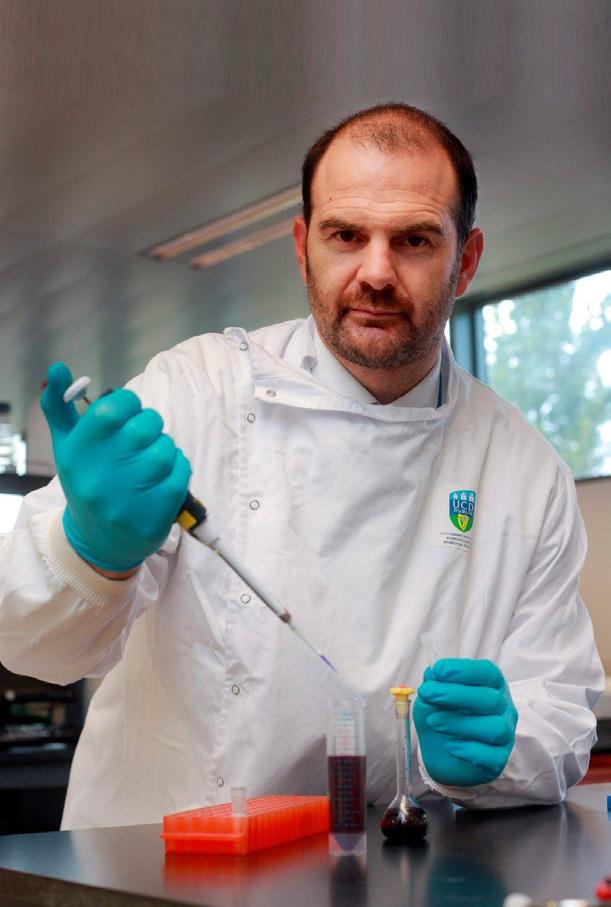
“Our biggest challenge is people that are living with obesity don’t think they have a disease. If people don’t think they have a disease, they do not treat it like a disease…..Furthermore, as an equivalent, many doctors don’t think it is a disease. There still exists an approach and belief that patients need to try harder and get ready for change instead of treating them like we would treat anyone with other conditions”
Director of the Metabolic Medicine Group affiliated with the UCD Diabetes Complications Re-search Centre (DCRC) in the UCD Conway Institute, his research has focused on the impact of diet, exercise, medication and surgery, including bariatric surgery, on enhancing gut-brain signalling for the management and treatment of the disease of obesity.
Professor Le Roux was the recipient of a ¤600,000 IRC Laureate funding award in 2018, which he credits with enabling him to lead the development of the ¤16 million European project SOPHIA (Stratification of Obesity Phenotypes to Optimise Future Obesity Therapy)which is addressing obesity and its complications such as type 2 diabetes and chronic kidney disease.
We recently spoke to Professor Le Roux to find out more about this important work.
Professor Le Roux studied medicine at the University of Pretoria in South Africa and completed his PhD at Imperial College London before becoming Faculty, which is where he started the first obesity clinic.
He explains, “The clinic was really a combination of looking at obesity, type 2 diabetes and hypertension. But it brought the field from which I was able to drive my understanding.”
When he moved to University College Dublin, Professor Le Roux established a research unit at St Vincent’s, at which many clinical trials have taken place. He says, “It was really in this period from 2012 until now that we have witnessed an incredible increase in powerful treatments that offer the opportunity to change the disease of obesity.”
You recently won Researcher of the Year Award: Tell us more about this research
“I was very fortunate to win this accolade, which was really based on our translational research. We were able to show in the basic laboratory, animal house and with clinical research that we can treat the disease of obesity by using signals in the gut and we can enhance the signal through nutritional therapies, through pharmacological therapies and surgical therapies.
“If we treat this disease, it becomes under control and can therefore remain under control in the long-term, provided the treatments are sustained. However, if we are able to control the disease of obesity, that disrupts other diseases such as diabetes or disrupts cardiovascular disease or disrupts chronic kidney disease. So, our work went on to show that you can also reverse the complications of obesity. You can put type 2 diabetes into remission, you can put early chronic kidney disease into remission, and we can now see that we can prevent cardiovascular events as well.
“My research started from studying the pathophysiology of
PHARMACYNEWSIRELAND.COM 30
Professor Carel le Roux
the disease, understanding the treatments, and now using the treatments, not for weight loss but for health gains.
“This research takes us back to where we started, now we have so much more insight into the disease, we are understanding the pathophysiology of the disease, and we are now understanding how to approach it.
“So the next steps for us lie in understanding that it is not one disease but a cluster of diseases. Now we are deconstructing obesity and if we can define it then we can be more effective at targeting patients who are at the highest risk, while also targeting those patients who will benefit the most from different interventions.”
Tackling Challenges
In looking ahead and what the biggest challenges are in this field for 2024, Professor Le Roux told us, “Our biggest challenge is people that are living with obesity don’t think they have a disease. If people don’t think they have a disease, they do not treat it like a disease. They believe that this is their responsibility, and they need to do something about it. But if you have, for example, hypertension, you would go to your doctor and ask for help.
“Furthermore, as an equivalent, many doctors don’t think it is a disease. There still exists an approach and belief that patients need to try harder and get ready for change instead of treating them like we would treat anyone with other conditions. We give people lifestyle treatment; we know that is important, but we treat them with biological treatments so that we can get the disease of hypertension under control, and I hope that we get the disease of obesity under control.”
So what advice would he give to doctors who accept that obesity is a disease and want to prescribe treatment?
“My advice would be that you need to listen to the patient; the proof is in the patient. When we have the effective treatments, we need to get beyond weight loss and think about the health benefits. The first thing that improves is the change in symptoms, they should start feeling less hungry and more full.
“The second thing is to shift the patients’ expectations away from weight loss to health gain, especially functional gains. So, it will be someone who is able to play with their children, or
grandchildren, or go out with their friends, or put their socks and their shoes on. The activities of daily living without problems. These are the real benefits of these interventions. Ultimately it is about reducing symptoms and reducing complications.”
How do you view the role of the Pharmacist in treating patients with obesity?
He adds, “My heart goes out to all Pharmacists this year because there has been a tremendous shortage of supply of treatments. Pharmacists were wrongly asked to prioritise the treatment of some diseases over others. Pharmacists are also a part of the public and can have the same preconceptions of the public.
“Pharmacists of course, will never knowingly hurt patients, but so many unfortunately have been asked to tell people in public, in the pharmacy that they are not eligible for treatment because the department of health have said that these treatments should be prioritised to patients with type 2 diabetes.
“From a hospital pharmacy point of view, it may not be as acute as in the general pharmacy and a public pharmacy but there is still a massive problem. Pharmacists have probably put the disease of obesity back by 5 years, not intentionally of course, but because the system created an environment and consequences where they were not adequately trained and supported.”
How do you pharmacists should move forward and move past that?
“I think we need to understand what caused the problem, and the cause is that the companies are not able to manufacture these treatments fast enough. Ultimately, if the manufacturing can be improved, the problem will go away. “The patients who are asking for treatment, are correct to ask for help. The doctors who prescribe the treatment, are correct to prescribe biological treatments for a disease. The pharmacists that provide the treatment are correct to provide good pharmacotherapy. But now the manufacturers have to provide more products. Instead of it becoming a circular firing squad where the patients are angry with the pharmacists, and the pharmacists are angry with the doctors what we need to do, is get the manufacturers to provide more medications.
“That is what happened with the Covid-19 vaccine. As many will remember, there just wasn’t enough vaccines available and people were really upset with each other and then suddenly there was enough, and the problem went away. I think we really need to focus on where we can make a difference rather than making problems. Until that point, we need to be honest and say there are not enough treatment options right now and we need to do that on a reasonable and rational basis.
“For the patients we are not able to provide treatments for, we need to treat them with empathy, like we would have done for those who were very anxious to get Covid-19 vaccines because they were at a very high-risk of dying. We didn’t say you are bad people for asking for it, we said this is a difficult situation and we are working as fast as we can while treating patients with empathy.”
How does Irelands obesity treatments compare to Europe and America?
Professor Le Roux recognises that due to Irelands healthcare system, public patients are under tremendous pressure, simply because there is not enough clinics to provide these treatments.
“Therefore, a lot of our public patients are not getting the treatments provided, because either they don’t have access to a doctor that can prescribe it, because there are not enough doctors that are trained and not enough clinics that can provide this to the public. We do have reimbursement of these treatments within our system, which is a positive.
“Those reimbursement processes are robust, but they are used as a budget impact tool rather than a facilitate access to the patients who would benefit most. I think the processes are there, but it is just a mind shift that we must do. We have to think about doing the right thing appose to blocking the wrong thing. We are almost there but not quite yet.
“I think from a private point of view, many patients in Ireland have a tradition, where people have bought medications and accessed care privately. This is unfortunate as people are genuinely spending vast amounts of money, very often money they don’t have and the problem with that is that patients are not able to sustain the treatment because the treatments are expensive, accessing private
health care is expensive. My concern is that we need to make sure if a patient is successful, that they are able to sustain the treatments in the long term.
What are the three things we need:
1. More public access
2. Reimbursement process which are fair and reasonable, but it needs to be implemented to help people as appose to block people and
3. Thirdly, the private system is able to help but we need to make sure we are not overselling treatments., We should not say to people to have those treatments because they are going to look different or they are going to feel different, we need to say you need this treatment so you can be healthier, so that patients use it for health gains and not for other purposes.”
In concluding, Professor Le Roux states, “We should recognise at all levels: the patient, provider, and government’s perspective. We should understand that obesity is a biological disease that we need to treat biologically with nutritional therapies, pharmacological therapies and with surgical therapies.
“I think what we need improve equity. Right now, in Ireland, obesity treatment is not equitable and we need to say, ‘which are the patients who will benefit most from this treatment?’ This is not necessarily the patients who are the heaviest, it is the people who will benefit most from a health gain point of view where the evidence is pretty clear.
“We need to focus on achieving equity. If treatments for obesity are not equitable, it is going to develop a bad reputation and people are going to resent each other and create uncomfortable position for patients and providers. We have made most of the mistakes we could possibly make and at the moment obesity treatment is not equitable.
“The way to do that is to understand the science and if we understand obesity is a disease and how the treatment works and understand what the side effects are and how to minimise the side effects and how to optimize prescriptions then we will achieve most benefit. I think the science is going to be the underlying driver of a better society for us.”
PHARMACYNEWSIRELAND.COM 31
Promise in Advanced HER2-Negative Breast Cancer
Treatment in a recent study combined a histone deacetylase (HDAC) inhibitor - a drug that causes a chemical change to stop tumor cells from dividing - with two types of immunotherapy known as checkpoint inhibitors, which unharness the power of the immune response against cancer.

The study was led by Professor Roisin Connolly of Cancer Research @UCC while based at Johns Hopkins Sidney Kimmel Comprehensive Cancer Center, with the results published today in Nature Cancer.
The multicenter study included 24 women with HER2-negative metastatic breast cancer in a dose
escalation and dose expansion early phase trial. The results of the dose escalation portion of the trial are previously published in Clinical Cancer Research. The study team who aimed to improve response to immune checkpoint inhibitors by sensitizing the tumor microenvironment, found that the combination therapy resulted in a 25% overall response rate
in women with advanced HER2 (human epidermal growth factor receptor 2)-negative breast cancer. This means that 25% of women who took the therapy saw their cancer destroyed or significantly reduced.
Patients with triple-negative breast cancer, who have fewer treatment options than patients with other breast cancers, had an overall response rate of 40%. These tumor responses are significant if confirmed as advanced breast cancer, in particular the triplenegative subtype (15% of breast cancers), remains an area of unmet clinical need due to paucity of effective therapies.
Review of National Rare Diseases
The average progression-free survival (PFS) was 50% at six months, meaning that half of the participants went six months without their disease worsening.
“This clinical trial highlights the importance of interdisciplinary collaboration to bring an exciting hypothesis from the laboratory to the clinic, and sets the scene for future trials investigating novel treatment approaches for this patient population” says Dr Roisin Connolly lead principal investigator for the trial.
Correlative science for this clinical trial was led by Dr Evanthia Roussos Torres, Assistant Professor of Oncology at University of Southern California.
“To our knowledge, this is the first published study that investigates treatment with an HDAC inhibitor in combination with dual immune checkpoint inhibitor therapy in patients with advanced breast cancer,” says co-author Elizabeth M. Jaffee, M.D., Deputy Director of the Johns Hopkins Sidney Kimmel Comprehensive Cancer Center. “Heavily pretreated advanced breast cancer remains an area of unmet need and a combination strategy that results in the ORR and PFS described is of interest.”
The Health Information and Quality Authority (HIQA) has published a review of national rare disease strategies in selected countries. This review was requested by the Department of Health to support the development of a new national rare disease strategy for Ireland.
A rare disease is defined by the European Commission as a condition that affects fewer than 5 in 10,000 people. There are more than 6,000 known rare diseases, which in total are estimated to affect approximately 6% of Europeans, or approximately 300,000 Irish people.
HIQA reviewed the national rare disease strategies of 12 countries: Austria, Australia, Denmark, England, Finland, France, Germany, the Netherlands, Northern Ireland, Portugal, Scotland and Wales. The review described key aspects of the strategies, including their aims, themes and priorities, and
compared them to Ireland’s previous national rare disease strategy, the National Rare Disease Plan for Ireland 2014 – 2018. Improving treatment and coordination of care was an overall aim for most countries. All 12 countries outlined themes of screening and diagnosis, access to healthcare and coordination of services, rare disease research, and patient representation and empowerment. Ireland’s previous strategy included similar aims and themes. Themes not addressed in that strategy were health workforce education and training, and access to mental health and psychology services.
The review also described the actions planned and how countries aimed to support strategy implementation. Many countries, including Ireland, implemented their strategy using a combination of new and existing structures in their health services, with oversight from the department or ministry for health.
Most countries outlined funding sources for some or all aspects of their strategies. For countries that did not describe funding sources, or, like Ireland, did not outline a dedicated budget for the strategy, lack of funding was identified as a challenge to strategy implementation.
Michelle O’Neill, HIQA’s Deputy Director of Health Technology Assessment, said: “Rare diseases pose unique challenges, particularly in relation to timely and accurate diagnosis, and access to specialised treatment. A country’s national rare disease strategy aims to reduce the burden of rare diseases, and improve the quality of care for people with rare diseases. This review provides insights into what other countries identified as issues of importance in their national rare disease strategies, the actions undertaken, and how they supported strategy implementation.”
PHARMACYNEWSIRELAND.COM 32 News
Lead author Professor Roisin Connolly, Director of Cancer Research, University College Cork


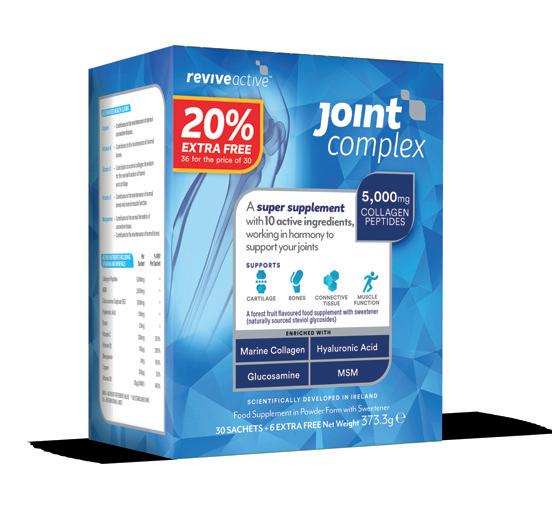
20% EXTRA FREE 30 SACHETS + 6 EXTRA FREE* ���� Call: 091 769803 ✉ Email: customerservice@reviveactive.com or contact your area sales representative *Offer available while stocks last. **Source: Euromonitor Passport report on Consumer Health National Statistics. Date: September 2023 Food supplements should not be used as a substitute for a varied diet and healthy lifestyle. 5,000mg Marine Collagen 100mg Hyaluronic Acid 1,000mg Glucosamine 2,000mg MSM
Parkinson’s Disease
Management and Current Treatment of Parkinson’s Disease
Parkinson's Disease is a progressive neurological condition. It is second most common neurodegenerative disease after Alzheimer’s Disease. However, experts believe we are facing a Parkinson’s Pandemic due to an ageing population, improvements in diagnosis, and advancements in research. Parkinson’s is the fastest growing neurodegenerative disorder.1

In 2020 experts estimated that globally 9.4 million people are living with Parkinson’s Disease (PD). Experts believe the prevalence of Parkinson’s has double in the last 25 years. The rise in PD prevalence calls for attention to the increasing individual and societal burden and the pressing need for measures to address and impact this challenging disease. 2
What do we think? There are many myths associated with Parkinson’s disease:
• It is the disease of an older person.
• Parkinson’s is just a tremor.
• Parkinson’s only affects movement.
• Everyone is the same.
What do we know? In Ireland it is estimated that 15,000 - 18,000 people are living with Parkinson’s. A diagnosis of Parkinson’s is more commonly made in a person over the age of 65 years. However, there are approximately 1800 people diagnosed with early or young onset Parkinson’s in Ireland. These are those under the age of 65 and can range from 21 years old and older. Juvenile Parkinson’s can affect any person under the age of 21. Parkinson’s affects slightly more men than women.
Parkinson’s disease is a loss of a neurochemical called Dopamine.
Written by Lisa Wynne, Parkinson’s Nurse Specialist, Parkinson’s Ireland
As we age, we lose dopamine but with Parkinson’s it is lost at a faster rate. Dopamine is responsible for smooth movement and controlled movement. It also plays a role in sleep, motivation, cognition and mood. Hence the potential symptoms some may experience. The exact cause of PD remains unknown. It is believed that a combination of age, genetics and environmental factors play a role. Diagnosis & Symptoms
There is no definitive blood test or scan that can diagnose Parkinson’s. Therefore, diagnosis may be based on clinical assessment, history of symptoms including genetic history, a DaTscan (imaging of brain’s dopamine) and finally a response to medication prescribed. PD research surrounding genetics & diagnosis is rapidly evolving, in 2023 researchers had a significant breakthrough in the development of a tool that can reveal key pathology in PD- a biomarker evident in CSF.3
The three initial symptoms evident in a person with Parkinson’s may include a tremor- usually unilateral. However, 70% will display the symptoms of a tremor, 30 % of those won’t. Bradykinesia (slowness in movement) - a change in pace of walk for example, and thirdly rigidity for example smaller amplitude in arm swing. There are some who will experience symptoms for years before a diagnosis is given. These are referred to as prodromal symptoms. It is estimated that by the stage symptoms emerge, the person has lost 60-70% of dopamine supply.
Motor symptoms associated with PD are sometimes the tip of the
iceberg. Parkinson’s may present 40 potential symptoms both motor and non-motor. Examples of motor issues include: tremor, rigidity, facial masking, tremor, shuffle and balance. Examples of non- motor issues include: bowel & bladder issues, sleep, speech, hypotension, anxiety, apathy, mild cognitive changes. A Parkinson’s Ireland members survey (2022), showed that sleep was the top issues experienced by 70% of participants, followed by motor issues and thirdly speech/ oral issues - 58%.
Treatment
There is no cure for Parkinson’s Disease. Research is ongoing into potential disease modifying treatments that may delay its progression. Medication, to manage symptoms, may be prescribed by a physician and this can optimise symptoms and improve quality of life. Advancements in treatments have been in the area of complex therapies such as drug device delivery systems and deep brain stimulation (DBS). These may be considered in advanced Parkinson’s when oral medication
is no longer effectively managing symptoms. The national DBS service was launched in 2021 in Ireland with dual site location in the Dublin Neurological Institute, Mater Hospital & Beaumont Hospital. Another significant milestone for those in Ireland who may be eligible for treatment.
Living effectively with Parkinson's disease requires not only taking medication but also learning about the disease, the treatment, and the necessary tools.
Promoting self-awareness in turn encourages self-management. The WHO describes self-management as a critical component to delivery of care “countries where ageing populations and the growing burden of non-communicable disease means that there is ever greater demand for health services.”4
Live well with PD- KEES toolkit. At Parkinson’s Ireland we have developed the KEES toolkit to assist in self-management and efficacy when living with Parkinson’s. The toolkit focuses on the below areas and forms the basis of our ‘Newly Diagnosed
PHARMACYNEWSIRELAND.COM 34
BEF O R E
BEF O R E

URING PREGNA N C Y
D URING PREGNA N C Y

AFT E R
Pregnac


With you ever y step of the way
21 nutrients
10mcg vitamin D and 300mg DHA for
lac
Pregnac are® Original with19 nutrients including folic acid and vitamin D as recommended by the Depar tment of Health.
are® Breast-feeding with
including
mums during
tation.1
are® Conception with 21 nutrients including folic acid as recommended for all women tr ying to conceive More than just folic acid Most trusted by mums2 Most recommended by midwives 2,3
to make healthy mums and babies for over 25 years, Pregnacare® provides the recommended level of folic acid.4 I t also provides a range of micronutrients, and is suppor ted by unique clinical research with mums-to -be . 6,7 BEFORE DURING AFTER 1. Journal of the American College of Nutrition, Vol.18, No.5, 487-489 (1999). 2. For more information on this research, please visit ww w.pregnacare com/mostrecommended 3. Based on a sur vey of 1000 midwives 4. Folic acid contributes to maternal tissue growth during pregnanc y Pregnacare® has always contained 400mcg folic acid, the level recommended for all women from the star t of tr ying to conceive until the 12th week of pregnanc y 5. Source: NHS Choices 6. Agrawal, R. et al Prospec tive randomised trial of multiple micronutrients in women undergoing ovulation induction, Reproductive BioMedicine Online December 2011. 7. L Brough et al Effec t of multiple -micronutrient supplementation on maternal nutrient status, infant birth weight and gestational age at birth in a low-income, multi-ethnic population British Journal of Nutrition (2010), 104, 437-445 *Awarded Number 1 pregnancy supplement by NPPA & Mums and Tots Awards Available from leading pharmacies, supermarkets and health food stores nationwide For more information, visit ww w.pregnacare com 2 For more information on promotions and POS, contac t your Valeo Healthcare Account Manager or Sales Rep David Keane 087 279 2860 david.keane@valeofoods.ie Fintan Byrne 087 647 0764 Julie Webster 086 462 1723 julie webster@valeofoods.ie Stephen Moloney 087 699 9344 stephen.moloney@valeofoods.ie Gary Considine 087 933 4227 gary.considine@valeofoods.ie With you ever y step of the way AFT E R Pregnac are® Breast-feeding with 21 nutrients including 10mcg vitamin D and 300mg DHA for mums during lac tation.1 Pregnac are® Original with19 nutrients including folic acid and vitamin D as recommended by the Depar tment of Health. D URING PREGNA N C Y BEF O R E Pregnac are® Conception with 21 nutrients including folic acid as recommended for all women tr ying to conceive More than just folic acid Most trusted by mums2 Most recommended by midwives 2,3 Helping to make healthy mums and babies for over 25 years, Pregnacare®
recommended level
folic acid.4 I t also
range of micronutrients,
unique clinical research
6,7 BEFORE DURING AFTER 1. Journal of the American College of Nutrition, Vol.18, No.5, 487-489 (1999). 2. For more information on this research, please visit ww w.pregnacare com/mostrecommended 3. Based on a sur vey of 1000 midwives 4. Folic acid contributes to maternal tissue growth during pregnanc y Pregnacare® has always contained 400mcg folic acid, the level recommended for all women from the star t of tr ying to conceive until the 12th week of pregnanc y 5. Source: NHS Choices 6. Agrawal, R. et al Prospec tive randomised trial of multiple micronutrients in women undergoing ovulation induction, Reproductive BioMedicine Online December 2011. 7. L Brough et al Effec t of multiple -micronutrient supplementation on maternal nutrient status, infant birth weight and gestational age at birth in a low-income, multi-ethnic population British Journal of Nutrition (2010), 104, 437-445 *Awarded Number 1 pregnancy supplement by NPPA & Mums and Tots Awards Available from leading pharmacies, supermarkets and health food stores nationwide For more information, visit ww w.pregnacare.com 2 For more information on promotions and POS, contac t your Valeo Healthcare Account Manager or Sales Rep David Keane 087 279 2860 david.keane@valeofoods.ie Fintan Byrne Julie Webster 086 462 1723 julie webster@valeofoods.ie Stephen Moloney 087 699 9344 stephen.moloney@valeofoods.ie Eamonn Connolly eamonn.connolly@valeofoods.ie With you ever y step of the way AFT E R Pregnac are® Breast-feeding with 21 nutrients including 10mcg vitamin D and 300mg DHA for mums during lac tation.1 Pregnac are® Original with19 nutrients including folic acid and vitamin D as recommended by the Depar tment of Health. D
Pregnac
Helping
provides the
of
provides a
and is suppor ted by
with mums-to -be
Pregnac are® Conception with 21 nutrients including folic acid as recommended for all women tr ying to conceive More than just folic acid Most trusted by mums2 Most recommended by midwives 2,3 Helping to make healthy mums and babies for over 25 years, Pregnacare® provides the recommended level of folic acid 4 I t also provides a range of micronutrients, and is suppor ted by unique clinical research with mums-to -be 6,7 BEFORE DURING AFTER 1. Journal of the American College of Nutrition, Vol.18, No.5, 487-489 (1999). 2. For more information on this research, please visit ww w.pregnacare com/mostrecommended 3. Based on a sur vey of 1000 midwives 4. Folic acid contributes to maternal tissue growth during pregnanc y Pregnacare® has always contained 400mcg folic acid, the level recommended for all women from the star t of tr ying to conceive until the 12th week of pregnanc y 5. Source: NHS Choices 6. Agrawal, R. et al Prospec tive randomised trial of multiple micronutrients in women undergoing ovulation induction, Reproductive BioMedicine Online December 2011. 7. L Brough et al Effec t of multiple -micronutrient supplementation on maternal nutrient status, infant birth weight and gestational age at birth in a low-income, multi-ethnic population British Journal of Nutrition (2010), 104, 437-445 *Awarded Number 1 pregnancy supplement by NPPA & Mums and Tots Awards Available from leading pharmacies, supermarkets and health food stores nationwide. For more information, visit ww w.pregnacare.com 2 For more information on promotions and POS, contac t your Valeo Healthcare Account Manager or Sales Rep David Keane 087 279 2860 david.keane@valeofoods.ie Fintan Byrne 087 647 0764 Julie Webster 086 462 1723 julie.webster@valeofoods.ie Stephen Moloney 087 699 9344 stephen.moloney@valeofoods.ie Eamonn Connolly 087 238 5648 eamonn.connolly@valeofoods.ie Marie Amond marie.amond@valeofoods.ie
Parkinson’s Disease
Programme’. Developed in 2023 the programme takes place virtually, over a period of 4 weeks and includes a follow up with participants for up to 20 weeks. The structure of this programme is to educate, increase selfmanagement and advocacy in a small group setting to assist those living with PD. This course takes place quarterly and is facilitated by our Parkinson’s nurse specialists . Those interested can contact our national office to be placed on the waiting list.
Knowledge - Information from reliable sources and at an appropriate level suitable. Knowledge promotes self-efficacy of a chronic illness, to improve ownership of the condition and maintain person centred care.
Education - The aim of this knowledge is to educate on medication, optimise symptom
control and improve adherence to prescribed medication.
Four crucial aspects to optimise PD medication are:
1. Consistent Timing. Meds on Time, Every Time!
2. Advice to be taken with/ without food
3. Avoiding Constipation
4. Hydration
Medication alongside complimentary therapies are key pieces to the symptom management jigsaw. Hence a personalised and holistic approach and care plan.
Exercise - Exercise is essential in the management of motor and non-motor symptoms. An emphasis should be placed on
the psychological benefits for PD. It is becoming increasingly evident, in research, that exercise may have the potential to slow the progression of Parkinson’s Disease. Regular, high level exercise and when maintained showed strong evidence of slower deterioration in those with PD. This was evaluated using several assessment tools.5 Further research is needed into the specific role of exercise and disease modification.
Support - Recognise and Reach Out.
Participating in research opportunities is a positive step and an opportunity to contribute to the future pathway of Parkinson’s. Support not only includes the network of health professionals but also support & education for family members and care partners.
Parkinson’s Ireland facilitate this through our local branch network and daily zoom schedule, alongside our national support line & PD nurse support.
Hospitalisation of a person with PD
Education for health professionals on the importance of Parkinson’s medication is a priority for Parkinson’s Ireland. Parkinson’s medication is time-sensitive and a delay by even 30 minutes can have serious implications for some patients. Delaying the administration of medication may have an impact on not only movement but speech, swallowing and anxiety levels. Missed doses or withdrawal of medication may lead to delayed recovery and significant deterioration of a person with Parkinson’s. In 2022 the UK Parkinson’s Audit states”58%

PHARMACYNEWSIRELAND.COM 36
of people with Parkinson’s admitted to hospital do not receive their medication on time every time.”7 In addition to timing, it is important to be aware of medication that is contraindicated in Parkinson’s such as haloperidol, metoclopramide and others.
Through various research it is evident that those with PD have an increased hospitalisation rate in comparison to controls. Yes, those with PD may be at an increased risk of falls but there are multiple motor & non-motor factors that may increase hospitalisation. The younger the age of onset and length of disease duration increases the risk of admission.6
A review of hospitalisation carried out in the UK highlights the need for education for all health disciplines, guidelines & protocols for management of PD during a hospitalisation.8 Overall education

surrounding Parkinson’s may reduce the length of stay during hospitalisation, may perhaps avoid a hospital presentation to begin with and may reduce complications due to poor adherence or administration of contra indicated medications.
Conclusion
To conclude, a Parkinson’s pandemic is evident. Projected numbers are expected to double by 2040. Parkinson’s is the fastest growing neurological disorder in the world. PD is stigmatised, something that networks all around the world are collaborating to eradicate. As our population continues to age, we need to increase our awareness of this disease. If the incidence of Parkinson’s is rising our health professionals need to be equipped with sufficient knowledge and education in order to provide the best care for those with PD.
Parkinson's disease presents difficulties for both individuals with the condition and medical professionals for a variety of reasons, such as accessibility, clear diagnostic standards, the wide range of symptoms, an individual's reaction to treatment, and variation of the disease's progression. Each individual’s case should be treated accordingly.
"Seven million people, seven million variants of Parkinson's. In everyone, the disease manifests itself differently." Bas Bloem1
Parkinson’s Ireland
Parkinson’s Ireland is the national charity that supports, educates and connects those living with Parkinson’s, family members and health professionals. We provide services through our 15 branches and also through our national office based in Dublin. The support line is available to anyone trying to navigate Parkinson’s at any stage.
Parkinson’s Ireland provides a Parkinson’s nurse specialist service which includes phone support, virtual meetings one to one or group and nationwide talks for members and health professionals. We offer a call back service for our dietician Richelle Flanagan for those with questions specific to diet, it’s role in PD and living well.
Our national office also provides online classes which our members can avail of focusing on various aspects of Parkinson’s including mindfulness, psychological wellbeing, singing, yoga & physiotherapy classes. Educational leaflets and booklets are available online or on request from our national office. If you would like to find out more
please visit www.parkinsons.ie or call 1800 359 359.
References:
1 Bloem, B. R., Okun, M. S., Klein, C. Parkinson's disease. The Lancet. 2020. Vol: 10291, pp.2284–2303. 2021
2 Maserejian, N., Vinikoor-Imler, L., Dilley, A. Estimation of the 2020 Global Population of Parkinson’s Disease (PD), [abstract]. 2020. Mov Disord. ; 35.
3 Siderowf, A., Concha-Marambio, L., Lafontant D., Farris. C., Ma. Y., Ureni. P. Assessment of heterogeneity among participants in the Parkinson’s Progression Markers Initiative cohort using α-synuclein seed amplification: a cross sectional study. 2023. The Lancet. Vol: 22. Issue 5. Pp 407-417. https://doi.org/10.1016/ S1474-4422(23)00109-6 .
4 World Health Organization. WHO global strategy on peoplecentred and integrated health services. Geneva: World Health Organization. https://iris.who.int/ handle/10665/155002. 2015
5 Tsukita, K., Sakamaki-Tsukita, H., Takahashi, R. Long-term Effect of Regular Physical Activity and Exercise Habits in Patients With Early Parkinson Disease. 2022. Neurology. 98(8):e859-e871.
6 Okunoye, O., Horsfall, L., Marston, L., Walters, K., & Schrag, A. (2022). Rate of Hospitalizations and Underlying Reasons Among People with Parkinson's Disease: Population-Based Cohort Study in UK Primary Care. Journal of Parkinson's disease, 12(1), 411–420. https://doi.org/10.3233/ JPD-212874
7 Parkinson’s Excellence Network. UK Parkinson’s Audit 2022https://www.parkinsons.org.uk/ professionals/ukparkinsons-audittransforming-care
8 Aminoff, M. J., Christine, C. W., Friedman, J. H., Chou, K. L., Lyons, K. E., Pahwa, R., Bloem, B., et al & National Parkinson Foundation Working Group on Hospitalization in Parkinson's Disease (2011). Management of the hospitalized patient with Parkinson's disease: current state of the field and need for guidelines. Parkinsonism & related disorders, 17(3), 139–145. https://doi.org/10.1016/j. parkreldis.2010.11.009
Recommended additional reading:
Parkinson’s disease in adults (nice.org.uk)
Time critical medication and Get It On Time campaign resources | Parkinson's UK (parkinsons.org.uk)
PHARMACYNEWSIRELAND.COM 37
Uncovering Secret to Appetite Control
In a ground-breaking study, just published in leading international journal Nature Metabolism, scientists from Trinity and Princeton and Harvard Medical School share newly uncovered secrets to natural appetite control, which offers promise in the battle against obesity and type-2 diabetes.

The cost of managing diabetes represents approximately 9% of EU Member States’ healthcare budgets – totalling ¤149 billion in 2019.
The scientists report new insights into how the widely used diabetes drug metformin benefits patients with type-2 diabetes. Metformin is described by some as a “wonder
Endometriosis
David Finlay, Associate Professor in Immunometabolism, Trinity College Dublin
Highlighting Sepsis Symptoms
drug” even though we still do not know exactly how it works.
This study shows that metformin increases the amount of an appetite suppressing factor called Lactoyl-Phenylalanine (Lac-Phe), identified in 2022 as a natural appetite suppressant, and which is known to be raised by vigorous exercise.
The scientists probed data from other studies involving large numbers of patients, to conclusively demonstrate that Lac-Phe levels rise after individuals take metformin. This work opens a new avenue for developing targeted anti-obesity treatments.
Barry Scott, first author of the research, PhD Candidate in Trinity’s School of Biochemistry and Immunology, based in the Trinity Biomedical Sciences Institute (TBSI) said, “I’m hopeful our research can have a big impact. Metformin is the most prescribed drug for type-2 diabetes, and it’s very safe and well tolerated. How metformin affects appetite was not known, but this work shows that its influence on Lac-Phe is a key part of its hunger suppressing impact.”
David Finlay, Associate Professor in Immunometabolism, Trinity, who co-supervised the work with Professor Lydia Lynch, Princeton and Harvard Medical School, said: “Our study shows that the type of food you eat matters. For instance, eating sugar-rich date fruits caused an immediate and large surge in Lac-Phe, for example, whereas drinking a sugar-rich drink did not. This could help explain why liquid calories can drive obesity.”
Impacting Lives and Careers
Endometriosis Awareness Month was held in March, and Irish supplement brand, Active Iron, has released survey findings that chart the everyday struggle of the condition for women. The research showed that the stressful physical impacts of endometriosis and heavy periods compounded to affect the mental health and interpersonal relationships of the 1,500 women surveyed across Ireland, the UK and the US.
From choosing certain clothes, to socialising, relationships, attending work or school, and doing physical exercise, the survey reveals how pain, heavy menstrual bleeding and fatigue frequently lead to withdrawal from normal activities.
While pain is the most common symptom of endometriosis, the aim of the awareness campaign is to spotlight the lesser-known impacts of endometriosis, such as heavy periods and fatigue.
The intention is to help start conversations, and break the stigma around menstrual health, and its intrinsic ties to women's wellbeing, Claire Lynch, Head of Marketing for the Irish company producing Active Iron, says.
81% of the Irish women with endometriosis who were surveyed experience heavy periods. Notably, 87% of Irish women surveyed, who do not have
endometriosis, said heavy menstrual bleeding has a negative impact on their quality of life too. 71% experience a noticeable difference in their ability to function normally during their period.
56% of all women surveyed feel isolated or alone, when dealing with fatigue related to heavy bleeding, and 55% reported feeling uninterested and lethargic; for example not wanting to see people or go out.
Common challenges for endometriosis sufferers and those experiencing heavy blood loss (menorrhagia) are stigma, diminished quality of life on account of pain and fatigue, and delay in diagnosis. Endometriosis sufferers wait on average 7.5 years before being diagnosed, and many with menorrhagia may not even seek medical help, as they assume heavy bleeding is normal.
Supporting the Active Iron campaign, Dr Sarah Murphy of St James’s Hospital, Dublin, said women don't have to just accept heavy periods as a normal part of being female.
“If challenged with managing menstrual pain and fatigue, and not happy with the endometriosis advice or treatment from medical professionals, women do have options. Firstly, they can insist their practitioner orders all appropriate tests, and advises them on all treatments available to ease symptoms, from pain relief to surgery. And, secondly, iron supplementation will help with the fatigue that exacerbates low mood, lethargy and other symptoms.”
52% of the women surveyed had been given pain medication to treat endometriosis, while 47% were recommended contraception, and 23% have been prescribed other hormone therapies.
A new HSE public information campaign launched in collaboration with patient advocates to highlight the signs and symptoms of the lifethreatening condition, sepsis. It comes as new research* shows a high awareness of sepsis among the public, but a low knowledge of the signs and symptoms of sepsis.
Sepsis requires urgent medical attention and can hide behind any infection, at any age, making it hard to detect. There are around 13,000 cases of sepsis notified in hospital each year and 1 in 5 people who develop sepsis die from it. As symptoms of sepsis can often be mistaken for something else, the HSE is advising people who have an infection and are not getting better to ask ‘Could it be sepsis?”
Research Findings:
• 39% of adults say they’re not very aware or not aware at all of the signs and symptoms of sepsis, a further 24% are unsure.
• fever is the symptom most associated with sepsis however, it’s also easy to confuse this symptom with other conditions
• 51% of adults would not be confident in dealing with someone they suspect of having sepsis
Dr Michael O’ Dwyer, Clinical Lead, HSE Sepsis Programme said, “This new campaign is an important addition to our communications in increasing knowledge of sepsis among the public.
“Sepsis can arise out of any infection, at any time. Exhaustion, quick-breathing, shivers and pains, confusion and a feeling that you’re going to die, not passing urine, these are all signs that it could be sepsis. Sepsis is a serious condition that requires urgent treatment. It’s also important to know that symptoms can be different in adults and children so I’d encourage people to visit hse.ie/ sepsis to learn more about the signs and symptoms.”
PHARMACYNEWSIRELAND.COM 38 News







































































Not all topical diclofenac products are the same. Formulation Matters.1
Voltarol Emulgel Extra Strength Gel is clinically proven to demonstrate deep tissue penetration into the joint 2

For all-day relief from joint pain†

Learn more about the formulation of Voltarol Emulgel Extra Strength Gel
† apply once, morning & evening
References: 1. Derry S et al. Cochrane Database Syst Rev 2015; 6: CD007402. 2. Seefried et al. Ther Adv Musculoskel Dis (2020) Vol 12: 1-13.
Product Information: Please consult the Summary of Product Characteristics for full product information.
Voltarol Emulgel 1% w/w Gel (diclofenac) and Voltarol Emulgel Extra Strength 2% w/w Gel (diclofenac). Indications: For the local symptomatic relief of pain and inflammation in trauma of tendons, ligaments, muscles and joints, localised forms of soft tissue rheumatism. Dosage: Adults and adolescents 14 years and over: Voltarol Emulgel 1% w/w Gel: 2-4g of gel, applied topically 3-4 times daily. Maximum treatment duration is 7 days. Voltarol Emulgel Extra Strength 2% w/w Gel: 2-4g of gel, applied topically 2 times daily – morning and evening. Maximum treatment duration is 14 days. All gels: Patients should consult their doctor if the condition does not improve within 7 days, or worsens. Contraindications: Patients with or without chronic asthma in whom asthma, angioedema, urticaria or acute rhinitis are precipitated by aspirin or other non-steroidal anti-inflammatory agents. Hypersensitivity to diclofenac, acetylsalicylic acid, other non-steroidal anti-inflammatory drugs, or any other ingredient in the gel. Use in third trimester of pregnancy. Use in children and adolescents aged less than 14 years. Warnings and precautions: Apply only to intact, non-diseased skin and not to skin wounds or open injuries. Do not smoke and avoid naked flames. It should not be used with occlusion, allowed to come into contact with the eyes or mucous membranes or ingested. Application over extensive areas for prolonged periods or application in excess of recommended dosage may give rise to systemic effects. Discontinue if rash develops. Use with caution in patients with a history of peptic ulcers, gastrointestinal bleeding, hepatic or renal insufficiency, or bleeding diathesis, or intestinal inflammation. Voltarol Emulgel 1% w/w Gel: Contains propylene glycol and benzyl benzoate, which may cause skin irritation. Voltarol Emulgel Extra Strength 2% w/w Gel: Contains propylene glycol and butylhydroxytoluene which may cause skin reactions or irritations, and fragrance limonene and linalool which may cause allergic reactions. Side effects: Very rare: rash pustular, hypersensitivity (including urticaria), angioedema, asthma, photosensitivity reaction. Rare: Dermatitis bullous. Common: Dermatitis (including contact dermatitis), rash, erythema, eczema, pruritus. MA Holder: Haleon Ireland Limited, 12 Riverwalk, Citywest Business Campus, Dublin 24, Ireland. MA Number: Voltarol 1% w/w Gel: PA 678/140/2. Voltarol 2% w/w Gel: PA 678/140/3. Legal Category: 1%: GSL, 2%: Pharmacy only. Text revised: July 2023. Further information available on request. Contains diclofenac diethylammonium. Always read the label/leaflet. Trade marks are owned by or licensed to the Haleon group of companies. PM-IE-VOLT-23-00025.
Diclofenac diethylammonium
60 Second Summary
Chronic musculoskeletal pain affects about 30% of the world’s population, leading to disability, reduced quality of life, and substantial costs for healthcare systems.
AUTHOR: Donna Cosgrove, MPSI, PhD
Donna did her Pharmacy degree in RCSI, and then returned to university to pursue an interest in psychiatric conditions and treatments through a MSc in Neuropharmacology. This led to a PhD investigating the genetics of schizophrenia using data from genome-wide association studies and cognitive test data. This was followed by a postdoctoral research position in a similar area. Donna has worked in hospital, research and community pharmacy settings, and currently works as a community pharmacist in Galway, and as a clinical writer. Donna’s overall aim is to improve patient outcomes through education.

Management of Joint and Muscle Pain CPD
There are different types of pain including nociceptive, neuropathic, nociplastic, idiopathic, and mixed. Pain and nociception are different phenomena, with the experience of pain varying widely for a given type of nociception.
Since 1986, clinicians have been guided by the WHO pain ladder, although its intended use was for treating cancer pain and has certain limitations. A revised version includes additional steps for non-pharmacological, integrative health therapies; and de-escalation of pain medication. Principles of the WHO pain ladder are still used in strategies for pain management, e.g. oral dosing when possible, around the clock rather than on demand administration, and individualised therapy.
There are many drug classes used in the pharmacological management of joint and muscle pain, including simple analgesics/non steroidal analgesics, opioids, anticonvulsants, antidepressants, musculoskeletal agents, anxiolytics, and DMARDs. Nonpharmacological treatments such as cryotherapy/heat therapy can help with reducing muscle spasm.
Transcutaneous electrical nerve stimulation therapy, acupuncture, exercise, and psychological treatments are also useful add-ons for management of joint and muscle pain.
1. REFLECT - Before reading this module, consider the following: Will this clinical area be relevant to my practice?
2. IDENTIFY - If the answer is no, I may still be interested in the area but the article may not contribute towards my continuing professional development (CPD). If the answer is yes, I should identify any knowledge gaps in the clinical area.
3. PLAN - If I have identified a
Introduction
According to the World Health Organisation, 20-33% of the global population has some form of chronic musculoskeletal pain, most commonly low back pain, which is the single leading cause of disability in 160 countries. Musculoskeletal impairments include over 150 diseases or conditions that affect the system, which cause impairments in the muscles, bones, joints, nerves and adjacent connective tissues, and the associated limitations in functioning (temporary or lifelong). It leads to a reduced quality of life due to the inability to enjoy daily activities or participate in society, increased drug use, high frequency of sick leave; also leading to socioeconomic problems and substantial costs for healthcare
knowledge gap - will this article satisfy those needs - or will more reading be required?
4. EVALUATE - Did this article meet my learning needs - and how has my practise changed as a result? Have I identified further learning needs?
5. WHAT NEXT - At this time you may like to record your learning for future use or assessment. Follow the
4 previous steps, log and record your findings.
Published by HPN. Copies can be downloaded from www.irishpharmacytraining.ie
Disclaimer: All material published is copyright, no part of this can be used in any other publication without permission of the publishers and author. HALEON has no editorial oversight of the CPD programmes included in these modules
systems, especially rehabilitation services. The number of people living with functional limitations of this pain is increasing globally due to population growth and ageing. People with musculoskeletal conditions are also more likely to develop mental health issues.1,2 Increasing age is associated with higher risk of musculoskeletal pain (e.g. knee pain in osteoarthritis). The most common forms are:1
Chronic low back pain (30-40% of adults)
Neck pain
Osteoarthritis (OA, 43% of people over 65)
Rheumatoid arthritis
Sprained muscles
Bone fracture pain
Gout
Risk factors that have been identified for musculoskeletal pain include:
Smoking
Lower educational status
Sedentary lifestyle
Poor or limited social interactions
Low income
Insomnia or sleep disorders
Anxiety
Depression
Manual labour
Country specific information on musculoskeletal conditions can be found through the World Health Organisation (WHO) Rehabilitation Need Estimator tool (Figure 1).
Joints may be inflamed (arthritis) or painful (arthralgia). Inflammation
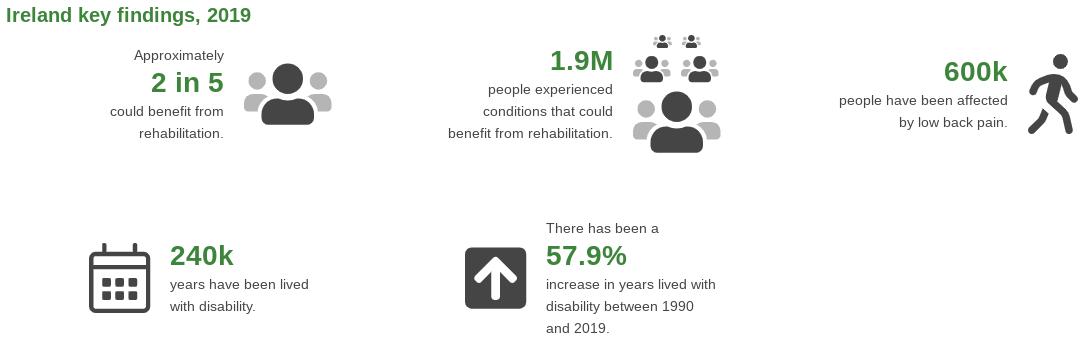

Joints may be inflamed (arthritis) or painful (arthralgia). Inflammation in the joints often involves warmth, swelling (due to intra-articular fluid/effusion), and less commonly, erythema. Joint pain can often have an alternative, extra articular source, like a bone or periarticular structures such as tendons, ligaments, bursae or muscles. The synovium and the joint capsule are the major sources of pain within the joint (4).
41 CPD: Muscle Pain
Continuing Professional Development CPD
Joint and Muscle Pain
Donna Cosgrove MPSI PhD
Figure 1. WHO Rehabilitation Need Estimator Tool Information for Ireland (3).
Continued
Figure 1. WHO Rehabilitation Need Estimator Tool Information for Ireland3
Professional Development supported by
42 CPD: Muscle Pain
in the joints often involves warmth, swelling (due to intra-articular fluid/ effusion), and less commonly, erythema. Joint pain can often have an alternative, extra articular source, like a bone or periarticular structures such as tendons, ligaments, bursae or muscles. The synovium and the joint capsule are the major sources of pain within the joint.4
Polyarticular joint pain arising from within the joint can be caused by inflammation (e.g. infection, presence of urate crystals, systemic inflammatory disorders like rheumatoid arthritis). It can also be caused by mechanical disorders like OA or hypermobility syndrome. Peripheral polyarticular arthritis is more likely to be associated with systemic infection or systemic inflammatory disorder than monoarticular arthritis. Causes of acute polyarticular arthritis tend to be due to infection, a flare up of a systemic inflammatory disorder, or gout. Chronic causes include rheumatoid arthritis, psoriatic arthritis, and ankylosing spondylitis. OA causes non-inflammatory polyarticular pain in adults.
The Pain Experience
Pain and nociception are different phenomena. Nociception is the physiology of actual or potential tissue damage, whereas pain includes the unpleasant thoughts, emotions, and behaviours that accompany nociception.5 Pain is an “unpleasant sensory and emotional experience associated with, or resembling that associated with, actual or potential tissue damage”, as defined by the International Association for the Study of Pain (IASP).6 IASP stresses the importance of acknowledging that pain is always a personal experience that is influenced to varying degrees by biological, psychological, and social factors, such as life experience, and it is important that a person’s report of their pain experience is respected. Pain intensity can vary widely for a given nociception - studies of musculoskeletal injuries have actually found no association between pain intensity and degree of nociception, or injury severity. In fact, variations in pain intensity are accounted for more by measures of psychosocial factors than by measures of pathophysiology. Identifying and addressing psychosocial factors may limit persistent pain.5 Although pain usually serves an
adaptive role, it may have adverse effects on function and social and psychological well-being. Pain can be classified into nociceptive, neuropathic, nociplastic, idiopathic, or mixed type, according to the pathophysiological categories.2 In the ICD 11, there is a separate “parent code” for chronic pain which includes chronic secondary musculoskeletal pain. However, sub diagnoses can fall under multiple parent codes, including one of the pathophysiological categories above.
Nociceptive pain is the most common following tissue injury, and the most commonly implicated in musculoskeletal pain. It can be sharp, throbbing, or aching, is well localised, and has a protective function. It is a normal sensory experience. Somatic nociceptive pain originates from the skin, subcutaneous tissues and muscles. Bone pain originates from the skeleton due to bone fractures or trauma, often associated with tenderness in the overlying tissue. Visceral pain is associated with deep visceral organs, such as in appendicitis. This type of pain is poorly localised, dull, cramping pain; and can also be associated with nausea and vomiting.
Neuropathic (pathological) pain usually occurs as a result of a primary injury that results in dysfunction of the somatosensory nervous system, along the involved neural tissue or structure. It is commonly attributed to sensory changes including hypoesthesia/ hyperesthesia, hypoalgesia/ hyperalgesia, allodynia, or paresthesia. Neuropathic pain is often described as burning, shooting, electric, numbness, or pins and needles.
Mixed pain refers to both a component of continued nociceptive pain with a component of neuropathic pain.
Idiopathic pain is disproportionate to the level of tissue injury, or there is no definite cause identified. Psychological factors can influence idiopathic pain.
Nociplastic pain has recently been added by the IASP as “pain that arises from altered nociception despite no clear evidence of actual or threatened tissue damage causing the activation of peripheral nociceptors or evidence for disease or lesion of the somatosensory system causing
the pain”. It may be mistaken for central sensitisation (increased nociceptive responsiveness to stimuli from things that are not typically painful), although pathophysiology has not been fully established. Nociplastic pain is present in many different diseases such as fibromyalgia, complex regional pain syndrome, and irritable bowel syndrome.7
Donna present in many different diseases such as fibromyalgia, complex regional pain syndrome, bowel syndrome (7).
Evidence Based Recommendations for Musculoskeletal Pain Management
In terms of pharmacological treatment, healthcare professionals have been guided since 1986 by the WHO pain ladder system (Figure 2), although this pain ladder has been used more widely than its initial intended use (in cancer pain) and has its limitations. The original version was unidirectional (Figure 1A), starting with NSAIDs or paracetamol as step 1, and escalating up to weak (step 2) and strong (step 3) opioids, with
or without adjuvants, depending on the patient’s level of pain, with no plan for de-escalation.8 It has been suggested that step 2 ( use of weak opioids) be eliminated, as there is little evidence that these offer much for pain control. Instead, reduced doses of strong opioids may be more useful. Another limitation of the original pain ladder was lack of inclusion of non-pharmacological approaches into the pain treatment path. Subsequently, a fourth step has been added to the pain ladder. This integrates non-pharmacological evidence based interventions.
Evidence Based Recommendations for Musculoskeletal Pain Management
In terms of pharmacological treatment, healthcare professionals have been guided WHO pain ladder system (Figure 2), although this pain ladder has been used more intended use (in cancer pain) and has its limitations. The original version was 1A), starting with NSAIDs or paracetamol as step 1, and escalating up to weak (step 3) opioids, with or without adjuvants, depending on the patient’s level of pain, escalation (8). It has been suggested that step 2 ( use of weak opioids) be eliminated, evidence that these offer much for pain control. Instead, reduced doses of strong useful. Another limitation of the original pain ladder was lack of inclusion of approaches into the pain treatment path. Subsequently, a fourth step has been ladder. This integrates non-pharmacological evidence based interventions.
Despite limitations, there are important principles with the WHO pain ladder that can be used as part of a simple strategy for pain management (8):
I. Oral dosing of drugs whenever possible.
II. Around-the-clock rather than on-demand administration.
III. Analgesics prescribed according to pain intensity as evaluated by a pain severity scale.
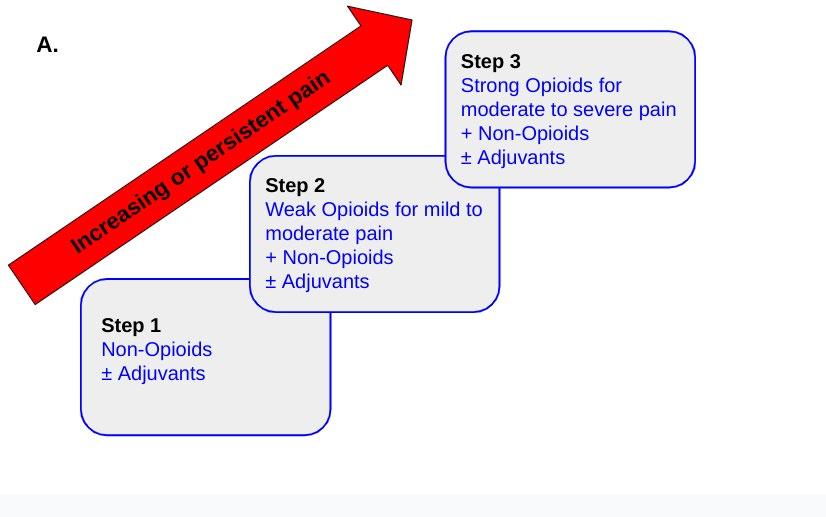
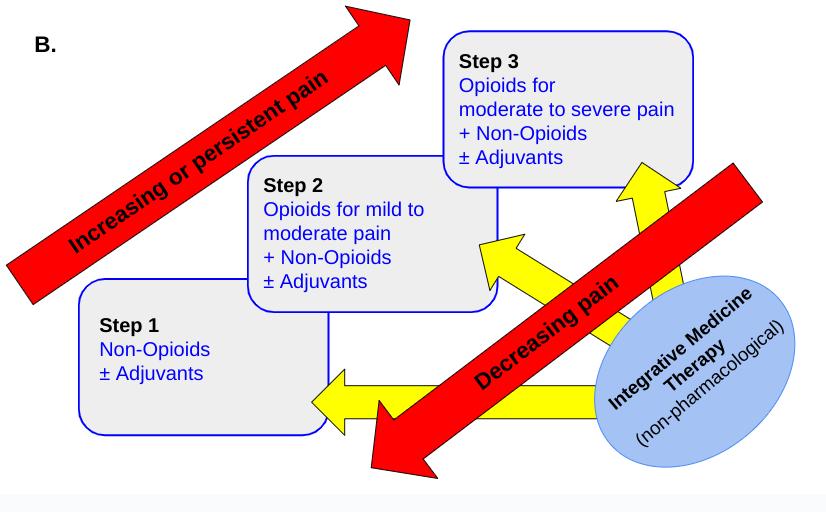
Despite limitations, there are important principles with the WHO pain ladder that can be of a simple strategy for pain management (8):
V. Oral dosing of drugs whenever possible.
VI. Around-the-clock rather than on-demand administration.
VII. Analgesics prescribed according to pain intensity as evaluated by a pain severity
VIII. Individualised therapy addressing the concerns of the patient (which assumes that
Figure 2. Original (A) and Revised (B) WHO Pain Ladders
Joint and Donna Cosgrove
Figure 2. Original (A) and Revised (B) WHO Pain Ladders.
Continued Professional Development supported by
IV. Individualised therapy addressing the concerns of the patient (which assumes that there is no standardised dosage in pain treatment.) This is probably the biggest challenge in pain medicine, as the dose must be continuously adapted to the patient, to balance desired effects and possible side effects.
V. Proper medication adherence.
The updated ladder includes the introduction of integrative medicine therapies and includes a step down approach for when pain improves.
Pharmacological Pain Management
Table 1 shows many pharmacological options for pain management in musculoskeletal conditions, non opioids, opioids and adjuvants.
Paracetamol reduces prostaglandin (PG) synthesis from arachidonic acid through COX 1 and 2 inhibition, and is thought to act centrally. Due to its high tolerability and relative effectiveness, it is commonly used on its own or with NSAIDs. However, research suggests it is ineffective as monotherapy in OA.2 NSAIDs are the mainstay of treatment in OA, and should be considered in chronic lower back pain. Non-specific NSAID use is associated with the potential development of gastrointestinal (GIT), renal, and cardiovascular side effects, and patients should be educated and monitored appropriately.
COX-2 selective inhibitors (e.g. celecoxib, etoricoxib) are as effective as traditional NSAIDs for mild to moderate pain. They have fewer GIT side effects, but long term, an increased risk of cardiovascular effects, which should be taken into account when initiating. COX-2 is found in inflammatory cells, damaged tissue, synovia, endothelium and the CNS.
Topical NSAIDs (e.g. diclofenac) should be considered in chronic pain, including knee and hand OA, and those who cannot tolerate oral formulations. Topical NSAIDs should be considered before oral because of the more limited systemic exposure with topical. Due to the depth of the joint beneath the skin surface in hip OA, in this case topical NSAIDs are unlikely to be beneficial.
Table 1. Pharmacological Pain Management for Musculoskeletal Conditions2,9
Drug Type
Simple analgesics/non steroidal analgesics and antipyretics
Opioids (weak, strong, mixed agonist-antagonist)
Anticonvulsants
Antidepressants
Local anaesthetic
Musculoskeletal agents
Anxiolytics
NMDA receptor antagonist
Alpha 2 agonist
Conventional disease-modifying antirheumatic drugs (DMARDs)
Targeted Synthetic DMARD
Biological DMARDs
Drugs that reduce uric acid
Opioids work as agonists at mu, delta and kappa receptors in the brain, spinal cord and periphery. Respiratory depression, sedation, nausea, vomiting and constipation are the main adverse effects associated with most opioids. These are not first line therapy for chronic pain and for short to medium term treatment only in suitable patients.
Anticonvulsants (e.g. gabapentin, pregabalin, carbamazepine) are used to treat pain including neuropathic pain, spinal cord injury, shingles, fibromyalgia, and diabetic nephropathy. Gabapentinoids bind
Treatment
Paracetamol
NSAIDs (including non-selective and selective COX-2 inhibitors)
Morphine (strong)
Oxycodone (strong)
Tapentadol (μ-opioid agonist and noradrenaline reuptake inhibitor)
Buprenorphine (partial μ-opioid agonist)
Tramadol (weak, with additional 5HT and NA effects)
Codeine (weak)
Gabapentin
Pregabalin
Carbamazepine
Tricyclic antidepressants
SNRIs
Lidocaine (topical)
Baclofen
Tizanidine
Benzodiazepines
Ketamine
Clonidine
Prednisolone
Hydroxychloroquine
Methotrexate
Leflunomide
Tofacitinib
Drugs that inhibit TNF-α
IL-6 inhibitors
Drugs that inhibit of T cell co-stimulation
Drugs that cause B- cell depletion
Colchicine
Allopurinol
Febuxostat
to the alpha 2 delta subunit of the voltage gated calcium channels, reducing ion influx in hyperexcitable states. The mechanism of action of carbamazepine has not been fully elucidated.
Tricyclic antidepressants (e.g. amitriptyline, nortriptyline) demonstrate an analgesic effect separately to their effect as antidepressants, thought to be due to presynaptic reuptake inhibition of serotonin and noradrenaline.
SNRIs (e.g. duloxetine) is used to treat pain from diabetic nephropathy, fibromyalgia, OA,
and lower back pain. SSRIs (e.g. fluoxetine) can be considered in fibromyalgia, although trials show that SSRIs are usually not effective in neuropathic pain.
Musculoskeletal agents (e.g. baclofen, tizanidine) are used commonly in pain treatment. Baclofen is used as a skeletal muscle relaxant, and is a GABA agonist. Its mechanism is not fully understood, but it can inhibit synaptic reflexes at the spinal level. Tizanidine is a central alpha 2 adrenergic receptor agonist, causing muscles to relax through increased presynaptic inhibition.
43
Continued Professional Development supported by
44 CPD: Muscle Pain
Anxiolytics are often used to help with anxiety associated with acute pain or fluctuations in chronic pain symptoms, but e.g. benzodiazepine treatment should be given short term. If needed for longer periods, appropriate long term treatment e.g. antidepressants should be considered.
Alpha 2 adrenergic agonist activity reduces dorsal horn neuronal activity and inhibits substance P release, leading to analgesia, sedation, and sympatholytic effects. Clonidine and tizanidine (also described above) have been used in chronic pain.
Topical lidocaine patches are used for 12 hours on, 12 hours off, and are useful in treating localised nociceptive pain, neuropathic pain, and post herpetic neuralgia.
Ketamine is a phencyclidine derivative that was developed in the 1960s as an anaesthetic agent. Its analgesic action at subanesthetic doses is thought to be mostly due to N-methyld-aspartate (NMDA) receptor antagonism in the brain and spinal cord.10 NMDA receptors have roles in learning, memory, and synaptic plasticity; but their utility as a target for pain is due to the receptor’s involvement in the amplification of pain signals, development of central sensitisation, and opioid tolerance. The evidence base for use of ketamine in pain is still quite limited. There are at least two ongoing clinical trials including a RCT of paramedic analgesia comparing ketamine and morphine in trauma (PACKMaN), and the Ketamine for Acute Pain after Trauma (KAPT) trial. An RCT comparing oral ketamine vs placebo in cancer-related neuropathic pain reported that ketamine was equivalent to placebo in this cohort, although the authors suggest that there may be subgroups of patients for whom ketamine is helpful, such as those with central sensitisation.11
There are many drugs included under the “conventional synthetic DMARDs” umbrella, for the treatment of RA. Glucocorticoids, e.g. prednisolone, are highly potent anti-inflammatory drugs. They work by general suppression of gene expression.12 Glucocorticoids bind to intracellular glucocorticoid receptors, move to the cell nucleus and reduce gene transcription of inflammatory molecules while promoting
transcription of other genes that ultimately reduce inflammation. The mechanism of hydroxychloroquine is likely through inhibition of lysosomal antigen degradation, ultimately preventing activation of T cells and the following inflammatory responses. Hydroxychloroquine also inhibits the production of RF antibodies, and collagenase/ proteinases which directly cause cartilage breakdown. Ophthalmic toxicity is the most important side effect (4.4 - 19%).
Leflunomide interferes with cell cycle progression by inhibiting the mitochondrial enzyme involved in DNA and RNA synthesis (dihydroorotate dehydrogenase). This action inhibits the production of rapidly dividing cells, e.g. autoimmune T-cells, and the production of antibodies from B cells.13 It is also a tyrosine kinase inhibitor, which means DNA repair, apoptosis, and cell proliferation are affected. The dose-limiting side effects are liver damage, lung disease and immunosuppression.
Methotrexate is an analogue of folic acid that interferes with dihydrofolate reductase.12 This inhibits nucleotide synthesis and purine metabolism. Through this, it produces adenosine, which has direct anti-inflammatory properties. The potential side effects including hair loss, stomatitis, nausea, and hepatotoxicity are caused directly by the disruption of folate metabolism and can be prevented by folic acid supplementation.
Sulfasalazine is a prodrug of 5-ASA, and while the exact mechanism is unknown, it has been shown to have antiinflammatory, immune modulatory, and antibiotic properties. Typical side-effects of sulfasalazine include fatigue, CNS reactions, nausea, abdominal pain (dyspepsia), diarrhoea, hypersensitivity reactions, and with a lower frequency of blood dyscrasias.
Targeted Synthetic DMARDs were developed specifically to disrupt the cytokine-mediated induction of inflammation, i.e. the JAK-STAT pathway.12 Tofacitinib was the first JAK inhibitor approved.
There are four modes of action of current biological DMARDs:12
Inhibition of TNF-α or the TNF receptor: infliximab, certolizumab, adalimumab and golimumab are TNF-α neutralising antibodies. Certolizumab pegol is an
anti-TNF-α antibody fragment. Etanercept is a soluble TNF receptor that binds TNF-α
IL-6 receptor antagonism: tocilizumab
Inhibition of T cell co-stimulation by antigen presenting cells: Abatacept is the first of these agents that suppress induction of inflammation upstream of the pro-inflammatory signalling cascade.
Depletion of B cells: Rituximab decreases B cells and diminishes the activation of T cells.
Drugs that reduce uric acid include colchicine, allopurinol and febuxostat. Colchicine prevents granulocyte migration into the inflamed joint, inhibits release of glycoprotein which aggravates inflammation, and binds to the intracellular protein tubulin causing disappearance of microtubules in granulocytes, which are essential for cell function. It also limits formation of IL-1β and IL-18.14
The enzyme xanthine oxidase is responsible for conversion of hypoxanthine and xanthine into urate, and by inhibiting this enzyme, allopurinol and febuxostat prevent formation of urate.
Non-Pharmacological Treatment
A common cause of musculoskeletal pain is muscle spasm. Application of heat or cold reduces muscle shortening, caused either by direct muscle trauma or the underlying neurological or skeletal disease.2 Evidence for many of these modalities is sparse because there are no large clinical trials in this area.
Cryotherapy reduces haemorrhage, vasodilation, local inflammation and oedema production, and pain perception. PRICE (protection, rest, ice, compression, elevation) is an approach often employed for e.g. acute sports injuries, as well as more chronic conditions.
Application of heat causes increased collagen extensibility, blood flow, metabolic rate, and resolution of inflammation in subacute and chronic conditions. Heat application in combination with stretching reduces muscle contraction, joint stiffness, and chronic inflammatory diseases, ultimately leading to pain reduction and increased range and function. Heat raises the pain threshold and reduces muscle excitability.
Transcutaneous electrical nerve stimulation therapy (TENS) is based on the “gate control
theory” of pain, where preferential activation of A beta fibres inhibits the transmission of painful impulses. There is support for its use in OA and neuropathic pain, and it has been used to manage postoperative pain, complex regional pain syndrome, phantom limb pain, peripheral nerve injury, and during pregnancy and labour.
Acupuncture is considered to be an invasive procedure due to the insertion of thin metal needles into specific areas of the body, and requires a professional practitioner. There is no evidence that acupuncture is more effective than NSAIDs in some pain conditions. However, it may be helpful for some types of pain including back or neck pain, knee pain associated with OA, and postoperative pain. It may also help relieve joint pain associated with the use of aromatase inhibitors.
Therapeutic exercise, e.g. passive movements, active assisted exercises, active exercises, stretching, relaxation exercises, can be useful when combined with other pain management modalities. Initial treatment of musculoskeletal pain includes immobilisation, compression, and cryotherapy. Acute muscle injuries may cause contraction or shortening of the muscles as a protective mechanism, so when pain reduces enough, the injured region should be gradually mobilised. If the contraction/ shortening becomes chronic, this causes further pain.
Psychological factors can impact the experience of pain, and can be helped with treatments including cognitive behavioural therapy, explanation, reassurance, stress reduction or counselling.
Conclusion
Joint and muscle pain includes a large variety of conditions with different causes and treatment trajectories that are a significant burden on patients, society and healthcare resources. Pharmacological treatment is often prescribed and can provide substantial relief. However, depending on the treatment, it may be associated with risks, and not all patients respond adequately. Non pharmacological treatment should be incorporated where appropriate, with patient care involving shared decision making. References available on request
Continued Professional Development supported by
A generat iona l oppor t u n it y t o f u nd you r pension t a x-free up to €2.15mill ion






A recent paradigm shift in pension regulations has unlocked unprecedented taxe cient cash extraction options for business owners.









Finance Act 2023 has opened up a unique opportunity for company directors, employed spouses, and their adult children to each fund their pensions and grow them to the maximum tax-e cient value of €2.15 million at retirement age. The change creates an exciting but time limited opportunity for you to move surplus funds from your balance sheet to your pensions.


Naturally, every case is different and there are rules and regulations in place, but as Certified Financial Planners™, Moore Wealth Management can guide you through this incredible opportunity.



For a no obligation, expert consultation, book online today: https://mwm.ie/fund-my-pension












Moore Wealth Management Limited trading as Moore Wealth Management is Regulated by the Central Bank of Ireland. Registration number 55195 colm@mwm.ie 086 860 39 53 | kieran@mwm.ie 086 380 18 68 BUSINESS OWNERS
Raising awareness of Haemochromatosis
Written by Miriam Forde, Executive Director and Margaret Mullett, Honorary President, Irish Haemochromatosis Association


Haemochromatosis is more common in Ireland than anywhere in the world, affecting one in 83 people, write Miriam Forde and Margaret Mullett, Irish Haemochromatosis Association
Haemochromatosis is a condition where too much iron is absorbed and stored in the body. It can cause liver cirrhosis, liver cancer, arthritis, diabetes and general fatigue. It is hereditary and is more common in Ireland than anywhere in the world, where one in 5 people are carriers and one in 83 people are pre-disposed to be at risk.
Haemochromatosis is often underdiagnosed, partly because of low public awareness of the condition, but also because symptoms, including fatigue, joint pain and depression, can be similar to a number of other disorders. If undetected and untreated, it can result in premature death, so early diagnosis is essential to avoid organ damage.
Haemochromatosis can easily be managed through venesections or phlebotomies, which remove iron from the body. Diagnosis of haemochromatosis should be no barrier to a patient leading a normal life.
Symptoms
It is important to screen for hereditary haemochromatosis (HH) and perform serum ferritin and transferrin saturation tests on patients who present with symptoms or who have a family history of haemochromatosis.
General presentations include fatigue, lethargy, sleep disturbance and weakness. Haemochromatosis patients can present with musculoskeletal
problems, including vague aches and pains, exercise-induced joint pain, osteoporosis, early onset osteoarthritis, chondrocalcinosis (wrists, knees, hips and symphysis pubis, acutely as pseudogout). Arthropathy is a common symptom usually affecting the second and third MCP joints.
Other presentations include:
• Hepatic: abnormal liver function tests, hepatomegaly, cirrhosis;
• Cardiac arrhythmia: congestive cardiac failure, cardiomyopathy;
• Endocrine presentations: amenorrhoea, diabetes, decrease in libido, infertility;
• Skin: pigmentation, porphyria cutanea tarda; abdominal pain and thyroid and parathyroid abnormalities.
Diagnosis
A simple blood test to check iron status can confirm or rule out iron overload. If both the SF and the TS levels are raised, then a genetic test is carried out to confirm diagnosis. An SF of > 200ug/L in premenopausal women, and > 300ug/L in men and postmenopausal women suggests that the patient may be ironoverloaded. This should prompt a test for fasting TS. Fasting TS of > 45% is strongly suggestive of haemochromatosis and should prompt a test for the HFE gene.
Treatment
When diagnosed early, haemochromatosis responds well to therapeutic phlebotomy or venesection ie. the removal of a unit of blood. Each 500ml of blood withdrawn contains 250mg
iron. The aim is to bring the SF level down to 50-100μg/L. The frequency of venesection depends on initial SF. Treatment initially can be intensive ie weekly or bi-weekly phlebotomy to rapidly reduce ferritin levels. After a normal level has been achieved, the patient is in the maintenance phase and thereafter may require three or four sessions per year. GP practices now provide therapeutic phlebotomy for patients, however many patients continue to attend venesection units and clinics in hospital settings.
Blood Donation
Since 2019, the Irish Blood Transfusion Service (IBTS) accepts the blood of HH patients who are in maintenance and who are eligible to donate blood. Patients can attend by appointment up to four times a year (minimum of 90 days between phlebotomies). The patient’s hereditary haemochromatosis will continue to be managed by their GP or Consultant, including monitoring of ferritin levels. Patients must have had at least one venesection prior to donation. The cut-off age for eligibility is 69 for first-time HH blood donors. (visit www.giveblood.ie)
Nutrition & Lifestyle
• Patients should be encouraged to eat a well-balanced diet and drink plenty of water.
• Patients should be advised to avoid iron and Vit C supplements and iron-fortified food. There is no need for a


patient undergoing phlebotomy to be prescribed a low-iron diet as the amount of iron removed by phlebotomy is far greater than that present in even a high-iron diet.
• Alcohol consumption should be kept to a minimum as moderate to heavy alcohol consumption increases the risk of cirrhosis. Abstinence is recommended in those with liver cirrhosis.
• Patients with elevated body iron should avoid raw shellfish because of the risk of Vibrio vulnificus (bacterial food poisoning)
We regret that a nationally funded screening programme for HH has not yet been established and propose that the National Screening Advisory Committee review a submission to screen for the disorder in Ireland.
Miriam Forde is Executive Director and Margaret Mullett is Honorary President of the Irish Haemochromatosis Association. Information and resources on haemochromatosis are available on request from Tel: 01 873 5911 Email: info@haemochromatosis. ie. World Haemochromatosis Awareness Week takes place every year from the 1st to the 7th June. If your hospital would like to display information materials during that time, please contact the Association.
For more information, visit www.haemochromatosis.ie
PHARMACYNEWSIRELAND.COM 46 Haemochromatosis
Miriam Forde
HAEMOCHROMATOSIS: IRELAND’S MOST COMMON GENETIC DISORDER What are the symptoms? What is haemochromatosis or ‘iron overload’? ‘Iron overload’ or haemochromatosis is a genetic condition where a large amount of iron is absorbed from our diet and deposited in major organs in the body, such as the liver but also the pancreas, heart and joints. Iron builds up slowly in the body, so symptoms might not appear until ages 30-40 years. Symptoms can include: Chronic fatigue Arthritis Diabetes Liver disorders Reduced sex drive Heart disease David Beggy, GAA All Star & Ambassador for the Irish Haemochromatosis Association (IHA), with Margaret Mullett, Honorary President (IHA), Georgina Mullett and Andrea Beggy Who is at risk? More men than women can develop symptoms of haemochromatosis because women lose iron through regular blood loss from menstruation and pregnancy. In Ireland, 1 in 5 people carry the gene and 1 in 83 are at risk of developing haemochromatosis. Ireland has the highest incidence of the condition in the world. How do I get tested? If you are worried about any of the symptoms of iron overload or if someone in your immediate family has haemochromatosis, contact your GP to arrange a simple blood test. If these levels are higher than normal, a gene test (which is a simple blood test) will confirm if you have haemochromatosis. If diagnosed and treated early, patients can go onto live a normal life. How do I get treated? Treatment for haemochromatosis is very simple – blood is removed from the body to reduce iron stores (similar to donating blood), which is known as venesection. For more information Visit www.haemochromatosis-ir.com or email info@haemochromatosis-ir.com or please call our helpline on (01) 8735911. We are also on social media: Twitter: @IrishHaemAssoc: Facebook: IrishHaemochromatosisAssociation Instagram: @haemochromatosis.ireland
Margaret Mullett

Best Irish Pharmacy Brand

The Award for Best Irish Pharmacy Brand went to Revive Active as part of their hat-trick of wins.
Revive Active is an awardwinning super supplement with 26 active ingredients working together, helping put back what life takes out.
This Irish super supplement is delivered in a powdered format and contains a comprehensive combination of vitamins, minerals and amino acids in one convenient daily powdered sachet. The daily sachet can be added to water, juice or a smoothie and due to the form of ingredients used and the powdered format it offers higher bioavailability as vitamins and minerals dissolved in liquid form are absorbed in the body more easily than in tablet or capsule form.
Each sachet contains a powerful combination of ingredients, delivered in a convenient way to support active people balancing work, home and family life while maintaining a healthy immune system, energy levels and heart and supports a reduction in fatigue.
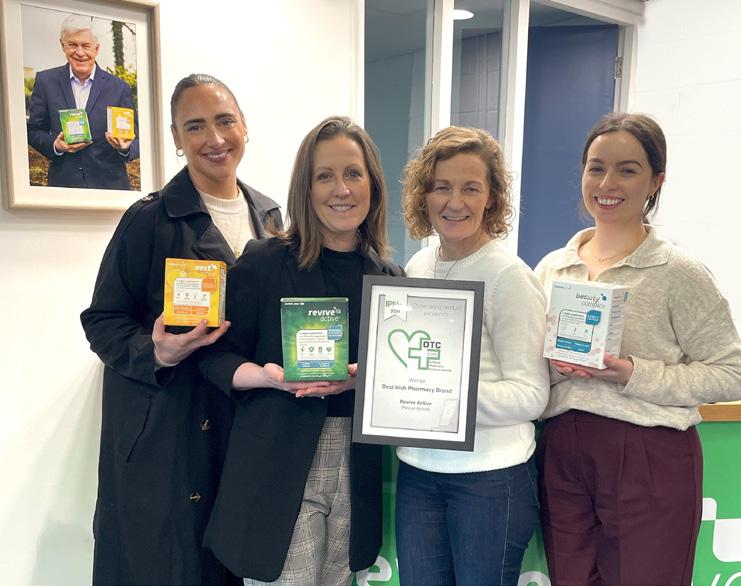
“A trusted product from a well-established, trusted brand. Well-known brand ambassadors including a GP, increase the chance of sales in pharmacy. Training support to pharmacy is excellent. Nice to have a new flavour”
“The product has very appealing packaging and has a brilliant marketing campaign. I have found that customers come on a repeat basis for this product as they believe it has made a positive impact on their health”
Judges Comments


 Revive Active Brand Managers Julieanne Barrett and Joanne Clancy with Head of Brand/Marketing Helen Mannion and Aislinn Connaughton, Senior Digital Marketing Executive
Pharma Plus Brand Panadol Extra Soluble Cetrine Allergy 10mg x 30 Active Iron
Best Cough, Cold and Flu Product
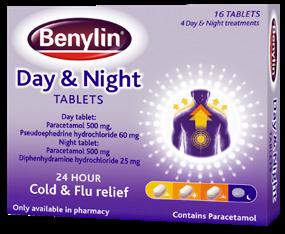

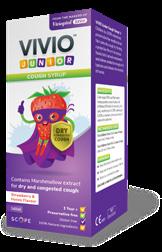
BENYLIN® DAY & NIGHT came out on top within the 2024 Best Cough, Cold and Fly Product category.
BENYLIN® DAY & NIGHT tablets are the only cold/flu remedy to offer 24 hour relief with tablets specifically designed for Day and Night.
Today’s hectic lifestyle means cold sufferers often don’t have the opportunity to take time out from their busy lives. BENYLIN® DAY & NIGHT tablets unique offering helps consumers to keep going throughout the day by relieving their symptoms, while the night tablet relieves cold symptoms and so aids a better night’s sleep.
The product is the only day & night tablets for 24 hour cold and flu relief, and the consumer-friendly packaging clearly demonstrates which tablets are for each occasion, day and night.
Benylin is supported in-store each winter season with brand assets and POS materials as well as TTL media campaign.
“This is a great product for alleviating cold/flu symptoms, enabling people to avoid suffering from symptoms of viral illness and continue with their normal daily lives (relatively) unaffected by the symptoms thanks to the product. Handy that it helps with both day time and night time. Helps aid sleep which is vital for recovery from cold/flu. Good value for money”
“A great product that clearly sets out the time each tablet should be taken. Brilliant to have an option for people who do not want medication that will make them drowsy during the day yet gives them the option to have a medication that will help them to sleep at night, without having to buy a second product”
Judges Comments
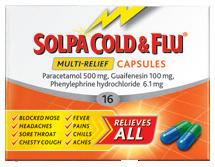
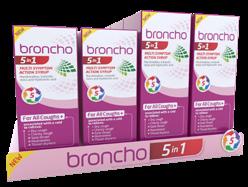 Niamh Sugrue, Commercial Marketing Lead, Kenvue
VIVIO® Junior Cough Syrup Solpa Cold & Flu Multi Relief Broncho 5in1

Best VMS product was awarded to Zest Active - an innovative super supplement from Irish Supplement company Revive Active.
Best VMS Product

Zest Active is scientifically formulated with 25 active ingredients including vitamins, minerals, amino acids and Beta Glucans, all carefully selected to support energy, the immune system, brain, and muscle function. Each sachet contains a range of B Vitamins (Riboflavin (B2), Niacin (B3), Pantothenic Acid (B5), B6, Folate, B12 which ensures that Zest Active contributes to a normal energy-yielding metabolism.
It contains a natural sweetener, steviol glycosides and is suitable for vegetarian, vegan, diabetic, and gluten free diets and is Halal certified. Zest Active contains no caffeine, binders or fillers. With a refreshing orange flavored blend, Zest Active delivers the daily nutrients you need, to help you unlock your true potential.
“Zest Active has risen to the most popular line in the already popular Revive Active range. This is perfect for all people on the go, and suitable for a wide range of active people looking for the ideal pick me up vitamin drink”
“Excellent product, well known and great tasting. Many repeat customers”
Judges Comments




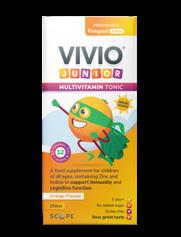 Brand Managers with Revive Active
Tina Duane and Julieanne Barrett
One Nutrition Ashwagandha Dextro Zero Calories O.R.S Hydration Tablets Vivio Junior Multivitamin
Best Marketing Training Campaign
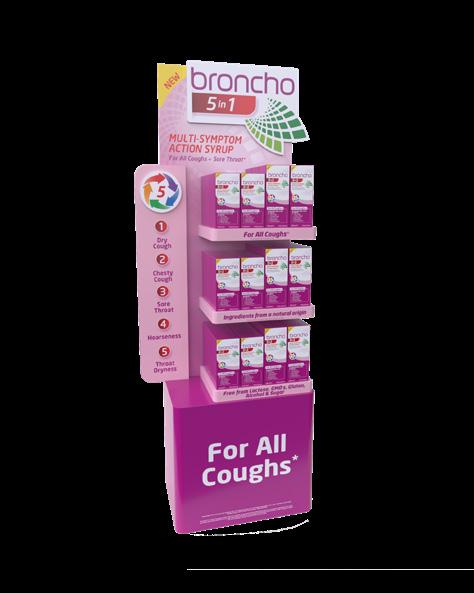
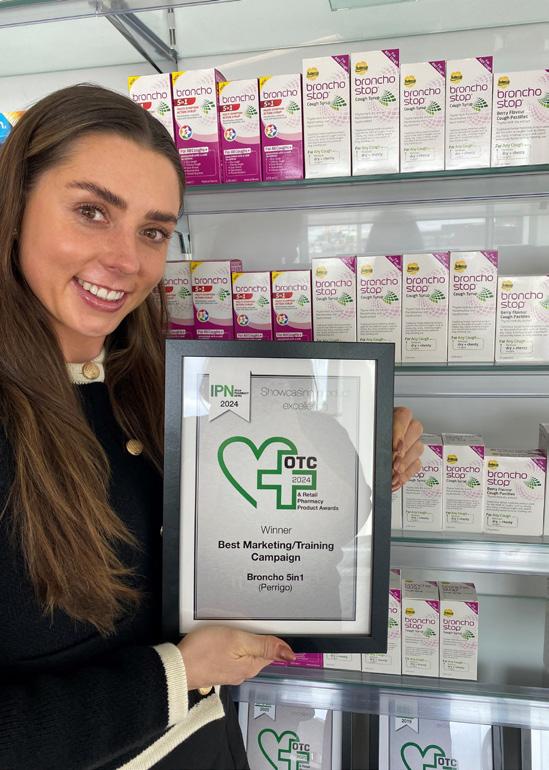
Broncho 5in1 scooped their second award winning the Best Marketing/Training Campaign for 2024..
The cough category has not developed the same way as other categories, there are a lot of single indication SKUs; dry cough, chesty cough cluttering the category. While this may be beneficial for other categories it doesn’t apply to cough as coughs tend to change during the cycle; start with a sore throat which then becomes a dry cough and then a chesty cough.
72% of people don’t know what type of cough they have.
Introducing, NEW Broncho 5in1 Multi-Symptom Action Syrup for all coughs associated with a cold to relieve: dry cough, chesty cough, sore throat, hoarseness and throat dryness. We lent on the successes of Bronchostop (THR) and Bronchostop Junior (MD) to develop a product that not only targets cough but sore throats; often the first sign
“Excellent marketing / social media campaign to improve brand awareness which has really driven sales”
“A great product that targets all types of cough, strong advertising from brand to support this launch”
Judges

 Sinead Kingston, Brand Manager, Perrigo
HYLO® & OPTASE®
Comments Solpa Cold & Flu Multi Relief




MULTI-SYMPTOM ACTION SYRUP


Ches t y cough
Sore throat
Hoar seness
Marshmallow, Icelandic moss and Hyaluronic acid in 5 1 + + + Dr y cough
Throat dr yness associated with a cold to relieve:


1 2 3 4 5


relieve Associated with a cold
Broncho 5 in 1 Multi-Symptom Action Syrup is a medical device according to Directive 93/42/EEC, used for the relief of any cough (dry & chesty) associated with a cold, as well as sore throat due to common cold, associated hoarseness, and dryness of the throat. Adults and adolescents from 12 years of age: 15ml up to 3 times daily. Not recommended for children under 12 years. Date of preparation: Feb 2023. IRE BRO 2023 26
in 5 1
MULTI-SYMPTOM ACTION SYRUP
To Relieve All Coughs+ Associated with a cold
To
Best Eye Care Product
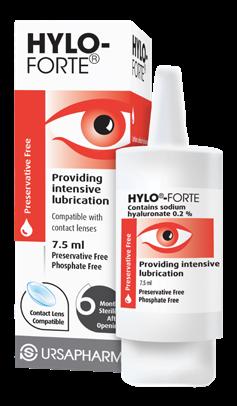
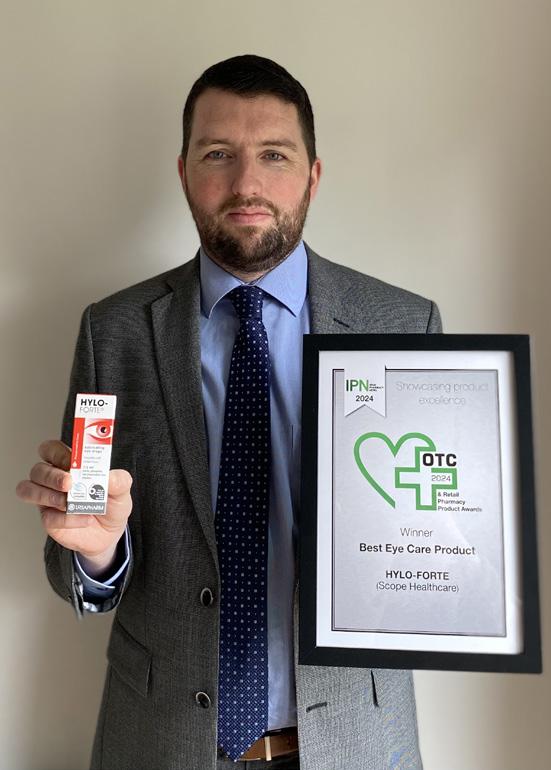
Not to damage their winning streak, Scope Healthcare’s HYLO-FORTE® won the Best Eye Care Product for the third consecutive year.
HYLO-FORTE® is a preservative free, contact lens compatible lubricant containing 0.2% High Molecular Weight Hyaluronic Acid to provide long lasting hydrating relief. The high molecular weight structure of this Hyaluronic Acid helps provide longer lasting benefits to patients with dry eye disease as it is the superior performing hyaluronic acid for ophthalmic use.
HYLO-FORTE® is conveniently presented in the patented COMOD bottle which offers patients precise dosing with a guaranteed 225 drops and 6 months sterility from first opening.
“An unrivalled eye hydration product. The closed valve system enabling use for up to 6 months once open is costeffective for customers and also easier on the eyes, being preservative free. Excellent training available on the Scope website and training support offered to pharmacies is excellent”
“A revolution in eye drops with its packaging which allows use for 6 months. There is great customer feedback from users and many resales. Quite simply the market leading brand in eyecare”
Judges Comments

MACU-SAVE Visionace
Shane Halpin, Business Development Manager, Scope Eyecare
It’s no wonder a bottle of
✓ 100% preservative free
✓ Can be used for up to 6 months from opening
✓ Contact lens compatible
✓ Guaranteed 225 drops per bottle
✓ Calibrated and precise dosing

SCOPEIE226 Freephone 1800 816 005 | info@scopeeyecare.com | www.scopeeyecare.com Do your customers suffer with dry eyes at night? Try HYLO NIGHT ® for the management of persistent dry eye symptoms at night. Voted best eye care product, 3 years in a row! 0.2% High Molecular Weight Hyaluronic Acid
HYLO -FORTE® is sold in Ireland every minute *
HYLO -FORTE® contains long-lasting High Molecular Weight Hyaluronic Acid offering:1 Increased ocular surface time Increased comfort Superior clinical effectiveness * Data from IQVIA MAT, January - December 2023 1. Semp, D., Dutta, D. and Wolffsohn, J.S., 2023. The clinical efficacy of higher molecular weight sodium hyaluronate in artificial tears: A randomised clinical trial. Investigative Ophthalmology & Visual Science, 64(8), pp.3970-3970.
Best Self-Testing Product
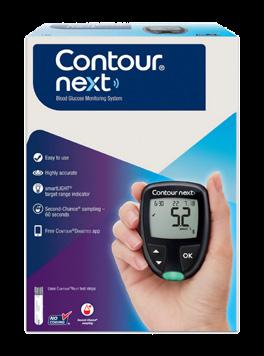
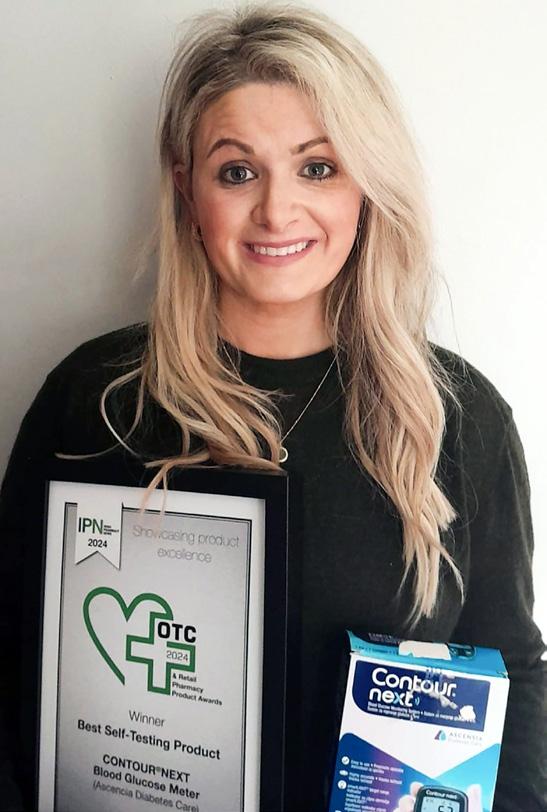
CONTOUR®NEXT Blood Glucose Meter are the winners of the 2024 Best SelfTesting Product.
The CONTOUR®NEXT blood glucose meter is the most used meter in Ireland; with the team behind the brand focused on quality products, improving patient lives and empowering self-management along with providing top class support and education for pharmacists.
The CONTOUR®NEXT is an easy-to-use system:
Easy to read: Big numbers on display.
Easy to use: Large rubber buttons.
No initial set up.
Personalised target ranges with averages on the meter.
The unique smartLIGHT® feature makes it quicker and easier to interpret blood glucose readings using coloured lights that clearly identify if the reading is above, within or below your target range.
CONTOUR®NEXT (connected) has a 60 second count down screen that provides patients the opportunity to apply more blood to the same strip if the first sample is insufficient.
“Excellent product. It is an easy to use system and patients like the large print and easy to use system. The use of technology through the app is helping patients keep track of their blood sugars and helps as they can take this information to their healthcare appointments”
“As a Pharmacist, this is my go-to recommendation when a patient presents to the Pharmacy requesting a glucometer. I can see why the brand has a strong customer following”
Judges Comments
Medicare Non-Contact Infrared Thermometer
SURESIGN Urinary Tract Infection Test
Grainne O’Connor, Company Director & Sales and Marketing Manager, Ascensia Diabetes Care

• Highly accurate1 readings you can trust to guide your patients
• smartLIGHT® feature. Target range indicators have been demonstrated to help improve HbA1c control compared to BGMs without a target range indicator*2
• 60-second Second-Chance® sampling
and can help save strips.3
• Connects to the CONTOUR®DIABETES app to support self-management

*Patients
healthcare professional
setting or changing any target ranges. 1. CONTOUR®NEXT
BGMS User Guide, Rev. 05/19. 2. Grady M et al. J Diabetes Sci Technol. 2018;12(6):1211-1219. 3. Richardson J et al. Clinical Relevance of Reapplication of Blood Samples During Blood Glucose Testing. Poster presented at the Diabetes Technology Meeting (DTM). November 12-15 2020. © 2024 Ascensia Diabetes Care. All rights reserved. Ascensia, the Ascensia Diabetes Care logo, Contour, Smartlight and Second-Chance are trademarks and/or registered trademarks of Ascensia Diabetes Care Holdings AG. Date of preparation: October 2024. IE_IPUadCNext_10/2
diabetes
should always consult their
before
(connected)
CONTOUR®NEXT is an easy-to-use system that supports
management providing clear, accurate readings you can trust.1
can reduce the need to re-lance
CONTOUR® NEXT USED IN I RELAND * BLOOD GLUCOSE STRIP # IQV A DA JAN 2023 CONTOUR® NEXT USED IN I RELAND * BLOOD GLUCOSE STRIP # IQV A DA JAN 2023 CONTOUR® NEXT the most used blood glucose meter in Ireland* To order yours today please scan the QR code or email; grainne.oconnor@ascensia.com

Best Children and Baby Product

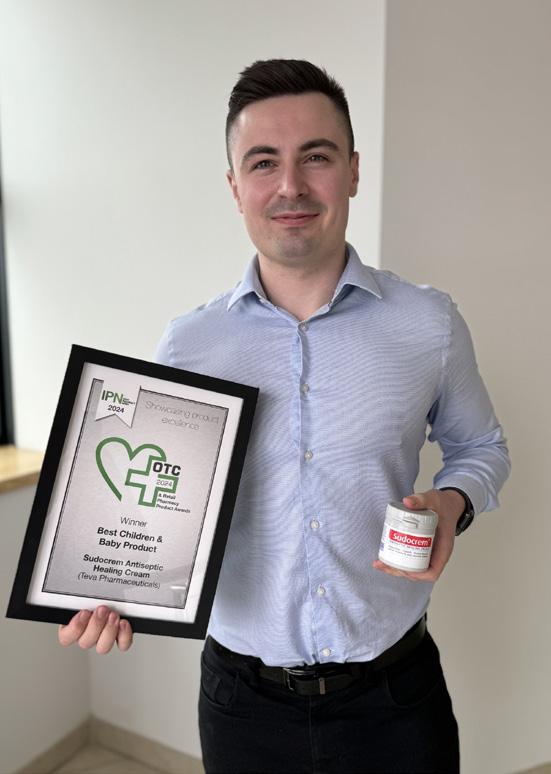

Teva’s Sudocrem Antiseptic Healing Cream won the Award for Best Children and Baby Product.
Trusted by families since 1931, Sudocrem Antiseptic Healing Cream has been parent’s simple, effective skin-care ally for over 90 years. Great for soothing and treating nappy rash symptoms, its gentle formulation is clinically proven to soothe and heal your baby’s delicate skin from birth. A truly versatile product, Sudocrem Antiseptic Healing Cream is a family favourite when it comes to their skincare needs.
Sudocrem Antiseptic Healing Cream is licensed to treat a range of skin conditions including nappy rash, cuts & grazes, eczema, acne, minor burns, sunburn, bedsores & chilblains. Always read the label.
Date of preparation: March 2023 Job Code: SUD-IE-00070
“Sudocrem is a real household name in Ireland. It is used by everyone from birth to old age. It serves as a great barrier and repair cream for damaged skin. I’m pretty sure there’s one in every home”
“Sudocrem has been a staple of many Irish households and has been used for generations. Brand loyalty is exceptionally high and repeat custom is clearly evident. The iconic packaging and variety of pack sizes gives great options for the consumer. It is still one of the leading brands and products in its market category”
Judges Comments
 Luke Owens, Brand Manager - OTC Marketing, Teva
Anti-Colic
Matchstick Monkey MAM Easy Start
260ml Bottle Calpol Vapour Plug & Nightlight

Best Natural Product
A relatively newer product on the market, fabÜ SHROOMS MENO & PERI won the 2024 Best Natural Product Award.
fabÜ SHROOMS MENO & PERI is a unique supplement with seven active ingredients. It is based on the concentrated extract of the functional, edible mushroom Lion's Mane, blended with Vitamin D, Vitamin K2, Vitamin B6, Vitamin B12, Magnesium and Chromium tailored specifically to support a woman's journey through perimenopause and menopause.

This blend was expertly formulated by Laura Dowling, Fabulous Pharmacist, after years of research and development and many more years of listening to women coming into the pharmacy everyday looking for extra support. It is trusted by hundreds of thousands of women across Ireland.
Lion's Mane mushroom, is long revered in ancient practices and eaten around the world. It has been used traditionally in Asia to support women through perimenopause and menopause. This edible mushroom is carefully blended with premium grade vitamins and minerals.
Simple & Safe Usage: Just two mushroom capsules daily with water. Designed with your convenience and safety in mind, our mushroom supplement is the hassle-free solution to support your journey through perimenopause and menopause.
“A great product – we frequently have customers tell us about the improvement and difference this product has made to their lives. This brand provides excellent support and useful online training sessions to pharmacy staff”
“What can I say these products are so well known. People trust the brand now. Repeat sales guaranteed. Great feedback from customers and I hear of excellent results all the time. Laura Dowling is an excellent ambassador for the brand and people really trust the recommendation of their local Irish pharmacist”
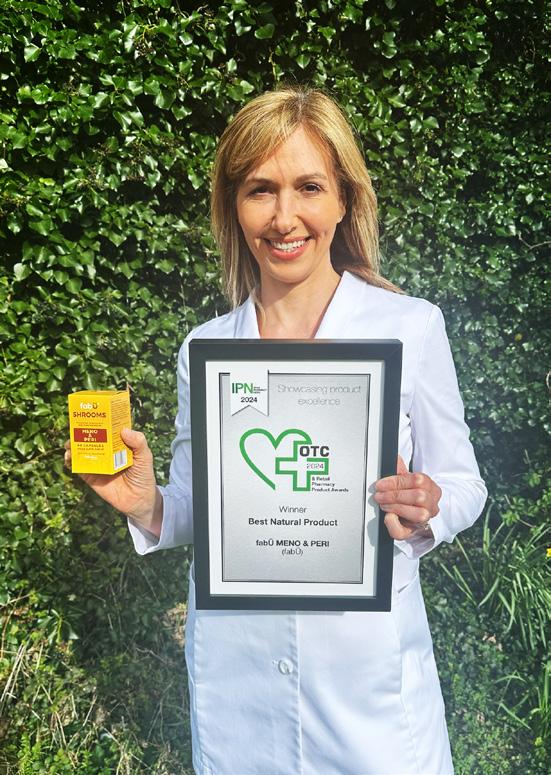
Judges Comments

 Laura Dowling, Fabüwellness
Cys-Control FORT
BioGaia Baby Drops
Solgar Ultimate Calm Super Natural Activity Pre and Probiotic Spritz

Best Digestive Product

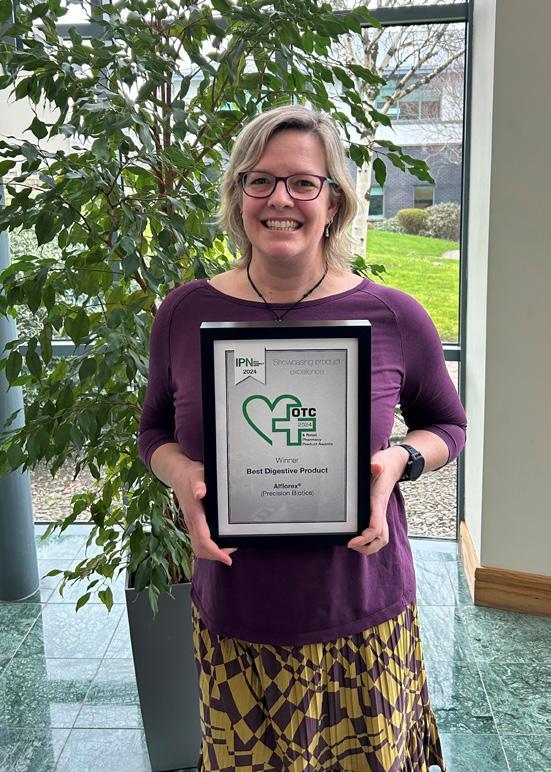
Alflorex® is the winner of the 2024 Best Digestive Product.
Alflorex® is the leading probiotic for IBS, a condition that affects up to 1 in 7 people in Ireland every day. This probiotic is taken daily to manage and prevent recurrence of IBS symptoms. It costs approx. ¤1/day and reduces ALL of the symptoms of IBS including:
• abdominal pain
• bloating & gas
• unpredictable bowel movements like alternating diarrhoea and constipation
The unique 35624® culture in Alflorex is a naturally occurring bacterial strain found in the human gut. This Bifidobacterium longum culture is part of the family of bacteria given by mothers to babies at birth.
The main long-term aim for Alflorex is to strive to have all IBS patients in Ireland take Alflorex for 1 month. The product conversion score is more than 80% (continued usage) and with a high percentage of this group needing direction and treatment we believe Alflorex can change their lives.
“Alflorex is the highest selling brand in our entire Vitamin Portfolio and trusted by many of our customers (and staff members!) Brand support has been exceptional for us. Given the extensive training and sampling support given, our staff are well equipped to be able to recommend this product to our customers” “Excellent product targeted at IBS. Superb training and great PR plan to back it up along with clinical trial evidence support. Gives great clarity to pharmacy team on how to recommend”
Judges Comments


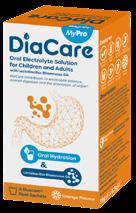

Udo’s Choice Ultimate Digestive Enzyme Blend
Optibac Every Day EXTRA DiaCare Alflorex® Dual Action
Alison Winger – General Manager Novonesis Ireland - Home of PrecisionBiotics Products





Trust your gut. Trust precision science. Over 20 years of pioneering research ALFLOREX® with Bifidobacterium longum 35624 ® Scan here for more info Learn more about the science behind the unique 35624 culture – visit www.precisionbiotics.science For Healthcare Professionals only Distributed by Pamex Ltd Email: info@pamex.ie | Phone: 094 9024000
Best Children and Baby Supplement
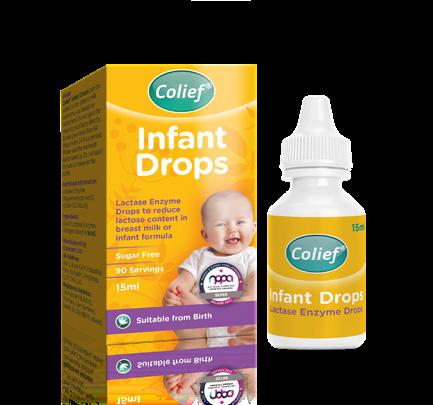
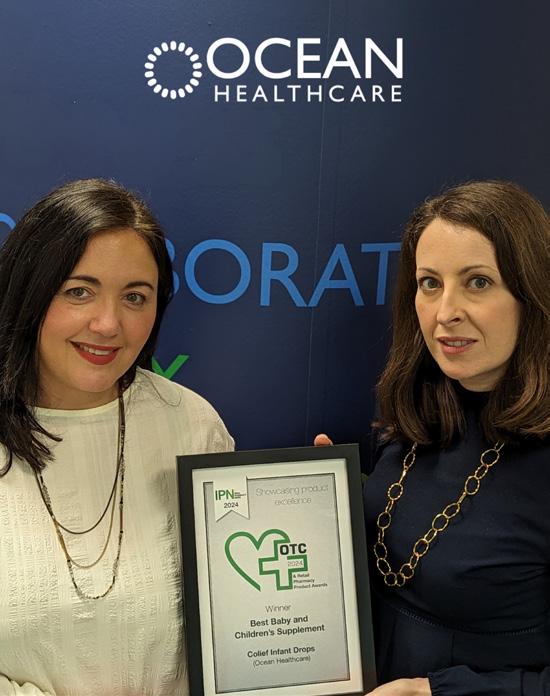
Colief Infant Drops takes the 2024 Award for Best Children and Baby Supplement.
Colief Infant Drops have been trusted by mums and healthcare professionals for over 25 years as a natural remedy for infant colic. Suitable from birth, Colief Infant Drops are completely natural and help break down the lactose in milk into simpler sugars, glucose and galactose, making it easier for baby to digest milk whilst reducing discomfort.
The drops contain the naturally occurring enzyme lactase which helps relieve colic symptoms caused by temporary lactose intolerance – common in many babies as their digestive systems develop. Adding a few drops to infant formula or mum’s expressed breast milk helps to break down the lactose in the milk, making it easier to digest.
“This Irish product is in a league of its own. The natural remedy makes it easy to recommend to distressed parents that present to the Pharmacy suffering from colic. The packaging is very nice and while there is plenty of information on the outer box, it is concise and easy to read”
“I really love this product both as a pharmacist and a parent - I’ve used it for my own children with great success and recommend it often in work”
Judges Comments


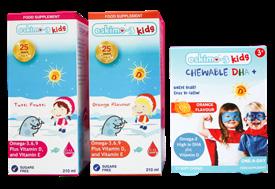
Wellbaby Multi-vitamin Liquid Optibac Babies & Children Eskimo-3 Kids
Caroline Finucane, Head of Marketing and Miriam Velluti, Assistant Brand Manager, Ocean Healthcare
Adding Colief® Infant Drops to baby milk is a natural way to ease colic symptoms caused by lactose.
Infant colic can have many causes. In some cases it is caused by temporary lactose intolerance. This occurs when babies are unable to fully digest the lactose in milk, resulting in discomfort and extended periods of crying. Suitable from birth, Colief Infant Drops contain lactase enzyme, which breaks down lactose into glucose and galactose, reducing the lactose in milk and making it easier for babies to digest. babies to digest.
























Colief® Multibiotic Drops For a happy gut



















































































Scientifically proven friendly bacteria developed to complement baby’s natural gut flora. Contains Lactobacillus rhamnosus, LGG®, one of the most researched bacteria strains in the world, and Bifidobacterium infantis, a scientifically proven friendly bacteria for babies and children. Suitable for breastfed and formula fed babies, from birth onwards Colief® Multibiotic Drops contains 1.1 billion live cultures per dose.
INFANT DROPS Colic relief from Colief® It’s Natures way, but faster The
also includes:
Colief® range
Mums know to call on Colief® facebook.com/ColiefCare
Tel: 01 2968080 | orders@oceanhealthcare.ie | www.oceanhealthcare.ie
www.colief.com
Best Immunity Product
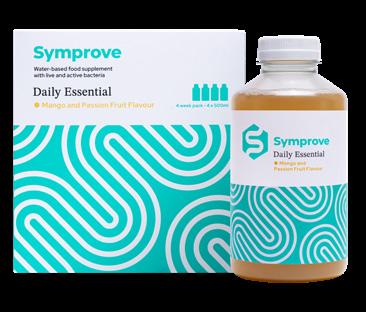
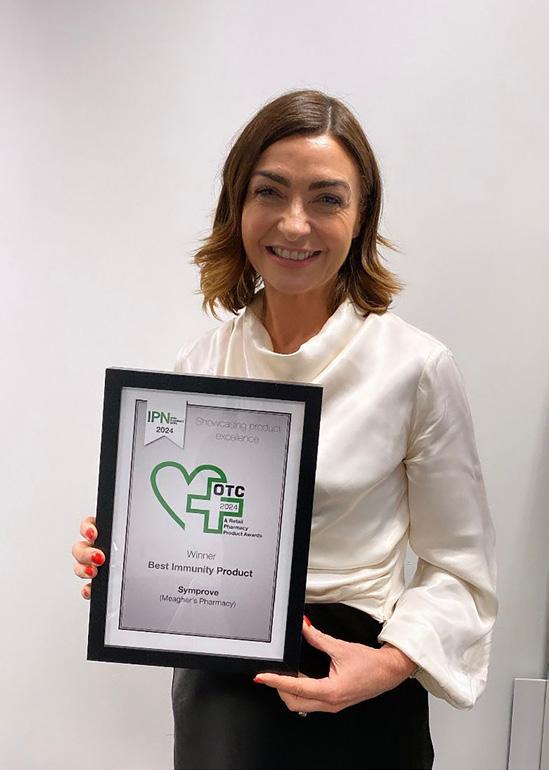
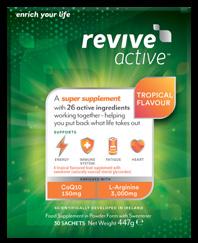
Best Immunity Product for 2024 goes to Symprove.
Symprove is a water-based digestive health supplement designed to support the digestive system and enhance your overall well-being. Developed by leading experts in the field, Symprove is crafted to help you achieve optimal gut health.
Symprove utilizes a unique formulation of live and active bacteria that work harmoniously with your body's microbiome. Through a patented delivery system, these beneficial bacteria bypass the harsh stomach environment and reach the targeted areas of your gut, where they can flourish and provide their numerous benefits. One shot of Symprove each morning is the ideal way to maintain the balance of bacteria in your gut.
“There are not many products available to rival Symprove. There is a niche audience searching for this product to aid digestion and improve symptoms they are suffering with daily. The marketing campaign is a great success”
“The product is very well packaged and has a convenient once daily dosage formulation which is ideal for most people to remember to take first thing in the morning. The product has an excellent marketing campaign and there are numerous supports available for staff to learn about the product”
Judges Comments
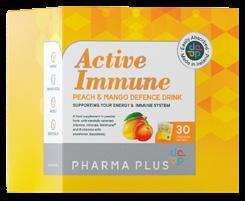

Revive Active Pharma Plus Active Immune Peach & Mango fabÜ SHROOMS IMMUNE
Oonagh O’Hagan Managing Director Symprove Ireland


Best Beauty Product

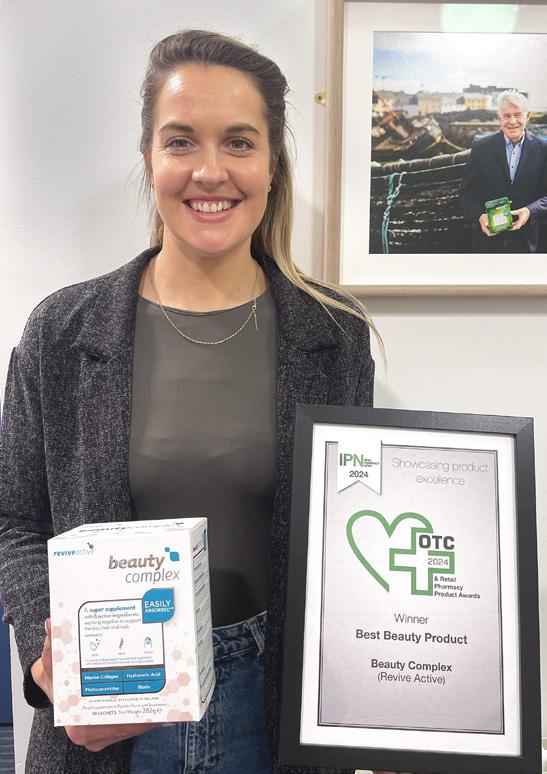

The beauty industry is fast-moving and highly saturated. Understanding changing consumer opinions and the behavioural indicators behind global trends is integral to securing the success of any company or brand within the space.
The Award was won by Revive Active’s Beauty Complex.
Beauty Complex is a unique and innovative super supplement which contains a distinctive combination of eight active ingredients including Marine Collagen, Phytoceramides, Hyaluronic Acid and Biotin. It was designed by experts to compensate for declining collagen, ceramides and hyaluronic acid in the body. The type of collagen used in Beauty Complex is Collagen Peptides. These peptides are derived from a 100% natural source, containing more than 97% protein and are the same as the collagen found in our skin and bones. Their hydrolysed form makes them more easily digestible.
The key is the combination of ingredients delivered in optimal quantities that provide synergistic effects. This results in consumers really noticing a difference in their skin, hair and nails.
“Great product – does exactly what it says. Customer feedback on this is always positive regarding how well it works and many are purchasing again making it a high volume selling product within our pharmacy. As a team we always recommend Revive Active products to our customers”
Judges Comments


 Sacha Day & Night Hydration
3
King Hair & Beauty Miracle Mist 7 in 1 Spray King Hair & Beauty Bye Bye Baby Hairs
ACNAUT
Triona McDonald, Brand Manager, Revive Active
Best Launch of the Year
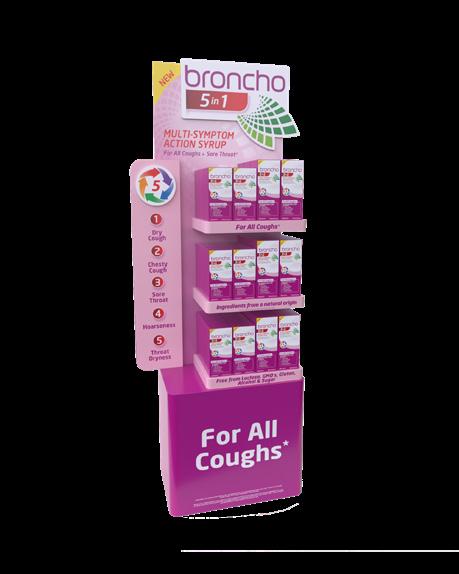
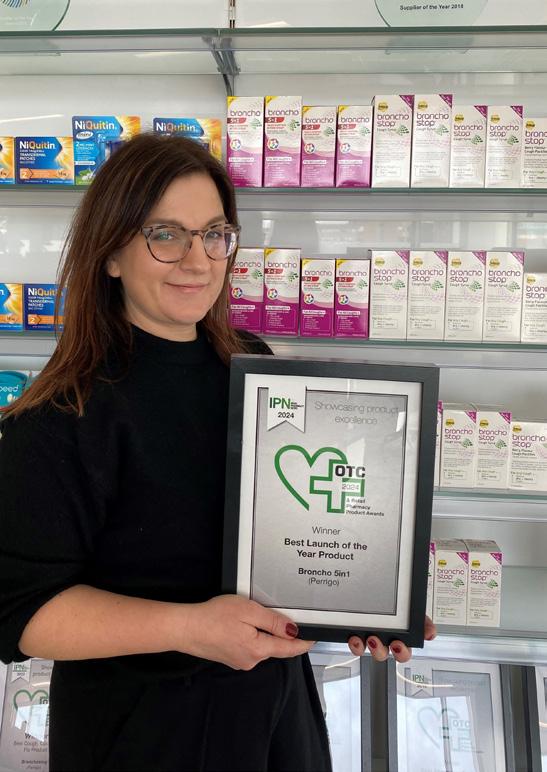



Broncho 5in1 took home the accolade for Best Launch of the Year.
The cough category has not developed the same way as other categories, there are a lot of single indication SKUs; dry cough, chesty cough cluttering the category. While this may be beneficial for other categories it doesn’t apply to cough as coughs tend to change during the cycle; start with a sore throat which then becomes a dry cough and then a chesty cough. 72% of people don’t know what type of cough they have.
Introducing, NEW Broncho 5in1 Multi-Symptom Action Syrup for all coughs associated with a cold to relieve: dry cough, chesty cough, sore throat, hoarseness and throat dryness. We lent on the successes of Bronchostop (THR) and Bronchostop Junior (MD) to develop a product that not only targets cough but sore throats; often the first sign of a cough.
“With it’s clear messaging, Broncho 5in1 puts itself out there as the one-stop shop for your cough relief needs. Bronchostop as a brand is very well respected, and has risen to a top seller every winter. The addition of this multi-relief SKU to the range, can only enhance its appeal”
“Brilliant addition to the category. Excellent support. Clear training for pharmacy team and clarity of use for the patient. Targeted cough and sore throat makes this a unique product”
Judges Comments

Plus 10% Urea Foot Foam Solpa Cold & Flu Multi Relief Pharma Plus PharmaBiotic Nuxuriance Ultra Global AntiAgeing Cream
Charlie Rickard, Customer Activation Manager, Perrigo
UreaRepair
Best Women's Product



Best Women’s Product was voted for by our esteemed judging panel and the winner for 2024 is Optibac For Women.
Optibac For Women is recognised as one of the best probiotics for intimate health. It is Optibac’s best-reviewed supplement, being highly recommended by complementary healthcare practitioners, top UK gynaecologists, and consumers alike.
This specialist supplement is designed specifically for the support of vaginal health. For Women contains highly researched strains of friendly probiotic bacteria, which are scientifically proven to reach the intimate area and complement the natural vaginal flora.
Optibac For Women is recommended for anyone suffering with thrush, Cystitis or BV, and for anyone susceptible to these conditions wishing to maintain vaginal health on an ongoing basis. Ideal for women during all life stages, including pregnancy, menopause and beyond.
“This is an amazing product that I feel very happy recommending to patients. These are a cohort that really struggle as the symptoms around BV, thrush, UTIs can be really debilitating and embarrassing for women. I love the product packaging and I think it is really impressive that they considered recyclable”
“Game Changer for women with ongoing BV Issues, particularly liked the combination of ingredients”
Judges Comments
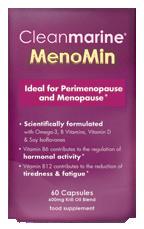

 Lauren Byrne, Sales & Training Representative and Madeleine Walsh, Ireland Regional Manager
IUB Ballerine® Cleanmarine® MenoMin® Multi-Gyn ActiGel Utipro® Plus AF
Beth
 Michelle


The UK & Ireland’s most recommended brand* *Optibac is the brand of friendly bacteria supplements most recommended by stockists and UK consumers. See website T&Cs for survey details “I’m so glad I found it”
“Absolutely fantastic product”
“Truly couldn’t live without them”
Helen
A specialist supplement for the vaginal microbiome Available with Wholefoods Wholesale Tel: 01 626 2315 Email: sales@wholefoods.ie

Best Pain Relief Product
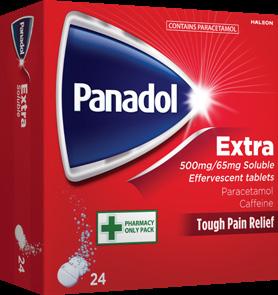
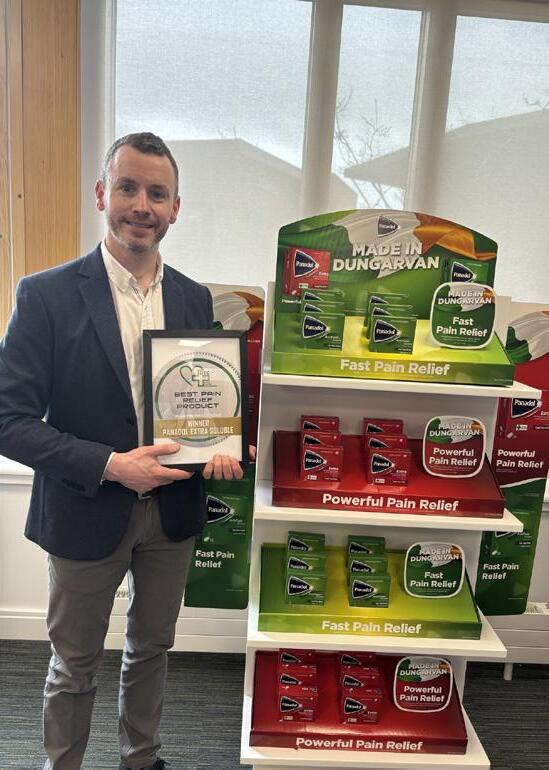
Panadol Extra Soluble proved to be the judges choice for the Best Pain Relief Product category 2024.
Made and Trusted in Ireland’. Panadol Extra Soluble is indicated for 5 types of pain, is only available in pharmacies and contains a second active ingredient, caffeine that amplifies the analgesic effect of paracetamol, making it more powerful*. So, when you’ve got a headache you can count on Panadol Extra Soluble to deliver powerful, effective relief. And it’s gentle on your stomach, too. Panadol Extra Soluble is also effective in treating backache, rheumatic pains and muscle pains, period pains and toothache.
Panadol has TV, programmatic digital and Radio advertising running throughout the year. This includes the “Made in Ireland” partnership with RTE.
*than standard paracetamol tablets.
“This product stands the test of time. Often requested by name this soluble is fast acting, working with powerful delivery and yet is gentle on the stomach. It is preferred by many of our customers due to the film coating”
“Having this option to recommend to people presenting in the pharmacy with pain is a gamechanger. The soluble option appeals to so many, and having a non-codeine-containing product which still has the benefit of the added caffeine boost has helped many people move away from codeine-containing products. Great advertising campaigns/window displays also”
Judges Comments
Max 400mgx24 Calpol Infant Suspension
Matthew Beattie Panadol Customer Marketing Manager Brupro

Award for Best Pregnancy/Fertility Product 2024.
Best Pregnancy/ Fertility Product

Proceive® Trimester 1 is designed to support mother and baby with optimal nutrition levels during the first trimester. For mother nutrients support the regulation of hormonal activity, energy levels and reduce tiredness and fatigue. While for baby this is a time of rapid growth, nutrients focus on cell division, neural tube development and bone development. The Proceive team goal is to provide the most functional, innovative products to customers, as such they are continually reviewing the latest scientific research. With their latest update, they have further improved the bioavailability of a number of nutrients and certified the Proceive® Pregnancy range as Vegan.
Leading innovation in the category, Proceive® were the first pregnancy brand in Ireland to use L-Methylfolate in their products, this is the natural folate form of folic acid which ensures increased absorption of this important nutrient. The brand is proud to be Guaranteed Irish and does not contain fillers, binders, preservatives, artificial colours or flavours offering a pure, comprehensive nutritional supplement for pregnant women.
“Terrific Irish product, we like that they have considered the bioavailability of the vitamins in the product to ensure good absorption and also that the formulation is suitable for vegans. A lot of thought and research has gone into its development”
“I think this product is going to really excel in 2024. The increase in funding for the coming year implies there are great things ahead for this Irish company. I particularly like their packaging” Judges Comments

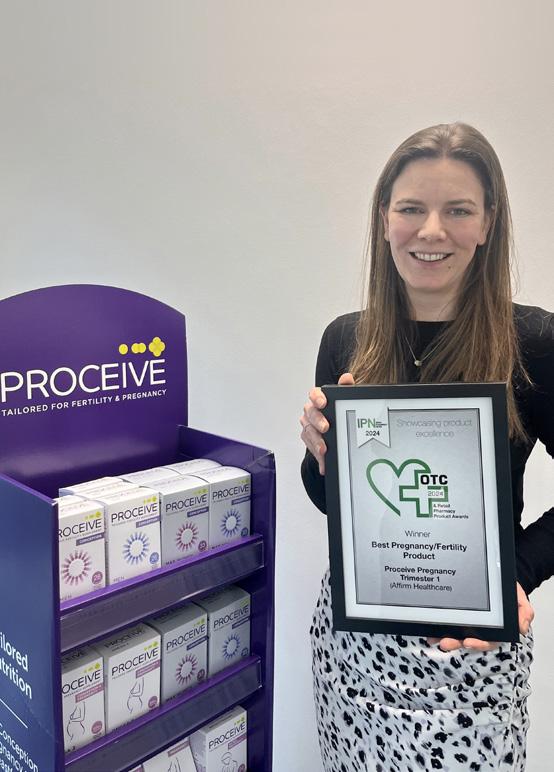
 Suzanne Acton, Marketing Manager, Affirm Health
SURESIGN 6 day early twin midstream pregnancy test Pregnacare Max

Best Skincare Product
Ocean Healthcare scooped another win for Bio-Oil Skincare Oil in the Best Skincare Product category.
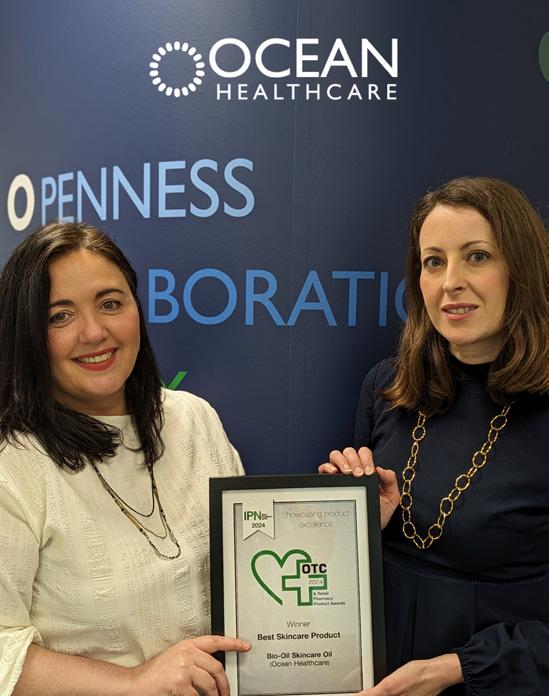

Bio-Oil Skincare Oil was the first oil to be submitted to clinical trials and prove that it could improve the appearance of scars and stretch marks. Today, it is the world’s leading scars and stretch mark product, recommended by midwives and dermatologists. In clinical trials, after 8 weeks of use, 97% of participants saw an improvement in the appearance of stretch marks and 92% saw an improvement in the appearance of scars.
The Skincare Oil contains the breakthrough PurCellin Oil for better absorption and includes a combination of plant extract oils like Chamomile, Lavender, Rosemary and Calendula carefully selected for their healing, anti-inflammatory and soothing benefits. It also includes Vitamin A & E to help improve uneven skin tone, ageing and dehydrated skin.

“There are not many products to rival the universal offering of Bio Oil. It is often recommended by doctors and nurses as post-surgical care for scarring. The product has not changed over the years. It is a go to product. The marketing campaign behind this is very good”
“Bio-oil is an excellent product with numerous studies to back up its claims and has a wide range of applications, and customers generally come back on a repeated basis for bio-oil. Bio-oil uses good marketing strategies to promote its product, and is packaged in a straightforward and pleasant way” Judges Comments

 Skincare by Sacha
Q+A Vitamin C Brightening Serum Elave Daily Skin Defence SPF45 Neostrata 15% Vitamin C + PHA Serum
Caroline Finucane, Head of Marketing and Miriam Velluti, Assistant Brand Manager, Ocean Healthcare
35 years, 4 pioneering skincare products.

01 296 8080 | orders@oceanhealthcare.ie | www.oceanhealthcare.ie

Best Baby Skincare Product

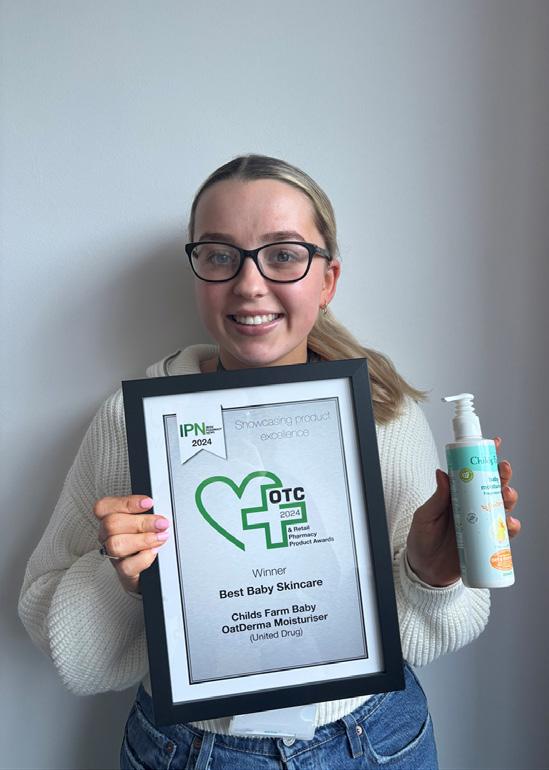
Best Baby Skincare Product was won by Child’s Farm Baby OatDerma Moisturiser.
Child’s Farm Baby OatDerma Moisturiser is formulated to hydrate and moisturise even the most sensitive dry and itchy skin. Packed with the goodness of oats, colloidal oatmeal is rich in beta-glucan and avenanthramides which are clinically proven to help soothe and gently nourish the natural balance of delicate skin.
Child’s Farm Baby OatDerma Moisturiser has been created for dry and itchy skin containing colloidal oatmeal, rich in beta-glucan and avenanthramides, it is clinically proven to help soothe and nourish skin. It is also free from parabens, phthalates, artificial colours and dyes, petroleum, formaldehyde.
“This product with its natural ingredients is a firm favourite in our pharmacy. I always quote the packaging when recommending ... “dermatologically tested and paediatrician approved” so as a pharmacist I know I can widely recommend this from babies to all skin conditions with confidence. Bright wellpresented packaging”
“Child’s Farm has quickly become a brand trusted by parents of babies and young children. This is a great fragrance-free product to recommend for babies and young children with dry and itchy skin, a common complaint seen in pharmacies. The pump makes it easy to use. It’s great to see packaging made from recycled materials and even better to know it can be fully recycled again once used”
Judges Comments



Elave Baby Bath 400ml ECOCERT Organic Sudocrem Antiseptic Healing Cream Attitude Baby Leaves
Kerry Perris, Brand Manager for Childs Farm in Ireland


Best SPF/Tanning Product has been won in 2024 for Bare by Vogue Clear Tan Water.
The Clear Tan Water applies with no colour guide, then gradually develops into a natural looking tan.
Whether you’re a seasoned tanner or new to the self-tanning world, Clear Tan Water works for both. The water-based formula and its skin-loving ingredients ensure your skin is drenched in hydration, making the tan effortless to apply and easily glide across the skin. Completely undetectable - wear this during the day and within 4-8 hours you’ll be greeted with a beautiful golden tan that doesn’t need to be rinsed off. It is lightweight, non-sticky and incredibly easy to use - meaning a streak-free application every time.
Best SPF/ Tanning Product

“Bare is a consistent bestseller in the Tanning Category with a huge Social Media following. This product will easily outsell other tans especially for casual or new customers who would be unfamiliar or new to tanning due to its low commitment and ease of use”
“Excellent promotional material, influencer-led tan. Nice design, easy product to use, convenient onthe-go tan. Packaging stands out on the shelf and this product has a good re-sell opportunity”
Judges Comments


 Derek Moloney, Commercial Assistant, Ellen O'Leary, New Product Development, Aoife Mangan, Marketing Manager, Julie Allen, PR Executive, Susan Donovan, Brand Manager
Riemann P20 Urban Shield
Elave Sun SPF30
NUXE Tanning Sun
Oil High Protection SPF 50
Ground-breaking Insights into Diabetes
Diabetes Ireland have launched the results of the first-ever survey highlighting the lived experience of people with diabetes in Ireland. For further information on “Accessing and Using Diabetes Health Services Survey 2023.”

An anonymous online survey of adults with diabetes or parents/ carers of children with diabetes was conducted between 16 January and 5 February 2023 via social media and standard online communication to ask about experiences of living with diabetes in Ireland. 517 people completed all sections of the survey: 230 adults with type 1 diabetes, 155 with type 2 diabetes and 12 with other types of diabetes, and 120 parents/carers.
Among adults, 37% reported they were already living with diabetesrelated complications and comorbidities. Most commonly these were hypertension (high blood pressure – 23%), diabetes retinopathy (23%), hypothyroidism (17%) and mental health-related issues (14%). During their lifespan living with diabetes, both adults & children living with type 1 diabetes had experienced severe complications: 40% had experienced DKA, mainly at the time of diagnosis, which should be avoidable if diabetes symptoms were recognised early; and 45% of adults experienced at least one episode of severe hypoglycaemia – a critically low glucose level, which usually comes with unconsciousness and requires third party help and possible hospitalisation.
In terms of their ongoing care, the majority of respondents were cared for in the public system but 20% of people with type 1 diabetes and 46% of those with type 2 diabetes pay privately for diabetes care. Only 13% of adult respondents had no review appointment with their healthcare provider in 2022 with a further 29% having only one appointment. However, all children
Dr Kate Gajewska
with type 1 diabetes had at least two or more appointments in the same period, with 67% of them having three appointments or more. Overall, respondents expressed satisfaction with their diabetes care but many highlighted the lack of time given to them by their diabetes healthcare provider and felt the appointments were rushed. The vast majority of respondents (88%) are under the HSE LongTerm Illness Scheme, giving them access to free diabetes-related medications and technologies plus free high blood pressure and high cholesterol medications.
Interestingly, when comparing Dublin with the Rest of the country, there were a number of noticeable differences in people’s daily experience of living with diabetes. More often, people with type 1 diabetes pay privately for their diabetes care if they live outside of Dublin (19% vs. 10%). Among people with type 2 diabetes, those from outside of Dublin were usually receiving their care in general practices (75% vs. 55%). People from Dublin more often were treated in outpatient diabetes hospital clinics (27% vs. 20%) or attended diabetes clinics privately (13% vs. 5%).
Among adults living with type 1 diabetes, those living outside Dublin were more often diagnosed with diabetes-related complications or comorbidities (41% vs. 35%). Among people with type 2 diabetes, those living outside Dublin more often had increased occurrence of diabetes-related complications or comorbidities (48% vs. 20%), mainly hypertension (40% vs. 18%) and mental health-related issues (24% vs. 15%).
Overall, the rates of technology usage (CGM) were very high and there were no differences between Dublin and the rest of the country with insulin pump usage also being similar. However, in openended responses, many people referenced very long waiting lists and difficulties in accessing diabetes-related technology, mainly insulin pump therapy, as well as difficulties in accessing specialist multidisciplinary team members (i.e. dietitians, podiatrists, psychologists etc.).
Generally, people rated their health and well-being as good, but one-third assessed it as fair, poor or very poor. 75% of respondents reported that they do not discuss mental health & wellbeing as part of their diabetes care with half welcoming an opportunity to do so.
Dr Kate Gajewska, Research & Advocacy Manager, Diabetes Ireland who led the research and undertook the survey analysis, said: “We regularly hear from people with diabetes about difficulties in accessing diabetes care services and new technologies across the country. However, we had no real data on this, so we decided to undertake this survey and provide an opportunity for people with diabetes to share their experience of accessing services and living daily with the condition. This survey is the first of its kind in Ireland, and in the absence of a National Diabetes Register and Clinical Audit, it provides very detailed information about experiencing diabetes care by those affected by diabetes in Ireland.”
Alongside the release of the survey findings, Diabetes Ireland is also launching its Pre-Budget Submission 2024 calling on the Minister for Health to set up a task force similar to the Cancer Strategy Taskforce to develop a 10-year National Diabetes Strategy to improve and standardise the delivery of care, access to diabetes services to improve the quality of life of more than 300,000 people living with diabetes in Ireland.
Cormac Devlin TD, Chairperson of the Cross Parliamentary Group on Diabetes said: “The economic burden of diabetes on the Irish healthcare system is now a major challenge for the government and the Health Service Executive.
The high cost of diabetes is mainly caused by the treatment of complications, many of which could be avoided with earlier detection, greater awareness of symptoms, better access to newer treatments and diabetes technologies, multidisciplinary teams, including psychologists, and regular diabetes review appointments. Despite the positive ongoing work of the HSE and Sláintecare, there are still many gaps in current diabetes services, as highlighted by this survey, that need to be tackled strategically in order to provide optimum diabetes care to everyone in need.
Therefore, to improve diabetes care, we need to collectively act now and decide what future care for people with diabetes will look like. “The Cross Parliamentary Group on Diabetes agree that it is time to set up a diabetes task force of relevant stakeholders to develop a 10-year National Diabetes Strategy that provides vision, leadership, direction, goals and priorities, as well as identifying and securing the future funding required to provide optimum care for every person living with diabetes in Ireland. We know this will take some time but we need to be very forwardthinking in our approach to dealing with diabetes long into the future and the immediate setting up of a force will help us achieve it.” – added Mr Devlin.
Diabetes Ireland, alongside the HSE National Clinical Programme, is also calling for additional funding of ¤5m to enable more equitable access to continuous glucose monitoring (CGM) for people with type 1 diabetes. Professor Derek O’Keeffe, National Clinical Programme for Diabetes Lead said: “In line with international best practice, the National Clinical Programme for Diabetes is requesting a broadening of the criteria for the provision of a form of CGM to all individuals living with Type 1 diabetes in Ireland. Bearing in mind that many people already use CGM in Ireland, securing ¤5 million by the Government in the Budget 2024 will facilitate more equitable access and reduce disparities for those living with type 1 diabetes who have not availed of this technology yet, will help them improve their diabetes management, outcomes and quality of life.”
PHARMACYNEWSIRELAND.COM 74 Diabetes



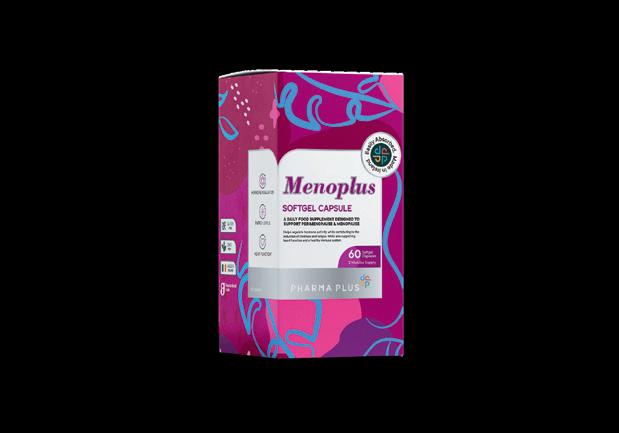













info@pharmaplus.ie | www.pharmaplus.ie




Discover our NEW collagen GLOW UP. Your only supplement solution. Created by pharmacists with you in mind.
Marine Collagen with vitamin C Improves skin elasticity Easy to take sachet drink Reduce fine lines
Topic Team Training – Sleep Disorders
Following on from the March issue Continuing Professional Development on the Pharmacy Role in the Management of Sleep Disorders, this 5-Minute Learning Module is designed to enhance the community pharmacy team understanding and ask further questions as to how you can support and advise patients.

After completing this module, you should recognise the signs and symptoms of differing sleep disorders and how they may present in the pharmacy, the treatments available, indications and suitability for patients and appropriate advice and counselling to be given for each.
Sleep medicine as a clinical speciality and awareness of sleep disorders have grown over the last few decades. The awareness of sleep disorders is not satisfactory, and effort needs to be made for the identification, diagnosis, and treatment of sleep disorders.
The International Classification of Sleep Disorders lists approximately 90 different types of sleep disorders, and sleep breathing disorders like obstructive sleep apnea, and insomnia that result in the loss of sleep duration are the most prevalent ones.
In Ireland, the national prevalence data is not available for clinical sleep disorders including sleep breathing disorders. However, the global trend in the increased prevalence of sleep breathing
Consider:
disorders applies to Ireland and much of the Western countries due to both aging and obesity. International incidence trends also show that men are two and a half to three times more likely to be diagnosed with sleep apnea compared to women.
The reasons for sleep loss are multifactorial. The prominent factors are lifestyle-related factors (irregular sleep schedules, shift-work related), environmental factors, psychosocial factors, and factors associated with sleep disorders (sleep-breathing disorders, insomnia, and other disorders).
Obstructive
sleep apnea
The hallmark features of obstructive sleep apnea (OSA) are bouts of total or partial airway collapse accompanied by a drop in oxygen saturation or an increase in arousal from sleep. The frequent and multiple arousals result in nonrestorative sleep with immediate consequences of reduced quality of life, and attention deficits that can result in accidents while engaged in safety-critical tasks.
Am I/my team aware of the licensed indications, maximum recommended duration of treatment, doses and age limitations for OTC products used for the various types of sleep disorders?
Am I/my team aware of the medicines that can cause some sleep disorders, such as insomnia?
Am I/my team confident in the difference between types of sleep disorders?
Are we confident about raising issues of sleep disorders with customers?
The frequent oxygen desaturations and resaturations can result in the development of metabolic disorders and inflammatory responses.
The symptoms of sleep apnea include loud, disruptive snoring, witnessed apneas during sleep, and excessive daytime sleepiness.
Screening questionnaires like stop-bang questionnaire is useful for screening for sleep apnea. Excessive daytime sleepiness can be assessed by the Epworth sleepiness scale.
The treatment of OSA usually depends on the etiology and the severity of the disease. Continuous positive Airway Pressure (CPAP therapy) is a common treatment prescribed for individuals with OSA when the symptoms and test reports warrant it.
Insomnia
An insomnia disorder is defined as a persistent difficulty with sleep initiation, duration, or consolidation that occurs despite adequate opportunity and circumstances for sleep and results in concern, dissatisfaction, or perceived daytime impairment, such as fatigue, decreased mood or irritability, general malaise, or cognitive impairment. Among adults with insomnia disorder, sleep complaints typically include difficulties initiating or maintaining sleep. Due to its chronic nature, insomnia is associated with substantial impairment in an individual’s quality of life.
Key Points:
Ensure the pharmacy team knows to be sensitive in dealing with customers who may feel vulnerable as a result of insomnia
Ensure pharmacy staff understand the function and importance of sleep and what effect a lack of sleep has on overall health
Ensure we are all aware of how much sleep is enough for different groups of people
Promote training and education as to the types of sleep disorders and their possible causes
Educate the pharmacy team on how OTC treatments, including herbal remedies, differ
Insomnia is primarily diagnosed by clinical evaluation through a thorough sleep history and detailed medical, substance, and psychiatric history. The sleep history should cover specific insomnia complaints, pre-sleep conditions, sleep-wake patterns, other sleep-related symptoms, and daytime consequences.
The American Academy of Sleep Medicine recommends that clinicians use multicomponent cognitive behavioural therapy for insomnia (CBT-i) for the treatment of chronic insomnia disorder in adults.
For individuals presenting with snoring, witnessed apneas, and excessive daytime sleepiness, explaining the referral pathway and advising them to consult with the GP or a respiratory/sleep physician will enable them to undergo an evaluation, diagnostic tests, and finally establish treatment.
An acute insomnia sufferer stands to benefit from immediate intervention by a pharmacist. Insomnia is perpetuated by the anxiety the individual maintains about sleep. Sleep education will be useful to help them to rationalise their anxieties and reduce hypervigilance which can pave the way to better sleep.
Sleep hygiene measures are also extremely useful in the early stages of poor sleep to improve sleep.
Actions:
Ensure support staff understand the following key points:
The common causes of insomnia, including lifestyle issues, medication and conditions that can cause sleep issues
How to spot sleep disorders and insomnia in both colleagues and customers to get them the help they need
The benefits and limitations of OTC medicines
The importance of good sleep hygiene for everyone
Lifestyle issues that may cause sleep disorders, and tips on improving lifestyle
The importance of regular food intake and sufficient exercise
When to refer customers to the pharmacist.
76 | PHARMACYNEWSIRELAND.COM
IREL AND’S No.1
Sl eep A Id BRAND

CLINICALLY PROVEN
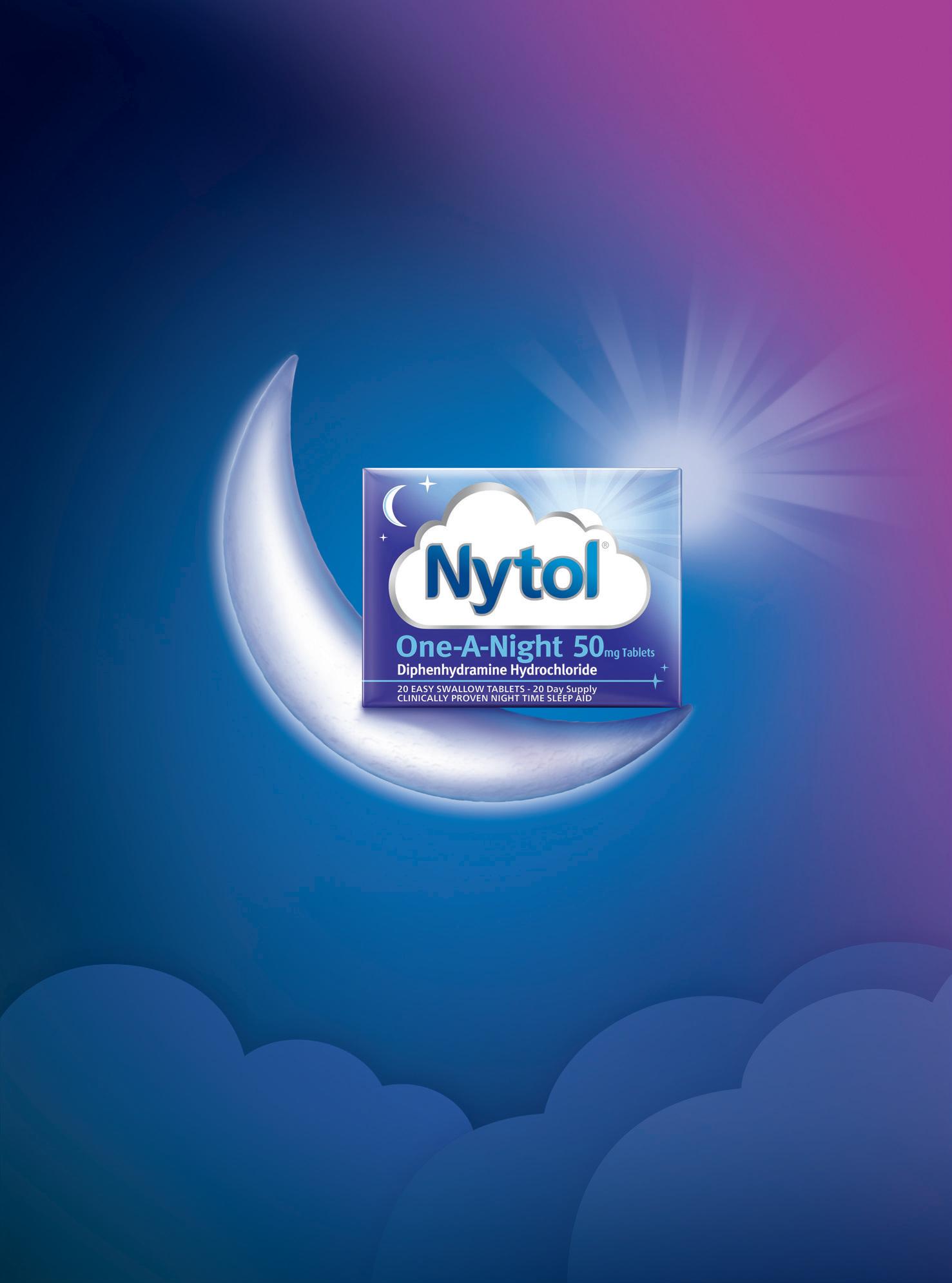
CAN H
E
LP
YOU
GET A GOOD NIGHT’S SLEEP
*Based on IQVIA sales data MAT 11/2023. Nytol One-A-Night 50 mg Tablets contains diphenhydramine hydrochloride. A symptomatic aid to the relief of temporary sleep disturbance in adults. Adults: One tablet to be taken 20 minutes before going to bed, or as directed by a physician. Do not exceed the maximum dose of one tablet in 24 hours. Elderly patients or patients with liver or kidney problems should consult their doctor before taking this medicine. Children under 18 years: Not recommended. The product should not be taken for more than 7 days without consulting a doctor. Contraindications: hypersensitivity to the active substance or to any of the excipients, stenosing peptic ulcer, pyloroduodenal obstruction, phaeochromocytoma, known acquired or congenital QT interval prolongation, known risk factors for QT interval prolongation. Special warnings and precautions: pregnancy/lactation, renal and hepatic impairment, myasthenia gravis, epilepsy or seizure disorders, narrow-angle glaucoma, prostatic hypertrophy, urinary retention, asthma, bronchitis, COPD. Patients should be advised to promptly report any cardiac symptoms. Tolerance and / or dependence may develop with continuous use. Do not take for more than 7 consecutive nights without consulting a doctor. Should not be used in patients currently receiving MAO inhibitors (MAOI) or patients who have received treatment with MAOIs within the last two weeks. Use in the elderly should be avoided. Avoid concomitant use of alcohol or other antihistamine-containing preparations. Do not drive or operate machines. Cases of abuse and dependence were reported in adolescents or young adults for recreational use and/or in patients with psychiatric dis-orders and/or history of abuse disorders. Contains lactose. May suppress the cutaneous histamine response to allergen extracts and should be stopped several days before skin testing. Interactions: Alcohol, CNS depressants, MAO inhibitors, anticholinergic drugs (e.g. atropine, tricyclic antidepressants), metoprolol and venlafaxine, CYP2D6 inhibitors, Class Ia and Class III anti-arrhythmics. Side effects: dry mouth, fatigue, sedation, drowsiness, disturbance in attention, unsteadiness, dizziness, thrombocytopenia, hypersensitivity reactions, confusion, paradoxical excitation, convulsions, headache, paraesthesia, dyskinesias, blurred vision, tachycardia, palpitations, thickening of bronchial secretions, gastrointestinal disturbance, muscle twitching, urinary difficulty, urinary retention. Product not subject to medical prescription. PA1186/016/001. MAH: Chefaro Ireland DAC. The Sharp Building. Hogan Place. Dublin 2. Ireland. Date of preparation: Nov. 2023. SPC: https://www.medicines.ie/medicines/nytol-one-a-night-50-mg-tablets-34889/spc
IRE NYT 2024 17
MyPro DiaCare – Your Dual Electrolyte and Probiotic in One
MyPro DiaCare Overview - MyPro DiaCare is an oral rehydration and probiotic solution that helps to aid recovery from diarrhoea, dehydration and stomach upset. An orange-flavoured solution, it contains a scientifically balanced mix of glucose, minerals, and probiotics to help rehydrate, support digestion, and restore natural gut flora. The innovative and unique dual-sachet design allows for two independent benefits; it contains a probiotic which helps to swiftly restore the gut to normal while also containing electrolytes for rehydration purposes. This powdered solution easily dissolves in water and can be taken by adults and children from the age of 3 years suffering from any condition that causes loss of fluids.
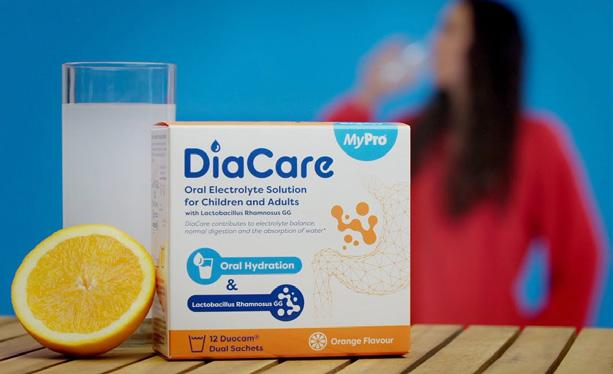
The Science behind MyPro DiaCare
MyPro DiaCare is a unique food supplement containing a balanced blend of glucose electrolytes, minerals and Lactobacillus Rhamnosus GG.
• Carbohydrate electrolyte solutions enhance the absorption of water during physical exercise.
• MyPro DiaCare contains magnesium which contributes to electrolyte balance.
• Contains chloride which contributes to normal digestion by the production of hydrochloric acid in the stomach.
• Lactobacillus Rhamnosus GG may help to restore and repopulate the equilibrium of intestinal microflora.
MyPro DiaCare is a powder formulation of oral suspension with dual-chambered sachets consisting of the following.
1. Chamber Salts: Dextrose; Sodium citrate; Potassium chloride; Sodium chloride; Flavouring (orange); Magnesium hydroxide; Acidity regulator; citric acid (E 330); Anti-caking agent; silicon dioxide (E 551); Sweetener: sucralose (E 955)
2. Chamber Probiotics: Maltodextrin; Lactobacillus Rhamnosus GG (DSM 21690)
Uses for MyPro DiaCare
MyPro DiaCare is an oral rehydration solution that helps to aid recovery from the loss of body fluids in children, adults and the elderly alike. It is useful in the case of effectively treating:
• Diarrhoea
• Persistent vomiting
• Gastroenteritis (tummy bug/ vomiting bug)
• Vomiting and diarrhoea caused by food poisoning
• Fevers accompanied by intense sweating (from colds/flu/ tummy bugs)
• General hydration
• Travel and hot climates
MyPro DiaCare is an orange flavoured, unique food supplement containing a balanced blend of glucose electrolytes, minerals, and Lactobacillus Rhamnosus GG. It contains magnesium which contributes to electrolyte balance, chloride which contributes to normal digestion by the production of hydrochloric acid in the stomach and Carbohydrate electrolyte solutions that enhance the absorption of water during physical exercise.
MyPro DiaCare can help to:
• Reduce the risk of dehydration.
• Restore electrolyte balance in the body.
• Restore and repopulate the equilibrium of intestinal micro flora.
• Provide a source of probioticsLactobacillus Rhamnosus GG.
Who can take MyPro DiaCare?
MyPro DiaCare can be enjoyed by all the family as it gently replenishes electrolytes and restores gut health. Our unique formulation is suitable for ages 3 years plus and has also been effectively used to aid in the recovery of stomach upsets in the elderly.
To prepare one serving, dissolve all content of one dual-chambered sachet in 200ml water. Use the prepared solution within 24 hours and discard any unused solution. Why choose MyPro DiaCare?
MyPro DiaCare offers several unique selling points (USPs) and benefits that set it apart from other products in the market: Guaranteed Irish Brand
MyPro DiaCare is proudly Irish, with its headquarters in Mullingar, Co. Westmeath. This localisation reflects a commitment to quality and support for the local economy.
Dual-Chambered Sachet
Its innovative dual-chambered sachet design allows for two independent benefits: probiotic restoration and electrolyte rehydration. This dual-action approach ensures comprehensive relief for stomach upsets and loss of body fluids.
Probiotic Efficiency
MyPro DiaCare contains probiotic yeast, which offers several advantages over traditional bacterial probiotics. It colonizes the gut swiftly within 5-7 days, effectively outnumbering pathogenic species. Additionally,
probiotic yeast is more durable in antibiotic environments and gastric acids, ensuring its effectiveness in various conditions.
Clinical Validation
Supported by clinical trials, MyPro DiaCare's formulation with Lactobacillus Rhamnosus GG has shown significant efficacy. Studies demonstrate that 70%-90% of individuals taking Lactobacillus Rhamnosus GG are protected against bacterial infections, highlighting its preventive benefits.
Oral Rehydration Therapy (ORT)
MyPro DiaCare is recommended as first-line therapy for both mildly and moderately dehydrated children. Its electrolyte content aids in rapid rehydration, making it an essential solution for gastrointestinal discomfort, especially in vulnerable populations.
Adaptability and Health Claims
The product's formula can be adapted to meet specific health claims, particularly in enhancing water absorption during physical exercise. This versatility allows MyPro DiaCare to address a range of needs beyond gastrointestinal discomfort.
WHO/UNICEF Recommendations
MyPro DiaCare's precisely balanced formula adheres to WHO/UNICEF recommendations, ensuring optimal efficacy and safety standards. This endorsement reinforces confidence in its effectiveness and suitability for diverse populations.
MyPro DiaCare offers a holistic solution for stomach upsets and dehydration, combining probiotic restoration and electrolyte rehydration in a uniquely formulated, clinically validated product. Its Irish heritage, innovative design, and adherence to international standards make it a trusted choice for alleviating gastrointestinal discomfort and promoting overall well-being.

PHARMACYNEWSIRELAND.COM 78 Advertorial
Oral Electrolyte Solution for
Adults and Children with Lactobacillus Rhamnosus GG
DiaCare contributes to electrolyte balance, normal digestion and the absorption of water.*
Probiotic




*Clinical data on file. www.mypro-biotics.com FOLLOW OUR NEW INSTAGRAM PAGE
MyPro DiaCare is a ZEON Healthcare Brand. Suitable for Age
years
3+
Dual Chamber Sachet Available in a 12 pack and 6 pack. To place your order: t: +353 (044) 939 6188 e: info@pharmed.ie Healthcare Food supplement with sweetener
chamber Contains a probiotic, which helps to swiftly restore gut health to normal. Salt chamber Contains electrolytes, which tackles the problem of dehydration.
Pharmacists Urged to Signpost Psoriasis Patients to New Research
Pharmacists are being urged to advise psoriasis patients of a new research study examining the association between the skin condition and psoriatic arthritis.
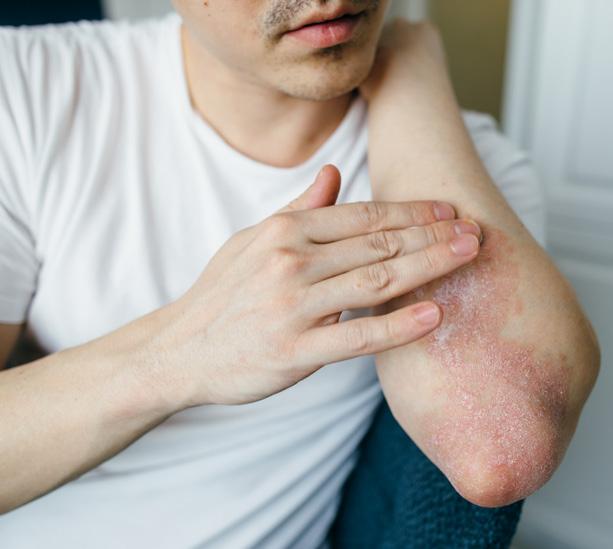
A research team at University College Dublin, in partnership with the University of Oxford, is aiming to recruit 2,000 people across Ireland, out of a total of 25,000 across Europe, to the study. Psoriasis affects at least 73,000 people here, with one-third of patients going on to develop psoriatic arthritis.
The research study aims to better determine which psoriasis patients may develop psoriatic arthritis in order to prevent it before it occurs. It will also inform wider research efforts to diagnose the condition earlier or predict disease progression, to develop new diagnostic tests, and to pioneer personalised therapies to avert permanent, disabling joint damage. Anyone over 18 years who has been diagnosed with psoriasis, except those already diagnosed with psoriatic arthritis, can take part in the study. Participants will be asked questions about their psoriasis and other medical conditions, any musculoskeletal symptoms arising, treatments they are receiving, and details of their lifestyle.
Taking place completely online, participants can take part from the comfort of their own homes by completing questionnaires every six months over a three-year
period. Some participants may be sent a home blood sampling kit in order to provide a fingerprick blood sample to assist in developing a tool to identify those at higher risk of developing psoriatic arthritis.
The End for Psoriatic Arthritis? Consultant Rheumatologist and study co-lead, Professor Oliver FitzGerald, comments:
“Unfortunately, right now, we don’t know which patients with psoriasis will go on to develop psoriatic arthritis and which will not. There is no diagnostic test or algorithm available to predict PsA. We know that it is important that it be recognised promptly as each day left untreated leads to poorer outcomes.
“By identifying biomarkers associated with psoriatic arthritis, our aim is to develop a blood test to identify it prior to the development of any symptoms. Ultimately, if we can develop ways of better identifying which patients will develop arthritis, we may be able to prevent it through risk factor modification and preventative therapies.”
Patients wishing to take part in the study can find out more information at www.hpos.study

Dermatology Award for Dr O’Connor
Dr Cathal O’Connor, specialist registrar in dermatology at the South Infirmary Victoria University Hospital, was presented with the Future Leader Award of the European Society for Dermatological Research at the recent academy in Madrid, Spain.
Dr O’Connor presented findings from his PhD study – the ‘assessing sleep in infants with atopic dermatitis’ (SPINDLE) study which was performed in the INFANT research centre in University College Cork.
Dr O’Connor performed detailed research on sleep and neurophysiology in young babies with severe eczema. He said, “our novel findings will be used to increase awareness of the neurological complications of early-onset eczema and the impact on families of babies with eczema.”
The ESDR Future Leaders Academy brings together highly gifted young scientists and renowned senior scientists from dermatological departments all over Europe and beyond for a three day meeting. The goal of this initiative is to encourage excellent young dermatologists to further pursue their academic careers through guidance and mentoring of established scientists in the field.
Dr O’Connor is currently completing his dual specialist training in both dermatology and paediatrics in Cork, before taking up a post as senior clinical fellow in a leading European paediatric dermatology centre. His PhD degree with University College Cork was undertaken as part of the prestigious Irish Clinical and Academic Training programme.
Atopic dermatitis (AD) is the most common chronic inflammatory skin condition in childhood. Most (50-60%) children with AD report sleep disturbance, which is secondary to itch, dry skin, inflammation, and abnormal circadian rhythm. Sleep is essential for brain development, learning, and growth. The aim of this study was to describe in detail the sleep architecture of infants with early-onset atopic dermatitis (AD), compared to controls, by using EEG polysomnography, sleep actigraphy, and parental reporting.
PHARMACYNEWSIRELAND.COM 80 News
Introducing our E45 Face range
E45 has launched a complete skincare range that offers instant and long-lasting hydration for the face improving the skin’s natural barrier. Suitable for dry, sensitive, and eczema-prone skin. Non-comedogenic and dermatologically tested.

STRAIGHT UP SKINCARE
NEW
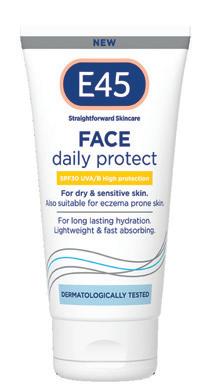

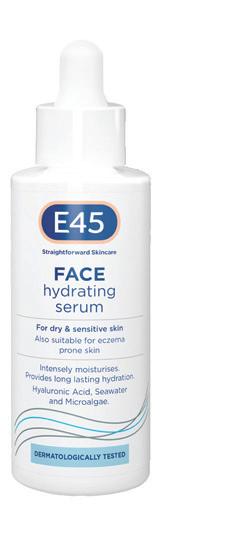
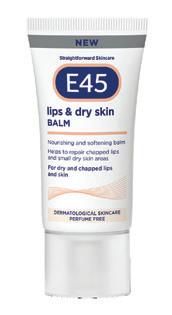
01 296 8080 | orders@oceanhealthcare.ie www.oceanhealthcare.ie
Hydrated skin starts with Hydromol




Complete emollient therapy for dry skin conditions
Soothes, calms and protects sensitive dry skin
Suitable for all ages







SOOTHE. MOISTURISE. PROTECT
Complete Emollient Therapy with Hydromol www.hydromol.co.uk Living with Eczema Download now or scan the QR code: JB-002465 September 2023 Product information is available on request at this stand
Pharmacy Lessons
Lessons learned in Patient Safety: My observations and reflections while working within the healthcare system in the UAE
Over my professional career, I amassed 20 years of practical experience in healthcare as a pharmacist and a quality healthcare advocate. As a healthcare professional practicing pharmacy in UAE, I have always been enthusiastic about improving the quality of care. My belief that Patient Safety is a paramount concern and a top priority in healthcare started in 2009 when I completed my MSc in Quality and Safety in Healthcare Management from RCSI Dubai, a branch campus of the Royal College of Surgeons in Ireland (RCSI) in the United Arab Emirates. Since then, as a healthcare professional, I have been seeing and reflecting on the development of patient safety awareness and science in healthcare. In this article, I would like to share a few insights and experiences on this fundamental principle in healthcare.
The global landscape of health care is changing, with health systems working in increasingly complex environments, patient safety is a big and growing global public health challenge and an international healthcare goal.
The United Arab Emirates (UAE) is part of this global community striving for excellence in healthcare and has made significant strides to improve patient safety in its healthcare system.
In UAE healthcare system, the Ministry of Health and Prevention (MoHaP) oversees the national healthcare regulations. The emirates have regional healthcare authorities’ departments, like the Department of Health (DOH) in Abu Dhabi and the Dubai Health Authority (DHA) in Dubai, to regulate each region's medical sectors. The Departments of Health shape the regulatory framework for the health system, inspects against regulations, enforces standards, and encourages the adoption of world–class best practices and performance targets by all healthcare service providers in the Emirate.
In this article, I want to highlight three main facts, that in my opinion, have contributed to the advancement of the quality of care while nurturing patient safety approaches in the healthcare system in the UAE.
First of all, the ‘vision’ to provide world-class health and social care services must exist before any sort of implementation. The UAE does not only have a ‘vision’ but also stringent regulations governing the clinical practices in all healthcare settings to support it. Healthcare providers should adhere to strict guidelines in all process of clinical pathways, including but not limited to best practice clinical
guidelines, correct diagnosis, updated best practice guidelines of medication management, verifying prescriptions, safe medication administration procedures, providing clear instructions to patients, and verifying the authenticity of the medications. The department of health (DoH) implemented standards, policies, and initiatives to promote healthcare quality, implementing a total quality management system to ensure the safe and effective use of medications. JAWDA, which is the Arabic translation of ‘Quality,’ is a program that was launched in 2014. It supplies a framework designed to assess the quality performance of health providers in Abu Dhabi based on a set of quality outcome indicators under main areas like safety, effectiveness of care, timeliness of service delivery, and patient-centric delivery of care.
The Department of Health (DoH) has signed an agreement with the Emirates Classification Society (TASNEEF) to Certify Healthcare Providers in the Emirate of Abu Dhabi for JAWDA Data Certification. JAWDA Data Certification (JDC) is a process to improve the quality and accuracy of health data and clinical coding in the Emirate of Abu Dhabi. It is an initiative of the Department of Health (DoH) to enhance the transparency and trust between healthcare providers, payers, patients, and regulators. JDC involves auditing the claims and coding processes of healthcare facilities, as well as validating the data submission of key performance indicators (KPIs) for quality measurement. The objective of JDC is to ensure that the health data reflects the actual services provided and the outcomes achieved, and to support the improvement of patient
Written by Linda Asaad Ghazal, Pharmacist II, Quality and Patient Safety - BCPS, Msc.QSHM, CPHQ,CPPS - Imperial College London Diabetes Centre
safety, clinical effectiveness, and patient experience. JDC is based on a set of standards and guidelines that are aligned with international best practices.
In 2023, The Department of Health - Abu Dhabi announced its accreditation by the prestigious International Society for Quality in Health Care External Evaluation Association (ISQua EEA). DoH received this accreditation for its commitment to quality and patient safety in health and social care. The accreditation recognizes DoH’s adherence to international standards in healthcare services, ensuring continuous improvement and excellence in service delivery.
Another key strategic initiative is the effective integration of technology to improve patient safety. Malaffi is the first health information exchange platform in Abu Dhabi. Malaffi, which means “my file” in Arabic, aims to improve healthcare delivery quality, safety. It has a mobile app that allows patients to access their health information and manage their appointments, prescriptions, and referrals. By providing instant access to the patient’s medical file, Malaffi empowers healthcare professionals to make better clinical decisions, enhances coordination and avoids unnecessary duplication of tests and procedures. It is one of the most advanced health Information exchange platforms in the world, providing patient’s health information from a routine checkup, consultation or emergency treatment to laboratory

tests or radiology images, all are now collated in their personal file, with their medical history safely and securely stored and instantly accessible when needed.
Malaffi is integrated with the National Unified Medical Record (NUMR) program Riayati and Nabidh, the Dubai Health Authority platforms for the secure exchange of reliable healthcare information among licensed health facilities in Dubai, a step that further supports the delivery of an integrated health system for citizens across the UAE. This initiative not only reduces healthcare costs, but also primarily contributes to patient engagement, reduces the risk of medical error, improves medications safety, supports patient empowerment to aid self-care, informed decisionmaking, enhanced medical compliance, and improved trust between patients and medical professionals.
Adding to this, I believe the different initiatives and collaboration between pharmacovigilance authorities and
PHARMACYNEWSIRELAND.COM 83
Pharmacy Lessons
healthcare providers, plays an important role in the advancement of providing quality care, an example of this is, healthcare facilities having assigned pharmacovigilance focal points who are tasked with specific responsibilities that include:
• Following up with healthcare professionals within the facility for reporting Medication Errors and send any clarification to DOH when required.
• Identifying and implementing practices to improve the Pharmacovigilance reporting to DOH.
• Educating healthcare professionals on the importance and methods of Medication Errors (ME) to the Pharmacovigilance program.
• Receiving emails of safety alerts and recall circulars and disseminating them to healthcare professionals within the facility.
• Becoming a member of the Abu Dhabi pharmacovigilance networking (ADPVN) and participates proactively in its activities. The ADPVN members meet in comprehensive workshops and advanced training days activities to enhance medication safety and encourage safe patient care practices.
As a pharmacovigilance focal point of my healthcare organization, I have been following and participating in these initiatives and campaigns and observing their positive impact on improving patient safety and quality of care in different settings and contexts. It is also a great learning opportunity from the inspiring stories, best practices of leading experts and peers worldwide committed to making health care safer and better for everyone. Such activities lead to reframing the relationship between healthcare providers and regulators, resulting in effective communications and positive outcomes.
The standard on reporting medication errors, aims to ensuring system thinking and just culture. It ensures that reported errors are studied, reviewed and that procedures are established to prevent them from reoccurring. The standard also requires that healthcare facilities must develop long-term monitoring plans to ensure that changes come into effect after the medication errors occur. The standard adopts the "Culture of Safety", designed to promote the development and implementation of the Continuous Quality Improvement system.
Finally, another important contributing reason to the advancement of quality of care, is the role played by Quality and Patient Safety leaders. Health organisation leaders consider patient safety as a strategic goal as they are aware that patient safety is everyone's responsibility; it is not a one-time event, it is not a theme, it is not about accreditation, but it is a culture, a continuous process of improvement and learning. It is how we do things in our organizations daily.
As a pharmacovigilance focal point of my organization and a quality and patient safety function lead of my pharmacy department, I was supported by my leadership to walk the safety talk at an organizational level. Adding to my responsibilities as the organizations’ pharmacovigilance focal point, my role is to:
1. Encourage and collect adverse events, errors and near misses reporting data.
2. Review and analyse the collected data of medications errors, clinical interventions and near misses.
3. Study reported data, highlight systems gaps, show examples as lessons learned.
4. Prepare monthly slides for discussion at the medication management committee,
5. Discuss and recommend corrective actions that can prevent recurrence.
6. Follow up corrective actions’ implementation and monitoring.
7. Slides then will be circulated to all clinical departments for sharing the good practices and learning from mistakes and near misses.
8. Spread the quality and safety talks, meet with the department colleagues on weekly huddles, and with organizational staff on regular virtual events, discussing Principles of patient safety, quality in healthcare, patient education and engagement, system thinking in analysing medication errors or adverse events, just cultures, medications reconciliations, WHO world patients’ safety campaigns.
9. Mentor other quality champions at different department to disseminate the quality and safety talk.
10. Support improvement projects, continuous educations, and patient safety initiatives.
Patient safety practices have come a long way, with valuable lessons. The way forward is for healthcare providers to focus on investments in advanced technologies like artificial intelligence, machine learning, proactive risks management and preventative mitigation strategies. On the other hand, in recent years, a notable surge in collaborative initiatives between higher education institutions and healthcare providers has appeared, marking a transformative approach to addressing patient safety challenges. As a dedicated safety pharmacist, I keenly see this trend as I explore the evolving healthcare landscape. The constructive collaboration between academia and healthcare fosters innovative solutions that enhance patient safety protocols and bridge the gap between theory and practical application. This dynamic partnership promises to advance pharmaceutical practices and cultivate a culture of continuous improvement in the quest for the best patient care in the UAE.
To conclude, I would like to add that the drive for excellence, be it in any aspect, must come from ‘within’. Personally speaking, my unwavering commitment to pharmacy extends beyond the confines of dispensing medications. As a pharmacist, I am impassioned to pursue quality and patient safety excellence. It is not merely a professional obligation but a personal mission to ensure everyone receives the highest standard of care. Through continuous education, rigorous adherence to protocols, and a relentless dedication to staying informed about advancements in the field, I strive to contribute to a healthcare environment where patient well-being is paramount. In a world where precision and compassion intersect, I find fulfilment knowing that my role extends far beyond the counter — it reaches into the hearts and lives of those entrusting me with their health.

PHARMACYNEWSIRELAND.COM 84





Sonic Thermo Facial Brush | 6 in 1 Order Now from Eurosales International 01 450 7771 Skin Scan & Personal Routine Guide SmartSonic Pulsation Technology Ultra Hygienic Deep Cleansing Eye-Nose Area Targeted Design Youthful Glow Massage Technology Pore-Opening Deep Warming Technology REIMAGINE YOUR SKIN FINALIST 2023
Community Pharmacy Needle Exchange Programme: What Can Analysis of the Data Tell Us about the Changing Drug Market in Ireland?
Written by David S. Evans1,*, Norma Harnedy2 and Eamon Keenan1,3
1National Social Inclusion Office, Health Service Executive, D20 KH63 Dublin, Ireland
2HSE Addiction Services, Health Service Executive, V94 PV34 Limerick, Ireland
3Department of Public Health and Primary Care, Trinity College Dublin, D24 DH74 Dublin, Ireland
*Author to whom correspondence should be addressed.
The harm reduction approach underpins drug and alcohol policy in many countries worldwide.1,2,3 In 2022, 105 countries included harm reduction in their national policies.4 Harm reduction is a proven public health response aimed at reducing the health and social harms associated with a range of risk activities. It has been included in most definitions of a public health approach to substance use in the last decade.5 In terms of substance use, this approach focuses on interventions such as needle and syringe exchange programmes, opioid agonist treatment (OAT), overdose antidote provision (naloxone), safer injecting facilities and outreach/ education programmes.6 These aim to reduce the negative consequence of drug use (e.g., overdose and infectious disease transmission from injection drug use), as opposed to stopping drug use itself.7
HIV prevalence among people who inject drugs (PWID) is approximately seven times greater than the adult population.8 In addition, worldwide it is estimated that 53% of PWID are infected with hepatitis C.9 Needle and syringe exchange programmes are a harm reduction measure, which aim to reduce the transmission of HIV
and blood-borne viruses among PWID and prevent the sharing of contaminated equipment. A number of reviews have demonstrated the effectiveness of needle and syringe exchange programmes in terms of preventing HIV and other infectious diseases, increasing access to treatment and increasing the likelihood of users reducing or stopping drug use.10,11 They were first established in Ireland in 1989, when five fixed-site services were established in the Dublin region.12 These services provide access to sterile injecting equipment and a safe way to dispose of used equipment. They are also used to provide onward referral for disease testing, treatment services and other harm reduction interventions.13 In 2022, there were 92 countries providing at least one needle exchange service.4
In Ireland, needle and syringe exchange programmes have been a key component of successive drug and alcohol policies, even before harm reduction was identified as a public health response.14,15 As noted above, these were initially developed in the late 1980s as fixed-site services in areas that experienced high levels of substance use. Some areas developed mobile needle exchange services in response to the spread of injecting drug use beyond inner city Dublin regions. However, there remained large areas of the country with poor access to these services. Government strategy therefore recommended the expansion of the needle exchange programme to community pharmacy settings.14 These provide free access to
sterile injecting equipment from participating pharmacies throughout Ireland during normal trading hours. They also collect used equipment (although returned needles are not required to obtain clean needles) and refer patients for treatment, bloodborne virus testing and hepatitis B vaccinations. Community pharmacies have been established in a number of other countries to help improve the accessibility of needle exchange services.16 By 2012, there were 71 pharmacies actively providing needle exchange services in Ireland,17 with the current strategy recommending further expansion of the programme in areas of need.15 In 2022, there were 90 pharmacies actively providing needle exchange services.
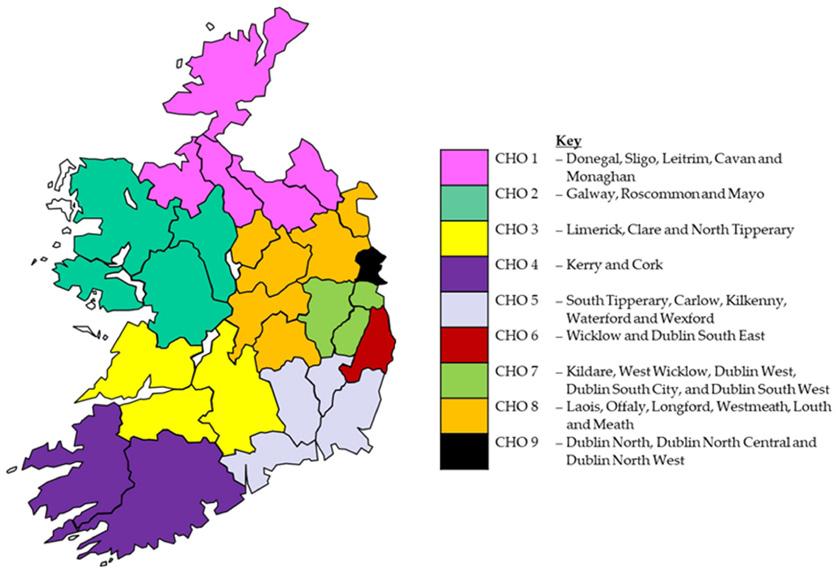
PHARMACYNEWSIRELAND.COM 86 Needle Exchange
Figure 1
FAST, PROVEN HYDRATION











SPORTS & EXERCISE HANGOVER HYDRATION EVERYDAY WELLNESS TRAVEL HOT WEATHER FOR YOUR LITTLE ONES email: info@pharmed.ie Official Hydration Partner
88 Needle Exchange
International reviews of the impact of community pharmacy needle exchange services have shown that they have a positive effect in terms of reducing highrisk injecting behaviours such as needle-sharing, in addition to a range of other positive health outcomes.18 However, in Ireland, there is limited up-todate information on the impact of community pharmacy needle exchanges. For example, a review of all needle exchange programmes by Bingham et al.,19 based on 2012 data, highlighted data collection gaps and recommended a standardised reporting mechanism. Bates et al.20 utilised 2013 data to show the positive impact of the Pharmacy Needle Exchange Programme in terms of uptake and referrals to other services. There have been no studies undertaken in Ireland since 2015. In addition, there is a relative absence of studies undertaken elsewhere that monitor patterns of use over time. This is important, as there is a need to determine usage patterns in the context of changing drug markets and user preferences. For example, there has been an increase in cocaine use21 and treatment22 in Ireland in recent years, with crack cocaine use emerging as a problem among marginalised groups.23 Such information is crucial in terms of ensuring that harm reduction initiatives continue to meet the needs of PWID. The study aimed to determine patterns of needle distribution and return in community pharmacies in Ireland.
Materials and Methods
The Health Service Executive (HSE) in Ireland collects Key Performance Indicators (KPIs) on a quarterly
basis to monitor the performance of each division, set targets for ongoing service delivery, and develop strategic plans for forthcoming years. All community pharmacies that participate in the Community Pharmacy Needle Exchange Programme submit monthly KPI data to the HSE. Each participating pharmacy inputs anonymised data for each free transaction into an audit form or a database. No personal data or unique identifiers are collected from those using the service and registration is not required. Pharmacies receive a payment for participating in the scheme. Following a data validation process, monthly aggregated data are then submitted on a quarterly basis to the HSE Planning and Business Information Unit (PBI). The PBI then construct endof-year totals for each KPI for all pharmacies at regional and national levels. The following data are collected: the number of participating pharmacies, the number of individuals attending the programme each month, the number of needle/syringe packs provided (three different types of packs containing needles, syringes, swabs, vials, citric acid packs, a personal sharps container, and water for one, three and ten injections), the number of needle/syringe packs returned, the percentage of needle/syringe packs returned, the number of clean needles provided each month (collected since 2017) and the average number of clean needles (and accompanying injecting paraphernalia) per individual each month. From these data, the KPIs from 2015 to 2022 for the programme were obtained from the PBI. Yearly
totals of actual usage for each KPI from 2015 to 2022 were calculated for Ireland overall and were disaggregated by Community Health Organisation Area (CHO). These geographical areas are responsible for the delivery of primary and community services in Ireland (see Figure 1). Each CHO contains a mix of urban and rural locations. CHO6, CHO7 and CHO9 do not have any pharmacies included in the programme. These CHOs cover Dublin city and surrounding counties and have other needle exchange services, which were established prior to the introduction of the pharmacy service due to the large number of injecting drug users. The KPIs were compared to yearly targets that had been set for the service by the HSE. The study utilised aggregated KPIs, which did not permit a detailed statistical analysis of patterns. The analysis focused on using counts, percentages, and means to describe patterns from 2015 to 2022. As the analysis was based on aggregate data, it was not deemed necessary to obtain ethical approval for the study. To facilitate the analysis of patterns, the mean of 2015 and 2017 was used to provide an estimate for 2016.
Results
Number of Pharmacies in Programme
In 2022, there were 90 pharmacies in Ireland actively providing the Pharmacy Needle Exchange Programme. This is 5% lower than the KPI target set for 2022 (95 pharmacies). The number of pharmacies providing the programme has reduced by 18% since 2015 (Figure 2), with two sharp declines experienced in 2018 and in 2020. It is below
the KPI target set for every year except 2019.
Number of People Using Programme
In total, 1612 unique individuals per month used the Pharmacy Needle Exchange Programme in 2022 (mean = 17.9 people per pharmacy). This is 7.5% higher than the KPI target set for 2022 (1500 people). The number of unique individuals using the programme increased by 15% from 2015 to 2019, followed by a decline of 16% from 2019 to 2022. Overall, between 2015 and 2022, there has been a 3% decline in the number using the service. In terms of KPI targets, there is a fluctuating pattern, with targets met for five of the years (2015, 2017–2019, 2021), and not met for three of the years (2016, 2020, 2022) included in the analysis.
Packs Provided and Returned
In 2022, 3775 packs per month (containing needles, syringes, swabs, vials, citric acid packs, sharps containers and water) were provided. This represents an overall decline of 19% compared to 2015. The overall proportion of packs returned has also declined, from 23% in 2015 to 16% in 2022. This represents a 28% decline in the proportion of packs returned. Overall KPI targets have not been met in any of the years from 2015 to 2022.
Sterile Needles Provided
In 2022, the programme provided 21,296 needles per month, with each person attending receiving 9.8 needles on average per month. Compared to 2017, the number of sterile needles provided has declined by 16%. There has been
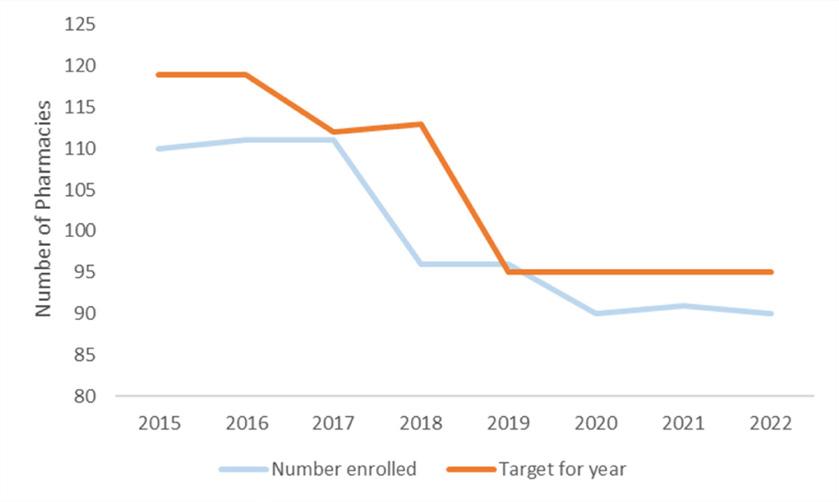
PHARMACYNEWSIRELAND.COM
Figure 2



a4 ad.indd 1 07/03/2024 13:08:55 Easy Start™ Anti-Colic
1 BOTTLES: Market Research 2009-2023, tested with 1,808 babies. 2 Field Study, Austria 2011, tested with 73 mothers of colicky babies/Market research 2010, tested with 35 mothers of colicky babies. 80% of mothers confirm less colic2, thanks to the unique anti-colic base SkinSoft™, flat, symmetrical teat for a latch that is just like mum Self sterilises in just 3 minutes Order now from your sales representative or telephone: 01 405 0900 / 01 450 7771 1
Bottles
90 Needle Exchange
a 4.2 percentage point reduction in the average number of needles per individual since 2017 (Figure 3). KPI targets have not been met for half of the years included in the analysis (2017, 2018 and 2021).
Regional Comparsions
The greatest proportion of pharmacies providing the programme in 2022 were located in CHO8 (32%, n = 29), CHO4 (18%, n = 16), and CHO5 (16%, n = 14). All of the CHOs involved in the programme have experienced a decline in the number of pharmacies participating since 2015, with the largest decline experienced in CHO1 (25%; from 12 to 9), CHO5 (22%; from 18 to 14) and CHO3 (20%; from 15 to 12). In 2022, the greatest proportion of individuals using the programme were located in CHO4 (48%, n = 774), CHO5 (23%, n = 372) and CHO8 (20%, n = 328). CHO4 (48.4) and CHO5 (26.5) had the highest mean number of people attending per pharmacy in 2022. CHO4 has experienced an increase in people using the programme since 2015 (98%). The number of people using the programme in all other CHOs has declined, with the largest declines experienced in CHO3 (84%), CHO2 (53%) and CHO8 (27%). In terms of returned packs, the CHOs with the largest proportion returned were CHO8 (33%), CHO5 (21%) and CHO1 (15%). With the exception of CHO8 (where the proportion returned increased by 33%), all CHOs have experienced a decline in the proportion of packs returned (23–70%). The mean number of needles per individual was greatest in CHO1 (13.4), CHO5 (11.9) and CHO4
(11.4). Since 2015, the mean number of clean needles per individual has declined in all CHOs, with CHO1 and CHO2 experiencing the largest decline (72% and 70%, respectively).
Discussion
Community pharmacy needle exchange services are a key component of Ireland’s public health harm reduction approach to reduce the negative impact of injecting drug use. By monitoring usage patterns, the study provides an insight into whether they are meeting the needs of PWID. Overall, the services have experienced a decline in the numbers attending and, in many instances, have not met the targets that were set. The emerging patterns raise a number of issues in terms of policy implications and provide an insight into the provision of harm reduction services in the context of changing drug markets in Ireland.
Size and Use of Service
Between 2015 and 2022, there has been a decline in the number of pharmacies providing (18%), and the number of people (3%) using, the programme. This has coincided with a 19% decline in the number of packs provided and a 16% reduction in the number of sterile needles provided (since 2017).
The declining patterns of use are of concern, since reduced investment in harm reduction initiatives such as needle exchange services has been identified as a factor contributing to HIV outbreaks in Ireland and a number of other countries.24 Indeed, the closure of the largest needle exchange in Glasgow, Scotland, has been
identified as a significant setback in terms of preventing the spread of HIV among PWID.25
Participation by pharmacies in the programme in Ireland is voluntary, which means that they can choose to withdraw, leaving gaps in service provision. Broad coverage has been identified as a key element of effective needle and syringe provision.26 It is important that gaps in service provision are filled, for example by encouraging pharmacies to provide services in areas without a service, or by expanding existing community drug treatment services.
The declining patterns in terms of size and usage also raises the question of whether there has been a change in drug markets in Ireland, with fewer PWID presenting for treatment. Since 2015, there has been a gradual decline in estimates of problematic opioid use in Ireland,27 but this decline has not been significant. During this period there has been an increase in the number of nonfatal overdoses discharged from hospital, with opioids involved in over two thirds of cases.28 In 2020, there were 409 deaths due to poisoning, with 70% involving opioids.29 This represents an 8% increase compared to 2017. Since 2015, there has been an increase in the number of people accessing Opioid Agonist Treatment (OAT) and this was particularly apparent during the COVID-19 pandemic, when individuals were fast-tracked into treatment.30 These patterns suggests that the demand for sterile needles should not have significantly changed during this period.
Declining patterns may be due to some users choosing to obtain injecting equipment elsewhere, such as travelling to the larger needle exchange programmes in Dublin where there would be greater anonymity. The decline in the number of sterile needles provided helps to demonstrate this issue. In England, online purchasing of needles has been suggested as a factor to explain declining utilisation since COVID-19.31 In the current study, the number of individuals using the service did decline in 2020, coinciding with COVID-19, which does suggest that lockdown restrictions may have played a role in declining patterns of usage. During COVID-19, a home delivery needle and syringe service was established,32 along with increased provision of OAT services,33 which may also have meant that fewer people would have needed to attend a needle exchange. Since 2020, patterns have only recovered to 2015 levels, which suggests that COVID-19 may have had an enduring impact on behaviour patterns. In England, the reuse and sharing of equipment has been suggested as a factor to explain the continued decline in people using the service since COVID-19.31
Heroin users can inject multiple times a day and are at high risk of reusing or sharing needles due to cravings if they do not have access to an adequate supply of sterile injecting equipment.34 It has been estimated that a heroin user needs to inject 2.8 times a day,35 which equates to 85 times a month. This is over eight times higher than the number of sterile needles provided per individual using the Pharmacy Needle Exchange Programme in Figure 3
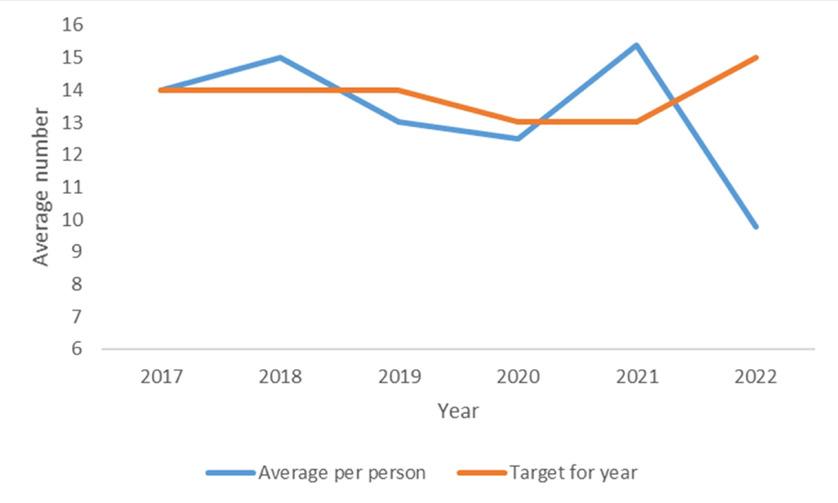
PHARMACYNEWSIRELAND.COM
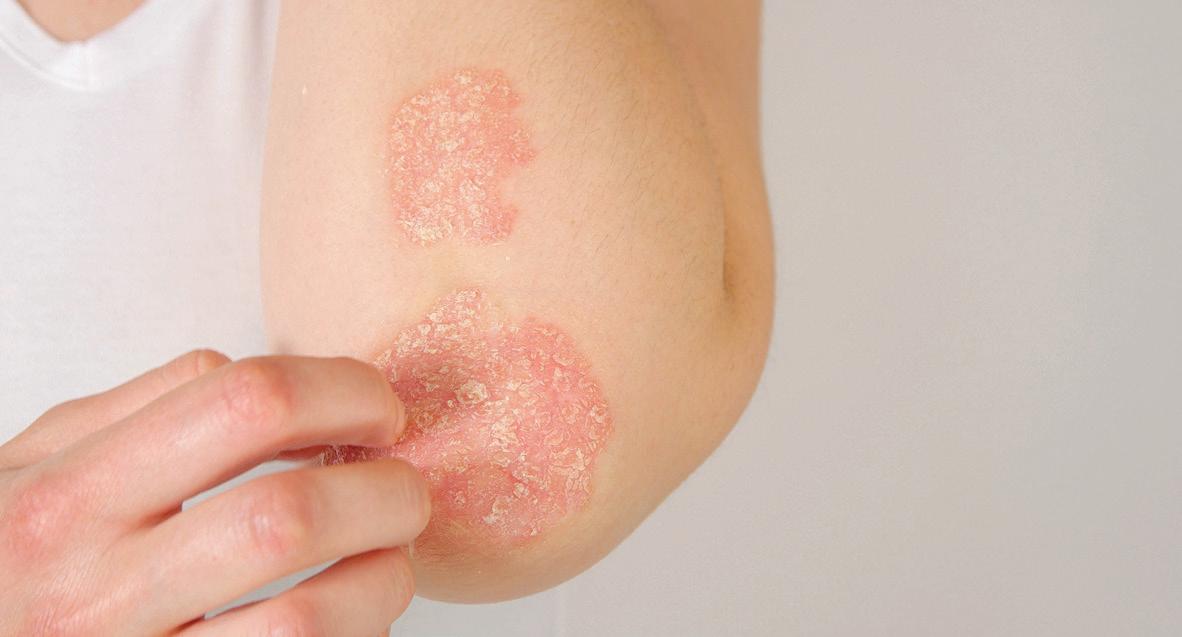





• Urea 10%
• Emu Oil

• Allantoin

• Urea 30%
• Mandelic Acid
• Allantoin










www.citrinehealthcare.com | Tel: 01 445 7206 Protect the skin you’re in Targeted skin care for dry and fl aky skin. 1 00% I R I S H OWNE D 1 %00 I R I S H ENWO D
92 Needle Exchange
2022. Although the proportion of active heroin injectors that use the programme is not known, this does nevertheless raise concerns that some individuals are reusing their equipment, and the core messages of the harm reduction advice may need to be reemphasised. Further research could be conducted with this cohort to identify the actual level of injecting and whether there are many situations where people alternate between injecting and smoking.
The reasons behind this declining pattern of usage are unclear and warrant further investigation. In a systematic review of 36 studies, Gionfriddo et al.36 found that perceptions of safety, the potential for improper disposal of syringes, and concerns about other customers are key barriers that discourage pharmacists from selling clean needles to PWID.
Recent prevalence studies have highlighted the increase in cocaine use in Ireland and identified the emergence of ‘crack’ cocaine use among a marginalised population that may previously have used heroin.23 Cocaine use can cause intense craving,37 with users also experiencing irritability and anxiety.38 There is a need to investigate whether such behavioural issues are discouraging pharmacies from engaging with the needle exchange service. All pharmacies should have protocols in place to ensure the safety of their employees. PWID may present with challenging behaviour, and staff must possess the necessary skills and have the supporting infrastructure to deal with such challenging behaviour. A review by Lawson et al.39 highlighted stigma and the perception of negative consequences as barriers to accessing sterile injecting equipment.
The withdrawal of pharmacies from the scheme in the current study may have made the service less accessible to PWID, who, as a result, choose more accessible sources of equipment. They may also have additional needs that may not be met by the Pharmacy Needle Exchange Programme. For example, there is evidence that suggests that crack cocaine use is increasing among PWID in Ireland. The EMCDDA have reported this as an emerging pattern in Portuguese drug consumption rooms3 and it has also been reported in Scotland.40 If this is the case, then additional harm reduction initiatives may be required (such as the provision of sterile crack pipes). Such emerging drug use patterns may require additional training for pharmacies, as the needs of IDUs who also
use crack cocaine may present additional challenges.
Packs Returned
Discarded needles and used equipment that was used to inject drugs can increase the risk of injury and the spread of infectious diseases such as hepatitis C and HIV.41 Although these risks are relatively low42,43 (with transmission risk in Ireland also reducing due to a decline in HIV incidence rates44,45), they nevertheless represent a health and safety hazard, causing negative perceptions and anxiety among communities, particularly among parents of young children.42,46 Such discarded injecting paraphernalia can lead to communities opposing the development of services in an area, so it is important that this be addressed in a proactive manner.
The Pharmacy Needle Exchange Programme aims to minimize this impact by encouraging the return of used items from the packs that it provides, particularly needles.19 Although failing to return needles may not mean that they were disposed of unsafely, it is nevertheless of concern that, in 2022, only 16% of packs were returned, which represents a 21% decline compared to 2015. A study of the programme using 2012 data found that 39% of packs were returned,17 which shows that rates for 2015–2022 are considerably lower than those achieved in 2012. Low return rates were also highlighted in a review of the service by Bates et al.20
Data for Northern Ireland needle and syringe exchange services for 2019–2020 show that 31% of CinBins (container for safe disposal of needles which is included in every pack) were returned.47 A review (although somewhat dated) of 26 studies of needle exchange programmes reported an overall return rate of 90%.48 Unpublished data from needle exchange services in Mandura in Western Australia show an overall return rate of 94% from 2021 to date.
These studies suggest that high return rates can be achieved, but barriers in Ireland may need to be overcome. The Centre for Disease Control and Prevention (CDC) in reviewing studies state that PWID may not return needles to exchange programmes due to concerns about being arrested for the possession of syringes, a lack of sharps containers, needles taken by other PWID due to low supply and high demand, homelessness and living conditions.49
In some areas in Ireland, needle disposal bins have been installed
in areas identified as having a problem with drug-related waste that may be more accessible to PWID.50 Although the extent of this initiative is not known, it might be that needles and used items provided by the Pharmacy Needle Exchange Programme are returned to these disposal bins. There are no distinguishing identifiers on products obtained from the Pharmacy Needle Exchange Programme. Users of the programme have to enter the pharmacy and put used equipment (in a sharps container) into secure bins. This may deter returns if users perceive this process to be inconvenient. In addition, if they feel stigmatised for being a drug user, they may try to minimise the number of times they use such facilities. For example, Paquette et al.51 report the significant impact stigma has on syringe access in USA, particularly pharmacies. This issue is also highlighted in a review by Tung et al.46 Tung et al.46 also outline a number of initiatives, such as the use of sharps containers that remove the needle barrel from the needle (potentially preventing crimination), drop boxes and one-way disposable bins in a wider range of locations, the use of vending machines to dispense needles, mail slots in bathrooms and disposal bins designed to look like post boxes (to be less conspicuous). In Mandura in Western Australia, one of the stipulations that contributes to their 94% return rate is the supply of free needles only upon the return of used items.52 Alternative systems of service delivery do need to be considered to improve return rates. In addition, the degree to which the return of equipment is emphasized by pharmacies is not known. It might be that, due to the lowering rates of hepatitis C and HIV among IDUs,44,45 there may be a lack of emphasis of the importance of returning used equipment.
Complacency in relation to bloodborne virus (BBV) transmission among both staff and service users may have contributed to the low return rate. A previous study of the programme emphasised the need for service providers to advise users about the safe disposal of used needles and equipment.20 Although a standardised leaflet is provided to users,53 this does not contain information on the return of packs and there appears to be a lack of standardised procedures in place in terms of facilitating and encouraging users to return packs. Such procedures, if accompanied by training, may help promote the return of used equipment.
Regional Comparisons
In examining the programme by health regions within Ireland (CHO), it can be seen that patterns do differ by area. For example, while CHO8 has the largest proportion of pharmacies (32%), CHO4 has the greatest proportion of individuals using the programme (48%). On average, there are 48 people using each pharmacy in CHO4, which is almost double that of CHO5 (n = 27) and four times that of CHO8 (n = 11). The number of pharmacies in the programme has declined in all CHOs since 2015. Although there may be a rationale to reduce the number of pharmacies providing the service in CHOs with low take-up of the service, for CHOs with large numbers of users (e.g., CHO4), there may be a need to consider expanding the service to more pharmacies. This approach could spread the burden on existing pharmacies that provide the service, and may help to reduce the distance for people to travel (particularly in rural areas). Expansion plans would also need to investigate issues such as the recruitment of pharmacies, to help ensure that sufficient numbers of pharmacies apply to provide the service. A concerning finding from regional comparisons is the variation in the proportion of packs returned by CHO (6–33%) which would warrant further investigation to identify variations in programme implementation at a regional level that may be used to explain and rectify the low proportion of returns.
Conclusions
The declining patterns of usage of the Pharmacy Needle Exchange Programme has raised a number of important issues for consideration. It is hoped that this will help ensure that the needs of those that use it are better met in the future. Despite the declining patterns of usage, it is worth noting that, in 2022, it provided 21,296 sterile needles per month in areas of Ireland that are not served by fixed-site services. As such, the service can be viewed as a significant harm reduction initiative and remains a key component of Ireland’s harm reduction approach to drug use.15 Through regular review and monitoring, it is anticipated that this service can significantly enhance its harm reduction impact in the future. This review was conducted eight years after reviews undertaken by Bingham et al.19 and Bates et al.20 Given the issues that have been identified and the changing drug trends in Ireland, it would be prudent to conduct such reviews on a more regular basis, perhaps every 2–3 years.
References available on request
PHARMACYNEWSIRELAND.COM
is a weekly email updating you on stocks, new product launches and other business news, sent directly to your inbox. Or register online at https://cloud.teva-europe.com/TevaSource_Registration.

Stay up
date,
Teva Pharmaceuticals Ireland, Digital Office Centre Swords, Suite 101 - 103, Balheary Demesne, Balheary Road, Swords, Co Dublin, K67E5AO, Ireland. Freephone: 1800 - 201 700 | Email: info@teva.ie Date of Preparation: January 2024 Job Code: GEN-IE-00058 Did you know? You can order stock through TevaSource.
to
scan the QR code and sign up today.
Menopause Hub App Launched
Women will soon have the power to tackle devastating menopause symptoms at the touch of a button through a ground-breaking Irish app.

The Menopause Hub App, the first of its kind in this country, includes the latest information and research about the hormonal changes endured by women in their 40s and 50s.
They can also use the mobile app to monitor their own menopausal and perimenopausal symptoms and receive medication reminders. Launched by award-winning specialists, The Menopause Hub, the app is the brainchild of the clinic’s CEO and founder, Loretta Dignam.
She opened her first clinic in 2019 after finding out for herself the lack of help available to menopausal and perimenopausal women – and said the data gathered by the app can be used by researchers investigating future treatments.
“The aim is that the data collected will provide a valuable insight into the effectiveness of current therapies, such as HRT and/or cognitive behavioural therapies, and this knowledge can also be used by clinicians when prescribing treatments.
Zendra Health CEO, Thomas Coleman, left, and Menopause Hub CEO, Loretta Dignam, with the Menopause Hub App, which will be available to download later this year.
Credit: Peter Doyle / Media Consult
“Combining the latest technology with up-to-date data about female health will not only improve outcomes for women today, but will also improve the range and impact of menopause treatments available to future generations,” said Ms Dignam.
“There is a myriad of menopausal symptoms which women in their 40s and 50s experience in varying degrees, including insomnia, hot flushes, anxiety, depression, and brain fog, to name but a few.
“Every women’s menopause will be vastly different. Some will sail through it, while others will struggle to such an extent that they feel they have to give up their careers or their long-term relationships break down.
“It is, therefore, vital that we gather as much clinical data as we can to help medical researchers develop future treatments. For far too long, the impact menopause was having on women’s lives was ignored. But
women are now demanding –and deserve – more help with symptoms.”
The app was developed by medical technology company Zendra Health, which is helping over 80 healthcare services and organisations across the US, UK and Ireland digitalise their care pathways.
CEO, Thomas Coleman, said that the app was co-designed by women going through menopause and clinical experts.
“Hundreds of thousands of lives across Ireland, male and female, are impacted by menopause,” said Mr Coleman, who co-founded the Dún Laoghaire-based tech firm with his twin brother, David. “So we were delighted to develop this streamlined digital care solution for The Menopause Hub. Loretta is one of the thought leaders in this area and we were guided not only by her expertise but by the expertise of her medical team and by the experiences of their clients.” The Menopause Hub App is available to download from March.
See themenopausehub.ie for more details.
New European Microbiome Centres Consortium
The European Microbiome Centres Consortium (EMCC), a network of institutions working to ensure coherence and collaboration among leading experts in the field of human microbiome, launched recently during the final conference of the EU-funded project Human Microbiome Action.

In the past years, several links between changes in the human microbiome and various diseases have been observed, but clear connections are yet unknown. The
European Microbiome Centres Consortium, launched through the EU-funded Human Microbiome Action project, aims to unlock these connections and starts a new phase of European research and innovation in the field. "The EMCC is committed to promoting and harmonizing standards for microbiome research, ensuring robust and reliable methodologies and practices across the research community. We aim to promote regulatory frameworks in Europe, advocating for the acknowledgement of scientific consensus and requirements in the field of microbiome research.
This will foster innovative translational developments, potentially transforming preventive nutrition and healthcare." - Joël Doré, scientific coordinator of the Human Microbiome Action project, and member of INRAE, one of the five founding partners. The EMCC is launched by five founding partners across Europe: EMBL (European Molecular Biology Laboratory), UCC (University College Cork), University of Trento, UCPH (University of Copenhagen) and INRAE (Institut National de Recherche pour l’agriculture, l’alimentation et l’environnement). Their aim after the conference will be to open it to broaden the networks to Europe-wide members who wish to contribute to this topic. In addition to its scientific mission, the EMCC is committed to raising awareness and educating the general public and healthcare professionals about
the importance of the human microbiome in health and disease.
Professor Paul Ross, Director of APC Microbiome Ireland, a world leading SFI Research Centre and co-Director of Food Microbiome and Heath Futures programme at University College Cork highlighted that, “the EMCC will provide an essential partnership involving a collection of Institutions and Centres actively involved in microbiome research across the EU. The mission of the EMCC is to provide guidance and advice on how to advance microbiome science to tackle some of the major challenges that exist across the food-pharma interface. In this respect this initiative should accelerate the science-based translation of microbiome research to its main stakeholders including the public, policy-makers, and food & health-based industries.”
PHARMACYNEWSIRELAND.COM 94
Prof Paul Ross, APC, UCC
News








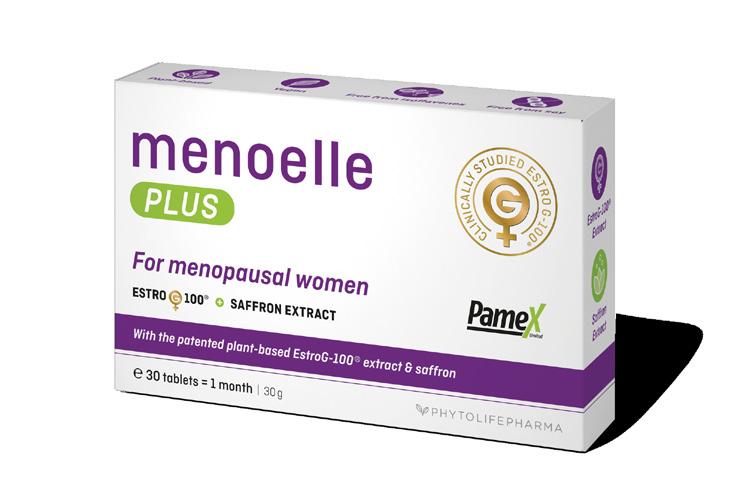

96 Clinical Profiles
BEAUMONT HOSPITAL
CELEBRATES PATIENT
LIVING WITH DONOR KIDNEY
TRANSPLANTED 50 YEARS AGO
Staff at Beaumont Hospital had the pleasure of last week welcoming a patient to the Kidney Clinic to celebrate a kidney transplanted 50 years ago.
Christine Kelly and her family were welcomed to Beaumont Hospital last week, 50 years after she received a donor kidney transplant.
Christine developed kidney failure in the early 70s and was receiving haemodialysis prior to her transplant in Jervis St Hospital. In 1974 Christine’s sister Mary donated her kidney which was successfully transplanted by Mr Peter McClean FRCSI on 1st March 1974.
The transplant was carried out at Jervis Street whilst Beaumont Hospital has been responsible for Christine’s care since 1987 when Jervis St Hospital moved to Beaumont.
Despite various health challenges over the years Christine has enjoyed good health and quality of life with thanks to the generosity of her sister.
Speaking to mark the occasion Professor Peter J Conlon, Lead Clinical Director, Beaumont, said, “We were delighted to welcome Christine and her family to the clinic to celebrate 50 years since her successful kidney transplant.
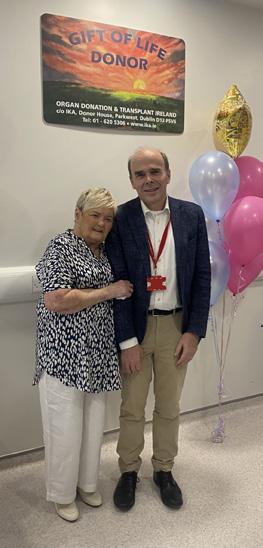
Christine’s story demonstrates the success of organ transplantation and gives hope to all patients with kidney failure.
Christine, with thanks to the generosity of her sister in 1974 has lived successfully with her transplant enjoying good health and quality of life. This is a momentous occasion for Christine, her family and Beaumont and Jervis St Hospitals. Her story underpins the importance of organ donation in saving lives.”
Individuals who wish to support organ donation are encouraged to share their decision with their loved ones and to keep reminders of their decision by carrying the organ donor card, permitting Code 115 to be included on their driver’s licence, or having the ‘digital organ donor card’ App on their smartphone.
DAMIEN O’DOWD APPOINTED CHIEF EXECUTIVE OF ST JOHN OF GOD HOSPITAL
Saint John of God Hospital announces the appointment of Mr Damien O’Dowd as the new Chief Executive of the Hospital and its associated services Mental Health First Aid Ireland and St Joseph’s Centre, Shankill.
Mr O’Dowd is a senior healthcare executive and director with over twenty years’ experience at leadership and senior level management level within healthcare organisations and services in both the private and voluntary healthcare sectors.
Damien O’Dowd’s appointment sees his return to St John of God Hospital having commenced his career there in the 1990’s. He has most recently held Senior Consultant and Director roles in Vision Consulting and Virtus Health respectively and was Chief Executive of the Bloomfield Health Service between the years 2011 and 2018.
Damien has an in-depth experience in the design and successful implementation of strategies for healthcare organisations focussed on continuous service improvement. He is highly effective in change management and operational management of busy and complex healthcare organisations with particular experience of planning and delivering risk management, quality assurance & accreditation systems. He is equally recognised for his experience in developing systems of governance at both clinical and corporate levels in healthcare and related organisations and also has extensive experience in regulatory preparedness & compliance. Damien has a strong business growth and service development

acumen with wide experience of financial management & healthcare funding.
Mr O’Dowd holds a Masters Graduate of the School of Law, Queens University Belfast and an MBA Graduate of the Smurfit Graduate School of Business, University College Dublin. He also lectures in management and leadership at undergraduate and post graduate levels.
Speaking about his new appointment, Damien O’Dowd said: “I am delighted to rejoin St. John of God Hospital as CEO, where I first began my career in mental health over 30 years ago and which remains a leading service provider of mental health care in Ireland. I am privileged to be leading an excellent team of highly experienced healthcare professionals and we will continue to work together to elevate the patient experience across all our associated services. The healthcare landscape is everevolving and this is a time of positive change and renewal within our sector. Going forward, we will continue to prioritise service excellence and the well-being of all our patients and the communities we serve.”
NEW PHASE 2B RESULTS FOR AMLITELIMAB SUPPORT POTENTIAL FOR BESTIN-CLASS MAINTENANCE OF RESPONSE IN ATOPIC DERMATITIS
Positive results from Part 2 of the investigational amlitelimab Phase 2b study STREAM-AD showed sustained improvement of signs and symptoms for 28 weeks in adults with moderate to severe AD who previously responded to amlitelimab and continued treatment. High responder rates were also observed in participants who were taken off amlitelimab. The safety profile was consistent
with Part 1 of the study with amlitelimab being well-tolerated and no new safety concerns identified. These results were presented as part of a latebreaking session at the American Academy of Dermatology (AAD) 2024 Conference in San Diego and support the quarterly (every 12-week) dosing of amlitelimab 250 mg with 500 mg loading dose (LD) now being investigated in a larger Phase 3 clinical program (OCEANA).
Professor Stephan Weidinger, M.D, Ph.D, Director, Professor, Chair of Department of Dermatology and Allergy, University Hospital SchleswigHolstein said, “Despite available treatment options, not all patients with moderate-to-severe atopic dermatitis respond sufficiently to these treatments, and many continue to suffer from skin lesions and symptoms such as persistent itch, which can have a high impact on their day-to-day lives. Results from this part of the study indicate amlitelimab’s potential for durable off-drug efficacy which supports the evaluation of a less frequent every 12-week dosing. This could offer an important benefit in the treatment of AD patients.”
In the second part of the doseranging STREAM-AD study, responders to amlitelimab who achieved a 75% improvement in Eczema Area and Severity Index (EASI-75) score and/or Investigator Global Assessment (IGA) score of 0 or 1 during the 24-week treatment period (Part 1) were re-randomized to explore the maintenance of clinical response over an additional 28-week period with continued amlitelimab treatment or amlitelimab withdrawal. Across all dose arms, patients who continued amlitelimab treatment maintained high EASI-75 and/or IGA 0/1, IGA 0/1, and EASI-75 responder rates through 28 weeks. High responder rates were also demonstrated among patients who were taken off treatment.
In 69.2% of patients with continued treatment with amlitelimab 250 mg Q4W with 500 mg loading dose (LD) vs 58.8% of patients withdrawn from treatment IGA 0/1 and/or EASI-75 response was maintained.
An analysis including pooled dose-arms showed that IGA 0/1 response was maintained in 71.9% of patients with continued treatment vs 57% of patients withdrawn from treatment. In this analysis, EASI-75 response was maintained in 69% of patients with continued treatment vs. 61.6% of patients withdrawn from treatment. AD-related biomarkers remained reduced at Week 52 in both
PHARMACYNEWSIRELAND.COM
Mr Damien O’Dowd, Chief Executive, Saint John of God Hospital
Professor Peter J Conlon, Lead Clinical Director, Beaumont with Christine Kelly
amlitelimab withdrawn and continuing groups, despite amlitelimab reaching negligible levels in serum. Reduction of TARC, eosinophils, and IL22 observed at Week 24 was maintained during withdrawal as well as in patients continuing treatment to Week 52. These biomarker data suggest the modulation of inflammatory T cells via the blockade of OX40L and durable control of AD after amlitelimab withdrawal.
The aggregated safety profile of amlitelimab in Part 2 of this study was consistent with that of Part 1, with amlitelimab being well-tolerated, and no new safety concerns were identified during the 28-week maintenance/withdrawal period. Overall rates of treatmentemergent adverse events (TEAEs) were 69.8% for continued amlitelimab treatment, 71.9% for the amlitelimab withdrawal-arm and 66.7% for placebo. TEAEs more commonly observed included headache (11.6% amlitelimab continuation, 3.9% amlitelimab withdrawal, 6.7% placebo), upper respiratory tract infection (9.3% amlitelimab continuation, 5.5% amlitelimab withdrawal, 20% placebo). No adverse events such as fever or chills, oral ulcers or conjunctivitis were observed across doses.
Amlitelimab is a fully human non-T cell depleting monoclonal antibody that blocks OX40-Ligand, a key immune regulator, and has the potential to be a first- or bestin-class treatment for a range of immune-mediated diseases and inflammatory disorders, including moderate-to-severe atopic dermatitis (Phase 3), asthma (Phase 2), hidradenitis suppurativa (Phase 2), scleroderma, celiac disease, and alopecia (Phase 2 studies to be initiated in 2024). By targeting OX40-Ligand, amlitelimab aims to restore balance between proinflammatory and regulatory T cells.
Amlitelimab is currently under clinical investigation, and its safety and efficacy have not been evaluated by any regulatory authority.
ABBVIE
RECOGNISED
AMONG BEST LARGE WORKPLACES IN IRELAND AT 2024 GREAT PLACE TO WORK AWARDS
AbbVie, the global biopharmaceutical company, has been listed as one of the best places to work in Ireland at the 2024 Great Place to Work Awards. It is the eleventh consecutive year that the company has featured on the list.
AbbVie, which employs approximately 2,600 people across six locations in Ireland, was

Back Row (L-R): Arindam Guha, AbbVie Westport; Clare O’Donnell, AbbVie Westport; Blayne Walsh, AbbVie North Dublin; Andrew Shaw, AbbVie Citywest; Marco Froehlich, AbbVie North Dublin; Elizabeth Grogan, AbbVie Citywest, Dublin; Gary O’Mahoney, AbbVie Ireland; Geraldine McGroary, AbbVie Ballytivnan, Sligo; Gerard Byrne, AbbVie North Dublin; and Denise Bulman, AbbVie Cork.
Front Row (L-R): Andres Rodrigo, AbbVie Citywest, Dublin; and Rakesh Dontireddy, AbbVie Manorhamilton Road, Sligo.
ranked 13th Best Large Company in Ireland at the awards, and was joined by 36 other companies on this prestigious roll call.
Great Place to Work has previously recognised AbbVie as a Best Workplace for Women for the fifth consecutive year in 2023 and was one of 19 organisations included in the most recent Best Workplaces in Pharma & Healthcare list.
Speaking about this new accolade, Andres Rodrigo, General Manager at AbbVie (Ireland), said:
“Being named as one of Ireland’s top large workplaces again this year is an incredible accomplishment for the company and an important recognition of the high-performing, inclusive culture that we’ve created over the past eleven years.
“This latest recognition reflects the various AbbVie programmes that support meaningful development, employee well-being, diversity and inclusion, as well as long-standing initiatives which help to support and positively impact our local communities,” he added.
Great Place to Work assesses the policies and practices in place in organisations under key areas including employee development, hiring practices, employee wellbeing and social impact. It then benchmarks these against other organisations in other countries.
Employee development continues to be a key priority area for AbbVie and the company has rolled out a number of mentorship programmes, harnessing the capabilities and experience of leaders, graduates and other colleagues in the organisation.
recipients and the Taoiseach, Leo Varadkar TD. The awards celebrated individuals and partners who have significantly contributed to Vision Ireland's mission, impacting various aspects of everyday life.
Those who were honoured on the evening included:
• Jason Smyth MBE QFA and Karen Byrne, for their remarkable efforts in changing public perceptions through their achievements on "Dancing With The Stars." The duo was lauded for their inspiring performances, highlighting the potential within everyone, regardless of vision impairment.
AbbVie also supports key diversity and inclusion projects, including the launch of the company’s Pride, Asian Leader Network, and Ability, employee groups at its sites across Ireland.
AbbVie’s award-winning Week of Possibilities volunteering initiative and the Employee Giving Campaign also provide employees with opportunities to personally improve and impact the communities in which AbbVie people work and live.
Commenting on the awards, CEO at Great Place to Work Ireland, Cathal Divilly, said, “I'm delighted to extend a huge congratulations to all the exceptional companies recognised as a Best Workplace in Ireland 2024. This achievement is not just a milestone but a reflection of their tireless efforts at crafting workplaces where talent not only flourishes, but also feels valued and empowered. I'd like to congratulate these organisations once again on this outstanding achievement, and may this recognition fuel their continued journey towards excellence and innovation,” he added.
VISION IRELAND, THE NEW NAME FOR NCBI, CELEBRATES OUTSTANDING ACHIEVEMENTS AT DÁIL ÉIREANN
Vision Ireland, the new name for NCBI, is thrilled to announce the resounding success of its 2nd Annual Oireachtas Celebration of Achievement, held on Thursday, 29th February 2024.
Hosted in the Dáil member's dining room by Senator Sen Martin Conway, the evening began with a meet & greet involving the award
• Evie Smurfit Baxter, named Youth Advocate of the Year, for her resilience and advocacy in the face of Stargardt’s disease. Her work, including an animation featured in cinemas, demonstrates the unlimited possibilities for those facing visual challenges.
• Jo Scutt, recognised as Vision Ireland Shop Volunteer of the Year, for her decade-long dedication and fundraising creativity, including marathon running and local charity events, significantly benefiting Vision Ireland.
• Peter Ryan, honoured as Fundraiser of the Year, for his extraordinary effort running from Malin Head to Mizen Head, raising over ¤120,000. His journey from visual impairment to finding a new purpose through sport embodies the spirit of determination.
• Campion Insurance, celebrated for its partnership with Vision Ireland, supporting the innovative Vision Van project, showcasing the power of collaboration in making a tangible difference in the community.
The event also extended heartfelt gratitude to Dr Terry Cross OBEfor his generous auction prize donations, which played a crucial role in raising significant funds during the evening. Also in attendance on the evening was last year's award winner Denise Harris. Both Dr. Cross, Denise Harris’s and all who attended ongoing support exemplifies the community's commitment to Vision Ireland's cause.
The Vision Ireland Foundation extends its sincerest thanks to all guests, honorees, and supporters for their part in making the event memorable. The foundation looks forward to continuing its mission and celebrating more achievements in the years to come.
PHARMACYNEWSIRELAND.COM 97
98 Clinical Profiles
ACCORD HEALTHCARE
LAUNCH NEBIVOLOL 5 MG TABLETS
Accord Healthcare is delighted to announce the launch of Nebivolol 5 mg tablets which come in packs of 28 tablets.
This medicine is indicated for:
• Hypertension
• Treatment of essential hypertension.
• Chronic heart failure (CHF)
Treatment of stable mild and moderate chronic heart failure in addition to standard therapies in elderly patients >70 years
Please refer to the Summary of Product Characteristics (SPC) for further information. The SPC will be available at www.hpra.ie and for Healthcare Professionals atwww.accord-healthcare.ie from launch.
Nebivolol will be available from both full-line wholesalers from launch. For further information please contact Accord Healthcare in Cork on 021-461 9040.
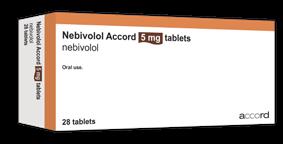
DUPIXENT® SBLA ACCEPTED FOR FDA PRIORITY REVIEW FOR TREATMENT OF COPD WITH TYPE 2 INFLAMMATION
The U.S. Food and Drug Administration (FDA) has accepted for Priority Review the supplemental Biologics License Application (sBLA) for Dupixent® (dupilumab) in a sixth potential indication as an add-on maintenance treatment in certain adult patients with uncontrolled chronic obstructive pulmonary disease (COPD). The target action date for the FDA decision is June 27, 2024. Regulatory submissions are also under review in China and the European Union.
The sBLA, as well as other submissions around the world, is supported by data from the Phase 3 COPD clinical research program evaluating the efficacy and safety of Dupixent in adults who were current or former smokers with uncontrolled COPD with evidence of type 2 inflammation (screening blood eosinophils >300 cells/ microliter). All patients were on background maximal standardof-care inhaled therapy (nearly all on triple therapy). The primary endpoint was met in both trials (BOREAS, NOTUS), showing Dupixent significantly reduced
moderate or severe acute COPD exacerbations by 30% and 34% respectively, compared to placebo. In both trials, Dupixent also rapidly and significantly improved lung function compared to placebo, with improvements sustained at 52 weeks.
Safety results in both trials were generally consistent with the known safety profile of Dupixent in its approved indications. Adverse events more commonly observed with Dupixent (≥5%) compared to placebo in either trial were back pain, COVID-19, diarrhea, headache and nasopharyngitis.
Priority Review is granted to regulatory applications seeking approval for therapies that have the potential to provide significant improvements in the treatment, diagnosis or prevention of serious conditions. The potential use of Dupixent in COPD is currently under clinical development, and its safety and efficacy for this indication have not been fully evaluated by any regulatory authority.
FIRST-OF-ITS-KIND ROBOTICASSISTED SPINAL FUSION
SURGERIES
Mater Private Network has completed two new types of robotic-assisted spinal fusion surgeries which mark the inaugural use of this cutting-edge technology in the Republic of Ireland.
Since its introduction in 2019, robotic-assisted spinal surgery has transformed surgical practices at Mater Private Network. This innovative approach empowers surgeons to perform minimally invasive procedures with precision and accuracy, offering patients several important benefits, including reduced incision size and greatly improving post-operative discomfort, as well as minimal blood loss and muscle trauma.
In January 2024, a patient (60s) with adult scoliosis presented to the Mater Private Dublin, having previously undergone surgery on their spine to decompress and relieve pressure on the spinal nerves. Unfortunately, all previous surgeries were unsuccessful, and the patient presented with continued and progressive pain in their lower back and legs. This patient had undergone physiotherapy and had received pain relief injections for chronic pain, but neither provided a satisfactory outcome.
In this context, Mr. Deb Roy, Spinal Surgeon at Mater Private Network, took on the case. He performed an extreme lateral interbody fusion with assistance from the latest in roboticassisted surgical technology.
This minimally invasive surgery involved gaining access to the patient’s spine through a small incision on the side. Once the spine and the nerves around the spine were identified, Mr. Roy removed damaged discs and replaced them using an interbody cage with bone graft.
A second case involved a patient (50s) presenting with progressive pain in the lower back and legs. The pain was so severe that the patient was unable to work or sleep, severely impacting their quality of life. Pain management plans had previously been put in place for the patient, to no avail. To treat this case, Mr. Roy, Spinal Surgeon at Mater Private Network, performed a micro-access interpedicular lumbar fusion. Gaining access to the spine through the patient’s back using a small incision, Mr. Roy thereafter decompressed, stabilised and fused the affected area of the spine.
Mr. Roy commented "It is an honour to have conducted these pioneering surgeries with Mater Private Network. These procedures mark a significant milestone in spinal care in the Republic of Ireland and highlight how we can harness the technologies available to us to drive better outcomes for patients."
Committed to the adoption and utilisation of the latest in medical technology, Mater Private Network continues to show its commitment to innovation and patient-centric care, enhancing patient outcomes across its network in Ireland.
To learn more about the services offered by Mater Private Network, visit www.materprivate.ie
MAJOR ENHANCEMENTS TO WOMEN’S HEALTH
Sligo University Hospital (SUH) has welcomed Minister for Health Stephen Donnelly, TD to formally launch two significant enhancements in gynaecology and maternity services at the hospital.
Minister Donnelly has cut the ribbon on a new Ambulatory Gynaecology clinic in Sligo University Hospital.
The new service in SUH is part of a national plan to improve health outcomes for women through a new model of care. The clinic operates a “see and treat” model which means that women who need gynaecological care can be assessed, treated and discharged on the same day all within this “one stop” setting.
The establishment of the new ambulatory clinic in SUH is reducing the need for women to have multiple gynaecology
appointments for a single episode of care and this in turn is having a positive impact on waiting lists and in-patient bed usage at the hospital, with waiting lists for outpatient appointments reduced by over 50%.
Women are referred to the clinic by their GP and have access to same day diagnostics, investigations, treatments and minor procedures under a team of consultants and specialist nurses. The new unit provides both diagnostic and therapeutic procedures for common gynaecological conditions including hysteroscopies, ultrasound scans, biopsies and management of intrauterine devices.
Speaking at the official opening Minister Donnelly said, “As Minister I’ve made developing better women’s health services a priority during the lifetime of this Government. The unprecedented levels of funding in women’s health services are now delivering for women. I know that this clinic is a positive, on-the-ground improvement, that is already making a real difference to the women of Sligo and the Northwest, reducing waiting times and improving access to services.”
Minister Donnelly also visited the Seomra Suaimhnis / Serenity Room which is a wonderful new labour and delivery suite developed by the maternity service in SUH with the support of the National Women and Infants Programme (NWIP).
The suite is designed around a “home from home” approach, the décor and atmosphere aim to create a relaxed and less clinical environment for women to give birth in. Women also have access to a heated birthing pool in the suite which can help with pain relief during their labour.
Grainne Mc Cann, Hospital Manager at SUH said, “The opening of the Ambulatory Gynaecology clinic in SUH is a major step forward in the delivery of women centred care in our region. Since opening last year we have seen over 320 women in the clinic and have delivered a fully integrated model of care to these patients.
“There is a huge patient benefit involved in the “see and treat” model, the most important being improved access to specialist care for women who need to avail of it.”
Speaking about the Seomra Suaimhnis / Serenity Room
Grainne added, “In SUH we welcome nearly 1,300 babies
PHARMACYNEWSIRELAND.COM
into the world every year, I’m delighted we can now offer some of our mums a beautiful, relaxed and homely space to facilitate a positive birth experience.”
LAYA HEALTHCARE OPENS SECOND LAYA HEALTH AND WELLBEING CLINIC
Laya healthcare have announced the launch of a new Laya Health & Wellbeing Clinic in Swords Business Campus, Swords, Co Dublin. This will increase the nationwide network of Laya Health and Wellbeing Clinics to four and add an additional clinic to the Dublin area making it the fastest growing urgent care network in Ireland.
The North Dublin clinic will offer a range of health and wellbeing services including walk-in urgent care for the treatment of minor injuries and illnesses where patients as young as 12 months+ will be seen within 60 minutes - available to laya healthcare members and non-members. All Laya Health and Wellbeing Clinics have diagnostic imaging onsite continuing laya healthcare’s promise to improve access and ensure the current and future healthcare needs of members. The Laya Health and Wellbeing Clinic in Swords will provide X-Ray, MRI, Ultrasound and Dexa scan.
The investment of over ¤3million in the opening of this brand-new Laya Health and Wellbeing Clinic in North Co. Dublin will result in a new 25,000 sq ft clinic which will treat approximately 30,000 patients annually. As part of the expansion, 25 new jobs will be created including clinical and administrative teams. As with all Laya Health and Wellbeing clinics, it will be open 365 days per year from 10am – 10pm.
Commenting on the major investment and expansion of the Laya Health and Wellbeing clinic network, John Mc Call, Director of Claims and Provider Relations said, “Contributing to the ambition of Slaintecare, we firmly believe in the importance of delivering the right care at the right time, and that is why our clinics are open 365 days per year with consultant-led care delivered within one hour.”
To find out more about the Laya Health and Wellbeing Clinics visit www.layahealthcare.ie
JANSSEN BURSARY MEDAL FOR HEALTH ECONOMICS
At an event hosted by Janssen, the Pharmaceutical Companies of Johnson & Johnson, students and lecturers from University
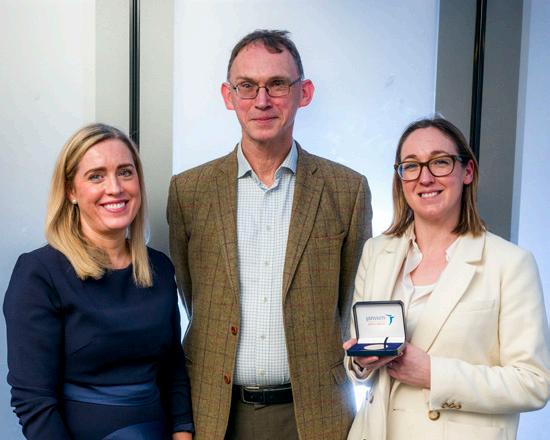
Pictured at Janssen’s bursary medal presentation was (L-R) Brita O’Reilly, Director of Market Access & Government Affairs at Janssen Sciences Ireland UC; Professor Brendan Kennelly, Programme Director MSc. Health Economics at University of Galway; and Orla Jenkins, recipient of the Janssen Bursary Medal 2023.
of Galway’s Health Economics Masters class met with members of Janssen’s Market Access and Government Affairs team, touring the office and participating in presentations and workshops. At the event, in recognition of academic excellence in health economics in 2023, Orla Jenkins of HIQA was the recipient of the Janssen Bursary Medal.
Since 2012, Janssen has collaborated with the University of Galway, which has provided Health Economics students with valuable placement opportunities, contributing to their professional growth. In 2022, Janssen launched the WiSTEM2D mentorship programme with the university, designed to nurture future female leaders in healthcare specifically. WiSTEM2D stands for Women in Science, Technology, Engineering, Math, Manufacturing and Design –the initiative supports women and girls in pursuit of STEM2D studies and careers.
Janssen is proud to support the next generation of talent and to continue their partnership with University of Galway.
TAGRISSO (OSIMERTINIB) APPROVED IN IRELAND
AstraZeneca’s osimertinib is now reimbursed in Ireland for the adjuvant treatment of adult patients with early-stage (IB, II and IIIA) epidermal growth factor receptormutated (EGFRm) non-small cell lung cancer (NSCLC) after complete tumour resection, from
(Stages II-IIIA) and by 73% (HR 0.27; 95% CI 0.21-0.34) in the overall trial population (Stages IB-IIIA). In an updated analysis in 2022, the median DFS was reached at nearly five and a half years (65.8 months) for both the primary and overall populations treated with osimertinib, compared to 21.9 and 28.1 months in the primary and overall populations, respectively, treated with placebo. Consistent DFS results were seen regardless of prior adjuvant chemotherapy use and across all prespecified subgroups. The safety and tolerability of osimertinib in this trial was consistent with previous trials in the metastatic setting.
March 1st. Osimertinib is indicated for EGFRm patients whose tumours have exon 19 deletions or exon 21 (L858R) mutations.
While up to 30% of all patients with NSCLC may be diagnosed early enough to have surgery with curative intent, recurrence is still common in early-stage disease. Historically, nearly half of patients diagnosed in Stage IB, and over three quarters of patients diagnosed in Stage IIIA, have experienced disease recurrence within five years. About a fifth of the world’s lung cancer patients are in the EU and among those with NSCLC, approximately 10 - 15% have tumours with an EGFR mutation.
The approval by the European Commission (May 2021) was based on positive results from the ADAURA Phase III trial in which, osimertinib demonstrated a statistically significant and clinically meaningful improvement in disease-free survival (DFS) in the primary analysis population of patients with Stage II and IIIA EGFRm NSCLC. The trial also showed a statistically significant and clinically meaningful improvement in DFS for osimertinib in the overall trial population, a key secondary endpoint.
In the ADAURA trial, adjuvant treatment with osimertinib reduced the risk of disease recurrence or death by 77% (based on a hazard ratio [HR] of 0.23; 95% confidence interval [CI] 0.18-0.30) in the primary analysis population
In June 2023, the final planned overall survival analysis showed osimertinib reduced the risk of death by 51% compared to placebo in both the primary analysis population (Stages II-IIIA) (21% data maturity, OS hazard ratio [HR] of 0.49; 95.03% confidence interval [CI] 0.33-0.73; p=0.0004), and in the overall trial population (Stages IB-IIIA) (18% data maturity, OS HR of 0.49; 95.03% CI 0.34-0.70; p<0.0001). In the primary analysis population, an estimated 85% of patients treated with osimertinib were alive at five years compared to 73% on placebo. In the overall trial population, an estimated 88% of patients treated with osimertinib were alive at five years compared to 78% on placebo. Median OS was not yet reached in either population or treatment group. Patients on placebo that recurred with metastatic disease had the opportunity to receive osimertinib treatment.
Dr Eynat Dotan, Head of Medical, AstraZeneca, Ireland said: “The ADAURA trial brought the first targeted medicine to patients with early-stage EGFR-mutated non-small cell lung cancer. The exciting overall survival results validate adjuvant osimertinib as the standard of care in this setting and reinforce the importance of early diagnosis and testing for EGFR mutation in lung cancer.”
Osimertinib is now approved to treat early-stage lung cancer in more than fifty countries, including in the US and China, and additional global regulatory reviews are ongoing. Osimertinib is also approved for the 1st-line treatment of patients with locally advanced or metastatic EGFRm NSCLC and for the treatment of locally advanced or metastatic EGFR T790M mutation-positive NSCLC in the EU, the US, Japan, China and many other countries.
PHARMACYNEWSIRELAND.COM 99

Trust your gut. Trust precision science. Over 20 years of pioneering research ALFLOREX® with Bifidobacterium longum 35624 ® Scan here for more info Learn more about the science behind the unique 35624 culture – visit www.precisionbiotics.science For Healthcare Professionals only Distributed by Pamex Ltd Email: info@pamex.ie | Phone: 094 9024000
