HEALTH + SCIENCE S
CONTRIBUTING TO THE CARE OF HUMANKIND THROUGH INNOVATIVE DESIGN


CONTRIBUTING TO THE CARE OF HUMANKIND THROUGH INNOVATIVE DESIGN
HOK is a global design, architecture, engineering and planning firm.
HOK designs buildings and spaces that respond to the needs of people and the environment. Our designers are rooted in technical excellence, driven by imagination and focused on a solitary goal: to deliver solutions that inspire clients and communities.
Leveraging the art and science of design to create highperformance environments, our design solutions result from a collaborative process that encourages multidisciplinary professional teams to share knowledge and imagine new ways to solve the challenges of the built environment.
HOK Services
architecture
interiors
healthcare consulting
lab planning + programming
medical planning
medical education planning
workplace strategy
change management
experience design
engineering planning
facility strategy
space management
sustainability + well consulting
Since the firm’s founding in 1955, HOK has developed into one of the world’s largest, most diverse and respected design practices. The firm employs more than 1,700 professionals linked across a global network of 27 offices on three continents.
Calgary | Ottawa | Toronto
London
ASIA
PACIFIC
Beijing |
Hong Kong | Shanghai
Atlanta | Austin | Boston
Chicago| Dallas | Denver
Houston | Kansas City
Los Angeles | Miami
New York | Philadelphia
Salt Lake City | San Francisco
Seattle | St. Louis | Tampa
Washington, D.C.
Dubai | Mumbai
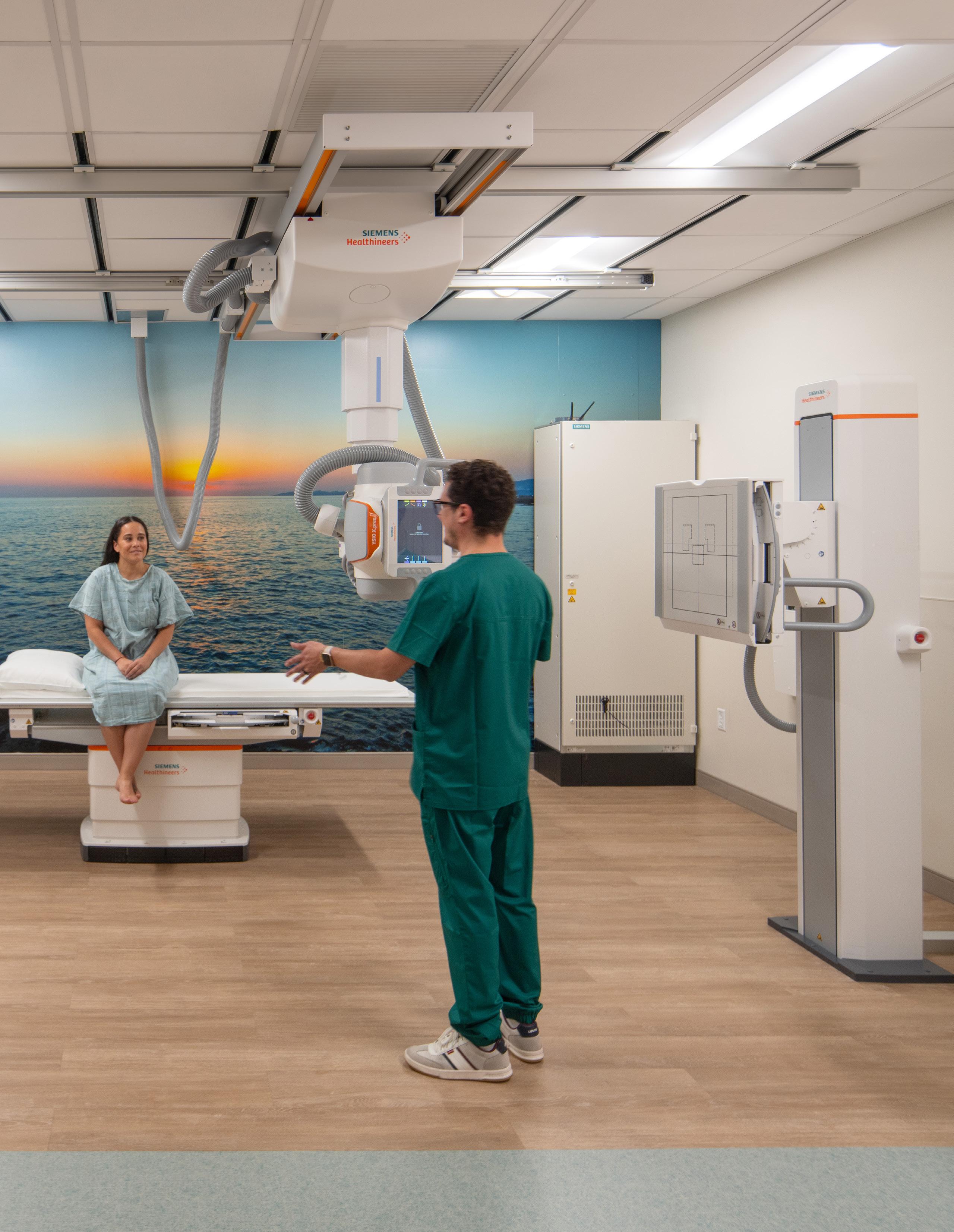
HOK IS AN INTEGRATED DESIGN PRACTICE DEEPLY COMMITTED TO SUPPORTING THE FULL MISSION OF ACADEMIC MEDICAL CENTERS—ADVANCING EDUCATION, ACCELERATING RESEARCH, AND ELEVATING PATIENT CARE.
Our multidisciplinary teams combine planning, architecture, engineering, and consulting to help universities and healthcare organizations make data-driven decisions that shape sustainable, future-ready institutions.
As one of the world’s leading academic medical center planners, HOK regularly partners with deans, hospital executives, and research leaders to develop strategic facility plans, optimize space and workforce models, and design environments that strengthen clinical, educational, and research performance.
Our health sciences education work creates technology-rich learning environments that support interprofessional training for nurses, physicians, and public health professionals. In research, we design translational and biomedical facilities that enhance collaboration between scientists and clinicians.
On the healthcare side, our planners and consultants help organizations navigate complex operational, regulatory, and financial challenges to create flexible, patient-focused care environments.
The pages that follow, we have provided additional information on HOK’s Healthcare Consulting and Strategic Planning services.
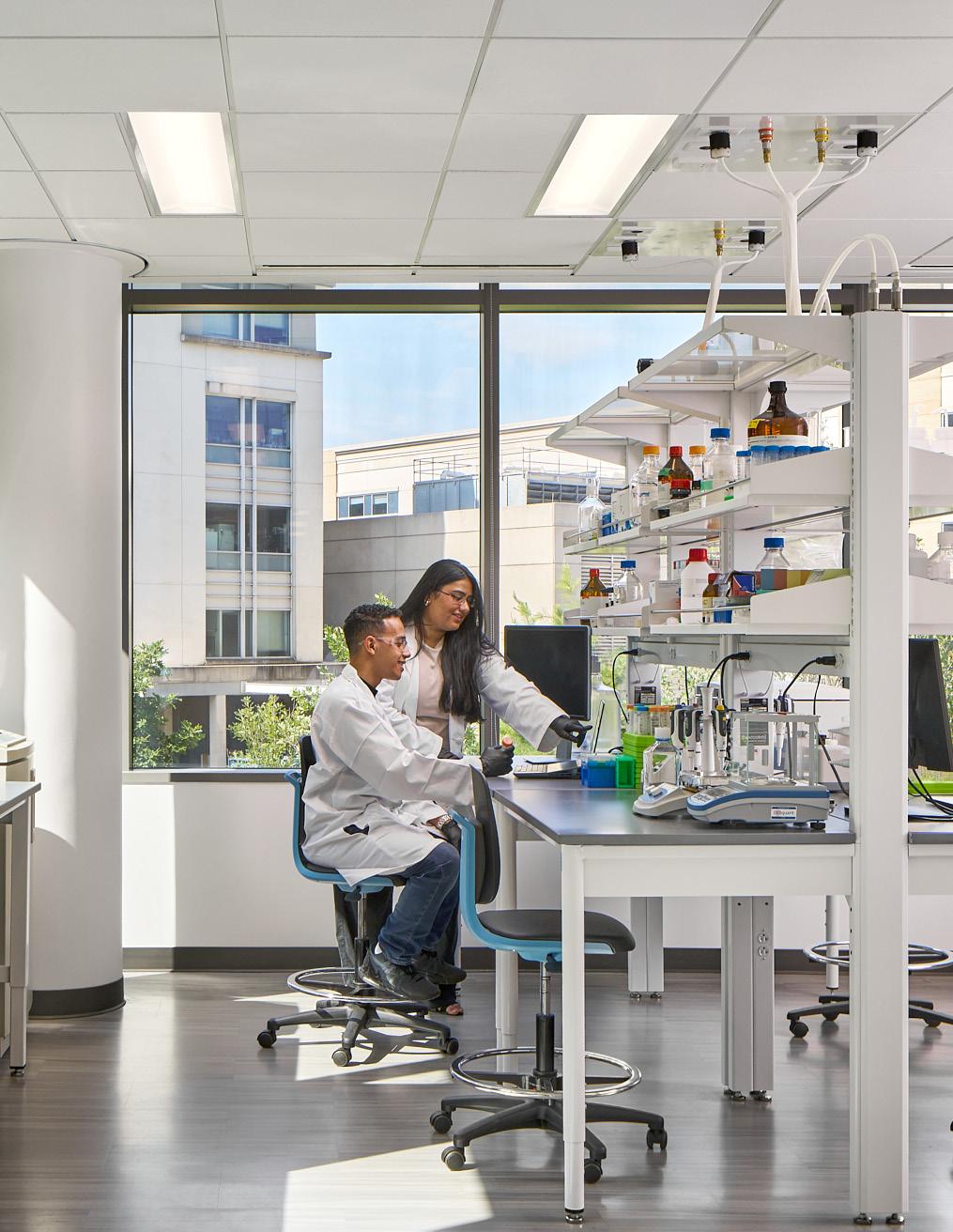
HOK is proud to be a supporter of the Association of American Medical Colleges; and we have designed teaching, research, clinical and educational facilities at more than 50 of the AAMC Member Institutions.
Healthcare organizations often struggle to maintain sustainable and cost-effective environments that are responsive to the cultural, economic, social, and public health needs of the communities they serve.
Our team of clinical specialists and planners develop long-term, comprehensive plans giving clients confidence that the strategic decisions they make will remain the right ones for years to come.
Our Team & Leadership
We are a multi-disciplinary team comprised of clinicians, architects, hospital operations leaders, and data experts. We become a trusted advisor by helping organizations make strategic decisions that may not always lead to a building project.
Our Goal & Drivers
Our Purpose & Strategy
We partner with clients to examine and understand the holistic needs of their patients, providers, staff and community.
Our Solutions & Results
We develop actionable plans that chart a clear path forward and address health systems’ operational, facility, and strategic needs.
• We provide rapid, flexible, equitable, and forward-looking solutions spanning the continuum from the hospital to the home.
• We assess consumer behaviors, interrupters, cycles, equities, social determinants, and opportunity values
• We leverage the synergies and expertise among our multi-disciplinary leaders to plan a road map that continuously improves operations and addresses the large-scale issues facing health systems.
HOK Consuting Services include:
Strategic Planning
Market Saturation Assessment
Future Demand Forecasting
Bed Demand Analysis
Ambulatory Networ Development
Physician Demand Analysis
Best Practices Assessment
Financial Planning
Capital Budget Estimating
Program Pro Forma Development
Capital Allocation Modeling
ROI & Net Contribution Analyses

Operational Planning
Operational Analysis
Capacity Analysis
Clinical Services Utilization Analysis
Bed Allocation Analysis
Process of Care Planning
Facility Optimization
Lean Process Analysis
Master Planning
Campus Master Planning
Capital Development Planning
Parking Analysis
Facility Master Planning
Site Analysis & Assessment
Site Development & Land Utilization

At HOK, we help academic medical centers and medical schools transform their environments into efficient, functional, and future-ready spaces. Our multidisciplinary team brings deep expertise in analytics, planning, and design—supporting institutions as they align their built environment with their strategic goals and expand equitable access to education, research,
Our custom business intelligence tools evaluate space needs, growth projections, funding models, and team structures. This analysis allows us to model multiple scenarios and confidently recommend new facilities, renovations, shared resources, or strategic space reallocations.
We analyze building utilization, floor plate performance, and trends in research, teaching, collaboration, and amenity spaces. This comprehensive approach identifies where institutions can gain flexibility, capacity, and value.
A Clear Vision and Strategy for Growth
Our expertise in programming and planning complex scientific environments helps clients push boundaries, plan for change, and advance interdisciplinary research. We partner with institutions to shape long - term strategic science frameworks aligned with learning, discovery, and patient care.
Together, our proven methodology and national experience help our clients navigate industry-wide challenges while addressing their unique operational needs—ultimately strengthening their tripartite missions.
leadership + stakeholder engagement
goals + barriers to success
data gathering
facility assessment + gap analysis
occupancy + space utilization studies
benchmarking + metrics
phenotyping + process mapping
supply + demand modeling
scientific workplace strategy +programming
blocking stacking + test fits
data-driven decisions
Memphis, Tennessee
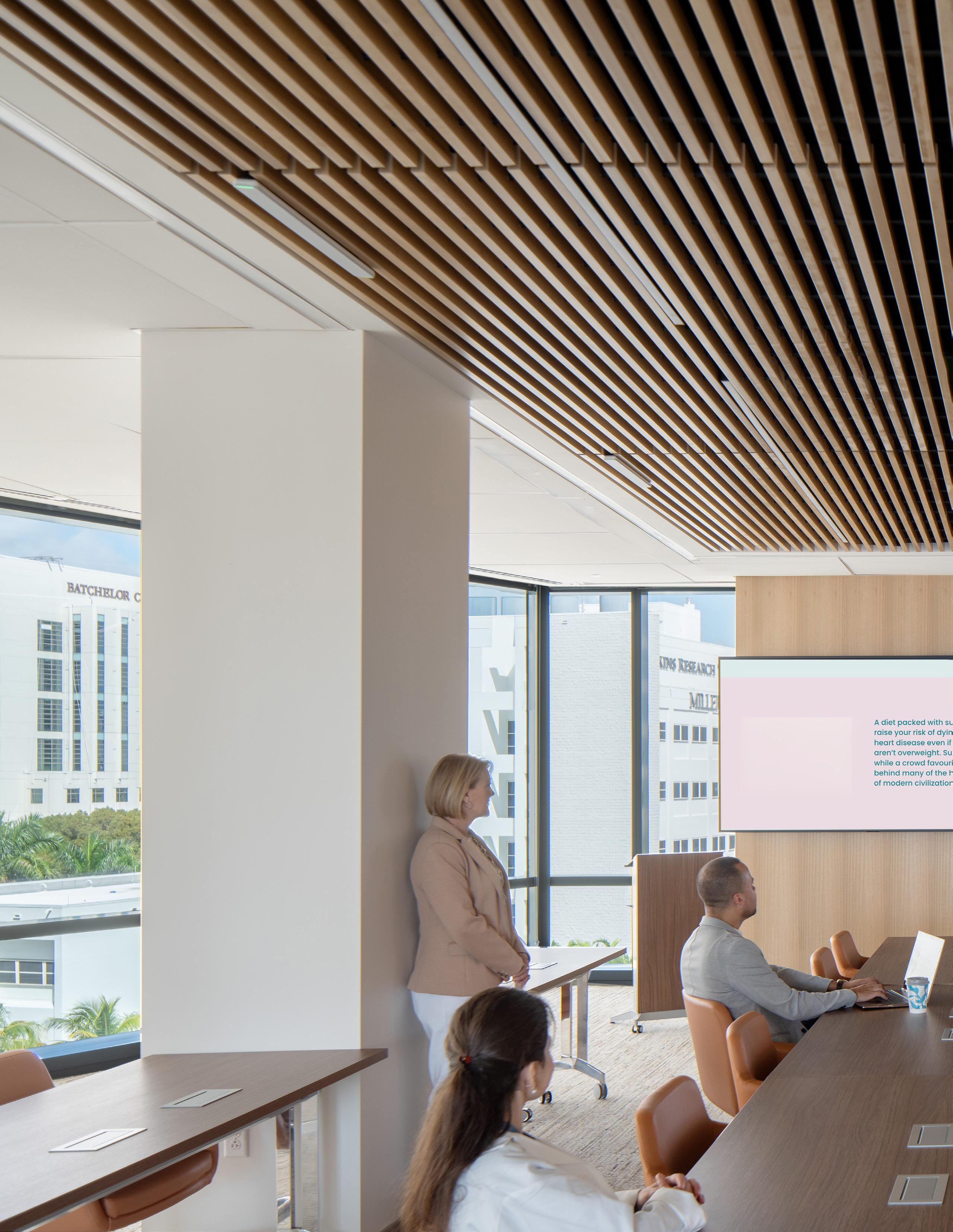
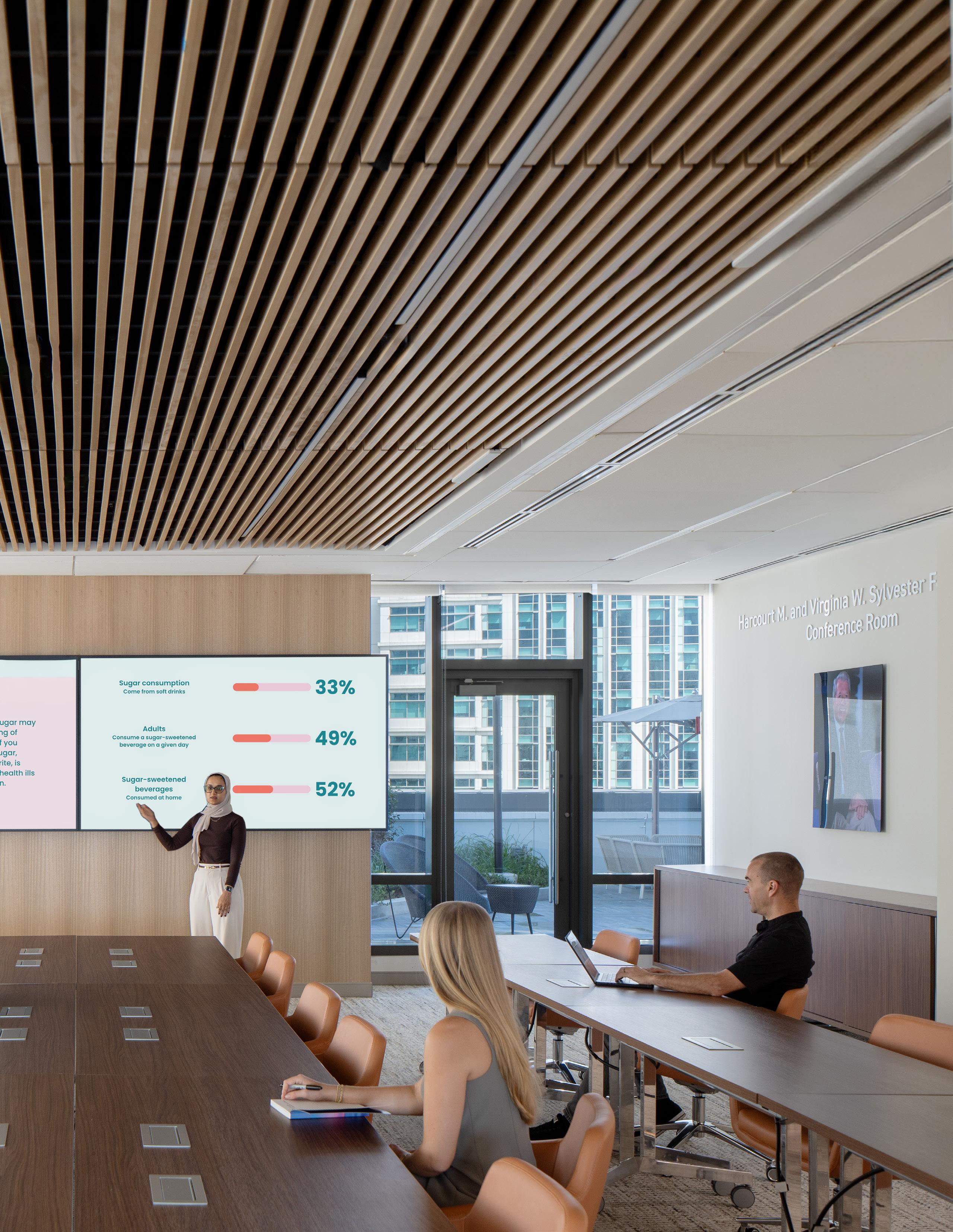
HOK CREATED A STRATEGIC PLAN FOR UTHSC TO OPTIMIZE RESOURCES, ENHANCE LEARNING, AND ENSURE SUSTAINABILITY.
The Space Utilization Study is a comprehensive study of space utilization within UTHSC Campus. The objective of the study was to develop a plan to foster the growth and development of the campus. The study’s final product is designed to optimize the use of physical resources supporting strategic objectives, improve cost efficiency, enhance learning and research environments, and ensure the sustainability and adaptability of the campus facilities as outlined in the Campus Master plan.
To complete the Space Utilization Study, the HOK team divided the project into three phases:
Step 1 - Data Gathering and Organizing
Step 2 - Analysis and Planning Options
Step 3 - Develop, Review and Finalize Planning Options
The scope of this study included 27 buildings on Main Campus (UTHSC Owned) and 7 buildings Off-Campus (UTHSC Leased). The UTHSC owned buildings totals 2.7 million gross sq. ft. and the leased buildings total 72,500 gross sq. ft.
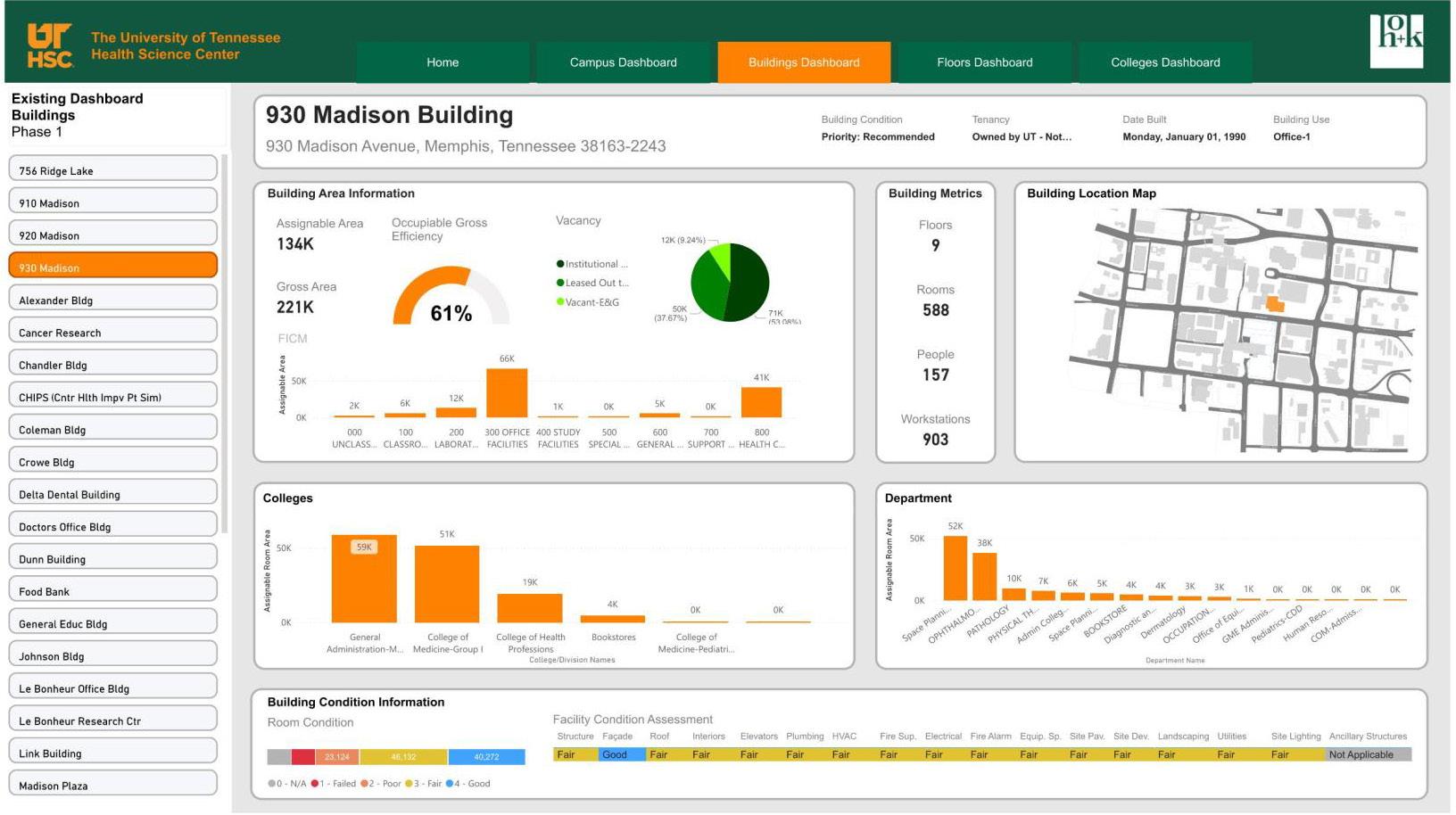
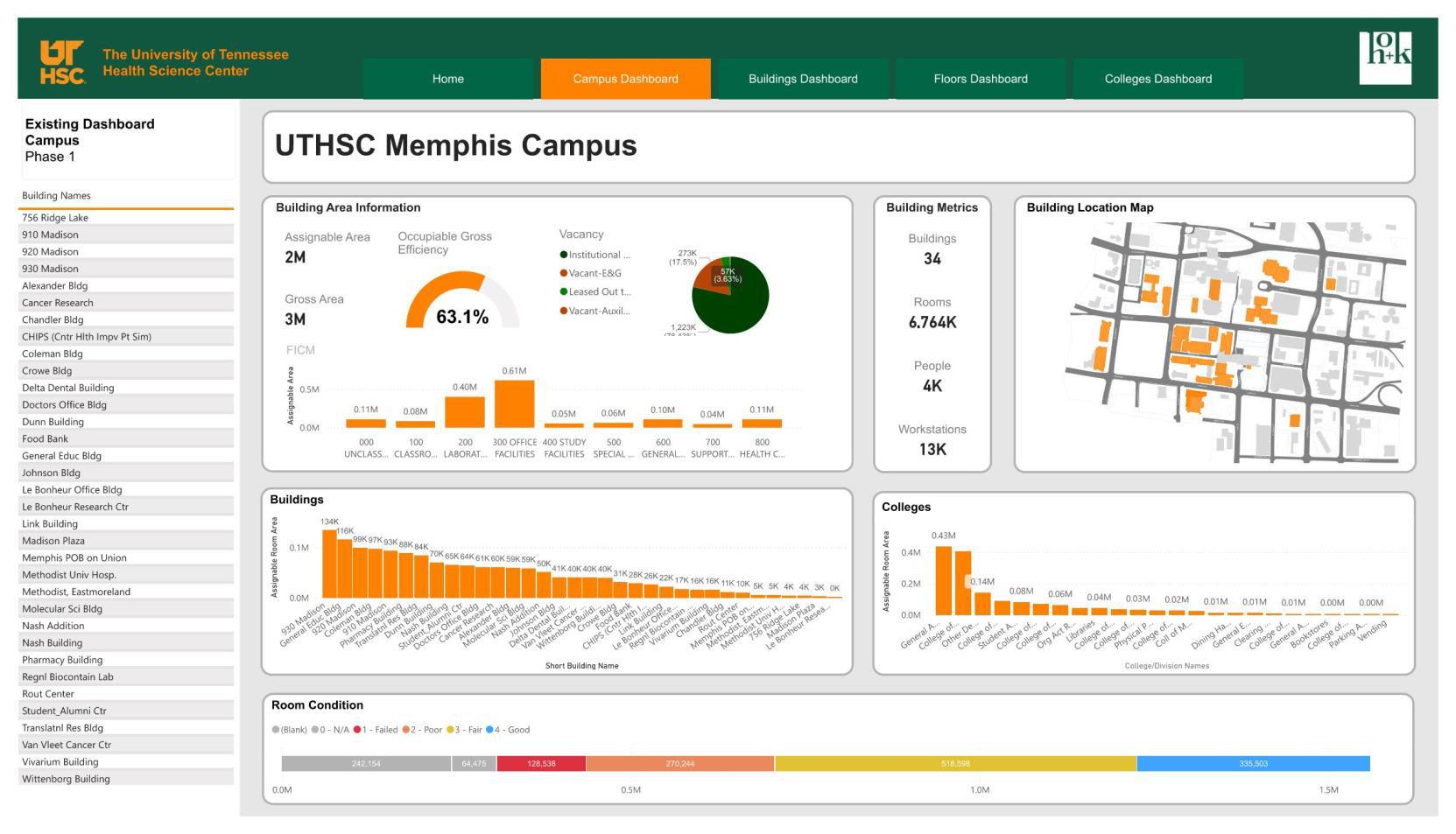
• Provides a high level summary of all buildings in the scope and designated on a campus map.
• Key metrics such as:
» Assignable Area
» Gross Area
» Efficiency %
» Area Per Building
» Vacancy Rate
» Number of rooms
» Number of people
» Number of Workstations
• Building Condition Score, based on total square footage and scored during observation on building tours.
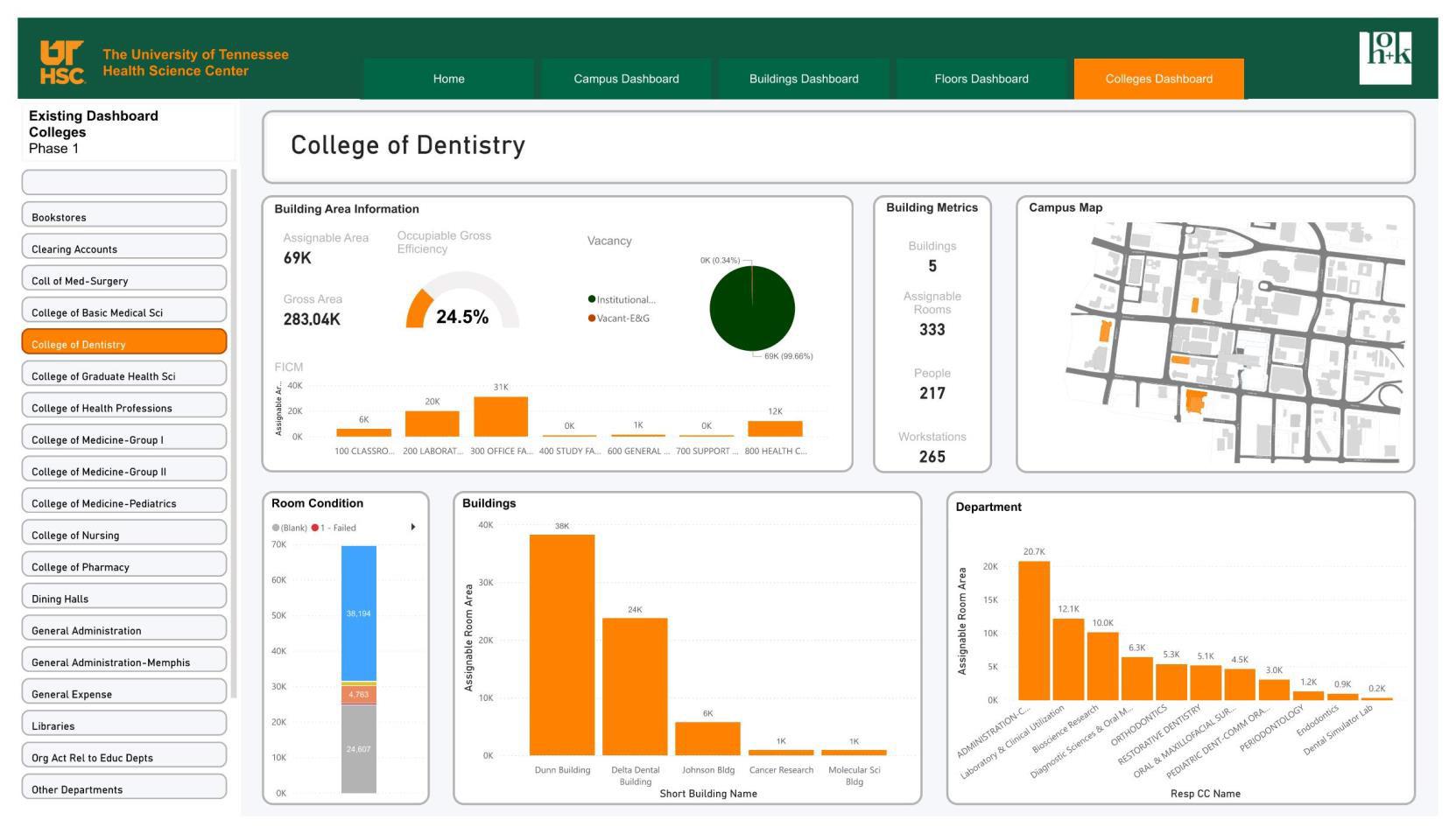
• Provides a high level summary of all colleges in the scope and designated on a campus map.
• Key metrics such as:
» Assignable Area
» Gross Area
» Efficiency %
» Area Per Room Usage (FICM)
» Area Per College
» Area Per Department
» Vacancy Rate
» Number of rooms
» Number of people
» Number of Workstations
• Room Condition Score, scored during observation on building tours.
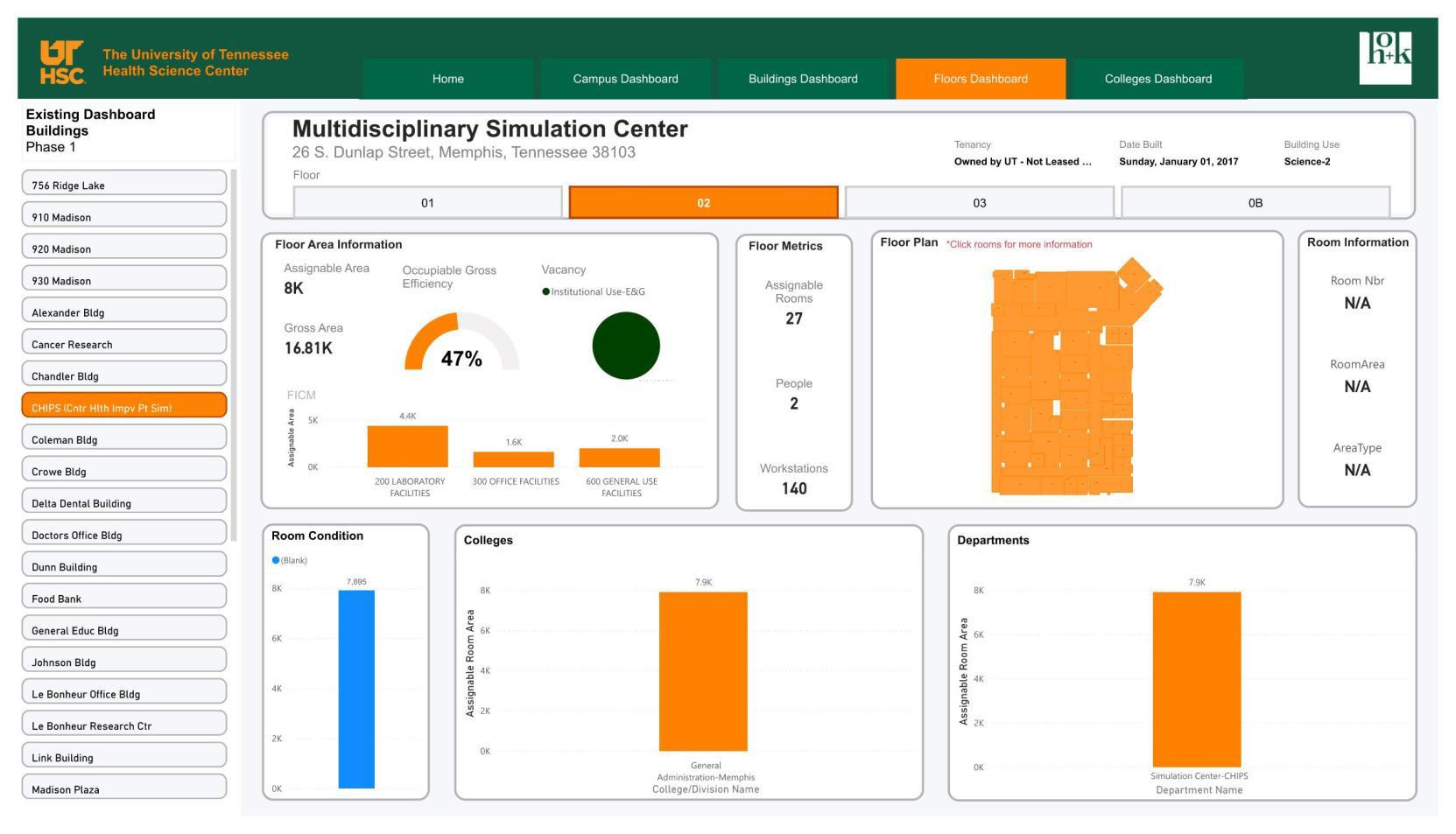
• Provides a high level summary of all floors in each building, as designated on the associated floor plan, showing location, tenancy, use and date built.
• Key metrics such as:
» Assignable Area
» Gross Area
» Efficiency %
» Area Per Room Usage (FICM)
» Area Per College
» Area Per Department
» Vacancy Rate
» Number of rooms
» Number of people
» Number of Workstations
» Selected Room Information
• Room Condition Score, based on total square footage and scored during observation on building tours.
Pittsburgh, Pennsylvania
HOK
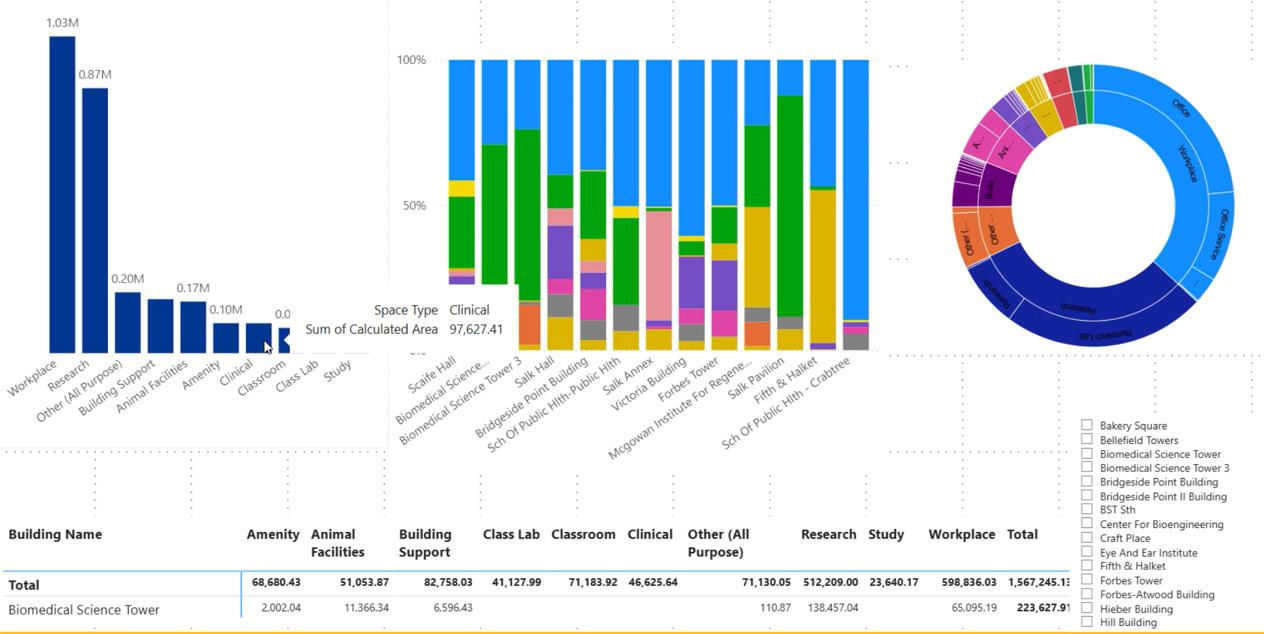
Large research institutions across the country are reassessing how they use space in the wake of post COVID operational challenges, reduced funding streams, and rising facility costs. The University of Pittsburgh—ranked as the nation’s fourth largest research institution—partnered with HOK to evaluate these pressures through a comprehensive Health Sciences master planning study. The project focused on understanding how research, education, and administrative operations occupy space today and identifying opportunities to strengthen performance, reduce overhead, and support long term institutional resilience.
Through detailed assessments of existing facilities, researcher workstyles, administrative functions, and core facilities, the study developed a forward-looking framework for renovation, relocation, and new construction. The planning process revealed that Pitt’s distributed four million square foot Health Sciences footprint could be reduced while improving operational efficiency and creating environments that foster interdisciplinary collaboration across six schools. Strategies such as research space phenotyping to right size allocations, shared administrative models that reduce redundant functions, stronger core facilities, and technology driven space utilization analytics together formed a comprehensive toolkit for sustainable campus growth.
The resulting plan will offer scalable, data driven solutions for academic medical centers and research universities facing similar financial and operational pressures. The work will also position Pitt to advance its research mission more efficiently, equitably, and collaboratively for years to come.
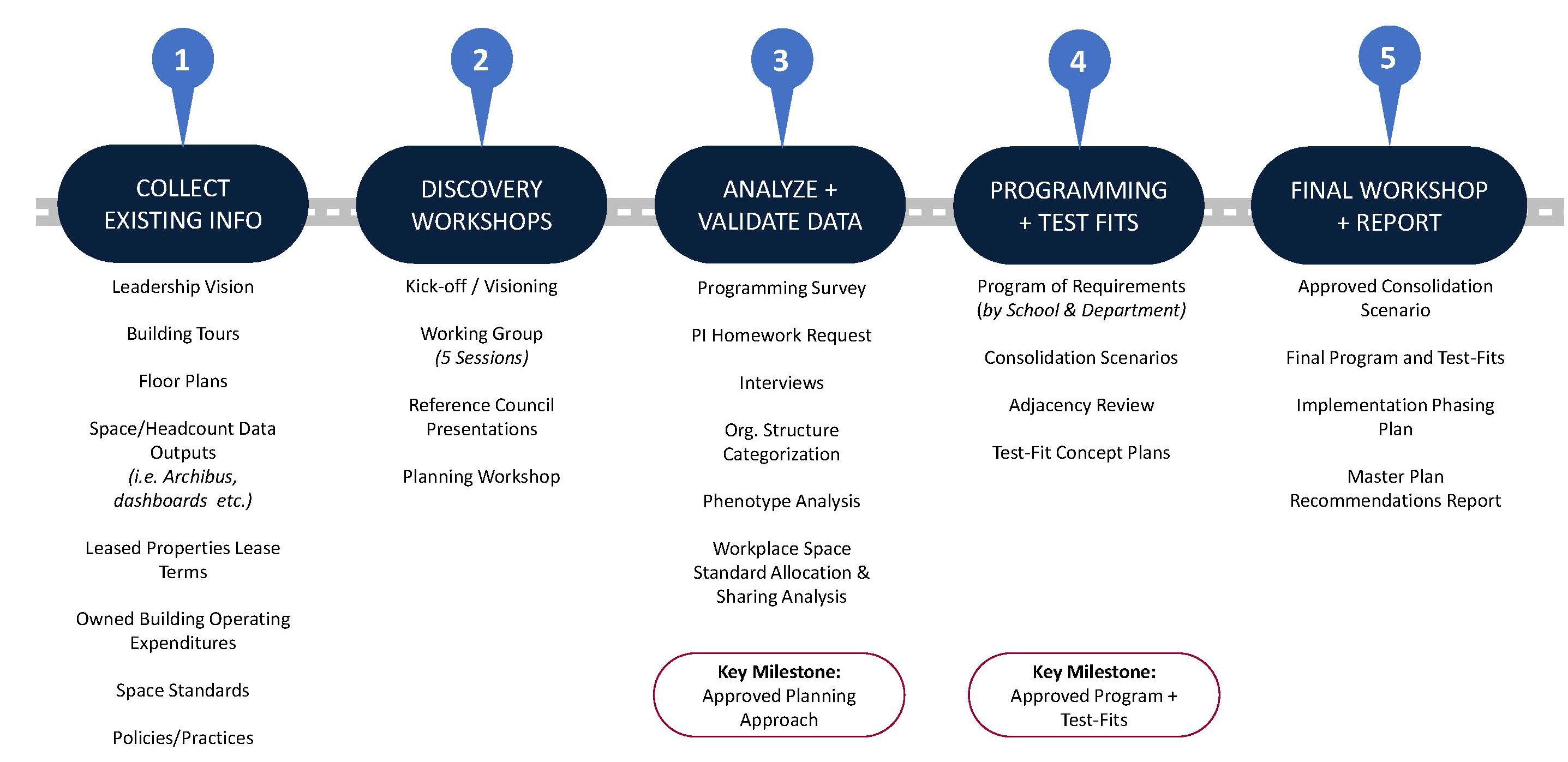
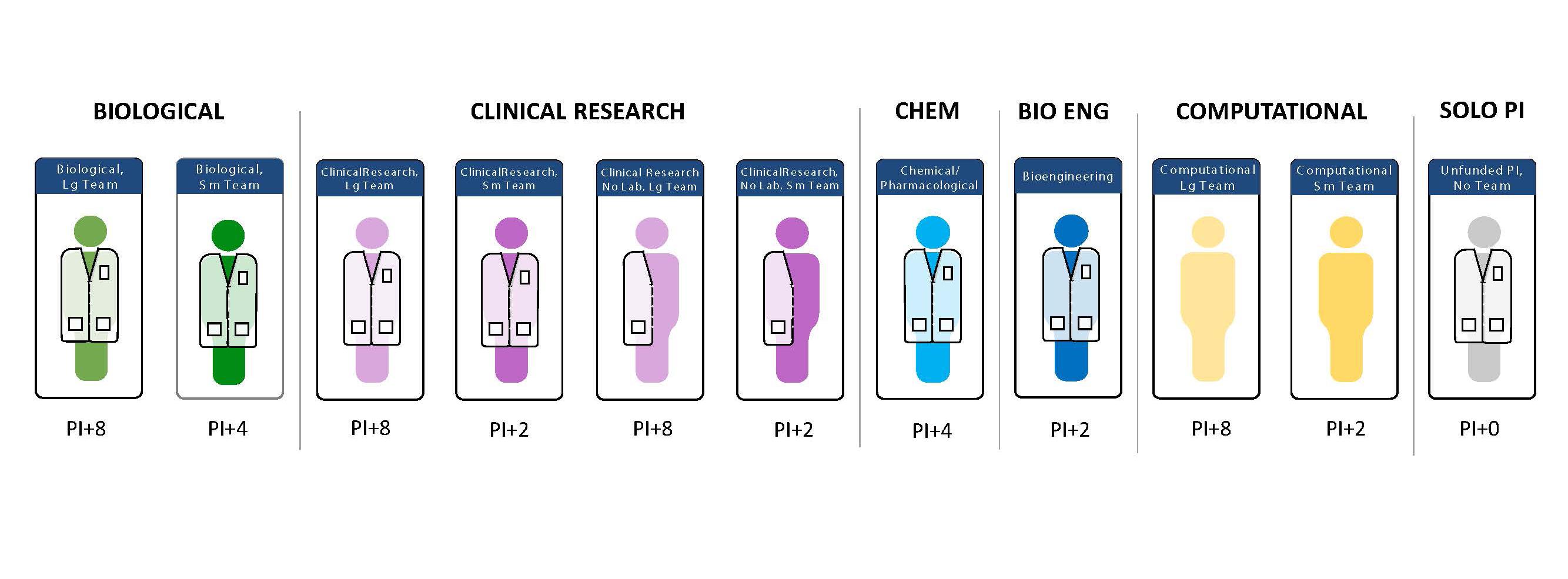
Process Road Map

Indianapolis and Bloomington, Indiana
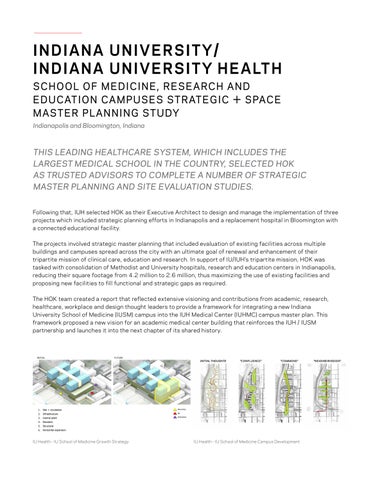
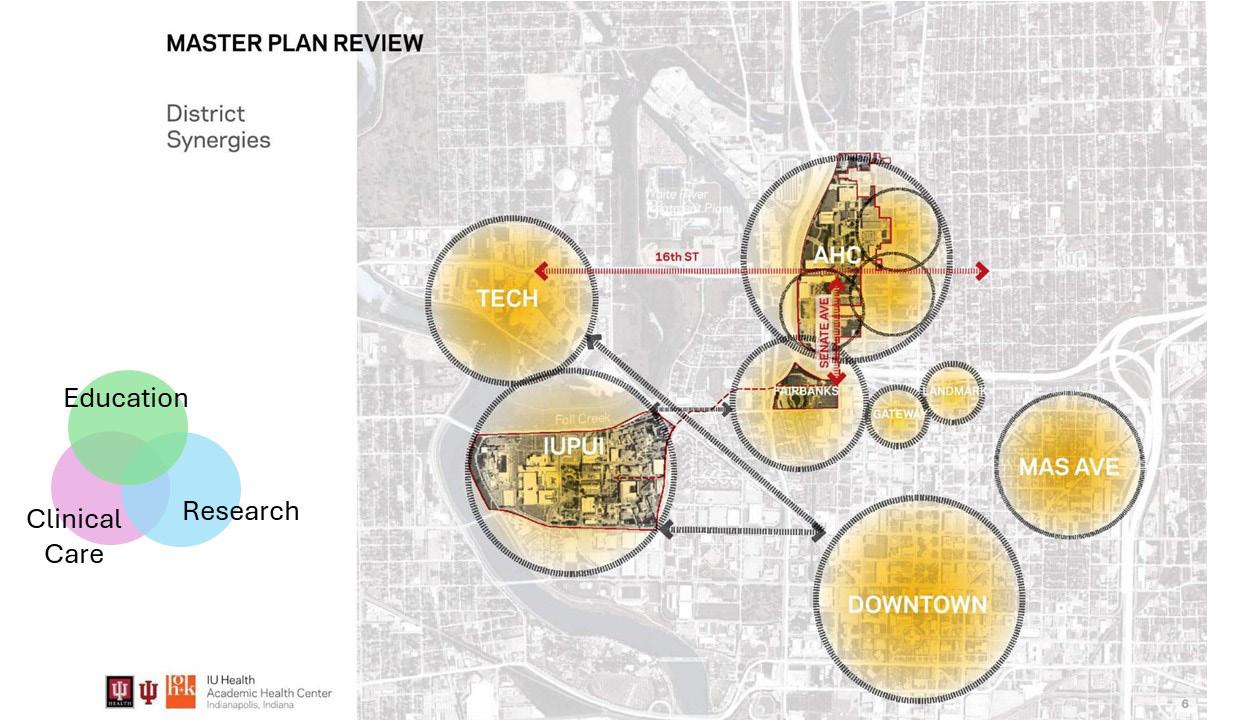
Following that, IUH selected HOK as their Executive Architect to design and manage the implementation of three projects which included strategic planning efforts in Indianapolis and a replacement hospital in Bloomington with a connected educational facility.
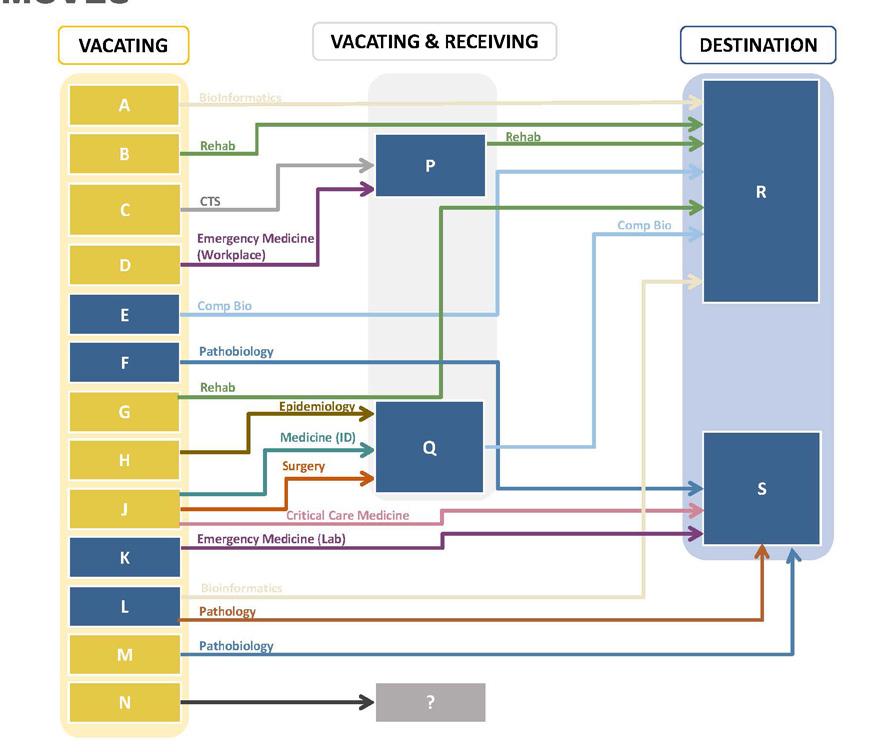
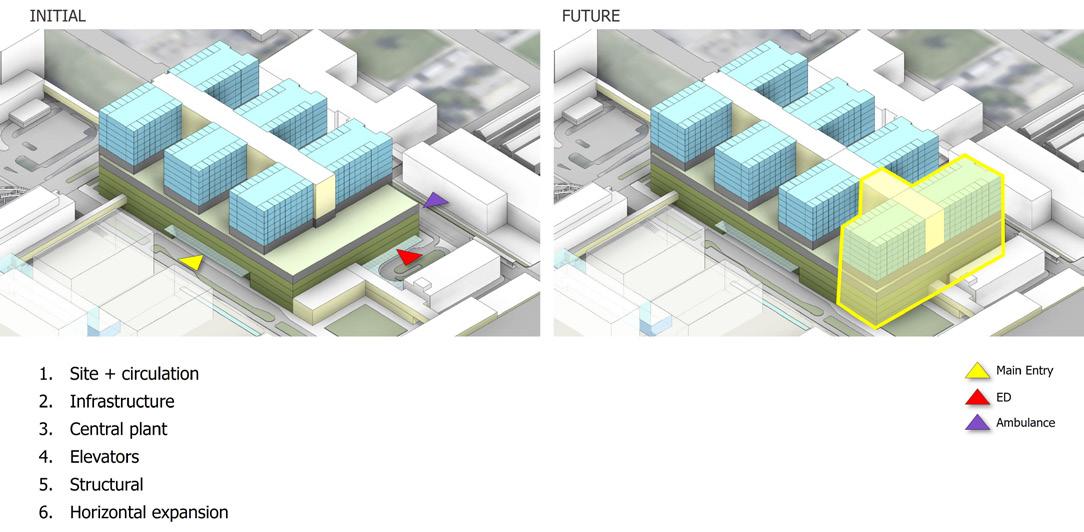
The projects involved strategic master planning that included evaluation of existing facilities across multiple buildings and campuses spread across the city with an ultimate goal of renewal and enhancement of their tripartite mission of clinical care, education and research. In support of IU/IUH’s tripartite mission, HOK was tasked with consolidation of Methodist and University hospitals, research and education centers in Indianapolis, reducing their square footage from 4.2 million to 2.6 million, thus maximizing the use of existing facilities and proposing new facilities to fill functional and strategic gaps as required.
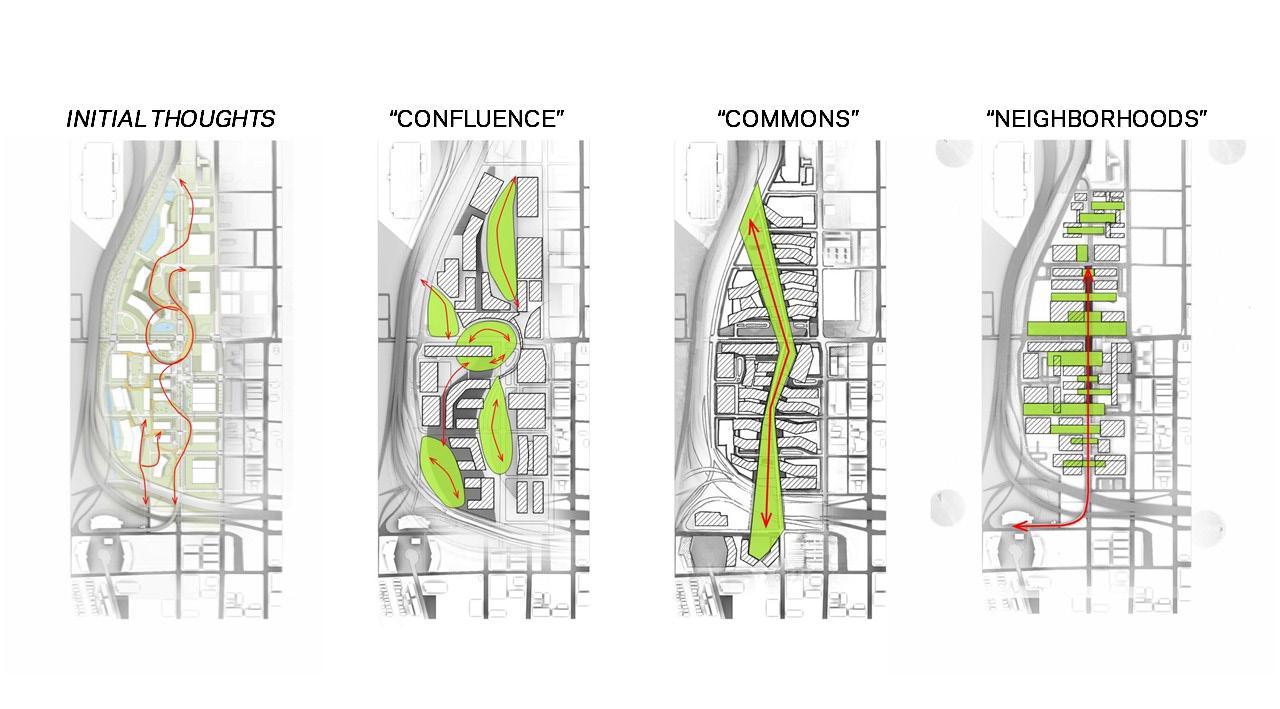
The HOK team created a report that reflected extensive visioning and contributions from academic, research, healthcare, workplace and design thought leaders to provide a framework for integrating a new Indiana University School of Medicine (IUSM) campus into the IUH Medical Center (IUHMC) campus master plan. This framework proposed a new vision for an academic medical center building that reinforces the IUH / IUSM partnership and launches it into the next chapter of its shared history.
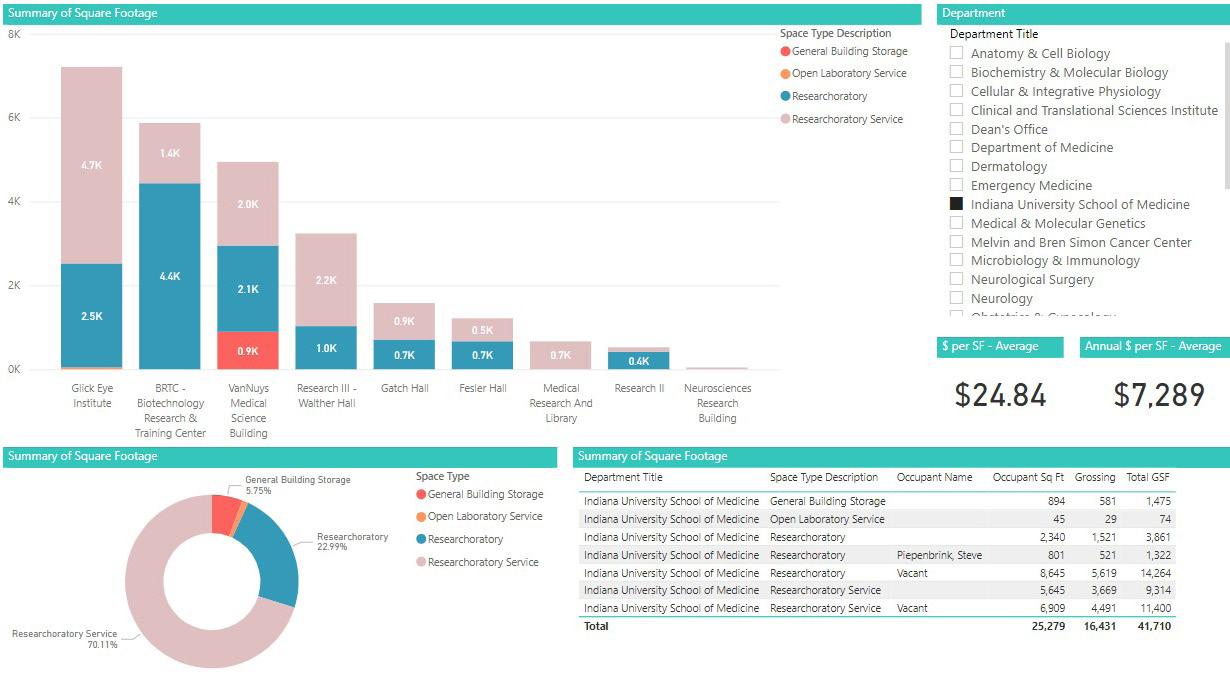
Analysis of existing research space and cost recovery per sq. ft. led to insights in programming that set realistic targets for recruits in the new building.

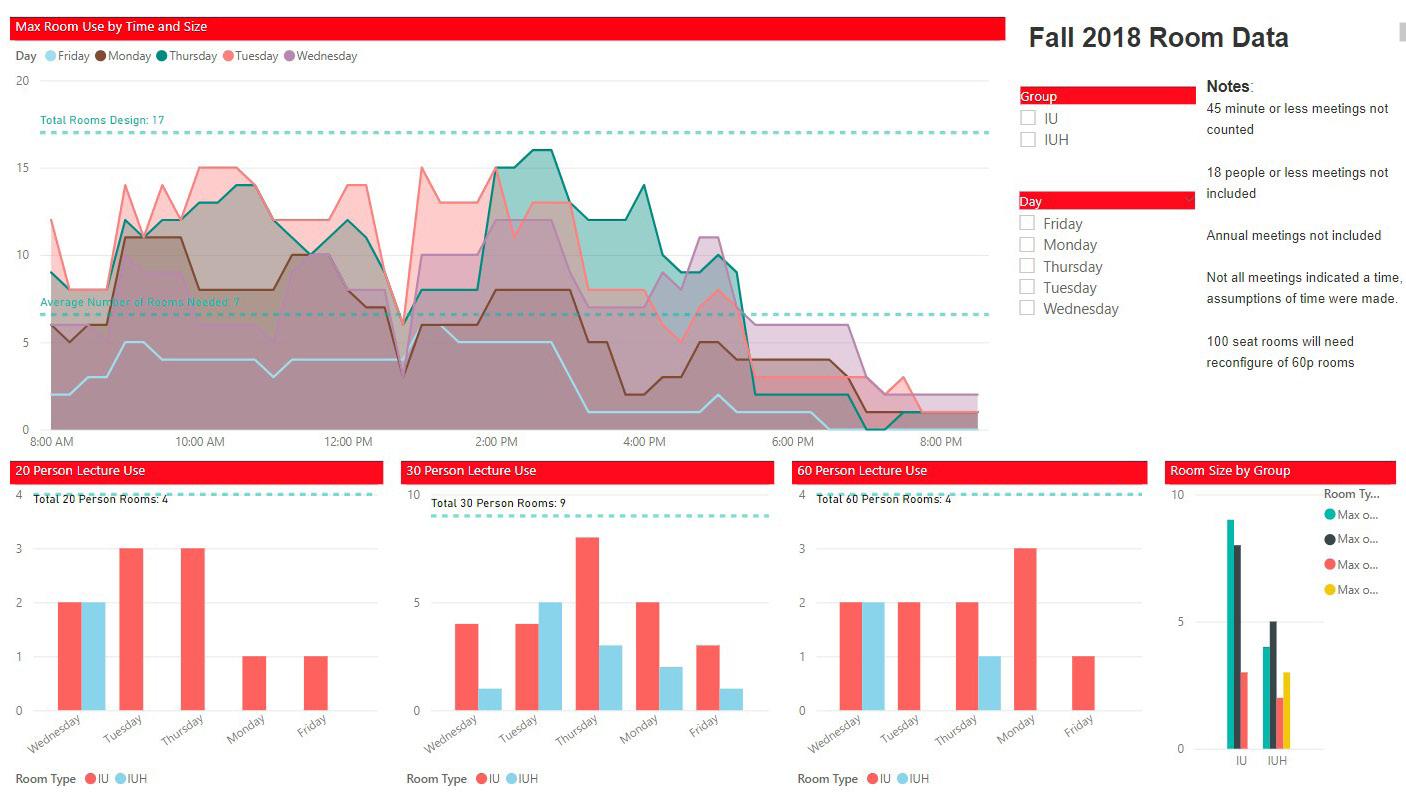
Analysis of existing class schedules by day, time and enrollment allowed the team to identify potential efficiencies and reductions in programming.
Recognizing that IU and IUH were requesting redundant meeting spaces for their separate needs, the HOK team was able to analyze all of the classes and symposia by day and times to show that a shared model could remove over 3,000 nsf and save the project over $2 million in construction costs.
London, Ontario, Canada
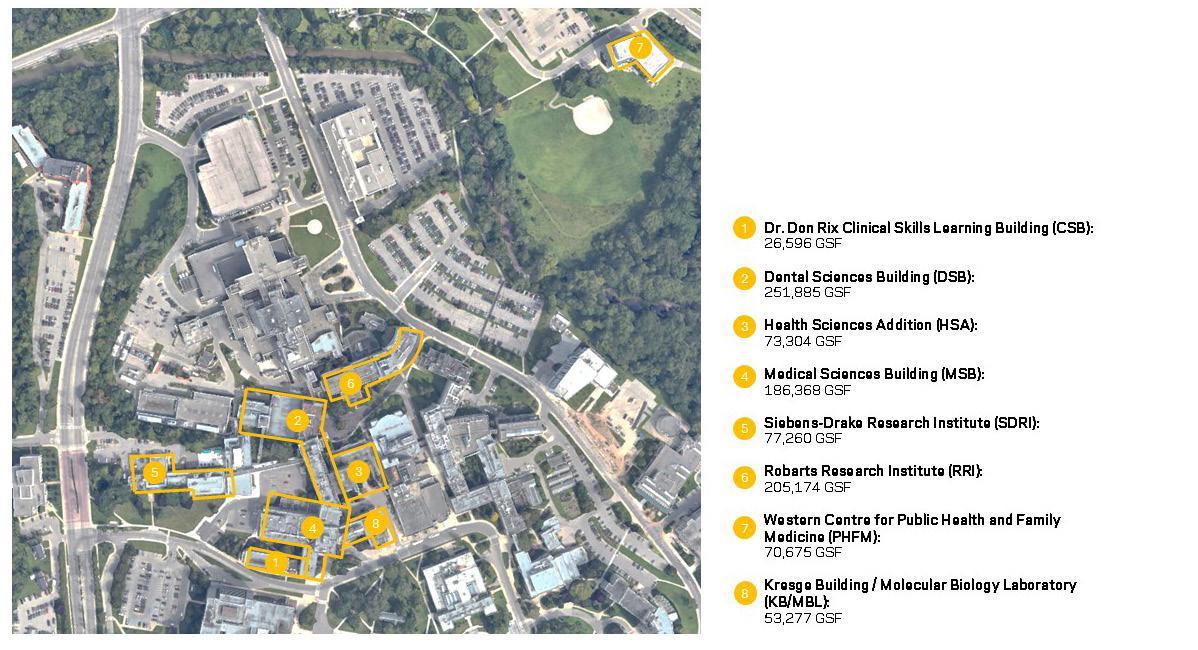
This Space Utilization + Optimization Study aims to analyze and optimize existing facilities while planning for future growth and development across multiple buildings within the medical and dental campus. The study presents a high level roadmap for a phased approach to renovation, consolidation, and new construction that aligns with the institution's strategic goals for healthcare education, research, and innovation. The study was developed through collaboration between Western University, Facilities and Planning, aTRR, and HOK. Input was gathered from faculty, staff, students, and key stakeholders through workshops, surveys, and on-site engagements.
The study looked at eight Health and Medicine facilities, totaling 2.7million sq. ft. of area distributed between the buildings. This study did not include room by room investigation, but focused on strategic consolidation, prioritizing growth and co-location of like spaces for improved flow, throughput and functionality.
Established in this study are the guiding principles, functional imperatives, and key criteria, opportunities, and constraints for the Schulich School of Medicine and Dentistry. The plan addresses adjacency misalignments, deficiencies, and functional needs and accommodates the student and faculty population growth projections in alignment with strategic goals and guiding principles established during the workshops.
This study lays the foundation for a transformative future, positioning Schulich School of Medicine + Dentistry as a global leader in healthcare education and research innovation.
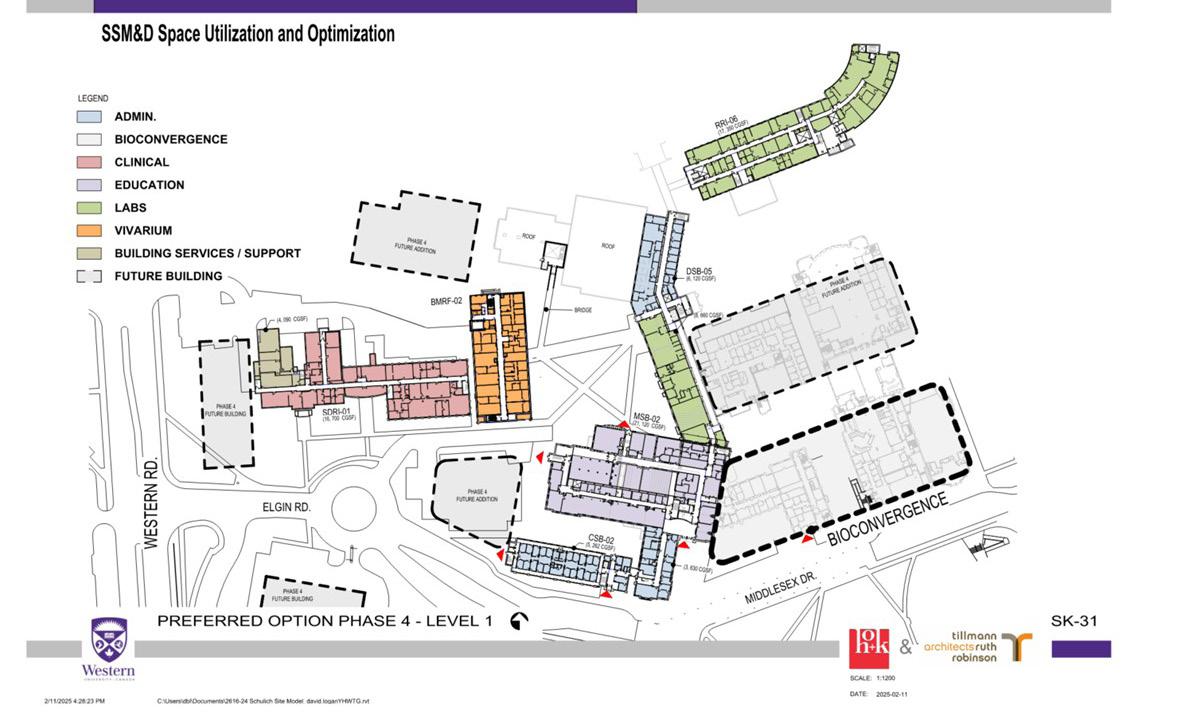
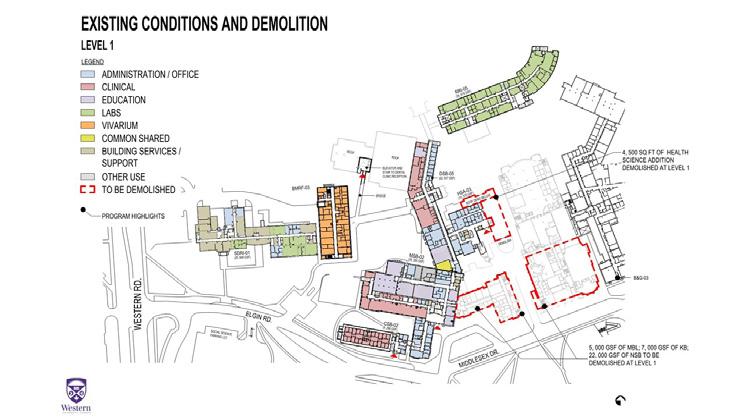
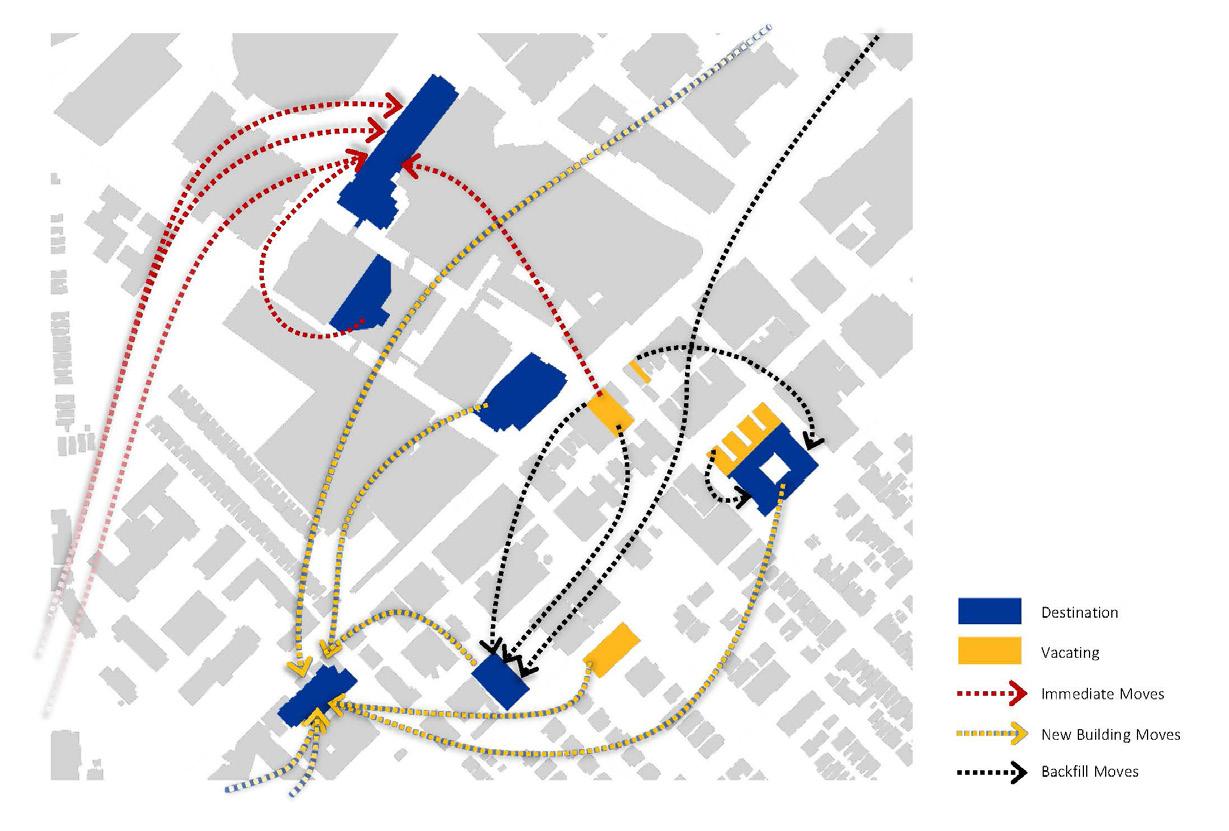
Phase 1: Immediate interventions including Bioconvergence initiatives and modernization of existing research spaces.
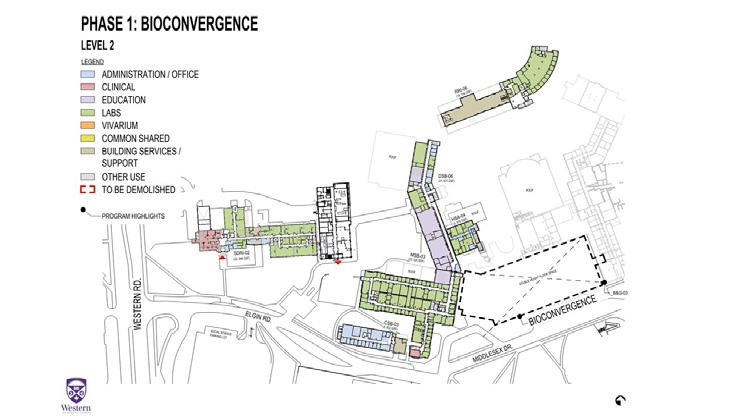
Phase 2: Expansion of teaching labs, administrative consolidation, and research hubs
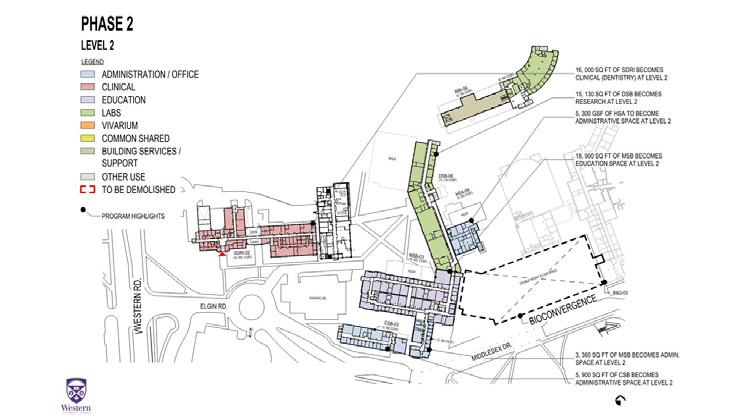
Phase 3: Further integration of flexible learning spaces, interdisciplinary hubs, and student collaboration areas.
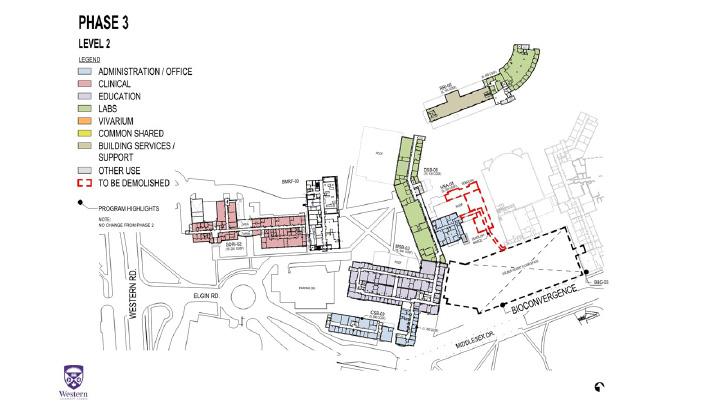
Phase 4: Long-term vision, including new construction and large-scale renovations to future-proof Schulich’s facilities.
The study underscored the need for a holistic transformation of Schulich’s physical and operational framework. Recommendations included:
• Enhanced Learning Environments: Introducing flexible, technology-enabled classrooms and simulation labs.
• Increased Collaboration Spaces: Establishing communal areas for interdisciplinary research and student engagement.
• Inclusive Design: Incorporating eco-friendly materials, improved ventilation, and accessible spaces.
• Strategic Growth & Development: Aligning infrastructure investments with projected enrollment and research needs.
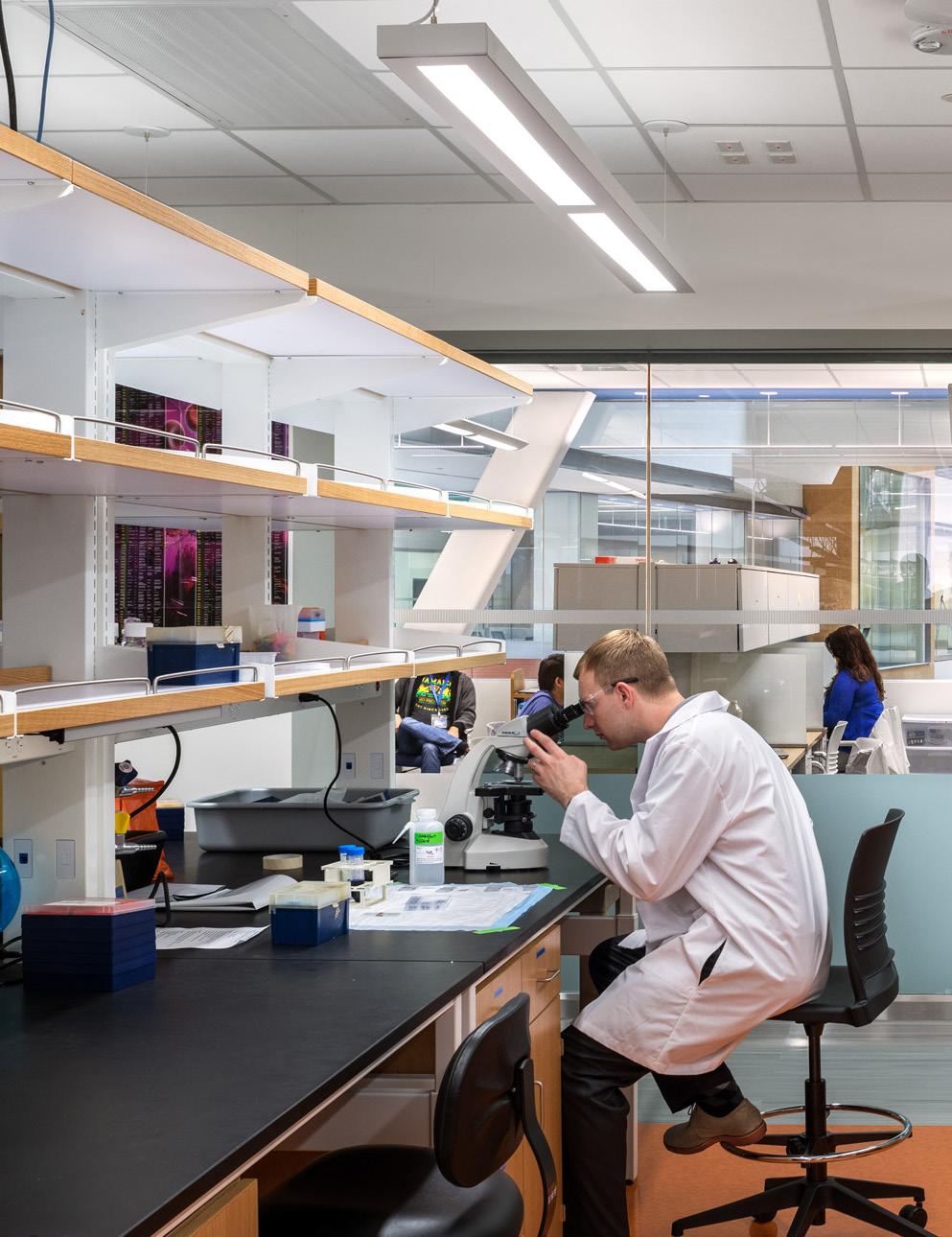
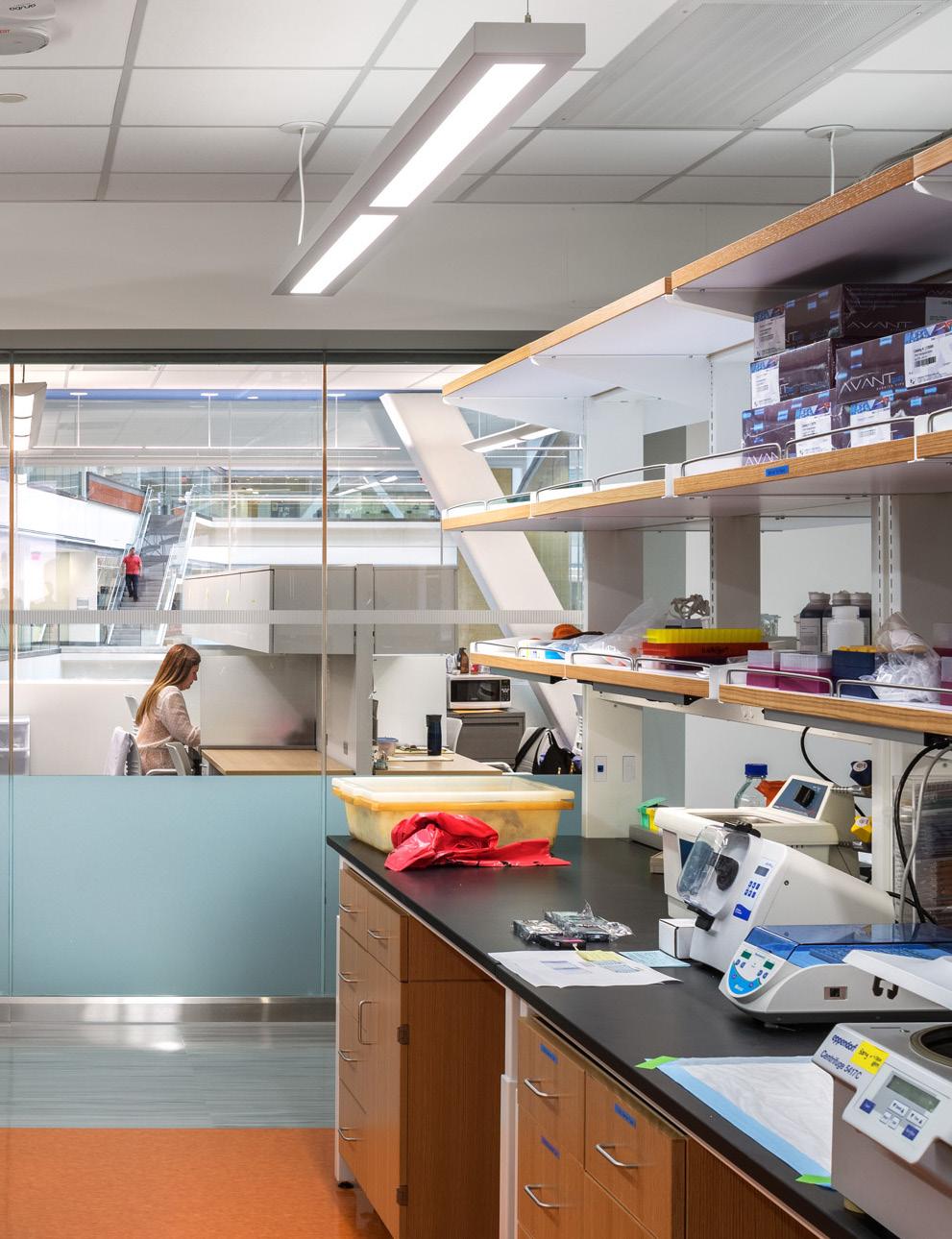
The model of health science is changing from a focus on treatment of disease to a focus on health. And the interdisciplinary model for education, research, and the practice of medicine is at the forefront of planning and design for health sciences.
Evolving trends in medicine and treatment, including translational medicine, genomic medicine and research, proteomics, and evolving patient-centered care models are shaping today’s academic medical centers.


Pittsburgh, Pennsylvania
As a key part of an ambitious expansion plan, UPMC's Mercy Pavilion in Pittsburgh’s Uptown neighborhood is now bringing clinicians, researchers, educators and industry partners together to accelerate the process of translating research into innovative treatments for visually impaired patients.
SIZE
410,000 sq. ft.
SERVICES
Architecture, Medical Planning, Laboratory Planning (with Jacobs), Interiors, Landscape Architecture,Sustainable Design
INNOVATIVE FEATURES
• Chris Downey, one of the world’s few practicing blind architects, contributed to the design team’s strategies that help eye patients navigate through the building.
• An outdoor Rehabilitation Garden garden offers patients a safe and healing environment in which to prepare for real-life experiences.
• The building supports all the missions of an Academic Health Center, and the design includes a Collaboration Stair, linking Research, Clinical Trials and Education/Conference spaces.


Atlanta, Georgia
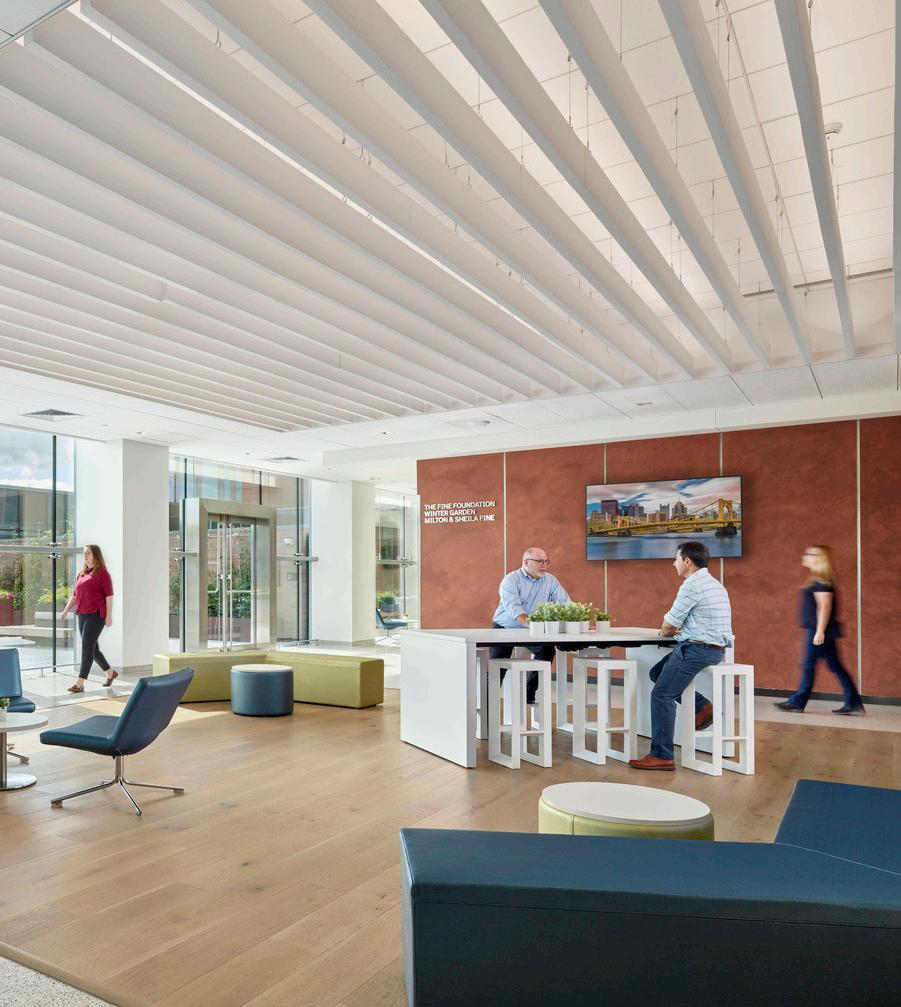
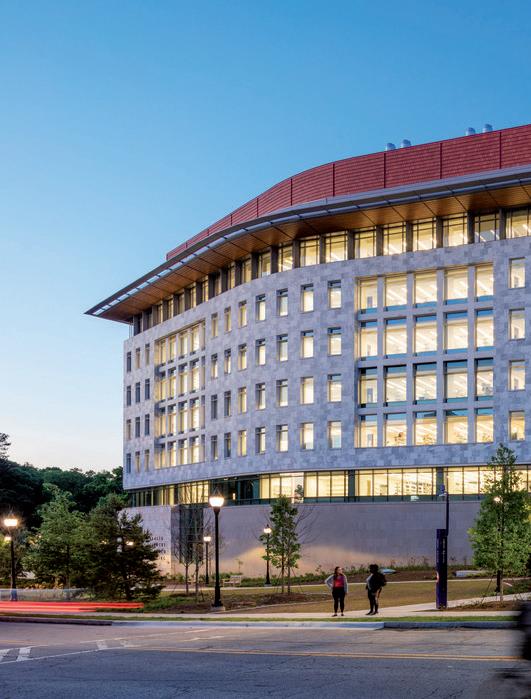
The Health Science Research Building - Phase II (HSRB-II) is a brand new collaborative center for innovative translational research, which, along with the existing HSRB-I, builds on the Emory legacy while also creating an innovation hub and connector to the rest of Emory’s research campus.
SIZE
350,000 sq. ft.
SERVICES
Architecture, Laboratory Planning (in conjunction with Jacobs), Engineering, Health + Well-Being, Interiors, Landscape Architecture, Regenerative Design, Sustainable Design
INNOVATIVE FEATURES
• An Innovation Lab accelerates the development of basic discoveries into clinical and health system technologies and includes space for entrepreneurship support, spin in/out labs and novel platform research.
• The Center for Systems Imaging Core serves both human research and animal research imaging, with modalities that include: PET/CT Scanner Suite, 3T and 7 TMRI Scanner Suites as well as Mock MRI Scanner Suite to use in training/education.
• The design puts an emphasis on strengthening the social and research collaboration between the PI community and graduate staff, promoting a sharing of ideas and strategies to strengthen Emory’s goal of global research impact.


Palo Alto, California
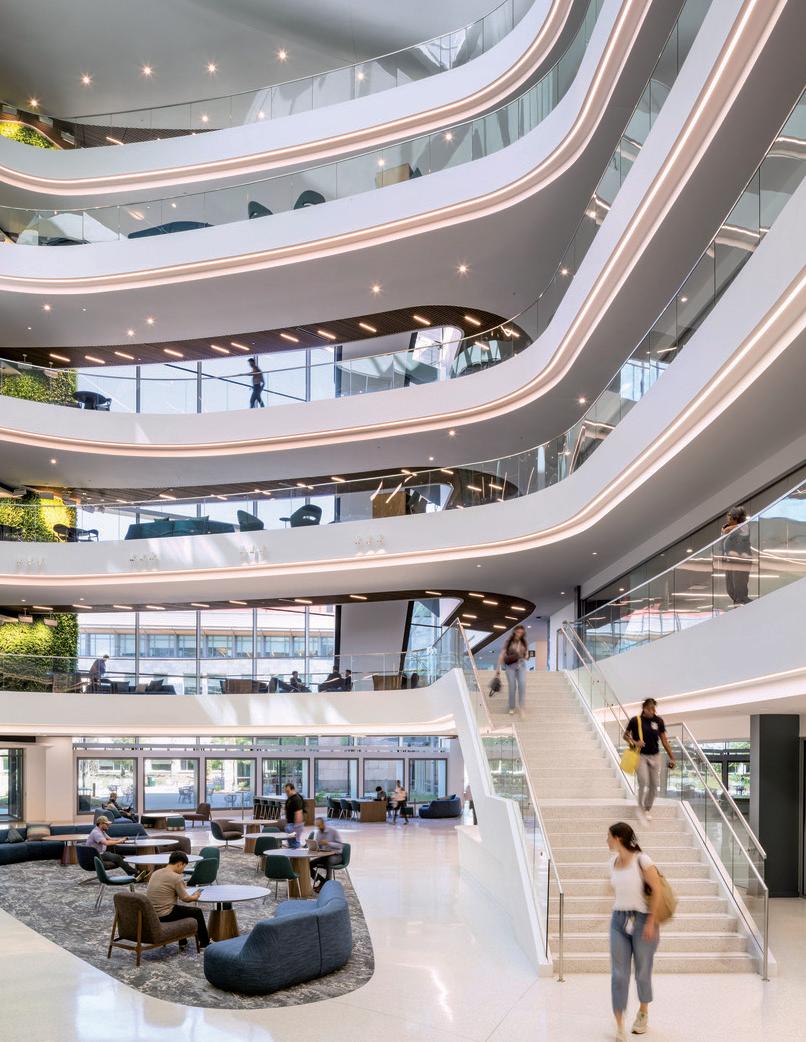
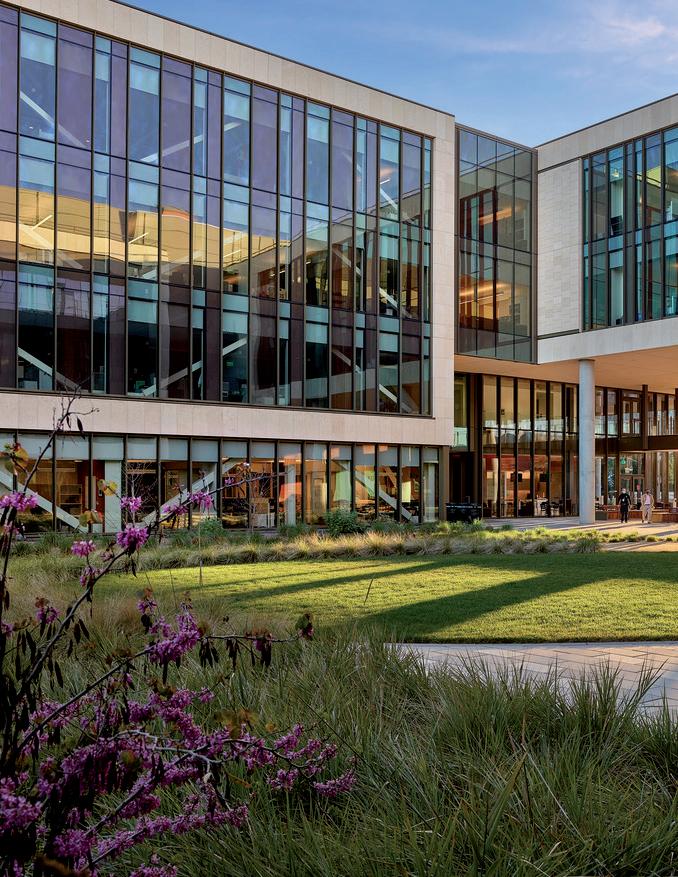
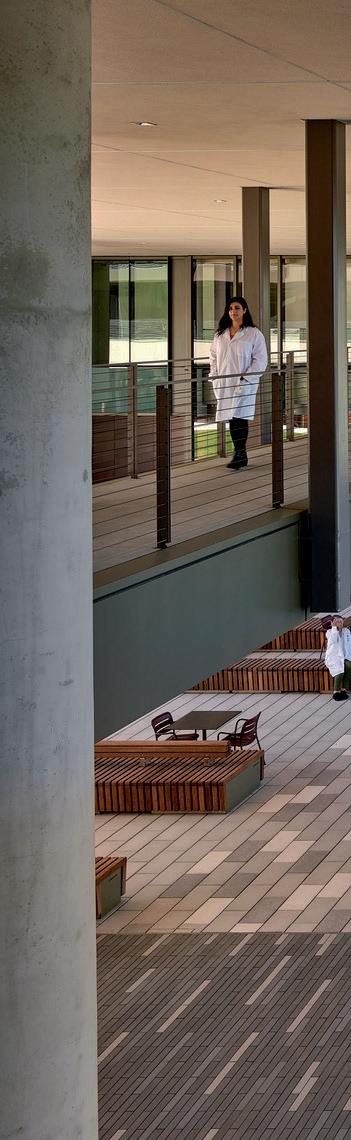
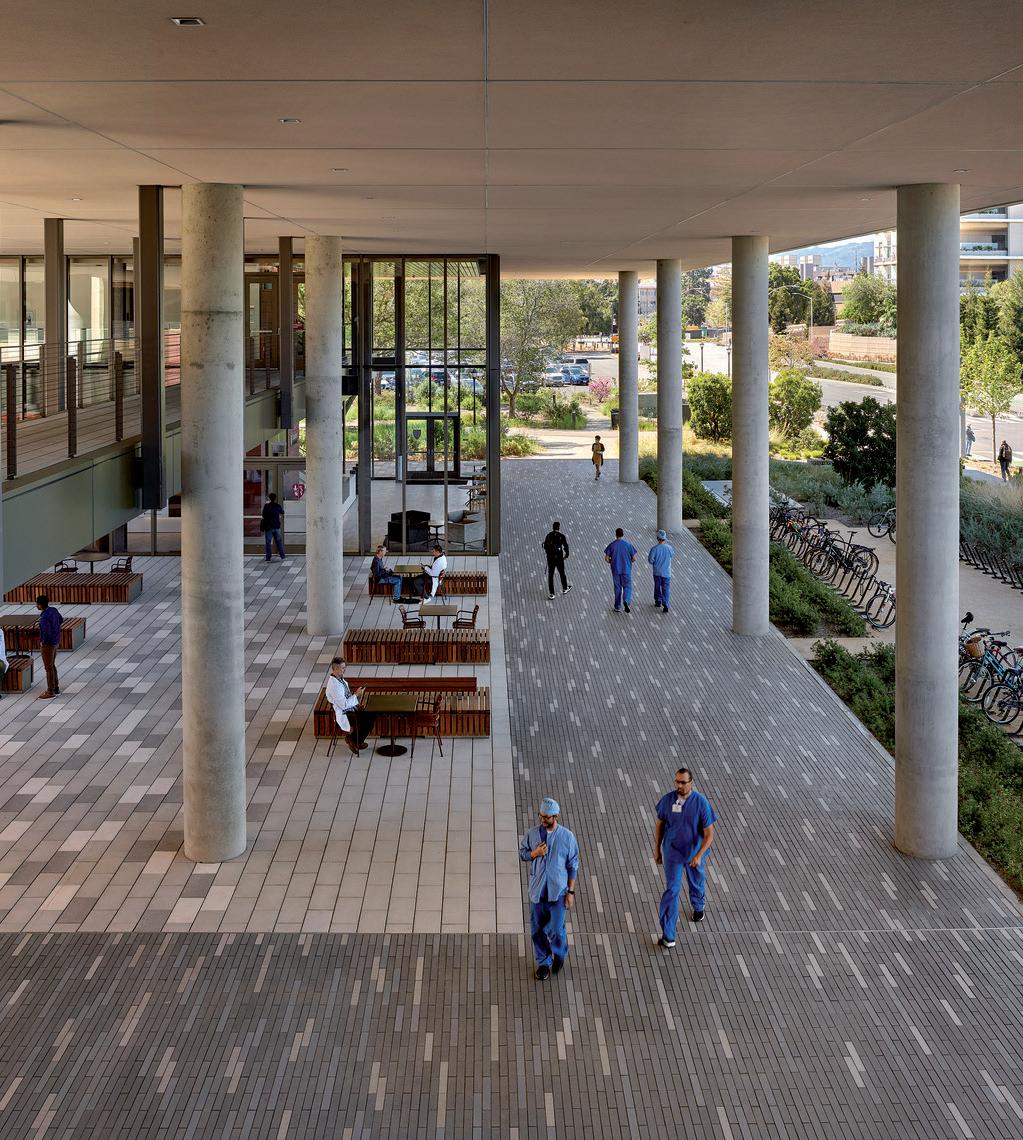
The Center for Academic Medicine (CAM) at Stanford University School of Medicine is the new home for the School’s medical education faculty - providing the “Clinical Educators” with innovative spaces for collaboration, the essential tools, and support infrastructure to continue their successful contributions to medical education. With a focus on placemaking, this new building emphasizes the front door to the CAM and an understanding of its relationship to subsequent phases.
SIZE
180,000 sq. ft.
SERVICES
Programming, Planning, Architecture, Interiors, Structural Engineering, MEP Engineering, Landscape Architecture, Sustainable Design
INNOVATIVE FEATURES
• Creating a heart and home for the faculty and other users, the design fosters neighborhoods within the workplace environment and establishes a physical connection to the arboretum, other SoM facilities and the extended campus community.
• The design considers levels of future flexibility and change for evolving uses, users, demographics and amenities over time. It emphasizes shared space as it relates to interaction, collaboration and meeting space.
HOK has extensive experience with facility planning and design at Academic Centers and for independent institutions that support Medical or Health Sciences Education.
Baylor College of Medicine
Cedars-Sinai Medical Center
Charles R. Drew University of Medicine and Science
Cleveland Clinic
Emory University School of Medicine
Florida International University
Florida State University College of Medicine
Geisinger Commonwealth School of Medicine
Hospitals of the University of Pennsylvania-Penn
Presbyterian
IU Health
Mayo Clinic
MD Anderson Cancer Center
Medical College of Georgia at Augusta University
Medical College of Wisconsin
Medical University of South Carolina
Mount Sinai/Icahn School of Medicine
New York-Presbyterian Hospital
Northwestern University Feinberg School of Medicine
NYU Langone Hospitals
Penn Medicine – Princeton Medical Center
Rowan University / Rutgers-Camden Joint Health Sciences Center
Rutgers Cancer Institute of New Jersey
Rush University Medical Center
Southern Illinois University at Edwardsville
Stanford Health Care-Stanford Hospital
Stanford University School of Medicine
The Ohio State University
The Rockefeller University
UCLA Medical Center
UCSF Medical Center
University at Buffalo School of Medicine
University of Alberta
University of Central Florida College of Medicine
University of Colorado Health
University of Colorado, Colorado State
University of Florida
University of Kansas Medical Center
University of Kentucky
University of Maryland, Baltimore
University of Miami
University of Michigan Hospitals – Michigan Medicine
University of Nebraska Medical Center
University of Pennsylvania
University of Pittsburgh Medical Center
University of South Florida Morsani College of Medicine
University of Tennessee, Chattanooga
University of Tennessee, Health Science Center
University of Tennessee, Knoxville
University of Texas at Austin
University of Texas at San Antonio Health Science Center
University of Texas Medical Branch
University of Wisconsin-Madison Wisconsin
Washington University/BJC HealthCare
Western University Schulich School of Medicine
ELIZABETH VAN DERBECK
Senior Principal | Director of Business Development t +1 678 954 8972 m +1 404 428 4371 elizabeth.vanderbeck@hok.com
HOK
1197 Peachtree Street NE, Building 300, Suite 300 | Atlanta, GA 30361 USA
TIM O'CONNELL
Senior Principal | Director of Science + Technology +1 202 944 1456 m +1 202 509 1817 tim.oconnell@hok.com
HOK
Canal House, 3223 Grace Street NW | Washington, DC 20007 USA