CULTIVATE
SAN ANTONIO


pring Grow-a-thon
Measuring Sustainability and Strengthening Community

Summer Growing Tips and Tricks What to Grow

Collective Impact of Urban Agriculture on the Food Industry


pring Grow-a-thon
Measuring Sustainability and Strengthening Community
Summer Growing Tips and Tricks What to Grow
Collective Impact of Urban Agriculture on the Food Industry



















The most comprehensive list of local farms, markets, products, and services in all of San Antonio
Alamo Heights Farmers Market alamoheightsfm com 210-367-4673
255 E Basse Rd Suite 130 San Antonio, TX 78209
Alamo Ranch Farm Market
wwwalamoranchfarmmarket 210-446-0099
Bandera Farmers Market
https://wwwfacebookcom/ BanderaFarmersMarket/ 740-563-2274
415 Main Street, Bandera, TX 78003
Bulverde Market wwwbulverdemarketdaycom 361-945-4778
2541 Bulverde Road Bulverde, TX 78163
Cibolo Grange Farmers & Artisans Market
wwwfacebookcom/ CiboloGrangeFarmersMarket/ 210-249-6822
413 N Main St, Cibolo, TX 78108
The Market at Shavano Park wwwbeeswellnesscafecom/ the-market-at-shavano-park (210) 799-0176
900 Saddletree Ct, San Antonio TX 78231
The Farm Connection www thefarmconnection org 210-674-2642
San Antonio - near 1604 & Redland San Antonio - near Bandera Rd & Mainland Dr Boerne - near Exit 542 off I-10
Farmers Market at Herff Farm
https://ciboloorg/locations/ herff-farm/ 830-249-4616
33 Herff Rd Boerne, TX 78006
9 Garden Ridge Market
wwwgardenridgemarketdayscom 602-920-9301
19185 FM-2252
Garden Ridge, TX 78226
12.
Helotes Area Farmers Market 210-420-4802
14391 Old Bandera Rd Helotes, TX 78203
La Vernia Market Days at City Park https://laverniamarketday scom/ 713-487-7171
221 San Antonio Rd La Vernia, Texas 78121
Local Sprout www localsprout com 603-759-9781
503 Chestnut St San Antonio, TX 78202
13 New Braunfels Farmers Market
www nbfarmersmarket com 830-629-2223
186 S Castell Ave New Braunfels, TX 78130
Pearl Farmers Market atpearl com/weekend-market 210-212-7260
312 Pearl Pkwy San Antonio, TX 78215
San Antonio Farmers Market Association (multiple locations) sanantoniofarmersmarketorg 210-204-7939
6427 Evers Rd, Leon Valley, TX 78238
100 Jackson Keller Rd, San Antonio, TX 78216
San Antonio Food Bank (multiple locations) safoodbankorg/farmersmarkets (210) 431-8326
5200 Enrique M Barrera Pkwy San Antonio, TX 78227
17. St. Paul. Community Market https://saintpaulsaorg/community -market-days 210-733-7152
1201 Donaldson info@saintpaulsaorg
Behind the Oaks Farms www behindtheoaksfarm com 210-793-1027 Greaves Ln Schertz, TX 78154
Braune Farms www braunefarmsfreshproduce com 830-643-9974
1300 Link Rd Seguin, TX 78155
Brehm Farms brehmfarmscom
210-771-3147
8990 Hildebrandt Rd San Antonio, TX 78222
Garcia Street Urban Farm
www instagram com/garciastreetfarm 210-486-0417
218 Garcia St San Antonio, TX 78203
Granieri Family Farm
210-333-5184
3851 Roland Rd San Antonio, TX 78222
6. Green Bexar Farm
www greenbexarfarm com 512-216-0033
14997 FM 1346 Saint Hedwig, TX 78152
Bexar County AgriLife
Urban Farm https://bexartxtamuedu/contact/ 210-213-8175 1615 Sherman, San Antonio, TX 78202
The Green Microstead www thegreenmicrostead com 210-501-2185 thegreenmicrostead@gmail com
9. The Betsy Blue Farm
https://thebetsybluefarmcom/co ntact-us/ 512-585-9547
6312 FM471, San Antonio, TX 78253
Miller Farms Raw Milk millerfarmsrawmilkcom 210-508-1733
12730 FM 471 Lacoste, TX 78039
Miss Scarlett’s Texas Homegrown facebookcom/MissScarlettsTe x asHome Grown (210) 995-9553
30315 Bartels Rd Bulverde TX 78163
MT Rabbitry & Poultry Farm sanantoniorabbitsandchickens com 210-827-4686
1610 Co Rd 5714 Natalia, TX 78059
Parker Creek Ranch parkercreekranchcom mail@parkercreekranchcom
2956 FM 2200 D’Hanis, TX 78850
Peeler Farms www.peelerfarmstx.com 210-551-5828
2579 FM539, Floresville, TX 78114
R Farm
https://wwwfacebookcom/C hicksChickensDucks/ 210-800-4695
1041 FM2537 San Antonio TX 78221
Rising Kale Farms www risingkalefarms com 210-843-1962
2230 Well Rd Marion TX 78124
17. Southwest Farms https://wwwsouthwestfar mstxcom/ 735 County Road 6712 Natalia, TX 78059
18. Talking Tree Farm https://wwwfacebookco m/Talkingtreefarmpermac ulture/
6250 Pfeil Rd Schertz, TX 78154
1. Accent Plant Interior
210-648-1303
2700 SE Loop 410 San Antonio, TX 78222
Evergreen Garden Center
www evergreengardentx com
210-735-0669
922 W Hildebrand Ave San Antonio, TX 78222
Fanick’s Nursery
www fanicknursery com
210-648-1303
1025 Holmgreen Rd, San Antonio, TX 78220
The Garden Center
wwwthegardencentercom
210- 647-7900
10682 Bandera Rd, San Antonio, TX 78250
The Green Gate Nursery Center
830-372-4060
990 S N Hwy 123 Bypass Seguin, TX 78155
Milberger’s Nursery
www milbergernursery com
210-497-3760
3920 N Loop 1604 E San Antonio, TX 78247
Nature’s Herb Farm naturesherbfarms com
210-688-9421
7193 Old Talley Rd #7 San Antonio, TX 78253
Para Para Plants 210-709-6450
232 Kathy Dr , San Antonio, TX 78223
Peterson Brothers Nursery https://wwwgrowpeterson com/ 210-333-6971
1630 Creekview Dr San Antonio, TX 78219
Rainbow Gardens
wwwrainbowgardens biz 210-680-2394 8516 Bandera Rd San Antonio, TX 78250
(210) 307-0841
285 W Quill Dr , San Antonio, TX 78228
Shades of Green
www shadesofgreen com 210-824-3772
334 W Sunset Rd San Antonio, TX 78209
BULK MATERIALS
1 Adam’s Wholesale Supply
www adamssupplyinc com
210-822-3141
1434 E Bitters Rd San Antonio, TX 78216
Adkins Materials adkinsmaterials com
210-649-3836
10966 US Hwy 87 E Adkins TX 78101
Barrels for Sale
barrelsforsale net
559-997-3682
2610 S East Loop 410 San Antonio, TX 78222
Bitters Recycling Center (Mulch & Compost) 210-207-6428
1800 Wurzbach Pkwy, San Antonio, TX 78216
Buckhorn Soil & Stone buckhornsoilandstone net 210-695-1911
10685 W Loop 1604 N San Antonio, TX 78254
Dabco Stone & Soil dabcomaterials com 210-426-6160
12625 S Zarzamora St San Antonio, TX 78224
Ewing Irrigation (multiple locations)
www ewingoutdoorsupply com 210-828-9530
1041 N Interstate 35 San Antonio, TX 78233
5826 Hawk Springs, San Antonio, TX 78249
Gardenville (multiple locations)
www garden-ville com 210-404-1187 11601
Starcrest Dr San Antonio, 78247
Gretchen’s Bee Ranch https://wwwthebeeswa xdepartmentcom/ 830-305-7925
2745 W Kingsbury St Seguin, TX 78155
Burning Bush
wwwburningbushsacom 210-900-2874
10020 FM1560, San Antonio, TX 78254
Landscape Solutions and Nursery soil4sale com
830-985-3747
3059 US-90 Castroville TX 78009
Earth
www newearthcompost com
210-661-5180
7800 I-10 East San Antonio, TX 78219
Tank Depot wwwtank-depotcom 210-791-7201
2702 S East Loop 410 San Antonio, TX 78222
Texas Soil and Stone texassoilandstone com
210-497-1777
26950 Bulverde Rd
San Antonio TX 78260
https://www compostqueenstx com
210-640-9468
Two Hoes Gardening twohoesgardening com
210-414-8660
The Landscape Cooperative
wwwLandscapeCooperativeco
m 210-988-8290
Uprooted Gardens uprootedgardens com
210-842-5613
1 Bexar County Master Gardeners /Agrilife Extension
bexar-tx tamu/edu
210-631-0400
3355 Cherry Ridge #212 San Antonio, TX 78230
Central Texas Mycological Society
centraltexasmycology com info@centraltexasmycology org
Circle Acres Nature Preserve Grove Blvd Austin, TX 78741
Central Texas Young Farmers Coalition
centraltexasyoungfarmers org info@centraltexasyoungfarmers org
Cibolo Creek Nature Center & Farm
Cibolo org
830-249-4616
140 City Park Rd Boerne, TX 78006
Eco Centro ecocentrosatx org
210-486-0417
1802 N Main Ave
San Antonio TX 78212
Festival of Flowers safestivalofflowers com 210-380-3532 1330 N New Braunfels San Antonio TX 78209
Food Policy Council foodpolicysa org
210-365-7175
18202 Main Ave
San Antonio, TX 78212
Garden Volunteers of South Texas
gardeningvolunteers org 210-251-8101
1254 Austin Hwy
San Antonio, TX 78209
Gardopia Gardens gardopiagardens org 210-478-7292
619 N New Braunfels San Antonio TX 78202
Green Space Alliance greensatx org 210-2228430 108 E Mistletoe Ave
San Antonio, TX 78212
National Center for Appro priate
Technology ncat org 210-2653905 118 Broadway San Antonio, TX 78230
Native Plant Society of Texas npsot org/wp/sanantonio npsot sanantonio@gmail com
2809 Broadway
San Antonio, TX 78209
Palo Alto College alamo edu/pac
210-486-3000
1400 W Villaret Blvd
San Antonio, TX
San Antonio Botanical Gardens sabot org
210-536-1400
555 Funston Pl San Antonio, TX 78209
San Antonio Herb Market Association sanantonioherbmarket com 866-923-2226
San Antonio Seed Exchange Library facebook
San Antonio Stockshow and Rodeo sarodeo com
210-225-5851
723 AT&T Parkway San Antonio, TX 78219
San Antonio Water System sawsorg
210-704-7297 2800 US-281 San Antonio TX 78212
Sowing Strength
sowingstrengthsatx wixsite com / sowing Strength-satx 318426-6109
Texas Nursery and Landscape Association tnlaonline org grow@uprootedgardens com
Yanwana Herbolarios Yanawanaherbolarios org
210-872-8005
& SEED
Alamo Feed
210-733-8211
2230 Blanco Rd
San Antonio, TX 78212
Bulverde Feed bulverdefeed com
830-438-3252
29110 US-281
Bulverde TX 78163
David’s Garden Seeds davids-garden-seeds-and-prod ucts
com
davidsgardenseeds@outlook com
5029 FM 2054 Poteet, TX 78065
Locke Hill Feed lockehill com
210-691-2351 4927 Golden Quail Ste 105 San Antonio TX 78240
King Seed Co dkseeds com
210-661-4191
4627 Emil St San Antonio, TX 78219
Mini Ranch Feed miniranchfeedstore com
210-628-1535 10103 Moursund Blvd San Antonio TX 78221
Moore’s Feed mooresfeedandseedstore com
210-532-6328 3721 Flores St San Antonio, TX 78214
New Braunfels Feed nbfeed com
830-625-7250
810 TX-337 Loop
New Braunfels, TX 78130
Ramirez Feed ramirez-feed-store edan io 210-977-8993
3819 Nogalitos St
San Antonio, TX 78211
10. Rudy’s Feed rudysfeedstore com
210-223-2832
1801 Nogalitos St San Antonio, TX 78225
St. Hedwig Feed sthedwigfeed com
210-667-1346
540 E FM 1518 S St Hedwig, TX 78152
Strutty’s Feed struttys com
830-981-2258
28630 IH 10 Frontage Rd
Boerne, TX 78006
Wildseed Farms wildseedfarms com
830-990-1393
100 Legacy Dr Fredericksburg, TX 78264
Alamo Heights Community Garden
403 Ogden Ln
San Antonio, TX 78209
Beacon Hill Community Garden
1133 W Gramercy Pl San Antonio, TX 78201
Bethany Community Garden
500 Pilgrim Dr
San Antonio, TX 78210
Blessed Sacrament Academy
Early Learning
Sensory Garden
1135 Misson Rd
San Antonio, TX 78210
Cable Elementary Commu nity Garden
1706 Pinn Rd
San Antonio, TX 78227
CIELO Community Garden
10226 Ironside Dr
San Antonio, TX 78230
The Circle School Just Love Garden
217 Pershing Ave
San Antonio, TX 78209

Collins Community Garden
200 N Park Blvd
San Antonio TX 78204
Dellview Community Garden
1902 Vance Jackson Rd
San Antonio, TX 78213
Denver Heights Community Garden
300 Porter St
San Antonio TX 78210
Doral Club Community Garden
7750 Culebra Rd
San Antonio, TX 78251
Eastside Sprouts/Ella
Austin Community Garden
1023 N Pine St
San Antonio, TX 78202
Eco Centro Community Garden
1802 N Main Ave
San Antonio, TX 78212
El Dorado Community Garden
2606 Prima Vista St
San Antonio, TX 78233
Garcia Street Urban Farm
218 Garcia St
San Antonio, TX 78203
Garden of Hope Therapy Garden
2303 SE Military Dr
San Antonio, TX 78233
Gardens of St Therese
906 Kentucky Ave
San Antonio, TX 78201
Gardopia Gardens
619 N New Braunfels Ave
San Antonio, TX 78202
Gilbert Elementary Community Garden
931 E Southcross Blvd
San Antonio, TX 78214
Green Bridges Community Youth Garden
4114 SW Loop 410
San Antonio, TX 78227
High Country Community Garden
16418 Cypress Park St
San Antonio TX 78247
International Community Garden
4242 Bluemel Rd
San Antonio, TX 78240
Jardín de la Esperanza
2806 W Salinas, San Antonio TX 78207
Jardín del Barrio
2121 SW 36th St
San Antonio, TX 78237
Green Space Alliance of South Texas (210)-222-8430
108 E Mistletoe Ave
San Antonio TX 78212
Jefferson Community Garden
2350 W Gramercy Pl
San Antonio, TX 78201
Labor Serena Community Garden
1246 Chalmers Ave
San Antonio, TX 78211
Lakeview Community Garden
1202 Plaza Lake Dr
San Antonio, TX 78245
Landa Library Gardens
233 Bushnell Ave
San Antonio TX 78212
Mahncke Park Community Garden
330 Funston Pl
San Antonio, TX 78209
Mainland Square Commu nity Garden
Mainland Sq & Pavilion Pl
San Antonio TX 78250
Mission Library Community Garden
3134 Roosevelt Ave
San Antonio, TX 78214
Oblate School of Theology Gardens
285 Oblate Dr
San Antonio, TX 78216
Olmos Park Terrace Community
Garden 201 W Mandalay Dr
San Antonio, TX 78212
Pittman-Sullivan Community Garden
Dakota St & S Palmetto Ave
San Antonio, TX 78208
Reconciliation Oaks Community
Garden8900 Starcrest Dr
San Antonio TX 78217
River Road Community Garden
E Huisache Ave & Allison Rd
San Antonio, TX 78212
Roosevelt Justice Community Garden
Mitchell St & Mission Rd
San Antonio TX 78210
Roots of Change Community Garden
1416 E Commerce St
San Antonio, TX 78205
Southtown Community Garden
1012 S Presa St
San Antonio, TX 78210
Spicewood Elementary Community Garden
11303 Tilson Dr
San Antonio, TX 78224
Sutton Oaks Community Garden
2818 I-35 N
San Antonio, TX 78208
Terrell Heights Community Garden
670 Greenwich Blvd
San Antonio, TX 78209
YWCA Olga Madrid Teen Garden
503 Castroville Rd San Antonio, TX 78237










D
R SEMMES SCHOOL OF SCIENCE THE BIOLOGY DEPARTMENT AND ENVIRONMENTAL STUDIES

In the heart of South Texas, amidst the bustling cities and expanding urban landscapes, the Green Spaces Alliance of South Texas emerges as a beacon of conservation and community engagement. This non-profit organization, established with the vision to protect the natural environment and promote the importance of green spaces, has been instrumental in fostering healthier, more sustainable communities through a variety of programs and initiatives.
At its core, the Green Spaces Alliance is dedicated to preserving natural areas, facilitating the creation and maintenance of community gardens, and educating the public on environmental stewardship. The organization’s efforts not only contribute to the ecological well-being of the region but also enhance the quality of life for its residents

One of the hallmark initiatives of the Green Spaces Alliance is its conservation program, which focuses on safeguarding the natural landscapes that define South Texas. Through partnerships with landowners, the organization has facilitated the creation of conservation easements, legal agreements that protect land from development and preserve its natural state for future generations This proactive approach to conservation ensures that the region’s unique biodiversity and ecosystems remain intact, serving as a refuge for wildlife and a resource for educational and recreational activities.
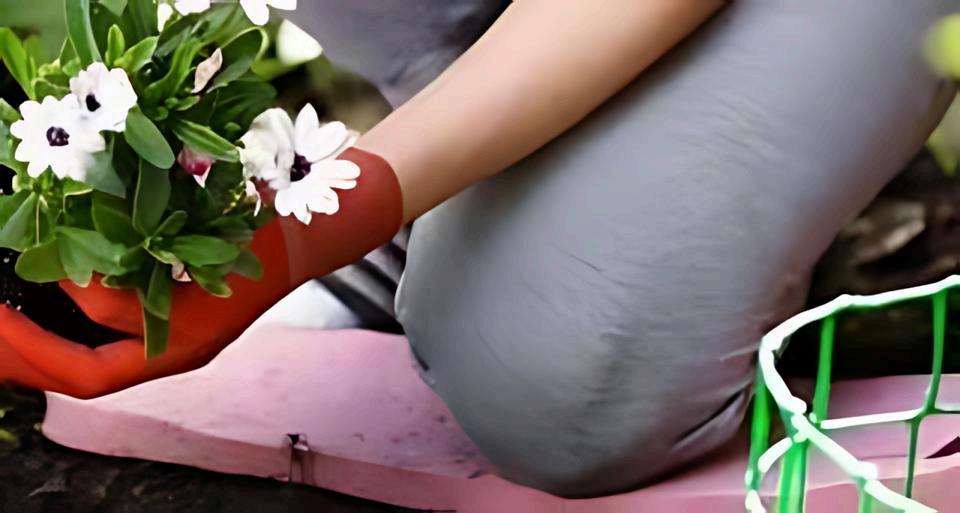
Recognizing the importance of green spaces within urban areas, the Green Spaces Alliance has been a pivotal force in the development of community gardens across South Texas. These gardens serve as vital green lungs in densely populated areas, offering residents the opportunity to engage in gardening, learn about sustainable food production, and foster a sense of community The Alliance provides resources, training, and support to community garden initiatives, empowering residents to transform vacant lots and underutilized land into thriving green spaces
Education is a cornerstone of the Green Spaces Alliance’s mission The organization offers a wide range of programs designed to raise awareness about the importance of environmental conservation and to equip individuals with the knowledge and skills needed to protect natural resources. Workshops, seminars, and field trips are just a few examples of the educational opportunities provided
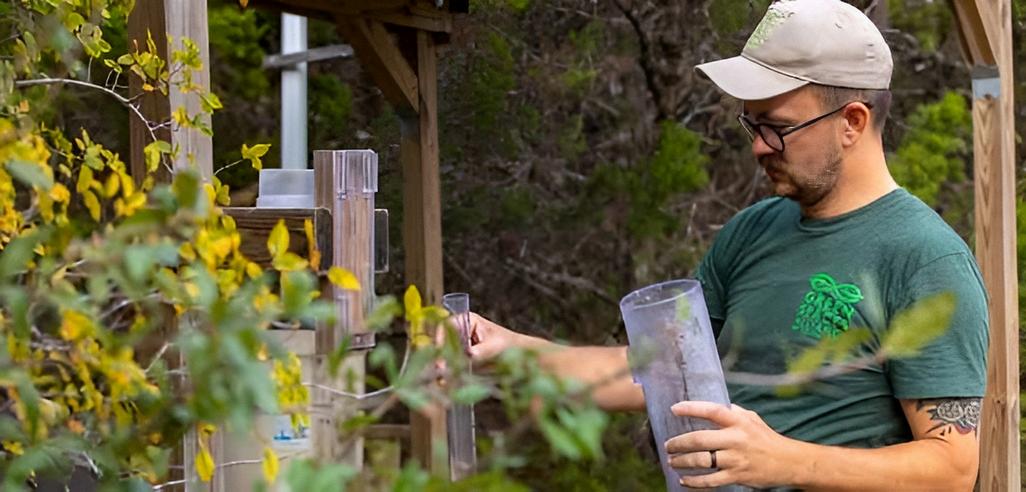
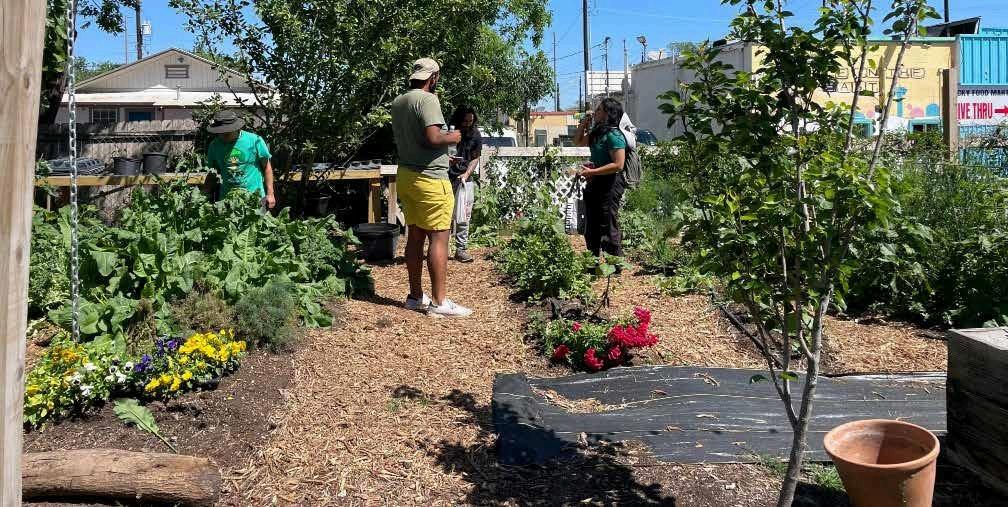
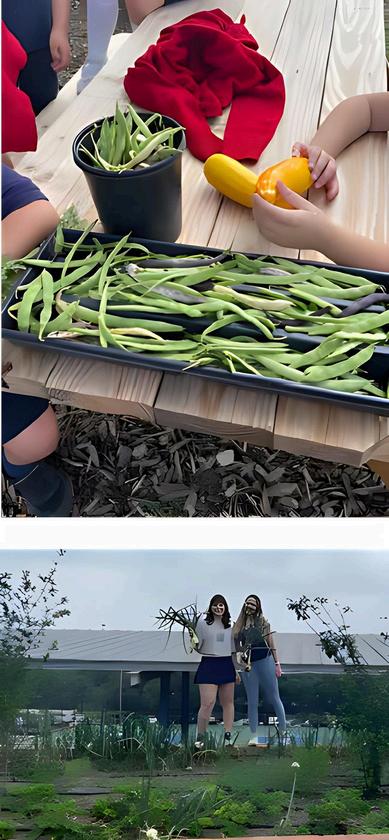
In a groundbreaking initiative to understand and improve urban food production, Gardopia Gardens is launching the Spring Grow-a-Thon, focusing on collecting crucial data on food production within San Antonio Spanning from the Spring Equinox on March 19 to the Summer Solstice on June 20, this innova- tive program aims to map out urban agriculture's capacity and challenges, contributing significantly to local food security and sustainability.
The primary goal of the Spring Grow-a-Thon is to gather comprehensive data on various aspects of food production across San Antonio By engaging local gardeners, farmers, and community members in this data collection effort, Gardopia Gardens seeks to obtain a clear picture of the city's current food production capabilities, including the volume of food grown, the methods used, and the sustainability practices in place This initiative not only highlights the importance of urban agriculture but also aims to foster a community-driven approach to address- ing food insecurity and promoting environmental stewardship.
Participants in the Grow-a-Thon are encouraged to document their gardening activities, yield outputs, and any innovative practices they employ to enhance productivity and sustainability. This can include details on composting techniques, water conserva- tion methods, pest management, and crop rotation practices, among others. Gardopia Gardens will provide resources and tools to assist participants in tracking and reporting their data accurately
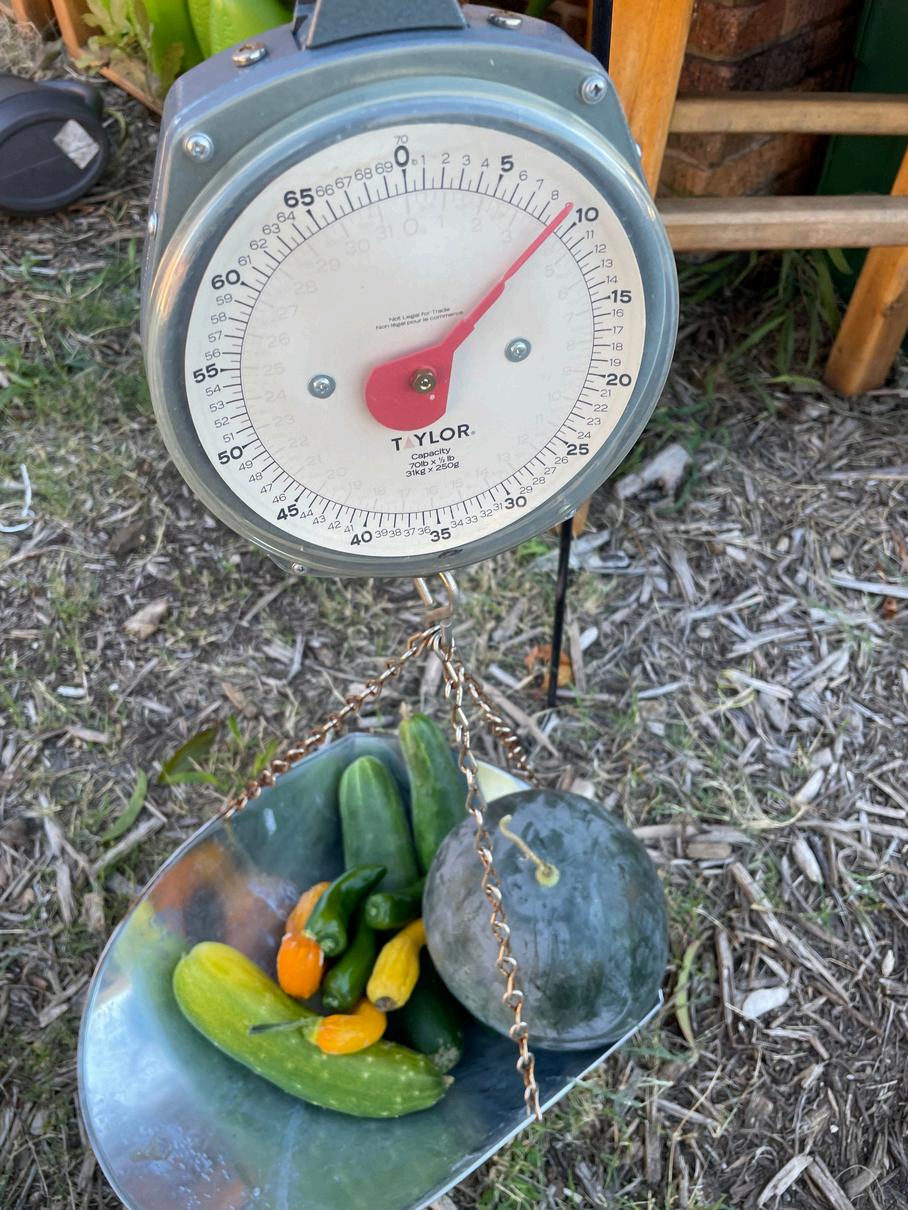
In addition to individual data collection, the program will feature collaborative events and workshops throughout the period These gatherings are designed to educate participants on best practices in urban agriculture, offer insights into sustainable food systems, and create a platform for community members to share experiences and learn from one another.
The data collected during the Spring Grow-a-Thon will serve multiple purposes Firstly, it will offer valuable insights into the potential of urban agricul- ture in San Antonio, identifying areas of strength and opportunities for improvement This information could guide policy decisions, resource allocation, and the development of support systems for local growers.
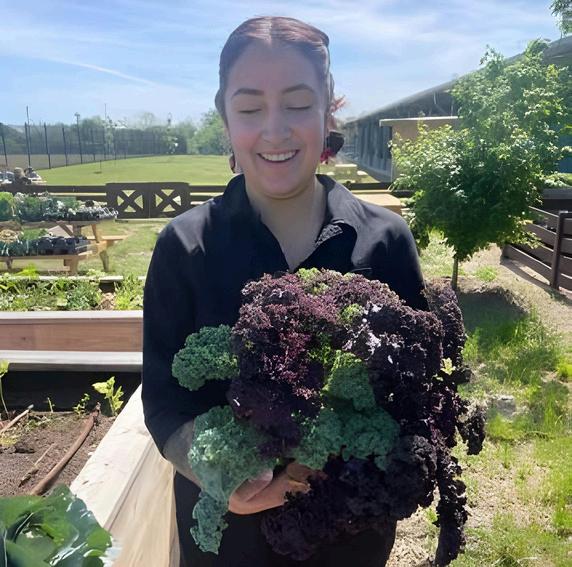
Moreover, the initiative is expected to strengthen the community of urban gardeners and farmers in San Antonio, creating a network of knowledgeable and passionate individuals committed to enhancing the city's food security and sustainability. By showcas- ing the tangible benefits of urban agriculture, the Grow-a-Thon also aims to inspire more residents to start their own gardening projects, thereby increas- ing local food production and reducing the environmental impact associated with food transport
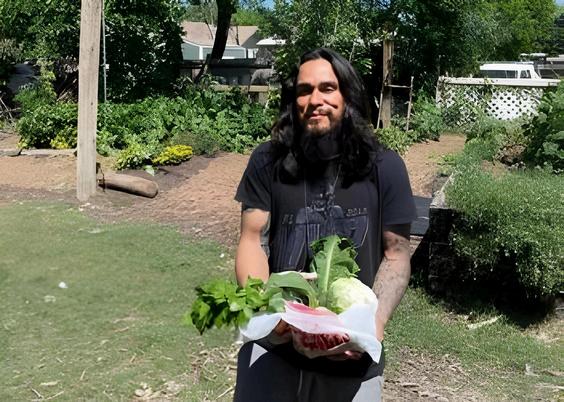
Gardopia Gardens invites all San Antonio residents to participate in this vital initiative Whether you ' re an experienced gardener or new to the concept of growing your own food, your contribution is valuable. By taking part in the Spring Grow-a-Thon, you ' re not just contributing to an important data collec- tion effort; you ' re also joining a movement towards a more sustainable, food-secure future for San Antonio
For more information on how to participate, visit Gardopia Gardens' website or contact the organization directly Let's come together this spring to cultivate change and growth, not just in our gardens, but in our community at large.
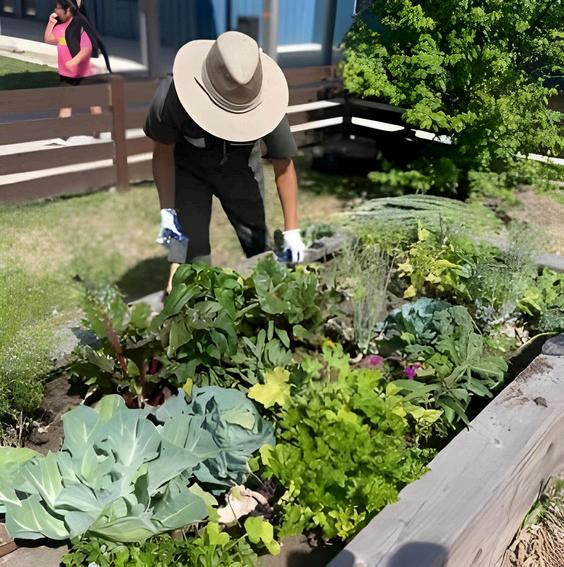



September22 September22 12pm-3pm AHealth Equity Network PopUp Market



VIRTUAL OR IN-PERSON
EVERY TUES FROM 6:00 - 7:30PM
SEPTEMBER 24 - DEC 10
619 N NEW BRAUNFELS AVE, SAN ANTONIO, TX 78202
PURCHASE ONLINE IN OUR SHOP (LINK IN BIO)





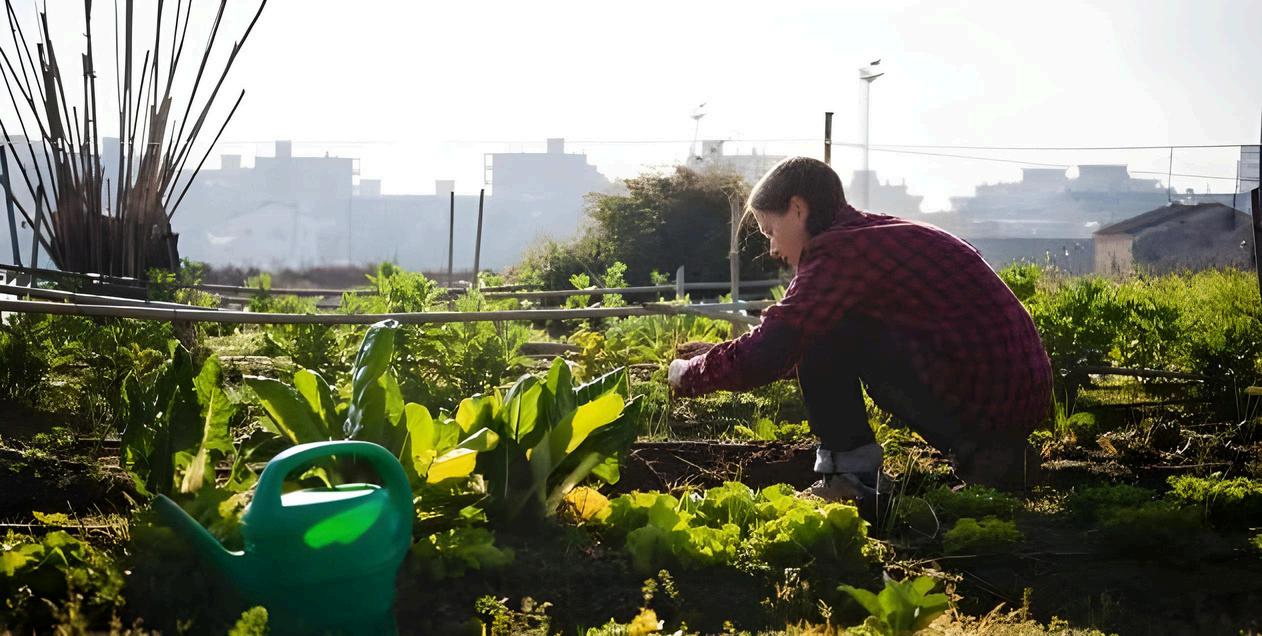
In the heart of Texas, the Bexar County Master Gardeners (BCMG) stand as a testament to the passion and dedication of individuals committed to gardening, education, and community service As a volunteerdriven, non-profit organization operating under the auspices of the Texas A&M AgriLife Extension Service, BCMG plays a crucial role in promoting sustainable gardening practices, sharing expert knowledge, and fostering a love for the earth’s natural resources among the residents of Bexar County and beyond
The Bexar County Master Gardeners were established with a vision to support the Texas A&M AgriLife Extension Service in its educational mission to bring horticultural knowledge to the public This goal is achieved through various means, including workshops, community projects, and gardening initiatives, all designed to enhance the environmental stewardship of the local community
At the core of BCMG’s mission is education Through a rigorous training program, volunteers become certified Master Gardeners, equipped with comprehensive knowledge about horticulture, sustainable gardening techniques, and environmental conservation These
volunteers, in turn, share their expertise with the community through a variety of outreach programs
One of the flagship initiatives of BCMG is their “Ask a Master Gardener” hotline, where community members can call in with their gardening questions and receive expert advice Additionally, the organization conducts seminars, workshops, and plant sales, all aimed at educating the public about the benefits of gardening and how to do it effectively and sustainably
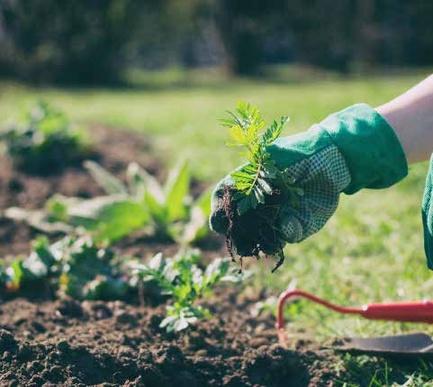
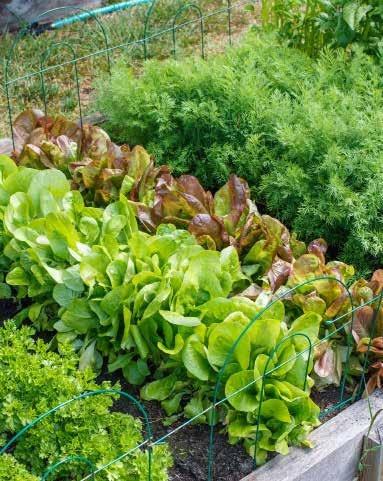
The impact of BCMG extends beyond gardens and green spaces The organization is deeply rooted in community service, with volunteers dedicating thousands of hours annually to projects that benefit schools, parks, and public institutions One notable project is the development and maintenance of demonstration gardens, which serve as living classrooms for both adults and children to learn about gardening in a hands-on environment These gardens not only teach about plant varieties and gardening techniques but also about water conservation, a critical concern in Texas By showcasing xeriscaping and other drought-tolerant gardening practices, BCMG helps the community adapt to the challenges of a changing climate
As Bexar County continues to grow, so does the importance of the Master Gardeners’ work. The organization is constantly evolving, adopting new technologies and methods to reach a wider audience and address the pressing environmental issues of our time. Whether through virtual workshops, online resources, or social media engagement, BCMG remains committed to spreading the joy of gardening and the importance of environmental stewardship
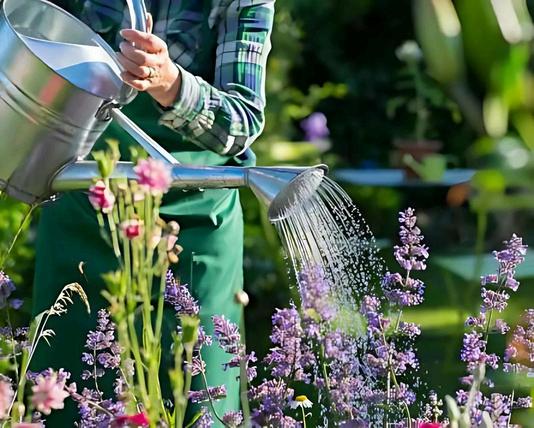
The Bexar County Master Gardeners represent the best of community spirit, combining passion for gardening with a commitment to education and service By fostering a deeper connection between people and the environment, BCMG not only beautifies landscapes but also sows the seeds of a more sustainable and united community. In the bustling urban landscape of Bexar County, the Master Gardeners remind us all of the simple joy of nurturing life from the soil and the transformative power of a single seed
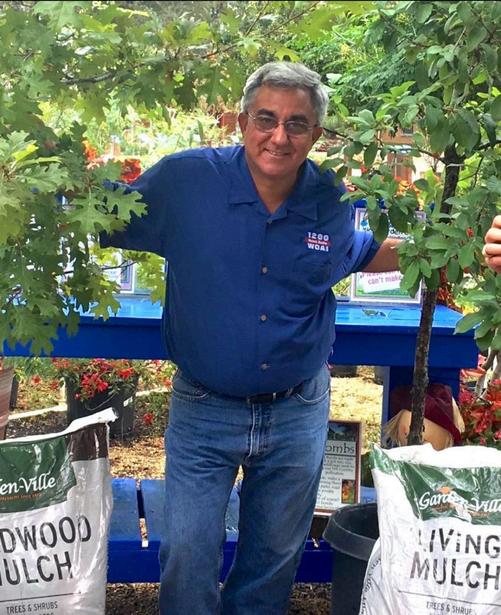

In the heart of San Antonio, Texas, an innovative initiative is changing the landscape of hunger relief and community support The San Antonio Food Bank, widely recognized for its efforts to combat food insecurity, has taken a remarkable step beyond traditional food assistance Its farming program is not just about providing meals but nurturing a sustainable food system that empowers the local community and promotes environmental stewardship.
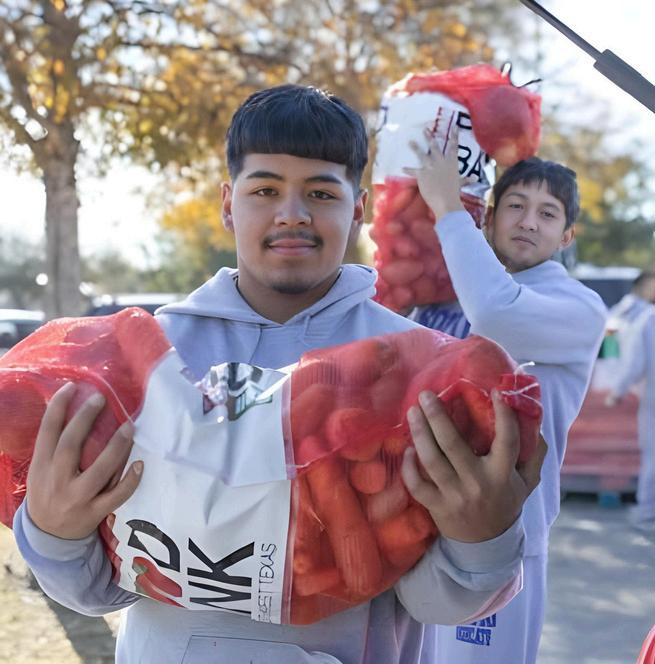
The San Antonio Food Bank’s farming program is born out of a vision to create a more sustainable and selfsufficient approach to hunger relief. By cultivating its own fruits and vegetables, the food bank is able to supply fresh, nutritious produce to those in need, directly from farm to table This initiative not only ensures a steady supply of healthy food options for the underserved populations but also reduces reliance on external donations and minimizes food waste
Spanning several acres, the farm operates with the help of volunteers, staff, and innovative agricultural practices It’s a living classroom and a hub of community engagement where individuals can learn about agriculture, nutrition, and the importance of local food systems The program includes various components such as traditional row farming, hydroponics, aquaponics, and even livestock management, demonstrating a multifaceted approach to urban agriculture.
The farming efforts are complemented by educational programs designed to teach participants about the benefits of sustainable farming and healthy eating
These programs serve not only adults but also children, instilling early awareness and appreciation for agriculture and nutrition
The impact of the San Antonio Food Bank’s farming program extends far beyond its immediate beneficiaries
By selling a portion of its produce at local farmers’ markets, the program generates income to support its operations while also raising awareness about food insecurity in the community This model of social enterprise represents a forward-thinking approach to non-profit management, where community support and sustainability go hand in hand.
Moreover, the program has fostered partnerships with local schools, businesses, and other organizations, creating a network of support that amplifies its mission
These collaborations have enabled the food bank to expand its reach, providing not just food, but also education and resources to a broader segment of the population
Despite its success, the farming program faces challenges, including the need for more resources, the unpredictability of weather, and the ongoing requirement to adapt to new agricultural technologies
However, the San Antonio Food Bank remains committed to its vision, exploring innovative solutions and seeking community support to overcome these hurdles.
Looking ahead, the food bank aims to expand its farming operations, potentially incorporating more technology-driven farming practices like vertical farming and precision agriculture. This ambition aligns with a broader goal to not only meet immediate food needs but also build a more resilient and sustainable food system for future generations

The San Antonio Food Bank’s farming program is a testament to the power of innovative thinking in addressing complex social issues Through sustainable agriculture, community engagement, and education, the program is making significant strides toward ending hunger, improving health, and strengthening communities. As it continues to grow and evolve, the farming initiative stands as a model for other organizations seeking to make a tangible difference in the city.




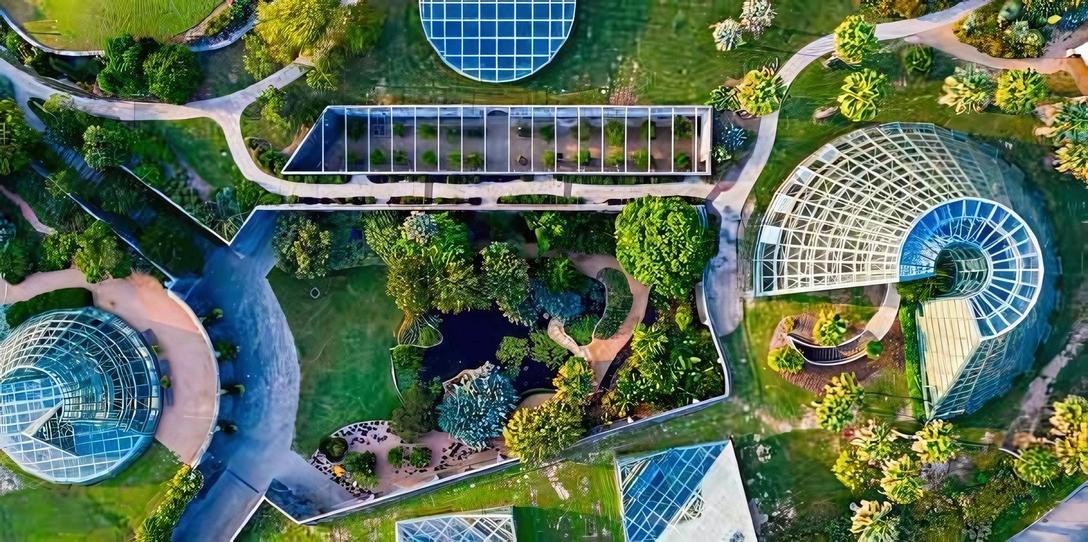
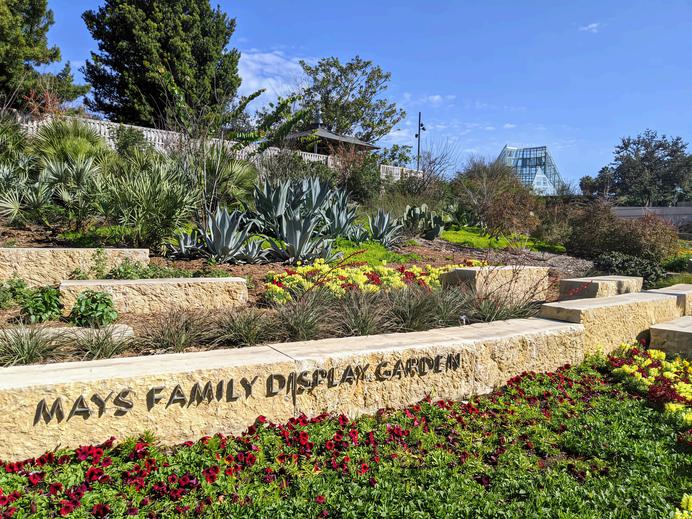
Nestled in the heart of San Antonio, Texas, the San Antonio Botanical Garden is a vibrant oasis that invites visitors to explore the rich diversity of plant life from around the world With its sprawling 38 acres, this living museum offers an immersive experience into the wonders of nature, blending education, conservation, and beauty into a tranquil retreat from the urban landscape
The San Antonio Botanical Garden is not just a place to see plants; it’s an interactive experience designed to educate and inspire visitors of all ages
As you meander through the garden’s various sections, you ’ re transported to different ecosystems, from the arid deserts to tropical rainforests, each meticulously curated to represent the plant and animal life native to those regions
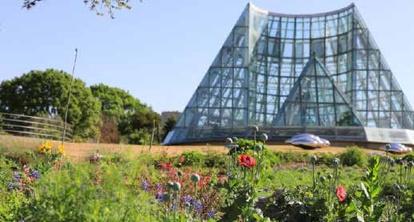
One of the garden’s highlights is the Lucile Halsell Conservatory, a futuristic glasshouse that houses plants from desert regions to equatorial rainforests
This architectural marvel, designed by Argentine architect Emilio Ambasz, is a series of glass pyramids
rising from the earth, creating a striking contrast against the Texas sky. Inside, visitors can explore a range of environments, each pyramid offering a unique climate and collection of plant species
The Texas Native Trail offers a remarkable journey through the diverse landscapes of Texas, showcasing the native flora and illustrating how these plants are adapted to the state’s varied climates This area includes a Hill Country setting, a South Texas region, and an East Texas Pineywoods, each providing insights into the ecological regions of Texas and the plants that thrive there
The San Antonio Botanical Garden is designed with families in mind. The Family Adventure Garden is a place where children can learn about nature through play, exploring water cycles, pollination, and plant life cycles in a fun and engaging way With 15 themed areas, children have the opportunity to climb, splash, explore, and learn, all within the beauty of a natural setting
The garden hosts a variety of events and programs throughout the year, including seasonal displays, educational workshops, and cultural celebrations From vibrant spring blooms to the enchanting glow of holiday lights in the winter, there’s always something new to experience. Educational programs offer visitors of all ages the chance to deepen their understanding of botany, conservation, and gardening
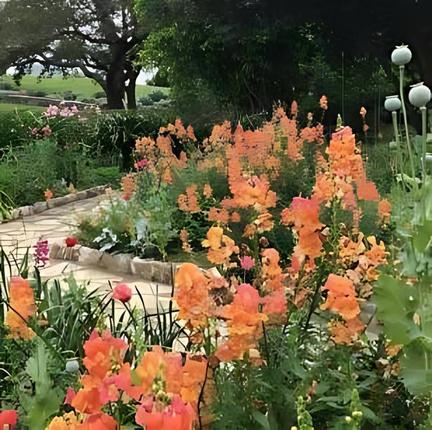
Beyond its role as a public garden, the San Antonio Botanical Garden is committed to conservation efforts, working to preserve the biodiversity of Texas and beyond The garden participates in research, education, and conservation programs aimed at protecting endangered species and promoting environmental sustainability
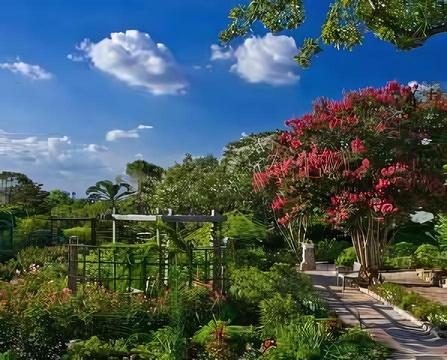
The San Antonio Botanical Garden is open yearround, offering a peaceful escape and a place of learning and discovery Whether you ’ re a local resident or a visitor to San Antonio, the garden provides a unique opportunity to connect with nature and experience the beauty and diversity of the plant kingdom.
In summary, the San Antonio Botanical Garden is more than just a garden; it’s a place where nature, culture, and education converge Through its beautifully landscaped areas, conservation efforts, and community engagement, the garden continues to be a beacon of beauty and a testament to the importance of preserving our natural world for future generations.

In the heart of urban landscapes, where concrete jungles thrive and the pace of life is ceaselessly rapid, a transformative movement is taking root. Urban agriculture a practice that involves cultivating, processing, and distributing food in or around urban areas emerges not only as a beacon of sustainabil- ity and self-reliance but also as a potent instrument against the persisting challenge of food insecurity The essence of urban agriculture lies in its capacity to mobilize communities, leverage local resources, and foster a collective impact approach to ensure access to fresh, nutritious food for all urban dwell- ers. This article delves into how collective impact, a structured form of collaboration among crosssector partners, can amplify the efforts of urban agriculture to address food insecurity, drawing upon scholarly sources to underline its significance and efficacy
At the core of collective impact lies the idea that no single organization or sector can tackle complex social problems on its own Instead, it requires a concerted effort from various stakeholders, including government entities, non-profits, businesses, and the community at large Kania and Kramer (2011), in
their seminal work in the “Stanford Social Innovation Review,” articulate five conditions necessary for collective impact: a common agenda, shared measurement systems, mutually reinforcing activities, continuous communication, and the backbone support organization These components facilitate aligned efforts towards a shared goal, ensuring that all participants are working not in isolation, but in synergy

Urban agriculture inherently embodies the princi- ples of collective impact. By engaging diverse stake- holders from local farmers and gardeners to city planners and educational institutions it creates a unified front against food insecurity According to a study published in the “Journal of Agriculture, Food Systems, and Community Development,” urban agriculture projects have the potential to significantly contribute to food security by providing access to fresh produce, enhancing nutritional awareness, and encouraging selfreliance among urban populations (McCormick et al., 2013). Moreover, urban agriculture initiatives often incorporate shared measurement systems, another pillar of collective impact, to assess their impact on food security For instance, the measurement of yield outputs, participant engagement, and community access to fresh produce enables organizations to gauge effectiveness and identify areas for improvement.
Several urban centers around the globe serve as a testament to the power of integrating collective impact frameworks with urban agriculture In Detroit, Michigan, the Detroit Food Policy Council (DFPC) operates as a backbone organization, coordi- nating efforts among local farmers, nonprofits, government agencies, and residents to advance food security Their collaborative efforts have led to increased urban farming activities, improved access to healthy food, and enhanced food sovereignty for Detroit residents

Similarly, in Toronto, Canada, the Toronto Food Strategy promotes urban agriculture through partner- ships with local organizations, aiming to increase access to affordable, nutritious food By aligning the efforts of community gardens, farmers’ markets, and food education programs, Toronto has made significant strides in mitigating food insecurity within its urban confines
The application of collective impact in urban agriculture presents a promising pathway to combat food insecurity in urban settings By fostering collaboration among diverse stakeholders, establishing common goals, and implementing shared metrics for success, urban agriculture can transcend its role as a mere source of local produce It can evolve into a comprehensive movement that addresses the multifaceted dimensions of food insecurity, from availability and access to utilization and stability
Yet, the journey is far from over Continuous efforts to strengthen partnerships, alongside innovative strategies to engage communities and leverage technology, are vital to sustain momentum As cities grow and evolve, so too must the approaches to ensuring that every resident has access to the nourishment they need to thrive.
In essence, the collective impact of urban agriculture on food insecurity illuminates a path forward where collaboration, innovation, and community empowerment converge. It offers a vision of urban environments not as landscapes of disparity but as fertile grounds for nourishment, resilience, and hope
- Kania, J, & Kramer, M (2011) Collective impact *Stanford Social Innova- tion Review*, 9(1), 36-41
- McCormick, K, A Kato-Yamamoto, et al (2013) Growing food security:
Examining the impact of urban agriculture among community gardeners
*Journal of Agriculture, Food Systems, and Community Development*, ISSN 2152-0801 online Agriculture and Human Values
San Antonio, a city rich in history and cultural diversity, is also making strides in environmental sustainability and education One of the city's notable initiatives in this field is William R Sinkin Eco Centro, a hub for community engagement, education, and action on environmental sustainability, situated in the heart of the city and closely linked with its educational institutions, particularly the colleges of San Antonio

Eco Centro's mission is to serve as a community resource for environmental sustainability This involves providing education on sustainable practices, facilitating workshops and events focused on environmental stewardship, and acting as a gathering place for community members passionate about conservation and sustainability. The center works to foster a more environmentally aware community, aiming to reduce the ecological footprint of the city and its residents
San Antonio's colleges play a pivotal role in the success and operations of Eco Centro. These institutions collaborate with Eco Centro by integrating sustainability into their curricula, encouraging students to participate in workshops and events, and supporting research and projects focused on environmental issues Colleges such as San Antonio College have been key partners, providing resources, expertise, and a steady stream of enthusiastic students willing to engage in sustainability efforts
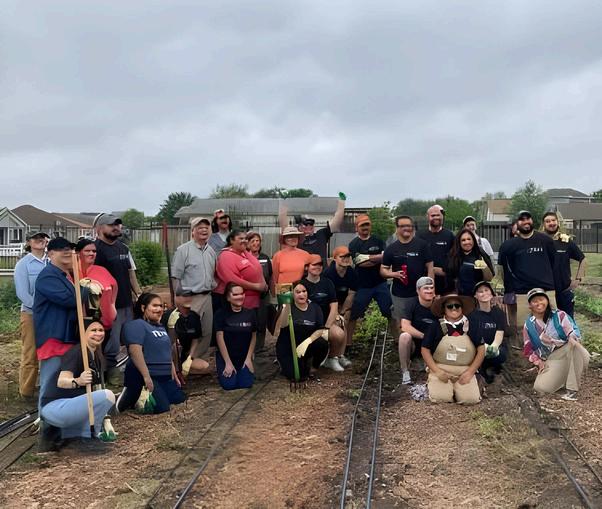
Eco Centro offers a wide range of educational programs and initiatives aimed at spreading environmental awareness and promoting sustainable practices These include workshops on topics such as composting, water conservation, sustainable gardening, and renewable energy The center also hosts seminars and talks by experts in various fields of environmental science, policy, and activism
Furthermore, Eco Centro works with local schools and colleges to develop educational materials and programs tailored to young learners and future leaders. This collaborative approach not only enhances the educational experience of students but also embeds a deep understanding and commitment to sustainability in the next generation.
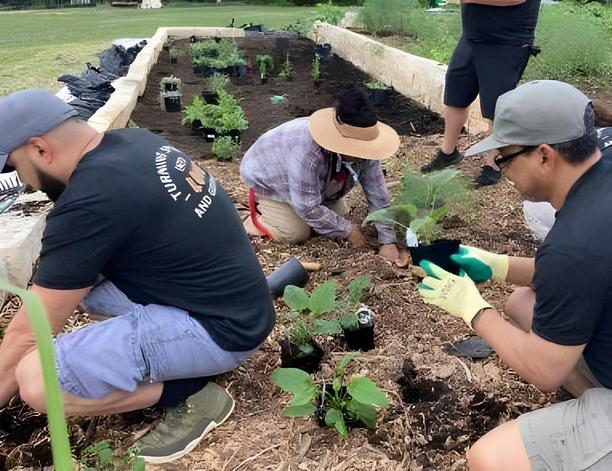
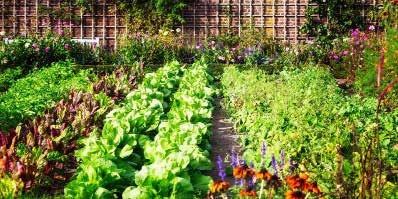
Beyond its educational efforts, Eco Centro is deeply involved in community engagement. The center facilitates community gardens, supports local sustainability initiatives, and participates in city-wide environmental events This active involvement helps to build a strong sense of community around sustainability efforts in San Antonio, bringing together individuals, families, students, and educators to work towards common environmental goals.
As San Antonio continues to grow, the role of initiatives like Eco Centro becomes increasingly important The collaboration between Eco Centro and the colleges of San Antonio is a testament to the power of education in driving sustainability. By fostering an informed and engaged community, Eco Centro and its educational partners are laying the groundwork for a more sustainable future for San Antonio

Through education, community engagement, and a commitment to sustainability, Eco Centro and the colleges of San Antonio are leading the way in environmental stewardship. Their efforts not only benefit the local community and environment but also serve as a model for other cities and institutions looking to make a positive impact on the planet

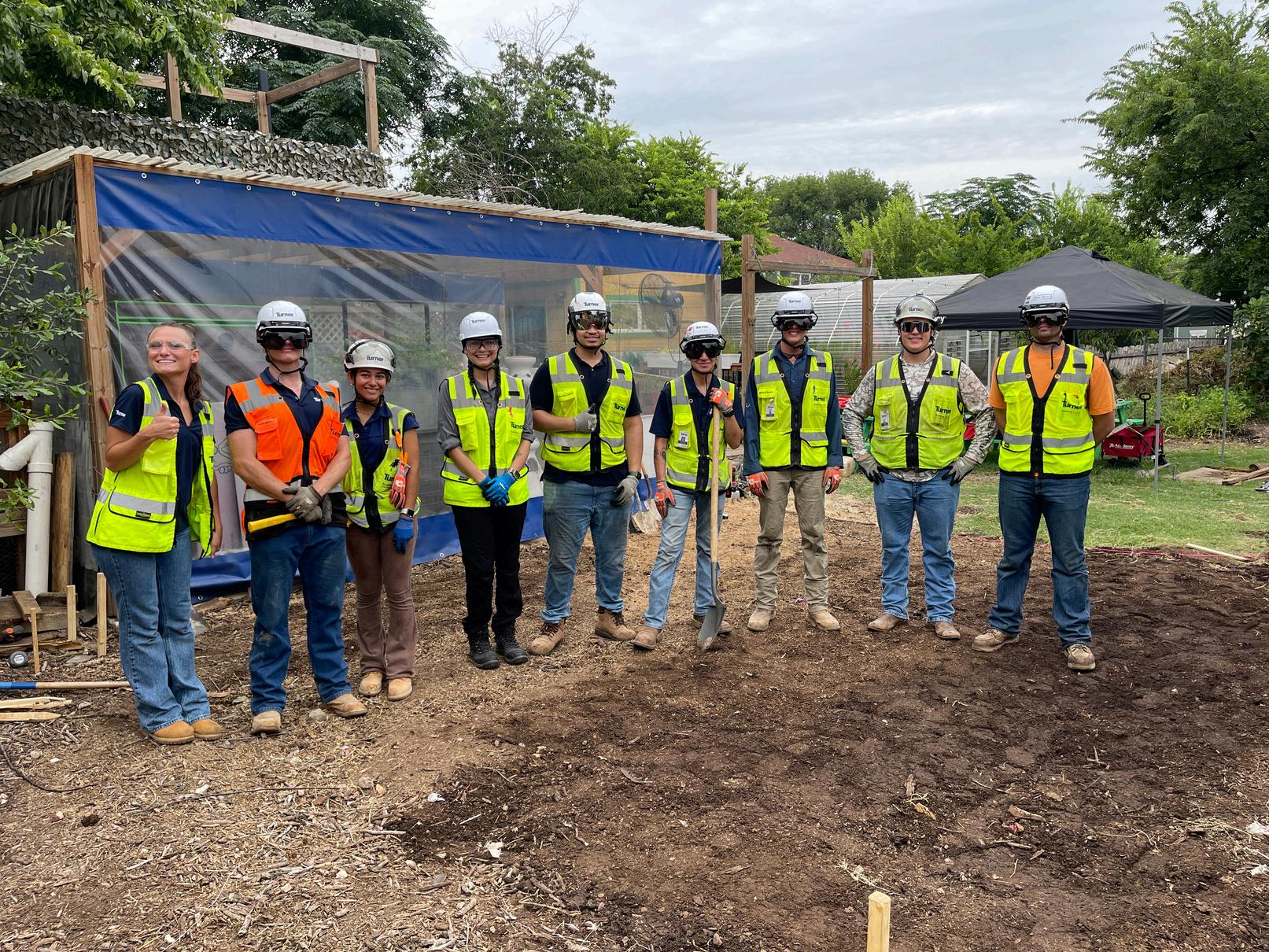
We at Gardopia Gardens are deeply grateful to Turner Construction San Antonio for their incredible contribution in building the finest chicken coop in our city Their team's dedication, time, and generous provision of materials and labor have not only enhanced our garden but have also made a significant impact on our community's sustainability
The new chicken coop, with its thoughtfully designed four rooms a brooding room, a chick room, a rooster room, and a spacious area for 20 hens with a large run has transformed our ability to care for and manage our poultry. This state-of-the-art coop is more than just a structure; it's a vital part of our mission to produce more eggs and chickens sustainably, benefiting our entire community

Turner Construction San Antonio's support has helped us take a significant step forward in promoting local food production and education. Your commitment to our cause has not only provided us with the resources to enhance our garden but has also inspired us to continue growing and serving our community with renewed energy and enthusiasm.
Thank you, Turner Construction San Antonio, for your remarkable generosity and partnership Your contribution has made Gardopia Gardens an even more vibrant and sustainable place, and we look forward to the continued positive impact of this wonderful chicken coop on our garden and community
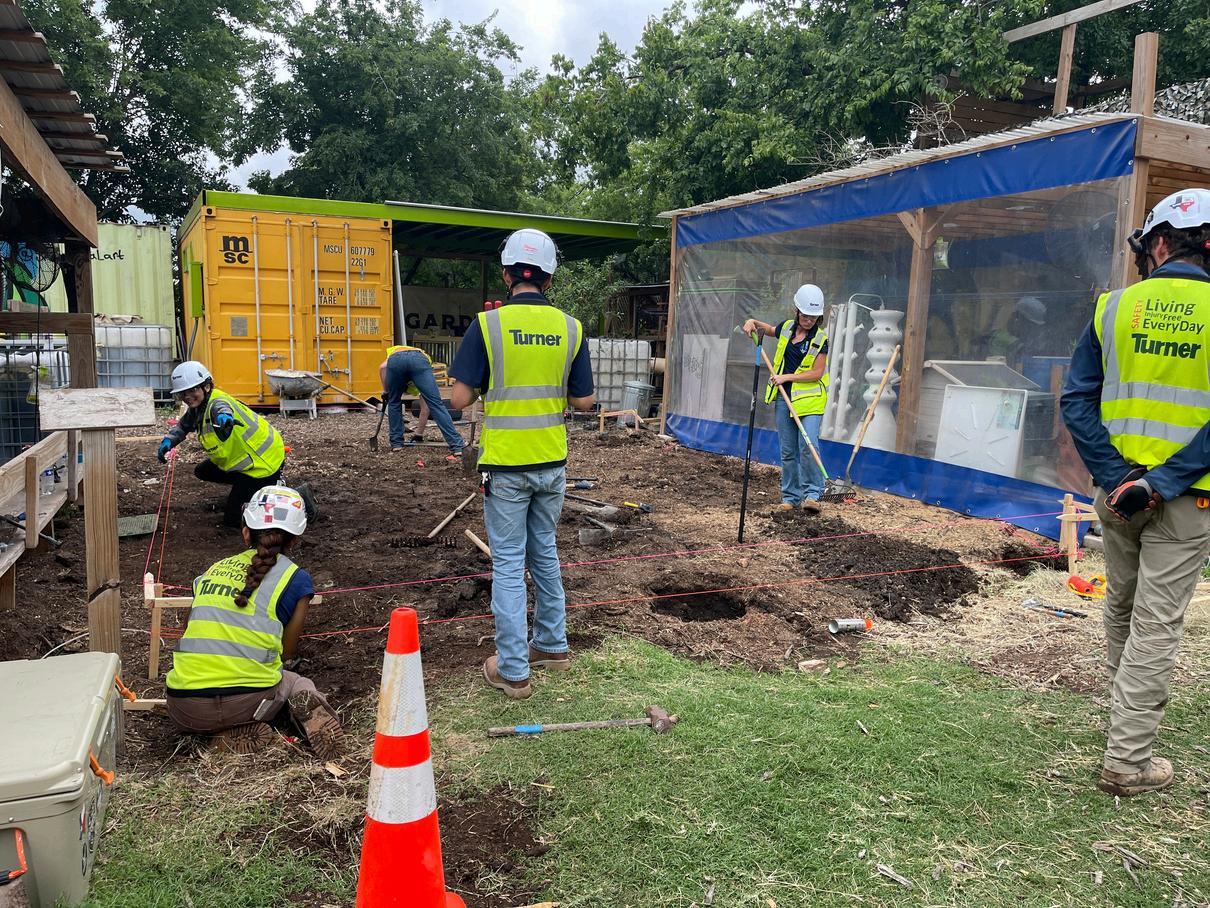

We are thrilled and honored to extend our heartfelt thanks to Community First Health Plans and Erika Prosper, the First Lady of San Antonio, for their generous Honorarium awarded to Gardopia Gardens This incredible gift will fund our new Bee Apiary Wellness Garden, bringing a fresh and vibrant new look to our beloved space
With this support, we are excited to introduce a new pollinator garden, rejuvenate our bee apiary, create beautiful pathways, and install new fencing. These enhancements not only beautify our garden but also play a crucial role in supporting local biodiversity and urban agriculture.
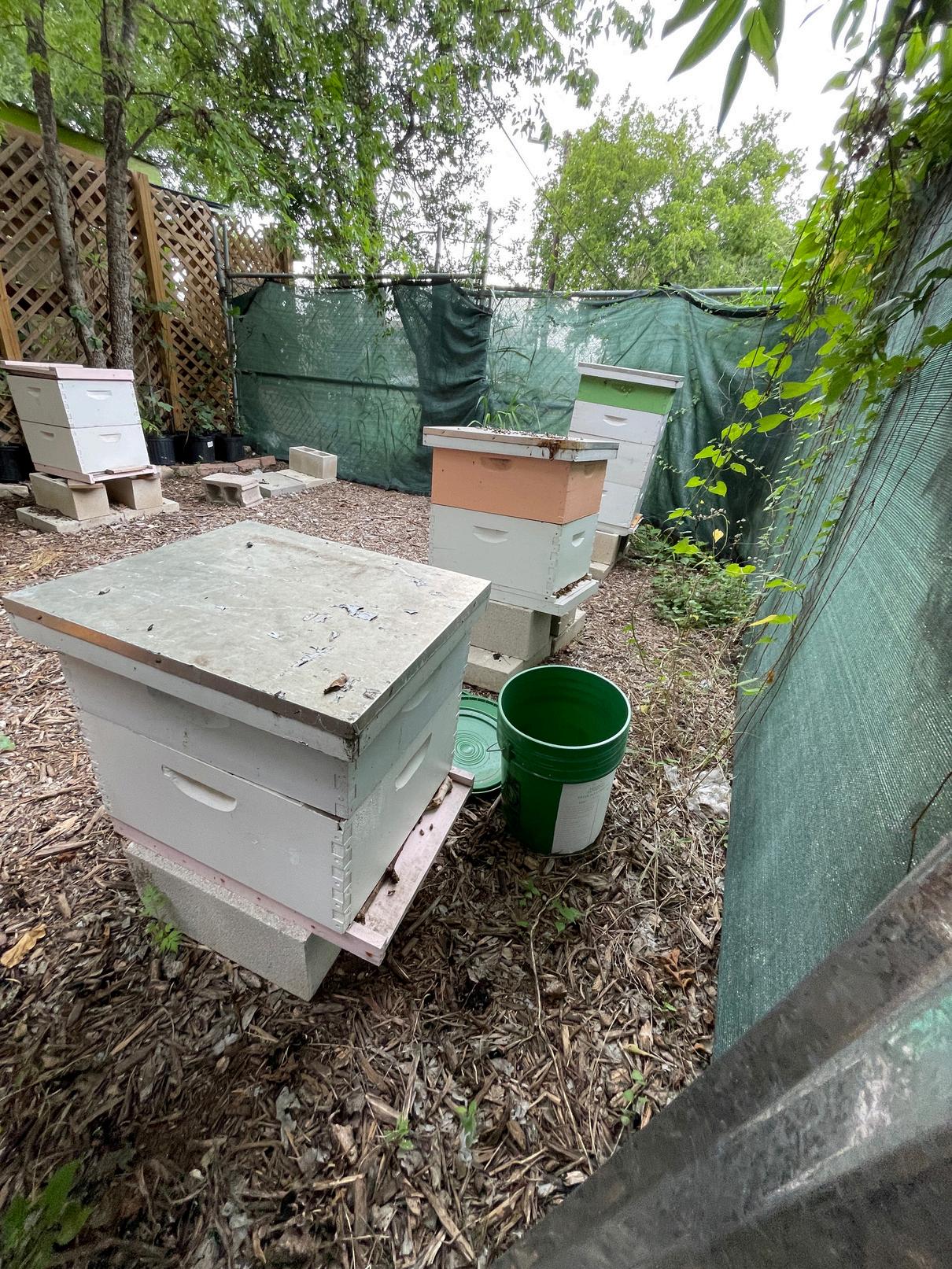
Bees and other pollinators are essential to our ecosystem, contributing to the health of our plants and the production of fruits and vegetables They are critical for pollinating a wide range of crops, which in turn supports local food production and helps sustain urban agriculture The new Bee Apiary Wellness Garden will serve as a haven for these vital creatures, providing them with a safe and nurturing environment
In addition to their ecological importance, bees also offer numerous benefits through the production of honey. This natural sweetener is not only delicious but also packed with nutrients and medicinal properties Honey has been used for centuries for its antibacterial and anti-inflammatory benefits, making it a valuable addition to any diet
This new garden and apiary will also serve as an educational space, helping our community learn about the importance of pollinators and sustainable gardening practices By engaging visitors in the wonders of bee-keeping and the benefits of pollinator gardens, we hope to inspire a deeper connection to nature and a greater commitment to environmental stewardship
We are deeply grateful to Community First Health Plans and Erika Prosper for their generous support. This new Bee Apiary Wellness Garden will be a cornerstone of Gardopia Gardens, fostering sustainability, education, and community engagement We look forward to sharing this space with our community and celebrating the many benefits it will bring to our city.

Cantaloupe, with its sweet, juicy flesh and distinctive aroma, boasts a rich and storied history that spans continents and millennia Believed to have originated in ancient Persia (modern-day Iran), this succulent melon variety was cultivated as early as 2000 BCE Its name is derived from the Italian papal village of Cantalupo, where it was first grown in Europe during the Renaissance Cantaloupes soon captured the palates of European royalty, spreading in popularity across the continent and eventually making their way to the Americas with European explorers Today, cantaloupes are cherished worldwide for their refreshing flavor and abundance of nutrients, making them a beloved summertime treat and a staple in many cuisines
Cantaloupe offers numerous health benefits as a nutrient-rich fruit, containing vitamins, minerals, and antioxidants. It supports immune system function and skin health due to its high vitamin C and A content, while also aiding in hydration, digestion, and blood pressure regulation thanks to its potassium and water content
The distinctive net-like pattern on the skin of cantaloupes helps protect the fruit from insects and diseases
Ingredients:
1 cantaloupe, peeled, seeded, and cut into bite-sized pieces
1/4 cup fresh mint leaves, chopped
1 tablespoon honey (optional)
Juice of 1 lime
1. In a large bowl, combine the cantaloupe pieces and chopped mint leaves
2 Squeeze lime juice over the cantaloupe and mint mixture If desired, drizzle honey over the fruit for added sweetness
3 Gently toss the ingredients until the cantaloupe pieces are evenly coated with the lime juice and honey.
4 Refrigerate the salad for at least 30 minutes to allow the flavors to meld together and the salad to chill
5 Serve the Cantaloupe Mint Salad chilled as a refreshing side dish or light dessert option
When planting cantaloupe, give each plant 3 to 4 feet of space to thrive and prevent overcrowding Consider using trellises to support the fruit, reducing the risk of rot and pests, for healthier, tastier harvests
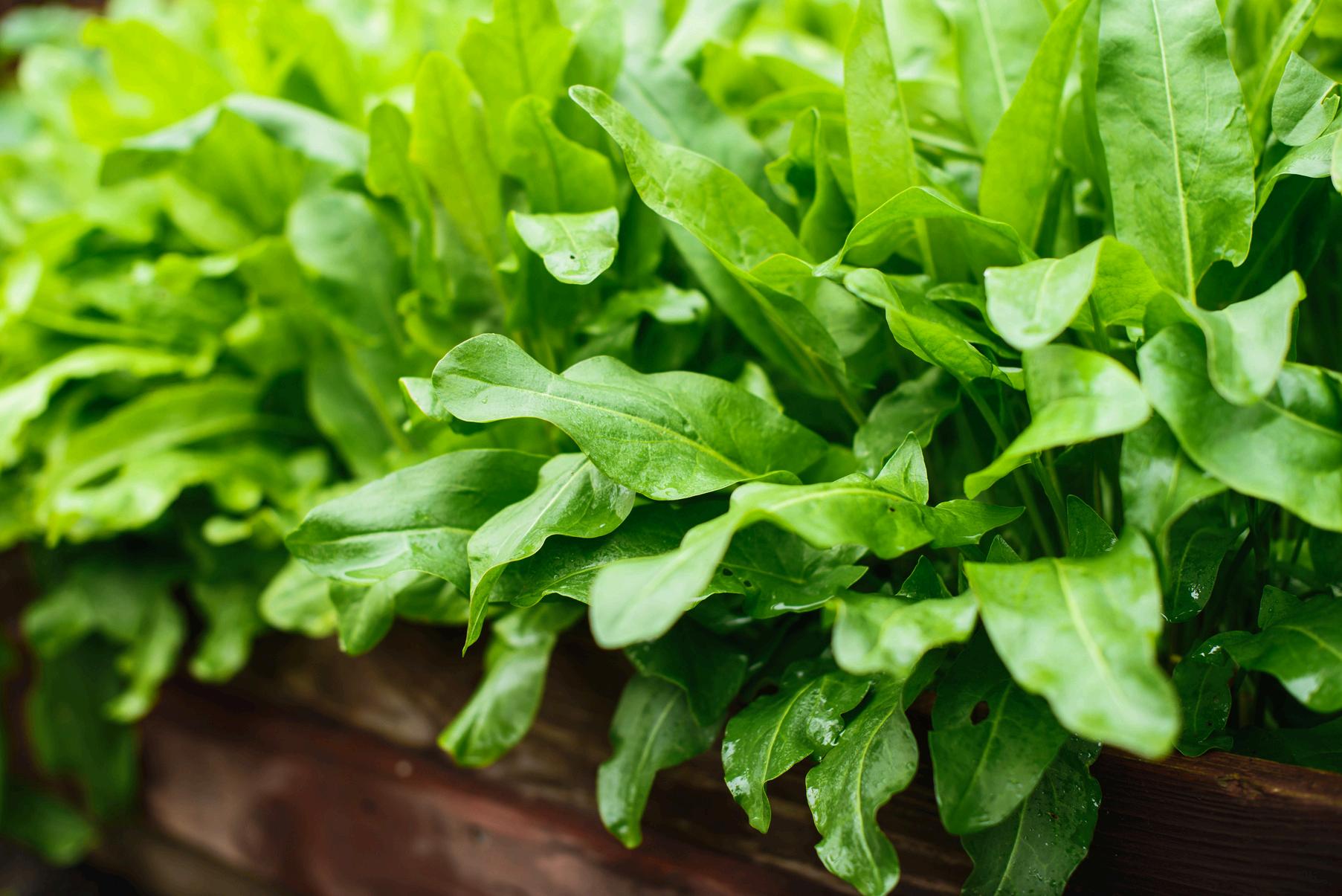
Sorrel, a vibrant herb characterized by its tangy flavor and arrow-shaped leaves, has a storied history rooted in ancient civilizations Originating in the Mediterranean region, sorrel belongs to the genus Rumex and encompasses several species, including common sorrel (Rumex acetosa) and French sorrel (Rumex scutatus). Revered by the Greeks and Romans for its culinary and medicinal properties, sorrel gained prominence for its refreshing taste and purported health benefits As trade routes flourished during the Middle Ages, sorrel traversed borders, becoming a cherished ingredient in European cuisine Its distinct lemony flavor and nutritional profile, rich in vitamins and minerals, made it a prized addition to soups, salads, and sauces. From ancient remedies to medieval feasts, sorrel's journey through history illuminates its enduring allure and multifaceted role in gastronomy
Sorrel, known for its tangy taste and vibrant green leaves, is packed with vitamins A, C, and E, as well as minerals like potassium and magnesium, supporting overall health Its high antioxidant content fights oxidative stress and inflammation, potentially lowering the risk of chronic diseases like heart disease and cancer, while also aiding digestion and promoting gut health. Whether in salads, soups, or smoothies, sorrel offers flavor and wellness benefits, stimulating appetite and soothing indigestion with its unique taste and digestive properties
Ingredients:
1 cup fresh sorrel leaves, washed and chopped
4 cups water
1/2 cup granulated sugar (adjust to taste)
Juice of 2-3 lemons
Ice cubes
Lemon slices for garnish (optional)
Fresh mint leaves for garnish (optional)
Boil water in a saucepan and add chopped sorrel leaves and sugar, stirring until dissolved 1
Simmer the sorrel mixture for about 5 minutes over low heat
Let the mixture cool to room temperature after removing from heat 3
Strain the cooled mixture into a pitcher, discarding solids
When planting sorrel, select a spot with partial shade to full sun and well-drained soil with a pH of 6 0 to 7 0 Whether sowing seeds directly or transplanting seedlings in early spring or fall, space them 12 to 18 inches apart for optimal growth Maintain consistent moisture in the soil, avoiding overwatering, and regularly harvest outer leaves to encourage continuous growth and prevent overcrowding With these steps, your sorrel plants will flourish, offering a plentiful supply of tangy leaves for culinary delights
Mix in lemon juice to taste, adjusting sweetness or tartness as needed
Chill the lemonade in the fridge for at least 1 hour
Serve over ice in glasses.
Optionally, garnish with lemon slices and mint leaves 8 Stir and enjoy your refreshing Sorrel Lemonade! 9
The name "sorrel" is derived from the Old French word "surele" or " sor " which means " sour, " aptly describing its tart taste
Ingredients:
2 medium sweet potatoes
Olive oil spray
Salt and pepper, to taste 1/2 cup hummus (store-bought or homemade)
Preheat air fryer to 400°F (200°C) for 5 minutes
Slice sweet potatoes into 1/4 inch rounds
Arrange rounds in a single layer in air fryer basket
Lightly spray with olive oil, season with salt and pepper
Air fry for 12-15 minutes, flipping halfway through
Once crispy, remove and cool slightly
Top each round with hummus
Serve as a tasty snack or appetizer Enjoy!

The sweet potato, often hailed as a nutritional powerhouse and culinary delight, boasts a fascinating history that spans centuries and continents Originating in the Americas over 5,000 years ago, this humble root vegetable was cultivated by ancient civilizations such as the Incas in South America and the Aztecs in Central America Its journey didn't end there; European explorers brought it back to Europe in the 16th century, where it quickly gained popularity as a valuable food source. Eventually, it found its way to Asia, where it became a staple in many cuisines Today, the sweet potato continues to captivate taste buds worldwide, cherished for its versatility, rich flavor, and numerous health benefits Its vibrant history is a testament to its enduring appeal across cultures and generations
Sweet potatoes are not only delicious but also highly nutritious, boasting vitamins, minerals, and fiber essential for overall health. Their vibrant orange flesh indicates their high beta-carotene content, crucial for vision, skin, and immune function, while also being rich in vitamin C, potassium, and fiber, promoting heart health and digestion With complex carbohydrates for sustained energy, sweet potatoes are an excellent choice for maintaining stable blood sugar levels and supporting an active lifestyle
When planting sweet potato slips or cuttings, select a sunny spot in your garden with soil that drains well to prevent water-logging, which can lead to root rot Sandy or loamy soil types are ideal for sweet potatoes, providing the right balance of drainage and moisture retention Ensure the slips or cuttings are spaced adequately, about 12 inches apart, to allow room for the vines to spread and develop With plenty of sunlight and well-draining soil, your sweet potatoes will thrive and produce a bountiful harvest
Sweet potatoes are one of the few vegetables that actually increase in nutritional value when cooked, as cooking helps release their antioxidant potential
Pinto beans, with their mottled appearance and creamy texture, have a rich and diverse history that spans centuries and continents Believed to have originated in the Andes region of South America, pinto beans were a staple crop of ancient civilizations such as the Incas and Mayans, dating back over 5,000 years Their cultivation eventually spread northward, reaching what is now known as Mexico and the southwestern United States, where they became a dietary staple for Indigenous peoples. Pinto beans were highly valued for their nutritional density, providing a rich source of protein, fiber, and essential nutrients With the arrival of Spanish explorers in the Americas, pinto beans were introduced to Europe and quickly gained popularity in cuisines around the world Today, pinto beans remain a beloved ingredient in countless dishes, from traditional Mexican cuisine to modern global fusion recipes Their enduring legacy as a versatile, nutritious, and delicious food staple is a testament to their significance in human history
Ingredients
1 cup dried pinto beans, rinsed and soaked overnight
4 slices bacon, diced
1 small onion, finely chopped
2 cloves garlic, minced
1 jalapeño pepper, seeded and diced
1 (14 5 oz) can diced tomatoes, undrained
2 cups chicken or vegetable broth
1 teaspoon chili powder
1/2 teaspoon cumin
Salt and pepper, to taste
Fresh cilantro, chopped (for garnish, optional)
To grow healthy pinto beans, prioritize sunlight and welldraining soil. Plant the seeds directly in warm soil after the last frost, ensuring temperatures are consistently above 60°F (16°C) Proper drainage helps prevent waterlogging, a common issue that can lead to root rot and stunted growth With these considerations in mind, your pinto beans will have the best chance to thrive and yield a plentiful harvest
Pinto beans are celebrated globally for their extensive health benefits, boasting high protein, fiber, and vital nutrients like folate, iron, and magnesium Their fiber content aids digestion and promotes satiety, while antioxidants contribute to reducing inflammation and preventing chronic diseases like heart disease and cancer Versatile in soups, salads, or as a side dish, pinto beans offer a flavorful and nutritious addition to any diet, supporting overall well-being from heart to digestive health and beyond
Add beans, tomatoes, broth, chili powder, and cumin; simmer covered for 1 to 1 1/2 hours until tender
Season with salt and pepper, add bacon 5 Serve hot, optionally garnished with cilantro, and enjoy as a hearty side or main dish, pairing well with rice, tortillas, or favorite toppings like cheese and avocado 6

Pinto beans are named after the Spanish word "pinto," meaning painted, reflecting their speckled appearance that adds visual appeal to dishes and distinguishes them in global cuisines
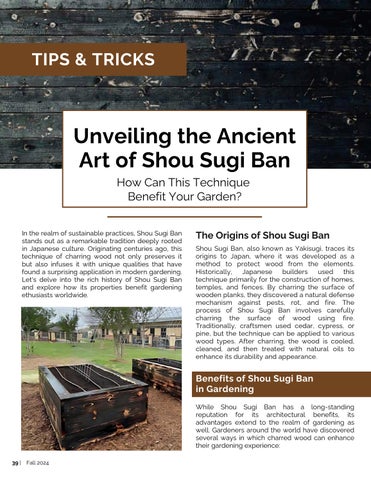
In the realm of sustainable practices, Shou Sugi Ban stands out as a remarkable tradition deeply rooted in Japanese culture Originating centuries ago, this technique of charring wood not only preserves it but also infuses it with unique qualities that have found a surprising application in modern gardening. Let's delve into the rich history of Shou Sugi Ban and explore how its properties benefit gardening ethusiasts worldwide
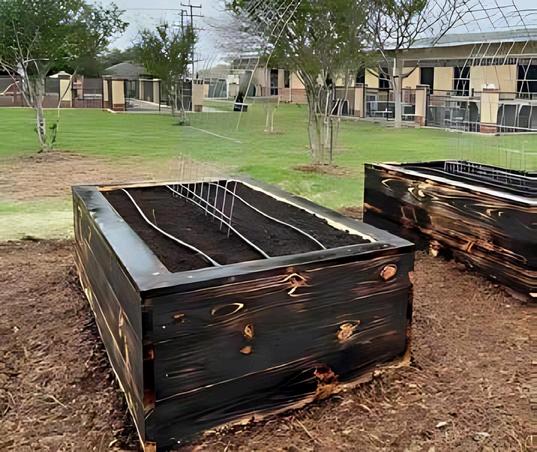
Shou Sugi Ban, also known as Yakisugi, traces its origins to Japan, where it was developed as a method to protect wood from the elements Historically, Japanese builders used this technique primarily for the construction of homes, temples, and fences By charring the surface of wooden planks, they discovered a natural defense mechanism against pests, rot, and fire. The process of Shou Sugi Ban involves carefully charring the surface of wood using fire. Traditionally, craftsmen used cedar, cypress, or pine, but the technique can be applied to various wood types After charring, the wood is cooled, cleaned, and then treated with natural oils to enhance its durability and appearance
While Shou Sugi Ban has a long-standing reputation for its architectural benefits, its advantages extend to the realm of gardening as well Gardeners around the world have discovered several ways in which charred wood can enhance their gardening experience:

Shou Sugi Ban enhances the longevity of wood by making it resistant to rot, pests, and weathering. This durability is particularly beneficial for outdoor garden structures such as raised beds, trellises, and fencing,ensuringtheywithstandthetestoftime.
The charred surface of Shou Sugi Ban wood adds a unique and rustic esthetic to garden settings It's dark hues and textured appearance blend seamlessly with natural surroundings, creating a visuallystrikingbackdropforplantsandflowers
Charred wood contains a layer of carbon that can slowly release into the soil over time This carbon enrichment promotes microbial activity and improves soil fertility, creating a healthier environmentforplantgrowth
Shou Sugi Ban aligns with the principles of sustainability by utilizing a natural, renewable resource wood whilealsominimizingtheneedfor chemicaltreatmentsorpreservatives

Integrating Shou Sugi Ban into your gardening endeavors is both practical and aesthetically pleasing Consider incorporating charred wood elements such as raised beds, pergolas, or seating areas into your garden design Not only will these structures serve a functional purpose, but they will also add a touch of timeless elegance to your outdoor space As we strive to adopt more sustainable practices in gardening and beyond, traditions like Shou Sugi Ban offer invaluable insights and inspiration. With its centuries-old legacy and modern applications, this ancient technique continues to enrich our lives, connecting us to nature's wisdom in surprising and meaningful ways

Whether you ' re a seasoned gardener or a newcomer to the world of green thumbs, exploring the benefits of Shou Sugi Ban can open new avenues for creativity and sustainability in your gardening endeavors. Embrace this timeless tradition and watch as your garden flourishes in harmony with nature
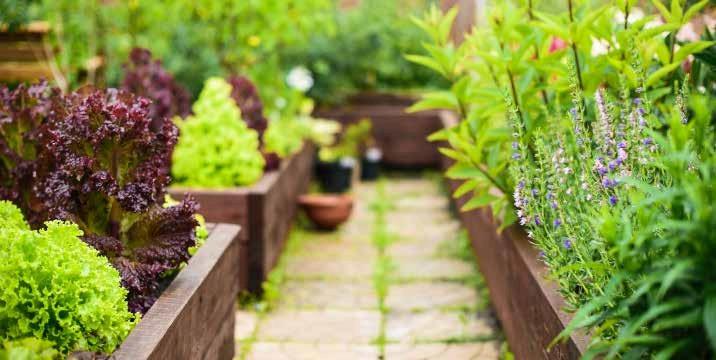
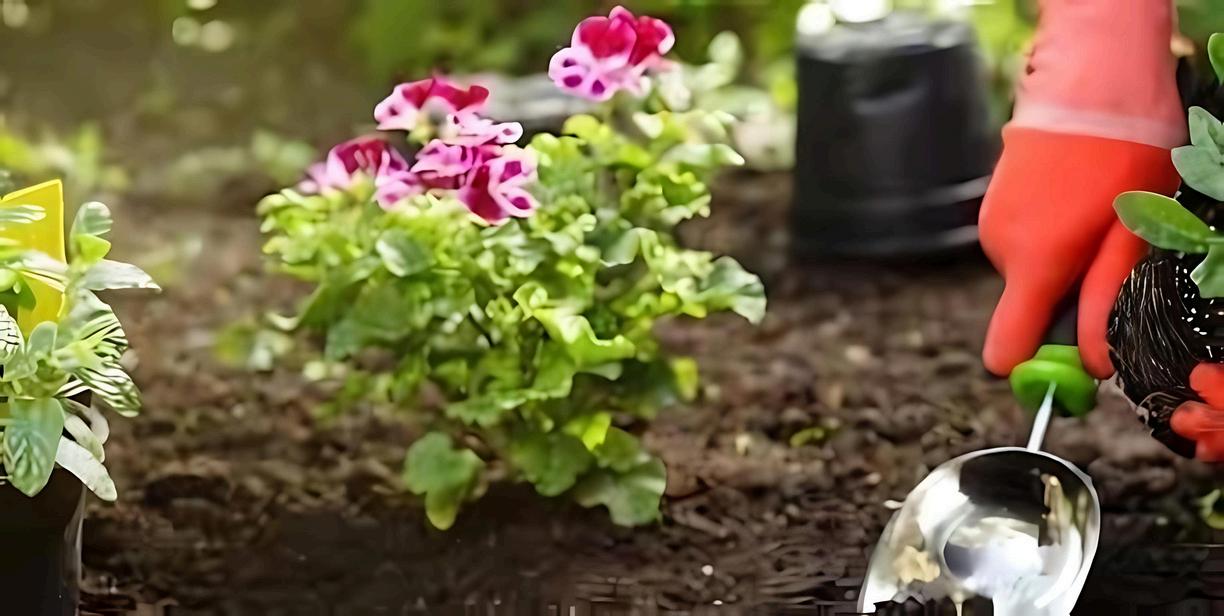
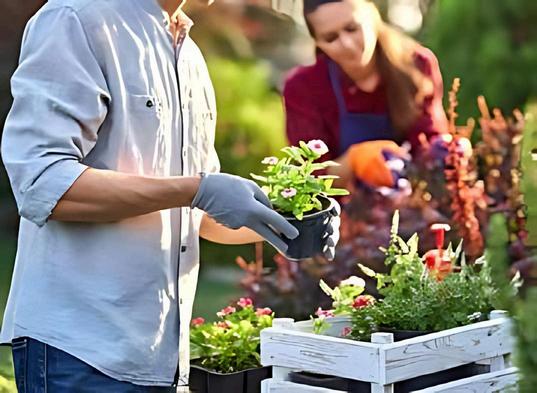
Explore the joys of gardening and help your garden flourish with these easy reminders
Whether you ' re an experienced gardener or just starting out, there are some challenges you might encounter along the way We'll share common missteps that even seasoned gardeners can fall into, along with valuable advice to help you nurture a lush, healthy, and happy garden. Let's dive into the key strategies and the common mistakes made in gardens for ensuring your garden's success
Here are some mistakes to avoid:
It's important to find the right balance when watering your garden to avoid overwatering or underwatering. Overwatering can cause root rot and other fungal issues by depriving plants of oxygen. To prevent this, water your plants according to their specific needs and ensure good soil drainage. A general guideline is to water low, slow, deeply and infrequently, giving your garden a thorough soak a couple of times a week. Avoid frequent, light waterings, as they don't provide the necessary moisture to the roots.
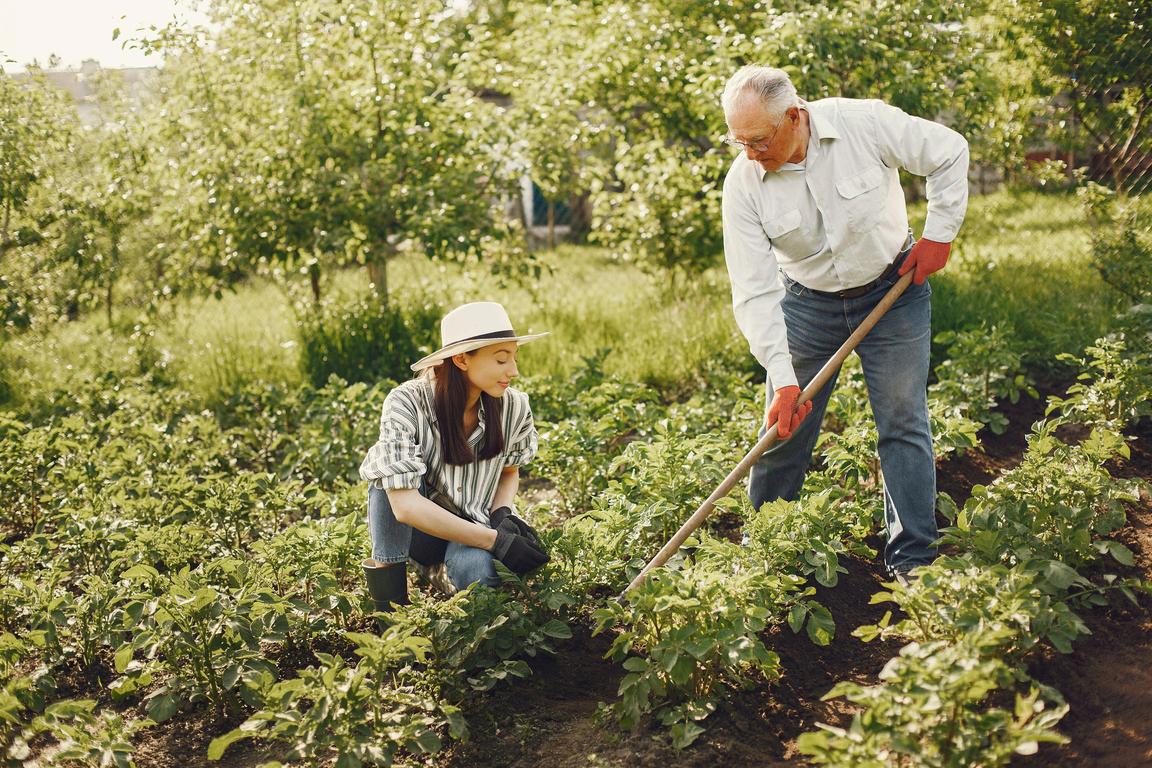
Watering should always be done near the roots to prevent water loss, rotting, and movement of soil pests to leaves
Neglecting soil quality can sabotage gardening efforts. Soil provides vital nutrients and support for plant growth. Testing soil pH and composition can help determine its health and whether amendments like compost or fertilizer are needed.
Improper planting depth can stress plants and inhibit root development. It's crucial to follow planting guidelines for each species to ensure proper growth and establishment.
Different plants have varying sunlight needs. Failing to provide adequate sunlight or placing shade-loving plants in full sun can stunt growth and diminish flowering or fruiting potential
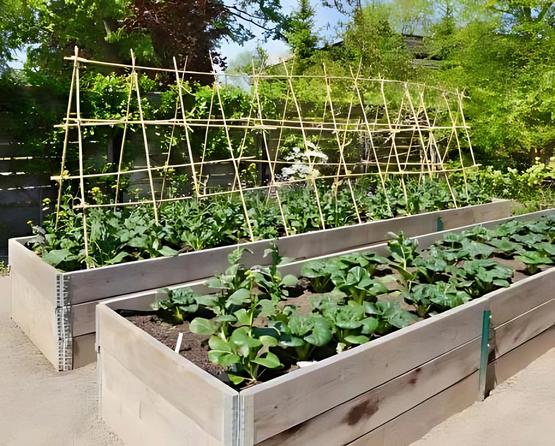
Pruning promotes healthy growth and shape in plants. Neglecting to prune can lead to overcrowding, disease susceptibility, and reduced airflow within the garden.
Pests can quickly overrun a garden if not managed effectively Regular inspections and early intervention can prevent infestations from damaging plants
Gardeners can use Integrated Pest Management (IPM) to effectively prevent pests in the garden by combining various sustainable strategies IPM involves monitoring plants regularly to identify pests early and understand their life cycles. Gardeners can then use cultural methods, such as crop rotation and selecting pest-resistant plant varieties, to reduce the likelihood of infestations Physical controls like hand-picking pests, using barriers, or setting traps can also be employed Biological controls, such as introducing beneficial insects like ladybugs or parasitic wasps, help keep pest populations in check When necessary, gardeners can apply organic or least-toxic chemical treatments, targeting specific pests while minimizing harm to beneficial organisms and the environment. This holistic approach helps maintain a healthy, balanced garden ecosystem and reduces the reliance on chemical pesticides
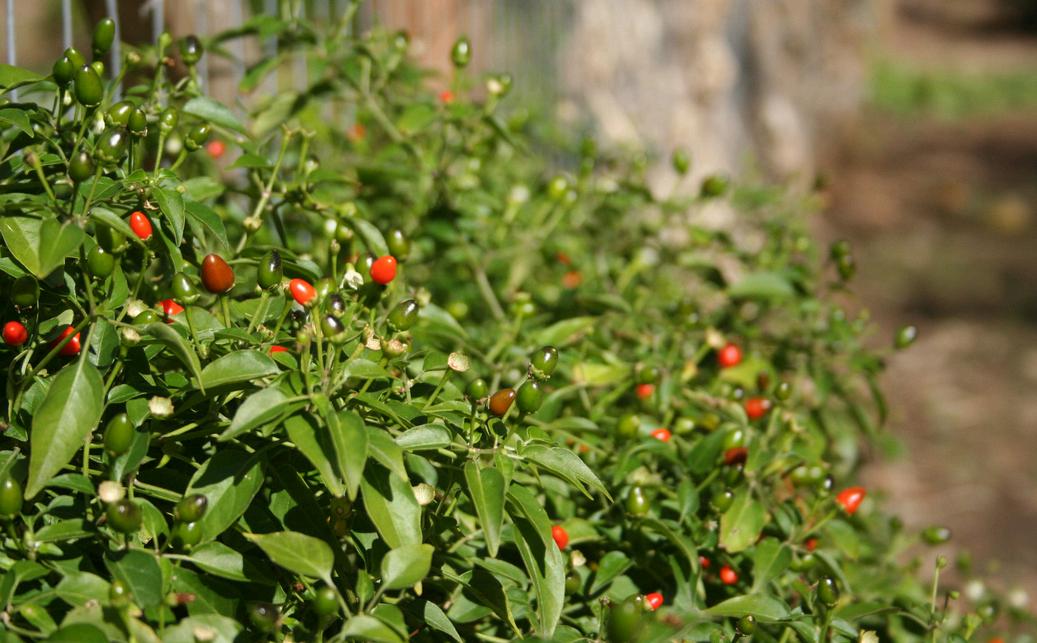
Introducing invasive plants like Chinaberry, English Ivy, Privet, and Japanese Honeysuckle can disrupt the local ecosystem and outcompete native species It's crucial to thoroughly research plants before adding them to your garden In contrast, planting native species offers several benefits: they are lowmaintenance, drought-tolerant, and resistant to local pests and diseases. Native plants support local wildlife, improve soil health, conserve water, and reduce the need for chemical treatments Additionally, they add unique beauty to your garden and contribute to environmental sustainability
Properly spacing out garden transplants is crucial for plant health and garden success. Planting too many crops in a limited space can lead to competition for nutrients, water, and sunlight Adequate spacing allows plants to receive sufficient sunlight, air circulation, and nutrients, reducing the risk of diseases and overcrowding It also promotes healthy root development and ensures that each plant has enough space, nutrients, and water to grow to its full potential. Providing adequate spacing allows plants to thrive and reduces the risk of disease transmission.
Mulching is crucial for retaining soil moisture, suppressing weeds, and regulating soil temperature. Skipping mulch can lead to water loss, weed growth, and soil erosion It's beneficial to add organic matter to your garden at least twice a year to maintain soil health For budget-friendly options, check with San Antonio's city recycling centers and tree service companies, as some offer free mulch delivery to your home or free mulch when picked up.
Crop rotation offers numerous benefits for garden health and productivity It helps prevent soil depletion by rotating crops that use different nutrients, ensuring a more balanced and sustained soil fertility This practice also disrupts the life cycles of pests and diseases, reducing their buildup and the need for chemical interventions. Additionally, crop rotation can improve soil structure and organic matter content, particularly when legumes are included, as they fix nitrogen in the soil
Keep dates on your plant labels so you know when to harvest Keep basic knowledge of when to harvest onions when the leaves fall over, watermelon when the stem turns brown, tomatoes when they start to turn their color, okra when they are 4-5inches, beans when they snap easily Summer squash can be harvested when the flower is dry and fall off along with being around 7 inches long.

Using organic fertilizers like worm compost tea, fish emulsion, ferments, liquid seaweed, and other liquid fertilizers is beneficial for the health and sustainability of your garden. Every watering event can deplete the soil of nutrients, so it's important to keep up with fertilizing Gardeners have a variety of organic options to enrich their soil and promote healthy plant growth Common choices include compost, which improves soil structure and provides a balanced nutrient mix, and manure, rich in nitrogen and other essential nutrients. Bone meal is high in phosphorus and aids root development, while blood meal offers a quick nitrogen boost. Fish emulsion serves as a balanced, nutrient-rich liquid fertilizer. Additionally, green manures, such as cover crops, can be grown and then tilled into the soil to add organic matter and nutrients These organic fertilizers not only nourish plants but also enhance soil health and fertility over time
When first time gardeners order soil, it will most likely be a garden soil mix Garden soil mixes tend to be hydrophobic because they are too dry, heavy, and mostly composed of clay Over the years, it's been discovered that starting with a good manure-based compost and amending that creates a great gardening medium for raised garden beds in San Antonio. Start your garden with a soil that is filled with life, air, and water to ensure your plants get the start they need for a successful garden
Buying transplant plants can be expensive, with a 4-inch pot costing around $7 For the same price, you can buy three or four packages of seeds Starting your own seeds not only offers a wider selection of plants, including unique or heirloom varieties that aren't often available as transplants, but also gives you more control over growing conditions, leading to healthier and stronger plants. It's a cost-effective option and a rewarding experience, fostering a deeper connection to your garden from the start Plus, you can share any extra seeds with friends and neighbors, spreading the joy of gardening
Seedling starters, compost, garden soil, potting soil, perlite, vermiculite, peat moss, coco coir, sphagnum moss, and more are all options when it comes to starting your seeds or garden Keep your seedling starting mix clean, light, airy, and able to retain water Keep your raised garden bed mix filled with nutrients and air as soil compaction can prevent water from penetrating into your soil Soil should never be compact or hydrophoibic
By avoiding these common mistakes and adopting best practices, gardeners can cultivate vibrant, productive gardens that provide abundant food and beauty yearround. Additionally, steering clear of these errors helps promote healthier plant growth, conserve resources like water and nutrients, and reduce the need for chemical interventions This approach not only enhances the garden's sustainability and resilience but also fosters a thriving ecosystem that supports beneficial insects and wildlife.