À l’origine, c’est la musique qui régit la vie de Baptiste Ozenne. Au fil du temps et de ses initiations, l’art contemporain entre dans la ronde pour former la danse poétique qui fera résonner son monde. Loin d’être une simple affaire d’acquisition, la vie d’un collectionneur peut devenir, pour citer le poète Arthur Davison Ficke, « l’une des occupations les plus humanistes cherchant à illustrer par l’assemblage de reliques significatives la marche de l’esprit humain dans sa quête de beauté ».
Initialement marchand d’art et collectionneur, Baptiste Ozenne se fie à son instinct. De ses voyages et de ses rencontres surgissent des projets qui font sens avec ses valeurs humanistes. Sa première collaboration avec la galerie Strouk remonte à 2016.
Cette année, sur l’invitation de la galerie, il officie en tant que commissaire en nous partageant sa vision de l’art par la sélection d’artistes contemporains découverts lors de ses escales.
Littéralement, « Porte du Soleil », Inti-Punku est la porte d’accès la plus importante de la cité inca. À chaque solstice d’été, les rayons du soleil viennent transpercer ses enceintes. Elle est bien sûr aussi le symbole d’un passage, d’un renouvellement de soi, à l’image de la galerie Strouk. L’ouverture de son espace rue du Mail nous annonce sa métamorphose.
Puisqu’il est processus, tout passage est à la fois un ici et un là-bas, une séparation et une adhésion. C’est donc impulsée par la volonté de rejoindre le récit du présent que la galerie soutient l’éclosion d’un autre rapport au monde qui dessinera les visions à venir. En franchissant cette étape et en invitant régulièrement un nouveau curateur, Strouk, dans son rôle de passeur, s’apprête à nous conter une histoire sensible et renouvelée de la scène contemporaine.
L’exposition présentée, comme la personnalité de Baptiste Ozenne, est transculturelle, multiple et sensible. Malgré l’importance des clivages culturels et économiques dans le monde, les formes et les idées parviennent à voyager. Les références visuelles, culturelles et spirituelles sont dorénavant partagées et diffusées partout à chaque instant. Ce nouveau métissage du territoire donne vie au premier chapitre « Inti-Punku » dont le langage, on le verra, reste universel.
L’exposition devient tissage, tirons le premier fil.
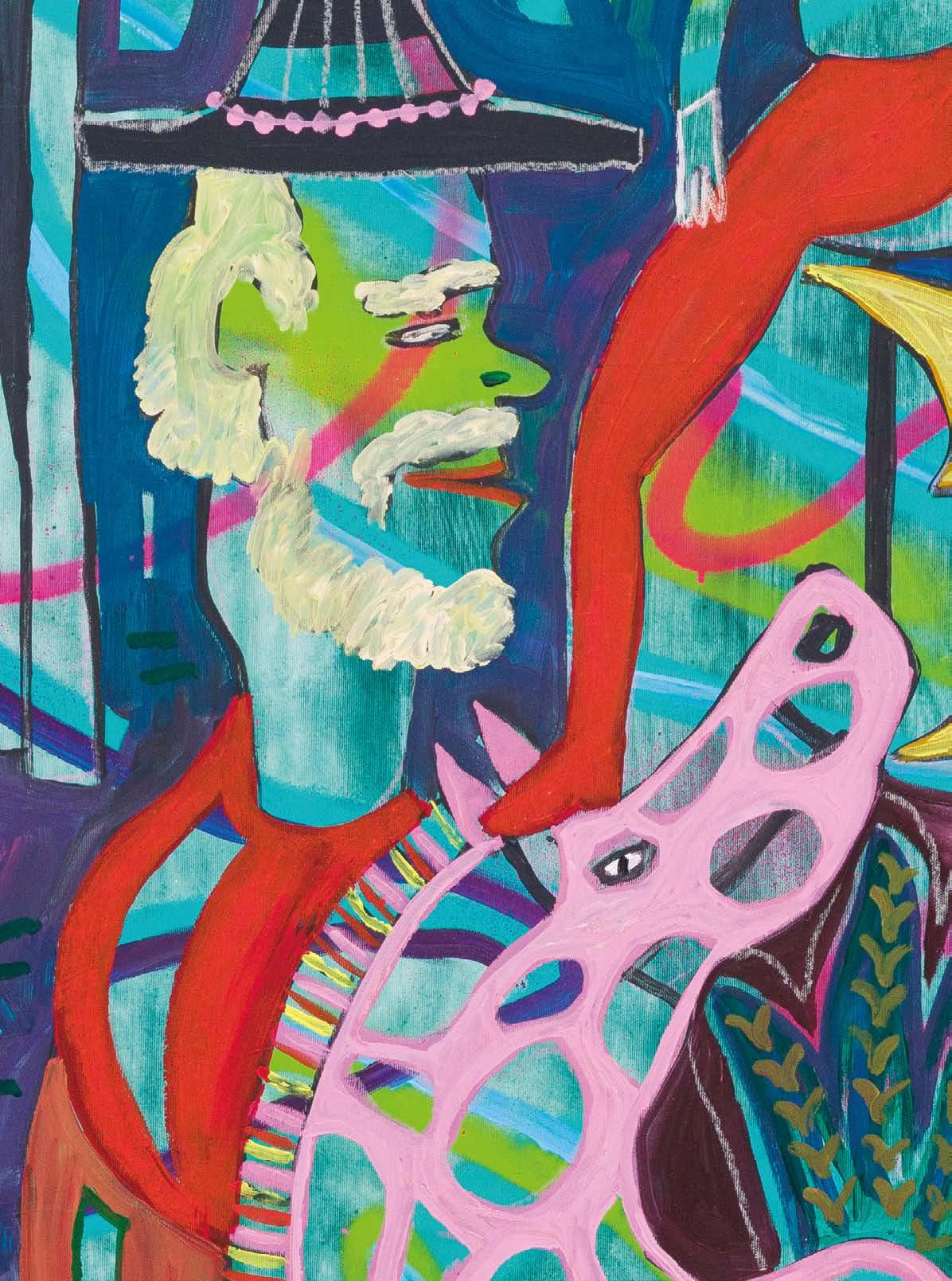
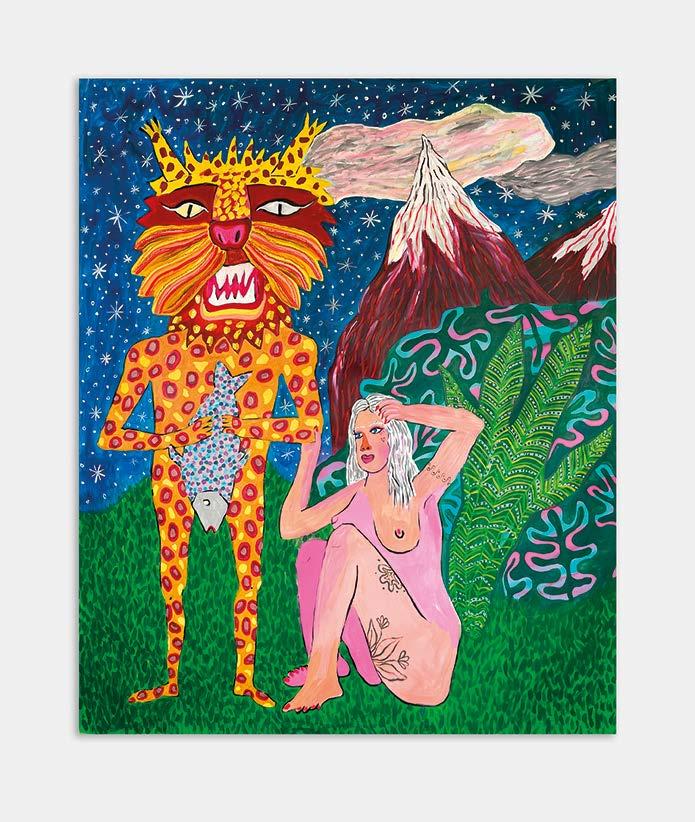
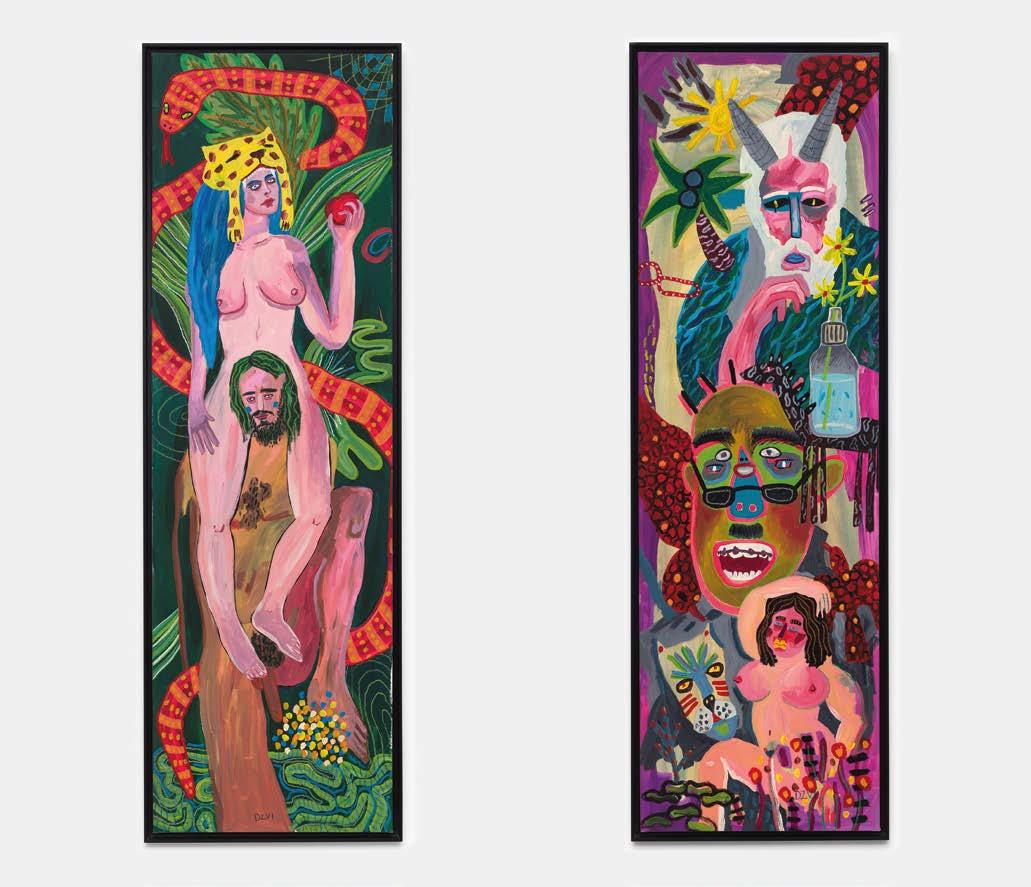
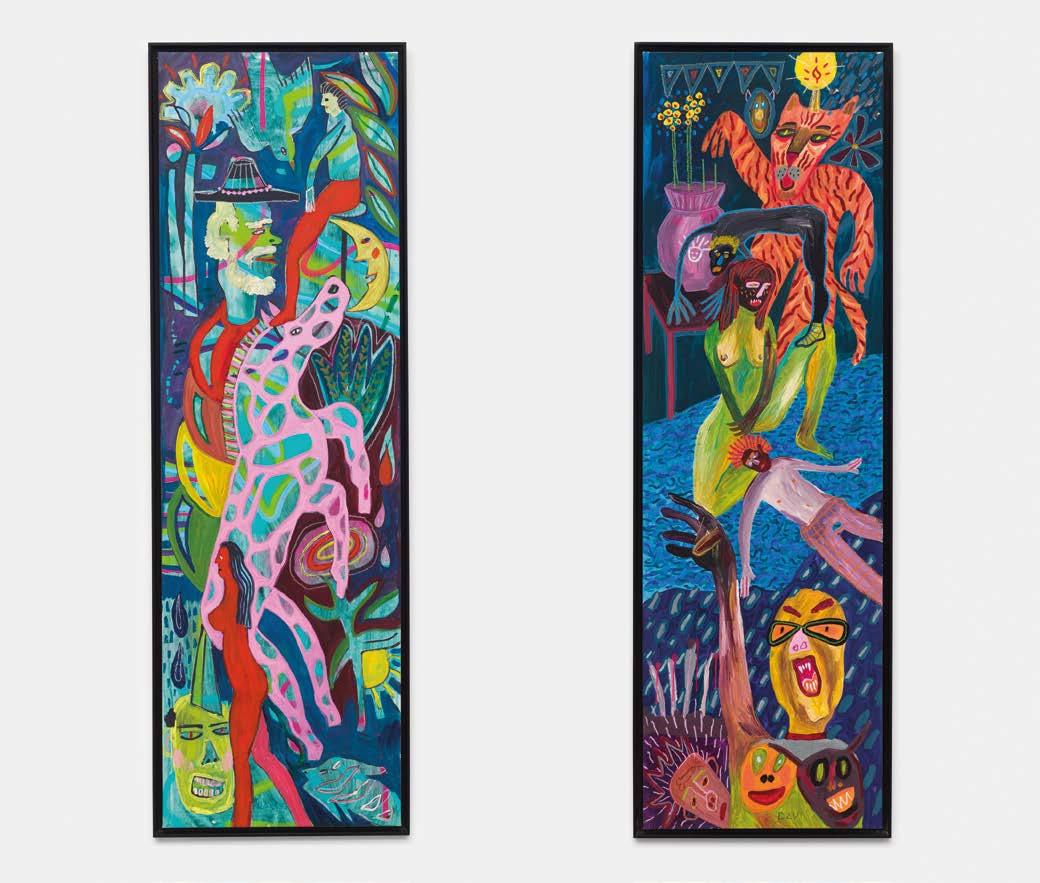
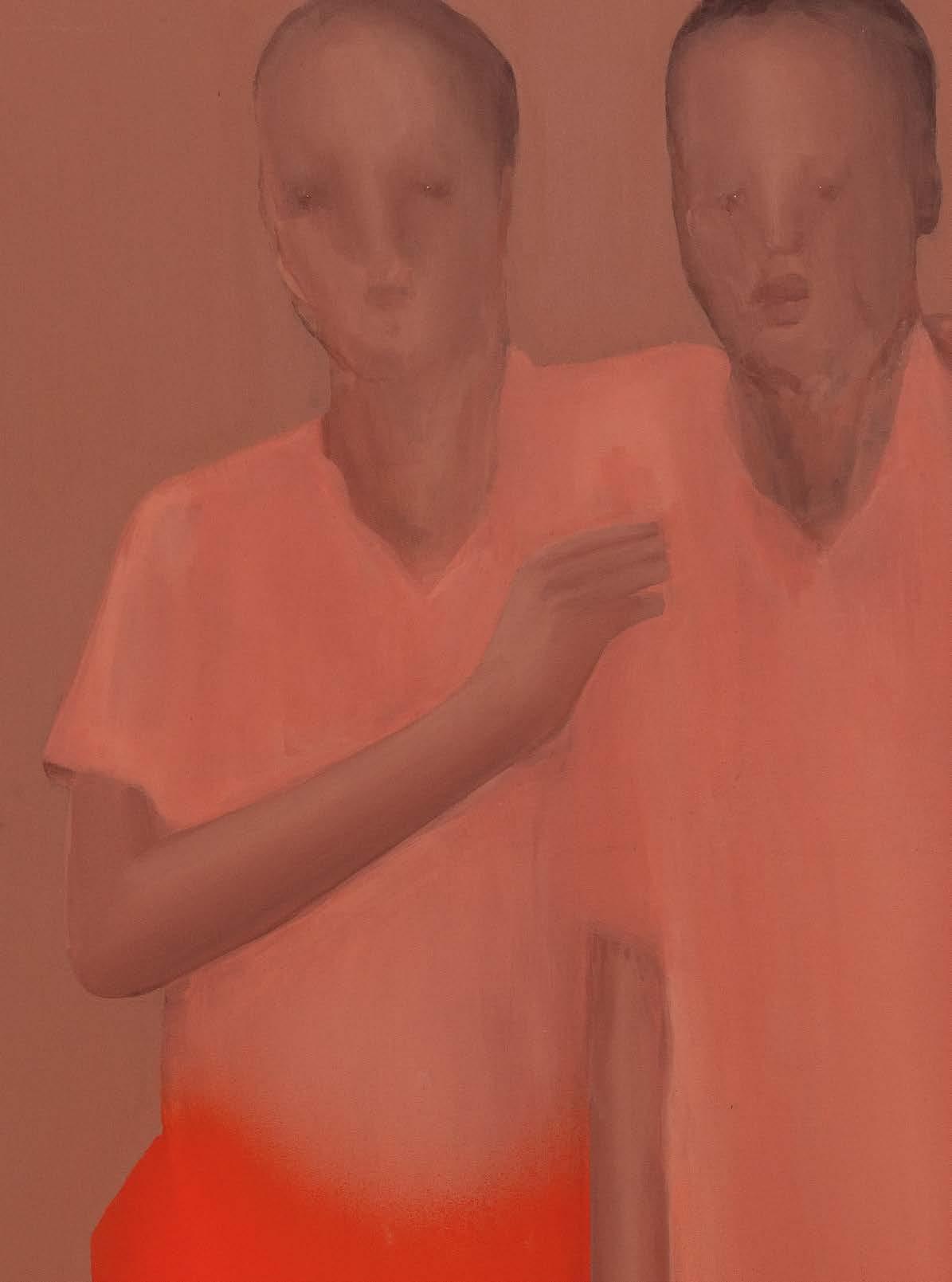
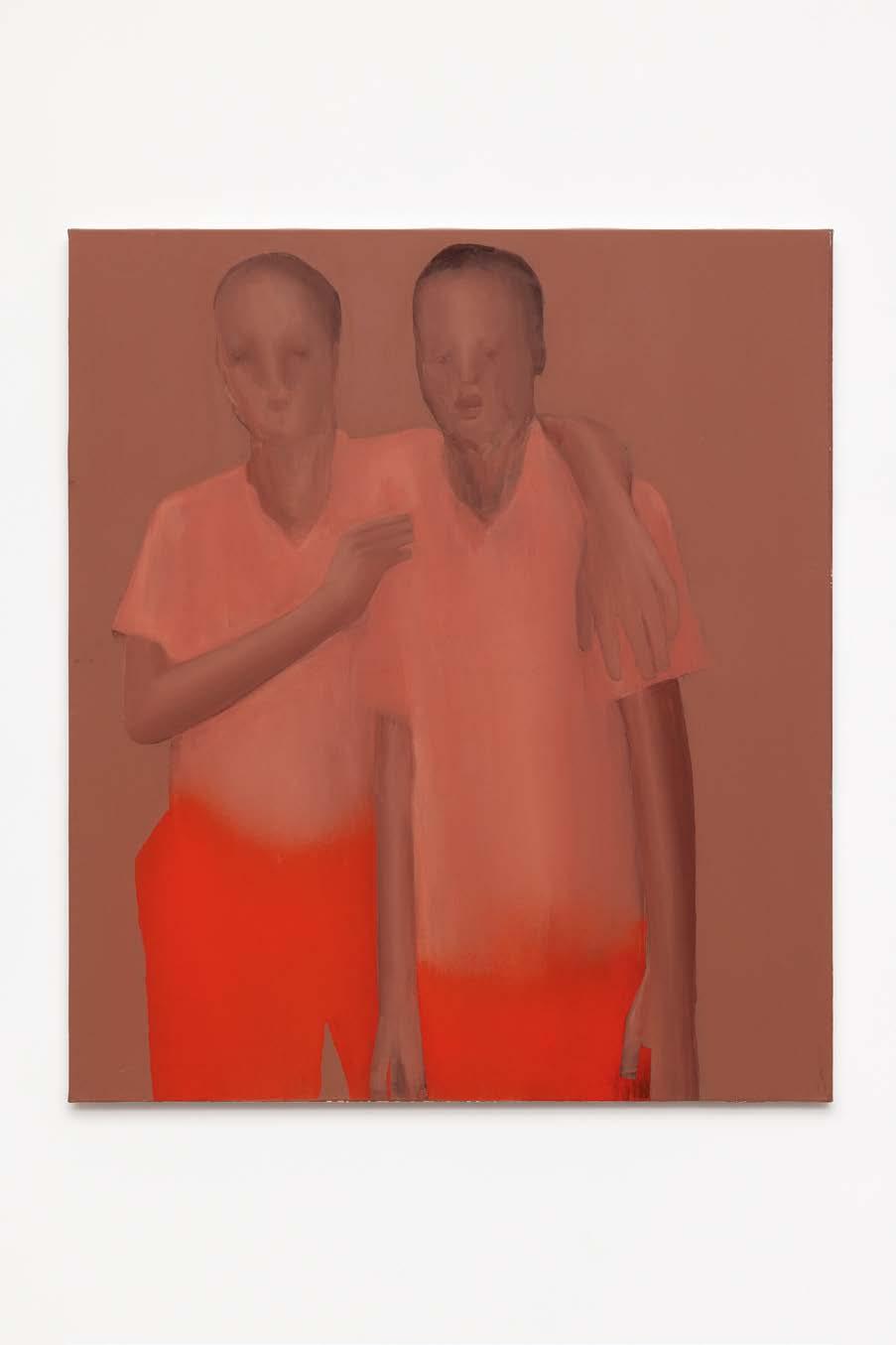
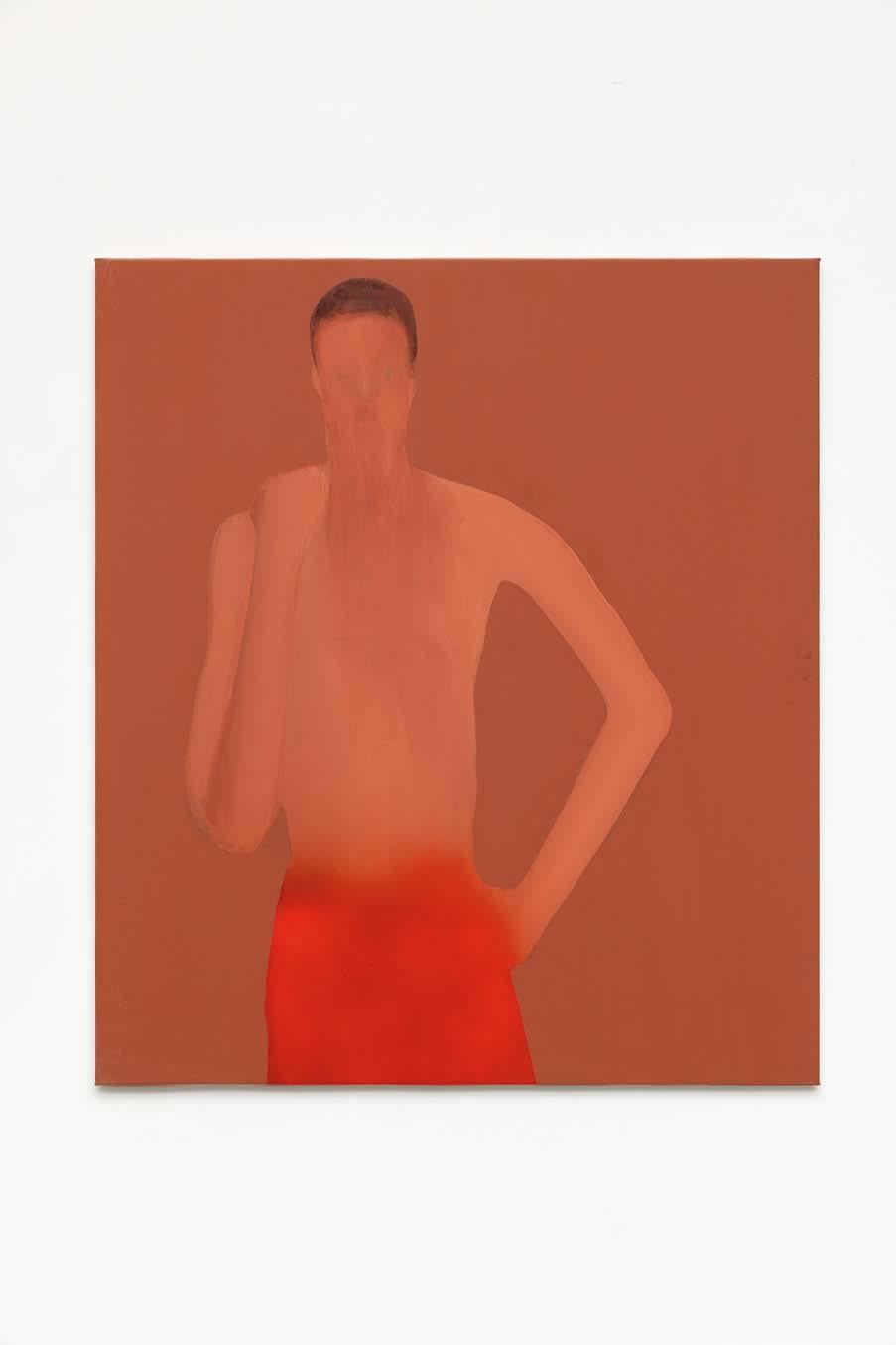
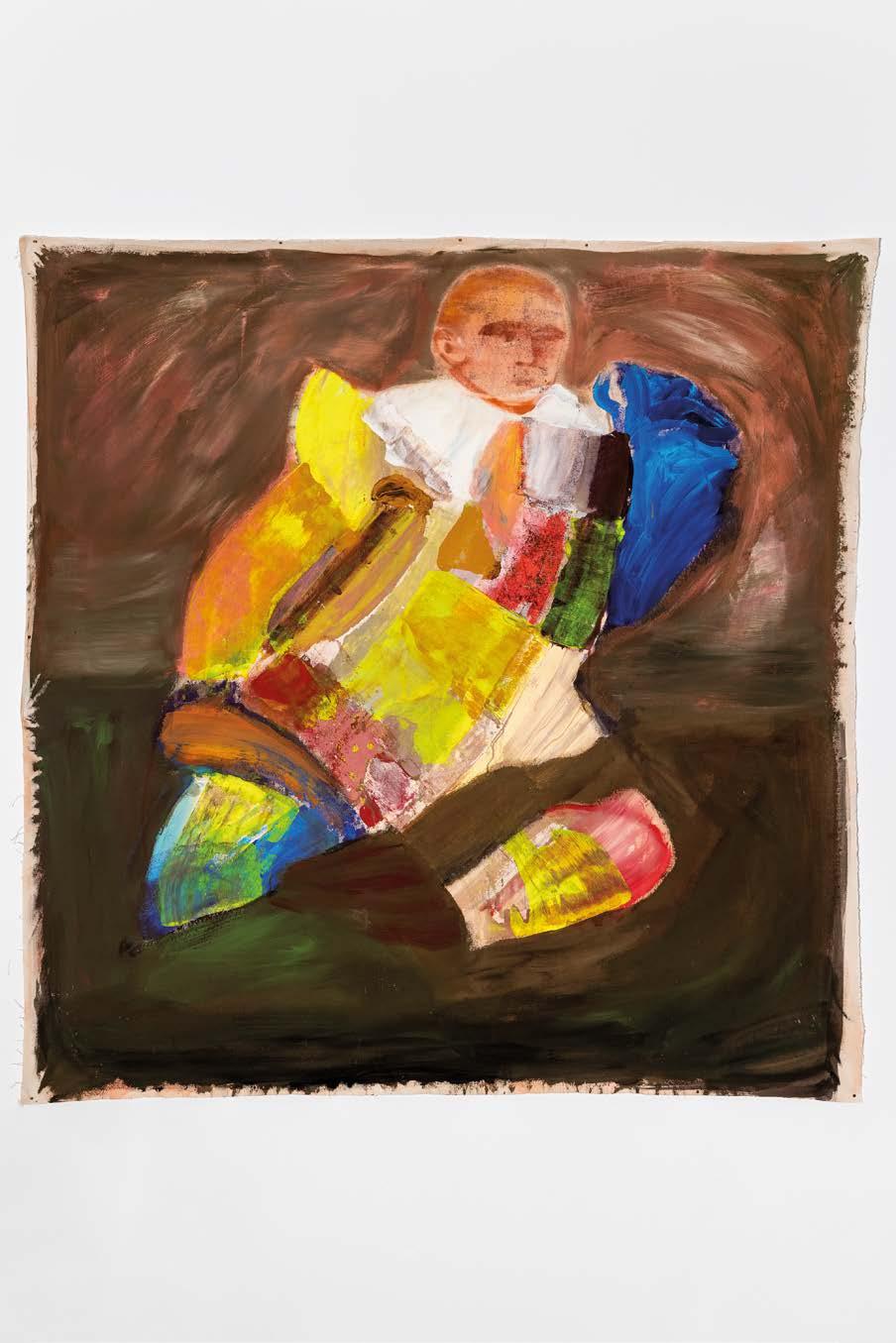
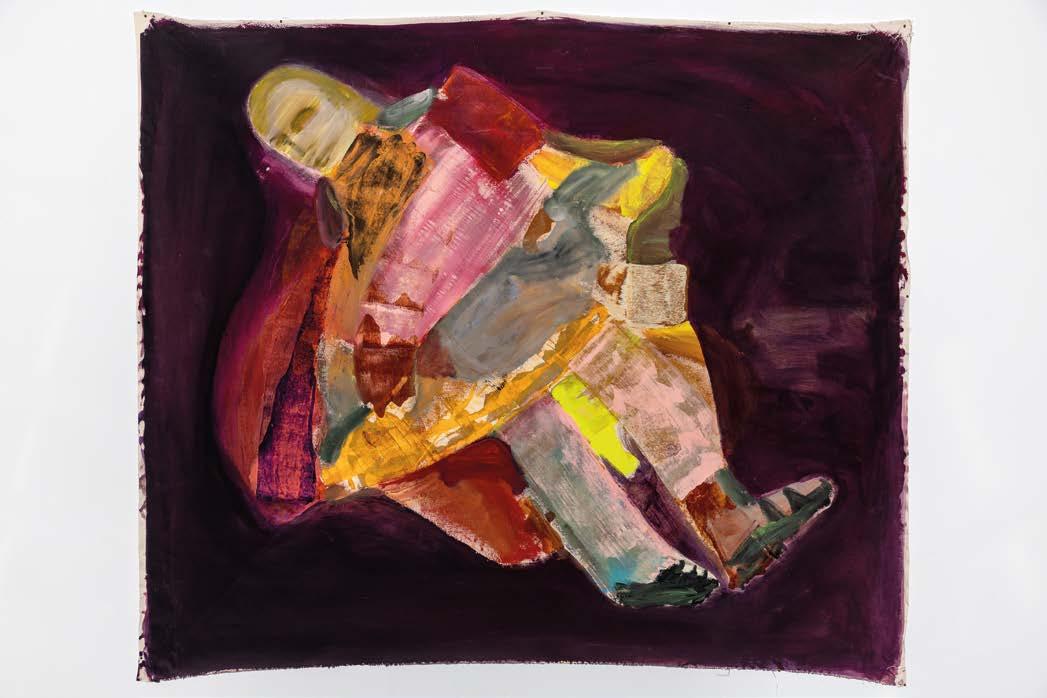
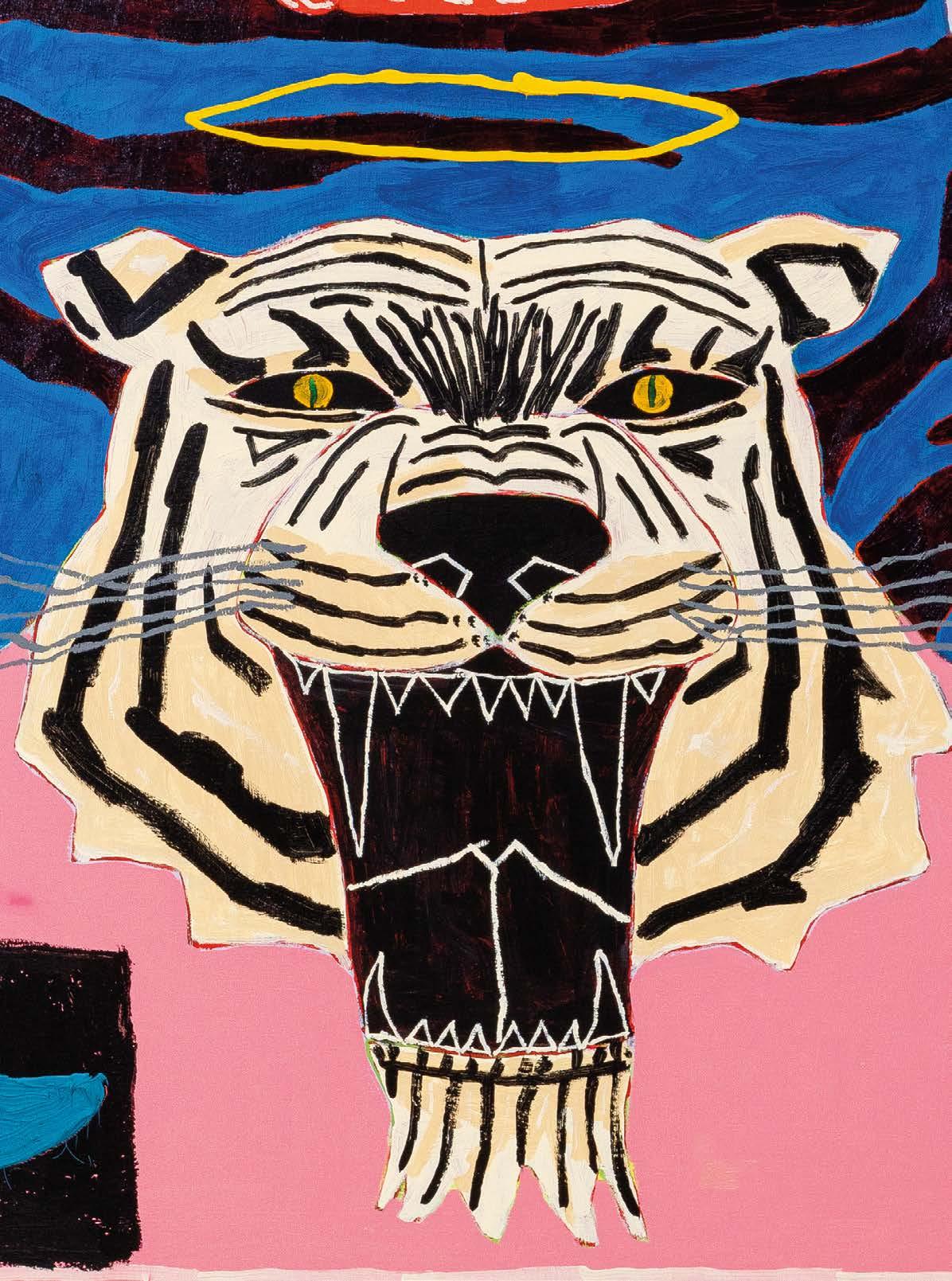
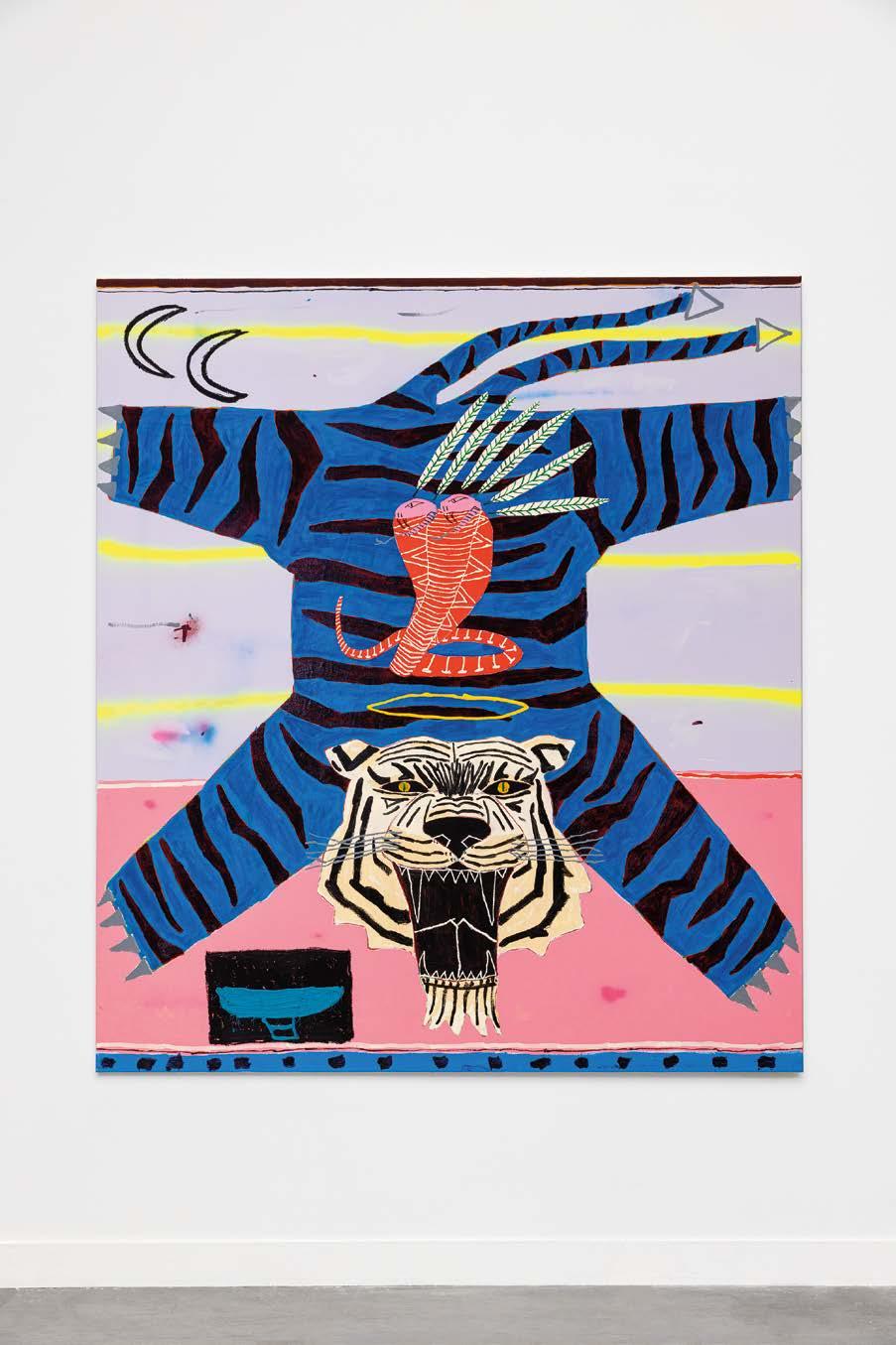
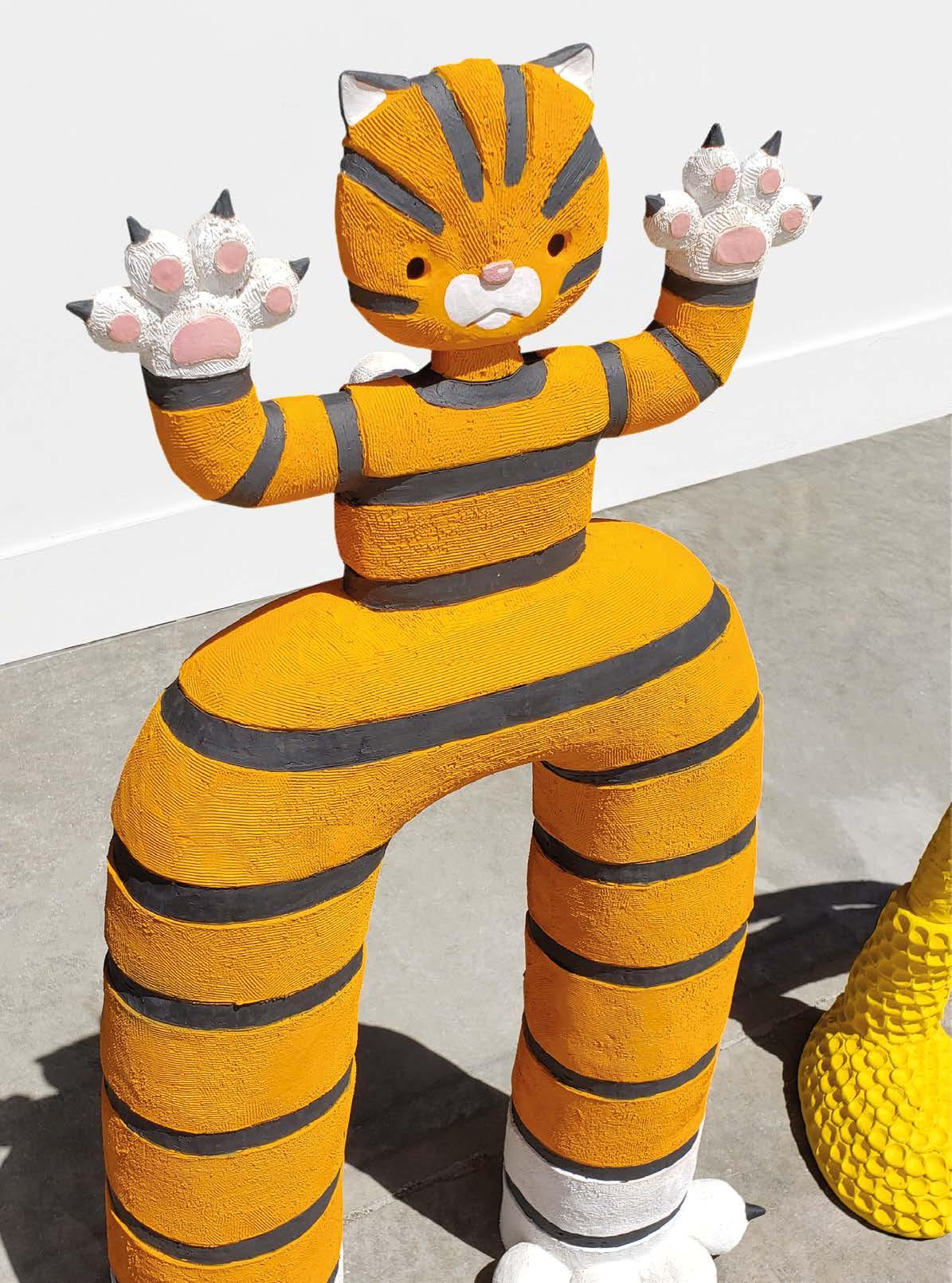
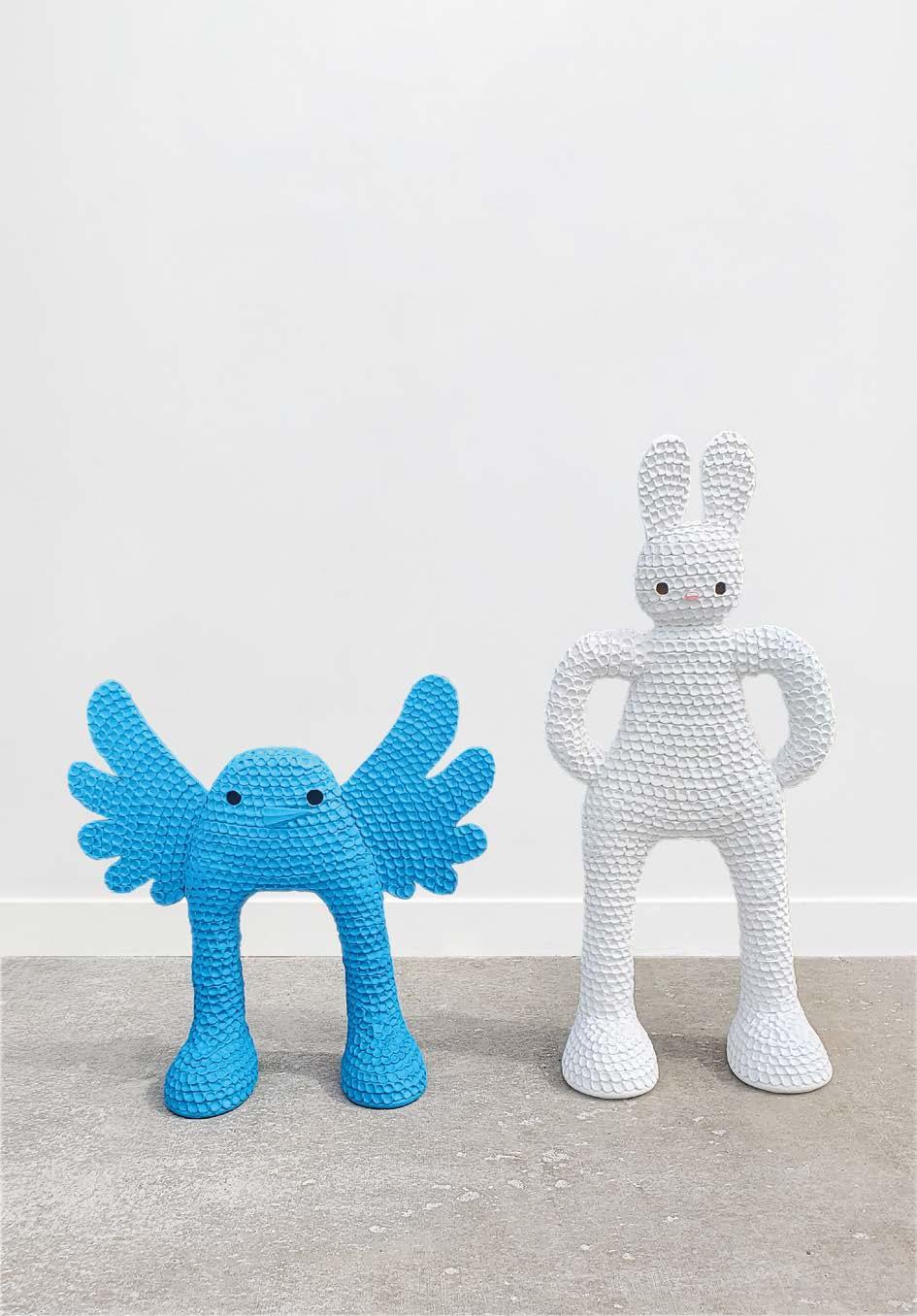
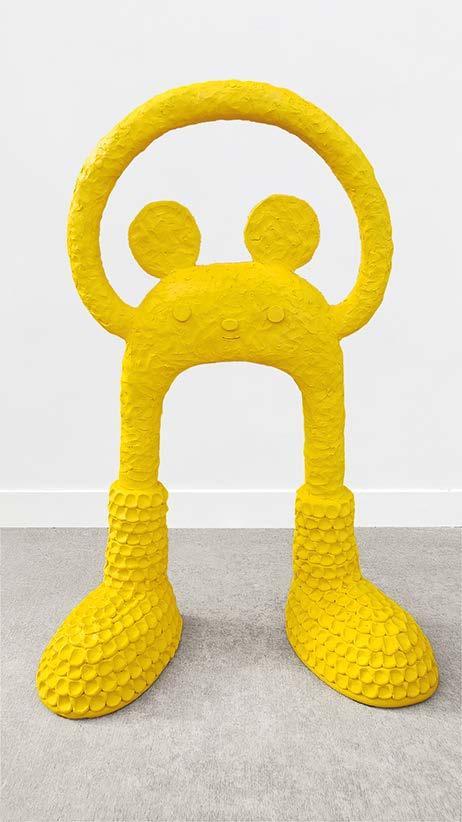
Dans cette cité rêvée, l’espace se partage selon l’origine de ses habitants, les artistes. Le territoire africain ouvre le bal au 2, avenue Matignon avec Gideon Appah, Igwe Michael et Simphiwe Ndzube. Les corps nous font face. Un essaim de magie déferle sur la ville. Le tigre et le serpent nous enjoignent de les suivre pour représenter, en la personne de Jordy Kerwick, l’Australie. Au détour du chemin, un univers cartoonesque inspiré du pop art forge un monde rêvé, celui de l’Amérique d’Austin Lee et d’Austyn Taylor. La suite de la visite nous emmène sur le continent asiatique (Takeru Amano, Roby Dwi Antono, Vivi Cho, Jang Koal, Otani Workshop) et ses visions kawaii, presque naïves des personnages qui semblent sortir d’un manga.
Certains chants sacrés naissent de ces cohabitations à la manière du duo formé pour l’occasion par Marcella Barceló et Vincent Beaurin.
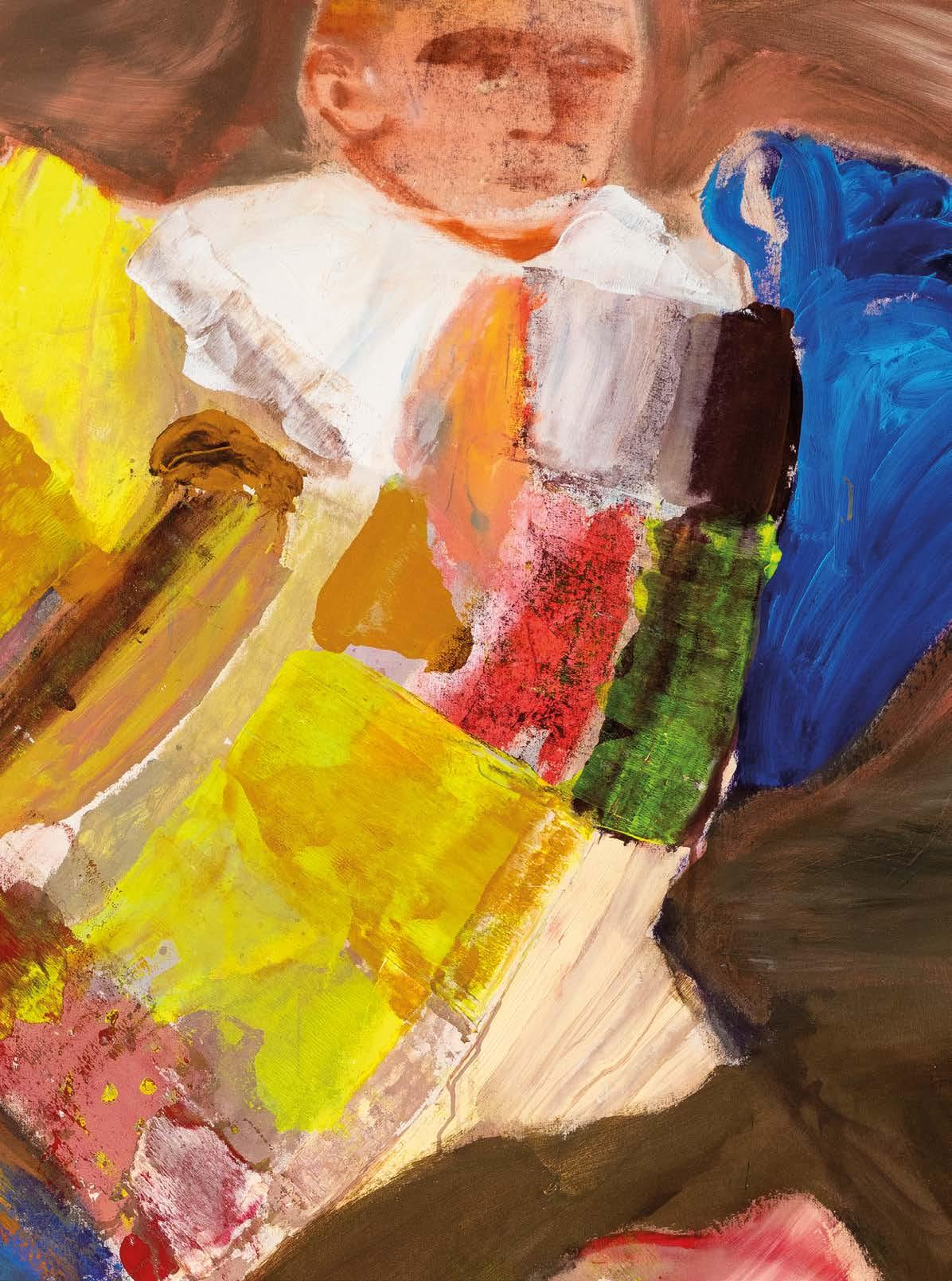
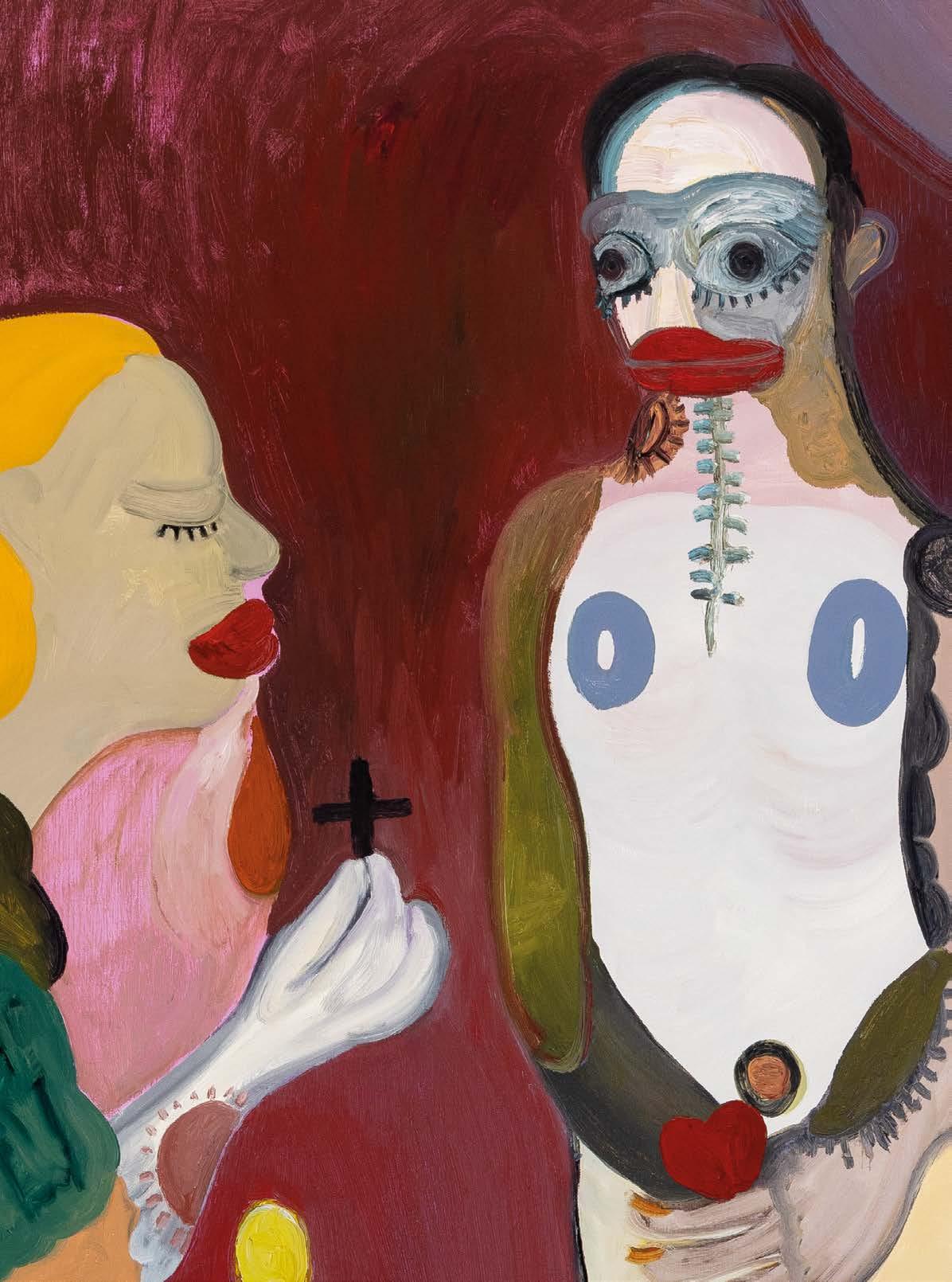
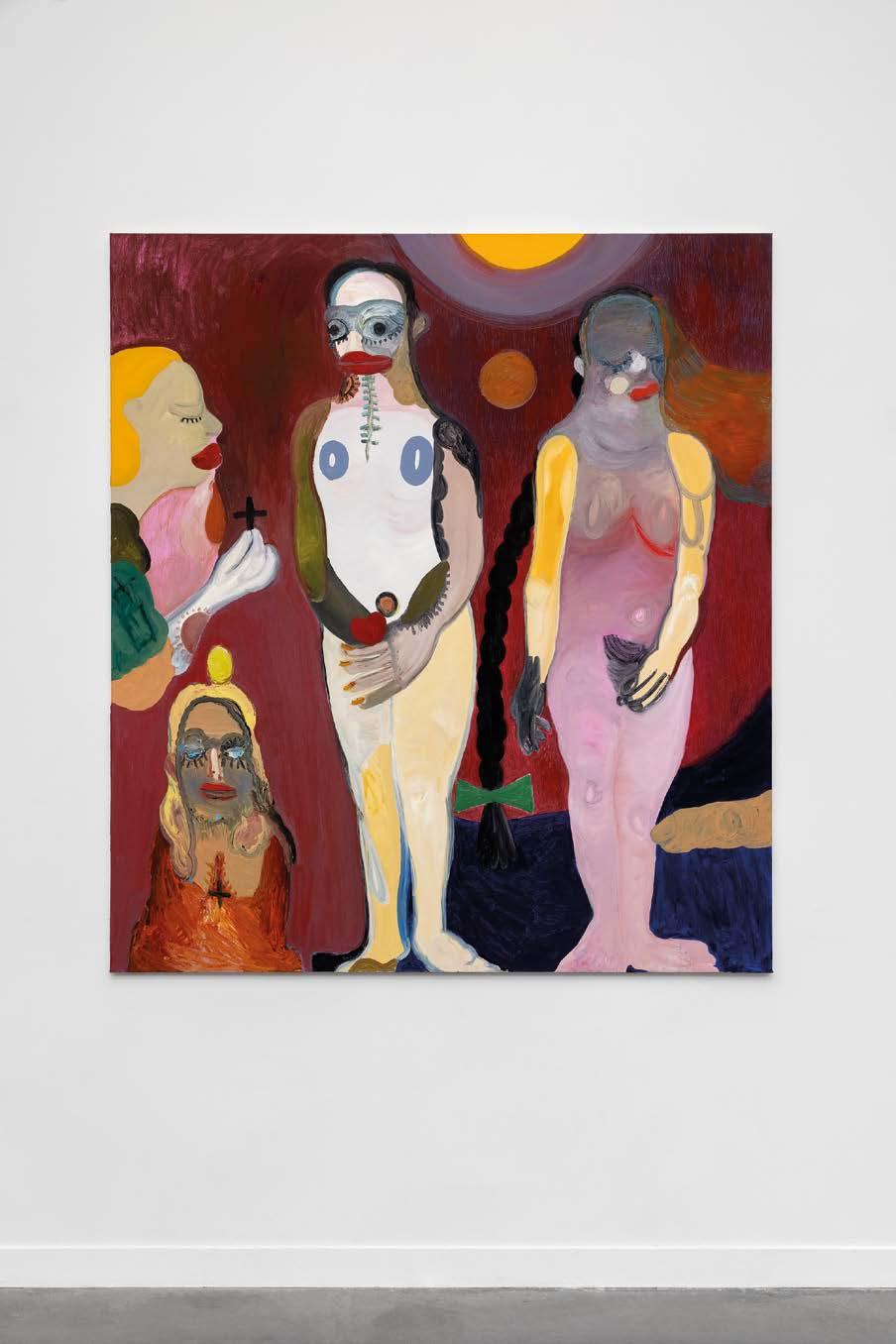
Continuons ce tour du monde en Iran dans l’espace 5, rue du Mail avec Mamali Shafahi. Comme un album de famille, les rangées de visages de la Norvégienne Trude Viken nous entrouvrent le rideau de l’intime. Les œuvres de l’Anglais Alexander James et de l’Ukrainienne Dzvinya Podlyashetska forment un écho : elles nous convient à une intériorité colorée, sorte de nouvel expressionnisme contemporain.
La lumière andalouse de Javier Martin nous guide vers le quartier des artistes français (Léo Caillard, Olivier Kosta-Théfaine, Prosper Legault, Anita Molinero, Lou Ros, Julien Saudubray), tous singuliers dans leurs pratiques, questionnant tantôt la nature, l’image, la matière ou la cité.
À l’instar du poète Pierre Reverdy, on peut dire que l’art, comme la poésie, « n’est intelligible à l’esprit et sensible au cœur que sous la forme d’une certaine combinaison de mots ». Dans notre cas, la combinaison concerne la mise en présence d’œuvres singulières, différentes (la scénographie) « qui en se fixant assument une réalité particulière qui rend l’art incomparable à tout autre ».
Tout voyage a un début et une fin. Dans ce musée imaginaire émerge un goût pour les couleurs, pour une figuration qui évoque les mythologies, l’écologie et le lien entre les êtres.
« Poussez la porte, le soleil est à l’intérieur. » (1) (1) Paul Nougé, 1925
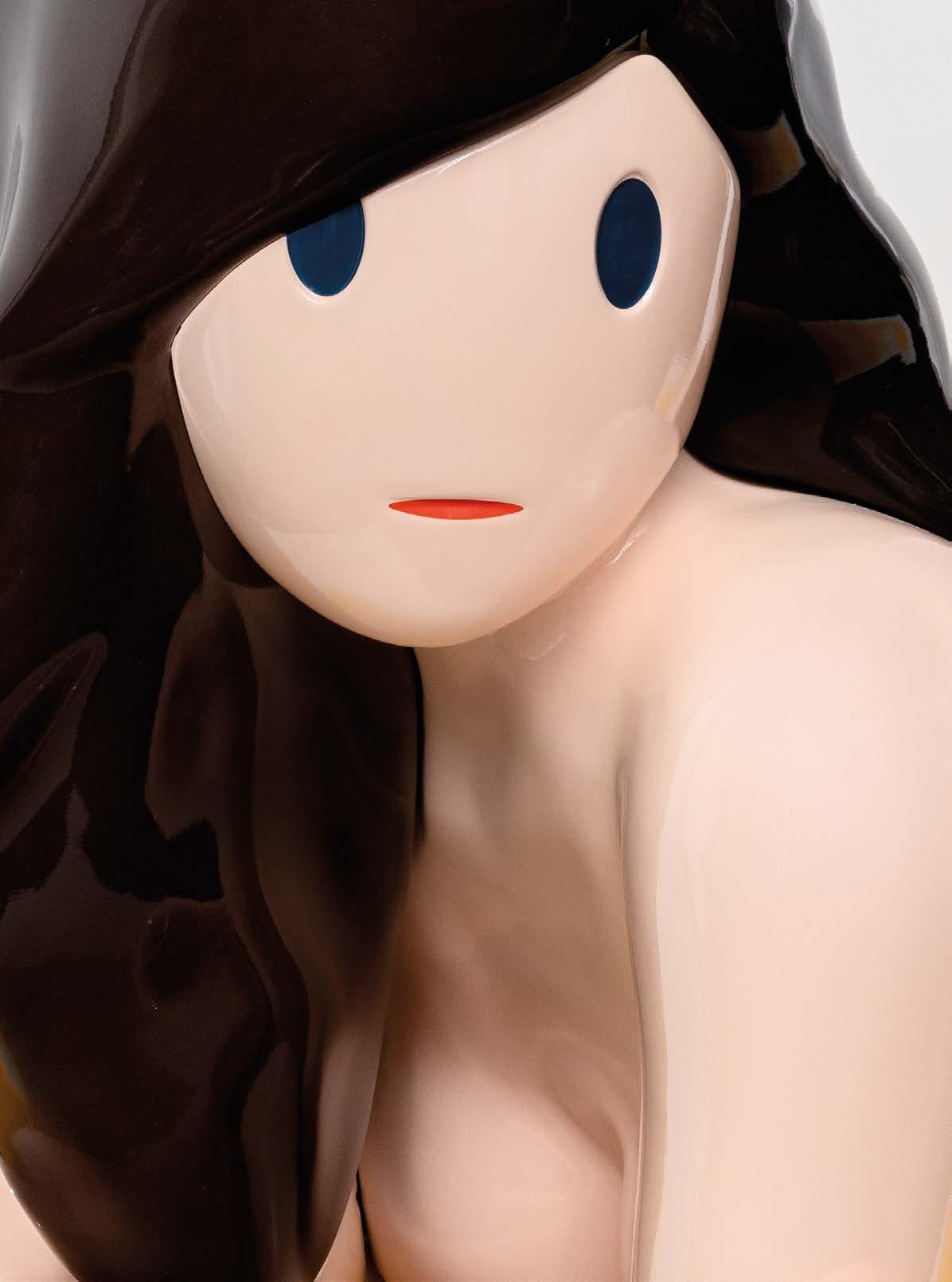
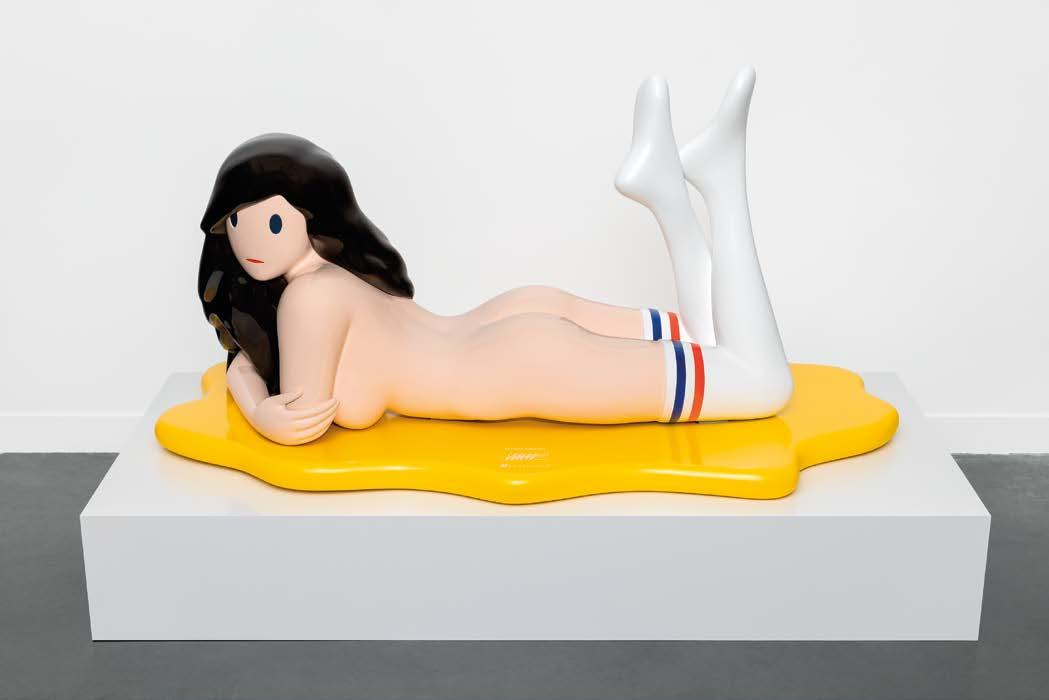
AMANO takeru
Venus with socks, 2021
Fiberglass
Limited edition of 10 78 x 163 x 74 cm
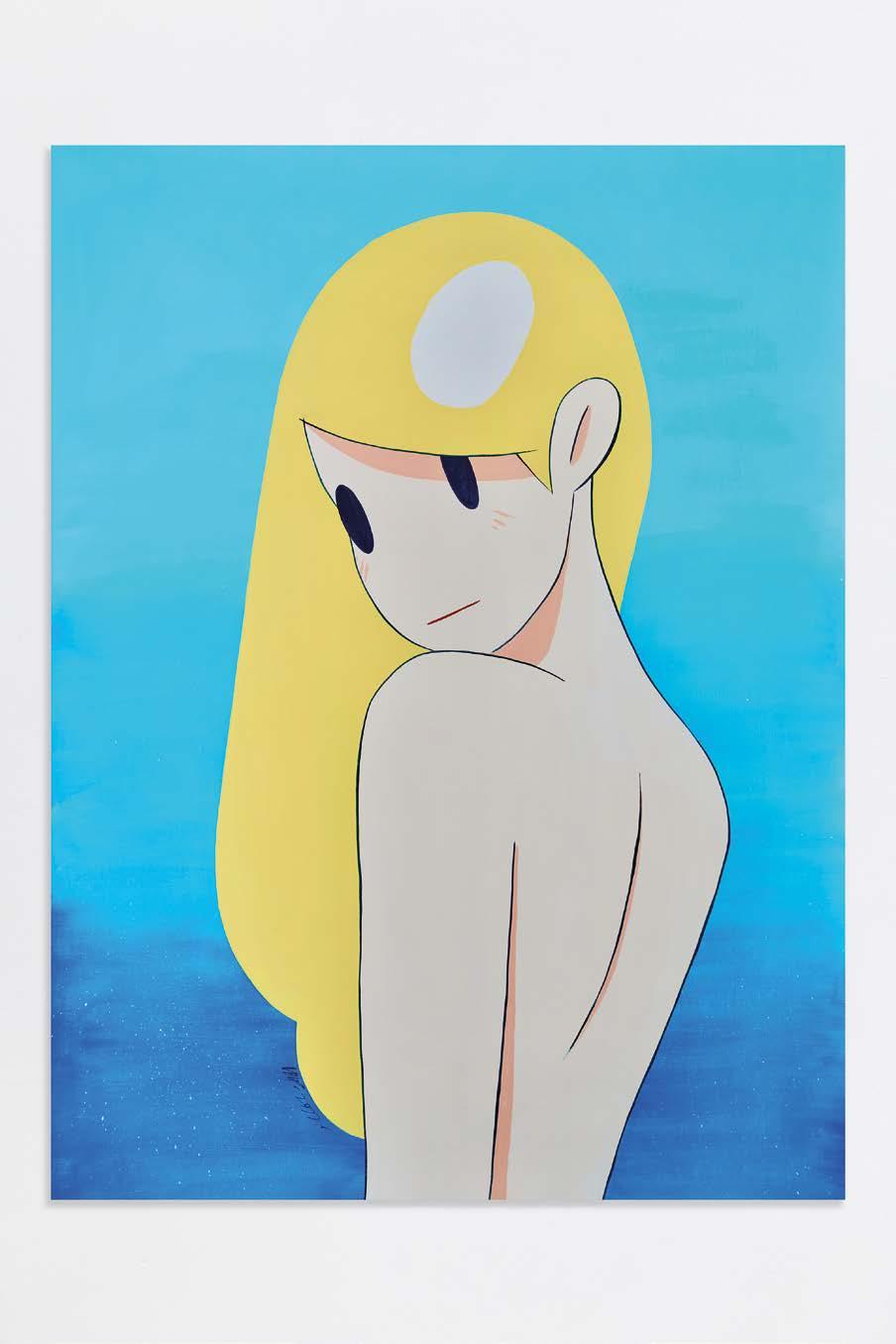
Venus, 2022
Acrylic on canvas
130 x 97 cm, unframed
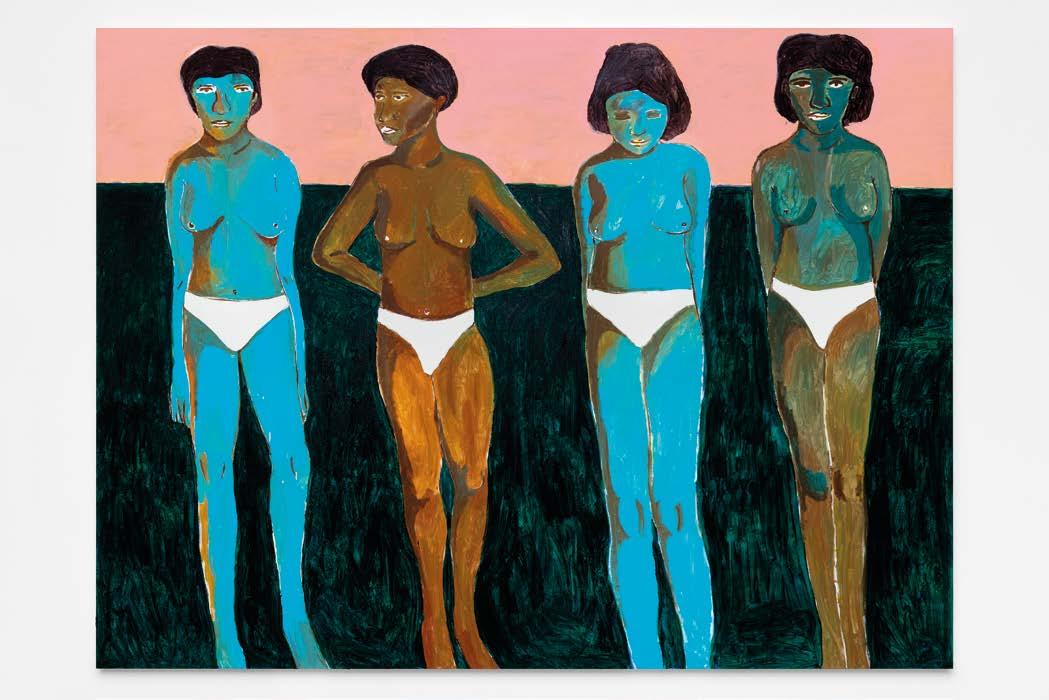
181.6
Four Half Nudes, 2021 Oil, acrylic on canvas
x 241.3 cm, unframed
Until the end of August, 2022
Acrylic, nail polish on canvas
170 x 270 cm, unframed
Comenzaron a borrarse los caminos, 2022
Acrylic, nail polish on canvas
100 x 100 cm, unframed
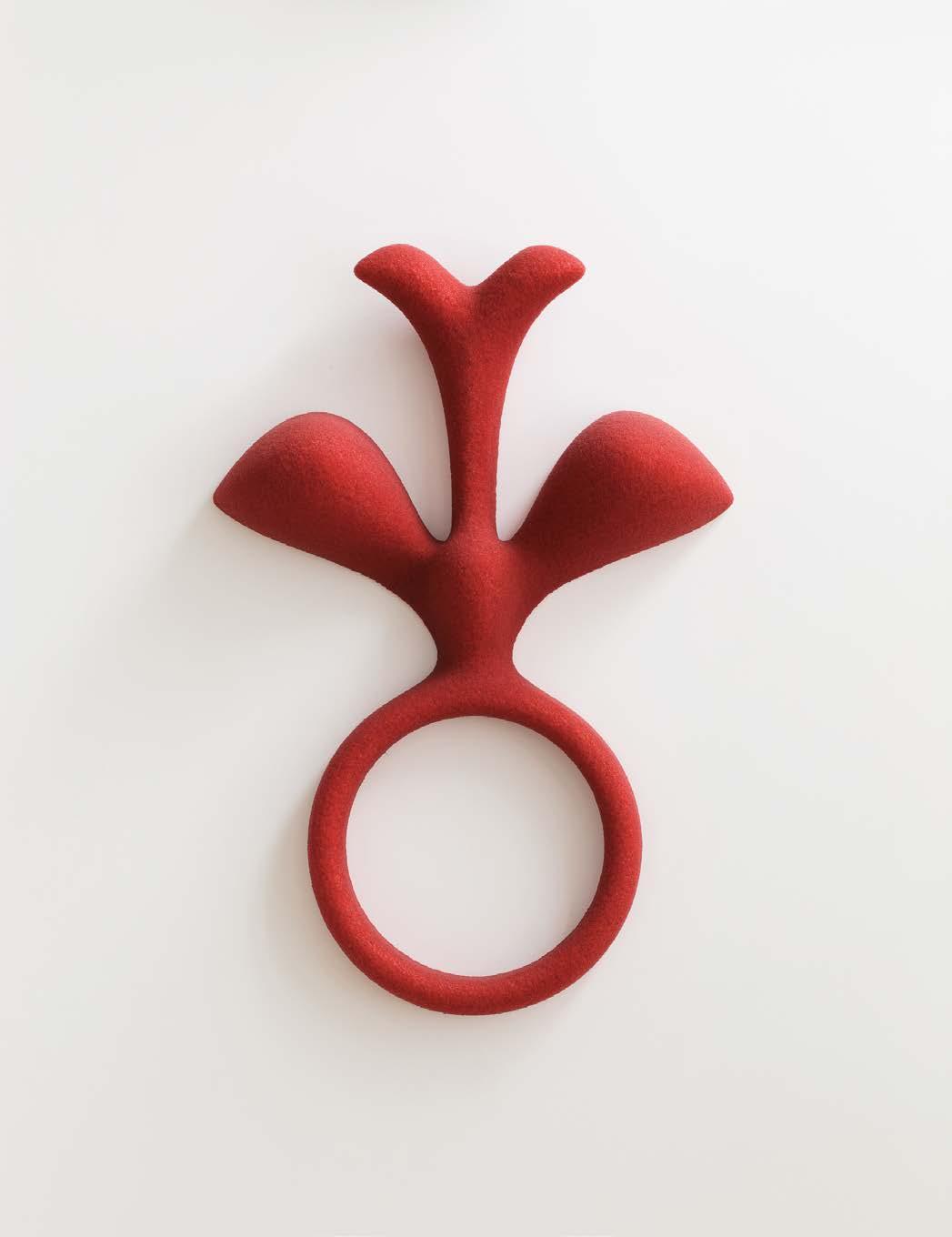
Ornement, 2015
Polystyrene, epoxy resin, glass bead
100 x 70 x 18 cm
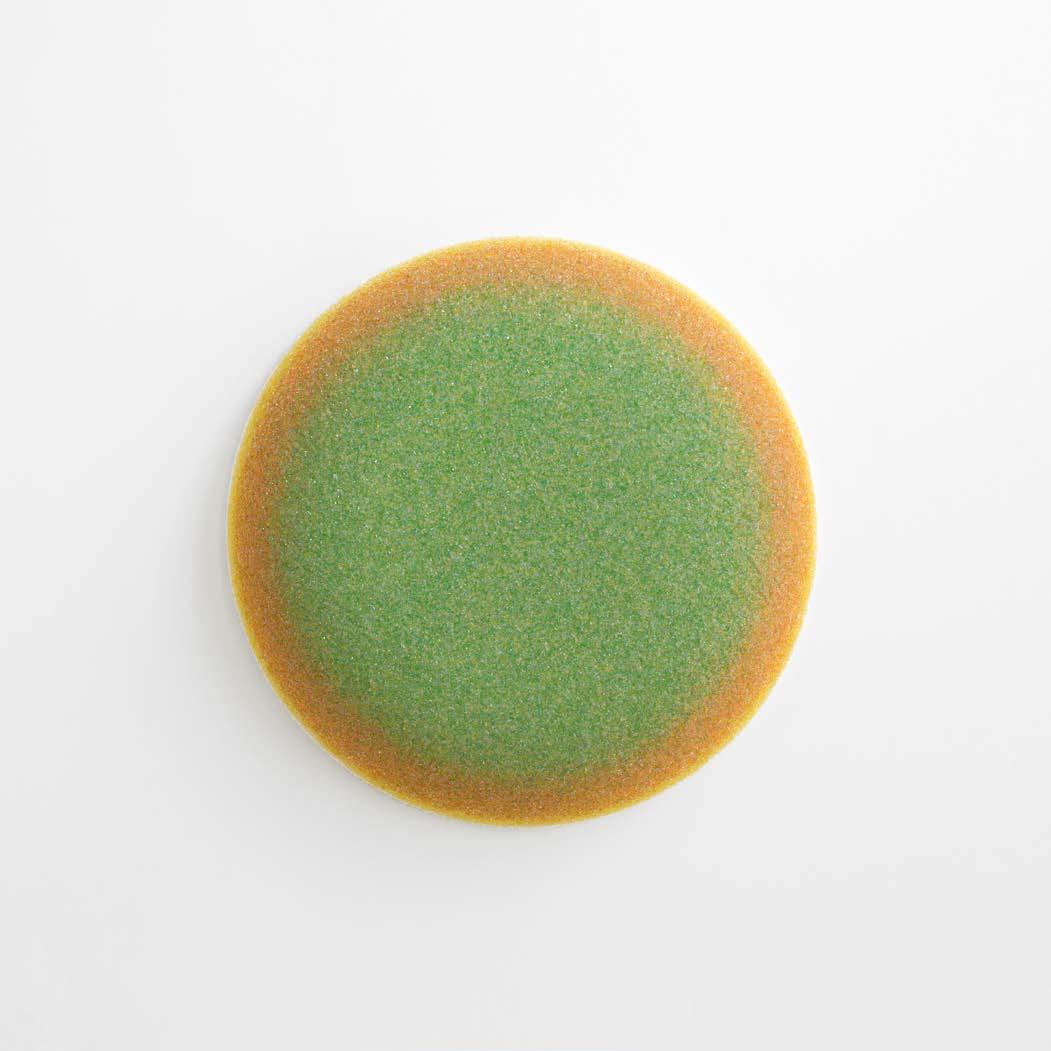
Ocelle, 2016
Polystyrene, epoxy resin, glass sparkle Ø 71 x 13.5 cm
Previous page :
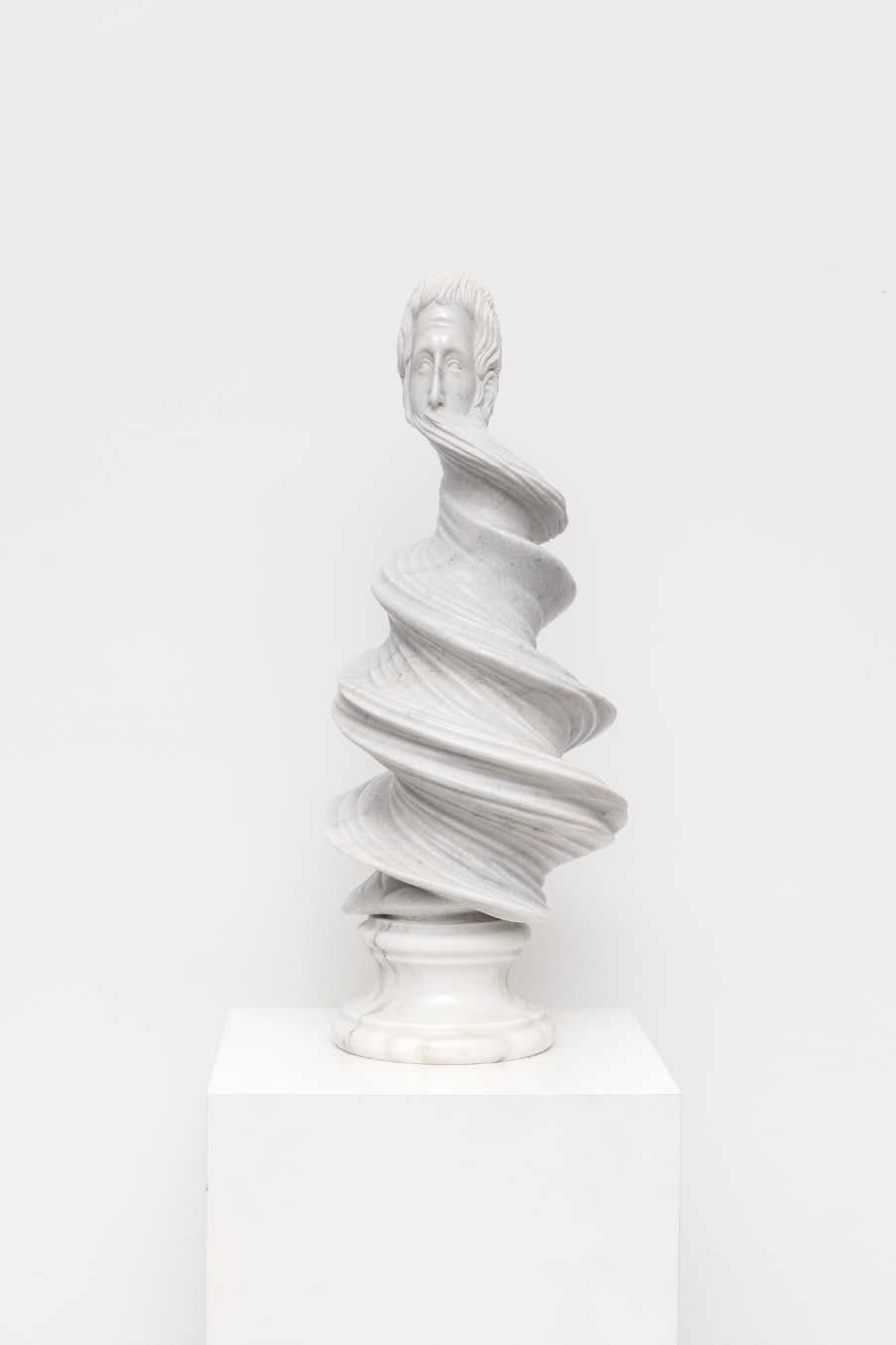
Hercule Wave Stone, 2021
White Carrara marble
67 x 66 x 37 cm
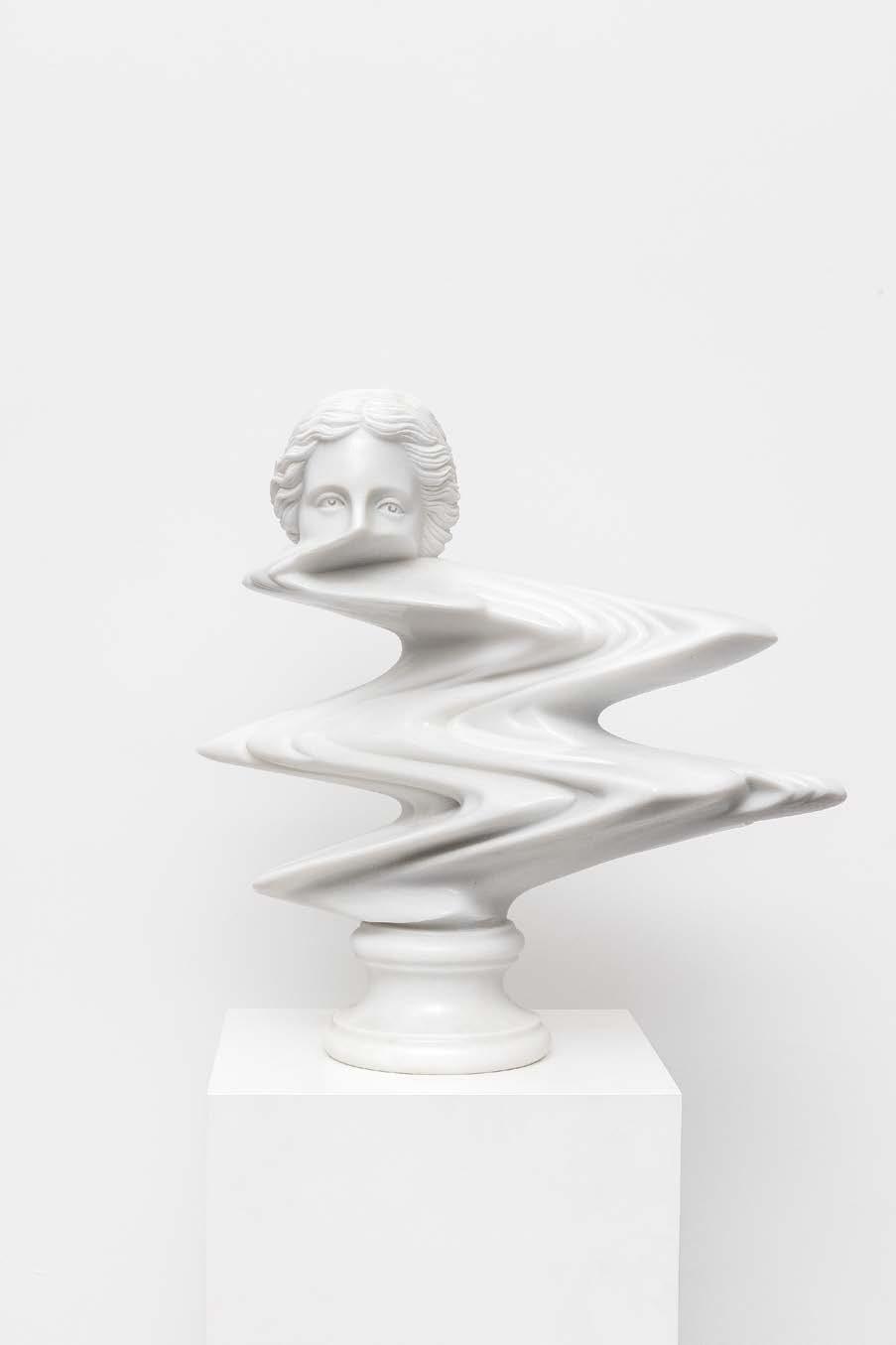
Venus Wave Stone, 2020
White Carrara marble
61 x 60 x 29 cm
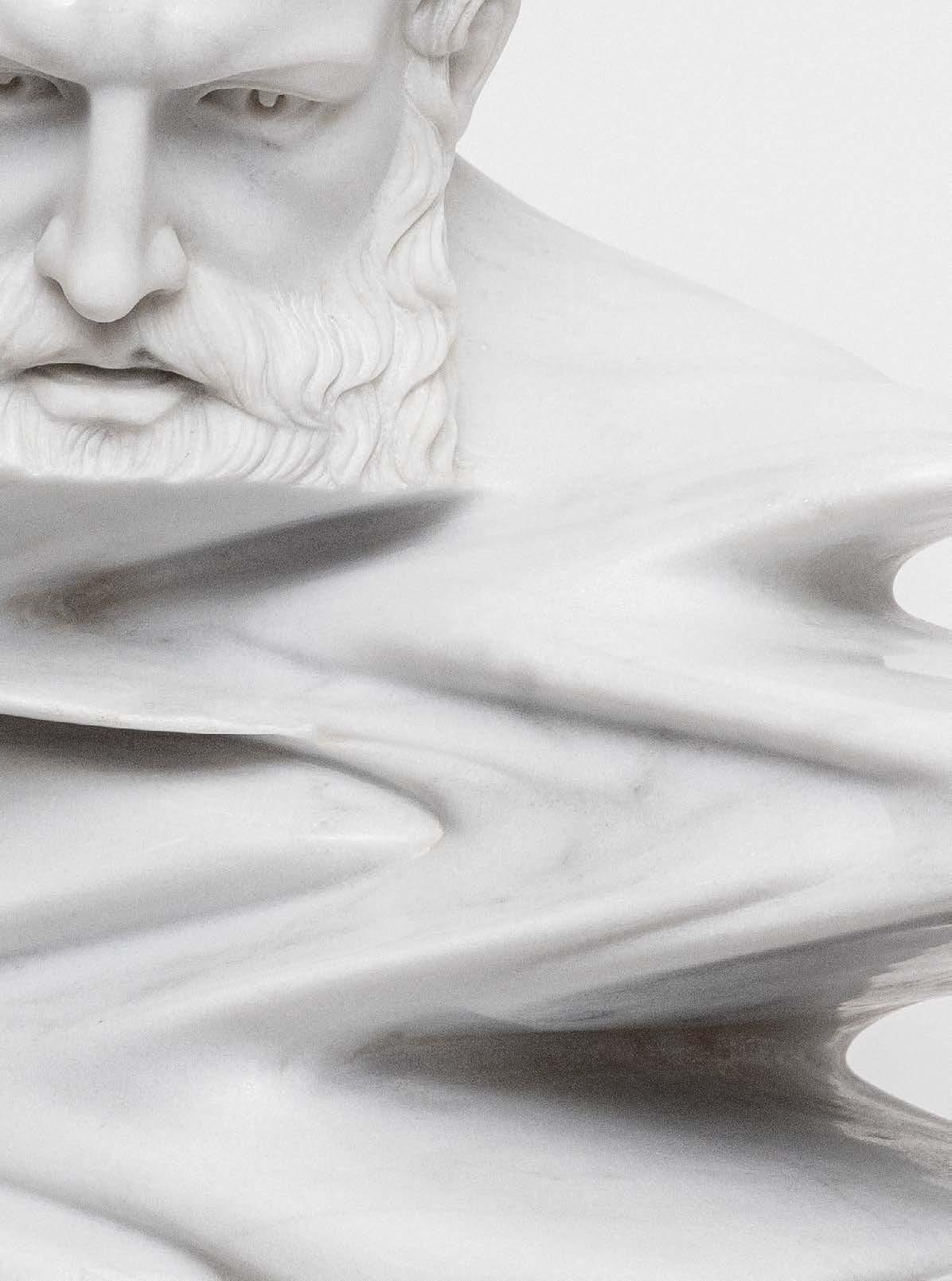
Sophocles White Marble, 2021
White Carrara marble
70 x 31 x 30 cm
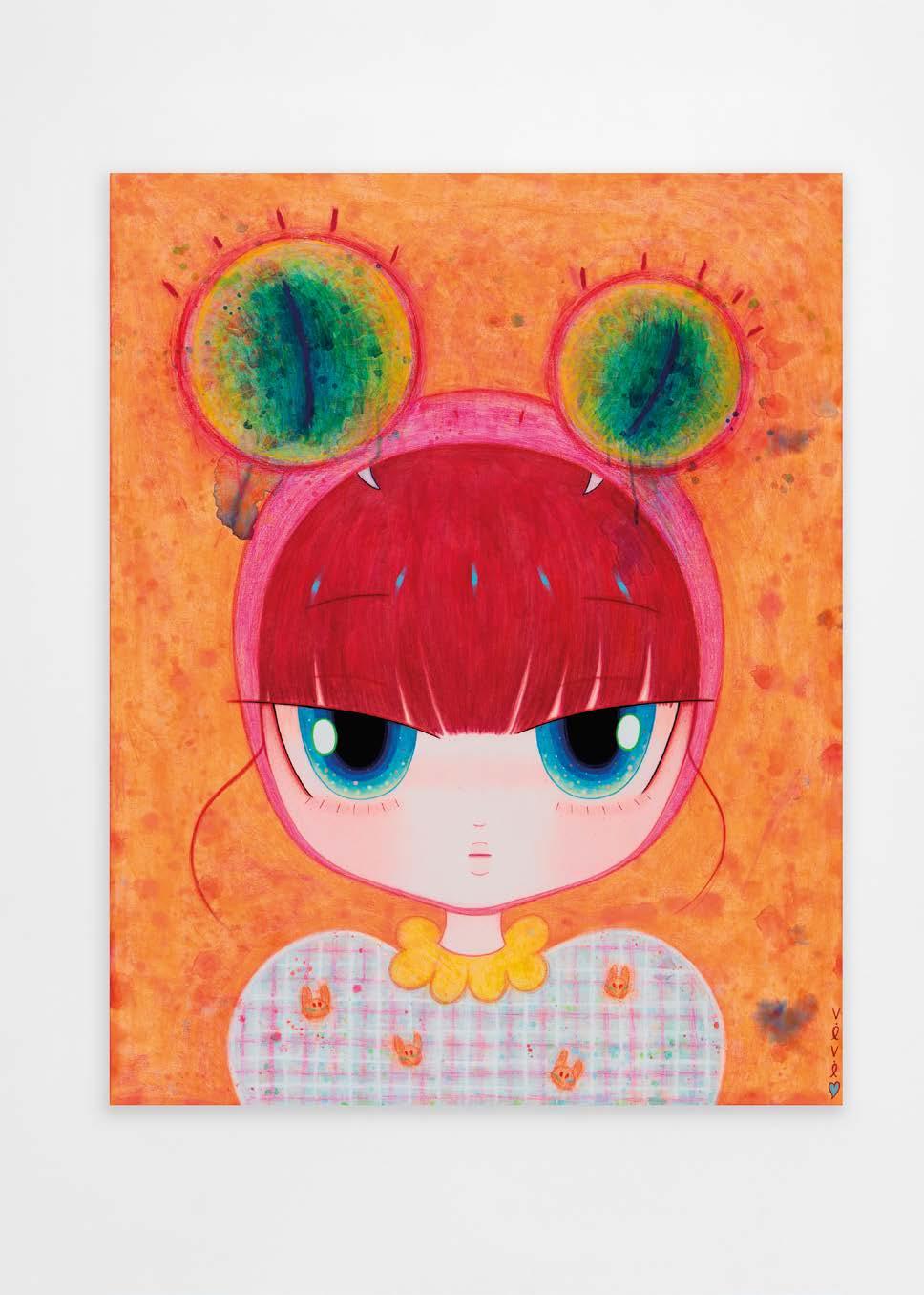
I can see you, 2022
oil pastel on canvas
116.8 x 91 cm, unframed
Acrylic,
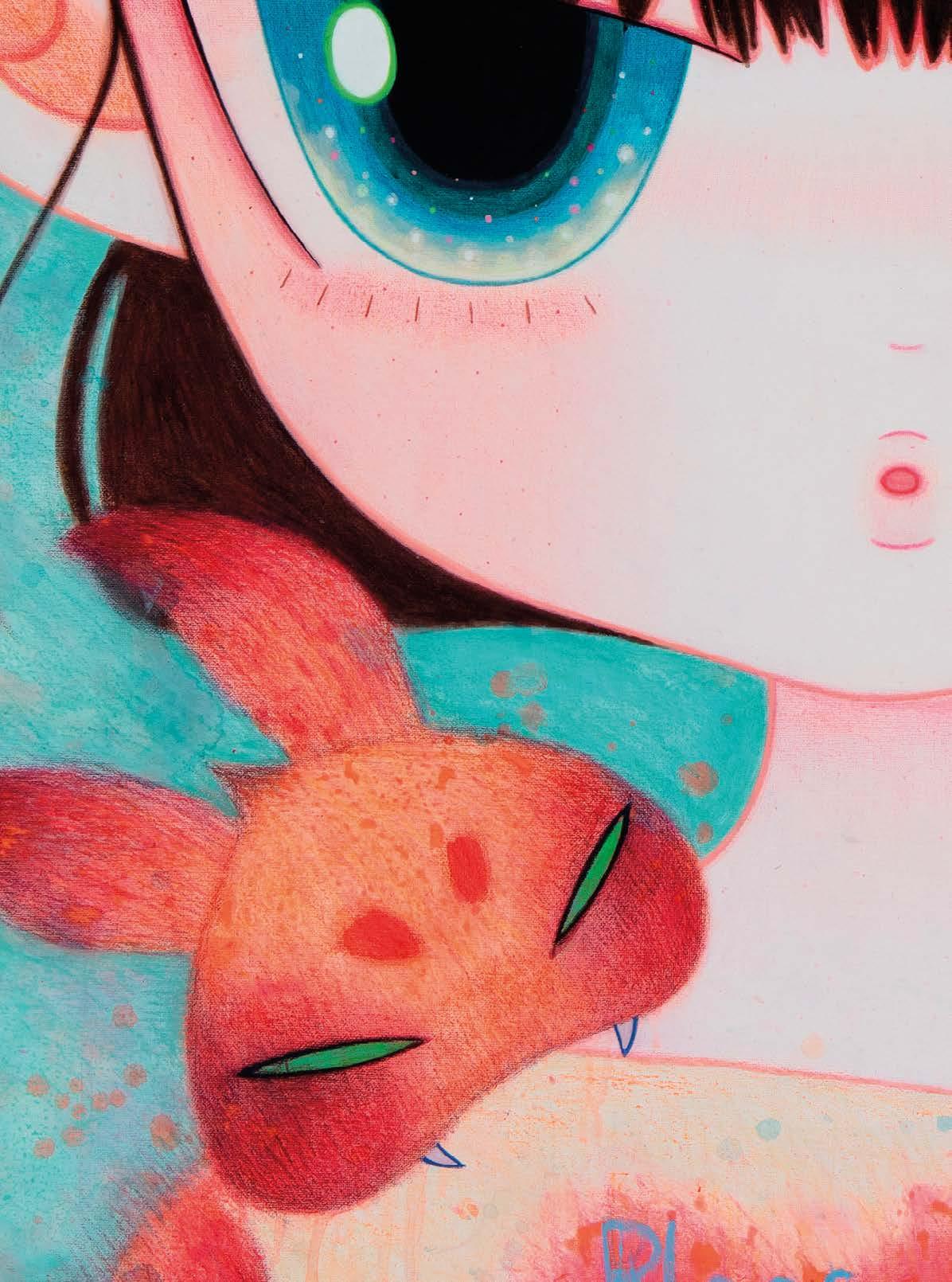
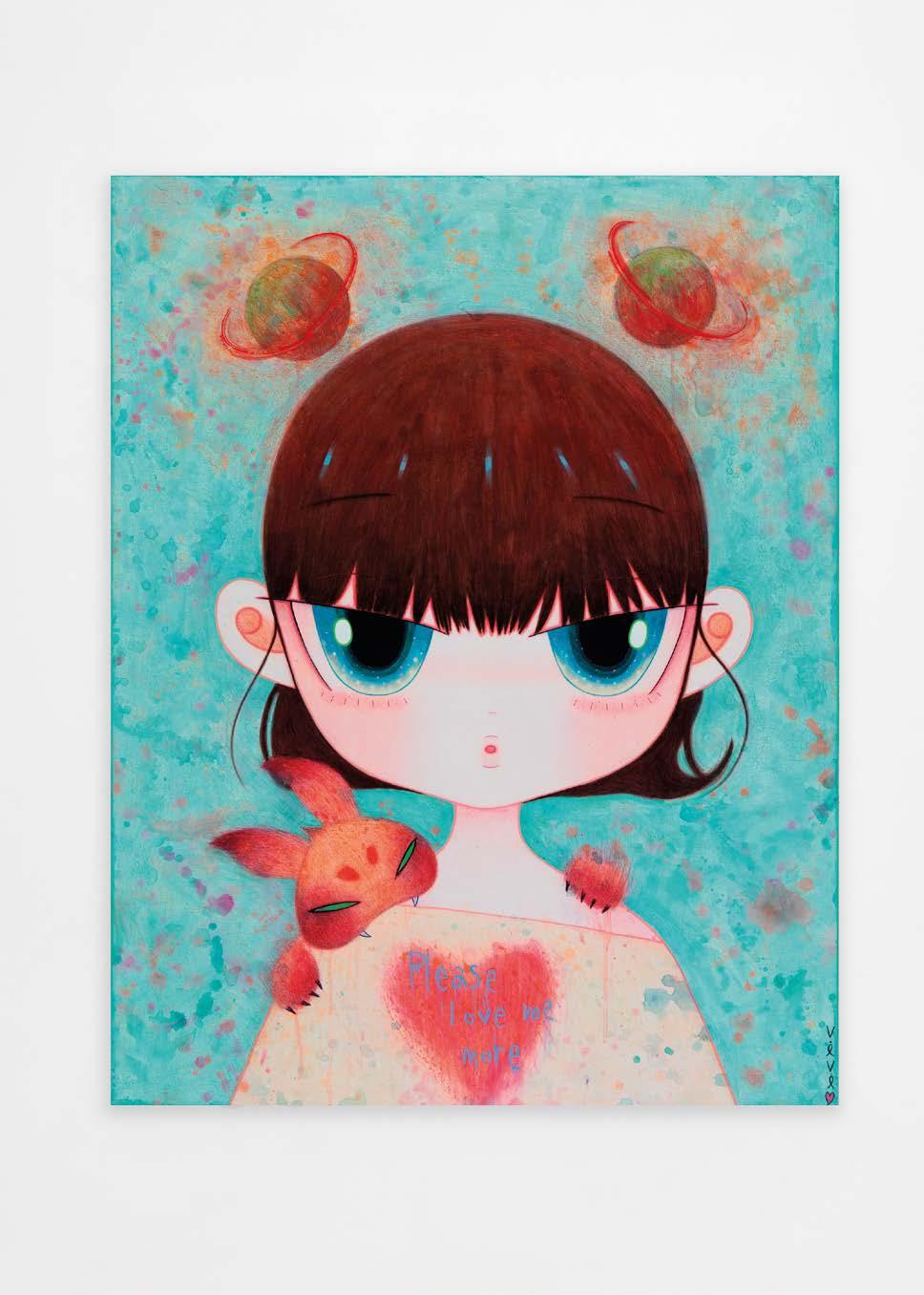
Please love me more, 2022
Acrylic, oil pastel on canvas
116.8 x 91 cm, unframed
A fairytale for adults, 2022
Acrylic, spray, oil pastels on canvas
210 x 170 cm, unframed
Next pages (from left to right) :
1/4 parts of polyptych life’s circle - Birth, 2021
Acrylic, oil pastel on canvas
210 x 62 cm, framed
2/4 parts of polyptych life’s circle - Youth, 2021
Acrylic, oil pastel on canvas
210 x 62 cm, framed
3/4 parts of polyptych life’s circle - Maturity, 2021
Acrylic, oil pastel on canvas
210 x 62 cm, framed
4/4 parts of polyptych life’s circle - Death, 2021
Acrylic, oil pastel on canvas
210 x 62 cm, framed
To what end ?, 2021
122 x 106 cm, unframed
Acrylic on canvas
But in my mind I’m running, 2021
canvas
122 x 106 cm, unframed
Acrylic on
147 x 152 cm, unframed
Knighted, 2022
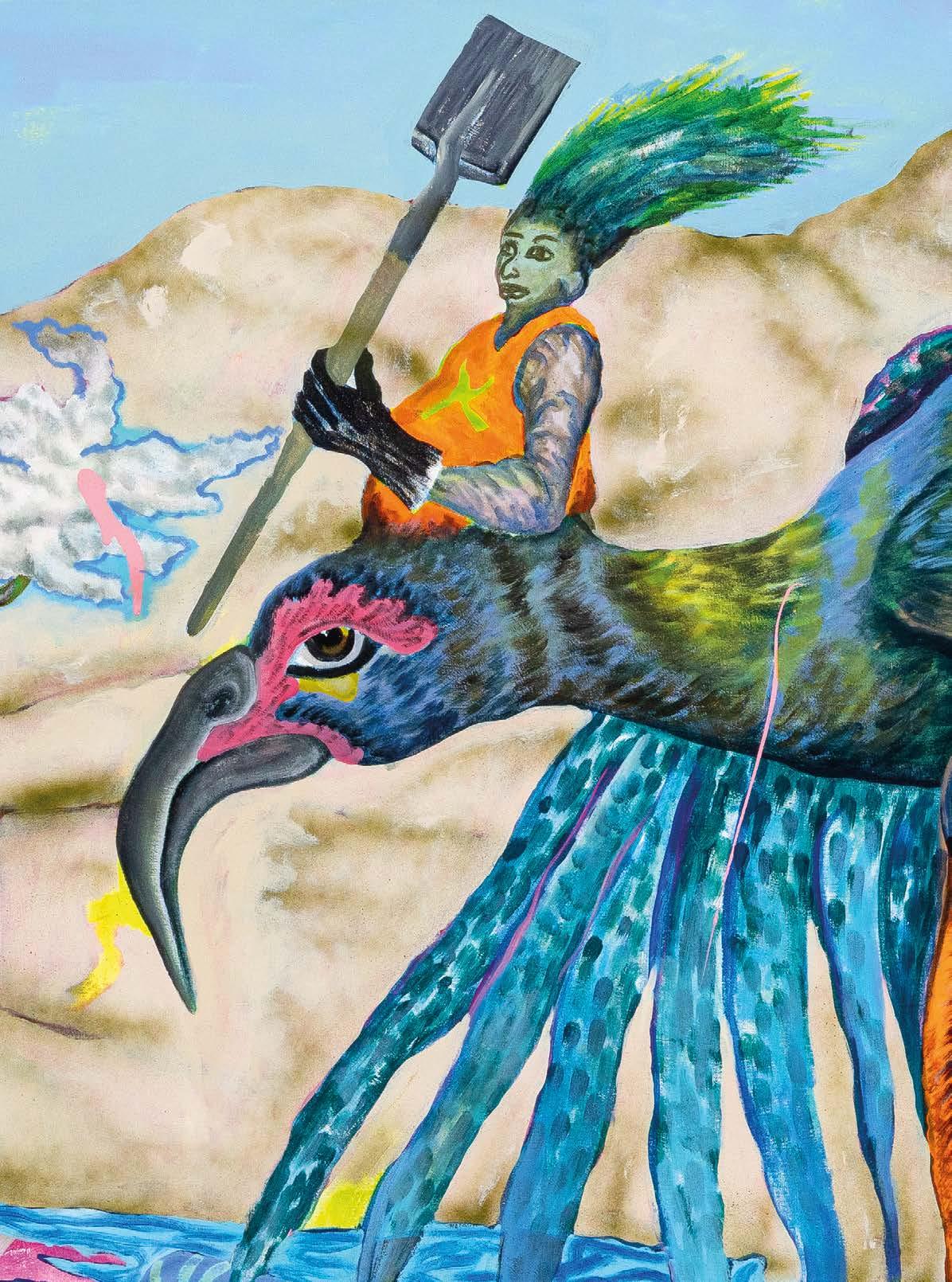
Oil on canvas
143 x 170 cm, unframed
Moon Rider, 2022 Oil on canvas
Untitled, 2021
180 x 160 cm, unframed
Acrylic on canvas
Untitled, 2021
on wood
150 x 88 cm, unframed
Acrylic
Untitled, 2021
on wood
148 x 90 cm, unframed
Acrylic
Melancholy mellow, 2021
Acrylic on Korean traditional paper mounted on wood
116.8 x 91 cm, unframed
KOSTA THÉFAINE
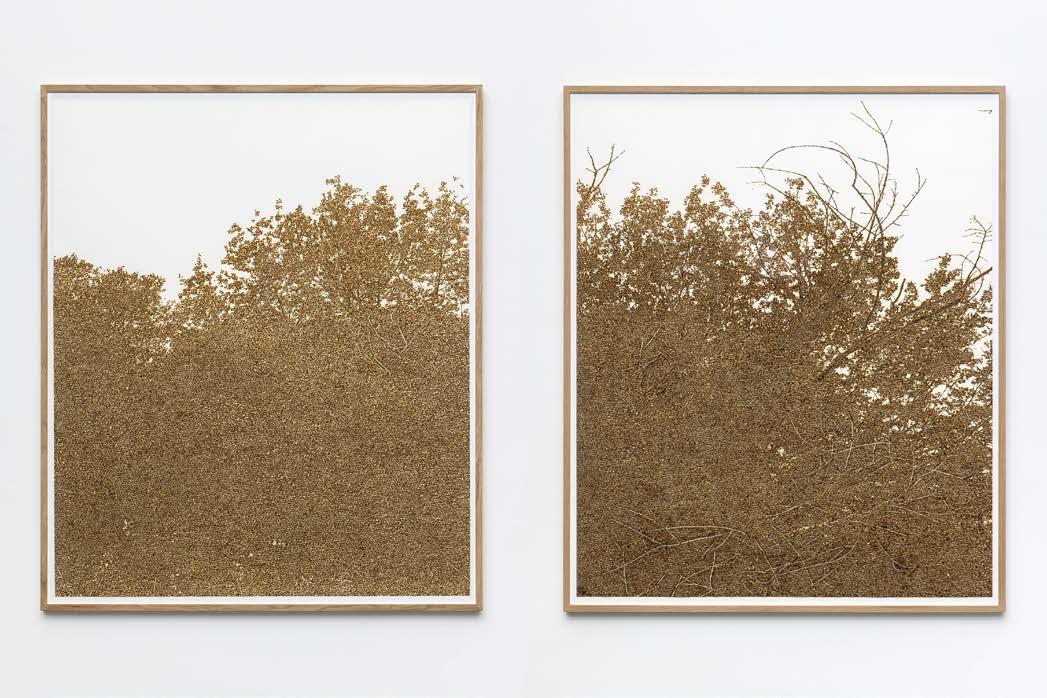
From left to right :
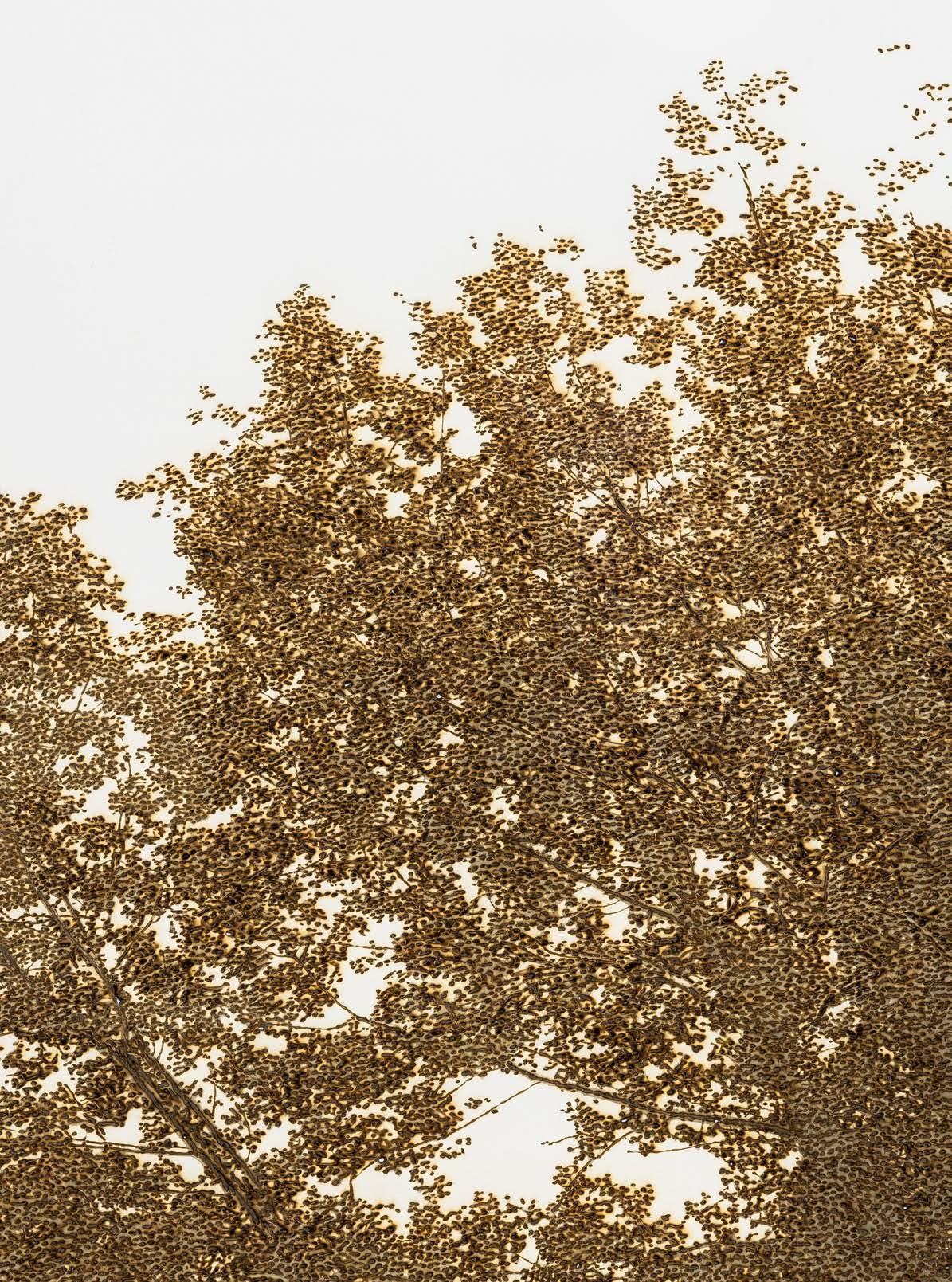
Paysage de banlieue (Moucari) I, 2022
Burnt paper
120 x 100 cm, framed
Paysage de banlieue (Moucari) II, 2022
Burnt paper
120 x 100 cm, framed
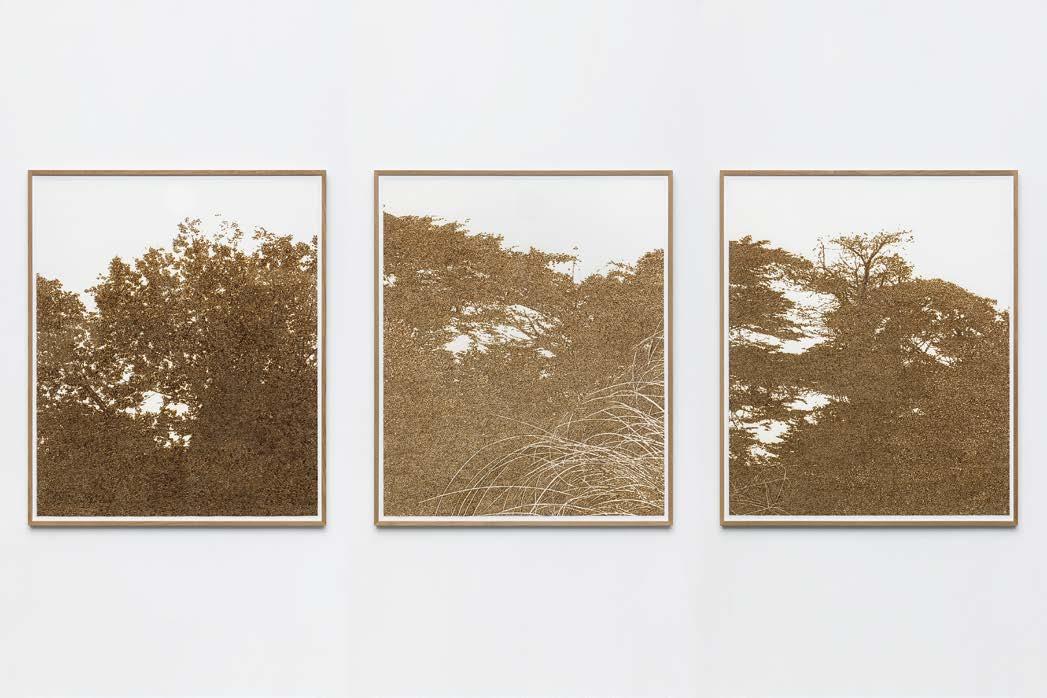
From left to right :
Paysage de banlieue (Moucari) III, 2022
Burnt paper
120 x 100 cm, framed
Paysage de banlieue (Moucari) IV, 2022
Burnt paper
120 x 100 cm, framed
Paysage de banlieue (Moucari) V, 2022
Burnt paper
120 x 100 cm, framed
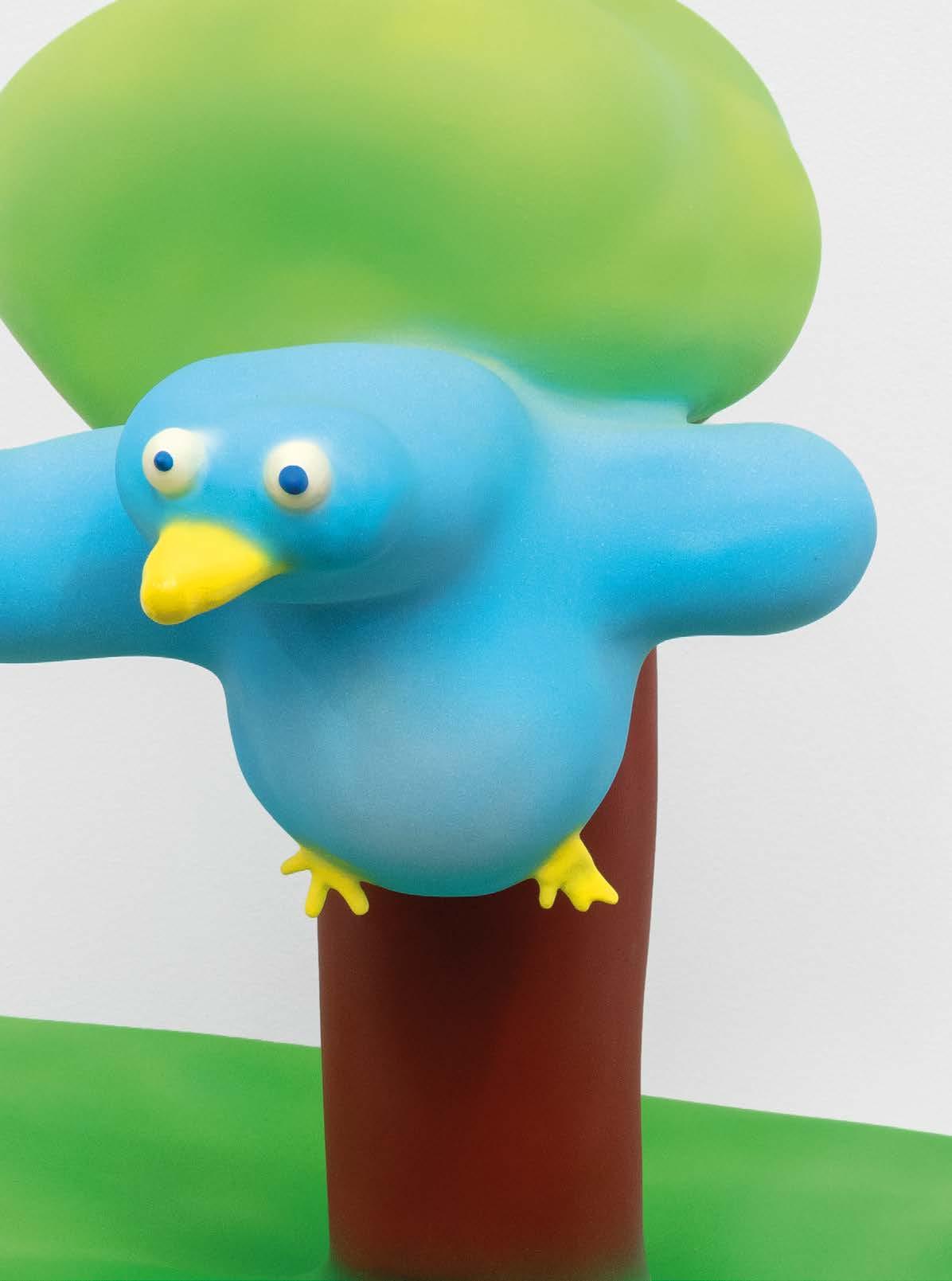
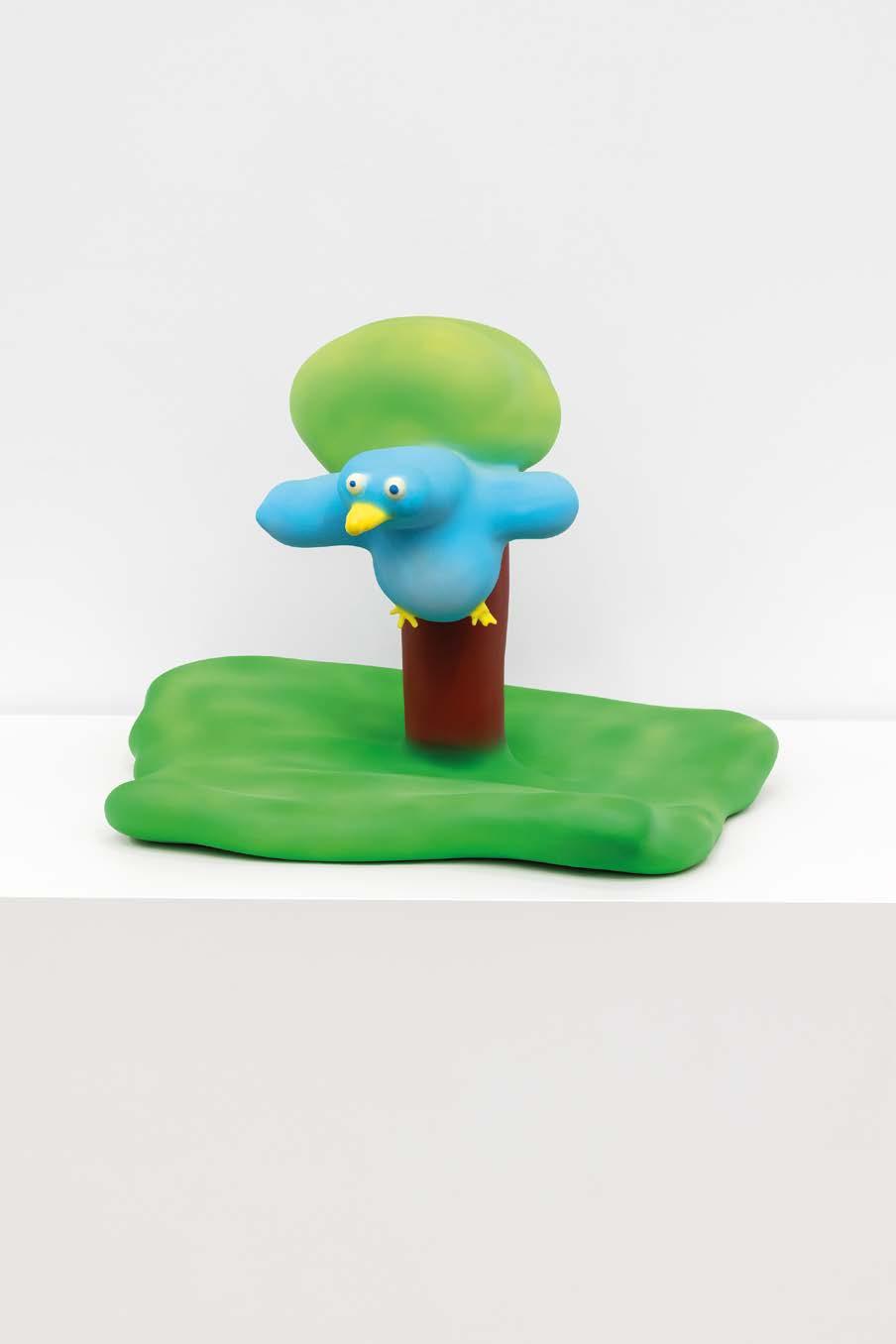
Bird With Tree, 2020
Painted bronze
Edition 16 of 20
38 x 50 x 38 cm
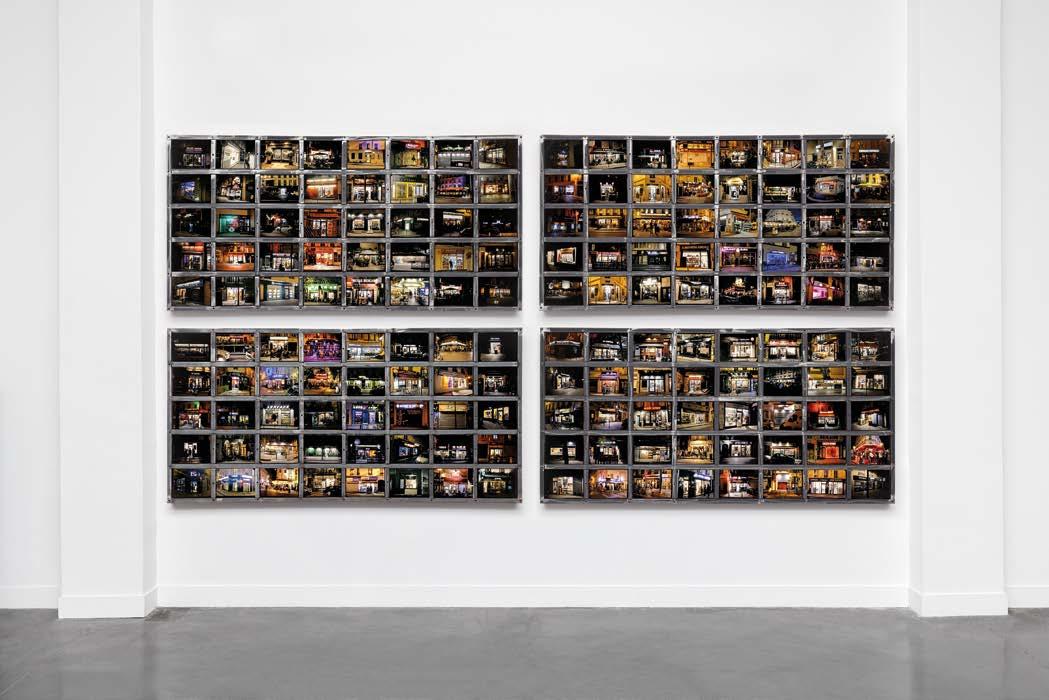
LEGAULT prosper
From left to right :
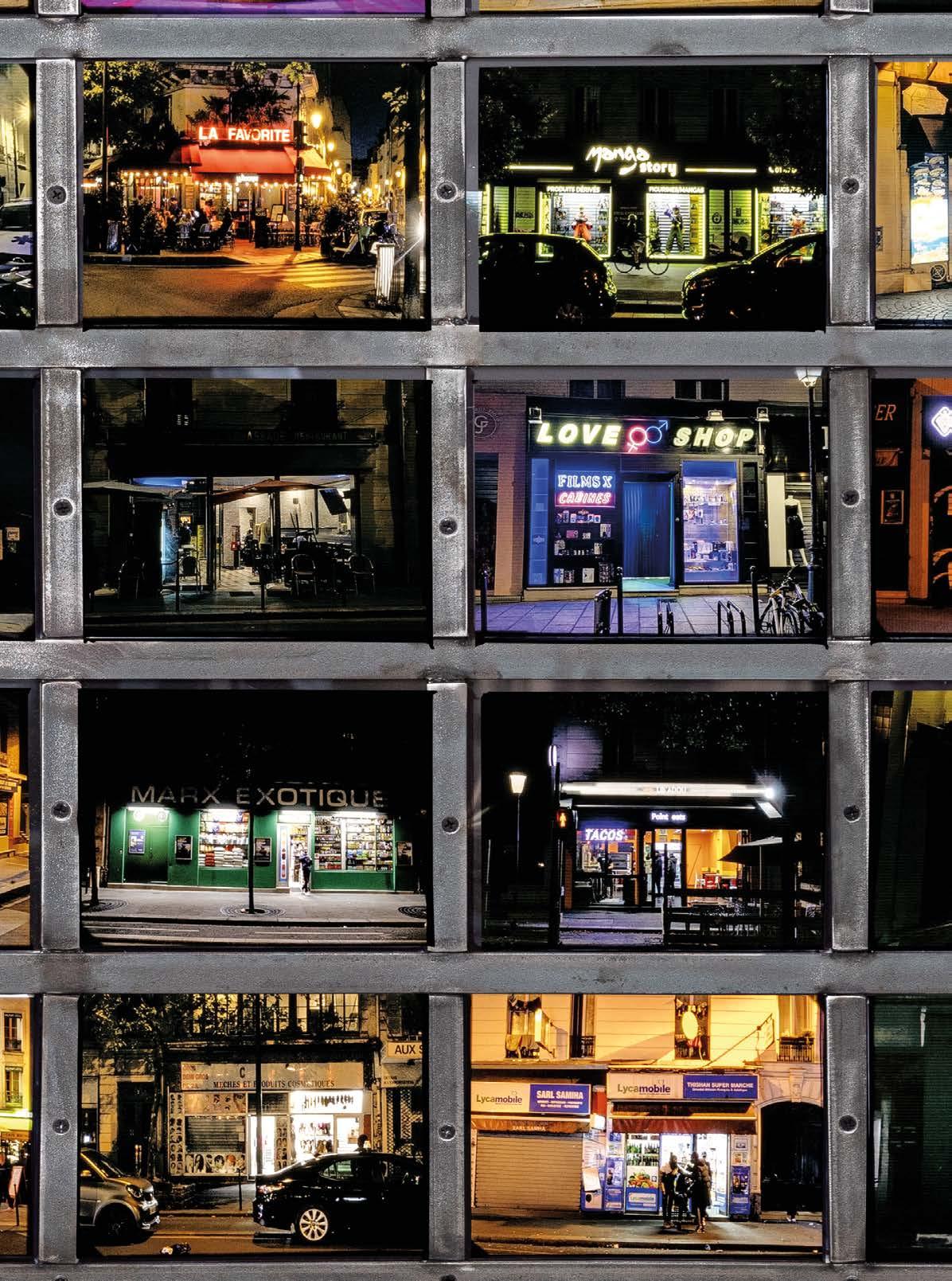
Génération Alimentale #1, 2022
Steel, Plexiglas, photographic print and LED tubes
80 x 162 cm
Génération Alimentale #2, 2022
Steel, Plexiglas, photographic print and LED tubes
80 x 162 cm
Génération Alimentale #3, 2022
Steel, Plexiglas, photographic print and LED tubes
80 x 162 cm
Génération Alimentale #4, 2022
Steel, Plexiglas, photographic print and LED tubes
80 x 162 cm
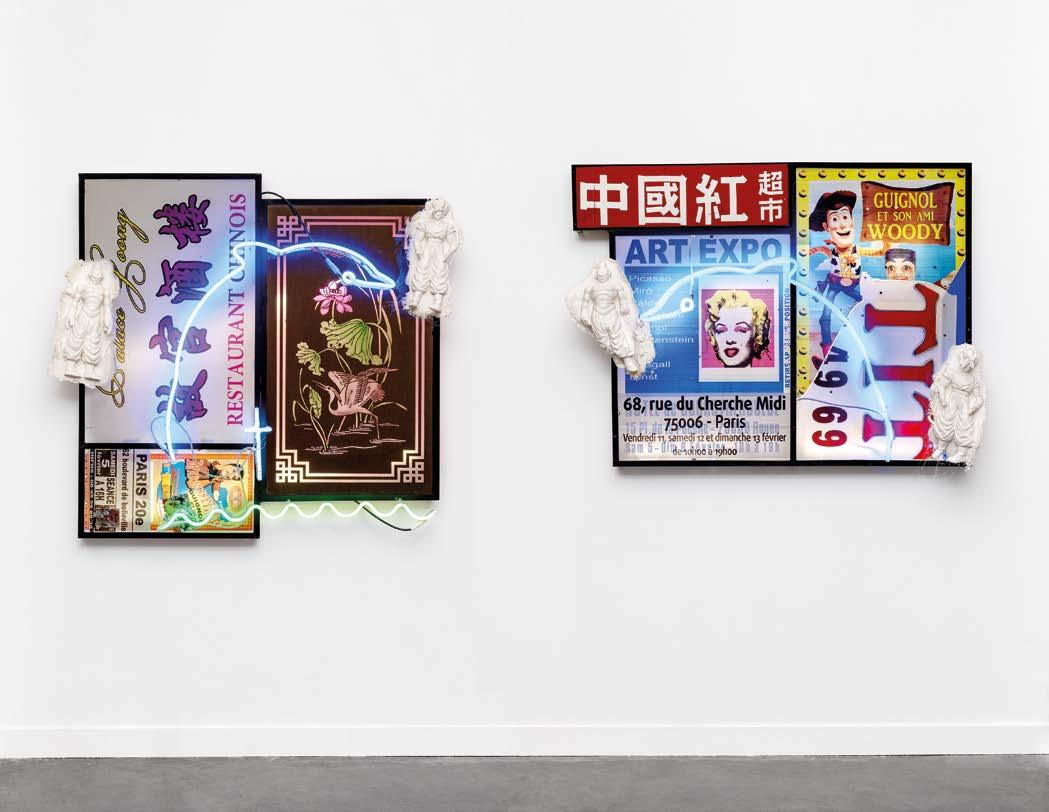
From left to right:
Sortir la tête de l’eau, 2022
Steel, Plexiglas, neon, mirror, plaster and dimpled plastic
124 x 136 x 23 cm
Woody Warhol, 2022
Steel, Plexiglas, neon, fabric, plaster and dimpled plastic
103.5 x 135.5 x 27 cm
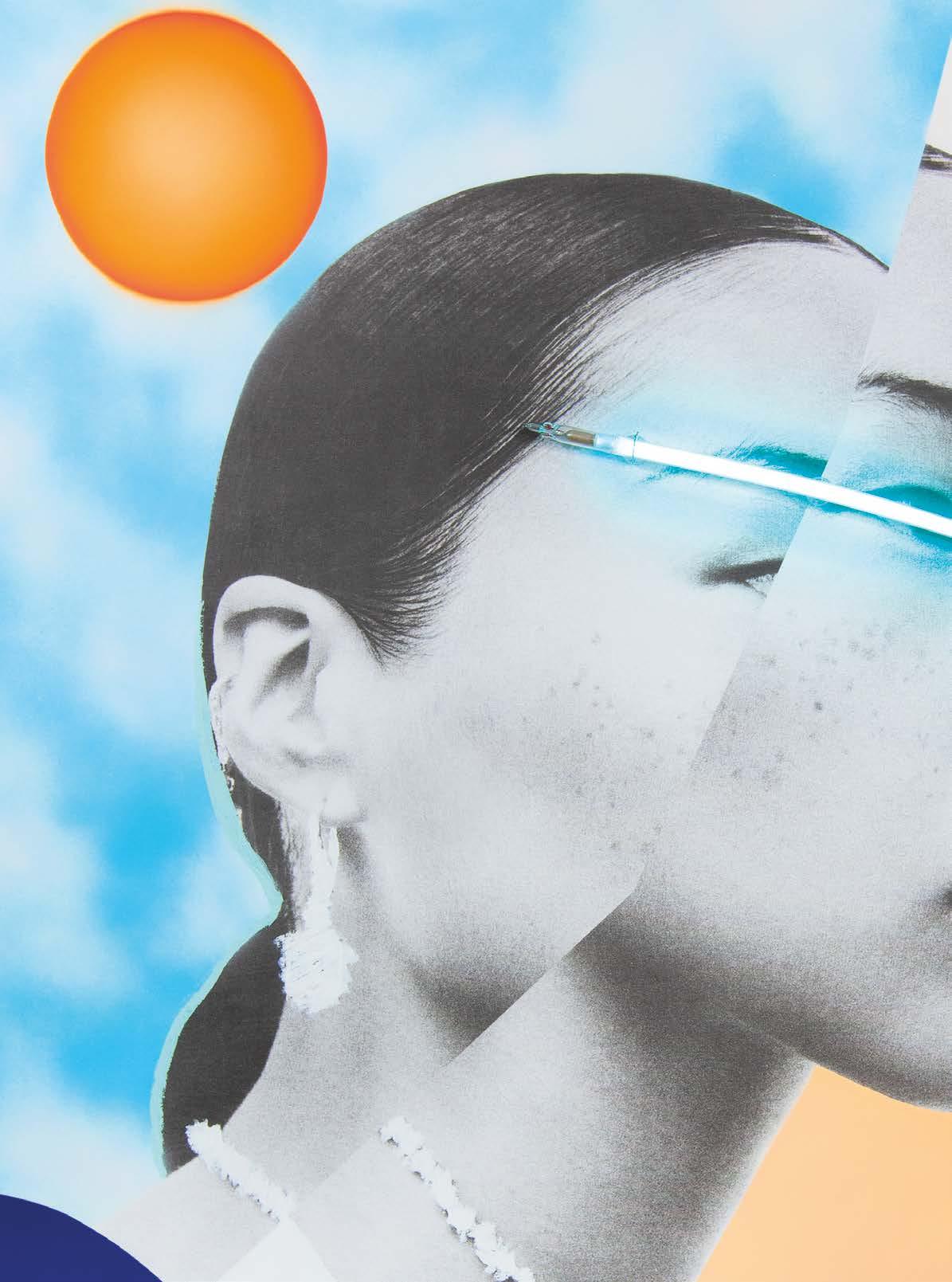
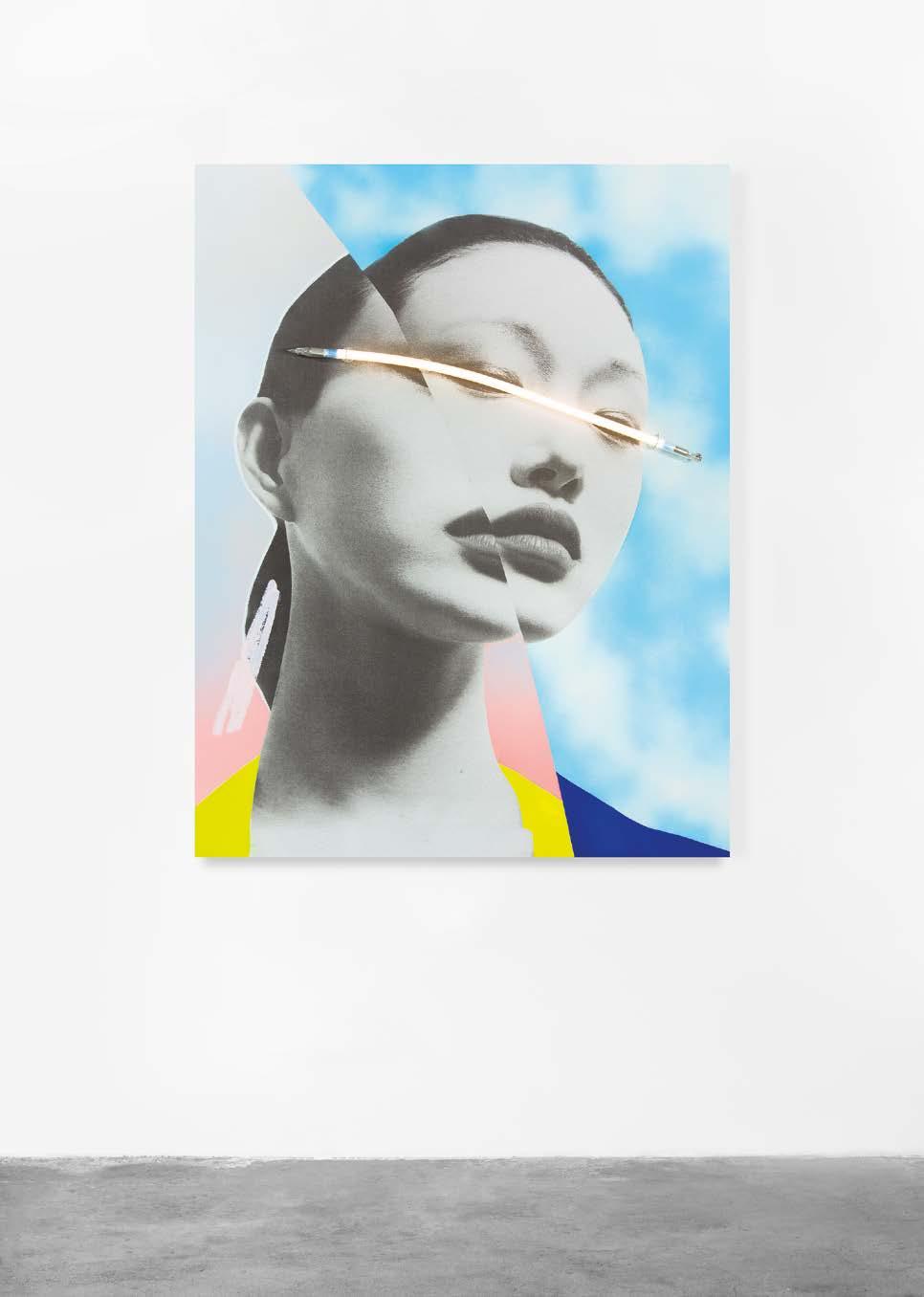
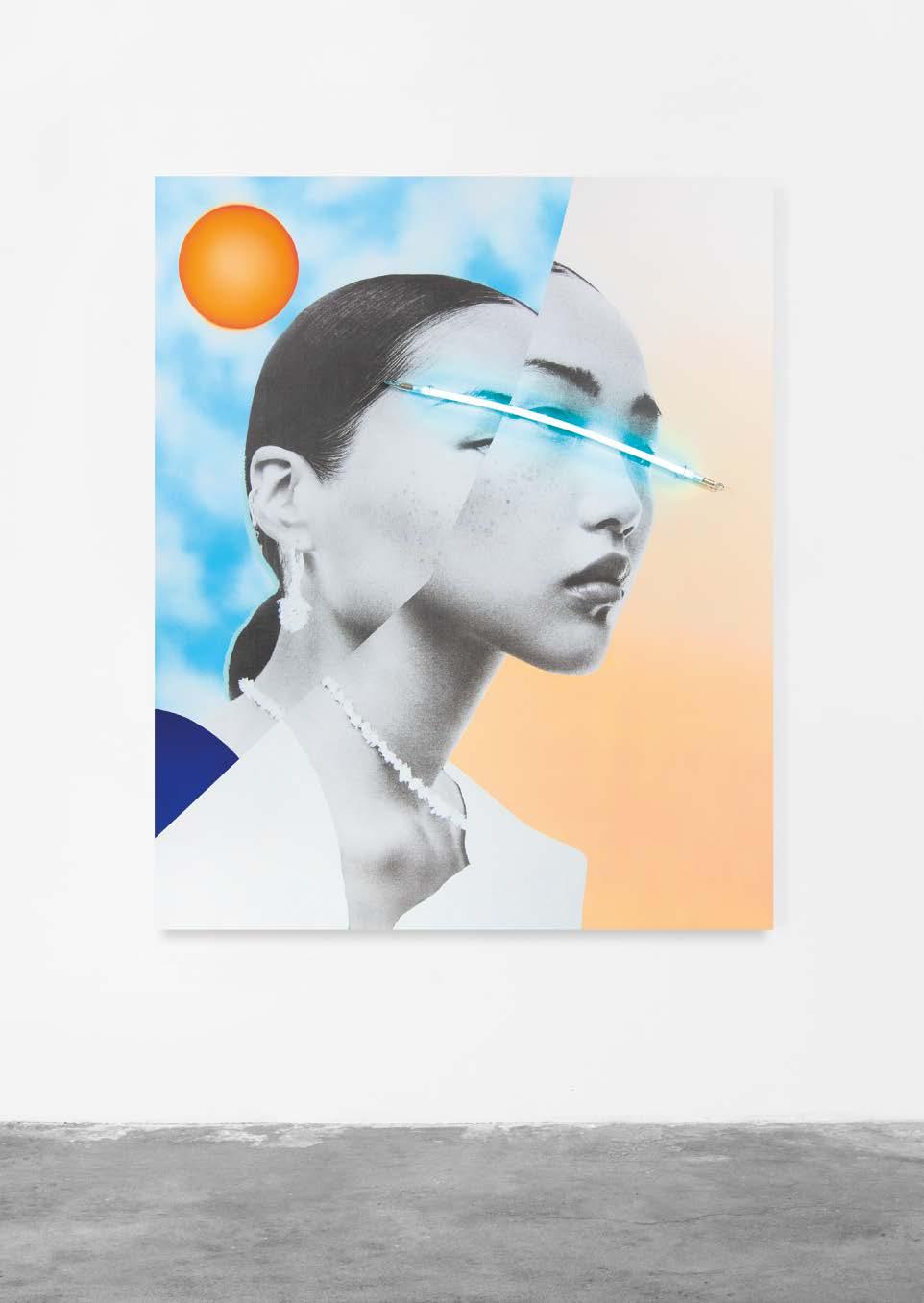
MARTIN
BLINDNESS BROKEN SKY, 2022
Collage on wood, acrylic paint, spray paint, oil color and neon light
90 x 70 cm, unframed
BLINDNESS YESTERDAY AND TOMORROW, 2022
Collage on wood, acrylic paint, spray paint, oil color and neon light 120 x 100 cm, unframed
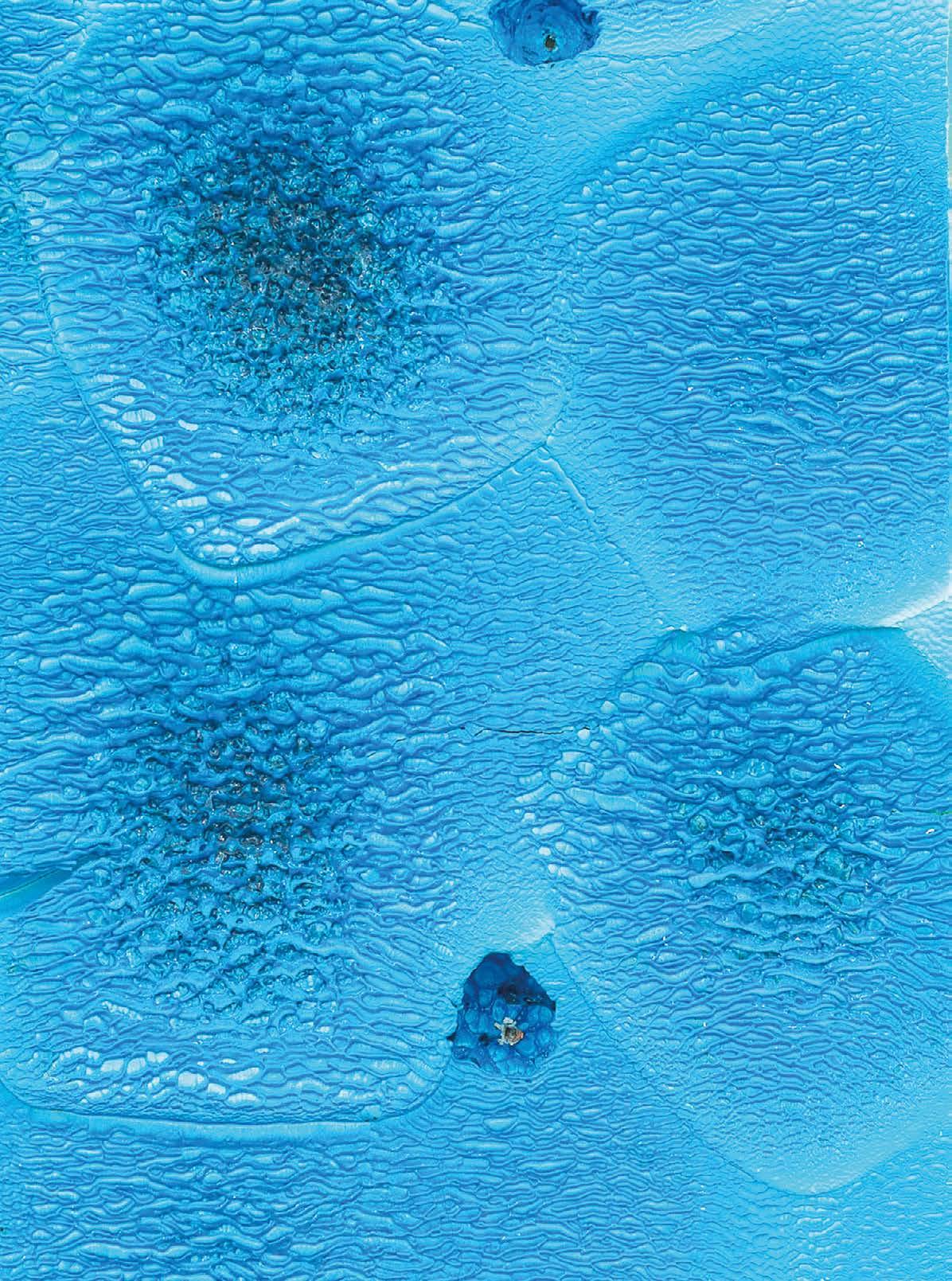
MOLINERO
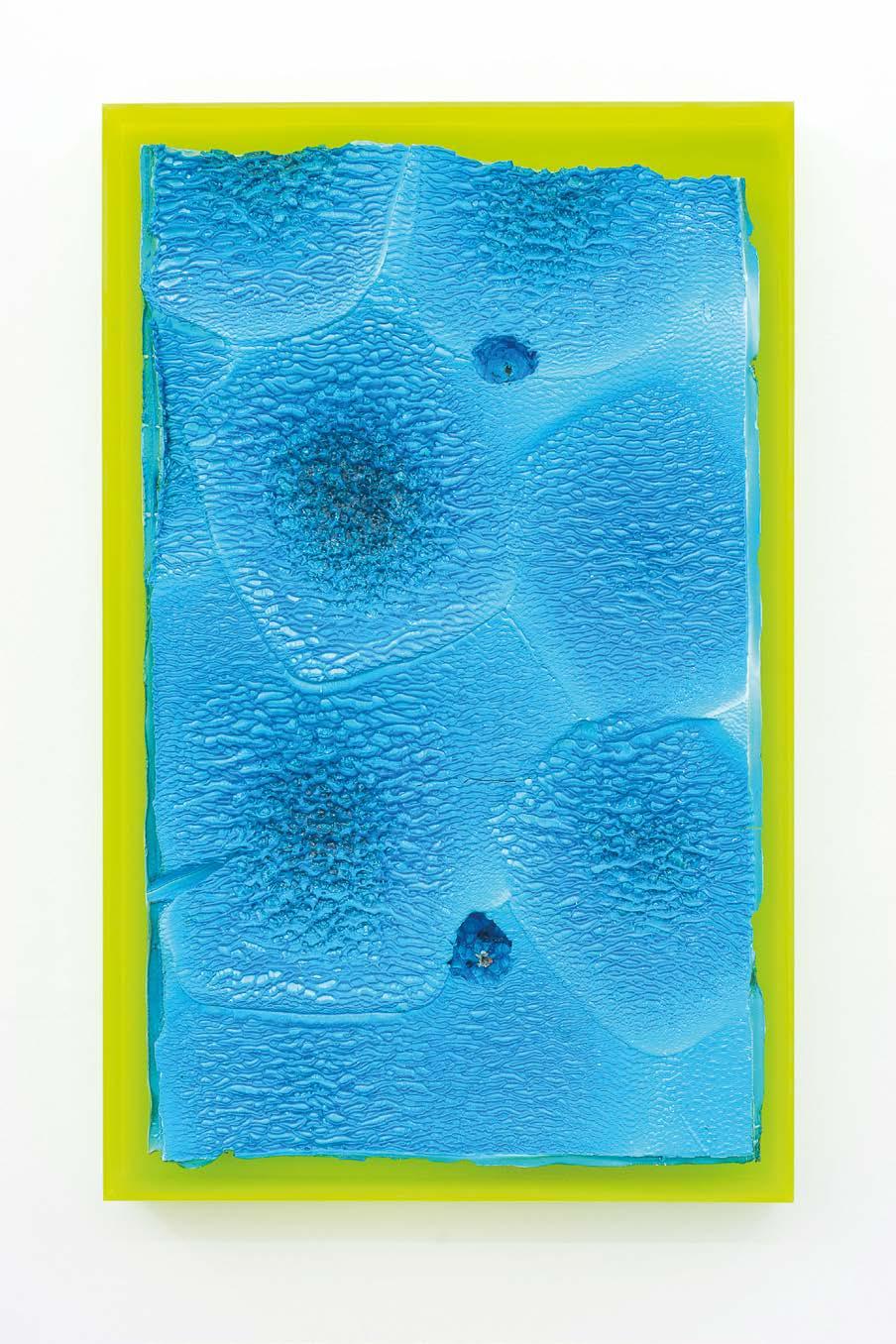
Croûûûte Criarde (saison bleue), 2016
Extruded polystyrene and Plexiglas
107 x 67 x 10 cm, framed
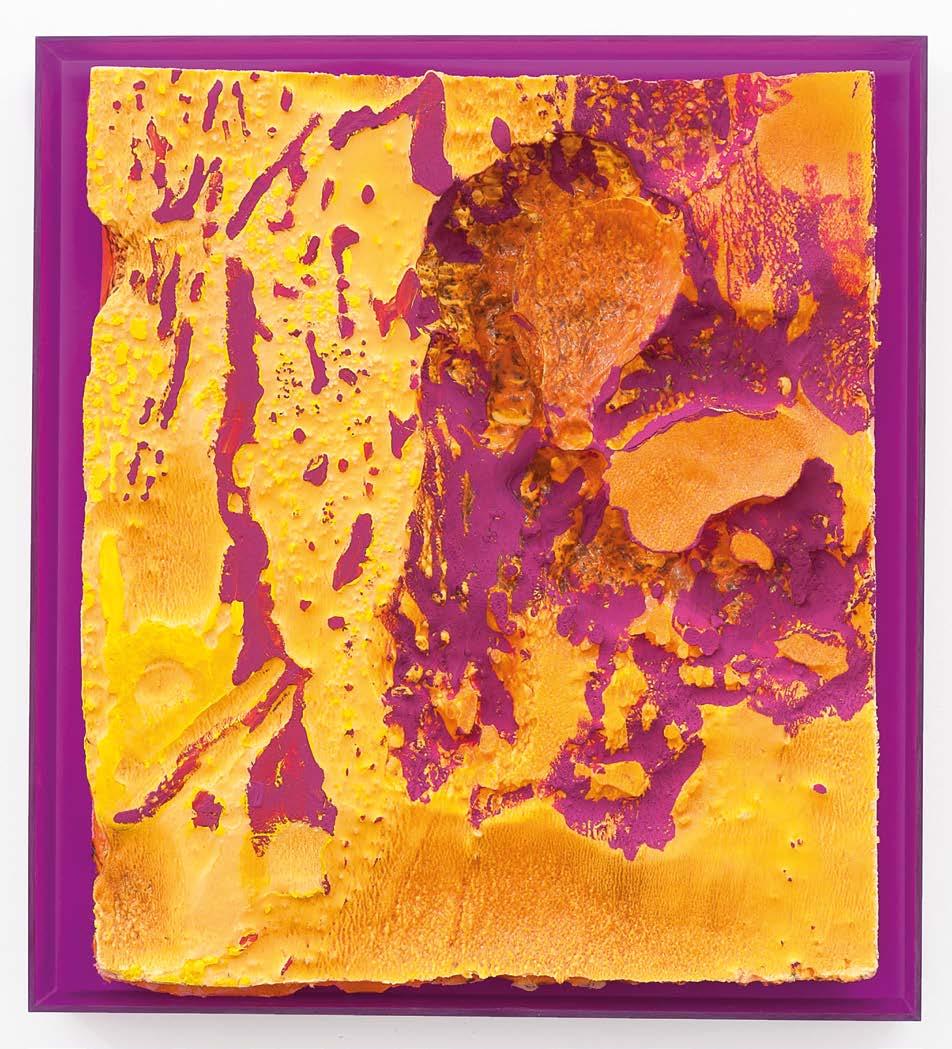
74 x 67 x 10 cm,
Croûûûte criarde (saison rose), 2016
Extruded polystyrene, acrylic paint and Plexiglas
framed
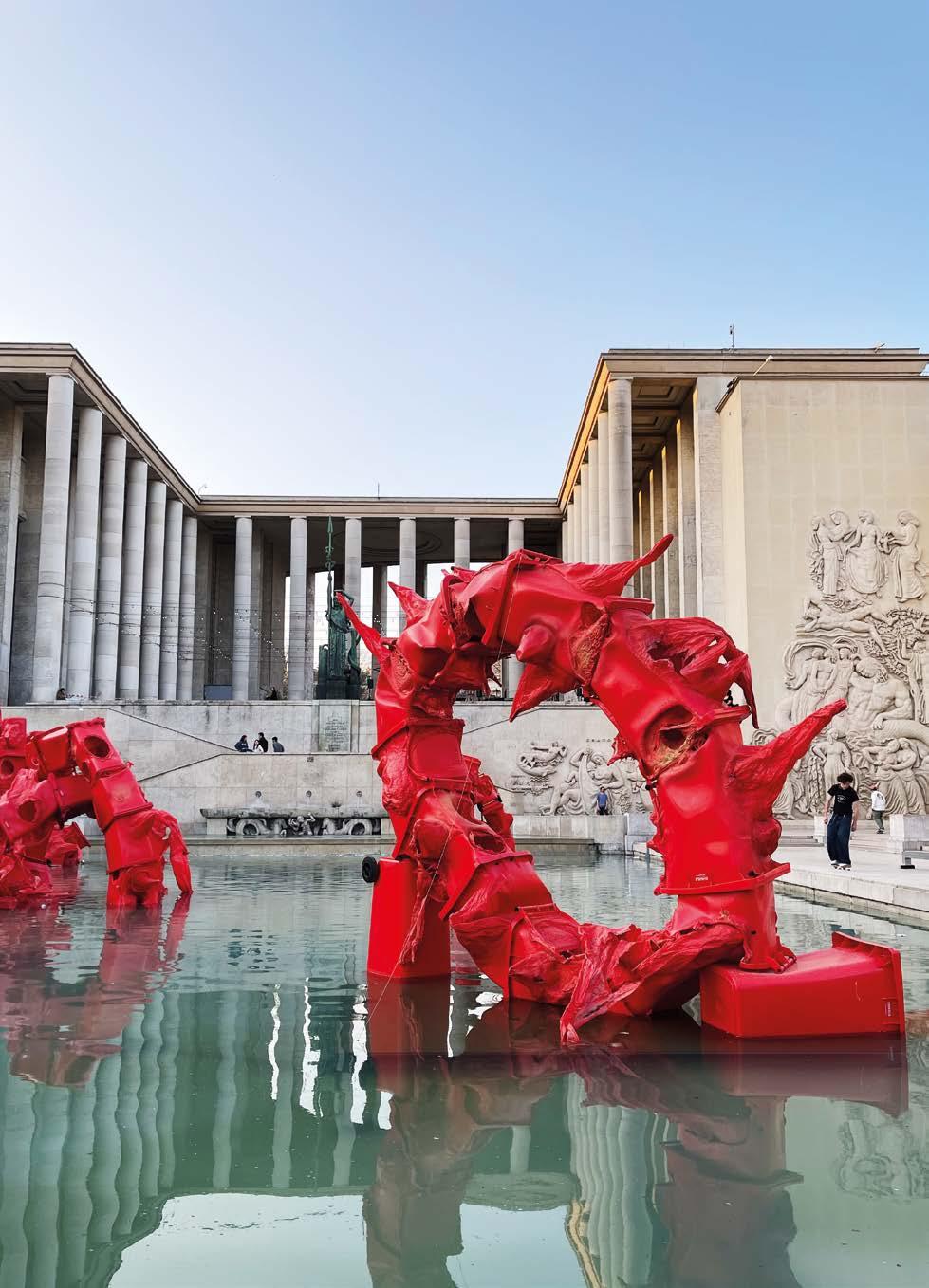
Sans titre (Floraison pour Nollopa), 2017
Set of melted red PVC bins
Variable dimensions
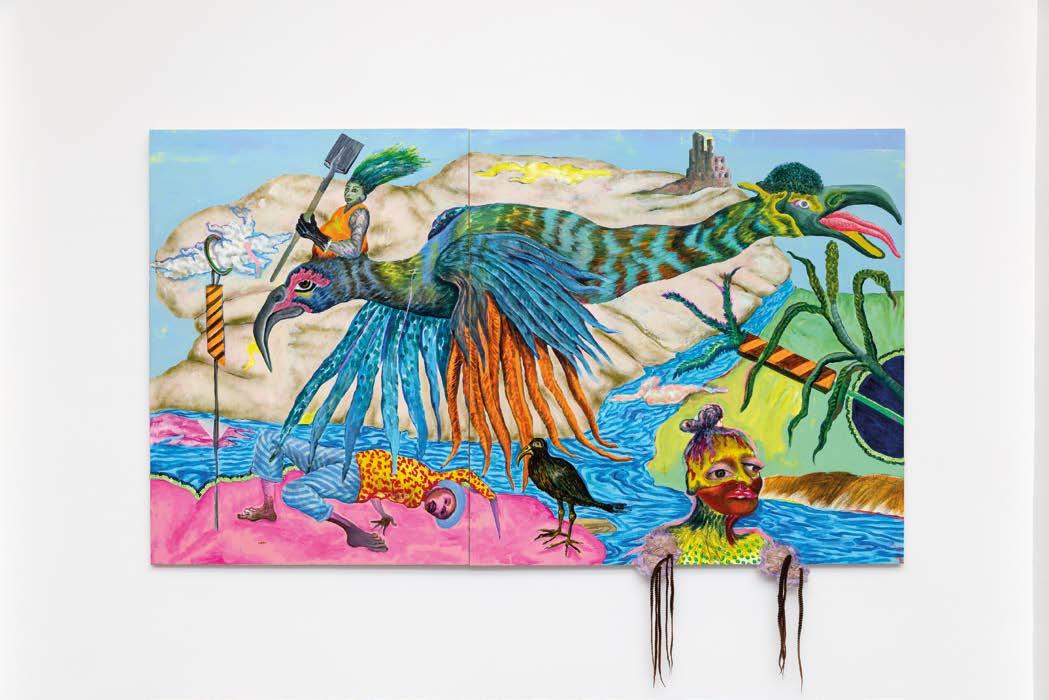
Entering the city of Mine Moon (diptych), 2020
Acrylic, artificial braids, collage, duct tape, and fabric on canvas 196 x 260.5 cm, unframed
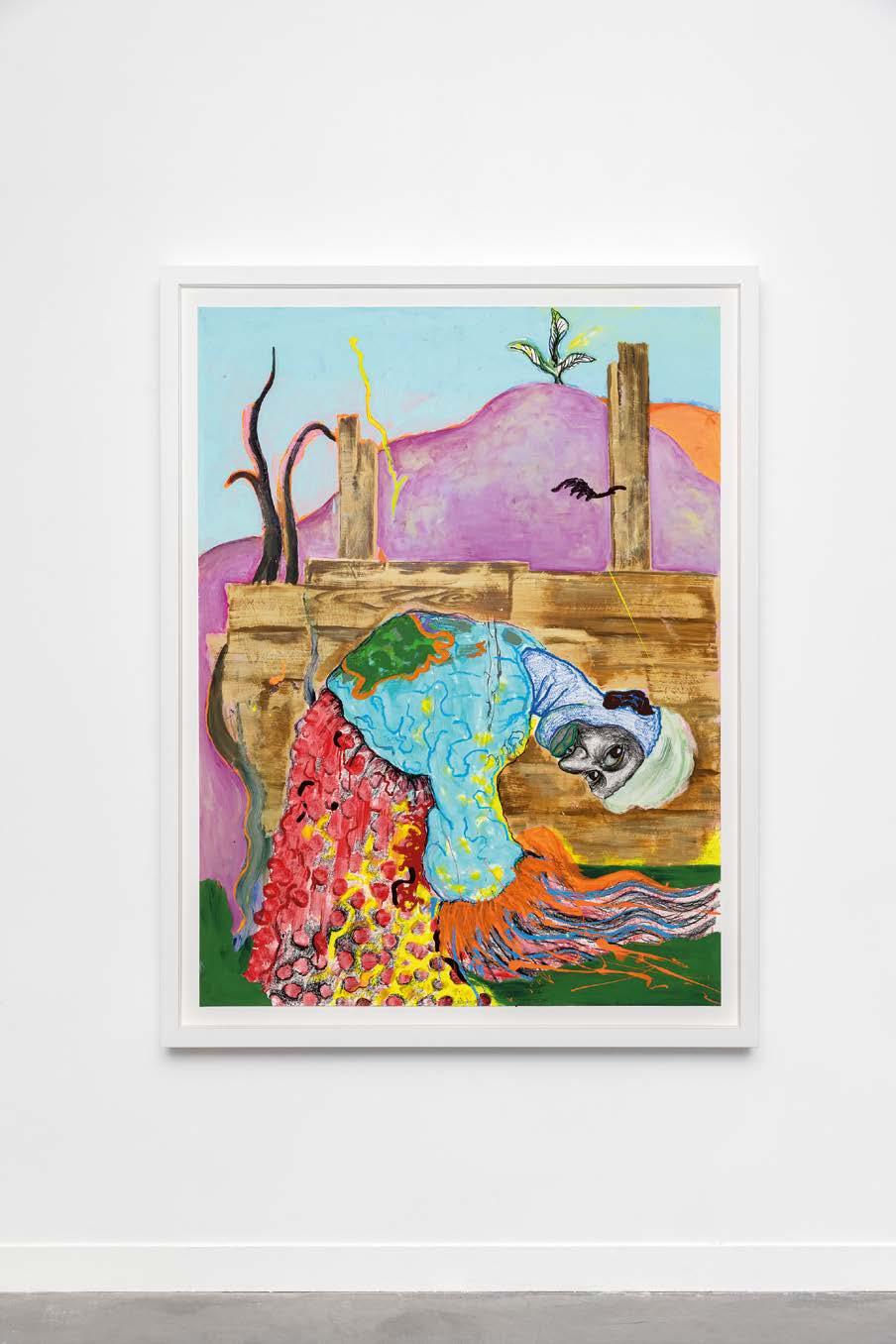
Bending over to see you upside down, 2020
Acrylic, graphite pencil and oil pastel on paper
152 x 101.6 cm, framed
OTANI
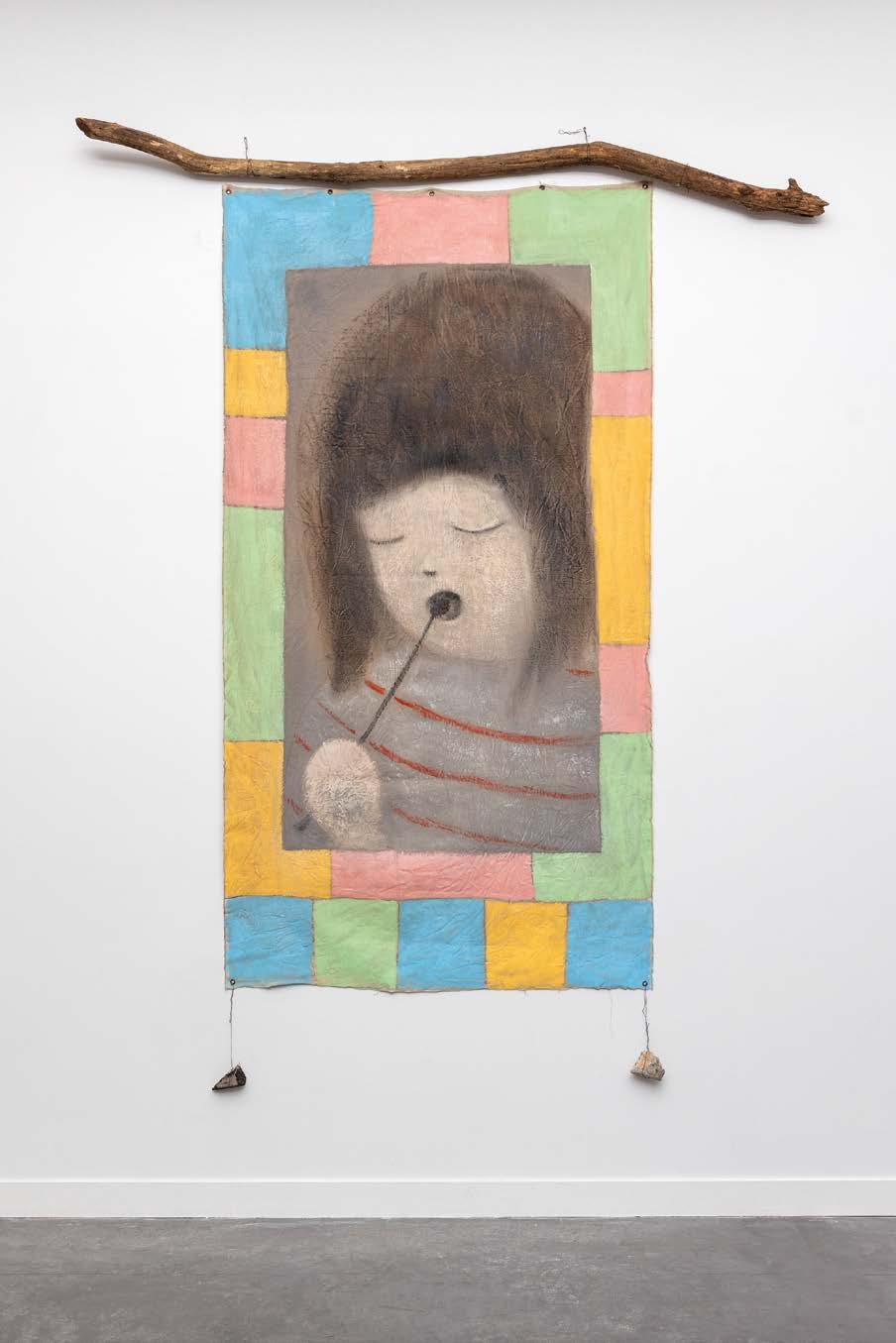
Daughter eating chicken, 2019
Acrylic on fabric, wood, metal wire, stones
266 x 210 x 16 cm (include wood and stones), unframed
ROBY DWI
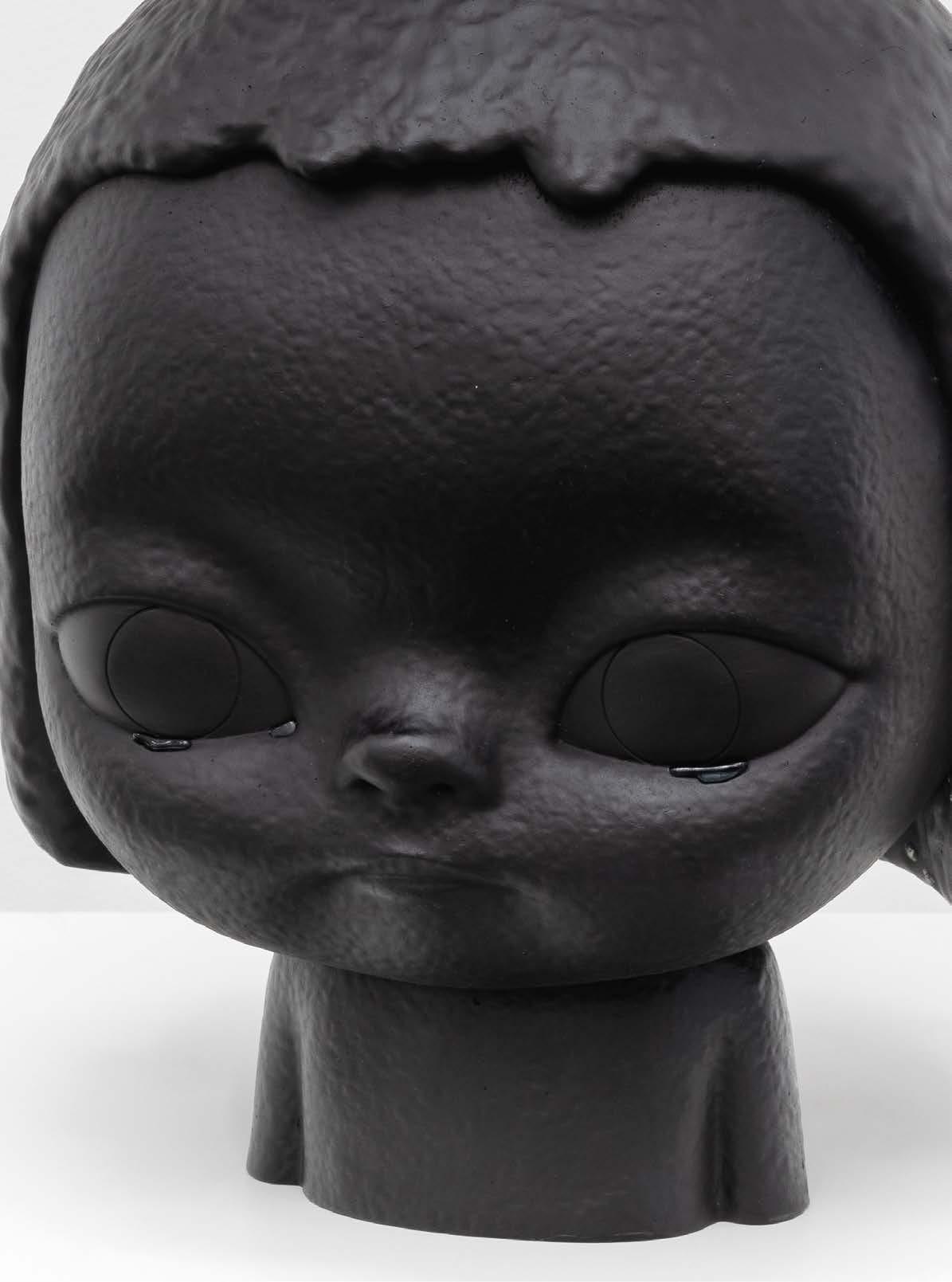
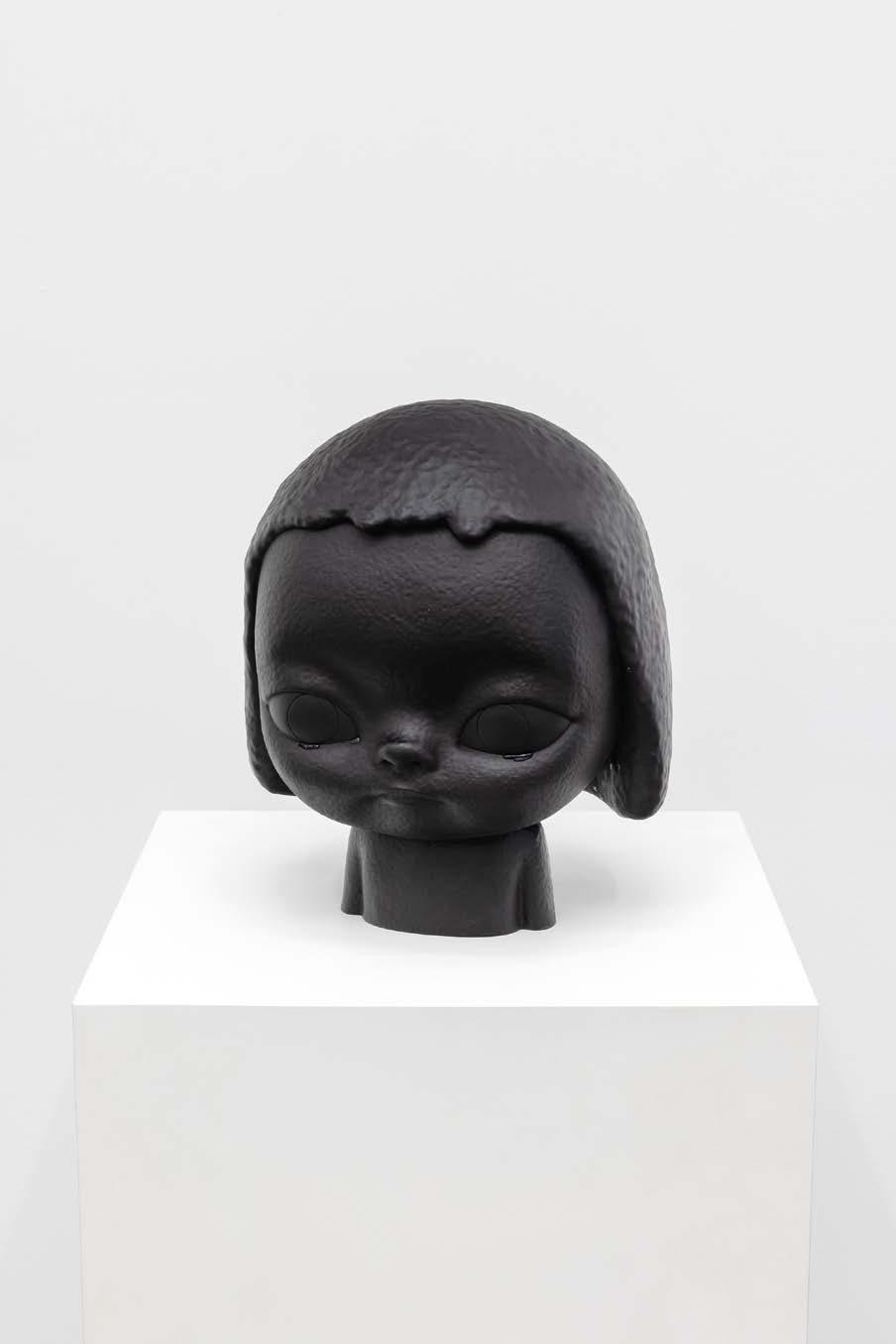
- BLACK, 2021
Bronze sculpture with a black patina finish Edition 42 of 75 31 x 26 x 23 cm
KIRA
ROS
170 x 280 cm, unframed
CuiCui #24, 2022
Acrylic on cardboard
200 x 260 cm, unframed
VL27 Vanishing Landscapes, 2022
Acrylic on canvas
SAUDUBRAY
Watching #76, 2022
Oil, pastel on canvas
162 x 115 cm, unframed
Watching #77, 2022
Oil, pastel on canvas
162 x 115 cm, unframed
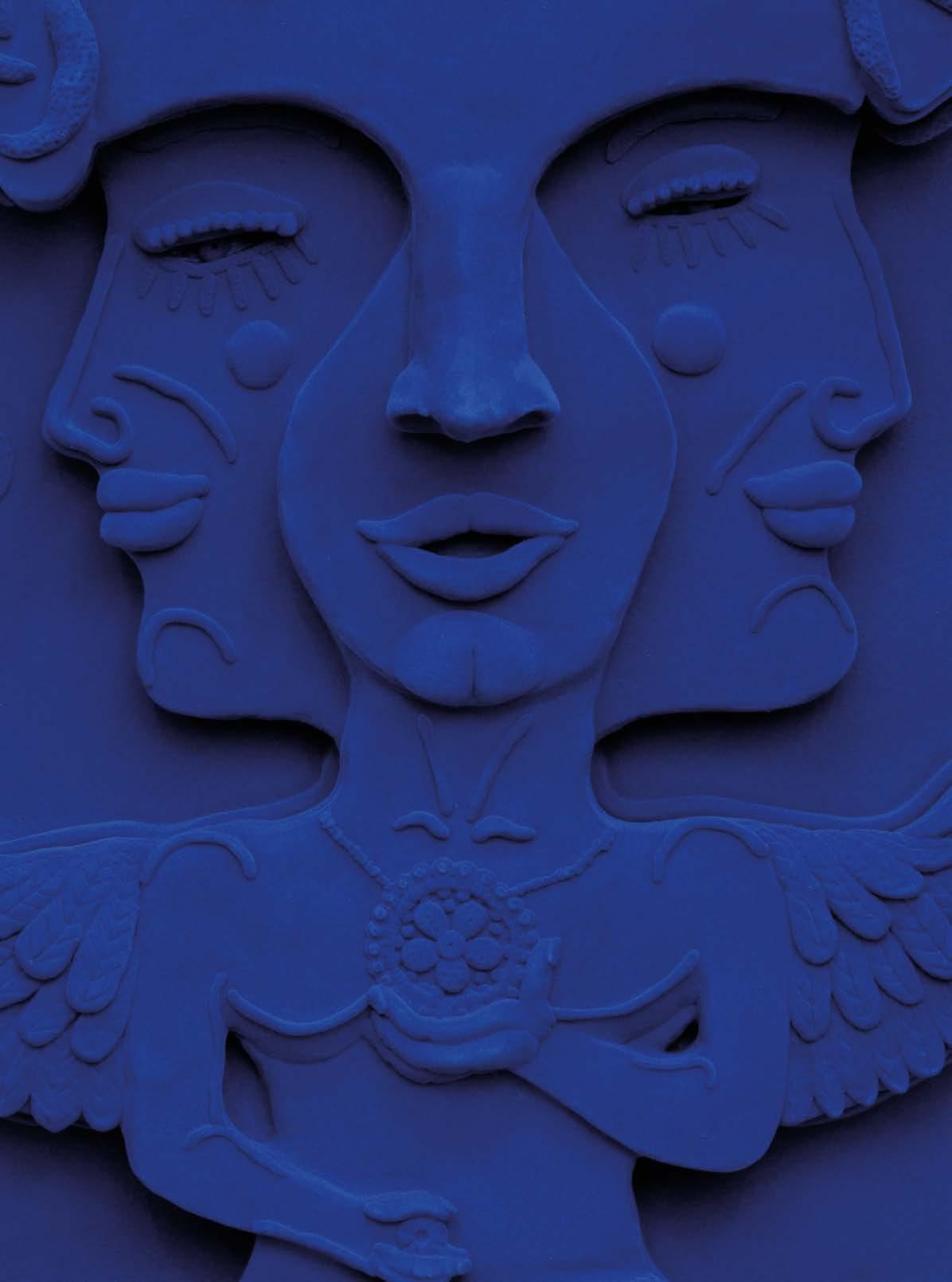
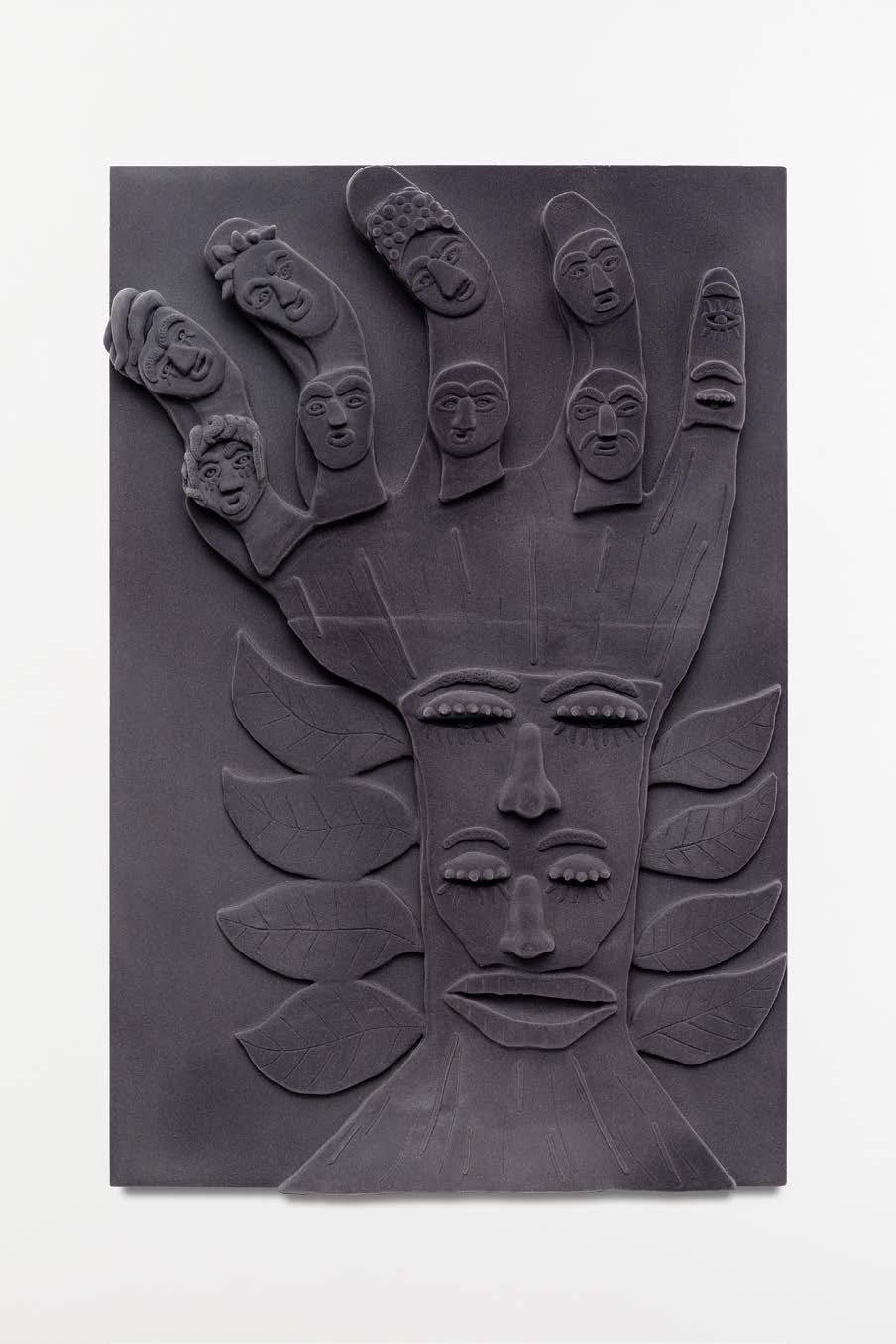
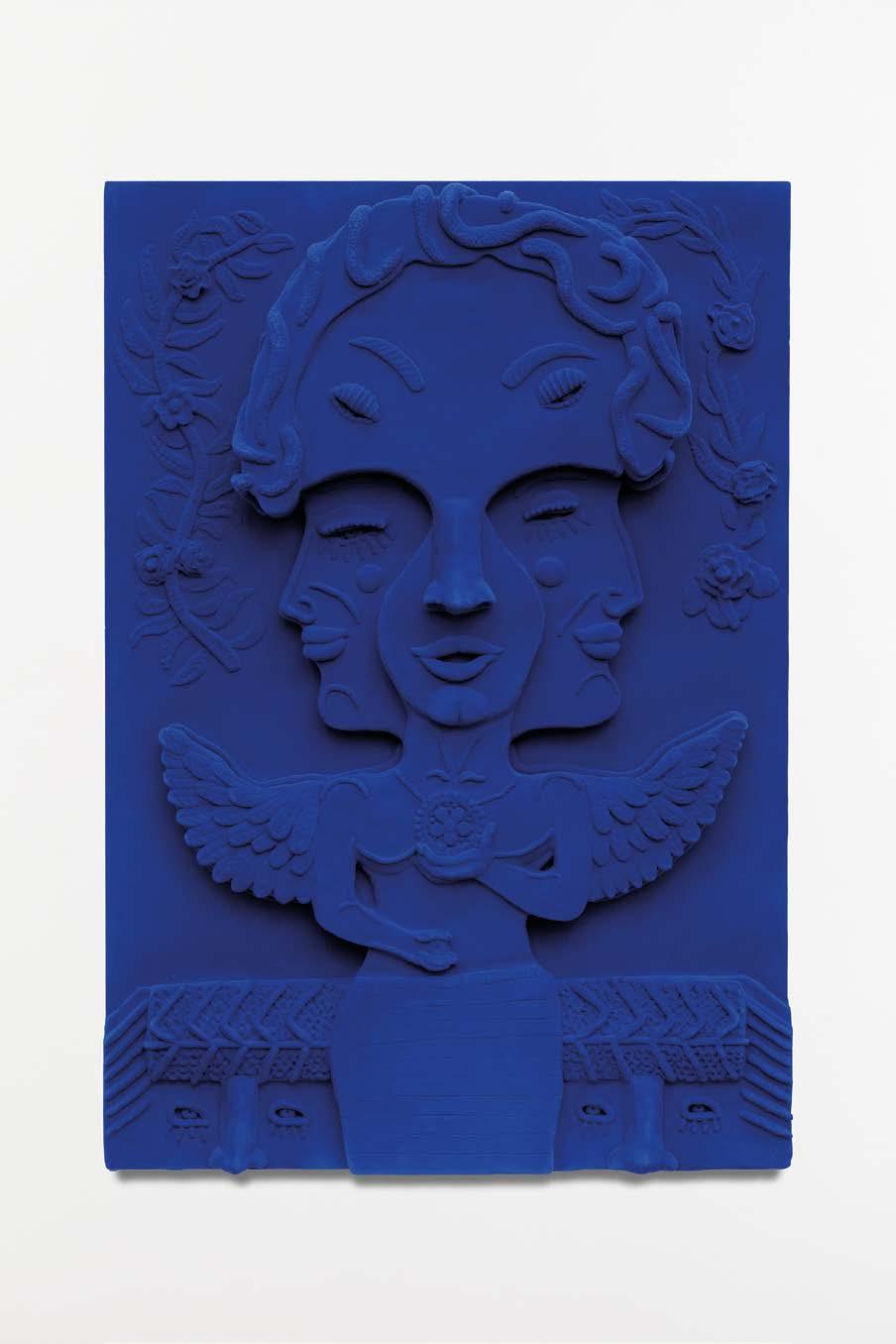
SHAFAHI
Untitled, 2021
Mixed media, velvet relief on wood
120 x 80 x 12 cm, unframed
Untitled, 2021
Mixed media, velvet relief on wood
123 x 85 x 12 cm, unframed
TAYLOR
Previous page :
Traffic, 2022
Stoneware
110 x 65 x 31 cm
From left to right :
Freedom, 2022
Stoneware 85 x 83 x 31 cm
Security, 2022
Stoneware 125 x 56 x 31 cm
Sunshine, 2022
Stoneware
84 x 61 x 28 cm
TRUDE
Midnight Play 2, 2021 Oil on canvas
190 x 170 cm, unframed
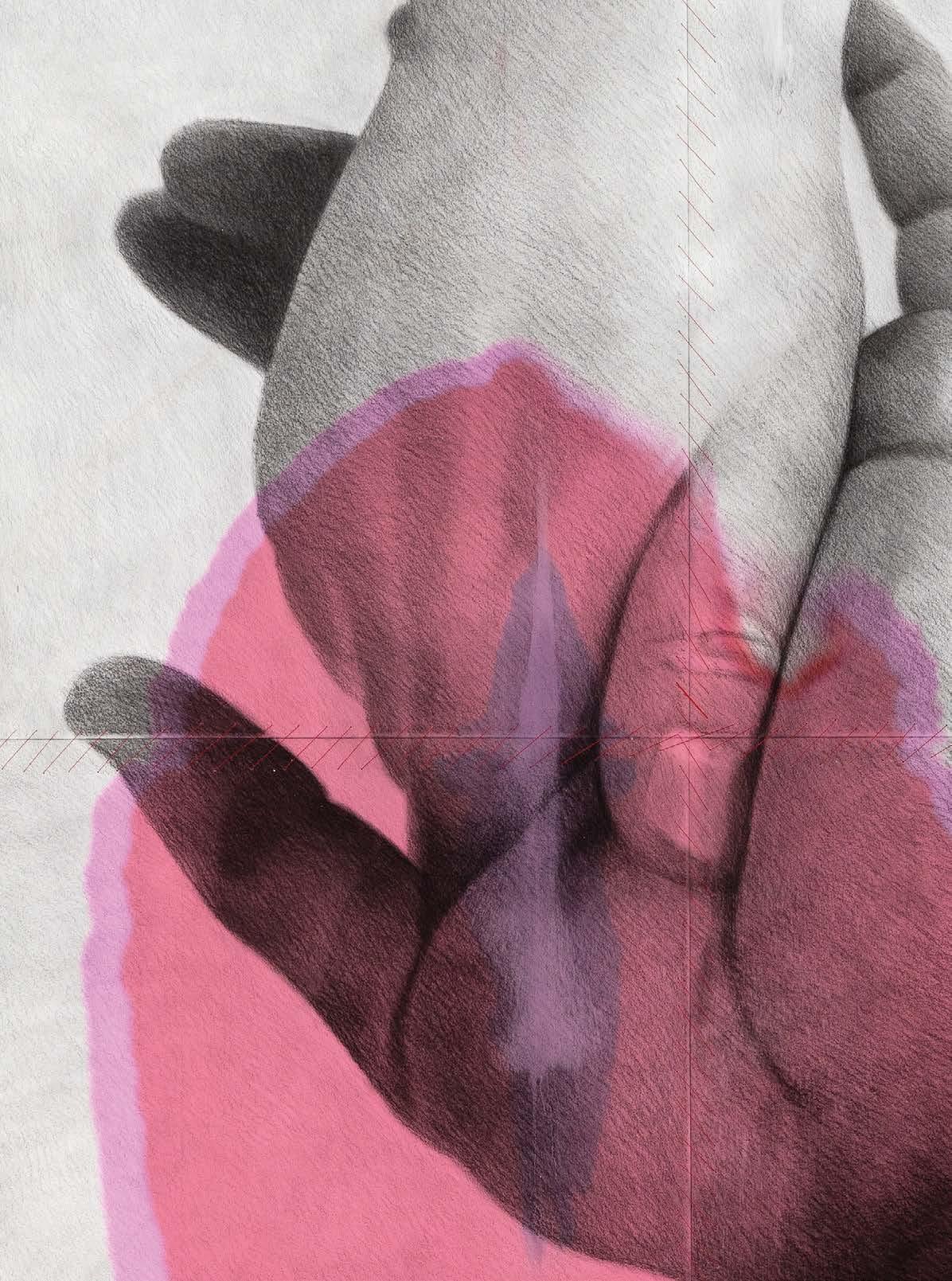
Fil rouge 5, 2021
Charcoal and black stone, ink, red thread and blotting paper
240 x 160 cm, unframed
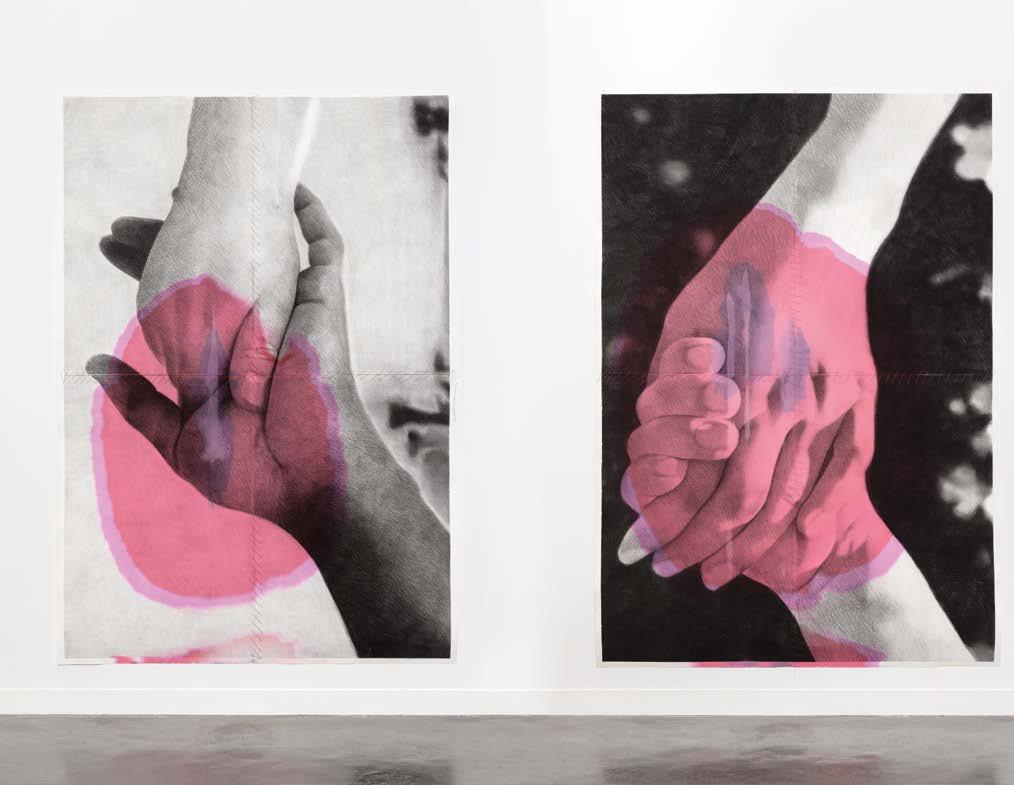
Next pages (from left to right) :
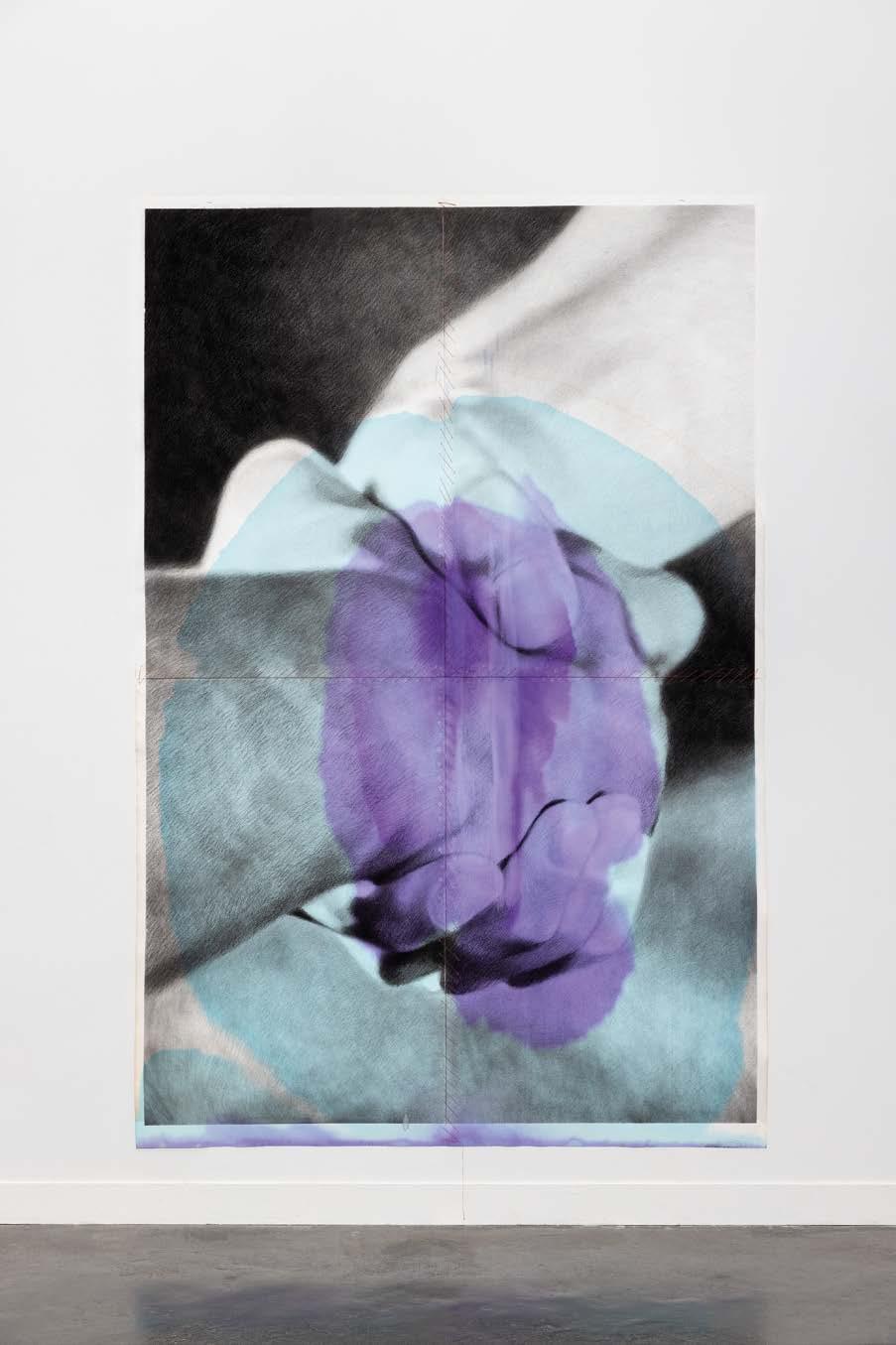
Fil rouge 5, 2021
Charcoal and black stone, ink, red thread and blotting paper
240 x 160 cm, unframed
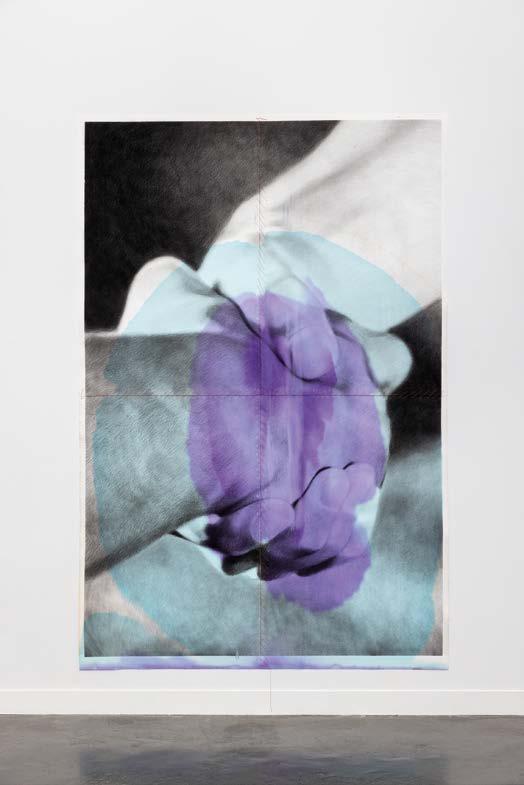
Fil rouge 6, 2021
Charcoal and black stone, ink, red thread and blotting paper
240 x 160 cm, unframed
Fil rouge 7, 2021
Charcoal and black stone, ink, red thread and blotting paper
240 x 160 cm, unframed
INTI-PUNKU
The chant of muses can be heard in the distance.
by Elise Roche
Curator : Baptiste Ozenne
At first, Baptiste Ozenne’s life was driven by music. As time went by and as he was initiated, contemporary art became part of the poetic dance that will echo in his world. Rather than being a simple matter of acquisition, the life of a collector can become, to quote the poet Arthur Davison Ficke, « one of the most humanistic endeavors seeking to portray through joining significant relics the human spirit’s march in its quest for beauty ».
Initially an art dealer and collector, Baptiste Ozenne trusts his gut and follows his instinct. Projects arise from his travels and encounters which reflect his humanist values. His first collaboration with the Strouk Gallery dates back from 2016.
This year, by invitation from the gallery, he conducts as a curator by sharing his vision of art through a selection of contemporary artists discovered during his stopovers.
Literally, « Door of the Sun », Inti-Punku is the most important entrance gate to the Inca city. At every summer solstice, the sunrays shine through its enclosures. It is also, of course, the symbol of a threshold and of one’s renewal, as of the Strouk Gallery’s changes. The opening of its new space on rue du Mail foretells its metamorphosis.
As it is a process, any passage is a here and a there at the same time, a parting as well as a meeting. Driven by the will to join the contemporary narrative, the gallery supports the blossoming of a different approach to the world that will shape visions in the future. By taking this step and regularly inviting a new curator, Strouk, in its role as a transmitter, is just about to give us a sensitive and renewed vision of the contemporary art scene.
The exhibition presented, as Baptiste Ozenne’s personality, is transcultural, multifaceted and sensitive. Despite the importance of cultural and economic gaps in the world, forms and ideas still travel. Visual, cultural and spiritual references now spread everywhere at all times. This new crossbreeding of the territory brings the first chapter « Inti-Punku » to life, of which the language, as we will see, remains universal.
As the exhibition weaves, we shall pull its first thread.
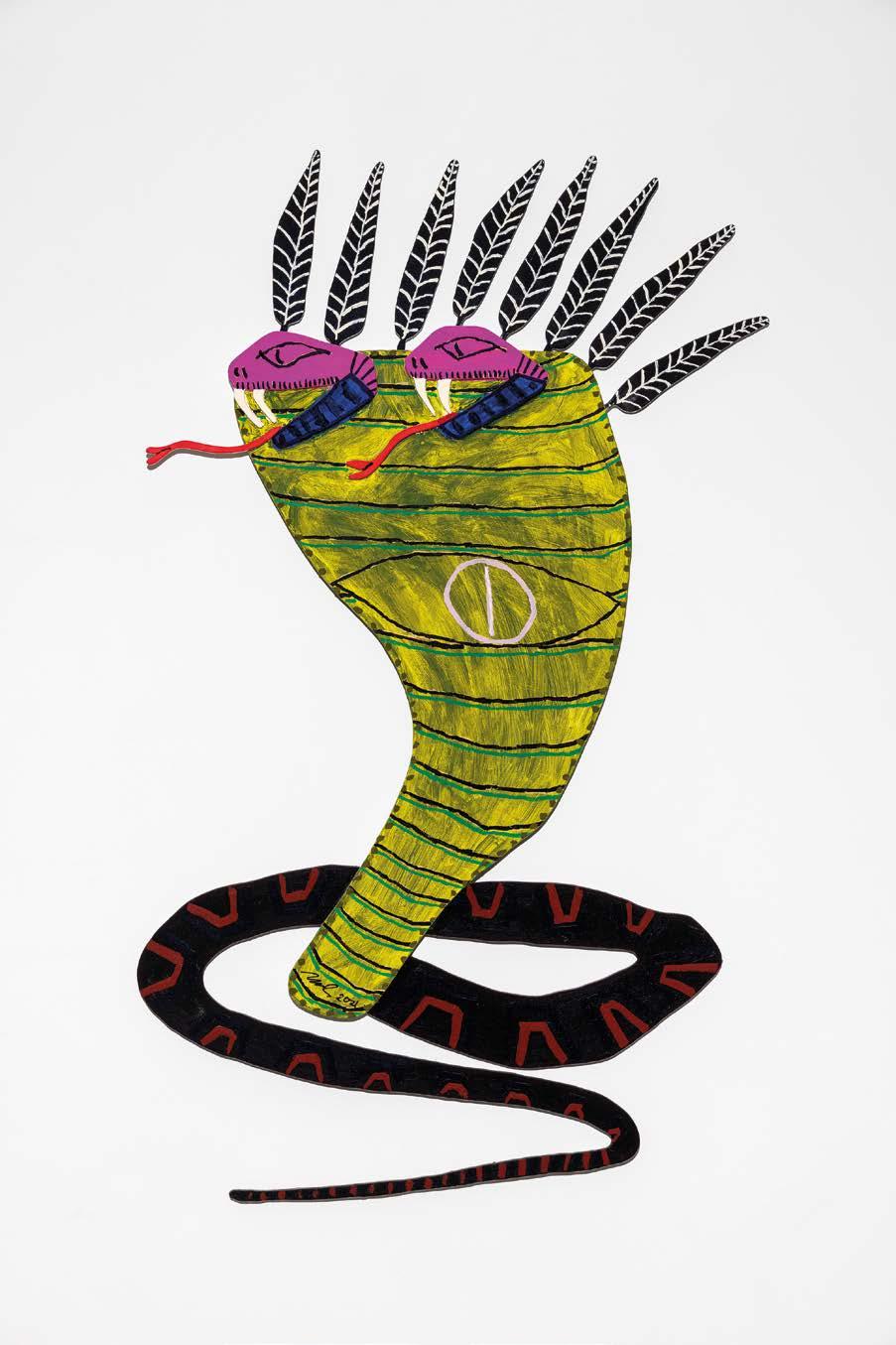
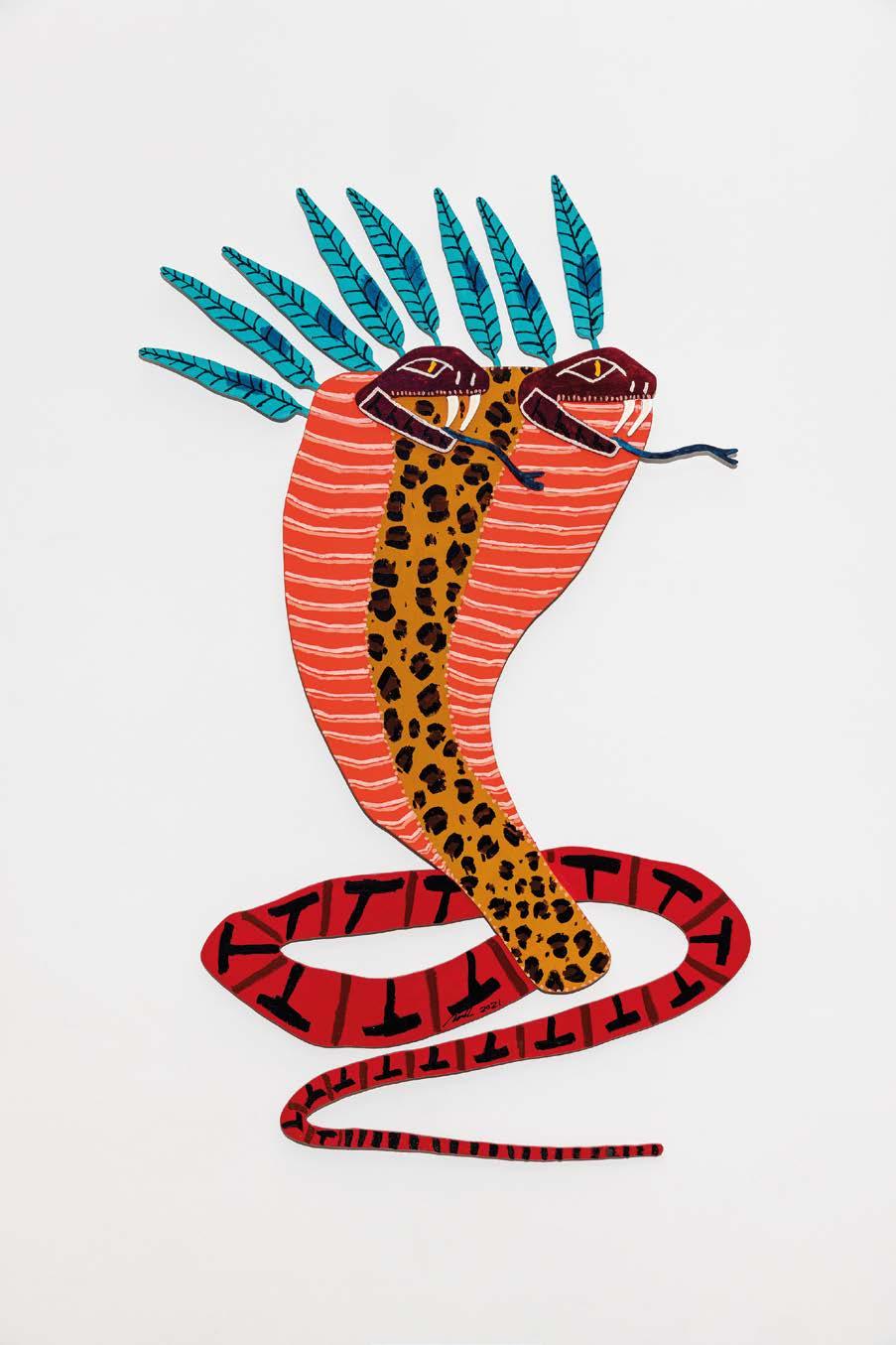
In this dreamed city, the exhibition space is organized according to the origin of its residents, the artists. The African territory opens the show at 2 avenue Matignon with Gideon Appah, Igwe Michael and Simphiwe Ndzube. The bodies face us. A swarm of magic spreads across the city. The tiger and the snake invite us to follow them to portray Australia, in the person of Jordy Kerwick. Along the way, a cartoonish world inspired by pop art forms a fantasy world, Austin Lee and Austyn Taylor’s America.
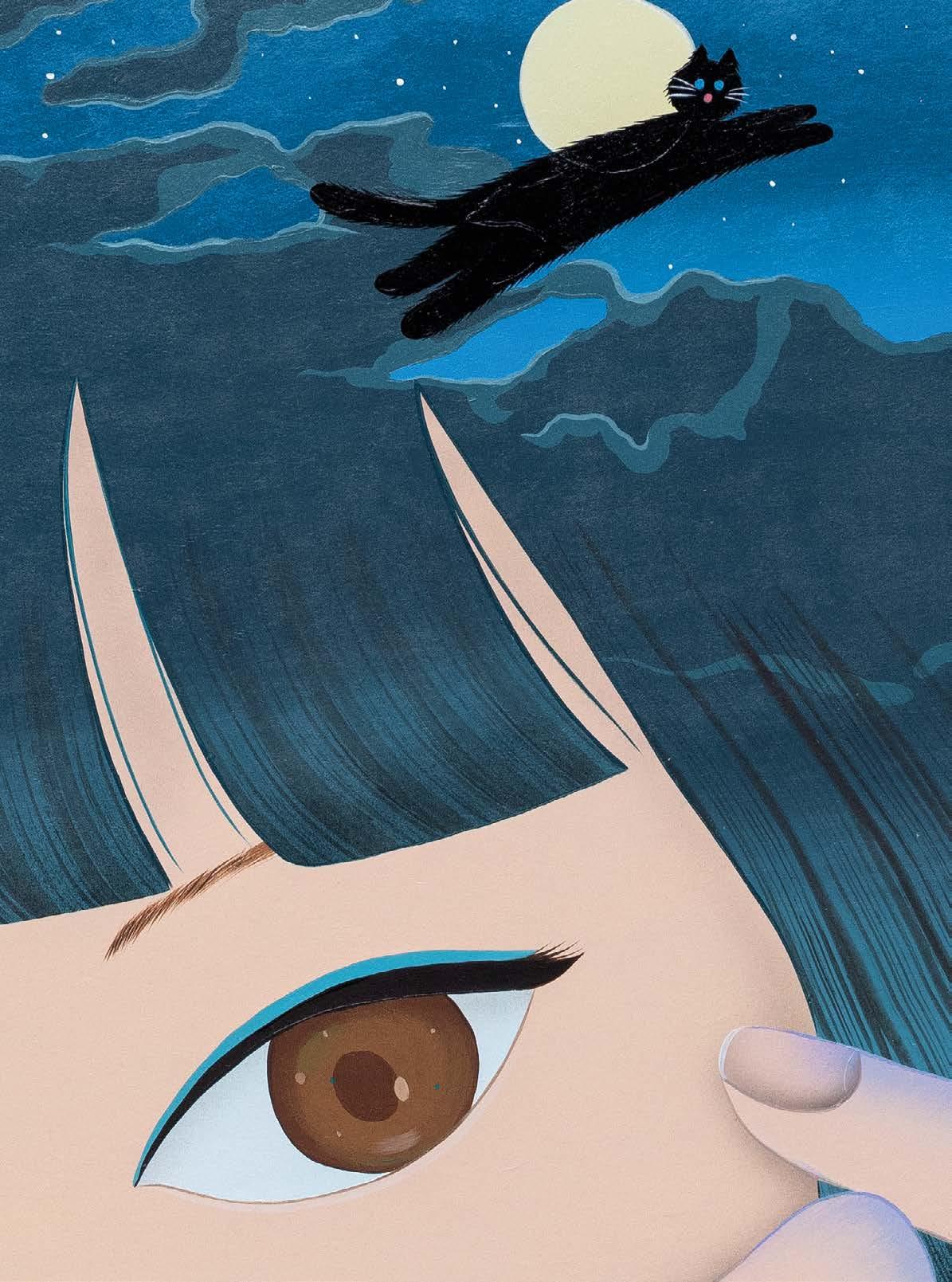
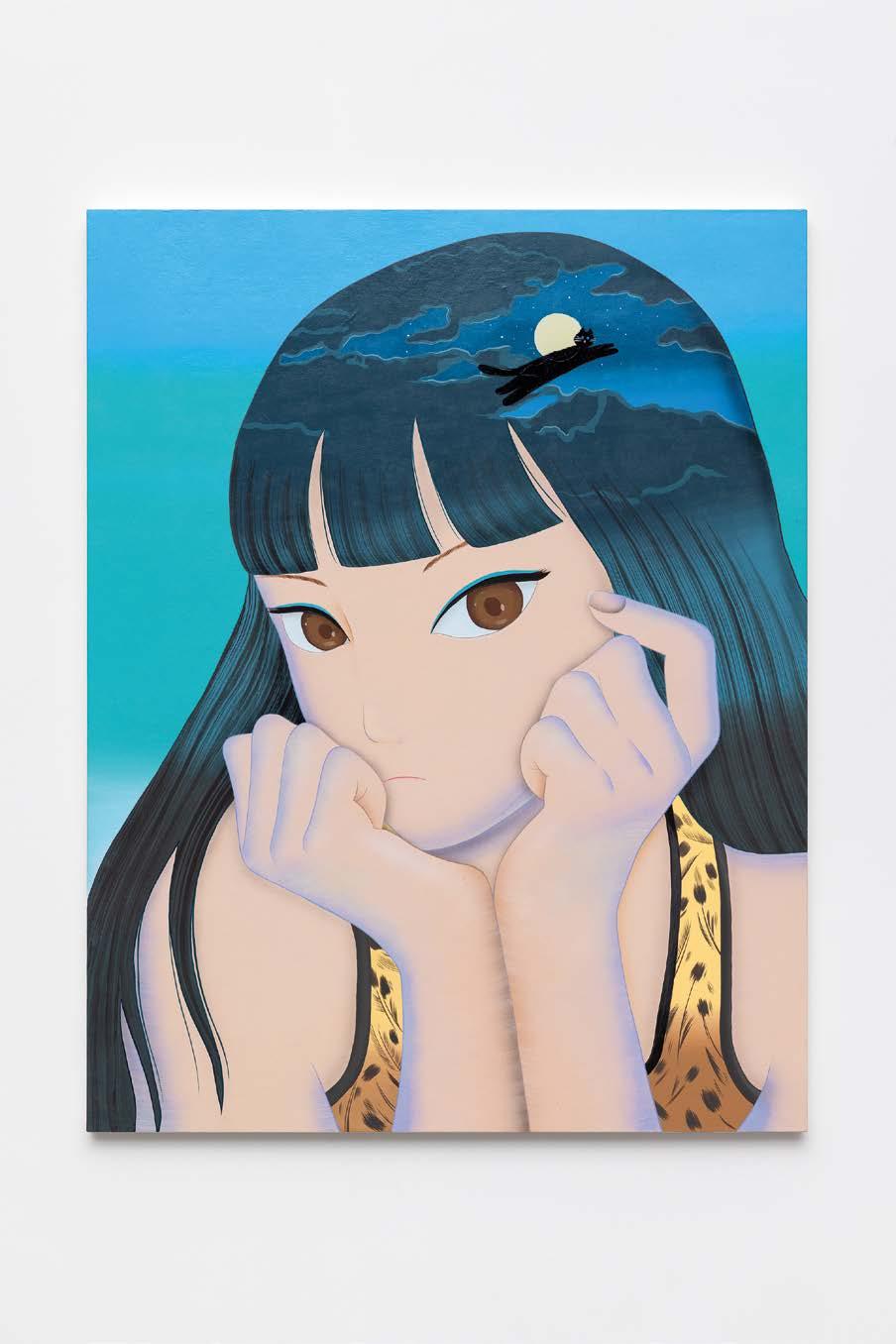
Further down the road, we are taken to the Asian continent (with Takeru Amano, Roby Dwi Antono, Vivi Cho, Jang Koal, Otani Workshop) and its kawaii visions, almost naive, of characters that seem to have come straight out of a manga.
Some holy songs arise from these coexistences as the duo formed for the event with Marcella Barceló and Vincent Beaurin.
Let’s pursue this journey around the world with Mamali Shafahi representing Iran in the 5 rue du Mail space. The rows of faces of Norwegian artist Trude Viken open the curtain of intimacy in the manner of a family album. The pieces by Englishman Alexander James and Ukrainian Dzvinya Podlyashetska resonate with each other: they invite us in a colorful interiority, a kind of modern expressionism.
The Andalusian light by Javier Martin guides us to the French artists’ district (Léo Caillard, Olivier Kosta-Théfaine, Prosper Legault, Anita Molinero, Lou Ros, Julien Saudubray), all of whom are singular in their practices, questioning nature, the image, matter or the city.
As the poet Pierre Reverdy, one can say that art, like poetry « is intelligible to the mind and sensitive to the heart only in the form of a certain combination of words » (...). In this case, the combination involves the presence of singular works, different (the scenography) « which in fixing themselves assert a particular reality that makes art incomparable to any other ».
Any journey has a beginning and an end. In this imaginary museum, a taste for colors arises, for a figuration that evokes mythologies, ecology and the bond between creatures.
« Push the door, the sun is inside » (1) (1) Paul Nougé, 1925