5 minute read
How to Trade Forex for Beginners in Kenya: Step-by-Step Guide

from Tips Trade
Forex trading has become one of the fastest-growing investment opportunities in Kenya. Thanks to mobile technology, easy internet access, and platforms that integrate with M-Pesa, more Kenyans are venturing into currency trading. But as a beginner, forex may seem confusing at first.
This guide will give you a step-by-step roadmap on how to start forex trading in Kenya the right way—from understanding the basics to placing your first trade.
Why Forex Trading is Growing in Kenya
Rise of Online Trading Platforms
Over the past decade, international brokers have entered the Kenyan market, offering platforms where locals can trade directly from their phones or computers.
Mobile Money (M-Pesa) and Accessibility
The integration of M-Pesa with forex brokers has made deposits and withdrawals quick and affordable. This is one of the main reasons forex trading is booming in Kenya.
Legal Framework: Is Forex Trading Allowed in Kenya?
Role of the Capital Markets Authority (CMA)
Yes, forex trading is legal in Kenya. The Capital Markets Authority (CMA) regulates online trading activities to protect investors. Some brokers are CMA-licensed, giving traders confidence in their legitimacy.
Regulated vs. Unregulated Brokers
While many Kenyans use international brokers that aren’t CMA-regulated, it’s safer to start with licensed brokers to avoid scams.
Step 1: Learn the Basics of Forex Trading
Before investing money, beginners must understand the fundamentals.
Understanding Currency Pairs
Forex is about trading one currency against another. For example:
EUR/USD → Buying Euros while selling U.S. Dollars.
USD/KES → Trading U.S. Dollars against Kenyan Shillings.
How Forex Markets Work
Forex is a 24-hour global market, running five days a week. Prices move based on demand, supply, and global economic events.
Leverage and Margin Explained
Leverage allows traders to control larger positions with smaller deposits. For example, 1:100 leverage means a deposit of $100 can control $10,000. However, leverage also increases risk.
Step 2: Choose a Reliable Forex Broker in Kenya
CMA-Licensed Brokers in Kenya
Some CMA-regulated brokers include:
EGM Securities
Scope Markets Kenya
Pepperstone Kenya
International Brokers Accepting Kenyan Traders
Well-known international brokers like Exness, XM, and HotForex also serve Kenyan traders, though they’re regulated abroad.
Key Features to Look For
Low spreads and commissions
M-Pesa deposit/withdrawal options
User-friendly platform
Reliable customer support
Step 3: Open and Verify Your Trading Account
Documents Needed
You’ll need:
National ID or Passport
Utility bill or bank statement for proof of address
KYC Verification Process
Most brokers require you to upload documents for Know Your Customer (KYC) compliance before you can trade live.
Step 4: Deposit Funds Safely
Using M-Pesa for Forex Deposits
M-Pesa is the most popular funding method in Kenya, offering instant deposits and withdrawals.
Bank Transfers and E-Wallets
Other options include bank deposits, Visa/MasterCard, or e-wallets like Skrill and Neteller.
Step 5: Practice on a Demo Account
Why Beginners Should Start with Demo Accounts
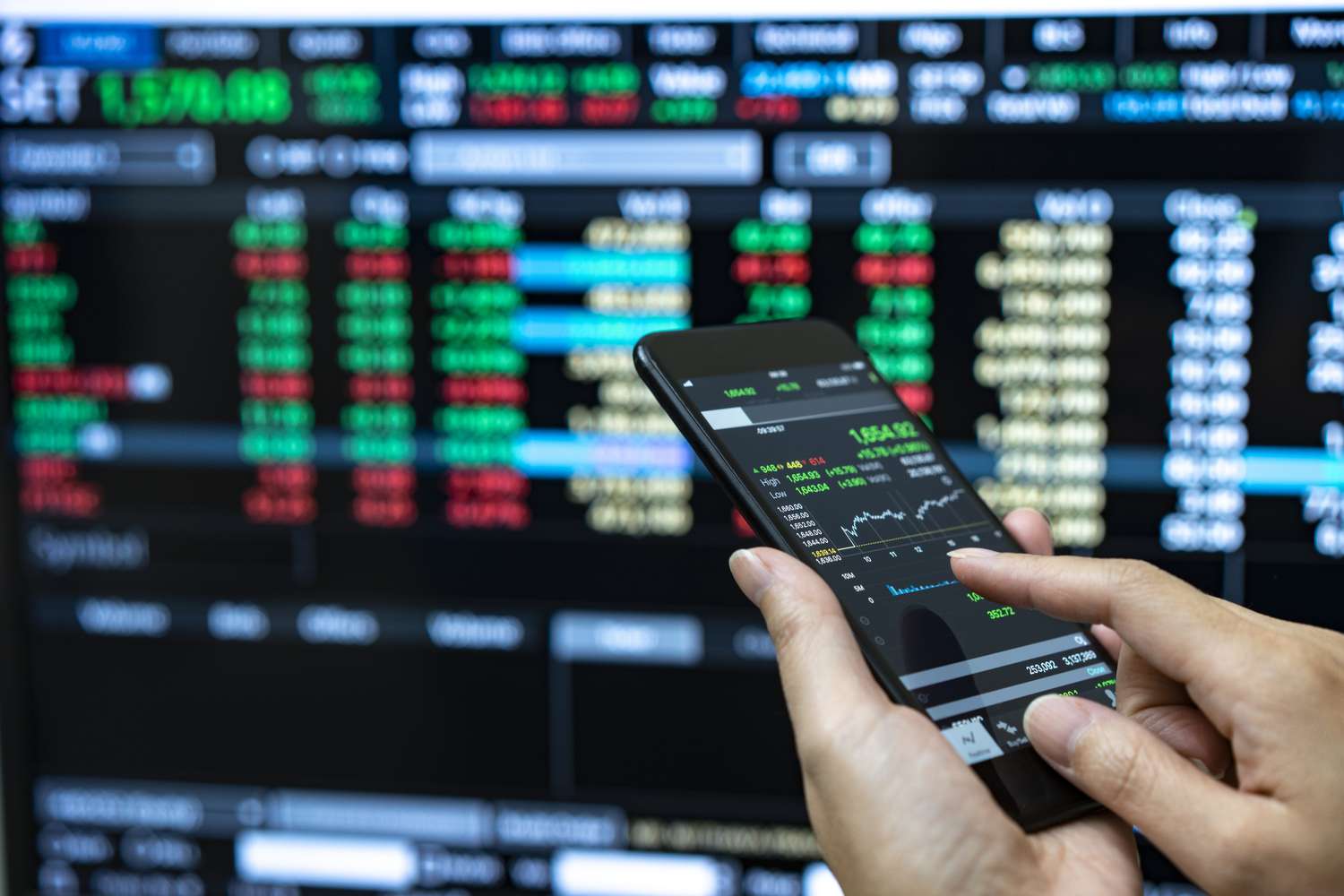
A demo account allows you to trade with virtual money. This helps you practice strategies without risking your savings.
How to Transition to a Live Account
Once confident, you can switch to live trading with small amounts—start as low as $10–$20.
Step 6: Learn How to Use Trading Platforms
MetaTrader 4 (MT4) and MetaTrader 5 (MT5)
These are the most popular platforms worldwide, offering charts, indicators, and order execution tools.
Mobile Trading Apps in Kenya
Most brokers provide mobile apps compatible with Android and iOS, allowing you to trade on the go.
Step 7: Develop a Simple Trading Strategy
Technical Analysis for Beginners
This involves studying charts, candlesticks, and indicators like moving averages.
Fundamental Analysis (News and Economy)
Currency prices are affected by economic news like inflation, interest rates, and political events.
Risk Management Basics
Always set stop-loss orders, never risk more than 2% of your capital per trade, and avoid emotional trading.
Step 8: Place Your First Trade
How to Buy and Sell Currency Pairs
If you believe EUR will rise against USD → Buy EUR/USD
If you believe EUR will fall → Sell EUR/USD
Setting Stop Loss and Take Profit
Stop Loss (SL): Limits your losses.
Take Profit (TP): Automatically closes your trade when your target profit is reached.
Step 9: Manage Risks and Control Emotions
Avoiding Overtrading
Trading too often leads to poor decisions. Stick to your strategy.
Psychology of Trading
Fear and greed are traders’ worst enemies. Discipline and patience are crucial.
Step 10: Keep Learning and Improving
Free Resources for Kenyan Traders
Investopedia Forex Tutorials
Babypips School of Pipsology
Joining Forex Communities and Forums
Kenyan traders often share tips in WhatsApp groups, Telegram channels, and Facebook forums.
Common Mistakes Beginners in Kenya Should Avoid
Trading without a strategy
Using too much leverage
Ignoring risk management
Following “get rich quick” scams
FAQs: Forex Trading for Beginners in Kenya
Q1: Is forex trading legal in Kenya?Yes, regulated by the Capital Markets Authority (CMA).
Q2: Can I trade forex using M-Pesa?Yes, most Kenyan brokers allow direct deposits and withdrawals via M-Pesa.
Q3: What’s the minimum deposit for forex in Kenya?Some brokers allow as little as KES 1,000 ($10).
Q4: Do I need a license to trade forex personally?No, but brokers must be licensed.
Q5: How long does it take to learn forex trading?It depends on dedication—most beginners need 6–12 months of consistent practice.
Q6: Is forex trading profitable in Kenya?Yes, but only if approached with discipline, risk management, and continuous learning.
Conclusion: Starting Your Forex Journey in Kenya
Forex trading offers great opportunities for Kenyans, but success doesn’t come overnight. By learning the basics, choosing a reliable broker, starting with demo accounts, and practicing risk management, beginners can safely step into the forex world.
With the right mindset and patience, forex trading can be a rewarding financial journey for Kenyan beginners.
📖 For more learning, explore Forex Trading Issuu.
See more:
Does EXNESS work in South Africa?
Is EXNESS working in Ethiopia?
How to verify EXNESS in Ethiopia?