In an age where the rush of daily news often overshadows the deeper narratives that shape our community, the Georgetown View constantly strives to be an eager beacon of positivity and unity. Far more than just a lifestyle magazine, our publishers and staff are committed to creating a means of getting to know what makes our community thrive: its people and their impact.
Since its inception, the Georgetown View has not only reported on the great stories and people in our city but also taken pride in actively contributing to its enrichment. Through donations exceeding $60,000 in advertising, we have extended our support beyond the printed page to organizations that further amplify the voices of those who work tirelessly to make a difference, ensuring their missions reach as many eyes and hearts as possible.
But we are also good at doing what we do–showcasing prominent community agencies and initiatives like ROCK, Georgetown ISD students, FFA, 4-H, and many more on our covers and in multi-page features. These not only celebrate their contributions but also inspire readers to personally engage and participate in the missions of these community pillars.
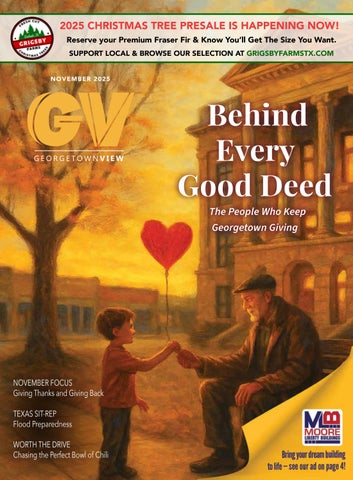
In every story, from first responders and veterans to the latest city events and programs, our purpose is to foster a sense of pride and connection. In addition to these, this "Giving Thanks and Giving Back" issue shines a spotlight on local nonprofits and philanthropic efforts, reminding us of the power of community support and the importance of gratitude.
In short, we believe the Georgetown View is more than a magazine; it is a vital part of the community’s fabric that spotlights advocacy, education, and celebration. We hope you will agree it stands as a testament to what we can all achieve when we choose to focus on the positive and the possible.
PUBLISHER
Cathy Payne
cathy@georgetownview.com
SENIOR WRITERS / CONTENT EDITORS
Charlotte Kovalchuk • Ann Marie Kennon
CONTRIBUTING WRITERS
Linda A. Thornton • Steve Fought
CONTENT MANAGER
Camy Reynolds
GRAPHIC DESIGN
Sandra Evans • Ann Marie Kennon
Marilee Goldoni
BUSINESS DEVELOPMENT
Jesse Payne
WEBMASTER
Ann Marie Kennon
ADVERTISING
512.746.4545
info@georgetownview.com
Georgetown View is a Fidelis Publishing Group, LLC publication and a product of AdvocateNewsTX Newspaper.
Mail may be sent to: Georgetown View P.O. Box 203 • Jarrell, TX 76537
SCAN THE CODE FOR E-SUBSCRIPTION AND NEVER MISS AN ISSUE.
FOLLOW US ON FACEBOOK FOR FOLLOW-UPS AND OUTTAKES GeorgetownViewMagazine
Amplify Your Reach!
In today's dynamic market, visibility is key to success. We invite you to explore the power of diversification by previewing and investing in advertisement spaces across our diverse range of magazines. Each publication in our portfolio offers a unique audience, ensuring your message resonates with a wider, yet targeted demographic. Seize this opportunity to broaden your reach, enhance brand recognition, and connect with potential customers in new, impactful ways. Let's collaborate to make your brand a household name.
CONTACT US • 512-746-4545 • INFO@GEORGETOWNVIEW.COM
THE GIVING ISSUE
Communities thrive when neighbors step up to care for one another, and local nonprofits are at the heart of that effort. From providing basic needs assistance to local families, to offering rides and companionship for seniors, to connecting veterans through service and advocacy—the organizations featured this month meet critical needs while fostering connection and hope in and around Georgetown.
This month's Q&A series highlights the missions, programs, and stories behind several Central Texas nonprofits, showing how volunteers, staff, and donors work together to make a meaningful difference in the lives of their neighbors.
NOVEMBER FEATURES
/ GAVIN'S GIFT OF GRACE
/ THE CARING PLACE
/ THE GEORGETOWN PROJECT
/ FAITH IN ACTION
/ US VETERANS MOTORCYCLE CLUB
COLUMNS
29 / TEXAS SIT-REP
ASK A PRO
Meet our Pros — professionals, business owners, and subject matter experts from leading local companies who share their knowledge and expertise to bring readers practical advice, how-to tips, best practices, and current and emerging trends. To learn more about becoming a Featured Professional, contact info@georgetownview.com or 512-746-4545.
Aqua-Tots Swim School Round Rock
The largest international provider of year-round, indoor swim instruction dedicated to teaching water safety through our proven curriculum.
Aqua-Tots.com/Round-Rock 512-336-8687
Hall's Roofing & Sheet Metal, LLC
Family owned since 1939. Roofing professionals specializing in full-service roof repair, installation, and replacement.
HallsRoofing.net 512-864-7579
Austin Orthopedic Institute Board-certified orthopedic surgeon specializing in sports medicine, joint reconstruction, and orthopedic trauma, with over 15 years of surgical expertise.
AustinOI.com 512-856-1000
Doleva Elite Tree
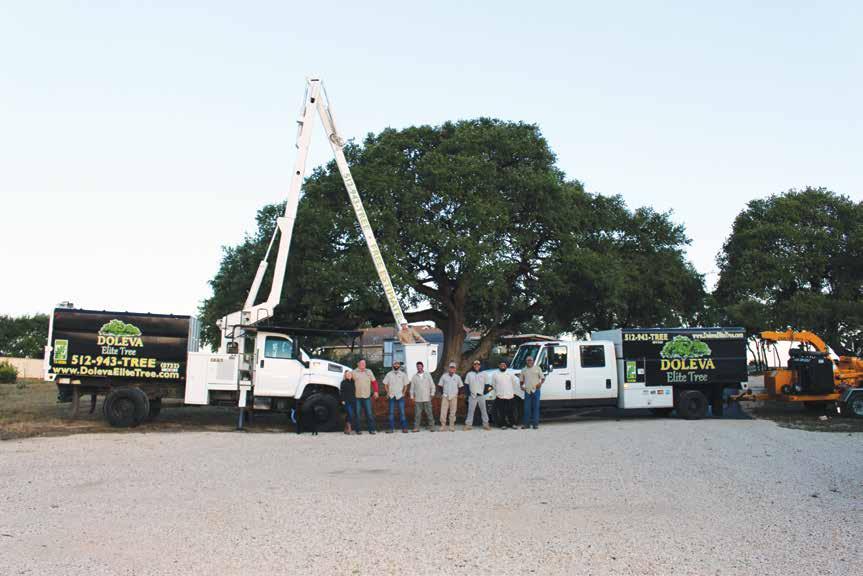
Certified Arborists to care for your trees! Our large equipment makes jobs efficient and economic, and prevents damage to lawn or property. Serving Georgetown since 2009.
DolevaEliteTree.com 512-943-8733
Inner Space Cavern
One of the best preserved caves in Texas, Inner Space Cavern has hosted hundreds of thousands of visitors since 1966 and offers a variety of activities year round.
InnerSpaceCavern.com 4200 S IH-35 Georgetown
Prime Wellness and Longevity
Personalized hormone therapy, weight loss, and wellness plans to help clients optimize health, boost energy, and feel their absolute best.
PrimeWellnessand Longevity.com 512-240-4456
DTC Air Conditioning
DTC provides advanced HVAC solutions with Carrier® factory-authorized service, expert technicians, and a commitment to innovation, training, and 100% customer satisfaction.
DTCTexas.com 512-887-5091
Keller Commercial & Home Services
Experts specializing in maintenance, enhancement, and design. Armed with cutting-edge tools and programs — driving rapid growth in architectural landscaping.
KellerServicesTX.com 512-930-4769
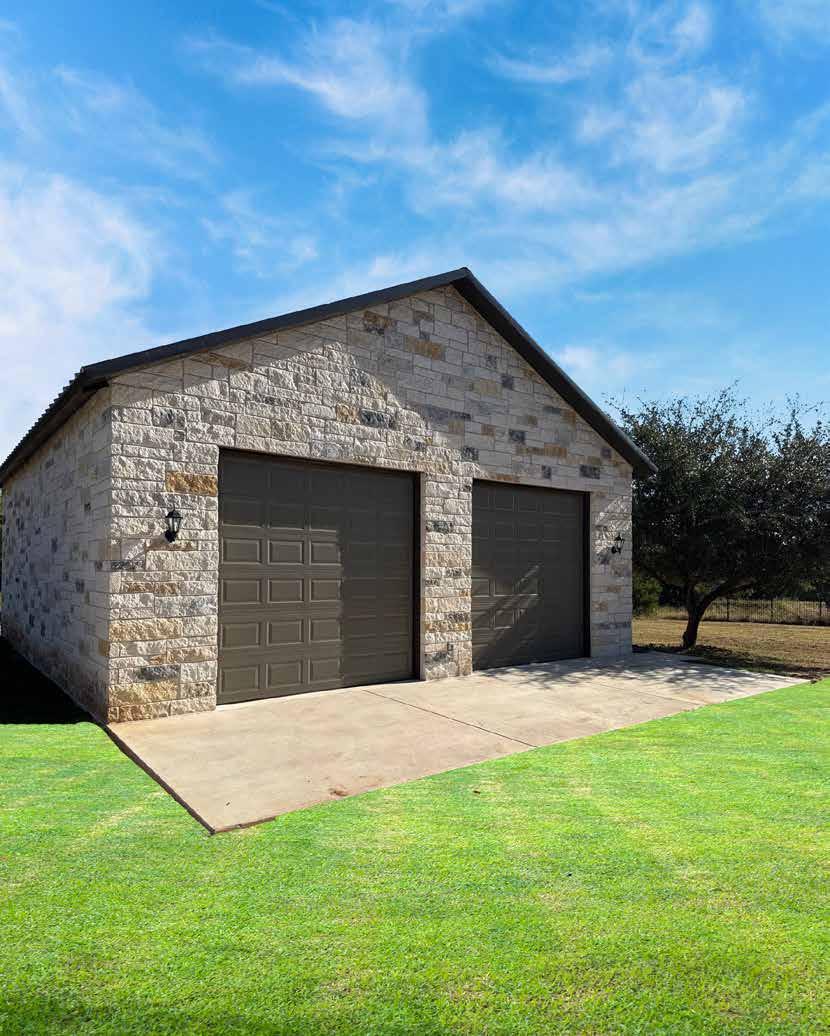
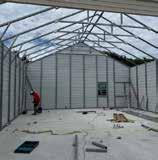
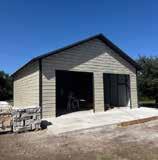
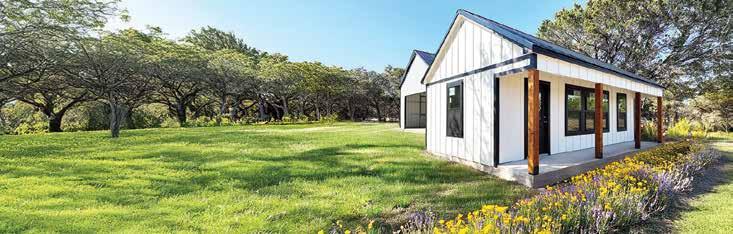
Moore Liberty Buildings
Chad & Amanda Moore
Thousands of structures built since 2015.
MooreLibertyBuildings.com 512-548-6474
NextGen Academy Empowering students with cutting-edge technology and innovative teaching methods to foster creativity, critical thinking, and future readiness. NextGenAcademy.school 13915 US 183 Austin, TX 78717
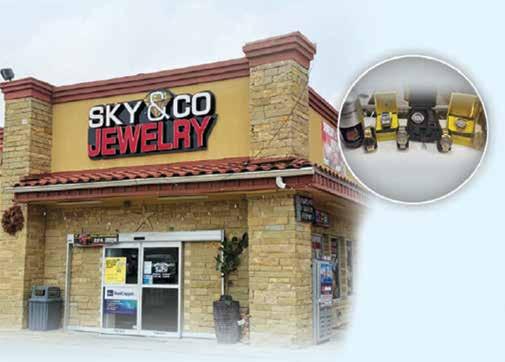
Sky & Co. Jewelry
Handcrafted elegance meets modern meaning. Sky & Co Jewelry creates minimalist pieces with lasting impact—designed to celebrate individuality, intention, and the stories you wear.
SkyCoJewelry.com 512-254-9337
The Wesleyan
Providing a new, bountiful experience of aging full of purpose, passion, and possibility for more than 50 years.
TheWesleyan.org
Wild Birds Unlimited
Expert advice, quality seed, and feeders. Let us provide joy to you and your backyard birds. We bring people and nature together and do it with excellence.
GeorgetownTX.wbu.com (512) 763-1081
Legacy of ♥ Love
GAVIN’S GIFT OF GRACE SUPPORTS GRIEVING FAMILIES
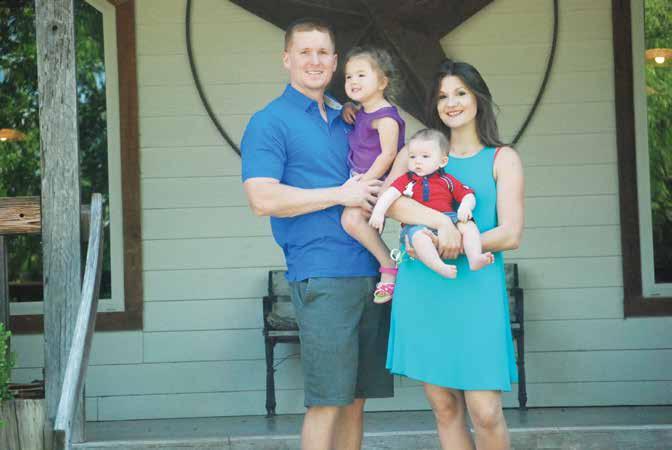
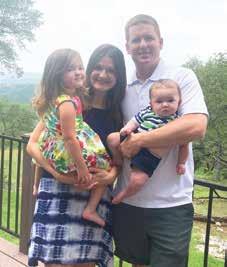
In 2018, Amy and Adam Gouldie lost their five-monthold son, Gavin Grant, to sudden infant death syndrome. It was an earth-shattering loss they couldn’t have overcome, Amy says, if not for the family and friends who
carried them through those early weeks. The Leander couple asked themselves, “What if we didn’t have all this support? We would be completely lost.
We decided that day to do what we could to help other families have the kind of support we had.
The following year, Amy and Adam founded Gavin’s Gift of Grace (GGG) to support families who have lost a child from birth to 18 years old. The organization assists with financial needs like funeral arrangements, therapy, rent, groceries, car payments, car packages, and peerto-peer support. “Death is expensive, and grief is expensive too,” Amy says. “Most families aren’t prepared for something like this. Many parents can’t return to work right away, and bills start piling up. We just try to figure out what the family needs most and help meet that need.”
Gavin’s Gift of Grace receives requests for support both from families themselves as well as many organizations including Dell Children’s Hospice, the Austin Police Department, the Williamson County Sheriff’s Office, and area funeral homes. “You don’t realize how often it happens until it touches your life,” Amy says. “In the Austin area alone, it’s far more common than most people know.”
by Charlotte Kovalchuk •
TURNING GRIEF INTO PURPOSE
For Amy, some of the most healing moments come from speaking directly with families. “Sometimes they just need to talk to someone who’s been there,” she says. “It’s healing for both sides.”
Over the years, she’s watched many grieving parents channel their pain into purpose—just as she and Adam did. One mother whose daughter drowned at a camp started a nonprofit that distributes life vests and offers CPR training across Texas. Another, a local art teacher, began a scholarship fund in her son’s name after a tragic car accident. “Those are my favor-
ite stories,” Amy says. “It’s about keeping their memory alive. One of the biggest fears is that people will forget them—but they’re not forgotten. More people know Gavin now than if he were still here.”
HONORING GAVIN’S LEGACY
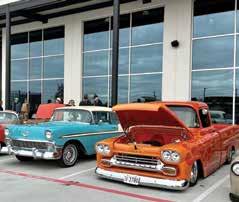
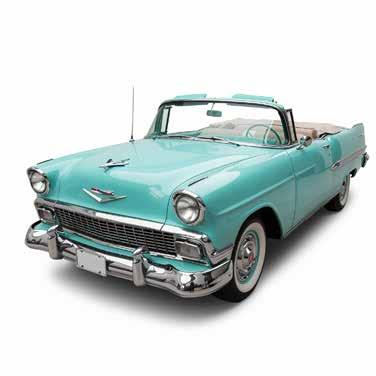
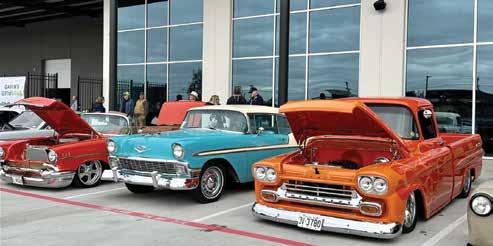
To honor Gavin’s legacy, GGG hosts several community fundraisers each year, including Amplify Austin in March, a spring golf tournament, and the annual Gearing for Gavin Car Show—a family friendly event featuring classic cars, food, snow cones, raffles, and activities for kids.
NOVEMBER 15 FROM 10AM TO 1PM
CART CASTLE • 111 CR 214, LIBERTY HILL
“We’re 100 percent volunteer-run, so every dollar donated goes directly to families,” Amy says.
For Amy and Adam, Gavin’s memory is what keeps them moving forward. “He was the happiest, smiliest baby,” she says. “I know he’s watching over us. I like to think he’s pretty proud of us.”
To learn more, donate, or register for upcoming events, email info@gavinsgiftofgrace. org, scan the code to visit GavinsGiftOfGrace. org or follow Gavin’s Gift of Grace on Facebook and Instagram.
Heart of Georgetown
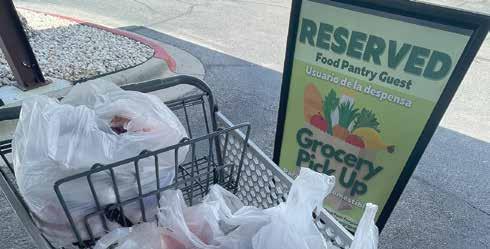
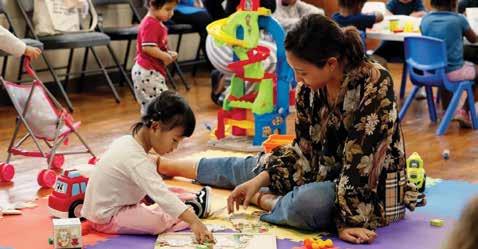
The Caring Place is where individuals and families in Georgetown and northern Williamson County can turn for help when they struggle to make ends meet. Whether people need food, clothing, financial assistance, or help accessing additional resources, The Caring Place's mission is to provide for the basic needs of the wider community.
COMMUNITY SAFETY NET FOR 40 YEARS
Founded in 1985, it has grown along with the community and has become a major safety net provider in the area. Before its creation, individuals and families would go from church to church seeking help with rent, clothing, and food. As a result, church and community leaders came together to create a single place where people could go for emergency assistance with basic needs to better serve their neighbors.
Today, more people than ever are coming to The Caring Place when they need help. In the past 15 years, Georgetown has doubled in size. In the last
three years, the number of unduplicated individuals served at The Caring Place has doubled—from 5,313 individuals through September 2022 to 10,575 through September 2025.
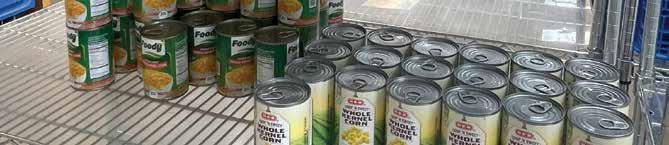
The Caring Place provides food via three food programs to help people stretch their monthly budget so that they can meet other household expenses such as utilities, rent, and other basic needs. When additional assistance is needed, many other programs and services offered at The Caring Place help neighbors move towards stability and security.
FUTURE GOALS
One of the most pressing challenges is the desire and need to expand the food pantry hours to better serve working individuals and families. Many of our neighbors who rely on The Caring Place are juggling jobs, childcare, and other responsibilities, and current hours don’t always align with their availability. We want nothing more than to make services more available to those who need
Offering hope and help to neighbors in Need
them the most.
Expanding hours isn’t as simple as unlocking the doors. It will require additional staff, more volunteers, increased food inventory, and greater organizational capacity. All of that hinges on one critical factor: funding. While remaining steadfast on meeting the immediate needs of community members, The Caring Place needs additional funding to invest in building organizational capacity, expanding its physical footprint, and recruiting more volunteers to meet the evolving needs of our community.
HOW TO HELP
If you would like to join The Caring Place in its efforts to provide a strong safety net for your neighbors in Georgetown and northern Williamson County, visit CaringPlaceTX.org or call 512-9430700 to donate, volunteer, or learn how to get help.
Supporting children and youth by providing safe spaces, mentorship, meals, and opportunities for growth.
Empowering Youth in Need
For nearly three decades, The Georgetown Project has quietly stood as a lifeline for local children and teens facing instability, hardship, or isolation. Through programs like the NEST Empowerment Center, Bridges to Growth, and the Summer Youth Employment Program, the nonprofit brings together staff, volunteers, and donors to meet urgent needs, build stability, and give young people a renewed sense of hope for the future.
A STORY OF SECOND CHANCES
One of those young people was a student who found himself on the streets—alone, disconnected, and uncertain about what came next. Through the NEST Empowerment Center, he found a safe place to go after school, a warm meal each evening, and the support he needed to reconnect with his family. The Georgetown Project helped him reestablish stability, enroll in a trade program, and secure housing. Today, he’s working toward a career and a future he once thought was out of reach. His story reflects the organization’s mission in its purest form—meeting young people where they are and helping them see what’s possible when someone believes in them.
While the NEST may be the most visible part of The Georgetown Project, the nonprofit’s work extends far beyond that single program. Many residents don’t realize that the organization also operates Bridges to Growth—a family resource center offering parenting education, early learning opportunities, and community workshops—and the Summer Youth Employment Program, which helps teens gain valuable job skills and confidence while earning a paycheck. Together, these initiatives form a network of care that supports children and families at every stage of development.
UNSUNG HEROES
The Georgetown Project is sustained by a community of unsung heroes—dedicated staff, generous donors, and volunteers who show up again and again. Among them are Roger Jorns of Reanimation Design, who lends his web and tech expertise while volunteering monthly with the Collaborative for Children and Youth, and Peter and Brenda Hayes, who have not only helped renovate aging spaces in the organization’s historic building but also inspired others to give through their matching donations.
MEETING GROWING NEEDS
Like many nonprofits, The Georgetown Project faces growing challenges as funding tightens and community needs expand. With Georgetown’s population increasing and a fourth high school on the way, the number of students who are unhoused or in need of support will only rise. Yet one thing remains constant: The Georgetown Project’s unwavering commitment to ensuring that every child and teen in Georgetown has a safe place to learn, grow, and dream.
To learn more or make a donation, scan the code or visit georgetownproject.org.
Driven by Compassion
TELL US A STORY OF IMPACT MOST PEOPLE HAVEN’T HEARD BEFORE — ONE THAT CAPTURES WHAT FAITH IN ACTION REALLY DOES?
One of our volunteers, Sissy, arrived at a client’s home and did not receive a response when she knocked and called. She called the police to request a well check and the police did not find anyone at home. Sissy continued to walk around outside where she shockingly found our client lying in the ditch. She had fallen and had been lying there since the night before. Fortunately, she was not injured, but freezing temperatures were forecast for that very night. The client’s daughter later told us that her mom might not be alive if Sissy hadn’t been there. That moment reflects exactly what Faith in Action Georgetown does—we provide connection, care, and sometimes life-saving support.
WHAT’S ONE PROGRAM OR SERVICE YOU OFFER THAT THE PUBLIC OFTEN DOESN’T REALIZE EXISTS?
Many people know about our transportation program, but not everyone realizes we also have a medical equipment closet where anyone in Georgetown can receive free medical equipment, regardless of age.
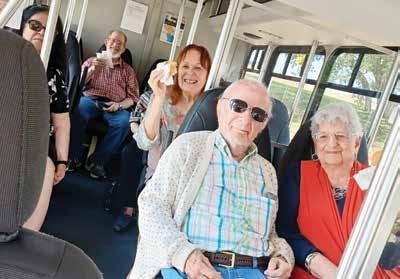
For 25 years, Faith in Action Georgetown has been a lifeline for local seniors, offering free rides, companionship, and support that help older adults live independently.
WHO ARE SOME OF THE “UNSUNG HEROES” — VOLUNTEERS, STAFF, OR DONORS — WHO KEEP THINGS RUNNING BEHIND THE SCENES?
Tracy Barber, our program director oversees every program and our entire program staff. She goes above and beyond providing attentiveness and compassion no matter what. She stands in the gap and builds relationships with clients, volunteers, board members, and our team.
Tracy would never seek recognition, but her dedication to Faith in Action changes lives every day. And every volunteer who drives is an unsung hero. They give of themselves every day, expecting nothing in return.
WHAT IS A CHALLENGE YOU’RE FACING THAT THE COMMUNITY MIGHT NOT REALIZE?
We have more than 800 clients but only 95 volunteers who drive. Every month we receive inquiries from approximately 30 new people wanting to sign up for our services. Recruiting and training enough volunteer drivers to meet that need is a constant challenge —but every new volunteer instantly allows more seniors to stay independent and healthy.
IF GEORGETOWN DOUBLED IN SIZE TOMORROW, WHAT WOULD THAT MEAN FOR YOU?
It would double the number of people who need our services. Georgetown’s population already includes more than twice the state average of older adults. Combine that with rapid growth and the aging baby boomer generation, and you have a perfect storm—a growing demand for free, reliable transportation for seniors in our community. We would need to expand our volunteer base, our vehicle fleet, and our operational support to ensure no senior is left without a way to get to the doctor, the grocery store, or engage with their community.
IN ONE SENTENCE, WHAT DO YOU MOST WANT PEOPLE IN GEORGETOWN TO KNOW ABOUT YOUR NONPROFIT?
Faith in Action Georgetown is more than a ride; it’s a relationship! Scan the code to learn more, or visit FaithInActionGT.org.
Bring
Riding for Veterans
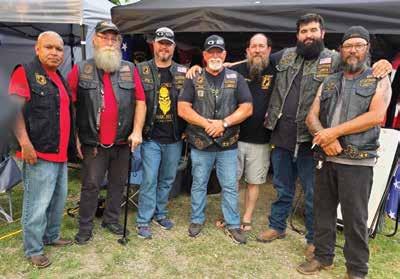
Since 2010, the Lonestar Chapter has actively contributed to the Central Texas community and made a positive impact through our efforts. Our mission is to raise awareness of veteran issues by building an informative advocacy platform that supports those who have served. We are committed to caring for veterans and fostering meaningful, lasting connections. These connections are integral to our efforts to combat veteran suicide and address other challenges faced by veterans.
BEYOND THE UNIFORM
For many veterans, leaving the military marks a significant life transition, often accompanied by a loss of camaraderie with like-minded individuals. Our organization seeks to restore that sense of belonging by creating a family-like environment, using motorcycles and community service as a means to rebuild connections. While other organizations may occasionally engage in outreach activities, we have a long-standing tradition of supporting both the military and local communities, combining our passion for motorcycles, camaraderie, and service. Active-duty military personnel and honorably discharged veterans are welcome to apply for membership, though we carefully
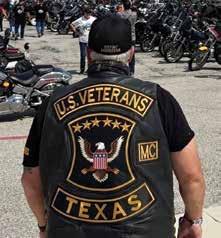
The US Veterans Motorcycle Club is a nationwide organization with members and chapters across the United States, consisting of veterans from all six branches of the armed forces.
vet applicants to ensure alignment with our values and principles.
Motorcycle clubs are often subject to misconceptions, but we have consistently received strong public support, as people recognize our veteran
status and positive impact. The primary challenge we face is operating within a highly saturated veteran service organization landscape. With numerous organizations vying for support, we work tirelessly to distinguish ourselves through our presence and actions. We provide both monetary and physical support wherever possible, ensuring that all contributions align with our mission.
EXPANDING THE MISSION
The Lonestar Chapter is based in Copperas Cove, Texas, with plans to expand into Georgetown and other surrounding communities to reach more veterans and the broader community. We welcome partnerships with community organizations and businesses, whether through fundraising, volunteering, or simply engaging in our mission. Our goal is to accommodate and collaborate with those who share our commitment to veterans. The club’s unwavering commitment to its mission and values, combined with its positive impact and collaborative approach, distinguishes it within the veteran service landscape. Through its dedication to fostering meaningful connections, supporting veterans, and addressing critical issues such as veteran suicide, the club has established itself as a leader in promoting the well-being and camaraderie of those who have served.
To learn more, visit USVeteransTexasmc. weebly.com and the US Veterans MC - Lonestar TX Facebook page.
Seeds of Strength Where Collective Giving Blooms
Sixteen years ago, 13 friends decided to turn generosity into action. They pooled their resources, gathered 55 women willing to give $1,000 each, and awarded $55,000 in grants to five Georgetown nonprofits. That simple act of shared purpose blossomed into Seeds of Strength (SoS)—a philanthropic giving circle that has since grown to as many as 300 members in some seasons, and invested nearly $2.4 million in the lives of more than 65,000 Georgetown neighbors.
Unlike traditional fundraising organizations, Seeds of Strength has no corporate sponsors and holds no fundraisers. Every dollar comes directly from members—women who want to see their contributions make a tangible difference close to home.
Each spring, the group awards annual grants to local nonprofits. The 2024 awards totaled $161,500, supporting organizations such as Austin Sunshine Camps, BiG, CASA, Capital IDEA, Faith in Action, The Georgetown Project, YMCA, and A Gift of Time. Together, these programs served more than 1,200 local clients—a testament to how a single contribution can multiply into widespread impact.
HOW IT WORKS
Nonprofits serving Williamson County may apply for funding through a detailed grant application, available under the Grants tab on the Seeds of Strength website. The board has worked diligently to make the process less intensive and the Grants Committee reviews every submission, ensuring applicants have the capacity and accountability to carry out their proposed projects. Finalists are invited to submit videos outlining their proposals, which are distributed to all members who then vote online. Winners are announced at the May event. Following the award, each nonprofit is assigned a program manager who monitors progress throughout the year.
“This is the right organization for anyone who’s ever wondered where their money actually goes.”
Kiersty Lombar Seeds of Strength Communications Chair
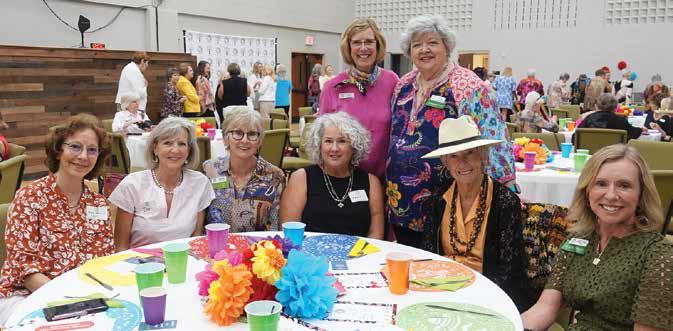
2025 Kickoff Luncheon at First United Methodist Church, October 15 — Standing from left: President Pam Carlson, Events Chair Cindy Harrington
Seated from left: Rose Marie West, Nancy Sieja, Barbie Sproull, Dot Ammons, Marsi Liddell, Janet Hall Hewlett.
“Any time you get a determined group of women together, we’re absolutely going to change the world.”
Cat Phelps, Executive Director Georgetown Family YMCA
MEMBERSHIP & ANNUAL EVENTS
Membership in Seeds of Strength is open to any woman who wishes to give—no invitation required. Contributions begin at $300, and members may join at any time throughout the year. Funds collected by March 1 go toward the next grant cycle, with new grants awarded each spring.
The organization’s fiscal year begins July 1, celebrated with the Fall Luncheon, where members and guests renew, reconnect, and rekindle their passion for giving. Other signature events include:
December Holiday Party. A fabulous event for members and potential members and grant recipients.
The 2025 event is December 3 from 5–7pm at Don Hewlett Chevrolet Buick. The Founder's Grant winner will be announced. This is a new award created to honor the time, energy and exceptional work that each grant applicant provides.
Each December SOS Founders Grant committee chooses from among applicants not awarded a grant in May for the Founders Grant award. Last year’s $5,000 first recipient was Simple Sparrow Care Farm.
Wine, Women, Chocolate & Giving (February) – a fun mid-year membership mixer.
Annual Awards Luncheon (May) Recipients share stories of lives touched by SoS grants.
ROOTED IN SERVICE
From funding youth programs and senior services to supporting education and family well-being, Seeds of Strength lives up to its motto: A Circle of Women Empowering Change.
2025 KICKOFF
This year’s Fall Luncheon marked the official kickoff of the 2025–26 giving season, welcoming more than 100 members and guests to celebrate another year of generosity and impact. It was an afternoon of inspiration, storytelling, and friendship—an invitation for every attendee to join the next wave of women who will help shape Georgetown’s future.
“When I saw the difference SoS made for local nonprofits, I knew I wanted to be part of it.”
Janet Hall Hewlett, Board Member
“A friend invited me, and I was moved by what I saw. The work we do is so compelling—you can see the impact in people’s lives.”
Barbie Sproull, Board of Directors
“It touched my soul to see how many organizations are quietly doing extraordinary things for our community.”
Marsi Liddell, Past President
HOW TO JOIN
WHO: Any woman passionate about giving
MINIMUM GIFT: $300 annually
WHEN: Join any time; donations before March 1 apply to the current giving cycle
FOLLOW: @seedsofstrength on Facebook and seedsofstrength_gtx on Instagram
WHERE: SeedsOfStrength.org
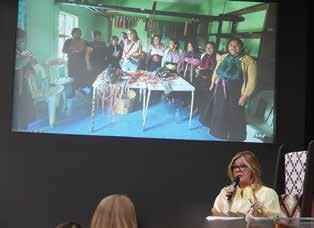
Conni Reed, Founder and Owner of Consuela Bags in Austin highlights how her company partners with and supports small businesses in Mexico
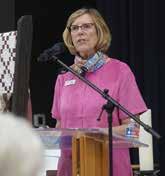
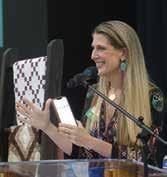
Seeds of Strength President Pam Carlson and Kiersty Lombar, Communications Chair (encouraging members and guests to follow Seeds of Strength on Facebook)
HOURS:
Pignetti’sRESTAURANT
SUNDAYS
Tired of Just Treating Symptoms?
Blending the strengths of multiple healing disciplines, integrative medicine offers a comprehensive path to long-term health and resilience.
• Conventional and Alternative Therapies
• Personalized Treatment Plans
• Sustainable Solutions for Optimal Wellness
• Cutting-Edge Leading Technology
• Membership Discounts
InnerSpace Cavern
One of the best preserved caves in Texas, Inner Space Cavern has hosted hundreds of thousands of visitors since 1966 and offers a variety of activities year round. 4200 S IH-35 • Georgetown InnerSpaceCavern.com
Earth is home to more than 1,500 species of bats, making up nearly one-fifth of all mammal species. These remarkable flyers come in all sizes—the tiny bumblebee bat of Thailand weighs less than a penny, while the massive flying fox of the Philippines boasts an impressive six-foot wingspan.
BATS OF THE LONE STAR STATE
Texas is home to more bat species than any other state—at least 32! Scientists classify bats into two groups: megabats and microbats. Megabats feed primarily on fruit and nectar, while microbats mostly insect-eaters. In Texas, bats play a dual role: all consume insects, but some species—like the Mexican long-nosed and Mexican long-tongued bats—also pollinate native agave and cactus plants. Their nighttime foraging supports the growth of entire ecosystems.
FAMOUS FLIERS OF CENTRAL TEXAS
The two most familiar bats in our region are the Mexican free-tailed bat and the tri-colored bat. Texas hosts both the world’s largest urban bat colony at Austin’s Congress Avenue Bridge and the world’s largest bat colony at Bracken Cave Preserve near New Braunfels.
Mexican free-tails are very social, roosting by the thousands. It’s estimated that in dense roosts, as many as 500 pups occupy each square foot. Despite the chaos, mothers can locate their own pups by sound and scent—a remarkable feat of nature. These bats migrate to Mexico in late fall as the first cold fronts arrive, returning to Texas each spring.
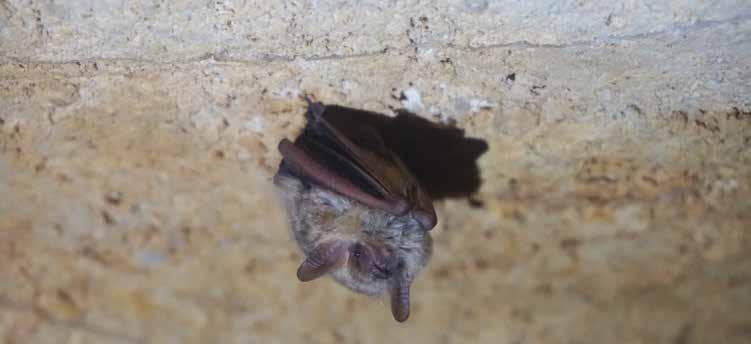
Tri-colored bats, in contrast, are small, solitary creatures roughly the length of a human thumb. They prefer quiet resting spots rather than crowded colonies. At Inner Space Cavern in Georgetown, visitors can sometimes spot tri-colored bats snoozing on the cave ceiling during the day. Unlike their migratory cousins, they remain in Central Texas year-round, entering a light hibernation during cold snaps.
NATURE’S PEST CONTROL
Both species feast on insects, each bat consuming more than 600 bugs per hour during their nightly hunts. Their appetite for pests saves American farmers billions of dollars annually by reducing the need for chemical pesticides. And since mosquitoes rank high on their menu, Texans enjoy a little fewer bites at backyard barbecues, too.
HOW TO SEE OR SUPPORT BATS
You can invite bats to your property by installing a bat house, available at home improvement stores or through simple DIY plans online. To see them in the wild, visit one of Texas Parks and Wildlife’s bat-watching sites listed at tpwd.texas.gov Watching thousands of bats spiral into the sunset is a Texas experience like no other. For more information, explore Merlin Tuttle’s Bat Conservation and Bat Conservation International.
merlintuttle.org
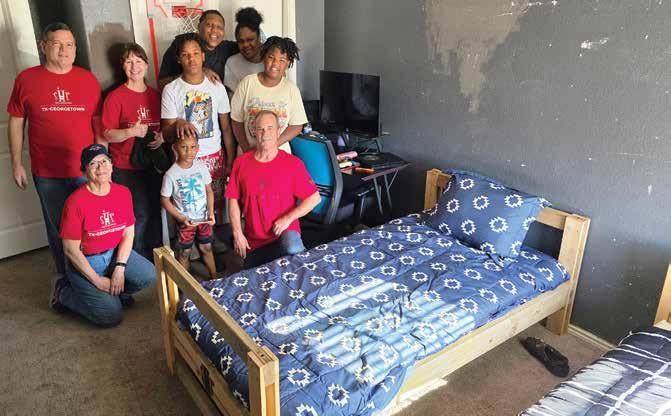
Every child deserves a safe, comfortable place to sleep. Yet for many families, something as simple as a bed can be out of reach. That’s where Sleep in Heavenly Peace (SHP) comes in. Since opening its Georgetown chapter in 2019, SHP has brought together hundreds of community members to build and deliver handmade beds for local children in need.
WHAT INSPIRED THE FOUNDER, RON SHELLY, TO START A NONPROFIT FOCUSED SPECIFICALLY ON MAKING BEDS FOR KIDS?
Ron has always had a passion for helping children and youth. In 2019 he saw a TV show called Returning the Favor hosted by Mike Rowe which featured a fledgling nonprofit called Sleep in Heavenly Peace (SHP). Ron reached out to the Idaho-based organization and launched the Georgetown chapter later that year. Their first bed build in October 2019 brought together 30 volunteers to assemble 20 beds.
A Safe Place to dream
The first bed delivery was a mixture of emotions. Their daughter was about six years old and immediately snuggled up in her new fluffy pink blanket with a smile from ear to ear! For a child, a bed can be that safe and comfortable space that they get to call their own—a place to collapse after a long school day, a place to curl up with a book, or a place to display their toys.
One bed recipient, a single mother, sent us a message shortly after receiving a new bed for her child with special needs. She said her child had been playing quietly in their own bed all afternoon and as a result she was able to get some much needed rest herself. She was very grateful for the bed and hopeful that this would positively impact both of them!
HOW
MANY CHILDREN IN OUR COMMUNITY DO YOU ESTIMATE ARE STILL WITHOUT BEDS?
Nationally, three to five percent of children experience “bedlessness,” meaning they share a bed or sleep on a couch or the floor. In a community like Georgetown, that could be as many as 5,000 children. Since 2019, we have delivered over 500 beds to families in our community—but there’s always a waiting list.
Seeing the joy of the family and the smiles on their children really brought home to us how important and impactful a simple gift like a bed can be.
HOW YOU CAN HELP
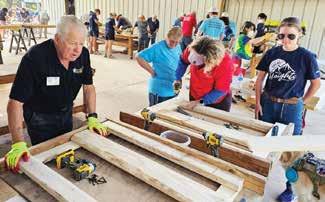
The Georgetown chapter is entirely volunteer-run. A small core team coordinates builds, deliveries, fundraising, and outreach. About 30 volunteers come together five or six times a year for build days, assembling two dozen beds each time. Smaller groups deliver beds most weekends. Anyone with a heart for helping families can join in with the bed building and delivery. Right now, our biggest challenges are finding more delivery volunteers and raising funds.
Each $250 donation provides a new bed, mattress, and bedding.
Right now, all our builds take place at a private residence. Ultimately, having a trailer and storage unit would allow us to offer mobile builds and expand into the greater Williamson County area.
To learn more, scan the code or visit shpbeds.org/chapter/tx-georgetown.
Weathering the Storm
HOW TEXAS IS PREPARING FOR THE NEXT FLOOD
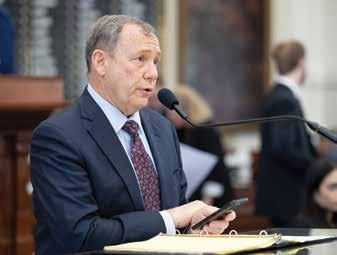
This summer, our Hill Country neighbors endured devastating loss during the July 4th floods. A stark reminder of how quickly disasters can strike in Central Texas. As your state representative, I worked alongside local elected officials and community leaders to help ensure that Williamson County is prepared, protected, and resilient.
LISTENING, LEGISLATING, AND LEADING
In this year’s special legislative session, I served on the Select Committee on Disaster Preparedness and Flooding, in tandem with community leaders, our county’s experienced emergency management team, and state and local agencies. Together, the committee traveled to the impacted areas to hear first-hand the concerns of residents and pressed for solutions that reflect the real challenges families face. While there is still much work ahead, groundbreaking legislation has already been advanced to strengthen our preparedness and give us a foundation to build upon for the sessions to come.
From the San Gabriel River winding through Georgetown to the open Hill Country skies, history reminds us how our landscape brings both beauty and risk. ▶
CONTRIBUTED BY LT COL TERRY WILSON (US ARMY RETIRED)
TX REPRESENTATIVE DISTRICT 20
HISTORY THAT SHAPES OUR PRESENT
In 1921, a catastrophic flood claimed 93 lives in Williamson County. The tragic loss of life ultimately led the US Army Corps of Engineers to place dams along the river, creating what we now know as Lake Georgetown.
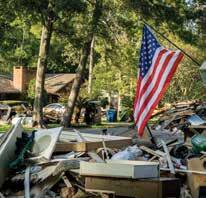
Even with these protections, flooding has continued to test our community. In 2010, the San Gabriel River surged past the “100-year flood” marker. Hurricane Harvey in 2017 brought indirect, but costly impacts. This past July heavy rain swelled the river again, forcing evacuations and sparking large-scale search and rescue operations. Drone footage of flipped RVs and debris reminded us how quickly disasters can deconstruct daily life.
Tornadoes, while less frequent inside Georgetown’s city limits, are never far from us, with a March 2022 tornado damaging more than 1,000 homes in Round Rock and Granger. These events remind us of a truth every Texan knows: storms are part of life here.
A WAKE-UP CALL FROM THE HILL COUNTRY
The real question is not whether they will come, but how well prepared will be we when they do.
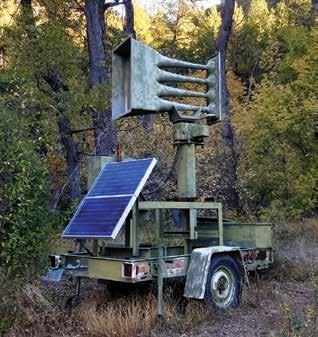
Over the past year, Texas has taken important steps to strengthen preparedness. One very visible change will be the expansion of outdoor warning sirens in areas prone to flooding. Through Senate Bill 3, which I carried in the House, I worked with the Texas Water Development Board and local emergency management leaders to make sure families receive prompt alerts. A few extra minutes of warning can mean the difference between safety and tragedy.
SMARTER PLANNING FOR A RESILIENT FUTURE
There is also a growing need to address waterway setbacks. Smarter planning along streams reduces the risk of repeat flooding, helps stabilize insurance rates, and protects long-term property values. In Texas, growth is inevitable, but resilience is built by the choices we make along the way.
Beyond infrastructure, I co-authored House Bill 1 to strengthen emergency plans at youth camps and supported House Bill 20 to prevent fraudulent charitable solicitations during disasters. Together, these measures create a comprehensive approach that improves warnings, safeguards infrastructure, and protects families and donors alike.
Severe storms in Central Texas often arrive without much notice. They strike at night while families are asleep or during the school day when children are most vulnerable. That urgency is why Senate Bill 3 became a top priority for me this year.
LEGISLATIVE HIGHLIGHTS THAT MATTER
Senate Bill 3 requires outdoor warning sirens in flash flood-prone areas designated by the Texas Water Development Board. I carried this bill in the House and worked closely with the TWDB and local emergency managers to ensure its passage. Sirens may seem like old-school technology, but they remain one of the most reliable tools during an emergency. Senate Bill 5 appropriated $50 million in state funding to cover the cost of the new systems.
Cell networks can fail, and text alerts can arrive too late, but when a siren sounds, everyone hears it. These siren systems connect to National Weather Service sensors for real time alerts which will provide reliable early warning to keep the community protected.
Preparedness is not only about laws and regulations, but also about using the best tools available to stay ahead of disaster.
Williamson County
has embraced innovation, and I have worked to ensure our state’s policies reinforce that forward-thinking approach.
One area of progress is GIS flood mapping. With high-resolution data and real-time modeling, coupled with redundant sensor technology, emergency managers can predict where floodwater will rise and how quickly it will move. This allows first responders to stage equipment, target evacuations, and protect vulnerable neighborhoods before it is too late. Proactive planning like this saves both lives and property.
These innovations put Texas on par with the best state and national models. In conversations with BRUCE CLEMENTS, WILLIAMSON COUNTY’S EMERGENCY MANAGEMENT DIRECTOR, he emphasized the importance of aligning technology, training, and communication across every level of government. That input directly shaped our policy proposals, from youth camp emergency planning to defining licensing practices for emergency managers.
By combining cutting-edge tools with strong partnerships, we can ensure that our state stands ready to not only withstand the next storm, but to serve as a model for the rest of the state to follow.
Lasting preparedness requires more than an on-the-ground response; it takes a framework of funding, infrastructure, and coordination at the state level. Several measures passed this special session built on that foundation, giving local leaders the resources to succeed. Several measures advanced this session reflect that commitment.
House Bill 1 requires stronger emergency plans at youth camps, giving parents confidence that their children will be protected if a disaster occurs. Senate Bill 1 builds on that effort by adding safety requirements for campgrounds and other facilities where families gather.
HOUSE BILL 20 addresses another risk that often emerges after disaster: fraudulent charitable solicitations. When Texans open their hearts and wallets to help, those donations must go to real relief efforts, not scams. This law increases penalties for fraud and creates new tools to safeguard legitimate nonprofits.
Property owners may see insurance stabilize because of stronger flood planning. Parents sending children to camp can trust that safety is a priority. Donors after a storm can give with confidence that their contributions will reach neighbors in need.
Policy may sometimes feel abstract, but the goal behind each of these laws is simple. The focus is on protecting families, safeguarding property, and strengthening public trust in the systems that support us when it matters most.
Severe weather will always be part of life, but we do not have to be caught off guard. With the right planning, clear communication, and a commitment to learning from past events, our community can stay ahead of the risks we face.
Let Your Pet Be Our Guest!
Unleashing Hope Within the Community
Through Leashing Hope—a partnership between Williamson County Regional Animal Shelter (WCRAS) and the Texas Department of Criminal Justice’s Bartlett Innovation Unit—dogs and incarcerated veterans are finding new purpose, trust, and healing together.
Led by WCRAS' behavior team, Leashing Hope brings shelter dogs to the Bartlett State Jail, where they spend two months under the care and guidance of veterans who are learning how to train them in essential commands like sit, down, and shake. The program is as much about rehabilitation for the humans as it is for the dogs. Each participant learns patience, empathy, and responsibility, while the dogs gain the confidence and social skills needed to thrive in loving homes.
This is a wonderful opportunity for rehabilitation not only for the inmates involved in the training, but for the dogs themselves.
WCRAS Adoption Specialist Annie Fizzell
“The dogs get the benefit of special attention and the chance to form healthy relationships with the inmates who train them, which will help their ability to adjust to a home setting and a new family.”
Throughout the training period, the veterans care for the dogs daily, forging a bond that’s often life-changing for both sides. The program culminates in a joyful graduation ceremony—the first taking place this past April—where both the dogs and their trainers are awarded certificates celebrating their achievements. Many of the dogs are adopted immediately after graduation, heading into new loving homes better prepared for success thanks to their dedicated handlers.
PAWS AND PURPOSE
This year, the shelter’s biggest fundraising event—the 16th Annual Fur Ball—will shine a spotlight on Leashing Hope and help ensure its continued growth. Themed “Unleashing Hope Within the Community,” the gala will be held at 6-10pm on Saturday, November 8 at the Sheraton Hotel in Georgetown.
Guests can look forward to a delightful evening of dinner, live and silent auctions, games, and more—all while raising vital funds for WCRAS’ lifesaving programs. “It’s a great excuse to dress up a little fancy, and have a fun night out while also giving back to the community and helping the animals of Williamson County!” Annie says.
Funds raised through this year’s event will support Leashing Hope, helping more dogs and veterans find confidence, companionship, and a second chance at life. Scan the code to buy tickets, or visit FansOfWCRAS.ejoinme.org/furball2025.
Wild Birds Unlimited
Expert advice, quality seed, and feeders. Let us provide joy to you and your backyard birds. We bring people and nature together and do it with excellence.
GeorgetownTX.wbu.com (512) 763-1081
Where Are All the Birds?
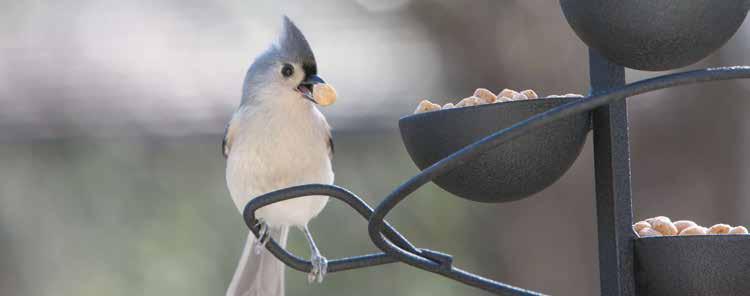
Wild Birds Unlimited's Ask-aBirder expert, Noreen Baker offers insight into why birds and squirrels seem to vanish from feeders each fall.
If your backyard feeders look a little lonely this time of year, don’t worry—nature is simply doing what nature does best. Autumn brings an abundance of natural food sources like berries, nuts, and seeds, which reduce wild birds’ dependence on feeders. Native plants and trees are also alive with protein-packed insects, and the carpet of fallen leaves helps keep the soil moist, nurturing even more bug life for birds to enjoy.
The seasonal dip in backyard bird activity, especially noticeable October through December, happens every year to varying degrees. While food abundance is a big part of it, migration patterns, weather, and the end of breeding season also play major roles. After the July rains, like we’ve had this year, seed crops flourish—and when nature’s pantry is full, birds prefer to dine outdoors. A bumper crop of live oak acorns also explains why squirrels are staying away from feeders—they’re feasting in the treetops instead.
MIGRATION MATTERS
Fall is a transitional season. Many of our summer birds have already departed for warmer climates, while winter visitors haven’t yet arrived. This year’s lingering warmth means northern flocks are in no rush to move south. At the same time, the end of breeding season means parent birds no longer need to make frequent feeder trips to feed their young. With fledglings now independent, families of birds are free to explore nature’s autumn buffet together.
So, if your feeders seem quiet, take heart—it’s not a sign of trouble. As cooler weather settles in and wild foods become scarce, your backyard will soon be bustling again.
FUN FACTS TO KNOW
Many small songbirds migrate south for better food and warmer weather.
Some species travel thousands of miles, while others move only short distances.
Tiny hummingbirds can fly up to 500 miles, nonstop, during migration.
CACHING FOR SURVIVAL
As fall unfolds, birds like chickadees, titmice, nuthatches, and jays begin caching—hiding thousands of seeds to prepare for the leaner months ahead. This behavior, known as scatter hoarding, involves stashing seeds one by one in countless hiding spots—under tree bark, in knotholes, beneath leaves, even under house siding.
What’s truly remarkable is their memory. Thanks to a well-developed hippocampus—the part of the brain that stores spatial memories—these little birds can recall every hiding place for months. Chickadees, in particular, have proportionally larger hippocampi than birds that don’t cache food.
FAVORITE FOODS FOR CACHING
Sunflower and safflower seeds
Tree nuts
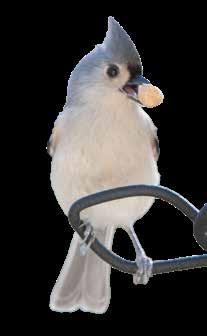
Peanuts (you might notice these oily, fat-rich cache treasures are an absolute favorite this month)
Keep your feeders stocked this fall and watch your clever backyard residents in action. Though it may seem quiet now, your birds are busy preparing for winter—and before long, they’ll be back in full chorus.
TGiving Back
A deeper look at generosity in retirement
he age of 55 is a seminal waypoint in life’s journey. At 55 you’re approaching the apogee of your career, both in terms of accomplishments and financial success. The kids are usually, or soon will be, on their own; you’ve paid it forward with their education. Your retirement plans are beginning to take shape. Life is pretty good. It may even be time to shift your perspective from how to achieve success to how to celebrate the successes you have achieved.
Well, it just so happens that November is designated by many groups as National Giving Month or (sometimes) Generosity Month, and used to encourage acts of kindness and charitable giving.
One way to do that, and one which many of us already do to at least some degree, is by contributing our time and skills in volunteer programs, or even financially, in a manner of our choosing. Now might be a good time to consider upping the ante.
Fortunately, Georgetown is a very giving community. That’s one of the several reasons Gina and I settled here in our retirement years. Opportunities abound, including The Caring Place, Habitat for Humanity, the schools, the library, Faith in Action, the hospitals, and so many more (many of which have been featured in the Georgetown View magazine!).
I could go on with the names of wonderful organizations from which to select, but that’s not the point of this article. My objective here is to highlight some of the benefits and features of volunteerism, along with some common characteristics successful volunteers possess.
Generosity reflects that you have succeeded to the point where you have enough to share.
One of the best things about volunteering is that it’s enjoyable. You’re a volunteer, and so are your colleagues. You’re finally in an organization where everybody who’s a member actually wants to be there and to have the organization and the other members succeed!
Why Volunteering Works
Whether you’re there to help with the front-line work of the organization, raise money, or provide leadership at the board of directors level, you’re going to be working with a lot of people who share your general outlook on life and are dedicated to the mission at hand. It doesn’t get much better than that.
Volunteering is also a team effort. Good teams develop a spirit in and of themselves. To build that team, members must be reliable. They have to show up, as promised, with enthusiasm, and come prepared to do whatever needs to be done. When a volunteer doesn’t show up, suit up, and step up, it can have a huge impact on the organizations’ success. Be a team player, and play for the team.
A DIFFERENT KIND OF GIVING
The spectrum of available organizations for which you can volunteer in Georgetown is wide and deep, but they are not all in the traditional non-profit realm as the previous narrative might suggest. You might consider serving on your homeowner’s association (HOA) board or a committee. If you do, then the HOA structure brings in a new set of considerations.
The first factor is that the clients of the organization are the owners, the financial base, and a primary source of volunteers. That’s different from a traditional non-profit (charitable) organization in which the clients are outside the organizational structure and, as a general rule, are not the major source of volunteers or funds.
Patience and Perspective
Even more importantly, in an age-restricted HOA, the client/owners can’t just quit the organization if they don’t
like the way things are going. In a traditional organization, if the clients don’t like the service, they can stop doing business with the company. Dissatisfied investors/financial contributors have the option to sell out and move their money elsewhere. In an HOA, this sort of divesting/departure means selling your home, moving and abandoning your social support structure. For an HOA member, especially for an age-restricted HOA, this can be a nearly impossible choice.
What this means is that an HOA volunteer (on the board of directors, or a committee), has to be patient and willing to listen to members’ perspectives far more so than in a traditional organization. It’s not a matter of having a “thick skin” (although that does help); it’s a matter of being willing to appreciate that individual problems, even though they may seem unimportant to you, matter greatly to the individuals raising them. They deserve to be
Beyond Today
Most of what we have talked about thus far has been giving back in the here-and-now. So let’s switch gears and talk about legacy giving. A legacy gift leaves your mark on the future of an organization. If there is an organization or a cause you feel strongly about and want to support well into the future, a legacy gift is something to consider. Such financial gifts are often made through estate planning, but can also be done with current assets that allow you to see how your gifts are used.
heard, and they have few options other than to come to you for that hearing.
This also means you shouldn’t be a single-issue volunteer/candidate. Single-issue candidates often run out of steam when they get onto the HOA board (or committee). Sometimes they find out their issue really isn’t the issue they thought it was, and may not be a problem at all. Or they may discover there is no way to resolve their issue within the resources of the organization. Or they may actually solve their issue then have nothing else upon which to focus. In any of these situations the single-issue member is likely to lose interest and disengage to the detriment of the organization in which they are taking up a leadership slot and contributing little.
Patience, flexibility, and dedication to the mission are the watchwords in an HOA, or in any volunteer position for that matter.
You can specify how the gift would be used (e.g., to support medical research, provide a youth scholarship to summer camp, etc.), or you can offer an undifferentiated gift to be used as needed. The point of a legacy gift is to make a lasting impact on something you strongly support.
Thriving After 55
It is a blessing to be able to consider any of these opportunities to give back, whether it be in the immediate present through volunteering, or over the long haul with a legacy gift. Philanthropy, in whatever form, is not just for the wealthy. It’s a framework for voluntary giving to promote the common good and share the fruits of the success we have earned. I encourage you to give it some serious thought as part of your own thriving after 55. Go For It!
by Ann Marie Kennon
Cozy, Quirky, and Clever November Facts
The Month of No Sunlight (Almost)
In Barrow, Alaska (now Utqiaġvik), the sun sets in mid-November and doesn’t rise again for about 65 days. That’s a lot of time to nap—or get your money's worth from Hulu.
The First Thanksgiving Was a Three-Day Potluck
The 1621 harvest feast lasted three full days, and there’s no record of turkey being served. More likely on the menu: venison, cornmeal, and eel. (Yep, eel. Pass the cranberry sauce.)
Veterans Day Was Moved — and the Country Revolted
In 1968, Congress moved Veterans Day to the fourth Monday in October to create a three-day weekend. Americans hated it. Protests, petitions, and confusion led to Congress reversing the decision in 1975 and restoring the date to November 11, where it belongs.
Daylight Saving Time Steals More Than Sleep
Studies show that the Monday after the fall time change sees a 24% spike in heart attacks. But hey, at least you’re early for everything that week.
The NFL Owns Thanksgiving
The Detroit Lions have played every Thanksgiving Day since 1934, except during WWII. The Cowboys joined the annual tradition in 1966—and now everyone else just fights for TV time.
Fall Leaves Don’t “Change” Color
They’ve been that color all along! The green chlorophyll fades in autumn, revealing the yellows, oranges, and reds that were hiding underneath. Nature’s version of a seasonal wardrobe change.
November Once Had 29 Days
Before Julius Caesar’s calendar reform in 46 B.C., November only had 29 days. Caesar added one more—because clearly, the month needed more football.
The Macy’s Parade Wasn’t About Thanksgiving
The first parade in 1924 was actually a Christmas parade to celebrate Macy’s new holiday window displays. Turkeys were invited later.
The Pumpkin Pie Myth
At the first Thanksgiving, there were no ovens, no sugar, and no crusts. So the Pilgrims didn’t bake pies—they boiled pumpkins instead. Think pumpkin soup… but sadder.
Election Day’s Odd Timing
Why do we vote on a Tuesday in November? Because in the 1800s, the weekday allowed farmers to travel to town after church but before market day. So yes, our civic duty was literally scheduled around the livestock.
Austin Orthopedic Institute
Board-certified orthopedic surgeon specializing in sports medicine, joint reconstruction, and orthopedic trauma, with over 15 years of surgical expertise. AustinOI.com ∙ 512-856-1000
Understanding ACL Injuries WHAT
EVERY ATHLETE NEEDS TO KNOW
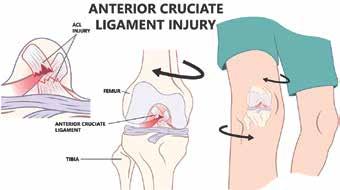
The anterior cruciate ligament, or ACL, is one of the most commonly injured knee structures, affecting athletes and active individuals of all ages. Whether you’re a competitive athlete, play recreational sports, or simply enjoy staying active, understanding ACL injuries helps you recognize warning signs and make informed treatment decisions.
WHAT IS THE ACL AND WHY DOES IT MATTER?
The ACL is one of four major ligaments that stabilize the knee joint. It runs diagonally through the center of the knee, preventing the shin bone from sliding forward and controlling rotation. When this ligament tears, many people describe hearing or feeling a “pop,” followed by swelling, instability, and difficulty bearing weight.
THE TRUTH ABOUT ACL INJURIES
A common misconception is that ACL tears only happen from direct contact, like a football tackle. In reality, most ACL injuries occur from non-contact mechanisms (Boden & Sheehan, 2022). These include sudden stops, direction changes, awkward landings, or pivoting movements. Sports with frequent cutting and jumping—such as soccer, basketball, volleyball, tennis, and skiing—carry higher risk.
ACL injuries aren’t limited to young athletes. Adults in recreational sports are also vulnerable, especially those who engage in intense activity without consistent year-round conditioning. Balancing work and family often means less weekday activity but demanding weekend play, increasing injury risk when muscles and joints aren’t prepared.
CAN YOU PREVENT ACL INJURIES?
While not all ACL tears are preventable, research shows that specialized neuromuscular training can significantly reduce injury rates (Inclan et al., 2024). These programs include jump-landing drills, single-leg balance work, leg and hip strengthening, and movement patterns that teach proper knee alignment.
Simple adjustments matter. Land with knees bent and aligned over the feet, not caving inward. Strong quadriceps,
hamstrings, and hip muscles improve knee control. Yearround conditioning keeps the body ready for activity.
TREATMENT OPTIONS HAVE EVOLVED
Not every ACL tear requires surgery. The decision depends on factors including age, activity level, instability, and personal goals (Brophy & Lowry, 2023). Some individuals with partial tears or lower activity demands can manage successfully with physical therapy and activity modification. Consulting an experienced orthopedic surgeon helps determine the best option.
For those who choose or require surgery, modern reconstruction techniques are minimally invasive and use improved grafts and rehab protocols, helping athletes return to activity sooner and more safely than ever.
WHEN TO SEEK EVALUATION
If you experience a knee injury with immediate swelling, a popping sensation, instability, or inability to continue your activity, seek evaluation promptly. Early diagnosis and treatment—surgical or non-surgical—lead to better outcomes. Waiting to see if symptoms improve can allow further damage to the meniscus and cartilage, increasing arthritis risk.
Understanding your knee health empowers you to stay active and make choices that support long-term joint strength, regardless of your age or athletic goals.
MAKES TEXAS "TEXAS"?
by Linda A. Thornton
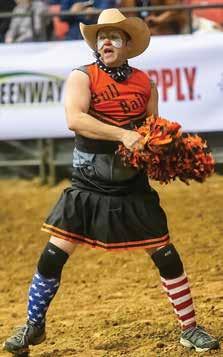
Rodeo Bull Riding
PERIL, PASSION, AND PRESTIGE
Texas pays homage to its traditions—and competitive nature— even when it means riding a one-ton, aggressive animal.
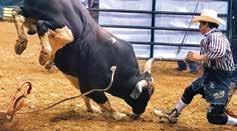
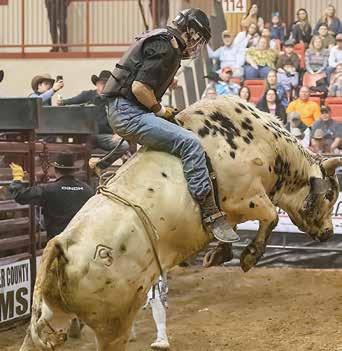
Described as “a wild brawl between man and bull,” the sport is also known as bull riding.
The ranching culture of the original 16th-century Mexican cowboys called vaqueros (vaca is Spanish for cow) evolved into informal competitions between Texas cowboys showing off their resilience on aggressive bulls.
Soon, organized events showcased these exuberant contests, with the first official rodeo held in Pecos, Texas, in 1883. The rodeo was named Texas’ state sport in 1997. Today, the thriving industry is an integral part of the state’s economy and remains a symbol of the American West, with bull riding as its main attraction and, often, the rodeo’s grand finale.
IT’S SAFE TO SAY, BULL RIDING IS ONE OF THE MOST DANGEROUS SPORTS IN THE WORLD!
HOW IT WORKS
Bull riding competitions take place over several nights. Riders ride a different, randomly selected bull once each evening.
The rider mounts the bull in a small enclosure called a bucking chute. The bull is held steady, and the chute isn’t opened until the rider gets a good grip.
The rider must stay on the bull for eight seconds.
If the rider’s free hand touches the bull during the ride, he is disqualified.
Riders and bulls can earn a total score of 50 points each. Riders are judged on balance, control, and style, while bulls are scored on their level of bucking, kicking, and spinning ability.
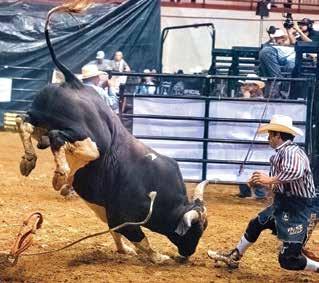
Should a rider be thrown off the bull, rodeo clowns are in the ring to distract the bull until the rider is safe.
The top twenty scoring riders ride again on the last night. The winner is the rider with the highest collective score.
THE RIDER OR THE BULL: WHO’S REALLY THE STAR OF THE SHOW?
HIGH RISK RIDER
The rigorous training, travel, and recovery make professional bull riding a way of life, rather than an occupation. Children of rodeo families grow up traveling to events, become immersed in the lifestyle, and see it as a natural path.
The life of a bull rider consists of cultivating and maintaining the necessary physical and mental prowess and gaining experience in rodeo sports and bull behavior. Many join a professional organization such as the Professional Bull Riders (PBR), and obtain mentors and sponsors, while making sure to score enough prize money to advance.
Most riders end their careers in their mid 30s, but those who have made their mark have remained in the industry as commentators, coaches, and in league management.
AUSTIN RICHARDSON, RISING TALENT
At 19, Austin was one of the youngest riders to ever qualify for the PBR World Finals. From riding goats at a young age, he slowly turned to bulls and became professional at age 18.
Now 25, the Dallas native says injuries come from being unfocused and he’s thankful he’s only suffered a broken finger.
THE AMERICAN BUCKING BULL IS AN ELITE BREED OF CATTLE
Weighing in at 1,500–2,000 pounds, these bulls are considered high-performance athletes and are professionally ranked, just like their riders.
Their muscular build and temperament are suited for the sport. They have been trained to perform for a crowd and know they are competing. Special genetic lineage bred into these bulls gives them their bucking instinct and ability. Since a bull’s skin is seven times thicker than human skin, it can withstand the dull spurs that riders use to grip for balance.
Some bulls achieve legendary status and live a lavish lifestyle with their own dedicated ranches, social media platforms, and the knowledge that if there's going to be an injury in the arena, chances are it will not be theirs.
YOUR FIRST RODEO?
COVERING: Staying on the bull for all of eight seconds.
RANK: A term of praise for a bull that’s especially powerful and difficult to ride.
SLAP: When the rider’s free hand touches the bull during the ride, resulting in disqualification.
SPURRING: A motion where the rider’s feet make contact with the bull, a key technique for staying balanced and scoring.
Remember to show your excitement with a “Yee Haw!” or “Covered it!” to celebrate a rider staying on for eight seconds.
DON YOUR HAT AND BOOTS AND HOOF IT TO THE RODEO
Bring the family and celebrate all things rodeo! Livestock shows, live music, and carnival attractions surround the featured excitement of watching cowboys, cowgirls, and even children, who have their eyes on the prize, compete for cash and kudos.
Mark your calendars for Rodeo Austin March 13-28, 2026 at the Travis County Expo Center. The next Williamson County Fair & Rodeo will be October 2026 at the Williamson County Expo Center in Taylor.
Wilco Fair and Rodeo WilcoFair.com/p/thefair/rodeo
“The best bulls in rodeo are unpredictable. Trying to outsmart them can lead cowboys to outsmart themselves.”
Ty Murray, "King of the Cowboys” Nine-time World Champion
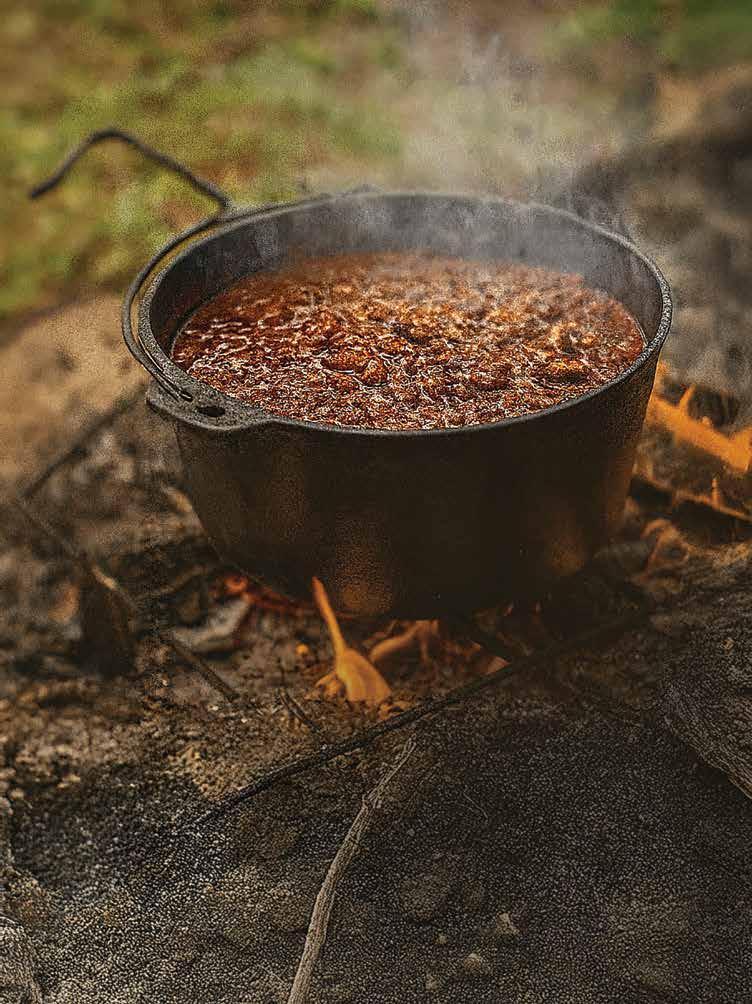
If fall in Texas has a flavor, it’s chili.
A recent national survey crowned Texas chili as the #1 fall comfort food, and it’s easy to see why. When the air turns crisp—well, as crisp as it gets in Central Texas—our collective craving for that spicy, slow-simmered bowl of red kicks in. It’s part nostalgia, part state pride, and entirely delicious. That makes November the perfect time to hit the road on a Texas Chili Trail, a savory adventure through small-town cafés, roadside diners, and iconic cook-offs where everyone swears their recipe is the real deal. From smoky beef chili that warms you to your boots to fire-breathing versions that test your courage, every stop tells a story. You’ll find family traditions passed down for generations, secret spice blends that start arguments, and enough bragging rights to last until spring.
So, grab your appetite, a few friends, and maybe some antacids. A chili road trip isn’t just about food— it’s about celebrating Texas culture in its truest form: bold, hearty, and best enjoyed with a spoon and a sense of adventure. After all, in November, chili isn’t just dinner—it’s a destination.
Chasing the Perf
BEFORE YOU GO!
No. Beans. In. Texas. Chili.
Let’s settle this once and for all—real Texas chili does not contain beans. Never has. Never will. The original “bowl of red,” as Texans proudly call it, is built on beef, chiles, and spices—nothing that grows on a vine. Beans are fine in soup, maybe even stew, but in chili? That’s heresy.
The tradition dates back to the 1800s, when Texas cowboys and chuck wagon cooks used dried chiles, meat, and a few humble seasonings to create a hearty trail meal that could stand up to a long day in the saddle. Beans were bulky, perishable, and considered filler—unfit for the pure, peppery punch of true chili.
The Chili Appreciation Society International even codified it: "If you know beans about chili, you know chili has no beans." So, while outsiders may try to slip a few pintos into the pot, Texans will politely (or not so politely) remind them—this is chili country, not bean country.
ect Bowl of Chili
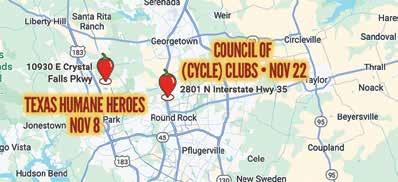
16th Annual Chili Cook-Off
SAT. NOVEMBER 8
1 PM - 4 PM
10930 E. Crystal Falls Parkway, Leander
Bring your appetite and your sense of fun — this family-friendly event features chili tasting, live music, a silent auction, games, face painting, and more.
Proceeds benefit animals in need across Texas, helping Texas Humane Heroes further its mission of rescue, adoption, and veterinary care.
Region 1 Chili Cook-Off
SAT. NOVEMBER 22 9 AM - 3 PM
Central Texas Harley-Davidson 2801 N I-35, Round Rock
The Texas Council of Clubs & Independents hosts its annual Chili Cook-Off. Entry fee for chili teams is $20, with cook-onsite competition and trophies awarded for the top recipes.
All are welcome to attend free of cost, whether you want to sample, judge, or just soak up the spirited atmosphere. Note: Entries must be submitted by 12:45 p.m. on event day.
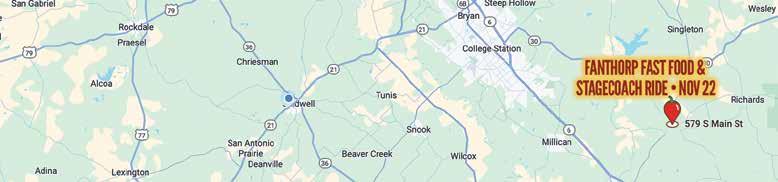
Fanthorp Fast Food & Stagecoach Ride
Fanthorp Inn State Historic Site • 579 S Main St, Anderson, TX (~2 hours from Georgetown)
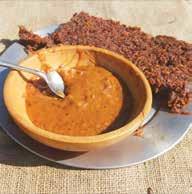
Step back in time at the Fanthorp Fast Food & Stagecoach Ride, where guests can sample an early 1840s version of chili and experience living history in action.
Stagecoach rides 11am-3pm; tickets $10 for ages 6 and up, children 5 & under free.
When you arrive, be sure to check in on the front porch, pick up your souvenir stagecoach ticket, and enjoy self-guided tours of the inn, grounds, and historical demonstrations before boarding your ride up to the Grimes County Courthouse and back.
by Ann Marie Kennon
SECURITY THEATER: Sequels No One Asked For
Poppy is excited about seeing family this year because nothing says “holiday spirit” like undressing in public for the TSA.
Since alot of us will be going somewhere over the next couple of months— whether to see family, avoid them, or gather around a table and argue about politics—I thought I’d kick off the season with something uplifting: a recent trip through airport security that did not make me question my life choices.
No shoe removal. No forced Tetris with quart-sized bags. No barked commands to “take off your headband” while juggling my dignity and a backpack full of not-airline-food snacks. I arrived a mere 75 minutes before takeoff and breezed through like it was 1999.
Honestly, it was so smooth, it made me suspicious. Because let’s face it— we all suspect the party won’t last. All it takes is one crazy moron tying his pants with det cord and suddenly we’re back to Patriot Act II: Now With More Body Scanners. So now I'm worried I'll get just comfortable enough that we’ve reached a turning point, and then BAM—here comes security theater, dragging us all back into the spotlight of an encore production of "Paranoia: The Musical."
Meanwhile, back home, thanks to criminals migrating from airports to airpods I have to recite my birthdate, full name, address, phone number, and possibly my high school GPA just to confirm a dental appointment. It’s not a missile launch, Madam Secretary. I’m just trying to see if it’s still Tuesday at 2:30 and whether I’m getting the cinnamon fluoride.
It’s the same brand of bureaucratic brilliance that shows up when you try to help your elderly mother pay her electric bill, and the customer service
rep says, “Sorry, ma’am, we can’t take your payment unless your name is on the account.”
Oh, I see. You don't want MY money? You’d prefer to turn off mom's lights because she can’t remember which phone PIN she created for you in 2014 and there's no way in the world she's going to figure out where Venmo is.
And let’s just take a moment to fully appreciate the logic breakdown here. I’m not trying to access her bank account. I’m not trying to change her address. I’m not even asking to cancel anything.
I’m literally just trying to give them money. For a service they already provided. That is past due. But apparently, unless I can prove I am, in fact, 87 years old and holding the original utility agreement in one hand and my birth certificate in the other, my money is suspicious.
Let me assure you, electricity paladins, I am not a criminal mastermind running an elaborate scam in order to pay my mom’s electric bill. There’s no underground black market for bringing other people’s utilities up to date. Absolutely no one is out here bragging, “Hey man, I just paid for someone’s water and trash pickup — I'm a total OG.”
So now what? I’m supposed to let her account go delinquent because the system is more afraid of a helpful daughter than a missed payment? I guess that's what passes for enterprise security these days.
It’s the same pattern everywhere — more rules, more procedures, and less actual sense.
We’ve built systems that are so desperate to avoid liability, they’ve forgotten how to function logically. Which brings me to one rule that does feel a bit like a holiday gift: the de-evolution in Texas public schools now that connected devices are banned during instruction hours.
Frankly? Hallelujah. It’s the first time in a long while we have hit the brakes on the madness in a way that might actually help. I hear from teachers and see, as an occasional substitute myself, that kids are rediscovering biology is actually interesting and the Monroe Doctrine still matters—even if you can't lip-sync it with an otter filter.
And let’s not forget the ancient pre-smartphone art of passing handwritten notes. Remember those? Folded like origami, passed like state secrets. The security risk back then was the teacher reading it aloud, exposing your crush or your spelling errors—both of which were instant social death. Because honestly, “U r a dumhead” doesn’t land the same when written in glitter gel pen without autocorrect.
So yes, while you’re packing your bags this season, I invite you to give thanks for the little things—a faster TSA line, the joy of wearing socks in public, and the blessed silence of disconnected teenagers who might actually look up and notice how perfectly browned your turkey is.
It may not sparkle like a holiday ad, but this kind of normalcy? That’s the gift that keeps on giving. Happy Thanksgiving, Georgetown!