Spring

Special report on Mental Health
Focus on European University Alliances
World’s biggest snake found in Amazon
Canada joins Horizon Europe

Disseminating the latest research from around Europe and Horizon 2020 EU Research
Follow EU Research on www.twitter.com/EU_RESEARCH
2024
STEPPING INTO THE UNKNOWN

Editor’s Note
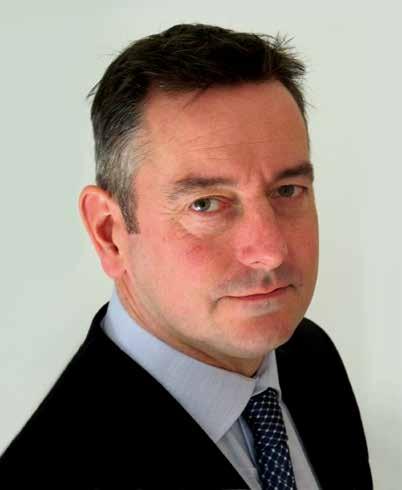
As a seasoned editor and journalist, Richard Forsyth has been reporting on numerous aspects of European scientific research for over 10 years. He has written for many titles including ERCIM’s publication, CSP Today, Sustainable Development magazine, eStrategies magazine and remains a prevalent contributor to the UK business press. He also works in Public Relations for businesses to help them communicate their services effectively to industry and consumers.

The central idea of a circular economy is among the aims toward achieving Net Zero in carbon emissions. As the saying goes, there is no such thing as throwing away. We have seen some dazzling ideas in this publication, in regards to this. For example, we talked to those involved in a project to dismantle wooden buildings to reuse the timber for new constructions. It is such a simple concept, if a little more complex to implement, but it makes you realise that we burn, trash and discard most of everything we create, and there is no need. Recycling is the way forward.
Today, our oceans are being harvested for plastic via adapted ships, our packaging is being recreated to become biodegradable, and our rubbish is being burned to make energy. We are at last, thinking about reuse, biodegradable materials, upcycling and making sure less is tossed into the unsustainable heaps of landfills, the rivers and the seas and the places we should treasure.
Indeed, the pollution of products has now become so prolific, traces can often be found in our food and drink. In some locations, you only need to dig a little under the surface of the earth, to realise landfill is forming a layer of evidence, like the ash of an asteroid strike, that our planet has endured a phase where we smothered nature.
I am full of hope, because these innovators and thinkers are pushing hard, although it is an uphill push. It’s no secret, that governments could do more, manufacturers could do more, and yes, we all could do more. It’s time to understand that waste should be a problem we all need to be aware of, it has nowhere to go anymore but back into our daily lives. It’s time to think differently.
Hope you enjoy the issue.
 Richard Forsyth Editor


www.euresearcher.com 1
Contents

4 Research News
EU Research takes a closer look at the latest news and technical breakthroughs from across the European research landscape.
8 BRAV3
Researchers in the BRAV3 project are working to develop a personalised, biological device to support a damaged heart, as Dr Manuel Mazo Vega explains.
13 NOREPOS
We spoke to Professor Haakon E. Meyer about NOREPOS, a collaborative research network that delves into understanding and alleviating the burden of osteoporosis- related hip fractures in Norway.
16 CRYOSOCIETIES
Professor Thomas Lemke and his team are investigating how the possibility of suspending life is transforming temporal horizons and our understanding of health, fertility and biodiversity.
18 DNA methylation in psychiatric disorders, and mediation of gene by environment effects, from birth to adulthood
We spoke to Dr. Stéphanie Le Hellard about her work in untangling the roles of genetics, epigenetics, and gene expression in mental disorder development, particularly focusing on DNA methylation.
20 FAB
Evidence suggests that physical fitness and the ability to speak another language can help combat cognitive decline, a topic Professor Linda Wheeldon and Dr. Katrien Segaert are exploring in the FAB project.
22 NORCAP
Researchers in the NORCAP project are investigating whether a comprehensive molecular test can be used to diagnose the disease entity and help improve clinical outcomes, as Professor Harleen Grewal explains.
23 Birth weights and other anthropometrics of neonates as a mirror of (maternal) living standards in Lausanne, 1905-1925.
We spoke to Dr Kaspar Staub about his work in analysing detailed records from a Lausanne hospital between 1905-25, aiming to gain deeper insights into the factors which affect neonatal health.
24 CellFit
Researchers in the CellFit project are working to develop new, more effective methods of producing T cells and assessing their efficacy, as Dr Else Marit Inderberg Ph.D explains.
26 SYNTISU
We spoke to Professor Hagan Bayley, Dr Yujia Zhang and Dr Linna Zhou about their work in developing a miniaturised soft ionic power source and its wider potential.
28 GLADIATOR
We spoke to Professor Costas Pitris about GLADIATOR, a project that aims to revolutionise brain pathology diagnosis and treatment by using Molecular Communications systems.
32 Precision Psychiatry
Despite recent advances in research, mental health disorders remain largely misunderstood, frequently undiagnosed, and may often persist untreated throughout lifetimes, with cures still being out of reach. By Nevena Nikolova.
36 nICE: Multi-disciplinary Study of Atmospheric Ice Accretion Physics
We spoke to Professor Muhammad Shakeel Virk about his work in investigating how atmospheric ice accumulates on ground structures, looking towards new technological solutions to detect and mitigate ice on structures.
EU Research 2
38 HAVOC
Sea ice ridges account for a large proportion of the overall Arctic sea ice volume. Dr Mats Granskog and Dr Oliver Müller are analysing samples from sea ice ridges gathered during the MOSAiC polar expedition.
40 ScoFeed
Researchers are developing a new more sustainable method of producing protein to support the ongoing growth of the aquaculture sector, as Dr. Vukasin Draganovic and Dr. Arild Johannessen of the ScoFeed project explain.
42 GreenTwin
Effective simulations of green energy processes will have an important role to play in the energy transition and in reducing costs, as Knut Erik Spilling of the GreenTwins project explains.
44 ASMOG
The introduction of new automated technologies promises to help improve the sustainability of the maritime industry. Professor Cecilie Vindal Ødegaard is looking at the impact of automation on the industry and its workforce.
46 HYDROMORE
Researchers in the HYDROMORE project are developing high-fidelity models of ocean waves, which could lead to a shift in the design of mooring systems that will reduce costs , as Dr David Lande-Sudall explains.
47 SirkTRE
SirkTRE is one of Norway’s biggest R&D projects of its kind. Ola Rostad is the leader for task SirkGLOBAL, the work package which is responsible for networking and outreach internationally.
50 European Universities
The diverse system of European university alliances offers novel opportunities to institutions in terms of autonomous forms of collaboration, but it could also result in high administrative workloads for little additional funding. By Jens Lindemann.
52 BIENVENUE
We spoke to Olivier David about how the Bienvenüe programme is helping to attract talented post-doctoral researchers to Brittany, supporting the technical development that will spur the industries of tomorrow.
56 SKATTEFORSK – CENTRE FOR TAX RESEARCH
Tax evasion costs European countries billions of Euros a year. The Skatteforsk Centre is uncovering the facts around tax evasion, which can then inform policy design, as Annette Alstadsæter, Ronald Davies and Hector Ulloa explain.
58 DEChriM
Researchers in the DEChriM project are investigating the factors behind Egypt’s Christianisation, building on recently uncovered archaeological records, as Professor Victor Ghica explains.
60 EgFem
Dr Reinert Skumsnes is exploring the potential for dialogue between present feminist theories about the body, sex and gender, and ancient Egyptian concepts, experiences and practices.
62 PASIFIC
The PASIFIC postdoctoral fellowship programme supports research across a wide range of different disciplines. This will strengthen Poland’s scientific base , as Professor Paweł Rowiński and Bogna Hryniszyn explain.

EDITORIAL
Managing Editor Richard Forsyth info@euresearcher.com
Deputy Editor Patrick Truss patrick@euresearcher.com
Science Writer Nevena Nikolova nikolovan31@gmail.com
Science Writer Ruth Sullivan editor@euresearcher.com
PRODUCTION
Production Manager Jenny O’Neill jenny@euresearcher.com
Production Assistant Tim Smith info@euresearcher.com
Art Director Daniel Hall design@euresearcher.com
Design Manager David Patten design@euresearcher.com
Illustrator Martin Carr mary@twocatsintheyard.co.uk
PUBLISHING
Managing Director Edward Taberner ed@euresearcher.com
Scientific Director Dr Peter Taberner info@euresearcher.com
Office Manager Janis Beazley info@euresearcher.com
Finance Manager Adrian Hawthorne finance@euresearcher.com
Senior Account Manager Louise King louise@euresearcher.com
EU Research
Blazon Publishing and Media Ltd
131 Lydney Road, Bristol, BS10 5JR, United Kingdom
T: +44 (0)207 193 9820
F: +44 (0)117 9244 022
E: info@euresearcher.com
www.euresearcher.com
© Blazon Publishing June 2010
ISSN 2752-4736
www.euresearcher.com 3
Cert TT-COC-2200
NEWS

The EU Research team take a look at current events in the scientific news
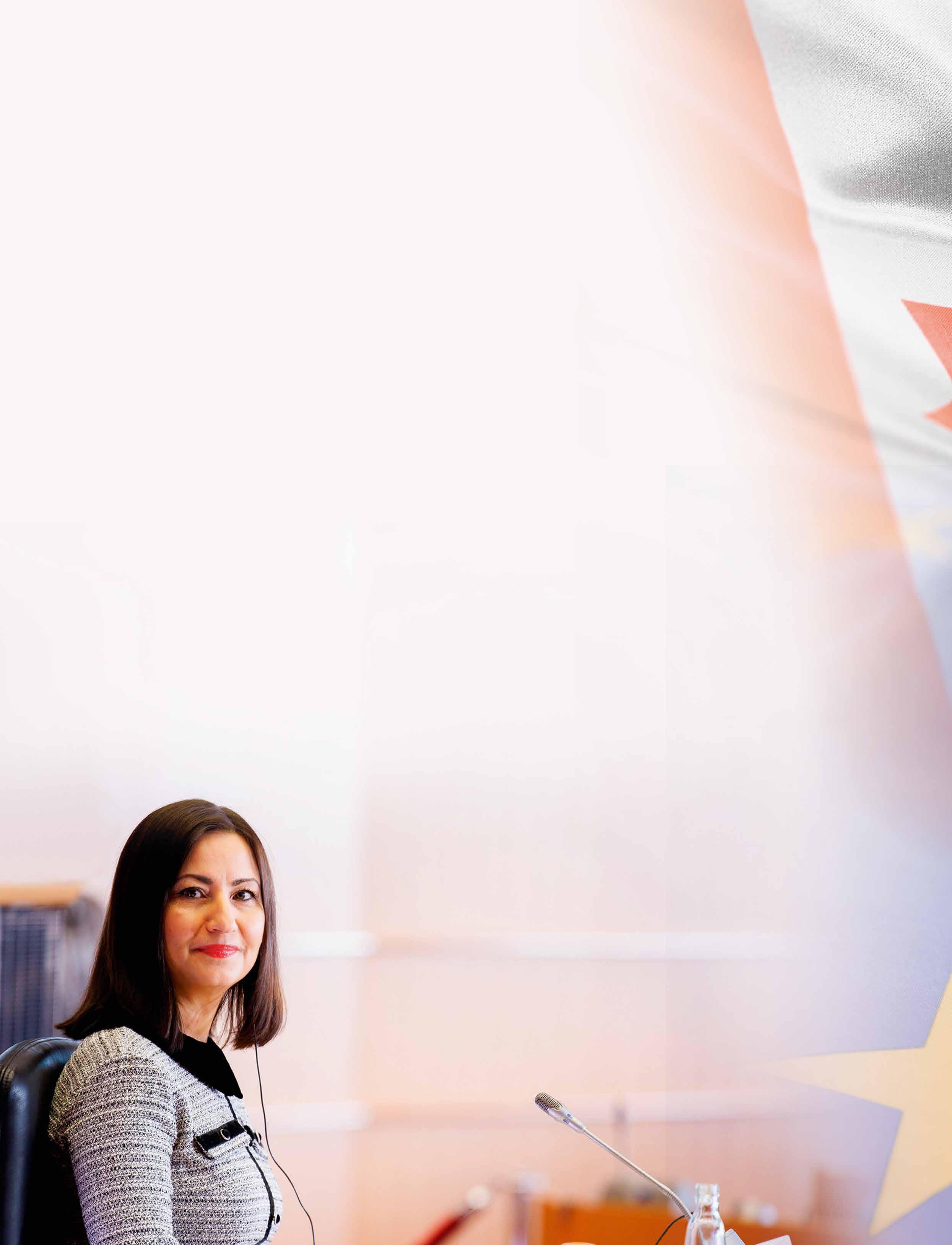
European Commissioner Iliana Ivanova calls for easier visas for scientists as UK rejoins Horizon
High expenses for global talent will prevent UK enjoying full benefits of programme, European Research Commissioner Iliana Ivanova says.
The EU has told the UK that it must ease visa procedures and costs for scientists or risk missing out on the full benefits of the Horizon Europe research programme. Iliana Ivanova, the EU research commissioner, discussed the problem with British counterparts including Michelle Donelan, secretary of state for science, innovation and technology on a visit to London to mark the UK’s Horizon re-entry. “We are having some difficulties with European researchers going to the UK due to some visa issues and also higher costs that I’m going to raise with the British side,” she told the Financial Times in an interview. The Bulgarian added that both sides were “doing their best” to resolve these difficulties. “My focus will be on, what is the positive that we can bring and how we can eliminate those shortcomings so that we could speed it up and make it [Horizon] really work,” she said.
The tensions over visas threaten UK efforts to restore the prominent role it had in Horizon before it dropped out of the programme for three years. Horizon has a €93bn budget between 2021-7 and almost 90 countries participate in it, with Canada’s accession just agreed and South Korea in talks. The UK left in 2020 when it exited the EU but struck a deal to rejoin the programme last year as it repaired relations with Brussels. This means British institutions can once again lead consortiums. But the scientific
community in Britain has complained that the UK visa system has become one of the most expensive in the world for recruiting top talent to the country.
Last year the government announced that it was increasing the NHS surcharge for skilled visa holders to the UK health system from £624 to £1,035 a year. It also said that it would hike the cost of visas by at least 15 per cent. The new charges came into force this month. The Royal Society, the UK’s national academy of sciences, has denounced the visa fees as a “punitive tax on talent”. It claims international researchers wanting to come to the UK face “upfront visa costs up to 10 times higher than the average fees of other leading science nations”. Calculations by the Campaign for Science and Engineering, a UK pressure group, said that the upfront costs for a researcher coming to the UK on a five-year Global Talent visa would jump from £3,743 to £5,890. For a family of five the fee would increase to £20,980 from £13,372 currently.
EU country rules vary, but in some, British nationals must get a work permit even to deliver a paid lecture. Some member states have asked the European Commission to explore a wide ranging mobility deal with the UK covering sectors such as research and development. Several member states have asked for the removal of the NHS surcharge, according to EU officials familiar with internal discussions. Daniel Rathbone, interim executive director of the Campaign for Science and Engineering, said Ivanova was right to highlight the issue. “Big increases in visa costs, including the immigration health surcharge, are totally counterproductive to the UK government’s ambitions of being a science and technology superpower,” he said.
Ivanova said that UK participation would strengthen Horizon, the world’s largest research programme, and that the EU was working to alleviate “as much as possible any remaining hurdles”. The UK immigration system enabled international researchers to come to the country to contribute to the economy and society while “striking a balance with reducing net migration”, the department for science, innovation and technology said. “Our global talent routes continue to attract and retain high-skilled talent to maintain the UK’s status as a leading international hub for emerging technologies,” it added.
RESEARCH
4 EU Research
© European Union, 2023
Canadian and European partnership on the Horizon
Canada is the second country from outside Europe to join, after New Zealand, as the European Commission opens up the initiative to “likeminded” democracies around the globe.
Most hope that Horizon can offer them latitude that is not available from Canadian domestic agencies, like the ability to fund nongovernmental organisation (NGO) partners in their projects. Yet for a country with no history of formal engagement with the EU’s framework programmes, it could be a steep learning curve, with researchers facing an unfamiliar thicket of application and reporting paperwork. However, there are already several established EUCanadian joint projects, cobbled together using special funding and application arrangements, which have run the gamut of integrating Canadians into EU funding schemes.
Canadian association is “very exciting news,” said Anne Broadbent, the incoming Canadian lead of FoQaCia, a transatlantic collaboration seeking fundamental advances in the understanding of quantum algorithms, that could ultimately lead to breakthroughs in quantum computing. It involves universities from Sweden, Spain, Portugal, Turkey, Poland and the UK, and three Canadian partners. But setting up the call that funded FoQaCia was something of an ordeal, said Broadbent, an associate professor in quantum information processing at the University of Ottawa. “This call was the outcome of years of bilateral discussions between Canada-EU,” she said.
FoQaCia, along with two other projects, was funded through a €8 million special joint call between the Commission and the Natural Sciences and Engineering Research Council of Canada (NSERC).
Under the terms of this deal, applications were only assessed by the EU, rather than NSERC as well, making the whole process far easier.
“A single evaluation process was key in creating a strong bilateral partnership,” Broadbent said. Under Horizon Europe, Canadian
researchers will be able to apply on similar terms, without needing to apply to a Canadian funder as well as the EU, and without the tortuous process of having to set up a targeted joint call each time, as was the case for Broadbent and colleagues.
Once over the paperwork hurdle, there’s flexibility to EU funding that’s often lacking in Canada, said Anna Triandafyllidou, Canada Excellence research chair in migration and integration at Toronto Metropolitan University, and one of the leaders of GAPS, a Horizon Europe funded global study of return migration. Grants in Canada typically cannot fund NGOs, think tanks, or work such as research dissemination work by a small company, said Triandafyllidou. She speaks from her experience as a veteran assessor for EU framework programmes who spent most of her career in Europe before moving to Canada in 2019. “It’s quite restrictive,” Triandafyllidou said. “For me, it’s crazy, because you have to have civil society involvement.” So it might come as a welcome revelation to Canadian researchers that Horizon Europe projects typically have no such restrictions, and include non-university, fully funded partners as a matter of course. Another difference that awaits Canadian researchers is that for EU-funded projects, deadlines and aims are much more concretely fleshed out beforehand than in Canada.
There’s a question over how many Canadian researchers actually realise Horizon Europe, or at least part of it, will soon become an option. “It offers different types of grants. It offers a whole new range of partnerships and networks,” she said. “And of course, it will offer much more visibility”. But, Triandafyllidou acknowledged, some of her colleagues in more remote Canadian universities remain unaware of impending association.
AI office launched by the European Commission to enforce new rules
The office will oversee compliance with the AI Act and foster development of trustworthy artificial intelligence systems.
The European Commission has set up an AI office to enforce new rules on artificial intelligence systems and support innovation in AI. The Commission announced it would establish the office in January, as part of a package of measures supporting European start-ups and SMEs to develop AI models. After long negotiations, the Parliament and Council reached agreement in December on the AI Act, the world’s first comprehensive legislation to regulate the technology. Member states have approved the text and the Parliament is expected to vote on the deal in its April plenary. The AI office embodies the European Parliament’s idea of having EU-level governance of the AI Act, rather than leaving oversight to member states.
The Commission put itself forward to house the new agency to allow for synergies with other regulations, notably the Digital Markets Act (DMA) and Digital Services Act (DSA), Roberto Viola, director general of Communications Networks, Content and Technology (DG Connect) told a conference hosted by the Digitaleurope industry association in Brussels last week. The office will be part of DG Connect with a staff of around 100 people. It “will work with a platform where we have DSA and DMA teams, which also have plenty of experts in algorithms, and our supercomputing branch,” said Viola. The rationale for the dual mandate of oversight and supporting innovation reflects the need “to always look at the two sides of the coin,” he said.
The AI Office will support governance bodies in member states and enforce the rules for general-purpose AI models. “This is underpinned by the powers given to the Commission by the AI Act, including the ability to conduct evaluations of general-purpose AI models, request information and measures from model providers, and apply sanctions,” the Commission says. Responsibilities will include setting up advisory bodies to ensure a coherent application of the legislation across member states; investigating possible infringements; and preparing guidelines, implementing and delegated acts, and other tools to support the implementation of the AI Act. The office will also promote home-grown artificial intelligence, including setting up ‘AI factories’ providing access to EU supercomputers, to enable training of large general-purpose AI models. “We have a number of start-ups already using our supercomputers, but we also want large companies to be part of it,” Viola said.
The office will also monitor the GenAI4EU initiative, which aims to support the development of different applications of AI. “We have a number of verticals where we will actually use and test generative AI,” said Violo, citing genomics, personalised medicine, climate modelling, and pharma, among others. The AI Act becomes applicable two years after its entry into force, except for some specific provisions. Prohibitions will apply after six months, while the rules on general-purpose AI will apply after 12 months. In the meantime, the Commission will launch an AI pact, calling on developers from Europe and elsewhere to voluntarily commit to implementing key obligations of the AI Act ahead of the legal deadlines.
www.euresearcher.com 5

Recycling through circular business models can provide important reductions in greenhouse gas emissions
Better links between waste management, circular economy and climate change mitigation measures can boost greenhouse gas emission reductions.
The new EEA briefing found that while European countries are already undertaking many initiatives on waste management and circular economy, they can do more to account for these actions and their potential emissions savings, when reporting on climate policies and measures. This will provide a fuller account of climate change mitigation efforts and make more transparent the mitigation opportunities that can be delivered by bolstering circular economy actions.
Achieving the European Union’s 2050 net-zero climate target will demand greater actions across all economic sectors. This includes actions related to materials and how we produce, use, re-circulate and dispose of them. The study looks at how European countries can better include circular economy actions (in general) and waste management actions (more specifically) to speed up reductions of greenhouse gas (GHG) emissions.
Waste management and circular economy hold considerable potential for mitigating climate change. Countries can benefit from linking these two areas as part of their climate policy mix, according to the briefing which is based on two technical reports prepared for the EEA. The studies analyse how European countries include circular economy and waste actions in their official EU reporting on climate change mitigation policies and measures, and how the introduction of such measures can help accelerate future reductions of emissions.

Other key findings:
Circular economy actions are generally underrepresented in the reported national climate policies and measures, often due to their cross-sectoral complexity and the absence of specific guidelines to consider them in climate reporting.
Some form of circular economy policies and measures are included in 6% of the climate policies reported by European countries (with a strong focus on waste). Impacts on emission reductions that these actions would deliver are however rarely quantified.
The waste sector’s total GHG emissions in European countries have decreased by 42% since 1990 and are projected to continue declining, with an expected reduction of 68% by 2050 compared to 1990 levels.
While the waste sector accounts for about 3% of GHG emissions, better use of waste as a resource and preventing waste can help reduce emissions in other sectors.
https://www.eea.europa.eu/en

EU Research 6
Colossal new snake species discovered in Amazon rainforest

New giant snake species discovered during filming of Nat Geo series in the Amazon.
Scientists working in the Amazon rainforest have discovered a new species of snake, rumoured to be the biggest in the world. A team from the University of Queensland traveled to the Ecuadorian Amazon to search for the previously undocumented northern green anaconda (Eunectes akayima), following an invitation from the Waorani people to observe anacondas “rumoured to be the largest in existence,” according to the scientists. The team joined the hunters on a 10-day expedition to the Bameno region of Baihuaeri Waorani Territory, before paddling down the river system to “find several anacondas lurking in the shallows, lying in wait for prey,” Professor Bryan Fry, a biologist from the University of Queensland, who led the team, said in a statement.
Anacondas are giant, non-venomous constricting snakes found in or near water in warm parts of South America. “The size of these magnificent creatures was incredible – one female anaconda we encountered measured an astounding 6.3 metres (20.7 feet) long,” Fry said of the team’s discovery, which was made while filming for National Geographic’s upcoming series “Pole to Pole with Will Smith.” The team also said they had heard anecdotal evidence that snakes of 7.5 meters (24.6 feet) and 500 kilograms (1,100 pounds) had been
sighted in the area. Green anacondas are the world’s heaviest snakes, according to the UK’s Natural History Museum, which noted that the heaviest individual ever recorded weighed 227 kilograms (500 pounds). It measured 8.43 meters long (27.7 feet) and 1.11 meters (3.6 feet) wide. While another species, the reticulated python, tends to be longer – often reaching more than 6.25 meters (20.5 feet) in length – it is lighter.
But experts studying the creatures discovered that the newly identified northern green anaconda species diverged from the southern green anaconda almost 10 million years ago, and they differ genetically by 5.5%. “It’s quite significant – to put it in perspective, humans differ from chimpanzees by only about 2 per cent,” Fry said. The findings are described in the journal MDPI Diversity. The team then set out to compare the genetics of the green anaconda with other specimens elsewhere to assess them as an indicator species for the health of ecosystems, and warned that the Amazon is facing numerous threats. “Deforestation of the Amazon basin from agricultural expansion has resulted in an estimated 20-31 per cent habitat loss, which may impact up to 40 per cent of its forests by 2050,” Fry said. Habitat degradation, forest fires, drought and climate change threaten rare species like the anacondas, which exist in such rare ecosystems, he added.
7 www.euresearcher.com
How to repair a damaged heart?

A blockage in one of the arteries that brings blood to the heart leads to an ischemia, restricting the flow of essential nutrients and damaging cardiac muscle, with lasting effects on heart function. Researchers in the BRAV3 project are working to develop a personalised, biological device to support a damaged heart, as Dr Manuel Mazo Vega explains.
The effective function of cardiac muscle depends on a continuous supply of nutrients, in particular oxygen, and an occlusion or blockage in the arteries that bring blood to the heart can rapidly have serious consequences. During a myocardial infarction an arterial blockage causes an ischemia, which restricts the flow of blood and essential nutrients to the heart. “When an artery is occluded cardiac muscle starts dying within minutes,” explains Dr Manuel Mazo Vega, coordinator of the Regenerative Medicine Research Group at the University of Navarra in Spain. While most patients in developed countries survive a myocardial infarction, it does affect their long-term heart function. “When cardiac muscle dies the organism starts a repair process very similar to what happens when you cut your skin. It creates some blood clots, then fibroblasts – which are like stromal cells –that synthesise the extracellular matrix. So they create a scar, which prevents the heart from bursting,” continues Dr Mazo Vega. “However, this scar is there permanently, and the heart has less muscle to contract, so function declines. This leads to a series of problems that become chronic.”
BRAV3 project
This issue is central to the work of the BRAV3 project, an EU-funded initiative bringing together partners across Europe, coordinated by Prof. Felipe Prósper from the University of Navarra. The aim in the project is to essentially develop a new method of repairing a heart damaged by ischemic cardiomyopathy and restoring its function, building on earlier research into induced pluripotent stem cells (iPSCs). “iPSC technology was developed in 2006. With this technology we can take any cell – usually a blood cell or a skin cell – and turn it into a stem cell that will later be transformed into a cardiac cell,” says Dr Mazo Vega. This opens up the possibility of producing cardiac cells, which can then potentially be injected back into a damaged heart, yet Dr Mazo Vega says this approach is not very effective. “Around 90-95 percent of the cells injected
into the heart disappear within 24 hours,” he explains. “Over the last 20-25 years there’s been increasing interest in building tissues and organs in the lab. People are trying to get input from different fields, including stem cells, tissue engineering, and cardiology for example, to build something meaningful in terms of treating patients.”

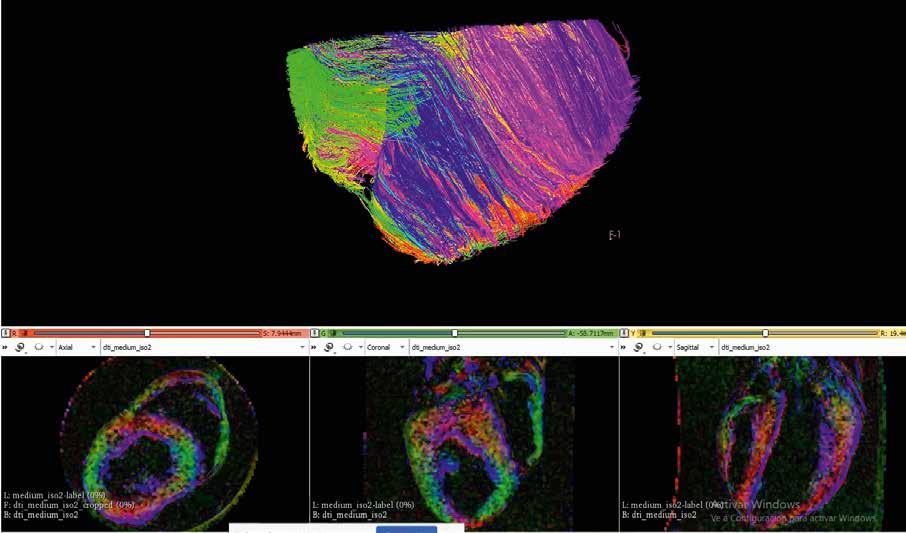
throughout its thickness. This is how the heart has evolved over millions of years in order to pump blood as efficiently as possible,” he outlines. Researchers are using magnetic resonance imaging (MRI) on pigs’ hearts to determine this structure to a high degree of precision, which can then provide a solid basis for designing and producing
Over the last 20-25 years there’s been increasing interest in building tissues and organs in the lab. People are trying to get input from different fields, including stem cells, tissue engineering, and cardiology, to build something meaningful in terms of treating patients.
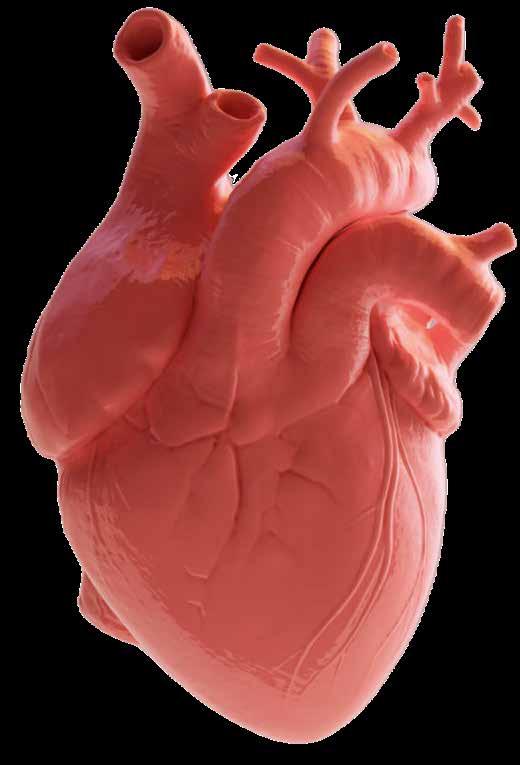
The BRAV3 project is now working towards this wider goal, with Dr Mazo Vega and his colleagues bringing together these different strands of research to develop a device called BioVAD (Biological Ventricular Assisting Device), which will be tested on pigs. Evidence shows that for such a device to work effectively in the heart, it needs to closely resemble natural structures, so Dr Mazo Vega says the BioVAD has to mimic the structure of the cardiac tissue that it is going to replace on a 3-dimensional level. “The orientation of the different layers of tissue in the heart changes slightly
the BioVAD. “We can then use 3-D printing, and other materials and technologies, to structure stem cells in such a way that they can produce this tissue in a way that mimics the structure we see from the MRI images,” says Dr Mazo Vega.
A lot of input is being provided here by computational models, which help researchers identify the key points that need to be addressed within the structure of the BioVAD, without the need for expensive tests. Cells in the device are arranged on a polymeric scaffold, and a lot of attention in the project is focused on ensuring the cells
EU Research 8
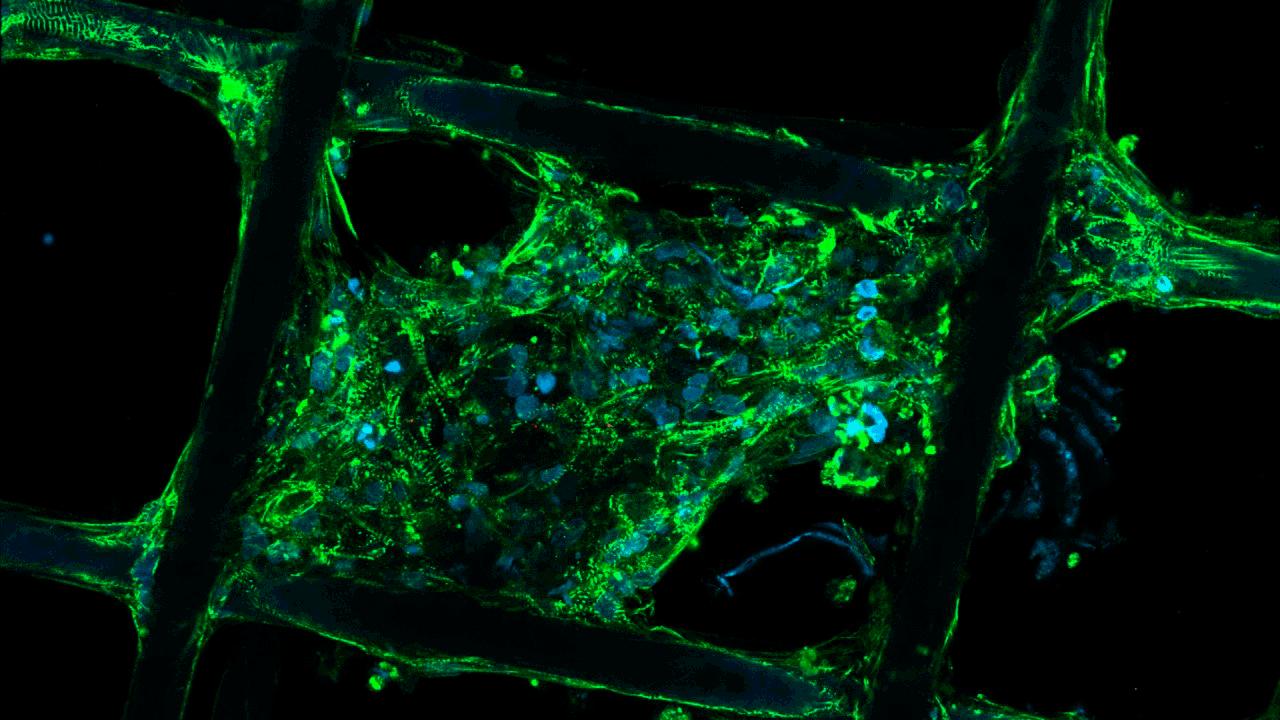
iPSC-derived cardiomyocytes interacting with fibres in a 3D printed scaffold.

are oriented in the ideal way, which Dr Mazo Vega says is crucial to the effectiveness of the BioVAD in helping to restore cardiac function. “We can develop cardiomyocytes in the lab, muscles which contract. But if you have one cell contracting in one direction, and others contracting in different directions, then the sum of all these forces is going to be very minor,” he points out. The orientation of cardiac layers varies across the thickness of the heart, which is what researchers in the project are seeking to replicate. “With our 3D printing technology we can build scaffolds with very different geometries. This geometry is then going to affect the functionality of the tissue that we build,” continues Dr Mazo Vega. “We can build very, very thin fibres that can help cells to align themselves in certain orientations.”
The project team have investigated a variety of different geometries, and the results have been put into computational models, which provide deeper insights into how cellular orientation affects function. So far this work has centered on relatively thin layers of the myocardium, with researchers planning to investigate thicker layers of tissue in future, which will add a further degree of complexity. “Vascularisation is an important consideration in this respect.
When we have a thicker layer of the myocardium, we will want to connect with the endogenous blood supply,” says Dr Mazo Vega. There are a variety of different types of cells in the heart, so the project team are working to identify the right combinations and proportions, alongside pursuing several other avenues of research. “In the project we have been investigating what the cardiac structure is like on a very precise level, then we want to translate this structure into 3-D printed scaffolds,” outlines Dr Mazo Vega. “What types of cells do we need to put on the scaffolds to develop the most therapeutically efficient tissue?”
Long-lasting support
This work is currently in progress, with researchers aiming to develop a device that can provide long-lasting support for people who have suffered cardiac damage, potentially enhancing quality of life and relieving the heavy burden that heart disease places on healthcare organisations. The initial aim is to develop a device that works effectively in pigs, bypassing testing on rodents, which Dr Mazo Vega says is not always a reliable guide to its effectiveness in larger animals. “We’ve seen that when new devices are tried on mice and rats they often work very well. But when this
www.euresearcher.com 9
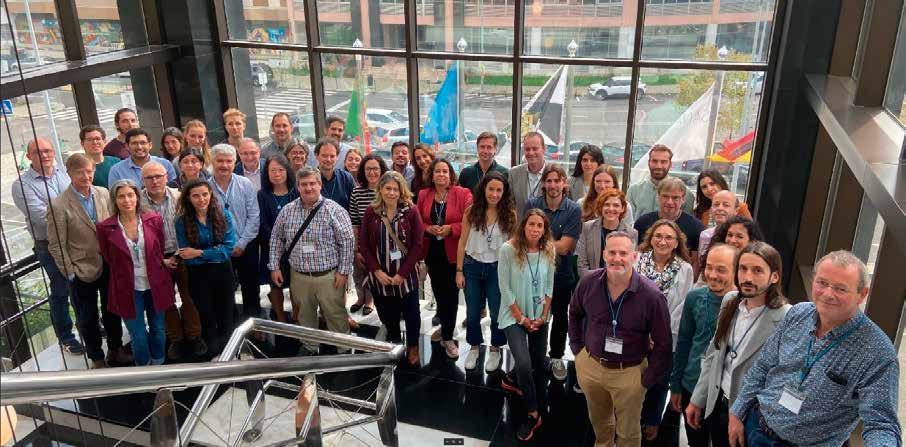
2022 BRAV3 consortium meeting in Lisbon, hosted by iBET.
is translated into a larger animal like a pig – usually as an intermediate step between the lab and the hospital – there is still an effect, but it is diminished,” he explains. If the device is shown to work effectively in pigs this will provide a stronger basis for its eventual translation to human patients, and a series of pilot tests have already been conducted, which will provide important insights into some practical issues. “We wanted to assess whether we can bring the cells from one country to another. Can we produce large scaffolds with tissues, and then put them into pigs?” outlines Dr Mazo Vega.
The size of the scaffold has evolved significantly over the course of the project, and an advanced design will soon be tested on a relatively small number of pigs, with researchers looking to assess whether it produces any functional effect. This study involves transplanting human cells, so it was necessary first to suppress the pigs’ immune systems – to prevent them from essentially eating up the cells – which proved challenging. “We expected immune-suppression regimes that we could use on pigs would already be available, but this wasn’t the case. Fortunately some people in the BRAV3 consortium were addressing this topic outside the scope of the project. We were able to tap into their knowledge, and now we’re moving forward with the tests,” says Dr Mazo Vega. While it’s not currently realistic to restore cardiac function to normal levels, Dr Mazo Vega hopes the device will have a positive impact, and
The orientation of the different layers of tissue in the heart changes slightly throughout its thickness. This is how the heart has evolved over millions of years in order to pump blood as efficiently as possible.
that the study will also help guide ongoing development. “The information gained from the study will help us iterate the scaffold design, to create something that is even more beneficial,” he continues.
This device can be produced in different sizes to match the physiology of an individual, providing a more personalised means of treating ischemic heart disease. The long-term vision is that a patient who has suffered a cardiac infarction would be assessed in hospital, and a BioVAD would then be produced, tailored to their specific circumstances and needs. “From the initial assessment we would find out the size of the ischemia, its position, and its geometry. That information would then be fed through the new computational models that have been developed in the project, and we would then print the BioVAD, based on knowledge of the infarction,” outlines Dr Mazo Vega. The focus in BRAV3 is ischemic heart disease, yet Dr Mazo Vega believes the project’s research also holds wider relevance to other areas of regenerative medicine. “Our workflow involves seeing a patient, getting an image of the damaged organ, and then producing a living tissue that is created for that specific problem. This kind of workflow could also be applied in other areas,” he says.
While it is likely that different stem cells and printing technologies would be required, a similar workflow to that used in BRAV3 could be applied to treat other conditions, such as arthritis or large bone defects. “An individual patient would have a scan, then a cell-based construct could
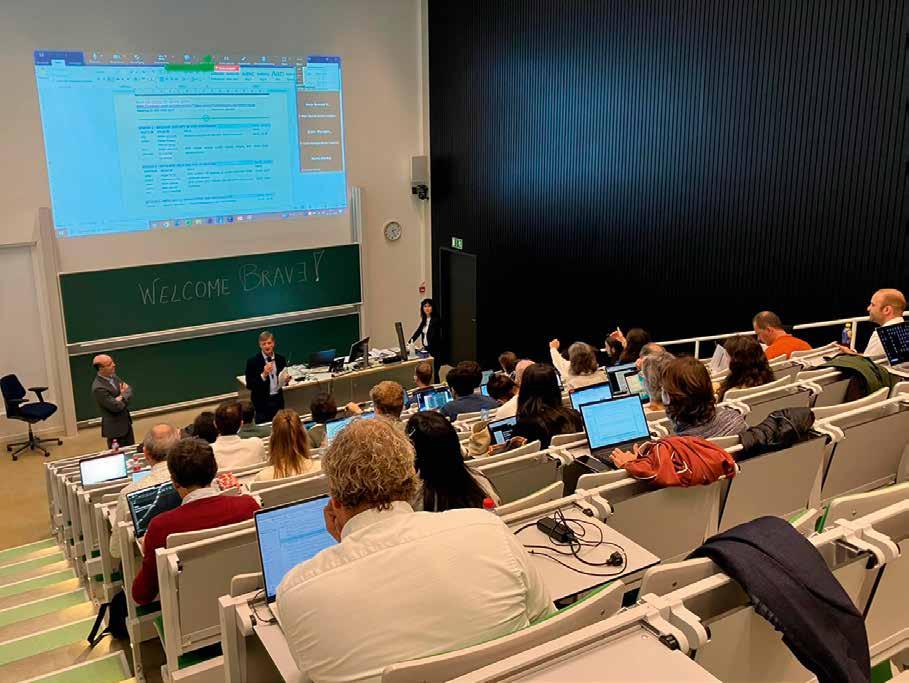
 Project discussions during the last Consortium meeting at Leuven.
EU Research 10
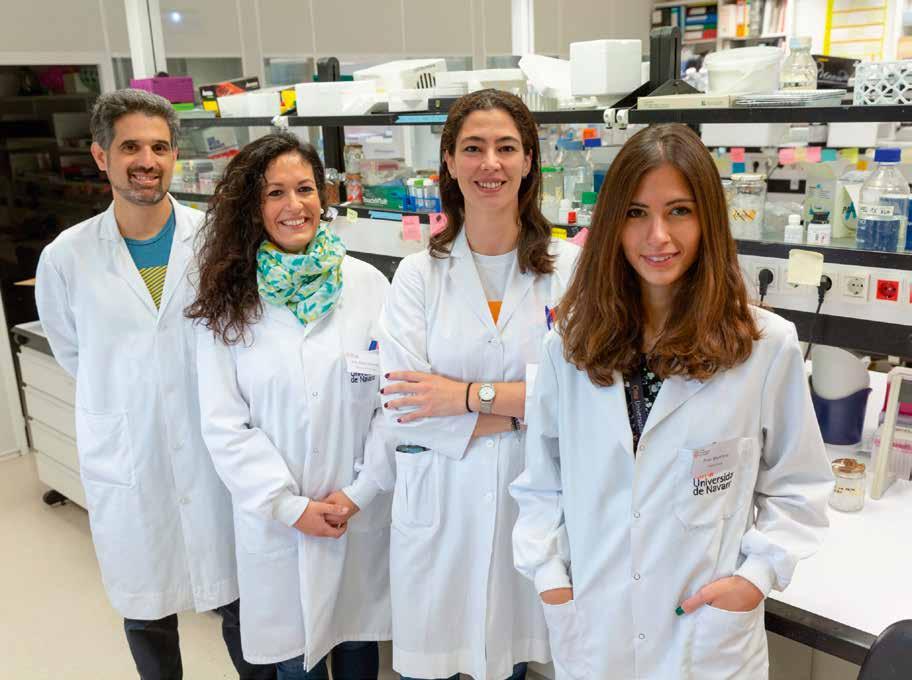
Part of UNAV´s BRAV3 team: Dr. Mazo Vega, Dra Iglesias-García, Dra Flandes-Iparraguirre and Dra Montero-Calle.
be built to address the specific problem,” explains Dr Mazo Vega. The main focus is on ischemic cardiomyopathy however, and with the project set to conclude in late 2024, Dr Mazo Vega and the international BRAV3 research consortium are looking to build on what has been achieved so far. “We’ve now finalised a set of protocols to produce cells on large scales, as a cardiac infarction may affect up to 1 billion cells. Conventional cellular production methods cannot reach this kind of level, so we’ve set up new procedures, new bioreactors to produce cells in these kinds of quantities,” he outlines. “We’ve tuned the scaffold geometry to match what it needs to provide to the heart, and we are looking to stimulate these tissues to become stronger. Then we will go into pigs, for the final evaluation.”
Managing heart disease
The long-term aim is to develop a device to support healthy heart function in humans over the long-term, which could represent an attractive alternative to current methods of treating and managing ischemic heart disease. A patient living with the condition may need to take regular medication, and managing it can detract significantly from quality of life.
“A patient with ischemic heart disease may have to make regular visits to medical professionals. In the EU around 19 million people are living with the disease, so a lot of people are affected,” says Dr Mazo Vega. A reliable, effective means of supporting an injured heart could have a significant impact in this respect, both on individual patients and also healthcare organisations, which often devote large amounts of
resources to treating cardiovascular disease. Healthcare organisations do not have limitless resources however, and Dr Mazo Vega says cost-effectiveness has been a prominent consideration in the project. “We incorporate highly detailed economic analysis in the project. We want to show that we are building something realistic in terms of cost,” he continues.
A key challenge here is to demonstrate that the BioVAD will reduce the demand for medical care and help enhance quality of life, bringing wider societal and economic benefits. A device that can help the heart function more effectively would help reduce the need for medication and regular trips to hospital, while also allowing hospitals to use their precious

resources and equipment for other urgent medical needs. “Large pieces of equipment are used in diagnosing and monitoring cardiac patients, like MRI machines and CT scans, and they are effectively bottlenecks in the healthcare system. These big pieces of equipment are also used for cancer patients, patients who have suffered trauma, and others,” continues Dr Mazo Vega. “We are part of a global research community, and we are contributing to progress in our field and helping to bring about change.”
 Reconstruction of cardiac fibre alignment in a porcine heart, showing how the orientation of cardiomyocytes varies. Different colours depict different orientations.
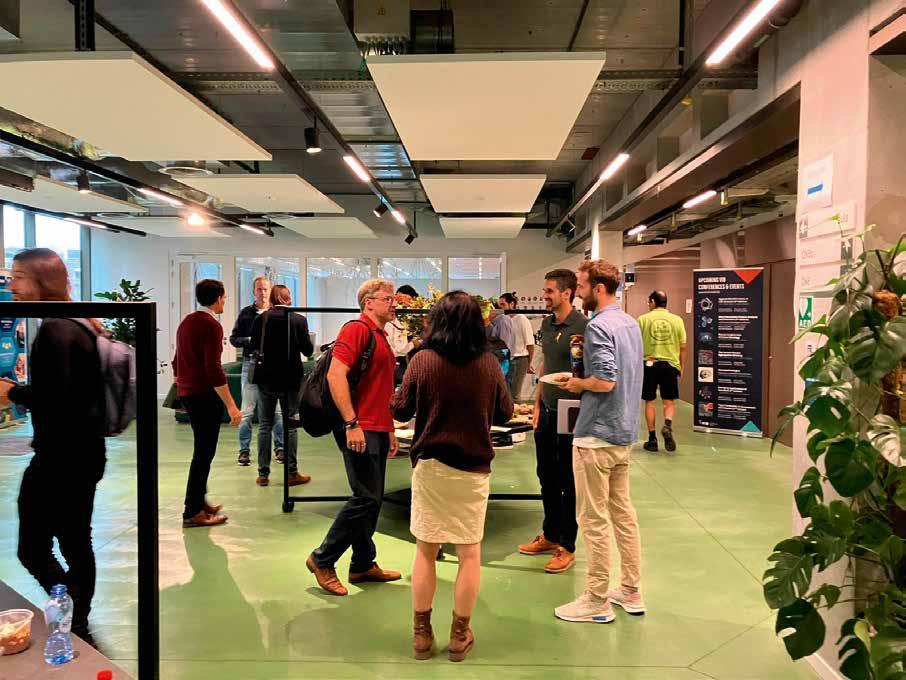
Discussions at 2023 BRAV3 Consortium meeting in Leuven, hosted by KUL.
Reconstruction of cardiac fibre alignment in a porcine heart, showing how the orientation of cardiomyocytes varies. Different colours depict different orientations.
Discussions at 2023 BRAV3 Consortium meeting in Leuven, hosted by KUL.
11 www.euresearcher.com
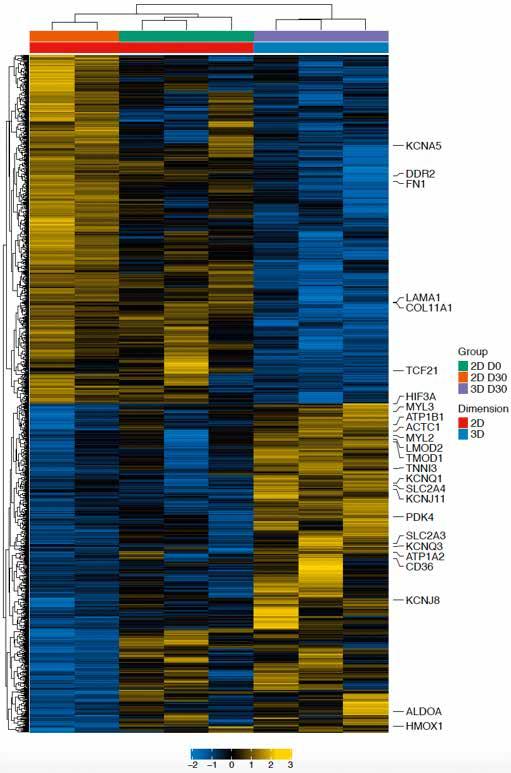
Results from the bulk RNAseq analysis of BioVADs.
BRAV3
A cardiac regenerative medicine European initiative
Project Objectives
BRAV3 aims to provide a lifelong functional support to ischemic heart disease patients by combining computational analysis, 3D printing and regenerative medicine to develop a biological ventricular assist device (BioVAD). Its overarching goal is to bring the medical advances close to the bedside in the shortest time possible.
Project Funding
This project is funded by European Union´s Horizon 2020 research and innovation programme under grant agreement 874827.

Project Partners
BRAV3 brings together 14 different partners from six member states of the European Union. In line with the multidisciplinary spirit of the project, the consortium includesthree university hospitals, four universities, three technological research centres, three SMEs, an international company. Here you can find information about all of them: https://projectbrave.eu/partners/
Contact Details
Scientific Coordinator, Manuel M. Mazo Vega Investigador, Área de Terapia Celular Clínica Universidad de Navarra División de Tecnologías Avanzadas Cima Universidad de Navarra T: +34 948 194700
E: mmazoveg@unav.es
W: https://projectbrave.eu/
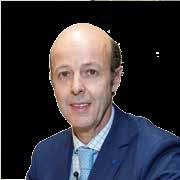
Professor Felipe Prósper MD, Ph.D Manu Mazo, Ph.D
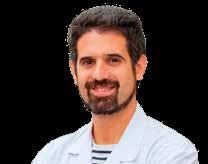
Professor Felipe Prósper MD, Ph.D is Head of the Cellular Therapy Unit at the University of Navarra, where he also serves as co-director of the Haematology and Haemotherapy Unit. He is a member of the editorial board of 15 national and international scientific journals and has performed more than 30 clinical trials as a Principal Investigator.
Manu Mazo, Ph.D is group leader (PI) of the Cardiac Tissue Engineering research group at the Clínica and Cima Universidad de Navarra. His team conducts interdisciplinary research merging hiPSC biology, biofabrication and biomaterials for Regenerative Medicine and disease modelling.


Institute of Experimental Biology and Technology (iBET)
Dr Margarida Serra is Head of the Stem Cell Bioengineering Lab at the Institute of Experimental Biology and Technology (iBET) in Portugal, a partner in the BRAV3 project. We spoke to Dr Serra about her institute’s role in the project, and the wider importance of their research.
EU Researcher: What is the role of your institute in the BRAV3 project?
Dr Margarida Serra: We are participating in two main areas. One is related to the development of scaleable bioprocesses to produce the cells, the cardiomyoctes, cardiac fibroblasts. We derived these cardiac cells from the same induced pluripotent stem cell (iPS) cell line.
Another activity centres around developing engineering approaches to mature the BioVAD. We are also working to coordinate activities related to characterising the BioVAD.
EUR: With respect to the maturity of the BioVAD, do you need to consider the age of the recipient?
MS: The maturity level is related to the BioVAD, and more specifically to the functionality of the cells, which then affects the functionality of the tissue that is being developed. Cardiac cells derived from stem cells still present an immature phenotype, they more closely resemble foetal cardiac cells than the adult cardiomyocytes
EUR: Are large numbers of cells required in cell therapy approaches?
MS: The aim with cell therapy approaches is to substitute the cells that are lost or damaged in the tissue. It is estimated that billions of cardiomyocytes are lost during a myocardial infarction, and we aim to produce these kinds of large numbers of cells in a cost-effective way.
EUR: What approach do you take to this work?
MS: We start from conventional protocols, that usually rely on very small culture dishes, and then transfer them to a 3D dynamic approach, to better design scaleable systems. We are using bioreactors where
we can control the environment where the cells are in culture. We can achieve not only scaleable bioprocesses, but also improve efficiency and robustness.
EUR: Can you then identify the conditions under which you can produce certain types of cells in large numbers?
MS: Yes. For example, we have identified dissolved oxygen as a critical process parameter for improving production efficiency. By modulating the dissolved oxygen at specific levels, we were able to not only produce more cells in the bioreactors, but also higher quality cells.
EUR: Does your research in BRAV3 hold wider implications beyond cardiac regeneration?
MS: The work that we are doing on the implementation of new, scaleable, cost-effective protocols to produce cardiomyocytes from IPS cells is relevant not only for regenerative medicine but also other applications. These include studying congenital birth defects and testing new drugs for things like cardiotoxic effects, which are seen in the majority of drugs currently used in chemotherapy.
These cells could also be used to model disease, using cardiac organoids generated using differentiated cells. It’s then possible to study how cardiac diseases develop and progress during the differentiation and maturation of the cells, helping researchers develop new treatments.
12
The BRAV3 Consortium, at the 2023 meeting in Leuven.
NOREPOS: Decoding Hip Fracture Trends Across Norway

We spoke to Professor Haakon E. Meyer about NOREPOS, a collaborative research network that delves into understanding and alleviating the burden of osteoporosisrelated hip fractures in Norway. Their research focuses on understanding declines in hip fractures, immune-bone connection, weather impacts, and predictive models.
NOREPOS (Norwegian Epidemiologic Osteoporosis Studies) is a collaborative network of researchers from five scientific institutions in Norway. Their main goal is to conduct epidemiological research with a focus on osteoporosis and its consequences.
The NOREPOS collaboration began in 1997. The collaboration includes researchers from the University of Bergen (UiB), UiT The Arctic University of Norway in Tromsø, the Norwegian University of Science and Technology (NTNU), the University of Oslo (UiO), and the Norwegian Institute of Public Health.
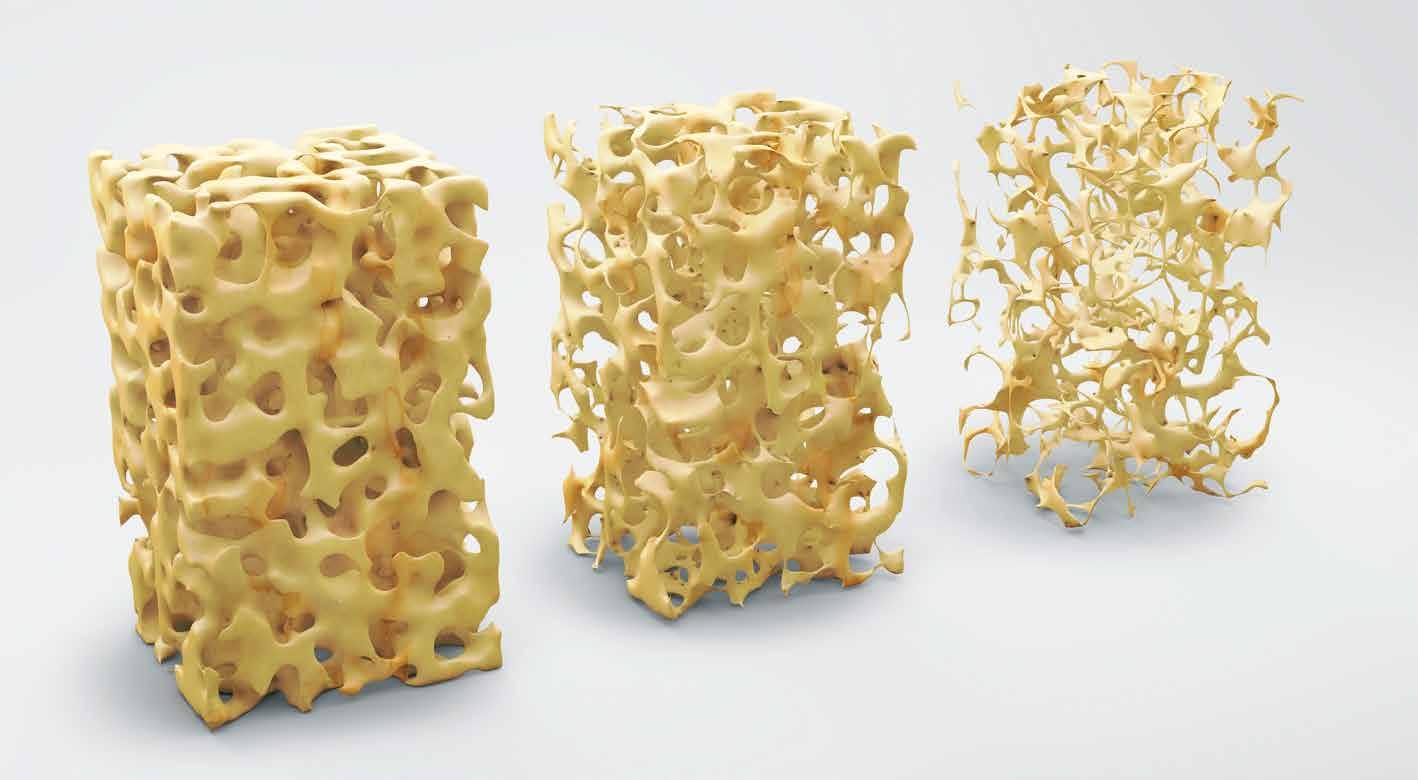
Norway has one of the highest incidences of hip fractures in the world. In Norway, every hour witnesses two forearm fractures and one new hip fracture. These fractures are not just painful. Hip fractures cause increased morbidity and all-cause mortality, reduce function, and increase the risk of death. Hip fractures do not only affect individuals but they cause a significant economic burden on society. In Norway, they’re among the costliest diagnoses. Despite declining hip fracture risk over the past decades, due to the increasing elderly population, a rise in
fractures is expected. NOREPOS aims to understand why Norway has the world’s highest hip fracture rates and how these rates vary across groups in the population. This knowledge is crucial for planning healthcare and prevention strategies.
NOREPOS uses data from large populationbased epidemiologic studies conducted in Norway. These studies include data on health status such as height, weight, hip/ waist circumferences, heart rate, and blood pressure; health behaviors, sociodemographic factors, general health, and disease. They also collect data from fracture registers, examining hip and forearm fractures. The NORHip database contains data on almost 240,000 hip fractures treated in Norwegian hospitals from 1994 up to date, linked to other databases for comprehensive analysis and validated against local hip fracture registries.
Novel Aspects of an Old Problem
The recently completed research project (2018-2023), funded by the Research Council of Norway, used the NORHip database in combination with health studies and registries cover the entire population. The project had
three main objectives: firstly, uncovering the factors that have contributed to the decline in hip fracture incidence in the past two decades. Secondly, exploring the link between the immune system and bone metabolism, and how the immune system might affect bone health and fracture risk. Thirdly, by studying weather, climate, air pollution, and demographics, the project aimed to figure out why fracture risks differ across regions.
Hip-IMPACT Model
In Norway, the annual number of hip fractures treated in hospitals is comparable to the annual number of patients treated for myocardial infarction. However, despite observed declines in age-adjusted hip fracture rates in Europe and North America, the increasing life expectancy and growth of the population aged over 60 predict a potential rise in fracture numbers that surpasses the decline in age-specific incidence. In a previous study, the researchers demonstrated a 27% decrease in age-adjusted hip fracture rates in Norway between 1999-2019. Understanding the forces behind these trends is vital to reducing the future burden of hip fractures on
www.euresearcher.com 13
healthcare systems and society at large. In this study, the researchers aimed to understand how much osteoporosis treatments and secular changes in lifestyle factors influenced the observed decline in hip fracture incidence during the mentioned period.
The Hip-IMPACT model examines data from different periods to determine how changes in various risk factors and treatments contribute to the decrease in hip fracture incidence. It was developed in collaboration with the University of Liverpool, building upon their IMPACT model initially created to analyze cardiovascular disease mortality. This study is the first to measure the influence of both treatment changes and risk factors on hip fracture rates at a population level. The researchers found that osteoporosis medications played a modest role in reducing hip fractures, explaining around one-fifth of the decline. The decline in hip fracture incidence was primarily influenced by
changes in major risk factors and preventive measures, accounting for over two-thirds of the observed decrease. Increased population BMI, particularly among men, accounted for a significant proportion of this decrease, highlighting the importance of low body weight as a modifiable risk factor. The rise in individuals with total hip prostheses which precludes fracture in the operated hip, contributed significantly to the decline, especially in women. An increased number of physically active individuals and lower smoking rates also contributed to fewer hip fractures. It is crucial to understand how changes in risk factors and treatment changes impact hip fractures. This information can be used to guide public health advice and make policy adjustments aimed at managing the expected increase in hip fractures. The researchers plan to implement the Hip IMPACT model in Denmark, and hopefully in other countries as well.
The Connection Between Immune Function and Bone Metabolism
“Osteoimmunology” is a term that highlights the connection between bone health and the immune system. The researchers are studying the long-term risk of osteoporosis and hip fracture across the size of immune response measured by the tuberculin skin test in a massive population-wide cohort. The researchers aimed to determine whether a stronger post-vaccination immune response correlates with a higher risk of hip fracture or lower bone mineral density three to four decades later. The team studied 244,607 individuals who participated in the nationwide tuberculosis screening and BCG vaccination program (between 1963 and 1975), to see if their tuberculin skin test (TST) results after BCG vaccination when they were young, were linked to hip fracture risks later in life (from 1994 to 2013). Additionally, they assessed bone mineral density (BMD) at a mean age of 52 years using dual-energy X-ray absorptiometry (DXA) scans in a subsample. The study found that men who tested positive on the tuberculin skin test (TST) after getting the BCG vaccine in their younger years had a slightly higher risk of experiencing a hip fracture later in life. This connection might be related to immune-mediated bone loss. Interestingly, this association wasn’t observed in women. Understanding the TST response is complicated because it involves various immunological mechanisms. While the study highlighted these trends in men, there’s still
EU Research 14
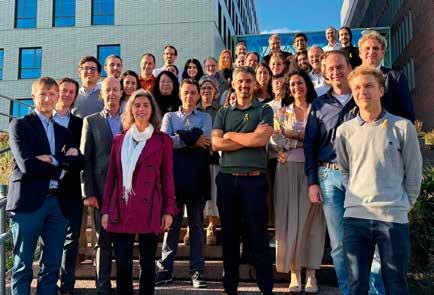
Project participants linked with the Hip-IMPACT model: From left to right: Prof. Haakon E. Meyer, researcher Kristin Holvik, Prof. Martin O’Flaherty, University of Liverpool, post doc Helena Kjeldgaard (Photo: Espen K. Olsen).
uncertainty about the precise meaning of the TST response. Immune system activity is impacted by dietary patterns. The researchers are now studying the association between dietary inflammatory patterns and risk of hip fracture in the large US Nurses’ Health Study. This is done in collaboration with researchers at Harvard T.H. Chan School of Public Health in Boston, USA.
Additionally, the researchers explored the connection between immune response after BCG vaccination and risk of primary total hip arthroplasty due to idiopathic osteoarthritis or rheumatoid arthritis. They found that among women, a strong immune response was associated with a lower risk of hip replacement due to osteoarthritis. For men, the data suggested an increased risk, though it wasn’t statistically significant. Variations in immune responses and unexplored factors create the need for further research to better understand this connection.

differences in hip fracture rates across different counties or seasons solely based on geographic factors. More investigation into climate-related factors could provide better insights.
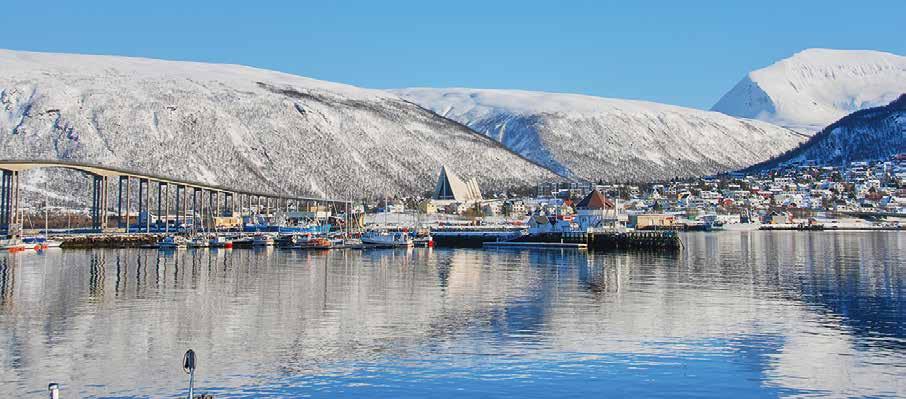
Another NOREPOS study investigated the potential link between cold outdoor temperatures and the risk of forearm and hip fractures. They linked hospital records of forearm and hip fractures to monthly average temperatures. Their findings revealed a higher risk of both forearm and hip fractures when temperatures fell below 0°C compared to higher temperatures. For forearm fractures, the highest risk was for temperatures just below 0°C. Moreover, individuals faced increased mortality post-hip fracture during colder temperatures. This study suggests a connection between cold temperatures and higher risks of fractures and mortality, shedding light on environmental factors influencing bone health.
“NOREPOS aims to understand why Norway has the world’s highest hip fracture rates and how these rates vary across population groups. This knowledge is crucial for planning healthcare and prevention strategies.”
NOREPOS-Climate
In the NOREPOS-Climate project, the researchers are exploring the connections between weather conditions, air quality, and fractures in Norway. By using nationwide data on fractures and weather info from the Norwegian Meteorological Institute, along with air pollution estimates from Aarhus University, they are investigating how factors like cold temperatures and air quality might relate to forearm and hip fractures.
One NOREPOS study examined if living at different elevations and distances from the coast might clarify the differences in hip fracture rates across geographical areas. In Norway, areas situated at higher elevations and farther from the coastline showed an increased risk of hip fractures. Researchers included all hip fracture patients admitted to Norwegian hospitals between 2009 and 2018 in their analysis, combining individual data on residential elevation and distance to the coast with population demographics. Their findings revealed that higher elevation and greater distance from the coast in Norway correlated with increased hip fracture risks, among women. Despite these findings, the study couldn’t explain the previously observed
Predicting Injury Based on Extreme Weather Events
The team aims to predict the incidence of fractures influenced by meteorological factors, such as frequent “freeze-thaw” cycles. By analyzing weather patterns alongside demographic data (age, gender, immigrant background), the goal is to predict the daily number of fractures in individuals over 40 years old during severe weather events. This could lead to localized “fracture forecasts” for each municipality and hospital catchment area. This predictive model aims to offer a “fracture forecast” specific to each area, aiding municipalities and hospitals in preparing for potential surges in fractures. It could guide timely actions like enhanced snow clearance and hospital staffing adjustments, reducing both health impacts and the environmental footprint of these responses. Moreover, it could inform individuals through weather apps about when to use safety measures like spikes during icy conditions, potentially preventing several hundred fractures annually. Ultimately, this innovative approach seeks to anticipate and minimize the impact of extreme weatherrelated fractures on both community health and environmental resources.
NOREPOS
Norwegian Epidemiologic Osteoporosis Studies
Project Objectives
The project aims to decipher the causes behind Norway’s high hip fracture rates and their variation across demographics. The knowledge gained from this project is used to inform targeted healthcare strategies mitigating societal and individual burdens.
Project Funding
The NOREPOS network has received two substantial grants from the Research Council of Norway, in 2008 and 2017, respectively.
Project Partners
Prof. Martin O’Flaherty, University of Liverpool, UK.
Prof. Bo Abrahamsen, University of Southern Denmark.
Colleagues at the Norwegian Institute of Public Health and the universities in Oslo, Bergen, Trondheim and Tromsø.
Contact Details
Professor Haakon E. Meyer, MD PhD
Department of Community Medicine and Global Health
Faculty of Medicine, University of Oslo & Senior Medical Officer
Norwegian Institute of Public Health
T: +47 480 82 702
E: h.e.meyer@medisin.uio.no
W: http://www.norepos.no/
W: https://pubmed.ncbi.nlm.nih.gov/25278275/
Kjeldgaard HK, Holvik K, Abrahamsen B, Tell GS, Meyer HE, O’Flaherty M. Explaining declining hip fracture rates in Norway. A population-based modelling study. The Lancet Regional Health - Europe, Volume 30, 2023,100643, ISSN 2666-7762, https://doi.org/10.1016/j.lanepe.2023.100643. (https://pubmed.ncbi.nlm.nih.gov/37215491/)
Dahl J, Holvik K, Heldal E, Grimnes G, Hoff M, Finnes TE, Apalset EM, Meyer HE. Individual Variation in Adaptive Immune Responses and Risk of Hip Fracture – A NOREPOS Population-Based Cohort Study. J Bone Miner Res. 2020; 35:2327-2334. doi: 10.1002/jbmr.4135. (https://pubmed.ncbi.nlm.nih.gov/32697001/)
Professor Haakon E. Meyer
Professor Haakon E. Meyer is a professor of epidemiology at the Section for Preventive Medicine and Epidemiology, at the Faculty of Medicine University of Oslo. He is a senior medical officer at the Norwegian Institute of Public Health in Oslo, Norway, and is the leader of the NOREPOS collaboration.


www.euresearcher.com 15
Cryopreservation Practices: Transforming Temporal Horizons
Cryopreservation practices allow us to deep-freeze different types of organic material for potential future use, creating a liminal state between life and death. Professor Thomas Lemke and his team in the CRYOSOCIETIES project are investigating how this ‘suspended life’ is transforming temporal horizons and our understanding of health, fertility and biodiversity.
The ERC-funded CRYOSOCIETIES project investigates how the ability to freeze and thaw tissues and cells has fostered the development of cryobanks to store organic material for future use. The researchers explore how ‘suspended life’ is enacted in the fields of reproductive technologies, regenerative medicine and biodiversity conservation. “What needs to be stored in cryobanks and what may get lost or go extinct? What social and ethical values materialise in these cryopractices and how do they extend the present and delay change?”
Professor Lemke asks. The CRYOSOCIETIES team makes observations in medical labs, reproductive clinics and biobanks for animal conservation in different European countries, aiming to probe deeper into these issues. “We want to empirically investigate how cryopreservation is done in different settings. We also analyse documents and conduct interviews, for example with researchers in the lab or women undergoing egg-freezing,” continues Professor Lemke.
Cryopreservation practices
This research feeds into the wider social science debate on cryopreservation, which can be thought of as producing a liminal state between life and death. The CRYOSOCIETIES’ team explores how this ‘suspended life’ opens up the prospect of interrupting and restarting biological processes in the future. One prominent example of this is egg freezing. Clinics around the world offer treatments to women to postpone their fertility. One of the leading markets in assisted reproduction in Europe is Spain, and that is why the CRYOSOCIETIES’ team is focussing on this country. “The Spanish case is important as it has developed a strong market in which cryopreservation has an increasingly important role” states Sara Lafuente-Funes, who is leading this subproject.
Other countries, such as Germany, have taken a more restrictive approach to regulating assisted reproduction, and these different developments are an area of great interest in the project. Women can now freeze their eggs to use them later in life but as LafuenteFunes says; “this is never a guarantee of
pregnancy in the future, just a possibility.” Her research has shown how the increasing use of cryopreservation in reproductive clinics “is linked to the accumulation of surplus embryos and oocytes whose future remains uncertain.”
The question of who owns the embryos and oocytes remaining in freezers is an important one. Most women freezing their eggs are not aware of the difficulties around discarding material once it has been frozen. As LafuenteFunes notes; “these women generally feel a sense of relief after freezing their eggs, but they also tend to agree that society should make it easier for women to have children, either earlier or with more support from men and the state.”
Cord blood banking is another example of how cryopreservation does not always fulfil

the promises and expectations that come with it. Private companies appeal to prospective parents to store the stem cells from the umbilical cord for a high fee. They present their services as a way of ensuring access to future innovative medical treatments. However, “the promises have remained the same for more than three decades, with little evidence that real clinical success will be achieved in the near future,” notes Ruzana Liburkina, a cultural anthropologist who is in charge of the study of frozen blood and stem cells in CRYOSOCIETIES.
She explains that a few big players still profit from the speculative value of cord blood while also “increasingly pursuing other business models.” Meanwhile, Liburkina says, public cord blood banks are struggling to stay
EU Research 16
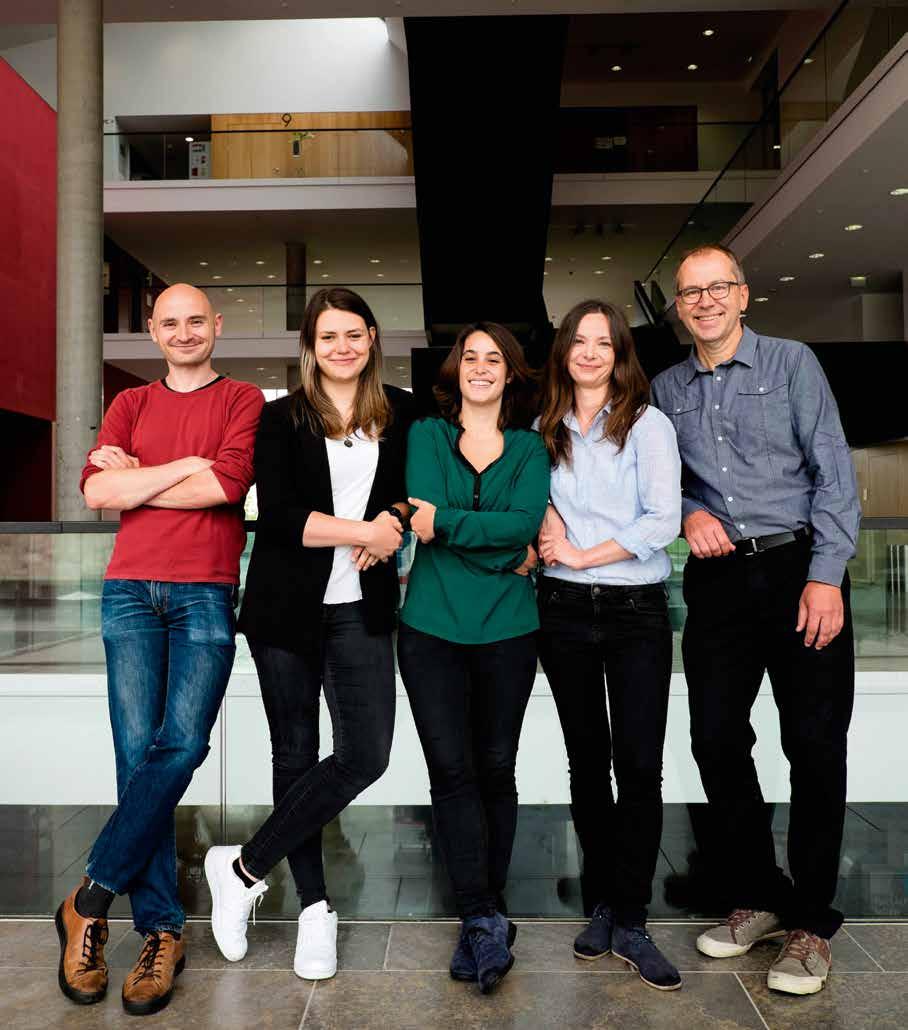
The Cryosocieties team, photo by Merielli Mafra.

in business: storing anonymously donated cord blood for patients with serious blood disorders is a well-established practice, but hardly profitable. What she observed when she studied private and public cord blood banks in Germany and beyond, however, was not stagnation. Rather, the field is an important platform for vibrant research and development activities. It is in cord blood banks that some novel forms of cryopreserved life are imagined and created. “Often under economic pressure, cord blood banks are filling their liquid nitrogen tanks with new types of biological material,” says Liburkina.
The third sub-project focuses on the preservation of organic material from endangered or already extinct species. The collection of tissues, cells or DNA opens up the
Creating life?
Imagining a future in which we can effectively recreate or reanimate life forms may make current biodiversity concerns seem less pressing. But while this may be a superficially attractive vision, Braun believes it is misleading. “We should not assume that cryo-conservation will free us from the difficulties of preserving biodiversity today or tomorrow – it remains a long-term effort,” he stresses. The CRYOSOCIETIES’ project’s work is an important contribution to the wider social science debate on the application of cryopreservation techniques and the creation of suspended life, with Professor Lemke and his colleagues exploring how temporalities are changed by this deepfreezing process. “Cryopreservation opens
“What needs to be stored in cryobanks and what may get lost or go extinct? What social and ethical values materialise in these cryopractices and how do they extend the present and delay change? ”
possibility of bringing certain forms of animal life that have gone extinct in the wild back to life. This is a very potent idea, which conflicts with the traditional logic of conservation and may be taken by some as justification for postponing urgent action on biodiversity loss. Yet the debate over using frozen animal cells for resurrecting species tends to overshadow their broader uses in biological research. “Wildlife conservation is most successful when cryopreservation is employed hand in hand with other strategies, such as long-term population studies and habitat restoration. But the singular focus on bringing species back ‘from the dead’ makes people forget that these techniques cannot work in isolation,” notes Veit Braun, a post-doc working in the subproject on animal biobanking.
up new temporal horizons by extending the present, seeking to keep options open, but it also privileges technical solutions to societal problems,” he says.
The empirical work of the project is now largely complete, with the researchers writing several articles and Professor Lemke working on a monograph. This research could have wider relevance for authorities as European countries seek to strike the right balance in regulating cryobanks. “We hope that our research will prove relevant to regulators and will stimulate public debate on the field of cryopreservation, as it raises issues of privacy, data protection, but also the prospect of patenting and commercialisation,” says Professor Lemke.
CRYOSOCIETIES
Suspended Life: Exploring Cryopreservation Practices in Contemporary Societies
Project Objectives
CRYOSOCIETIES is a research project funded by the European Research Council (ERC) to study the implications of cryopreservation for temporalities and the concept of life. The project combines theoretical and empirical work to understand the role of cryotechnologies in different countries, mainly Spain, Germany and the United Kingdom.
Project Funding
CRYOSOCIETIES is funded by the European Research Council (ERC) within the Advanced Grant scheme (Grant Agreement number: 788196).

Project Members
Prof. Dr. Thomas Lemke
Dr. Ruzana Liburkina
Dr. Sara Lafuente-Funes
Dr. Veit Braun
https://cryosocieties.uni-frankfurt.de/people/
Contact Details
Project Coordinator, Prof. Dr. Thomas Lemke
Goethe-Universität Frankfurt
Theodor-W.-Adorno-Platz 6 60323 Frankfurt am Main | GERMANY
T: +49 (0)69 798-36664
E: cryosocieties@soz.uni-frankfurt.de W: www.cryosocieties.eu
Braun, Veit, Lafuente-Funes, Sara, Lemke, Thomas, & Liburkina, Ruzana (2023). Making Futures by Freezing Life: Ambivalent Temporalities of Cryopreservation Practices. Science, Technology, & Human Values, 48(4), 693–699. https://doi. org/10.1177/01622439231170557
Professor Thomas Lemke
Thomas Lemke is Professor of Sociology with a focus on Biotechnologies, Nature and Society at the Faculty of Social Sciences of the GoetheUniversity Frankfurt/Main in Germany. He has published extensively on the social implications of the life sciences and contributed to the debates on governmentality and biopolitics.
www.euresearcher.com 17
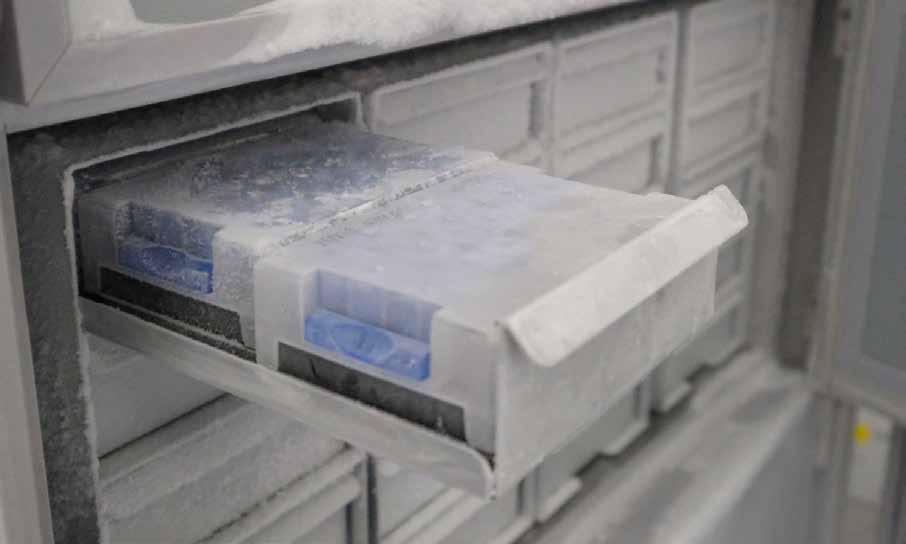
Cryopreserved samples in a biobank, photo by Veit Braun.
Investigating The Genetic and Epigenetic Interplay in Mental Health
We spoke to Dr. Stéphanie Le Hellard about their project which aims to untangle the roles of genetics, epigenetics, and gene expression in mental disorder development, particularly focusing on DNA methylation. Their research may contribute to the development of personalized treatment approaches in psychiatry.
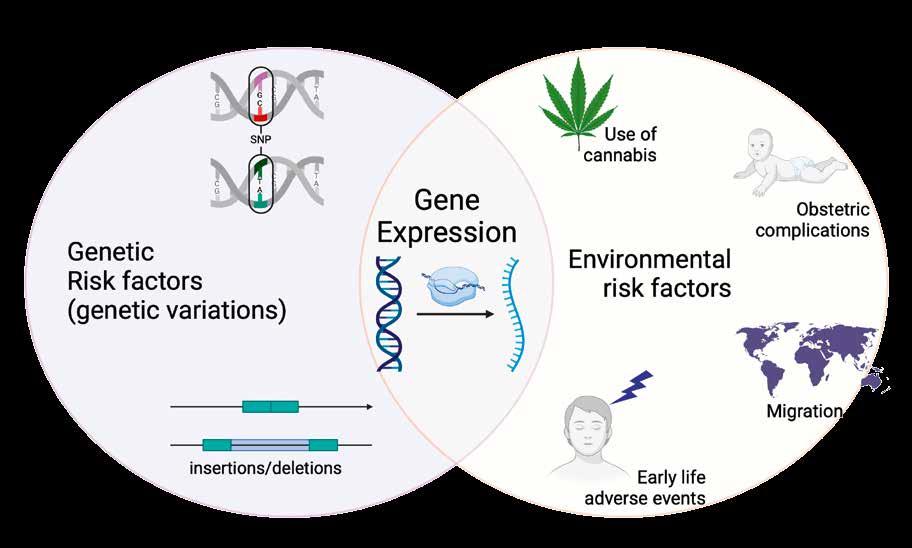
Psychiatric disorders significantly contribute to human suffering and morbidity. Their prevalence has been on the rise and however, their causes are still not fully understood. Psychiatric disorders differ in symptomatology but share a complex multifactorial etiology rooted in the interplay of genetic, and environmental factors. Genetic and environmental factors can modify gene expression, acting like switches that can turn genes “on and off”. These alterations, known as epigenetic changes, occur through various mechanisms. One such mechanism is DNA methylation. Here, an extra chemical component gets attached to the DNA molecule, leaving the genetic code unchanged but still influencing gene activity. Recent research highlights the role of these epigenetic changes in the development and outcome of severe mental disorders.
To enhance the quality of life for patients, and improve early diagnosis, treatment, and prevention, a deeper understanding of the biology of these conditions is essential. Dr. Stephanie Le Hellard talks about the project “DNA methylation in psychiatric disorders, and mediation of gene by environment effects, from birth to adulthood” which aims to explore novel perspectives on genetic and environmental contributions by investigating the epigenetics of four psychiatric conditions: schizophrenia, obsessive-compulsive disorder, bipolar disorder, and attention deficit hyperactivity disorder. Their research focuses on understanding how epigenetic modifications, specifically DNA methylation, may play a role in these disorders and how environmental factors can influence these modifications. The team also examines the impact of well known environmental risk factors on DNA methylation, e.g. childhood trauma, birth complications, and cannabis use on DNA methylation, which may reveal potential molecular effect of these risk factors in psychiatric conditions.
Collaborating with the Norwegian Center for Mental Health Research (NORMENT) and the Bergen Centre for Brain Plasticity (BCBP), in partnership with leading national and international research groups, this project uses data from various sources. By uniting scientific communities through collaborations with NORMENT, BCBP, the Norwegian
Risk factors for schizophrenia
Mother-Child Cohort, and the consortium on persistent ADHD, this research offers a unique opportunity for insights into the methylation patterns associated with psychiatric disorders. This project will potentially lead to advances in psychiatric disorder diagnosis, prevention, and therapy. The project draws upon diverse expertise in statistical and functional genetics, with insights from clinical research.
Gender-Specific Epigenetic Signatures in Schizophrenia
Schizophrenia is a severe psychiatric disorder that shows differences between genders in age of onset and risk of negative versus affective symptoms. The molecular mechanisms behind sex differences in schizophrenia’s epidemiology and clinical features are not yet understood. In order to address this gap, the team conducted sex-stratified meta-analyses of epigenome-wide association studies (EWAS) for schizophrenia.
“By using a method called epigenome-wide association studies, we can scan the entire genome for methylation variations. This helps us see if certain traits, like schizophrenia, are linked to specific methylation changes. In our research, we compared patients with schizophrenia and controls to identify DNA methylation differences. We’ve identified several regions of the genome where the DNA methylation is different between cases and controls. Interestingly, these effects are different between males and females, showing more pronounced

Created with BioRender.com
effects in females than males. DNA methylation is a biological marker, affected by factors like sex hormones and age. These findings hint that in schizophrenia, the DNA methylation effects are different between males and females.” explains Dr. Le Hellard.
This gender-specific discovery helps research understand how biological markers vary between sexes and might influence the disorder’s development. The differences in DNA methylation pathways between males and females might indicate that distinct biological processes underlie schizophrenia.
The researchers also discovered new positions in the DNA where methylation changes occur in those affected by schizophrenia. These changes often relate to genes involved in brain function, immune responses, and energy regulation. Some genes, like COMT and KCNAB3, may even serve as potential drug targets for treating schizophrenia. These findings mark a significant step toward understanding how gender-specific DNA alterations could lead to improved diagnostics and personalized treatments for schizophrenia.
Examining Childhood Trauma’s Impact Through DNA Methylation
The researchers examined how childhood trauma might influence severe mental illnesses through DNA methylation changes. They investigated 602 patients with severe mental disorders using a blood-based epigenome-wide association
EU Research 18

study, focusing on five types of trauma and the overall trauma score. A high majority (83.2%) of patients who suffer from psychiatric disorders, reported experiencing childhood trauma, with emotional neglect being the most common subtype. The team discovered one specific DNA methylation change linked to the gene TANGO6 concerning physical neglect. Additionally, they found 17 different DNA regions showing altered methylation associated with different trauma types. Many of these regions were linked to genes previously associated with conditions like post-traumatic stress disorder (PTSD) and cognitive impairments.
“We wanted to see if there were any lasting effects of this trauma visible in adults, especially in patients. Surprisingly, we found certain positions in the DNA where individuals who reported childhood trauma had different methylation patterns. What made this discovery even more interesting was that these affected genes were also linked to PTSD.” says Dr. Le Hellard. The team is now coordinating an effort for a meta-analysis of EWAS from several centres in order to identify more DNA methylation variations associated with childhood trauma.
DNA Methylation and Birth Asphyxia
In another study, the researchers explored how birth asphyxia, a condition affecting oxygen delivery to the brain during birth, might relate to later psychiatric diagnoses. Their study involved 643 individuals with schizophrenia or bipolar disorder and 676 healthy controls, using data from the Medical Birth Registry of Norway. They found a connection between DNA methylation changes and exposure to birth asphyxia. This interaction differed between healthy individuals and patients.
In healthy controls, birth asphyxia was associated with increased methylation, while in patients with schizophrenia or bipolar disorder, it was linked to decreased methylation. These changes were observed in specific DNA regions crucial for brain development and function. These regions of DNA were linked to various essential processes in the brain, such as oligodendrocyte survival, brain maturation, neural plasticity, and axonal transport.
“We explored the impact of birth asphyxia on schizophrenia, considering that individuals with schizophrenia often have a higher risk of experiencing this condition at birth. We aimed to uncover if these individuals showed any lasting effects on DNA methylation due to birth asphyxia. Surprisingly, we identified specific regions in their DNA where those who had experienced birth asphyxia showed distinct methylation patterns even in adulthood. This imprinting effect suggests that the impact of
birth asphyxia can leave a lasting mark on an individual’s DNA, potentially influencing their health later in life.” explains Dr. Le Hellard.
The effects of pharmaceutical and cognitive treatment on DNA methylation
In addition to using DNA methylation to understand the molecular mechanisms of mental disorders, Le Hellard et al. focus on the potential of these methods to identify molecular mechanisms associated with treatment and response to treatment of mental disorders.
These studies also have the potential to identify predictive changes that signal which patients could benefit from specific treatments.
The researchers are studying DNA methylation changes that are associated with the use of antipsychotic medications. For instance, in one study, they compared individuals who are under antipsychotic treatment with a healthy cohort from the Norwegian population. Currently, they are collaborating with Brazilian researchers, examining DNA methylation changes in patients undergoing Risperidone treatment over a longer period.
In collaboration with Leif Oltedal and Ute Kessler at Haukeland University Hospital, the researchers are exploring DNA methylation changes before and after electroconvulsive therapy. Their objective is to pinpoint genes affected by this treatment and identify differences in DNA methylation between treatment-responsive patients and non-responders. The researchers hope their findings will be able to contribute to predicting which patients will benefit from electroconvulsive therapy.
In collaboration with the Bergen Center for Brain Plasticity, the researchers are investigating DNA methylation in patients undergoing concentrated exposure therapy for obsessive complulsive disorder disorder. In this study, they are comparing DNA methylation in patients who are receiving treatment for OCD with their treatment response.
Understanding alterations in DNA methylation offers valuable insights into the intricate interplay among genetics, the environment, and mental disorders. These epigenetic changes could serve as markers, illuminating how environmental and behavioral changes, like stopping cannabis use, could affect our genes. They can offer insight into treatment-related changes even before the initiation of treatment. The team’s current endeavors are focused on projects that aim to pinpoint epigenetic changes capable of predicting treatment responses. This initiative aims to pave the way for personalized treatment approaches in mental health.
DNA METHYLATION IN PSYCHIATRIC DISORDERS
DNA methylation in psychiatric disorders, and mediation of gene by environment effects, from birth to adulthood
Project Objectives
The project “DNA methylation in psychiatric disorders, and mediation of gene by environment effects, from birth to adulthood” delves into the intricate interplay of genetics, epigenetics, and gene expression in psychiatric disorders, with a focus on DNA methylation. The research aims to unravel novel insights that could potentially lead to personalized treatment approaches in mental health.
Project Funding
This project is funded by the Research Council of Norway (grant numbers 223273, 273446 and 250299).
Project Partners
Dr Tetyana Zayats, Analytic and Translational Genetics Unit, Department of Medicine, Massachusetts General Hospital and Harvard Medical School, Boston, MA, USA.
Contact Details
Project Coordinator, Professor Stéphanie Le Hellard Professor in Human Genetics, PhD Epigenetics of Mental Disorders, Department of Clinical Sciences
University of Bergen N-5020 Bergen, Norway.
T: +47 900 58 089
E: Stephanie.LeHellard@uib.no
W: https://www.uib.no/en/persons/Stephanie. Francoise.Claire.Le.Hellard#uib-tabs-research
https://www.researchsquare.com/article/rs-3427549/v1
https://pubmed.ncbi.nlm.nih.gov/35501310/
https://www.nature.com/articles/s41398-023-02709-7
https://pubmed.ncbi.nlm.nih.gov/37904091/
https://www.sciencedirect.com/science/article/abs/pii/ S0924977X23002560
Professor Stéphanie Le Hellard
Stéphanie Le Hellard is a Professor of Human Genetics at the Department of Clinical Science at The University of Bergen in Norway. Her research is focused on identifying the impact of genetics, epigenetics, and gene expression in the development of mental disorders.
www.euresearcher.com 19
Fit for old age?

Many people experience some degree of decline in language processes as they grow older, limiting their ability to pursue their interests and reducing their quality of life. Evidence suggests that physical fitness and the ability to speak another language can help combat cognitive decline, a topic at the heart of Professor Linda Wheeldon and Dr. Katrien Segaert’s work in the FAB project.
The demographic profile of the European population is shifting, with more and more of us living for longer. Many people experience some degree of physical and cognitive decline as they grow older, which then limits their ability to pursue their interests and affects their quality of life, a topic at the heart of the FAB project. “How do we help people maintain their cognitive and language processes as they age, so that we can improve their quality of life?” outlines Professor Linda Wheeldon, the project’s leader. Physical fitness and bilingualism could be important factors in this respect, now Professor Wheeldon and her colleagues in the project are investigating the extent to which they protect against cognitive decline. “Physical wellbeing extends to your brain, while there are also claims that being bilingual leads to cognitive benefits,” she says.
Monolinguals and bilinguals
An individual with two languages is never fully monolingual again, and they constantly have to manage the activation of those languages, essentially suppressing one to use the other. This involves a lot of cognitive work, and evidence suggests that bilinguals use their brains differently from monolinguals for this reason. “Different areas of the brain become active, areas that might not be active in a monolingual person’s language use,” explains Professor Wheeldon. Evidence also suggests that physical fitness can reduce the likelihood of experiencing word-finding problems, known as the tip of the tongue phenomenon. “As you get older, word-finding problems typically increase. In collaboration with sports scientist Dr. Samuel Lucas we measured VO2 max - a cardiovascular fitness measure - from a group of people, then did a word-finding test,” says Professor Wheeldon. “We found a significant relationship between fitness and word-finding ability here, with fitter individuals less likely to experience any difficulties.”
The project team is now working with sports scientists Professor Sveinung Berntsen and Dr. Hilde Lohne Seiler in Norway to build a deeper picture of the impact of fitness and bilingualism on cognitive and language
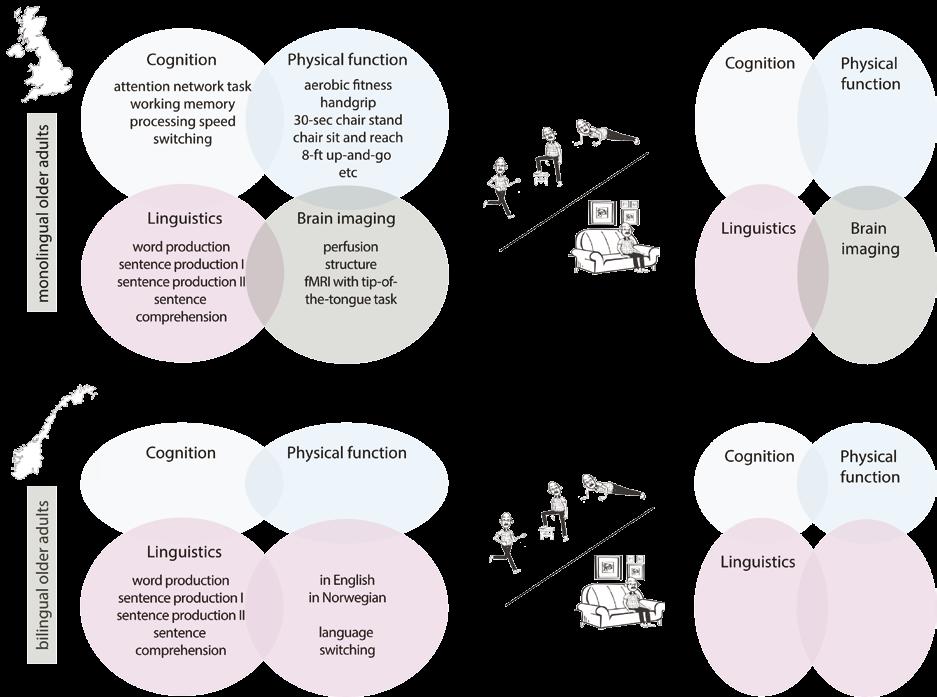
processing. Researchers are analysing data on four groups recruited in Norway and the UK. “We had a younger group (between 18-35), and an older group (60-85) in both Norway and the UK,” outlines Professor Wheeldon. “The younger Norwegian bilinguals in the study are fairly typical Scandinavians in that they start learning English at school around the age of 6. The older bilinguals probably started learning English a bit later than the younger group, which is a factor that we take into account in our analysis.”
The UK groups are monolingual, providing a clear contrast with the Norwegian groups. In both countries the study participants came in for a series of language tests and fitness assessments, with researchers looking to recruit participants who were neither superfit, nor highly unhealthy. “We are interested in healthy ageing, so we wanted a sub-set of the population that we could make a difference to. The study participants were healthy individuals,” says Professor Wheeldon. A home-based exercise intervention was run on some of the groups, then the language tests and fitness assessments were conducted
again, from which Professor Wheeldon aimed to gain fresh insights. “We compared a homebased intervention with no intervention, and looked at changes in behaviour,” she continues.
This intervention was designed to improve people’s fitness, which researchers were then able to relate to changes in their cognitive and language functioning. One major topic of interest in the project is the tip of the tongue phenomenon, where an individual knows the word they want to say but struggles to actually say it. “Everyone experiences this –from 2-year olds upwards – but older people and bilinguals have it more often,” says Professor Wheeldon. Alongside word-finding tasks, Professor Wheeldon and her colleagues are also interested in more natural, free speech. “We gave the participants a picture description task. We made pictures of scenes and asked people to describe what they saw for two minutes,” she outlines. “We’ve have data from each of the four groups doing this task, both pre- and post-intervention.”
A vast amount of data has been collected over the course of the project which is
EU Research 20
FAB study design for young and older participants pre fitness intervention, and older participants post intervention.
currently being analysed by research fellows
Dr. Eunice Fernandes, Dr. Foyzul Rahman and Dr. Yanina Prystauka, along with PhD students Sindre Fosstveit and Jack Feron, who are working to gain fresh insights into the impact of bilingualism and physical activity on language and cognitive abilities. This includes data on first and second language processing and natural speech, as well as fitness information both pre- and post-intervention, which is enough to keep the large research team extremely busy. “We’re currently working through the data.

vulnerable groups of older adults, which would require some changes to the overall approach. “There are many potential ways in which we could branch out, but we would have to adjust quite a lot of things, including the language tasks,” continues Professor Wheeldon. There are plans to build on the work done in FAB in a successor project, which Professor Wheeldon says would be led more by sports scientists. “We plan to focus more on vulnerable groups of older adults. We’re thinking about issues like mild cognitive impairment and frailty in particular,” she says.
“Different areas of the brain become active in people who speak two languages, areas that might not be active in a monolingual person.”
We have already submitted five articles, and three or four more are in the pipeline,” outlines Professor Wheeldon. The natural speech dataset is a particularly rich resource for phonologist Professor Allison Wetterlin, a colleague of Professor Wheeldon at the University of Agder. “We can look at fluency and pausing in speech. Pauses between utterances tell us about planning, while pauses within utterances are usually word issues,” says Professor Wheeldon.
Older adults
The project has largely focused on language and cognitive processes, and the evidence so far suggests the exercise intervention does have an impact, with some significant effects observed on language processes. The next step could then be to extend this research to more
There will still be language and cognitive components to this research, but a future project will be focused more on the physical fitness side. One major area of interest here is motivation and adherence to a fitness programme. “What can people realistically do? What motivates them to keep going with a fitness programme? You don’t want to set programmes that are out of reach,” points out Professor Wheeldon. The project itself is set to conclude in the next few months, but Professor Wheeldon plans to share their findings more widely, which could lead to further collaborations and inter-disciplinary research in future. “We’re going to run an international workshop at the end of May. We will invite scientists in bilingualism, brain health and fitness to share our findings and get their input,” she says.
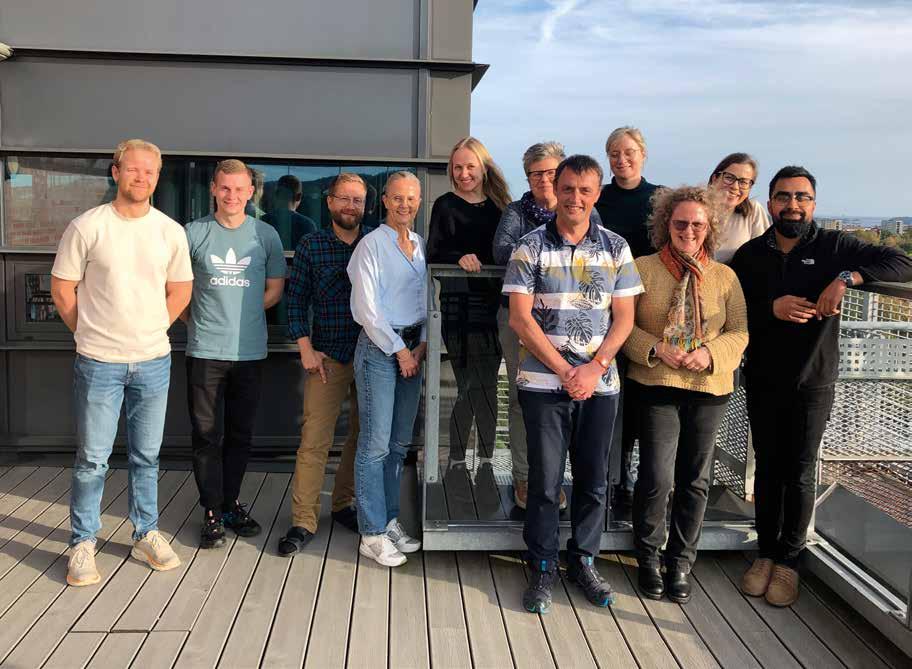
FAB
Fitness, Ageing and Bilingualism (FAB) : The benefits of regular physical activity and bilingualism for language abilities in healthy ageing
Project Objectives
Physical fitness and bilingualism may ameliorate cognitive decline in ageing, but less is known about their effects on language function. Our aim is therefore to test the effects of becoming fitter and being bilingual on cognitive and linguistic functioning in healthy ageing.
Project Funding
This project is funded by the Research Council of Norway (Grant no. 300030).
Project Partners
https://www.fab-study.com/about/
Contact Details
Project Coordinator, Prof. Linda Wheeldon, Institutt for fremmedspråk og oversetting, Office: E1054
Universitetsveien 25, Kristiansand Universitetet Agder
T: +47 38 14 14 84
E: linda.r.wheeldon@uia.no
W: https://www.fab-study.com/about-the-project/


Linda Wheeldon is a professor at UiA, Faculty of Humanities and Education. She has a background in experimental psycholinguistics and theoretical linguistics. She is interested in the representation of language structure and how it affects language processing, especially in bilingualism. She also investigates the effects of healthy ageing on such processes.
Katrien Segaert is an associate Professor at the University of Birmingham in the School of Psychology. Her research focuses on the neurobiology of language processing, with a special focus on how sentence-level processes and interactive communication are supported by the brain. She also studies how the neurobiological infrastructure of language processing changes throughout the lifespan, and the mitigating effects of lifestyle factors on language decline.


www.euresearcher.com 21
Prof. Linda Wheeldon
Dr. Katrien Segaert
The FAB Team (clockwise): Sindre, Jack, Sveinung, Hilde, Yanina, Allison, Katrien, Eunice, Foyzul, Linda and Sam.
Rapid molecular testing for the diagnosis of community-acquired pneumonia
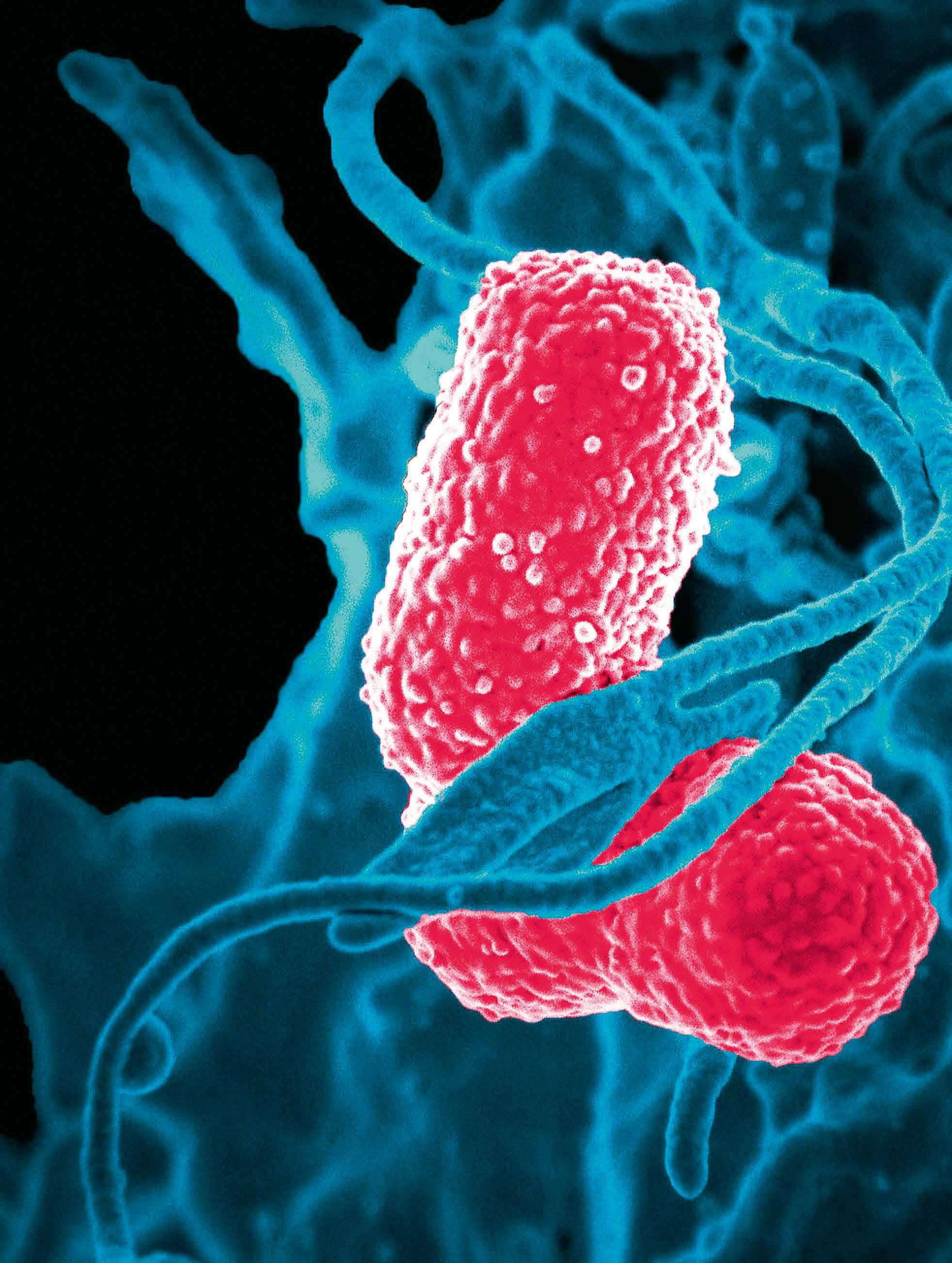
Lower respiratory tract infections, including community-acquired pneumonia (CAP), are a leading cause of hospital admissions and mortality. Researchers in
the NORCAP
project have investigated whether comprehensive molecular testing can be used to improve the microbiological diagnosis of CAP and potentially improve clinical outcomes, as Professor Harleen
Several different viruses and bacteria can be involved in the development of community-acquired pneumonia (CAP), including Streptococcus pneumoniae and Haemophilus influenzae, and it is difficult to identify the specific agent or agents involved. A reliable method of identifying the cause of CAP could help clinicians treat the condition more effectively. As coordinator of the NORCAP project, Professor Harleen Grewal is part of the team that has investigated whether using a commercial, syndromic polymerase chain reaction (PCR)-based panel to rapidly test patients hospitalised with suspected CAP can lead to faster, more accurate microbiology-resultbased treatment. “We are interested in providing a definitive diagnosis, in terms of the microbial agent involved,” she outlines. This would then
NORCAP
The Impact of Molecular Point-of-Care Testing on Improved Diagnosis, Treatment and Management of Community Acquired Pneumonia in Norway: a pragmatic randomised controlled trial
Harleen Grewal MD PhD DTMH
Professor, Department of Clinical Science Faculty of Medicine, University of Bergen, Norway Senior Consultant, Department of Microbiology Haukeland University Hospital, Norway
T: +47 99450554/+47 55974631
E: Harleen.Grewal@uib.no
W: www.uib.no

Harleen Grewal, Coordinator NORCAP funded by the Research Council of Norway, is a Professor of Microbiology (2002) and Global Health (2013) at the University of Bergen, Norway and a Consultant Physician at the Haukeland University Hospital, also in Bergen. Elling Ulvestad, Coordinator of the related RESPNOR project funded by the Trond Mohn Foundation, is the head of Microbiology at Haukeland University Hospital and a Professor at the University of Bergen, Norway



Haukeland University Hospital Trial
The randomised trial 1, conducted at the emergency department of Haukeland University Hospital, compared the effects of utilising a syndromic PCR-based panel for rapid testing against standard care procedures. The study demonstrated that the patients randomised to rapid molecular testing were three times more likely to receive targeted treatment, and the time to the administration of that treatment was significantly reduced.
“Through this study, we observed that adding rapid molecular testing into the care process could help doctors make quicker treatment decisions, potentially improving outcomes for patients with communityacquired pneumonia,” says Senior consultant and researcher Dagfinn Markussen.
provide the basis for more tailored treatment of individual cases and avoid unnecessary antibiotics. Professor Grewal explains that incorporating rapid molecular testing alongside clinical decision-making tools and antimicrobial stewardship programs holds promise in curbing unnecessary antibiotic prescriptions.
NORCAP project
The project’s work represents an important contribution to this wider goal, where researchers at the University of Bergen and Haukeland university hospital (HUS) have conducted a pragmatic randomised controlled superiority trial on CAP patients recruited at HUS in Bergen. A multiplex, polymerase chain reaction (PCR) test is used on patients hospitalised with mild to moderate CAP, who are typically treated with empirical antibiotics. “This PCR test has 27 different agents, including bacteria and viruses, and some antibiotic-resistant genes. It’s designed for use in lower respiratory tract infections,” says Professor Grewal. The test results are available in just 1.5 hours, providing feedback that can inform treatment and improve the likelihood of positive clinical outcomes.
This research could help increase the proportion of CAP patients who can be put on microbiology-directed treatment, as well as reduce the time taken before such treatment is administered. This work holds relevance beyond Norway, with CAP a major cause of death across the world, although Professor Grewal says the
Grewal explains.
PCR test would need to be modified to reflect local circumstances if it is to be applied more widely eventually. “Antibiotic resistance varies across populations and regions, so you would need to tailor the device to accommodate genes of interest relevant to a particular region,” she explains. Reducing the number of target agents to those relevant to a particular geographical region could help bring down the overall cost of the device, which is a significant consideration in the project. “If this approach is to be used for testing in low- and middle-income countries, then we would need to pilot cheaper point-ofcare tests,” acknowledges Professor Grewal. A further topic of interest in the project is the identification of biomarkers, with researchers looking to build a deeper picture of the host response to infection, which is an important consideration in guiding treatment. In cases of co-infection with a virus and bacteria, Professor Grewal and co-researchers are interested in looking at read-outs in the blood in terms of signatures based on protein and RNA transcripts. “We want to see if the patient has a viral or a bacterial response,” she outlines. This would then enable the development of more intelligent tests, where the host response is married with the microbial result. “The objective is to distinguish between a viral and bacterial response in the patient. We also aim to pave the way for developing more sophisticated tests where the intricacies of the host response are integrated with the microbial result,” says Professor Grewal.
1 Markussen DL, Serigstad S, Ritz C, et al. Diagnostic Stewardship in Community-Acquired Pneumonia With Syndromic Molecular Testing: A Randomized Clinical Trial. JAMA Netw Open. 2024;7(3):e240830. doi:10.1001/ jamanetworkopen.2024.0830
NORCAP is supported by funding from the Research Council of Norway (NORCAP; 288718), which is the principal funder of the trial; Co-ordinator of the NORCAP project, Prof. Harleen Grewal
Co-funding was obtained from:
a) Trond Mohn Foundation which funds the COVID-19 CAPNOR project (TMS2020TMT07); Co-ordinator Prof. Harleen Grewal
b) Trond Mohn Foundation, which funds the RESPNOR project (TMS2019TMT06): Coordinator Prof. Elling Ulvesatd
c)Intra-mural funding from the University of Bergen
d)Intra-mural funding from the Haukeland University Hospital.
EU Research
22
from the Centers for Disease Control and Prevention (CDC)
Photographs
Shining a light on historical neonatal health

The weight of a baby is an important indicator of their health, and may to an extent reflect the living standards of the mother and their own health during pregnancy. We spoke to Dr Kaspar Staub about his work in analysing detailed records from a Lausanne hospital over the period between 1905-25, aiming to gain deeper insights into the factors which affect neonatal
The Spanish flu pandemic began in the Summer of 1918, a time when the ongoing First World War was leading to food shortages and an increase in cases of malnutrition, even in neutral countries. As Principal Investigator of an SNSF-funded project based at the University of Zurich, Dr Kaspar Staub and his team are investigating the impact of these challenging circumstances on neonatal health, looking at data gathered from the main maternity hospital in Lausanne before, during and after the 1918-1920 pandemic. “We have data from the moment a mother arrives in hospital to give birth up until they leave, after ten days in most cases,” he outlines. These records are highly detailed, providing information on the health of both the mother and the child; Dr Staub is particularly interested in the weight of the baby, although there are also other indicators of neonatal health. “We can look at premature birth rates and data about the size of the baby, such as head circumference, birth length and placental weight for example,” he explains.
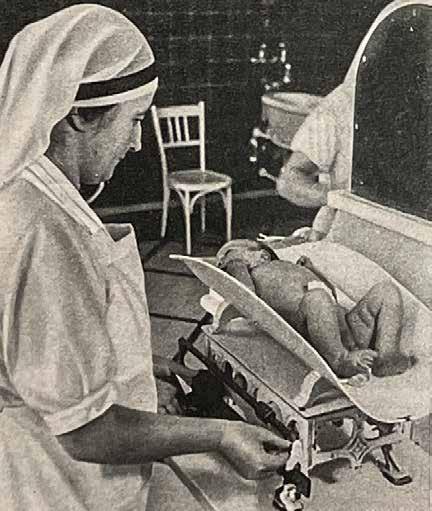
in numbers of children, in income,” he says. “We can see clusters of inequality in cities today, and this was strongly apparent in Lausanne in the early 20 th century.”
The majority of the women giving birth were from Lausanne, but the records also
“It is impressive to see how sensitively the health of newborns reflected times of crisis and inequality back then”
Health inequalities
This research covers the period between 1905-25, over which time Switzerland gradually grew wealthier, on its way towards becoming the prosperous country it is today. In the late 19 th century it was more common for women to give birth at home, but this began to change around the early part of the following century. “By 1910 we pick up roughly 40 percent of all births in or around Lausanne with our maternity hospital data, and by the end of the First World War we are up to 70 percent,” says Dr Staub. This is partly attributable to a greater proportion of women from higher socio-economic strata giving birth in hospital, a topic of deep interest to Dr Staub, who is looking into the impact of inequalities in maternal living standards on neonatal health. “We can look at inequality from various perspectives. We see it in housing, in nutrition, in family size,
show a significant proportion of women came from surrounding areas, as this was the main hospital in the city and the wider Canton. The hospital remains the primary maternity facility serving the Canton today, and Dr Staub is looking to collaborate with clinicians there, exploring any possible parallels between the Spanish flu and the Covid-19 pandemic. “Do we see the same effects on neonatal health in the children of infected mothers? At what stage during pregnancy were they infected, and how severely? How does that affect neonatal health outcomes?” he outlines. The depth of the records means there is vast scope for further investigation. “It’s really amazing how closely maternal and neonatal health was documented, we have data on a lot of women,” continues Dr Staub. “In the records there are detailed responses from mothers about their health during pregnancy.”
health.
This provides an invaluable record and a rich source of data for further analysis. However, with the project into its final year, Dr Staub’s attention is currently focused more on exploring some specific points. “One is the determinants of neonatal health. There we specifically look at maternal height, the importance of which is underestimated. We are also interested in the impact of other maternal infections than flu, such as syphilis,” he says. “And we are looking at these spatial clusters within the city, this spatial, health geography approach within the city. Who lived where? Do we see clusters?”
Birth weights and other anthropometrics of neonates as a mirror of (maternal) living standards in Lausanne, 1905-1925. This project is funded by The Swiss National Science Foundation (SNSF)
PD Dr. Kaspar Staub, Head of Anthropometrics & Historical Epidemiology Group Institute Manager Institute of Evolutionary Medicine (IEM) University of Zurich Winterthurerstrasse 190 CH-8057 Zurich, Switzerland
T: +41 44 635 05 13
E: kaspar.staub@iem.uzh.ch
: https://twitter.com/KasparStaub
W: https://www.iem.uzh.ch/en/research/ group_staub.html
Kaspar Staub is a historian and epidemiologist who leads the Anthropometry and Historical Epidemiology research group at the Institute of Evolutionary Medicine at the University of Zurich. His research interests include changes in human body shape over the last 200 years and historical and present-day epidemics.


www.euresearcher.com 23
A midwife weighs a newborn baby at the Lausanne Maternity Hospital, ca. 1930 (Source: L’illustré 19, 1935)
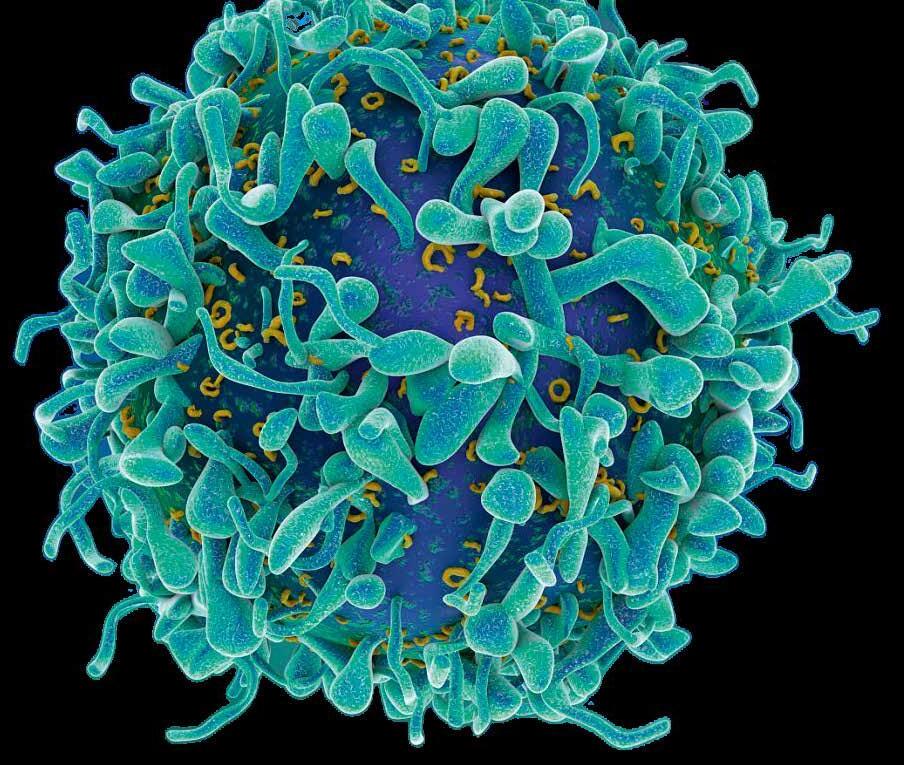
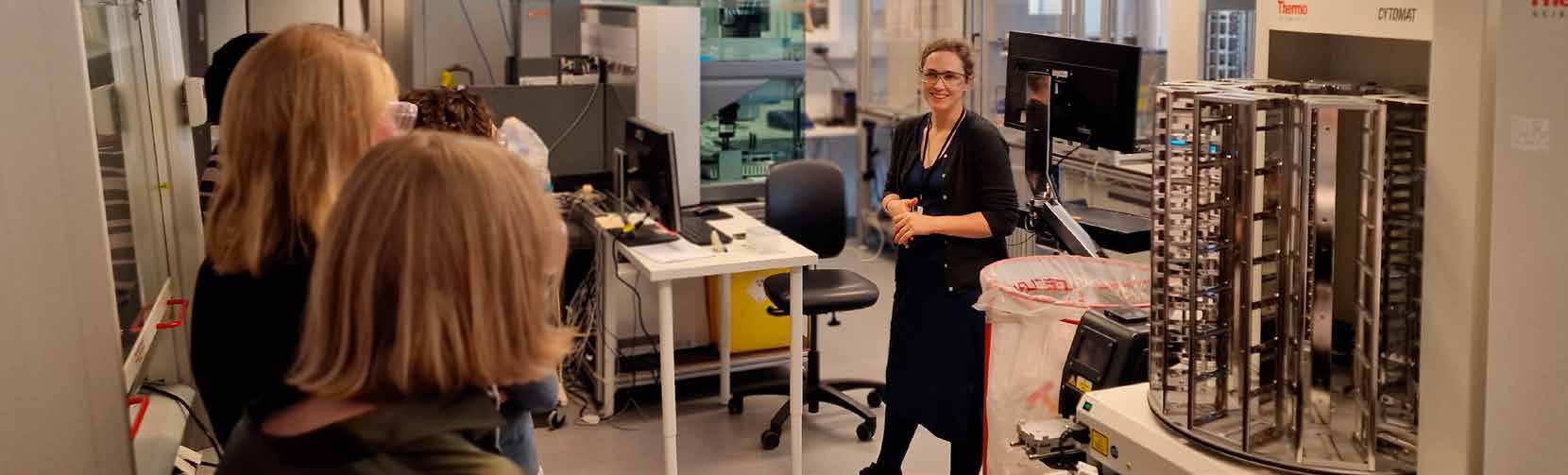

Cells fit for the fight against cancer
CAR T-cell therapy can be a powerful means of treating cancer, where a patients’ own T cells are extracted and modified, before being then re-introduced back into the patient to attack the cancer. Researchers in the CellFit project are working to develop new, more effective methods of producing T cells and assessing their efficacy, as Dr Else Marit Inderberg Ph.D explains.
The emergence of Chimeric Antigen Receptor T-cell (CAR T-cell) therapy gives clinicians a powerful option to treat certain types of cancer. In CAR T-cell therapy, a patients’ own T cells are extracted and modified to enhance their effectiveness as part of the immune response, then more of these cells are grown in the laboratory before being re-introduced back into the patient to attack the cancer. “CAR T-cell therapy is approved for certain haematological malignancies, and clinical trials are ongoing for some solid cancers as well,” outlines Dr Else Marit Inderberg, Head of the Translational Research Unit at Oslo University Hospital. The tumour microenvironment around a solid cancer forms a kind of protective layer however, limiting the effectiveness of CAR T-cell therapy against solid cancers. “There may be physical barriers like proteins that make it hard for T cells to penetrate a tumour. Or some cells may produce immuno-suppressive agents that will prevent the immune cells from doing their job,” says Dr Inderberg.
CellFit project
As the Principal Investigator of the CellFit project, Dr Inderberg is part of a team developing new methods of producing engineered T cells and evaluating their efficacy. The project brings together partners from both the academic and commercial sectors, with the ultimate aim of improving cancer treatment. “We’re trying to develop
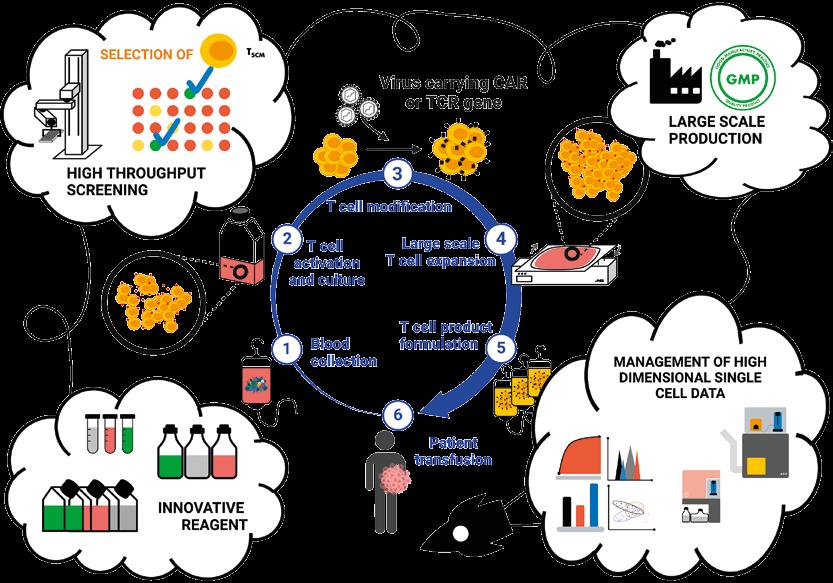
new methods so that we won’t need as many T cells in future when treating patients. The hope is that these T cells will stay in the body for much longer, and they will be able to then function more effectively,” she explains. The T cells initially taken from patients’ blood are typically quite heterogenous; one important sub-type are the memory T cells, which can persist in the body and attack a cancer should it recur. “When we vaccinate people, or we see that they’ve had an infection previously, they have a pool of memory T cells that are ready to attack the infection if it comes back,” says Dr Inderberg. “We think that these more stem-cell like memory T cells would be able to persist in the body for much longer.”
The cells infused in CAR T-cell therapy are typically ready to attack cancer cells straight away, with receptors which enable them to identify and attack a tumour, yet there are also other factors to consider in terms of therapeutic effectiveness. The surrounding microenvironment is quite harsh for T cells, and they are in competition with tumour cells for nutrients, so Dr Inderberg says that cells with a less active metabolism are likely to be more effective in the long term. “We expect that we’re looking for cells which use less sugar, less glycolysis. If they need less nutrients they might be more likely to survive in the tumour microenvironment and function effectively,” she outlines. Once the cells have been
EU Research 24
Partner SINTEF has high-throughput screening capabilities.
“Overview of CellFit activities”. Credit: Léa Rosselle

extracted and modified, the next step is then to produce them in large quantities, which is the focus of a lot of attention in the project. “Our partners SINTEF have sophisticated drugscreening platforms that are used to assess drugs and see which are more effective against cancer cells,” continues Dr Inderberg.
Researchers are now working to convert these platforms for the purpose of screening large numbers of the culture conditions which may affect T-cell production. The biotechnology company Thermo Fisher - another partner in CellFit - have deep expertise in the production of innovative reagents, which is being applied in the project. “We can produce different kinds of stimuli. The stimuli that is used in culture is of course not exactly the same as what would happen in the body however. If the kinetics are different, and we remove it faster, that may affect the number - and type - of T cells that are produced,” says Dr Inderberg. The nature
understanding the ideal conditions for producing therapeutically effective T cells. “We may want to then scale up production further in future, if we are able to show that these T cells will have a positive impact on the health of patients,” says Dr Inderberg. The platforms could also be used to screen other types of cells beyond T cells, underlining the wider relevance of the project’s work. “It could be Natural Killer (NK) cells for example, or other types of immune cells,” explains Dr Inderberg. “It will probably be necessary to conduct some clinical trials before we supply information to drug manufacturers, and we will look to publish more of our findings as the project progresses.”
This reflects the project’s commitment to opening up its findings to other researchers, with data being shared through Digital Life Norway, which is part of the European Elixir platform. Effective collaboration and knowledge-sharing could also help reduce the
“We’re trying to develop new production methods so that we won’t need as many T cells in future when treating patients. The hope is that these T cells will stay in the body for much longer, and they will be able to then function more effectively.”
of the culture medium, and the availability of different types of nutrients, may also be an important factor. “We could have antioxidants, and different growth factors that are required to skew the T cells towards different phenotypes, different types of memory cell,” continues Dr Inderberg.
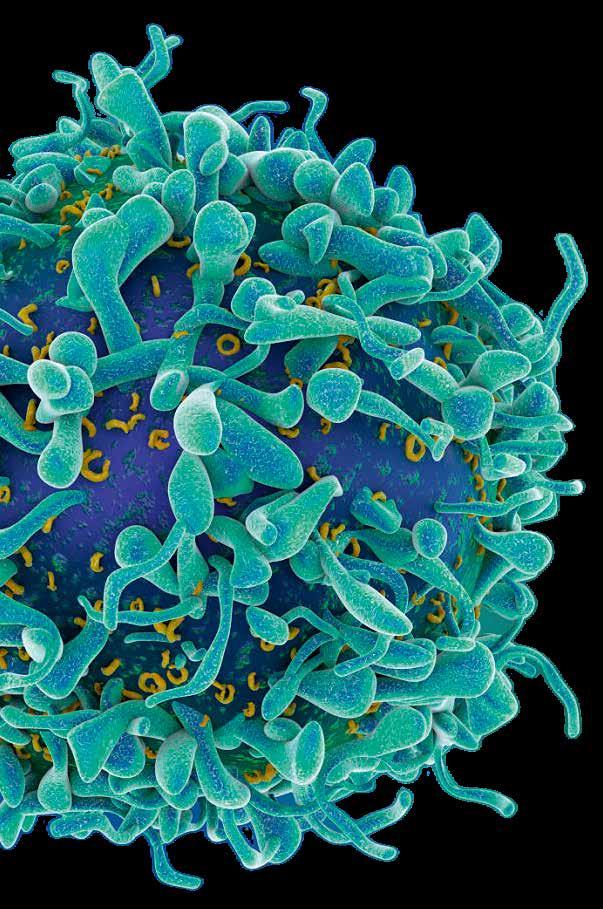
High-throughput screening
The platforms are now up and running, the high-throughput screening of conditions is in progress, and the project team are screening cells with novel reagents. The hope is to identify some strong candidates during the course of the project, and also make progress in terms of
cost of CAR T-cell therapy, which is currently quite expensive, costing up to $475,000. “If we need less T cells from a patient it will be logistically much easier to handle and less expensive to produce. If we manage to reduce production time – even just by 2-3 days –this will also help reduce costs,” outlines Dr Inderberg. This research is still at a relatively early stage, but there are indications from both animal models and recovering patients that these stem-like memory T cells are more effective in combatting cancer. “We have seen that patients who recovered well after immunotherapy treatment have more of these types of T cells,” continues Dr Inderberg.
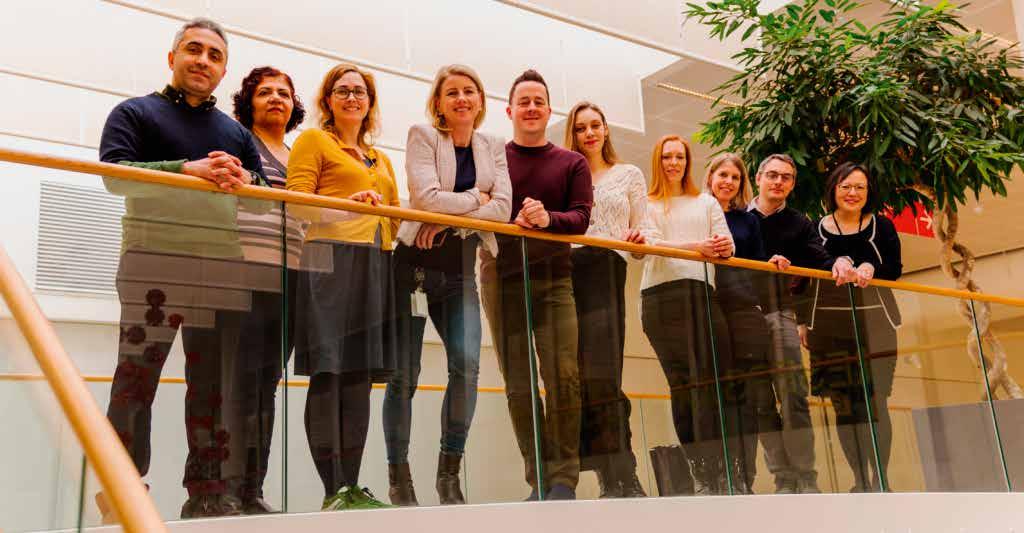
CellFit
T cells fit to fight cancer
Project Objectives
To more efficient T cell therapy for solid cancers these T cells need to persist in the body for years and be able to tackle harsh tumour microenvironments. In the CellFit project we will produce T cells with stem-cell like properties could be far more resilient under such conditions.
Project Funding
Established in 2021, and funded by The Research Council of Norway.
Project Partners
The CellFit Project is a collaboration led by Oslo University Hospital, Department of Cellular Therapy. The project includes project partners Oslo Cancer Cluster, SINTEF, and Thermo Fisher Scientific.
https://cellfitproject.com/index.php/stakeholders/
Contact Details
Project Coordinator, Dr Else Marit Inderberg, Ph.D
Department of Cellular Therapy
Oslo University Hospital
Ullernchausseen 64, 0379 Oslo, Norway
T: +47 22782317
E: elsin@rr-research.no
W: https://cellfitproject.com
References from the lab: Joaquina, S. et al. Front Bioeng Biotechnol 11, 1207576 (2023).
Mensali, N. et al. Nat Commun 14, 3375 (2023).
References on stem-like memory T cells: Meyran, D. et al. Sci Transl Med 15, eabk1900 (2023). Siddiqui, I. et al. Immunity 50, 195 211.e10 (2019).
Dr Else Marit Inderberg, Ph.D
Dr Else Marit Inderberg, Ph.D leads a research unit performing immunomonitoring in clinical trials and development of cellular therapy at the Dept. of Cellular therapy, Oslo University Hospital. Her main research focus is on T-cell function and therapy development, including identification of predictive biomarkers of therapy response. She has broad oncologyrelated clinical trial experience and holds an MSc equivalent degree in Immunology from France and a Ph.D in tumour immunology from the University of Oslo, Norway.


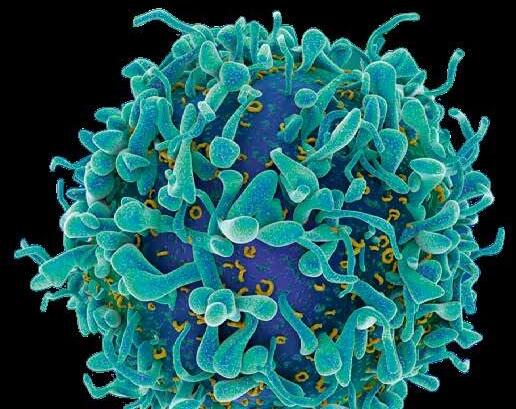



www.euresearcher.com 25
Photograph: Sepehr Teimouri, Fatemeh Kaveh, Hanne Haslene-Hox, Tuva Holt Hereng, Dave Tippett, Hanne Hein Trøen, Maxi-Lu Böschen, Else Marit Inderberg, Sébastien Wälchli, Charlotte Wu Homme (Léa Rosselle & Evan Zynda, not pictured).
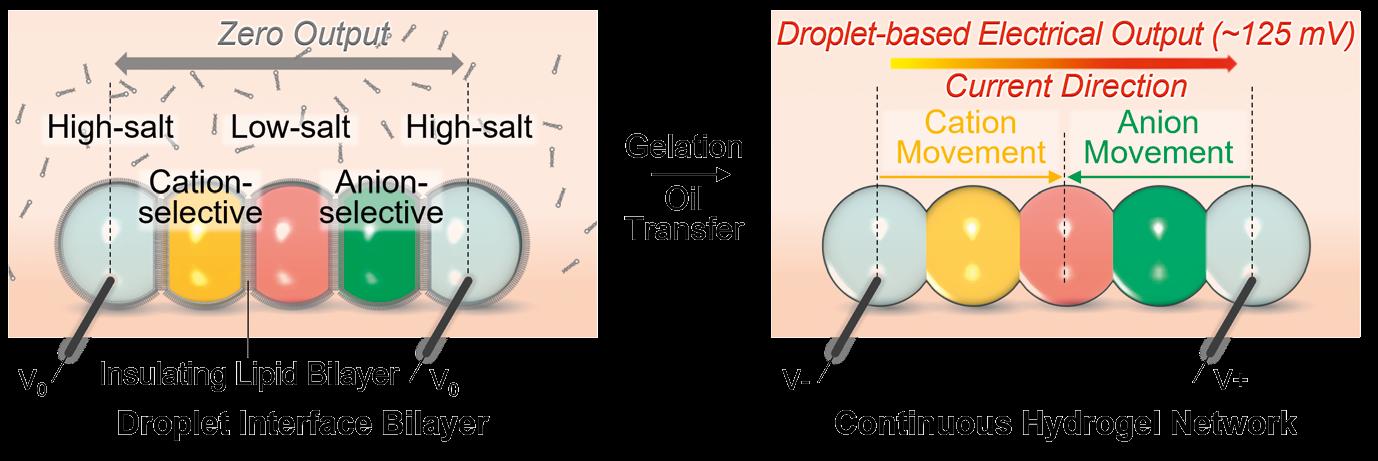
3D-Printed synthetic tissues that can be remotely controlled
Many of the technologies currently used to provide power to bio-integrated devices rely on electronic components and circuits, so are bulky and rigid. We spoke to Professor Hagan Bayley, Dr Yujia Zhang and Dr Linna Zhou about their work in developing a miniaturised soft ionic power source and its wider potential in modulating the activities of cells and tissues.
Reliable sources of power are required for the operation of bio-integrated materials and devices, such as the tissue implants that are under development for the repair of damaged organs. Many of the technologies currently used to power these biomaterials have significant shortcomings, says Dr Yujia Zhang, a post-doctoral researcher in Professor Hagan Bayley’s group at the University of Oxford. “For example, lithium batteries are bulky and the materials used to construct them are not soft,” he explains. As part of his work in the EU-funded SYNTISU project, Dr Zhang is working to develop a new type of power source that overcomes these issues. “We are developing tiny, soft, chains of nanolitre (hundreds of micrometres in diameter) droplets comprising conductive hydrogels,” he says. “For example, our five-droplet system contains charge-selective polymers and salts at different concentrations. This allows the cations and anions – positively-charged and negatively-charged ions – to move through the conductive hydrogel in opposite directions, from the high-salt droplets at the two ends to the low-salt droplet in the middle, generating an ionic current and a power output.”
Droplet battery
This research builds on earlier work in the Bayley group on the development of
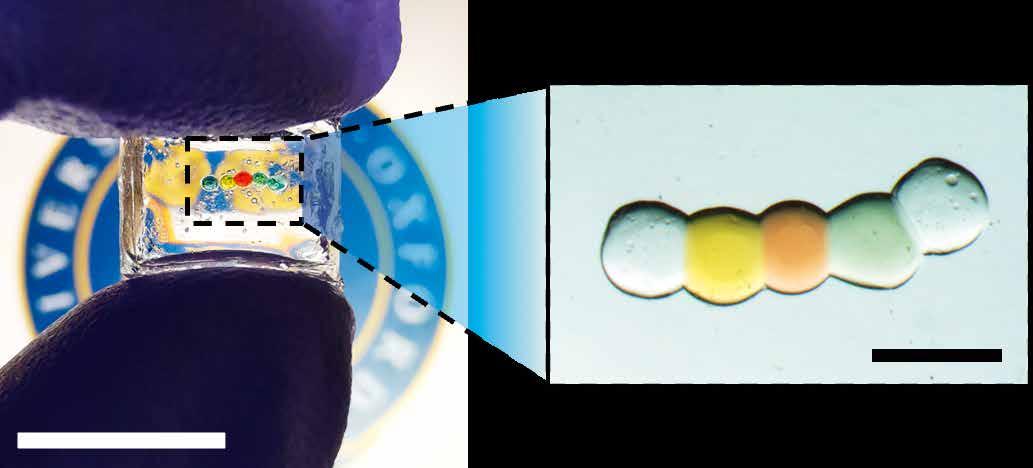
synthetic tissues, which require an external input to induce directional ion movements, enabling ionic communication between compartments, like cell-cell communications in natural tissue. In contrast to external light and wired-electrode inputs, the droplet battery provides an internal power source that meets this need for the first time. “These batteries are intended to move ions around; they are iontronic power sources,” notes Professor Bayley. Different approaches can be used to fabricate the battery. “In early work, we manually deposited each droplet to fabricate a single unit of five droplets, but we can also use 3D printing to achieve large-scale

fabrication,” outlines Dr Zhang. “For droplet chains containing hundreds of droplets, we use a mould to hold them in position. When a battery is fabricated, the droplets are in a pregel state and are separated by lipid bilayers. The battery is activated by gelation of the droplets and removal of the lipid bilayers to form a continuous hydrogel network.”
The ions can then flow through the network, and a variety of salts have been investigated in the project as a means of producing an internal energy gradient. Each salt combination produces a different output voltage, which in turn can be used to produce external ion movement in a
EU Research 26
Figure 1. The activation process for a hydrogel-droplet power unit. Left, before the battery is activated, an insulating lipid bilayer prevents ion flux between the droplets. Right: The power source is activated by a thermal gelation process to rupture the lipid bilayers. Ions then move through the conductive hydrogel, from the high-salt droplets at the two ends to the central low-salt droplet. Silver/silver chloride electrodes were used to measure electrical output. Image credit: Yujia Zhang.
Figure 2. Left: Image of a droplet power source. The droplets (500 nL) are encapsulated in a flexible organogel. Scale bar: 10 mm. Right: Zoom-in view of a droplet power source made of 50 nL droplets. Scale bar: 500 μm. Image credit: Yujia Zhang.
connected material or device. After detailed investigation, Dr Zhang decided to use calcium as the main cation in the droplet power source. “We are using calcium to create the energy gradient due to its high output performance,” he says. The battery is versatile however, so it’s not limited to a single type of salt. “We can use either organic or inorganic salts – as long as they are water soluble,” continues Dr Zhang.
A lot of attention in the project has been focused on maximising the output of the power source, by modifying the concentration gradient to achieve an optimal outcome. There is a trade-off here between the salt gradient and internal resistance. “If we increase the difference between the high-salt concentration and the low-salt concentration, we will have a higher output. But on the other hand, reducing the low-salt concentration to increase the salt gradient can also increase the internal resistance in the system, which will reduce the overall current,” explains Dr

listed in right column) and correct the rhythm of a mouse heart in unpublished work. The batteries — combined with living cells or with hybrid synthetic/living tissues — might eventually be key components in organ repair,” he notes. The droplet battery can also be adapted for different situations. “The size, shape and output of the droplet battery can be modified according to the needs of individual patients, reflecting the nature of an injury,” explains Dr Linna Zhou, an Investigator in the Department of Medicine at Oxford.
Modulating the activity of 3D brain tissues
A further application of these droplet power sources is in modulating the activity of 3D constructs comprising human neural cells that mimic aspects of brain activity. Dr Zhang says the power source has been tested in this area. “We have already shown that we can use the droplet power source to modulate neuronal activity, for example by stimulating intracellular calcium waves,” he points out.
“We are developing tiny, soft, chains of nanolitre (hundreds of micrometres in diameter) droplets comprising conductive hydrogels. Our five-droplet system contains charge-selective polymers and salts at different concentrations. This allows the cations and anions to move through the conductive hydrogel in opposite directions, from the high-salt droplets at the two ends to the low-salt droplet in the middle, forming an ionic current to power synthetic tissues or modulate the activity of living tissues.”
Zhang, who feels that a good balance has been found. Further effort is being devoted to controlling the battery output. “We want to be able to turn on the output when we want to, and we also want these batteries to last for a long time,” adds Professor Bayley. In the study, the device could stably store its energy in the off-state for 36 hours. After being triggered to the on-state, the activated droplet power source produced a current which persisted for 30 to 120 minutes. The maximum output power of a unit made of of 5 50-nanolitre droplets was around 65 nanowatts.
At the present stage of development, the soft battery has sufficient output to be used as a power source for synthetic tissues. For example, it can induce the movement of charged molecules within a tissue. Professor Bayley says it also holds wider potential for applications with living tissues. “Indeed, these very tiny, microscale, soft batteries have been used to modulate neuronal activity as demonstrated in a published paper (Ref 1
The next step could be to commercialise this research and refine the ideas further outside an academic environment, while Dr Zhang is also keen to explore the wider possibilities of droplet-based iontronic networks. “Following this work, we have been developing other means to generate power, including lithium-ion batteries and enzymemediated biobatteries, both based on microscale, soft droplets,” he says. In addition to the potential of these droplet networks as energy sources, Dr Zhang envisages the use of hydrogel droplets as a platform for other applications. “We can put not only energy components into these droplets, but also integrate other functional components, such as stimulus-responsive nanoparticles, enabling light and magnetic responsiveness,” he continues. “We aim to develop dropletbased systems with a variety of functions in the future, including logic circuits, sensors, microrobots, and drug delivery pumps. Most importantly, these ion-based systems will be small, soft and biocompatible.”
SYNTISU
3D-printed synthetic tissues will be remotely controlled to modulate cellular functions
Project Objectives
The majority of neurological injuries and neurodegenerative diseases are currently untreatable with devastating health consequences and substantial financial and societal burdens. Based on the technologies developed under our ERC Advanced Grant SYNTISU and a previous PoC grant BIOELECTRIC, the SYMPLANT project aims to produce synthetic neural implants (SNIs) as a potential new treatment for patients. The SNIs will contain both neurons and iontronic components, such as the batteries described here, in constructs that will replace damaged tissue.
Project Funding
This project has received funding from the European Union’s Horizon 2020 research and innovation programme under the Grant Agreement No. 101081795.
Contact Details
Project Coordinator, Professor Hagan Bayley FRS
Professor of Chemical Biology
University of Oxford
12 Mansfield Road, Oxford, OX1 3TA
T: +44 01865285100
E: hagan.bayley@chem.ox.ac.uk
W: https://www.bayleygroup.co.uk/
1: Zhang, Y., Riexinger, J., Yang, X. et al. A microscale soft ionic power source modulates neuronal network activity. Nature 620, 1001–1006 (2023).
2: Jin, Yongcheng, et al. “Integration of 3D-printed cerebral cortical tissue into an ex vivo lesioned brain slice.” Nature Communications 14, 5986 (2023).
3: Zhou, Linna, et al. “Lipid-bilayer-supported 3D printing of human cerebral cortex cells reveals developmental interactions.” Advanced Materials 32, 2002183 (2020).
Professor Hagan Bayley
Dr Yujia Zhang
Dr Linna Zhou

Hagan Bayley is the Professor of Chemical Biology at the University of Oxford. He was the 2009 Chemistry World Entrepreneur of the Year and was elected a fellow of the Royal Society in 2011. His lab has developed techniques for the fabrication of 3D tissues, both living and synthetic.
Dr Yujia Zhang is a postdoctoral research associate in the Bayley group at the University of Oxford. He received the Chinese Academy of Sciences Presidential Scholarship (Special Prize) in 2020 and was selected by the UK Parliamentary & Scientific Committee’s STEM for BRITAIN as a representative early-career scientist in 2023. His work focuses on the development of multifunctional iontronic synthetic tissues for biotic interfaces and soft implants.
Dr Linna Zhou is in the Nuffield Department of Medicine and the Department of Chemistry at the University of Oxford. She is an investigator and fellow of the Oxford Martin School. Her current research uses stem cell and bioengineering techniques to build 3D tissues.


www.euresearcher.com 27
GLADIATOR: Transforming Glioblastoma Care
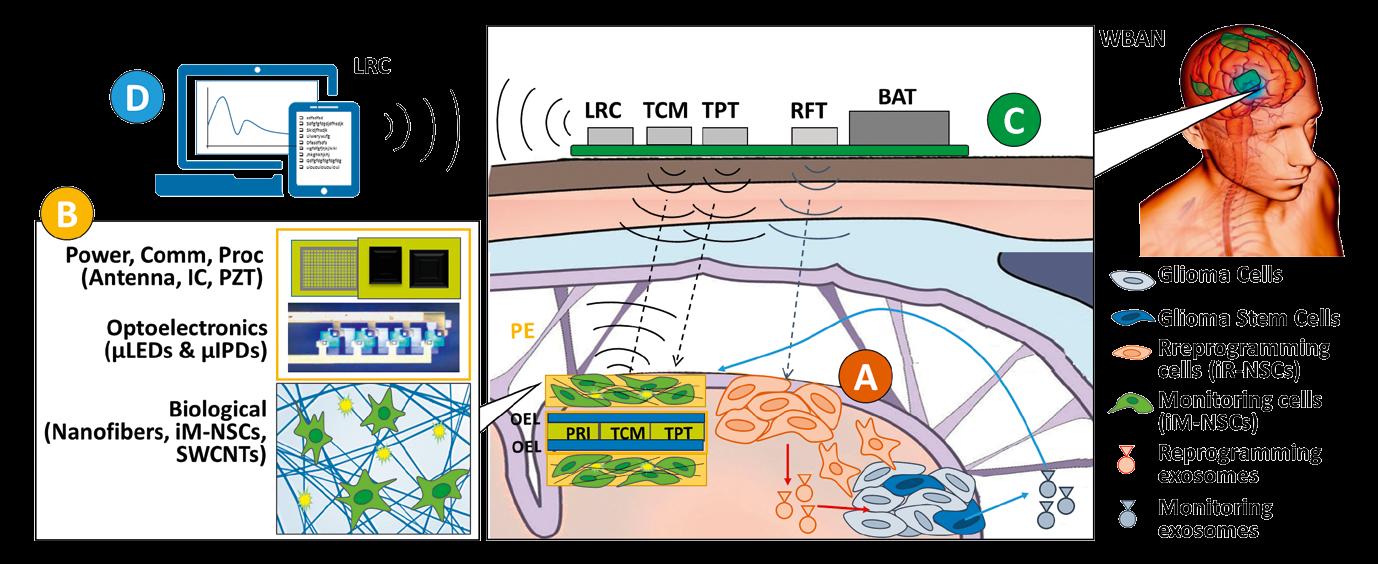
We spoke to Professor Costas Pitris about GLADIATOR, a project that aims to revolutionise brain pathology diagnosis and treatment by using Molecular Communications systems. This theranostic solution, focused on glioblastoma, integrates autonomous molecular nanonetworks of engineered cells and innovative bio-electronics for personalised interventions, marking a paradigm shift in oncology research.
Brain tumours are characterized by a highly complex and heterogenous nature that varies significantly among patients and within different regions of the tumour itself. Glioblastoma multiforme is an aggressively fast-growing brain tumour with a bleak prognosis and a high likelihood of recurrence. By bridging life sciences, bio-nanotechnology, engineering, and information and communication technology (ICT) the interdisciplinary EU FET-Open project GLADIATOR aims to develop a theranostic (therapuetic+diagnostic) solution for the early detection and eradication of brain malignancies, such as glioblastoma multiforme. The project aims to provide clinicians with continuous, long-term, in vivo monitoring of cancer recurrence or metastasis by developing an implantable personalized and multifunctional platform.
GLADIATOR is creating the first working prototype of a clinically applicable, nanonetwork-based, Molecular Communications platform based on the conceptual framework of Externally Controllable Molecular Communications. This platform has the potential to significantly transform the management of brain malignancies by providing an autonomous system that integrates both diagnostic capabilities and reprogramming, i.e. therapeutic, interventions. Genetically
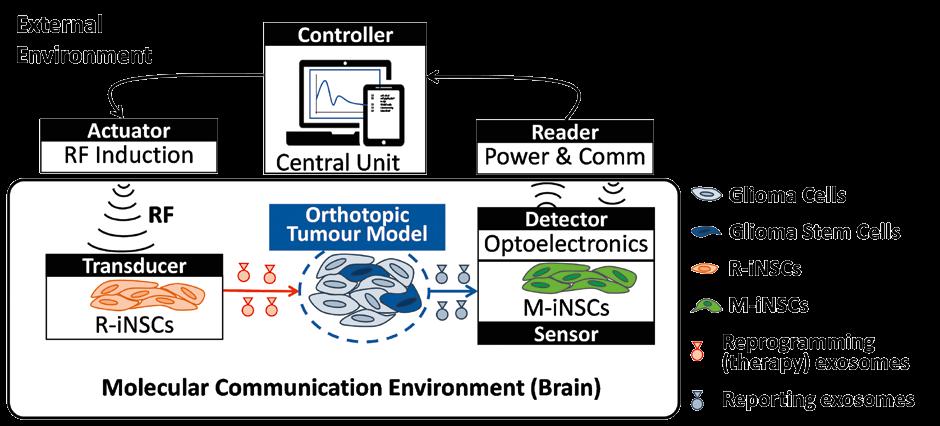
engineered cells can sense the presence of cancer and offer reprogramming interventions that can halt the disease’s progression. This introduces a promising novel avenue for effective therapy.
Molecular Communication is a discipline inspired by ICT but in a biological environment. The project GLADIATOR uses molecular communication principles to understand the underlying cellular and sub-cellular processes which are modelled as interactive bio-nanomachines. The consortium plans to manage these processes by externally controlling diagnostic and therapeutic interventions. Externally controlled molecular communications enable the interrogation of implanted diagnostic cells to extract
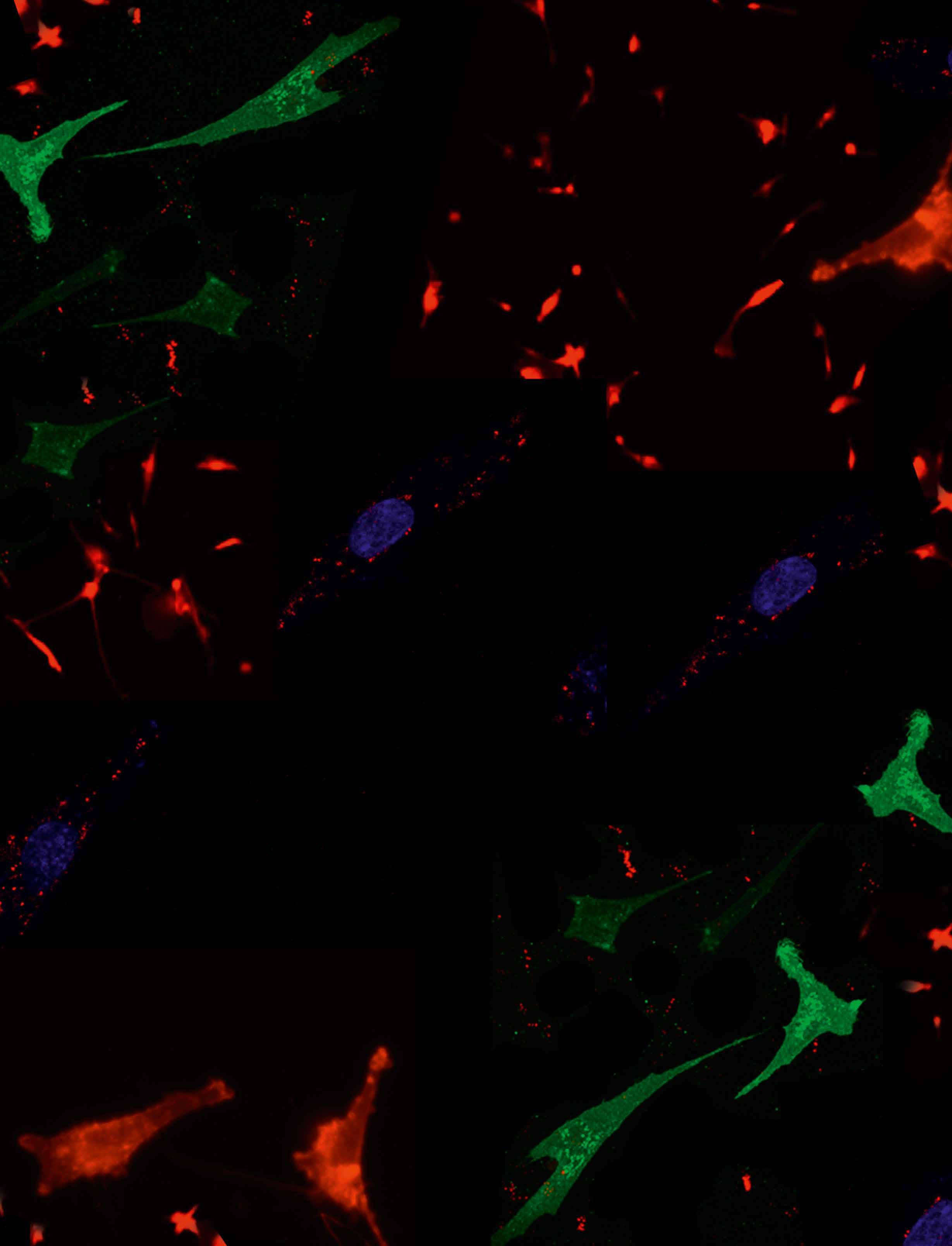
information on the status of the disease (diagnostic) and manipulate the therapeutic cells to stop the disease’s progression (therapeutic). “The idea is to use molecular communications, specifically externally controllable molecular communications, to affect the way cells behave in the body. Molecular communication is the equivalent of telecommunication, but here, the transmitter and the receiver are actually cells within the body, and they communicate through molecules instead of electromagnetic waves. The idea behind GLADIATOR is that we could use such communication method to affect the behaviour of rationally engineered cells to fight cancer. The concept involves receiving molecular messages indicating the
EU Research 28
The main building blocks of an externally controllable molecular communications platform as proposed by GLADIATOR.
presence of cancer and externally initiating the therapy.” explains Prof. Pitris.
The brain tumour reprogramming and monitoring platform consists of autologous, engineered, induced neural stem cells (iNSCs) that release or detect specialized exosomes (EXs) which act as natural nanoparticles or bionanomachines. The interaction with these “communication channels” within the biological environment represents a breakthrough theranostic intervention. “To make this clearer, imagine the cells of a brain tumour transmitting messages through vesicles. The vesicles are then detected by the neural stem cells which are genetically engineered to recognize the signal. The signal is measured by an implantable optoelectronic sensor which then transmits a message to an external unit. The external unit analyses this message and through a radio frequency (RF) antenna, activates the engineered therapeutic cells. These cells are genetically engineered to transmit messages in the form of reprogramming exosomes. These vesicles carry specific sequences of noncoding microRNA, targeting various tumour pathways. The reprogramming vesicles, when activated by the external RF signal, kill the tumour cells. In essence, we’ve developed a closed-loop system for continuous monitoring and treatment. The initial goal is to detect the presence or recurrence of cancer in cases when sensors are implanted into individuals who have undergone surgery and chemotherapy for brain tumours.” says Prof. Pitris.
The building blocks of the proposed externally controllable molecular communications platform are the sensor, detector, reader, controller, actuator, and transducer. The sensor and transducer are the cellular components of GLADIATOR. The in vitro and in vivo developments during GLADIATOR culminated in the formation of the sensor and transducer cells, namely the monitoring induced Neural Stem Cells (M-iNSCs) and the reprogramming induced Neural Stem Cells (R-iNSCs).
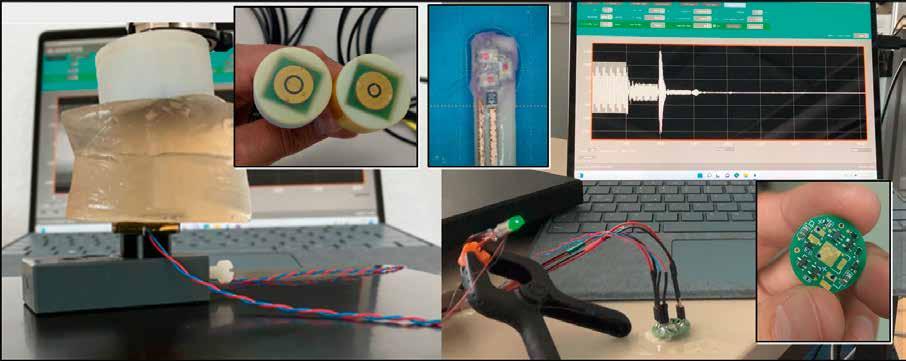
Induced Monitoring and Reprogramming NSCs: The Sensors and The Transducers
The M-iNSCs were engineered to convert the signals from the cancer cells, i.e. the reporting exosomes, into a readable fluorescent signal. The first step in creating the monitoring cells was obtaining high-quality induced neural stem cells (iNSCs), which were generated from human induced pluripotent stem cells. Non-labeled iNSCs were initially produced by Fraunhofer Institute of Biomedical Technology (FRAU) and sent to partners University of OULU (UOULU) and innovative SME EPOS Iasis R&D, Ltd (EPOS). Subsequently, GFP-tagged iNSCs were successfully produced from the parental stem cell line. Once the iNSCs were developed, FRAU focused on investigating cryopreservation protocols for the longterm storage of iNSC organoids, an essential component for their exploitation. Despite cryo-induced injury mechanisms, successful recovery was observed for all samples. The next goal was to achieve scalable and controllable organoid formation. Towards that end FRAU demonstrated suitable, automated, options with no biological disadvantages. EPOS contributed by using advanced nanobiotechnology and bioengineering to create biomimetic organoids with structural stability. They developed hybrid scaffolds by combining hydrogels and electrospun nanofibers, treated with brain extracellular matrix polymers. This innovation led to a
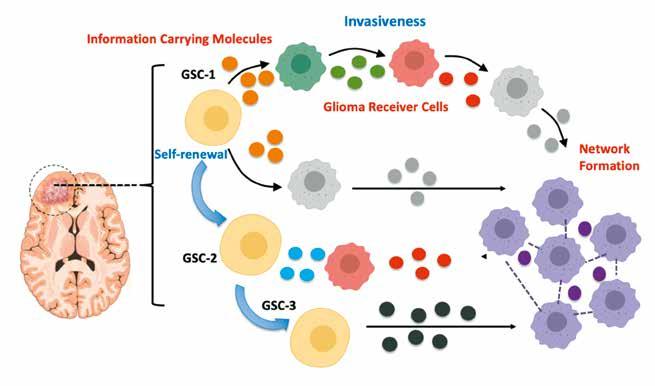
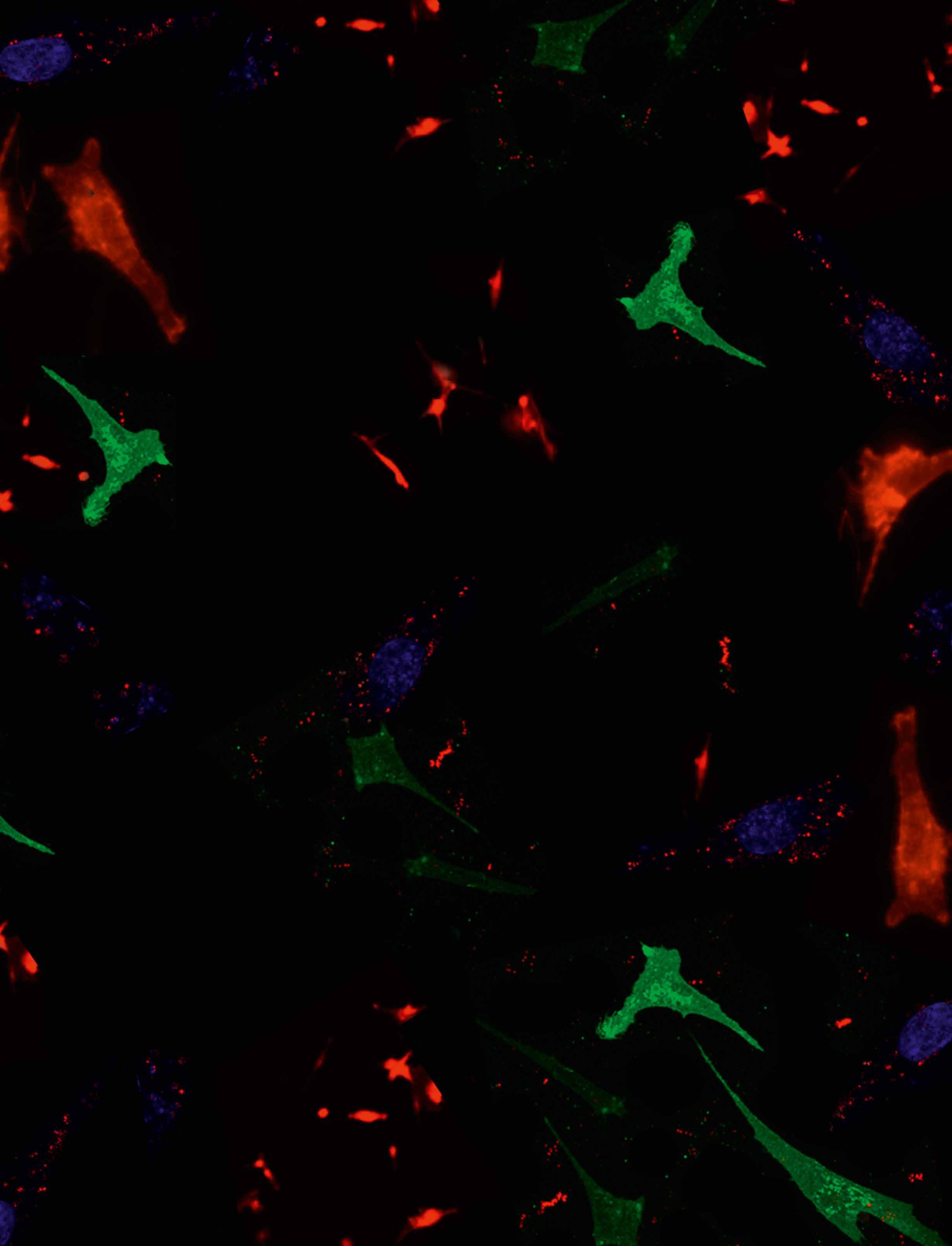
modular organoid that can be implanted into the brain. Currently, EPOS is working on a capsule for delivering clinical-grade organoids in vivo, making progress toward pre-clinical testing and final proof of concept.
In lab tests, the growth of the sensor cells (M-iNSCs) was observed in the presence of glioblastoma-derived cells. A special medium was used to grow the cells and their behaviour was observed with a time-lapse video under a fluorescent confocal microscope. The study revealed that fluorescent extracellular vesicles released by both sensor and glioblastoma cells can be tracked in vitro. The researchers at UOULU used an affinity-based chip platform to study the presence of certain molecules on the surface of the exosomes released by the glioblastoma cells. They revealed that these molecules were present in a portion of the exosomes captured on special chips. Additionally, they tested whether glioblastoma cells could release fluorescently labelled extracellular vesicles that attach to the iNSCs. The results showed that these vesicles were indeed present, both floating freely and attached to iNSCs.
The reprogramming induced neural stem cells (R-iNSCs) release a re-programming (therapeutic) agent following RF induction. Two variations of these cells were developed: one producing a toxic protein targeting glioblastoma cells, and the other expressing a therapeutic molecule (miRNA34a) under the control of specific gene promoters.
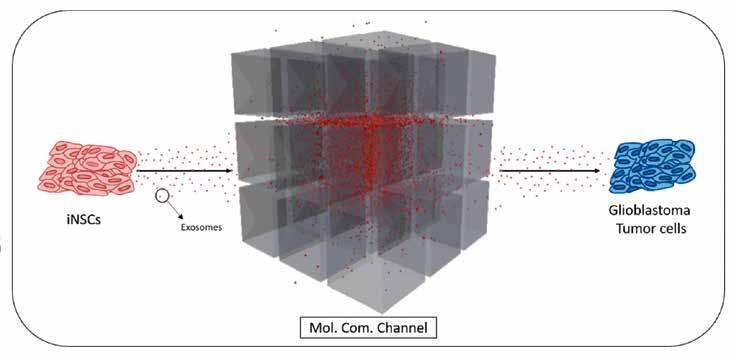
www.euresearcher.com 29
Glioblastoma Multiforme (GBM) as growing bio-nanomachine networks (left) and diagram of the simulations of the molecular diffusion through the brain extracellular space (right).
Ultrasound transducers for communication and power transfer (left), implantable sensor (middle) and electronics (right).
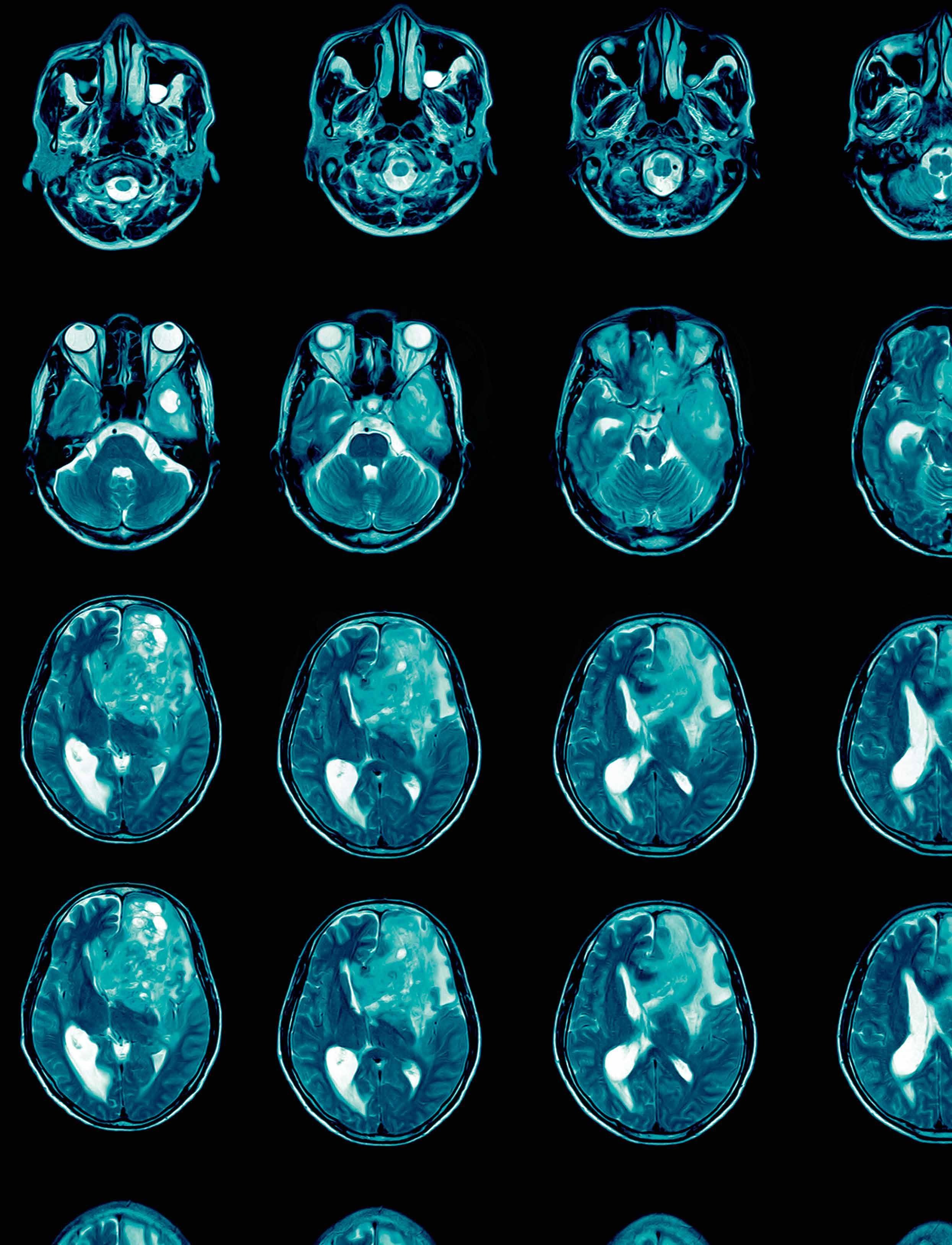
UOULU designed genetic constructs to monitor cell behaviour, extracellular vesicle production, and protein generation. Various RF exposure setups were tested to find the conditions that initiate the therapeutic response without harming the cells. EPOS aimed to overcome limitations in therapeutic reprogramming. They explored strategies like identifying RF-responsive promoters and developing an optimal reporting system for in-vivo monitoring.
Detector: Implantable Hybrid Optoelectronic Device
The implantable hybrid sensor is a device that combines light-emitting and lightdetecting components with cells that can detect specific biological markers. It excites the fluorescence of the M-iNSCs, detects the signal, and transmits it to an external central unit. The device includes various parts like micro light sources (μ-LEDs), micro light detectors (μ-PDs), and other components to process and transmit the signals. In this context, FRAU developed an innovative approach of powering the implant and receiving the signal data with a trans-cranial ultrasound-based system. In the initial stages, prototypes of these devices were created and tested in a collaboration between the University of Cyprus (UCY), FRAU and EPOS. They were designed to emit light at a specific wavelength to excite cell fluorescence and then detect the emitted signals from these cells. These prototypes were carefully tested in different in vitro conditions to ensure they worked effectively. The next step involved integrating biological structures to these sensors, i.e. scaffold membranes with M-iNSCs. These membranes act as a supportive environment for cell adhesion and growth. The team experimented with different types of membranes and found that 3D membranes worked better than 2D ones, especially when exposed to ultraviolet light. This step is crucial as it prepares the sensor for interaction with living cells. The researchers then explored methods of making the sensor smaller and more flexible. They designed miniature sensors that could be implanted in living organisms with devices that were more adaptable and suitable for real-world applications. To prove that these sensors could work inside a living system, they conducted experiments where they implanted the sensors and monitored them over time in mice. The goal was to see how the fluorescence signals changed, indicating potential tumour growth. The results showed that the sensors could effectively monitor changes within the living organism.
Reader: External wearable patch that provides power and communication
The patch is used for trans-cranial power transfer to and communication with an implantable device. It uses ultrasound-based methods and has gone through various stages of development. The patch comprises two main modes of operation: power transfer to the implant (continuous wave) and retrieving information transfer signals (pulse echo). The continuous wave power transfer mode generates continuous wave signals with adjustable voltage
Actuator: External Radiofrequency Induction System
The external radiofrequency system induces a therapeutic response from the reprogramming cells (R-iNSCs). The UOULY, Norwegian University of Science and Technology (NTNU), EPOS, and UCY teams first conducted radiofrequency experiments on cells using antennas designed for use in the incubation chambers. The EPOS and UCY teams performed experiments in mice using
“The initial goal is to detect the presence or recurrence of cancer in cases where sensors are implanted into individuals who have undergone surgery and chemotherapy for brain tumours.”
that provide the power to operate the implant. The pulse-echo mode generates burst signals for information retrieval with various adjustable parameters. The researchers used simulationbased models to design ultrasound transducers for the hybrid sensor and the external patch. The size of the transducer was chosen based on energy requirements. Power transfer experiments were conducted to see how well the ultrasound transfers power. The impact of factors like frequency, distance, and voltage were investigated. The FRAU and UCY research teams designed and fabricated the patch and implantable electronics.
a ceramic patch antenna with circular polarization in a well-designed exposure chamber. A wearable antenna system was also designed to deliver the radiofrequency signal to the cells. The UCY research team designed an antenna for the head that needs to be small, light, flexible, and emit signals in a specific frequency range. They used metamaterials to make the antenna smaller while maintaining effectiveness. Wearable antennas were designed for human, and mouse applications, considering the specific requirements in each case.
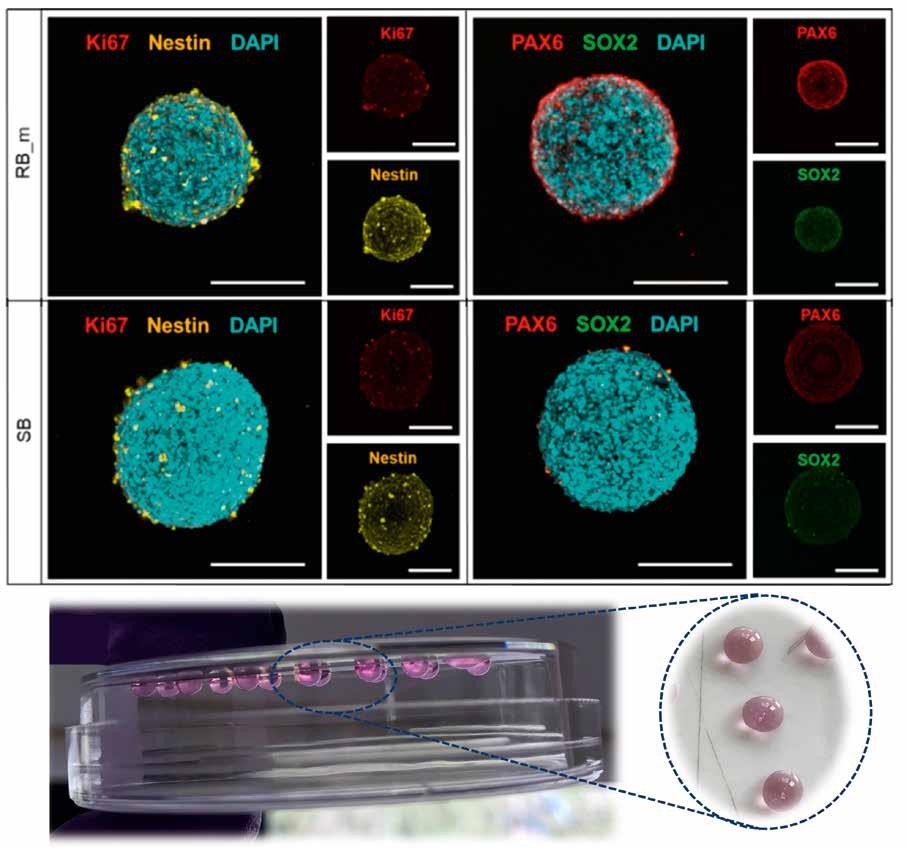
EU Research 30
Cryosectioned tumour organoids (top) and hanging drop setup for cell growth (bottom).
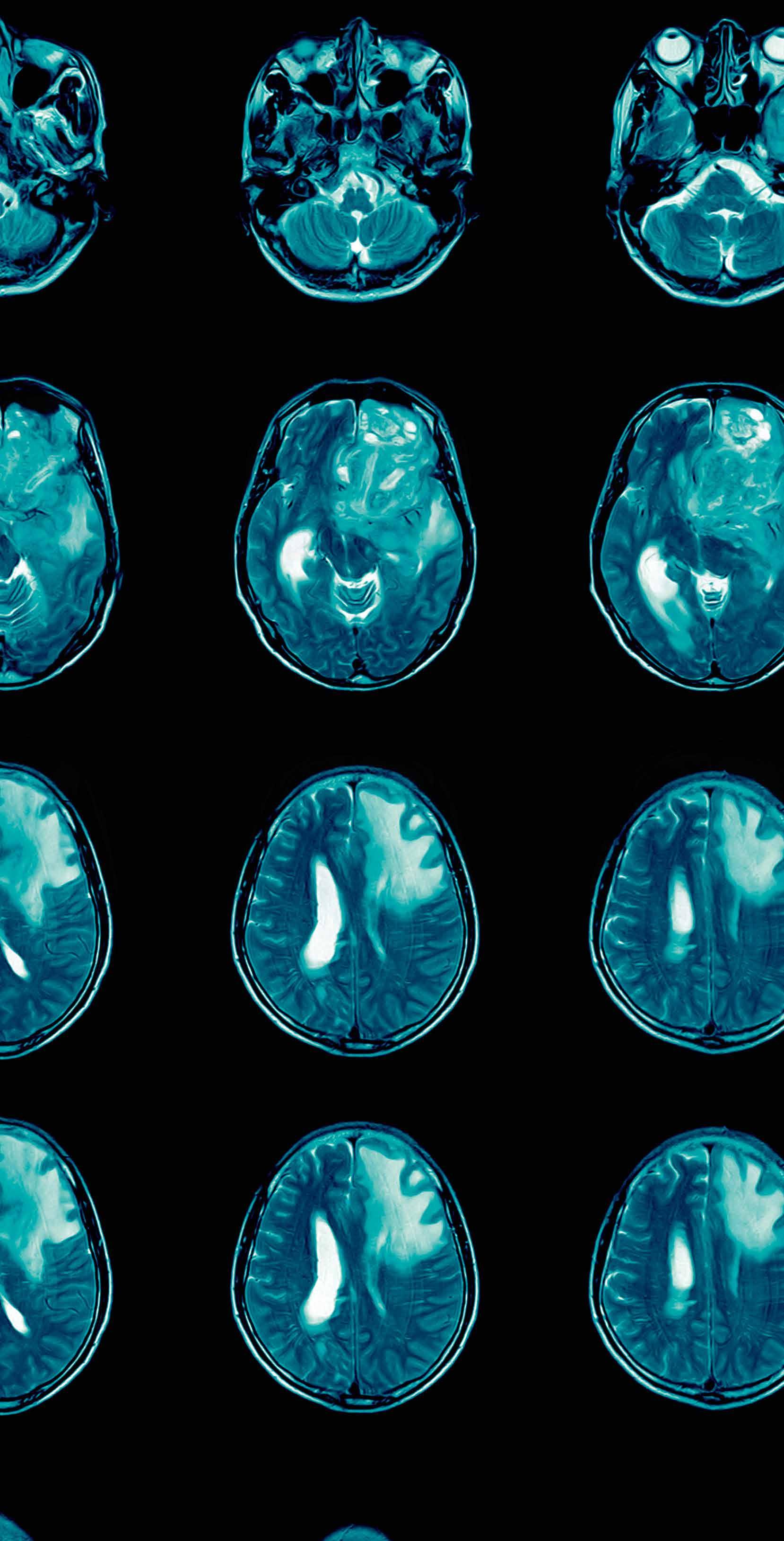
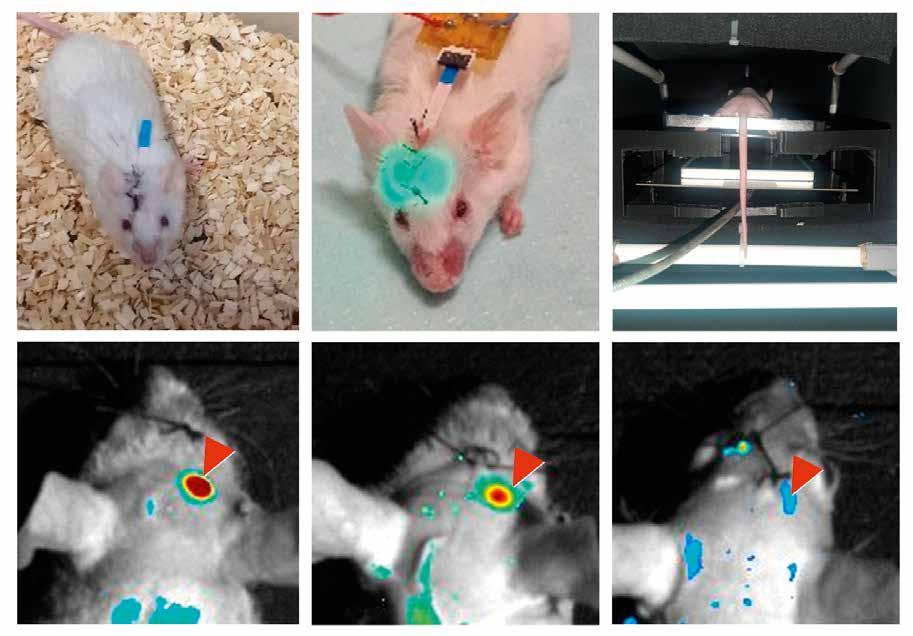
Central Unit: Closing the loop
The consortium is currently working on developing a controller, that will close the loop in the external control of the molecular communications platform. To deliver the proposed platform, NTNU, the Waterford Institute of Technology (WIT) and Osaka University (OU) formulated an end-toend simulator to explore the molecular communication processes and develop models that will be critical in creating a complete and effective theranostic platform.
In Vivo Experiments -
The Orthotopic Glioblastoma
Multiforme Tumour Model in Mice
The researchers at EPOS used orthotopic implantation to introduce tumour cells with high oncogenic potential into mice. This method provides a unique tool for the development of in vivo models mimicking human tumour evolution and clinical characteristics. The tumour cells used were U87-MG cells. EPOS studied the tumorigenicity of these cells, and how blood vessel formation correlates with tumour growth, animal behaviour, and overall neurological function. These findings helped to determine at which point in time during the experiment to intervene effectively. The orthotopic implantation process involves anesthetizing the mice, placing them in a specialized apparatus, and injecting tumour cells into the mice’s brains. A control injection with a harmless substance is done for comparison.
In the in vivo studies, three groups of mice were involved: Group 1(Control) had no induced neural stem cells (iNSCs) and no radiofrequency (RF) exposure, Group 2 had iNSCs without RF exposure, and Group 3 had iNSCs with RF
exposure. The Milabs Optical Module was used for imaging the mice before radiofrequency exposure and every 48 hours until they expired. An RF exposure chamber was designed, where the mouse head was exposed to ~900 MHz RF for 30 minutes one-week post-implantation and once more a day later. Evaluating the response to RF, researchers found no notable difference in tumour size, as measured using fluorescence, between the control and non-RF-exposed groups. However there were statistically significant differences in total tumour fluorescence intensity and survival when mice implanted with the iNSCs were exposed to RF. Mice without RF exposure expired by day 19, while those with RF exposure had a slightly longer, by 2.5 times, survival.
The significant achievements of the GLADIATOR project have been made possible with the contribution of leading scientific institutions including the University of Oulu (UOULU), Oulu, Finland, EPOS-lasis, Ltd (EPOS), Nicosia, Cyprus, the Fraunhofer Institute for Biomedical Technology (FRAU), Sulzbach, Germany, the Waterford Institute of Technology (WIT), Waterford, Ireland, the Norwegian University of Science and Technology (NTNU), Trondheim, Norway, Osaka University (OU), Osaka, Japan, and the University of Cyprus (UCY), Nicosia, Cyprus.
Once completed and clinically available, the proposed platform is expected to have a substantial societal impact by enhancing cancer management, improving patient prognosis, minimizing cancer recurrences, reducing drug toxicity, and contributing to overall health system efficiency. In the future, the results of this project could extend life expectancy, enhance productivity, and alleviate the burden on healthcare systems.
GLADIATOR
A paradigm shift in Oncology Research via externally controllable molecular communications for “bio-nanomachine diagnostics”
Project Objectives
The GLADIATOR multidisciplinary consortium proposes a vanguard and comprehensive theranostic (therapeutic+diagnostic) solution for the management of brain pathologies based on an externally controllable molecular communication platform with rationally engineered cells and implantable and external hardware to monitor and treat brain tumours.
Project Funding
This project has received funding from the European Union’s Horizon 2020 programme under Grant Agreement No. 828837.
Project Partners
Key Players: University of Cyprus • University of Oulu • Fraunhofer Institute for Biomedical Engineering • Waterford Institute of Technology • Norges teknisknaturvitenskapelige universitet • Osaka University • EPOS-Iasis, R&D
https://www.fet-gladiator.eu/index.php/ about/key-players
Contact Details
Project Coordinator, Professor Contantinos Pitris
Department of Electrical and Computer Engineering
School of Engineering
University of Cyprus
75 Kallipoleos street P.O.Box 20537
CY-1678 Nicosia
Cyprus
T: +357 22 892297
E: cpitris@ucy.ac.cy
W: https://www.fet-gladiator.eu
W: http://www.eng.ucy.ac.cy/cpitris/
Professor Contantinos Pitris
Professor Contantinos Pitris is a Professor at the KIOS Research and Innovation
Center of Excellence at the Department of Electrical and Computer Engineering of the University of Cyprus. His research interests include Lasers, Biomedical Optics, Optical Imaging, Optical Coherence Tomography, Fluorescence and Raman Spectroscopy, Medical Instrumentation, Biomedical Signals and Systems, Medical Diagnostics.



www.euresearcher.com
31
Mouse with the implantable monitor (top left), the implantable monitor activated (top middle), and in the RF exposure chamber (top right). The tumor growth was monitored in vivo (bottom row).
From Brain Circuits to Better Outcomes: The Path to Precision in Mental Health Care

The global health landscape is significantly burdened by mental health disorders that impact every level of society, affecting individuals, families, communities, and nations worldwide. Mental health disorders are complex conditions rooted in complex brain functions. Despite recent advances in research, they remain largely misunderstood, frequently undiagnosed, and may often persist untreated throughout lifetimes, with cures still being out of reach.
By Nevena Nikolova
Psychiatry is the medical discipline committed to the indepth understanding and treatment of mental health issues. Psychiatrists strive to enhance the lives of their patients and help them navigate the specific challenges of their conditions. Experts in the field continuously seek to improve the prevention, diagnosis, and management of mental health conditions while acknowledging the undividable link between mental and physical well-being.
Neuroscientists aim to unravel the neurological underpinnings and patterns of mental health disorders. This quest is challenging, considering the complexity of the human brain with its vast network of neurons and synaptic connections, influenced by countless genetic and environmental factors. The variability of mental health disorder manifestations across different demographics and cultures further complicates this intricate puzzle.
Precision Psychiatry:
Personalized Medicine in the Field of Psychiatry
Precision psychiatry offers a promising direction, merging insights from neuroscience, clinical observations, and large-scale health data to create treatments specific to the individual’s unique health profile, conditions, strengths, and challenges. Precision psychiatry is a paradigm shift within the field of mental health. Precision psychiatry brings the promise of personalized medicine into the realm of mental disorders. By adopting “precision psychiatry” as a distinct term, the field is poised to gain a unique identity, highlighting its potential to revolutionize psychiatric care. The cornerstone of this approach is the integration of neurobiological advancements with clinical outcomes, enabling a deeper understanding of psychiatric disorders through the lens of brain function. By examining the human brain’s large-scale neural circuits through functional MRI (fMRI), we gain a comprehensive view of the connectome—the vast network of interconnected neurons that underpin both anatomy and functionality.
Recent advancements in brain imaging have unveiled new understandings of the neural circuits responsible for complex
cognitive, emotional, and introspective functions - core aspects of our humanity. Disruptions in these neural circuits can lead to the symptoms seen in mental illnesses. Gaining a deeper understanding of these disruptions may allow us to pinpoint symptoms directly to their source: the brain. Despite our knowledge of the association between neural circuit dysfunction and psychiatric symptoms, a significant disconnect remains between these scientific breakthroughs and their practical applications in mental health care. Other medical fields have successfully linked biological insights to clinical practice. For example, neurology uses diagnostic methods like electroencephalography and computer tomography to guide treatment. Creating a neural circuit-based taxonomy can potentially transform psychiatry by aligning diagnosis and treatment strategies with underlying neural circuit dysfunction.
The Research Domain Criteria Project (RDoC) and the BRAIN Initiative
The publication of DSM-5 in 2013 reignited discussions on the validity of psychiatric diagnostic categories, prompting the National Institute of Mental Health (NIMH) to shift its focus towards identifying therapeutic targets through the Research Domain Criteria Project (RDoC).
The RDoC initiative is an innovative research strategy for understanding mental disorders beyond traditional diagnostic categories, focusing on their neurobiological and psychological bases. Unlike conventional tools, RDoC is a framework for research, aiming to enhance the accuracy of diagnoses, treatments, and potential cures by examining mental health across cognitive, social, and biological dimensions. It employs a matrix to categorize and analyze mental health research, integrating various data types to develop a comprehensive view of mental health and illness. With the RDoC, the NIMH is making an effort to develop a neurobiologically valid classification of mental disorders.
The BRAIN Initiative was launched in 2013 to revolutionize the understanding of the human brain by accelerating the development and application of innovative technologies. This project aims to capture dynamic images of the brain in action, revealing how individual cells and complex circuits interact in
32
real time. The initiative prioritizes the analysis of neural circuits by using advanced tools to map, monitor, and manipulate these circuits to link brain activity with behavior and disease. The key goals of the BRAIN Initiative include identifying diverse brain cell types, generating detailed circuit maps, creating dynamic pictures of the brain at work, developing tools for precise interventions in neural circuit dynamics, and formulating foundational principles for understanding mental processes. Additionally, it aims to advance human neuroscience, integrating new technologies and concepts to elucidate cognition, emotion, perception, and action. To achieve these objectives, the initiative calls for interdisciplinary collaboration, integration across spatial and temporal scales, datasharing platforms, and consideration of the ethical implications of neuroscience research. With a proposed budget ramping up to $500 million annually, The BRAIN Initiative represents a bold step towards a comprehensive understanding of brain function, promising to transform our approach to treating brain disorders and enhancing mental health.
Integrating Brain Circuit Abnormalities into the Classification of Depression and Anxiety Disorders: Establishing Biotypes Through Neuroimaging
In 2016, Leanne M Williams presented a synthesis consisting of published work that focuses on the functional imaging of neural circuit dysfunction of anxiety and mood disorders such as depression and bipolar disorder. This review lays the groundwork for a classification system that will transcend the conventional diagnostic limits of depression and anxiety by identifying unique neural circuit dysfunctions. These reflect the diverse nature of depression and anxiety disorders. This classification system is designed to detail symptoms based on the underlying neural dysfunctions on an individual basis, serving as a base for advancing mechanistic research and shaping clinical practices.
The idea behind this concept is that the complexities of depression and anxiety can be understood by examining the specific malfunctions within the brain’s circuits responsible for emotional, cognitive, and introspective activities. These malfunctions define distinct biological profiles, or biotypes, that deviate from traditional diagnostic

“These insights into brain circuit dysfunctions, influenced by genetics and environmental factors like stress, pave the way for identifying distinct biological profiles, or biotypes, of depression and anxiety. “
33

categories, often overlapping or co-existing within individuals. Unlike broad classifications like “depression,” which might be too general to capture the variety of underlying brain dysfunctions, recognizing these biotypes enables a more nuanced view. It highlights that two individuals diagnosed with the same disorder, such as major depressive disorder, may exhibit minimal symptom overlap, underscoring the inadequacy of current symptom-based diagnostic approaches. These approaches tend to group diverse individuals whose symptoms may stem from varied brain dysfunctions.
Historically, mental disorders were not primarily considered brain disorders, in contrast to neurological conditions characterized by specific lesions or degenerative processes. This perspective likely stems from a limited appreciation of the brain’s dynamic coordination. However, advancements in brain-imaging technologies now allow for the detailed mapping of neural connections and interactions in vivo, marking an opportune moment to reconceptualize mental disorders as manifestations of neural circuit dysfunctions.
Researchers have found an inherent neural circuit architecture involved in universal and task-specific cognitive and emotional processes. This includes self-reflection, the recognition of relevant stimuli, attention, and various sensory and motor activities. The widespread applicability of this architecture has been validated through extensive functional connectivity analyses encompassing numerous brain regions, across both resting states and a multitude of task conditions. For example, the default mode network is typically more active during rest, with a corresponding decrease in activity within other networks. This intrinsic circuitry not only plays a pivotal role in resting brain function but also significantly influences cognitive control and responses to stimuli, with variations attributed to specific tasks and behaviors.
In the exploration of a new way to categorize depression and anxiety through brain imaging, the focus is on six key brain circuits: the default mode network, salience, negative affect, positive affect, attention, and cognitive control.
The default mode network is crucial for self-reflection and is typically active during rest. The core connections of the default mode network include the anterior medial prefrontal cortex, the posterior cingulate cortex, and the angular gyrus. Disruptions in the connectivity of the default mode network can lead to maladaptive self-referential processes which present as rumination and worry. This plays a role in the development of different forms of depression.
The salience circuit, located in the anterior insula, anterior cingulate,
and extended amygdala, is essential for detecting interoceptive and exteroceptive changes. It plays a role in anxiety severity, with reduced connectivity linked to greater symptoms. This circuit’s response to emotional stimuli highlights a predisposition towards negative experiences in depression and anxiety disorders.
The circuits for negative and positive affects respond to potential threats and rewards, respectively. Overactivity in the negative affect circuit, involving the amygdala and certain cortical areas, is noted across various anxiety and mood disorders, triggered by fear-inducing stimuli. Conversely, underactivity in the positive affect circuit, particularly within the ventral striatum, is observed in depression, especially among those experiencing a loss of pleasure.
Attention and cognitive control circuits, less discussed but equally important, relate to the cognitive aspects of depression and anxiety. These circuits, involving areas in the frontal and parietal lobes, show altered connectivity in these conditions, affecting concentration and cognitive control during tasks and stress.
These insights into brain circuit dysfunctions, influenced by genetics and environmental factors like stress, pave the way for identifying distinct biological profiles, or biotypes, of depression and anxiety. This biotype approach aims to refine our understanding and treatment of these disorders, moving beyond traditional categories to embrace the complexity of individual experiences. As research progresses, this approach holds promise for unveiling the intricate web of factors that contribute to the diverse manifestations of mood and anxiety disorders.
Integrating Brain Circuit Abnormalities into Therapeutic Strategies for Depression and Anxiety Disorders
The quest to refine the diagnosis and treatment of mood and anxiety disorders has led researchers to focus on neuroimaging. This approach aims to categorize these disorders based on the functioning of specific neural circuits, providing clinicians with valuable insights to tailor treatment plans more effectively. For instance, studies like the International Study to Predict Optimized Treatment for Depression (iSPOT-D) have revealed that certain neural circuitry patterns, such as the default mode network’s connectivity, can predict how patients will respond to common antidepressants.
These findings suggest that understanding a patient’s neural circuit function could significantly enhance the selection and effectiveness of treatments, ranging from pharmacotherapy to alternative interventions like transcranial magnetic stimulation (TMS). For example, patterns of

00 EU Research

“ Psychiatry, supported by breakthroughs in neuroimaging and neurosciences, is evolving towards more personalized treatment approaches that consider the unique brain circuitry of each individual. “
hypoconnectivity in the default mode or positive affect circuits have been linked to non-response to traditional medications but indicate potential responsiveness to TMS, a treatment for those resistant to conventional therapies.
Moreover, this neuroimaging-based approach holds promise for exploring new pharmacotherapies targeted at specific dysfunctions, such as reward circuit abnormalities associated with anhedonia, which standard antidepressants may not address. Research into kappa opioid receptor antagonists, for instance, demonstrates the potential of this strategy to directly target and alleviate specific symptoms like anhedonia based on neural circuit biomarkers.
Precision Transcranial Magnetic Stimulation in Mental Health Care
Since its FDA clearance in 2008 for treatment-resistant major depressive disorder (MDD), repetitive transcranial magnetic stimulation (TMS) has become a key evidence-based treatment in psychiatry, expanding its use to conditions like obsessive-compulsive disorder (OCD) by 2019. TMS’s appeal lies in its precision psychiatry approach, using magnetic fields to target specific brain areas like the dorsolateral prefrontal cortex (DLPFC) for therapeutic effect. This treatment is personalized through calibration to each individual’s cortical excitability, and the course typically involves daily sessions over several weeks, with variations in stimulation parameters to maximize effectiveness.
TMS’s mechanism, though not fully understood, is believed to modulate neural networks and induce neuroplasticity, affecting widespread cortical connections. Its application spans beyond depression, showing promise for PTSD, schizophrenia, and other psychiatric disorders. The technique has evolved from using empirical methods for targeting the DLPFC to more precise MRI-based neuronavigation.
Emerging studies highlight TMS’s potential to “normalize” abnormal neural connections associated with psychiatric conditions, such as altering connectivity within the default mode network (DMN) in depression. It also prompts structural brain changes, including increases in the volume of the subgenual cingulate cortex and hippocampus, and influences neurotransmitter levels, indicating its profound impact on brain function and structure.
Overall, TMS represents a sophisticated, non-invasive intervention that underscores the shift towards more targeted, neuroscienceinformed treatments in psychiatry. Its ongoing development and study continue to unveil its multifaceted mechanisms and therapeutic potential across a spectrum of mental health conditions.
Fully harnessing TMS’s potential requires further exploration into how different brain regions connected to mood and cognition influence treatment success. Some patients may respond to stimulation in one brain area but not another, underscoring the need for more nuanced approaches. Early studies even suggest that specific neuroimaging patterns could predict a patient’s response to TMS, opening the door to more targeted and effective interventions.
As this research progresses, it could lead to better ways to predict who will benefit most from TMS, making it a more efficient and costeffective treatment option. This would be a significant step forward, given the current trial-and-error approach in selecting treatments for psychiatric conditions.
The journey toward understanding and treating mental health disorders has made significant strides, especially with the advent of precision psychiatry and innovative treatments like Transcranial Magnetic Stimulation (TMS). Psychiatry, supported by breakthroughs in neuroimaging and neurosciences, is evolving towards more personalized treatment approaches that consider the unique brain circuitry of each individual. The integration of neuroimaging techniques with TMS treatment exemplifies this shift, offering new hope for those with treatment-resistant disorders by tailoring interventions to the specific neural dysfunctions underlying their conditions. As research continues to advance, the promise of precision psychiatry becomes more tangible, potentially transforming the landscape of mental health care by making treatments more effective, targeted, and tailored to individual needs. This approach not only enhances our understanding of psychiatric disorders but also improves the precision with which we can predict treatment outcomes, heralding a new era of personalized mental health care.
https://www.nimh.nih.gov/research/research-funded-by-nimh/rdoc https://braininitiative.nih.gov/

00 www.euresearcher.com 35
Exploring knowledge gaps on atmospheric ice accretion


We spoke to Professor Muhammad Shakeel Virk about the work of the nICE project in investigating how atmospheric ice accumulates on ground structures. Researchers are also exploring new technological solutions to detect and mitigate ice on structures and streamlining strategies regarding ice disaster management for safe and costeffective human industrial operations in the High North and the Arctic.
The accretion of ice on key infrastructure like power transmission lines, wind turbines, communication towers, roads and railway infrastructure can have a significant impact on wider society, disrupting energy transmission, telecommunication, and transport networks for example. Much has been learned over recent years about icing on airborne structures but not much for ground structures. Now Professor Muhammad Virk and his colleagues from UiT- The Arctic University of Norway - are focusing their attention in this nICE project on improving the scientific understanding of atmospheric ice accretion on ground structures. “We’re looking at how we can improve scientific knowledge about ice accretion on ground structures,” he outlines.
It is essential to know the type, frequency, severity, and duration of icing events. The severity of atmospheric icing varies depending on local weather conditions. Climate change has also started to affect icing cycles. A lot of the existing knowledge on ice accretion relates to high-wind speed conditions, which holds relevance to the aviation sector, but there are clear knowledge gaps in terms of understanding the icing process on ground structures. “One of the core aims of the nICE project is to fill in that knowledge gap,” continues Professor Virk.
nICE project
The nICE project aims to strengthen research activities about atmospheric icing, developing technological solutions and multi-disciplinary research infrastructures to gain new knowledge about atmospheric icing on ground structures. The project is led by Professor Muhammad Virk and the team consists of a multi-disciplinary group of researchers, whose work mainly involves multi-scale numerical modelling of ice accretion, ice detection and mitigation and ice disaster management. The numerical models are being validated with the field measurements data gathered from a field ice monitoring station installed by UiT researchers inside the Arctic Circle in northern Norway.
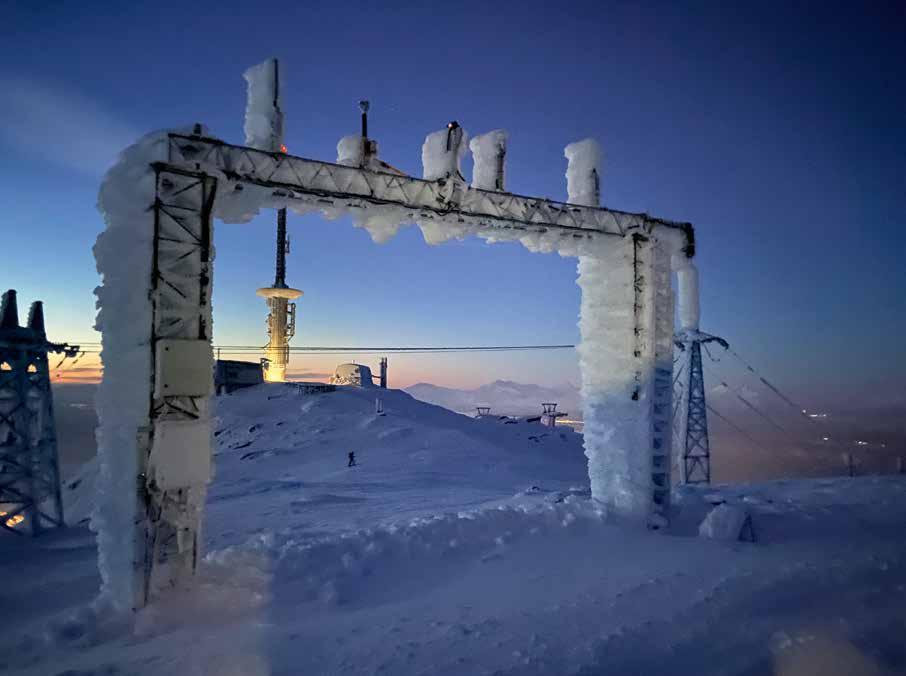
“From this advanced field ice monitoring station, we ‘will have a set of meteorological data, including wind speed, atmospheric temperature, pressure, humidity, liquid water content, super cooled water droplet size, icing intensity and accreted ice loads, which are important variables for numerical modelling of ice accretion,” says Professor Virk.
The behaviour of super cooled water droplets suspended in air is quite different close to ground to that seen in high wind speed conditions at higher altitudes. In the nICE project researchers are studying this closely, with the objective of improving ice accretion physics models. More detailed information on the micro-scale ice accretion physics can help to develop improved mesoscale weather forecasting models, for the development of ice load maps. “We aim to provide meteorological organisations with more mature forecasting models for icing events by the end of the project,” outlines Professor Virk. Professor Yngve Birkelund and his team are working on meso scale modelling of ice accretion in nICE project.
The project’s agenda also includes the design of a new, hybrid ice detection and mitigation system, suitable for covering large surface areas. “Currently most ice detection sensors provide information at a single location, but we are interested in seeing ice over a large surface area, and in developing methods which can improve ice detection and mitigation,” Professor Virk explains. “In nICE project, Dr. Hassan Abbas Khawaja and his team are designing a new, infrared-based ice detection and mitigation system.”
This new system can provide a greater level of detail about the extent of ice detection, so mitigation can then be proportionate to the severity of the problem, rather than simply turning on a power-hungry heating system. Heating systems prevent super cooled water droplets from freezing on structural surfaces, yet they are expensive. “You have to use a lot of electrical power, which costs money. That may be fine for some applications, but for others we will have to utilise cost effective optimal methods,” says Professor Virk.
EU Research 36
Field ice monitoring station of UiT located at Fagernesfjellet in Narvik.
Another approach involves using hydrophobic surface coatings to prevent water droplets from sticking to a surface, yet Professor Virk says this approach is not fully suitable for most applications either.
Professor Javad Barabady and his team is also working on developing strategies for ice disaster management, which is an important safety consideration for populations in iceprone regions. Norway experienced one of the heaviest ice loads (305 Kg/m) ever measured on power transmission lines during the early 60’s, and it proved almost impossible to deice power lines in a short timespan. Under such circumstances, damage to infrastructure is highly likely, as well as loss of power for thousands of inhabitants in affected areas. Furthermore, atmospheric icing on rotor blades can lead to the complete stop of a

safety and ice disaster management, which will benefit from knowledge that has been acquired on ice accretion physics and methods for prediction of icing events. “We are looking at ice disaster management, so that we can put forward some recommendations in future,” says Professor Virk. “If such a situation occurs here in Norway, or elsewhere in Scandinavia, how should we deal with it? That’s one of the outcomes of the nICE project that will bring benefits to wider society.”
System application
The main target in terms of the potential future application of the knowledge gained during the nICE project will be High North and Arctic regions, and Professor Virk hopes to assess the system in future. “We want to see how this knowledge will be useful, and whether it
“We aim to improve knowledge about ice accretion physics and propose new technological solutions for safe human industrial activities in Arctic and High North regions.”
wind turbine. A reliable method to secure operational safety is needed to avoid damage and loss of production. An ice storm in Quebec & Ontario in Canada in 1998 lasted for five days and affected more than 4 million people. This ice storm was considered as one of the worst natural disasters in Canadian history. Similarly, in 2008, an ice storm struck the south-central region of China and significantly damaged communication, transportation, and power distribution networks.
These incidents highlight the need for better preparation and management in case of such disasters. In the nICE project, researchers aim to create a comprehensive plan for icing
could be used to help reduce infrastructure maintenance costs,” he says. The wider aim in the project is to gain new knowledge about ice accretion on ground structures, which could play an important role in the development and maintenance of infrastructure in the Arctic and High North. “If it is decided to build a new power line or communication tower in a remote area of these regions, then we hope that our mathematical models will show what kinds of ice loads can be expected over the next 40-50 years,” continues Professor Virk. “We’re also considering how industry in Norway, and other ice prone cold climate countries can benefit from this knowledge.”
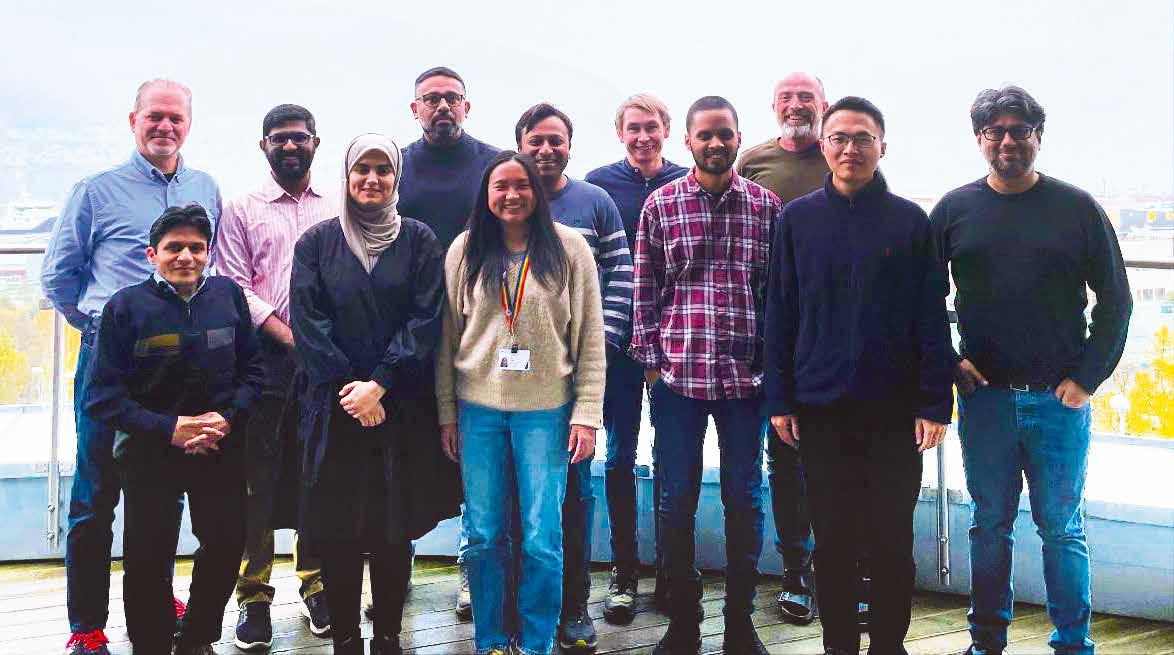
nICE
Multi-disciplinary Study of Atmospheric Ice Accretion Physics
Project Objectives
The nICE project aims to gain new knowledge about atmospheric icing and develop innovative technological solutions to related problems. This research holds wider relevance in the context of increased human activities in the high north, and innovative solutions will be required to maintain key infrastructure and keep it running effectively.
Project Funding
nICE is a multidisciplinary joint research project between IVT and NT faculty of UiT. The project is funded by the Norwegian Research Council (FRIPRO/ Large Scale Inter-disciplanary Project) with total funding of 27.5 mNOK.
Project Partners
This 04 years (2022-2026) project is coordinated and managed by Professor Muhammad Virk. The project involves researchers from 06 departments, 03 research centers and 10 research groups of UiT.
Other leading project researchers:
1) Professor Yngve Birkelund
2) Professor Jinmei Lu
3) Dr Hassan Abbas Khawaja
4) Professor Javad Barabady.
In addition, there are 02 post doctoral research fellows and 04 PhD students in this project.
https://en.uit.no/project/nice/prosjektgruppe
Contact Details
Project Coordinator: Professor Muhammad Shakeel Virk. Arctic Technology & Icing Research group (arcICE). UiT- The Arctic University of Norway. T: +47 76 96 61 83
E: muhammad.s.virk@uit.no
W: https://en.uit.no/project/nice/About
Muhammad Shakeel Virk is Professor in the Institute for Industrial Technology at the Arctic University of Norway, where he leads the Arctic Technology and Icing Research Group. He works with a range of collaborators on research topics related to cold climate technology, icing and renewable energy.


www.euresearcher.com 37
Professor Muhammad Shakeel Virk
The nICE: Multi-disciplinary Study of Atmospheric Ice Accretion Physics project team.
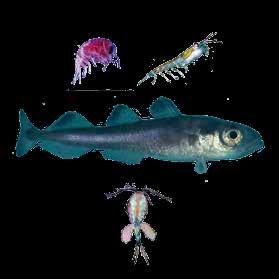
A peek beneath the surface of Arctic sea ice
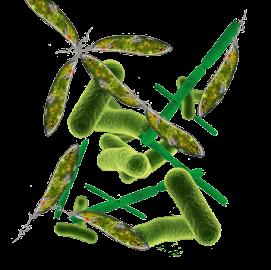
Sea ice ridges account for a large proportion of the overall Arctic sea ice volume, yet more attention in research has historically been focused on the thinner level ice. We spoke to Dr Mats Granskog and Dr Oliver Müller about their work in analysing samples from sea ice ridges collected during the MOSAiC polar expedition, with the aim of gaining deeper insights into their role.
A significant proportion of the overall Arctic sea ice volume is comprised of ridges, which can be thought of in a way as a pile of lego bricks, much of which is submerged below the ocean surface. Usually sea ice is formed of a fairly level sheet, but when ice floes collide big blocks are created, which pile up in a large, random maze. “That creates a very different type of ice mass, and potentially a unique habitat for flora and fauna,” says Dr Mats Granskog, a Senior Researcher at the Norwegian Polar Institute. As part of his work in the HAVOC project, Dr Granskog is investigating the importance of these sea ice ridges and the role they play in providing a protective environment for certain iceassociated flora and fauna. “In the project we are primarily interested in what’s happening in the underwater part of sea ice ridges, as that’s the primary habitat for the biology we are looking at,” he outlines. “There’s a kind of maze of ice blocks, with water running in between.”
MOSAiC polar expedition
These sea ice ridges have not really been the focus of much attention in research, as a lot of time and resources are required to investigate them. More studies have been conducted on the level ice, which is relatively thin and homogenous, and so easier to study than sea ice ridges. “The more deformed parts and the sea ice ridges haven’t really been studied as intensively,” says Dr Granskog. This is an imbalance Dr Granskog is working to address in the HAVOC project, in which he and his colleagues are analysing samples collected from sea ice ridge environments during the MOSAiC polar expedition (led by the German Alfred Wegener Institute), which drifted across the central Arctic Ocean (AWI) between September 2019 and October 2020. “The plan with MOSAiC was to collect data in all seasons and so develop a deeper understanding of what’s happening in the Arctic and what’s driving the changes that we’re seeing,” he explains.
The HAVOC project was designed to take part in the MOSAiC expedition, which gave Dr Granskog and his colleagues the opportunity to gather physical and biological samples from sea ice ridges over a longer period. There are only few studies that investigated sea ice ridges, but those few examples suggest that ridges are hot-spots for biological life. “These sea ice ridges create habitats, like water-filled voids between ice blocks, which are protected from the currents,” says Dr Oliver Müller, a postdoctoral researcher working on HAVOC.
Researchers collected samples from sea ice ridges at certain time points over the course of the MOSAiC expedition, aiming to build a fuller picture of the flora and fauna which can be found in them at different times of the year. A variety of sampling procedures were used in HAVOC, with researchers gathering not just water and ice samples at different depths of the ridge, but also catching organisms and particles associated with the ridge. “We used sediment traps, which
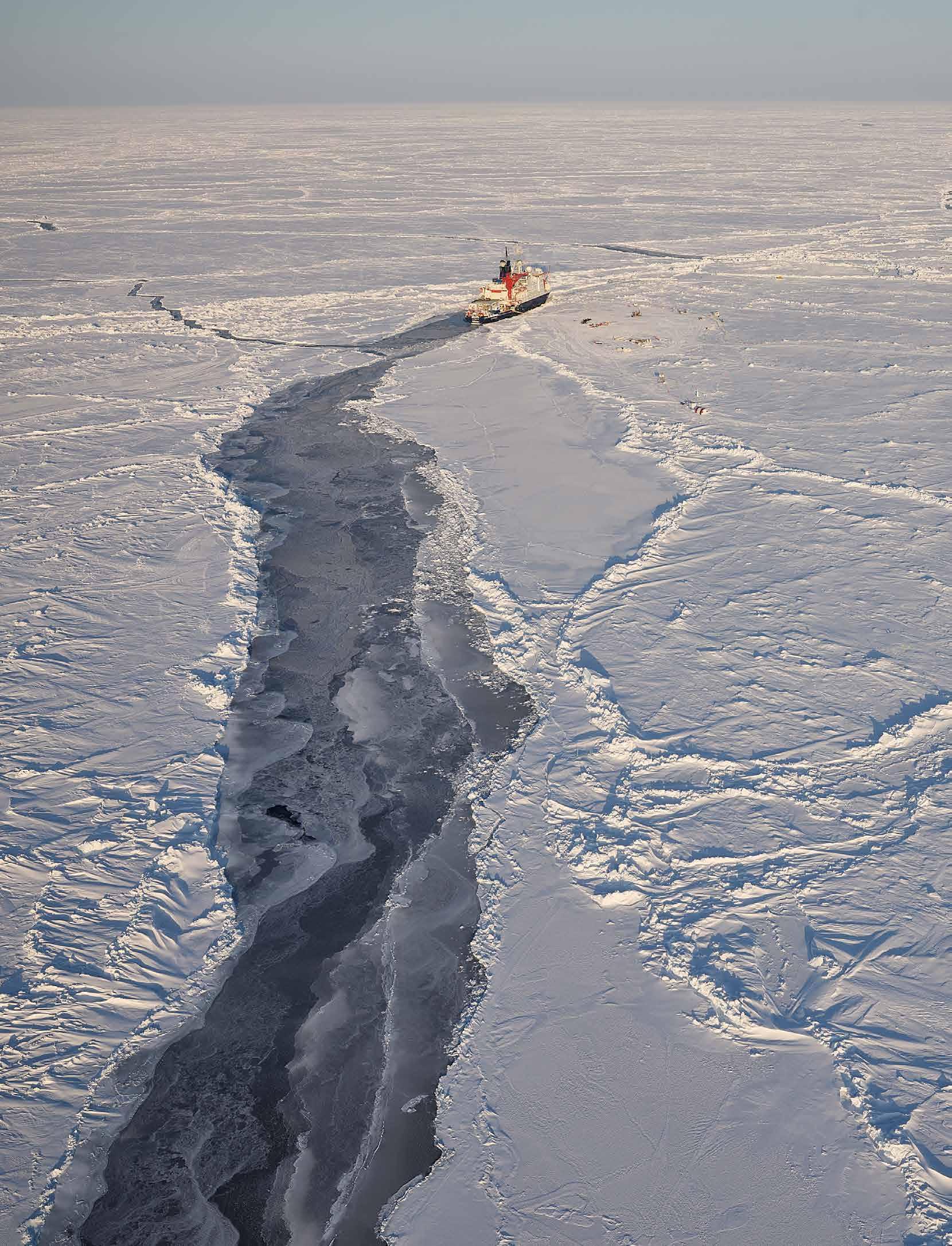
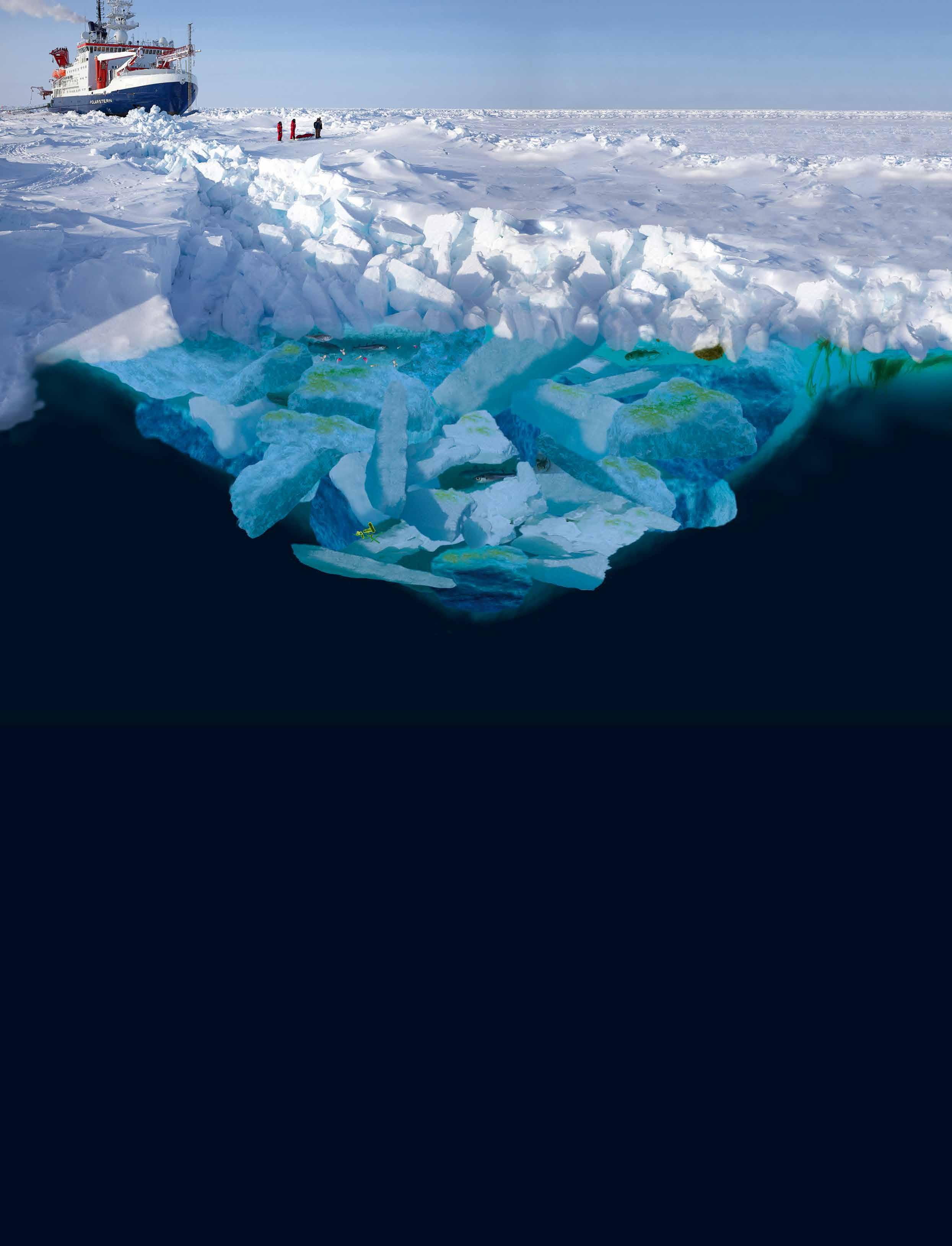
EU Research 38
photographs: Erling Svensen
Illustration cod
Sea Ice Algae
Polar Cod and Zooplankton
are cylinders that collect sinking material. If more biological activity is associated with a ridge, you would also expect more things to be released and seep out, like small organisms and organic matter,” explains Dr Müller. “There was a collaborating team from AWI that operated a Remotely Operated Vehicle (ROV). We designed a small sampling device that was taken with the ROV to the ridge to collect biological material. It also used bio-optical sensors to estimate the level of biological activity.”
This provides a solid foundation for researchers in the project to investigate sea ice ridges and gain deeper insights into their ecological role. The original hypothesis was that sea ice ridges provide a kind of protective environment for flora and fauna, as they are quite thick and have a more complex structure
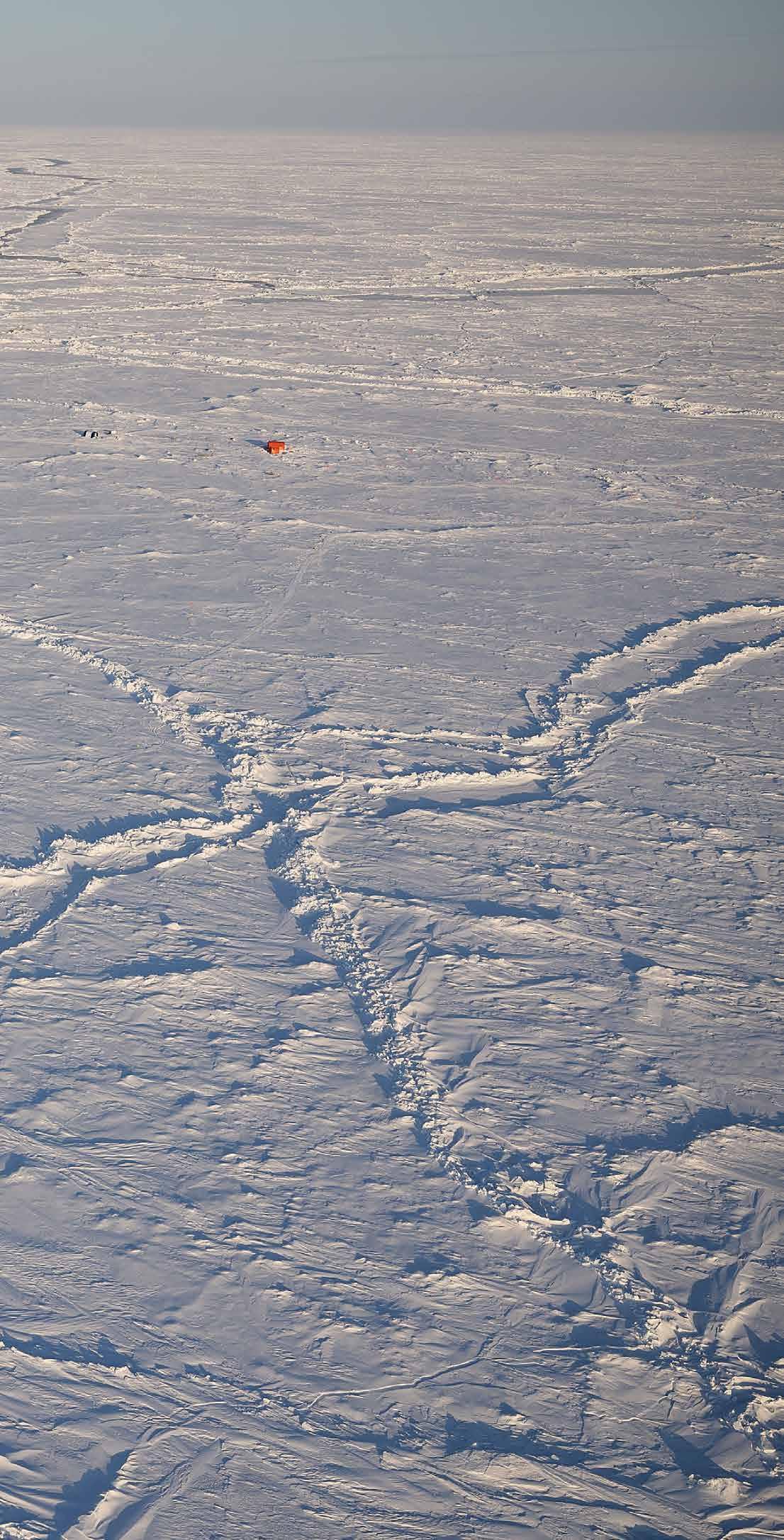
working on the biological and physical data that was collected. A lot of post-fieldwork analysis has been conducted and with the lab-based work now largely complete, the current focus of Dr Müller’s attention is on data analysis. “We’re essentially putting these pieces of the puzzle back together, linking physical data with biological processes that we’ve measured,” he outlines. In order to identify and understand the ecological connections, researchers have to first analyse a lot of different types of samples; now Dr Müller is working through the data, which is a big task. “There are huge amounts of data, including some really novel sequencing data. This provides a very detailed, genomic fingerprint of the biological community inside these ridges,” he continues.
“We are primarily interested in what’s happening in the underwater part of sea ice ridges, as that’s the unique habitat for the biology we are looking at. There’s a kind of maze of ice blocks in these ridges, creating pockets of water, protected from the outside.”
than the thinner level ice that melts in summer. “The thinner level ice would melt earlier in the season, and these ridges would then be able to give the ice-associated flora and fauna a refuge,” explains Dr Müller. It is however challenging to monitor the abundance of flora and fauna within sea ice ridges, as these ridges are very heterogenous and it’s difficult to follow the same single ridge for a sustained period. “You might at first find a spot which has a lot of abundance, and then the next time you find a spot which has less, just because of the diverse nature of these ridges. However, there are some indicators that we can measure,” continues Dr Müller.
Data analysis
The MOSAiC expedition itself concluded in October 2020, and researchers are currently
The physical data from the project has also been rigorously analysed, leading to a deeper understanding of how sea ice ridges function and evolve over time. The next step then will be to connect this work to the ecosystem and biological dimension, which Dr Granskog hopes will stimulate further investigation into sea ice ridges. “We hope to help build a research community. There are still many unresolved questions in this area, especially with respect to biological activity and the role of sea ice ridges in the Arctic system,” he outlines. The project’s research could also hold wider relevance to the development of climate models. “Ridges are not very well described in current climate models, yet evidence suggests that they are quite important in this respect,” continues Dr Granskog.
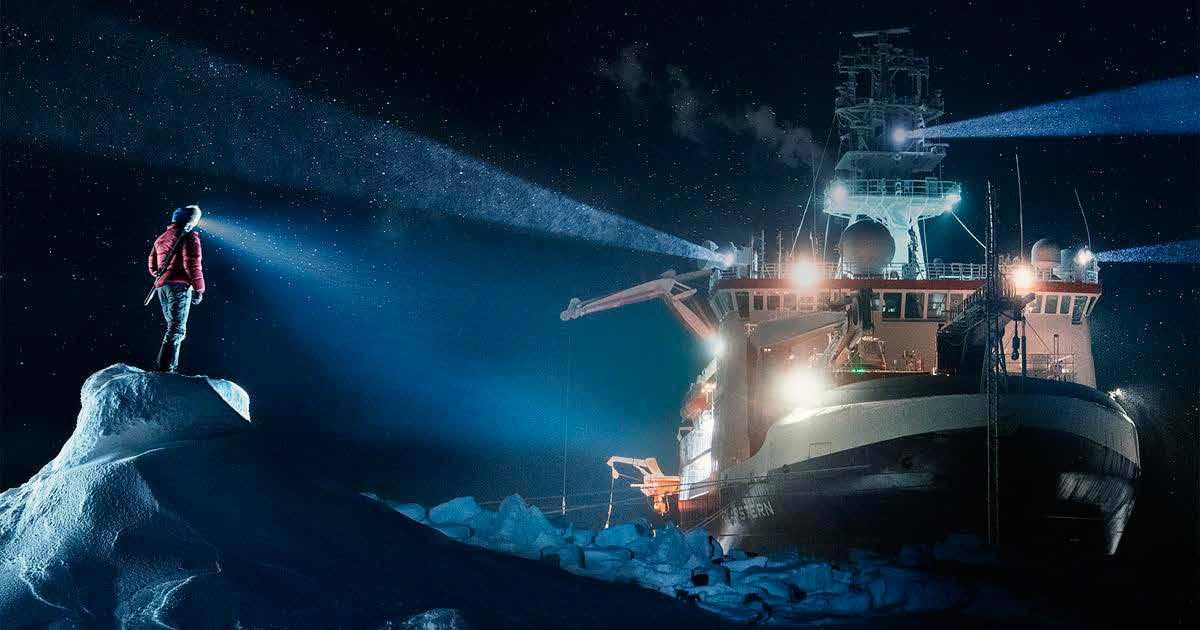
HAVOC
Ridges - Safe HAVens for ice-associated flora and fauna in a seasonally ice-covered Arctic OCean
Project Objectives
To better understand the role of sea ice ridges in the Arctic Ocean, given they might be the last sanctuary for ice-dependent organisms, when the thinner sea ice around the ridges melts away. While ridges constitute a major part of the sea ice volume in the Arctic Ocean, we know very little of their role in shaping the physical environment and as a habitat.
Project Funding
Research Council of Norway, H2020 ARICE DearICE and Hanse Wissenschaftskolleg.
Project Partners
Norwegian Polar Institute (Norway), Norwegian University of Science and Technology (Norway), UiT – The Arctic University of Norway (Norway), University of Bergen (Norway), NORCE Norwegian Research Centre (Norway), Akvaplan-Niva (Norway), The University Centre in Svalbard (Norway), and Alfred Wegener Institute (Germany).
Contact Details
Project Principal Investigator
Mats Granskog, Ph.D, Senior Researcher, Norwegian Polar Institute, Fram Centre, Tromsø, Norway
E: mats.granskog@npolar.no
W: https://www.npolar.no/en/projects/havoc/
Salganik, E., Lange, B. A., Katlein, C., Matero, I., Anhaus, P., Muilwijk, M., Høyland, K. V, & Granskog, M. A. (2023). Observations of preferential summer melt of Arctic sea-ice ridge keels from repeated multibeam sonar surveys. The Cryosphere, 17, 4873–4887. https://doi. org/10.5194/tc-17-4873-2023
Dr Mats Granskog
Dr Oliver Müller
Dr Mats Granskog is a Senior Research Scientist at the Norwegian Polar Institute. His research interests include the Arctic sea ice mass balance, physical-chemical-biological coupling in Arctic sea ice and upper ocean, and marine optics. He is also a fellow at the HanseWissenschaftskolleg (Delmenhorst, Germany).
Dr Oliver Müller is a post-doctoral researcher in the marine microbiology group at the University of Bergen. Alongside his work on the HAVOC project, he is also investigating the ecosystem of the northern Barents Sea.



www.euresearcher.com 39
New fish feed for sustainable aquaculture
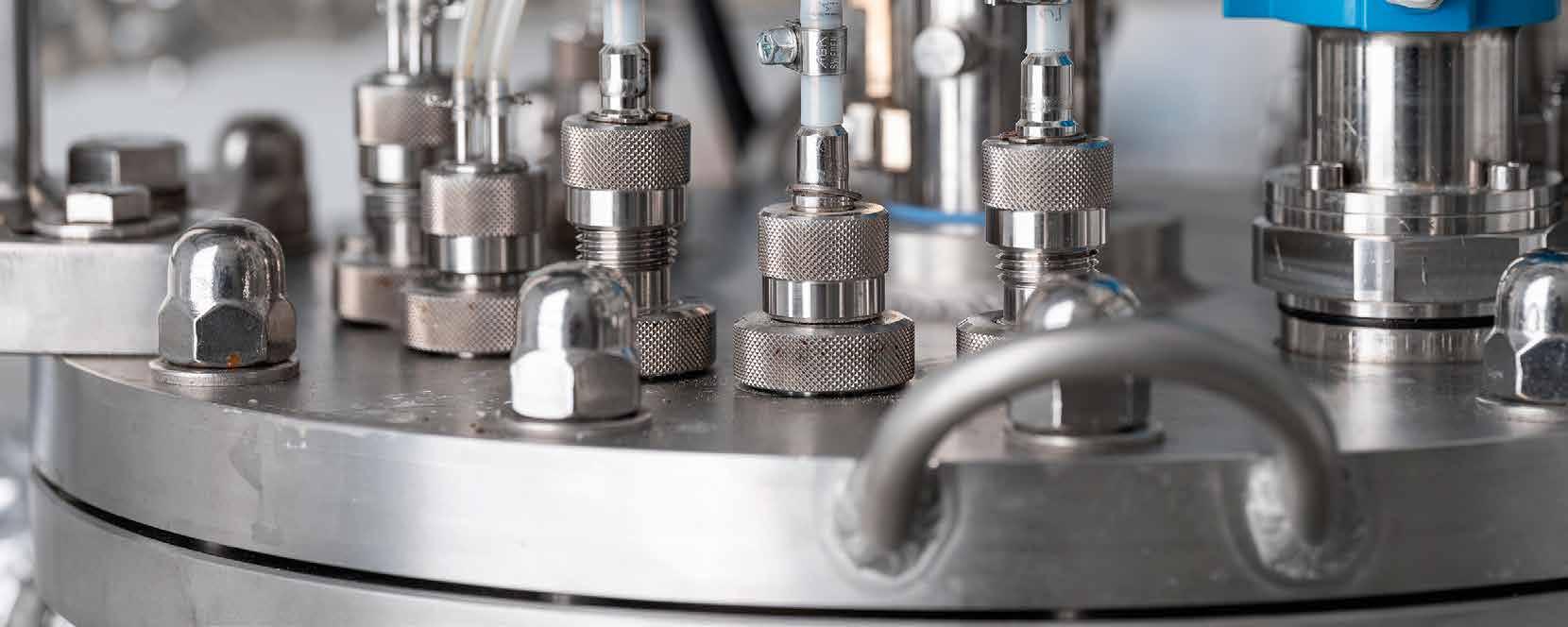
The aquaculture sector is growing, leading to increased demand for high-quality feed. Norwegian feed producers rely heavily on imports, but now researchers are developing a new more sustainable methods of producing protein to support the ongoing growth of the aquaculture sector, as Dr. Vukasin Draganovic and Dr. Arild Johannessen of the ScoFeed project explain.
The aquaculture sector is growing, and farmed fish are projected to account for an ever-greater proportion of global demand for seafood in future. Farmed fish have historically been fed a diet heavy on imported soy protein, but now with sustainability high on the agenda, feed producers are looking for alternatives. “Some feed producers are looking for raw materials that have a carbon footprint of less than 1kg of CO2or equivalent - per kg of product,” says Dr Vukasin Draganovic, Business Development Director at Norwegian company Gas2Feed. This is an issue at the heart of the ScoFeed project, an initiative aiming to develop a new, more sustainable method of producing protein for fish feed using hydrogen-oxidizing bacteria, also known as knallgas. “We are developing a process where we grow microbes in a reactor, and essentially we then harvest or recover the biomass, which is a source of protein,” explains Dr Draganovic.
Protein production
Researchers are working to maximise the quantity of protein produced through this process, while at the same time also maximising protein content. Knallgas bacteria have an advantage here in that it’s possible to achieve higher protein levels, or crude protein, than with alternatives like green microalgae. “It’s not possible to reach a high protein level with microalgae, you will end up in a lower range, and it’s a similar story with certain yeasts,” stresses Dr Draganovic. The reactor conditions are then optimised, with the aim of producing highly concentrated proteins that meet the dietary requirements of farmed fish, in particular salmon. “Salmon eat a high-protein and high-energy diet, it’s very dense. The salmon diet is purely protein and fat,” outlines Dr Draganovic. “Our product fits well in that respect, as it contains quite

a high amount of protein, is low in fibres and is highly digestible. So it perfectly meets the dietary requirements of salmon.”
This research holds wider interest for feed producers looking for more sustainable sources of key raw materials, rather than relying on soy protein imported from far-flung regions of the world. A lifecycle assessment analysis of the product developed by Gas2Feed has been conducted, and Dr Draganovic says it performs very well in terms of sustainability. “It’s been found that our product has a carbon footprint of only 0.83-0.85 kg of CO2 per kg of our product, which makes us highly attractive for feed companies. We scored the best of all the non-traditional proteins used in aquafeeds,” he says. The commercial sector is taking a keen interest in this work, and researchers are collaborating closely with both major feed producers and aquaculture stations. “Our direct customers are the feed factories, then the aquaculture stations are the next step along the value chain,” says Dr Arild Johannessen, Chief Technology Officer at Gas2Feed.
The wider context here is the challenge of producing enough raw materials to feed growing numbers of farmed salmon in a sustainable, responsible way. The aquaculture industry is projected to grow somewhere between 3-5-fold over the next twenty years, which will lead to increased demand for aquaculture feed.
“Currently the demand for protein from the Norwegian aquaculture sector is somewhere between 500,000-600,000 tonnes, which is mostly imported from different regions of the globe. This is expected to grow significantly, up to as much as 3 million tonnes by 2030,” outlines Dr Johannessen. The production process developed by Gas2Feed can be scaled up to obtain the volumes of feed ingredients required to support this growth, which is now the focus of attention in the ScoFeeD project. “We know how to grow the microbes effectively. Now we are scaling the reactor up to pilot scale through this project,” continues Dr Johannessen.
EU Research 40
Potential co-location with land-based salmon farming.
The new way of protein production.

ScoFeed project
This work is currently in progress, with a large pilot plant being developed in partnership with NORCE (Norwegian Research Centre) at the Risavika National Centre for Bioprocess and Fermentation in Norway, and there are plans to scale up production further in future. The initial aim is to build a first commercial plant producing around 20,000 tonnes of protein a year, which could be located in Norway or elsewhere, beyond which even higher volumes could be produced. “The ultimate goal is to build a plant capable of producing around 100,000 tonnes in around 2029/2030,” says Dr Draganovic. So far a single product for the salmon feed market has been developed, but the project team are also interested in diversifying and developing a wider portfolio of products. “In future
salmon, but this is slowly shifting towards the North as temperatures rise. “Currently salmon are produced in Norway from the south-west coast right up to the very far North,” says Dr Johannessen. The Norwegian government is keen to encourage the further growth of the aquaculture industry, which is widely viewed as a promising way of feeding a growing global population. “The aquaculture sector is growing. One reason for this is an increased awareness of the health benefits of consuming fish amongst consumers, and another is concern over the sustainability of meat consumption patterns,” explains Dr Draganovic.
This concern is reflected in shifts in dietary habits over recent years, as vegan, vegetarian and flexitarian diets have grown increasingly popular. This however raises new issues, as more land is then required to meet increased
“It’s been found that our product has a carbon footprint of only 0.83-0.85 kg of CO2 per kg of our product, which makes us attractive for feed companies. We scored the best of all the non-traditional proteins used in aquafeeds.”
we could think about developing products with some added functionalities, like antiinflammatory or anti-oxidant properties,” continues Dr Draganovic. “These products have higher added-value, so we could then look to achieve higher margins.”
The current priority however is to sustainably produce large volumes of protein for salmon feed, which is among the most widely consumed fish in the world, enjoyed for both its flavour and its health benefits as a source of vitamin D, omega-3 fatty acids, and other important nutrients. The central part of Norway enjoys the ideal conditions for farming
demand for plants, with further potential knock-on effects. “More herbicides, pesticides and mineral fertilisers will then be needed to boost production yields, leading to more pollution,” points out Dr Draganovic. It will be difficult for aquafeed producers to get hold of plant proteins in this context, with more and more destined for human consumption, which is where the ScoFeed project comes into the picture. “We are working to find alternatives to plant proteins. We are evaluating our product in tests, and benchmarking it against soya beans, wheat gluten, and traditional plant proteins,” outlines Dr Draganovic.
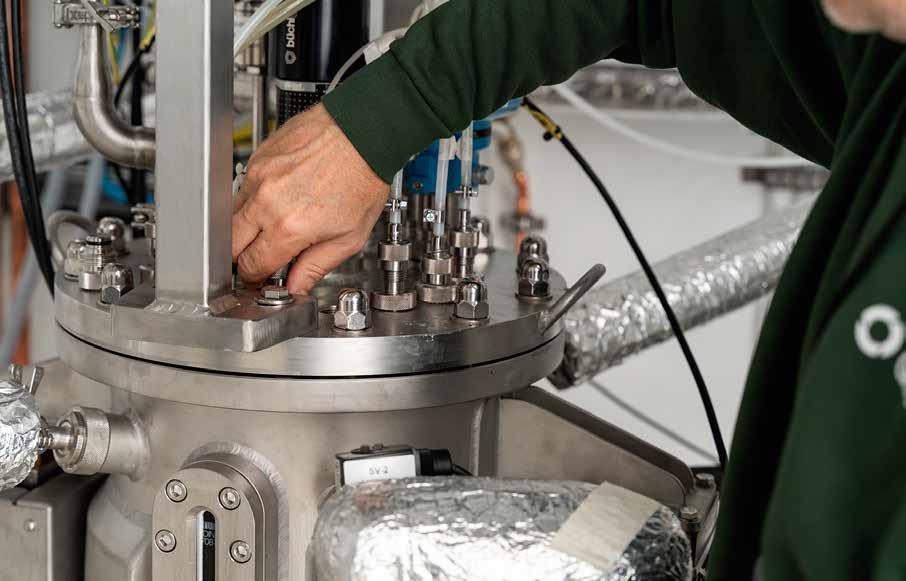
ScoFeed
Towards more sustainable feed: Scaling of cutting-edge CO2-to- microbial protein production
Project Objectives
The ScoFeed project aims to develop a new method of producing protein for fish feed, providing a sustainable alternative to importing protein from far-flung regions of the world. microbes are grown in a reactor then the biomass is recovered, providing a rich, sustainable source of protein to support the continued growth of the aquaculture sector.
Project Funding
This project is funded by the Research Council of Norway (Project number: 337236- BÆREKRAFTIPILOT).
Project Partners
• NORCE
• Cargill
Contact Details
Dr. Arild Johannessen (Ph.D)
Project Leader (CTO)
Energivegen 16
4056 Tananger
Norway
T: +47 93 46 52 92
E: arild@g2f.no
Dr. Vukasin Draganovic
E: vukasin@g2f.no
W: https://g2f.no/en/
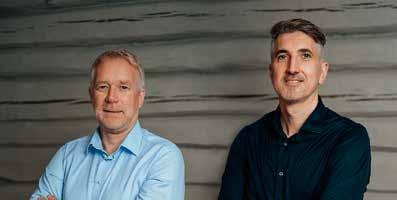
Dr. Vukasin Draganovic is responsible for overall business development. Formerly Project Leader in Nutreco with 15 years of experience in the development of novel products and technologies across the feed and food value chains. Vukasin holds a PhD in Food Process Engineering from the University of Wageningen, The Netherlands where he conducted research on the next generation of sustainable alternative proteins.
Dr. Arild Johannessen (Ph.D) is responsible for technology and technology development. He has focused his career on microbial production, with a special emphasis on industrial fermentations using gases. He has held several positions in the field such as Vice President in Calysta, and research director in IRIS. Further he has served as managing director in biotech start-ups.

www.euresearcher.com 41
Dr. Vukasin Draganovic
Gas2Feed’s reactor at Risavika Technology Park.
Green simulations to bring down the cost of energy
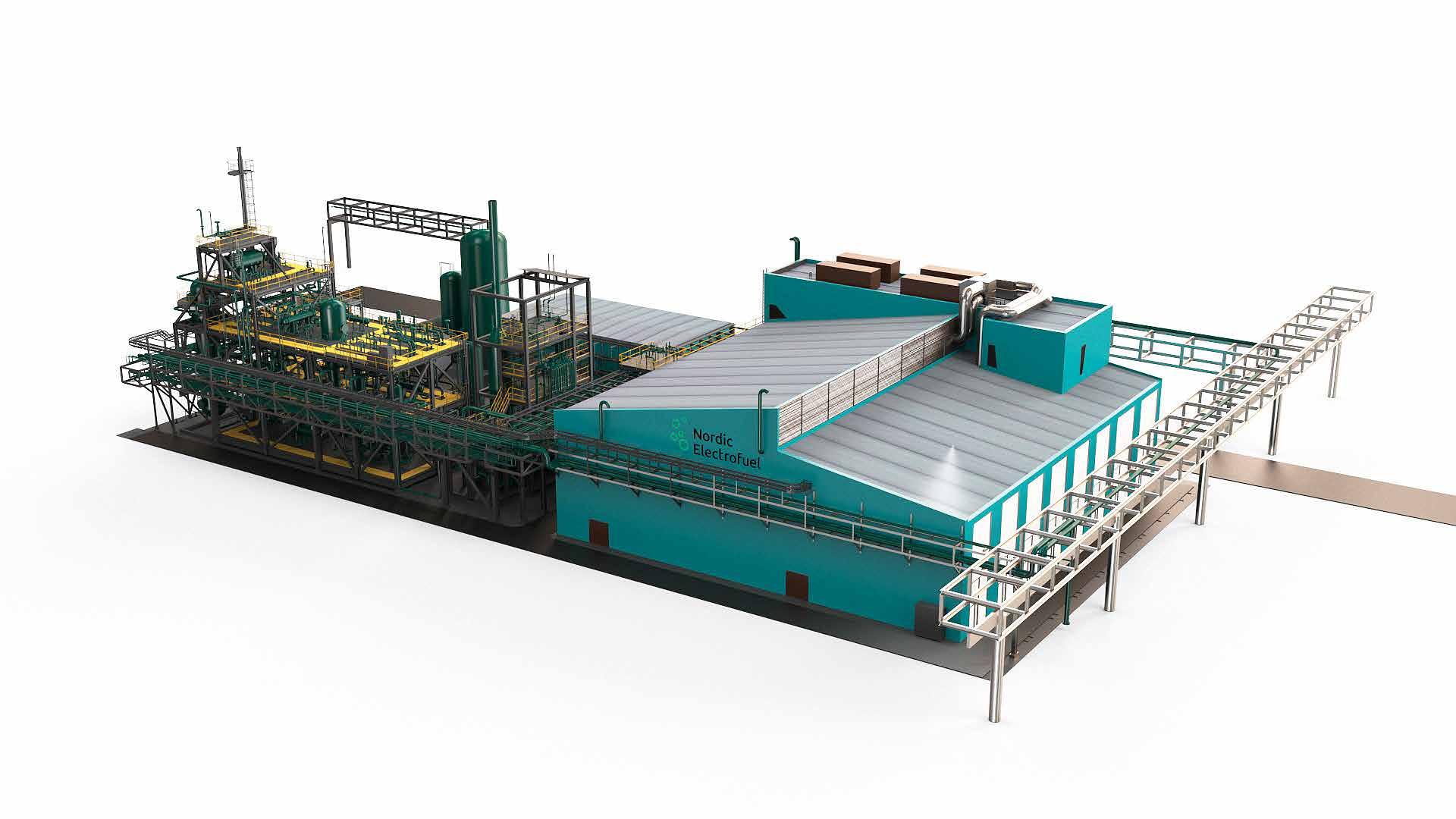
Many countries are exploring alternatives to fossil fuels as they look to develop more sustainable means of meeting the overall demand for energy. Effective and reliable simulations of green energy processes will have an important role to play in this transition and in reducing the overall cost of green energy, as Knut Erik Spilling of the GreenTwins project explains.
Many countries across the world are seeking to develop renewable sources of energy, part of a move away from fossil fuels to a more sustainable means of meeting the overall demand for energy. This will involve significant changes in the way the energy sector operates, and simulations will have an important role to play in easing/mitigating the transition. “With simulations you can cover the operational aspects of an energy plant at a very high level of detail,” says Knut Erik Spilling, CEO of Billington Process Technology (BPT), a digital solution company based just outside Oslo. As part of their work on the GreenTwins project, Spilling and his team at BPT are developing high-fidelity simulators of several green transition processes, designed to help energy companies develop and operate new energy plants effectively and efficiently, throughout the entire lifecycle. “We are developing digital representations – green twins – of energy plants,” he explains. “These green twins can be used to avoid design failures, develop control automation, test ‘what-if’ scenarios and help improve the design.”
Sustainable fuels
The primary focus in the project is on three main areas, representing an important contribution to the wider goal of encouraging the transition towards more sustainable fuels. One area of interest is the storage of energy from concentrated solar power, a process in which sunlight is concentrated into
a relatively small area, which is used to heat an intermediate material. “The heat is stored and retrieved using supercritical CO2 as the working fluid in a Brayton cycle, using turbine expanders to create electricity,” outlines Spilling. “Researchers in the project are working to simulate this process, where the main performance indicators are simulation speed, stability and accuracy. An additional challenge is to achieve reliable simulation results during
The third area of interest is called Powerto-X. This area looks at the production of fuels using hydrogen produced from excess renewable electricity. One example of Powerto-X is the synthesis of ammonia, another is the production of kerosene as an e-fuel from excess renewable energy, which Spilling says is targeted at the aviation sector. “We want to replace the emission-heavy jet fuel currently used on planes with synthetic fuel,” he explains.
“Simulations are already used for design, operational support and troubleshooting in the oil and gas industry. They could be used in a similar way in the green energy sector, to optimise performance and reduce energy consumption.”
dynamics like plant start-up, shutdown and load changes, as well as when the CO2 contains impurities (as normally is the case).”
A second area involves looking at taking the electricity from the first area or any other renewable source and using it to split water into hydrogen and oxygen, says Spilling. The modelling of this process is challenging because the supply of renewable electricity is by nature variable and the electrolysis process will also vary in time. This process of water electrolysis is a very power-intensive step, but once the hydrogen is available it can then be used for different purposes, for example as fuel or in energy storage.

The process of producing kerosene in this way is highly complex, and so is the corresponding simulation, yet this also means that a reliable and effective simulator could have a major impact. “The process facility is quite complicated, involving the use of electrolysis and reactors. This has been done at small scales, and the process is quite expensive,” acknowledges Spilling. “The simulator for this process is more complicated, but it also adds a lot of value, helping to optimise performance and reduce design time.”
The simulator in each of these three cases is designed to fully reflect the processes involved, with researchers benchmarking the simulator
EU Research 42
Courtesy of Nordic Electrofuel AS Illustration of the e-Fuel 1 electrofuel plant planned for production of sustainable aviation fuel at Herøya, Norway utilising a point source emission mixed with green hydrogen from electrolysis and processed through reactors.
against lab results and pilot plant data. The project team are collaborating closely with several equipment vendors, and Spilling says their feedback helps guide the ongoing development of the simulators. “We calibrate and improve the simulators as more information becomes available,” he says. These simulators hold rich potential for the industry, as they could help companies rapidly improve efficiency as they adapt to new ways of working, without needing to make costly investments. “You can simulate how a process will work, without needing to go into a plant,” explains Spilling. “Simulations are already used for troubleshooting in the oil and gas industry. They could be used in a similar way in the green energy sector, to optimise performance, improve reliability and reduce energy consumption.”
Green energy
There is a lot of scope for improvement in this sector, as green energy is still a relatively young area of the industry, and so the protocols around developing and using simulations are not particularly well established. Simulations of oil and gas processes improved rapidly following substantial investment in the sector around 30-40 years ago however, and Spilling is convinced something similar can happen as the green energy sector grows. “It may take some years before the simulations are streamlined, but there is a lot of potential for improvement,” he says. While BPT has long experience in the oil and gas sector, Spilling expects the green energy sector to continue to grow over the coming years, driven in large part by concerns about climate change and the impact of US government policy. “The Inflation Reduction Act in the US has helped stimulate
green energy. Perceptions of green energy are shifting, and it is increasingly considered to be an important sector,” he continues.
This is paralleled to a large degree in Europe, with climate change concerns and the war in Ukraine helping to accelerate the shift towards renewable energy, as countries across the continent seek to reduce their dependence on Russian gas. Against this backdrop, Spilling expects the green energy sector will continue to grow over the coming years, and he aims to position BPT at the forefront of what is a growing market for industry expertise. “We anticipate that the green energy sector will grow in future, and we see a lot of interest from all over the world in our software products and domain knowledge,” he outlines. “We see a global market developing in the provision of both services and simulation software, working with end users and consulting companies. There is a lot of commercial potential in this work.”
The project’s research has primarily been focused on the three conversion processes described earlier, but Spilling says simulators could also be applied on other processes involving complex chemistry within the green energy sector, for example carbon capture, utilisation and storage. By participating in projects like GreenTwins and others, the team at BPT are building the expertise to help their partners optimise the performance of green energy plants in different parts of the world. “Some countries have high levels of sunlight exposure, so look to develop solar power, while others look to harness wind power. For example, Denmark generates more than 50 percent of its electricity from wind power,” says Spilling. “We aim to build up our domain knowledge about these green process plants.”
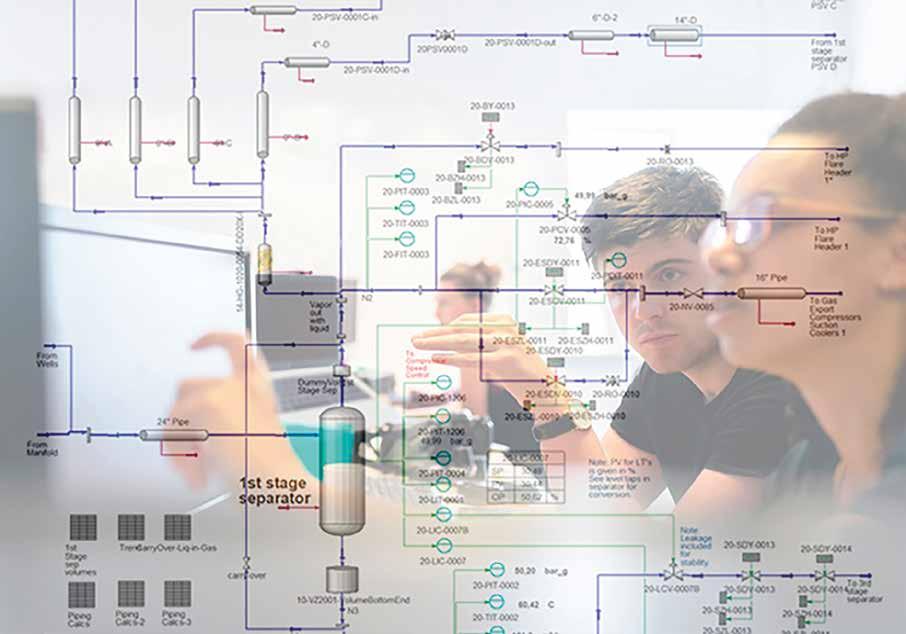
GreenTwins
Lifecycle Digital Twins of Green Process Plants to Support Fast and Cost-Efficient Climate Action
Project Objectives

The main objective with the EU project is to develop high fidelity simulators that could efficiently support the global community converting from use of fossil to sustainable fuels in an accelerated manner. Simulators will play an important role in different development and operational stages for new energy plants, from early concept development, technical/ economical de-risking, design, start-up as well as throughout years of operations. Technology gaps with current commercial simulators need to be closed. In particular, development of simulator unit operations crucial in green energy systems like electrolysis and a variety of reactor models are focused. Also, implementation of high-performance thermodynamic property packages is essential to ensure fast, robust and accurate simulator performance. The Green Twins models are for both steady state and fully dynamic purposes.
Project Funding
This project is funded by the Research council of Norway
Project Partners
BPT is the project leader with a focus on process modelling and overall performance. BPT works closely with Hafnium Labs (Copenhagen) with its main expertise in thermodynamics.
Contact Details
Project Coordinator, Knut Erik Spilling
Løkketangen 20B, N-1337 Sandvika, Norway
T: +47 90087976
E: info@bpt.no
W: www.greentwins.no
Knut Erik Spilling is M.Sc. in Mechanical Engineering with more than 30 years’ experience in various companies within the energy sector. His track record is process design, modelling, simulation studies and deployment of digital solutions in technical, business and management positions. He is currently leading the BPT team as CEO.


www.euresearcher.com 43
Knut Erik Spilling
Validation and improving process and control design at an early stage de-risk technologies and economics utilising digital digital twin environments, as well as safeguarding performance throughout operation.
Automation at sea; an anthropological perspective
The introduction of new automated technologies promises to help improve the sustainability of the maritime industry, yet this trend is also likely to affect the numbers of people employed at sea and change the nature of their role. We spoke to Professor Cecilie Vindal Ødegaard about her work in looking at the impact of automation on the maritime industry and its workforce.
The introduction of new digital and automated technologies is expected to help the maritime industry lower costs, improve efficiency and safety, and also reduce carbon emissions. However, these technologies have also been met with a degree of ambivalence.
“There are concerns that the introduction of new technologies will change the working situation of seafarers, and that they may be reduced to simply operators of machines and not making use of their skills,” says Cecilie Vindal Ødegaard, Professor in the Department of Social Anthropology at the University of Bergen, Norway. As the Principal Investigator of the ASMOG project, funded by the Research Council of Norway, Professor Ødegaard leads a research team investigating the impact of the shift towards automated technologies on the maritime industry and the people who work in it. “We’re looking at various digital and automated technologies in the project,” she outlines, “as this gives us a broader understanding of ongoing changes.”
Technological change
This research brings together six partners, including several from the maritime sector, looking to build a deeper picture of how the automation shift is affecting the industry. Part of this work involves conducting ethnographic fieldwork, observing social interactions and practices and conducting interviews with seafarers to get their views on the technologies they work with. “In general most people are fairly open towards new technology, seeing that new automated technologies will help them in their job once the technology is ‘matured’, as seafarers sometimes phrase it,” says Ødegaard. Reducing the role of the seafarer simply to someone who monitors a screen may mean specialist skills and experience become redundant however, while there are also practical concerns. “New safety and risk issues arise with the introduction of new technologies and alarm systems,” continues Ødegaard.
The project team are considering these issues from an anthropological perspective, with researchers investigating how people both on land and at sea are working with new technologies. Increased automation is leading
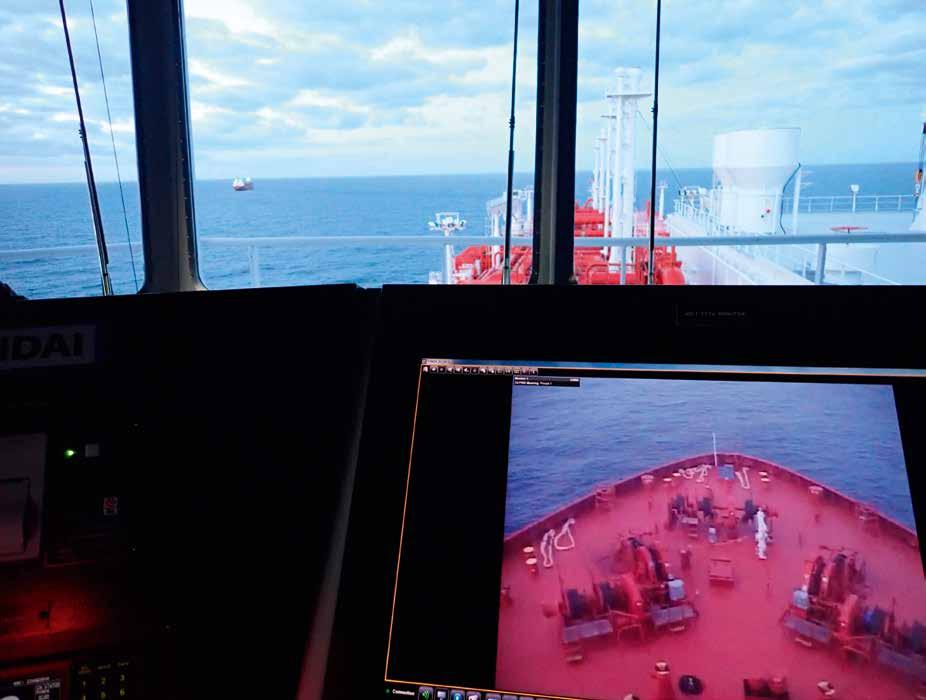
to the transfer of functions, responsibilities and decision-making from on board ships to land, a major area of interest to Ødegaard and fellow researcher Mads Solberg. “Our partner in the project Remota AS uses the concept ‘on-shoring’ to describe this movement of functions on-shore,” she says. This trend may well reduce the number of job opportunities available onboard ships, but it may also lead to reduced emissions. “An increasing number of
Researchers are probing how the operation of a ship is viewed from both the on-board perspective and office-based staff. The postdoc in the project, Marianna Betti, has spent time living and working with seafarers on board vessels transporting LNG around the world, which Ødegaard says has led to fresh insights. “This gives us insights into the workings of fuel shipping in the world economy and not least in everyday life on board, how seafarers
“There are concerns that the introduction of new technologies will change the situation of seafarers, and that they may be reduced to simply operators of machines and not making use of their skills.”
ships are built to run on different fuels, some of which are greener like liquid natural gas (LNG) or electrical batteries. In some operations the vessels involved would be a lot smaller, and less people would need to live on-board, hence reducing energy use,” Ødegaard says. “Issues like welfare, inclusion and gender equality are also brought to the fore as among the expected benefits of this ‘onshoring’,” Ødegaard adds, “as the movement of work functions to land is seen to facilitate work-life balance and more inclusive work opportunities.”
work, and how they relate and adapt to the development of technology,” she outlines. As the project PI, Ødegaard has been conducting simultaneous fieldwork in the head office of the shipping company Knutsen OAS, while at the same time communicating closely with her colleague at sea. “We’ve been able to share observations and send each other questions that we would like the other to find out more about, as the continual development of questions is key to anthropological fieldwork,” she says. “This also gives us a



EU Research 44
Photograph by Marianna Betti.
good understanding of how the contact and communication between ship and head office plays out, these days increasingly so due to new technologies – at the same time as ship and desk staff may experience and perceive the new technology differently.”
The management of risk and safety on board ships is another major area of interest in the project, with standards changing as new technologies are introduced. Automation tends to come with an increase in the number of sensors on board a ship, and the various alarm systems can be triggered pretty regularly, raising issues of situation awareness. “With digitalisation, there’s a whole new set of possibilities and challenges for the management of safety and security at sea,” continues Ødegaard. “In the project, we are therefore interested also in exploring how digital and automated technologies may change the ways in which people relate to the ocean.”
Further fieldwork
This research is still at a relatively early stage, with Ødegaard and her colleagues planning further work at several different locations. One member of the team, Professor Ståle Knudsen, is investigating issues around the planned introduction of a remotely controlled autonomous passenger ferry at a small Norwegian town, Haugesund, while the PhDcandidate Daniel Oliver Paulsen will look at navigation technology and seamanship in the Arctic. “He will conduct fieldwork on Hurtigruten and on an oil tanker, among other things. He will be on board during both Summer and Winter, looking at the use of navigation
systems in different weather conditions,” outlines Ødegaard. New technologies may function differently in harsh environments like the Arctic, strengthening the case for retaining human staff at key locations. “For instance, when the Bjørnøya Meteo weather station became fully automated, the governor in Svalbard expressed concern for safety at sea in the area and some staff were therefore retained,” says Ødegaard.
The development of new technology even extends to the prospect of fully autonomous ships. There have been many tests of autonomous (and electric) vessels in Norwegian waters, notably the Yara Birkeland, which entered commercial operation in 2022, still with seafarers onboard however as the vessel is rigorously tested. As part of the ASMOG project’s work, a number of articles and a book will be published. Ødegaard and partner Avo Consulting have also produced reports which may hold wider relevance to the maritime industry. “We produced a report for the shipping company involved in the ASMOG project on a new digital platform they have introduced,” she explains.
The insights gained from the research are shared also at partner workshops, to which all the industrial and institutional partners in the project are invited. “These events are interesting not just for us as researchers, but also for the partners and other actors in the maritime industry,” stresses Professor Ødegaard. “We learn from them, and they can learn about our work and our observations, as well as learn from other actors in the project.”


ASMOG
Automation shift in the maritime sector of the offshore oil and gas industry
Project Objectives
The ASMOG project pilots a novel social anthropological theoretical and methodological approach to understanding the relationship between human and automated labor in maritime industries, studying automation as a complex machine-society-nature system and collaborating with industries (Knutsen OAS, Remota, AVO Consulting) and official institutions (municipality of Haugesund, Norwegian Maritime Authority). Through ethnographic studies on board on ships, on land in head offices and control rooms and following legal and political developments, the project examines the socio-cultural dynamics and changes of work relations, risk assessment and new ways of relating to the ocean.
Project Funding
The project is funded by the Research Council of Norway, MAROFF2, project no: 326758.
Researchers and Partners
Researchers: Marianna Betti, Mads Solberg, Ståle Knudsen, Kjetil Rommetveit, Daniel Oliver Paulsen, and Marta Gentilucci.
https://www.uib.no/en/asmog/151592/ asmog-partners
Contact Details
Project Leader and Researcher: Professor Cecilie Vindal Ødegaard
Department of Social Anthropology University of Bergen Fosswinckelsgt. 6
5007 Bergen
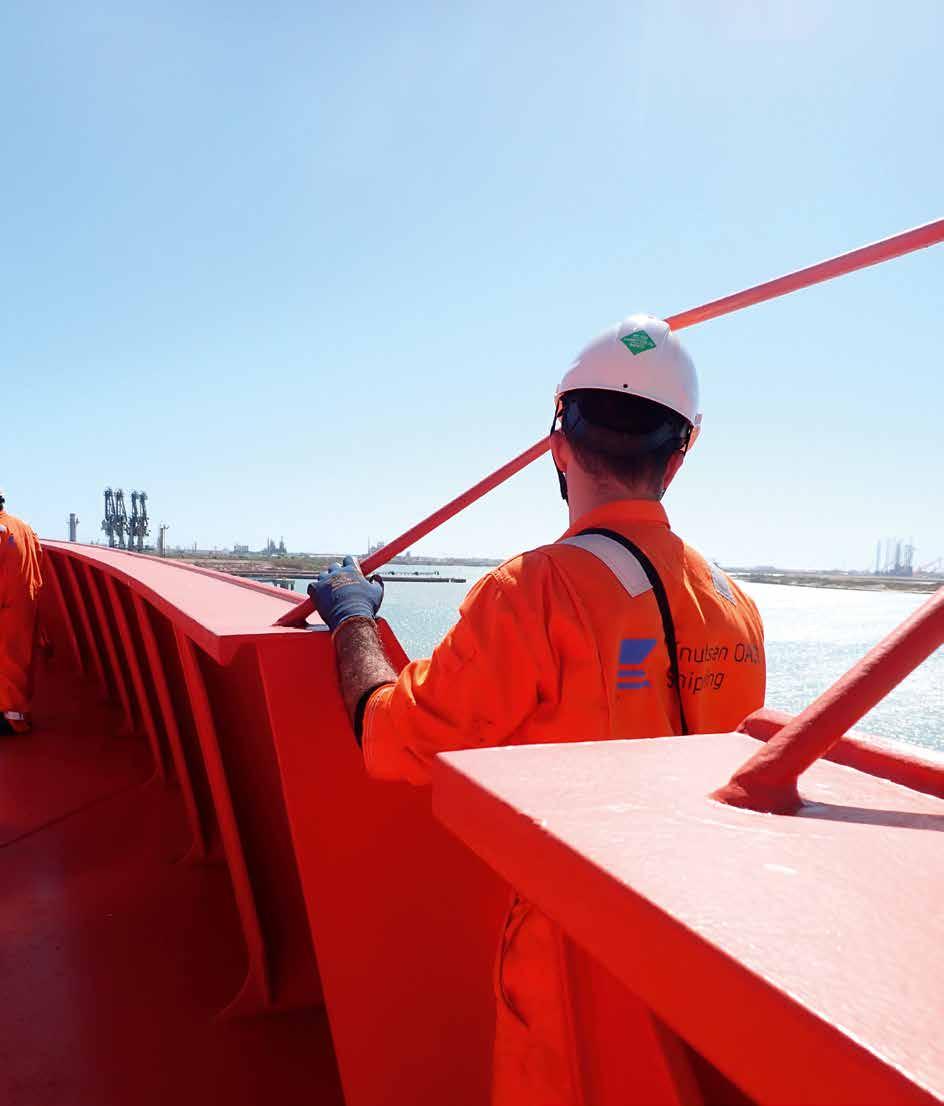
NORWAY
T: +47 55 58 92 71
E: cecilie.odegaard@uib.no
W: https://www.uib.no/en/asmog
W: https://www.uib.no/en/persons/Cecilie. Vindal.Ødegaard
Cecilie Vindal Ødegaard is Professor of anthropology at the University of Bergen. Her research is currently focused on the re-makings of labour and nature practices with the introduction of automated technologies and the proclaimed energy transition. She is co-editor of Indigenous Life Projects and Extractivism and has published numerous research articles.

www.euresearcher.com 45
Prof. Cecilie Vindal Ødegaard
Photograph by Marianna Betti.
The moor the merrier: putting ocean energy on a sustainable footing

The mooring system accounts for a significant proportion of the overall cost of offshore wind platforms. Researchers in the HYDROMORE project are developing high-fidelity models of ocean waves, which could lead to a shift in the design of mooring systems that will help reduce costs and encourage development in floating wind energy, as Dr David Lande-Sudall explains.
The first offshore windfarms were located in relatively shallow waters, but these platforms can also be built in deeper parts of the oceans, increasing the supply of renewable energy and helping countries reduce their carbon emissions. One factor limiting development however is the cost of the mooring systems, with floating offshore wind platforms still using traditional methods originally designed for the oil and gas industry. “The full-scale devices that have been installed in small clusters of turbines, have all used steel chain moorings,” outlines Dr David LandeSudall, Associate Professor in the Department of Mechanical and Marine Engineering at the Western Norway University of Applied Sciences. This is a fairly conservative approach to design, with a high safety margin, which then leads to higher overall costs. “For deeper water, the length and dimensions of steel chains become excessive, potentially exceeding what is available today and driving up costs through steel consumption,” explains Dr Lande-Sudall.
HYDROMORE
HYDROdynamic Mooring analysis for Ocean Renewable Energy
The HYDROMORE research project is funded by the Research Council of Norway FRINATEK programme, Project No. 324388.
T: +47 55 58 71 47
E: David.Lande-Sudall@hvl.no
W: https://www.hydromore.no/
Dr David Lande-Sudall is an Associate Professor in Ocean Engineering at the Western Norway University of Applied Sciences (HVL), Bergen in Norway. His research is focussed on ocean renewable energy and particularly experimental hydrodynamics within HVL’s MarinLab towing tank facility.





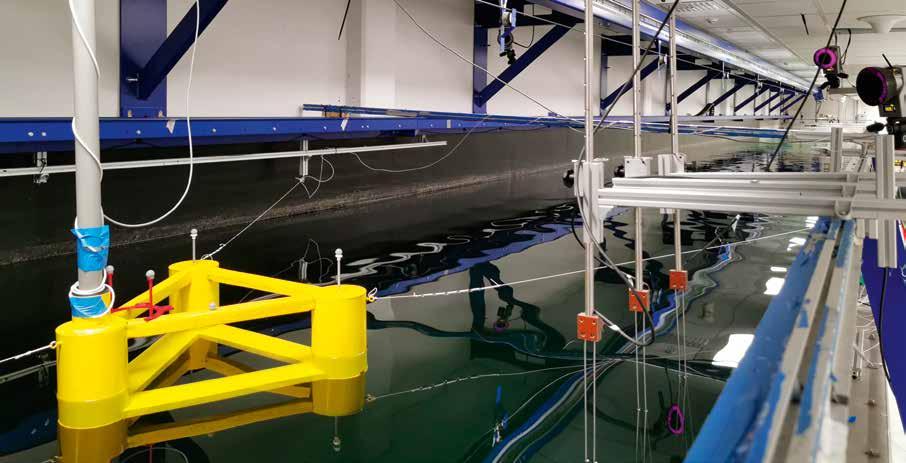
1:100 scale model of the 12 MW WINDMOOR semisubmersible wind turbine being tested at the 50 m long, MarinLab towing tank at HVL, Bergen.
HYDROMORE project
As the Principal Investigator of the HYDROMORE project, Dr Lande-Sudall is now working to develop higher fidelity models of the seas, to include more detail. Simplified engineering models work well in some circumstances, for example they might be perfectly adequate in situations where the waves aren’t very steep, but they are less effective in more random, short-crested seas.
“When we have waves from different directions or very steep waves, these models don’t work particularly well. We’re trying to increase the
continues Dr Lande-Sudall. The problem is that very slow varying drift forces act on offshore wind turbine platforms, and a single oscillation can take hundreds of seconds. “That’s a very long time to actually run a CFD model, so we’re trying to create a much shorter time-series that’s representative of different random seastates,” David outlines. “We’re using some characteristics of the motion response of the structure. We can basically design a wave that will force our platform into those types of oscillations, without running hours of random waves to capture a few extreme cases.”
“When we have waves from different directions or very steep waves, these models don’t work particularly well. We’re trying to improve the fidelity, to add more detail.”
fidelity of models, to capture more detail,” says Dr Lande-Sudall. In part of this work David and his team are using fully non-linear potential flow (FNPF) models, which allow them to resolve a wave to the point at which it becomes overtopping. “As long as the wave is intact we can now look at much steeper waves, and get more information on the pressure distribution acting on the floater,” he explains.
The very high-fidelity, detailed models like computational fluid dynamics (CFD), FNPF and meshless smooth particle hydrodynamics (SPH) are computationally expensive, so researchers aim to use them in an intelligent, targeted manner. The idea is to use the highfidelity models for only a short time-series, for example at the point at which a wave breaks. “That’s when we can couple in the SPH model,”
This work is currently focused on extreme waves and loads, with Dr Lande-Sudall looking at how the platform responds to these forces. Once the models have been experimentally validated, they could then inform the design of mooring systems, potentially leading to a shift towards the use of lighter, more pliant materials. “Can we use lighter, synthetic-type moorings?” asks David. This could help reduce the cost of offshore wind platforms and encourage greater investment in the sector, which is a major motivating factor behind the project’s work. “With simplified models there’s greater uncertainty associated with the maximum loads that you’re predicting a platform will have to withstand,” says Dr LandeSudall. “If we can effectively utilise higherfidelity models, then we can perhaps reduce the conservatism in design.”
EU Research
46
Reusing and recycling timber for a circular construction
With a budget of circa 20 million euros and 30 partners, SirkTRE is one of Norway’s biggest R&D projects of its kind. It is managed by Omtre AS and counts 6 work packages. Ola Rostad is the leader for task SirkGLOBAL, the work package which is responsible for networking and outreach internationally.
Annually, in Norway, 3 million cubic metres of timber get incinerated which could have served society in multiple ways, including in new and renovation construction projects. This incineration generates greenhouse gases that could have been stored longer. In 2022, SIVA (Industrial Development Corporation of Norway), Innovation Norway and the Research Council of Norway co-funded SirkTRE, a project initiated by the Norwegian Wood Cluster which aims to spearhead the circularity transition of the timber building industry and relevant stakeholders and partners.
The SirkTRE project has identified that when a wooden building is demolished and the materials are disposed of, or incinerated, this represents a missed opportunity for harvesting valuable resources and it negatively impacts sustainability goals by creating waste and releasing CO2
Alarmingly, the disposal of traditional construction materials at the end of their lifecycle contributes to 25% of all waste in Norway.
The project team proposes an alternative approach, which is to dismantle buildings and structures carefully and methodically, piece by piece so that those valuable wood materials can be reused and processed to be new products used in further construction projects. This simple but effective premise will have enormous implications if rolled out as a sustainable model for the industry.
“The climate issue is one of the biggest driving forces for this project. We need to use resources in a smarter way in the future. This project is about reinventing how this is done. The normal way of using wood is that you use it once and then you burn it, and you release the carbon dioxide but if you can reuse the wood, the carbon can stay in the wood for a much longer time,” said Rostad.
Big strides with smaller footprints
SirkTRE’s ambition is to turn half of today’s wood waste into building products by 2030. If successful, the carbon footprint will be reduced to a level that represents 8% of Norway’s commitments in the Paris
Agreement, which aims to limit global warming to 1.5°C by the end of the century. This 8% implies a reduction of 10,000 tonnes of CO2 equivalents by 2030 made possible because as long as the wood remains intact, it will continue to store carbon.
“The construction industry makes up for one-third of the carbon footprint in the world, so this is a big idea.”
Beyond environmental assessments and compiling data for Environmental Product Declarations (EPD), in a more practical push,
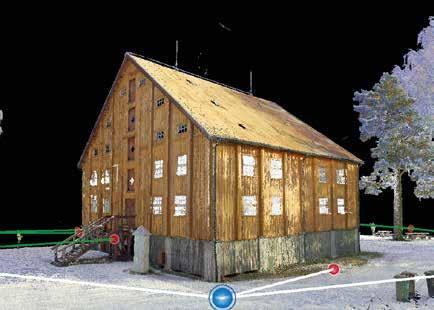


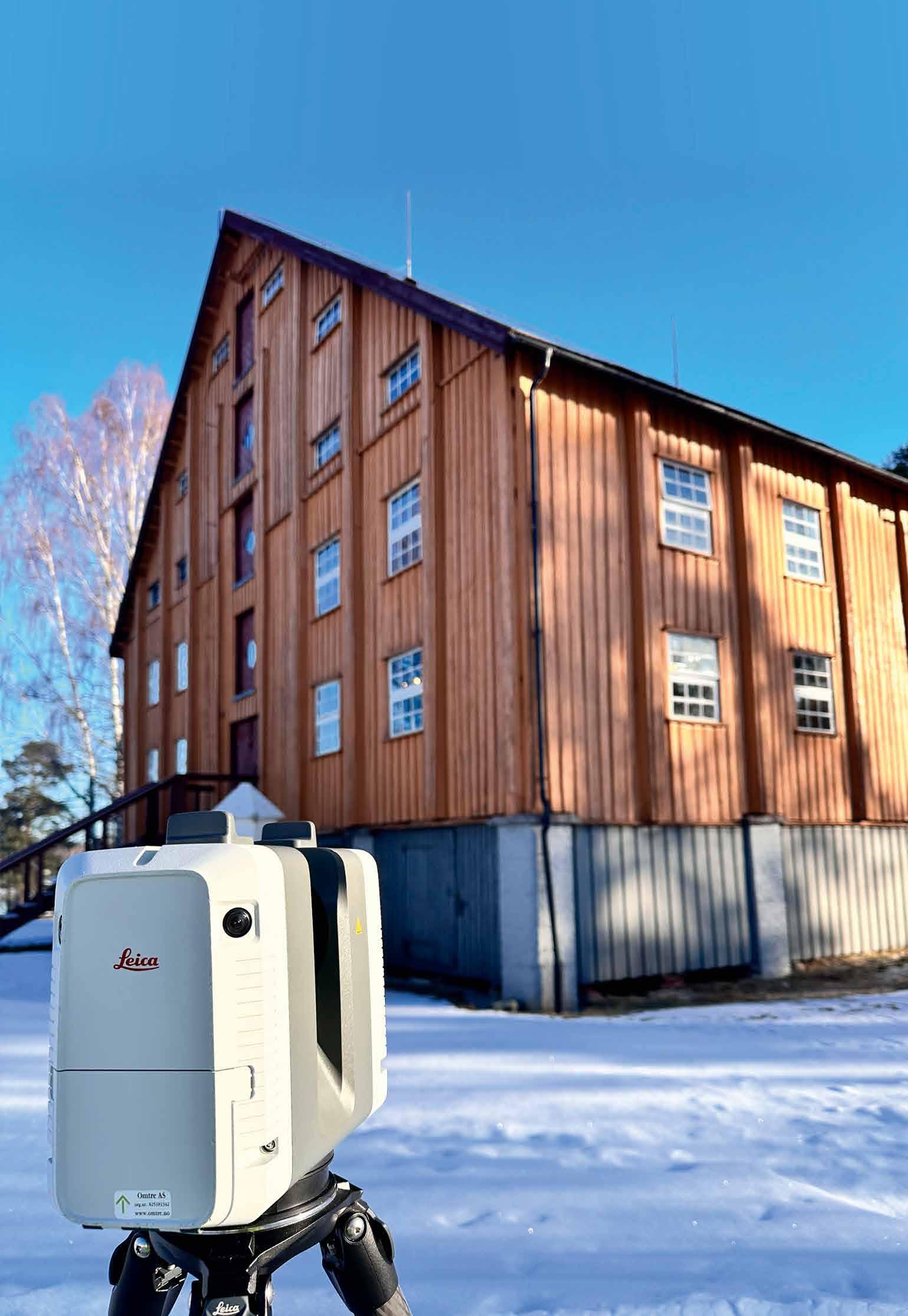
www.euresearcher.com
Digital twins to facilitate for reuse. The project looks into the emerging technologies and markets, but also in the business models of the different products and services.
47
Happy project managers together with Minister of Trade and Industry are posing in front of a heap of wood waste, lost potential. Photo: Sigurd Fløistad/NIBIO
the project is identifying and adopting the most suitable technology to check the quality of reclaimed wood, to ensure it is fit to be reused or recycled after being taken from defunct buildings.
To contribute to a thriving marketplace with products made from reclaimed timber, different SirkTRE partner teams are co-developing and testing digital solutions for data capture to make reclaimed wood more available to different customers on different platforms. The logistics involved in the reuse and recycling of the wood, the intricacies of the value chain and the life cycle of the timber are all in the research, development and innovation.
The research partners for the circular wood economy
A sister project entwined with SirkTRE is CircWOOD (Circular use of wood for increased sustainability and innovation) which aims to explores the potentials and benefits of improved circular use of wood in Norway. Whilst SirkTRE focuses more on industry and R&D suppliers, CircWOOD consists of research institutes and universities that are providing scientific support to enable SirkTRE developing new technologies based upon circular economy principles. For example, one deliverable is
educating Masters’ and PhD candidates to be effective in Norway’s future circular wood economy. The work from these two projects is woven closely in collaboration.
“For both the industrial and the academic partners, the emphasis is on new knowledge and creating robust and productive international networking,” explained Rostad.
CircWOOD is also tasked with finding effective ways to simplify and streamline processes with digital methods – for collecting,

Digital tools can make a big difference in all the steps from mapping, to dismantling the building to storing the data.
You need to make this value chain digital so you have this information available, so you have a lot of data from existing buildings that you can match with the needs of the new buildings or renovation projects in the best possible ways. You can use AI to describe each piece of wood and its quality, so you end up with a description of a product that can fit into a new building.
“The climate issue is one of the biggest driving forces for this project. We need to use resources in a smarter way in the future. This project is about reinventing how this is done.”
analysing and sharing key data on timber.
It’s imperative to have an efficient system to filter out damaged, weakened and contaminated wood and any material that is not fit for reuse or recycling. Herein lies the challenge, as with every deconstructed building it will be necessary to handle and process large quantities of timber in this sorting phase. It is a problem that the project is addressing, turning to innovative technology for some of the meticulous work.
Further to this, CircWOOD will look at how political frameworks affect the circular use of wood and what impacts it will have on the economy. Similarly, the SirkTRE project’s industrial partners are viewing the research and new methodologies as a learning exercise, an exploration of new techniques, in a Norwegian and European policy landscape that will introduce increasing legislation and policy in coming years to push the Green Deal, Circular Economy Plan and the Taxonomy.
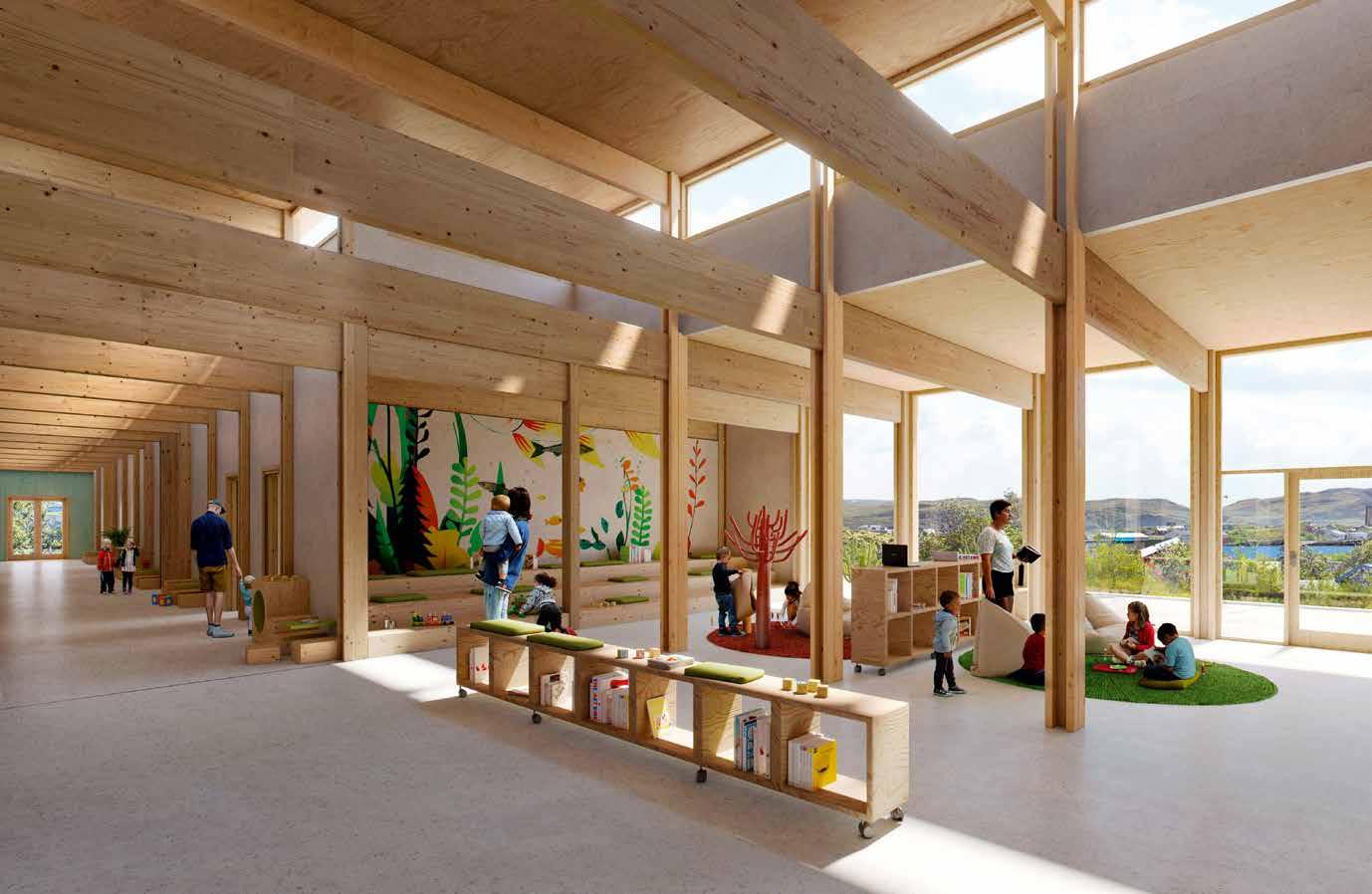
EU Research 48
Different architect firms participate to explore circular timber building solutions. Ola Roald Arkitektur designes how to reuse timber from obsolete buildings for a new school and Kindergarten I Båtsfjord.
Reclaiming timber from donor buildings and material banks
The first step in the process of reusing materials in an existing building is to map out the structure in all its component parts. This is simpler in structures like barns and cabins as many modern homes and structures are complex in terms of how they are made and what they are made of.
“It’s easier to locate reusable wood from buildings from the early 1900s or 1800s, than from more modern buildings from the last centuries. Modern buildings consist of a mixture of materials that makes it increasingly difficult to sort out reusable wood.”
Scanning so-called ‘donor buildings’ is part of the work package Sirk-Byggkart. The concept central to this new approach
step is to deconstruct the structure, which is not the normal way. The normal method is simply to tear it down and burn it. We want to prolong the use of the wood and the materials. If you just tear it down, you have a mixture of materials and you have to sort out wood which may be hard to find in the mess. And if you tear it down it’s improbable you can reuse it. So instead, we map the building and then deconstruct it. Then you can categorise, store and finally install the material into another building.”
Other work packages are connected with the deconstruction itself and the storage place. One of the partners is Sirkulær Resurrssentral in Oslo, a 4000 sqm storage place for only reclaimed construction materials.
“You need to make this value chain digital so you have this information available, so you have a lot of data from existing buildings that you can match for the needs of the new buildings in the best possible ways.”
is to view a suitable building as a material bank. Donor buildings can be mapped before they are dismantled. The materials made available from the dismantling can be used not just in one new building but in multiple structures, as long as all the parts are inspected, sorted and stored effectively. It’s a relatively simple and neat idea but it will take a radical upheaval of commercial norms in the construction trade and there are practical challenges that require solutions to be developed.
“You need to map the construction and understand what kind of wood could be reused and that could also include windows and doors, that is the first part. The next
Norway knows a prolific number of barns, many which are not used anymore and a waste of materials. Unsurprisingly, SirkTRE has a whole work package dedicated to barns, called SirkLÅVE. The barns have become a focus for the researchers to develop techniques to assess, quantify and process timber assets they have when it’s time to take them down. A point cloud is created and dimensions of the barn are recorded. One of the involved partners is OMTRE, which is also managing the whole SirkTRE consortium. OMTRE is also linking SirkLÅVE with the new Horizon Europe project DRASTIC, by working with barns as donation buildings in the Nordic Pilot.

SirkTRE
SirkTRE - establish the circular wood value chain
Project Objectives
SirkTRE is a large-scale project in Norway to ensure timber in old buildings is not destroyed when the building is taken down and instead categorised, stored and made available for reuse in construction and renovation projects. This ensures the recycling of materials in an efficient method, with the added benefit of storing rather than releasing CO2
Project Funding
Co-funded by Green Platform (Innovation Norway, SIVA (Industrial Development Corporation of Norway) and the Research Council of Norway) and the project partners.
Project Partners
30 business and R&D partners
Project owner Omtre AS.
Initiated by Norwegian Wood Cluster. https://www.sirktre.no/en/partnere
Contact Details
Project Manager SirkTRE
Kristine Nore
Founder of OMTRE AS
E: kristine.nore@omtre.no
Project manager CircWOOD
Lone Ross
Head of Department - Head of Research NIBIO
E: lone.ross@nibio.no
Task leader SirkGLOBAL
Ola Rostad
CEO Tretorget AS
T: +47 911 53 636
Learn More
W SirkTRE: https://www.SirkTRE.no
W CirkWOOD: https://www.nibio.no/ en/projects/circular-use-of-wood-forincreased-sustainability-and-innovationcircwood?locationfilter=true
Films: https://www.youtube.com/@SirkTRE
Ola Rostad is the Task Leader for SirkGLOBAL and is working towards the internationalisation of the results and boosting international cooperation. He is an experienced CEO with a demonstrated history of working within fundraising and innovation management.



www.euresearcher.com 49
Ola Rostad

European University Alliances:
Chances and challenges for transnational integration of higher education
The diverse system of European university alliances offers novel opportunities to institutions in terms of autonomous forms of collaboration, but it could also result in high administrative workloads for little additional funding.
Jens Lindemann, March 2023
In March 2018 the universities of Heidelberg, Prague, Warsaw, and Paris signed an agreement formalizing strengthened cooperation between the four institutions. They founded the European University Alliance 4EU which was renamed 4EUplus after an extension by the universities of Copenhagen and Milan in the autumn of 2018. This initiative can be understood as a predecessor of several European university alliances that continue to coordinate their research and educational agendas in micronetworks. It was and is the goal of the initiative to foster institutional integration among universities. Now, cross-national integration in higher education has been a topic already before the European University Alliances were put into action as a new contemporary form of collaboration in higher education. Therefore, it is important to consider the novel institutional features of the alliances and the related opportunities and challenges they present.
Fostered internationalisation as one key policy intention
According to information provided by the European Commission, university alliances should develop long-term multinational cooperation in connection to research and innovation that goes beyond the already existing forms of international exchange. This shall be achieved by the integration of physical and virtual mobility and by the development of shared curricula in all three study cycles (BA, MA, PhD). A new element is for example that the institutions publish tenders or grants jointly. This activity can be expected to take effect inside respective universities in the form of research agendas and priorities being built with stronger collaborative character. Also, jointly developed grant structures can be a strong incentive to create more diverse permanent research groups, at least if they succeed in attracting applicants from a high number of various institutions. In 2022 European integration for mobility in higher education is already an old phenomenon, but the intent of the alliances to foster internationalization also in terms of institutional integration is relatively new. Universities have always been rather international grounds. But so far this was achieved mainly through people moving at least for mid-term periods or for example by developing institutional integration primarily in border regions.
50





In sum, 44 university alliances are currently approved and are fostering their respective priorities.
What opportunities do exist for institutions of higher education?
From a practical viewpoint, users can expect better interfaces between different online platforms used by institutions of higher education. For example, two institutions might have had long-term cooperation already established before both joined an alliance. But the institutional form of the alliance is what allows them to synchronize also their respective digital dashboards according to the needs of document and data exchange. Furthermore, smaller international exchange options for students could be implemented as part of alliance-related research projects. Some students do not want to or cannot afford to move to another city for an entire semester. Diversified application options, for example as research assistants, for concrete projects, or a greater number of courses to choose from across a network of universities, are very concrete and positive opportunities from the students’ perspective. A key opportunity for European university alliances from the perspective of research units is the option for pooled infrastructure. It might simply not be attainable to follow a specific research interest that requires expensive or large-scale infrastructure if the financial capabilities of a single university or country do not allow them to build such infrastructure. The network of a university alliance can overcome this institutional impediment and the idea is that merging in alliances makes the competition for access to large-scale research infrastructure more barrier-free, continuous, and fair. Moreover, another opportunity of the format lies in the chance for shared experiences about institutional reform. This aspect might be particularly relevant for cases of similar institutional histories but unclarity about how the institutional model shall be developed further. Here, the European Reform University Alliance (ERUA) might be a case in point. All member universities were founded in the second half of the 20th century as reform institutions putting the critical function of universities for society at the centre. However, the interpretation and continuation of such shared founding principles can have taken very different paths over time. For such cases, a joint alliance can lead to helpful insights from strategic and organisational perspectives. Lastly, the development of shared curricula across institutions can indeed be a good opportunity to contribute to the harmonization of teaching across countries. In the end, graduates from the same subject should have at least broadly a comparable scope of knowledge independent from the European country or university that was the principal place of formal education.
What challenges come along with the alliances?
At first and speaking from a practical perspective, introducing shorter periods of mobility creates a challenge in terms of moving. The shortened duration of stays abroad might also contribute to a blurring of vacation trips and formal travelling for schooling – a challenge that could be mitigated by enhanced supervision standards prioritising a good student-teacher-ratio. Another challenge originates rather from the perspective of job markets or the post-graduate educational circle. To this day it remains unclear if joint degrees awarded by alliances are considered less or more ‘worth’ than the classical degree of a single institution – meaning that uncertainty remains if unique qualities can be attributed to unique cohorts of graduates from university alliances. Furthermore, a potential area for improvement concerns the programmatic lag behind the initially ambitious expectations of the policy proposal for university alliances, which claimed to reform the European university sector towards greater global competitiveness. These high expectations do not seem to align with the relatively low funding volumes. The maximum amount per alliance for four years is designated at 14.4 million euros. If you break down the sum into a budget add-on per year and per single university, it becomes clear that this is mostly a minor addition to the complete budgets per institution. However, establishing alliances can lead to structural changes in research units, which may result in larger workloads for institutions’ strategic and bureaucratic capacities. This could impair additional budgets to be spent fully on improved teaching and research activities.
Establishing university alliances as a successful reform on the EU-level
Yet, the new European form of university alliances can create learning effects from the organizational perspective in case of clearly described opportunities for collaboration - independent of how sufficient an individual university experiences the financial advantage coming along with being part of an alliance. The enhanced collaboration with nonEuropean partners could be a case in point for such an option.
In sum, 44 university alliances are currently approved and are fostering their respective priorities. Will their role gain importance in the future European landscape of higher education? In my view this will depend on two factors: whether their graduates are proven to be at least as respected and capable as previous graduates from less integrated universities, and whether high-quality research results will indeed be institutionally connected rather to the alliances and their organizational innovation than to single universities or allianceindependent research units.
https://4euplus.eu
https://education.ec.europa.eu/education-levels/higher-education/european-universities-initiative https://europeanunialliance.eu/
51
Brittany welcomes post-docs with Bienvenüe

The Brittany region of France has a long tradition of technical innovation, and ambitious plans are in place to encourage continued development across a range of fields. We spoke to Olivier David about how the Bienvenüe programme is helping to attract talented post-doctoral researchers to the region, supporting the technical development that will spur the industries of tomorrow.
The Brittany economy has changed significantly since the ‘70s, building on its traditional strengths in agriculture and fishing, while also embracing the technical development and innovation that will encourage growth in the industries of tomorrow. Continued commitment to research and development is crucial to both the health of the Brittany economy and the region’s ability to address major contemporary challenges says Olivier David, Vice-President for Student Life, Higher Education and Research at Région Bretagne. “We want to support projects that will help us deal with issues around the environmental, energy and social transition,” he outlines. This was a major motivating factor behind the founding of Bienvenüe, an international postdoctoral fellowship programme designed to attract talented researchers to Brittany, coordinated by Région Bretagne. “New knowledge is being produced by laboratories and research facilities across Brittany. With Bienvenüe, we aim to attract researchers from across the world,” continues Olivier David.
Bienvenüe programme
This spans research across a variety of different fields, from the maritime economy to digital technology to amateur film. Projects in a wide range of disciplines are supported under Bienvenüe, including chemistry, biology and ethology, although they must be related to the priorities identified in the Smart Specialisation
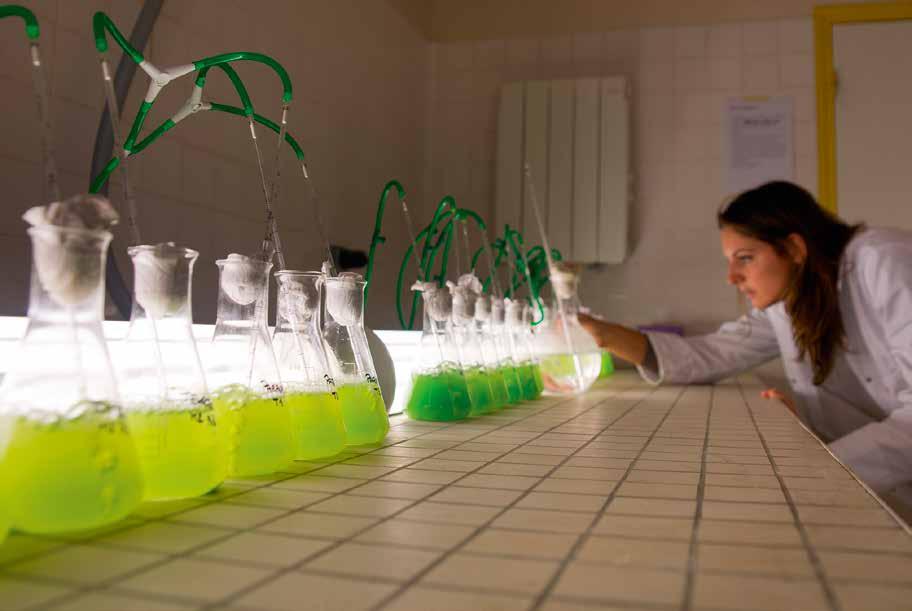
Strategy (S3), which sets out the region’s approach to research and innovation up to 2027. “The Bienvenüe programme builds on the S3 strategy, in which we identified different areas which are particularly important for the Brittany economy,” outlines Olivier David. The programme plays an important role in this respect by offering support for both applied and fundamental research, with the scientific quality of the proposal the main criteria in evaluating projects. “The evaluations are carried out by a panel of external experts, and scientific quality is the main
consideration,” explains Olivier David. “Fellows choose their own research topics, and once funded, they have complete freedom to pursue their project interests.” A high degree of academic freedom is typically highly valued by post-doctoral researchers looking to forge their own careers and establish themselves in their field. However, while post-docs typically value academic freedom, some may also want a degree of support, which is also provided in Bienvenüe. “The fellows work alongside a supervisor, who offers guidance in their research,” says Olivier David. The fellows are
EU Research
52
Laboratory research in the algae sector © Nicolas Job - Héos Marine
also supported in dealing with administrative issues and in cultural integration, which Olivier David says will help them get the most out of their time on the programme.
“We, at Région Bretagne, support the fellows and help them find the right contacts to deal with any issues at their resident institution and their laboratories,” he outlines. “We work with the international mobility centre, which helps foreign students deal with

whether that’s in academia or the industrial sector. An academic career is not purely about conducting research, there’s also a communication aspect, which Olivier David says is reflected in the training provided in Bienvenüe. “During their project they complete six days of research-oriented training, and also six days of training in transferable skills,” he explains. In terms of training in their chosen field, fellows can
“New knowledge is being produced by laboratories and research facilities across Brittany. With the Bienvenüe programme, we aim to attract researchers from across the world.”
visas, accommodation and administrative paperwork. The host institutions are also used to welcoming students from all over the world, so all the fellows have the opportunity to attend French courses.”
The fellows also have the opportunity to attend courses during the programme, intended to equip them with the skills they will need for their future careers,
attend relevant conferences identified in consultation with their supervisor, while courses of broader interest are also offered.
“We organise the European Responsible Research and Innovation Event for example. This is a two-day event, which is more about soft skills and topics that will be of interest to all the fellows, regardless of their field,” continues Olivier David. “For example, we
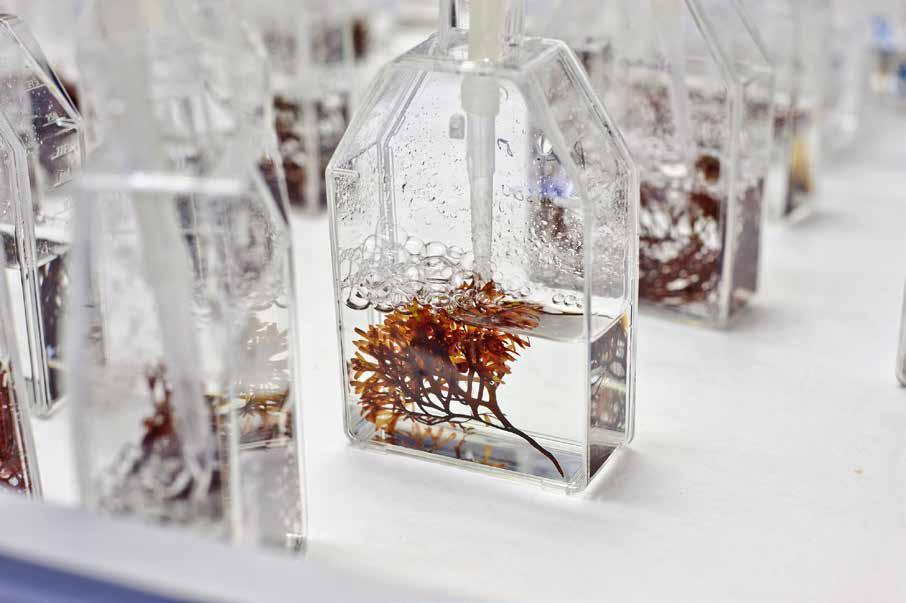
© Philippe Erard / Région Bretagne
have addressed topics like open data, ethics and integrity in research, innovation and intellectual property.”
Collaborations with industry
A poster session is also on offer in Bienvenüe, where fellows can learn how to present their research in a more accessible way, which can be very important to attracting wider attention. While many of the projects in Bienvenüe are fundamental in nature, there are also others that may be of interest to industry, and Olivier David says Région Bretagne supports those researchers who are keen to explore potential commercial opportunities. “We arrange regular meetings with representatives from industry,” he outlines. These meetings have already led to some fruitful collaborations, for example Bienvenüe fellow Dr Silke Lehmann is collaborating with a local company to build on the progress she has made in the VASEC project. “The VASEC project is about valorising seaweed, and now Dr Lehmann has helped develop a screening technique in a collaboration with an industrial partner,” says Olivier David. “We will also do a follow-up on the projects supported in Bienvenüe, and the fellows will be asked to submit their reflections.”
This could then influence the development and direction of future projects, with plans in progress to apply for a further fellowship programme under the cofund scheme. The number of academic partners will increase to 19 from the 8 involved in Bienvenüe, evidence of the success of the programme in attracting talented researchers and strengthening Brittany’s culture of innovation and research development. “The Bienvenüe programme has helped Breton laboratories to attract new people and to highlight their own strengths and attributes. This is very important for the internationalization of our research culture,” stresses Olivier David.
www.euresearcher.com
53
BIENVENÜE
Welcoming highly-talented international post-docs in Brittany
Project Objectives
The BIENVENÜE programme is a regional programme for post-doctoral fellows, aiming at improve the attractivness and visibility of Breton laboratories in its leading domains, maximize the impact of the Breton R&I strategy (S3) on the local development and reinforce human potential by helping fellows to develop their skills and career prospects.
Project Funding
This project has received funding from the European Union’s Horizon 2020 research and innovation programme under the Marie SkłodowskaCurie grant agreement No 899546.
Project Partners
• Institut Agro Rennes-Angers
• IMT Atlantique
• Inria
• Université de Bretagne Occidentale
• Université Bretagne Sud
• Université de Rennes
• Université Rennes 2
Contact Details
Project Coordinator, Patrica GAUTIER
Cheffe de projet européen COFUND –BIENVENÜE
Région Bretagne
T: +02 99 87 43 52
E: msca-bienvenue@bretagne.bzh
W: https://msca-bienvenue.bretagne.bzh/
Bienvenüe & QA
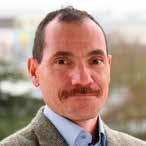
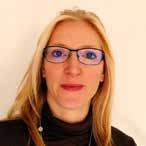
The Bienvenüe programme offers post-doctoral fellowships at eight different partner institutions across Brittany. We spoke to several of the fellows to get an insight into their research, their experience of participating in the programme, and how it has helped them develop their skills ready for the next stage in their careers.
Marisa Navas
EU Researcher: Do you have a lot of academic freedom within Bienvenüe? Do you have the freedom to pursue your own interests?
Marisa Navas: Yes, very much so, this is one of the most important elements in the programme. I was able to develop a project that was directly related to my own area of interest. In my project I am using novel materials to do heterogenous catalysis, and do some hydrogenation reactions to produce fragrances that may be of interest to industry.
EUR: How has participating in Bienvenüe helped prepare you for the next stage of your career?
MN: This is a very comprehensive programme. I’m part of a very inter-disciplinary group - I’m learning a lot about different aspects of chemistry, and I’m in contact with people in different environments. In future I hope to stay in academia, and I’m gaining knowledge and academic skills that I hope will help me find a permanent position.
Carlos Arce-Chamorro
EUR: Could you tell us about your research project?
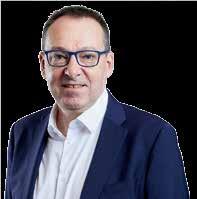
Professor Olivier David is a Full Professor of geography, and former President of the University of Rennes 2. He was elected Regional Councilor in 2021. As Vice-President since then, he oversees all political matters related to Research and Higher Education, with a large expertise based on his long-lasting experience in these fields.



Carlos Arce-Chamorro: I work in the field of geo-chronology, studying sea level oscillations along the coast of Brittany during last 300.000 years (or more). That involves putting together an evolutionary model of the coast by using the sedimentary record with absolute dating. And this will help us understand how much the sea level is likely to rise in the nearest future; this means, before the end of the current interglacial episode, when sea level will begin its long cyclical decline. Meanwhile, some parts of the coast are more vulnerable – for example there is a risk of flooding from the sea in the flatter areas, affecting industry, tourism, etc.
EUR: Do you plan to share your findings more widely?
CC: Yes, certainly. We are going to place our findings in a free International Database, and we are going to publish our findings gained from the use of both Luminescence and Terrestrial Cosmogenic Nuclides dating techniques in Scientific Journals in Open Access.
Jean-Baptiste Masson
EUR: What is your field of research?
Jean-Baptiste Masson: I’m looking into the history of sound and amateur films. Often presented as silent, a number of these films had a soundtrack, stored on a different medium: instantaneous disc, tape, or cassette. The objective is to unearth this history, and to write a manual for the restoration of sound from amateur films.
EUR: A wide variety of techniques must have been used by amateur film makers?
JM: Indeed. One of the characteristics of amateur filmmaking and amateur sound recording is the recurrent use of DIY techniques. It was sometimes done for cost reasons, but some amateurs were doing this to experiment or to adapt the equipment to their workflow. Together with the subjects filmed (from family to nature to fiction to everyday life), this gives amateur films and sound a historical, sociological, aesthetical, anthropological interest.
Sylvie Campagne
EUR: What are ecosystem services? Are they the main focus of your research?
Sylvie Campagne: Yes, that’s right. With ecosystem services, we’re basically looking at the interactions between humans and nature, and how humans are dependent on nature.
EUR: Does your multi-disciplinary background help you in conducting this research?
SC: It’s essential. You really need to be open to work in this field, because it touches on many indicators and involves exchanging knowledge with a wide variety of people and experts in different subjects.
EUR: Would one indicator be the biological health of the water for example? Also the impact on the local economy?
SC: Yes, absolutely. I’m analysing how climate change affects marine ecosystem services as well as other drivers of change, such as pollution and management action. How does management action increase or decrease ecosystem services?
EU Research
Prof. Olivier David
Marisa Navas
Carlos Arce-Chamorro
Jean-Baptiste Masson
Sylvie Campagne
54
© EP Images / Région Bretagne
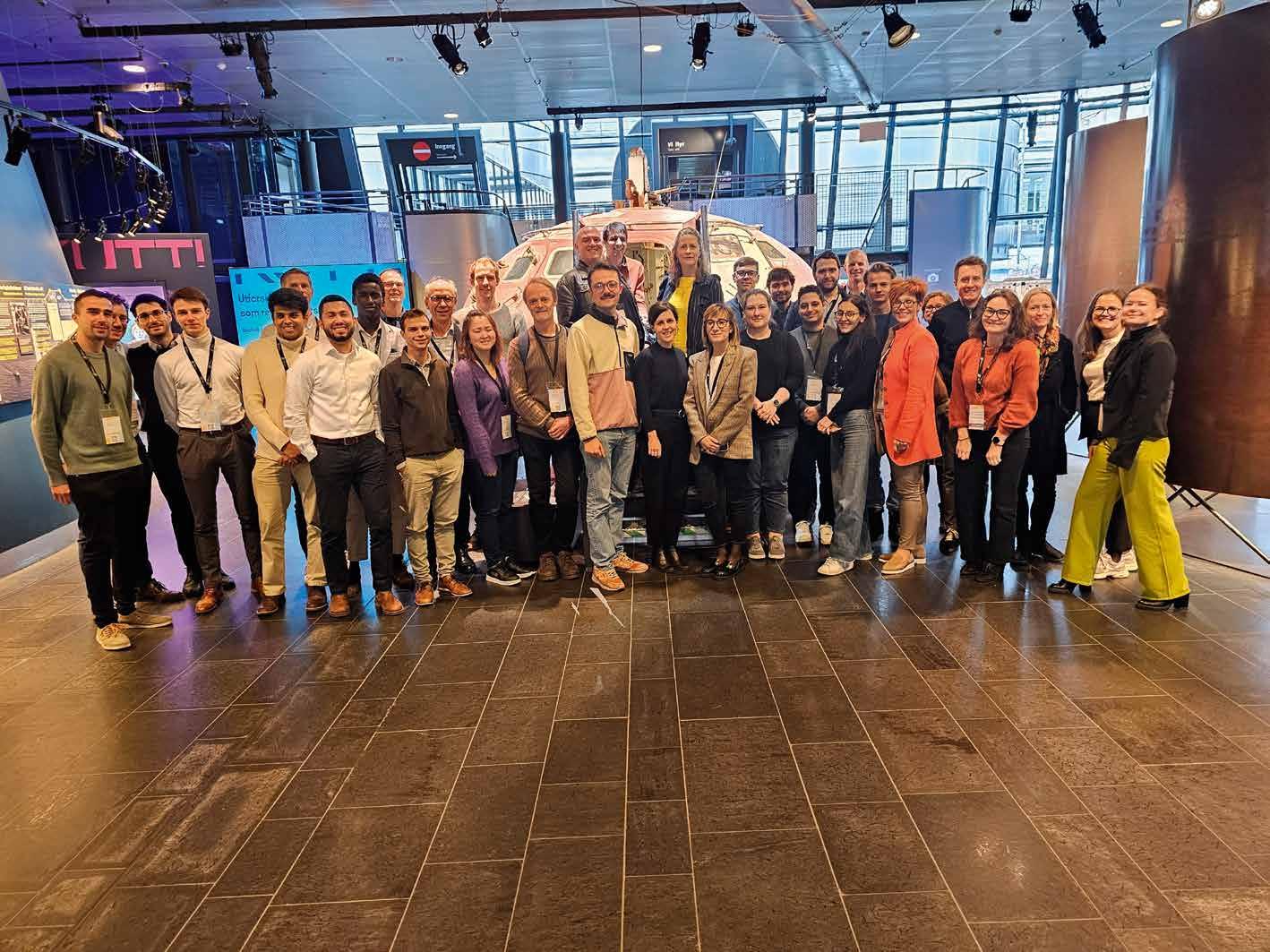
Shining a light on tax evasion and avoidance

Tax evasion costs European countries billions of Euros a year, which has a detrimental impact on wider society and undermines public faith in the tax system as a whole. We spoke to Annette Alstadsæter, Ronald Davies, and Hector Ulloa about the work “Skatteforsk – Centre for Tax Research” is doing uncovering the facts around tax evasion, to then inform policy design.
The extent of tax evasion is by nature difficult to accurately assess – after all, tax cheaters prefer to keep their activities hidden – but it is estimated to cost European countries many billions of Euros a year in lost revenue, widening social inequalities and undermining public faith in the tax system as a whole. The team at Skatteforsk, a new tax research centre based at the Norwegian University of Life Sciences, is working to quantify the hidden economy, which could then help inform the design of tax policy. “The first thing we want to do is essentially draw up a map; what is the extent of tax evasion? How do people respond to tax laws and changes? From that, we can then learn more about how we should design the tax system,” outlines Annette Alstadsæter, Director of Skatteforsk. Researchers are analysing large volumes of data, including both documents leaked into the public domain and also pseudoanonymised administrative data on Norwegian firms and individuals. “We’re interested in looking for patterns in the data that are indicative of certain kinds of behaviour,” says Ronald Davies, Research Director at Skatteforsk.
Tax avoidance and tax evasion
A distinction needs to be drawn here between tax avoidance, which is legal, and tax evasion, which isn’t. An individual may legally reduce their inheritance tax liabilities by disposing of their assets later in life for example, but concealing personal wealth is illegal, something that some wealthy people attempt by under-reporting their wealth and using it abroad. “In the past you could do that pretty easily, but that has changed now, with extensive information exchange. More than 100 countries now exchange information automatically about the bank accounts of their respective tax residents,” says Alstadsæter. There are however still a lot of loopholes and differences between national tax codes, and those with the resources to pay for specialist advice can exploit the grey area between tax evasion and avoidance. “A lot of money can be made by utilising these loopholes and inconsistencies,” continues Alstadsæter. “We have found that big firms are increasingly spending on tax advice, and they’re doing much of it in-house.”
The Skatteforsk team is now combing through the available data, looking to identify cases where tax loopholes are being exploited, with the ultimate aim of helping to eliminate them. Tax evasion is very much a global issue, and while plenty of cross-border transactions are entirely legitimate, Davies says that others may be more questionable, an issue that he and his colleagues are investigating.
“How do you tease those out and look for red flags? That’s one of the big challenges in tax policy,” he outlines. The Skatteforsk team collaborates with researchers across the world in this work, bringing together a variety of perspectives. “As economists, we’re trained to think about how people behave, but we also work with legal experts, as well as people with really strong data or theory skills and knowledge of particular datasets,” says Davies. “We’re looking to take all of this data and put it together in a more holistic sense, as no one single tool is going to detect all cases of tax evasion.”
This research has already yielded some important results, shining a light on the tax
EU Research 56
The Skatteforsk research team at the Oil Museum in Stavanger (Norway) after the first-ever yearly Skatteforsk conference in 2023.
affairs and financial dealings of both major firms and wealthy individuals. The Skatteforsk team played a significant role in uncovering the extent of foreign property ownership in Dubai for example, which has attracted a lot of media interest. “We’ve had lots of requests for information from journalists in developing countries, as we’ve found that some elites from these nations own property in Dubai. These journalists want to learn more, so that they can hold governments and members of the elite accountable,” outlines Alstadsæter.
The Skatteforsk team also recently launched the Atlas of the Offshore World (https://atlasoffshore.world/) and the Global Tax Evasion Report together with the EU Tax Observatory, demonstrating their commitment to heightening public awareness of the issue. “The Global Tax Evasion Report shows how trends in tax evasion are developing over time,” says Alstadsæter.

bit of a leaky bucket to some extent, as every time we plug a hole, a new one develops.”
This research feeds into the wider goal of maintaining public faith in the tax system and avoiding the corrosive perception that some people or companies are paying less than they should. Alongside their research into tax evasion and avoidance, the Skattteforsk team are also working to highlight its practical impact. “We’re looking at how tax evasion and avoidance affects employment and wages for example. Who in a company gets higher wages when taxes are being avoided?” says Davies. The scope of the centre’s research is expanding further, as researchers seek to understand the indirect effects of tax changes. “We are also looking into the impact of taxes on inequality and sustainability. How can we reduce emissions and encourage the shift towards a more sustainable economy?” outlines Alstadsæter. “Who is paying for the
“What is the extent of tax evasion? How do people respond to tax laws and changes? We can then learn more about how we should design the tax system.”
Proposing solutions
The goal at Skatteforsk is not just to highlight problems, but also to propose solutions and effectively build a bridge between tax theory and practice. This is about more than simplifying the tax code, as the tax system is not just a means of raising revenue, but also of incentivising certain kinds of behaviour which may leave loopholes that can be exploited. “A government might want to subsidise research and development for example, or encourage investment in green technologies, so then the system becomes fairly complicated,” points out Davies. A large part of the solution lies in ensuring that tax law is very precisely worded, which is an ongoing challenge. “We’re trying to think about how we develop tax policy for the real world, particularly relating to the issues of tax evasion and avoidance,” continues Davies. “It’s always going to be a
shift towards a more sustainable economy? There are variations between countries in how much they are investing in this area, but you may also find big inequalities within countries.”
The shift towards net zero requires collective effort, which may be undermined if wealthy people shift a lot of their money to tax havens. The Skatteforsk team can play an important role in this respect, shining a continuous light on the issues around tax evasion and avoidance, not just waiting for them to explode into the public consciousness. “Skatteforsk can really fill a gap in society. Our centre has the goal of bringing important information about tax affairs to public attention, and not just waiting for the publication of the next ‘Panama papers’,” says Hector Ulloa, Outreach Director at Skatteforsk.
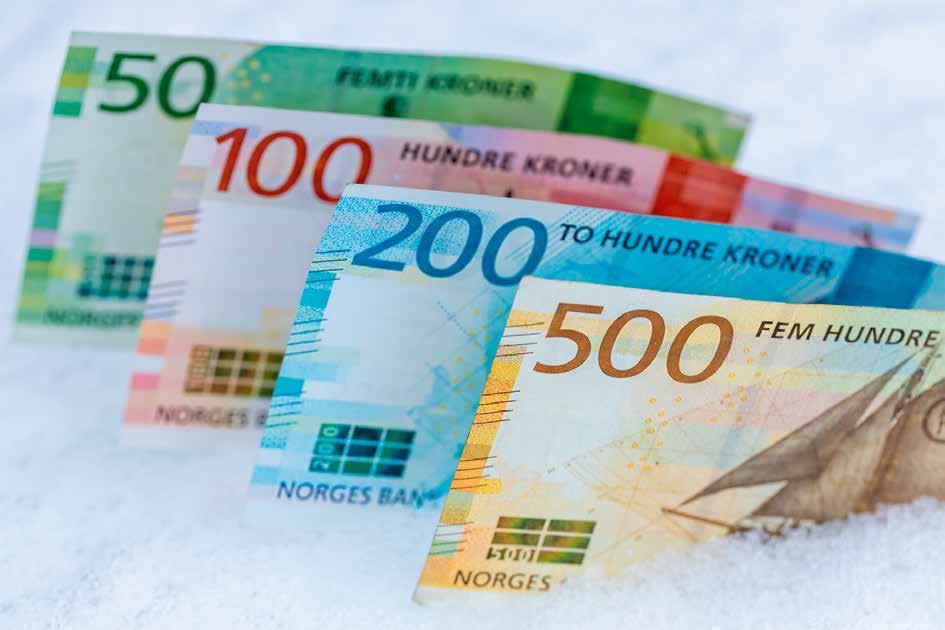
SKATTEFORSK –CENTRE FOR TAX RESEARCH
REAL TAX POLICY FOR THE REAL WORLD
Project Objectives
The purpose of Skatteforsk is to provide policy relevant, cutting edge taxation research At its heart is the recognition of the need for facts to inform both public debate and policy design. In taxation, where evasive behaviour actively seeks to conceal those facts, this need is particularly acute. This is the void that the Centre and its global network that includes academia, government, and the private sector, seeks to fill.
Project Funding
Established as a research network by Annette Alstadsæter in 2017, “Skatteforsk” received a grant from the Research Council of Norway in December 2022 to establish a formal research centre (via grant number 341289) with corresponding administrative structures. It was officially inaugurated in March 2023.
Project Partners
Skatteforsk – Centre for Tax Research now has more than 70 members, of which 11 are hired full or part-time at the Norwegian University of Life Sciences, where the center is hosted by the School of Economics and Business.
Contact Details
Professor Annette Alstadsæter
Project Director
Skatteforsk – Centre for Tax Research
School of Economics and Business Norwegian University of Life Sciences 1432, Ås
E: skatteforsk@nmbu.no
W: https://skatteforsk.no


Annette Alstadsæter is Professor at School of Economics and Business, Norwegian University of Life Sciences, Director of SKATTEFORSK - Center for Tax Research, and Program Director for the Atlas of the Offshore World at the EU Tax Observatory.
Ronald Davies is a Professor of Economics at University College Dublin and Research Director of Skatteforsk.
Hector Ulloa is Outreach Director of Skatteforsk and joined the team in July 2023.


www.euresearcher.com 57
Professor Annette Alstadsæter
Ronald Davies
Hector Ulloa
Digging deep into the Christianisation of Egypt
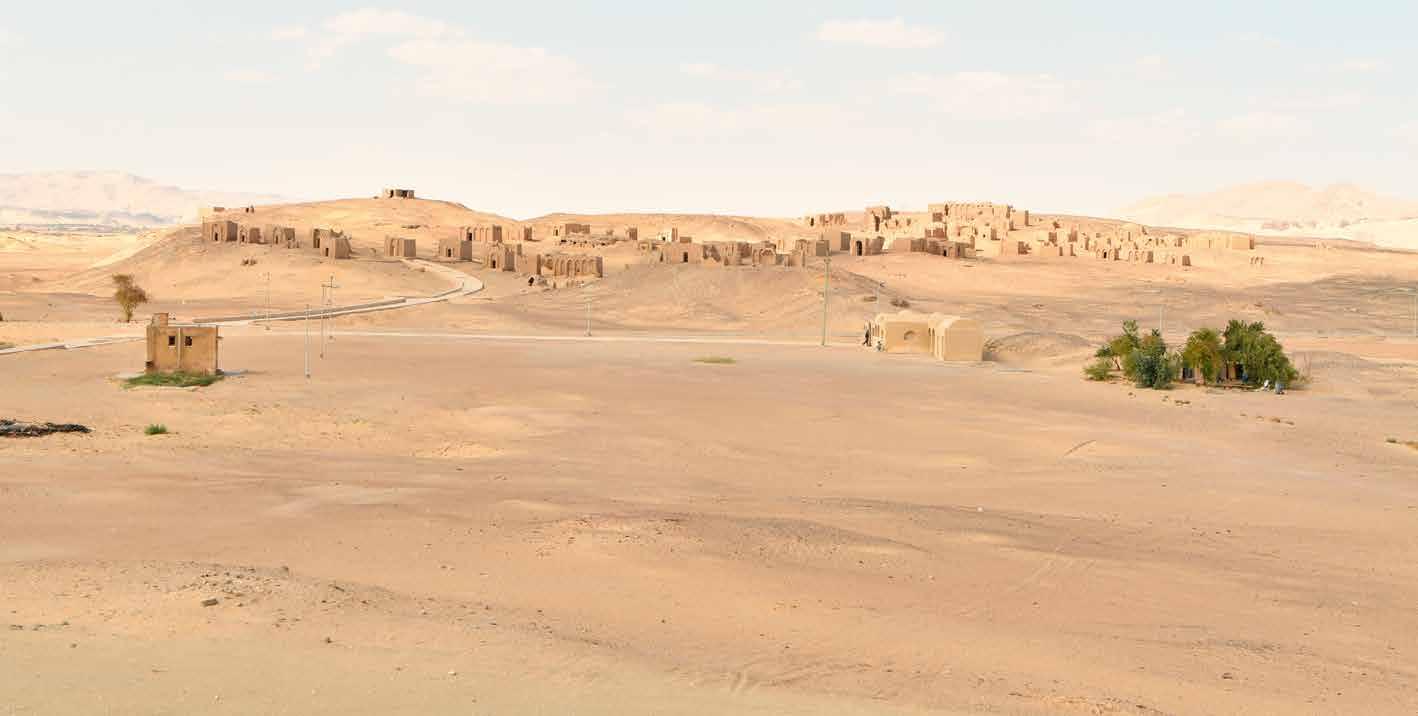
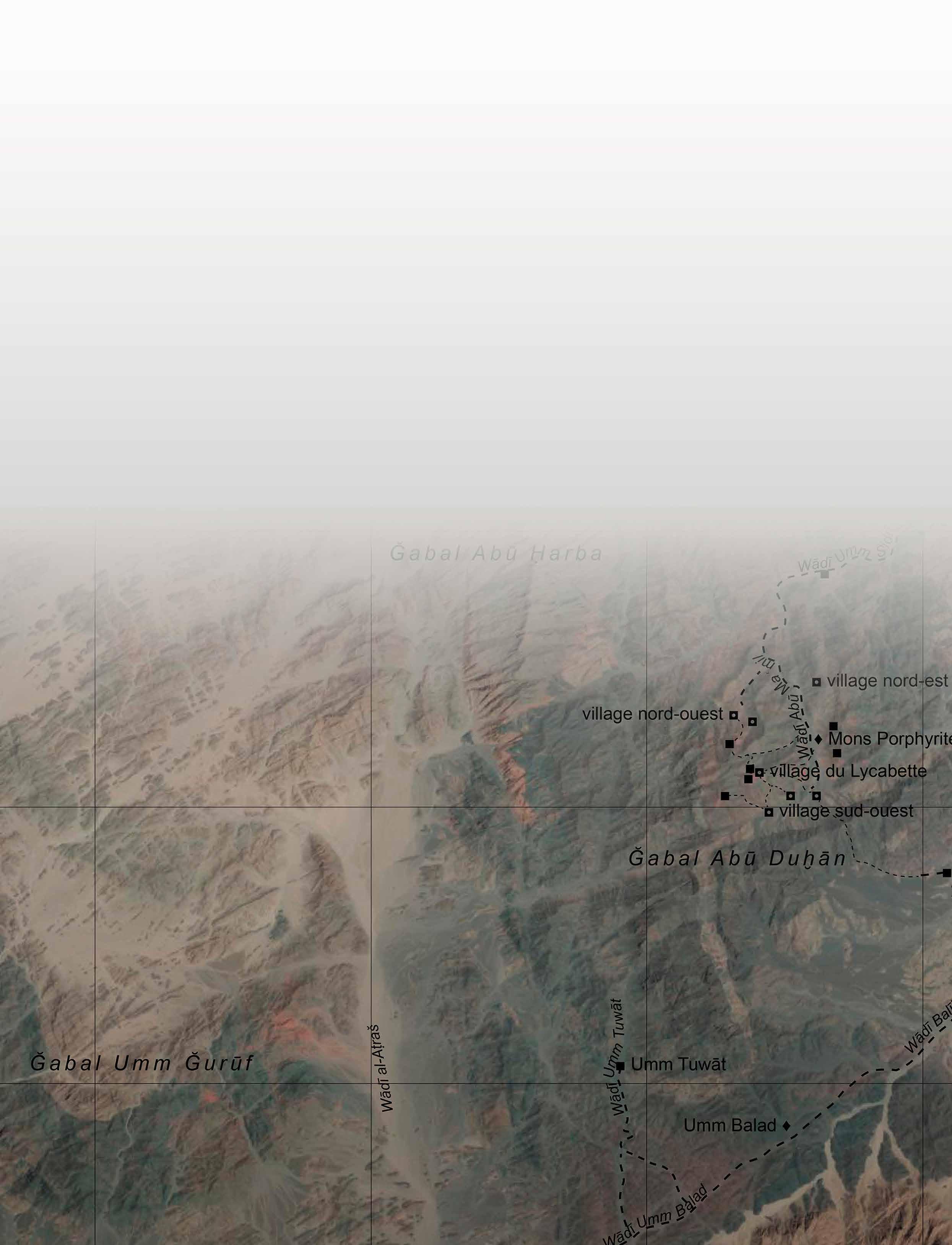
During the fourth century, Christianity went from being a prohibited faith group to the official religion of the Roman Empire, a shift which had colossal impacts on Egypt and the Empire as a whole. Researchers in the DEChriM project are investigating the factors behind Egypt’s Christianisation, building on recently uncovered archaeological records, as Professor Victor Ghica explains.
A vast amount of new archaeological material has been uncovered in Egypt over the past two decades or so, which could help scholars learn more about how Christianity spread in the country. As Principal Investigator of the EU-funded DEChriM (Deconstructing Early Christian Metanarratives) project, Professor Victor Ghica is examining material from the fourth century, which was a crucial period in terms of the Christianisation of Egypt. “During the course of the fourth century, Christianity moved very fast from being a banned religion to the status of being the only official religion of the Roman Empire,” he explains. The project team are investigating the emergence of Christianity in this key period, questioning the prevailing narratives and also looking to build a deeper picture on the local level. “We are trying to produce localised micro-histories of Christianity for areas in Egypt where the documentation is strong,” says Professor Ghica.
DEChriM project
This research builds on Professor Ghica’s earlier work in the oases of Egypt’s Western Desert, a vast expanse of land stretching between the Nile Valley and the Libyan border. The highest concentration of sites with Christian material dating from the fourth century is located in the Kharga oasis. As a result of such density, this is the region where the bulk of the team’s research is being conducted, including excavations at four different sites. “Some of our material comes from previous work, while we have also been carrying out excavations at several sites during the course of the project,” he outlines. The importance of Kharga, alongside the neighbouring Dakhla Oasis, rests on the fact that the two – known in late antiquity as Oasis Magna – were largely abandoned at the end of the fourth century and are thus very well preserved. “We excavate these sites basically in the state in which they were abandoned. It’s like a time capsule,” says Professor Ghica. A poignant example is the site of Shams al-Din, one of the sites excavated by the team, which is situated in the south of Kharga. In addition

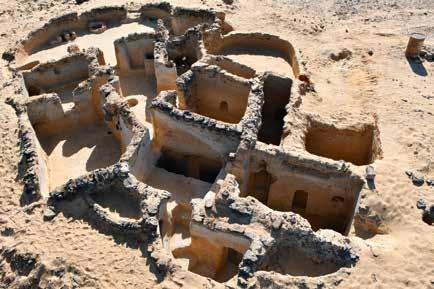
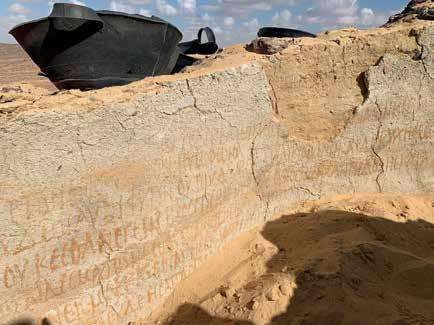
to being home to a fourth century church, the site also retains a complete settlement area –late antique settlements are rarely uncovered in such a state of completeness.
A wealth of interesting material has been discovered at the oasean sites, with which researchers hope to shed new light on how Christianity developed and spread throughout Egypt. For instance, Professor Ghica and his team have been excavating two monasteries – one in the Kharga Oasis and a second in the oasis of Bahariya – which
have been precisely dated to the mid-fourth century. “These monasteries were built something like 30-40 years after Constantine the Great converted to Christianity, so we’re talking about the very earliest stages of archaeologically documented Christianity. These are extraordinary monuments and they are extremely well preserved,” he outlines. The monastery in Kharga which is being excavated by DEChriM is in close proximity to three additional monastic sites which have likewise been dated to the fourth century, making Kharga home to the oldest – and most numerous – collection of archaeologically attested monasteries in the world.
While the team’s excavations have been concentrated in Kharga, and to a lesser extent Bahariya, their work has not been limited to these areas. Fieldwork has been conducted at a plethora of sites throughout the country, essentially at each of the 80 sites of relevance to fourth century Christianity. This work has included site surveys, photography for the creation of 3D models, and ceramic analysis.
The project team is looking at the emergence of Christianity in the fourth century from a variety of angles, examining how it spread – including the role of the military – how early worship practices looked, how the clergy were organised, and the emergence of monasticism in Kharga, to name but a few topics of interest. Researchers are also investigating different methods of dating archaeological sites. One of the key methods of dating sites currently employed by archaeologists is through assessing the ceramics that are found there, yet the fourth century has long been considered as a sort of dark age in this respect. “Archaeologists have simply not been able to date an archaeological site to the fourth century on the basis of pottery, largely because not much was known about the specific ceramic productions of the period,” explains Professor Ghica. This is an area of great interest in the project. “We’re currently finalising a catalogue of the ceramics in circulation in this period, with the purpose of re-dating archaeological sites based on the pottery that can be found on those sites,” says Professor Ghica.
EU Research 58
Monastic chapel inside the monastery of Dayr Mustafa Kashif (Kharga Oasis); 2022 excavation season (© V. Ghica).
Hermitage GQA6 of the laura of Ganub Qasr al-‘Aguz (Bahriyya Oasis); 2020 excavation season (© V. Ghica).
Dipinti on a wall of the hermitage GQA6 at Ganub Qasr al-‘Aguz; 2020 excavation season (© V. Ghica).
Spread of Christianity
The material uncovered is undergoing rigorous analysis, with the DEChriM researchers hoping to better understand how and why Christianity spread throughout Egypt in the fourth century. “We are trying to essentially dissect this process,” says Professor Ghica. The sources suggest that Christianity was effectively transmitted from person to person, with no evidence of forceful evangelisation, as has often been thought. “It was a progressive transmission from individual to individual at the lowest levels of society, I believe,” says Professor Ghica. “This was a bottom-up process to a large extent, as Christianity had already infiltrated the lowest strata of society in the third century. We know that Christianity
Christian architecture, based on the first-hand data we’ve gathered.”
A further major output from the project’s work is the 4CARE database, which brings together data on the 80 sites in Egypt related to fourth century Christianity and over 1,700 artefacts associated with them. An enormous amount of work has gone into compiling this, with researchers working through thousands of publications to make the database as comprehensive as possible. Each site is accompanied by a description, an overview of the archaeological research conducted, photographs, plans, and photogrammetric models, while most objects are also accompanied by photos, in addition to descriptions and full bibliographies. This database provides a rich source of
“We excavate these sites basically in the state in which they were abandoned. It’s like a time capsule. The main excavations we do are at the Kharga oasis in Egypt’s Western Desert.”
was present in tiny villages in remote areas. However, we also know of key figures who converted to Christianity in the first and second centuries, so it wasn’t exclusively a bottom-up process.”
There are also several other strands of research in the project, including the development of a large collection of 3D models of Christian structures and, in some cases, entire sites, as well as architectural reconstructions of some structures, the latter intended to give the public a sense of these sites as they were in the fourth century. It takes a lot of time to produce these models, with thousands of photos required to create a single one. “It sometimes takes days for computers to process all of that, then the post-processing is also very time-consuming,” says Professor Ghica. There is wide variation in Christian architecture in Egypt, yet Professor Ghica has also observed some common features. “There is evidence of incredible creativity, while these monuments were still built along a certain number of common lines,” he outlines. “We are proposing a new model of the development of early
information for the wider research community; the fourth century Christian corpus of Egypt has never previously been so accessible.
There are plans to conduct additional excavation seasons during the course of DEChriM, but work will certainly not cease with the completion of the project. “We are excavating the earliest dated church in Egypt, located in the south of the Kharga Oasis, about which much remains to be learned,” says Ghica. The team’s efforts are uncovering huge volumes of data, a large amount of which is being studied during the course of DEChriM, but the extent of the oasean record – and that of Egypt more broadly – will necessitate many more years of research.
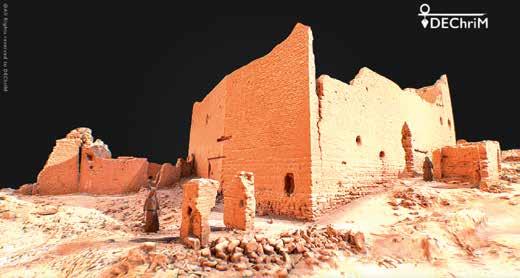
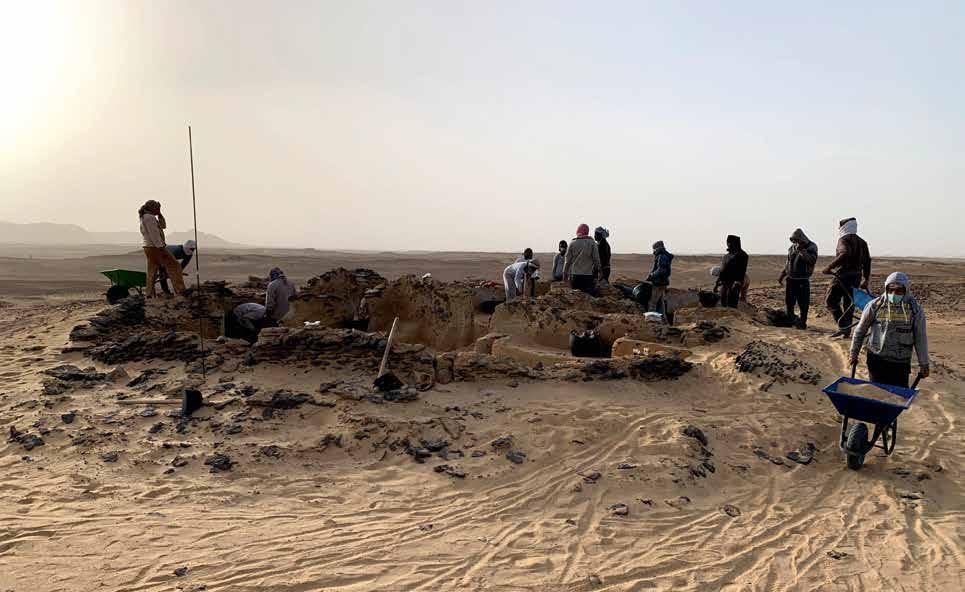

DEChriM
A Platform for the Study of Early Egyptian Christianity
Project Objectives
DEChriM focuses on the material culture of fourth-century Christianity in Egypt, with the aim of re-examining the development of the religion in this key geo-chronological setting. Based in Oslo, the project brings together specialists in archaeology, papyrology, epigraphy, history of religions, ceramic studies, digital humanities, 3D architectural reconstructions, topography and photogrammetry.
Project Funding
DEChriM has received funding from the European Research Council (ERC) under the European Union’s Horizon 2020 research and innovation programme (grant agreement no. 819368 ERC-2018-COG).
Project Partners
https://4care-skos.mf.no/team/
Contact Details
Project Coordinator, Victor Ghica
Professor of Antiquity and Early Christian Studies
Gydas vei 4
N-0302 Oslo
Postboks 5144 Majorstuen
T: (+47) 22 59 05 77
E: Victor.Ghica@mf.no
W: https://4care-skos.mf.no
Victor Ghica is an archaeologist and specialist of ancient middle eastern languages. Over the last two decades, he has been leading numerous archaeological missions throughout Egypt and in Croatia. He is currently Professor of Antiquity and Early Christian Studies at the MF Norwegian School of Theology, Religion and Society.


www.euresearcher.com 59
Victor Ghica
Photogrammetric model of Dayr Mustafa Kashif (© M. Abdelaziz, V. Ghica).
Excavations at the hermitage GQA6 at Ganub Qasr al-‘Aguz; 2020 excavation season (© V. Ghica).

New light on the culture of ancient Egypt

Egyptology has traditionally been quite a narrowly focused field, but there is a general shift towards more inter-disciplinary approaches, as researchers seek to shed new light on the culture of ancient Egypt. Dr Reinert Skumsnes is exploring the potential for dialogue between present feminist theories about the body, sex and gender, and ancient Egyptian concepts, experiences and practices.
New Kingdom Egypt spanned the time from c. 1500-1000 BC, and a wealth of relatively well-preserved material is still available, in fact continues to appear, for researchers studying the period. Egyptology has historically been quite an insular, narrowlyfocused field, but Dr Reinert Skumsnes is taking a different approach to his research in the EgFem project, in which he is exploring the potential for interdisciplinary links between Egyptology and feminist theory. “I work with theories from several different disciplines, but the landscape I work in is essentially defined by critical and new materialist theories,” he says. This is the framework within which Dr Skumsnes is re-examining material from ancient Egypt, aiming to shed new light on the divide between body, sex and gender, concepts for which the ancient Egyptians had no equivalent. “I’m using these concepts as analytical tools, to stretch and contrast assumed boundaries,” he outlines.
Body, sex and gender
This research involves analysing textual sources as well as other types of material, with the aim of achieving a better understanding of the manifold expressions of body, sex and gender in New Kingdom Egypt. While some of this material might fit with how we understand body, sex and gender today, other parts of it don’t, and so Dr Skumsnes is seeking a more nuanced approach to his research. “It’s about leaving room for complexity,” he says. This approach is reflected in the seven articles that have been written so far within the project, including a piece on a specific papyrus which arrived in Turin in the early part of the 19th century. “We don’t know exactly where this papyrus originated, it could be the workmen’s
village of Deir-el-Medinah,” continues Dr Skumsnes. “I’m interested in how the way this papyrus has been understood - or treated or talked about - has changed, from the time that it arrived in Italy until the present day.”
Dr Skumsnes explains, “The papyrus arrived in fragments, and Jean-François Champollion was one of the first to see these. His comments describing the animal scenes as caricatures and the human scenes as monstrous obscenity are well known. The fact is that this papyrus drew the attention of many of the founding fathers of Egyptology. But despite their fascination, they reacted in much the same way as Champollion, even resorting to Latin when describing the human scenes.”
this one piece. So it’s not really a source of controversy any more,” says Dr Skumsnes. “It’s often still framed in a sort of satirical or comic way, it’s widely considered to be fun. There are many copies of this papyrus around, numerous museum and university collections across the world have one, and a lot of people are aware of them.”
As part of the project, Dr Skumsnes has written an article seeking to move beyond the satiric-comic framing of this papyrus, exploring how perceptions of it have shifted over time and in different contexts, also shedding light on knowledge production, mundane resistance, and the possibility of negotiating alternative body worlds. In a
“Throughout Egyptian history, men are highly visible, the main focal point. But in certain periods – for example during the Old Kingdom and the New Kingdom – women become more visible, and they start to appear on their own.”
The reconstructed papyrus was on display for about 60 years, from 1882 to 1943.
The second world war was the reason behind its removal but there were also lingering concerns over the nature of the material depicted on the papyrus, around two-thirds of which shows naked people having sex. “This didn’t fit the picture that people had - or maybe wanted to have - of the ancient Egyptians,” explains Dr Skumsnes. In 1965, the animal section of the papyrus was put back on display while the human section remained in the magazines until the turn of the millennium. “It’s been on display for the last twenty years or so, and there have even been exhibitions dedicated just to

further article, Dr Skumsnes looks at how the ancient Egyptians conceptualised the body and differentiated between bodies, while he has also written a more overarching, bigger picture piece. “In my article Sex/gender as relational, historical, and hybrid phenomena, I draw attention to what I describe as assemblages of mutually determining relations, the significance of spatiotemporal positions and perspectives, and the fact that the records themselves are highly fragmented and ambiguous. I take a longer look over Egyptian history, from the Old Kingdom through the Middle and New Kingdoms, to map patterns, change and variation,” he outlines. “Throughout Egyptian history, men
EU Research 60

are highly visible, the main focal point. But in certain periods – for example during the Old Kingdom and the New Kingdom – women become more visible, and they start to appear on their own.”
Linear history

This runs counter to the common assumption that the relationship between the genders has grown progressively more equal over time, to the point where we are today. Evidence from ancient Egypt shows that this isn’t the case, and in reality the overall picture is far more complex and nuanced, says Dr Skumsnes. “The history of gender equality isn’t a one-way street. This isn’t something that goes in one direction, there have been steps back as well as forward,” he stresses. This doesn’t mean that existing conceptions or ways of understanding body, sex and gender are entirely wrong, but it does suggest that there might be alternatives. “I believe that there might be other ways of understanding body, sex and gender, and that’s what I’m working to do,” continues Dr Skumsnes.
The EgFem project itself has reached the end of its funding term, yet work is still ongoing, with several articles still in the pipeline and being readied for publication. Alongside the articles, Dr Skumsnes has co-edited three volumes together with colleagues from different institutions
across the world, while a conference has also been held, which could lead to further inter-disciplinary collaboration. “A conference was held at Emory University in the US in 2022 to discuss some of the topics explored in EgFem,” says Dr Skumsnes. Beyond the EgFem project, Dr Skumsnes plans to continue his research in this area, potentially with a wider scope. “I hope to explore new kinds of records in the future,” he outlines. “In my PhD I focused on the monumental remains – tombs, stelae and statues, and the non-literary ostraca and papyri – letters, legal and administrative documents. I’ve since expanded beyond that to healing texts for example, and the satiric-erotic papyri that I described, and I hope to continue to branch out.”
This includes the possibility of further interactions beyond disciplinary boundaries, with Dr Skumsnes already working with theories from several different disciplines, including archaeology, anthropology and philosophy. Looking further ahead, Dr Skumsnes hopes that his approach to investigating questions of body, sex and gender will gain wider currency. “When we look at the ancient material today, we of course do so through the lens of the present, that’s the way we view the past. With this explicit dialogue between Egyptology and feminist theory, there is a recognition of our own biases,” he says.

EGFEM
Egyptology, feminist theory and alternative worlds: Body/sex/gender in New Kingdom Egypt, and their affective environments
Project Objectives

The objective of EgFem was to explore the potential for dialogue between present theories about the body and sex/gender, and past concepts, experiences and practices, and to achieve a better understanding of the manifold expressions of body, sex and gender in New Kingdom Egypt. The different outputs from the project includes both critique and positive formulations of alternatives that further our knowledge about the past and force us to reflect critically on current assumptions and categorisations.
Project Funding
The EgFem project was funded by a 3-year International Mobility grant (FRIPRO) from the Research Council of Norway, hosted by the Centre for Gender Research at the University of Oslo, in collaboration with the Art History Department at Emory University.
Contact Details
Principal Investigator, Reinert Skumsnes
Centre for Gender Research, University of Oslo POBox 1040, Blindern N-0315 Oslo
T: +47-22858742
E: reinert.skumsnes@gmail.com
W: https://www.stk.uio.no/english/ research/projects/egyptology-feministtheory-and-alternative-worlds/index.html
Reinert Skumsnes is trained as a teacher and historian, but specialise in interdisciplinary research, between Egyptology, gender and cultural studies. He has worked as an archivist and field archaeologist for American and British missions in Egypt, and has also been chairman of the Norwegian Society of Egyptologists, cochairman of the Nordic Association of Feminist and Gender Research, and deputy chairman of the Norwegian Association for Gender Research. Skumsnes’ research has focused on social history, through the lens of family and gender, with New Kingdom Egypt (1500-1000 BCE) as a speciality. During more recent years, his attention has shifted more towards the concept of the body, exploring the interdisciplinary potential between Egyptology and feminist theories.
www.euresearcher.com 61
Reinert Skumsnes
The Turin papyrus (= Turin Satirical-Erotic papyrus = CGT 55001 = Cat. 2031) in its present state.
Photo © Museo Egizio / Federico Taverni. Courtesy by Susanne Töpfer.
Photo © University of Oslo / Arve Kjersheim
Banquet scenes occur repeatedly in New Kingdom tombs. Here we see the tomb owner Rekhmire and his wife seated behind an offering table, facing right, while receiving menat and sistra from four daughters. Top register, middle-southern end of the eastern wall in the longitudinal hall of TT100. Line drawings from Davies 1935, pl. XXVI.
Strengthening the foundations of Polish science
The PASIFIC postdoctoral fellowship programme supports research across a wide range of different disciplines, from condensed matter physics to philosophy and sociology. Attracting talented researchers to Poland will help strengthen the country’s scientific base and bring wider benefits, as Professor Paweł Rowiński and Bogna Hryniszyn explain.
A thriving research culture brings significant benefits to wider society, stimulating the technical innovation that will support economic growth, while humanities research deepens our cultural understanding and helps inform public debate on major issues. The PASIFIC programme, an initiative set up to attract post-doctoral students to Poland, is part of efforts to strengthen and enhance the country’s scientific research base. “The PASIFIC programme was set up to help and support Polish Science,” explains Professor Paweł Rowiński, coordinator of the programme. In the most recent call 48 fellows from 19 countries were recruited, and they are carrying out their research over a two-year term at one of the 68 research institutes within the Polish Academy of Sciences (PAS). “We want to attract topquality researchers from all over the world to our institutes here in Poland,” continues Professor Rowiński.
PASIFIC programme
The PASIFIC programme itself is very broad, encompassing research across a broad range of disciplines, from condensed matter physics to philosophy and sociology. The three main areas in which fellows are conducting research are physical sciences and engineering, life sciences, and social sciences and humanities,
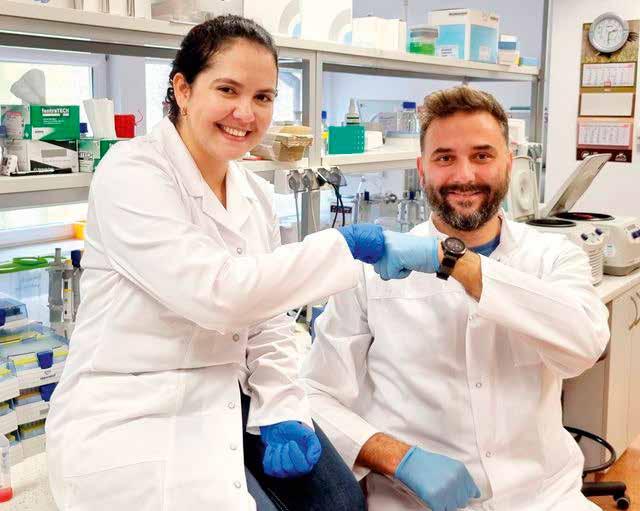
The PASIFIC Experience

categories which cover a wide variety of fields. “This division helps us to organise and structure the programme,” says Professor Rowiński. The major criteria in recruiting fellows is the quality of the applicant and the specific research proposal, with Professor Rowiński and his colleagues looking for ideas that are both novel and realistic. “Novelty is a major part of the assessment, but a proposal must also be do-able,” he acknowledges. “We need to be confident that researchers can work effectively with the resources available. Some fellows in the programme have only recently completed their doctorates, while others are more experienced.” A majority of the projects being conducted within PASIFIC are fundamental in nature, with researchers in the programme exploring a variety of topics, including single cell gene expression, nanostructured functional materials and the influence of the print media for example. While the fellows are encouraged to pursue their research independently,
Dr Nilesh Manwar is a fellow in the PASIFIC programme, currently working as an Assistant Professor at the Institute of Physical Chemistry of the Polish Academy of Sciences. We spoke to Dr Manwar about his career, his research, and the skills and experience he has gained through participating in the PASIFIC programme.
EU Researcher (EUR): How long have you been part of PASIFIC?
Dr Nilesh Manwar (NM): Well, I have been working at the Institute of Physical Chemistry, Polish Academy of Sciences since October 2022. Prior to joining, after completing my PhD at CSIR-National Environmental Engineering Research Institute (NEERI) Nagpur, India, I accumulated four years of national postdoctoral research experience at esteemed institutions in India, including CSIR-IIP in Dehradun, IACS in Kolkata, and ICT in Mumbai.
EUR: Could you tell us a bit more about your research?
NM: Absolutely, my research journey began with the development of nanomaterials for energy and environmental applications. I completed my PhD studies on the creation of composite semi-conducting materials for hydrogen generation at NEERI Nagpur. Subsequently, during my CSIR postdoctoral fellowship at IIP, Dehradun, I explored the potential of these hybrid nanomaterials for photoelectrochemical CO2 reduction. My research also involved the development
and application of 2D materials for electrocatalysis at IACS, Kolkata, and the progress of single-atom catalysts over
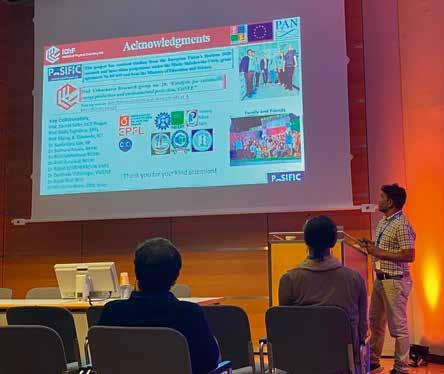
EU Research 62
PASIFIC Fellow, Ph.D. Taina Rocha de Almeida with her Supervisor PhD Daniel Żarski at the Institute of Animal Reproduction and Food Research, PAS.
PASIFIC Fellow, Ph.D. Nilesh Manwar presenting his research at the European Physical Society CLEO®/ Europe-EQEC 2023 conference held in Munich.
Professor Rowiński says they also have access to administrative and technical support from their supervisors. “The supervisors help the fellows to navigate our institutes, and they are partners in research,” he outlines. A number of courses are also provided to help the fellows develop their skills, including in areas like writing proposals and applying for funding, which PASIFIC project manager Bogna Hryniszyn says has attracted a lot of interest. “We organised training on organising and managing projects for example. This will help our fellows build their careers and become group leaders in future,” she outlines. This type of position requires not just scientific skills and technical knowledge, but also administrative nous and the ability to communicate with the wider public. This may not come naturally to all researchers,
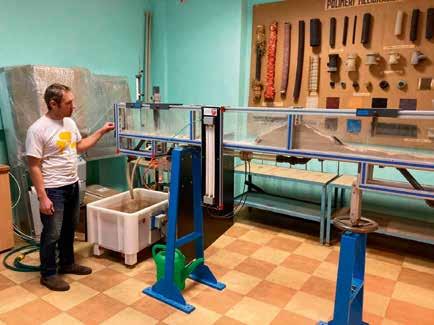
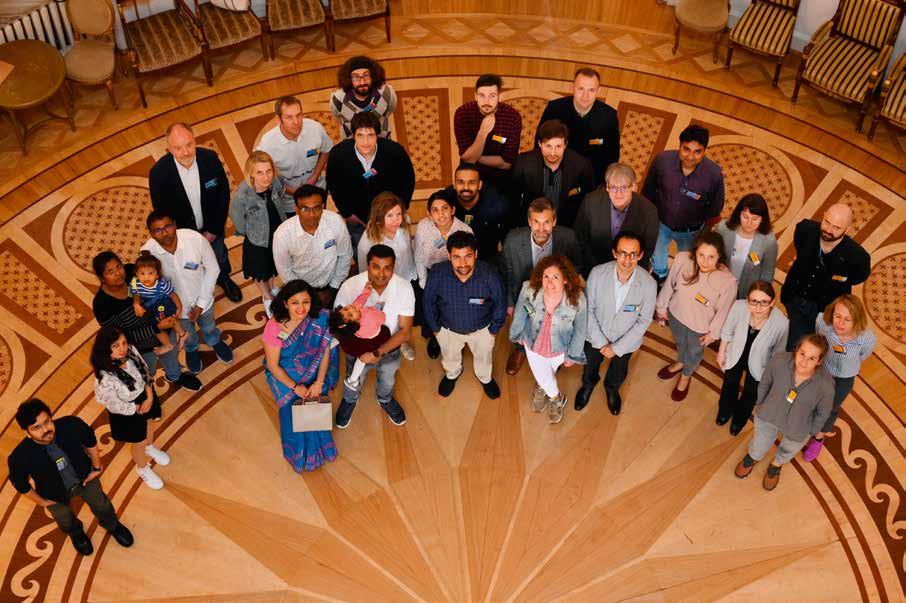
so Hryniszyn says it’s important to provide training in these areas. “Researchers today need to have many different skills, beyond those related to their own field. They also have to know how to promote their research,” she stresses. This training helps prepare fellows for the next stage in their careers, whether that’s in academia or the commercial sector, and events have been organised to support those fellows who do want to move into industry. “We organise networking events with organisations from outside the academic sector, where

2D supports at the Institute of Chemical Technology, Mumbai.
Currently, under the PASIFIC project, I am extending my previous work, focusing more on plasmon-induced 2D supported biomass valorization applications. This entails exploring thermo-photocatalytic processes for CO2 utilization and the valorization of organic waste into useful products.
EUR: Have you identified any areas of industry where these products could prove useful?
NM: Certainly! We are developing chemicals and molecules that could prove valuable for renewable energy applications. For instance, we are exploring the conversion of CO2 into methanol, formic acid, and certain selective oxidation-reduction products from lignocellulosic biomass. These products hold significant potential for the polymeric industries and energy fuels.
EUR: Have you been able to travel to events and establish relationships with other research groups outside your own institute during your PASIFIC fellowship?
NM: Yes, the PASIFIC project has provided funding for dissemination and networking activities with researchers at other institutions. I have had the opportunity to attend several events in Europe, including the Solar2Chem winter school program in Valencia and the Solar2Chem conference in Tarragona, Spain. Additionally, I presented an oral talk at the CLEO®/Europe-EQEC 2023 Conference in Munich, Germany, and was invited as a distinguished researcher to deliver a talk on my PASIFIC research project at the E-MRS 2023 international conference. I have also participated in other networking events, including EuropaCat2023, where I presented my research on the development of plasmonic materials for biomass conversion. My colleagues and I at the Institute of Physical Chemistry are actively collaborating with other academics, sharing
fellows can present their research to industry,” continues Hryniszyn. “For example the Innovatorium Łukasiewicza is a forum where researchers can interact with industry.”
Cultural integration
The fellows themselves hail from different countries across the world, including India, the US and Australia, and a lot of thought has gone into helping them integrate into local communities and get the most out of their time in Poland. Meetings have been
ideas to develop more efficient 2D materials for various applications.
EUR: How do you expect your PASIFIC fellowship will help you in your future career? Do you plan to stay in the academic sector?
NM: As a PASIFIC laureate, I have garnered significant attention from the scientific research community, and the participation in PASIFIC orientation workshops organized by the Polish Academy of Sciences has been invaluable. I aspire to remain in academia, and the fellowship’s opportunity to become more independent in my research will certainly contribute to this goal. The supportive environment and academic freedom provided by the Institute have facilitated my adaptation to the new environment. I am grateful to my host supervisor, Prof. Juan Carlos Colmenares, for the support in managing the funding budget and enabling me to conduct research, travel, and disseminate results.
www.euresearcher.com 63
PASIFIC Fellow, PhD Juris Burlakovs in the laboratory at the Mineral and Energy Economy Research Institute, PAS.
First networking meeting of PASIFIC Fellows, Families & Team at the Jablonna Palace, PAS.
PASIFIC
PASIFIC Postdoctoral Fellowships of Polish Academy of Sciences
Project Objectives
The PASIFIC is a postdoctoral fellowship programme offering a unique opportunity for researchers who want to undertake state-of-the-art research in a dynamic scientific environment. It enables scholars of all nationalities and across all scientific disciplines to establish their scientific independence and conduct groundbreaking research.
Project Funding
The project has received funding from the European Union’s Horizon 2020 Research and Innnovation Programme under the Marie Skłodowska- Curie Grant Agreement No 847639 and from the Polish Ministry of Science and Higher Education.
Project Team
https://pasific.pan.pl/our-team/
Contact Details
Project Manager, Bogna Hryniszyn
Director
Excellence in Science Department Polish Academy of Sciences
Nowy Świat 72, 00-330, Warsaw, Poland
T: +48 22 182 60 81
E: bogna.hryniszyn@pan.pl
W: https://pasific.pan.pl/about-pasific/ W: pan.pl
: https://youtu.be/_9fzqv-Iug0
Professor Paweł Rowiński
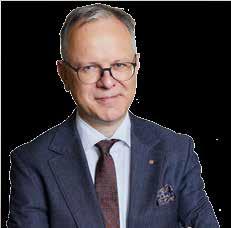
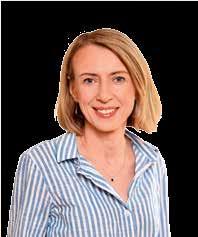
Paweł Rowiński is a professor in Earth sciences at the Institute of Geophysics, Polish Academy of Sciences. His research interests include mathematical methods in geophysics, environmental hydrodynamics and experimental studies of hydrological processes.
Bogna Hryniszyn, Manager of the PASIFIC Program, is the Director of the Excellence in Science Department of the Polish Academy of Sciences, the unit responsible for promoting the European Research Council in Poland and supporting researchers applying for these grants.

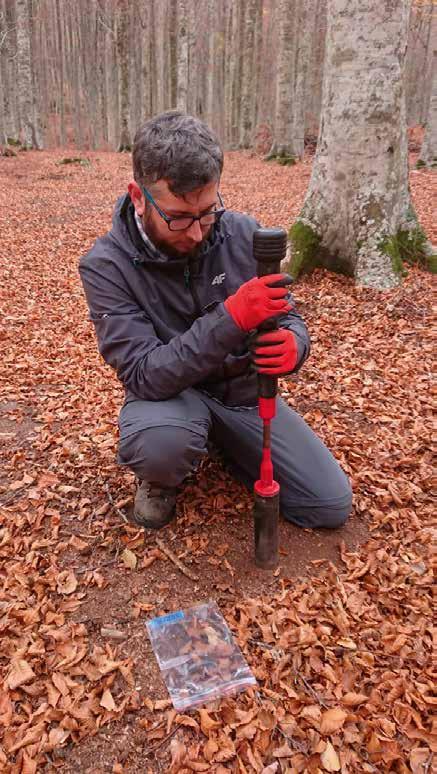
to play in this respect by maintaining links with Polish institutes, even after they have left the PASIFIC programme. “Some of the fellows will be offered permanent positions at Polish research institutes and will choose to stay, which is a very positive outcome. Some of them may choose to take up positions at other institutes, but hopefully they will carry on collaborating with Polish institutes,” continues Professor Rowinski.
By investing in fellows and supporting their research, the PASIFIC programme will help strengthen the Polish scientific landscape and encourage its ongoing development. This is very much a long-term goal, and while PASIFIC is due to conclude in early 2025, Hryniszyn is keen to explore the possibility of a successor programme, building on what’s been achieved so far. “We are thinking about preparing a new proposal, which could be viewed as a continuation of PASIFIC, but we will need to make some changes and demonstrate that it will add more value,” she says. This is partly about demonstrating the impact of the programme on Polish institutes, and Professor Rowinski says there is a strong
“The PASIFIC programme was set up to help and support Polish Science. We want to attract top-quality researchers from all over the world to our institutes.”
organised to bring the fellows and their families together, while they have also been introduced to local customs and had the opportunity to visit cultural attractions, which has helped strengthen bonds. “The fellows are a very well-integrated group,” says Hryniszyn. This commitment to integration extends to the fellows’ professional lives, where they have the opportunity to meet and collaborate with their Polish peers. “We have also organised a networking meeting just for the scientists, to give them the opportunity to meet with Polish scientists at a similar level,” outlines Hryniszyn. “They are able to discuss their projects and their research, to be more integrated with the Polish academic environment.”



This is part of the wider goal of changing Polish research institutes and opening them up to further international collaboration, which is central to scientific excellence. Training has been organised for administrative staff at the institutes, aiming to support more extensive international collaborations. “We want to both support the fellows and help them develop their careers, and also to establish wider relationships with other institutes internationally,” says Professor Rowinski. The fellows have an important part
desire to build links with international partners. “We want to extend the reach of the institutes in the Polish Academy of Sciences, in terms of both collaboration and internationalisation,” he continues.
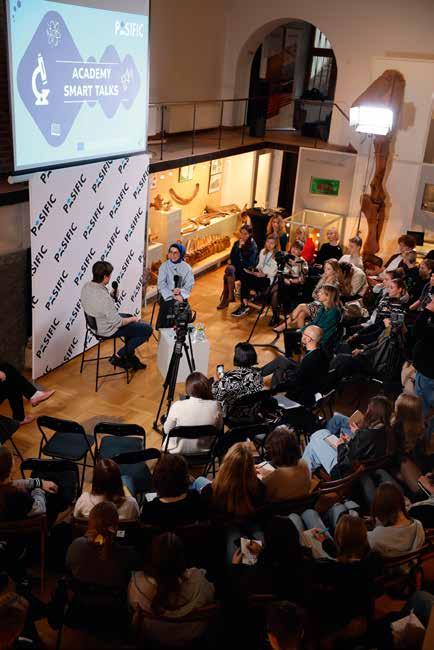
EU Research
64
PASIFIC Fellows Ph.D. Imran Sarihasan and Ph.D. Maciej Bartosiewicz speaking at the Academy Smart Talks event at the Museum of the Earth, PAS in Warsaw.
PASIFIC Fellows Ph.D. Imran Sarihasan and Ph.D. Maciej Bartosiewicz speaking at the Academy Smart Talks event at the Museum of the Earth, PAS in Warsaw.
PASIFIC Fellow, PhD Francesco Latterini of Institute of Dendrology, PAS during field research.