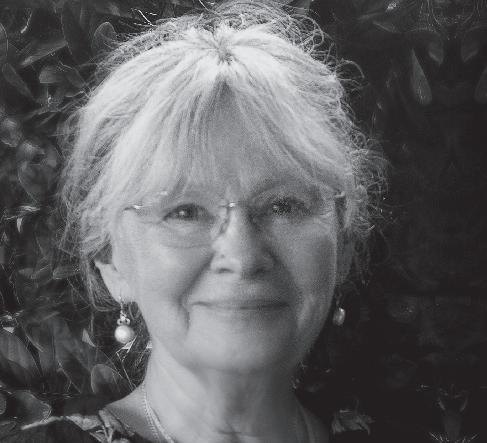
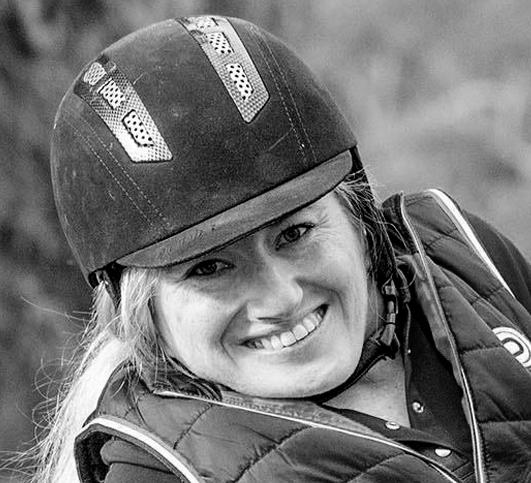
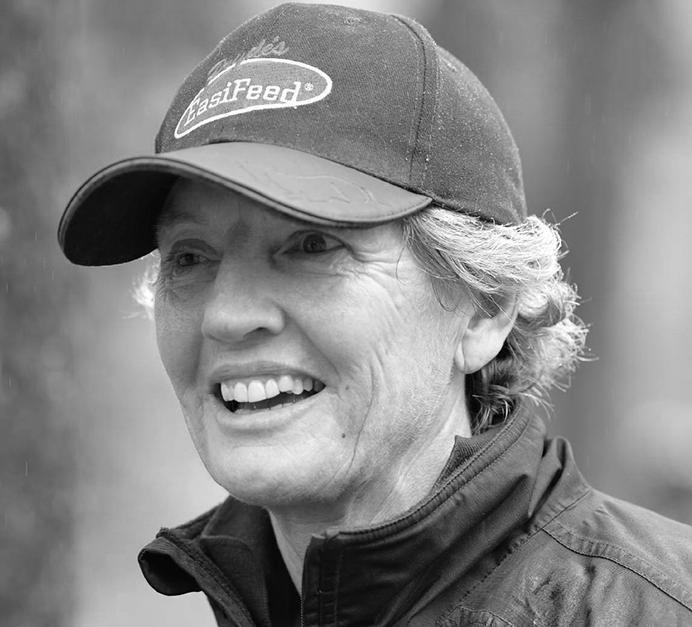
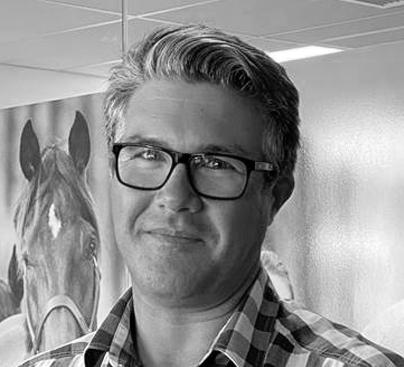
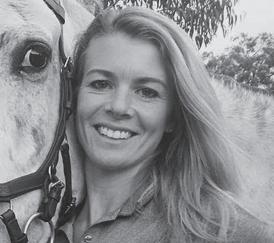
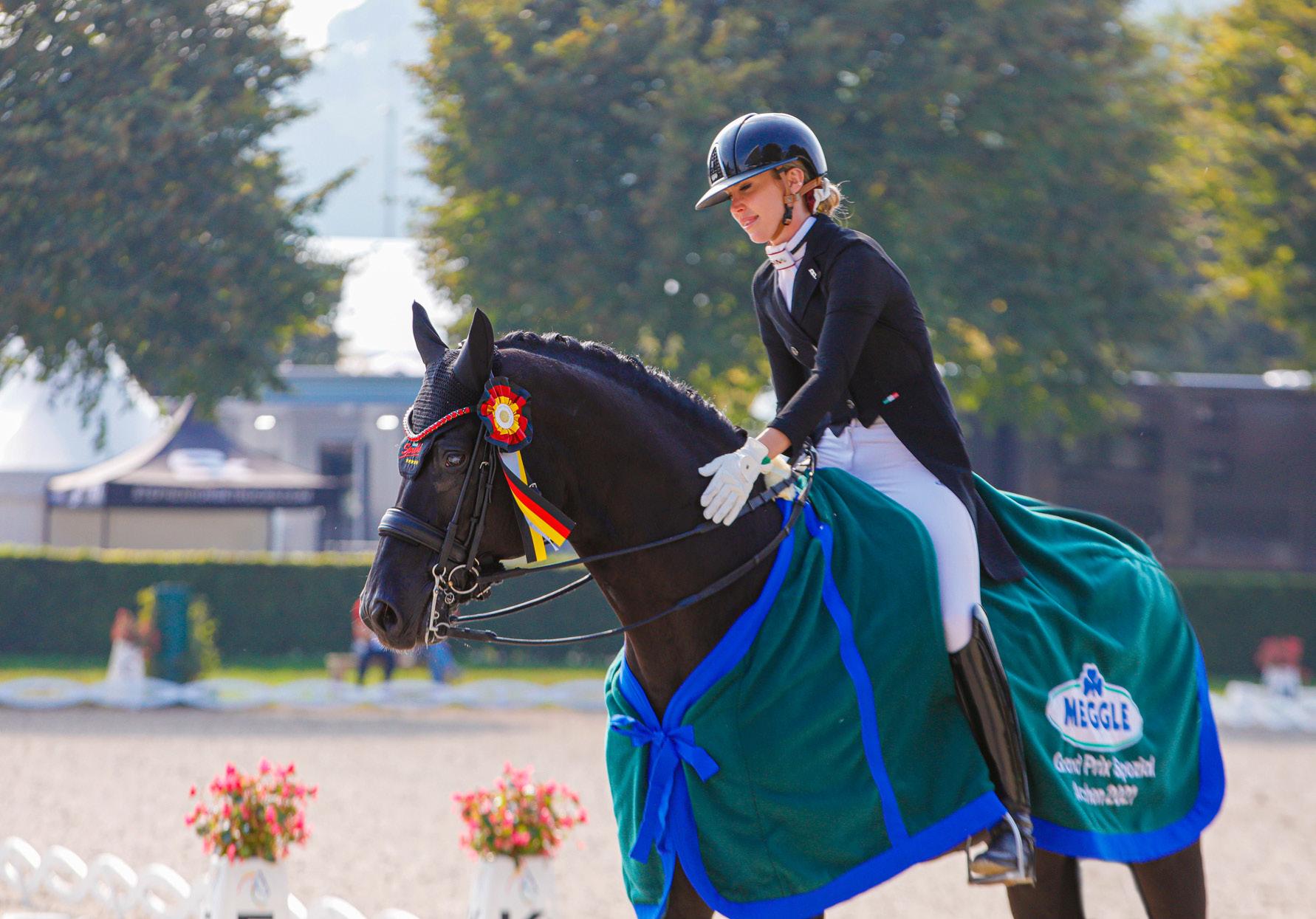
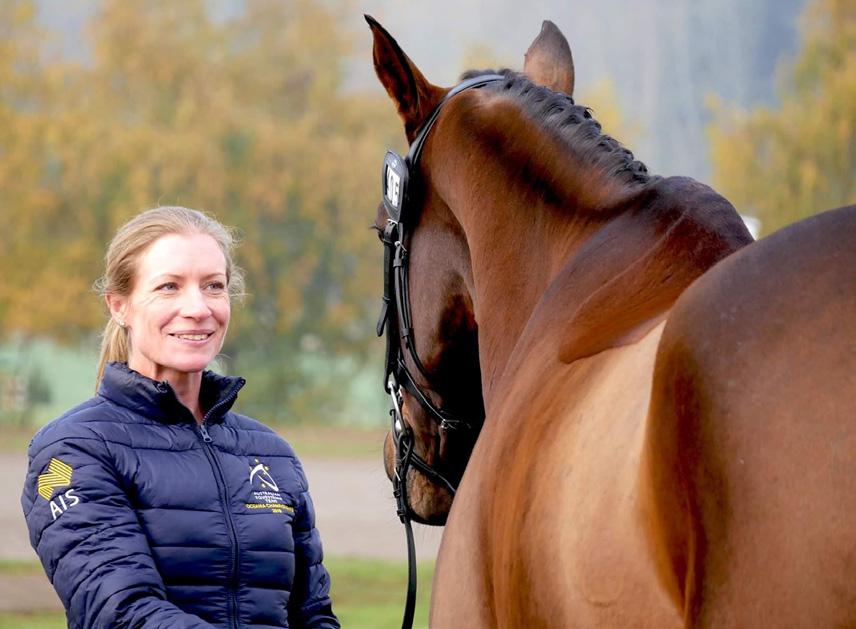
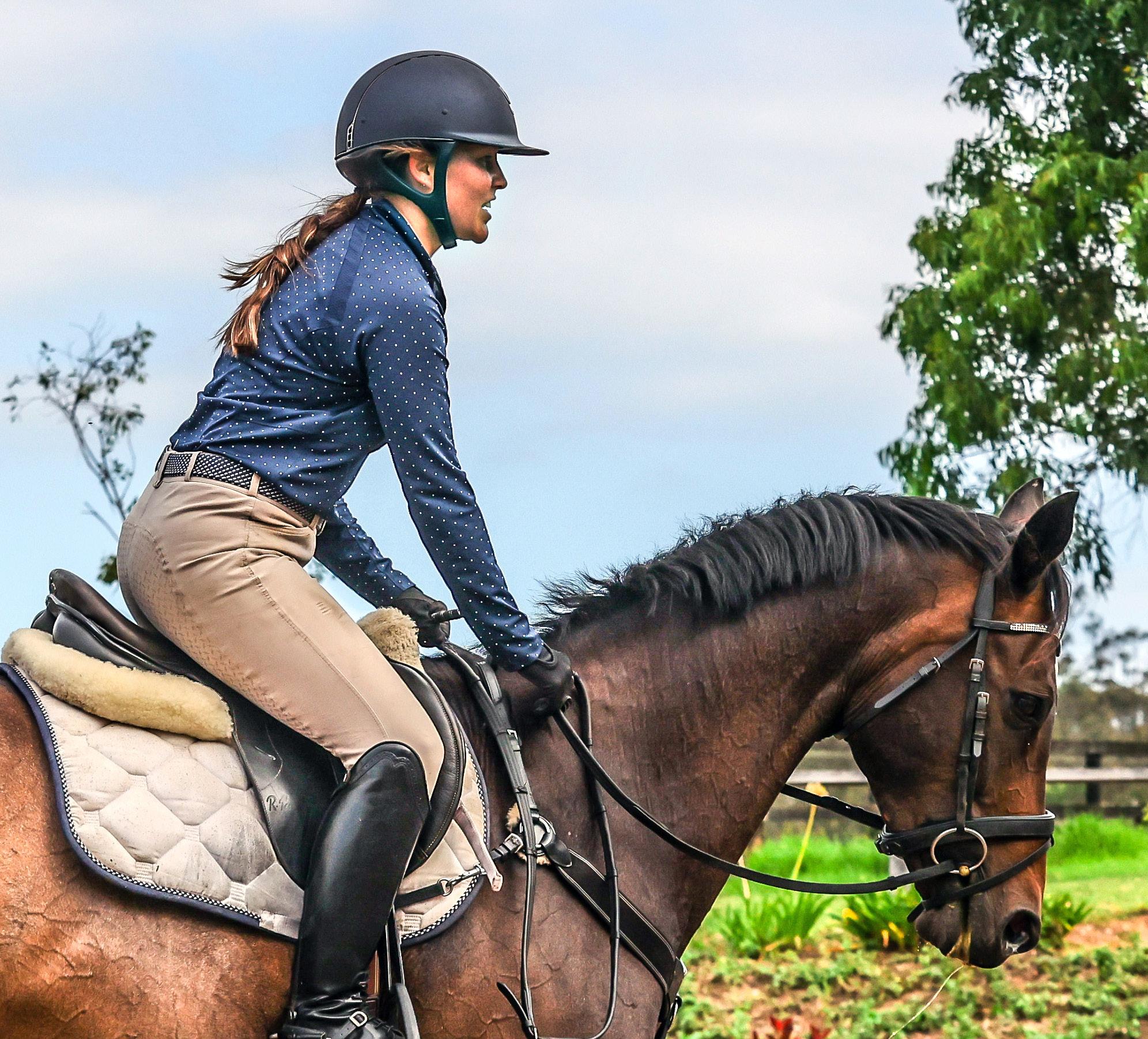
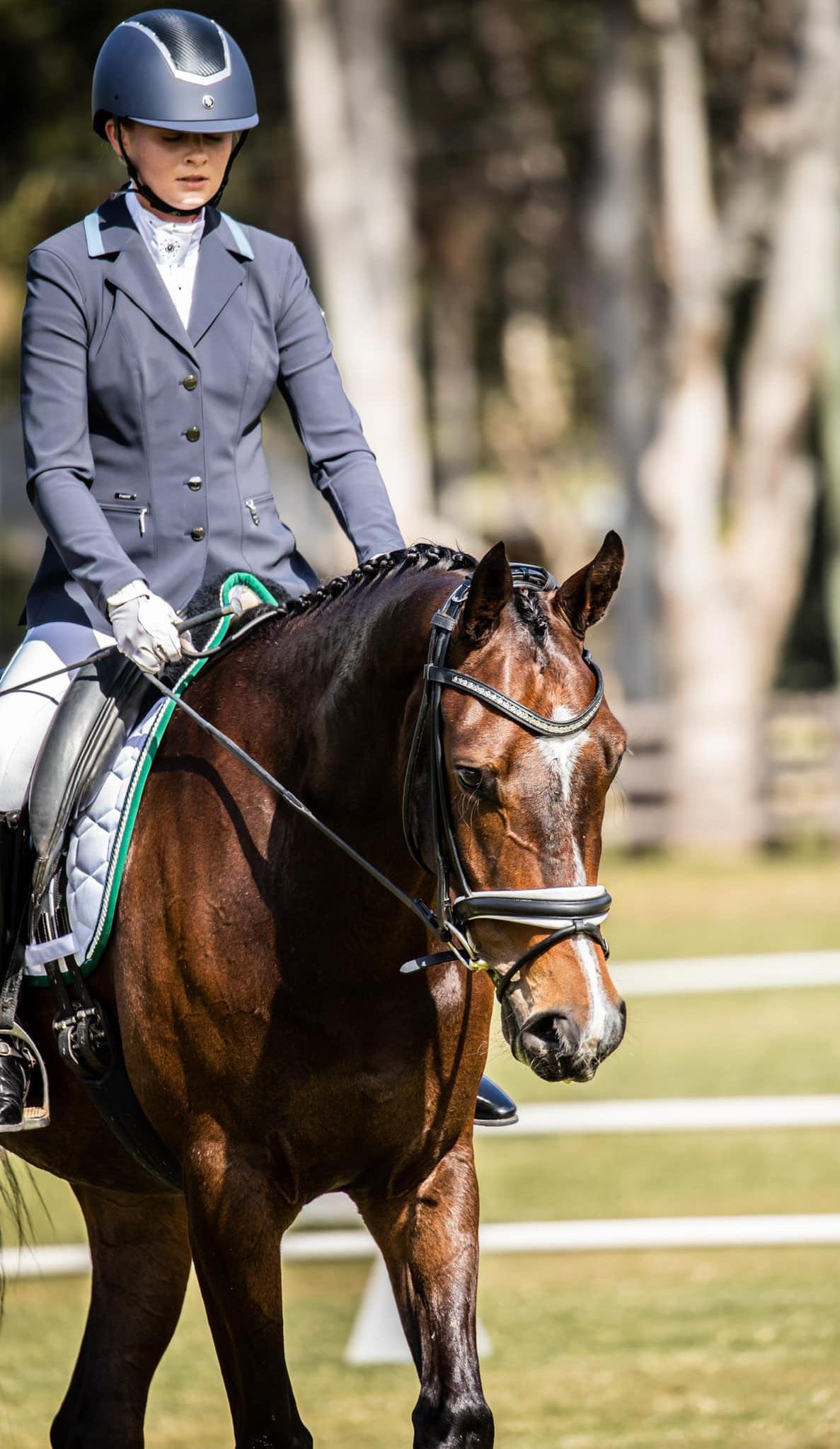
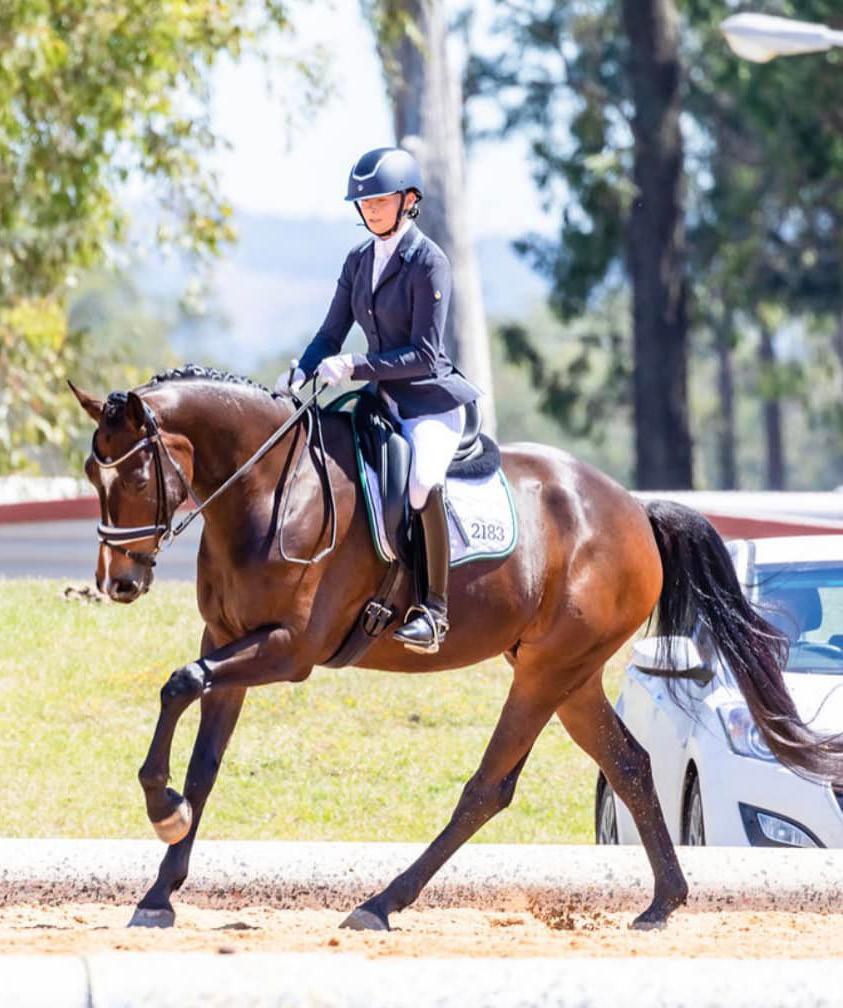
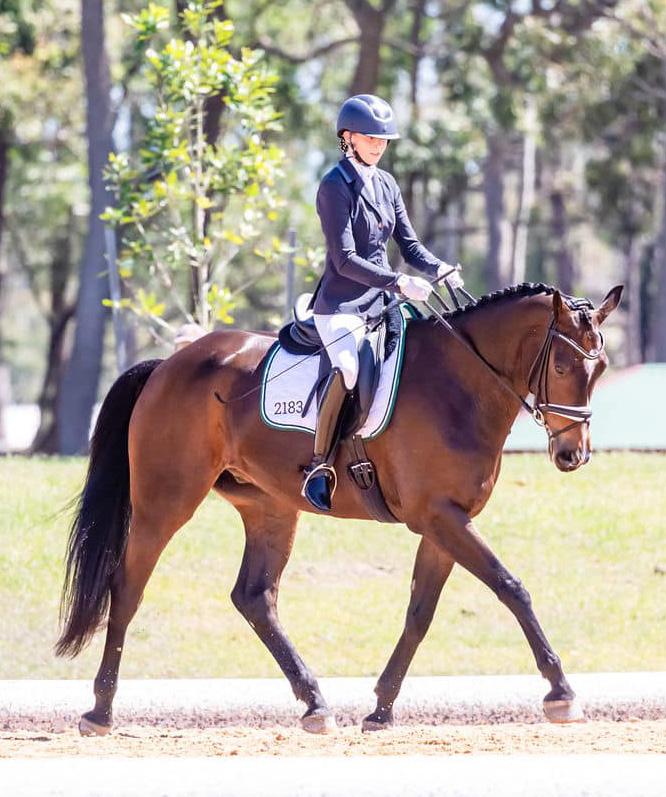
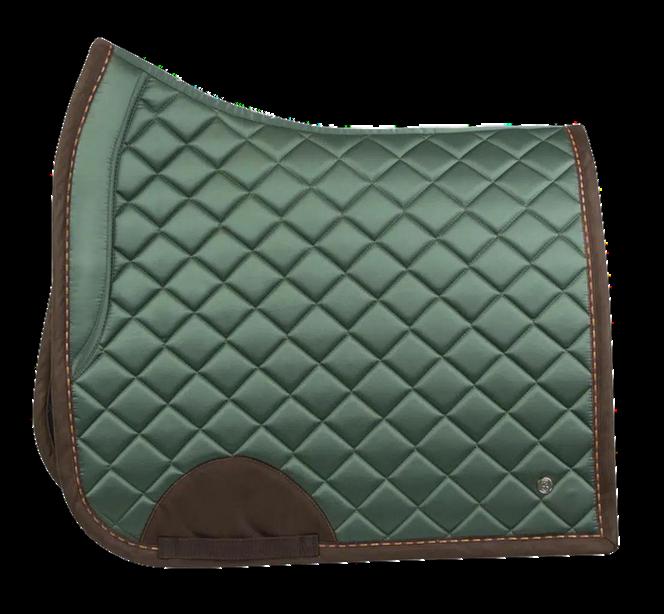
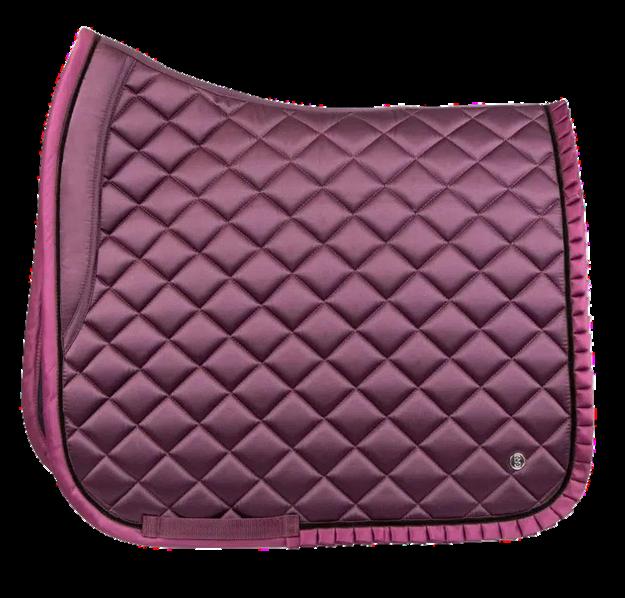
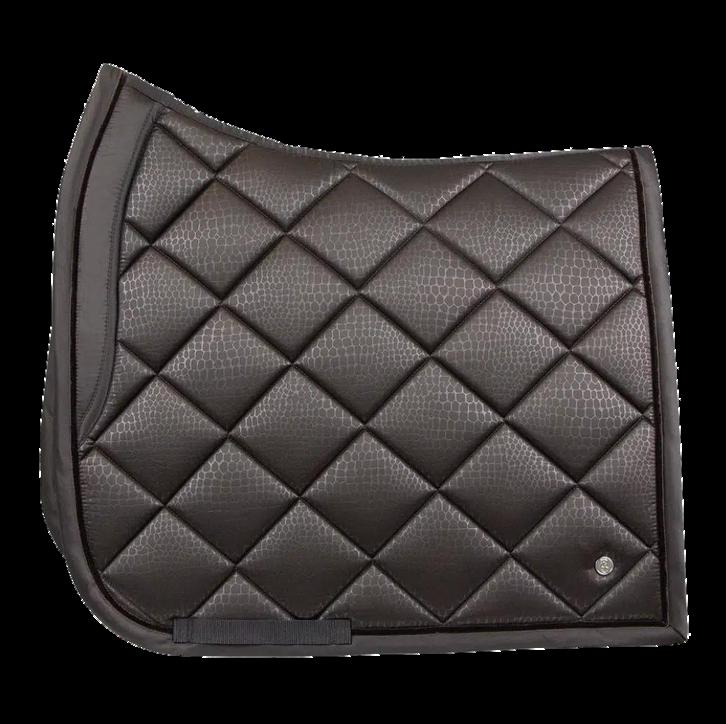
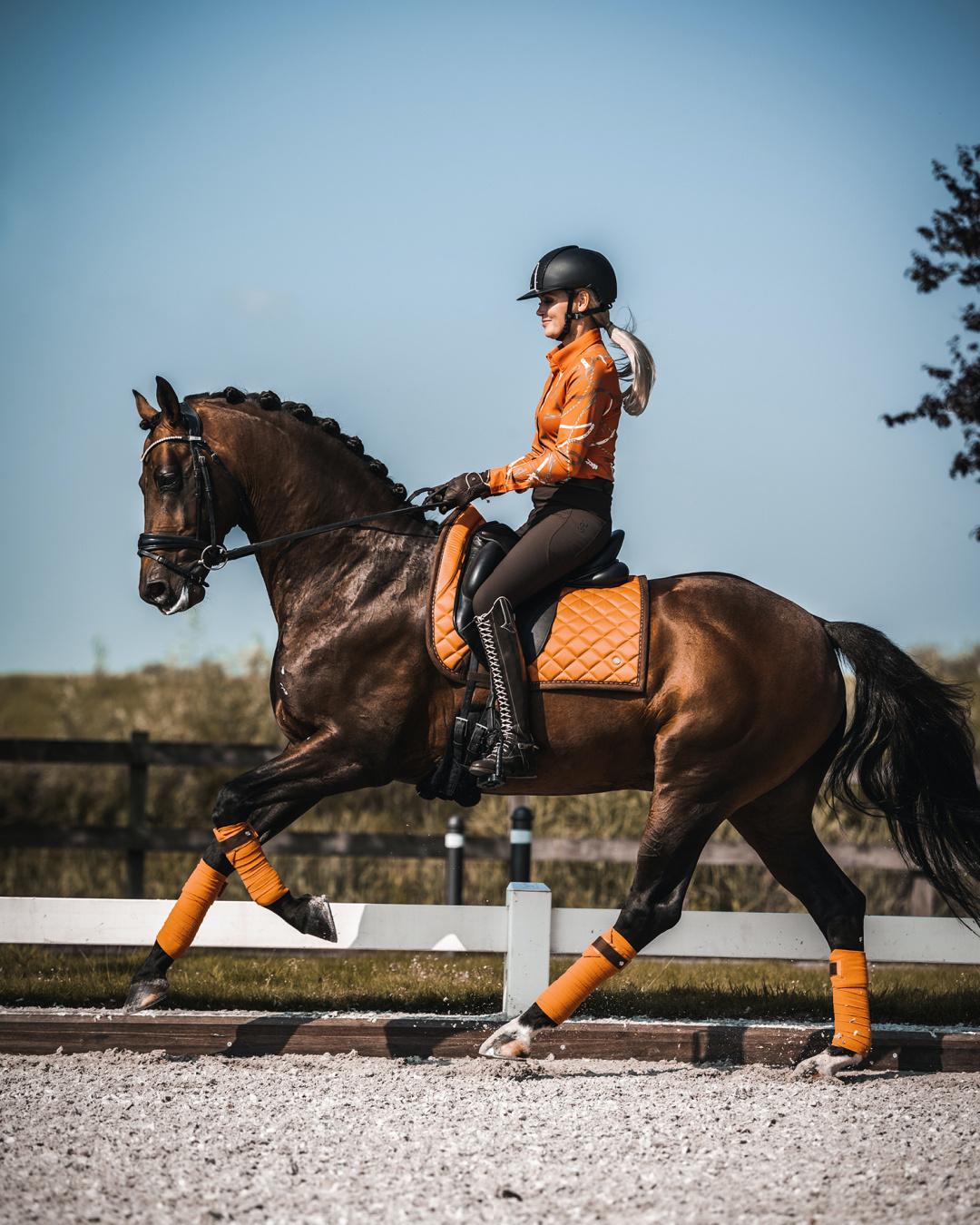
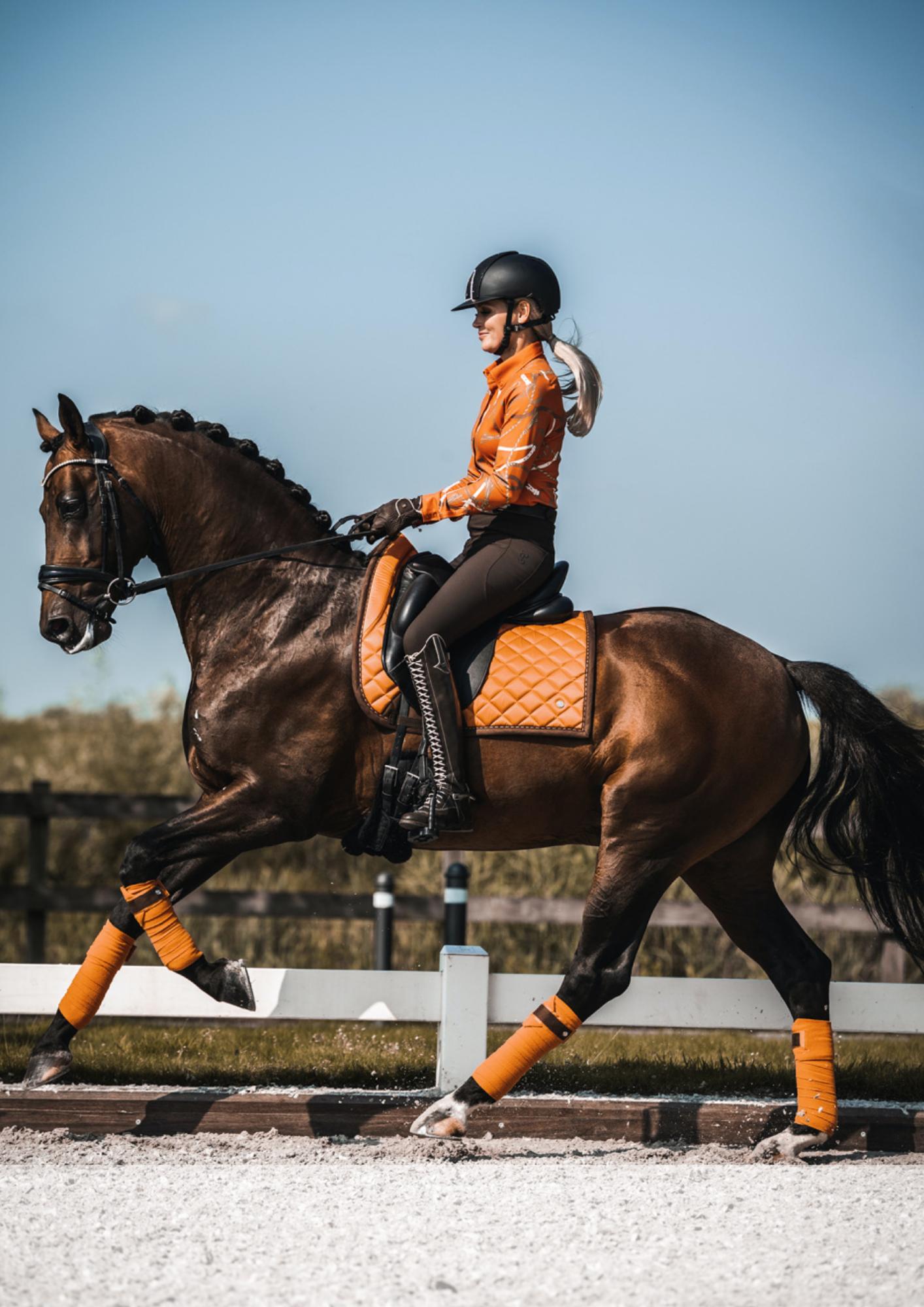
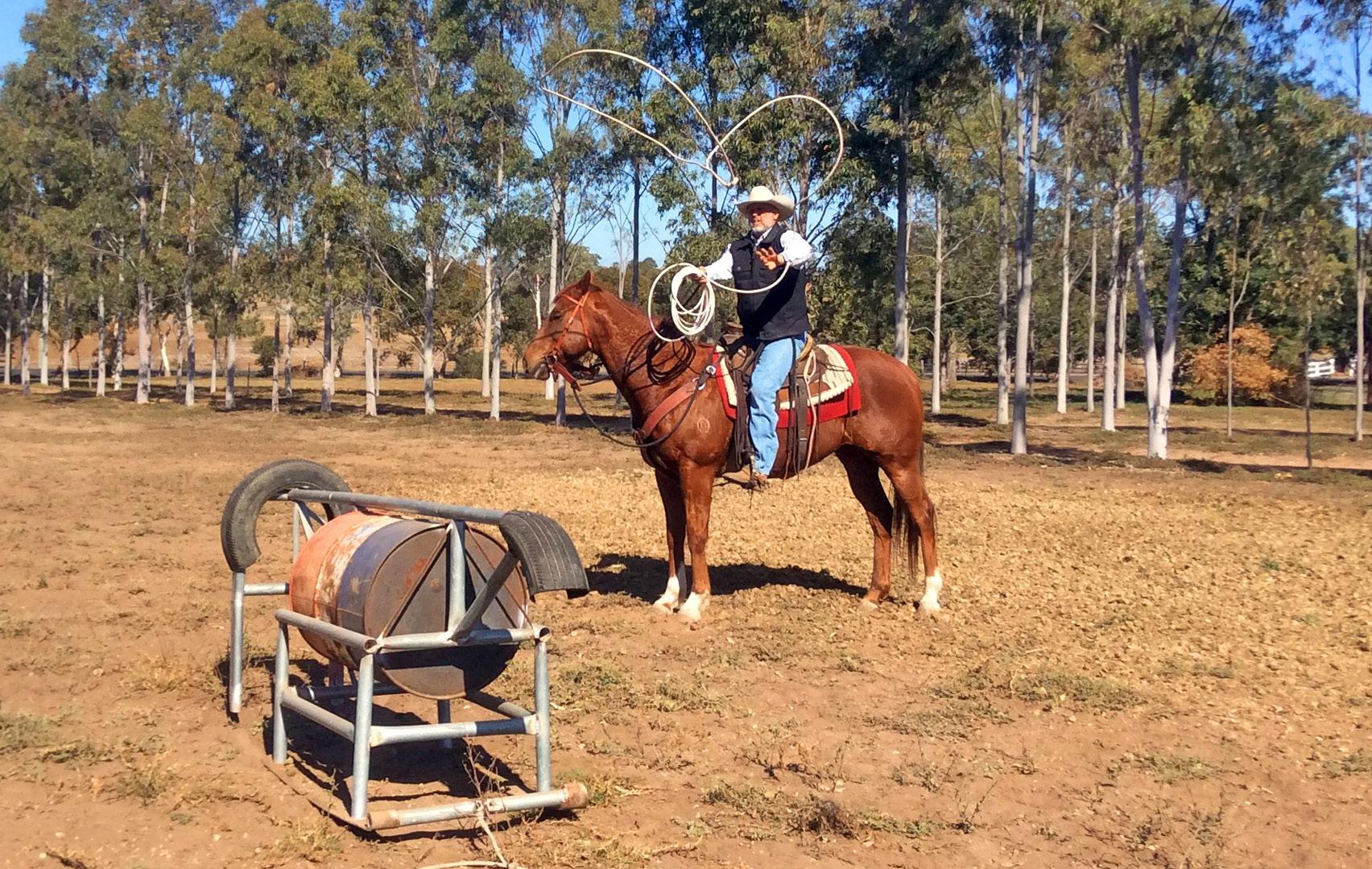
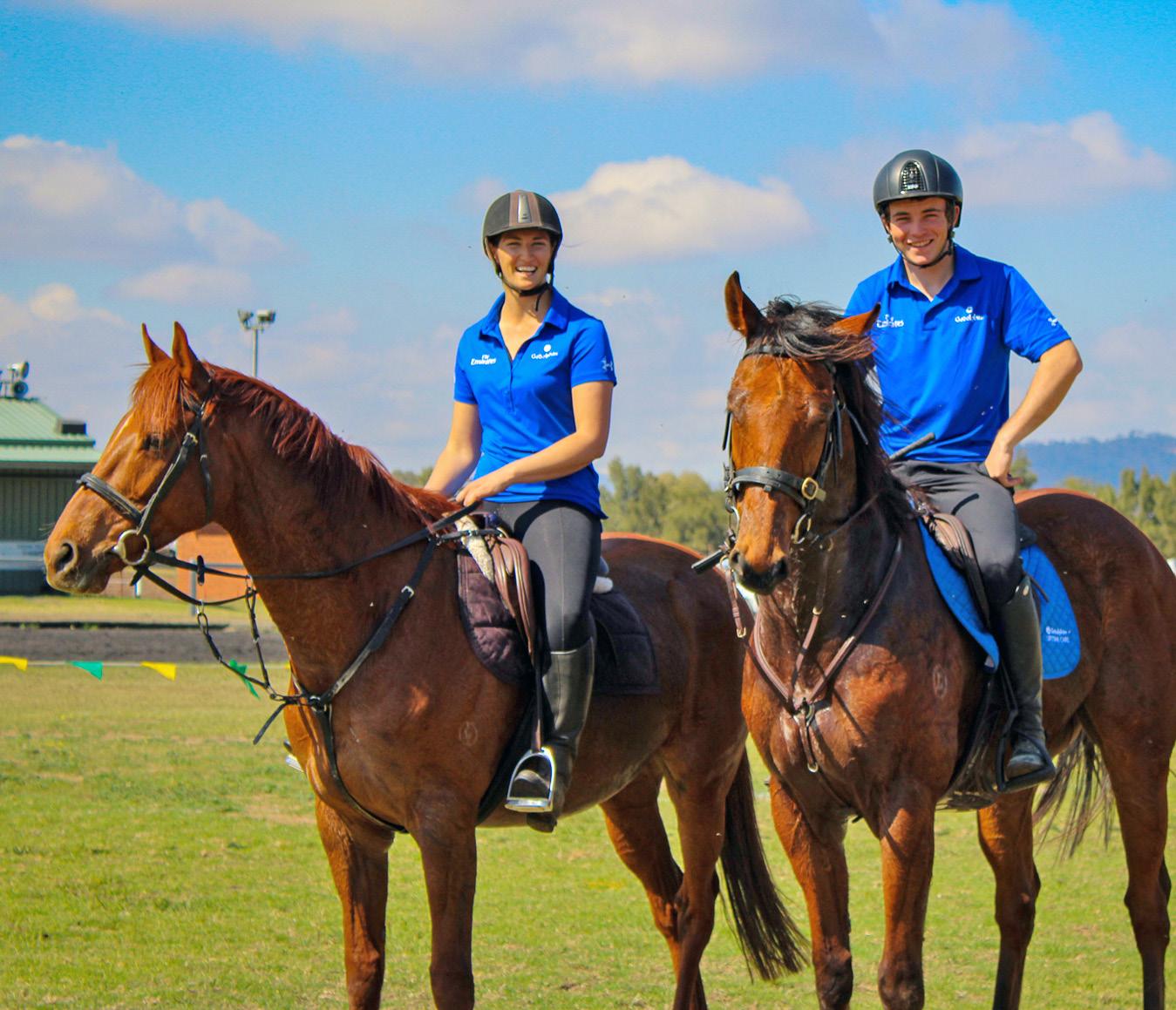
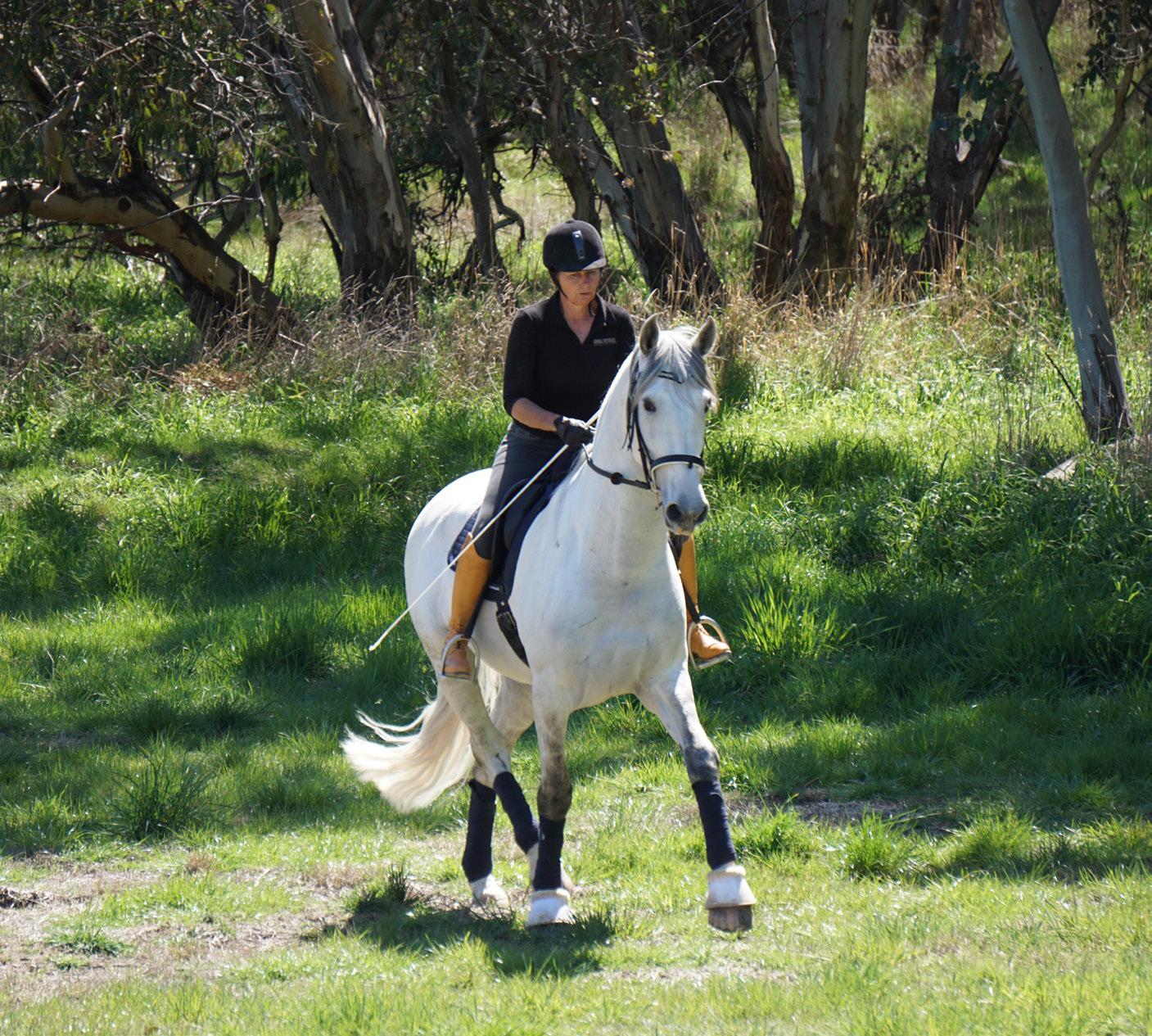
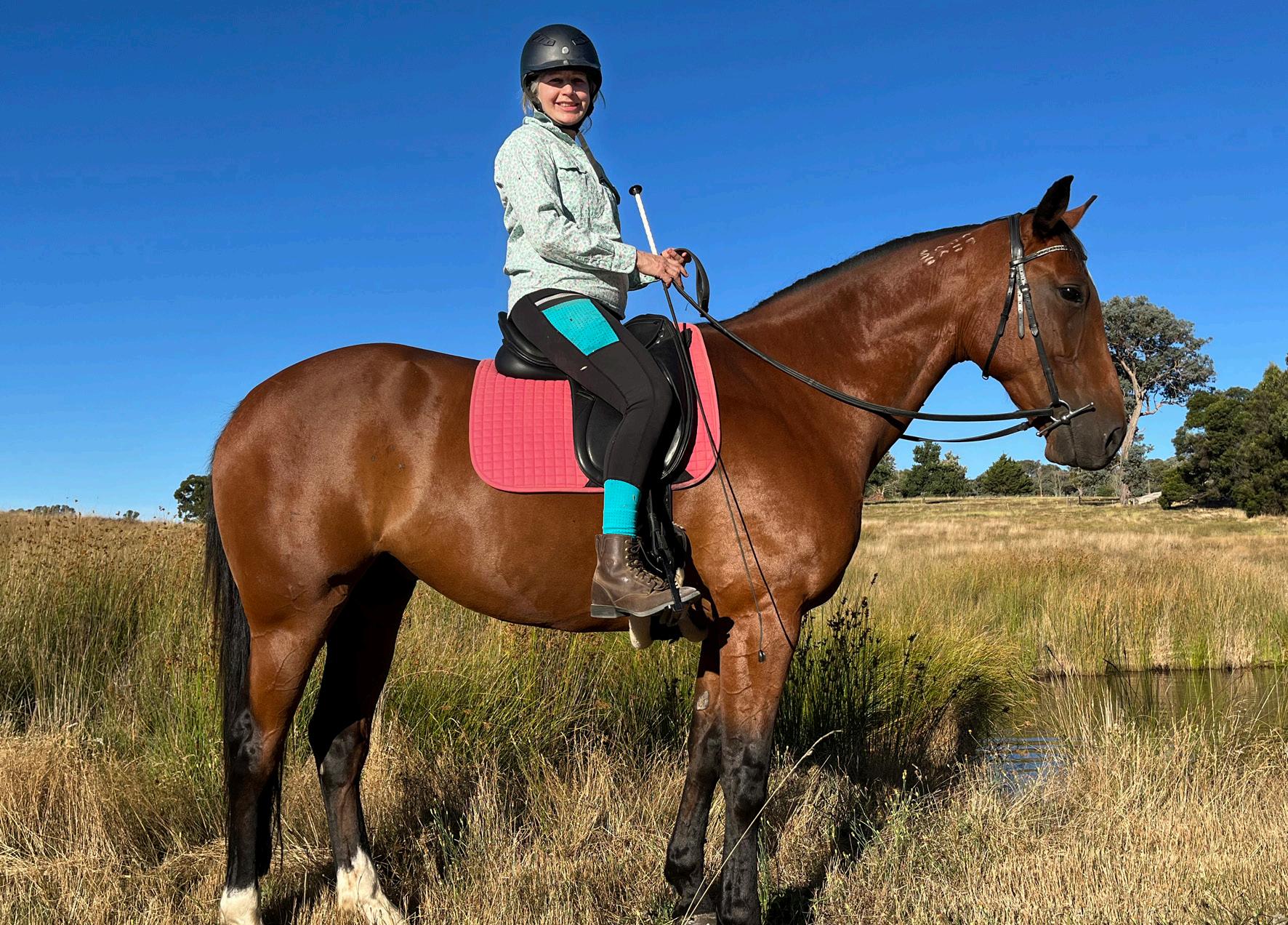
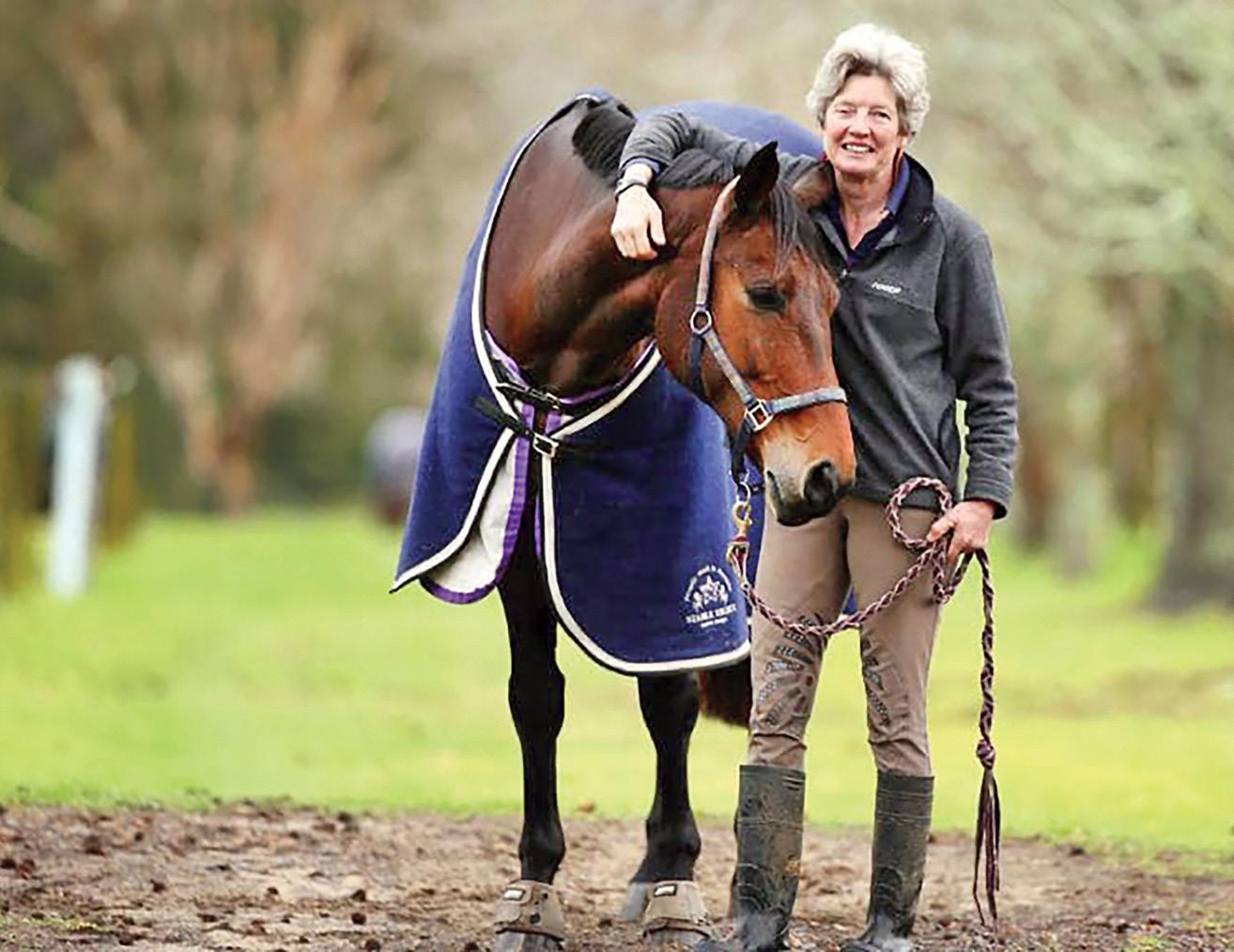
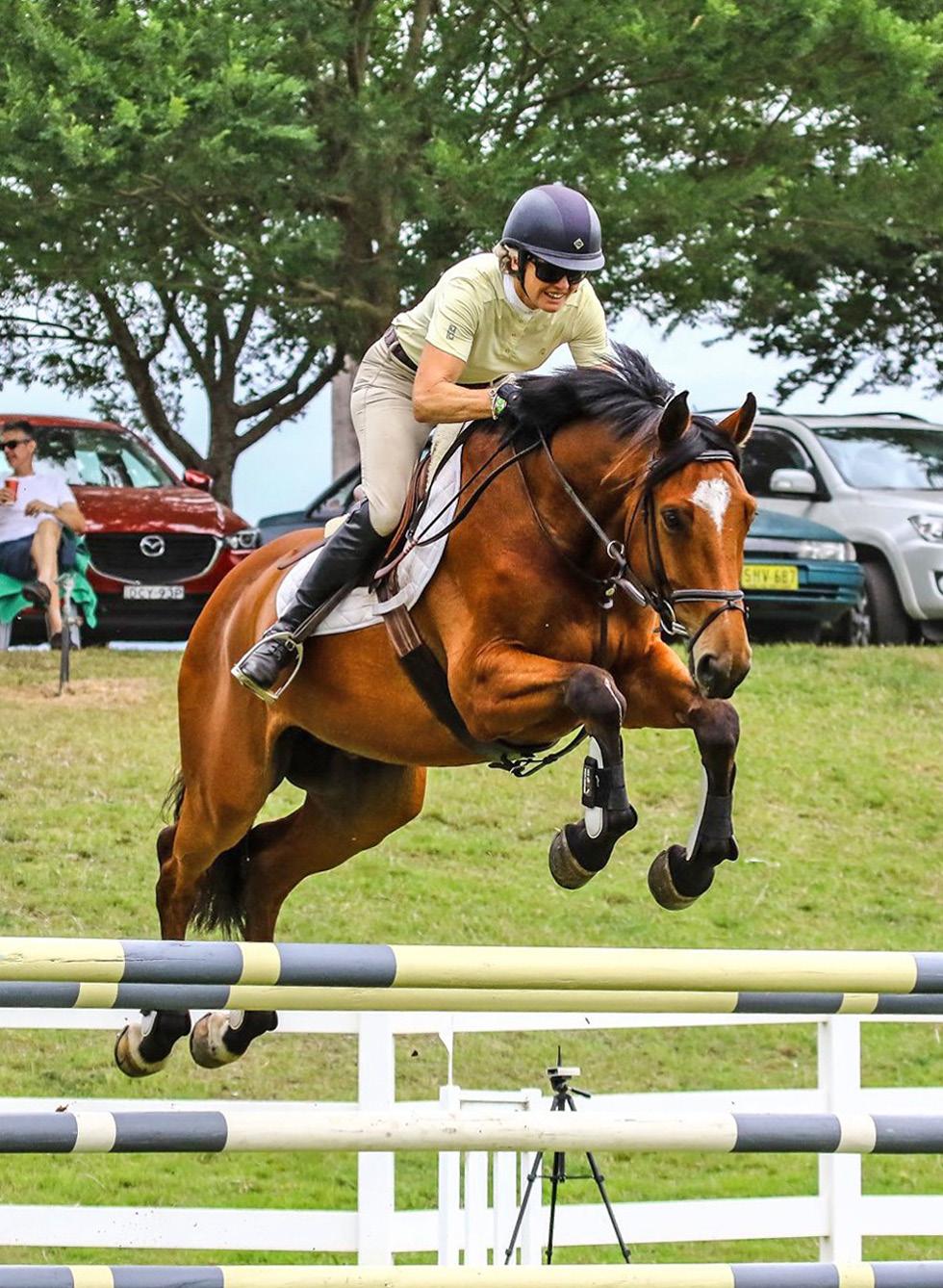
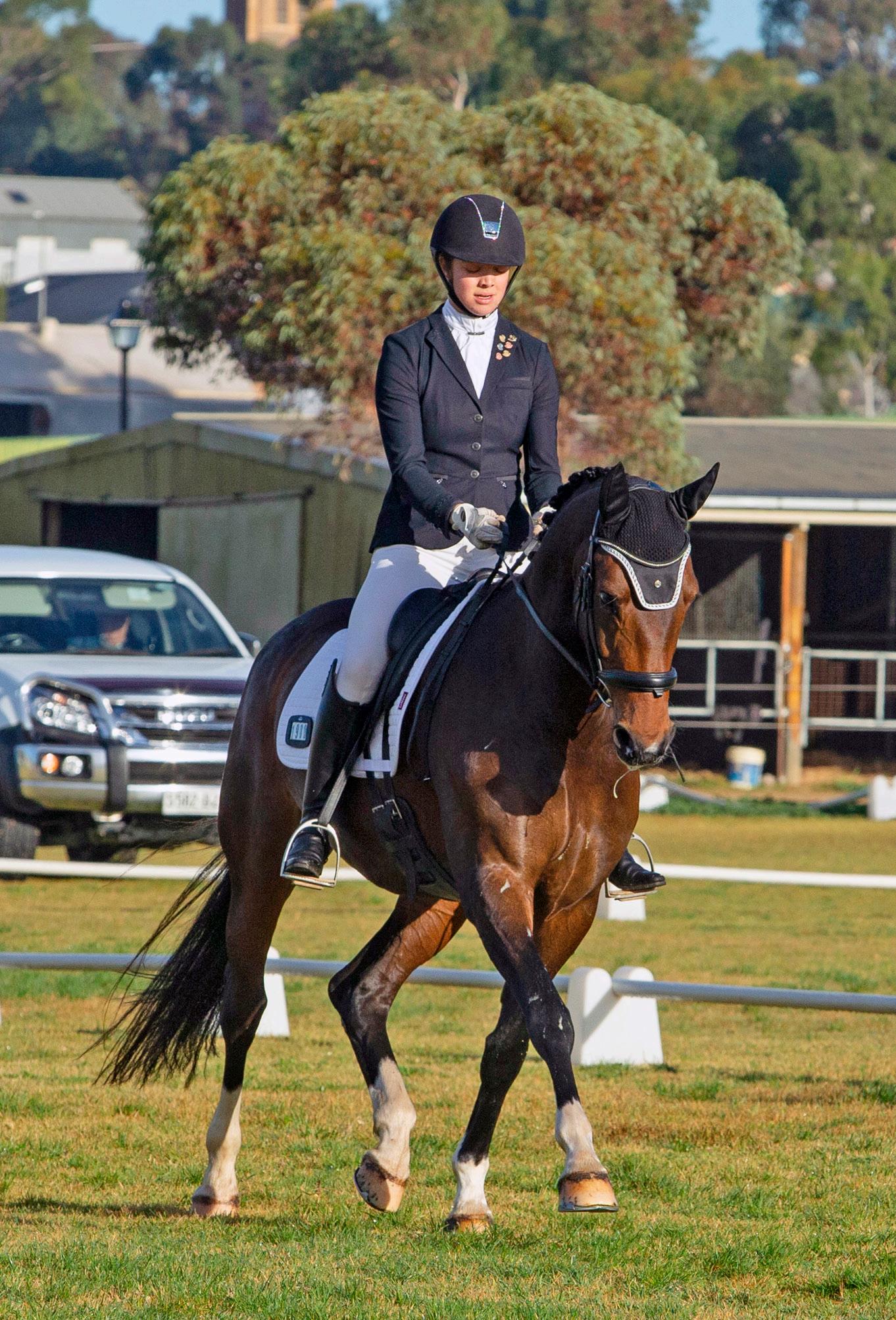
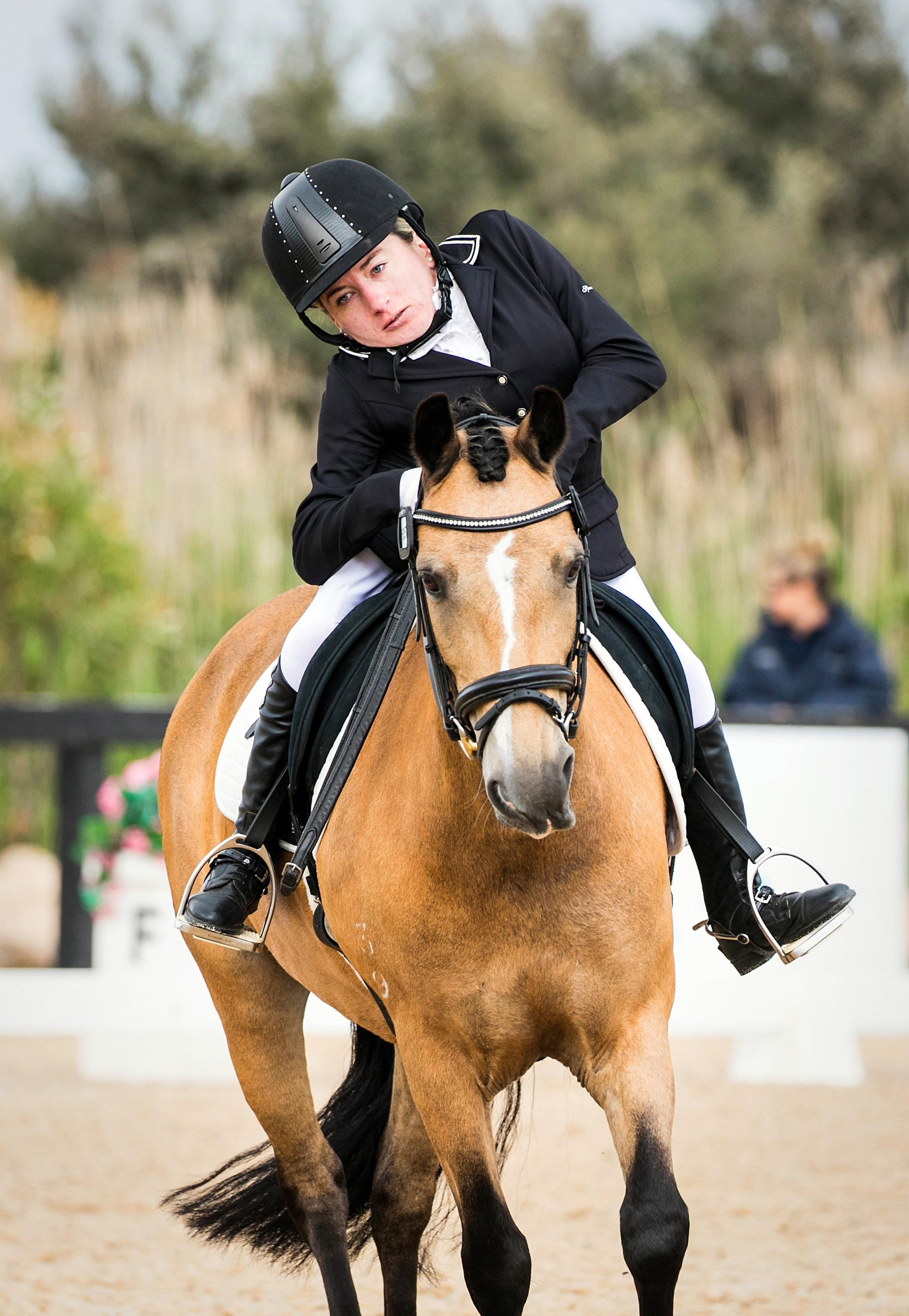
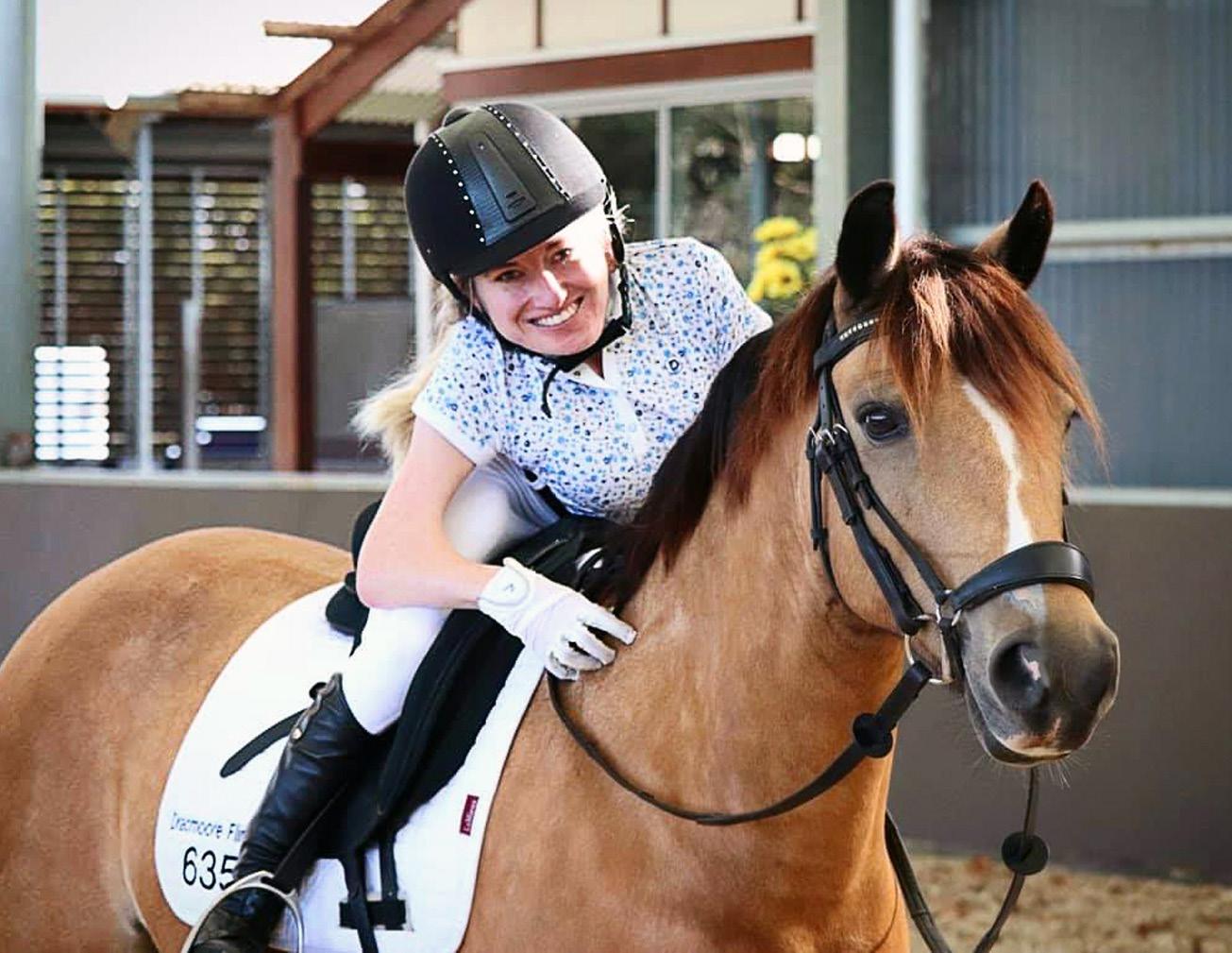
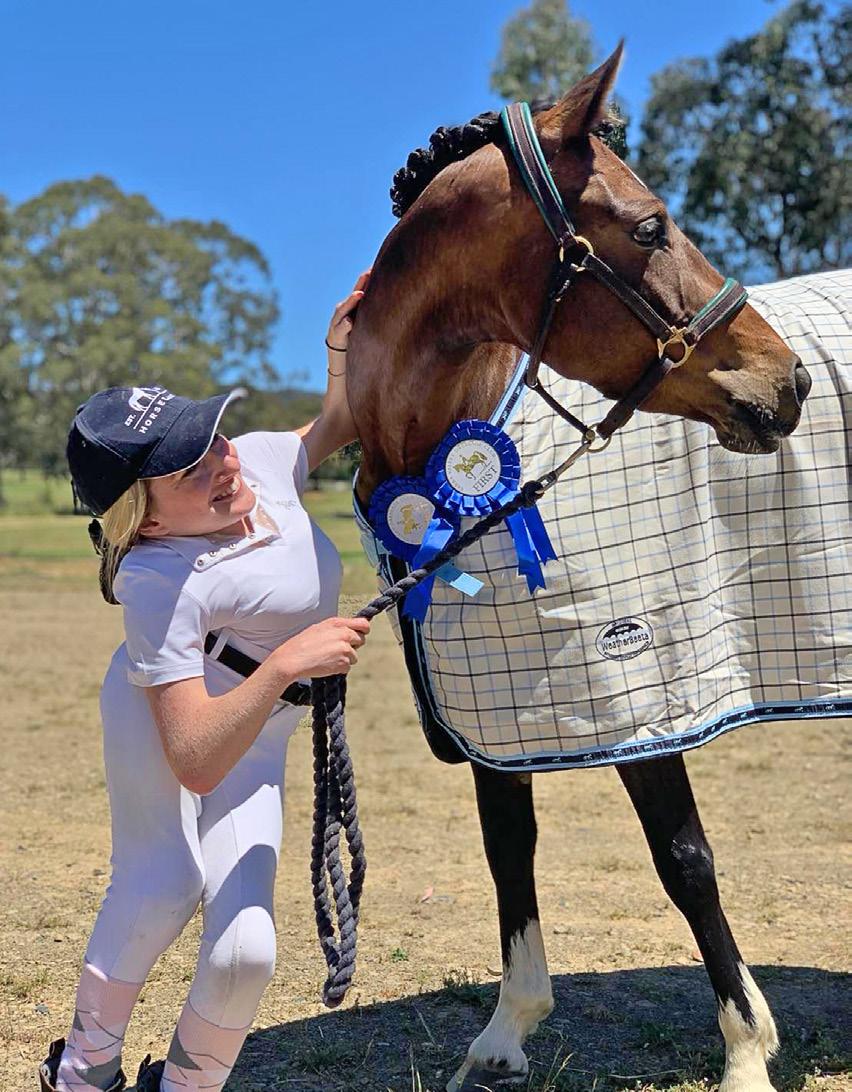
A horse lover and rider all her life, Bridget moved to Para Dressage three years ago and has not looked back. Based in Victoria, she has a longstanding association with Pony Club, and was a recipient of their Award of Merit. Bridget competes at FEI level Para Dressage and kindly took the time to answer our 20 Questions.
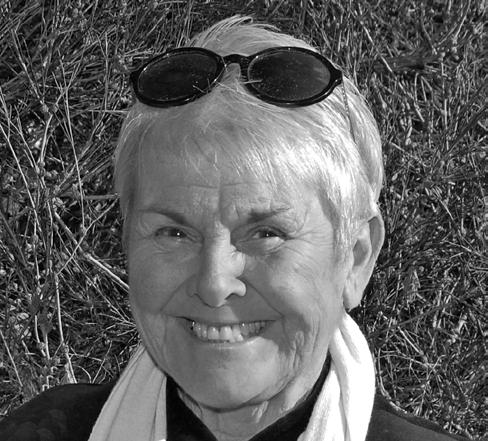
Sharon Ridgway
Amanda Mac
As editor of Equestrian Hub Magazine, Amanda’s two longstanding passions, one for horses the other for writing, blend together perfectly. In this issue she talks to veterinarian Dr Oliver Liyou about the vital work being done by many of our wonderful vets to assist injured and sick animals following some of the worst floods in recorded history.
Jessica Morton
David Nash Director of Nutrition Technology at KER, David is an equine nutrition professional with many years’ experience. He advises on feeding and managing horses across all disciplines, and has been instrumental in quality control, laboratory management and analysis, and pasture research. In this issue, he discusses an approach to conditioning that recognises the difference between fat and fit.
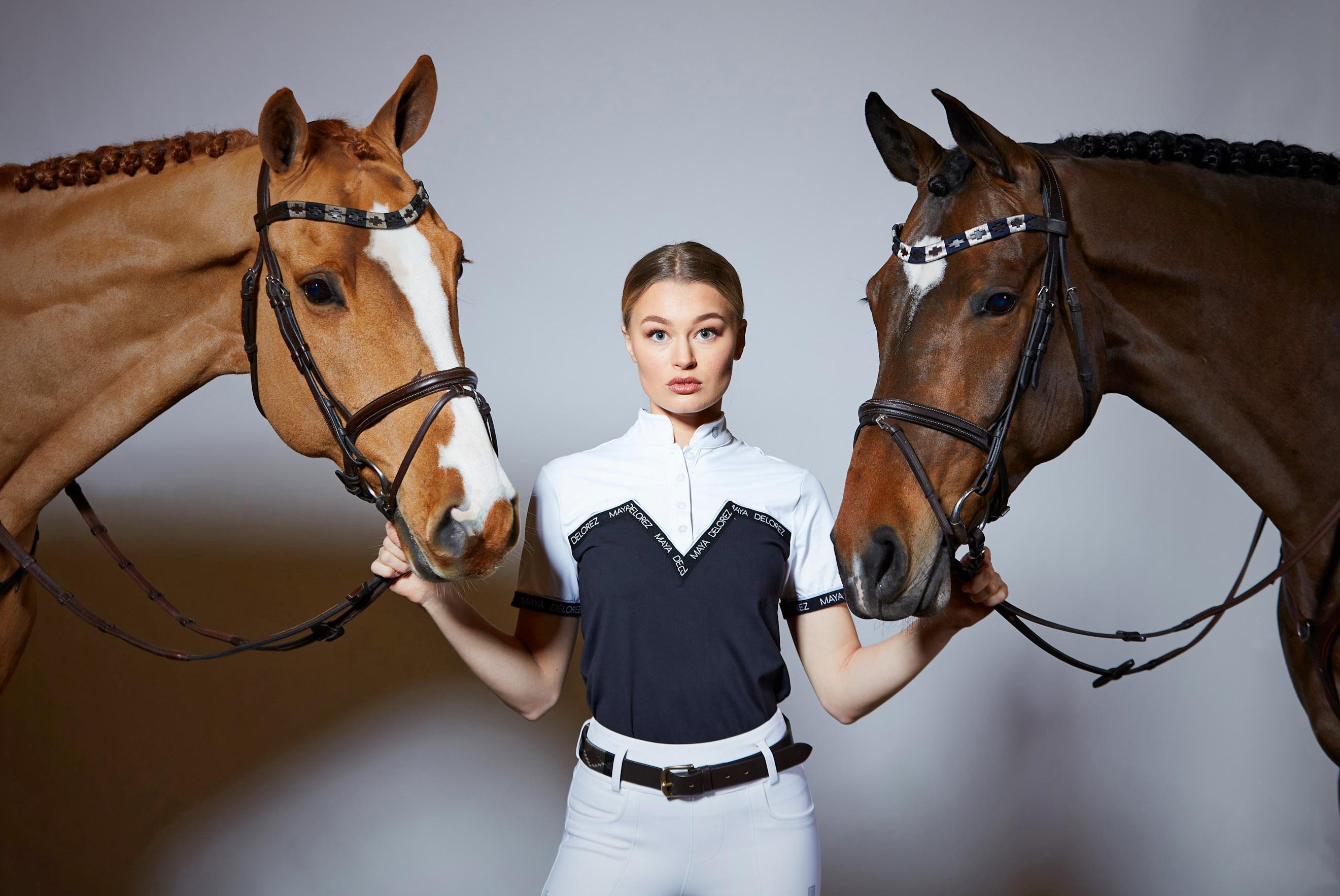
Jessica is a dual national New Zealand-Italian freelance journalist, equestrian traveller and writer. Currently based in Tuscany, she’s perfectly positioned to bring us the very latest in European equestrian trends and innovations. Don’t miss her fascinating article on smart rugs, and her interview with Amanda Jacobsson, spokesperson for the absolutely on trend Maya Delorez label.
With a successful eventing history behind her, Sharon turned her considerable skills to matching upcoming and Olympic riders with suitable eventers, the genesis of her internationally recognised service eventers.com.au
Now with more than 25 years’ experience behind her, in this issue's Ask an Expert she talks about the nonnegotiables of horse selection.
Kirsty Pasto
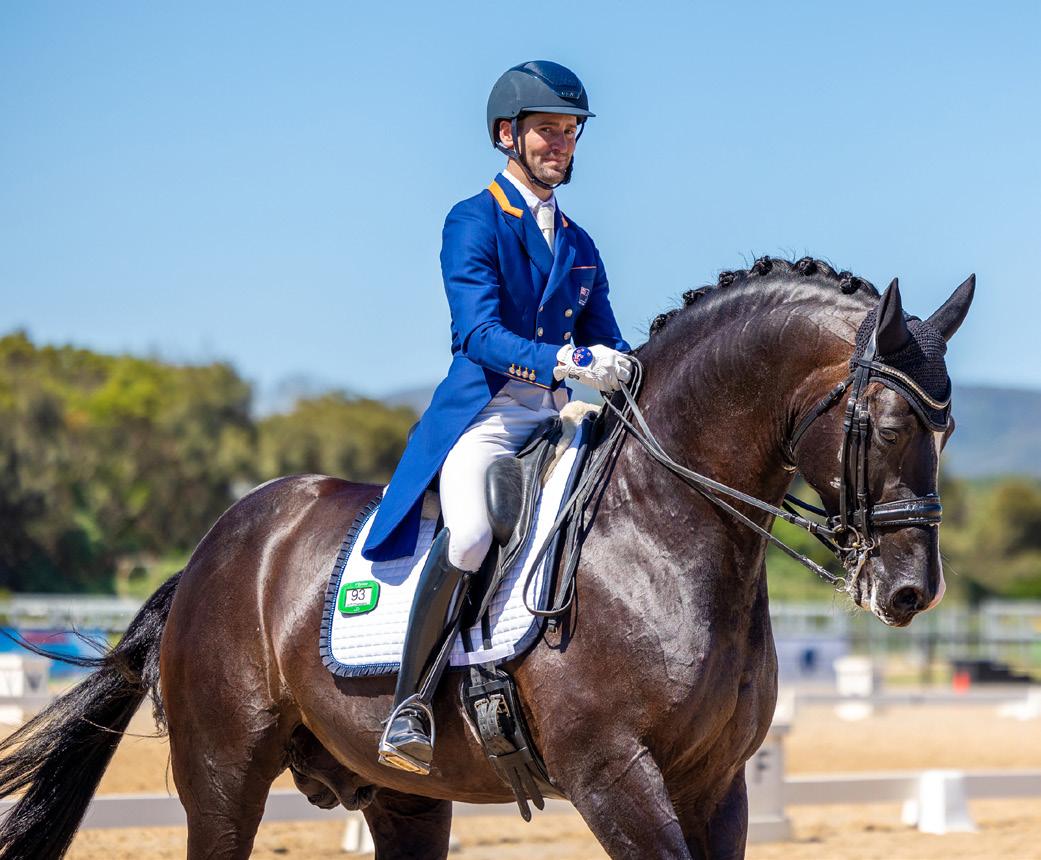
Kirsty owns KPR Media, and works internationally with some of the world’s best known equestrian names, including Horse of the Year Show, Longines Masters Series Los Angeles, and the Australian High Performance Team. In this issue she talks to Australian dressage rider Simone Pearce about her road to the top.
Vicki Roycroft
A three-time Olympian, Vicki has won more World Cup Qualifiers that any other Australian rider. She’s represented Australia at four World Cup Finals, is an NCAS Level III Show Jumping and Eventing Coach, and was Chair of the EA National Show Jumping Committee. Turn to Training Tips for some expert advice on tackling combinations.
Mathilde Gregoire
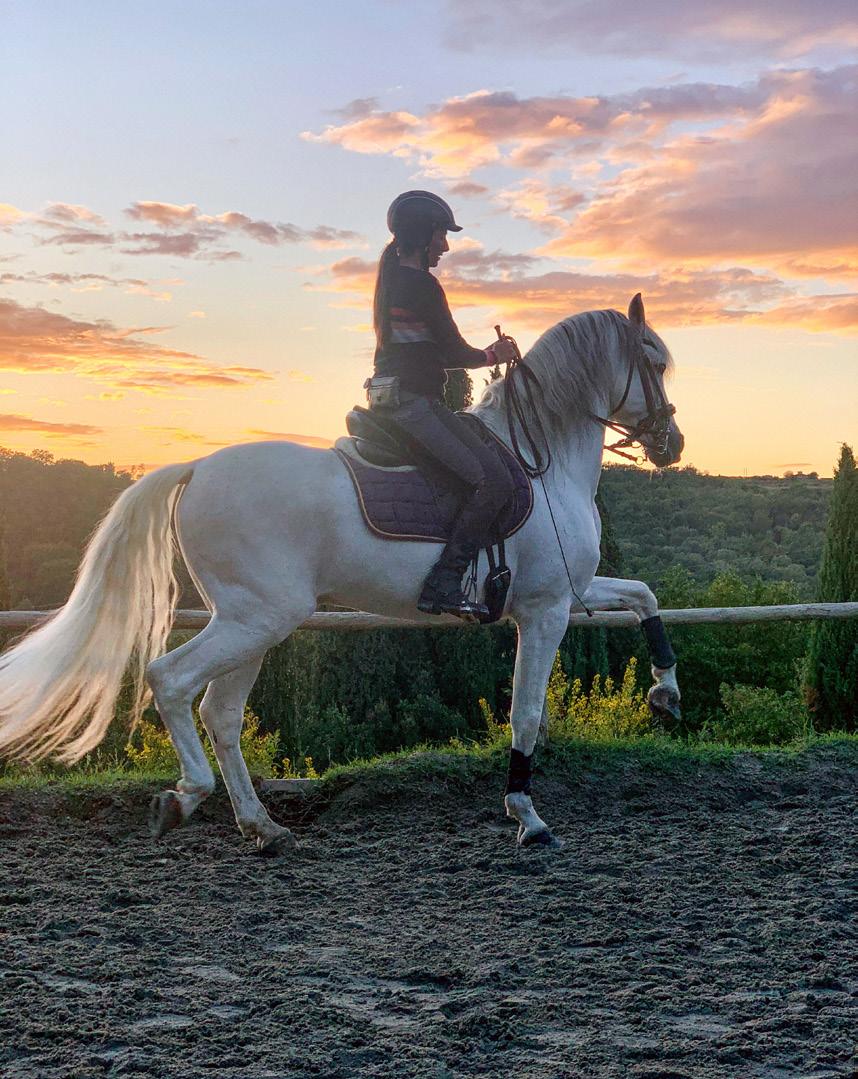
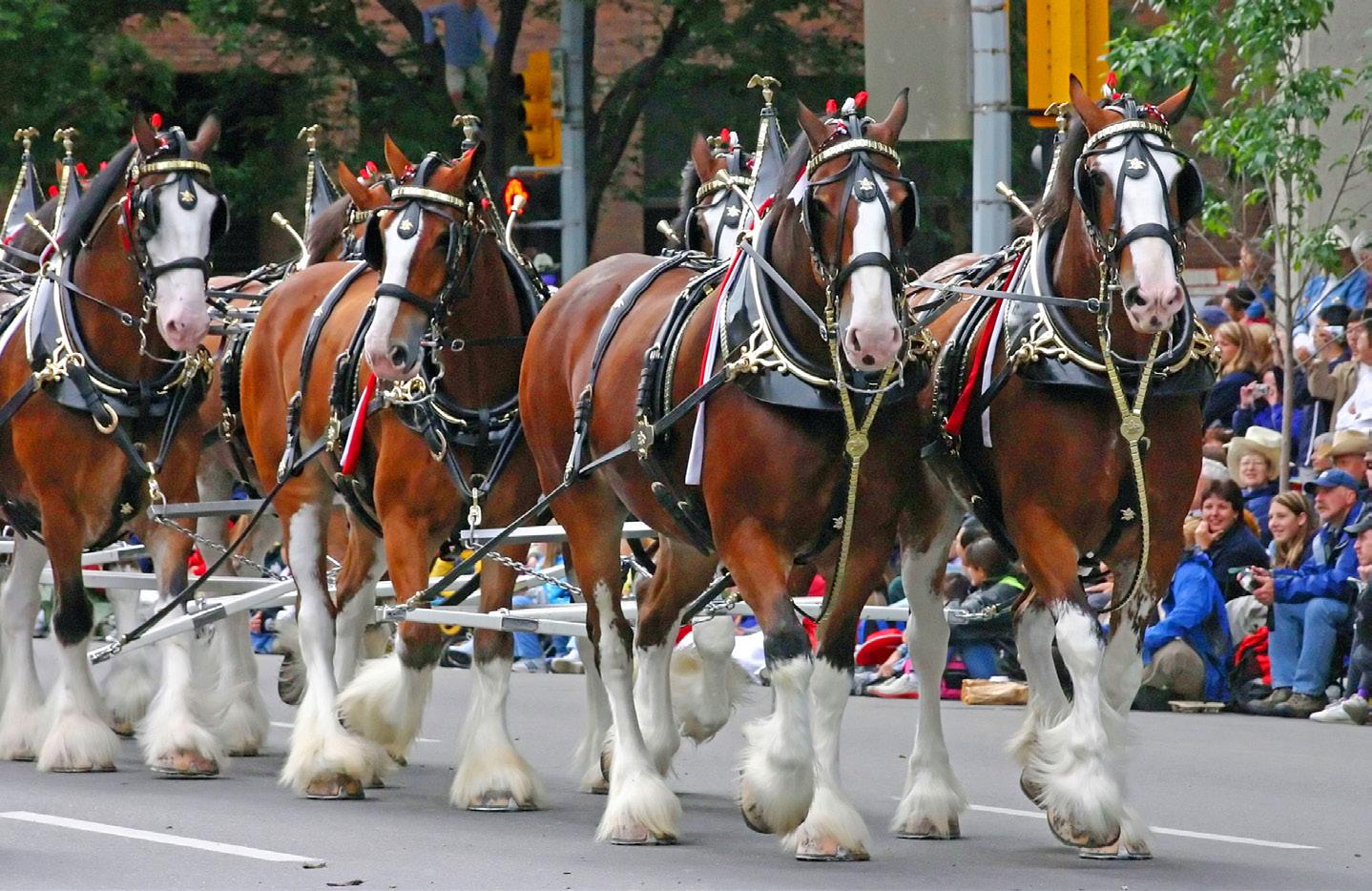
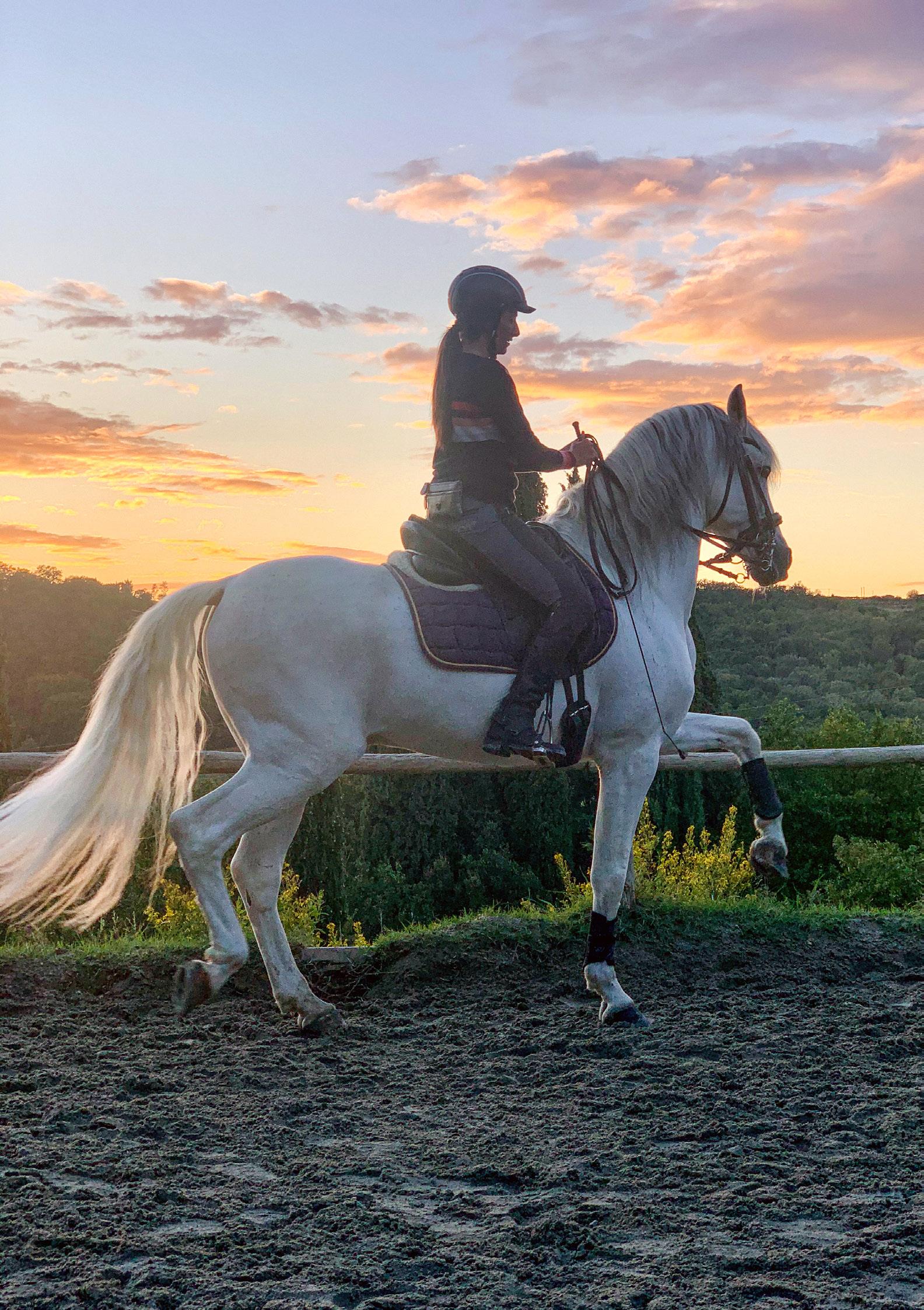
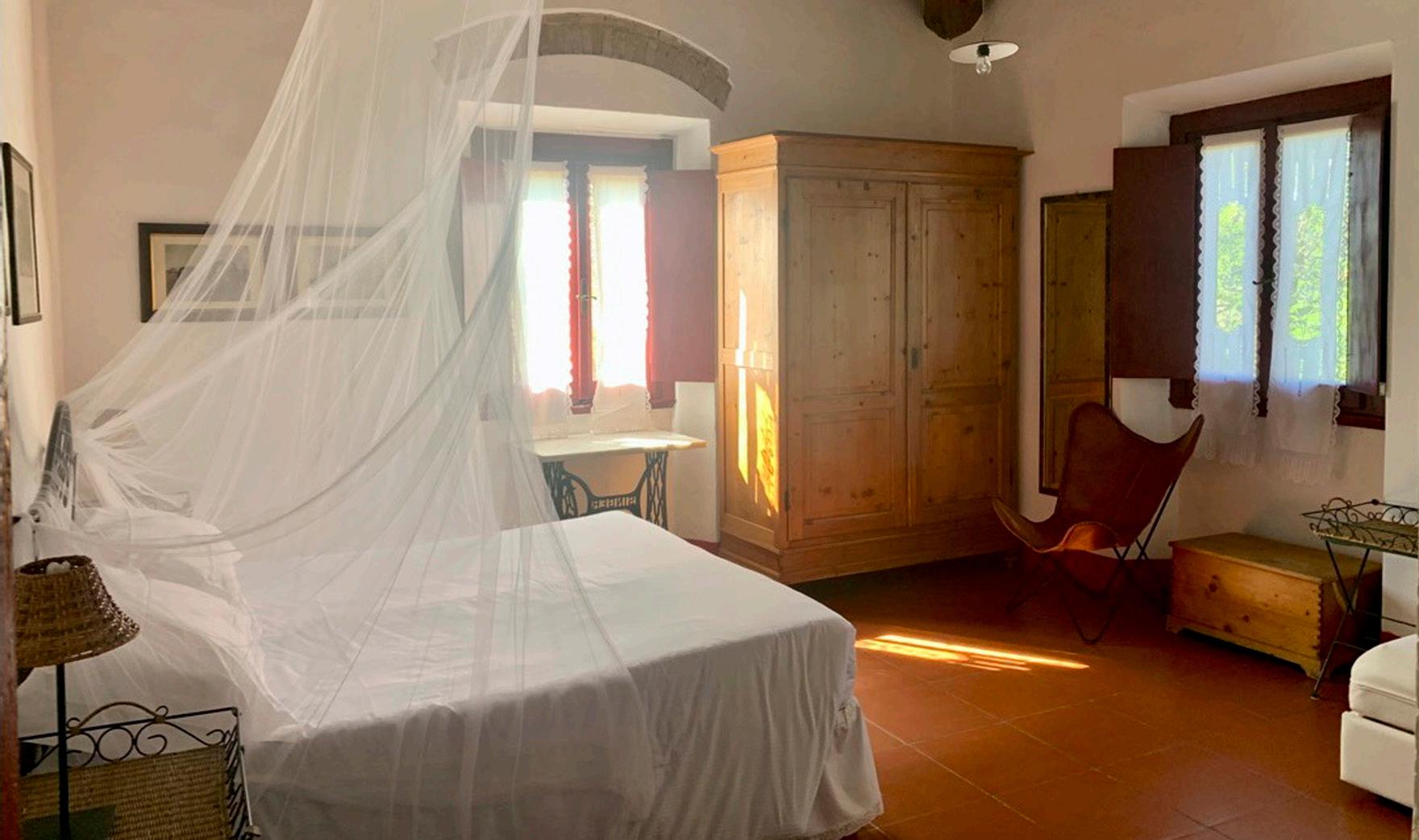
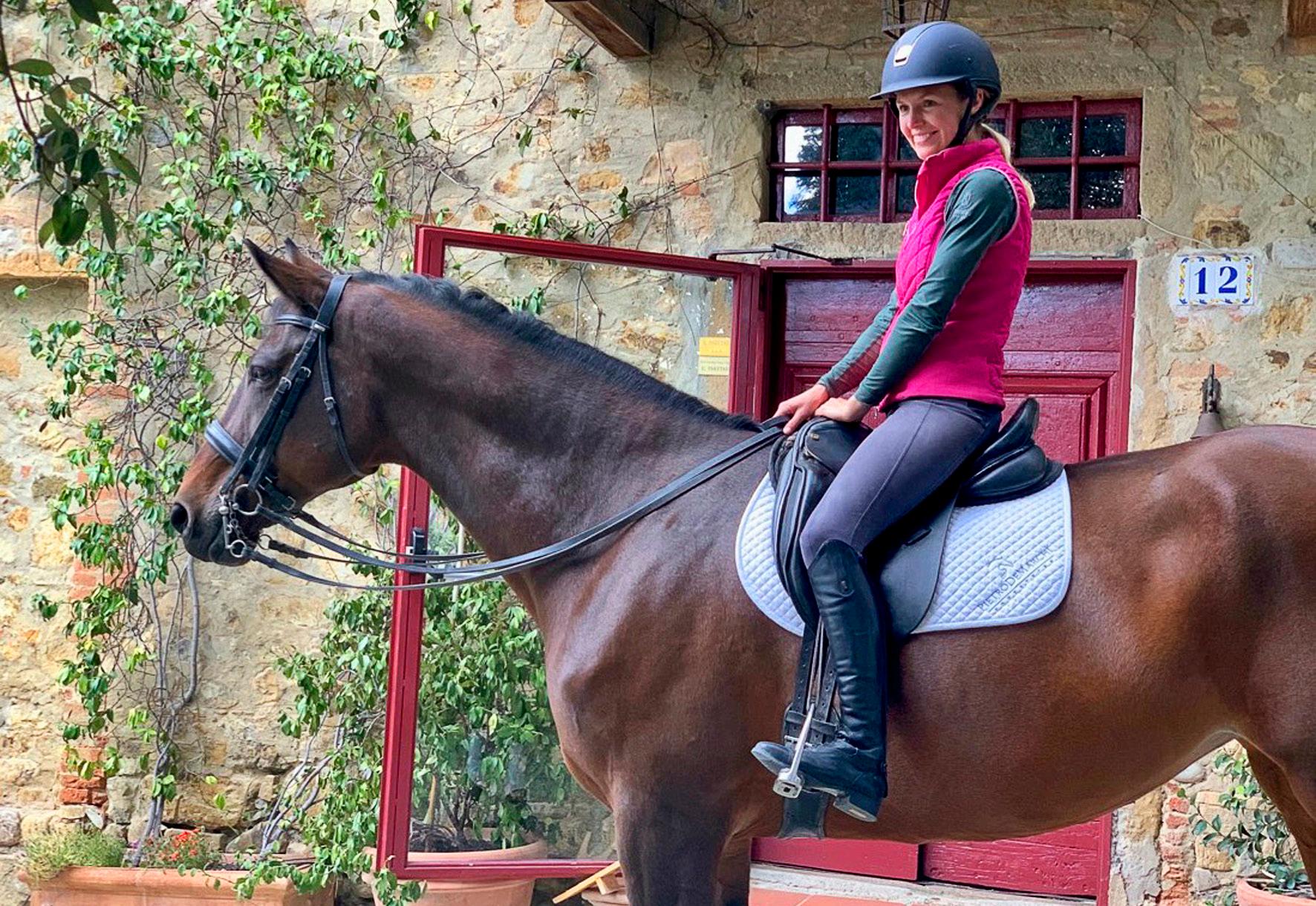
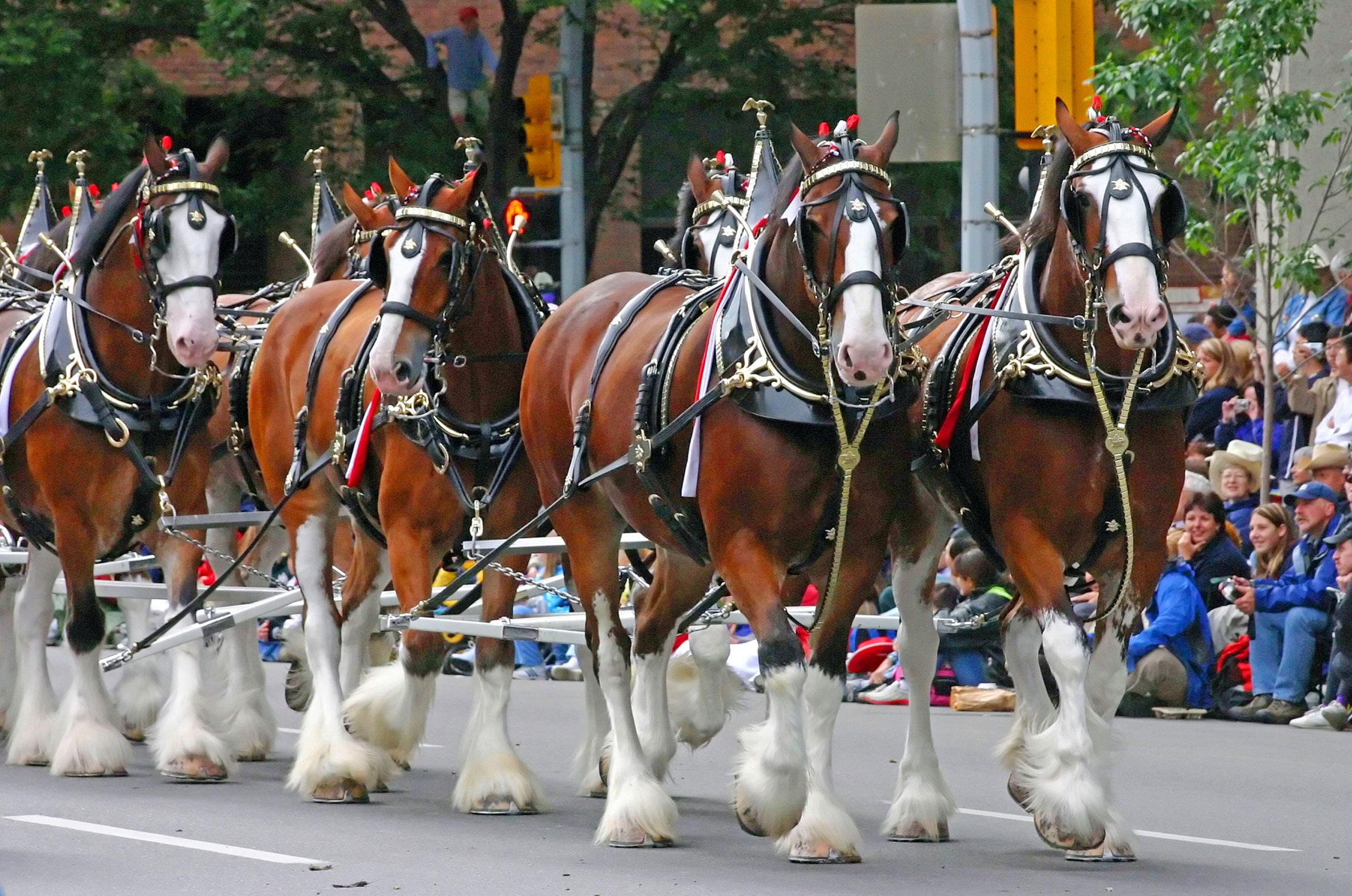
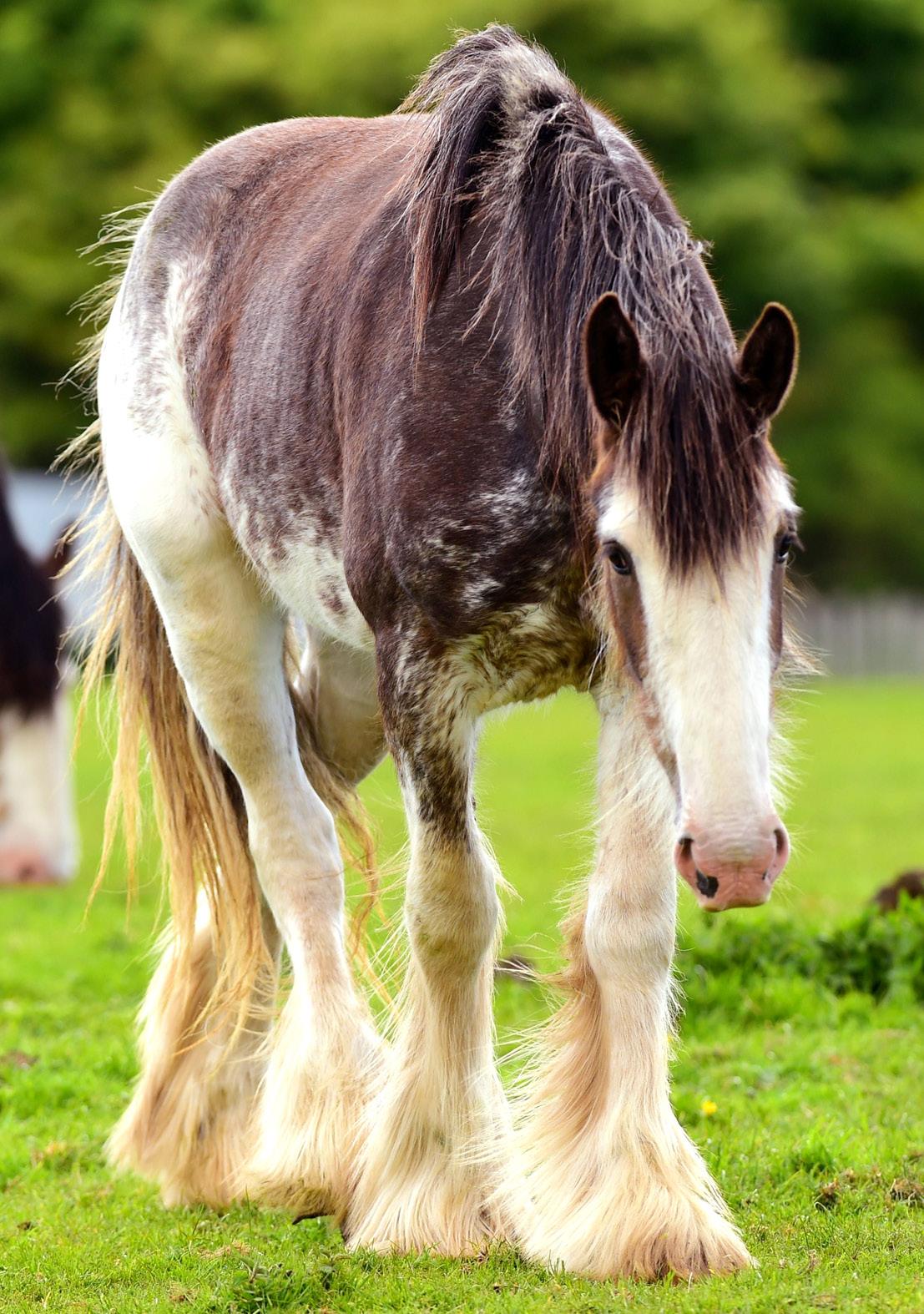
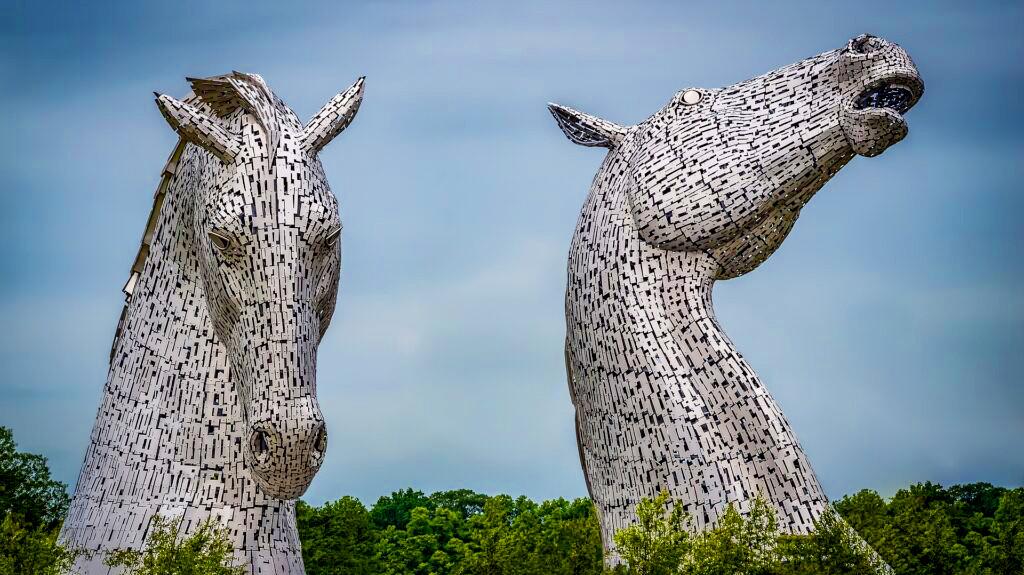
With over 40 countries visited, 20 on horseback, Mathilde combines her greatest passions: horses and travelling. Her mission is to inspire women and solo travellers to follow their dreams and embark on equestrian journeys around the world. In this issue she tempts us with classical dressage in Tuscany, and takes a look at the remarkable Clydesdale.
OUR CONTRIBUTORS
Charline Remy
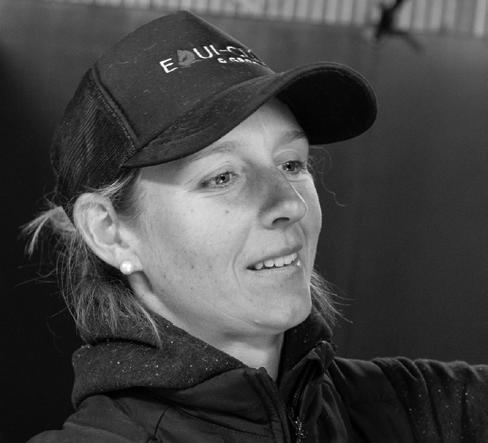
Charline’s career with horses has taken her around the world. Initially based in Europe, she groomed for internationally recognised riders before travelling to Australia, where she worked for Oaks Sport Horses before launching her own business Equi-Clip and Groom. Turn to One Clip at a Time for more of her story plus some top clipping tips.
Dr Jennifer Stewart
Christine Armishaw
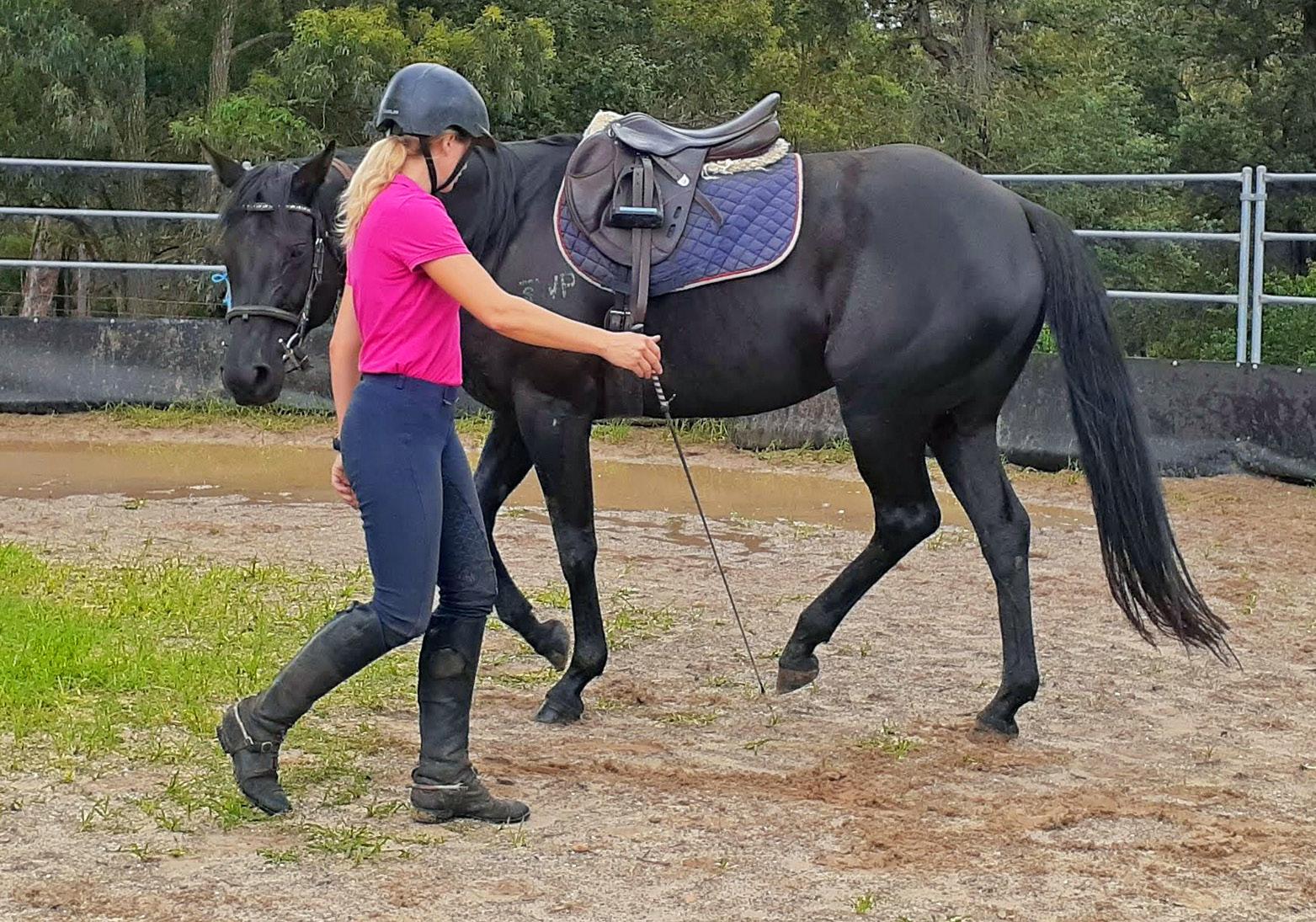
Christine is a horse trainer, coach and passionate eventing and jumping rider. Based in NSW, she teaches others not just how to ride, but also how to understand their horse. In her coaching article, she looks at the benefits of join up, before offering some quick yet productive off-horse exercises to keep your horse’s fitness up.
Stephanie Hann
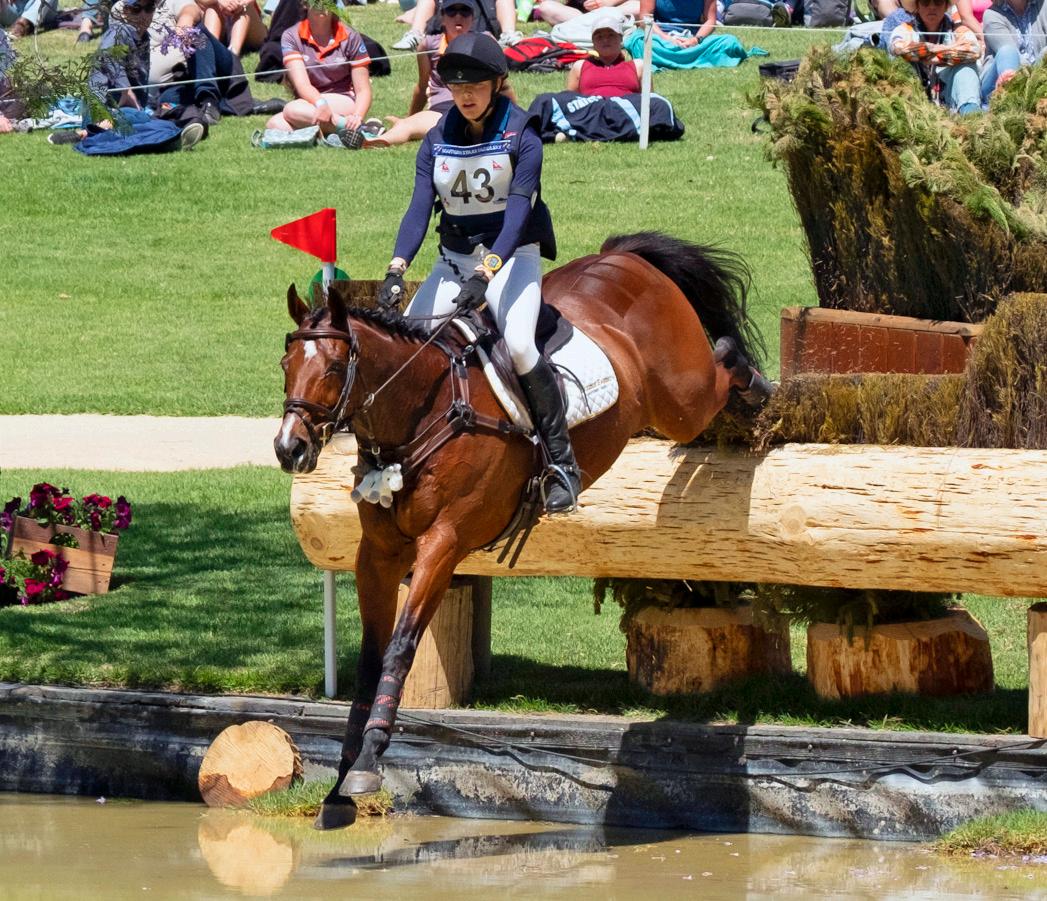
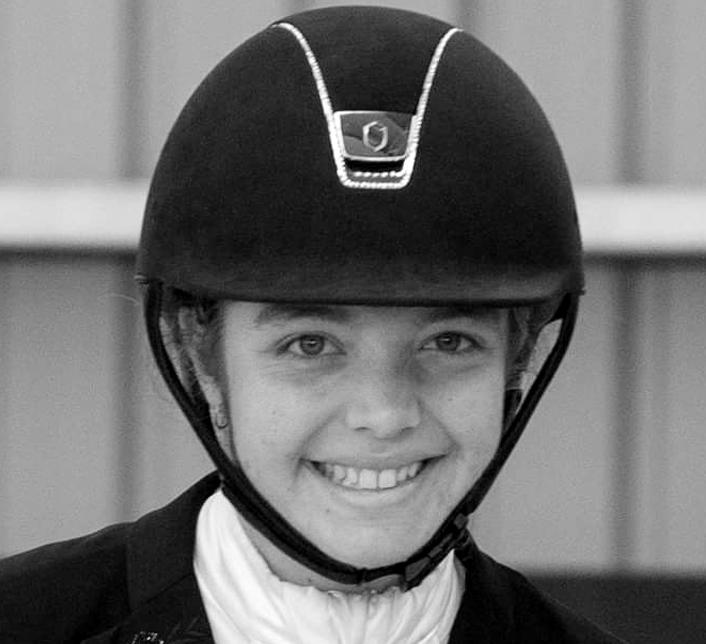
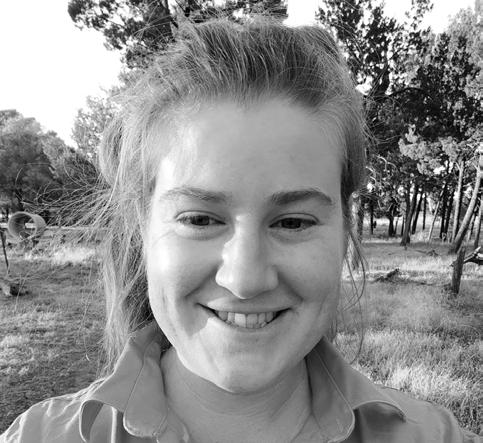
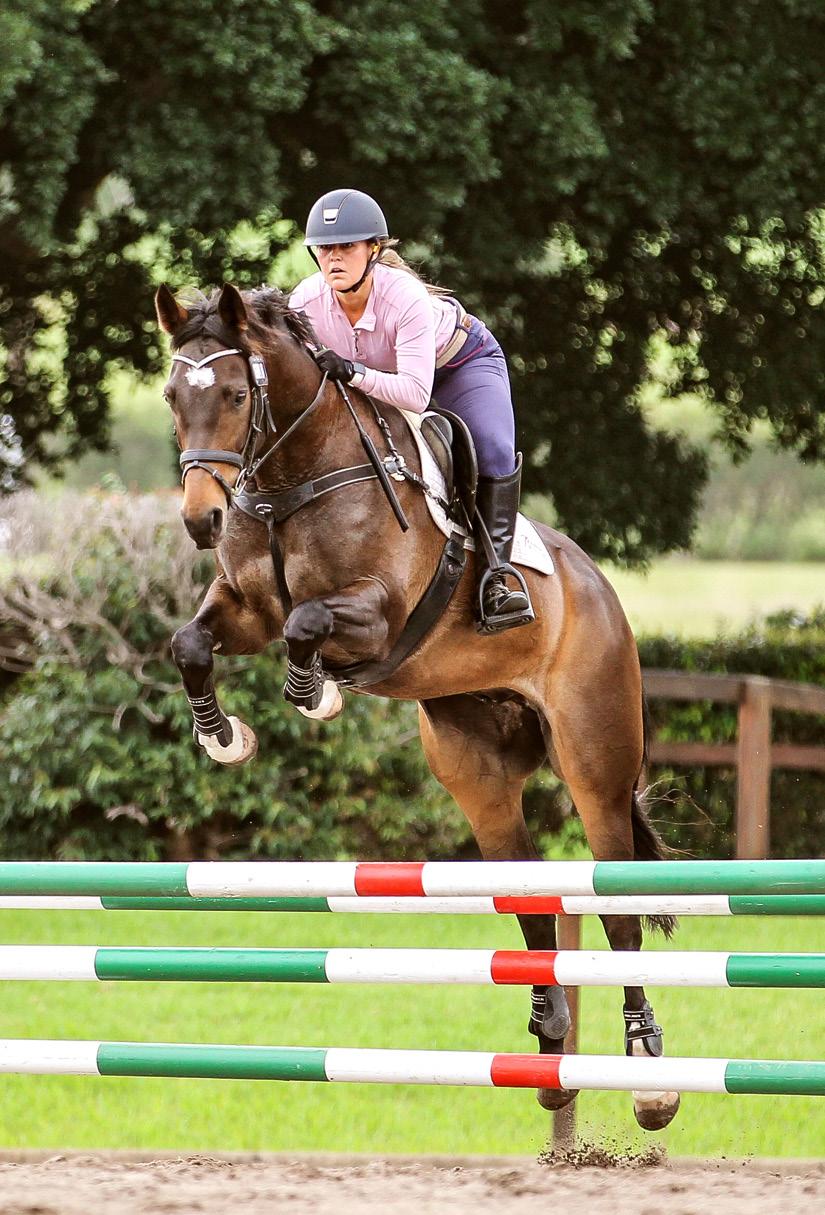
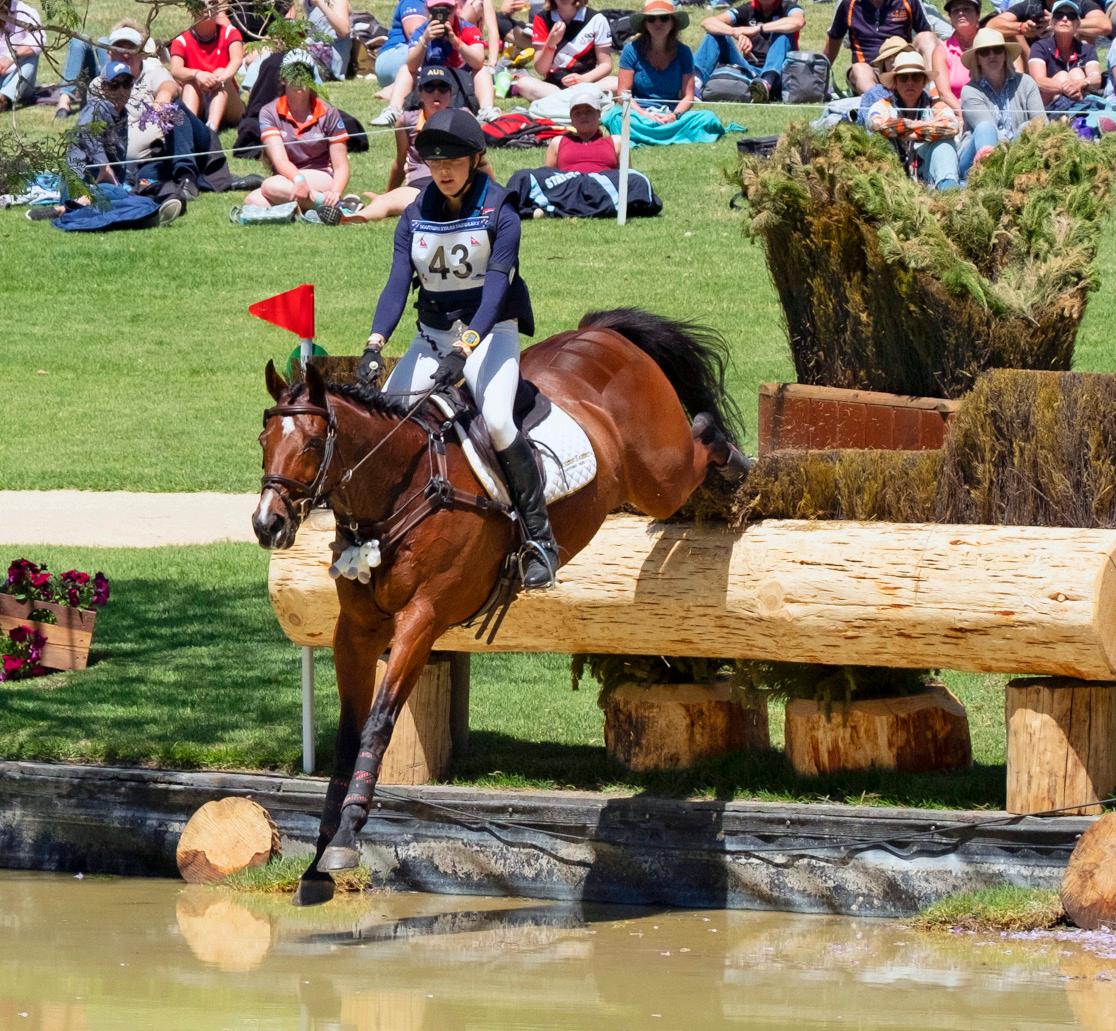
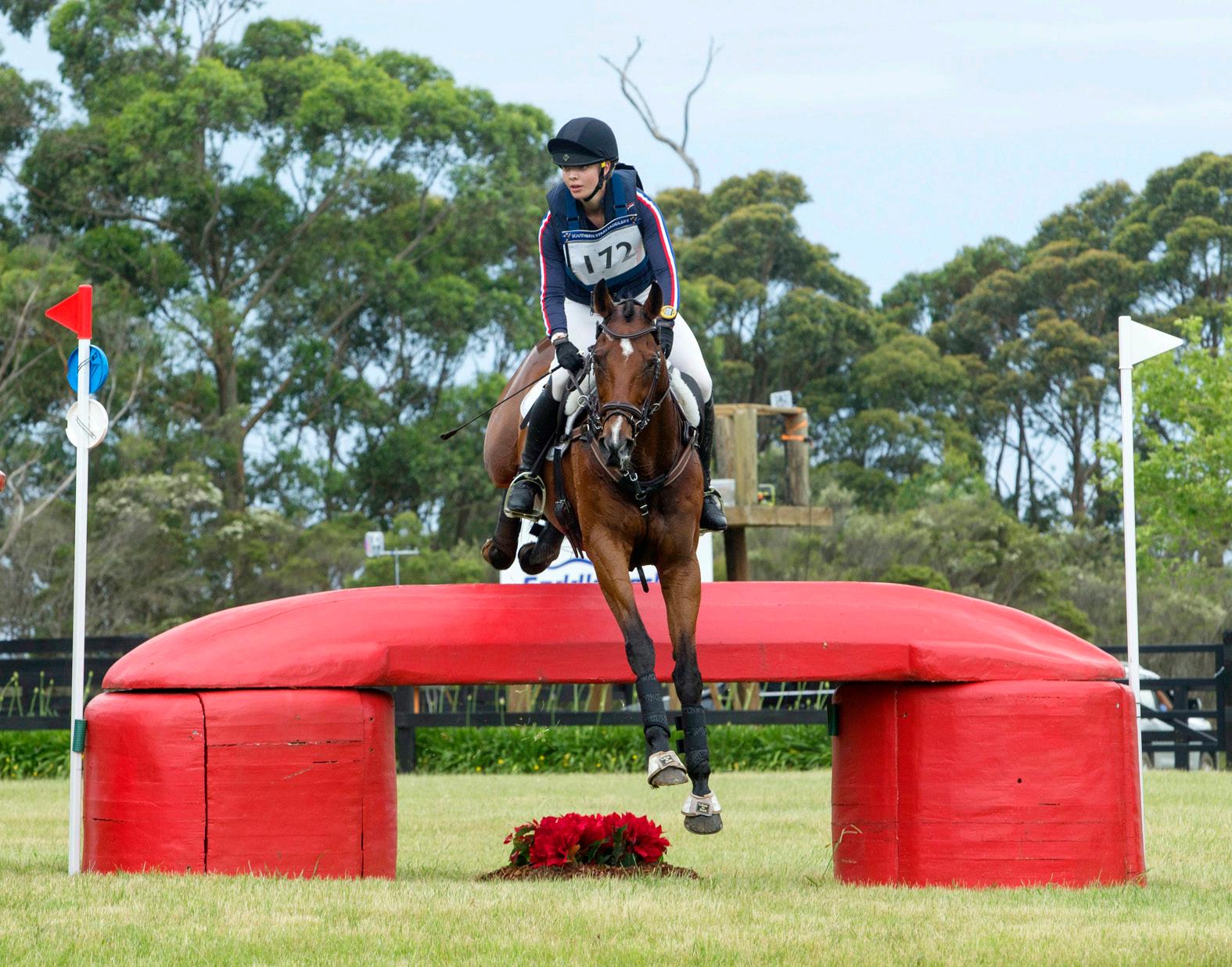
Our April Young Rider, Steph is a 24-year-old eventer who is also studying for a Bachelor of Teaching at Adelaide University. With True Celebre, her eventing partner on various national and state squads, she is looking forward to competing at their next big event, the Ballarat International Horse Trials to be held in early May.
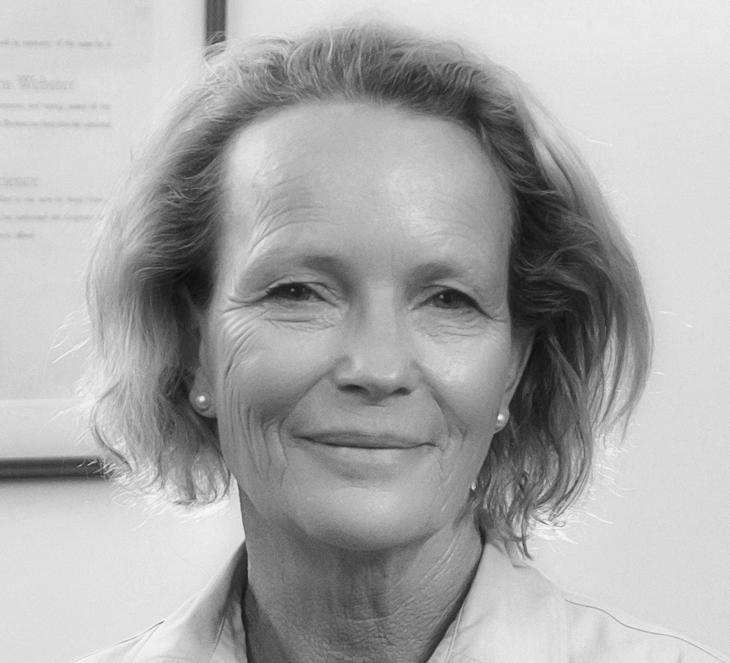
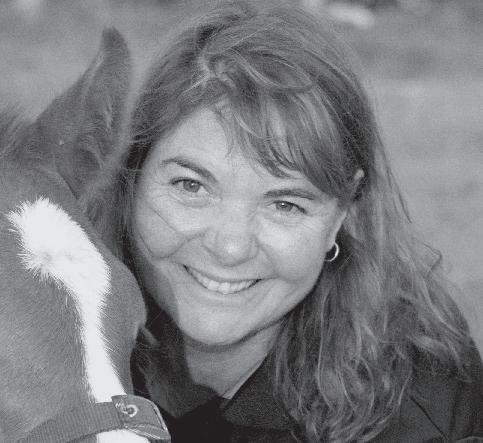
With over 40 years’ experience as a veterinarian in mixed and equine practice, Jennifer’s special interest is equine nutrition. She was Senior Veterinary Officer with the Australian Department of Agriculture, Water and the Environment for 10 years, and for two years was Biosecurity Veterinarian with the ACT Government. Drawing on her extensive expertise, in this issue she discusses 'mare-ishness' and its probable causes.
Rebecca Nadge
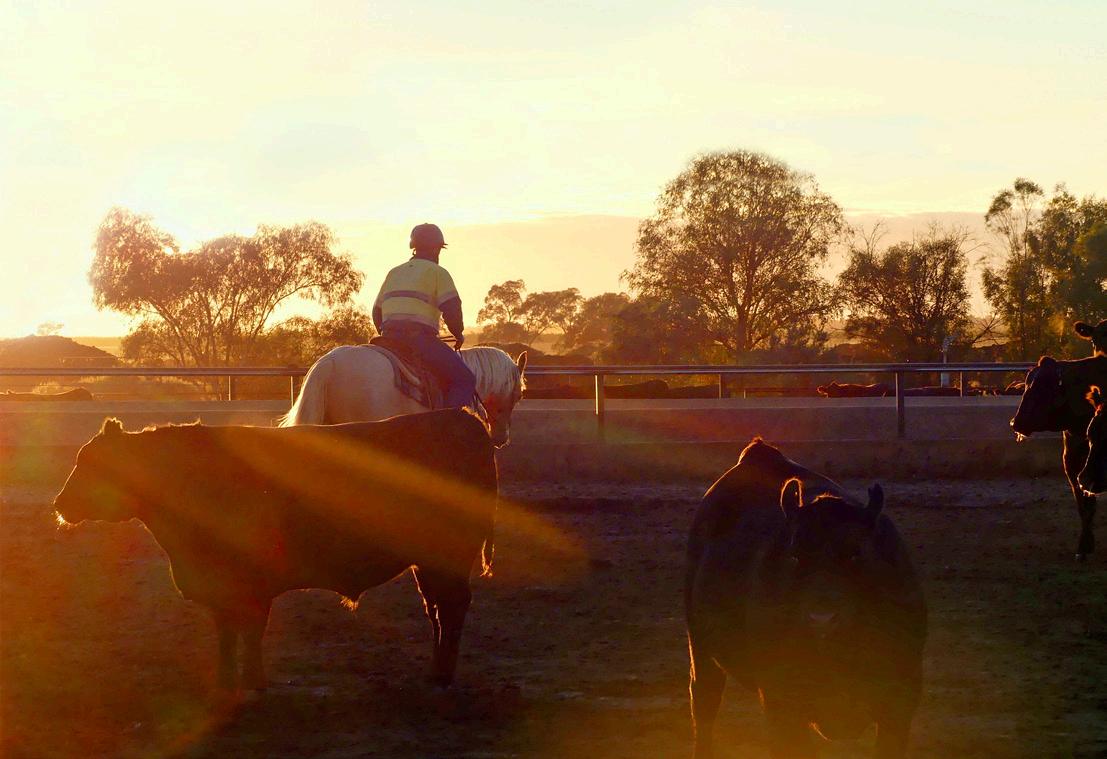
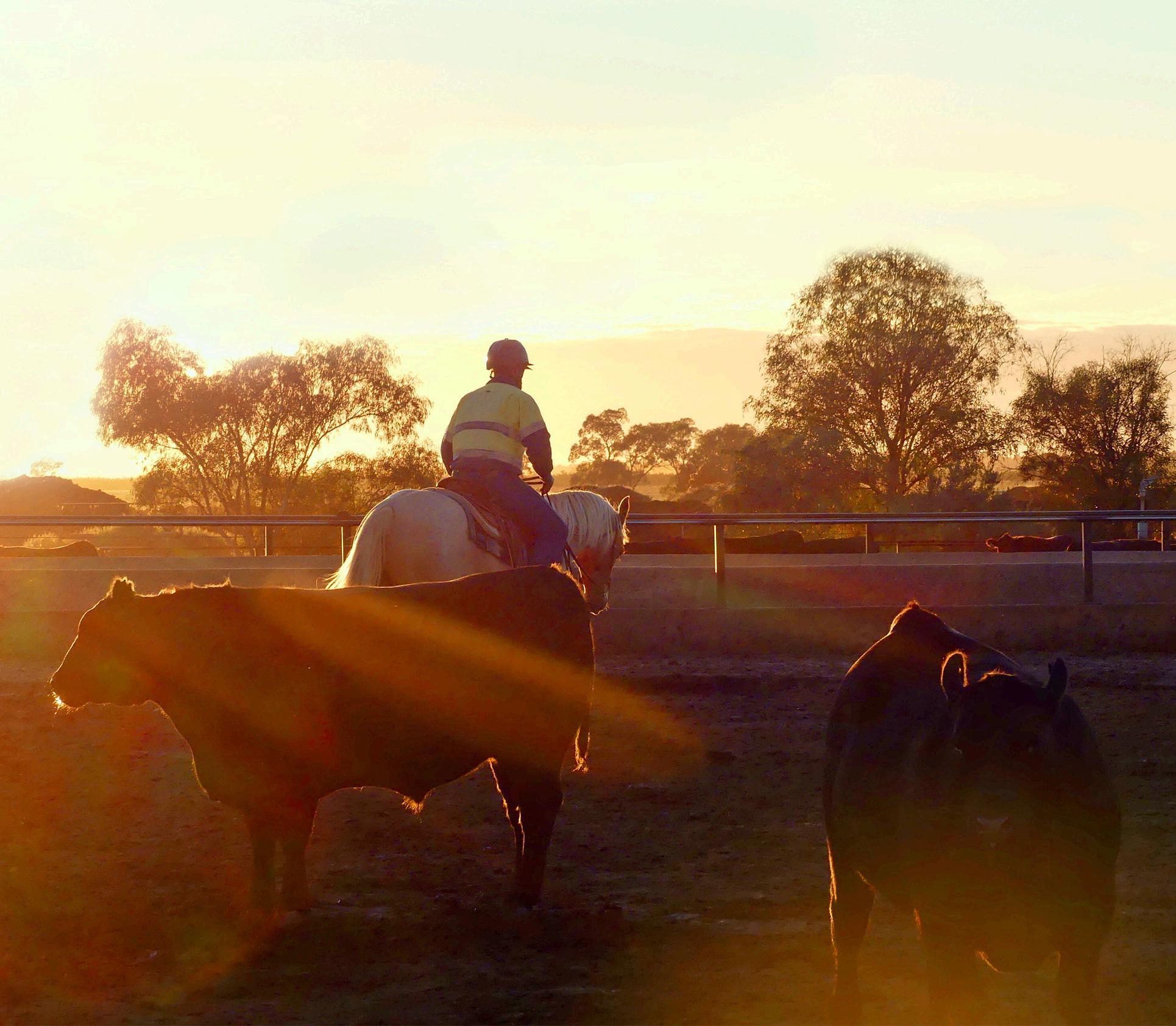
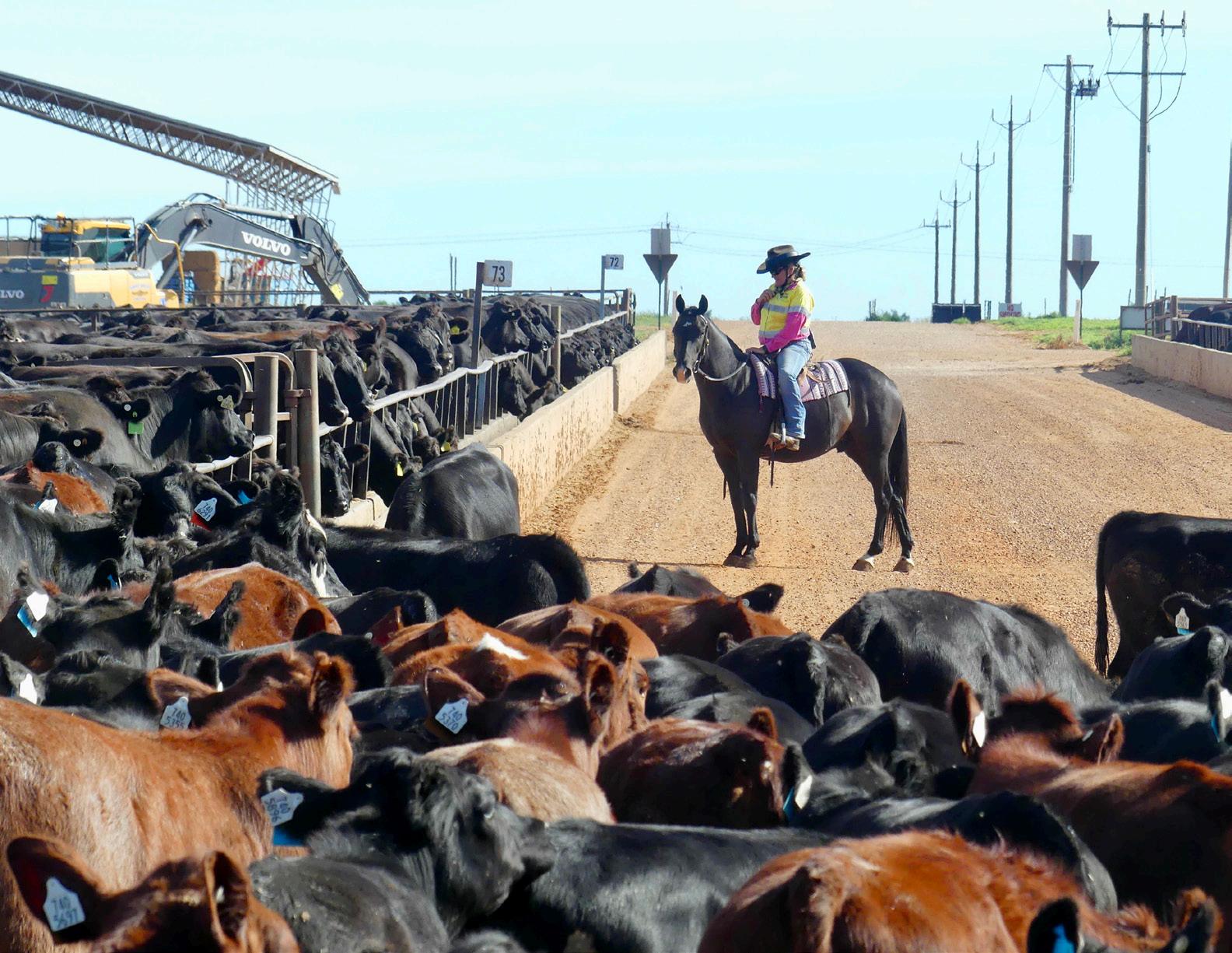
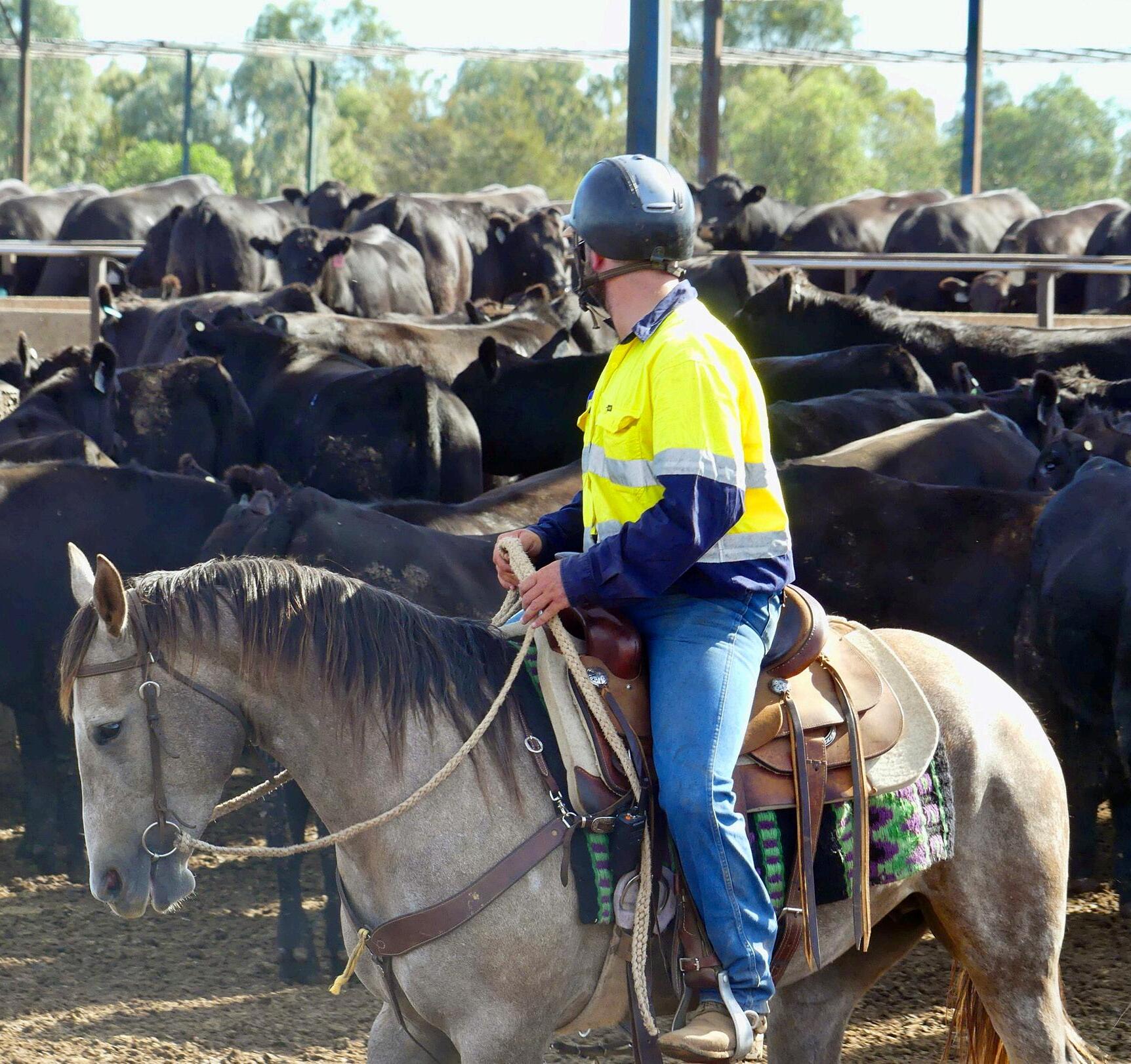
Hailing from WA, Rebecca evented at 2* and worked in racing stables before becoming a journalist for newsrooms across Australia and New Zealand. She now works full time as a pen rider at a cattle feedlot while juggling freelancing and a degree in Equine Science. Don’t miss her Tales from the Feedlot in this issue.
Suzy Jarratt
Suzy has lengthy and varied form as a writer and presenter. She works for several Australian and overseas companies, is the author of three published books, and three years ago won an international award for equestrian journalism. In this issue she talks to Steph Hann, a talented Young Rider whose career is blossoming.
Dr Oliver Liyou
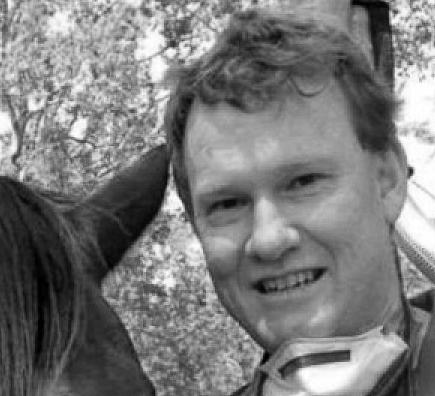
Oliver is the principle veterinarian and owner of Equine Veterinary and Dental Services. Having grown up around horses, he has a passion for helping owners to help their horses and despite focussing on dentistry, enjoys all equine vet work. In this issue he talks about coordinating the emergency response to horses injured during the floods, and their ongoing care.
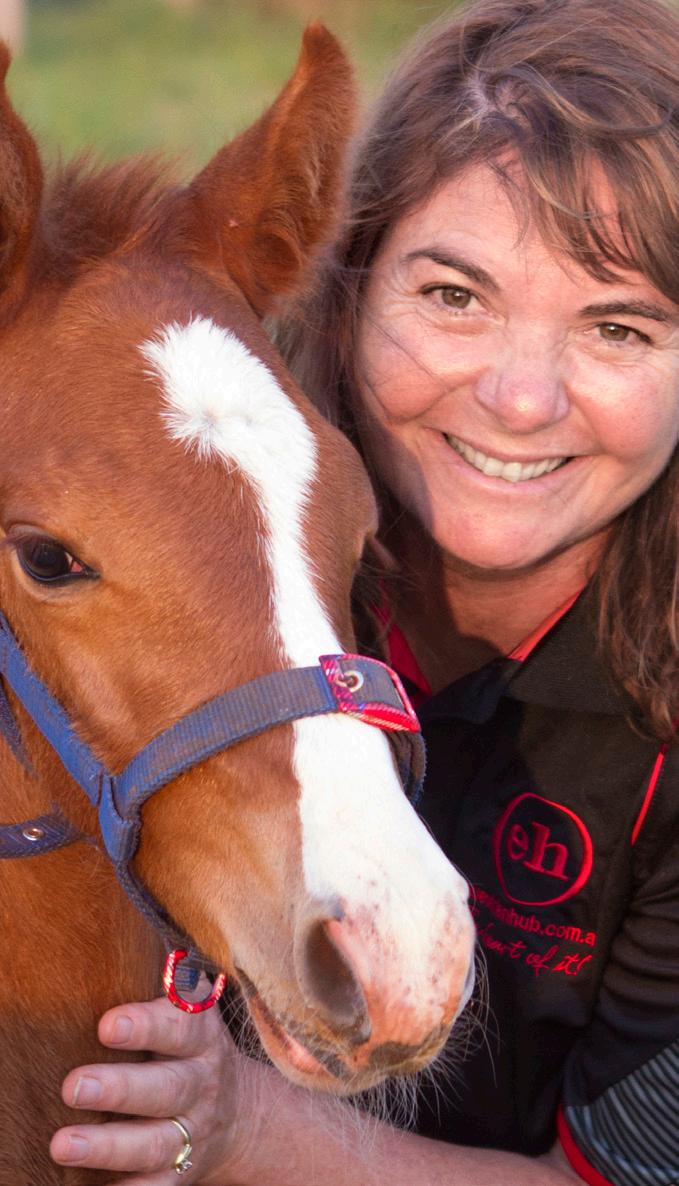
Fiona Todd
Fiona’s love of horses has been life-long. Driven by a desire to support and inspire equestrians from all disciples, she first launched The Saddle Hub, the hugely popular online pre-loved saddle store, followed by Equestrian Hub, a magazine dedicated to inspiring and informing Australian riders and horse lovers, not matter what their discipline.
PUBLISHER’S LETTER
From the Horse’s Mouth
With Fiona Todd
In case you haven’t noticed, there have been a few little changes here at Equestrian Hub! Firstly, your favourite magazine is coming to you free of charge; secondly, it is now available every month; and lastly, within the coming days you’ll be able to download the Equestrian Hub app, which we’ve created to ensure you have the very best reader experience possible.
This issue, the very first of our new look free digital magazines, has so much on offer and will give you just a taste of what’s to come.
Kirsty Pasto puts the amazing Simone Pearce in the Spotlight and discusses the Olympics, stallions, and the value of hard work. Kirsty also talks fashion –dressage fashion that is – and what’s on point when it comes to jackets, boots, helmets and tack.
If COVID did its best to disunite us, recent natural disasters have helped create tight knit communities who have pulled together and given each other the strength to battle on. In this month’s Vet Vibes, Amanda Mac talks to Oliver Liyou, who along with an amazing team of volunteers, worked tirelessly to save the many injured and sick horses suffering in the aftermath of the devastating Lismore floods.
Our very own Christine Armishaw discusses the benefits of join up and explains how it’s done. And as we head into winter and the days become noticeably shorter, she also has some great time hacks to help keep your
beloved pony fit and happy. Training Tips is with Vicki Roycroft, who tackles those pesky combinations with her usual flair and wisdom.
In European Trends, Jess Morton gives us the heads up on smart rugs. This technology has been developed in conjunction with vets to give back-to-base real time reports on your horse’s health.
In Nutrition, Dr David Nash looks at the best way to condition your horse, keeping in mind the importance of fit over fat. It’s a fine art, but he has some great advice for all of us who regularly go down that rabbit hole.
Searching for a new equine partner? Sharon Ridgway has some great advice
on what to look for – and no surprises that a good temperament is the first non-negotiable. And if you are on the hunt, keep an eye on our website. We’re launching our new Horses for Sale platform very soon.
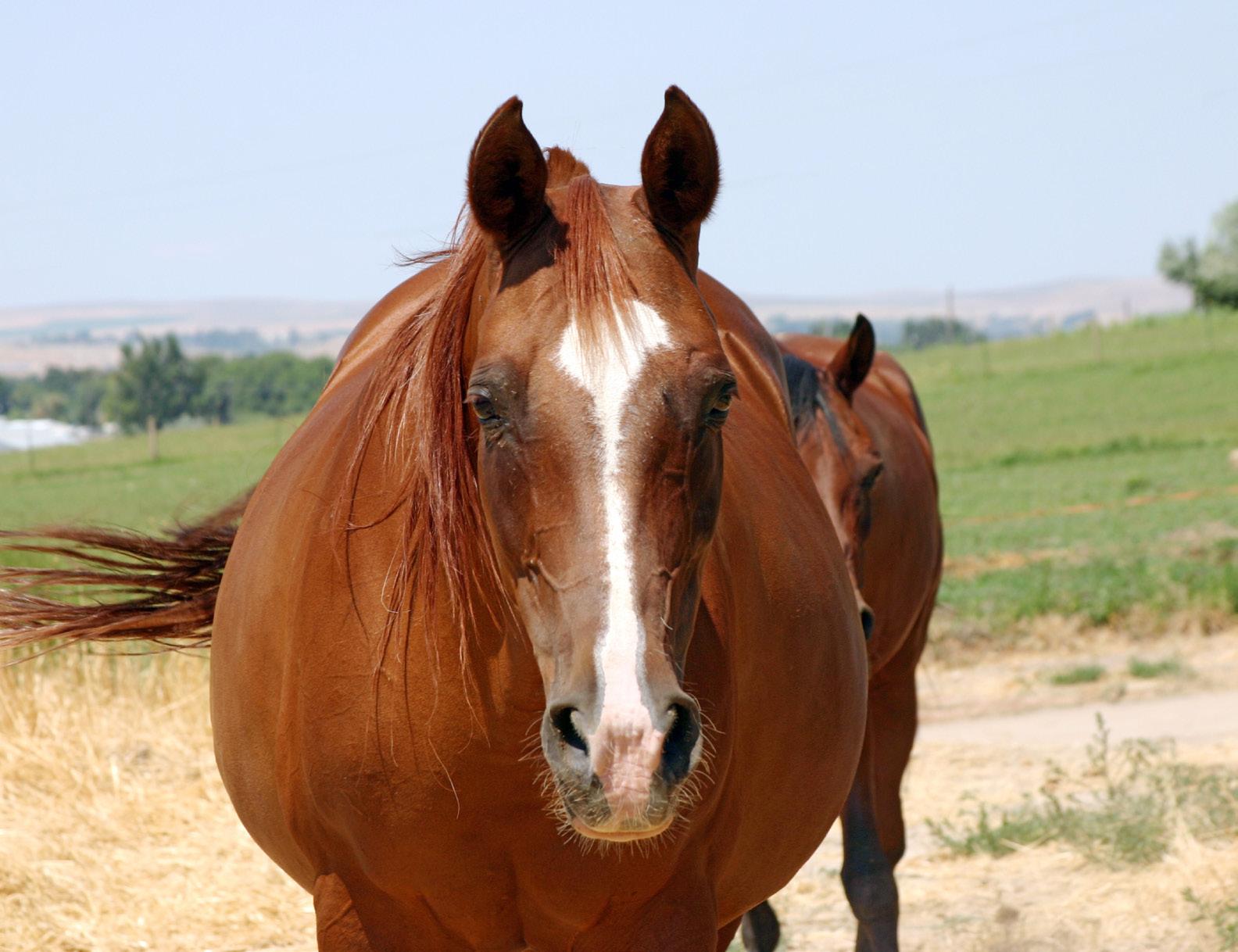
Anyone who knows me knows I’m very partial to chestnut mares. I’ve had a couple who were absolutely amazing. But what about mare-ishness? Is it a thing? Dr Jennifer Stewart discusses the potential causes.
And as the weather gets colder and our ponies get woolier, you might be more than interested in clipping basics. When to clip, why clip and how to clipCharline Remy has the answers.
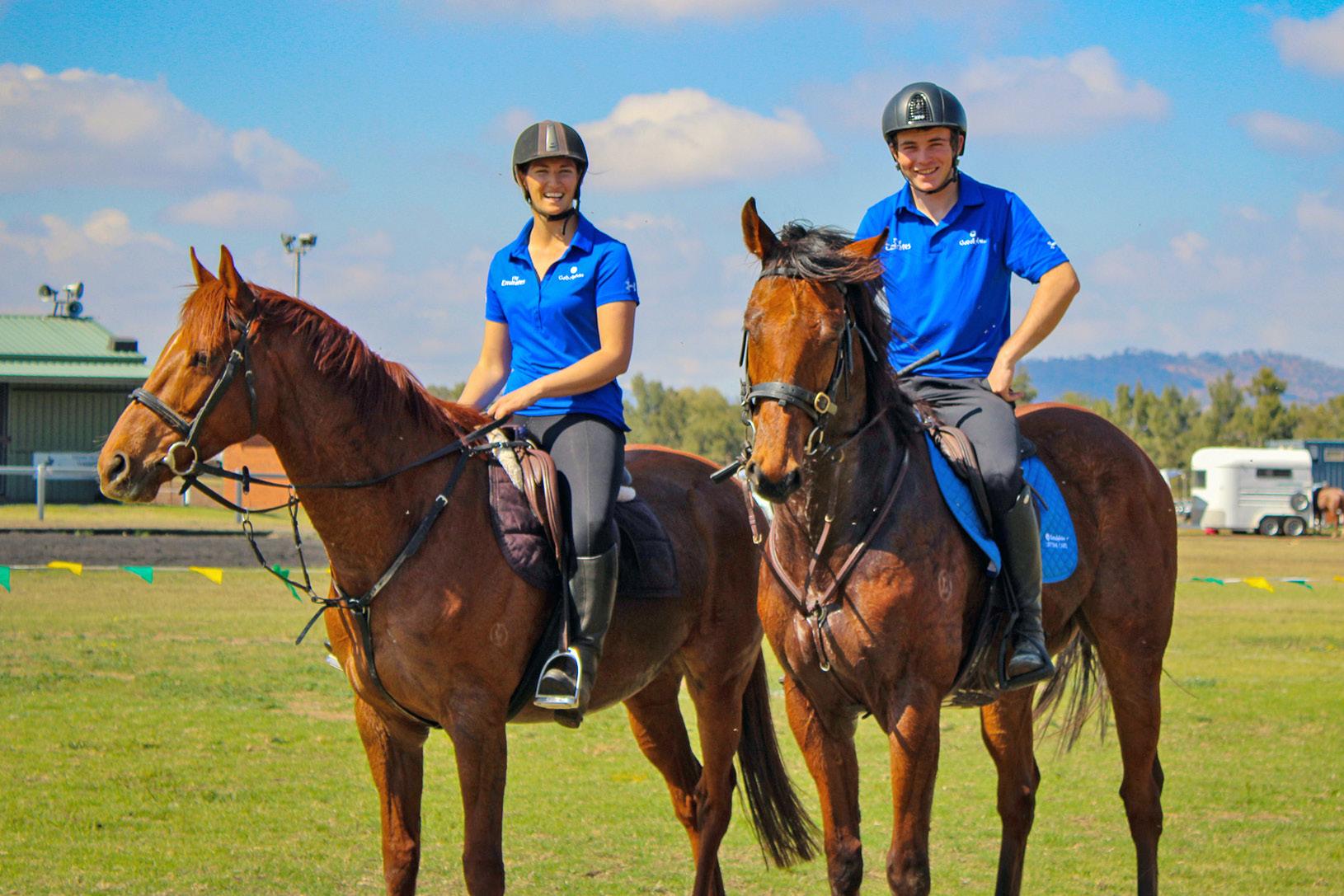
There are so many initiatives emerging to support quality of life for Thoroughbreds once they retire from racing – and a great example is Godolphin’s Lifetime Care program, which encompasses the whole of each horse’s life cycle.
Rebecca Nadge has a part time gig here with us at Equestrian Hub, the rest of the time she is paid to ride her horse as a pen rider. What is that? Thankfully Bec has the answers.
With borders reopening, many of us are itching for a holiday. Mathilde Gregoire visits Tuscany and explores classical dressage, great food and stunning landscapes. Apparently this trip also entails vineyards – I'm in. And back by popular demand is our breed feature, which Mathilde kicks off with the ionic Clydesdale.
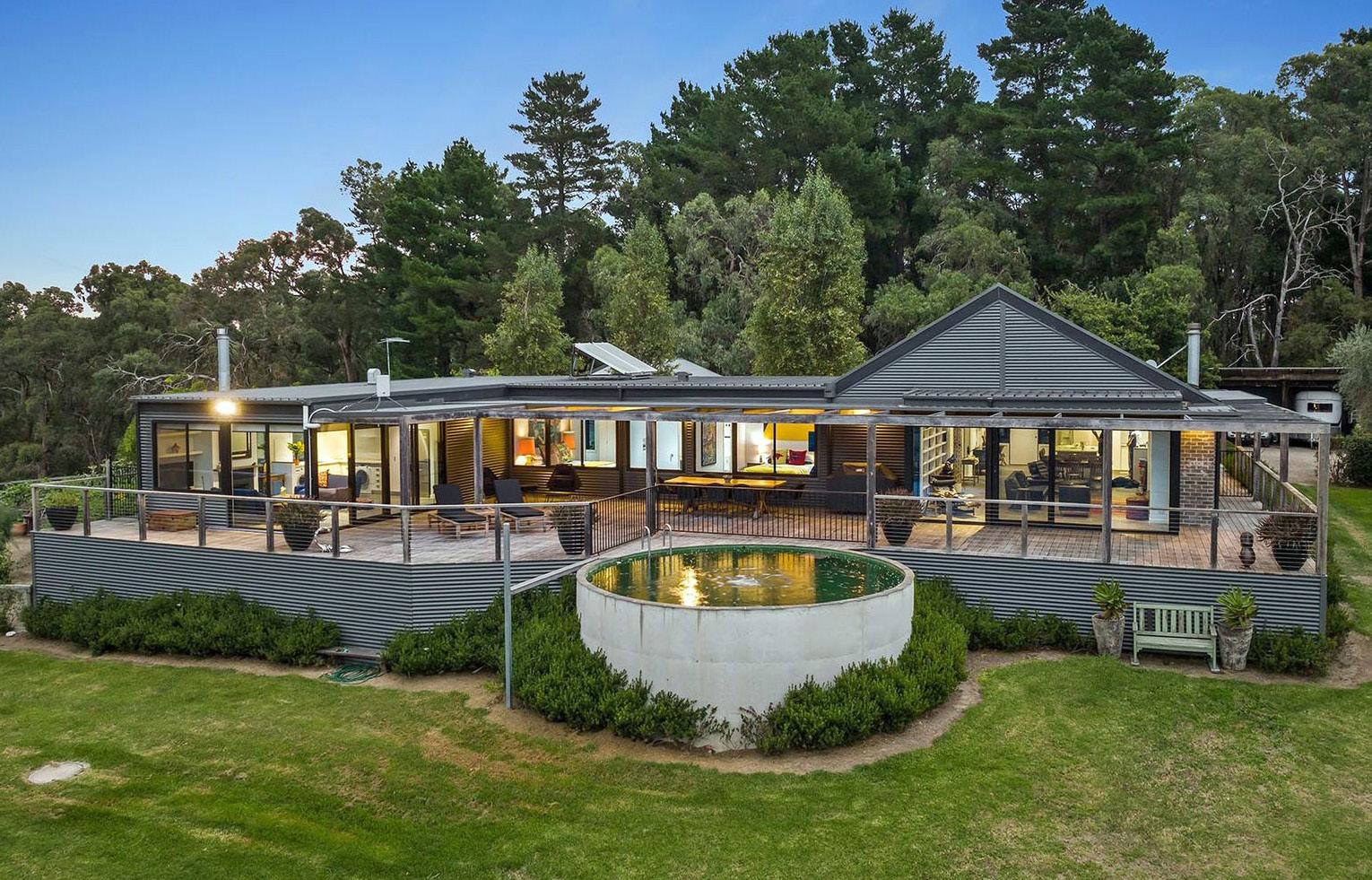
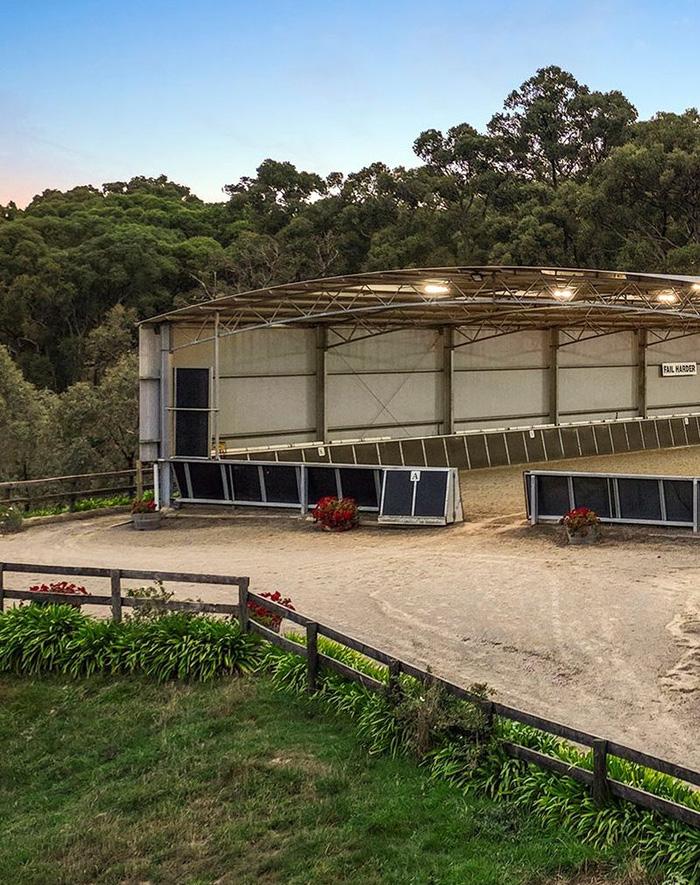
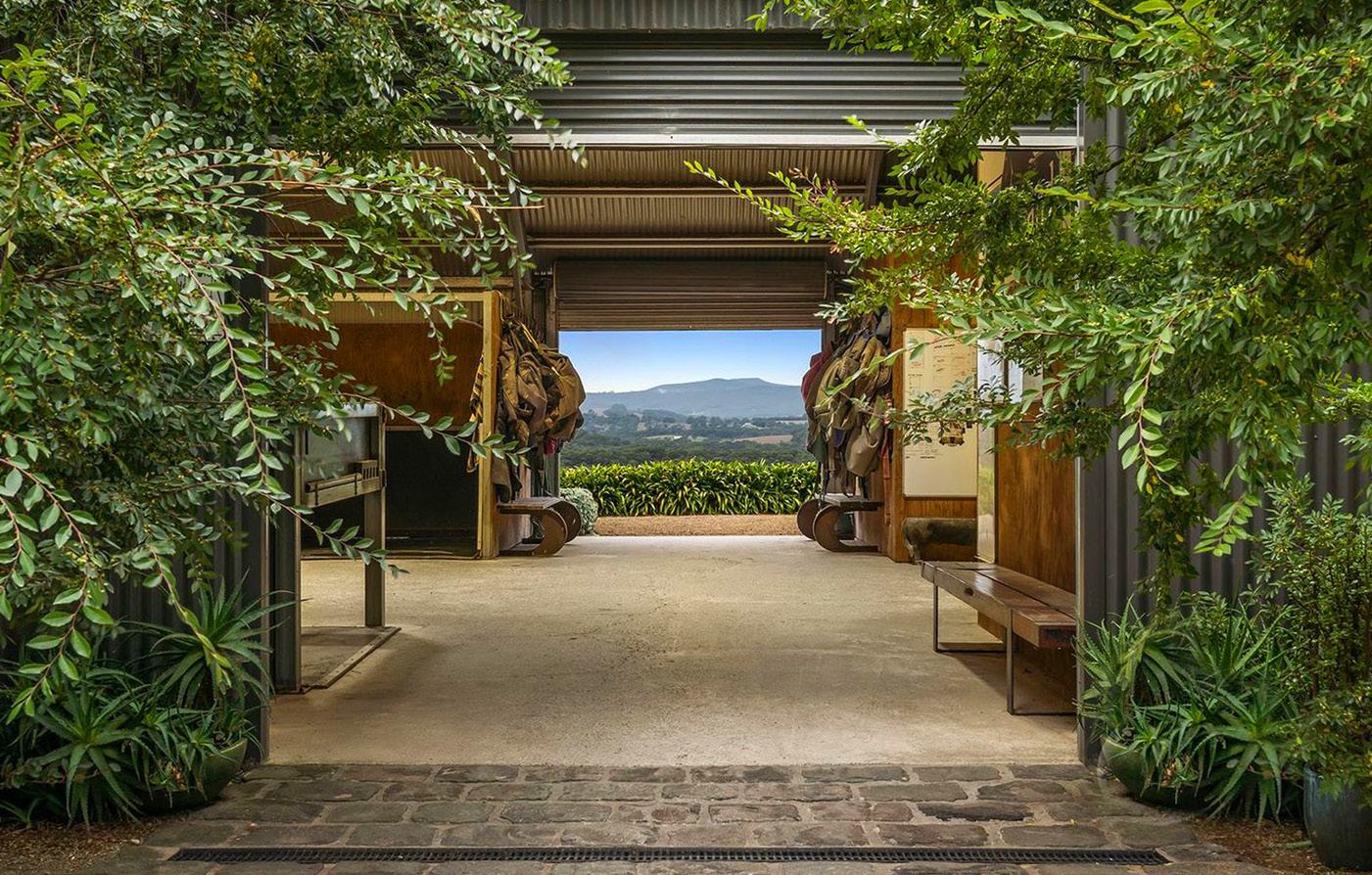
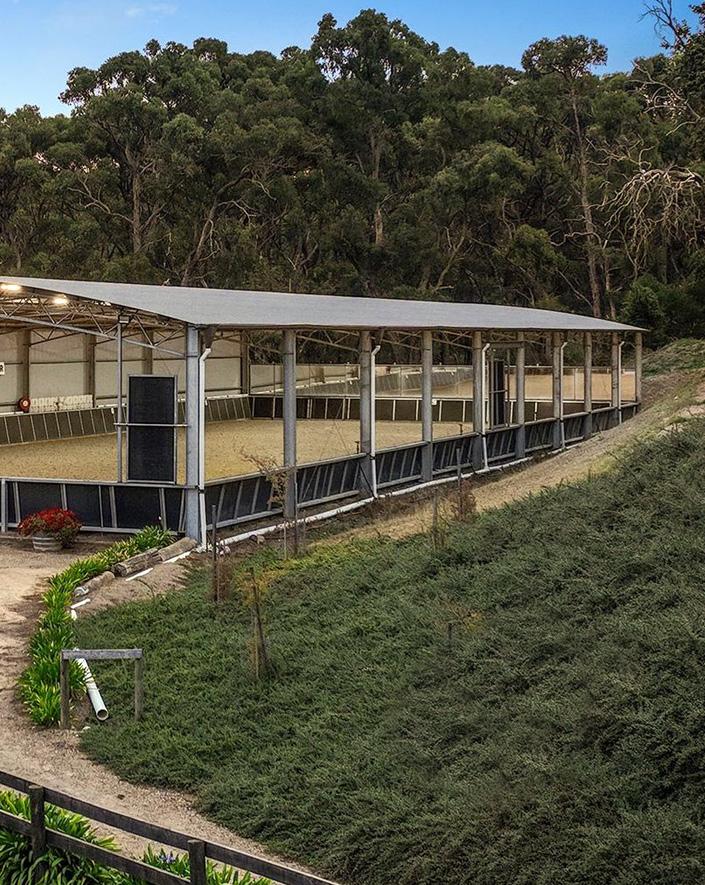
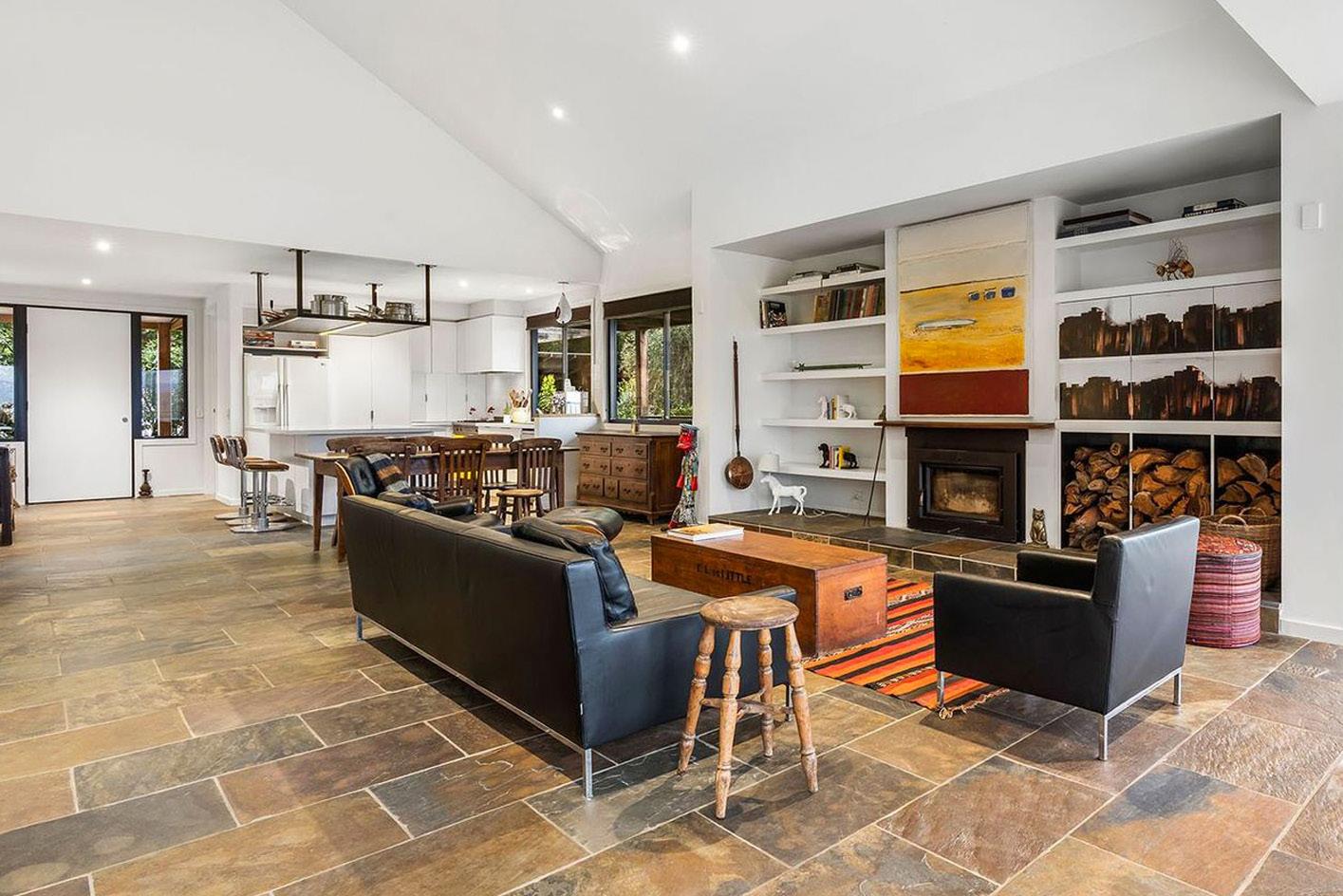
We also look at a stunning equestrian property in the Yarra Valley, and review the PDS Escapado. Suzy Jarrett talks to Young Rider Steph Hann, and asks 20 questions of the delightful Bridget Murphy. So as always, pour your favourite tipple, relax and enjoy!
Dancing with Destano
Current
holder of all three Australian Grand Prix records, Simone Pearce is a force to be reckoned with, writes KIRSTY PASTO.
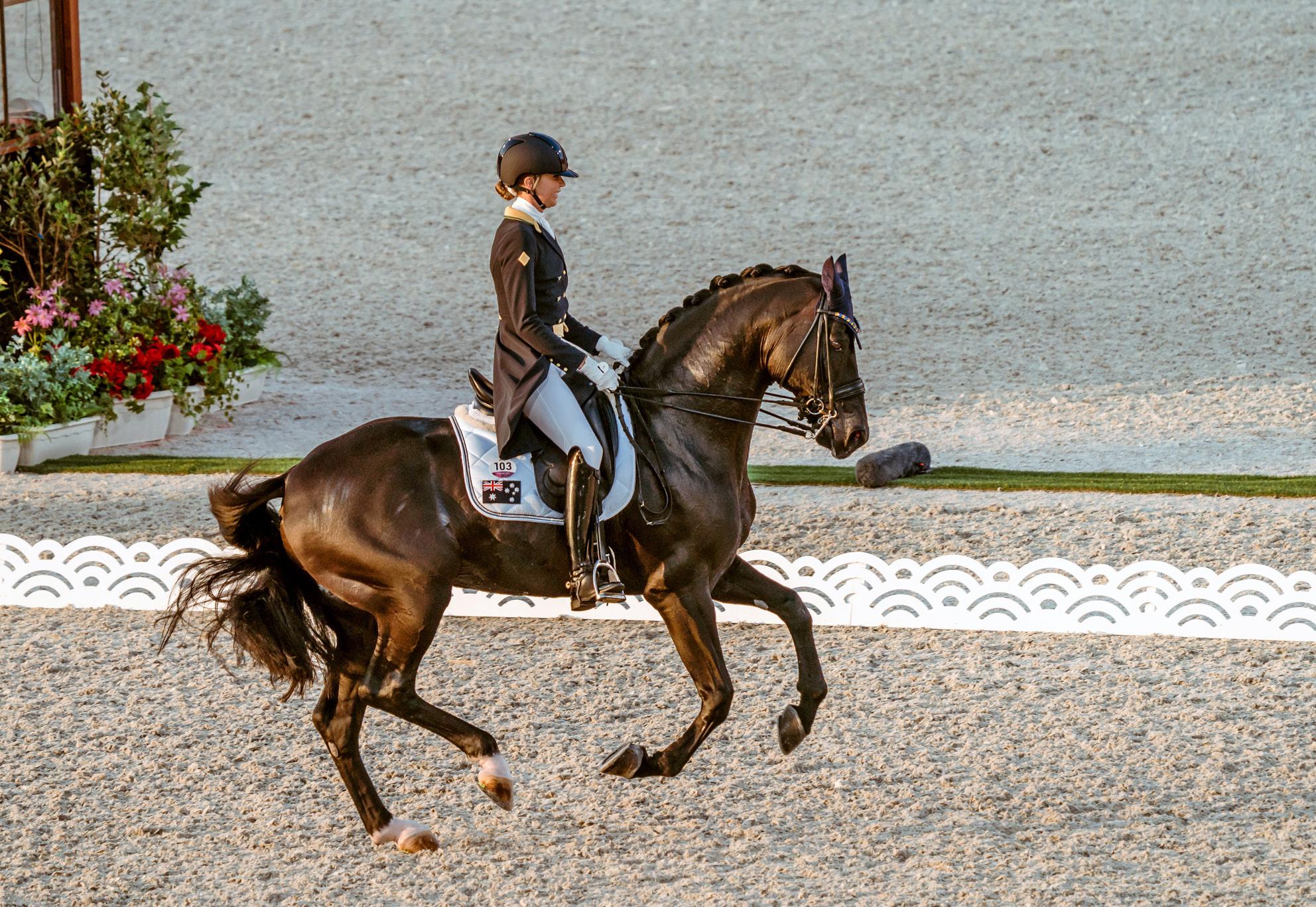
Australia’s Simone Pearce competed at her first Olympics last year in Tokyo. Her tests were eagerly watched by dressage fans here at home, glued to the live broadcasts and keen to see how she faired.
Unfortunately, things didn’t go entirely to plan, but isn’t that so often the way. In the equestrian world, setbacks are unavoidable. Just ask any athlete who competes in any discipline at a professional level and they’ll confirm!
However, the trick to overcoming disappointments is to possess an equal measure of perseverance and resilience, which the 30-year-old farm girl from Echuca in rural Victoria, has in spades.
There’s not a time Simone can recall when horses weren’t a part of her life. “My parents are both into horses, so I
My parents are both into horses, so I was born in the saddle.
was born in the saddle," she explains. However, like many other Australian youngsters who grew up with a passion for horses, she often found herself at auction yards in search of an affordable prospect to bring on. “I remember going to the Echuca sales as a kid, and we bought some off the track racehorses to see if they could jump. I grew up riding every breed you could imagine, in every discipline you can think of. I tried everything,” she reminisces.
So if you’re thinking that rising through the dressage ranks requires a financially secure or otherwise privileged background, Simone proves this is not the case.
But it was the time Simone spent developing her riding and training skills on any horse that happened to come along that has stood her in remarkably good stead. “My speciality here in
Europe is that I can ride everything from three-year-old stallions, to Grand Prix horses, to horses in need of retraining.
I think growing up with a different mentality, and learning to make it work with horses that maybe weren’t built for it, or weren’t trained for it makes you more holistic in your approach. It’s a great start and a great foundation for everything that you need to learn as you progress to horses that are on that next level,” she says.
Simone’s path to international competition has been markedly different to the road travelled by many young European riders. Financial security has a significant bearing on the quality of horses they are able to access, and entry into the FEI system usually occurs early.
In Europe, riders decide on a discipline when they’re quite young, which, of course, has a marked impact on the trajectory of their careers. Simone tells me that in Germany, where she is currently based, that decision can be made from as early as six years old.
“Then you get a really good pony, then a good junior horse, followed by a good Young Rider horse, and then a good Under 25s horse. It’s all so disciplined. It’s just a different world,” she laughs.
In contrast, growing up in Australia
Simone trained her horses to Grand Prix level herself. She carefully observed her dressage idols and imitated what she saw until she began to advance up the grades: “I had one Thoroughbred in Australia and I trained him in all the Grand Prix movements. He was definitely a horse that taught me a lot. I think that was a really great foundation for me, and it gave me the confidence to come to Europe and do the same here.” And it’s that ability to ride in a number of disciplines and on a variety of horses that sets her apart from her European peers.
However, her journey to relocate to Europe as a professional rider was not always clearly defined. Searching for an alternative to University, Simone decided that a gap year would give her some life experience before she made a decision on her future: “I first went to Europe to model, working as a nanny in between, and also in Spain at a jumping stable,” she says.
Although surrounded by horses in the jumping yard, Simone missed her time in the saddle and the sheer joy of riding. It was a fortuitous conversation with one of her mother’s friends that changed the course of her career. “She told me about some people she knew in Belgium who took on working students. So I got on a train from Spain and went to Belgium and started working in a dressage stable as a working student,” she recalls.
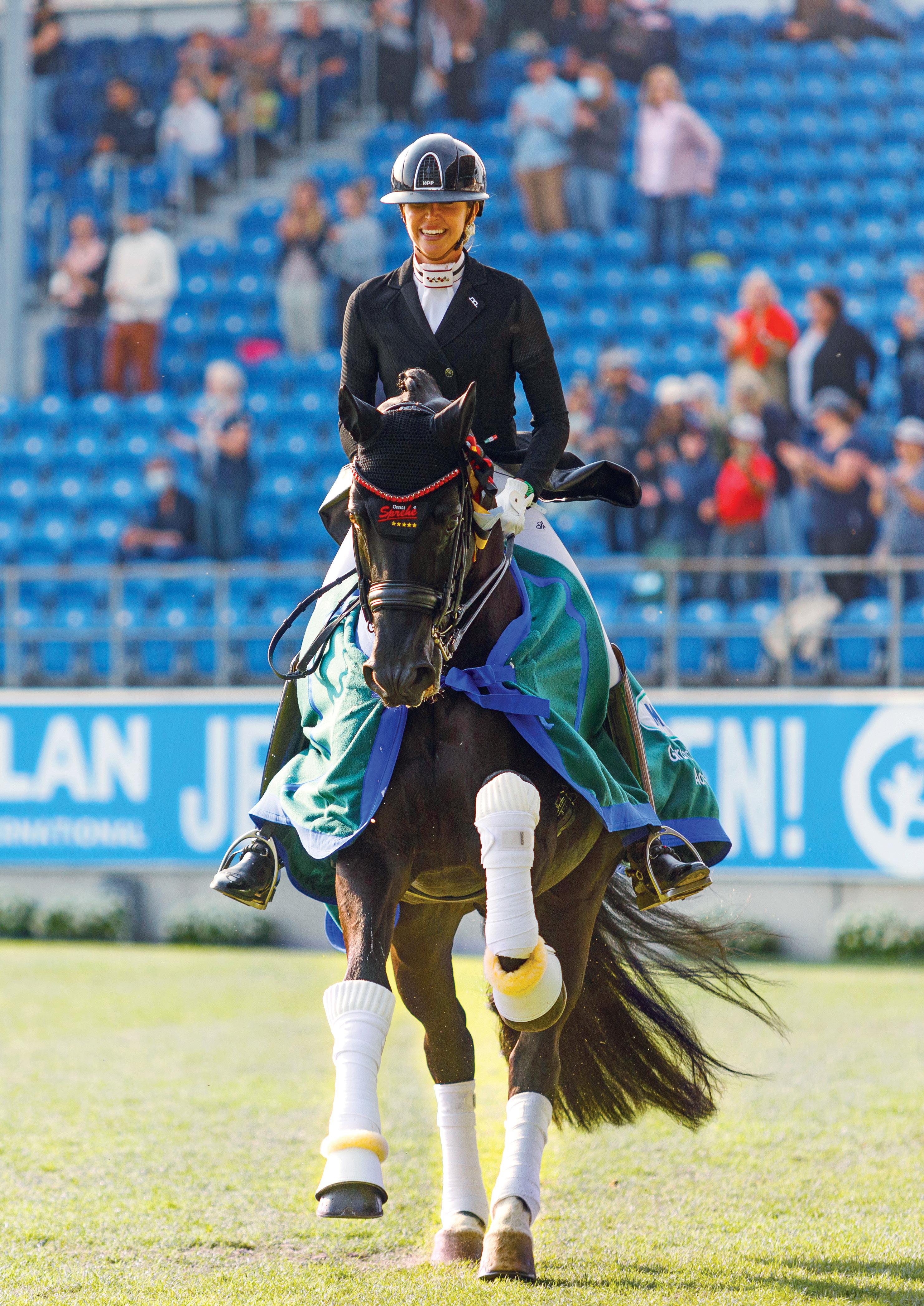
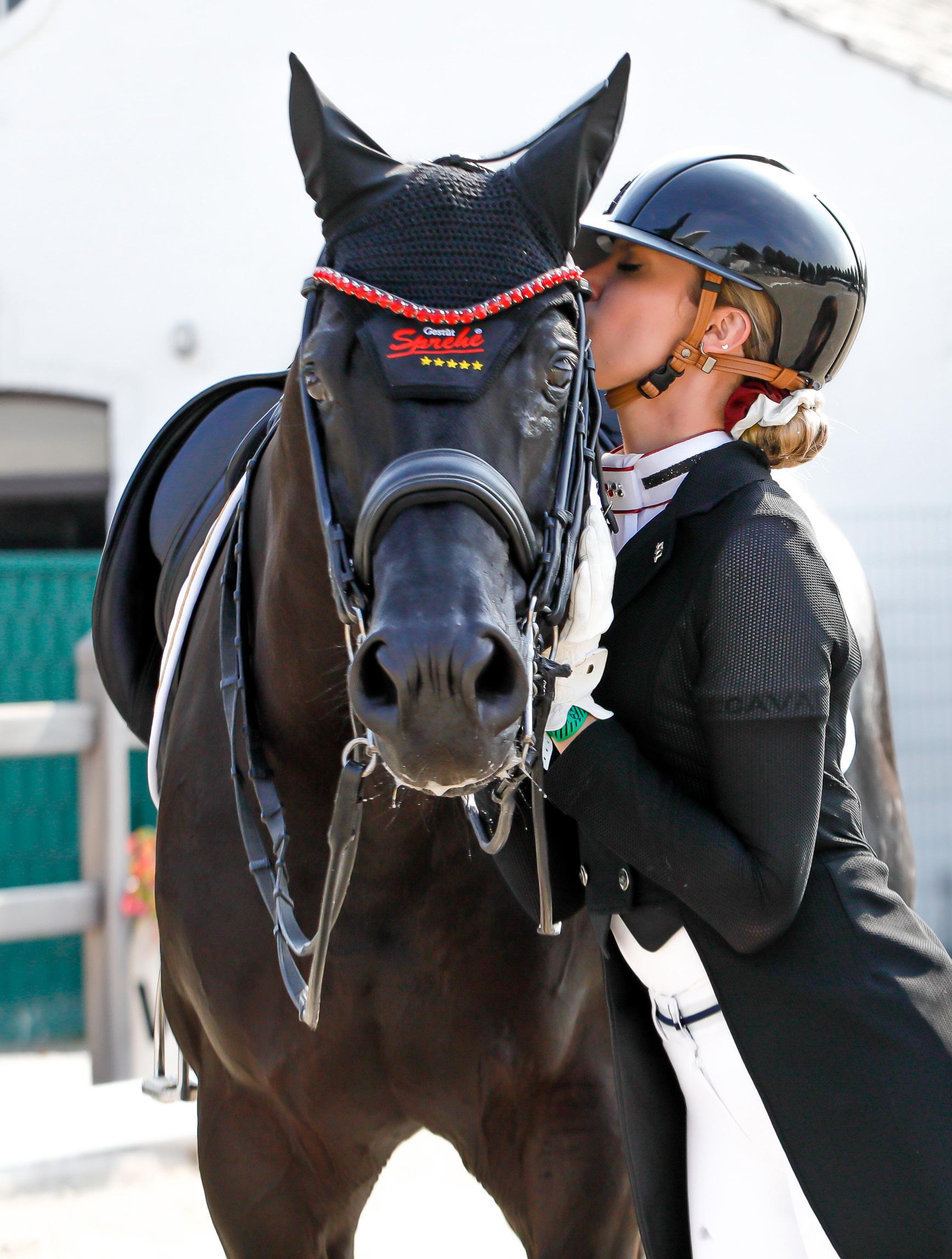
FACING PAGE: After 18 months together, Simone and Destano's partnership is strong (Image courtesy Australian Equestrian Team).
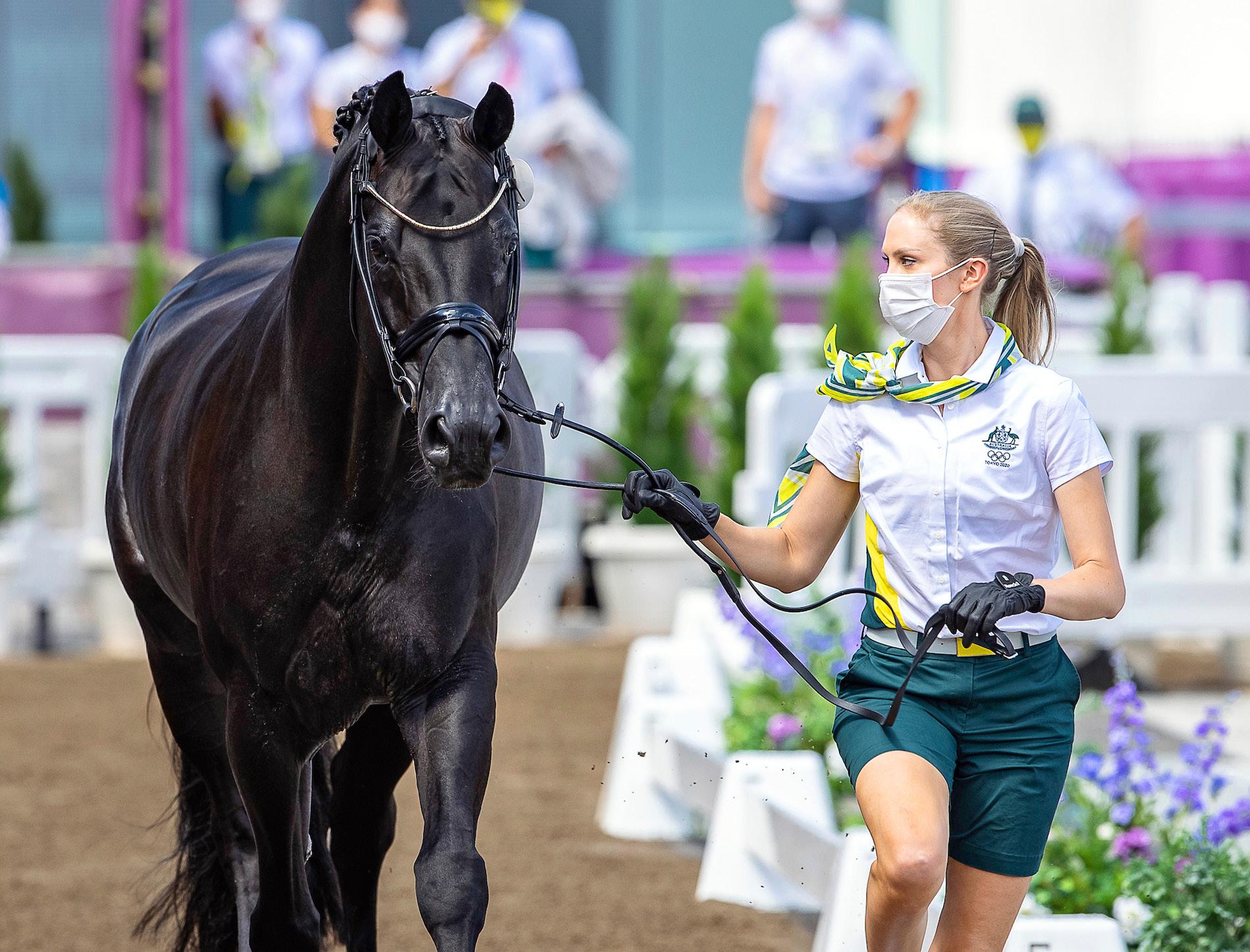
TOP: Getting the all clear at the Tokyo Games horse inspection (Image by Libby Law Photography).
BOTTOM: The pair won a prestigious 2nd place at Aachen (Image courtesy Australian Equestrian Team).
A working pupil position is not one that’s known to be easy. It involves long hours of physical work, little time in the saddle, riding greener horses, and typically low wages, or sometimes only a small stipend in exchange for tuition and board. Every year, many working students come and go in stables across Europe. It’s not a job for the faint hearted and it requires dedication to remain in the role long enough to reap the rewards.
But Simone, not afraid of hard work, embraced the life and took full advantage of the opportunity. “I think I have the sort of character which suits this lifestyle. I haven’t really had too much difficulty taking on new challenges and opportunities. However, when you start from the bottom – I was mucking out stables and only riding a little in the beginning – it takes a lot of grit to keep going and to keep pushing and pushing through the years to get better.”
Simone has now spent more than a decade in Europe producing horses. She competed in her first World Young Horse Championships in 2016, and enjoyed a very successful collaboration with Helgstrand Dressage in Denmark, an internationally recognised sales and training stables.
After recuperating from a serious injury sustained when a horse she was schooling suffered an aortic tear and collapsed on her, Simone’s stars aligned and her hard work paid off.
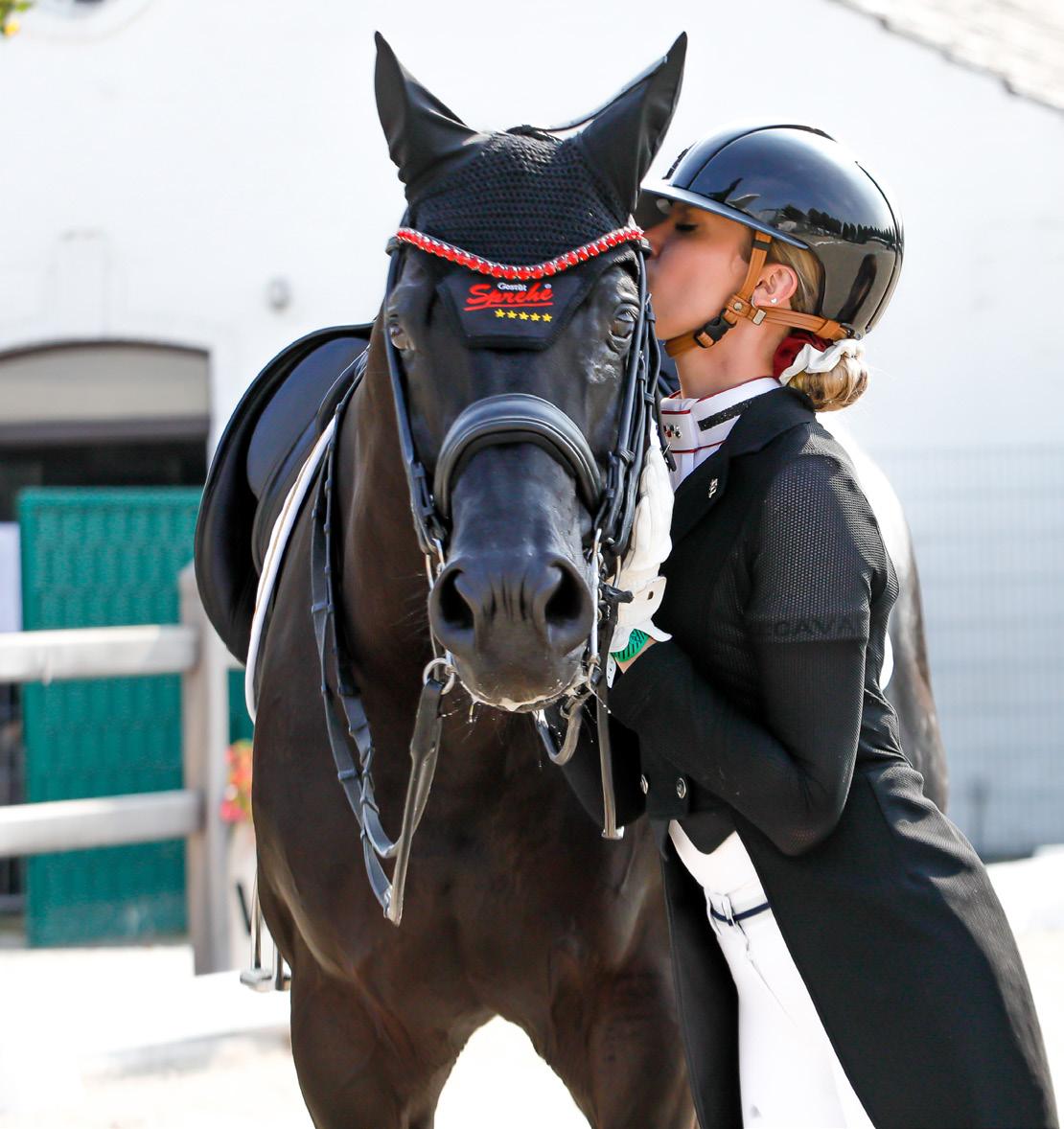
Following the 2019 sale of her Grand Prix ride Scolari to Japan, she took up the ride on Gestüt Sprehe's 14-year-old black Hanoverian stallion Destano. It didn’t take long for the duo to become a formidable combination. After only a short time together they set, and currently still hold, all three Australian Grand Prix records, which earned them a berth on the team representing Australia at the Tokyo 2020 Olympic Games.
When I ask her about her Olympic debut, Simone tells me that even though things didn't go as planned, the experience has made her stronger. “It was really hard for me. It wasn’t like the Olympics you dream of as a kid. I am disappointed there were things that stopped me from performing to my best, but I am proud that I dealt with the adversity.”
Despite the Olympics being a challenging and eye-opening experience for Simone, she bounced back by competing in the 2021 World Young Horse Championships on three horses. She then finished second on Destano at the prestigious 2021 CSIO5* Grand Prix Special at CHIO Aachen. “A few weeks after the Olympics, I had to compete in Aachen and push myself to be back on my game. I think riding at this 5* level was a really big learning curve for me, and I really appreciate that side of the Olympic experience.”
ABOVE: Simone and Destano in the arena at Tokyo (Image by Christophe Taniere, FEI).
L e t ' s t a l k l e g s !
Leader Equine have a number of products that can aid in ensuring your horses legs are cared for to the highest degree
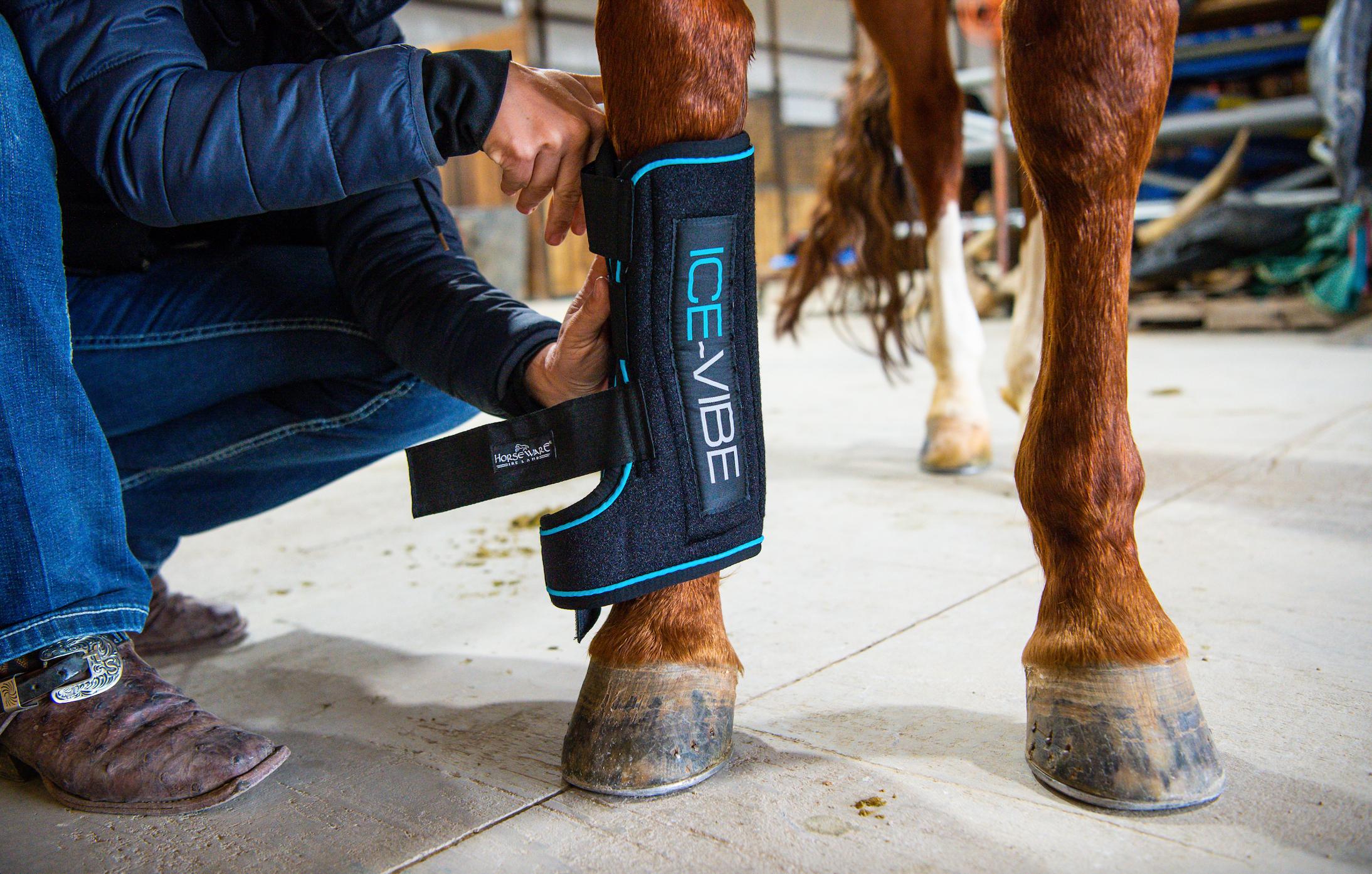
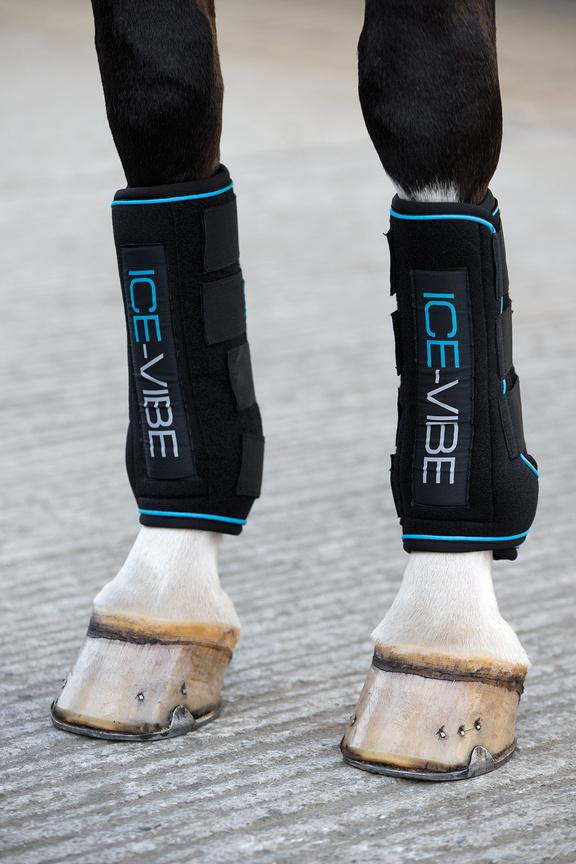
Ice-Vibe tendon boots offer a great support pre and post work Ice-Vibes help reduce soreness and swelling, boost circulation and stimulate healing
Buy a pair and experience the rewards first hand
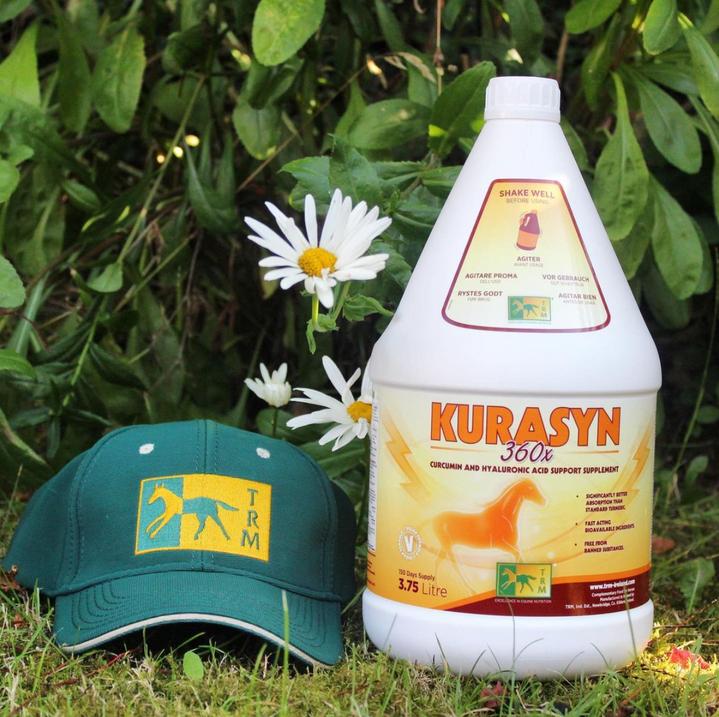
Kurasyn 360x, is a feed supplement that contains Curcumin combined with Hyaluronic acid
It is perfect to help provide joint relief and to increase your horse's flexibility and performance
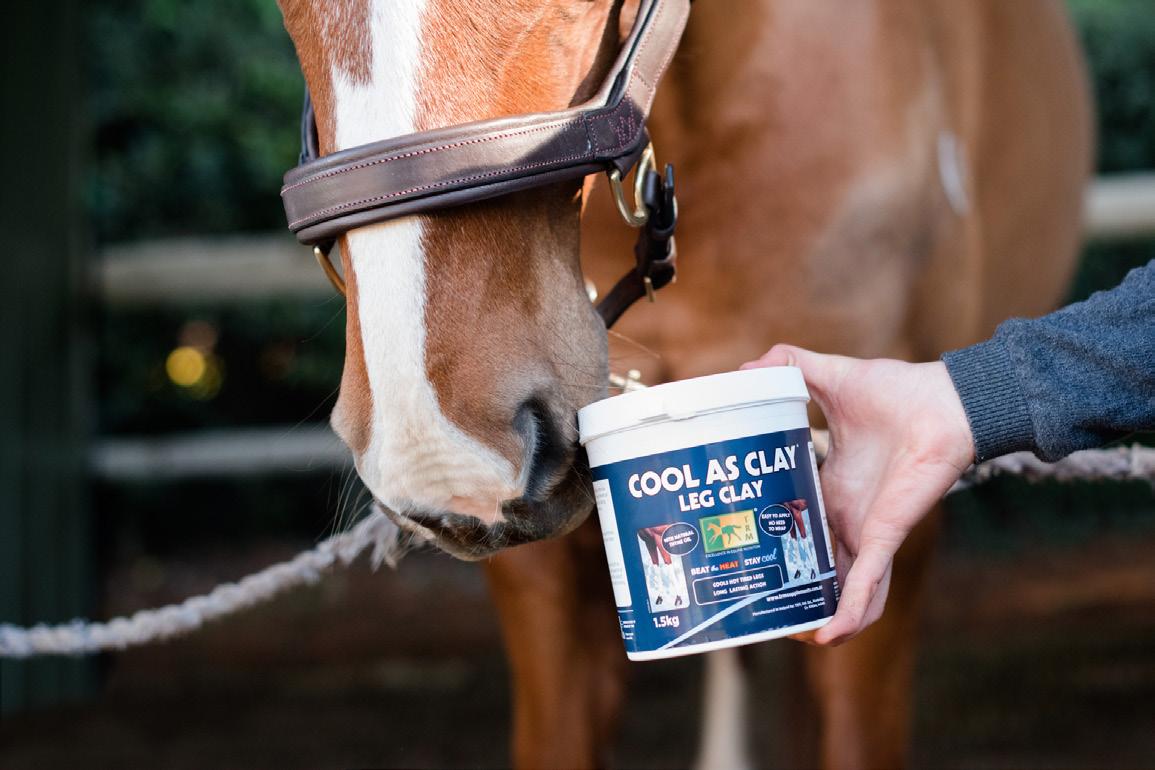
Cool as Clay is a great product that provides a highly effective cooling action Perfect for use after hard training sessions, cross country schooling or even safely over minor cuts and abrasions
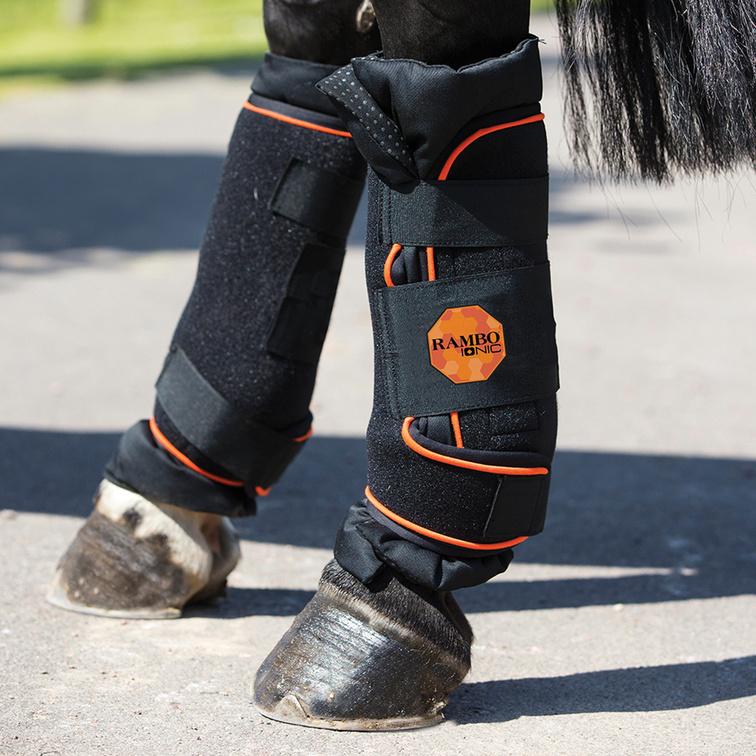
Rambo Ionic Stable Boots are designed to help stimulate circulation and lymphatic drainage Very useful in the stable, or when travelling to reduce inflammation, pain, swelling, and aid recovery.
Ice-Vibe Tendon Boots
Rambo Ionic Stable Boots
Kurasyn 360x
Cool as Clay
Averaging 12,500+ unique visitors per month
Multiple listing options across digital and magazine
V i s i t e q u e s t r i a n h u b . c o m . a u o r c o n t a c t i n f o @ e q u e s t r i a n h u b . c o m . a u Buy or sell Buy or sell your your performance performance horse horse
COACHING WITH CHRISTINE
The benefits of join-up
Joining up with your horse is beneficial on many levels. It’s a great way to build relationship and rapport with a new horse or youngster, writes CHRISTINE ARMISHAW.
Join-up provides a window into your horse’s personality, offering insight into the way he’s likely to respond to training. It allows you to focus on the way your horse is speaking to you and the influence you have on him, based on where you position your body, how you move, and even where you direct your gaze.
In a herd situation, being in the group is safer than being on the outside. If a horse has been socially disruptive, another more dominant horse may drive
them to the outer limits of the group – not great if there’s genuine threat of predators about. After a time, the ousted horse will show through body language that it now accepts the dominant horse’s authority and will ‘ask’ to be allowed back in the herd. This is the concept we are borrowing during the process of human and horse join-up.
How it’s done
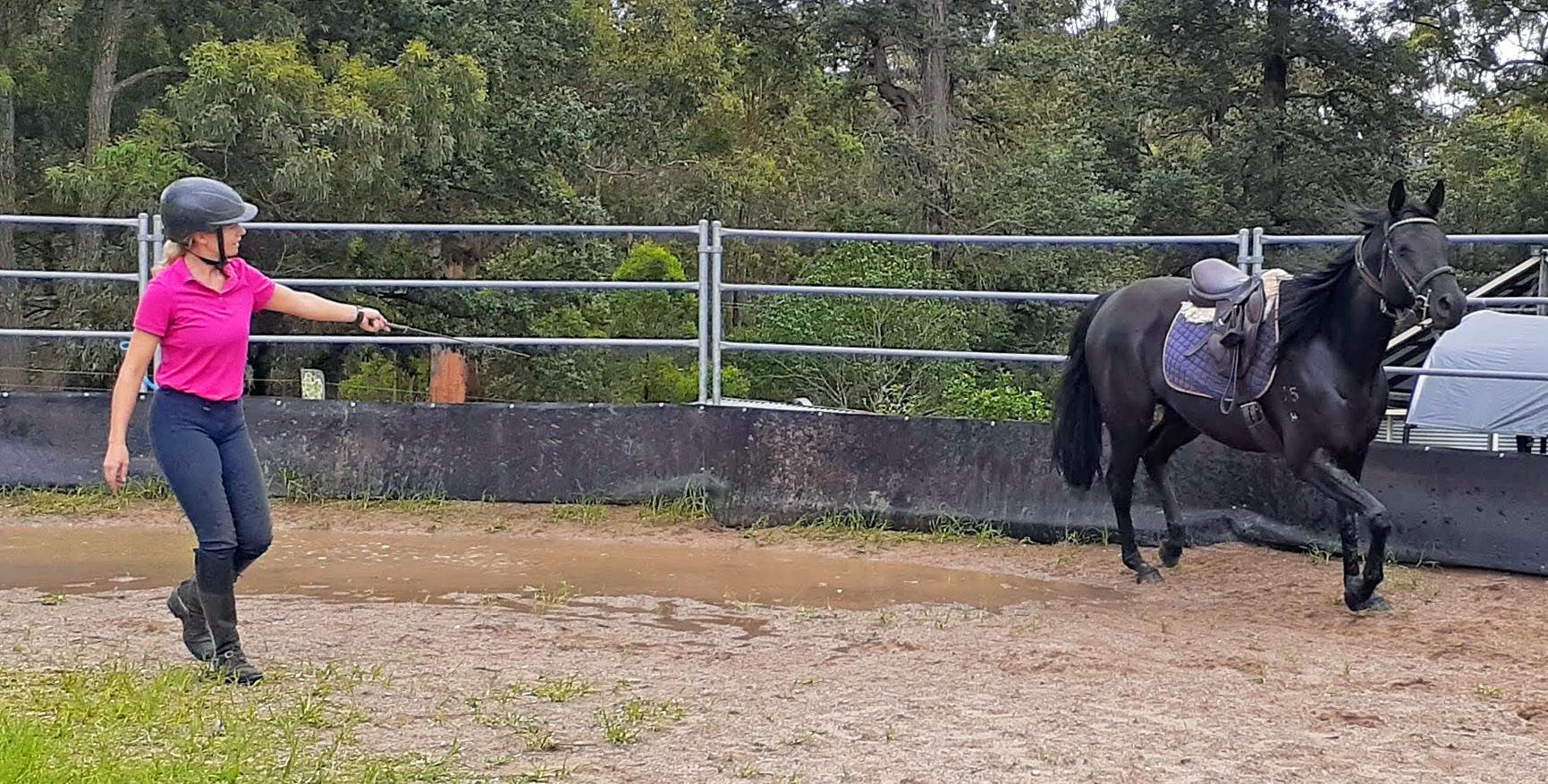
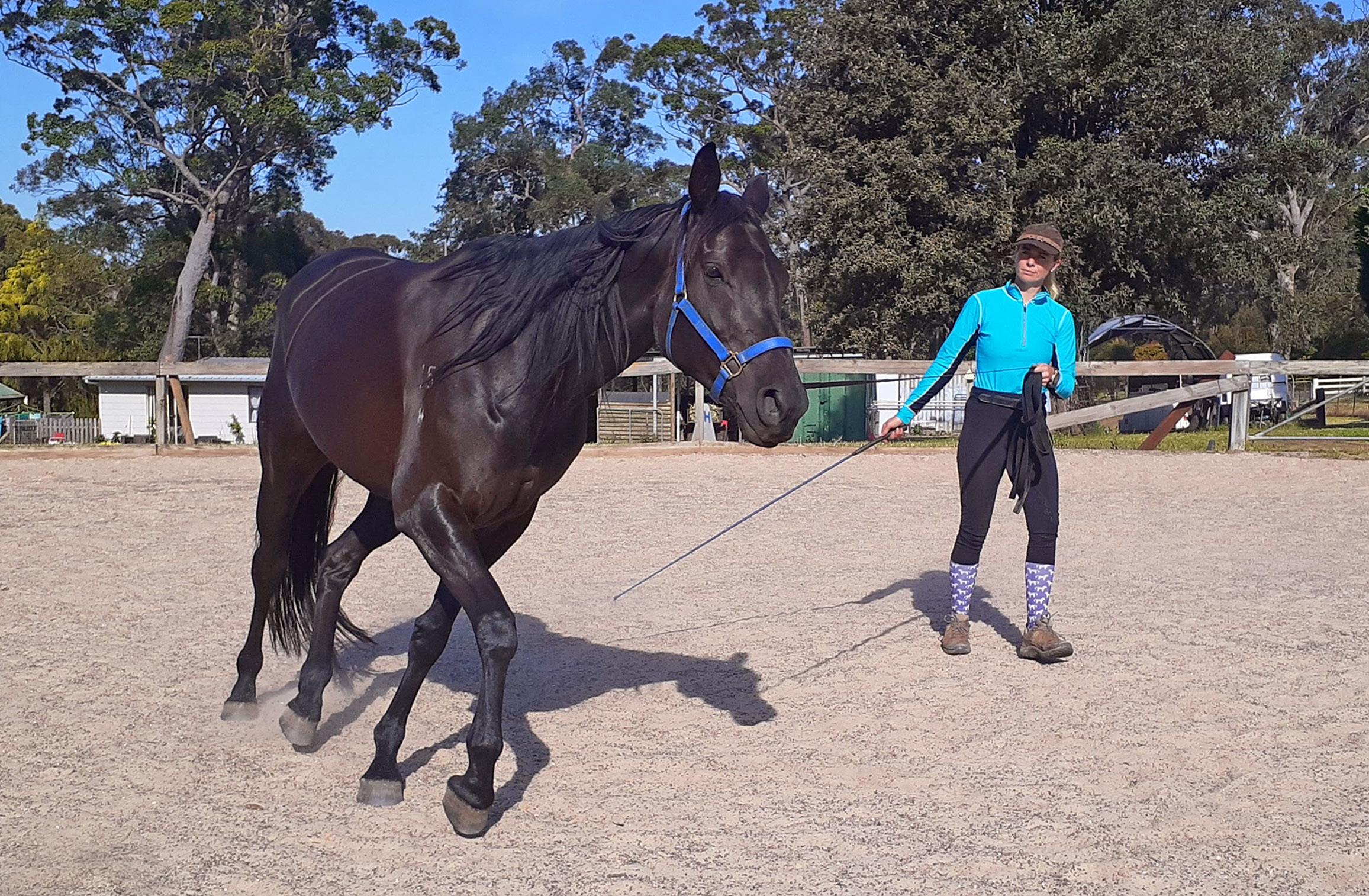
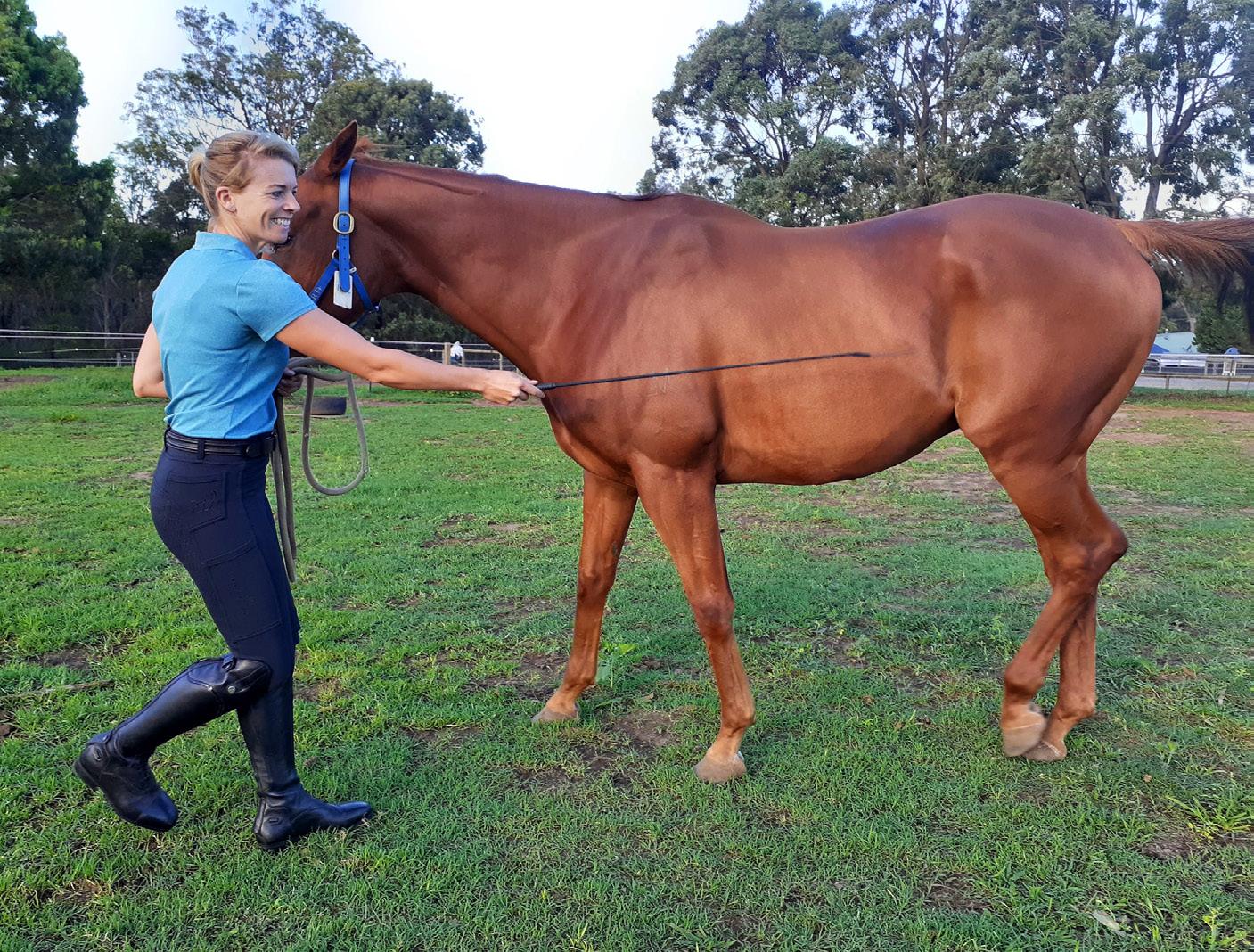
In a round yard with good footing, carrying a long whip or carrot stick to use as an extension of your arm, lead
your horse to the outer edge of the yard. Then, backing away slightly, use your arm extension tool to point at or flick towards the horse’s rump, coupled with verbal encouragement to walk on. Staying in walk to start with is great, but if he breaks into a trot that’s also fine.
Station yourself roughly in the middle of the yard. To keep your horse moving, stay positioned slightly behind the girth area and hunt him away with your eyes. Work the horse up and down through the paces, primarily in trot and canter. This is hard for the horse and the more intense the work is on the outside of the ‘group’, the more he’s going to want to be allowed back in.
Change direction every couple of laps and do lots of transitions. To change direction, put your whip into your other hand and move towards the outer edge of the round yard a little ahead of your horse, simultaneously raising your arms and becoming ‘bigger’ with your body and presence. Sometimes, simply positioning yourself ahead of the horse’s shoulder is enough to turn him.
Join-up takes roughly ten to twenty minutes, but can differ between individuals. All the while you are watching for signs your horse is ready to come back into the ‘herd’, specifically a lowering of the head and neck, fixing
the inside ear on you, and licking and chewing. Once you notice these signs, ideally all three, join-up is likely to occur.
Stop driving the horse forward and put the arm extender down. Avert your eyes, turn side-on to your horse and crouch a little to make your body appear smaller. Even closing your fingers together has an impact on the energy you are directing to the horse.
Now wait until he’s stopped trotting and decides to walk up to you. If he stands staring at you but doesn’t move, take a step away from him. This is often just enough to get him to walk over to you. However, if he takes the opportunity to call out to his friends or start grazing, pick up where you left off and drive him forward until you once again see the telltale signs, ideally more strongly, that he wants to join-up. Really make him work with loads of transitions in the meantime.
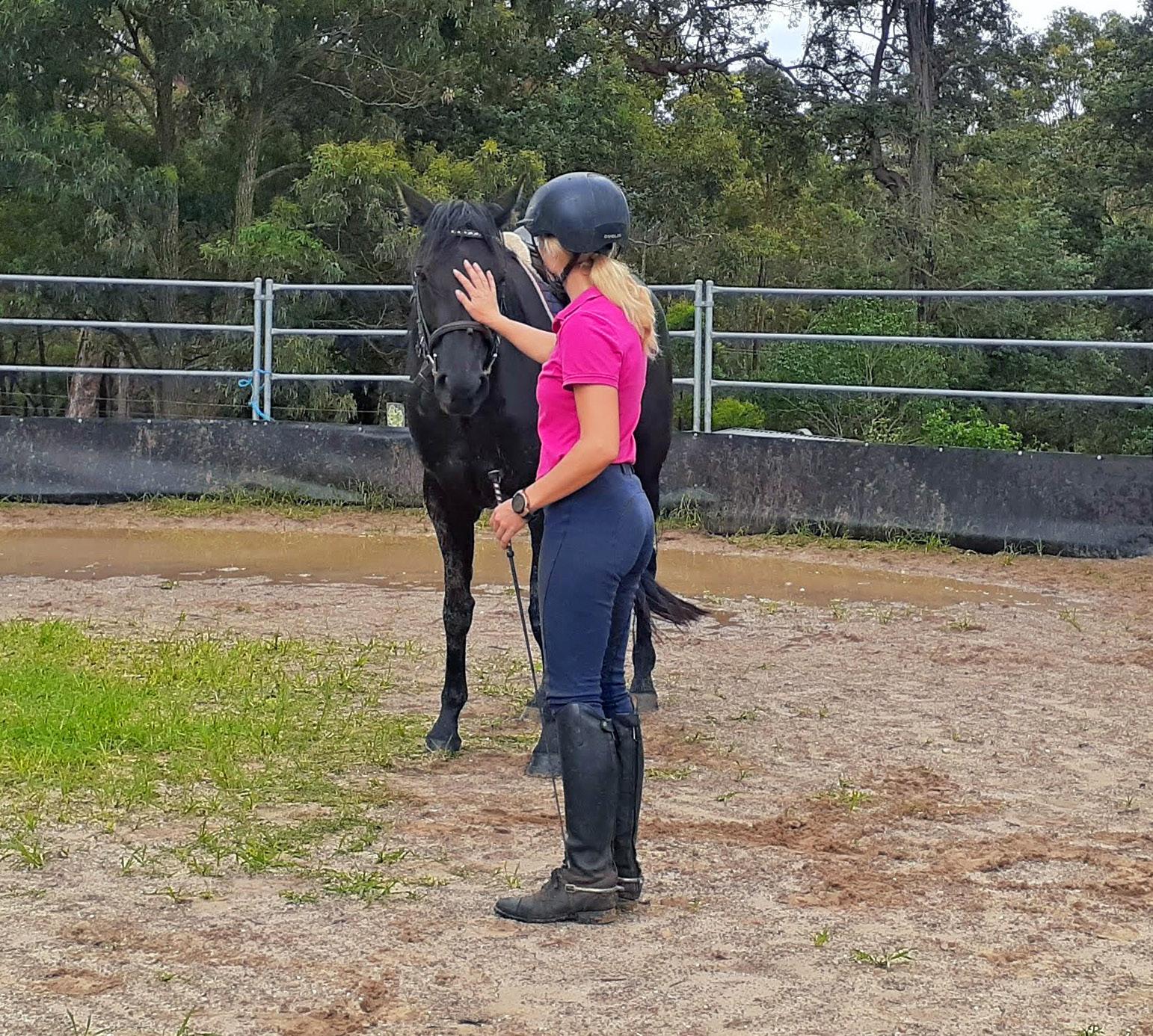
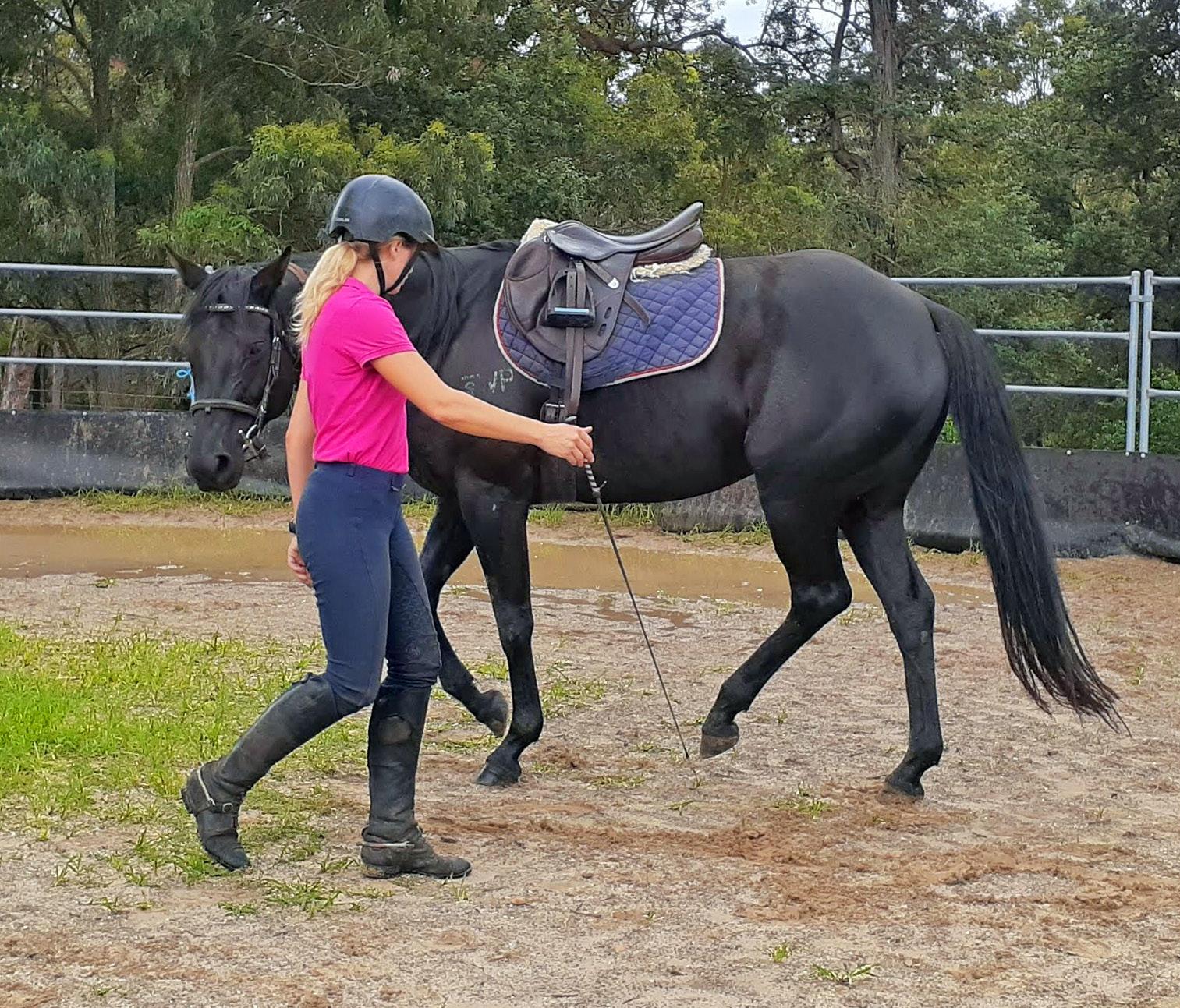
When he does come to meet you in the middle, give him a rub between the eyes and the side of the neck. Then, without hurrying, begin to walk away. Join-up is complete when your horse follows you. You can walk, stop, turn, walk, and sometimes even jog with your horse now pleasantly shadowing your movements. It is such an awesome feeling when you are at this stage! It
really feels like your relationship has levelled up.
Not just for the newbies
Join-up doesn’t have to be reserved for when you first meet your horse or as part of the starting process. I like to play with my long time horses through join-up every few months or so, just to mix up the routine and reaffirm the bond we have. It’s worth pointing out that not all horses will respond in the same way. My Thoroughbred gelding
joins up stunningly, and the feeling of togetherness we have immediately afterwards is the best!
On the other hand, my strong, independent and somewhat hungry Sportaloosa mare will complete the whole process nicely, but at the completion of joining she is not really so interested in staying as closely bonded to me, especially if there are a few tempting blades of grass to be eaten. But in any case, the connection between us still strengthens and the enjoyment of paying close attention to her subtle, but effervescently present equine communication always makes join-up a rewarding experience.
Drop into our VIP area to see a video of Christine demonstrating join-up.
FACING PAGE: Using your arm extension tool stay positioned slightly behind the girth area and hunt the horse away with your eyes.
ABOVE: When he meets you in the middle, give him a rub between the eyes and the side of the neck.
BELOW: When you can walk, stop, turn, and even jog and your horse follows you, join-up is complete.
Sharon Ridgway: The golden rules
SHARON RIDGWAY sources horses for top level equestrians, so who better to ask for expert advice on choosing your next perfect partner?
Ihave three golden rules when it comes to selecting a horse –temperament, soundness and suitability – and for me, each one is a non-negotiable.
Temperament:
When you’re searching for a new horse, number one has got to be temperament, and there shouldn’t be much compromise on that. If you can get a horse with a lovely trainable temperament that really wants to
work with you, that wants to do the job for you, it’s an enormous help and makes the whole journey so much more enjoyable. You’ll often hear professionals talking about a horse that’s a little bit quirky, and yes, some of the top horses are quirky. But you need to ask yourself whether that’s something you’re prepared to take on – and I would say that most of us need a much more workable temperament if we’re going to enjoy the experience.
Soundness:
If you’re buying a five-year-old and your goal is to get to Badminton, then the vet check has to be really clean because the horse has a long journey ahead of it. But if you’re looking for something to build your confidence and have fun on, then you have to be prepared to accept a little bit of wear and tear - particularly if they’re above 10 years old and are a chunkier horse. And that’s when it’s really important to have a vet you trust. If your vet can check the horse that’s always helpful, but if that doesn’t work geographically ask them to suggest someone.
I’m a believer that horses should have an even pair of feet, so if I was looking I’d be quite quick to rule out something that was uneven. Now there are exceptions to the rule, but I think with soundness you should be guided by the people you trust.
Suitability:
You’ve got to be really clear on what you’re looking for. Have a wish list, but be honest with yourself. Plan where you’d like to be, and how long you’d like it to take to get there. And prioritise the things that are the most important to you. If it’s feeling safe and secure, prioritise it. Or, if you can jump on anything and a bit of naughtiness doesn’t bother you, then you’ll have other priorities. Don’t buy something that’s a level above your current requirements, don’t rush into a decision, and don’t buy something that’s completely unsuitable for where you see yourself going with this new partnership. Always check the horse out on socials, and finally trust yourself. A horse may look perfect on paper, but if you don’t like how it feels, trust that feeling.
You’ll find Sharon at eventers.com.au, or email sharon@eventers.com.au
DELIVERING DREAMS
We have exciting news
There’s always plenty going on over at Delivering Dreams HQ, and we have exciting announcement.
There’s a lot to be said for mentors. A mentor is someone who can advise and guide you, and draw on their personal experience to help you to improve and take another step towards achieving your dreams. Many well-known identities who have reached the top in all walks of life, from entertainment to industry, and from the business world to the sporting arena, credit the role of mentors in helping them along their path.
So, what better fit for the Delivering Dreams program than to be able to offer a lucky winner mentorship from an elite equestrian. Fiona Todd, General Manager of the Equestrian Hub, is absolutely delighted with this innovative addition to the program. “The support of some of Australia’s best known and
loved equestrian athletes has made this ground-breaking scheme possible. We are all absolutely thrilled that our dream of launching this level of support has finally been realised. It’s been in the planning stages for quite some time, so we’re very excited it’s here and cannot thank our mentors enough for their generosity and participation.”
The Delivering Dreams mentors are not only athletes made great through their own performances and achievements, they’re also role models with a genuine desire to support the next generation of riders and to help them reach their full potential.
Although we will be adding to the list over the coming months, we’re proud to announce that we can now offer mentorship from show jumpers Vicki Roycroft, David Finch, Mattea Davidson,
Shane Davidson and Charlie Brister; dressage greats Heather Currie and David Shoebridge; eventers Jade Findlay and Emma Mason; Alannah Richards from the show ring; and from the pen, champion reiner Mick Taylor. Previous Delivering Dreams winner Jamie Hocking represents the world of vaulting, and our very own show jumping and confidence coach Christine Armishaw rounds out this comprehensive list of talented equestrians.
We’ll be announcing more details about this exciting program over the coming weeks, so be sure to stay up to date.
For more on our wonderful mentors, visit equestrianhub.com.au/deliveringdreams-scholarship/mentors.
TOP RIGHT: Vicki Roycroft, one of Australia’s best known equestrian athletes (Image by Stephen Mowbray).
ABOVE: Eventer Emma Mason and Marcus (Image courtesy Equestrian Australia).
TOP LEFT: Dressage great David Shoobridge (Image by Jessica Atkins Studio).
DELIVERING DREAMS
Update with Emma
It would seem our 2021 Delivering Dreams winner has been pretty busy since we last spoke
to her.
Now she’s had a chance to settle into her Delivering Dreams win, we thought we’d catch up with Emma Hulse for an update on how she’s travelling. She’s certainly not one to let the grass grow under her feet, and has settled into a regular training schedule with her Warmblood x Thoroughbred Eagle Elms Fiderstar (Fiddy for short). “Winning Delivering Dreams gave me the push I needed to get back into riding after a ten week holiday. Now I try to get into the saddle up to five times a week. We jump once a week and I love doing simple pole work. I find setting up two poles and doing stride adjustments really helpful for my show jumping. On the other days I focus on flatwork and keeping Fiddy relaxed as he can get quite anxious if he gets things wrong.”
Building a bond with Fiddy is something that Emma has very wisely worked on. “I found he was difficult to bring back into work after two years off with his former owners. He was flighty, nappy and anxious, but we took things slowly and I spent a lot of time with him before and after riding to develop our bond. We’re definitely besties now though,” she says with a chuckle, “whenever he gets frightened he puts his chin on my shoulder. It’s very cute!”
With the competition season in mind, Emma has been focussing on 95cm eventing classes, while keeping 105cm in her sights. She's keen to keep their training consistent so they can achieve the results needed to progress through the grades. “I’d be absolutely thrilled
to complete a 1* eventing class, it’s something I’ve aspired to for a while now, so I’m looking at getting some solid training in with my coaches.”
It turns out that Emma is a great one for planning, marking out events she’d like to enter on her calendar, and then, with the approval of her coaches, working out a schedule that allows her to progress through the year without too much pressure. “It doesn’t always go to plan,” she adds, “but it’s good to start somewhere.”
Whenever he gets frightened he puts his chin on my shoulder.
With her strategy on keeping things fun and building Fiddy’s confidence, Emma has a very healthy outlook: “There’s plenty of time to kick all the goals, but you never want to lose the balance of fun and work.” We couldn’t agree more.
LEFT: After working on their bond, these two are now besties (Image by Melissa Goodson Photography).
RIGHT: Emma and Fiddy at SIEC for their first 95cm show jumping round after lockdown ended (Image by Spirit Fire Photography).
Ask your mare
You can tell a gelding, but you have to ask a mare. DR JENNIFER STEWART sheds a light on ‘mare-ishness’ and its possible causes.
Behavioural problems in mares –where to begin? ‘Mare-ishness’ is easily recognised as generally awkward or recalcitrant behaviour. Other common complaints include refusal to move forward and frequent
urination, with some mares showing aggressive behaviour. Behavioural problems related to the mare’s oestrous cycle can cause problems with riding and handling.
The effect of ovarian activity is considered an important factor in reduced athletic performance. Trainers and riders often complain that strong oestrus behaviour ‘distracts’ mares, making them more difficult to handle. Others attribute reduced performance to aggressive behaviour and the presence of pain (usually back pain or mild colic). These reports are so common that it is often taken as fact that mares in oestrus perform below their potential.
Often likened to premenstrual tension or premenstrual syndrome in primates, ‘mare-ish’ behaviour is not due to PMT or PMS. Menstruation is the shedding of the uterine lining. Beyond primates, only bats, the elephant shrew and the spiny mouse menstruate.
Together, reproductive and social behaviours in mares are regulated by a complex interaction of the nervous
system and hormones. Temperament is the behaviour that results from physical, hormonal and nervous organisation and is very sensitive to physical and social cues – both of which are inextricably linked to domestication.
Behavioural signs of oestrus varies greatly between mares and there are clear differences between breeds and individuals. Although some of these unwanted behaviours and performance problems may be related to phases of the oestrus cycle it is important to identify other possible causes. Pain, poor conformation, lack of fitness, overtraining, or low-grade lameness may present as a change in performance and recurrent low-grade tying-up affects attitude, stride length and impulsion.
Some mares cower and urinate when frightened, which can resemble oestrus behaviour. In other mares, a less than ideal alignment and conformation of the perineum (anus and vulva) can result in air entering the vagina and causing ‘wind-sucking’ which is associated with pain and inflammation. Signs include performance problems such as kicking against the rider’s leg, bolting, refusing to move forward, tail swishing and/ or symptoms of stiffness in the back. Caslick’s, a simple and common surgery, can correct this.
Another factor affecting temperament and behaviour is feeding and feeding management. Cortisol (the ‘stress hormone’) is higher in horses fed above recommended levels of energy and protein and in those on starch/sugar grain-based diets. In mares, being overweight or obese is associated with aberrations in the oestrous cycle – continuous reproductive activity, a significantly longer oestrus cycle and ovulation during the non-breeding season. Reductions in bodyweight and fat reverse these changes in the cycle, and can be achieved on a diet of hay with a balanced low-starch, high protein supplement to provide essential amino acids, vitamins and minerals.
Oils have a calming effect on excitable horses – including weanlings and those prone to tying-up. Reactions to loud noise and visual stimuli are reduced in horses on 10 per cent oil diets, and working horses had lower salivary cortisol levels and less startle reactions when oils provided 11 per cent of dietary energy. Horses on high fibre, oil-enriched diets have lower heart rates and cortisol levels. In addition, measurements for spontaneous activity and reactivity (spook tests) were lower with oil fortified diets, indicating a greater degree of calmness.
Magnesium levels are inversely related to oestrogen levels (high oestrogen/ low magnesium, low oestrogen/high magnesium). The highest oestrogen levels occur at the times of oestrus/ heat, which may partially explain why some fillies seem more prone to tying up and muscular soreness at this time. Low magnesium is a very common cause of behavioural issues such as irritability and hypersensitivity to sound
and touch. Muscular irritability – twitching in the muscles, increased muscle tone, elevated muscle enzymes and signs similar to tying-up – can also be caused by magnesium deficiency. Borderline and insufficient magnesium is not uncommon in most diets and it is prudent to ensure minimum recommended intakes ie 10g magnesium/day.
For any equine ‘behaviour problem’, the main challenge is accurate diagnosis. Work with your veterinarian to confirm a direct association between behaviour or performance issues and the oestrus cycle before initiation of any therapy or behaviour modification technique. To assist with diagnosing problems linked to a mare’s cycle, record on a daily basis the occurrence and intensity of the behaviour and have your mare examined by your veterinarian when the undesirable behaviour is present. This helps identify periods of performance and temperament problems and at what stage of cycle they occur. The veterinary investigation may include ultrasound,
themselves,
ABOVE: In mares, being overweight or obese is associated with aberrations in the oestrous cycle.
FACING PAGE: A mare’s goal is peaceful coexistence with wellbeing for
their foals and their band mates.
Dr Shelley Appleton is an expert in human learning and performance. Shelley combines her extensive knowledge and horse training skills to teach people how to help their horses be calm, willing and confident to ride. Her approach shows how training starts with groundwork and progresses through to ridden work. If you want to solve your horse problems, build your confidence or improve your competition performance, Shelley is unique in her ability to transform you and your horse.
"Shelley has the ability to always make you feel you can achieve anything She has given me the tools to increrase my own confidence to not only train my horse, but also in myself."
Jess Boag WA
ABOVE: Mare-ishness’ is easily recognised as generally awkward or recalcitrant behaviour.
rectal palpation, and measurement of hormone levels. Once it is confirmed that the behavioural change is related to hormonal fluctuations during oestrus, multiple treatment options are available. Research shows that there are safe, effective methods to control oestrus. The importance of estrogen and progesterone have long been recognised and there are various methods of suppressing natural cycling in mares. Several approaches (hormone treatments, placement of glass balls in the uterine cavity, vaccinations, Chaste Tree berry) have been studied in terms of safety, future reproductive capability, and expression of altered behaviour during the treatment. Ovariectomy, the removal of the ovaries, is considered the last resort for oestrus suppression. It is permanent, will result in the loss of any future offspring, and is effective in reducing behavioural issues only if they are related to hormone fluctuations. Most of these options are available in Australia.
Most mares can be controlled with normal training methods under show or performance conditions. Behavioural
modification may involve environmental changes – such as social interaction, elimination of starchy/sugary feeds and constant access to hay or pasture - to enable the mare to show normal behaviours Problematic behaviours associated with frustration are more common in horses where full social contact is thwarted, while time spent stabled is associated with increased risk of handling problems and aggression.
Some problems assumed to be related to the oestrus cycle – mares reacting to girth tightening, or rider mounting even after successful suppression of oestrus signs – benefit from behavioural modification. To remove a behavioural ‘scar’ (learned behaviours in anticipation of pain associated with previous discomfort) it may be necessary to teach the mare an alternative response to the perceived threat through gradual desensitisation and counter-conditioning – particularly for avoidance behaviours. Care is needed to not apply anthropocentric reasons to the behaviour of our horses, for example considering that undesired behaviours occur because
a horse is being ‘naughty’, ‘bolshie’, ‘stubborn’, even ‘dominant’ or ‘getting back at’ us. However, horses do not show undesired behaviours to be wilful or difficult, but because they are exhibiting species typical responses to situations which cause anxiety.
Mares are very sensitive to, and upset by, chaos and turmoil of any kind. Unless you look at their world that way it can lead to misinterpretation. They do not respond well to yelling, confrontations, disruptions or physical force. Their goal is peaceful coexistence with wellbeing for themselves, their foals and their band mates. A mare treated calmly and fairly will be a willing partner – if you can earn her trust and be admitted to her world, you’re in for a special experience. As Lendon Gray once remarked, “horses can't talk but they can speak if you listen”.
Note: All content provided in this article is for general use and information only. It is not intended as specific medical advice or veterinary opinion and should not be relied on in place of consultation with your equine veterinarian.
Dr Jennifer Stewart BVSc BSc PhD is an equine veterinarian, consultant nutritionist, and CEO of Jenquine Equine Clinical Nutrition.
ABOVE: Horses can't talk, but they can speak if you listen.
FEATURE
One clip at a time
Despite having no plans for a career in horses, former professional groom and Equi-Clip owner
CHARLINE REMY found once the opportunities started, they kept coming.
Charline’s career with horses has taken her around the world, helped her learn a new language, and now has her clipping hundreds of horses a year through her own business.
Growing up in Belgium, Charline did not come from a horsey background. It was her grandmother who took her to riding
lessons when she was a child, although she’s the first to admit that it took some time for her passion to develop: “I didn’t even like it that much, to be honest! But my grandma kept picking me up, taking me to my riding lessons, and after a little while I started liking it.”
Although her parents couldn’t afford horses, Charline was able to lease
ponies and clean stables in exchange for lessons. By the time she turned 18 she was working for a professional show jumper on weekends.
Charline considered studying to become a journalist but instead opted to continue grooming at show jumping stables. Her resume includes the European Sunshine Tour and other noteworthy shows, and internationally recognised riders such as Jan Tops and Edwina Tops-Alexander. “The opportunities came and just kept coming,” she says. “In that kind of job you always have opportunities – it’s impossible to be out of work.”
Playing a major part in the horse and rider's successes was a rewarding aspect, along with seeing ‘her’ horses turned out impeccably as they performed in the ring. It was while she was based at Stal Tops twelve years ago that she was introduced to Australian show jumper Jamie Winning-Kermond, who was looking for someone to quarantine and fly with her horses back to Australia.
Charline saw a chance to visit a new country and improve her English – while working in a better climate than the United Kingdom – and three weeks later she was in Germany in quarantine with the horses and preparing to fly to the other side of the world.
Jamie arranged a role for Charline with fellow show jumper Julia Hargreaves, and once out of quarantine, she was given a tour of a property. “I was like, where are the stables?” she laughs. “The fact that all the horses were out in paddocks and living outside was quite cool. They were left to be horses which I found really good compared to Europe.”
The riders also treated their grooms more as equals in Australia, with everyone pitching in to drive to a show and unpack. Having seen both worlds, Charline recognised what worked, and what didn’t when it came to horse management. “One thing I’ve noticed is less is more. If you wash the horses in betadine or medicated shampoo everyday it’s going to create problems because the skin gets dry. Then you’re forever trying to fix a problem that you’ve created.”
Two years later Julia took a team of horses to Europe and Charline travelled with her. But she came to realise she no longer enjoyed the European approach and made the decision to return to Australia through a sponsored visa, which was offered by Alice Cameron of Oaks Sporthorses.
Charline had been considering a clipping business for some time, and after four years at Oaks Sporthorses she decided to make the leap. “It was a bit scary – I started the business and I was waiting for permanent residency at the same time, which is always a pretty scary waiting game. The first year was not super easy, I had to travel a lot and clip a horse here, a horse there. Then I got into the racing industry and that really took off.”
She began clipping for some major names in racing, including Chris Waller and Bjorn Baker, which helped stabilise her business by guaranteeing a few hundred horses a year.
When it comes to clipping, horses need to be in work and the owner should ensure they can rug them appropriately. Clipping is necessary for horses who are likely to get too hot under rugs, or while working due to a thick winter coat. It also allows horses to dry more quickly if they are hosed down late in the day.
Horses can be clipped from May onwards, Charline says, although many may need clipping again later in the season. Most high performance horses require full clips, which work well given the level of care they receive - but she recommends that equestrians consider leaving hair on the legs to provide a natural barrier. Unlike the body, horses’ legs do not overheat and are clipped purely for cosmetic purposes.
In order to prepare for clipping, horses should be shampooed thoroughly and
scrubbed with a brush to get all the dirt out from under the hair. She has found most horses tolerate being clipped, although there are some that object if they have extremely sensitive skin, are unsure of the clippers, or have had a bad experience in the past.
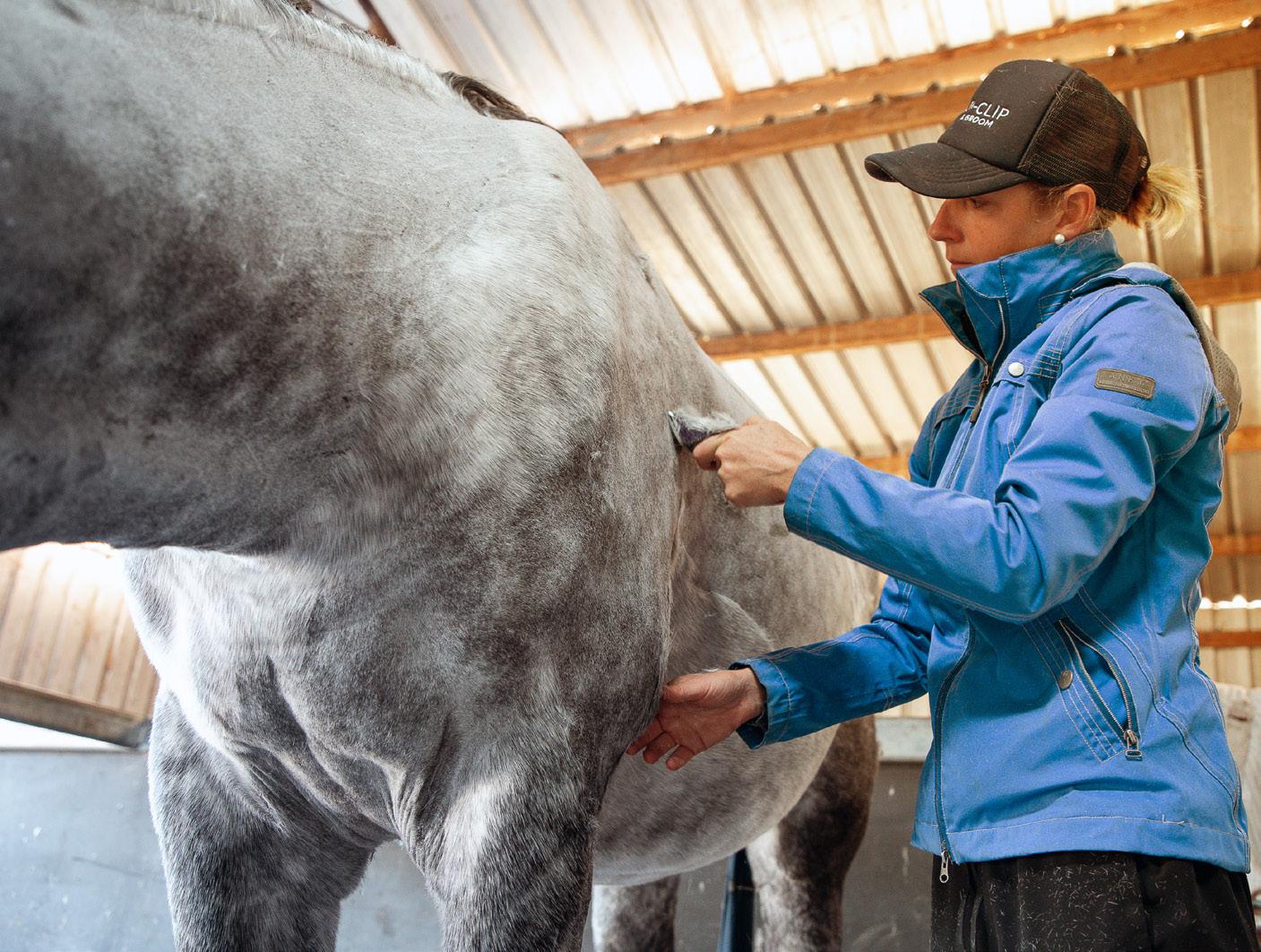
Her technique has changed over the years and she finds the horses are not as bothered. The type of clippers Charline uses has also changed, and she now opts for cordless dog grooming clippers that are about half the weight and much quieter.
The sheer volume of horses she clips means she has a second person clipping with her, and they each have three clippers to make sure there is plenty of backup in case something goes wrong halfway through. "I have two different types of blades. I’ve got the normal standard 10 blade and then I discovered a slightly longer blade that leaves an extra millimetre of coat but it’s made a huge difference. I always give people the choice, but the longer blade leaves a little bit more protection, and if the horse
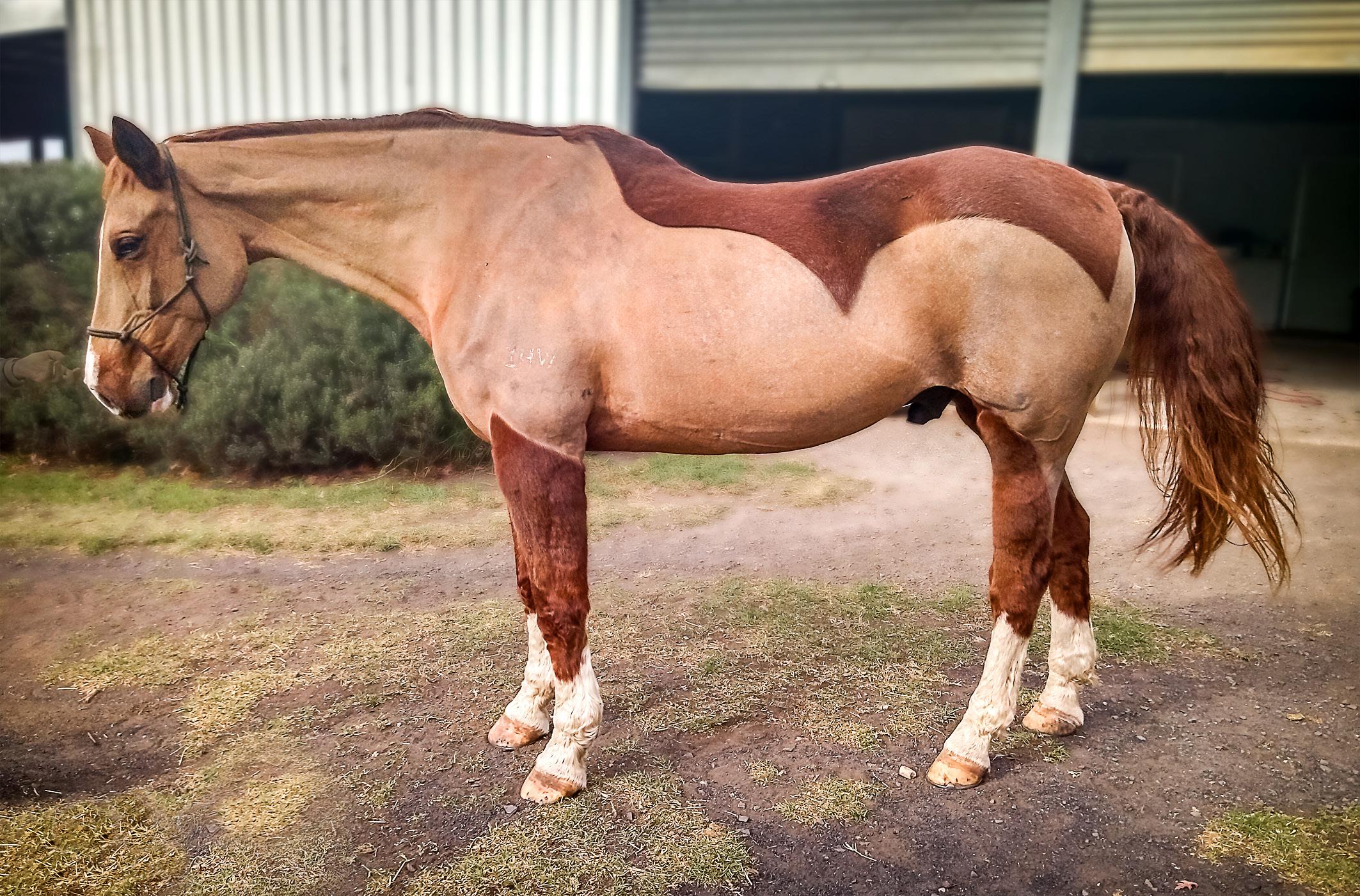
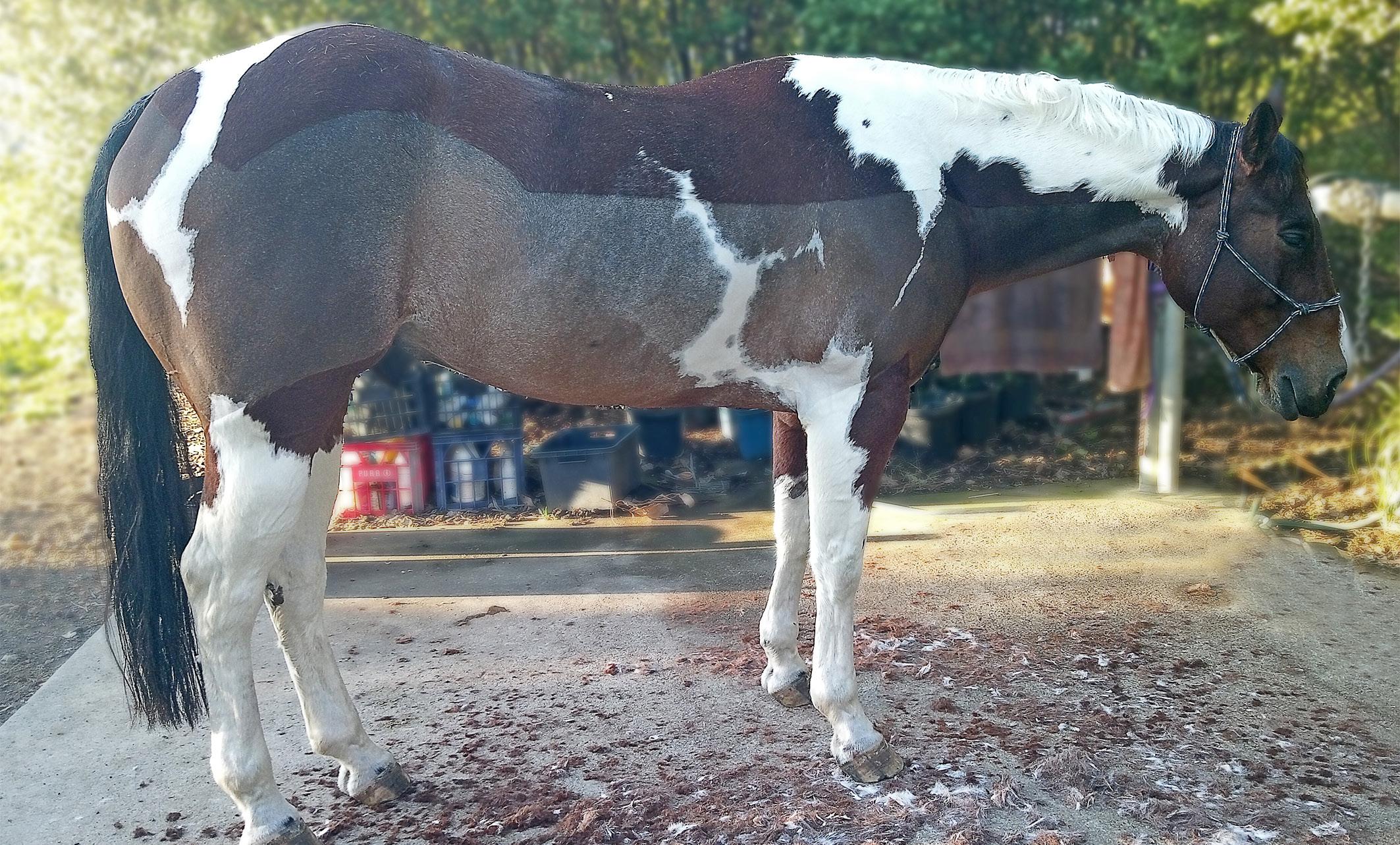
FACING PAGE: A blanket clip is ideal for paddock-kept horses in medium to full work, and for those worked during the colder hours of the day.
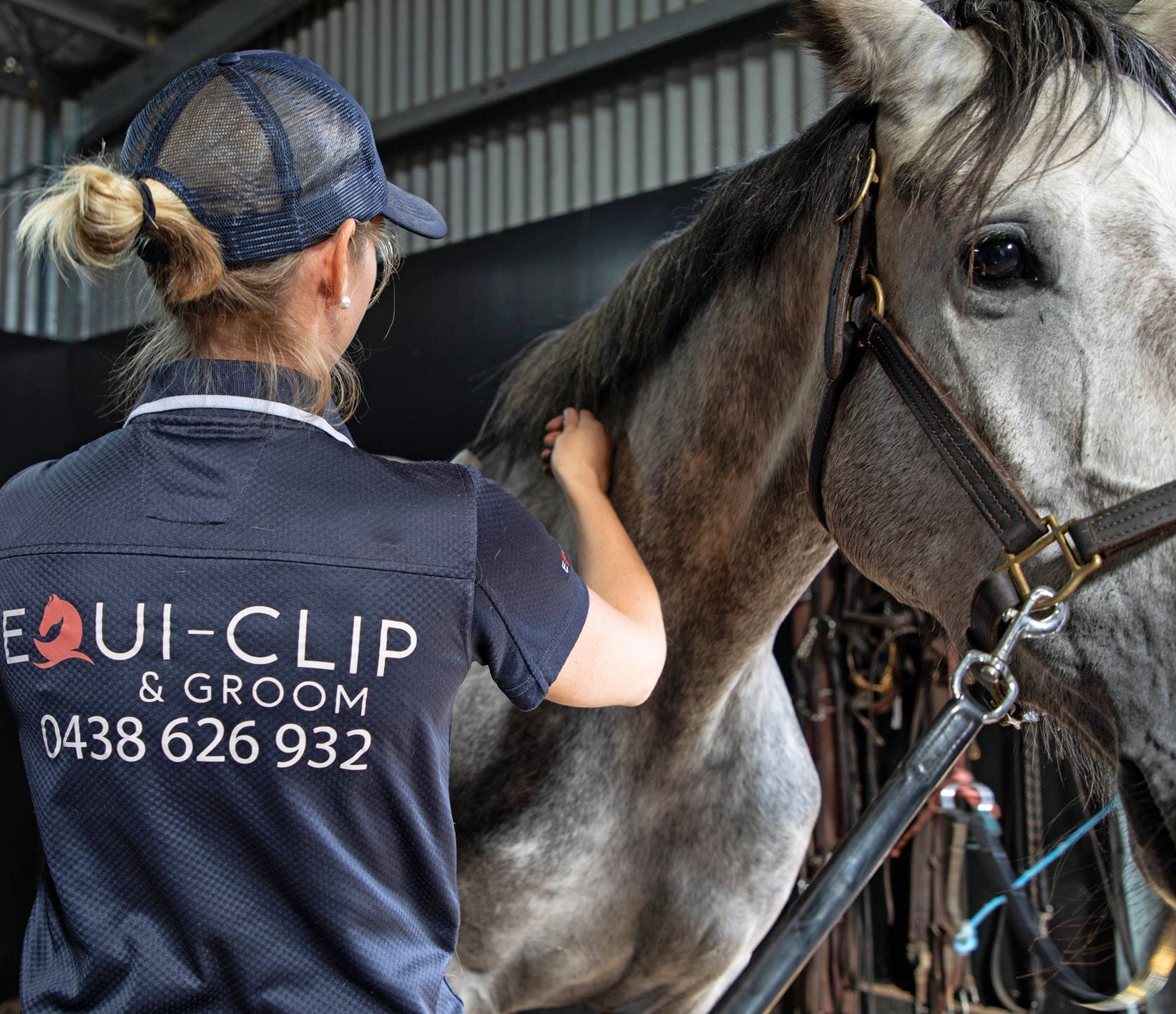
ABOVE: Preferring to use small cordless clippers, Charline aims to glide them over the skin rather than push. All images courtesy of Charline Remy.
is sensitive, you kind of want that just little bit of extra cover.”
Her clippers are sent away for servicing every few months and the blades are sharpened regularly. During clipping season she will clip between eight to ten hours a day, which equates to around five full clips, although she can clip up to 10 racehorses in a day as they typically don’t need their legs clipped.
For anyone wanting to try clipping for the first time, she suggests investing in a good pair of clippers and several sets of blades. “You don’t want to have a blade that can run out halfway through, that’s the worst. The way blades work, we’re talking about nanometres and if they’re not aligned properly they will stop working. You want to make sure you have a few pairs with you. Even blades off the shelf are often misaligned.”
She advises clipping on a slight angle rather than directly against the hair. You should also glide over the skin rather than push. "You can't really stuff it up
when you clip a horse. If it doesn't look good you can still go over it using a bit of a different angle. Eventually you should be able to get it all.”
Don’t miss our podcast with Charline in the VIP area, and you can email her at charline@equi-clip.com, or call 0438 626 932.
ABOVE: Charline also offers mane tidy-ups as part of her clipping service.
ABOVE: Ideal for horses in light work, the trace clip removes coat only from areas that sweat the most, leaving as much as possible for cover.
In the aftermath
Dr Oliver Liyou spoke to AMANDA MAC about coordinating the emergency response to horses injured during the recent NSW floods.
On 28th February, the Northern Rivers of NSW experienced catastrophic flooding. The human impact of that event and the devastation left in its wake is beyond comprehension. Many people lost everything – their homes, their businesses, and heartbreakingly, some lost their lives.
Who can forget images of locals in an flotilla of tinnies, canoes and kayaks, making endless trips along Lismore’s
flooded streets to rescue people clinging to their rooves, often with family pets by their side.
For the region’s livestock, the situation was every bit as dire. Many hundreds of cattle and horses were either drowned, trapped in flooded paddocks, or had suffered horrific injuries. Some are still unaccounted for.
The way people pull together in times of crisis is always profoundly moving, and the work done by a team of
veterinarians who voluntarily stepped into the mayhem determined to do all they could to ease suffering and save lives, is nothing short of inspiring.
Based in Grafton, some kilometres south of Lismore, a concerned Dr Oliver Liyou of Equine Veterinary and Dental Services (EVDS) was trying to establish the severity of the problem for horse owners in the flooded region. “I was liaising with our local Land Services vet who unfortunately, because their 1800 help hotline wasn’t busy, thought there wasn’t much of an issue,” he tells me. “It turned out that the 1800 number either wasn’t well-known, or was on a fridge magnet attached to a fridge that by then was floating out to sea, or that phones were down – whatever the reason, it was a big fail.”
Fortunately, Dr Oliver was also in touch with Lismore vet Dr Bruno Ross. Bruno, along with Vet Vibes’ Dr Doug English, who had driven down from Queensland to assist, was well aware of the immensity of the problem. Along with several other large animal vets working out of Primex in nearby Casino, they were treating horses with multiple lacerations and, in Dr Doug’s words, “chests full of dirty mud.” Horses were dying and the situation couldn’t have been more serious.
Now with insight into the extent of the disaster, Dr Oliver set up a virtual meeting, inviting vets he’d noticed offering their services on Facebook to participate. “I could see things were really disjointed, to the point where I heard of three vets scrambling to get to the same horse – and when I say scrambling, they were trying to get there by boat, chopper, whatever. So I thought this is crazy, this needs to be coordinated.”
Besides Doctors Oliver, Bruno and Doug, the initial vet rescue team included Nikita Stibbard, Megan Kearney, Pip Bacon, Lu Fenny and Joe Weir, but their ranks quickly swelled.
“Sally Armstrong, a vet from South Africa holidaying in Tasmania at the time,
VET VIBES
arrived with a chopper funded by her husband. So she and Nikita got around in the chopper doing whatever they could to help,” Dr Oliver recalls.
And then the supplies rolled in. “Randlab was probably one of the biggest,” he tells me. “They asked what we needed and just sent it. Provet supplied bags of fluids and stock to vets all over the area. Zoetis provided a vet and our blood systems, Kelato sent us a heap of product, Pullen’s Produce offered a pallet of horse feed, Bernie's Produce up on the Gold Coast sent a truckload of shavings – the list just goes on and on.”
It was the open-heartedness of the support that gave Dr Oliver the confidence to turn the EVDS stables and paddocks into a treatment centre.
“EVDS is not an equine hospital, I’ve never worked in an equine hospital, and a lot of the volunteer vets are general practitioners, so we were out of our depth with these really sick horses. But I knew I had the contacts to help me,” he says.
And guidance came quickly. Dr Rosemary Cuming, an equine medicine specialist from Scone Equine Hospital, stepped up and organised a webinar with the by then close to 30-strong vet rescue team to review the cases and offer advice.
“She’s given us ongoing support, to the point where she’s taught quite a few of us techniques like placing chest drains.
Steve Zedler and Alison Stewart from the University of Queensland Specialist Equine Hospital also reached out and have been very generous and helpful.”
Other than treating chest infections, gashed legs and other wounds, Dr Oliver believes the potential for hoof problems is immense. “There's going to be a lot of waterlogged abscesses, seedy toe, thrush, and greasy heal,” he says.
But there’s another issue. “A lot of owners might think their flood affected horses are just a bit sad or missing their mates, when they’re probably harbouring some pretty nasty stuff. It blew my mind
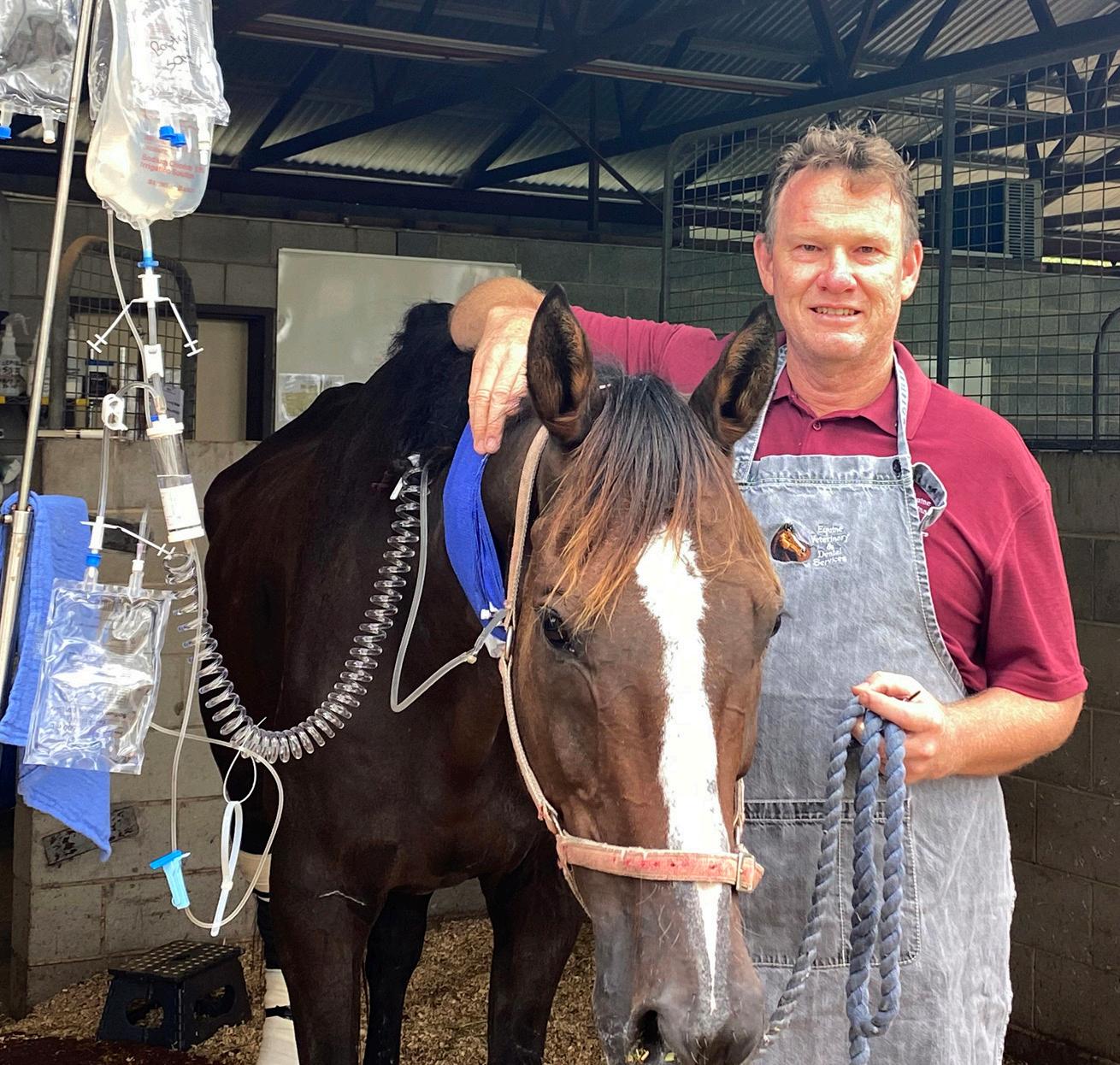
FACING PAGE: Dr Oliver Liyou and star patient Ollie.
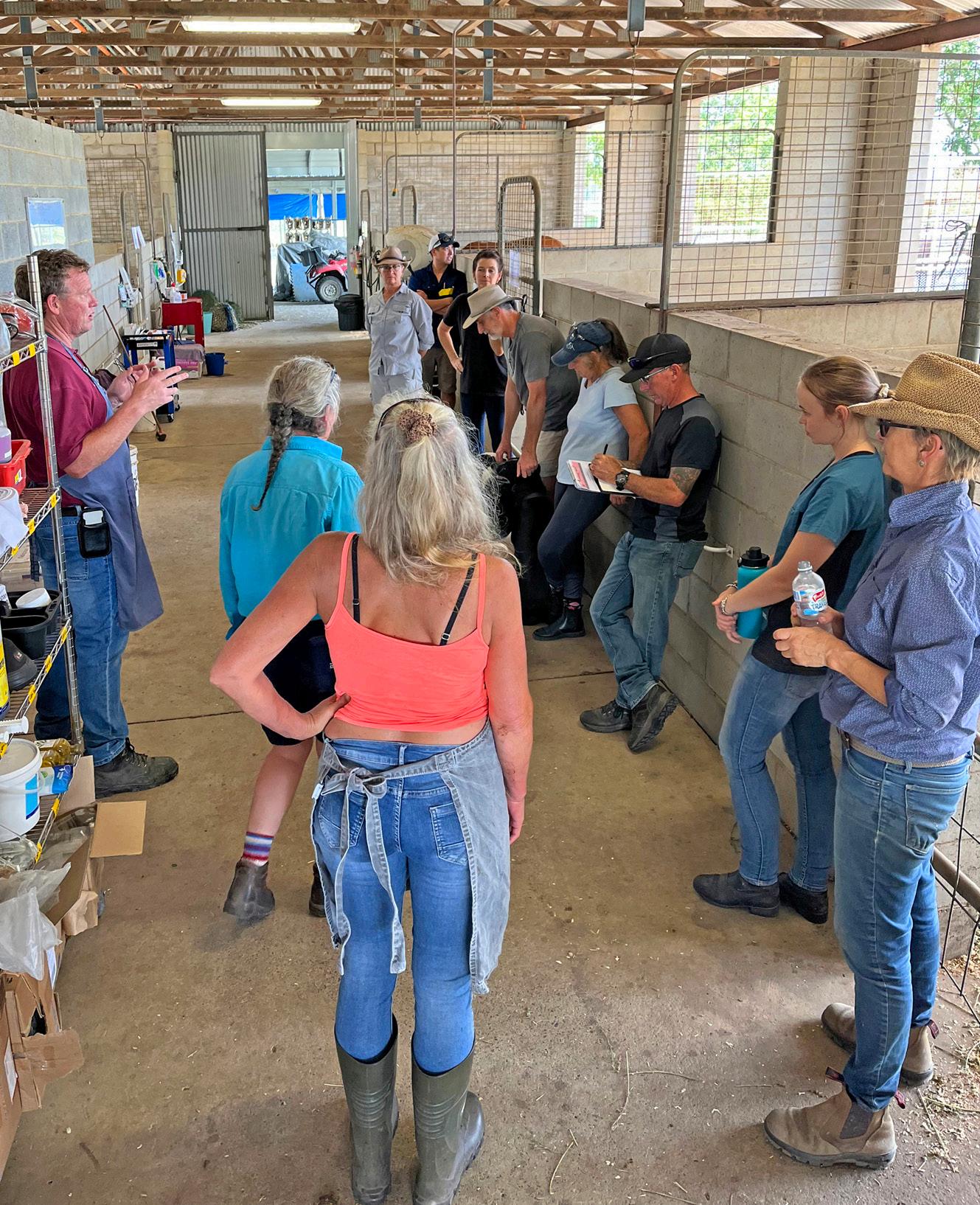
TOP: Dr Oliver brings volunteer vets, nurses, and handlers up to date during a daily hospital round.
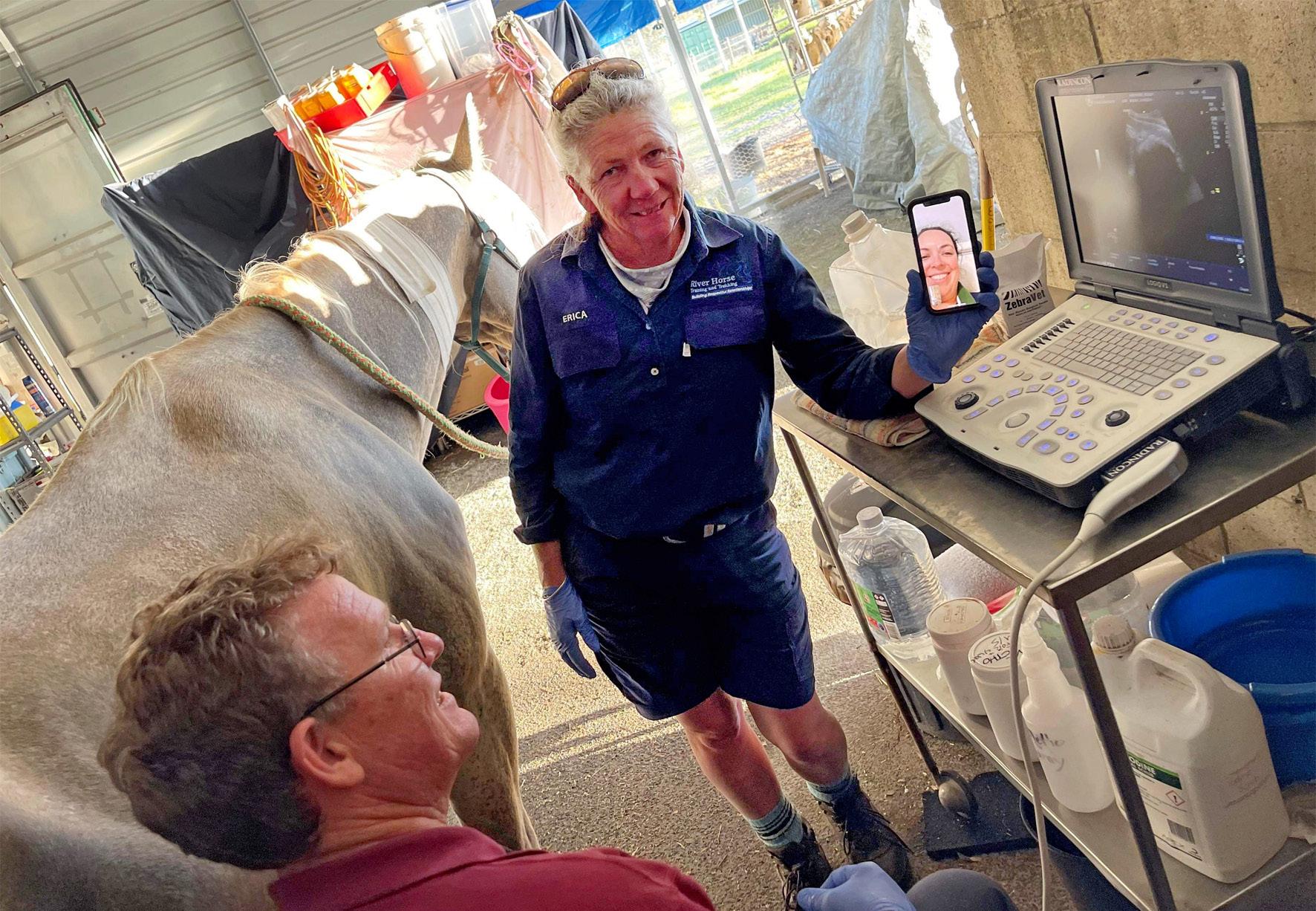
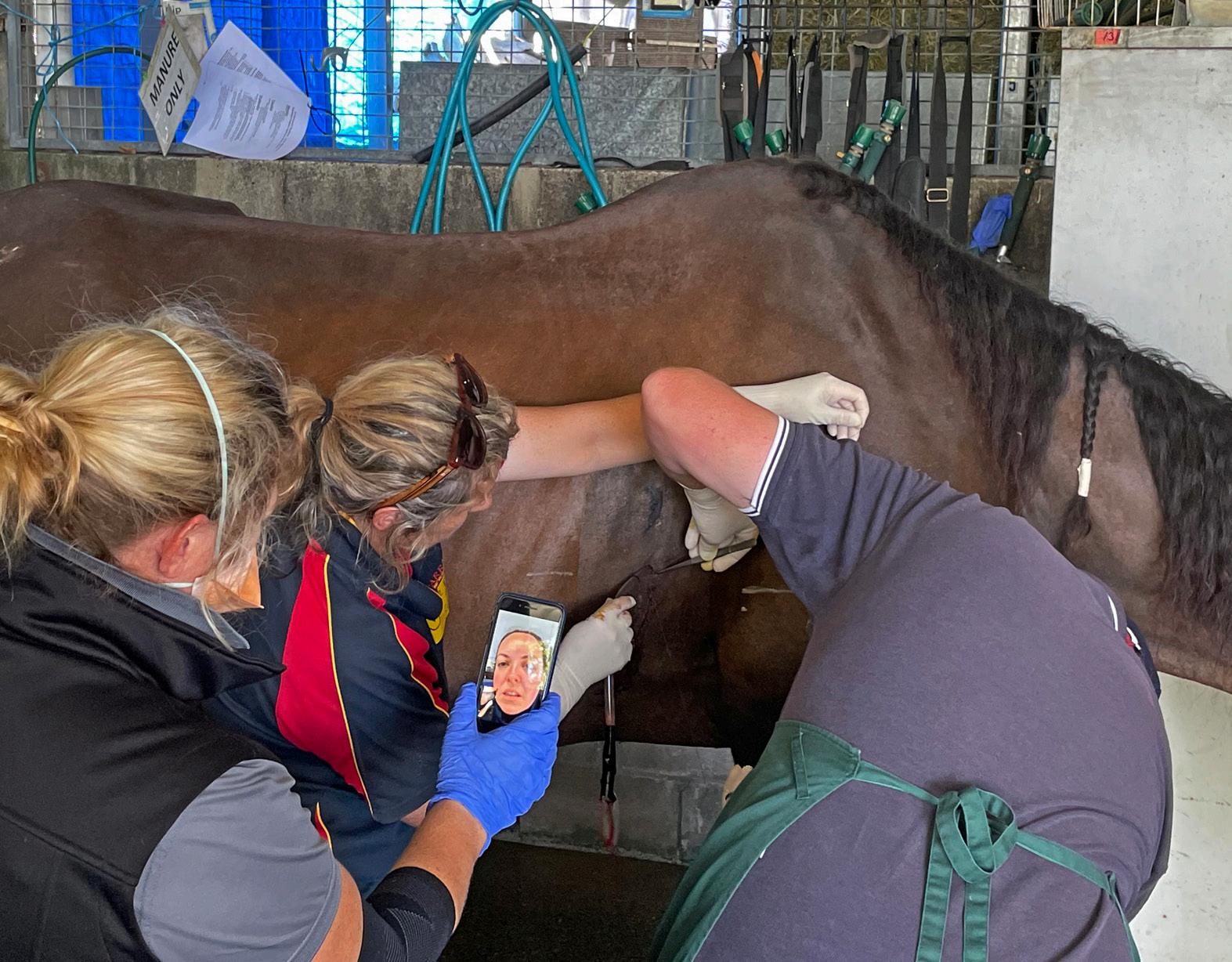
BOTTOM: Scone Equine’s Dr Rosemary Cuming gives Dr Oliver an ultrasound tutorial via FaceTime.
VET
L e t ' s t a l k g r o o m i n g !
Leader Equine are proud to offer a number of products to assist in maintaining the healthiest of coats
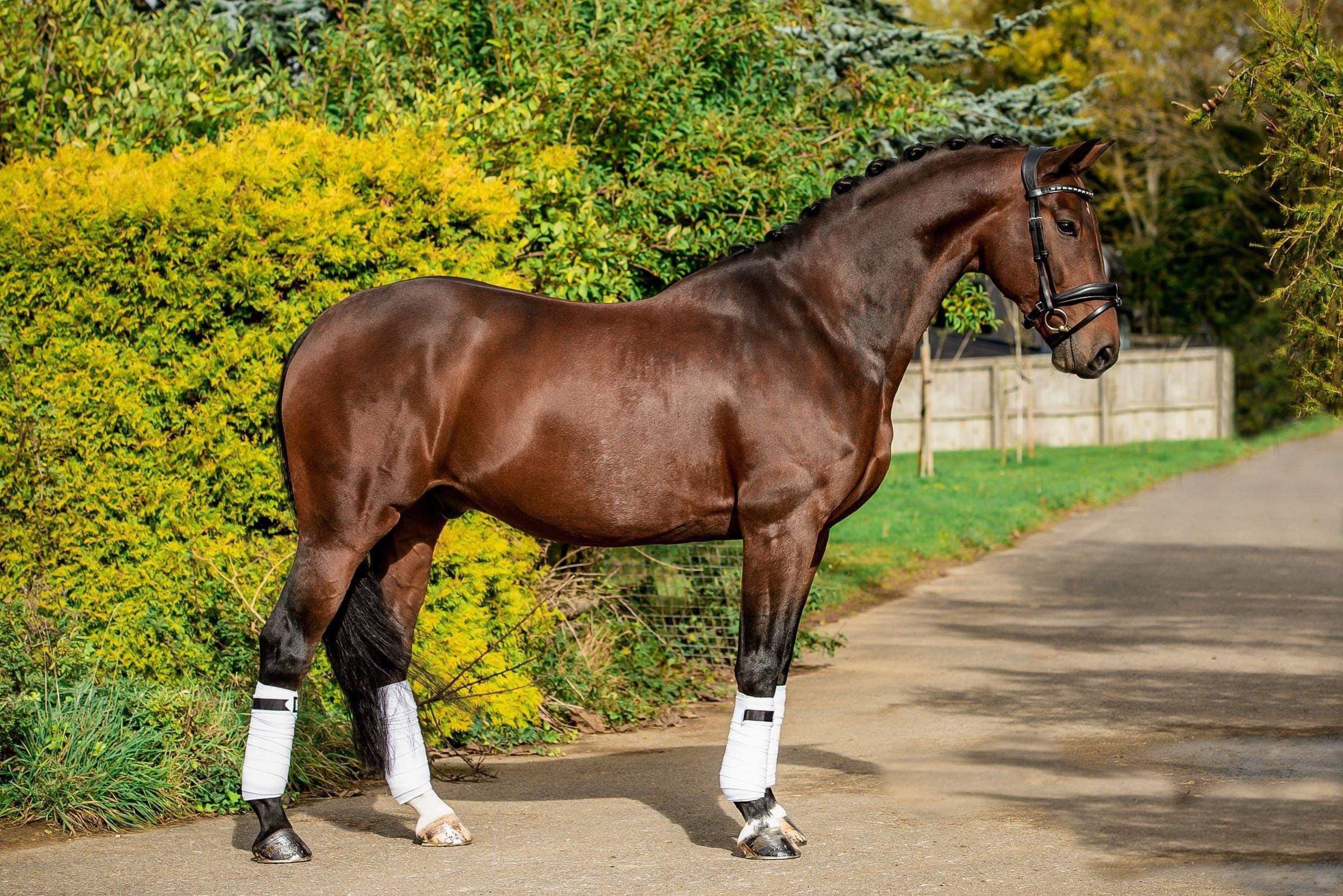
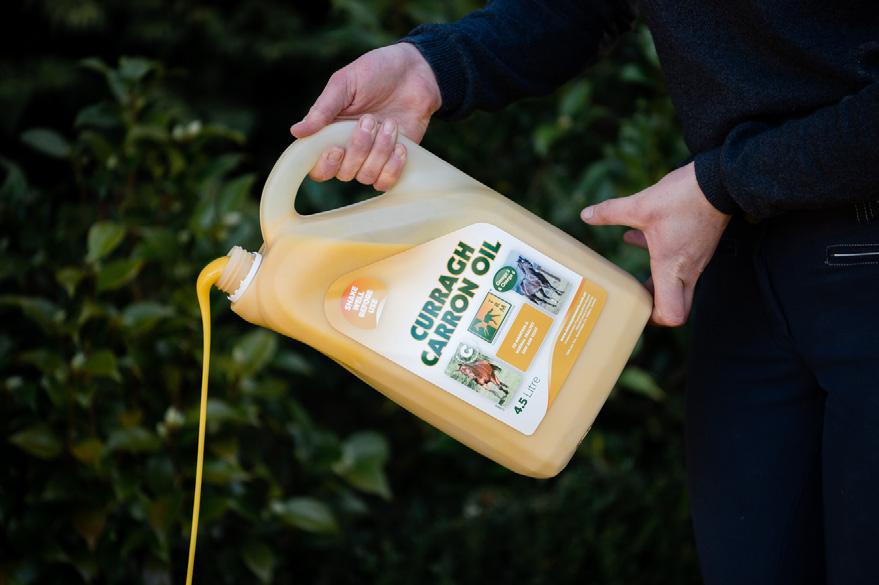
TRM Curragh Carron Oil offers the perfect balanced omega blend and digestive supplement
Watch your horse shine from the inside out!
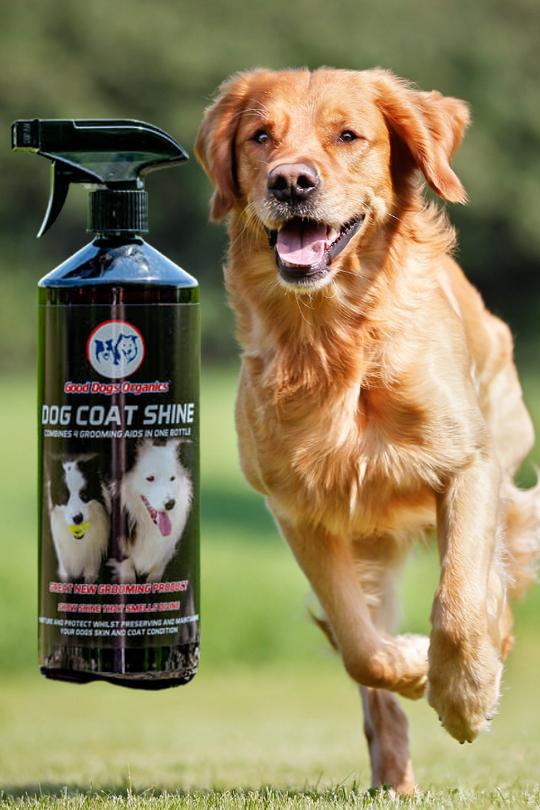
Good Dogs Coat Spray aids with itch, parasite prevention and overall coat health Keep your canine friends coat as well conditioned as your horse. It provides a show shine that smells divine!
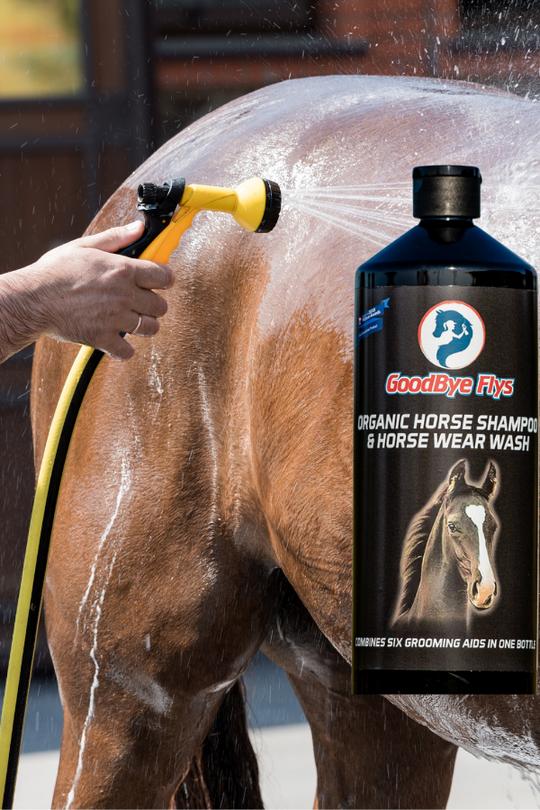
Goodbye Flys Shampoo is an organic, plant based product suitable for all skin types. Fantastic at keeping coats healthy, itch free and clean
For even better results use with Goodbye Flys 6 in 1 Grooming Spray
Shop the grooming range now!
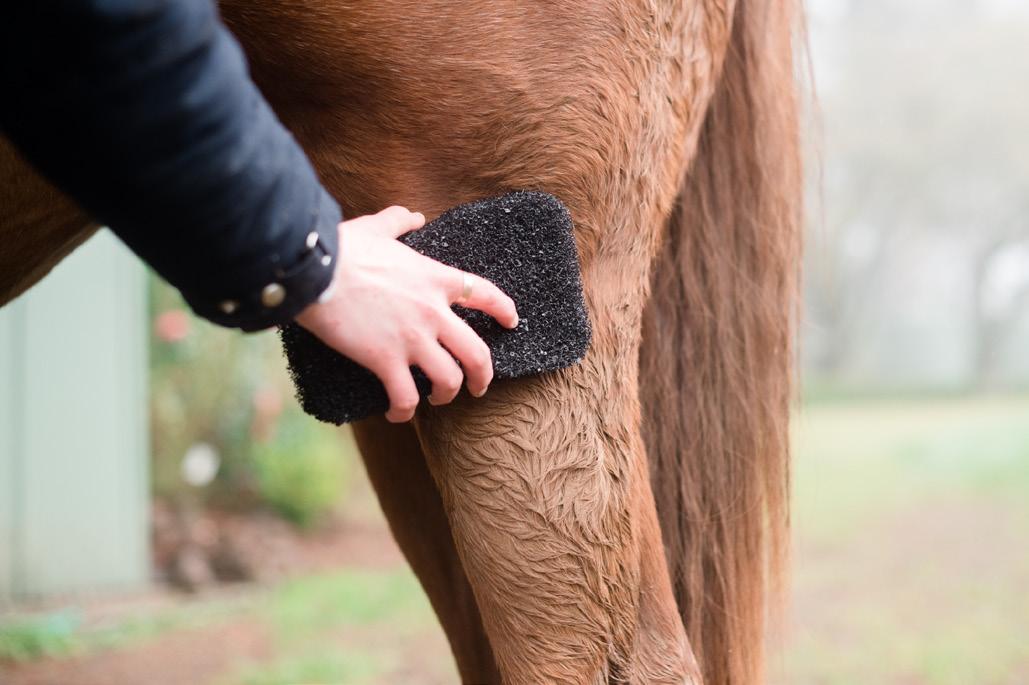
The Epona Tiger's Tongue sponge is the ultimate cleaning tool when it comes to horses
Remove dirt, sweat and stains in seconds!
Curragh Carron Oil
Epona Tiger's Tongue Sponge
Goodbye Dogs Coat Shine
Goodbye Flys Shampoo
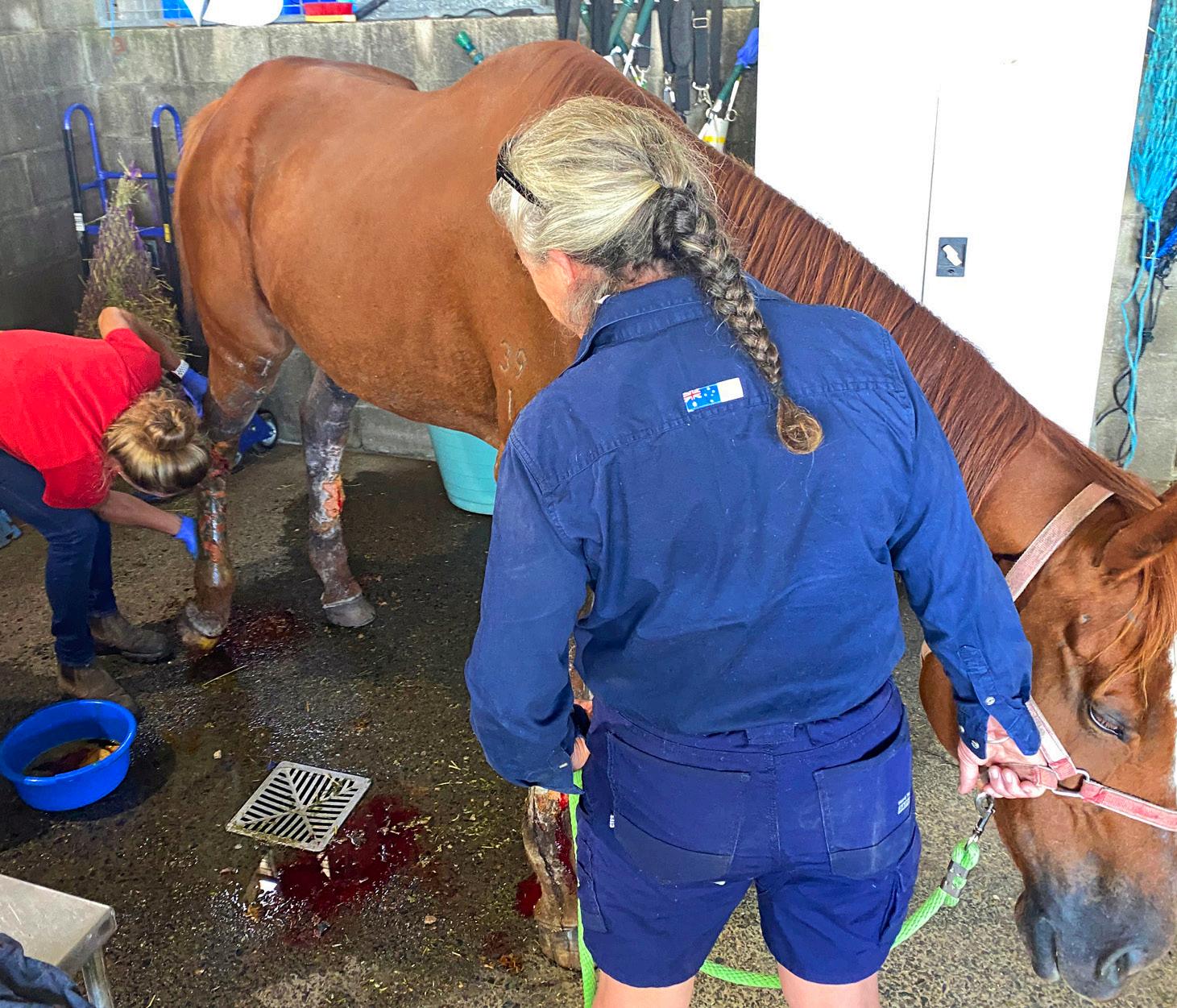
ABOVE: Many horses have sustained severe lacerations to their legs and bodies.
how well Ollie, one of our patients, was hiding his pleuropneumonia. He had normal temperature and respiration, was alert and eating. And then one of the vets suggested scanning his chest. All his vital signs were normal, but he had roaring pleuropneumonia.” Although Ollie is facing serious health challenges, at the time of writing he’d just delighted the EVDS team by gaining a healthy 20 kilograms.
As I talk to Dr Oliver, it quickly becomes clear that there are some important lessons we can all learn from this disaster, and they’re certainly worth mentioning here. Firstly, disillusioned, depressed and unfairly treated, equine vets are leaving the profession at an alarming rate. Much of this can be slated to bullying through social media, with accusations that vets are only in it for the money a common thread.
However, if this were true why would so many vets respond to the flood crisis, giving freely of their expertise and countless hours of their time? As Dr Warwick Vale, President of the Australian Veterinary Association, recently
commented: “People need to work with us and not against us. We need support, understanding, a lot less abuse, and a little bit more empathy.” Something worth thinking about if we value having a vet to call on in times of need.
Secondly, no one knows how many horses were affected by the flood.
There are still dozens missing, and this, Dr Oliver says, is a tragedy that highlights the need for a national horse registry. “Think about the horses that washed up along the beaches. If they’d been micro-chipped and registered, someone could have scanned them and at least been able to get back to their owners to give them some closure.”
Dr Oliver believes that addressing this problem is the responsibility of everyone from horse owners to politicians. “To protect the sustainability of the equine industry there needs to be a coordinated plan to deal with natural disasters and exotic disease outbreaks. We should be leading the world here in Australia. We've got a massive horse population, we’re a wealthy nation, and we've got the opportunity to build the best system in the world. Not to have a national registry is a failure of planning on the part of the industry.”
Ultimately, taking positive action to remedy these issues is vital to the wellbeing of the horses we love – and the vets to whom we owe an immense debt of gratitude.
ABOVE: Inserting a life-saving chest drain under the long-distance guidance of Dr Rosemary Cuming.
NUTRITION
It’s a fine art
In our last issue we looked at the unhealthy trend towards overweight show horses. Now DAVID NASH discusses the correct approach to conditioning.
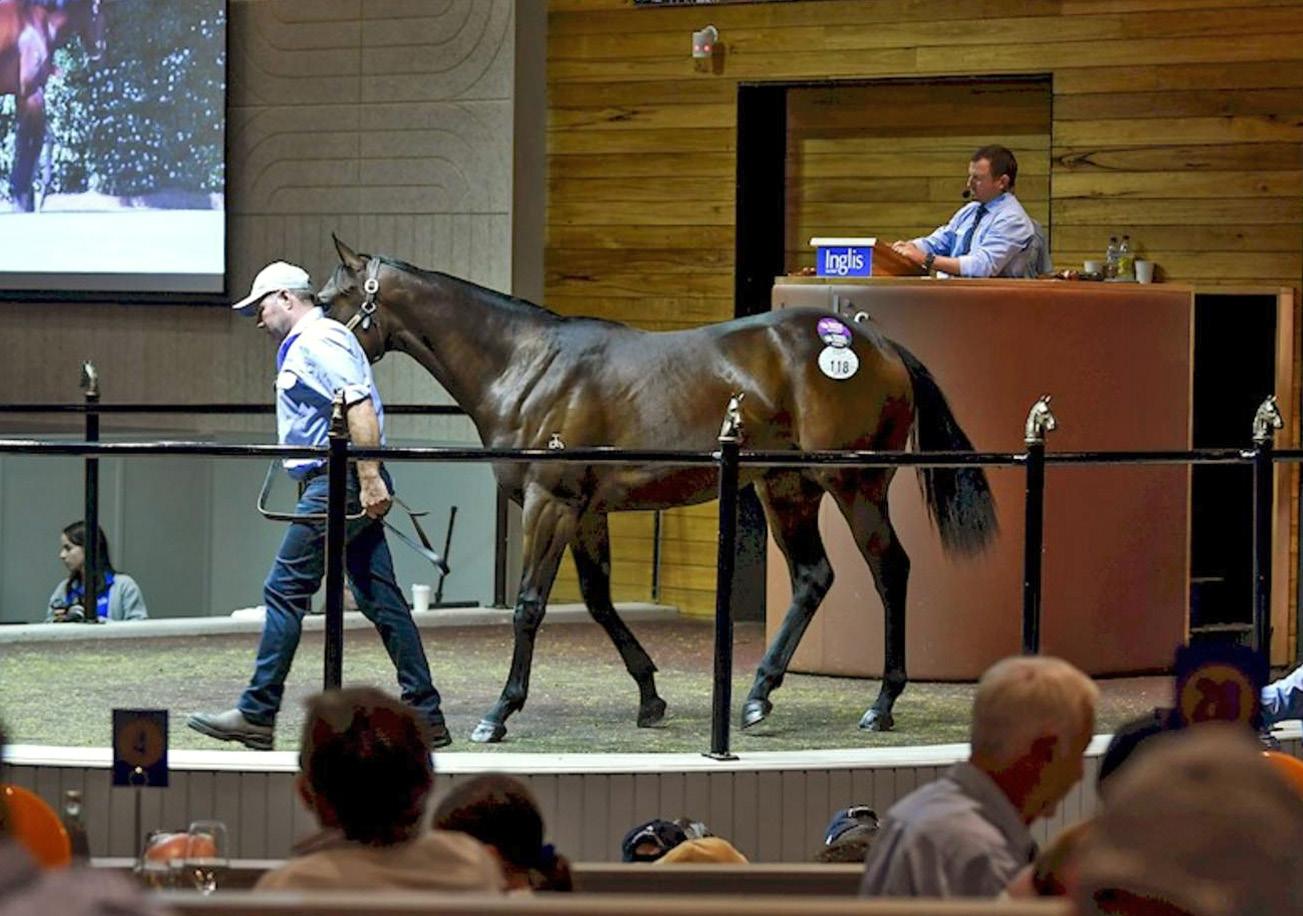
Show horses and sales weanlings or yearlings are two groups assessed, and therefore to a large extent valued on their conformation and presentation. But being fat is simply not enough. Along with a combination of optimal nutrition, state-of-the-art health management, specific exercise,
and superior genetics, tempered with hard work and attention to detail, the difference between fat and fit must also be recognised if these horses are to be successfully prepared.
Conditioning a horse for a show or sale yard is a big challenge. A clear understanding of the horse’s nutrient
requirements and the critical balance between feed intake and exercise is necessary, as both impact condition and soundness.
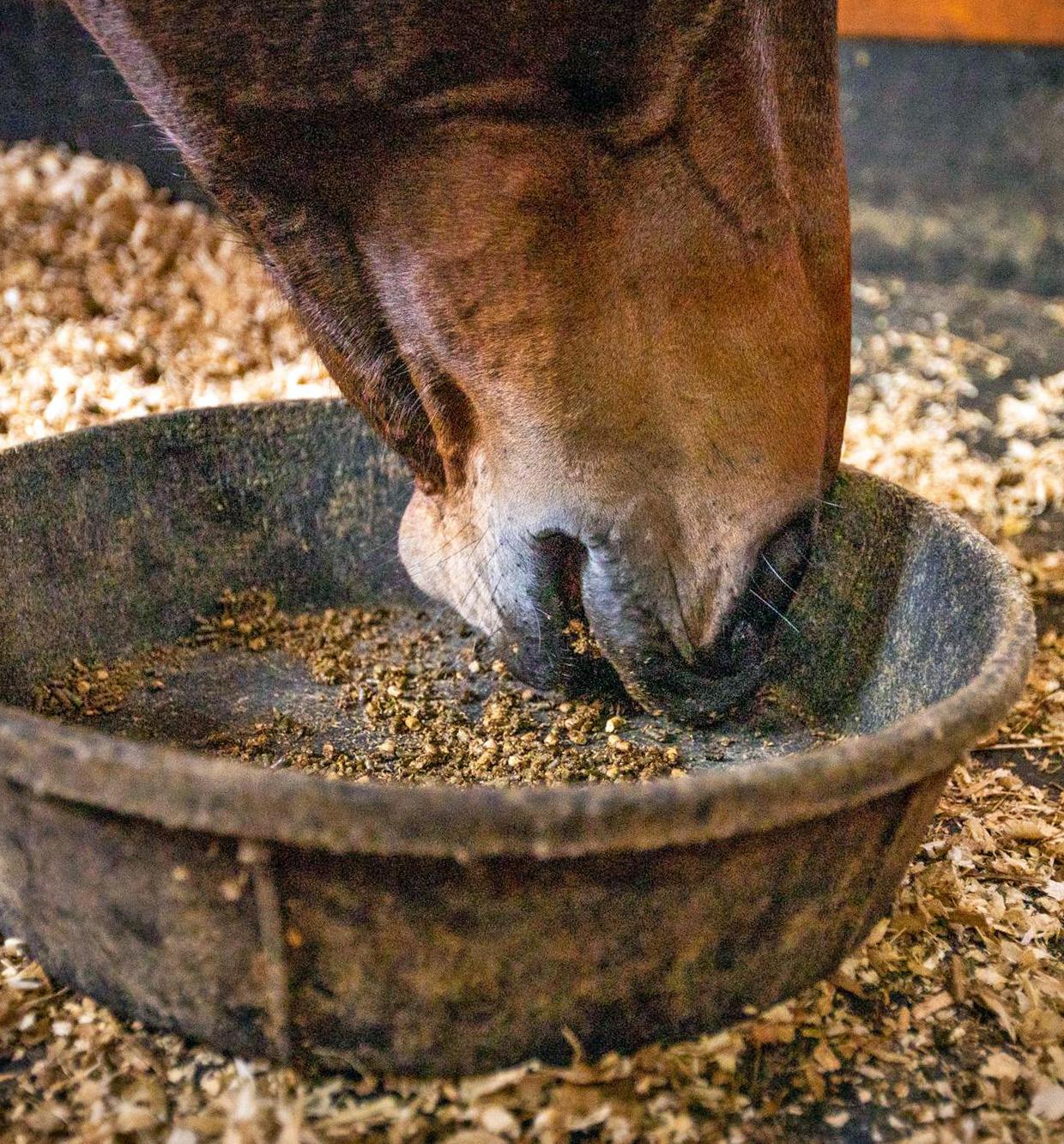
The horse’s feeding program should be based on a balanced ration using palatable, easily assimilated nutrient sources that meet the horse’s requirements for protein, energy, minerals, and vitamins. Owners often fall into the trap of feeding horses all-grain diets, which may encourage fattening but does little to ensure optimal growth, muscle and bone development. High protein does not cause bone problems in young, growing horses. In fact, more cases of acquired flexural deformities and developmental orthopaedic disease (DOD) are caused by improper mineral balance and overfeeding on energy than from any other nutritional cause.
One size doesn’t fit all
The amount of feed a horse can tolerate is dependent upon the individual, and it’s crucial to adjust feeding levels based on individual performance (growth rate and condition score).
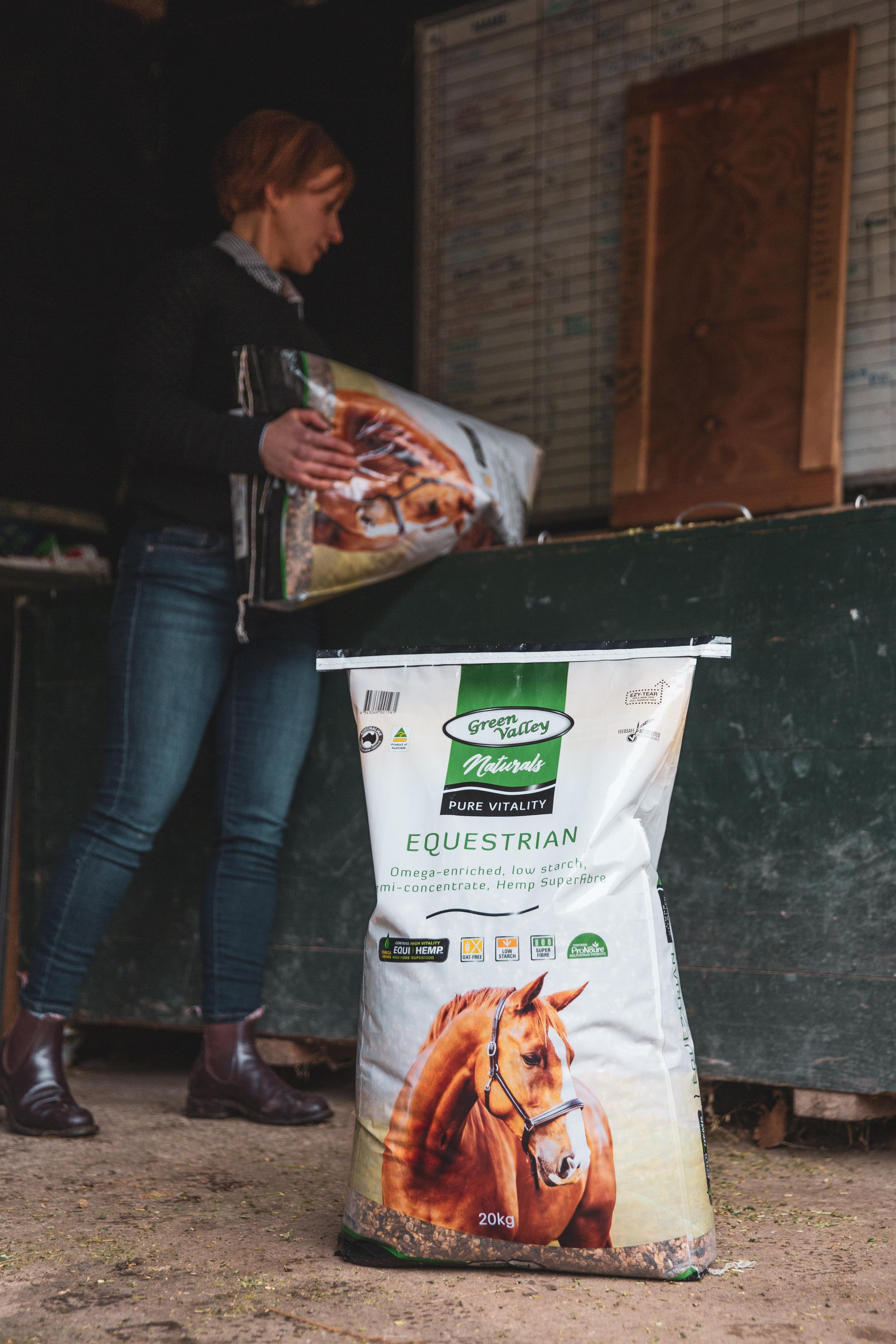
If using a fortified feed, a 15 to 16 per cent protein concentrate should generally be offered to younger horses. The protein level will reduce as the horse matures. If possible, ask suppliers about the essential amino acid levels in their feeds, not just the crude protein. Diets higher in essential amino acids such as lysine and methionine, and the branch chain amino acids of leucine, isoleucine and valine support muscle development and repair more efficiently. Horses supplemented with these essential amino acids generally respond with better muscle development, top line development, post exercise recovery, and may experience less muscular injuries and time off work.
In addition to supplemental feed, access to good quality grass, clover or lucerne hay harvested in the early stages of maturity is recommended. A highquality, high-energy hay maximises the
FACING PAGE: Energy in grain is better digested after pelleting, steam-flaking, micronising, or extrusion.
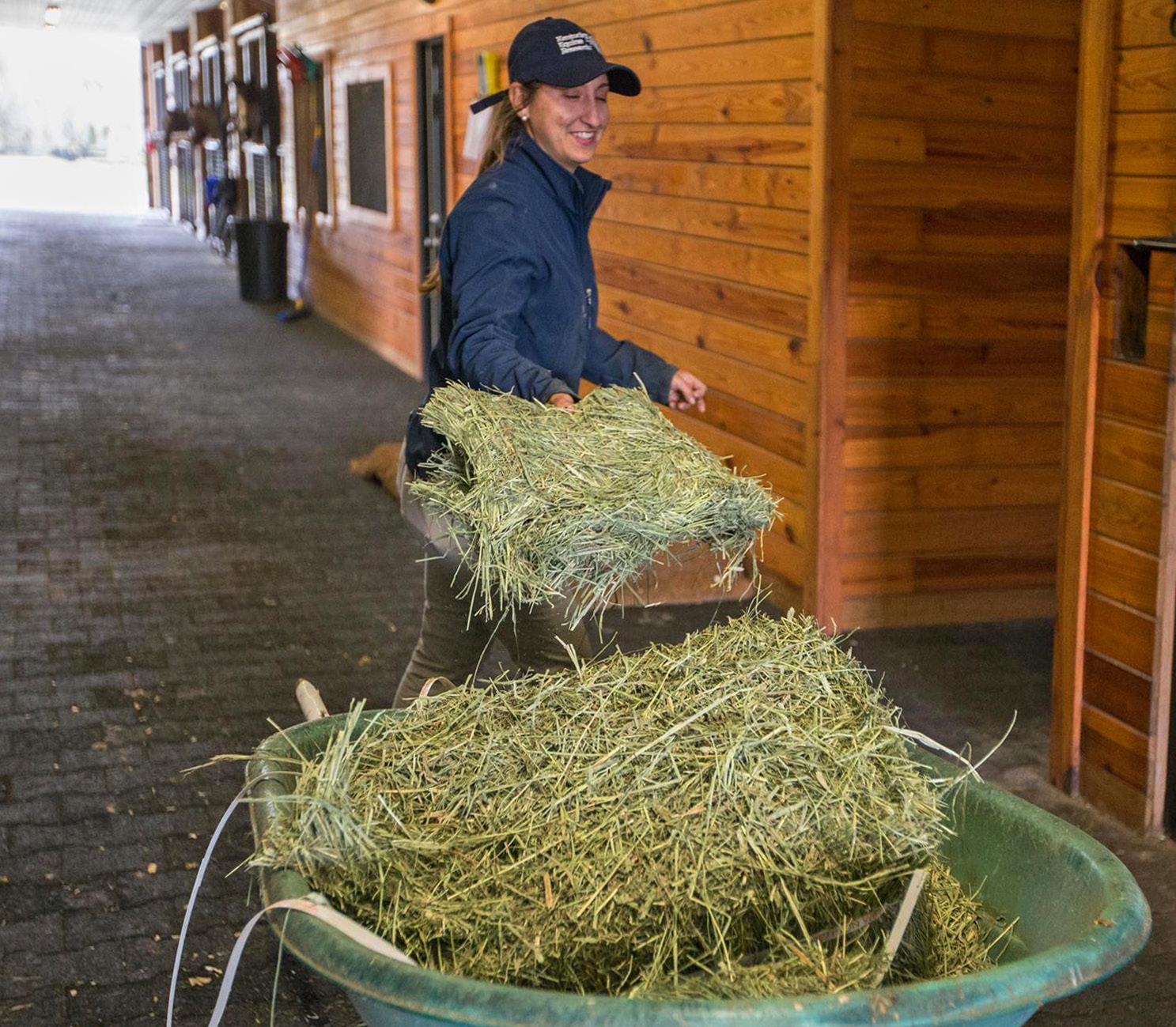
ABOVE: Feeding high-quality, early-cut hay avoids the unflattering appearance of hay belly. Images courtesy of Kentucky Equine Research.
utilisation of fibrous feeds in meeting energy requirements, and decreases the amount of starch the horse processes.
Feeding high-quality, early-cut hay avoids the unflattering appearance of gut-fill (hay belly) often associated with mature hay of high lignin content. Often hay intake is restricted just prior to the show or sale to reduce a pot-bellied appearance. However, if repeated this practice can increase the risk of ulcers developing.
In selecting the appropriate concentrate, it is important to consider the total nutrient profile of the horse’s feed, not just the protein content. Macro and micro nutrients such as vitamins and minerals must be specifically formulated for growing youngsters. If purchasing a prepared feed, pay careful attention to the recommended daily feeding rate. If it’s been formulated to be fed at a specific rate, and the feed is diluted with other unfortified ingredients, the diet
becomes unbalanced and the horse will not get the nutrients it needs.
Also, take careful note of starch, sugar and fibre levels so as not to overburden
the horse with starch and sugar. Apart from gastric and potential growth and metabolic problems, you may end up with behavioural issues that affect the horse’s handling and performance in the show or sale ring. Feeds containing heat processed cereal grains are useful here, because the energy in the grain is much better digested and assimilated after pelleting, steam-flaking, micronising, or extrusion.
Feed used when preparing should contain added fat from oil, stabilized rice bran, or sunflower seeds. This fat is a concentrated source of energy and helps minimise grain intake, as well as putting a shine on the coat. Also, diets containing at least a moderate amount of fat reduce the total glycaemic index (GI) and insulin response, which is of great benefit especially for those horses predisposed to metabolic issues.
Foals run, romp, and play nearly from birth, and to think that a careful program of exercise is detrimental and risky is folly. Carefully programmed exercise will actually increase bone density in both young horses and those returning from a spell. Look for a product specifically designed to improve bone growth and density in performance horses.
ABOVE: Conditioning a horse for the show ring or sale yard can be a big challenge (Image courtesy Racing Photos).
When conditioning horses, especially youngsters, pay careful attention to their skeleton. If the horse is not structurally sound and is over-conditioned, excess weight on an already stressed skeletal system will likely lead to further issues.
Beyond the feed bin, the real art involved in conditioning horses is the exercise and grooming they receive. Depending on the individual, judicious use of lunging exercises, incline work, time on a mechanical walker, and handwalking can be useful tools.
It’s not just the feed
Daily grooming, rinsing with warm water, braiding or banding manes, and conditioning tails are all necessary if horses are to achieve optimum condition. Sale and show horses should be rugged as soon as temperatures drop below 10°C. A rug will often keep the coat short and to lie flat. A downside of rugging is that after a horse is sold, they might be turned out with no winter coat to withstand cold conditions.
Horse hair quality, growth and shedding are in part down to genetics. To help slow growth of the coat, artificial lights are sometimes used to mimic longer daylight hours. If used, day length should remain constant at 15 hours. However, horses appear to become resistant to lights over time - you can only fool Mother Nature for so long! Horses constantly kept under lights are also somewhat challenging to prepare the next spring. If stabling is not an option, masks delivering blue light can benefit the coat by mimicking the effect of longer daylight hours - but be careful with fitting these to young horses.
Feeding at least 125ml of oil daily, or a minimum of 500 grams of stabilised rice bran, or a higher fat supplement, and a biotin, chelated zinc, and methionine coat conditioner for a month before the sale or show will also help the coat. As much as 300 grams of added fat has been fed daily in instances when it was critical that more energy be provided
without increasing starch (grain). If the diet is adjusted gradually, a great deal of energy can be fed to youngsters in the form of fat. If a young horse has physitis or another DOD, feeding a high-fat diet is preferable to a high-grain diet. However, supplementary protein, minerals, and vitamins, usually fed in the form of a low-intake balancer pellet, will be necessary.
Conditioning horses for the show or sales yard is beginning to change for the better. Owners are becoming increasingly aware that over-conditioned horses are at risk of developing metabolic issues. Rather than having a plumper horse that might be more pleasing to the eye, we are now recognising the importance of a leaner build, and paying more attention to fat versus muscle ratios.
For more information visit ker.com, call 1800 772 198, or email advice@ker.com
ABOVE: Many owners are now recognising the importance of paying attention to fat versus muscle ratios (Image courtesy Racing Photos).
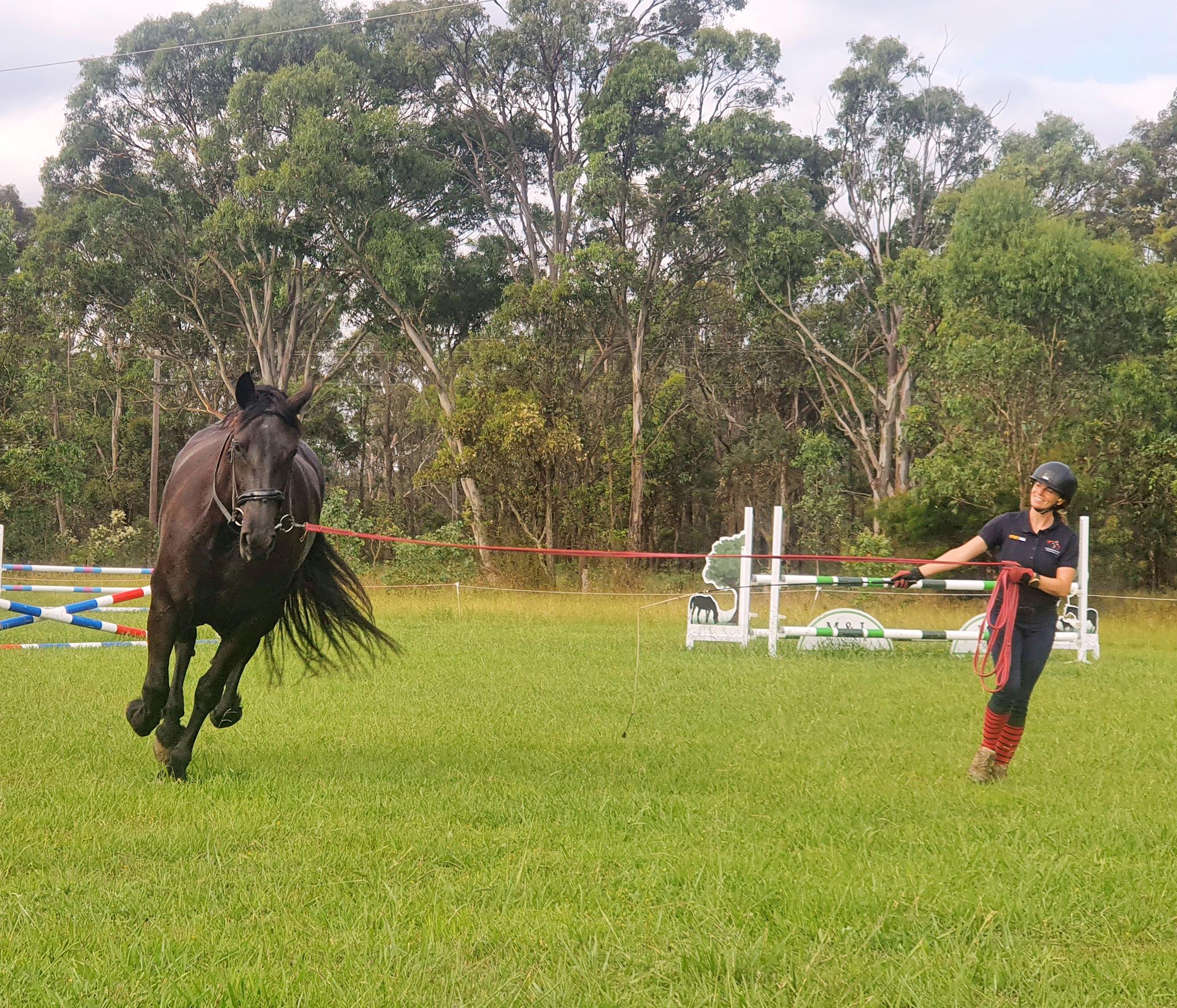
Lunging is a time saving off-horse exercise that can yield great benefits.
FEATURE
Quick exercises pay dividends
If you work through the week and want to make the most of the little time you have with your horse, CHRISTINE ARMISHAW has a few clever hacks.
One way to save time but still get some quality work in is to do it from the ground. Here’s a selection of quick yet productive offhorse exercises to keep your horse’s mind engaged and fitness up. For safety, doing these exercises while wearing
an approved helmet and a good pair of non-slip gloves is recommended.
Lunging with transitions
Lunging your horse is a great way to get some fitness work in, even if you don’t have time to ride. Some say lunging for 20 minutes is equivalent to an hour of
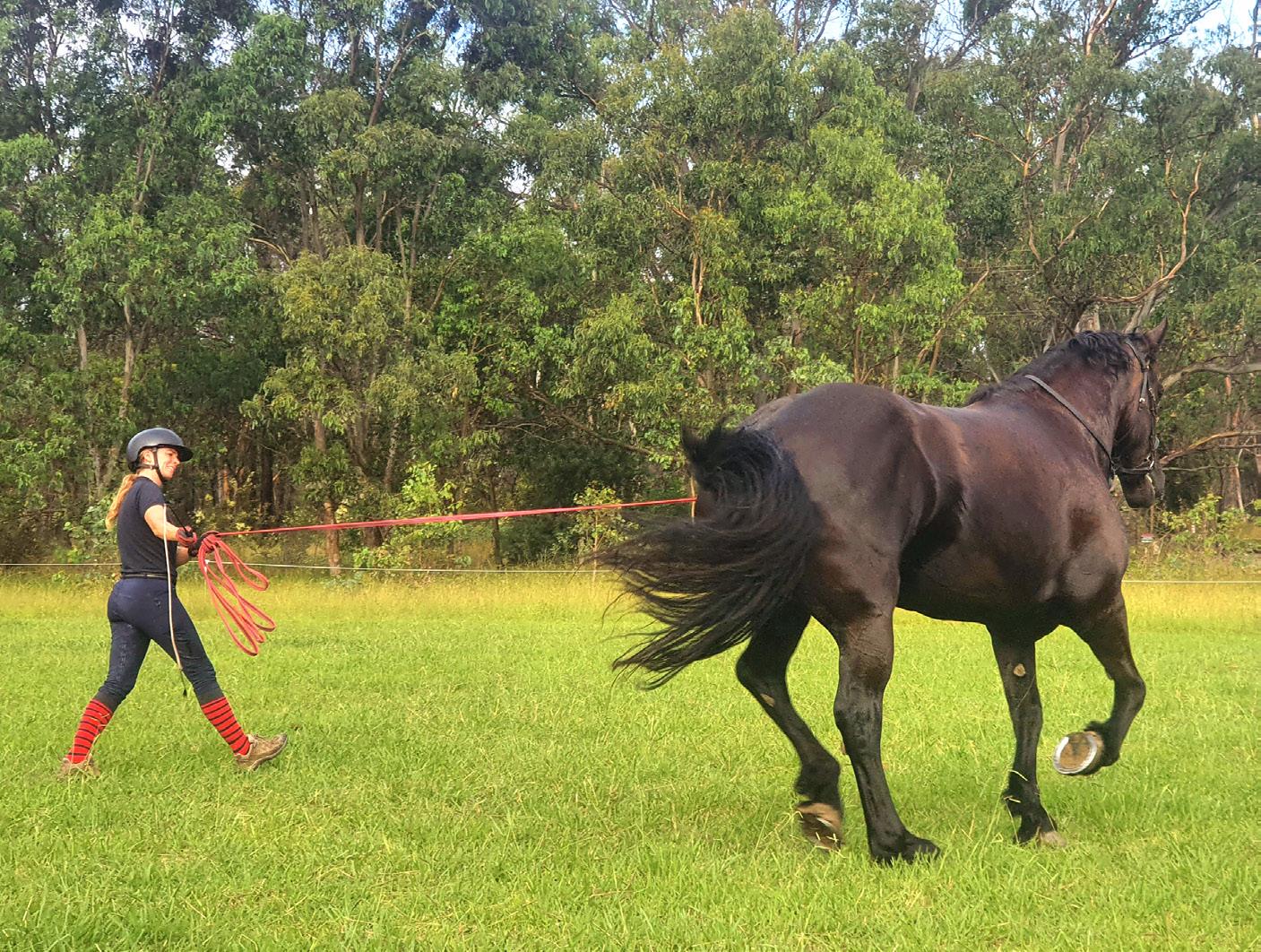
ridden work, although that depends on what you are actually asking your horse to do! Letting a horse charge around on the end of the rope is not the goal here. You’re aiming for controlled work using the lunge rope and lunge whip (if required) as extensions of your arms.
Spend the first five minutes warming your horse up at a walk, including one rein-change during that time. If your horse thinks being lunged means running like a crazy horse, shorten the rope and walk alongside him to begin with, only increasing the length of rope between you if he is settled and calm.
From there, start to incorporate transitions between walk and trot. Transitions are a great way to build up your horse’s hindquarter strength as they require more effort to go up and down gears compared to running around in circles. Practising going forward and back between paces can also be beneficial for improving your horse’s ‘go’ aid while under saddle.
Spend anywhere from ten to fifteen minutes moving frequently between
Object desensitisation
Working from the ground is a brilliant way to help your horse get over perceived scary things. Accustom them to new sensations with ropes, pool noodles, or a flag on a stick. A rope, which can fold up small and makes little sound, is generally the least offensive item, while pool noodles and flags take up space and can flap unexpectedly, which may be met with alarm. Select your item according to your horse’s sensitivity, and aim to build their confidence gradually. This can take minutes for some horses, days for others.
Start by letting them sniff the item you’ve chosen and look at it with both eyes. The goal is to rub it all over your horse’s body. A good place to start is at the shoulder, as horses generally tend to be more accepting of their shoulders being touched. Rub with the back of your hand, then rub with the item. All your movements should be quiet and calm. If the horse is accepting, take the item away and praise him. Or, if he wants to move, try and keep the item close to him until he stays still for a moment, then take it away. This is pressurerelease: you are taking away pressure (the closeness of a new item) when he behaves as you want (standing still).
walk and trot and, if the footing and your horse’s temperament allows, also between trot and canter. The closer together you make transitions, the more effort is required from your horse. Change rein at least every two minutes to keep them working evenly on both sides.
And rather than standing in a fixed spot, be sure to keep yourself moving around on a smaller circle within the larger circle your horse is travelling along – your horse is less likely to place as much stress on the outside legs as might happen on a tight circle.
By way of approach and retreat, you can gradually build your horse up to quietly standing and allowing his body to be touched all over. Horses are often most uncomfortable with a new item touching their legs and head, so take special care around these areas. If it’s a lot for your particular horse, accept small wins and call it a day – you can always try again tomorrow. Patience and calmness is the only way to create a brave and confident partner.
Yielding the quarters
Another superb ground-based exercise is teaching your horse to move his hindquarters. This is a great exercise for teaching them to isolate and move their quarters when asked rather than their
TOP: Aim for controlled work, using the lunge rope and whip as extensions of your arms. BOTTOM: After a five minute warm up, incorporate transitions between walk, trot and if possible, canter.
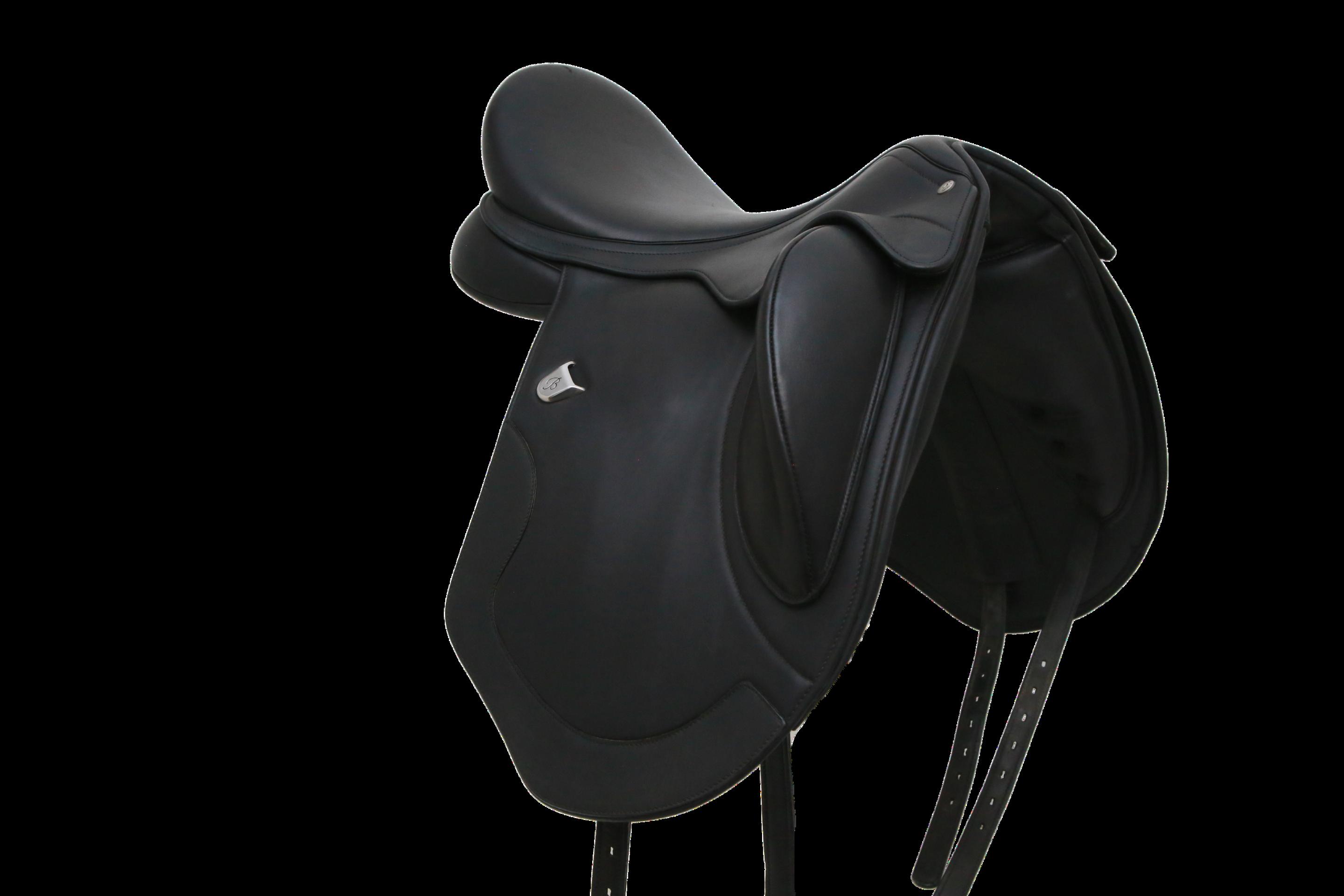
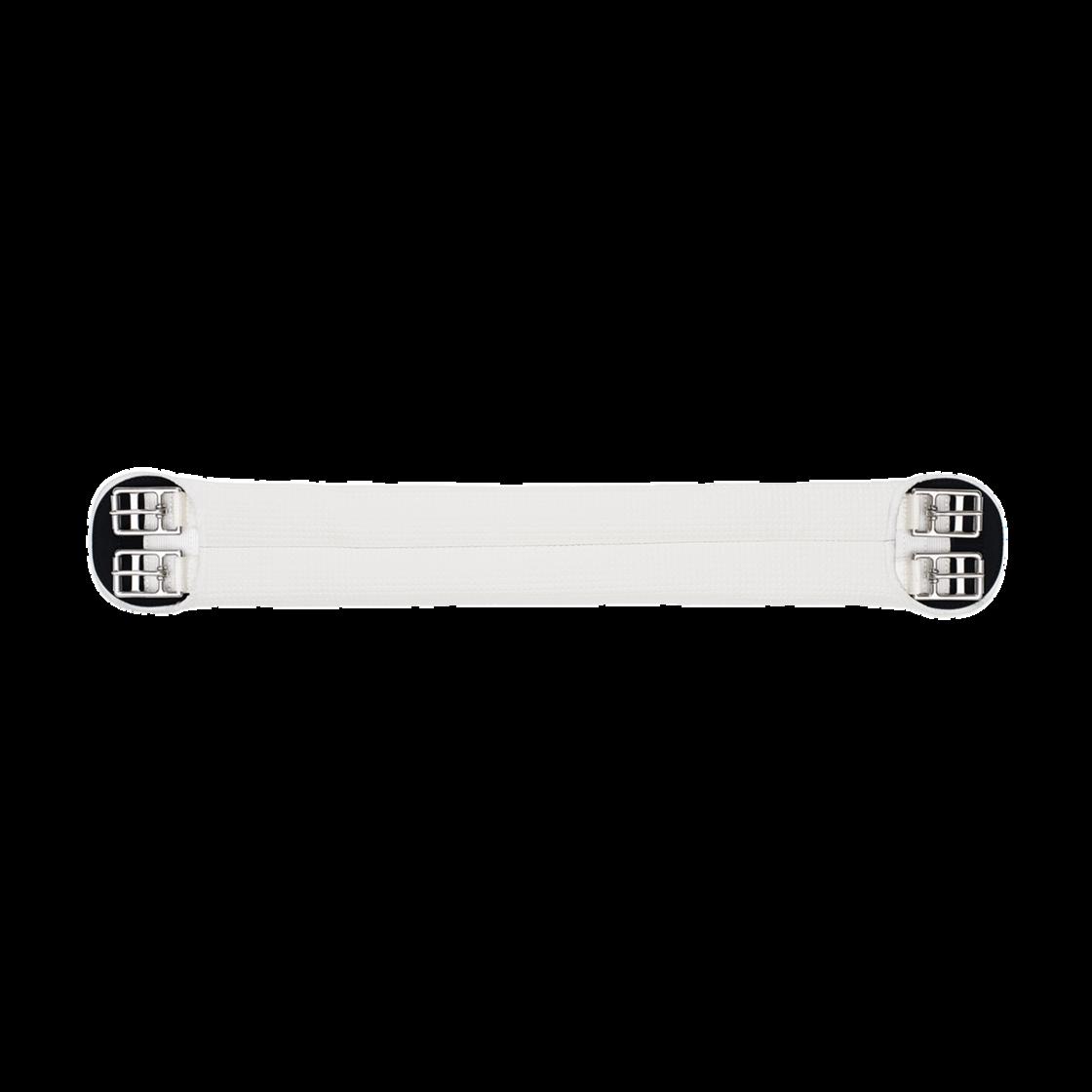
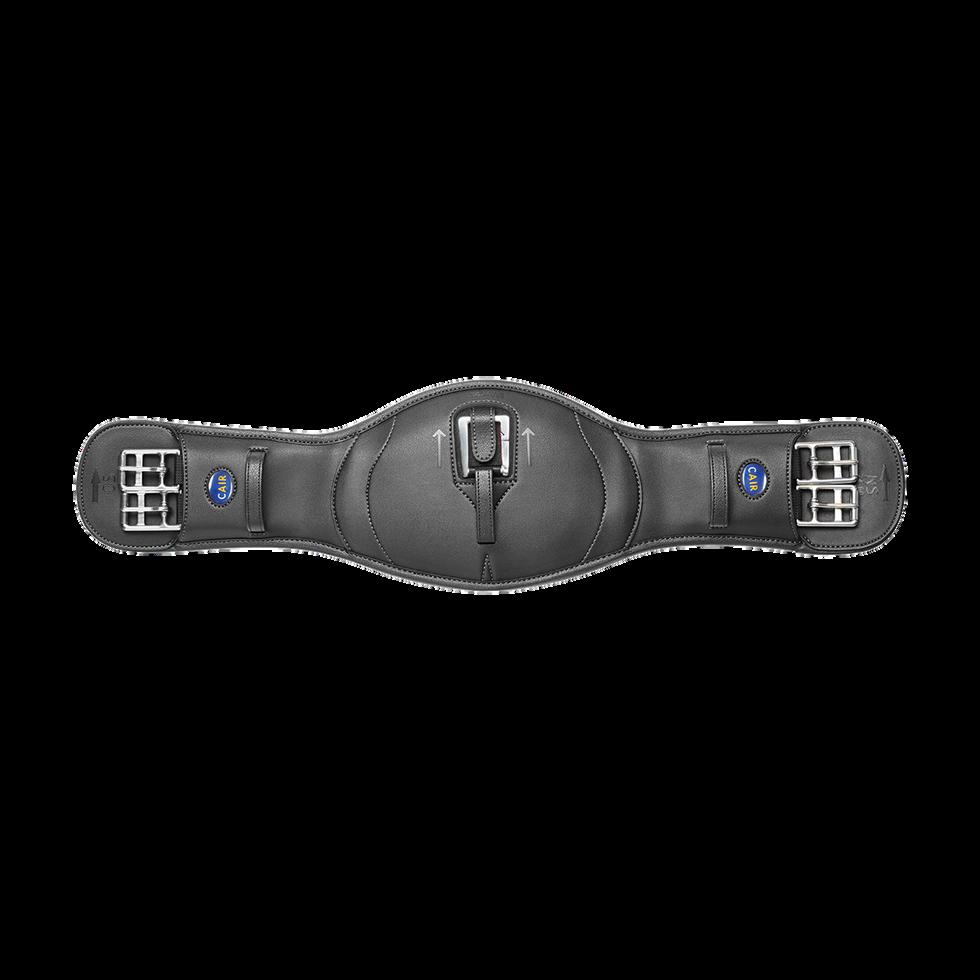
1 4 d a y t r i a l w i t h i n s u r a n c e
M u l t i p l e p a y m e n t a n d f i n a n c e o p t i o n s
N o s u r p r i s e s !
W h a t y o u o r d e r i s w h a t y o u g e t
N o t s u r e w h i c h s a d d l e t o c h o o s e ?
S e n d u s a m e s s a g e f o r s o m e e x p e r t a d v i c e .
C o r r e c t i o n p a d s , g i r t h s , c l e a n i n g p r o d u c t s , a c c e s s o r i e s a n d m o r e !
e q u e s t r i a n h u b . c o m . a u / s h o p /
whole body, and is a great introduction for a variety of exercises you may want to do from the saddle.
Teaching your horse to yield can also improve suppleness in the hind end and is excellent for getting their attention and focus prior to mounting at the start of a ride. To give me an idea of where
they’re at mentally and how they might be feeling, I do this with every horse prior to getting on.
The goal of this exercise is to ask the horse to step his inside hind leg across and in front of the outside hind leg as he moves his quarters away from you. Start by standing at your horse’s left shoulder.
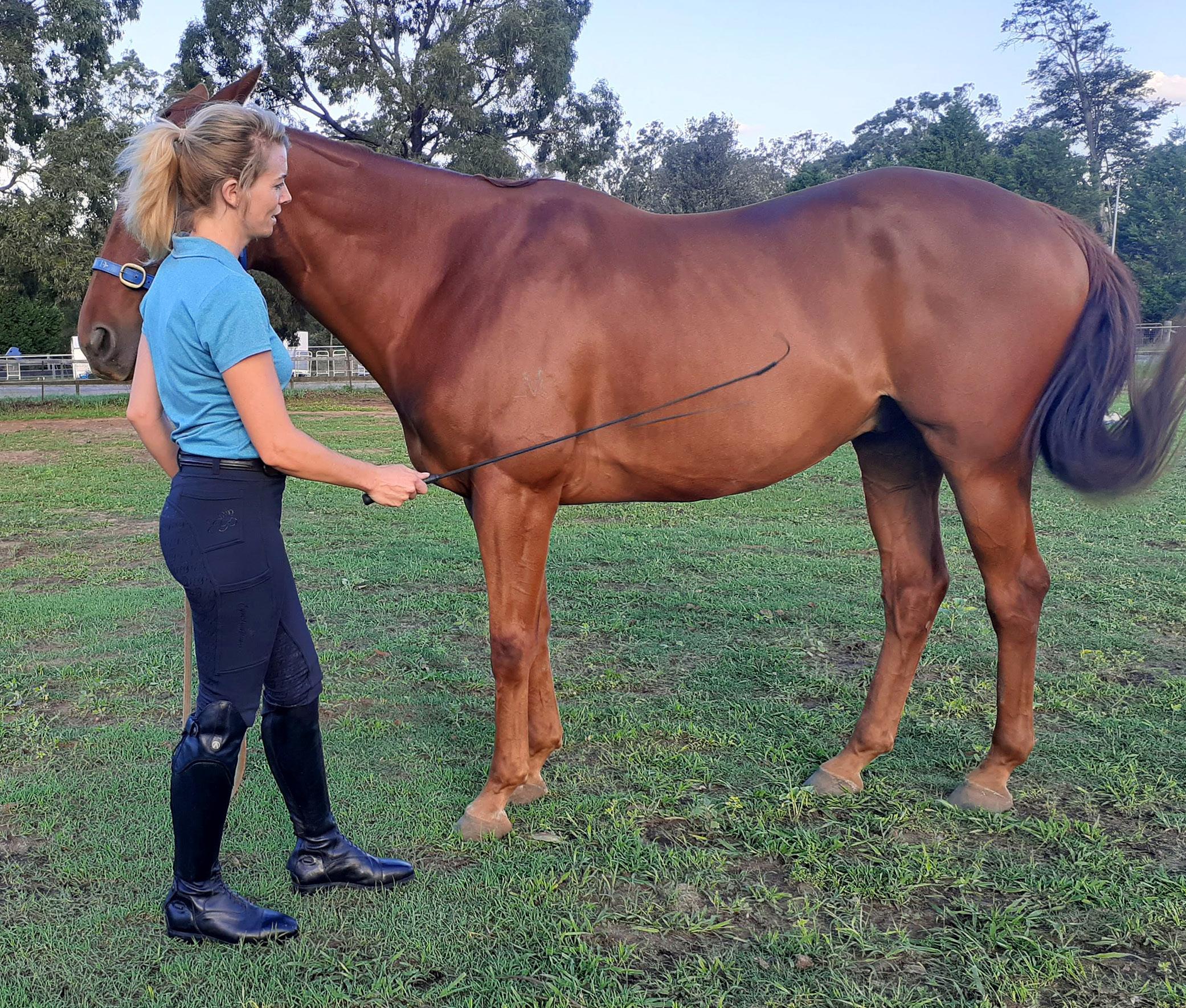
Using your right hand press your fingers into your horse’s side, or tap with your dressage whip, just behind where your leg would be if you were in the saddle. At the same time, use your left hand to pull your horse’s head towards you slightly, making sure that the majority of pressure is coming from the hand or whip pushing against the flank.
Watching for movement of the inside hind leg, apply firm and consistent pressure until the horse takes one step across, at which point all your pressure stops. For clarification, your finger pressure should stay consistently on, or if using your whip it should tap steadily, until the horse takes one step. It’s important you don’t release the pressure too early, or remove it if the horse does
Patience and calmness is the only way to create a brave and confident partner.
something different, like a step behind the outside leg, or a small, shuffling side-step that doesn’t cross the outside leg. Likewise, it’s important to remove the pressure at the very moment they complete the correct action.
Repeat this for four steps, asking for just one step at a time with a moment of no pressure in between each step. Once your horse is comfortable and understands what is being asked, change sides and run through the entire process again from the righthand side.
You should find that as your horse grasps the concept of this exercise, the pressure or amount of tapping required gets less and less. Remember, always use as much fair pressure as necessary, while aiming to use the least amount possible to get the job done.
TOP: For a hindquarter yield, stand at their left shoulder and apply your right hand or dressage whip just behind where your leg would be.
BOTTOM: Apply pressure until your horse steps their inside hind leg across and in front of the outside hind leg.
EUROPEAN TRENDS
Smart rug
Are health rugs for horses the next big thing? JESSICA MORTON investigates.
Recent technological advances in wearable veterinary devices are bringing new levels of monitoring to horse management. In particular, e-textiles might provide a unique solution to help prevent illness and reduce costs in veterinary management.
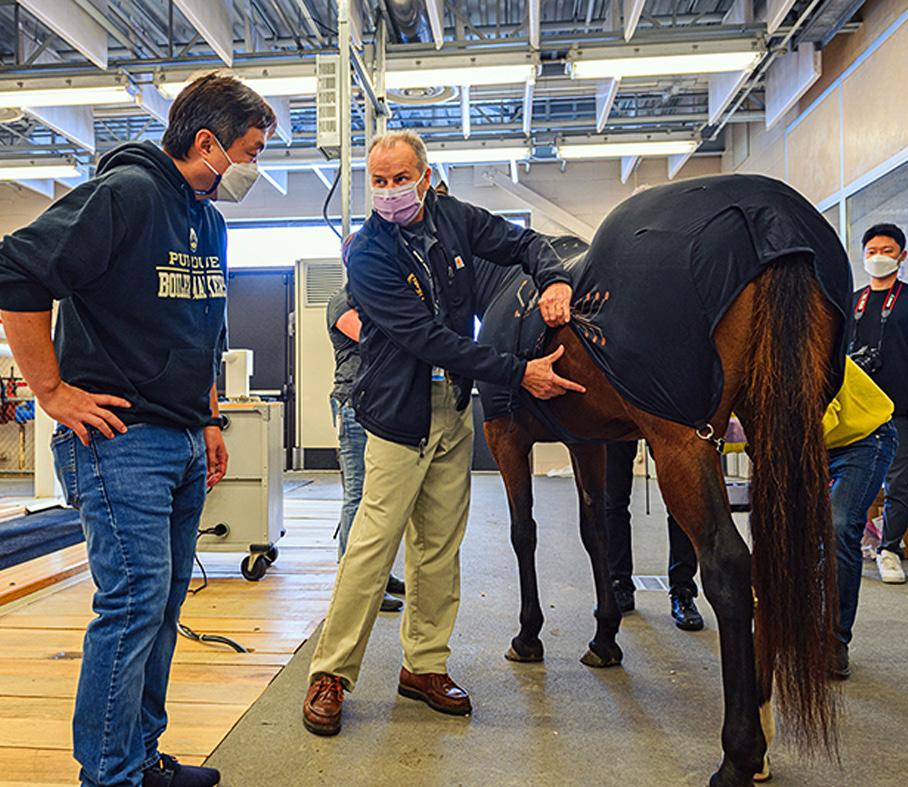
Biomedical engineers and veterinarians from Purdue University in West Lafayette, Indiana, have designed a horse rug which incorporates electronic monitoring technology capable of alerting veterinarians and caregivers to potential health problems.
A university study recently published in the Advanced Materials journal explored how the research team managed to convert stretchy off-the-shelf horse rugs into wearable e-textile devices that can monitor equine cardiac, respiratory, and muscular systems.
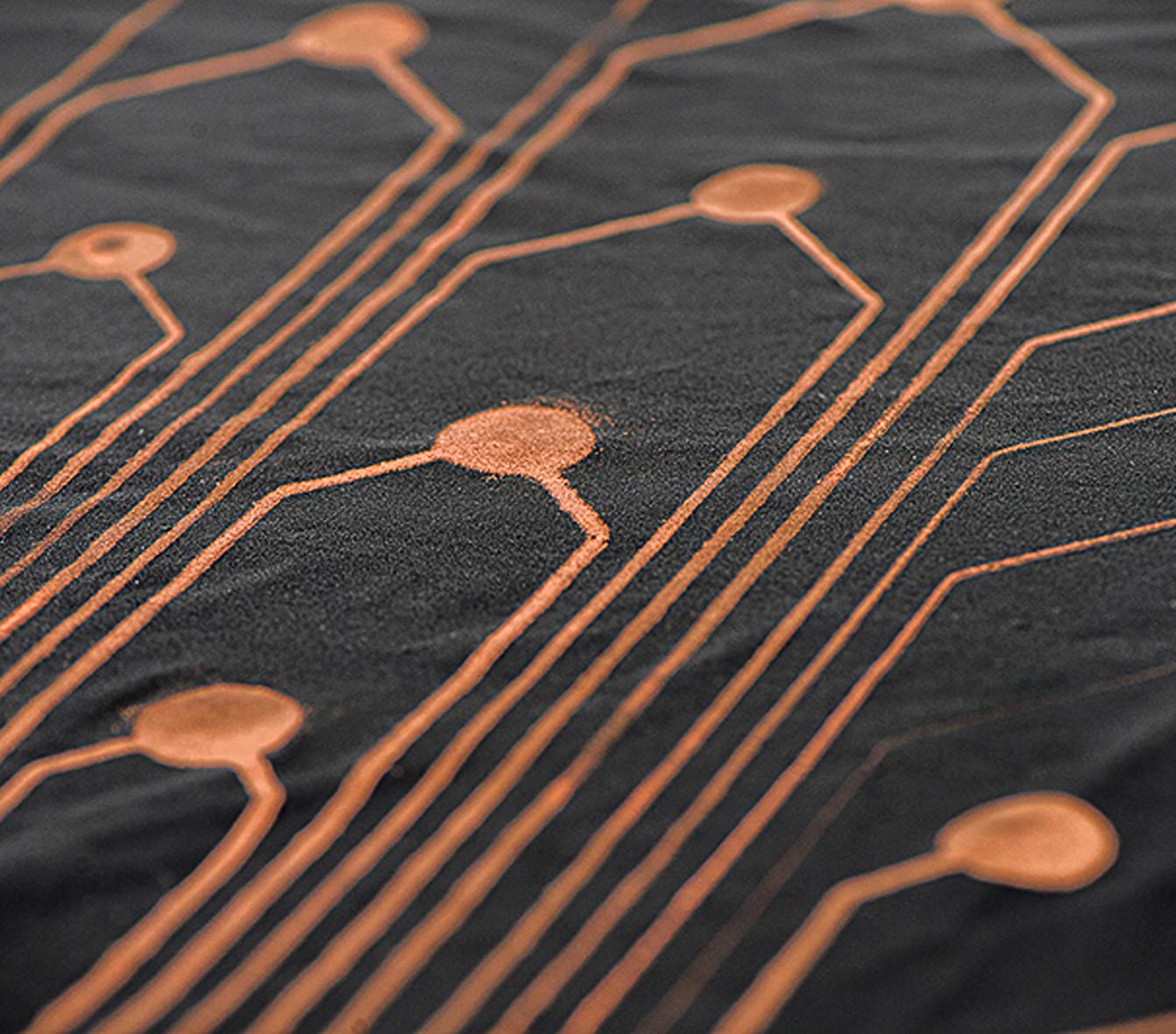
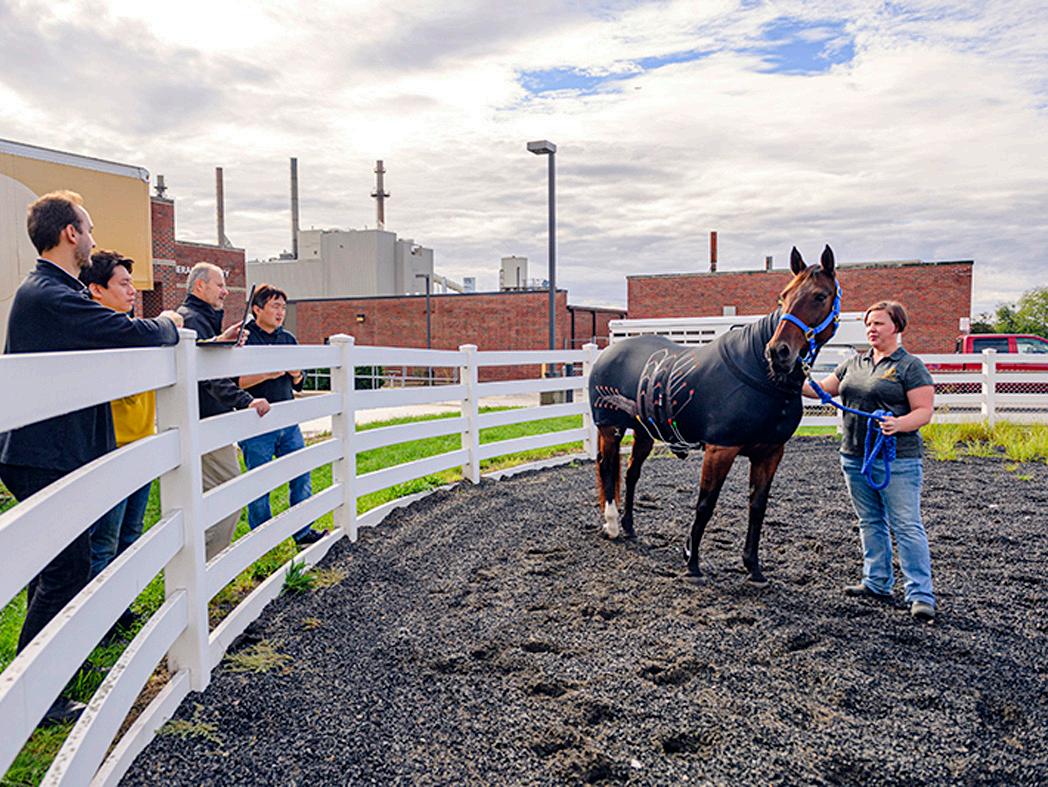
To add monitoring capabilities to the rugs, the team created a dual regime spray technique, allowing them to directly embed a pre-designed pattern of nanomaterials into the fabric. The sensors were then connected to a portable unit that shared the horse’s vital signs to a laptop via Bluetooth, collecting the valuable data in real time.
Why horse rugs?
For horse owners, e-textile technology could make it easy to monitor the health and well-being of their horses anywhere and anytime, as long as they have access to a device connected to the Internet.
According to Chi Hwan Lee, an associate professor in Purdue’s Weldon School of Biomedical Engineering: “Adding e-textile properties to existing garments (like horse rugs) helps scientists, researchers and clinicians take advantage of the garments’ already-existing ergonomic designs to secure a commercial grade of wearability, comfortability, air permeability and machine washability.”
Because of its unique physical attributes and ability to conform and stretch around the curves and irregular body shapes of equids, fabric is the ideal medium for monitoring a horse’s vital signs.
In terms of health assessment, this is a major leap forward. “These specially designed e-textiles can comfortably fit to the body of humans or large animals under ambulatory conditions to collect biosignals from the skin such as heart activity from the chest, muscle activity from the limbs, respiration rate from the abdomen or other vital signs,” Lee explains.
Improve and detect
Fabric is also more user-friendly, since placing electrode sensors directly onto a horse’s skin usually necessitates shaving the hair or applying messy and uncomfortable adhesive to keep the device in place.
Because numerous contact points are spread over a larger surface area, a rug with sensors is able to collect more data than separate electrodes. This also means that the rug potentially offers a more accurate observation of a horse’s health and wellbeing at any given time and can record their vital biometrics even when they are healthy.
Once a horse’s healthy baselines are established, e-textile technology may be able to detect anomalies that could point
to the onset of an acute diseases or the acceleration of a chronic condition.
A new frontier
E-textile rugs are a revolutionary development for remotely tracking changes to a horse’s health and behavior, as well as providing an early warning system for chronic illness flareups. Whether vets, nurses, and other caregivers are nearby or in a more remote location, e-textile technology allows them to monitor horses for signs of illness such as colic, laminitis or asthma.
Future work will involve developing systems for continuous 24-hour monitoring of horses with serious disease and those receiving treatment in veterinary intensive care units. “We believe that our technology will be helpful in diagnosis or management of chronic diseases,” Lee says, “especially as demand increases for remote health monitoring of cardiac, respiratory and muscular systems while the horse is moving about.”
According to Laurent Couëtil, a professor at Purdue’s College of Veterinary Medicine: “Continuous monitoring would allow early detection of disease flare-up before it got serious. Remote monitoring opens the possibility of sending vital information to the veterinarian to help make timely and informed treatment decisions. The flexibility of the technology will allow the e-textiles to tightly fit various body sizes and shapes, delivering high-fidelity readings,” he added.
A real-life example would be monitoring severe equine asthma, which affects 14% of adult horses.
This exciting technology has the capacity to collect and transmit readings and send the data to a horse caregiver wherever in the world they happen to be located. The data values and results could then be easily read via an enduser application for real-time control of the sensing parameters.
Wearable e-textile rugs might even be useful in tracking a horse's whereabouts. For example, a GPS tracker embedded in the rug and programed to send an alert if a horse escaped, or used as an additional security measure in high-risk settings such as shows or on overnight trail rides.
A patent for the technology has been filed by The Purdue Research Foundation Office of Technology Commercialization.
EUROPEAN TRENDS
FACING PAGE: Sensors embedded in rug fabric collect data to help evaluate a horse’s health and wellbeing.
BELOW: The Purdue University’s College of Veterinary Medicine team monitor a horse’s vital signs via a laptop and Bluetooth.
BOTTOM: Professor Laurent Couëtil (R) collaborated with Associate Professor Chi Hwan Lee (L) on the technologically advanced rug design.
All images by Rebecca McElhoe, Purdue University.
Centreline chic
As legendary style queen Coco Chanel once said, “fashion changes, but style endures”. KIRSTY PASTO explains why this is equally true in the dressage arena.
Without question, equestrian has long maintained a respected place in the fashion world, capable of combining athleticism and flair with equestrian inspired outfits not out of place on the fashion runways of Paris or Milan.
Today, modern riding apparel is admired for its chic design and functionality. However, there was a time in the not too distant past when the term ‘equestrian fashion’ may have conjured images of stuffy tweed jackets, balloon style jodhpurs, and bowler hats.
You may once have even been greeted at an equestrian event by a sea of plaid, beige and simple leather tack, but now you are more likely to be dazzled by diamante embellished brow bands, trendy tailcoats in a variety of stylish colours, and horses sporting bespoke equipment accentuated by colourful piping.
In today's fashion-conscious environment, and with so many fashionforward brands on the market, the possibilities for finding a distinctive style for both you and your horse to impress in the competition arena are endless.
Dress to impress
While some disciplines jumped on the fashion train a little faster than others, the sport as a whole has experienced an increase in trend-setting over the last decade.
Show jumping and eventing have typically always allowed for some creative freedom in the wardrobe department (think back to the excitement of choosing your cross country silks when you were at Pony Club, or the bright red coat sported by show jumping legend John Whitaker aboard Milton), but dressage has traditionally upheld conventional attire when it comes to presentation.
However, the discipline is now embracing the style movement with recent rule revisions allowing for more flexibility regarding competition dress, while preserving the expected sense of refinement.
Competition dress requirements have been significantly relaxed as a result of recent amendments to Equestrian Australia’s National Dressage rules. FEI rules have for some time allowed for more discretion around the choice of outfit, confirming that any jacket colour is acceptable as long as the coat is a single colour and is approved by the rider’s national federation.
Catching up with peak bodies in other countries, this year's Equestrian Australian (EA) rule revisions allow riders more leeway regarding their attire, including choosing jackets, lace-up boots, and an overall widening of the colour palette.
While the goal of the sport is to ride correctly and execute a dressage test in harmony with your horse, each combination is still assessed on their overall picture, and presentation is a component of that. Adding your own unique flair to your equestrian style may not only improve your appearance, but it can also make you feel more at ease
and confident in the saddle. So what can you do to jazz up your dressage style?
Jackets
Nothing says dressage quite like a beautiful tailcoat or smart, tailored jacket. Gone are the days when you could only buy a monotone black or navy competition jacket. Like the 'horse of a different colour' from the Wizard of Oz, jackets are now designed to bring the wow factor.
Black is still a staple classic, and almost every dressage rider has at least one hanging in their wardrobe. However, many additional colours are now permissible in the arena.
The EA Dressage Rules for 2022 have been altered to eliminate the requirement that the jacket be a "dark colour" and instead now allow jackets to simply be a
"solid colour”. However, before you run out to buy a custom pink jacket, the rules still have parameters and do not allow "bright colours such as pink, red, orange, yellow, and lime green”.
In contrast, some nations allow for a bolder colour choice. The United States Equestrian Federation permits "any single colour jacket or tailcoat" and it may even allow “modest pin striping, checks, or tweeds”, while the Netherlands stunned many at the Tokyo 2020 Olympic Games with jackets in their homeland's national colour of vivid orange.
It is not only the colour of the jackets that have been modernised over the years, so too have the materials. Traditionally jackets were tailored in a thicker material such as wool, giving the garment a stiff structure. These days it is
FACING PAGE: From baggy breeches to sleek outfits and carefully coordinated colours, centreline fashions have been revamped (Image courtesy elle.com).
LEFT: Simone Pearce riding Destano with mesh jacket, reflective helmet and embellished saddle (Image courtesy of the Australian Equestrian Team).
BELOW: Boots with front lace closures now have a tick of approval.
not uncommon for jackets to incorporate a stretchy fabric, adding an additional element of comfort.
Designers are continually revising their creations to guarantee maximum style and rideability, and have shifted to even lighter materials. As a result, ultra-sleek mesh jackets are now a popular choice for competition in the summer. The jacket is comprised of a lightweight elastic mesh fabric that breathes in the heat and is lighter than standard jackets. Although you may expect a mesh jacket to be see-through when worn, magically they aren’t.
Boots
Ask any equestrian, and they will tell you that not all boots are created equal. The top boot is the pinnacle of equestrian style, and the options are limitless. Patent leather, matte leather,
black or brown, and now boots with front lace closures are also available and competition legal.
The upper half of the boot may also feature ornate 'hunting tops' and other decorative features. If you are still keen to add a little more life to your boots coloured piping is also permissible as long as it matches the colour of the jacket.
Helmets
Isn't it true that dressage is all about the finer details? Then it comes as no surprise that helmets have become a trendy way to make a fashion statement. With top hats no longer competition legal, the helmet is the statement piece of the rider’s dressage attire.
Protective headwear allows riders to not only protect their melon, but also to complement their competition outfit. With many fashionable options on the market in varying price categories, helmets provide an eye-catching opportunity to impress.
As long as the helmet meets the appropriate safety standards, the
options are numerous. Although helmets should be "black or the same colour as the coat", embellishments and reflective strips now allow for a variety of looks.
Furthermore, the helmet may even be entirely reflective, although not mirrored,
to provide extra radiance as you dance down the centreline.
Tack
Under the current rules "coloured piping around the edge of the saddle is acceptable", meaning now even tack can be given extra personalisation, with the coloured piping trend extending to saddlecloths too.
Of all the equestrian equipment however, it may just be the browband that offers the widest range of choice for riders looking to add that personal touch to their ensemble.
Browband embellishments can range from delicate, imperceptible rhinestones embedded in the leather that catch the light, to loud designs that bedazzle every inch of the horse's forehead. Given the wide range of styles, colours, and materials available, there is certain to be something to suit both the rider's tastes and the horse's conformation.
When it next comes time to update your equestrian wardrobe, why not look outside the box and add your own unique flavour to your garb? After all, fashion is the armour for surviving the realities of everyday life, or, in this instance, the dressage arena.
ABOVE: John Thompson riding Chemistry and sporting an eye-catching blue tailcoat with yellow trim (Image by Kirsty Pasto).
ABOVE: From rhinestones to Swarovski crystals, embellished browbands are right on trend (Image by Kirsty Pasto).
Exceptional style meets top quality
With a reputation as one of the very best equestrian brands on the market, PS of Sweden has arrived at The Saddle Hub.
Once every so often a seriously spectacular range of products comes along, and PS of Sweden (PSoS) ticks all the right boxes. Their saddle pads, available in designs suitable for dressage and jumping, are so popular that it’s not unheard of for riders to snap up second hand pads in discontinued colours, paying more than the original recommended retail price in the process.
So what makes PSoS so special? For starters, their anatomically shaped, machine washable saddle pads feature elegant binding and unique stopcushions that help keep the saddle
pad in place. There’s extra room at the withers, and the pad’s underside features a quick-dry material that wicks away moisture, is anti-bacterial, and also dirt-repellent.
Then there’s the unique motivational quote that runs along the spine of each pad: ‘Growth is growth, no matter how small’, ‘Stars can’t shine without darkness’, ‘Don't tell your plans, show your results’, and one of our favourites ‘In the middle of difficulty, lies opportunity’, messaging that is absolutely on point.
When it comes to colour, PSoS excel. From vibrant shades of berry, orange,
pink and blue, to earthy greens and tans, their palette offers enough inspiration for you to get creative and customise your look any way you want.
Once you’ve settled on a theme colour (easier said than done, the options are all so tempting) it’s time to think matchy matchy with bonnets, boots and polos.
PSoS bonnets are designed to fit all types of horses and are crafted from breathable, stretchy, anti-microbial quick-dry fabrics. With classic crocheting and elegant piping details, the bonnet represents exceptional value for money.
Add to your PSoS collection with matchy matchy vegan leather bell boots and brushing boots featuring Velcro fastenings and artificial sheepskin padding. Or you may prefer to support your horse’s legs with PSoS’s anti-pilling fleece polos, also with Velcro fastenings and decorative detailing. The polos, sold as a four pack, are 3.5 meters long and can easily be cut to the length that best suits your horse.
Over the coming months, The Saddle Hub will be expanding their PSoS range as stock becomes available. And if you’re a VIP member, you’re going to love the generous discount The Saddle Hub offers on their entire PSoS collection.
Available stock is selling fast, so head over to equestrianhub.com.au and choose your PSoS colours.
ABOVE: Just a few of PS of Sweden’s fabulous colours.
LIFE AFTER RACING
A lifetime of care
The Godolphin Lifetime Care program is a global initiative spanning the four continents on which Godolphin operates.
The aim of Godolphin’s Lifetime Care program is to ensure the welfare and provision of a quality home for life for our much-loved racehorses when they retire. Our brand is our commitment to each horse’s ‘lifetime care’ and serves as a symbol of their quality education.
Rehoming has been a part of Godolphin’s racing and breeding operations since their inception. The overarching brand of Godolphin
Lifetime Care was implemented in 2016 to represent their goal of creating awareness, passion, and care for the Thoroughbred breed. From this shared global vision the programs in each region have a similar rehoming goal, although according to the facilities and industry programs available, the steps taken to reach this goal may differ slightly in each region.
The Lifetime Care program encompasses the whole of each horse’s
life cycle and signifies Godolphin’s commitment to their welfare, which includes providing the highest standard of care at every stage of development, both during and after their racing careers. Godolphin either retrain their retired racehorses as working horses to assist with the foundation education of the next generation, or they are rehomed as a companion, pleasure, competition horse, or even to play a role in equine assisted therapy programs.
Following retirement from Godolphin’s racing program, each horse is afforded a minimum six week spell before becoming available for rehoming. Depending on whether the horse retired from racing due to an injury, their spell may vary in length to allow for a full recovery and appropriate veterinary care.
Godolphin is transparent in the information they provide to potential new owners, which includes each horse’s full veterinary history with an indication of their expected range of exercise intensity – the aim being to ensure the horse meets the expectations of their new owner, and is suitable for their intended new career.
The after retirement training of Godolphin Australia’s racehorses varies depending on how they are to be rehomed. Our horses may:
Be rehomed out of the paddock following their spell;
Receive introductory retraining from Godolphin’s education team prior to rehoming, which primarily involves trail riding and desensitisation; or
Be retrained by an accredited or acknowledged retraining facility or individual, including Equine Therapy programs.
Godolphin places a strong emphasis on their horses’ education system, which begins when they are foals. They take pride in providing their horses with a solid foundation, which makes a positive difference later in life when they transition from racing into a second career.
We encourage anyone interested in offering a forever home to one of Godolphin’s retired racehorses to reach out by completing the application form found on our website. The questions listed in the application allow us to make an informed suggestion as to the horse that may best match what you are looking for. If there are no suitable horses at the time, each applicant is added to our database and will be contacted should an appropriate horse become available.
Once the perfect home for each Godolphin Lifetime Care horse is found, we do not charge an adoption fee although we do ask that the new owner signs our sale agreement. Essentially, this agreement outlines the transfer of ownership and the right to sell the horse on. Given that one of the main aims of the program is to find Godolphin horses a forever home in the first instance, we hope that there is no need for the horse to be sold.
However, we do understand that things don’t always work out the way we plan and that circumstances change.
To cover this eventuality, we require every owner of a retired Godolphin racehorse to remain in contact with us, and if a sale does become necessary, they are required to notify Godolphin of their intention to sell. We can then be part of the sales process to ensure our Godolphin Lifetime Care graduate’s next
We are committed to remaining in contact with the current owners of our retired racehorses.
home is just as good as the first. We are committed to remaining in contact with the current owners of all our retired racehorses and this extends throughout transfers of ownership.
Outside of the physical rehoming and care for our horses, the Godolphin Lifetime Care program seeks to create awareness
and grow people’s passion for the Thoroughbred breed. The way in which we work towards achieving this is through recognising and supporting those whose aim it is to achieve this very goal. We support and recognise programs in which the retired racehorse has a new career in equine therapy, or which showcase the Thoroughbred’s versatility.
We are committed to remaining in contact with the current owners of our retired racehorses. Whether they are used as a companion horse or pleasure horse, are competing at any level, or are simply teaching someone to ride, we cannot express how fantastic this is to see. Regardless of each horse’s success on the track we are proud and excited to see them transition into a second career and look forward to celebrating their success with their new owners.
If you have a retired racehorse that holds one of our three brands, we would love to hear from you! Join our Godolphin Lifetime Care Alumni today.
FACING PAGE: Floodlit (AUS) roping with new owner Paul Khan. ABOVE: Drochaid (GB) & Chetwood (AUS) out at a jump club day.
ADVERTORIAL
The benefits of hemp for horses
Throughout history hemp has been used to make ropes and other equipment, but only recently have we seen the equine industry’s uptake of hemp as a food and a bedding material.
For the last 12,000 years or so, hemp has been grown and processed for its fibres and value as a food.
Hemp seeds have a rich nutrition profile that includes protein, unsaturated fats, fibre, minerals and vitamins. Among other nutrients, hemp is a source of Vitamins E and B6, as well as magnesium, phosphorous,
potassium, iron and zinc. Compared to other vegetable oils, hemp oil has one of the lowest levels of unsaturated fats and highest level of beneficial polyunsaturated fats, providing not only omega-3 and omega-6, but also omega-9, and all in a form that’s readily bio-available. Complete with all the essential amino acids, hemp seeds are also very high in protein (around 35%).
Benefits of hemp seeds
Excellent digestible fibre (around 27%), which is comparable to copra meal
• Horses find hemp very palatable and it is readily digestible in the hind-gut
Hemp provides a good source of cool energy with 2.5 times more useable energy than protein or carbohydrates
Unlike soy, hemp does not need to be heat-treated to be edible
Unlike soy based feeds, hemp is free of phytoestrogens
Considered a super food, hemp may help ease joint pain and inflammation
The oils and protein in hemp may contribute to improving skin, coat and hoof health and condition
Unlike soy, nuts and other legumes, hemp does not contain trypsin (enzyme) inhibitors and oligosaccharides, which can cause stomach and gastric upsets.
What is hemp?
Hemp is not the same as cannabis in that it contains almost no delta 9-tetrahydrocannabinol or THC, cannabis’s psychoactive constituent. Nonetheless, the sale of hemp seed foods was prohibited in Australia until November 2017, when amendments to the Australia New Zealand Food Standards allowed them to be legally offered for retail sale.
While there isn’t a great deal of published scientific research into the consumption of hemp by horses, the anecdotal evidence shared across the equine industry is growing. Several US organisations are exploring the use of hemp-based feeds and supplements in the animal food industry, with the focus being on the safety and efficacy for livestock.
Why hemp is a great choice
Using temperatures below 38ºC, hemp seed oil is typically cold pressed and does not need to be chemically extracted or refined, making hemp a more stable, and therefore a healthier option.
A source of not only omega-3, omega-6 and omega-9, hemp seed oil also contains gamma linolenic acid (GLA). GLA is an omega-6 fatty acid which may produce a beneficial antiinflammatory effect.
Horses find hemp highly palatable, and it can be a cost effective way to increase the calories in your horse’s diet without adding the grains that may make them ‘fizzy’. Hemp can assist in maintaining or increasing weight, and may also help to heal gut issues, and improve muscle tone, coat and hoof health, and joint and tendon mobility.
How to feed hemp
Equihemp-Pro: a readily digestible and safe protein source with all the essential amino and fatty acids required for a healthy diet. Hemp protein is gluten free and a good source of cool energy. With a unique combination of essential amino and fatty acids, it is considered to be a super food that may ease joint pain and inflammation, support cardiovascular health, improve the condition of the skin, coat, hooves and tail, and act as a digestive aid.
Equihemp Pellets: the only horse pellets on the market with a completely natural herbal pre-mix, blended with highly nutritious and palatable Australian grown hemp meal, and rich in all the essential amino and fatty acids required for a healthy diet.
The pellets are blended with a variety of nutrient dense and antioxidant rich herbs. Aloe vera, chamomile, fennel and ginger are traditionally considered to have medicinal properties that sooth and support gut health, while beetroot powder and kelp are rich in vitamins, bioflavonoids, and minerals that may support a healthy endocrine system and help to boost immunity.
Hemp Oil is an optimum plant-based source of nutrition that is easy to digest, and may improve your horse’s health.
Customers who use hemp oil have reported a dramatic effect in three primary areas: skin and coat; joints
ABOVE TOP: Image of Cath riding her stallion, Remi. All these horses are on Equihemp pellets.
and mobility; and mood and anxiety. Added to food or used externally, you are very likely to see a difference within a matter of weeks, with your horse’s coats, ears, eyes, joints and hooves showing signs of improvement. The combination of omega-6 fatty acids, antioxidants, and plant cholesterol may
support overall joint health by helping to reduce inflammation, arthritis and pain in damaged joints, while also helping to build a strong immune system and enhanced blood circulation.
Somewhere amidst the hundreds of cattle and swirling dust you’ll find REBECCA NADGE pen riding on a large south west NSW feedlot. FEATURE
Tales from the feedlot
Asea of soft, brown eyes and rhythmical cud-chewing greeted me. ““Come on boys,” I urge, “let’s go!”
My voice was hoarse from whooping and encouraging the pen of cattle to amble out of the gate and spill into the laneway. It’s sunrise, and the dust lingers in the air as the group slowly gains traction and begins to march off in front of me.
I’m riding Tanami, an aged stock horse cross who’s probably seen and forgotten more about life at a feedlot than I ever will. We’re carrying out a pen move, which involves taking up to 355 head of cattle down a series of laneways from one area of the feedlot to another.
Most of the group are happy to keep wandering forwards, until one beast –I quickly learned there’s always one –decides to turn and make a break.
Tanami automatically spins on a dime and blocks his path, and I scold myself for letting him turn in the first place. That was another lesson I had picked up early: cattle are very quick to capitalise on any lapses in attention.
I’m working at JBS Australia’s Prime City Feedlot located at Tabbita in the south west of NSW. It’s a complex operation that runs about 30,000 head of cattle across 130 different pens. Having come from racing and eventing, I had virtually no idea what pen riding involved, but the idea of getting paid to ride my own horses seemed too good to be true and I figured everything else would fall into place once I got underway.
Like the other riders, it was my love of horses that drew me to the role. I had imagined the job to be something between campdrafting and cutting, but I soon found the best riders barely needed to leave a walk. Cattle are extremely perceptive to body language and positioning – a single mistimed step can change their direction or speed –and in most cases less is more.
While horses don’t need to be experienced in working cattle, they do need a good foundation to go forwards, sideways, stop, and turn willingly and without fuss. The lighter and more balanced a horse is to ride, the more focused a rider can be on assessing each beast for subtle signs of an early illness, which could be as simple as a dull look in their eye or a lowered head. An unsettled horse can stir up the pen, and the opportunity to see a vulnerable animal will be lost.
I was told early on that pen riders need to have a good eye, patience, and they need to care. Every beast at the feedlot is checked daily and using horses is more efficient than going on foot. The height from a horse’s back also makes it easier to survey a pen and notice anything that isn’t quite right. Cattle can suffer from bovine respiratory disease, which is the most commonly diagnosed
illness to affect Australian feedlots, but pen riders will be on the lookout for anything out of the ordinary, including stray cattle in the lane, sore feet, or weight loss. The earlier a compromised beast is noticed, the better the chance it has to recover, and riders will draft it from the pen and walk it to the on-site hospital where it can be treated.
I turned my attention back to Tanami and shifted my seat as I tried to get comfortable. I’d swapped my jump saddle for a swinging fender and jodhpurs for jeans, but my body still protests at the end of each day. My fortnight consists of eight days on and six off with roughly eight hours a day spent in the saddle, and almost six of those in a continuous shift. I’ve come to develop a new admiration for feedlot horses.
Not unlike people, feedlot horses have a good work ethic, trainable temperament, and come in all shapes and sizes.
I was warned that correctly fitted gear and proper horse management was essential and soon enough I could see why – I’d tracked my ride one morning and racked up 20 kilometres with over 1,100 transitions. Like most disciplines, conformation plays a part when it comes to managing soundness. Most riders also have at least three horses on rotation – something I was quick to point out to my boyfriend when he queried my latest horse purchase – and various pieces of tack to choose from.
The sun is up now and the feedlot buzzes with activity. I lock the last few beasts into the pen and laugh as the ever energetic Wagyu cattle follow us along the fence line and eagerly crowd around the gate. We ride out whether it’s rain, hail, or shine, but thankfully today is the latter. That was another thing I’ve been lucky enough to learn: a long day in the saddle will always trump even the best day in the office.
FACING PAGE: Riders arrive before dawn and are in the saddle at sunrise.
TOP: Feedlot horses need to be trainable and sound, and are usually rotated.
BOTTOM: Senior pen rider Gordon Jackson checks a pen. All images Rebecca Nadge.
Classical dressage Tuscan style
Tuscany. What’s not to love? Add some classical dressage, and your Italian adventure will be truly magnifico, writes MATHILDE GREGOIRE.
Australians have welcomed the end of border restrictions for vaccinated travelers with a sigh of relief. After two years of lockdowns, many of us are eager to embark on adventures we’ve been putting off –perhaps one that includes horses, great food, and a touch of poetry? If you’re a classical dressage enthusiast looking for a relaxing holiday in a historical European location with instructors who have extensive horsemanship skills, plus enjoy breath-taking landscapes and incredible cuisine while you’re there, Italy may just be your ideal riding holiday destination.
The origins of classical dressage
Did you know that Italy is credited for reviving classical dressage during the Renaissance? Many people believe the discipline began within Vienna’s famous Spanish Riding School. However, the origins of dressage can be traced back to 4th century BCE Greek Military Commander Xenophon and his treatise On Horsemanship. During the Italian Renaissance, Napolese noblemen revisited the works of Xenophon, and combining his principles with their own, created a version of classical dressage now known as Haute École.
A hidden gem
Not surprisingly, Italy still boasts some of the most prestigious classical dressage schools in the world, and Il Paretaio is one of Tuscany’s hidden gems. Nestled in the rolling hills of the picture-postcard Chianti region and surrounded by vineyards, the riding school, with its delightful farmhouse accommodation, offers a high standard of riding on well-schooled horses. The property is home to over thirty horses, including Lusitanos, Arabians, AngloArabs, and Dutch Warmbloods, all of which have been selected for their ability and kind temperament.
The riding holiday program at Il Paretaio is suitable for equestrians of all levels. The school’s focus is on mindset and communication, with an emphasis on mutual respect between the horse and rider, both on and off the saddle.
Their gentle and ethical approach to training favors a pressure-release method, and points to the importance of relaxation in the saddle. Using tai chi and yoga to complement and develop the rider’s own body awareness, their focus is on promoting a deeper connection with the horse.
Experienced riders have the opportunity to learn and perform advanced dressage movements on schoolmasters. From piaffe to passage and Spanish walk, there is something truly poetic about riding a wonderfully schooled dressage horse with a dreamy backdrop of hills and olive groves as far as the eye can see.
What will you learn?
While most guests stay for one or two weeks to improve their dressage skills, many are surprised by how much they learn in a short period of time. In the intensive program, riders receive one to two hours of tuition each day, either in semi-private or individual classes. While some prefer to learn on different horses, others choose to ride the same horse over the course of their stay. Benefiting from highly qualified instructors who keep track of your progress, you receive valuable feedback and are likely to experience significant progress in a relatively short amount of time. A lot of the improvements you’ll see during your stay are equivalent to many weekly lessons at home.
La dolce vita
There is a relaxed family feel in the way guests and hosts gather around a large wooden dinner table to enjoy traditional home cooked Italian meals featuring high quality, locally sourced produce. Guest accommodation is in typically Tuscan farmhouse rooms, with tiled flooring, wooden beams, arches, exposed stone walls, and late 18th century style furnishings. In between lessons, you have access to an open air swimming pool overlooking the glorious Tuscan countryside. Everything about Il Paretaio is designed to encourage
visitors to soak up the region’s rich culture and peaceful atmosphere. Due to the property’s close proximity to many UNESCO protected sites, guests can immerse themselves in a variety of activities and visit nearby towns and traditional villages, including Florence, Siena, and San Gimignano. So, no need to be concerned about nonequestrian family members or travelling companions – there’s more than enough to keep them entertained.
Il Paretaio welcomes both horse lovers and those who simply want to unwind, explore a historic and beautiful region, and indulge in cuisine with a worldwide reputation. If you are a lover of art, history and dressage, a riding holiday in glorious Tuscany might just be the perfect destination for you!
For more information, visit www.ilparetaio.it
FACING PAGE: The Spanish walk at sunset in the heart of beautiful Tuscany. TOP: Paretaio’s farmhouse accommodation is rustic and inviting.
BOTTOM: Natalie and Carline, ready for a ride through the rolling fields.
All images by Mathilde Gregoire.
Up close with Maya Delorez
JESS MORTON chats with Amanda Jacobsson, spokesperson for the acclaimed Maya Delorez label.
Since its launch in 2018, there’s been a lot of hype around equestrian brand Maya Delorez. The cutting edge Swedish company is renowned for blending ready-to-wear designs with high-tech functionality.
After selling one of her horses, brand founder Madelene Törnblom decided to use the sale’s proceeds to start up her
own e-commerce business, creating a brand that offers the sort of versatile and performance-driven products that she herself would buy.
From the very start, her strengths lay in knowing her target audience and how to reach them. She understood that equestrians ride better when they feel good in what they’re wearing, so
she set out to create a range of apparel designed to maximize performance whilst ensuring style and comfort.
Thanks to direct-to-consumer content and a largely organic content marketing strategy, the company has expanded rapidly over the past four years and continues to grow, leveraging its valueoriented, high-performance innovation to scale internationally
While other more traditional brands rely on external retail outlets to promote their products and values, Maya Delorez remains exclusively in-house through their web shop, social channels and horse shows, creating a more personalised shopping experience for the brand’s community of loyal, engaged followers.
JM: What makes Maya Delorez unique?
AJ: We stand out because we sell riding apparel adapted to all elements of equestrian sport. We know that riding is sweaty and tough, and we know that equestrians need gear that helps maximize athletic performance, not make it harder. Our product range is designed to be functional, without
FASHION TRENDS
compromising on style and comfort. With collections for kids, women and men, we offer something for all riders.
JM: What’s your best-selling product?
AJ: Our breeches, big time! Compression breeches are by far the most popular with our customers.
JM: Do you think equestrians buy according to their favorite brand?
AJ: We have loyal customers coming to us from all over the world. The feedback they give us is that they come back to us because of the way each product fits and how that makes them feel when they’re wearing it. So, with that in mind, yeah, we think a lot of equestrians shop according to their favorite brand – that is, if they find a brand that meets their requirements.
JM: Is there crossover between lifestyle and competition wear?
AJ: Our everyday range is by far the largest and most popular. But with competitions starting up again after the pandemic we are beginning to sell more competition wear.
JM: How did the pandemic change the equestrian world?
AJ: The pandemic has affected equestrian sports in many ways.
For example, there have been many canceled competitions, horse fairs, and international events around the world. But we also believe that our industry has helped many people during these tough times. The stable can be a safe place where you get the opportunity to escape reality for a while, clear your mind, and think about other things.
Now that the pandemic is hopefully coming to an end, we believe that all people, not only those who take part in equestrian sports, will appreciate what was lost and gained over the last two years.
JM: What recent Maya Delorez achievements are you proudest of?
AJ: Our global expansion and how equestrians from all over the world are joining our community. Nothing makes us happier than when customers contact us and tell us they are satisfied with their purchases. And last year, together with professional rider Carl Hedin, we launched our first men’s collection. All the products in that collection turned out so well, and the general reception was above all of our expectations. That makes us proud too!
JM: What do you think will be on trend this year?
AJ: As competitions begin to reopen here in Europe, a boom of new, exciting pieces adapted for the show scene are likely to appear on the market. We just released our first show jacket, a classic style made from a functional fabric. We also think that athletic and wearable styles are here to stay, and that this trend will become even more evident in 2022.
JM: Will your collection remain online only?
AJ: So we can keep as much of our business in-house as possible we only sell directly to our customers. That also means we maintain more control over our supply chain, guarantee both fast and flexible service, and interact with our community directly. We have our own Maya Delorez warehouse and our own customer service team who know every one of our products by heart, and they also understand our customers. That is important for us.
This year, we plan to continue our global expansion, make our website available in more languages, and build a strong bond with every single client by making him or her feel a fundamental part of our community.
FACING PAGE: Nadine Competition Sport Shirt. ABOVE LEFT: Jackie Compression Breeches. ABOVE RIGHT: Adele Show Jacket.
Scotland’s iconic Clydesdales
Born and bred in Scotland, Clydesdales have travelled far and wide, writes MATHILDE
GREGOIRE.
There’s no mistaking a Clydesdale! Their size alone is enough to etch them on the memory – probably one of the reasons why, back in the day, the US brewery Budweiser chose to feature a team of these impressive draught horses in their famous advertising campaigns.
But the Clydesdale comes from humbler beginnings. In the 1700s, with the aim of improving local horses’ suitability for farm and other heavy work, Flemish stallions were imported to the county of Lanarkshire in Scotland and crossed with native mares. Shire blood was later introduced to boost the breed’s size and power, and by
1826 the horses had become known as Clydesdales in recognition of Lanarkshire’s River Clyde region.
The official seal of approval arrived when a breed society was established in 1877, followed by the export of numerous Clydesdales in the late 19th and early 20th centuries. It’s estimated that between 1884 and 1945, over 20,000 horses were shipped overseas, with around 1,600 stallions leaving Scotland in 1911 alone, bound for countries throughout the British Empire, as well as to North and South America, continental Europe, and Russia.
When Clydesdales arrived in Australia during the early days of settlement, their strength was put to good use. Capable of serious heavy lifting, the breed became popular and in 1918, the Commonwealth Clydesdale Horse Society Australia held its first meeting – an organisation which today still promotes and preserves the breed through the Clydesdale stud book.
But by the early 1900s, the global future of Clydesdales looked gloomy. With a
decreased demand for horse-drawn vehicles as advances in technology resulted in the motorisation of agriculture and transport, plus the loss of numerous Clydesdales conscripted to serve in WWI, their numbers began to dwindle resulting in their near extinction in the years following WWII. While thankfully that situation is now somewhat improved, the breed is still catagorised as ‘at risk’.
The average Clydesdale stands between 16 and 18hh and weighs from 820 to 900 kilograms, although mature males can exceed 18hh and reach 1,000 kilograms.
Coupled with their imposing size, Clydesdales are characterised by their white markings and long, silky white feathers. The most common colour is bay, and while infrequent, black, grey, chestnut, and Sabino patterning (which produces roaning) does occur. By nature, they are highly intelligent, intuitive and kind, making them wonderful therapy horses.
With a strong back and long, wellmuscled hindquarters, the depth through their chest and length of leg
should be approximately proportionate, a ratio which enhances the Clydesdale’s strength and pulling power.
A robust breed, and generally easy to care for, they are susceptible to chronic progressive lymphedema (CPL), a condition often seen in draught horses - particularly Clydesdales and Shires, which share a common lineage. With no known cure, CPL results in progressive swelling of the lower legs due to a reduced capacity for lymphatic drainage. It can also produce hyperkeratosis (a thickening of the outer layer of skin) and fibrosis of the lower limbs. Thought to be a genetic disorder, the cause of CPL is unknown. Nevertheless, experts recommend that affected animals should not be used for breeding.
Clydesdales are also susceptible to ‘Clyde’s itch’, a skin condition of the lower leg usually caused by an infestation of parasitic mites where feathering is heavy, and to sunburn around unpigmented areas of the face.
Due to their quiet temperament, Clydesdales are a popular addition to the British Household Cavalry, serving as drum horses and leading a variety of ceremonial parades. In order to comfortably carry the Musical Ride Officer and two silver drums each weighing 56 kilograms, drum horses must stand at a minimum of 17hh.
These days, Clydesdales are used not only in their traditional role for farm work and carting heavy loads, but also
under saddle. Their calm disposition makes them easy to train and they can make excellent trail horses. These gentle giants are a popular feature in agricultural shows around Australia, most notably the Sydney and Melbourne Royals, where they steal the spotlight in the show ring both in-hand and under saddle, as well as in various demonstrations and parades.
Still the pride of Scotland, the breed has a significant place in the nation’s history and culture. Falkirk’s Helix Park is home to the largest equine sculptures in the world, a monument to Scotland’s horse powered heritage. Known as The Kelpies and created by artist Andy Scott, these two 30 metre high metal horse heads were inspired by the lochdwelling creatures of Celtic mythology, said to be horse-like beings able to adopt human form. The sculptures were modelled on the heads of Baron and Duke, two local horses, who, among many other Clydesdales, have surely earned their place in history.
Keen to know more about Clydesdales? Then drop over to clydesdalehorse.com.au and clydesdalehorsesociety.com
FACING PAGE: Budweiser’s immaculately turned out Clydesdale team.
ABOVE: Thirty meters high, ‘The Kelpies’ are Falkirk’s tribute to Scotland’s Clydesdales.
LEFT: Sabino patterning is more usually recognised as roaning.
Come home to Sunnyhill
Nestled in Victoria’s magnificent Yarra valley, 4 Giles Road, Yellingbo is an outstanding equestrian property.
Set amidst professionally planned and curated gardens in a coveted Yarra Valley setting, Sunnyhill is a captivating lifestyle proposition. Enjoying a glorious north easterly aspect towards Mt Toolebewong and Healesville, this well-established equine property features outstanding private training and agistment facilities.
With thoughtfully designed stables and barn, a magnificent 60 x 20 metre indoor arena with Martin Collins surface, a 14 metre lunging yard, and grassed paddocks bordered by electric fences, this quality property speaks of professionalism at every turn.
The superb Fasham designed home incorporates a separate studio wing, and there's a character filled B&B cottage
with great income earning potential. The main residence is designed to be low maintenance, solar passive and eminently liveable. Featuring large profile slate floors, raked ceilings and expansive glassed areas, it provides a wonderfully relaxed living environment that makes the most of the outstanding views from every room. A study, selfcontained studio wing perfect for guest
accommodation, and an extensive sundeck with adjoining naturally filtered plunge pool complete the picture.
The B&B cottage is surrounded by gardens and is perfect for extended family visits, or passive income generation. The entire property is serviced by a reliable bore that produces drinking quality water to the residence and outdoor facilties.
Shedding and storage is plentiful, with ample covered areas for machinery and horse transport. And if you’re thinking of establishing a business on site, the private office and workshop space will be ideal.
Whether your equestrian career is in its early stages, or you are a competitor with experience on your side, Sunnyhill will more than meet your requirements.
A comfortable hours' drive from Melbourne and with all the wonderful Yarra Valley eateries and wineries on your doorstep, you'll be more than tempted to call Sunnyhill home. Visit neilsonpartners.com.au for more details, or to book a private inspection.
FACING PAGE: Surrounded by curated gardens, Sunnyhill is an attractive lifestyle proposition.
Even the barn makes the most of the Yarra Valley’s glorious views.
Slate floors, raked ceilings and expansive glassed areas make Sunnyhill eminently liveable.
The magnificent indoor arena’s Martin Collins surface suits a variety of disciplines.
REVIEW
PDS Escapado
Part of the Carl Hester collection, the PDS Escapado is designed for close contact and rider comfort, offering support without constricting or forcing position.
In eighteen months Steven the Standardbred had changed his shape, blossoming into a muscular gelding with a well-developed topline. It was time to find him another saddle.
His owner, Skye Wassens, explains that her Kieffer Europe no longer fitted him. “I needed one which accommodated his massive shoulder and very round barrel, and all my other saddles were unsuitable.”
Skye, who lives in Beechworth, Victoria, is an Associate Professor at Charles Sturt University and an internationally recognised ecologist. “I have a property with my partner, I occasionally go away on field work and the rest of the time I’m based at home with the horses. They’ve always been part of my life,” she says. “My family and I rode a variety of breeds. We also had donkeys which had no withers and very straight backs causing saddles to slip forward, so we rode them bareback or on an old exercise pad!”
These days she trains in Three-Phase Equitation (3PE) and in classical dressage which, she explains, focuses on creating natural self-carriage by working with the horse’s biomechanics. “And I’ve begun 3PE because it’s good for green horses and keeps their minds on the job,” she adds.
Steven will be starting 3PE very soon wearing his Escapado. “He’s pacer bred and when I got him in 2020 he was just out of training. He never made it to the
racetrack. It took him a while to establish a quality trot, but once it and his lateral work were established, the canter came naturally.” Skye gave him a chance and she gave him the time – and he responded.
When looking for a replacement saddle she wanted to ride in one for at least a few hours. “With The Saddle Hub there’s a fourteen-day trial. You can take it out on long rides, ensure it doesn’t slip back, and get a saddle fitter if necessary.”
The PDS Escapado is especially suited to a wider, lower withered horse like Steven. It also has knee rolls. “I’d never ridden in them before which was another reason I wanted to trial it. I got used to them after a couple of rides and they’re certainly
handy out on the trails when he shies at quails flying out of the grass!”
Initially Skye was going to train up her Standardbred and move him on. “But I’ll continue working with him, and I’m looking at getting another one. Steven’s been enjoying his work, he’s so tractable, sensible and very comfortable in his Escapado. It worked out so well buying it through The Saddle Hub.”
The Saddle Hub has a wide variety of top quality second-hand saddles, so why wait? Visit www.equestrianhub.com.au and browse through their fantastic range.
All saddles come with a two-week trial, finance options, and a courier right to your door. Terms and conditions apply.
TRAINING TIPS
Tackling combinations
The legendary VICKI ROYCROFT has attended six Olympic Games – three as a rider, three as a coach – and knows a thing or two about combinations.
Vicki Roycroft is the only woman to have competed in two equestrian disciplines at the Olympics – eventing once and jumping twice. She’s also competed in three World Championships and four World Cup finals, and to date has won more World Cup Qualifiers than anyone else in Australia. Another arrow in her quiver is her ranking as a qualified Level 3 EA Coach – so, all in all, it’s fair to say she knows a thing or two about negotiating a line of fences! We were lucky enough to glean some brilliant pearls of wisdom from Vicki that you can take away and immediately implement with your own horse.
Keep the horse saying yes
Among the brightly coloured poles and fill, the combination is a course staple. This set of obstacles always elicits much chatter from competitors as they walk the course. How many strides? What line to take? How to ride to it? Well, now’s the time to tame those doubles and triples.
Here’s what Vicki has to say: “The thing is, the combination is the easiest place to scare a horse. If you screw up at a single fence, then you just make your one mistake and ok, you’ve knocked a rail down, or made the horse bust its guts a bit. But if you do it at a combination, you screw them up for two or three fences.”
Vicki points out that while your horse can forgive you for making a mistake at a single fence, a combination is a different proposition: “They’re going to say ‘this person doesn’t know what the hell they’re doing’, and they’ll obviously start to doubt you. Then you’ve got problems to repair.”
Getting further into the details, Vicki mentions her musings are not her own original thoughts, but rather what she’s learned along her journey. “I’ve been very blessed to be coached by the best people on the planet: Wayne Roycroft, Bill Roycroft, George Morris, and that’s all the stuff that I follow. George’s philosophy was always ‘over,
under or through’. Once a horse starts, I’d rather have a rail from an over-ride than an under-ride, because that way you’re not going to shatter your horse’s confidence. If you under-ride a fence, especially a combination, and they get into a bit of trouble, or even if they don’t get into trouble and manage to struggle their way through it, you’ve scared them. The next time they’re going to think
FACING PAGE: Congo Z, the last horse Vicki won a World Cup Qualifier with, at home at the Roycroft Stables in Mount White (Image courtesy Vicki Roycroft).
ABOVE: Vivarchi, bred and co-owned by Warwick and Sophie Miller, competing at Sydney Jump Club (Image by Ashleigh Truscott Photography).
hang on, this is a bit scary, so you’ve got to either ride it a bit harder or go down a level, where you can re-gain their confidence,” she says.
Summing it up, Vicki lists her key points. “Number one, if in doubt, over-ride it a bit and, number two, if you do encounter problems, step back and go down a level. Don’t try and fix things at the same level the horse was frightened at.” She frames it like this: “The guiding principle is that it only takes five minutes to scare a horse, but then it takes five weeks to do the repair work. You’ve always got to work on the horse’s attitude being ‘what would you like me to do now?’ Not, ‘I really don’t want to do that!’”
Think like a horse
There are exercises a horse and rider can, and should be doing during training to prepare for riding combination fences well. “Straightness is the big deal, and it’s not just straightness approaching the fence, but straightness after a fence – being aware of maintaining a straight
line. A stop is the end result of a lot of problems. The horse may have already lost confidence a bit, or you’ve let the horse have a big drift, or get crooked. Riders have got to start thinking like a horse. A show jump fence is about three or four meters wide, the horse’s first logical thought is ‘well, if I deviate my line two metres one way or the other and go round this, then why should I spend the effort to go over it?’”
Vicki highlights a big issue that green riders should be conscious of, something she often sees playing out: “Be aware of what is happening after the fence. You might have a difficult turn to make, or your next fence might be five strides away on a straight line. You’ve got to be straight. You’ve got to be in control for the whole line, not just in front of the fence, but also after it. It’s critical, of course, with a combination that the horse stays straight.”
She says that the better you ride up to and away from single fences, the better
you will ride combination fences:
“A lot of horses have a drift or are a bit crooked, but you’ve got to try and keep them as straight as you possibly can, so they’re focused on the job of jumping the fence.”
It’s not all about jumps
Whether you’re aiming to clear a double, triple, or just a single fence, if a horse is unbalanced, crooked and unrideable on the flat, it’s not likely to jump well.
“Riders need to focus on jumping being ninety per cent flatwork. It’s about getting to the fence, then getting away from the fence and getting to the next fence. It’s not exclusively dressage flatwork, because in a dressage test you’re in a sixty by twenty metre arena and you know exactly where you’re going to do all your movements. In a jumping arena everything happens a lot quicker,” says Vicki. “You go from collected canter to gallop within a few strides and you do a different course every time. So, our flatwork has to involve horses that are a lot
ABOVE: CW Conquest, then owned by Maryam Reda, showing wonderful technique at Sydney Jump Club (Image courtesy Vicki Roycroft).
Wax-Trax
Wax-Trax
Wax-Trax Synthetic Footing has been installed at many national and international venues for racing, show jumping, eventing, polo and training in arenas gallops, walkers and lunge rings for its natural feel and performance. A combination of chopped polypropylene fibres, Classic White polyester and polyurethane, and selected fine high grade multi washed silica sand, which is carefully weighed and blended with the addition of a wax coating.
• High degree of impact absorption
• Irrigation free performance
• Tolerant of climate variance
• Easy to alternate going
• Minimal kickback
• Resilient and durable
• Free from toxic additives and aromatics
• Stable cushioned going
more prompt to our aids and stay very balanced all the time. It doesn’t matter if they get a little high in the head at some point, as long as they’re on their hocks and as long as the engine, the hindquarter, is working.”
While you might be able to get by up to a point, you need to be more particular and accurate as you move up through the levels. “Sixty centimetres, ninety centimetres may not be such a big deal, the horse can manage that. But once you start getting a little more ambitious, you’ve got to be a better rider on a better educated horse,” Vicki explains. “That’s why we’ve got to focus so much of our effort into getting a good canter, getting good balance, getting a good take off distance – then you can make it easy for a horse. Unless it’s a double of verticals, you’re going to ride a combination a little more aggressively than you’d ride a normal fence.”
Toolbox favourites
While Vicki doesn’t mind jumping grids, she says that for her they’re not the be all and end all of productive jump schooling: “Grids are quite good in clinics because you can work on a rider’s position and they’re also good to get a horse a bit sharpened up and make them think about their technique more, but grids are just one of the many tools in the box. I prefer related distances, like up to five and six strides so riders can develop their judgement and develop an eye for a distance.”
When it comes to poles, Vicki is a raving fan: “I love poles, I love cavaletti! I do a lot of those, because again, they help train your eye and judgement when riding a line onto a fence and away from a fence.”
She believes poles are great for taking off the pressure, but still improving your technique over combinations of any variety. “It’s actually harder to canter a pole on the ground than canter a
fence, because when you’re cantering a fence, there are two pairs of eyes on the fence, or in my case, one and a half pairs, because I’ve only got one eye,” she chuckles, “but the horse isn’t looking to judge a distance to a pole, so it’s always a little more difficult to ride it. It’s good practise, you’re not going to scare a horse cantering over a pole or cavaletti, and the rider is going to make themselves better at picking a smooth distance.”
For Vicki an overarching key to victory while jumping combinations is confidence. Both the horse and rider have to be confident in one level before they go up to the next. A double or triple has the potential to be the easiest place to frighten the horse, so take the time to improve it by training at home on the flat and over poles, as well as over actual fences. Improved straightness and balance, with a powerful engine underneath you, will help set you on the straight line to combination success.
ABOVE: Dynamite Bay (co-owned with Robynne McTaggert of Noblewood Park Holsteiner Stud) showing plenty of scope (Image by OzShotz).
All in a day’s work
With horses to train, shows to attend, textbooks to read and essays to submit, sometimes there aren’t enough hours in Steph Hann’s day, writes SUZY JARRATT.
Life is full and very varied.
“I’ve recently been told I should occasionally take time off so I’ve allocated one day a month when I can do housework and frivolous things,” declares 24-year-old eventer Steph Hann, who is studying for a Bachelor of Teaching. “I spend many late nights getting everything ready, and go into Adelaide Uni twice a week. Getting a teaching degree is a contingency plan as I know how difficult it can be to make a living from horses.”
Based in South Australia, Steph lives with her family on eighteen acres in Aldgate.
“My grandmother was an international dressage judge and Mum trained and rode dressage but gave it up when she had my brother. He’s scared of horses.”
Both her parents, Terry and Hilary, are professional photographers. “Dad specialises in racehorse photography and Mum in wildlife. I’m very lucky to have their help and support in everything I do. Mum comes to shows and is groom, videographer, counsellor and co-driver of our float.”
Often in that float is True Celebre, aka ‘Wally’, Steph’s eventing partner on various national and state squads. “He’s by Peintre Celebre (USA) out of Dalzing and raced for a couple of years but not very successfully,” she says.
“I got him from Mildura as a nine-yearold. He was meant to be a sell-on horse but then he stayed.”
In 2019 they were selected for the National Youth Squad to compete in the Oceania Championships in Taupo. “Some of those memories are bittersweet,” she recalls. “After a final gallop before leaving for NZ Wally was uneven, I think it was a stone bruise, and after discussions with the vet and Chef d’Equipe we decided it wasn’t worth the risk of taking him away. But it was still a great experience attending the training camp in NSW where I learned an immense amount from team coach, Will Enzinger, and Sam Lyle.”
YOUNG RIDER
There haven’t been many competitions recently. The Ballarat International Horse Trials in early May will be the next big one for Steph and Wally. “When it comes to competing I used to get nervous,” she explains, “but I’ve tried hard at turning that into excitement. I work a bit with sports psychologist, Jacqui Sandland, who used to be an eventer.”
One of Steph’s main teachers is Lucy Williams. “Before moving from the UK she’d trained with Chris Bartle for six years. I’ve been working with Lucy for ten years, she’s a very important part of the team and a good friend. I’ve also been lucky enough to have lessons from Martin Plewa, one of the most highly qualified trainers to come to Australia.”
Those I respect in the equestrian world are Ingrid Klimke, Carl Hester and Klaus Balkenhol.
Steph doesn’t have heroes, but there are some riders she holds in very high regard: “I’m not a fan of the idol thing as that implies they’ve never made mistakes but those I respect in the equestrian world are Ingrid Klimke, Carl Hester and Klaus Balkenhol.”
She is also on the SA Dressage Squad with several Brockhurst Stud horses owned by Georgie Ray and Scott Donner, who regard Steph as a tactful and beautiful rider. “I’ve been showing for them since 2017,” she tells me. “Their Oldenburg mare StPrS Light My Fire recently won a National Performance Gold Medal, and their German Riding Ponies, Rainbow Dancer BHI and Golden Delight BHI are both state champions. A couple of special young ones are presently being broken in and I’m very excited to be hopping on them very soon. There is a lot to look forward to.”
And inbetween she will still make the time to study for that degree!
FACING PAGE: Steph and Brockhurst Stud’s StPrS Light My Fire BHI ride an Elementary test.
TOP: With True Celebre in the CCI3*-L at the 2018 Adelaide International.
BOTTOM: Steph and Wally compete in the 2020 CCI4* at Wallaby Hill.
images by Atkins Photography.
Basil
HIGH FIBRE COOL ENERGY FEED
HARNESSING THE POWER OF SUNFLOWER SEEDS, AN ALL NATURAL SUPERFOO D
Omega Feeds has formulated a palatable, high fibre, low starch feed that contains a balanced blend of vitamins and minerals to ensure optimum health and vitality. No-Grain Gold is suitable for ponies, spellers and horses in light to medium work.
High Fibre: For gut health and cool energy.
Non Pelleted: Horses spend more time chewing which stimulates saliva production and in turn buffers the stomach and protects it from ulceration.
Low Starch: Reduced risk of digestive upsets and metabolic conditions.
Balanced blend of vitamins and minerals: For optimum health and vitality.
100% Australian, proudly supporting Australian farmers
20 Questions with Bridget Murphy
A horse lover and rider all her life, Bridget Murphy made the move to Para Dressage three years ago and has not looked back.
Q. Is your family horsey?
A. My mum, grandfather and greatgrandfather all had horses, but I’m the only one of my siblings with the ‘horse gene’.
Q. When did you begin riding?
A. As a toddler I sat on any horse I saw and I was ten when I started riding properly. I’m now 33.
Q. Do you live on a property with your horses?
A. No, but I’m lucky to have them agisted very close to home in the Yarra Valley.
Q. Do you have someone assisting you?
A. Mum was a huge help when I was younger but now I do much of it myself, or with help from a friend who’s stepped in to groom since I began Para Dressage.
Q. You’ve had a long-standing relationship with Pony Club.
A. I joined when I was 11. I ran the Junior Committee when I was a riding member and when I ‘left’ I returned as a coach and am presently on the Club’s committee. I was very honoured to receive the Pony Club Award of Merit.
Q. Do you still hold a PC Instructor’s Certificate?
A. Yes, and I’m looking forward to getting back to coaching and judging now restrictions are lifting.
Q. Are you still in a leadership role in your local Horse Riding Clubs Association of Victoria branch?
A. Unfortunately I’m not involved at the moment, but I might come back to it soon!
Q. Do you have other work away from horses?
A. Yes, I work in the disability sector.
Q. Who was behind your move to Para Equestrian and how old were you?
A. I was 30-years-old and Sharon Jarvis can take the blame for that one!
Q. About your current horses.
A. Macey (Penmain Promise) is a fiveyear-old Welsh x Dutch Riding Pony who I bought during the 2020 lockdown. I’ve been enjoying bringing her along, and I also have Tash (Dracmoore Flirtacious). Unfortunately, she had a paddock injury last year but her rehabilitation is progressing well.
Q. What’s your Para Equestrian grade?
A. I’m classified as a Grade 2 which means my tests comprise walk and trot movements, with leg yields and lengthening too. We can show lateral work in our freestyles but aren’t allowed to canter.
Q. What do you look for in a suitable para horse?
A. For me temperament and trainability are a priority. Then the horse should have good paces, especially those specific to your grade. In my case as a Grade 2, the horse doesn’t need a good canter.
Q. How are para horses trained?
A. Any horse with a willing and trainable temperament can be a para horse. Training will differ as each rider has different needs, for example learning whip instead of leg aids, or being more responsive to voice aids. There are no rules regarding breeds, types, or height requirements but to compete at FEI level they must be six years or older. To be competitive on the international stage they need to have flash, quality paces and the temperament to cope with big crowds and arenas, which can be a rare combination to find.
Q. What is the highest level you’ve competed at?
A. FEI level in Para Dressage.
Q. Do you get nervous before an event?
A. I don’t like people watching me ride so I do get nervous, but I’m learning how to redirect that energy into something helpful.
Q. Do you have any pre-competition superstitions?
A. Maybe socks. If I’m having a good run I make sure the socks I’ve been wearing get packed for each comp –washed, of course!
Q. Do you compete in open company and are you competitive?
A. Before starting Para Dressage I only ever competed in open company. I hope to soon get my young horse out to some open competitions while she’s still too young for the Para Dressage classes. I always want to do better against myself, but I don’t see me as ‘competitive’ –that’s not what drives me.
Q. Like many riders, do you regularly visit a physio or the like?
A. Yes. I have realised how important it is. Of course, the horses get treatments first but I try to go at least once a month to my physio or myotherapist.
Q. Is there rivalry between Para Equestrians?
A. Yes and no. There are definitely some who are competitive and you don’t want to get in their way on game day.
But riders are mostly pretty supportive and want to see each other do well.
Q. Are there any improvements you would like to see made to the Para Equestrian landscape in Australia?
A. The sport is constantly changing and there are some great people behind the scenes working on it. I think two things would make a huge difference. Firstly, more competitions offering Para Dressage at a grass roots level. This would help riders get involved without having to go straight out to the big comps.
The other thing would be for more owners to get involved with the sport. We have some brilliant riders who could potentially bring home more medals if they just had the horsepower to match the international riders. There are lots of ways for owners to get involved and it’s a fantastic experience for everyone.
For more from the talented Bridget Murphy, head over to our VIP area.
FACING PAGE: Temperament and trainability are a priority in a para horse (Image by Susan Jeffers, Equine Images Victoria).
ABOVE LEFT: Bridget and Dracmoore Flirtacious (Image courtesy Bridget Murphy).
ABOVE RIGHT: With Welsh x Dutch Riding Pony Penmain Promise (Image courtesy Bridget Murphy).