Membership CommitteeChair Enrique Garcia JPMorganChase Bank
Affiliate Governor Meghan Conan ASTM International
Affiliate Governor
Victor DeTroy AEI Consultants
55 | PFAS Corner
56 | Emergent Risk: The Developing Landscape of PFAS Liability and Regulation
70 | Industry Perspectives for Evaluation of PFAS in Commercial Lending
91 | EBA Membership
92 | Spotlighting New Members
93 | Comprehensive Evaluation and Mitigation of Vapor Intrusion in Real Estate Redevelopment
95 | AI Déjà Due Diligence: Can ASTM Protect the Industry From AI Slop?
101 | ASTM International Updates
105 | What Data Centers Really Are and Why Their Impacts Matter
113 | EBA DEI Committee: Insights from the Virtual Conference Poll
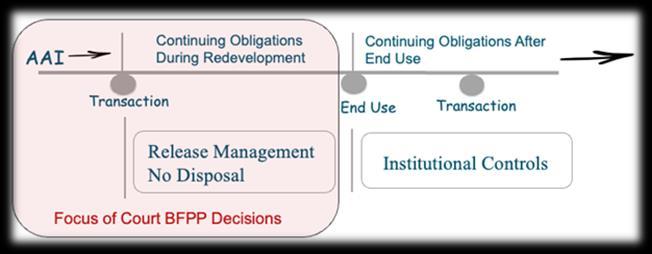
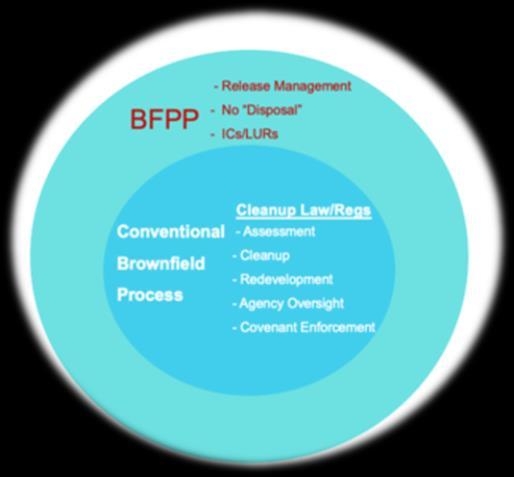
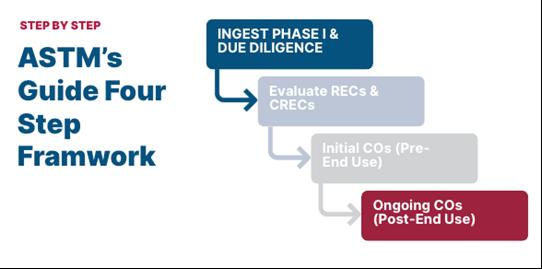
117 | Learn From the Mistakes of Others: A Review of CERCLA’s Bona Fide Prospective Purchaser Defense to Inform Winning Strategies
129 | EBA Gives Back Committee to Host Event Supporting
133 | Property Evaluations Made Easier
137 | Common Phase I Issues: A Brief Reflection
140 | Upcoming Conferences
142 | EBA Committee Roundup
143 | Thank You to Our Sponsors!
144 | Celebrating 10 Years: View Our Past EBA Journals
145 | Contact Us
David Lambert, Outgoing EBA President
A Legacy of Growth and a Warm Welcome to San Diego 2026
Dear EBA Colleagues,
As we look forward with excitement toward our 2026 Annual Conference in San Diego, I find myself reflecting on the incredible journey we have shared. After 11 years serving on the Board of Governors, I will be stepping down, knowing that the EBA is in the exceptional leadership of John Rybak of Truist. John’s vision, supported by our dedicated Board, ensures that the EBA’s future is brighter than ever as we gather on the West Coast to continue our vital work.
A Decade of Progress
It has been an honor to witness the transformation of this organization over the last 11 years. Together, we have reached significant milestones that have solidified our foundation:
➢ Financial Strength: We successfully built our reserves, ensuring the EBA remains a stable and resilient home for environmental professionals.
➢ Investing in the Future: We strategically reinvested those resources into our future via our premier educational programs.
➢ Professional Excellence: Seeing the Environmental Risk Manager (ERM) certificate program come to life and move toward full IACET accreditation has been a defining highlight of my tenure.
Welcoming the New Guard
As I transition out, I am energized by the new board members joining our leadership. It is truly inspiring to see new perspectives and the future of the industry getting involved. This infusion of fresh ideas is exactly what will keep the EBA at the forefront of the dynamic environmental risk landscape.
Gratitude to Our Community
The present-day EBA would not exist without the tireless dedication of our members. Thank you to all of the volunteers who have contributed their time, expertise, and passion. Whether you’ve served on a committee, helped shape our curriculum, or organized our conferences, you are the heartbeat of this association.
I look forward to celebrating our collective success and the bright future ahead with all of you in San Diego.
Thank you for 11 wonderful years of partnership and progress.
Warm regards,
David Lambert, Outgoing EBA President
A MESSAGE FROM THE PRESIDENT
Dear EBA Members,
It is an honor and privilege to step into the role of President of the Environmental Bankers Association.
John Rybak, Truist Bank
Having served as Vice President for the past four years and as a member since 1997, I’ve witnessed firsthand the incredible growth and impact of this non-profit trade association that has championed environmental risk management in finance since 1994. EBA continues to lead the way in shaping best practices around environmental policy development, risk evaluation, and mitigation.
My journey began in 1997, at my first EBA conference surrounded by professionals who understood the balance between protecting the environment and prudent lending. The technical depth, peer support, and collaborative spirit I found that day cemented my belief that EBA was not just an association it was my professional home. These relationships have shaped my career and inspired our collective mission.
I’m honored to lead alongside an outstanding Board of Directors. I want to extend a warm welcome to our new board members: Juan Coronel, Kathleen Flaherty, and Ryan Marcos. We are thrilled to have your expertise and energy onboard. A special welcome back to Enrique Garcia, who was re-elected to the board your continued leadership is deeply valued.
Looking ahead, we will continue to focus on:
➢ Enhancing Member Engagement – through rich dialogue at conferences, webinars, and peer-to- peer forums.
➢ Expanding Educational Initiatives –deepening our technical content in the Resource Library and certificate programs.
EBA’s strength lies in our community— through conferences, webinars, and our vast Resource Library, members learn, share, and grow together.
I encourage every one of you to join our February Annual Conference in San Diego! It’s always a highlight of the year a chance to reconnect, share ideas, and learn from one another. Bring your questions, your insights, and your energy as we continue building the knowledge base that drives our work forward.
John Rybak, EBA President
Victor Says Goodbye As Chair
Thank you to the EBA Journal for the honor of serving as Committee Chair over the past two years. With the chair role being a two-year term, it’s time to pass the mantle and I’m thrilled to share that Charlene Webber will be stepping in as our new chair.
Charlene has been essential in elevating the prestige and depth of the Journal along with all of our other wonderful Journal committee members. Over the last two years we’ve:
➢ Expanded the depth and breadth of content, with a stronger focus on technical articles covering industry trends and updates in CRE and environmental due diligence.
➢ Partnered with the Continuing Education Committee and the EBA ERM Certificate program to add a dedicated section featuring articles from our ERM certificate members.
➢ Invited conference presenters to contribute follow-up pieces that build on their live EBA conference sessions.
➢ Brought in some fun and levity—from industry anecdotes and stories to comic strips for environmental nerds (with a little help from AI art).
A heartfelt thank you to our EBA Journal Committee volunteer members for meeting tight deadlines, providing sharp feedback, and bringing an eagle eye to every issue. Also, a huge thank you to all of our wonderful EBA members who continue to provide thoughtful and critical articles. Lastly, a sincere thank you to the Board of Governors for your continued support and forwardlooking vision for the Journal.
I’ll remain an active member of the EBA Journal Committee, and I’m excited to see where we go next under Charlene’s leadership.
Victor DeTroy
LETTER FROM THE EDITOR
Happy 10th Anniversary to the EBA Journal! (2016–2026)
Hello EBA Members,
Welcome to the Winter 2026 issue of the Environmental Bankers Association Journal and a special moment for all of us This issue marks the 10th anniversary of consecutive Journal issues since 2016, and it’s a great reminder of how much this industry has grown and how strong this community has become.
Since 2016, the Journal has been a steady place to share ideas, lessons learned, and best practices across environmental risk and banking. A lot has changed in the last ten years—regulations, market expectations, and the pace of deals—but the need for solid environmental risk decision-making has never gone away If anything, it’s become even more important
We’ve also seen the role of environmental risk professionals expand. Environmental due diligence isn’t just about checking a box anymore it’s part of building stronger portfolios, protecting investments, and helping projects move forward with fewer surprises. With new tools, better data, and even AI becoming part of the workflow, we’re finding ways to work smarter and faster. But at the end of the day, good judgment and clear communication still matter just as much as the technology.
And over the last decade, the role of the environmental consultant has changed right along with it. Consultants aren’t just producing reports they’re helping lenders and clients make sense of complicated site conditions and turning technical findings into practical next steps. Whether it’s working through emerging issues like PFAS, vapor intrusion, and redevelopment challenges, or helping keep deals on track under tight timelines, consultants have become a key part of the team Their experience, consistency, and ability to explain risk in plain language continues to make a real difference.
This anniversary issue is also a chance to recognize the people who make the Journal possible. To everyone who has written articles, reviewed content, shared insights, supported the Journal, and helped keep it going year after year thank you. Your time and effort have made this a resource that people truly use and rely on.
As we look ahead, the EBA Journal will keep focusing on the topics that matter most to our members and the industry changing standards, new regulations, emerging contaminants, climate and resiliency risk, and the real-world challenges that come with lending and development. Most importantly, we’ll keep highlighting the voices and experiences of the professionals doing this work every day.
I also want to take a moment to recognize and thank Victor Detroy for two years of excellence as Journal Committee Chair. Victor’s leadership, steady commitment, and attention to detail helped keep the Journal strong and consistent, and his efforts played a big part in producing four outstanding issues We’re grateful for the time, energy, and professionalism he brought to the role and for everything he’s done to support the EBA community.
Thank you for being part of the EBA community and for supporting ten straight years of this Journal. We hope you enjoy the Winter 2026 issue, and we’re excited for what comes next—for the industry, for our members, and for the work we do together every day.
Until the next “is it a REC discussion”,
Charlene A Webber
2026 CRE Lending Market
Update and Near-Term Forecast: The Year of the Fire Horse
By: Dianne P. Crocker, Research Director, LightBox
The holidays are behind us, and 2026 is now underway. In the Chinese zodiac, February 17 marks the official start of the Year of the Fire Horse, a rare and dynamic sign associated with endurance, discipline, and steady forward motion rather than sudden bursts of speed. That framing feels particularly apt for the current stage of the commercial real estate cycle. After several years of volatility, repricing, and recalibration, CRE is not sprinting to catch up, but rather, settling into a period defined by steadier momentum, healthier fundamentals, and improving capital conditions.
That steadiness is notable given the relentless pace of the news cycle that we saw throughout 2025. One year ago, optimism was building around the Federal Reserve’s intention to begin easing monetary policy after a slow 2023. The delayed start to the easing cycle, however, slowed the recovery that many had anticipated. Markets also spent much of the year reacting to shifting macro signals, geopolitical tensions, and policy uncertainty, including the abrupt escalation of tariff wars in April that rattled confidence across capital markets. While that episode injected volatility and paused activity in some corners of the market, the pullback proved short-lived.
As 2026 begins, capital is available, pricing has reset, and lenders are re-engaging. Based on direct outreach to LightBox’s Environmental Due Diligence Market Advisory Council, coupled with LightBox’s proprietary market metrics across the CRE ecosystem, the following outlines five key expectations shaping CRE investment and lending in 2026, along with a view of the near-term outlook.
1.Interest Rates: Predictability over Relief
Much like 2024, 2025 delivered no interest rate cuts until mid-September, followed by modest 25 bps reductions in November and December. As 2026 begins, interest rates remain one of the market’s most closely watched variables, though the narrative has shifted meaningfully. Inflation continues to cool, but not decisively enough to reach the Fed’s 2% target, and the labor market is slowing without signs of sharp deterioration. Against that backdrop, major banks have recalibrated expectations toward a prolonged pause, with limited easing now forecast for midto-late 2026 at the earliest. Recent Q4 bank earnings reinforce that outlook with large lenders reporting solid balance sheets, steady loan demand, and growing refinancing activity. Leadership changes at the Fed as Chair Powell’s term nears its end introduces more uncertainty this year about the future rate path. It seems that predictable financing conditions, rather than any dramatic rate relief, are likely to be the more meaningful tailwind for CRE investment and lending this year.
2.CRE Lending Set to Accelerate, Driven by New Loans and Refinancing
One of the most consequential late-2025 developments was the reinvigorated lending climate across the CRE debt landscape. After several years focused on balance-sheet repair through loan modifications, extensions, and the disposition of non-performing assets, large banks entered 2026 in materially stronger financial condition. Q4 earnings underscored that progress, pointing to healthier balance sheets, stable credit performance, and renewed willingness to meet borrower demand. Momentum was already visible before year-end. The latest data from the Mortgage Bankers Association shows commercial and multifamily mortgage originations rose 36% year over year and 18% quarter over quarter in Q3 2025, signaling a clear turn from the subdued activity of 2024. That momentum is expected to build in 2026, supported by rate stability, improved pricing clarity, and a heavy refinancing calendar.
4. Sentiment: Cautious Optimism Remains the Consensus
Sentiment across the CRE industry is converging around that all-too-common term: “cautious optimism.” Major forecasters, including Deloitte, Colliers, CBRE, Avison Young, and Cushman & Wakefield, expect continued stabilization rather than dramatic swings. After several years of elevated rates, pricing uncertainty, and constrained deal flow, many of the crosscurrents that defined 2024–25 are beginning to settle and the consensus view is that 2026 represents a transition year for the broader CRE market.
That measured optimism is echoed in the environmental due diligence segment. Feedback from the LightBox Environmental Due Diligence Market Advisory Council shows that roughly 75% of respondents to a year-end market survey expect Phase I ESA volume to be modestly higher in 2026 than in 2025 (generally in the 0–10% growth range). Council members cite refinancing tied to the 2026–2027 maturity wall, the release of pent-up transaction demand, and more disciplined, risk-focused lending as primary drivers. As noted by a few council members:
“I’m not expecting a surge, but refinancing, stabilized underwriting, and disciplined lending should drive a meaningful increase in Phase I volume in 2026.”
“Even modest deal flow translates into higher ESA demand when lenders stay cautious and risk-focused.”
5. LightBox CRE Activity Index Poised to Top 100 in 2026 for the First Time Since Early 2023
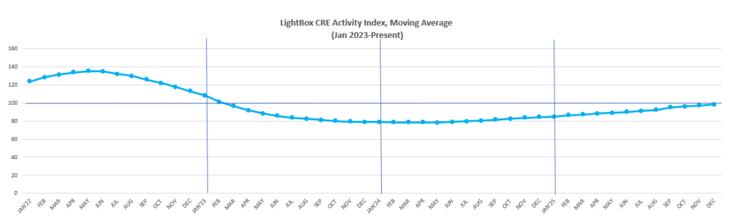
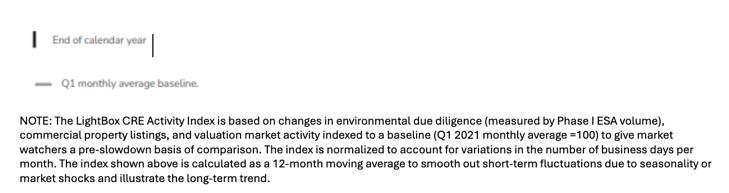
The monthly LightBox CRE Activity Index continues to track the market’s gradual return to momentum amid 2025’s dynamic economic and political backdrop. The Index aggregates activity across key pre-transaction functions, including property listings, appraisals, and environmental due diligence, and serves as an early indicator of shifts in CRE market behavior. To smooth seasonal volatility, the Index in the accompanying graph is presented as a four-year, 12-month moving average (i.e., each data point is the average of the prior 12 months).
Despite a typical December slowdown, the Index ended 2025 with a 12month average of 98, a meaningful improvement from 84.4 one year earlier, when markets were still contending with elevated rates and post-election policy uncertainty. Core components strengthened materially year over year, with listing activity up 55%, Phase I ESA volume up 48%, and appraisal activity up 41%.
Looking ahead, the 12-month moving average is expected to surpass 100 by late 2026, marking the strongest signal yet of a sustained, broad-based CRE recovery, assuming current momentum continues without significant market disruption
After several years marked by elevated rates, pricing uncertainty, and uneven deal flow, 2026 is shaping up as a year defined by steady progress. Major forecasts are broadly aligned in expecting higher transaction volume, improving liquidity, and firmer fundamentals, but not a return to peak-cycle conditions. Returns are likely to be income-driven, rewarding disciplined underwriting and active asset management.
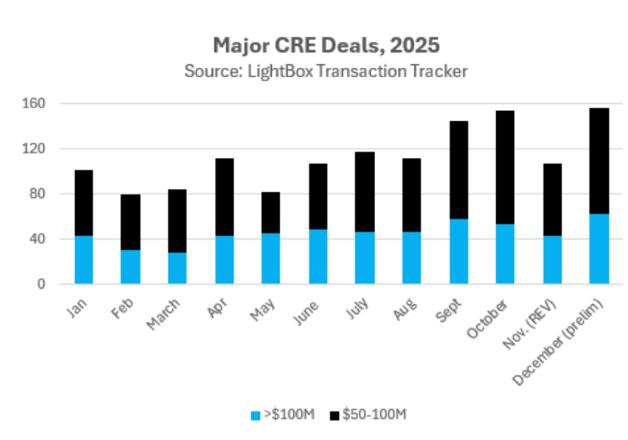
LightBox data reinforces that outlook. December posted strong year-over-year gains across listings, appraisals, environmental diligence, and large deal execution, clear signs that the market is regaining its footing. As one Market Advisory Council member noted, “Economic uncertainties tempered activity in 2025, and I expect that pent-up demand will become apparent in Q1, further bolstered by expected cuts in interest rates.”
Like the Year of the Fire Horse, 2026 is less about speed and more about endurance. It may not be a banner year, but it increasingly looks like a better one, powered by healthier capital markets, clearer pricing, and fundamentals firmly back in focus.
ABOUT THE AUTHOR
Dianne Crocker
Dianne Crocker, Research Director at LightBox and co-host of the new CRE Weekly Digest podcast, leads the generation, analysis, and reporting of the company’s full suite of market metrics. With more than 25 years’ experience in the commercial real estate industry, she has analyzed the market through four cyclical downturns and regularly presents at leading industry conferences, webinars, and LightBox’s own events.
Recent market keynotes include: the January 2025 Environmental Bankers Association conference, 2024 Counselors of Real Estate New England conference, 2023 Credit Union Business Group conference, 2023 Real Estate Summit of the MBA of NY, and the Summer 2022 GlobeSt. Women of Influence conference. In 2024, Globe St. Real Estate Forum recognized Crocker on its list of nine professionals deserving of the Special Recognition: Mentorship Award, as well as being recognized on CREi’s 2024 List of Influential Women in Commercial Real Estate, which recognizes women based on their social and industry influence. She was also honored to receive the Environmental Bankers Association’s 2023 Community Impact Award, and in 2022, GlobeSt. included her as a leading Advisor in CRE based on career achievements, community outreach and mentorship. She served as co-chair of LightBox’s Women’s Inspiration Network (WIN!), an affinity group dedicated to inspiring, motivating, and empowering the women of LightBox. She is also a co-founder of LightBox’s Developing Leaders mentoring program, now in its sixth year of connecting young environmental professionals in the consulting and lending sectors with veteran mentors. Crocker is a passionate member of CREW Boston and CREW Network and is currently serving a two-year term as a CREW Network Foundation Director.
We set out to make some silly comics that only fellow environmental nerds would appreciate.
The only problem? Zero artistic talent.
So, we enlisted AI to do the drawing. Enjoy the eco-humor!
ACMs
EBA2025ConferencesYear-In-Review
By Rachel McShane, Wells Fargo
As a new year begins, we all spend time reflecting on the prior 12 months and all that we’ve learned and experienced. For me, as I am sure for many other EBA members, the two 2025 EBA conferences rank highly on my list of fond memories.
First up was the in-person conference in Nashville, TN, a.k.a. “Music City”, held February 3rd-6th, 2025. Nashville certainly lived up to its nickname, with many opportunities to engage with the local arts community (often while imbibing some regional cuisine and perhaps a whisky or three). Nashville also has a rich tradition of volunteerism, which was exemplified by not one but two EBA Gives Back activities on the first afternoon of the conference. The first was with “Adaptive Wilderness Within Reach”, which aims to make nature accessible to people with physical disabilities. Participants had a blast forming teams and doing silly activities like relay races for prizes. The second activity was with the Nashville Humane Association, helping prepare animal enrichment, process donated items, cleaning the facility, performing administrative tasks, and preparing food for the weekly Food Bank. In other words, tasks that are absolutely essential to helping the shelter operate, and also varied enough to cater to the abilities and interests of all EBA volunteers.
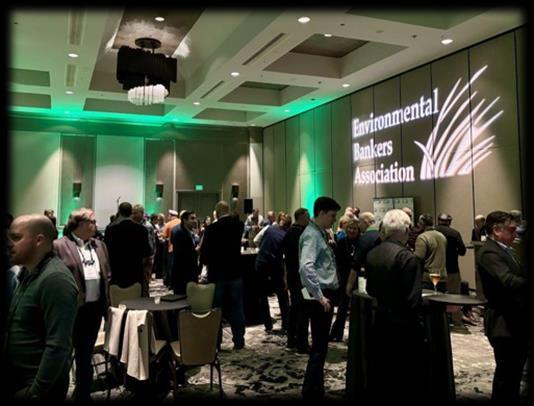
Evening Reception at the 2025 Conference in Nashville, TN.
After the always informational Book Club breakfast, formal conference sessions began on Tuesday the 4th, started as always by the welcome speech by EBA’s Then President David Lambert of Wells Fargo, followed by an amazing annual commercial real estate lending forecast presented by the fabulous Dianne Croker of LightBox. Particularly in a year framed by major sociopolitical shifts, these grounded and fact-based forecasts are always a home-run. Next up was a deep dive into the results of subsurface investigations for PFAS at drycleaners and carwashes, presented by Dana Wagner of Terracon, Elizabeth Denly of TRC Environmental Corp, Kristine MacWilliams of Partner, and Kathryn Peacock of Partner. All of us working in this industry in the brave new world of PFAS regulations were eager to hear about these preliminary data trends. A popular reoccurring session, ASTM updates, followed this session, presented by Holly Neber of AEI, Damian Wach of PGIM Real Estate, Tim McGahey of AKT Peerless, and Jim Bartlett of Bureau Veritas. This session provided insight into the newly published ASTM Property Resilience Assessment Guidance. Another reoccurring session, hot topics in SBA lending, led by Derek Ezovski of ORMS and special guests Stephen Olear and Casey Sieck in the US SBA, occurred after day-one lunch. Particularly in a time where many changes have been made at the SBA, this session provided critical information relevant to all lenders and consultants working on SBA lending.
The final three sessions, including Methods for Assessing Oil and Gas Wells in Due Diligence, presented by Dave Hunter of Partner, Mastering UST Systems Environmental Compliance Across the Country, presented by Elizabeth Krol of Ramboll, Kristine MacWilliams and Kathryn Peacock of Partner, and Heather Grizzell of EFI Global, and How Banks Should Change Underwriting Criteria for Flooding, presented by Albert Slap of Risk Footprint, all gave crucial insights into a variety of issues that are relevant to commercial real estate transactions. The day was capped with an amazing reception sponsored by the Diamond Sponsors, at which time a variety of awards were presented to longstanding members who have given so much of themselves to the organization.
Many of us then, as is typical of the fun-loving EBA membership, proceeded to enjoy a night out on the town, sampling local food and drink at a variety of local establishments and (for some of us) staying out perhaps a wee bit past our bedtimes. It’s always worth it when you get the opportunity to meet new folks and connect with those we’ve spent time within prior years.
DAY 2
Day 2 began with a very interesting case study on the Tennessee Department of Environment and Conservation (TDEC) voluntary cleanup program, presented by Christopher Green of Terracon and special guest Steve Sanders of TDEC.
FromLeft to right:Derek Ezovski,MartyWalters, Beth Gray, JennyRedlin, and Mary Clare Maxwell
It is wonderful to hear directly from regulators on how they ultimately have the same aim as the lenders and developers – to get the deal done in a way that is protective of human health and safety. Next came a discussion of CERCLA liability protection led by Jimmy Kirkland of Womble Bond Dickinson, John Rybak of Truist, and Dennis Firestone of JLL. It was a good reminder to not, as my grandmother used to say, be “penny wise and pound foolish”. Rather, it is incumbent upon us as individuals in the industry, both on the risk management and report preparation sides of the equation, to demand the utmost accuracy and clarity in preparation of due diligence reports, as this can save us from a world of hurt later in the process. Next came a discussion of Best Practices in Physical Climate Risk Assessment, a discussion between James McCann of Ramboll and Brady Mills of Partner, moderated by Elizabeth Krol of Ramboll.
The final presentation was about how to overcome challenges in transitioning fossil fuel energy facilities and landfills to renewables, led by Holly Neber of AEI and Kristen Thall Peters of Womble Bond Dickinson. After day 2 lunch came the annual concurrent banker and affiliate only sessions followed by the final joint session of the day, prepared by the Continuing Education Committee: a ‘Whose Risk Is It Anyway’ panel comprised of Tim McGahey of AKT Peerless, Victor DeTroy of AEI, Rachel McShane (that’s me!) of Wells Fargo, and Marty Walters of Recovery Risk LLC. An additional evening of dine-arounds and city exploration followed.
EBA 2025 AwardWinners
DAY 3
Day 3, the final day of the conference (always a bittersweet time for those of us who look forward to connecting with our EBA family ever year), began with a very poignant discussion of historical redlining and how it relates to climate risk management, discussed as a panel by Marty Walters of Recovery Risk LLC, Vanessa Chambers of Nova Group, and Mary Clare Maxwell of Northern Trust, and moderated by Onamia Chun of Zions Bank. Next was another much-anticipated PFAS related session, this one detailing results of the LightBox PFAS benchmark survey, presented by Alan Agadoni of LightBox and Ed Callaway of Holland and Knight. The final session of conference, before we had to say our goodbyes to friends old and new, was about how climate risk affects bank facilities, with some very interesting case studies, presented by Dennis Snook, Tim Malik, and Steve Charlton of First National Bank of Omaha.
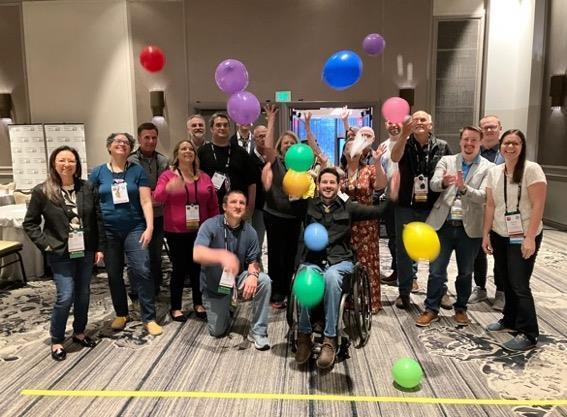
EBA Gives Back Activity in Nashvilletosupport Adaptive Wilderness WithinReach (AWWR)
Next came the 2025 Virtual Conference, held July 22nd –24th, 2025. After the opening welcome came Dianne Crocker’s State of the Industry Mid-Year Check-In, in which Dianne of LightBox reviewed her forecast from the Nashville conference to highlight what did (and did not) come to fruition. After this revealing session came one which discussed regulations and associated liability arising from PFAS and other emerging contaminants as it pertains to performance of Phase II ESAs. This session was presented by Steven Humphreys of Kelley Drye & Warren LLP. Session 3 was a very interesting discussion of fire risk due diligence and how to assess and navigate postwildfire environmental impacts, led by Alan Agadoni of LightBox, Marty Walters of Recovery Risk, Preston Brooks of Cox Castle, and Bryan Hill of Partner. The final session included tips and tricks on having difficult discussions about risk with stakeholders who may not be initially receptive to your point of view, presented by a panel including Kate Flaherty of TD Bank, Cate Landry of Truist, Kerry Borders of GHD Advisory, and moderated by Siri Hill of Woodforest National Bank. While not a formal session, the day ended with the always hilarious and informative Environmental Jeopardy.
Day 2 began with Session 5, titled “Exploring the Interplay Between Commercial Real Estate Appraisals and Environmental Assessments”, presented by Jenny Redlin of Partner, Wayde Anderson of Frost Bank, Juan Coronel of Self Help Credit Union, Ron Gooding of First Bank of the Lake, Justin Slack of WaFd, and Eric Enloe of Partner Valuation Advisors. It was a much needed reminder of the need to collaborate with our colleagues on the appraisal side of the transaction! Next came a talk detailing challenges and costing for redevelopment of closed gas stations, presented by Mark Mulligan of Terracon. After the concurrent Banker and Affiliate only sessions that followed, came the Continuing Education Committee’s presentation to cap the day, to highlight, in this instance, grey areas in due diligence via a fun and informative mock dating game. This session was prepared by Rachel McShane of Wells Fargo, Cate Landry of Truist, Rita Wiggin of First Bank, Charlene Webber of Environmental Risk & Resource Management, and Ruxandra Niculescu of Geographic Services, Inc.
After another interesting book club meeting and welcome chat with the Board of Governors on the final day, came the much anticipated “PFAS Data Collection” session led by Victor DeTroy of AEI, Jennifer Bellamy of US Bank, and Rachel McShane (me again!) of Wells Fargo. It was absolutely fascinating to see the myriad methods large lenders use to assess PFAS trends and get real-world examples via a collection of case studies. Kudos in particular to the team at US Bank for being willing to let us peek behind the curtain of their tracking systems. Next came a fascinating look at Property Condition Assessments and distressed assets, which in many cases overlaps with environmental concerns. This session was hosted by Kelly DeJong of BBG. Session 11 gave practical tools for identifying compliance red flags during the Phase I process, presented by David Dumond and Kathryn Peacock of Partner. The conference ended with a bang via a killer presentation on the Recognized Environmental Condition (REC) ASTM E1527-21 standard flowchart in-action, with multiple thoughtprovoking case studies.
All in all, the content of both conferences was perhaps the best it’s ever been, and feedback from participants indicated that the vast majority felt they had learned a lot and also greatly benefited from the allotted networking time.
We here at EBA are looking forward to a fabulous 2026 and can’t wait to see people in person in San Diego!
LEARN MORE
Environmental Risk Manager Certificate Program: A Participant’s Overview
By Natalie Penado, Bank of Hope
Transitioning from environmental assessor to an environmental risk officer required a shift in mindset. As an environmental assessor, I never encountered loan structures, terms, specifically participation/syndication loans. As an environmental risk officer, I am heavily involved in the environmental due diligence to determine next steps for the Bank.
Learning the capital stack breakdown clarified how lending works for syndication loans, specifically for Banks as well as determining risk. There are two scenarios that I’ve encountered: (a) as the agent bank and (b) participant
The ERM course did expand my knowledge as part of a lending organization The complexities of syndication loans were touched upon, but I did not really understand just how complicated syndication loans can be. As the lead agent, able to determine the risk and due diligence level is great, since as the lead agent, we are able to really determine overall risk of the portfolio and are able to communicate with lending the environmental risk’s recommendation once all information is received.
As the participating bank, I admit that I’ve encountered quite a bit of administrative issues such as (a) receiving the environmental reports late, (b) tight turnaround deadlines communicated last minute and (c) understanding the lead Bank’s recommendation But depending on the Bank’s overall contributions, it is a smaller risk compared to being the agent bank
Completing the workshops on Wednesdays did add to my side of things, particularly that vendors do not think like banks (it sounds pretty obvious). As an example, when a syndication portfolio is awarded, that particular detail isn’t really communicated to the vendor, since the Bank is the customer, but deciding which vendor to award the syndication portfolio is taken into consideration in order to receive a good work product.
Out of all topics discussed in the ERM course, participation and syndication loans did stick with me the most given how much I encounter such deals with the Bank and understanding terminology and different type of risk levels, cemented my role as an environmental risk officer. So thank you for the chance to participate in this course and best believe what was learned definitely supplements my day to day tasks.
Integrating External Environmental Reviewers into Bank Risk Departments
By: Kate Jordan Rivera, Columbia Bank
As banks continue to refine their environmental risk management strategies, incorporating external environmental reviewers can offer valuable support to internal teams and enhance overall review capacity. External reviewers can play a key role in helping banks assess environmental reports tied to lending decisions and can even offer guidance on policy. However, bringing in outside help presents its own challenges and risks. Managing an external panel requires thoughtful planning, competent vendor selection, clear communication, and strong oversight to ensure reviewers align with the bank’s goals, policies, and risk appetite.
Effective planning is the foundation for success. A critical initial step is confirming that existing policies and procedures permit the engagement of external reviewers. Once established, the process of integrating external reviewers raises several key considerations, such as:
• What approval process is required to onboard an external reviewer?
• Can external reviewers be incorporated into current workflows, or will new systems need to be implemented?
• How will they securely access necessary data?
Evaluating and updating procedures in advance will help facilitate a smooth and efficient transition.
Selecting the right external reviewers is essential. Candidates should have solid experience in environmental review and a strong understanding of regulatory frameworks. Broad technical skills alone is not enough they must also be trained in the bank’s specific processes, documentation standards, and internal systems. This includes understanding the bank’s environmental policies, standards for environmental due diligence, and risk appetite. External reviews should reflect the same level of caution and consistency as those conducted by internal staff. Without this alignment, the quality and reliability of their work can vary, which could lead to confusion at best and risk exposure at worst.
Establishing a strong working relationship from the outset begins with creating shared standards around project scope, deliverables, timelines, and communication. These protocols should be tailored to the bank’s level of environmental expertise and the business unit’s specific needs.
For example, banks without in-house environmental specialists will require different support than those that have such expertise. Clearly defining mutual expectations from the outset is essential to ensuring a successful partnership.
Significant benefits can be gained from a wellmanaged panel. External reviewers often bring specialized knowledge that internal teams may lack, particularly regarding unique property types and regional environmental concerns. External reviewers who are still actively involved in fieldwork bring valuable, up-to-date insights into industry standards and best practices.
As external reviewers often operate as contractors rather than full-time employees, this approach can also be more cost-effective than hiring full-time staff - especially when workloads fluctuate. Most importantly, external reviewers allow internal staff to focus on complex or time-sensitive cases, while keeping the overall workflow moving. This helps the bank meet turnaround time expectations without sacrificing quality or oversight.
Effective communication between external reviewers and internal staff is vital to the success of this model. External reviewers should have direct access to internal staff for questions and follow-ups to help maintain transparency and avoid delays. Shared problem solving can help foster a collaborative relationship. Communication protocols must be defined clearly - identify appropriate bank contacts, outline how to submit revision requests to vendors, and specify when inquiries should be directed to internal staff. Risk departments should also provide guidance on communication between business units and external reviewers. For example, if business units are accustomed to contacting reviewers directly, clarify what inquiries must go through internal staff and whether any direct communication is acceptable.
Disagreements between reviewers and vendors require clear escalation procedures. the bank must determine when to intervene. All communications should be documented to ensure a clear audit trail, which is crucial for regulatory compliance and internal accountability.
Maintaining consistent documentation standards for both internal and external reviewers is key to creating a seamless experience for other teams across the bank. Whether a review is completed internally or externally, the final product should look and feel the same to ensure ease of use by lending and credit teams. Creating adaptable review templates promotes efficiency and consistency in presenting findings.
Translating technical findings into accessible language supports informed decision making for lenders, borrowers, and other stakeholders. Creating stock review comments for common issues can save time and help reviewers stay aligned in their messaging. This approach ensures that lenders receive clear, actionable due diligence recommendations no matter who conducted the review.
Managing an external panel isn’t without challenges. One major concern is ensuring that the reviewers complete the work themselves, rather than outsourcing it further. Engagement letters should provide clear guidance on the scope of work and the role of the engaged party to align expectations. Banks must set clear expectations regarding review process expectations, standards for deliverables, and communication. Implementing a process to regularly review the work being submitted is essential. This includes establishing key performance indicators (KPIs), documenting feedback, and making sure external reviewers understand how their performance will be evaluated. Lending institutions can foster stronger relationships by offering support and guidance, advocating for external reviewers when appropriate, and providing prompt payment.
External reviewers often work with multiple clients and have visibility into a wide range of industry best practices. Regularly soliciting feedback can provide lending institutions valuable sights for shaping effective policies and processes. At the same time, external reviewers must establish their own best practices to ensure compliance with each client’s specific policies, guidelines, and procedures. A critical component of this approach is understanding and aligning with each client’s unique risk appetite.
Another challenge is system access granting external reviewers access to internal workflow tools can streamline collaboration, but also introduces potential security concerns. Banks need to carefully manage role-based permissions and limit access to sensitive data, while also balancing efficiency. Conducting regular process audits helps maintain ongoing compliance in the handling of confidential information.
Bringing external environmental reviewers into the bank’s risk department can be a smart move if done thoughtfully. With the right selection process, training, communication, and oversight, external reviewers can enhance the bank’s capabilities while controlling costs and maintaining workflow efficiency. The key is to find reviewers who can operate as an extension of the internal team, with the same standards, expectations, and support. When managed well, an external panel can be a valuable asset in navigating environmental risk.
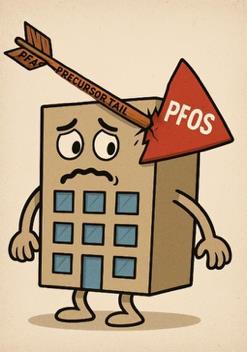
I guess I shouldn't worry... it's just a precursor......
"Careful! Don't land on the precursor tail!"
"Oh
no! Now I have a release of PFOS!"
Capital Stack
By: Kirstin Birdsall, R4 Capital LLC
Disclaimer: this article was NOT written by AI!
Many concepts students learn about in the Environmental Bankers Association Environmental Risk Management Course follows a hierarchy; the Capital Stack is no different A Bank can align their Risk Appetite with a spot on the Capital Stack, allowing them to receive the right amount of reward (interest rate) for their risk (loan) The Capital Stack spreads financial risk, such as financing commercial real estate, among multiple sources, another common technique seen throughout the Course.
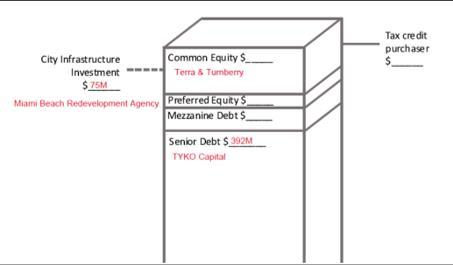
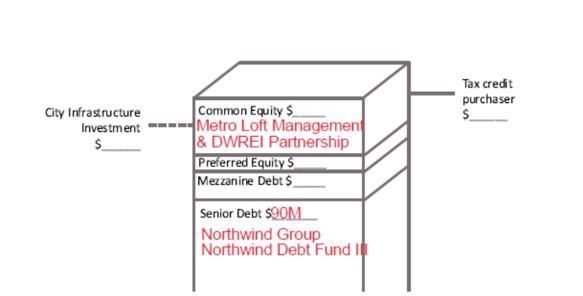
The top of the Capital Stack includes equity components – Common and Preferred. Tax Credit Investors are also located at the top of the Capital Stack. At the bottom of the stack, at the lowest risk and reward, are debt components –Mezzanine and Senior Debt. Common Equity is the main team/entity behind the deal and will come last in line for any repayment of investment in the event of a default; however, this entity can benefit from returns on the investment which could be vast and unlimited. This is because their risk is the greatest as they are taking on project development. Preferred Equity are typically other investors brought in and they will receive returns on their investments prior to Common Equity, but do not take priority over debt in the stack Mezzanine Debt often bridges a gap in financing but still comes in second to Senior debt in event of default. The interest rate for Mezzanine Debt is higher to align with the risk of coming after Senior Debt. Senior Debt is typically the largest piece of the stack and since they are first in line for repayment & they have the first right of refusal on the collateral, their interest rates are the lowest to reflect the lower risk. Creating a stable Capital Stack structure with the right balance of Equity and Debt reduces risk by lessening the chance that the Borrower will default.
During the Course, students read an article about the financial structure of a new Grand Hyatt hotel in Miami Beach. This project would finance a new 800-room hotel with public spaces, improved connectivity, and infrastructure and resiliency upgrades. The following details the Capital Stack for the project based on public information in the article.
Students also read an article about the financial structure of an acquisition and rehab of an office into a multifamily apartment building in New York. This project would finance the acquisition and conversion of an office building into 430 rental units. The following details the Capital Stack for the project based on public information in the article.
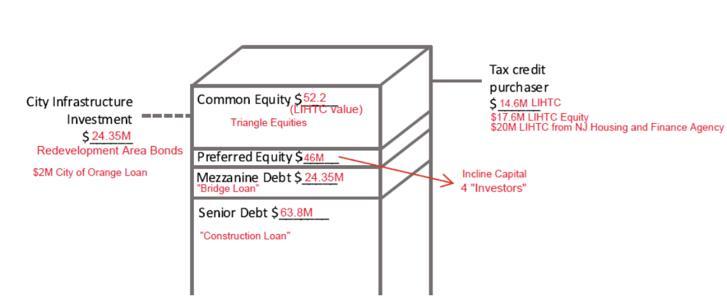
Students also reviewed Case Studies, including one about a redevelopment project in New Jersey that would provide a mixed use development with housing and retail This project would finance construction, infrastructure upgrades, and remediation of a brownfield site The following details the Capital Stack for the project based on information in the Case Study.
Triangle Equities is taking on a complex environmental remediation as part of the redevelopment of the Property; therefore, having the potential for vast and unlimited returns as Common Equity makes the project appealing. The above examples, particularly the Case Study, shows how complex the Capital Stack can become to finance commercial real estate in a stable that satisfies the financial needs with balancing the risks and rewards for each entity.
A Perspective on Environmental Due Diligence in Commercial Real Estate
Portfolio Transactions
By Peter Dollander, Truist Bank
Commercial real estate portfolio transactions present unique challenges for both bank Environmental Risk Management (ERM) teams and environmental consultants. While individual sites within a portfolio may resemble standard one-off property transactions, the scale, pace, and complexity of these deals require a distinctly different approach to environmental due diligence.
Scale and Complexity of Portfolio Due Diligence
Portfolio transactions often involve dozens or sometimes hundreds of collateral properties. Although ERM teams and consultants may receive extended due diligence timelines, these timeframes rarely scale proportionally with the size of the portfolio. As a result, significant pressure is placed on internal resources, underscoring the importance of disciplined project management, strong organizational systems, and rigorous quality control.
In addition to scale, portfolio transactions frequently involve syndicated lending structures. When multiple financial institutions participate in the same loan, consistency and defensibility of environmental risk evaluation become even more critical. Every bank involved relies on a clear understanding of environmental conditions across the entire collateral pool.
When investigative results or conclusions are vague or ambiguous, lender concerns tend to increase especially when multiple banks are involved. This uncertainty often leaves parties wondering how the other bank(s) became comfortable with what appears to be an unacceptable risk. Did they have additional information? Deal teams sometimes justify the exposure by saying that “the other banks were fine with the risk,” yet it often remains unclear to ERM how those banks reached their comfort level.
Deliverable Structure and the Importance of Calibration
Unlike traditional one-off property assessments, environmental risk findings for portfolio transactions are commonly delivered in a consolidated spreadsheet format. This approach allows deal teams to quickly identify material risks, compare properties, and understand the overall exposure across the portfolio.
To be effective, this consolidated deliverable must present risks clearly and concisely, maintain consistent terminology and recommendations, and support efficient decision-making by the line-of-business deal team. Achieving this requires a robust senior review process. ERM groups must ensure that risk ratings and recommendations are calibrated across the entire portfolio so that the bank speaks with one voice, even when multiple reviewers contribute to the effort.
Similarly, consultants preparing Phase I ESAs must maintain consistency in their conclusions and rationales. Variability between consultants or review teams is one of the most common sources of friction in portfolio due diligence. When consultant senior review is inadequate, ERM teams must spend additional time reconciling inconsistencies, requesting clarifications, and managing report revisions, all of which can jeopardize transaction timelines.
Martin E. Hamann, P.G. Principal Hydrogeologist, Farallon Consulting
Aligning internal ERM teams and external consultants on terminology, style, and consistent risk identification is often easier said than done. In a larger auto dealership portfolio, for example, internal staff and consultants may assess issues such as oil-water separators or the age of USTs differently. It falls to the project lead overseeing both groups to reconcile these differences and ensure a uniform approach and final deliverable for the lender’s deal teams.
Managing Pressure and Delivering High-Quality Outcomes
Large portfolio transactions are often high-visibility, high-stakes engagements involving multiple banks and loan amounts reaching hundreds of millions or even billions of dollars. These projects offer exciting opportunities for ERM professionals and environmental consultants alike, but they also introduce substantial stress and tight deadlines.
Success in this environment requires well-designed processes and document templates, clear communication channels, proactive alignment amongst ERM teams and consultants, strong quality assurance oversight, and adequate resourcing to handle surges in report volume. When these elements are in place, portfolio transactions can be executed smoothly and efficiently – supporting sound credit decisions and reducing environmental risk across diverse collateral pools.
Risky Business, The Strategic Steps in my Career
By: Neil J Chandler, Link Logistics Real Estate
As part of my ERM Certification, the Bonus Essay immediately felt like a meaningful opportunity, both to reflect on the value of continuing education and to consider how a lifelong learning mindset has shaped my career. This process caused me to look back over nearly 30 years in the environmental risk industry and recognize how each role, each challenge, and each relationship contributed to where I am today. It also reinforced a simple truth: never stop learning, and always do your best work for everyone you meet because one day, they may be the person who opens the next door for you.
I entered the environmental field for idealistic reasons, raised by hippy parents from the 1970s who instilled in me a love for nature and a desire to “hug the trees” and “save the whales.” But after graduating, I needed to pay rent, and the whales weren’t hiring. So I began my career before college even ended, working as a bioremediation field technician for a small firm in New Castle, Delaware. My internship consisted of operating a tractor to mix petroleum-impacted soil with bioremediation amendments across large sites in Delaware and Pennsylvania. It was hard work, repetitive work, but it taught me discipline, responsibility, and the value of putting in an honest day’s effort. I enjoyed it enough to think, maybe this could become a career.
The following summer, the same firm trained me on Phase I ESAs throughout Delaware and the Philadelphia region, this was long before today’s Environmental Professional (EP) requirements. That exposure introduced me to the real estate industry, and I realized environmental work could be both technical and strategic. I was hooked.
After graduation, I completed my 40-hour OSHA HAZWOPER training and worked through an environmental staffing company on a Superfund site in Kingston, New Jersey. That project gave me a firsthand look at EPA, CERCLA, and Level A PPE complete with supplied air and the experience of removing colorful vials/flasks and drums from pits for characterization. After a chemical reaction in a waste drum caused neon yellow green smoke and an emergency evacuation, I reassessed my path. The ESAs suddenly felt like a safer and more sustainable direction.
I found another small consulting firm in New Castle performing Phase I/II ESAs and UST removals, and importantly they owned four Geoprobes. Learning to operate a drill rig gave me exposure to larger regional consulting firms. One of those firms, Entrix, hired me, literally off the back of a rig. At Entrix I spent nearly a decade supporting Ford Motor Company’s environmental program nationwide. I completed Phase I/II ESAs and remedial action in 25 states in my first five years and later transitioned into a client management role supporting Ford and a rapidly expanding REIT closing hundreds of deals.
For two or three years, my focus was on this REIT, more than Ford. I had a great relationship with the client that had high expectations which resulted in long days…and weekends. These experiences pushed me to master ASTM standards, transactional due diligence, and client service. I learned the power of saying, “Yes, we can do that,” and then delivering because doing good work consistently builds relationships that last far longer than any single project.
After additional roles with other consulting firms, I joined Golder Associates in Cherry Hill, still supporting Ford and multiple national clients. And then, at an EBA conference in Vermont, a banker approached me about a risk officer position. It was unexpected but it was also a reminder: always be good to people. You never know where they may end up, or when your paths will cross again.
Leaving consulting after nearly 15 years, especially leaving a client like Ford was difficult, but with two young children at home, the move into environmental risk management at TD Bank felt right. It became one of the most rewarding chapters of my career. I learned the banking side of environmental risk, worked with exceptional colleagues and mentors, and discovered that while risk evaluation came naturally, understanding credit and banking operations required new skills. It was a challenge, and I embraced it.After 13 years, I think I finally understood the banking world though I suppose that will officially be determined after completing the ERM Certificate Course.
Three days after dropping my youngest off for his first year of college, I received a call from someone I had worked with 20 years earlier. My REIT client from 20 years ago. She was now part of senior leadership at an industrial real estate company and thought of me for a new role focused on environmental risk management and compliance. That call, two decades after our original partnership, was the perfect example of why you treat everyone well and always deliver your best work.
I ultimately accepted the position, stepping into Environmental Diligence & Compliance for a large industrial real estate portfolio. It was a chance to build something new…to design processes, develop a team, and shape environmental oversight from the ground up. It has been challenging, energizing, and incredibly fulfilling.
The moral of the story is simple: Never stop learning. Never stop growing. And never underestimate the impact of the work you do, and the relationships you build along the way. Be good to people, because someday, they may be the ones who help you get your next opportunity.
It’s a Marathon, Not a Sprint
By Charlette Clark, AEI Consultants
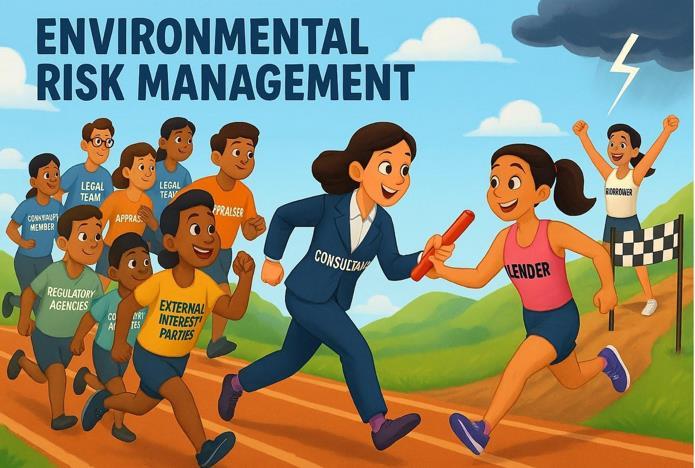
Environmental Risk Management is nothing short of a relay race where the borrower initiates the race and the lender, if all goes well, finishes it. What happens in between is nothing short of a fast-paced, accelerated, highenergy sprint across compliance and multiple, competing deadlines. The race is run by several parties, the consultant, the legal team, appraiser, the underwriters, regulatory agencies, external interested parties, community members and the syndicating banks. Each entity has a role to play. Every lap is pressed for time but if not executed with skill, clear communication, agile appetite for change, accurate information and a healthy understanding of risk tolerance, one of the parties can hit a hurdle and cause everyone to stumble into a bad deal.
What’s at stake? Reputation. Financial security. Community trust. Fines. Foreclosure. Commercial real-estate transactions can require one to run on rough terrain (dry cleaners, printing presses, gas station portfolios) but if you’re lucky enough to pace yourself, and mitigate these risks with terms and conditions, insurance and due diligence and indemnity agreements, you might find yourself the winner and crossing the line of a closed deal without incident or injury.
How you start a race, when it comes to commercial real estate isn’t always how you finish it Still, you want to position yourself with the best advantage possible. You want to anticipate the risks. This would include how you structure your loan (recourse, non-recourse, loan-on-loan, bridge loan, secondary loan or go it alone?). Who judges whether the competition is held in accordance with the rules of engagement (FDIC, SEC, OCC the SBA)? How do you solicit and structure your team? And who do you choose as your coach/your advisor for particularly complicated transactions? Do you choose the national or local consultant? Do you have the capacity and the capital? Do you have the risk appetite? The tolerance? When it’s time to execute the steps to move you into position to run, are your credit memos in place? What about your mergers and acquisitions, are they in line with your risk tolerance? Are there market fluctuations that will impact the deal and speaking of fluctuations did anyone check the weather on race day? There are climate-related risks associated with your decisions. Be they physical, changes in the market or greenhouse, you don’t want to be caught in a storm because you didn’t plan ahead.
So many things to consider. Should you get insurance to ensure that even if things do not unfold the way you intend, that you won’t be hung out to dry? And how will you know if everyone in the race (team members, coaches, supporting staff) is disclosing everything? When one is involved with commercial realestate transactions, it isn’t just about handing one part of the project to the next. It is about examining all of the factors that will either set you up for success or have you stuck in a ditch, serving as the responsible party for cleaning up a mess you didn’t anticipate you’d be in. Risk Management requires examining all of these things. Still, when your contracts are vetted and your milestones are clear, you prepare yourself for the path ahead. Just remember, pace yourself and be respectful of the other players in the game. It’s a marathon, not a sprint. It’s risk mitigation, not a one man show. Each person’s role is important and it’s important that you remember that before, during and after the race is won.
Environmental Risk Management: A Missed Opportunity in Community Banking
By Jennifer Welch, First National
Navigating the challenges of environmental due diligence for community banks and how we shift the thought process to show its importance.
Over the course of my 22-year banking career, I spent 14 years at a community bank with assets under $2 billion. It wasn’t until the final two years of my time with that employer that our institution recognized the importance of centralizing environmental due diligence. This shift was not prompted by a financial loss or regulatory pressure, but by senior leadership’s realization of the pending risk embedded in the action of allowing lenders to manage environmental assessments independently.
Lenders are primarily focused on helping clients’ close loans, which can unintentionally create bias in their decision-making. Because loan closings are their main priority, environmental risk considerations may be overlooked during the underwriting process due to cost or not wanting to know a properties true environmental condition. Moreover, without specialized training, lenders may miss critical environmental issues during underwriting resulting in unrecognized liabilities on the bank’s balance sheet.
Challenges for Community Banks:
➢ Limited access to qualified environmental risk professionals internal to the organization
➢ Reluctance from departments to assume ownership of the function
➢ Minimal regulatory pressure, with only OCC and FDIC offering guidance and no targeted examinations
To mitigate this risk at my community bank, we centralized environmental due diligence within the appraisal department. This was an easy decision due to the appraisal workflow platform already having the capability to manage environmental orders and reviews. This structural change improved consistency, reduced exposure, and aligned with the institutions broader risk management appetite and risk tolerance.
The trend that I experienced for most of my community banking career seems common in many community banks across the country and the challenges I faced are faced by many. However, there are simple steps that can be taken to change the trajectory and limit future risk.
Recommended Path Forward:
Appoint a Champion – Identify a department or individual willing to lead the initiative.
For a community bank who is interested in centralizing their environmental due diligence program, they should start by identifying a person or department that is willing to take on the task, a champion.
Engage Credit Leadership – Align the program with the bank’s risk appetite and risk tolerance.
Once your champion has been identified, they should meet with the chief credit officer to learn the banks risk tolerance and risk appetite as it relates to environmental risk. Policies and procedures can then be developed to align the environmental program to.Additionally, clear roles for who within the institution can waive or override policy and procedure should be clearly defined within this step.
Consider Strategic Partnerships – Outsource to environmental risk management firms for policy development, due diligence review, and ongoing support.
Depending upon the knowledge and experience of the champion, it may be wise to partner with an environmental risk management firm to outsource the environmental review/management process. There are several environmental outsource firms located across the US that can aid banks with numerous services including but not limited to environmental policy writing and due diligence order and review.
At the time my community bank centralized the process, we did not have an environmental professional in-house nor the budget to afford to bring one on as a $2 billion bank. Therefore, we chose the path to outsource the function.
Why It All Matters:
Robust environmental due diligence protects banks from financing contaminated or non-compliant properties, such as:
➢ Gas stations with active leaks
➢ Sites with incomplete No Further Action (NFA) coverage
➢ Brownfield projects with voided agreements due to non-compliance
These above scenarios are just a few examples that can significantly impact borrower cash flow and loan performance, ultimately posing financial risk to the institution in the event of a loan default. While banks with minimal due diligence standards may appear more competitive in the short term, the long-term risk exposure on the banks’ balance sheet often outweighs the perceived advantage.
Helping community banks understand the liability they may be assuming in lender-based assessment program and how easily it can be mitigated through centralized oversight and expert support is key to driving a change in the thought process and protecting the banks’ balance sheet from unexpected loss in the future.
Translating Technical Environmental Data for the Lending Team
By Craig Buhowski, Wells Fargo
Environmental consultants play a vital role in identifying and assessing risks associated with real estate and commercial lending. However, the technical nature of their findings can often be difficult for credit committees to interpret and apply to financial decision-making To ensure that environmental risks are properly understood and mitigated, consultants must tailor their communication to the banking audience. This involves translating complex data into clear, actionable insights that align with credit risk frameworks and underwriting priorities.
Practical Tips and Tools for Consultants:
➢ Collaborate Early: Engage with credit officers during due diligence to understand their priorities and present findings accordingly.
➢ Use Executive Summaries: Begin reports with concise summaries of key findings, risks, and recommendations.
➢ Include a Risk Summary Table: Summarize each risk with its category, mitigation strategy, and potential impact.
➢ Highlight Regulatory Triggers: Flag conditions that could lead to enforcement or legal action.
➢ Visualize the Data: Include charts, risk matrices, and simplified diagrams to illustrate severity and mitigation pathways.
➢ Frame Recommendations as Actionable Steps: Suggest specific conditions, covenants, or insurance requirements.
➢ Quantify Where Possible: Provide cost estimates and use scenarios to help committees understand financial implications.
➢ Avoid Highly Technical Verbiage: Replace technical terms with plain language or provide clear definitions.
Effective communication between environmental consultants and banking professionals is essential for sound credit decision-making. By presenting technical data in formats that are accessible and relevant to credit committees, consultants can help ensure that environmental risks are properly evaluated and mitigated This collaborative approach not only strengthens underwriting practices but also supports responsible lending and long-term asset management
Emergent Risk: The Developing Landscape of PFAS Liability
and Regulation
By Steven Humphreys, Esq., Michael Rowland, Esq.
Though somewhat loosely and informally defined, the term “contaminants of emerging concern” (“CEC”) has worked into the common parlance of regulators, attorneys and business transactors alike to describe substances present in the environment that “pose a potential hazard to human or ecological health and are either not currently regulated or require regulatory reassessment.” The United States Environmental Protection Agency (“EPA”) includes several classes of chemicals within the umbrella of CECs, including pharmaceuticals and personal care products, veterinary medicines, endocrine-disrupting chemicals, nanomaterials, and persistent organic pollutants like polybrominated diphenyl ethers and the primary subject of this article, per- and polyfluoroalkyl substances (“PFAS”) otherwise known as “forever chemicals ”
CECs pose a considerable and vexing risk for business owners and business deal transactors. While they are readily identifiable via modern environmental sampling techniques, science and regulation have had to play catch-up on such questions as whether and at what concentrations CECs pose risks to human and ecological receptors, leaving uncertainty as to which CECs may become the target of regulatory control and if so, at what level the regulatory concentrations that will drive liability risk will be set As a consequence, this uncertainty blurs the line of sufficiency of due diligence with respect to a foreseeable risk of future liability, often leading to the crucial question in defining an appropriately scoped diligence investigation of whether or not to perform a Phase II Subsurface Investigation targeting certain CECs.
This article focuses on the current state of regulation and liability for PFAS, a group of CECs that in recent years has emerged as a significant source of concern at the federal and state level, garnering intense regulatory scrutiny and becoming an increasingly frequent target for litigation. PFAS have been in use for decades across a wide swath of product manufacturing, owing mainly to their hydrophobic qualities useful for preventing surface adhesion. There are some 12,000 PFAS, all man-made, of which only a handful have been regulated to date. For the vast majority of these substances, understanding of their impacts on human health and safety is limited despite widespread presence in environmental media.
While many questions remain as to how far regulatory control will extend to the use of PFAS in manufacturing operations and statutory remedial regimes, a picture is beginning to emerge for at least a core group of PFAS, including the two most widely studied PFAS, perfluorooctoanoic acid (“PFOA”) and perfluorooctane sulfonic acid (“PFOS”), otherwise known as “C-8” compounds for their characteristic composition of chains of eight carbon atoms bonded with fluorine atoms. This carbonfluorine structure creates incredibly strong bonds, resulting in a high degree of biopersistence, while their hydrophobic characteristics make them spread rapidly through groundwater. Moreover, several studies have linked PFOA and PFOS exposure with developmental and reproductive toxicity at incredibly minute concentrations – i.e., at the nanogram per liter, or parts per trillion, level. Additionally, PFOA was classified as a human carcinogen, and PFOS as a possible human carcinogen, by the International Agency for Research on Cancer (IARC) Monograph Program in 2023. Given these properties, and the quickly developing regulatory landscape aimed at controlling or redressing their environmental impacts, it is incumbent upon the diligence investigator to understand how different legal frameworks of the state and federal governments have been, and will be, leveraged to regulate CECs like PFOA and PFOS and the risk that their presence in the environment could trigger a remediation obligation, litigation exposure, or other enforcement activity.
Beginning at the federal level, there are at least six statutes in play, and they run the gamut from statutes that establish remedial schemes to those that impose regulatory standards for PFAS:
➢ First is the Comprehensive Environmental Response, Compensation, and Liability Act of 1980 (“CERCLA”), also known as the “Superfund” statute. CERCLA imposes strict liability and remedial obligations on the parties potentially responsible for the release or threatened release of designated “hazardous substances” into the environment. Under its CERCLA authority, EPA has authority to maintain the National Priority List of extremely contaminated sites for which cleanup actions are prioritized; hold current and prior owners and operators, including other federal agencies, financially responsible for cleanup costs and natural resource damages; and utilize the Superfund to pay for cleanup at sites where potentially responsible parties cannot pay or cannot be identified. The most significant action EPA has taken with respect to PFAS under CERCLA is listing PFOA and PFOS as hazardous substances under the statute in 2024. Since CERCLA liability is both strict and retroactive, the listing exposes parties deemed responsible under CERCLA to liability for historic PFAS releases predating the listing. Currently, that listing is subject to an ongoing legal challenge by the United States Chamber of Commerce and other interested parties in the United States Court of Appeals for the District of Columbia Circuit (the “D.C. Circuit”). Subject to its fate in court, the CERCLA designation for these two PFAS brings a PFOA/PFOS evaluation within the scope of an ASTM E-1527-21-compliant Phase I Environmental Site Assessment. Therefore, a release or likely release of PFOA and/or PFOS is now considered a “Recognized Environmental Condition” (“REC”) under the standard, necessitating further sampling to satisfy the “all appropriate inquiry” defenses to CERCLA liability codified under 40 C.F.R. Part 312 if a REC is identified. Evaluations of PFAS that are as yet unregulated remain “non-scope” under the ASTM standard.
➢ Second is the Resource and Conservation Recovery Act (“RCRA”), which was designed to impose command-and-control-style regulation over the handling and disposal of “hazardous waste” chemical substances that have reached the end of their useful life and are discarded. Although primarily regulatory in nature, amendments to RCRA have incorporated and expanded upon a remedial component known as “corrective action.” The corrective action program is implemented principally through permitting of facilities that treat, store, or dispose of hazardous waste. RCRA also provides a private right of action for contamination that has caused an imminent and substantial endangerment, which may give rise to remediation obligations or liability. In 2024, EPA published proposed rules that would list PFOA, PFOS, and seven other PFAS as “hazardous constituents” under RCRA and incorporate the broad statutory definition of “hazardous waste” into the regulatory scheme..
In the September 2025 Unified Regulatory Agenda published by the Office of Management and Budget, EPA announced plans to finalize both proposed rules sometime in April 2026.
➢ Third is the Safe Drinking Water Act (“SDWA”), which is primarily aimed at protecting the quality of the nation’s drinking water supply through the imposition of maximum contaminant levels (“MCLs”) upon public drinking water providers. SDWA contains an imminent and substantial endangerment provision that EPA has often employed to address threats to public drinking water supplies. EPA under the Biden Administration established MCLs for certain PFAS, including PFOA, PFOS, perfluorononanoic acid (“PFNA”), hexafluoropropylene oxide dimer acid (“HFPO-DA” or “GenX”), and perfluorohexanesulfonic acid (“PFHxS”). EPA also established a Hazard Index for mixtures of PFNA, GenX, and PFHxS with perfluorobutane sulfonic acid (“PFBS Mixture Rule”). The September 2025 Unified Regulatory Agenda outlined EPA’s plan to propose a rule in October 2025 that would revoke the PFBS Mixture Rule and MCLs for PFNA, HFPO-DA, GenX, and PFHxS, and extend the deadline for public water systems to comply with the PFAS MCLs. As of the publication of this article, EPA has not yet submitted a rule proposal for publication in the Federal Register. This rule is also being challenged in the D.C. Circuit by the American Water Works Association and the Association of Metropolitan Water Agencies. EPA filed a motion for partial vacatur of the rule in court on September 11, 2025, as well.
➢ Fourth, the Toxic Substances Control Act of 1976 (“TSCA”) is fundamentally a reporting and record-keeping statute that enables EPA to collect information on all new and existing chemical substances. This includes the implementation of Significant New Use Rules (“SNURs”), which require manufacturers to notify EPA any time they propose to employ a specified chemical for a new use. Under the Biden Administration, EPA proposed SNURs for PFAS pursuant to TSCA. However, on July 9, 2025, the Trump Administration withdrew the proposed rule. In September 2025, EPA announced a plan to propose a rule amendment in December 2025 expanding exemptions to historical PFAS use reporting requirements for certain classes and sizes of manufacturers and importers. As of the publication of this article, EPA has not yet submitted a rule proposal for publication in the Federal Register.
➢ Fifth, the Emergency Planning and Community Right-to-Know Act (“EPCRA”) requires business owners to report the presence and quantity of certain chemicals used, released, or stored over specified thresholds to EPA and state and local emergency response agencies. Both Congress and EPA have incorporated reporting requirements for hundreds of PFAS, including PFOA and PFOS The Trump Administration has announced its intent to finalize rules in early 2026 that would further expand the list of PFAS subject to the reporting and record-keeping requirements of the Toxics Release Inventory.
➢ Finally, the Clean Water Act (“CWA”) established the nationwide permitting system, or the National Pollutant Discharge Elimination System (“NPDES”), to regulate discharges from “point sources” (e.g., pipes, ditches, channels, etc., from which pollutants are or may be discharged) into waters of the United States, and sets water quality standards for a large number of contaminants Under its CWA authority, EPA has begun work on draft surface water quality criteria for PFOA and PFOS To address the emerging risk of PFAS contamination in fertilizer compost used on farmland, EPA has also published a draft risk assessment of PFAS in biosolids that is currently open for public comments. Additionally, EPA announced its plans to issue proposed rules (1) amending NPDES permit applications to include PFAS monitoring and reporting requirements, and (2) revising the Effluent Limitations Guidelines and Standards for the Organic Chemicals, Plastics and Synthetic Fibers Category to incorporate pretreatment requirements for PFAS discharges from manufacturing facilities As of the publication of this article, EPA has not yet submitted either proposed rule for publication in the Federal Register.
Budgetary and staffing is another factor affecting the federal government’s role in PFAS regulation and enforcement Though EPA looks to be spared from major budget cuts in the short term based on the “minibus” spending bill negotiated in the Senate and House of Representatives in early January, the first year of the Trump Administration still brought major changes to EPA. A staffing cut of approximately 20% and a nearly 80% decline in new civil enforcement actions when compared to the first year of the Biden Administration suggest a scaling back of EPA’s role in enforcement of remedial statutes and regulatory standards. If this trend continues, it is not unlikely that at least some states will assume an increasing role in the development and enforcement of PFAS regulation and remediation programs. So far, at least eight states have designated PFAS as hazardous substances under their CERCLA state analog statutes; a dozen states have implemented MCLs for certain PFAS (including for PFAS other than PFOA and PFOS); and seven states have adopted groundwater quality standards, all of which represent important drivers for both enforcement and litigation liability exposure.
A guiding principle of many federal environmental laws is the notion of cooperative federalism. In the environmental context, cooperative federalism posits that states, while ultimately governed by federal law, are also independently empowered to utilize their own state police powers to protect the health and safety of their citizens and environment. Consequently, several federal regulatory schemes adopted under federal environmental statutes allow states to enforce their approved statewide programs in lieu of the federal program Except in a few instances where uniform federal control has been deemed most practical (e g , pesticide labeling and truck placarding), the federal government generally sets a floor for environmental regulation, and the states are free to impose more stringent environmental requirements as they see fit.
States can also enforce remedial requirements through CERCLA cooperative agreements with EPA, or enact and enforce their own CERCLA analog statutes, often referred to as “State Superfund” laws. Like CERCLA, these State Superfund laws impose obligations and liability for the release of designated hazardous substances Most states have RCRA analog statutes as well and have obtained EPA’s approval to enforce their own statewide programs.
With the exception of Wyoming and the District of Columbia, all of the states have obtained authority to enforce their own safe drinking water programs in lieu of EPA. Some states impose more stringent requirements than the federal SDWA program by imposing their own MCLs at concentrations below the federal MCLs. In a departure from federal practice, state SDWA analog statutes tend to regulate private drinking water wells and discharges to waters of the state, including groundwater. Similarly, most states have been granted primacy to enforce their CWA analog statutes, and several states have developed their own surface water quality standards for certain PFAS
Call to Action
The EBA study group intends to continue gathering PFAS Phase II data to enhance the dataset and findings and invites other associate firms to join us in this endeavor. Your role in helping bring visibility and solid data to these proceedings makes for a better understanding and applied practice for all EBA members!
On the litigation front, the number of new PFAS-related actions continues to grow year over year The largest group of cases arise under tort theories of liability like nuisance and trespass. Most of these cases are filed against “direct dischargers” (i.e., manufacturers utilizing PFAS in production processes). The relief sought in these cases often involve damages for personal injury and loss of property value. Another large group of cases that have been consolidated in the multidistrict litigation in the Federal District Court for the District of South Carolina, involve claims against the manufacturers and uses (like the U S military) of aqueous film-forming foam (“AFFF”) AFFF is a PFAS-containing fire suppressant spray used for decades to control petroleum fires at military bases, airports, oil terminals, and gasoline stations. Class actions involving public water system plaintiffs brought against manufacturer defendants have resulted in settlements ranging from hundreds of millions to tens of billions of dollars.
In addition, an increasing number of claims have been brought by state governments seeking natural resource damages resulting from decades of PFAS releases. These have already resulted in singlestate settlements with PFAS manufacturers valued at upwards of two billion dollars. Individual cities and municipalities have begun bringing claims for PFAS contamination, and more and more cases are being filed each year against companies that use PFAS in their production processes, including companies in the textiles, paper, waste management, metals manufacturing, and electronics sectors
Companies that utilized or released PFAS face a future wave of litigation and liability exposure due to the recent designations of certain PFAS as hazardous substances under CERCLA and CERCLA state analog statutes. CERCLA and state analog reopener provisions may provide another angle through which enforcement authorities may pursue remediation of preexisting PFAS contamination. These reopener provisions may apply to sites on the National Priority List that have received restricted or unrestricted use closure. Although EPA has said that it will not require sampling for PFOA and PFOS at sites that were closed without the use of land use restrictions to manage contamination in place, that policy does not apply to restricted-use sites. PFAS reopeners may also occur as a result of the 5-year reviews at closed Superfund sites.
So with all of this uncertainty on the horizon, the question naturally emerges as to exactly what is a business transactor to do? More specifically, when is it time to start sampling?
For site owners and operators, depending on what is uncovered, sampling certainly brings risk of increased liability exposure. Given the current downward trend of EPA enforcement actions, it is necessary to view liability exposure through the lens of state-level enforcement capabilities in the state in which one’s facility or operations are located. This focus should land on two questions:
➢ What are the exposures for government-led remediation liability?
➢ What are the exposures for private-party claims?
In both cases, one must take into account the particular mix of liability arising under federal and state law in the location at issue And while the focus in real estate transactions will be fixated on the property that is the subject of the transaction, merger and acquisition transactions may entail a multiplicity of jurisdictions whose legal landscape should be considered when evaluating risk.
EPA has recognized that the designation of PFOA and PFOS as CERCLA hazardous substanceswould have adverse consequences for certain sectors that are not only blameless for thecontamination, but are also themselves the victims of un-bargained-forcontamination. These parties, having played no role in the creation or useof PFAS products, arereferred to as “passive receivers” and include entities like water utilities, municipal landfills, municipal airports and fire departments,and farmers. Alongside its 2024 rulemaking, EPA simultaneously issued an Enforcement Discretion and Settlement Policy for passive receivers designed to avoid or at least minimize liability forthese entities by emphasizing fairness and equity when deciding whether to pursue them as “potentially responsible parties” (“PRPs”) on the hook forcleanup costs. This policy also provides for special settlementswith passive receivers coupled with protection against CERCLA contribution claims by otherPRPsseeking to distribute the costs of remediation. It must be acknowledged that this policy is non-binding on EPA or on any stateseeking to enforce a cleanup under CERCLA through a cooperative agreement with EPA. Thispolicy doesnot apply to non-contribution privateparty claims broughtunder CERLCA—forexample, a CERCLA Section 107 cost recovery claim brought by a private plaintiff independent of any EPA or Stateaction. EPA has called on Congressto take furtheraction to enshrine protectionsfor these passivereceivers via a statutory amendment, butno action has been taken at the time of publication.
For any property that is subject to RCRA corrective action, such as a facility permitted to receive hazardous waste for disposal or treatment, EPA’s proposal to listPFAS as “hazardousconstituents” would have two consequences: (1) itwould giveEPA express jurisdiction underRCRA to addressPFAS in corrective action cleanups; and (2) it would give both EPA and privatepartiesthe ability to bring imminent and substantial endangermentclaims under RCRA Sections 7002 and 7003. In both instances, owners and operators of RCRA facilities would face even morecleanup liability. The proposed rule incorporating the broad statutory definition of “hazardous waste” into thecorrective action regulatory scheme would create new RCRA sites subjectto correctiveaction and risk the triggerof reopeners atclosed RCRA units or facilities.
Business transactors must also consider practical risks, including potential delays in development or construction planning due to cleanup obligations, adverse impacts to future business operations depending on the nature of a cleanup remedy and whether there are long-term operations and maintenance obligations that may require ongoing sampling, maintenance, and reporting to governmental entities. Sampling for CECs may also have adverse impacts on the ability to obtain financing and sell or lease affected property. And PFAS-specific factors higher remediation costs, toxicity at extremely low concentrations, environmental persistence, and, most of all, regulatory uncertainty may complicate things further. Unsurprisingly, pressure points have emerged in business deals where known or feared PFAS impacts are involved.
The usual mechanisms for shedding risk to third parties are certainly available for properties affected by actual or potential PFAS impacts.
These vehicles include errors & omissions insurance, representation and warranty insurance (which is becoming increasingly popular in the M&A context), and pollution legal liability insurance. Here there is further uncertainty, as PFAS liability exposure is increasingly becoming the focus of concern for insurers, with few willing to provide coverage without air-tight PFAS exclusions.
Other third-party risk transfer solutions can be considered in some cases to resolve an impasse, including a guaranteed remediation contract, where a consultant agrees to take the risk that remediation will exceed a fixed price. Typically, the fixed-price factors in a contingency for increased remediation cost arising from unknown or worse-than-expected conditions or even regulatory uncertainty. Another possible avenue for third-party involvement are indemnities or statutory obligations that can be visited upon prior owner/operators. While not always in the picture or practical from an enforcement perspective, these cost-recovery opportunities can sometimes play an important role in getting the transactors to “yes.”
PFAS CORNER
Industry Perspectives for Evaluation of PFAS in Commercial Lending
Kimberly Mays, Vice President, JPMorganChase Bank
Georgina Dannatt, Independent Environmental Risk Manager Sean Leary, Associate Principal/VP-GZA GeoEnvironmental Mark Westra, Principal/VP-GZA GeoEnvironmental
Background
On July 8, 2024, two chemical compounds, perfluorooctanoic acid (PFOA) and perfluorooctane sulfonate (PFOS), from the category known as per- and polyfluoroalkyl substances (PFAS), were listed as hazardous substances under the Comprehensive Environmental Response, Compensation, and Liability Act (CERCLA), also known as the Federal Superfund Law. PFAS are a family of over 10,000 chemicals (and increasing), some of which are designated as hazardous substances regulated under State law but until 2024 had not been hazardous substances under CERCLA. The U.S. Environmental Protection Agency (US EPA) indicated PFOA and PFOS, when released to the environment, may present a substantial danger to public health or welfare or the environment US EPA’s rule making and the CERCLA hazardous substance listing and is based on significant evidence of PFOA and PFOS’s persistence, toxicity, and bio-accumulative properties. Epidemiological and toxicological studies have linked them to adverse human health effects, including developmental effects to fetuses during pregnancy or to infants (e.g., low birth weight, accelerated puberty, skeletal variations), liver effects (e.g., tissue damage), certain cancers, immune effects (e.g., antibody production and immunity), and other effects (e.g., cholesterol changes). The US EPA has determined that even low levels of these PFAS in drinking water present a health concern and consequently developed enforceable Maximum Contaminant Levels (MCLs) for PFOA and PFOS of 4 0 parts per trillion under the Safe Drinking Water Act (SDWA)
These MCLs are nearly 1,000 times lower than many other common contaminants of concern. US EPA’s phase-in of the PFOA and PFOS MCLs requires most public water systems to test for their presence to assess the need, if any, for treatment to achieve the MCLs. As of the date of this white paper, US EPA retained the MCLs for PFOA and PFOS, while extending the compliance schedule for these MCLs and eliminating others, creating an uncertainty for future PFAS management.
PFAS, often referred to as “forever chemicals”, are also everywhere chemicals, with estimates from the Environmental Working Group that more than 200 million Americans have PFAS impacted tap water above one part per trillion, while the U.S. Geological Survey estimates that at least 45% of U.S. tap water contains PFAS.
The CERCLA and state hazardous substance declarations present new challenges for evaluation of risk by financial institutions and other lending entities (collectively, lenders). This paper provides an overview of current customary practices for evaluating PFAS risks in commercial real estate lending situations, in particular to provide small and medium sized lenders, that may not have dedicated environmental staff, with focused information and options
Lending institutions often review environmental reports to assess potential environmental risks on commercial real estate (CRE); however, PFOA and PFOS may not have been evaluated in Phase I Environmental Site Assessment (ESA) reports completed prior to July 8, 2024. Some older reports may have discussed PFAS due to state regulations or at the user’s request. Careful review of environmental reports and determining property and historic property uses is essential In addition, most states and federal agencies currently consider PFAS largely as a drinking water issue though some states already have criteria for soil, aquatics/wildlife, and air with more criteria likely coming depending on specific PFAS compound(s) toxicity and location. Lenders’ risk appetites, regulations and case law, and/or local environmental conditions should all be key considerations for determining additional lending requirements.
This is a developing topic; therefore, risk managers should exercise caution and be aware that PFAS evaluation in lending is evolving. The facts presented in this paper are as of October 2025. Research is ongoing to further discern the fate, transport, and toxicity of specific compounds and better understand their effects on human health and the environment. Regulations and standards are anticipated to change in the years to come as states and federal agencies develop PFAS rules to include not only those currently in place for drinking water, but also for soil and other media such as groundwater, surface water, and potentially soil vapor.
Risk Appetite
Like other environmental issues, lenders will have varying risk appetites regarding PFAS. The good and bad news is the lender has options. A lender should consider their institution’s environmental risk tolerance to determine what actions, if any, should be taken to proceed with a loan and the next steps in the loan process The main considerations for the lender are the risk to the real estate collateral value, risk for operational disruption to the business’ processes, which may affect the borrower’s ability to repay the loan, and potential lender liability or disposition hinderance if foreclosure becomes necessary. Lenders also need to consider their threshold for reputational risk. Establishing an overall approach should include conducting conversations with environmental counsel and consultants to understand applicable state and/or federal regulatory requirements and customary practices for evaluating and/or addressing PFAS within the lender’s footprint and lending niche
Phase I ESAs prepared after US EPA’s rule effective July 8, 2024 should include research for potential releases of PFOA and PFOS on or to a subject property. Non-CERCLA PFAS can be evaluated if requested by the User, which may be appropriate in states that regulate other PFAS compounds. The User needs to understand the agreed upon scope of services and if that scope will meet the lender’s risk management goals.
The ASTM standard establishes a minimum for Phase I ESA reports. The Phase I ESA process includes review of regulatory databases of known concerns and records, interviews, and review of historical resources. Other non-traditional sources may also be used to evaluate the presence or likely presence of PFAS. Because of the emerging nature of PFAS evaluation, the development of additional questionnaires for property owners, occupants, and/or loan applicants should be considered by lenders to specifically gather information related to potential on-site sources of PFAS. Each lender should consider developing their own Phase I ESA scope of work to establish the extent that PFAS is evaluated, not only for environmental due diligence the lender engages, but also to serve as a comparison benchmark for borrower-submitted reports.
A PFAS Tale
The conundrum: If PFAS was not evaluated during CRE Lending Due Diligence, what then?
News headlines may report only the largest release sites like municipal airports, military facilities, or PFAS manufacturing sites; however, smaller sources also exist that may be of concern to lenders and encountered more frequently While redevelopment of collateral for residential uses should prompt prudent testing for contamination, continued use for a commercial purpose may not. Lenders need to be aware of the varied approaches implemented by state authorities and the impact to underlying risk. Consider a medium sized Midwestern lender, who received a request from an existing borrower in early 2024, to refinance their portfolio of gasoline filling stations located in states with restrictive PFAS polices The Midwestern portfolio consisted of 16 locations with fueling and convenience stores, 15 of which had car washes Many have closed petroleum release investigations, and Phase II ESA soil and groundwater investigations completed in 2018 prior to purchase of the portfolio and the original financing. During the refinance, the borrower provided updated Phase I ESA reports that were conducted prior to the US EPA’s FINAL Rule declaring PFOA and PFOS CERCLA hazardous substances. The portfolio loan closed in May 2024.
In August 2024, the lending institution learned through a news report that the Minnesota Pollution Control Agency (MPCA) identified PFAS in several shallow residential drinking water wells in a nearby neighborhood downgradient of one of the filling stations with a car wash. Concurrently, the City has identified PFAS in a nearby municipal well located nearly a half mile downgradient of the station. Prior to 2024, the SDWA and some State agencies provided recommended or advisory standards Federal standards were not enforceable at the time; however, some states enforced state specific advisory levels After the new Federal ruling in 2024, some PFAS concentrations in the City’s nearby water supply well were greater than US EPA’s maximum contaminant levels (MCLs) which are being phased in. Therefore, the City sought to install a new well and perform testing for PFAS. Meanwhile, the State issued a formal demand letter to the borrower indicating an assessment was required to determine if the car wash has contributed to PFAS impacts detected in the downgradient shallow wells and municipal well that is further away Sampling and testing documented PFAS-impacted groundwater migrating toward the shallow residential wells in proximity to the car wash; however, the neighborhood has other potential PFAS contributors. Regardless, the MPCA demanded the borrower perform a remedial investigation to determine the extent and magnitude of the PFAS release from the car wash. If found to be the sole contributor to the PFAS release, the borrower is facing a potential response action cost of well over one million dollars. The response action may be to drill new wells or install treatment systems with years of sampling and testing expected to characterize the extent and magnitude of the PFAS release
The lender is concerned that additional properties in the portfolio may have similar risks. Several of the filling stations also have onsite water wells that have not been tested for PFAS and are in similar residential areas with reliance on groundwater supplies. The lender hires one of their prequalified environmental consultants to perform updated Phase I ESAs including consideration of PFAS regulated by MPCA. The new reports indicate that most of the filling stations formerly or currently feature septic systems that received car wash wastewater discharges. Some waxes and products used in car washes are known to have historically contained PFAS
The consultant deems the potential for historical PFAS releases from the car washes as recognized environmental conditions (RECs). Although the lender feels their consultant may be overly conservative, they still ask that the consultant prepare an Opinion of Probable Costs (OPC) to obtain No Further Action Determinations for potential PFAS releases at the portfolio sites. The consultant’s OPC suggests the potential PFAS liability for the portfolio exceeds $10,000,000. Lenders should expect a cautious approach from their environmental consultant in estimating investigation/remediation costs at similar PFAS release sites given the evolving state of the industry. While the true cost to address whatever PFAS releases have occurred is unknown, one thing is clear, neither the bank nor the borrower anticipated this risk. The borrower is not interested in performing further investigation on other properties in the portfolio for PFAS impacts and the bank is in a difficult position. The lender must now decide how to proceed with the loan.
PFAS Source Evaluation Flow Chart
Some lenders and consultants are thoroughly familiar with PFAS sources, likely release points, and physical properties which affect their migration through soil and with groundwater. Other consultants and lender reviewers have less experience. A conceptual screening for likely PFAS presence is presented on the following flow chart. Age of property operations and timeframes of past uses figure heavily into the decision tree; various industries used PFAS from the 1940s onward Initial information gathered through relationship manager interviews and owner/occupant questionnaires can often provide a great deal of information for upfront screening of properties and determining the appropriate level of environmental due diligence. In other situations, the level of environmental inquiry is selected upfront based on bank policy or procedure, with the PFAS screening applied during the assessment.
Environmental risk and evaluation are not new concepts for lenders. However, because PFAS are recently regulated compounds, these compounds bring new challenges and risks that could affect the borrower’s ability to repay the loan How lenders proceed with a loan when a commercial property may have or has confirmed PFAS contamination should be determined by considering numerous factors, including:
Lending Scenarios & Risk Approaches
If the Phase I ESA concludes there is a low risk for PFAS releases at or migrating to the site, this is the best-case situation and a desired outcome. Of course, this also assumes no other environmental issues were identified and the preparer of the report used good logic and scientifically-supported decisions (but that is a discussion for a different paper).
The alternative scenario is the Phase I ESA concludes there is a likely risk of PFAS releases at, or migrating to, the subject property. In this case, the lender should evaluate if the subject property is a low or high-risk collateral for the loan. Note, lenders for asset backed business loans (accounts receivable, inventory, equipment, etc.) frequently do not review reports to evaluate environmental risk; however, such loans can have similar significant risk if the Borrower’s operations involve the use of PFAS or PFAS containing products. There are numerous ways in which PFAS can create risk with the Borrower’s ability to repay the loan including:
➢ Litigation Risk
• Businesses may face expensive lawsuits from those harmed by PFAS contamination. There may also be legal challenges to incomplete/misleading claims about the presence or absence of PFAS in products.
➢ Regulatory and Compliance Risk
• Businesses with PFAS reliance will face greater costs of complying with increased US EPA regulation and environmental clean-up leading to reduced profit margins and/or higher unanticipated capital expenditures.
➢ Operational and Supply Chain Disruption Risk
• Increased difficulty or delays in obtaining supplies and/or disruption from having to find alternative materials for production processes, thereby stressing revenue or operating margins.
➢ Brand Erosion, Consumer Preference, and Reputation Risk
• Consumer preferences may change over time, moving away from products using PFAS, reducing revenues or margins. Negative publicity tied to PFAS could erode the brand value of a product and potentially reduce revenues.
➢ Asset Valuation Risk
• Specific properties or completed goods/inventories, which may lose value if they are prohibited for sale, or face increased clean-up costs, because the collateral is in a location exposed to PFAS.
➢ Localized Economic Risk
• Specific neighborhoods or locations where there is significant activity tied to PFASrelated products may see some economic impact.
Environmental risk and evaluation are not new concepts for lenders. However, because PFAS are recently regulated compounds, these compounds bring new challenges and risks that could affect the borrower’s ability to repay the loan. How lenders proceed with a loan when a commercial property may have or has confirmed PFAS contamination should be determined by considering numerous factors, including:
➢ Is this a new loan to the lender?
➢ Is the borrower purchasing the property or business?
➢ Is this a refinance of the borrower’s debt for collateral they already own?
➢ Is this a syndication or participation and has the agent provided acceptable due diligence?
➢ Is this a business investment or equipment loan with no real estate as collateral?
➢ Is the borrower a Potentially Responsible Party (PRP) with cleanup liability?
➢ Is there sufficient planning and funding to cover resolution of known or suspected issues?
➢ Is this a renewal of existing loan or modification/extension/assumption with the lender?
➢ Is new money being added?
➢ Have there been significant changes to the site or operations?
➢ Is the loan term being extended or the loan conditions modified?
➢ Are there other changes, such as the removal of a guarantor or other agreement conditions?
➢ Is the loan performing adequately with resources available to resolve any newly discovered issues?
➢ Did the environmental due diligence from origination evaluate PFAS risk?
➢ Did updated due diligence identify a PFAS risk or other new environmental issue?
➢ Will the loan be monitored due to development or another situation? Such as:
➢ Construction loans
➢ Monitoring of continuing obligations, Land Use Restrictions, Activity & Use Limitations, Institutional Controls (ICs)/Engineering Controls (ECs), or other formal oversight agency requirements
➢ Lender’s internal ongoing monitoring of known high risk existing loans
➢ Ongoing review of current portfolio to determine the potential for PFAS at sites not previously ranked as high risk
➢ Will suspect/confirmed PFAS contamination need to be addressed?
➢ During the life of the loan, will there be communication of actions undertaken by the borrower (similar to the case study above) and are financial reserves adequate?
➢ If a loan is downgraded or proceeds toward workout, foreclosure, or deed-inlieu and previously unknown risks are identified, will an agency-required investigation or cleanup be likely for the bank or a subsequent owner? Secured Lenders may be shielded from liability in some situations. However, disposition of a lender’s owned property which has contamination could require a significant discount to fund the cost of remediation by the subsequent owner or the lender may be required to complete various activities to mitigate ongoing release or exposure.
➢ Is there a drinking water supply well on the property that has not been evaluated for PFAS?
To promote a consistent approach, lender credit administration and environmental risk departments should develop general internal guidance for determining which situations warrant additional investigation and/or actions at their institution. The lending situation, loan amount, collateral conditions, and regulatory climate may prompt decision-makers to flex, tolerating more or less risk for individual loans. This may include a decision to not investigate potential risks, such as when a new risk that was not identified at loan origination, is encountered for an existing performing loan; if the collateral is only suspected but not confirmed to have had PFAS use onsite or to have PFAS migrating from an offsite location; or non-real estate loans to businesses that may have had unconfirmed manufacturing processes using PFAS Some lenders will want to gather additional information upfront to establish a greater level of certainty, while others may consider the strength of the borrower’s financial position, a guarantor, or other factors as offsetting potential risks.
Example of Potential Risk Approaches for Various Lending Situations
A range of risk approaches can be defined in advance by the lender and presented in policy or procedures, and then various lending situations, loan criteria, and results of screening processes are used to select which type of due diligence is performed. As previously noted, each lender will want to develop environmental policy, procedures, or risk guidance requirements specific to their institution’s risk appetite. The following are examples of typical due diligence requirements that a lender might employ for their risk approaches. The due diligence tools used to achieve the range of approaches are described in detail in the next section below.
• An example of an approach for limited risk requirements might include a borrower- or lender-completed environmental questionnaire plus a review of a database report that includes a search of PFAS databases. When there are existing due diligence reports, this approach might include an updated database search and reevaluation of past site activities which were previously not considered for PFAS potential. Note that PFAS databases often cover only municipal groundwater supplies and significant known contamination problems, so may detect only large-scale issues. Since these types of due diligence tools are limited in scope, the lowest level of inquiries are suitable for low loan amounts, properties expected to be low risk based on prescreening, and/or loan renewals where the potential for PFAS has been ruled out. Properties with an onsite drinking water supply well should not use this approach unless the water has been tested. Note that large loan amounts may bump low risk collateral into a higher risk category.
• An example of a moderate risk approach could be due diligence tools with increasing levels of query based on factors such as the transaction type, loan amount, property type, and locale. For example, escalating tiers of an environmental questionnaire plus a desktop review (database/historical review), a Transaction Screen, or a Phase I ESA depending on those factors. Some existing reports may need additional historical or agency research to augment the original assessment and add evaluation of PFAS.
• An example of the high-risk conservative approach includes a Phase I ESA using a scope of work that specifies review of PFAS resources, and if the Phase I indicates suspect PFAs concerns, performing a Phase II investigation to collect soil, vapor, and/or groundwater samples onsite. For foreclosure or investment that could involve lending institution ownership, this would include all properties regardless of loan amount or property type.
Note: at this time there is no evidence to support the idea that PFAS are a soil vapor risk.
The example tiered due diligence chart below considers the three aforereferenced general approaches as it relates to PFAS and other concerns for various lending situations. Risk is not evaluated in a vacuum.
Due Diligence Tools & Methods
In addition to a current Phase I ESA, there are various tools for PFAS risk evaluation a lender may consider incorporating into their policy, procedures, and lending process, possibly implemented in a tiered due diligence configuration.
• Use Environmental Questionnaires (EQs) to gather information regarding present/future site uses and past (if known) and any evidence of contamination; employed at loan inception, for renewal/modification/extension, or for both. EQs may already be part of the lender’s established process; questions can be added or updated to query regarding typical PFAS-using business types and related questions. EQs types may include:
• Borrower-prepared EQs
• Lender specific format querying about known current and past uses of the subject property, includes EQs for Small Business Administration loans.
• This type of EQ should not be confused with All Appropriate Inquiry (AAI) user questionnaires distributed to borrowers by the consultant during a Phase I assessment (e.g., questions re purchase price, liens, etc.).
• Note: A borrower purchasing a site may have no or little knowledge of past activities at the subject property and neighboring sites, and possibly not for current activities. Such information is most likely to come from a Phase I, though prior reports may not have evaluated PFAS.
• Relationship Manager (RM) EQs
• Relationship Manager (RM) completes an EQ, an inquiry/interview with borrower, and/or RM site visit. Brief training for RMs on indications of PFAS use is advisable.
• Property inspection vendor EQs
• Vendor prepares a checklist style report based on a limited site inspection. Sometimes also can be used for a lender’s ongoing portfolio management program.
• Environmental Risk Manager re-reviews environmental due diligence predating July 2024 to evaluate the property for PFAS risk
• Gather information via internal or outsourced staff assigned to ERM role
• Internal review of online regulatory databases or 3rd party database radius reports summarizing PFAS and site contamination issues. Note that currently PFAS databases are typically limited to public supply drinking water sources and available in only selected states. More data sources continue to become available as time progresses but none of the existing are all encompassing.
• Review of historical resources to ascertain if past site uses are likely to have involved PFAS (e.g., city directories, fire insurance maps, on line building or fire department records, and/or sometimes topographic maps and aerial photographs).
• Review of current and past NAICS codes for businesses occupying the property. US EPA has identified 88 NAICS codes under the recent CERCLA designation that may involve PFAS use.
• Review available state PFAS database/GIS well and plume maps.
• This type of desktop review is commonly used to update environmental reports where PFAS was not evaluated.
• Engage vendor to conduct an environmental assessment
• Vendor conducts limited due diligence via a Transaction Screen (TS).
• A TS is a screening-level assessment which focuses mainly on current visible use of a property, review of databases and a few selected historical resources, and limited occupant interviews. The scope does not include review of regulatory file information and does not meet AAI requirements for CERLCA liability defenses, but may meet the needs of a lender’s business decision for lower-risk collateral.
• A summary report is not required by the governing ASTM standard, but the lender should consider requiring a written report and an opinion regarding the potential for PFAS. When performed for an SBA loan, the TS must be signed by an Environmental Professional (EP) and include recommendations.
• Vendor conducts a Phase I ESA
• A Phase I ESA at minimum includes inspection of the subject property, observation of adjoining and surrounding properties, review of government databases and agency records, review of a minimum of four standard historical resources, and interviews, with a written report summarizing findings and opinions by an EP. If prepared for an SBA loan, the Phase I ESA report must include EP recommendations.
• Regardless of who orders the assessment, the lender should verify the scope of work will include review of agency file information for known contamination cases (both open and closed cases) and include evaluation of state and federally regulated PFAS plus similar PFAS compounds which may pose a business concern, all summarized in the written report.
• A Phase I that meets All Appropriate Inquiry criteria performed within the specified timeframe prior to purchase should provide a purchaser with potential defense from CERCLA cleanup liability.
• Engage vendor to conduct Phase II ESA investigation. The lender should review the scope of work in advance to ensure adequacy, and verify the vendor has appropriate PFAS Phase II experience. Due to the potential for cross contamination during Phase II investigations for PFAS, it is important that the vendor has a sampling plan specifically for PFAS. For new loans and renewal, work should generally be engaged by the borrower with consideration of reimbursement at loan closing (due to liability reasons, work is engaged by lender only in pre-foreclosure situations). Additional services by an experienced PFAS professional may be needed, such as a cleanup cost estimate or a health risk assessment.
Regardless of the overall approach decided by the lending institution, credit decision makers may opt on a case-by-case basis to continue the lending approach that was in place before the two PFAS (PFOA and PFOS) were designated as CERCLA hazardous substances and see if issues crop up for specific properties. There may be circumstances in the larger lending picture that mitigate individual property or loan risks.
Review of Phase I Assessments
As part of the loan process, lenders may use any of the above tools and more to evaluate risk, but the most common is review of consultant-prepared Phase I ESA reports. As noted above, the Phase I ESA assessment process includes review of databases and regulatory records from standard government sources, interviews, review of historical resources, and review of other available resources (and sometimes, completion of an optional User AAI Questionnaire) to evaluate the subject property plus adjoining and surrounding properties from which releases may migrate to the subject property. For all these sources and resources, an environmental professional evaluating PFAS may need to dig deeper than a minimal assessment. Communications with the vendor should clearly identify the depth regarding research to be completed. Additionally, there are considerations related to where the real estate is located. States regulating PFAS under their authority, such as Alaska, Massachusetts, Michigan, New Jersey, and Minnesota, have been regulating PFAS beyond the federal listing. A current listing can be found on the Interstate Technology and Regulatory Council (ITRC) website as this is an evolving concern. Internal lender decisionmakers may find it necessary to obtain state-specific information from EPs regarding the latest requirements for business operations and property owners.
An environmental due diligence report is typically submitted to the lender’s designated reviewer for evaluation of the risk for the property being pledged as collateral. The person reviewing on behalf of the lender melds their opinion reflecting the lender’s risk appetite and approach with the actual information provided in a consultant’s environmental report and EP’s opinion. Typically, an environmental review memo describing risks to the lender is prepared, though in cases of limited due diligence, the review documentation may be a checklist. Depending on the lender’s size and structure, the reviewer could be a relationship manager, underwriter, credit, workout officer, appraiser, outsourced environmental professional, internal technical environmental reviewer, or other designated person.
A Phase I report may list significant PFAS findings as a REC. Other PFAS compounds may be evaluated in the assessment as a Business Environmental Risk, included in a discussion as an emerging contaminant, or not mentioned at all. Note, that not all Phase I ESA reports are created equal. Issues may be buried in the text or appendix, as opposed to clearly presented in the executive summary. Phase I ESAs prepared prior to July 2024 may not have evaluated or discussed PFAS risk. Consultants may be overly cautious and recommend further investigation into PFAS risks that may be adequately mitigated by underwriting or other factors (recommendations are not part of the industry standard for a basic Phase I and may only be presented if required by the contracted scope of work). On the other hand, a consultant who is inexperienced in PFAS evaluation may not include a sufficient discussion of PFAS risks, leaving property buyers and lenders vulnerable to future risks. A trained environmental reviewer can read between the lines to determine if an issue is likely to impact the lender. In some cases, a conversation with the Phase I consultant beyond the written findings of a report may be needed to understand the regulatory requirements and customary practices for evaluating and/or addressing PFAS in that jurisdiction, and the EP’s risk perspective employed during the assessment.
Risk Mitigation
As previously discussed, a lender needs to consider their institution’s overall risk appetite and the specific lending situation to determine what, if any, actions are taken to proceed with a loan. Risk mitigants fall into two main categories: technical factors considered during the environmental review, and credit/underwriting aspect considerations based on overall loan criteria. A third category is regulatory considerations. While many mitigants are similar regardless of the type of contamination, they can be fine-tuned for application to PFAS situations.
A. Technical factor mitigants
Technical mitigants take into account scientific factors such as PFAS substances are very mobile in soil and groundwater and highly persistent, and that PFOA and PFOS are typically not a concern for volatilization to indoor air (though other PFAS may be).
• No known past or future site operations which use or may have used PFAS chemicals
• No subsurface disturbance planned for underlying soil
• No site de-watering during redevelopment or for ongoing operations
• No use of groundwater for irrigation, drinking water, etc.
• Incoming potable water source has been tested and is not impacted
• Underlying groundwater with low-level regional PFAS contamination is at significant depth, the compounds are deemed not volatile, and no use of the contaminated water
• Regulatory agency’s stated enforcement approach does not target similar business operations
• Delayed promulgation of applicable regulatory standards/action
B. Credit/Underwriting Mitigants (partial list)
• Credit worthiness/strength of borrower or guarantor
• Cost to cure or construction contingency fund covered by borrower or escrowed
• Low loan-to-value; disposition value would likely cover loan amount and all cleanup expenses or total cleanup cost is de minimis compared to loan value
• Insurance policy in place -lender policy (focuses on probability of default, such policies generally do not currently exclude PFAS) -or- borrower pollution liability policy (note, PFAS is often a common exclusion)
• Risk spread among several lenders via participation/syndication loans
C. Regulatory Considerations
Environmental reviewers should be aware of various regulatory approaches which may limit liability. Lenders should consult with legal and environmental professionals as needed, in particular in states which have their own regulations. As described above, risks to the lender often exist even when a property is not subject to regulatory enforcement.
• US EPA issued a PFAS Enforcement Discretion and Settlement Policy under CERCLA on April 19, 2024. US EPA stated it intends to use its enforcement authority to “… pursue parties that have played a significant role in releases or exacerbating the spread of PFAS in the environment …” Subject to limitations, US EPA does not intend to routinely pursue CERCLA actions against community water systems, publicly owned treatment works, publicly owned and operated landfills, airports, fire departments, and farms on which biosolids were applied.
• US EPA issued a Press release on September 17, 2025 indicating that EPA intends to develop a CERCLA section 102(a) Framework Rule providing a statutory fix to protect passive receivers from liability.
• US EPA’s Final Policy Toward Owners of Property Containing Contaminated Aquifers, indicates US EPA will generally not hold “downgradient” property owners responsible where hazardous substances are present solely as the result of subsurface migration of contaminated groundwater from a source outside the property. Some states have similar legal and regulatory protections.
• CERCLA includes potential landowner liability protections including innocent landowners, Bonafide Prospective Purchaser, and Contiguous Property Owners – all requiring adequate pre-purchase Phase I Environmental Assessments or similar research, which now needs to include PFAS. State laws may have parallel provisions.
• Some states and local governments have liability exemptions for Brownfield acquisitions.
Common situations where PFAS issues may be missed
PFAS issues can be missed when a loan is not required to obtain environmental due diligence (EDD). As outlined above, the EDD performed at loan origination or renewal is up to each lender and will depend on the individual lender’s risk appetite, polices, and procedures. A lender may want to establish a dollar amount above which new due diligence is required, or a threshold for existing loans beyond which updates are performed. Careful consideration should be given to which loans are exempted from obtaining EDD. While one loan with a surprise may have minimal impact, risk management and credit departments should consider the net effect of many loans in aggregate.
Common situations with no EDD include:
• low value or other exempt loan
• property/business type perceived as low risk at deal intake
• abundance of caution
• renewal with no new money or significant changes
• business loan/asset-based lending/project finance
• acquisition of another lender or loan portfolio
• equipment lending and product inventory
Lenders should also take note of situations where the EDD previously conducted was not sufficient to identify PFAS risks or the prior assessment did not evaluate PFAS. These scenarios may result in changes to a property’s risk profile. The new regulatory actions related to the CERCLA listing of PFOA and PFOS as a hazardous substance in July 2024 could cause a loan default if an agency took enforcement action, and hinder, or even prevent, foreclosure. For example, a database search conducted years ago as the EDD for a low value loan to a waterproof clothing manufacturing facility marked the property as low risk, and there is liability for cleanup of past releases.
Conclusions
The designation of PFOA and PFOS as CERCLA hazardous substances adds complexity to environmental risk evaluation in commercial lending. For credit professionals, this means traditional due diligence may no longer be enough, especially for properties with potential historical PFAS use, groundwater reliance, or proximity to identified plumes. Many Phase I ESA reports completed prior to July 2024 did not evaluate PFAS, and even current reports vary in quality depending on the consultant’s familiarity with PFAS risk evaluation.
PFAS risk should now be integrated into credit decisions, not only for new loans, but also during renewals, modifications, and portfolio reviews. Implementing tiered risk approaches based on collateral type and value, transaction size and purpose, and borrower profile can help align environmental reviews with institutions’ risk appetite, and provide flexibility for management of potential risks. Policies and procedures should be tailored to each individual lender; there is not a “one size fits all” approach.
Credit professionals should work closely with environmental and risk teams to incorporate PFAS considerations into the lending process. It is critical for lenders to work with environmental and legal professionals who have PFAS-specific expertise and understand both federal and state regulatory landscapes. Engaging knowledgeable risk managers and consultants and conducting screening early on can improve the chances of identifying issues while still manageable, before they lead to unexpected costs, regulatory action, or complications at renewal, refinance, or disposition.
In the current dynamic regulatory environment, sound credit decisions require vigilance and the right due diligence tools. While only PFOA and PFOS are currently regulated under CERCLA, many more PFAS compounds are under scrutiny and future regulatory changes are likely and many states will continue to regulate PFAS under their authority. Whether or not all regulations “stick,” potential financial and reputational risks for lenders are real. Lenders who stay ahead by integrating evolving science and regulation into underwriting practices will be better equipped to manage PFASrelated credit exposure.
Thank you to the EBA environmental bankers who provided peer review support for preparation of this white paper.
EBA Membership
Your Bank or Firm can gain so much from an annual EBA membership.
EBA - A Connected Network within the Banking Environmental Risk Management Industry
Join the EBAto learn about environmental risk management policies and procedures, gain access to industry-leading events, and immerse in a funloving community. Meet industry leaders dedicated to improving and promoting environmental risk management in the financial services industry. Stay abreast of important industry trends and advances by taking advantage of EBA’s unparalleled networking opportunities and on-going education.
Learn more about EBA’s organizational memberships.
Spotlighting New Members
EBA would like to extend a warm welcome to all new members who have recently joined. We are excited to grow with you!
Affiliate Members
Company Name Registration Month City State
Day Pitney LLC August 2025 Boston Massachusetts
Liberty Environmental, Inc. August 2025 Reading Pennsylvania
Cushman & Wakefield September 2025 Tampa Florida
Walker Blue, LLC October 2025 Boca Raton Florida
Fennelly Environmental Associates, LLC October 2025 Princeton New Jersey
The RMR Group
November 2025 Newton Massachusetts
Sendero Environmental November 2025 Albuquerque New Mexico
Datanest November 2025 Christchurch Canterbury, New Zealand
White & Case LLP November 2025 New York New York
Advanced Contracting Services January 2026 Brooksville New York
RESCOM Environmental Corp January 2026 Petoskey Michigan
Moran Consultants January 2026 Baton Rouge Louisiana
Bank Members
Company Name Registration Month City State
Comprehensive Evaluation and Mitigation of Vapor Intrusion in Real Estate
Redevelopment
By Jim Cinelli, Liberty Environmental, Inc.
Redeveloping former industrial or commercial sites, particularly for residential use, requires careful consideration of vapor intrusion risks. Volatile organic compounds (VOCs) and other contaminants may linger in soil or groundwater where dry cleaners once operated, gas stations were located, or other industrial activities occurred. Even properties adjacent to such sites can be affected, as vapors may migrate underground and infiltrate nearby structures. If not addressed, these vapors can enter indoor air and pose significant long-term health risks, ranging from respiratory issues to cancer.
Vapor intrusion occurs when hazardous vapors migrate upward through cracks, gaps, or other openings in a building’s foundation and accumulate indoors. Because exposure to these contaminants can significantly impact occupant health, redevelopers must perform thorough due diligence. Environmental site assessments are essential for identifying potential sources of contamination, including a review of historical land use and neighboring properties. When a vapor intrusion risk is suspected, environmental professionals conduct soil gas sampling, groundwater testing, and indoor air analysis to confirm whether hazardous vapors are present
If evidence of vapor intrusion is found, mitigation becomes critical. Traditional strategies include installing vapor barriers, improving ventilation, and employing active systems that prevent vapors from entering occupied spaces. One of the most effective engineered solutions is the Sub-Slab Depressurization System (SSDS). These systems create negative pressure beneath a building’s foundation to intercept and redirect vapors before they infiltrate indoor areas. Key components of an SSDS include suction points beneath the slab that collect vapors, a fan that generates the vacuum effect, and a vent stack that safely releases vapors above the building away from windows and air intakes.
The implementation process begins with a detailed site assessment to characterize contamination levels and identify the most appropriate system design. Modern building construction methods typically provide an ample layer of porous material beneath a building slab to facilitate air flow. However, it is still important for the remedial engineer to thoroughly review structural and architectural drawings and specifications, so that the SSDS can be incorporated into the building design seamlessly. When existing structures are being reused, the design process is more complex. It is essential to perform pilot testing to evaluate air flow beneath the building slab The existing slab must also be carefully inspected and patched/repaired as necessary to ensure that short-circuiting (pulling indoor air into the sub-slab environment) doesn’t occur. Failure to take these measures could result in ineffective system design and costly reconstruction of the system.
AI Déjà Due Diligence: Can ASTM Protect The Industry From AI Slop?
Written by: Victor DeTroy
Disclosure: This article was NOT written by AI. No offense AI. I did, however, use AI to create the image below.
There are obvious strengths and advantages to using AI when preparing a Phase I Environmental Site Assessment (ESA). At the same time, the more you use it, the more the drawbacks and limitations become apparent. If used as a tool, AI is ideal. When used as a reckless replacement of an EP’s duties, it is akin to malpractice.
I asked AI to search the internet to see if a certain local fire department (let’s call it the Happy Town Fire Department) has officially phased out the use of AFFF. AI told me that Happy Town had indeed officially phased out the use of AFFF containing PFOA/PFOS and no longer uses it as of 2020.
Wow! Great! So that fire incident in 2022 that used “AFFF” according to the Happy Town fire report definitely didn’t contain PFOA or PFOS! Maybe I should double check. I pressed
Me: Hey AI, what source are you using to confirm this?
AI: Well, in general, fire departments across the country have been generally phasing outAFFF containing PFOS/PFOA and while there is no explicit reference to Happy Town phasing it out, they probably phased it out.
Me: Where did you get the 2020 date from?
AI: The National Defense Authorization Act for Fiscal Year 2020 required that DOD discontinue use of AFFF
Me: But that’s DoD, not Happy Town.
AI: Correct, this date represents a national trend to phase out AFFF.
This is an example of how AI will tell you want you want to hear. In a bizarre sort of catch-22, you have to know it’s wrong before you figure out that it’s wrong. Only when you push, will the truth come out. It can be so obscured with clear and convincing language that it can be almost too easy to miss. We use AI to save time, but sometimes it can take just as long (or longer) figuring out if it’s correct.
This is an example of an AI “hallucination.” What is an AI hallucination? It’s when AI will essentially create an answer that sounds credible and real but has zero basis in reality and no sources to verify it. According to Adam Tauman Kalai (researcher at OpenAI), “[…] hallucinations persist due to the way most evaluations are graded-language models are optimized to be good test-takers, and guessing when uncertain improves test performance.”1 So in other words, sometimes AI is factually correct and sometimes it’s just guessing (but frames a response in a way that seems like it might be factually correct). Good luck figuring out when it’s doing what.
In the legal field, it has resulted in AI creating and citing fake legal cases to support a legal position. In the environmental field, you will find it telling you that a release at a facility never occurred, if that’s what you were hoping for. It’s like a con artist that plays upon subtle inferences to “confirm” what you are hoping for (although you know it’s too good to be true) and thereby gains your trust. Large Language Models (LLMs) were designed to be polite and helpful and so there is a propensity to create a truth where none exists to please the human working with it.
So, are we properly protected againstAI hallucinations? There are some aggressive marketing strategies from tech giants that want all businesses to start using AI. Most firms have some form of AI they are using that this point. Do they know how to spot a hallucination? Are they taking the proper steps to ensure accuracy?
As Environmental Professionals (EPs), we need to be careful how we use AI when completing an ESA
According to J. Michael Sowinski, J.D. (Vice President Terradex Inc.) a leading contributor to the E1527 legal appendix “an EP certification of a report prepared completely by AI without independent analysis and assessment would likely constitute professionalnegligence.”
What role should ASTM play in ensuring “good commercial and customary practice” when it comes to AI?
The ASTM E1527 standard was essentially written in a “pre-AI” world that makes some basic assumptions. Essentially it assumes that the EP or a person under the guidance of an EP will conduct the items outlined in the standard. However, it does not explicitly state what role AI and LLMs can possibly play in the development of a Phase I ESA.
According to Jim Bartlett (Senior Vice President with Bureau Veritas) and CoChair of E1527-21, “The standard explicitly states in 7.5.1 that a qualified person must perform interviews and conduct site reconnaissance. I think 7.5.1 also implicitly covers AI-generated content as “information used to form the basis of…”. Any EP that signs the report declarations while letting AI ‘hallucination’ errors through may expose themselves to reputational and E&O risks.” 2
So there currently is some degree of protection against AI abuse already built into E1527. However, some additional ramparts may be necessary.
According to Timothy J. McGahey, CHMM, LEED-AP, CEP (AKT Peerless Environmental Services) and Co-Chair of E1527-21 “Given this is a ‘hot button’ issue in the industry, I expect we may put it through the Task Group ‘wringer’ by forming a focus group to explore how the industry utilizes AI and whether changes are needed.”
The ASTM process is one that requires input from different stakeholders so that an industry consensus can be reached. When there are emerging issues that arise, they typically require a task group to tackle the problem when the standard is updated. For instance, during the last update to E1527 in 2021, a task group was formed to address “emerging contaminants” such as PFAS and when they would be included with the scope of E1527. The next update cycle is kicking off soon and when it does, it is more than likely that an AI task group will be formed to address some of the questions surrounding how AI may be properly used in a Phase I ESA.
Mr. McGahey adds that “I’ve already heard ‘whispers in the hallway’ that some feel the use of AI should be disclosed in the report. I think that argument arises from the portions of the current Standard (Sections 8.5, 12.2, and 12.4) requiring sufficient detail be included in the report so another EP can reconstruct the assessment. If you hire infinite monkeys and give them infinite keyboards to prepare your Phase I ESA, should you credit the monkeys in your report? All good discussion for a focus group.”
Beyond an AI focus group, do we need to think a bit deeper about how to ensure that the industry maintains an appropriate standard of care when it comes to Phase I ESAs? What is good customary practice? What is ethical? What is reasonably reproducible?
Given how quickly and cheaply AI can generate text, the temptation to abuse and misuse AI is going to continue to lurk until definitive guardrails are established. What can ASTM do to ensure Phase I ESAs and keep the high standard that we have spent decades constructing?
A modest proposal:
Two humans, one AI.
There are certain aspects of the standard that do not explicitly state that the task must be performed by a human being. It is assumed/presumed/inferred because it was written in a “pre AI” world. However, we live in a postAI world and thus, we need to revise the ASTM standard with this reality. We need to explicitly state what tasks must be performed by a human and to what capacity AI use is acceptable, ethical, and reproducible.
The ASTM standard was originally written during a time period when some ESAs were completed by a single EP. The EP wrote the report, performed all the research, and ultimately signed off on the report. However, over the years, it has become clear that this is a flawed approach. Errors often occur when only a single individual completes all aspects of a report. As such, it has become industry standard for at least two individuals to complete a Phase I ESA. Typically, a report writer/researcher/field staff will complete the initial draft of a report, and an EP will complete the final detailed review and analysis of the report.
Since ASTM reflects what the current good commercial and customary practice are, why not upgrade the standard to reflect what we have already known for several decades: two human beings are required to complete a Phase I ESA that is adequate to meet the E1527 standard. AI is best used as a tool to augment report research and as a QA/QC tool to check for errors. It is dangerous when used to cut corners and bypass the judgment of Environmental Professionals.
ASTM International Updates
By Meghan Conan, ASTM International & Elizabeth Krol, LiRo-Hill
ASTM International continues to advance its portfolio of environmental and real estate–related standards with several new work items recently registered across multiple committees. Paul Sonnenfeld and John Rosengard have initiated a series of noteworthy projects that may be of interest to members and stakeholders.
Sonnenfeld has introduced WK95713, Standard Guide for the Identification and Evaluation of Critical Habitats in Coastal Sage–Chaparral Ecosystems in Southern California Following Wildfires Using Publicly Accessible Geographic Information Systems. This work seeks to support post-wildfire habitat assessment using GISbased tools a growing area of need in environmental management.
LEARN MORE AND DONATE
Under Rosengard’s leadership as technical contact, two additional work items have been registered:
➢ WK96840, Standard Practice for Purchase Price Allocation of Environmental Obligations Following Transaction Completion, which will help practitioners navigate environmental liabilities in mergers and acquisitions.
➢ WK96841, Standard Classification for Common Labor Categories Used in Environmental Remediation Consulting, aimed at improving consistency in terminology across the remediation industry
Microparticles remain an emerging environmental priority, and ASTM is moving quickly in this area. Sriram Madabhushi continues to lead an active task group developing WK94491, Standard Guide for Microparticles: Identification, Assessment, and Cleanup. He is also collaborating across committees, participating in ASTM’s broader microparticle initiatives.
Please consider donating today. 100% of your contribution will go towards funding wilderness experiences for people with physical disabilities. Our young program is investing in new equipment and interest in our programming is strong. Please help us make outdoor wilderness recreation more inclusive.
E50.02 Activity
Committee E50.02 is progressing several significant work items focused on due diligence, condition assessments, and project monitoring:
➢ WK86230, Standard Guide for Observation of Commercial Real Estate by Drone: Baseline Aerial Observation Process (James Bartlett/Mike Sowinski)
➢ WK88571, Standard Terminology for Environmental and Physical Condition Assessments of Buildings and Property (Paul Zovic)
➢ WK88985, Standard Guide for Construction Progress Reporting and Monitoring (Technical Contact to be updated)
➢ WK90234, Standard Guide for Upfront Document and Cost Review (Technical Contact to be updated)
➢ WK90529, Standard Guide for Zoning Analysis Assessment (Victor DeTroy)
➢ WK92482, Standard Guide for Facility Condition Assessments (FCAs) (James Bartlett)
These work items represent significant strides toward updating and expanding the tools used by environmental professionals, property assessors, and real estate stakeholders.
For members of the EBA community, you may be particularly interested in getting involved with the ASTM E1527 Standard Practice for Environmental Site Assessments: Phase I
Environmental Site Assessment Process and the E1903 Standard Practice for Environmental Site Assessments: Phase II
Environmental Site Assessment Process, which is focused on developing a conceptual site model for subsurface investigations. Both Task Groups have recently reformed and are meeting regularly so now is the perfect time to get involved!
Training Program Highlights
The ASTM Training Team continues to expand both on-demand and instructorled learning opportunities:
➢ New On-Demand Release: The PFAS Analytic Methods Program is now available, featuring three courses covering ASTM E3302, ASTM D8421, and ASTM D8535. Learners can also explore the Environmental Training homepage’s interactive assessment to identify the training path best suited to their needs.
➢ Free Webinars: Two complimentary webinars are now open for registration ASTM Standards for Brownfields and ASTM E50 Climate and Community Mapping.
➢ Coming Early 2026: A new instructor-led course on Property Resilience Assessments will launch, developed and taught by Courtney Wadlyka and Katie Wholey. This course will provide a thorough walkthrough of the newly developed standard and offer an engaging, interactive learning experience.
Certification Program Updates
On October 31, ASTM launched ASTM-PEER®, a new program offering independent, expert-led peer review of Phase I Environmental Site Assessment reports. Backed by ASTM’s network of standards leaders and seasoned industry professionals, ASTM-PEER® is designed to support quality assurance and strengthen confidence in due diligence deliverables. Additional information is available through the ASTM-PEER® program page.
What Data Centers Really Are — and Why Their Impacts Matter
By: Charlene A Webber, Environmental Risk & Resource Management and Elizabeth Krol, LiRo-Hill
Data centers are often described abstractly as “the cloud,” but in reality, they are large, physical, industrial facilities. They resemble warehouses or power plants more than offices: windowless buildings filled with thousands of servers that operate continuously and generate enormous amounts of heat. To function, they require round-the-clock electricity, constant cooling, and uninterrupted access to water, supported by layers of redundant infrastructure designed to avoid even brief outages. Future data centers proposed are increasingly expanding in both footprint and scale, escalating energy demands for the development and operation of massive facilities for an industry growing at an unprecedented rate.
As artificial intelligence (AI) applications expand, the scale of these facilities has grown dramatically. Modern AI-focused data centers can consume a gigawatt or more of electricity—roughly equivalent to the power demand of a mid-sized city (CNBC). This demand is not occasional or peak-based; it is continuous, placing persistent strain on local energy and water systems.
How Data Centers Are Built
The environmental footprint of a data center begins long before the servers are switched on. Construction typically involves:
➢ Large tracts of land, often in suburban or semi-rural areas
➢ Extensive grading and impervious surfaces
➢ On-site substations, transmission upgrades, and backup diesel generators
➢ Long-term water access agreements for cooling systems
Evaluation criteria for permitting and siting includes access to the power grid and plentiful water for cooling. Increasingly, communities are pushing back on the development of data centers due to the significant land taking, as well as the longterm energy and water demands.
Once built, these facilities are effectivelylocked into place for decades, regardless of whether projected demand materializes. Unlike more flexible commercial development, data centers are purpose-built and therefore difficult to repurpose As business and financial reporting has noted, today’s AI-driven construction boom mirrors the dot-com era’s rush to lay fiber-optic cable except that modern data centers lock in long-term energy and water consumption, not just physical connectivity (Wall Street Journal), leading some to ask if we are in an AI “bubble” and potentially overbuilding data centers, especially in certain regions of the country that have already approved and constructed multiple facilities, such as Virginia and Ohio.
Beyond the immediate environmental footprint of construction, data center siting decisions increasingly carry a less visible but long-term cost: the permanent loss of productive agricultural land
Loss of Agricultural Land and Long-Term Economic Impacts
An often-overlooked consequence of data center expansion is the permanent conversion of agricultural land, particularly in peri-urban and rural areas where land is relatively inexpensive, zoning is permissive, and access to transmission infrastructure is readily available. These areas frequently overlap with highly productive farmland, making the tradeoff economically significant. In the United States, agricultural land is more than a land-use category; it is a key economic indicator tied to food security, export capacity, rural employment, and long-term price stability. According to the U.S. Department of Agriculture, the country loses approximately 2,000 acres of farmland per day to development and other nonagricultural uses (USDA). Once converted to industrial infrastructure, that land is rarely returned to agricultural production.
Data centers accelerate this trend. Their large footprints, combined with security buffers, substations, access roads, and utility easements remove land from the agricultural economy for generations. The resulting impacts include:
➢ Reduced domestic food production capacity and resilience
➢ Upward pressure on food prices over time
➢ Erosion of rural tax bases, as data centers generate relatively few permanent jobs per acre
➢ Fragmentation of remaining farmland, making adjacent operations less viable
From an environmental perspective, agricultural land also provides essential ecosystem services, includingcarbon sequestration, groundwater recharge, and flood mitigation. Replacing working farmland with energy- and water-intensive facilities compounds climate impacts and resource stress rather than mitigating it.
As farmland is removed from production, pressure shifts to other shared resources most immediately, electricity and water systems that must now serve both communities and energy-intensive industrial users.
Electricity Demand and Rising Costs
The most immediate and visible impact of data centers is onthe grid Concentrated clusters of facilities require utilities to invest in new generation, transmission, and grid upgrades to bring power to new facilities. Those costs are frequently socialized across ratepayers, namely residential customers, as well as commercial customers in the service area. Conservative estimates of 10% or more to local utility rates are anticipated to be borne by the residential customers in the area surrounding the data centers.
Recent reporting shows that residential electricity prices have risen nationwide, but the increases are significantly sharper in states with heavy concentrations of data centers In Virginia, Illinois, and Ohio—states that host large numbers of facilities electricity prices have risen at roughlydouble the national average (CNBC).
Because many of these states are served by shared regional grid operators, localized demand does not remain local. Grid upgrades and capacity constraints can ripple across multi-state systems, raising questions for regulators, lenders, and utilities about long-term cost allocation and rate stability. Increasingly, states are asking for guarantees that proposed data centers will be built, as their future planning is driving up forecasts of energy demands. Similarly, there are increased demands on fiber optic networks to deliver service to data centers, further inflating energy and other utility prices
Electricity demand, however, is only one side of the resource equation; water use often proves equally contentious and even more locally constrained. Water Use and Local Resource Stress Data centers require continuous cooling, and many of the most common cooling technologies depend on large volumes of water. Unlike agricultural or municipal uses that fluctuate seasonally, data center water demand is constant, operating day and night 365 days per year.
In water-stressed regions such as Arizona and Nevada, this demand has become a flashpoint. Communities have raised concerns about competition between data centers, households, agriculture, and ecosystems for limited supplies, particularly in drier areas of the country where water scarcity is already a recognized concern (Guardian) As climate change intensifies drought risk, water availability has emerged as a critical factor in permitting disputes and community opposition.
Water impacts are often assessed on a project-by-project basis, obscuring cumulative effects when multiple facilities are sited within the same watershed. For environmental and planning professionals, this has underscored the need for regional and cumulative impact analysis, rather than isolated permitting review Increasingly, pervasive water shortages, drought conditions, and subsidence impacts are garnering attention by regulators and community leaders.
These pressures are not confined to utilities alone; they translate directly into quality-of-life issues for surrounding communities. Some countries and communities are exploring unique approaches to increasing resource demands, such as the construction of a data center over a canal for direct cooling water access in the Netherlands. Further exacerbating the utility impacts for some communities is the “re-shoring” or return of manufacturing to the US that is simultaneously escalating energy, water and fiber demands
Impacts on Land, Communities, and Public Health
Beyond energy and water, data centers affect surrounding communities in ways that are frequently underestimated. These include:
➢ Persistent noise from cooling systems and backup generators
➢ Local air quality impacts from diesel generation during testing or outages
➢ Limited employment benefits relative to land and infrastructure consumed
➢ Reduced flexibility for future land-use planning
As concentrations increase, community resistance has grown, even in regions that once actively courted data center development. What were initially framed as quiet, low-impact facilities are increasingly perceived as industrial neighbors, with tangible effects on daily life (CNBC, Guardian).
As these local impacts accumulate, environmental considerations are no longer separable from financial and political risk.
From Environmental Risk to Financial and Political Risk
Environmental stress associated with data centers is increasingly translating into financial and political consequences. Investors and analysts have begun warning that speculative overbuilding—particularly by third-party developers—could leave communities with stranded infrastructure if demand projections fall short (Fortune).
Importantly, while financial assumptions may unwind, environmental impacts do not. Power plants, transmission lines, water withdrawals, and converted land remain in place, even if projects fail or are underutilized. This disconnect has elevated environmental due diligence from a compliance exercise to a core component of risk management.
At the same time, public opposition has intensified. More than 200 environmental and community organizations have called for pauses or moratoriums on new data center construction until stronger regulatory frameworks are established, citing rising electricity bills, water stress, and emissions impacts (Guardian). In several states, these concerns have already influenced election outcomes, signaling that permitting and financing decisions will face increasing scrutiny.
Why This Matters Across Disciplines
Forenvironmental consultants, data centers demand deeper analysis of cumulative impacts on land, water, emissions, and infrastructure systems. Forbankers and investors, they raise questions about stranded assets, regulatory risk, and long-term assumptions embedded in power and water availability.
Forlawyers and policymakers, they test existing frameworks for zoning, utility regulation, cost allocation, and environmental review.
For the public, they represent a growing reality: the digital economy has a physical footprint, and its costs are increasingly visible in monthly bills, local landscapes, and community resilience.
The Central Question
AI is already transforming the economy. The bigger question now is whether the data centers behind it can expand in a way communities and regulators can sustain. These projects often bring limited long-term jobs and reduced local tax gains due to incentives, while requiring major electricity, water, and land. Long-term growth will depend on balancing demand with realistic infrastructure capacity and community impact.
EBA DEI Committee: Insights from the Virtual Conference Poll
By Lori McKinnon, Zions Bancorporation
During the EBA 2025 Annual Virtual Conference, the Diversity, Equity, and Inclusion (DEI) Committee conducted a poll, eliciting responses from approximately 31 participants representing 10% of total conference attendees. While this response rate may initially appear modest, several factors provide important context:
➢ Virtual Engagement Challenges: Participation in online polls can be affected by virtual fatigue and competing priorities. A more advertised poll for the conference had less participants.
➢ Inclusive Outreach: The committee employed a multi-channel strategy, including outreach via discussion boards, mentions during the Difficult Discussions session, and engagement in the DEI Breakout Room, giving attendees multiple opportunities to share feedback.
➢ Actionable Feedback: Even feedback from a smaller subset of members offers valuable insights for future content and outreach.
Key findings from the poll include:
➢ DEI in Action: About 65% of respondents observed the principles of diversity, equity, and inclusion being actively implemented in EBA events and programs.
➢ Organizational Shifts: Five percent of Bank respondents reported the removal of DEI departments or initiatives within their organizations, whereas none of the Affiliate respondents indicated such changes. Most respondents noted, at most, there have been reductions or renaming of DEI initiatives, but their companies still value diversity, equity, and inclusion.
➢ Business Impact: Approximately 73% of all respondents believe that diversity of thought, personnel, and business practices positively influences organizational performance.
➢ Committee’s Role: Thirty percent of survey participants provided written feedback when responding to what role the DEI Committee should have or play within the EBA organization. Many participants recognized the Committee’s role in inclusion, creating content and fostering community. A few write-in responses revealed uncertainty regarding the scope or awareness of the DEI Committee. This year, the Committee hopes to further demonstrate value within the organization.
Polls and surveys serve as a vital conduit for member voices, helping the DEI Committee:
➢ Gauge interest in relevant topics.
➢ Identify opportunities to improve communication and event planning.
➢ Shape future sessions, such as the upcoming Book Club and the San Diego Conference, to better reflect the needs and interests of EBA members.
The committee’s ongoing efforts underscore its dedication to creating an inclusive environment and driving diversity of thought. And while the poll has passed, your voice still matters. The DEI Committee invites all EBA members to actively participate in shaping our initiatives. Here are a few ways to engage:
➢ Join Monthly Calls: Share your perspectives and stay informed about Committee activities. We meet on the second Tuesday of each month at 2:00 ET. Click here to submit a request for the invite.
➢ Participate in Book Clubs: Explore thought-provoking topics, see the world through new perspective, and connect with peers during our inperson or virtual book club discussions. Join us for breakfast on Tuesday at the February Conference to discuss James Find more info here.
➢ Share Your Ideas: Reach out to the DEI Committee Chair any committee member with feedback, suggestions, or new ideas for content and outreach.
➢ Explore: Content and resources provided on the EBA DEI Committee webpage at https://www.envirobank.org/page/DEI.
Learn From the Mistakes of Others: A Review
of CERCLA’s Bona Fide
Prospective Purchaser Defense to Inform Winning Strategies
J. Michael Sowinski, J.D., Vice President, Terradex, Inc.
I. CERCLA Can Pose Problems for Brownfield Purchasers.
The summer 2025 EBA Journal described CERCLA and its defenses.1 And for good reason. In the brownfield purchase or lending situation, CERCLA liability can be a main risk. CERCLA holds brownfield property owners liable for cleanup costs, unless they can successfully assert a defense. If not anticipated, these costs can meaningfully undermine redevelopment, impose huge burdens on the borrower, put the borrower's ability to repay at risk, and reduce if not nullify the value of the property.
For the brownfield purchaser, CERCLA liability could potentially arise in three main situations. First, though less likely, EPA could perform cleanup and require the brownfield purchaser to pay. Second, if the prior owner performs additional cleanup (e.g., because of state enforcement), the prior owner can bring a private CERCLA action to recover costs from the brownfield purchaser — this was the situation in the Von Duprin case, discussed below. Third, if the brownfield purchaser incurs cleanup costs, CERCLA liability can undermine their ability to recover costs from the prior owner this was the situation in Ashley II and Old Gate Partners, discussed below.
Brownfield purchasers can protect themselves from CERCLA risks, if they can satisfy the Bona Fide Prospective Purchaser (BFPP) defense.
II. CERCLA’s BFPP Defense Requires All Appropriate Inquiries and Many Additional Elements.
CERCLA’s BFPP defense allows brownfield purchasers to knowingly buy contaminated property and, with some conditions, remain free from CERCLA liability. As one court explained, “[t]he BFPP defense shields from CERCLA liability those who invest in contaminated lands and exercise diligence, do not impede cleanup efforts, and meet ongoing obligations.”2
BFPP defense seekers need to prove that they performed all appropriate inquiries and also met several additional elements of the defense — most of which remain ongoing indefinitely and, as such, have been dubbed “continuing obligations” by EPA.3 The Summer 2025 EBA Journal (and elsewhere) list the specific elements of the BFPP defense.4 I summarize them here.
Pre-Purchase Threshold Requirements
All Appropriate Inquiry
No Affiliation
No Disposal
Release Management
Institutional Controls
Prior to purchase, perform all appropriate inquiries (which could be satisfied by adherence to the ASTM Phase I Standard) into the prior ownership and uses of the property.
Demonstrate no “affiliation” with a liable party.
Core Continuing Obligation
Demonstrate that no disposal ofhazardous substances occurred at the facility after acquisition.
Exercise appropriate care by taking reasonable steps to stop continuing release, prevent threatened future release; and prevent or limit exposure to any previously released hazardous substance.
Comply with relied-on land use restrictions and do not impede the effectiveness or integrity of any institutional control.
Cooperation and Notice Continuing Obligations
Cooperation Provide full cooperation, assistance, and access to persons authorized to conduct response actions.
Information Requests
Legally Required Notice
Comply with information requests and subpoenas issued under CERCLA.
Provide legally required notices for the discovery or release of any hazardous substances.
Many have criticized the BFPP defense as being too difficult to meet.5 Court decisions, which have overwhelmingly disfavored the brownfield purchaser, lend support to this criticism.
III. Judicial Opinions
on the BFPP Defense
Have Focused
on the Purchase or Redevelopment Timeframe, Prove Exacting, and Overwhelmingly Find Against the Brownfield Purchaser.
Though still fairly few and thus far focused only on AAI and the redevelopment stage the judicial opinions on the BFPP defense go against defense seekers, with only one exception.
Von Duprin LLC v. Major Holdings LLC (2021)6
Defective AAI (EP Certification)
BankUnited, N.A. v. Merritt Envtl. Consulting Group (2018)7
Defective AAI (Interviews)
Defective All Appropriate Inquiries
Years after the brownfield purchase, Indiana Department of Environmental Management brought an enforcement action againstthe prior owner, Von Duprin, due to the discovery of chlorinated solvents and vapor intrusion. Von Duprin soughtcost recovery against the brownfield purchaser, Major Holdings, who claimed to be a BFPP. Because Major’s Phase I report failed to provide the Environmental Professional attestations required in 40 CFR 312.21, the court denied Major’s BFPP status.
A year after refinancing a loan, New York and EPA brought an enforcement action against the borrower because of radiological contamination. The bank’s consultant-prepared Phase Ifailed to interview state and local officials leading to a defective and misleading Phase I, which did not identify any issues. The bank lost out on significant repayment and the value of the property was later appraised at “nothing.” Notwithstanding the Phase I’s error, the bank’s claims against the consultant were time barred.
Defective Continuing Obligations During Redevelopment
Ashley II of Charleston, Inc. v. PCS Nitrogen, Inc. (2011)8
(Defective Appropriate Care; Disposal)
The court found that the new owner failed to qualify as a BFPP because during large-scale cleanup and redevelopment (which were being performed under agency oversight): (1) it exposed contaminated sumps (which had been identified during AAI) to the elements after building demolition, which exacerbated the conditions at the property; (2)failed to maintain a limestone rock cover over contaminated soil; (3) failed to address a debris pile at the site. Additionally, the court concluded that “disposals” likely occurred because sumps with contaminated water overflowed when it rained and the overflow traveled to the edges of concrete pads and to cracks in the concrete.
In Voggenthaler v. Md. Square LLC, (2010)9
(Defective Appropriate Care)
Cranbury Brick Yard, LLC v. United States (2018)10
(Disposal)
Saline River Props. (2011)11
(Defective Appropriate Care; Disposal)
Old Gate Partners, LLC v. Paddock Enters., LLC (2025)12
(Disposal)
The court found that the brownfield purchaser failed to satisfy the BFPP defense because, during redevelopment, they exposed contaminated soil to the elements when they demolished a building and took no steps to remove the contaminated soil or limit the spread until many years later. The court characterized this as failing “to prevent further harm.”
The court found that the new owner failed to qualify for the BFPP defense because it committed “disposal” by spreading contaminants. During redevelopment, the new owner ruptured an underground storage tank, spilled twenty gallons of petroleum and, in turn, excavated the contaminated soil, stockpiled it on site, and then mixed it with noncontaminated soil for use as fill on the site.
The court found that the new owner failed to qualify for the BFPP defense because it took no reasonable steps after removing a concrete slab that covered contamination, allowing rainwater into the contaminated ground and exacerbating the conditions. Also, the court reasoned that the new owner’s actions of removing the slab and, in turn, causing contaminants to migrate could constitute “disposal” by the new owner.
The court found that the brownfield purchaser, after a proper Phase I, subsequent purchase, properPhase II, and performing cleanup with state agency involvement, nonetheless did not satisfy the BFPP defense because “disposal” occurred during its ownership impacting its ability to recover cleanup costs from priorowners. The court focused on two 25,000-gallon underground tanks identified by the Phase II as being abandoned in place years prior and reportedly empty but with “measurable TCA” in associated piping but which were never removed after purchase. The court concluded, “[i]t appears more likely than not that at least some amount of TCA leaked into the soil during [the brownfield purchaser’s] ownership,” constituting a disposal.
Successful Continuing Obligations During Redevelopment
3000 E. Imperial, LLC v. Robertshaw Controls Co. 13
(Appropriate Care)
The court found that even though it took about a year and a half after brownfield purchase, the purchaser met the BFPP defense’s “appropriate care” requirement by sampling the contents of underground tanks, working with the state environmental agency, and ultimately emptying and removing the tanks. Relatedly, the court approvingly cited the fact that the purchaser had enrolled in and was successfully following the state’s voluntary cleanup program requirements.
IV. EPA Guidance (and Comfort Letters) Provide Instruction on BFPP Requirements.
EPA’s Common Elements Guidance primarily focuses on the elements named in the Core Continuing Obligations, above.
Disposal. Recognizing the no disposal element as being complex and important, EPA’s Guidance divides disposal into four categories - each of which it recommends treating differently as follows:
(1) brand new or initial disposals (not BFPP);
(2) secondary disposals, such as movement/dispersal of contaminated soil, when working to contain or remediate (BFPP);
(3) secondary disposals, such as movement/dispersal of contaminated soil during redevelopment — e.g., grading (BFPP, if undertaken in a reasonable manner); and
(4) leaking or migrating contaminants, e.g., from an underground tank (BFPP, if took reasonable steps to address).
Institutional Controls. Even though this element has not yet been addressed in judicial opinions, the well-recognized potential for breaches makes many view this requirement as a crucial piece of the BFPP defense. The EPA Guidance provides detailed discussions on “land use restrictions” and “institutional controls,” each of which have subtly different BFPP requirements.
(1) “land use restrictions” involve legally binding use or activity restrictions or limitations (not BFPP, if do not comply with);
(2) “institutional controls” are a broader category of future use restrictions involving administrative and legal controls of which “land use restrictions” is a subset (not BFPP, if impede or fail to maintain integrity of).
(3) EPA’s Guidance also recommends “institutional control” and “land use restriction” monitoring. “While monitoring the property and associated ICs or land use restrictions is not a distinct requirement under the statute [to establish the BFPP defense], doing so is one way to ensure that a party continuously complies with the land use restrictions and does not impede the effectiveness or integrity of the ICs.”
Appropriate Care. EPA’s Guidance provides examples while also explaining that EPA may provide “comfort letters” to address appropriate care requirements in site specific circumstances. The following lists just some of the examples provided.
CategoriesofAppropriate Care Representative Examples (see EPA Guidance for more examples)
Prevent the Exacerbation of Contaminated Site Conditions
Future Use Restrictions
• Digging or disturbing soil without consulting EPA.
• Exposing groundwater or altering groundwater flow.
• Construction of structures that may exacerbate contamination or create exposure pathways.
• Protect from erosion and stormwater discharge.
• Install and maintain fencing orphysical access controls.
• Record institutional controls in the officialcounty records.
• Do not install public or private wells.
• Protect worker exposure to contaminated soils.
• Protect future buildings from vapor intrusion.
• Comply with land use restrictions.
Maintain Response Action and Engineering Controls
• Protect the groundwater treatment system.
• Maintain the existing containment area and engineered cap.
• Refrain from development or use that would impact response actions.
V. Key Points from Cases and EPA Guidance Can Help Inform Future BFPP Strategies.
Exacting Review by Courts. The courts have shown they will go through each element of the defense and take a detailed look at any conflicting activities. This is highlighted, for example, in the Von Duprin missing EP certification, and the Old Gate Partners finding of solvents in tank piping.
Timeliness Matters. Moving forward promptly to address potential releases works in the favor of brownfield purchasers, as demonstrated in 3000 E. Imperial, LLC.
Recognized Environmental Conditions Trigger Continuing Obligations. If Phase I’s identify RECs, as the Ashley II Court explained, taking appropriate care to address the identified issues can be crucial for the BFPP defense.
Exacerbation During Redevelopment. A common theme emerges from the defective appropriate care cases — exacerbation of releases caused brownfield purchasers to lose the BFPP defense.
Conventional Brownfield Process Under Agency Oversight. Even when proceeding under agency oversight, brownfield purchasers have still lost their BFPP defense, as highlighted in Ashley II, and Old Gate Partners. In such cases, BFPP requirements have seemingly proved more encompassing than the conventional brownfield process.
Disposal Has Proved Problematic. The prohibition on no disposal has proved especially problematic,14 as highlighted in Cranbury Brick, Old Gate Partners, Saline River Props., and Ashley II.
Institutional Controls. A lack of case law leaves uncertainty as to exactly what is required. However, EPA’s Common Elements Guidance stresses the importance of IC monitoring and additional EPA Guidance on advanced approaches for IC monitoring15 lists many IC monitoring approaches, which could prove instructive to future courts. If courts prove as exacting as they have in other BFPP cases, it seems likely that institutional control compliance questions will be similarly analyzed.
VI. Even Though the BFPP Defense Has Proved Exacting and Nuanced, Brownfield Purchasers Can Successfully Establish a BFPP Defense with Careful Attention and Planning: ASTM’s Guide Provides a Four-Step Framework.
Cases and EPA Guidance provide meaningful insights and lessons learned. Leveraging this, ASTM’s Standard Guide for Identifying and Complying with Continuing Obligations (E2790) sets a standardized four-step process for navigating through the BFPP defense.
Steps 1 and 2 cover processes to ingest the due diligence and evaluate the recognized environmental conditions. Then, with that understanding, steps 3 and 4 recommend a process for addressing what the Standard Guide describes as initial and ongoing COs.
Initial Continuing Obligations are those required during the redevelopment timeframe, before end use. This category covers “reasonable steps” and “disposal” (the topics that have received the most attention in the courts). Step 3 instructs and guides as to which reasonable steps meet site specific needs
Ongoing Continuing Obligations are those that apply after the end use and primarily address compliance with the institutional controls, which can last a very long time. The Standard Guide helps stress and recommend programs for monitoring and ensuring institutional control compliance a practice becoming more routine as the risks involved with institutional control failure become more apparent.
Endnotes
1 Jimmy Kirkland, John Rybak, & Dennis Firestone, CERCLA Defenses for Landowners, EBA Journal - Summer 2025 Vol. 10, Issue 2 at p. 98 (Jul. 22, 2025) (avail. At https://issuu.com/envirobank/docs/eba_journal_summer_2025_edition/98).
2 Von Duprin, LLC v Major Holdings, LLC, 12 F. 4th 751, 758 (7th Cir. 2022).
3 J. Michael Sowinski, Tracing the Evolution of the Phrase Continuing Obligations (Feb. 21, 2011) (avail. At https://terradex.com/wp-wp-tracing-the-evolution-of-the-phrase-continuing-obligations/ )
4 See, e.g., USEPA, Enforcement Discretion Guidance Regarding Statutory Criteria for Those Who May Qualify as CERCLA Bona Fide Prospective Purchasers, Contiguous Property Owner, or Innocent Landowners (“Common Elements”) at 2 (July 29, 2019).
5 See, e.g., Andrew W. Marrero, NOTE: Innocent in the Land of the Guilty: Promoting Efficiency and Fairness in CERCLA Defenses, 30 Geo. Envtl. L. Rev. 521, 534 (2018) (BFPP requirements “embody perilous … are extremely difficult to establish and costly to prove … [and] easy to lose”).
6 Von Duprin LLC v. Major Holdings, LLC, 12 F.4th 751(7th Cir. 2021).
7 BankUnited, N.A. v. Merritt Envtl. Consulting Group, 360 F. Supp. 3d 172 (S.D.N.Y. 2018).
8 Ashley II of Charleston, LLC v. PCS Nitrogen, Inc., 791 F. Supp.2d 431, 499 (D.S.C. 2011).
9 Voggenthaler v. Md. Square LLC, 2010 U.S. Dist. LEXIS 138661 (C.D. Cal. Dec. 29, 2010).
10 Cranbury Brick Yard, LLC v. United States, 2018 U.S. Dist. LEXIS 171458 (D.N.J. 2018).
11 Saline River Props, 2011 U.S. Dist. LEXIS 119516 (E.D. Mich. Oct. 17, 2011).
12 Old Gate Partners, LLC v. Paddock Enters., LLC, 2025 U.S. Dist. LEXIS 173241, 2025 LX 367758, 2025 WL 2555559 (D. Conn. 2025).
13 3000 E. Imperial, LLC v. Robertshaw Controls Co., 2010 U.S. Dist. LEXIS 138661 (C.D. Cal. Dec. 29, 2010).
14 For details on the disposal requirement, see William R. Weissman & J. Michael Sowinski, Jr., Revitalizing the Brownfields Revitalization and Restoration Act: Harmonizing the Liability Defense Language to Achieve Brownfield Restoration, 33 VA. ENVTL L.J. 257, 307-46 (2015).
15 EPA, Advanced Monitoring Technologies and Approaches to Support Long Term Stewardship (Jul. 20, 2018) (avail. At https://www.epa.gov/enforcement/use-advanced-monitoringtechnologies-and-approaches-support-long-term-stewardship).
EBA Gives Back Committee to Host Event Supporting Operation Courage is Beautiful
By: Kathryn Hartley, CEP, Landau Associates, Inc.
The 2026 Annual Winter Conference will continue the EBA’s tradition of giving back to the communities we visit for our annual conferences and offering members an opportunity to grow their professional network.
In keeping with San Diego’s rich military heritage, the winter conference on-site event will support our active-duty military through Operation Courage is Beautiful (OCIB). OCIB is a 501(c)(3) nonprofit organization that was established in San Diego in 2009 by Cindy Chan with a mission “to bring a little joy and femininity to our active duty, deployed US servicewomen through care packages geared for women.” Women represent approximately 18 percent of active military personnel deployed overseas, but care packages tend to be assembled with men in mind. Sometimes the little things can make a big difference. We have an opportunity to bring a smile, a moment of comfort, a message of gratitude, or a reminder of home to women serving our country overseas.
On Monday February 9, 2026, the EBA Gives Back Committee will host a care package assembly event at the conference site. The committee has curated a collection of items selected fromOCIB’s list of priority needs including nicesmelling candles and lotions, cozy socks, lip balms, and nail kits that will be packaged beautifully and delivered to OCIB’s headquarters. This event will begin following conference registration and wrap up in time for members to participate in the evening Dine Arounds.
Throughout the conference, there will also be opportunities to write thank you notes to servicewomen and to donate funds to OCIB that will be used to cover shipping costs for the care packages ($27 per box). We look forward to the opportunity to give back and to send a little comfort to our servicewomen overseas.
From OCIB’s Facebook page:
"I want to extend my heartfelt thanks on behalf of the women in my unit for the incredible care package we received! Every single item; from the skincare to the thoughtful personal touches was a reminder that someone out there took the time to think of us not just as Soldiers, but as women too. " - SSG B.Y. 2025
The EBA Gives Back events not only support our host communities but also foster networking opportunities for participants. One of the many benefits of membership in EBA is building a connected network of industry professionals. The 2025 Winter Conference in Nashville was my first time participating in a Gives Back event. I personally enjoyed starting the conference with a smaller group of people, working together toward a common goal, sharing stories, and laughing together. I felt a strong sense of community and belonging and walked into the conference room the next day knowing a few more names and recognizing a few more faces than I would have otherwise. It was powerful and inspiring to be part of this fantastic group of people who are both leaders or soon-to-be leaders in their fields of work and generous with their time and knowledge. I look forward to the 2026 event and hope to see you there.
Property Evaluations Made Easier
By: Matthew L. Steele, Associate Principal, GZA GeoEnvironmental
In real estate financing, lenders face unique challenges in weighing the value of a property while also assessing potential environmental and property risks. Completing Phase I Environmental Site Assessments (ASTM E1527-21; ESAs) and Property Condition Assessments (ASTM E2018-24; PCAs) are eAective ways to address these challenges. Together, these assessments can provide comprehensive environmental and physical condition information, enabling lenders to make more informed decisions.
A Phase I ESA is an important first step in identifying potential environmental risks associated with a property. It involves a review of historical land use information; an assessment of environmental database records; interviews with tenants, owners, occupants, and others; and a site visit to document visible evidence of contamination, potential for contamination, or hazardous materials. These assessments are essential for lenders as they can help to mitigate the risk of inheriting environmental issues, which can lead to costly remediation eAorts and diminished property value. A PCA assesses the physical state of a property including site development features such as pavement, fences, landscaping, retaining walls, and hardscapes; and of the building(s) including systems, such as heating ventilation and air conditioning (HVAC), plumbing, conveyance, life safety and fire, roofs, interiors, and electrical systems.
A PCA assesses the physical state of a property including site development features such as pavement, fences, landscaping, retaining walls, and hardscapes; and of the building(s) including systems, such as heating ventilation and air conditioning (HVAC), plumbing, conveyance, life safety and fire, roofs, interiors, and electrical systems. A PCA documents obvious problems and visual defects related to the current condition of the property, provides a discussion of potential maintenance needs, and describes potential future expenses. For lenders, understanding the property’s condition is crucial, as it directly impacts the collateral value and risks associated with a loan.
When combined with an ESA, the PCA can often be done by a single consultant with field work being completed during one property visit. EAective consultants can often complete certain complimentary components of the ESA and PCA scopes, like municipal inquiries and site visits, at the same time potentially resulting in cost and time savings. A combined consultant visit can also help to reduce site visit coordination obligations for the user, limit disruptions to occupants, reduce potential liability exposure (as it relates to the visit), and can be more eAicient for borrowers. Lenders may also appreciate consistency between reports provided by a single consultant, a streamlined contracting and billing communications process, and a single consultant point-of-contact for followup discussions.
Phase I ESAs and PCAs together offer a holistic view of a property’s overall condition and can improve risk management practices. By reviewing both reports together, lenders or other users can see the relationship between physical conditions and environmental risks. For example, a roof leak or failed window system (PCA finding) might suggest potential mold growth or water damage, which could be an environmental concern relevant to a Phase I ESA. This allows lenders to identify not only the environmental risk factors but also physical deficiencies that could aAect the property’s marketability and value. By considering both assessments, lenders can better evaluate the potential return on investment and minimize exposure to unforeseen liabilities. By implementing Phase I ESAs in conjunction with PCAs, lenders are protecting their interests and adhering to necessary environmental compliance guidance. Additionally, by identifying potential environmental risks and/or issues early on, lenders can assess properties that align with certain lending goals, which can attract borrowers who focus on redevelopment of potentially contaminated properties.
The integration of Phase I ESAs with PCAs can be an efficiency and eAective practice for lenders. These combined assessments can mitigate risks, assess compliance, and enhance property appraisals, ultimately leading to safer investments. As the real estate landscape continually changes, lenders who adopt comprehensive assessment strategies can protect their assets and work toward streamlined workflows that increase efficiency.
About the author:
Mr. Steele is an Associate Principal in GZA’s Amesbury, Massachusetts office and has been involved in due diligence, environmental, and geotechnical investigations projects throughout the United States. His experience includes Phase I and Phase II Environmental Site Assessments, Property Condition Assessments, forensic geotechnical investigations, predevelopment environmental and geotechnical investigations, and construction monitoring. Contact him at matthew.steele@gza.com for more information.
Common Phase I Issues: A Brief Reflection
By Dianne R. Phillips, Holland & Knight LLP
The most common environmental due diligence report requested by lenders/investors is a Phase I Environmental Site Assessment report prepared pursuant to American Society for Testing and Materials (ASTM) (now known as ASTM International) Standard Practice for Environmental Assessments: Phase I Environmental Site Assessment Process, E1527-21. A properly prepared and timely Phase I can be used to satisfy EPA’s “All Appropriate Inquiry” rule, 40 C.F.R. Part 312, positioning a property owner (borrower or SPE) to claim eligibility under the Landowner Liability Protections enacted as part of the 2002 Small Business Liability Relief and Brownfields Revitalization Act, the "Brownfields Amendments" to Comprehensive Environmental Response, Compensation, and Liability Act (CERCLA). For lenders, it is considered a business requirement of underwriting.
Since the adoption of ASTM E1527-21, a couple themes have emerged which warrant discussion when reviewing Phase I reports. With the CERCLA designation of PFOS and PFOA as “hazardous substances” wide variability has emerged among Environmental Professionals (EPs) as to how these compounds are addressed, or not, in the report. Some reports are silent on the subject. Some reports briefly mention a potential business environmental risk depending on the property history. Some reports identify the lack of information, which is a common occurrence, as a Significant Data Gap (SDG). And some reports identify Recognized Environmental Conditions (RECs) even without confirmed data where the circumstances reportedly suggest a likelihood of a release. While there has always been some amount of variability in terms of conservatism across EPs, it seems more pronounced with respect to PFAS as data and scientific literature continues to evolve. Understanding the EP’s reasoning for any given treatment is critical to obtaining a compliant Phase I report and EPs should be sure that explanation is included in the text.
Another recent trend involves the use of Significant Data Gap, as opposed to data gap, even in circumstances which previously might simply be identified as an inconsequential data gap. Under ASTM E1527-21, labeling something a Significant Data Gap presents a real conundrum for the reviewer because it means that the EP cannot actually render an opinion as to whether a REC exists or not absent further information.
Sometimes further information can be obtained readily from the User or others without the need for intrusive Phase II testing. In these cases, a little push from a reviewer can eliminate a SDG and render the report more useful for underwriting purposes.
Another circumstance which has shown up in some reviews is where the same site conditions are identified as both a REC and a SDG at the same time, which doesn’t make sense when one considers a REC to be an opinion of the EP that a release has, or is likely to have, occurred whereas an SDG is a recognition that the EP cannot actually render an opinion due to a lack of information. Reviewers should press EPs to revise, clarify or explain such circumstances.
Lastly, with the 2021 revision, EPs are taking a closer look at risk-based closures before labeling site conditions a Controlled REC or CREC. The result has been that something identified as a CREC prior to 2021 shows up as a REC because the closure data doesn’t meet current standards, and yet the regulatory status shows the site as closed, sometimes for years. This can be confusing to reviewers, especially if the same EP firm has prepared successive reports across time, with an earlier report labeling the condition as a CREC but a current report identifying the condition as a REC. Adding further explanation to clarify is often helpful. This practice is somewhat inconsistent among EPs but may be worth watching.
These are just a few anecdotal reflections based on my personal experience which I hope you have found helpful.
https://www.envirobank.org/page/conferenceupdates
COMMITTEE ROUND-UP
The EBA has several committees meeting regularly. In fact, it is due to our volunteer members who dedicate their time, talent, and expertise, that most of the EBA's content exists, including this Journal.
All EBA members are invited to join these open committees and get involved! Contact eba@envirobank.org to learn more.
Conference Committee
Plans the EBA conference agenda and conference experience.
2026 Chair: Siri Hill, Woodforest National Bank
Continuing EducationCommittee
Oversees EBA educational content, including webinar planning and execution, and recommended topics for conference sessions.
2026 Chair: Mike Seney, SouthState Bank
DEI Committee
Identifies and organizes opportunities we can make EBA and our industry more diverse, equitable, and inclusive.
2026 Chair: Cate Landry, Truist Bank
ESGCommittee
Assesses environmental, social, and governance risk management as it relates to financial institution regulation, risk management industry standards, and development of methods for assessing and mitigating risks.
2026 Chair: Audrey Day, U.S. Bank
GivesBack Committee
Identifies and organizes opportunities where our members can make an impact through contributions to charitable organizations.
2026 Chair: Jonathan Green, Green Environmental Management
Membership Committee
Builds connections with members to ensure they’re making the most of their EBA membership, as well as identifies and makes initial outreach to future members.
2026 Chair: Enrique Garcia, JPMorganChase Bank
Journal Committee
Collects, writes, edits, and assembles articles our members contribute to our 2x annual publication.