To contact the board, use the contact information below.
Missouri Emergency Medical Services Association P.O. Box 243 | Linn, MO 65051 (573) 370-1702
memsa@memsa.org www.memsa.org
Shelby Cox, Executive Director
IN THIS ISSUE
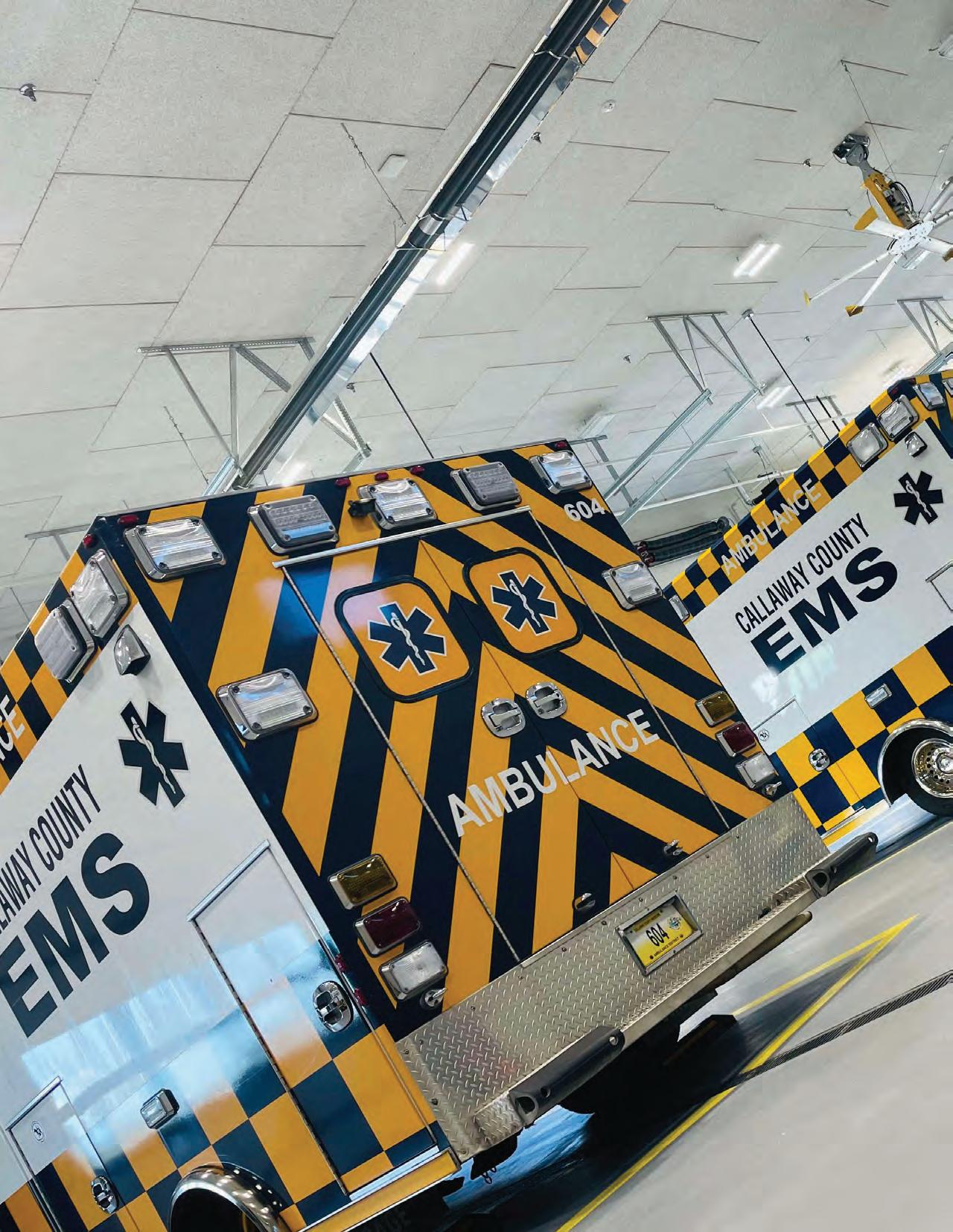
On the Cover: Nestled
PRESIDENT’S message
Save the Date for the Missouri EMS Conference & Expo 2025
We’re excited to announce the Missouri EMS Conference & Expo 2025 is taking place in conjunction with the 5th Annual MIH Summit in Kansas City, Missouri, from July 29-31, 2025. This year’s conference will focus on a critical issue affecting our industry: the mental health of EMS professionals. As we continue to face the unique challenges of our work, this event will provide an opportunity to come together, collaborate, and create strategies for a safer, healthier EMS workforce. The KCI Expo will be the perfect setting to connect with peers, share experiences, and foster solutions that make a positive impact. We hope to see you there!
Embracing Change for a Stronger Future
MEMSA is undergoing an exciting period of growth and transformation. Our Board of Directors has engaged in a comprehensive strategic planning process to define our priorities and set a course for success in the coming years. Our focus for 2025 is to ensure that our vision for the future is aligned with the evolving needs of the EMS community in Missouri. This strategic approach will help us drive positive change, enhance our programs, and better serve both EMS professionals and the communities we care for.
Board Updates: Transitioning to Governance
As part of this growth, we have updated and revised our bylaws. One of the most significant changes involves transitioning the MEMSA Board from a fully volunteer operational board to a governance board, which will now work alongside contracted staff. Change can be difficult, but it also opens up exciting new possibilities for improvement and long-term sustainability. The biggest update to our board structure is the introduction of “at-large” appointed
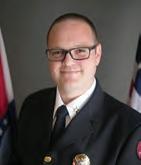
By Justin Duncan MEMSA President
seats. In addition to the elected regional representatives, the president now has the ability to recommend up to seven additional board members who can serve “at large,” regardless of geography. This approach allows us to bring in diverse expertise and talent necessary to fulfill MEMSA’s mission, vision, and values while maintaining strong geographic representation across the state. We believe this change will strengthen our leadership and provide a solid foundation for the future of the organization.
Supporting EMS Agencies
MEMSA is pleased to have secured several grants and pass-through contracts from state and national agencies. These funds will be allocated to support EMS agencies across Missouri, enabling them to expand their services, enhance capabilities, and ultimately improve patient care. We’re thrilled to bring these resources to Missouri, as they will make a significant impact on EMS delivery across the state. As always, our priority is to provide the tools and support necessary to help EMS professionals succeed in their roles and offer the best possible care to their communities. You can learn more about these grants in the Executive Director’s article.
Stay Informed on Legislative Developments
The legislative session is in full swing, and there is much to track. Over 1,000 bills were pre-filed, and we have a new wave of freshmen in Jefferson City this year. With so many important issues on the table, it is essential to stay engaged and advocate for the needs of the EMS profession. We encourage you to reach out to your State Representatives and Senators, introduce yourself, and ensure they understand the unique challenges EMS faces. Please stay connected with Jason White for details and updates on key legislative matters that will impact the future of EMS in Missouri.
EMS On The Hill Day 2025
In addition to the Missouri EMS Conference & Expo, we also encourage you to join us for EMS On The Hill Day 2025 in Washington, D.C., on April 2-3, 2025. This annual event brings EMS professionals from across the nation to advocate for important legislative priorities. It’s an opportunity to meet with lawmakers and ensure EMS issues are heard on Capitol Hill. Key issues this year will include Treat-in-Place (TIP) legislation, reimbursement, workforce shortages, drug shortages, and the challenges faced by rural EMS providers. Whether you are new to grassroots advocacy or a seasoned veteran, your voice is crucial in shaping the future of EMS. Visit naemt.org to register and learn more.
A Time of Change, But EMS Will Always Be There
As we navigate a period of uncertainty both in the United States and globally, one thing remains clear: EMS professionals will continue to answer the call when it matters most. No matter the circumstances, when the bells ring, our trucks will roll out to provide the compassionate care our patients need. Now, more than ever, your voice matters. Please get involved in shaping the future of our industry. By working together, we can ensure that EMS remains strong, resilient, and equipped to handle whatever challenges lie ahead. Whether through attending events like the
EMS Conference & Expo, advocating Capitol Hill, or supporting your local EMS agency, every action makes a difference.
Take care, stay safe, and I look forward to seeing you soon.
SAVE THE DATE
), suicide prevention ( ), and overdose awareness & prevention ( ). Pre-Conference occurs July 28-29.
The 2025 conference theme is, “Don’t Gamble with Mental Health.” Education tracks will feature sessions on behavioral health (
pArtNEriNg with:
EXECUTIVE DIRECTOR’S corner
It is difficult to believe that it is already March at the time of this article! It is an exciting time to be a member of the Missouri EMS Association. Not only are we growing our advocacy efforts and membership, but we are also increasing revenues through grants and contracts and increasing awareness about EMS and Mobile Integrated Healthcare. The following are just a few highlights from the past few months and a glimpse into the upcoming months.
Strategic Plan 2025-29
By Shelby Cox, BS, NR-Paramedic
In 2024, the Missouri EMS Association board of directors held a two-day retreat to conduct facilitated strategic planning. The result has been the development of a five-year strategic plan focused on advocacy, governance, membership, and organization growth through collaboration, program development, fiscal diversity, and sustainability. As the executive director, I believe this plan is a long-term strategic plan and the foundation for an operational plan with specific strategies and timelines. This plan is a living document and will be our guide as we continue moving into the future, regardless of internal and external environmental and funding changes.
MEMSA Board Elections
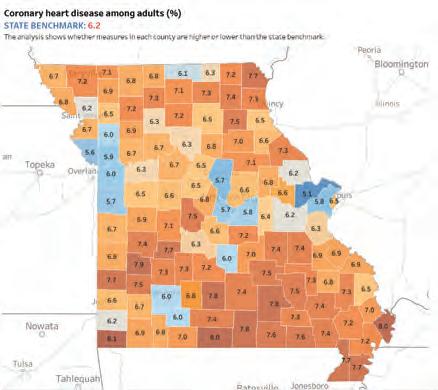
PLACES: Local Data for Better Health, County Data 2024 release, retrieved from Rural Health Insights for Each State & Congressional District - Stroudwater Associates, January 31, 2025.
Cardiovascular Disease Intervention Project
Due to strategic planning in 2024, the board voted to suspend the MEMSA board elections. The elections will now take place in 2025, with one position available in each region. You are welcome to nominate someone from your own region or from the region of your primary employer. You may nominate the current representative, a colleague, or yourself. However, please remember to vote only once. This is a great opportunity to get involved in statewide EMS issues and have your voice heard. Elected nominees will serve a four-year term on the MEMSA Board of Directors. Nominations are due May 31. Then keep an eye on your email for the voting link, and make sure to cast your vote in June 2025.
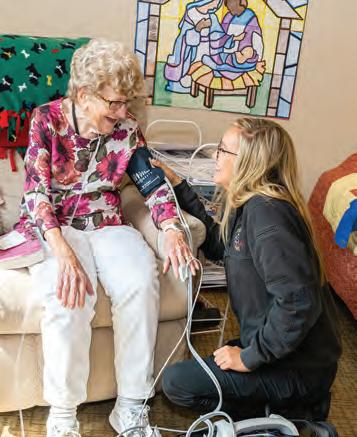
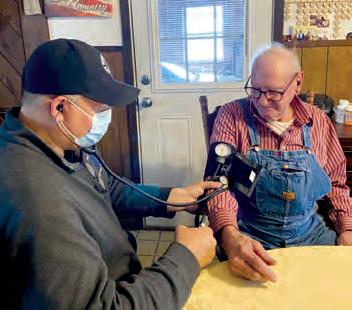
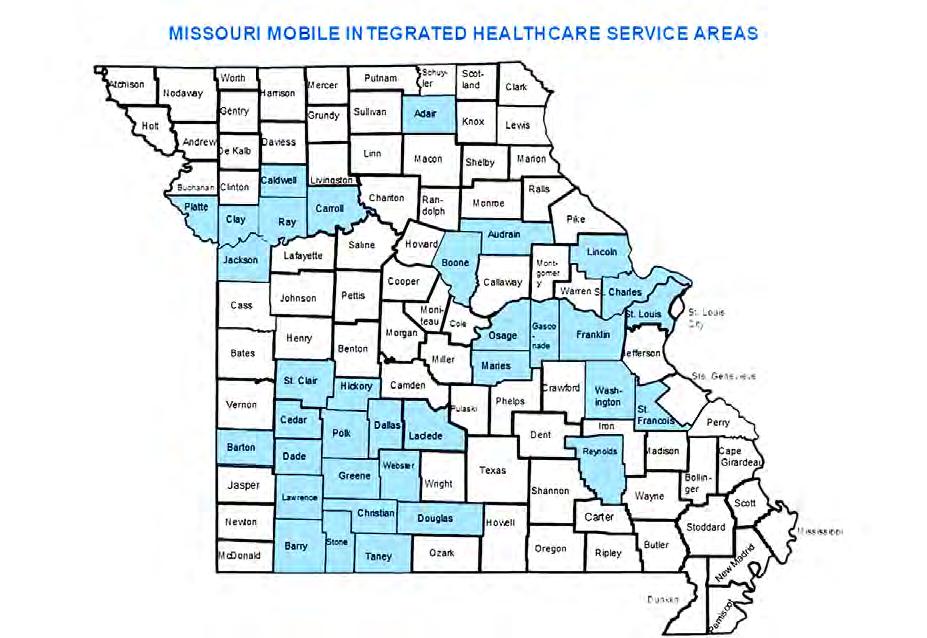
MEMSA and the Missouri Department of Health and Senior Services collaborated to implement cardiovascular disease (CVD) screening and education services in high-risk counties through current or newly developing MIH programs. The project is funded by a five-year Center for Disease Control and Prevention grant awarded to the department. MEMSA has been awarded a contract that equates to just under $134,000 in funding in state fiscal years 2024 through 2026. The funds initially target the Ozark and Hickory rural counties and a project in north St. Louis. Efforts are being made to solidify contracts for MIH clinicians to conduct in-home education with patients at risk of pre-hypertension, hypertension, and high cholesterol. The department also provides self-monitoring blood pressure kits for individuals enrolled in the program. While no programs are operational yet, we are excited to partner with healthcare providers in these communities to improve patient health outcomes. As reflected in the map above, the Missouri benchmark is 6.2, which is exceeded by Ozark (8.0), Hickory (7.7), and St. Louis City (6.5).
Thriving through MIH Grants
Beginning September 2024, MEMSA and the Patterson Family Foundation entered into a contractual agreement to administer grant funding to expand the rural Mobile Integrated Healthcare Network® model in six communities in the bi-state area of Kansas and Missouri. Thriving through MIH is a three-year
project, with $1.5 million in funding awarded to date. The Missouri communities participating in the project include Caldwell, Carroll, and Ray Counties. The communities of Abilene, Norwich, and Ottawa participate in Kansas. MEMSA has contracted with Community Asset Builders (CAB) to administer the grant funds and meet the deliverables. MEMSA collaborates closely with the Kansas EMS Association, Mid-America Regional Council, and United Methodist Health Ministry Fund (Health Fund). The Health Fund is providing additional financial support to the project, including evaluation services to be provided by Kansas University Medical Center. MEMSA coordinates technical assistance for the sites through the CAB team. The teams meet monthly with the participating sites and host quarterly bi-state partner/site meetings. The team is also in the process of developing an online toolbox and portal for grantees to access tools and resources to support their MIH expansion efforts.
Mobile Integrated Healthcare (MIH) Policy Forum
One of the most significant highlights has been the four-state MIH policy forum that was sponsored in part by MEMSA with federal grant funding, Compass Health, Great Mines Health Center, United Methodist Health Ministry Fund, Missouri Office of Rural Health and Primary Care, Mobile Integrated Healthcare Network®, and Missouri Primary Care Association. There were attendees from across the nation, with heavy representation from the Health Resource and Services Administration’s Region VII service area (Kansas, Iowa, Missouri, and Nebraska). The summit provided education sessions focused on advocacy, maternal health, behavioral health, substance use disorder, collaboration with federally qualified health centers, community health worker integration, MIH funding opportunities, and so much more.
Prior to the summit, MEMSA, the Health Fund, and the Mobile Integrated Healthcare Network® partnered to host a Strategic Thinking session
on mobile integrated healthcare and community paramedicine, with representatives from the Kansas Health Institute serving as independent facilitators. The session discussed regional strengths, challenges, threats, and opportunities related to MIH expansion and sustainability. The report can be viewed at https:// www.khi.org/articles/strategic-directions-for-mobileintegrated-healthcare-in-region-vii/
Rural Health Network Development Planning Grant
MEMSA applied for a federal Rural Health Network Development Program Planning grant from the Health Resources and Services Administration, Federal Office of Rural Health Policy. MEMSA is partnering with the Mobile Integrated Healthcare Network®, the Missouri Primary Care Association, and Missouri Highlands Health Care to explore further expansion and sustainability of MIH services in Missouri and how healthcare partners can continue to partner with EMS agencies to increase access to care in rural areas of Missouri experiencing primary care workforce shortages. The grant is a one-year grant for $100,000 that will end June 30, 2025. The key outcomes of the planning grant are to complete an external environmental scan and develop strategic and sustainability plans. These plans support future funding requests for MIH expansion and offer recommendations for sustainability strategies.
EMS Day 2025
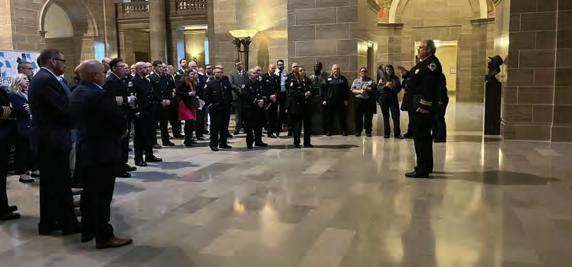
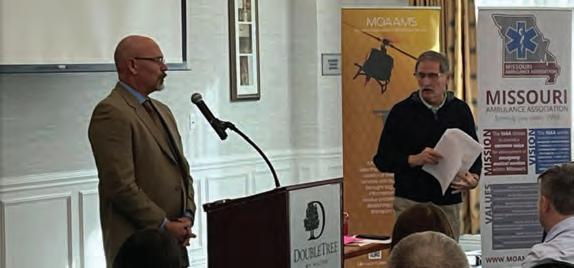
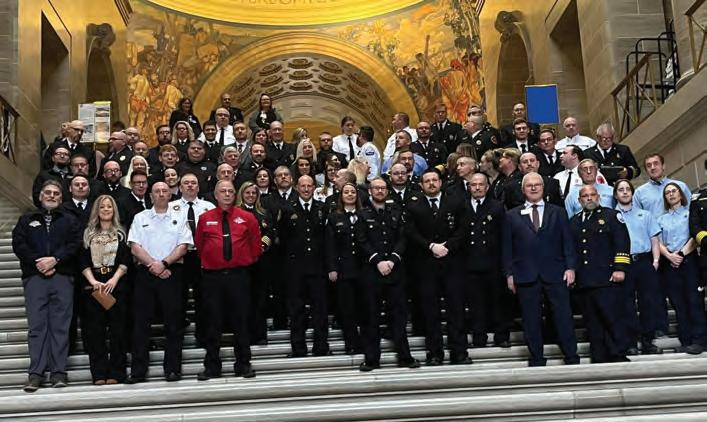
EMS Day at the Capitol was held on March 4, 2025. We had a phenomenal showing of support from EMS providers in the state. Thanks to Governor Kehoe for welcoming the group into his office and the kind words of support. Also, thanks to all the sponsoring organizations for bringing everyone together: Missouri EMS Association, Missouri Ambulance District Association, MO Association of Air Medical Services, and Missouri Ambulance Association. Learn more about the national EMS on the Hill event on page 4.
Investments Designed for Missouri
Since 1991, MOSIP has provided investment management services, education, and support for Missouri school districts, counties, and other political entities.
Learn more at MOSIP.org
This information is for institutional investor use only, not for further distribution to retail investors, and does not represent an offer to sell or a solicitation of an offer to buy or sell any fund or other security. Investors should consider the investment objectives, risks, charges and expenses before investing in any of the Missouri Securities Investment Program’s portfolios. This and other information about the Program’s portfolios is available in the Program’s current Information Statement, which should be read carefully before investing. A copy of the Information Statement may be obtained by calling 1-877-MY-MOSIP or is available on the Program’s website at www.mosip.org. While the MOSIP Liquid Series seeks to maintain a stable net asset value of $1.00 per share and the MOSIP Term portfolio seeks to achieve a net asset value of $1.00 per share at the stated maturity, it is possible to lose money investing in the Program. An investment in the Program is not insured or guaranteed by the Federal Deposit Insurance Corporation or any other government agency. Shares of the Fund are distributed by U.S. Bancorp Investments, Inc., member FINRA (www.finra.org) and SIPC (www.sipc.org). PFM Asset Management is a division of U.S. Bancorp Asset Management, Inc., which serves as administrator and investment adviser to the Fund. U.S. Bancorp Asset Management, Inc. is a direct subsidiary of U.S. Bank N.A. and an indirect subsidiary of U.S. Bancorp. U.S. Bancorp Investments, Inc. is a subsidiary of U.S. Bancorp and affiliate of U.S. Bank N.A.
MEMSA AWARD NOMINATIONS
Nominations must be submitted online by May 31
Each year, MEMSA accepts nominations for its annual awards. MEMSA recognizes individuals and organizations who have contributed significantly to high quality EMS and whose actions have resulted in better patient outcomes in the prehospital, emergency department, or transportation phase of emergency care. These awards are presented at the annual meeting in July and anyone can make a nomination unless otherwise noted. Nominations are due on May 31 each year.
Only electronic nominations will be accepted. The online nomination form can be found on the MEMSA website at www.memsa.org/awards.
AWARD RULES
DEADLINE: The deadline for nominations is midnight on May 31 each year. Online nominations and supporting materials (limit of six) must be uploaded to the online nomination form on the MEMSA website and clearly titled for submission. Nominations may be submitted year round, however the nomination must be submitted by midnight May 31 of that year to be honored at the July awards presentation the same year.
JUDGING: Winners are determined through a process identified by MEMSA Board of Directors and the Awards Chairperson and will be objectively scored in the following areas:
• Community support and involvement
• EMS involvement
• Contributions to the local and/or state EMS
• Current letters of recommendation (from medical director, community leaders, etc)
• Other documentation that supports nomination.
Letters of support should be current and include the name of the award for which the person is being nominated. This may include letters from patients, community organizations, local government, peers, board of directors, etc.
An EMS agency or an individual may not win in the same category more often than every three years. The MEMSA BOD reserves the right to determine eligibility.
Award Categories
• Administrator of the Year
• Community Paramedic/MIH of the Year
• Community Service of the Year Award
• Emergency Medical Service of the Year
• Kenneth E. Cole Memorial Award
- EMT of the Year
• First Responder
• Jack Lyon Memorial Award
- Instructor/Coordinator
• Nurse of the Year
• Paramedic of the Year
• Frank Mitchell Memorial AwardPhysician of the Year
• Presidential Leadership Award
• Quality Improvement Project
• Telecommunicator of the Year
NEWS briefs
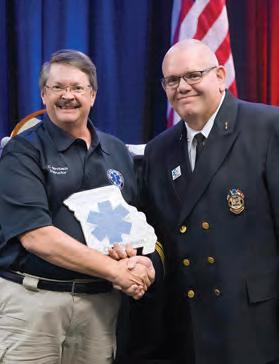
MEMSA President Receives EMS Advocate of the Year Award
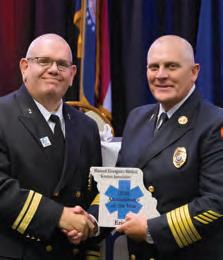
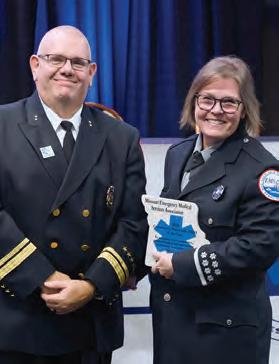
The National Association of Emergency Medical Technicians (NAEMT) has announced that MEMSA President Justin Duncan has been selected as a recipient of a 2025 EMS Advocate of the Year Award. He will be recognized by his peers at the EMS on the Hill Day Briefing on April 2 and will take part in the EMS on the Hill activities.
Justin was nominated for being an exceptional leader and advocate for the emergency medical services (EMS) profession, making significant strides in building relationships with elected officials, educating stakeholders, and empowering fellow EMS professionals. As the Chief Executive Officer of the Washington County Ambulance District (WCAD), Justin’s unwavering dedication to advancing EMS and mobile healthcare, particularly in rural communities, aligns with his advocacy for policy and legislative change.
Justin actively works to educate elected officials about the importance of EMS as a healthcare service, advocating for policy and legislation that supports the profession. His leadership on the Missouri State Advisory Council for EMS, along with his role as Chairman of the MIH/CP Subcommittee, has allowed him to provide legislators with critical information on the integration of Mobile Integrated Healthcare (MIH) and Community Paramedic (CP) programs. Justin’s advocacy on these fronts is pivotal in shaping legislation that not only supports EMS but also drives innovation in patient care, especially in rural areas. His work ensures that EMS professionals are seen as essential healthcare providers within the broader healthcare system.
As a passionate advocate, Justin encourages and motivates his peers to actively participate in grassroots advocacy efforts. He recognizes the power of a unified EMS voice in influencing legislative action. Through his involvement with organizations such as the Missouri EMS Agent Corporation and National EMS Management Association, he fosters a culture of advocacy, urging EMS professionals to not only stay
informed about current legislation but to take an active role in shaping the future of EMS through engagement with their elected officials. Justin’s leadership in these efforts is integral to expanding the advocacy capabilities of EMS professionals nationwide.
Justin’s leadership within MEMSA has also been pivotal in advancing the EMS profession in Missouri. His work in building relationships with elected officials, educating legislators on the importance of EMS, and advocating for policies that benefit both EMS professionals and rural communities has had a lasting impact on the state’s EMS landscape. By empowering his fellow EMS professionals to become advocates and engage in grassroots efforts, Justin has ensured that Missouri’s EMS community is better equipped to navigate the challenges and opportunities of an evolving healthcare system. His unwavering dedication to the profession makes him a deserving candidate for this honor.
» ABOUT US
ONLY Serving Missouri EMS Providers – We know your unique challenges & needs.
Maximize Your Revenue – Experts in MO HealthNet & state programs.
Advocating for You in Jefferson City – Fighting for better reimbursements every week.
No Empty Promises – Unlike national firms, we deliver real results.
» HOW WE CAN HELP
FREE Revenue Check-Up! No obligation. Let us compare your numbers & see if we can boost your collections.
» CONTACT US
Let ProClaims show you the difference experience makes to make sure you are maximizing revnue, so you can keep taxes low.
SERVICE SPOTLIGHT:
CALLAWAY COUNTY AMBULANCE DISTRICT
By Mary Napier Editor, Missouri EMS Connection
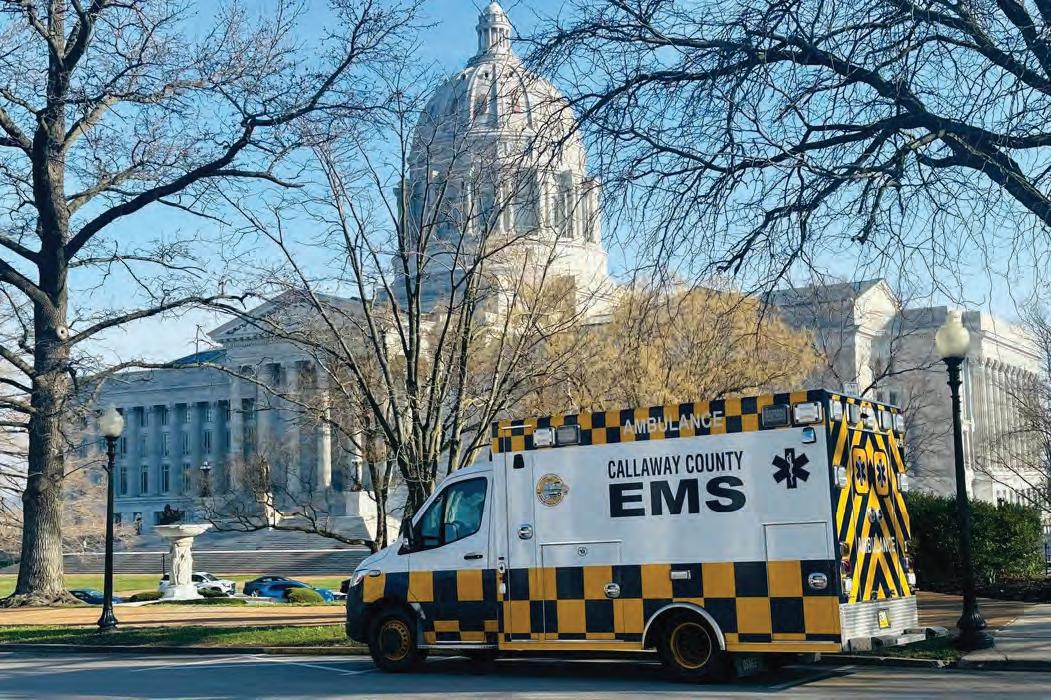
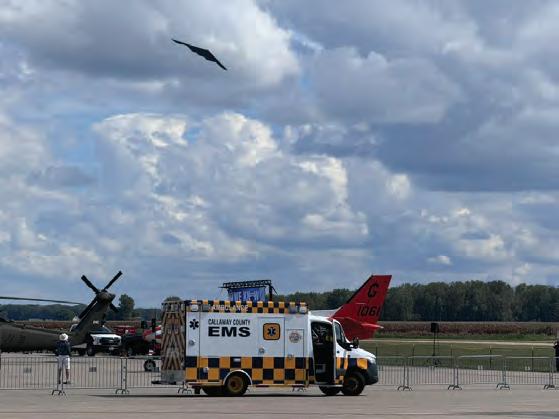
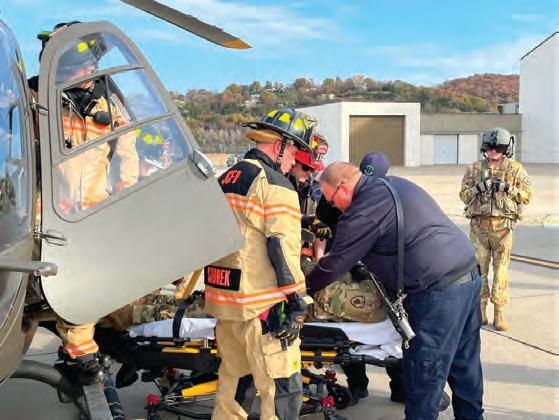
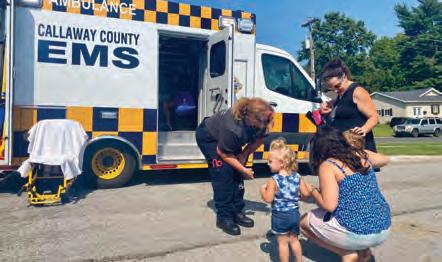
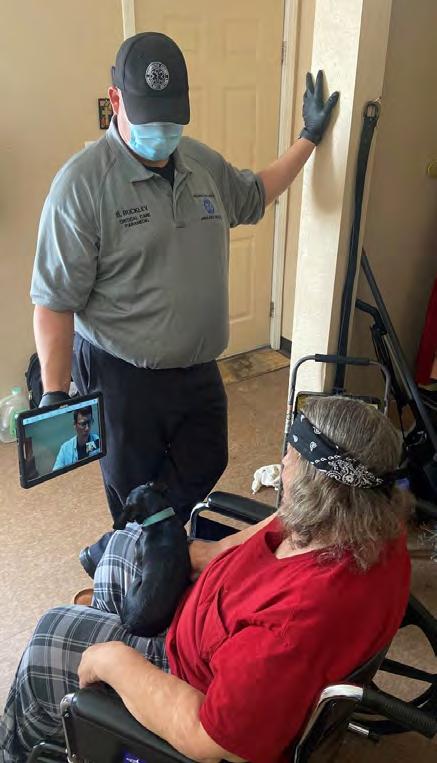
Nestled in the storied “Kingdom of Callaway,” the Callaway County Ambulance District (CCAD), also known as Callaway County EMS, stands as a beacon of excellence and innovation in emergency medical services. Since its founding in 1972, CCAD has grown into one of Central Missouri’s premier EMS providers under the steady leadership of EMS Director Charles Anderson, who has been with the district since 1985 and served as director since 1993.
The Storied Kingdom of Callaway
The district serves Callaway County, Missouri, a community rich in history. The “Kingdom of Callaway” nickname originated during the Civil War, when local militia under leadership of Col. Jefferson F. Jones, bluffed Union forces with fake cannons, burned bridges, and felled trees to give the illusion of a heavily fortified position to avoid conflict. That independent spirit still defines the area today, along with notable
landmarks like Westminster College in Fulton, where Winston Churchill delivered his famous Iron Curtain speech at the invitation of President Harry S. Truman.
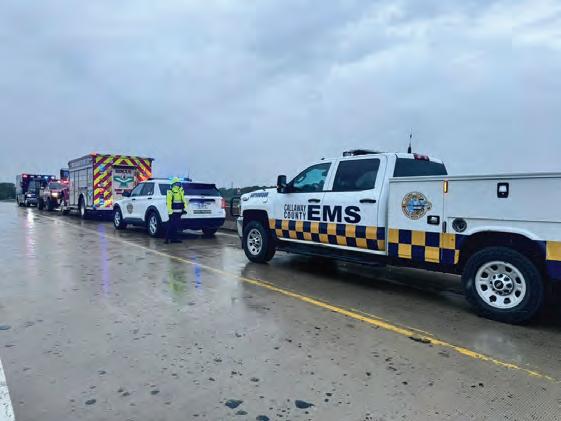
Located at the intersection of US Highway 54 and Interstate 70, Callaway County sees heavy traffic, serving nearly 30,000 vehicles daily. It’s also home to Missouri’s only nuclear power plant, the Callaway Energy Center, providing unique training opportunities for CCAD staff in handling radiological incidents.
CCAD’s Comprehensive Operations
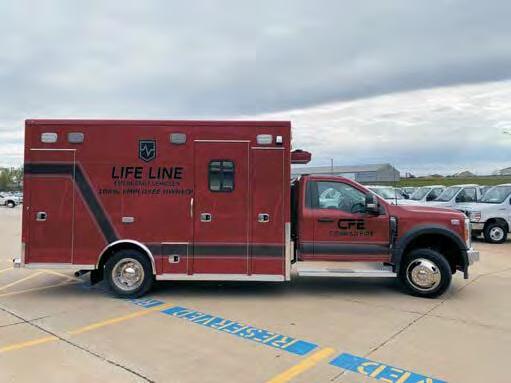
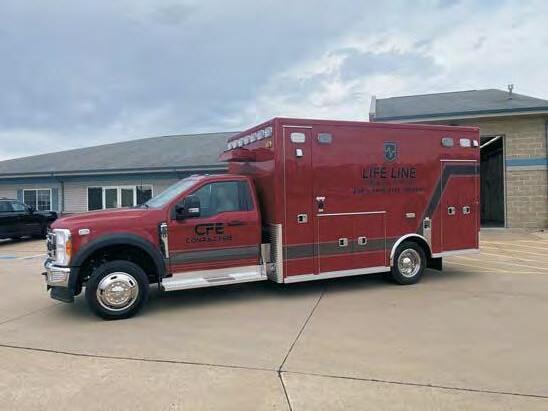
Covering an 847-square-mile area, including 12 square miles of waterways such as the Missouri River and Little Dixie Lake, with a population of 44,283, CCAD responded to 5,653 calls in 2024. This is up from 4,800 calls in 2014. Its three stations located in Fulton, Kingdom City, and Holts Summit are equipped with eight ALS ambulances, five of which are staffed around the clock, a supervisor’s vehicle, administrative
Photos provided by Callaway County Ambulance District
vehicles, and a mass casualty incident (MCI) resource trailer.
The district employs 33 paramedics, 20 EMTs, and one AEMT. Under protocols approved by Dr. Christopher Sampson of the University of Missouri Hospital ER, CCAD offers advanced procedures like drug-assisted intubation, intraosseous (I/O) access, ventilator use, and finger thoracotomy.
Paramedic staff are required to maintain Advanced Cardiac Life Support (ACLS) certification, with Pediatric Advanced Life Support (PALS), and Prehospital Trauma Life Support (PHTLS) as optional. Many staff also hold Critical Care (FP-C) certifications, with pay incentives for those who do.
A Proactive Approach to Mental Health Crises
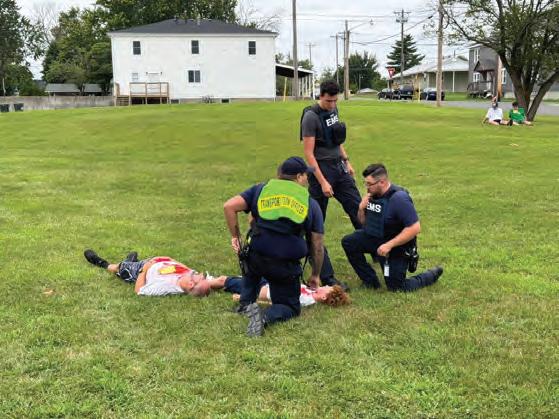
CCAD is leading the way in mental health emergency response by requiring Crisis Intervention Training (CIT) for all EMTs and paramedics, making the district one of the first in the region to adopt this standard. Recognizing the rising mental health crisis in the U.S., with one in five adults facing mental illness each year, the district mandated the 40-hour CIT course for staff.
CIT equips first responders with the tools to safely and humanely handle mental health crises. Staff learn to assess patients, de-escalate crises, and direct them to appropriate care— whether that means on-scene referrals to the 988 mental health
crisis hotline, transport to crisis stabilization units, or other specialized facilities.
“CIT is not only about tackling crises; it’s about giving patients what they need to heal and live well,” said Director Anderson.
By using CIT, CCAD ensures patients in crisis are properly cared for, reducing unnecessary emergency department (ED) visits and improving patient outcomes. CIT-certified EMS personnel can help patients avoid long ED waits and access more individualized care at crisis centers, detox facilities, or outpatient psychiatric clinics.
The benefits extend beyond patients to the larger healthcare system. CIT relieves ED overcrowding, allowing hospitals to focus on acute emergencies while saving resources. It also strengthens community trust in EMS, as families know responders are prepared to handle mental health emergencies compassionately and in more coordinated ways.
Callaway County EMS’s preparedness during a mental health crisis is one example of how local agencies can make a real difference when it comes to mental health. With CIT at the center, the agency is making the system not only more responsive, but also a better, more humane, and more efficient emergency care system for everyone.
Community Engagement and Tactical EMS
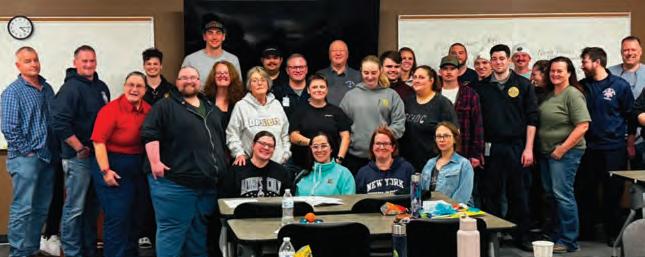
CCAD’s community involvement is central to its mission. The district offers EMT,
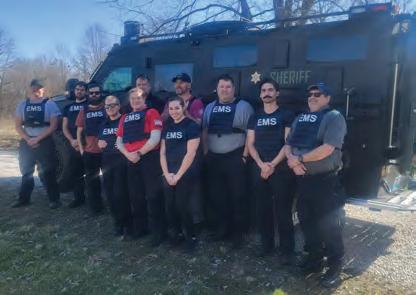
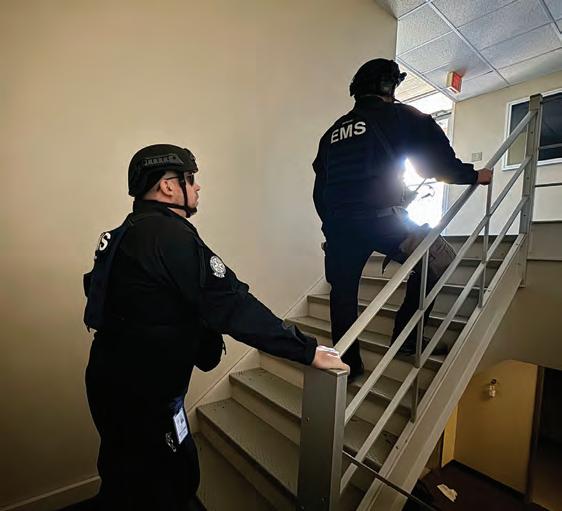
CPR, and “Stop the Bleed” classes to equip residents with life-saving skills. Its tactical EMS team partners with the Callaway County Sheriff’s Department, supporting high-risk operations such as search warrants and barricaded subject responses.
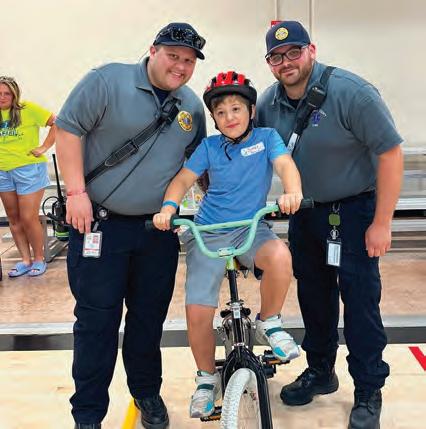
Throughout the year, CCAD participates in community events like parades, high school football games, trunk-or-treat events, and the “Shop with a Hero” program. It also maintains the community’s PulsePoint AED registry and is an active member of the local Crisis Intervention Team (CIT) network.
Pioneering Leadership
Under Director Anderson’s leadership, CCAD transformed from a struggling organization into a leader in Central Missouri’s EMS community.
“To remember where the ambulance district was when I took over in 1993 (we were mired in much internal and external conflict) to where we sit today as one of the premier EMS services in Central Missouri is something that I am very proud of,” said Director Anderson.
In addition, the district is proud of its $4 million headquarters overlooking Tanglewood Golf Course in Fulton—a project completed without a bond issue through a public-private partnership that was completed four years ago.
A Vision for the Future
education, and outreach with compassion, professionalism, and responsibility. Their vision extends beyond immediate medical response, aiming to enhance the overall health of the community through continuous training and service improvement. As they look to the future, CCAD remains committed to adapting to emerging health challenges, ensuring that the “Kingdom of Callaway” thrives with a robust and responsive emergency medical service at its core.
CCAD’s mission is clear: to provide the highest quality emergency and non-emergency care,
For more information about CCAD’s services, educational programs, or community initiatives, visit their official website at https://www. callawayambulance.org/.
MEET SOME OF THE PERSONNEL AT CALLAWAY COUNTY EMS
Chris Blackwell, Jr., EMT-P
How long have you been in EMS? 5 1/2 years
How did you get involved in EMS? My father has been a firefighter in St. Louis for 27 years. He was the spark that started my EMS journey.
What has kept you in EMS? It’s the best job I’ve ever had. Every day there’s a chance to experience something new and gain more knowledge in my field. What type of rewards do you get from the job? Having the opportunity to help others when they’re in need the most brings me great joy.
Challenges? Every occupation has its challenges, but I just see them as opportunities to become better. What does the future look like to you? The future is bright. EMS is a field that requires constant learning and development of new skills. I intend to do just that as my career progresses.
Derek Back, EMT/Instructor
How long have you been in EMS? Nearly 14 years
How did you get involved in EMS? Firefighter career advancement
What has kept you in EMS? The devotion I have to serve my community, my love for the job, the excitement, the challenges, and the rewards. What type of rewards do you get from the job? The immense satisfaction of making a difference, the satisfaction of learning and understanding something new, and those days you can turn a patient’s pain into a smile.
Challenges? Working and learning each day to make yourself better, the stress of the job, and few days are the same.
What does the future look like to you? I look forward to ending my career as an active crew member on the ambulance, I hope to continue and expand my teaching duties, and I want to continue to introduce trainees and the public to emergency medicine.
Brandon Uebinger, EMT-P, FP-C
How long have you been in EMS? 11 years
How did you get involved in EMS? I was a manager in retail for eight years and felt unfulfilled. I did an EMT class at CCAD and have been here since.
What has kept you in EMS? The fact that I can make a difference in someone’s life who lives in my community. What type of rewards do you get from the job? I feel rewarded when I can pass along knowledge to the next generation of EMS.
Challenges? Challenges are cumulative stress of the job and balancing work and life.
What does the future look like to you? I think we will have more advanced ways for us to monitor patients labs, and I also believe that community paramedicine plays a massive role in the health care system.
Kelly Drennan, Paramedic
How long have you been in EMS? 35 years
How did you get involved in EMS? I enjoyed helping others in their time of need.
What has kept you in EMS? I love helping others and teaching EMT and paramedic courses. What type of rewards do you get from the job? My reward has always been good patient outcomes and teaching others to be the best they can be.
What does the future look like to you? Retirement in a couple of years.
OUR FALLEN HEROES Nathan Williams 1953-2024
Saying goodbye to Nathan Williams is one of the hardest things I’ve ever done. It doesn’t seem possible that the anniversary of his death, May 10, 2024, has come so soon. He was my mentor, my friend and a true gentleman. I miss him a great deal.
The words above could have been written by any of the dozens—maybe hundreds—of people who had the pleasure of knowing and working with Nathan Williams. He truly was a man of integrity and stature. His footprint in advancing EMS was huge not only in Missouri, but also across the nation.
He served as President of the Missouri EMS Association (MEMSA) twice, guiding us in the early years. He skillfully led MEMSA to work with the Bureau of EMS to provide skills testing for EMT and EMT-P candidates. Nathan also represented MEMSA for nearly 20 years when the Combined Clinical Conference included the emergency nurses and the emergency physician associations. More recently, he guided the MO EMS Conference & Expo when it reorganized in 2018-2019. When COVID caused cancellation of the 2020 and 2021 conferences, Nathan led the efforts to avoid huge penalties from the conference site and the hotels. His leadership was invaluable and just a small example of Nathan’s imprint on EMS.
Nathan’s role in Missouri EMS pushed him into the national scene. He was president of the National Association of Emergency Medical Technicians (NAEMT) when the terrorist attacks of 9/11 took place. NAEMT recognized Nathan’s unwavering commitment to the EMS profession and passion for improving patient care. It was under his leadership that NAEMT rolled out its Pediatric Prehospital Care course (later rebranded to Emergency Pediatric Care). Nathan also solidified the partnership for the NAEMT Annual
Meeting to be co-located with EMS World Expo. This conference is now the premier EMS conference in the nation.
Nathan was instrumental in establishing Advocates for EMS, a national organization focused on ways to solve the needs of EMS providers. Legislation in 2010/2011 was introduced, including the Field EMS Bill, that would have created $321 million to provide grants, research, and a framework to improve the stance of EMS. Unfortunately, EMS did not have a unified voice or the data to support getting a piece of the federal pie. Nathan’s vision was ahead of the maturity of our EMS industry.
In the 1970s, Nathan worked beside Dr. Frank Mitchell at the University of Missouri, Columbia. Dr. Mitchell was known as the father of the trauma system in Missouri. He, too, had a national presence and was a wonderful mentor. Dr. Mitchell personally trained a small number of EMTs and then sent them across the state—by airplane—to educate EMS providers across Missouri. Nathan was one of the chosen to provide the education. He told two great stories about his adventures around this time.
One story involved flying around Missouri. The airplane was a small single engine. The pilot needed not only Nathan’s weight, but also the weight of the boxes of books Nathan was taking. The first stop went without a hitch. As the day wore on, the heat and humidity intensified, and a storm was moving in. The pilot told Nathan they would need to leave immediately if they were to get back to Columbia that day. After a pause, the pilot said “we also have to get rid of some weight to get off this runway.” In true Nathan fashion, Nathan said—don’t look at me! And he began dumping boxes of books into a field by the airstrip. Needless to say, Nathan was home that evening, wondering how he could explain his missing books!
Another adventure while at the MU hospital in the 1970s involved a petite blond who had broken her leg. Nathan was putting a cast on her leg when he felt her touching his hair, which he described as a large afro.
She said she always wondered how hair like that felt. That was the beginning of a lifetime together. He and Mary Ann were married Dec. 21, 1974 and shared 49 years and three children together.
Nathan spent 25 years at the Columbia Fire Department, retiring in 2004 as a Division Chief. His fingerprints are indelibly planted on many laws and policies that are the foundation for what EMS has become in Missouri and nationally. He was deeply involved in establishing FRA and GEMT funding for EMS in Missouri. These efforts have provided millions of dollars for EMS reimbursement that otherwise would not be available.
Collecting titles and accolades as part of building a public or personal resume compels many people, but not Nathan. Nathan looked for opportunities to lead change and improvement through his involvement. Just as importantly, he was skilled at helping guide those around him toward success.
Nathan was a true giant, a man of integrity and stature. His vision for EMS was greater than any one man. His footprint in EMS was huge, but to many, he was first a mentor, a friend, and a true gentleman. We miss you, Nathan. Your good work lives on.
OUR FALLEN HEROES
Non-LODD
Steven Greshong – 11/24/24
Buchanan County EMS
Phillip Mathis – 12/18/2024
Randolph County EMS
Micheal Keller – 1/25/25
East Prairie Fire, First Responder
If we missed anyone who we need to recognize, please send an email to MO EMS Connection Editor Mary Napier at mary@napiercommunications.com.
LEGISLATIVE update
By Jason White jason.white3254@gmail.com
2025 Session and EMS Issues Moving Rapidly
At the time of this writing, the Missouri legislature is moving EMS related bills in both the House and Senate. Almost every EMS issue is up and moving and two of them were in the second bill to pass the Senate and move over to the House for consideration. Look for SB 7 to be amended in the House to include more of the EMS related bills that are non-controversial (99% of the EMS bills we classify as non-controversial).
Wayfair allows sales tax based districts to ask their voters to allow for the Use tax for financial support. It is moving nicely and has cleared a few hurdles.
The ½ to 1% option for sales tax districts is moving in the Senate, BUT I suspect we will need to decide between this issue and Wayfair. The legislature will probably not allow us to pass both.
The MERC funding bill is moving in the House. The House Budget Committee is considering providing general state tax support to fill the gap created when the legislature did not renew the hazmat fees last year.
Allowing St. Charles County to shift from a property tax to a sales tax is moving along well in SB 33.
CTC training funding in HB 331 now includes EMS and is moving forward.
The update of the Good Samaritan law (to actually include general citizens and not just those people with a health care related license in their pocket) has already passed the Senate and is in the House via SB 7.
Changes to who appoints the members of the SAC has moved forward in both the House and Senate.
The Ambulance Service Support Act, an effort to assist some small and struggling rural ambulance services, has passed the Senate in SB 7 and is moving forward in the House.
The MIH/CP update legislation is moving forward in the House.
Legislation that would minimize the need for Prior Authorization from insurance companies for many medical procedures has had a hearing in both the House and Senate. We hope to add a clarifying amendment to ensure that ambulance service is clearly included.
Legislation that would require schools to have plans for emergency cardiac events is moving forward in both the House and Senate.
Legislation to protect the medical records created by first responder agencies (because they are generally not protected under HIPAA) is moving forward in the House.
Peer Review legislation has not gotten a “DO-PASS” in both a House and Senate Committee as the Missouri Association of Trial Attorneys (MATA) is adamantly opposed and working feverishly to stop the legislation.
PLEASE, it is always a good time to engage with your local legislator. You can track down your elected officials at the Missouri state government website.
If you have questions or would like to receive regular updates on legislation, please feel free to drop me an email at Jason.White3254@gmail.com.
MISSOURI EMS DAY AT THE CAPITOL 2025
LEGAL corner Please Sign Here: How Patient Signatures Can Lead to Huge Losses for EMS
By Christopher Kelly, Partner, WMK Law Group
A Medicare Administrative Contractor (MAC) has recently released a new summary of their Target Probe and Educate (TPE) audits for emergency ambulance transports. The top error identified was a lack of beneficiary signatures. This error resulted in the denial of more than one-third of the claims they reviewed. This is not the first report to identify signatures as the top error. Patient signatures are something that our industry has consistently struggled with for years. The “patient signature rule” regulation at 42 CFR 424.36 requires that a patient sign at the time of transport. If the patient is not able to sign, there are five other acceptable signatories (the patient’s legal guardian, the patient’s healthcare power of attorney, person who receives government benefits on the patient’s behalf, person who arrange the patient’s medical appointments, or representatives of another provider who cares for the patient). If none of them are available, then and only then, should the crew sign and state why the patient was not able to sign for themselves. Then get the receiving facility to sign or give you documentation showing that the patient was actually transported on that date.
Occasionally we receive questions about “lifetime signatures,” and sometimes we still see the phrase “signature on file” on the patient line of a trip report that we are reviewing for a client. While there is a technical argument that a “lifetime” signature is acceptable for assignment of benefits, let us give you four things you should consider before relying on lifetime signatures.
First, do you have the magic lifetime language in your signature block? By this we mean: does it say that the patient agrees to assign their insurance benefits for direct payment to you and to allow you to bill for this service or any other medical services provided by you in the future? If not, then the signature would only be good for one trip. Also note that the signature should be dated before the date of service. Past dates may not be appropriate because you should have had
the signature at the time of claims submission, so “lifetime” signatures that are obtained after the claim was already submitted might not be allowed if the dates were scrutinized by an auditor.
Second, do you have a “lifetime” signature form for every patient? Even if you have the right language, let’s face it, how are you going to keep track of who you have signatures for and who you don’t? Also, how can you possibly expect crews in the field to know whose signature you have back in the office? For most EMS services, this is simply impossible. The only category of patients who this may realistically apply to is repetitive transports, such as dialysis patients. So, getting crews into the mindset that there is a signature somewhere, and therefore they don’t need to worry about obtaining the patient’s signature at the time of transport, is dangerous policy.
Third, even if you have the “lifetime” form, can you find it? We have seen time and time again situations where a trip report or billing claim form has “signature on file” but the office was not able to locate it when asked for a copy. Worse yet, if you can’t find it when Medicare asks for it, you can end up on the wrong side of a huge repayment demand. Of course, this problem can be fixed with good record-keeping practices, so it is not an insurmountable obstacle. But, read on, there is still one final thing to consider.
Fourth, and most importantly, the idea that “lifetime” signatures are still acceptable is dependent on the “policy” about signatures that CMS published in 2008 (relative to 42 Code of Federal Regulations 424.36) not overriding another regulation (42 CFR 424.40) that still says there can be “lifetime” assignment of benefits. There is a good legal argument that both regulations are still applicable to patient signatures and may in fact prove successful if you have to defend your documentation practices. But beware, many of the auditors and Medicare Administrative Contractors, who initially review (and deny) claims, are looking for signatures for each date of service
under section 424.36, and they do not seem to acknowledge the possible exception in section 424.40.
Yes, “lifetime” signatures are still acknowledged under the Code of Federal Regulations, but be cautious. Relying on lifetime signatures could at best lull you into a false sense of security, and at worst, set you up for a long and expensive legal battle just to try to prove a point.
If losing a significant portion of your Medicare reimbursement were not cause enough to make sure you get signatures, let us give you one other reason. It is not related to Medicare rules, but stems from a recent Medicaid audit. In that case, the auditor denied hundreds of ambulance transports because there was “no corresponding facility claim” and therefore no proof that the transport took place. However, signatures from the patient, or legible signatures from the receiving facility, were used to show that the transport did in fact take place.
As far as the Medicare report and signatures in general, it is clear that patient signatures are on the Medicare Administrative Contractor radar and that we as an industry are not doing a good job of collecting them. As we mentioned above, there are three ways to meet the signature requirements, so
there is no reason that a valid signature cannot be obtained on each transport. Make sure your staff and clients understand the requirement, and that the EPCR software being used is set up to meet the signature requirement. Specifically, the software should be clear in the signature section who is signing and, if it is not the patient, why the patient did not sign. The assignment of benefits language should also be present in the software where the person is signing and when the PCR prints. If any of these elements are unclear or are missing, we recommend working with your EPCR vendor to correct those issues.
The bottom line: signatures matter! They may be the only thing that keeps you from significant financial loss from Medicare and other payers. Make sure you ask your patients to “please sign here.”
About the Author
Christopher Kelly is a partner at Werfel, Moore & Kelly, LLC. The WMK Law Group is a law firm dedicated to providers of EMS, ambulance, mobile integrated healthcare, non-emergency medical transportation (“NEMT”), and the software and billing companies that support these industries. This article is not intended as legal advice. For more information or for assistance, he can be reached at (404) 934-8999 or email to ckelly@wmklawgroup.com.
LESSONS LEARNED in ems
Recently, I have noticed an ad on the internet that shows a four-legged robot thing that walks like a dog but has a backboard attached to it with a mannequin strapped to that. It appears that it can walk with the board and move the patient around without human help. It is quite a sight to see. I think they might have a good idea and can’t wait to see what it evolves to be. This also gave me an opportunity to recall some different ways during my career that we had to move patients on calls.
One particular call involved a logging accident. The call came in about a patient struck by a falling tree. What made this so different was the location. It was way out in the woods in the middle of nowhere. When we arrived on the scene, we were met with a guy on a four-wheeler who said he would take us as far as he could and then we could use the mule. Yes, he said mule. He said they typically use a mule to pull the logs out because of the rough terrain and mud.
By Dorothea Lake, BS, EMT-P
reached the patient, he was in critical condition. We started an IV, put on a c-collar, and put him on the backboard.
We then had to decide on how best to get him out of there. They assured us that the mule would work well to move the patient and was safe. The firefighters and EMS got on each side to help support the board that was strapped up on the back of this mule to get him out to the awaiting four-wheeler further down the road. I have to say it was a rough walk because the mud was up to our knees, and it seemed like it took forever to reach the awaiting four-wheeler.
Once we transferred our patient to the four-wheeler, we again trudged through the mud supporting the patient on the backboard on the back. To make things worse, we got stuck in the mud twice and had to help push the four-wheeler out.
We loaded what we thought we might need: backboard, jump bag, and oxygen. We drove for what seemed like forever through a muddy road until the road disappeared, and there they met us with the mule to lead us down the rest of the path. We were told by the guy leading the mule that the patient was still further down and the patient had been struck in the head by a falling tree and was unconscious. When we
CONNECTION contributions
Service News - Do you have news to share?
The Missouri EMS Connection is pleased to accept submissions for the Service Briefs section in the magazine. The purpose of the service briefs section is to share current news about your service. Submit your news to the Editor - mary@napiercommunications.com
By the time we got out of the woods to the awaiting helicopter, we were exhausted and thoroughly covered in mud. All in all, what I felt was hours upon hours, turned out to only be one hour that we were in the woods retrieving our patient. That day I learned that mud can be washed out of a uniform, but the boots were another issue. They had to be thrown away.
This is one of the reasons I love EMS. No day is the same, and just when you think you have seen or done it all, you realize you haven’t.
The Missouri EMS Connection is calling on you to make a contribution.
We are accepting submissions from passionate EMS professionals who would like to share their expertise or have a subject of interest. Before you submit, please download and review the Missouri EMS Connection Submission Policy at http://memsa.org.
UPCOMING DEADLINE Summer - May 15, 2025
SEPSIS IN EMS - THE EMERGING TCD
By Douglas Anderson & Janet Taylor
As EMS practitioners, we are all aware of sepsis and its dangers, but are we treating it as promptly and aggressively as we should be?
Sepsis is obviously not a new thing, but it wasn’t highly recognized until 2017 when the World Health Organization began considering sepsis a global health priority.1 Before the coined term sepsis, it was called blood poisoning or septicemia.2 Until recent years, there was not a formal system for recognition or defined standards of care.
In August 2024, a small study was conducted by sending a brief survey to EMS agencies across Missouri. Thirty EMS agencies responded to the survey providing the following information:
• 76% of agencies reported having a written protocol addressing sepsis
• 93% had an approved form of sepsis recognition (SIRS, NEWS2, SOFA, qSOFA, etc.)
• 80% had protocols which supported the administration of fluid boluses
• 66% of protocols supporting the use of vasopressors
• 66% used ETC02 as an assessment tool for sepsis
• 40% had the capabilities to draw blood in the field, including blood cultures
• 26% of agencies carried pre-hospital antibiotics
• 50% of agencies reported having support from their local ER regarding prehospital sepsis care
What is Sepsis?
While sepsis is an infection, not all infections are septic.3 Everyone has had an infection of some sort, whether bacterial, fungal, or viral in nature. Sepsis is the body’s extreme response to a “typical” infection. It occurs when an infection you already have triggers a chain reaction throughout your body.4
With certain risk factors, however, there are some who are more likely to develop sepsis. Risk factors include children younger than one year, adults over 65 years of age, pregnancy or postpartum, previous history of sepsis, genetic factors, immunosuppression, history of cardiovascular disease, diabetes, and/or liver failure.3,5 Infections that lead to sepsis are more likely to start in the GI tract, lungs, skin, and urinary tract.4 Without recognition of the sepsis process, and critical thinking to differentiate between an infection and sepsis, the patient can have tissue damage, organ failure, and death.3,4,5
Typical presentation of a patient with sepsis includes,
Over the years, numerous attempts have been made to standardize recognition and improve sepsis care, including Sepsis Syndrome (1989), Systemic Inflammatory Response Syndrome (SIRS—1991), SOFA (1994), SIRS (2001 update), Surviving Sepsis (2002), QSOFA (2016), NEWS (2012), NEWS2 (2017), and Surviving Sepsis Campaign Bundle (2021).7
The concept of Early Goal Directed Therapy (EGDT) was created by Dr. Emanual Rivers, MD, in 2001. EGDT transformed sepsis care by proving that early recognition and prompt treatment with fluids, antibiotics, and hemodynamic agents improved outcomes and saved lives.10
The current standards of care for sepsis are based on the sepsis bundle, which includes regular labs plus lactic acid and blood cultures. Lactic acid is used to assess the severity of alteration in tissue perfusion due to the pathophysiological processes of sepsis. Blood cultures are drawn so that the infecting organism can be identified to target antimicrobial therapy. Fluid boluses are initiated urgently, as well as broad-spectrum antibiotics, and vasoactive agents if shock is present.
These diagnostics and treatments are recommended for the first three hours of care. To guide treatment, a
Photo courtesy of: WHO1
standardized tool should be used, such as a NEWS2 score.11 NEWS2 acts like a Glasgow Coma Score or an APGAR. You put in your patient’s assessment findings and a score is given based on these findings. This scoring system is a lot more user-friendly than SOFA in that EMS/Fire can apply the assessment findings without having to rely on lab values. Of course, in 2025, there are many sepsis calculators and apps available for download.
NEWS2 looks at respiratory rate, ETC02, if there is supplemental oxygen being used, patient temperature, systolic blood pressure, heart rate, and level of consciousness.11 These tools can also be used to evaluate the effectiveness of treatments. While the treatments focus on early antibiotic administration, fluids, and vasopressors3,4 other treatments that are showing promise include using Heparin to prevent thromboembolism, and adding Vasopressin to Norepinephrine as an adjunct to improving perfusion while minimizing the risk of fluid overload.6 High dose steroids are also suggested in cases of severe septic shock.3
Training
Through research, it was found that many septic patients would arrive at the emergency department by EMS and the disease process would be missed due to lack of knowledge regarding the recognition of sepsis. In response, EMS practitioners began receiving higher levels of training to identify sepsis in the field so that the emergency department would be more prepared to quickly diagnose and intervene. This lowered mortality rates, but we can always do better.
EMS practitioners should be trained to not only recognize sepsis but begin treating it before even arriving at the hospital. A 2016 study showed that when compared to emergency physicians, paramedics were able to identify septic patients with 73.2% sensitivity, 78.8% specificity, and 78.2% accuracy.12
Where do we go from here?
Septic patients should be treated as promptly and aggressively as other critical diagnosis patients. Sepsis recognition and protocols to support assessment findings and initiate early interventions are important. EMS practitioners should utilize a standardized scoring/ recognition tool, such as the NEWS2, to guide care. Labs should be drawn prehospital (including lactic acid and blood cultures), so that EMS practitioners can initiate broad-spectrum antibiotics as soon as possible. This has been shown to decrease morbidity and mortality rates. IV fluid boluses and vasoactive agents, such as norepinephrine and vasopressin, should be available and used if shock is present. Lactic acid levels are important to assess, which usually takes place in the ED. However, EMS agencies
could perform these tests in the prehospital setting with point of care testing devices. Some EMS agencies have already standardized this level of care for sepsis, but many are lacking, as shown in the statistics. It is time to push boundaries and do better.
References:
1. World Health Organization. (n.d.). Sepsis. World Health Organization. https://www.who.int/news-room/fact-sheets/ detail/sepsis
2. Septicemia. Johns Hopkins Medicine. (2024, April 29). Retrieved February 5, 2025. https://www.hopkinsmedicine.org/health/conditions-and-diseases/ septicemia#:~:text=Sepsis%20is%20your%20body’s%20 most,up%20to%20half%20of%20cases
3. Vincent, J. (2023). Sepsis and infection: Two words that should not be confused. Frontiers in Medicine, 10, 1156732. https://doi.org/10.3389/fmed.2023.1156732
4. Centers for Disease Control and Prevention. (n.d.). About sepsis. Centers for Disease Control and Prevention. Retrieved February 4, 2025. https://www.cdc.gov/sepsis/about/ index.html
5. Centers for Disease Control and Prevention. (n.d.). Risk factors for sepsis. Retrieved February 4, 2025. https://www.cdc. gov/sepsis/risk-factors/index.html
6. Guarino, M., Perna, B., Cesaro, A. E., Maritati, M., Spampinato, M. D., Contini, C., & De Giorgio, R. (2023). 2023 Update on Sepsis and Septic Shock in Adult Patients: Management in the Emergency Department. Journal of Clinical Medicine, 12(9), 3188. https://doi.org/10.3390/jcm12093188
7. Surviving sepsis campaign guidelines 2021. Society of Critical Care Medicine (SCCM). (n.d.). https://www.sccm.org/ clinical-resources/guidelines/guidelines/surviving-sepsisguidelines-2021
8. Penn Medicine. (n.d.). Sepsis. Pennmedicine.org. Retrieved February 5, 2025. https://www.pennmedicine.org/for-patients-and-visitors/patient-information/conditions-treateda-to-z/sepsis
9. Hunter CL, Silvestri S, Ralls G, Stone A, Walker A, Mangalat N, Papa L. Comparing Quick Sequential Organ Failure Assessment Scores to End-tidal Carbon Dioxide as Mortality Predictors in Prehospital Patients with Suspected Sepsis. West J Emerg Med. 2018 May;19(3):446-451. doi: 10.5811/ westjem.2018.1.35607. Epub 2018 Mar 13. PMID: 29760838; PMCID: PMC5942006.
10. Rivers, E., Nguyen, B., Havstad, S., & Ressler, J., et. al (2001). Early Goal-Directed Therapy in the Treatment of Severe Sepsis and Septic Shock. New England Journal of Medicine, 345(19). https://doi.org/DOI: 10.1056/NEJMoa0103
11. National Early Warning Score (NEWS) 2. MDCalc. (n.d.). Retrieved February 5, 2025. https://www.mdcalc.com/ calc/10083/national-early-warning-score-news-2
12. Green, R. S., Travers, A. H., Cain, E., Campbell, S. G., Jensen, J. L., Petrie, D. A., Erdogan, M., Patrick, G., & Patrick, W. (2016). Paramedic Recognition of Sepsis in the Prehospital Setting: A Prospective Observational Study. Emergency Medicine International, 2016(1), 6717261. https://doi. org/10.1155/2016/6717261
PATIENT SAFETY ORGANIZATIONS
A Tool for Improved Safety in a Changing World
By Daniel P. Burke, MBA, NRP
The Center for Patient Safety
In the ever-evolving world of Emergency Medical Services (EMS), one constant remains: the need to prioritize patient safety. The journey toward creating safer healthcare systems has been a long one, shaped by significant milestones like the groundbreaking report To Err is Human: Building a Safer Health System, published by the Institute of Medicine (IOM) in 1999. This report estimated that medical errors were causing between 44,000 and 98,000 deaths annually in the United States—a staggering wake-up call for the healthcare community.
The Rise of Patient Safety Awareness
To Err is Human fundamentally changed how the healthcare industry approached patient safety. The report highlighted the systemic nature of errors, emphasizing that mistakes were often the result of flawed processes rather than individual negligence. This shift in perspective underscored the importance of creating systems designed to reduce error rates and improve outcomes.
One significant outcome of this awareness was the establishment of Patient Safety Organizations (PSOs). Created under the Patient Safety and Quality Improvement Act (PSQIA) of 2005, PSOs provide a secure environment for healthcare providers to collect, analyze, and learn from patient safety incidents. This legislation was pivotal in fostering a culture where learning from mistakes is prioritized over assigning blame.
The PSQIA also introduced strong confidentiality protections to encourage transparency and reporting. By protecting data submitted to PSOs from legal discovery, the Act ensured that healthcare providers
could candidly share information without fear of liability. This was a game-changer, paving the way for a more collaborative approach to addressing safety challenges.
What Are Patient Safety Organizations?
PSOs are entities certified by the U.S. Department of Health and Human Services (HHS) to work with healthcare providers in analyzing patient safety events. They are designed to:
• Encourage Reporting: By offering federally provided confidentiality and legal protections, PSOs create a safe space for healthcare providers to report and discuss errors without fear of repercussions.
• Analyze Data: PSOs aggregate and analyze data from across the healthcare continuum to identify trends, risks, and best practices.
• Provide Feedback: Through actionable insights and recommendations, PSOs help organizations implement strategies to improve safety and quality of care.
PSOs also play a critical role in standardizing safety practices across diverse healthcare settings. By offering a repository of shared knowledge, they enable providers to learn from each other’s experiences and successes, ultimately reducing preventable harm.
How PSOs Benefit
EMS Agencies
EMS agencies operate in high-stakes, high-pressure environments where the risk of errors can have significant consequences. By partnering with a PSO, EMS agencies can:
• Enhance Learning from Incidents: PSOs facilitate a systematic approach to reviewing adverse events, near misses, and unsafe conditions. This helps EMS agencies identify root causes and implement preventive measures. Detailed event analyses can reveal underlying issues, such as communication breakdowns or equipment failures, that might otherwise go unnoticed.
agencies face in delivering safe and effective care. Through our EMS PSO (www.emsforward.org), we have dedicated ourselves to supporting EMS professionals in their pursuit of excellence.
Our mission is simple but profound: to reduce preventable harm in order to improve outcomes for patients and providers alike. By partnering with CPS, EMS agencies gain access to a wealth of expertise, resources, and tools tailored to their needs. We help agencies:
• Identify and Mitigate Risks: Our team works closely with EMS providers to build a Patient Safety Evaluation System (PSES) to monitor their operations and uncover potentials for risk in their systems and processes. By addressing these risks head-on, agencies can prevent potentially harmful incidents before they occur.
• Improve Culture: One of the greatest barriers to patient safety is a culture of blame. PSOs promote a culture of safety by emphasizing learning and improvement rather than punishment. They encourage open dialogue about errors, helping teams feel empowered to report issues and contribute to solutions.
• Access Expert Guidance: PSOs often provide resources, training, and expert consultation to help organizations strengthen their safety practices. From developing incident reporting systems to conducting root cause analyses, PSOs are invaluable partners in safety improvement.
• Build Resilience: The insights and tools provided by PSOs not only address immediate concerns but also prepare agencies for future challenges. In a field as dynamic as EMS, resilience is key to maintaining high standards of care.
The Center for Patient Safety: A Partner in Progress For Missouri
At the Center for Patient Safety (CPS), as the only PSO in the nation focused on providing services to EMS agencies, we understand the unique challenges EMS
• Build Robust Patient Safety Programs: We offer guidance on building Patient Safety programs around an organization’s quality improvement initiative that drives measurable results at the lowest impact on the agency.
• Foster a Culture of Safety: Through building a Patient Safety program and continued monitoring of culture through our Safety Culture assessment, we help EMS teams cultivate an environment where safety is prioritized, and everyone feels empowered to contribute.
State Support and Funding for PSO Participation
A critical aspect of increasing PSO participation is the encouragement and financial backing from state/local governments and their respective EMS associations. States can play a pivotal role in facilitating PSO involvement by offering funding opportunities, grants, and incentives for EMS agencies to join and benefit from these safety-focused programs. The Center for Patient
Safety is fortunate to be the official PSO of Missouri EMS through generous state funding.
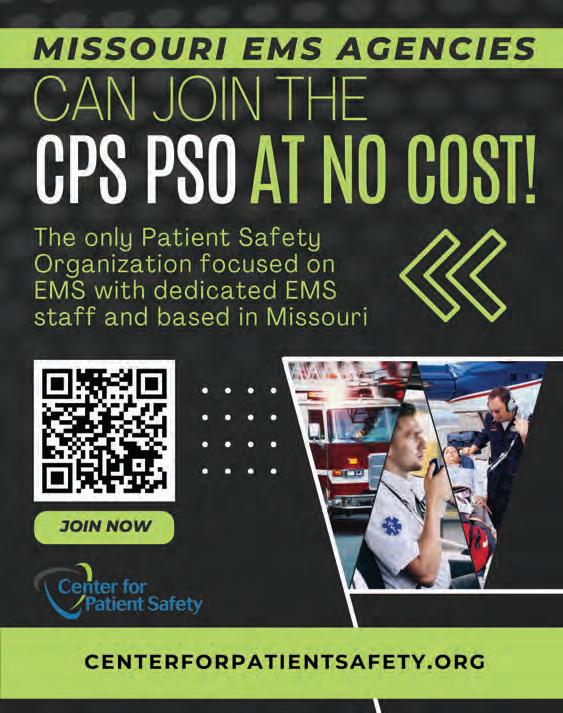
We are proud to offer our PSO services at no cost to Missouri EMS agencies. Thanks to state-backed support and funding, agencies within Missouri can access these critical resources without financial barriers. This initiative reflects our deep commitment to improving safety and outcomes statewide. Similar models of state-level funding and support should be encouraged nationwide to ensure that all EMS agencies, regardless of financial constraints, can participate in PSO initiatives and enhance their safety frameworks.
PSOs are also instrumental in supporting the growth of Community Paramedicine and Mobile Integrated Healthcare (MIH). These innovative models of care extend EMS services beyond emergency response, focusing on preventive and community-based care. By participating in a PSO, EMS agencies engaged in Community Paramedicine and MIH can enhance their collaboration with hospitals, clinics, and Federally Qualified Health Centers (FQHCs). The confidentiality protections afforded by PSOs can be extended to partnerships with outside healthcare organizations to ensure that sensitive discussions about care coordination and patient outcomes can take place without fear of disclosure. This fosters stronger partnerships, more integrated care delivery, and improved health outcomes for the communities they serve.
The Center for Patient Safety encourages every EMS agency in the state to get on board. The strength of PSO membership in Missouri will serve as a foundation for advancing broader patient safety goals. Once strong participation is achieved, the next step is embracing Just Culture and High Reliability Organizational principles, ensuring that EMS agencies foster a work environment where safety, accountability, and continuous improvement are deeply ingrained. Later this year, CPS will be sharing more information about how we are advancing High Reliability practices in EMS.
For more information, visit our dedicated Missouri EMS page at emsforward.org/missouri-ems
Looking Ahead
By embracing PSO membership and a culture of safety, EMS agencies can also position themselves to become High Reliability Organizations (HROs). HROs are characterized by their consistent ability to operate in high-risk environments while minimizing errors and harm. Achieving this status can lead to improved care delivery, enhanced morale among staff, better recruitment and retention of personnel, improved documentation practices, and a significant reduction in the risk of harm.
As the EMS landscape is changing, so must our approach to safety and harm reduction. Advances in technology, increasing call volumes, recruitment and retention issues, and the complexities of modern healthcare demand a proactive stance on safety and culture. PSOs offer a proven framework for not just reacting to incidents but reducing the potential of future harmful events.
By embracing the principles of patient safety and leveraging the expertise of organizations like the Center for Patient Safety, EMS agencies can ensure that they are not only keeping pace with change but leading the way in delivering safer, more effective care.
In this changing landscape, the tools are here—it’s up to us to use them. Together, with the support of state funding and encouragement, we can build a safer future EMS system.
To contact the Center for Patient Safety visit EMSForward.org
TRACKING EMS TRENDS IN MISSOURI
As of January 2025, the Department of Health and Senior Services has renewed its partnership with The Center for Quality Prehospital Care at the University of Missouri. Together, we continue to track EMS performance across the state using documentation from EMS agencies. Our mission remains clear: leveraging data to enhance the quality of prehospital care in Missouri.
What Types of Calls Are We Seeing?
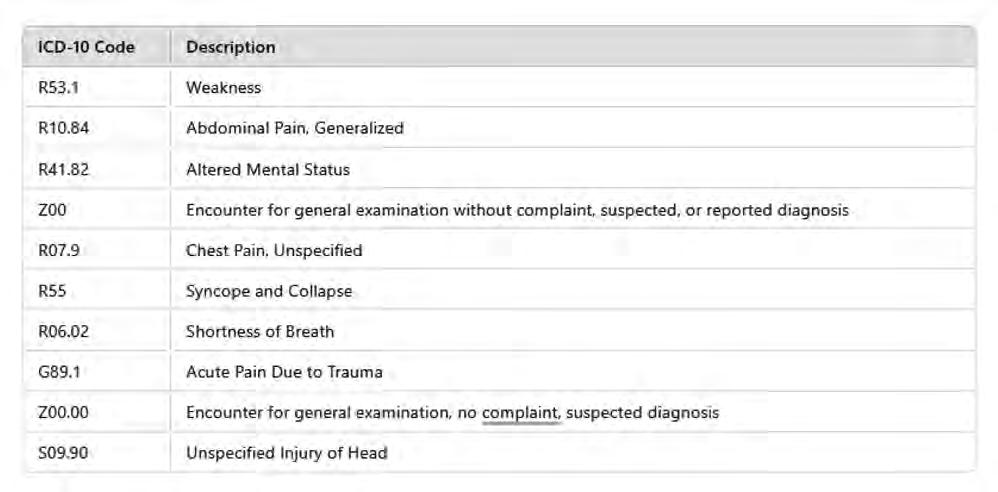
In March 2024, Missouri implemented the NEMSIS 3.5 data standard. Since then, the top 10 primary impressions recorded by EMS providers have been:
Key Takeaways
One clear trend stands out—weakness is the most frequently documented primary impression by Missouri EMS providers. Notably, this impression is often accompanied by a secondary impression of head injury. This serves as an important reminder to conduct thorough head-to-toe assessments, even when a patient insists, “No, I didn’t hit my head!”
Since transitioning to NEMSIS 3.5, we’ve seen a significant improvement in documentation accuracy. In the previous NEMSIS 3.4 system, common primary impressions included vague terms such as “Injury, unspecified” or even “Not Recorded.” The current system provides greater specificity, ultimately leading to better patient care and data-driven decision-making.
We look forward to sharing further insights as we continue analyzing EMS trends across Missouri. Stay tuned for future updates!
Submission deadlines each year:
• Spring - February 15
• Summer - May 15
• Fall - August 15
• Winter - November 15
TRANEXAMIC ACID
In Pediatric Trauma
By Jennifer Flint, MD, Internal Medicine | Pediatrics | Pediatric Critical Care Medical Director, Pediatric Critical Care Transport, Department of Critical Care Medicine, Children’s Mercy Kansas City
Clinical Associate Professor, UMKC School of Medicine
Traumatic injury is the most common cause of death in children in the United States.1-3 The most common cause of death within the first hour of arrival to a trauma center following a traumatic injury is hemorrhage shock.1 However, bleeding, in theory, is preventable if recognized and treated early. Despite advances in adult trauma with a focus on limiting crystalloid fluid administration, providing whole blood or balanced blood product resuscitation for hemorrhage, and administration of tranexamic acid (TXA), children are more likely to receive high volumes of crystalloid fluid and less likely to receive blood products or whole blood.4 Likewise, many trauma centers and emergency medical services (EMS) agencies lack protocols for administration of TXA in children. As a result, children have a mortality rate that is 2-3 times higher than adults.4
This poses a unique challenge to EMS and emergency departments (ED) to implement life-saving interventions to children before they arrive at a Level I Pediatric Trauma Center. This is especially challenging in rural communities where the “Golden Hour” is likely to transpire outside the Level I Pediatric Trauma Center with limited resources and access to pediatric specialists.5 While blood products or whole blood may not be readily accessible to EMS agencies, TXA is relatively easy to carry and administer in the field for any trauma patient with evidence of hemorrhage or hemorrhage shock. This article will review indications for TXA in children and provide suggested guidelines for consideration of TXA implementation in the pre-hospital setting.
Tranexamic Acid (TXA)
TXA is a synthetic lysine-analog that inhibits plasminogen activation and plasmin activity. This pathway inhibition blocks the interaction with fibrin at the end of the clotting cascade that normally facilitates
clot breakdown. As a result, TXA helps strengthen a clot.6 TXA comes in a 1000mg/10ml vial that is stored at room temperature and is relatively inexpensive (< $10 per vial).7 Its peak concentration is 60 minutes with a half-life of two hours. A bolus dose can be given undiluted and a continued infusion can be diluted in saline.6-7 For children, consideration should be given to the volume of saline used to dilute TXA to avoid large volumes of crystalloid fluid administration.
TXA in Adult Trauma
In 2013, CRASH-2, a large, international, multi-center, randomized double-blinded controlled trial, evaluated the effectiveness of early TXA administration on death, vascular occlusive events, and the amount of blood transfusions received in adult trauma patients. CRASH-2 found a reduction in all-cause mortality and a reduction in risk of death due to bleeding. TXA was most effective if given within one hour of injury, but they also noted a benefit if given within three hours of injury. Penetrating injuries seemed to benefit most. CRASH-2 also found NO BENEFIT and an increased risk of death if TXA was given more than three hours after injury. There was no difference in the number of transfusions or need for surgery compared to those who did not receive TXA. The number of vascular occlusive events including deep vein thrombosis (DVT), pulmonary embolism (PE), myocardial infarction (MI), or stroke was similar in both groups.8
CRASH-3, published in 2019, was also an international, multi-center, randomized double-blinded controlled trial that specifically evaluated the benefit of early TXA administration for adult patients with isolated traumatic brain injury (TBI). CRASH-3 noted patients with mild-moderate TBI, defined as GCS 9-15, benefited most with improved mortality, while those with severe TBI (GCS 4-8) saw no benefit. TXA was
best if given early and only beneficial for TBI patients if given within three hours of injury. There was no difference in DVT, PE, MI, or stroke.9
MATTERS and MATTERS II, published in 2012 and 2013, respectively, are both retrospective observational studies of adult military combat patients who received blood products. MATTERS found the group who received TXA in addition to red blood cell (RBC) transfusion or activation of a massive transfusion protocol (MTP) had a lower mortality, even though the patients receiving TXA were more severely injured. Patients who required MTP had the greatest benefit of TXA.10 MATTERS II found a lower mortality in patients who received TXA and cryoprecipitate or just TXA compared to patients who received cryoprecipitate alone, or neither.11
compared those who received TXA to those who did not. They also noted TXA was independently associated with improved mortality.13
These adult studies led to the adoption of TXA administration for adult trauma patients in the field or upon arrival to the Emergency Department (ED) within three hours of injury, along with the addition of TXA to MTP protocols.
TXA in Pediatric Trauma
The literature for the use of TXA in pediatric trauma patients is limited to mostly retrospective and prospective observational studies, meta-analyses of smaller, single-center studies, and a randomized controlled pilot study. The limited evidence in children makes it challenging for EMS and front-line providers to determine if TXA is beneficial in children with traumatic injury.
The PED-TAX study was an earlier retrospective cohort of pediatric casualties in military combat published in 2014. The study assessed factors associated with TXA use and evaluated mortality. This study found the use of TXA was independently associated with a decrease in mortality. Patients who received MTP and TXA had a better neurological status at discharge even though they didn’t necessarily have a TBI.12 A similar study in 2020 led by the Department of Defense also evaluated the use of TXA in pediatric combat casualties. They evaluated children who required at least 40ml/kg of blood products and
Despite these promising retrospective studies in pediatric patients in military combat, a systematic review and meta-analysis of 14 smaller studies was published in 2022. This meta-analysis found TXA was not associated with increased survival in pediatric trauma patients in the civilian setting. There was also no difference in thromboembolic events such as DVT, PE, and stroke.14
One prospective observational multi-center study by the Massive Transfusion epidemiology and outcomes in Children (MATIC) investigators assessed the impact of anti-fibrinolytics, including TXA, in children with life-threatening hemorrhages. This study included traumatic and medical causes of life-threatening bleeding and found administration of antifibrinolytics (TXA) was independently associated with improved six hour and 24-hour survival.4
The lack of clarity surrounding TXA administration in children prompted the Pediatric Emergency Care Applied Research Network (PECARN) group to perform a pilot randomized trial called the Traumatic Injury Clinical trial evaluating Tranexamic acid in Children (TIC-TOC) study. The TIC-TOC pilot study randomized patients to torso versus isolated head versus combined injuries and also randomized to placebo versus standard dose TXA (15mg/kg bolus, 2mg/kg/hour x 8hours) versus high dose TXA (30mg/ kg bolus, 4mg/kg/hour x 8 hours). Enrollment was terminated early due to the pandemic, however, the study demonstrated feasibility of a subsequent
phase 3 trial. Analysis of their small cohort showed no statistically significant differences in outcomes including functional outcomes, amount of blood products transfused, progression of intracranial hemorrhage, or adverse events.3,15
What is Children’s Mercy Hospital doing?
Children’s Mercy Hospital (CMH) is a Level I Pediatric Trauma Center accredited by the American College of Surgeons. CMH has adopted a process for the administration of TXA in children based on the available literature.
TXA Candidates:
• Systolic Blood Pressure <80mmHg <5yrs
• Systolic Blood Pressure <90mmHg ≥ 5yrs
• Poor Blood Pressure response to IV fluid bolus 20-40ml/kg
• Obvious significant bleeding
• Activation of MTP
• AND if within three hours of injury
TXA Dose:
• <12yrs- 15mg/kg IV over 10 minutes; 2mg/kg/ hour x8 hours or until bleeding stops
• >12yrs (pubescent)- adult dosing; 1gram IV over 10 minutes, 1gram IV over 8hours or until bleeding stops
Take Home Message
Administration of TXA within three hours of injury in pediatric trauma patients with evidence of or risk for hemorrhage shock may have improved mortality. TXA given after three hours of injury may be harmful. There are currently no prospective randomized controlled trials evaluating the benefits of TXA for children with traumatic injury and/or isolated head injury, however the available literature suggests there may be a mortality benefit with no increased risk of adverse events.
Individual EMS agencies and health systems who provide care for injured children prior to transfer to a pediatric trauma center should evaluate the literature available to determine if TXA in pediatric trauma aligns with their processes and protocols. They should also work closely with their local and regional pediatric trauma centers to determine administration criteria and dosage to decrease variability across the continuum of care for injured children within their community. A list of additional, albeit not all, literature is provided in the reference list.
References
1. Christiaans et al. Coagulopathy after severe pediatric trauma. SHOCK. 2014; 41(6):476-490.
2. Davenport et al. Pathogenesis of acute traumatic coagulopathy. Transfusion. 2013; 53(suppl 1):23S-27S.
3. Nishijima et al. Traumatic injury clinical trial evaluating tranexamic acid in children (TIC-TOC): A pilot randomized trial. Acad Emerg Med. 2022;29: 862-873.
4. Spinella, P. C. et al. Massive Transfusion epidemiology and outcomes In Children (MATIC) Investigators and BloodNet: Use of Antifibrinolytics in Pediatric Life-Threatening Hemorrhage: A Prospective Observational Multicenter Study. Crit Care Med 2022;50, e382-e392.
5. Stroud, M. H., et al. Redefining the golden hour in pediatric transport. PCCM. 2008; 9(4), 435-437.
6. Ramirez et al. Tranexamic acid update in trauma. Crit Care Clin. 2017;33:85-99.
7. Tranexamic acid: Drug information. https://www-uptodatecom.childrensmercy.idm.oclc.org/contents/tranexamic-aciddrug-information?source=auto_suggest&selectedTitle=1~1--1~4---tranexamic%20acid&search=tranexamic%20acid. Accessed February 10, 2025.
8. Roberts, I., et al. The CRASH-2 trial: a randomized controlled trial and economic evaluation of the effects of tranexamic acid on death, vascular occlusive events and transfusion requirement in bleeding trauma patients. Health Technol Assess 2013;17(10): 1-79.
9. CRASH, The Effects of tranexamic acid on death, disability, vascular occlusive events and other morbidities in patients with acute traumatic brain injury (CRASH-3): a randomized, placebo-controlled trial. The Lancet. 2019; 394(10210):1713-1723.
10. Morrison et al. Military application of tranexamic acid in trauma emergency resuscitation (MATTERs) study. Arch Surg. 2012; 147(2);113-119.
11. Morrison et al. Association of cryoprecipitate and tranexamic acid with improved survival following wartime injury. Findings from the MATTERs II study. JAMA Surg. 2013; 148(3):218-225.
12. Eckert, Matthew J., et al. Tranexamic acid administration to pediatric trauma patients in a combat setting: the pediatric trauma and tranexamic acid study (PED-TRAX). Journal of Trauma and Acute Care Surgery 2014; 77(6): 852-858.
13. Hamele et al. Tranexamic acid in pediatric combat trauma requiring massive transfusions and mortality. J Trauma Acute Care Surg. 2020; 89:S242-S245.
14. Kornelsen, Emily, et al. Effectiveness and safety of tranexamic acid in pediatric trauma: a systematic review and metaanalysis. The American Journal of Emergency Medicine. 2022; 55: 103-110.
15. Nishijima, Daniel K., et al. Traumatic injury clinical trial evaluating tranexamic acid in children (TIC-TOC): study protocol for a pilot randomized controlled trial. 2018; Trials 19: 1-10.
16. Borgman, Matthew A., and Daniel K. Nishijima. Tranexamic acid in pediatric hemorrhagic trauma. Journal of Trauma and Acute Care Surgery 2023; 94(1S): S36-S40.
Protecting and Supporting Our Own
By Bernadette Creech Director, Special Projects, Mehlville Fire Protection District
Mehlville Fire Protection District recently mourned the loss of Firefighter/Paramedic Tina Lynn Mecey, who passed away on Jan. 14, 2025, at the age of 55, after a courageous battle with occupational cancer. Tina dedicated 34 years to serving her community, embodying the spirit of selflessness and bravery that defines the firefighting profession.
Tina’s extensive career included roles as a ground and flight paramedic, forestry firefighter, and member of both the Farmington Fire Department and the Mehlville Fire Protection District. Her unwavering commitment to public safety and her community left an indelible mark on all who knew her.
Her passing underscores the inherent risks firefighters face, particularly the increased incidence of job-related cancers. Studies have identified the presence of per- and polyfluoroalkyl substances (PFAS) in firefighter turnout gear, chemicals linked to cancer and other diseases. Research indicates that wear and tear on this gear can release more of these harmful substances, exacerbating exposure risks.
In response to these findings, our department has proactively invested in state-of-the-art cancer prevention gear. We have adopted turnout gear
constructed with optimal combinations of fabrics for each layer, significantly reducing the amount of PFAS present.
Recognizing the profound mental and emotional challenges inherent in firefighting, we have also established a partnership with licensed therapist Gina Sokolich. This collaboration provides our team with immediate assistance, confidential counseling, and resources for issues such as stress management, depression, and anxiety. Regular behavioral checkups foster open communication, early identification of potential mental health concerns, and the development of effective coping strategies.
The integration of an on-call therapist offers numerous benefits, including improved mental health, enhanced job performance, and a supportive environment that acknowledges the psychological demands of our profession. By prioritizing both the physical and mental well-being of our firefighters, we honor Tina’s legacy and reaffirm our commitment to the safety and health of our team.
As we remember Tina’s remarkable contributions, we remain steadfast in our dedication to advancing safety measures and support systems for our firefighters, ensuring they are equipped to serve the community with resilience and strength.
Tina Mecey
Poison ALERTS
Poison ALERTS
Venlafaxine & Desvenlafaxine Overdose
GLUCAGON-LIKE PEPTIDE-1 (GLP-1) AGONISTS: DECREASING WAISTLINES, INCREASING POISON CENTER CASES
Venlafaxine (Effexor®) is a popular medication used to treat numerous conditions such as depression, generalized anxiety disorder, panic disorder, diabetic peripheral neuropathy, and post-traumatic stress disorder. Desvenlafaxine (Pristiq® and Khedezla®) is the major metabolite of venlafaxine and is considered equipotent. The Missouri Poison Center has been monitoring venlafaxine and desvenlafaxine overdoses and has recognized the possibility of delayed onset seizures after overdose. In addition, these overdoses can cause significant toxicity, including some cardiac symptoms that you may not expect.
MECHANISM OF ACTION
QUICK FACTS
Venlafaxine and desvenlafaxine can cause delayed onset seizures
There is also a risk of serotonin toxicity in overdose.
There are active metabolites, so symptoms can be prolonged.
Benzodiazepines are the first line treatment to manage seizures.
Although the first of many GLP-1 agonists exenatide, brand Byetta was approved for type 2 diabetes in 2005, poison centers did not handle many exposure cases until several of these agents were approved for weight loss, and their popularity skyrocketed. In fact, poison centers across the country have seen a nearly * 1,500% * increase in these calls since 2019.
Venlafaxine and desvenlafaxine are serotonin norepinephrine reuptake inhibitors (SNRIs) along with milnacipran (Savella®), levomilnacipran (Fetzima®), and duloxetine (Cymbalta®). Overall, SNRIs inhibit the reuptake of neuronal serotonin, norepinephrine, and to a lesser extent, dopamine. In overdose, this causes excessive neurotransmitter activity in the CNS. Venlafaxine and desvenlafaxine are considered strongly serotonergic and more likely to induce serotonin toxicity, especially in the presence of other serotonergic agents. In contrast to other SNRIs, in very high dose they also block sodium and potassium channels, which can set the stage for a cardiac arrhythmia. As a result, these two SNRIs are considered to be more toxic than the others.
Sales are expected to continue to soar over the next several years, which will lead t o an increase in calls to the poison center about side effects, dosing errors, inadvertent overdose, and unprescribed misuse by naïve individuals.
THE GLP-1 AGONIST AGENTS
There are now several drug products in this class, also known as incretin -based therapies (see table below). All are GLP-1 agonists. However, tirzepatide has a dual mode of action, being an agonist for the GIP receptor (Gastric Inhibitory Peptide) as well as for the GLP-1 receptor.
KINETICS
Because they are peptides and are rendered inactive in the stomach, these medications are administered by subcutaneous injection, except for the Rybelsus brand of semaglutide, which is an oral tablet. Rybelsus is formulated wit h an absorption enhancer to prevent breakdown in the GI tract.
Venlafaxine comes in immediate and extended release capsules of varying strengths. Immediate-release capsules reach peak blood concentration in 2 hours, while extended-release capsules reach the peak in 5.5 hours. Venlafaxine half-life ranges from 3-7 hours, but its major metabolite is equally active and has a longer half-life of 9-13 hours, so adverse effects can be prolonged. Desvenlafaxine, the active metabolite marketed as a different product, is available only in extended release capsules that reach peak concentration in 7.5 hours.
SYMPTOMS OF TOXICITY
In small dosing mistakes or minor overdoses, symptoms may include nausea, vomiting, anorexia, drowsiness, slight tremor, anxiety, tachycardia, and modest changes in blood pressure. Large overdoses, usually intentional, may produce mental status changes, delirium, seizures, and coma.
Dosing frequency varies from twice daily to once weekly, depending on the agent. Currently, three of the incretin -based products are FDA approved for weight loss – Wegovy (semaglutide), Saxenda (liraglutide), and Zepbound (tirzepatide). The others are approved for type 2 diabetes only, but several are used off label for obesity such as Ozempic, which has become a buzz word in popular culture.
Dulaglutide (Trulicity)
Exenatide
IR (Byetta)
ER (Bydureon BCise)
Liraglutide (Victoza; Saxenda)
Lixisenatide (Adlyxin)
Semaglutide (Ozempic, Wegovy Rybelsus)
Child 10 to 17 yrs: 0.75 or 1.5 mg weekly injection
Adult: 0.75 mg to 4.5 mg weekly injection 1-3 days 5 days
IR: Adult: 5-10 mcg injected BID, 60 min before the 2 main meals
Child 10 yrs to Adult: 0.6-1.8 mg once daily injection
Saxenda for Obesity: Child 12 yrs to Adult: Titrate from 0.6 mg to 3 mg once daily injection.
Adult: 10-20 mcg once daily injection
Ozempic for diabetes; off-label for obesity:
Adult: Initially 0.25 mg SQ once weekly for 4 weeks; titrated monthly to 0.5 mg to 2 mg max weekly.
Wegovy for obesity:
Child 12 yrs to Adult: Initially 0.25 mg SQ once weekly for 4 weeks; scheduled dose increases over 16 weeks to 2.4 mg maintenance dose.
Rybelsus for diabetes:
Adult: 3 mg PO once daily; titrated monthly to 7 mg or 14 mg max daily.
days
: 2.5 hr
2-3 weeks
Tirzepatide (Mounjaro, Zepbound)
Mounjaro for diabetes, Zepbound for obesity:
Adult: Initially 2.5 mg SQ once weekly, titrated monthly to max dose 15 mg weekly injection. 8-72 hrs 5 days
REGULATED GLP-1 ALTERNATIVES AND COUNTERFEITS
Pharmaceutical companies are hard -pressed to keep up with demand, and compounding pharmacies are allowed to fill the void as long as a drug is on FDA’s Drug Shortages list. There is some risk to these products because compounded -but-legal products do not undergo FDA review for safety, effectiveness, or quality before they are sent to market. Although the active
ingredient is supposed to be obtained from FDA -approved manufacturing facilities, there have been reports of differences in the active ingredient an d formulation components that may affect kinetics and efficacy.
A greater safety concern is the sale of counterfeit medications online. Many of the online sources are profiteering, and their products are unreliable. They may contain the wrong drug, drug in the wrong concentration, or undeclared ingredients, leading to therapeutic failure or unexpected side effects.
Importantly, both compounded and counterfeit products are often dispensed in multi -dose vials with syringes labeled in units or mg rather than mL, which has led to numerous inadvertent overdoses.
PHARMACOLOGY & PHARMACOKINETICS
GLP-1 is a natural gut hormone that enhances glucose -dependent insulin release, suppresses glucagon secretion, slows gastric emptying, and decreases food intake. The GLP -1 agonists mimic these actions, and their modified structures lead to slower elimination and a longer duration of action. While the kinetics vary widely between products (see table above), in general, the onset of side effects may be delayed 12 -48 hours after injection.
ADVERSE EFFECTS FROM GLP-1 THERAPEUTIC USE, DOSING ERRORS & OVERDOSE
GLP-1 agonists often cause gastrointestinal side effects, occurring in up to 50% of patients in some instances. Hypoglycemia is not expected but has been reported, most oft en in patients who are also using agents known to cause hypoglycemia, such as insulin or sulfonylureas.
Therapeutic Use
Common: Nausea, vomiting, diarrhea, constipation, anorexia, jitteriness, dizziness, headache, dyspepsia, asthenia. Some GI reactions are moderate to severe and induce the patient to quit therapy. Nausea usually lessens over several weeks of therapy.
Most cases at the Missouri Poison Center involve patients taking the wrong dose, administering more frequently than recommended, taking someone else’s medication, errors with the injectable pens , or making an error with the measurements of the syringe of a compounded or counterfeit product.
Dosing errors and overdose can lead to significant nausea and vomiting that may be prolonged over several days. In some cases, hospitalization was required, although most have responded to outpatient management with antiemetic and prokinetic agents.
TREATMENT
Treatment is symptomatic and supportive, there is no antidote. Most often, decreasing the dose or pausing therapy will improve minor -to-moderate gastrointestinal symptoms. In some cases, IV fluids, antiemetics, and a prokinetic agent such as metoclopramide are needed. Other rare side effects such as pancreatitis, gallbladder issues, and nutritional defects should be evaluated and treated accordingly.
Maintain contact with the Missouri Poison Center to take advantage of our experience with GLP-1 agonists. Our specially trained nurses, pharmacists, and toxicologist can provide the most up-to-date information regarding exposures and treatment. For patient -specific guidance, please contact the poison center’s dedicated line for healthcare professionals at 1-888-2684195.
Best-in-class technology that helps you save more lives
MOVING CARE FORWARD
ADVERTISER’S
About the Missouri EMS Connection
The Missouri EMS Connection magazine is sponsored by the Missouri Emergency Medical Services Association (MEMSA) in collaboration with other EMS related associations in Missouri. The MO EMS Connection is published quarterly.
All materials published in the magazine are the property of MEMSA. No articles in this publication may be reprinted without the consent of the editor. To obtain consent, email Editor Mary Napier at mary@napiercommunications.com.
Submitted articles are reviewed anonymously and are subjected to an editorial review process before publication. The views and opinions expressed in the articles in the MO EMS Connection are those of the author(s) and do not necessarily reflect the views or opinions of the editor, the editorial board, or the publisher and topics talked about in the publication are not endorsed by us. The goal of the publication is to educate, inform, lead, and connect the EMS community. What may work for some, might not work for others. You have to determine what works best for your service and your community.
To submit materials for publication in this magazine, e-mail submissions to the editor - mary@napiercommunications.com. MEMSA reserves the right to refuse a submission for publication. Complete article and photo guidelines are available at memsa.org.
2025 Midwest Pediatric Trauma Conference
Hybrid conference provided by GlobalCast MD - offering both in-person and virtual options
Date: Friday, June 13, 2025
Location: Sunset Event Space 10705 Watson Road St. Louis, MO 63127 (virtual option details to come)
Event Sponsor:
Questions:
Level I Pediatric Trauma Center Designated in Missouri and Illinois
Accredited CEUs will be awarded.
SSM Health Cardinal Glennon Children’s Hospital is proud to be the longest-standing Level I Pediatric Trauma Center in Missouri and Illinois. We provide the highest level of trauma care to critically ill or injured patients around-the-clock.
Online registration opens on February 1, 2025. To register scan this QR code or visit cardinalglennon.arlo.co/w. $50 per registration.