Electrical Apparatus




















Training & Education
16 Where wranglers meet robots
Training challenges abound at a rodeo that’s said to be the largest of its kind
By Bill O’Leary, EA Contributing Writer
EA Reader Profile
20 ‘You can do better’
How hard work enabled Mark Brehm to become a successful business owner
By Colin Gregory-Moores, EA Contributing Writer Energy
24 AI requires energy
For those of us confused by AI, it’s surprising that it can’t energize itself
By Charlie Barks, EA Managing Editor
Conventions & Trade Shows
28 Getting technical in Nashville
Mastering the nuts and bolts of electromechanical service will stand front and center at this year’s EASA Convention in July
By Kevin Jones, EA Senior Editor

36 Coming to America
The first Coiltech North America will present the latest in electrical manufacturing technology
By Charlie Barks, EA Managing Editor
Service & Sales Companies
39 The test specialists
A small but efficient outfit along Colorado’s Front Range shows what can be achieved with experience and adaptability
By Charlie Barks, EA Managing Editor
Motors & Generators
43 Shreddin’ it
Maintaining the motors that run the ‘fast and violent’ machines that reduce automobiles to recyclable materials
By Chase Fell, EA Contributing Writer
Finance & The Workplace
48 The economics of reshoring
Given a methodical approach, bringing manufacturing back to the U.S. is feasible for some
By William H. Wiersema, CPA, EA Finance Editor
Electric Avenue
52 To freeze or not to freeze
How states and municipalities are filling the gaps where federal EV funding has been withdrawn
By Maura Keller, EA Contributing Writer
Plant Life
56 Cleaning the ‘air up there’
Transform air filters into a network to eliminate these dangers
By Bill O’Leary, EA Contributing Writer
Pump It Up
58 The pump’s past as prologue
Recent regulatory activity may point to a possible future for pumps
By Kevin Jones, EA Senior Editor
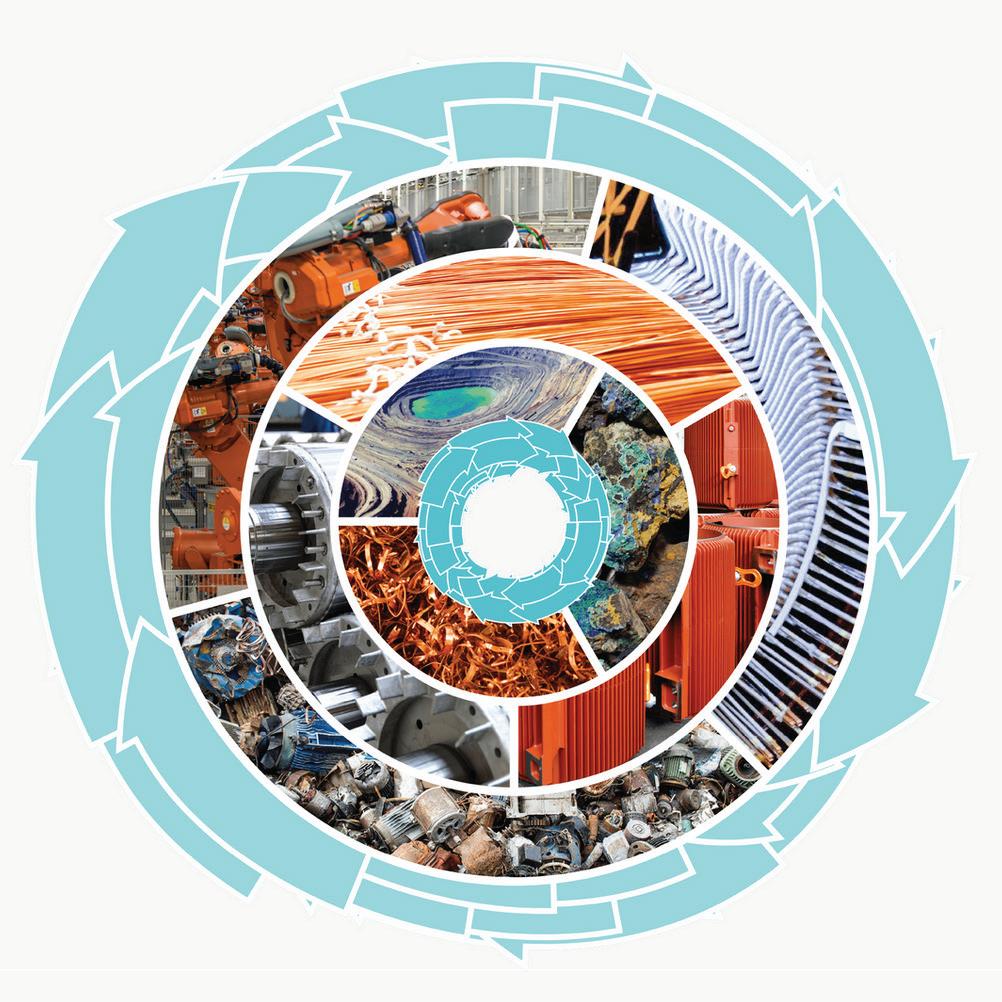


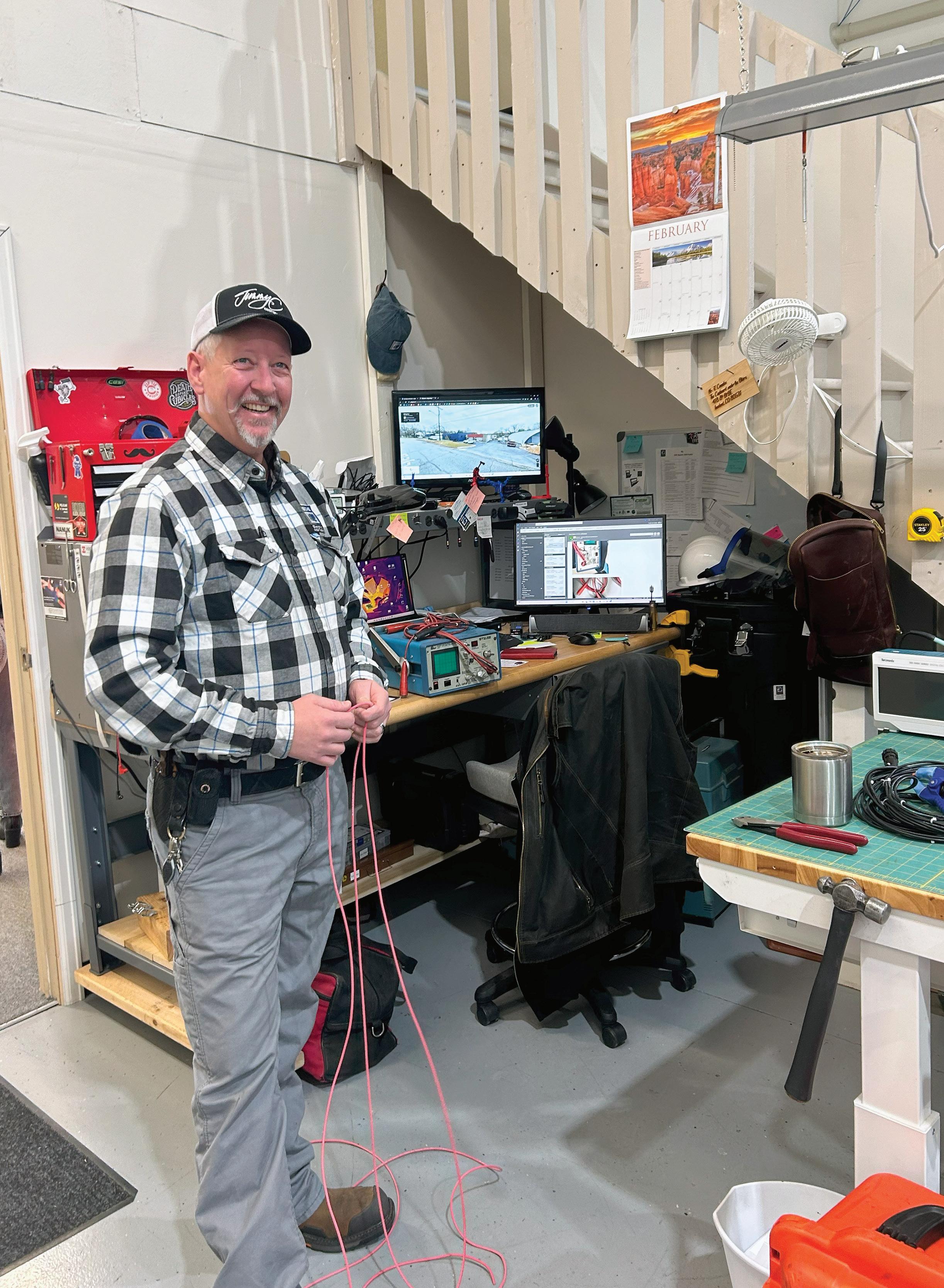
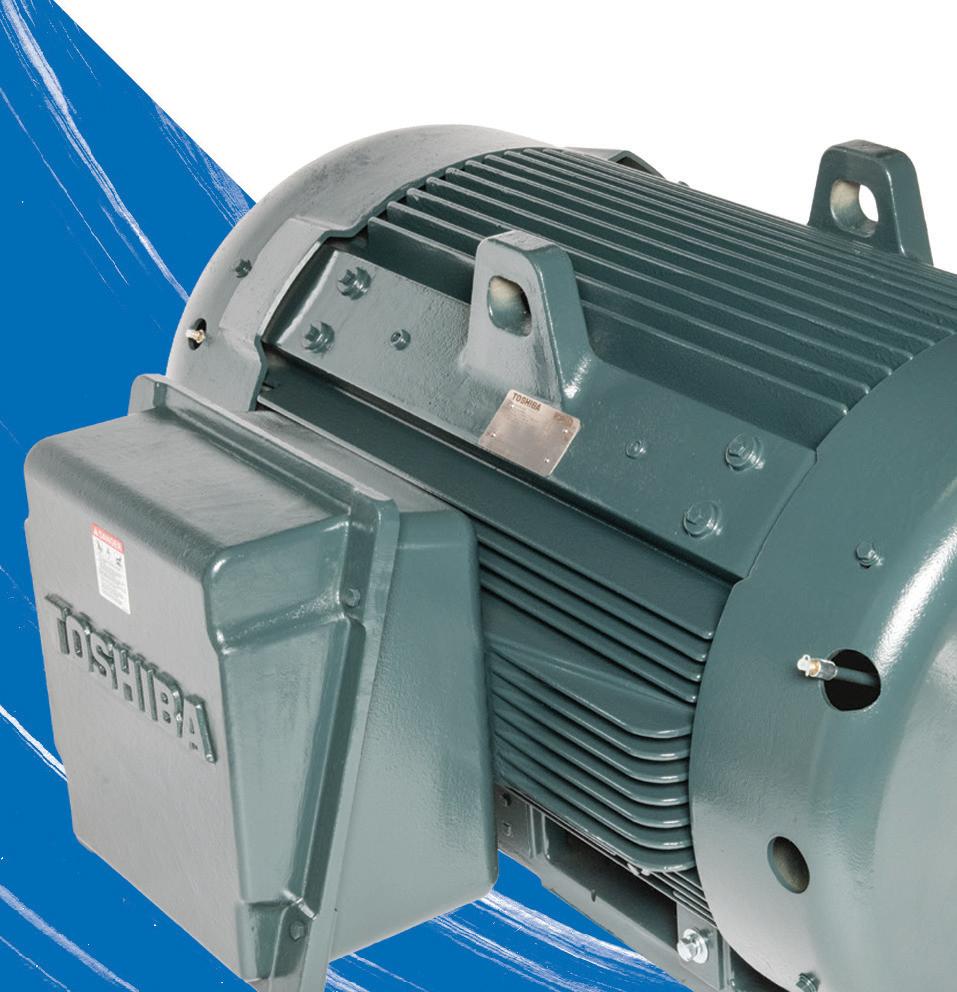
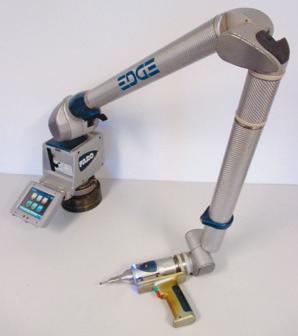
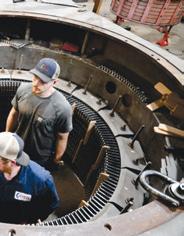
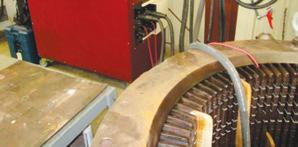
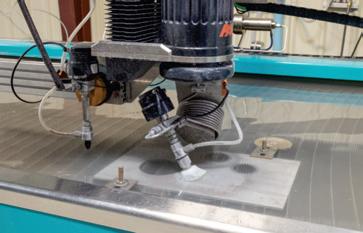
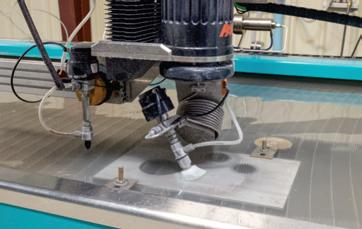
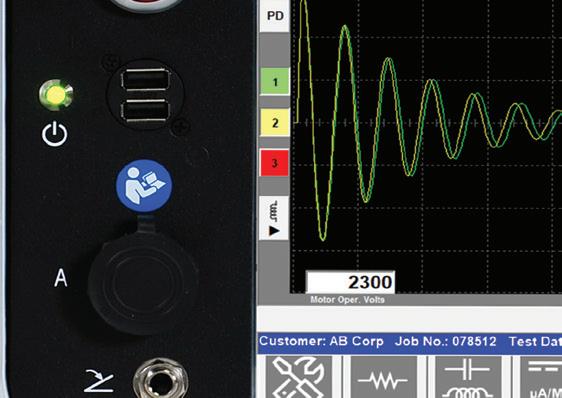
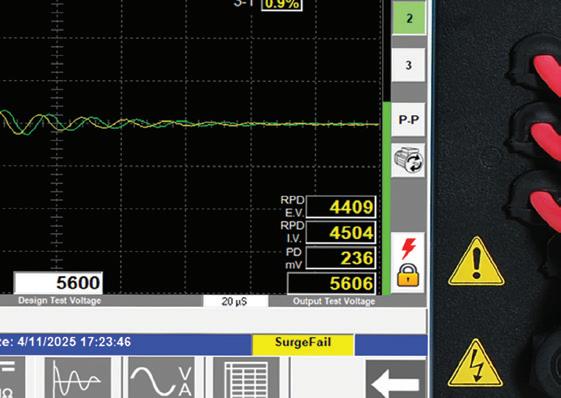
COVER PHOTO: By Charlie Barks, at EDE Electrical Testing of Loveland, Colo. Technical specialist Jimmy Coombs prepares to analyze




The Editor’s Comment
CHARLIE BARKS WWW.BARKS.COM
Heading into a busy summer

Coming next month in Electrical Apparatus:
Electric Motor Services of Hammond, Ind.; Preview of EASA exhibitors; Critical skills shortage in industrial maintenance; A review of Motor Regulations and Standards; Cleaning up your balance sheet
Read Electrical Apparatus online
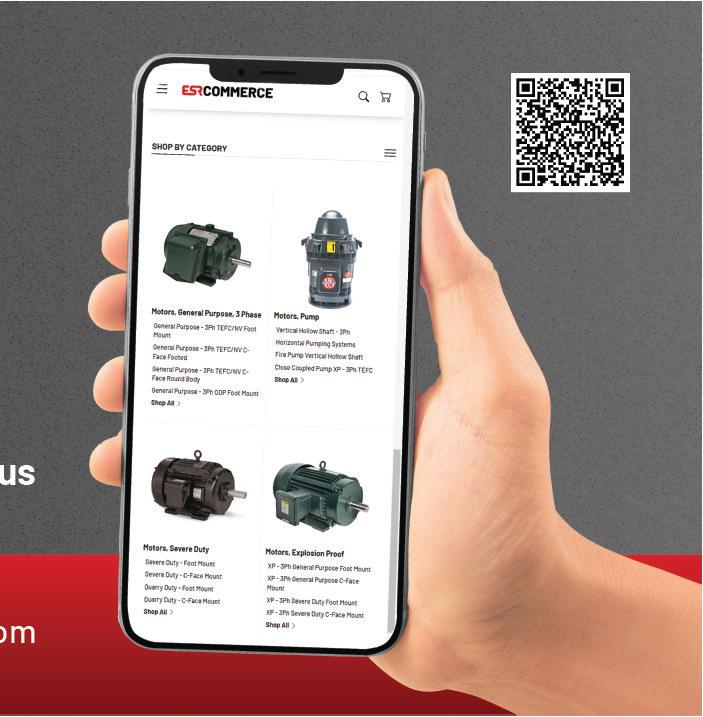
The entire contents of this issue are available online. Scan the QR code below:
Electrical Apparatus
17 N. State St., Suite 435 Chicago, Illinois 60602-3598 (312) 321-9440; fax (866) 228-7274
E-mail: EAMagazine@barks.com www.barks.com
Founded 1948 as Volt/Age
Horace B. Barks, Founding Publisher Elsie Dickson, Founding Publisher
STAFF
Or enter the URL directly: bit.ly/jun25upnx
See page 62 for links to upcoming issues that you can bookmark.
Ah, summertime. School’s out, the weather is nice, and travel plans — made during pseudo-hibernation — are in full bloom. Business is booming for the electromechanical industry, and trade show season is peaking. With the convention of the Electrical Apparatus Service Association just around the corner, EA’s got you covered for upcoming events and what’s new in the industry.
Our summer kicko issue features a wide range of content, starting with the cover story (“The test specialists,” page 39). EDE Electric Motor Testing, a small but dynamic business based in Loveland, Colo., forms the foundation of this issue. We had the pleasure of visiting EDE and learning about its adept testing technologies, plus the company’s ability to adapt to the times.
In this month’s “Reader pro le” (page 20), EA Contributing Writer Colin Gregory-Moores interviews Mark Brehm, an electrical technician and owner of D&M Electric, a business based out of Cando, N.D., that he founded in 1980. The company specializes in the repair and sales of rotating electrical apparatus, mostly for the agricultural sector, as well as in PLC programming.
Contributing Writer Bill O’Leary discusses air quality and the usefulness of air lters, when maintained, in the June “Plant Life” (page 56). Bill also did our “Training & education” column this month (page 16), featuring the Houston Livestock Show and Rodeo. The event is held annually in Houston.
Avery Heeringa, EA Contributing Writer, pro les the American Gear Manufacturers Association in this month’s “Know your industry” department (page 12). Gears go back a long way, as Avery mentions: “Bicycles, wind-up toys, drills, clocks, car transmissions, can openers, fans, lawn mowers — name the object, and it likely uses gears to operate. Gears have ancient roots dating back to 4th Century BCE in China but remain just as important to modern technology.”
In “Energy” (page 24), our June column looks at how much energy data centers are starting to use up, with projections to increase even more. This includes massive amounts of data that are becoming tricky to manage at times; even saying the words “thank you” in AI chats like ChatGPT can now reportedly create excess data usage.
We also have a preview of the Coiltech North America 2025 show (page 36), set to take place June 11-12 outside Detroit.
Elizabeth Van Ness, Publisher
Kevin N. Jones, Senior Editor
Charlie Barks, Managing Editor
FINANCE EDITOR
William H. Wiersema
CONTRIBUTING WRITERS
David Bredhold, Chase Fell, Colin Gregory-Moores, Avery Heeringa, Maura Keller, John Malinowski, Michael Mitten, Bill O’Leary, Kristine Weller
SPECIAL PROJECTS
Barbara Goetz Barks
CARTOONS AND PUZZLES
John D’Acunto, Myles Mellor, Tim Oliphant
ElectroMechanical Bench Reference
Supplement mailed with the December issue
Elizabeth Van Ness, Editor & Publisher
ADVERTISING
Barbara Wachter, Advertising Director
CIRCULATION
Circulation@barks.com
Electrical Apparatus (ISSN 0190-1370), Vol. 78, No. 6, is published monthly by Barks Publications, Inc., 17 N. State St., Suite 435, Chicago, Ill. 60602-3598; (312) 321-9440; fax (866) 228-7274. www.barks.com. Periodicals postage paid at Chicago, Ill., and at additional mailing o ces. Postmaster: Send address changes to Electrical Apparatus, c/o Barks Publications, Inc., 17 N. State St., Suite 435, Chicago, Ill. 60602-3598. PM #40830553
U.S. subscriptions: 2 years—$120; 1 year— $65. Foreign airmail: 2 years—$275; 1 year—$150. Subscriptions also include an annual directory supplement, the ElectroMechanical Bench Reference. Single copies: $12 each plus postage; December issue, $30 with the supplement ElectroMechanical Bench Reference.
Copyright 2025 Barks Publications, Inc.
Reproduction of any part, by any means, including photocopy machines and computer networks, without the written permission of Barks Publications, Inc., is prohibited. Electrical Apparatus and ElectroMechanical Bench Reference are trademarks registered with the U.S. Patent O ce.
Copies of articles in print or PDF format may be ordered from our Marketing Department (312) 321-9440. Prices available on request. Libraries and companies registered with Copyright Clearance Center, 222 Rosewood Dr., Danvers, Mass. 01923, should send 75¢ per page copied direct to CCC.
Material also available in microform and CD-ROM from Pro Quest information service, (800) 521-0600 ext. 2888 (US) or 01734-761-4700 (International); https://www. proquest.com/.
Printed in the U.S.A.
Let’s Solve Your Problem
Have you been stumped recently by an electromechanical application or repair problem? Send your question to this department, at editor@barks.com, and we’ll see if we can give you an answer.
Connected motor with two cable sizes per phase
Because there wasn’t enough lead cable of the right size in our stock to do the whole job, we recently connected a 200 hp motor using two cables per phase; one was No. 4, the other No. 2. There has been no apparent problem with this, although the customer’s electrician seemed concerned at rst about the currents dividing according to cable resistance. Is this something to worry about?
It shouldn’t be, particularly if the smaller size is the proper one. Motor leads are quite short and not bundled in conduit, so impedance is very low and almost entirely resistive. Line current in any one cable should not di er measurably from any other.
Split-phase vs. capacitor-start
We have two ¾ horsepower singlephase motors in our storeroom. These motors are the same frame size, voltage, and RPM. One of the motors is split-phase and the other one is capacitor-start. We hope that we can use these motors in the same application. Is this possible?
Maybe. It depends on the starting requirements of the load. A split-phase motor has a high resistance “start” winding and a conventional “run” winding. The start winding is turned on and o through a set of contacts actuated by a centrifugal mechanical switch inside the motor. As the motor speed increases, the weights on
the centrifugal switch move outward and the start winding circuit opens. The motor then runs only on the “run” winding.
The capacitor motor also has a start and run winding. But for this machine, a capacitor is wired in series with the start winding and the switch mechanism. The capacitor motor will have greater starting torque and lower starting current than the split-phase motor.
Reversing rotation for single-phase motors
We know that we can reverse direction of a three-phase motor by interchanging input power connections on two of the motor leads. Can one change the direction of rotation on a single-phase motor?
It depends on the type of motor. Many motors now have a reversing switch or labeled terminals for easy changes to connections. For capacitor-start and permanent-split-capacitor motors, you can swap the connections of the start winding. This usually involves interchanging the two leads inside the motor terminal box.
The direction of rotation for split-phase motors can also be changed by reversing the leads on the start winding. Shadedpole motors typically cannot be reversed easily because the direction is set up by the shading coil. To reverse direction on a shaded-pole motor, you’d need to physically modify the stator or shading coils, which is likely impractical. It might also be possible to dismantle the motor and reassemble it with the rotor shaft extending from the opposite end. But that’s not likely.
110 V or 220 V: which uses less energy?
I need to buy a new compressor for my workshop. I have the option to purchase either the 110 V or 220 V motor. Which

of these would be the best choice for energy e ciency?
They are the same. Your energy usage would be the same, whichever motor you choose. Your energy usage is billed in kWh, or kilowatt-hours. So watts usage is the critical path.
It is true that the 220 V motor uses less current than the 110 V motor on the same load. But the watts would be the same. The circuit breaker, motor starter, and feeder conductors for the 220 V could be smaller since the current is lower, so there could be some one-time savings there.
Load test for large d-c motor
We need to perform a load test on a large d-c motor for a mining operation. The horsepower of the motor exceeds the torque capability of dynamometers that are available to us. Is there another way to load a large machine like this for proof testing?
A pump-back test (or back-to-back test) for large d-c motors is a test method used to load a machine when dynamometer loading is not practical. This test method is used by motor testing labs when two identical machines are available for evaluation. For this test, two identical d-c machines are mechanically coupled together. One of the machines operates as a motor (driving unit) and the other unit operates as a generator (load unit.)
The generator feeds power back into the system, thereby reducing external energy use. The driving motor receives electrical energy and converts it into mechanical energy to drive the generator. The generator converts this mechanical energy back into electrical power, which can be fed back into the source or dissipated through a load bank. — Edited by the EA sta EA
In financial reports, tari s lurk in the background
Everyone’s talking about tari s these days, and that includes, not surprisingly, the CEOs of major suppliers to the electrical industry. Among the usual numbers they o ered during the most recent round of earnings announcements were assurances that their companies are bracing for impact.
Swiss industrial conglomerate ABB reported what it called a “strong start to the year” in its rst-quarter nancial report. The company’s nancial gures show increases across the board, beginning with orders, which saw an increase of 3% over the previous quarter in spite of “slightly lowerthan-expected revenue growth of 1%,” according to the company. “We acknowledge the increased uncertainty for the global business environment on the back of trade tari s,” said CEO Morten Wierod. “We focus on what we can control and take action to defend our market position and pro tability.” Wierod pointed out that in the U.S., ABB covers as much as 75% to 80% of its sales with domestic production.
The upbeat news from motor, transmission, and automation manufacturer Regal Rexnord is that the company’s rst-quarter nancial results exceeded guidance. “As an enterprise, we delivered positive organic growth, further gains in adjusted gross margin and adjusted EBITDA margin, grew free cash ow by 32%, and paid down $164 million of gross debt,” CEO Louis Pinkham said. First-quarter daily orders were up 3.3% yearover-year. Pinkham didn’t neglect to mention the elephant in the room: “We have been aggressively implementing plans to mitigate tari impacts, and expect to achieve tari cost neutrality in 2025, and margin neutrality by the middle of 2026, under current tari s,” he said.
Genuine Parts Co., the Atlanta-based global distributor of automotive and industrial replacement parts, had “a solid start to 2025, despite the tari s and trade dynamics that are impacting the operating landscape,” as CEO Will Stengel explained. Sales were $5.9 billion, a 1.4% increase over the same quarter the prior year. Global automotive sales were $3.7 billion, up 2.5% over the same quarter last year, but industrial sales were $2.2 billion, down a slight 0.4%. The company rea rmed the full-year 2025 guidance it provided in February, with the acknowledgement that tari s and possible counter-tari s could throw uncertainty into the mix.
In its nancial report for the year ended March 31, Japanese electric motor manufacturer Nidec outlined plans to pursue what it calls three “conversions”: to “high pro t structure,” to “ ve business pillars to support future growth,” and to a “truly global system” — a system that the company, elsewhere in the report, described as “chaotic.” Most gures, compared
with the prior year, were up comfortably — net sales up 11.1%, operating pro t up 48.4%, pro t before income taxes up 17.3% — but “comprehensive income for the period” was down 58.4%. For Nidec, which operates globally, “there is a possibility that U.S. tari policies and other external factors may impact our business, operating results, and nancial position,” the report said.
French electrical manufacturer Schneider Electric said its rst-quarter performance demonstrated “strong growth amid [an] uncertain macroeconomic backdrop.” Group revenues, at 9.3 billion euros, were up 7.4% over the rst quarter of 2024, with energy management up 9.6%. The company’s performance was particularly strong in North America, where reported revenues increased 19.8%. A sharp divergence between North American and Western European performance could be seen in the company’s industrial automation business, in which North American revenues increased 17.5% while Western Europe’s declined 1.8%. Looking forward, Schneider said it’s “well positioned to react with agility” to a “continuously evolving tari environment.”
You know a company’s performance has been less than stellar when the metric in which it takes most pride is “margin resilience.” That was the tack taken by Rickard Gustafson, president and CEO of Swedish motion specialist SKF, in his April 25 report to shareholders. Net sales for the quarter were 23.96 million Swedish krona (about $2.18 million U.S.), down from 24.69 million Swedish krona ($2.32 million U.S.) — a decrease of 3.5%. Adjusted operating margin was 13.5% for the quarter compared with the only slightly lower 13.4% for the same quarter the year before. “Lately, the business environment has experienced signi cant volatility driven by increased geopolitical uncertainty, including trade and tari turmoil,” Gustafson said. One bright spot was the company’s development of ceramic bearings for industrial electric motors that SKF says achieve up to 25% higher speeds and up to 50% reduced friction compared to steel. — Kevin Jones EA
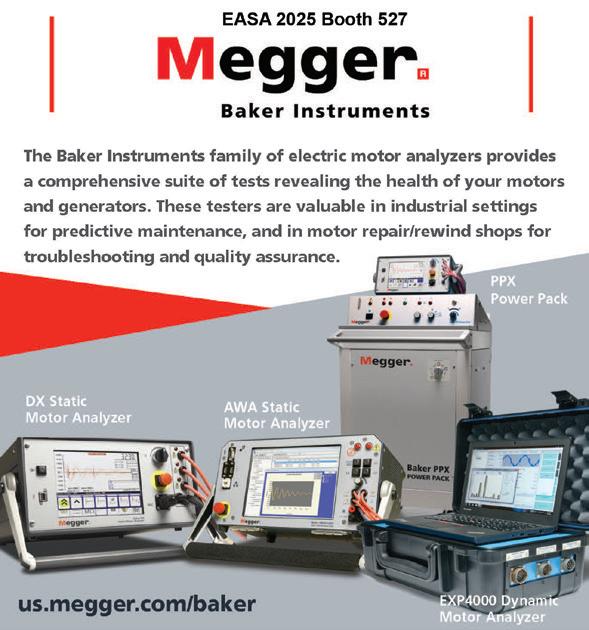
Motor Testing Equipment
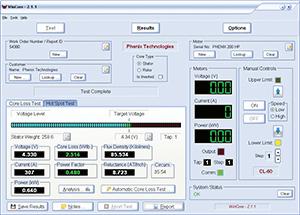
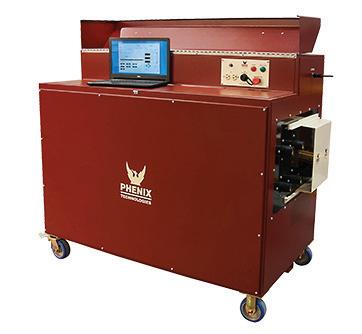
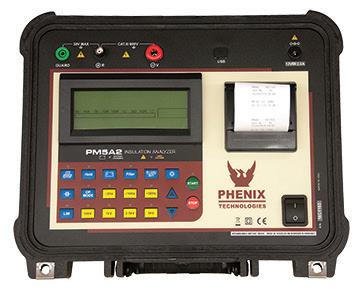
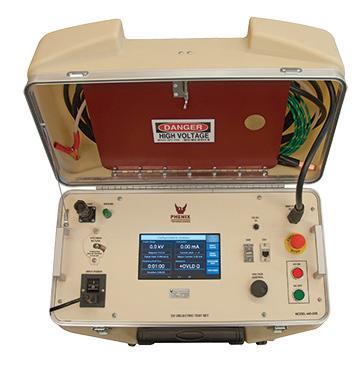
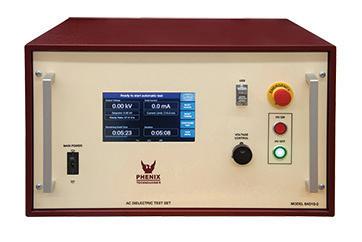


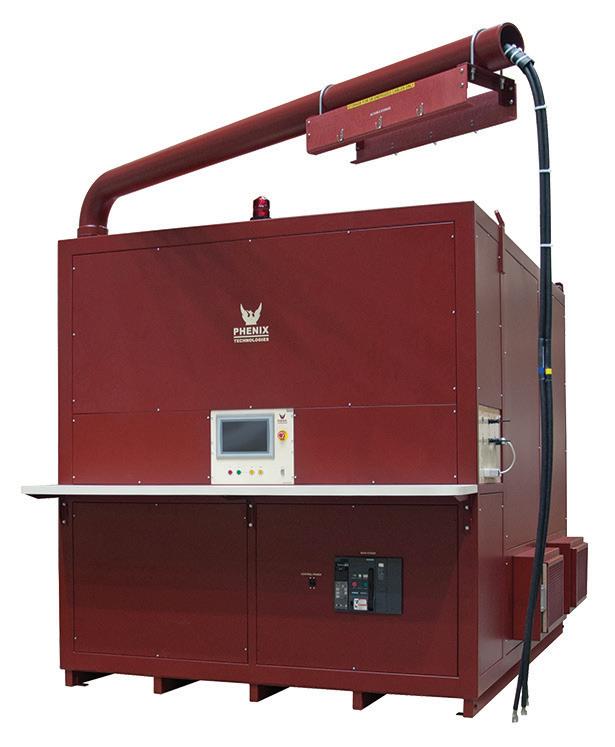






Update your calendar with these upcoming trade shows, conferences, and other events. Do you know of an event that you think we should bring to the attention of Electrical Apparatus readers? E-mail us about it at editor@barks.com.
• June 3-5, 2025 — CWIEME Berlin, Messe Berlin, Berlin, Germany. Hyve Group Ltd., https://berlin.cwiemeevents. com/home.
• June 11-12, 2025 — Coiltech North America 2025, Suburban Collection Showplace, Novi, Mich. QUiCKFairs, www. coiltech.us.
• June 16-20, 2025 — Turbo Expo: Turbomachinery Technical Conference & Exposition, Renasant Convention Center, Memphis, Tenn. American Society of Mechanical Engineers, https://event.asme. org/Turbo-Expo.
• June 21-25, 2025 — ASHRAE 2025 Annual Conference, Sheraton Phoenix Downtown and Phoenix Convention Center, Phoenix, Ariz. American Society of Heating, Refrigerating and AirConditioning Engineers, www.ashrae.org/ conferences/2025-annual-conferencephoenix.
• June 25-26, 2025 — AEE East Energy Conference & Expo, Huntington Convention Center, Cleveland, Ohio. Association of Energy Engineers, https://aeeeast.org.
• July 19-22, 2025 — EASA Convention 2025, Gaylord Opryland Resort and Convention Center, Nashville, Tenn. Electrical Apparatus Service Association, https://easa.com/convention.
• July 22-24, 2025 — Safety25 Conference & Expo, Orange County Convention Center, Orlando, Fla. American Society of Safety Professionals, https://safety.assp. org.
• August 6-8, 2025 — NSPECon, InterContinental Kansas City at The Plaza, Kansas City, Mod. National Society of Professional Engineers, www.nspecon.org.
• September 4, 2025 — Golf Day 2025, Belton Woods Golf & Spa Resort, Lincolnshire, U.K. British Pump Manufacturers’ Association, www.bpma.org.uk/ news-article/67ec00e3dc878/BPMA Golf Day 2025.
• September 8-11, 2025 — Fabtech 2025, McCormick Place, Chicago. Fabtech Event Partners, www.fabtechexpo.com.
• September 12-15, 2025 — NECA 2025 Convention and Trade Show, McCormick Place, Chicago, Ill. National Electrical Contractors Association, http:// bit.ly/4f9BWoN.
• September 17-19, 2025 — AEE World Energy Conference & Expo, Georgia World Congress Center, Atlanta, Ga. Association of Energy Engineers, https:// aeeworld.org/conference.
• September 18, 2025 — AEMT 80th Anniversary Conference, British Motor Museum, Gaydon, Warwickshire, U.K. Association of Electrical and Mechanical Trades, https://www.theaemt.com/emsevent-calendar/aemt-conference.html.
• September 29-October 2, 2025 — Canadian Manufacturing Technology Show, Toronto Congress Centre, Toronto, Ontario, Canada. Society of Manufacturing Engineers, www.cmts.ca.
• October 5-7, 2025 — EGSA Fall Conference, Royal Paci c Resort, Orlando, Fla. Electrical Generating Systems Association, https://egsa.org/Events/Fall2025-Conference.
• October 13, 2025 — Hydraulic Institute Fall Conference, Kansas City Marriott Country Club Plaza, Kansas City, Mo. Hydraulic Institute, www.pumps.org/ event/2025-fall-conference.
• February 2-4, 2026 — AHR Expo 2026, Las Vegas Convention Center, Las Vegas, Nev. The Air-Conditioning, Heating, and Refrigeration Institute, www.ahrexpo. com/sales- oor-plan-2026.
• February 22, 2026 — Hydraulic Institute 2026 Annual Conference, Sawgrass Marriott Golf Resort & Spa, Ponte Vedra Beach, Fla. Hydraulic Institute, www. pumps.org/event/2026-annual-conference.
• March 2, 2026 — PowerTest 2026, Gaylord Opryland Resort & Convention Center, Nashville, Tenn. InterNational Electrical Testing Association, https://bit. ly/4cMrfZ5.
• March 15-18, 2026 — ACCA 2026, Caesars Palace, Las Vegas, Nev. Air Conditioning Contractors of America, www.acca. org/education/acca2026.
• June 13-16, 2026 — EASA Solutions Expo, Rosen Shingle Creek, Orlando, Fla. Electrical Apparatus Service Association, https://easa.com/conven tion/future-easa-conventions.
• June 11-14, 2027 — EASA Solutions Expo, Ernest N. Morial Convention Center & Hilton Riverside, New Orleans, La. Electrical Apparatus Service Association, https://easa.com/convention/future-easaconventions.
• September 14-19, 2026 — International Manufacturing Technology Show, McCormick Place, Chicago. Association for Manufacturing Technology, www.imts. com/index.cfm. Edited by Kevin Jones EA







































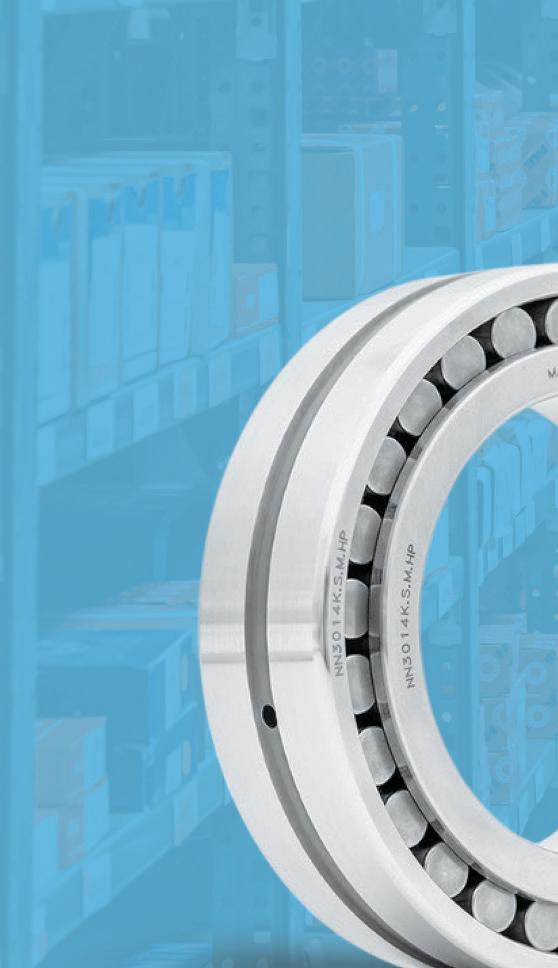




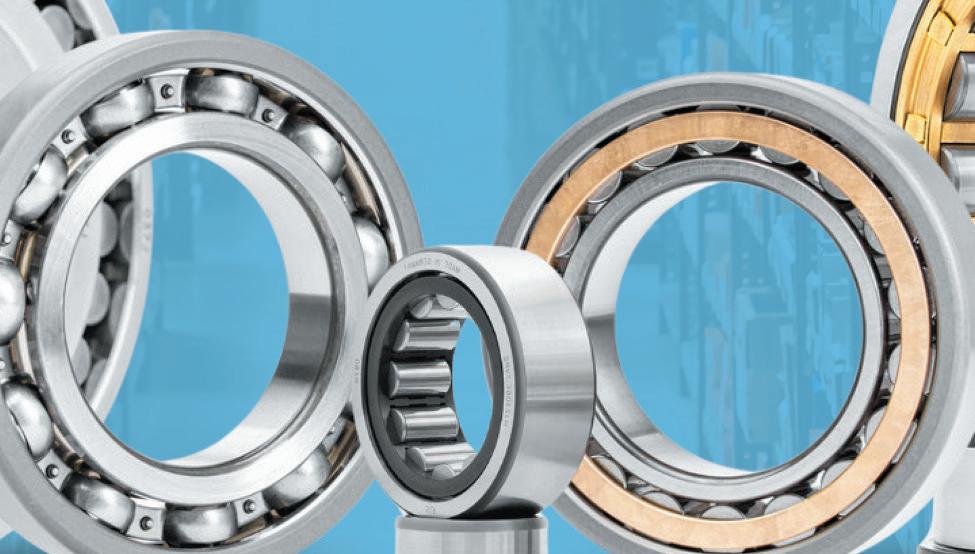



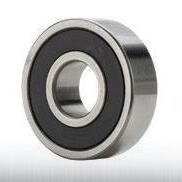
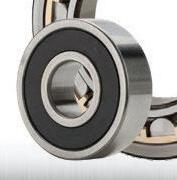
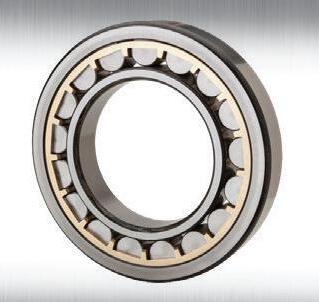
Bartlett Bearing is proud to partner with SLF to offer a variety of products to fit your most crucial needs. SLF German-made products are driven by precision. With a dedication to excellence in every detail, SLF’s engineering and manufacturing experts have developed, designed, and produced high-quality, high-precision ball and roller bearings. Call Bartlett Bearing to speak to a sales representative about our on-the-shelf inventory of products.







See the display BOOTH 715 BOOTH 715

Associations
Looking to the future with new codes of practice
The U.K.’s Association of Electrical and Mechanical Trades, which is celebrating its 80th anniversary this year, has launched its rst Codes of Practice to ensure high-quality electromechanical repair services and — one might hope — enhance the industry’s image.
Established in 1945 to manage surplus wartime electrical equipment, AEMT has evolved into a respected authority on the repair and maintenance of electromechanical systems across various industries. The new codes, which will go into e ect later this year, are intended to set benchmarks for quality, expertise, integrity, sustainability, stability, and safety.
Over the years, the association has shaped industry standards, notably by contributing to the internationally recognized Ex repair standard for equipment in explosive atmospheres. It has also developed guidelines on the handling of hazardous substances, electrical testing safety, motor repair, and energy e ciency. The Codes of Practice, rati ed in late 2024, re ect a commitment to excellence, AEMT says. A working group formed in 2023 drafted the codes, incorporating member feedback.
The Provisional AEMT Codes of Practice, released last Oct. 15, establish clear expectations for compliance, veri cation, and continuous improvement. The intention is to enhance industry credibility, foster trust among members and clients, and promote “sustainable” practices while ensuring the welfare of employees and adherence to legal standards. The codes will be integrated into the 2026 membership renewal process, and AEMT will provide support to help facilities meet the standards.
The codes apply individually to each service facility listed with AEMT, with the intention that all members, whether new or existing, adhere to the same standards. Facilities that don’t initially meet the requirements will be given up to 12 months to achieve compliance, provided they actively engage in the process.
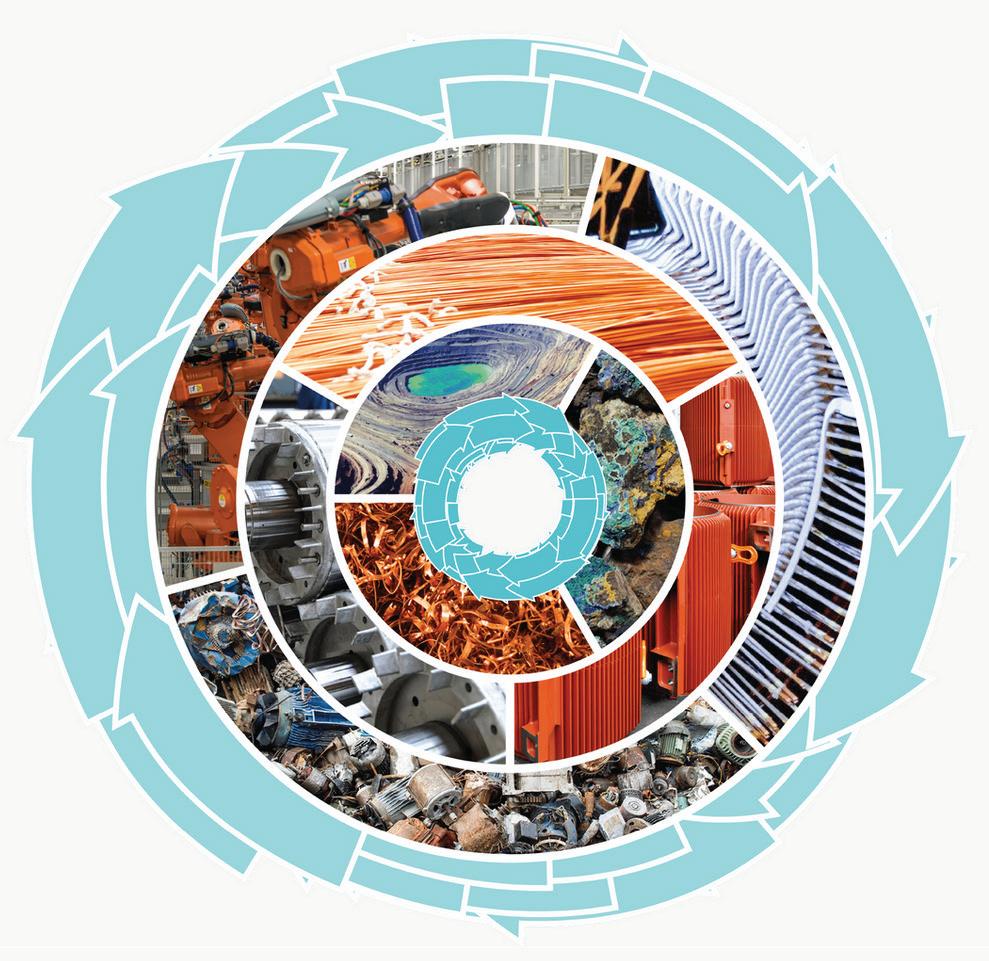
This graphic from the Association of Electrical and Mechanical Trades symbolizes the organization’s commitment to “keeping the world turning” — a commitment that the recent release of the Provisional AEMT Codes of Practice is meant to strengthen. — Association of Electrical and Mechanical Trades graphic
As AEMT explains, facilities are classi ed into three categories: Working Towards, Compliant, and Veri ed. Member companies designated Working Towards are in the process of meeting standards, while Compliant facilities have demonstrated adherence to the codes. Veri ed facilities undergo additional on-site checks to








con rm full compliance; they must renew their status every three years. Each year, AEMT will conduct random spot checks on at least 5% of Compliant facilities.
The cornerstone of the codes is quality. Service facilities are required to maintain access to certain standards, such as ISO 9001 for quality management systems, IEC 60034-23 for equipment repair, and the AEMT/EASA Good Practice Guide for motor e ciency. To ensure the consistent delivery of services, these standards must be integrated into each facility’s internal quality management system. Expertise is equally critical, with facilities required to report their capabilities — such as lifting capacity and testing equipment — to AEMT. A skills and training matrix must be part of the quality management system, and facilities are expected to support apprenticeships to foster knowledge transfer and workforce development.
implementation, with support from AEMT, is intended to ensure that facilities have the resources and time needed to comply. Together, and if all goes according to plan, the codes should foster a culture of continuous improvement and accountability throughout the industry.
“We are delighted to have formed our Codes of Practice as a key milestone in our 80th year, and I’m extremely grateful for all the e ort that our members and team have put into their creation,” AEMT general manager and secretary Thomas
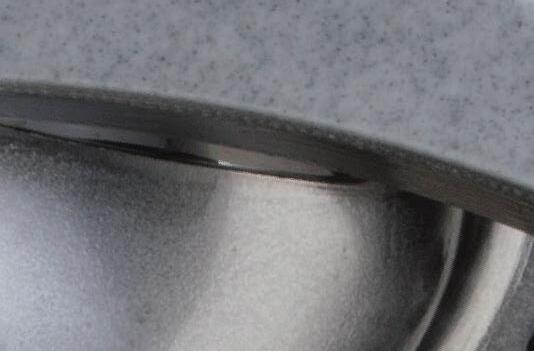
Another principle that’s fundamental to the codes is integrity. Facilities are expected to agree to AEMT’s integrity policy, which prohibits anti-competitive behavior, misrepresentation, and actions that could harm the association’s reputation. Members must comply with local employment laws, cooperate on lawful industry projects, and avoid damaging other members’ businesses through unethical actions. Facilities are also required to have policies promoting employee welfare, including mental health support, and to ensure adequate insurance coverage. A complaints procedure is available from AEMT for unresolved customer problems.

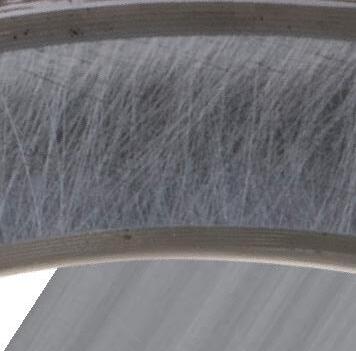

Marks said in summing up the project. “I believe this demonstrates that the association and its members are aligned in the quest to deliver exceptional services wherever possible.”
The codes are available for download at no charge on the association’s website, as are details of other anniversary initiatives. These include a revamped annual conference, which is scheduled to be held Sept. 18 at the British Motor Museum in Gaydon, Warwickshire, U.K. — Kevin Jones EA

The Industry’s Quietest Bearings


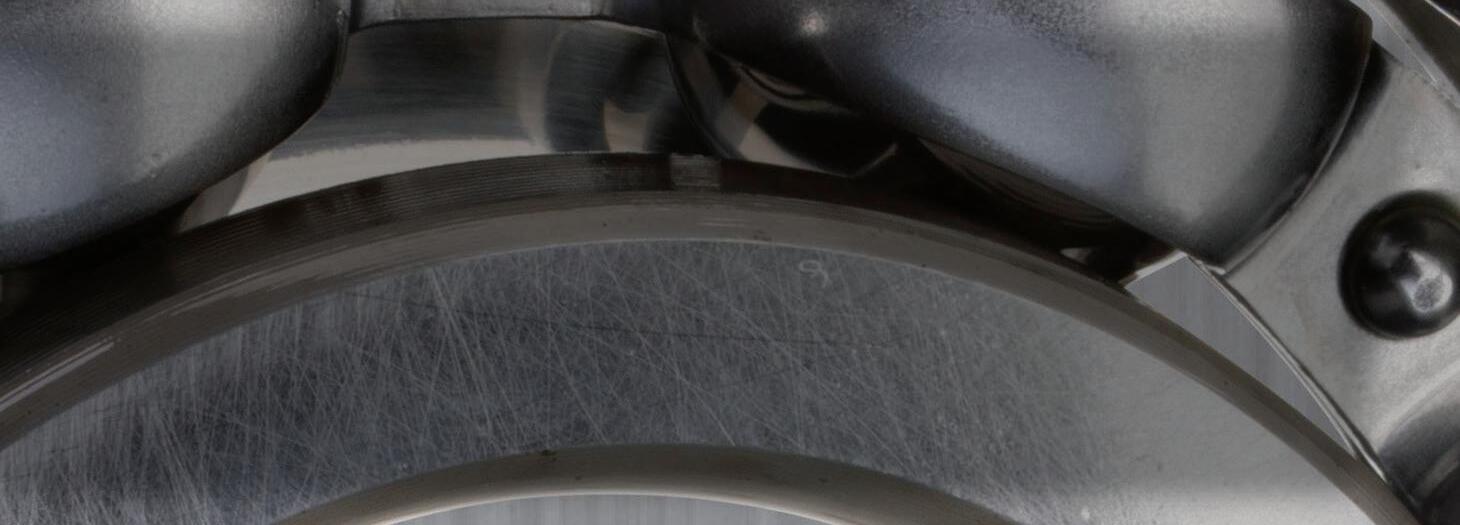


Sustainability and environmental responsibility also gure prominently in the codes. Facilities are required to implement policies demonstrating a commitment to ethical procurement as well as compliance with local environmental regulations. Safety is non-negotiable; facilities are required to have robust health and safety policies to protect sta and visitors alongside adherence to local safety laws. Stability is addressed by requiring new members to provide satisfactory nancial accounts for at least one year and ensuring business ownership maintains a good track record as de ned by AEMT documentation.

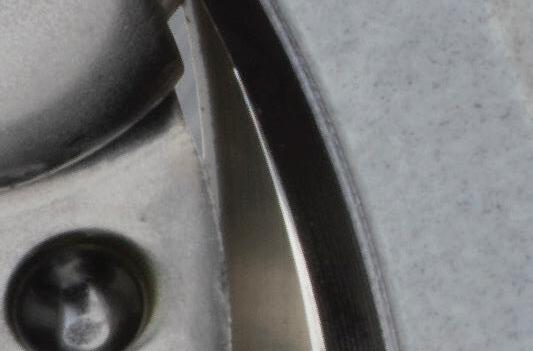


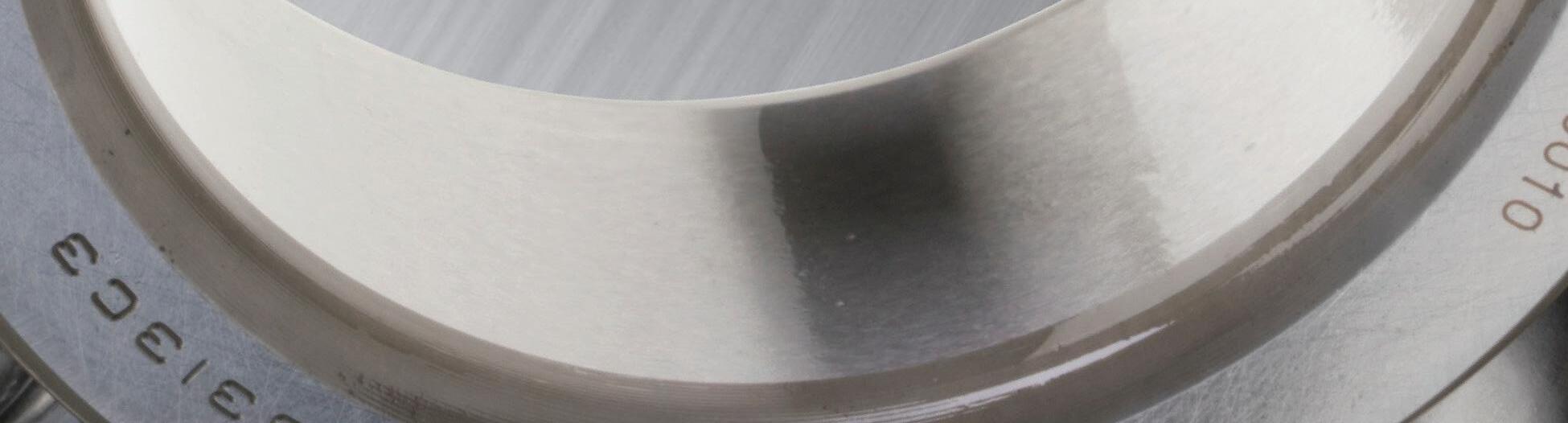
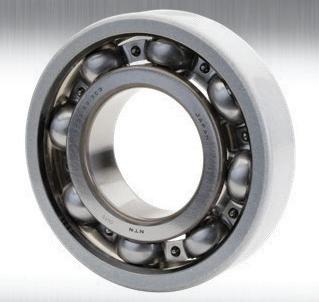
Utilizing our precision manufacturing process to create improved raceway finishes and tighter dimensional tolerances, NTN pairs high-quality components and a special polyureabased grease designed for the electric motor industry to provide the needed quietness and a high-temperature performance you expect in your applications.




Taken as a whole, the Provisional AEMT Codes of Practice establish a rigorous yet supportive framework to elevate industrial standards. By emphasizing quality, expertise, integrity, sustainability, stability, and safety, the codes are calculated to build a trusted, professional, and forward-looking association. The phased




Know Your Industry
The organization that keeps the gears turning
American Gear Manufacturers Association
Founded: 1916 Headquarters: 1001 N. Fairfax St., Suite 500, Alexandria, Va. 22314-1587
Annual Dues: Varies by membership tier Website: https://www.agma.org/
Bicycles, wind-up toys, drills, clocks, car transmissions, can openers, fans, lawn mowers — name the object, and it likely uses gears to operate. Gears have ancient roots dating back to 4th Century BCE in China but remain just as important to modern technology.
Take, for example, the former opening logo clip of Lionsgate movies (the studio behind the “Twilight” saga and the “Hunger Games” franchise), which included a grand display of golden gears shifting and interlocking before the studio’s lms began. Whether ashed across the silver screen or employed in an endless array of everyday products, gears continue to keep the world spinning.
Like many industries, the use of gears must be regulated by a set of standards

/ pexels.com photo
and practices. One of the leading organizations in the eld is the American Gear Manufacturers Association, also known as AGMA.
In 1916, the year AGMA was founded, the First World War was at its midpoint and the U.S. was in an era of rapid industrial growth — including a boom in the production and exportation of machinery and automobiles. Gears, of course, were
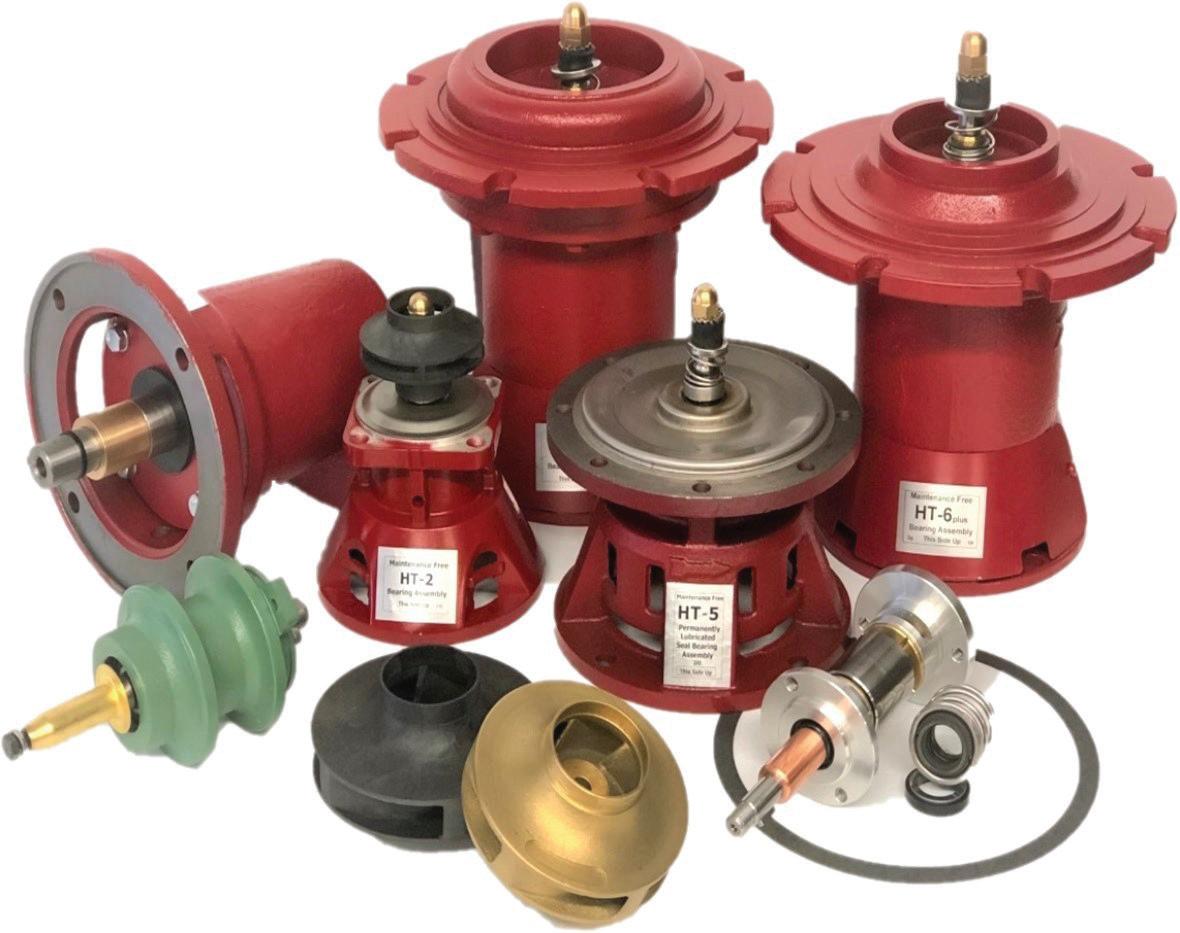
Value Engineered Pump Parts
found in the vast majority of these products, and there was an emerging need for quieter gears across industries.
Founded during this time of rapid expansion and global change, AGMA was established as a “member- and market-driven organization, conducting programs and providing services to the gear industry and its customers.” Today, over a century later, AGMA remains a “global network for technical standards, education, and business information for manufacturers, suppliers, and users of mechanical power transmission components,” according to the organization.






The association’s membership includes some of the biggest gearing companies in the world and spans 30 countries and 495 companies. With the American National Standards Institute’s accreditation, AGMA is also certi ed to write and outline all gearing standards for the U.S. AGMA o ers membership on six di erent levels, including gear manufacturer, supplier, end user, technical consultant, academic, and emeritus. Gear manufacturer membership is intended for companies that produce gears or their parts for end-use products. The two levels of associate membership include supplier and end user — which is aimed at companies that manufacture or sell machinery or raw materials and companies that don’t manufacture gears themselves but use them as part of the end-use products they do manufacture, respectively. Technical consultant membership is for individual consultants in the gear industry, while academic membership is for educational institutions. The nal category of membership is emeritus, which strives to “keep individuals involved in the association after they have retired
Gears have been central to industrial activity ever since their invention millennia ago. The American Gear Manufacturers Association serves to keep industry participants well-informed while educating the next generation of gear users.
— Irina Iriser
from the industry,” according to the organization.
Membership bene ts span an array of areas, including business development, market research, event access, and education opportunities. Given AGMA’s role as a leading standards-setter, it’s no surprise that members are privy to new standards as the standards are set and have access to a full, detailed set of them. Business development-related bene ts include a variety of o erings, from access to industry publications such as Gear Technology and Power Transmission Engineering to the Motion + Power Technology Expo.

AGMA members are also o ered opportunities to go on international manufacturing visits. Market research access allows members to stay abreast of the latest nancial trends in the industry. Members are also o ered access and registration for events that include annual association meetings, trade missions, and marketing and forecasting conferences. The 2025 Motion + Power Technology Expo and Fall Technical Meeting will both be held in Detroit this October.
Education is another pillar of member bene ts. It includes training webinars and face-to-face education that span topics such as the basics of gearing, gear failure analysis, and interpreting a gear inspection report. AGMA o ers more than 25 courses annually, which are taught by industry experts motivated to pass along their knowledge and insights to the next generation of industry professionals.


In addition to these membership bene ts, the opportunity to take part in an array of AGMA’s committees allows members to shape the future of the industry. The association’s technical committees o er the chance to help develop standards for gear use. Others, such as the market intelligence committee, serve to “collect and distribute statistical data on the markets served by AGMA’s company members and to obtain and review gear industry statistical reports,” according to the association. These committees o er the opportunity to work alongside industry peers and build connections in addition to shaping the future of the gear industry.
Though life may look di erent than it did 108 years ago, gears are undoubtedly still as important as they were back then. As technology and industry advance, circular discs with ne teeth — plastic or cast iron, big or small — are still needed to help make the world go ’round. — Avery Heeringa
JOIN at 2025





























LENNI, DELFINGEN, VARFLEX, 3M, KANEKA, IPG, ATKINS & PEARCE, KREMPEL, ISOVOLTA, HESGON, ELANTAS, ST. GOBAIN, SWECO, and DUNBAR

Plant Happenings
Shifting gears

Hyundai Motor Group held a grand opening March 26 for its new plant near Savannah, Ga. Originally announced in 2022 as a fully EV manufacturing plant, the facility was host during the grand opening to executives focused on hybrid vehicle production. The explanation for the change was given by José Muñoz, president and CEO of Hyundai Motor Co., who cited the slower pace of electri cation with hybrid sales increasing in recent years.
Droning on about safety
Smyrna, Ga., will be the home of a new drone manufacturing plant, projected to be fully operational by 2027, according to an announcement from Flock Safety. The new facility will also assemble solar panels in addition to manufacturing “drone as rst responder” technology. It is estimated that 210 jobs will be created. Hiring is now underway.
Going green in Greenville


Vietnamese solar technology company Boviet Solar celebrated the grand opening of its rst U.S. manufacturing facility April 24. The new plant, in Greenville, N.C., produces PV modules. The opening of the facility marks Boviet Solar’s growth in the U.S. renewable energy market with approximately 908 jobs created to produce the company’s PV modules used in commercial, residential, utility, and industrial applications.
Roll out the barrels



MiAlgae Ltd. takes the saying “waste not, want not” to the next level with its biotechnology, which cultivates a whiskey distillation by-product to create an omega-3-rich sh oil alternative called NaturAlgae. This spring, the Scottish company submitted an application to build a new facility near Falkirk, Scotland, if approved by the Falkirk Council.
Close, consolidate, and repeat


In a surprising update, Graphic Packaging International moved closure plans of its coated recycled paperboard manufacturing location in Middletown, Ohio, to this month. The closure will a ect 130 employees. Initially the Middletown plant was set to close at the end of this year after the opening of the Waco, Tex., facility, but in the February earnings call the updated plan was announced to shareholders due to the company’s con dence in the Waco facility’s inventory and capacity. — Kristine Weller EA
















Feature | Training & Education
Where wranglers meet robots
Training challenges abound at a rodeo that’s said to be the largest of its kind
By Bill O’Leary, EA Contributing Writer
The Houston Livestock Show and Rodeo hosted a variety of contests and competitions this past March for Texas 4-H and FFA students to showcase their technical skills. The event, said to be the largest of its type in the world, is held annually at NRG Park in Houston.
One judging competition at this year’s event was the Industrial Craft Competition, held later in the month. Nearly 20 schools and approximately 500 students statewide participated. And trophies aren’t the only prizes. Last year, 54 students were o ered jobs following the competition, helping to bridge the gap for technical trades.
According to organizers, this competition “helps to foster the development of industrial craft skills for students who are enrolled in career and technical education programs from schools across Texas.”
At this year’s event, teams put together spec-built projects that were judged by industry experts. Speculative-built proj-

ects are construction or development projects that do not have a speci c buyer or tenant beforehand.
But the students aren’t alone. Industry mentors with relevant experience work alongside high school instructors to provide their expertise and guidance. Along with these complex builds, each team had to deliver a brief presentation to the judges, another opportunity to grow important professional skills in adulthood. Additional deliverables included a detailed journal of their progress, roles, incident log, project safety plan, project schedule, and any rework that was needed.
Please turn to page 18
Among this year’s Houston Livestock Show and Rodeo winners
> Reserve: Brazoswood High School

The projects completed by contestants at the Houston Livestock Show and Rodeo underwent a detailed inspection before winners were selected.
> Grand: Pearland High School
Tier 2 winners were:
Safety













This year’s Tier 1 winners were:
Safety
> 3rd: Industrial Trades Center
> Reserve: Pearland High School
> Grand: Ingleside High School
Project presentations
> 3rd: Royal High School
> Reserve: Pearland High School
> Grand: Ingleside High School
Project execution
> 3rd: Pearland High School
> Reserve: Brazoswood High School
> Grand: Cinco Ranch High School
Built to specification
> 3rd: Brazoswood High School
> Reserve: Industrial Trades Center
> Grand: Ingleside High School
Best of show
> 3rd: Ingleside High School
> 3rd: Ball High School
> Reserve: Stuart Career High School
> Grand: Madison High School
Project presentations
> 3rd: Stuart Career High School
> Reserve: Dickinson High School
> Grand: Magnolia High School
Project execution
> 3rd: Cleveland High School
> Reserve: Magnolia High School
> Grand: Ball High School
Built to specification
> 3rd: Ball High School
> Reserve: Magnolia High School
> Grand: Stuart Career High School
Best of show
> 3rd: Stuart Career High School
> Reserve: Ball High School
> Grand: Magnolia High School


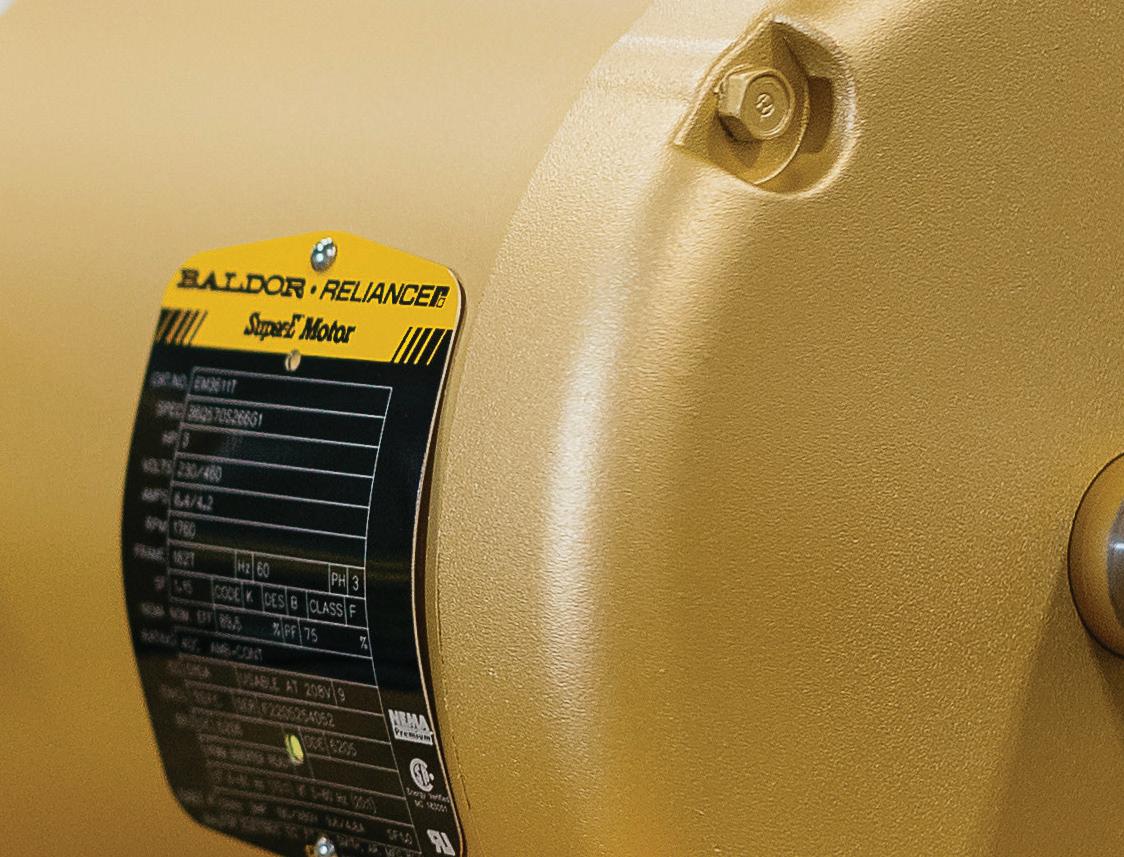


Leading the way in energy efficiency yet again, ABB Baldor-Reliance SP4 motors give you a shortcut in energy savings, lower operating costs and total cost of ownership. SP4 motors achieve NEMA Super Premium efficiency across-the-line, independently of a drive. Whether DOL or inverter duty, these motors run cooler, longer and quieter – now with a 48-month warranty. new.abb.com/motors-generators/sp4

WRANGLERS AND ROBOTS continued from page 16
The event spotlights a number of technical fields for youngsters. The Ag Robotics Contest allows members to showcase and develop in robotics, engineering, and problem solving. First, teams of three to six members build, program, and test their robot. Then that robot must perform six challenges that are announced before the contest and two “surprise” challenges announced during the event. Points are earned based on how many challenges the robot can complete.
The Tractor Technician contest is a timed event in which teams must quickly locate and correct five deliberately placed malfunctions in dieselfueled tractors. The teams are allowed two minutes to review a service work order and then 25 minutes to fix the malfunctions. Before even getting to the contest floor, those interested must complete a 100-question written exam and evaluation of 20 tractor components, including how those components can be properly implemented. With the exam and service tasks successfully in the rear view mirror, participants then hand the repaired tractor to a designated driver, who operates the machine throughout a predetermined course.
The Agricultural Mechanics Project Show tasks participants with building gates, trailers, hay haulers, feeders, and other related machinery to be showcased on the NRG Center floor. The equipment is then judged on functionality, craftsmanship, design, and welding quality. Students present their hard work to a panel of judges. The event is designed to provide a gateway to careers in engineering, mechanics, and welding.
Several sources — including Houston’s own tourism bureau and the New York Times — say that the Houston Livestock Show and Rodeo is the largest livestock exhibition and rodeo in the world. The multi-week event draws millions of visitors each year and raises a number of scholarships for Texas students. EA

The Ag Robotics Contest at the Houston Livestock Show and Rodeo showcased a series of challenges — six revealed prior to the contest and two revealed at the contest — to teams of three to six members. Teams attempted to earn points by completing as many challenges as they could by building, programming, and testing their robots.
— Houston Livestock Show and Rodeo photo

‘You can do better’
How hard work enabled Mark Brehm to become a successful business owner
By Colin Gregory-Moores, EA Contributing Writer
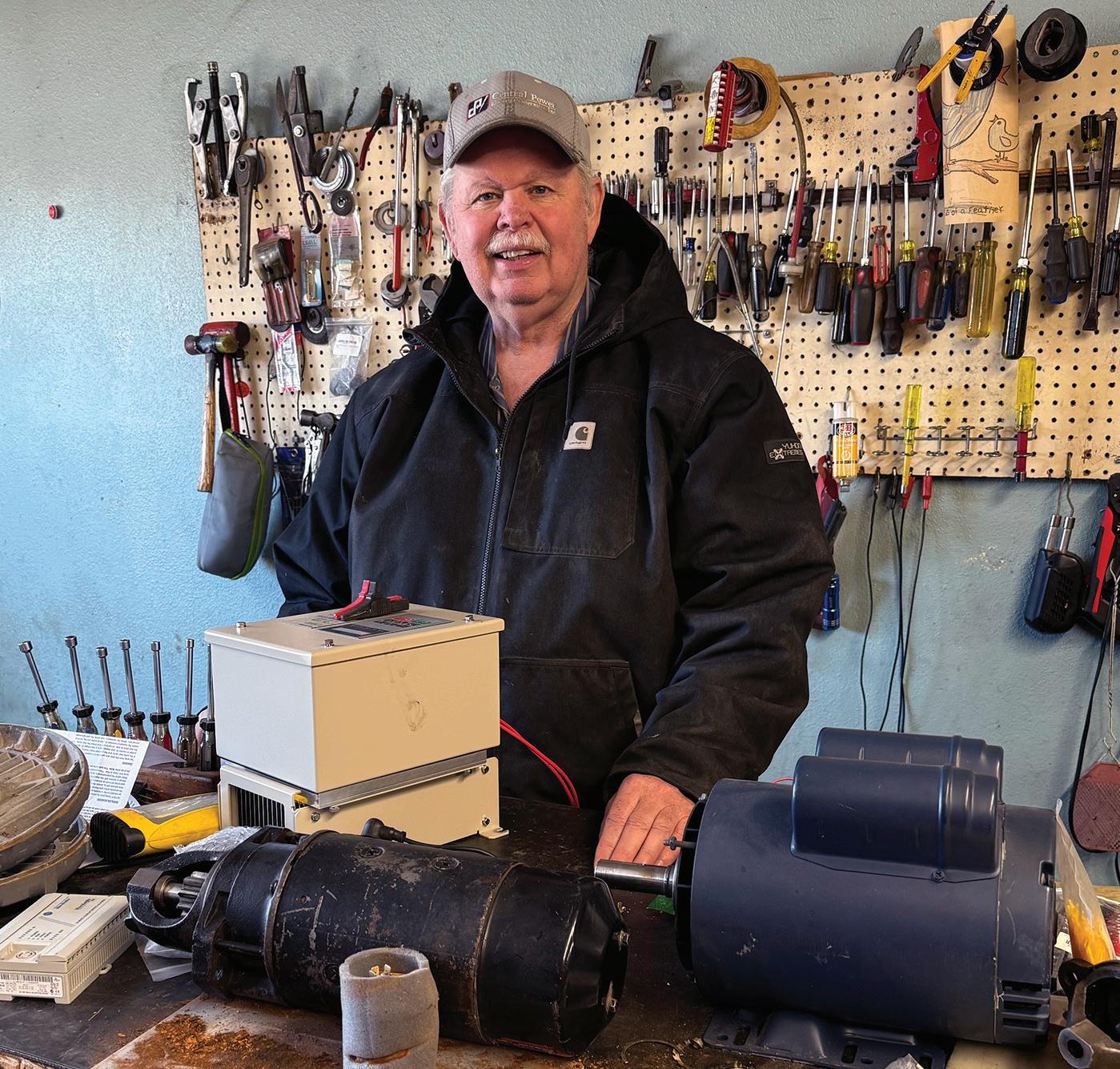
Mark Brehm is an electrical technician and the owner of D&M Electric, Cando, N.D., which he founded in 1980. The company specializes in the repair and sales of rotating electrical apparatus, mostly for the agricultural sector, as well as in PLC programming. D stands for Darla, his wife, and M stands for Mark. “She’s first. So, you could say, I’ve worked for her for 45 years,” he warmly jokes.
In 1980, they married, and Mark started his own company. To do better, they moved home and business a year later to the closely knit, 1,000-inhabitant city of Cando. At the height of his business, he employed six or seven people for some six or seven years. Apart from them and one other employee who worked there for 20 years, it’s mostly been Mark and his wife.
Mark’s story is perhaps representative of a generation of small electrical workshop owners. His 45 years of success and longevity are down to hard work, interest, and ingenuity — to using good equipment, always doing the right thing by customers, and being involved in the community. Nowadays, with few young people interested in the trade, customers replacing rather than repairing motors, internet sales, and demographics, he says, “My business will be basically shut down when I retire. All my knowledge will be lost.”
You have to do it yourself
Mark was born in 1957, some 15 miles south of Cando in Churchs Ferry, a small farming town that no longer exists. Growing up on a 2,000-acre farm that mostly grew sunflowers, durum and spring wheat, some barley, and had a few livestock, hard work has always been the norm for
him and his siblings. “You’d just get up in the morning, you had a task, and you did it,” he says. Since the area was sparsely populated, Mark learned to be
Please turn to page 22



Mark Brehm testing and programming a variable-frequency drive before installation.
– Mark Brehm photo




















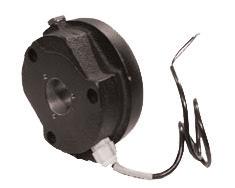



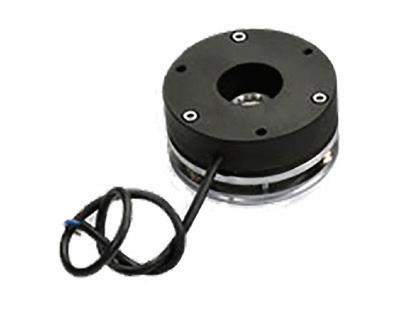




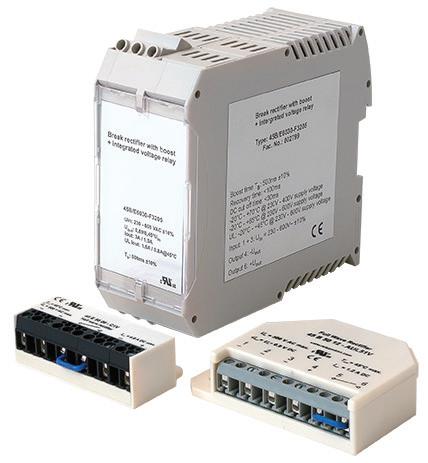


In our Florida warehouse EMTorq has the necessary spare parts in stock, to provide a quick and efficient


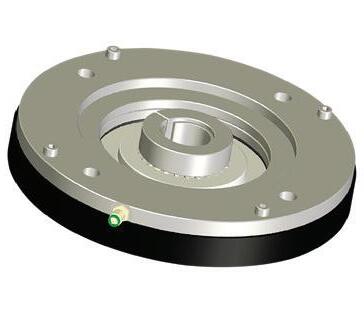
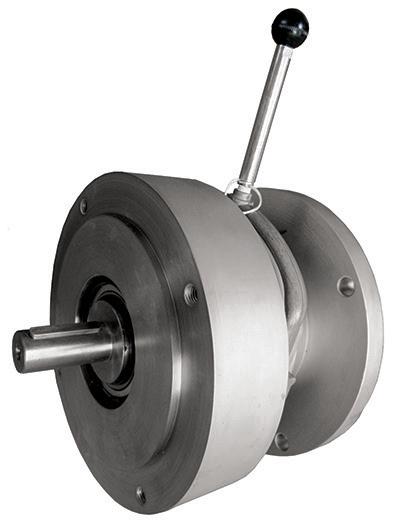
• Clutches, Clutch/Brake Combinations and Accessories are in inventory
• Computerized application engineering for accurate Clutch/Brake selection



• EMTorq’s standard line is stocked in a variety of sizes, voltage ratings and mounting configurations

self-sufficient and fix things, which has stood him well throughout his career. “You can’t just pick up the phone and have someone come fix something for you. You have to do it yourself,” he adds.
After high school, their father encouraged them all to go to college and figure out what they wanted to do in life. In 1976, Mark enrolled in North Dakota State College of Science, some 240 miles southwest of Churchs Ferry in Wahpeton, where he did a two-year associate degree in electrical technology. He picked this subject out of the blue, perhaps because he liked doing things by hand and helping his father wire buildings and repair agricultural motors. He raised pigs to put himself through college and buy a car. That was how things were back then. “If you want something, you work for it and get the money to buy it.”
Education and first job
After graduation, Mark had initially intended to go to North Dakota State University (NDSU) in Fargo, some 50 miles north of Wahpeton, to study electrical engineering. However, after college, he started working in Grand Forks, 109 miles west of Churchs Ferry, at Forks Electric Motor and Supply. There he earned the princely sum of $4 per hour. When it then came to going to Fargo in the fall, he thought that he’d just as soon work as go study. “All my career, I kind of wished I would’ve gone to NDSU to become an electrical engineer,” he adds.
Wahpeton had, however, given him the tools to move on in life. After two or three months, he was made shop manager. The owner had basically taught his employees to repair electric motors, add switches, replace bearings, etc. However, “If they got out of that lane, they couldn’t really fix anything because they didn’t know how it worked,” Mark comments. In fall 1980, he decided, as he says, “to go back home, start a business of my own, have my own family, and do my own thing.” With that came other challenges. “But it worked out pretty good,” he modestly adds.
Reading up, accounting, networking, and hard work
After getting his degree, a big part, he says, was educating himself further through seeking advice from others, reading up on things, and learning by doing. “I knew electrical theory; I knew electrical technology. Once you know that, you can kind of figure the rest out.” From the very outset of his business, he bought trade magazines, including Electrical Apparatus. He still reads the “Let’s solve your problem” to see if he can come up with the right answers.
Having taken out a bank loan to start things, he became interested in the financial side of his business. One article in Electrical Apparatus, he particularly remembers, was about bootstrapping a business and getting it off the ground. Following that advice, he didn’t go crazy on the money, and it was nip and tuck for a long time. He built up his inventory by always ordering two items of a product. In 1985, he accepted his banker’s offer to buy him the textbooks and pay the fee if he took a course in business management and business accounting. For six months, he attended the local college twice a week in the evenings.
From the beginning, Mark also realized the importance of networking. He had a good agreement with the HVAC people and electricians in town about who did which work. He also contacted Northern Plains Electric Cooperative in Cando. They worked with him on developing the low-temperature natural-air grain dryer that he had invented and ordered a bunch of units from him up-front so that his business could get off the ground. They also designed and paid for the advertising flyers and letters. Things, as Mark says with his characteristic modesty, kind of snowballed from there. His grain dryer is used by lots of people in the area. Mark now serves on the board of directors of Northern Plains Electric Cooperative and is chairman of the board of directors of Central Power Electric Cooperative, Inc. Likewise, in 2011, he got to know someone from the U.S.

General Services Administration who contracted him to monitor and service the generators in the federal and border buildings in the area.
A lot of Mark’s success is also down to hard work. A typical working day would often start at 7 a.m. and go until 10 p.m. One day, he remembers leaving home at 4:30 a.m. and returning at 02:30 a.m. the next day. “When you own your own business in this part of the country, that’s what you do, ’cause there’s nobody else there to do it.” Even so, he still found time to patent an atmospheric control system used in vegetable storage that is both functional and simple. He sold some 500 units in about 18 different states and six provinces in Canada. Equally important as hard work is, of course, a job well done. “You can do something right for somebody and they’ll tell
one or two people. If you do something wrong for somebody, they’ll tell everybody,” he laughs. To keep sane, he goes fishing and hunting, and he plays golf every Thursday afternoon in the summer “come hell or high water.”
Can-do-ism
Like many people in Cando, besides work, he volunteers in the local community. “When you live here, you’re kind of involved in everything,” he says. He has been a volunteer firefighter for the Towner County Fire Dept. since 1982 and was an ambulance EMT from 2005 to 2015. He has served on the city council for four years and as mayor of Cando for eight.
Unable to imagine a life in retirement, Mark concludes, “I’ll probably keep working here for as long as I can.” He sometimes thinks of things that he could have done differently; but that is perhaps not too amiss in a town with the nickname, “You can do better.” EA
Mark Brehm (seated, second from left), chairman of the board of directors of Central Power Electric Cooperative. – Central Power Electric Cooperative photo
AI requires energy
For those of us confused by AI, it’s surprising that it can’t energize itself
By Charlie Barks, EA Managing Editor
“There is no AI without energy; at the same time, AI has the potential to transform the energy sector.”
So goes the line from the latest International Energy Agency report, released in April, on the nexus between the AI and energy industries.
In what the Paris-based agency labels “The Age of Electricity,” data centers currently account for around one-tenth of global electricity demand growth to 2030, less than the share from our beloved industrial electric motors, air conditioning in homes and o ces, or electric vehicles. So they don’t appear to pose a drastic red alert on the energy pie chart. Yet many are bracing themselves, because data-center-driven AI and related technologies are gobbling up power fast.
According to the agency (or IEA as it’s commonly known), “a ordable, reliable, and sustainable electricity supply will be a crucial determinant of AI development, and countries that can deliver the energy needed at speed and scale will be best placed to bene t.” This is partially due to the fact that training and deploying AI models take place in large data
cal AI-focused data center uses as much electricity as 100,000 households, but the largest ones under construction today will use 20 times as much.
Meeting energy demand
How does the world’s collective energy infrastructure account for this? Well, thus far, the volume of needed electric power has posed a threatening bottleneck that has required constant tweaking. However, renewables and natural gas currently take the lead in meeting data center electricity demand.
“First, we have to bend the curve of AI demand. Data centers are major energy consumers; we started to improve what we call their ‘power usage e ciency’ but we can do better,” says Schneider Electric CEO Olivier Blum. Similarly, IEA contends












that “a range of sources are poised to contribute” as the situation develops and demand inevitably grows.
Dispatchable sources, led by natural gas, also have a crucial role to play, with the tech sector helping to bring forward new nuclear and geothermal technologies as well. Natural gas expands by 175 TWh to meet growing data center demand, notably in the U.S. Nuclear energy contributes about the same amount of additional generation to meet data center demand, notably in China, Japan, and the U.S. The rst small modular reactors are expected to come online around 2030.
“Electricity grids are already under strain in many places: we estimate that unless these risks are addressed, around 20% of planned data center projects could be at risk of delays,” the report mentions.
AI giveth and taketh away
In further explaining this AI-energy nexus, the agency notes that in the energy sector, AI has numerous applications that can improve e ciency, reduce costs, and drive innovation. Examples include faster, cheaper, and more accurate weather forecasting for predicting the output of wind and solar PV plants, real-time monitoring and optimization of transmission lines, and the use of AI to discover new battery chemistries.

A modern data center, one of the crucial components of AI-driven technologies and the energy they use.
“At the same time, AI is also energy intensive,” the report states. “Globally, data centers consumed around 1.5% of electricity consumption in 2024. AI is only one of a range of workloads that data centers perform, but in anticipation of growing demand for AI-related services, investment in data centers is growing rapidly and the size of the largest data centers is increasing.” EA






















































































— Schneider Electric photo
NEMA introduces Make It American certification
The National Electrical Manufacturers Association on April 30 launched its Make It American certi cation program to help identify products and manufacturing facilities that meet the domestic content requirements of the Build America, Buy America Act. The purpose of the program is to ensure transparency and compliance for manufacturers, government agencies, and procurement o cials seeking U.S.-made materials.
The program came about in response to growing demand for domestically produced goods, particularly in industries critical to energy and infrastructure.
Certi cation veri es that a company’s processes and supply chain management have undergone thorough third-party audits, which in turn con rm adherence to standards for domestic manufacturing. Certi ed companies can display marks that signify their commitment to transparent supply chains and a strong U.S. manufacturing presence.
The program currently o ers certi cation for facilities under NEMA’s Make It American Process Standard. Product-speci c standards are available for low-voltage power distribution equipment and wire and cable.
Additional product categories are expected to be added in the coming months. NEMA President and CEO Debra Phillips noted that since 2018, the U.S. electrical industry has invested more than $185 billion in domestic manufacturing. The Make It American certi cation program, she said, showcases manufacturers’ dedication to job creation and economic growth.
Among the rst NEMA member companies to achieve the Make It American Process Certi cation are Eaton, Schneider Electric, Siemens, Southwire, and TESCO Metering. Siemens, Southwire, and TESCO also earned product-speci c certi cations.
Eaton’s certi cation re ects the company’s focus on producing goods in the U.S. for critical infrastructure, grid modernization, and energy
security projects. Schneider Electric, certi ed for its Fair eld, Ohio, facility, underscores its role in supporting regional demand in data centers, utilities, and energy infrastructure. Siemens’s certi cation aligns with the company’s e orts to produce BABA-compliant components. Southwire’s participation highlights the company’s investments to meet the needs of an electri ed future, while TESCO Metering, based in Bristol, Pa., seeks to emphasize its century-long history of manufacturing precision meters that support the U.S.’s electrical grid.
The Make It American program constitutes a framework for documenting compliance with Buy America preferences, o ering standards, certi cations, and resources to help manufacturers navigate domestic content requirements.






New cold-weather reliability standard proposed
The North American Electric Reliability Corp. on April 10 submitted the proposed Reliability Standard EOP-012-3, titled Extreme Cold Weather Preparedness and Operations, to the Federal Energy Regulatory Commission. The submission caps several years of effort to improve the electric power grid’s performance during severe winter weather.
Two earlier versions of the standard failed to gain approval through conventional voting, so this past January the NERC board of trustees used its special authority to meet FERC’s deadline and address what it considers to be the standard’s critical importance. Members of the Standards Committee, drafting team, and NERC staff worked together to create a revised standard that reflects extensive industry collaboration and lessons learned from recent extreme cold weather events.
In particular, EOP-012-3 strengthens generator preparedness and performance by setting clearer, more effective requirements. It focuses on consistent implementation and quick fixes for issues of freezing.
The need for such a standard became apparent in February 2021, when extreme cold weather caused widespread outages, reductions in output, and start-up failures in many power generating units across the U.S. Known as “the Event,” it was the largest controlled power cut in U.S. history and the third largest when measured by megawatts lost. The most severe period, Feb. 15-18, affected millions of customers in Texas, the Southwest, and parts of the Midwest.
A joint investigation by the Federal Energy Regulatory Commission, the North American Electric Reliability Corp., and regional staff, published on Nov. 16, 2021, identified problems and made recommendations.
NERC’s Project 2021-07 addressed these recommendations in two phases to improve power grid standards for extreme cold weather. The Reliability Standard EOP-012-1 set new requirements for generator preparedness,
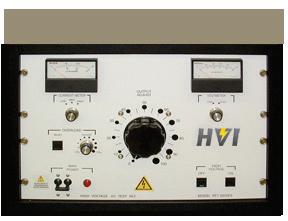
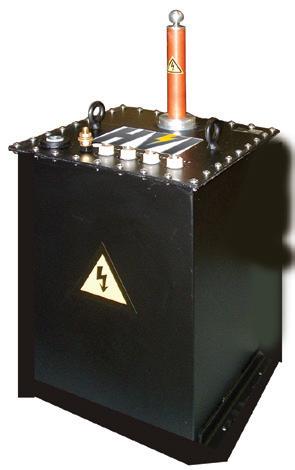
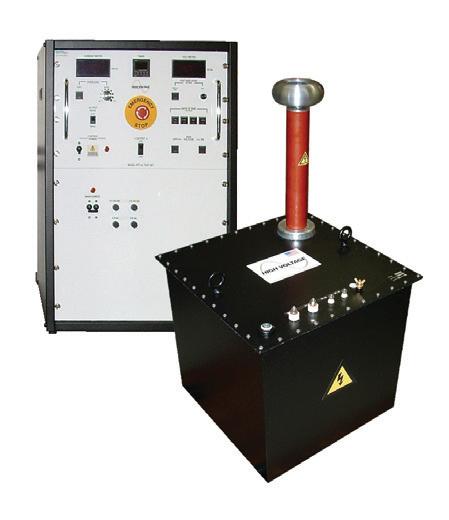
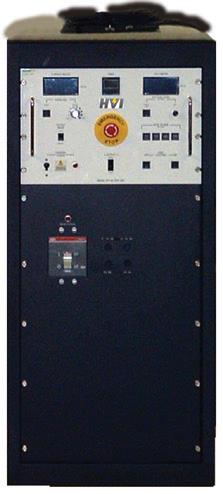
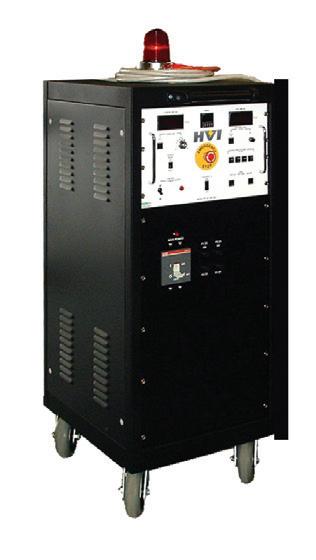
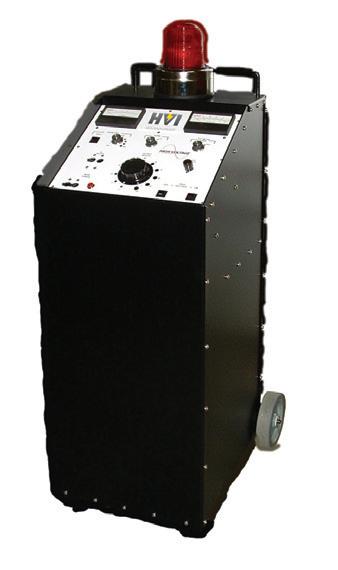
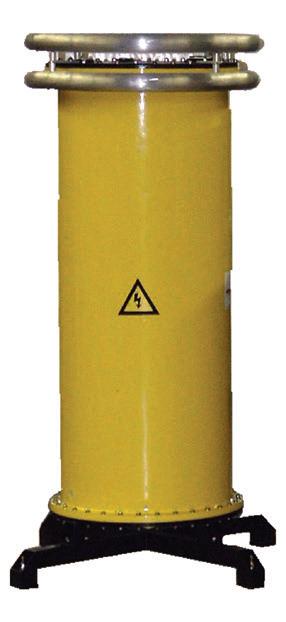
High Voltage, Inc. o ers a full line of AC Dielectric Test Sets up to 300 kV in voltage and 40 kVA in power.
HVI produces many higher kVA AC Test Sets for performing AC withstand testing on all types of electrical apparatus. These include corona free sets for performing partial discharge testing on switchgear, bushings, breakers, motors, linemans safety equipment/accessories, distribution transformers, etc. (Pd equipment not availabe from HVI.) Various control packages are available: simple manual controls, automated and computer interfaceable controls, and fully microprocessor based controls for complete test automation and data collection.

while EOP-012-2 was updated to include additional recommendations and comply with a 2023 FERC order. An Extreme Cold Weather Temperature definition helps power plant operators determine the temperature at which they must prepare for cold weather. Operators use weather data from such sources as the National Weather Service and the National Oceanic and Atmospheric Administration. This statistical approach ensures the temperature is realistic and allows plants to use past performance data to meet requirements. The standard also defines Cold Weather Critical Components as parts of a power plant under the operator’s control that could freeze and cause reliability problems, excluding those inside heated buildings kept above 32°F. Operators must consider past freezing problems and mitigation efforts when identifying these components so they might be better prepared for extreme cold. — Kevin Jones EA
Feature | Conventions & Trade Shows
Getting technical in Nashville
Mastering the nuts and bolts of electromechanical service will stand front and center at this year’s EASA Convention in July
By Kevin Jones, EA Senior Editor
Sessions on technical topics will dominate the conference agenda when the Electrical Apparatus Service Association gathers for its 2025 Convention and Solutions Expo July 19-22 at the Gaylord Opryland Resort & Convention Center in Nashville. The convention will bring together electromechanical professionals from around the world for what’s regarded by many in the industry as the networking and educational event of the year.
Apart from the numerous sessions on technical topics, the conference side of the convention will also offer a robust program of keynote addresses, marketing and sales workshops, and management forums. Attendees who use their time wisely stand to gain plenty from industry leaders while sharing their own wisdom with their peers — all while catching up with old acquaintances, making new ones, and enjoying the sights, sounds, and tastes of Music City USA.
Messages of inspiration
The convention will open with a keynote address by motivational speaker and author Clint Pulver, who will talk about fostering mentorship and loyalty within organizations. Pulver plans to share methods of inspiring and retaining employees while encouraging collaboration among coworkers and between workers and management.
Featured speaker Jerry Peerbolte, professor emeritus at the University of Arkansas-Fort Smith, will lead a roundtable discussion on the future of the electromechanical service industry. Drawing from a qualitative research report, he will explore how electromechanical repair, service, and sales might best fit into a rapidly evolving commercial and industrial landscape. Another featured speaker, Chris Kuehl, managing
director of Armada Corporate Intelligence, plans to present an economic outlook and explain its implications for the electromechanical industry. His talk will cover the current geopolitical landscape and business environment, looking particularly at how economic conditions are likely to influence EASA members’ operations.
Getting down to brass tacks
The bulk of this year’s conference sessions will be devoted to technical topics. Taken as a whole, they appear likely to provide a comprehensive view of electric motor repair and maintenance as it’s practiced today.
Allen Plymon, principal at Plymon Vibration Consultants, will explore common pitfalls in electric motor repair. His presentation will focus on overlooked components in final testing that can often lead to machine failures.
Tom Bishop, senior technical support specialist at EASA, will lead one of two sessions on motor disassembly and mechanical repair of bearings and housings. Carlos Ramirez, another EASA technical support specialist, will present the session in Spanish. These sessions will cover disassembly procedures, time-saving techniques, and best practices for bearing installation, lubrication, and housing repairs.
A session on unique repair challenges will comprise case studies from three presenters: Christopher Stroud of Electric Motor & Contracting Co., Inc.; Javier Portos of Integrated Power Services; and Steven Back of New York Blower. Stroud will discuss the causes of failures in high-voltage TEWAC motors, Portos will describe the overhaul of a large synchronous salient pole rotor, and Back will outline best practices for repairing scrubber ID fans.
John Jairo Hernandez Angel of HR Bobinados SAS is scheduled to present, in Spanish, case studies on motor reliability in extreme
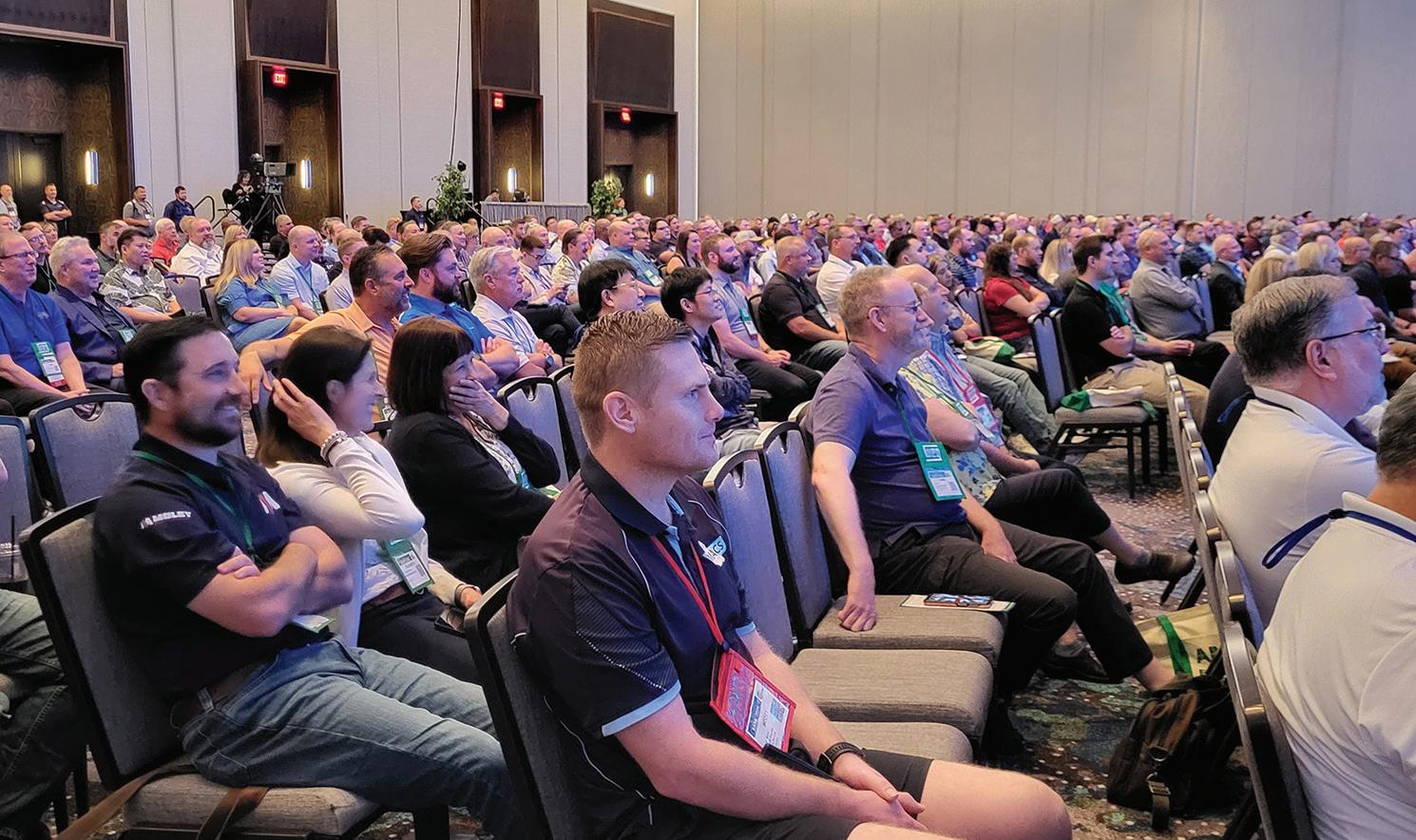
The audience was fully engaged during this general conference session at the 2024 EASA Convention in Las Vegas.
Apparatus photo by Kevin Jones
environments. His first case study will examine a 6400 kW motor suffering from underload operation. The second will focus on redesigning motors for wood-drying chambers exposed to high humidity and temperatures.
An open technical forum facilitated by EASA’s technical support specialists will give attendees the opportunity to ask questions about problems they’ve encountered in their day-to-day work. This popular session often meanders into unexpected areas, and the experts, when stumped, don’t hesitate to lob questions back at the audience.
EASA senior technical support specialist Tom Bishop will return to the lectern to discuss evaluating customer requests for warranty repairs, with a concentration on three-phase squirrel cage induction machines. He’ll outline EASA’s limited warranty details, assess the scope of work, and analyze causes of failure; the latter of these will include winding, mechanical, and bearing problems.
Gene Vogel, EASA’s pump and vibration specialist, plans to address vibration in vertical pump motor installations. He’ll explore causes of excessive vibration — including resonance and reed frequencies — and demonstrate bump testing techniques. He’ll also suggest solutions for common vibration problems.
Presenting on behalf of the National Electrical Manufacturers Association, Tim Albers, director of product management at Nidec Motor
Corp., is set to discuss updates to NEMA MG 000012024 as well as its harmonization with standards from Europe’s International Electrotechnical Commission. Albers will cover, among other things, the new Super Premium efficiency levels, updated motor design types, and revised duty cycle values.
Please turn to next page
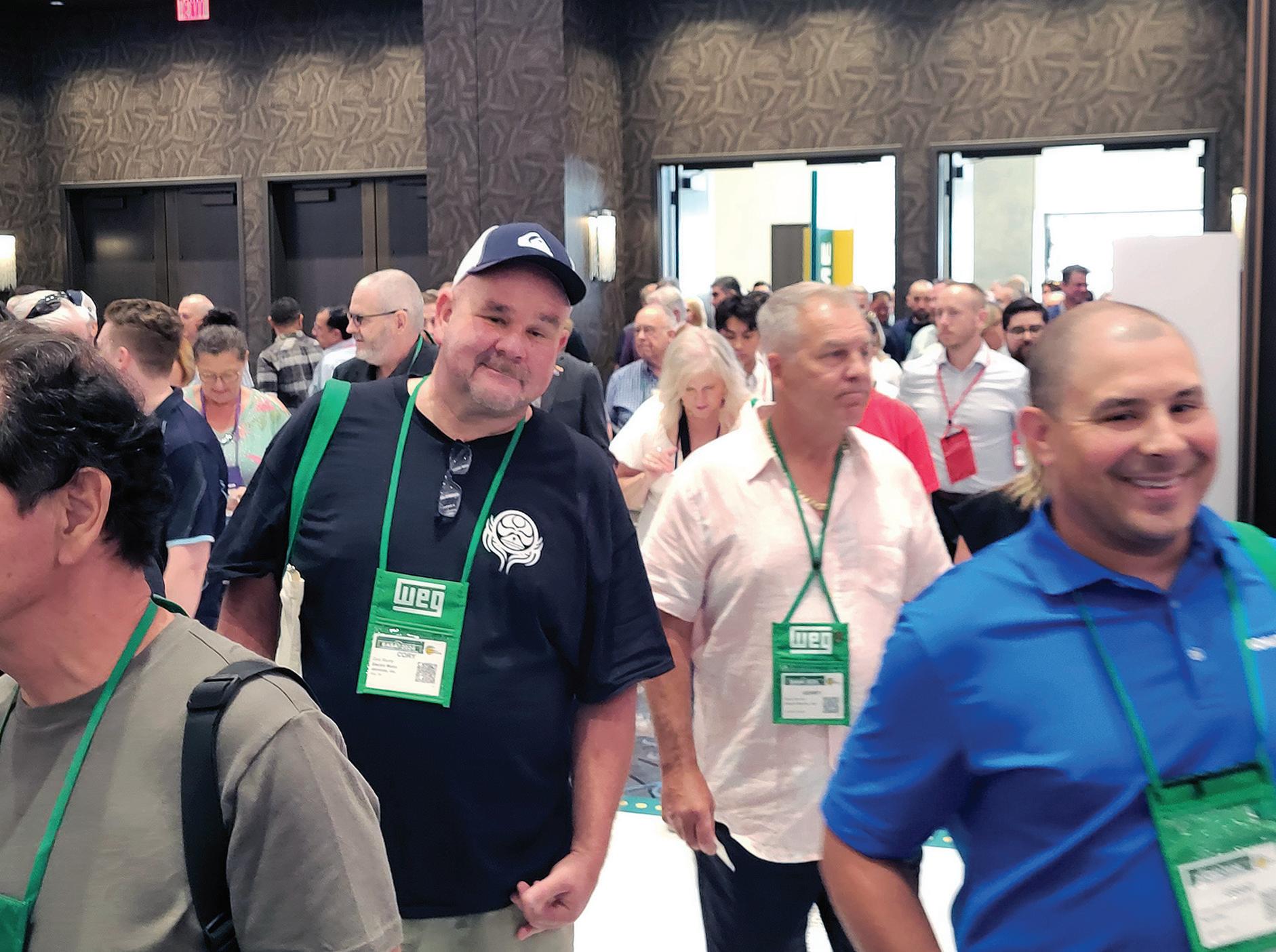
A crowd eager to visit vendors enters the exhibit hall during last year’s EASA Convention in Las Vegas. Many exhibitors from last year’s Solutions Expo will be making return appearances this year, but there will be a number of newcomers as well.
— Electrical Apparatus photo by Kevin Jones
Devlin Liles, president of Improving.com, plans to explore the role artificial intelligence is playing in electrical and mechanical engineering. Liles will cover AI fundamentals, AI’s applications in predictive maintenance and design optimization, and the ethics of AI.
Chuck Yung, another EASA senior technical support specialist, is signed up to address rotor testing in a session that will clarify singlephase rotor test interpretation. He’ll also explain methods for using core loss testers to evaluate rotor cages.
Challenges associated with variable-frequency drives and modern motor technologies will be taken up by Matthew Conville, president of EEMSCO, Inc. He intends to discuss mitigating issues with synchronous reluctance and permanent-magnet motors as well as protecting motors from transient voltages and shaft currents.
David Ocampo Vargas, of Asesoria en Reembobinado Urgente Y Venta de Motores Y Controles Elec. SA de CV, will present, in Spanish, a session on the importance of temperature-controlled burnout ovens in motor rewinding. Vargas plans to explain how these ovens can help maintain motor efficiency by reducing varnishes and insulators to ash without damaging interlaminar insulation.
Mike Howell, another member of EASA’s technical support staff, will explain when to use concentric windings in motor rewinds and how
Taking in the Nashville sights
No EASA Convention would be complete without a selection of side trips for attendees and their guests. This year’s convention will be no exception, as there will be several excursions to immerse attendees in Nashville’s cultural and natural attractions.
A musical journey will take participants to Nashville’s Broadway for an exploration of honky-tonks, restaurants, and shops, followed by a visit to the Country Music Hall of Fame and Museum. This 350,000-square-foot facility presents the history of country music and offers a close look at Nashville’s musical heritage. The cost will be $195 per person.
Guest registrants will have the opportunity to explore Gaylord Opryland’s gardens with a horticulturist-led tour. This behindthe-scenes excursion will include a talk on the care and design of the resort’s indoor atria, followed by a guided walk through the resort’s lush landscapes. Attendees will be treated to a refreshing beverage while learning about the botanical artistry that defines Opryland’s stunning environment.

The General Jackson Showboat will offer a private cruise on the Cumberland River. The trip will include a gourmet dinner and live entertainment. Guests will enjoy a mix of country, jazz, and classic hits performed by a troupe of musicians and dancers, all while taking in scenic river views. Tickets for this exclusive EASA event will be $29 for full business registrants.
An optional guest tour will visit The Hermitage, the historic home of President Andrew Jackson. This National Historic Landmark, set on 1,120 acres, will offer a guided tour of the Greek Revival-style mansion, along with access to the gardens, Jackson’s tomb, and original cabins. A short film and audio tour will provide context on Jackson’s life and presidency. The cost of the tour is $151. Comfortable walking shoes are recommended. — KJ
to implement them effectively. In his presentation, he plans to compare concentric and lap windings, explore layout options, and address unusual turn sequences.
The subject of filtering inverter-fed machines to mitigate high-frequency transients will be addressed by Bram Corne of Orbits Machinery Diagnostics. Expect him to differentiate between various filter types, including line reactors, dv/dt filters, and sine filters, and provide criteria for selecting the right one.
Later, Javier Portos will return to the stage to share best practices for medium- and high-voltage rewinds, with a focus on form coil windings. His presentation will cover insulation techniques, VPI procedures, and dielectric testing.
Pitching that service and closing that sale
No service, no matter how expertly applied, is of any value if a customer can’t be persuaded to buy it, so the marketing and sales side of the electromechanical business will be addressed in several conference sessions.
Fergal O’Carroll of Supercharge Your Sales Velocity will lead a two-part session on using AI to enhance sales processes. O’Carroll will demonstrate how AI can refine messaging, accelerate product learning, and support discovery calls and proposal preparation.
Then, Mike Weinberg, founder of The New Business Sales Coach LLC, will present what’s expected to be a fast-paced session on the fundamentals of winning new sales. Weinberg will share a simple framework for business development, emphasizing the importance of targeted account lists, compelling sales stories, and securing meetings with prospects.
Al Bates, a profitability consultant who has become a fixture at EASA conventions, is scheduled to deliver two sessions on enhancing profitability amid economic shifts. His timely presentations will explore how inflation impacts profit margins and outline strategies for sustainable sales growth, margin improvements, and expense control.
Managing facilities and people
Finally there’s the human side of running a business. Several of the convention sessions will take a close look at the art of managing people working in an industrial facility.
Chris Czarnik, a workforce management expert, will lead a three-hour session on managing employees from recruitment to retirement. He will analyze recruitment strategies in light of recent demographic shifts and will also discuss advertising techniques, mentor programs, and talent development.
Nashville and the Cumberland River at dusk.
— Nashville Convention & Visitors Corp. photo
Mike Weinberg will return with a session on sales leadership in which he will discuss common pitfalls that can hinder sales teams. He will offer frameworks for accountability meetings, talent management, and team direction, with a view toward helping leaders maximize results.
Strategies for recruiting and retaining talent in small businesses will be covered by Taylor Powell of Industrial Motor Service, Inc., who plans to outline road map that engages employees. These strategies include job descriptions, key performance indicators, and training programs.
Ron Widup, vice president at Shermco Industries, will provide an overview of applying NFPA 70E and 70B standards to shop and field operations. He will examine hazard assessments, safe work practices, and maintenance strategies.
Ryan Senter of Hibbs Electromechanical, Inc., meanwhile, plans to look at how employee retention strategies can enhance recruitment. In his presentation, Senter will discuss the benefits of selective hiring, managing team dynamics, and engaging with the community to attract talent. His session will also cover the roles social media and succession planning play in building a workplace seen by employees as desirable.
Finally, in an open management forum facilitated by EASA’s Management Services Committee, attend-
ees will be invited to discuss management challenges and share their solutions. This interactive session will focus on non-technical issues, and audience participation will be encouraged.
A full schedule of events for this year’s EASA Convention — as well as information about registering to attend — may be found online at www. easa.com/convention. EA

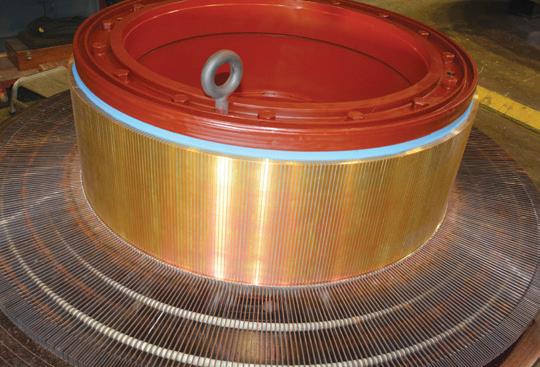
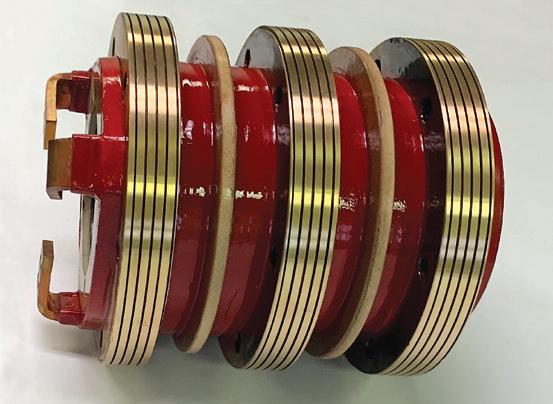
U.S. Source for AC & DC Motor Components Supplier of DC Commutators, Slip Ring Assemblies, AC Rotors, and Copper & Brass Extrusions
> DC Commutators
•Largest drawing/specification database of various OEM’s
•Reverse
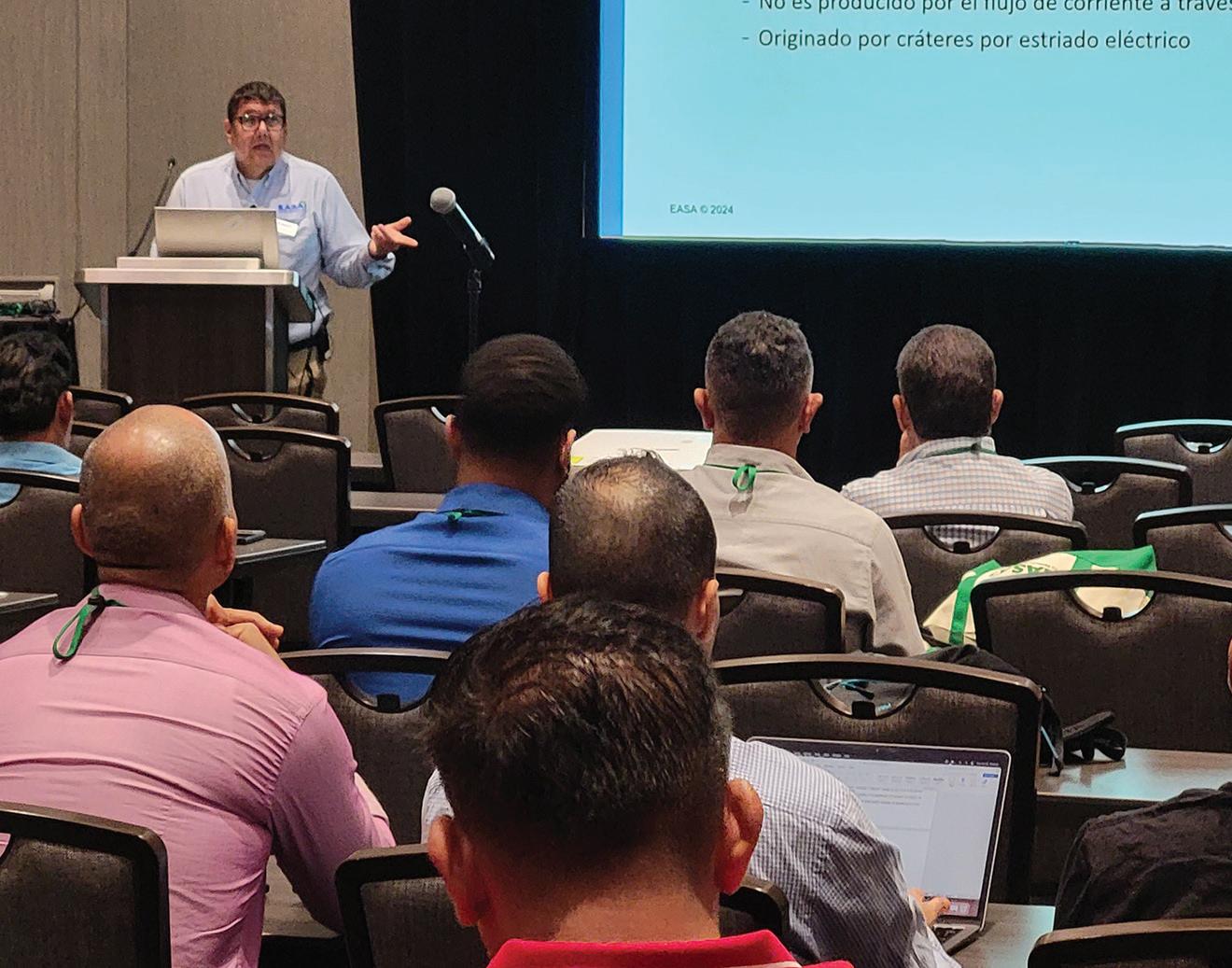
EASA technical support specialist Carlos Ramirez, seen here speaking at last year’s convention in Las Vegas, will give two presentations at the Nashville convention.
— Electrical Apparatus photo by Kevin Jones
Music City marketplace



VIsit these Electrical Apparatus advertisers at the 2025 EASA Convention, Gaylord Opryland Resort & Convention Center, Nashville, Tenn., July 20-22 A special Electrical Apparatus advertising supplement

























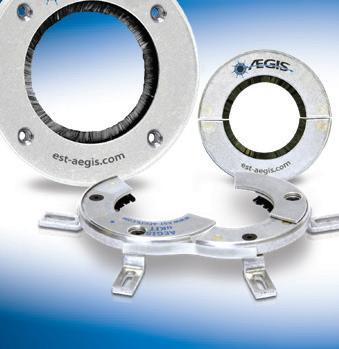
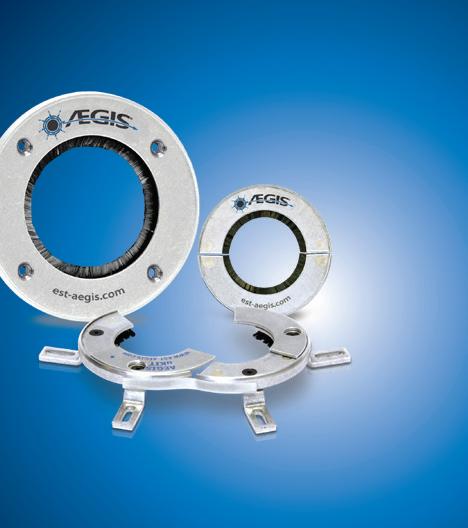
EASA 2025 Booth 549




















































































Feature | Conventions & Trade Shows
Coming to America
The first Coiltech North America will present the latest in electrical manufacturing technology
By Charlie Barks, EA Managing Editor
Despite the rapid growth in technology we’ve seen in recent years, one industry has shown impressive staying power: coil winding. A burgeoning trade show is testament to that: Coiltech North America, which is set to take place June 11-12 at the Suburban Collection Showplace in Novi, Mich. You might be familiar with this location as the former host site of The Battery Show, one of the premier electric vehicle events in the nation.
Starting strong with 245 confirmed booths, Coiltech North America 2025 will bring together the entire coil winding supply chain – from materials and machinery to testing and automation. Built for developers, producers, and maintainers of electric motors, transformers, and generators, the event connects the key players shaping tomorrow’s infrastructure – today. As the U.S. accelerates investments in modernizing the power grid and advancing energy-efficient technologies, Coiltech aims to be the meeting point the coil winding industry was missing.
Notable exhibitors
Exhibitors will include the likes of Beckhoff Automation, Bosch’s thin-metal technologies branch, CAM Innovation, Chengdu Ascend Magnetic Technology & Products Co. Ltd. (the manufacturer of SmCo
magnets and magnetic assemblies), DuPont, the global supplier of high-performance electrical insulation for EVs, wind, rail, data centers, and more; Elantas North America, Inc. (Booth B34), well known to EA readers as a manufacturer of insulating & protecting materials for the electrical & electronics industry, will also be there, along with others.
Keep an eye out for Electrom Instruments (Booth A28), producer of the iTIG motor tester and winding analyzer. Essex Brownell, longtime distributor of magnet wire, insulation materials, and other industry products, can be visited at booth E30. Eurotranciatura S.p.A., manufacturer of electrical steel laminations, will be at Booth E22. FUHR, which develops specialized wire rolling mills for a wide range of industrial applications, is another name to look for at the show. Haefely A.G., provider of high-voltage test equipment, will be at Booth J37.
The range of exhibitors is interesting, as the exhibition is clearly centered on coil-winding specialists and manufacturers of wiring, but the lineup features certain industry-adjacent companies as well. New England Wire Technologies designs and manufactures custom wire and cable, including Litz wire. Odawara Automation, Inc., specializes in OEM machine assemblies and systems as well as motor-winding equipment. Rea Magnet Wire, maker of copper-aluminum insulated magnet wire, cable, and bare wire for motors, transformers, generators, and coils will be at booth C32.
For motor testing equipment, Schleich GmbH will be showcasing its test products for automotive, production, repair, maintenance, surge, partial discharge, winding, and motor testers. TE Connectivity, meanwhile, designs and manufactures connectivity and sensor products for all industries. Tempel Steel, manufacturer of motor, generator and transformer laminations in e-mobility, industrial, and energy industries, will also be there, as will The Mueller Group, the North American stocking distributor of Nexans brand SIWO-KUL Hi-temp and High Volt motor cables.
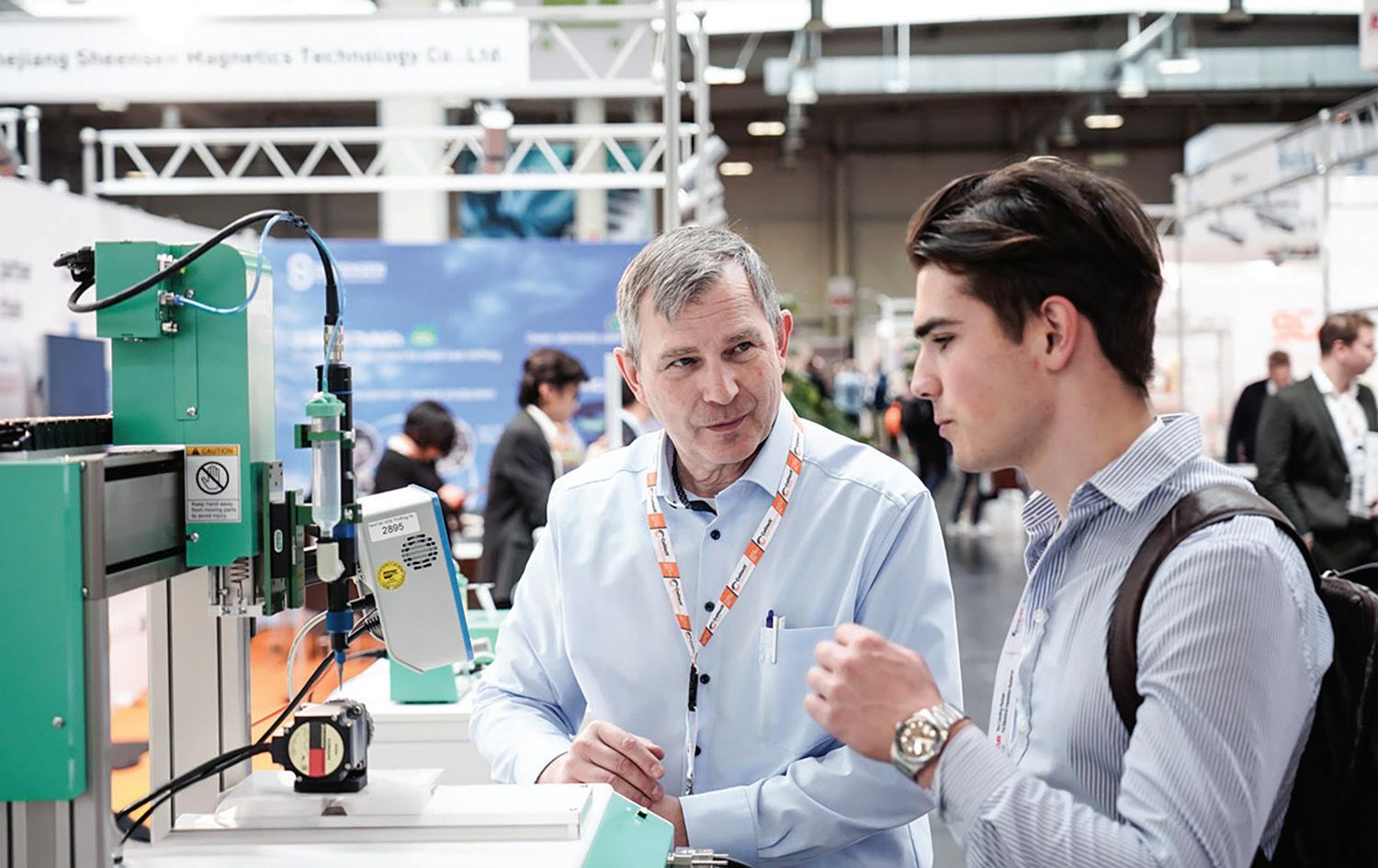
The exhibitor list, which can be viewed in its entirety on the Coiltech North America website (https://bit.ly/3EY8Uvs), is rounded out by plenty of other interesting and innovative companies. The show itself should also attract plenty of clientele relevant to all coil winding needs.
Coiltech welcomes professionals from all over the world who are either involved in the development, production, and maintenance of electric motors, transformers, and generators or engage in R&D, manufacturing, quality control, or purchasing.
Both the industrial and private sectors in North America are on the brink of a significant evolution in which the energy efficiency of electric motors,
In a foretaste of what visitors to Coiltech North America might expect, Coiltech Deutschland 2025 emphasized close interaction and product showcasing.
Coiltech Deutschland 2025 photo
generators, and transformers will receive unprecedented attention. This lends particular relevance to the innovators in the field of the coil-winding machines and processes that are shaping the industry’s future.
A trio of events
Coiltech North America is just one of three related events that either have been or will be held this year. Coiltech Deutschland was held in Augsburg, Germany, March 25-26. Coiltech Italia will take place Sept. 17-18 in Pordenone, Italy.
At all three Coiltech events, providers of innovative solutions stand ready to discuss projects with attendees and develop new approaches.
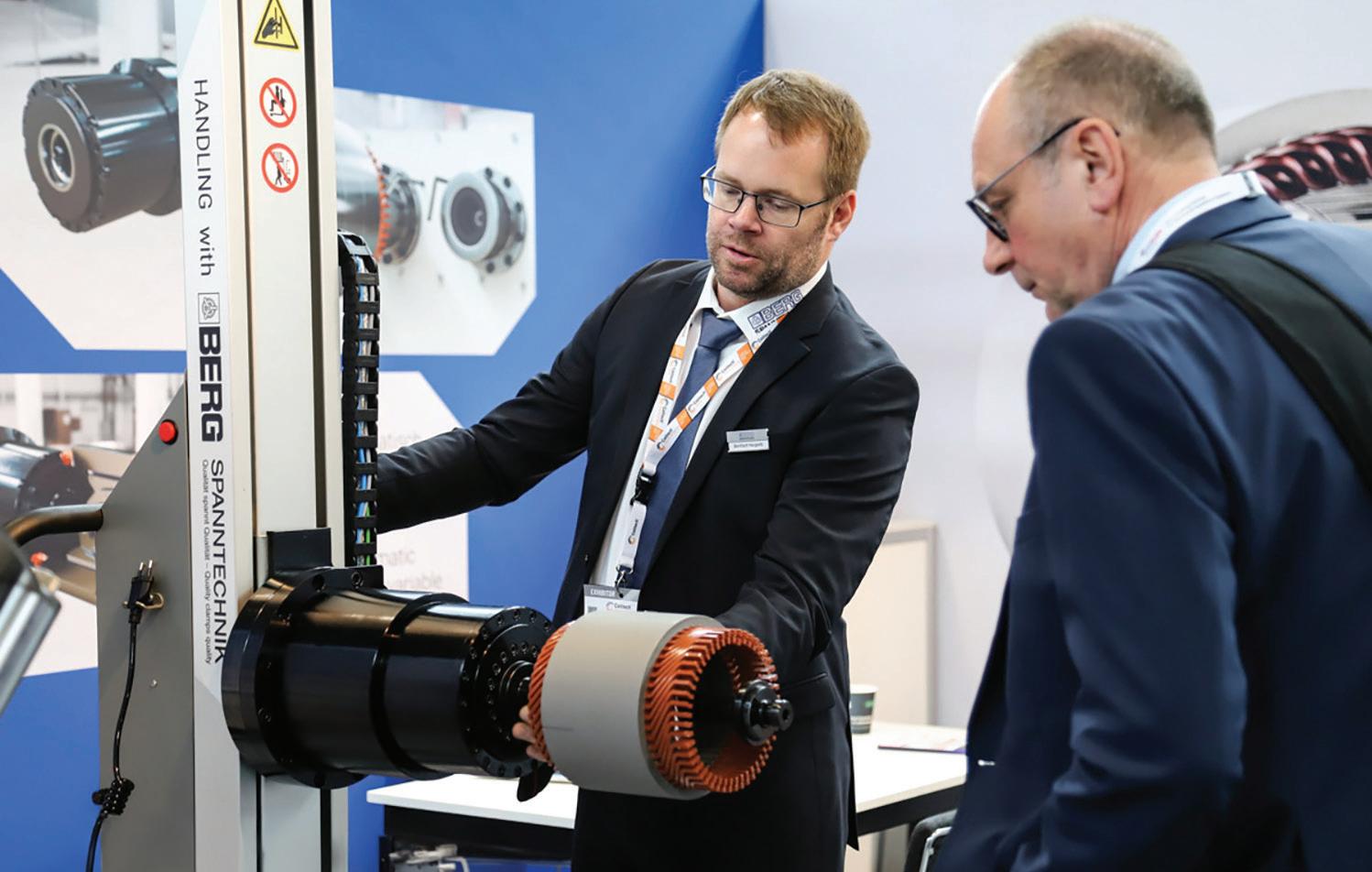
Central to the agenda of all three is energy efficiency, which begins with the technology, materials, and machinery used to develop and manufacture new electric motors, transformers, and generators, as well as to maintain existing ones.
Comments from attendees at the Augsburg event have been positive. “Very good visit, first time here,” said Gunnar Johnsen, head of electrical system research and technology at Kongsberg Maritime Training and Technology Center in Horten, Norway. “The companies I needed to see are here. The requirement to visit other conferences is reduced because I was here.”
“I was truly impressed by the attention to detail and the efficiency with which the event was managed,” said one operations manager from ICE Transformers. “The selection of exhibitors, the conference and workshop program, as well as the overall atmosphere, contributed to making the trade fair experience extremely positive.”
Progress, in the opinion of the managers of the shows, “is born from meaningful exchanges between informed professionals.” To better foster those quality interactions — as well as facilitate dedicated networking among peers — Coiltech says it “invites and admits only visitors who are deeply entrenched in the industry, ensuring a forum exclusively dedicated to individuals and companies who have a direct interest and specific knowledge in coil winding.”
Coiltech has tried to curate the experience so that attendees and exhibitors can get a lot done in a short period of time. A compact exhibition format allows a complete overview and visit within one day, the showrunners say. This creates a professional atmosphere “where it’s a pleasure to discuss projects with partners and suppliers.” A clear and compact exhibition structure allows a maximum of straight face-to-face contact between customers and suppliers; the average size of the booth is less than 215 square feet, which means a higher partner concentration in the same area and more meetings in less time.
The exhibition has a horizontal structure, all on the same level and at hand, without the long walking distances that create a waste of time during the visit to the fair — for example, the passage from the first floor to the second. The venues are located in the heart of some of the most interesting areas for the coil winding industry. They are well connected with low-cost flights and roadways.
Conference and workshop
Coiltech North America will run alongside the World Magnetic Conference and Applied Electromagnetic Machines Workshop, both of
which are integral parts of Coiltech. The purpose of the workshop is to help bridge technology gaps in the manufacturing value chain for all types of electromagnetic devices (motors, generators, and transformers) by providing an open forum for academia and industry to discuss challenges and requirements for magnetic materials, electromagnetic cores, and electric machines.
Together, the World Magnetic Conference and the workshop offer a platform for exchanging ideas, innovations, and solutions between academia and industry.
Among a broad array of topic areas covered, the workshop will mainly focus on: soft and hard magnetic materials, electrical steels, lamination stamping, electromagnetic core manufacturing, core winding, motor, generator and transformer machine building, material and electromagnetic device testing, control and power electronics, end application performance and testing, and application engineering.
The organizers see the conference as an opportunity for the exchange of information among academic and industry researchers. This in itself, in the view of the event’s organizers, makes the conference an important reason to visit the fair. Since 2010, more than 180 companies and universities have held at least one presentation at the conference.
A steering committee chaired by Prof. Marco Villani of the University of L’Aquila approves the candidacies of the presentation proposals. Prof. Villani is the author and co-author of publications in conference proceedings and technical and scientific journals.
There are no fees for participation at either event. The latter fosters collaboration between industry and academia, as well as between companies throughout the electromagnetic machine manufacturing chain.
Centered around the coil winding industry, Coiltech North America — like Coiltech Deutschland 2025, shown here— will feature motor products, wire products, insulation, laminations, transformers, and more. — Coiltech Deutschland 2025 photo
The future of the electric utility industry
The electric utility industry, not only in the U.S. but around the world, is poised to see signi cant transformation between now and 2035. It’s a transformation likely to be driven by technological advancements, decarbonization, rising energy demand, and evolving regulatory frameworks.
Such is the opinion of several industry observers and analysts — including Deloitte, the International Energy Agency, Ernst & Young, the National Renewable Energy Laboratory, and the Center for Strategic & International Studies — who have studied the matter in depth and have recently issued comprehensive reports.
One change they all agree on is the surge in electricity demand that’s certain to result from expanded electri cation. Deloitte’s 2025 Power and Utilities Industry Outlook notes that electri cation in U.S. transportation, buildings, and industry will signi cantly increase demand, potentially reaching 3,700 terawatt-hours annually in the building sector alone.
The broad-based growth in electricity demand is coming at the same time that

we’re seeing a shift from fossil-fuel-based systems to alternative energy sources. The Deloitte report cites a milestone reached in 2022, when U.S. shipments of electric heat pumps — a bellwether of sorts — surpassed shipments of gas furnaces, a trend supported by such policies as the In ation Reduction Act, which o ers tax credits and rebates for the adoption of heat pumps.
The International Energy Agency’s Electricity 2025 report predicts that, globally, electricity will account for a larger share of energy use as transport and heating become increasingly electri ed. Renewable energy will be needed to meet this growing demand, according to the agency, with “clean” electricity becoming critical to decarbonizing transport and industry by 2035 in countries that are members of the Organization for Economic Co-Operation and Development.
This electri cation boom does pose challenges, however. A report from the Center for Strategic & International Studies warns that electric vehicle charging optimization and grid balancing will determine the scale of demand. Poorly managed EV charging will potentially strain grids during peak hours.
The transition to renewable energy sources remains another prominent trend. The U.S. Power Industry Outlook 2025, published by Turbomachinery magazine, predicts that 91% of power projects commencing construction in the U.S. between 2025 and 2029 will be renewable, primarily solar and wind. Internationally, Ember’s Global Electricity Review has noted that renewables generated 30% of electricity in 2023, with solar and wind leading the charge. The Review predicts a “new era of falling fossil generation” by 2035 as clean energy is scaled up.
Deloitte, meanwhile, points to supportive U.S. policies, such as the aforementioned In ation Reduction Act, which spurred $11.6 billion in completed renewable projects in 2024 alone. The International Energy Agency projects that renewables will need to triple in capacity worldwide by 2030 to meet climate goals. The intermittent nature of renewable energy, however, will require backup systems such as storage or hydrogen, which remain costly and underdeveloped.
To further accommodate rising power demand, grid modernization will be a priority. Deloitte emphasizes the deployment of grid-enhancing technologies and advanced conductors in the U.S., which could quadruple transmission capacity
One change industry observers
and analysts agree on is the surge in electricity demand that’s certain to result from expanded electrification
to 64 TW-miles by 2035, compared to 16 TW-miles from new lines alone. U.S. states are increasingly requiring utilities to integrate these technologies into resource plans for cost-e ective expansion of capacity.
The International Energy Agency speaks of the need for upgraded transmission infrastructure to connect renewable-rich regions to load centers, estimating that more than a million miles of new lines will be needed in the U.S. by 2050.
As promising as these developments may sound, challenges, obviously, persist. In the U.S., there’s a chicken-and-egg problem pertaining to renewable energy: Transmission developers hesitate to move forward without guaranteed generation, while renewables investors wait for certainty about the availability of transmission capacity. This stando could delay progress unless regulatory reforms, such as the Federal Energy Regulatory Commission’s restored siting authority, are brought into play.
Then there’s the utility workforce, which stands to be transformed by decarbonization and technological shifts. Deloitte predicts that utilities will need to retrain workers for roles in renewable energy, grid tech, and arti cial intelligence by 2035, a process that could profoundly reshape utility labor markets.
While these predictions, especially when viewed through rosy lenses, paint an optimistic picture of a cleaner, smarter grid, they’re based on assumptions of rapid technological adoption and consistent policies — two contingencies that are highly uncertain given the rapidly shifting energy policies coming out of Washington.
So what will the electric utility industry look like ten years from now? Apparently we’ll just have to stick around to nd out.
— Kevin Jones EA
The test specialists
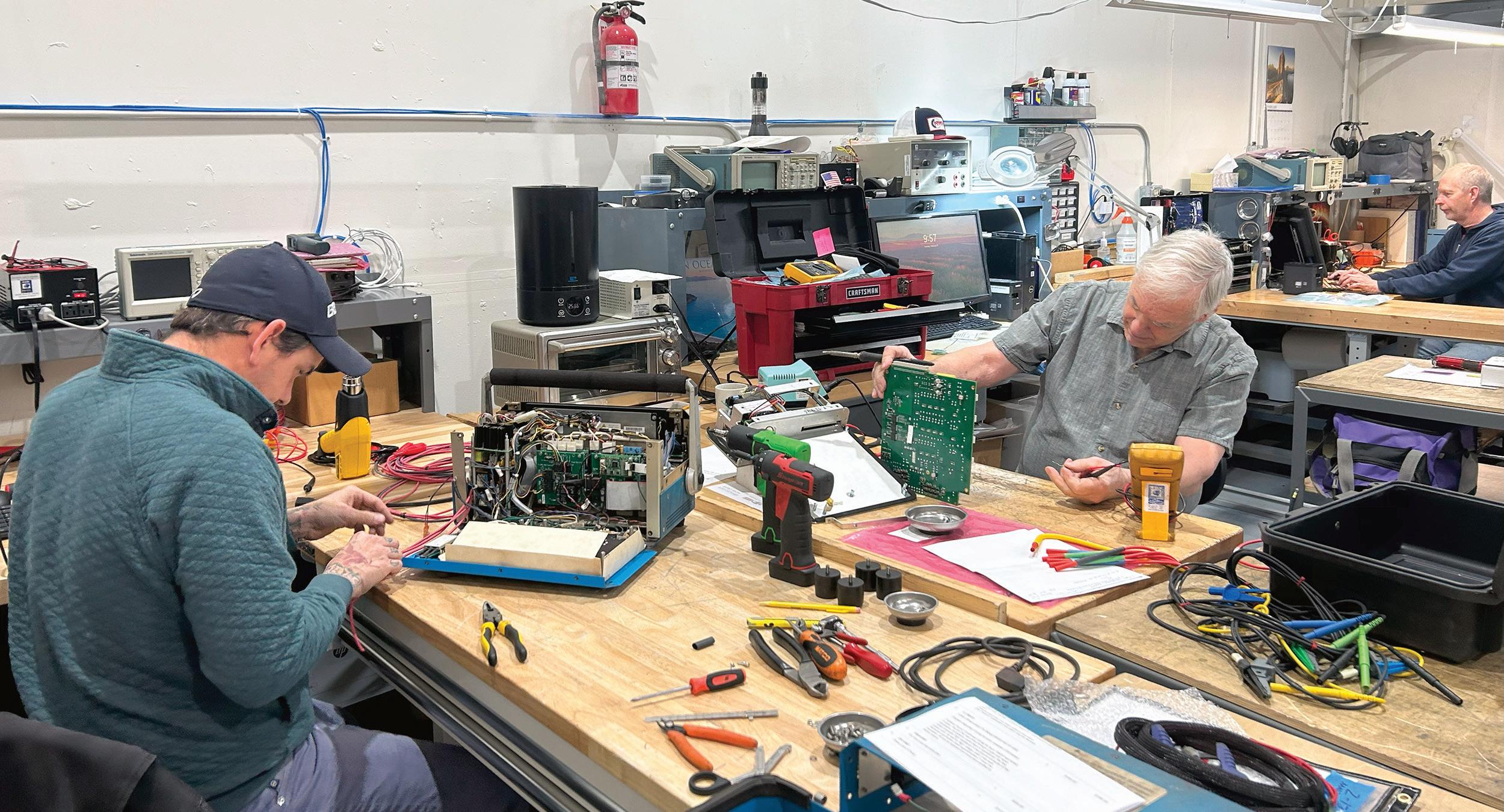
A small but efficient outfit along Colorado’s Front Range shows what can be achieved with experience and adaptability
By Charlie Barks, EA Managing Editor
LOVELAND, COLO. — It’s hard to believe that we’re a full quarter into the current century. The year 2000 once held a futuristic aura, and quite a lot has developed since then in terms of technology. How has this affected the motor testing industry and maintenance, repair, and operations services in general?
“The state of motor testing is that there’s a lot of technology that’s being implemented,” says George Frey, founder and owner of EDE Electrical Testing here in Loveland. Frey has been in the business since 1990. “I’ve seen things change from old analog needle gauges and tubes to completely Wi-Fi-enabled equipment,” he says. “Yet motors are still copper and steel, magnets and bearings. So there’s a lot of knowledge that’s being integrated into equipment by virtue of things like firmware and software, but knowledge of how the equipment itself operates is perhaps becoming a bit more complicated.”
Frey adds that most of the leading vendors are in tight competitive markets and therefore are very protective of their technology.
“If you think about in the, quote unquote, ‘good old days’ in the eighties and nineties, sure, if you went to an electronic equipment manufacturer of — name one, Hewlett Packard — they’d give you an operator guide,” he says. “They’d give you a maintenance and repair guide for their piece of electronic equipment, and they trusted that people would
just use it for just that. In this world of globalization, sure, that’s changed, people don’t feel protected, so they become very reluctant to be absent, to let knowledge out.”
Adapting to change
How does EDE adapt to this changing environment?
The business relies on a lot of engineering knowledge about how motor test equipment must work. What they’ve found is that a lot of fundamental concepts are the same. Voltage is still voltage. Current is still current. Megohms are still megohms. The difference comes mainly in how the data are presented.
“So we’re able to profit times repair equipment to component level, which for the service side of our calibration and repair is pretty important.”
Building customer trust often hinges on honesty. That can sometimes include admitting what you’re not. “We don’t bill ourselves as a calibration lab,” Frey told Electrical Apparatus. “We’re not. We’re a
From left to right: EDE technician Nick Murphy, senior technician Joe Recknor, and technician Neal Cozad work on testing equipment.
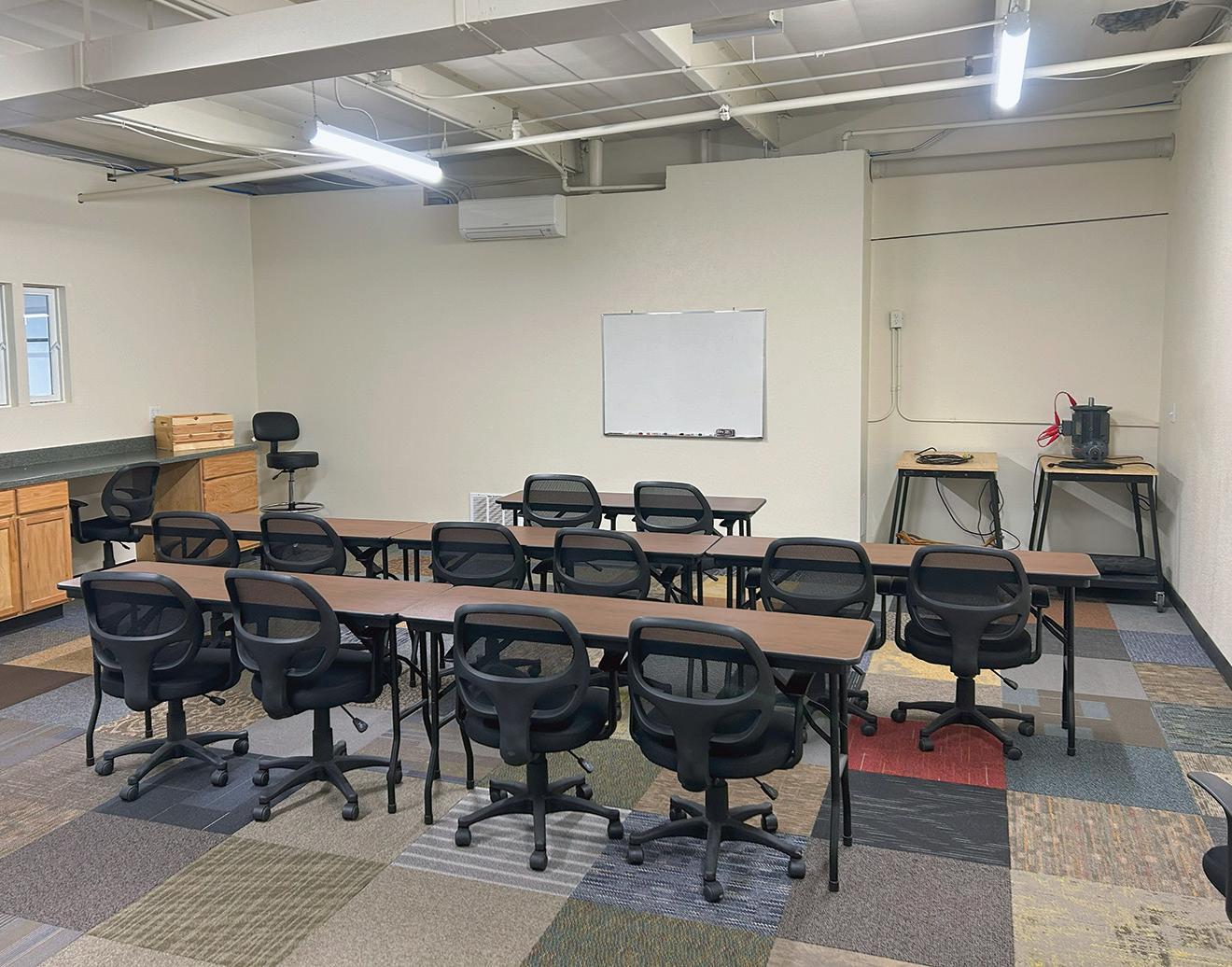
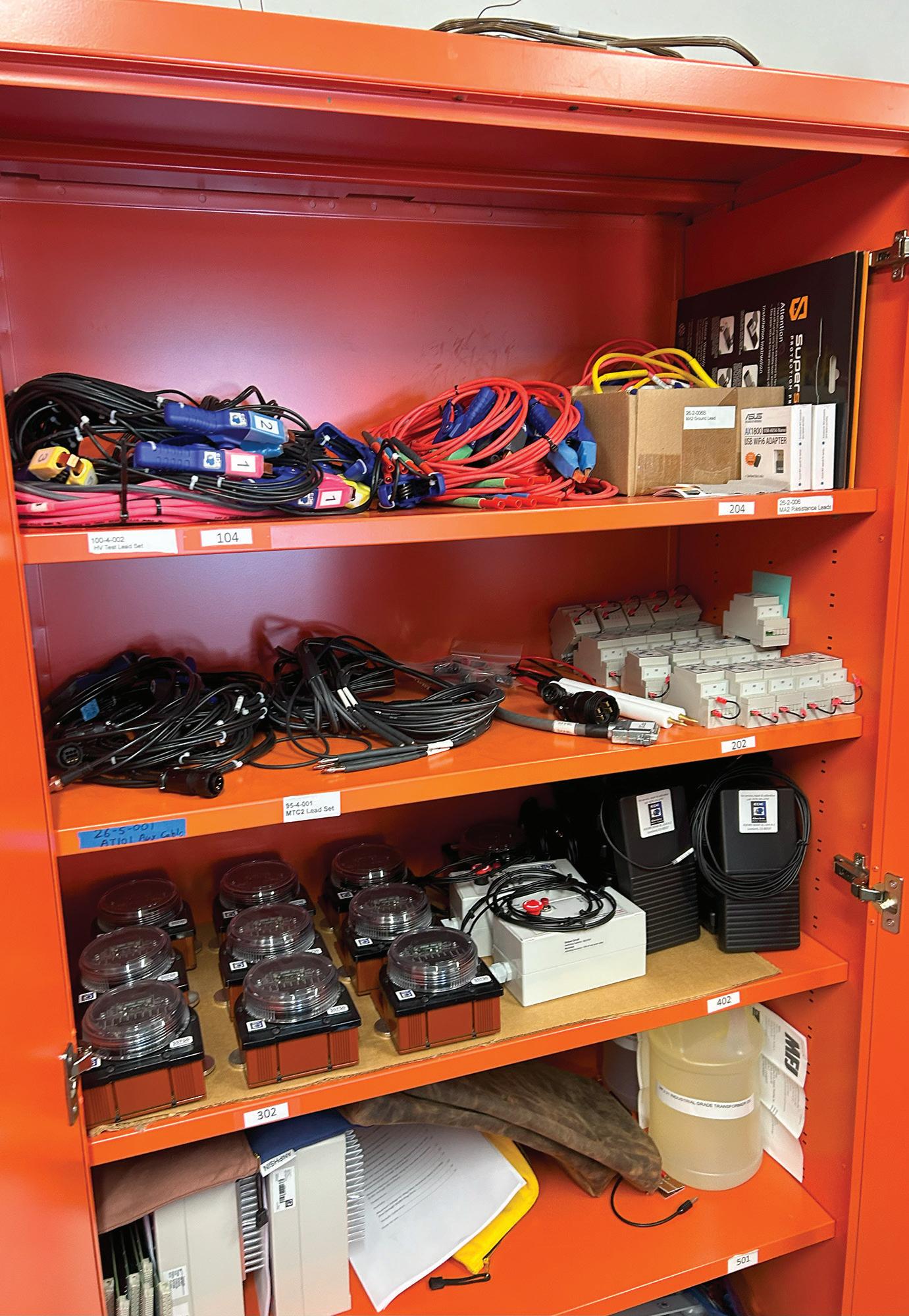
repair company. We’ve been [Electrical Apparatus Service Association] members for a long time. EASA members are predominantly repair companies. We’re trying to help our customers keep their machines running.”
As those machines have matured, so has the testing equipment. Some of the newer testing products EDE utilizes include newer motor analyzers from companies like Schleich and Megger.
Frey started the business in 1990 as a technician fresh out of tech school. He’d worked for a company that’s since changed hands three times, which was initially Baker Instruments, a familiar name to many in the industry. This provided the root of experience that became integral to EDE’s future.
Amy and George worked with Tom Baker himself in the beginning, prior to Tom’s retirement and selling of his interest in the company. George Frey had built up almost a 20-year career at this point, heading into the founding of EDE. Initially, the company was under the Baker umbrella. The company changed hands two times between 1990 and 2007, when it was put under new ownership once again after being bought by a large multinational. “Then, in 2011, myself and my wife Amy, some of the couple of other people that I knew, founded EDE and incorporated in 2012.”
Loveland, Colo., population about 77,000, is located about 15 minutes south of Fort Collins, right along Colorado’s famed Front Range of the Rocky Mountains. It’s within an hour of Denver. This stretch of land is home to a number of industrial facilities, ranging from mining operations to renewable energy strongholds like the National Renewable Energy Laboratory in Golden. It means that a business like EDE has to be on its toes for all aspects of industrial and energy technology and to take on electrical testing with an open mindset.
In order to do this, it helps to anchor the business with reliable core beliefs: quality service and customer relations. Then, EDE aims to augment that foundation with an elastic approach to what equipment it can offer to repair and test.
Frey says that the transition has not always been easy.
The Keurig coffee comparison
Keurig coffee machines are an incredibly successful product. When brand new, they’re quite easy to use and undeniably fast. However, they tend to require maintenance that can be provided only by the manufacturer, instead of repaired personally, due to proprietary parts that aren’t available on the market.
Consumers usually end up with two options: Buy Keurig’s newest model as a replacement or send the current model to a licensed repair site (usually the
The training room at EDE is used for in-house training.
The homemade products that EDE manufactures include test lead sets, shown here, and more.
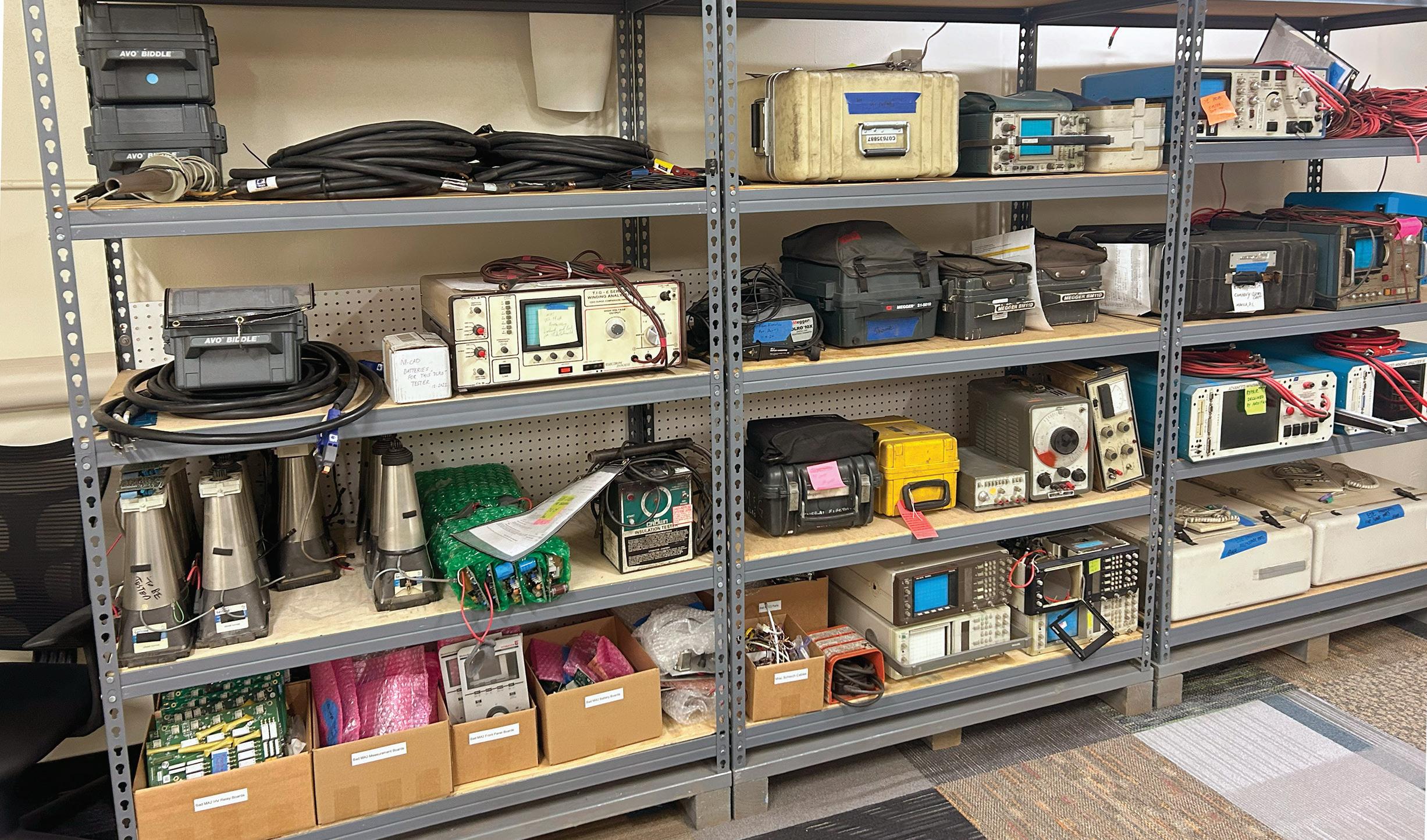
manufacturer itself) and face a significant waiting time to receive it back.
This parallels the right-to-repair movement and reflects the niche filled by EDE in serving its customers. It can be a constant uphill battle for people who want to have the ability to have some repair autonomy. They spent a fortune for a piece of equipment, and then two years down the road there’s a new one, or a new unit that’s come out from the manufacturer.
If, in these cases, only the manufacturer can authorize the repair or control patented parts required for replacement, it’s frequently seen that they won’t repair the older part. Or sometimes, where software is involved, you may have to purchase a new version of the software in order to make your own repairs.
The Keurig coffee maker illustrates a useful parallel. Customers who love the original product have questioned whether it has a designated lifespan and is intended to malfunction after two or three years. Similar misgivings have been openly expressed by the tech community about smart devices like the iPhone.
Unfortunately, as many of us know, that’s just big business. This leaves the best place we can turn for alternatives being a site like EDE. Patent protection isn’t always a luxury that can be relied upon by big business anymore, especially with the advent of the internet. “So that’s a big reason why there’s going to be that line in maintaining that equipment, repairing it for some simple problem, like a switch or a simple defective capacity,” says Frey.
A small but efficient group
EDE only has six full-time employees including the Freys (they also have one contractor). This doesn’t hinder their effectiveness, though. The group is a definitive example of “doing more with less.”
Take Jimmy Coombs, one of the company’s technical specialists, who’s been with the company for nearly 20 years now. And take the fact that EDE resisted being bought up by a private equity firm, a prevalent trend that seems to grow with each passing year in the industry.
“It’s a balance to walk, and a lot of those types of places are really just running wild with it,” Frey says. “My company is, more or less, like I tell our customers, a service company like the Snap-On repairman. We show up. We can do calibration and repair for you. But we have to help everybody who comes along, which is the nature of the service business.”
Picture a chart of accounts that used to have 40 different companies on it, which EDE previously worked with. Now it’s closer to 20 due to consolidation and other changes in the industry. Larger shops have developed due to this trend, forcing adjustments from those that specialize in motor testing.
What helps EDE is its ability to maintain an identity as opposed to trying to be a multi-discipline service company. It’s not an OEM of motor analyzers, like Schleich or Baker PdMA — people who build those machines. Its identity is simply a service provider. Some of those OEMs can lean towards being extremely protective and aren’t interested in supporting anyone except their own service centers, therefore limiting business opportunities for a smaller shop like EDE. Others, Frey points out, are more pragmatic and open to solving problems.
As for the consolidation into larger, pseudo-monopolies of service centers, he doesn’t see that trend going away. He hearkens back to right
EDE’s storage area contains test equipment new and old from past and current jobs.
to repair as an example. “In the USA, there’ve been several attempts at right to repair legislation, which seem to always end up withering away.”
Market competition, in these cases, can be good for the customers. When there’s no competition, it typically means the price of something will rise. If there’s a bit of competition, it offers options or alternatives that you can use to support your company.
For EDE, working with 2,400 square feet of space at its main facility (and another 800 square feet next door that the company currently rents out), it is still feasible for the company to travel anywhere in the lower 48 states and create relationships based on the company’s service. It means EDE is even able to make the odd international shipping job, its most recent being a motor manufacturer in Monterrey, Mexico.
“We have an entire rack full and pelican cases — types of diagnostic equipment, and we deploy in the customers,” Frey said. “Most of the time, when we go to a customer site, it seems to be a cyclical business where they’ll hire us to test some motors, but the steady day-to-day business here, service and repair of the motor testing equipment. We service the machinery that’s used to repair and test motors.”
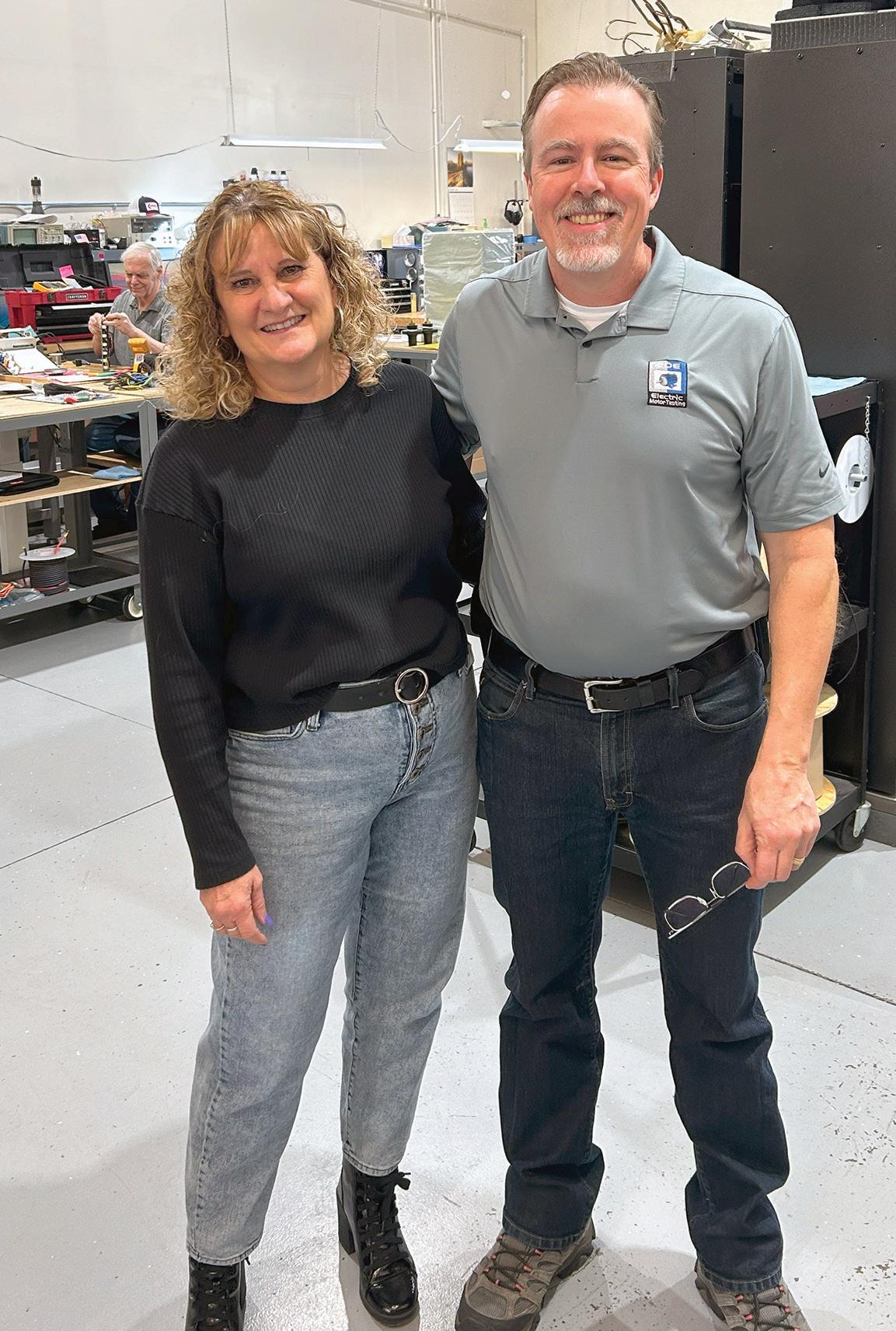
It comes down to helping a client by making sure that the client’s equipment is reliable. That involves saying the truth, good or bad, if something isn’t in prime condition, still giving an honest number. This approach has given EDE a good reputation with some of the rental companies and the calibration companies.
“In this line of work, if a rental company has a machine and it needs to be calibrated or repaired instead of creating it up, sending it off to the OEM and it’s gone for three to six weeks. [This involves] lots of downtime and expense, and great risk of shipping damage. We’ll be deploying to a site out in Nashville in two weeks from now to do that. That’s a big part of what we do: on-site. We do light repairs on-site. We can’t do open-heart surgery, lung replacement, right? We’ll do things like replacing displays, replacing test leads, okay, the actual leads machine, okay, where they hook up, they do the tests, they disconnect. We found just the nature of that business that’s a wear-and-tear item. Like tires on a car.”
“Grab your leads and pull them” is a term used often as due diligence when customers call. “Do they stretch like a rubber band, or do they not? If they stretch like a rubber band, they’re broken,” Frey says.
Wind power testing
Knowledge of business, marketplace, and customer attitude is great. It’s a foundational asset for a business centered around repair and testing. But once that’s been established, a company can take its name to the next level by identifying complementary services.
To that end, EDE has become a proponent of testing wind power and generators. The genesis of this comes partially from George Frey’s previous career. “I worked a lot with one of the big OEMs of that kind of equipment: GE,” he says. “So if you’re a guy like me, you meet a lot of people, you know, a lot of people, if you do right by them, you don’t forget,” Frey says.
“As people’s careers have changed, GE is an example of a company that’s changed. They’ve spun off [certain divisions], yet their wind and their medical and their aviation is still viable.”
Frey says many of the people involved in that transition remembered him and began asking him if he could help test things like wind generators and turbines. As the skills gap dovetailed with the inception of new renewable energy technology, newer technicians were being brought online who didn’t necessarily understand how to test and interpret results.
“I’ve done a lot of training schools,” Frey says. “I’ve done a lot of on-site visits, climbed wind towers — mostly because the genesis of the old days, from 20 years ago, is that companies changed.”
Amy and George Frey. George founded the company, and now he and his wife serve as co-owners of the operation.
Shreddin’ it
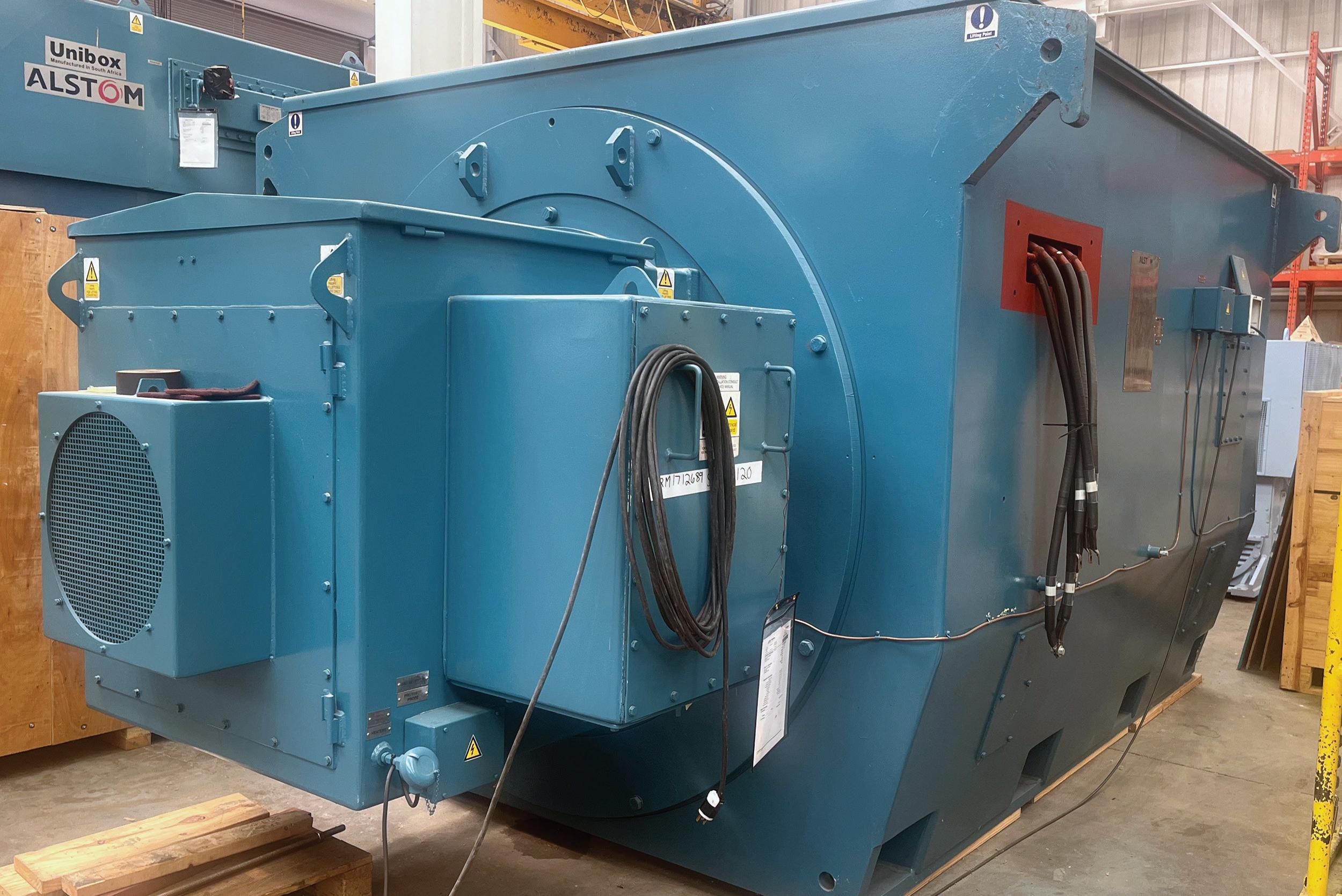
Maintaining the motors that run the ‘fast and violent’ machines that reduce automobiles to recyclable materials
By Chase Fell, EA Contributing Writer
Every year, more than 12 million vehicles reach the end of their life in the U.S. alone. What happens next is both a marvel of modern industry and a test of heavy-duty machinery. Auto recycling facilities, often operating around the clock, rely on an array of robust equipment to dismantle and process cars, trucks, and SUVs — converting what was once road-ready into clean, sorted scrap for reuse in new products.
At the heart of this process lies the automobile shredder — a steel-clad colossus that reduces entire vehicles into fist-sized fragments in seconds. The power behind this operation comes from electric motors — specifically, wound-rotor induction motors (WRIMs), often rated between 4000 and 7000 hp. These motors are uniquely suited for the intense
torque demands and harsh duty cycles of shredder duty, and they remain a mainstay in this rugged application.
Auto recycling unpacked
Auto recycling is one of the largest and most efficient recycling sectors in the world. It begins when vehicles — damaged, end-of-life, or otherwise retired — arrive at dedicated recycling yards. (See Figure 1.) From that point forward, a highly automated and engineered system takes over, converting entire cars into streams of reusable materials.
The process begins with de-pollution, where hazardous fluids like oil, coolant, fuel, and refrigerants are drained. Batteries and airbags are also removed. What remains is largely structural steel, aluminum, copper, and plastics — still valuable, but encased in the shell of a full vehicle.
A 4000 hp Alstom shredder motor. Adjustable external resistance allows for a gradual acceleration curve, reducing mechanical stress on couplings, shafts, and driven equipment. These motors are built large — not just for power output but for thermal mass and heat dissipation.
— Chase Fell photo
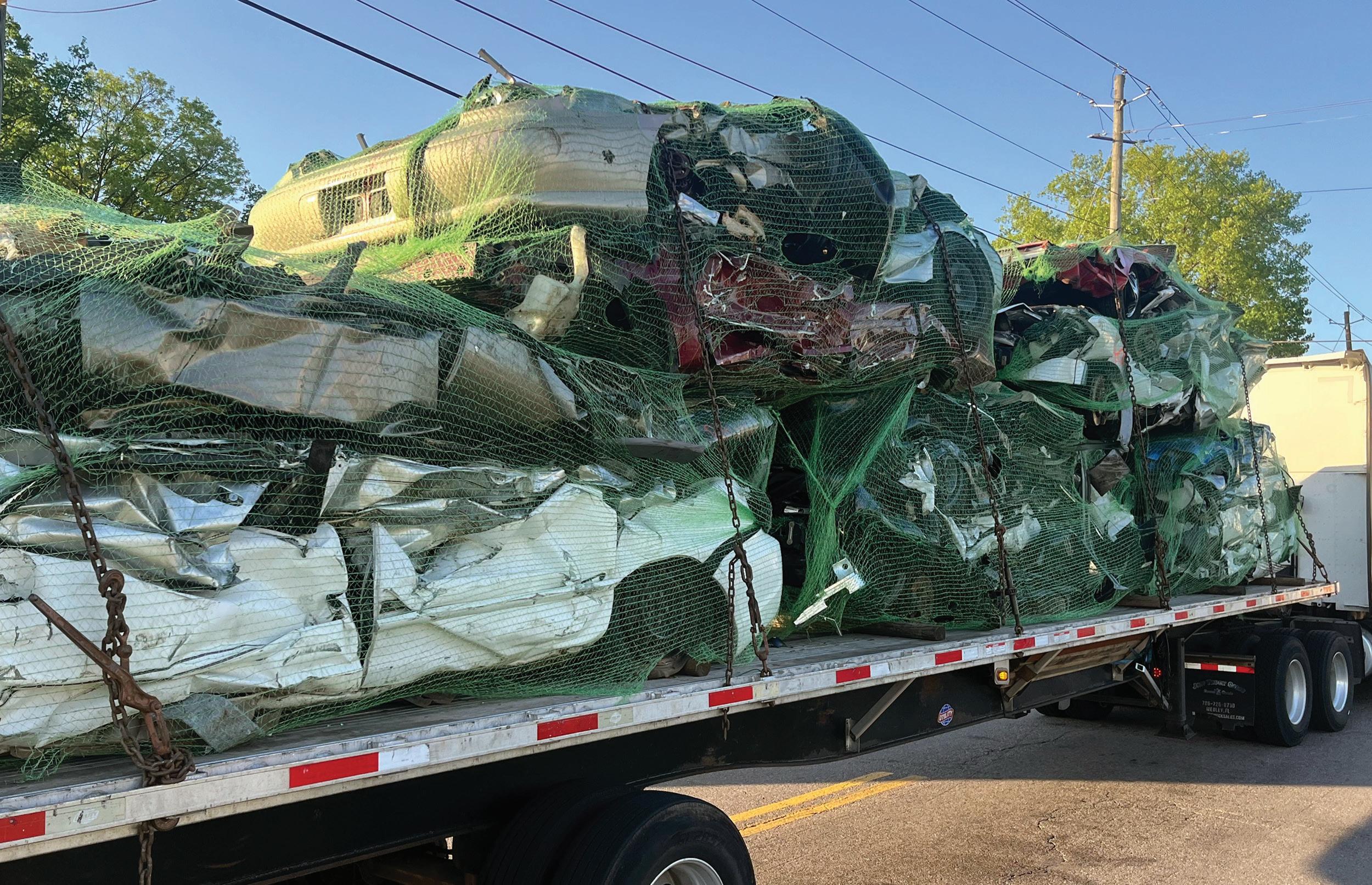
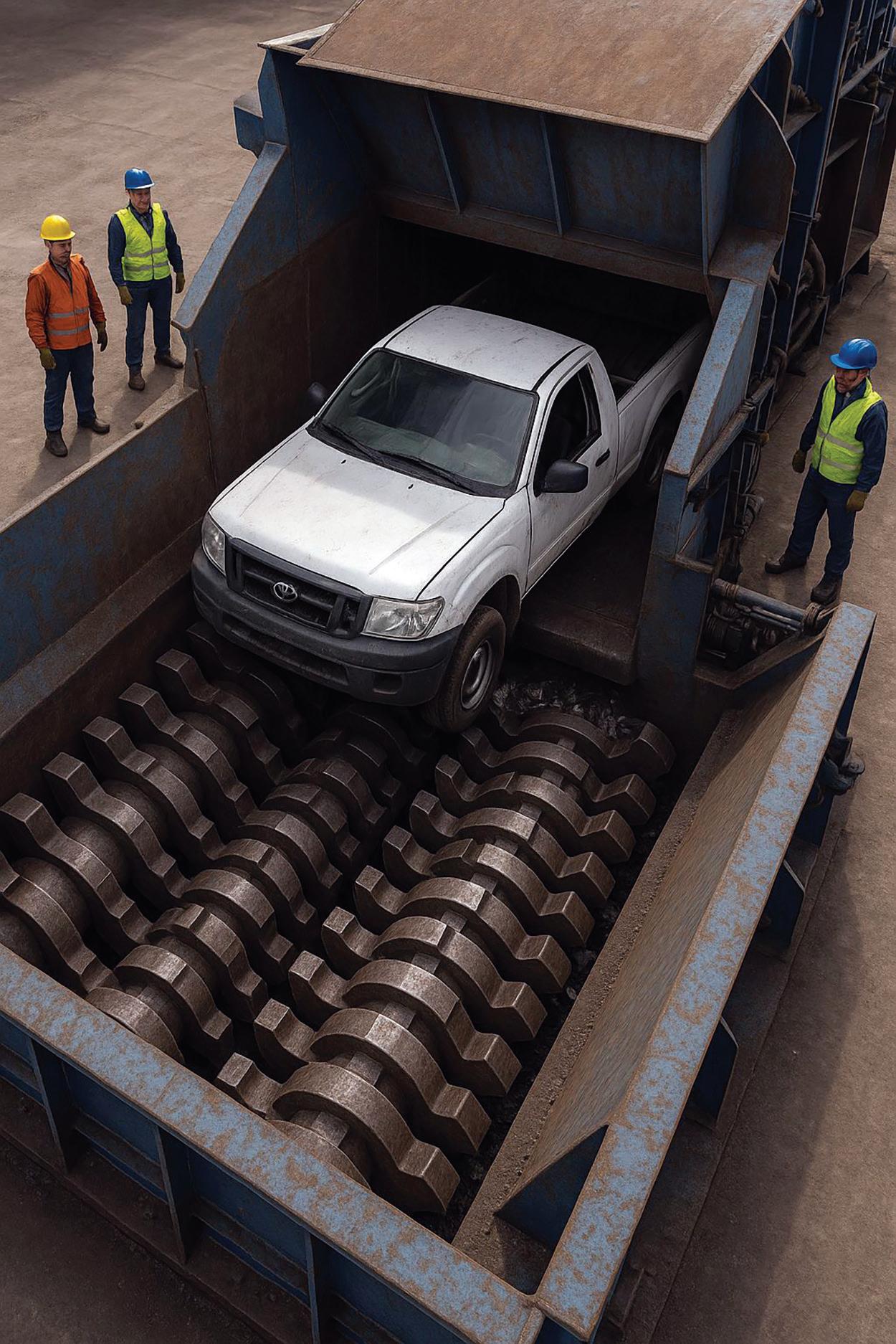
Next comes the shredder, the centerpiece of most large-scale operations. This machine is essentially a rotating drum equipped with rows of massive steel hammers that spin at high speed.
The car is fed into the shredder via a conveyor or claw loader. (See Figure 2.) In a matter of seconds, the vehicle is torn apart, with components smashed, sheared, and pulverized into manageable pieces.
Downstream systems follow the shredder, including magnetic separators to recover ferrous metals such as steel, eddy current systems to extract non-ferrous metals like aluminum and copper, and air classifiers and screens to separate plastics and light materials. The result is multiple clean material streams ready for re-entry into the manufacturing supply chain.
This fast and violent process places enormous mechanical and electrical demands on every part of the system — but none more so than the motor driving the shredder. The typical motor must endure high starting torque, heavy inertia loads, frequent starts and stops, rapid load fluctuations, and exposure to dust, vibration, and heat.
It’s within this environment that wound-rotor induction motors have proven their worth, providing the torque, control, and resilience necessary to power through the weight and complexity of recycling entire vehicles.
Powering through tough stuff
Shredding automobiles isn’t just about brute force. It’s also about delivering that force consistently, reliably, and with precision. The industrial demands placed on electric motors in this application are extreme, both electrically and mechanically. This application requires:
> High torque, low speed. Shredders require immense torque at relatively low rotational speeds to tear through everything from engine blocks to suspension assemblies. A typical 5000 hp wound-rotor induction motor driving a shredder may turn at just a few hundred RPM, often coupled to a heavy-duty gearbox or direct-drive system. The torque
Figure 1. Smushed vehicles being delivered to a shredding facility. What remains is largely structural steel, aluminum, copper, and plastics — still valuable, but encased in the flattened shell of a vehicle. — Chase Fell photo
Figure 2. In this AI-generated image, the accurately portrayed shredder may be seen as essentially a rotating drum equipped with rows of massive steel hammers that spin at high speed. The car is fed into the shredder via a conveyor or claw loader. In a matter of seconds, the vehicle is torn apart, with components smashed, sheared, and pulverized into manageable pieces.
SHREDDIN’ IT continued from previous page
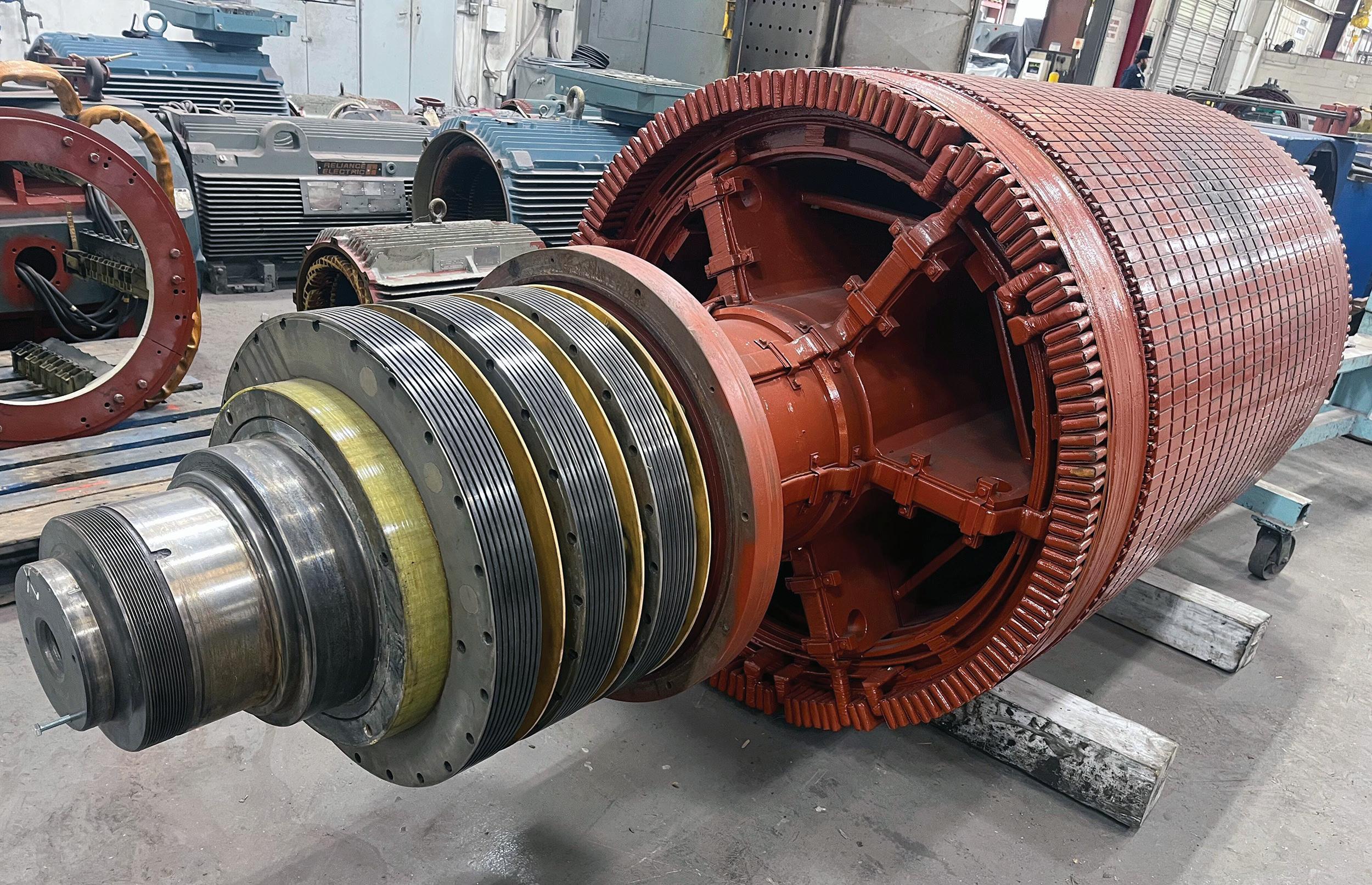
demands during startup and full-load conditions can spike rapidly, especially when dense material like engine castings or axle assemblies are fed into the machine.
> Frequent starts, heavy inertia. Shredders are often started and stopped multiple times per shift — either for maintenance, clearing jams, or adjusting material flow. The rotating mass of the shredder rotor is substantial, and getting it up to speed puts significant strain on the motor and power system. Motors must be sized not just for running load, but for reliable acceleration of massive inertia under frequent cycling.
> Shock loading and jamming. The shredding process is anything but smooth. Random load profiles, from sheet metal to solid steel knuckles, result in violent torque fluctuations and shock loads. Occasionally, the rotor will stall or jam, triggering protection systems or requiring manual clearing. Motors must be built to tolerate these overloads without overheating or suffering mechanical damage.
> Thermal and environmental stress. Auto shredders are not climate-controlled environments. They’re dusty, loud, and hot. Motors often operate in ambient temperatures exceeding 100°F, with limited airflow. Add to this the fine metallic dust and vibration from adjacent machinery, and you get an environment that tests insulation systems, bearings, and cooling schemes to the limit.
These demands narrow the field of suitable motor types. While variable-frequency drives (VFDs) and standard induction motors are used in some newer
designs, the WRIM remains a trusted solution for high-horsepower applications where starting torque, ruggedness, and load control are paramount.
The WRIM: built for the grind
In the world of industrial electric motors, few applications are as punishing as automobile shredding. That’s why many of these systems rely on a proven workhorse: the wound-rotor induction motor. While less common than their squirrel cage counterparts, WRIMs continue to dominate in shredder installations where high torque, smooth startups, and rugged reliability are non-negotiable.
Unlike a squirrel cage motor, which has short-circuited rotor windings, a WRIM features three-phase insulated windings on the rotor. The coils of the rotor winding are connected to external resistance through slip rings and brushes. This rotor design allows control system torque and rotor current, enabling output to be adjusted during startup and under load. (See Figure 3.)
Massive starting torque is required for this application. This torque is often several times the magnitude of full-load torque. And the system must deliver this force without the excessive inrush current that would likely trip upstream protection or strain the power grid. For shredder duty, this controlled ramp-up is essential for bringing the heavy rotor and hammermill up to speed. WRIMs deliver the kind of torque needed to break loose a fully loaded shredder — critical when dealing with dense metal components or stalled loads.
Adjustable external resistance allows for a gradual acceleration curve, reducing mechanical stress on couplings, shafts, and driven equipment. These motors are built large — not just for power output but for thermal mass and heat dissipation. This gives them an edge in applications with long acceleration times and frequent starts
Figure 3. Complete rotor from a wound-rotor induction motor used in auto shredding. Unlike a squirrel-cage motor, which has fixed short-circuited rotor windings, a WRIM features insulated three-phase windings on the rotor connected to external resistance through slip rings and brushes.
— Chase Fell photo
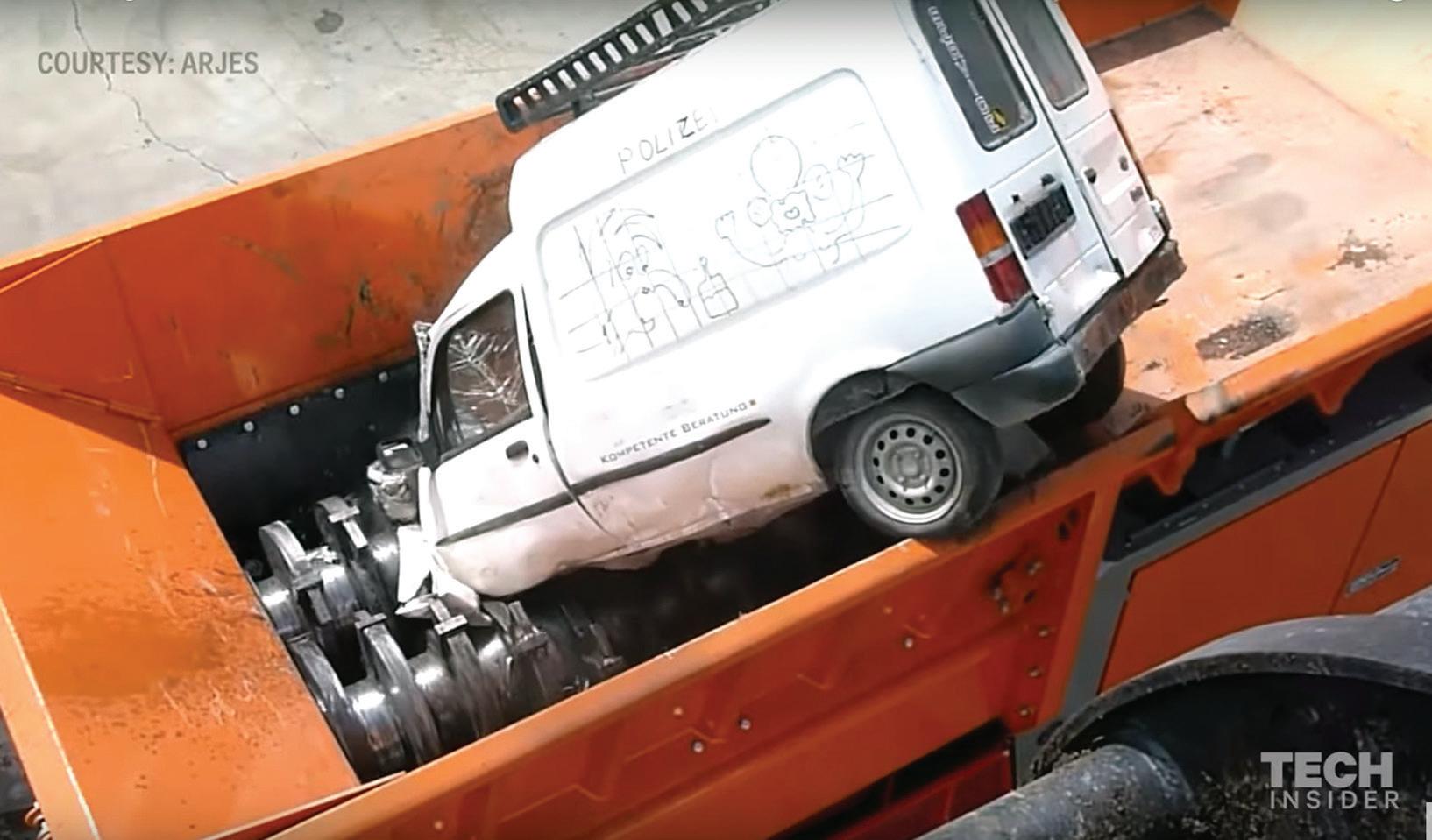
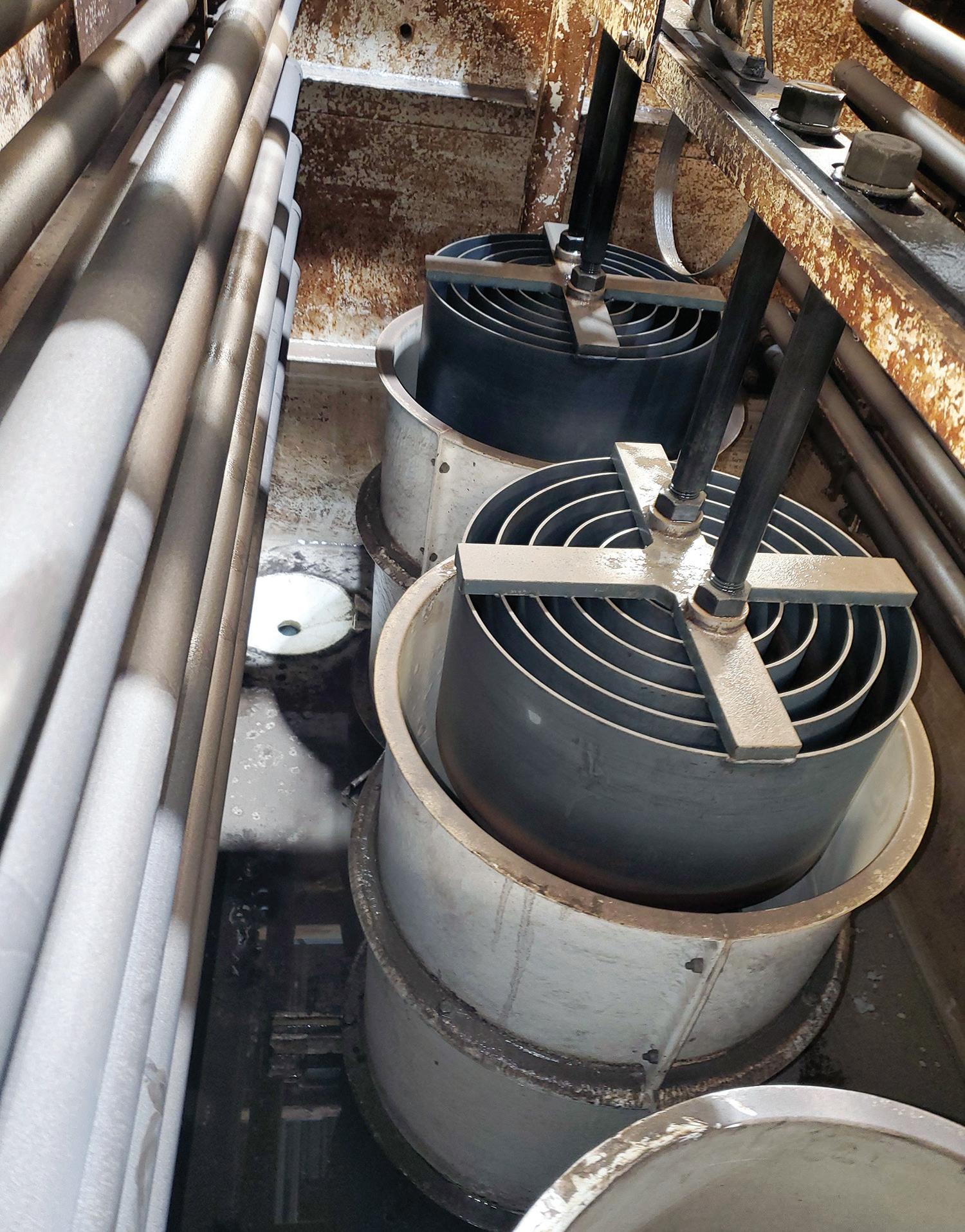
The physical design of WRIMs used in shredding — often with custom heavy-duty bearings, reinforced frames, and oversized fans — makes them suitable for extreme vibration and dirty environments.
A typical shredder motor might be rated at:
4000–7000 hp
4160 to 13,800 V
200–600 RPM
Up to 500% starting torque
Liquid rheostats: smooth starts for serious power
Paired with wound-rotor induction motors, liquid rheostats are a cornerstone of shredder motor control. These devices may look like nothing more than large metal tanks filled with a conductive solution, but they provide one of the most effective and rugged methods of controlling high-power motor startups in industrial applications.
A liquid rheostat is a variable resistor that uses a conductive liquid — typically a solution of water and sodium carbonate or other salts — to absorb and dissipate current from the rotor circuit of a WRIM during startup. Electrodes are submerged to varying depths within the tank, changing the effective resistance in the rotor circuit. As the motor accelerates, the resistance is gradually decreased — either manually or automatically — allowing the motor to transition from high starting torque to full-speed operation.
In auto shredding, motors may start under full or partially loaded conditions. Liquid rheostats limit the rotor current during these starts, helping prevent voltage sags or upstream protection trips. By varying resistance, the torque curve of the motor can be shaped to provide smooth, controlled acceleration — reducing mechanical stress and extending equipment life.
Liquid rheostats are mechanically simple, with minimal moving parts. In demanding environments like recycling yards, this can often facilitate simpler maintenance and fewer failure points compared to solid-state solutions. These systems are designed to absorb massive amounts of energy during acceleration. The liquid medium distributes heat evenly, and some cooling systems include heat exchangers and circulating pumps for higher capacity.
A liquid rheostat’s coolant level and conductivity must the monitored periodically. Over time, evaporation or contamination can alter performance, requiring topping off or chemical adjustment. Because the systems deal with electrolytic fluids, tanks and electrodes are typically made of stainless steel or other corrosion-resistant materials. (See Figure 4.) While newer drive technologies offer alternatives, the simplicity and reliability of liquid rheostats continue to make them a solid choice for
Figure 4. A liquid rheostat assembly removed from an auto shredder application. The tank has been drained to facilitate maintenance and rebuilding. The system will be cleaned and reconstructed with new electrodes and insulators, new seals and hardware. Heat exchangers are mounted adjacent to the vertical sides of the tank.
— Chase Fell photo
In this YouTube video from Business Insider, a scrap automobile is fed into a hammermill shredder at an auto recycling facility — part of an industry that processes more than 12 million vehicles annually in the U.S. alone. The auto recycling sector generates an estimated $32 billion in revenue each year through the recovery of metals and reusable parts. Scan the QR code to view the video.— Business Insider video
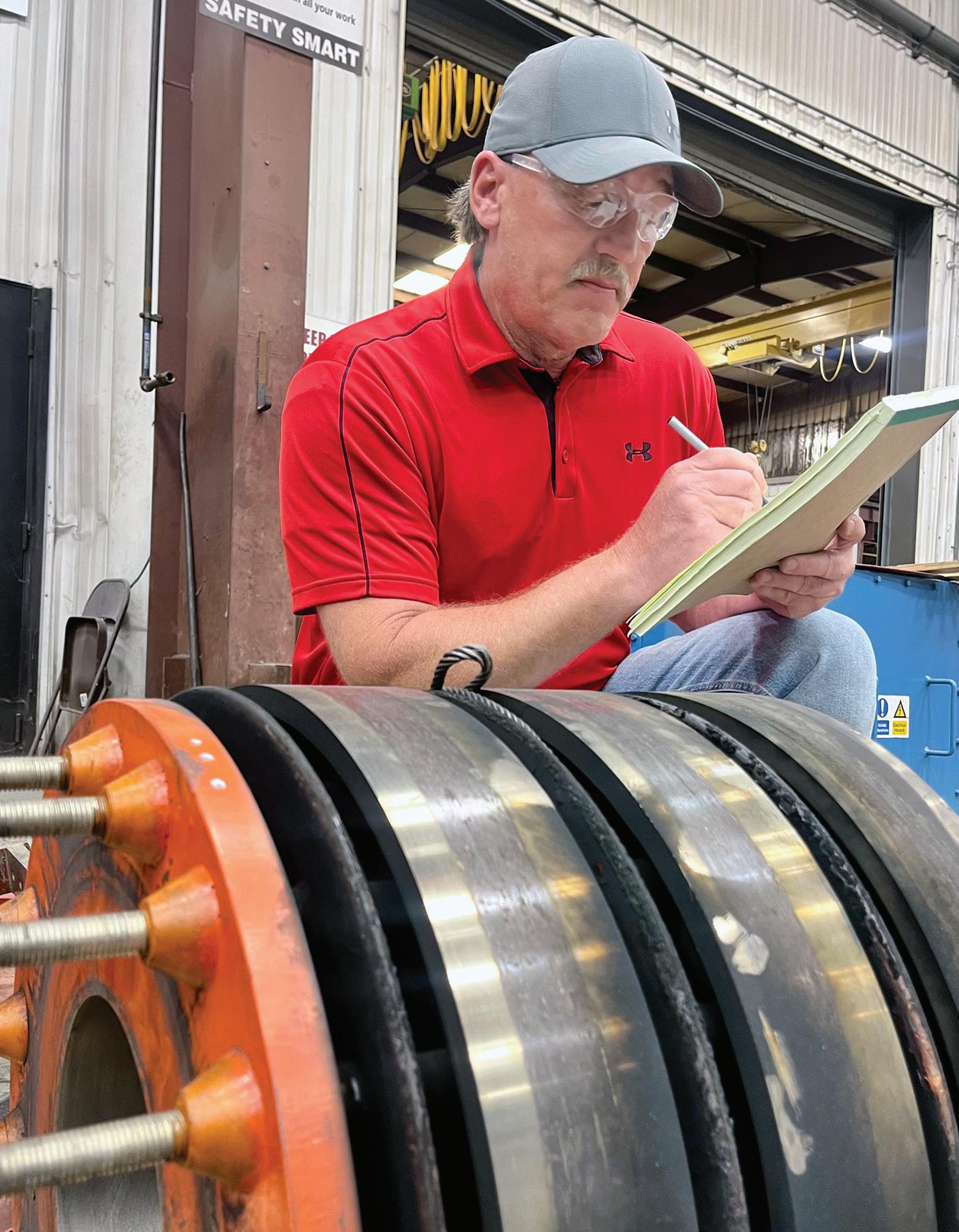
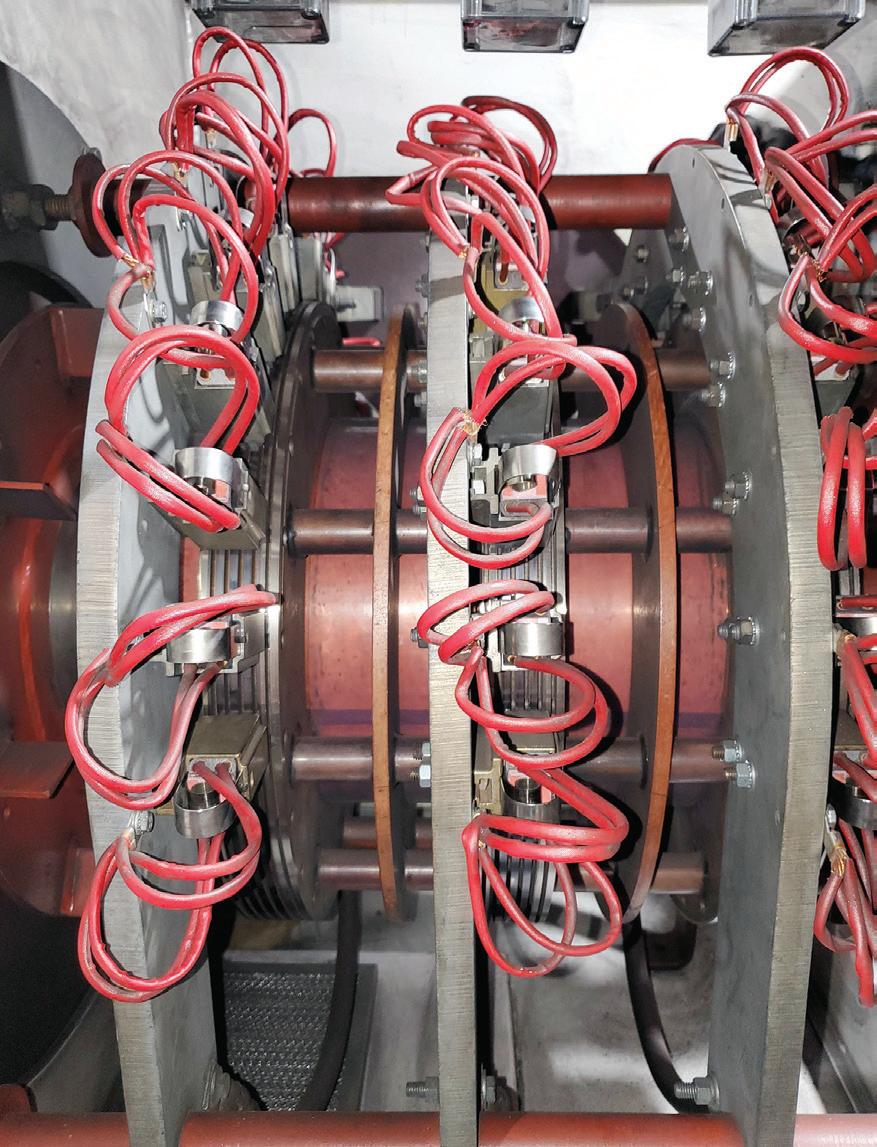
tance. Insulated mounts and arc shields help guard against flashover. (See Figure 6.)
Brush dust and debris should be vacuumed regularly, and brushes should be replaced when wear exceeds OEM-specified limits. Some facilities rotate or replace brushes as part of their preventive maintenance schedule during scheduled downtime. Auto shredding is one of the most punishing environments an electric motor can operate in.
shredder motor control, especially when paired with the wound-rotor induction motors they were designed to serve.
Slip rings & brush rigging in WRIMs
A key difference between wound-rotor induction motors and their squirrel-cage counterparts is the presence of slip rings and brushes, the components that make external rotor resistance (like a liquid rheostat) possible.
The slip ring assembly consists of three concentric rings mounted on the motor shaft, each connected to one phase of the rotor winding. These rings rotate with the shaft while stationary carbon or graphite brushes maintain electrical contact, transferring current to and from the external rotor circuit. These assemblies must be precisely machined and aligned to avoid arcing and wear, protected from dust and debris, especially in harsh environments like auto shredders. They must be regularly inspected for scoring, pitting, run out or contamination that could affect contact quality. (See Figure 5.)
Brush holders are mounted in a fixed array around the slip rings, applying consistent pressure to maintain contact. Brush rigging for large WRIMs includes spring-loaded brush holders to ensure uniform contact pressure. Flexible shunts to carry current with minimal resis-
From massive startup torque to continuous exposure to shock loads, heat, and dust, motors used in this application must be engineered for both power and resilience. For decades, wound-rotor induction motors have risen to meet these demands. When paired with liquid rheostats, they offer a proven, effective solution for managing torque, controlling startup, and absorbing the punishment of shredding whole vehicles day in and day out.
While brush maintenance and slip ring care require attention, there are well-understood practices in facilities that rely on uptime and reliability. As industry looks toward energy efficiency and automation, we may see more VFD-driven systems, permanent-magnet machines, or hybrid solutions enter the fray. But for now, the WRIM — with its rugged simplicity and commanding torque — remains a backbone of the auto recycling infrastructure.
It’s a reminder that in the world of industrial motors, sometimes the best solution isn’t the newest — it’s the one that’s still shredding after 20 years of service.
Figure 5. A technician performs an inspection on a set of three-phase slip rings removed from a 7000 hp shredder motor. Without proper maintenance, the system is at risk of arcing, flashover, and premature failure. — Chase Fell photo
Figure 6. In high-duty-cycle applications like shredding, brush life and performance are critical. Excessive vibration, contamination, or poor alignment can accelerate wear, leading to increased downtime and maintenance costs.
— Chase Fell photo
Feature | Finance & The Workplace
The economics of reshoring
Given
a methodical approach, bringing manufacturing back to the U.S. is feasible for some
By William H. Wiersema, CPA, EA Finance Editor
New tariffs change the international trade outlook, leaving managers uncertain as to how to respond. Recently, lower prices encouraged U.S. companies to import goods. However, due to the significant increase in tariffs, these companies must reevaluate their sourcing decisions. Simply passing on the additional costs to customers is not viable for most. Relative to importing decisions, the trade situation is still evolving.
Options for reducing reliance on suppliers from tariff-affected regions include sourcing from multiple countries or exploring domestic alternatives. Reshoring — bringing production back to the U.S. — can lower tariff exposure, improve lead times, and enhance operational control. Ideally, existing relationships with U.S. suppliers and available manufacturing capacity will facilitate this transition. Although domestic sourcing may require an initial investment, it can result in long-term cost savings and a more resilient supply chain.
Insourcing also has intangible benefits, including “Made in America.” When done properly, it can enhance customization, flexibility, on-time delivery, niche services, and specialization. It supports automation and premium pricing. Besides non-financial factors, managers should compare the total costs of each sourcing option, considering initial investments, materials purchases, and ongoing operating expenses, as we shall see.
Calculate total import costs
Tariffs shift the original basis for sourcing decisions. Comparing import costs with onshore options is a complex and detailed task. It entails a line-by-line cost analysis, of which a summary is illustrated for X Company in the accompanying sidebar. Projecting amounts for alternatives requires determining which historic and projected costs relate to each path.
The first step is to ensure that the offshore purchase cost reflects the current ocean freight, duty, customs clearing, and domestic freight, but also indirect costs. As the Reshorenow.org blog comments: “Most companies make sourcing decisions based solely on price, oftentimes resulting in a 20 to 30 percent miscalculation of actual offshoring

costs.” Accordingly, costs used in the decision often increase by more than just tariffs.
Material burden reflects inventory carrying costs, such as facilities, personnel, financing, insurance, taxes, and shrinkage. Full ocean containers economize on freight, inspection, port clearance, and other inbound costs. Minimum order quantities and longer lead-times also increase inventory. Purchases may require interim storage upon arrival into the U.S. Added inventory cushions against unreliable timing or outright supply disruptions. Typically, inventory value is twice that of domestically supplied goods, costing extra to store. U.S. companies might maintain an overseas office for vendor administration, intellectual property protection, and outbound inspection.
While countries having lower tariffs are options, each one has unique compliance issues, and any advantage may be temporal. Aside from fluctuating tariff policies, risks relate to currency, economies, politics, and intellectual property. Weighing them takes judgment.
Moreover, new overseas relationships are costly and difficult to establish, involving time and travel to consider multiple options. Direct costs encompass initial qualification and tooling. Supplier capabilities need testing. To reflect these in an annual model, the life of the relationship must be estimated.
— Illustration by Bing generative AI
In addition, anticipated quality problems, returns, rework, and potential line shutdowns are difficult to quantify. Product returns are much more costly when overseas transport is involved. Rejected goods may be worth less than the cost to ship them back. Instead, domestic rework may have to conform them to specifications. Similarly, expedited orders involve air freight at greater cost. An additional question is whether a vendor will make good on warranty or product liability claims.
Turning to the sidebar example, assume that X Company has been spending $11 million annually sourcing from an overseas vendor, comprised of landed cost of $7 million and material burden, such as overseas inspection and domestic storage, of $4 million. The new tariffs raise the landed cost by $5 million to $12 million, for a total annual cost of $16 million. Switching to a new vendor in a different country will save $2 million but will incur $2.5 million to establish a new relationship, estimated to last five years. X Company is also considering reshoring production to its own facilities, as explained next.
Consider reshoring
Domestic sourcing may take different directions depending on the existing infrastructure. For available suppliers, pre-qualifying and onboarding are initial costs or part of expanding relationships. Manufacturing is a different matter. When assessing benefits, incremental new and discontinuing costs are compared, mainly those directly related to implementation.
If it is a matter of adding a shift, operating costs include labor, supplies, energy, and repairs that relate directly to volume. Infrastructure costs such as facility, utilities, machinery costs, administration, financing, and other indirect functions are irrelevant as they will not vary. Higher volume leverages these costs.
As to adding a machine, beyond its price, indirect costs include installation, tooling, set-up, training, workflows, and systems. Learning costs contemplate practice runs and early inefficiencies, which for modeling purposes are either estimated or determined using a standard engineering formula.
Calculating the operating costs of a new machine takes research. Conservative cost assumptions guard against undue optimism. To some degree, representations from the vendor or published statistics must be relied upon for crewing, supplies, and productivity. Electric can be computed based upon a motor’s draw. Maintenance and repairs are commonly estimated as 10% of a machine’s initial cost. The duration of benefits is the estimated useful lifecycle of the new process, machine, or product. Equipment life reflects industry and vendor estimates but can be influenced by usage, operating conditions, maintenance, and residual value at disposal.
For X Company, the first consideration is equipment requirements, estimated at $10
million. Once in place, materials and related burdens are $7 million, with labor and overhead of $5 million, for a total of $12 million per year. Compared to the new source overseas, the savings are $2.5 million per year before equipment cost. The $25 million saved over ten years represents a four-year payback on the $10 million equipment investment, for a return on investment exceeding 20% over ten years.
Companies may need more than equipment and face greater risks. Specialized operations may be unfeasible at low volumes. Simplified designs require lead time. Available funding may be inadequate. Projected volume must justify the initial investment. Without enough demand, the company may be stuck with debt obligations and overhead costs on low-utilization operations, whereas outsourcing can be discontinued. Moreover, skilled labor remains in short supply in many industries.
However, reshoring has had some notable successes. GE Appliances highlights on its website that it has invested over $2 billion in its U.S. manufacturing and distribution facilities and generated more than 4,000 jobs since 2016. The ongoing expansion of its Appliance Park in Kentucky is driving improvements in both quality and innovation.
Time passes and things change, sometimes very rapidly. Dealing with sourcing is never easy, and the answers are seldom clear-cut. Overreacting can be as detrimental as failing to react. Reshoring outcomes vary based on a myriad of costs and uncertainties.
By keeping their strategies flexible and current, U.S. manufacturers can not only mitigate the impact of tariffs but also position themselves for long-term success in an increasingly competitive market. EA
SIDEBAR I: X COMPANY, IMPORT VS MANUFACTURE
Product Showcase
What’s new in electronics and automation components
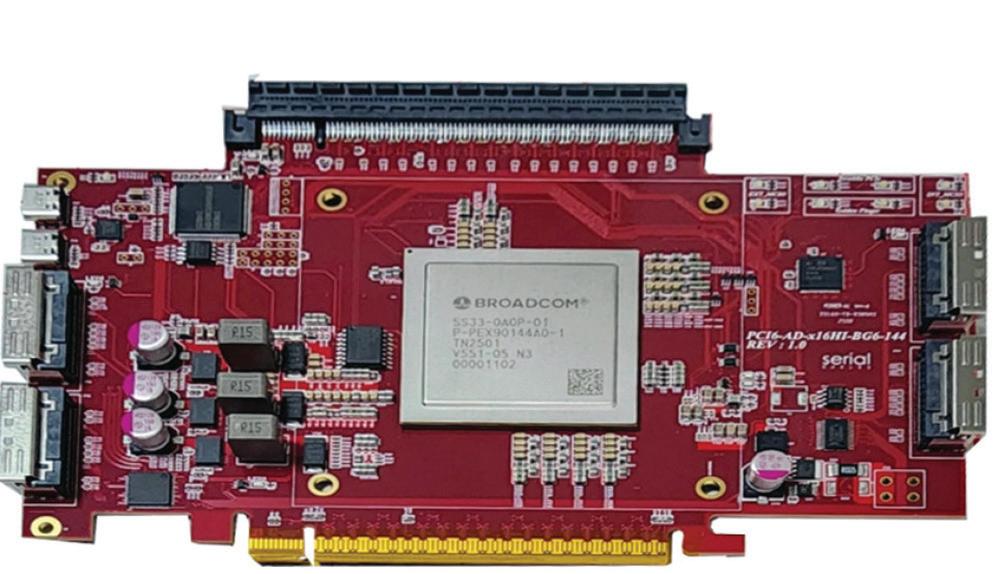
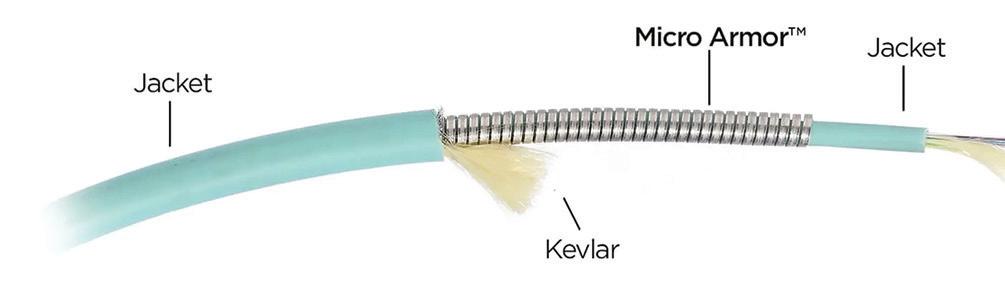

PCle Gen6 host interface board
Serial Cables has introduced its Gen6 host interface board, powered by Broadcom’s PEX-90144-A0 Atlas III switch chip and supporting data rates up to 64 GT/s. Designed for developers testing Gen6 endpoints and switches in the absence of Gen6 servers, the board features an SDB debug port, PCle connection monitoring via Broadcom PEA, and optional power management. The manufacturer says it’s suitable for vertical and horizontal mounting and o ers multiple connectivity options through its four Gen6 x8 MCIO connectors and one Gene6 x16 straddle-mount connector.
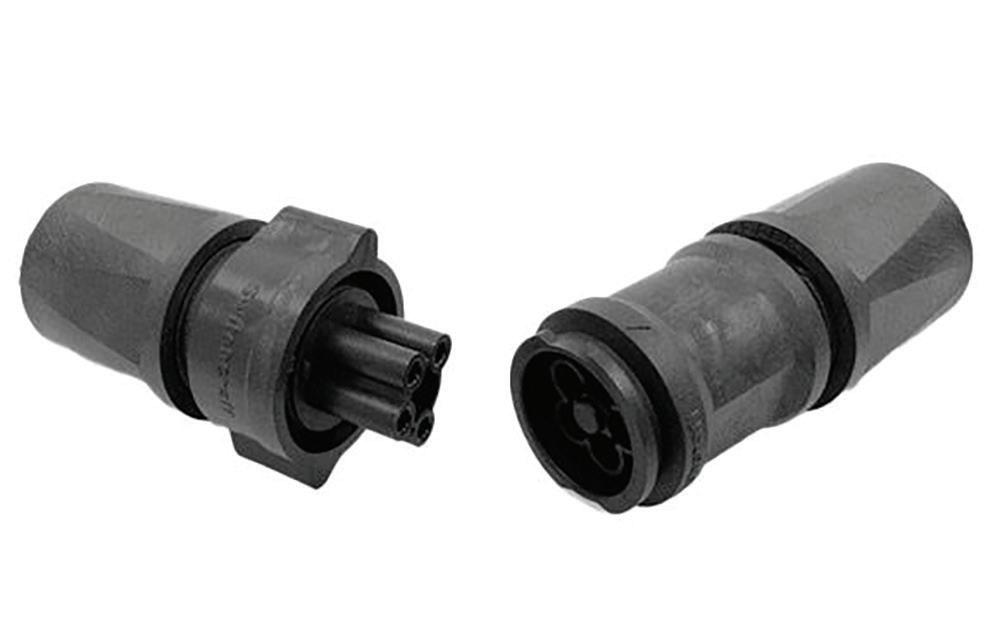

Power connectors for higher current
The distributor Heilind Electronics is o ering the new three-, four-, or ve-pin Switchcraft EP7 Series 30 amp power connectors. Engineered, according to the manufacturer, for superior power transmission in demanding and harsh environments, the EP7 Series features a robust locking system and environmentally rugged materials. With its compact design and electrical versatility and performance, the series has been speci cally developed for various space-constrained industrial, lighting, medical, transportation, and other mission-critical applications that require consistent and uninterrupted power.

Smaller, lighter armored fiber optic cable
TiniFiber’s Micro Armor ber optic cable is designed to accommodate the expansion of bandwidth within existing conduit capacities without compromising protection and durability. According to the manufacturer, the cable’s reduced outer diameter and lightness allow for an increase in ber density, while its patented tightly wrapped stainless steel coil, combined with Kevlar, maintains the cable’s durability, exibility, and adaptability. The manufacturer reports that the cable is 65% smaller and 75% lighter than traditional aluminum interlock armor cables.



Horizontal-axis small wind turbine
Freen OÜ has introduced the Freen-H15, a wind turbine for small and medium-sized energy consumers. Providing 15 kW rated power at 11 m/s wind speeds and a peak performance of 17 kW, it features multiple braking mechanisms, passive yaw with tail, a rated rotation speed of 71 RPM, below 45 dB operation noise at 60 m, 18 m/22 m monopole tower options, and wildlife-conscious design. Certi ed for IEC Class II wind conditions, it operates in −25°C to +60°C temperatures with a projected 20-year lifespan.
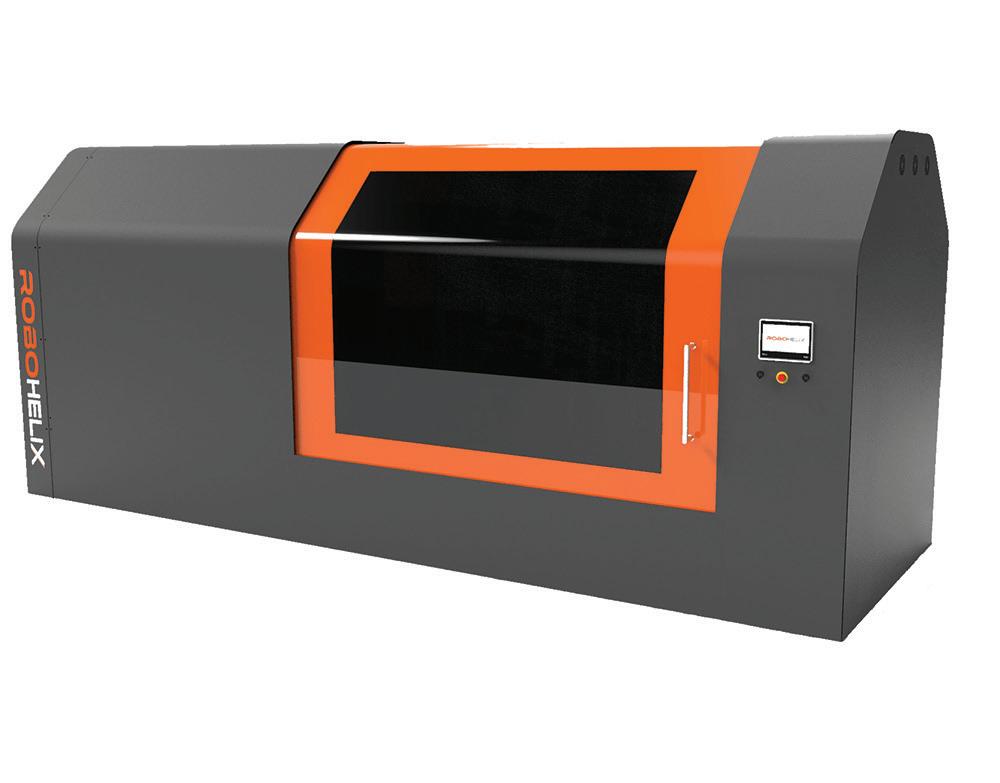

Robotic helical flight-forming
The RX500, the latest model in RoboHelix’s RX series of ightforming robots, is designed for the precision manufacture of larger and complex helical ights across multiple industrial sectors. Featuring eight-axis robotics and the ability to process materials up to 32 mm thick, including stainless steel and highstrength alloys, it can form ights up to 1500 mm in diameter and pitches reaching 1700 mm. It is supported by HelixNinja Cloud software. Its modular architecture allows for upgrades and customization, making it adaptable to production demands.
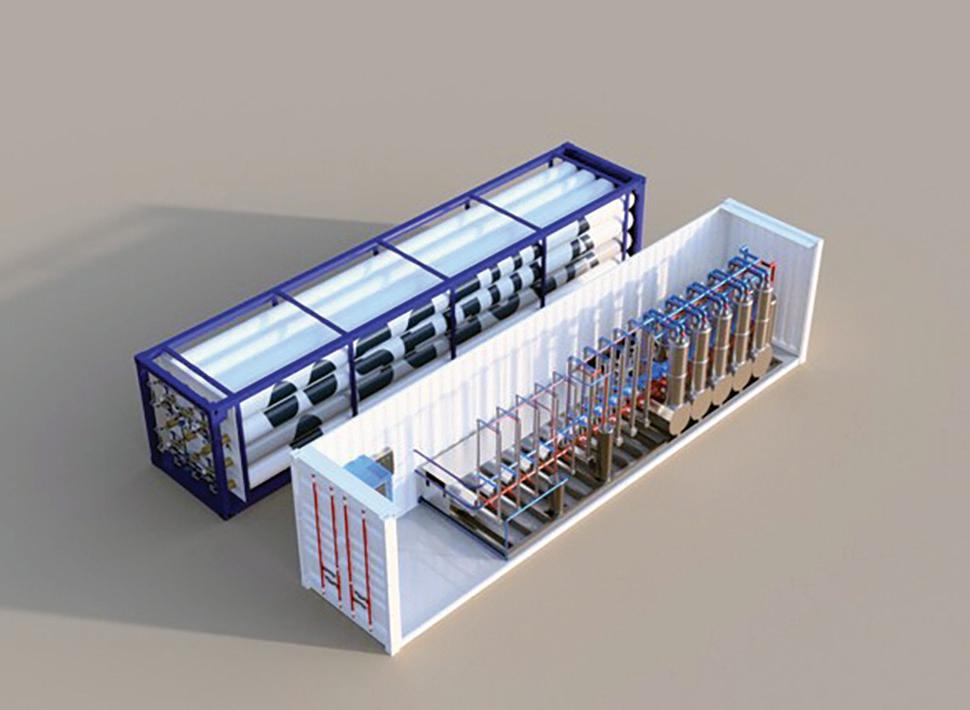

Compressed-air renewable energy storage
Segula Technologies has unveiled Remora Stack, a sustainable energy storage system for energy autonomous sites. Using Segula’s patented isothermal air compression method, it stores surplus energy (e.g., solar and wind) in 12-meter-long outdoor containers. With a reported 70% e ciency rate and lifespan of at least 30 years, this modular, scalable, adaptable system releases energy when production is lower. Following tests as part of the EU-funded Air4NRG collaborative project, an industrial-scale pilot is planned for 2026, with production units expected by 2029. — Colin Gregory-Moores EA

To freeze or not to freeze
How states and municipalities are filling the gaps where federal EV funding has been withdrawn
By Maura Keller, EA Contributing Writer
In February, the U.S. Dept. of Transportation (DOT) issued a directive to all state transportation departments, placing a temporary freeze on new project obligations under the $7.5 billion National Electric Vehicle Infrastructure (NEVI) Program, which was authorized by the Infrastructure Investment and Jobs Act (IIJA). The DOT indicated that no new projects could move forward until updated guidance is issued in late 2025.
This freeze has created significant uncertainty at the state level, especially regarding reimbursement for already-approved projects. As a result, several states – such as Arkansas, South Carolina, Vermont, and Michigan – have paused their NEVI programs entirely to avoid financial exposure. Other states have chosen to continue project development under the assumption that a prolonged freeze would ultimately conflict with the statutory intent of the IIJA.

Dr. Pragathi Darapaneni, a materials scientist and battery technology expert with 14 years of experience in EV innovation, including collaborations with Honda, Ford, GM, and Toyota, keeps a close eye on the policy and infrastructure side of EV adoption – especially how local governments and utilities are stepping in to keep momentum going.

“The federal funding freeze has created a ripple effect of uncertainty, particularly around large-scale charging infrastructure projects that were relying on NEVI funds,” Darapaneni says. “Many state-led EV initiatives were structured around expected federal disbursements, so the halt has forced utilities and local governments to reassess time lines and find alternative funding mechanisms. While it hasn’t stopped momentum entirely, it has caused delays in deployment and a shift in priorities toward more localized, independently funded programs.”
Darapaneni says the immediate impact of the funding freeze is hesitation – particularly among stakeholders in infrastructure development. EV adoption is strongly tied to consumer confidence in charging accessibility.
“Without clear funding paths, the rollout of public fast-charging stations slows, which can affect both consumer demand and the speed at which automakers scale up EV production,” Darapaneni says. “It also creates strain on state and utility partnerships that were depending on federal matches to make large projects viable.”
According to Ken Munson, CEO and founder of Rhythmos.io, federal funding for clean tech, like EV projects, has historically shifted with political priorities. State-level programs, often funded through public utility commissions and energy agencies, typically remain insulated from these federal changes.
“The current freeze primarily impacts federally supported public charging networks, key for urban and long-distance travel. However, since most EV drivers – nearly 80% – charge at home, this freeze doesn’t affect them directly, suggesting widespread adoption may hold steady,” Munson says. “Emerging sectors like public transit and commercial fleets could face delays, but state-derived funding might cushion the blow. This resilience indicates that states can adapt, leveraging alternative resources to maintain EV momentum despite federal fluctuations.”
Munson adds that the federal funding freeze will likely slow the rollout of public EV charging infrastructure, particularly affecting public transit, commercial fleets, and multifamily housing residents reliant on these stations. These delays may hinder adoption in these groups, while grid upgrades needed for broader EV use could also stall unless they are locally funded. Residential charging, dominant among current EV owners, will likely remain largely untouched.
“Private investments and state efforts may soften the impact, though gaps in underserved communities could persist,” Munson says. “The industry will likely face short-term hurdles, but local and private initiatives might limit long-term disruption.”
States’ responses
Lara Croushore, head of climate at SecondMuse, says the status of state EV infrastructure projects amidst the funding freeze varies wildly depending on location. Some states, like New York, have focused efforts on delivering funds to this sector, as can be seen in the $60 million funding for EV charging infrastructure from the NY Green Bank, as well as nearly $3 million in funding from the New York State Energy Research and Development Authority for shared electric transportation projects in the state.
California has also taken steps to continue progress, with $55 million in funding

Ken Munson
Lara Croushore
Dr. Pragathi Darapaneni
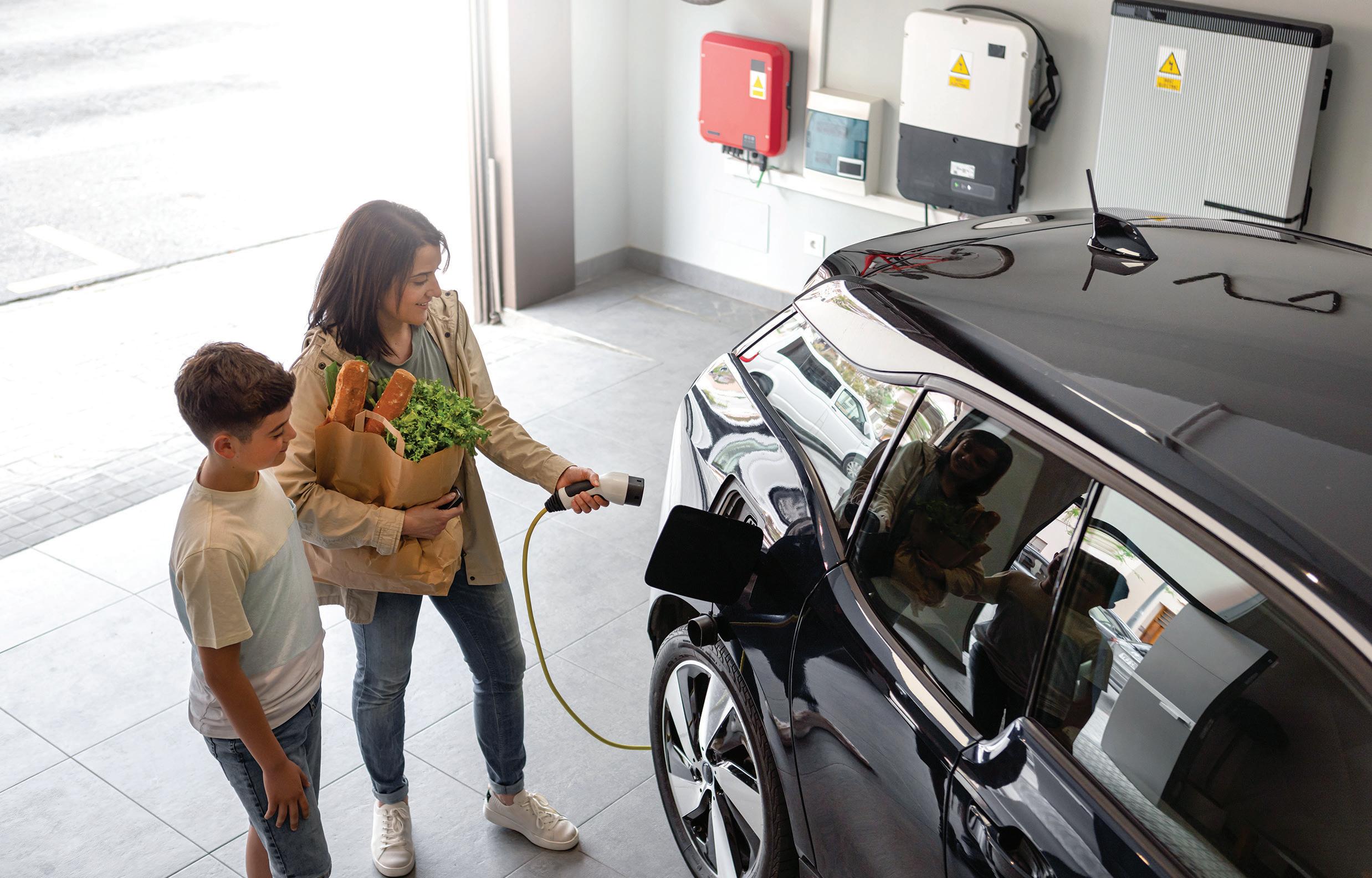
from the state’s energy commission to build out the EV charger network for residents. While some states are taking steps forward, others are stepping back or pausing altogether, as can be seen in Virginia, where 51 of 53 planned EV charging stations are now on hold.
“This varied approach, state-by-state, has resulted in a fragmented national approach that will ultimately inhibit overall industry growth. Collaboration between the public and private sectors is essential for developing new business models and incentives for the EV industry,” Croushore says. “However, amidst funding uncertainty, the private sector is cautious, leading to delays, particularly in the build-out of charging infrastructure previously funded through the Inflation Reduction Act and Infrastructure Investment and Jobs Act.”
In March, Michigan’s Office of Future Mobility and Electrification awarded Rhythmos.io a $170,000 grant to bring grid-edge optimized EV charging to Grand Rapids. The project aims to more than double charging capacity without needing to expand the existing utility distribution system.
Munson says that by optimizing EV charging at the grid edge, the project helps the local utility identify constraints, manage charging loads more effectively, and improve overall grid efficiency – all without requiring costly infrastructure upgrades. These improvements translate into significant cost savings: Rhythmos.io estimates that a utility serving 250,000 customers could avoid more than $7.3 million in transformer upgrade expenses by 2035. The benefits also extend to consumers, as existing EV drivers can participate in the program to reduce their own charging-related costs.
Darapaneni points out that states like California, New York, and Colorado have long-standing EV incentive programs that are being expanded or retooled to fill the current funding gap. For example, California’s LCFS (Low Carbon Fuel Standard) credit trading continues to fund EV infrastructure, while utilities like Con Edison and Pacific Gas & Electric are investing directly in make-ready infrastructure programs. Colorado is offering point-of-sale rebates in addition to tax credits.
“We’re seeing state-level resilience – utilities are innovating around grid integration, dynamic pricing, and vehicle-to-grid pilots to maintain EV momentum even as federal support stalls. States like California, Massachusetts, New Jersey, and Washington are continuing to push forward aggressively. California is a clear leader, with policies like the Advanced Clean Cars II rule and aggressive ZEV mandates,” Darapaneni says. “Meanwhile, Massachusetts is integrating EV targets into its broader climate strategy, and New Jersey has continued to invest in both public charging and electric public transit. These states are creating regulatory certainty that allows utilities and private stakeholders to continue investing, even amid federal delays.”
State and utility-led efforts are critical for maintaining the EV ecosystem’s forward motion,” Darapaneni adds. “The success of the EV transition depends on a reliable and equitable charging infrastructure – and if the momentum stalls, it risks undoing the progress we’ve made toward emissions reduction, energy independence, and clean mobility,” he says. “These localized efforts also help prevent regional disparity in EV access, ensuring rural and underserved communities aren’t left behind.”
Enrique Glotzer, managing director of power, renewables, and energy transition at FTI consulting, points to Illinois, which has combined state-level climate legislation with utility investment to maintain momentum in EV charging deployment. This includes $25 million from the Illinois EPA and an additional $100 million from ComEd to support
The federally directed freeze on funding for EV infrastructure, including charger installations, does not directly affect home charging. According to the U.S. Dept. of Energy, most EV owners do the majority of their charging at home.
— Basilico Studio Stock / Shutterstock photo
new infrastructure. Other states are following similar paths: California approved a $1.4 billion plan in December to accelerate EV charger installations, and in February, New York announced a $60 million initiative focused on expanding charging access across New York City.
“These actions highlight how states and utilities are stepping in to sustain progress, even as federal funding remains in flux,” Glotzer says.
Beyond these efforts, states and utilities will continue to advance EV goals. These state-utility efforts will help sustain EV progress despite federal funding pauses. Some of these initiatives include:
> California’s CALeVIP rebates, backed by PG&E’s EV Charge Network and SCE’s Charge Ready, fund chargers.
Infrastructure Discretionary Grant Program. Drive Electric Vermont is a statewide public-private partnership of policymakers, industry leaders, and citizens accelerating transportation electrification in the Green Mountain State. Their work is coordinated by clean energy nonprofit VEIC and includes EV education and outreach, charging infrastructure development, EV incentive program support, and stakeholder coordination.
“So far, the federal tax credits for EV purchases and charging installations remain available, but there is significant uncertainty on whether those will be impacted by future legislation or executive action,” Roberts says.

> New York’s CFI grants align with Con Edison’s PowerReady incentives and National Grid’s EV programs to expand infrastructure.
> Texas’s grid upgrades, led by Oncor and CenterPoint Energy, support growing EV demand.
> Oregon’s Clean Fuels Program complements Portland General Electric’s EV rebates and Pacific Power’s incentives.
> Massachusetts’ MOR-EV with Eversource and National Grid rebates targets multi-family chargers.
Munson says state-level efforts are vital for reducing greenhouse gas emissions and improving air quality through zero-emission vehicles. They create clean energy jobs in manufacturing and infrastructure while helping states and utilities meet climate targets and reduce fossil fuel reliance.
“These initiatives ensure equitable charging access, especially in underserved areas, boosting broader EV adoption,” Munson says. “They also drive economic growth and innovation, positioning states as clean tech leaders. With federal funding paused, state and utility programs will help sustain industry momentum, ensuring the EV sector thrives and supports environmental and public health goals.”
According to Dave Roberts, coordinator for Drive Electric Vermont, the federal funding freeze has significantly impacted EV charging infrastructure development in Vermont. The state has paused most work on the NEVI implementation, including locations that were under contract but had not yet cleared the necessary hoops to obligate the funds through the Federal Highway Administration.
The freeze has also impacted awards to local governments through The Charging and Fueling
Roberts adds that EV adoption has grown significantly over the past five years and is on the cusp of reaching more mass-market consumers.
“While most day-to-day EV charging happens at home, public charging infrastructure needs to keep pace with consumer demand to ensure those drivers will have a positive ownership experience,” Roberts says. “It’s a bit early to say how states are advancing EV programs as the long-term ramifications of recent federal actions and announcements remain uncertain. Many states continue to fund charging infrastructure development and state EV incentive programs.”
Looking ahead
Munson expects collaboration among states, utilities, and private entities will overcome federal funding challenges, with utilities offering rebates and grid upgrades.
“As EV costs drop, the market will become self-sustainable, similar to solar,” Munson says. “The federal funding freeze is a hurdle, but coordinated state and utility actions will ensure continued steady progress.”
Darapaneni notes that this moment is a test of state and local agility. “The long-term vision for electrified transportation is still intact, but interim progress will depend heavily on how creative and proactive state utilities and governments can be,” he says. “This is also a pivotal moment for fostering public-private partnerships and grid modernization efforts that go beyond just EVs and contribute to a more resilient, future-ready energy infrastructure.”
In the absence of federal policy and funding, Croushore says there is an increased role for cities and for regional collaborations among states – particularly in areas like the tri-state region encompassing parts of New York, New Jersey, and Connecticut, with large metropolitan areas like New York City – to support EV readiness and adoption, by creating regional policies, funding mechanisms, and charging infrastructure networks, for example.

“Despite federal funding cuts, cities can continue to incentivize the transition to electric vehicles by converting municipal fleets to electric fleets, investing in public infrastructure for all types of EV charging, especially in areas of low home ownership, dedicating curb access and parking spaces for electric vehicles – including creating ‘Green Loading Zones’ for commercial vehicles, and passing legislation to strengthen requirements on new parking lots and residential buildings to support electric vehicles, to name a few,” Croushore says. “Technology innovation can also offset the need for federally funded infrastructure investments for EV adoption. Many of the technologies needed to make the shift to electric vehicles exist today, but we need them at scale.”
Dave Roberts
Enrique Glotzer
Names & Faces

Following a nationwide search, the University of Georgia has appointed Alessandro “Alex” Orso as dean of its College of Engineering, effective July 1. Orso currently serves as a professor in the College of Computing at the Georgia Institute of Technology and as director of Georgia Tech’s Scientific Software Engineering Center. “Throughout his career, Dr. Orso has distinguished himself as an exceptional educator, researcher, and academic leader,” said University of Georgia president Jere W. Morehead. An expert in software engineering, Orso focuses his research on software testing, program analysis, and debugging.
Integrated Power Services, the provider of electrical, mechanical, and power management systems, announced on April 14 that John Burant was named market general manager for mining. “This reflects IPS’s increased focus on supporting customers in the mineral, mined fuel, and fertilizer markets,” said John Zuleger, IPS president and CEO. “With recent acquisitions in key mining regions, including the western U.S., Canada, Illinois, Appalachian coal regions, and the southeastern U.S., Burant will help IPS deliver exceptional aftermarket power management and electromechanical service solutions to enhance efficiency and reliability for mining customers.”
San Leandro, Calif.-based Energy Recovery, Inc., recently named Ram Ramanan as chief technology officer and David Kim-Hak as vice president for wastewater. Ramanan assumed the CTO role this spring, succeeding Farshad Ghasripoor, who retired after 12 years with the company. Kim-Hak’s new role was created to leverage growth opportunities in municipal and industrial wastewater treatment.
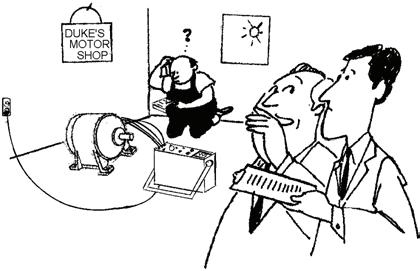
This #@&% Impulse Tester is not putting out the voltage. Call PJ and order a Real Surge Tester !
PJ Electronics (since 1969) has been manufacturing an exclusive High Frequency Surge Tester that is the best for testing the integrity of insulation in all electric motors, generators and all types of windings. We offer Bench, Portable & Console models. All 65 Models (6KV to 60KV output) are capable of testing fully assembled motors without rotating the rotor.

Visit www.pjelectronics.com to learn why we are the only choice for all of your Surge Testing needs!


575 Davidson Road Pittsburgh, Pennsylvania 15239 Toll Free Phone: 1-877-4PJ TEST
Don’t be dropped!

The National Fire Protection Association has appointed Fernando Escalante as its manager of international business development for Latin America. Escalante will expand NFPA’s presence in the region, collaborating with stakeholders in the fire, electrical, and life safety sectors. His responsibilities include strengthening partnerships and enhancing engagement with government agencies, industry associations, and private organizations. Escalante, an electrical engineering graduate, brings nearly two decades of leadership experience from Schneider Electric.

The Association for Advancing Automation has named Stuart “Stu” Shepherd and Dr. Peter Corke as the 2025 Joseph F. Engelberger Robotics Awards recipients, the industry’s highest honor. The awards will be presented at the Automate trade show, a major event for the robotics and automation industry. The Engelberger Awards recognize individuals who have shaped robotics through leadership, application, and education. Shepherd is honored for his decades of leadership advancing robotic automation across the Americas, while Dr. Corke is recognized for his contributions to robotics education, including globally used teaching tools and open-source software. — Charlie Barks EA
The U.S. Post Office requires that we mail EA to active subscribers only. If it’s been a while since you’ve renewed your subscription, we need to hear from you now!
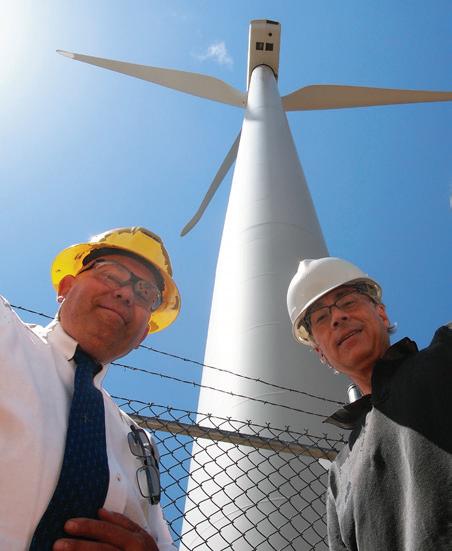
To renew online, go to http://earenew.com or log on with this QR code:
To renew by mail or fax, send us the mailing label on the front cover of this issue, along with a signed note saying that you want to continue to receive the magazine. Fax to 866-228-7274, or mail to: Electrical Apparatus Barks Publications, Inc. 17 N State St Ste 435 Chicago, IL 60602-3598
Or contact us at (312) 626-2316; barbara@barks.com
Alex Orso
Fernando Escalante
Joseph Engelberger
Cleaning the ‘air up there’
Transform air filters into a network to eliminate these dangers
By Bill O’Leary, EA Contributing Writer
To care about the air up there (over there) should be of the utmost importance to plant managers. Otherwise? Health scares, product contamination, defects, rework, and costly violations of OSHA, EPA, and other industry-specific standards. The impacts are multiple and across a variety of dimensions, yet for many, maintaining indoor air quality is often something of an afterthought. How do we combat this need for understanding? The solution might come as a bit of a surprise. But first, plant managers should know the dangers.
The most pressing negative impacts of poor indoor quality are the smorgasbord of health and safety risks that result from letting contaminated and particle-filled air sit within enclosed spaces. You gotta know your enemy before you fight it.
Short- and long-term risks
Short-term respiratory health problems caused by dust and chemical residues are common. Individuals sensitive to allergies are also more easily susceptible to negative bodily impacts based on dirty air.
Those allergies can also negatively impact the passages of the face: eye, ear, nose, and throat. Irritation from allergies and asthma triggers these vital parts of the body, but general harm can also result from fumes, chemical vapors, and particulate matter being frequently ingested. These bad air actors are by-products of common plant processes such as degreasing, painting, and welding.
Additional short-term health effects include headaches and dizziness from excessive levels of carbon monoxide and formaldehyde, solvents, and/or volatile organic compounds. High concentrations of carbon dioxide and a lack of sufficient oxygen ventilation can cause blurred vision, an inability to focus, and drowsiness
— a triad of dangers that cause poor decision making around elevated heights and heavy machinery.
For those who diligently continue their work in poorly ventilated plants, long-term health effects can be brought to the fore. Occupational lung diseases such as asbestosis, silicosis, and occupational asthma are common causes, based on the materials used in specific plant processes, along with the level of exposure. Severe and pervasive respiratory conditions like bronchitis, chronic obstructive pulmonary disease, and emphysema can result from prolonged engagement with airborne pollutants such as industrial chemicals, silica dust, and diesel exhaust.
And even worse — cancer risks. Frequent exposure to carcinogens such as benzene, chromium VI, and asbestos — ventilation villains that would be screened out by quality filters and other air quality mechanisms — increases the likelihood of cancers in the nasal passages, lungs, and bladder.
Damage to machines and processes
But it’s not just the human body that is damaged from poor air quality. Products and processes — the heart and spine of your business — are
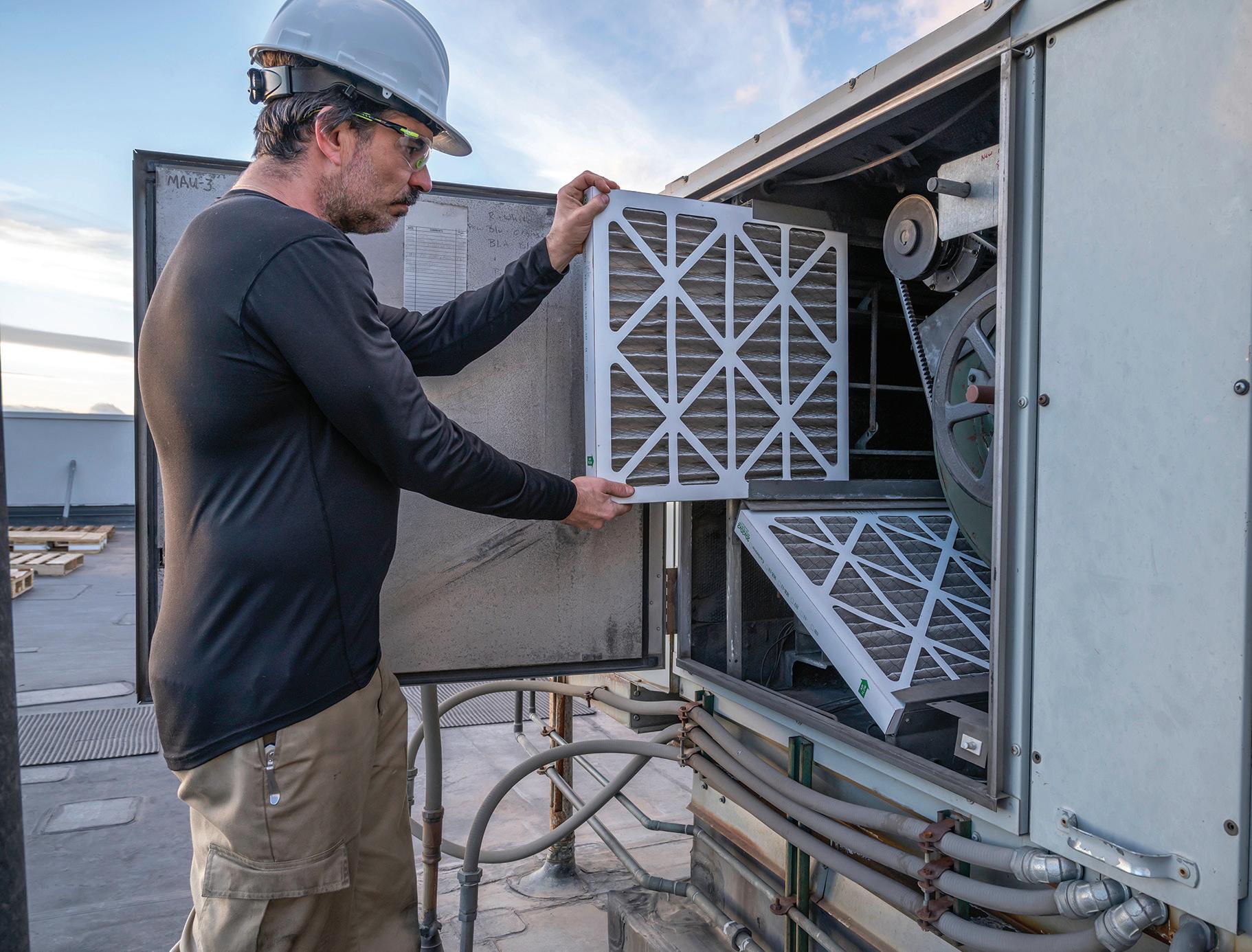
also significantly impacted. Oil particles and dust that would be eliminated by a proper HVAC/R system can settle on workplaces during critical process stages like bonding, coating, and assembly, leading to defects both internal and external.
There is also interference with the volatile organic compounds mentioned earlier, along with increased moisture from high humidity and off-gassing, where volatile organic compounds and other gases are released when materials such as adhesives, plastics, rubbers, and paints are processed, heated, or cured. This can cause polymers and coatings to improperly bond and cure.
If your plant includes electronics components manufacturing, airborne ionic contaminants can lead to corrosion and short circuits. For the high-precision machining and optics plants, contamination from airborne particles can affect external clarity of pieces or the finished process, along with changing dimensional tolerances. Minute particles can work their way into the intricate and sensitive inner workings of equipment and machinery, coating internal components and abrading moving parts in motors, compressors, CNC machines, and robotics arms.
Finally, poor air quality can lead to EPA noncompliance, worker compensation lawsuits, and OSHA violations.
Let’s tackle each of these. A poor filtration system’s volatile organic compound capture can violate the Clean Air Act, a comprehensive federal law that regulates air emissions from stationary and mobile sources, setting limits for six criteria pollutants including carbon monoxide, sulfur dioxide, and lead. Employees exposed to these hazardous conditions can claim disability and pursue legal action if proper protection is not implemented. Also, failure to establish safe air levels can lead to fines, remediation orders, or even mandatory shutdowns from the U.S. Occupational Safety and Health Administration.
Clearing the air
So now that we know the various dangers at a detailed level, plant managers should be well equipped to improve air quality. One of the most impactful ways to combat volatile organic compounds and the like is actually the simplest: integrating traditional air filters more strategically. Using flashy new technology to enhance air quality might be enticing, but the meat and potatoes of cleaning air — the air filter — might be your greatest ally.
How can a plant manager best leverage the air filter? Transform it from passive equipment to an active component of the manufacturing process through strategic placement and implementation.
But how do we do this, and where do we start? It starts in the planning phase by aligning air filtration with the production workflow. Do not view air filters as stand-alone products; treat them as a network, integrating each directly into production line steps where particulates and emissions are generated.
They should be treated as essential components, with the same importance as the machinery that actually creates parts and enhances your process at each step. So for example, air filters should be installed at each CNC machine, paint booth, and welding station for consistent and more targeted source capture, reducing the spread of contaminants across the facility but also lessening the burden of overtaxed and costly central HVAC/R systems.
To further drive home that “network” element of air filters, plant managers can literally turn them into an interconnected web by modernizing filters with Internet of Things-enabled sensors. These sensors
One of the most impactful ways to combat volatile organic compounds and the like is actually the simplest: integrating traditional air filters more strategically
can then monitor quality and filter performance in real time. More filters mean more maintenance and more predictive maintenance, which is the bread and butter of smart sensors and data integration.
Sensors applied to filters can be linked to the plant’s central control system and trigger alerts due to more performance, wear, and being overworked (i.e., vastly elevated particulate levels). From this approach, plant managers can leverage the latest technology and maintain that “network thinking” by turning air filters into intelligence process controls. Managers can then reframe filters as quality control tools. As mentioned earlier, poor air quality can lead to increased defects and rework. Cataloguing these occurrences and measuring them over time helps prove the need for better and more finely implemented air filters. It can also be used to monitor the overall health of the process. For example, if June had a 5% increase in defects from improper curing over May, it might be time to check the facility’s air quality or change filters throughout the plant.
An upgrade could be in order as well. Take a look at your current air filters. Many facilities have HEPA (high-efficiency particulate air) air filters that remove 99.97% of particles the size of at least 0.3 microns, but the ULPA (ultra-low penetration air) filters remove a robust 99.9995% and particles 0.12 microns and larger. However, for the ULPA filter, more powerful fans are needed to maintain proper airflow. Hybrid filters (ultra-low-penetration air) for specific customized needs are also available, such as HEPA + activated carbon, to filter out particulates while simultaneously absorbing gases and volatile organic compounds.
Finally, make high air quality and sustainability strategic initiatives for your team and train them appropriately. Have representatives from air filter manufacturers visit your plant and give overviews on the benefits, nuances, and proper use and installation of the various filters available to them. Add filter status checks to daily process quality walks and operator rounds. Embed air quality into your everyday way of life at your plant.
Show that you care about the air up there and over there. EA
The pump’s past as prologue
Recent regulatory activity may point to a possible future for pumps
By Kevin Jones, EA Senior Editor
Attempting to predict an industry’s future is always a hazardous enterprise. Trying to do so in print is especially risky, as the folly of a guess that’s wide of the mark can hang around for decades like a photo taken with a bad prom date.
But if we look at the regulations that govern an industry, trends become apparent, and then it’s theoretically a simple matter of projecting tendencies from the recent past to postulate a possible future.
What might such a review of recent pump regulations say about the future into which the pump industry is being nudged?
Based on available information from the Federal Register and other authoritative sources, there have been no new federal regulations of consequence pertaining to pumps since the beginning of this year. The absence of new regulations may reflect the complexity of rule-making, which often involves extensive stakeholder consultation, data analysis, and compliance with statutory requirements under the Energy Policy and Conservation Act, or EPCA.
The U.S. Dept. of Energy and other federal agencies, however, have continued to build on existing frameworks for pump efficiency, with recent rulemaking from 2023 and 2024 providing context for potential future developments — provided recent trends in efficiency continue on their current course.
The regulatory background
To understand the current regulatory landscape, it’s helpful to examine recent regulatory actions related to pumps and the ongoing efforts to improve energy efficiency. This might lead to an understanding of the broader implications for manufacturers, consumers, and the environment.
The DOE has been actively regulating pumps under EPCA, which mandates energy conservation standards for various consumer products and commercial and industrial equipment, including pumps. EPCA requires the DOE periodically to review and, if necessary, amend standards to ensure that the energy efficiency requirements prescribed therein are both technologically feasible and economically justifiable.
The 2016 rule was a significant step in regulating pump efficiency, as it set minimum performance levels to reduce energy waste in industrial and commercial applications such as water treatment, manufacturing, and HVAC/R systems. Since 2016, the DOE has been evaluating whether more stringent standards are warranted, as evidenced by a 2021 request for information and a 2022 notice of data availability, which sought stakeholder input on potential amendments.
In 2023, the DOE finalized updates to the test procedure for commercial and industrial pumps, published on March 24, 2023, in the Federal Register. This rule incorporated the latest industry testing standard, expanded the scope to include additional clean water pumps, and revised calculation methods to improve accuracy in measuring energy efficiency.
The DOE expressed confidence at the time that expanding the scope of the rule to cover more pump types would ensure that unregulated pumps would not compete unfairly with regulated ones, which incur compliance costs.
The Northwest Energy Efficiency Alliance commented in the Federal Register that including additional pumps in the scope of the test procedure would prevent market distortions. “Sales reported to [the Alliance’s] commercial and industrial pumps efficiency program
For commercial and industrial pumps, the DOE established energy conservation standards in a final rule published in January 2016, with compliance required starting in January 2020. These standards apply to specific pump categories based on factors such as nominal speed of rotation and load type.
Clues to the likely direction of the pump industry might be found in the trajectories established by recent federal regulations, which have been applying stricter efficiency requirements to a broader range of pumps. — Adobe Firefly generative AI image
indicated these pumps should be included in the scope of the test procedure,” the Federal Register stated, “and that this would avoid pumps outside the scope from competing with regulated pumps without the costs of complying with the efficiency standards and labeling requirements.”
For circulator pumps — which are used in residential and commercial heating and cooling systems — the DOE finalized new energy conservation standards in a rule published on May 20, 2024. Compliance with these standards is required by May 20, 2026. Circulator pumps, defined as wet rotor, dry rotor two-piece, or dry rotor three-piece pumps, are critical for moving fluid through closed-loop systems without requiring a net elevation gain.
The 2024 rule established standards to reduce energy use in applications such as hydronic heating and hot water recirculation. The DOE determined that these standards would result in “significant” energy savings while being technologically feasible and economically justifiable. The rule-making process considered the cumulative regulatory burden the rule would place on manufacturers, as some stakeholders expressed concerns about the feasibility of a two-year compliance timeline.
The Hydraulic Institute and Xylem also chimed in, calling attention to possible financial strains. “HI and Xylem,” according to the Federal Register, “noted that they feel the cumulative regulatory burden from other rule-makings, including commercial industrial pumps and small electric motors, put further strain on manufacturers who expect a two-year compliance date for circulator pumps to add significant financial burden.”
Dedicated-purpose pool pump motors, used primarily in residential and commercial swimming pools, have also been subject to recent regulatory action. In September 2023, the DOE published a final rule adopting amended energy conservation standards for these motors, with compliance dates staggered based on motor horsepower.
Adoption of the pool pump motor rule was driven by the need to maximize energy efficiency in such motors, which, owing to their continuous operation, use a significant amount of electrical power. The DOE’s analysis showed that the new standards would save energy without imposing undue economic burdens on manufacturers and end-users. The rule also incorporated an industry standard, UL 1004-10:2019, for pool pump motors, reflecting stakeholder input from the Association of Pool & Spa Professionals and the National Electrical Manufacturers Association.
Seeking clues to the future
While no significant new regulations pertaining to pumps have been announced so far this year, the DOE’s ongoing activities suggest that future rule-
From an environmental perspective, pump regulations contribute to national goals for energy conservation and carbon reduction
making promoting increased pump efficiency may be in the offing. The agency’s 2021 request for information on commercial and industrial pumps sought data to assess whether amended standards could yield significant energy savings. The subsequent 2022 notice of data availability indicated that pumps not currently subject to standards, such as those with higher horsepower ratings, may be considered for regulation.
The DOE noted potential challenges, including the risk of older, less efficient pumps remaining in use if new standards increase costs. “Requiring pumps to be paired with a motor for distribution in commerce is expected to increase the cost of the pump,” the DOE said. “Some end users may opt to repair rather than replace older, inefficient pumps.”
The lack of new 2025 pump regulations may also be influenced by the DOE’s focus on categories other than pumps, such as water heaters and air conditioners, which have seen significant regulatory activity of late. For example, the DOE finalized energy efficiency standards for residential water heaters in April of last year, promoting heat pump technology to achieve energy savings.
From an environmental perspective, pump regulations contribute to national goals for energy conservation and carbon reduction. Industrial and commercial pumps account for a significant portion of electricity use in sectors such as manufacturing and water management.
Looking ahead, the DOE’s regulatory agenda for what remains of 2025 may include further action on pumps, particularly if stakeholder feedback and technical data support the implementation of new standards. The department’s engagement with such industry groups as the Hydraulic Institute and the Northwest Energy Efficiency Alliance will likely ensure that regulations reflect real-world conditions and technological capabilities. Pump users can expect to see continued emphasis on energy-efficient products, supported by incentives such as those under the Inflation Reduction Act. These incentives could extend to pumps in the future.
So while no significant new federal regulations for industrial, commercial, or residential pumps have been announced so far this year, the DOE’s recent rule-making might provide a rationale for anticipating future updates. The 2023 test procedure for commercial and industrial pumps, the 2024 standards for circulator pumps, the 2023 standards for pool pump motors — all imply a long-term commitment to energy efficiency.
This is where we need to insert a major caveat. The regulatory actions described in this article reflect the previous presidential administration’s broader agenda to reduce greenhouse gas emissions and lower consumer utility costs. Had the regulatory mood in Washington continued along this path, these efforts may eventually have extended to pumps. With a new regulatory regime in Washington in place, however, the picture has become less clear. And yet given the predictability with which the pendulum of federal governance swings every two to four years, stricter and more broad-based efficiency regulations may well one day be back in fashion. EA
Classified
RATES AND INFORMATION
Regular classified ads - straight lineage with optional logo: Per 8 pt. line (1 column width): $16. (Blank lines for spacing also charged.) Minimum charge: $75. $7 confidential box number system. B/w or color logos and limited formatting may be added for additional charges. Available categories: Business for Sale; Equipment for Sale, Equipment Wanted; Help Wanted; Position Wanted; Training.
Classified Display adsadvertiser’s own art with no category limitations*:
Classified Display ads require a one-year, $2400 minimum contract. Advertisers may run any combination of 1, 2, and/or 3-inch ads to reach the $2400 threshold.
For more information, closing dates and requirements, contact Barbara Wachter, Adv. Director E-mail: barbara@barks.com Phone: (312) 626-2316
*subject to Publisher’s acceptance
Help Wanted WINDER
We at Silicon Valley Electric Motor, in Palo Alto, CA, are seeking an experienced Electric Motor Rewinder to join our team, specializing in the disassembly, rewinding, and testing of small to medium-sized AC and DC motors. The ideal candidate should have 3+ years of rewinding experience and a solid understanding of motor specs and testing practices. Competitive pay, benefits, and growth opportunities available—apply
now by sending your résumé to Chris@ MROSupply.com or calling 818-554-0527.
Business for Sale
FOR SALE SHOP
Electric motor and pump repair and sales business in Los Angeles area.
Inventory and equipment.
Owner willing to stay for 2 months to assist new owner.
Real estate not included, but willing to sell separately if interested.
Contact Box #15, barbara@barks.com
Business for Sale
RETIRING
Electric Motor shop in the Houston TX area FOR SALE OR PARTNERSHIP.
Shop, equipment, land, house 4-man shop 713-882-0999
Help Wanted

MOTOR SERVICE MANAGER
Toshiba International Corporation based in Houston Texas is looking for an experienced Motor Technician with knowledge In: Sleeve Bearing Motors, Vibration Analysis and Field Applications.
Technicians will be required to provide technical support via phone or email.
Candidate must be able to evaluate Medium and Low Voltage motor failures for warranty consideration.
Position will be 30% Travel and 70% office support.
Candidate must be competent in Microsoft office suite as computer skills are necessary. Toshiba offers competitive wages, 401K (Up to 6% Match), PTO/Holiday pay and Health, Dental and Vision insurance.
For employment consideration, apply through the career website: Careers | Toshiba International Corporation (Ref#: MANAG00124900) http://bit.ly/motor-service
COPYRIGHT 2025 ELECTRICAL APPARATUS

Help Wanted




ELECTRIC MOTOR TECHNICIAN
SUPERVISOR - 2ND SHIFT
10+ years exp w. industrial AC/DC electric motors, generators & electro-mechanical equipment repair. Must have previous supervisory exp. Pay based on exp. Excellent benefit package: 401k, medical, dental, vision, vacation, sick pay, paid holidays. EEO
Apply at bit.ly/mti_jobs
Motor Technology, Inc.
515 Willow Springs Lane
York, PA 17404
LOCATED IN JACKSONVILLE FLORIDA
We are seeking qualified candidates for the following positions:
• Electric Motor Mechanics AC/DC
• Electric Motor Winders & Apprentices
• Shop Foreman
• Machinists
• Pump Mechanics
Competitive pay and benefits package including medical, dental, vision and relocation assistance.
Including Sign-on bonus 5% of base salary.
Electric Motor Shop in Wake Forest, NC, is looking for candidates for:
• Field Service Techs
• Manual Machinists
• Motor Mechanics
• Outside Sales Reps
• Field Service Manager
• Pump Mechanics
• Switchgear Specialist
• Winders



Please contact Brandie Knight at 904-757-1127 or by email to brandie@westside-electric.com
Electric Motor Shop o ers competitive pay and benefits, including 401k. For employment consideration, please contact Kristine Larsen at 919-556-3229 or by email at Kristine.Larsen@emsnc.com
The EA word search
Morning pick-me-up
In the grid at left, nd and circle the words listed below, which are taken from this month’s cover article, “The test specialists.” The uncircled letters, when arranged in sequence, will spell out a useful analogy for understanding right-to-repair. The solution may be found online at http://barks.com/puzzles, or call (312) 321-9440. Happy hunting! Adapting
Help Wanted
EASA SEEKS MOTOR ENGINEER
Join EASA’s world-renowned technical support team! EASA seeks an engineer with at least 5 years of experience in repair, service, maintenance and/or redesign of ac and dc motors. Must understand motor theory as well as application and be able to communicate effectively in a fast-paced consulting role. Some travel required. For more info, see easa.com/careers.
Competitive salary; excellent benefits; team environment. Remote work option for the right candidate.
This is an exciting role with variety that impacts the entire indsutry. Send cover note and résumé to Linda Raynes; lraynes@easa.com.
Bookmark these links to access our flipbooks
JUNE 2025 (this issue)
https://bit.ly/jun25upnx
JULY 2025
https://bit.ly/jul25eass
AUGUST 2025
Help Wanted

ELECTRIC MOTOR WINDER
Relocation assistance available for the right candidate. Join Savannah Apparatus Repair, a trusted name for over 45 years, in the heart of Savannah, GA - a historic coastal city known for its charm, affordability, and high quality of life.
We are seeking an experienced motor winder to join our team.
Responsibilities: Rewind various 3 phase AC/DC, random wound, form coil, stators, rotors, and armatures.
Requirements: Electrical experience and Baker testing up to 4160V. Must handle Start to finish work from strip and recording data to brazing and soldering.
What we offer: Competitive benefits, wages, medical, dental, vision, vacation, and much more!
Apply today! Send your résumé to ChrisB@savannahapparatus.com or call (912)925-8700
EXPERIENCED SHOP FOREMAN
North End Electric in Wilkes Barre Pa, Shop overseeing all repair, field diagnosis, rewind and machine work progress. Must be experienced with AC/DC electric motors, gearboxes and other various rotating equipment. Contact cody.hendricks@ northendelectric.com to inquire.
Help Wanted

COMPETITIVE PAY, BENEFITS & OT!!
Prime Electric in Gorham, ME is looking for an experienced Electric Motor Technician. Relocation compensation, training program & advancement opportunities. Safe, friendly environment. Call 207-591-7800 or email résumés to dan@PrimeElectricMotor.com. Visit us at PrimeElectricMotor.com.
https://bit.ly/aug25woww
CUSTOMER SUPPORT/ORDER
PROCESSING/INSIDE SALES
Computer literate and knowledge of Magnet
Wire and Insulation materials is required.
Full time position in a clean no nonsense
o ce environment located in Bradenton Florida.
Send résumé to sales@baewire.com


ELECTRIC MOTOR WINDER
Best Repair Company in Norfolk VA is looking for qualified candidates for:
• Quality Manager
• Motor Winders
• Pump Mechanics
• Manual Machinist
• Shop Helpers
BRC o ers a competitive salary, health insurance & 401K plan. Visit our Web Site at www.Bestrepair.net or contact gary.phelps@bestrepair.net if interested.
















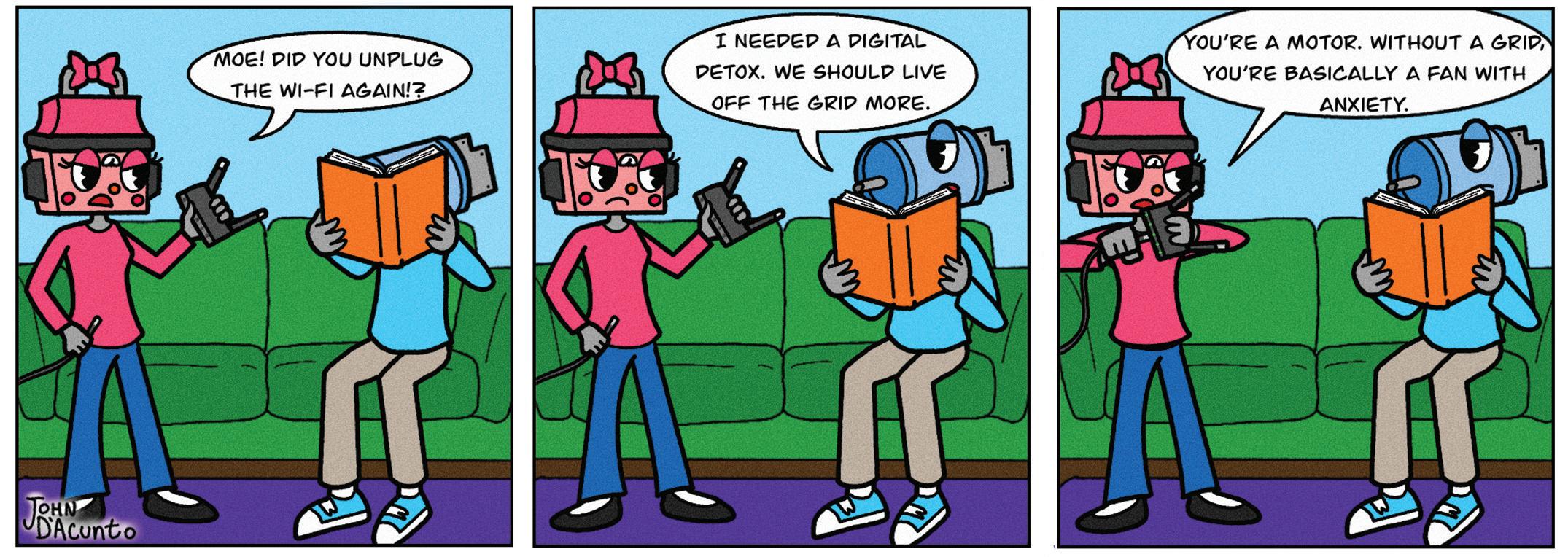
ADVERTISING INDEX
Aaki Grounding Solutions 16, 35
ABB 17, 33
Advanced Rotors, Inc 10, 33
AEGIS / Electro Static Technology 35
AKARD COMMUTATOR OF TENNESSEE 13, 33
Alabama Laser 35
BAE Wire & Insulation, Inc 63
Barks Publications, Inc 35
Bartlett Bearing Company, Inc 9, 32
EIS 29, 32
Elantas 25, 33
Electric Coil Service 34
Electric Materials Company 31, 34
Electrical Apparatus & Machine 51
Electrical Apparatus Service Association 26
Electrom Instruments 15, 32
EMTorq 21, 35
ESR Motor Systems LLC 5, 32
Helwig Carbon Products, Inc 8, 33
High Voltage, Inc 27
Hoto Instruments 63
HT Aftermarket Products 12, 35
ICC International 33
Jasper Electric Motors, Inc 19, 32
Lafert North America, Inc IFC, 35
Louis Allis 34
Martindale Electric Co 33
MDS, Inc 34
Megger Baker 34
Mitchell Electronics 20, 34
Mod-Tronic Instruments Limited 24
NTN Bearing Corporation of America 11, 33
OTS Wire 63
Overly Hautz Motor Base Co 38
Phenix Technologies 6, 35
Pittsburgh Electrical Insulation 14, 33
PJ Electronics 55
S&W Wire Company 22
Spring Point Solutions 18, 33
Superior Services 34
Techtop Motors 35
Teco-Westinghouse Motor Co 34
Torq Corp 23
Toshiba International Corp 3, 32
Vaughen’s Price Publishing, Inc 33, 63
WEG Electric Corp 32, BC
Wolong Electric America LLC 7, 35
WorldWide Electric Corporation 35, IBC
Direct & Current
FINE LINE.
The European Commission found in April that Apple “breached its anti-steering obligation under the Digital Markets Act [DMA]” and that Meta “breached the DMA obligation to give consumers the choice of a service that uses less of their personal data.” As a consequence, the Commission hit Apple and Meta with 500 million euros and 200 million euros in fines respectively — roughly $700 million U.S. dollars, according to an April 22 announcement from the Commission.
HEAT CHECK.
Technology to prevent thermal runaway — a fancy term for “catching fire” used in the electric vehicle industry — is being advanced, from auto makers to plant management. Example: Hyundai announced April 14 that it had succeeded in developing a new technology that can extinguish a fire immediately by spraying a fire-extinguishing agent when a battery cell catches fire. According to the company, it’s “the first technology that can prevent thermal runaway by preventing heat from being transferred to adjacent cells.”
ENGAGEMENT ANXIETY.
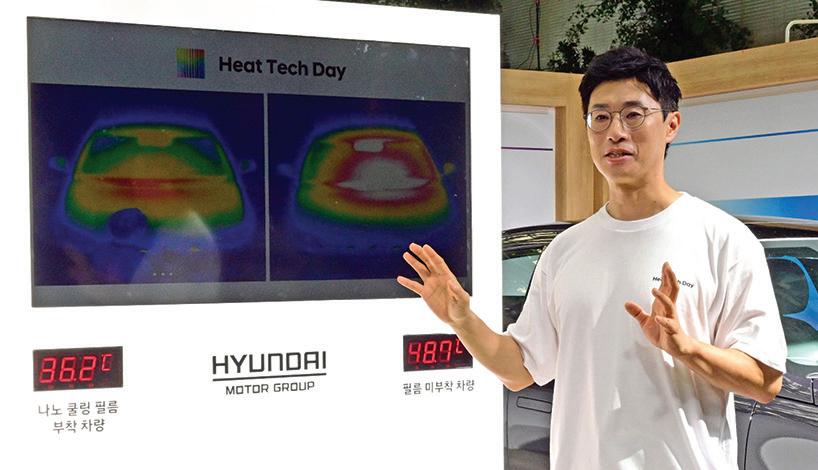
Low employee engagement is holding back global worker productivity, according to Gallup’s latest State of the Global Workplace report. According to the report, global employee engagement fell by two percentage points in 2024, costing the world economy an estimated $438 billion in lost productivity, with managers experiencing the sharpest decline. Manager engagement fell from 30% to 27%, while individual contributor engagement remained flat at 18%. Engagement among managers under the age of 35 fell by five percentage points; female manager engagement dropped by seven points.
IBERIAN DELIRIUM.
A massive power outage struck the Iberian Peninsula April 28, affecting millions across Spain and Portugal and causing widespread disruption to essential services. The blackout left large sections of both countries without electricity. Major cities affected included Madrid, Lisbon, Seville, Barcelona, Valencia, Málaga, Bilbao, and Cádiz. Reports indicate that parts of France and Andorra bordering Spain also experienced outages. Power was restored to at least 99% of affected areas within 72 hours, according to Spanish grid operator Red Electrica and Portuguese energy company REN.
IT’S SOMETIMES SUNNY.
The U.S. solar industry installed nearly 50 (49.99) GWdc of capacity in 2024, according to the annual Solar Energy Industries Association report. The prominent solar association called this feat “remarkable,” as it represents a 21% increase from 2023. For perspective, it’s worth noting that renewable energy numbers tend to have annual increases, since they all began at very low percentages over the past few decades. — Charlie Barks
Have the digital “Direct & Current” delivered each week, at no charge, to your e-mail in-box. Scan the code at right or sign up now at http://eepurl.com/dEkrB9.
Hyundai is just one of many companies working on “thermal runaway” solutions — also known as preventing fires — in electric vehicles. — Hyundai photo

Designed for industrial equipment manufactured overseas.
Metric Motors & IEC Worm Gears
Our aluminum frame metric motors operate at IE3 Efficiency at 50 Hz and are NEMA Premium Efficient at 60 Hz operation.
- Totally Enclosed Fan Cooled (TEFC) Enclosure
- ¼ - 25 hp | 3600, 1800, and 1200 rpm
- 230/460 Volt at 60 Hz, 190/380 Volt at 50 Hz
- Multi-mounting frame design
- Vacuum pressure impregnation system
- IP55 protection
- IEC60034-1 & CE certified
- FF flanges (B35/B5 Mounting) in 63 - 160 frame sizes
- C-Din flanges (B34/B14 Mounting) in 63 - 132 frame sizes

Our lightweight IEC worm gears are a dimensional drop-in replacement for other major brands.
- Ratios 7.5:1 to 90:1
- Center distances 30 – 90 mm
- NEMA or IEC metric motor input flanges
- Hollow bore output
- Multi-mounting holes for all angles
- Hardened worm shaft for durability
- Two bearings on all input and output shafts
- Pre-filled with synthetic oil (Mobil SHC632)
- Accessories include flanges, covers, torque arms, and single/double output shafts