Soft skills in the business & personal world by George Pennington
EFMD Global Focus: Volume 07 Issue 03 | 2013
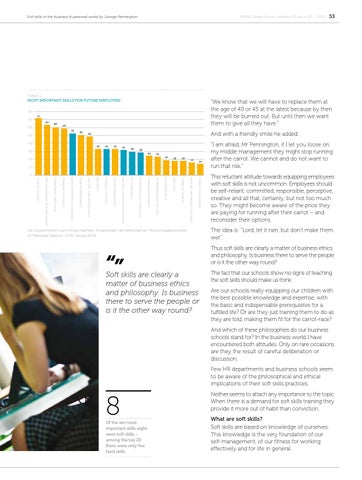
TABLE 1: Most Important Skills for Future Employees
“We know that we will have to replace them at the age of 40 or 45 at the latest because by then they will be burned out. But until then we want them to give all they have.”
80 71
70
63
60
60
59 52
50
50
And with a friendly smile he added:
49
40
53
33
33
33
32
30
29
28 24
23 19
20
18
18
15
14
10 0 CONFLICT-MANAGEMENT
RHETORIC AND PRESENTATION SKILLS
FLEXIBILITY, MOBILITY
CREATIVITY
LEADERSHIP SKILLS
ENTREPRENEURSHIP, INITIATIVE
LEARNING COMPETENCE
INTERDISCIPLINARY KNOWLEDGE
ICT-COMPETENCE
PRACTICAL EXPERIENCE (INTERNSHIPS)
SUCCESS-ORIENTATION
FOREIGN LANGUAGES
RESILIENCE
ANALYSIS- AND DECISION-SKILLS
SENSE OF RESPONSIBILITY
BROAD PROFESSIONAL KNOWLEDGE
COMMUNICATION SKILLS
COMMITMENT, DEDICATION
SELF-MANAGEMENT, SELF-DEPENDENCE
TEAM-PLAYER SKILLS
Die Studienreform zum Erfolg machen!, Erwartungen der Wirtschaft an Hochschulabsolventen, Dr Franziska Pankow, DIHK Januar 2008
“I am afraid, Mr Pennington, if I let you loose on my middle management they might stop running after the carrot. We cannot and do not want to run that risk.” This reluctant attitude towards equipping employees with soft skills is not uncommon. Employees should be self-reliant, committed, responsible, perceptive, creative and all that, certainly, but not too much so. They might become aware of the price they are paying for running after their carrot – and reconsider their options. The idea is: “Lord, let it rain, but don’t make them wet”. Thus soft skills are clearly a matter of business ethics and philosophy. Is business there to serve the people or is it the other way round?
Soft skills are clearly a matter of business ethics and philosophy. Is business there to serve the people or is it the other way round?
The fact that our schools show no signs of teaching the soft skills should make us think. Are our schools really equipping our children with the best possible knowledge and expertise, with the basic and indispensable prerequisites for a fulfilled life? Or are they just training them to do as they are told, making them fit for the carrot-race? And which of these philosophies do our business schools stand for? In the business world I have encountered both attitudes. Only on rare occasions are they the result of careful deliberation or discussion. Few HR departments and business schools seem to be aware of the philosophical and ethical implications of their soft skills practices.
8
Of the ten most important skills eight were soft skills – among the top 20 there were only five hard skills
Neither seems to attach any importance to the topic. When there is a demand for soft skills training they provide it more out of habit than conviction. What are soft skills? Soft skills are based on knowledge of ourselves. This knowledge is the very foundation of our self-management, of our fitness for working effectively and for life in general.