26
www.efmd.org/globalfocus
Sectorial specificities Of particular interest is the jump in hiring demand for MBAs this year in the energy/utilities and health care/pharmaceuticals sectors.
Management skills and job mobility Survey results show that the skills that most employers want in new hires involve a blend of business knowledge, strategic abilities and integrated reasoning/data analysis expertise plus soft skills to enhance interpersonal relations. In the words of one employer, graduate business degree candidates “bring leadership and strategic skills to the workplace that other candidates typically have not been able to attain just through their previous employment”.
These two sectors do not typically attract large numbers of MBA talent but the hiring plans suggest opportunities at hand, particularly for engineers and scientists, to maximise their career path by combining technical expertise with an advanced management degree.
One-third of the employers that plan to hire MBA and business masters graduates in 2013 will place some new graduates in jobs outside of the home region of the recruiter. For example, 98% of US-based recruiters plan to place new hires in the US, and about one in five US recruiters also expects to assign new hires to jobs located in Europe and Asia-Pacific.
At the moment, most employers in the health care/pharmaceuticals sector worldwide are looking for business grads to fill positions taking on business development and finance roles (each selected by 56% of health care/pharmaceuticals firms) and general management roles (54%). The noteworthy hiring demand occurring in the health care/pharmaceuticals sector in the US and elsewhere, however, also portend new roles for MBAs. Those not yet experienced in the field may face some difficulty in the job market when it comes to the medical expertise essential to understand patient needs or improve health care processes. More than half of health care employers plan to increase base salaries above inflation (18%) or at the rate of inflation (33%) for MBAs in 2013—a greater share than seen in any other industry.
33%
As for other sectors, survey findings show that hiring projections for MBA talent in 2013 also increased in the consulting and finance/accounting sectors, and holds steady across other industries, except for manufacturing, where it has declined. Demand for business masters candidates remained stable or increased slightly across most industries between 2012 and 2013.
18%
More than half of healthcare employers plan to increase base salaries above inflation (18%) or at the rate of inflation (33%) for MBAs in 2013 — a greater share than seen in any other industry
33% of the employers that plan to hire MBA and business master’s graduates in 2013 will place some new graduates in jobs outside of the home region of the recruiter
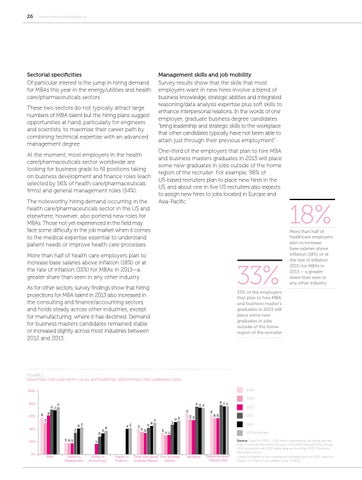
Figure 1: Boosting the link with local authorities: identifying the learning gaps 2008
100%
76 75 74
20%
0%
MBA
58 58
56 55
52 54 47 34 31 31
41 37 35 43 46
51
Master in Management
Master of Accounting †
Master of Finance †
Other specialised Non-business business Masters Masters
2011 2012 2013 projected
17
19 18 18
29
41 43
34 38
42 43 35
40%
2010 64
65
72 71 75 62
59 50
60%
79 77 77
2009 80%
Bachelors
Experienced direct -industry hires
Source: Data for 2008 – 2011 reflect reported actual hiring and are from Corporate Recruiters Surveys from 2009 through 2012. Actual 2012 and projected 2013 hiring data are from the 2013 Corporate Recruiters Survey. † Data for Master of Accounting not available prior to 2010; data for Master of Finance not available prior to 2012.