DEMOCRACY 2.0SHOULD INCLUDE PUERTORICO

BY DR. RICARDO

As America reassesses its values in the wake of the transformative election of President Donald Trump, the message from the right remains the same: the protection of long-held sacred values, like a vision of a Christian nation and protection from undue and unwelcome government interference in things like guns and taxes.
From the left, the message is more severe — one of protecting democracy itself.
OURVISION
The Trump administration is operating under a perceived mandate to radically reform how the government serves its citizens. The focus has been on reducing the reach of government interference in business and the accumulation of personal wealth, while directing its justice department to weaken its ideological enemies and expel immigrants by the millions. The left sees in these actions a threat to the basic functioning of the country, with Trump’s brazen boasts of being a dictator and the cavalier attempts at undermining faith in the voting process.


JUNE 20, 2030
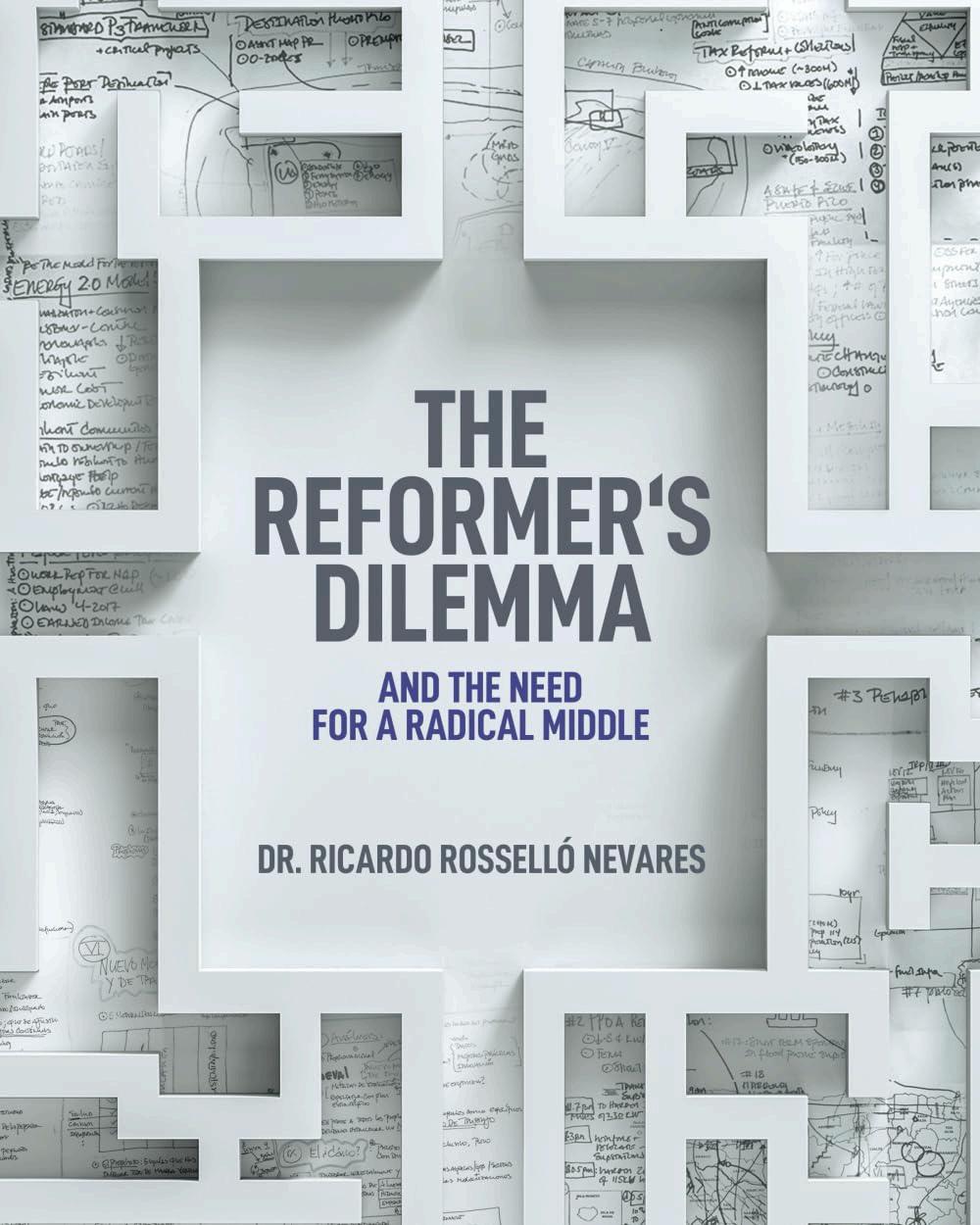
Let’s review what the left claims to be at stake with Trump’s presidency. As I outline in my book, The Reformer’s Dilemma, the U.S. practices a distinct and modern form of democracy. We allow people to elect leaders for set terms, during which they govern without constant public input very much unlike early democracies, which valued voices on every issue and decision.
We’re also one of the first democracies to welcome participation from every race, creed, color, or gender. If you’re a citizen, you vote, and citizenship is welcome to all.
I call this Democracy 2.0. This current version of democracy (not without huge challenges, as I address in my book in Democracy 3.0), the question I pose is: how do the people retain an adequate amount of power in this new version?
Within this form of democracy, there are differing opinions on who should hold the fundamental right to vote. 78 percent of Democrats feel voting is a fundamental right of all citizens, while 67 percent of Republicans see it as “a privilege with limited responsibilities.”

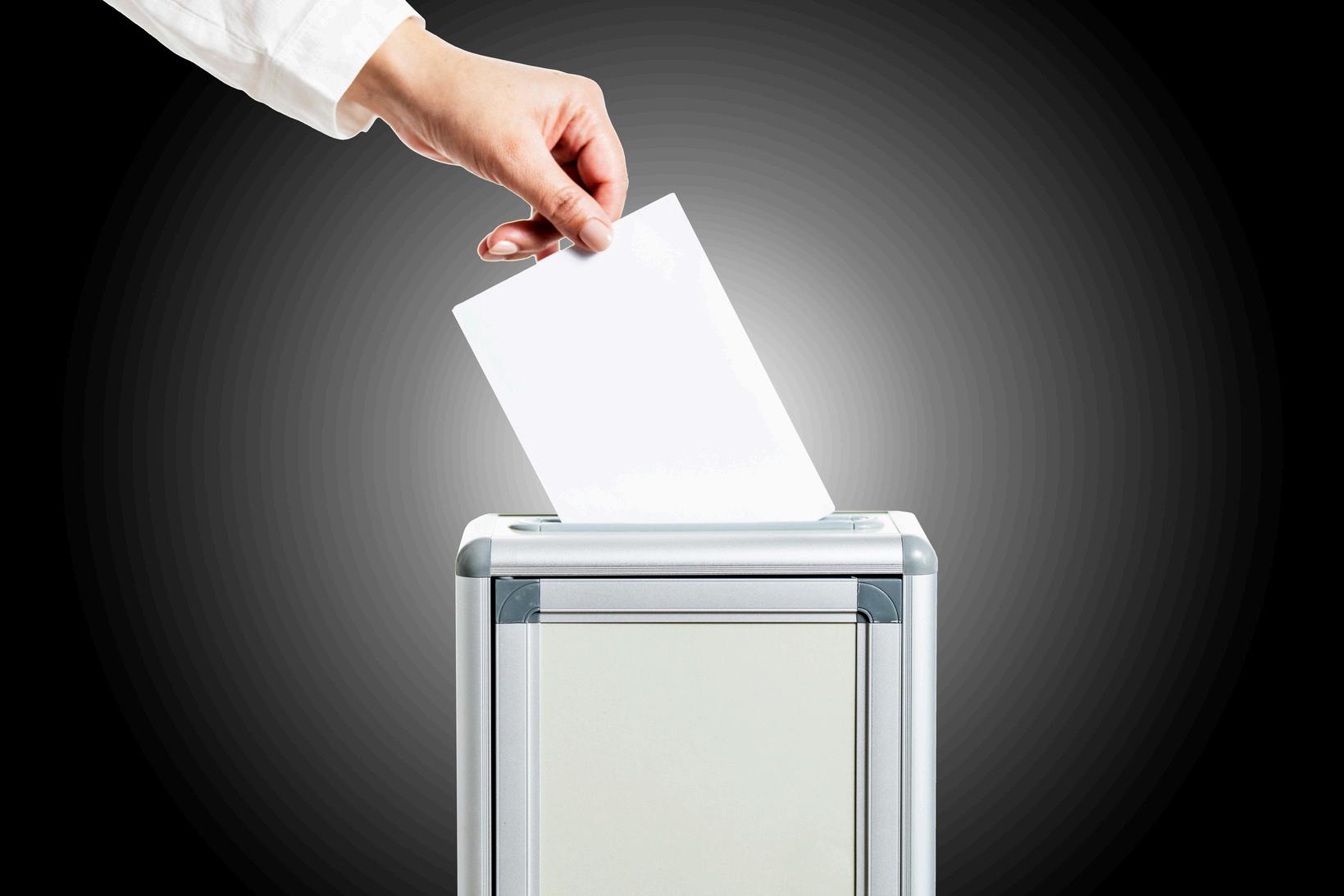

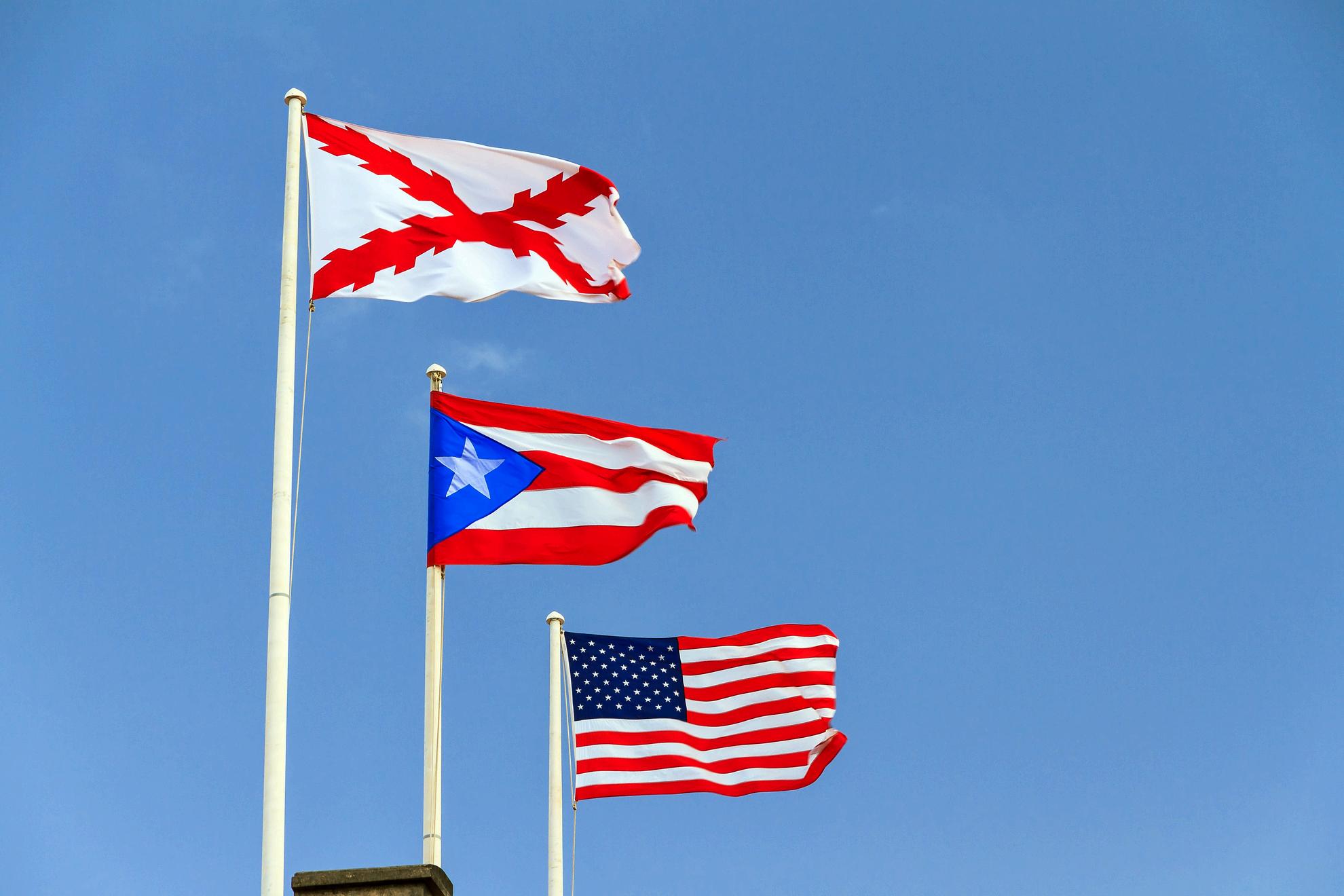
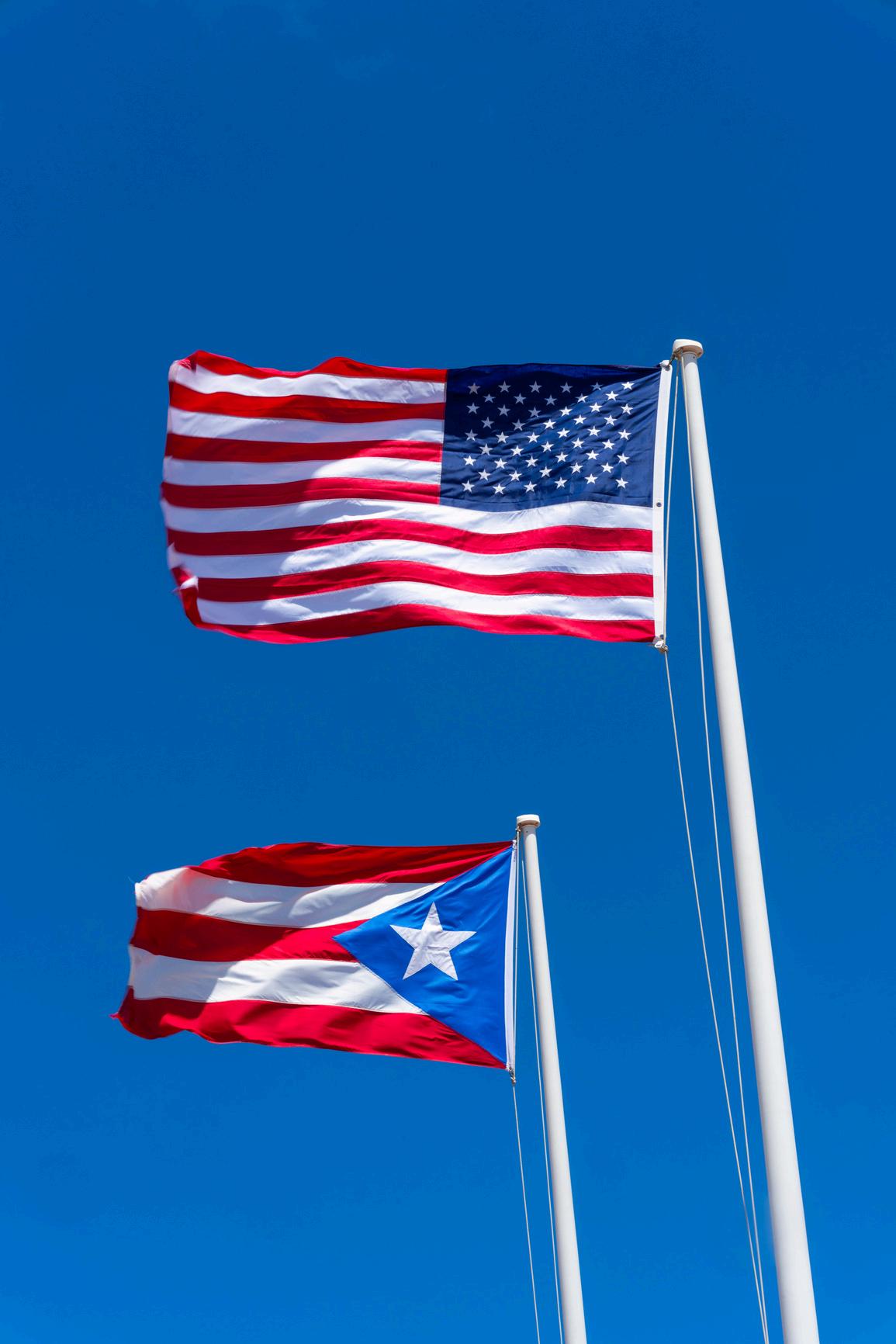
This view of voting as a ‘privilege’ has undoubtedly affected the ongoing status of Puerto Rico as a colonial territory, not a state with federal voting rights. My father, former Governor Pedro Rossello, claimed that Puerto Rico was “the unfinished business of American democracy.”
When I met with President Trump in the White House during recovery efforts for Hurricane Maria, I brought up and advocated for Puerto Rico’s desire to gain statehood. The President’s casual, almost joking response was that he’d be giving the Democrats two more Senators. This has long been the ‘casual, joking’ response from Republican politicians — it’s simple enough, and it’s been enough to kill the issue for generations. A few weeks ago, he brought back the issue of Puerto Rico statehood as a threat, while advocating to eliminate the Filibuster.
This view of only extending the vote to people who you know will vote your way is a toxic view of democracy that prevents society from evolving to fit the needs of all of its citizens. Puerto Rico deserves voting rights in US elections. We’ve deserved it since we became U.S. citizens in 1918. We still deserve it. It’s long past time that our country’s leaders listened to our concerns in a meaningful way a way in which they can be held accountable.