Everyday purchases also squeezed consumers. Coffee prices surged 14.8 percent annually, beef and veal jumped 11.3 percent, and tomatoes rose 3.3 percent in July alone due to new trade taxes on Mexican imports. These increases directly affected household budgets and fueled consumer unease. Producer Prices: Tariffs Tighten the Squeeze
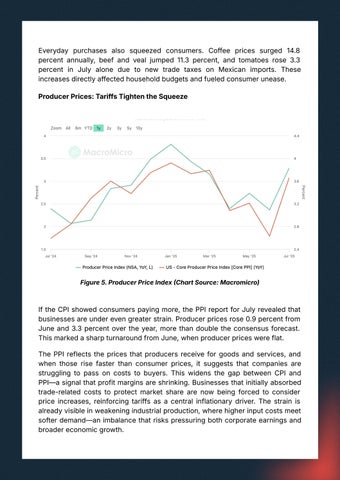
Figure 5. Producer Price Index Chart Source: Macromicro)
If the CPI showed consumers paying more, the PPI report for July revealed that businesses are under even greater strain. Producer prices rose 0.9 percent from June and 3.3 percent over the year, more than double the consensus forecast. This marked a sharp turnaround from June, when producer prices were flat. The PPI reflects the prices that producers receive for goods and services, and when those rise faster than consumer prices, it suggests that companies are struggling to pass on costs to buyers. This widens the gap between CPI and PPI—a signal that profit margins are shrinking. Businesses that initially absorbed trade-related costs to protect market share are now being forced to consider price increases, reinforcing tariffs as a central inflationary driver. The strain is already visible in weakening industrial production, where higher input costs meet softer demand—an imbalance that risks pressuring both corporate earnings and broader economic growth.