Halifax
2025 OFFICIAL VISITOR GUIDE


A NOTE FROM MAYOR ANDY FILLMORE
As mayor of the Halifax Regional Municipality, I am delighted to extend our warmest welcome! Halifax is a place of unparalleled beauty and cultural richness. From the bustling energy of our downtowns to the stillness and peace of our shorelines, there is something here for everyone to discover and enjoy.
Halifax offers visitors historic charm and experiences that are both authentic and unforgettable. As you explore our region, we hope you find the wonder, heritage, and vibrancy that make Halifax a truly special place. May your visit be filled with memorable moments, and may the essence of Halifax stay with you long after you depart.

DISCOVER HALIFAX
Since 2002, Discover Halifax’s goal has been to promote HRM as a destination of choice for leisure and business travellers. We are a non-profit, aiming to maximize economic and social benefits resulting from the tourism industry for the benefit of the people who live, visit, and invest in our region. We showcase the best of our region to the world and, alongside our industry partners, seek to shape the future of tourism through good planning, investment, and design.
Discover Halifax is committed to preserving and protecting the environment as an integral part of our mission to promote tourism and enhance the quality of life in our community. We recognize our operations impact the environment, and we continually evaluate and improve our environmental practices to ensure Halifax remains a destination known for its beauty, and sustainability. Our goal is to foster a deeper appreciation for Halifax’s natural and cultural assets while minimizing negative impacts.
As you discover the region, we encourage you to do what you can to leave no trace, or better yet, leave the place better than you found it. When you are finished with this guide, please recycle it, or pass it along to someone else.
About THIS GUIDE
The official Halifax Visitor Guide is produced by Discover Halifax. Every effort has been made to make this publication as accurate as possible. Discover Halifax will assume no responsibility for errors, changes, or omissions. The information found in this guide has been produced with the help of numerous local partners, including AllTrails, Build Nova Scotia, Canada’s National Observer, Climate Story Network, Downtown Dartmouth Business Commission, Downtown Halifax Business Commission, Halifax Citadel National Historic Site, Halifax Partnership, Halifax Pride, Halifax Public Gardens, Halifax Regional Municipality, Halifax Trails, HCi3 Fund, North End Business Association, Nova Scotia Nature Trust, NSITE’N, Parks Canada, Shubenacadie Canal Commission, Tourism Nova Scotia, and more.
KEEP IN MIND
Life can be unpredictable. We encourage you to call ahead or check online before visiting any business listed in our guide to ensure they are open and accepting visitors.
Created BY LOCALS
Viviana Varela EDITOR IN CHIEF
Lyndsay Belair SR. GRAPHIC DESIGNER
Cover Image - Halifax Waterfront by Riaz Oozeer
SPECIAL THANKS TO Holly Chessman, Maggie Duffy, Mallori Inzinga, Adriana Santiago, Katie Conklin, Thomas Scott, Jenna Rideout, Stacey Mungur, Adam Reid, Brad Dykema, Jessica Emin, Sahil Kumar, and Wesley Petite, with primary photography by Riaz Oozeer.
Discover MORE
Explore more publications by Discover Halifax, including regional maps, an urban walking map, and the Halifax Kids’ Guide. discoverhalifaxns.com/plan
CONNECT WITH US


Welcome to HALIFAX
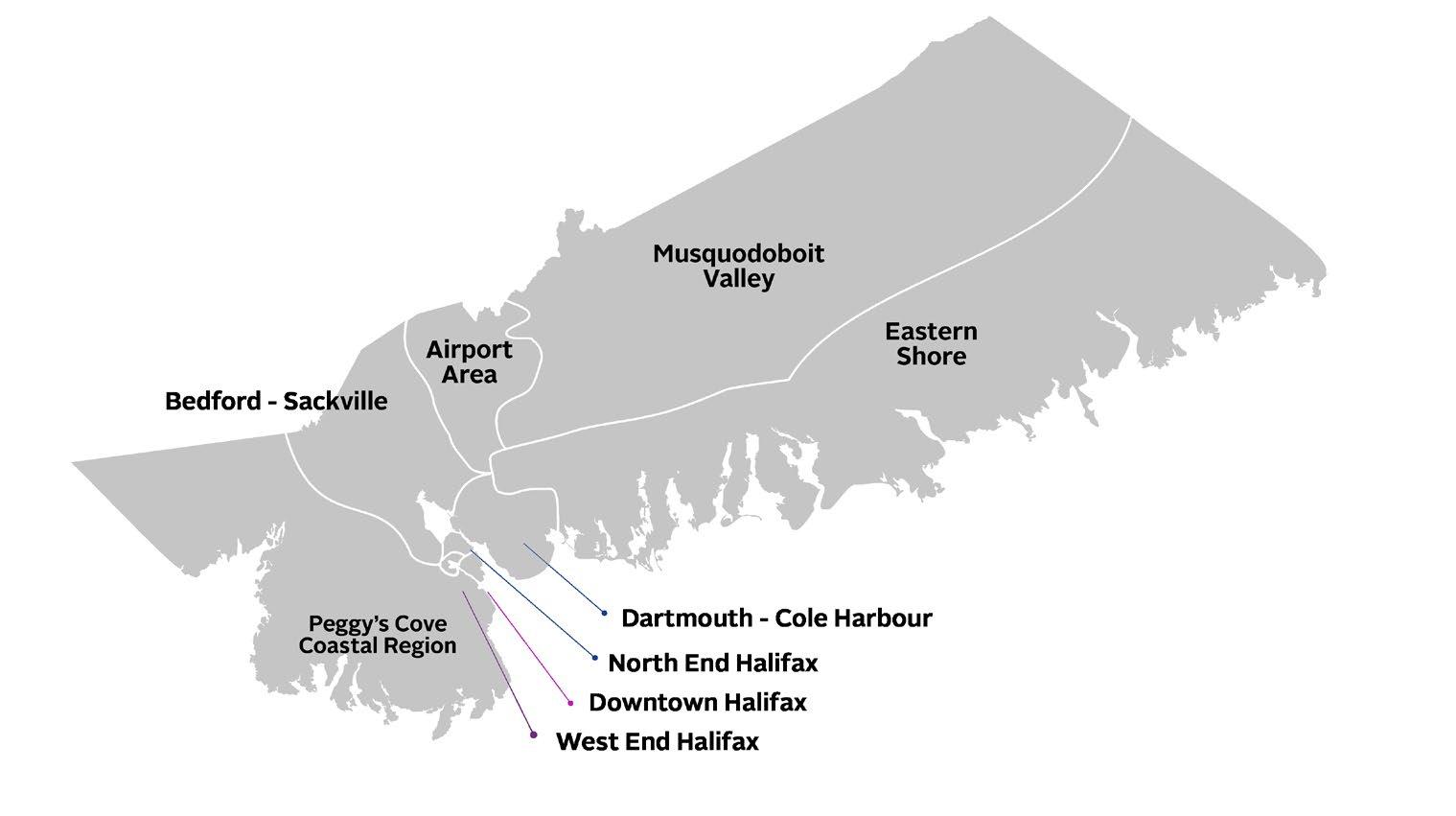
Halifax is the capital city of Nova Scotia, located on the east coast of Canada on the Atlantic Ocean. The region is known formally as the Halifax Regional Municipality (HRM) and is made up of more than 200 communities across nine unique regions. Influenced by the land, sea, history, and people, Halifax has a distinct character and charm you won’t find anywhere else.
From Hubbards to Ecum Secum—and every community in between—the Halifax region is diverse, bold, beautiful, and home to some of the friendliest people in the world. No matter who you are or where you are coming from, Halifax welcomes you.
Bedford-Sackville (51)
Musquodoboit Valley (52) West End Halifax (53)
Dartmouth-Cole Harbour (54)
Downtown Halifax (58)
North End Halifax (62)
(66)
Halifax Harbour



everynight

Indigenous Impact
Land ACKNOWLEDGEMENT
Halifax is located on Mi’kmaw territory, the ancestral and unceded territory of the Mi’kmaq people. The people of the Mi’kmaw Nation have lived on this territory for millennia, and we acknowledge them as the past, present, and future caretakers of this land.
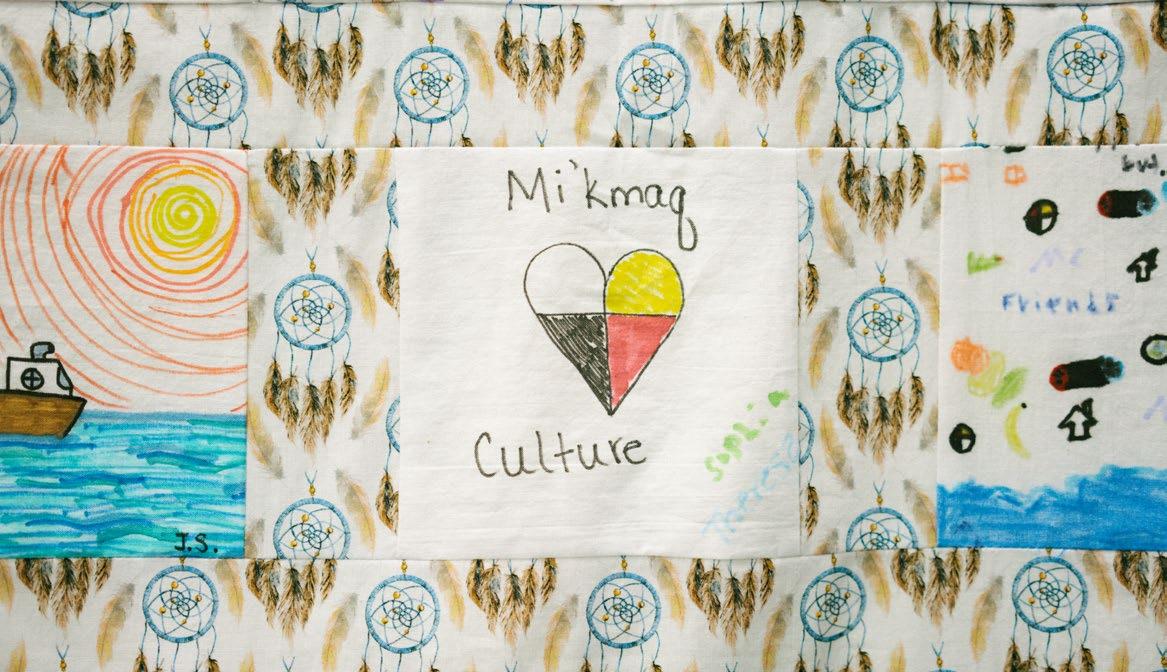

The Mi’kmaq (meeg-maw) are the Indigenous people of Mi’kma’ki (meeg-maw-gi), an expansive region covering Nova Scotia, New Brunswick, Prince Edward Island, Newfoundland, parts of the Gaspé Peninsula in Québec, and Maine.
Archaeological findings have revealed evidence of Mi’kmaw presence in and around Mi’kma’ki for over 10,000 years. The Mi’kmaq people possess a rich cultural heritage and a profound spiritual connection to the land, maintaining sophisticated knowledge of Mi’kma’ki, including its animals, habitats, weather,
tides, seasons, cycles, landscapes, and seascapes. This knowledge is encapsulated in the language and oral history passed down through generations.
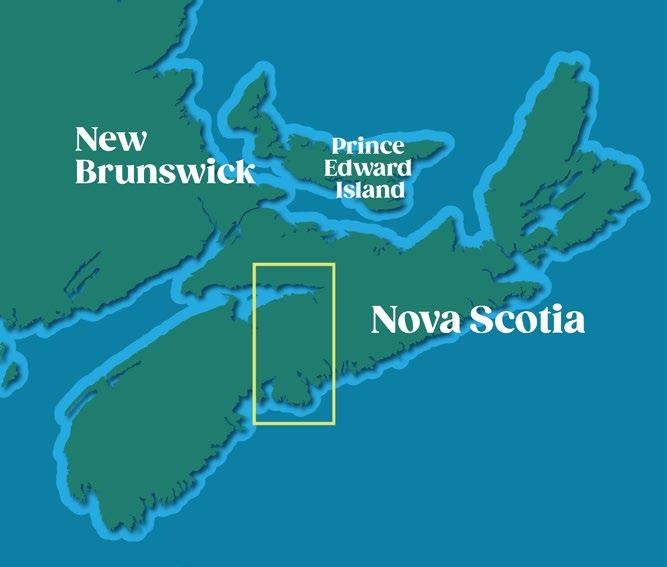
Parks Canada collaborated closely with the Mi’kmaq and other local groups to craft a map that not only highlights the landscape but also preserves its cultural significance by translating important place names. These names represent hunting grounds, landmarks, fishing spots, and natural elements significant to the Mi’kmaq, demonstrating their deep connection to the environment.
MAP PROVIDED BY PARKS CANADA
Chart a Course for Halifax
Whether you’re travelling by land, air, sea, or rail, we’ll help you navigate our airport, public transit, bridges, and ferries.
Getting to Halifax
BY AIR
Vancouver, BC to Halifax 6 hours
Calgary, AB to Halifax 5 hours
Edmonton, AB to Halifax 4.5 hours
Winnipeg, MB to Halifax 4 hours
Kitchener-Waterloo, ON to Halifax 2.5 hours
Goose Bay, NL to Halifax 2 hours
Ottawa, ON to Halifax 2 hours
Toronto, ON to Halifax 2 hours
St. John’s, NL to Halifax 2 hours
Gander, NL to Halifax 2 hours
Deer Lake, NL to Halifax 2 hours
Montréal, QC to Halifax 1.5 hours
Saint John, NB to Halifax 45 minutes
Sydney, NS to Halifax 45 minutes
Non-Stop US flights include Boston, New York (Newark and LaGuardia), Philadelphia, Washington DC, Chicago, Orlando, Tampa, and Fort Lauderdale.
BY CAR
St. John’s, NL to Halifax 22 hours*
Sydney, NS to Halifax 4.5 hours
Saint John, NB to Halifax 4 hours
Charlottetown, PE to Halifax 3.5 hours
Yarmouth, NS to Halifax 3.25 hours
Moncton, NB to Halifax 2.5 hours
*via ferry marineatlantic.ca
BY TRAIN viarail.ca
Québec City, QC to Halifax 20 hours
Montréal, QC to Halifax 22 hours
Moncton, NB to Halifax 4 hours
BY BUS
Maritime Bus provides passenger service across most of the Maritimes and Québec, connecting you to Halifax.
maritimebus.com
THE AIRPORT
Halifax Stanfield International Airport
Halifax Stanfield is Halifax’s award-winning international airport, located approximately 30 minutes from Downtown Halifax. halifaxstanfield.ca
Getting from the Airport to Downtown Halifax
Taxi and airport car services are available curbside at the Arrivals area. To travel from the airport to Downtown Halifax you can expect to pay roughly $65-$95.
Vehicle rentals are located on the lower level of the airport parkade.
Uber ride-sharing is also available from the airport and can be booked using the Uber app.
Turo car sharing is now available from the airport and can be booked using the Turo app.
Halifax Transit offers a limitedstop Regional Express (320) bus connecting Halifax Stanfield International Airport with Downtown Halifax.
Adults/Students: $4.75* Youth/ Seniors: $3.25* Child (0-12): Free
Fares for the airport bus can be purchased with the HFXGO app.
*Note: Exact cash fare is required.
Getting Around
Ferries & Bridges
To cross the Halifax Harbour, you have two options: take the ferry or drive across one of two bridges that span across the Halifax Harbour: the Angus L. Macdonald Bridge (closer to Downtown Halifax) and the A. Murray MacKay Bridge (closer to the Bedford Basin). If you have extra time, you can also opt to drive around through Bedford, but crossing the harbour is the fastest route.
Ferries
Fare: $3.00 one way per adult, $2.25 for seniors (65+) and youth (13-17), children 12 and under ride free. Ask for a free transfer for a limited-time return trip.
Experience 360-degree views of the Halifax Harbour on the harbour ferry. At just $3.00, the 15-minute journey between the Halifax Waterfront and Dartmouth is the most affordable harbour cruise around. It’s an experience you won’t want to miss.
Halifax Transit offers two ferry services: the Alderney Ferry service crosses from Downtown Halifax to Alderney Landing in Downtown Dartmouth, and the Woodside Ferry service crosses from Downtown Halifax to Woodside.
The ferry service is accessible and integrated with the bus service, which means you can use a transfer to board both ferries and buses. Transfers are valid for up to 90 minutes.
Halifax Transit services are free of charge for seniors on Tuesdays from 10 a.m. to 3:30 p.m. and after 6 p.m.
NOTE: The ferry terminal accepts exact change, Halifax Transit tickets, or payment via the HFXGO mobile app. Learn more about the ferry service at halifax.ca/transit
Cyclists & Pedestrians Crossing
There are dedicated sidewalks and bicycle lanes on the Macdonald Bridge. Both lanes are open 24/7 and there is no toll to use them. Learn more about the Halifax Harbour Bridges at hdbc.ca.
Parking
Halifax has pay stations for on-street parking that use a payby-plate, pay-by-zone system. The on-street pay stations allow payment by coin, debit card, credit card, and smartphone. Payment is attached to your vehicle (by your license plate), not the parking space. This means your vehicle can move freely within the parking zone up to the time purchased or the maximum time allowed.





Alderney Ferry to Halifax
PUBLIC TRANSIT Explore the Halifax Region on
If you want to explore the Halifax region without a vehicle, you’re not alone. Many visitors are opting for a more sustainable and affordable way to discover attractions beyond Downtown Halifax.
Get ready to experience some of Halifax’s iconic attractions—without taking the driver’s seat!

The HeartShaped Pond at Hemlock Ravine Park
BUS ROUTE: #2
Discover the serene, over 300-yearold hemlock tree-lined trails of Hemlock Ravine Park in Bedford, and fall in love with the heart-shaped pond, home to a lively community of ducks.
How to get there: Take bus #2 from Scotia Square to Lacewood, then transfer to bus #30A. Get off at Kearney Lake Road, just after Broadholme Lane.
Duration: It takes approximately 75 minutes to get from Downtown Halifax to Hemlock Ravine Park.

Lower Water Street
Hemlock Ravine Park
Fisherman’s Cove and MacCormacks Beach Provincial Park
BUS ROUTE: #6B OR 6C
*Seasonal
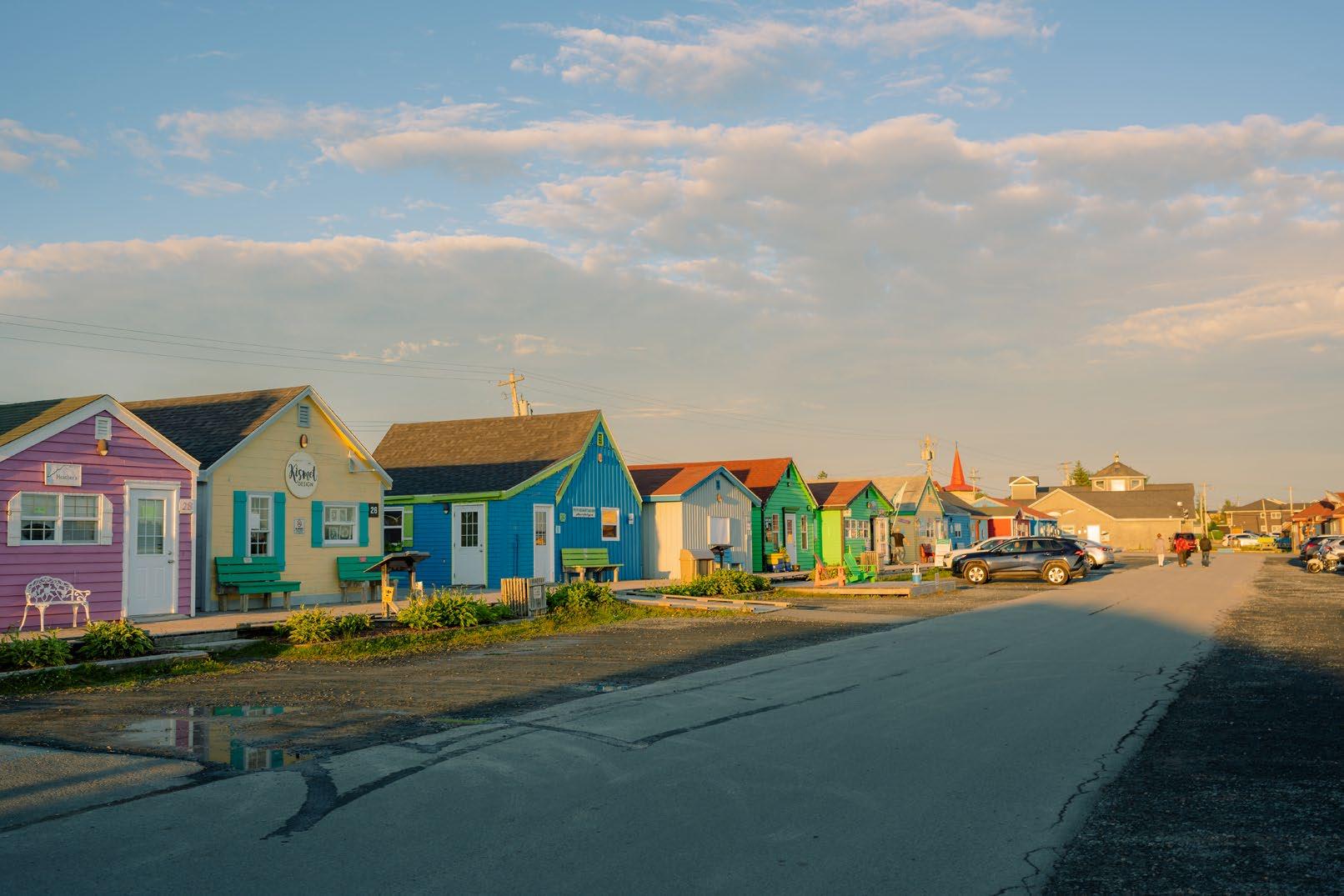
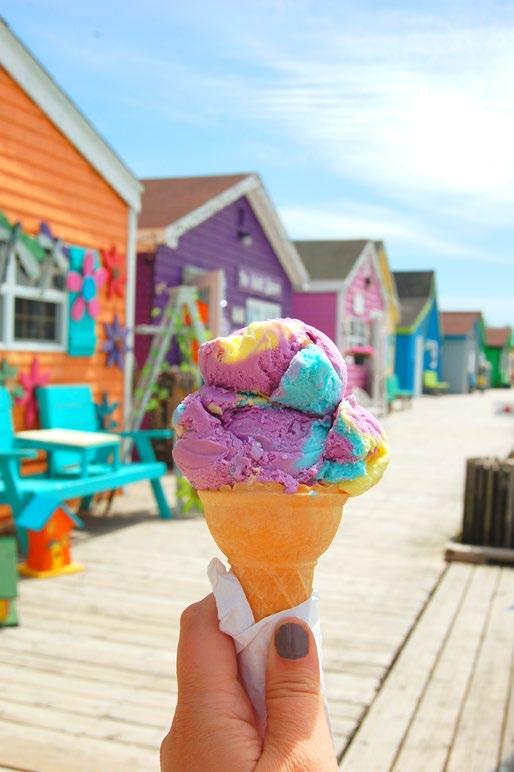
Explore the brightly coloured shops, local art, and eateries in the over 200-year-old working fishing village of Fisherman’s Cove. Just steps away, you can enjoy MacCormacks Beach Provincial Park and take in panoramic views of Halifax’s harbour.
How to get there: From Downtown Halifax, take the Alderney Ferry to Dartmouth, then hop on the 6B or 6C bus. Get off at Main Road at Civic 1491 (stop 7497). For your return trip to Dartmouth or Downtown Halifax, catch the bus at Main Road, just past Silvers Lane (stop 7463).
Duration: From Downtown Dartmouth, it only takes 27 minutes to get to Fisherman’s Cove.
Local Tip
Treat yourself to a delicious bite or drink at Coffee, Tea & Sea in Fisherman’s Cove, offering a varied menu of soups, sandwiches, and even a taste of Indonesian cuisine. The boardwalk is the perfect spot to relax while enjoying an ice cream from What’s the Scoop and soaking in the picturesque views.
York Redoubt National Historic Site and the Herring Cove Look-Off
BUS ROUTE: #415
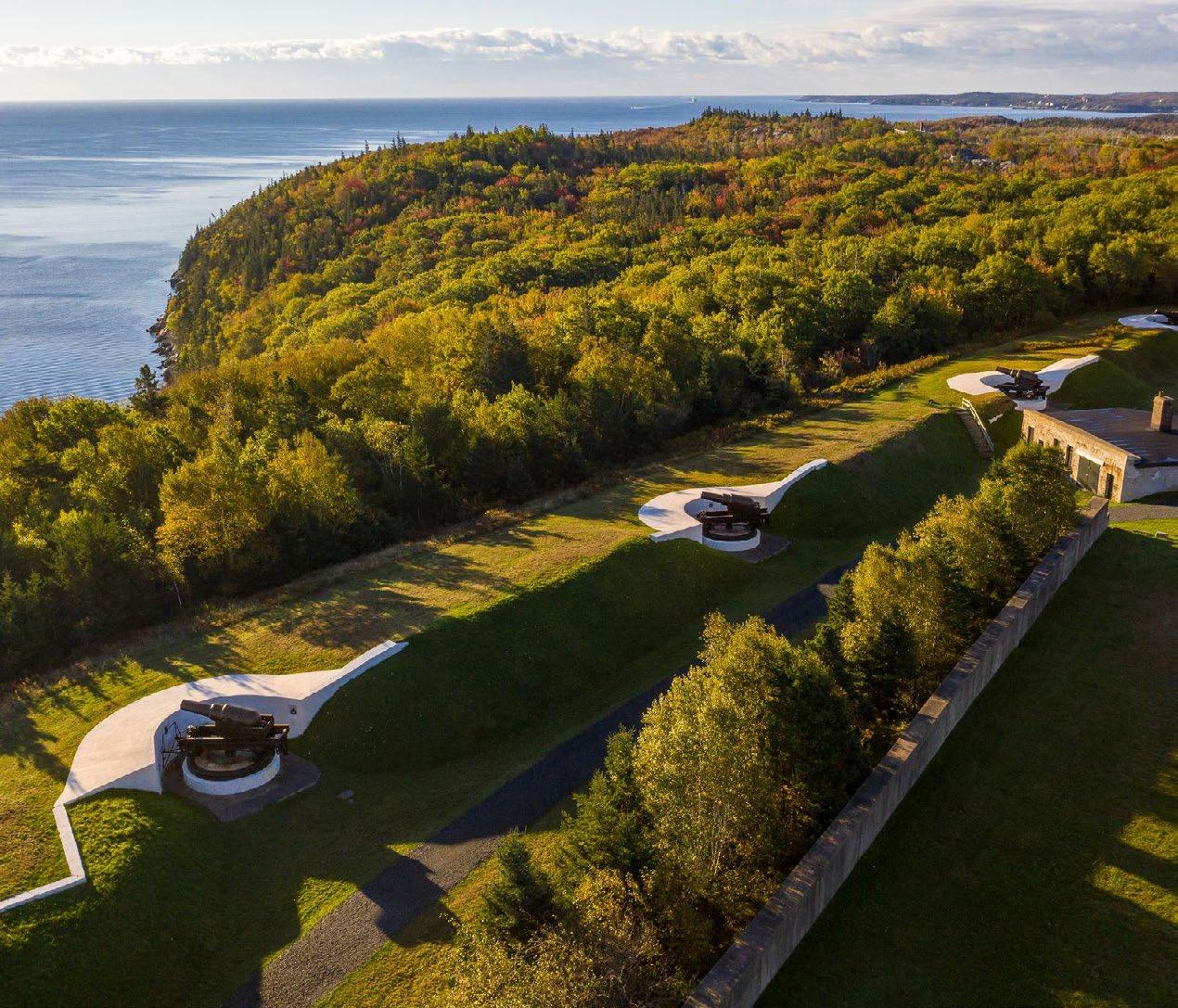
Constructed in 1793, this historic site has played a crucial role in protecting Halifax through three centuries of Canadian history. Perched on the edge of a bluff overlooking the entrance to the Halifax Harbour, it offers a perfect escape without venturing far from the city.
How to get there: Catch bus #1, #2, or #9A/B from Scotia Square in Downtown Halifax to Mumford Terminal, then transfer to bus #415. Ride bus #415 to the York Redoubt turning loop, where the bus turns around in the parking lot.
Duration: It takes approximately 60 to 70 minutes to get from Downtown Halifax to the York Redoubt National Historic Site.
Note: Bus #415 operates only eight times a day, with no service on Saturdays, Sundays, or holidays. The last bus returning from the York Redoubt departs at 6:08 PM.
Fisherman’s Cove
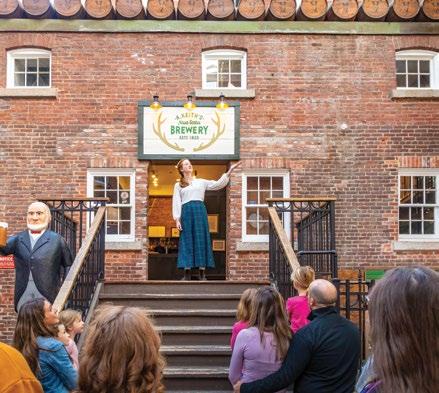
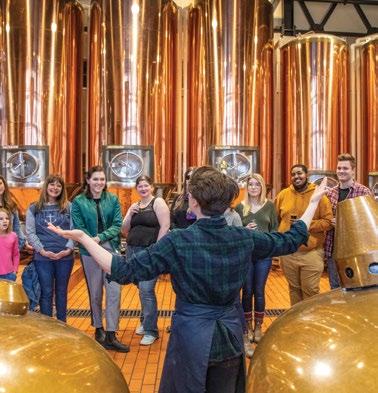
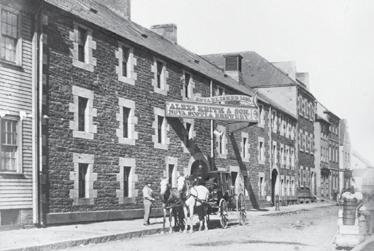
ALEXANDER KEITH’S BREWERY TOUR




Local Tip
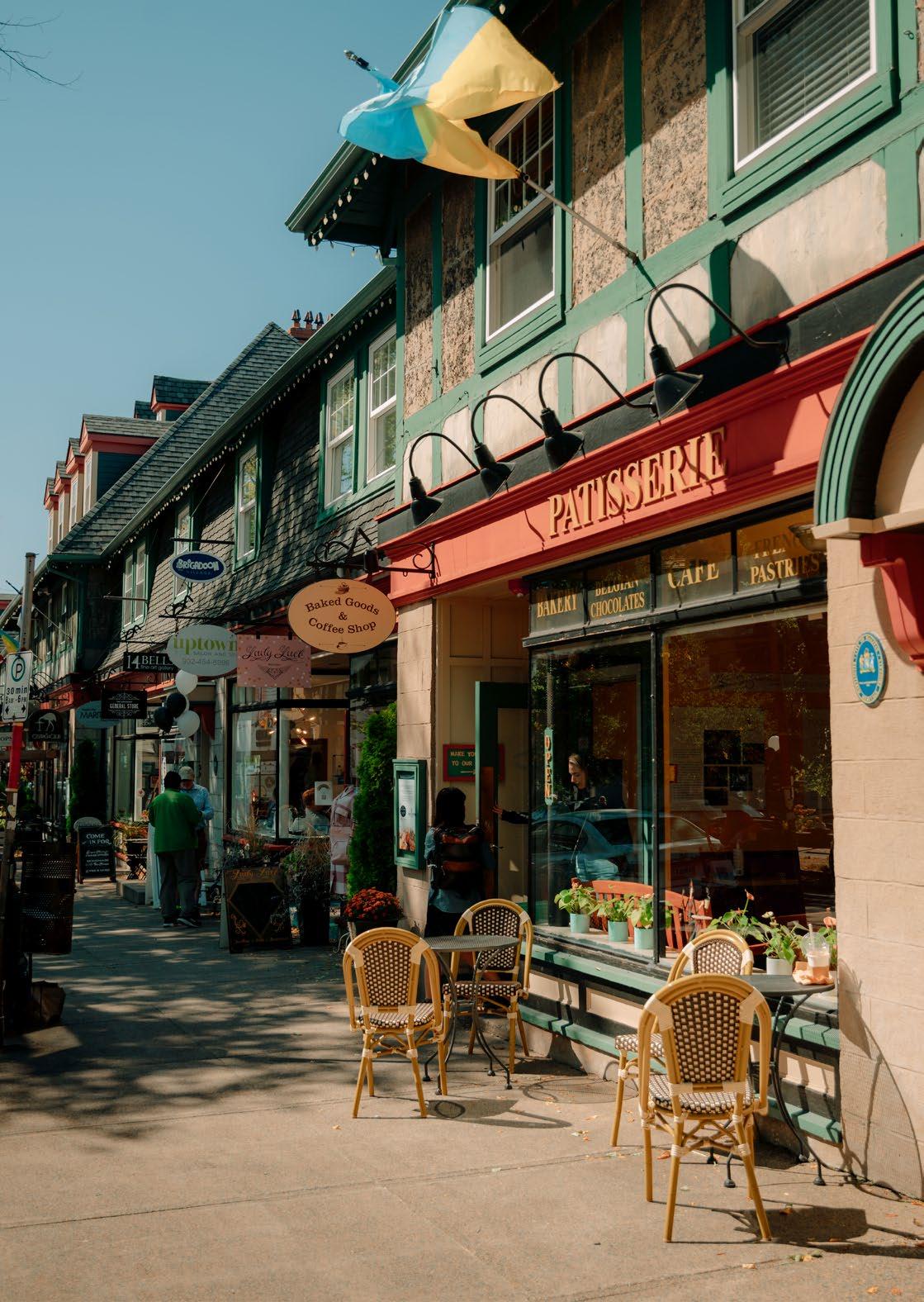
Experience Salvatore’s Pizzaiolo Trattoria , located in the Hydrostone Market area. Try their famous clam pie marinato, a thincrust pizza topped with baby clams, or savour the vegan original, a dairy-free creation made with vegan ricotta and parmesan. Afterward, explore Made in the Maritimes, a boutique offering contemporary and
products that showcase
Hydrostone Market
BUS ROUTE: #7B
The Hydrostone Market, located at the north end of the Halifax peninsula, is a charming shopping district known for its European-inspired architecture. It features a variety of boutiques, cafés, and artisan shops, creating a cozy atmosphere for shopping and dining. Built after the 1917 Halifax Explosion, the market holds significant historical importance in the city’s reconstruction.
How to get there: Take bus #7B from Scotia Square and get off at the bus stop on Novalea Drive, just after Young Street.
Duration: It takes approximately 15 minutes to get from Downtown Halifax to the Hydrostone Market.
Hydrostone Market
Sir Sandford Fleming Park and The Dingle Tower
BUS ROUTE: #25
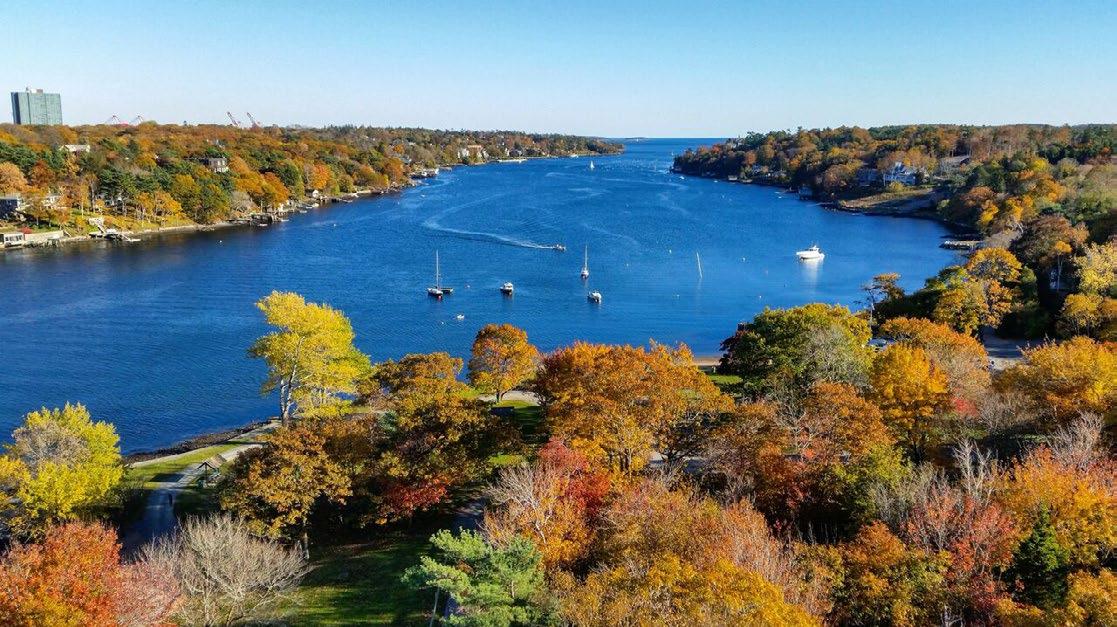
Stroll along the tree-lined seaside paths of Sir Sandford Fleming Park and climb the Dingle Tower for breathtaking views of the Northwest Arm. The park also features an eco-friendly playground, a sandy beach, and plenty of picnic tables for a perfect outing.
How to get there: From Downtown Halifax, take bus #1, #2, or #9A/B and transfer at Mumford Terminal to bus #25. Get off at Purcells Cove Road, just after Colindale Street, and enjoy an eight-minute walk to Sir Sandford Fleming Park down the narrow Dingle Road.
Duration: It takes approximately 70 minutes to get from Downtown Halifax to Sir Sandford Fleming Park.


Local Tip
Just an eight-minute walk from the historic Fairview Lawn Cemetery, you’ll find Kempster’s Cookhouse, a cozy spot for breakfast enthusiasts. Select from their tempting all-day breakfast options or explore their delicious sandwiches and pasta dishes. It’s the perfect place to refuel after a day of sightseeing.
Fairview Lawn Cemetery
BUS ROUTE: #29
Fairview Lawn Cemetery, located in the west end of Halifax, is best known as the final resting place for 121 victims of the Titanic disaster. The cemetery features simple headstones arranged in a layout resembling a ship’s prow, with many victims remaining unidentified. If you are interested in the Titanic’s legacy and Halifax’s role in the tragedy, it’s well worth a visit.
How to get there: Catch bus #29 at the Water Street Terminal and get off at the Windsor Street stop before Connaught Avenue.
Duration: It takes approximately 25 minutes to get from Downtown Halifax to the Fairview Lawn Cemetery. ■
Fairview Lawn Cemetery
Dingle Tower
Northwest Arm
Halifax WATERFRONT HIGHLIGHTS
The Halifax Waterfront will always be at the top of the list of places to love in Halifax. A magnetic pull draws visitors and locals to the heart of the city, where the waterfront buzzes with energy.
TOUR THE HARBOUR
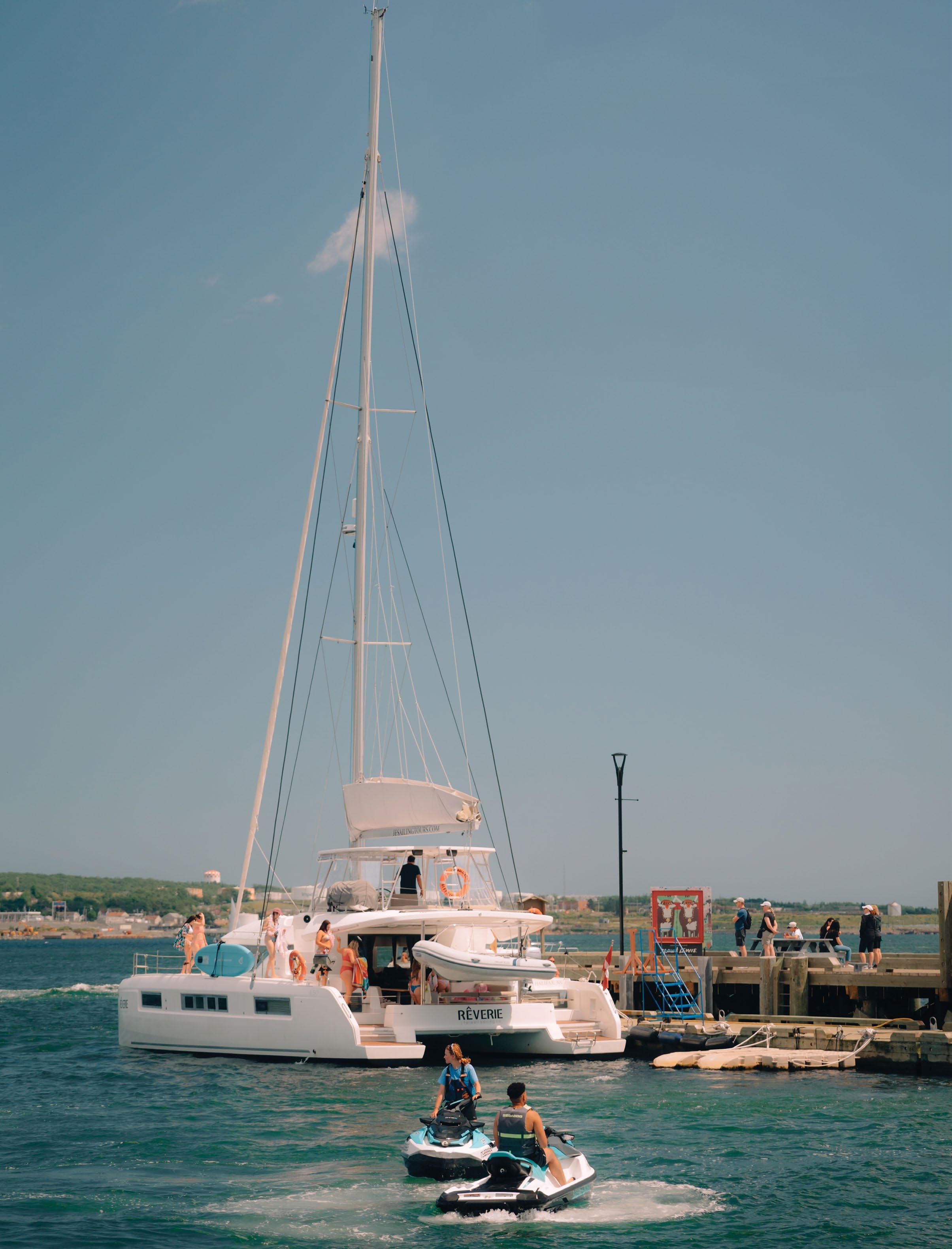
Let an experienced guide show you the Halifax Harbour. Enjoy a range of tours, from culinary cruises to family-friendly fun with Ambassatours, or take a luxury pontoon boat tour with City Harbour Cruises Halifax Harbour Tours offers an all-electric, environmentally friendly tour aboard a 1930s-style harbour launch, while J Farwell Sailing Co. offers curated sailing tours and yacht charters. If you’re in the mood for speed, Sea Halifax offers Halifax’s first jet-boat tour.
CHOOSE YOUR ADVENTURE: SEA-DOO, CYCLE, OR SEGWAY
Try something new with a SeaDoo or kayak rental from Harbour Watercraft Tours & Adventure, or discover the harbour from dry land with a rental from Segway Nova Scotia or I Heart Bikes. All these companies also offer guided tours, so it’s up to you to choose your own.
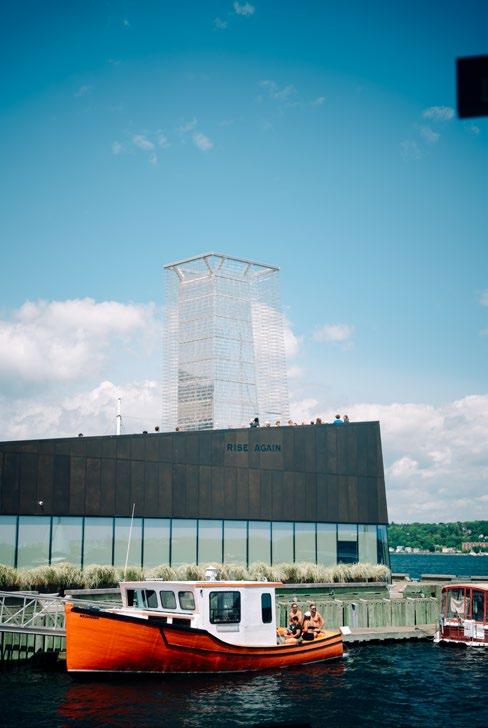
HAVE A DRINK BY THE OCEAN
Cool drinks, sea breezes, live music, and waterfront views. There are plenty of places to find all this and more on the Halifax Waterfront, including The BG (Beer Garden), Salt Yard Social, Cable Wharf Kitchen & Patio, or Garrison Brewing Company
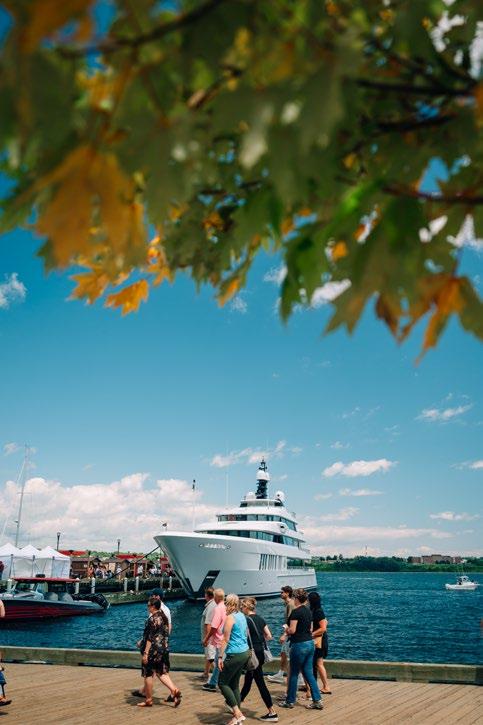
RELAX ON A PATIO
Nothing is better than a bite and a seat on a sunny patio with harbour views. Check out The Bicycle Thief, Stone’s Throw, Sea Smoke, The Lower Deck, Pickford & Black, or Waterfront Warehouse for your oceanside dining fix.
DISTRICTS
HALIFAX SEAPORT DISTRICT
The Halifax Seaport District is a vibrant hub. Spanning Piers 19 to 23, it offers artisans, retailers, cruise terminals, cafés, galleries, a university, North America’s oldest continuously operating farmers’ market, and Pier 21—a museum and National Historic Site.
CUNARD DISTRICT
Cunard is the newest addition to Halifax’s waterfront, offering exceptional dining and shopping. Indulge in Spanish, Italian, and Asian-inspired bites, browse high-end fashion, or unwind with premium spa services—a glossy side of Halifax ready to be discovered.
BISHOP’S LANDING DISTRICT
Bishop’s Landing is an upscale residential and commercial area, home to some of the city’s finest independent shops offering local and international products, as well as some of Halifax’s most iconic restaurants.
Salt Yard
Queen’s Marque Halifax Waterfront
Georges Island National Historic Site
Cunard District
Halifax Seaport District
Peace and Friendship Park

Bishop’s Landing
FARMERS’ MARKETS
Meet the local makers, creators, and farmers at the Halifax Brewery Farmers’ Market and the Halifax Seaport Farmers’ Market.
Barrington St
Hollis St
SALT YARD & FOUNDATION WHARF
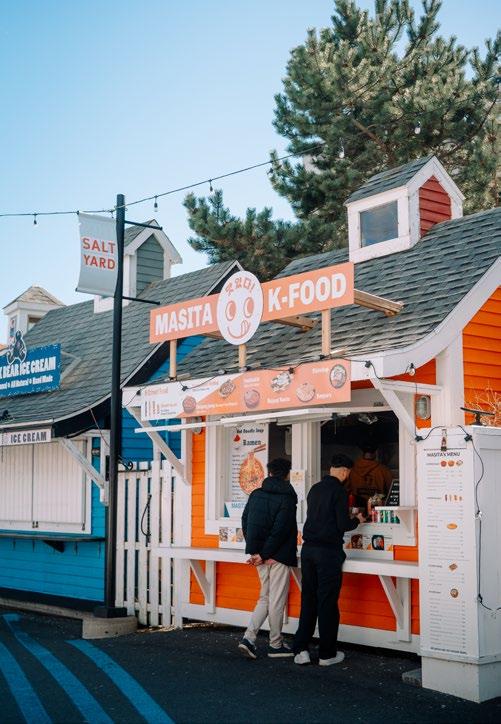
Nestled between Salter and Sackville Streets, Salt Yard is a haven of food and retail kiosks, public art, pop-up events, and live music.
CANADIAN MUSEUM OF IMMIGRATION AT PIER 21
CASINO NOVA SCOTIA
CSS ACADIA
DISCOVERY CENTRE
DRUNKEN LAMPPOSTS
VISIT GEORGES ISLAND NATIONAL HISTORIC SITE
FERRY TERMINAL
HMCS SACKVILLE
MARITIME MUSEUM OF THE ATLANTIC
PUBLIC ART
SUBMARINE PLAYGROUND
THE WAVE
Travel by ferry from the Cable Wharf to explore the small historic island at the centre of the harbour.
FREE PUBLIC WI-FI Across the Halifax Waterfront.
HALIFAX HARBOURWALK
PARKS & GREEN SPACE
PUBLIC WASHROOMS
PARKING
SEASONAL
SHOPPING AREAS
WATERFRONT DISTRICTS
SWING IN A HAMMOCK
The iconic orange hammocks along the Salter boardwalk are the perfect place to sit back, relax, and watch the ships pass by.
DARTMOUTH
MARITIME HERITAGE DISTRICT
The area around the Maritime Museum of the Atlantic is a historic harbour district complete with CSS Acadia and HMCS Sackville vessels docked at the wharf, waiting to be explored.
QUEEN’S MARQUE DISTRICT
This new waterfront district was created with nods to the stories and traditions of Nova Scotia’s past. Savour fresh seafood, sip cocktails refreshed by salt air, and browse specialty shops in the heart of Halifax’s culinary and retail scene.
This content was produced in partnership with Build Nova Scotia.

@buildnovascotia @mywaterfrontns #MyWaterfrontNS
HALIFAX MARINA
Arrive by recreational private boats to the Halifax Waterfront and enjoy free daytime berthage. Overnight rates available. Contact the Halifax Marina for details.
HISTORIC PROPERTIES
This collection of historic warehouses has witnessed centuries of Halifax history, dating back to the late 1700s. Today, Historic Properties is a National Historic Site, featuring unique shops, dining, and entertainment.

NEW EXHIBITION
Opening May 2025
What is Canadian food anyway?
Discover the surprising histories behind popular Canadian dishes in this interactive exhibition and so much more.
Plan your visit today

NOUVELLE EXPOSITION
Dès mai 2025
C’est quoi, de la nourriture

à la
table le goût de l’immigration
« canadienne », de toute façon?
Découvrez les histoires surprenantes qui se cachent derrière certains des plats canadiens les plus populaires, et bien plus encore, dans cette exposition interactive.
Planifiez votre visite aujourd’hui Presented by Présenté par






Hockey Canada Rivalry Series: Team Canada vs Team USA
February 6, 2025
Witness the return of the iconic Rivalry Series between Canada’s national women’s team and the United States in Halifax’s Scotiabank Centre.
One-of-a-Kind Halifax Accommodations
Discover various new and unexpected places to stay, from luxury eco-glamping in geodesic domes to a cozy stay above a distillery in Halifax’s North End.
Live Music & Entertainment at Garrison Grounds
June – September 2025
As the beating heart of Halifax’s outdoor event scene, Garrison Grounds promises a jam-packed lineup of festivals, cultural celebrations, and electrifying concerts.
On-The-Water Adventure Experiences
Spring – Fall 2025
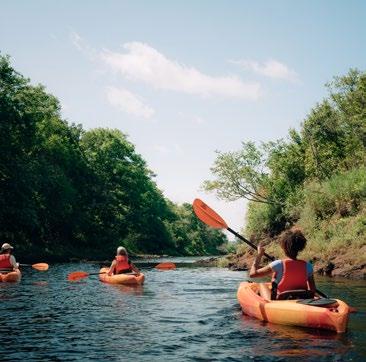
With its vast coastline, lakes, and rivers, the Halifax region is a playground for adventure seekers eager to explore the outdoors in a unique way. With local providers offering a range of thrilling experiences, adventure is always within reach.
Waterfront Cunard District Eateries
The newest addition to the Halifax Waterfront, the Cunard District, is a mustvisit destination. Featuring a curated mix of shopping and six brand-new restaurants— Tribute, Matadora, Crème, Vandal Doughnuts, ASIA, and Water Polo—it’s the perfect spot for epicures to explore.
Feeling the pull of Halifax? Here are 10 reasons to turn that daydream into an unforgettable experience this year. discoverhalifaxns.com/top10




Celebrated Rural Festivals
June – November 2025
Discover the vibrant rural celebrations surrounding Halifax, including the SeaLight SkyLight Festival, Halifax County Exhibition, Nova Scotia Forest Festival, and Peggy’s Cove Area Festival of the Arts.
Halifax Tides FC
April – October 2025
Halifax’s first professional women’s soccer club is set to make history with its inaugural season in the National League, inspiring future generations with top-tier soccer action.
2SLGBTQIA+ Offerings
With the most Rainbow Registered Businesses in Canada, Halifax stands out as a vibrant hub for 2SLGBTQIA+-friendly offerings. Find out why this city is celebrated as a must-visit for 2SLGBTQIA+ travellers and allies.
Canadian Curling Trials for the 2026 Milan Olympics
November 22-30, 2025
The Canadian Curling Trials at Halifax’s Scotiabank Centre will determine the men’s and women’s teams representing Canada at the 2026 Winter Olympics. Enjoy the best of Canadian curling live!

Explore Halifax’s Military Past and Present
June – September 2025
Halifax boasts a rich Maritime legacy, featuring key historic sites like HMCS Sackville and Halifax Citadel National Historic Site, as well as iconic events like the Royal Nova Scotia International Tattoo. Experience Canada’s naval heritage and military evolution firsthand.

halifaxcomedyfest.ca










Clam Harbour Beach Sandcastle Competition















Summer 2025 at Garrison Grounds
A Full Season of Entertainment
As the beating heart of Halifax’s outdoor event scene, Garrison Grounds is poised to deliver an unforgettable summer in 2025. Situated in the core of Downtown Halifax, this iconic venue promises a jam-packed lineup of festivals, cultural celebrations, and electrifying concerts. Set to become the ultimate hub for music, entertainment, and community spirit, it’s no wonder Garrison Grounds ranks among the top 10 reasons to visit Halifax in 2025.
Here’s a sneak peek at some of the vibrant events that will light up Garrison Grounds this summer:


Philippine Fiesta!
June 2025
Experience the rich culture and heritage of the Filipino community at Philippine Fiesta, hosted by the Filipino Cultural Society of Nova Scotia. Delight in lively performances, traditional dances, and authentic
Atlantic Kite Festival
July 2025
Get ready to soar at the Atlantic Kite Festival! Whether you’re an avid flyer or simply love admiring kaleidoscopic skies, this family-friendly event offers something magical for everyone. Dive

Garrison Grounds



Halifax Pride
July 17-27, 2025
Halifax Pride returns to Garrison Grounds with its legendary energy. This year’s festivities include three days of live performances, the iconic parade culminating at the festival site, and various community events. Celebrate love, diversity, and belonging in the heart of Halifax, and show your support for the 2SLGBTQIA+ community at one of the city’s most cherished occasions.

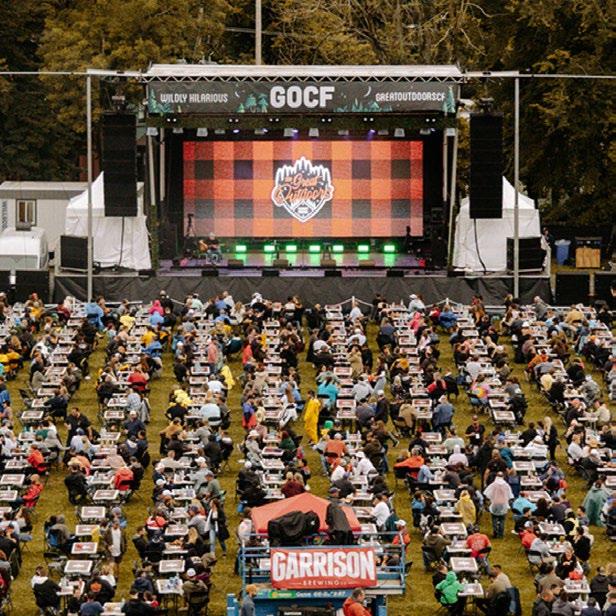
Great Outdoors Comedy Festival
August 7-10, 2025
Laugh under the open sky at the Great Outdoors Comedy Festival! This four-day event brings local gems and heavyweights to the stage for evenings of side-splitting entertainment. With Garrison Grounds’ natural amphitheatre as the perfect backdrop, 2025’s lineup includes big names like John Mulaney, Mike Birbiglia, Jeff Arcuri, Bert Kreischer, Whitney Cummings, Ms. Pat, and more.
More Excitement Awaits!
This stellar lineup is just the beginning! Garrison Grounds will also host additional high-profile concerts and music events throughout the season, featuring some of the industry’s most celebrated artists. Stay tuned for announcements—
summer 2025 is set to be one of the city’s most exciting seasons for music and entertainment.
Whether you’re looking to enjoy cultural festivals, share a laugh with friends, or dance the night away,

Shindig
Festival
September 2025
Wrap up the season at the Shindig Festival, the ultimate summer celebration of music, featuring incredible live performances and a fun, laid-back atmosphere. Known for its eclectic lineup of world-renowned headliners and immersive festival experience, Shindig is a must-attend event for music lovers and anyone eager to turn up the volume and savour the final moments of summer.
Garrison Grounds offers the perfect backdrop for your summer adventures. Don’t miss your chance to be part of Halifax’s most significant celebrations— mark your calendars and let the summer magic begin!
Uncover Halifax’s One-of-a-Kind Adventures

Heli-Picnic Island Escape to Sambro Island
Downtown Halifax to Peggy’s Cove Coastal Region visionairhelicopters.ca
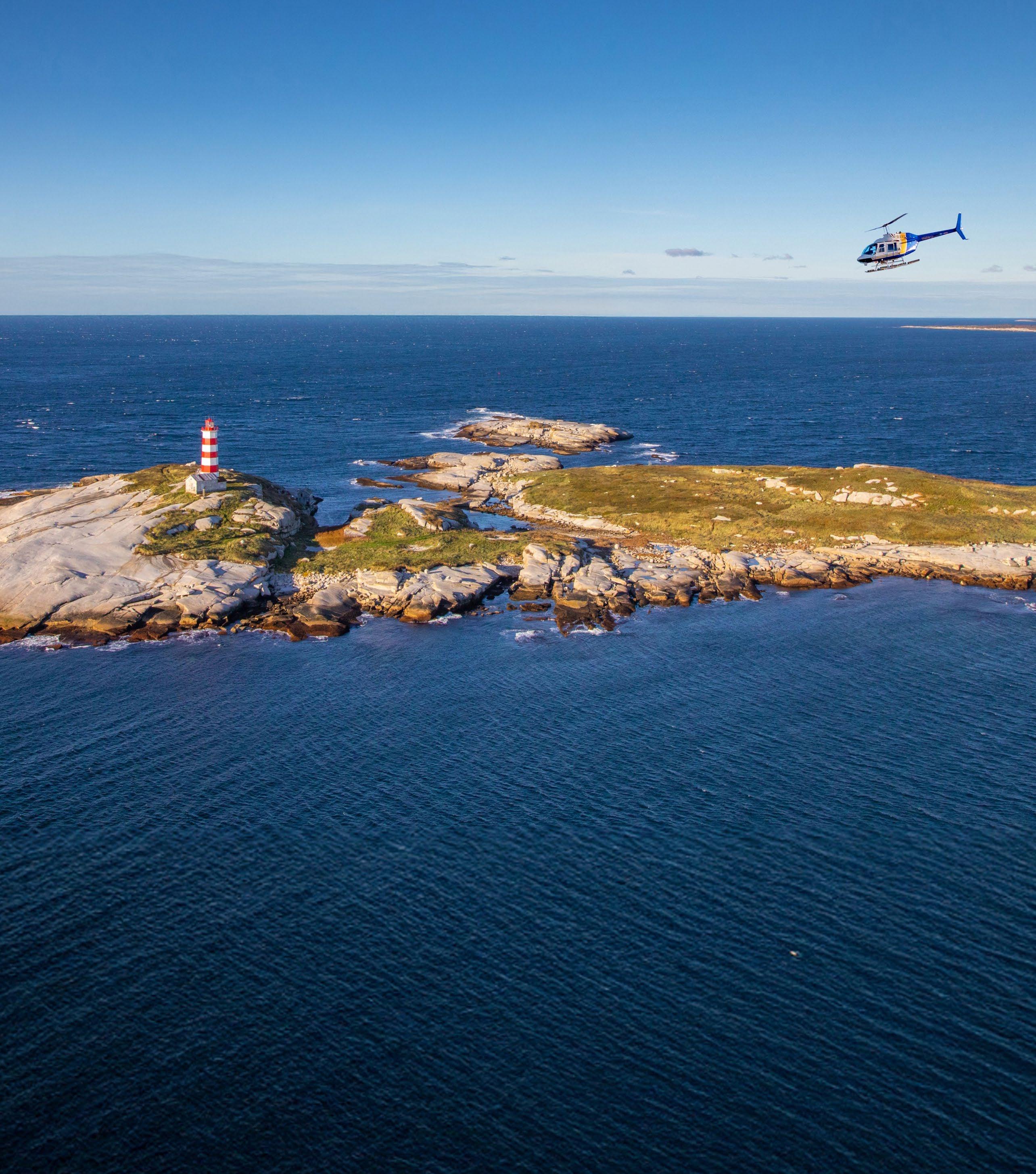
Lift off from the Halifax Harbour for a HeliPicnic Island Escape with Vision Air Services, combining stunning aerial views with a curated culinary experience on Sambro Island. As you soar over Nova Scotia’s rugged coastline, see white granite cliffs and sapphire waters below.
Touching down on Sambro Island—home to North America’s oldest operating lighthouse, which has been in place since 1760—you’ll have time to explore hidden coves before indulging in a gourmet picnic including local meats, artisanal cheeses, and handpicked wines.
This exclusive adventure offers the chance to spot seals basking on rocks and seabirds soaring above, making it a perfect blend of exploration and wild feasting.

Sambro Island
Atlantic Ocean

Bison Tour
Musquodoboit Valley lindsaylakefarms.com
The Bison Tour at Lindsay Lake Farms connects you to the agricultural life of Nova Scotia’s Musquodoboit Valley. A majestic bison herd roams across 50 acres of open fields and forests on the farm, providing a stunning backdrop. Visitors can enjoy the picturesque landscape, with its rolling hills, serene lakes, and diverse forests—a perfect setting for a memorable outing. After a guided vehicle tour, you can explore independently with a self-paced observation of the bison.


Full Moon Kayaking
Peggy’s Cove Region eastcoastoutfitters.com
Indulge in the magic of paddling under the full moon’s enchanting glow with East Coast Outfitters. Led by skilled instructors, you’ll embark on a scenic tour along the coastline, where the moonlight casts a shimmering glow over the water, highlighting Halifax’s breathtaking landscapes.
For those who wish to extend their stay, accommodation at the lodge offers breathtaking views of the valley, allowing you to take your time to wallow in the region’s beauty.

Shark Diving with Atlantic Shark Expeditions
Peggy’s Cove Region atlanticsharkexp.com
The tour welcomes beginners and experienced paddlers, with knowledgeable guides sharing insights into local ecology and history. The soothing sounds of water and a gentle night breeze create a tranquil atmosphere, blending beauty and serenity into a truly immersive experience.
Drop into the thrill of a lifetime with a shark diving experience from Atlantic Shark Expeditions, designed for those who crave excitement and have a passion for marine life.
Observe a variety of shark species—Blue Sharks, Great Whites, and Makos—either from the boat’s safety or face-to-face underwater in a specialized shark cage.
Blending excitement with education, the experience includes onboard marine biologists who share fascinating insights into shark biology and behaviour. As citizen scientists, you’ll contribute to ongoing shark research, making this thrilling encounter more than an adventure.
Clam Digging
Eastern Shore visitmemorylane.ca
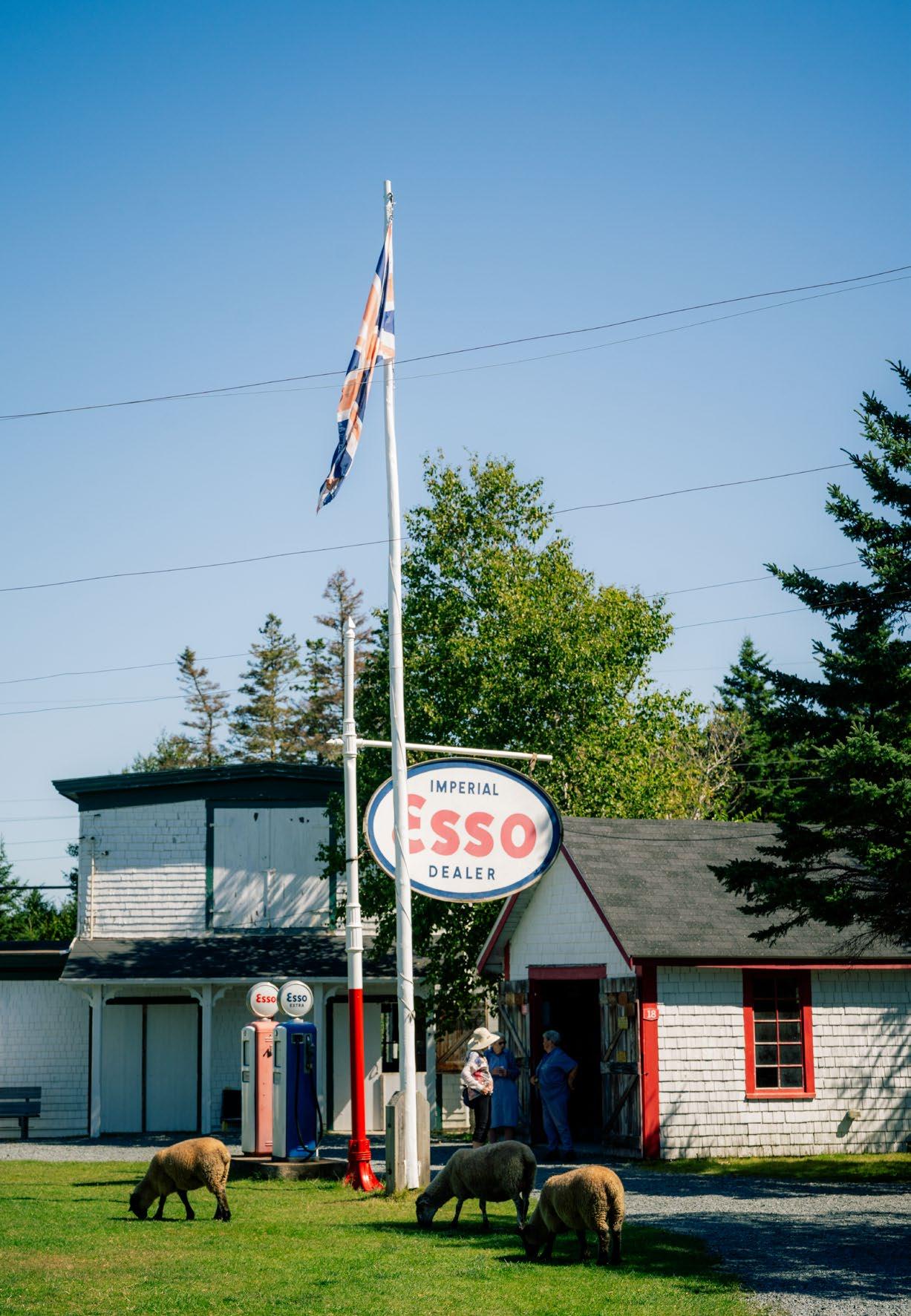
The Clam Digging Adventure at Clam Harbour, hosted by Memory Lane Heritage Village, explores the natural beauty of Nova Scotia’s coastline. This hands-on activity invites you to dig for clams along sandy shores, guided by locals who share expert tips for a successful harvest.
Feel the excitement of the search as you learn sustainable harvesting techniques and discover the ecological role of clamming. The stunning setting and camaraderie among fellow diggers make for a day filled with fresh air and laughter.
From savouring your clam finds to unwinding at Memory Lane, where free-roaming farm animals—including the ever-popular kittens—wander the grounds, this adventure offers the perfect blend of nature, fun, and coastal charm.
Halifax Ghost Walk
Downtown Halifax dustykeleher.com/the-halifax-ghost-walk
Dare to dive into a spooky and thrilling journey of history and the supernatural. The Halifax Ghost Walk takes you through the city’s historic streets, filled with captivating tales of ghosts, pirates, and hauntings.

Guided by charismatic folk singer and songwriter Dusty Keleher, this one hour and 40-minute tour weaves in historical insights, engaging you in Halifax’s eerie past. Starting at the iconic Old Town Clock on Citadel Hill and ending at the waterfront near the Maritime Museum of the Atlantic, the route makes for a spine-tingling atmosphere.
With engaging stories and a hauntingly beautiful setting, this tour entertains and educates, making it a must-do for anyone curious about Halifax’s mysterious side.
Sober Island Oysters Farm Tour
Eastern Shore soberislandoysters.com
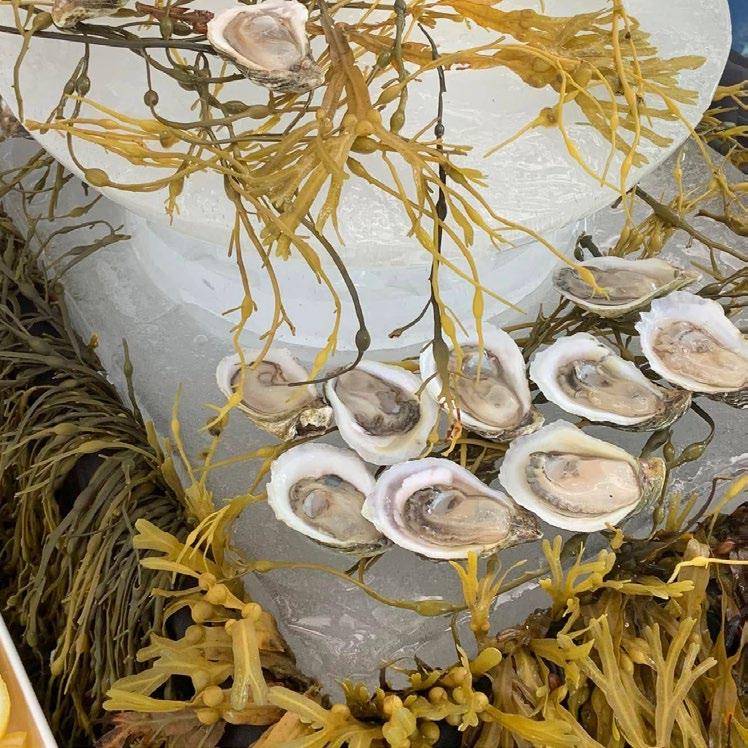
Discover the world of oyster farming with the Sober Island Oysters tour—perfect for seafood enthusiasts eager to explore the intricacies of this craft while observing oysters in their natural habitat.
Guided by experts, you’ll learn about ecofriendly farming practices and the essential role oysters play in enhancing water quality and sustaining marine ecosystems.
Enjoy the special opportunity to taste fresh oysters directly from the ocean, savouring their signature brine flavour. You’ll also get handson experience with oyster shucking and join a boat ride showcasing harvesting and grading techniques.
The tour wraps up with a tasting session, where you can enjoy up to 12 oysters, deepening your connection to Halifax’s maritime heritage through a delicious and educational culinary experience.

Memory Lane Heritage Village
Explore Nova Scotia’s Eastern Shore on ATV
Eastern Shore
porterspeak.com
Hop on an ATV or SxS with Porters Peak to explore the rugged Eastern Shore, where Nova Scotia’s coastal landscapes make for an unforgettable adventure.
Whether you’re a beginner or a seasoned rider, these guided tours take you along Porters Lake’s rocky roads and wooded trails, blending speed with breathtaking scenery. Each two-hour adventure includes training to ensure a safe, exhilarating ride, and all necessary gear—helmets, gloves, and more—is provided.
After a day of adrenaline-fuelled fun, unwind in cozy eco-cabins or chalets equipped for cooking and relaxation. Enjoy the peaceful surroundings by the campfire as dusk settles, making this an ideal escape for nature lovers and adventure seekers alike.


Architectural & Neighbourhood Bike Tour
Downtown Halifax & North End Halifax
Feel the pulse of Halifax as you cycle through its architectural treasures and vibrant communities on the Neighbourhood Bike Tour with I Heart Bikes
This app-guided cycling experience takes participants through iconic neighbourhoods, from the historic waterfront to the spirited North End, showcasing diverse architectural styles such as Victorian, Georgian, and Brutalist.

Cyclists navigate the route using a user-friendly app, Ride with GPS: Bike Navigation, which provides audio and visual cues. Along the way, riders stop at significant landmarks like the Halifax Central Library and Canada’s oldest Martello Tower.
The tour immerses participants in local culture by highlighting cafés and breweries popular among locals. With opportunities for photography amidst Halifax’s distinctive architectural tapestry, this tour is educational and visually engaging, making it a must-do for anyone interested in the city’s history and design.■
Porters Peak
Halifax Waterfront Morris Street













Cunard Unveiled Where to Eat, Shop, and Explore
The newest addition to Halifax’s waterfront, Cunard, is here and it’s already buzzing. This vibrant district is home to a curated mix of dining, shopping, and more, offering everything from live-fire dining to indulgent sweets and luxury finds. Here’s where to eat, shop, and linger next time you’re around this new district.
Water Polo
Water Polo is as sleek as the Riva yacht that inspired it. The deep mahogany tones, the polished brass, the sense of effortless opulence—it’s all designed to transport you somewhere refined yet entirely relaxed. The menu leans into Italian fusion, elevated by Nova Scotia’s freshest catches. The seafoodforward dishes feel rooted in tradition but aren’t afraid to surprise. At the glossy Raw Bar, bluefin tuna carpaccio melts on the tongue, while the hamachi crudo is a lesson in balance: bright, citrusy, and kissed with just the right amount of heat.

If you’re looking for a prime perch to drench yourself in the sunshine, the sprawling patio on the edge of the harbour sets the tone for al fresco dining. Picture this: a crisp glass of wine, the salty air on your face, the warmth of the sun on your shoulders, and a fresh seafood tower to tie it all together.

Water Polo
Matadora Tapas Bar
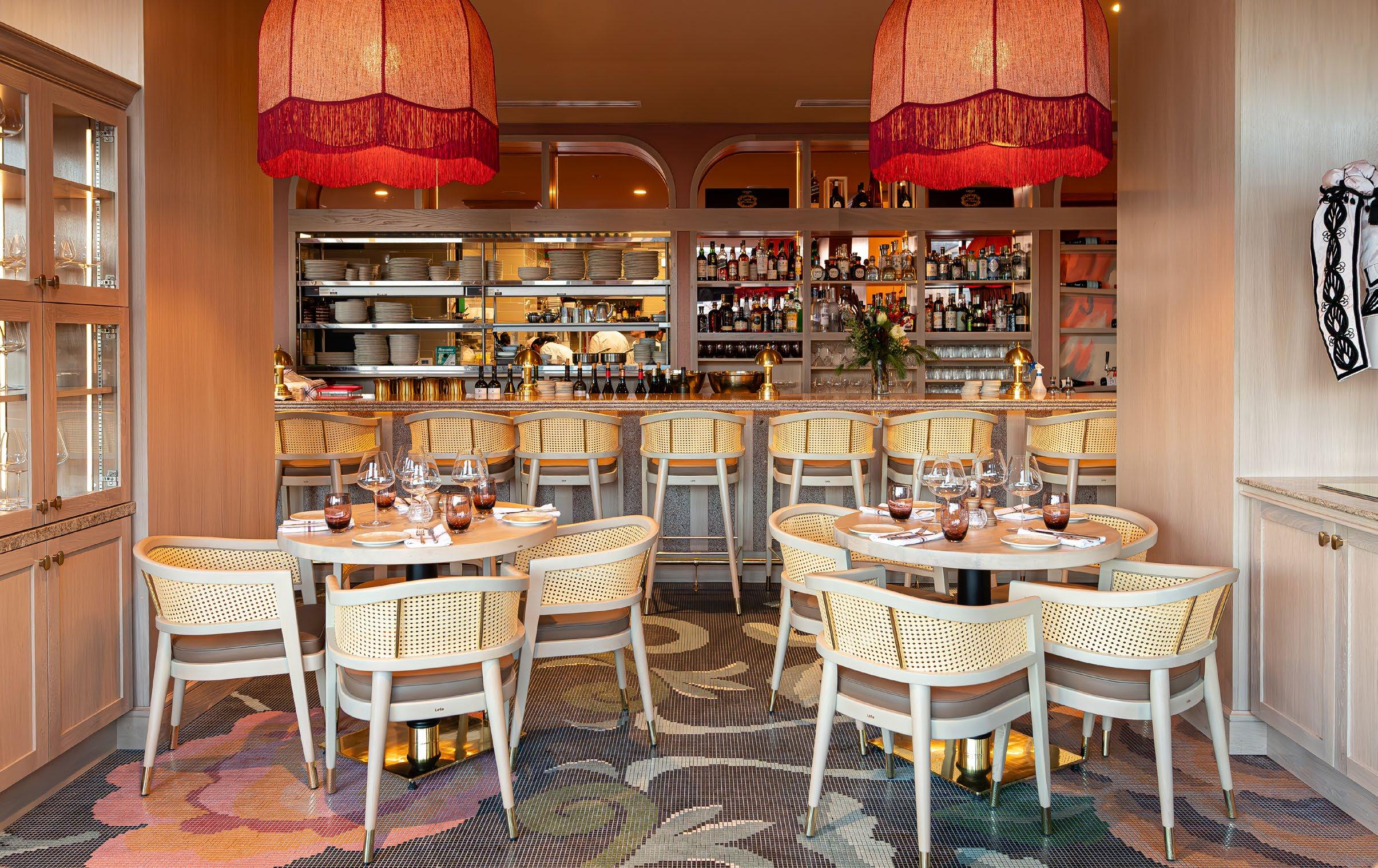
Small plates, big flavours, and a dining room that hums with energy—Matadora is made for nights that stretch on. The space itself is a feast for the eyes: hand-painted murals dance across the warmly lit dining room walls, creating a vibrant yet cozy atmosphere built for lingering.
Chef Alistair Gilroy approaches Spanish cuisine with both reverence and innovation, drawing upon a rich tapestry of experiences. His culinary journey began in the vibrant kitchens of Peru and Costa Rica, later culminating in Michelin-recognized establishments in San Sebastián. Expect flavourpacked bites like hand-carved Jamón Serrano, golden-fried patatas bravas, and seafood-studded paella. Pair it with a glass of Spanish wine or some crisp sangria and settle in—this is the kind of place that turns a casual dinner into a night to remember.

Vandal Doughnuts
Doughnuts, but make them a little rebellious. Vandal Doughnuts is here to shake things up with imaginative flavours, bold designs, and a pastry team that makes everything from scratch daily. Inspired by the UK’s couture doughnut scene, the creations here range from nostalgic to downright outrageous. Whether you’re in


Matadora Tapas Bar
Matadora Tapas Bar
Vandal Doughnuts

ASIA
ASIA doesn’t play by the rules of any one cuisine. Instead, it weaves together influences from Japan, China, Vietnam, India, Korea, and the Philippines, with a few nods to Nova Scotia along the way. It’s a pan-Asian feast designed for sharing, inviting you to embark on a self-guided culinary adventure.
The setting is just as captivating as the menu. Lush greenery and moody lighting create a hidden oasis, a cozy yet chic space that feels miles away from the Halifax Waterfront. Local ingredients find their way into Asian-inspired dishes, like Thai curry Digby scallops and snow crab cakes with foraged sea buckthorn and nam prik pao. Sundays call for traditional dim sum service, a time-honoured ritual of steaming baskets and clinking teacups. Whether you’re feasting family-style or sipping a handcrafted cocktail, ASIA serves as the ultimate culinary haven for those looking to slow down and embrace vibrant dishes with stories deeper than their layered flavours.





ASIA
Includes Harbour Hopper Tour Includes Halifax Citadel
Includes Peggy’s Cove Tour

Crème
The classic ritual of afternoon tea is experiencing a renaissance, and at Crème, you can have your cake and eat it, too. Effortlessly elegant and a little whimsical, Crème balances tradition with a modern touch, offering sweet treats and savoury bites. Afternoon tea takes centre stage, with delicate finger sandwiches, just-baked scones, and pastries that look almost too good to eat. Almost. But there’s more to Crème than tea and cake. Mornings start with soufflé pancakes and classic eggs Benedict; delicate quiches, sandwiches, and soups grace the tables at lunch, while evenings invite you to linger over charcuterie and small plates. It’s a place that moves with the rhythm of the day, shifting from bright and airy to cozy and candlelit.
Tribute Restaurant
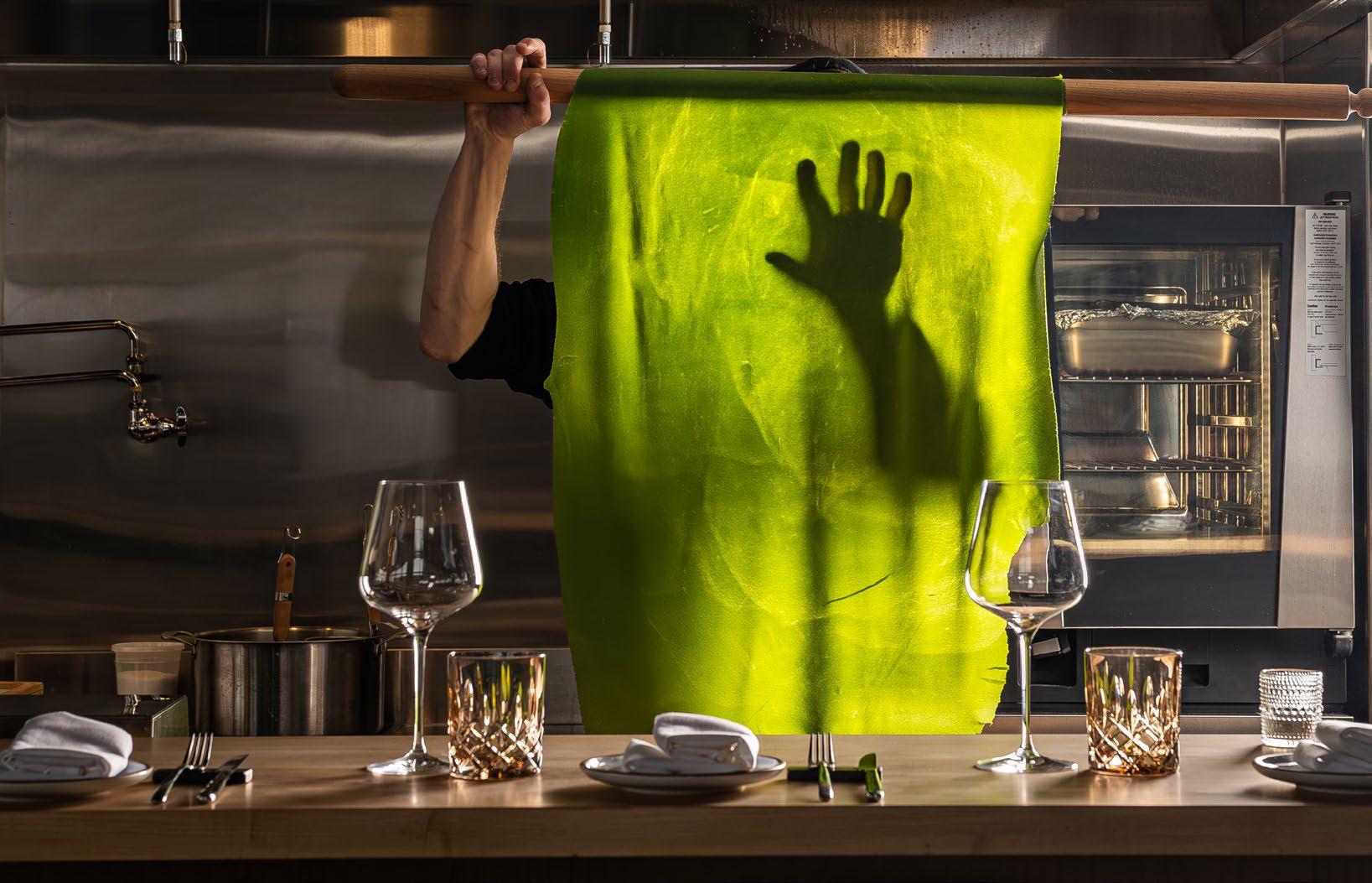
At Tribute, dining feels like an invitation to a kitchen gathering where you’re near enough to feel the gentle heat and see the craft of live-fire cooking up close. Tribute brings guests right into the heart of the action with an open kitchen. At centre stage: a hearth serving as the blazing anchor, filling the space with a deep, woody, smoky aroma, creating a sense of warmth and welcome.
Chef Colin Bebbington, a professionally trained Sfoglino with experience in Michelin-starred kitchens, brings a refreshing perspective to the Halifax dining scene. His meticulously crafted dishes are presented in an approachable atmosphere with a heavy emphasis on all things local—from the ingredients on your plate to the table you’re seated at—set to an unexpected soundtrack of nostalgic hip-hop and R&B tunes. It’s not fine dining; it’s fun dining.
If you’re after a truly immersive experience, snag a spot at the Chef’s Counter. Watch the kitchen team work their magic as flames dance in the background. From the Bistecca alla Fiorentina to the handmade pasta, the menu is a testament to Bebbington’s dedication to his craft. Have dietary restrictions? Just let them know beforehand, and they’ll accommodate you with a meal that’s nothing short of extraordinary.

Tribute

More Than Just Bites: Londonderry Market & Pastel Skin Clinic

Cunard isn’t just about food; it’s about lifestyle. Londonderry Market offers curated luxury with a conscience, showcasing sustainable women’s clothing inspired by the high streets of the UK and the Scottish, Irish, and English heritage of founder Cora MacLean. This boutique curates a selection of beautifully made clothing that prioritizes quality over fast fashion. Expect a mix of classic staples, modern essentials, and unique pieces that stand the test of time.
And for a little self-care, Pastel Skin Clinic provides upscale spa services, from glow-boosting facials to expert hair removal treatments. With high-end products and expert advice from a number of specialists, it’s a one-stop shop for anyone seeking a polished, radiant look, whether you’re prepping for a big event or just indulging in a little well-earned pampering.




Londonderry Market
Pastel Skin Clinic
An Insider’s Guide to 2SLGBTQIA+ Halifax
Halifax is a stunning coastal city with a thriving and vibrant queer community. The rainbow flags throughout the city are a testament to the many 2SLGBTQIA+ events, venues, artists, and activists that make this a welcoming and dynamic destination for visitors and locals alike.
The city’s rich naval history and numerous post-secondary institutions have helped foster a queer community and history dating back to Halifax’s founding. As the largest city on Canada’s east coast, Halifax has long been a gathering place for queer folk from across the Atlantic provinces. Notably, Nova Scotia boasts the highest proportion of transgender and non-binary people of any province or territory in Canada, and Halifax has the most Rainbow Registered Businesses of any city in the country.
If you plan a trip to Halifax, consider visiting during the Halifax Pride Festival in July. This celebration far exceeds what many cities of a similar size offer, featuring hundreds of signature events, ranging from large outdoor dance parties to intimate community gatherings and opportunities to learn about local activism. If you’re unable to attend Halifax Pride, check out Eastern Shore Pride in Musquodoboit Harbour or Sheet Harbour Pride—smaller in scale yet equally engaging celebrations within the Halifax Regional Municipality.
For year-round queer events, visit Wayves.ca, a local 2SLGBTQIA+ news site with an extensive event listing. Stay updated on upcoming happenings through drag artists like Elle Noir, Anna Mona-Pia, Richard Rockhard, Zara Matrix, Mya Foxx, and Anita LandBack, or catch live performances by musicians such as Mo Kenney, T. Thomason, Stewart Legere, and Rose Cousins. Groups like Nauticus, Dyke Night Halifax, Atlantic Boylesque, and the Halifax Gay Men’s Chorus also host regular shows celebrating the community’s creativity. Explore queerfriendly spaces like Stardust Bar + Kitchen or Rumours, a downtown locale with themed dance nights. Don’t miss Venus Envy, a renowned bookstore and sex shop, or Glitter Bean Café, a coffee shop with a welcoming atmosphere.
As you explore the city, you’ll encounter a variety of notable queer landmarks. The Khyber Building, a stunning Victorian-style brick structure with Gothic features, once housed The Turret, the city’s most iconic gay bar. Just across the street, the historic Green Lantern Building, constructed in 1896, has been home to numerous
gay-owned businesses over the years. Continuing along Barrington Street, Raymond Taavel Park stands as a modest yet powerful tribute to the beloved activist and journalist who was tragically lost in 2012. Further north on the Halifax Common, you’ll find Chosen Family, a colourful art installation by local artist Margot Durling, celebrating gender identities, sexualities, and relationships. In the North End, visit incredible queer-run establishments like Alteregos Café, Radstorm, and The Bus Stop Theatre, home to the 2SLGBTQIA+ theatre festival OutFest. For a deeper dive into the city’s queer history, check out the Halifax Rainbow Encyclopedia



Halifax Wanderers
Halifax Pride Festival
Halifax Gay Men’s Chorus


MEET THE AUTHOR Adam Reid (he/him)
You don’t have to stay on the Halifax peninsula to explore queerfriendly spaces—take the ferry across the harbour to Dartmouth! Not only will you enjoy stunning views of the city, but Downtown Dartmouth also boasts some of the region’s most exciting dining and drinking spots. Culinary highlights include The Canteen and Café GoodLuck, while Dear Friend Bar and Lake City Cider Taproom are perfect for a drink. In the evening, Staggers Pub & Grub often hosts drag shows and queer comedy nights, and Eastern Front Theatre frequently presents queer artists and content at Alderney Landing Theatre. If you want to connect with nature, Crystal Crescent Beach is just a 45-minute drive from the city. Walk to the farthest of its three beaches, and you’ll discover an area popular with nudists and queer folk.
Halifax truly has it all: natural beauty, a rich cultural scene, and a warm, inclusive queer community. Come for a visit—you’re sure to leave longing for more. ■

Adam Reid is a community organizer, proud queer east coaster, and marketing advisor for the Province of Nova Scotia. Formerly the executive director of the Halifax Pride Society and festival director of the Queer Acts Theatre Festival, Reid has championed local and national queer-identified performing artists in the HRM. With over 15 years of experience as a cultural administrator, he has worked with organizations, including the Atlantic International Film Festival, the 2011 Canada Winter Games, and Eastern Front Theatre. He is passionate about strengthening community identity and cohesion through culture and events.

Halifax Pride Festival
Halifax Pride Festival
Chosen Family, Halifax Common
Headshot Credit: Samson Photography
Birdwatching in the City
A Guide to Halifax Public Gardens
WRITTEN BY: WESLEY PETITE ILLUSTRATION BY ALEX MACASKILL
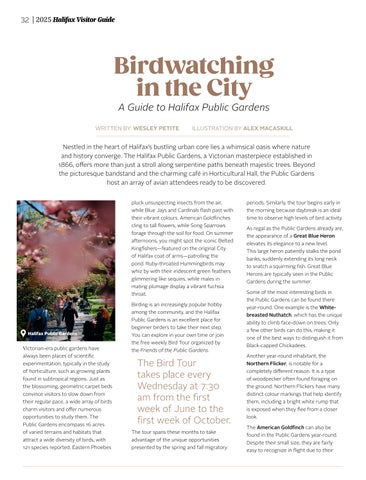
Nestled in the heart of Halifax’s bustling urban core lies a whimsical oasis where nature and history converge. The Halifax Public Gardens, a Victorian masterpiece established in 1866, offers more than just a stroll along serpentine paths beneath majestic trees. Beyond the picturesque bandstand and the charming café in Horticultural Hall, the Public Gardens host an array of avian attendees ready to be discovered.

Victorian-era public gardens have always been places of scientific experimentation, typically in the study of horticulture, such as growing plants found in subtropical regions. Just as the blossoming, geometric carpet beds convince visitors to slow down from their regular pace, a wide array of birds charm visitors and offer numerous opportunities to study them. The Public Gardens encompass 16 acres of varied terrains and habitats that attract a wide diversity of birds, with 121 species reported. Eastern Phoebes
pluck unsuspecting insects from the air, while Blue Jays and Cardinals flash past with their vibrant colours. American Goldfinches cling to tall flowers, while Song Sparrows forage through the soil for food. On summer afternoons, you might spot the iconic Belted Kingfishers—featured on the original City of Halifax coat of arms—patrolling the pond. Ruby-throated Hummingbirds may whiz by with their iridescent green feathers glimmering like sequins, while males in mating plumage display a vibrant fuchsia throat.
Birding is an increasingly popular hobby among the community, and the Halifax Public Gardens is an excellent place for beginner birders to take their next step. You can explore in your own time or join the free weekly Bird Tour organized by the Friends of the Public Gardens
The Bird Tour takes place every Wednesday at 7:30 am from the first week of June to the first
week of October.
The tour spans these months to take advantage of the unique opportunities presented by the spring and fall migratory
periods. Similarly, the tour begins early in the morning because daybreak is an ideal time to observe high levels of bird activity.
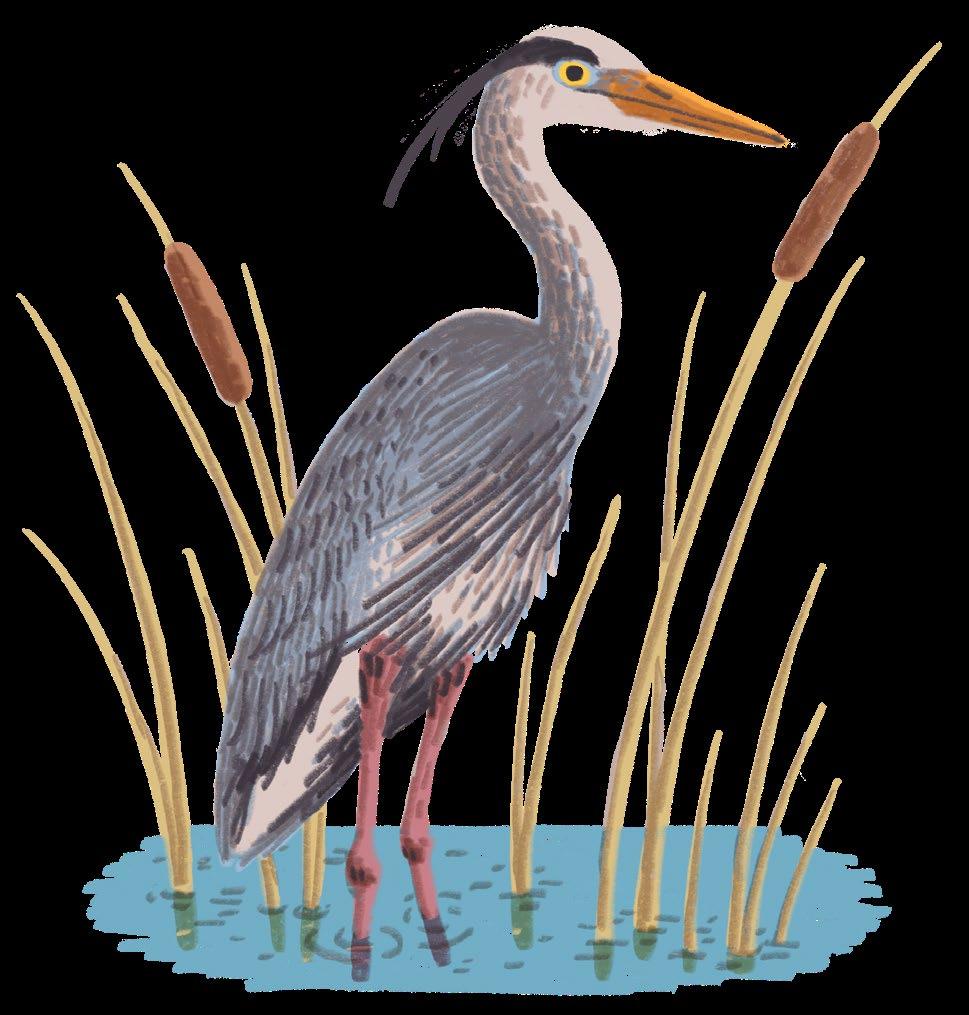
As regal as the Public Gardens already are, the appearance of a Great Blue Heron elevates its elegance to a new level. This large heron patiently stalks the pond banks, suddenly extending its long neck to snatch a squirming fish. Great Blue Herons are typically seen in the Public Gardens during the summer.
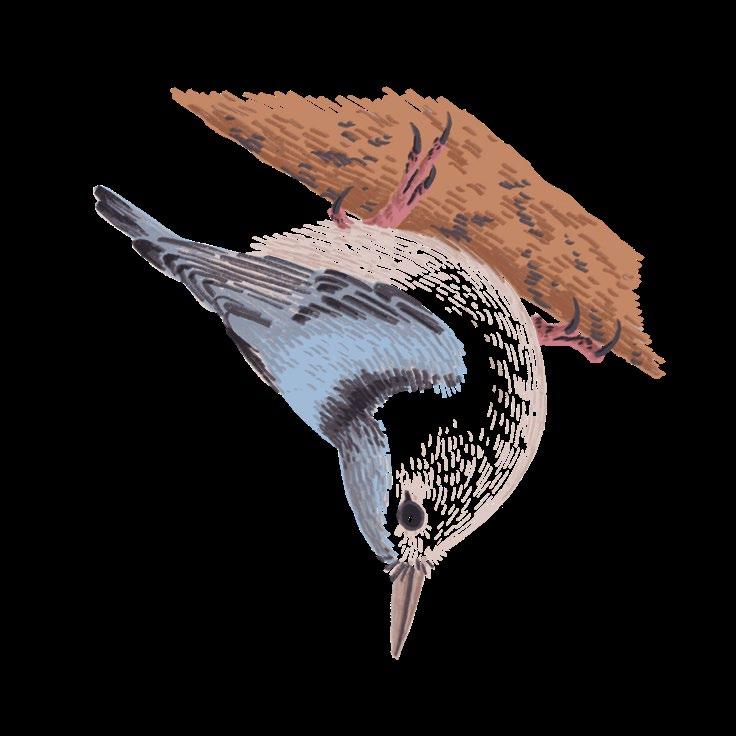
Some of the most interesting birds in the Public Gardens can be found there year-round. One example is the Whitebreasted Nuthatch, which has the unique ability to climb face-down on trees. Only a few other birds can do this, making it one of the best ways to distinguish it from Black-capped Chickadees.
Another year-round inhabitant, the Northern Flicker, is notable for a completely different reason. It is a type of woodpecker often found foraging on the ground. Northern Flickers have many distinct colour markings that help identify them, including a bright white rump that is exposed when they flee from a closer look.
The American Goldfinch can also be found in the Public Gardens year-round. Despite their small size, they are fairly easy to recognize in flight due to their
Halifax Public Gardens


undulating dip-and-swoop flying pattern, often accompanied by their distinctly cheery call. Male American Goldfinches are not always as easy to spot outside their bright yellow mating plumage, with a distinct black cap, as they lose these characteristics in the fall.
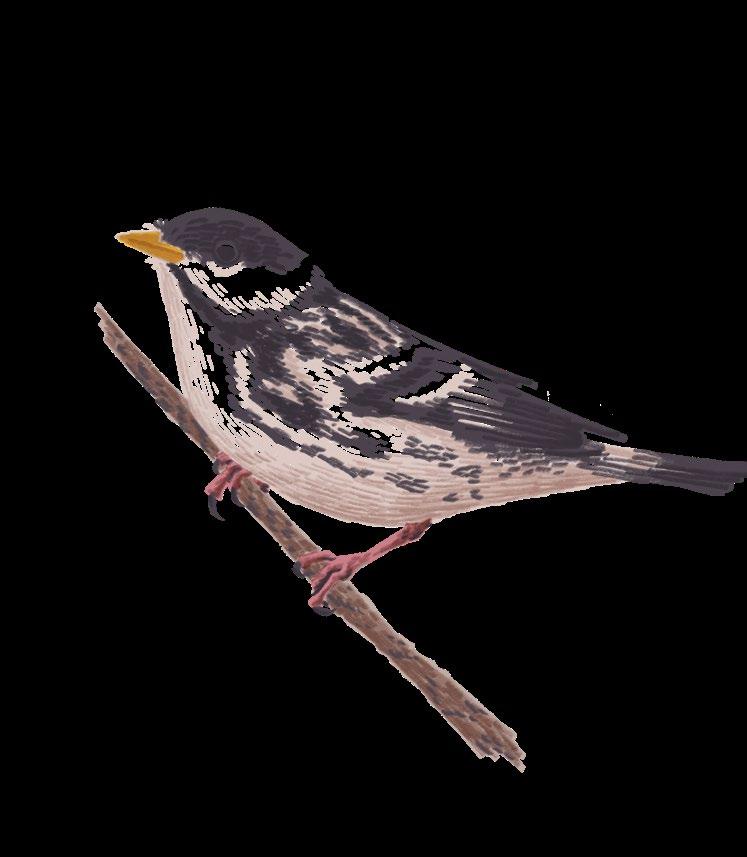
A rarer, more seasonally specific group of specimens is the wide diversity of warblers that appear in Nova Scotia from spring to fall and can be found flitting through the foliage of the Public Gardens. Some warblers, such as the Blackpoll Warbler, nest in Nova Scotia, and their arrival in spring signals the end of the warbler migration period. Blackpoll Warblers are great “beginner warblers” because they can be identified by the distinct combination of white wing stripes and orange-yellow legs. If you spot one in the fall, take a moment to appreciate how this little songbird is preparing for a non-stop 5,000-kilometre flight over the Atlantic Ocean to its wintering grounds in South America.
To start birding, all you need is a pair of binoculars and a field guide to help you identify the birds you see.
The most essential part of successful birding is patience. Take your time, observe the birds around you, and try to get a good look at them. The spacious sky, towering trees, and lush bushes of the Public Gardens are often teeming with activity, but it’s also wise to scan the trunks of trees and the ground below. The flowerbeds throughout the gardens offer a bouquet of birding opportunities. The pond is a popular spot where you may see birds foraging along the perimeter for insects or ducklings swimming in a single file. The Freshwater Brook on the southeast corner of the Public Gardens offers a steady stream of interesting sightings. Aspiring birders should explore areas with concentrations of tall trees and look for
Baltimore Orioles or Cedar Waxwings wherever ripe berries are found.
Apps like Merlin are helpful but may provide misleading results and should not be relied upon as substitutes for visual confirmation. If possible, get a glimpse of the bird and note its distinct markings, colours, and behaviour. You can then use these details to conduct a process of elimination with a field guide or online resource. Taking note of how different birds sound can aid in identification. This may initially be a challenge, but you might be surprised at how distinct and memorable many bird calls become once you get more familiar with them.
In Birds of Canada (1966), W. Earl Godfrey notes that Nova Scotia was one of the first Canadian provinces to highlight birding opportunities in its tourism materials. The Halifax Public Gardens provides a welcoming and accessible space to experience this rich tradition. Explore the possibilities for communing with nature that await you. ■
Great Blue Heron Ardea herodias
American Goldfinch Spinus tristis
White Breasted Nuthatch Sitta carolinensis
Blackpoll Warbler Setophaga striata
Northern Flicker Colaptes auratus
A Day at the Halifax Citadel
History Comes Alive
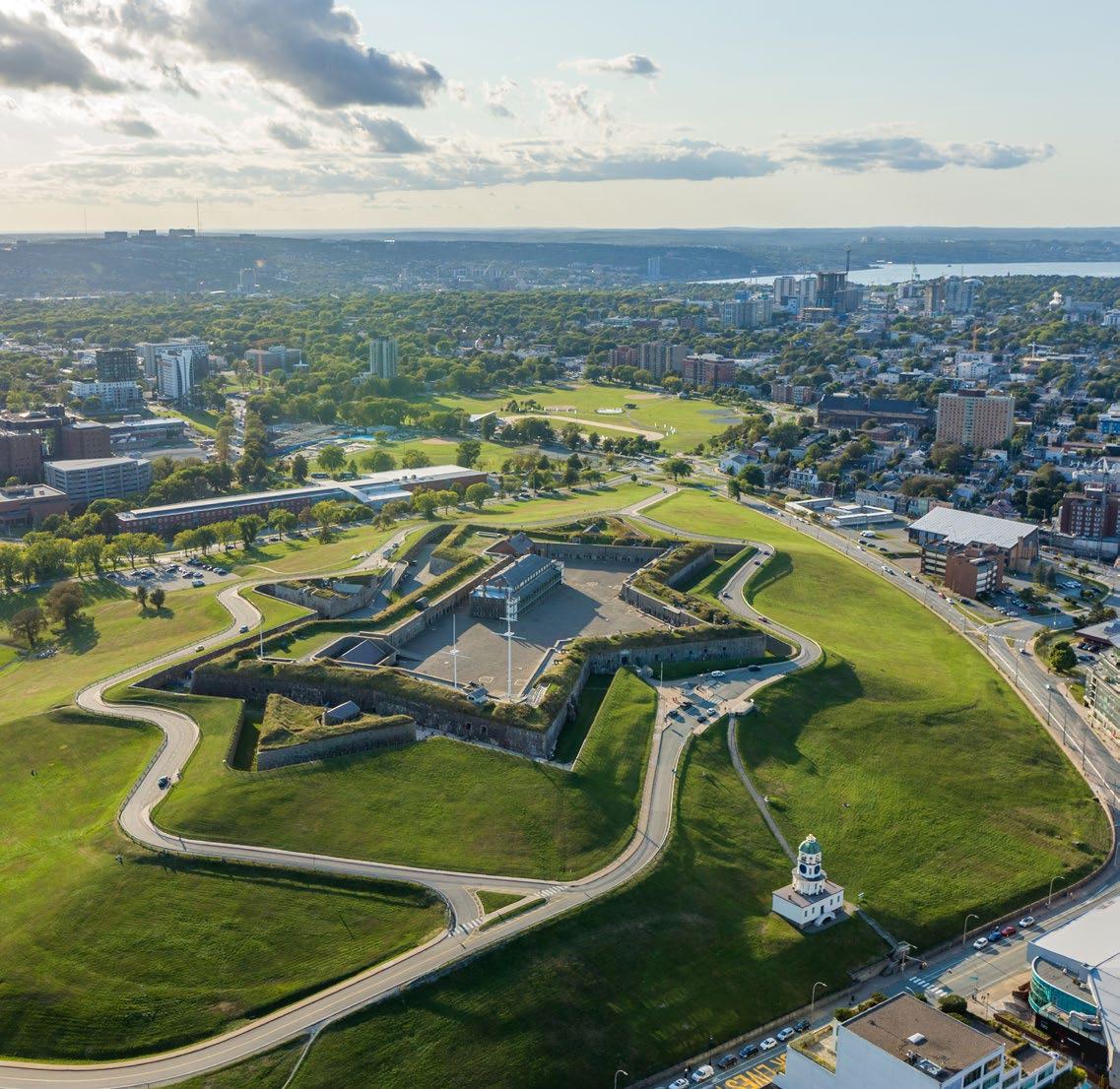
Perched majestically over the city, the Halifax Citadel National Historic Site is not just a cultural landmark, it’s a gateway to understanding Canada’s military heritage and Halifax’s history.
The fortress was strategically designed by the British in 1749 to protect Halifax from the French, who had regained control of Louisbourg on Cape Breton Island. This prompted the British to anticipate an attack on the mainland. In contrast to the present stone structure, the original fort was constructed of wood.
As a British naval base, the Citadel played a crucial role in future global conflicts. It provided panoramic views of the harbour and surrounding areas, enabling early detection of potential threats.
However, it wasn’t the French who wore down the first Citadel; the relentless damp climate and years of neglect led to three subsequent iterations.
The Citadel remains a symbol of Halifax’s resilience, inviting you to uncover the stories of the past that continue to shape the city today.
Arrival
After a leg-burning walk up Citadel Hill, Halifax’s vibrant sights and sounds greet you. If the walk doesn’t take your breath away, the stunning views certainly will.
No need to rush—take in the views and read the informative plaques along the climb explaining the Citadel’s strategic importance. For more astonishing views, trek over to the south and north viewing points along the road that encircles the Halifax Citadel National Historic Site.

Walking past the Guardroom, Parade Square greets all as the heart of the Citadel, the perfect place to explore exhibits or unwind at the coffee bar. Visitors can enjoy various food and drink options, making the coffee bar the perfect spot to relax, refresh, and recharge.
For those seeking unique experiences, the Halifax Citadel offers everything from candlelit tours to soldier reenactments. Bring the past to life by donning a 78th Highlander’s uniform for a day and firing a Snider-Enfield rifle. There are plenty of options to enjoy your time, including spirit tastings and ghost tours.
What to See
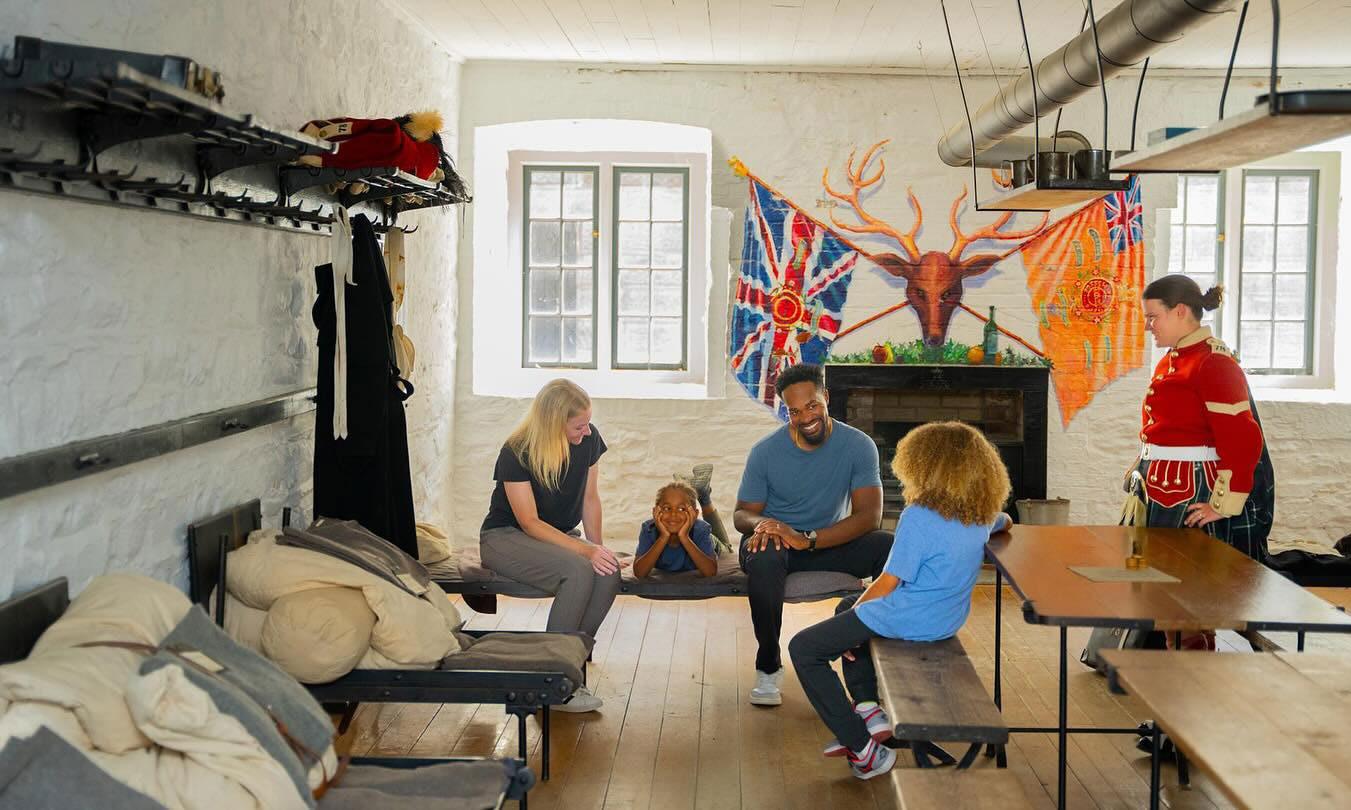
Journey through the site and discover nine fascinating period rooms. Step into the Barracks to get an authentic glimpse of a soldier’s daily life in 1869, complete with the beds, blankets, and living conditions that once housed hundreds of soldiers.
When moving on from the Barracks, continue to dive into the life of a soldier on the hill. Recognizing the importance of education, Queen Victoria introduced schoolrooms to ensure soldiers were better equipped with knowledge and skills. This initiative improved their service and prepared them for life beyond the military—a legacy showcased in the Citadel’s School Room. From educating the soldiers and their children, the School Room now serves guests with an engaging experience. It presents maps of the 1860s and a unique education environment reflective of its time.

What to Bring
When visiting Halifax Citadel, it’s important to dress for the weather, as conditions vary significantly across seasons. Summers are warm, making light clothing and water essential. However, it can get windy at the top of the hill, so it’s a good idea to have a sweater or light jacket on hand.
In cooler months, prepare for brisk winds and potentially rainy or snowy conditions with warm, waterproof clothing. During the winter, fewer activities are available for visitors, but they’re still able to wander Parade Square and witness the noon gun. If conditions are slippery, access to the ramparts (the fort’s upper level) is restricted.
Comfortable walking shoes are a must year-round, as you’ll likely be doing plenty of walking around the area. Also, keep in mind the noon cannon fire—it’s loud, so sensitive ears might want protection.
Halifax Citadel National Historic Site


Exiting the School Room, head to the Shaping the Hill exhibit, which reveals the fascinating construction history of the four Citadels. Visitors can navigate interactive displays and a descriptive virtual tour of a scale model of the star-shaped fortress, highlighting the impressive engineering behind these forts.
As noon approaches, the thunderous cannon fire is a must-see. The expert loading and firing of the massive cannon resonates across Halifax at noon every day, a powerful reminder of the Citadel’s historic defence.
While at the peak of the Citadel, learn about the signal masts and how they were utilized to send over 400 different coded signals down to both Halifax’s citizens and the other forts that protected the harbour.




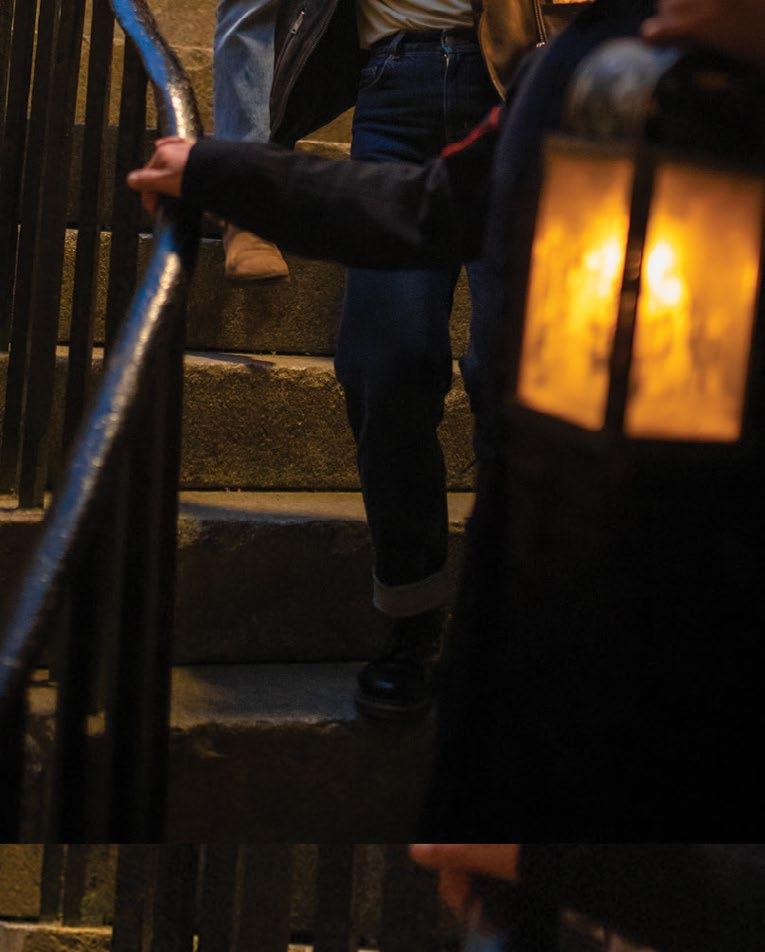
Ever
Guided by a 78th Highlander, you’ll explore the star-shaped fortification by candlelight, uncovering tales of soldiers who once celebrated the holidays within its walls.
Halifax Citadel National Historic Site
Fortress Halifax, A City Shaped by Conflict
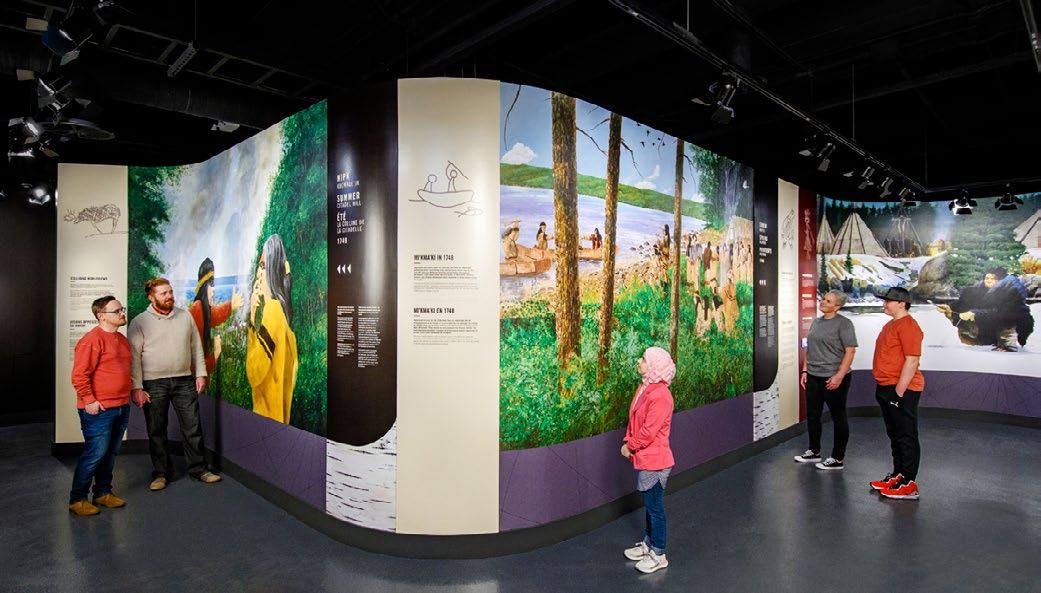
The experience reaches new heights at the Citadel’s newest exhibit, Fortress Halifax, A City Shaped By Conflict. The exhibit conveys the experiences of Mi’kmaq, Acadians, African Nova Scotians, British colonists and soldiers, women and men, war refugees, and the marginalized.
Leonard Paul’s art greets you and captures the essence of Kjipuktuk (Halifax) pre-colonization. Meanwhile, the interactive One Land, Four Peoples touch table allows users to explore a map of the region that reveals a different map layer depending on whether they choose a Mi’kmaw, Acadian, French, or British cultural lens. Building on these perspectives, the exhibit delves into Mi’kmaw heritage, the evolution of the Citadels, and Halifax’s role in global conflicts.
If you’re looking for some fun, step into soldier tents, try on uniforms, and even dress up as a Royal Artillery member.
Those seeking a low-key activity can sit and watch “A Harbour Worth Defending”, a captivating 15-minute film showcasing Halifax’s importance as a British and Canadian naval base. The film provides an engaging overview of the city’s strategic importance through the ages, giving visitors a chance to rest while submerging themselves in the region’s rich history.
Final Stops
Before concluding your tour, stop by the Army Museum to delve into military history through photographs, artifacts, and exhibits such as The Road to Vimy and Beyond and The Trail of the Canadian Army, which trace Canada’s contribution to the world wars.
Uncover fascinating stories, from the Jamaican Maroons who were vital in building the third Citadel’s defences, to the hometown heroes who made remarkable contributions to Canada’s war efforts. Continuing the informative and immersive experience, listen to and watch first-person perspectives recounted by those who shaped Halifax through interactive screens.
As you return to Parade Square, the sounds of bagpipes and drums may fill the air, or you might witness the crack of rifles firing at any moment. ■
Halifax Citadel National Historic Site
Runner’s Travel Guide
Ready to lace up and hit the ground running in Halifax?
This city is a runner’s dream, offering a variety of inspiring routes that showcase everything from historic landmarks to stunning waterfront views. No matter your pace or purpose, Halifax is where fitness meets inspiration at every turn.
5 MUST-RUN ROUTES
From scenic waterfront paths to forested trails, Halifax offers a diverse range of running routes for every pace and preference. Whether you’re looking for a challenging hill climb, a peaceful nature escape, or an energetic urban run, these top five routes showcase some of the best of the region’s landscapes and terrain.
1 Halifax Waterfront Boardwalk
Downtown Halifax
Run along the energetic Halifax Waterfront Boardwalk, a nearly four-kilometre (2.5-mile) wooden path where ocean vistas meet iconic landmarks, restaurants, and cafés. Blending urban charm with coastal beauty, it’s a scenic route but can get busy in the summer— morning or evening runs are best to avoid the crowds.
WEATHER & RUNNING
CONDITIONS
Halifax’s relatively mild climate allows for outdoor running yearround, though seasonal adjustments are essential. In winter, runners should prepare for cold, damp conditions by layering up to stay warm. Spring and fall offer comfortable temperatures, though frequent rain makes waterproof gear and hightraction shoes helpful. Summer brings warmer days and higher humidity, making early morning or evening runs the best choice.
2 Salt Marsh Trail
Eastern Shore
The beautiful coastal landscapes of the Salt Marsh Trail stretch approximately 6.5 kilometres (4 miles) from Cole Harbour to Lawrencetown. This flat, exquisite trail winds through salt marshes alive with colour, offering runners stunning ocean backdrops, thriving wetlands, and a wealth of wildlife.
3 Point Pleasant Park & Marginal Road
Downtown Halifax
Starting on Marginal Road, runners enjoy a smooth path with harbour views that seamlessly leads into Point Pleasant Park’s trails. Diverse paths suit all fitness levels, from flat, accessible routes to challenging hills amid historic ruins and ocean vistas. With washrooms, ample parking, and an inspiring setting, this route is a convenient favourite for casual joggers and seasoned runners.
4 Shubie Park
Dartmouth – Cole Harbour
Shubie Park offers a refreshing retreat with forested trails, lakeside paths, and routes along the historic Shubenacadie Canal. Well-kept trails suit quick jogs or longer runs, while soft gravel surfaces ease impact and mild inclines add variety. With amenities like washrooms and picnic areas, it is a perfect spot for a run in the heart of nature.

5 B.L.T. Rails to Trails
Peggy’s Cove Coastal Region
For runners seeking a route through nature with smooth, relatively flat paths, the 13-kilometre (8-mile) B.L.T. is an excellent choice. This scenic trail immerses runners in untamed landscapes, forests, and waterfront views for a peaceful experience.

LOCAL RACES
Step up to the starting line of some of Halifax’s most exciting races, where challenge meets community spirit.
Hypothermic Half Marathon
Every February
Brave the winter elements in the Hypothermic Half Marathon, where runners tackle scenic parks and waterfronts in freezing conditions. The reward? Warm drinks, a hearty brunch, and the unbeatable thrill of conquering the cold.
Emera Blue Nose Marathon
May 16-18, 2025
Halifax’s premier running event, the Blue Nose Marathon, features everything from full marathons to shorter distances, drawing participants through historic neighbourhoods. With energetic entertainment and cheering crowds, it proudly celebrates fitness and community.
MACPASS Miles
Every August
Offering a rare chance to run across the Macdonald Bridge, MACPASS Miles provides stunning outlooks of Halifax and Dartmouth. This community-focused race welcomes all fitness levels and blends exercise with stunning coastal scenery.
Beat Beethoven
September 19, 2025
Race against the final notes of Beethoven’s Fifth Symphony in the Beat Beethoven event, where runners strive to finish before the music stops. This exciting challenge blends rhythm and endurance, offering a one-of-a-kind experience.
Salty 7
Every fall
The Salty 7 offers 7km, 14km or 21km trail loop adventures through scenic Cole Harbour, with ocean views and rugged terrain. Ideal for trail enthusiasts, it combines pure delight with an invigorating run.
Cogswell Street

RUNNER HOT SPOTS
More than just great coffee, these cafés are where runners come together— to refuel, connect, and soak in the energy of Halifax’s running community. Conveniently located near popular trails and routes, they are go-to post-run hangouts where you’ll feel right at home among fellow runners.
The 5K Café
West End Halifax
A true runner’s retreat, 5K Café sits right at the five-kilometre mark of the Chain of Lakes Trail, making it a natural gathering spot for trail runners. Expect fresh sandwiches and beverages, local treats, and a friendly atmosphere where runners swap stories over post-run fuel.
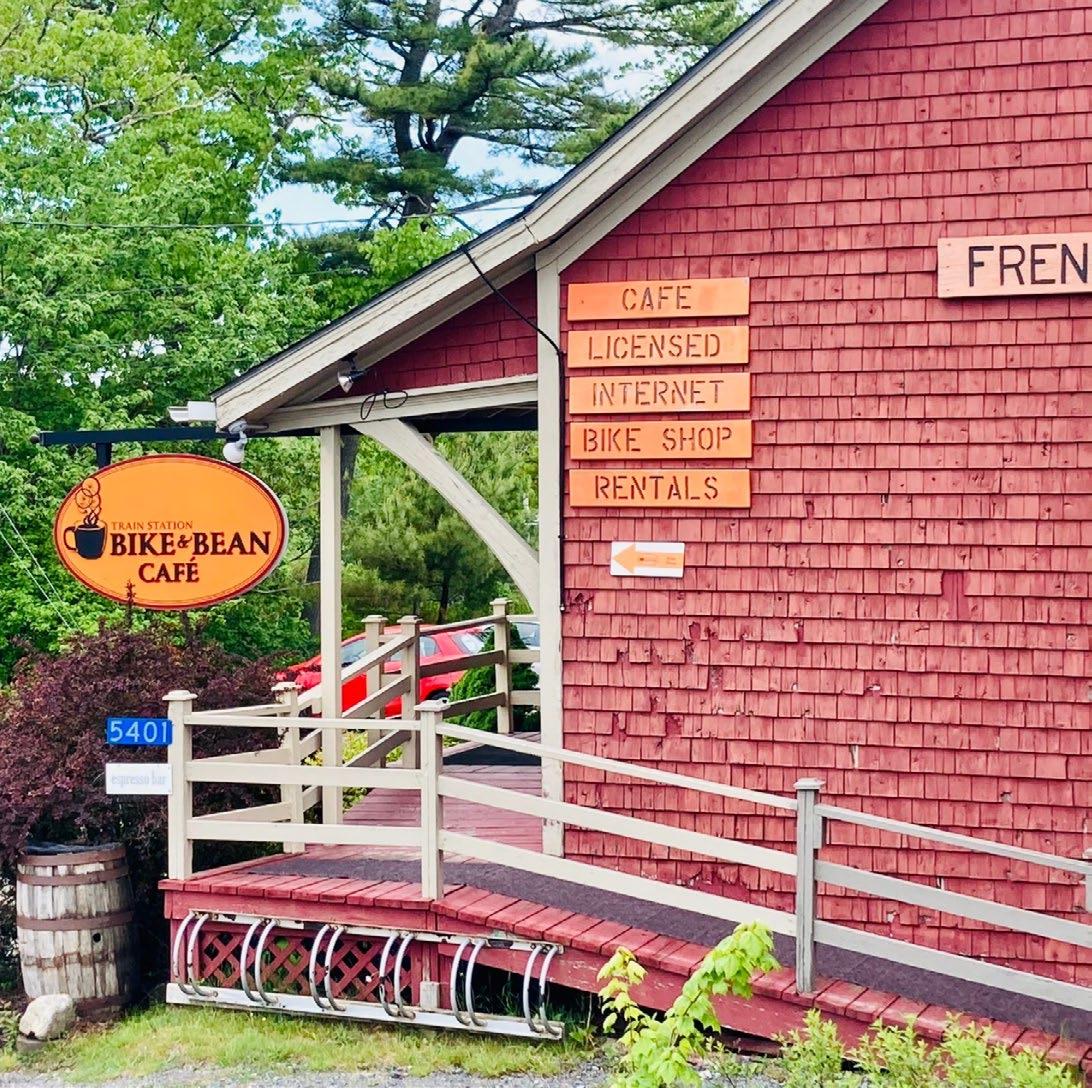
Station Bike & Bean
Peggy’s Cove Coastal Region Beloved by runners and cyclists alike, Bike & Bean is a must-visit stop near the St. Margaret’s Bay Trail. Housed in a historic train station, it offers fresh coffee, hearty snacks, and a welcoming vibe—perfect for recharging after a trail run.

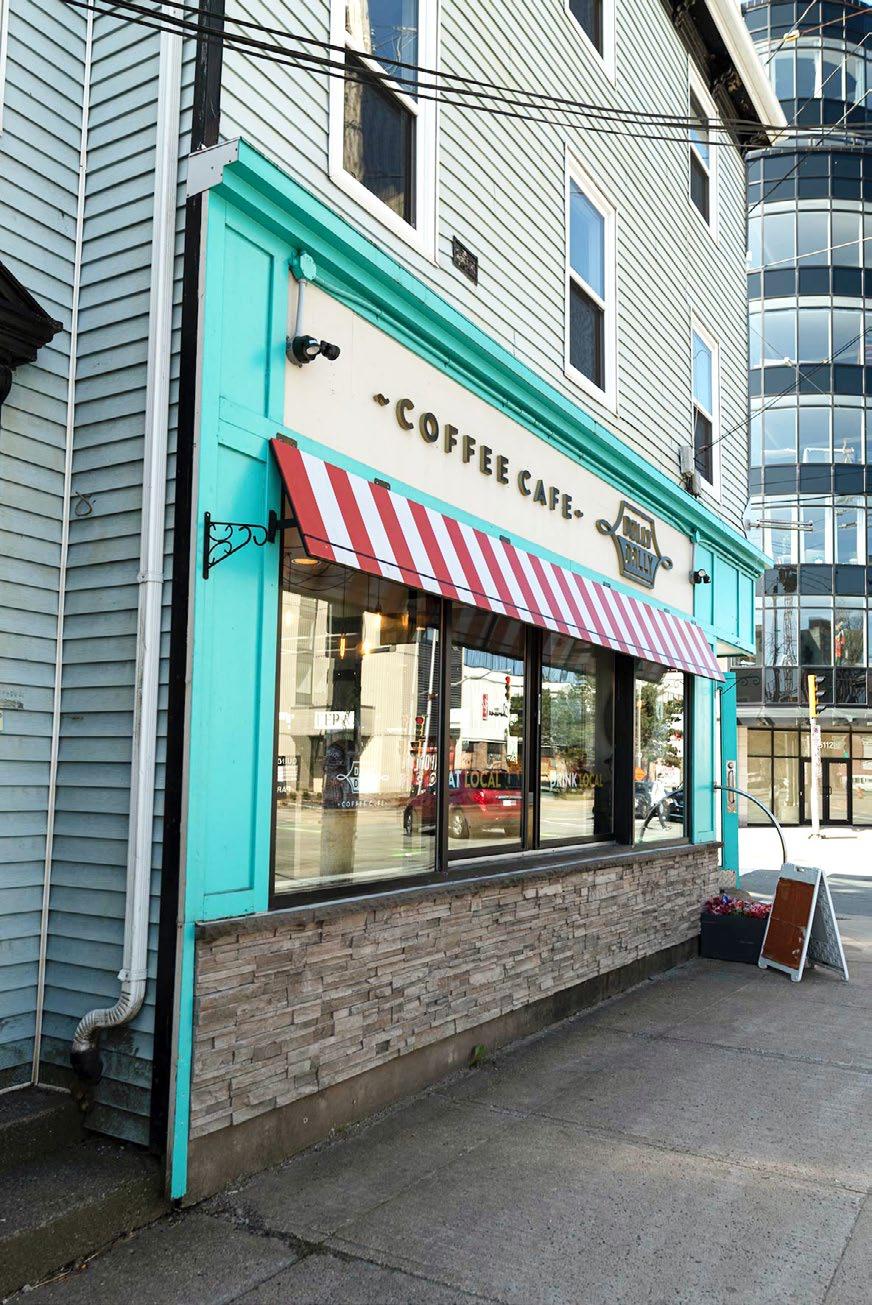
Dilly Dally Coffee Café
West End Halifax
This cozy, licensed café on Quinpool Road serves small-batch local coffee, drinks, and fresh food in a welcoming setting. Just a short walk from the Halifax Common, a favourite running route, it’s a go-to spot for runners who love local vibes and a friendly community feel.

Train
Dilly Dally Coffee Café
Train Station Bike & Bean
5K Café
RUNNING COMMUNITY: CLUBS AND GROUPS
Looking for running buddies during your visit? Halifax’s running clubs are ready to welcome you with open arms! Here are just a few of the many fantastic groups you can join.
Halifax Trail Runners
Join weekly trail runs and occasional weekend events, exploring local routes with a friendly pack of runners.
HFX Hares
A fun, social running crew known for their lineup of running loops and lighthearted approach to fitness.
B.L.T. Runners
Road and trail runners exploring scenic routes in Beechville-LakesideTimberlea, welcoming runners of all abilities.
North End Runners
A vibrant group exploring trails and urban routes in Halifax’s North End, welcoming runners of all levels.
Dartmouth Runners
A friendly, laid-back group running Dartmouth’s scenic lakes, parks, and waterfront trails. ■
For a comprehensive running guide, visit our website to find everything you need for the best running experience in the Halifax region.





Iconic Nova Scotia Foods
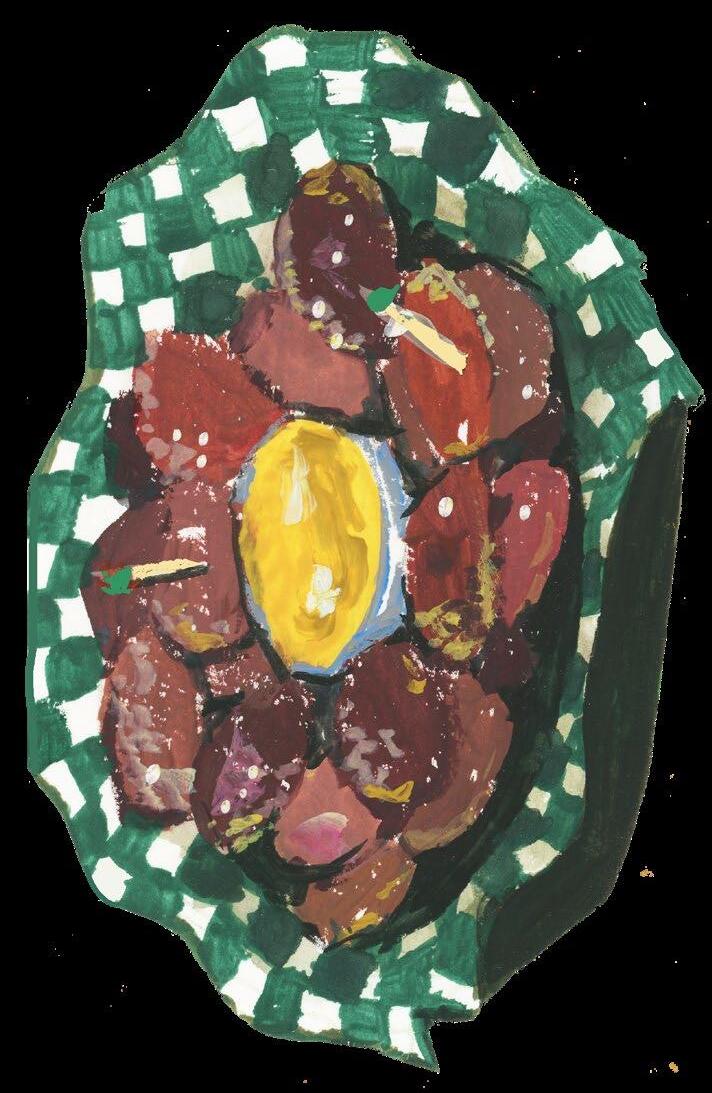





Donair Halifax’s signature pita made with spiced shaved beef and a sweet, garlicky sauce.
Hodge Podge A simple summer stew of new potatoes, carrots, beans, and fresh peas with cream and butter.
Solomon Gundy Tangy marinated herring.
Deep-fried Pepperoni Iconic “Brothers-style” pepperoni, typically served in pubs with honey mustard.
Moon Mist Ice Cream A fun, vibrant mix of banana, grape, and bubblegum flavours.
Oatcakes Thick and chewy, shaped like hockey pucks, often dipped in chocolate.

Roll Lobster meat served on a toasted, buttered split-top roll.

Garlic Fingers Pizza dough slathered with garlic butter, baked with mozzarella, and served with Donair sauce.

Salt Cod Fish Cakes Fried patties made with minced cod and potato.
Blueberry Grunt A stovetop cobbler made with wild blueberries and sweet, soft, pillowy dumplings.

Sober Island Oysters Salty, buttery oysters with a clean, briny finish—Nova Scotia’s ocean in a shell.


Lobster
Tidal Bay Wine Crisp, fresh, aromatic wine unique to Nova Scotia.
Travel Thoughtfully
4 ways to leave the region better than you found it.
Help protect Nova Scotia’s sensitive coastal regions by considering these suggestions.
Leave no trace. Take only photos, and bring all your belongings with you.
Protect the birds. Coastlines are their sanctuaries for nesting and much-needed rest during migration periods.
Sand dunes are fragile. Do not walk or drive on them to protect their natural state.
Report rare species. Sharing your findings on iNaturalist.ca helps identify and safeguard their homes.
What does it mean to travel slowly?
Sustainable travel is more than reducing your carbon footprint—it’s about exploring responsibly and leaving the world better than you found it. Delight in farm-fresh flavours, relax in eco-lodges and let local culture inspire your journey. Every choice you make leaves a mark—let yours be one of care, respect, and a lasting positive impact.
How to reduce your footprint while travelling.
1. Explore destinations during quieter seasons to enjoy a more relaxed experience and ease the impact of over-tourism.
2. Choose a slower pace of travel by staying in a single destination longer to fully experience its depth and charm.
3. Embrace sustainable travel by walking, biking, or using public transportation whenever possible.
4. Find something truly special by shopping at farmers’ markets and local boutiques, where every item feels personal and unique.
5. Treat yourself to authentic flavours while making a difference by dining at restaurants that prioritize local sourcing and community support.

Sip Sustainably at these 4 Halifax Breweries
What happens when you love beer and the planet? You make sure to hit each of these four Halifax breweries! These local breweries have a common goal: to make great beer through sustainable practices.
Garrison Brewing Co.
Downtown Halifax | West End
Garrison Brewing is an award-winning craft brewery, and its commitment to sustainability is woven into every part of its business—including offering refillable growlers, properly treating wastewater, and using alternative green electricity. Garrison donates its spent grains to a nearby farm, where they serve as feed for dairy cows—an inexpensive and digestible protein source for cattle.
Unfiltered Brewing
North End Halifax
Tucked into a cozy corner of the North End, Unfiltered Brewing is a microbrewery producing a rotating selection of cheekily named IPAs and gluten-reduced beers. A local leader in responsible consumption and production, it actively reduces wastewater, minimizes energy use, and cuts food waste. They even send their spent grains to be used as feed for insects on local salmon farms.
2 Crows Brewing Co.
Downtown Halifax | West End
2 Crows Brewing serves everything from classic brews to sours and hearty stouts, with several beers made entirely from Atlantic Canadian ingredients. Their commitment to sustainability extends to their downtown taproom, where tables and benches were handcrafted by a family-owned furniture business on Nova Scotia’s South Shore, and a local woodworker crafted the bar and countertops using thoughtfully sourced materials.
North Brewing Company
Dartmouth-Cole Harbour | Peggy’s Cove Coastal Region North Brewing Company is a craft brewery dedicated to producing unique and flavourful beers with a strong emphasis on sustainability. The brewery’s commitment to eco-friendly practices includes a CO2 capture and re-use system to reduce emissions during brewing, significantly decreasing their carbon footprint.
Shubenacadie Canal
A Legacy of History, Culture, and Continuity
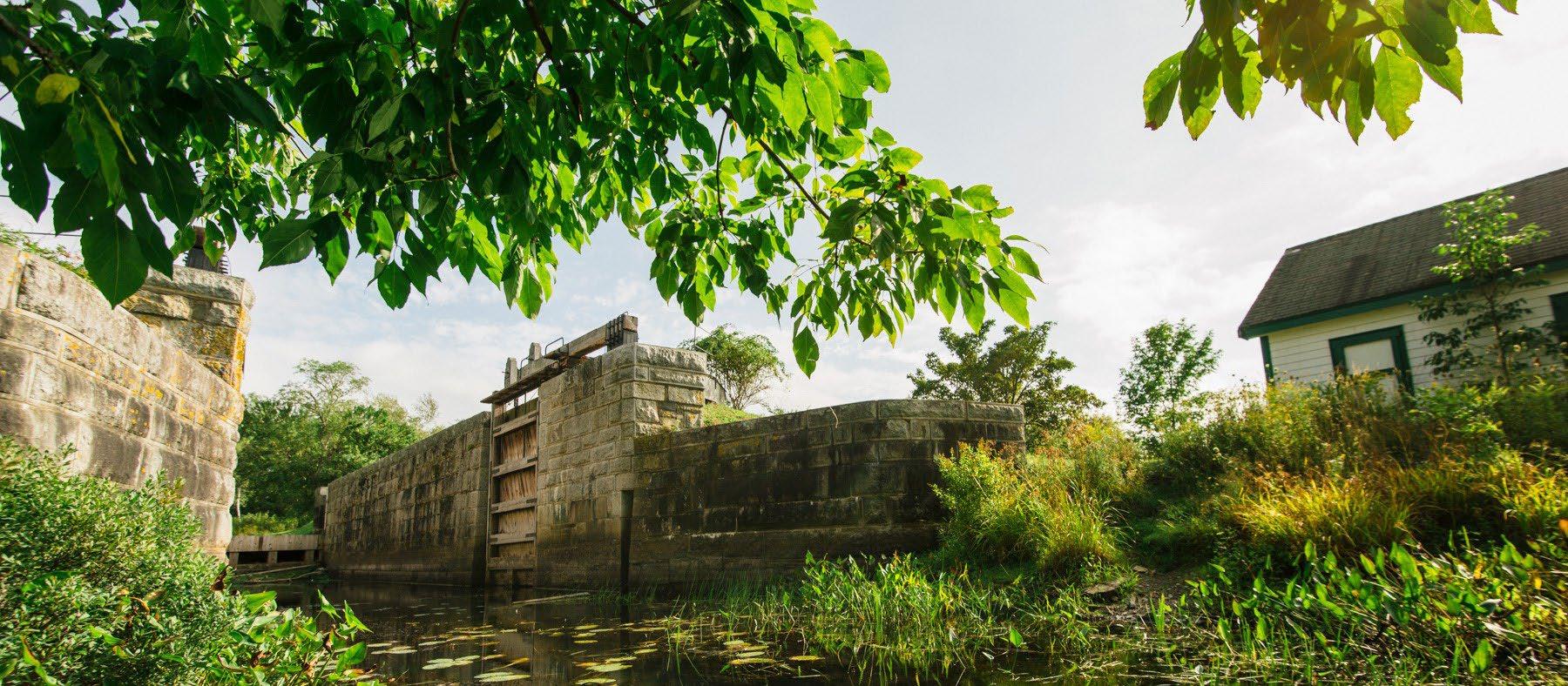
The Shubie Canal is a vital artery in the heart of Nova Scotia, carrying the province’s rich history through its waterways. From its deep significance to the Mi’kmaq people to its role in the industrial era, it has long been a passage of connection. Today, thousands turn to its waters and trails to immerse themselves in nature and community. Although its function has evolved, its lifeblood of connection endures.
The Mi’kmaq Connection
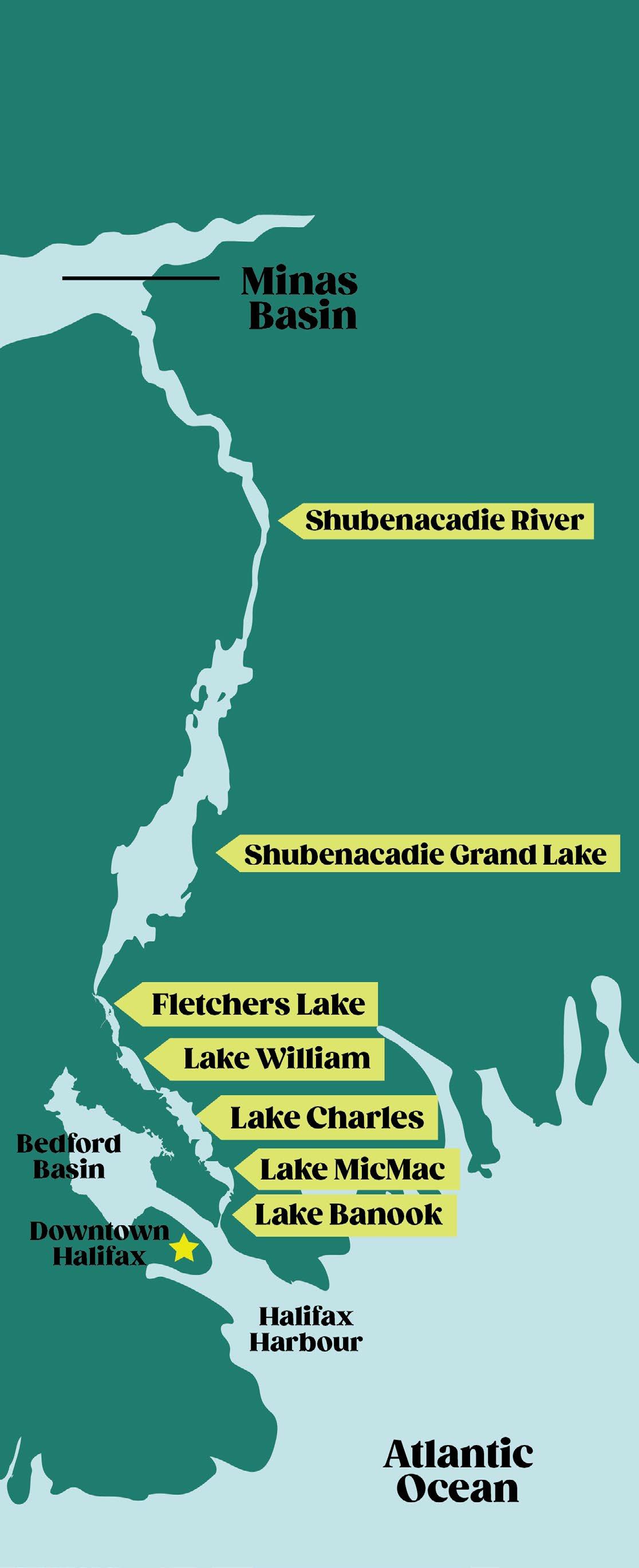
For the Mi’kmaq people, the Shubenacadie River has always been a lifeline. “One of the longest tidal rivers in the province of Nova Scotia, it served as a major transportation route and a resource and habitation area for Mi’kmaq people for over 6,000 years,” says Dr. Roger Lewis, Mi’kmaq cultural heritage and archaeology lead with the Sipekne’katik Governance Initiative. This river was not just a means of travel—it was a sacred space that provided food, shelter, and community.
“Mi’kmaq people see it as a gift, not merely a river that meanders through to the Minas Basin,” Lewis explains. “It provides Mi’kmaq people with an

abundance of food and other things necessary for their survival.” The river and its surroundings are ingrained in Mi’kmaq cultural memory, a history that extends far beyond European contact.
“The history of this province didn’t start in 1604,” Lewis emphasizes. “As far as we know scientifically, it dates back 13,500 years.”
The Mi’kmaq presence along the river remains evident today through archaeological sites stretching from the river’s mouth in Maitland to its outflow at the Halifax Harbour. “Although we see official artifacts here on the river system, there are many things that are not visible to the eye,” Lewis notes. These sites tell a story of resilience, adaptation, and survival that continues to shape Mi’kmaq identity.
The Evolution of the Canal
While the river had been an essential route for the Mi’kmaq, the 19th century saw its transformation into a monumental industrial project. “The Shubenacadie Canal is one of the most ambitious projects undertaken in Nova Scotia during the industrial age,” says Richard MacMichael, volunteer and heritage interpreter with the Shubenacadie Canal Commission. Spanning 114 kilometres, the waterway was designed to connect the Halifax Harbour to the mouth of the Shubenacadie River near Maitland, facilitating trade and transportation.
Following the Mi’kmaq trade routes, the canal was built with nine locks, two marine railways, and one large manmade holding pond. However, despite its promise, it was only in operation for a decade and ceased operations in 1871. Though short-lived, its legacy remains, with much of its infrastructure preserved and repurposed.
During construction, accidental archaeological discoveries—including Mi’kmaq tools and artifacts, some dating back over 4,000 years—highlighted the deep connection between the river and its original inhabitants
While the British later modified the river system for their own needs, the Mi’kmaq had already shaped it for generations. “The template for the canal had been there for thousands of years,” MacMichael notes. “The canal route is essentially the same path that the Mi’kmaq used for trade through the region.”
Shubie Park
The Canal Today: A Place for Everyone
While the canal no longer serves industrial needs, it has taken on a new role as a cultural and recreational destination. “The Shubenacadie Canal, the river, and the hiking trails along the canal are one of this province’s most impressive natural and recreational resources,” says MacMichael.
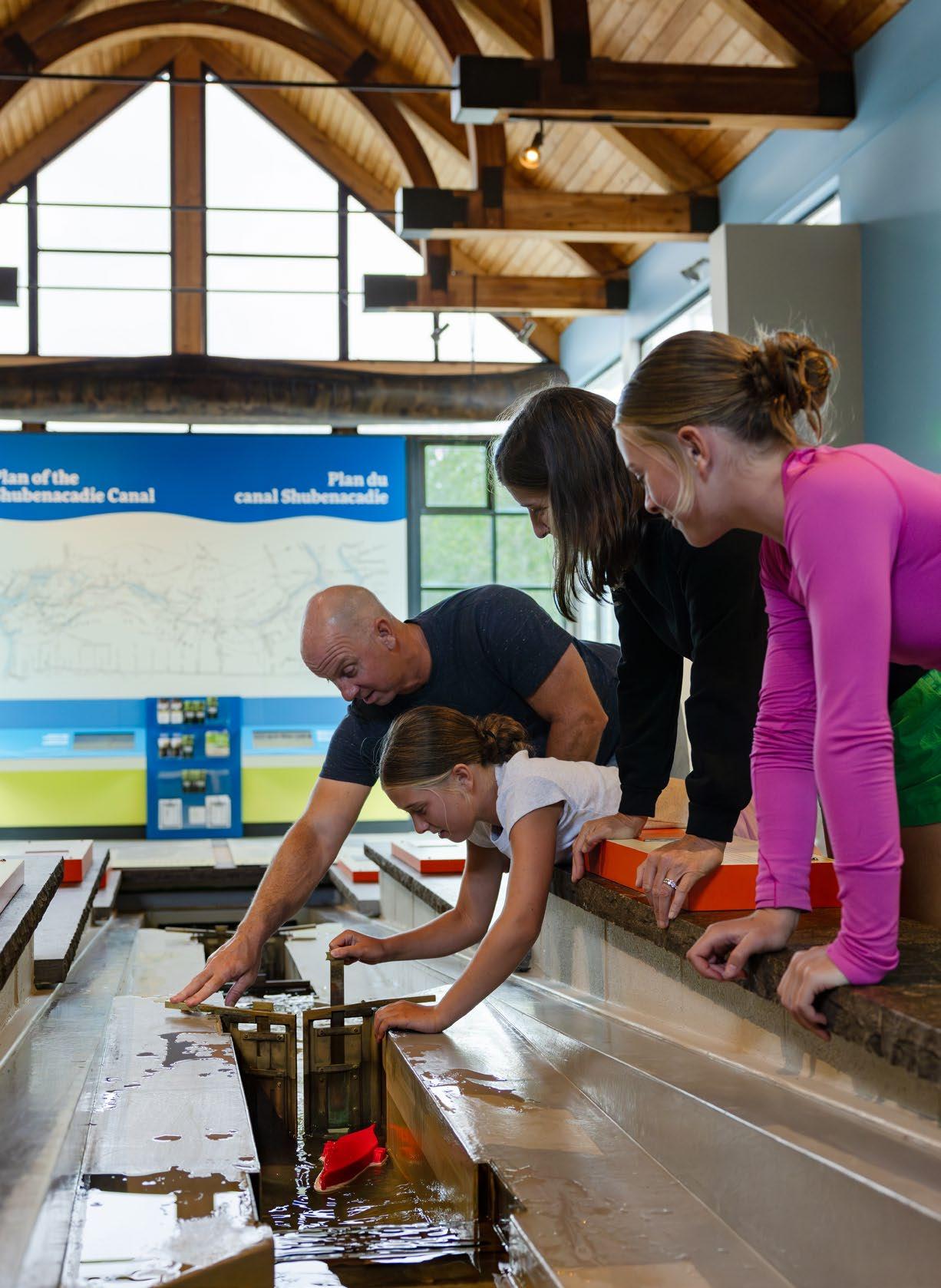
The Shubenacadie Canal Commission, a non-profit charity established in 1986, has worked to restore and maintain access to the canal’s historic sites. “Thanks to the Canal Commission and our partners along the canal, six of the nine locks and both marine railways are open to the public,” MacMichael notes. Visitors can explore the region through hiking trails, paddling routes, and historical sites that offer a glimpse into the past.
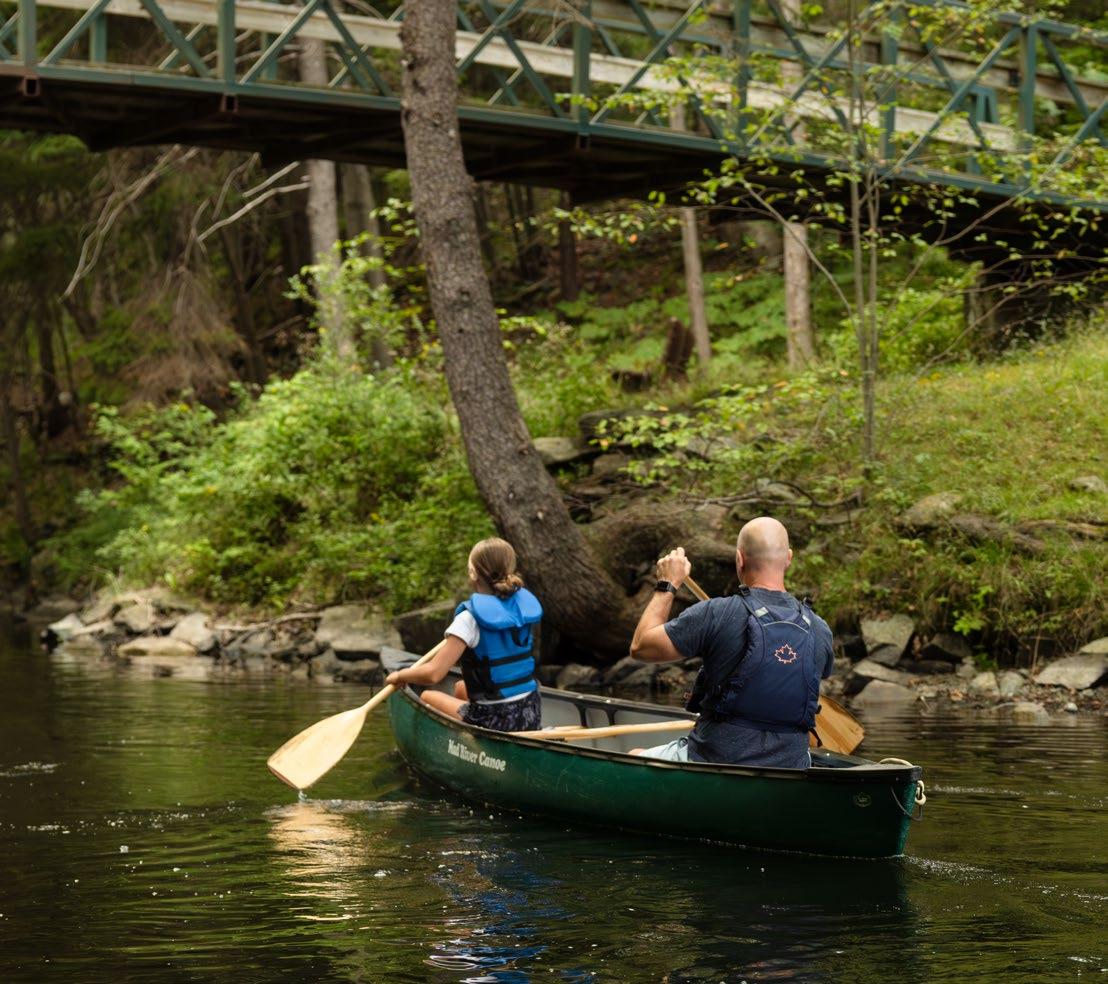
“We provide a number of different means for people to access the canal and its recreational resources,” MacMichael explains. “Every year, thousands of people hike, bike, stroll, and jog the trails along the canal, and many take to the waterways in canoes, kayaks, and paddleboards.” The river also offers unique opportunities for adventure, from canoe rentals near the Fairbanks Centre to whitewater rafting at the mouth of the Shubenacadie River, which is shaped by the powerful tides of the Bay of Fundy.
Beyond recreation, the canal is also an important site for cultural preservation. “Cultural heritage is about physical artifacts and intangible assets that make up that cultural landscape,” says Lewis. “We have an obligation to protect them for the present and preserve them for future generations.”
Efforts are underway to formally recognize the significance of the Shubenacadie River.
“One of the most important things that the Canal Commission is doing is working with the Sipekne’katik First Nation to get heritage status for the Shubenacadie River as part of the Canadian Heritage River system,”
MacMichael says. This designation would further acknowledge the river’s deep historical and cultural significance, ensuring its stories are safeguarded and shared with generations to come.
A Living History
The Shubenacadie Canal is more than a historical landmark— it is a living testament to the region’s past and present. It is a place where the Mi’kmaq connection to the land endures, where history and nature intertwine, and where people continue to find community, recreation, and inspiration.
“They’re still here,” Lewis reminds us. “You can relocate a population from their traditional resource areas, but one thing you cannot take is cultural memory. And that cultural memory survives through language and academia.”
As visitors explore the canal today, they walk through layers of history—one that began thousands of years ago and continues to shape the identity of Nova Scotia. Whether through paddling its waters, hiking its trails, or simply pausing to reflect, the Shubenacadie Canal remains a place of connection, evolution, and renewal. ■
Scan the QR code to watch a short video that brings the story of the Shubenacadie Canal to life.
Special thanks to Dr. Roger Lewis, Richard MacMichael, NSITE’N, the Shubenacadie Canal Commission, and Mirror Image Media for their support in creating this content.
Fairbanks Interpretive Centre

EXPLORE THE 9 Regions of Halifax
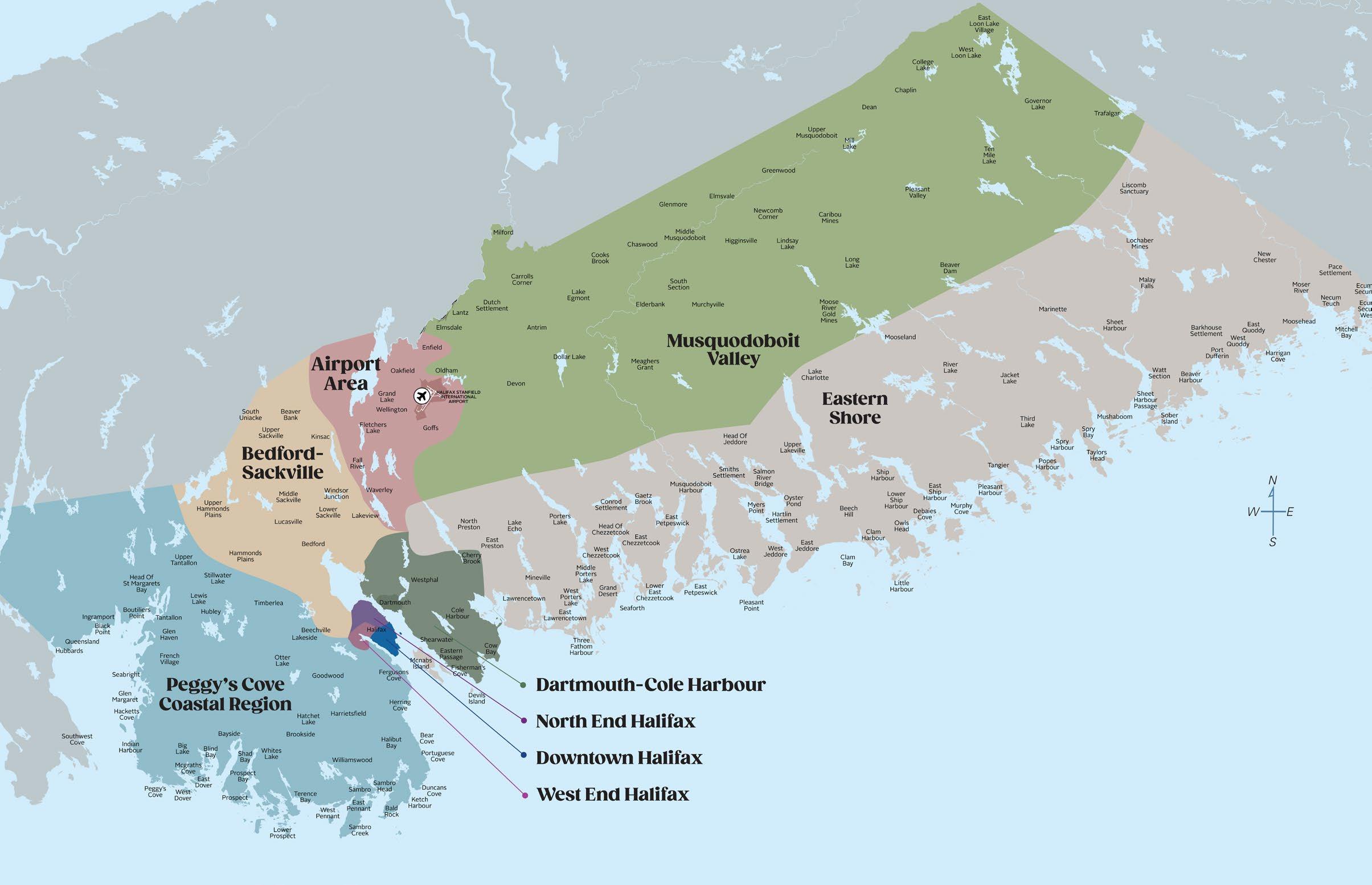
The Halifax Regional Municipality is comprised of more than 200 unique communities across nine distinct regions. Each boasts its own rich history, distinct character, and exceptional experiences, making the Halifax region a tapestry of cultural and natural beauty. From vibrant urban areas to serene stretches of coastline, Halifax has something for everyone to enjoy.








Airport Area

More than just a travel hub, the Airport Area is a treat with picturesque lakes, cozy cafés, and a sense of calm just beyond the city. Nearby neighbourhoods like Fall River and Waverley offer a taste of small-town warmth, with local pubs, charming bakeries, and scenic trails perfect for unwinding.
Travellers can relax in style in their accommodations, including inviting B&Bs, charming inns such as the Inn on the Lake, and comfortable hotels designed for the perfect stopover.


Taste
For a bite near the airport, visit Sosta! at the Alt Hotel. This vibrant restaurant serves fresh-fromthe-oven pizzas, flavourful pasta, crisp salads, and shareable plates.
Just a short detour off the main highway, Good Day Kitchen & Café River offers a warm, friendly atmosphere and hearty dishes made with locally sourced ingredients.

A must-see for aviation enthusiasts, the Atlantic Canada Aviation Museum showcases over 20 aircraft, three simulators, and a treasure trove of artifacts. It is dedicated to preserving Canada’s rich aviation heritage, both civilian and military.
Craving fresh, locally sourced products? The Vegetorium Country Farm Market in Fall River supplies fruits, vegetables, free-range eggs and meats, and other organic products, including chocolate, coffee, flour, sugar, and grains.


Hit the rejuvenating 4 km loop at Oakfield Provincial Park or the nearby 2 km trail at Laurie Provincial Park, winding along Shubenacadie Grand Lake’s peaceful shores. Alternatively, explore McDonald Sports Park, a multipurpose recreation area featuring a baseball field, aquatic club, volleyball courts, and hiking trails.
Atlantic Canada Aviation Museum
Good Day Kitchen & Café
MacDonald Sports Park

BedfordSackville

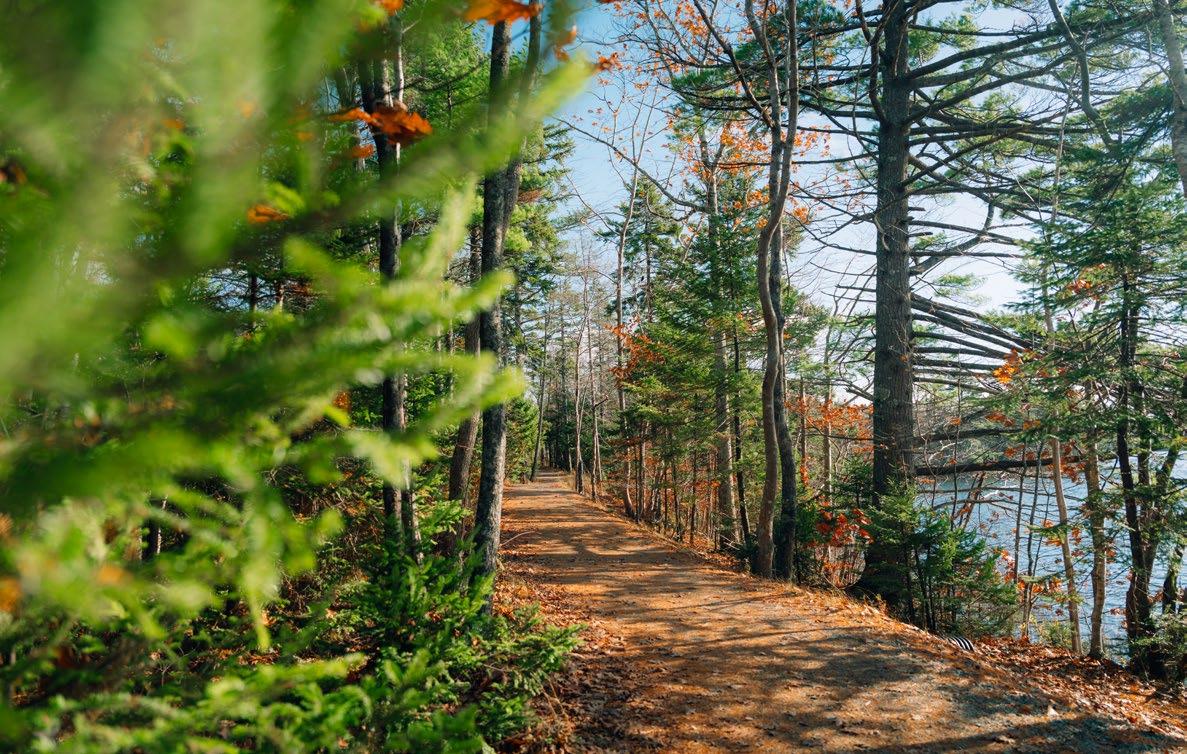
Walk
Where family values meet adventure—this welcoming region offers a vibrant mix of unique shops, engaging activities, and breathtaking outdoor escapes.
Bedford graces the northwestern edge of the Bedford Basin, offering breathtaking vistas of Halifax Harbour from DeWolf Park Sunnyside Mall shines as a shopping destination with fresh food and unique shops.
The ever-evolving Sackville area offers a lively mix of dining and shopping, complemented by Lower Sackville’s historical landmarks and must-visit museums. If you’re looking to get your legs moving, explore the trails at Sackville Lakes Provincial Park
Do
Up for some fun and a high-energy adventure? Experience the thrill of Action Laser Tag in Bedford. When the heat’s on, the beaches around First and Second Lake in Sackville call for you to take a dip.
Taste
Izzy’s Bagel Co. serves fresh bagels and coffee daily on Bedford Highway—choosing from 12 tempting spreads like smoked salmon, eggnog, and pumpkin is the hardest part. For a taste of a classic Nova Scotian diner, head to Esquire Restaurant for their award-winning chowder. Or dine family-style and savour authentic Chinese cuisine with farm-to-table flair at The Orient.
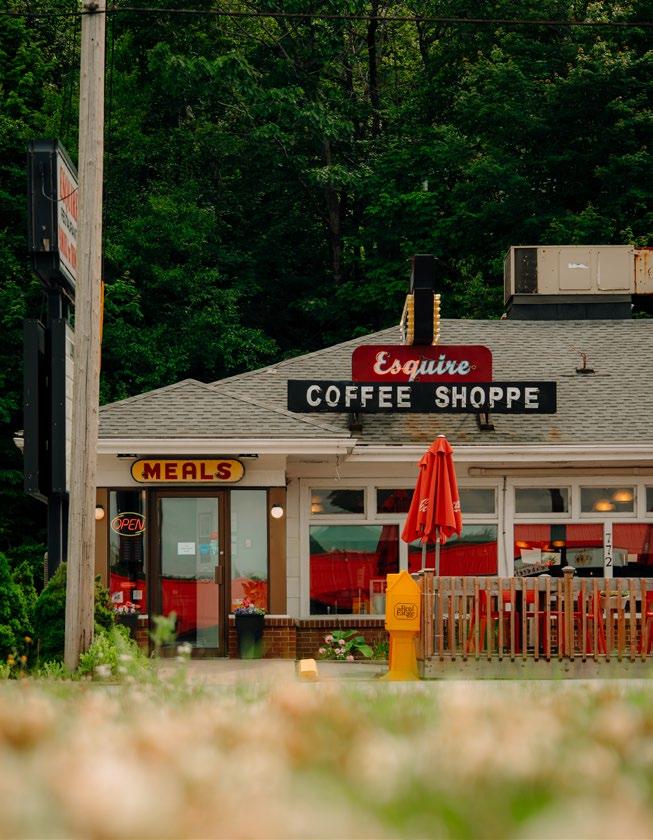
Immerse yourself in the region’s beauty with a leisurely stroll along the Bedford Waterfront Boardwalk, discover the hidden gem of Susies Lake, or escape into nature at the First Lake Glen Slauenwhite Trail, which also features a family-friendly splash pad nearby.
See
Step back in time to the Fultz House Museum in Lower Sackville, where over 200 years of local history come to life. Built in the 1860s, this historic gem showcases a rich collection that beautifully reflects Sackville’s storied past.
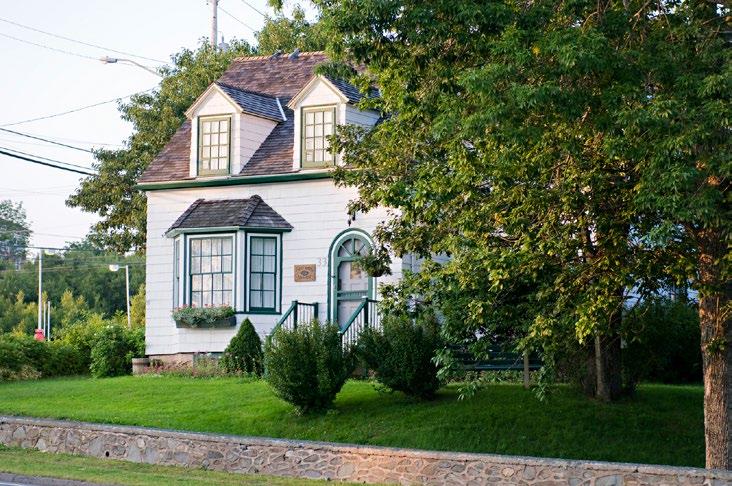

DeWolf Park Boardwalk
Esquire Restaurant
Fultz House Museum
First Lake Glen Slauenwhite Trail

Musquodoboit Valley

Musquodoboit Valley is the largest of Halifax’s nine regions and a nature lover’s dream. Sprawling farms dot the rolling green hills, while dense forests, sparkling lakes, and the tranquil Musquodoboit River offer endless opportunities for outdoor activities like hiking, fishing, kayaking, and camping.
See
Spend a day at the Halifax County Exhibition, one of the oldest agricultural exhibitions in Nova Scotia and the only one still running in the Halifax region. Held every August in Middle Musquodoboit, this family-friendly event features livestock barns, oxpulling, barrel racing, craft and baking competitions, and live music.
Catch a theatre or comedy show at the historic Musquodoboit Valley Bicentennial Theatre, home to Canada’s oldest known scenic art, the Garden Scene (1892) by William Gill.
Walk
A steep but rewarding trail, the Gibraltar Rock Loop climbs a granite peak with sweeping views of the Musquodoboit River and, to the north, the Shubenacadie glacial spillway. The trail continues along an exposed granite ridgeline before slowly descending to the Musquodoboit Trailway
For a shorter and easier stroll for the whole family, head out along the forested crusher-dust trails at Dollar Lake Provincial Park in Wyses Corner.
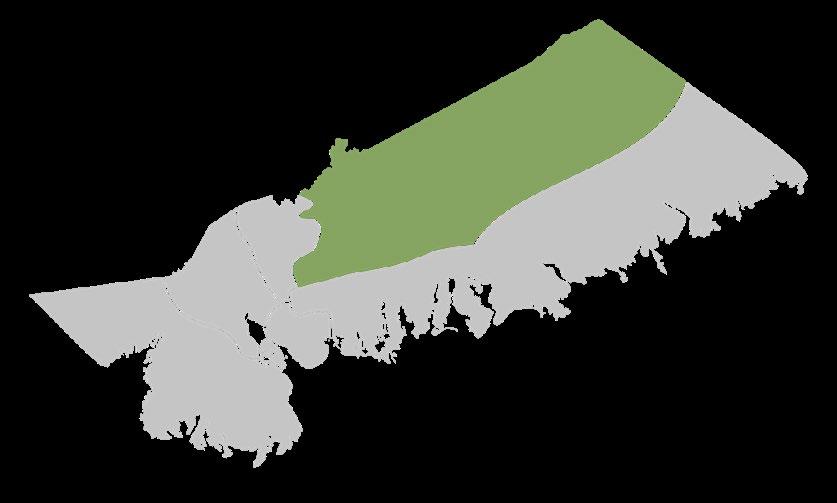


Take a sunset walk on a guided bison tour at Lindsay Lake Farms
Enjoy a 3-course farm-to-table meal and an overnight stay at the cozy Moose River Cottage.
Taste
Shop for farm-fresh products from numerous family-owned farms and markets throughout Musquodoboit Valley. Stop into Golden Valley Market, a small farm market offering seasonal local products, from honey and maple syrup to fresh strawberries and squash. For the freshest sourdough, macarons, carrot cake, and more, order online from The Farm Bakery in Middle Musquodoboit.
Do
Paddle the Musquodoboit River with Musquodoboit Valley Outfitters in Elderbank for a peaceful canoe or kayak adventure. Elevate the experience with a picnic from The Farm Bakery at Lindsay Lake Farms
Families can visit the Upper Musquodoboit Wooden Playground or the Nature Learning Playspace in Middle Musquodoboit, which uses trees, plants, water, and rocks to create a natural playground for kids to explore.
Extend your stay overnight in a luxury glamping dome at Flow Edge Riverside Getaway in Middle Musquodoboit or a rustic cottage at Luna Rosa Chalet in Upper Musquodoboit.
Upper Musquodoboit Wooden Playground
Gibraltar Rock Loop
Halifax County Exhibition

West End Halifax
The West End of Halifax is an intriguing dichotomy, including both dynamic urban streetscapes and peaceful seaside havens shaped by nature. The urban heart of this area is Quinpool Road, which runs from the Halifax Common to the Northwest Arm. It’s a bustling commercial street bursting with broad-ranging shopping, dining, breweries, cafés, and specialty stores. The serene Northwest Arm—an ocean inlet defining the western boundary of the Halifax peninsula—is a peaceful place to paddle, sail, or just soak in the waterfront views. It’s a wild escape with lush parks, scenic walking trails, hidden beaches, and tranquil forest walks.
See
To enjoy a quiet beach day, check out Chocolate Lake, one of the closest freshwater lakes to Downtown Halifax. For a dose of history, visit the iconic Dingle Tower at Sir Sandford Fleming Park. Built between 1908 and 1912, it was designated a National Historic Site in 2008. To get a view of the Northwest Arm from the water, rent a canoe or paddleboard (it’s free for one hour on weekends between June and September!) from St. Mary’s Boat Club, established in 1907.
Taste
Up early? The brunch lines at Ardmore Tea Room, Armview Restaurant & Lounge, and Cheeky Neighbour Diner speak to their popularity among locals. For something on the sweeter side, enjoy one of the house-made pastries at Dilly Dally, or the treats at Sully & Porter on Oxford Street. As the day winds down, enjoy some BBQ and a pint on The Brewery by Quinn’s patio, or savour a pizza slice paired with craft beer at 2 Crows Oxford Taproom + Yeah Yeahs Pizza
Walk
A stroll along the entire 2.5 km (1.5 miles) Quinpool Road is a must-do experience—not just for the restaurants and shops. It’s also the heart of the Halifax Mural Festival and the 40-plus stunning murals that have been added over the years by incredibly talented graffiti artists.
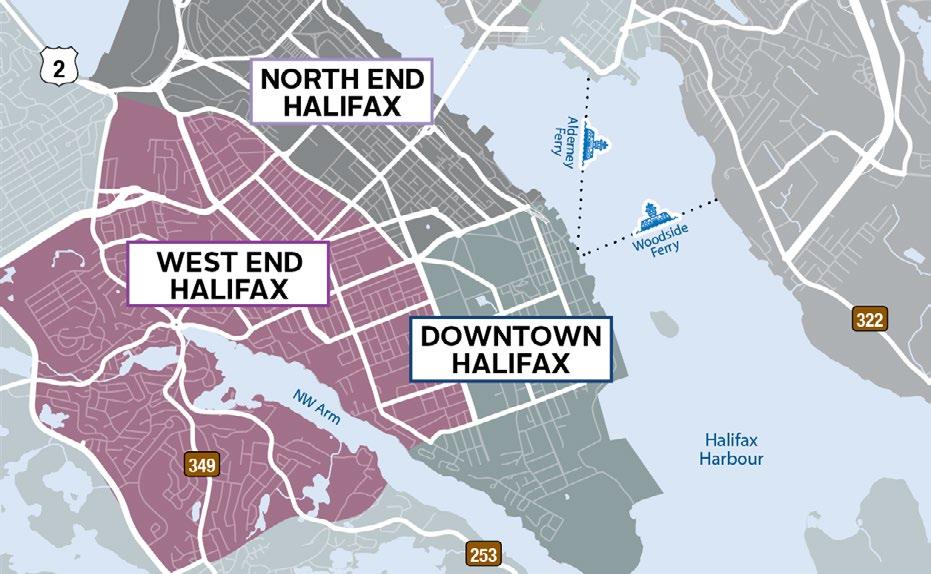
DoClimb the walls at East Peak Climbing if you have energy to burn. If shopping’s more your thing, this area is home to Canada’s oldest children’s bookstore, Woozles, a great spot for gifts. Other fun shops here include Pro Skateboards & Snowboards, the Trail Shop (for outdoor adventures), and Take It Outside for sustainable outdoor clothing.
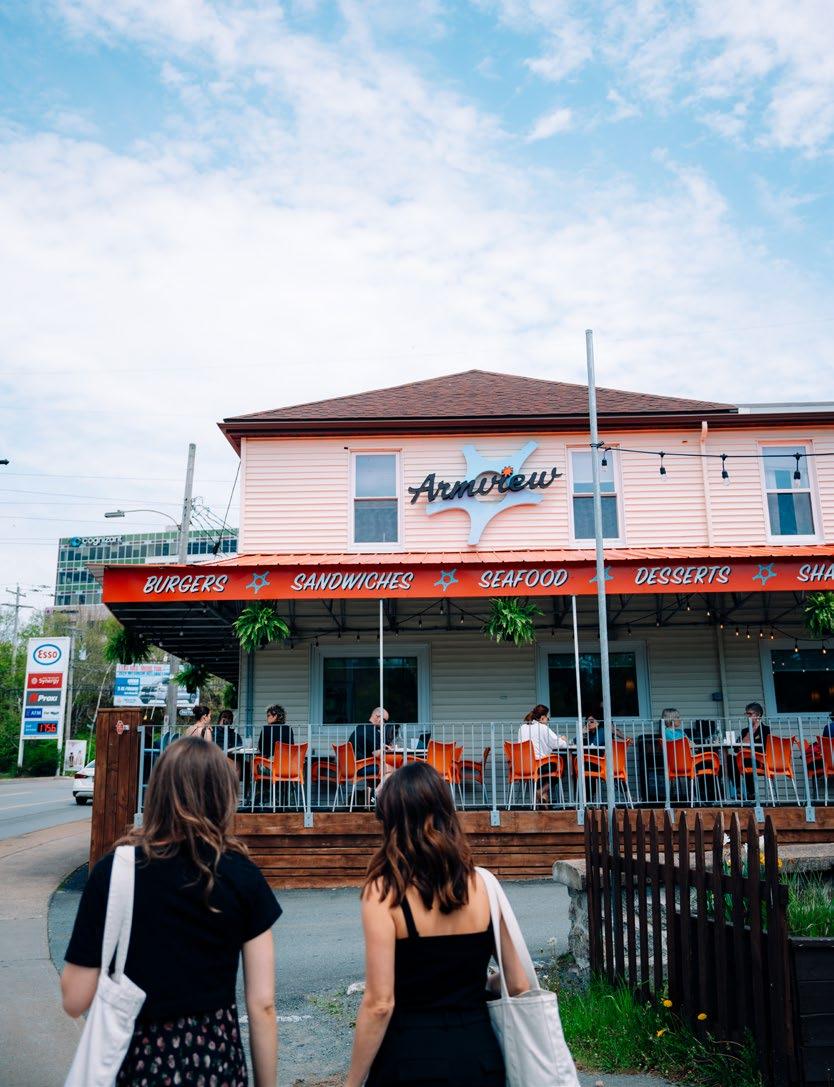

Northwest Arm
The Armview
Woozles
DartmouthCole Harbour
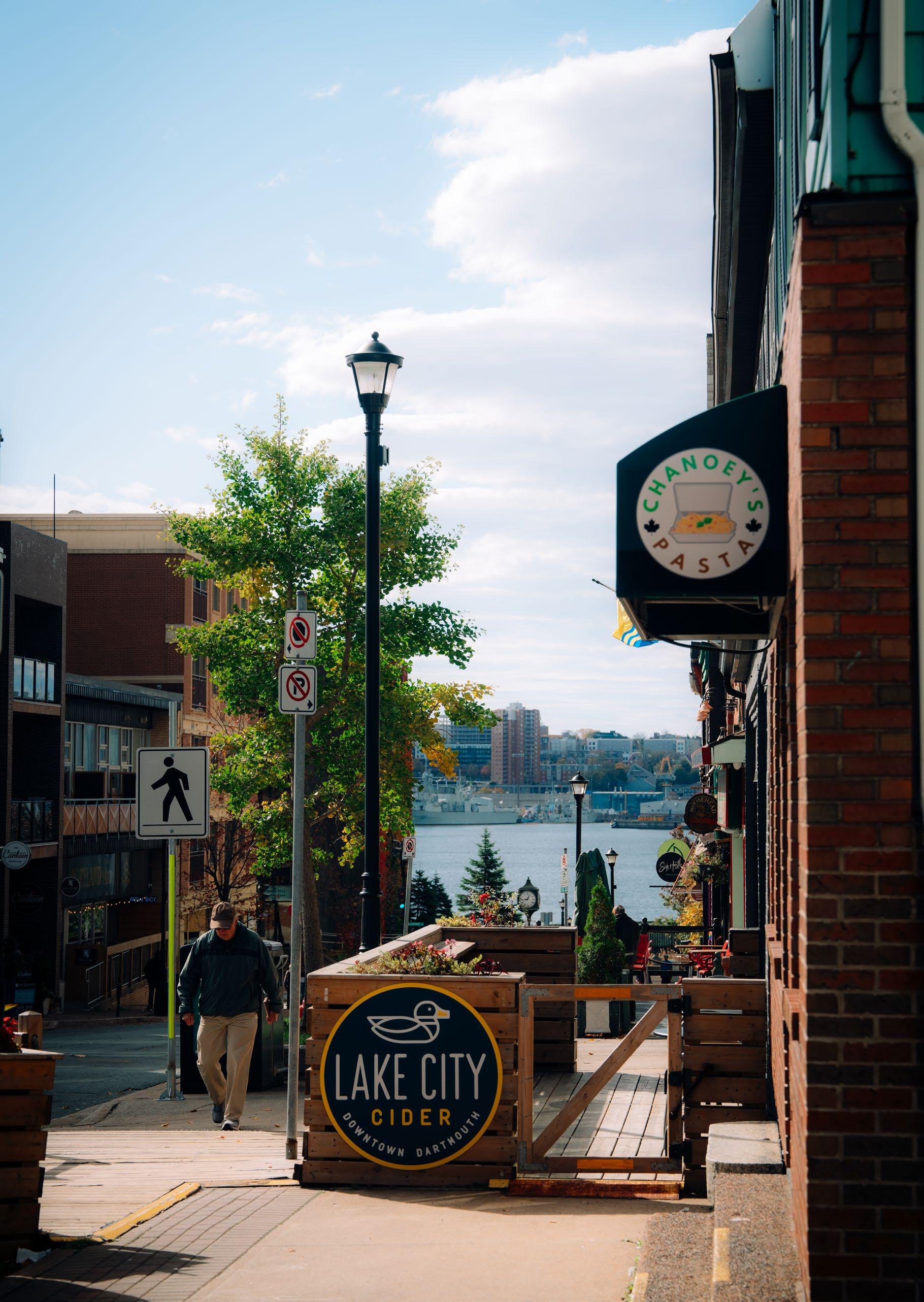
DOWNTOWN DARTMOUTH
Downtown Dartmouth has often been referred to as the Brooklyn to Halifax’s Manhattan, but comparisons aside, this vibrant community has an edgy, offbeat allure that’s all its own. Over the last decade, Downtown Dartmouth has experienced an exciting renaissance and is now known as a haven for unique restaurants, quirky shops, cool cafés, and public art. Easily accessible by ferry, locals know that Downtown Dartmouth is a treasure trove of amazing spots just off the beaten path.
Portland Street
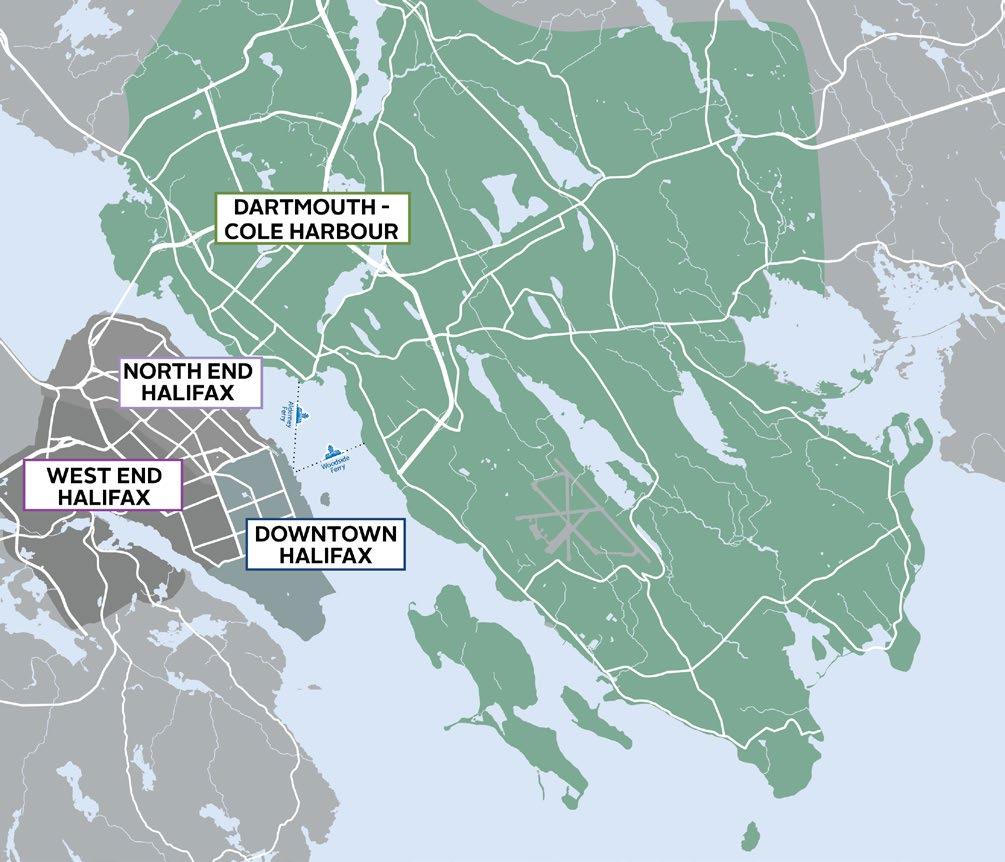
Dartmouth Cole Harbour Walk
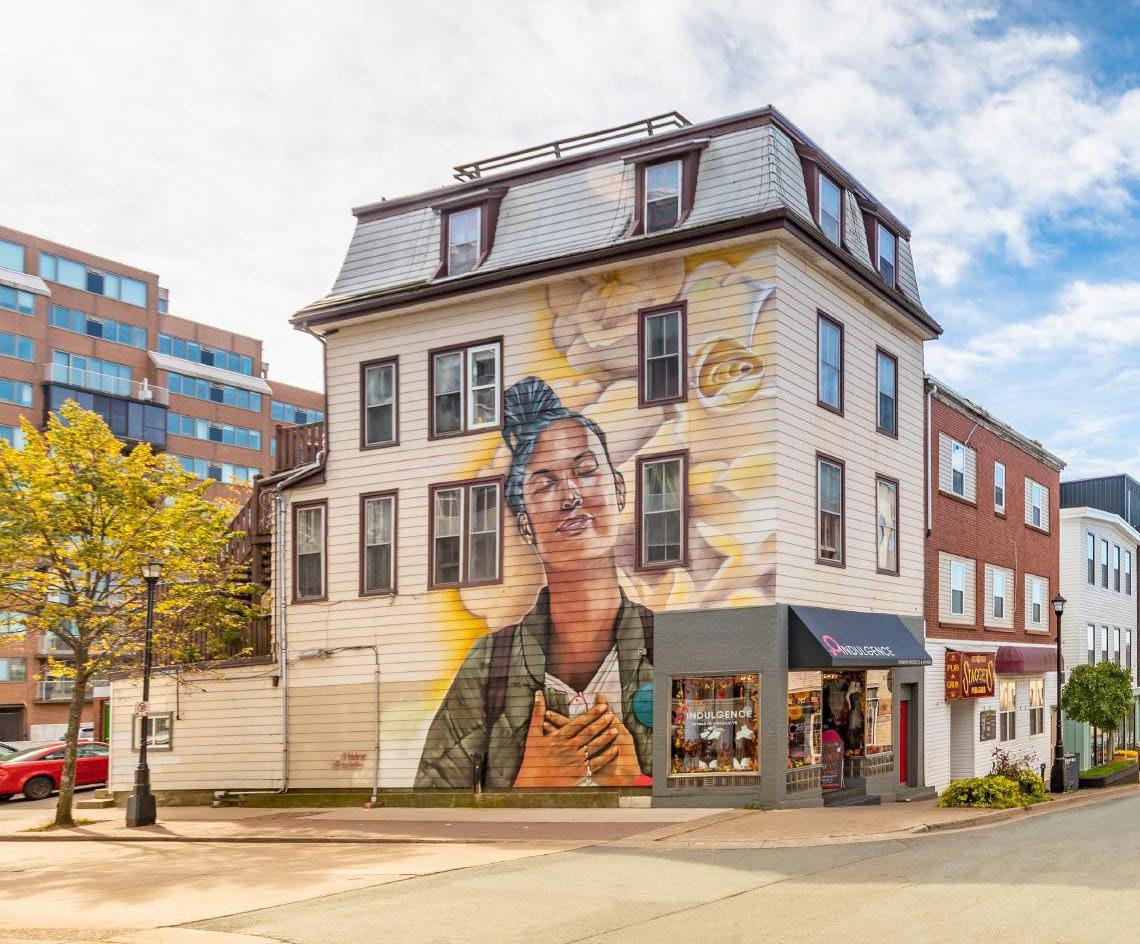
A stone’s throw from Downtown Halifax, Dartmouth and Cole Harbour deliver a mix of outdoor fun, cultural gems, and delicious local flavours. Known as the “City of Lakes”, Dartmouth boasts over 20 picturesque lakes perfect for paddling, swimming, or simply enjoying the view.
Downtown Dartmouth blends historic charm with modern flair, offering cozy cafés, quirky boutiques, and a food scene that celebrates everything from fresh seafood to decadent pastries. Getting here is a breeze—hop on the scenic ferry from Halifax or drive across one of the city’s iconic bridges.
Cole Harbour, the proud hometown of hockey legend Sidney Crosby, offers serene escapes like the Salt Marsh Trail, where you can stroll alongside breathtaking coastal views, and Rainbow Haven Beach Provincial Park, ideal for sunbathing or beach combing. For a dose of history, visit the Black Cultural Centre for Nova Scotia’s enlightening exhibits or explore the rustic grounds of the Cole Harbour Heritage Farm Museum
Whether you’re craving adventure, relaxation, or a taste of local culture, Dartmouth-Cole Harbour has something special waiting for you.
The area is perfect for a scenic and relaxing walk. Start with the Harbourfront Trail, which offers stunning views of Halifax across the harbour and connects to both Dartmouth ferry terminals at each end. The golden hues reflecting on the water at sunset create a serene and picturesque experience. Nearby, Lake Banook invites peace with its calm waters, walking paths, and canoeing opportunities. Don’t miss Sullivan’s Pond, a tranquil park home to the Sullivans’s Pond Geese. These domestic white geese can often be spotted waddling their way across a nearby crosswalk to explore the recreation centre’s lawn in search of food. Together, these spots showcase the region’s endless natural beauty and charm.

Alderney Ferry
Portland Street
Artist: Dan Metcalfe
5 Must-Do DartmouthCole Harbour Experiences
1
Gracefully navigate the Shubie Canal by renting a canoe, kayak, or paddleboard. For those who prefer to spectate, watch a thrilling canoe race at Lake Banook.
2
Uncover African Nova Scotians’ rich history and culture at the Black Cultural Centre for Nova Scotia, a must-visit for meaningful and moving insights.
3
Seafood lovers, rejoice—The Canteen on Portland is a must-visit, serving up an award-winning seafood chowder that’s nothing short of a masterpiece.
4
Step back in time at the Cole Harbour Heritage Farm Museum and discover the region’s agricultural roots—a perfect place for kids to meet animals, explore plants, and learn about local traditions.


5
Stroll or cycle the Salt Marsh Trail, a scenic causeway with stunning views. The former railbed section stretches 3.2 km over sparkling water.
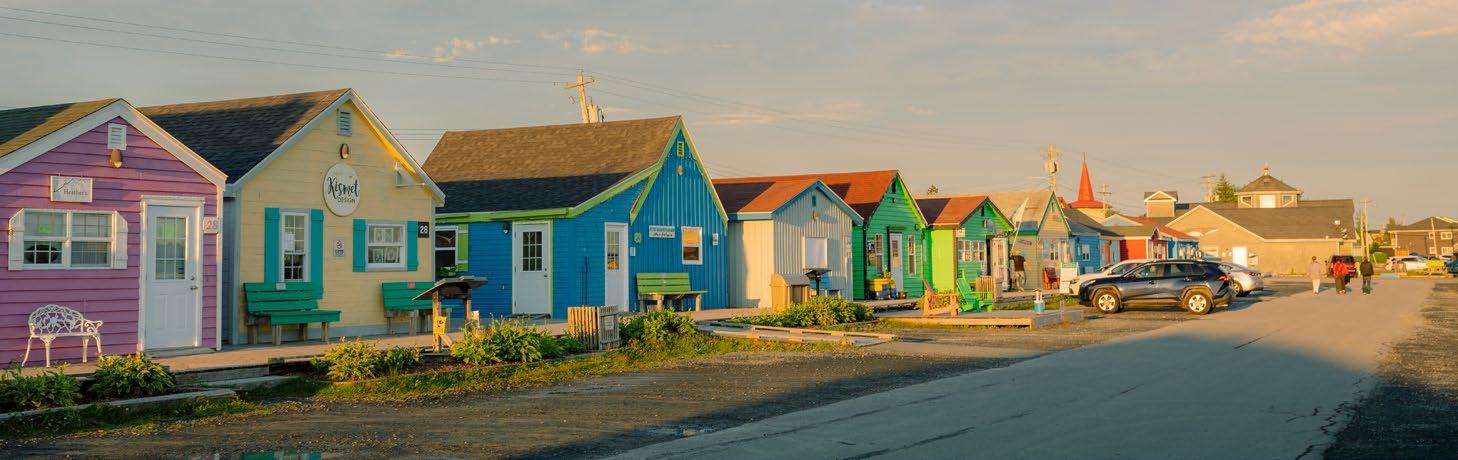
FISHERMAN’S COVE
Fisherman’s Cove is a picturesque, 200-plus-year-old restored fishing village located just 20 minutes from Downtown Halifax in Eastern Passage. With its charming harbour, quaint shops, and working fishing boats, Fisherman’s Cove provides a glimpse into Nova Scotia’s rich maritime history. Visitors can wander along the charming boardwalk, sample fresh seafood, and breathe in the salty sea air. Catch the A&M Sea Charter to spend the afternoon exploring the beaches and historic forts on McNabs Island, located at the entrance of the Halifax Harbour.
Lake Banook
Evan’s Seafood Patio, Alderney Landing
Portland Street
Portland Street

Taste
Explore Downtown Dartmouth’s vibrant streets and indulge in local flavours. Start at Lake City Cider’s taproom with a tangy raspberry cider or a chilly cider slushie—perfect for summer. At Sip Bar + Fare, savour Nova Scotian delights like grilled oysters and canoe-cut marrow in a cozy setting. Craft beer enthusiasts can unwind at New Scotland Brewing, enjoying refreshing brews on the inviting patio. For a sweet touch, visit Portland Street Creperie for banana split crepes or raspberry cream cheese delights.
Dartmouth’s dining scene showcases rich culinary diversity, with each spot offering its own charm. Doraku serves fresh sushi and inventive rolls in a welcoming space. Maria’s Pantry delights guests with cozy bites like handmade mushroom ravioli. Oxalis offers a unique, locally sourced menu for an upscale experience. Dear Friend Bar pairs expertly made cocktails with creative dishes in a trendy yet relaxed space. Café GoodLuck is a favourite for excellent coffee, tasty pastries, and cozy brunch vibes.
This content was produced in partnership with

DoDiscover the vibrant heart of Dartmouth through its unique attractions and experiences. Explore the wonders of Nova Scotia’s marine life at the Back to the Sea Centre, a handson seasonal aquarium featuring interactive exhibits with sea stars, crabs, and urchins. For a thrill, visit Timber Lounge, Atlantic Canada’s premier axe-throwing venue, offering local craft drinks and a fun way to unwind. Stop by The Trainyard, a community shop featuring whimsical handmade goods from 150+ Canadian makers. Don’t miss the Alderney Farmers’ Market, a lively hub of local vendors and regional delights.
After your adventures, unwind and recharge at Nature Folk Wellness Collective, an indoor Scandinavian spa offering a soothing thermal circuit, rejuvenating massage therapy, and revitalizing facials.
SeeDartmouth offers a vibrant cultural and historical experience through its unique attractions. Eastern Front Theatre showcases bold Canadian storytelling, and the Dartmouth Heritage Museum oversees two historic houses—Evergreen House, a beautifully restored Victorian home, and Quaker House (open from June 1 to August 23), Dartmouth’s oldest standing structure. For a peaceful retreat, stroll the hilly paths of the Dartmouth Commons, then unwind in the gazebo with sweeping views of Halifax. Art lovers can explore local talent at The Dart Gallery or immerse themselves in ever-changing exhibits at The Craig Gallery in Alderney Landing.

Alderney Farmers’ Market
Nature Folk Wellness Collective
Downtown Halifax


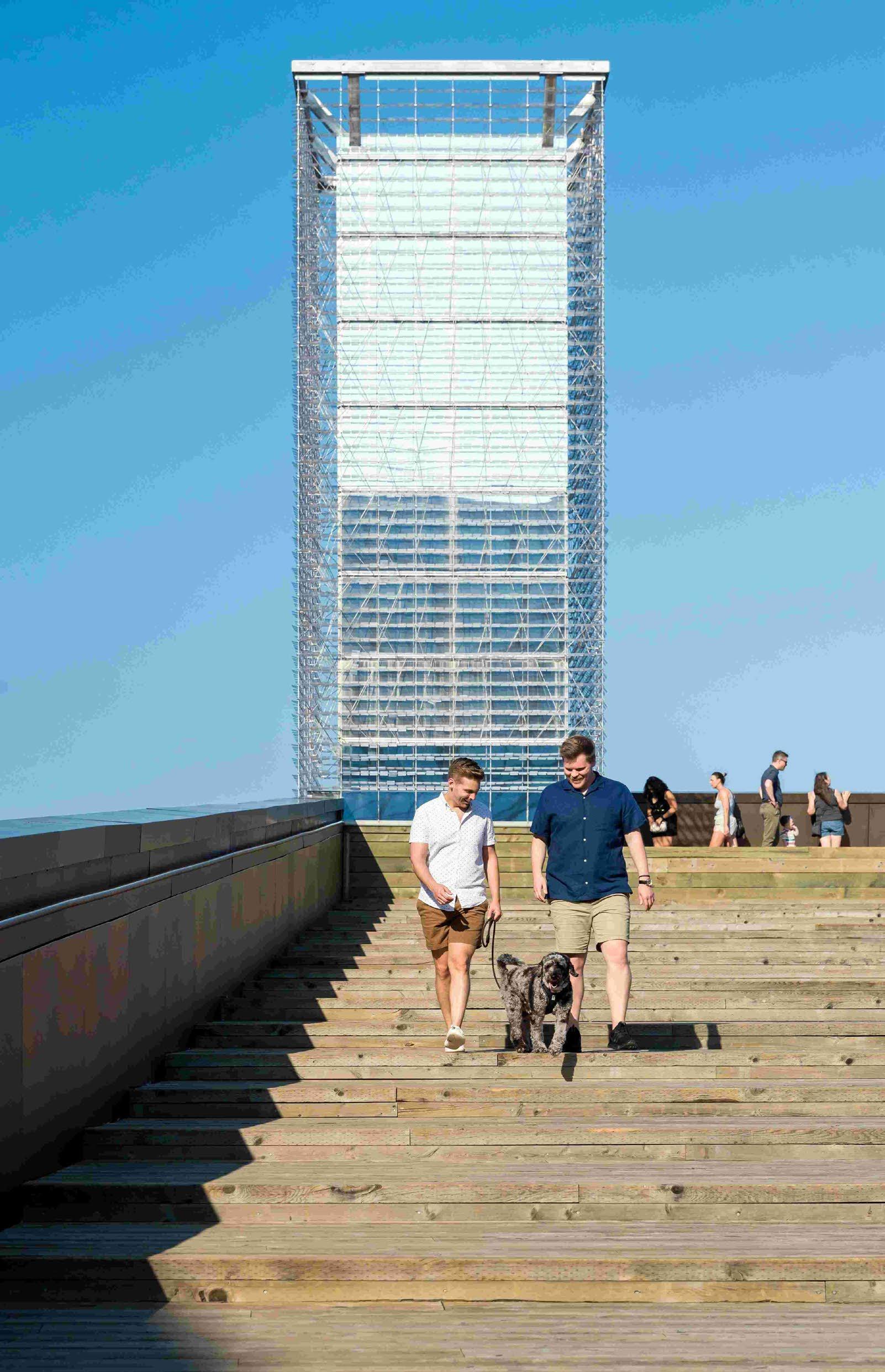
The Wave
Queen’s Marque
Café Lunette
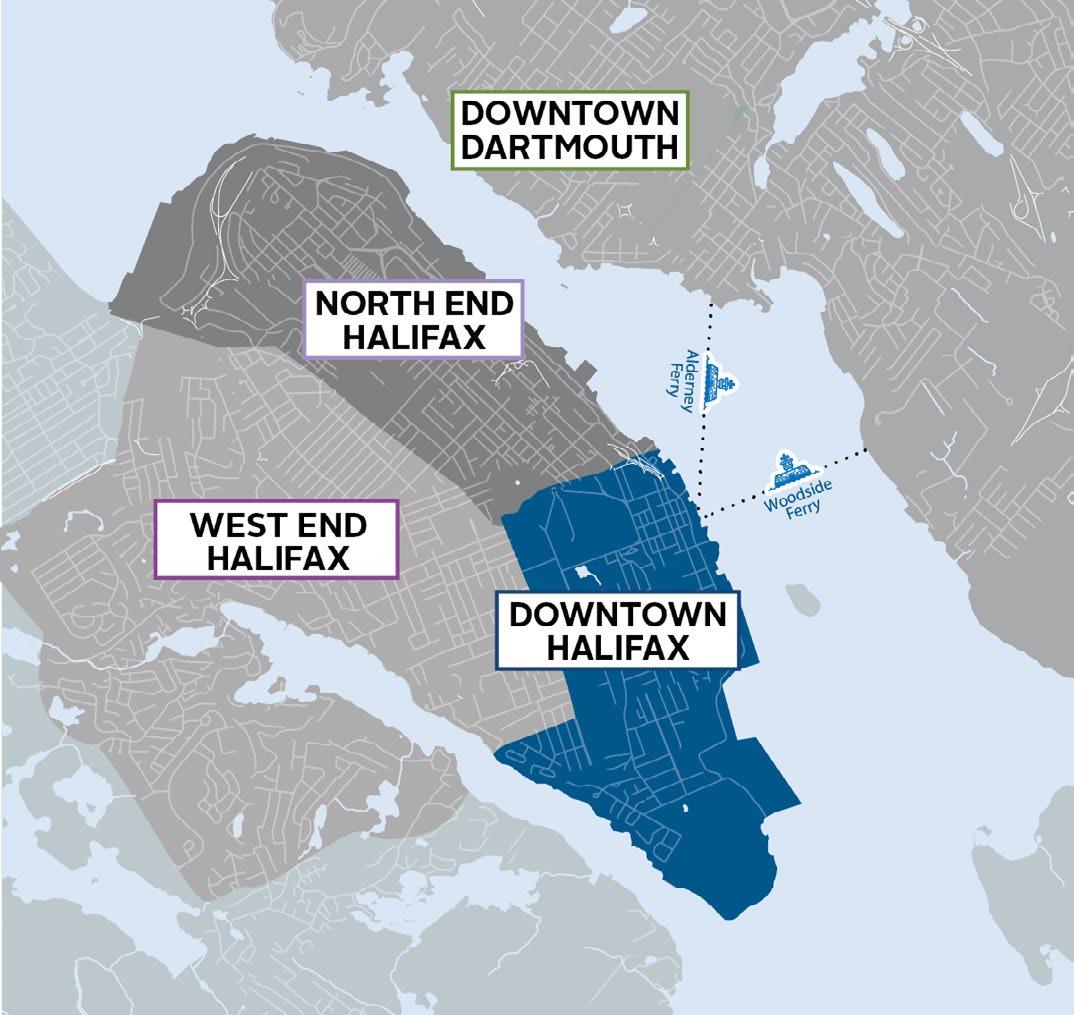
Downtown Halifax
Welcome to a compact and vibrant mix of rich history and modern life. Uniquely, most of the city’s urban core is nestled on a dramatic hill that stretches from the city’s lively waterfront to the top of Citadel Hill—where a historic fortress overlooks the city.
Over the centuries, Halifax’s historic Georgian and Victorian architecture has been largely preserved. Where renewal efforts have occured, striking glass skyscrapers now stand. This thoughtful preservation has helped the area feel both timeless and vibrant, with lively restaurants, shops, and cultural venues filling its narrow streets.


See
Make sure your phone has a full battery, and take a selfie with some iconic Halifax landmarks. Start on the waterfront with the Drunken Lamp Posts—a whimsical sculpture of tipsy, bendy streetlamps! Then pop into Alexander Keith’s Nova Scotia Brewery—one of Canada’s oldest—and get a selfie with Alexander Keith’s iconic statue. Just a little uphill, stop at St. Paul’s Church, across Grand Parade Square from City Hall. It’s the oldest Anglican church in Canada, dating back to 1750. A little further uphill (past the bustling entertainment strip of Argyle Street), visit the Old Town Clock, just down from the Halifax Citadel National Historic Site—it was built in 1803.
Taste
Halifax’s diverse culinary scene has exploded over the past few decades. For a casual bite, stop in for some Latin American comfort food at The Empanada Shop, a sandwich at Bird’s Nest Café, or a coffee and treat at Listen—a unique coffee shop combining Hi-Fi listening with a record shop. For a more substantial meal, check out Matadora Tapas Bar, which brings the rich flavours of Spain to the waterfront, or try the sumptuous Mystic, which offers tasting menus that highlight maritime terroir. If it’s traditional east coast flavours you’re after, then pop into Durty Nelly’s Irish Pub for a bowl of their famous seafood chowder and live tunes.

Grand Parade Square
5
Must-Do Downtown Halifax Experiences
1
Explore the Halifax Central Library. Its stunning award-winning design features an open, airy interior with a rooftop café patio that offers views of the city and harbour.
2
Check out the massive Wave sculpture on the waterfront boardwalk. It’s a popular interactive art installation where visitors love to take photos of its flowing design.
3
Visit Maud Lewis’ house—inside the Art Gallery of Nova Scotia. This modest house is part of a permanent exhibition that showcases her iconic, colourful folk art and offers a glimpse into her creative legacy.
4
Immerse yourself in Halifax’s evolving food scene with a visit to the Cunard District, the city’s newest restaurant hub, redefining waterfront dining.
5
Descend the Queen’s Marque’s massive granite steps into Halifax Harbour. Most of the city’s waterfront puts you at the water, but only these popular steps will get your feet wet!

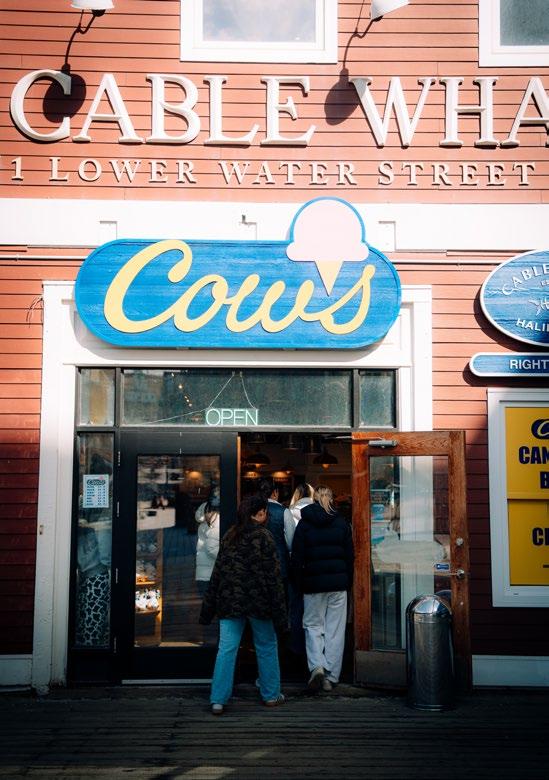
Walk
Think of the Halifax Waterfront boardwalk as a four-kilometre-long (2.5 miles) public square beloved by locals and visitors alike. It is one of the world’s longest urban boardwalks and offers a lively, scenic experience with stunning ocean views, lively street performers, public art, and inviting patios. Stroll past historic ships at the Maritime Museum of the Atlantic, browse local shops like Amos Pewter, and indulge in fresh seafood at the Waterfront Warehouse or a lobster roll from Dave’s Lobster. Stop for craft beer at Garrison Brewing or cool down with a cone from COWS Ice Cream. A boardwalk stroll is the perfect way to soak up Halifax’s coastal energy.
This content was produced in partnership with Downtown Halifax Business Commission.

The Sands at Salter, Halifax Waterfront
Maritime Museum of the Atlantic Cows



Do
Downtown Halifax is a shopper’s paradise, particularly on and around Barrington Street and Spring Garden Road. The Halifax Seaport Farmers’ Market offers a vibrant mix of fresh, local produce, and unique artisan goods—as does the Halifax Brewery Farmers’ Market, located on Lower Water Street, which hosts a weekly year-round farmers’ market every Saturday. For vintage clothing, pop into Elsie’s Consignment, which features the best of all the eras, chosen with careful consideration. Strange Adventures Comics Curiosities is a beloved comic bookstore offering a large selection of graphic novels, collectibles, and pop culture treasures. For a local gift, visit Inkwell Modern Handmade Boutique, a charming shop known for unique, colourful, handmade gifts and cards.
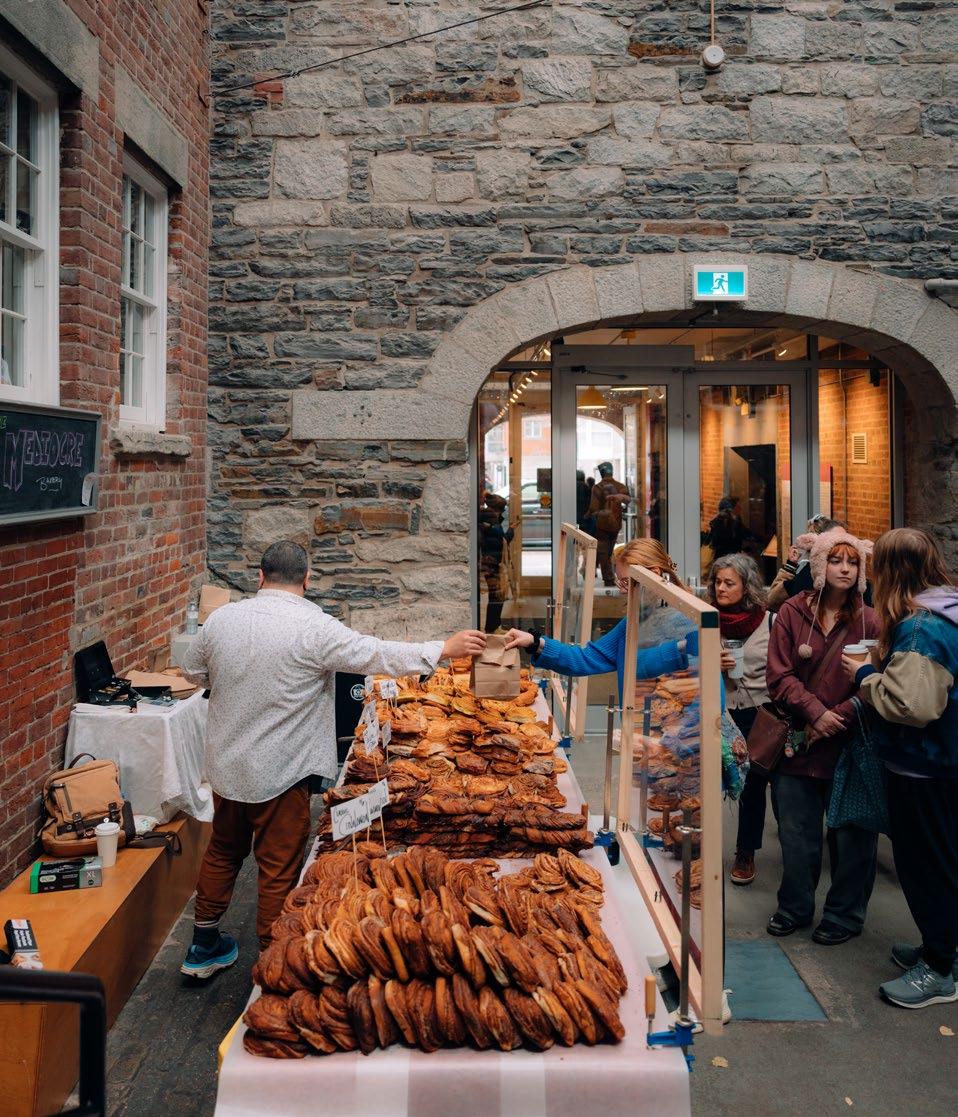
Crows Brewing Co.
Argyle Street
Spring Garden Road
North End Halifax
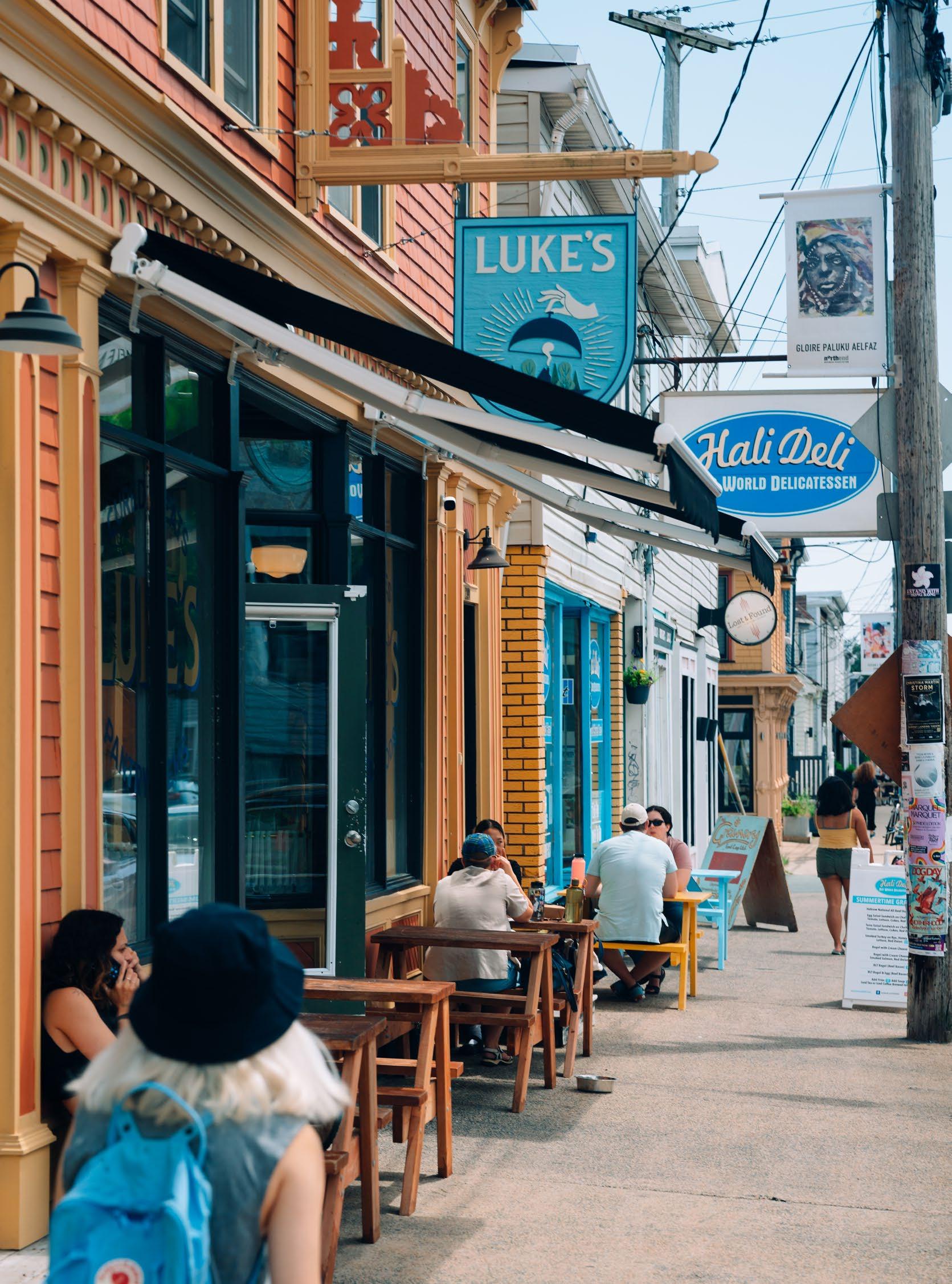
Street
Agricola Street and Gottingen Street in Halifax’s North End are a vibrant hub of culture, creativity, and community. Known for their eclectic mix of indie boutiques, cozy cafés, and lively pubs, these streets offer a unique blend of shopping and entertainment. Their walkability makes them easy to explore, with colourful murals and historic buildings adding to the charm of this ever-evolving neighbourhood.

Edna
Agricola
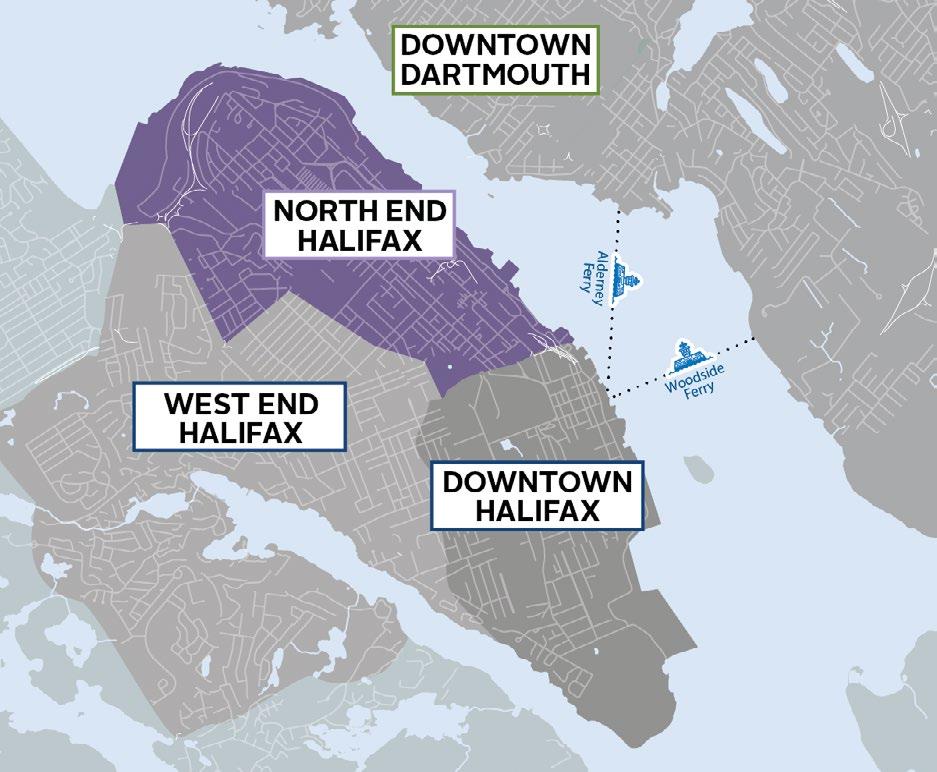
North End Halifax
Halifax’s North End is a vibrant, eclectic neighbourhood where authentic creativity meets urban families and laid-back cool.
Known for its colourful heritage homes and artistic energy, the North End is a hub for indie boutiques, craft breweries, cozy cafés, and top-tier restaurants. The area is rich in history, with sites like the Halifax Explosion Memorial Bell Tower and Africville Museum offering glimpses into its past. Explore local art galleries, live music venues, and bustling farmers’ markets, all while soaking in the neighbourhood’s welcoming, locally focused, communitydriven spirit. Whether you’re after vintage finds, delicious eats, or a taste of Halifax’s cultural heartbeat, the North End delivers.
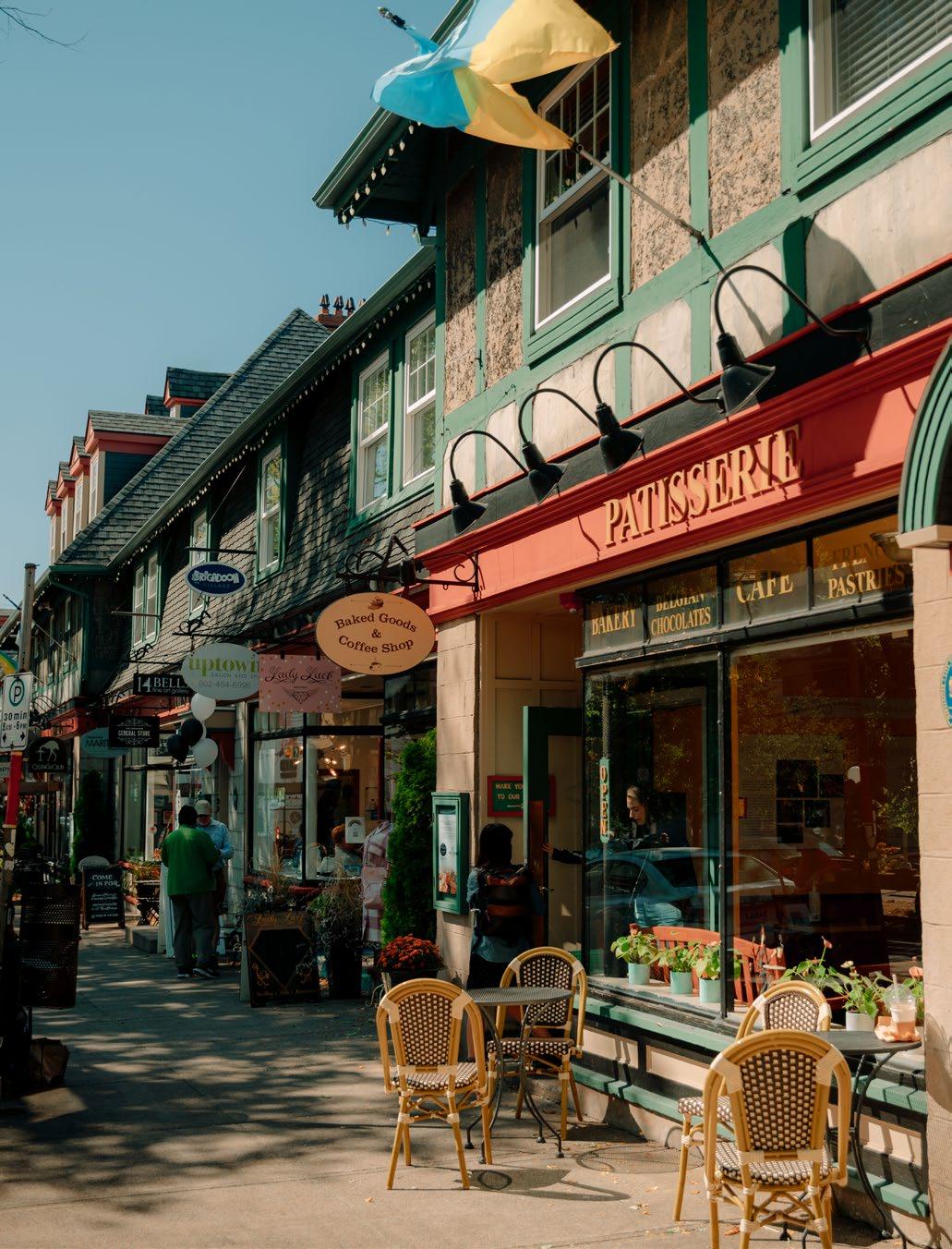

Walk
The North End’s Hydrostone area is one of the city’s most charming and walkable neighbourhoods. Built after the Halifax Explosion of 1917 to house displaced residents, its tree-lined streets feature distinctive, European-inspired row houses with a timeless appeal. Strolling through the Hydrostone, you’ll find inviting patios, local boutiques, and cozy cafés in the Hydrostone Market. Stop by Salvatore’s for a gourmet pizza, enjoy a handcrafted espresso drink at Lucy’s Hydrostone Café, browse unique finds at Lady Luck Boutique, and enjoy an intimate dinner at The Ostrich Club. With its rich history, welcoming atmosphere, and vibrant local businesses, the Hydrostone is a perfect spot for a leisurely city walk.
North Park Street
Hydrostone Market
5 Must-Do North End Halifax Experiences 1
Explore Agricola Street, a vibrant urban streetscape packed with indie boutiques, thrift and antique shops, cozy cafés, craft breweries, and great restaurants.
2
Catch a band at the Seahorse Tavern. It was the first bar to open in Halifax after prohibition ended in Nova Scotia in 1929, offering a cozy underground atmosphere.
3
Discover all of the North End’s murals. Colourful street art by local artists celebrates neighbourhood history, culture, and creativity. Plan your tour at gonorthhalifax.ca/art.
4
Sample some microbrews in the city’s hotbed of craft brewing. Can’t-miss spots include Propeller, Good Robot, Unfiltered, Tusket Falls, and Smokehouse
5
Spend a relaxing morning people-watching in a North End café like Ramblers, The Osney, Espresso 46, Café Lara, or Bramble Café


Visit the land where the people of Africville lived, worked, and raised their families for over 150 years, before being forcibly relocated to make way for industrial development in the 1960s. The Seaview United Baptist Church was rebuilt and opened in 2012 as the Africville Museum, a place where locals and visitors can learn the story of Africville and recognize the contribution of the community to Canadian and African diasporic history.

Brewery Park Hotel
Halifax Common


As an eclectically creative neighbourhood, the North End is packed with visually rich experiences, like art galleries. Check out The Blue Building Gallery, Hermes Gallery, and Cuts and Paste Gallery—Canada’s first gallery to exclusively show collage, assemblage and décollage works. The area’s architecture also turns heads. Keep an eye out for the colourful “Four Sister Houses” on Agricola St, Saint Georges Round Church on Brunswick St, and the Halifax Armoury, designed in a Romanesque Revival Style and built of red sandstone. For evening entertainment, consider a performance at The Marquee Ballroom, The Bus Stop Theatre, or Radstorm, a community arts centre. Finally, don’t miss the Viola Desmond Experience, in honour of an African Nova Scotian businesswoman and civil rights activist who was arrested in 1946 for sitting in the whitesonly section of a theatre.
See Taste
The North End offers a lifetime’s worth of restaurants, from casual to high-end to international. For a sweet bite, check out Dee Dee’s Ice Cream for handmade treats, Suda Table, Vandal Doughnuts, Bramble Café or LF Bakery—a French-inspired pastry spot. Special night out? Then make a reservation—or get in line—at an award-winning restaurant like Field Guide, The Narrows Public House, Bar Kismet, Studio East, EDNA, or Agricola Street Brasserie. And, of course, sample the international flavours of Sushi Shige, Lou Pécou Pizzeria, Café Aroma Latino, Hali-Deli Old-World Delicatessen, Frabjous Delights Specialty Foods, or Famous Curry Garden
Do
Sustainability is big in North End culture, and the area’s shopping reflects that. For vintage, ethical, or sustainably sourced clothing and home goods, pop into Meyvn Sustainable Apparel, Lost + Found, Halifax Vintage Co-op, Studio 14 Gifts & Gallery, The Independent Mercantile Co., Slowly Slowly, or Isle at Ease. Need a break? Then grab some charcuterie and cheese from the French cuisine destination Ratinaud or a sandwich from Luke’s Small Goods, and enjoy a picnicon the Halifax Common. Once you’re fuelled up, play some arcade games or pinball at the Propeller Arcade, smash stuff at Rage Room Halifax, or enjoy the drop-in art-making program at Wonder’neath


Meyvn Sustainable Apparel
Bramble Café
Eastern Shore

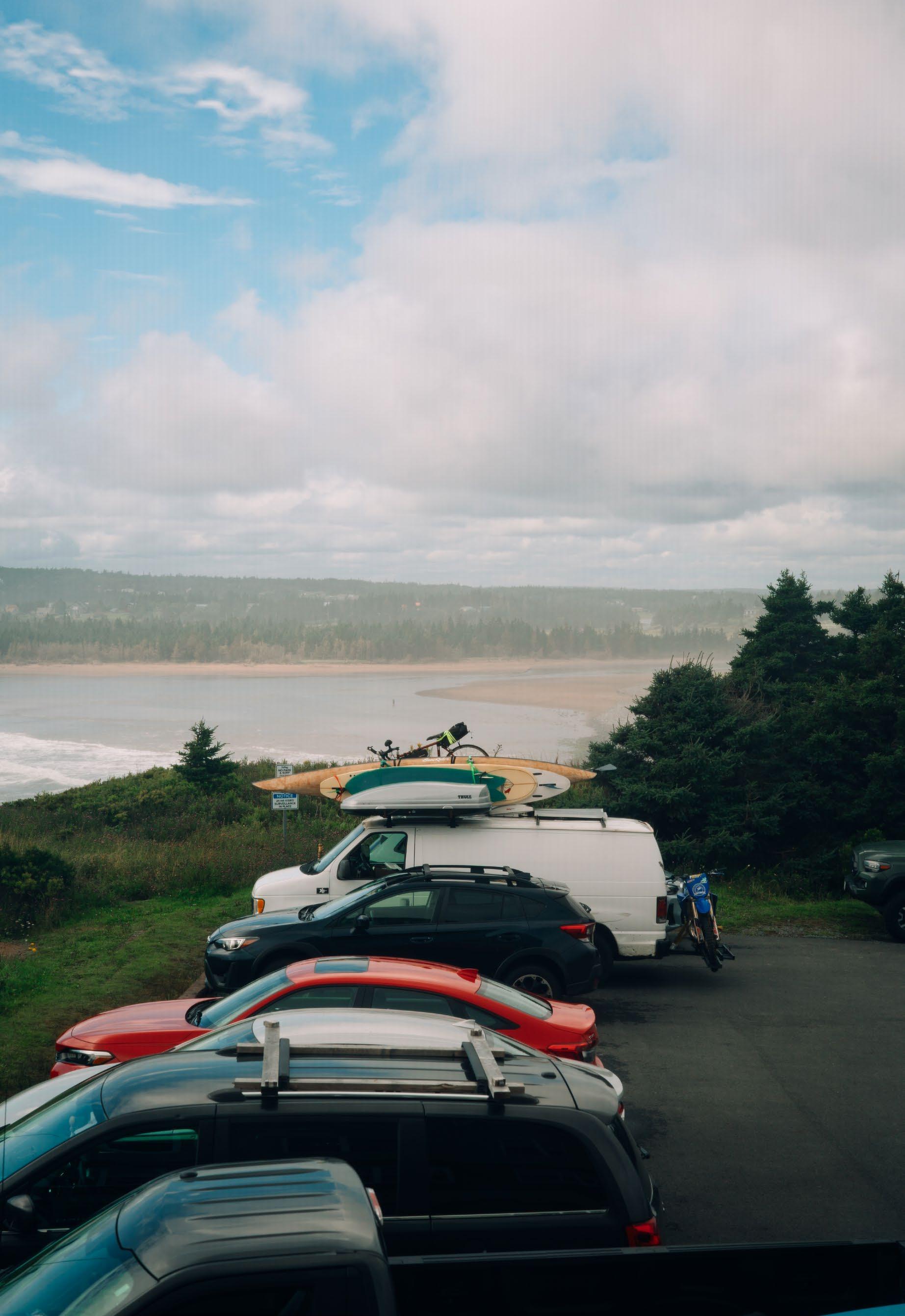
Lawrencetown Beach Provincial Park
Harbour Breezes Daylilies
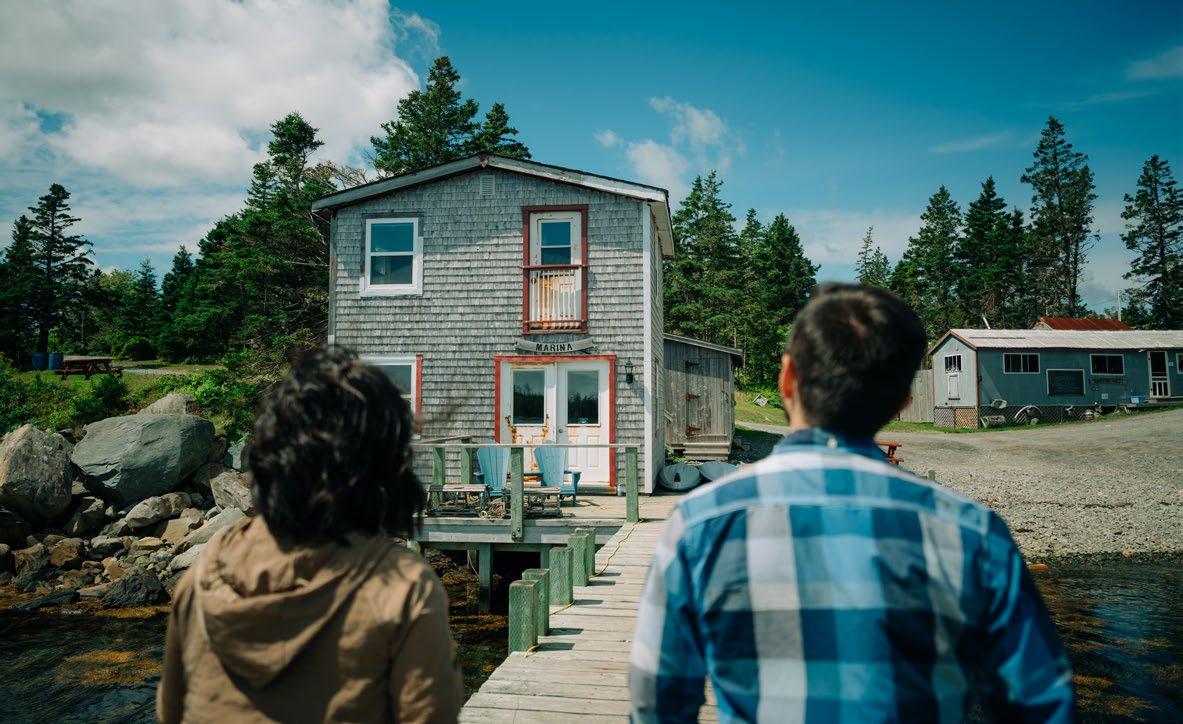
Murphy’s Camping on the Ocean
Eastern Shore
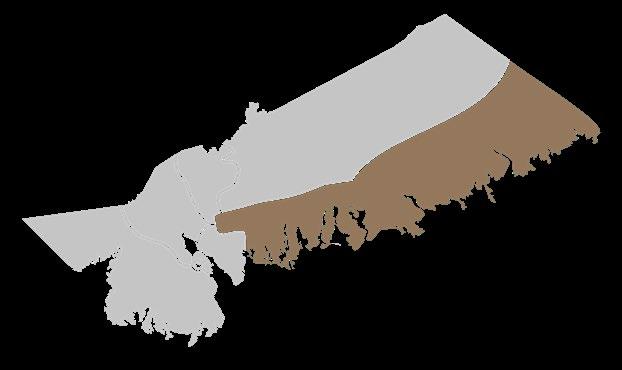
From white sand beaches with turquoise water to rugged coastal barrens and bold granite cliffs, the Eastern Shore possesses a wild, untamed beauty. Tiny fishing villages and vibrant communities like Porters Lake, Musquodoboit Harbour, and Sheet Harbour dot the coastline of this spectacular region. Explore the rich history of Acadian heritage in Chezzetcook, the largest Acadian community within the Halifax region. With nearly boundless outdoor activities and breathtaking coastal views around every corner, the Eastern Shore offers a wealth of experiences from Lawrencetown to Ecum Secum.
SeeTake a scenic coastal drive along Marine Drive, which stretches along the shore. Winding past granite boulders and shrouded in dense greenery, Marine Drive meanders along the ocean’s edge, rewarding visitors with views of the Wild Islands Coast
Some of the most stunning views of the Eastern Shore can be enjoyed from the comfort of your beach towel. Martinique Beach Provincial Park in Musquodoboit Harbour features soft white sand, delicate dunes, and the longest sandy beach in Nova Scotia. Clam Harbour Beach Provincial Park in Clam Harbour is a pristine, picturesque, long sandy beach with gently rolling waves, a warm tidal stream, and hiking opportunities.

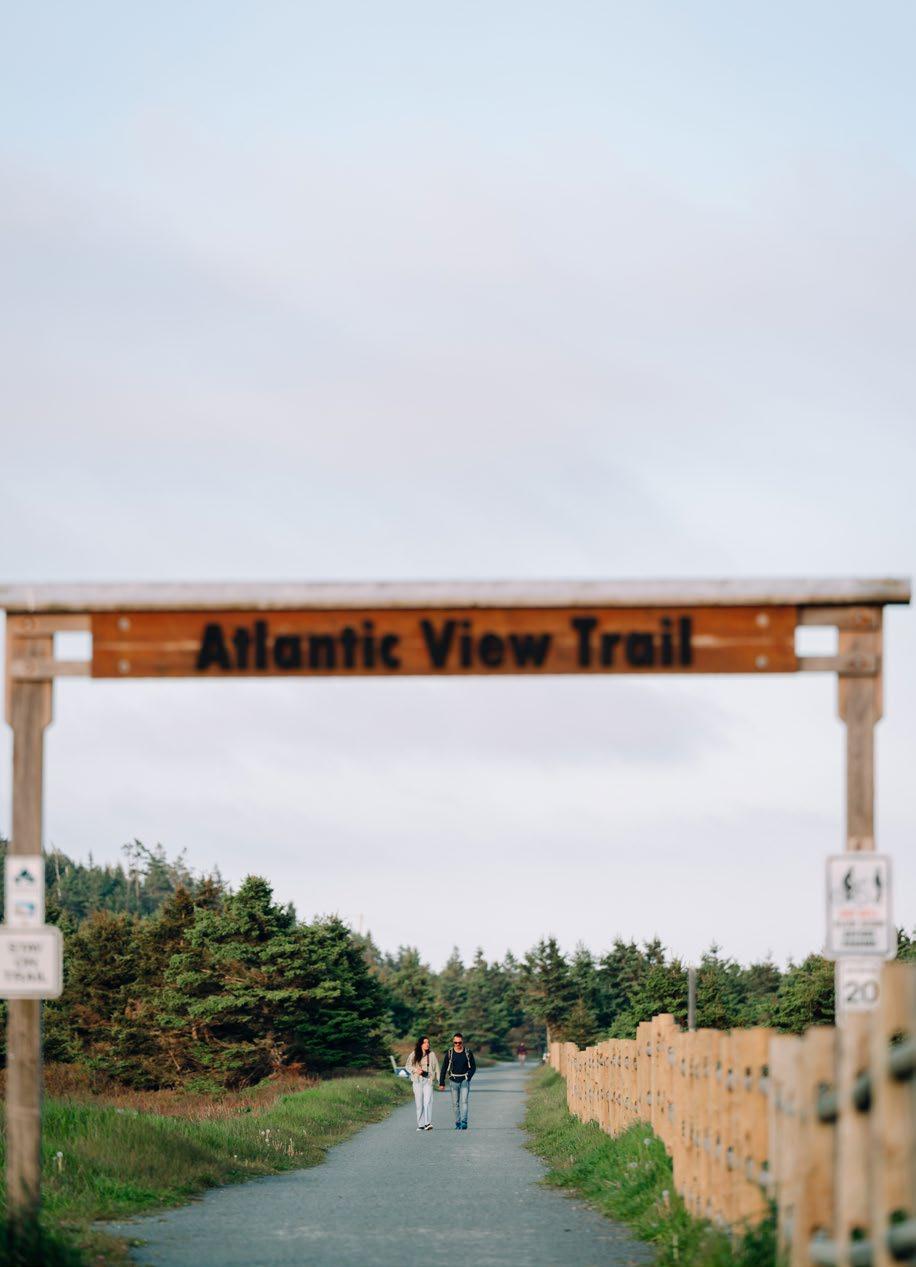
Walk
The Eastern Shore has some of Halifax’s best hiking. Part of the Trans Canada Trail, the Musquodoboit Trailway offers 15 km (9 miles) of well-maintained trails that connect with many backcountry and wilderness treks.
Taylor Head Provincial Park in Spry Bay offers a coastal hiking experience like no other in the Halifax region. Stroll along the pristine white sand of Psyche Cove Beach with its clear turquoise water or lace up for a longer hike across 16 km (10 miles) of breathtaking coastal trails. Check out the Friends of Taylor Head Society for free guided hikes throughout the summer and fall.
To see one of the region’s most beautiful waterfalls, take a walk along the West River Falls Boardwalk in Sheet Harbour. Or, check out the Atlantic View Trail, an incredible 10km coastal trail in Lawrencetown.
If you love gardening, put on your hiking boots and explore Harbour Breezes Daylilies. With over 750 varieties of daylilies and breathtaking views of Jeddore Harbour, it’s a paradise for plant enthusiasts. After your stroll, stop by their shop to pick up homemade jams or bulbs.
Atlantic View Trail
Martinique Beach Provincial Park

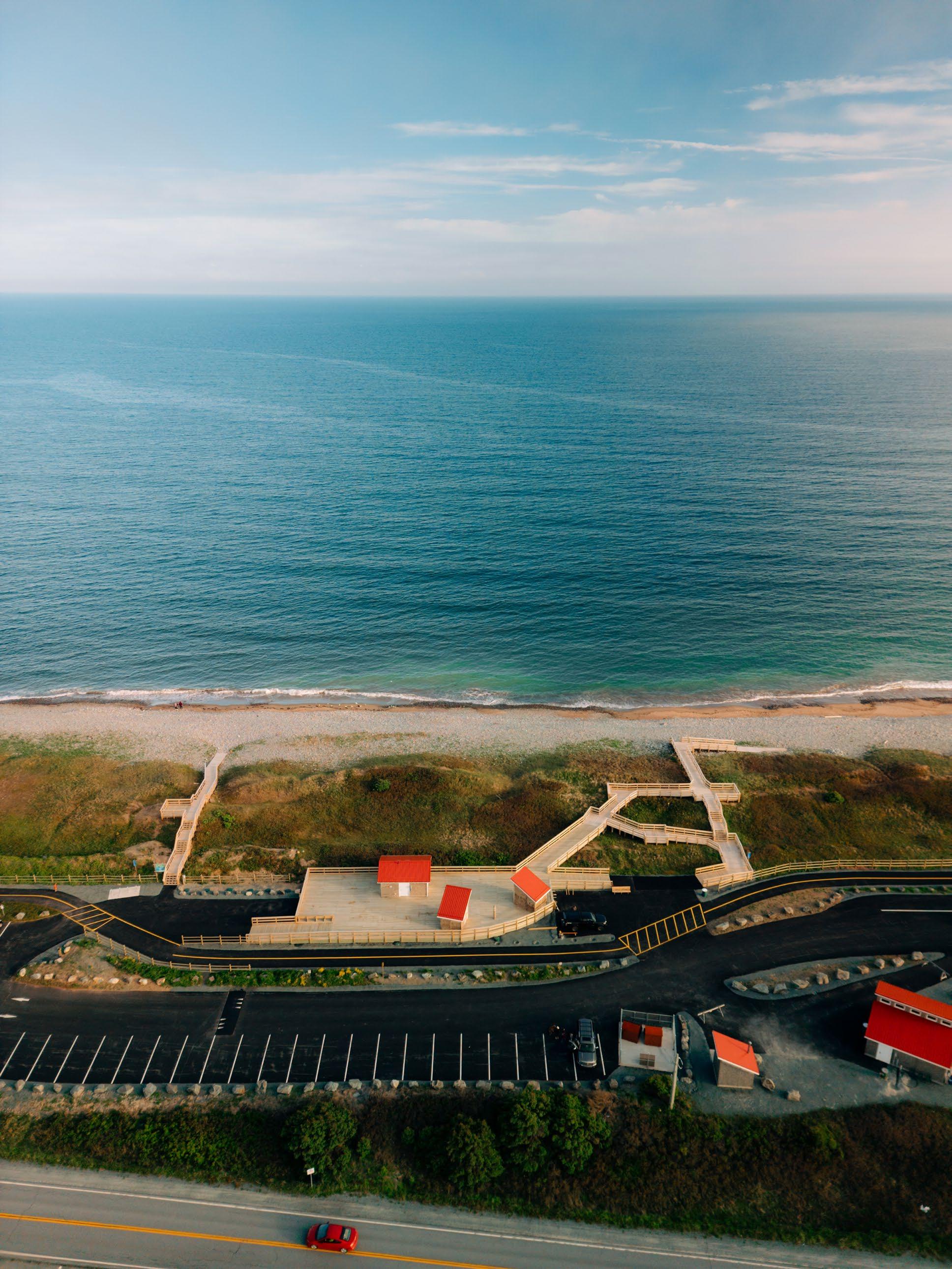
Lawrencetown Beach Provincial Park
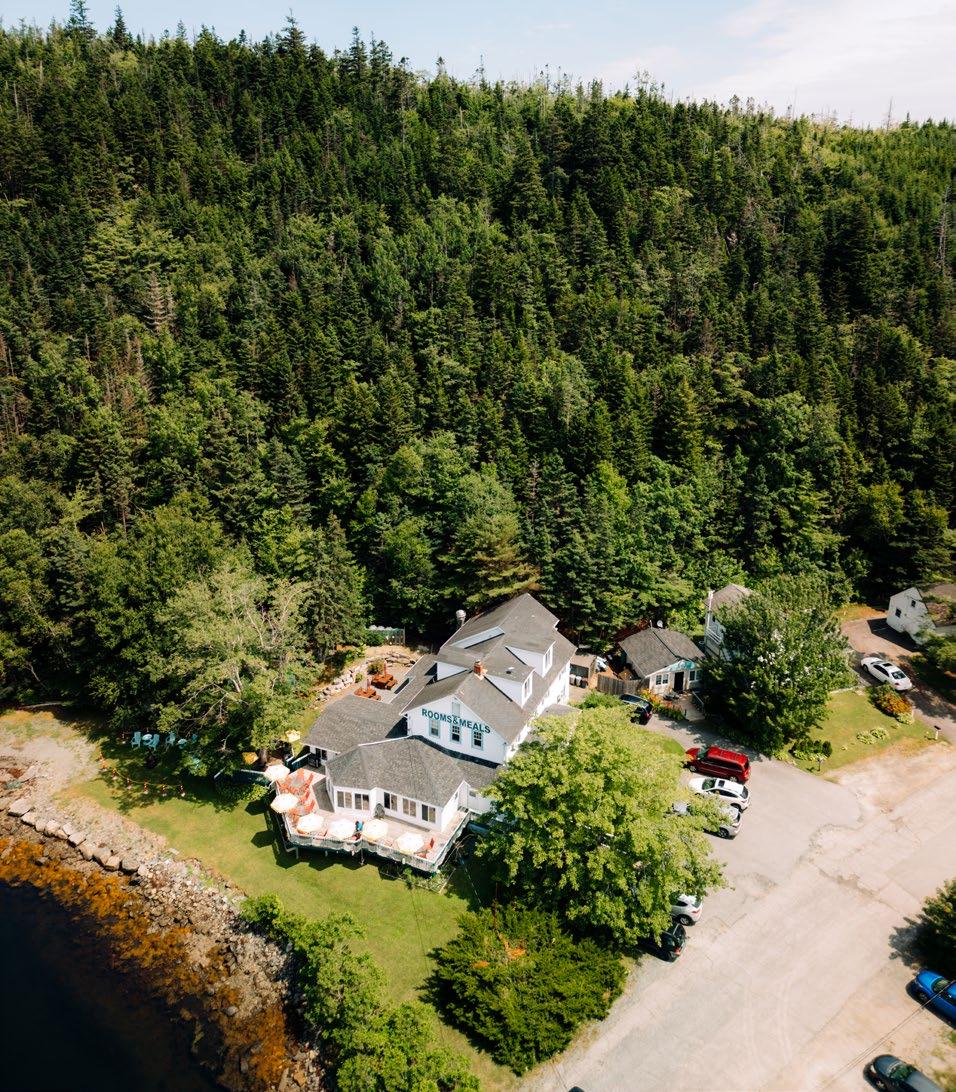
Do
The Eastern Shore is the ultimate destination for adventure seekers and nature lovers. Glide across a glittering expanse of coastline with a stand-up paddle board lesson at SUP Mushaboom, or take a sea kayak tour with Norse Cove Kayak Centre or Coastal Adventures in Tangier. Cycle under a lush canopy of trees on the Musquodoboit Trailway with a rental from At Your Own Pace Bicycle Rentals in Musquodoboit Harbour, then top off a day of adventure with an ocean-viewwood-fired sauna at Blue Forest Shores in Head of Jeddore.
Discover a glimpse into the Acadians’ daily customs and cultural heritage—descendants of 17th- and 18th-century French settlers—at L’Acadie de Chezzetcook. Watch local demonstrations of ancestral skills, explore a collection of regional artifacts, and enjoy a bite to eat at La Cuisine de Brigitte, an Acadian restaurant.
Spend hours browsing Steeple Green Books in Musquodoboit Harbour, a beautiful church-turned-bookstore filled with classics from every genre at affordable prices. Afterwards, check out locally made goods at the Musquodoboit Harbour Farmers’ Market, open every Sunday year-round.
Your Eastern Shore Road Trip Guide
The Eastern Shore is the perfect place to take a road trip, and every road trip needs a navigator. Equip yourself with the Eastern Shore map, filled with tips for finding the best local spots in the region.
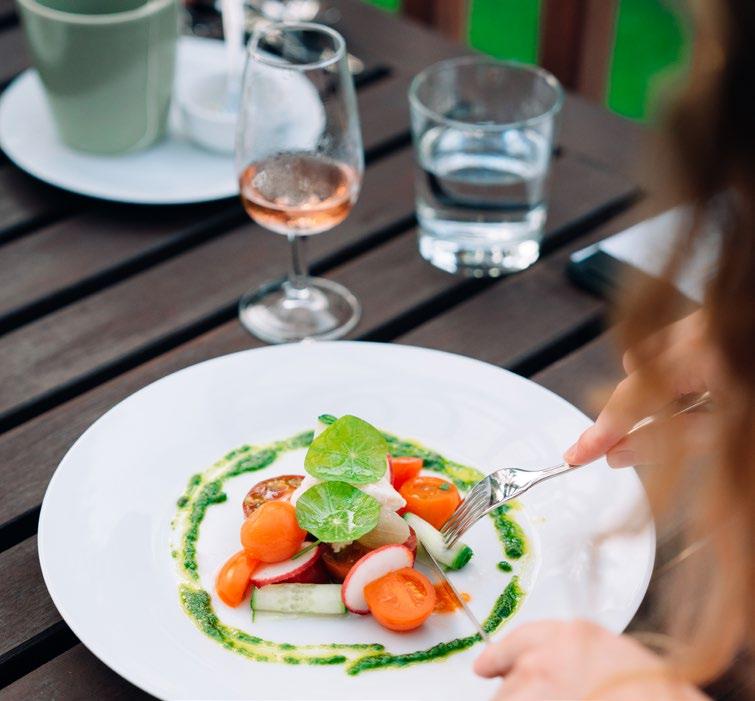
Taste

Lupin Dining & Pantry offers an exceptional farm-to-table dining experience on a 40-acre homestead in Musquodoboit Harbour. Savour exquisite yet approachable plates anchored in maritime flavours with French and Italian flair. Everything is sourced from the surrounding acreage or other local producers in Nova Scotia. Their pantry is open year-round, offering fresh breads, homemade preserves, and comforting take-and-bake meals.

Satisfy your sweet tooth with a freshly baked treat from Martinique Desserterie & Delicatessen in Musquodoboit Harbour, or grab a picnic box and fill it with bites to take on a hike. Shop for farm-fresh produce or enjoy a handcrafted latte at Uprooted Market & Café in Musquodoboit Harbour. Offered each day from 2-4 pm, cozy up with Welsh Afternoon Tea at The Henley House in Sheet Harbour. Enjoy a taste of place from Sober Island Brewing Co. with creative brews like their Oyster Stout, made with real Nova Scotian oysters to impart a taste of the sea.
Salmon River Country Inn, a hidden gem on Nova Scotia’s Eastern Shore, offers a tranquil seaside escape. Its Germaninspired restaurant serves legendary lobster rolls and features a stunning oceanfront patio, creating an unforgettable dining experience.

Lupin Dining
Salmon River Country Inn
Sober Island Brewing Co.
Martinique Desserterie & Delicatessen
Steeple Green Books
Peggy’s Cove Coastal Region


Walk
Explore Crystal Crescent Beach Provincial Park in Sambro along a boardwalk leading to sandy beaches, granite boulders, and coastal heathlands. Near Hubbards, Cleveland Beach Provincial Park offers a rewarding trek through lush seaside landscapes with stunning Atlantic views.
The High Head Trail’s rugged, windy path in Prospect follows a coastal bluff, passing barrens, bogs, and spruce forests before opening to breathtaking ocean vistas.
Duncans Cove Nature Reserve
Peggy’s Point Lighthouse

See
Peggy’s Cove Coastal Region

The Peggy’s Cove Region feels like it was made for scenic drives. Discover vibrant coastal communities steeped in rich maritime history, sample fresh seafood, and visit the region’s numerous beaches and trails. This region is known for its namesake, the famous Peggy’s Point Lighthouse, one of the most photographed lighthouses in the world. Beyond this iconic attraction, explore idyllic, welcoming communities like Hubbards, Prospect, and St. Margaret’s Bay, which are tucked along the pristine seacoast.
Your Peggy’s Cove Coastal Region Road Trip Guide
The Peggy’s Cove Coastal Region is filled with hidden gems. Get the lay of the land with the official Peggy’s Cove Coastal Region map, packed with tips for finding the best local food, attractions, and adventures.
The Peggy’s Cove Region is full of stunning vistas and picturesque harbours. Embark on a scenic coastal drive along Ketch Harbour Road, which winds through Herring Cove, Portuguese Cove, and Duncans Cove to the beautiful village of Ketch Harbour. Continue to Crystal Crescent Beach Provincial Park, home to three whitesand crescent beaches perfect for a swim, picnic, or hike. Enjoy another scenic route along Terence Bay Road before arriving in the quiet seaside villages of Terence Bay and Lower Prospect, where trails await.
At the region’s southern end, arriving in Hubbards is like a breath of fresh salty air. Stroll along Hubbards Cove as sailboats bob on the sparkling water, creating a postcardworthy scene against the forested shoreline.
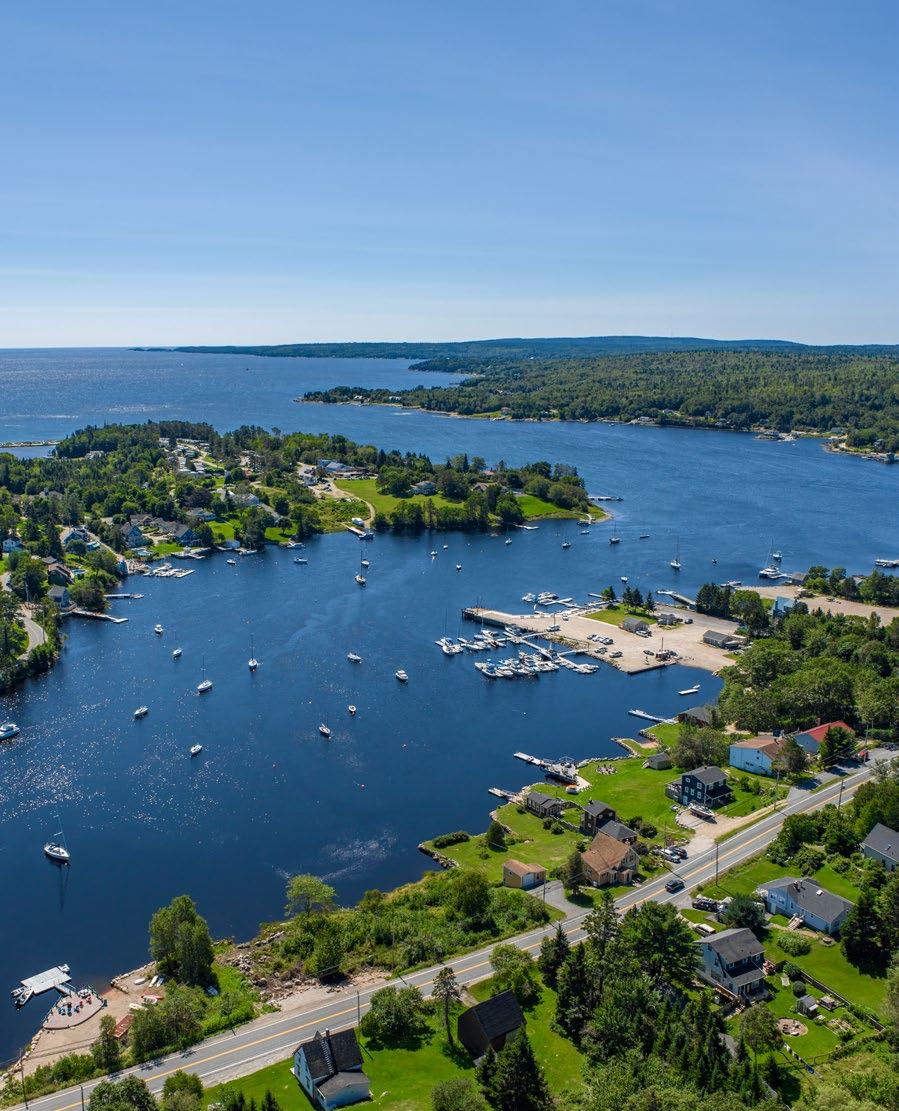
Crystal Crescent Beach Provincial Park
Hubbards Cove
PEGGY’S COVE, NS
Nestled in iconic Peggy’s Cove, Nova Scotia, Six by the Sea is a collection of historic buildings that have been lovingly restored to host both for-profit and not-for-profit East Coast-inspired businesses and cultural experiences.

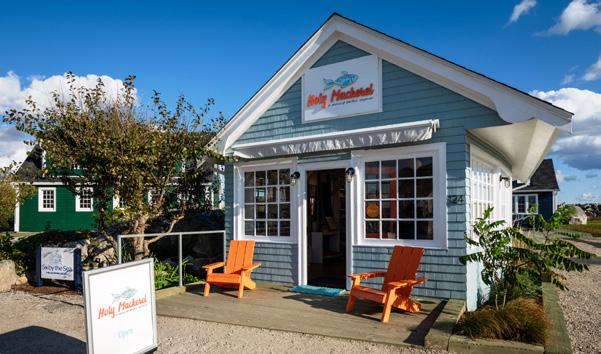
Celebrating pride of place, Holy Mackerel is a whimsical retail shop. Featuring a curated collection of unique products and crafts by over 100 Atlantic Canadian artisans and vendors, Holy Mackerel showcases the best the East Coast region has to offer.
holymackerelstore.ca
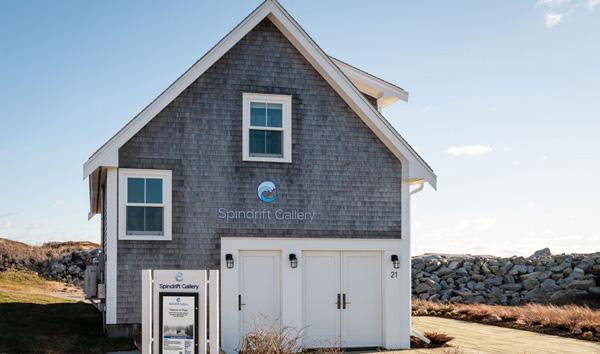
Originally constructed as an auxiliary building to a family home, Spindrift Gallery has been transformed into a main-floor art gallery. The gallery showcases historical exhibits and fine art by Atlantic Canadian artists.
spindriftgalleryns.ca
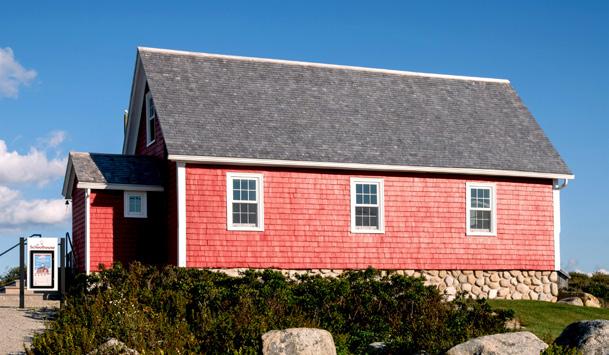
Built in 1839, The Schoolhouse has been a place of learning and worship, a gathering space, and the scene of artistic presentation. In 2025, its doors are open for The Schoolhouse Tour
theschoolhousens.ca
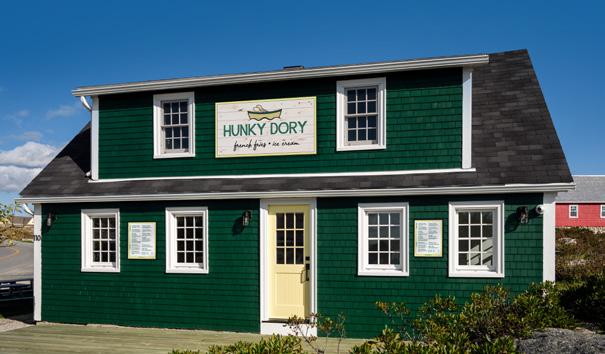
Hunky Dory celebrates the beloved french fry and the renowned East Coast success story that influenced its take-out menu. Alongside the savoury, Hunky Dory serves gourmet soft serve ice cream treats.
hunkydoryns.ca
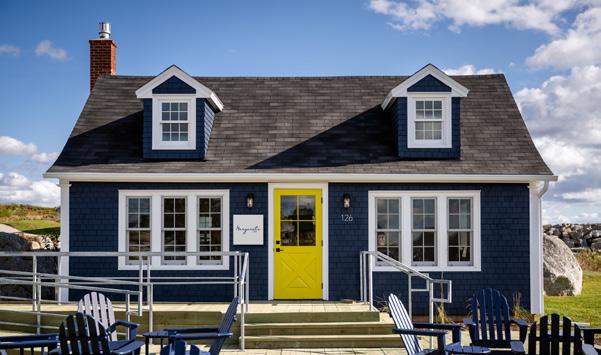
Overlooking iconic fishing boats, Margaret’s is a cozy East Coast café serving freshly brewed coffee and tea, Maritime-inspired baked goods, seafood chowder, and delicious gourmet paninis.
margaretsns.ca
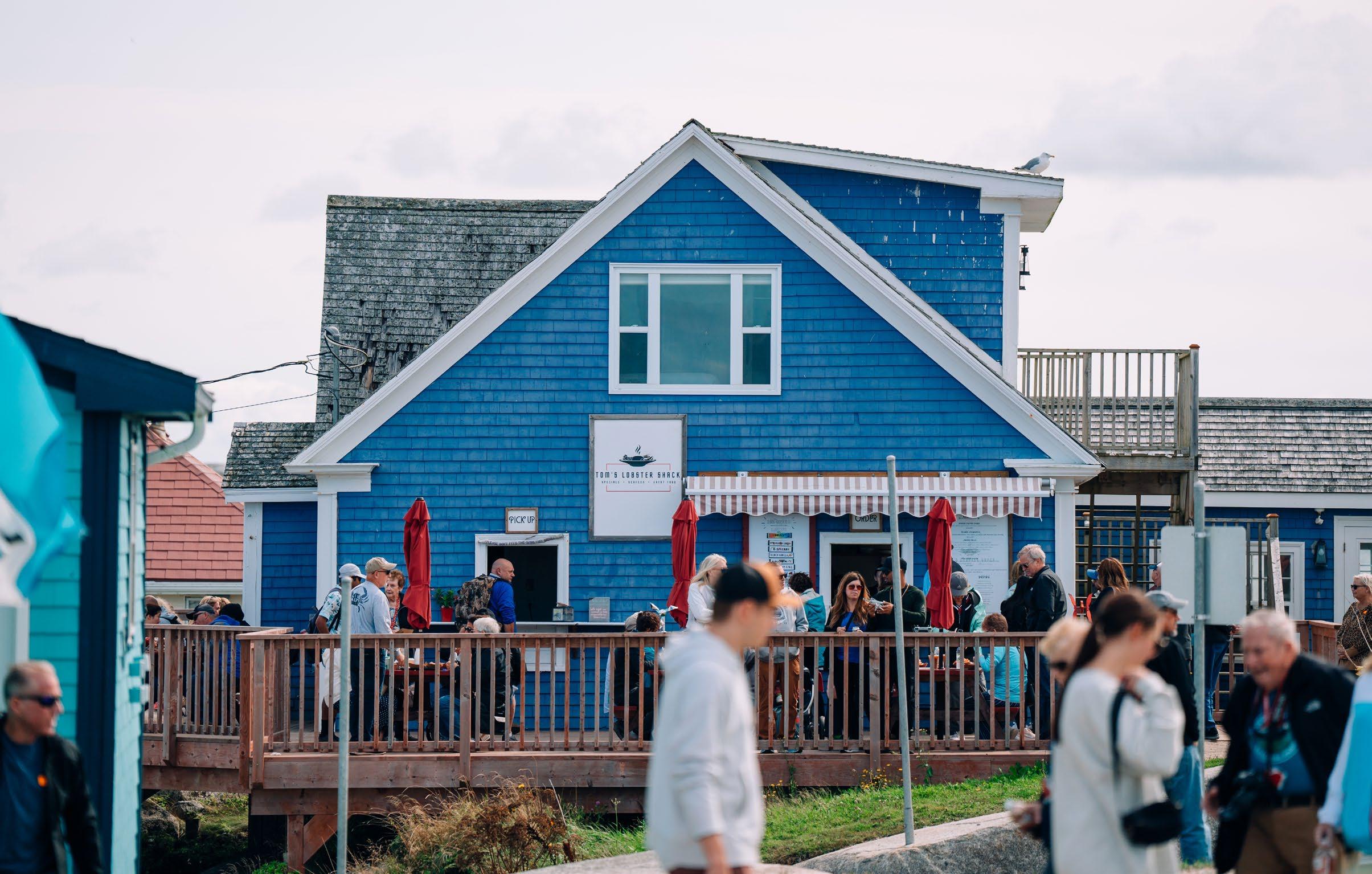
Taste
Fuel up for a day of adventure with a coffee and breakfast treat from charming local cafés like PAVIA Gallery – Espresso Bar & Café in Herring Cove, Labour Day Picnic Café in Glen Haven, or White Sails Bakery & Deli in Tantallon.
Enjoy an elevated take on seafood and pasta in a cozy setting at Martin’s Kitchen in Hatchet Lake. At Tuna Blue Inn & Restaurant, dine indoors or on the deck with stunning views of Hubbards Cove. Just minutes from Peggy’s Cove, Rhubarb Restaurant in Indian Harbour features a seasonal menu with creative twists on locally inspired dishes and comfort food favourites. For a fresh and wonderfully crafted lobster roll, Tom’s Lobster Shack in Peggy’s Cove Village is a must for a tasty seaside feast. End the day with soft-serve ice cream from the vegan-friendly Little Ice Cream Shop in Black Point.

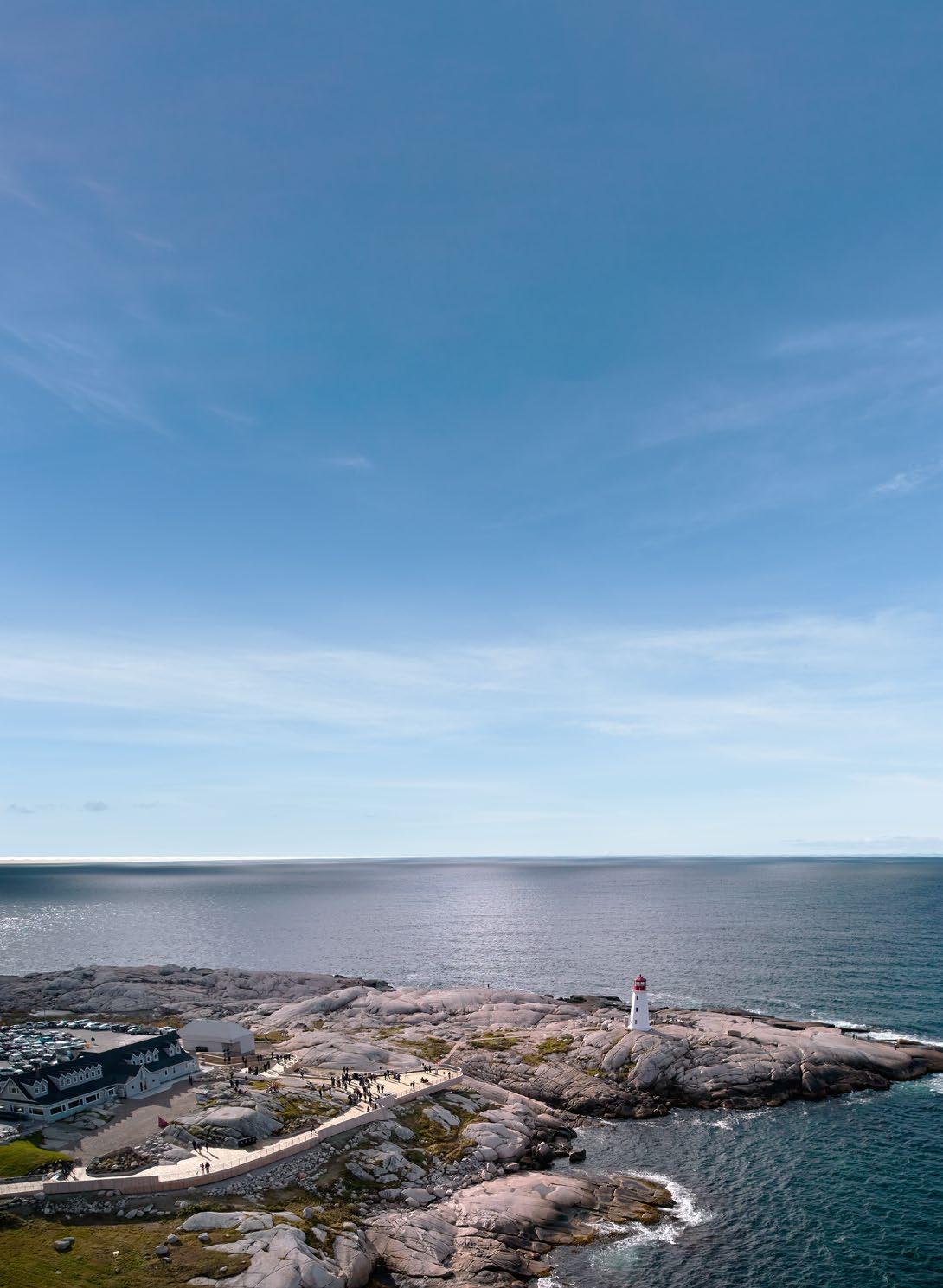

The Sou’ Wester Restaurant & Gift Shop overlooks the famous Peggy’s Point Lighthouse in beautiful Peggy’s Cove. Stop by for a delicious meal and shop our extensive collection of nautical giftware and souvenirs. Enjoy Nova Scotia beauty at its very best!
Tom’s Lobster Shack
The Little Ice Cream Shop

There’s no shortage of outdoor activities on land or sea in the Peggy’s Cove Region. Paddle across the dark blue water and past towering sailboats on a stand-up paddleboard rental from Shining Waters Marina & Boatyard in Tantallon. Wilson’s Coastal Club in Boutiliers Point is a perfect getaway to ground yourself in nature, with e-bike and standup paddleboard rentals available, plus private wood-fired hot tubs included with your stay.
Shop your way through the Hubbards Barn Farmers’ Market and the Tantallon Village Farmers’ Market with live music, fresh produce, and artisan goods every week throughout the summer. See the village come alive with colour as numerous artists capture its picturesque beauty on canvas during the Peggy’s Cove Area Festival of the Arts

Tantallon Village Farmers’ Market
Tantallon Village Farmers’ Market
What to Do After You Visit Peggy’s Cove
The Peggy’s Point Lighthouse is an iconic Canadian landmark and a storied Nova Scotian attraction. After soaking in the lighthouse views, get ready to explore the rest of this breathtaking coastal region. Step off the beaten path and follow these scenic coastal routes dotted with hidden gems and offbeat wonders.

Within Peggy’s Cove Village
Still an active fishing village, Peggy’s Cove’s charm goes beyond its lighthouse. Wander along the boardwalk past fishing sheds and colourful homes that reflect its vibrant heritage.
Celebrate Nova Scotia’s rich cultural history and step back in time at The Schoolhouse. This free, self-guided tour offers a fascinating glimpse into 19th-century student life in a charming seaside village. If you’re looking for a feast for the eyes, visit Spindrift Gallery, where you’ll find historical exhibits and fine art by Atlantic Canadian artists. Then, grab a bite at Margaret’s Café or Hunky Dory, two delicious new restaurants that are part of Six by the Sea
Discover creativity at Hags on the Hill, a collective of over 10 local artists making everything from ornate wooden carvings to ceramic kitchenware. Nearby, Neil Depew Gallery is filled floor to ceiling with vivid oil paintings depicting Peggy’s Cove Village. Located in the historic studio, once home to renowned artist William E. deGarthe, this gallery is a testament to the enduring artistic spirit of the region. Across the road, Holy Mackerel showcases unique handmade crafts like leather goods, pottery, artisanal snacks, and more from across Atlantic Canada.

Peggy’s Cove Village
Atlantic Ocean
Viewing Platform
Peggy’s Point Lighthouse
Peggy’s Point Road
Hags on the Hill

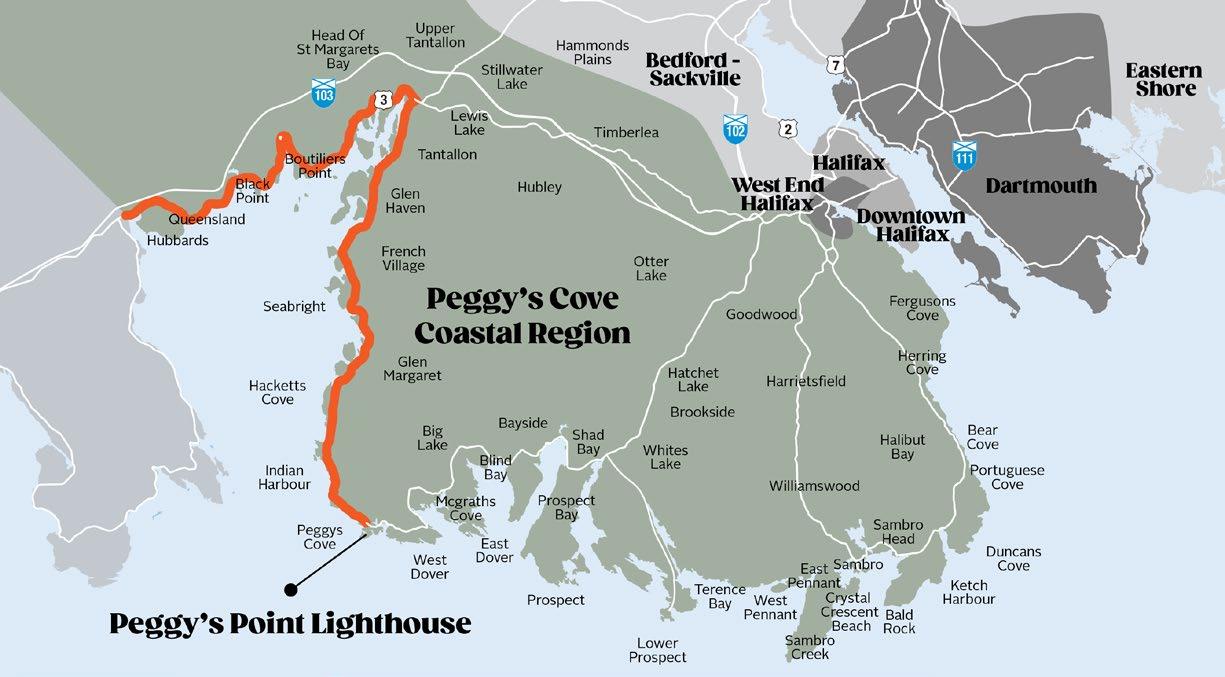

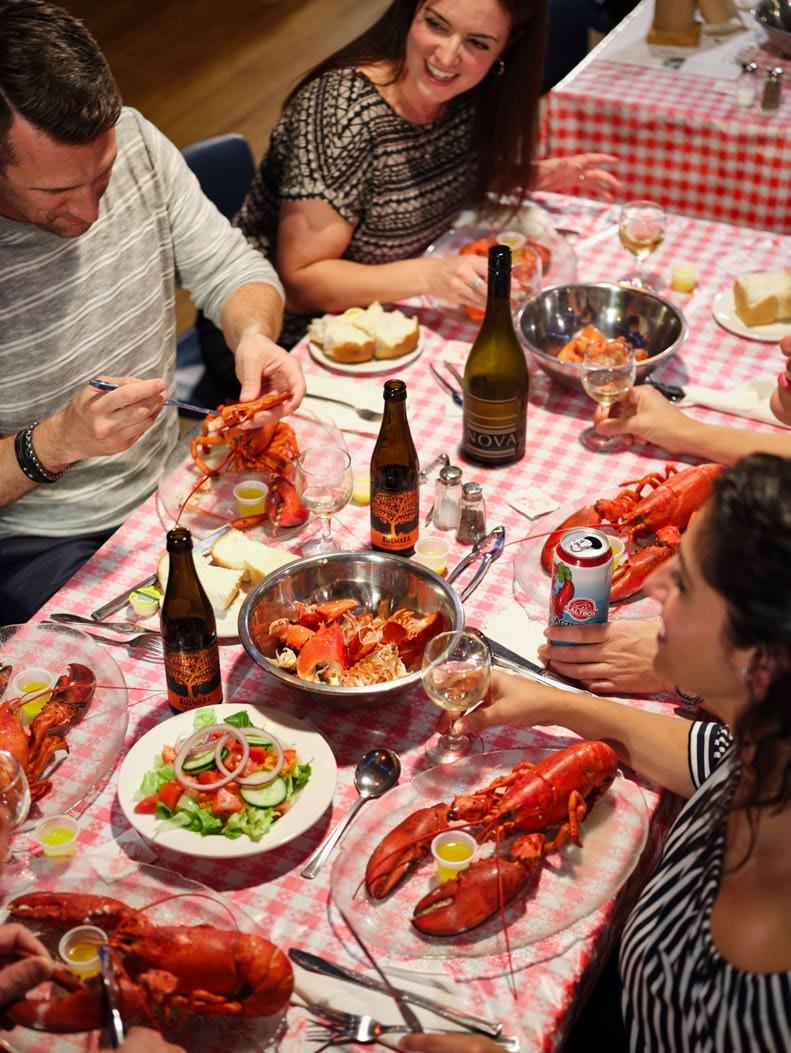
Down to Hubbards
Just 15 minutes from St. Margaret’s Bay on the scenic Lighthouse Route, the coastal gem of Hubbards awaits. This picturesque drive winds past beautiful coves, tree-canopied trails, and pristine white-sand beaches. Browse vintage wares at Blue Goose Antiques or the Vintage Crow as you go.
Sip and shop your way through Rosa Rugosa Seaside Market, a general store, café, and vintage shop under one roof. The Hubbards Barn Farmers’ Market is a must-visit with fresh produce, local crafts, and live music every Saturday in the summer and fall. The Hooked Rug Museum of North America is a cultural gem celebrating the art and history of hand-hooked rugs, featuring an impressive collection of rugs and artifacts.
Explore picturesque Hubbards Cove with a paddleboard rental from Hubbards Cove Rentals at the waterfront, or glide over turquoise waters at Queensland Beach with a rental from Paddle Island. As the day winds down, visit the Shore Club, one of the last great dance halls famous for its family-style lobster suppers and live entertainment. Every summer weekend, a band takes the stage for a night of dancing and fun.

Spend the night in a waterfront cottage with the ocean just steps from your door. Wake up to seabirds and a salty sea breeze at Hubbards Beach Campground & Cottages, Anchorage House & Cottages, Rosewood on the Cove, Tuna Blue Inn, Wilson’s Coastal Club or Cleveland Beach Cottage

Hooked Rug Museum of North America
The Shore Club
Rose Rugosa Seaside Market
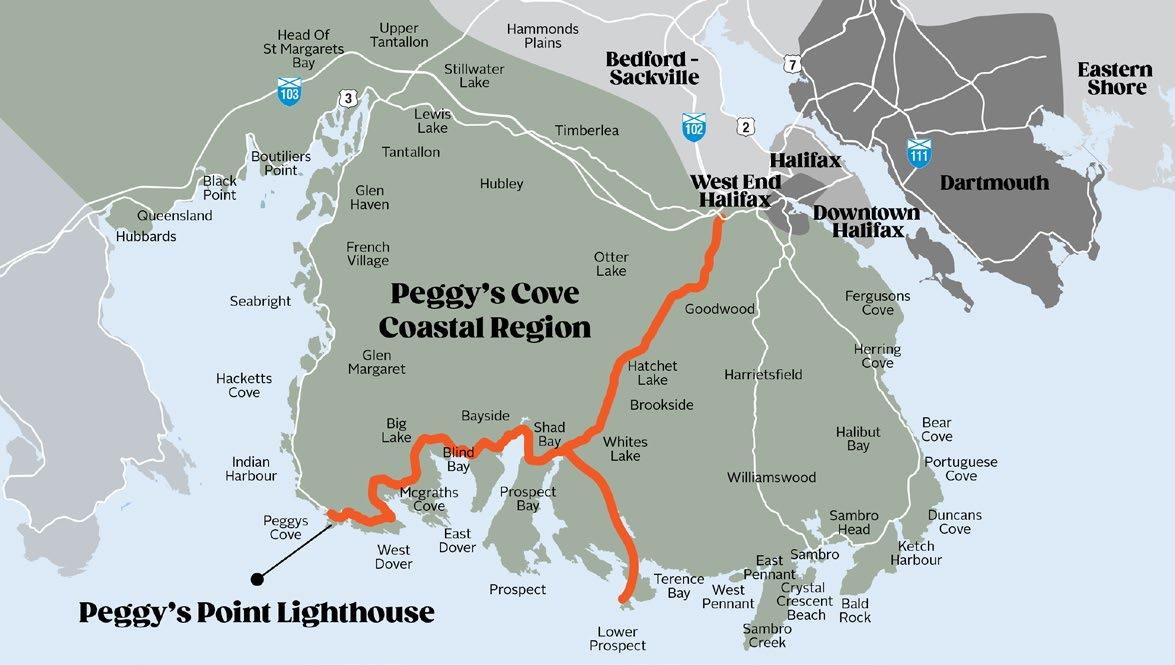
Through Prospect Road
The drive back to Halifax along Prospect Road weaves through dramatic granite headlands, rugged barrens, coastal forests, and quaint seaside villages like Blind Bay and Shad Bay. Explore the unique landscape at West Dover Provincial Park, where glacier ice left erratic rock formations and massive granite boulders strewn across the sparse landscape.
Embark on an unforgettable sea kayak adventure with East Coast Outfitters in Lower Prospect, paddling through secluded islands and rocky inlets. Take a guided group tour to learn about the area’s rich history and ecology. For a water-based adventure closer to the city, visit Long Lake Adventure Company for kayaking and stand-up paddleboard rentals at Long Lake Provincial Park.
Nearby, the SS Atlantic Heritage Park memorializes Canada’s second-largest shipwreck, with an interpretive centre housing artifacts from the 1873 disaster. Stroll along one of the region’s best coastal boardwalks, offering sweeping ocean views and a glimpse of the Terence Bay Lighthouse.
Stay at Nova Glamping, a unique luxury camping experience on a private island near Peggy’s Cove. Enjoy stunning private ocean views and unwind, stargaze, explore the island, or soak in the coastal breeze.

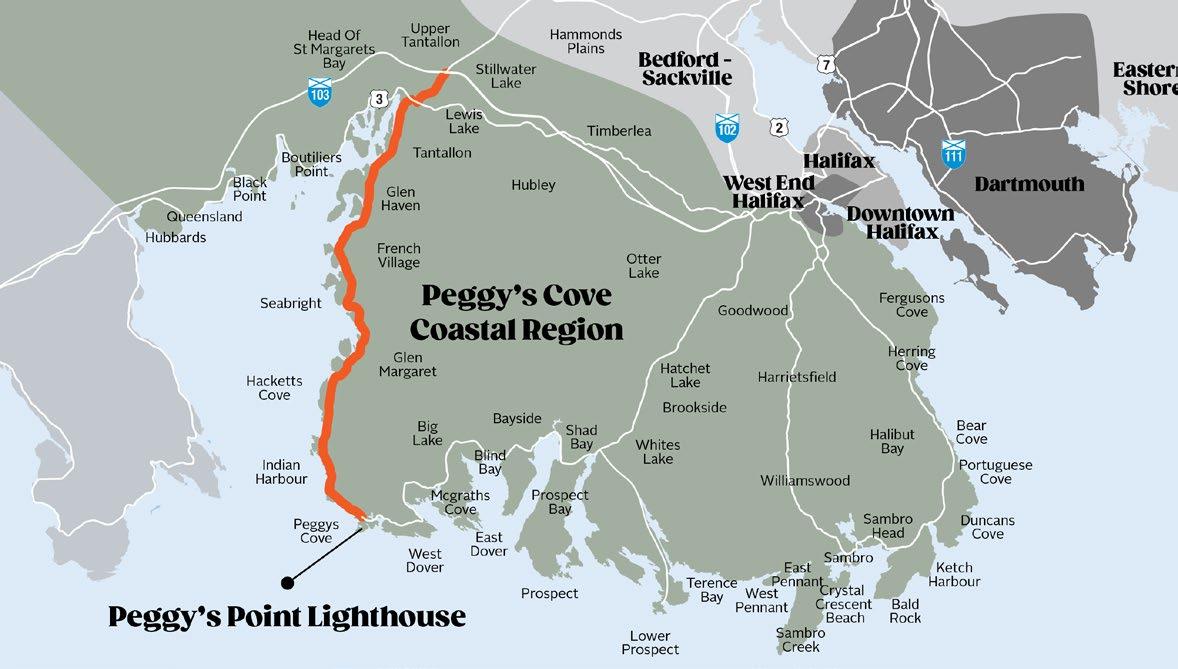
Through Peggy’s Cove Road to St. Margaret’s Bay
As Peggy’s Cove Road twists along the coastline, roll down the window and breathe in the fresh salty air. Every turn offers a breathtaking view of the tranquil St. Margaret’s Bay.
Grab a stand-up paddleboard rental from Shining Waters Marina and glide across the water to explore shallow, secluded coves and stunning coastal landscapes. Afterwards, relax on the marina patio with a locally brewed beer from Saltbox Brewing while watching sailboats drift past.
Watch master glassblowers at Peggy’s Cove Glass shape molten glass into delicate, exquisite works of art. Browse unique home goods and gifts, from functional pieces to stunning one-of-a-kind creations.
Nestled along the coastline, Oceanstone Hydrothermal Spa offers a serene escape with invigorating thermal experiences, breathtaking ocean views, and a deep connection to nature.
Stop by Cavicchi’s Meats in Upper Tantallon to pick up some snacks for your next adventure or recharge with a sit-down meal at this family-owned grocery and eatery.
Explore this spectacular landscape further by cycling with the St. Margaret’s Bay Rails to Trails with a rental from the Train Station Bike & Bean. Enjoy spectacular views and secluded lookout points along the trail where the sparkling ocean meets lush spruce forests.

Cavicchi’s Meats
Nova Glamping


Where to Stay
Where to Stay
Halifax is a great place to explore and stay, offering plenty of amazing places to rest your head. From luxury oceanside resorts to cozy boutique hotels, you’ll find a spot to fit your budget and style.
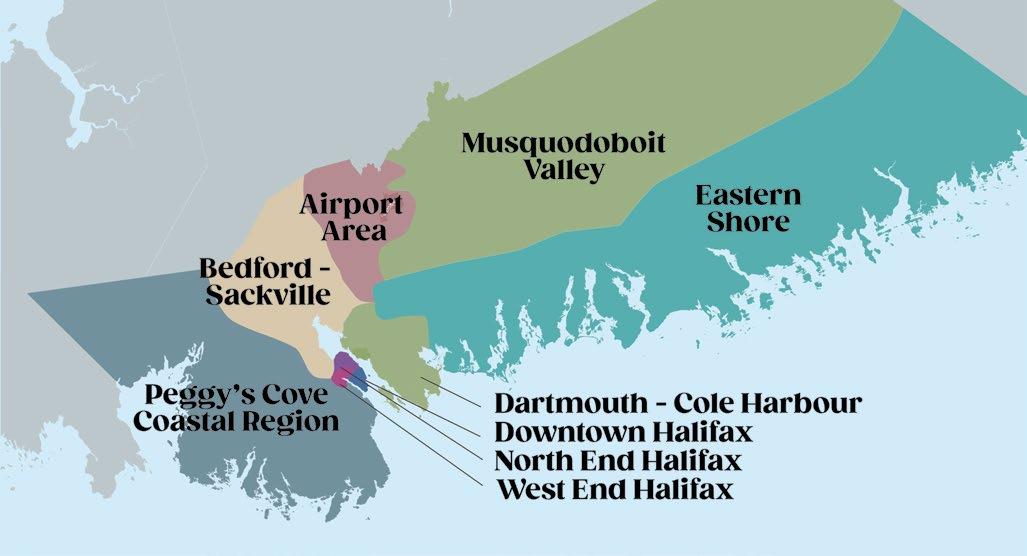
Downtown Halifax
Atlantic Corporate Suites
Fully furnished, luxury, short-term and extended-stay suites.
The Barrington Hotel
Located in the city centre with immaculately designed rooms and connected to the pedway system.
Cambridge Suites Hotel Halifax Chic hotel located in the city’s business district, steps away from the Halifax Convention Centre.
Courtyard by Marriott
Halifax Downtown
Located near the Halifax Waterfront, and neighbours Alexander Keith’s Brewery.
Dalhousie University
Downtown Halifax university offering conference hosting and accommodations.
Four Points by Sheraton Halifax
Located in the heart of downtown, steps from the ocean and the Maritime Museum of the Atlantic.
The Halliburton Boutique hotel near the historic Halifax Waterfront.
Halifax Marriott Harbourfront
Hotel boasting luxury rooms, stylish onsite dining, and more on the Halifax Waterfront.
Hampton Inn by Hilton -
Halifax Downtown
Centrally located hotel boasting exceptional views of Halifax Harbour and Halifax Citadel National Historic Site.
HI Halifax Heritage House
Newly renovated hostel in Downtown Halifax close to the waterfront.
The Hollis Halifax - a DoubleTree Suites by Hilton
Located near the Maritime Museum of Atlantic and the Art Gallery of Nova Scotia with a pool and fitness centre.
Homewood Suites by Hilton Halifax Downtown
A welcoming, extended-stay option in Downtown Halifax with harbour and city views.
Hotel Halifax
Convenient location offers access to downtown pedway system with spacious, home-like accommodations and amenities.
Lord Nelson Hotel & Suites
Halifax landmark that artfully blends historic charm with urbanely stylish design.
Moxy Halifax Downtown
A new pet-friendly, boutique-style hotel in Downtown Halifax, close to the Scotiabank Centre and top dining options.
Muir Hotel
Five-star luxury hotel located on the steps of the Halifax Waterfront near some of Halifax’s best restaurants.
Premiere Suites
Fully furnished short-term rentals. Perfect for business travel, long-term stays and family vacation rentals.
Prince George Hotel
World-class, four-diamond service hotel in the heart of Downtown Halifax for those seeking a luxury destination.
Residence Inn by Marriott
Modern extended-stay hotel with views of Halifax Harbour in a central location.
Saint Mary’s University Conference Services
Ideal setting for all meeting and conference needs. Also offers accommodations.
The Sutton Place Hotel Halifax
A five-star luxury hotel experience at the downtown Nova Centre.
Westin Nova Scotian Hotel
A premier hotel destination in Halifax’s Seaport District just steps from the Halifax Seaport Farmers’ Market and Pier 21.
Bedford-Sackville
Atlantic Corporate Suites
Fully furnished, luxury, short-term, and extended-stay suites.
Coastal Inn Halifax
Located in the Bayer’s Lake Business Park, this hotel features an indoor pool and fitness centre.
Comfort Hotel Bayer’s Lake
Heated pool, exercise room, and free hot breakfast at this convenient hotel.
Comfort Inn Bedford
An award-winning establishment located right on the Bedford Basin, minutes from Downtown Halifax.
Future Inns Halifax Hotel & Conference Centre
Near Canada Games Centre with stylish rooms, perfect for families and business visits.
Halifax Tower Hotel
Centrally located in Bayer’s Lake, the Halifax Tower Hotel & Conference Centre is a perfect combination of luxury, sophistication, and style.
Holiday Inn Express & Suites
Halifax-Bedford
A stylish hotel just 10-15 minutes outside of Downtown Halifax.
Dartmouth-Cole Harbour
Atlantic Corporate Suites
Fully furnished, luxury, short-term and extended-stay suites.
Best Western Plus Dartmouth Hotel & Suites
Three-star business-friendly hotel in the heart of Burnside.
Coastal Inn Dartmouth
The ideal place for your family vacations, business trips, and group trips.
Comfort Inn Dartmouth
Pet-friendly hotel close to Mic Mac Mall, Burnside Industrial Park, and Dartmouth Crossing.
Courtyard Halifax Dartmouth
Modern accommodations in the heart of Dartmouth Crossing.
Delta Hotels by Marriott
Dartmouth
Minutes from Dartmouth Crossing, Mic Mac Mall, and Downtown Halifax.
Hampton Inn & Suites Dartmouth
Located in the heart of Dartmouth Crossing, this hotel offers free hot breakfast, and an indoor pool.
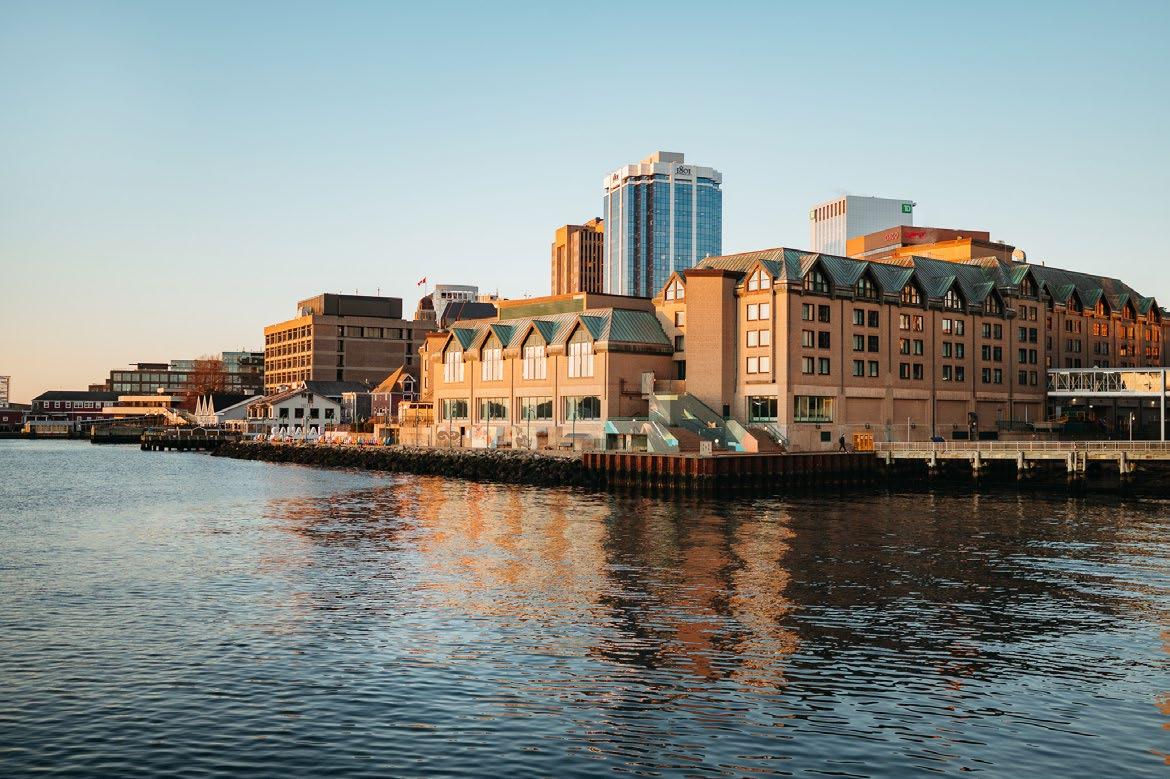
you to unwind and feel at home as you explore the beautiful Halifax Waterfront and



Hearthstone Inn Boutique Hotel
Halifax/Dartmouth
This pet-friendly, intimate 54-room hotel offers all the amenities of home.
Holiday Inn Express + Suites Dartmouth
Cozy hotel located 20 minutes from the airport with a fitness centre and pool.
Residence Inn by Marriott Halifax
Dartmouth Contemporary long-stay hotel packed with thoughtful features in the heart of Dartmouth Crossing.
Sandman Signature Hotel
Pet-friendly hotel in Dartmouth featuring an indoor pool, fitness centre, complimentary onsite parking, and a 24-hour Denny’s restaurant.
Tranquil Dartmouth Apartments
Apartments just minutes from the Alderney Ferry Terminal that takes you to Downtown Halifax.
Airport Area
ALT Hotel Halifax Airport
Modern airport hotel connected to Halifax Stanfield International Airport.
Halifax Airport Hotel
A charming hotel just minutes from the airport and the Atlantic Canada Aviation Museum.
Hilton Garden Inn Halifax Airport
Near the Halifax Stanfield International Airport – our airport shuttle will take care of transport.
Holiday Inn Express Hotel & Suites
Halifax Airport
Pet-friendly hotel near the airport.
Enjoy complimentary breakfast, airport shuttle, and pool.
Inn On The Lake
Boutique hotel on a picturesque lake and just 10 minutes from the airport and 20 minutes from Downtown Halifax.
North End Halifax
Brewery Park Hotel
Halifax’s first contactless service luxury boutique apartment/hotel that allows you to check in on your terms.
The Narrows Public House
1896 heritage-designated venue with inn-style accommodation above the pub.
West End Halifax
Atlantica Hotel Halifax
Modern hotel in Halifax’s West End overlooking the Halifax Common.
Best Western Plus
Chocolate Lake Hotel
Pet-friendly hotel overlooking Chocolate Lake and only four km from Downtown Halifax.
The Pebble Bed & Breakfast
A uniquely memorable bed and breakfast experience of luxury combined with the warm hospitality of an engaging hostess.
Peggy’s Cove Coastal Region
Anchorage House & Cottages
Superbly located overlooking the beautiful Hubbards Cove.
Bay Breeze Motel & Cottages
Casual motel and cottages with 1,000 feet of walkway along the shore overlooking Head Harbour.
Bay Road Villas
Luxurious and modern offerings, close to the BLT Trail and Chocolate Lake.
Beach Nova Scotia
Luxury air-conditioned studio oceanfront cottage on pristine and beautiful St. Margarets Bay.
Cleveland Beach Cottage
Just 250 yards from Cleveland Beach Provincial Park’s white sand, this beautiful cottage offers stunning ocean views and a hot tub.
Clifty Cove Motel
An eleven-unit air-conditioned motel nestled in the quaint fishing village of Indian Harbour, Nova Scotia.
The Creation Lounge Retreat
Just 20 minutes from Halifax, enjoy pond views from almost every room of this open-concept character home.
Diamond Stays Realty
Pet-friendly basement suite with a private entrance and parking in Brookside, 25 minutes from Peggy’s Cove.
The Fieldstone Halifax Spacious suite with an infrared sauna, located in Spryfield and close to lakes and trails.
The Green Suite
Meticulously designed, green-themed accommodation with hot tub.
Heart of the Harbour
Oceanside family-friendly home overlooking Ketch Harbour.
Hubbards Beach Campground and Cottages
127 full-service sites with campfire pits, as well as a canteen, a modern laundromat, horseshoe pits, walking trails, WiFi, and beautiful Hubbards Beach.
King Neptune Campground
Oceanside campground for RV and tenting near Peggy’s Cove.
The Land Yacht
6,000-square-foot oceanfront getaway with an indoor saltwater pool.
Nova Glamping
An oasis for anyone looking for a once-in-a-lifetime glamping experience on an island.
Nova Scotia Dream Property
An eight-guest seaside vacation home with gorgeous ocean views.
Oceanstone Resort & Nordic Spa
A beautiful resort and Spa minutes from Peggy’s Cove.
Rosewood on the Cove

your stay on campus today.

Affordable rooms in the heart of the city.
Available from MayAugust - private rooms including WiFi, parking and fitness centre.
Ask about discounts for students, seniors and alumni.

Oceanfront cottages create a perfect holiday retreat in a delightful village setting.



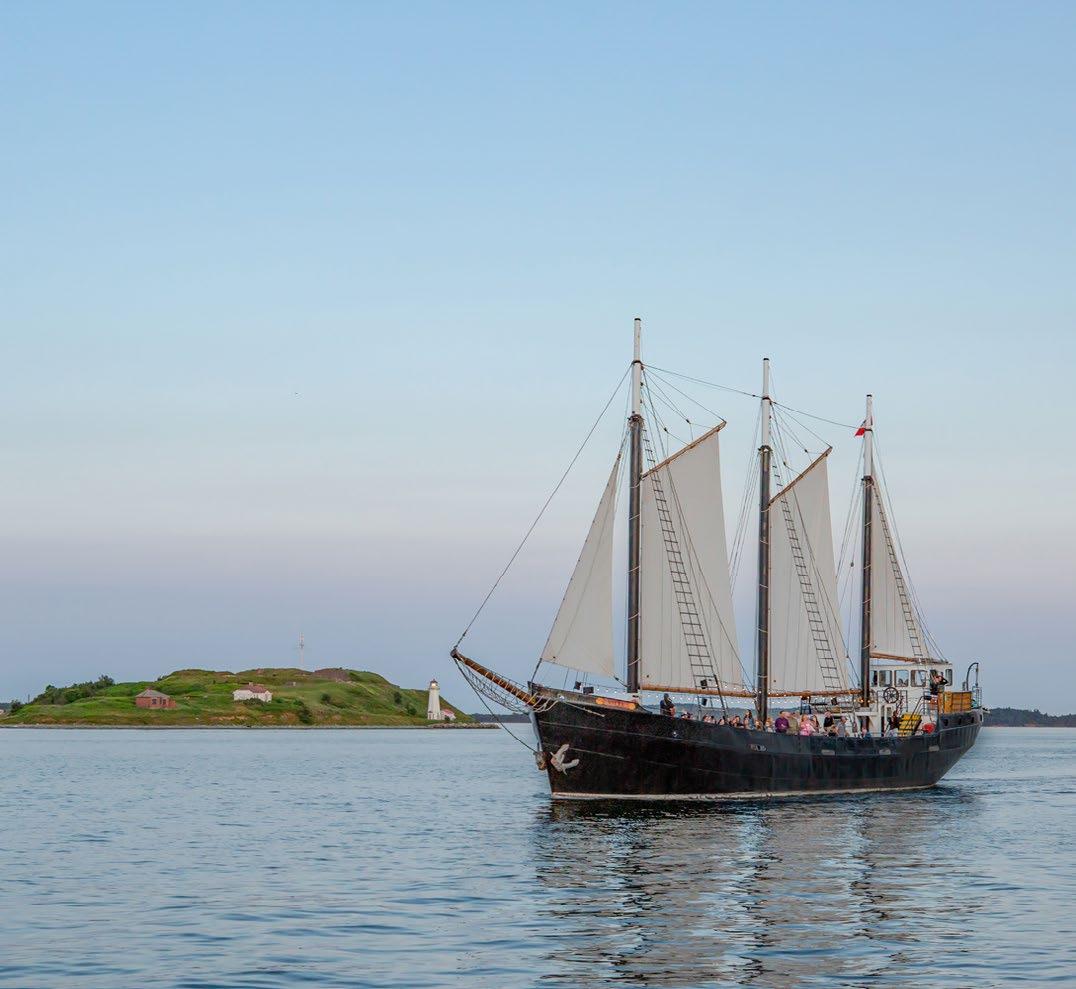

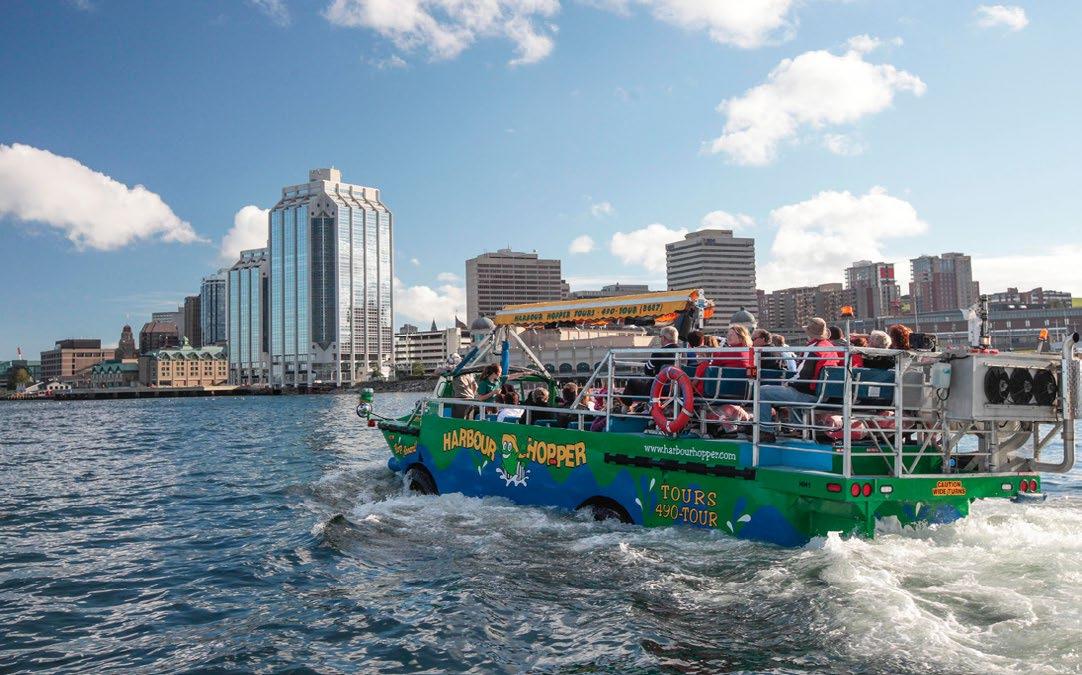






SeaWatch Bed & Breakfast

Located in Ferguson’s Cove, across from McNabs Island, overlooking historic Maugher Beach Lighthouse.
Tuna Blue Inn & Restaurant
Where Nova Scotian food, drink, and hospitality meets with carefree Caribbean vibes.
Wayside Camping Park
A family-run RV and tenting campground near Peggy’s Cove.
Wilson’s Coastal Club
Eight gorgeous, well-appointed oceanfront cottages with stunning views.
Eastern Shore
Blue Forest Shores
An education and wellness retreat centre, situated in a natural oasis on the Eastern Shore.
Colibri Hill
Striking two-storey historic home with stunning perennial gardens and walkways.
Cottage Cove Oceanfront Retreat
Seaside cottage with a hot tub, and open-concept kitchen and dining area.
E&F Webber Lakeside Resort
RV and tent sites, camping cabins, and a fully serviced cottage, the park focuses on family fun.
East River Retreat
Two-bedroom suite in Sheet Harbour, minutes from Taylor Head Provincial Park.
East River Lodge and Campground
A campground with RV and tent sites, located on East River in Sheet Harbour.
Harbour Retreat



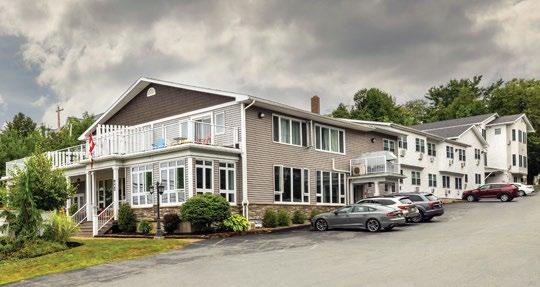


Murphy’s Camping on the Ocean
Unforgettable outdoor experiences via the Wild Islands Coast. Pet-friendly, scenic boat tours, and unique campsites.
Nalu Retreat
A luxury, four-season, adult-only retreat that offers an extraordinary and unforgettable five-star glamping experience.
Norse Cove Camping & Kayak Centre
A beautiful, dog-friendly oceanside campground with unique tent platforms, micro-cabins, non-serviced RV sites, and access to the Wild Islands.
Ocean Bay View Guesthouse
Luxury guesthouse with views of the Petpeswick Inlet, perfectly suited for events.
Paddler’s Retreat Bed & Breakfast
Fisherman’s home circa 1860 on the beachfront in Tangier, offering four rooms with shared and private baths.
Porters Peak
Custom-designed, low-impact, ecologically sound cabin and tent rentals for intimate wilderness escapes.
Salmon River Country Inn/ The Mermaid Eatery
Humble inn in a whitewashed clapboard building, offering an à la carte restaurant.
Sheet Harbour Motel
Newly renovated, pet-friendly oceanfront motel with 8 bright, modern, beach-themed rooms; Open year-round.
Sidanna Retreat
Tranquil seaside getaway with a hot tub, sauna, and fire pit, just minutes away from Clam Harbour Beach Provincial Park.
Webbers Lake Charlotte Motel
Located minutes from Clam Harbour Beach, a great place for surfing, beach combing, swimming, and hiking.
An ideal destination for solo travellers or couples. Experience life in a quaint fishing village.
J’Adore @ Oyster Pond
A three-bedroom cottage spanning over an acre of land with ocean access.
Jeddore Lodge & Cabins
Featuring a swimming pool, garden, restaurant, and views of the sea.
Lawrencetown Lodge
Fully-equipped tiny cottage rentals in a picturesque, wooded lot, offering blissful solitude.
The Marmalade Motel
A brand-new motel offering unique rooms, ocean views and a relaxing stay on the beautiful Eastern Shore.
Moonlight Beach Suites
Three self-contained suites with private entrances and decks overlooking the ocean.
Musquodoboit Valley
FlowEdge Riverside Getaway
Year-round, unique glamping experience in the heart of nature with a wood-fired cedar hot tub. Also offers an eight-guest farmhouse.
Luna Rosa Chalet
Open concept design chalet-style cabin with views of Fisher Lake.
Lindsay Lake Farms & Lodge
Experience the Canadian wilderness at this luxury farm featuring a Germaninspired restaurant and shop.
Sacred Eagle Farm
A retreat to enhance livestock knowledge and deepen connections with oneself, fellow homesteaders, and the natural world.