Lo studio preparatorio per il progetto BUFFER_ ZONE per il Centro Storico di Firenze • Carolina Capitanio
37
• in alto
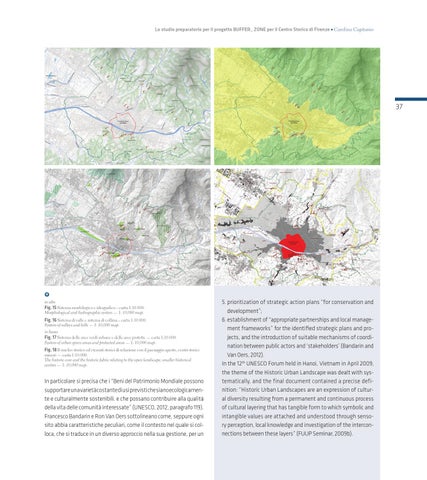
Fig. 15 Sistema morfologico e idrografico – carta 1:10.000. Morphological and hydrographic system — 1: 10,000 map.
Fig. 16 Sistema di valle e sistema di collina – carta 1:10.000. System of valleys and hills — 1: 10,000 map.
in basso Fig. 17 Sistema delle aree verdi urbane e delle aree protette — carta 1:10.000. System of urban green areas and protected areas — 1: 10,000 map.
Fig. 18 Il nucleo storico ed i tessuti storici di relazione con il paesaggio aperto, centri storici minori — carta 1:10.000. The historic core and the historic fabric relating to the open landscape, smaller historical centres — 1: 10,000 map.
In particolare si precisa che i “Beni del Patrimonio Mondiale possono supportare una varietà costante di usi previsti che siano ecologicamente e culturalmente sostenibili. e che possano contribuire alla qualità della vita delle comunità interessate” (UNESCO, 2012, paragrafo 119). Francesco Bandarin e Ron Van Oers sottolineano come, seppure ogni sito abbia caratteristiche peculiari, come il contesto nel quale si colloca, che si traduce in un diverso approccio nella sua gestione, per un
5. prioritization of strategic action plans “for conservation and development”; 6. establishment of “appropriate partnerships and local management frameworks” for the identified strategic plans and projects, and the introduction of suitable mechanisms of coordination between public actors and ‘stakeholders’ (Bandarin and Van Oers, 2012). In the 12th UNESCO Forum held in Hanoi, Vietnam in April 2009, the theme of the Historic Urban Landscape was dealt with systematically, and the final document contained a precise definition: “Historic Urban Landscapes are an expression of cultural diversity resulting from a permanent and continuous process of cultural layering that has tangible form to which symbolic and intangible values are attached and understood through sensory perception, local knowledge and investigation of the interconnections between these layers” (FUUP Seminar, 2009b).