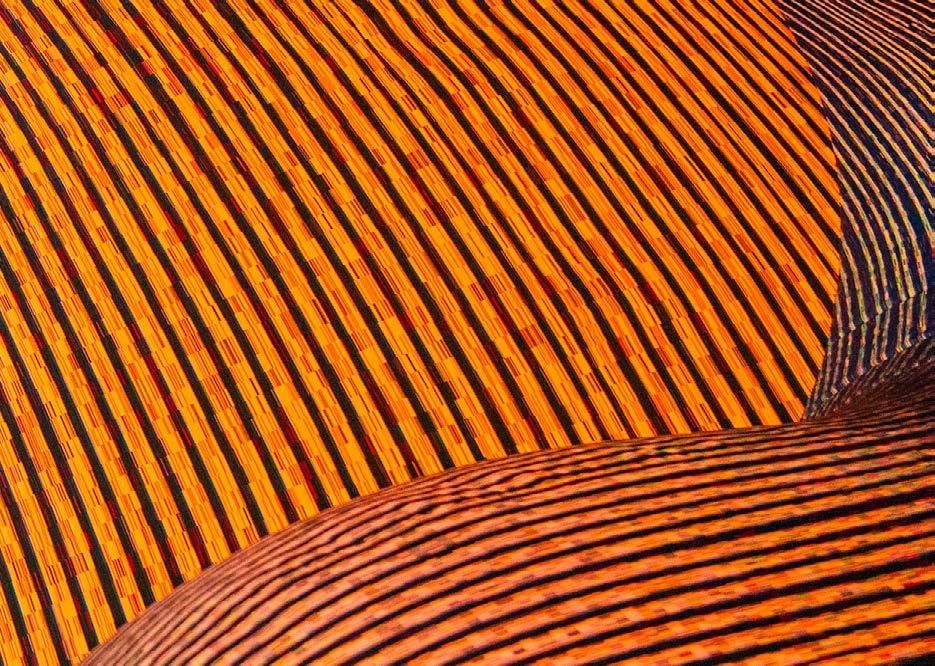
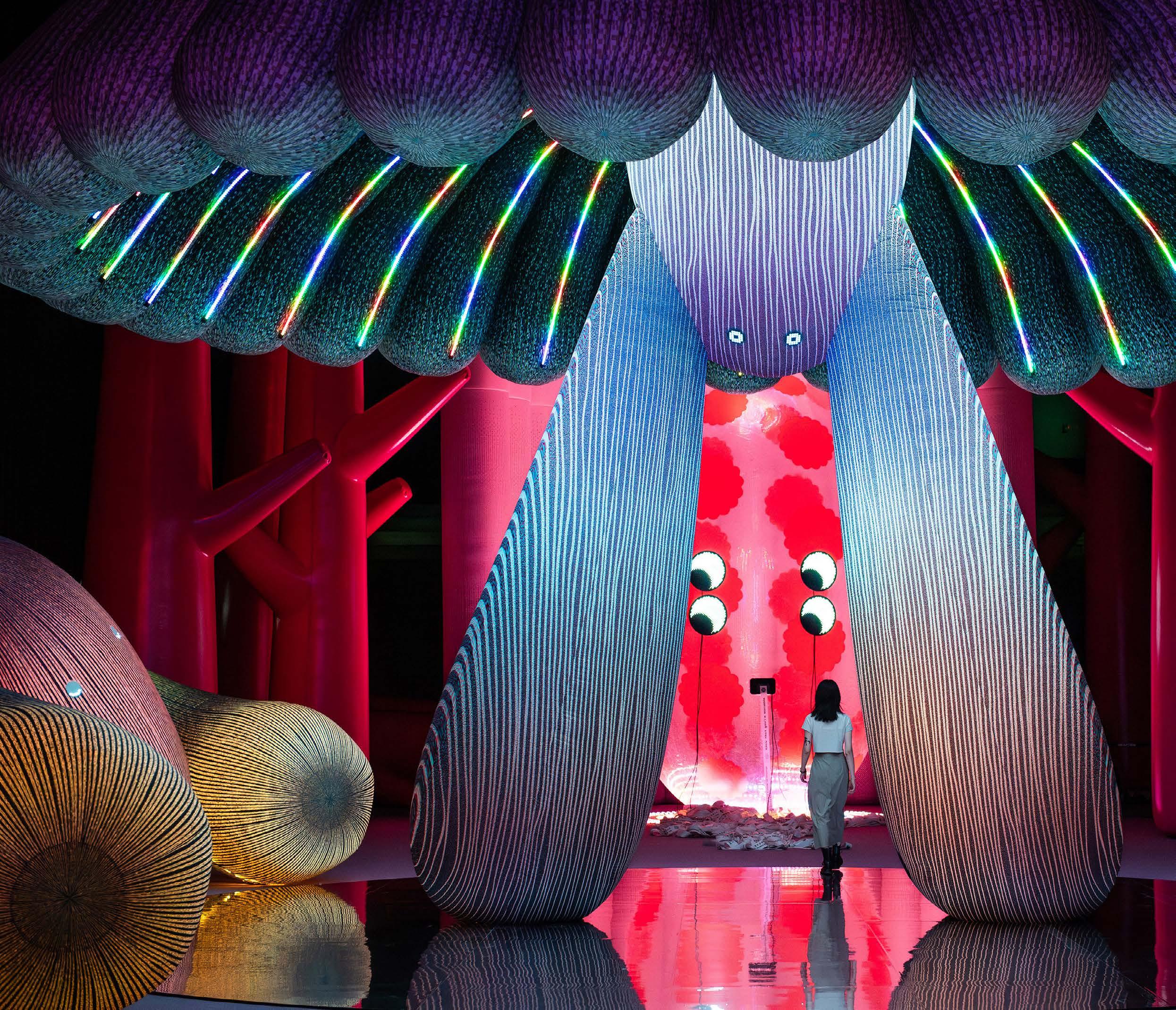
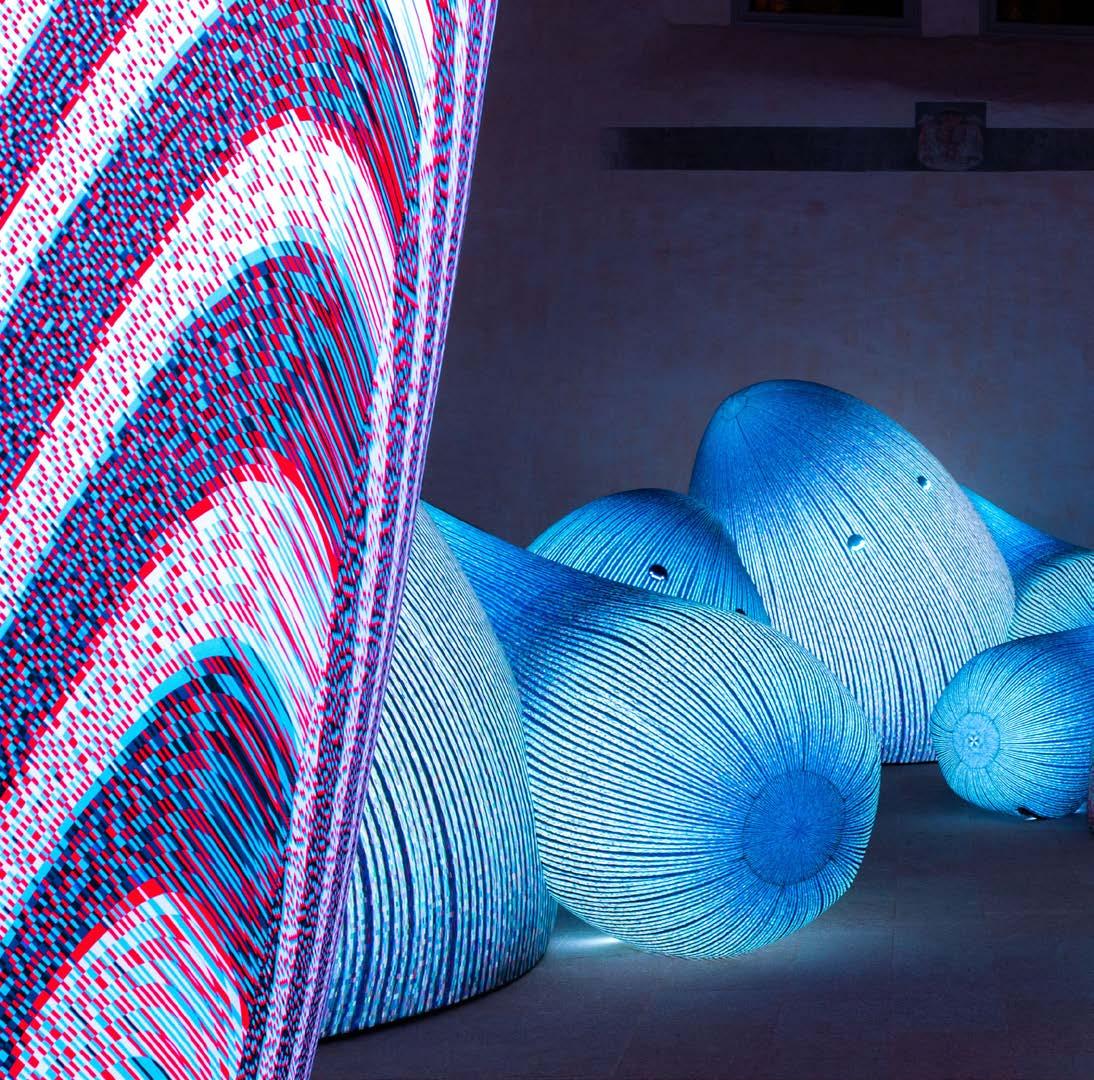
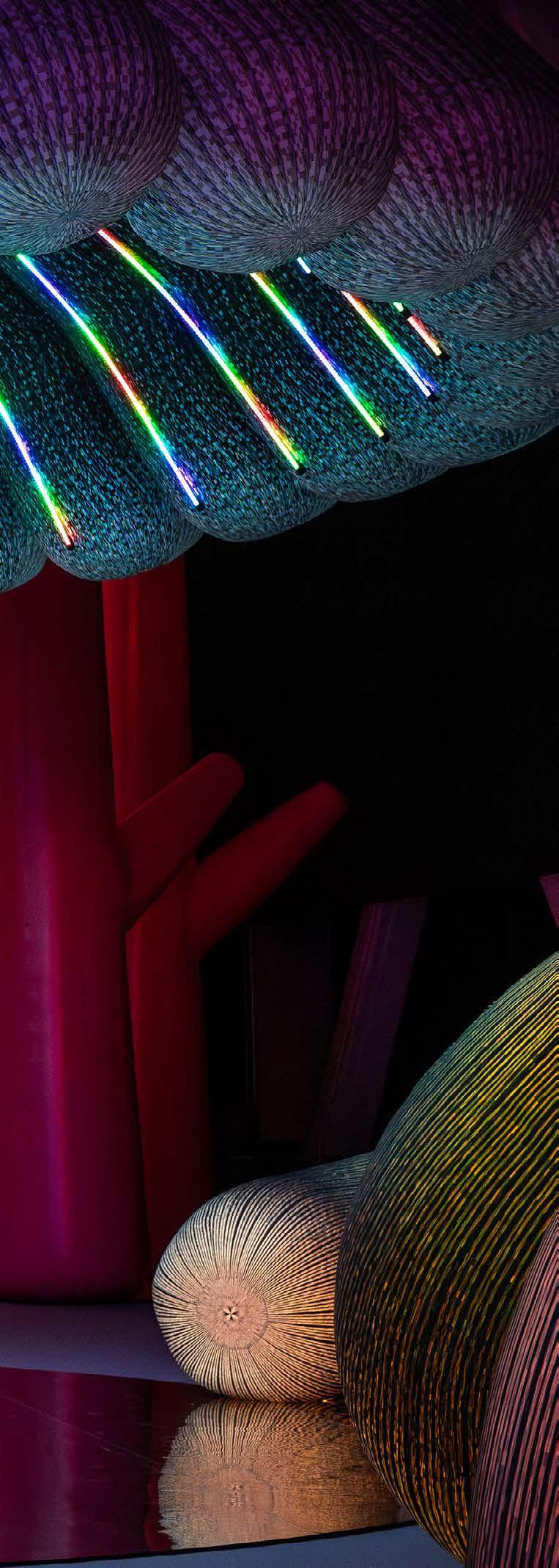
An immersive new media installation in Taipei positioned at the intersection of art and technology has been lit to dramatic effect by Eness
Supercharge your lighting installations
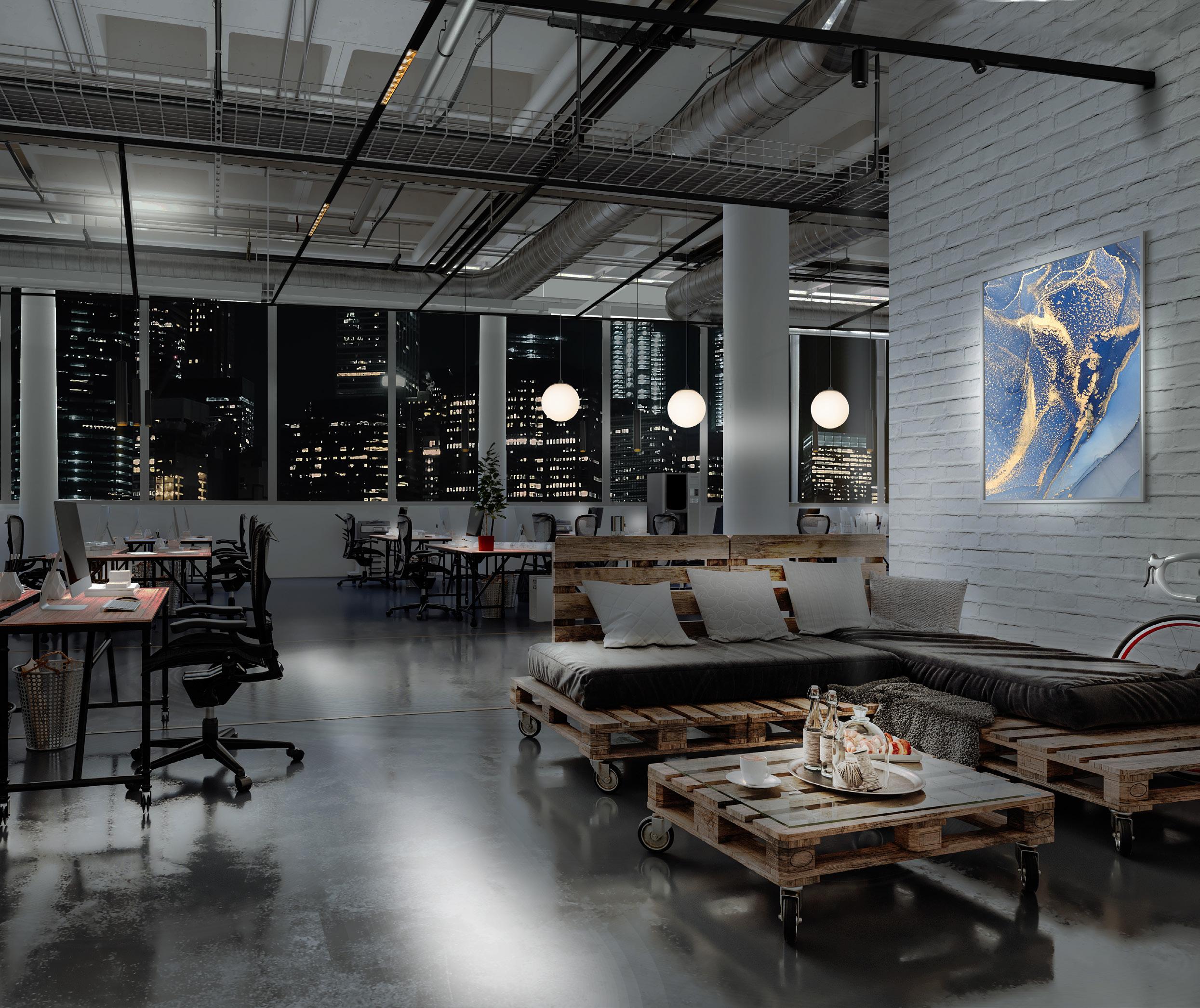
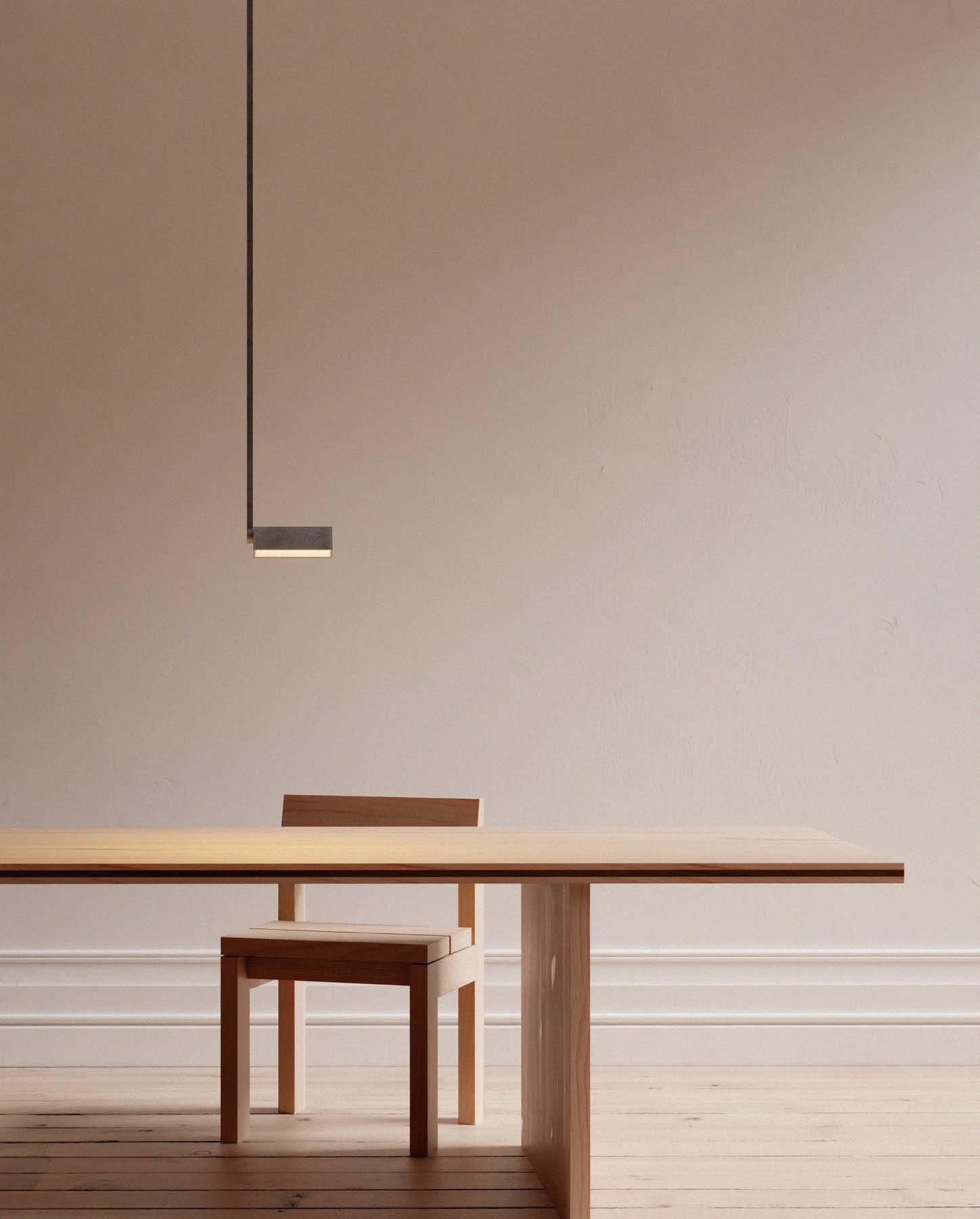
The spacing champion Extremely close to the wall and exceptionally far apart –the luminaire arrangement of our new semi-recessed wallwasher.
6 EDITOR’S NOTE
An introduction from our editor Ray Molony.
8 COVER STORY: Inflated ambition
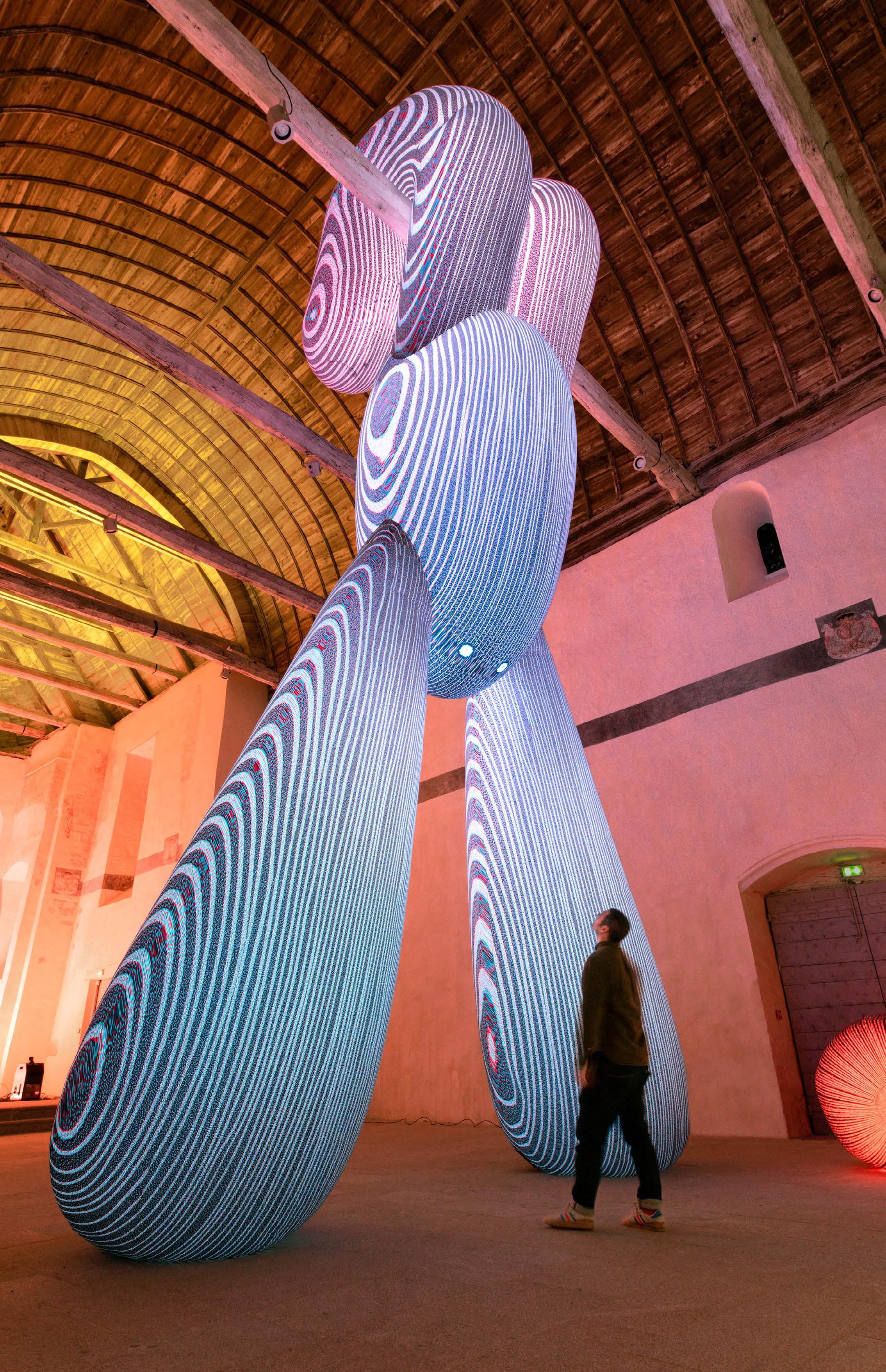
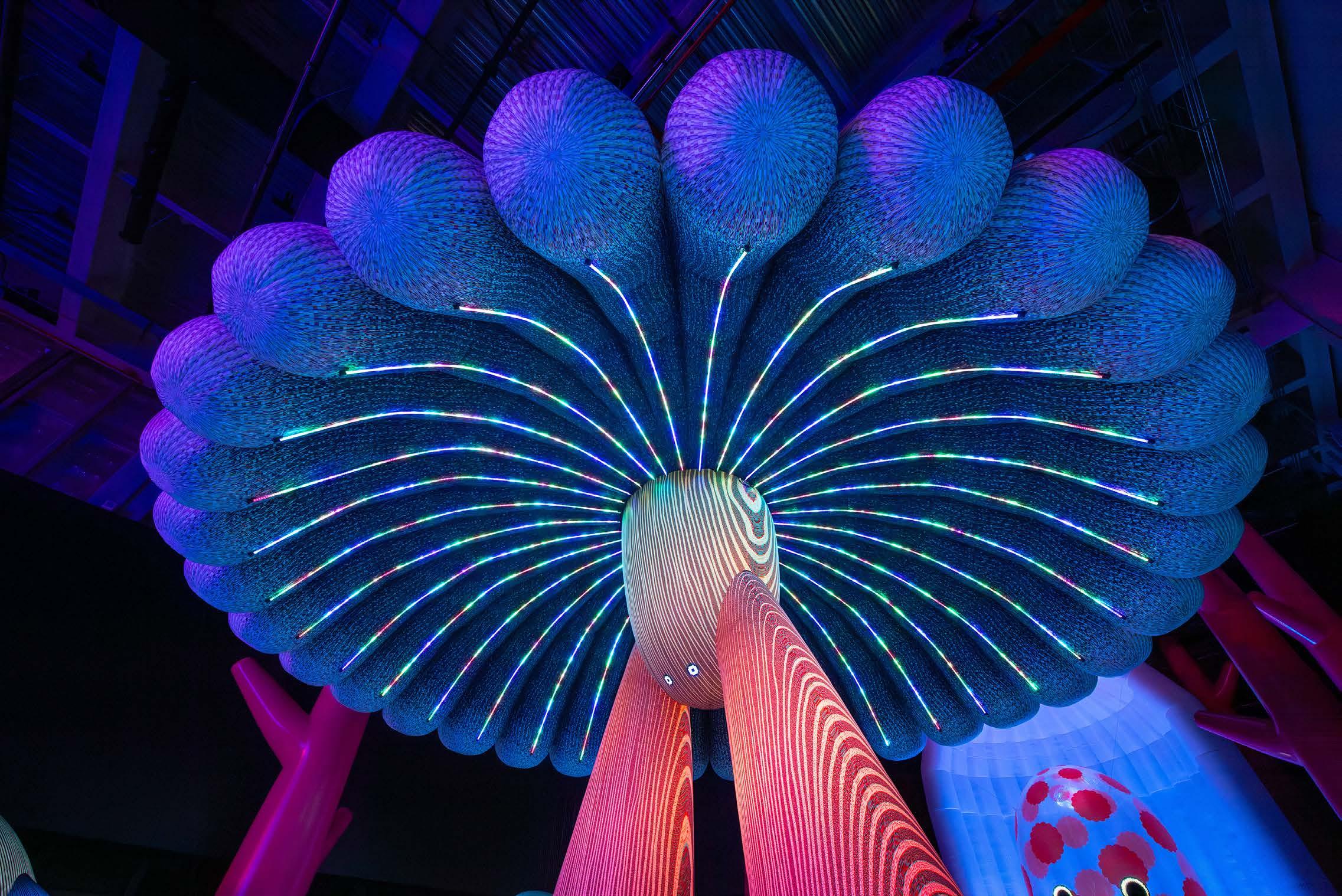
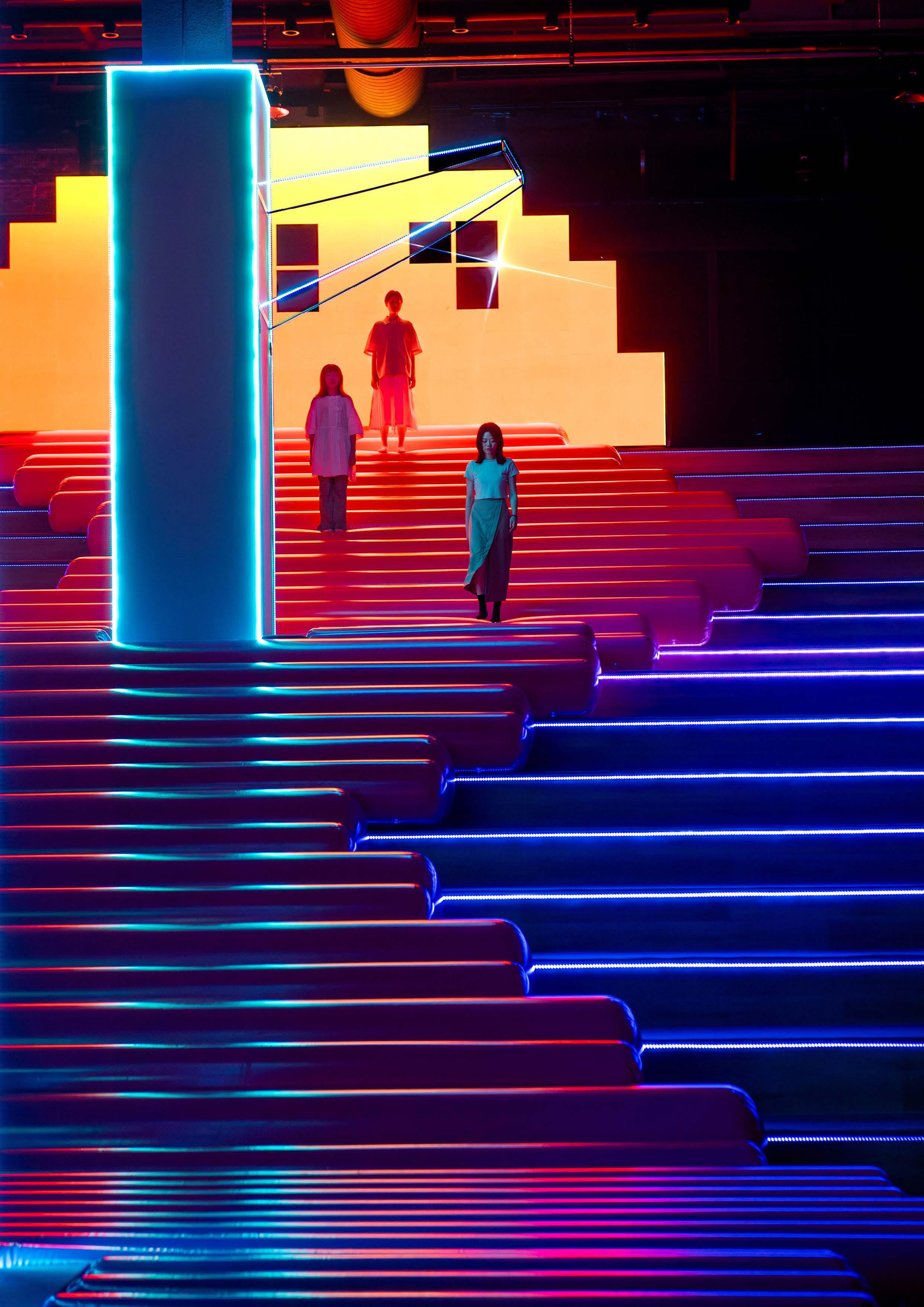
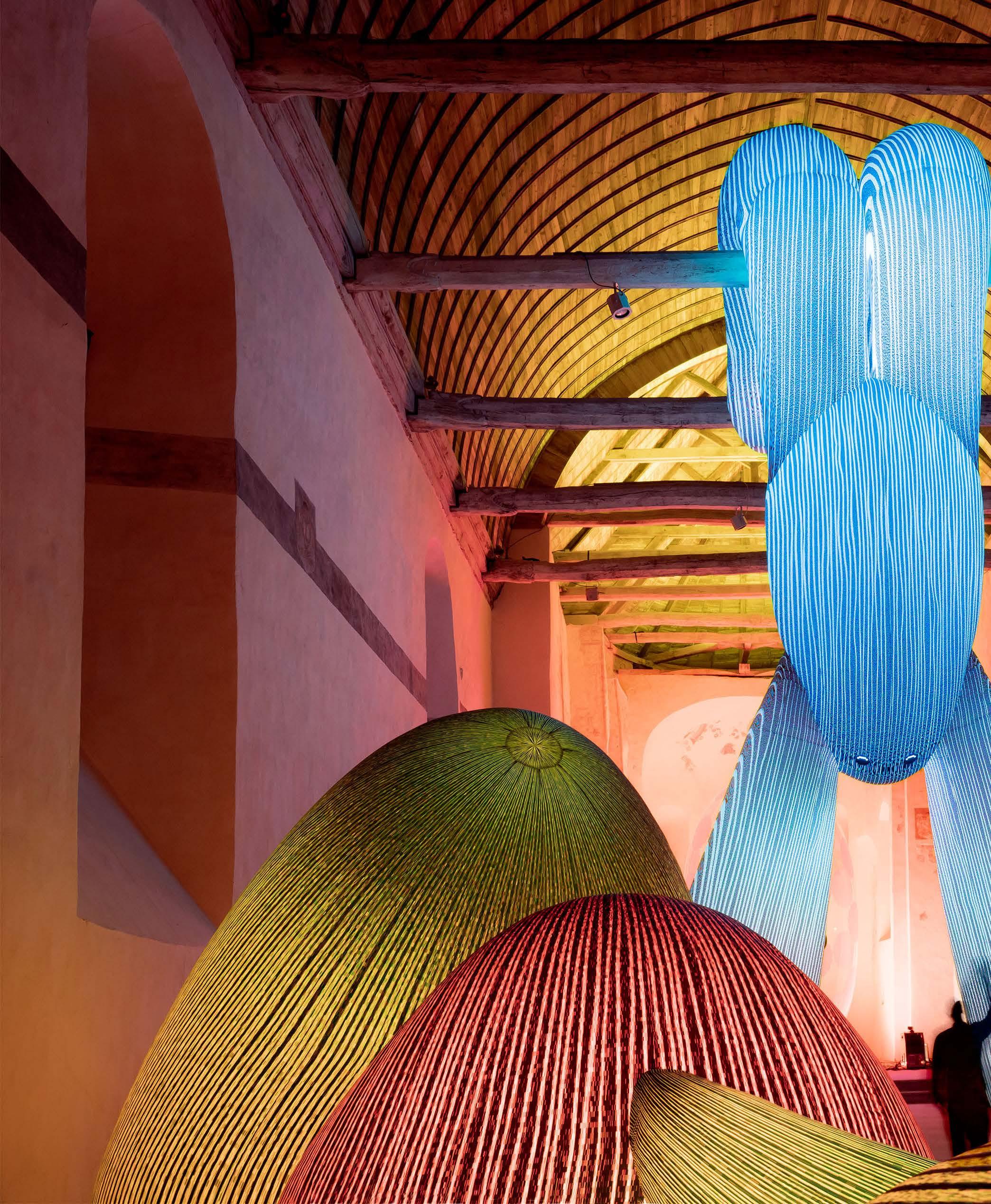
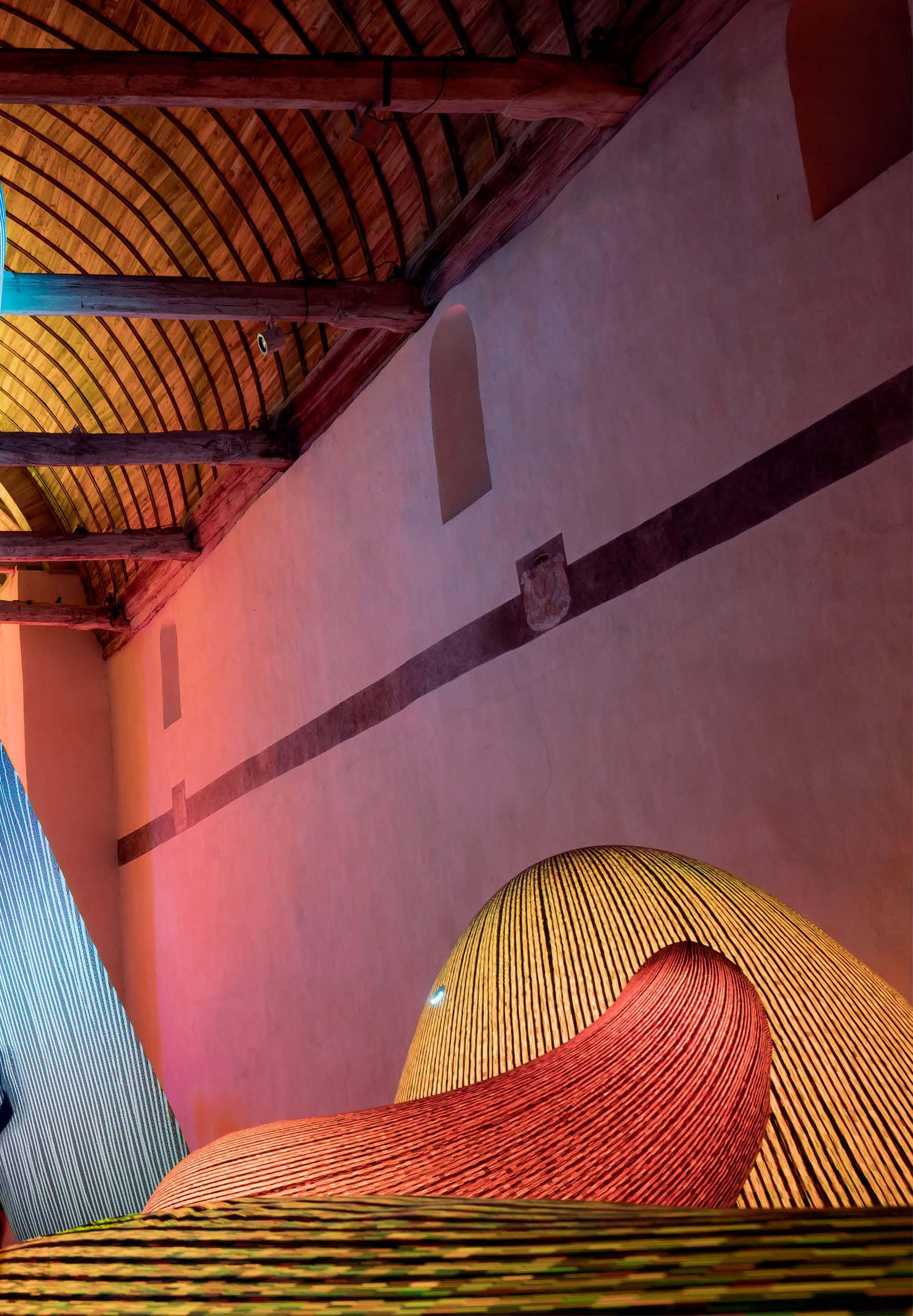
An immersive new media installation in Taipei positioned at the intersection of art and technology has been lit to dramatic effect by Eness.
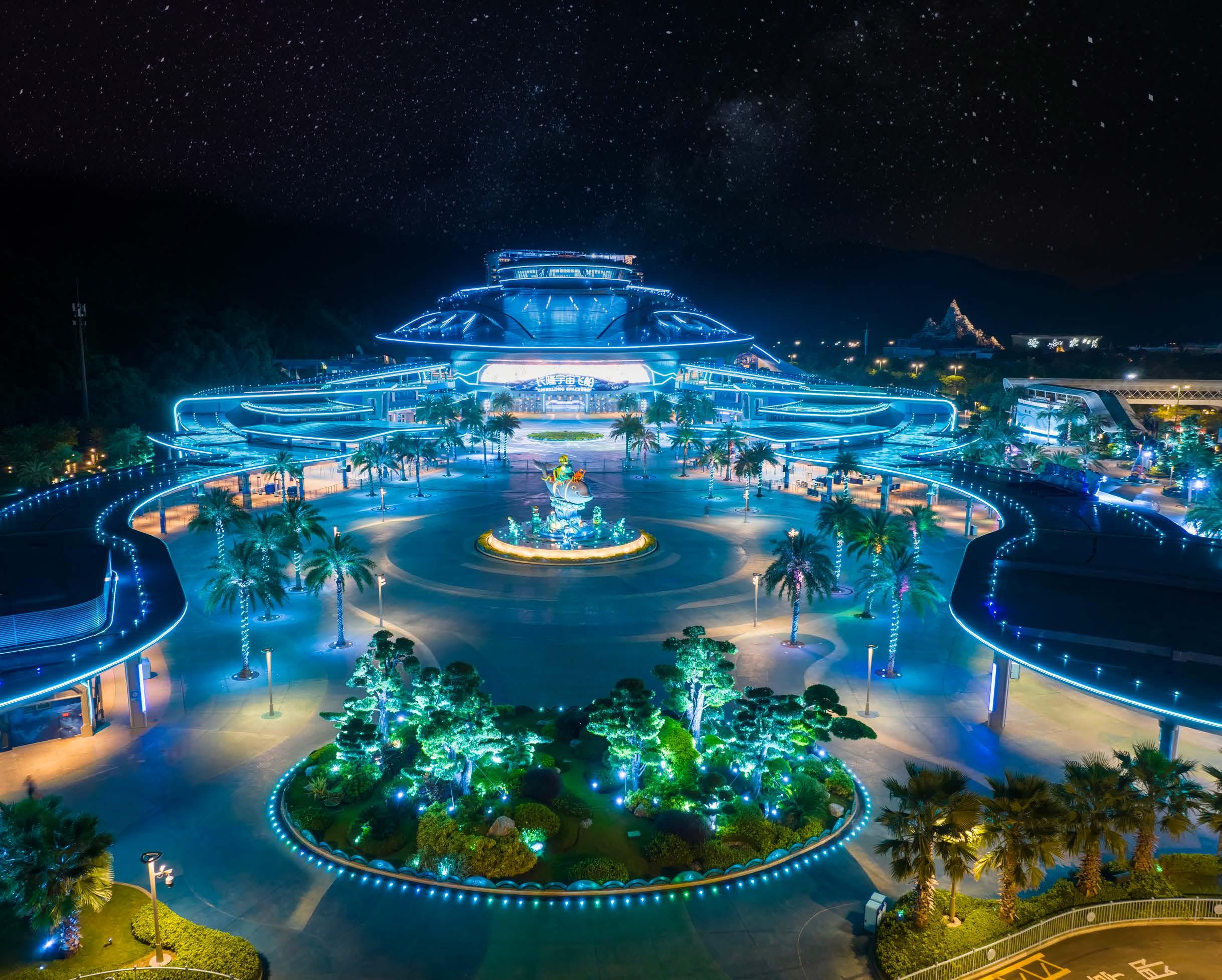
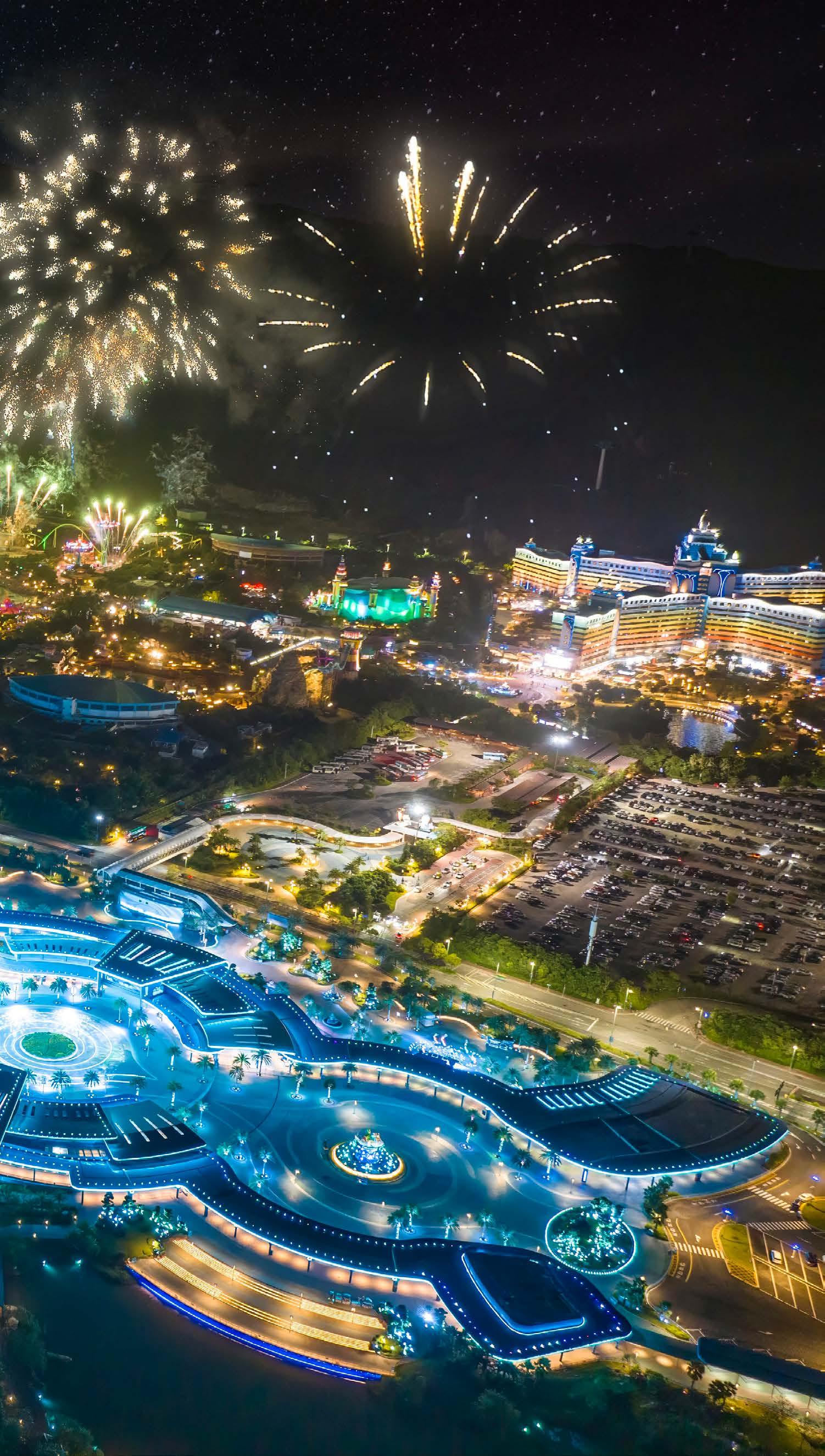
16 PROJECT: Chimelong Marine Science Park
VOLUME 3 ISSUE 2 2025
48 DARK SKIES
A thoughtful lighting upgrade by DW Windsor has transformed the historic St Paul’s Cathedral Gardens in London, blending modern energy efficiency with heritage-sensitive design.
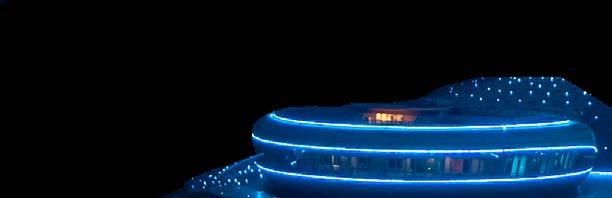
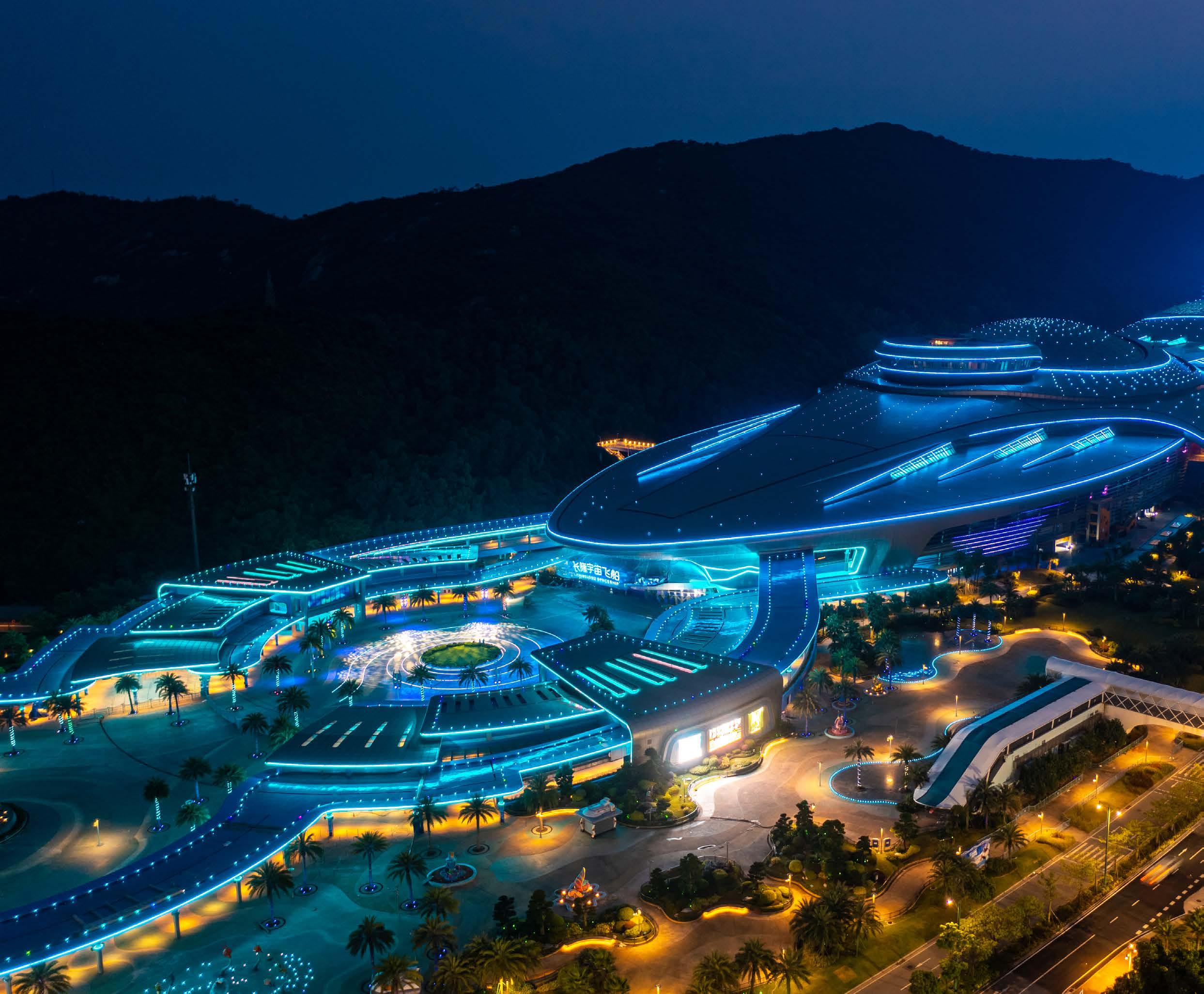
The lighting design for Chimelong Marine Science Museum, the world's largest indoor aquarium, focuses on creating a futuristic, sci-fi look. Editorin-chief Randy Reid reports. 50 INNOVATIONS
22 PROJECT: Silver lining
Renowned lighting design studio
Speirs Major Light Architecture has reimagined the nighttime experience at Taikoo Place, Hong Kong, with a richly layered, humancentric lighting masterplan.
30 PROJECT: Precision meets pride Carrasco Airport, Uruguay’s architectural jewel, undergoes a seamless lighting upgrade that balances iconic design with cuttingedge sustainability — proving that even a national symbol can evolve without dimming its spirit.
38 LIGHTING AND ART: Lighting a blockbuster
David Atkinson Lighting Design has provided a dramatic lighting treatment to the latest blockbuster exhibition at the Royal Academy of Arts in London.
42 THE BUSINESS OF LIGHTING DESIGN
Lighting designers can make great product designers. Here we catch up with Sanjit Bahra of DesignPlusLight whose acclaimed luminaires are filling key gaps in the market.
52 DESIGN COMPETITION: 3D Unleashed
LumiAdd challenges designers to harness the full potential of 3D printing and plant polymers in lighting design.
54 LIGHTING AND SOCIAL PURPOSE
Lighting plays a crucial role in shaping social spaces and influencing human behaviour, making it an essential tool in promoting social purpose. In public spaces, effective lighting can enhance safety and accessibility, encouraging positive interactions and community engagement.
56 OPINION: Charity begins with lighting
Creating a welcoming, engaging instore experience should be a priority.
We curate the stand-out designs this quarter. 58 TRADE SHOW CALENDAR
The latest reports from the lighting design community and its representative bodies. 60 ORGANISATION
The latest reports from the lighting design community and its representative bodies. 64 NEXT ISSUE
We give you a heads up on what you can look forward to the next issue of designing lighting global.
65 UP CLOSE
We meet Kael Gillam, senior associate at Hoare Lea in London.
ON THE COVER: Modern Guru and the Path to Artificial Happiness. Lighting designed and supplied by Eness. Photo: Te-Fan Wang
Taikoo
VOLUME 2 ISSUE 2 2024
Editor: Ray Molony
Editor: Ray Molony
Editor: Ray Molony
BIGGER, STRONGER DESIGN PRACTICES CAN ONLY BENEFIT CLIENTS
BIGGER, STRONGER DESIGN PRACTICES CAN ONLY BENEFIT CLIENTS
Publisher: Randy Reid
Publisher: Randy Reid
Publisher: Randy Reid
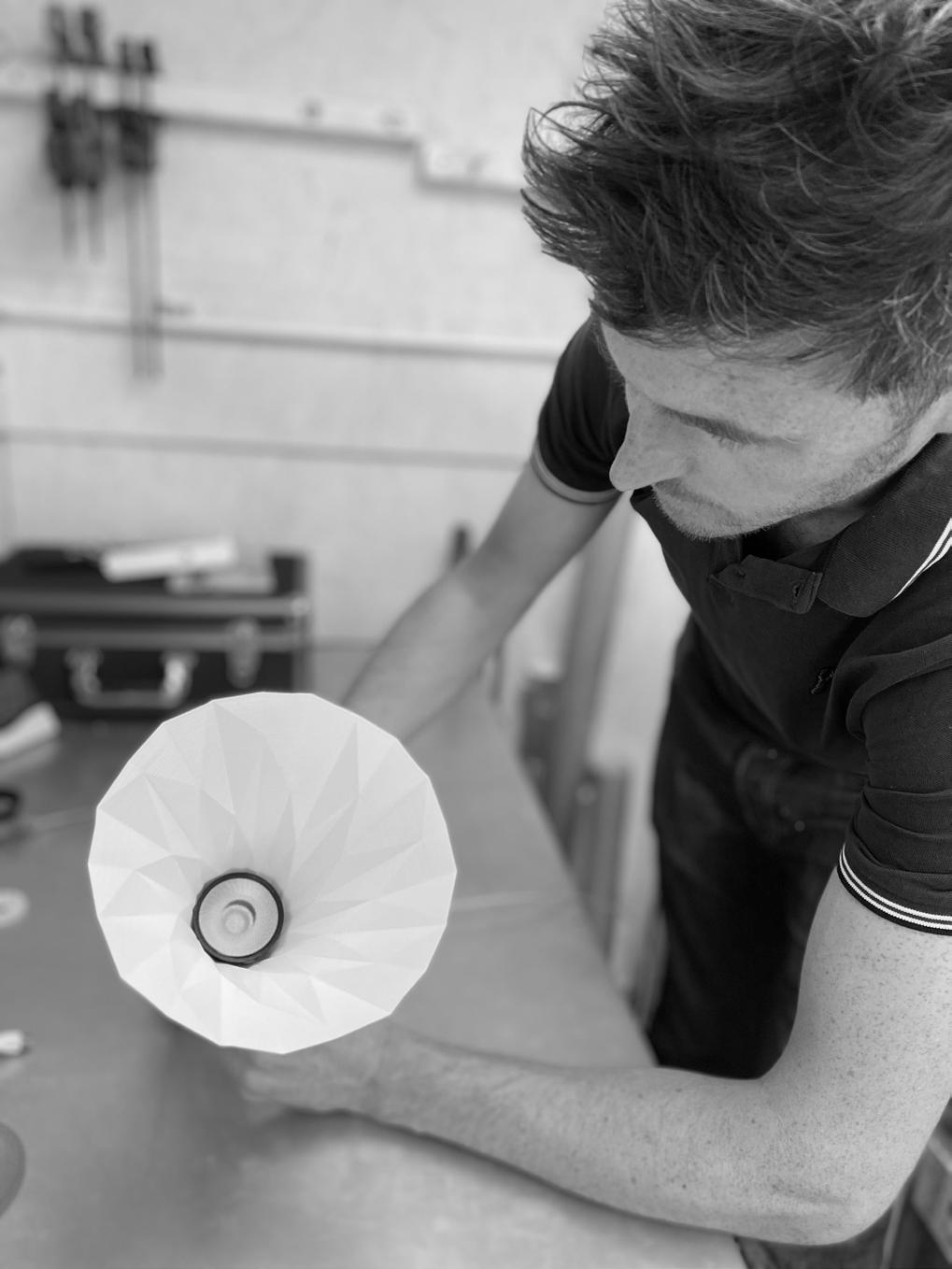
As our special interview with Sanjit Bahra later in these pages demonstrates, lighting designers make excellent luminaire designers.
Associate Publisher, Advertising:
Cliff Smith
Associate Publisher, Advertising: Cliff Smith
Associate Publisher, Advertising: Cliff Smith
Director of Audience Development: Angie Hullfish
Director of Audience Development: Angie Hullfish
Staff Writers:
Parker Allen
Staff Writers: Parker Allen
Staff Writers: Parker Allen
Published by EdisonReport
1726C General George Patton Drive Brentwood, TN 37027
Published by EdisonReport
Published by EdisonReport
Phone: +1 615 371 0961
1726C General George Patton Drive
1726C General George Patton Drive
www.designinglightingglobal.com
Brentwood, TN 37027
Brentwood, TN 37027
Phone: +1 615 371 0961
Phone: +1 615 371 0961
www.designinglightingglobal.com
www.designinglightingglobal.com
designing lighting global is focused on the Business of Lighting Design™ and provides business information to the lighting design community across the world. In addition to the website, designing lighting publishes bi-monthly online magazines featuring original content, interviews within the community and highlights successful and awardwinning lighting designs.
ISSN 2837-2360
designing lighting global is focused on the Business of Lighting Design™ and provides business information to the lighting design community across the world. In addition to the website, designing lighting publishes bi-monthly online magazines featuring original content, interviews within the community and highlights successful and awardwinning lighting designs.
designing lighting global is focused on the Business of Lighting Design™ and provides business information to the lighting design community across the world. In addition to the website, designing lighting publishes bi-monthly online magazines featuring original content, interviews within the community and highlights successful and awardwinning lighting designs.
Reproduction of the material contained in this publication may only be made with the written permission of designing lighting global.
Reproduction of the material contained in this publication may only be made with the written permission of designing lighting global.
Reproduction of the material contained in this publication may only be made with the written permission of designing lighting global.
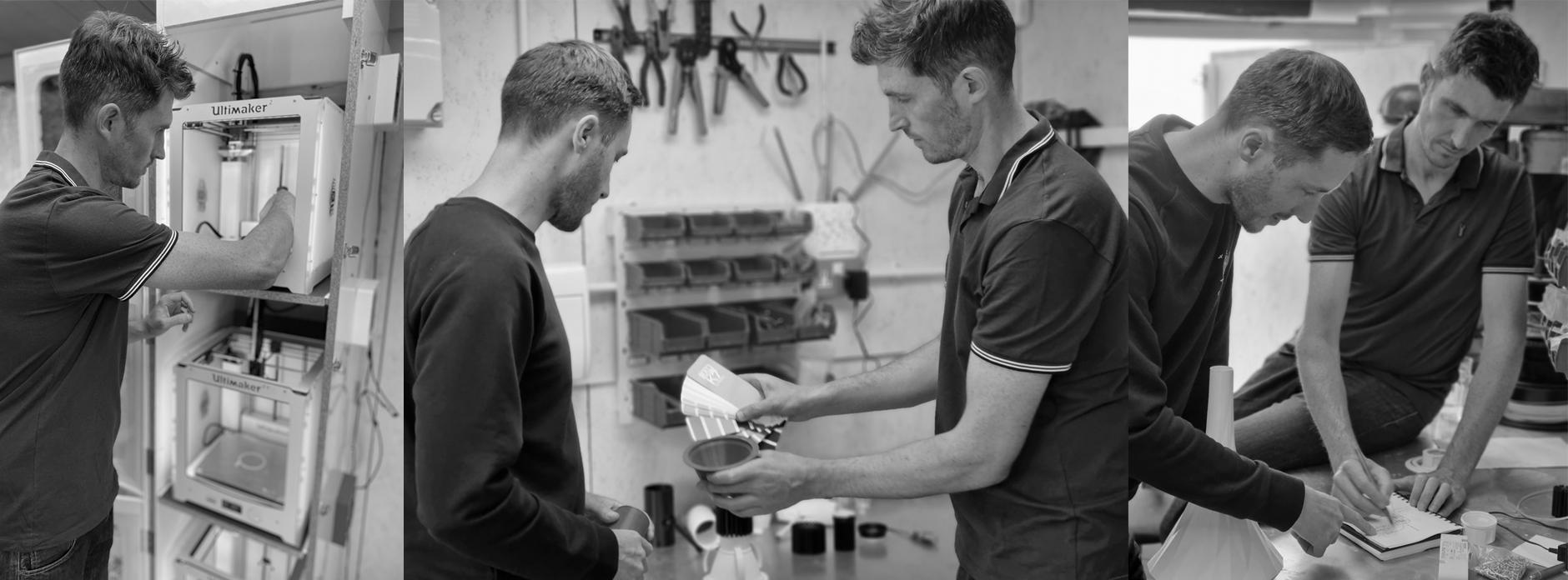
That's because they understand how light shapes space and impacts human experience. Rather than starting with form or engineering constraints, they begin with the intended atmosphere, visual comfort, and user needs. This perspective allows them to design fittings that balance performance, aesthetics, and functionality — not just how a product looks, but how it feels in use.
The lighting design profession has come a long way, philosophically speaking, in recent years. First it came to an accommodation of sorts with those practices who create lighting designs and also supply the equipment. This manifested itself in the change of membership rules for the International Association of Lighting Designers to allow socalled design-and-supply members. Personally, I’ve always thought that their exclusion was a harsh rule, a purist view that doesn’t take into account the real world, especially in those territories which don’t have a culture of paying design fees. Additionally, there are some design-and-supply outfits which do superb lighting schemes. In my view, there’s good lighting and there’s bad lighting. It’s not about who’s supplying it.
The lighting design profession has come a long way, philosophically speaking, in recent years. First it came to an accommodation of sorts with those practices who create lighting designs and also supply the equipment. This manifested itself in the change of membership rules for the International Association of Lighting Designers to allow socalled design-and-supply members. Personally, I’ve always thought that their exclusion was a harsh rule, a purist view that doesn’t take into account the real world, especially in those territories which don’t have a culture of paying design fees. Additionally, there are some design-and-supply outfits which do superb lighting schemes. In my view, there’s good lighting and there’s bad lighting. It’s not about who’s supplying it.
With hands-on experience specifying and working with hundreds of products, lighting designers bring valuable insight into what works in real-world settings. They know the importance of beam angles, glare control, colour rendering, and how light interacts with surfaces. This depth of knowledge, often gained through trial and error on live projects, gives them a unique ability to spot gaps in the market and reimagine how luminaires can perform better.
Another IALD rule change that has just been the written into the code of ethics is that members should give sufficient weight to sustainability in their designs. This should be less controversial than the previous rule change. While it is an aspiration, it’s a laudable one and it does give designers some ammunition to protect their designs in the face of pressure to compromise.
Another IALD rule change that has just been the written into the code of ethics is that members should give sufficient weight to sustainability in their designs. This should be less controversial than the previous rule change. While it is an aspiration, it’s a laudable one and it does give designers some ammunition to protect their designs in the face of pressure to compromise.
Manufacturers could benefit significantly from involving lighting designers more actively in product development. Designers offer a user-centric viewpoint that can help shape fittings that are more intuitive, versatile, and aligned with evolving design needs. Their input can prevent costly oversights and lead to products that not only meet technical standards but also inspire creative applications.
Further in these pages I talk to the IALD’s CEO Christopher Knowlton about how lighting design practices can grow. Knowlton is no slouch at lighting design and has a roster of great projects to prove it. But he also has an MBA and is business minded, and he’s given a lot of thought to this topic. His diagnosis of the problem and his proposed remedies make interesting reading.
Further in these pages I talk to the IALD’s CEO Christopher Knowlton about how lighting design practices can grow. Knowlton is no slouch at lighting design and has a roster of great projects to prove it. But he also has an MBA and is business minded, and he’s given a lot of thought to this topic. His diagnosis of the problem and his proposed remedies make interesting reading.
The lighting design profession has never lacked for creativity, or indeed the tools to create stunning projects. Rather, its weakness has traditionally been on the business side. For, as Knowlton points out, it is well financed and managed practices which can invest in its staff, its knowledge and its resources. And that can only be good for our clients.
The lighting design profession has never lacked for creativity, or indeed the tools to create stunning projects. Rather, its weakness has traditionally been on the business side. For, as Knowlton points out, it is well financed and managed practices which can invest in its staff, its knowledge and its resources. And that can only be good for our clients.
Stronger collaboration would also build lasting relationships between manufacturers and the design community — the very people specifying their products. It's a win-win: better luminaires, more innovation, and a shared commitment to improving the built environment. As the lighting industry continues to evolve, it's clear that more synergy between creators of light and makers of tools is not just beneficial — it's essential. ■
Ray Molony EDITOR
Ray Molony EDITOR
Ray Molony EDITOR
INFLATED AMBITION
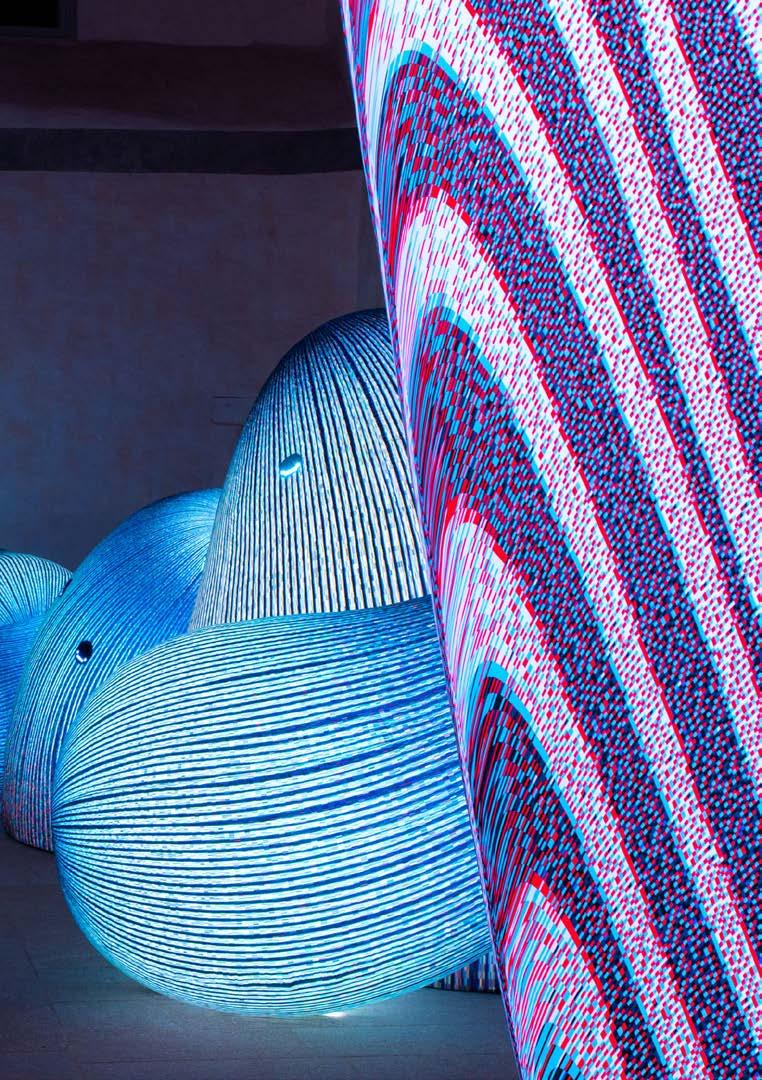
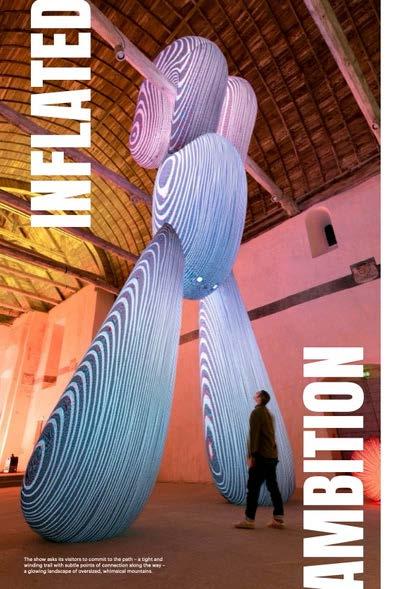
The show asks its visitors to commit to the path – a tight and winding trail with subtle points of connection along the way –a glowing landscape of oversized, whimsical mountains.
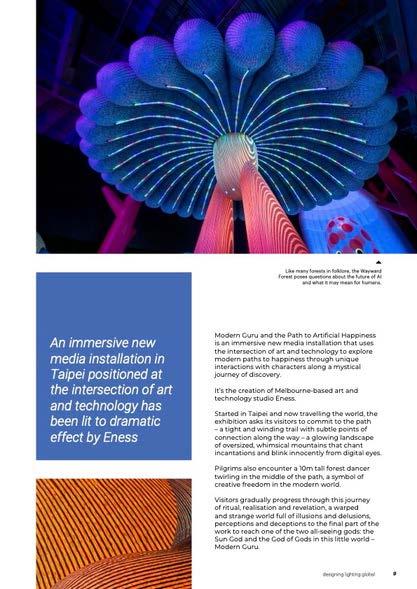
Like
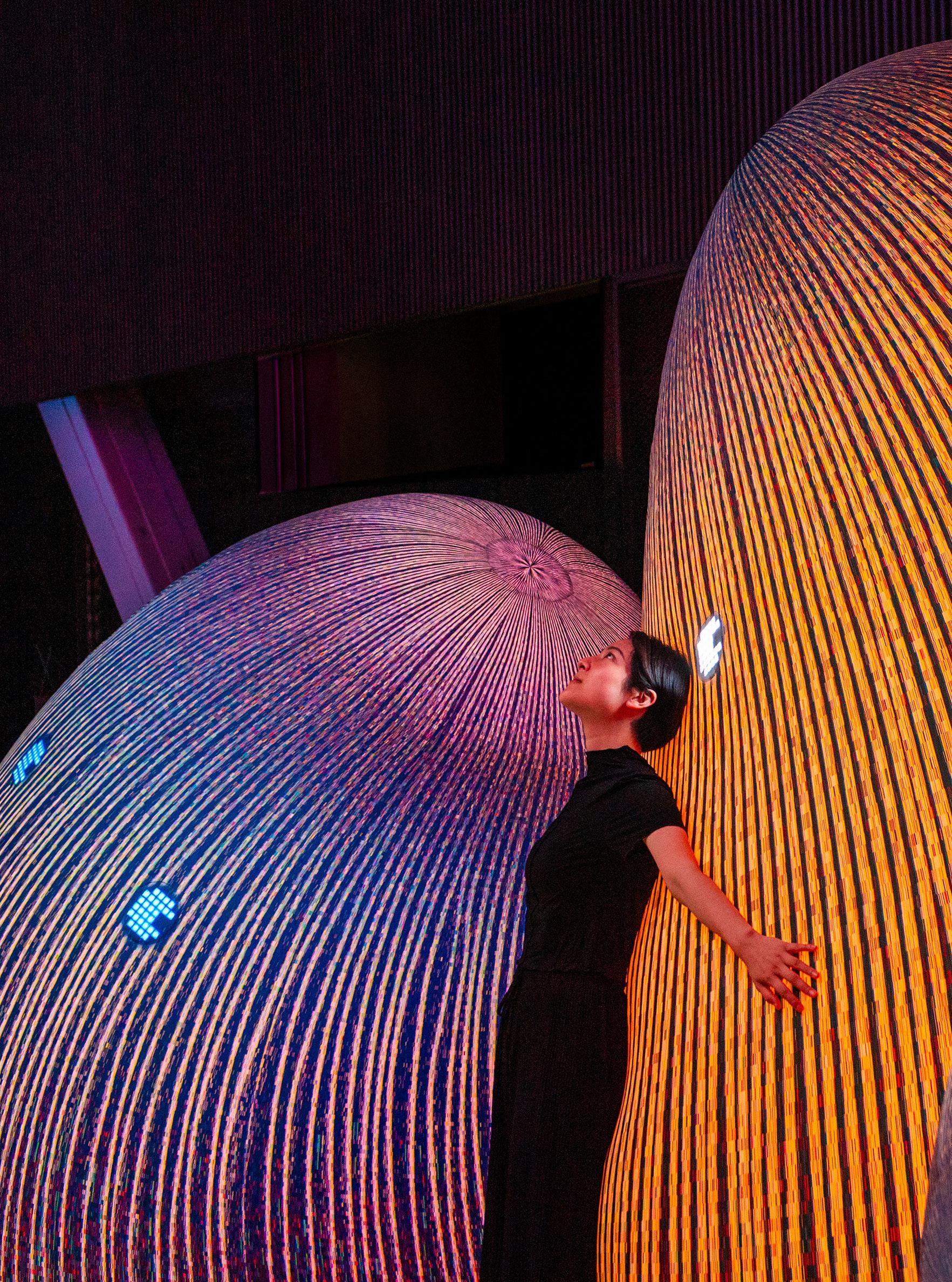
An immersive new media installation in Taipei positioned at the intersection of art and technology has been lit to dramatic effect by Eness
Modern Guru and the Path to Artificial Happiness is an immersive new media installation that uses the intersection of art and technology to explore modern paths to happiness through unique interactions with characters along a mystical journey of discovery.
It’s the creation of Melbourne-based art and technology studio Eness.
Started in Taipei and now travelling the world, the exhibition asks its visitors to commit to the path – a tight and winding trail with subtle points of connection along the way – a glowing landscape of oversized, whimsical mountains that chant incantations and blink innocently from digital eyes.
Pilgrims also encounter a 10m tall forest dancer twirling in the middle of the path, a symbol of creative freedom in the modern world.
Visitors gradually progress through this journey of ritual, realisation and revelation, a warped and strange world full of illusions and delusions, perceptions and deceptions to the final part of the work to reach one of the two all-seeing gods: the Sun God and the God of Gods in this little world –Modern Guru.
many forests in folklore, the Wayward Forest poses questions about the future of AI and what it may mean for humans.
Lighting has been a key element in delivering the atmosphere, drama and storytelling. LED lighting, much of it RGB, is carefully integrated to emphasise the characters and add legibility to the setting. Motion sensors are often used to trigger progressive colour changes in the LED luminaires.
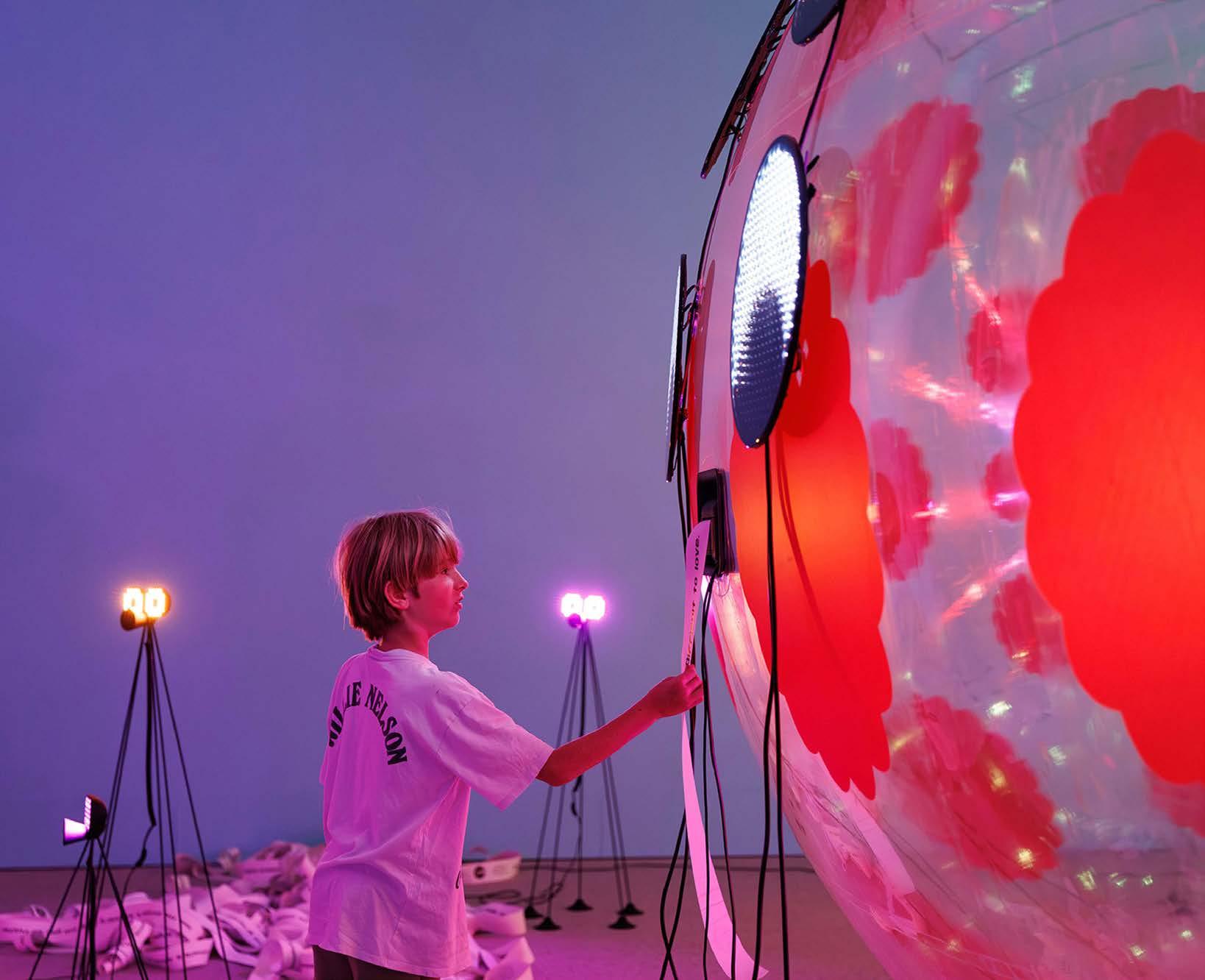
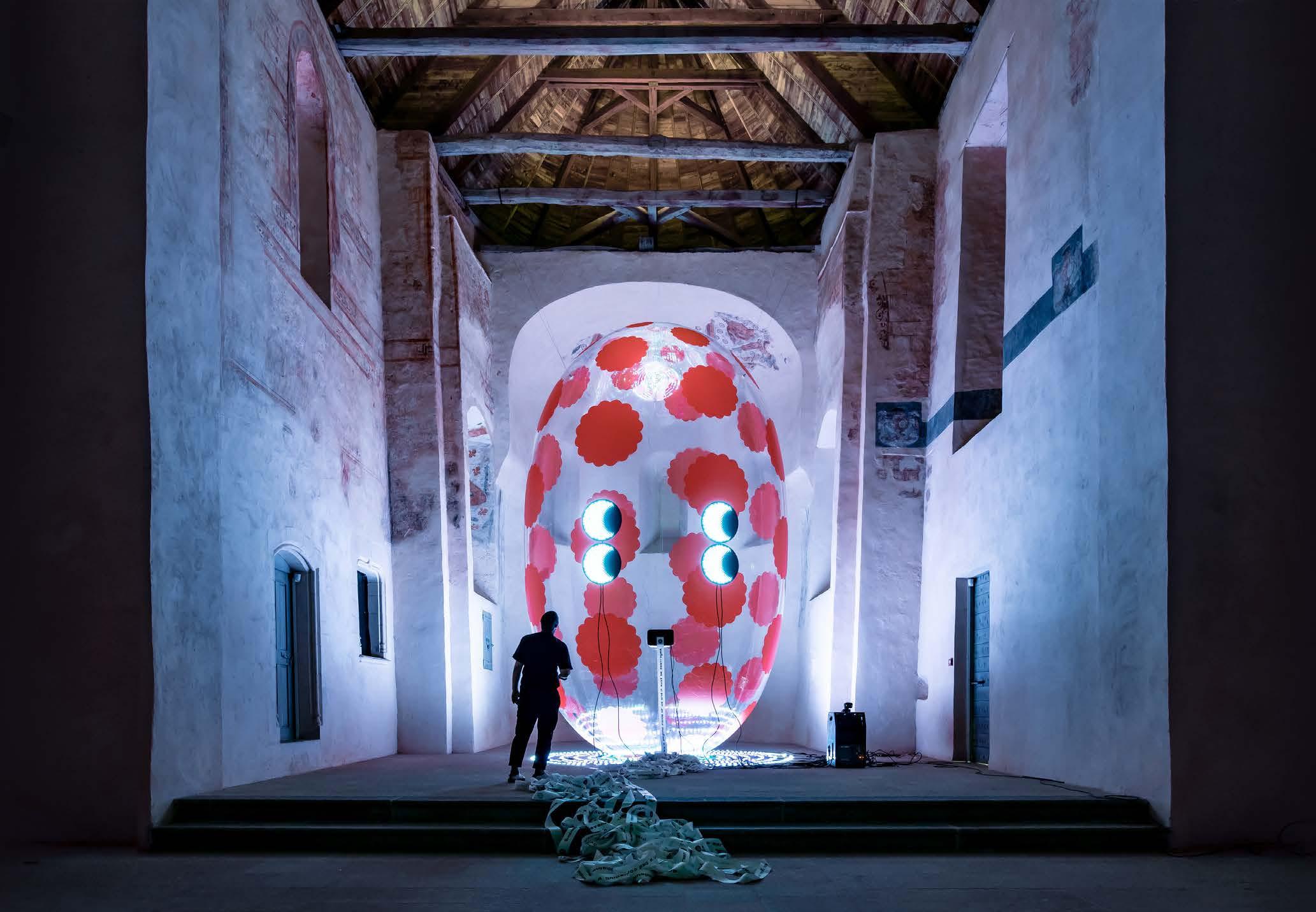
Modern Guru is a translucent ovoid with four huge digital eyes, floating above a ceremonial ring of LEDs. From his mouth flows a ream of absurdist messages, and in a statement about the true nature of lived experience, a new message is delivered when visitors take a photo of Modern Guru – a missive produced only for those who seek to photograph life rather than live in the moment.
The Sun God was developed for the third exhibition. He surveys the installation from the top of a long flight of inflatable steps representing his tongue. When used, fifty separate inflatables make up this extensive feature, one that is strong enough to withstand many audience members simultaneously scaling its expanse to meet the Sun God.
Modern Guru is a translucent ovoid with four huge digital eyes, floating above a ceremonial ring of LEDs.
Forest Dancer features a six-metre-wide skirt adorned with LEDS and balances as she does largely through the interplay of geometry and cleverly calculated air pressure. As visitors move through her arms, the motion sensor sets off a bell-like chime to acknowledge their presence, and longer flourishes are gifted upon every seventh visitor.
The Wayward Forest is a cluster of denuded trees, contrasting with the twirling, creatively free Forest Dancer. Like many forests in folklore, this forest has an eerie edge. The Wayward Forest poses questions about the future of AI and what it may mean for humans.
‘AI doesn’t care about sentience. To AI, a tree is a form to be manipulated,' explains Nimrod Weis, Artist and Founder of Eness. 'As sentient creatures, we grasp the deepest significance of trees and, in this way, the Wayward Forest reflects our current concerns about AI.'
With an explosion in international demand but a desire to ensure a lower carbon footprint; a custom plug and play system was developed for all temporary installations. The studio’s industrial designers
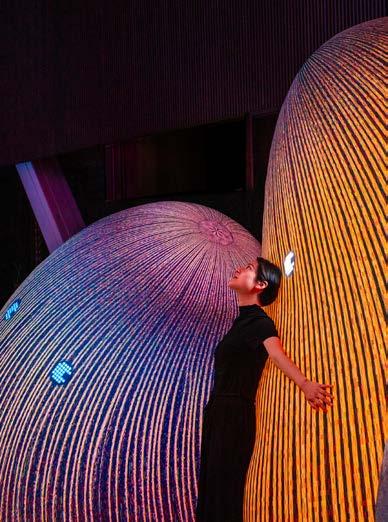
Visitors are encouraged to interact with the strange ovoid creatures, dramatically lit by RGB LEDs both integrated into the structures and also mounted on columns.
Visitors gradually progress through this journey of ritual, realisation and revelation, a warped and strange world full of illusions and delusions, perceptions and deceptions.
combined all technical elements into one unit –fans, computer, LED controller, speakers, network and sensors.
By bringing this level of commercial design and manufacturing to the fabrication and build of each temporary artwork; it has made the units easier to transport; and the installation simpler, enabling clients to use a manual to install with relative ease, rather than Eness staff having to fly over the world to install.
Additionally, all inflatable fabric is recycled through a Melbourne-based plastics recycling company. The skins are broken down, processed and turned-back into raw plastic and textiles for reuse in packaging and other plastic-based products.
Modern Guru and the Path to Artificial Happiness has earned Eness a Frame Exhibition of the Year award for its ‘insightful’ storytelling and technically-advanced inflatables that are alive with AI.
‘This is an amazingly creative project, and the representation, story, execution, and experience are absolutely captivating,’ said Frame judge and creative director of Tom Postma Design, Matyas Simonyi. ‘The design presents very complex ideas in a surprisingly straightforward manner, as all good exhibitions and installations do. From a sustainability perspective, the reusing and recycling of the installation is well thought out. It is also interesting how the adaptation of the show to different audiences is part of the overall message.’ ■
The exhibition explores modern paths to happiness through unique interactions with characters along a mystical journey of discovery.
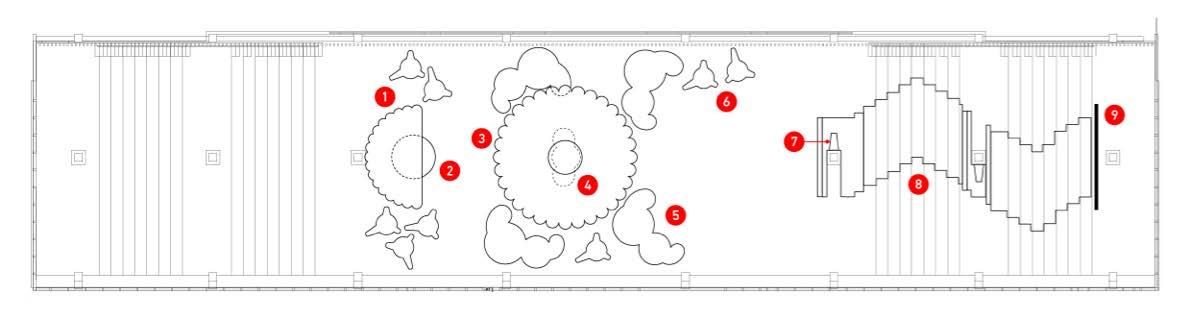
The exhibition’s layout. 1: Shroud
Guru 3: Tutu
Forest Dancer
Mountains
Stairs 9: Sun God
The studio’s industrial designers combined all technical elements into one unit –fans, computer, LED controller, speakers, network and sensors.
‘This is an amazingly creative project, and the representation, story, execution, and experience are absolutely captivating’
— Frame judge Matyas Simonyi
PROJECT CREDITS
Lighting Design and Supply: Eness
Lead Designers: Nimrod Weis
Client: Eslite Spectrum Corporation
Other Credits Video: 8ID
Photo Credits: Te-Fan Wang
Studio
A GALACTIC VISION REALIZED
Illuminating Chimelong’s Marine-Themed Spaceship Park
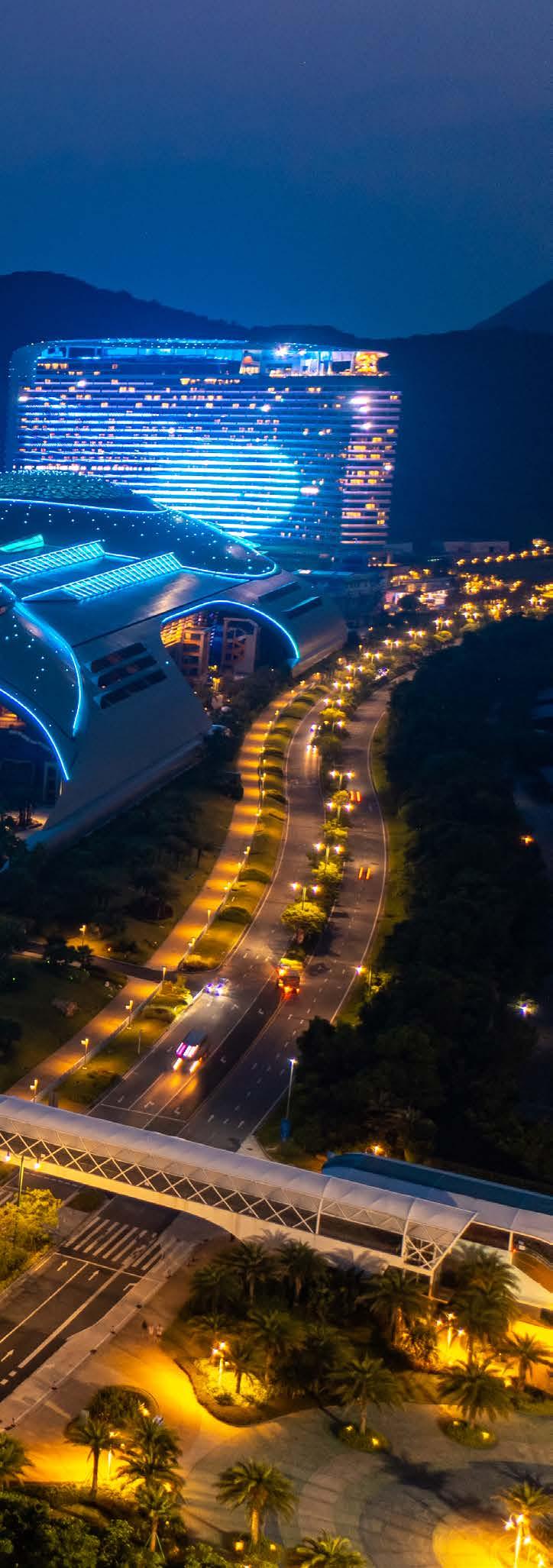
When the first images of the Chimelong Marine Science Park in Zhuhai, China landed in my inbox, I was immediately struck by the scale, imagination, and luminous drama. Designed to resemble a spaceship arriving from the cosmos, this immersive marine-themed indoor park is a testament to how narrative-driven lighting design can elevate architecture from impressive to otherworldly. To understand the vision behind the light, I spoke with Ashley Yin, Principal Designer at Lighting Design Alliance (LDA), who led the project’s lighting concept and implementation over a nearly seven-year journey.
A Longstanding Partnership and a Vast Scope
LDA has partnered with the Chimelong Group
since 2010, when Ashley first joined the firm. Their work spans flagship hotels, circus arenas, and a portion of the original outdoor Ocean Kingdom. In 2017, the relationship evolved again when Chimelong began developing its indoor Marine Science Park, conceived as a “spaceship from the universe landing on Earth to do research.”
The scope for LDA included the exterior façade and landscape lighting, a massive pedestrian bridge, and selected interior circulation areas, including the lobby and the children’s play zone.
“We started in 2017, and while our initial design was finished around 2020, the project kept evolving during construction,” said Ashley. “Because of COVID, they had more time to reconsider the theming, and so we kept designing almost until the park opened in 2023.”
Photos courtesy of Chimelong Group
The Challenge: Lighting the Unlightable
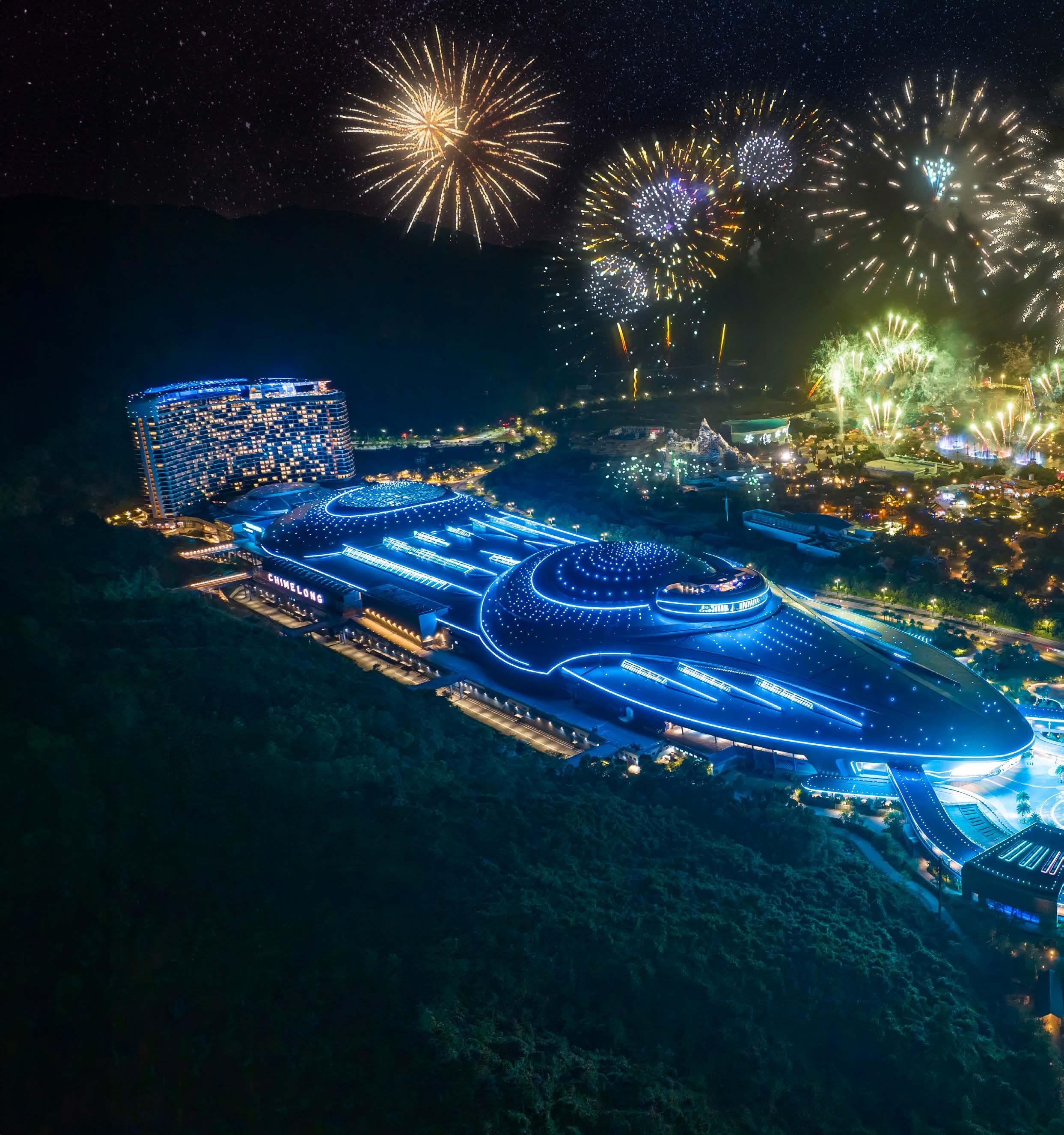
The spaceship structure spans 650 meters. Its curved, metallic exterior and sweeping form posed enormous challenges, both technically and conceptually.
“Our first challenge was scale,” Ashley explained. “How do you light something this enormous without blowing the budget? The second was maintenance. Everything needed to be accessible. And third, the geometry. The multi-story, curved structure required thousands of lighting calculations just to model how light would behave.”
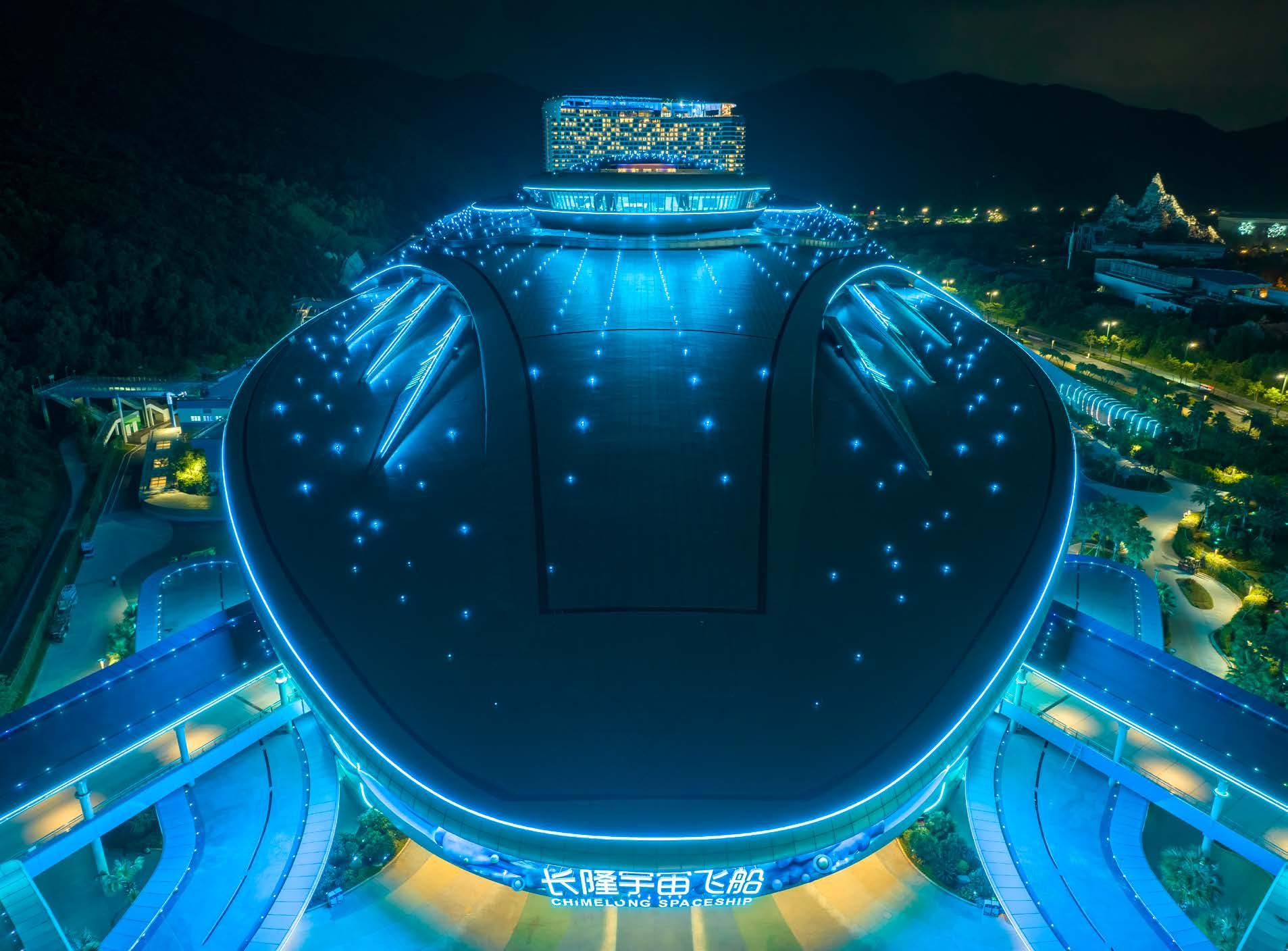
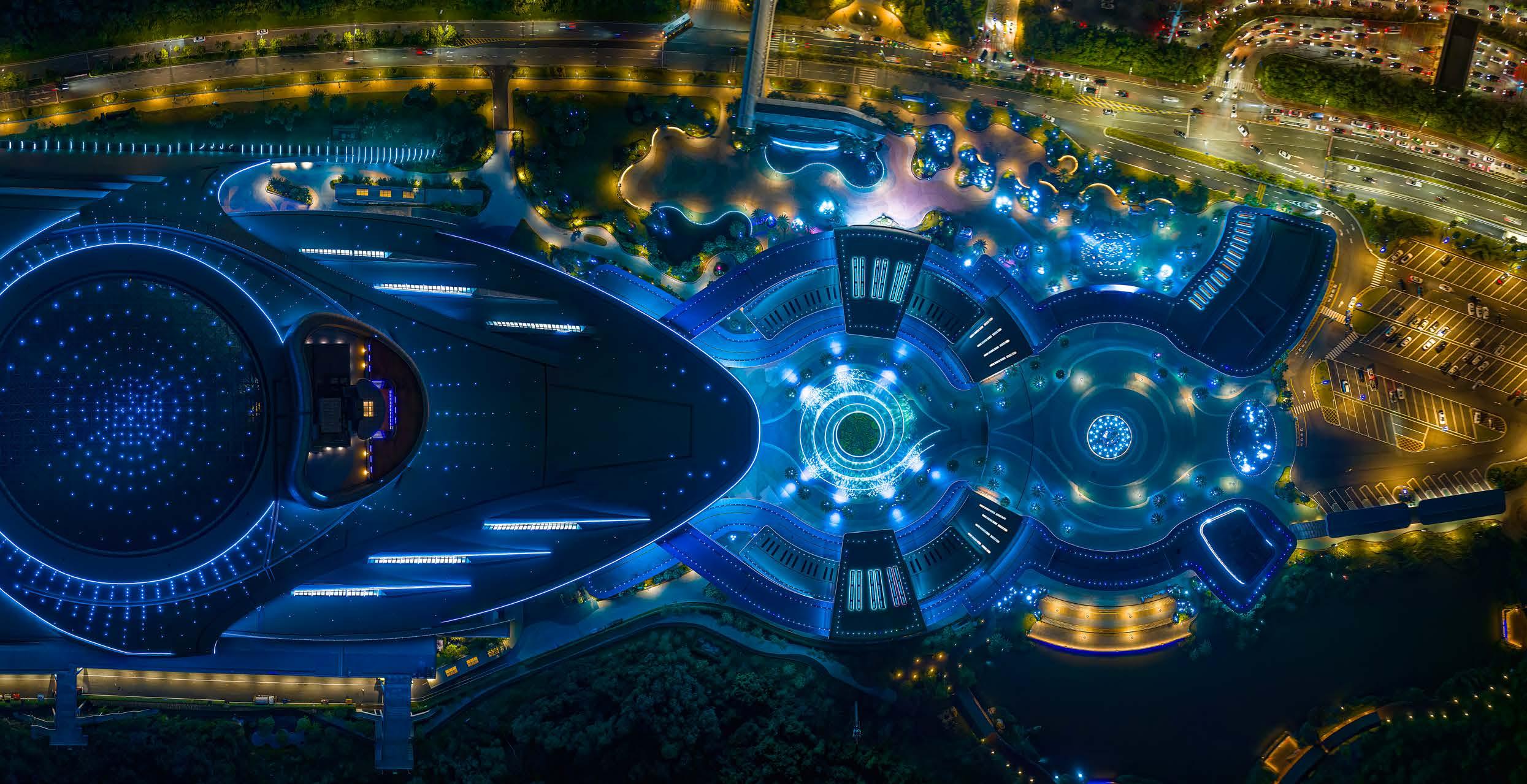
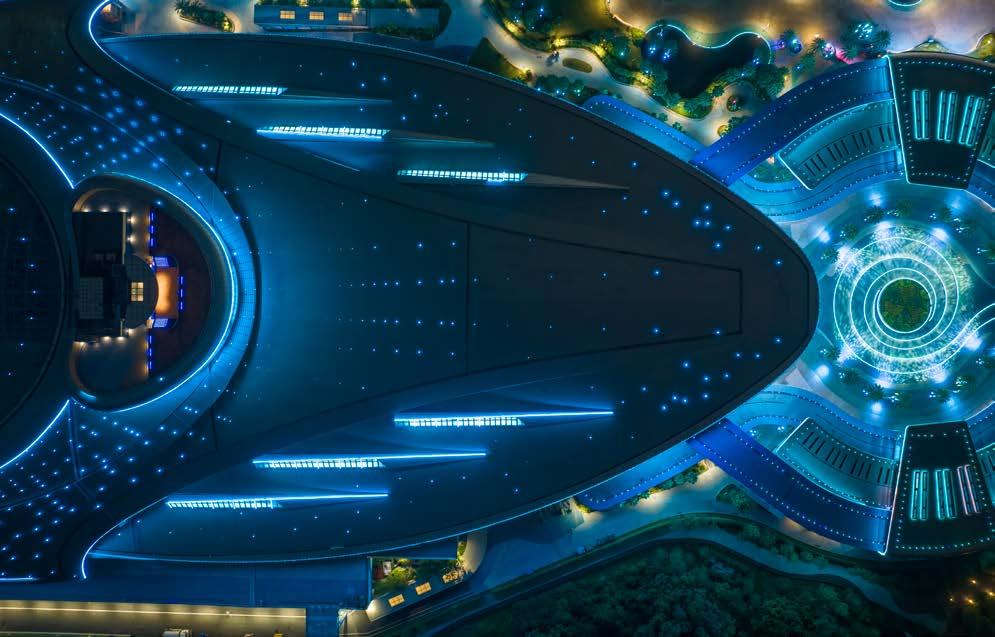
One of the most defining features is the shimmering “star field” on the roof, achieved with over 4,000 RGBW dots, each individually controllable and mounted flush into aluminum panels. “The owner was inspired by Zaha Hadid’s work in Korea with backlit panels,” Ashley recalled, “but the maintenance would’ve been a nightmare. So, we proposed large surface-mounted dots that
appear to reflect stars from space, integrated directly into the panel seams.”
Each dot consumes 25 watts and can be individually programmed. They create dynamic light shows and support the narrative of the spaceship’s celestial journey. “The dots are custom RGBW,” she noted. CK Color Kinetics only offered RGB at the time, so they worked with a local contractor to modify the CK product to exactly what they needed.
Carrying Light Through the Landscape
LDA’s influence extends far beyond the spaceship’s shell. The connecting landscape integrates themed lighting, decorative fixtures, and custom-designed posts—many with built-in slots for banners and future interactive features. “The light posts were a custom design. They went through multiple prototype rounds and were fabricated locally,” said Ashley. “They weren’t perfect, but they’re close to our vision and add to the futuristic storytelling.”
Large surface-mounted dots, appearing to reflect stars from space, are integrated directly into the aluminum panel seams.
Even the plaza leading into the building is carefully lit. A cascading water feature glows under warm white illumination, with mini sculptures reflecting in a shallow pool. Ashley explained, “Chimelong loves themed sculptures. Outside the ticketing area, there’s a walking plaza with characters for kids to pose with, and each one has integral lighting.”
Subtle Layering and Skylight Lanterns
Throughout the site, LDA’s lighting works in subtle layers. For example, at the spaceship’s docking area, where guests buy tickets and souvenirs, the lighting from the main vessel carries over with consistent lines and color schemes. Overhead, curved aluminum extrusions with diffused lenses outline the building’s form in glowing arcs, mimicking the ship’s silhouette.
These weren’t off-the-shelf tape lights; they were custom fabricated to hold their form across the structure.
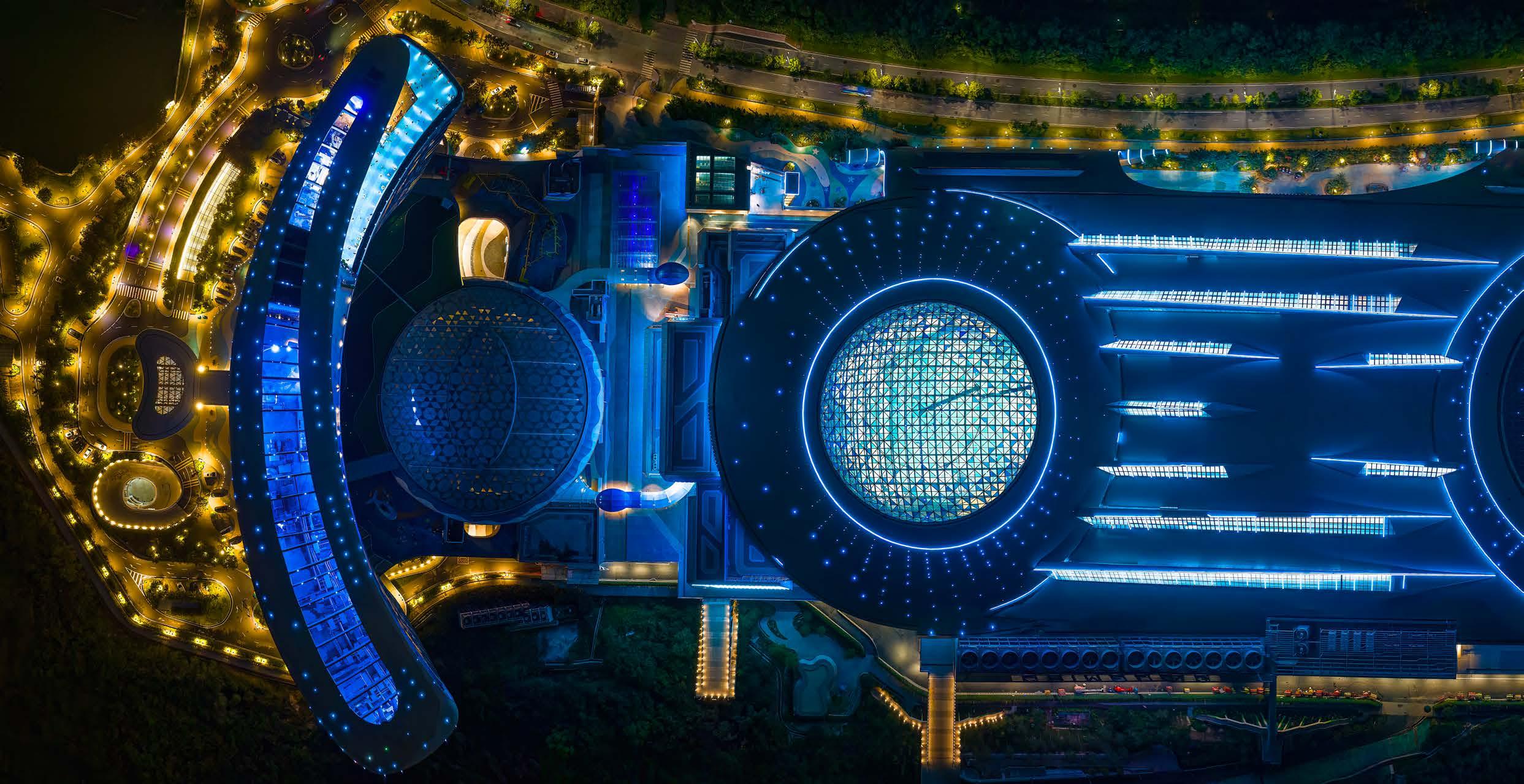
Ashley added, “We also created a lantern effect for the glass ridges and skylights. These are not just functional—they glow internally to create a sense of depth and life in the architecture.”
Theme Park, Aquarium, and Arena—All Under One Roof
The indoor park contains three major zones: an aquarium with live killer whale performances, a kids’ area with over a dozen rides, and a central plaza used for events and circulation. Lighting played a crucial role in distinguishing and unifying these zones.
“We also created a lantern effect for the glass ridges and skylights. These are not just functional—they glow internally to create a sense of depth and life in the architecture.”
— Ashley Yin
The spaceship structure spans 650 meters. Its curved, metallic exterior and sweeping form posed enormous challenges, both technically and conceptually.
Two large skylights—each backlighting a different area—anchor the lighting narrative from above. “The first skylight is over the killer whale stadium; the second is above the kids' ride zone,” Ashley said. “We used interior uplighting to give them that glowing presence even at night.”
And though the lighting is abundant and dramatic, it never feels garish. Most of the
architectural lighting is 3000K, though it can read warmer against the blue-toned exterior and aquatic surroundings. “That contrast helps the warmth feel even more inviting,” Ashley noted.
Leadership, Collaboration, and Commitment
Ashley led the design for LDA, working closely
The Chimelong Marine Science Park was designed to accommodate up to 50,000 visitors a day. The lighting design ensures that every guest, whether entering, exiting, or waiting in line, feels immersed in the park’s cosmic narrative.
with a team of designers, local fabricators, and client-side consultants. “Chip [Israel] was also heavily involved. The client really trusted him. We divided the work among our team to manage the massive scope.”
Commissioning was handled post-construction due to travel restrictions during the pandemic, but LDA still made an on-site visit after the soft
opening to identify and correct minor issues, especially in the landscape lighting.
The lighting control system was integrated by local engineers, and although Ashley didn’t manage that phase directly, she confirmed each of the 4,000 dots can be independently color-controlled and dimmed.
The Business of Lighting Design
Payment for the Chimelong project followed a phased delivery model, similar to many U.S. projects. However, one key difference was that the design team could not bill partial phases—for example, 50% of Design Development (DD)—as is often standard in American contracts. Instead, the entire DD phase had to be completed before any payment was issued. Given the project's immense scale, this meant a single phase could take over a year to finish, resulting in extended periods without compensation.
While construction timelines in China are typically fast-paced, the sheer size and complexity of this project introduced delays that are atypical for the region. Despite the pace, the financial structure required patience and long-term commitment.
A Galactic Experience for 50,000 Daily Guests
The Chimelong Marine Science Park was designed to accommodate up to 50,000 visitors a day. Though that number is staggering, the lighting design ensures that every guest—whether entering, exiting, or waiting in line—feels immersed in the park’s cosmic narrative.
“Ultimately,” Ashley reflected, “we were creating a new world for people. That’s what the client wanted— something you’ve never seen before, with light telling the story.”
They achieved just that. Through meticulous detailing, custom fabrication, and story-driven design, LDA has turned this enormous, themed environment into a fully illuminated experience, one that glows with imagination. ■
SILVER LINING
Renowned lighting design studio Speirs Major Light Architecture has reimagined the nighttime experience at Taikoo Place, Hong Kong, with a richly layered, human-centric lighting masterplan.
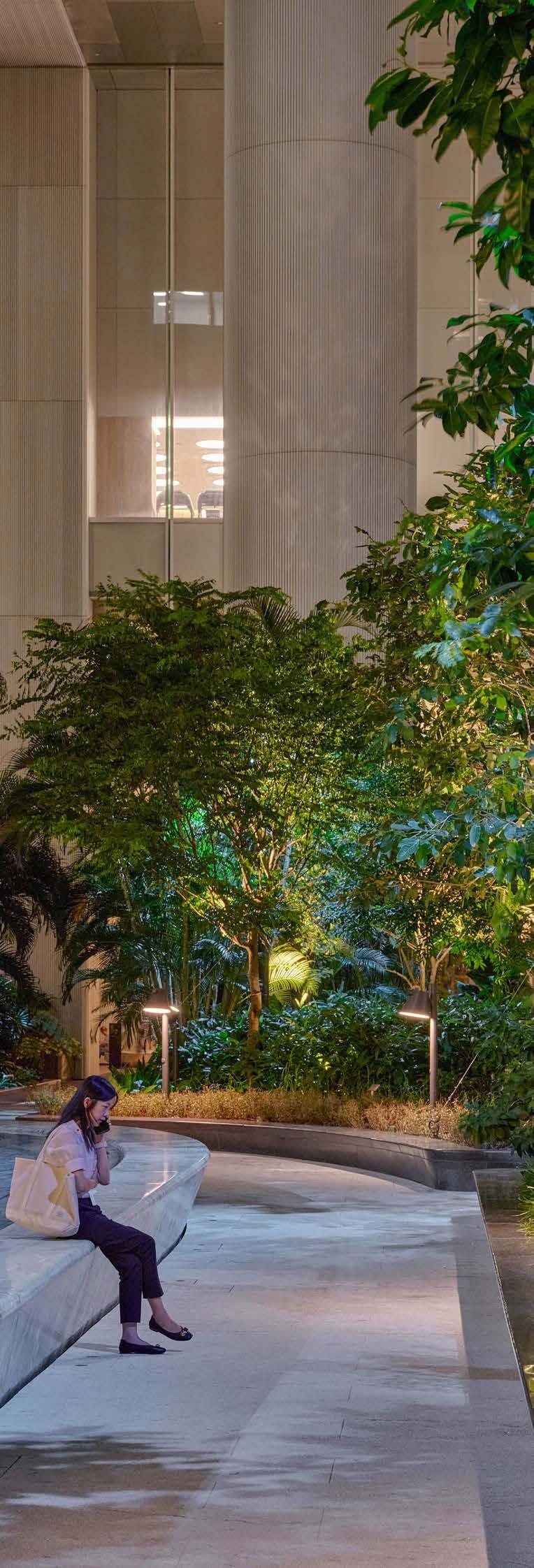
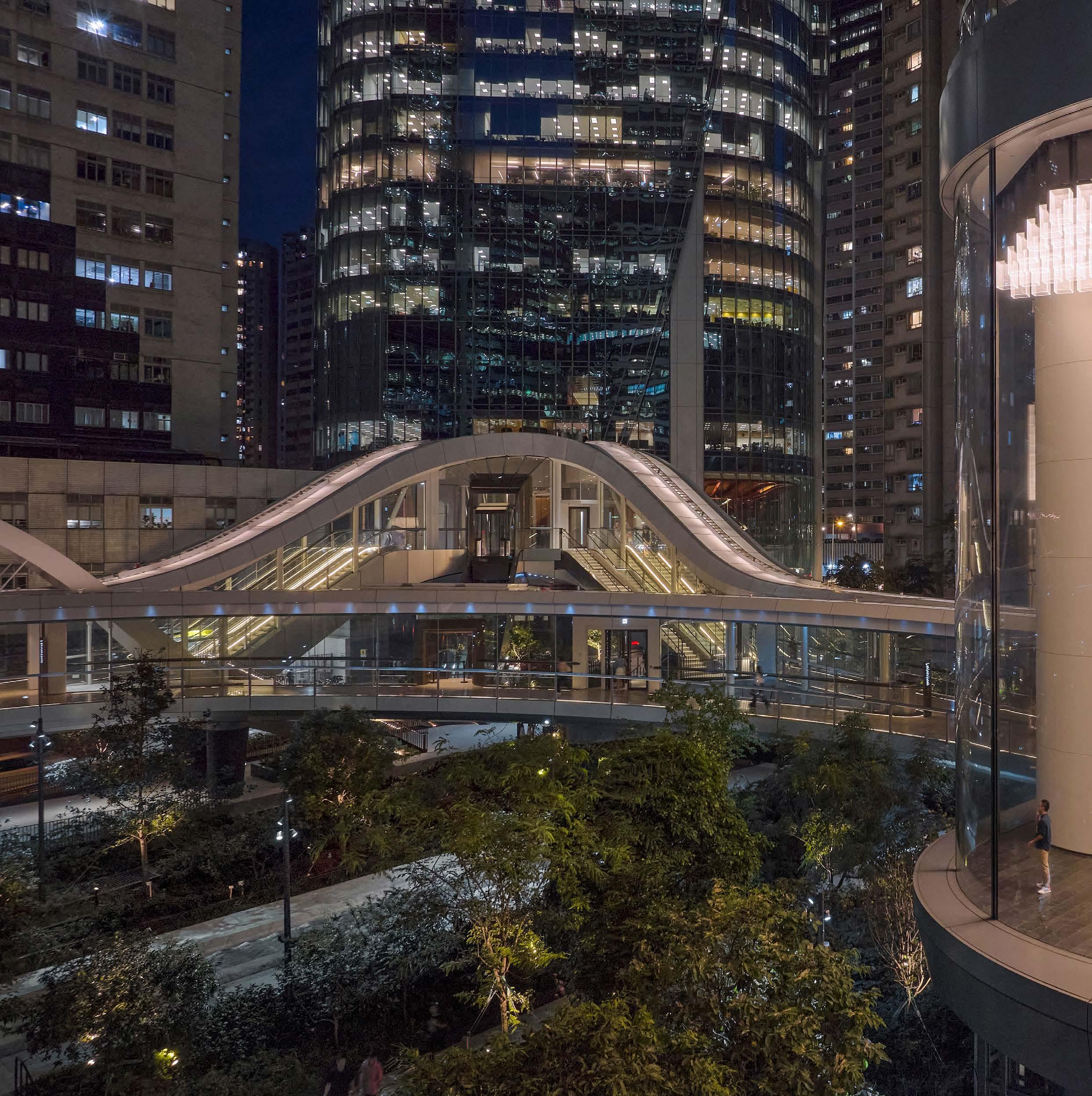
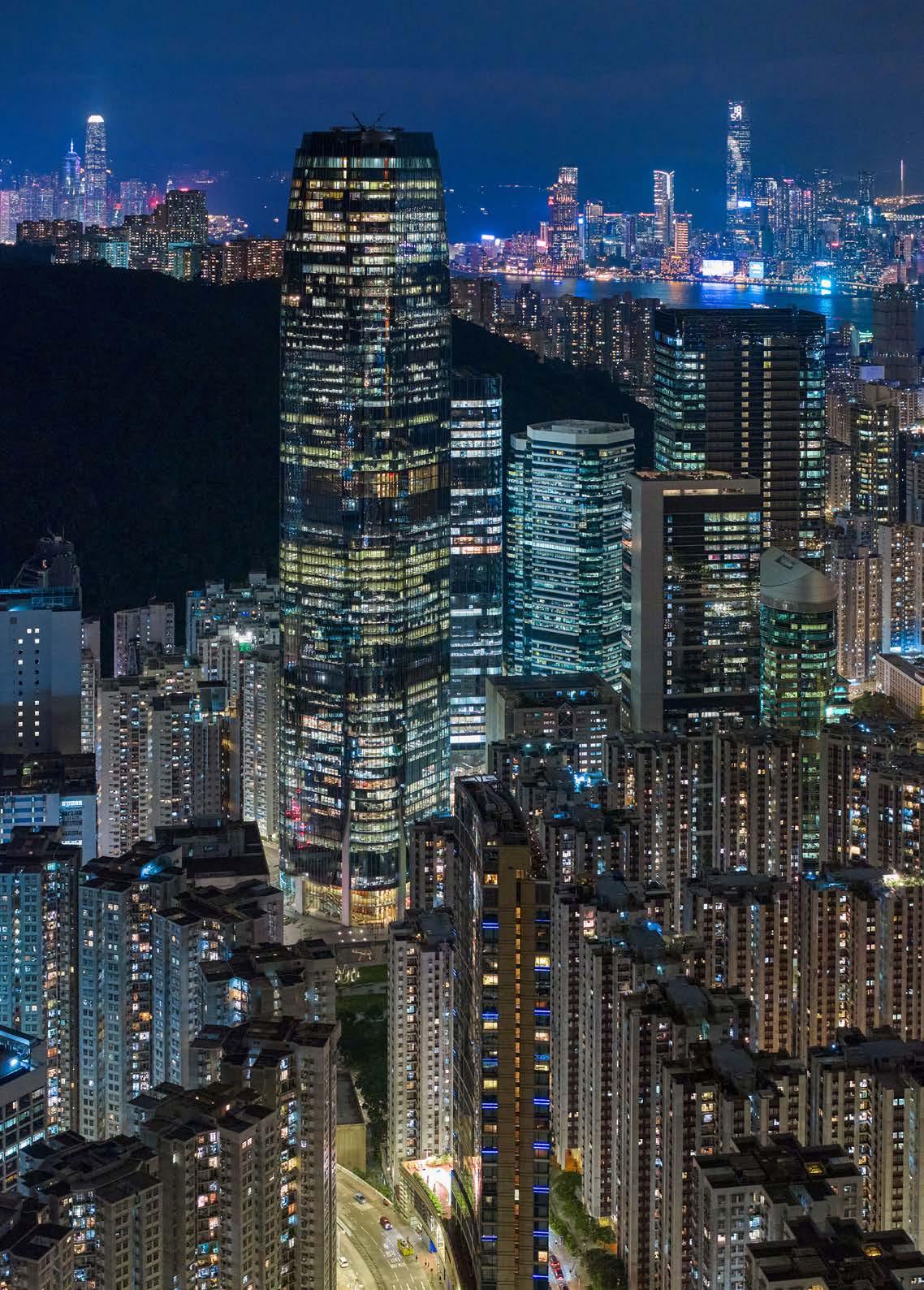
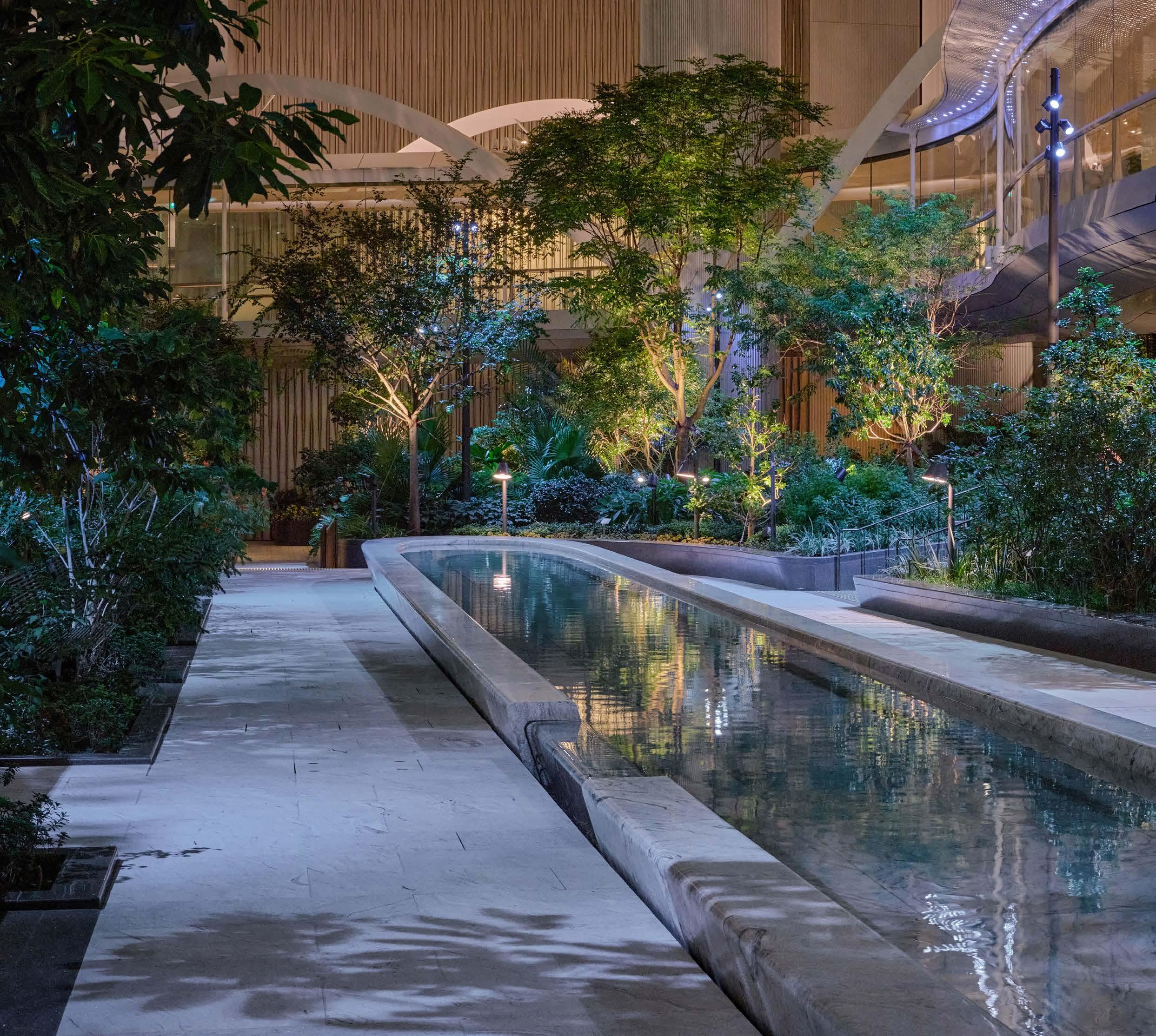
Renowned lighting design studio Speirs Major Light Architecture has created a holistic, vibrant and welcoming nighttime experience for the Taikoo Place development in Hong Kong, mindfully integrated into the local urban context.
Their complex three-dimensional design balances easy, inviting journeys and transitions with contributing special and distinctive atmospheres in shared spaces and the public realm, including a moonlitinspired garden that encourages people to stay and socialise after dark.
SMLA was appointed early in the project to create a lighting masterplan for the entire Taikoo Place development and went on to design the lighting for the lobbies of the new tower buildings Taikoo One and Taikoo Two, the extensive new first floor level walkways that link existing and new buildings, and the entire public realm.
Their broad scope meant that SMLA was uniquely positioned to address the entire site compositionally and in connection with its surroundings.
SMLA Senior Partner and CEO Keith Bradshaw explains:
'It was important to properly understand the context to ensure that our approach to lighting was naturally blended into its context, yet felt new, interesting, and welcoming.
We realised that the light from adjacent plots delivered a tangible layer of existing 'grey' urban light to our site. If we wanted to create something atmospheric and interesting, we needed to start by resetting this base layer with a new layer of 'night
light' that would deliver a darker tone.
Contrast does not often exist in a luminous city like Hong Kong, so by adding this layer, we could introduce it and develop a unique experience for the site after dark. At the same time, we wanted to retain a sense of the local quality and intensity of light so the development would connect naturally and cohesively with the neighbouring residential areas. '
Having gained an understanding of local lighting conditions, SMLA extensively mapped the journeys,
tasks, and activities people would undertake and the key viewpoints they would enjoy in terms of architecture, landscape, and city.
This understanding supported their development of a holistic language of light for Taikoo: a balance of intensity, colour and texture across the architectural and landscape elements that helps people to easily navigate while shaping a series of vibrant and inviting experiences.
Bradshaw continues:
'Within Taikoo, people move up and down between the ground level and first floor lobbies and elevated walkways, as well as within the tower blocks. This creates an incredibly complex set of possible journeys, activities and viewpoints. We considered our design in multiple dimensions, orchestrating the views and the experience for each route, transition, and space, both inside and outside. We also had to think about the fifth elevation – the view from above. It became an extensive study of the three-dimensional implications of making decisions about light.
We worked to find the balance between spaces with their own character, materials, and distinct sense of place while also creating commonality, whether through intensity or the tone of the light, such as a lobby and a walkway naturally blended into one another.'
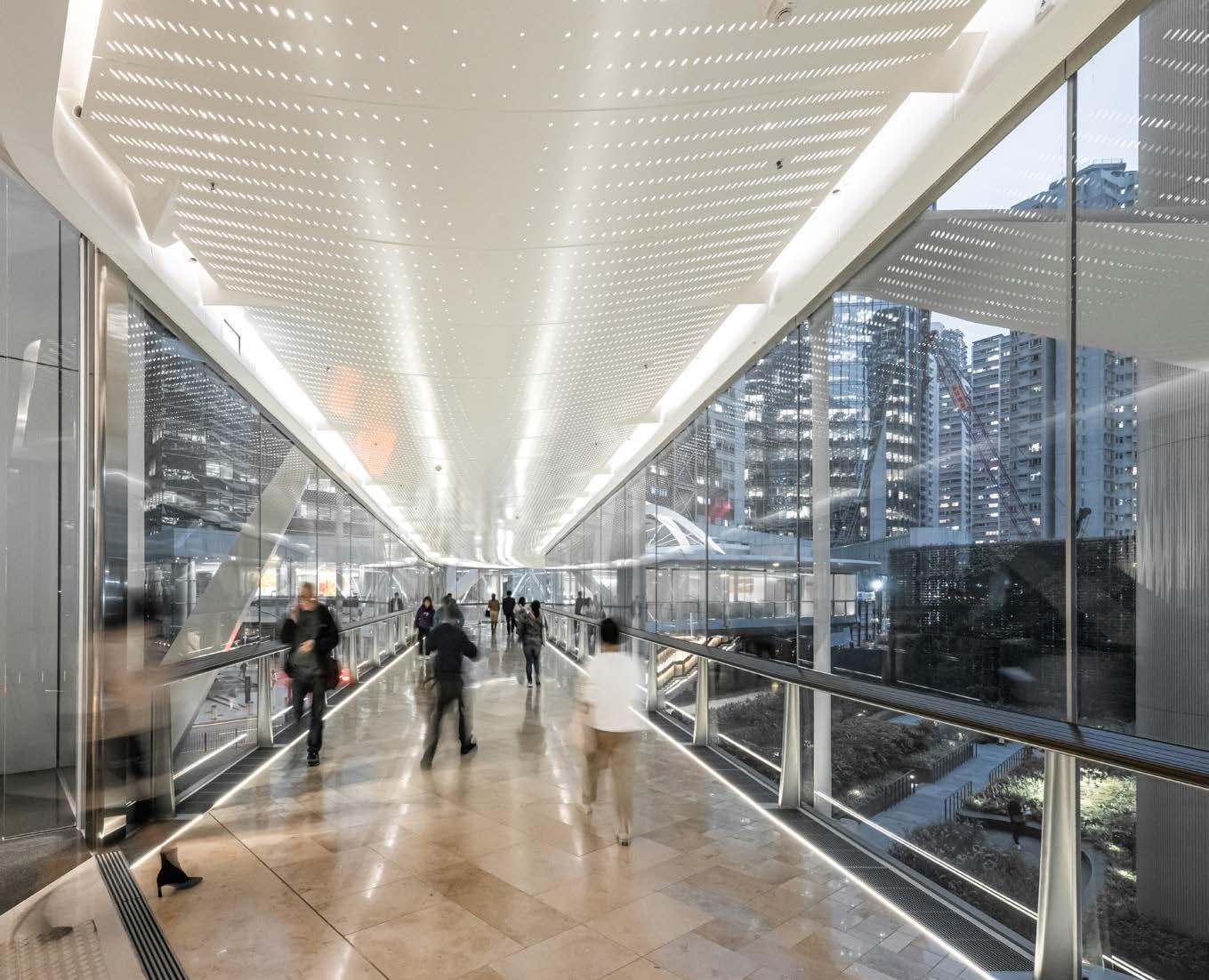
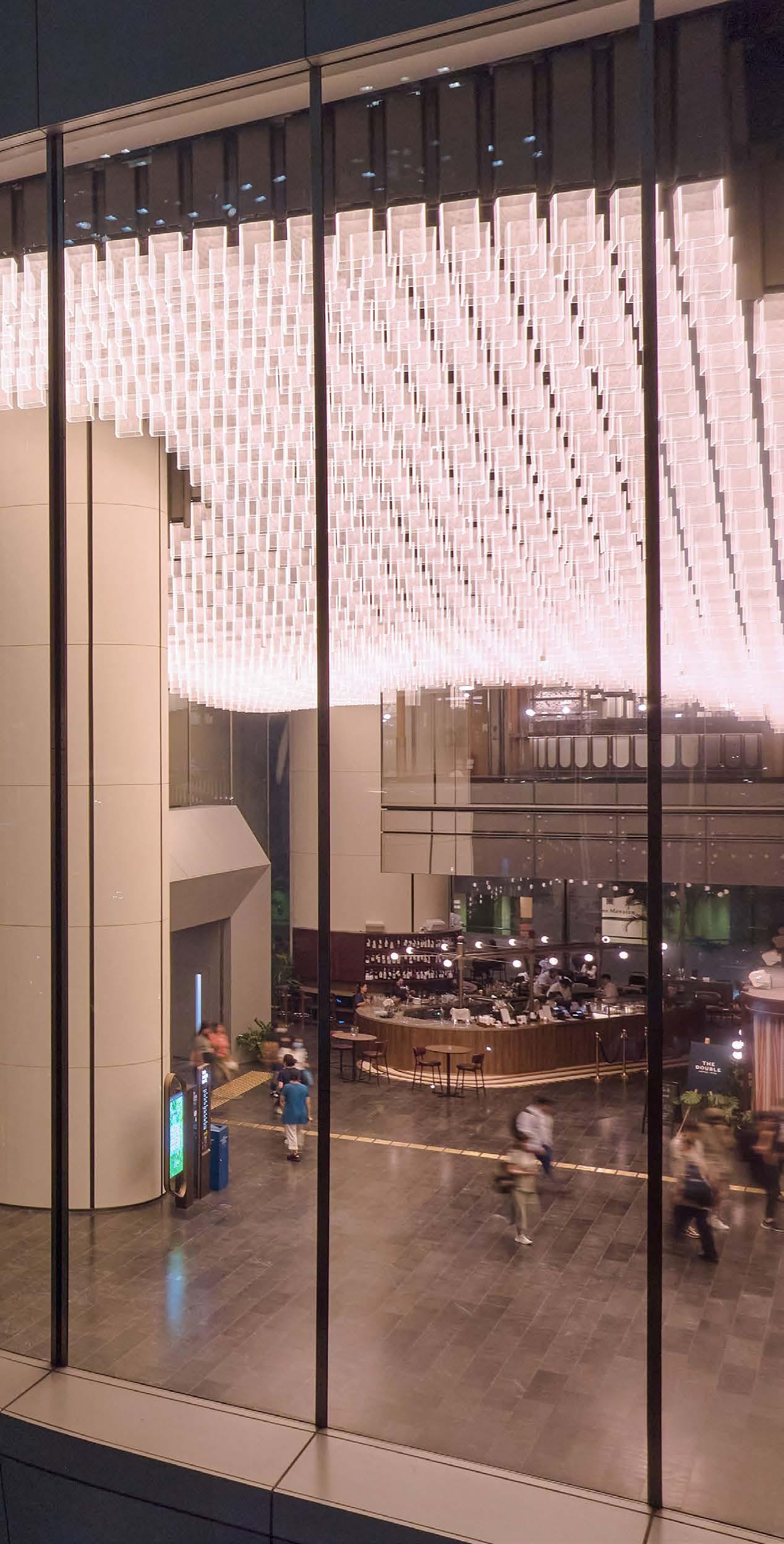
The lobbies and existing buildings are connected throughout the development by the first-floor level walkways that swoop and weave between the buildings, enclosed in mullion-free glass.
Bradshaw:
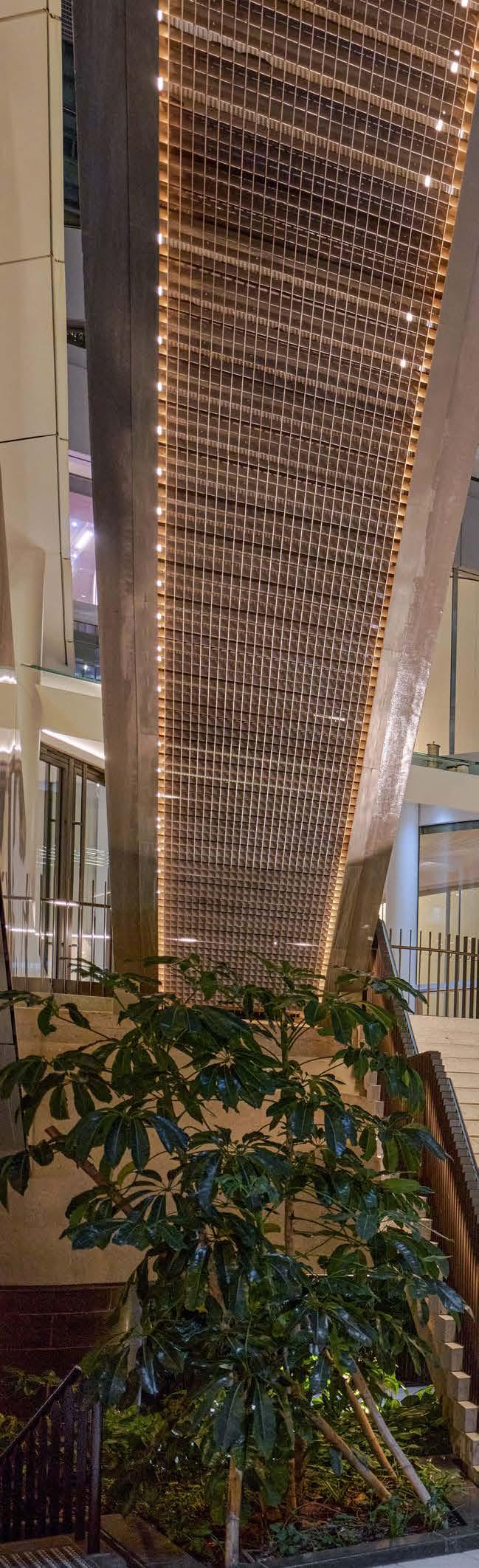
'We lit the walkways to support a very gentle, natural experience. As people move, they are enveloped in soft, warm light emanating from a luminous perforated ceiling. We took care in our design to manage reflections in the glass, dissolving the boundaries between interior and exterior so you have unimpeded views of the landscape and building lobbies. From above, the ceiling appears as a luminous 'ribbon' connecting all the space of Taikoo, and from below - with the suspension rods lost to darkness - the soft shimmering effect creates the impression of an ethereal structure floating in space.'
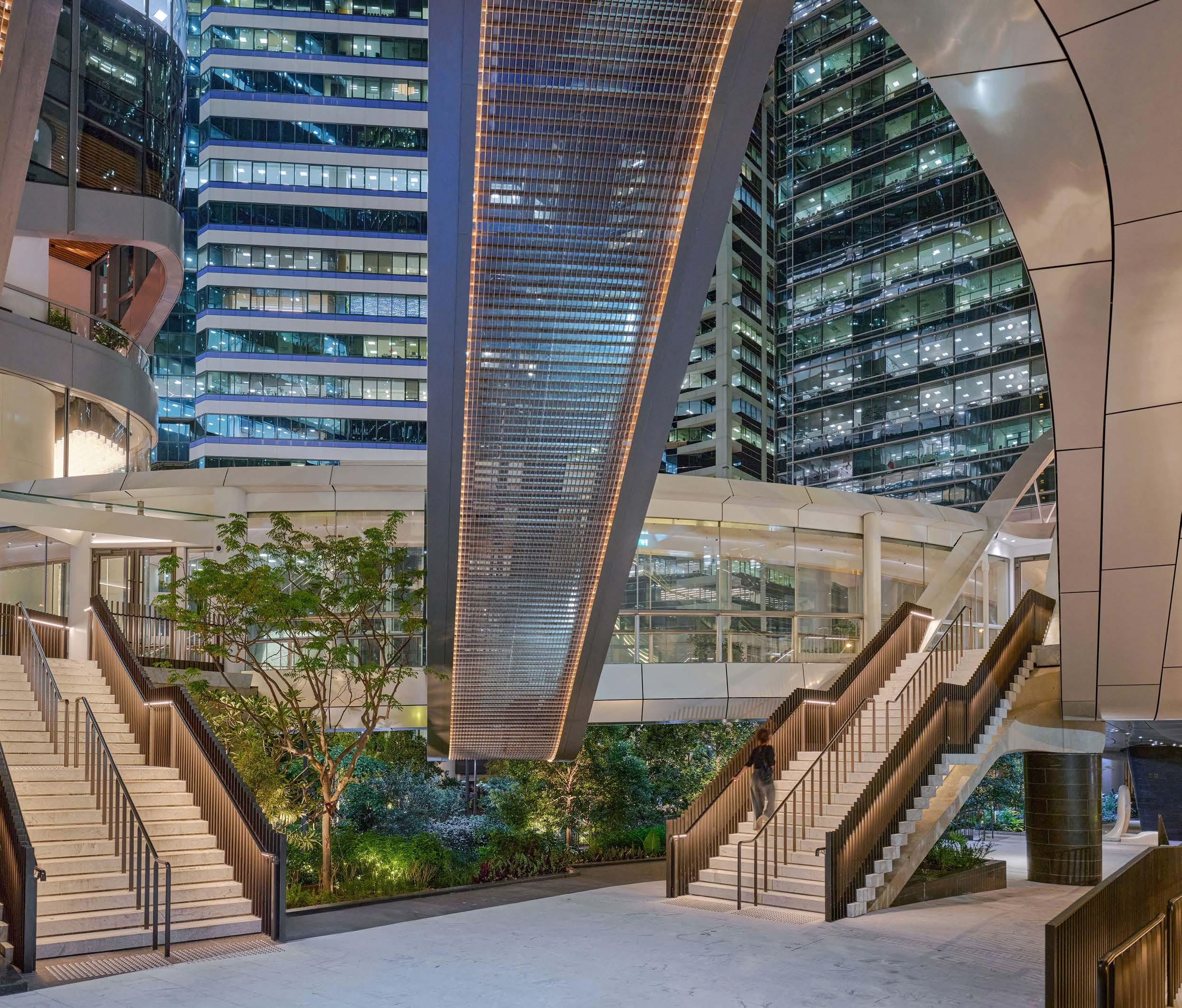
The gardens are the jewel of the development.
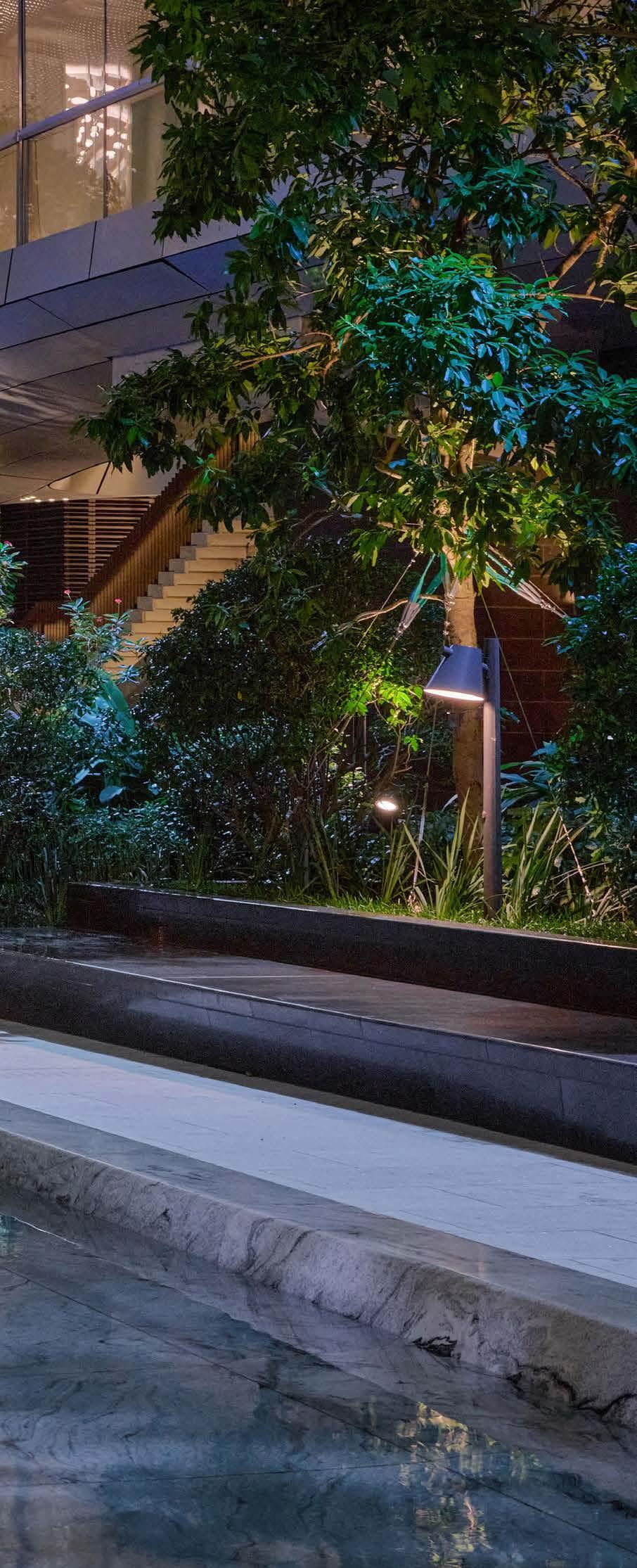
A base of silvery light creates the sensation of taking a stroll in the moonlight, with a warm counterpoint to selected planting and seating creating pockets of domesticity.
Associate Partner Benz Roos elaborates:
'We used a 'moonlight' quality of light as a base layer, bringing light through the trees to create a dappled effect. It creates a serene sensation of being in nature, even with tall buildings around you.
The silver is a very distinct monochrome tone of light that creates a memorable combination with the highlights of warmer light. And, by deliberately using a base light that does not reproduce all the colours in the gardens, you can focus on different aspects of the plants and flowers than you would experience in daylight, like the translucency of the
petals or the texture of the foliage. That creates an entirely new and special experience at night.'
Bradshaw summarises: 'We are immensely proud of this project, in the sense that we were able to develop a very clear, holistic vision about the nighttime experience of Taikoo and the way it would knit into existing neighbourhoods and hold on to that throughout a nearly a 10-year process.
‘With each new project within the development, we would refer back to the vision, and that's why it feels as it does – a vibrant and welcoming new place that is part of a community. ' ■
PROJECT CREDITS
Client: Swire Properties
Lighting design: Speirs Major Light Architecture
Team: Keith Bradshaw, Benz Roos, Neville de Sa, Gordon Chan
Carrasco Airport, Uruguay’s architectural jewel, undergoes a seamless lighting upgrade that balances iconic design with cutting-edge sustainability — proving that even a national symbol can evolve without dimming its spirit.
Airports are not just operational hubs - they are spaces that connect people, evoke emotions, and symbolise national identity.
They reflect the values and culture of their nation while creating memorable experiences for travellers. Uruguay has embraced this idea by turning the 2009-built Carrasco Airport in Montevideo
into an architectural landmark that stands as a symbol of national pride on the global stage. Its signature architecture requires careful preservation, especially in the face of technological advancements, to ensure it remains a beacon of identity.
When modernising the lighting system, it was crucial to retain the original concept in order to preserve the integrity of the
Transitioning seamlessly from Erco luminaires with metal halide lamps to LED ensures that the airport not only retains its iconic design but also adapts to modern standards of sustainability and efficiency.
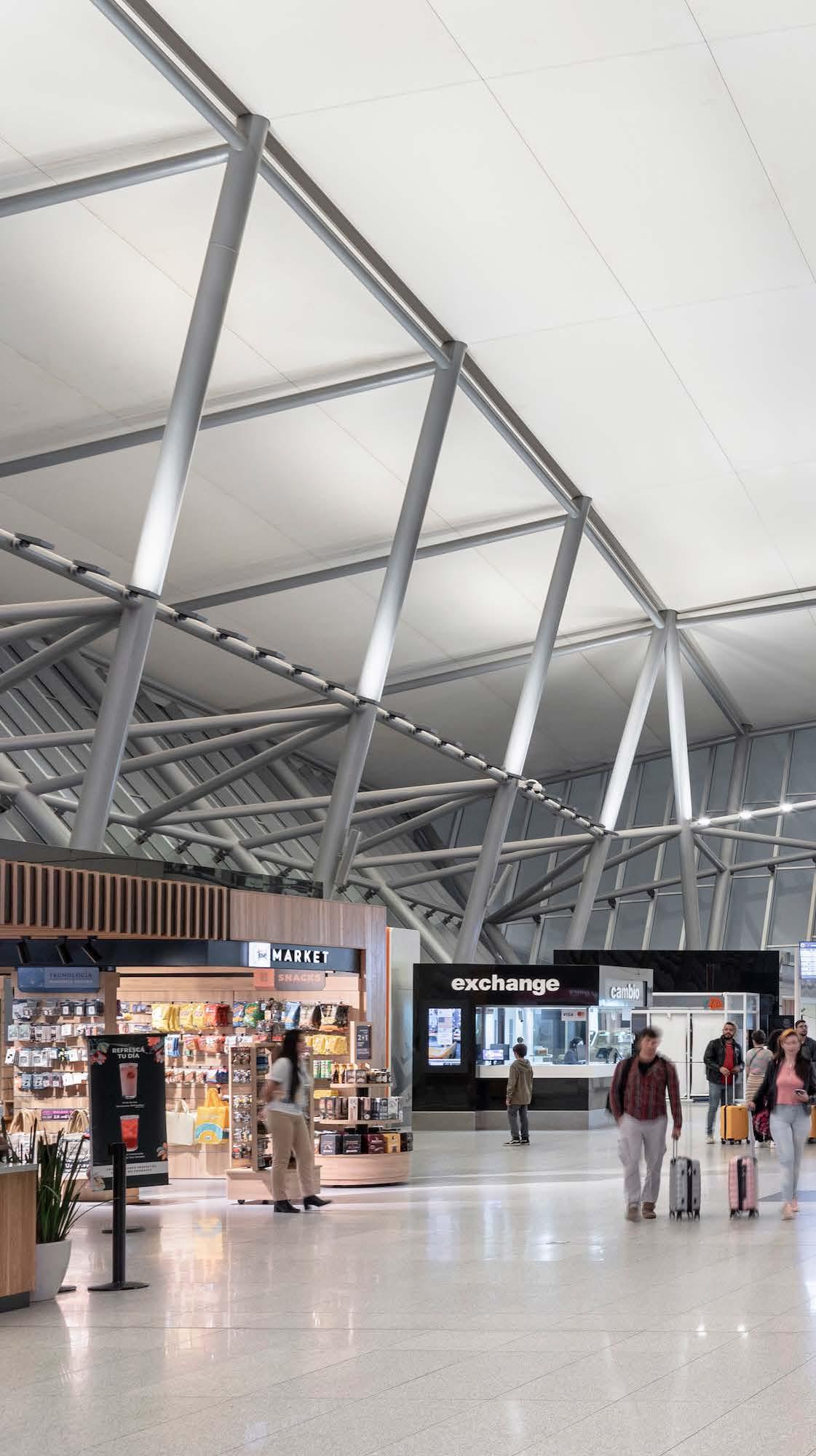
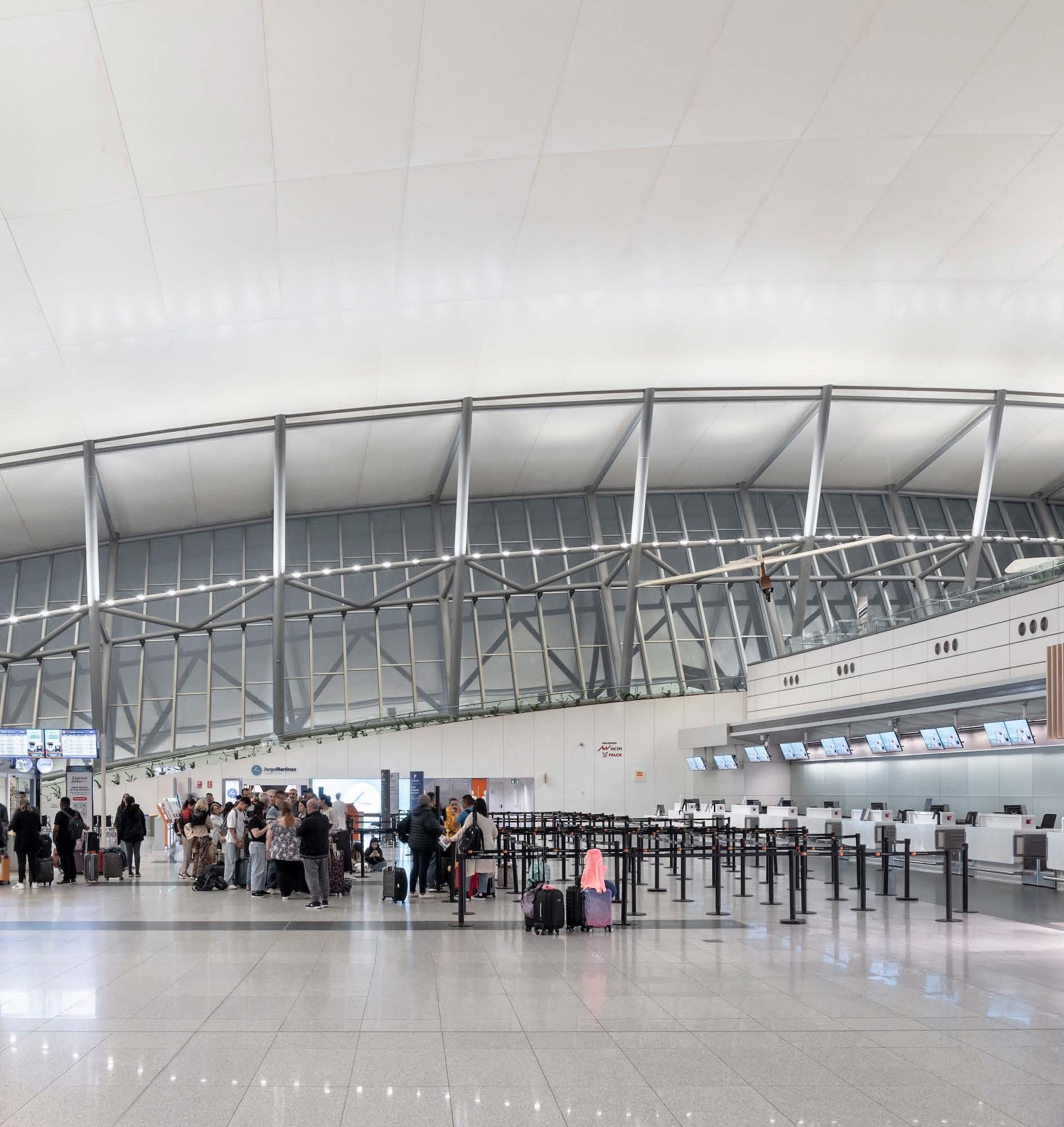
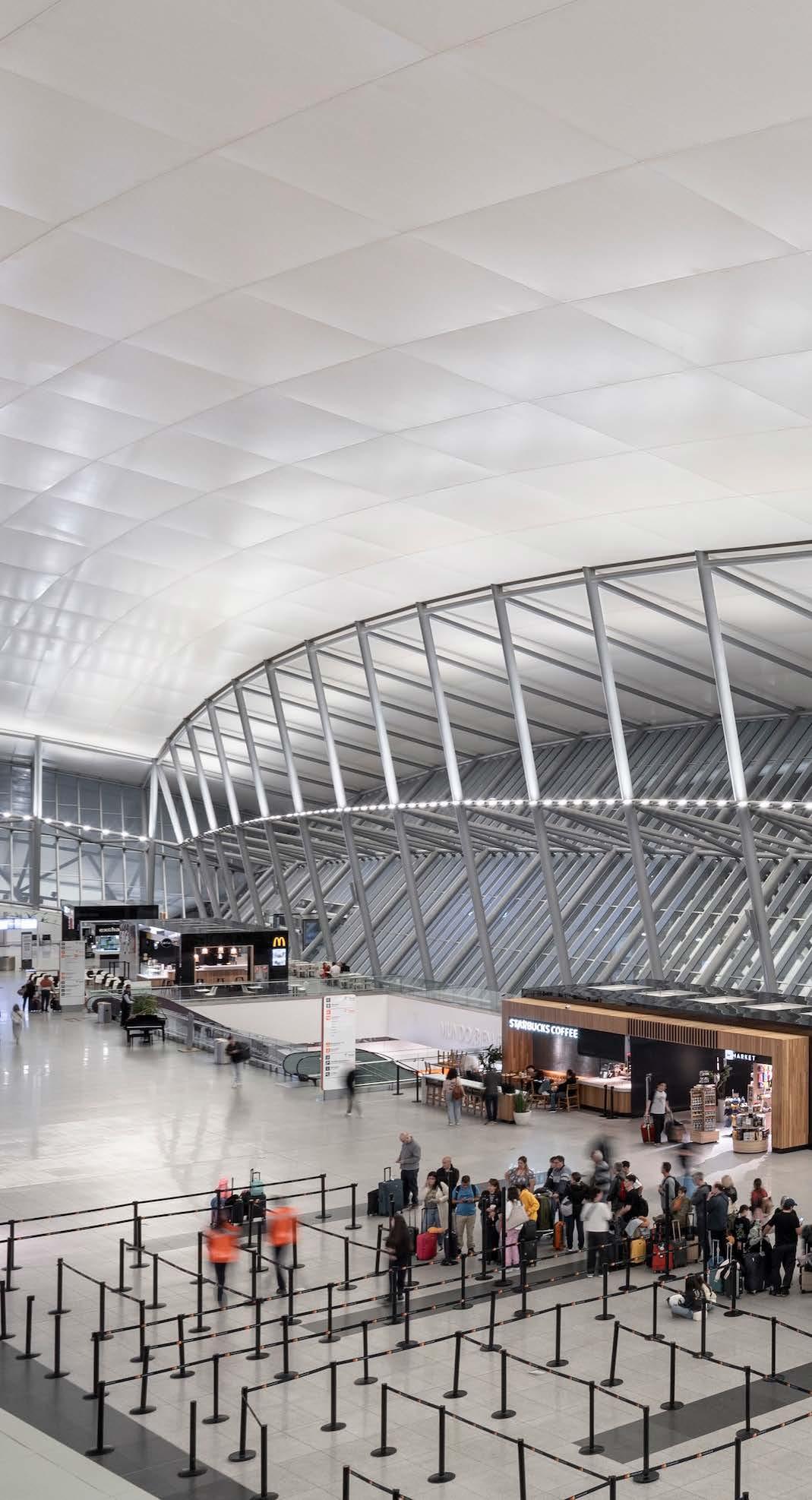
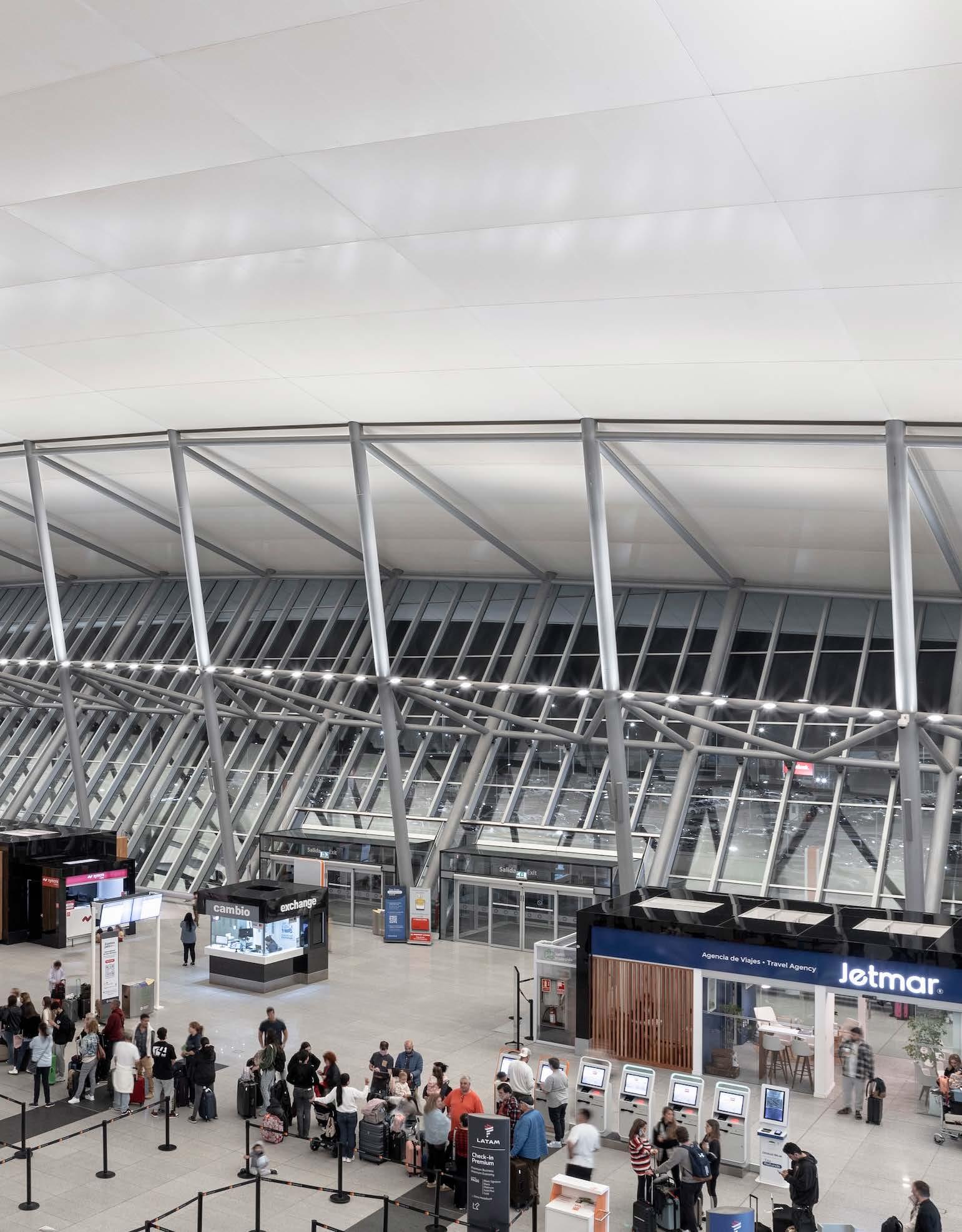
In the airport terminal, indirect ceiling lighting elevates the grandeur of the space and enhances the lightness of the tensioned fabric ceiling.
architectural design. Transitioning seamlessly from Erco luminaires with metal halide lamps to LED ensures that the airport not only retains its iconic design but also adapts to modern standards of sustainability and efficiency. The relighting unlocked tangible benefits: An impressive energy-saving of 63% and enhanced lighting quality.
The airport, designed by renowned Uruguayan architect Rafael Viñoly, stands as a monumental tribute to his homeland.
Since its opening in 2009, this architectural masterpiece has remained as a testament to Uruguay’s transformation into a global destination for trade and tourism. The architectural concept features a curved, monolithic roof inspired by the rolling dunes along the Uruguayan coast, creating a harmonious connection to the surrounding landscape.
In 2009, the lighting system was already considered energy-efficient for its time. With an energy value of 14 W/m² and low maintenance,
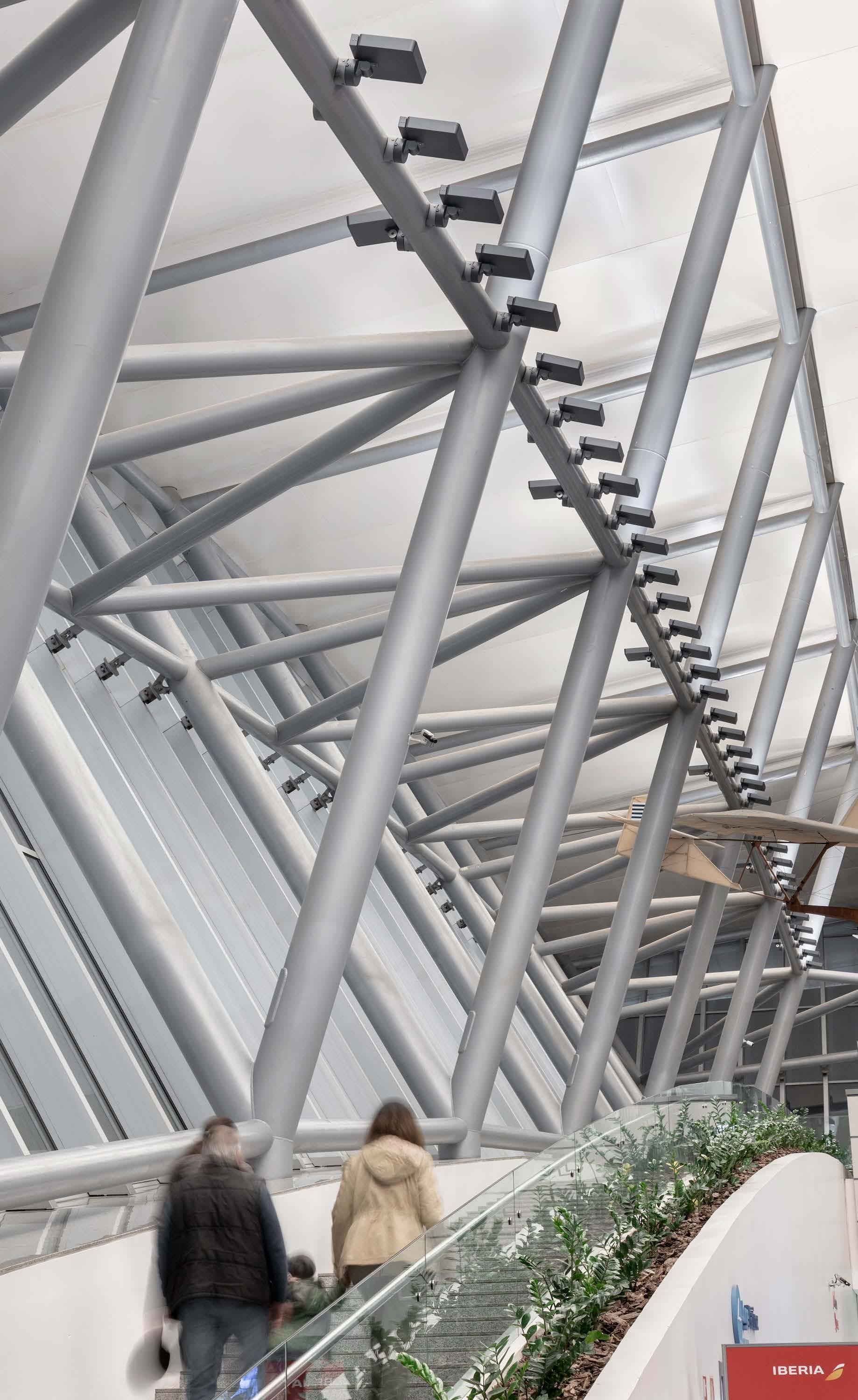
In addition to precise optical system, this extra shielding ensures that the light is directed only where it is needed, thereby avoiding spill light and light
The 365-meter-wide canopy structure at the airport entrance—a striking architectural feature providing shelter and visual continuity—is now uniformly illuminated by Kona projectors.
pollution.
Erco luminaires operated for 15 years without needing replacement.
After 15 years, Carrasco Airport needed to upgrade its lighting system due to the obsolescence of the original light sources. The challenge was to maintain the lighting design for both indoor and outdoor areas created by Ricardo Hofstadter's Lighting Studio in 2009.
His concept remains effective today: indirect lighting of the vaulted roof unifies interior and exterior spaces with homogeneous light quality, enhancing the expressive character of the architecture.
The airport's impressive overhang provides a smooth transition between indoor and outdoor lighting. The cooler 4,000K colour temperature creates a welcoming atmosphere that complements the
modern architecture while ensuring sufficient brightness for both visual comfort and operational needs.
When it came to harmonising high visual comfort and efficiency in both indoor and outdoor areas, a flexible lighting system was required - one that could adapt to its surroundings while maintaining spatial coherence. Given their successful partnership from the original installation, the airport once again chose Erco for the upgrade. This ensures a reliable service beyond the installation and guarantees a high-quality lighting solution that meets the operational standards of Carrasco Airport.
New luminaires from Erco incorporating advanced LED technology complement the existing lighting design.
The 365-meter-wide canopy structure at the airport entrance—a striking architectural feature providing shelter and visual continuity—is now uniformly illuminated by Kona projectors. Equipped with oval and wide flood lenses, these projectors replicate the even lighting effect of the old Erco Powercast floodlights without any loss of brightness.
Significant energy savings were achieved: while the old Powercast luminaires had a connected load of about 170W, the new LED Kona projectors operate at just 109W. With an unchanged number of 27 luminaires, the LED update of the canopy leads to a 37% reduction in connected load and thus to a reduction in energy consumption.
Updating a lighting system at an airport is a challenge due to its 24/7 operation, so a smooth replacement with the support of Erco was crucial in order to minimise disruptions to daily operations.
Lighting in the outdoor areas of an airport requires a high degree of precision to prevent light from spilling into the sky and dazzling pilots.
The precise optical system is recessed in the luminaire. This extra shielding ensures that the light is directed only where it is needed, thereby avoiding spill light and light pollution.
In the airport terminal, indirect ceiling lighting elevates the grandeur of the space and enhances the lightness of the tensioned fabric ceiling.
Environmental conditions have made the colour of the ceiling brighter and more reflective over time. To ensure balanced lighting without glare or bright spots, wide-flood optics were used for the relighting. The original Erco Parscoop floodlights were replaced by Lightscan outdoor projectors, maintaining uniform illumination and to underline the architectural splendour of the area. The LED upgrade has led to an impressive 65% reduction in energy consumption for the interior areas, significantly enhancing the airport's sustainability profile.
the durability of the luminaires, the LEDs used have an average failure rate of less than 0.1% over 50,000 operating hours - well above the market average and evidence of long service life. Over this time, at least 90% of the LEDs still maintain 90% of their original luminous flux (L90/B10).
Housings, mechanical components, LED modules, and optics are developed and manufactured in-house. This enables Erco to meet the highest quality standards, ensuring high performance over a long time. To maximise
The relighting reinforces Carrasco Airport’s role as a modern gateway to the world, where LED technology meets responsible resource management to uphold its iconic status. ■
Maintenance and Infrastructure Manager: Jorge Navarro
Photos: Erco
Photographer: Santiago Chaer
Significant energy savings were achieved: while the old Powercast luminaires had a connected load of about 170W, the new LED Kona projectors operate at just 109W.
LIGHTING A BLOCKBUSTER
David Atkinson Lighting Design has provided a dramatic lighting treatment for the latest blockbuster exhibition at the Royal Academy of Arts in London
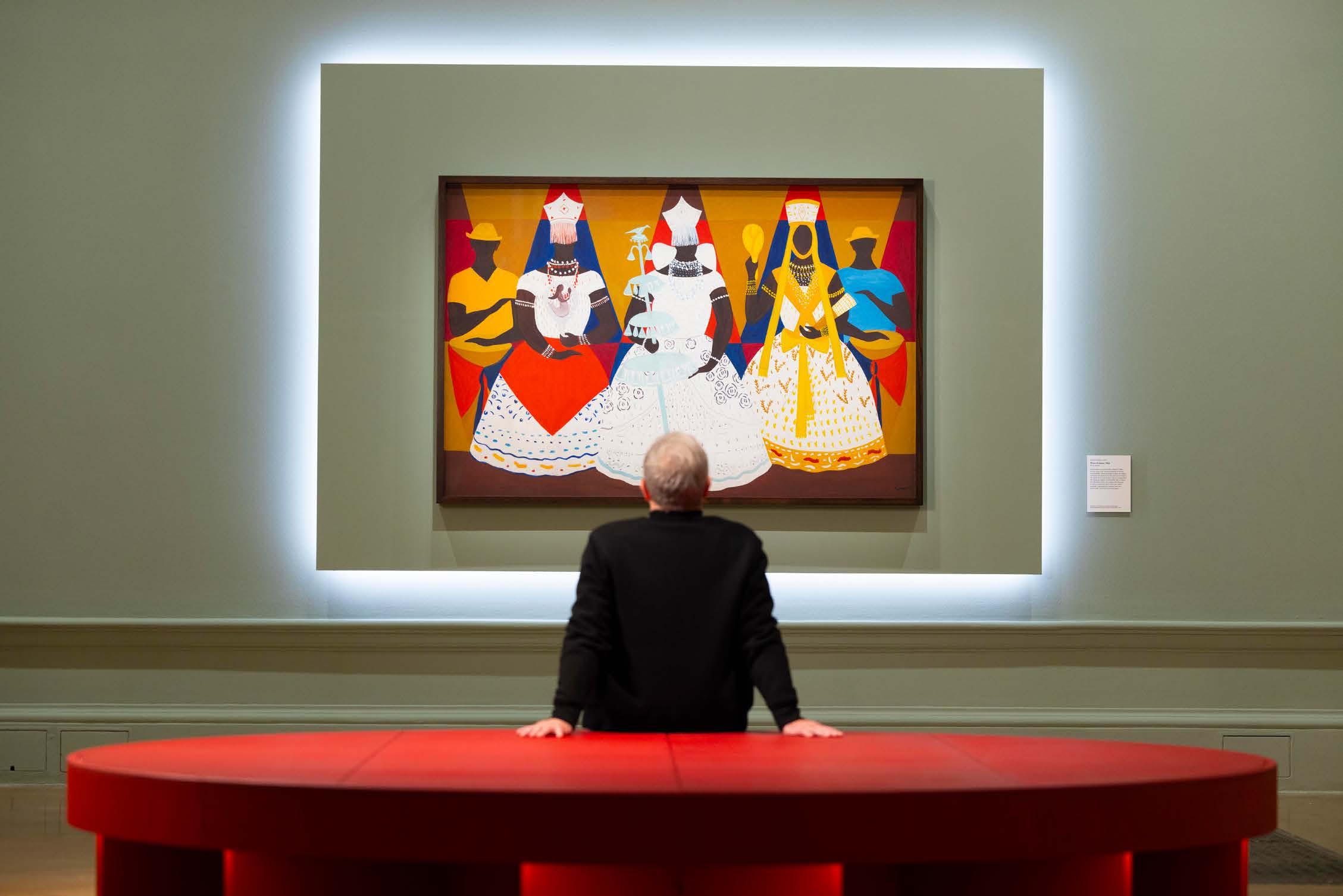
David Atkinson Lighting Design (DALD) recently completed the lighting design for the ‘Brasil! Brasil! The Birth of Modernism’ exhibition at the Royal Academy of Arts, London.
This major exhibition features over 130 works by ten important Brazilian artists from the twentieth century, capturing the diversity of Brazilian art at the time.
In the early 20th century, a new modern art was emerging in Brazil. Starting in the 1910s and continuing into the 1970s, Brazilian artists were adapting contemporary trends, international influences and artistic traditions to create a new type of modern art – art informed by the vibrant cultures, identities and landscapes of Brazil.
Everyday life in Brazil was the subject of this new modernism, and the Indigenous
identity and Afro-Brazilian experience were among the many influences these artists drew upon in their work. This was a group of people looking inward at their rich cultural resource to set a new course for modernism that was borne out across South America.
The exhibition brings an expanded view of Brazilian Modernism to UK audiences, showing work by artists who have historically received less exposure in this country, including Anita Malfatti, who spearheaded the movement, and Tarsila do Amaral, now internationally celebrated as a leading female figure of Brazilian Modernism.
The exhibition includes the self-taught artists Alfredo Volpi and Djanira da Motta e Silva, an artist of indigenous descent, Afro-Brazilian artist Rubem Valentim and performance artist, Flávio de Carvalho.
The majority of works come from rarely seen Brazilian private collections, as well as Brazilian public collections, most of which have never been exhibited in the UK.
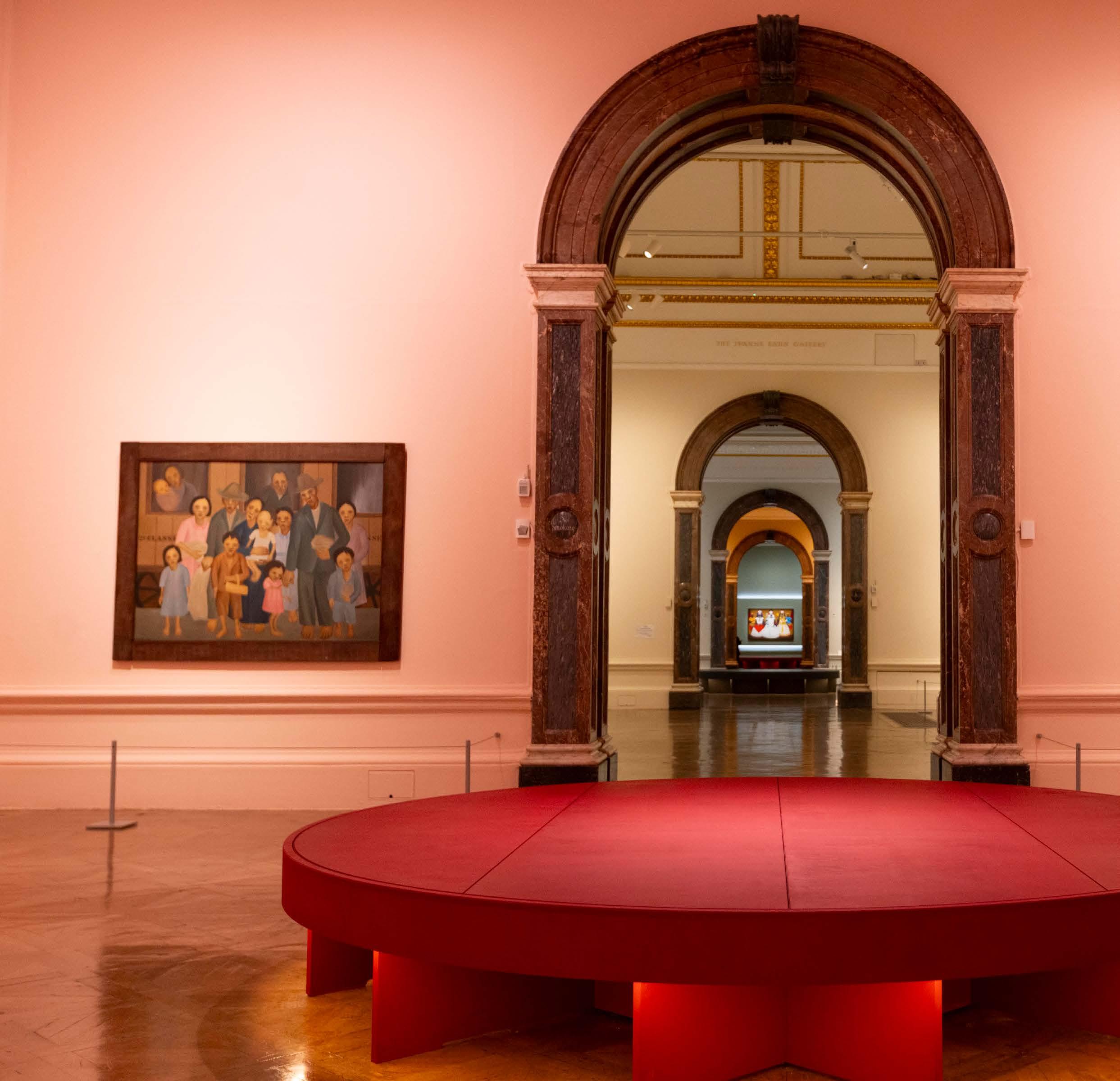
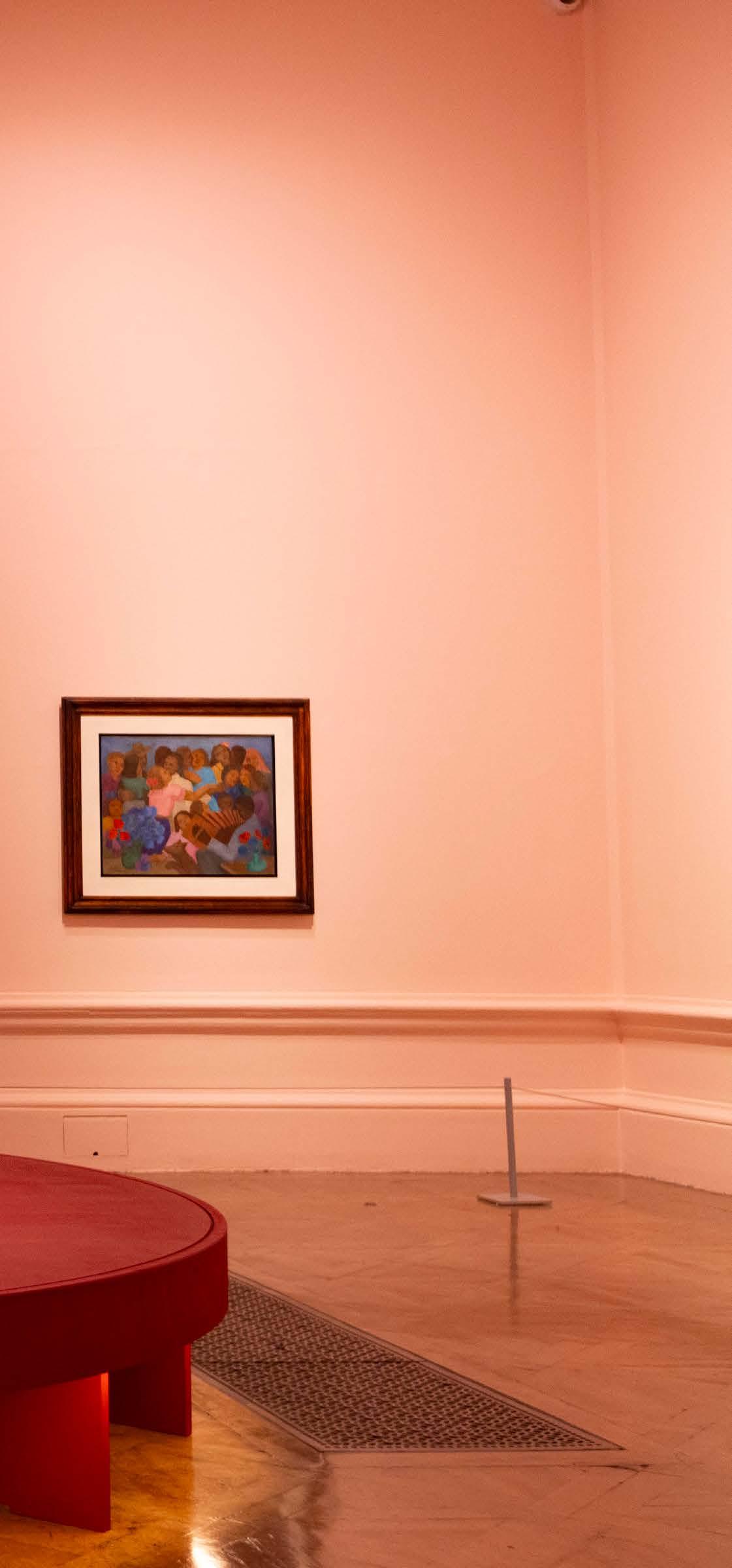
The brief from the Royal Academy and exhibition designer Carla Jucaba to DALD was for the lighting to create tonal contrast between the galleries without detracting from the artwork, as well as adhering to conservation constraints.
The lighting design approach was simplistic but immersive, with each gallery being painted in a different shade. Subtle hues of colour wash the walls from high level track fixtures fitted with colour correction filters and carefully controlled
by the addition of barndoors.
Central to the majority of gallery spaces, the exhibition designer included different shaped seating benches that incorporated LED strips in a warm colour temperature to the underside to create a floating quality from the floors.
Within each gallery important work was displayed on stepped ‘Focus Panels’ which incorporated LED strips, creating a halo offset, with each LED strip being tuned to the appropriate gallery colour. The focus panel artworks were lit by softly focused zoom profile fixtures mounted off the existing high-level tracks.
The majority of artwork was lit by a combination of medium and narrow fixtures at 2700 Kelvin, sculpture was lit from softly focused profile fixtures.
DALD utilised The Royal Academy’s stock of iGuzzini Palco fixtures with various accessories along with a supplement of LED zoom profiles, which were all controlled via Casambi.
The ‘Brasil! Brasil! The Birth of Modernism’ exhibition has received outstanding five-star acclaim from the world’s press. ■
PROJECT CREDITS
Exhibition design: Carla Jucaba
Lighting design: David Atkinson Lighting Design
Technical lighting manger: Paul Simson
Lighting team: Micheal Scott, Michael Lynch, Jason Tuffin, Anita Sidoruk
Lighting suppliers: Enliten, iGuzzini
Graphic design: Pentagram
Curators: Dr Fabienne Eggelhöfer, Roberta Saraiva Coutinho, Dr Adrian Locke, Rebecca Bray with Natasha Fyffe
Exhibition manager: Flora Fricker with Helena Cooper Exhibition organised by the Zentrum Paul Klee, Bern in collaboration with the Royal Academy of Arts, London.
Lighting designers can make great product designers. Here we catch up with Sanjit Bahra of DesignPlusLight whose acclaimed luminaires are filling key gaps in the market.
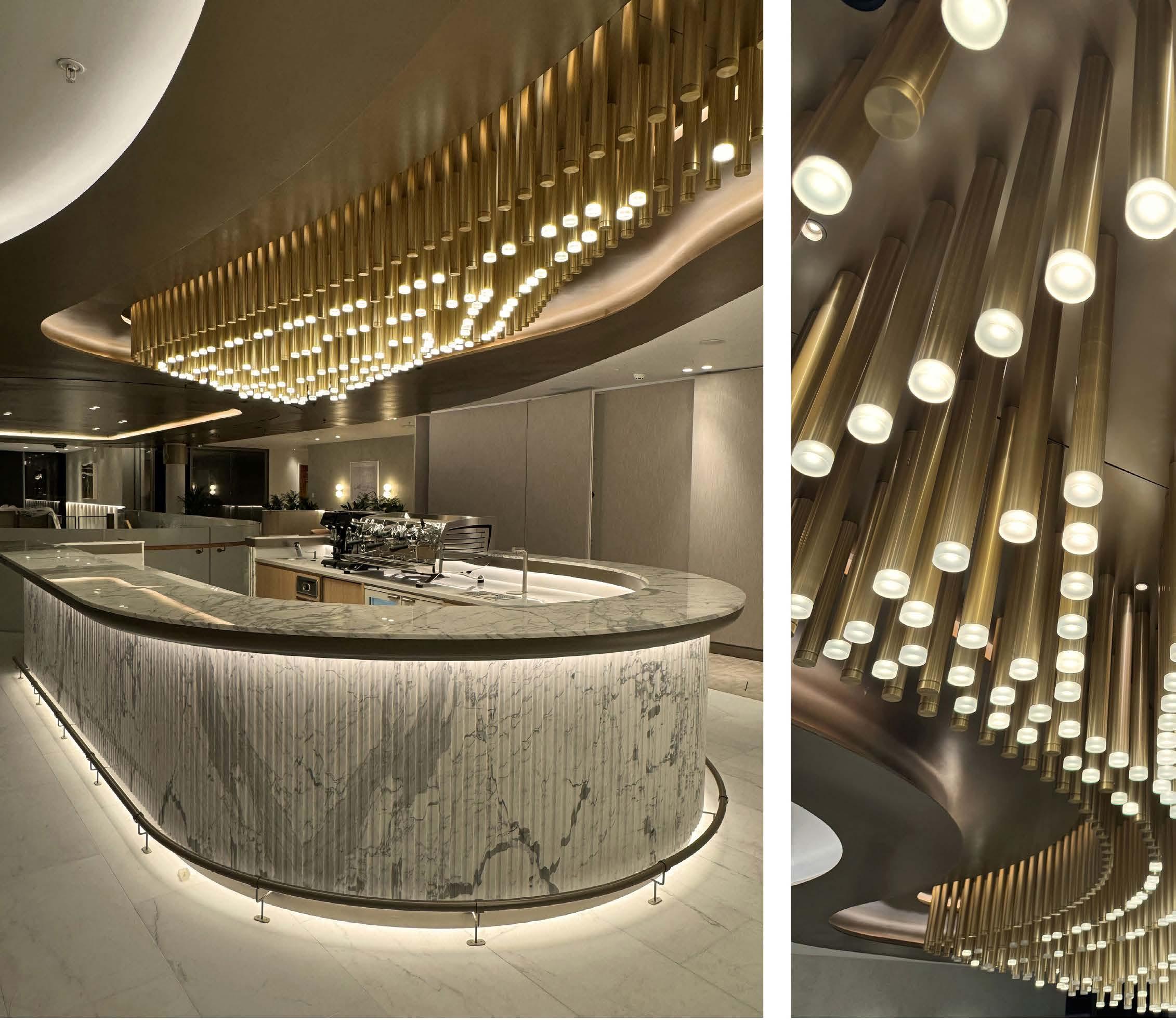
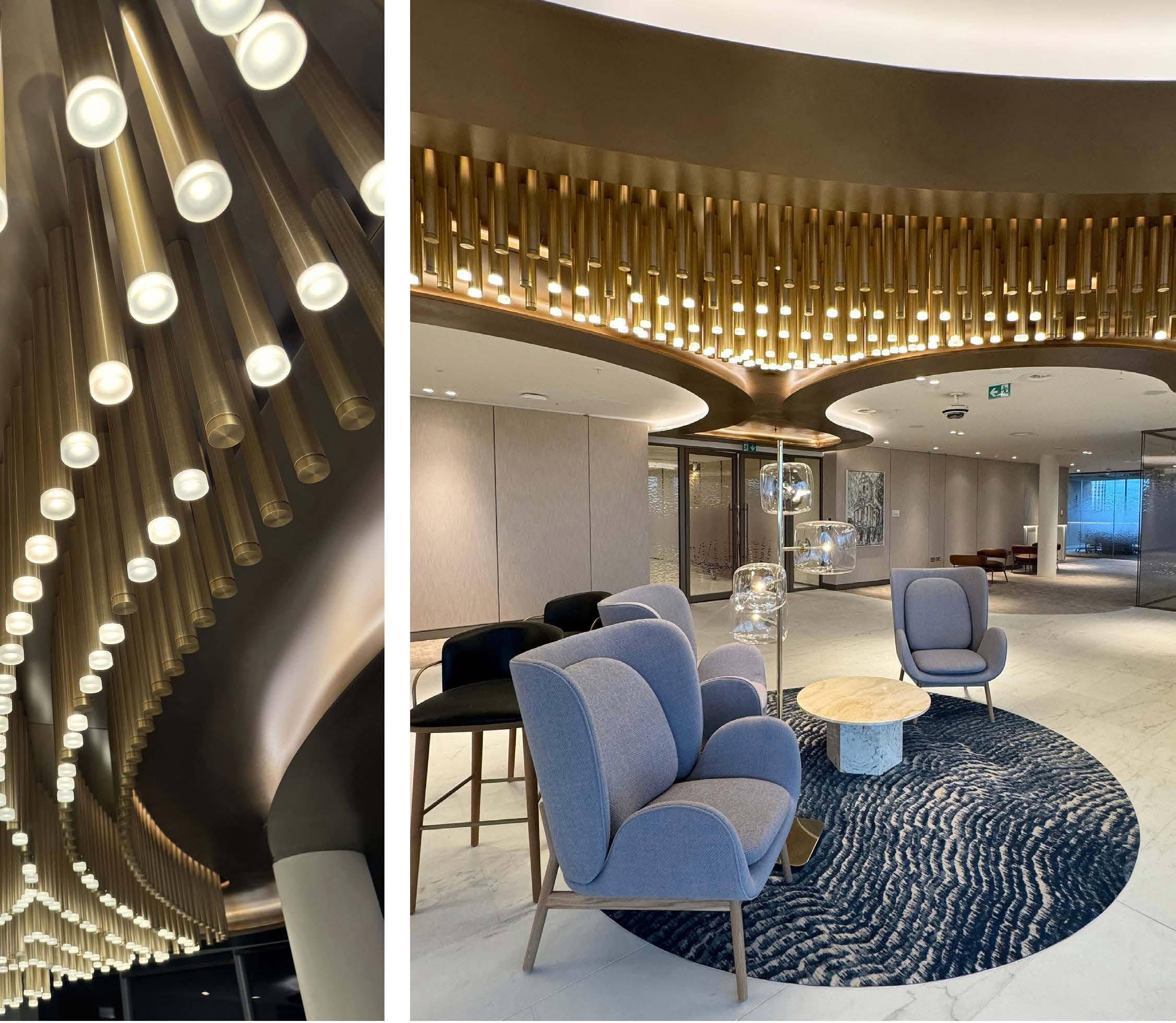
At One Paddington Square in London, an iconic ‘glass cube’ designed by Italian architect Renzo Piano, Bahra designed a range of bespoke luminaires.
‘In order to produce a truly beautiful and elegantly lit interior, you have to understand texture, material, how the space works – both aesthetically and technically’
— Sanjit Bahra
What is your inspiration behind product design?
Product design is very much about fulfilling a need. I have built on the skills and experiences gained throughout my career, at DesignPlusLight, of adapting, tweaking and adjusting lighting solutions, because a standard product doesn’t always suit exactly what is required for a project.
Thinking back to the first commission I had as an independent lighting designer, I worked with the interior designer on a project for the Les Ambassadors Casino. The designer wanted to use Murano glass pendants over the gaming tables – which were beautiful. However, we needed to fit quite a lot of technical kit (Cameras and downward lighting onto the tables) into these decorative pieces.
The team at DesignPlusLight worked with the Murano specialist to customise the lights so they met all of the technical requirements, as well as looking beautiful in the space. And it wasn’t just
the decorative lighting – we adapted everything from the ceiling profiles, bar lighting, restaurant emergency lighting. It is about making things work as well as looking effortless.
The wonderful thing about being a bespoke lighting design consultancy is that you are able to respond to all aspects of the design and project. In order to produce a truly beautiful and elegantly lit interior, you have to understand texture, material, how the space works – both aesthetically and technically. Over the years my inspiration has continually come back to the principle that if a standard product does not fulfil the needs of the space, then adapt it so that it does.
This was brilliantly evidenced through the steplight we designed with LightGraphix. There were a few really low wattage and low glare products on the market, but none of them really did what we wanted. So, we adapted and customised the fitting to suit our needs – and now it’s a standard product in their range. This comes back to my first sentiment – ensure you meet the needs of the space and design vision.
‘I’m incredibly curious and geeky about the profession,’ says Bahra. ‘I’m always learning, how to work with new lighting solutions, how to reimagine things, how to refine and respond to an ever-changing market’
What is your creative process?
For product design, I think it is a two-part process. We ask ourselves two separate questions and then see how the answers can meet in the middle. The first element is asking, “What does the product need to do and what role does it need to fulfil?” In essence – the functional requirements
The second part is considering the aesthetics. How something looks, feels – how much is stands out or blends in. The materiality, the finish and detailing – In essence the impression the fitting makes in its application.
We then see how both criteria meet in the middle to create something that not only performs fantastically but also looks elegant. Ultimately, it is seeing how the technical brain and creative brain can work in harmony to create something quite unique.
It’s really important to draw together these two perspectives. Products need to be designed (or at least input had) by the people who specify, install and commission them in real life situations.
Otherwise, one runs the risk of spending time and money producing a light that may not hit the mark with all the requirements, at least for the type of clients and brands we work with. And in a competitive industry that can be a very costly mistake to make.
Great lighting design can only come out of a deep appreciation and understanding of all the elements of the built environment. From the technical and practical issues to do with electricity and construction, to the refined aesthetics required in selecting a particular bronze patina or detailing a light into bespoke joinery. And, by continually being immersed in all of these disciplines, experienced lighting designers become a hybrid of so many skills – it’s almost alchemic.
Bahra says the chandelier at Paddington Square is one of his favourite creations. ‘It’s robust and serious, but it was also beautiful.’
Tell us about a project that stays in your mind?
We recently completed an award-winning commercial project where we had to design a bespoke chandelier in the top floor of Renzo Piano’s 1 Paddington Square building. The interior designers had an idea of a bespoke fitting that traversed the hospitality floor.
We looked at the physical requirements of the space – it was very lateral – and they didn’t want to limit views across the panoramic view across London, so the fitting couldn’t drop too low. It also needed to connect different areas of the space, feel delicate, but also have a sense of presence amongst minimal construction and 360 deg glass frontage.
We went through the iterative design process of questioning: What function(s) does chandelier need to perform? What are the materials and the
aesthetics? How should it feel and relate to the space? The client did not want the fitting to look too “decorative” – it needed to feel robust and solid, but also not overwhelm the space.
The client’s requirements and style influenced the brief, alongside the interior design, the overall pallet, the physical restrictions of the space and the working requirements. We used all of this information to fine-tune the design and bring together the look of the chandelier.
The chandelier comprised various metallic rods to create undulating mass that was intended to evoke an impression of floating clouds or a murmuration. Some rods had lit end points that were programmed to create a collective movement and enhance the undulations. The feature was further modelled with lights positioned internally to express the finish of the rods and provide dappled lighting down below.
DesignPlusLight were ideally placed to bring
harmony to the aesthetics and performance of the chandelier. If they had gone directly to a manufacturer, I don’t believe the client would have benefited from the refinement that we were able to provide.
What is your favourite part of the design journey, and why?
Collaborating and playing a key role in a team. When we are employed as architectural lighting designers, we have to fit comfortably in and become an integral part of the whole process of design and construction. It’s finding that balance between working together and ensuring our corner of the process is realised from inception through to completion.
There’s a lot of work in this, and I love it. It’s not about designing a product for the sake of it, it’s about finding a solution to a challenge. That’s when it becomes an incredibly rewarding and useful process to be a part of – to be useful.
What is the biggest challenge you have faced when designing products?
It can sometimes be a challenge to get manufacturers and suppliers to understand that we are both designer and client. This actually makes me, and my team ideally placed to offer support. For example, if a large manufacturer has a Research and Development department, they will design a new product in-house. This may be
based on market-research, but often it’s based on what they ‘think’ the market needs. And only once it is released does the feedback come in on what could be improved or what is required. By now it’s likely in production and the commitment has been made.
At DesignPlusLight, we are lighting designers who are also the ‘client’ for the lighting industry. If I need a product, I will design it, then got to the manufacturer to collaborate and ultimately build a viable product. It’s pretty much handing insider knowledge to businesses on a plate, but not everyone can appreciate that, and sometimes the years of experience they are gaining access to can be overlooked.
How does your expert knowledge and experience in lighting design influence product design?
I have seen an evolution of style and design over the extent of my career. It’s very much like the fashion industry, cyclical trends reimagined with today’s materials. An expression of a moment.
Colours, textures, styles are rehashed and reimagined – brass globe fittings and light wood was reimagined with dusky pinks and teals just a year or so ago… and now the pendulum will swing to darker finishes – bronzes and deep browns –earth tones.
I’ve also experienced and been part of the design process with hundreds of talented interior designers and architects. Just being in that space and responding to them, in lighting terms, means you absorb so much.
Over the years you get to see how products have evolved and refined as the lighting industry has moved into the realm of technology with new ways of production.
I have over 28 years of experience - immersive experience in the built environment. I believe there comes a point where you have experienced enough to know where there’s a shorthand. I’m incredibly curious and geeky about the profession. I have a thirst for finding out more, and the luxury of working in a fast-paced industry. I’m always learning, how to work with new lighting solutions, how to reimagine things, how to refine and respond to an ever-changing market.
Does creating lighting designs allow you to discover gaps in the market where new products are needed?
There are only a certain number of tools – or lighting tricks in the toolbox. For example, you have a downlight, a floor washer, and an uplight. Whilst LED technology brought us linear lines
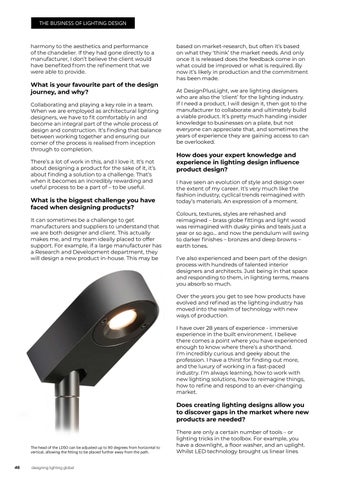
The head of the LD50 can be adjusted up to 90 degrees from horizontal to vertical, allowing the fitting to be placed further away from the path.
of light and back lit panels – there is only so much ‘new stuff’ that can come out. Instead of worrying about a unique product – concentrate on understanding what you offer and then hone that to its very best.
I’m not personally interested in trends, I’m more focused on solutions that stand the test of time –timeless elegance.
Again, with 28+ years’ experience of working with phenomenal designers and architects - gaining the benefit of their creative experience and knowledge. I’m fortunate that I can bring that to my work. There are many hats that a lighting designer wears and that just make us well rounded and interesting people to work with.
What is the aim when designing a decorative or an architectural product?
I believe it's about creating a product that looks great while fulfilling a purpose. There is enough noise in the world that comes from the constant churn of new technologies.
It’s a shame when the industry takes this approach, as an amazing wall light could be designed that is specified in countless settings. But then people tire of it and grow bored so something new has to be designed. There is a pressure for manufacturers to constantly launch new products, stay current and be on trend. I don’t have to do this; I could design two wall lights and stay current.
This is a real driver for me. Without having to sustain a big manufacturing company, I have the freedom to collaborate with different people and think about how to make a product that is truly different to anything already available. This is a real luxury.
What is your favourite product you have designed, and why?
I think the chandelier in Paddington was one of my favourites, as it was about creating something robust. The client didn’t want something that was delicate and would look at home in a hospitality environment. It’s a glass and steel structure; suiting their image as a financial institution –serious people wanting serious things.
We designed this undulating pendant, and it was serious, yet it was also beautiful. It also has a delicate appeal to it, while blending the solidity of one piece of metal that was very golden and had a light in it. But the arrangement of the piece softened it.
You have a solid structure of steel being made to feel like a cloud. To me, I think that is so beautiful, envisioning the sky and birds moving. The client
was genuinely surprised it was so gorgeous.
I was absolutely delighted as it took a long time to get right. We’re so proud because none of it was by accident. When you go through that process and you do mock ups and modular and you constantly have the interior designer saying one thing, the client something else and then you stick to your guns and produce this beautiful product. We were completely overjoyed, and so thankful to Stoane Lighting for helping bring our idea to fruition.
What does the future of product design look like?
I really like Alice Walker’s quote from “The Color Purple”: “The more things change the more they stay the same.”
This resonates with me because when you keep looking forward, sometimes you also have to look back, because I think honest materials, honest products, ones that fill a purpose will stand the test of time. This is what I’m interested in.
I always want something to have meaning. There’s a lot of noise in the world, and lots of ‘stuff’ that has become the norm. But for me, beauty is in robustness and solid design, that’s what people will remember. And that is how something achieves that coveted timeless status. ■
Bahra designed the LD50 for Lightgraphix, a low-level path light offering a wide distribution from a very compact fitting.
DarkSky lighting brings life to CATHEDRAL GARDENS
A thoughtful lighting upgrade by DW Windsor has transformed the historic St Paul’s Cathedral Gardens in London, blending modern energy efficiency with heritage-sensitive design. The new DarkSky Approved scheme enhances safety, reduces light pollution, and preserves the area’s timeless charm.
‘This lighting upgrade achieves a perfect balance between aesthetics, energy efficiency, and environmental impact’
— Andy Rogers, M&E Manager, City of London
The approach represents an intelligent and sensitive approach to public lighting that prioritises safety and accessibility while protecting the historic character of the City.
The scheme delivers sufficient luminance for wayfinding and guidance while conforming to DarkSky regulations.
St Paul’s Cathedral Gardens in London have been revitalised with a carefully considered lighting scheme featuring DarkSky Approved luminaires that enhance safety and promote environmental sustainability while maintaining the site’s historic charm.
Designed by Sir Christopher Wren in the late 17th century, St Paul’s Cathedral has been a central part of London’s cultural and historical heritage for centuries. Adjacent is the Cathedral Gardens, which were created in 1951 as part of the Festival of Britain, and which now serve as a hub for socialisation and relaxation.
However, the outdated lighting in the gardens offered inadequate coverage and clashed with the historic architecture, detracting from the area’s overall appeal.
To address this, DW Windsor collaborated with the City of London to deliver an innovative lighting solution that complemented the cathedral’s historic surroundings with modern energy-efficient lighting technology.
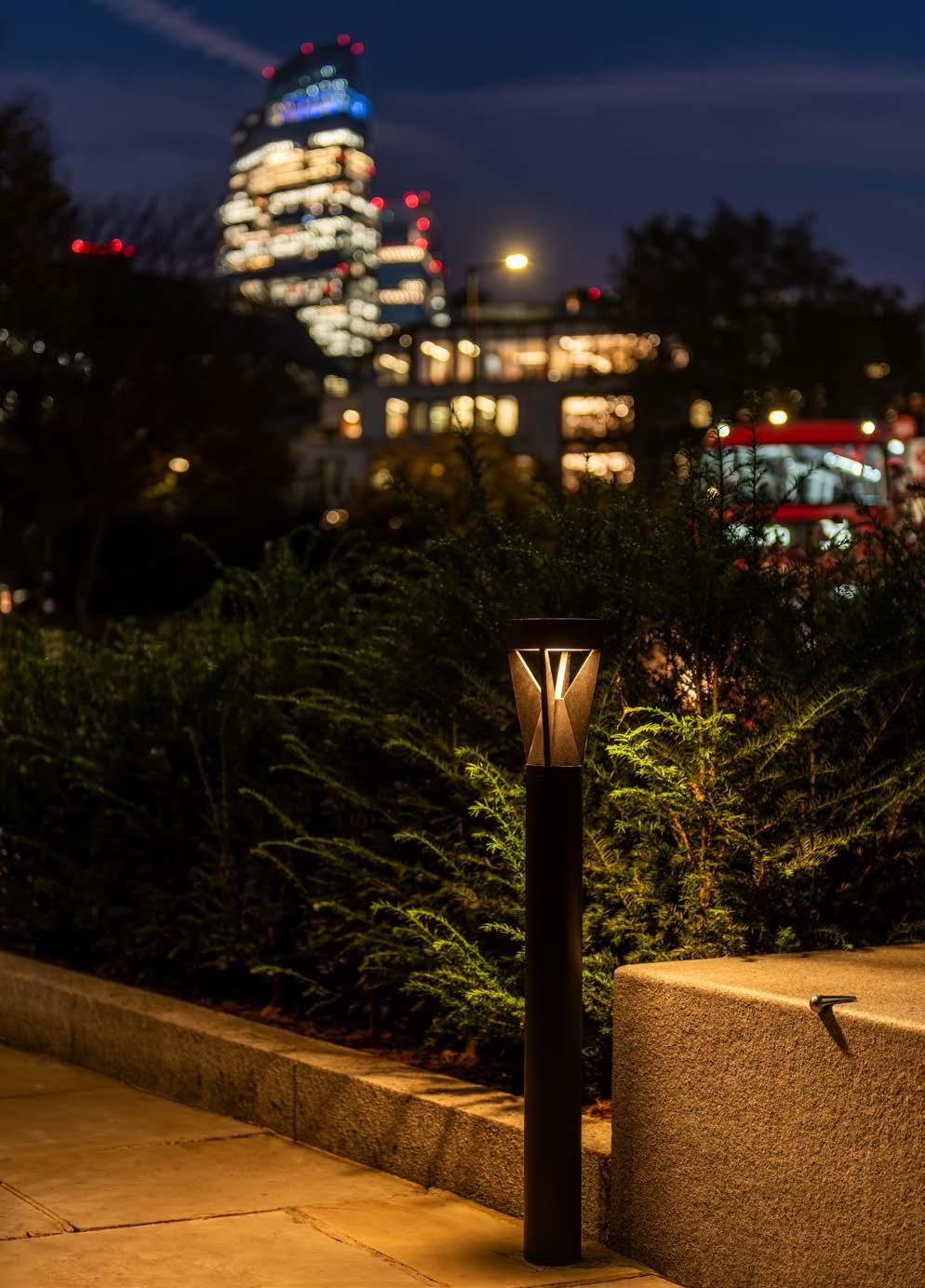
It supplied 20 of its Pharola DS bollards featuring 2700K LED modules that provide warm, inviting illumination. With a slim, compact design and black finish, the new bollards blend seamlessly into the landscape. Additionally, nearby columns were fitted with Milano lanterns, ensuring a cohesive and elegant aesthetic throughout the space.
One of the key benefits of the new lighting scheme is that the upgraded bollards are DarkSky Approved, aligning with the City of London’s Lighting Strategy developed by Speirs
Major. This strategy, published in 2018, provides a statutory set of guidance on best-practice lighting design for illuminating building exteriors and the public realm.
The new installation also addresses key environmental concerns. Whereas the old bollards consumed 32W each, the new bollards only use 20W, resulting in a 37.5 per cent reduction in energy usage. The improved luminaire design also eliminates upward light, reducing light pollution. This improves the quality of the public realm and ensures an intelligent, sensitive approach to public lighting that prioritises safety and accessibility while protecting the historic character of the City.
The 2700K colour temperature was carefully chosen to complement the existing lighting of St Paul’s Cathedral and its visitor centre while eliminating light spill and preventing unwanted glare for visitors, enhancing the overall visitor experience. The new scheme delivers sufficient luminance for wayfinding and guidance around the gardens after nightfall, ensuring safety and security while conforming to DarkSky regulations and minimising the impact of lighting on local wildlife.
Andy Rogers, M&E Manager at City of London, remarked: ‘The lighting upgrade to St Paul’s Cathedral Gardens achieves a perfect balance between aesthetics, energy efficiency, and environmental impact. The DarkSky Approved solutions from DW Windsor have enhanced safety and accessibility in the gardens while respecting the historical significance of the space and helping to protect the night sky.’ ■
The 2700K colour temperature was carefully chosen to complement the existing lighting of St Paul’s Cathedral and its visitor centre while eliminating light spill and preventing unwanted glare.
INNOVATIONS
New architectural lighting products available for specification
SKYLINE
Cooledge
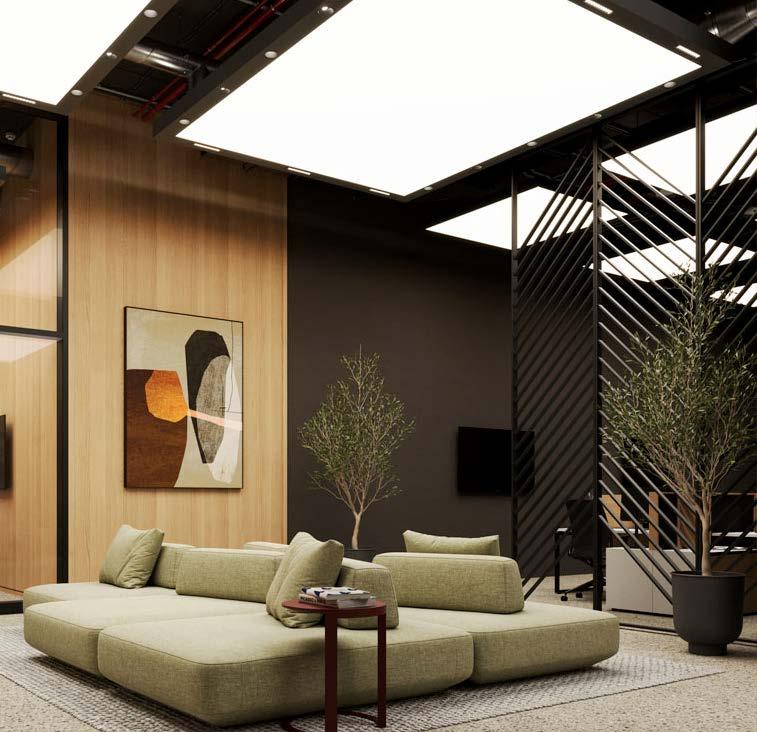
Cooledge’s SkyLine revolutionises ceiling lighting by integrating all layers—track, recessed, linear, and ambient— into one system. Compatible with lighting and non-lighting elements like speakers and sensors, it ensures a smooth, planar aesthetic. Based on the SkySpan luminous ceiling, SkyLine simplifies installation while maximizing design freedom and acoustic performance, thanks to customizable profiles and sustainable fabric diffusers.
K'DOW 7
Kraken Lighting
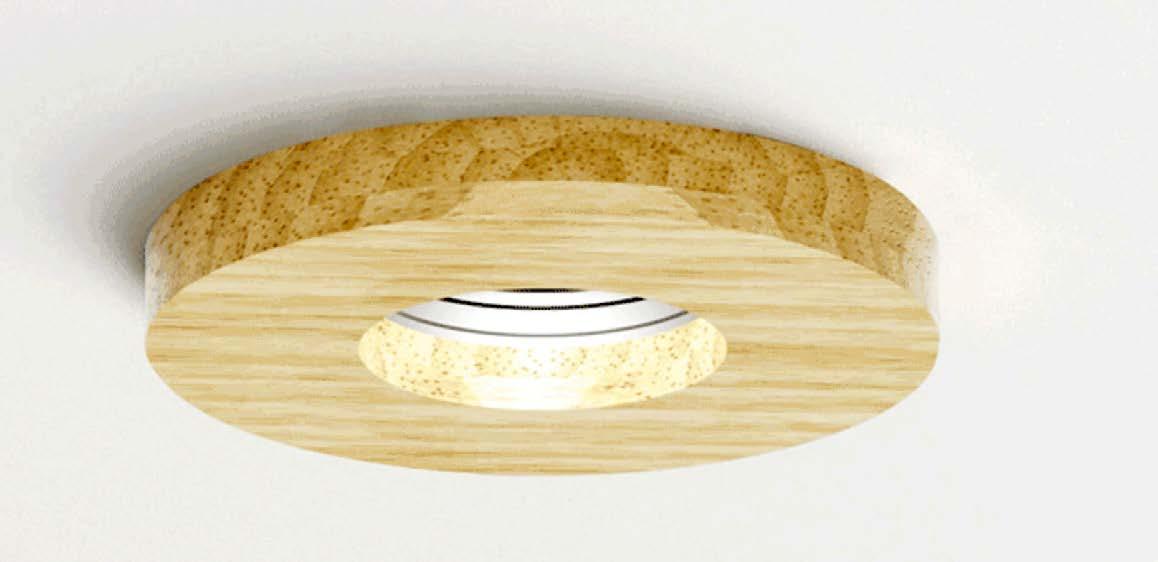
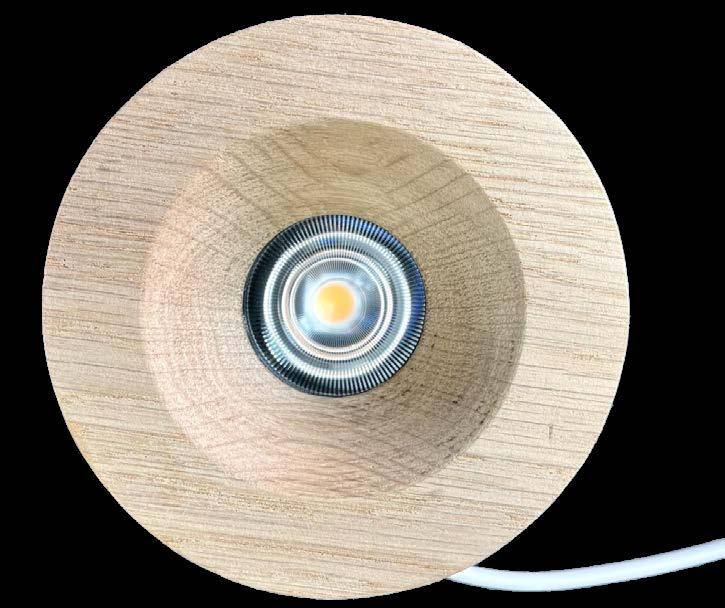
Kraken Lighting’s K'Dow 7 downlight pairs an aluminum body with oak or ash bezels from reclaimed wood. Offering LED or GU10 modules with dimmable drivers, it meets fire safety standards and embraces eco-conscious design. Locally sourced and designed for disassembly, the fixture reflects the brand’s cradle-to-cradle philosophy, prioritizing repairability, reuse, and inclusive, small-scale manufacturing.
WOODEN DOWNLIGHT
Setup Lighting
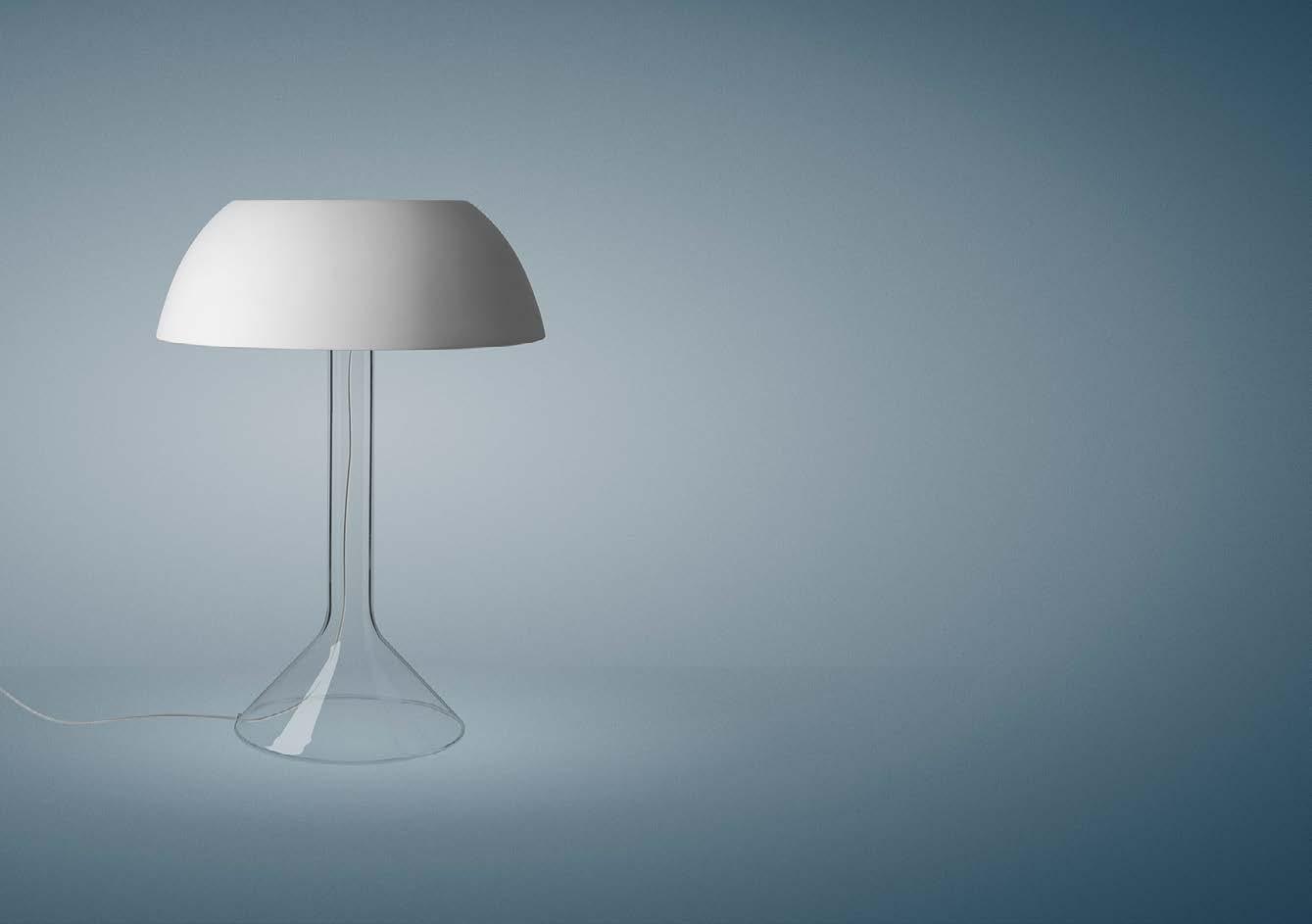
Rodolfo Dordoni’s Chapeaux lamp wears interchangeable ‘hats' in metal, glass, or porcelain, creating three distinct light atmospheres. Resting on a transparent glass base, the diffusers float above a glowing core with a soft, glare-free output. A touch dimmer controls intensity, while upward light subtly enhances ambiance. Minimal when off, luminous when on—Chapeaux blends personality with elegant functionality.
Setup Lighting’s hardwood downlight highlights natural grain textures in sustainably sourced oak, ash, cherry, or walnut. Flame-retardant and low-carbon, it’s treated for durability and compliant with public building standards. Each luminaire combines craftsmanship with ecoconscious design, marking the brand’s move from pendants and linears into compact, wood-based architectural lighting.
FLAR LODES
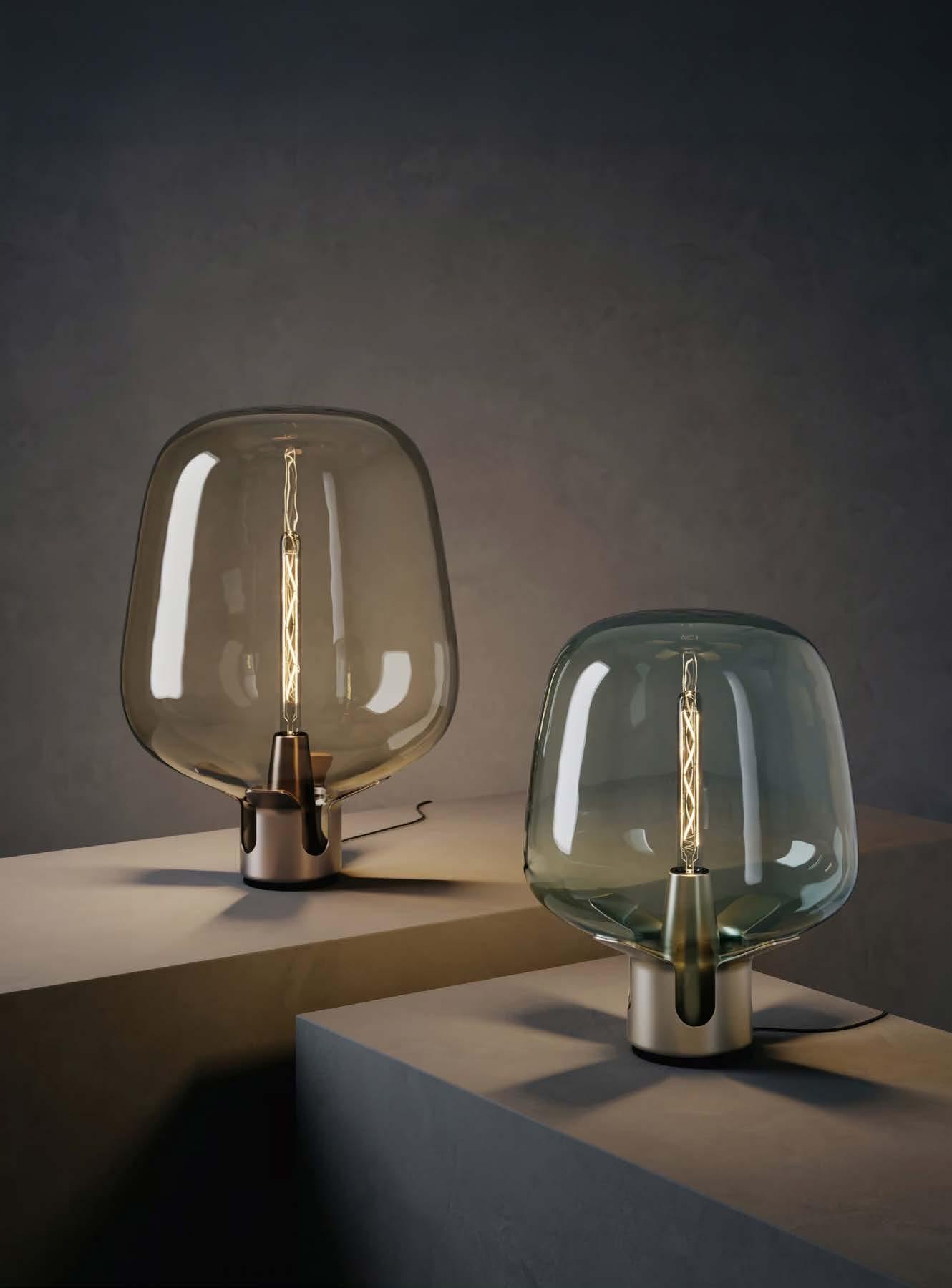
Patrick Norguet’s Flar lamp for Lodes evokes a blazing lantern, with a curvaceous glass body encasing an LED filament bulb. Inspired by storm lamps, its sculptural form diffuses a warm, glowing light and remains visually compelling whether lit or not. Mouth-blown glass and minimalist structure make Flar a poetic accent in any setting.
CHAPEAUX Foscarini
LACRIMOSA PRO Lumiadd
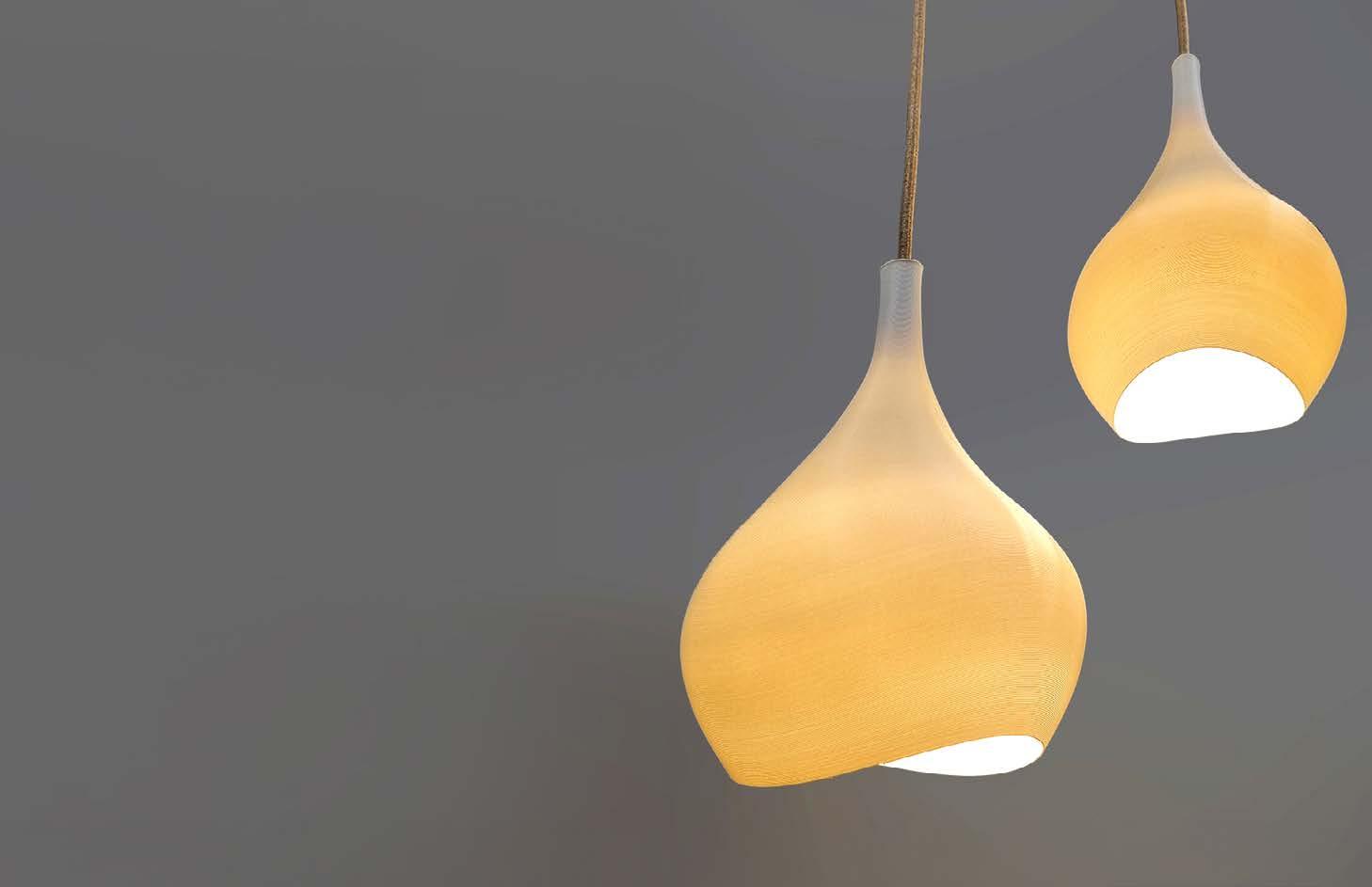
Lumiadd’s Lacrimosa Pro pendant uses sustainable plant polymers and seamless ‘true’ 3D printing to form asymmetrical, low-glare designs. Available in translucent or opaque finishes and various RAL colours, the tear-shaped luminaires feature high efficacy optics and custom configurations. Celebrated for circularity, Lumiadd also won awards for its spotlight made with coffee grounds.
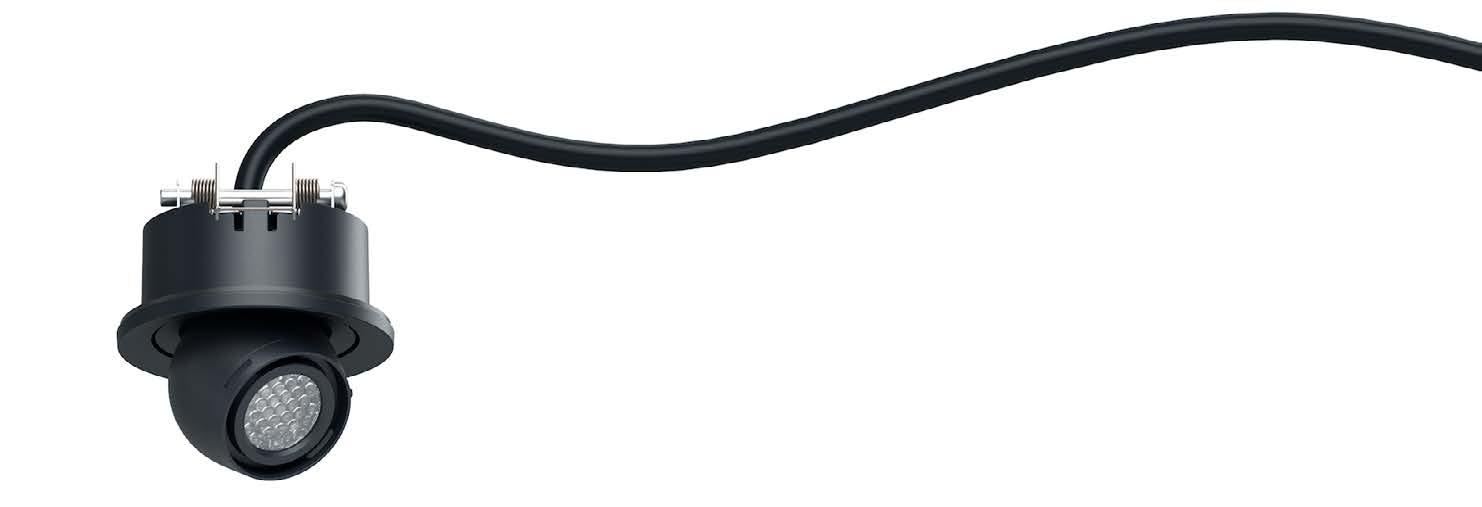
Erco’s Axis recessed spotlights deliver precise, museum-quality lighting from nearly invisible sources. With light heads only 17mm wide and just 28mm deep, Axis offers rotation, tilt, and interchangeable optics. A spot optic delivers 200 lux from 1W at 2m, ensuring efficiency. Ideal for exhibitions, lounges, and residences, Axis creates immersive atmospheres with high colour rendering and minimal glare.
IPOLI
LAMBERT & FILS
Born from a collaboration between Samuel Lambert and stepson Darius Laprise, the Ipoli collection reimagines task lighting with pivoting heads atop slender forms. Created using leftover studio materials, its eleven models span table, wall, and floor lamps in four finishes. Each features touch dimming and a sculptural simplicity, offering versatility, poetic character, and circular design in equal measure.
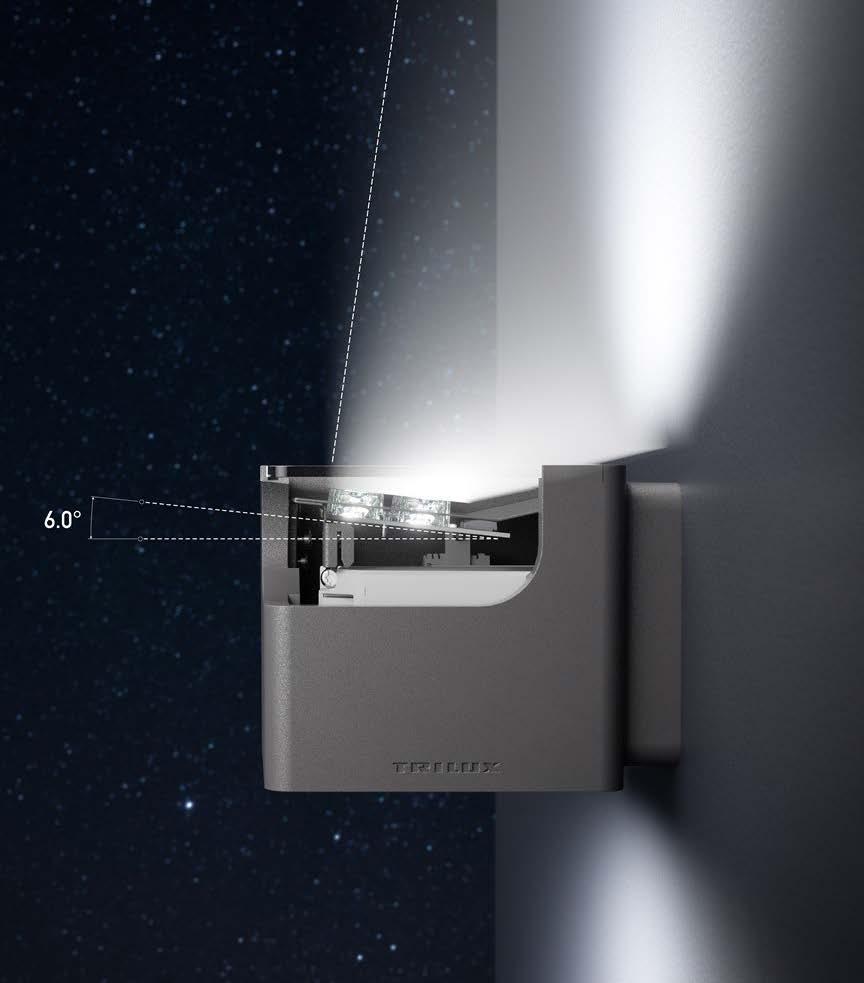
TRILUX’s Osido series brings a unified aesthetic to outdoor lighting with four shapes and minimalist design. Featuring easy, tool-free installation, face illumination modules, and indirect optics, Osido enhances façades while minimizing glare. With smart controls, sustainable output, and durable finishes, it ensures consistency across building exteriors and interiors, offering both beauty and practicality.
HIGHLIGHT Signify
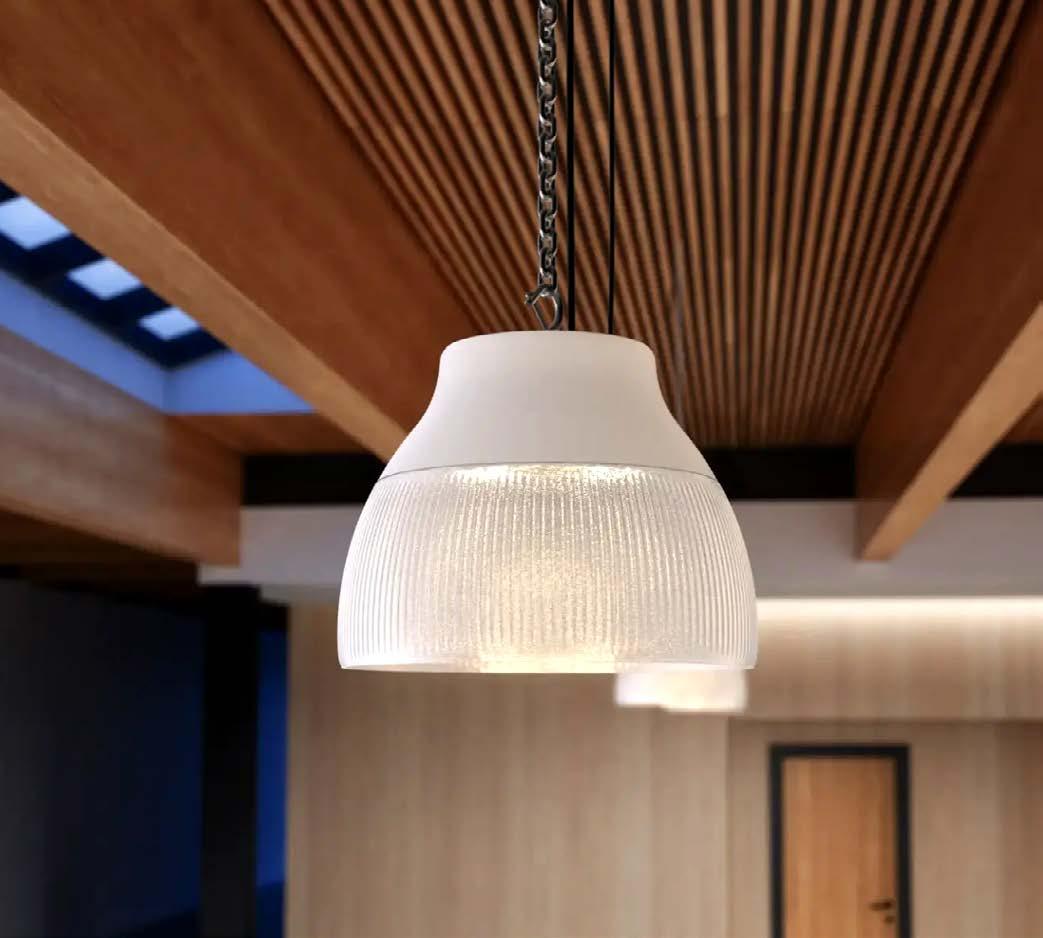
Signify’s Highlight high bay luminaire is 3D printed using recycled or bio-circular plastics, offering personalisation with lower emissions. With 196 lm/W efficacy, a 100,000-hour lifespan, and IP65 protection, it blends performance with sustainability. Produced on demand, Highlight exemplifies additive manufacturing at scale, with certified bio-sourced materials and flexible mounting for industrial and retail spaces.
OSIDO Trilux
AXIS Erco
Could YOU design a ground-breaking luminaire?
Do you think you have the design skills to create an innovative 3D printed light fitting? Now’s your chance.
Do you have a visionary idea for a luminaire?
LumiAdd, the pioneers of sustainable design freedom, invite lighting designers, interior designers and architects to unleash their creativity in ‘3D Unleashed’, a competition that harnesses the full potential of 3D printing and plant polymers in lighting design.
LumiAdd is unlike any conventional lighting manufacturer. Combining 3D printing and plant polymers, its vision is to remove the barriers associated with custom luminaire specification by providing tailored solutions that grant lighting designers, architects, and interior designers greater creative freedom.
The competition provides an opportunity to be part of this revolution and encourages the
most innovative and original designs of interior lighting.
While the entire design does not have to be 3D printed, its defining elements must leverage the unique potential of fused deposition modelling (FDM) additive manufacturing.
The winning designs will be brought to life by LumiAdd’s expert team and presented to the winner.
Additionally, if the winning luminaire is deemed commercially viable, it may become part of LumiAdd’s product range, allowing the designer to earn royalties for every unit sold.
This provides an opportunity for entrants to see
Combining 3D printing and plant polymers, its vision is to remove the barriers associated with custom luminaire specification by providing tailored solutions that grant lighting designers, architects, and interior designers greater creative freedom.
their creations evolve from concept to a real-world product, making an impact in architectural and decorative lighting.
The competition opened officially at the end of March and runs until 30 May – giving those with a creative flair ample opportunity to enter.
Plus, following review by an expert industry panel in June, the shortlisted designs will go to an open public vote in July. Once the winning design has been crowned in September, the 3D printing will commence.
Jamie Norris Green told designing lighting global (dlg) magazine: ‘The cross over between product design and lighting design, interior design and architecture has always been apparent to me, so many lighting designers I meet started out doing product design, many architects and interior designers like to design furniture and lighting.
‘I want to give more of them the opportunity to do so and unleash their creativity! It always frustrated me when I was a lighting design consultant when companies were so reluctant to do customs unless there were large quantities, we want to change that.’
Green’s colleague Lewis Smith agrees: ‘I’m excited for designers to explore the vast possibilities of 3D printing in bespoke luminaire design. I can’t wait to see innovative submissions that embrace sustainability while fully harnessing the freedom of design.’ ■
The competition will harness the potential of 3D printing and plant polymers in lighting design.
The winning designs will be brought to life by LumiAdd’s expert team and presented to the winner.
How light can boost communities
Lighting plays a crucial role in shaping social spaces and influencing human behaviour, making it an essential tool in promoting social purpose. In public spaces, effective lighting can enhance safety and accessibility, encouraging positive interactions and community engagement. Well-lit environments reduce the risk of accidents and crime, fostering a sense of security, while also making spaces more inviting for social gatherings, education, and collaboration. Here we look at three projects have made an impact with local communities and the urban fabric.
ORIENTKAJ METRO STATION
COPENHAGEN, DENMARK
This transformational light installation at Orientkaj Station in Copenhagen has won a PLATINUM in the Build Back Better Awards 2023 in the lighting category.
Light Bureau was challenged to create a site-specific lighting art installation that would increase feelings of safety while bringing delight and visual interest to the space. As lights couldn’t be fixed on the railway structure, the team created a pole-based system, with remote steel leaves, each with individual patterns and colour themes.
The leaves are made of saltwater- and acid-resistant stainless steel with a lifespan of several decades. The surface is electro polished to make them highly reflective, thereby adding an additional lighting component.
Lighting design: Light Bureau
Lighting design team: Eszter Horóczi, Filipe Almeida, Frederik Waneck Borello, Helle Frøjk Knudsen and Rune Brandt Hermannsson.
Client: By & Havn and Copenhagen Municipality
Architects: COBE architects
Construction: Per Aarsleff
Consulting engineers: Wicotec Kirkebjerg
Suppliers: Gladsaxe Klip & Buk, Induflex, Unicoat and iGuzzini.
Pictures: Rune Brandt Hermannsson (formerly of Light Bureau)
The lighting at Orientkaj Metro Station in Copenhagen softens up the bright spotlights and adds a playful atmosphere, while improving perceived safety and wayfinding on the square.
The steel leaves give the otherwise ordinary spotlights a completely new and unique character, giving the area a distinctive identity that makes it an inviting and exciting urban space.
The design softens up the bright spotlights and adds a playful atmosphere, while improving perceived safety and wayfinding on the square.
With minor adjustments of the reflectors, it was possible to reuse the existing LED-luminaires and create a spectacular illumination of the station square and elevated railway, without using additional energy.
The luminaires are iGuzzini Woody in warm white with a wide flood optic.
Situated beneath the Westway elevated carriageway, this project set out to transform the landscape, boost community wellness, and increase the usage of the area. The lighting intervention focused on key areas of pedestrian difficulty and poor visibility, providing good visibility and feelings of safety in dim or after-dark conditions. Trilux designed the bespoke LED donut-shaped luminaires, pictured. specifically for this location to uplift the space. These luminaires, combined with Combial LED floodlight, are installed around and fixed to the columns under the roadway. The additional indirect lighting element and illuminated vertical surfaces create a welcoming atmosphere, visual guidance, and a secure ambience for the
CASTLEFIELD VIADUCT
MANCHESTER, UK
Lighting design: Arup
Wireless control: Bluetooth Low Energy
At Castlefield Viaduct, lighting discreetly draws visitors through, piquing their curiosity to explore further, but still allowing them to enjoy the night skyline from high level.
WESTWAY
LONDON, UK
Lighting supplier: Trilux
Strategy: DK-CM Architects
Funding: GLA Good Growth Fund
Trilux designed the bespoke LED donutshaped luminaires specifically for this location to uplift the space.
local community.
Westway Trust, Community Street Project Manager, praised the outcomes, stating, ‘The new lighting solutions have significantly uplifted the evening landscape, making the area more desirable and secure for community activities. The feedback from stakeholders has been overwhelmingly positive, and we are excited about the positive changes this project brings to the Westway community.’ The lighting has helped to shape a future where the Westway Community Street is a safer, more connected, and vibrant public space, fostering community spirit and enhancing quality of life for all.
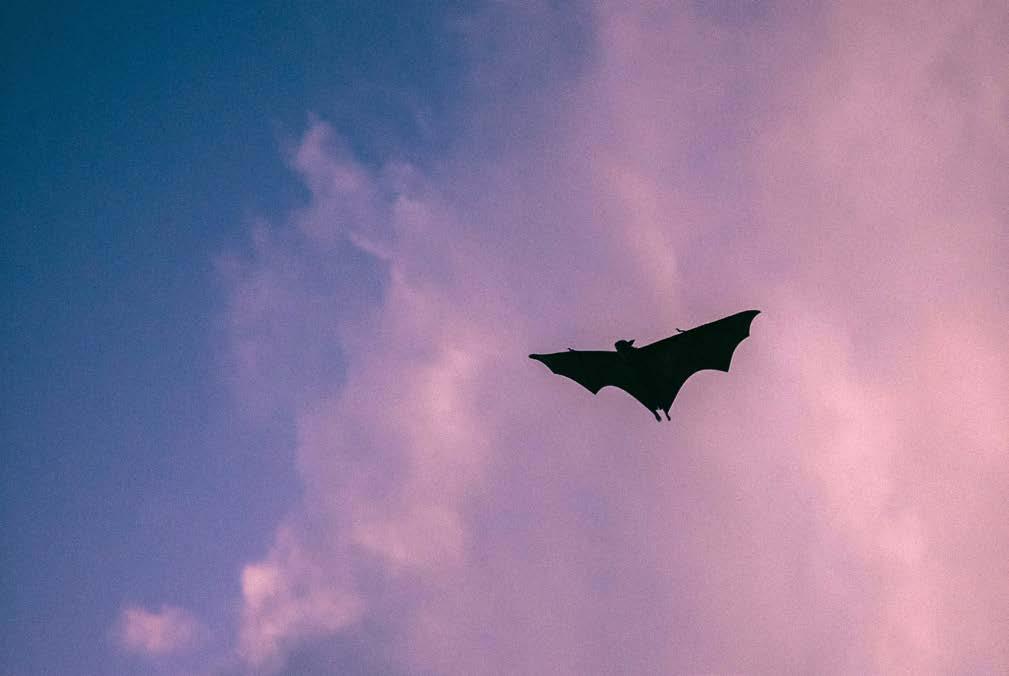
The illumination of Castlefield Viaduct – a 330m-long railway structure that’s been transformed into an urban park – was designed by Arup. Glimpses of light are designed to intrigue and entice visitors. Once inside, lighting discreetly draws visitors through, piquing their curiosity to explore further, but still allowing them to enjoy the night skyline from high level. Using gentle, warm-white light differentiates the viaduct from the urban scene and minimises impact on biodiversity, in particular bat roosts beneath the deck.
To maintain the drama and avoid overlighting, rechargeable hand-lanterns are on offer to support accessibility and inclusivity, allowing everyone to enjoy the space.
Luminaires styled like the overgrown grasses which inhabit the viaduct are positioned around seating benches and are preprogrammed using wireless BLE technology to glow in a
gentle, random ‘swaying’ pattern to mimic the movement of nature in the breeze creating a magical experience.
The second section incorporates unique garden areas created by local community partners. Lighting was designed to provide focus within these planters, and to be easily reconfigured by the gardeners as the foliage grows and adapts to its space. At the end of this section, the internal event space is fitted with adaptable track and spot lighting to cater for any education or hospitality event, with festoon lighting allowing functions to spill out into the gardens.
The lighting levels are deliberately low, partly to enable the backdrop of the city to be visible through the structure but mainly to respect the flora and fauna already living on and around the viaduct. Power density for the site is less than 1W/m2.
Charity begins with lighting
The charity shop, a staple of sustainable retail, is missing a vital piece of the customer experience: lighting. A lack of design thinking is leaving stores looking clinical, confusing—or worse, forgettable, says lighting consultant David Tilley
Beaconsfield, a picturesque market town in Berkshire, UK, is perhaps best known for its quaint model village, high property prices, and a surprisingly vibrant commercial centre. The town’s high street boasts 55 shops,13 bars and restaurants, 12 hairdressers, five cafés and two supermarkets — but not a single bank. Amid this mix, charity shops make up a notable 12 per cent of the retail offer, with seven stores competing for attention.
Despite growing consumer consciousness around sustainability—and continued pressure on spending— most charity shops are not rising to the occasion. In particular, lighting design is being overlooked entirely, to the detriment of customer experience and potential sales.
Walk into many of these stores, and you’ll be met with the harsh glare of 600x600mm LED panels, often 5000K and flat in tone, leaving the space clinical and uninviting. Poor colour rendering means products appear dull and lifeless. The assumption seems to be that lighting is a tick-box exercise, rather than a strategic tool.
Even recently refurbished stores fall short. One Beaconsfield charity shop that introduced a more structured layout failed to carry this thinking through to the lighting. The result? Better navigation perhaps—but a lifeless ambience that discourages browsing and shortens dwell time.
This isn't just about aesthetics. Lighting in retail should aid navigation, highlight key product areas, and draw
attention to service points. It should also support staff— particularly in charity shops, where many are volunteers without formal retail training—in merchandising effectively.
Yet decisions around lighting are often left to maintenance teams, who focus on energy efficiency and ease of replacement rather than customer psychology or retail best practice. Back-of-house areas are similarly neglected, with inefficient overlighting caused by poorly selected LED replacements for old fluorescent fittings.
Some stores inherit decent retail lighting systems but fail to adapt them to new layouts or merchandise mixes. Others undertake one-for-one LED retrofits without considering lux levels, contrast, or mood.
The bigger picture is worrying. With over 11,000 charity shops across the UK competing with each other and with mainstream retailers, creating a welcoming, engaging in-store experience should be a priority. Lighting isn’t an afterthought—it’s a vital part of that experience.
Charity shops have evolved. From selling only secondhand goods, many now offer new product lines, branded merchandise, and a curated shopping experience. But without lighting that supports these developments, the effort risks being wasted.
It’s time charity retail caught up. Great lighting doesn’t have to cost the earth—but ignoring it certainly might. ■
With over 11,000 charity shops across the UK competing with each other and with mainstream retailers, creating a welcoming, engaging in-store experience should be a priority. Photo: Prudence Earl/Unsplash 2024
Organised
ORG NEWS
Designers make progress towards LCA
Lighting designers are making progress with the development of a special Life Cycle Assessment for luminaires.
The discussions are part of what’s termed the Life Cycle Analysis incubator, a collaboration between the GreenLight Alliance and the International Lighting Designers Association’s Lighting Industry Resource Council.
Data is being collated from individual manufacturers to produce an Industry Average Environmental Product Declaration (EPD) for each of the following luminaire classes: linear fittings, downlights, cylinder-style products, recessed 600 x 600 modular panels and post top luminaires.
SLL holds exterior lighting event
The Society of Light and Lighting has held an event focussing on exterior and urban lighting.
The conference, dubbed Illuminating the Future: Balancing Light and Dark nightscapes, took place on 27 March at the University of London’s Senate House.
Recently, the developers of the LCA updated the sample average lifetime in each of the five product categories using the actual averages from each product category sample.
Designers can apply the resulting Industry Average EPD data for generic luminaires to typical spaces in projects they have in development.
This will provide designers with a more reliable means to understand and compare the qualitative and quantitative impact of various designs.
Progress has been such that the IALD expects to sign a Memorandum of Understanding with environmental data specialists Pep Ecopassport and EPD International.
The deal will see the EPD providers use the methodology to assess luminaires.
The incubator follows a commitment by manufacturers and designers to investigate the current life cycle impact of commonly used luminaires and lighting strategies.
The goal is to take a collective step towards transparency, constructive dialogue and a consistent approach to measuring, reporting and applying LCA information for lighting design.
A key issue the designers are grappling with is the complexity of the metrics. There is concern that complex results will lead to lower engagement and uptake by clients and the wider supply chain.
Other issues under scrutiny in the workflow proceedings include standardised lifetime measuring, carbon ‘budgeting’, regional energy grids to reflect percentage of renewable energy used in different countries.
This event brought together experts from various fields, including environmental science, urban planning, criminology, and social psychology, offering a balanced examination of the pros and cons of artificial light after dark. They discussed the impact of light on nocturnal species and explored the latest research on how artificial lighting affects wildlife, including shifts in behaviour, migration patterns, and ecosystem health.
The delegates discussed potential strategies for minimising disruption while accommodating human needs. The event also explored crime reduction and public safety. They delved into the contentious issue of whether increased lighting truly reduces crime rates. They also assessed how night-time lighting influences social behaviour and community interaction. Discussions included the role of lighting in fostering a sense of safety, encouraging night-time activities, and its psychological effects on different demographics.
A special session looked at design considerations for women. They agreed on the importance of inclusive lighting design that considers the unique needs of women and other vulnerable groups. They looked at best practices in urban planning that promote safety and accessibility in night-time environments.
A key issue that lighting designers are grappling with is the complexity of sustainability and environmental metrics.
The Society of Light and Lighting conference discussed the impact of light on nocturnal species and explored the latest research on how artificial lighting affects wildlife.
Subscribe to designing lighting global (dlg) magazine
A NEW VOICE IN THE GLOBAL LIGHTING DESIGN COMMUNITY
EVERY-ISSUE EDITORIAL DEPARTMENTS/COLUMNS
PROJECTS
DESIGN FILE
CIRCULARITY
INNOVATIONS UP CLOSE: CONVERSATION WITH A LIGHTING DESIGNER
salutes and thanks its advertisers for their support.
salutes and thanks its advertisers for their support.
We applaud the achievements of lighting practitioners and recognize the importance of their work in architecture and design.
We applaud the achievements of lighting practitioners and recognize the importance of their work in architecture and design.
In your next issue of designing lighting global…
VOLUME 3 ISSUE 3: LIGHTING, SUSTAINABILITY AND THE CIRCULAR ECONOMY
In the next issue, we’ll explore the crucial role that lighting plays in sustainability and the circular economy. Implementing smart lighting controls, such as occupancy sensors and daylight harvesting, can really enhance energy efficiency. The circular economy is supported by choosing sustainable lighting solutions that are designed for longevity, recyclability, and easy repair. By embracing sustainable lighting practices, we minimise waste, conserve resources, and contribute to a more environmentally friendly and economically sustainable future.
VOLUME 3 ISSUE 3: WIRELESS CONTROLS
Wireless lighting controls are quietly revolutionising the way lighting systems are managed and operated. By eliminating the need for complex wiring, these controls provide flexibility, convenience, and scalability in adjusting and automating lighting settings. They allow for easy installation and reconfiguration, enabling quick adjustments to accommodate changes in space usage or preferences. With wireless connectivity, lighting controls can be remotely accessed and monitored, offering enhanced control and energy efficiency.
VOLUME 3 ISSUE 3: LIGHT 25 LONDON PREVIEW
We look at some of the upcoming new product launches at the annual LIGHT 25 exhibition at the Business Design Centre in London, UK.
KAEL GILLAM Up Close with
SENIOR ASSOCIATE, HOARE LEA, LONDON
‘My journey into the world of lighting design was anything but straightforward. It began in high school, where I was convinced I was destined for a career in sports. I had my heart set on playing soccer at the varsity level, competing in regional championships, and making a name for myself on the field. But life had other plans. During my tryout, I completely botched it—whiffed the ball, fell in the mud, and felt like a total Charlie Brown. To make matters worse, I came down with mono (mononucleosis) shortly after, leaving me bedridden for weeks. It was a rough start to my high school experience.
During my recovery, my roommate suggested I try theatre since it was something I could do while sitting down. I reluctantly agreed, thinking, ‘Why not?’ I started by painting sets, which is as messy and unglamorous as it sounds. But something about it clicked for me. Over time, I moved from painting to designing scenery and costumes, and eventually, I found myself stage managing. By my senior year, I was fully immersed in the theatre world, working on two major productions a year. It was during this time that I first encountered lighting design.
I remember watching a tall, lanky upper class man climb up on the trusses to hang lights. At the time, I was a tiny 13-year-old, but I thought, ‘I can do that’. The lights were heavy—probably as much as I weighed— but I was determined. I started helping out, burning my fingers on xenon lamps more times than I can count. There was something magical about seeing the lights come together, transforming a blank stage into a vibrant, dynamic space. I wasn’t designing yet—just implementing—but I was hooked.
When it came time to think about college, I stumbled upon Carnegie Mellon University’s technical theatre program. It had a ridiculously low acceptance rate, and my college counsellor told me not to waste my time applying. But I thought, ‘Why not give it a shot?’ To my surprise, I got in. The programme was intense. In the first year and a half, we tried everything—sewing, welding, carpentry, painting, sound, and, of course, lighting. I knew lighting was my passion, but the program pushed me to explore all aspects of theatre. By the end, I was designing, stage managing, and even dabbling in programming lighting consoles.
After graduation, I was terrified of going freelance, so I looked for a more stable, creative role. That’s when I discovered architectural lighting. My professor connected me with an internship at Focus Lighting in New York, where I worked under Christine Hope, an incredible mentor who shaped my career in ways I can’t fully express. She taught me the importance of narrative in design and how to balance creativity with technical precision. My time at Focus was transformative. I worked on projects ranging from high-end restaurants to the New York Aquarium, and even a luxury hotel in Los Cabos, Mexico. It was there, during my first site visit as a full-time employee, that I made the mistake of criticising the hotel’s signature glass candle shades in front of the client. It was a humbling moment, but one I learned from.
Eventually, I moved to London, where I’ve been for nearly a decade. The lighting design community here feels more connected and accessible than what I experienced in the U.S. I’ve found a sense of belonging among fellow designers, and I’ve grown both personally and professionally. Now, I work in an engineering firm, which is a far cry from my theatrical roots, but it’s taught me that your education doesn’t define your career. I’ve learned to embrace new challenges, like sustainability, and I’ve become the go-to person for lighting-related sustainability initiatives at my company.
If I could offer advice to anyone entering the lighting design industry, it would be this: never stop asking questions. Don’t be afraid to admit when you don’t know something. Be present in every meeting, even if it seems boring—there’s always something to learn. And don’t let your education limit you. I came from a theatre background and now work in engineering. I’ve seen architects become lighting designers and geography majors excel in this field. The sky’s the limit.
Lighting design is a unique blend of art and science, and it’s a profession that rewards curiosity, creativity and a willingness to learn. Whether you’re hanging lights in a high school theatre or designing for a luxury hotel, there’s always something new to discover. So, take risks, embrace the scenic route, and never stop exploring. That’s where the magic happens. ■
EdisonReport.tv serves as a hub for all digital content in the lighting industry. A premier source for critical information surrounding lighting, EdisonReport.tv is dedicated to delivering industry news by way of video and serving its audience by spotlighting product launches and up-to-date educational videos, as well as information about upcoming webinars.
Max Robson: Recolight to unveil a LCA and EPD service