designing lighting
CLOSET LIGHTING POSH
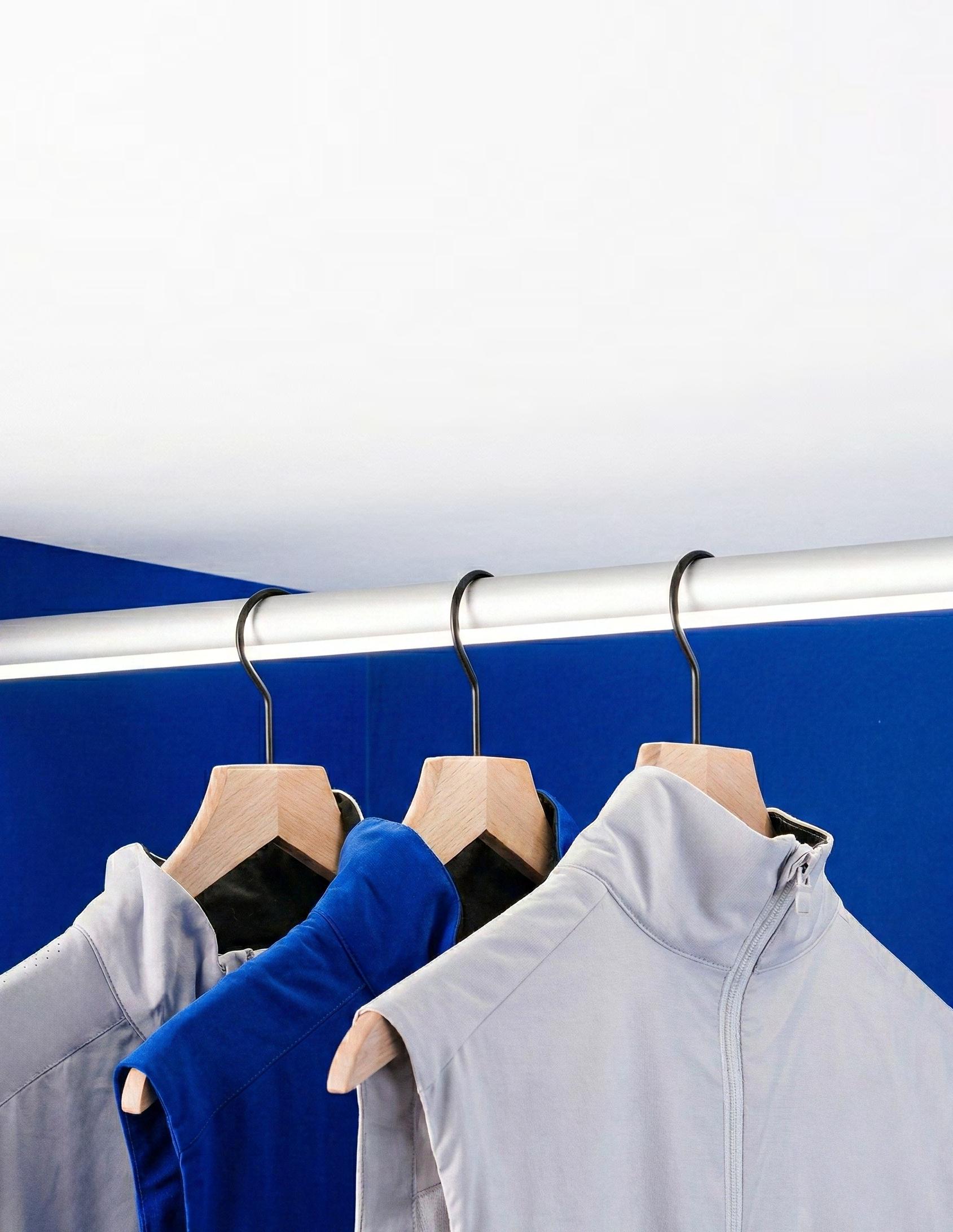
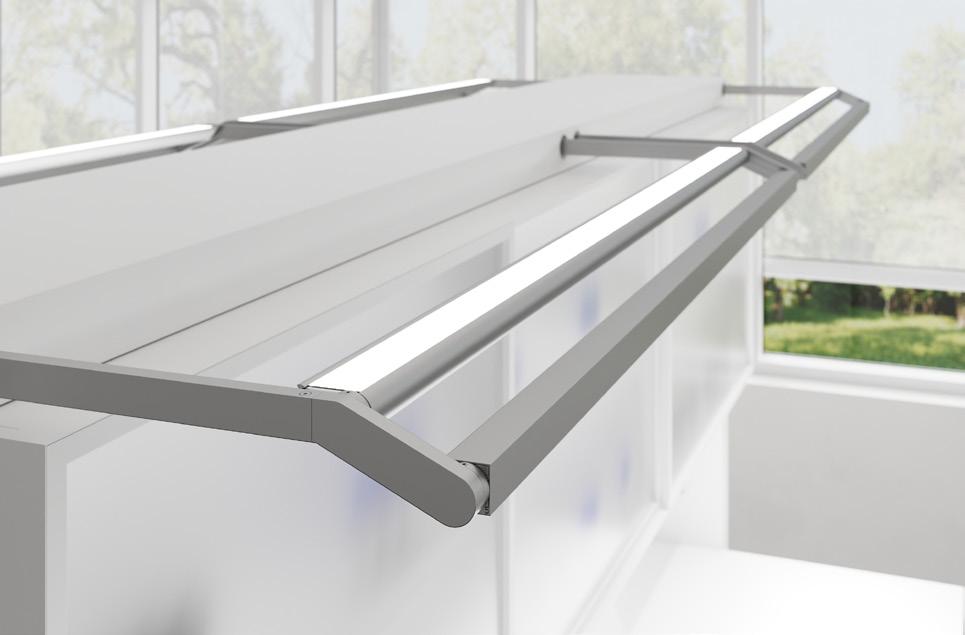
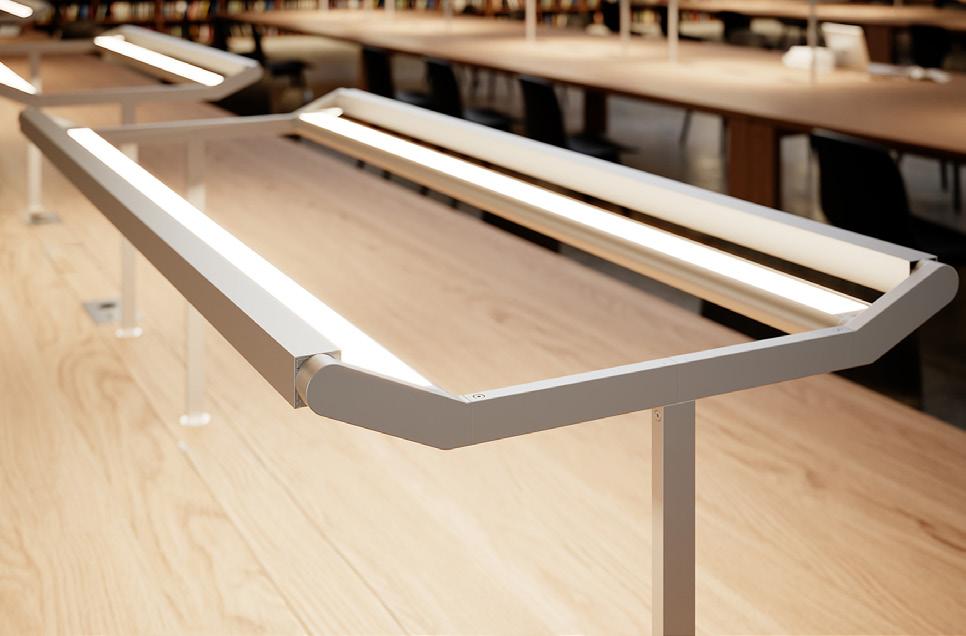
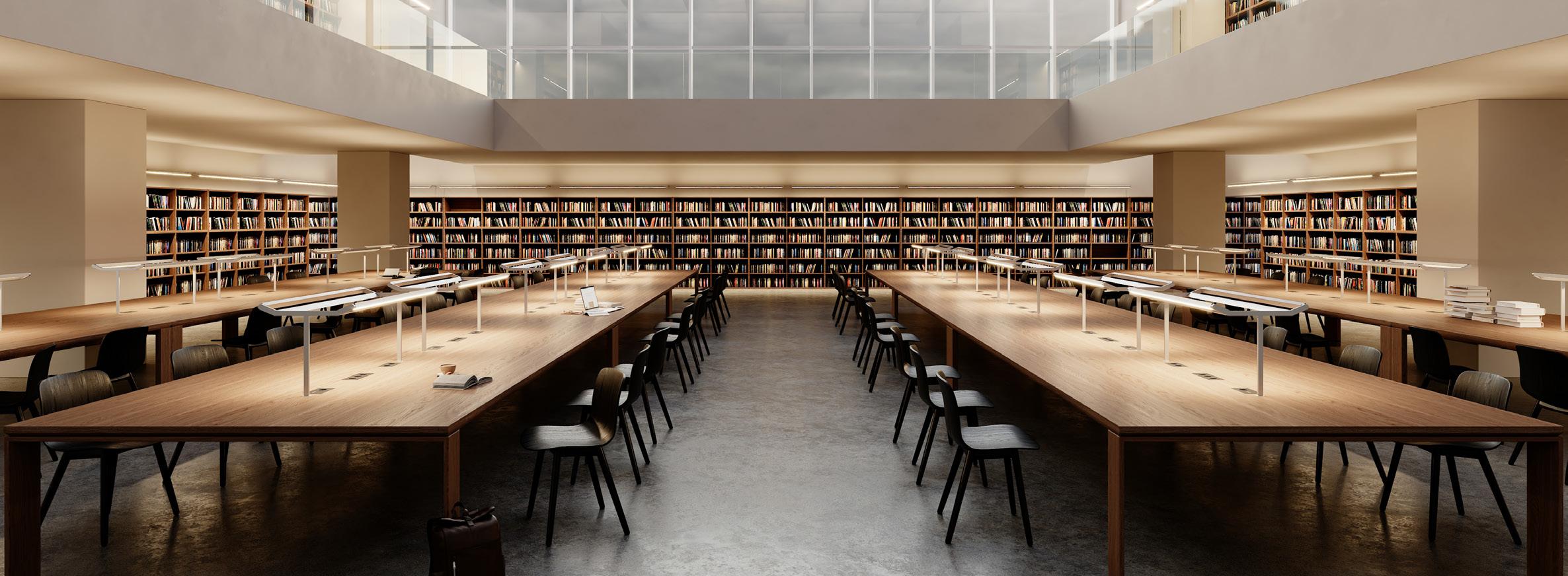
Meet POSH: the illuminated closet rod, reimagined.
Built with premium QTL light quality and color accuracy, POSH is available in Wall-to-Wall and Float options, with advanced features including Type Ill hardcoat anodized aluminum to resist scratches, leading load capacity, and hidden wireways for a clean architectural finish.
S T A Y I N F O R M E D . S T A Y A H E A D .
T o d a y i n L i g h t i n g ( T i L ) i s t h e
d a i l y b r o a d c a s t o f
E d i s o n R e p o r t ( E R ) a n d
d e s i g n i n g l i g h t i n g ( d l ) . B e i n
t h e k n o w i n 9 0 s e c o n d s o r l e s s !
H o s t e d b y R a n d y R e i d , T i L i s
p r e s e n t e d i n a u d i o a n d v i d e o
f o r m a t s w e e k d a y s a t 8 A M
E a s t e r n .
A v a i l a b l e v i a S p o t i f y o r
a n y w h e r e y o u l i s t e n t o
p o d c a s t s , t h e E d i s o n R e p o r t
Y o u T u b e c h a n n e l , o r
L i n k e d I n .
Perimeter vs. Wallgraze Lighting: Understanding Design & Application
Perimeter Wallgraze
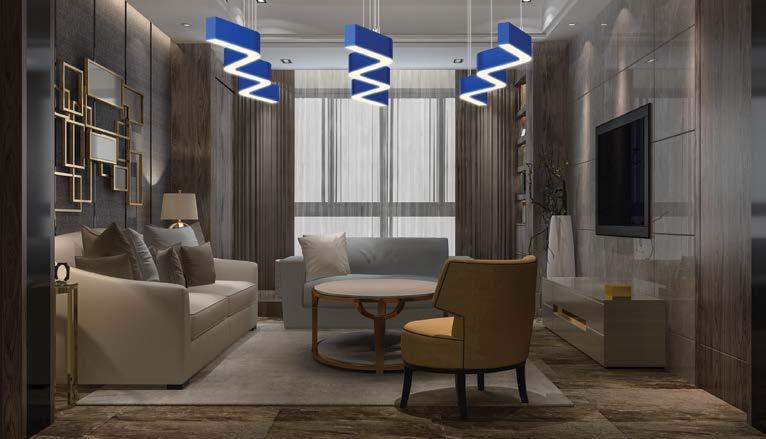
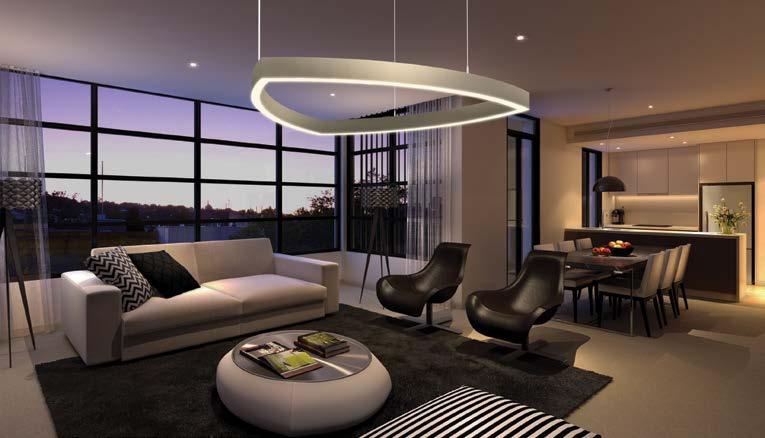
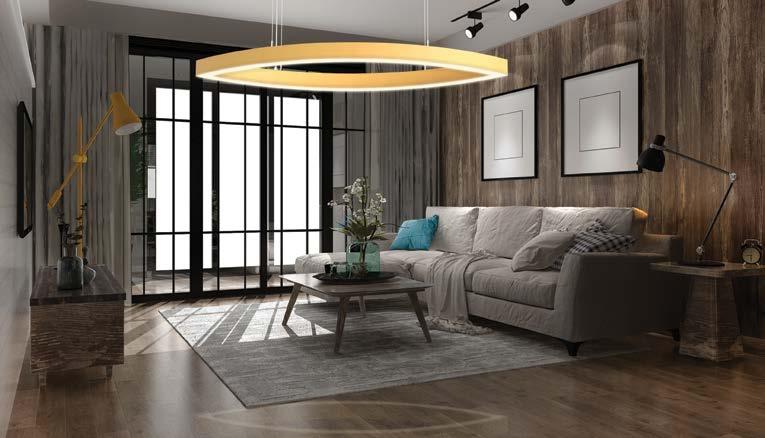
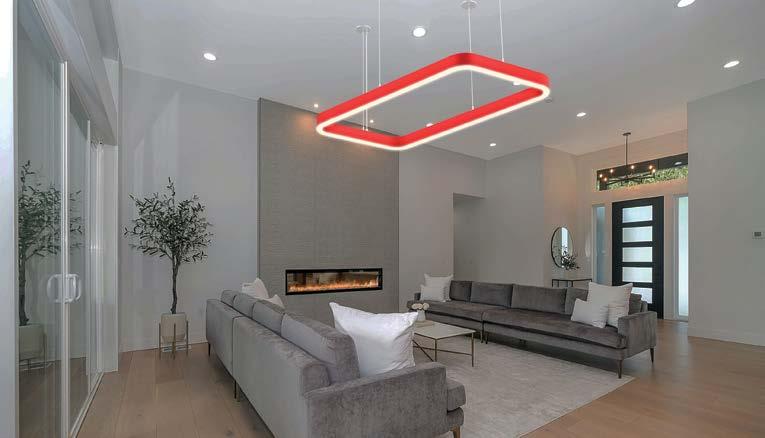
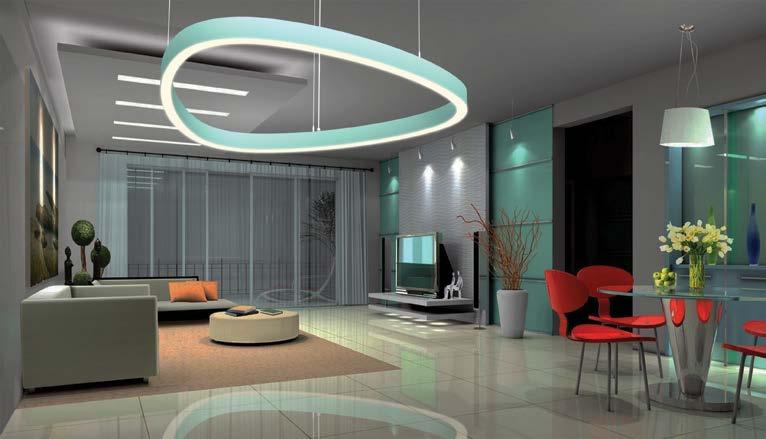
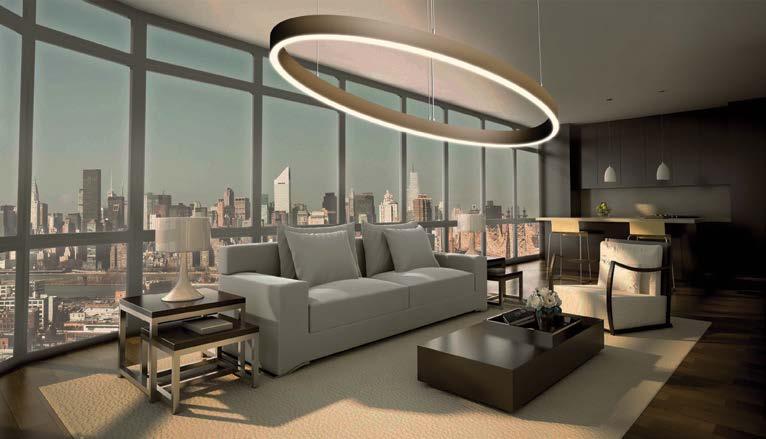
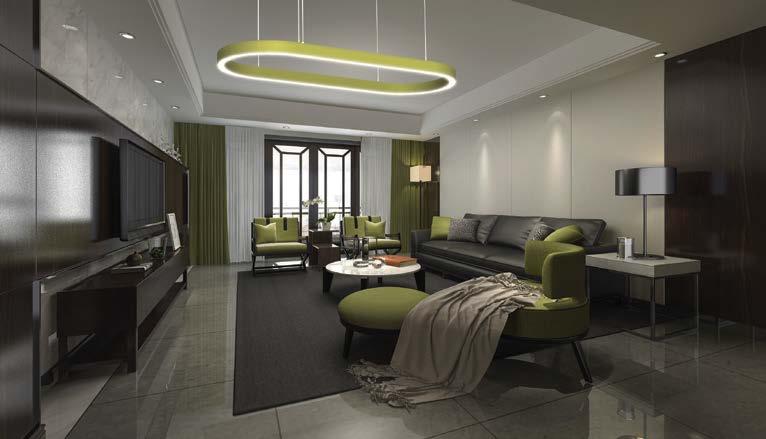

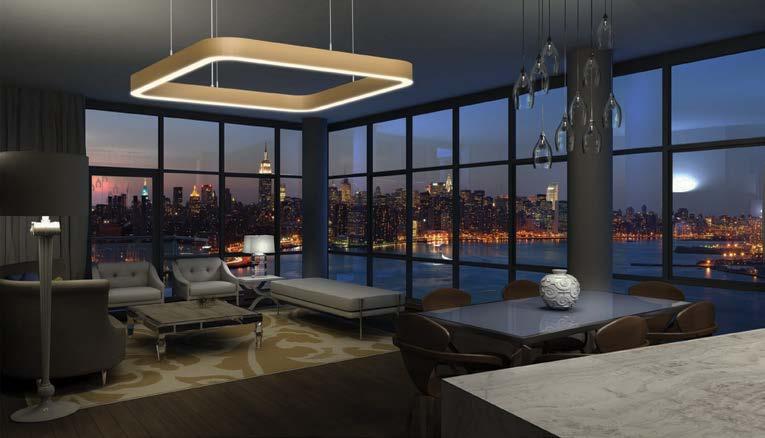
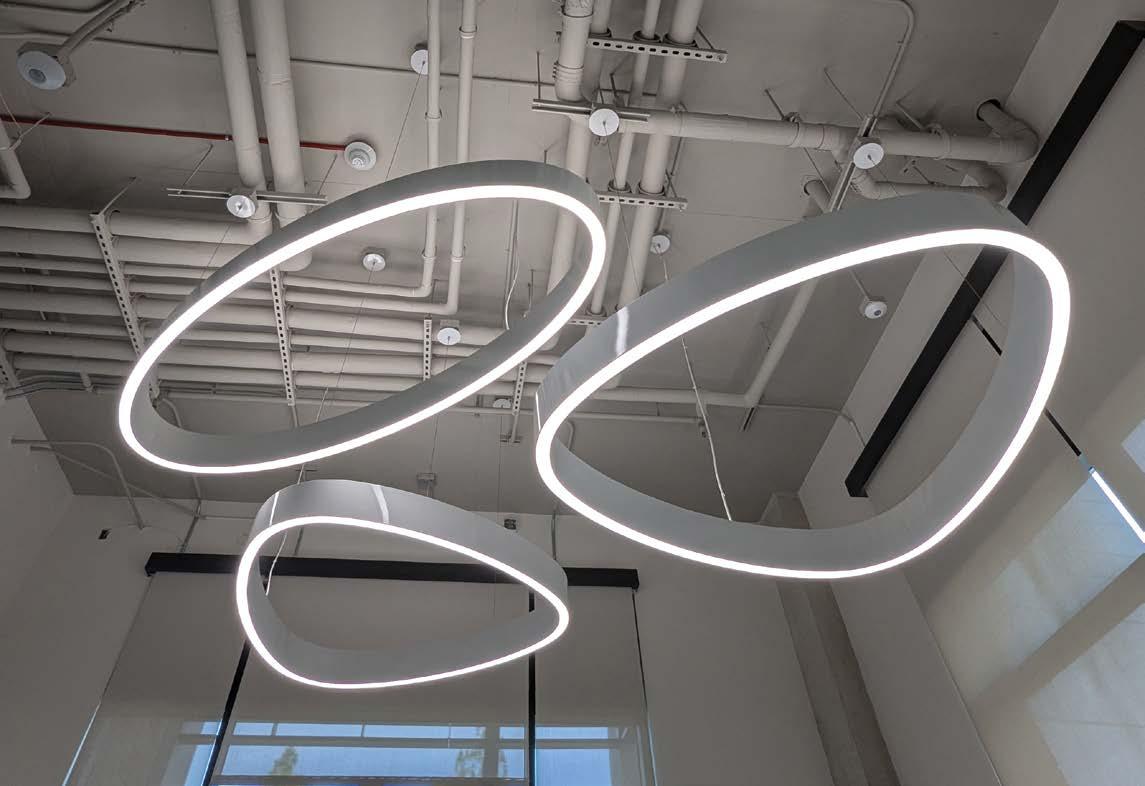

Tangent Shapes from VoksLyte. A new family of exquisite geometric luminaires. Available as a downlight pendant (Tangent Down), uplight/downlight pendants (Tangent UpDown), recessed (mud flange or exposed).
May be finished in any commercially available powder coat colors and real wood veneer (please contact the factory). Illuminated in a variety of options: whites, RGBW, tunable white or dim to warm. Entering our 39th year in business, and made entirely in the US in our Gaithersburg, MD factory.
Tangent Shapes: Plectrum UpDown (Direct/Indirect) & Ellipse UpDown (Direct/Indirect) UC Riverside Campus • Riverside, CA Designer: Solomon Cornwell Buentz
Rounded Square
Ocular
Wave
Reuleaux Triangle
Rhombus
Ellipse
Racetrack
Plectrum
Merging the art of metal and the science of light

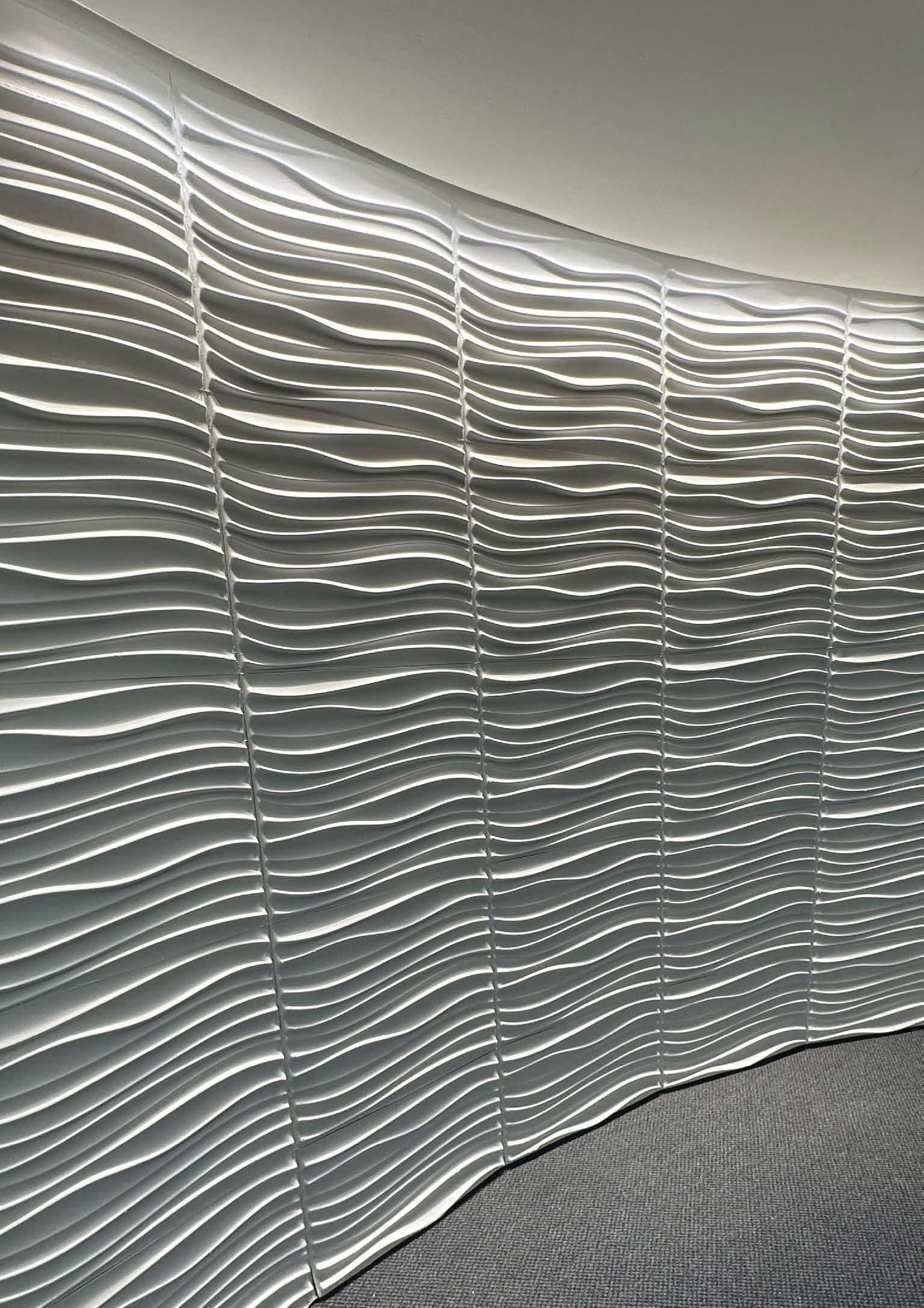
TA N GE NT Grazer
Custom-Curved Wall Grazer
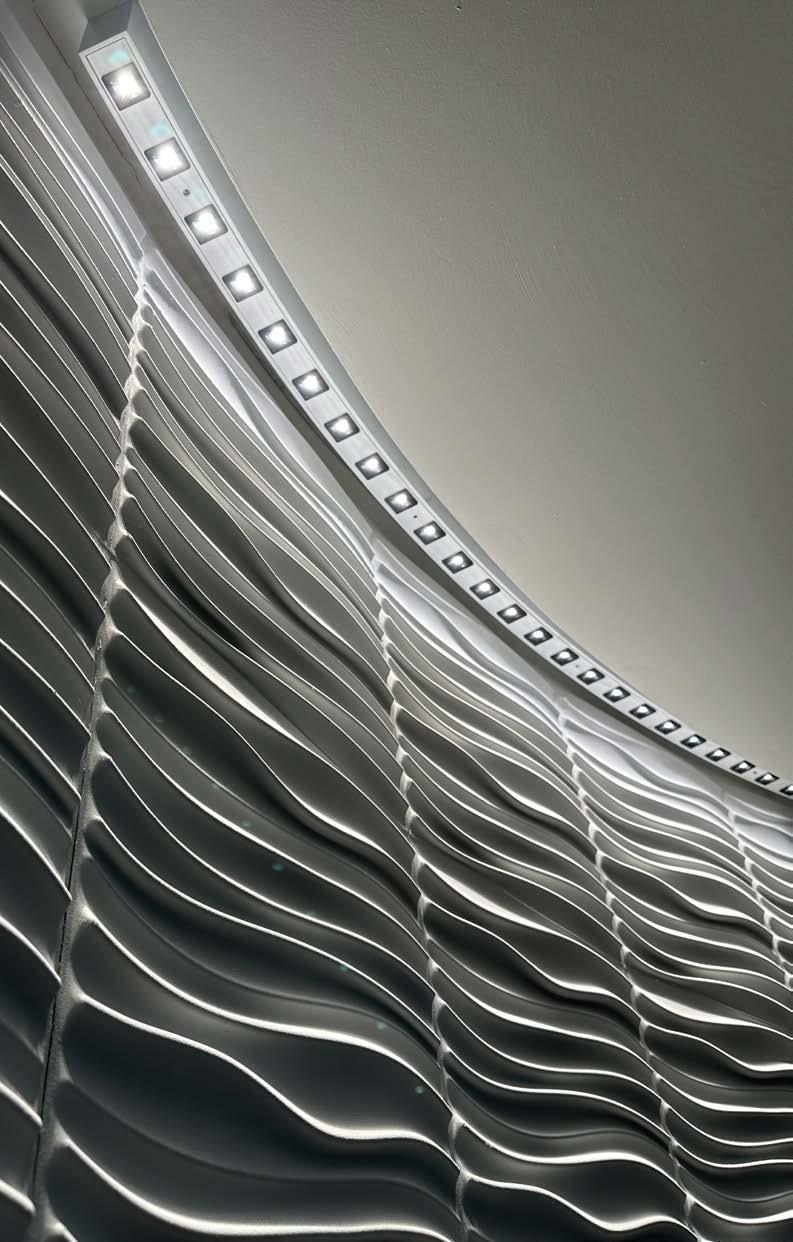
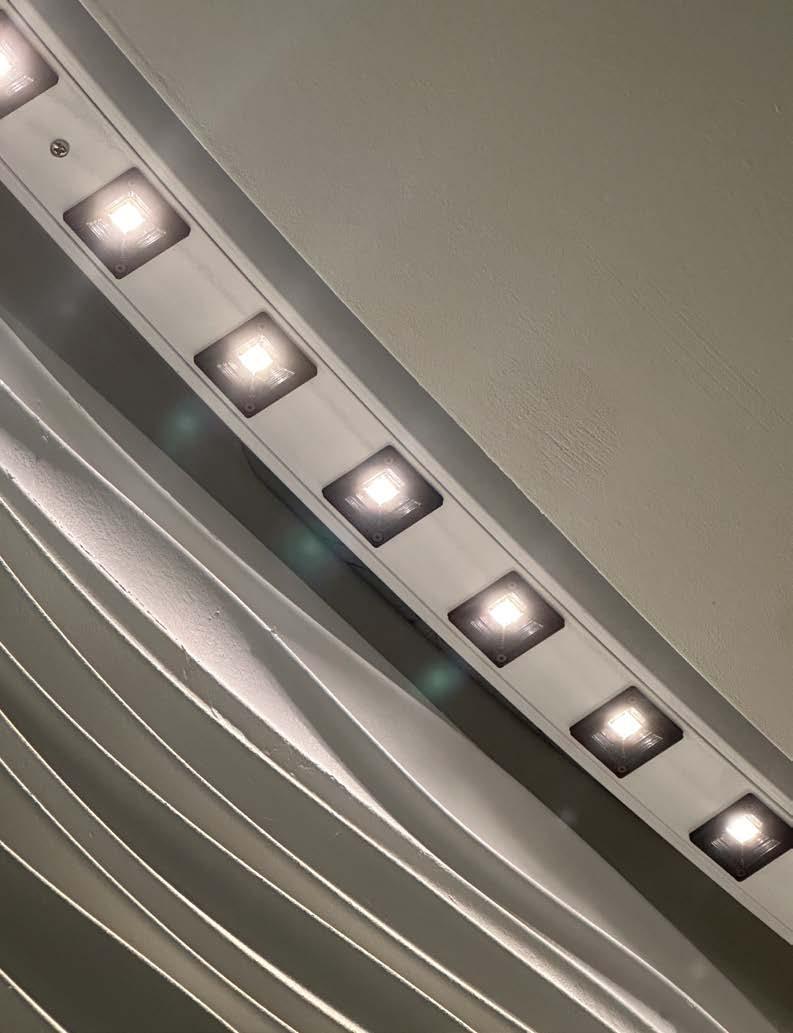
At last, a masterful solution to grazing curved walls. Tangent Grazer is factory-manufactured to any curvature or shape, in static or compound radii, or any rectilinear or curvilinear application. Made to fit your application perfectly, in both curvature and length. VoksLyte can provide overall lengths to the nearest 1/16” assuring that our curvatures and lengths will match your architectural requirements exactly.

As always, made entirely in the USA in our Gaithersburg, MD factory.
New from VoksLyte!
Inside the IES Progress Report Committee
By Megan Carroll
Since 1910, the IES Progress Report has tracked what's new and significant in lighting—not as an awards program, but as a rigorous, peer-reviewed record of innovation. Meet the volunteer committee that reads everything so you don't have to.
Light + Health
Tailored Morning Light To Improve Sleep, Fatigue, and Everyday Living in Parkinson’s Disease: A Follow-Up Study
By Mariana G. Figueiro, PhD
Sleep problems affect up to 90 percent of people living with Parkinson's disease. Researchers at Mount Sinai's Light and Health Research Center found that two hours of circadian-effective morning light—delivered through ordinary table and floor lamps—added 26 minutes of sleep and measurably reduced fatigue and depression.
Cover Story Cologne Cathedral
By Randy Reid
It took six years, a filmmaker-turned-lighting-designer, and hundreds of nights of observation to get the light right on one of Germany's most iconic landmarks. How Licht Kunst Licht AG earned the IALD's highest honor—and why the goal was never spectacle.



By Randy Reid
Far offshore, operators monitor wind farms around the clock in rooms where the screens never go dark and fatigue is always a factor. How do you design light that protects both alertness and sleep when you can't optimize both at the same time?
The Green Card Roadmap: A Guide for Lighting Firms
By Bridget Leary
The lighting industry runs on international talent—but keeping that talent means navigating a years-long immigration process that punishes even small missteps. Two attorneys and two lighting professionals break down exactly what employers need to do, and what it costs.

Stacie Dinwiddy, CLD, IALD, LC, LEED BD+C
Shirley Coyle, LC
Mariana G. Figueiro, PhD
Darren Luce, LC MIES
Megan Carroll

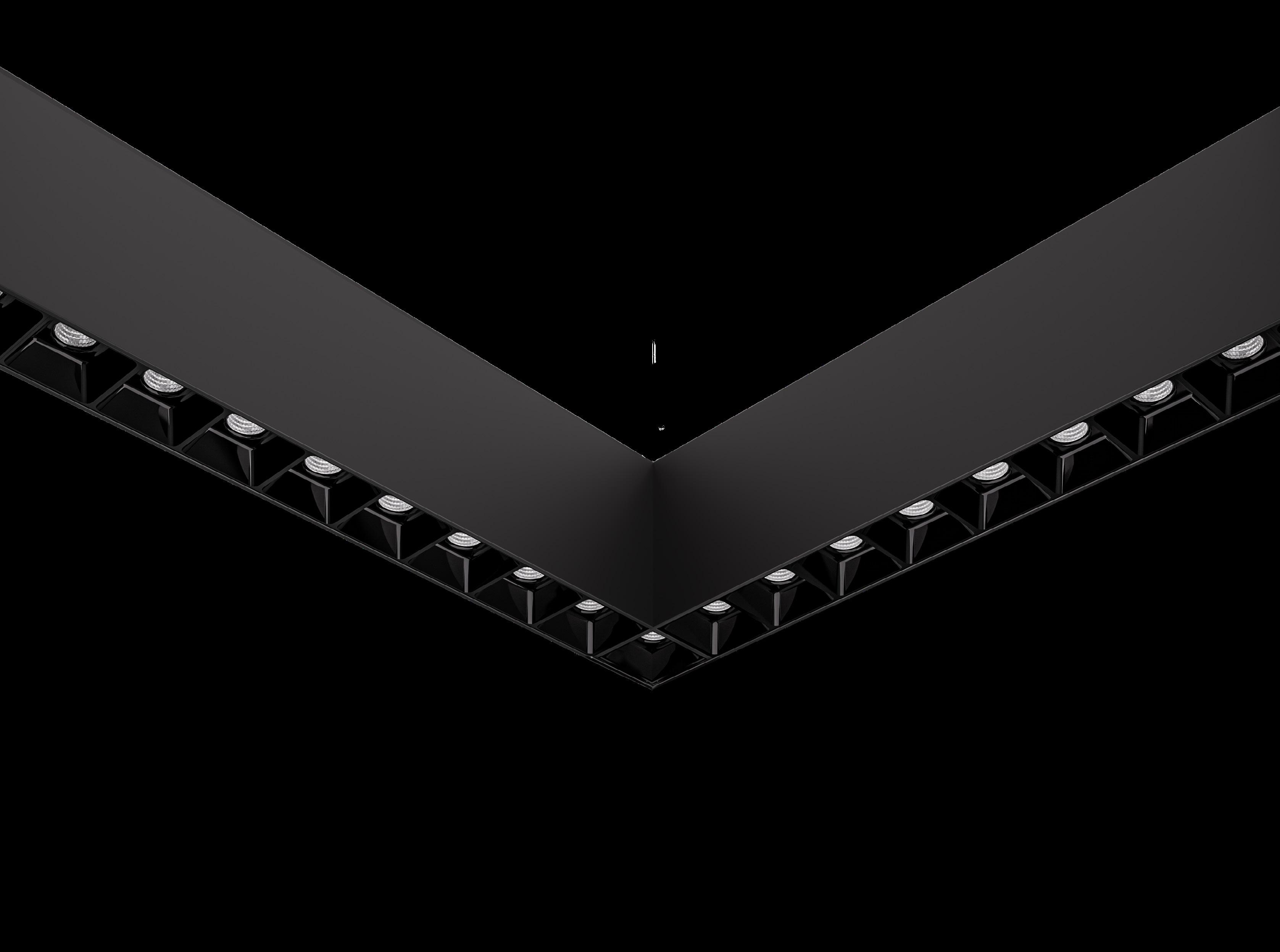
Comfort Vue by Amerlux sets a new standard for linear lighting, delivering industry-best visual comfort while maintaining outstanding performance.


Other Featured Products
We lead with lighting fixtures that deliver exceptional, timeless environments and promote human safety and well-being. Precision engineering, robust construction, and sustainable practices are behind our every success. We are driven by unstoppable scientific curiosity and relentless intellectual passion. We are ...lighting iQ rising.

Opening the Edge: Lighting a Community Back Together
At a New York City public housing campus, decades of disinvestment had turned a community green space into a fenced-off void. Lighting designer Kate Hickcox spent years listening to residents before placing a single fixture—and what she learned changed how she thinks about what light is actually for.
Dean Skira Challenges the Lighting Design Process
What if the industry has been designing outdoor lighting backwards for decades— choosing fixtures first and calculating later? Dean Skira thinks so, and he's built an AIdriven platform called Taman to prove it.
The Human Factor: What Twenty Years in Lighting Have Taught Me About Collaboration
By Stacie Dinwiddy, CLD, IALD, LC, LEED BD+C
Twenty years into a career designing lighting for luxury residences, Stacie Dinwiddy has come to believe that the projects most likely to fall short aren't lacking in technical skill—they're lacking in trust. On the soft skills that quietly determine whether a project reaches its potential.
Healthy Lighting as a System: Lawrence Lin’s Vision for the Industry
Current standards measure flicker at the face of a luminaire. But people don't experience light that way. Lawrence Lin of the Good Light Group explains why healthy lighting can't be reduced to a single product—and why the U.S. is largely missing from the conversation.
Rep’s Perspective
The Real Work of Value Engineering – A Collaborative Approach
By Darren Luce, LC MIES
There's a difference between value engineering and substitution—and most lighting designers know which one they're usually handed. Darren Luce makes the case for a more transparent, collaborative process, and explains why the rep still in the room when changes are being made may be the most important person on the project.
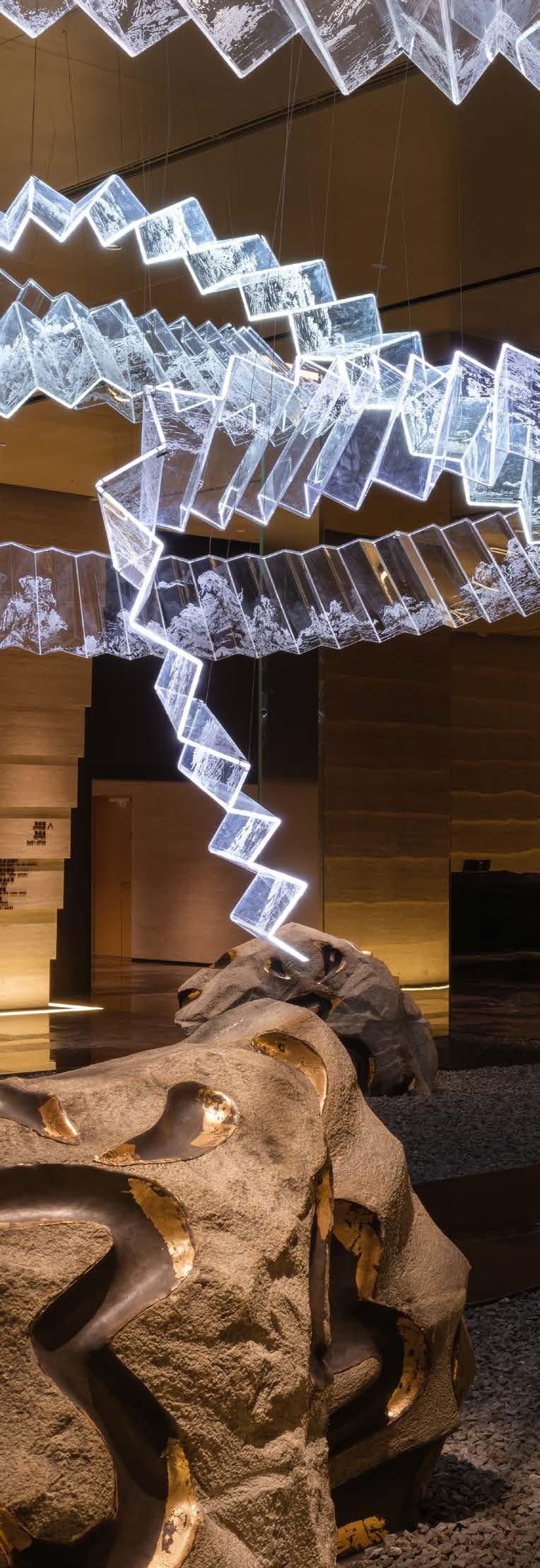
Hilton Niushoushan Nanjing, China
Photo Credit: © Fei Yan
Illuminated with Innovation and Purpose.
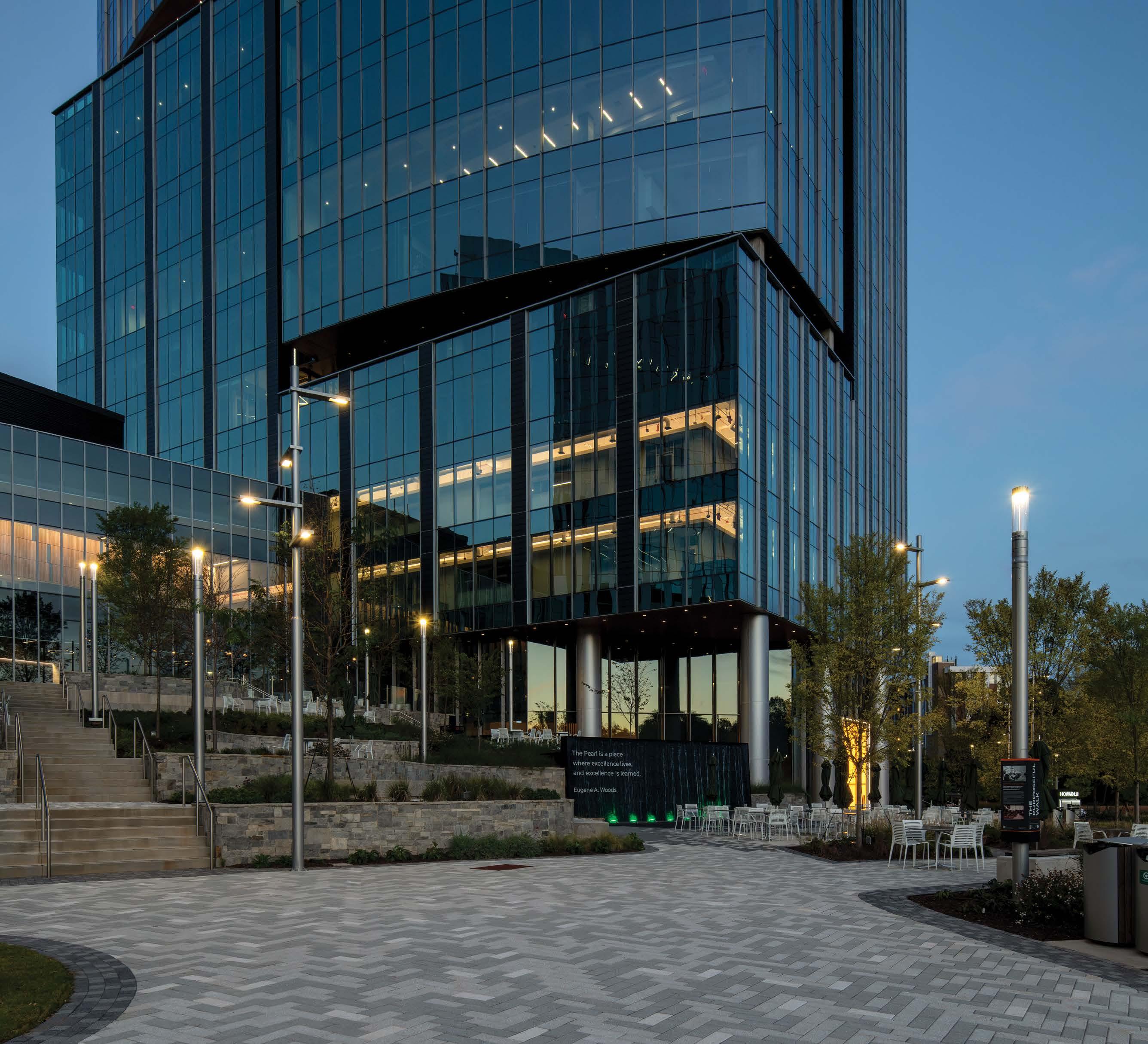
Rama area lights and SHUFFLE lights define the Pearl Innovation District’s public realm with clarity and purpose. From open plazas to integrated safety and wayfinding, the district stays connected and vibrant from day into night.
The Pearl Innovation District | Charlotte, NC
Rama Area Lights, SHUFFLE
Landscape Forms |
A Modern Craft Manufacturer
Editorial Director: Randy Reid
Publisher: Cliff Smith
Contributing Writers:
Shirley Coyle
Lead Contributing Editor
President, Cree Lighting Canada
It’s LEDucation Time!
In its 20th year, LEDucation continues to evolve in thoughtful ways. This year’s introduction of designer hours on Tuesday—9:00 to 11:30 a.m.—is a smart move. It gives designers space to engage early, before the aisles fill and the pace accelerates. The committee deserves credit for recognizing how people want to experience the show and making an adjustment that should improve the overall flow.

Principal, RELEVANT LIGHT Consulting Inc.
Vilma Barr
Contributing Editor
Staff Writers: Bridget Leary
Ellie Noblin
Smita Shanbhag
Published by EdisonReport
1726C General George Patton Dr. Brentwood, TN 37027
Phone: 615-371-0961
designinglighting.com
designing lighting is focused on the Business of Lighting Design™ and provides business information to the lighting design community. In addition to the website, designing lighting publishes bi-monthly online magazines featuring original content, interviews within the community and highlights successful award winning lighting designs. While designing lighting is based in the U.S., it has contributors from Europe and is developing a global presence. ISSN: 3066-9111.
Statements and opinions expressed in articles and editorials in dl are the expressions of contributors and do not necessarily represent the policies or opinions of the EdisonReport. Advertisements appearing in the publication are the sole responsibility of the advertiser.
The goal is simple: make the show feel less rushed. Those first two and a half hours should allow people to breathe a bit. To have real conversations. To see products without feeling like they are fighting through a crowd.
At times, LEDucation feels like airport check-in at peak hour—not one long line, but clusters of people shoulder to shoulder, waiting their turn. There’s no structure, just density. You’re not in line, yet you’re still waiting—deciding whether to stay or move on.
The designer hours should soften that effect. Not eliminate it—but ease it.
Looking ahead, the move to a three-day format in 2027 follows that same philosophy. More time. Better flow. Fewer moments where you feel like you’re standing at TSA just to get a closer look at a booth.
We are taking a similar approach with EdisonReport’s 11th Annual Lifetime Achievement Awards
For years, the challenge has never been finding people to honor. It has been narrowing the list. Each year, the committee can easily identify 30 individuals who have made a meaningful impact on this industry. The list is deep. The contributions are significant. The decisions are difficult.
In past years, we tried to accommodate more. We aimed for 10 honorees and even reached 12 in 2024. But the result was an evening that felt compressed. Honorees were being celebrated, but the pace worked against the moment. People were watching the clock. Guests were slipping out early to make dinners or other events. It never felt quite right.
This year, we made a deliberate decision: a firm cap of six honorees.
Not because there are only six deserving individuals—but because there are so many. By limiting the number, we can give each honoree the time and attention they deserve. We can slow the pace. We can let the room settle into the moment instead of rushing through it. A special thank you to our nominating committee: Donny Wall, Nancy Stathes, and Ann Schiffers
We’ve also moved the start time to 5:00. Many of our honorees and guests are also speakers or participants in LEDucation events, and their schedules are tight. Starting earlier allows us to finish earlier. It respects their time and allows them to enjoy the evening without feeling pulled in multiple directions.
And when the program concludes, the evening continues naturally. By co-locating with WILD, our honorees and guests can step directly into another gathering of friends and colleagues. No rushing across town. No logistical friction. Just a continuation of the celebration.
If LEDucation has found ways to improve flow and reduce the sense of rush, we believe it’s worth doing the same.
We also want to thank our friends at Parsons—The New School for once again providing the perfect setting for this event, and our presenting sponsor, QTL ■

ONLine Linear is designed for elegance and performance, integrating seamlessly into any LSI Track System to deliver smooth, optimal distributions of light.
Fully compatible with all LSI Track Systems
0-10V, DMX or Phase Dimming Option
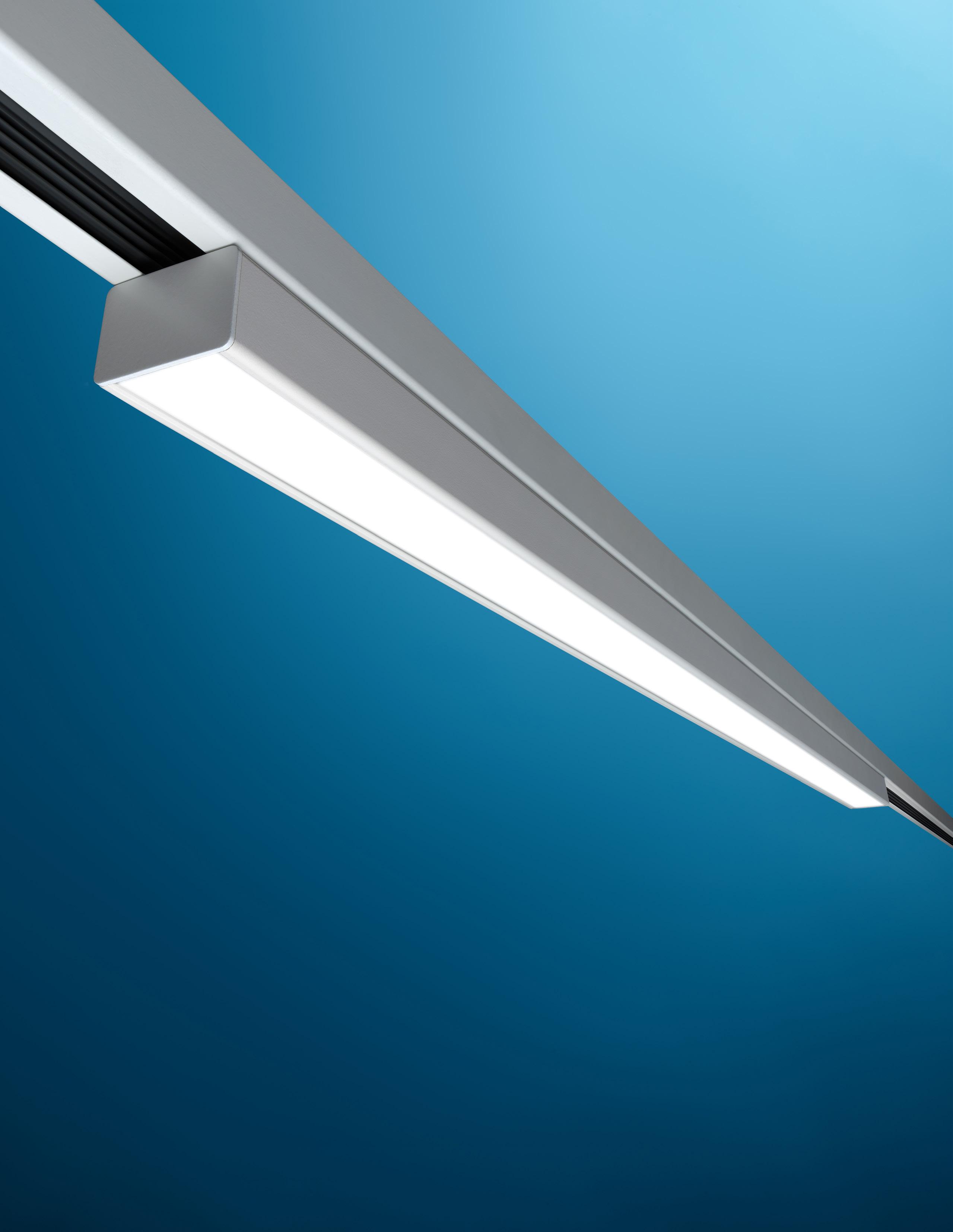
2 FT (23 Watts, 3400 Lumens) or 4 FT (46 Watts, 6800 Lumens)
40º, 60º, 70º, 110º, 165º Batwing or Wall Wash Asymmetric Distributions
Discover the art of lighting — visit our website or scan the QR code below.


IES ANNOUNCES CALL FOR ENTRIES FOR THE
2026 Industry Progress Report
By MEGAN CARROLL IES Director of Marketing and Business Development
DENVER, CO — The Illuminating Engineering Society (IES) has officially opened its Call for Entries for the 2026 IES Industry Progress Report, inviting lighting manufacturers, researchers, and innovators to submit their most forwardthinking products, systems, and research. The annual report showcases significant advances that demonstrate meaningful progress in the lighting industry.
The program is open to organizations and individuals involved in lighting design, manufacturing, product development, and research. Submissions must represent innovations commercially introduced or completed after the 2025 reporting cycle and should show measurable advancement in performance, efficiency, design, or application.
Eligibility categories include:
• Luminaires, lamps, and lighting equipment
• Controls, sensors, and integrated systems
• Optical, thermal, or material innovations
• Research studies, methodologies, and data contributing to lighting science
Key Dates
• Submission Portal Opens: April 13, 2026
• Early Bird Deadline: April 26, 2026
• Submission Portal Closes: May 8, 2026
All submissions must include a detailed description, technical documentation, high-resolution imagery, and any optional supplemental materials such as test data, videos, or case studies.
Entry Fees
• NonMember Early Bird (until April 26): $250
• Member Early Bird (until April 26): $200
• NonMember (after April 26): $350
• Member (after April 26): $300
Fees must be paid at the time of submission through the IES online entry portal.
The Industry Progress Report is presented annually during the IES Conference and highlights innovations shaping the future of the lighting sector. Selected entries receive global visibility and recognition among lighting designers, engineers, researchers, manufacturers, and educators.
How to Submit
Full entry guidelines and access to the submission portal are available on the IES website. For questions, applicants may contact the IES Industry Progress Committee through the portal.
Inside the IES Progress Report Committee:
The IES was established in 1906. This column will showcase some of the more than 45+ committees of the IES; what they do; what their mission is; why they do it. These volunteer members serve their peers, competitors & colleagues, making the IES truly a member driven community.
The IES Progress Report Committee
What is the Progress Report?
The first Progress Report was published in 1910.
The Committee’s mission is to keep in touch with developments in the art and science of lighting worldwide and prepare a yearly report of these significant achievements for the Society.
The Progress Report is not an Awards Program. Submissions are not scored or ranked.
Acceptance into the Report is based on an impartial evaluation process used by the Committee to assess each submission on its uniqueness, innovation, and significance to the lighting industry.

The unique qualifications, diverse professional experiences & intellect of the committee members provide the rigor, discipline & objective analysis required for the arduous submissions review process. Members’ areas of expertise include educators, manufacturers, lighting designers, sales representatives, researchers, optical engineers
The Committee: average tenure is 16 years. Why?
Serving on the Committee broadens and deepens my professional experience by connecting me with industry leaders, offering realtime insight into innovation, and helping me stay current with emerging lighting technologies and practices.
Gregg Adams, IALD, IES, LEED AP BD+C Jacobs
Sr. Lighting Designer
IES Industry Progress Report Committee – Chair

My involvement has allowed me the opportunity to collaborate with a diverse group of engineers, architects, lighting designers, and manufacturers—gaining a unique perspective on how each discipline evaluates emerging products. This engagement has provided a rare, behind-the-scenes look at the rigor, discussion, and critical thinking behind every submission, deepening my understanding of the balance between innovation, application, and performance across the lighting community.
Shelly Prew
Specification Sales Manager, Cooper Lighting
President – IES Detroit Section 2025-26
Being part of the Committee has been one of the most meaningful things I’ve done in my career. Every year, I spend hundreds of hours with the smartest people in lighting, reviewing the newest ideas and technologies shaping our industry. It’s intense, but the conversations and level of innovation are genuinely energizing. More than anything, it’s the people—thoughtful, generous, and deeply committed to the profession—that make it so impactful. There’s a reason so many of us stay involved for decades.


On navigating UV technology during the pandemic: The committee faced a genuine reckoning when germicidal and near-UV technologies surged during the pandemic. We had substantive discussions about whether recognizing these advances might be read as a blanket endorsement — and, critically, how to safeguard against misapplication. The result was a dedicated seal and disclaimer for germicidal technology, underscoring that a qualified lighting designer must be involved to ensure proper use. It was the committee at its best: thoughtful, responsible, and consequential.
Shaun Fillion RAB, NYSID Educator

Ardra Zinkon, CLD, IALD President I Director of Lighting Design
Zinkon Creative Studio
Committee Members
Anthony Serres
Mark Benguerel
Dyke Riffle
Edwin Rambusch
Howard Lewis
Jay Eissner
Jered Widmer
John Green
Kenneth Schutz
Kristin Bernick
Markus Earley
Michael Lunn
Paula Ziegenbein
Richard Leeds
Robert Cilic
Shaun Fillion
Shelli Sedlak-Mejia
Tejal Thakur
Basar Erdener
Mark Lien

Hundreds of members have volunteered thousands of hours over the past 120 years to the IES, contributing to the Society’s recognition as the technical and educational authority on illumination. We are deeply grateful for their contributions. Their volunteerism makes an impact worldwide. That’s a legacy!
To learn more about the many committees of the IES, visit us here: https://ies.org/about/ committees/

TRADE SHOW AND CONFERENCE YEARS


Tailored morning light to improve sleep, fatigue, and everyday living in Parkinson’s disease — A follow-up study
By MARIANA G. FIGUEIRO, PHD Light and Health Research Center at Mount Sinai
Sleep disturbances are among the most common nonmotor symptoms in Parkinson’s disease (PD), affecting up to 90% of individuals living with the illness. These difficulties—ranging from trouble falling asleep and frequent awakenings to restless legs and vivid dreams—often coexist with fatigue, a pervasive physical or mental exhaustion that is not relieved by rest. Importantly, fatigue and sleepiness are not the same
thing. Many people with PD report profound fatigue even when they do not feel sleepy, and the consequences for everyday living and overall health can be substantial.
At the center of these challenges is the body’s internal clock— the circadian system—which coordinates timing of sleep and waking alongside daily rhythms in hormone release, body
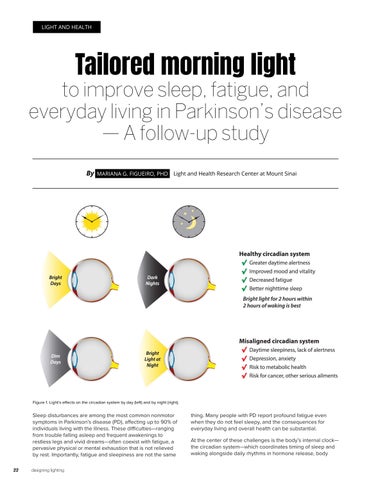
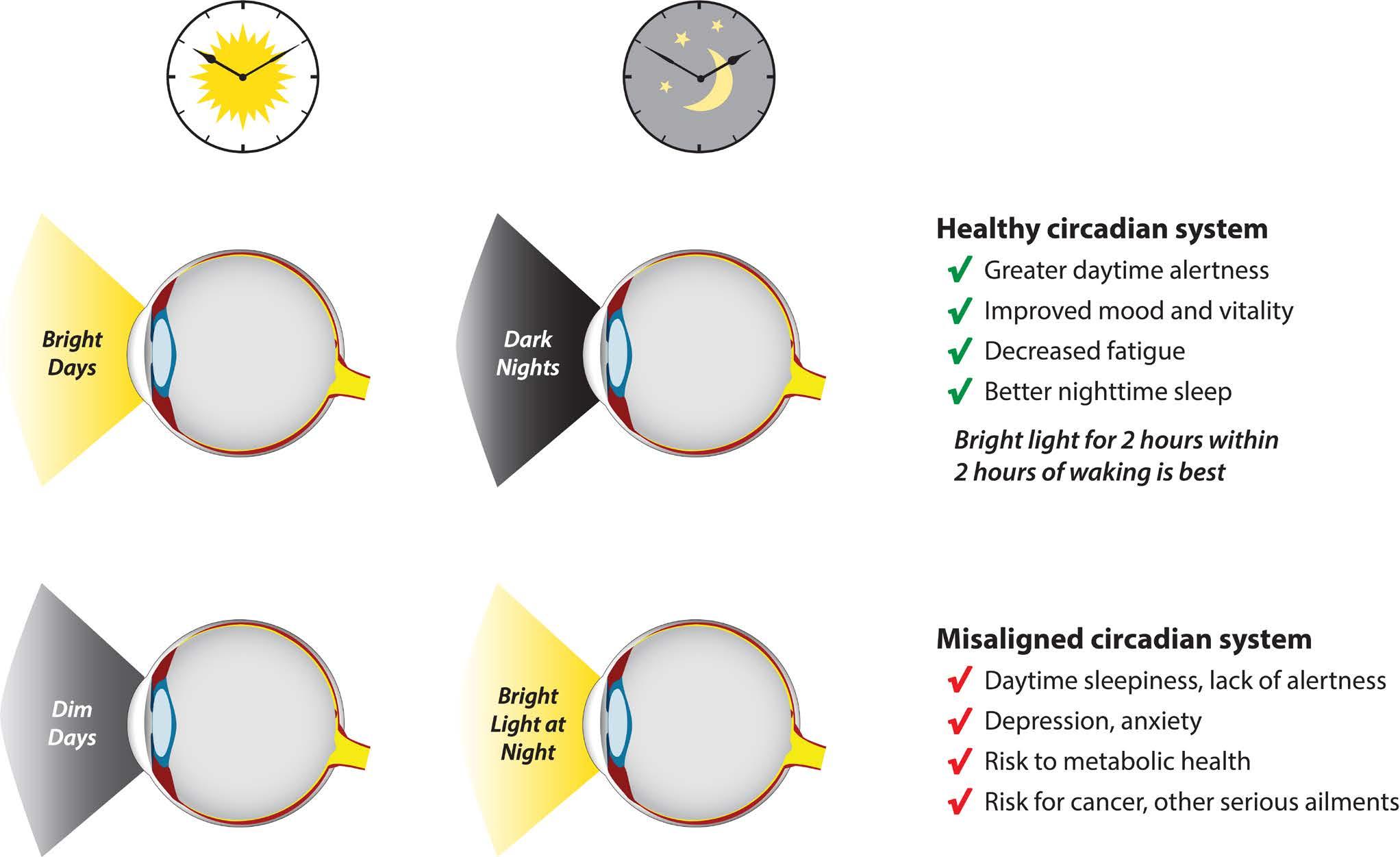
Figure 1. Light’s effects on the circadian system by day (left) and by night (right).
temperature, and numerous other bodily and behavioral processes. When the circadian clock is misaligned with the outside world, sleep and daytime functioning suffer. Light is the primary signal for synchronizing this clock; too little light by day or too much light at night can disrupt circadian timing and amplify sleep problems and fatigue in people living with PD (Figure 1).
A low-burden lighting approach: Circadian-effective morning light
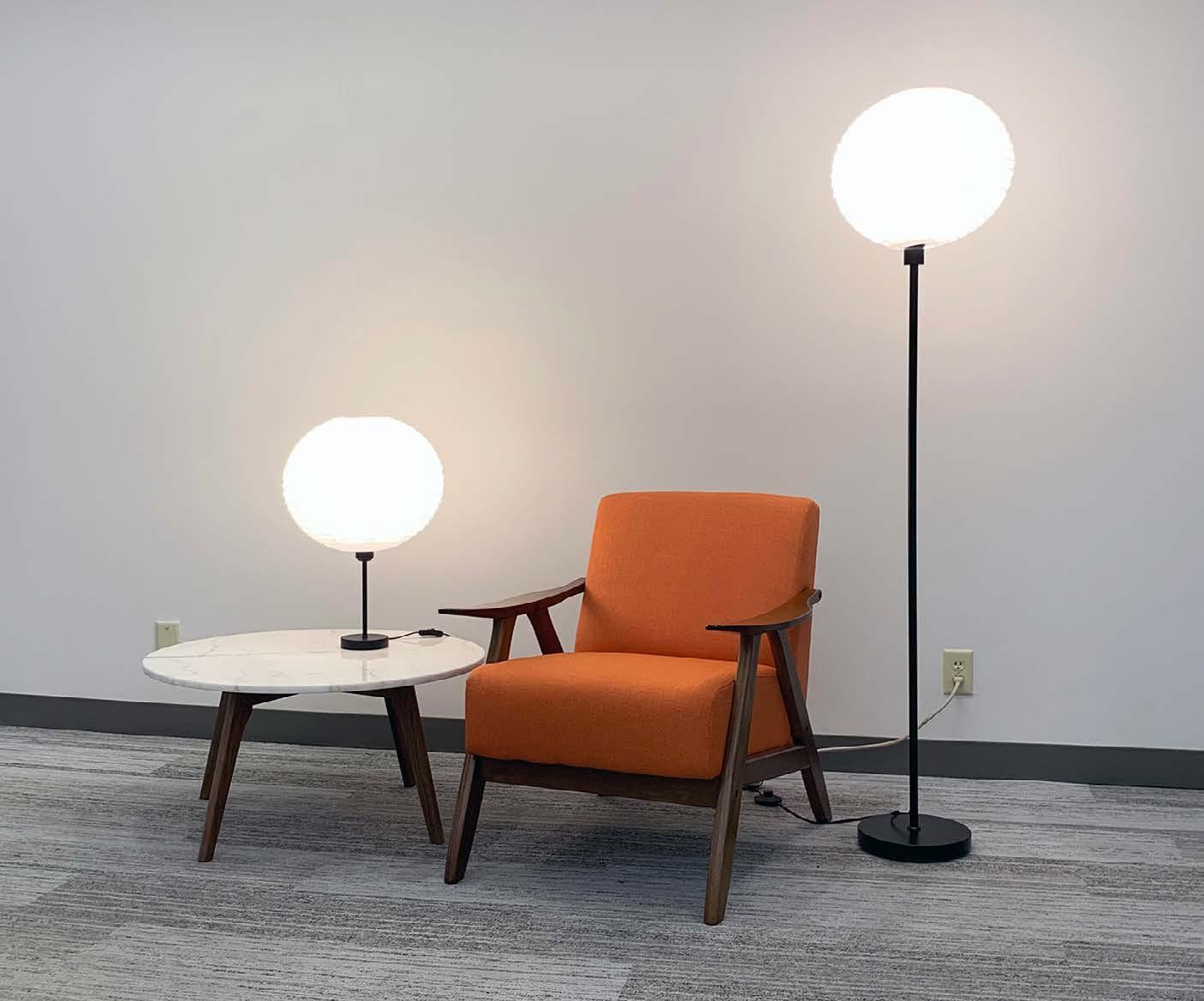
Conventional bright-light therapy often requires patients to sit in front of a light box, which can be uncomfortable and burdensome. In contrast, our tailored lighting intervention (TLI) uses plug-in ambient lamps engineered to deliver circadian-effective light that is tuned to optimally stimulate the eye’s circadian photoreceptors, thus avoiding high
brightness and dedicated “lightbox time” (Figure 2). The participants in our study received two hours of morning light, scheduled to turn on at their preferred time within two hours of waking, allowing the TLI to become part of their normal home environment rather than an extra task to perform.
This work extends earlier findings showing similar lighting benefits in Alzheimer’s disease and related dementias and in a small PD cohort, reinforcing the idea that getting the right amount of light at the right time can help reset and strengthen circadian rhythms.
What we did
We enrolled 43 participants with PD, objectively measuring their sleep with wrist-worn actigraphs (activity-tracking devices that resemble a smartwatch) and collecting their subjective assessments of sleep quality, fatigue, mood, and anxiety via questionnaires both before and after a four-week TLI.
What we found
The participants showed a statistically significant (p = 0.012) ~26-minute average increase in total sleep time following the TLI (Figure 3A). Average fatigue scores improved significantly (p = 0.0033), suggesting that the intervention not only extends sleep but also alleviates the debilitating sense of exhaustion that is common in those living with PD (Figure 3B). We also observed a significant (p=0.034) reduction in depressive symptoms (Figure 3C), consistent with the interconnectedness of circadian rhythms, sleep, and mood.
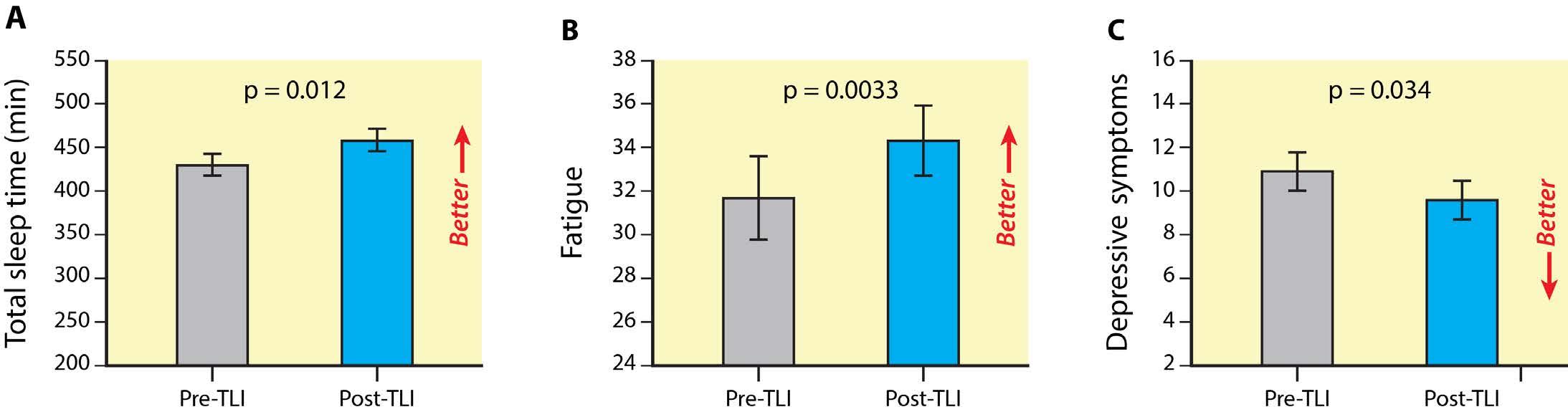
3. Sleep duration (A), fatigue (B), and depressive symptoms (C) recorded before and after the four-week TLI for the study’s 43 participants. Their average total sleep time (in minutes) and average fatigue scores were significantly greater (see p values) post-TLI compared to pre-TLI. Participants’ depressive symptoms also significantly declined over the same period. Fatigue was assessed via the Functional Assessment of Chronic Illness Therapy-Fatigue Scale, which is a standard measure of fatigue and its impacts on daily activities in chronic illnesses. Depressive symptoms were assessed via the Hamilton Depression Rating Scale, which is widely used in clinical and experimental settings.
Figure
Figure 2. Examples of the table and floor lamps used to deliver the TLI to participants in the LHRC’s studies.
The lighted environment is central to health
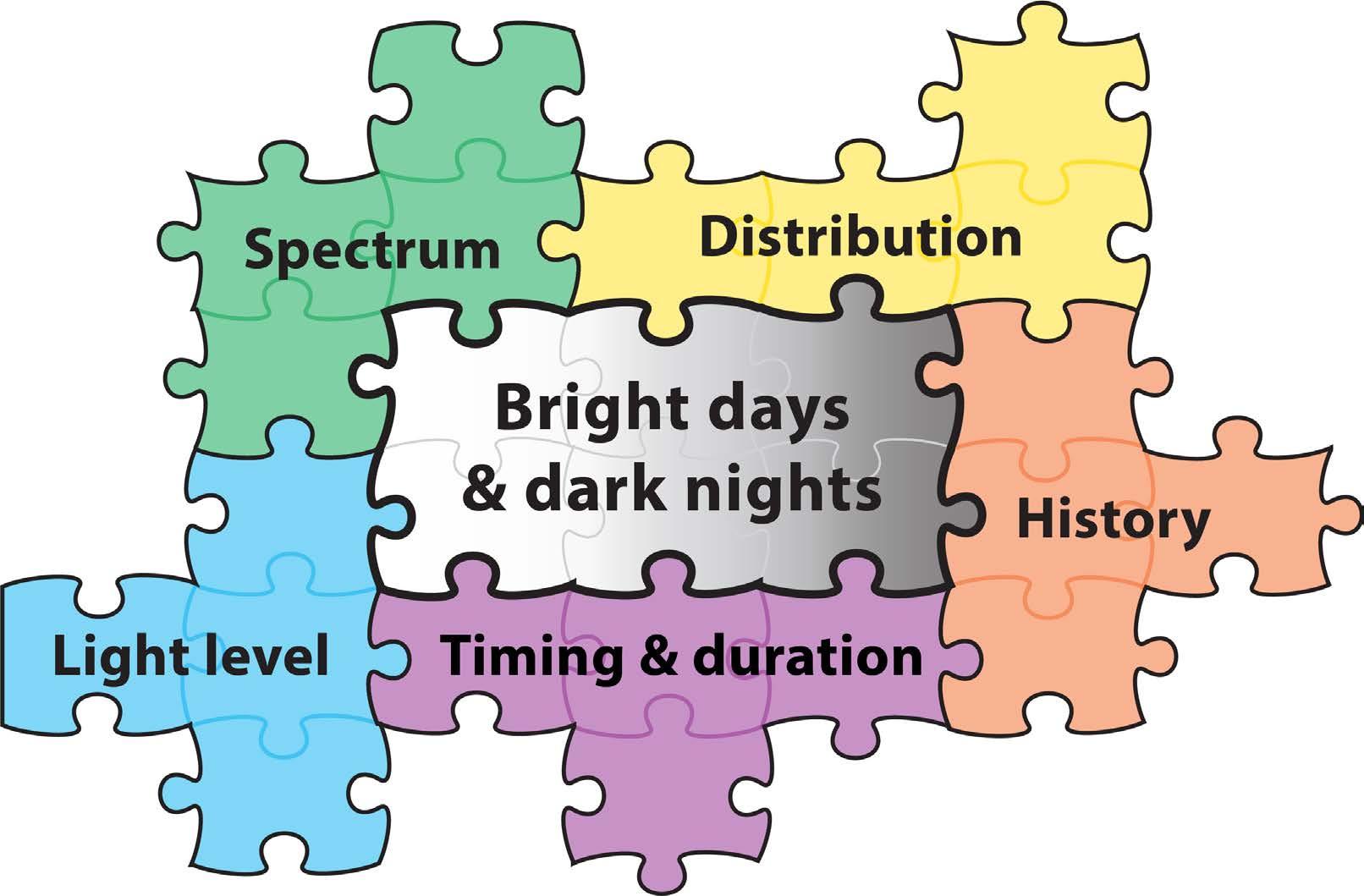
In closing, we at the LHRC offer the following design principles and practical guidelines, which are rooted in the lighting characteristics needed to affect the circadian system and puzzled together from theoretical, laboratory, and field research (Figure 4). Together, these points underscore that lighting should be considered an integral part of healthcare rather than a supplement or afterthought.
Design principles
• Timing matters! Providing ample circadian-effective (i.e. bright) light shortly after wake time (preferably within two hours, at the latest) will reinforce morning alerting signals and anchor the biological clock. Lights should be dimmed as twilight approaches and rooms should be dark for sleep. The light-dark pattern, and not just the light itself, is crucial for circadian system timing.
• Make it effortless! Automate the lighting to align with wake and sleep times. Simple, scheduled controls that energize the lighting every morning at the same time and lower it in the evening will reduce users’ effort and improve their consistent compliance with the TLI. Choose solutions that “live” in the environment so the therapy happens without needing to sit in front of a device or having to remember to turn on the lights.
• Think beyond the ceiling! Ambient plug-in lighting provides light “at the eye” (i.e. vertical illuminance, as opposed to horizontal illuminance) more efficiently than hardwired ceiling lights. It is economical to install, easily positioned close to users’ eyes, and readily integrates with existing décor. It also helps to avoid the user burden and discomfort glare often caused by conventional light therapy boxes or by very bright lights coming from the ceiling.
• Light level matters more than spectrum! Warm
lighting (e.g., 3000 K) can be circadian effective, but lamp (or bulb) light output should total at least 3000 lumens. Make sure to hide the source with translucent diffusers.
• Proximity matters! Position the lamp (or fixture) no farther than an arm’s length from the eyes. Proximity ensures that users receive a sufficient dose of light at the eye.
Practical guidelines
• Start with the morning light. Open the window shades upon waking, drink your first cup of coffee on the porch, turn on lights around you when reading your morning newspaper. Prioritize light at the eyes.
• Keep it regular. Regularity is very important for the circadian system. Plan to receive bright days, dim evenings, and dark nights daily. Automation helps to establish a reliable routine, but controls don’t need to be complex. Try to wake up and go to bed at the same times every day.
• Get a dog. A dog will keep you on a consistently timed schedule and force you to venture outdoors first thing in the morning.
• Benefits go beyond sleep. Improvements in sleep and fatigue may also support mood and daily engagement, amplifying quality-of-life benefits.
Passively and consistently integrating circadian-effective light into daily routines can transform anyone’s living space into a circadian-supportive, therapeutic lighted environment, whether they are a patient or otherwise healthy person in a clinical care setting or living at home. After all, very few of us are entirely free of the nonmotor symptoms our research targeted in this PD patient population, and all of us can reap the TLI’s substantial benefits for the quality and timing of sleep, daytime energy, and mood. ■
Figure 4. The lighting characteristics affecting the circadian system that have been puzzled together from theoretical, laboratory, and field research.
Where Light Shapes Every Moment
GLOW WITHOUT SPECTACLE: Lighting Cologne Cathedral with
Precision and Respect
RANDY REID By Photo credit: HGEsch
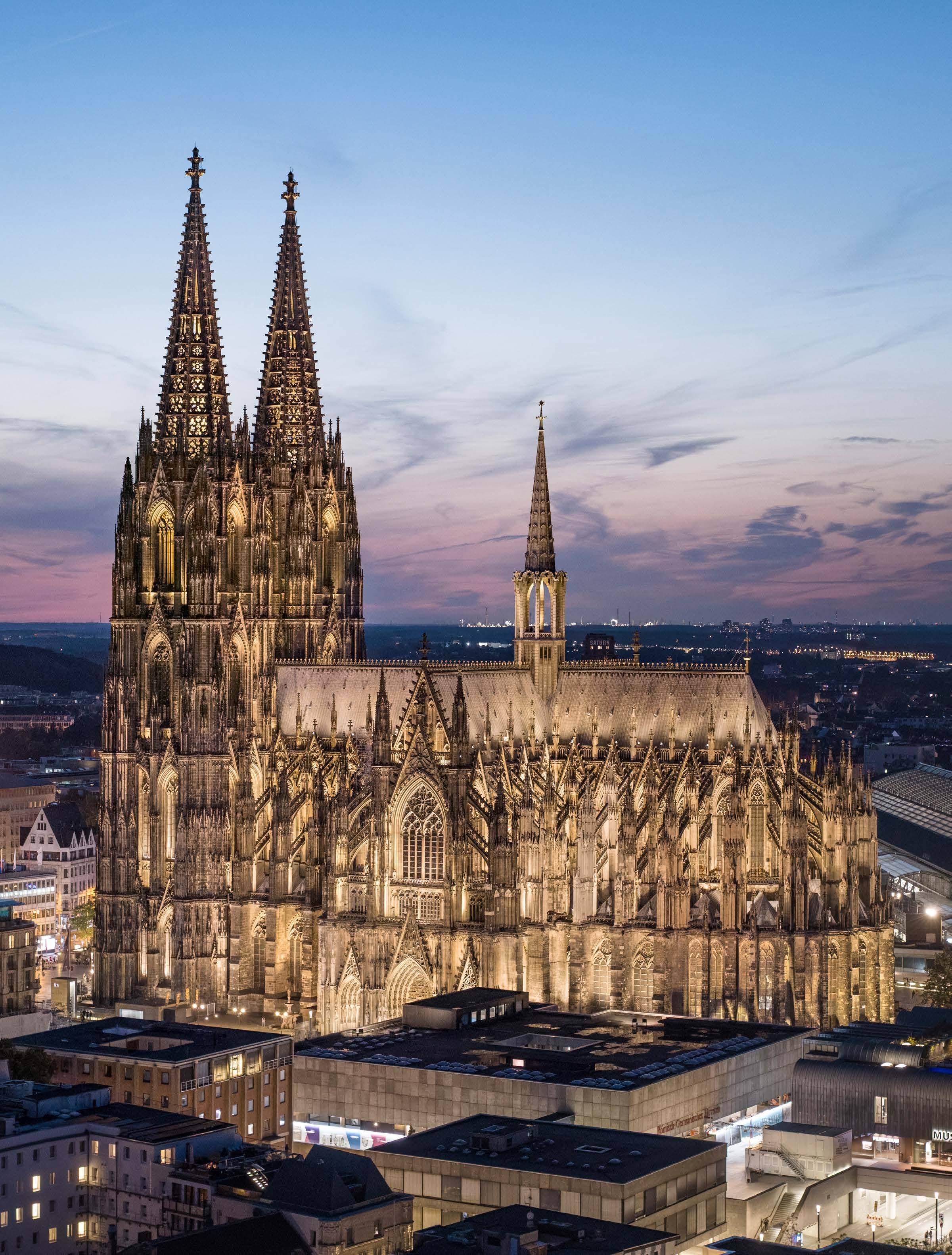
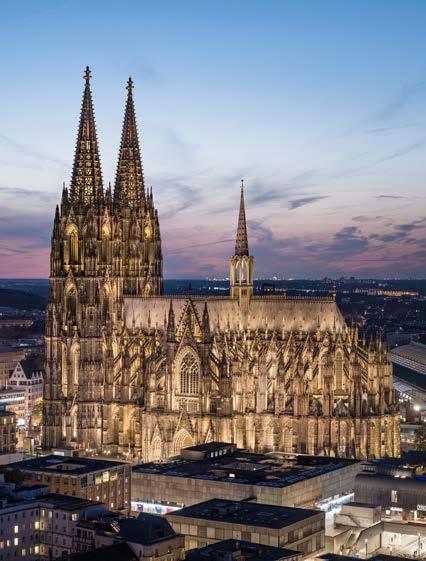
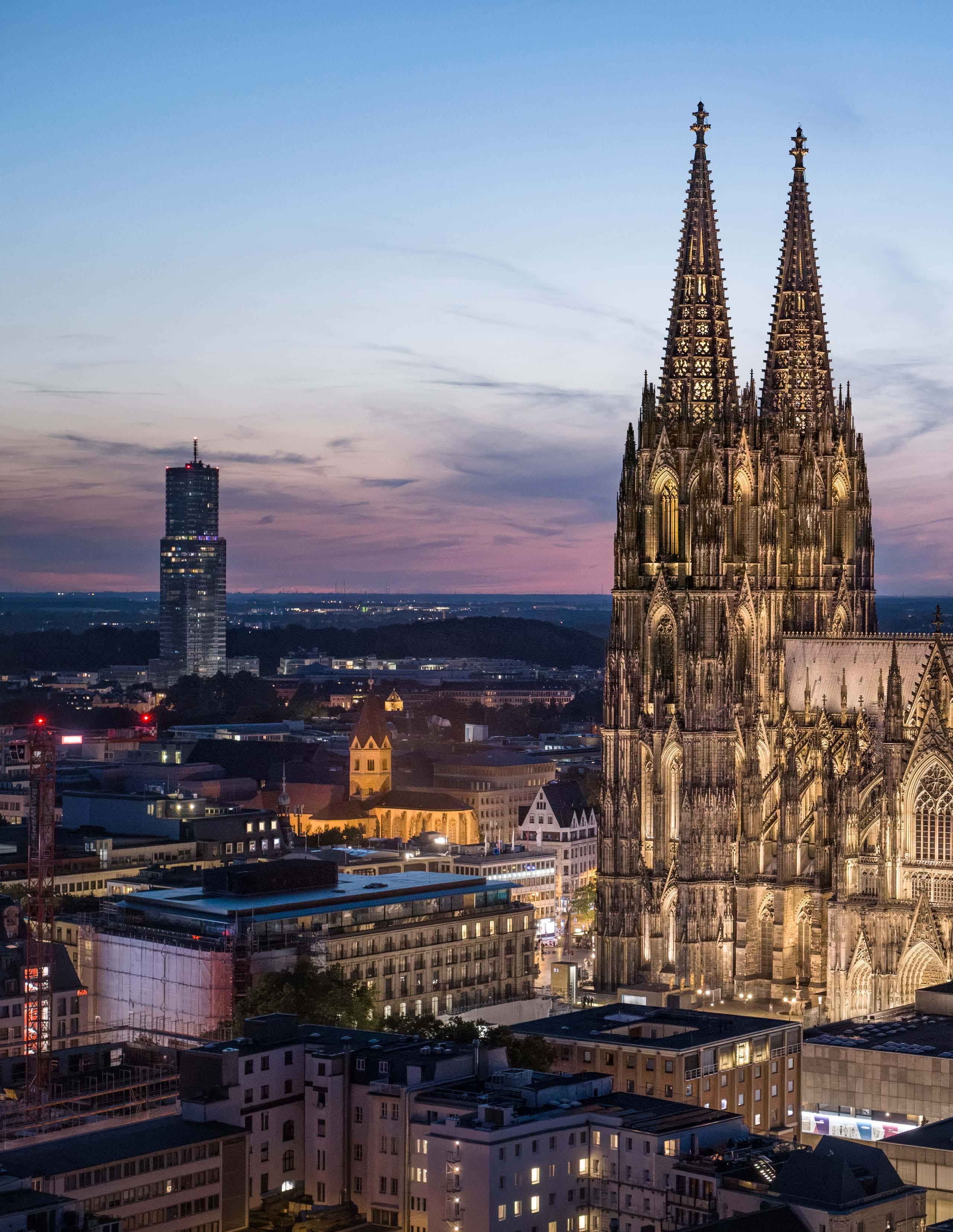
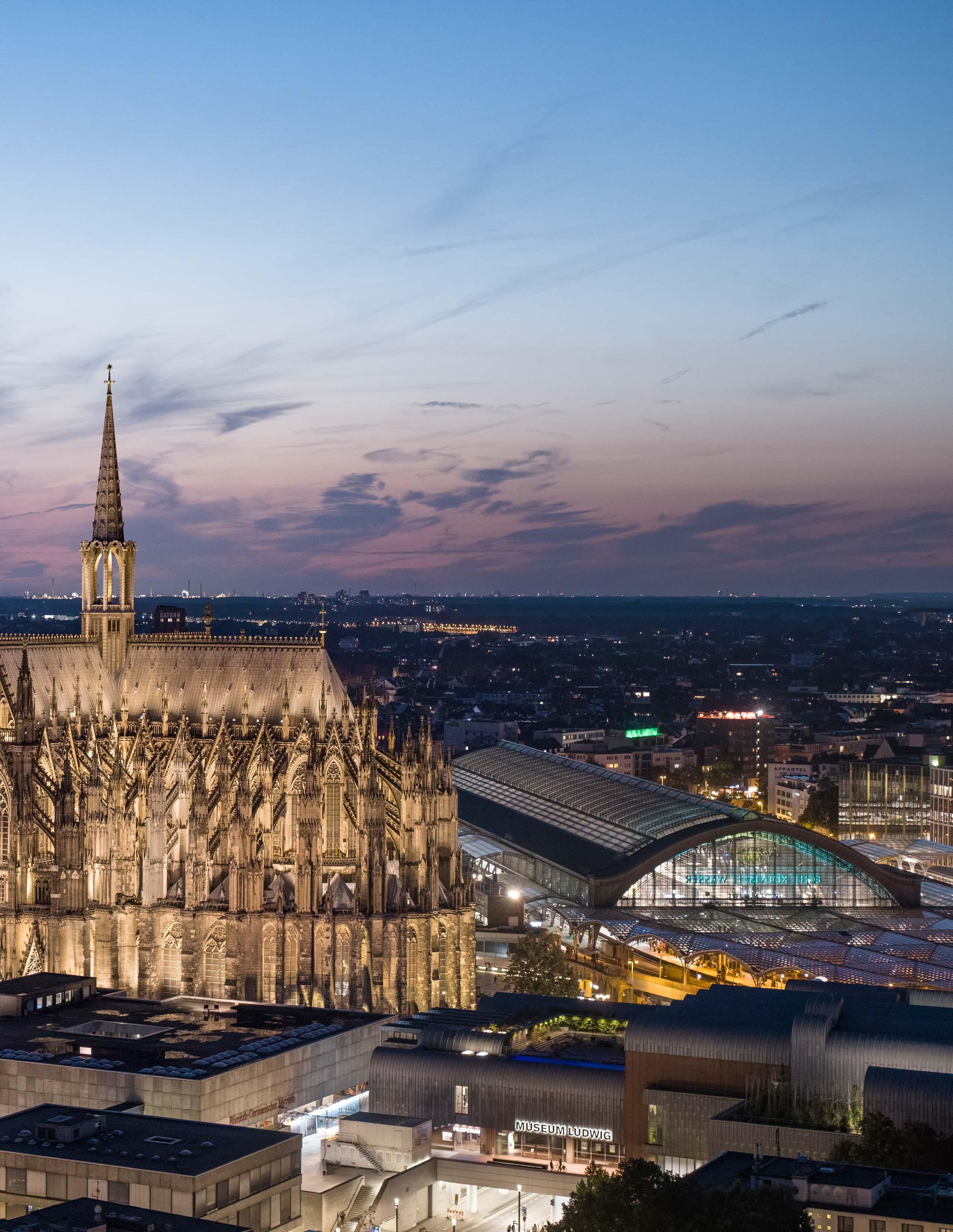
On certain evenings, just after dusk, the Cologne Cathedral does not so much light up as it reveals itself. The towers emerge first, then the layers beneath—columns, tracery, and deep recesses— until the vast Gothic structure appears to glow from within. The effect feels inevitable, as if it had always been there.
That sense of inevitability is precisely what earned Licht Kunst Licht AG the prestigious IALD Radiance Award for Excellence in Lighting Design. Presented at Light + Building in Frankfurt, the award recognized a project that does more than illuminate—it redefines how heritage architecture can be experienced at night. The new system reduces energy consumption and light pollution significantly while revealing roughly 50 percent more architectural detail than the previous installation.
I had the privilege of interviewing Andreas Schulz, CEO, and Philipp Schmitz, Lighting
Designer at Licht Kunst Licht, in the EdisonReport studio at Light + Building in March. Both designers reflected on the years-long process behind the project and their personal connection to one of Germany’s most iconic landmarks.
“The lighting design for Cologne Cathedral represents the pinnacle of what our profession can achieve,” said IALD Awards Co-chair Colin Ball. “This project demonstrates how contemporary lighting technology can enhance both the spiritual presence and civic identity of a historic monument while meeting modern sustainability standards.”
For Andreas Schulz and Philipp Schmitz, that outcome was never about spectacle. It was about respect.
“It needs a more sensitive approach,” Andreas said of the cathedral’s previous lighting. “That was clear immediately.”
A Project Shaped by History and Chance
The commission itself reflects the complexity of the cathedral. The lighting had long been managed by the city’s utility, while the Dombauhütte oversaw the building’s preservation. As Andreas explained, the cathedral effectively belongs to itself—not to the city, the church, or the Archbishop.
“You have to work with both,” he said, referring to the overlapping authorities.
A shift in leadership opened the door. A new decision-maker recognized that the existing lighting lacked nuance and sought a different direction. “He found out immediately that it needs a more sensitive approach,” Andreas said. “And he looked for who he could work with. He recommended us.”
A Personal Connection to Place
For Andreas, the project was deeply personal.
“When I was a kid, one of the Sunday destinations with my family was to go to Cologne,” he said. “Visiting the cathedral was part of my childhood.”
From Bonn, 20 kilometers away, the cathedral’s twin spires were visible on clear days. Later, as a student in Cologne, Andreas studied under a professor who had shaped the building’s lighting for decades.
“I became a witness to what was going on,” he said. He watched as the lighting evolved—from halogen in the 1960s and ’70s to mercury, then metal halide, and eventually LED. The most recent system, however, fell short. “Color
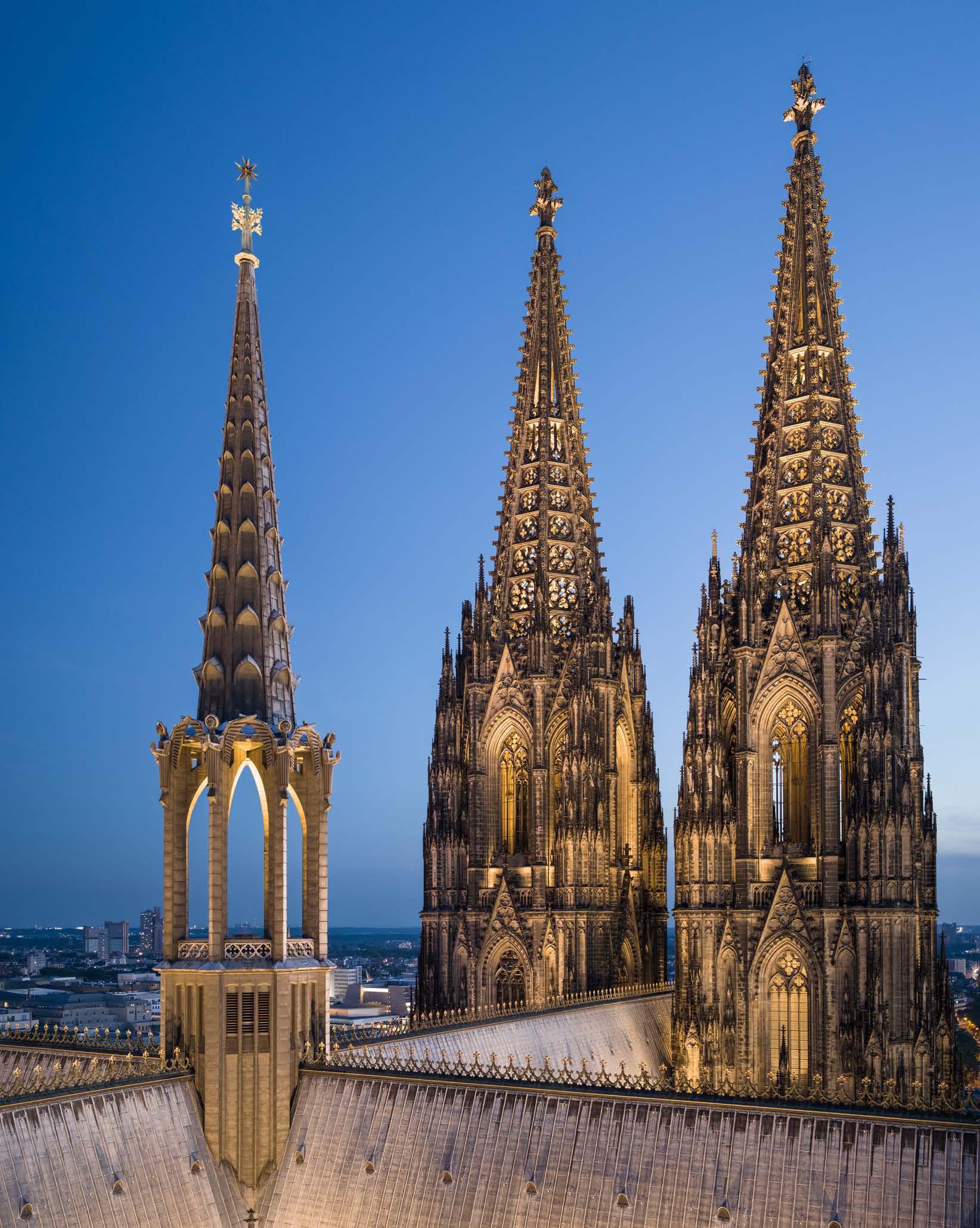
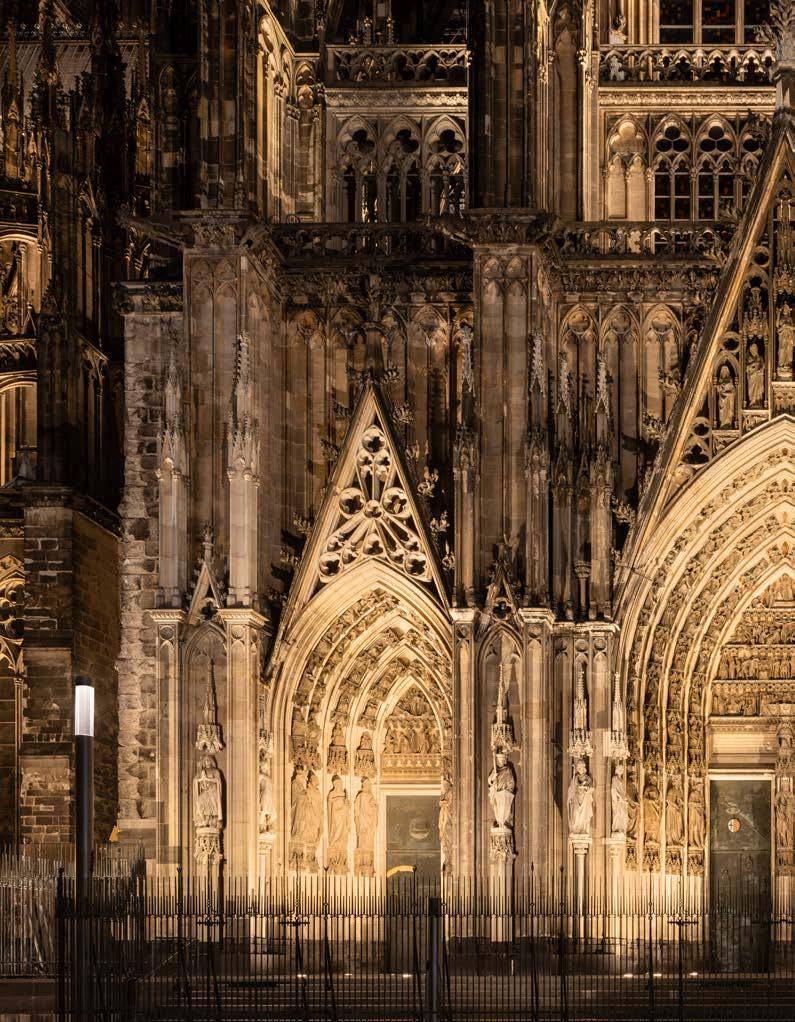
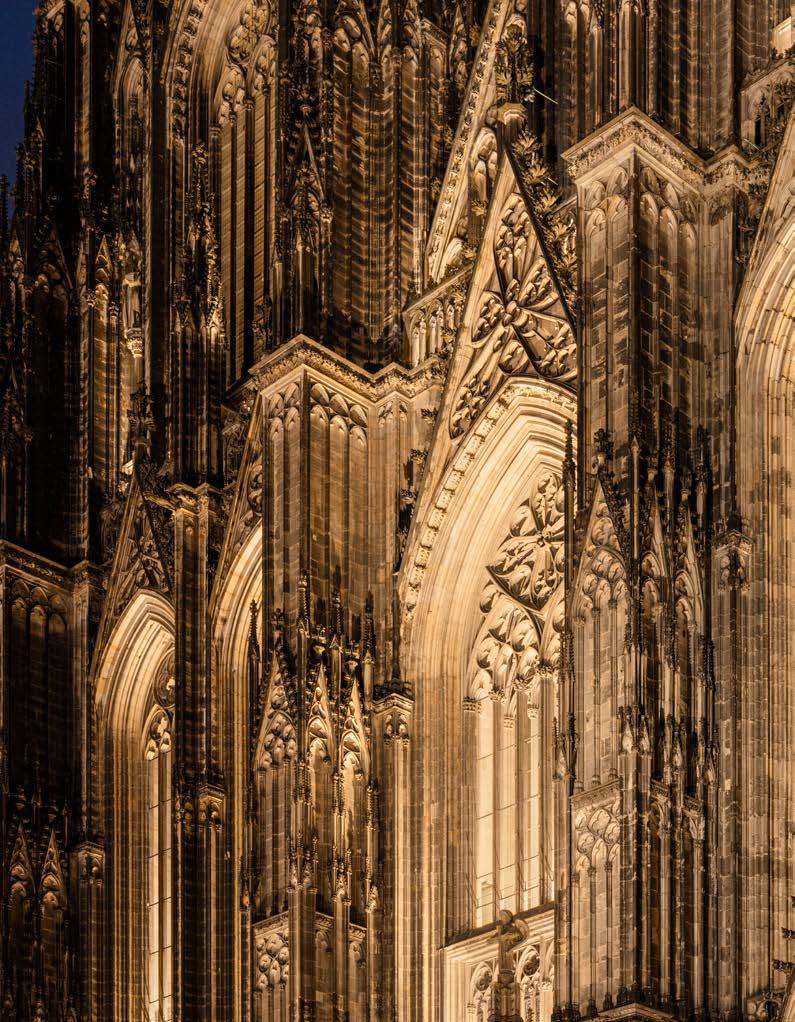
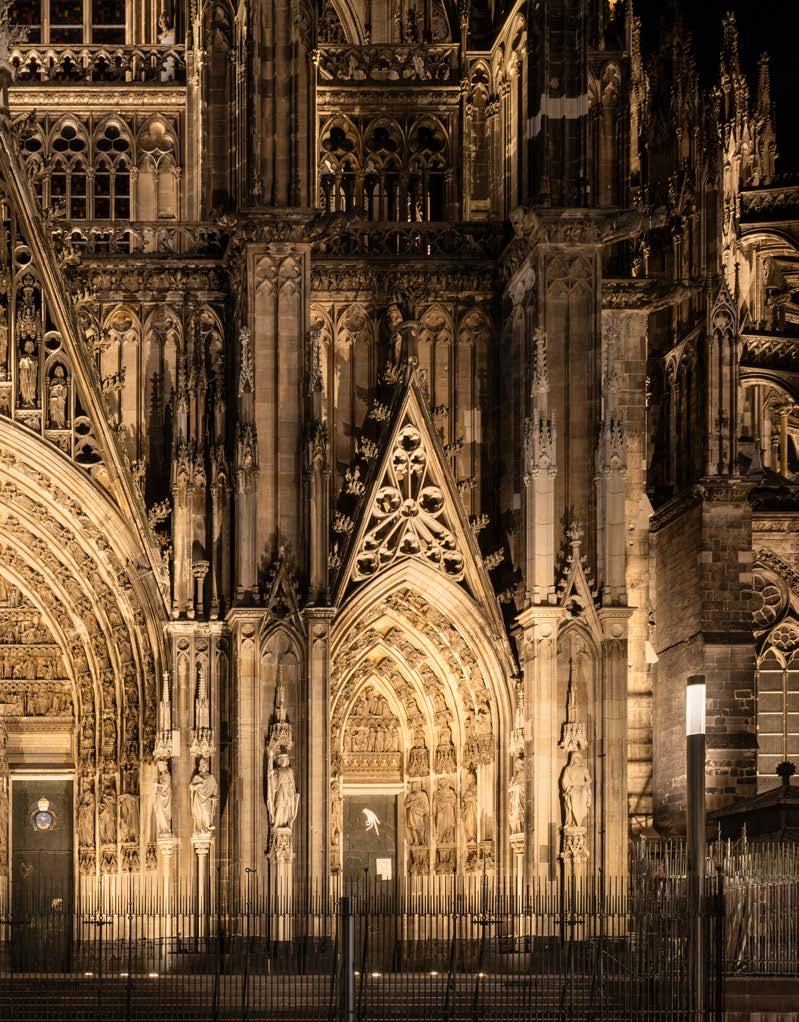
Narrow and wide beam distributions work together to address the cathedral’s complex geometry.
Mounted without drilling, over 600 projectors preserve the integrity of the historic stone.
The cathedral’s twin spires emerge first, guiding the eye upward through layers of illuminated detail.
temperature, color rendering—everything was, let’s say… shocking,” Andreas said.
The problem was not only the light source. It was the distance. “The cathedral was illuminated from surrounding rooftops,” he explained. “Very flat. So we said we had to get closer.”
A First Day That Changed Everything
That shift in thinking found an unexpected partner in Philipp Schmitz. “I took a new guy and said, ‘Okay, this is your new project,’” Andreas recalled. “That says a lot about him—and the project.”
For Philipp, it was day one.
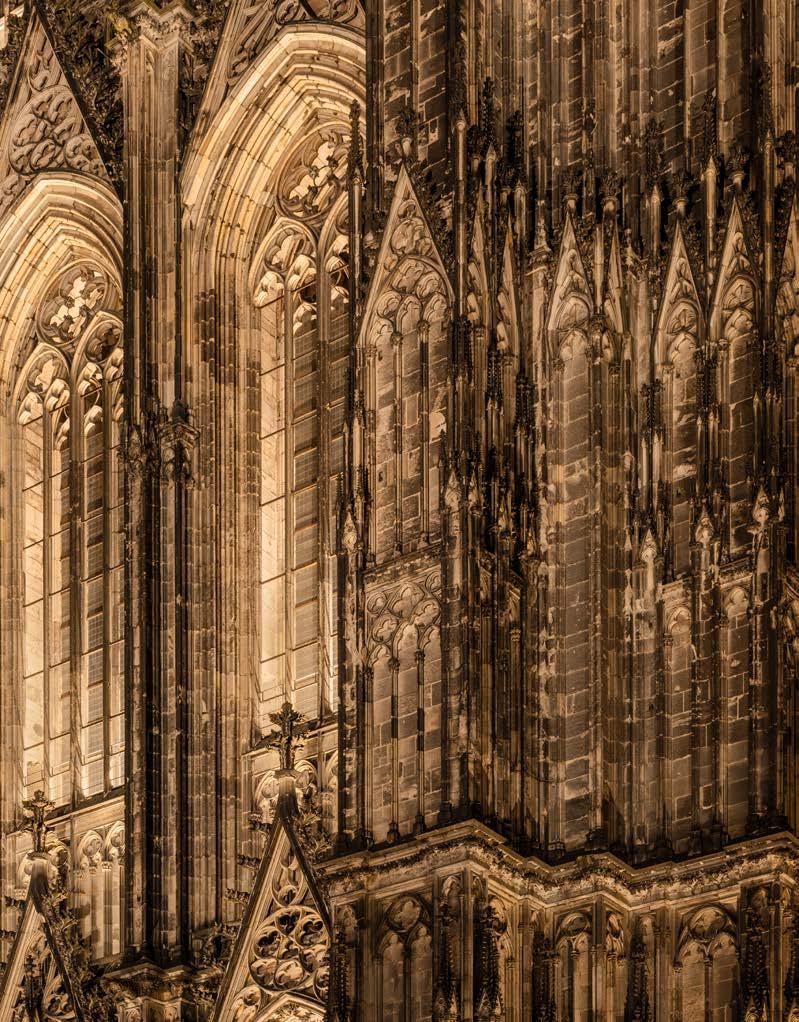
“My first working day was actually the kickoff meeting for the Cologne Cathedral project,” he said. “So I’ve essentially been working on it for six years.”
Philipp brought a different lens. He had spent 15 years in film lighting, working as a gaffer in Germany and in Hollywood. “I looked at the cathedral like a film set,” Philipp said. “In film, you always target something with light. You tell a story.”
That storytelling approach became central to the design.
Learning the Cathedral
The team, which also included two of their most senior designers, Stephan Thiele and Thomas Möritz, began with observation, not calculation. “We went there for days and nights,” Philipp said. “We climbed the towers. We walked
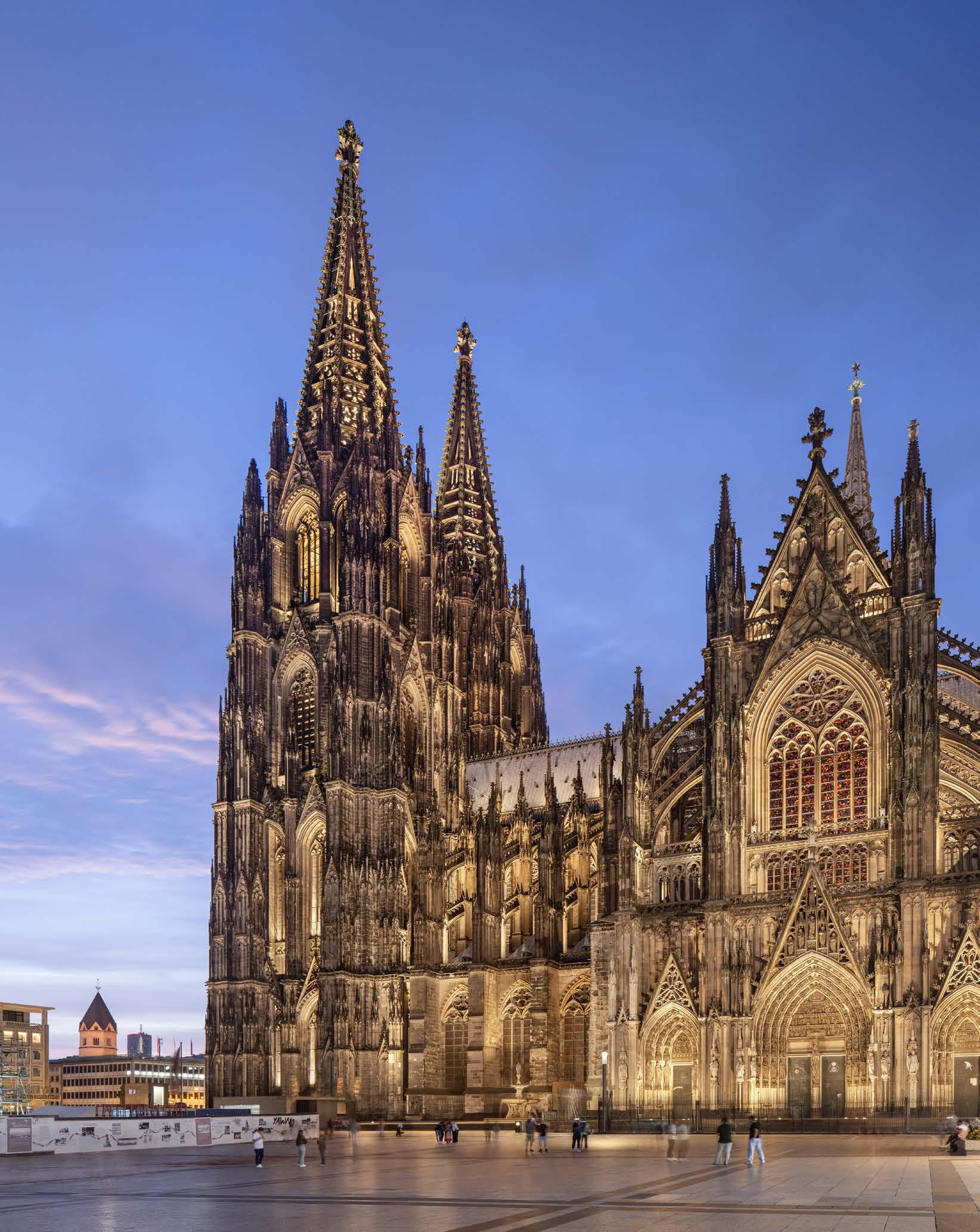
Light and shadow work in harmony, emphasizing the cathedral’s sculptural geometry rather than flattening it.
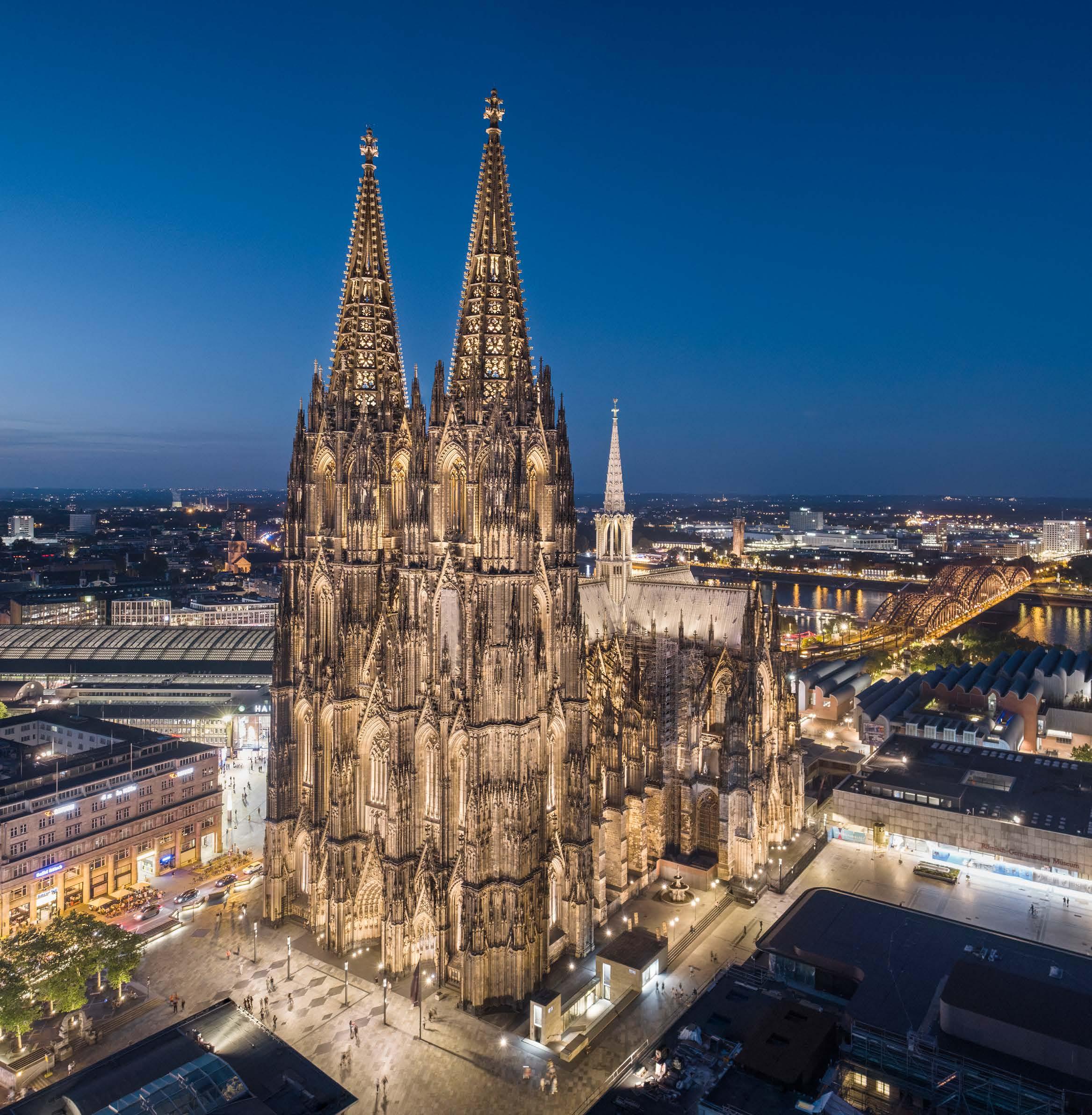
through the geometry of the façade.”
What they discovered was a building defined by depth. Gothic architecture is not flat—it is layered, sculptural, and complex. At the same time, a strict constraint governed every move.
“You can’t drill holes,” Philipp said. “Whoever drills into the stone gets fired.”
The previous lighting strategy relied on floodlights from afar. It made the cathedral visible, but not expressive. “It gave it a presence,” Philipp said. “But it was not really refined.”
The solution was a reversal. “We want to illuminate it from the inside out,” he explained. “We want it to glow from within—but not become a lantern.”
The solution was a reversal. “We want to illuminate it from the inside out,” he explained. “We want it to glow from within—but not become a lantern.”
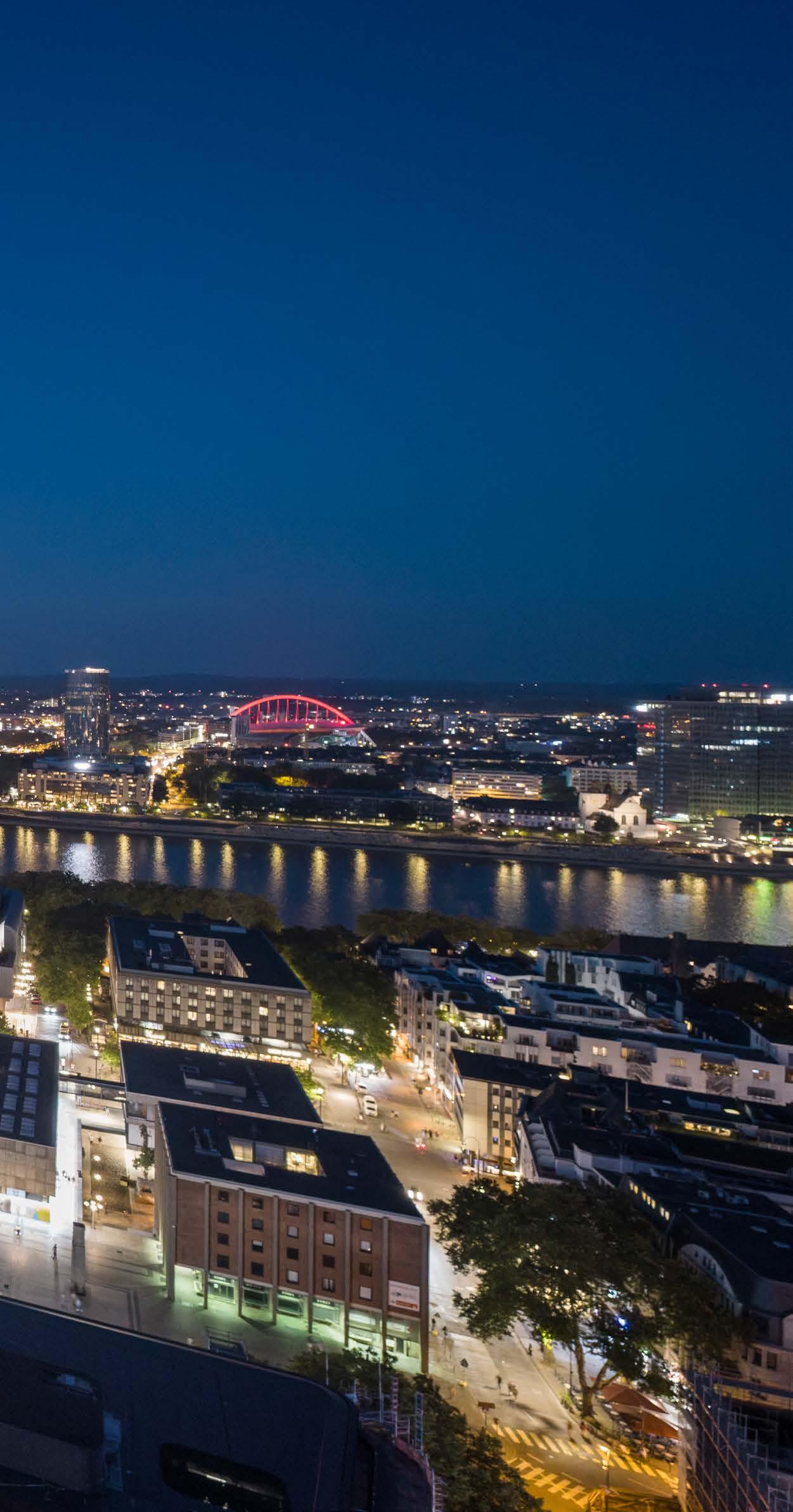
Nights of Testing
Proving that idea required time—and physical effort. “Bonn is close to Cologne, so we could go anytime,” Andreas said. “We even had a key.”
The team carried equipment up narrow staircases, often working through the night. Younger designers joined, learning how to evaluate light in real conditions. “It was a very beneficial process for the office,” Andreas said. “We taught them how to observe and discuss.”
Philipp described a hands-on, iterative process. “We moved luminaires around, went down, looked at it, and said, okay, let’s try something else.”
Over roughly 12 major mockups, they established a hierarchy of light and shadow. “You first have to define what’s bright and what’s dark,” Philipp said. “That’s the foundation.”
Color, Material, and Restraint
Color was carefully considered—and ultimately restrained. “We were worried it would become a spectacle,” Philipp said of early RGBW ideas. “Like Las Vegas.” They tested it anyway. The result confirmed their instinct.
“It’s not the right thing to do for a cathedral of that magnitude.” Instead, they focused on white light and the character of the stone. The cathedral’s sandstone responded best to warmer tones. “It reveals the character of the stone,” Philipp said of 3000K. “At 4000K, it always looked a little bit odd.”
Andreas emphasized unity.
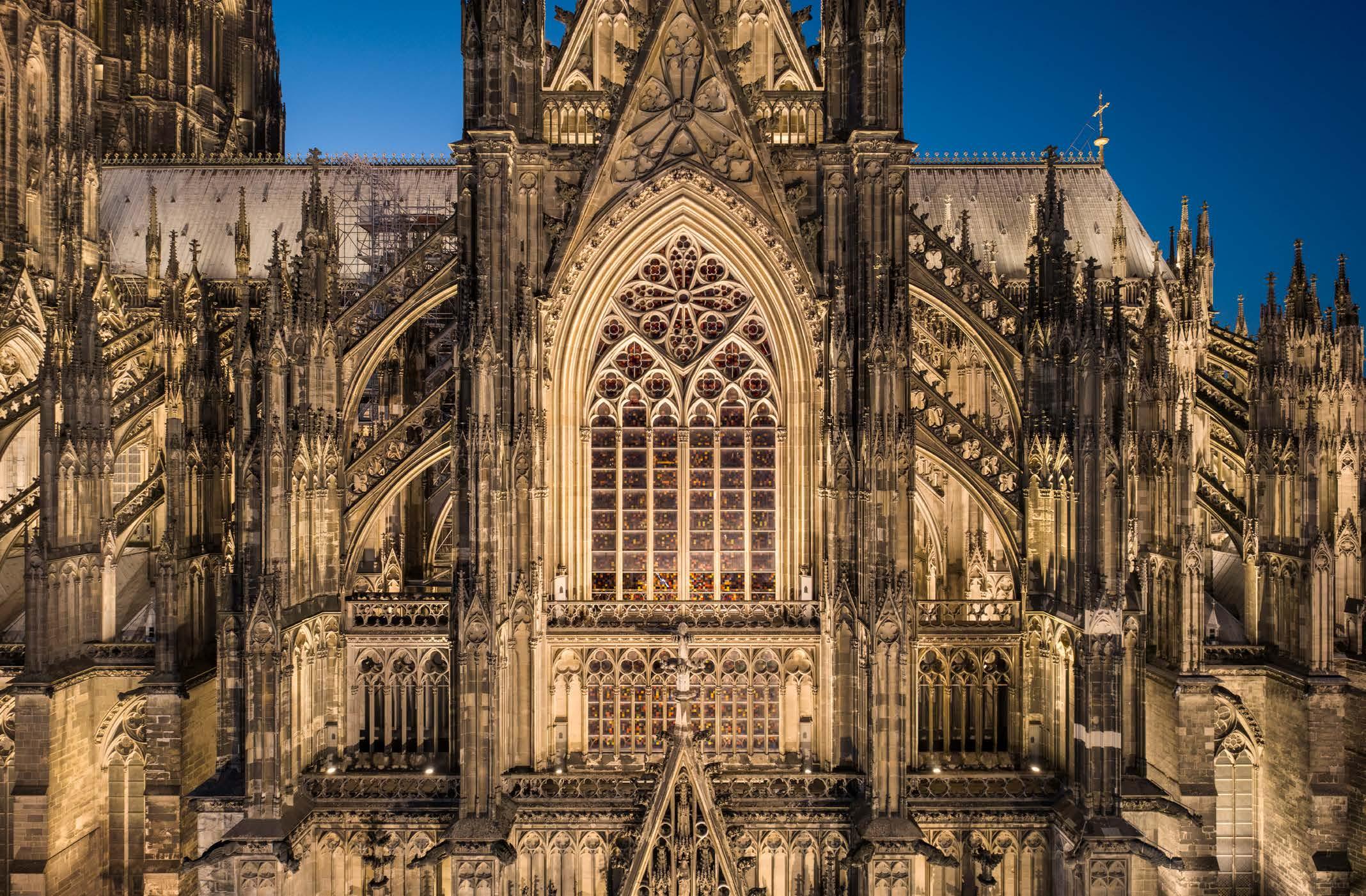
“The cathedral was built over six centuries,” he said. “Different materials react differently. We didn’t want to emphasize those differences.”
The final solution balances both views—a warm base with subtle variation to create depth.
“You can create depth through color temperature,” Philipp said. “Not just brightness.”
Engineering Without Impact
The greatest technical challenge was mounting the system without damaging the building.
“Not one of the 600 projectors is drilled,” Andreas said. “Everything is mounted with clamps.” The team developed approximately 50 custom mounting solutions. In many cases, the structural design exceeded the complexity of the luminaires themselves.
“The steelwork was more sophisticated than the projectors,” Andreas said. A soft lead interface allows the clamps to grip securely while protecting the porous stone. The entire system is fully reversible.
“Future generations can remove it without any trace,” Andreas said. “I’m very proud of that.”
Precision and Flexibility
The luminaires, supplied by WE-EF, provided the flexibility required for such a nuanced design. “You can integrate different light distributions into one projector,” Andreas explained. “Narrow beams for distant elements, wider beams for closer ones.”That flexibility proved critical when working within the cathedral’s layered geometry.
The system evolves throughout the night. Controlled via DALI, the lighting dims to 50 percent at 1:00 a.m. and remains there until sunrise. Seasonal adjustments subtly shift color temperature—warmer in summer, slightly cooler in winter.
“It’s very subtle,” Philipp said. “But it helps to create more depth.”
The cathedral is never finished, and neither is the lighting. “It’s a living object,” Philipp said. “So the lighting is something we need to review constantly.”
Living in Cologne, he sees it every day.
“If something is not correct, I call them,” he said. “We adjust it.”
Meaning Beyond Design
For Andreas, the project connects directly to the city’s identity. “In 1945, when the
city was burning, people stayed on the cathedral with sand buckets to protect it,” he said. “That shows what it means.”
For Philipp, the connection is more personal. “I was born in Cologne,” he said. “Seeing it every day—and knowing we worked on it—it’s a huge honor.”
Andreas, after 35 years in practice, places the project among many significant works. Yet even for him, it stands apart. “It’s a very important project,” he said. “And a very enjoyable one.”
Philipp sees it not as a finished work, but as an ongoing relationship. “I think this will be a project for the rest of my life.”
And as the cathedral continues to stand—layered, complex, and quietly luminous—that sentiment feels exactly right. ■
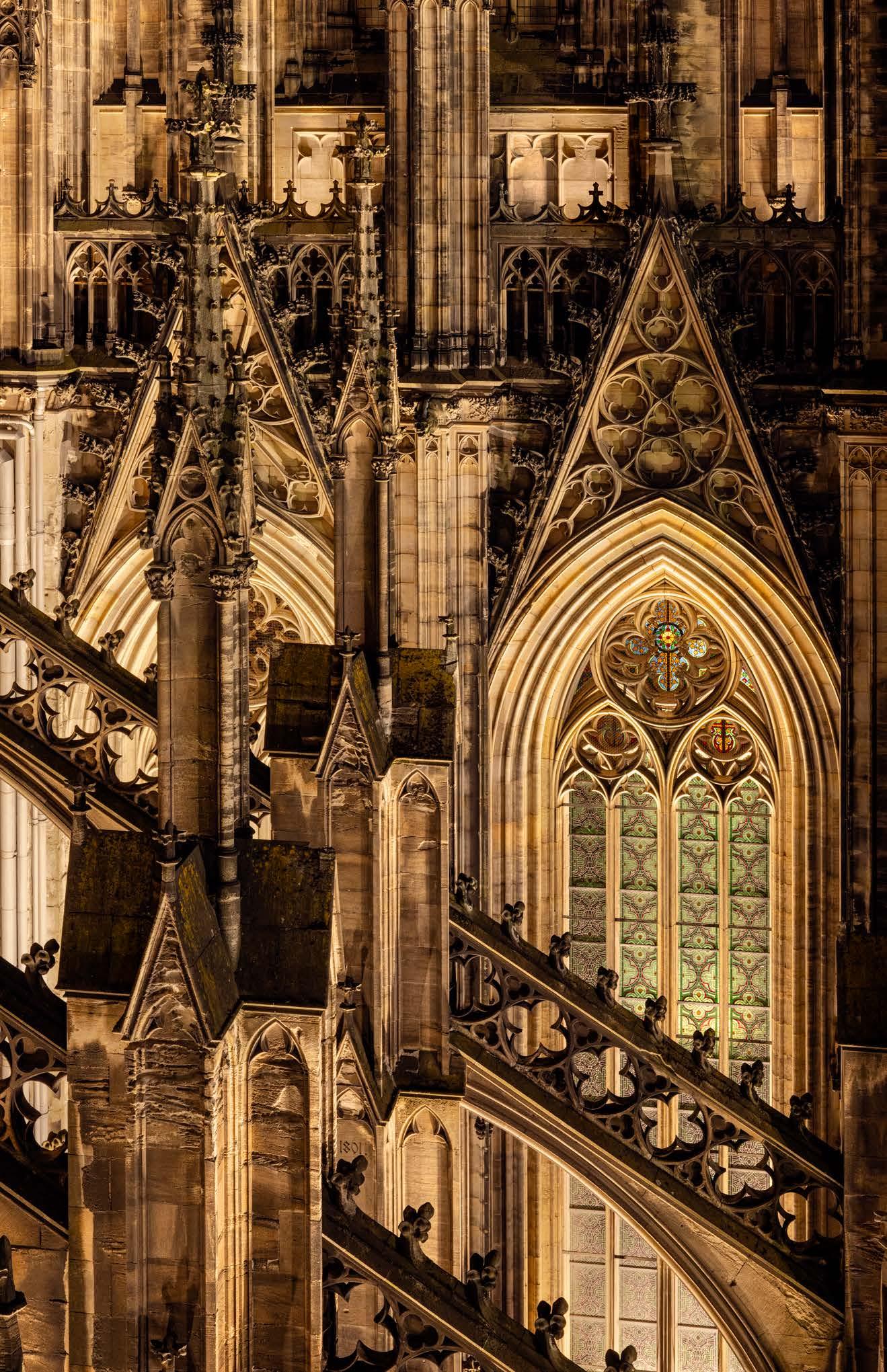
A warm 3000K glow enhances the natural character of the sandstone, revealing texture without overwhelming the structure.
Visit us at Booth 4601/4603 in the Americas Hall 2

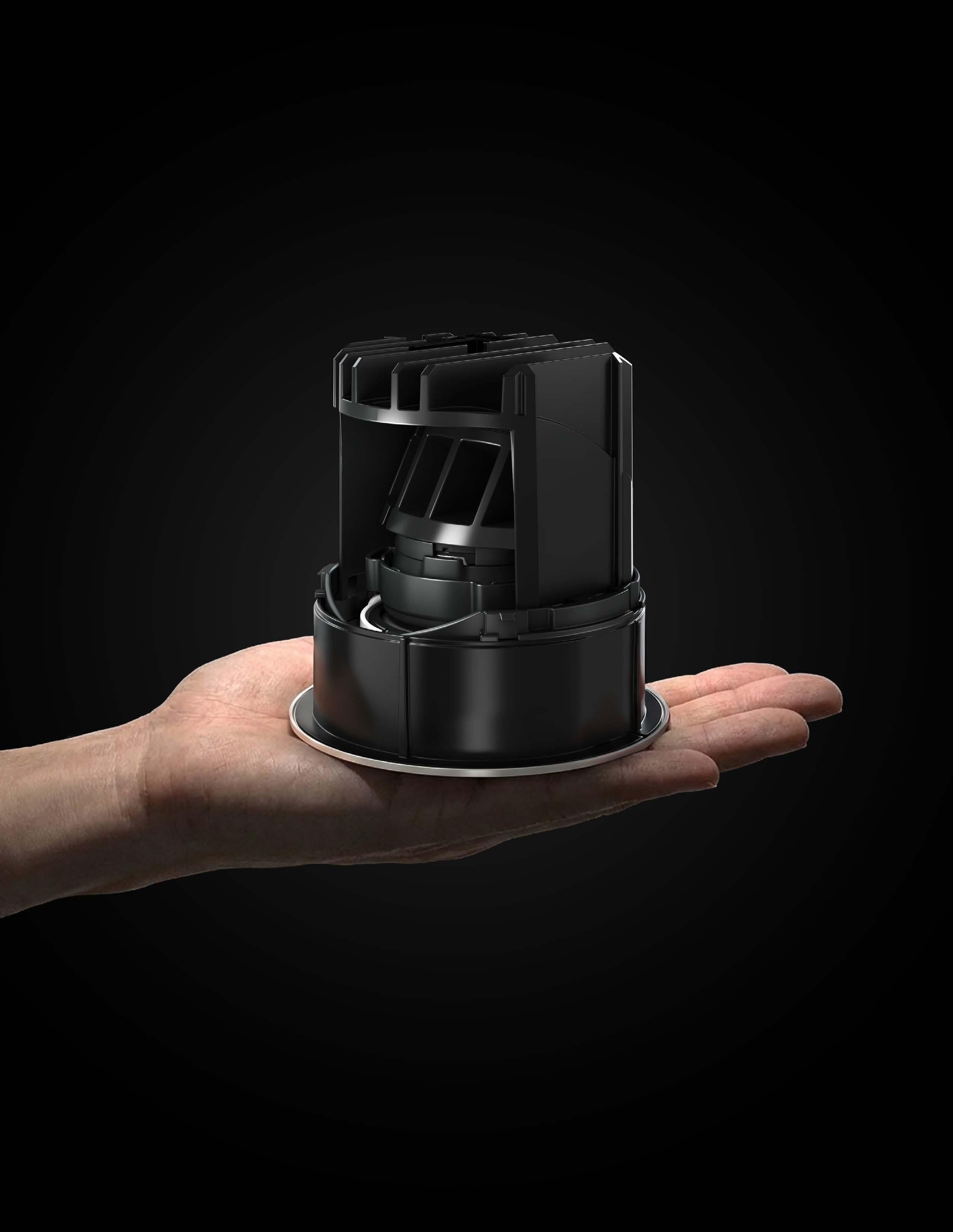
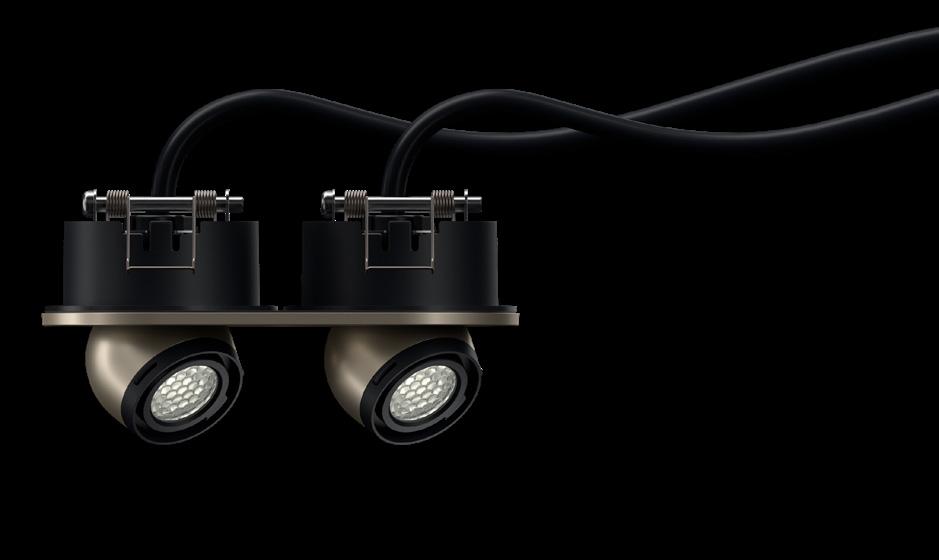
Axis recessed spotlights
Light as if from nowhere
fc/W
Powerful accent lighting
Interchangeable lenses 11/16” (17mm) light head
Light is the fourth dimension of architecture
2026 Presentations
TUESDAY, APRIL 14
BABA, BAA, and Tariffs:
Tools for Executing in a Complex and Changing Landscape
Paul Kennedy and Veena Cagle, U.S. Outdoor Lighting
Location: Sutton South
Tuesday | April 14, 2026 | 9:30 am - 10:30 am ET
Credits: 1 LU | Elective | Intermediate
Rugged ITS:
Deployment in Rural and Remote Locations
Matt Pollard, Leadsun, Inc.
Location: Nassau
Tuesday | April 14, 2026 | 10:00 am - 11:00 am ET
Credits: 1 LU | HSW | Introductory
Future of LED Drivers
Michael Kulkarni, Sintel Power Systems (Division of Sintel Inc.)
Location: Sutton North
Tuesday | April 14, 2026 | 10:30 am - 11:30 am ET
Credits: 1 LU | HSW | Introductory
Lighting to Support Human Health and Wellbeing
Dr. Mariana Figueiro is the Mount Sinai Professor of Light and Health Research and Director of the Light and Health Research Center at the Icahn School of Medicine at Mount Sinai
Location: Sutton South
Tuesday | April 14, 2026 | 11:30 am - 12:30 pm ET
Credits: 1 LU | HSW | Introductory
Beyond Illumination:
Smart Lighting in the 2030 Smart Building Environment
Beatrice Witzgall, In3Design (Siemens)
Location: Nassau
Tuesday | April 14, 2026 | 12:00 pm - 1:00 pm ET
Credits: 1 LU | HSW | Intermediate
Lighting’s Blurred Lines: Where Design Ends and Consultation Begins
PANEL DISCUSSION
JP Bedell, SDA Lighting | Scott Hay, Reveal Design
Group | Michael Hennes, Cline Bettridge Bernstein
Lighting Design | C. Brooke Silber, Borealis Studio –
BR+A | Dorothy Underwood, KGM Lighting
Location: Sutton North
Tuesday | April 14, 2026 | 12:00 pm - 1:30 pm ET
Credits: 1.5 LU | Elective | Intermediate
Lighting in Trauma-Informed Design
Mariel Acevedo, ALR and Amanda Schaneman, ETC
Location: Sutton South
Tuesday | April 14, 2026 | 1:00 pm - 2:00 pm ET
Credits: 1 LU | HSW | Intermediate
Egos, Intuition, and Lumens: Decoding the Architect’s Mind
Brian Maite, ALW, an LMPG Brand and Katie Hawk, FSA Lighting
Location: Nassau
Tuesday | April 14, 2026 | 1:30 pm - 2:30 pm ET
Credits: 1 LU | Elective | Intermediate
Whose Daylight Is It Anyway? Scope, Money, and Control Across the Design Team
PANEL DISCUSSION
Doug Kafka, Lutron | Ryan Merluza, M Moser Associates
Brian Stacy, Arup | Michael Mehl, LightBox Studios
Location: Sutton North
Tuesday | April 14, 2026 | 2:00 pm - 3:30 pm ET
Credits: 1.5 LU | HSW
Bright Ideas Need Safe Spaces – Building a Culture of Creativity
Rebecca Mintz, Peak Wavelength Strategies
George Mason University and David Seok, The Lighting Practice
Location: Sutton South
Tuesday | April 14, 2026 | 2:30 pm - 3:30 pm ET
Credits: 1 LU | Elective | Introductory
More isn’t Always Enough: Light and Perceived Safety of Subway Platforms
Hyesoo Chun, The Lighting Practice
Location: Sutton South
Tuesday | April 14, 2026 | 4:00 pm - 5:00 pm ET
Credits: 1 LU | HSW | Intermediate
Seeing Like a Cinematographer: Lighting That Shapes Emotion
Tal Lazar, Latent Images
Location: Sutton North
Tuesday | April 14, 2026 | 4:00 pm - 5:00 pm ET
Credits: 1 LU | Elective | Introductory
WEDNESDAY, APRIL 15
Integrating VR into Lighting Design: Vision and Application
Xiaoxiao Cui, Bard, Rao + Athanas Consulting Engineers
Location: Nassau
Wednesday | April 15, 2026 | 9:00 am - 10:00 am ET
Credits: 1 LU | HSW | Intermediate
Sustainable Lighting:
A Perspective from the Value Chain PANEL DISCUSSION
Maurice Loosschilder, Signify | Migda Colón-Dieppa, Columbia University Facilities and Operations
Beth Brenner, Signify
Location: Sutton North
Wednesday | April 15, 2026 | 9:00 am - 10:30 am ET
Credits: 1.5 LU | HSW | Introductory
Exploring Emerging Battery Technology PANEL DISCUSSION
Sima Tawakoli, Renee Borg, and Todd Judd, sixteen5hundred
Location: Sutton South
Wednesday | April 15, 2026 | 9:30 am - 11:00 am ET
Credits: 1.5 LU | HSW | Intermediate
Specifying Networks for Streaming Lighting Protocols
Nick Gonsman and Kirk Starks, ETC, Inc.
Location: Nassau
Wednesday | April 15, 2026 | 10:30 am - 11:30 am ET
Credits: 1 LU | HSW | Intermediate
21st Century Lighting Technology and Historic Artifacts, Fine Art, Ancient Infrastructure PANEL DISCUSSION
Megan Carroll, IES | Amy Nelson, The Metropolitan Museum of Art | Naomi Miller PNNL, FIES, FIALD, Naomi Miller Lighting Design
Location: Sutton North
Wednesday | April 15, 2026 | 11:00 am - 12:30 pm ET
Credits: 1.5 LU | HSW | Intermediate
The Broken Windows Theory as Applied to Lighting:
Designing Environments that Signal Care
Francesca Bastianini, Sighte Studios
Location: Sutton South
Wednesday | April 15, 2026 | 11:30 am - 12:30 pm ET
Credits: 1 LU | HSW | Introductory
2026 Presentations
Next Level Lighting and Controls: A Guide to Lighting Features in WELL
Scott Garrett, Lutron Electronics
Location: Nassau
Wednesday | April 15, 2026 | 12:00 pm - 1:00 pm ET
Credits: 1 LU | HSW | Intermediate
Beyond the Blueprint:
Navigating ASHRAE and IECC 2024 Codes with Measured Success
Joe Briscoe and Paul Farris, Leviton Manufacturing
Location: Sutton South
Wednesday | April 15, 2026 | 1:00 pm - 2:00 pm ET
Credits: 1 LU | HSW | Introductory
Where’s My Money, Lebowski? Lighting Procurement Uncovered
Amer Maleh, DeltaLight Group
Location: Sutton North
Wednesday | April 15, 2026 | 1:00 pm - 2:00 pm ET
Credits: 1 LU | Elective | Intermediate
Lighting the Night Responsibly: Ecology, Beauty and Control
Gabrielle Peace, Lux Botanica
Location: Nassau
Wednesday | April 15, 2026 | 1:30 pm - 2:30 pm ET
Credits: 1 LU | HSW | Introductory
TM-30 for Designers: A Phase by Phase Approach
Jason Livingston, Studio T+L, LLC
Location: Sutton South
Wednesday | April 15, 2026 | 2:30 pm - 3:30 pm ET
Credits: 1 LU | HSW | Intermediate
Meeting NFPA Backup Power Requirements with Central Inverter Strategy | Code Compliance Without Compromising Design
John Rimbos, Myers Emergency Power Systems
Location: Sutton North
Wednesday | April 15, 2026 | 2:30 pm - 3:30 pm ET
Credits: 1 LU | HSW | Intermediate
The Greenest Watt Is the One Never Used: Six Lighting Philosophies for a Sustainable Future
Andy Letwin, EN-POWER GROUP
Location: Nassau
Wednesday | April 15, 2026 | 3:00 pm - 4:00 pm ET
Credits: 1 LU | HSW | Introductory
Rhinelander + Gramercy (2nd Floor)
Rhinelander + Gramercy (2nd Floor)
DLFNY CAFE SOUTH CORRIDOR

MURRAY HILL
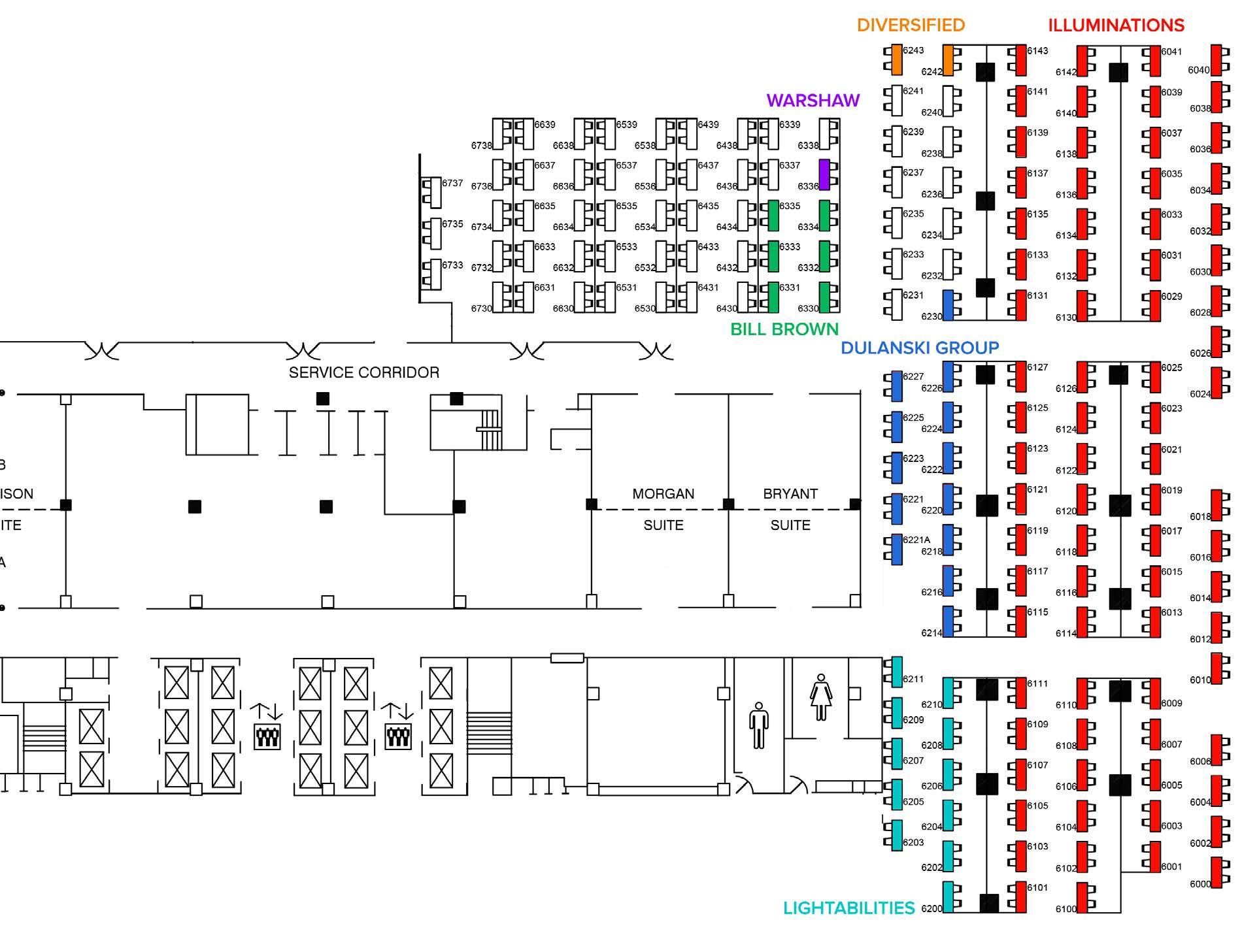
ELEVATORS
GRAMERCY
RHINELANDER
REGISTRATION
INDEPENDENT MANUFACTURERS
3G Lighting GB-712
A-Emotional Light RH-6339
A.L.P. Lighting RH-6335
Abra Lighting GB-420
Academy Light AH1-2223/2221
Access Lighting GB-319
Acclaim Lighting RH-6001/6003
ACE LEDS RH-6737
Acolyte GB-504
Acuity Brands RH-6101
Acuity Brands Life Safety RH-6121
Aculux RH-6118
Adura RH-6338
Advance by Signify GB-925
Advantage Environmental Lighting GB-625
Advantage Lighting Solutions AH1-2010
AFX Inc. GB-313/315
ALA (American Lighting Association) PF13
Aldabra USA GB-619
ALEDDRA LED LIGHTING AH1-2018
Aleo Lighting AH1-2017
Alight RH-6111
Alto GB-425
ALUZ RH-6015/6017
ALW AH2-4001/4003
American Lighting GB-312
Amerlux GB-500/502
Ams Osram RH-6735
ANOLIS LIGHTING, INC. GB-221
ANP LIGHTING AH2-4022/4020
Apure GB-300
Aquarii RH-6222
Arancia AH1-2501/2503
ARCHIPELAGO LIGHTING
Architectural Area
RH-6632
Lighting by Current AH2-4204
Arcluce AH2-4117
Arkalumen Inc. RH-6633
Aron Lighting GB-410
Artika RH-6040
Asian Lighting Community PF16
Assurance Emergency Lighting AH2-4219
Atea AH1-2406
ATG Electronics GB-823
Atlantic Lighting AH1-2915
Authentic Design Collection:
TOOY-CONTARDI RH-6142
Avenue Lighting AH2-4222
Avi-on Labs, Inc. AH2-4904/4906
Axis Lighting AH1-2203/2205
B-K Lighting AH1-3013
B-Light AH1-2214/2216
BACKLIGHT srl AH1-2209/2222
Balancedcare By Axis Lighting AH1-2201
Barbican Lighting GB-112
Barbizon Lighting Company RH-6221A
Barn Light - An ILLUMUS Brand AH2-4114
Barron Lighting Group RH-6036/6038
Bartco Lighting GB-617
Baselite Corporation AH2-4817
BASO GB-812/814
Beachside Lighting AH1-2000
Beacon Awards PF21
Beacon Lighting by Current AH2-4205
Beamever RH-6133
BEGA AH1-2502/2504
Beta-Calco Inc. AH2-4604/4606
Beulux GB-220
Bion Technologies AH1-2405
BIOS Lighting RH-6002
Bj Take Lighting RH-6337
Bjb Electric Lp RH-6438
BL Lighting GB-519
ESCALATOR TO GRAND BALLROOM
Boca Lighting|Controls AH2-4503/4505
Bock Lighting AH1-2917
Bodine AH1-2113
Bold Lighting RH-6211
Borealux AH1-2004
Bover GB-212/214
Boyd Lighting AH1-2301
Bpm Lighting AH1-2213
Brandon Industries RH-6436
Brownlee Lighting GB-406/408
Bruck / Alphabet AH2-4504/4506
BubblyNet AH1-3010
Bullard Bollards GB-1120
Bullard Collection GB-1122
Camman Lighting RH-6018
Canto USA AH2-4122
Casambi Technologies GB-416/418
cBright Lighting Inc. AH1-2009
Cerno GB-412
Chameleon Lighting, Inc. AH2-4018
Cielux Lighting RH-6007
Clarte Lighting GB-317
Coastal Source RH-6434
Columbia Lighting by Current AH2-4201
ConTech Lighting GB-520
Convey Lighting AH2-4013
Cooledge Lighting GB-916/918
Cooper Lighting AH1 2809/2810 2811/2812 2813/2814/2815
2816/2817/28118 2819/2820
CORE Architectural Lighting GB-415/417
Coronet LED GB-612/614
Cosine Lighting GB-311
Cree Lighting AH2-5024/5025
Crestron Electronics GB-409/411
Crucial Power Products AH1-2306
CSL Lighting GB-1017/1019 CUPOWER RH-6432
Current Fixtures & Lamps AH1-2111
Current Lighting & Controls AH2-4302
Dado Lighting AH2-4101
DALI Alliance PF2
Dals Lighting AH2-4702
Davide Groppi AH1-2219 Day-O-Lite AH2-4701/4703
Dcw éditions / 10 HEURES 10 (by Dcw éditions) RH-6140
Delta Light / Delta Light
Group North America GB-821/823/825
Derungs AH2-4805
Designplan Lighting, inc. / STRAL AH2-5002/5004
DGA SPA GB-101
Diem GB-816
dmf Lighting AH1-2402/2404
Domino By Satco AH2-4016
Earthtronics, Inc. AH1-2119
Ecosense AH2-5017/5019
Edison Lighting Group Ltd. AH1-2110
Edison Opto Usa Corp. RH-6430
Edison Price Lighting AH1-2920/2922
Edison Report / Designing Lighting PF5
Eklipse Architectural Lighting (Diversified)
Grand Ballroom (3rd floor)
Grand Ballroom (3rd floor)
CAFE and IESNYC STUDENT LIGHTING COMPETITION

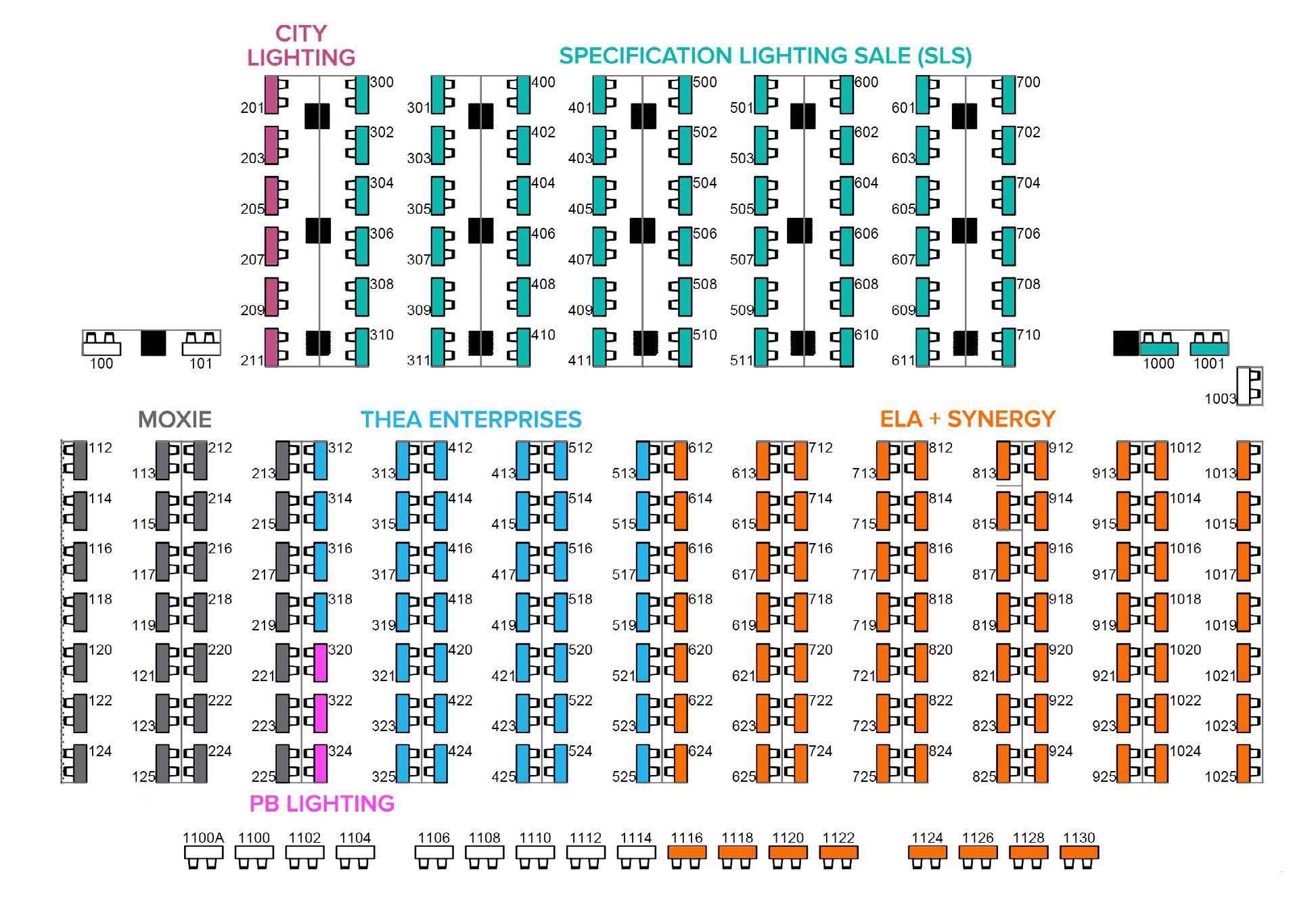
INDEPENDENT MANUFACTURERS
Elco Lighting GB-119/121
eldoLED / Iota RH-6127
Electric Mirror AH2-4820/4822
ElectricalTrends / US
Lighting Trends PF11
Electrix (The Lighting Quotient) AH1-2914
Elite Lighting GB-419/421
eLuminaire GB-125
Emcod Inc RH-6241
Emergensee Lighting GB-122/124
EmeryAllen GB-624
Energio Controls RH-6220
Enttec RH-6439
ENVISION LED LIGHTING AH1-3017
Envoy Lighting AH2-4303/4305
eos Light AH2-4216
ERALUX AH1-2112/2114
ERCO Lighting, Inc. AH2-4601/4603
ERP-POWER GB-1100
ETC RH-6214/6216
ETI Lighting AH2-4224
Euchips Electronics Inc. RH-6539/6537
Eureka RH-6104/6106
Eurofase Lighting GB-1114
Evenlite AH2-4901/4903
Evo-Lite
AH1-2008
ewo USA, LLC AH2-4027/4028
Extant Architectural Lighting GB-404
F.L.I. Formula Luci ITA U.S.A. INC AH1-2210/2212
Fabbian USA AH1-2921
FC / SSL GB-1012/1014
Feelux Lighting AH2-5023/5021
Finelite, Inc. GB-605/607
Flexalighting North America GB-920/922
Flos GB-400/402
Fluxwerx AH2-4008/4010
Focal Point GB-600/602
Focus Industries RH-6530
FOLIO USA INC GB-1013/1015
FSC LIGHTING RH-6037
Fulham Co Inc RH-6239
Functional Devices, Inc. AH1-3018
G Lighting GB-622
Gaggione RH-6435
Gammalux Lighting Systems AH2-4214
Genlyte Solutions - a
Signify business GB-913
915/917/919 921/923
GigaTera Lighting RH-6143
Global Lighting Perspectives (GLP) AH1-2016
GM Lighting GB-924
Goldeneye Inc. RH-6538
Goodlite Products Inc RH-6230
Gotham RH-6103/6105
GREEN CREATIVE - An ILLUMUS Brand AH1-2105
Griven RH-6225
GVA Lighting, Inc. GB-401/403
H.E. Williams, Inc. AH2-4602
Halco Lighting AH1-2102/2104
Hapco RH-6437
Healthwerx AH2-4813/4815
Helium Lyte AH2-4123
Hemera AH2-4704/4706
Heper USA RH-6131
Hera Lighting GB-205
HercuLux Optics RH-6330/6332
HessAmerica AH2-4209
Hevi Lite, Inc. AH2-4705
Hinkley AH1-2806
HK Lighting GB-818/820
Holectron RH-6431
Hubbardton Forge AH1-2919
Hudson Valley Lighting
GB-1025
HUNZA AND LUXR LIGHTING AH1-2006
Hydrel RH-6108/6110
HyLite LED Lighting AH1-2026
i2Systems GB-508/510
iGuzzini GB-713/715
ILP - An ILLUMUS Brand GB-1024
Impact Architectural Lighting LLC RH-6137
Inciseon RH-6536
Innovation Factory RH-6631
Inside Lighting PF8
Insight Lighting AH2-4914/4916
Intense & Birchwood Lighting GB-518/GB-522
Intertek RH-6531/6533
Intra Lighting GB-817/819
Inventronics (under Bill Brown Sales) RH-6334
Inventronics (under International Lights) AH1-2602
IR-TEC America AH1-2019
Isolite GB-507
JADEMAR LIGHTING GB-1000
JESCO LIGHTING GROUP, LLC
RH-6004/6006
JLC-Tech AH2-4910/4912
Americas Hall 1 (3rd floor)
Americas Hall 1 (3rd floor)
ESCALATOR TO AMERICAS HALL 2
INDEPENDENT MANUFACTURERS Exhibitors
AMERICAS HALL 1 ENTRANCE
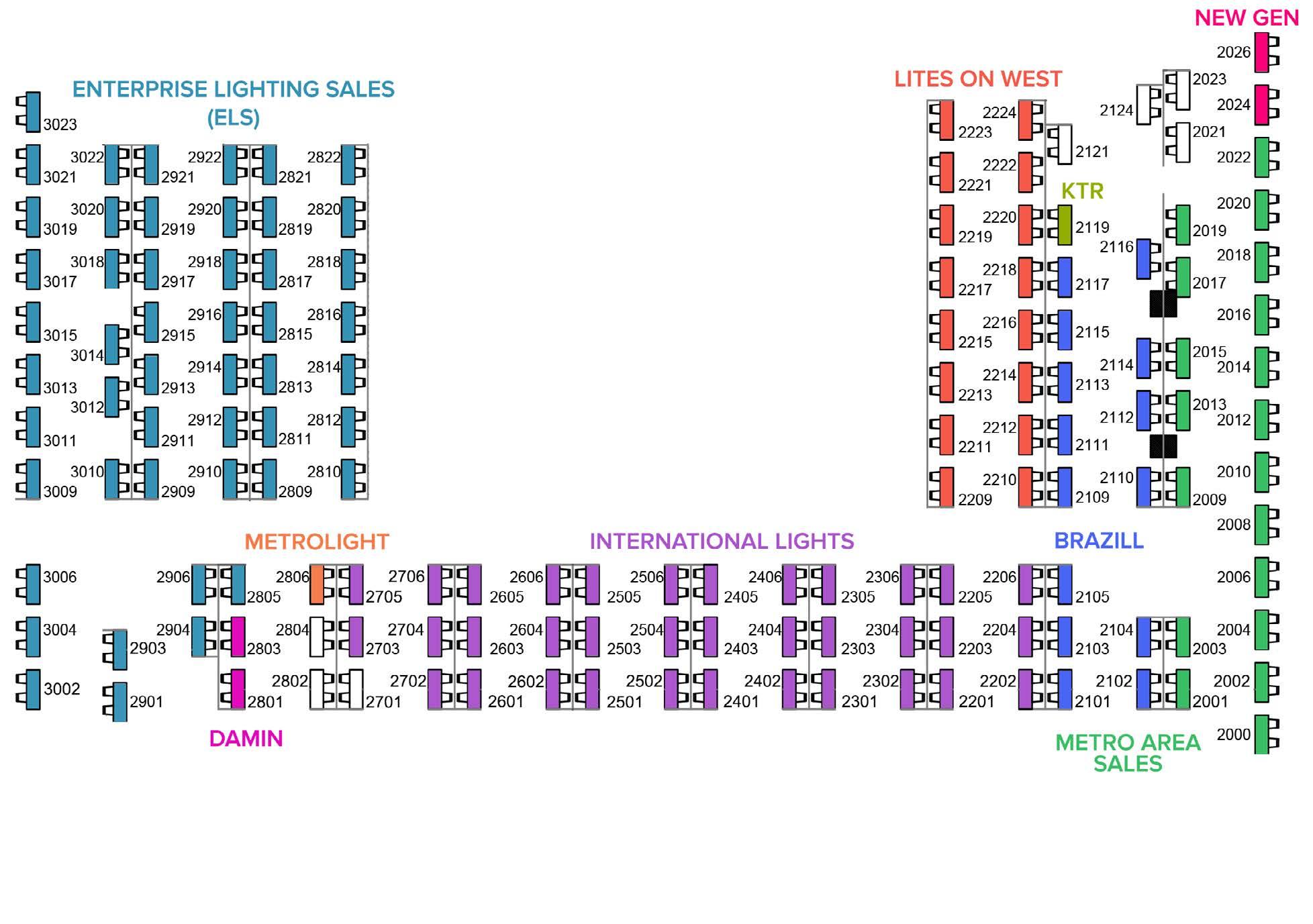
Juno RH-6119
Keelux Technology Co., Ltd. GB-100
Kelvix AH1-3012/3014
Kenall Manufacturing GB-608/610
Keystone Technologies GB-314/316/318
Khatod North America LLC RH-6535
KIM Lighting by Current AH2-4202
Kirlin Lighting AH2-4103
KKDC GB-501
KLIK USA RH-6126
Klus Design GB-512/514
Kreon AH1-2303/2305
Kurtzon Lighting RH-6039/6041
Kuzco Lighting / Alora/
Alora Mood / Auroralight GB-509/511
L&L Luce&Light srl AH2-5006/5008
LA Lighting GB-1003
Lamar / Clear-Vu Lighting GB-223/225
Landscape Forms AH1-3009/3011
LANTANA LED RH-6016
LD+A/Sage Publications PF9
Ldpi Inc. GB-720
Leadsun RH-6534
LED Linear USA GB-723
LED Luks RH-6034
LED NER AH1-2215
Ledconn Corp RH-6021
Ledflex RH-6000
LEDiL, Inc. RH-6238
Ledrabrands AH2-4502
LEDScape Lighting GB-117
LEDVANCE AH1-2804/2802
Legion Lighting Co., Inc AH2-4024/4026
Lehigh Electric Products Co RH-6032
Lena Lighting S.A AH1-2012
Leotek Electronics Usa Llc RH-6237
Leviton Certolux Visioneering AH2-4911/4913
Leviton Manufacturing
GB-516
Light Efficient Design GB-1128/1130
Light Engine Technologies, Inc. GB-405/407
LightArt RH-6010/6012
Lightheaded AH2-4215/4217
Lighting Services Inc. GB-601/603
lightly RH-6009
Lightnet USA Inc. RH-6210
Lightnow PF3
Lightstanza PF17
Ligman Lighting AH2-4816/4818
Lindsley Lighting RH-6130
Linea Light (Inter-lux) AH2-4406
Liteco Lighting RH-6223
Litecontrol by Current AH2-4206
Litelab AH2-4819/4821
Liteline / A-Line GB-308/310
Litetronics RH-6141
Lithonia Spec RH-6122/6124
Liton/ModuLED GB-521/523
Lodes Usa GB-302
Lotus LED Lights AH1-2001
Loupi AH1-2220
LSI Industries AH2-4211/4213
LTF Technology / Sunlite2 AH1-2013/2014
Lucent Lighting GB-209/211
Luceplan AH2-4909
Lucetta / Diode LED AH2-4210/4212
Lucifer Lighting Company AH1-2202/2204
Luciole Lighting RH-6005
Lumascape AH1-2302/2304
Lumato / American Linear Lighting AH1-3019
Lumecon GB-323
Lumenpulse AH2-4004/4006
Lumentender Controls
Solutions Inc. RH-6028
Lumenture AH2-4110/4112
Lumenwerx
AH2-4809/4811
Lumetta AH2-4015
Lumien RH-6532
Luminaire LED RH-6120
Lumination by Current AH1-2109
Luminii Corp / Senso AH2-5009/5011
Luminis RH-6114/6116
Luminos Global RH-6635
Lumos Architectural Lighting GB-306
Lumoscielo™ By Baganti AH1-2822
Lumux Lighting GB-222
Lutron Electronics Co GB-813/815
LUX dynamics RH-6031
Lux Illuminaire GB-217/219
LUXAM RH-6637
Luxrite/Aklow AH1-2020/2022
Luxxbox USA AH1-2505
Luxycon RH-6433
M2O AH1-2101
Magnitude Lighting GB-423
Magtech Industries Corp RH-6232
Manning Lighting Inc. AH2-4918
Mark RH-6100/6102
Marset RH-6208
Matrix Mirrors AH1-2821
Maxiled Lighting RH-6139
MaxLite GB-322/324
Mercury Lighting Products GB-307/309
METEOR LIGHTING AH1-2604/2606
MINIMIS AH2-4105
MODA Light GB-1116/1118
Modern Forms Smart Fans +
Luminaires AH2-5020
Modular International, Inc. RH-6136/6138
Modular Lighting Instruments GB-413
MOJO Illumination AH1-3021
Morelux Lighting (USA) LLC RH-6331/6333
Moss Objects
RH-6639
MP Lighting AH1-2401/2403
Musco Lighting RH-6336
mwConnect AH1-2103
Myers Emergency Power Systems AH1-3020/3022
NACLIQ PF15
Nanometer Lighting GB-912/914
National Lighting Bureau (NLB) PF4
National Specialty Lighting AH2-4124
Nemo Lighting Inc./Reggiani USA RH-6203
NEO Architectural Lighting RH-6732/6734
NERI North America AH1-2704/2706
New Star Lighting RH-6132/6134
Niche GB-822
Nichia RH-6736
Nicolaudie America Inc. RH-6236
NICOR Lighting GB-1001
Nightingale RH-6115/6117
nlight RH-6123/6125
NLS Lighting GB-704/706
No. 8 Lighting RH-6024/6026
Nora Lighting GB-722/724
North Star Lighting, LLC GB-718
Nova Flex LED GB-1016/1018
Nuckolls Fund PF1
Nulite Lighting RH-6023/6025
Nuura RH-6730
NX Lighting Controls by Current AH2-4304/4306
NYControlled PF20
NYSID PF10
OCL GB-604/606
Omnify Lighting RH-6014
Omnilight, Inc. AH2-4113/4115
ONE A AH1-2211
Optique Lighting / Alloy LED AH2-4017/4019
Orion Energy Systems GB-621
Oxygen RH-6207/6209
GRAND BALLROOM
Americas Hall 2 (Access from 3rd Floor)
Americas Hall 2 (Access from 3rd Floor)
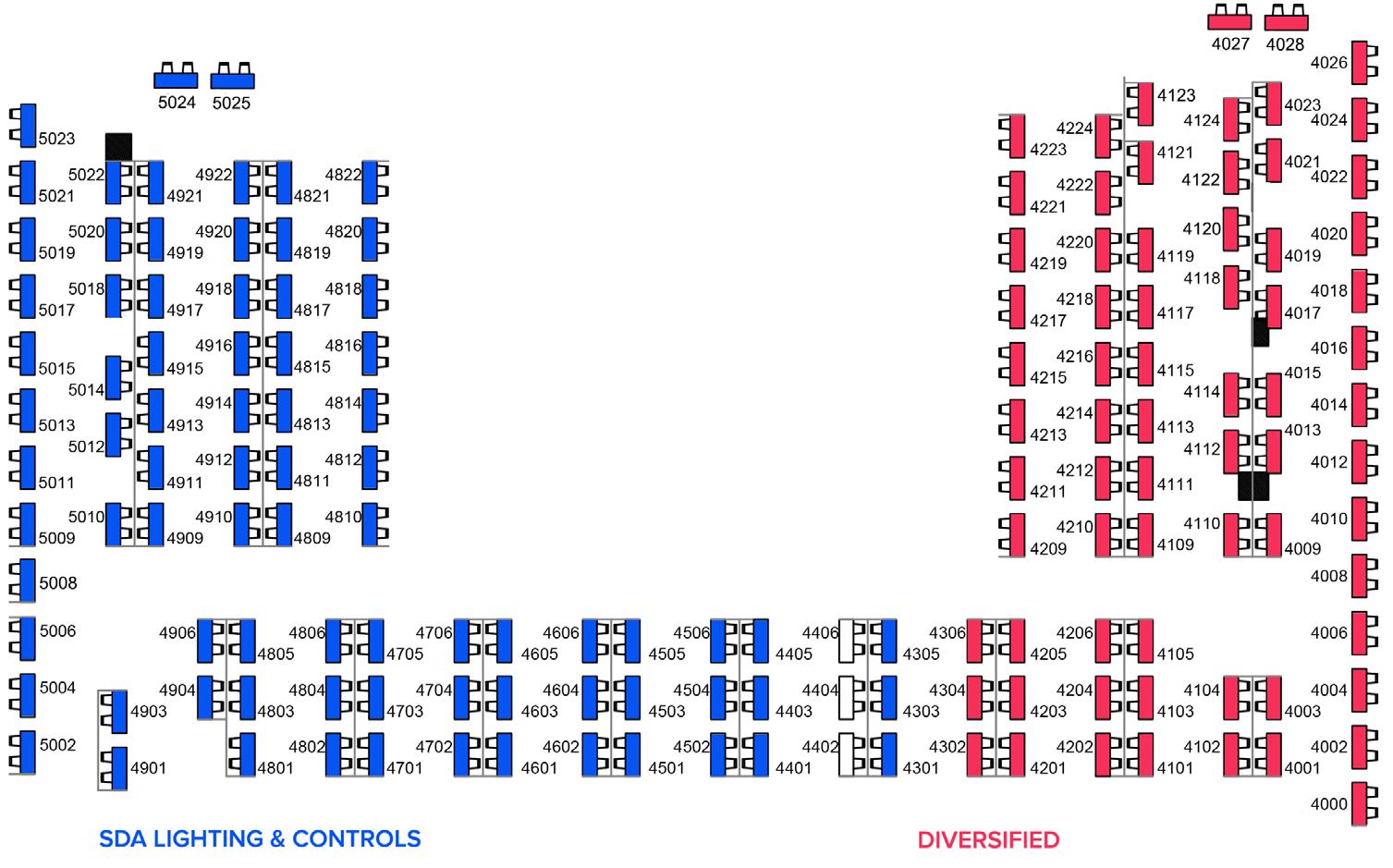
TO AMERICAS HALL 2
INDEPENDENT MANUFACTURERS
Pa-Co Lighting Inc
AH2-4009
Pablo Designs RH-6204
PAL AH1-2115/2117
Paradigm LED GB-203
Pariah Lighting RH-6205
Parsons School of Design PF6
Peerless RH-6107/6109
PENTA LIGHT - AURALIS GB-304
Perfect Power Systems AH2-4605
Performance iN Lighting AH2-4118
Pexco RH-6235
Pharos Architectural Controls RH-6218
Phoenix Lighting AH1-2805
Picasso Lighting AH1-2206
Pinnacle Architectural Lighting AH2-4109/4111
PMC Lighting RH-6135
PoleLed Flagpole Lights AH1-2023
PreciseLED AH2-4920/4922
Premier Custom Lighting
And Decor RH-6233
Prescolite by Current AH2-4203
Prima Lighting AH2-4405
Primus Lighting AH1-2002
Promotech Italia Srl AH1-2217/2224
Prudential Lighting GB-513/515
PureEdge Lighting AH1-2904/2906
QTL GB-213/215
QuantaLight RH-6634
Quattrobi Inc. RH-6019
RAB Lighting AH1-2801/2803
Radiant Architectural Lighting GB-207
RAGNI Lighting International, LLC GB-218
Rayhil GB-1020/1022
RAYON LIGHTING GB-708/710
RBW AH2-4804/4806
Red Sky Lighting AH2-4301
Renova Lighting Systems GB-824
Revelite GB-414
Richard Kelly Grant PF19
Roger Pradier RH-6206
SABIN RH-6033
SALIOT Lighting AH1-2918
Satco/Nuvo Lighting AH2-4012/4014
Schnick-Schnack-Systems Gmbh RH-6733
Schonbek AH2-5022
Scout Lighting GB-714/716
SEBCO Industries, Inc GB-320
Selux RH-6202/6200
SENSORWORX AH2-4812/4814
SGM Lighting RH-6221
Sistemalux GB-717/719
Siteco AH1-2021
Sky Factory AH2-4501
SLG Lighting AH2-4119/4121
Snowball Lighting RH-6638
Solais Lighting GB-114/116
Solas Ray Lighting RH-6035
SOLAVANTI LIGHTING &
ETi Handrail Systems AH2-4919/4921
SONNEMAN GB-1021/1023
Sosen USA, Inc RH-6636
Specialty Lighting Industries AH1-2916
Spectrum Lighting AH1-2506
SPI Lighting AH2-4102/4104
SPJ LIGHTING AH2-4021/4023
Spot on Lighting AH1-2121/2124
Starco Lighting AH1-2601
StarTek Lighting America AH1-3023
STEINEL AMERICA INC. AH2-5013/5015
Sternberg Lighting / Lumca GB-113/115
Stoane Lighting (Inter-lux) AH2-4404
Structura, Inc. AH2-4915/4917
Sunled Industries Llc GB-321
Synapse Wireless GB-506
TAG Lighting Brands - Blackjack Lighting / TAG Lighting Brands - RGB Lights GB-616/618
TAG Lighting Brands - LLIA Lighting GB-620
Targetti / Duralamp / 3F AH1-3002 3004/3006
TCP Lighting RH-6231
TECHNILUM Corp RH-6013
Terzani RH-6029
THE LIGHTING QUOTIENT AH1-2910/2912
The Smart Lighting Company GB-721
Timberlab AH1-2218
Times Square Lighting RH-6227
Tivoli AH2-4221/4223
TLS Architectural Lighting by Media-Graph inc. AH2-4401/4403
TMB RH-6226
TMS Lighting RH-6224
Toggled RH-6030
Tokistar Lighting AH1-2003
Trans Globe Lighting GB-224
Traxon e:cue GB-201
Tridonic US RH-6738
Tweener Lighting Systems AH1-2015
Twice Bright / Puraluce GB-1124/1126
Two Parts AH1-2702
U.S. National Committee of the International Commission on Illumination (CIE-USNC) PF7
U.S. Outdoor Lighting AH2-4810
Universal Fiber Optic Lighting USA, LLC. AH2-4802
University of Colorado Boulder PF12
USAI Lighting (Little One's / Armstrong / USAI Integrated Solutions) GB-613/615
Utopia Lighting
GB-120
Valmont Industries GB-216
Valriya Lighting AH1-2701
Vantage Lighting GB-422
Veroboard RH-6240
Verozza Lighting GB-517
Visa Lighting GB-503/505
Vision3 Lighting AH2-4120
Visionaire Lighting Llc AH1-2116
Vista Professional Outdoor Lighting AH2-4220/4218
Visual Comfort & Co. (1 booth) / Element Lighting (2 booths) AH1-2909 2911/2913
VIZULO SOLUTIONS SIA GB-524
Vode Lighting AH2-4000/4002
WAC Architectural AH2-5014/5018
WAC Lighting AH2-5010/5012
Wagner Architectural AH1-3015
Waldmann Lighting AH2-4801/4803
Wattstopper GB-609/611
Wave Lighting AH1-2024
WE-EF LIGHTING USA GB-725
Westgate Manufacturing GB-525
Whitegoods (Inter-Lux) AH2-4402
WILD PF14
XAL AH1-2703/2705
XICO Lighting AH1-2901/2903
Zaneen Architectural & Zaneen Design GB-301/303
Zaneen Exterior GB-305
Zaniboni Lighting GB-700/702
Zeplinn GB-424
Zhaga Consortium PF18
Zilux GB-325
Zledlighting GB-123
Zuma Lighting GB-118
Zumtobel Lighting Inc AH1-2603/2605
ESCALATOR TO AMERICAS HALL 2
GRAND BALLROOM
AMERICAS HALL 1
43RD ANNUAL IALD
DESIGN AWARDS INTERNATIONAL LIGHTING
2026 IALD
RADIANCE AWARD
FOR EXCELLENCE IN LIGHTING DESIGN
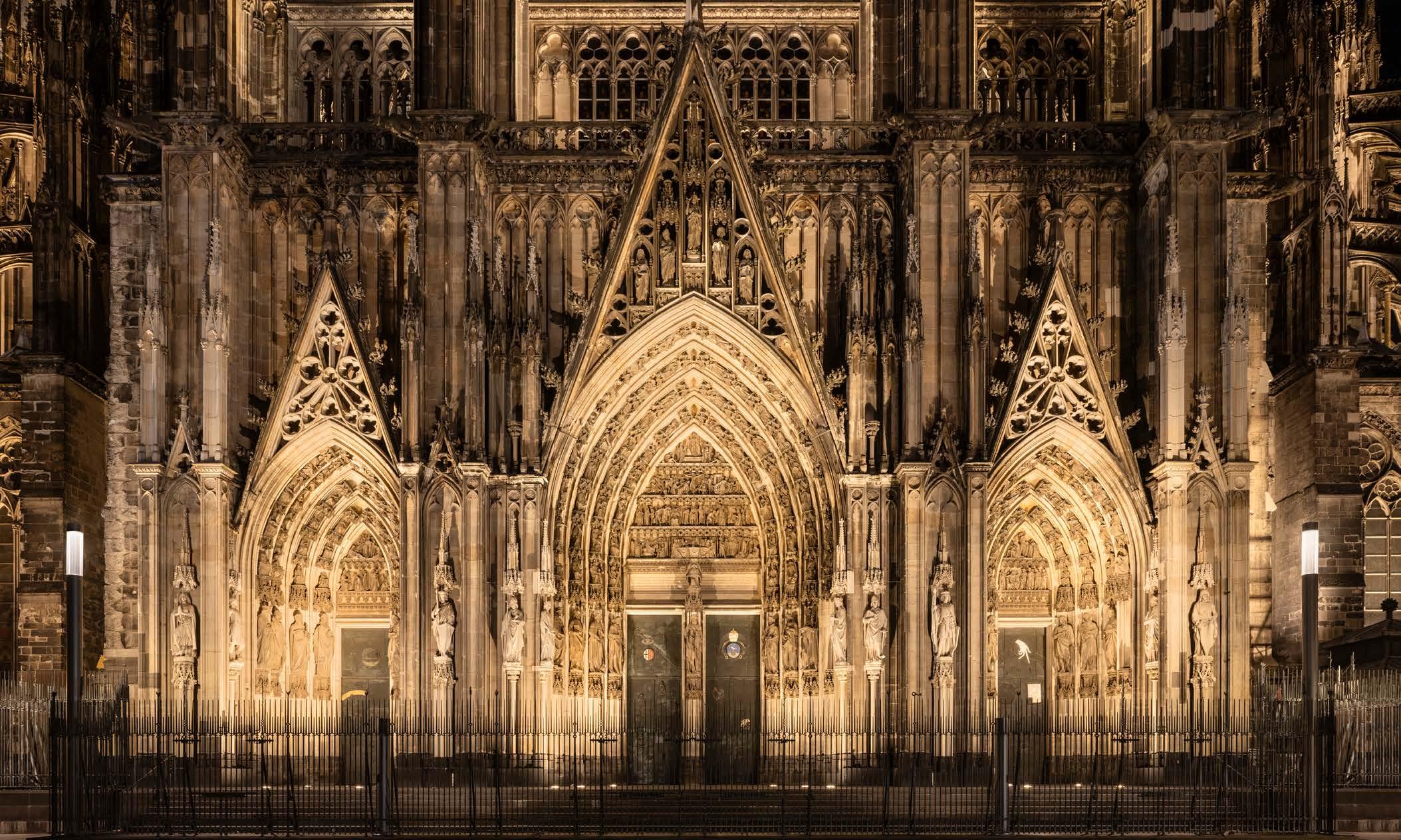
Cologne Cathedral: Exterior Lighting
Cologne, Germany
LIGHTING DESIGN
Licht Kunst Licht AG
Lighting Designers
Philipp Schmitz; Stephan Thiele; Andreas Schulz, FIALD, CLD; Thomas Möritz, IALD**
** formerly with Licht Kunst Licht AG
CLIENT RheinEnergie AG, on behalf of the City of Cologne
ADDITIONAL CREDITS
Kölner Dombauhütte, Metropolitankapitel der Hohen Domkirche zu Köln (Construction Management); Elektro Baeth GmbH (Electrical Engineering)
PHOTOGRAPHY
© HGEsch
The lighting design for Cologne Cathedral's exterior represents a breakthrough in combining heritage conservation with environmental responsibility, using over 700 carefully positioned LED fixtures to illuminate the Gothic masterpiece without drilling a single hole in the historic structure. The project showcases the firm's guiding principle of "light follows architecture," where directional lighting, grazing techniques, and shadow play emphasize the cathedral's vertical dynamics and complex details rather than simply flooding the building with light. The innovative mounting system protects the historic masonry while remaining fully reversible, thereby meeting the strict conservation requirements of this UNESCO World Heritage site. "The discreet integration of the light fittings into the stonework is exceptionally well done," remarked one judge.
The lighting design achieves remarkable results across environmental performance and visual clarity. Energy consumption is now 80 percent lower than under the previous system, while light pollution has decreased from 80 percent to 10 percent. The sophisticated tunable white LED system operates at 2,700 K and includes a "sleep mode" that reduces energy use to only 10 percent after midnight. Visitors can now see 50 percent more architectural surface and details than before, with the twin towers visible even from across the Rhine River. The design team spent extensive time testing different color temperatures to achieve the perfect warm spectrum that highlights the cathedral's ornamental architecture, pinnacles, flying buttresses, and tracery with three-dimensional clarity.
The project demonstrates how contemporary lighting technology can enhance both the spiritual presence and civic identity of a historic monument while meeting modern sustainability standards.
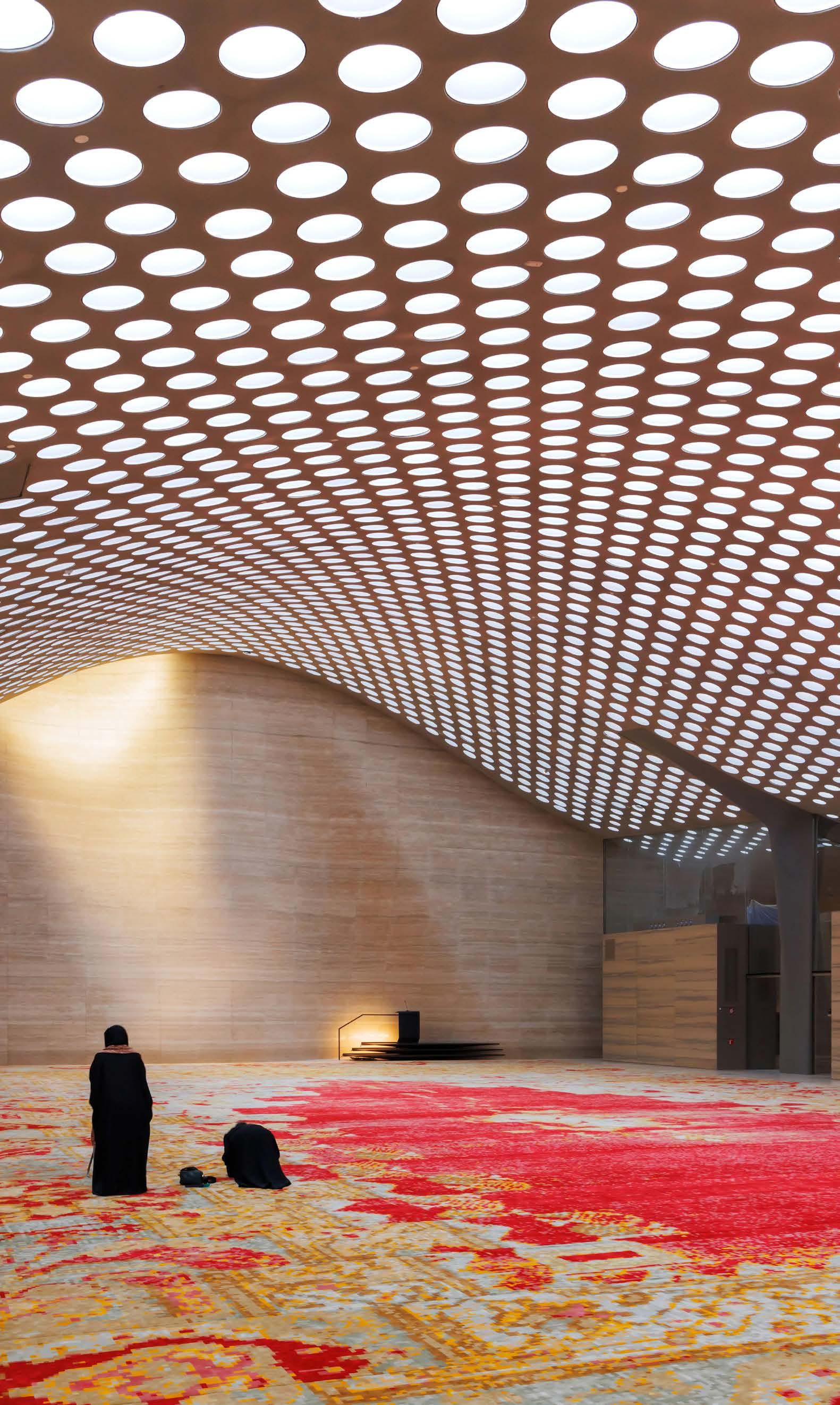
Al Mujadilah: Center & Mosque for Women
Doha, Qatar
LIGHTING DESIGN
Buro Happold
LIGHTING DESIGNERS
Gabe Guilliams; Chris Coulter; John Sloane; Aida Maron; Elias Gomez
ARCHITECTURE
Diller Scofidio + Renfro
CLIENT
The Qatar Foundation
PHOTOGRAPHY
© Iwan Baan; © John Sloane; © Evan Tribus; © Maha S. Al-Khalifa
Al Mujadilah is a groundbreaking achievement; the first purpose-built contemporary mosque designed specifically for women in the Muslim world.
The lighting design centers on the dynamic qualities of daylight filtered through nearly 6,000 conical skylight perforations embedded in the building's signature undulating roof. These small apertures, wider at the ceiling than at the rooftop to minimize heat gain from Qatar's intense sun, create a diffuse, almost heavenly luminosity throughout the 9,400-square-foot prayer hall. The lighting concept draws directly from Islamic tradition, where light serves as a metaphor for spiritual guidance, creating an atmosphere that is both uplifting and contemplative.
The design skillfully balances natural and artificial illumination to maintain the spiritual ambiance throughout the day and night. As daylight fades, dynamic white LED fixtures integrated into the roof apertures seamlessly continue the same quality of ambient light, ensuring visual and spiritual continuity.
The Qibla Wall, which extends away from the roof plane and directs worshippers toward Makkah, is bathed in focused daylight through a dedicated skylight at the mihrab niche, clearly identifying it as the primary architectural and religious focal point. The LEED Gold-certified project demonstrates how lighting can honor tradition while elevating women's role in Muslim society.
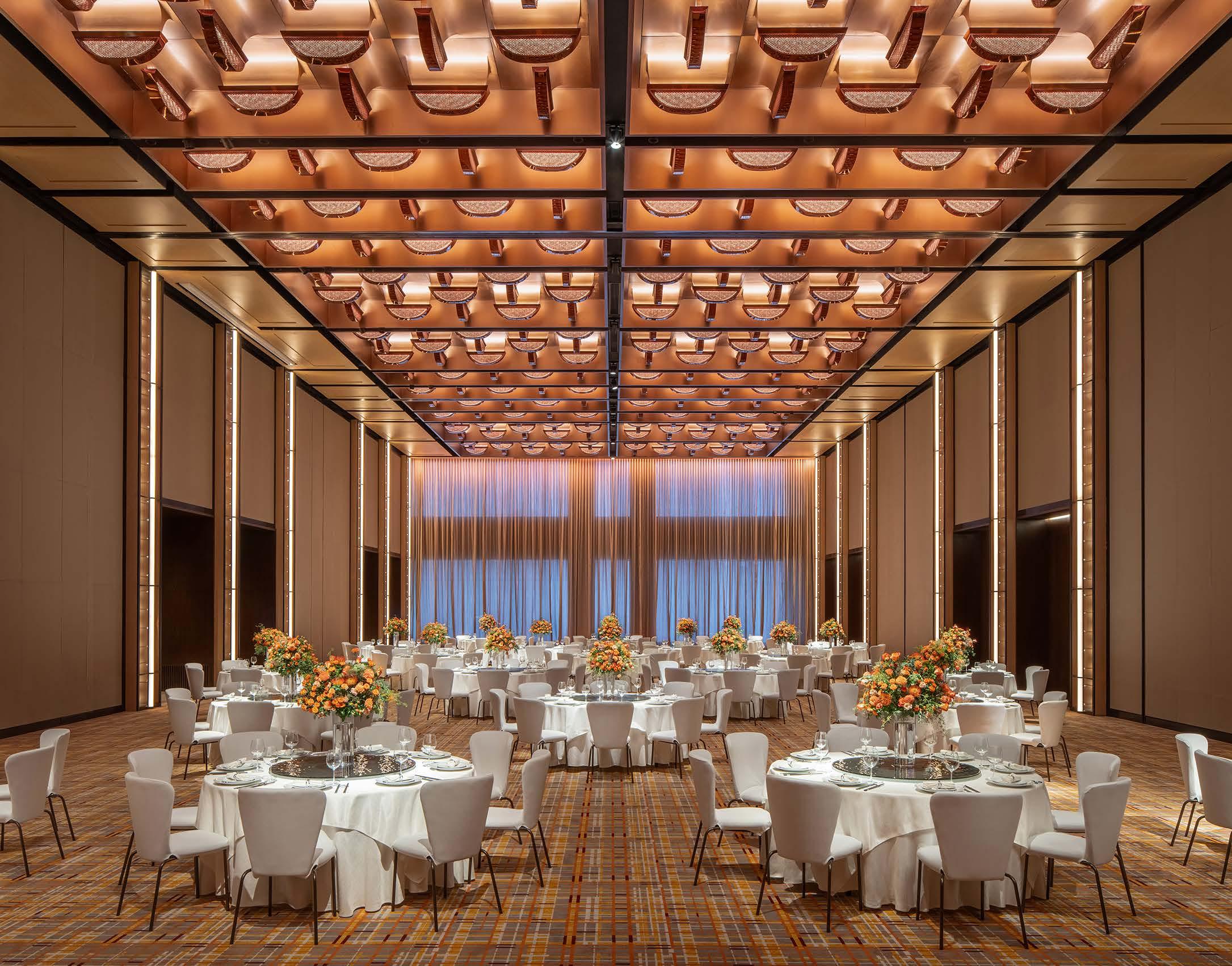
2026 IALD AWARD OF EXCELLENCE
Grand Hyatt Kunming: Public Areas & Rooms
Kunming, China
LIGHTING DESIGN
The Flaming Beacon & Isometrix
LIGHTING DESIGNERS
Andrew Jaques, IALD, CLD; Imelda Hutagalung; Gabriele Gunady; Nelson Ng; Hanna He
ARCHITECTURE
MQ Studio
CLIENT
Hang Lung Properties
PHOTOGRAPHY
© Derryck Menere
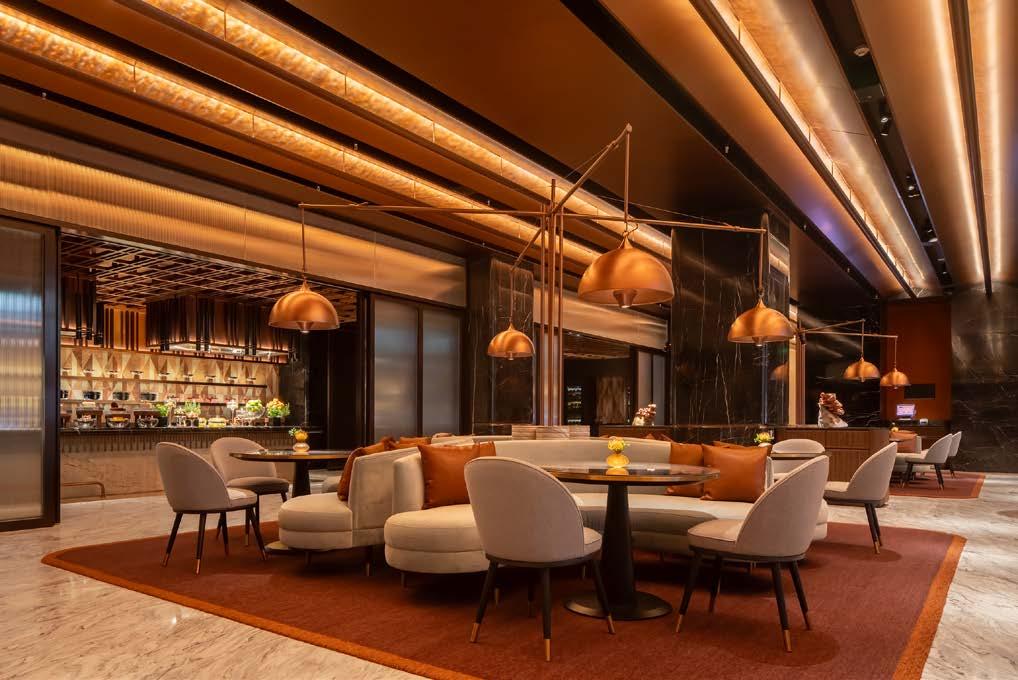
The Grand Hyatt Kunming showcases a refined lighting approach that reinterprets the natural beauty of Yunnan province through contemporary design while avoiding cultural clichés. The lighting concept creates a series of distinct experiences throughout the hotel's public spaces, each telling a story connected to the region's heritage. The 10-meter-high arrival hall features an illuminated parabolic ceiling that references the traditional rice fields of Yunnan, where the sky's reflection in waterfilled terraces has been a defining visual element of the landscape for centuries. This dramatic entrance sets the tone for the entire property, using light to create a sense of place that is both grand and intimately connected to local culture.
Throughout the hotel, the lighting design employs shadow play as an important storytelling element, particularly in the ballroom, which honors the traditional practice of cliff honey collecting. The reception hall draws inspiration from Yunnan's coppermining heritage, with warm metallic tones that create a rich, welcoming atmosphere. Color is used with restraint, limited to woven bamboo reflectors at guestroom entries programmed to represent Yunnan's colorful seasons.
The project demonstrates how lighting can create layers of meaning and cultural resonance without relying on obvious decorative elements; instead, it uses light quality, shadow, and carefully considered color moments to evoke the spirit of place.
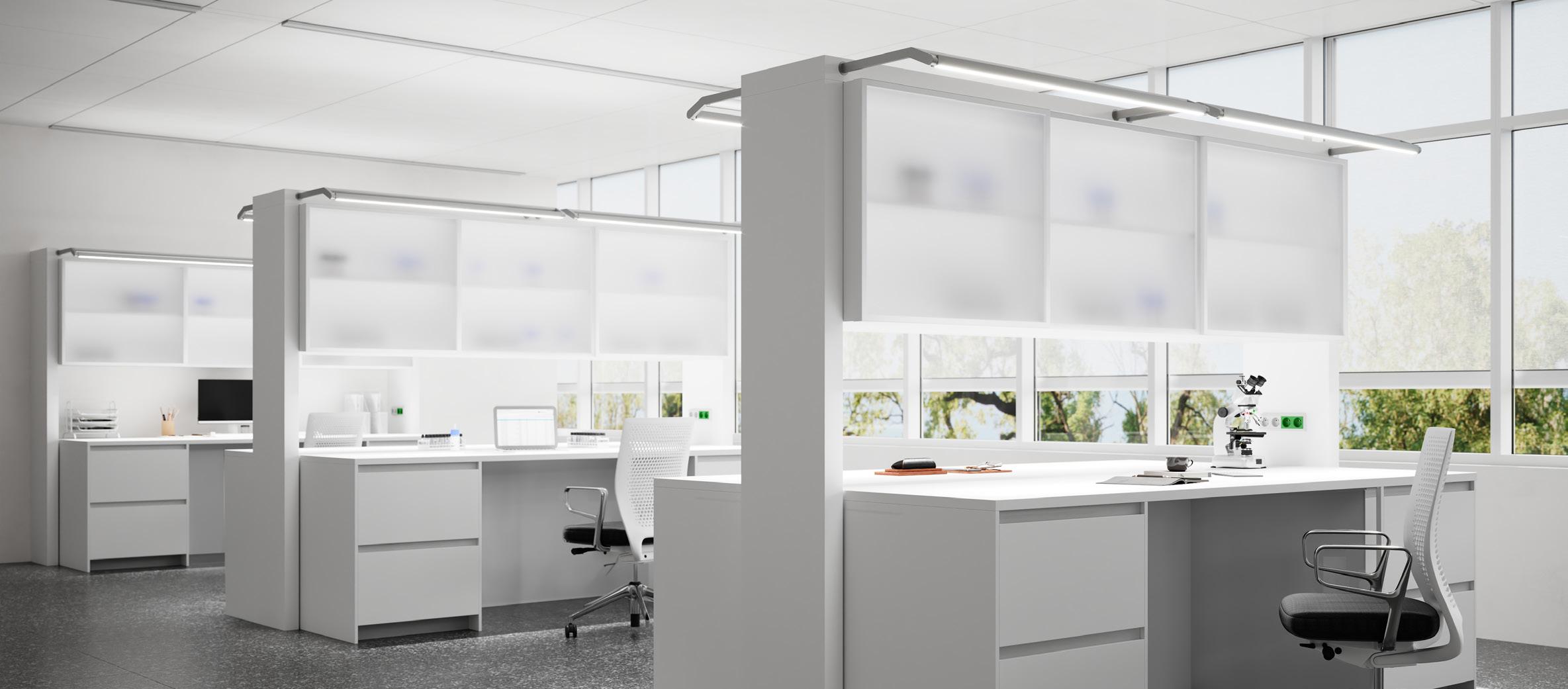
Dual Hub | 107
One Hub. Three Profiles. Limitless Light.
Experience design flexibility with the 107 style’s new Dual Hub mounting option — now available across the Box, Race, and Wing families.
This innovative option seamlessly combines two rail types into a single, streamlined fixture, empowering you to create new lighting solutions tailored to the most complex applications with unparalleled style and performance while reducing component and installation costs.
Features & Benefits
Dual Rail Integration
Complex lighting designs are simplified by combining 107 rail types into one minimal fixture.
Versatility
The Dual Hub enables creative combinations by allowing you to mix and match fixtures.
Rotational Control
Each fixture can rotate up to 360 degrees, allowing precise beam control.
Familiar Fixtures
Utilize any of the 107 fixtures to suit any application.
2026
AWARD OF MERIT
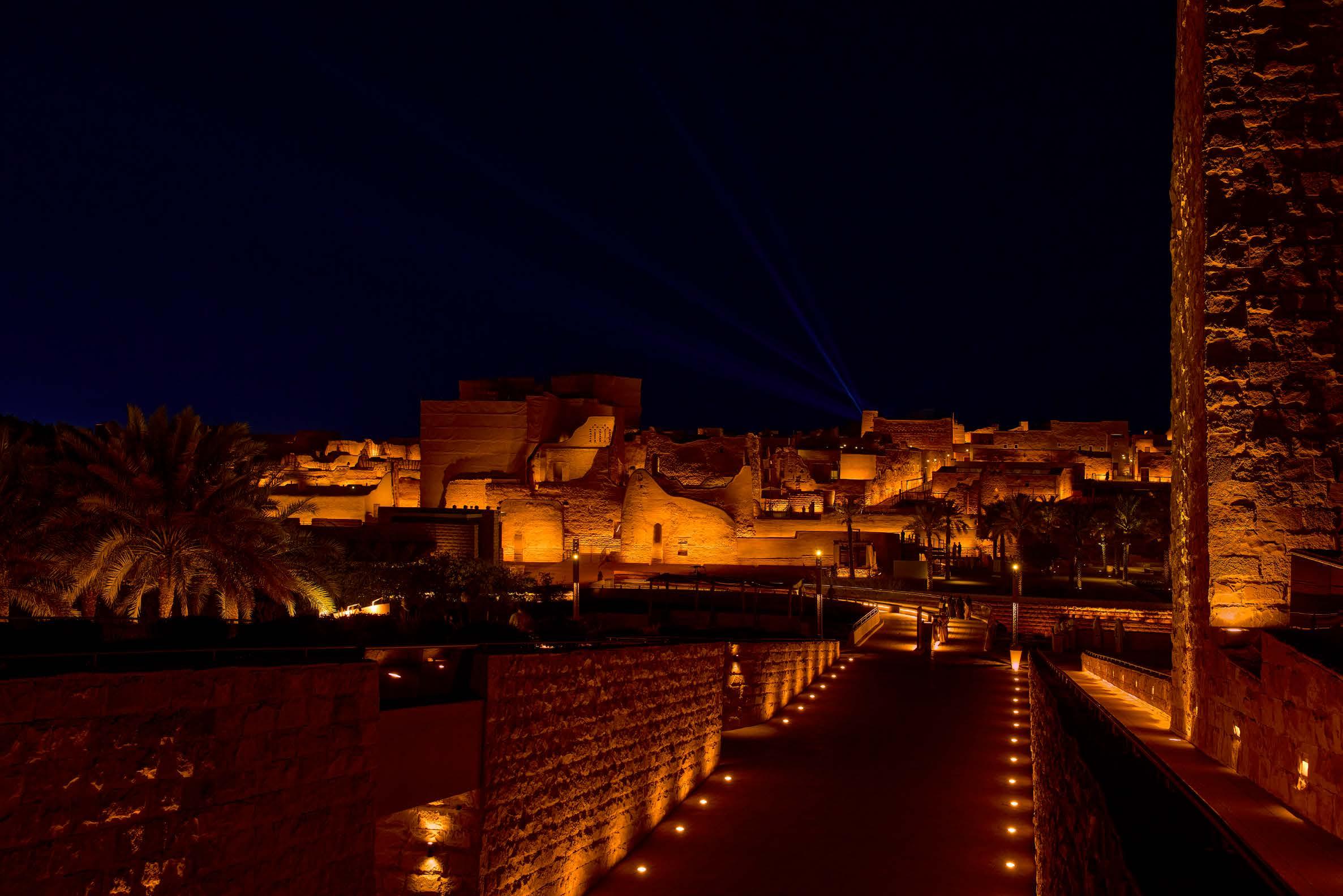
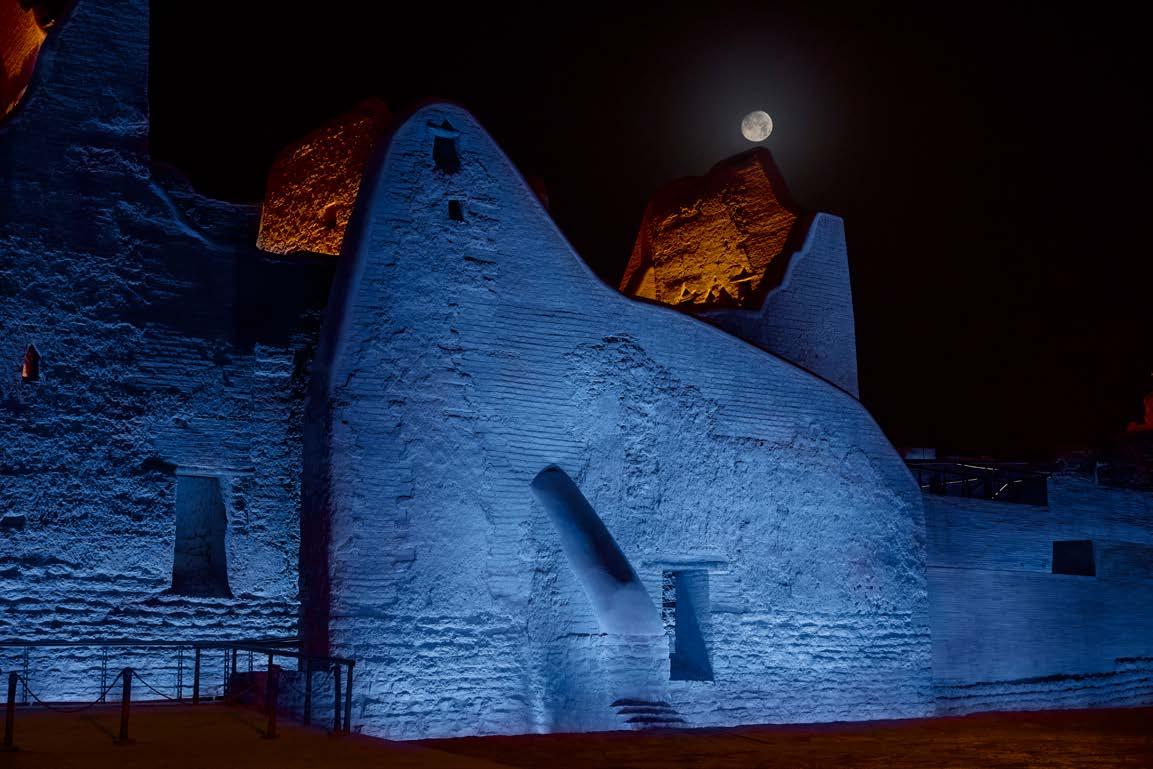
At-Turaif, the 15th-century UNESCO World Heritage site and first capital of the Saudi state, has been transformed into a luminous tapestry of rose-gold light through the design team's sensitive and scholarly approach. Each evening, the ancient mud-brick city comes alive with lighting that evokes the historic buildings, streets, and courtyards as they once were, creating a "step back in time". The design uses 3,200 fixtures, with extensive 3D modeling employed to preserve the site's fragile fabric while revealing its extraordinary spirit.
The lighting scheme balances epic scale with exquisite detail, addressing both the site's role as a major focal point and the
At-Turaif
Diriyah, Saudi Arabia
LIGHTING DESIGN
Speirs Major Light Architecture
LIGHTING DESIGNERS
Keith Bradshaw, IALD, CLD; Adrien Flouraud, IALD, CLD; Iain Ruxton; James Fuentes McGreevy
CLIENT Diriyah Company
ADDITIONAL CREDITS
Martin Professional (Installation and Equipment); Enpro (Installation and Equipment); DAR (Engineering)
PHOTOGRAPHY
© Allan Toft; © Martin Professional
intimate experience of wandering through the ancient streets and courtyards. Drawing on their experience with similar sites, the design team used light as a narrative tool to reveal the stories and memories embedded in the architecture. The design includes special programming that reflects the importance of the lunar calendar in the Muslim faith, shifting the exterior to silvery-blue tones during the full moon each month while maintaining warm lighting in interior spaces.
The project connects people, place, and history in an unforgettable way, serving as both a tourist destination and a living national monument.
2026 IALD AWARD OF MERIT
BAPS Hindu Mandir
Abu Dhabi, United Arab Emirates
LIGHTING DESIGN
Studio Lumen
LIGHTING DESIGNERS
Vinod Pillai; Siddharth Mathur Sumit Sharma
CLIENT BAPS Swaminarayan Sanstha
PHOTOGRAPHY
© AJPG
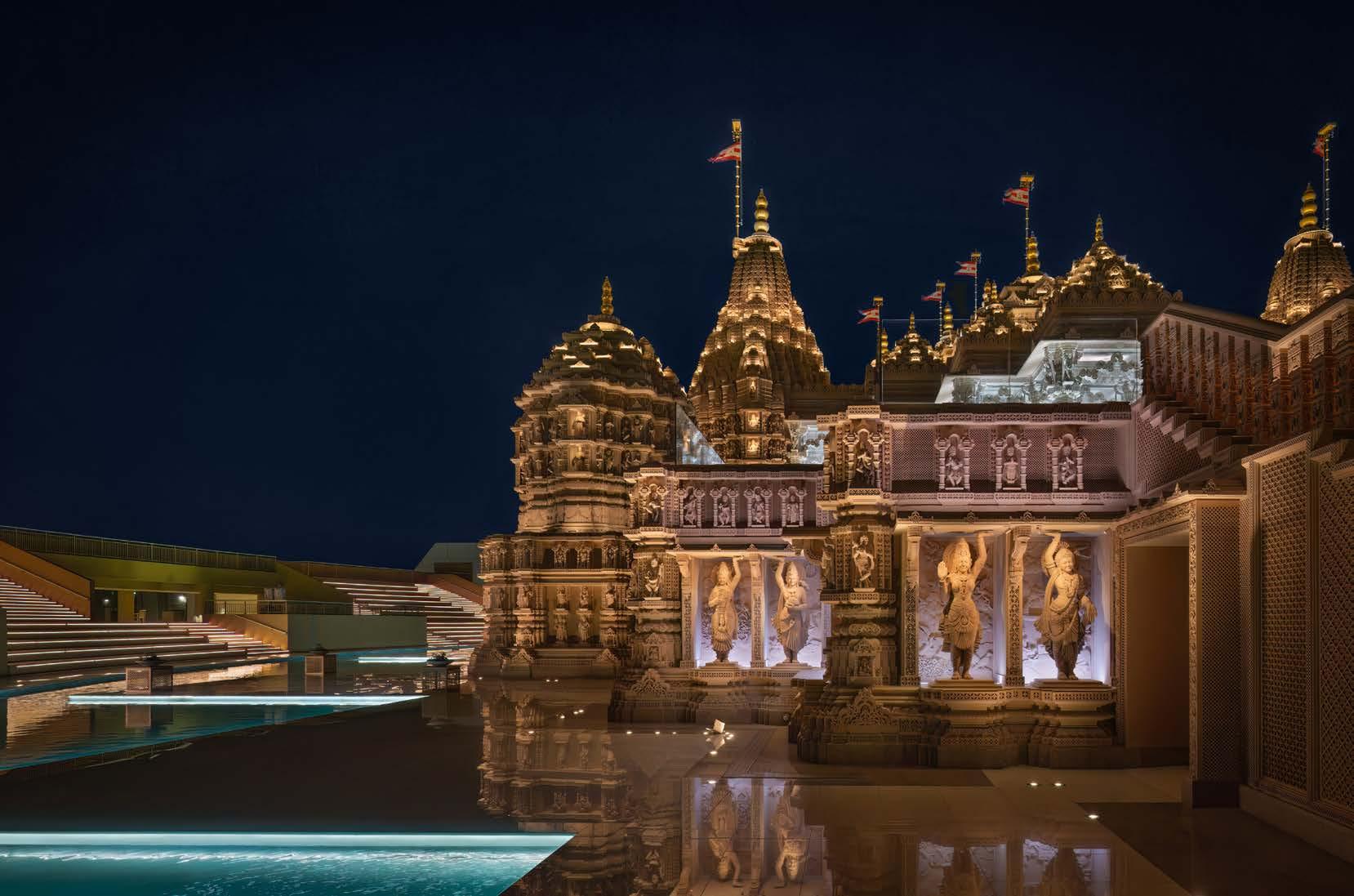
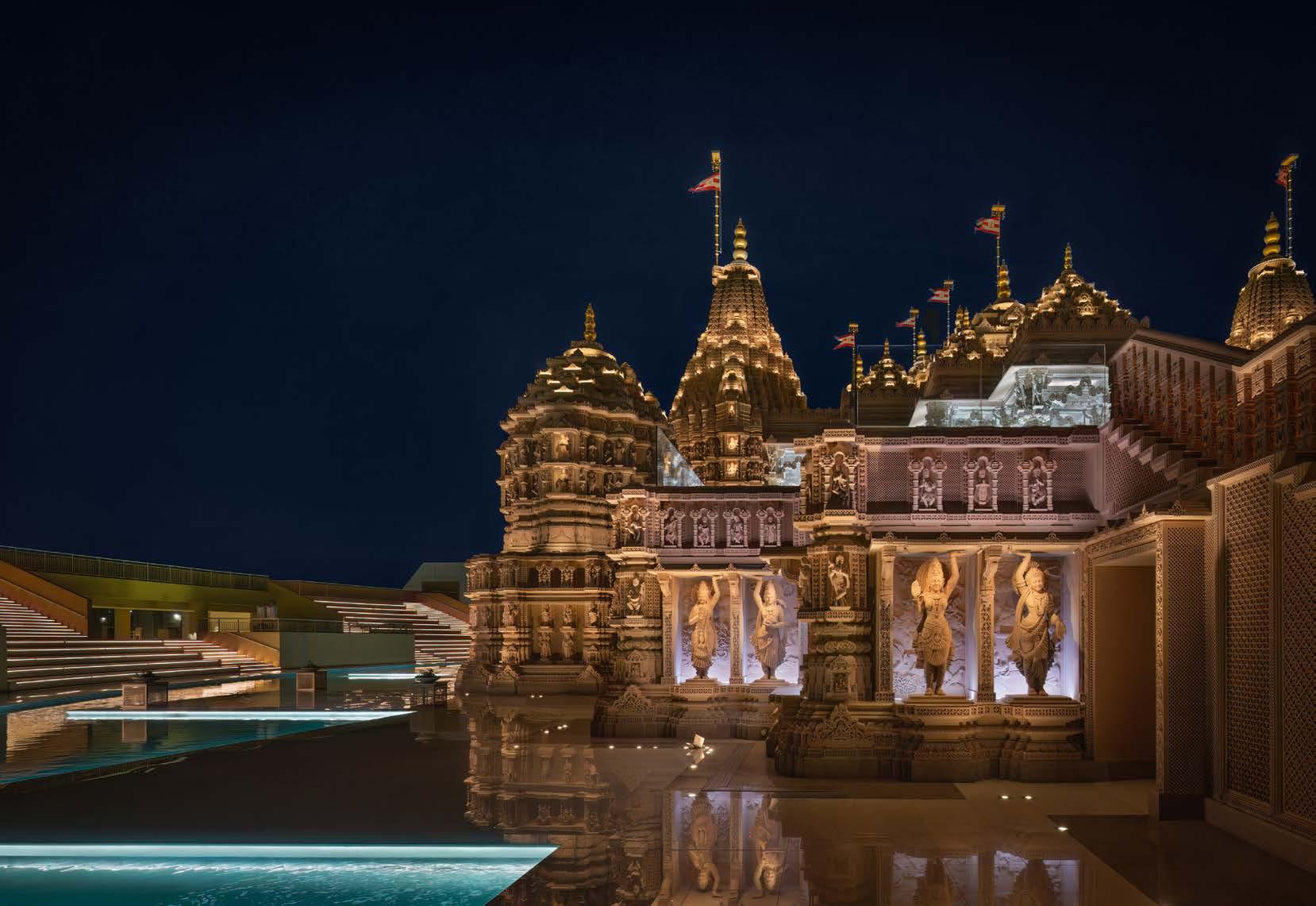
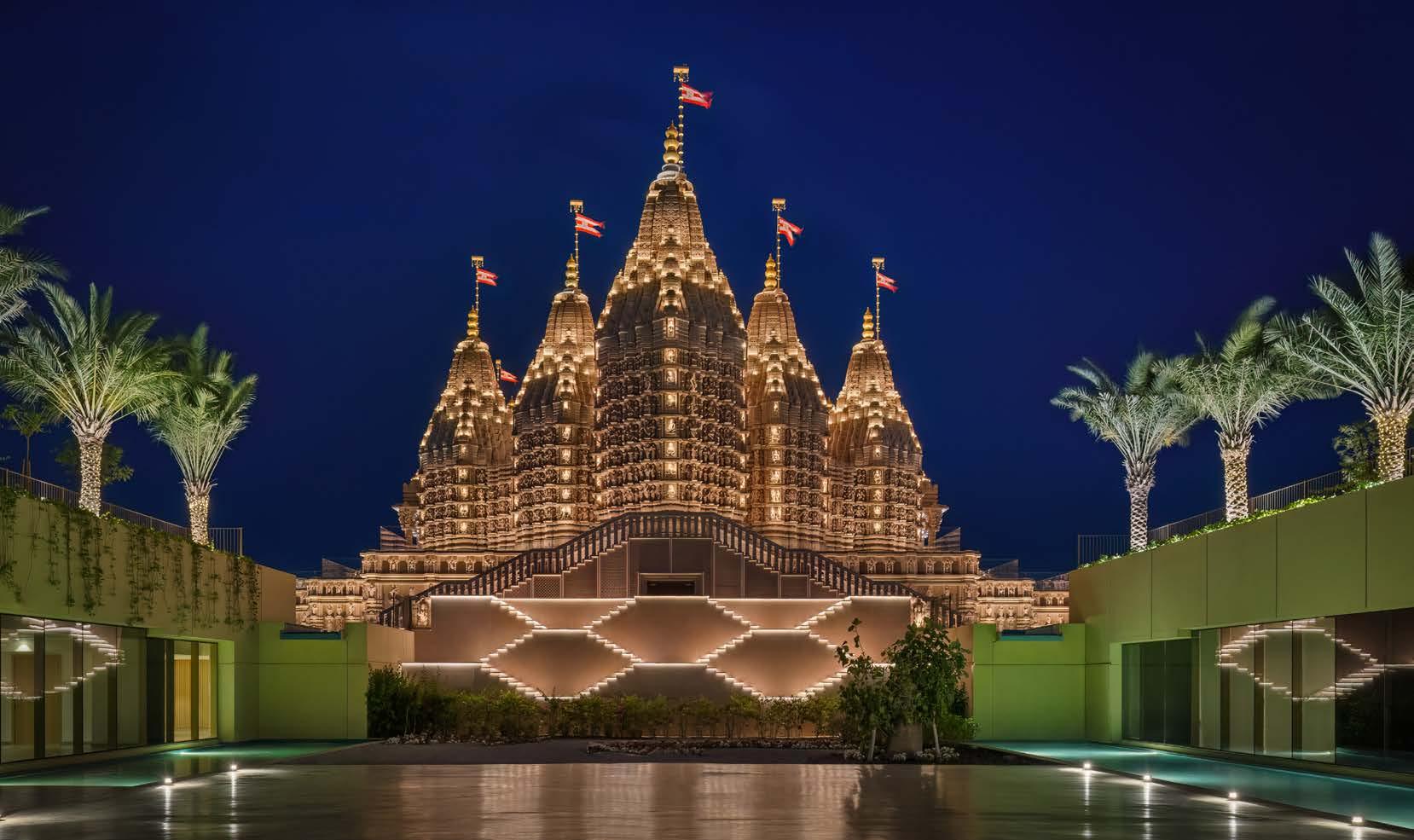
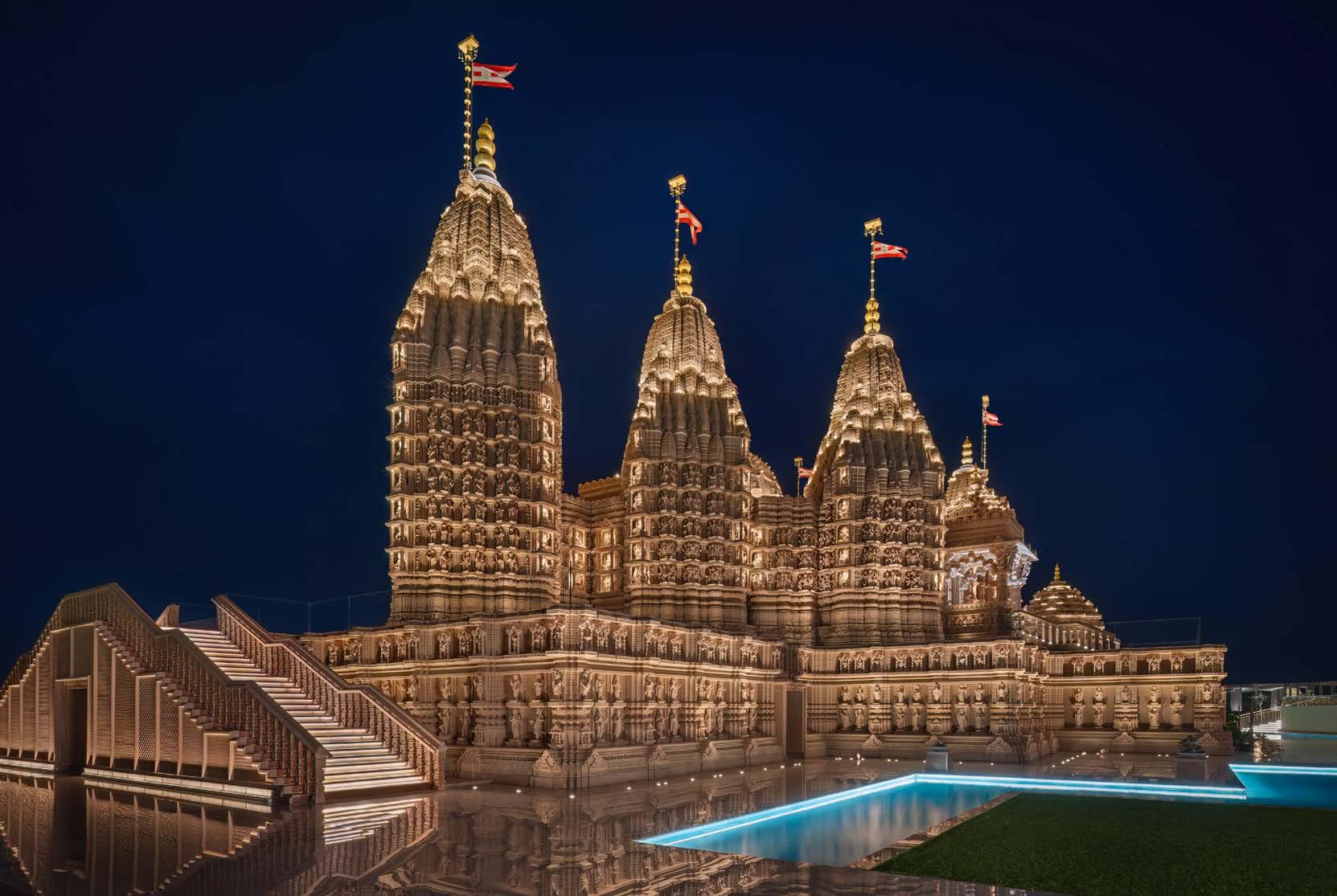
The Hindu Mandir represents the first traditional Hindu temple in the United Arab Emirates and is a symbol of cultural diversity and interfaith harmony. The lighting design approach required both technical discipline and a deep understanding of spiritual narrative, drawing from sacred Hindu principles and cosmology to create a transcendent experience. Light embodies the Five Great Elements of Hindu philosophy, animating ritual spaces and revealing the temple's intricate craftsmanship with care and restraint. The design team ensured that every lighting decision supported the sacred nature of the space while celebrating the architectural detail.
Through precise optical control, low-energy LED systems, and intelligent dimming strategies, the lighting design minimizes light pollution while maximizing longevity. This approach has a spiritual purpose, with lighting becoming a sacred language. The sustainable systems ensure the temple can maintain its visual impact for generations while respecting the desert environment and the night sky. This project exemplifies how lighting design can honor religious traditions and create atmospheres of worship while employing contemporary technology and environmental consciousness.
2026 IALD AWARD OF MERIT
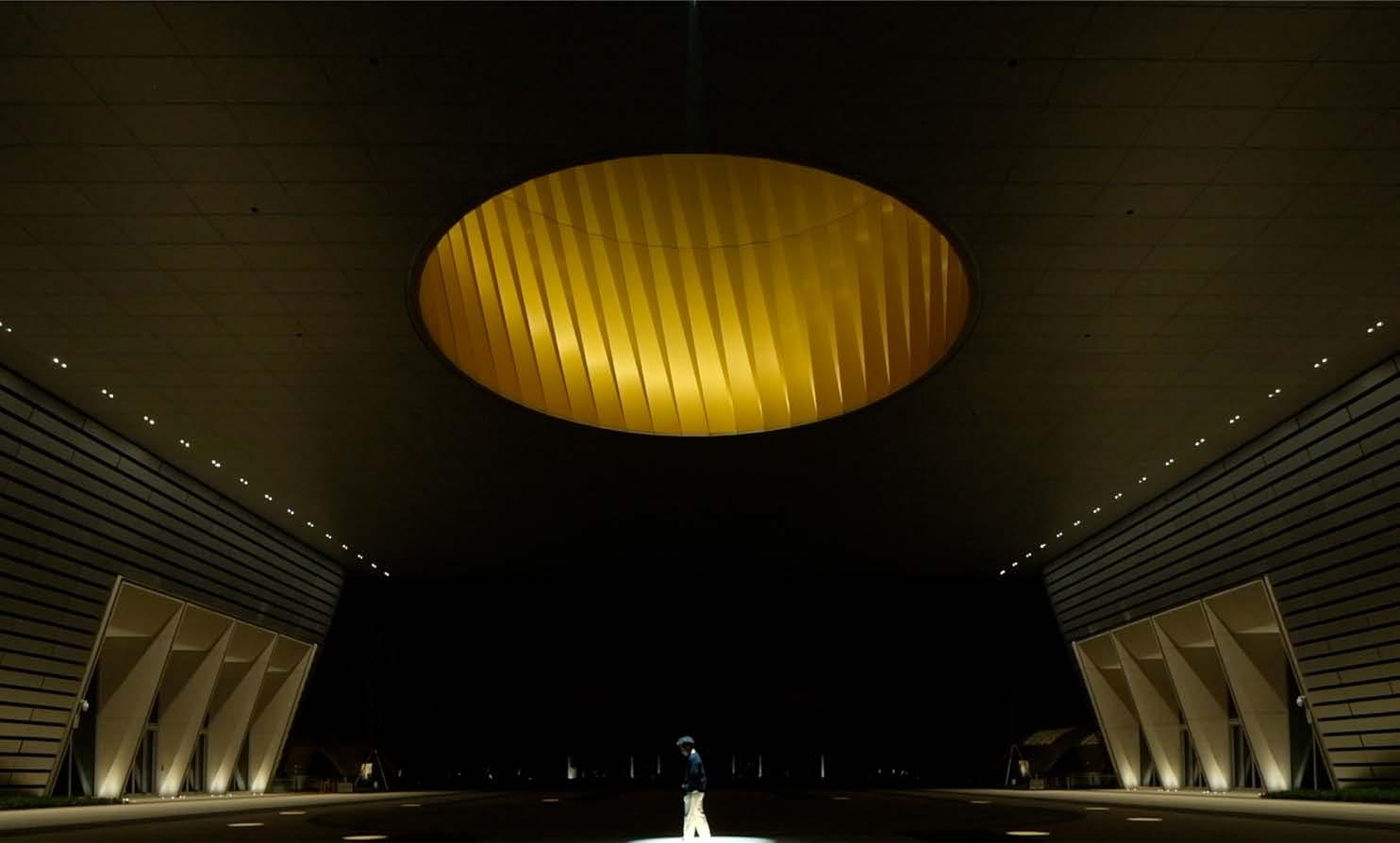
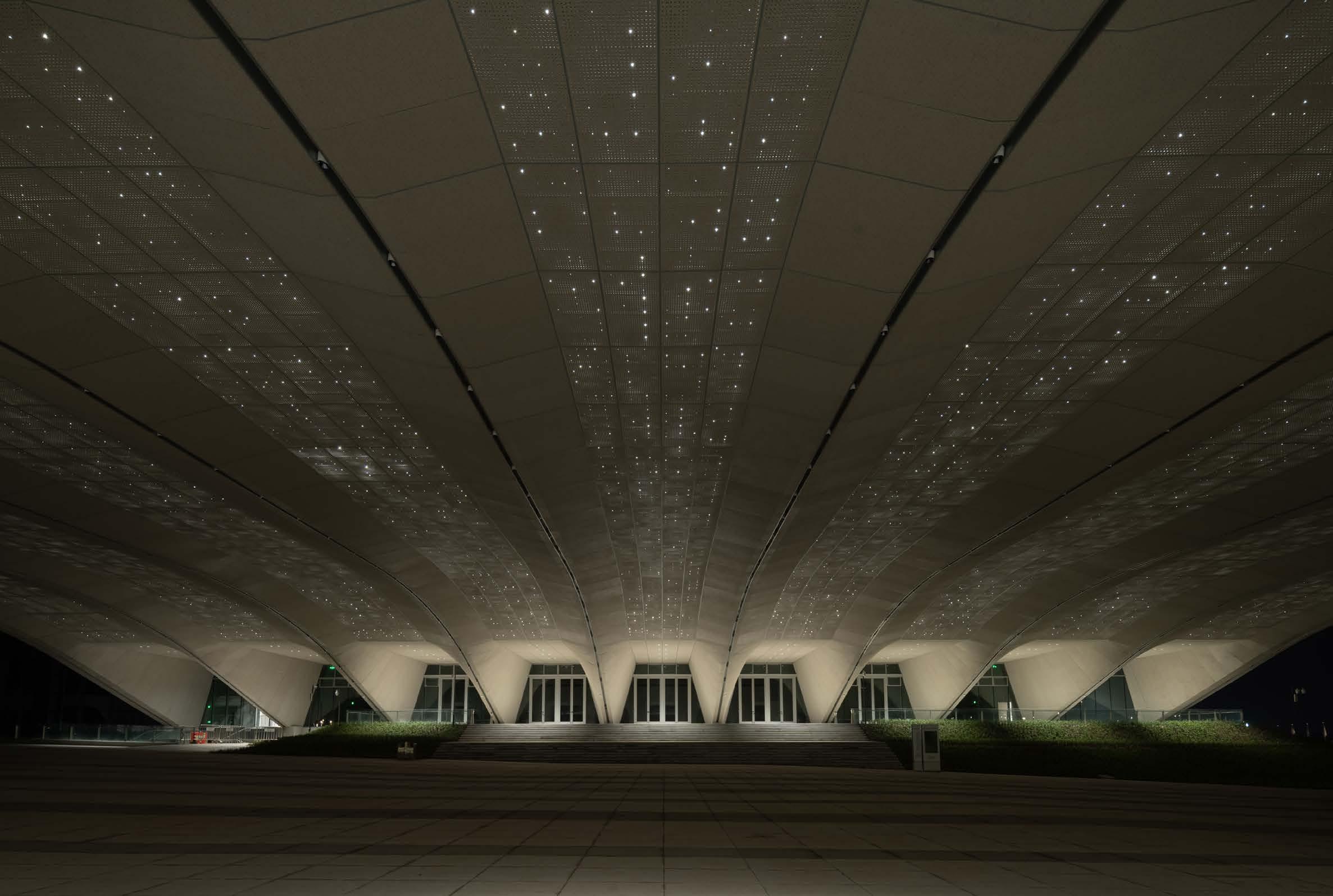
The lighting design for Chongqing Science Hall explores concepts of diversity and commonality through a sophisticated approach that transcends simple addition or subtraction of light. The project mirrors the interplay between unity and multiplicity, using lighting to create spaces that support both collective gathering and individual discovery. The design responds to the building's role as a center for scientific education and public engagement, where lighting must serve varied functions from dramatic presentations to quiet contemplation.
Chongqing Science Hall
Chongqing, China
LIGHTING DESIGN
Beijing PRO Lighting Design Co., Ltd.
LIGHTING DESIGNERS
Li Hui, IALD; Fu Li
ARCHITECTURE
POWERCHINA Huadong Engineering Corporation
CLIENT
POWERCHINA Huadong Engineering Corporation
PHOTOGRAPHY © TOPIA Vision
The lighting concept creates an environment that encourages curiosity and learning while maintaining visual comfort and flexibility. By carefully balancing ambient and accent lighting, the design team created spaces that can adapt to different programs and activities throughout the day.
The project demonstrates how lighting in educational and cultural buildings can support institutional goals while creating memorable experiences that inspire visitors of all ages.
Coming Soon
Don't Miss the Light Justice NOW Awards Winners Announcement at IES2026 THE LIGHTING CONFERENCE
Where: Denver, CO
When: 13 - 15 August 2026



2026 IALD AWARD OF MERIT
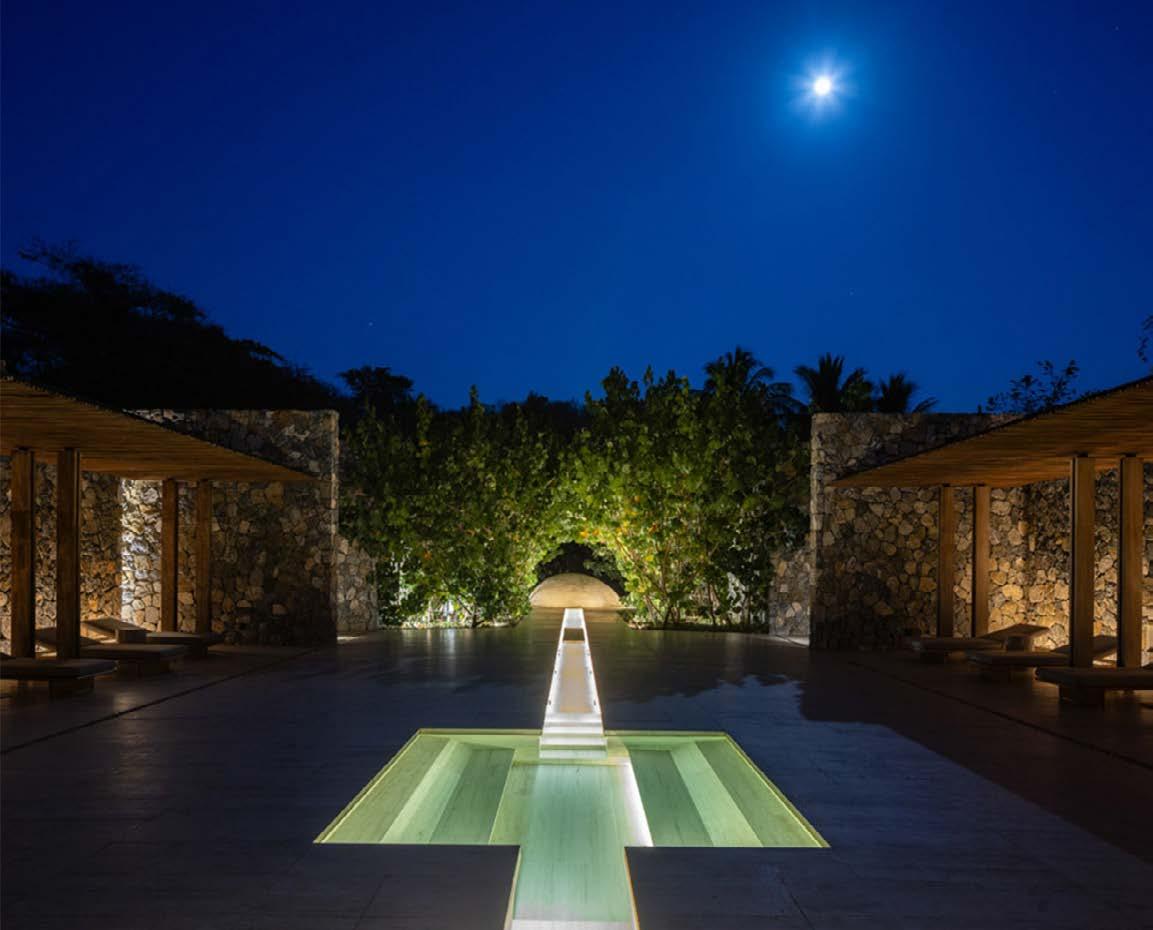
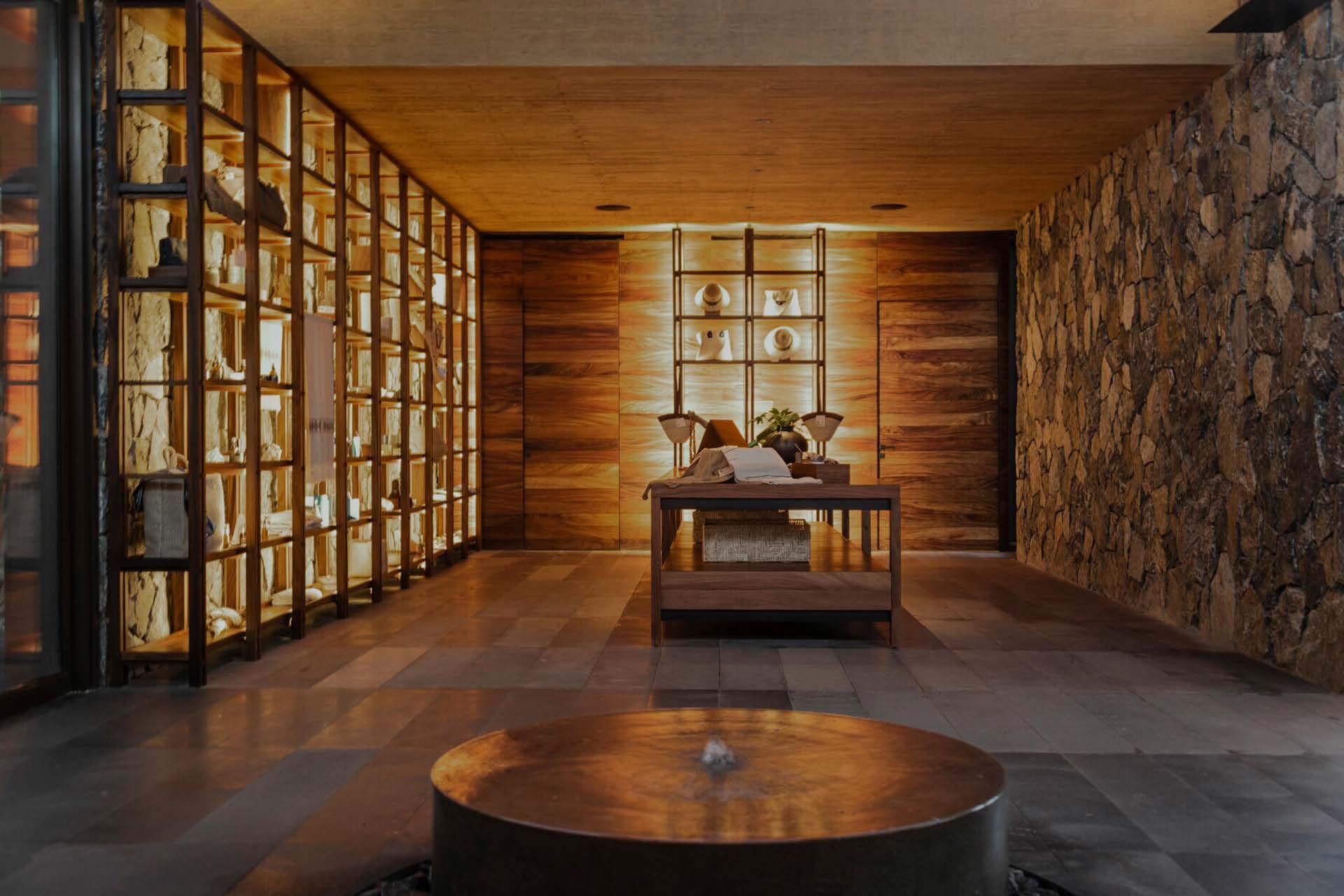
Four Seasons Tamarindo is a beachfront resort on México’s Pacific coast, nestled within a 3,000-acre private nature reserve where jungle meets the sea. The lighting design was conceived to harmonize with the protected setting while preserving balance and darkness. From this premise, lighting became an exercise in restraint: façades remain unlit, large planes of brightness are avoided, and illumination emerges only through recesses, edges, and reflections.
As night falls, absence defines the architecture, while
Four Seasons Tamarindo
Costalegre de Jalisco, México
LIGHTING DESIGN
Artec Studio
LIGHTING DESIGNERS
Maurici Ginés, IALD, CLD; Jose Cardona; Tannia Vivar
Andrea Pérez; Estefanía Sánchez
ARCHITECTURE
Legorreta + Legorreta; Taller de Arquitectura
CLIENT
Paralelo 19
PHOTOGRAPHY
© Rafael Gamo; © Four Seasons Tamarindo
discreet glows guide circulation and reveal lived areas. Through containment and precision, the hotel integrates with its environment, allowing light to inhabit voids, elevate shadow, and transform restraint into identity.
Tamarindo reveals how light, when contained in emptiness, gives value to shadow, supports architecture, and safeguards the night. Here, lighting is not an accessory but an essential presence, one that breathes with the environment and proves that containment can be as powerful as expansion.
ARCHITECTURAL LIGHTING SOLUTIONS
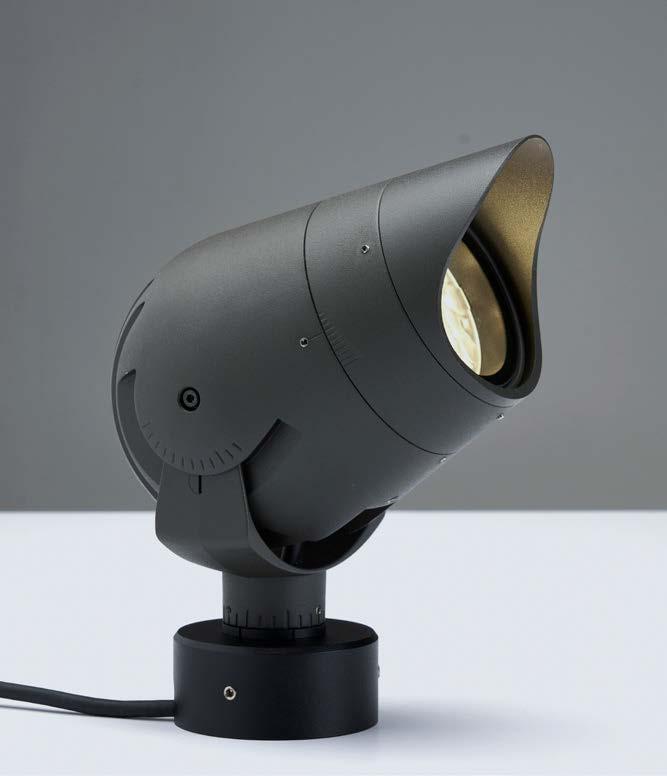
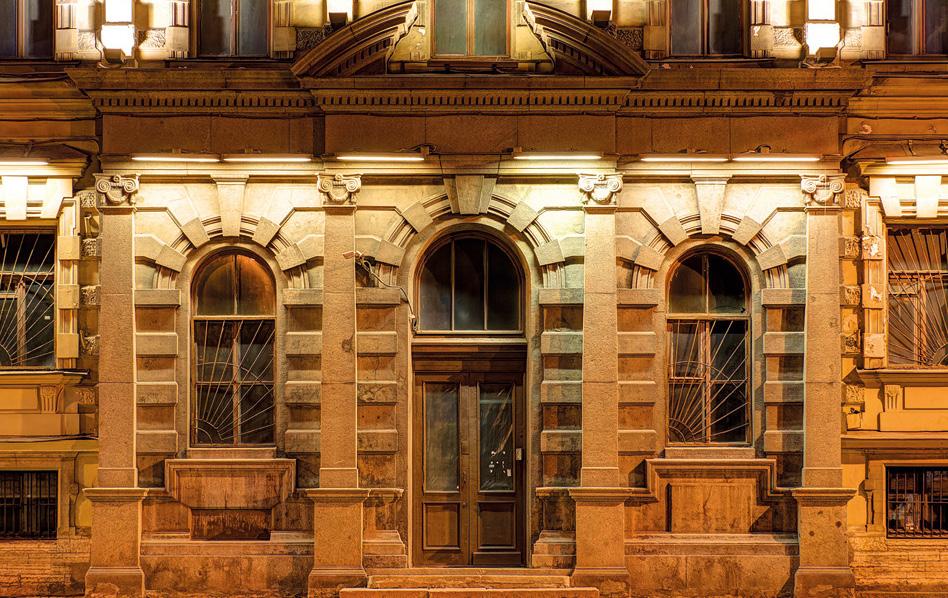
JEDI NOVA
VADER SOLO
KEPLERO QUANTUM
OF MERIT
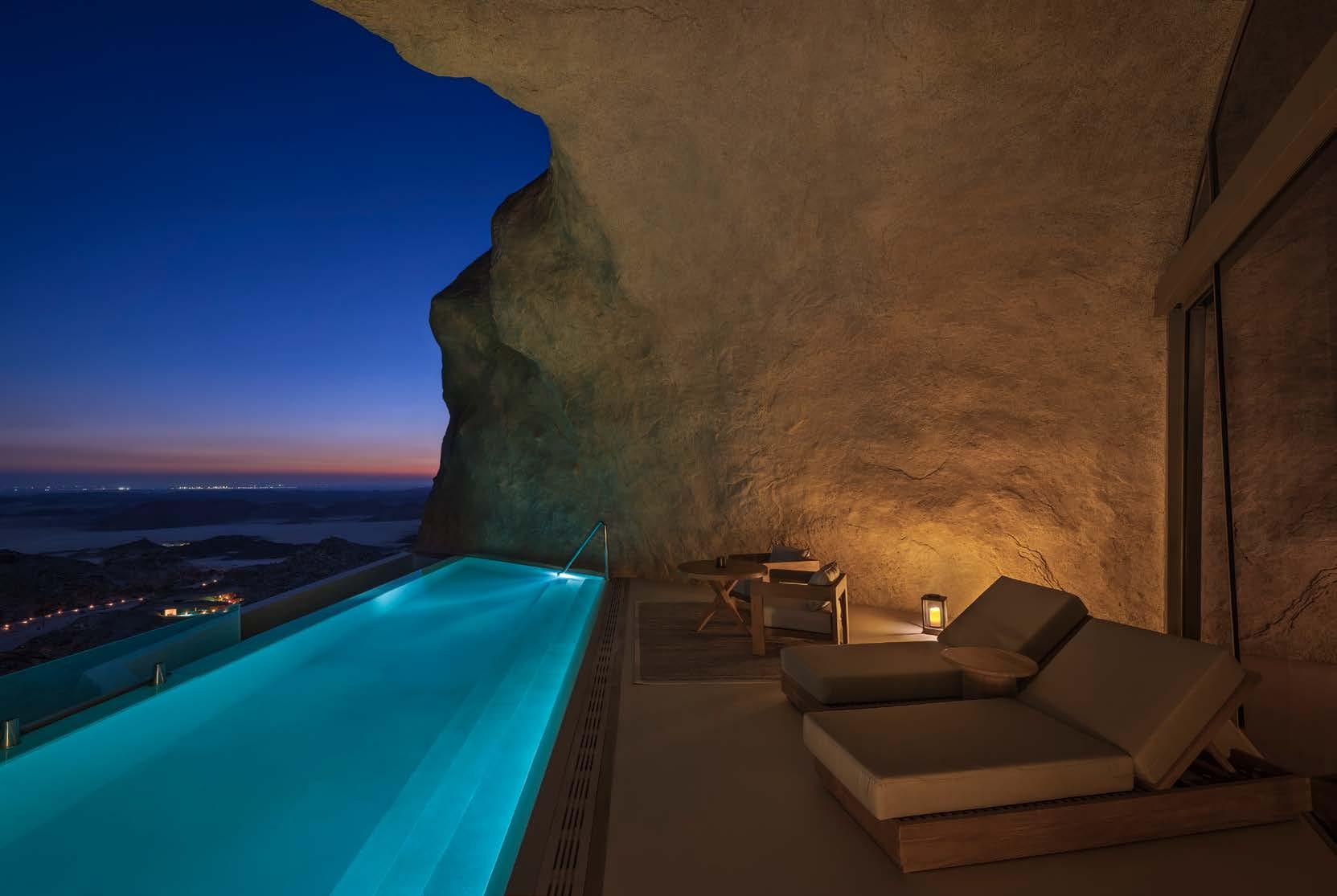
Desert Rock Resort
Saudi Arabia
LIGHTING DESIGN
Delta Lighting Design
LIGHTING DESIGNERS
Ziad Fattouh; Mohamed Medani
ARCHITECTURE
Oppenheim Architecture
CLIENT
Red Sea Global
ADDITIONAL CREDITS
Raluca Dascalita; Daniela Meneghelli; Dimitris Theocharoudis; Anthony Salas; Vivian Salas; Joshi George; Adeel Hameed (Additional Design Team)
PHOTOGRAPHY
© Alex Jeffries; © Red Sea Global
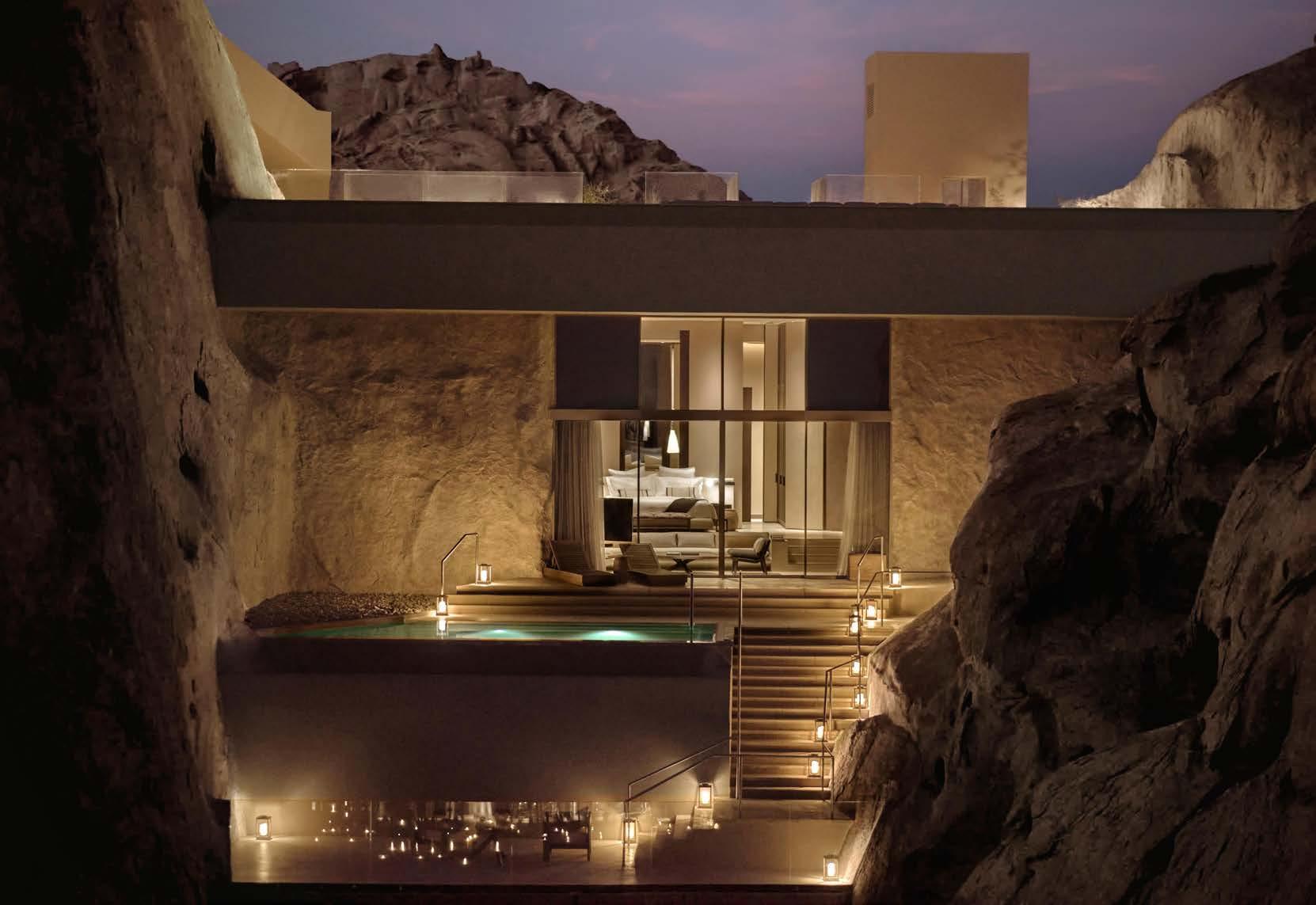
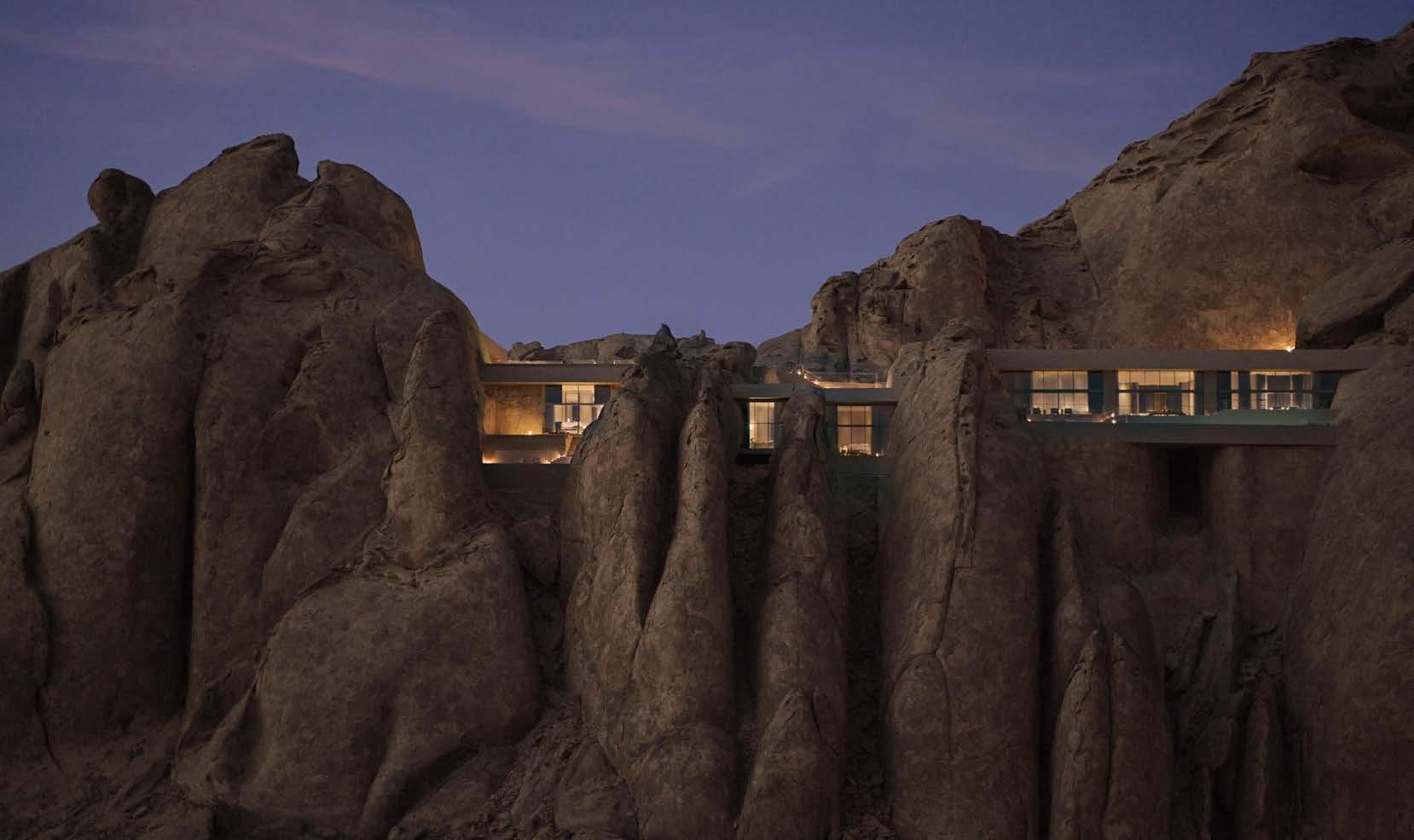
In a secluded Saudi Arabian valley, Desert Rock Resort offers a retreat where architecture and geology converge, effortlessly merging rugged rock formations and sophisticated structures into a timeless sanctuary. The lighting design does not dominate; instead, it reveals the raw beauty of mineral textures and shapes through carefully positioned low-level lighting.
Building cores are softly animated through controlled contrast, adding depth and liveliness, enhancing the contrast between interiors and exteriors, and deepening perception within the facades. Interiors glow from within, turning buildings into large-scale lanterns nested among the stone contours.
Bespoke decorative lanterns on the terraces complement the site's natural character, each housing two independently controlled light sources: a functional layer for practical illumination, and a candlelike source to evoke warmth and intimacy.
Judges noted, "The project’s commitment to dark sky protection integrates harmoniously with the surrounding nature and preserves the ability to enjoy stargazing."
2026 IALD AWARD OF MERIT
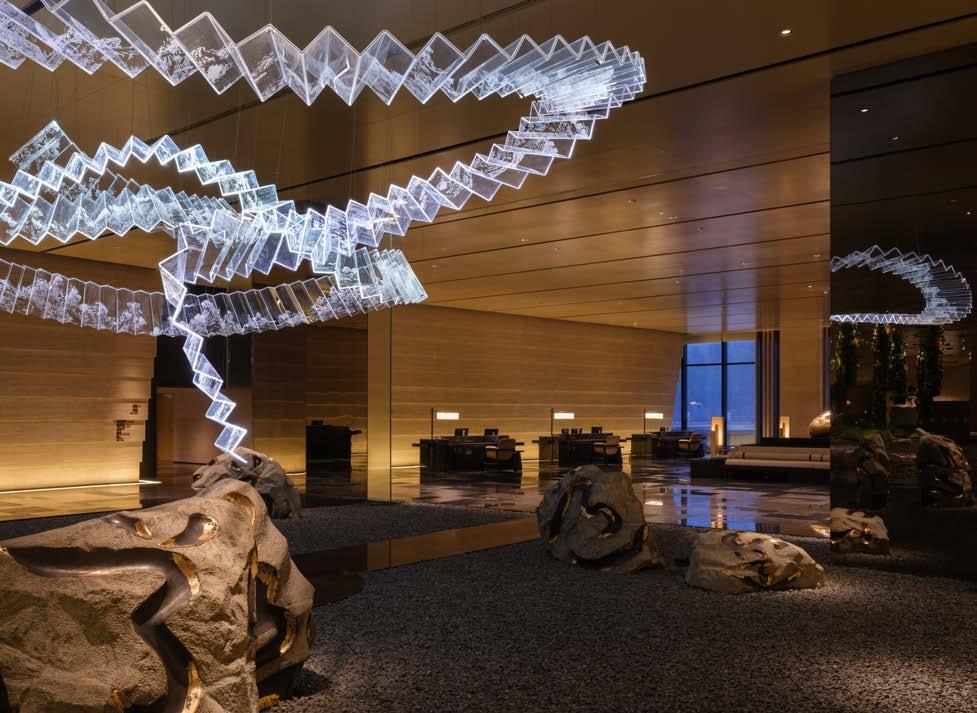
Hilton Niushoushan
Nanjing, China
LIGHTING DESIGN
Brandston Partnership Inc.
LIGHTING DESIGNERS
Sony Wang; Shuai Yun; Chuanwei He; Yang Zhou; Kejun Liu
ARCHITECTURE
KKAA
CLIENT
Nanjing Niushou Mountain East Hotel Management Co., Ltd.
ADDITIONAL CREDITS
Yang & Associates Group (Interior Design)
PHOTOGRAPHY
© Fei Yan
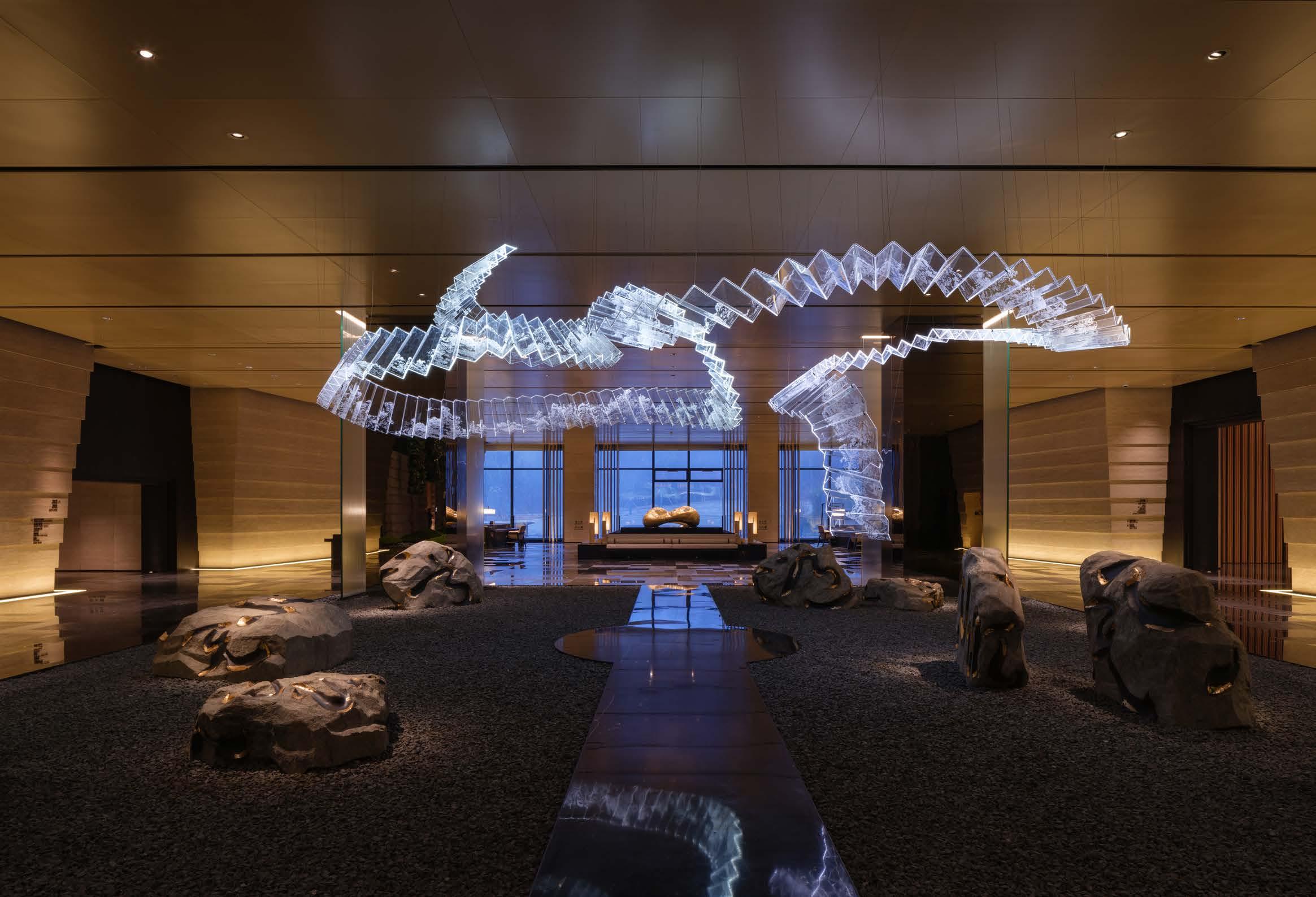
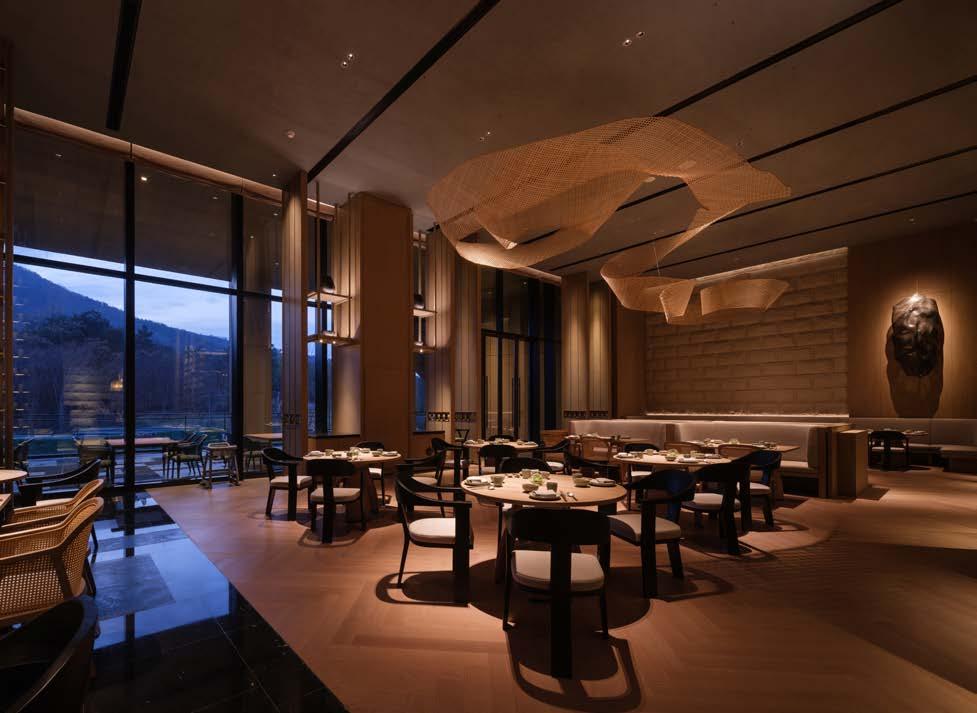
Guided by the philosophy that "light, in stillness, rules all," the Hilton Niushoushan creates a sanctuary for the soul and senses through masterful control of light and shadow. Beneath the hotel's lofty ceiling lies a "Zen Garden under the eaves" where warm walls harmonize with stone, water, and trees in carefully choreographed balance.
The lighting design highlights textured surfaces without causing glare, leveraging the visual interest of the materials. Luminous marble tiles glow softly at night, gilding the dome before gradually fading into darkness in a choreographed sequence that marks the passage of evening into night.
No fixtures are visible; only the calm presence of light remains. A faninspired artwork glows with etched sutras as a cool accent against the warm surroundings, with text that appears to float like whispered poetry. Corridors breathe in shadow with gentle guidance lighting that provides orientation without disrupting the meditative quality of the spaces.
The project demonstrates how lighting can support well-being through careful attention to quality, placement, and the deliberate use of darkness as a design element.


Li Shutong Park & Baoben Pagoda
Pinghu, China
LIGHTING DESIGN
SUNLUX Lighting Design Co., Ltd.
LIGHTING DESIGNERS
Claudia Fangfang, Design IALD
Chun Xu, Design IALD
Jingming Shen, Design IALD
At the center of Donghu Lake, the new lighting for Li Shutong Memorial Hall and Baoben Pagoda weaves a singular nightscape that honors both cultural heritage and natural beauty. The lotus-shaped memorial hall is illuminated by eight large petal structures, each containing four distinct floodlights whose combined glow evokes the moon-kissed purity of a blooming lotus floating on the water.
The adjacent Baoben Pagoda receives a different treatment that respects its historical character, with precise light projections cast by fixtures featuring low color temperature and high color rendering index. These specifications ensure that the pagoda's weathered details appear in soft clarity, revealing the texture and patina of age without creating harsh contrasts or unnatural colors.
The combination of the glowing lotus and the warmly illuminated pagoda creates a fresh nocturnal atmosphere around Donghu Lake, establishing a cohesive lighting identity that serves both structures while respecting their individual characters and the natural setting they share.
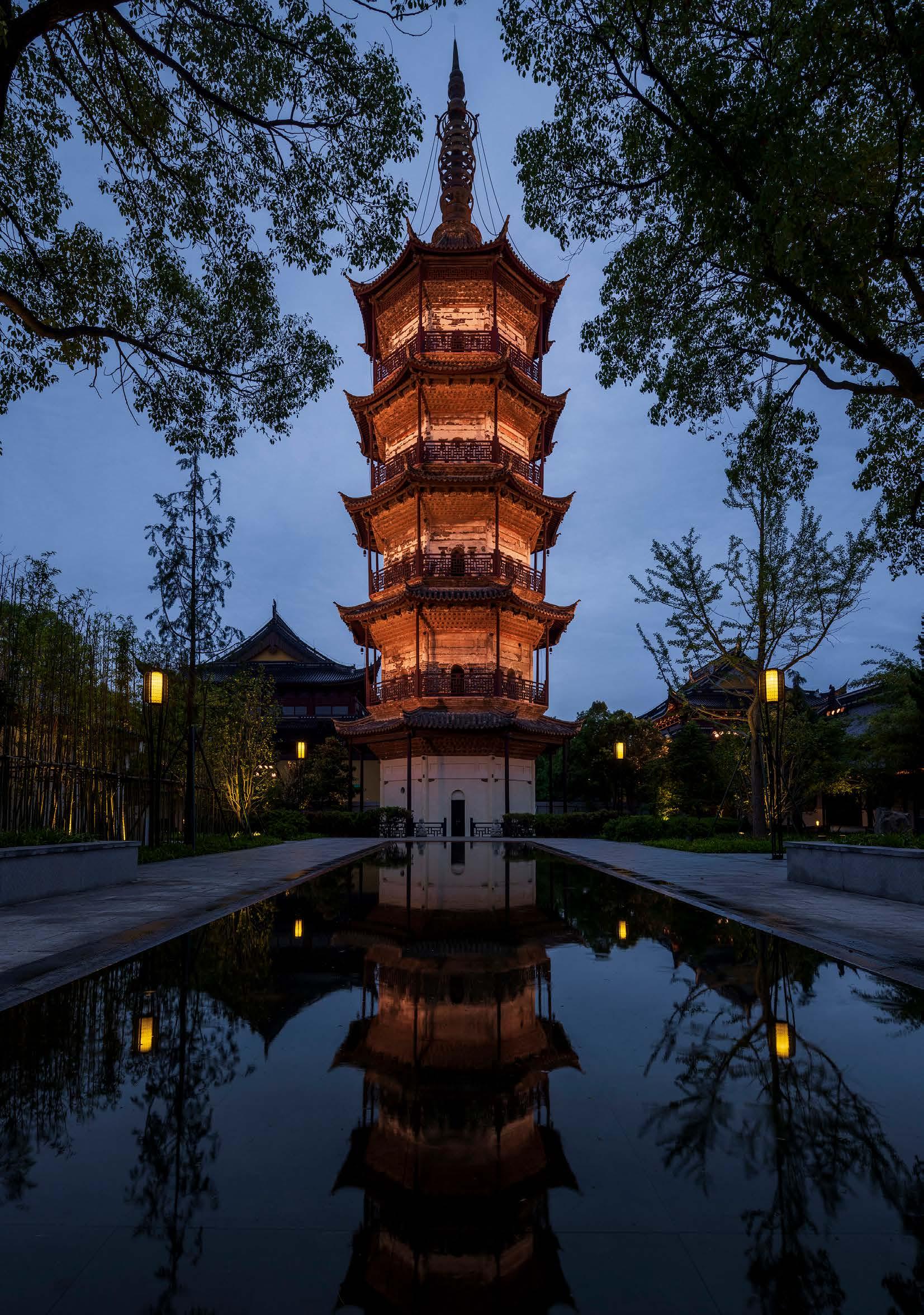
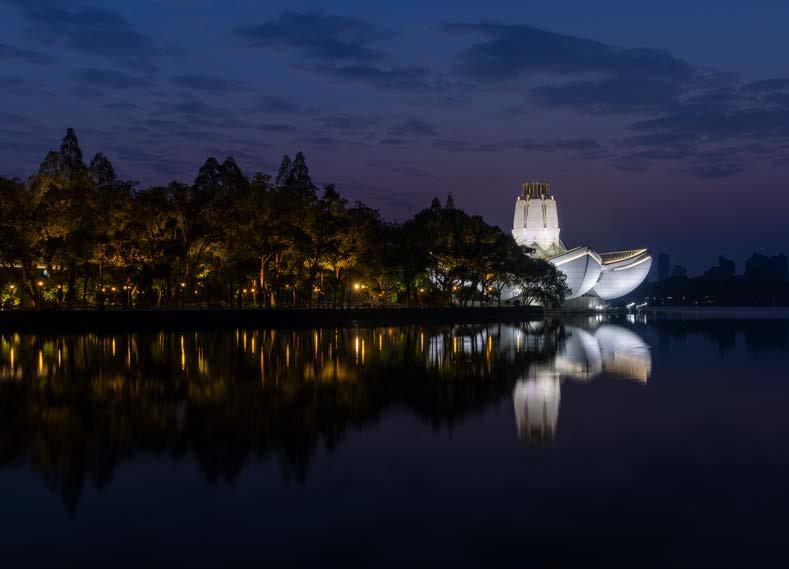
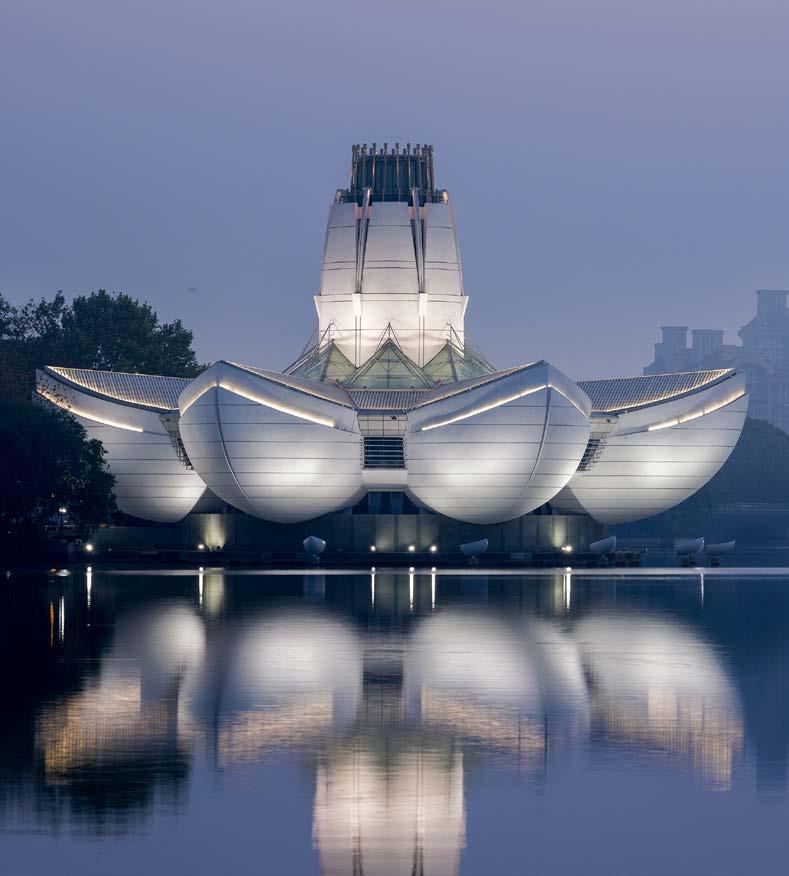
ARCHITECTURE
Cheng Taining | CCTN Architectural Design Co., Ltd.; Hangzhou Landscape Design Institute Co., Ltd.; Zhejiang Zhongrui Environmental Design & Engineering Co., Ltd.
CLIENT Pinghu Urban Development Investment (Group) Co., Ltd.
PHOTOGRAPHY © Liu Guowei | Daily
A Lighting Designer’s Dream!
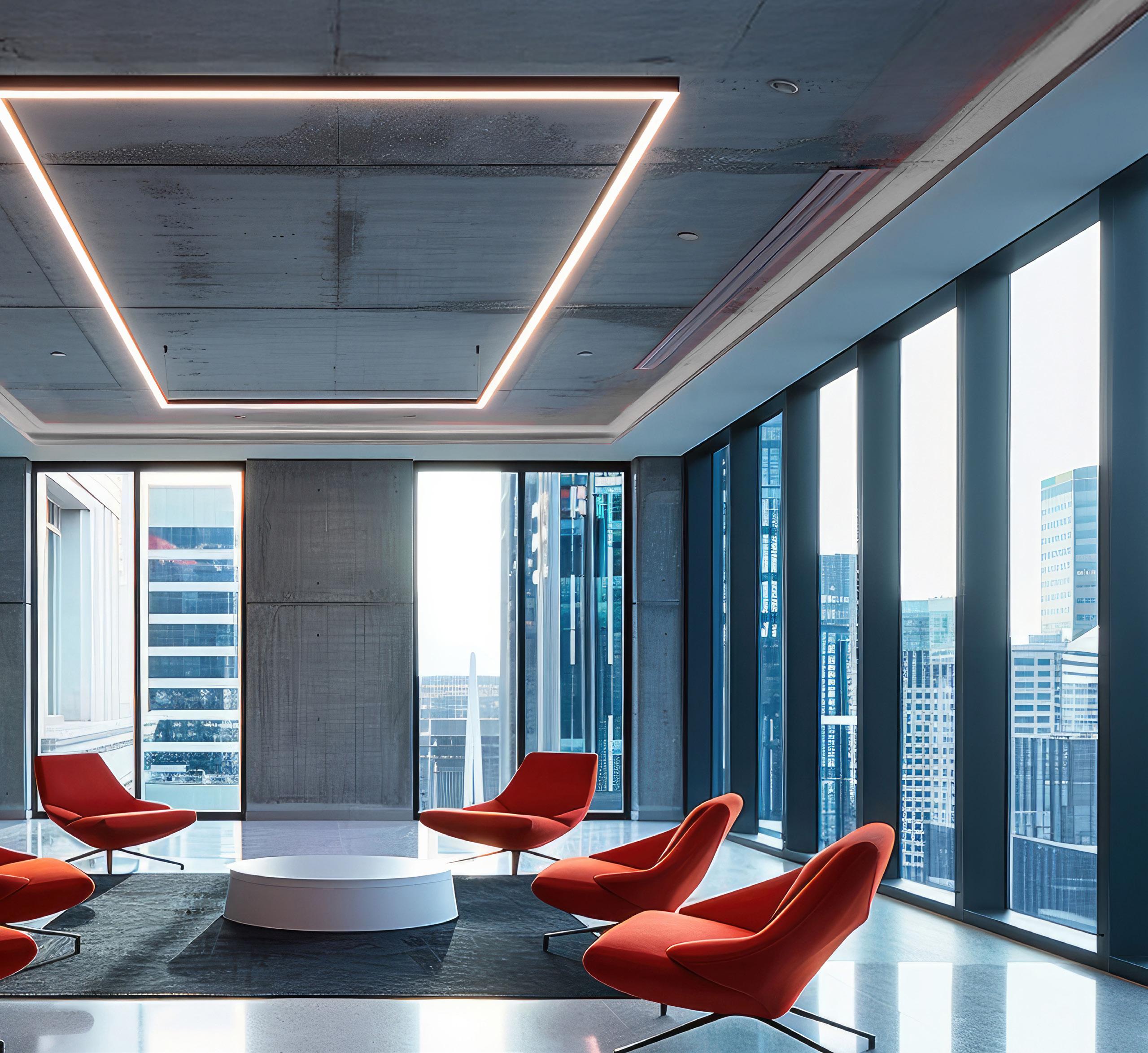

• Controls Ready Option
• Component Configurator Available
• Lumen Output: 1,100 - 8,800lm
• Wattage Range: 10W - 80W
• EM Available on 4ft and 8ft Models
• Also Available in Black

• Muti-tier system from basic to advance network controls
• Multi-step dimming, schedules and scenes
• Ease of commissioning with App
• Personal wall controls
• Acheive code compliance and improve occupancy comfort
Introducing the new L-Max Linear Architectural Luminaire...
a compact, high-performing solution for architectural and commercial interiors.
The DLC Listed L-Max Linear Architectural Luminaire provides a sleek and modern aesthetic to offices, retail spaces, supermarkets, stairwells, and other applications that demand high-quality, cost-competitive lighting.
FEATURES AND OPTIONS
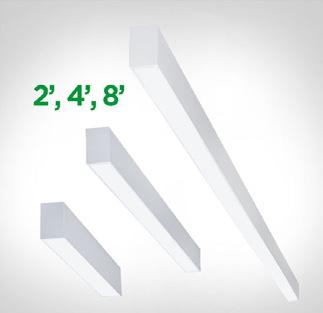
3 Sizes: 2’, 4’, 8’
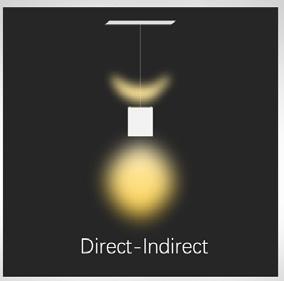

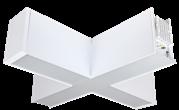
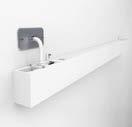
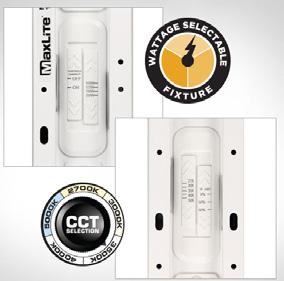
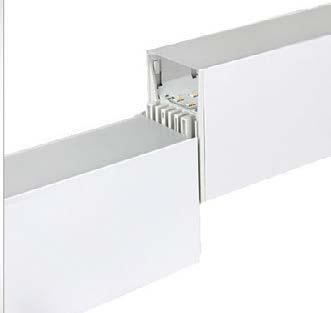
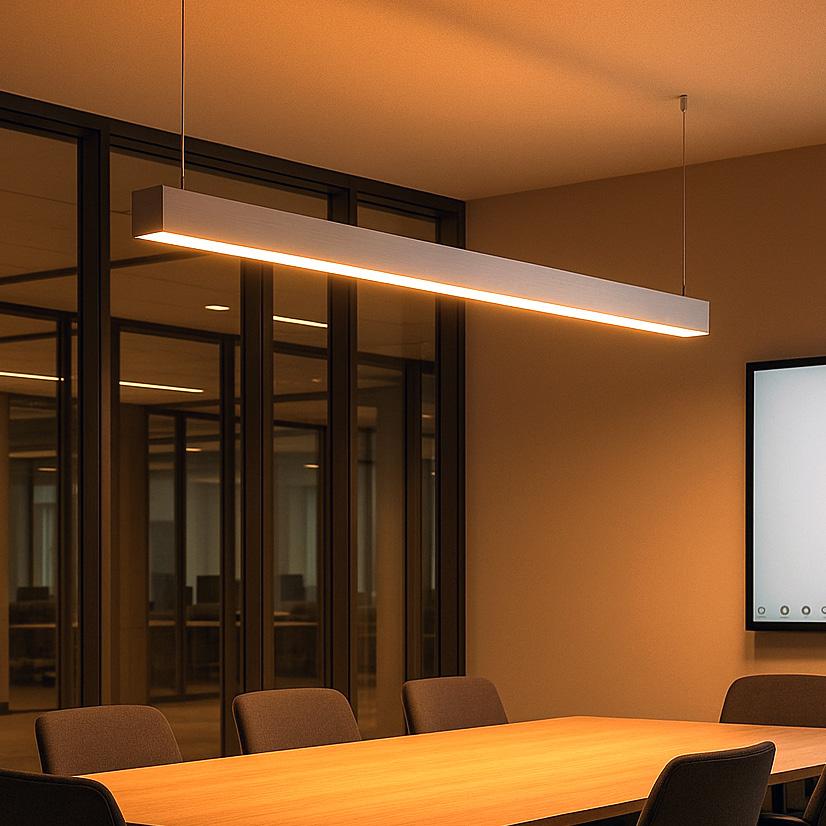
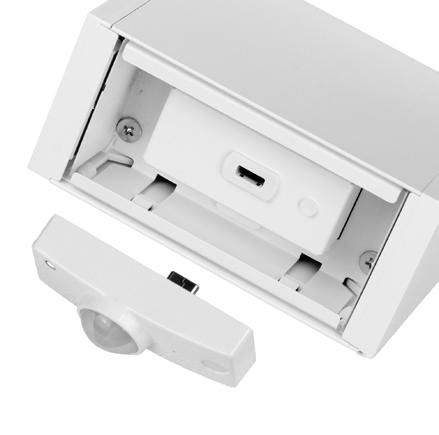
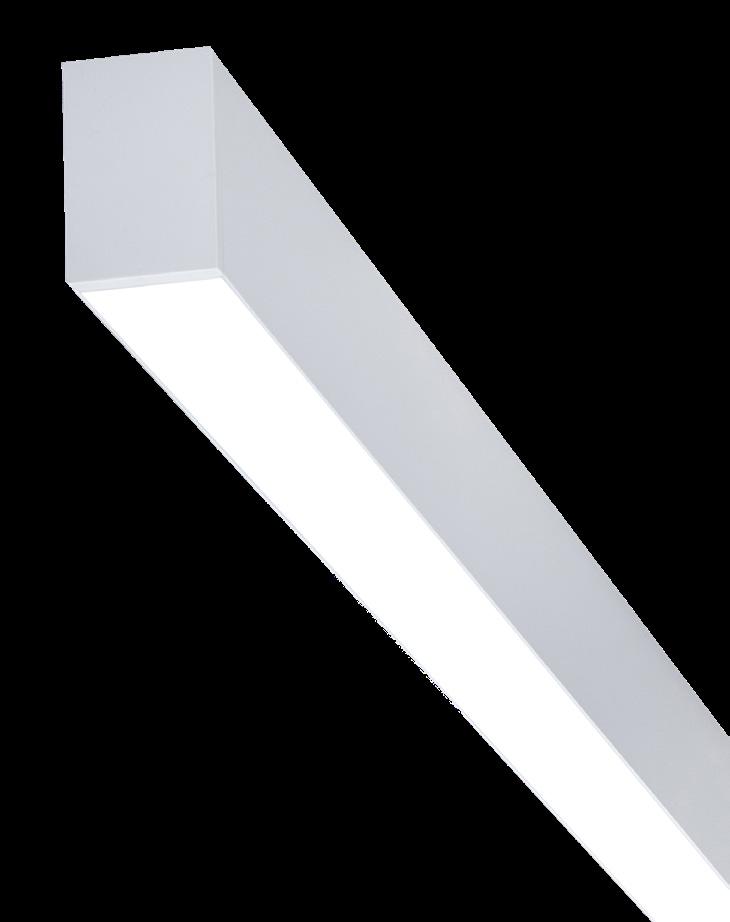
AWARD OF MERIT
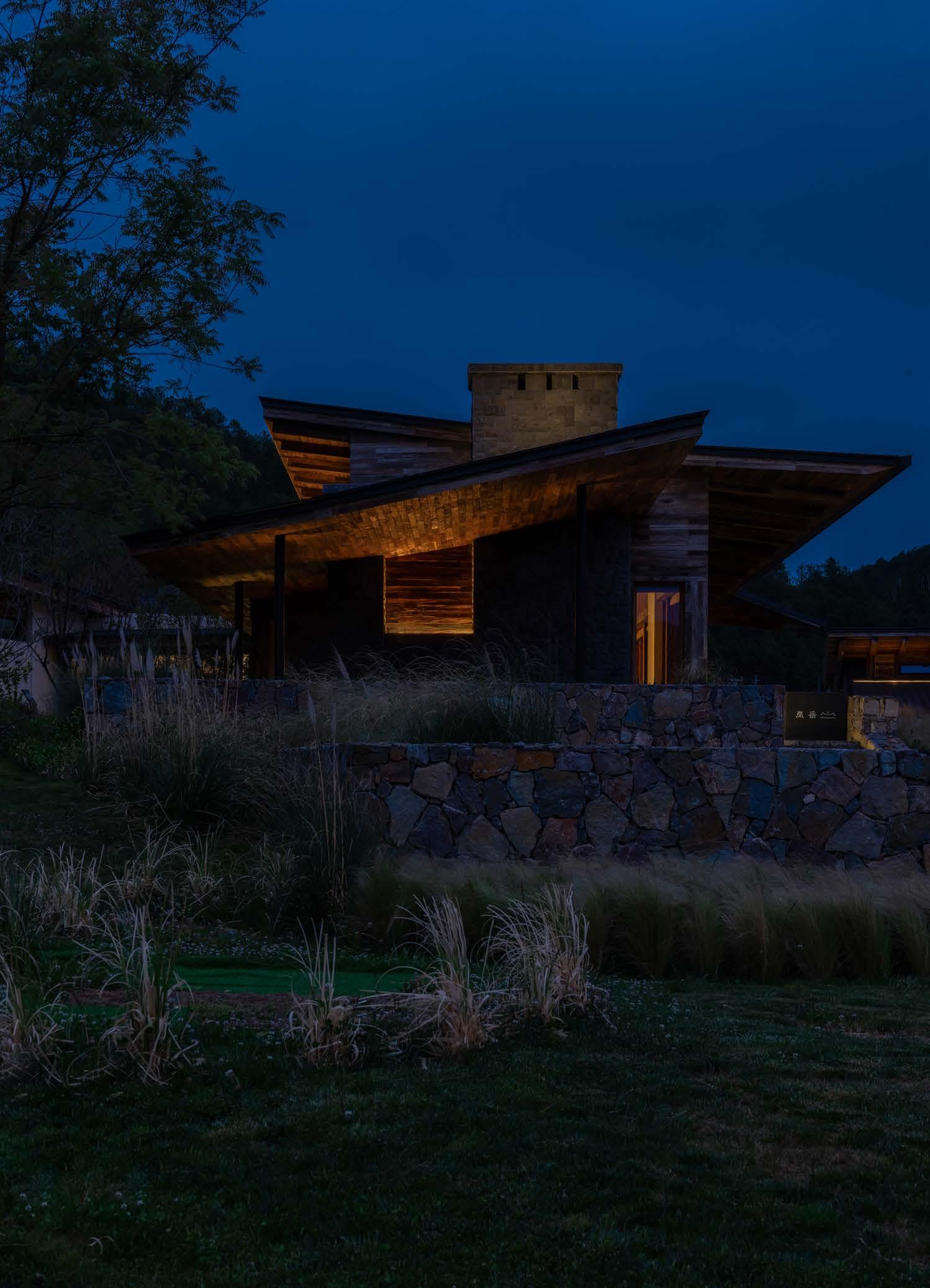
LIGHTING DESIGN
Beijing PRO Lighting Design Co., Ltd
LIGHTING DESIGNERS
Li Hui, IALD; Fu Li
ARCHITECTURE Signyan Design
Lijiang, China
The lighting design of Lugu Lake Lanyue Hotel embraces the principle of "quality over brightness," using restraint connecting travelers to the nature and culture of its remote mountain setting. Recognizing that over-illumination can disconnect guests from the environment they come to experience, the design team used carefully calibrated lighting to enhance appreciation of the natural surroundings and the hotel's architecture. Light levels are intentionally kept low, allowing eyes to adapt to natural darkness and appreciate the subtle beauty of moonlight and stars reflected on the lake.
The lighting design supports the hotel's role as a gateway to local culture by highlighting materials, textures, and architectural details that reflect regional building traditions without overwhelming them with brightness. Fixtures are positioned to create pools of warm light in gathering spaces while allowing transitional areas to remain in relative darkness, creating a rhythm of light and shadow that encourages mindful movement through the spaces.
The approach respects ecological fragility and the local cultural traditions, using lighting to connect people to place rather than separate them.
The Brumadinho Memorial serves as a space of ethical commitment and symbolic reparation for the 272 fatal victims of the 2019 dam collapse at Córrego do Feijão Mine, an environmental and human tragedy where the release of 12 million cubic meters of mining waste affected 26 municipalities. The lighting design is highly sensitive, creating an immersive atmosphere that conveys information, brilliance, and presence while honoring the victims' memory by illuminating messages, symbols, and architecture. The approach balances content legibility with the emotional need for a contemplative, respectful environment for visitors to reflect on loss and environmental devastation.
Here, light reveals the stories of those affected while fostering reflection and emotional engagement. The careful calibration of brightness, color temperature, and distribution ensures the memorial fulfills its dual purpose as an information resource and a space for personal contemplation and collective remembrance. The design demonstrates how lighting can support difficult narratives and create environments for processing grief and understanding while maintaining dignity and respect for those memorialized.
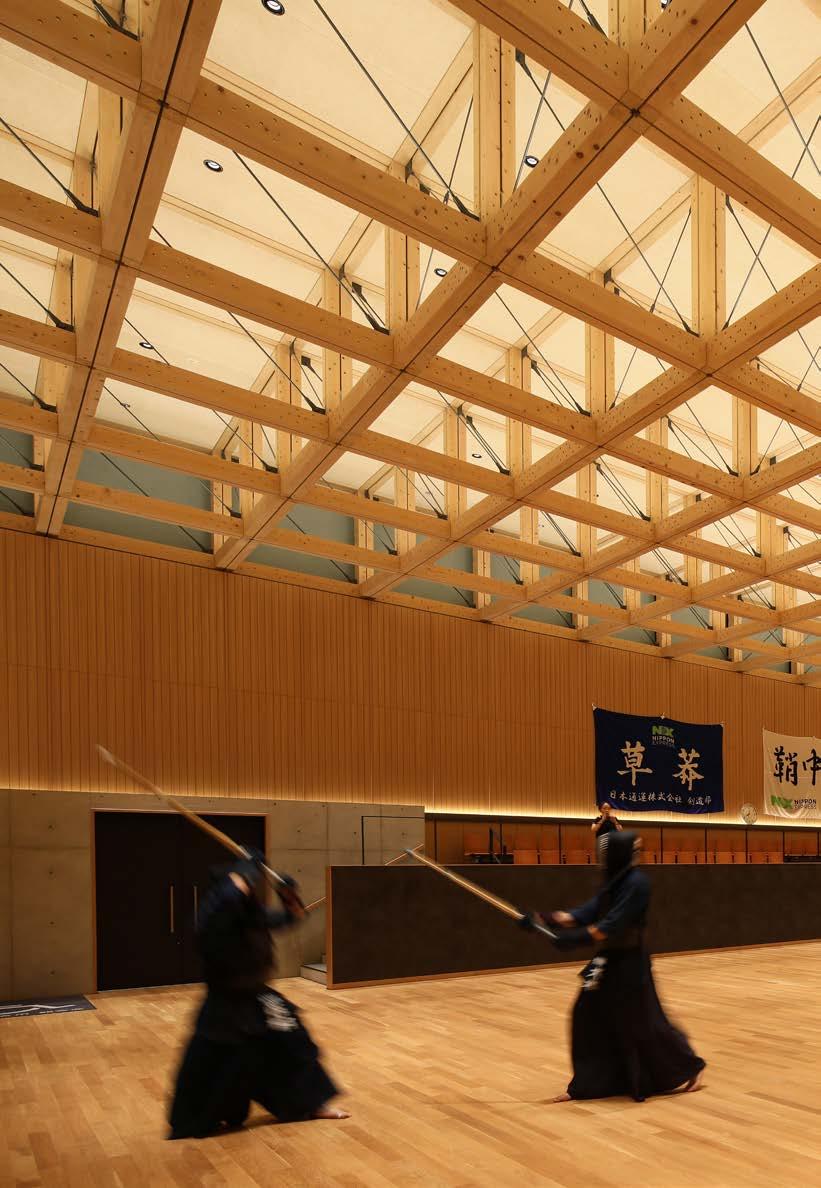
Lugu Lake Lanyue Hotel
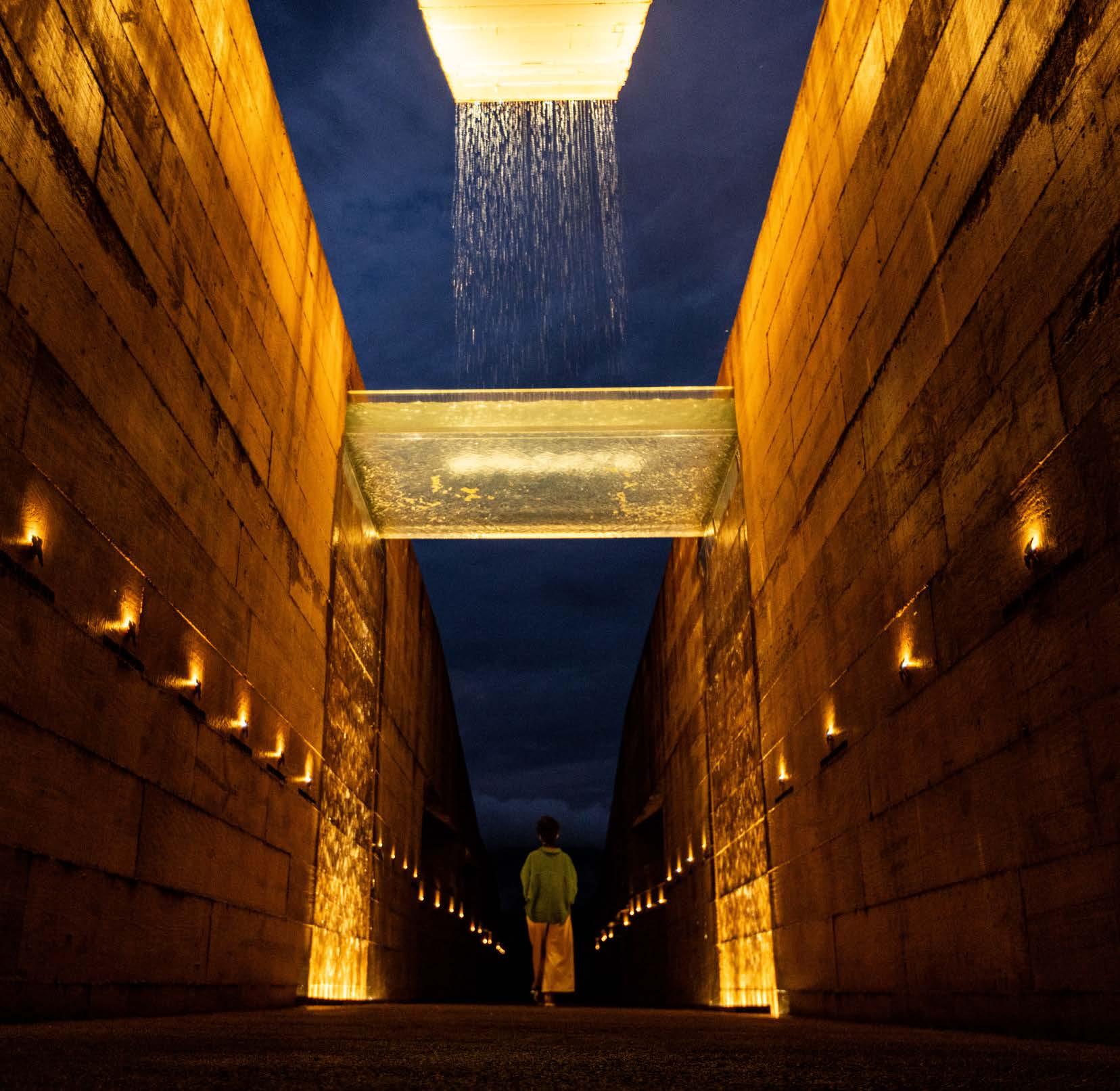
NX Budokan
Tokyo, Japan
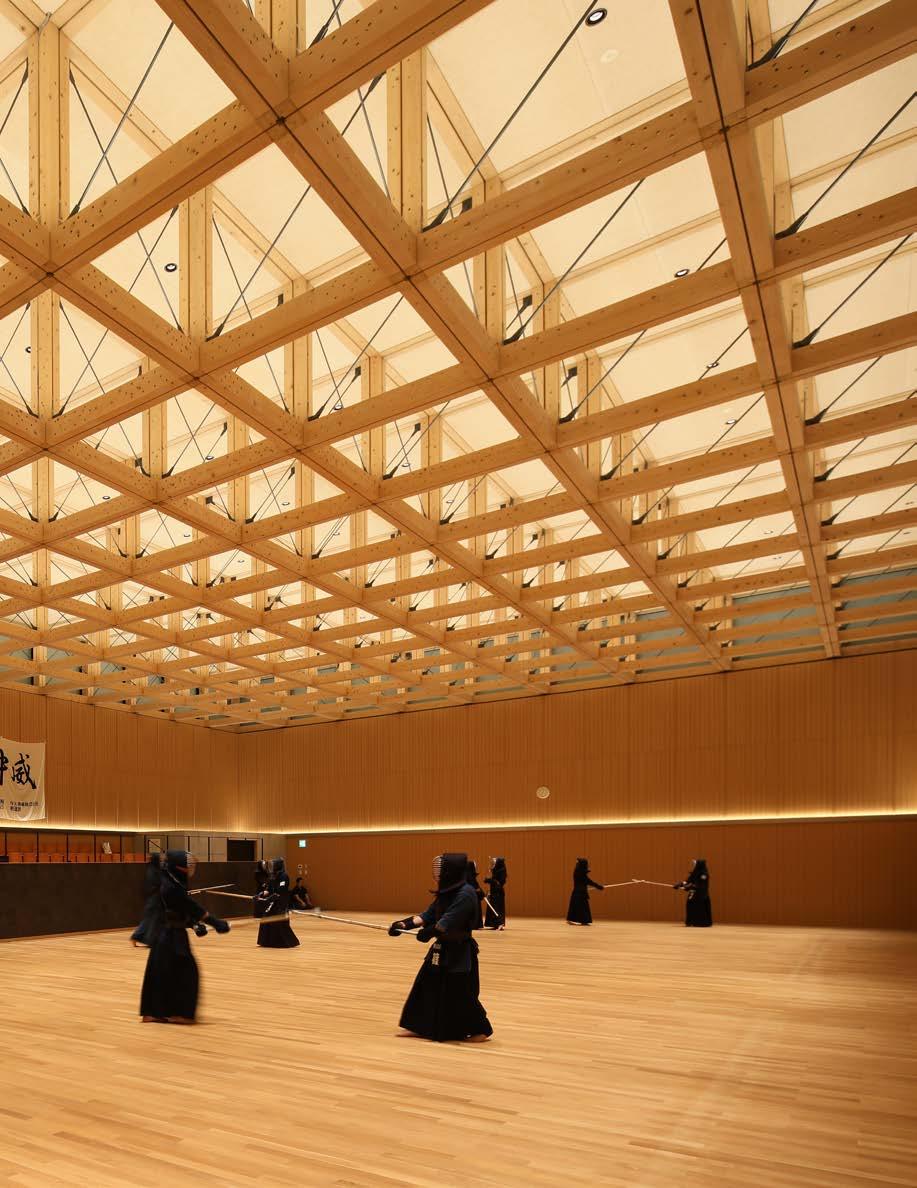
LIGHTING DESIGN
Sirius Lighting Office, Inc.
LIGHTING DESIGNERS
Hirohito Totsune, Design IALD; Shuhei Kobayashi; Sayane Nagata
ARCHITECTURE
Archivision Hirotani Studio; Sumitomo
Memorial Brumadinho
Brumadinho, Brazil
LIGHTING DESIGN
Atiaîa Lighting Design
LIGHTING DESIGNERS
Mariana Novaes; Pedro Ferreira**; Bárbara de Oliveira (intern) **; Elisa Campos (intern)**
** Formerly with Atiaîa Lighting Design
ARCHITECTURE
Gustavo Penna Arquiteto e Associados
CLIENT
AVABRUM (Associação dos Familiares de Vítimas e Atingidos pelo Rompimento da Barragem Mina Córrego do Feijão)
ADDITIONAL CREDITS
Gustavo Penna Arquiteto e Associados (Interior Design); Medra Paisagismo e Arquitetura (Landscape Design); Greco (Signage); Olhar 360 Projetos e Gerenciamento (Project Management); Júlia Peregrino (Exhibition Design: 'Memory and Testimony Spaces'); Cesar de Ramires (Exhibition Lighting Design: 'Memory and Testimony Spaces')
PHOTOGRAPHY
© Pedro Mascaro;
© Leo Drumond | NITRO;
© Jomar Bragança; © Mariana Novaes
Mitsui Construction Co., Ltd.; Umezawa Structural Engineers
CLIENT Nippon Express Co., Ltd.
PHOTOGRAPHY
© Fumito Suzuki
The newly built NX Budokan martial arts hall demonstrates how lighting design can enhance the traditional Japanese Bushido spirit through modern technology and meticulous attention to detail. The project aimed to create an environment where athletes can concentrate in an open yet comfortable space that supports focused practice and competition.
The design team conducted extensive three-dimensional simulations of the space to develop the resulting lighting scheme. LED tape lights integrated into the wooden latticework overhead illuminate the ceiling uniformly with soft, indirect light that eliminates shadows while maintaining the material warmth of wood. This approach creates an even, diffuse illumination that reduces visual distractions and supports the concentration required for martial arts practice.
The lighting design addresses the psychological aspects of athletic performance by reducing the noise from artificial lighting. The result refines the hall into a space of tranquil beauty, with lighting that supports the traditional martial arts values of discipline, respect, and focus.
Top 10 MUST SEE Products of LEDucation
New architectural lighting products available for specification
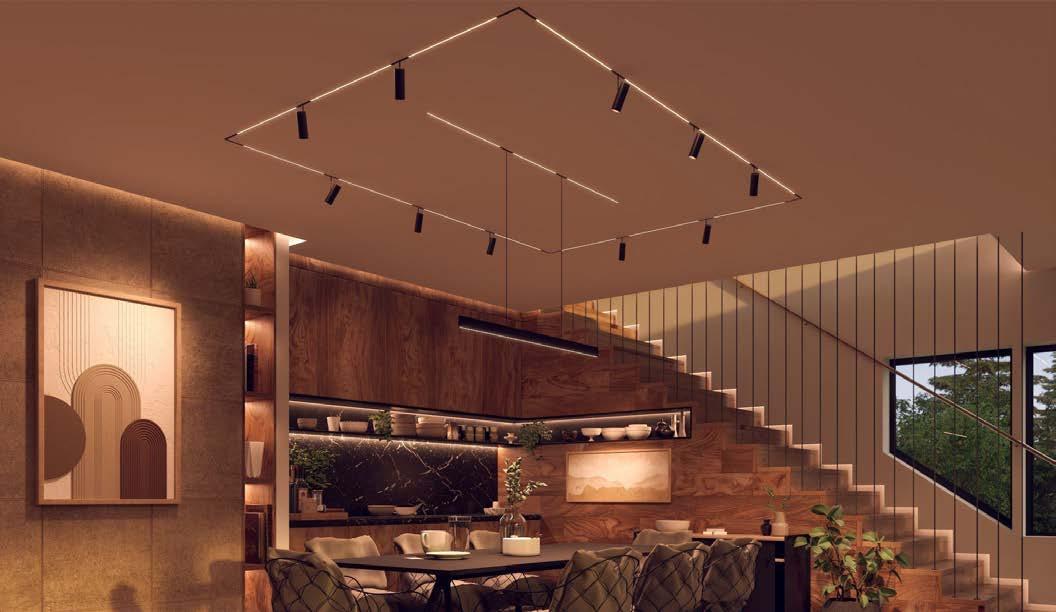
MicroTrack Recessed Lighting System
Booth: 2904, 2906
PureEdge Lighting’s MicroTrack plaster-in system delivers a minimal, integrated look in standard drywall without structural modifications. It offers flexible layouts with customizable lengths, connectors, and paintable slot covers. Featuring high lumen output, 93+ CRI, and remote power compatibility, it supports various finishes, optics, and field-cut channels for tailored designs.
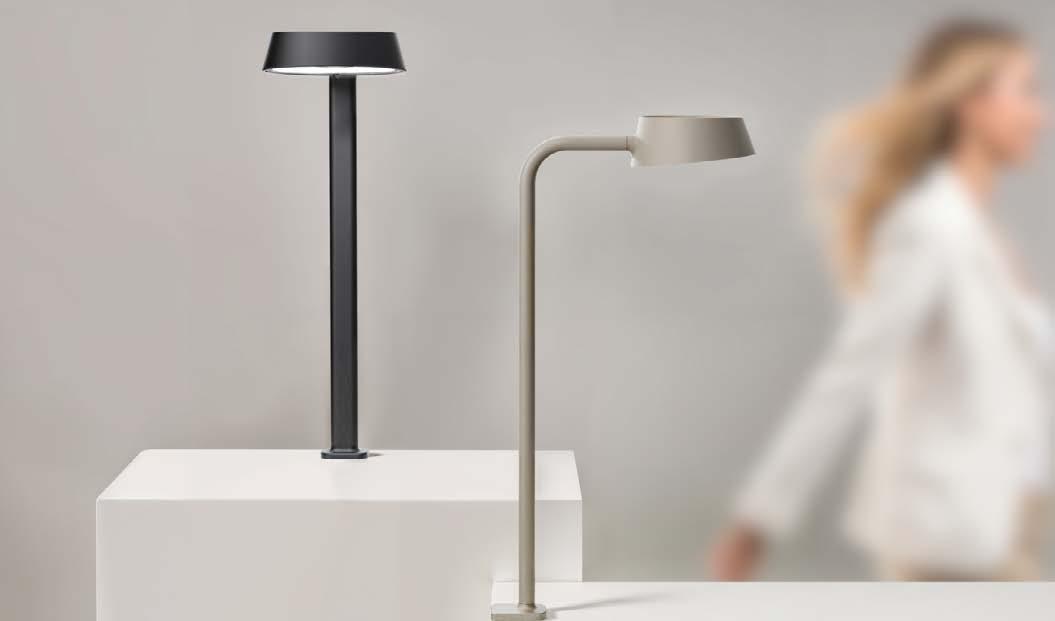
F-Drive RX LED driver
Booth: 6214, 6216
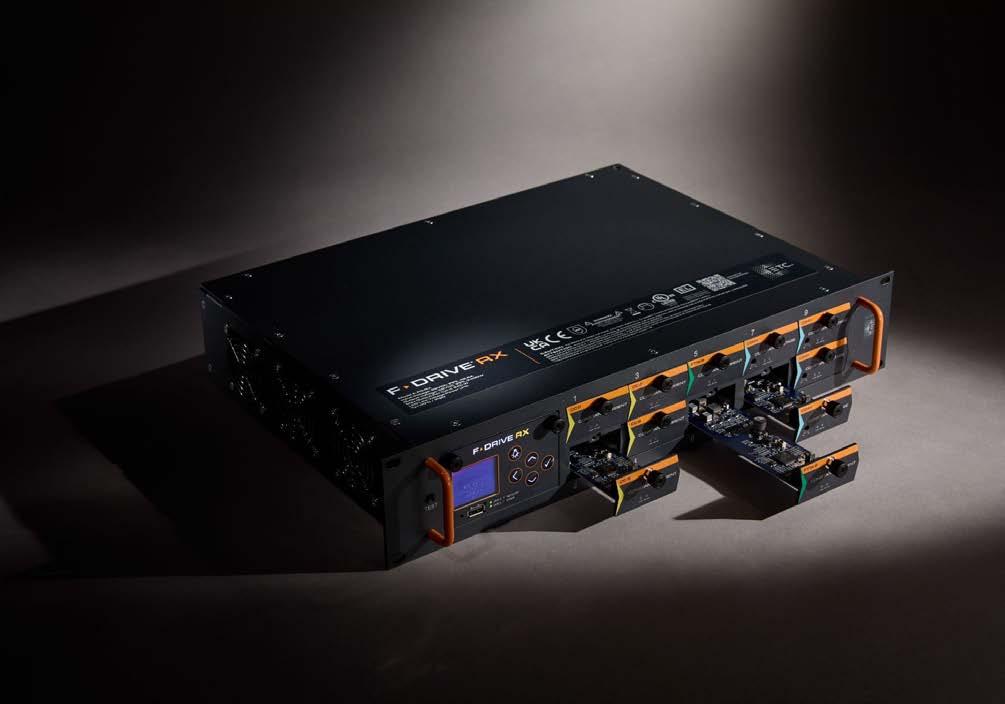
The F-Drive RX LED driver solution delivers a modular, centralized approach to controlling diverse LED luminaires. It offers accessible driver cards and power supplies for easier installation and service, reduced system complexity, and lower costs. With higher wattage, more outputs, advanced control, and UL924 emergency bypass with load shedding, it ensures reliable performance.
True 1
Booth: 2402, 2404
Delivering over 1,000 lumens with precise glare control, the True 1 downlight features a 1-inch aperture, modular optics and CCT adjustments, serviceable driver, and Fixed or Adjustable modules with multiple beam angles and 93+ CRI for high-quality, flexible illumination.
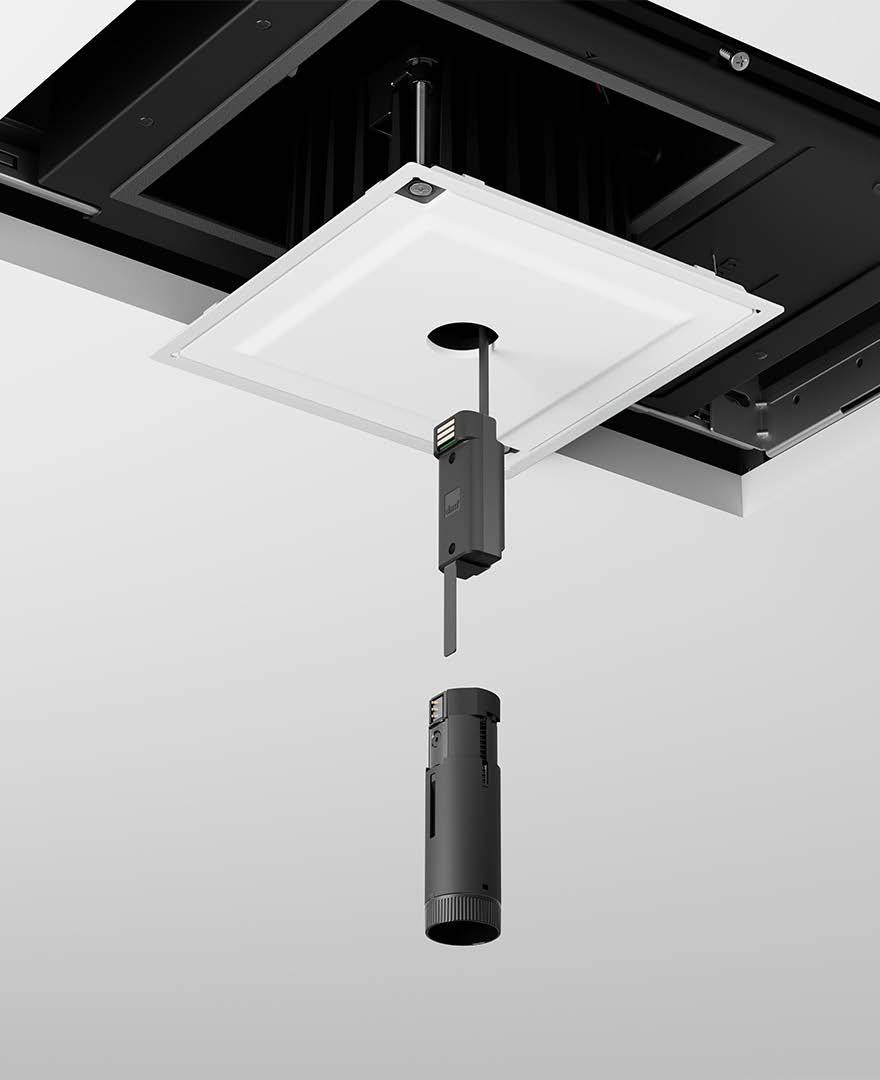
tambient® ona // Booth: 2910, 2912
tambient® ona advances human-centric workplace lighting with tunable-white, low-glare uplight, integrated task and videoconference lighting. It offers circadian-effective and near-infrared energy features to support well-being, plus dynamic spectrum controls and CCT matching. Designed for seamless integration, it aligns with WELL Building Standard and UL 24480 guidelines.
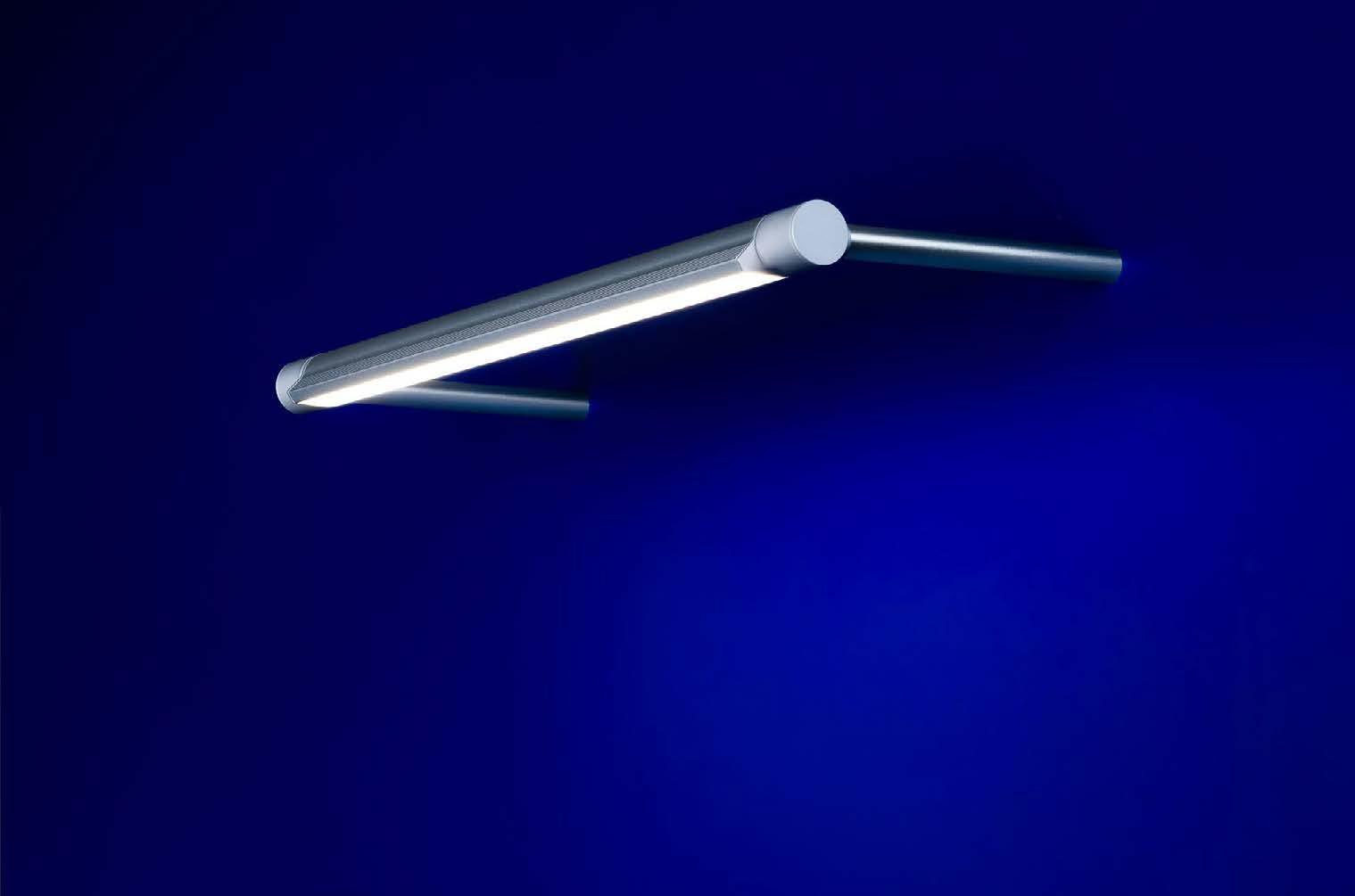
Booth: 213, 215 AERO redefines cantilever display lighting with a minimalist, architectural design and high-performance output. It offers precise, low-glare illumination with static, warm dim, and tunable white options. With concealed mounting, flexible placement, and aimable stems for walls, ceilings, or counters, AERO delivers a refined, adaptable solution in premium finishes.
AERO Light
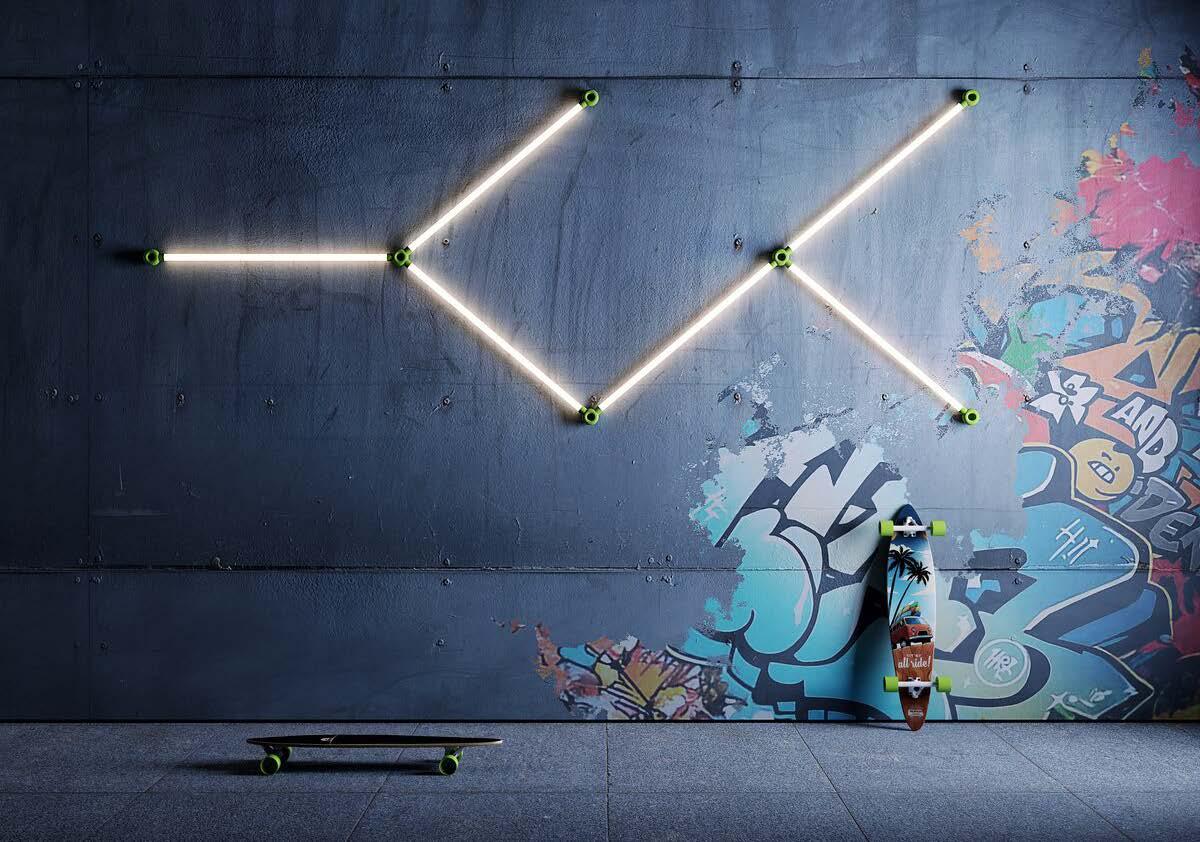
Roll-K // Booth: 512, 514
Roll-K redefines linear illumination with a refined architectural form and discreet adjustment points for flexible design. It offers concealed power feeds for a clean, uninterrupted look and supports both surface and suspended installations. Customizable in length, finish, and configuration, it gives designers a versatile solution for contemporary lighting compositions.
KEPLERO QUANTUM
Booth: 3002, 3004, 3006
Keplero Quantum redefines in-ground lighting with precise beam control and external adjustability for easy on-site aiming. It offers scalable performance in three sizes within a durable, corrosion-resistant, sealed design. With compact forms and flexible installation options, it delivers reliable, high-performance lighting for a wide range of applications.
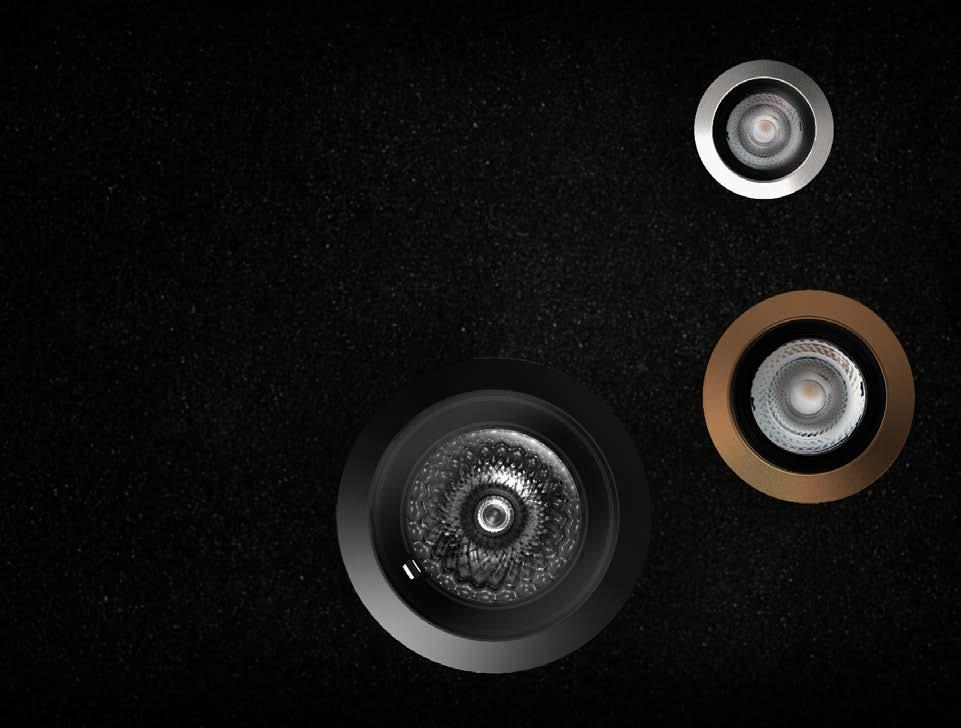

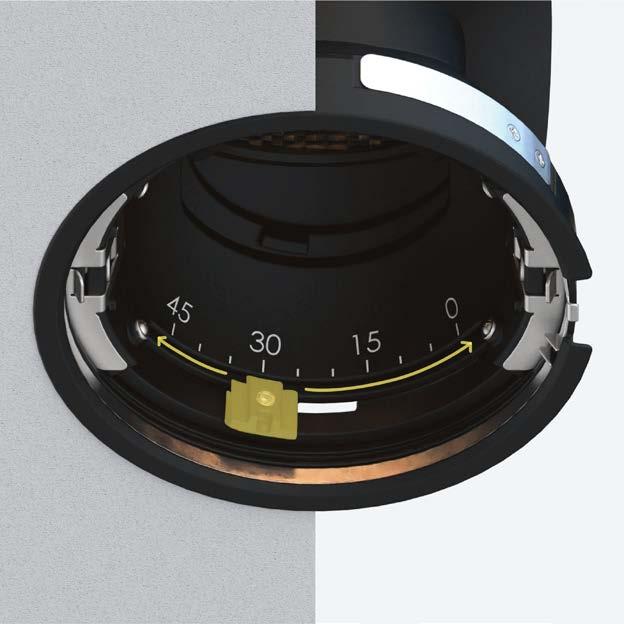
SDLA70 Adjustable Downlight
Booth 4103, 4105
Lumenture’s SDLA70 Adjustable Sphere downlight sets a new standard with precise, toolless tilt adjustment and effortless optic changes. It offers a clean, symmetrical design and versatile installation options—including trimless, pinhole, and standard styles. With a shallow plenum and flexible configurations, it adapts seamlessly to a wide range of projects.

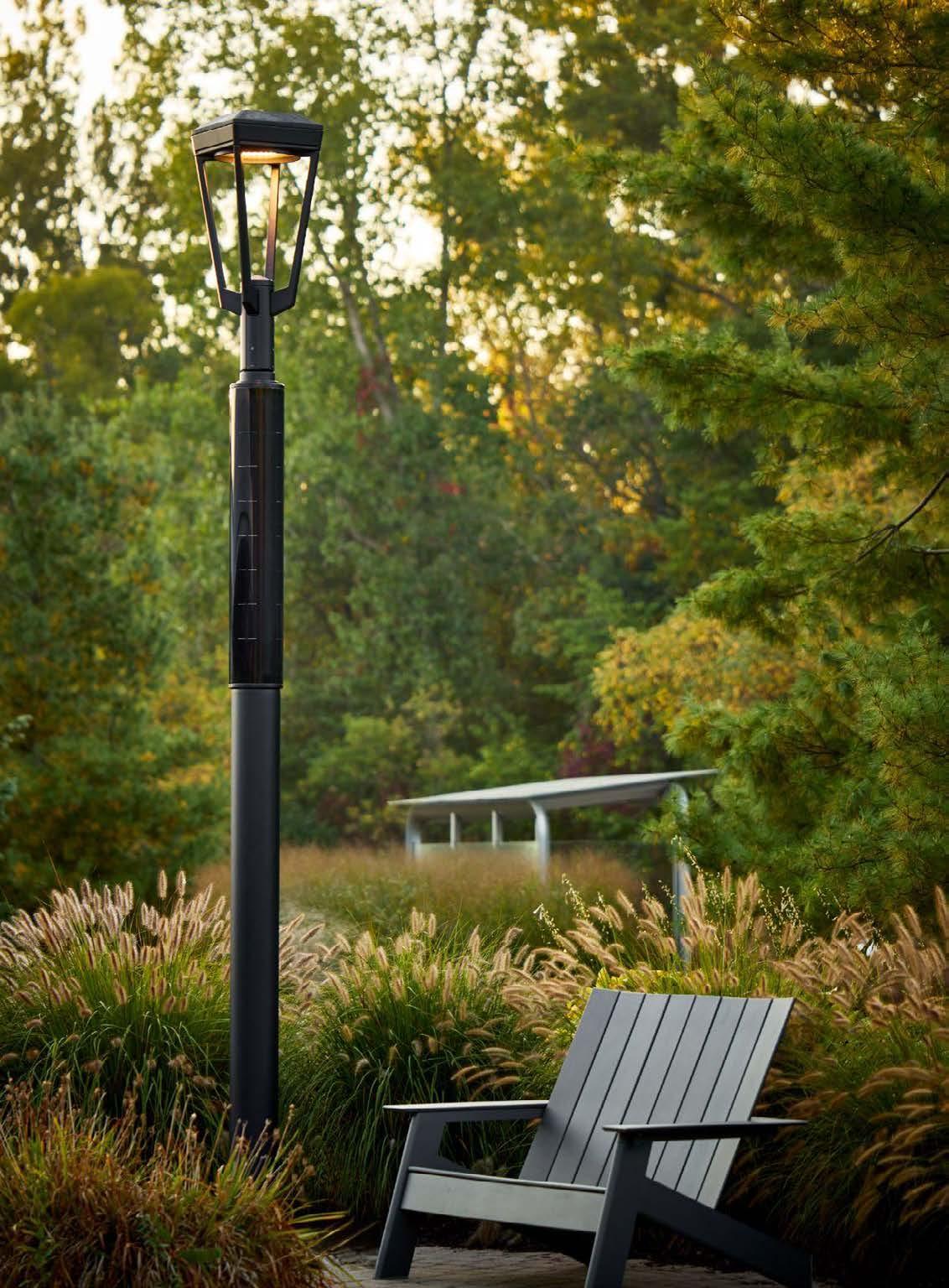
Solar 360
Booth: 3009, 3011
360 Solar by Landscape Forms redefines off-grid lighting with a cylindrical solar array that captures sunlight from all angles for year-round performance. It offers intelligent, selfoptimizing energy use, a sleek architectural design, and easy installation without trenching— delivering reliable, highperformance illumination anywhere it’s needed.

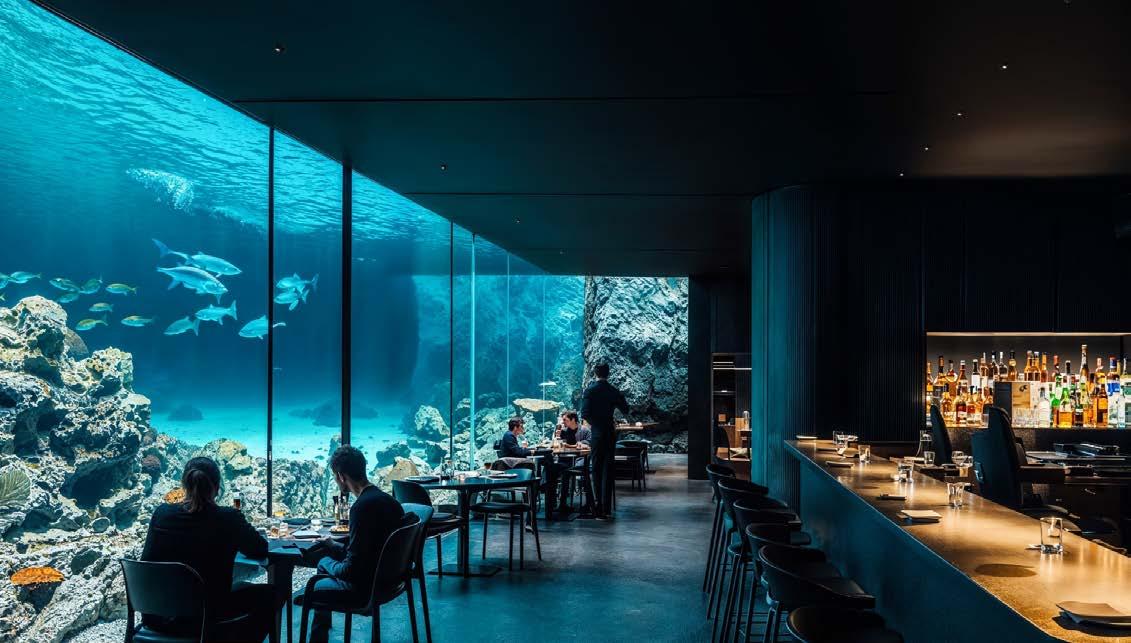
Axis Recessed Spotlight
Booth: 4601, 4603
Axis recessed spotlights deliver precise, nearly invisible illumination ideal for museums, hospitality, and residential spaces. It offers glare-free optics, tight beam control, and exceptional shielding, along with flexible configurations, interchangeable accessories, and precise aiming—achieving up to 23fc at 2m from just 1W with high-efficiency, CRI 97 light.
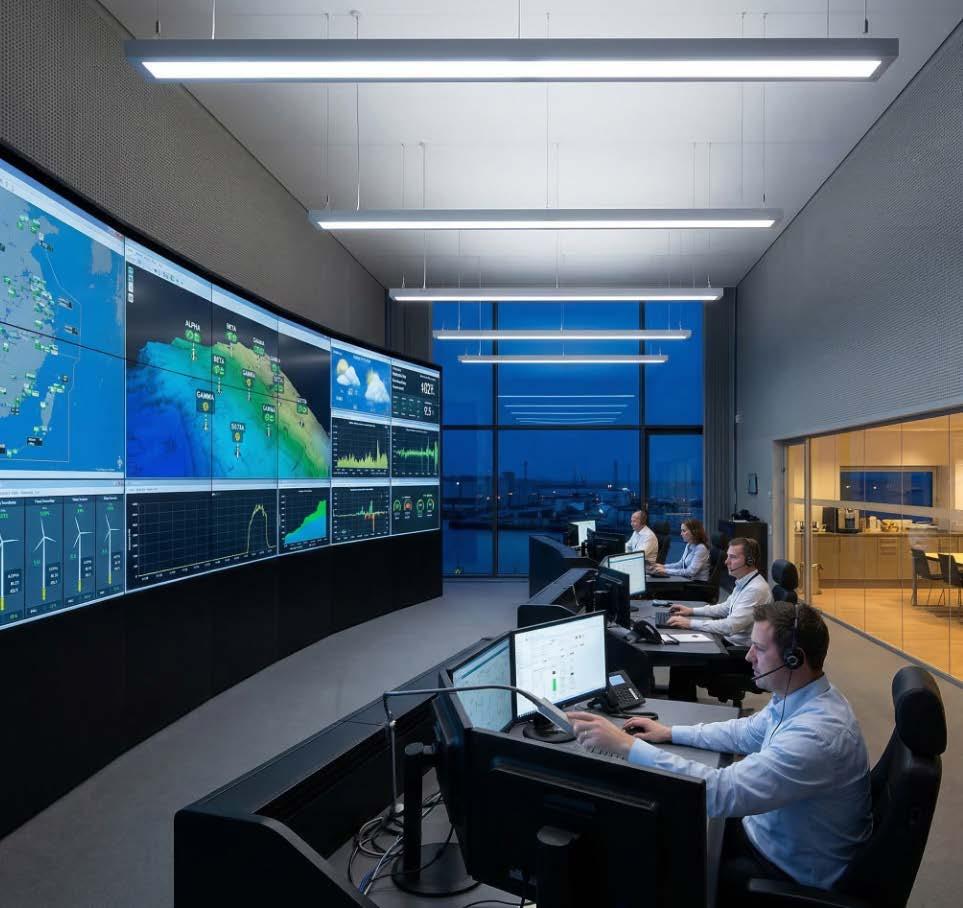
Circadian Lighting at Sea: Human-Centric Design for Offshore Control Rooms
Late at night, far from shore, the work never stops. Inside a control room monitoring offshore wind farms—one in the United States, another in the Baltic—operators sit before walls of data, tracking performance, responding to alerts, and maintaining constant vigilance. The architecture is minimal. The screens dominate. And the lighting, if done correctly, almost disappears.
That was the challenge presented to Erlend Lillelien of
Asplan Viak. Speaking with me in March at Light + Building, Erlend described a project that sits at the intersection of ergonomics, human biology, and precision engineering— where light is not decorative, but operational.
“We were not part of the full project team,” Erlend explained. “We were asked to do a lighting study for the people designing the control room screen systems. Their concern was that the screens are visible in the correct manner—and
RANDY REID By
Photo credit: Glamox
that operators have the best possible visual environment.”
Designing for the Operator, Not the Architecture
Unlike architectural projects where lighting enhances form, the control room begins with function. Screens must remain legible at all times. Glare is unacceptable. Visual fatigue is a constant risk.
“They are very concerned that operators are given the best ergonomic visual environment they can have,” Erlend said.
The project operates 24/7, most likely on a two-shift system. That alone introduces complexity. Lighting must support alertness during long hours while also respecting circadian rhythms that are, by definition, disrupted.
“It’s always a little difficult,” Erlend admitted. “Do you maximize performance? Or do you protect sleep cycles? You can’t fully optimize both.”
A Layered Lighting Strategy
The proposed solution is deceptively simple. A suspended, direct-indirect linear system runs above each control desk—one row per station—creating a consistent visual framework across the room. “We are using a suspended direct-indirect lighting system,” Erlend said. “A linear luminaire above each control desk, hanging right at the edge.”
Each control room contains four to six desks. At each position, the lighting becomes personal. “We’re suggesting that each operator controls the direct light over their desk,” he explained. “But the indirect light—the room—remains controlled by overall settings.”
This distinction is critical. It allows individual preference without compromising the shared environment.
“They can choose their own little bubble,” Erlend said.
The luminaires—specified from Glamox—feature tunable white capability, ranging from 2700K to 6500K, with separate control of uplight and downlight. The selected fixture, the C88-P, incorporates a micro-prismatic lens to reduce glare while maintaining efficiency.
“We could have gone wider with the C95,” Erlend noted, “but then it becomes more of an architectural element. Here, we wanted something more discreet.”
Human-Centric Lighting in Practice
At the core of the design is human-centric lighting—though Erlend is quick to point out that the terminology is evolving. “It’s now defined by the CIE as ‘integrative lighting,’” he said. “Not many people are aware of that yet.” Regardless of terminology, the intent remains the same: align light with human biological needs.
The system follows a programmed cycle, adjusting both intensity and color temperature throughout the day. “In the morning, you boost the light,” Erlend explained. “You help reset the circadian rhythm—wash away the remaining melatonin.”
During peak work periods, the lighting stabilizes around 4000K, supporting alertness without excessive harshness. As shifts progress toward their end, the system gradually warms.
“You reduce the color temperature a couple of hours before the shift ends,” he said. “That helps the body prepare for rest.” Night shifts require even more careful calibration. While higher color temperatures can improve alertness, they also
risk further disrupting sleep cycles.
“We don’t necessarily need to go to 6500K,” Erlend said. “We usually stay closer to 5000K. The flexibility is there, but it doesn’t mean you should use it.”
Control and Autonomy
Control is central to the design philosophy. Operators are not passive recipients of light—they are active participants. “We always include the option for override,” Erlend said. “If the operators don’t like the setting, they should be able to change it.”
The preferred interface integrates lighting controls directly into the workstation touchscreen. If that is not feasible, a secondary solution uses wireless switches based on EnOcean technology—battery-free and easily integrated into the DALI system.
“They can adjust light level and color temperature,” Erlend explained. “But the most important adjustments are done through the indirect light.” That emphasis reflects a key insight: lighting the surrounding surfaces—ceilings and walls—has a greater impact on circadian response than task lighting alone.
“It’s more effective when you light the whole ceiling,” he said. “Adjusting the color of that gives you the real effect.”
Balancing Consistency and Change
While indirect lighting shifts throughout the day, Erlend prefers stability at the task level. “Personally, I prefer that the objects on my desk look the same all the time,” he said. “So I would keep the direct light more or less constant—around 3000K.”
This balance—dynamic ambient light paired with stable task lighting—helps maintain visual comfort while still supporting biological rhythms.
A Study, Not a Final Build
At the time of the interview, the project remained in the study phase. Asplan Viak’s role was advisory, providing recommendations that the broader project team may or may not implement.
“We’re not part of the final decision,” Erlend said. “We provide suggestions. It’s up to them to follow.” That uncertainty extends to documentation. Images and renderings, if available, require client approval before release.
Still, the concepts are clear—and increasingly relevant.
Lighting as Performance Infrastructure
Control rooms represent a growing typology where lighting is inseparable from performance. As renewable energy infrastructure expands, so too does the need for environments that support human operators over long durations.
For Erlend, the goal is straightforward, even if the execution is complex. “It’s very important to give operators the possibility to control their own work environment as far as possible,” he said.
In a space defined by data, screens, and constant attention, that control may be the most valuable form of light design— one that does not call attention to itself, but quietly enables everything else to function.
And in that sense, the project reflects a broader shift in the discipline. Lighting is no longer just about what we see. It is about how we work, how we feel, and ultimately, how we perform. ■
The Green Card Roadmap: A Guide for Lighting Firms
By BRIDGET LEARY
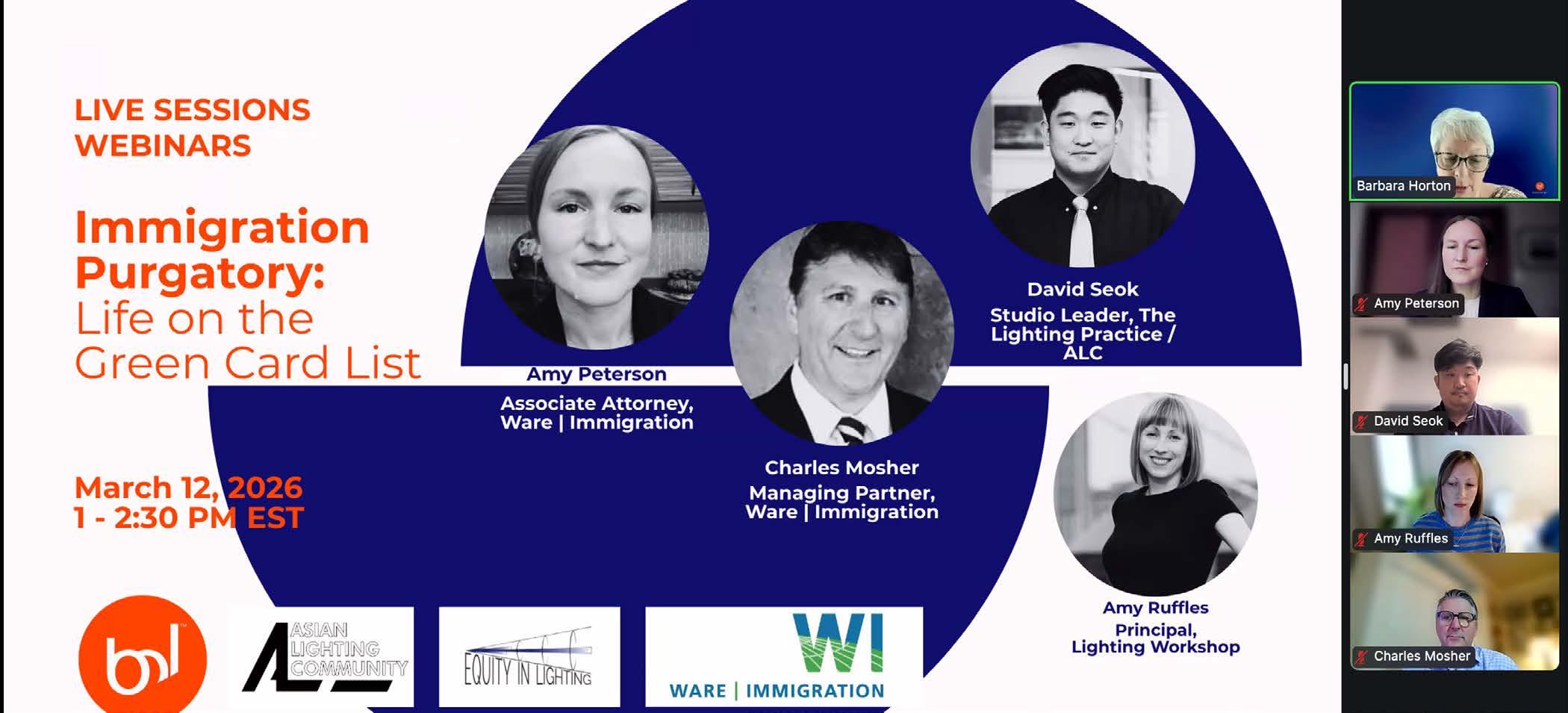
The lighting industry runs on international talent. Two immigration attorneys and two lighting professionals break down the path to permanent residency and what employers must do to support their teams.
Lighting design is a global profession. Walk into any prominent studio in New York, Seattle, or Miami, and you will find designers who trained abroad, bring international perspectives, and have built careers across continents. But behind every international hire lies a complex, years-long immigration process that can make or break both a career and an employer's investment.
In a recent webinar hosted by Business of Light, immigration attorneys Amy Peterson and Charles Mosher of Wear Immigration joined lighting professionals Amy Ruffles, a principal at The Lighting Workshop in Brooklyn, and David Seok, a studio leader at The Lighting Practice in New York, to walk through the employer-sponsored green card process. What emerged was a candid picture of a system that rewards preparation and punishes complacency.
The Three-Step Path to Permanent Residency
Employment-based green card sponsorship follows three distinct legal stages. Each stage builds on the last, and a
misstep at any point can require starting over from scratch.
Step 1: Labor Certification (PERM). The employer must demonstrate to the U.S. Department of Labor that no minimally qualified American worker was available for the position. This involves a regulated advertising campaign, including Sunday newspaper ads and a state unemployment website posting, followed by a formal application. The labor certification is specific to a single job title, location, and employee, and is not transferable.
Any substantive change to the job during the process—a new city, altered duties, or even an undocumented skill requirement—can invalidate the application entirely. Currently, the DOL is taking roughly 17 months just to process a PERM application, pushing the total time for this first step to approximately two years.
Step 2: Immigrant Visa Petition (Form I-140). Once the PERM is certified, the employer has 180 days to file an I-140 petition with U.S. Citizenship and Immigration Services

(USCIS). This filing establishes the employee's "priority date"—their place in line—and requires the employer to demonstrate they have the financial ability to pay the prevailing wage at the time the green card is approved. Supporting documentation may include tax returns, audited financials, or a CFO letter for larger firms.
Step 3: Adjustment of Status. This is the employee's personal green card application, and it can only be filed once a visa number is available for their country of birth and sponsorship category. Spouses and unmarried children under 21 can be included as derivatives. The employer's role here is limited, but the employee must gather medical exams, police records, and biographical documentation. This step typically takes 12 to 18 months to adjudicate.
Backlogs: The Uncomfortable Truth About Wait Times
The employment-based immigration system caps annual green card issuances at 140,000 across all categories, with no single country allowed to exceed seven percent of that total. For employees born in high-demand countries like India or China, the resulting backlogs are staggering. A professional born in India may face a wait of 16 to 17 years from the initial PERM filing to receiving their green card.
For most other countries, the total timeline from start to finish currently runs around three and a half years. Throughout that entire period, the employer must also maintain the employee's non-immigrant work visa, typically an H-1B, through renewals and extensions. "You have to remember," Mosher noted, "that even though you're sponsoring someone for permanent residence, you still have to maintain their work authorization. And it might be many years that you're going to have to do that."
What Employers Are Required to Pay
One area that causes consistent confusion, and sometimes exploitation, is who pays for what. The law is clear: employers are required to cover all costs associated with the PERM labor certification, including attorney fees and advertising. In major cities, just the two required Sunday newspaper ads can cost $3,000 to $4,000. These costs cannot be passed on to the employee or recouped later.
Costs for the I-140 and adjustment of status stages can legally be shared with or charged to the employee, though many employers choose to cover them as a retention incentive. Government filing fees currently run $715 plus $300–$600 for the I-140 (depending on company size), and $1,440 per adult for the adjustment application. Optional
filings for temporary work authorization or travel documents add additional costs.
Ruffles, who went through the process herself before founding her own firm, noted that employees are often at a disadvantage: "The employer is typically engaging the attorney, and you're sort of behind a wall. You don't have access to the attorney yourself as the employee." Her advice to sponsored employees: educate yourself on the basics before the conversation starts.
Practical Tips for Lighting Firms
The panelists offered several concrete takeaways for firms navigating this process:
• Front-load your homework. The job description used for the PERM must be airtight from day one. If a required skill cannot be documented two years into the process, the application is void and the clock restarts.
• Don't change the job mid-process. Promotions, relocations, and duty changes can invalidate a labor certification that took years to build. Increases in salary are acceptable; structural changes to the role are not.
• Understand portability. Once an adjustment application has been pending for 180 days, employees can change jobs or employers and still receive their green card — as long as the new role falls within the same general occupational classification. Firms should be aware that years of investment do not guarantee retention.
• Have the conversation early. Seok emphasized that mapping out immigration pathways during the hiring process — not after — benefits both parties. It helps firms budget accurately and signals to prospective hires that the firm takes their future seriously.
• Use an attorney who represents both parties openly. The best outcomes, the panelists agreed, come from transparent communication between attorney, employer, and employee throughout the process.
The path to permanent residency is long, precise, and unforgiving of errors. But for firms that navigate it well, the reward is a more stable, loyal, and empowered international workforce — and a competitive edge in a profession that depends on global talent. ■























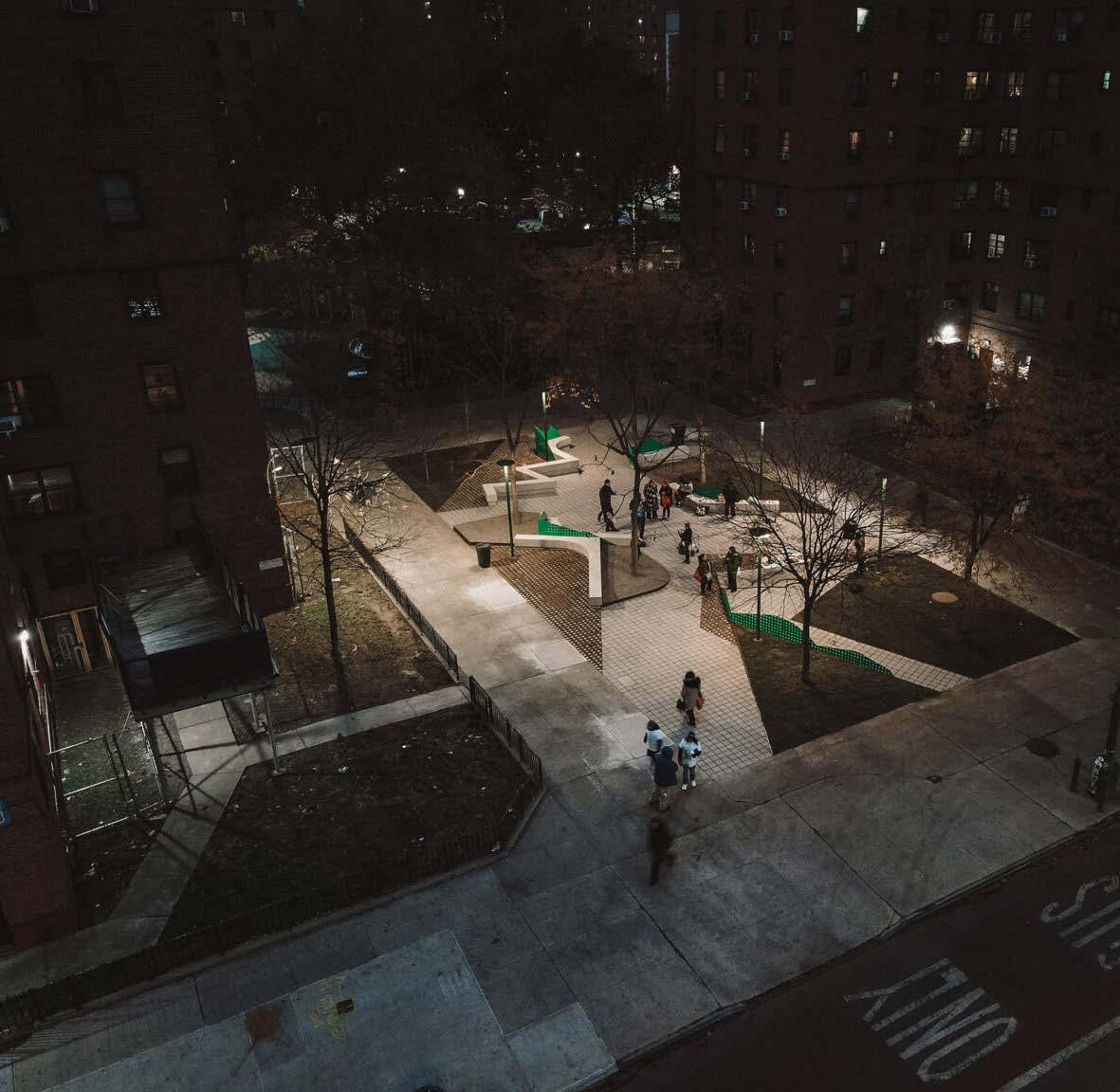
By RANDY REID
Opening the Edge: Lighting a Community Back Together
The first time Kate Hickcox saw the space, it wasn’t really a place at all. It was a fencedoff void in the middle of the Lillian Wald New York City Housing Authority campus—green, technically, but inaccessible, unlit, and unused. Paths around it fell into shadow at night. Residents passed by rather than through. What had once been a social landscape had been erased decades earlier, replaced by absence.
Eleven years later, that same site has become something entirely different: a community-designed plaza that feels open, legible, and inhabited. The lighting is subtle but intentional. It neither floods nor dramatizes. Instead, it supports a sense of comfort—an atmosphere shaped as much by restraint as by illumination.
Kate, who served first as a lighting fellow and later through her own practice, describes the project as less about lighting a space and more about learning how a community defines safety, identity, and ownership.
The project began in 2014 through the Design Trust for Public Space. Artist Jane Greengold had observed a condition common across many public housing developments: green spaces enclosed by fencing, with no invitation to enter. Her proposal was disarmingly simple—remove the fence. The initiative became known as “Opening the Edge.” But as Kate recalls, “it got a lot bigger.”
By the time Kate joined in 2015, the work had already begun to expand beyond a physical intervention into a participatory process. Alongside phase-one fellows – Jane Greengold, landscape designer Rebecca Hill, community-focused collaborators Destiny Mata and Emmanuel Oni, Kate entered a long series of meetings with residents from the Lillian Wald and Jacob Riis Houses. These conversations would ultimately shape every aspect of the project.
Residents arrived with photographs— images of the site decades earlier. Brick plazas. Seating areas. Architectural forms that supported gathering. Then came the turning point in the 1980s. As safety concerns escalated, these features were systematically removed. Benches were broken apart. Plazas were demolished. Open areas were replaced with fenced lawns. The strategy was blunt but effective: eliminate places to gather, and you eliminate the perceived risks that come with them.
What remained was not neutral. It was a landscape defined by absence.
“And then it just stayed that way,” Kate says. The new project set out not simply to reverse that history, but to reimagine
it through a contemporary lens—one grounded in participation. Over years of workshops, site walks, and informal conversations, the design team learned to shift their language. Early questions about color temperature or fixture types were met with blank stares. Residents were not interested in technical specifications. They spoke instead about feeling.
“We just want to be safe,” they told Kate. They wanted openness. Visibility. Beauty. They wanted a place they could be proud of—something that signaled to others that their community had value.
Lighting, then, became a translation exercise. Kate and the team used large boards and iterative sessions to map emotional responses to physical conditions. What does the space feel like now? What should it feel like? Where else feels right? Why?
The answers rarely pointed to brightness. In fact, one of the project’s central challenges was resisting it.
The site itself—approximately 4,000 square feet—was surrounded by poorly lit pathways. Introducing a brightly illuminated plaza risked creating stark contrast, amplifying the darkness beyond its edges. At the same time, NYCHA’s lighting requirements called for a minimum of one footcandle across the space, a standard that can produce significantly higher localized levels when applied with a limited number of fixtures.
With only six luminaires ultimately installed, achieving compliance without overlighting required negotiation.
Kate and her collaborators developed comparative studies. One scheme adhered strictly to a one footcandle minimum, resulting in hotspots and a perceptible glare. The alternative proposed a one footcandle average—allowing for variation while maintaining overall visibility. More importantly, it aligned with how the space connected to its surroundings.
“We showed them what each approach would look like,” Kate explains. “And how it would feel.”
The distinction proved persuasive. NYCHA approved the revised approach.
The final installation uses six pole-mounted luminaires from Forms + Surfaces, each at approximately 12 feet in height, with Type V distributions. The fixtures are Dark Sky compliant and intentionally understated. Their placement, however, was anything but simple. Beneath the surface lay layers of infrastructure—remnants of older buildings, drainage systems, and utilities—that constrained every decision.
“There was a lot going on under the site,”
Tameek Williams for Design Trust for Public Space
Kate notes. “We had to find locations that worked structurally and hydraulically, not just visually.”
If the technical resolution was complex, the conceptual goal remained clear: create a space where people feel comfortable staying after dark. Not exposed. Not surveilled. Not overwhelmed.
That balance—between safety and softness—is particularly relevant in contemporary urban lighting. As Kate observes, many public spaces in New York have trended toward higher illumination levels, often driven by risk mitigation. The result can feel clinical, even oppressive.
Here, the approach is different. Light is used to define pathways, reveal faces, and support activity, but it stops short of dominating the experience. Shadows are present, but they are legible. The space reads as continuous rather than fragmented.
The project reached completion in November 2025, more than a decade after its inception. The timeline reflects not only funding cycles and administrative processes, but also the slow work of building trust.
Throughout, the community remained the constant. Residents attended meetings year after year. They organized events. They gathered feedback—thousands of responses over time. At the ribbon cutting, it was not the designers
or officials who stood at the center, but the community members themselves.
“They cut the ribbon,” Kate recalls. “And you could see that sense of ownership.”
That ownership may be the project’s most enduring outcome. While NYCHA maintains the site, its success depends on continued stewardship from those who use it. Early signs are encouraging. The plaza has already begun to attract attention from other cities, serving as a model for participatory design in public housing.
For Kate, the experience has reshaped her understanding of practice. Much of her contribution, particularly in later years, was effectively volunteer work—an investment of time sustained by belief in the project’s value.
“I just love that there will be some eyes on it,” Kate says. In a profession often defined by timelines, deliverables, and metrics, this project offers a different measure of success. It is not the number of fixtures or the precision of photometrics, but the degree to which a space is reclaimed—socially as much as physically.
The fence is gone. In its place is something harder to quantify, but easier to feel: a shared space, illuminated with care. ■
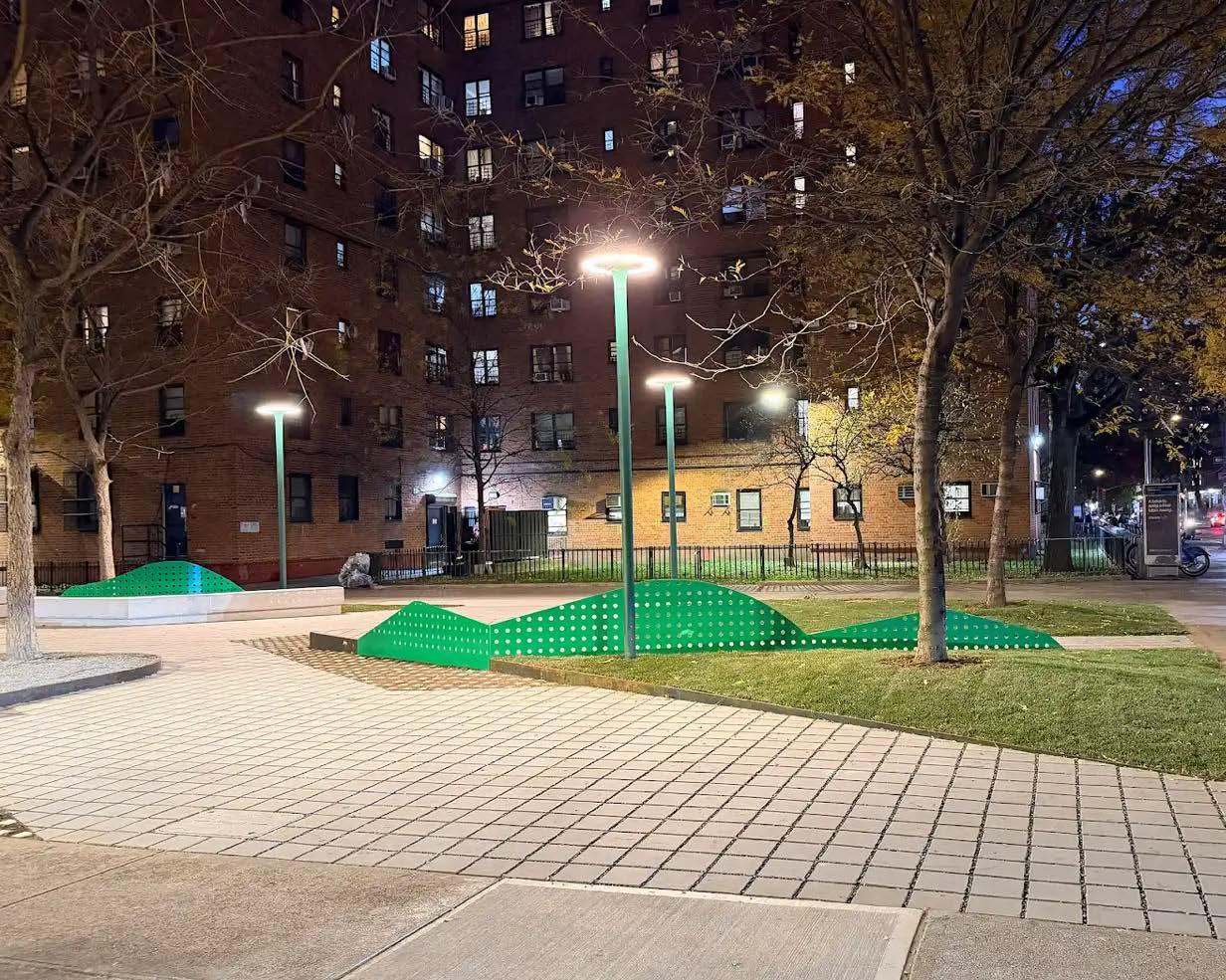
Kate Sweater Hickcox, Dwaal Lighting Design

Breakthrough OPTI-SELECT technology lets you change light distribution quickly and easily, with the turn of a switch or twist of the wrist. No lens or reflector swap, no need to open the luminaire or lamp.
Whether you’re installing area lights, bollards, track lights, wall cylinders, post tops, high bays, wall packs, floodlights, sports lights, or PAR38s, you can dial up exactly the right distribution and aiming that each lighting job requires. You’ll not only save time; you’ll also maximize the life of your luminaire or lamp by making sure that moisture never has a chance to get in.
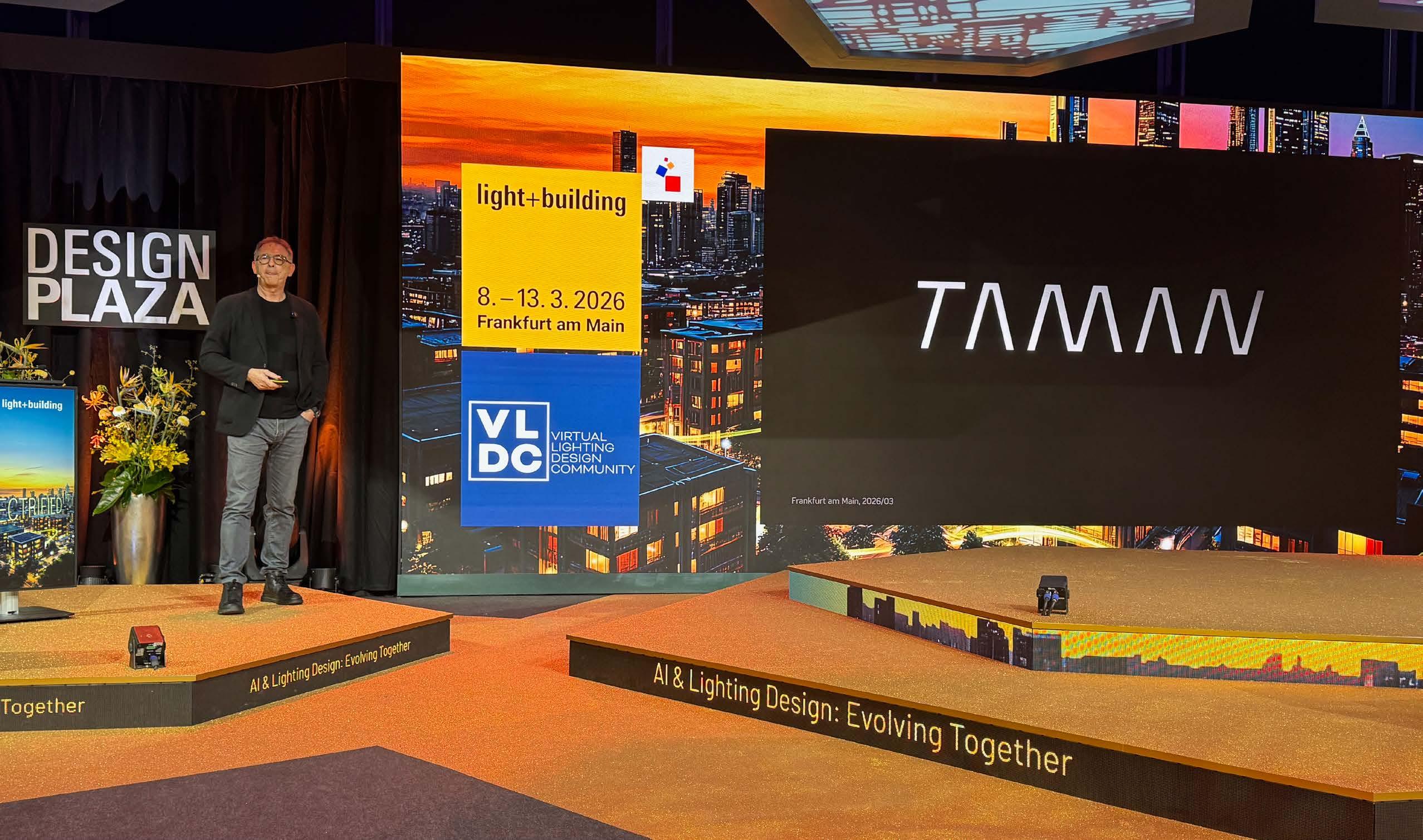
Dean Skira Challenges the Lighting Design Process
At a recent VLDC session during Light + Building, Dean Skira stepped onto the stage and addressed a topic the lighting industry has wrestled with for decades: light pollution.
Rather than revisiting familiar critiques, Dean offered a fundamentally new way of thinking about how we design light in cities.
“We all talk about AI lately,” Dean began, acknowledging how artificial intelligence has quickly become part of everyday life. From email filtering to autonomous vehicles, AI is already embedded in modern systems. Yet, as Dean pointed out, the lighting industry has been slower to harness its potential in a meaningful way.
What followed was a challenge to long-standing industry practice.
Rethinking the Urban and Street Lighting Design Process
Dean argued that the industry’s current workflow is backward. Today, manufacturers develop luminaires first.
Designers then use those predefined products to calculate lighting levels and apply them across projects.
“This is the opposite way,” Dean explained. “We should calculate first.”
Instead of starting with a fixture, Dean proposes beginning with the environment itself—defining the exact lighting needs of a specific space before any product is selected. Only after determining optimal illumination levels should luminaires be designed or chosen to meet those precise requirements.
The implications are significant. Cities are not uniform. A residential street, a city park, and a public plaza each require different lighting responses. Yet too often, similar luminaires are applied across vastly different contexts.
“We cannot treat the residential area and commercial area the same,” Dean emphasized.
Introducing Taman
To address this disconnect, Dean introduced Taman, an AI-driven software platform developed over several years.
The future may depend just as much on where we choose not to illuminate. Taman enables this approach to be executed faster, more accurately, and based on context rather than product-first decisions.
Built on his 35+ years of experience in architectural and urban lighting, Taman represents a shift toward performance-based design.
The software begins not with products, but with space. Users input a 3D model of an area, which can be anything from a single street segment to a broader urban zone. The system then applies relevant standards and calculates optimal lighting levels across the entire environment.
Crucially, this process occurs without selecting a luminaire.
“This is the main feature of our software,” Dean explained. “We are not using products in the initial process of the calculation.”
Instead, Taman generates ideal light distribution curves tailored to the specific conditions of the site. Only after optimization does the system search a database of available products to find the closest match.
The result is a reversal of the traditional workflow. Design is driven by need, not by product availability.
Precision, Efficiency, and Control
Taman’s capabilities extend beyond basic calculations. The platform allows designers to segment urban areas in three dimensions, apply different lighting classifications such as roadway or pedestrian standards, and set parameters like pole height.
From there, the system automatically positions luminaires and runs an optimization process. Designers can adjust placements manually if needed, then re-optimize to refine results.
The software outputs both numerical and visual data, including detailed illumination values for specific points and compliance metrics for regulatory standards. It also generates rendered images for client presentations and exports documentation for project delivery.
More importantly, Taman addresses a persistent industry challenge: light pollution.
Dean illustrated the issue with a familiar image—an overlit cityscape glowing excessively against the night sky. “It’s not an image of a beautiful city,” he said. “It’s actually an image of light pollution.”
By calculating only the light that is needed, while respecting darkness and required lighting levels, the system reduces spill light, glare, and wasted energy.
A Tool for the Entire Ecosystem
While Taman is positioned as a design tool, its potential reaches far beyond lighting designers.
Dean outlined applications for architects, urban planners, municipalities, and manufacturers. Cities could use the platform to predict energy consumption across districts. Engineers could streamline compliance with lighting standards. Manufacturers could leverage optimized data to develop more targeted optical solutions.
In future iterations, Dean suggested that Taman could integrate with major design platforms or function as an API, embedding optimization directly into broader workflows.
“Just Right”—and Dark
In closing, Dean offered a linguistic insight that captured the philosophy behind Taman. In Croatian, the word “taman” has a dual meaning. It can mean “dark,” but it can also mean “just right.”
That duality reflects the balance the software aims to achieve.
For decades, the industry has discussed light pollution without having the tools to fully address it. Taman is actively enabling this shift through a new methodology.
“We talk about this problem for such a long time,” Dean said. “But we really didn’t have any tools to approach it properly.”
Now, with AI entering the equation, that may finally be changing. In Taman, AI is not abstract. It is built on Dean’s extensive expertise in urban and street lighting. This knowledge is translated into a system that evaluates key parameters such as glare, distribution, and environmental context, enabling faster, more accurate optimization than traditional workflows.
The future may depend just as much on where we choose not to illuminate. Taman enables this approach to be executed faster, more accurately, and based on context rather than product-first decisions. ■
Dean Skira will presenting Light Where It’s Needed, Darkness Where It Belongs: Rethinking Urban Street Lighting at IALD’s Enlighten Europe in Paris, Friday, 19 JUNE 2026.
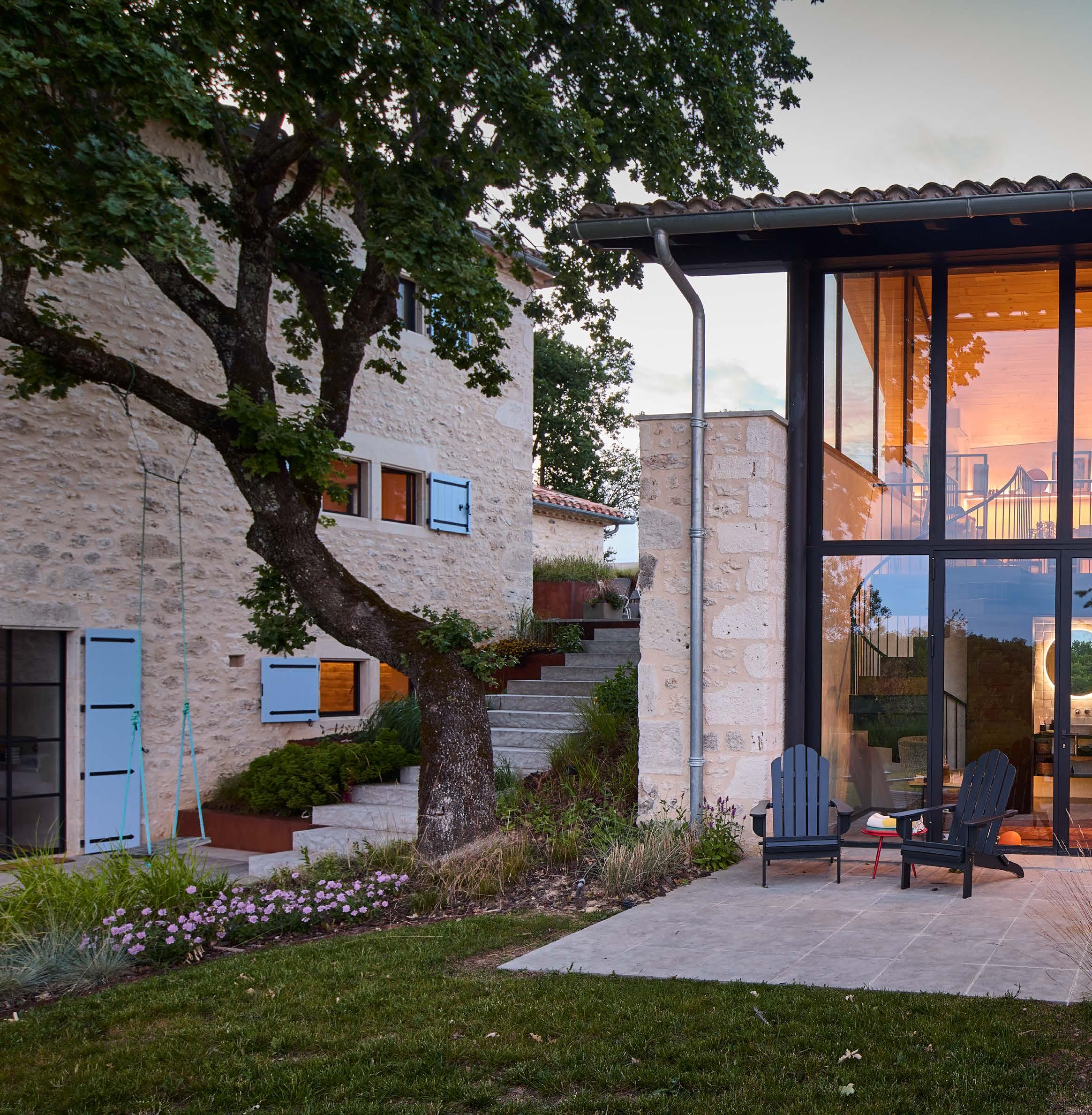
THE HUMAN FACTOR
What Twenty Years in Lighting Have Taught Me About Collaboration
By STACIE DINWIDDY, CLD, IALD, LC, LEED BD+C Associate Director, HLB Lighting, NY
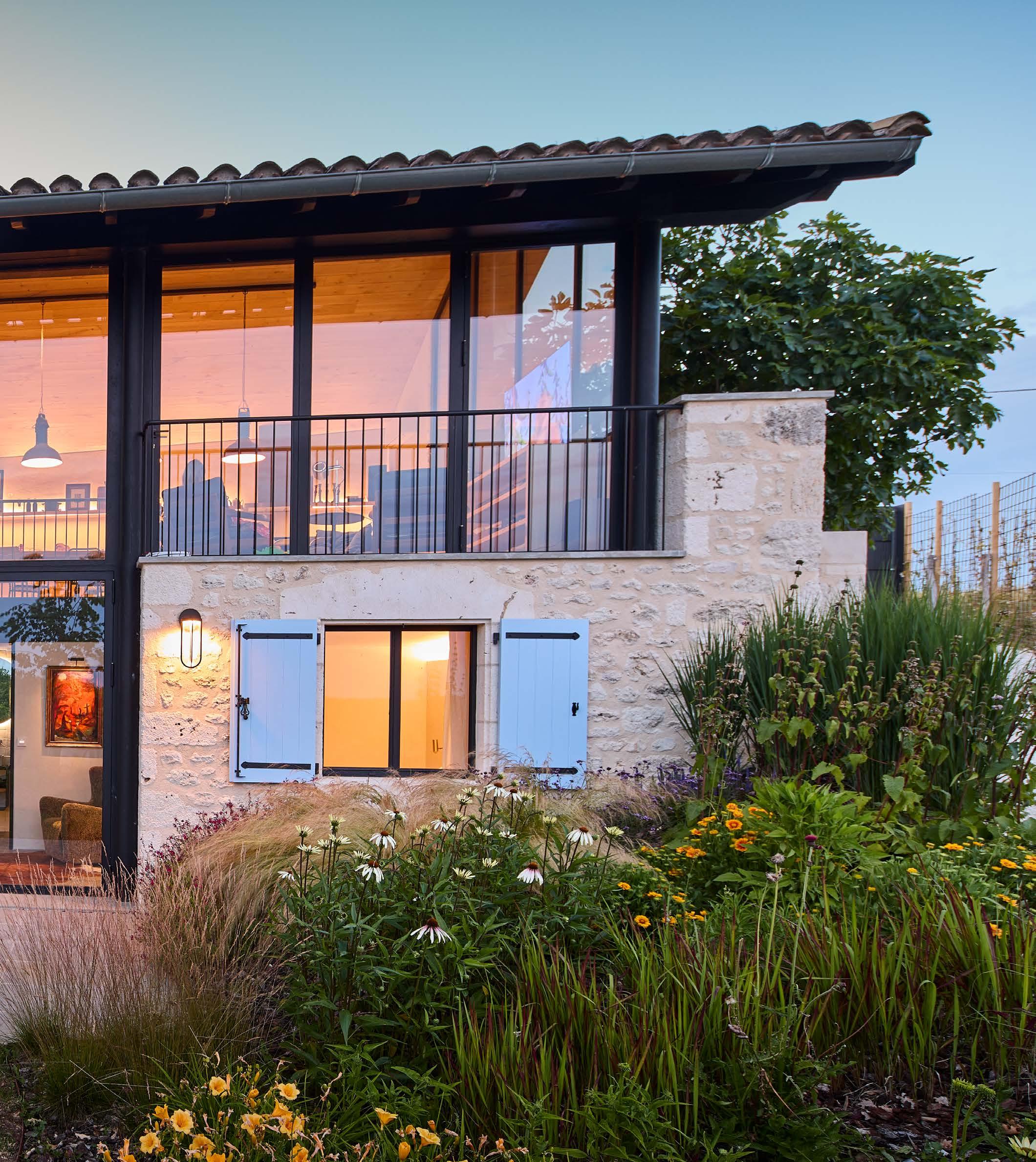
There are moments on residential projects when the drawings are complete, the luminaires are installed, and the house is finally illuminated, yet something still feels unresolved.
Over the years, I’ve learned that when a project struggles at the finish line, it is rarely because of technical oversight. More often, the tension can be traced back to something far less visible: how the people on the team worked together.
After twenty years designing and managing lighting for luxury private residences, I no longer believe that successful projects are defined by talent alone. Technical expertise matters, of course, but people
skills, relationships, and emotional intelligence quietly shape whether a project reaches its full potential or simply meets expectations.
In a market as intimate and demanding as private residential design, the human factor is not peripheral to the work. It is central to it.
Soft Skills Are Not Soft in Practice
Early in my career, I assumed that strong design solutions would speak for themselves. Over time, experience and more than a few difficult lessons proved otherwise. The most effective lighting designers I know are not just excellent problem
Photograph by Nico Zurcher
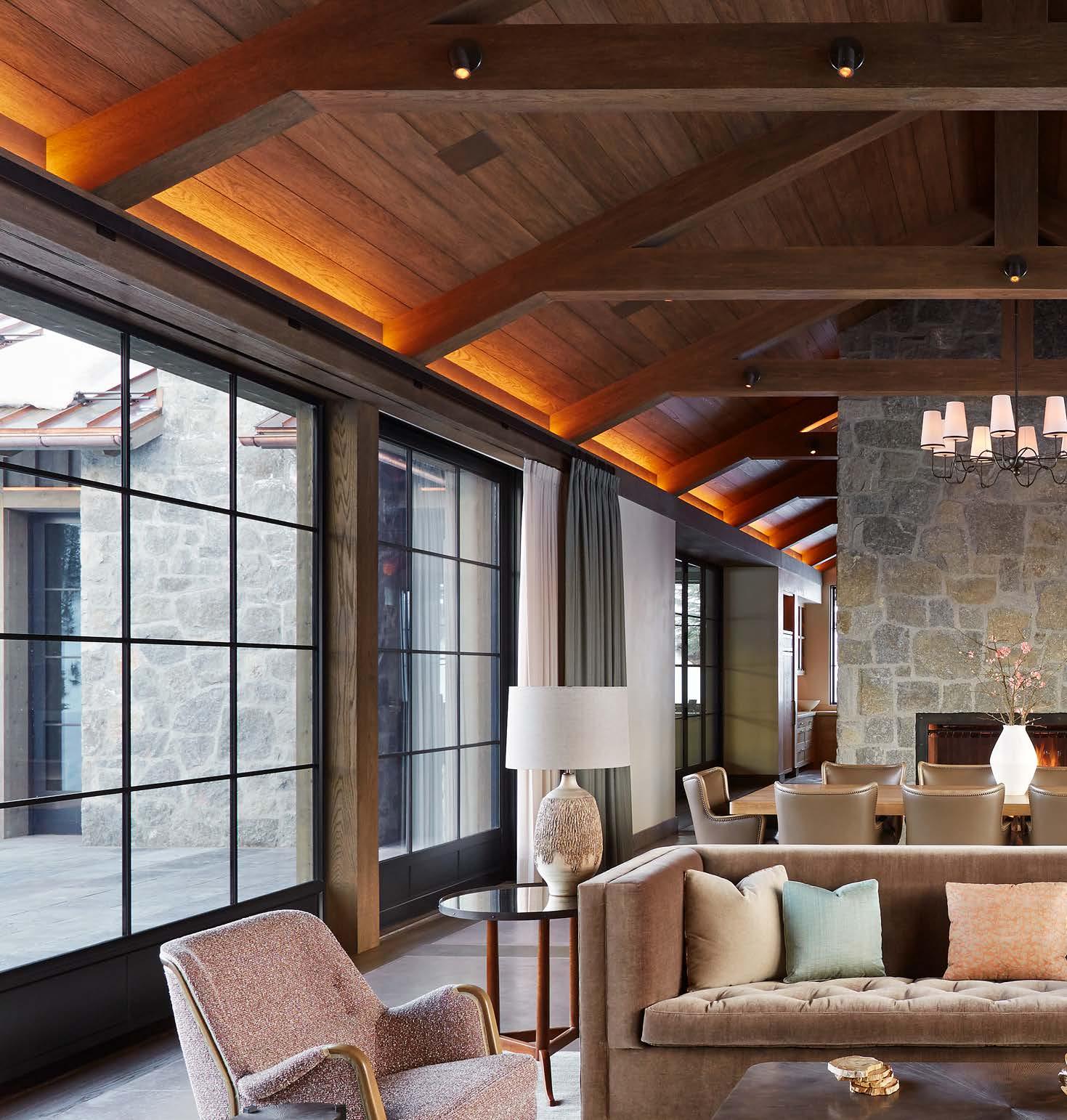
solvers; they are excellent listeners. They know when to lead, when to adapt, and when to pause long enough to understand what is truly being asked.
Soft skills—communication, empathy, adaptability, and selfawareness—are often discussed as secondary to technical ability, but in residential work they function more like power skills. They influence how design intent is received, how conflicts are resolved, and how trust is built over the long arc of a project.
Unlike software expertise or code knowledge, these skills are not learned once and mastered forever. They are developed through repetition, feedback, experience, and often through missteps. Yet they are also the skills that
tend to define leadership, longevity, and influence within a design team.
The effect of good relationships is felt at every stage of a residential project. During early design, trust enables candid dialogue and creative exploration. During documentation and coordination, it allows teams to address issues directly and efficiently. And during construction and commissioning, often the most demanding phases, it helps teams navigate pressure without compromising quality.
Looking for More Than a Portfolio
As my role has evolved, I’ve become increasingly attentive to soft skills during interviews and early collaboration
Photograph by Tim Williams @twilliamsphoto, www.twilliamsphoto.com
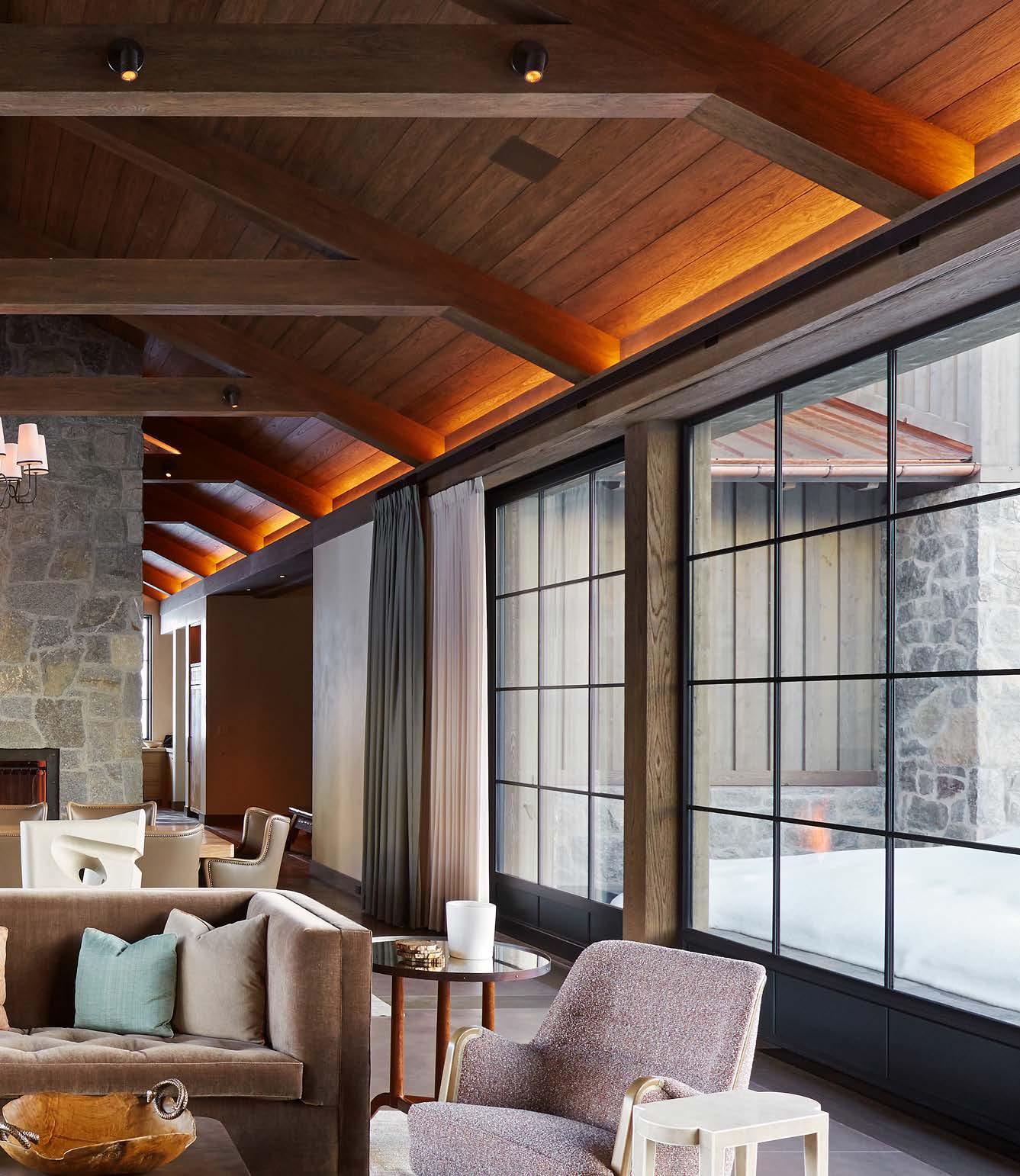
conversations. I still care deeply about design rigor and technical competence, but now I listen just as closely for how someone describes working with others.
Do they take ownership of challenges, or assign blame? Can they articulate how they’ve navigated difficult team dynamics? Are they curious, adaptable, and respectful when discussing disciplines beyond their own?
In residential design, where teams often work together for years and clients remain deeply involved throughout the process, interpersonal skills shape daily experience. Hiring or partnering without
considering these qualities can introduce friction that no amount of design talent can offset later.
Why Networking Looks Different Now
The growing emphasis on relationships is reflected in how professionals in the luxury residential sector are choosing to connect. Over the last decade, I’ve watched an increase in national and international networking groups tailored specifically to the superprime residential market.
Many of these groups operate through annual membership dues that resemble sponsorships more than casual affiliations. At higher levels, the value
lies not in volume but in access to small gatherings, curated conversations, and opportunities to engage with peers across regions and disciplines.
What’s often underestimated is the time commitment required. Meaningful participation happens outside billable hours at events, in working groups, and in conversations that don’t have an immediate project attached to them. The return is rarely immediate, but it is enduring.
Beyond Traditional Design Circles
Some professional organizations continue to serve specific disciplines—architecture, interiors, lighting, sustainability—and they remain essential. What has changed is the expanding scope of residential-focused networks to include expertise that traditionally sat outside the design team.
Today, conversations increasingly include owners’ representatives, legal advisors, insurance professionals, property managers, security consultants, and equity managers. These perspectives often enter the discussion well before a property is purchased or a design team is formed.
For designers, this shift is instructive. Residential projects are long-term investments shaped by ownership structures, risk considerations, and evolving client priorities. Understanding that broader context strengthens collaboration and positions design teams to add value earlier in the process.
The Intimacy of Residential Work
Residential design is deeply personal. Homes
are emotional environments, and clients tend to gravitate toward teams they trust, often teams that have worked together before. Established rapport, whether with the client or among consultants, carries significant weight.
For those entering the market, this can be challenging. Even highly qualified designers may struggle to break into established teams unless a client is intentionally seeking change. Talent alone rarely opens the door, but relationships do.
For established teams, this reinforces the importance of maintaining healthy internal dynamics. Strong relationships are not just good practice; they are a competitive advantage.
Designing Light, Working with People
Lighting designers occupy a unique position within the residential design team. Our work touches architecture, interiors, landscape, technology, and, most importantly, how people experience their homes. It has taken me years to fully appreciate that the same sensitivity we bring to shaping light must also be applied to how we engage with one another.
In a market where excellence is expected, it is often the quality of relationships that distinguishes a good project from a truly successful one. Investing in people skills through hiring, collaboration, and professional engagement is part of the craft.
After twenty years in this industry, that may be the most enduring lesson of all. ■
Photograph by Nico Zurcher
Showcasing Lighting and Its Impact on Design
Join us for Illuminate at NeoCon, a new “show within a show” spotlighting the future of architectural, technical, and decorative lighting. Discover a curated mix of leading and emerging brands, explore innovative technologies shaping the built environment, gain insights through expertled Spotlight Sessions and immersive vignettes, and connect at exclusive events. Learn more at www.neocon.com/illuminate.
Healthy Lighting as a System: Lawrence Lin’s Vision for the Industry
At one of the VLDC sessions at Light + Building in Frankfurt last month, Jan Denneman, a physicist and lighting expert who studies how light influences sleep, mood, and overall health, spoke by video about the work of the Good Light Group. Near the end of his presentation, he highlighted a recent milestone: the launch of Good Light Group Asia, chaired by Lawrence Lin.
Lawrence Lin then addressed the audience and later stopped by the EdisonReport studio at Light + Building for a one-on-one conversation.
Lawrence explained the importance of managing flicker, human health, and the future of lighting standards. The interview moved beyond traditional lighting metrics to focus on how people actually experience light in real spaces.
Lawrence believes the lighting industry often relies too heavily on laboratory measurements that fail to reflect real-world conditions. Many standards measure flicker and other performance metrics at the face of a luminaire. But in practice, people rarely experience light from that direction.
“In the lab we measure the light one way,” Lawrence explained. “But in the space we feel the light in a completely different direction.”
During our discussion Lawrence demonstrated how flicker readings can change depending on sensor placement and how light from multiple luminaires interacts within a space. The demonstration could not have been more timely. The stand lights rented at Light + Building produce significant flicker, and throughout the show I struggled to understand why some of my videos showed flicker while others looked perfectly clean. Our stand received a large amount of daylight, and on bright sunny days the natural light overwhelmed the flicker. But when clouds rolled in and daylight levels dropped, the LED flicker became very visible
in the recordings. It was a real-world example of exactly what Lawrence had just explained.
The Good Light Group aims to raise awareness about gaps in current lighting standards. According to Lawrence, emerging topics such as circadian rhythm, emotional response, and productivity still lack strong measurement models within existing standards.
He stressed that healthy lighting should be viewed as a system rather than a single product. Comparing lighting to nutrition, Lawrence noted that even beneficial vitamins only work when used properly, with the right dose and timing.
“Healthy lighting is a system,” he said. “It is not a single lamp or a single luminaire.”
During Light + Building Lawrence met with several industry organizations and said there was much interest.
The organization works with scientists, manufacturers, designers, and standards bodies such as CIE and IES, IWBI to promote research and help close these gaps. Lawrence also referenced the WELL Building Standard as an example of a framework that already considers multiple aspects of lighting quality, including glare control, circadian support, color rendering, flicker management, and daylight integration.
Although the Good Light Group has participants from several regions, Lawrence noted that the organization currently has limited participation from the United States. As a result, he expressed interest in expanding the initiative to North America.
If the effort gains traction, the U.S. lighting community could play an important role in advancing research and developing new standards that better reflect how people actually experience light in real spaces. ■
Conference: March 15, 2027
Exhibition: March 16 - 18, 2027
Las Vegas, NV
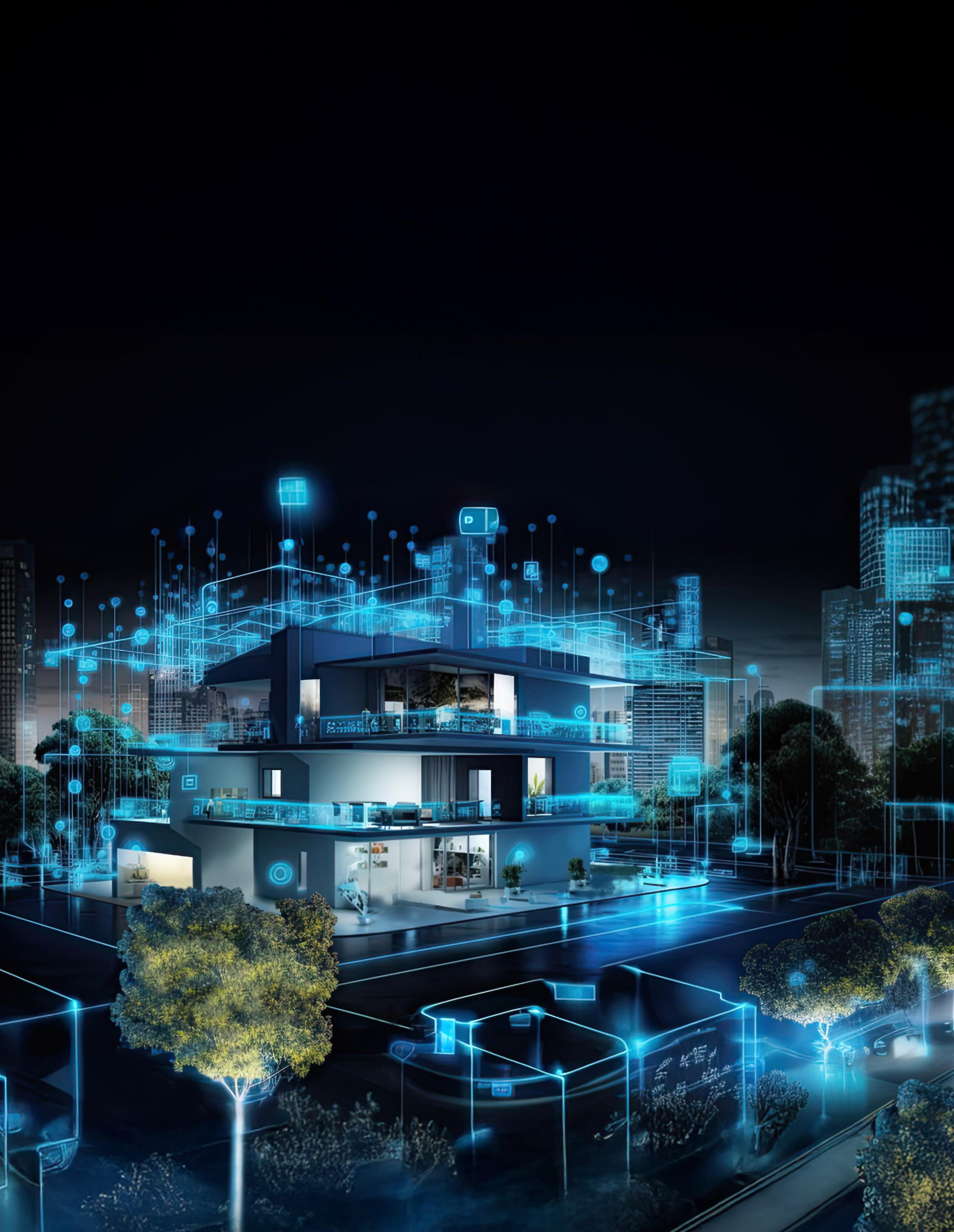
Explore architectural lighting, control systems, and integrated building technologies redefining how light is specified, managed, and experienced in real-world environments. Join us in 2027 and see what’s next for lighting design!
The Real Work of Value Engineering – A Collaborative Approach
It’s a situation most lighting designers have experienced: a project you spent months designing comes back with a request to review and accept a VE package. You’ve seen it time and time again, a package of substitutions with a carrot of cost savings and a deadline. There’s no true value engineering offered - only substituion, and that devalues the design.
This distinction matters. True value engineering (VE) is a collaborative process to find cost efficiencies that don’t
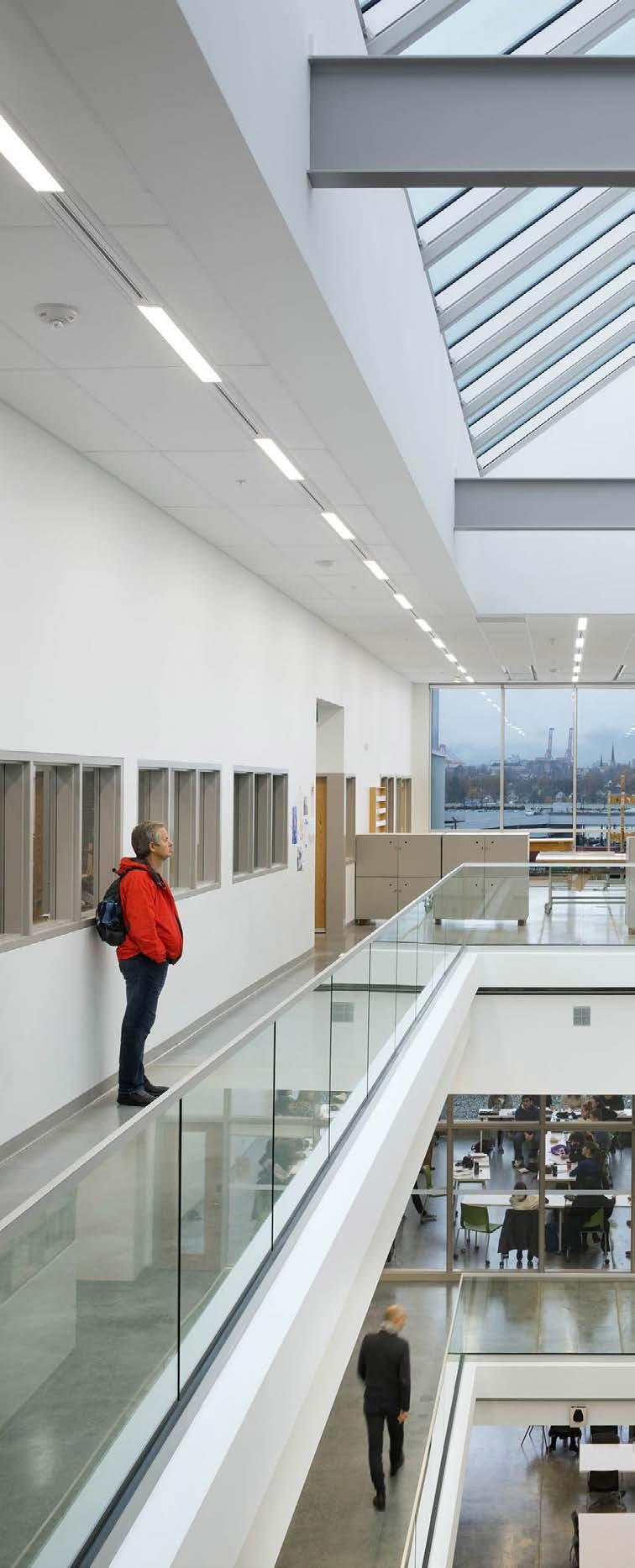
compromise the performance, longevity, or intent of the original design.
When the Context Gets Lost
The most common failure in the VE process is structural. Contractors weren’t part of the conversation when the owner outlined their operational requirements, or the lighting designer chose a specific downlight for its UGR rating, and its 150,000-hour life. Without that context, it’s difficult to know which elements of the specification are critical to the design intent and which ones could be considered for cost savings.
That information gap is where projects can get into trouble. A luminaire with 1,300 lumens gets swapped for another luminaire with 1,300 lumens. On paper, it’s a one-to-one switch, but one luminaire has a UGR of 15 and the other has a UGR of 30. One carries a credible warranty from an
DARREN LUCE, LC MIES By President, CDm2 LIGHTWORKS
Photo Credit: Providence Health Care
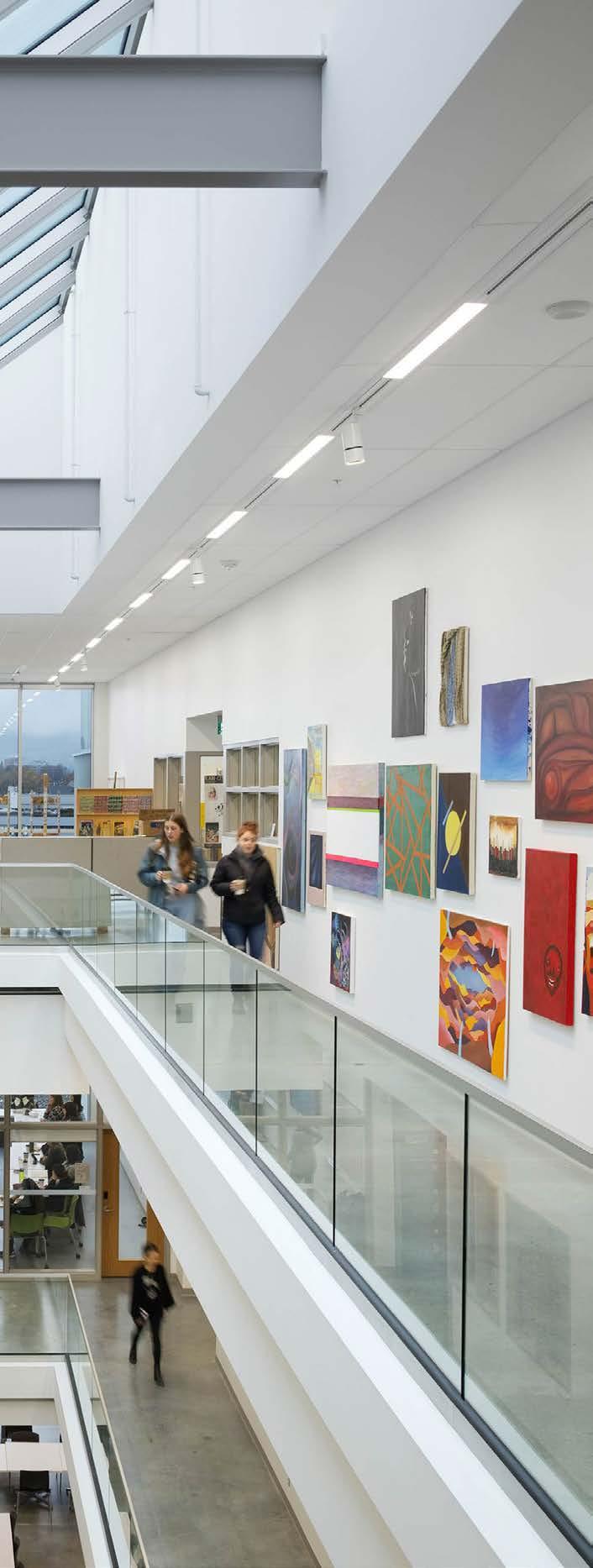
established manufacturer with support from local representation you can trust; the other comes with only cost savings.
The costliest outcomes happen when a substitution doesn’t surface until the product is already installed. At that point, the process stalls, holdbacks are threatened, and timelines are at risk. Without early alignment, a contractor could spend months trying to VE a lighting control system, only for it to fail commissioning. They are then forced to purchase the original system a year later, at a higher price. The process that looked like savings became the most expensive path through the project.
What Real Savings Look Like
On a recent large-scale Design-Build hospital project, we worked with the project team to finetune the specifications of each product to economize supply costs.
We approached this cost-driven process with a keen understanding of the technically complex specifications, including luminaire materials, specific components, and production considerations. Throughout, we ensured compliance with the distinct technical, physical, and quality requirements of the critical healthcare spaces.
Varying savings could be applied to more than 10,000 luminaires. Based on the large quantities of luminaires, even minor savings allowed us to put hundreds of thousands of dollars back into the project.
That’s the real work of VE: not compromising specs, not accepting substitutions that fall short in ways nobody flagged. It’s going deep into the design, understanding what matters, and presenting options that hold up under scrutiny. It’s alignment versus compromise: the design intent stays intact, the project is within budget - everyone can stand behind the result.
The Spec is Only as Strong as Who’s Behind It
For a rep to do this well, they are already in conversation before the VE request comes in. That means understanding the designer's original intent, why each product was specified,
and having the technical depth to evaluate alternatives against multiple criteria at once: not just lumens but optical performance, UGR, life rating, color performance, and more.
It also means being transparent. Some stakeholders hold back, thinking this will protect them from being undercut. But the reality is substitutions are happening anyway, through packages with no line-item visibility. Transparency gives the specifier the information to evaluate VE proposals across all factors.
Contractors who understand what they’re installing become advocates. Early in my career, I watched a contractor call out a lighting specification as “over-designed, you don’t need that” in front of the entire project team. Afterwards, I pulled them aside, and the truth came out: they did not understand how to install what had been specified. Once we walked through it together, their position shifted.
When contractors are brought into the technical conversations early, they install with confidence, and advocate for design in the field. The rep’s role isn’t just to bridge between the designer and contractor: it’s to make sure everyone in the room is working from the same understanding.
Is Your Rep Still in the Room?
The value of the design decision you made six months ago only holds if someone is in the room when changes are being made. You need someone who understands the project's goals and design intent and has credibility with both sides to hold the line where it matters.
Lighting and controls are a critical part of a project’s infrastructure. The decisions made during design, procurement and construction affect energy costs, maintenance cycles, and occupant well-being for years. The cost of the luminaire is one variable. The long-term installed quality and performance of your design is the goal. A strong rep partner can help you communicate that in a way that aligns with the construction team's need to deliver a successful project in the best interests of your client.
The goal of every project should be the same for everyone involved: design intent delivered within budget, and an outcome everyone can be proud of -that only happens when there’s genuine trust between the designer, the rep, the distributor, the contractor, and the owner.
Projects that go well are the ones where nobody’s profit depends on somebody else taking a loss, where the savings are real and flow through to everyone, and where the people who did the work can say “that’s what we set out to build.” Transparency and respect aren’t soft ideals in this businessthey are how successful projects are realized. ■
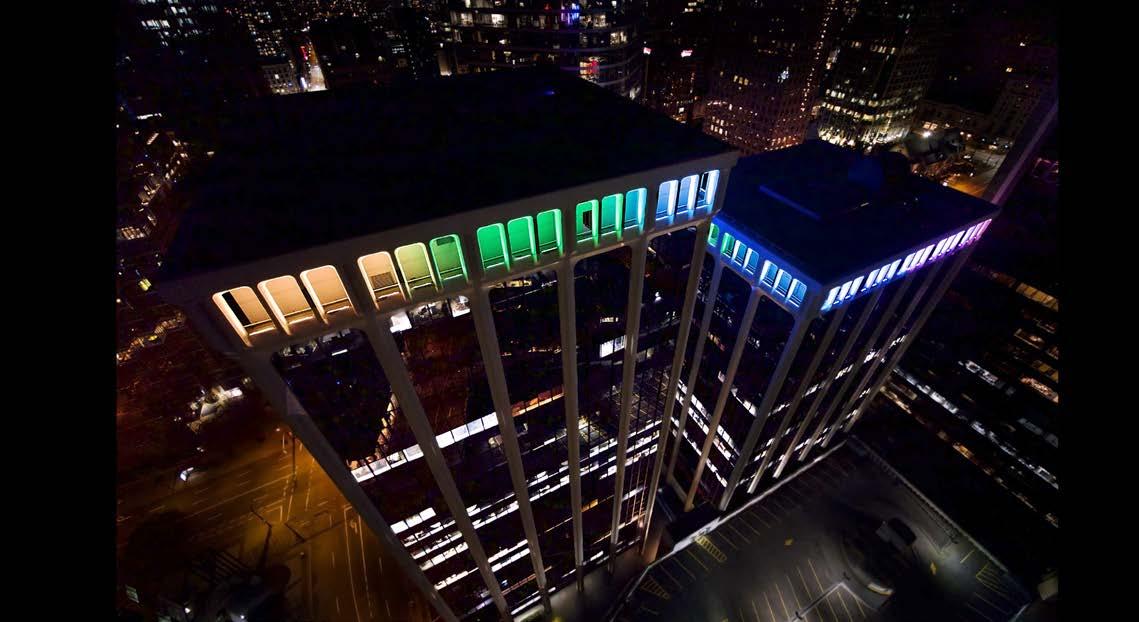
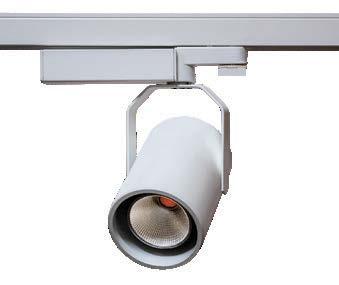
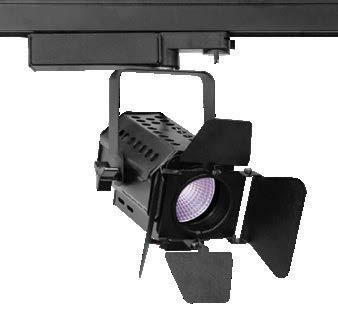
ACT23S MOSAIC STUDIO
•
•
•

•
•
•
•
•
C323 MOSAIC INKY

RGB + TUNABLE WHITE. Dynamic Color by Design.
Theatrical Precision for Architectural Environments.
The Mosaic Series combines RGB color mixing with high-CRI white light in a sleek, and architectural form. Help bring vibrancy and clarity to exhibits, retail, and immersive environments with this family of downlights, pendants, track heads, and projectors.


join WILD in NYC in April




Become a WILD International Sponsor We are seeking International sponsors at all levels. Please join us in supporting the women of the lighting industry! Check out our website for more information.
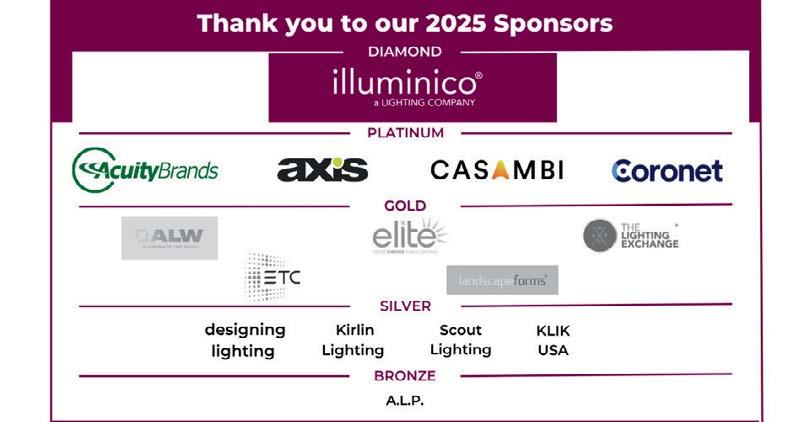


salutes and thanks its advertisers for their support. We applaud the achievements of lighting practitioners and recognize the importance of their work in architecture and design.














Light Justice NOW Awards
FINAL SUBMITTAL DATE
Closed
AWARDS PRESENTATION
13 - 15 August 2026
IES 26: The lighting Conference, Denver CO
Women in Lighting Leadership Award
NOMINATIONS
Closed
ANNOUNCEMENT DATE
TBD
LIT Lighting Design Awards 2026
10% EARLY BIRD DEADLINE 30 April 2026
ANNOUNCEMENT DATE 16 June 2026
Paris, FR
NLB Lighting Transformation Awards
FINAL SUBMITTAL DATE 24 July 2026
AWARDS PRESENTATION
NALMCO Annual Convention and Trade Show, 11-14 October 2026
Glendale, AZ
The IALD International Lighting Design Awards 2026
The winners were announced at Light + Building, Frankfurt on 10 March.
IESNYC Lumen Awards 2026
FINAL SUBMITTAL DATE
Closed
ANNOUNCEMENT DATE 18 June 2026
Lumen Gala, Pier 60, NYC
NLB Tesla AwardsTM 2026
FINAL SUBMITTAL DATE
Closed
AWARDS PRESENTATION 14 April 2026
LEDucation, NYC
IES Illumination Awards 2026
FINAL SUBMITTAL DATE
Closed
AWARDS PRESENTATION 14 August 2026
IES 26: The Lighting Conference, Denver, CO

ALINGSÅS










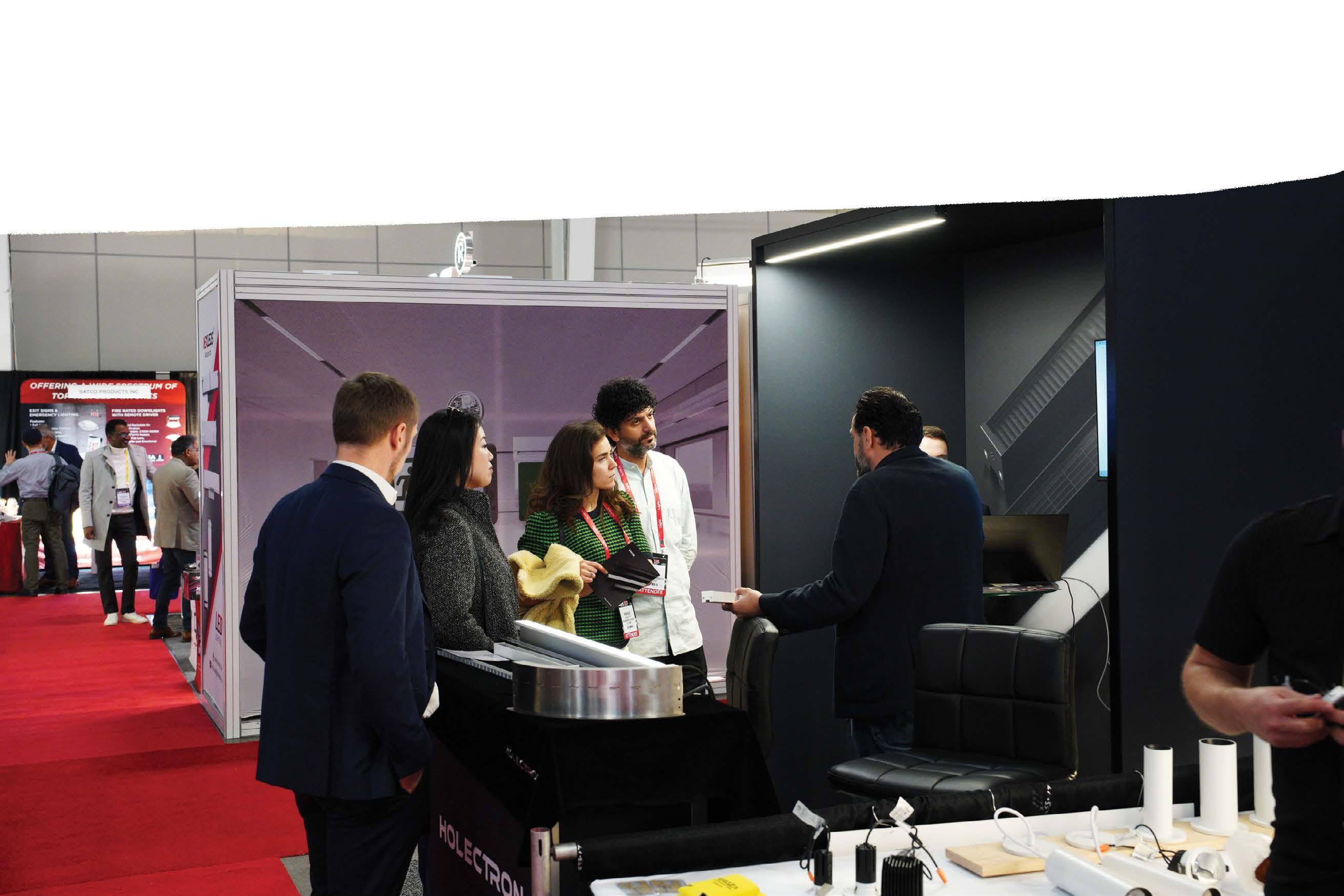



Sarah Hoster was promoted to Senior Designer

Garrett Lindner started a new position as Associate

Charles Selander has started a new position as Director of Market Development, New York
ON THE
Molly Stowe started a new position as Senior Lighting Designer| Associate Principal

HLB LIGHTING DESIGN
Abdirahman Abdi started a new position as Lighting Designer


INTUITION LIGHTING PIVOTAL LIGHTING DESIGN CANNONDESIGN
Barrett Newell was promoted to Associate Vice President, Lighting Designer

Tanya Flores started a new position as Senior Lighting Designer
Diana Laura Niño Salas started a new position as Lighting Designer

SHIRLEY COYLE, LC By

UP CLOSE WITH DAVID SEOK
There was a time when David Seok expected to return to “being an architect ... After all, that was what my degree was in.” But, lighting had other plans for David.
Challenged as a Drexel University architecture student to find an architectural internship during the recession of 2008, he worked reception at the AIA headquarters in Philadelphia, where a lighting design firm based in the building snagged him first.
From there, David’s colleague, Rochelle Spahn, twice played an important role in his full conversion to lighting design, first getting David hired to help her with a three million square foot, thirty-two building project at the University of Pennsylvania campus. David recalled, “Without formal training in lighting, it was a really good way for me to see everything that was out there.”
Rochelle moved on to The Lighting Practice in Philadelphia and reached out to David to recommend he apply. In 2014, David joined the firm.
Moving to The Lighting Practice was “an important transition for me. It really helped me see lighting design as a career. It helped me to understand there’s so much more to the lighting world.” At The Lighting Practice there was encouragement for involvement in IALD and IES. Interestingly, the one (and only) lighting course that David had during his architecture degree at Drexel was taught by Jonathan Hoyle, now a Principal at The Lighting Practice. “Our firm has a pretty long history of teaching that course at Drexel. I taught that course for two or three years while I was in Philadelphia.”
In 2019, David was promoted to Senior Lighting Designer and returned to his hometown of New York City as the firm established an office there. “I’m really grateful for the time I had in Philadelphia ... as a young, working professional, Philadelphia was a great place to start a career, and it helped me to understand the industry and form a relationship with the manufacturers and rep agencies in the area.”
He continued, “Coming to New York was a shock for just how big the industry was!” David recognized the value of getting to work on establishing something new, saying, “I really appreciated being able to sit next to our founder, Al Borden, and our studio director, Tom Bergeron.”
Reflecting on what success looks like, David commented,
“Barbara Horton does a really good job in one of her interviews talking about the different parts of running a firm—designing, chasing work, all the administrative stuff that makes the company run. That was very intriguing to me. Success can come in a lot of different forms. I’m really proud of what we’ve built at the Lighting Practice in New York, going from a small WeWork office for three people to having a full team of nine or ten now ... It’s been such an incredible journey.”
Transitioning into his role as a Studio Leader has been a big challenge. He reflected, “I’m involved a lot more with business development—what’s the path to grow, how do we grow when so many of us are thinking just about lighting design—there is so much more to it. I was thinking about those things much sooner. Being part of starting a new office, I got to be involved a lot with recruiting and training new employees. That ties heavily to my founding of the Asian Lighting Community (ALC, along with co-founder Gary Wong from BOLD Architectural Lighting Design). The inequities, and how people are perceived, that really opened my eyes to a lot of things.”

The founding of the ALC is something that David described as coming out of a goal to encourage more visibility and recognition in the industry. “Within the lighting community, we tend to hear the same voices again and again.” It’s an important reminder that we need to be offering opportunities for more fresh faces. David recognizes that effort is required to get visibility—building a brand, putting yourself out there.
While David notes that making a name for yourself is important for those coming into the lighting community, he offered some additional advice: “You never really know who in your life is going to completely change your life trajectory. Don’t burn bridges, network as much as possible. That’s huge ... I never imagined that lighting would be something I built my career on, and yet, here I am!”
Asked what his world is like outside of lighting, David laughed: “Fun fact about me —I’m married to another lighting designer, so the amount of lighting in our lives is very high. It’s hard to get away from, even on weekends. On date night we go to a restaurant, and we’re constantly analyzing lighting.” Other diversions he cited were “video games, comic books—and board games are huge for us. There’s a board game convention in Philadelphia that we’ve been to for the past four or five years, and we’ve actually found other lighting people there!” ■
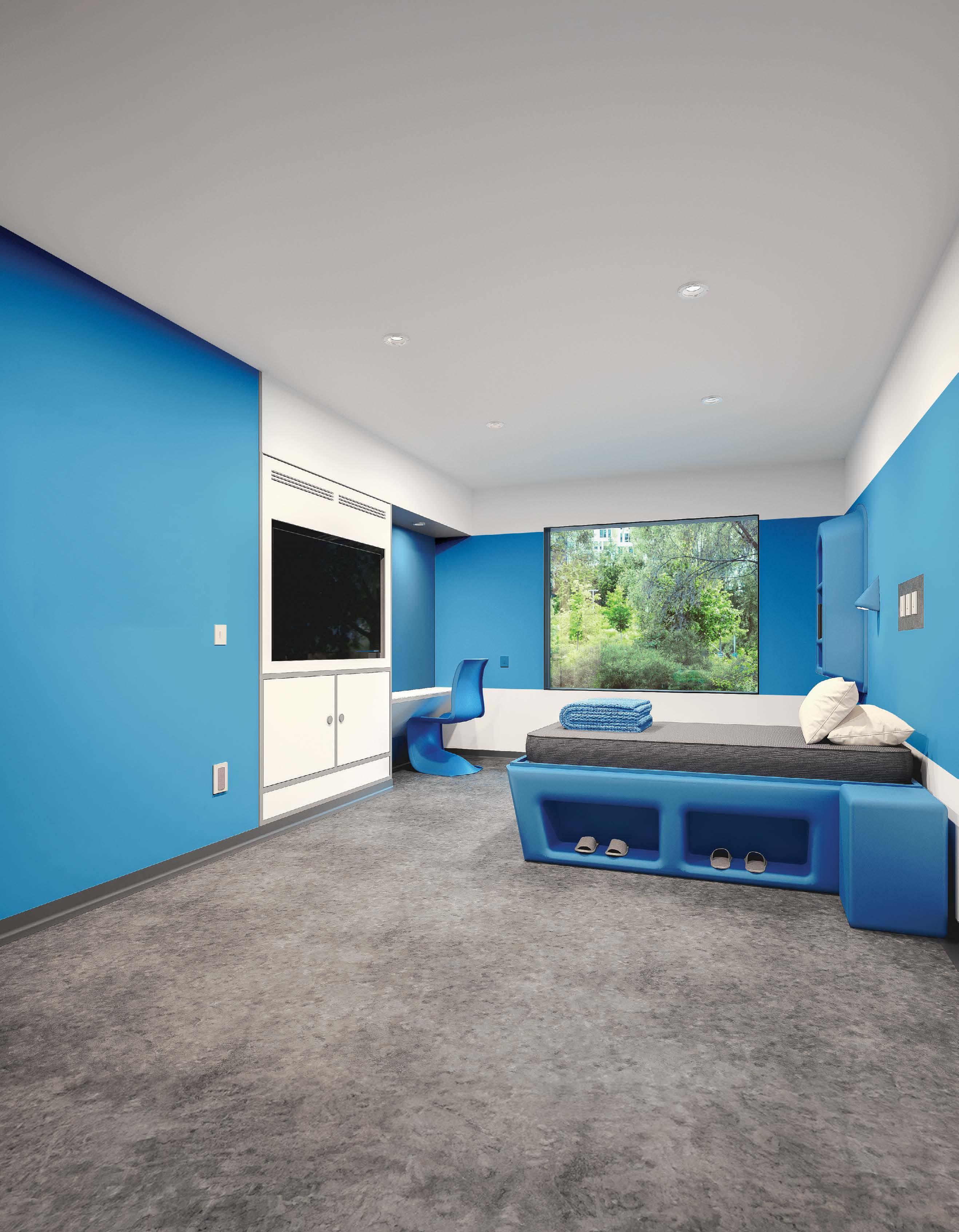
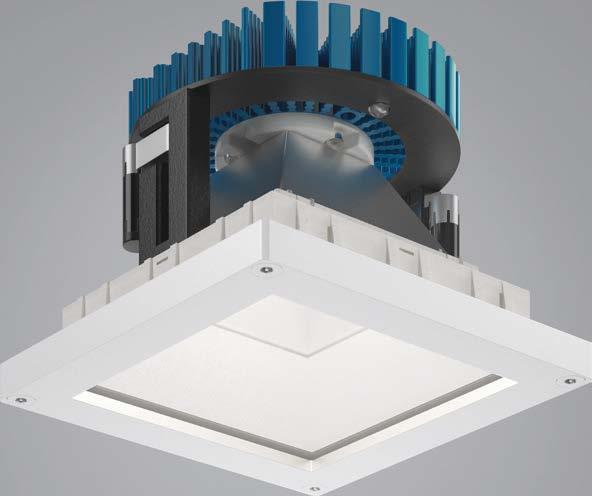
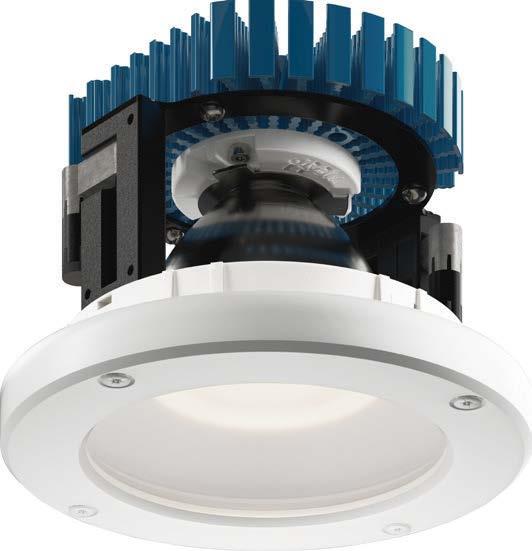
EdisonReport.tv serves as a hub for all digital content in the lighting industry. A premier source for critical information surrounding lighting, EdisonReport.tv is dedicated to delivering industry news by way of video and serving its audience by spotlighting product launches and up-to-date educational videos, as well as information about upcoming webinars.
PureEdge Lighting Pure Smart™ TruColor™ RGBTW
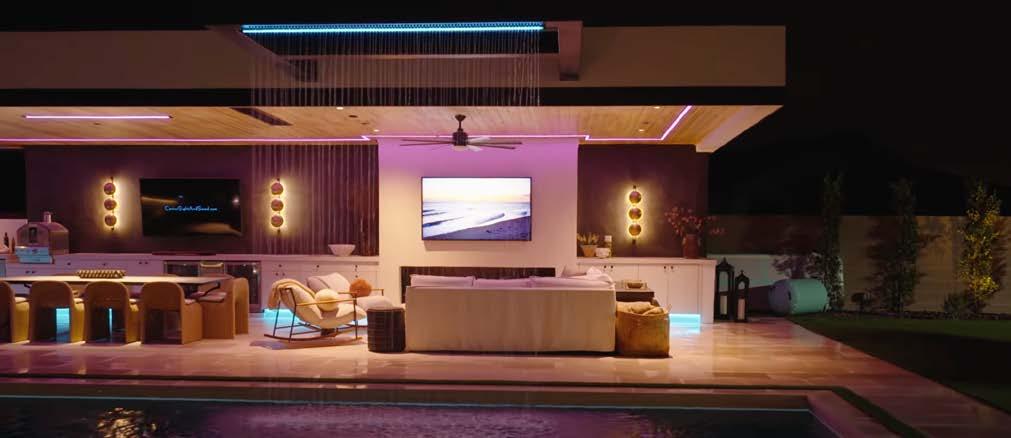
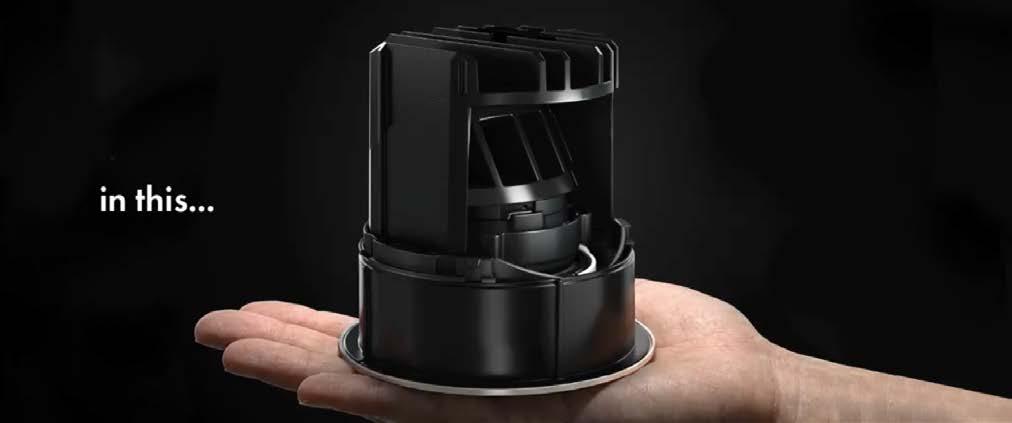
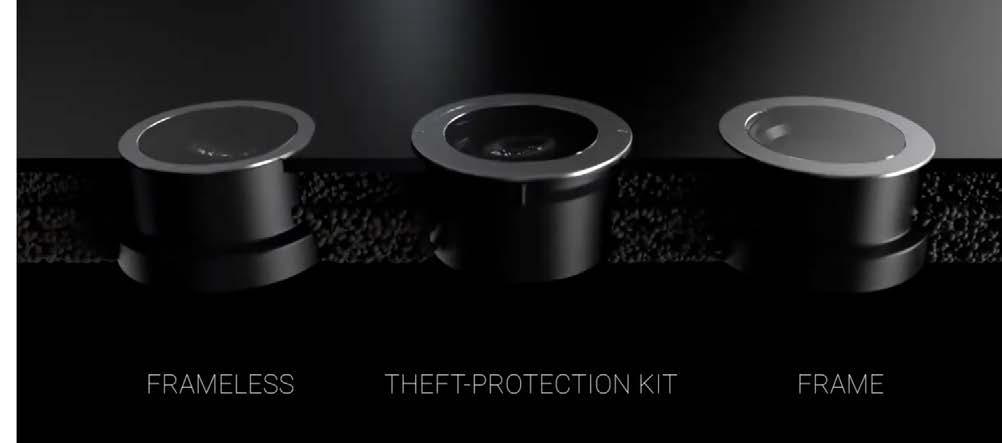
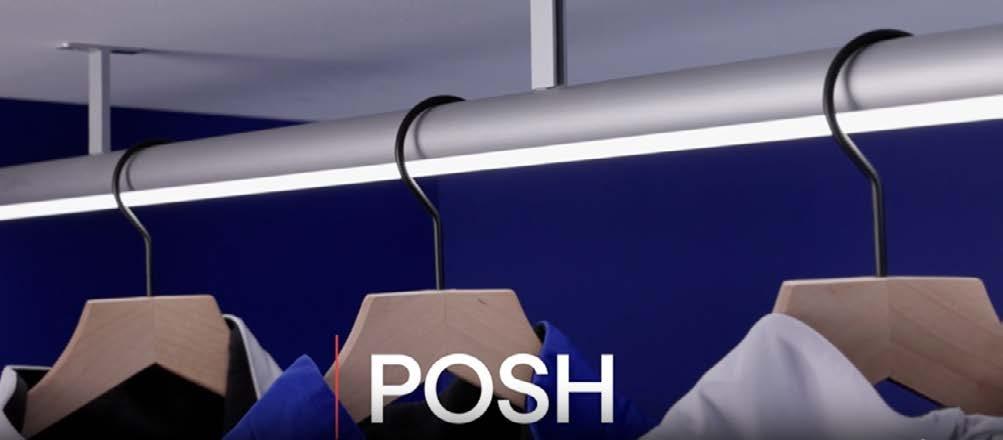

Landscape Forms | SHUFFLE
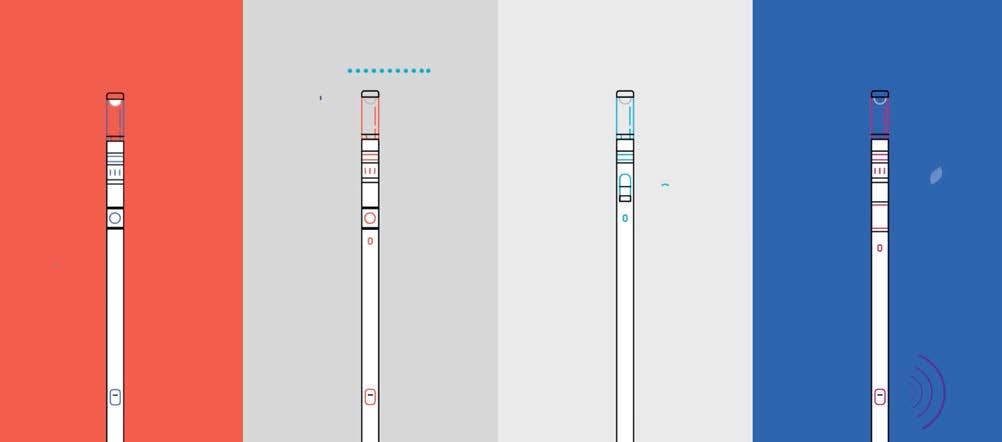
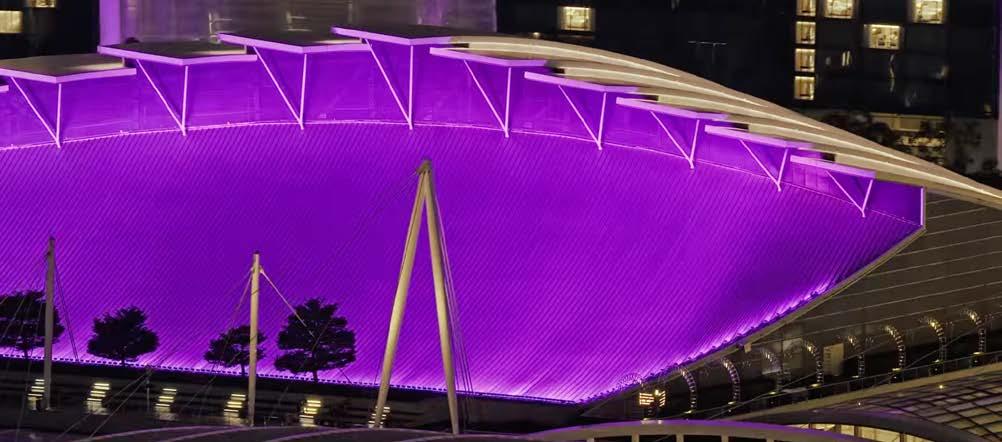
USAI Lighting I Small in One Mini
Acclaim Lighting Marina Bay Sands, Singapore
Inter-Lux I Orma
Colleen Harper Discusses IES's Shared Resource Plan I designing lighting (dl)