Building the Third Pillar of Europe’s Green and Digital Future on Denmark’s Electricity and Gas Foundations

Europe’s digital infrastructure is expanding at unprecedented speed, driven by AI, cloud services, and high-performance computing. Data centers now form an essential pillar of the digital economy. Their rising energy consumption, however, places them at the center of Europe’s climate and energy debates. The policy challenge is clear: data centers must shift from passive electricity consumers to active, flexible partners in the energy system.
At the same time, Europe faces a growing structural constraint Despite major investment, the electricity grid will not be able to deliver all the renewable energy being produced Renewables no longer face a cost problem; they face a delivery problem Leveraging a second national energy infrastructure becomes essential Denmark is uniquely positioned to lead this transition The country can establish a third pillar in the green and digital transition: a data center infrastructure fully integrated into the energy system and enabled by two complementary grids:
An electricity grid rapidly progressing toward 100% renewable energy
A gas grid where biomethane covers around 40% of annual demand and continues to grow
By utilising and decarbonising both grids, Denmark can deliver system-level flexibility, storage-backed resilience, and grid-integrated reserve capacity, lowering total system costs and strengthening overall security of supply for critical digital infrastructure. This positions the country at the forefront of integrated energy-digital solutions in Europe.
The upside extends beyond energy. A framework that enables flexible, secure, and verifiably sustainable data center operations will attract high-value investments and skilled jobs across the entire data center value chain
Denmark has the foundations The next step is clear: enable and accelerate the development of green, flexible data centers as an integrated part of the national energy ecosystem
Henrik Hansen, CEO, DDI
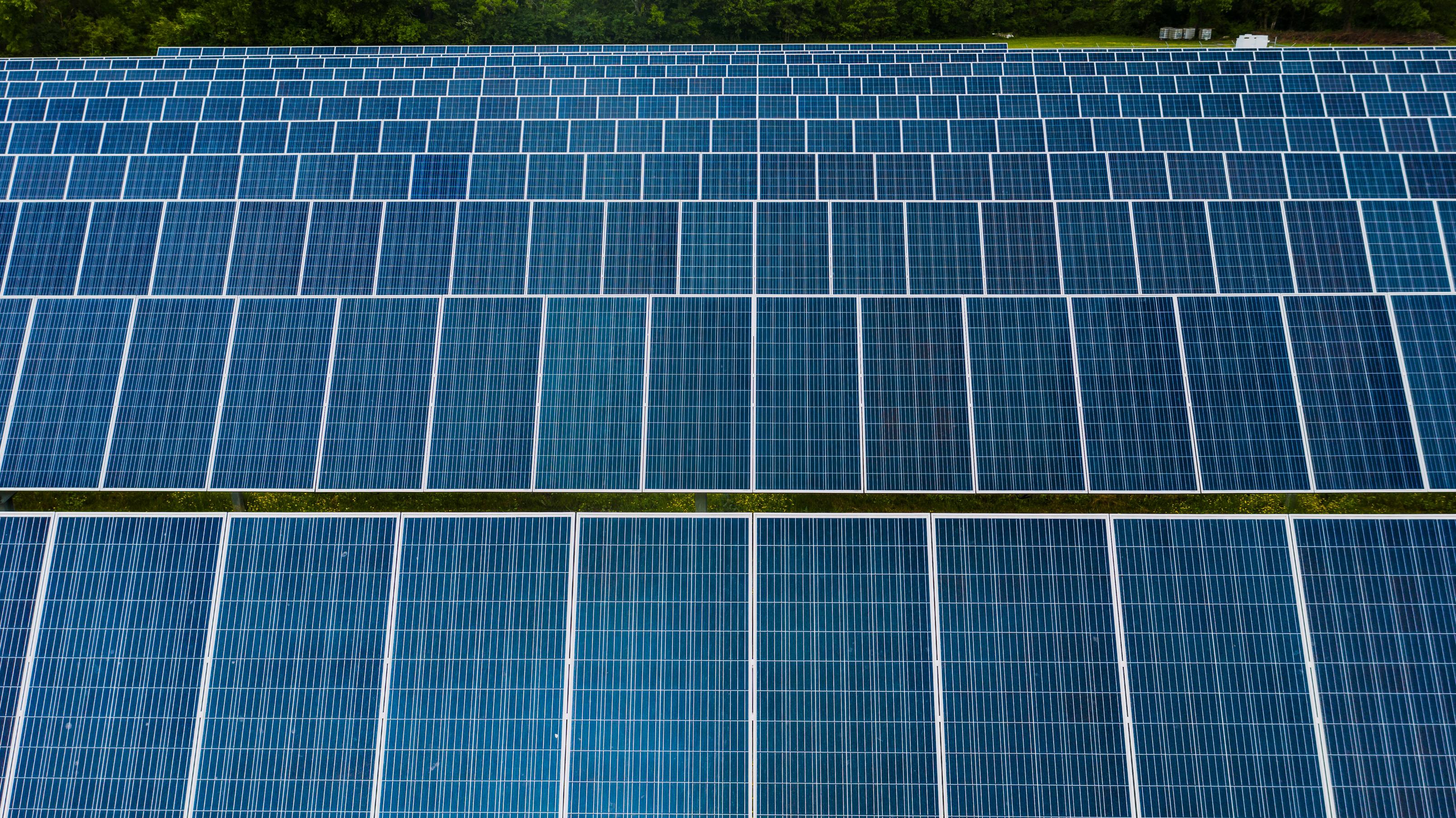
Denmark stands at a unique crossroads in Europe’s green and digital transition. Decades of investment in robust, interconnected energy systems, have given the country a foundation few others possess: a power grid rapidly approaching 100% renewable generation, and a nationwide gas infrastructure increasingly supplied by biomethane, and being prepared to transport future green molecules such as e-methane and hydrogen as the system evolves.
This multi-molecule capability enhances system resilience and enables new forms of flexible, low-carbon energy supply, critical conditions for nextgeneration data centers and other large energy users.
Denmark’s dual energy foundation, combining electricity and gas, delivers the flexibility, reliability, and sustainability that modern digital infrastructure demands. As data centers become ever more vital to Europe’s digital economy, they face mounting pressure to align with climate ambitions and operate as part of the wider energy ecosystem. Denmark stands out as one of the few countries where this integration is not only possible, but already within reach.
With its combination of green electricity, green gas, and robust regional connections, Denmark is uniquely positioned to lead the next wave of integration between energy and digital infrastructure. This foundation enables the creation of a “third pillar” of the green transition: a sustainable, flexible, and secure data center industry that both complements and reinforces the national energy system.
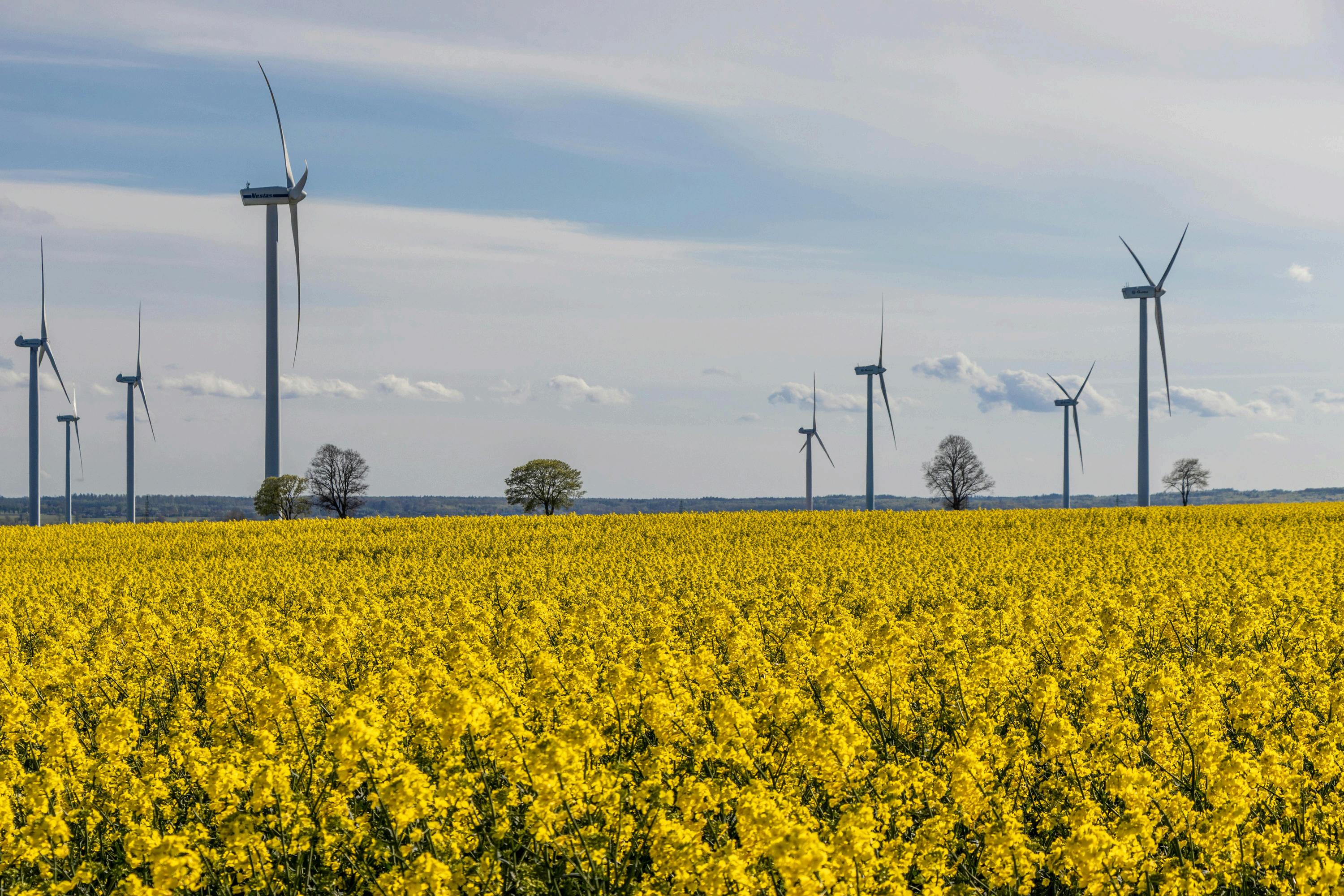
DENMARK’S DUAL ENERGY BACKBONE: THE FOUNDATION FOR
Denmark’s energy system is built on two nationwide pillars, a highly renewable electricity grid and a gas network rapidly transitioning to biomethane. Together, they provide the reliability, flexibility, and low-carbon energy needed for efficient, sustainable data center operations, enabling Denmark to uniquely integrate digital infrastructure into the green transition.
Denmark’s electricity grid offers exceptional security of supply, powered by a generation mix increasingly dominated by wind and solar. This is reinforced by strong interconnections to the Nordic region, where hydropower provides reliable balancing, to continental Europe, ensuring stability even as renewable penetration continues to grow.
Regional market integration also delivers flexibility and competitive pricing, enabling data centers to benefit from periods of surplus renewable electricity and operate more cost-effectively. With wind and solar capacity expanding rapidly, the number of hours with low marginal power prices is increasing, creating ideal conditions for the development of green and flexible digital infrastructure.
Denmark’s nationwide gas infrastructure provides a robust and highly reliable backbone for critical operations, offering an independent source of energy that complements the electricity grid. The gas system is rapidly becoming fully renewable, with biomethane already accounting for around 40–45% of the grid on an annual basis and expected to reach 100% by 2030. In addition to supplying green energy, the gas network functions as a largescale storage system for the wider energy sector.
Power-to-X technologies, including hydrogen methanation, make it possible to convert surplus renewable electricity into green gas and store it. This enables the wider energy system to provide CO₂-neutral balancing and reserve capacity during periods of low wind or solar generation, indirectly strengthening the resilience and operational stability of data centers. 2
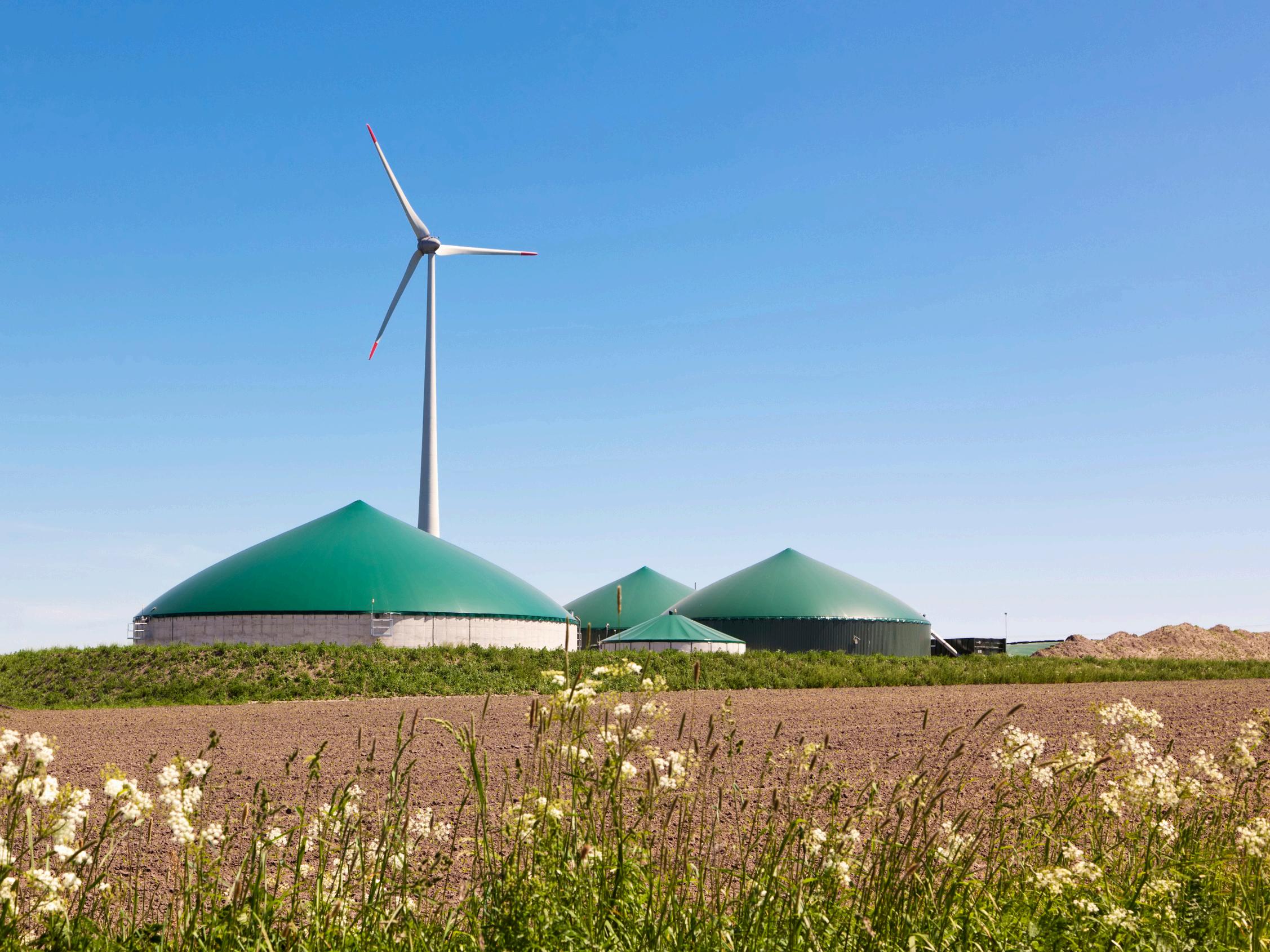
With two nationwide green energy infrastructures operating in parallel, Denmark stands out as one of the few countries where electricity and gas systems are both renewable, interconnected, and resilient. This dual setup creates unique opportunities for data centers, enabling them to move from passive energy consumers to active participants in energy flexibility, system balancing and carbon management.
In particular, the gas system’s ability to integrate biomethane with carbon capture and storage (CCS) opens the possibility of bioenergy with carbon capture and storage (BECCS ), allowing data centers to operate not just carbon-neutral, but potentially carbon-negative, a feature highly relevant for international operators aiming to meet ambitious sustainability commitments.
Data centers require exceptionally high uptime, predictable costs, verifiable green credentials, and operational flexibility. Denmark’s electricity–gas synergy directly supports these needs via:
1) Green System Reserve: Biomethane-based generation and storage assets within the wider energy system provide low-carbon reserve capacity, reducing system stress during scarcity events and improving the operating environment for energy-intensive digital infrastructure.
2) System Flexibility: Gas-based units can start quickly to stabilize the grid during low wind or solar production.
3) Cost Optimization: Surplus power can be stored via Power-to-X technologies in the gas grid, reducing reliance on expensive and large battery systems.
4) Redundancy: Two independent infrastructures, electricity and gas, enhance both physical and cyber security of supply.
5) Energy Security: The combination of renewable power and biomethane enables hour-by-hour green operation, even during dunkelflaute periods.
By combining renewable electricity, a flexible gas system, and carbon management technologies, Denmark offers data centers a unique environment where sustainability, operational reliability, and cost-efficiency converge.
Denmark’s dual energy infrastructure provides a strong foundation for green, flexible data centers, but several challenges remain. To fully leverage its potential, Denmark could develop integrated Net Zero Digital Energy Hubs, co-locating data centers with multiple renewable and storage technologies, including solar, wind, biomethane, and electricity and gas grids. These hubs would coordinate on-site storage, Power-to-X conversion, and heat reuse, providing 24/7 clean, dispatchable power, enabling grid balancing, and delivering verifiable carbon reductions. By establishing such hubs, Denmark can transform technical, operational, and investment challenges into opportunities and further strengthen the third pillar of Europe’s green and digital transition.
The table below outlines key counterarguments, their underlying reality, and how Denmark is positioned to address them effectively:
Grid bottlenecks
100% green hourby-hour
Large electricity connections can be slow to build and costly
Net imports and occasional lowrenewable periods may include fossil energy
Biomethane is limited
Other countries have green power
Supply-demand dynamics can cap availability
Danish Response
Gas-based flexibility, Power-to-X storage, and integrated energy hubs coordinate multiple resources to enhance system reliability, provide dispatchable capacity, and reduce grid infrastructure pressure and costs
Combining renewable electricity with biomethane and Power-to-X ensures verifiable, CO₂-neutral operation even during periods of low wind/solar generation (dunkelflaute)
Prioritize biomethane for critical backup and grid flexibility; scale Power-to-X to convert surplus electricity into additional green gas, increasing overall capacity
Regulatory uncertainty
Norway and Sweden rely on near-100% hydro
Policy frameworks, support schemes, and permitting processes can change
Denmark’s dual nationwide green infrastructures electricity and biomethane create a unique advantage Net Zero Digital Energy Hubs enhance this by integrating renewables, storage, and flexible gas solutions to deliver unmatched reliability and scale
Long-term, EU-aligned policy frameworks combined with one-stop permitting for Green Digital Zones and hubs create stable investment conditions Pilot projects and regulatory sandboxes accelerate innovation while reducing investor risk

Realizing Denmark’s potential as a data center nation, depends on the readiness of the broader ecosystem. Denmark already has a high degree of institutional maturity and energy system reliability. However, activating the third pillar requires coordinated action across government, energy operators, municipalities and industry.
1) Government and regulators:
Denmark’s long-term climate targets and transparent energy regulation create a strong foundation However, current strategies still treat digital and energy infrastructure as separate domains. The next step is to establish a coordinated national framework linking data centers directly to energy system planning and sector coupling goals, ensuring that data centers are recognized as strategic, flexible energy assets rather than passive consumers, setting the stage for future Net Zero Digital Energy Hubs.
2) Energy system operators and utilities:
Energinet and local grid companies are global frontrunners in renewable integration, but regulatory frameworks for flexible data center participation in balancing markets or ancillary services remain limited. Pilot projects and regulatory sandboxes could accelerate the development of business models where data centers provide flexibility and green backup to the grid, paving the way for future Net Zero Digital Energy Hubs.
3) Municipalities and planning authorities:
Local authorities play a critical role in site selection and permitting. Municipalities have strong planning capacity in Denmark, however the level of understanding and consistency regarding the role of data centers in the green transition, varies significantly National guidance on Green Digital Zones, areas where renewable infrastructure, grid capacity, and industrial planning are aligned, could harmonize practices and speed up approvals.
The Danish data center sector has matured significantly over the past decade. Through strong collaboration within industry associations such as the Danish Data Center Industry, the sector has built a professional ecosystem of investors, operators, suppliers, and research institutions committed to sustainability and innovation.
Initiatives such as the Net Zero Innovation Hub for European Data Centers, launched and based in Denmark, demonstrate how the country can serve as a test bed, where the data center industry converges with energy stakeholders, technology developers, and policymakers to scale solutions for Europe From the industry side, readiness is high, what is needed now is alignment from the broader policy and infrastructure ecosystem to fully unlock this potential.
Denmark’s unique combination of renewable power and green gas provides the foundation for developing integrated Net Zero Digital Energy Hubs, where data centers become part of local energy development, heat reuse, grid balancing, and clean backup systems. With strong collaboration across industry, utilities, and government, Denmark can show how digital infrastructure actively drives Europe’s net-zero transition.
Alberto Ravagni, CEO, Net Zero Innovation Hub for Data Centers
Hansen, CEO, DDI
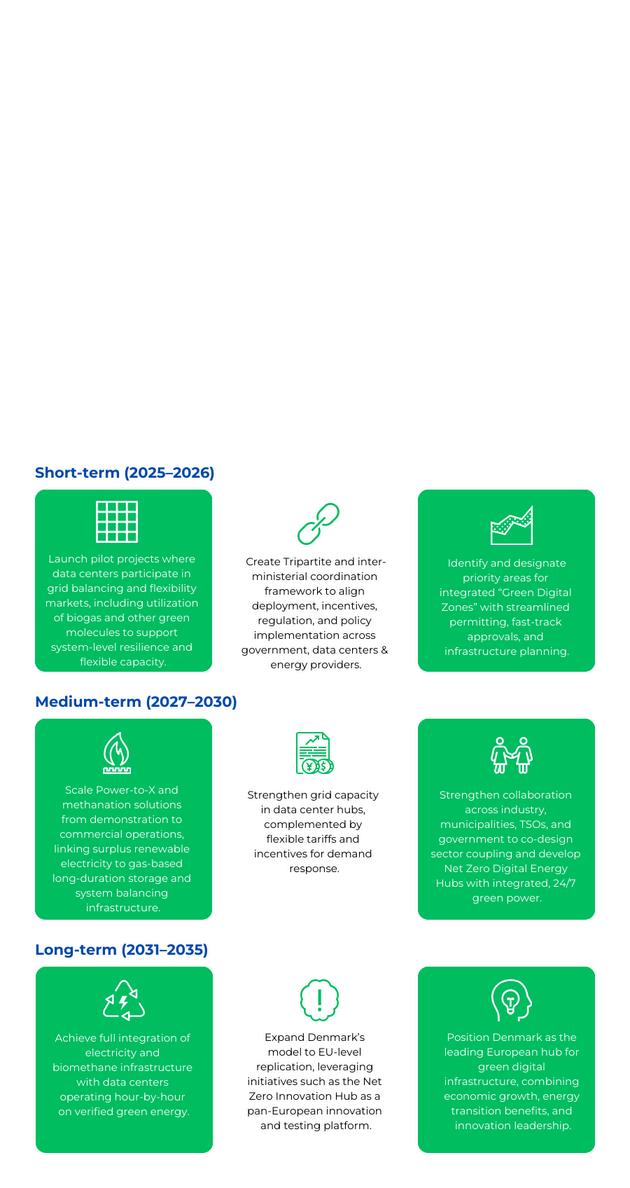
The roadmap demonstrates that Denmark has the right foundations, a mature industry, and a clear path to becoming Europe’s model for green, flexible data centers. Turning this potential into reality requires targeted action from policymakers, regulators, and municipalities to remove barriers, create incentives, and provide clarity for investors
TTo fully realize Denmark’s potential as a green, flexible data center hub, targeted policy action is required. Transforming the “third pillar” into an investable reality depends on concrete mechanisms such as demand aggregation, flexible energy services, and predictable regulatory frameworks that reduce risk and attract capital.
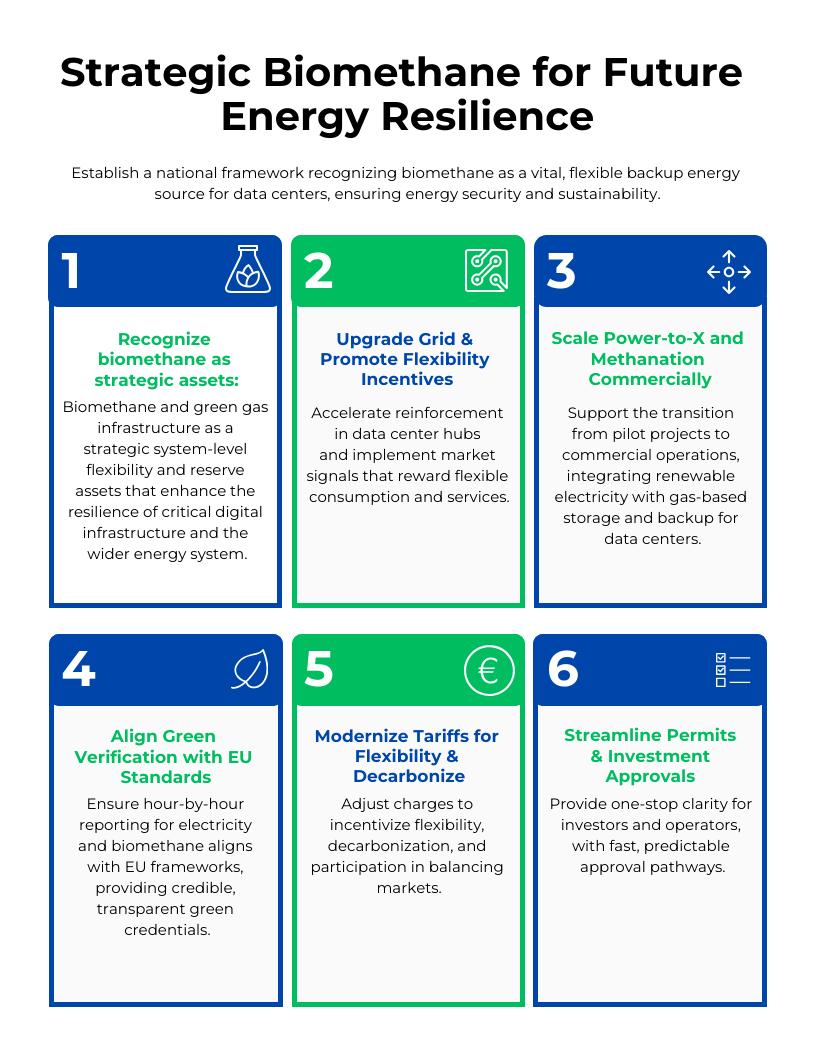
The following recommended measures provide a roadmap to achieve this:
SECURING DENMARK’S FUTURE: ECONOMIC, ENERGY & STRATEGIC ADVANTAGES 08
Denmark’s unique combination of robust electricity and gas infrastructure, a mature data center industry, and strong policy frameworks creates a rare opportunity, where the country can establish itself as Europe’s model for green and flexible digital infrastructure. By realizing the “third pillar”, Denmark stands to gain across three key dimensions:
Investments in data center infrastructure, grid reinforcement, and Power-to-X technologies will generate jobs across the value chain, from construction and engineering to operations and maintenance. Denmark can attract international investors and technology providers, strengthening its position as a hub for green digital industry and fostering a high-skill workforce for decades to come.
Flexible data centers integrated with both electricity and biomethane grids allow for optimized renewable utilization, reducing curtailment and enhancing system stability. By acting as active participants in balancing the grid, data centers can unlock additional capacity for wind and solar, making the entire energy system cleaner, more efficient, and more resilient to fluctuations in supply and demand.
Denmark can become a showcase for Europe, demonstrating how energy and digital infrastructure can be seamlessly integrated. The country’s model, combining renewable electricity, biomethane, flexible data centers and innovative technology pilots, provides a scalable blueprint that can be replicated across the EU. This strengthens Denmark’s influence in European policy discussions, positioning the country at the center of green digital innovation, and highlights our contribution to the EU’s climate and digital objectives.
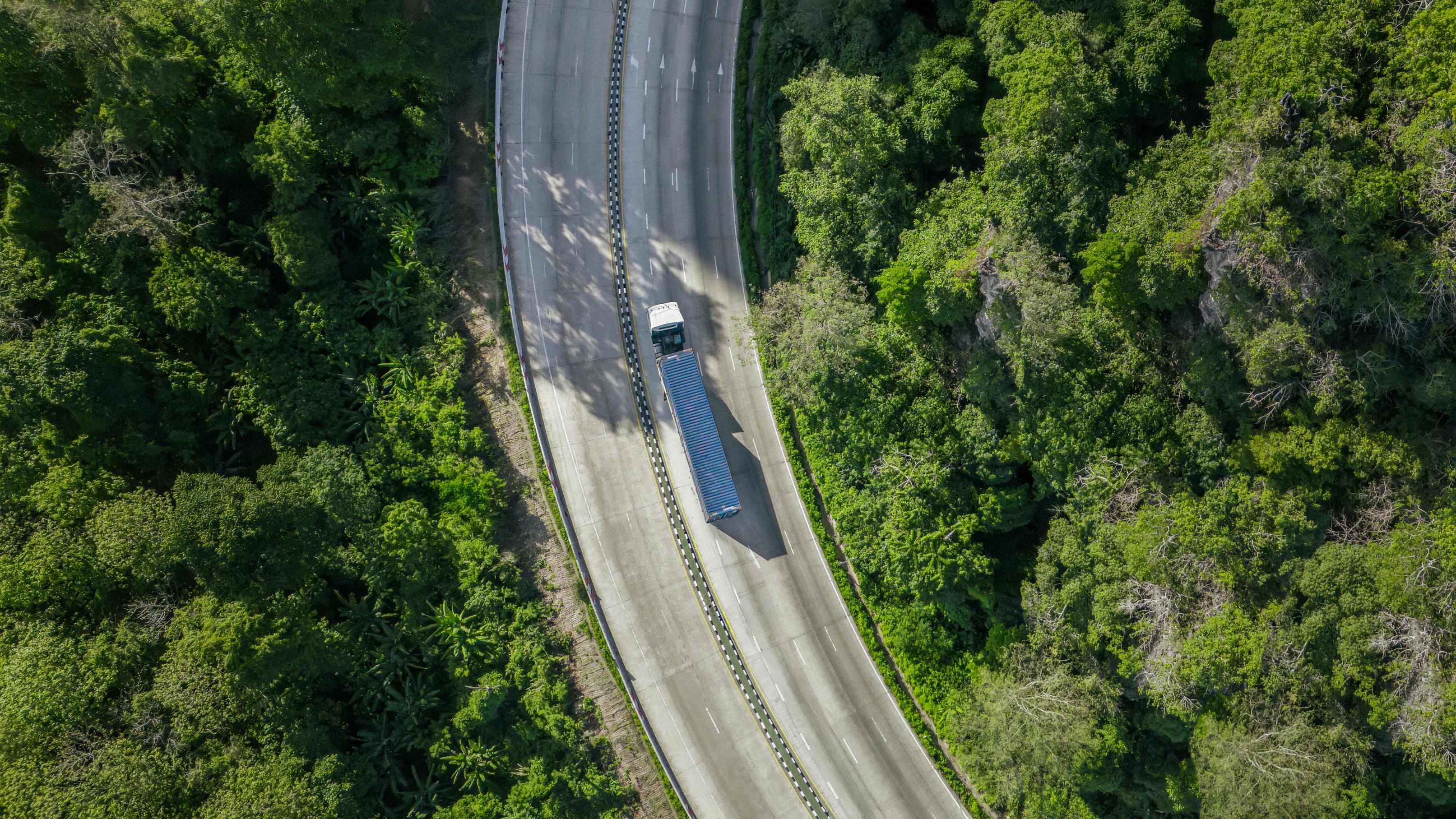
Denmark stands at a pivotal moment with a unique opportunity to become Europe’s frontrunner in the green and digital transition. With one of Europe’s most renewable electricity systems, strong regional interconnections, and a rapidly evolving integrated energy infrastructure, Denmark has the structural conditions required to host the next generation of sustainable digital infrastructure.
By establishing green and flexible data centers as a third pillar of the national energy system, Denmark can unlock a chain of benefits. Data centers can evolve from passive electricity consumers into active system participants, supporting grid stability, renewable integration, and efficient use of energy through flexibility, heat reuse and sector coupling.
Denmark’s strength lies in its integrated energy system, where power, storage and emerging Power-to-X solutions together enable resilience, flexibility and system efficiency This creates a highly attractive environment for data centers seeking verifiable sustainability, high reliability and long-term operational stability.
This is not only a technical opportunity, but a strategic national opportunity. By aligning digital infrastructure development with the energy transition, Denmark can attract long-term, high-value investments, create skilled jobs, strengthen regional development and position itself as a European model for how energy and digital infrastructure can evolve together.
The message is clear: Denmark has already laid the foundations. By building the third pillar of green and flexible data centers, Denmark can move from potential to progress and secure its place as Europe’s leading hub for sustainable digital infrastructure.
Disclaimer
This publication is produced by the Danish Data Center Industry (DDI) All references, reuse or copy of the whitepaper data should be approved by DDI in writing beforehand
DDI does not necessarily own every single part of this work Therefore, DDI cannot guarantee that the reuse of third-party content does not infringe the copyright of the thirdparty If you wish to reuse any third-party content, you bear the risks associated with any such rights violations You are responsible for determining whether there is a need to obtain permission for the use of third party content, and if so, for obtaining the relevant permission from the copyright holder Examples of third-party content may include, but are not limited to, tables, figures or images.
About Danish Data Center Industry Association
DDI is the national data center association, a not-for-profit organisation representing the Danish data center ecosystem
For more information, please visit our website: www.datacenterindustrien.dk.
Authors:
Henrik Hansen, CEO, Danish Data Center Industry
hh@datacenterindustriendk
+ 45 40 13 44 74

Merima Dzanic, Head of Strategy & Operations, Danish Data Center Industry merima@datacenterindustriendk + 45 20 15 50 21