
GUARDIAN A Publication of the Commercial Vehicle Safety Alliance Volume 30, Issue 1 1st Quarter 2023
The CMV Enforcement
and Support
We’ve
and
We’re
The Inspector/Driver Experience Questions Drivers Must Answer About Their Sleep
Training
Cooperative Agreement Where
Been
Where
Going
GUARDIAN
“Guardian” is published quarterly by the Commercial Vehicle Safety Alliance with support from the Federal Motor Carrier Safety Administration. CVSA and FMCSA are dedicated to the government and industry working together to promote commercial motor vehicle safety on North American highways.
CVSA Staff: Collin B. Mooney, MPA, CAE, Executive Director • Adrienne Gildea, CAE, Deputy Executive Director • Shoshana Riley, Director of Administration and Finance • Nicole Leandro, Director of Communications
• Jake Elovirta, Director of Enforcement Programs • Bill Reese, Director of Hazardous Materials Programs • Kerri Wirachowsky, Director of Inspection Programs • Ken Albrecht, Director of Multimedia Development • Brian Neal, Director of Member Services • Kristin Yednock, Director of Conference and Event Services • Shannon Heck, Director of Training Services • David Findlay, Audit and Investigation Specialist • Terry Kummer, Crash Investigation Specialist • Rodolfo Giacoman, Fatigue Management Specialist • Kevin Hogan, Hazardous Materials Specialist • Katie Morton, Hazardous Materials Specialist • Wendy Smith, Learning Management System Specialist • Carlisle Smith, Level VI Inspection Specialist
• Mark Mills, Multimedia Specialist


• Jeremy Disbrow, Roadside Inspection Specialist • John Sova, Roadside Inspection Specialist • Kevin Andrews, Traffic Enforcement Specialist
• Terri Moore, Multimedia Specialist • Chris Turner, Judicial Outreach • Dan Parks, Manager of Contracts and Grants • Margaret Edwards, Manager of Government Affairs • Cassy Dafin, Manager of Meetings and Events • Wendy Hall, Financial Assistant • Iris Leonard, Membership Coordinator • Amy Molina, Training Coordinator • Emily Moorhead, Writer-Editor • Moni Adewoyin, MA, Senior Accountant • Keira Edwards, Administrative Coordinator
Copyright 2023, CVSA. All rights reserved. No part of this issue may be reproduced without written permission from the publisher.
For comments, suggestions or information, email communications@cvsa.org.
n Insight President’s Message 1 Executive Director’s Message 2 n Regional News Virginia State Police Motor Carrier Safety Unit Updates 3 North Carolina State Highway Patrol Commercial Vehicle Enforcement Updates 4 Nebraska State Patrol Works with Industry to Create Instructional Safety Video 6 Minnesota Trucking Association Hosts Truck Safety Summit 6 Updates from Mexico 7 Saskatchewan Holds Instructor Development Course 9 n Cover Story The CMV Enforcement Training and Support Cooperative Agreement 11 n Inspector’s Corner The Inspector-Driver Experience 15 n CVSA Committee and Program News Questions Drivers Must Answer About Their Sleep 16 Six Lessons from Top Performers in our Industry 19 Are You An Excellent Commercial Driver? Or Do You Know One? 22 n From the Driver’s Seat Don’t Be Distracted Behind the Wheel 23 n Government News The Legislative and Regulatory Rundown 24 FMCSA Announces Proposed Changes to the SMS Methodology 25 U.S. DOT Highlights Its Work to Combat Human Trafficking 26 n Knowledge Matters CMV Safety Summits Held in All Four U.S. Regions in 2022 27 CVSA and TSUSG, an Effective Class 7 Transport Security Collaboration 28 Unassigned and Unidentified: Compliance Considerations for Canadian ELDs 30 n Industry Perspectives Five Questions to Ask When Choosing a Trailer Tracking Solution 31 How Technology Can – and Should – Support Drivers’ Overall Wellbeing 32 The Story of Lights 34 GUARDIAN First Quarter Volume 30, Issue 1 www.cvsa.org
GUARDIAN A Publication of the Commercial Vehicle Safety Alliance
IN THIS ISSUE
Vehicle Safety Alliance This material is based upon work supported by the Federal Motor Carrier Safety Administration under a grant/cooperative agreement/subaward. Any opinions, findings, conclusions or recommendations expressed in this publication are those of the authors and do not necessarily reflect the view of the Federal Motor Carrier Safety Administration and/or the U.S. Department of Transportation.
@CVSA Commercial
PRESIDENT’S MESSAGE


Challenges and Opportunities


 By Maj. Chris Nordloh, Texas Department of Public Safety; CVSA President

As we know, the challenges in our lives generally make us stronger. A life or career without challenges would be boring and monotonous and would not lead to improvements in how we operate. Not every trial is welcome, to be sure, but as a general theory, I believe they give us the opportunity to change the status quo. This leads to new ideas, efficiencies and developments. Challenge gives us opportunities.
Police have had many challenges over the years, including budget constraints, recruiting and retention problems, advancements in technologies, highly technical criminal activities and social pressures. These and other challenges allow police agencies to look internally to solve problems. The solution is never that we don’t need law enforcement, only that we continue to improve our processes for our customers and our people.


Take commercial motor vehicle (CMV) enforcement, for example. Innovations in communication, in-car technologies, CMV screening and inspection facility design


all allow for more efficient processes. Our populations and traffic patterns are only increasing, and we can utilize these innovations to sort trucks more efficiently than ever before. This improves safety for our enforcement personnel, the trucking industry and the general motoring public. It allows us to have more efficient back-office processing than when inspections were handwritten or printed out and mailed to headquarters. This was especially clear when COVID-19 forced everyone to reevaluate how we operate. It came at a time when many could work remotely without a break in the workload. This could not have been possible not very long ago.
To be certain, not every change is for the better; that is not my point. There are plenty of instances of fond memories of the “good old days” to which I am not immune. As leaders, we just need to continue to recognize the opportunities that exist in our changing work environment.


As we move into a world where CVSA has the state CMV enforcement training and support
grant, the members have more control over the training processes and outcomes. We are developing a Level VIII Electronic Inspection process, which industry has needed for some time. Our new environment now includes autonomous vehicles, from small food-takeout drones to full-sized CMVs. As a result, CVSA is developing an enhanced inspection process for autonomous vehicle motor carriers. These all represent challenges and opportunities, ensuring that our administrators and state leadership stay informed of our progress.
I applaud each of you, as I know this has affected all of us to one degree or another. We should each be looking around and asking ourselves where we want to be in five years, in 10 years. This is not just a retirement plan, but asks us to consider what our organizations are going to look like in the next five years. Who succeeds you when you get promoted or move to the next phase of your career?
Take care of yourselves and look forward, keeping the past in mind. n
Challenge gives us opportunities
INSIGHT
EXECUTIVE DIRECTOR’S MESSAGE
The Importance of Effective and Reliable Commercial Motor Vehicle Enforcement Training and Support
By Collin B. Mooney, MPA, CAE, Executive Director, Commercial Vehicle Safety Alliance

I’m very excited to announce that in early January 2023, CVSA received notification that the Alliance was awarded the new Commercial Motor Vehicle Enforcement Training and Support grant/cooperative agreement from the Federal Motor Carrier Safety Administration (FMCSA) to train and certify members of the law enforcement community and noncommissioned government personnel to conduct commercial motor vehicle (CMV) safety activities, such as inspections, investigations, audits, traffic enforcement, etc. CVSA is the sole recipient of the inaugural $5 million program for fiscal 2023.
Through this cooperative agreement, CVSA will develop and deliver high-quality motor carrier safety training to its U.S. state and local partners. Building on FMCSA’s current instructor pool, course and testing materials, CVSA will expand and deliver a comprehensive suite of certification and non-certification training courses, leveraging existing content and partnering with issue-specific industry leaders.
This award is the culmination of many years of work by the Alliance to assume responsibility for the core roadside inspector training curriculum. As the founding organization and entity responsible for the development and maintenance of all non-regulatory elements of the North American Standard Inspection Program, this announcement strengthens the program and improves highway safety by consolidating the development, maintenance and delivery of roadside inspector certification and enforcement training under one organization.
Since the Alliance is the author of the materials that the roadside inspection program is based upon, we pursued a variety of initiatives at the direction of lead agency contacts and our board of directors. These initiatives included a legislative change, which transferred responsibility for conducting roadside enforcement training to be delivered by a nonprofit organization with a vested interest and comprehensive knowledge of commercial motor vehicle enforcement. The most recent transportation reauthorization created a new grant program under the High Priority grant focused on inspector
training. CVSA applied for the grant in July/ August 2022, and as noted, was awarded a cooperative agreement.
As CVSA executive director, in addition to managing the day-to-day operations of the organization, another core responsibility encompasses overseeing the implementation of the various programs and activities of the Alliance, with specific direction and oversight from the CVSA Board of Directors. This responsibility also includes actively advocating on behalf of the jurisdictions to implement the wishes of the membership by pursuing efforts to enhance the programs and services the Alliance provides. In many cases, adding or enhancing those programs and services includes identifying and securing additional funding mechanisms in order to build the organizational capacity to achieve the desired result and meet the expectations of the membership.
Effective training is the foundation of a uniform and effective roadside inspection and enforcement program. In addition to the initial training required for every new inspector, each new rule or change in the regulations requires additional in-service/ refresher training to bring seasoned enforcement personnel, who work within an ever-changing regulatory environment, up to date on these materials. Each new exemption provided to the motor carrier industry and the various advancements in vehicle design and technology also require ongoing training. Simply put, enforcement personnel need to effectively understand the regulations and standards they’re sworn to enforce and always be current on the latest developments. This information must be presented clearly, consistently and in a timely manner to help the inspector apply it effectively.
Enforcement of the various CMV safety regulations is a very specific field that requires collaboration with the organization directly involved in the program’s foundational development and maintenance – that understands the regulations, guidance and related policy – in order to effectively deliver critical safety training to the enforcement and inspector community. CVSA shares FMCSA’s commitment to providing the states with the resources they need to succeed, and we must
do everything reasonably expected to make them successful.
The Alliance has an established history of producing quality training content and continues to coordinate the development of all roadside inspection materials for Canada, Mexico and the United States. The Alliance has always possessed the technical abilities and subject matter expertise to effectively deliver the necessary training and has consistently played a leading role in the development and maintenance of training content for the roadside enforcement community. Given that the Alliance is statutorily recognized as the organization that certifies roadside inspection and enforcement personnel to conduct on-road CMV safety inspections, the Alliance should be the organization that provides all services related to state inspector training and certification.
The Alliance is a public-sector nonprofit association comprised of local, state, provincial and territorial commercial motor vehicle safety officials. In partnership with FMCSA, the membership of the Alliance has a long history of strong collaboration, in which all parties work together to improve commercial motor vehicle safety. CVSA and FMCSA service the same constituency and, as a result, often work together to help ensure the states have the tools and resources they need to reduce crashes, injuries and fatalities on our nation’s roadways, while ensuring accurate, uniform enforcement of the regulations.
As the organization that represents the approximately 13,000 enforcement officials that make up CVSA’s commercial motor vehicle roadside inspection community, and the entity that founded and maintains the North American Standard Inspection Program, the Alliance has a vested interest in the continued success of the program. Consistency and uniformity in enforcement are the cornerstones of the program, and the enforcement officials that make up CVSA’s core membership are responsible for the dayto-day execution of roadside inspection and enforcement activities.
To learn more about this grant/cooperative agreement, please see this edition’s cover story. n
INSIGHT
2 GUARDIAN
REGION II
Virginia State Police Motor Carrier Safety Unit Updates
By Lt. Shawn D. Gobble, Motor Carrier Safety Unit, Virginia State Police
October 2022 was a very successful month for Virginia State Police Motor Carrier Safety Unit (MCSU), as two large road safety projects were conducted to continue keeping Virginia’s trucking companies in compliance with regulations.
During the week of Oct. 3, the bi-annual Port Intermodal Inspection Project (Port Check) took place. The Port of Virginia facilities were saturated with 24 motor carrier troopers and three sergeants, each tasked with completing as many roadside inspections as possible. As a result, the unit conducted 813 roadside inspections on intermodal carriers. Ninetyeight driver deficiencies were cited, and seven unsafe drivers were placed out of service. In addition, 1,077 safety violations were cited, which resulted in 163 intermodal carriers being removed from Virginia’s highways.
With the influx in new carriers entering the Federal Motor Carrier Safety Administration’s (FMCSA) New Entrant Safety Assurance Program, the Virginia State Police MCSU held a group audit in Fredericksburg during the

week of Oct. 17. Ten safety division auditors and three motor carrier troopers were tasked to work the group audit, with 372 safety audits assigned for completion. The safety auditors and motor carrier troopers completed 194 of the assigned audits – 175 carriers passed and 19 failed. Ninety-five carriers switched to out of business or intrastate, seven carriers were exempt, and 76 were placed out of service. Of the 194 safety audits completed, two prohibited drivers were identified.
A safety audit is not just about the review. The companies are also educated on regulations for the motor carrier business. In addition to the regular safety audits that took place in October, 70 carriers attended a regulations session facilitated by Virginia’s FMCSA representative where they could get more indepth information regarding their situations.
Due to the extraordinary efforts put forth by the Virginia State Police MCSU personnel, these projects were a success in monitoring regulations and educating motor carriers on Virginia’s highways. n
REGIONAL MAP
Region I
Connecticut, Delaware, District of Columbia, Maine, Maryland, Massachusetts, New Hampshire, New Jersey, New York, Pennsylvania, Puerto Rico, Rhode Island, U.S. Virgin Islands and Vermont
Region II
Alabama, American Samoa, Arkansas, Florida, Georgia, Kentucky, Louisiana, Mississippi, North Carolina, Oklahoma, South Carolina, Tennessee, Texas, Virginia and West Virginia
Region III
Colorado, Illinois, Indiana, Iowa, Kansas, Michigan, Minnesota, Missouri, Nebraska, North Dakota, Northern Mariana Islands, Ohio, South Dakota and Wisconsin
Region IV
Alaska, Arizona, California, Guam, Hawaii, Idaho, Mexico, Montana, Nevada, New Mexico, Oregon, Utah, Washington and Wyoming
Region V
Alberta, British Columbia, Manitoba, New Brunswick, Newfoundland and Labrador, Northwest Territories, Nova Scotia, Nunavut, Ontario, Prince Edward Island, Quebec, Saskatchewan and Yukon
FIRST QUARTER 2023 3
REGIONAL NEWS
North Carolina State Highway Patrol Commercial Vehicle Enforcement Updates
 By Monica Y.
North Carolina State Highway Patrol and South Carolina Department of Public Safety Conduct Post-Crash Brake Inspection Training

The North Carolina State Highway Patrol (NCSHP) partnered with the South Carolina Department of Public Safety to conduct post-crash brake inspection (PCBI) training. The training took place November 2022 in Columbia, South Carolina. Members from the NCSHP Reconstruction Unit and Commercial Vehicle Enforcement Section provided the training for members of the South Carolina State Transport Police and the South Carolina Highway Patrol Reconstruction Unit.
The PCBI course provided members with the knowledge, skills and abilities to accurately and effectively measure air brakes post-collision.
The objectives of the PCBI course are to:
• Identify braking systems and components on commercial motor vehicles.
• Identify the information required to be documented to verify the brake measurements and brake system components in commercial motor vehicle post-crash inspections.

• Explain the proper procedures on re-airing brake systems to conduct post-crash inspections.
• Explain the proper procedure for documenting evidence collected during postcrash investigations.
• Differentiate between CVSA’s 37-step postcrash inspection and criminal investigations for at-fault commercial motor vehicle crashes. n
REGION II
GUARDIAN 4 REGIONAL NEWS
Greiss, Staff Development Specialist II, Commercial Vehicle Enforcement Section, North Carolina State Highway Patrol, North Carolina Department of Public Safety
NCSHP Conducts Operation Safe DRIVE Wave #5
Operation Safe DRIVE (Distracted, Reckless, Impaired, high Visibility, Enforcement) is a high-visibility, multi-state traffic enforcement effort on interstate corridors spanning from North Carolina to Florida designed to eliminate traffic fatalities by reducing crashes involving large trucks, buses and passenger vehicles. Operation Safe DRIVE Wave #5 took place Nov. 21-23.
NCSHP participated in Operation Safe DRIVE and partnered with the South Carolina State Transport Police, Georgia Department of Public Safety – Motor Carrier Compliance Division, Florida Highway Patrol and other Region II partners, along with the Federal Motor Carrier Safety Administration.
During DRIVE Wave #5, NCSHP inspected 1,046 commercial motor vehicles (CMV), placed 52 drivers out of service and placed 114 vehicles out of service.
• CMV Driver Traffic Enforcement
Violations – Warnings: 43, Citations: 75
• Non-CMV Driver Traffic Enforcement
Violations – Warnings: 44, Citations: 698
The primary goal of Operation Safe DRIVE is to change unsafe driver behavior, reduce collisions and ultimately save lives. n
NCSHP Participates in CVSA’s Brake Safety Week


Members of the North Carolina State Highway Patrol - Commercial Vehicle Enforcement Section participated in the 2022 CVSA Brake Safety Week, which took place Aug. 21-27.


According to the Federal Motor Carrier Safety Administration’s 2019 Large Truck and Bus Crash Facts Report, brake system was the third most cited vehicle-related factor in large truck fatal crashes. During Brake Safety Week, inspectors focused on checking commercial motor vehicles for faulty braking systems. A total of 721 inspections were conducted during this timeframe. Thirty-four vehicles were placed out of service due to brake-related violations. Brake Safety Week, in addition to all other highway safety-related initiatives conducted throughout the year, serves to reduce the number of CMV-involved crashes and fatalities on roadways. n
NCSHP Receives Human Trafficking Prevention Training, Participates in CVSA’s Human Trafficking Awareness Initiative

The North Carolina State Highway PatrolCommercial Vehicle Enforcement Headquarters and the North Carolina Trucking Association (NCTA) hosted three Truckers Against Trafficking (TAT) human trafficking awareness trainings in North Carolina. Kylla Lanier, TAT deputy director, and Kelley Alsobrook, TAT field trainer, provided these valuable trainings. The trainings were conducted Dec. 6-8 in three North Carolina cities: Raleigh, Greensboro and Charlotte.
The TAT training provided members with the indicators of human trafficking to be aware of when conducting an inspection or a traffic stop. More than 155 members participated in the TAT training. The morning sessions were specific to law enforcement. The participating members included the North Carolina State Highway Patrol and local police and sheriffs’ departments. The afternoon training was geared toward the trucking industry. The TAT training also equipped participants with the skills to implement a victim-centered approach.
NCSHP and NCTA Thank Truckers
On July 13, members of the NCSHP Commercial Vehicle Enforcement Section, in conjunction with the North Carolina Trucking Association (NCTA), provided a boxed lunch to commercial motor vehicle drivers as a small gesture to show gratitude and support the importance of the profession. The ‘Thank You to Truckers’ event took place on I-95 at the Lumberton northbound weigh station.
This occasion allowed more than 200 opportunities to thank commercial drivers for their dedication to highway safety. This event also allowed the opportunity to provide commercial motor vehicle drivers with Truckers Against Trafficking’s human trafficking awareness wallet card. As an ongoing initiative to combat human trafficking, NCSHP is mindful that every contact is an opportunity to create awareness n
CSHP also joined with other law enforcement agencies to participate in CVSA’s Human Trafficking Awareness Initiative (HTAI) that took place Jan. 9-13. The skills gained through the TAT training assisted members during the HTAI outreach efforts in order to educate commercial motor vehicle drivers, motor carriers and the general public about the crime of human trafficking, the signs to look for and what actions to take when encountering a victim of human trafficking. n
FIRST QUARTER 2023 5
REGIONAL NEWS
Nebraska State Patrol Works with Industry to Create Instructional Safety Video
 By Sgt. David Flohr, Carrier Enforcement Division, Nebraska State Patrol
The Nebraska State Patrol (NSP) prides itself in its relationships with industry and the shared goal for highway and vehicle safety. In October 2022, Sgt. David Flohr of NSP partnered with Wynne Transport Service to create an instructional safety video. This video was created for their employees and will be shared on their social media platforms for others in the industry to utilize.
The video included key vehicle inspection points from the perspective of enforcement. The key inspections points included: lights, tires, brakes, air leaks, load securement and driver qualifications. These items were covered in the video because they are commonly observed violations.
Wynne Transport Service’s marketing group reached out to NSP to collaborate on the video. They also worked together on a safety video last year that focused on stopping distance between large commercial motor vehicles and passenger vehicles.
Pete Book, Wynne Transport Service’s director of safety, said, “We are committed to the safety of the general public and our drivers, and we go to great lengths to ensure that commitment. Wynne has a long-standing relationship with CVSA and the state patrol, not only in Nebraska, but in all states. We fully understand the importance of what we do and how crucial the state patrol’s efforts are to ensure that only safe, properly maintained motor carrier vehicle equipment operates on America’s highways through their observation and inspection processes.”
NSP’s Carrier Enforcement Division works cooperatively with industry partners to communicate safety reminders and ensure they are operating safely on highway systems. Law enforcement and motor carriers share the same interest and goal in reducing crashes, saving lives and keeping freight moving. n
Minnesota Trucking Association Hosts Truck Safety Summit
By Capt. Jon Olsen, Commercial Vehicle Section, Minnesota State Patrol
On Nov. 3, the Minnesota Trucking Association (MTA) hosted a truck safety summit which included a presentation and discussion in coordination with leadership from the Federal Motor Carrier Safety Administration (FMCSA) Minnesota Division Office and the Minnesota State Patrol Commercial Vehicle Enforcement Section. The long-standing partnership among these three entities allows for events such as this, where members from various trucking industries, as well as the agencies responsible for developing and enforcing applicable laws, can connect and have a dialogue about issues, trends and initiatives.
This was the third truck safety summit hosted by MTA in the past 15 years, and it was a great reminder of the importance of these conversations. Industry leaders from the Associated Builders and Contractors of Minnesota, Associated General Contractors of Minnesota, Minnesota Beverage Association, Minnesota Petroleum Marketers Association, Minnesota Professional Towing Association, Minnesota Safety Council and Red River Valley Sugarbeet Growers Association, among others, participated in the summit.
Bringing together a wide variety of leaders from various trucking industries and associations across Minnesota provided an excellent platform for FMCSA and the state patrol to have an honest and meaningful discussion about commercial motor vehicle enforcement data and what that data is telling us. Statistical data was provided as a benchmark to show progress toward the common goal – ensuring a safe roadway system for all users, on both a state and national level. Several priorities were highlighted, with an emphasis placed on the importance of carriers following the speed limit and having an effective preventive maintenance program in place.
The conversations also provided insight on what a robust Safe System approach to increasing commercial motor vehicle safety could include, with the understanding
that regulatory, enforcement and industry professionals cannot achieve the goal of reducing life-altering events alone.
The presenters posed several questions for association leaders to discuss:

• Is safety a part of your business culture?
• Does every employee understand the value of safe operations?
• Does your business have comprehensive written safety policies and procedures that are backed up by discipline when they are not followed?
After their presentation concluded and industry questions were answered, FMCSA and the state patrol departed, giving association leaders the opportunity to have their own discussion without the presence of agency staff.
The truck safety summit provided an opportunity for MTA, FMCSA, state patrol and association leaders to collaborate by composing a cohesive message that helps increase compliance with commercial motor vehicle safety requirements.
One result of a previous truck safety summit was the creation of an infographic depicting commercial motor vehicle inspection data on speed, seatbelt-use violations and the illegal use of cellphones. An action item from this truck safety summit included updating the infographic with the addition of vehicle maintenance data. This infographic is unbranded, and all the involved associations were encouraged to apply their own branding and disseminate among their membership.
FMCSA and Minnesota State Patrol greatly appreciated the opportunity to gather association leaders in one room and we look forward to continued partnership with the motor carrier industry as we all work toward one common goal – getting everyone home safely at the end of each day. n
REGION III
REGION III GUARDIAN 6 REGIONAL NEWS
UPDATES FROM
Expo Transporte ANPACT
Expo Transporte 2022, organized by the National Association of Bus, Truck and Tractor Producers (ANPACT), brought together the Mexican heavy-vehicle manufacturing industry to address the business environment, government alliances and financing topics. North American transportation authorities, local governments, researchers and educational organizations met to discuss the future of clean transportation in the region.
North American Motor Carrier Roundtable

On Oct. 6, 2022, during the Expo Transporte, ANPACT President Miguel Elizalde moderated a roundtable with the participation of representatives from the governments of Mexico and the United States, and leaders of the Mexican carrier associations.

The participants discussed the problems and benefits of border transportation, including regulatory compliance, safety and legal hiring of Mexican drivers. U.S. Federal Motor Carrier Safety Administration (FMCSA) Administrator Robin Hutcheson and Mexico’s General Directorship of Federal Motor Carrier Transportation (DGAF) representatives agreed on the concept of permanent communication with the Mexican transportation chambers and associations, including during their annual meetings, to work toward mutually beneficial solutions.
Transportation Electrification Meeting
The Oct. 6 session on Transportation
Electrification brought together ANPACT members at a meeting coordinated by the University of California’s Alianza México with the participation of Mexican and U.S. government representatives as well as industry and academic stakeholders.
The representative of the Ministry of Infrastructure, Communications and Transportation (SICT) highlighted that transport electrification implies a new sociotechnical and socio-cultural system, which requires new paradigms and actions. Given the vehicle manufacturing industry’s concerns and the drive for the energy transition associated with this transformation, this will require a new understanding and a new governance model.
During the meeting, there were several main aspects that were analyzed, which were all related to research on the dominant and emerging technologies for the decarbonization of road freight transport. Topics included the evaluation and promotion of the deployment of zero-emissions vehicle infrastructure; the policies required to promote the electrification of trucks; and the inputs and supplies required, such as batteries and electric engines, for their manufacture in North America. Also, the group stressed the importance of keeping electric vehicle charging technologies carbon neutral.
In summary, the meeting highlighted the need to build agreements for regional harmonization, advances in regulatory and procedural cooperation and coherence between economies.
Continued on next page
FIRST QUARTER 2023 7 REGION IV
REGIONAL NEWS
Continued from page 7
Guardianes del Asfalto Contra la Trata de Personas Training Conducted at CANACAR
On Oct. 28, representatives of the National Chamber of Freight Transportation (CANACAR), under the leadership of Executive Vice President José Refugio Muñoz, participated in the awareness course Guardianes del Asfalto Contra la Trata de Personas given in coordination with the Pozo de Vida, the Citizen’s Council and Truckers Against Trafficking (TAT).
CANACAR Executive Vice President Muñoz welcomed the attendees and informed them that the Asphalt Guardians program is a training initiative with digital materials. CANACAR carriers learned about the crime of human trafficking, how to detect signs of trafficked persons and what to do when they observe possible cases of trafficking. Most importantly, they discussed the development of a civic culture of respect for human rights in the transportation sector.
Alondra Chávez from the Citizen’s Council and Nicole Gallego from Pozo de Vida provided training to the attendees about the crime of trafficking in the freight transportation system, highlighting the valuable role played by the commercial motor vehicle drivers, the chambers of transportation and their members.
In addition, Executive Vice President Muñoz acknowledged the signing of the Agreement Guardianes del Asfalto Contra la Trata de Personas, together with the SICT, and with the participation and valuable input of Kylla Lanier, TAT deputy director and co-founder, and the representatives from the civil association Pozo de Vida, which promotes respect for human rights.
For CANACAR, this training represented an opportunity to include the content for the prevention of human trafficking in transportation in its main programs and annual forums.
National Operation for the Verification of Sanitary Measures in Airports and Passenger Terminals
Derived from the risk of spreading the COVID-19 virus in transportation, the DGAF, in coordination with the SICT centers, continued with the implementation of inspection strategies.
Bus Passenger Terminals
From Nov. 1 to 7, DGAF inspectors and supervisory personnel from SICT centers throughout the country conducted the review of safety measures as part of the commitment to provide spaces for prevention and dissemination to inhibit the spread of COVID-19.
Among the essential measures were the use of antibacterial gel in ticket offices and platforms before boarding; staff, drivers and users wearing face masks in the four passenger terminals; cleanliness in the facilities, toilets and public surfaces; and spreading awareness of the importance of cleanliness and sanitation.
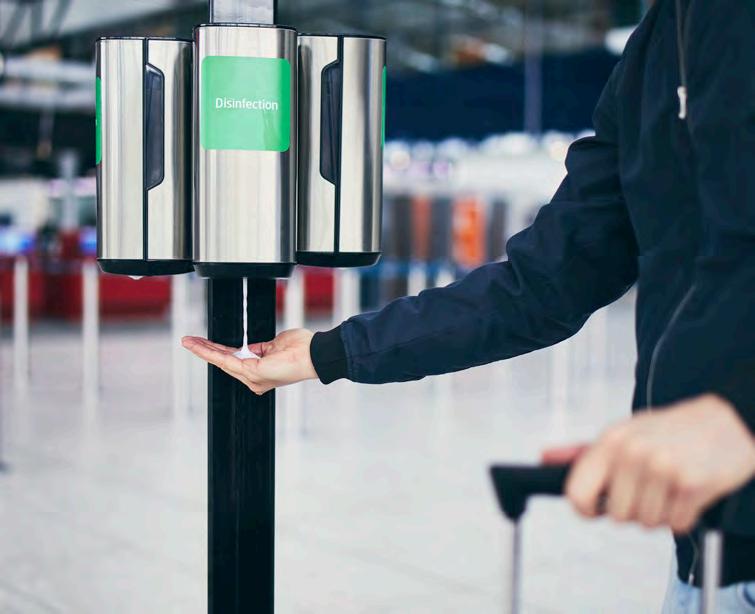
For this operation, the DGAF and the 19 SICT centers carried out 59 reviews, which are included in the 5,293 verifications held during the COVID-19 pandemic.
Among the findings were that the four passenger terminals in Mexico City successfully implemented the cleaning and sanitation measures, COVID-19 testing centers, promotion of healthy distance and the use of masks for personnel and users.
Airports
From Nov. 1 to 7, the DGAF and SICT centers conducted the supervision of sanitary safety measures by permit holders that offer taxi service to and from ports and airports in the main air terminals of the country.
The DGAF and two SICT centers carried out supervisions in airports and verified the taxi service in air terminals, which are integrated to the 123 required verifications by the DGAF and four SICT centers.
As part of the operation, the officials verified that the permit holders carried out cleaning and disinfection campaigns before and after offering the service, as well as supervising that the drivers maintained a preventive profile against contagion. n
GUARDIAN 8 REGIONAL NEWS
Saskatchewan Holds Instructor Development Course

From Nov. 13-25, Region V held an instructor development course in Saskatoon, Saskatchewan, for the North American Standard Part A and Part B Inspection Courses. Attendees included eight candidates for instructor and one candidate for instructor developer. All candidates came through a tough two weeks of long days to be certified with their respective certifications.
Special thanks to master instructors Brian Davyduke and Gino Rousselle for taking time away from their families and regular duties to hold this course.
MARK YOUR CALENDAR
Gino Rousselle (New Brunswick), Darren Knowles (New Brunswick), Brendan LeBlanc (Saskatchewan), Chris Richardson (Manitoba), Brian Davyduke (Alberta), Anna Tadeuszow (Manitoba), Trever Snoddon (Alberta), Sam Busta (Saskatchewan), Essam Sorisho (Newfoundland and Labrador), Ryan Curtis (British Columbia), Mathew Austin (Saskatchewan) n
(Left to
CVSA Annual Conference and Exhibition

SEPTEMBER 17-21, 2023
The Alliance’s premier meeting, the CVSA Annual Conference and Exhibition, provides the opportunity for government officials, enforcement and industry to gather together to affect meaningful changes to the overall culture of transportation safety throughout Canada, Mexico and the United States.
The next CVSA Annual Conference and Exhibition is scheduled for Sept. 17-21 in Grapevine, Texas, at the Gaylord Texan.
Visit www.cvsa.org/events/cvsa-annualconference-and-exhibition for more information about this year’s annual conference. Registration opens in June.
Don’t miss your opportunity to join your colleagues at the year’s most important gathering of the commercial motor vehicle safety community. Together, we make a difference and save lives.
FIRST QUARTER 2023 9 REGION V
Photo
Right):
REGIONAL NEWS
CVSA’s 2023 Out-of-Service Criteria Available for Purchase

CVSA offers different formats of the new out-ofservice criteria. Find the format that works best for you.

l Spiral-bound, hard-copy handbook
l Electronic PDF file with a restricted three device and/or web browser limit (cannot be printed or copyand-pasted and is best viewed on a desktop computer)
l Spanish U.S. version (8.5” x 11”)
l Bilingual English/Spanish U.S. version (8.5” x 11”)
l French Canadian version (8.5” x 11”)
l Bilingual English/French Canadian version (8.5” x 11”)
To purchase the 2023 out-of service criteria, visit www.cvsa.org/store.
If the app is more your style, it contains the out-of-service criteria, inspection bulletins, real-life photo examples of violations, access to the CVSA Learning portal and the Emergency Declarations portal, inspection procedures, operational policies and more.
To download the app, search for “CVSA” in the Apple Store or Google Play. Select “CVSA Outof-Service Criteria.” Once you’ve downloaded the app, set up your account with your first and last name and email address. You’ll then have the option to purchase the 2023 out-of-service criteria.

2023
CRITERIA

NORTH AMERICAN STANDARD OUT-OF-SERVICE
HANDBOOK AND PICTORIAL
In January 2023, CVSA was awarded the new Commercial Motor Vehicle (CMV) Enforcement Training and Support Grant/Cooperative Agreement with the Federal Motor Carrier Safety Administration (FMCSA). CVSA is the sole recipient of the $5 million program for fiscal 2023.
CVSA Executive Director Collin Mooney said, “We are honored and humbled to deepen this partnership with FMCSA. This is the culmination of many years of work
The CMV Enforcement Training and Support Cooperative Agreement
Where We’ve Been and Where We’re Going
by the Alliance to assume responsibility for the core roadside inspector training curriculum. As the founding organization and entity responsible for the development and maintenance of all non-regulatory elements of the North American Standard Inspection Program, this strengthens the program and improves highway safety by consolidating the development, maintenance and delivery of roadside inspector certification and enforcement training under one organization.”
History of the CMV Training Program
In the early to mid-1990s, CVSA created the commercial motor vehicle enforcement training program in collaboration with a team of three professionals from the University of Missouri. They designed and developed the curriculum for law enforcement inspecting CMVs carrying hazardous materials.
Continued on next page

COVER STORY
FIRST QUARTER 2023 11
The Process of Developing the Curriculum – in Dr. Klimczak’s Words
First, we analyzed the process of inspecting CMVs. We went roadside with inspectors and shadowed them as they inspected vehicles. We thoroughly documented the process and then verified it in meetings before we started designing.

Once we had the process in our heads and documented on paper, we discussed Adult Learning Theory and the best learning strategies for the content; we landed mostly on a problems-based approach where we created scenarios for inspectors who worked through the curriculum solving real-life problems. The instruction relied heavily on the incorporation of the federal and state regulations as presented in their handbooks.
To develop the curriculum, we again went to the members and shadowed them roadside and in their current classrooms. We used “rapid prototyping,” where we constantly went back and forth with subject matter experts to get the scenarios to be realistic and robust.
Then, of course, we pilottested everything. First, with current trainers of the inspectors, and then we followed that with the trainers themselves. We made a lot of revisions based on their excellent feedback.
Finally, we delivered the product and moved to the evaluation phase. We published an article where we talked about adding value by hosting “Train the Trainer” sessions instead of just delivering the product. The point of Train the Trainer was to prepare someone who would then go on to teach their colleagues. It was a new way of teaching, and we wanted our problems-based approach to be embraced by trainers and implemented as designed. These sessions are what I believed cemented the success of the program.
“We followed the ADDIE Model of Instructional Design,” said Aimee Klimczak, PhD, a retired University of Missouri faculty member who served on the project.
“That stands for Analyze, Design, Develop, Implement and Evaluate.”
One pivotal change that this new training highlighted was the focus on safety. “The inspectors had received training before us, but it was focused on memorizing the regulations and documenting the infractions,” added Dr. Klimczak. “We changed the focus to safety – safety of the inspector, the CMV driver and the motoring public. We found the trainers wanted their instruction to be more engaging but just didn’t know how to make it so. Our new problems-based design allowed trainers to engage deeply with inspectors as they learned to conduct safe and thorough roadside CMV inspections.”
Having been founded in the early 1980s, the Alliance was still in its infancy when it undertook this project, but the leadership and membership knew this was an essential area of focus. We knew it was paramount that this training clearly defined roadside inspections for law enforcement to ensure straightforward, uniform standards across North America.
“This program is, and always has been, the core of what we do,” said CVSA Deputy Executive Director Adrienne Gildea.
Steve Dowling, director of safety training at Covenant Logistics, formerly worked for the California Highway Patrol and served as CVSA Training Committee chair during the early years of training curriculum development. He also served on the executive committee from 2008-2013 and as president in 2010. Dowling and Dr. Klimczak worked together closely in the early years of curriculum development.
“During my time with the training committee, the members had investment and ownership over all the courses, and I believe this created a great product. Anyone with interest in improving the training material had a forum through CVSA to bring forward issues, concerns or corrections with the overarching goal of uniform training and inspections throughout North America,” said Dowling.
For more than a decade, however, we received feedback from the membership that the logistics and administrative aspects of the training were not going smoothly.
Prior to the grant changing the process, CVSA managed and made changes to the North American Standard Inspection Program. These changes were then passed on to FMCSA, its National Training Center (NTC) and third-party contractors, who coordinated the training courses and sent the updated materials to state-certified trainers. However, this is where the disconnect occured.
“The trainers and our members were consistently receiving course materials that were not up to date,” said Gildea.“Courses were being scheduled, then moved or rescheduled, and sometimes even cancelled. It was really frustrating for trainers, inspectors, instructors and the jurisdictions.”
In late 2018, CVSA sent a letter to FMCSA, requesting that it strongly consider reorganizing its approach to how state roadside inspection and enforcement training activities were administered through NTC. In April 2019, FMCSA responded by announcing it was requesting information for planning purposes, regarding the capability of qualified sources to perform the work described in the FMCSA NTC administrative/developmental support draft statement of work.
As a result, the Alliance submitted comments regarding the request for information, stating the membership wanted and needed CVSA to play a larger role and/or assume responsibility for state roadside inspector training. CVSA asked to be made eligible to provide certain state safety training activities, which were at the time reserved for 8(a)-certified small disadvantaged busineses. For CVSA to be eligible to compete for these vital training services, the state training elements of the safety training program needed to be removed from the Small Business Administration 8(a) program.
COVER STORY GUARDIAN 12 2 4 1 3 5
from page 11
Continued
“Over the years, state members expressed concerns over the quality of training services provided to roadside inspection and enforcement personnel by NTC and the various contractors. Specifically, training materials were not being updated in a timely manner and were often inaccurate, and the administrative aspects, such as scheduling a class, were inconsistent and unreliable,” said Mooney.
“Additionally, it made little sense to continue to involve a third party that was not connected in any substantive way to the commercial motor vehicle inspection and enforcement community,” Mooney added. “We dreamed of a uniform program that provides effective training for new inspectors as well as valuable in-service/ refresher training for seasoned enforcement personnel. And so, we worked for it.”
The Alliance tirelessly lobbied for, and eventually brought about, a legislative change, which would transfer responsibility for conducting roadside enforcement training to be delivered by a nonprofit organization with a vested interest and comprehensive knowledge of CMV enforcement. The most recent transportation reauthorization bill created a new grant program under the High Priority grant focused on inspector training. CVSA applied for the grant in July 2022 and was successful.
What We Received – and How We’ll Implement It
CVSA received a $5 million cooperative agreement. Because this is such a large, critically important program, there is more involvement from FMCSA and other government entities. There are designated points of contact to help us make sure we are meeting expectations.
For now, CVSA will take over certain trainings, while others will remain with NTC. NTC will continue with the training academy, the instructor development course and the master instructor course. CVSA will be responsible for the following certification training courses:
• North American Standard Inspection (NASI) Part A (driver) and Part B (vehicle)
• Passenger Carrier Vehicle Inspection (PCVI)
• All Hazardous Materials Inspections
• New Entrant Safety Audits
• Investigative Safety Analysis
There has been much activity and progress surrounding the training and support cooperative agreement since it was announced in early January. A beta test took place in March and April that involved training for enforcement personnel in five states - Ohio (PCVI), Colorado (Cargo Tank), Kansas (NASI Part B), Texas (PCVI) and Arizona (PCVI). We will gather information and feedback from these instructors and students to help decide if there is anything we need to fix or streamline before officially launching the program.
CVSA Director of Training Services Shannon Heck, who was brought onto the team specifically for this program, was previously a state trooper and motor carrier enforcer in Colorado and has previous North American Inspectors Championship experience. “The beauty of us taking over this system is that we’ll be able to make changes faster and more accurately,” said Heck. “From inception to implementation, it used to take nearly six months to make changes to the curriculum. By that time, things were already outdated again. Now, it will take us much less time to identify and enact updates.”
Over the coming months, all courses will be posted on the CVSA website at www.cvsa.org/ training or by logging into the CVSA member portal at www.cvsa.org/memberportal.
“We’ve been using our learning management system for various courses for quite some time,” added Heck. “So, I anticipate this going smoothly. We’ll increase the volume of courses available, evaluate and make changes as needed.”
Steve Dowling also looks forward to the new process. “The new training grant is a unique opportunity to leverage the financial support of FMCSA, while harnessing the influence of the end users to create superior training courses. Any jurisdiction that would like to see changes or improvements to course material now has a means to bring about change,” said Dowling. “Time and resources are challenges for all enforcement agencies. CVSA has the capacity to support this endeavor and allow stakeholders’ involvement and influence.”
CVSA Director of Multimedia Development
Ken Albrecht added, “This is an exciting time for CVSA and the roadside training program. Between CVSA membership and staff, we have a bunch of talented people with a wealth of knowledge who are dedicated to delivering the best product possible.”
THE FEDERAL GOVERNMENT MAKES AWARDS FOR FINANCIAL ASSISTANCE THROUGH GRANTS AND COOPERATIVE AGREEMENTS.
• In a grant, the federal government provides oversight and monitoring, but is not directly involved in the project.
• A cooperative agreement is different from a grant because it provides for substantial involvement between the federal agency and the grant award recipient. In a cooperative agreement, federal employees participate more closely in project activities, often working side-by-side with the recipient.
This shortened review and revision timeline is thanks to a new process.
CVSA will continually review and solicit feedback from:
• Federal and state subject matter experts
• Instructors and students
To do this, the Alliance will leverage its committees to serve as a forum for roadside inspection program subject matter experts to come together to review and revise course materials. These proposed changes will be documented, collected and sent to appropriate CVSA staff members. Prior to committee meetings, those edits will be given to the respective committee chairs to review and discuss. These committees will meet at least twice annually.
COVER STORY
FIRST QUARTER 2023 13
THE EARLY DAYS OF TRAINING TECHNOLOGIES
Ken Albrecht, CVSA director of multimedia development, began producing training videos for roadside inspector courses with CVSA in the mid-1990s when he was with the Idaho State Police. Most of the videos incorporated into roadside inspection courses over the past 25 years have been produced by Albrecht or Mark Mills, CVSA’s multimedia specialist.
“In 2000, I was tasked with combining the course instructional slides and videos into one medium for delivery,” said Albrecht. “Videos were played on VHS tapes and slides had just recently been transferred from physical slide decks and overhead projector sheets to PowerPoint. Back then, video compression wasn’t advanced enough to work into PowerPoint presentations, so we designed a DVD (the latest and greatest media delivery at the time) that could play the course slides and videos together for the first time. By the time DVDs had run their course, video and PowerPoint were robust enough to play well together.”
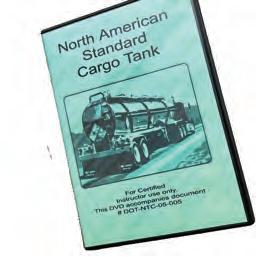


“Working alongside the CVSA membership to develop or update presentation materials has always been a gratifying experience. Many of the friendships I have developed over my career have come from being trapped in a room for days, debating the most effective picture or phraseology to advance the learning experience,” said Albrecht.
So, why does CVSA think we have what it takes to provide this training? Gildea says, “We have a proven track record – when we take on a program, we follow through with it. This gives us the confidence to know that with some hands-on control, we will deliver a comprehensive training program that will meet states’ needs. We don’t have a choice –we won’t fail. These are our members, and we have a responsibility to meet their needs.”

Looking Toward the Future
CVSA has always maintained the certification standards and we will continue to do this. In the past, we’ve worked with NTC to update the course material. They would accept changes from us and would work with their contractors to update materials. Historically, that’s where our role in the certification process stopped. In the past few years, we have created supplemental training for inspectors. We produce one-minute Inspection Bitz videos featuring common violations and out-ofservice conditions, short Quick Fix courses that provide clarification on issues, and Inspector Focus courses on new and updated policies, procedures and operational policies.

Gildea added, “For example, there’s a connector [pigtail] that you plug into the trailer from the tractor to give power to the lamps in the trailer. You just plug it in and it
provides power to all the lamps on the trailer. We found that when that was not correctly connected, inspectors were writing violations for all the lamps on the trailer – inoperable brake lamps, inoperable clearance and ID lamps – instead of writing a violation for the disconnected pigtail. So, we amended the North American Standard Out-of-Service Criteria, and made a short inspection video that detailed the change, and noticed improvement straightaway.”
In the near future, CVSA will be able to get out ahead of these issues by controlling the process from beginning to end. If we notice there are certain things that law enforcement officers are struggling with, like the example above, we can easily amend our training to highlight this issue.
“We can be nimble now,” said Mooney. “One of the opportunities this grant gives us is to ensure top-quality, up-to-date certification training for inspectors. We want to prepare them to go out and do their inspections correctly. We want to enable them to do the best job they can do. This will improve safety for everyone on the road.”
“Ideally, those receiving the training won’t notice the switch,” added Gildea. “If they recognize anything at all, we hope it will be them noticing an improvement – seamless registration, accurate materials and a smooth training process overall.”
Stay tuned for more details regarding the CMV Enforcement Training and Support Grant/Cooperative Agreement at upcoming CVSA meetings and events. n
COVER STORY GUARDIAN 14
Continued from page 13
INSPECTOR’S CORNER
The Inspector-Driver Experience
By Michael Trautwein, Senior Police Officer, Houston Police Department; North

I would like to discuss the inspector-driver experience. CVSA supports the relationship between law enforcement and industry. That relationship starts on the side of the road during a commercial motor vehicle inspection.

As inspectors or officers, most of the time, we can determine how that experience goes. I have been inspecting trucks for 23 years. During those years, I have observed all types of behavior and attitudes from drivers. Most drivers handle the inspection in a professional manner. These drivers are easy to deal with and will cooperate during the inspection. This leads to a positive experience on both sides.
A small percentage of drivers are difficult and seem angry from the moment they are pulled over for an inspection. In my opinion, there are many reasons for the driver to act like this.
• The driver has personal problems at home or work.
• The driver had a negative experience on a previous inspection.
• The officer stopped the progress of the load and making money.
• The driver knows there are violations that may be discovered by the officer.
• The driver is worried about violations impacting their Compliance, Safety, Accountability score.
• The driver knows the record of duty status is not current, over hours or false.
• The driver has a fear of law enforcement based on media coverage.
I could continue with this list, but I just wanted to name a few reasons to consider. When we, as officers, get that difficult driver, it becomes time to make a decision. If we view that as a challenge to engage in a verbal argument, it will probably continue to escalate the situation, creating a negative experience for the driver.
My first priority with a difficult driver is officer safety. Once I determine the driver is just blowing off verbal steam for whatever reason, my goal is to complete the inspection safely and have the driver leave with a better attitude. I have a high success rate on turning
the attitude around. If I am successful, the next officer might have a more cooperative driver.
I start each workday with a goal of inspecting trucks safely and going home each day. Some drivers are just going to be difficult every time. I can’t control the attitude or behavior of a driver. I can only control my reaction to it.
There are many ways to handle a difficult driver. I like to remain calm and professional. That usually brings the driver back down over time. Inspections take more time than a typical traffic stop for speeding, etc. This longer time period allows for an attitude or behavior change.
Some drivers want to challenge and defend every violation that you point out. This takes more time, but it is important to remain calm and explain the violations to the driver. I like to make sure that when the inspection is complete, the driver understands all the violations and any out-of-service conditions.
At times, the driver will bring a phone to me and say the boss wants to talk to you. Once again, this is time to make a decision. I could simply say that I don’t need to talk to them and finish the inspection, or I could take the phone and answer questions the boss may have. I always choose to take the phone call.
I take the phone call because it is usually someone from the company with a little more regulation knowledge than the driver. It takes more time, but this is an opportunity to ensure the company fully understands the violations and the proper action to take.
These phone calls also help build that law enforcement-industry relationship. They often end up with a safety meeting in the future. I enjoy doing safety meetings at trucking companies. During these meetings, I like to have a truck from the company on display. I talk to the drivers while pointing out items on the truck that we commonly find as violations. This gives the drivers an opportunity to ask questions in a more relaxed setting than a roadside inspection. As the meeting progresses, the drivers get more comfortable asking questions and talking about previous experiences with law enforcement.
In summary, my message is to continue to build and maintain that important relationship between law enforcement and industry. I encourage inspectors to take the extra time to explain the violations and regulations to the driver during the inspection. Stay professional when dealing with difficult drivers. If we all go the extra mile, it can possibly lead to safer drivers conducting more thorough pre-trip inspections. This should prevent violations and reduce accidents, injuries and deaths. n
INSPECTOR’S CORNER
American Inspectors Championship Jimmy K. Ammons Grand Champion
FIRST QUARTER 2023 15
Stay professional
Questions Drivers Must Answer About Their Sleep
By Rodolfo Giacoman, Fatigue Management Specialist, Commercial Vehicle Safety Alliance
Among the factors that affect the supply of alertness for commercial motor vehicle drivers, sleep is royal. According to the North American Fatigue Management Program (NAFMP), sleep is one of the five keys to wellness that affect alertness, along with positive behaviors, positive relationships, nutrition and exercise. For this reason, CVSA’s NAFMP driver series webinars are addressing each of these five wellness keys.
National Sleep Science Foundation Board of Directors Vice Chairman and Schneider National Vice President of Safety, Driver Training and Compliance Tom DiSalvi joined me on Dec. 7 for the first webinar in the NAFMP Driver Series on sleep hygiene. If you watch it, you will receive a wealth of practical knowledge of the science of sleep and golden expert tips from DiSalvi that drivers can put to use immediately. We also answered more than 60 great questions we received from the webinar registrants. Watch the webinar at nafmp.org/webinars.
I highly recommend that you have your drivers watch it. The webinar will help them realize some of the questions they must answer about their own sleep. Here are some of them…
How to tell if I got sufficient sleep?
If you wake up refreshed and have no excessive daytime sleepiness, then you are probably getting plenty of it. However, if you can sleep more without the alarm clock going off, are able to fall asleep within five hours after your main sleep period or cannot function optimally before noon without caffeine or other stimulant, then you are probably not getting enough sleep.
How much sleep do I really need?
That’s an individual question. You can find out during a vacation or break by going a couple of days without stimulants, like caffeine, practicing sleep hygiene and waking up without an alarm clock. Most people need between six and nine hours.
Where did the six to nine hours of sleep come from?
That’s easier to understand knowing about sleep architecture. Please see the sleep diagram (hypnogram) showing sleep architecture.
There are two types of sleep, Rapid Eye Movement (REM) and non-REM sleep. There are four non-REM stages. Then there’s also arousal (even without waking up) that happens while we sleep.
• REM: While in REM, there’s a lot of restorative brain activity essential for cognitive functions, like memory, learning and creativity. This is when most vivid dreams occur. As you can see in the blue part of the diagram, REM sleep happens more during the second half of the sleep period.
• Non-REM 1-2: We spend most of the time sleeping in non-REM stages 1-2, also known as light sleep. Most sleep spindles happen during state two. Sleep spindles are brain waves associated with sensory shutdown (to prevent us from waking up), memory and learning processing, and motor sequence learning.

• Non-REM 3-4: Deep sleep happens during non-REM stages 3-4. The brain activity during this stage has a slow-wave (aka delta waves) pattern. This stage is critical for body recovery and growth, improving the immune system and other cellular and brain functions, like insightful thinking. As you can see in the diagram, most of this sleep happens during the first half of the sleep period.
While we sleep, our bodies cycle between these stages, types of sleep and arousals. In the diagram, each of the five U shapes are a cycle. Each cycle lasts approximately 90 minutes. Let’s do the math: To get deep sleep, we need at least the first two cycles, which is when deep sleep mostly occurs. Then, to get REM sleep, we need at least two more cycles. At approximately 90 minutes, that’s about six hours. Most people need between four and six cycles; therefore, six to nine hours of total sleep.
What makes one sleepy?
There are two “drivers” of sleep. One is a body clock, and the other is a body timer. The clock is our circadian rhythm, which tells our body when to be sleepy or alert, represented by the red curve in the chart below. The timer is the homeostatic sleep pressure, which increases as we are awake, represented by the purple curve in the same chart.

The body clock is set by light – or the lack thereof, especially blue light. The morning sunlight is the signal that goes through our
eyes into our brains to be alert, while darkness signals the brain to go to sleep. There are several hormones involved in the messaging of those signals; the main ones are cortisol for wakefulness and melatonin for falling asleep. Notice the two circadian valleys in the curve: the big one after midnight and a smaller one in the afternoon. That curve matches fatiguerelated fatal crashes which proportionately occur more frequently during those valleys.
The timer is the accumulation of a neurotransmitter called adenosine that also signals our brains to go to sleep. Adenosine triphosphate (ATP) is the cellular energy currency. ATP is obtained through a series of chemical reactions that break down glucose. The longer we are awake spending energy, adenosine is released as a byproduct. The more energy we use, the more adenosine accumulates in our brain, the more sleep pressure over time. That’s our biological hours of service – bodily regulation in action.
Does knowing about the sleep architecture and sleep drivers have any practical applications for me as a commercial motor vehicle driver?
Indeed. Such applications are known as sleep hygiene practices:
• Knowing that sleep happens in cycles leads you to set an alarm for the time you should go to bed to give yourself enough sleep opportunity and get through the number of sleep cycles you need. If possible, do not set an alarm to wake up; let yourself wake up naturally at the end of your last cycle.
• Knowing how critical REM and non-REM sleep are should give you pause before cutting your sleep short. For instance, say you usually sleep eight hours and one day decide to get up two hours earlier to avoid the traffic in a metropolitan area. One would think that skipping 25% of your total sleep is not a big deal. However, you are skipping between 40-60% or more of your REM sleep which may lead to more rapid mental deterioration. That’s also the reason you should not use the snooze button. Waking up every 10 minutes will prevent you from completing a full restorative sleep cycle.
CVSA COMMITTEE AND PROGRAM NEWS GUARDIAN 16
Sleep Architecture
Body’s Clock and Timer
• Knowing about the sleep cycle leads you to take naps about 20 minutes or less in length. These are the single best countermeasure to fatigue because they do not put you in deep sleep. Waking during deep sleep causes you to experience sleep inertia or grogginess. Alternatively, nap through one entire sleep cycle (about 90 minutes) for a more restorative nap.
• Napping for more than one sleep cycle would clear a lot of the accumulated adenosine, reducing the sleep pressure, which would affect your ability to have restorative sleep during your main sleep period.
• Knowing about the circadian rhythm should lead one to keep an as-regular-as-possible driving schedule that aligns your sleep and rest periods during the circadian valleys.
• Caffeine blocks the adenosine brain receptors so one does not feel the sleep pressure. Use caffeine to eliminate the sleep pressure during the time you must be alert. Stop taking caffeine about eight hours before your bedtime so you can have a fully restorative sleep.
• Just like avoiding stimulants before going to sleep, keep your sleeping quarters from the energy of light, sound and temperature: Sleep in a dark, quiet and cool place. Do not wear blue-light blocking glasses (like sunglasses) in the morning. Do not expose yourself to blue light before hitting the sack.
• Digesting a big meal is not part of the essential sleep functions of REM nor nonREM sleep. Try to eat a few hours before going to sleep.
• Other substances can interfere with sleep cycle, such as nicotine, alcohol, medications, cannabis and so on. These substances may have a sedative effect that makes you drowsy but will interfere with REM and non-REM sleep processes and prevent fully restorative sleep.
Does exercise help with sleep?
Yes. Exercise lowers stress which is key to a good night’s sleep. Exercise also burns more ATP, which increases the accumulation of adenosine; therefore, there is more sleep pressure. However, intense exercise enhances alertness because it momentarily raises stress hormones, which then lowers through the rest of the day.
That’s why it is recommended to avoid intense exercise about four hours before your main sleep. Any light exercise right before going to
bed is perfect for a great night’s sleep. I try to do a stretching routine every night to help me fall into the arms of Morpheus.
I demoed my stretching routine and other sample exercises during the second webinar of the NAFMP Driver Series on Jan. 18. You can watch the recording of that webinar, which featured the brilliant guidance of Supply Chain Fitness Founder and CEO Dr. Mark Manera. I also recorded a separate 16-minute video with the sample exercises only. Check both videos out at www.nafmp.org/webinars
Should I take a melatonin pill to help me fall asleep?
No. Just like with any other medication, supplement or vitamin, please do not ingest anything over the counter unless it is prescribed by a medical professional. Melatonin may be prescribed to certain individuals at a certain age group for specific treatment reasons. By the way, the prescribed melatonin dosage is way lower than the dangerously high dosages advertised over the counter.
Most of the over-the-counter stuff is not regulated and sometimes the only active ingredient in them is the marketing on the package. Sometimes they contain substances or dosage levels that may be toxic or interact with other substances, medications or individual conditions/genetics. All of them have known and unknown side effects. Please do not buy “snake oil” or any other medical quackery.
How will knowing about sleep architecture and the body’s clock and timer help me the next time I’m in bed awake and cannot fall asleep?
It won’t. Sleeping is a biological function, like breathing. Don’t overthink when trying to fall sleep. If you remember only one thing from this article, please let it be this: Do not let any information or recommendation stress you. Use it to your advantage, but do not allow it to hijack your mind with the unnecessary stress of a toxic wellness culture.
What should I do then if I wake up in the middle of my sleep and cannot fall asleep again?
As stated earlier, arousal is part of the sleep cycle. Waking up a few times during the night is normal. The recommendation is to relax and just let your body go back to sleep. You may go to the bathroom – don’t turn on the lights but be careful not to trip or bump into something
– and return to bed and fall back to sleep. You may even catch the wave to continue the same dream story.
If something comes into your mind, like tasks that you need to do, or you start having negative feelings, such as worrying about something that went wrong or something that you need to fix, land all those thoughts down from your mind and park them on a piece of paper. Knowing that they are in a secure place that you can go back to revisit after waking up should bring you peace. Preferably, skip a digital device because it will probably bombard you with all sorts of other stimulating stuff.
If you still cannot fall asleep after 20 minutes, get up from the bed so you do not associate being in bed with being awake. Having the bed as the sleep trigger is one of the main tenants of sleep hygiene. Get up but do not throw a party: Keep the lights low, read something or watch something that is not exciting. It is okay to watch part of an episode of a not-too-exciting series but stop somewhere in the middle of the episode to avoid the cliffhanger at the end that will just keep you going. Better yet, stretch with light yoga, meditate, pray or listen to something relaxing. Remember that the goal is to wind down and get yourself ready to go back to sleep.
What is the difference between sleep deprivation and sleep medical conditions?
Sleep deprivation is when you do not give yourself enough opportunity to sleep. You can sleep but you are not sleeping enough or not practicing the sleep hygiene, as described earlier.
Sleep medical conditions may involve genetic variations, prescription medications, psychiatric conditions and sleep disorders. If you are practicing sleep hygiene and giving yourself enough opportunity to sleep, but still do not wake up refreshed and/or have excessive daytime sleepiness, then you should consult your medical provider to see if you have a sleep disorder. Obstructive sleep apnea is common among commercial motor vehicle drivers but there are different effective treatments that will allow you to drive safely and be alert.
Both sleep deprivation and sleep medical conditions increase your fatigue susceptibility. That means they will increase your fatigue risk. You must do something about them.
Continued on next page
CVSA COMMITTEE AND PROGRAM NEWS FIRST QUARTER 2023 17
Continued from page 17
Is getting enough sleep every day the equivalent of a daily vaccine against fatigue?
Yes, but just as vaccines may not always prevent you from infection, getting enough sleep may not always prevent you from getting fatigued. That’s because just as there are supply factors that determine our alertness, there are demand factors as well, like those related to the task and the environment. Please check out the NAFMP Module 3, Driver Education, which addresses all these alertness/fatigue factors. Module 3 also offers effective countermeasures and strategies in general, for the road, at home, for night driving and team driving.
The goal of fatigue management is behavior change. Behavior change is accomplished by making available the knowledge (education) and skills (training) necessary to change the attitudes required to manage fatigue. That’s exactly what the NAFMP driver education module offers.
Caffeine keeps me awake while driving even while not sleeping enough. Why is that a problem?
Occasionally skipping a few hours of sleep every now and then is normal and may have no significant effect on our state of alertness and health. However, chronic deprivation or a continuous sleep debt affects our metabolism by increasing appetite and increasing the risk for heart disease, high blood pressure, diabetes and obesity. It also reduces the effectiveness of our immune system, causes gastrointestinal problems, disrupts relationships by making us irritable and infertile, and worsens all psychiatric conditions.
Those effects accumulate over time and they will affect your alertness sooner or later, which may lead to fatal and catastrophic effects. Ensuring you get enough sleep and managing your alertness will not only keep you alive and healthy but will also ensure you are productive and stay in business making a good living as a professional commercial motor vehicle driver.
If you haven’t already, watch the webinars on sleep hygiene and exercise at www.nafmp.org/webinars/.
The NAFMP and all its courses are available free at www.nafmp.org.
My deep thanks to those of you who have contacted me with feedback and questions about managing fatigue or the NAFMP. Please keep ’em coming at Rodolfo.Giacoman@CVSA.org or 202-998-1830. n
TOM DISALVI’S
SLEEP GOLDEN NUGGETS
Tom DiSalvi is vice chairman of the board of directors at the National Sleep Science Foundation. He is also vice president of safety, driver training and compliance at Schneider National. This article contains excerpts from his contributions during the NAFMP Driver Series webinar on sleep hygiene.
• Drivers need to understand why sleep is important. That’s the foundation of a motor carrier fatigue management policy. And that’s also the foundation of a safety culture. Appeal to their values.

• Using a fan both at home and over the road can achieve two functions of sleep hygiene: Keeping you cool and blocking sound stimulation with consistent white noise.
• Making the bed a sleep trigger is all about consistency. If you sleep on the road on a sleeping bag, it will be different than sleeping at home. It will be better if you bring sheets, blankets and any other things you use to sleep at home to simulate the home environment and make it a smoother sleeping experience while on the road.
• Sleep apnea is not only a short-term safety risk; more importantly, it’s a long-term health risk. Treating it will help you live a healthy life and eliminate excessive daytime sleepiness. Treatment will help you get the restorative sleep needed by getting the oxygen-rich blood to all your organs. This way, you are no longer waking up to gasp for air more than 100 times an hour. With sleep apnea, even if you sleep for 10 hours, you will wake up not feeling refreshed.
• Getting home safely to be with your family is top priority. Engage your family about the importance of sleep and sleep hygiene practices. Avoid the temptation to change your schedule to adapt for family life if that will force you to get back to work not rested. This is one of the biggest challenges in our industry.
• You must know yourself to identify fatigue. That’s why you need to be trained to identify objective signs of fatigue. I know I’m fatigued when my eyes start to burn, or when I’m fidgeting or can’t get comfortable Those are my triggers. You must discipline yourself to get off the road as soon as your trigger goes off.
• Sleep is a physiological need. Microsleeps are your body telling you, “I can’t wait for you anymore – I’m going to sleep now.” The brain will begin in shutting off even when the eyes are open. It’s like your body is telling you, “I need sleep whether you give it to me or not.” It’s the same as holding your breath; the body forces you to breath, so it will force you to sleep.
• Avoid shift start variations. It’s so easy to have a random irregular route trucking environment. There are a lot of variables that may be causing you to have a longer or shorter day; avoid that. When unavoidable, help drivers adjust their schedules; do it slowly, over a period of time.
• Fatigue management is a very important aspect of a highway safety program. I recommend that everyone use the North American Fatigue Management Program to implement or enhance their program.
Visit the North American Fatigue Management Program website at nafmp.org n
CVSA COMMITTEE AND PROGRAM NEWS GUARDIAN 18
Six Lessons from Top Performers in our Industry
By Rodolfo Giacoman, Fatigue Management Specialist, Commercial Vehicle Safety Alliance
Every year, when CVSA selects the International Diver Excellence Award (IDEA) winner, our Director of Communications Nicole Leandro interviews the winner and prepares an outstanding press release showcasing each excellent driver. Every single time I read them, I get goosebumps and a teary eye because of their moving stories. These winners are not only top commercial motor drivers in North America by driving millions of miles crash free over three to five decades, but they are also exemplary individuals:
Herschel Evans: 2018 IDEA Winner of Yellow
All the winners emphasized the imperative of keeping cool while driving, no matter what.
Evans: In addition to having the right attitude, drivers should also focus on being courteous and aware of their surroundings on the road. This will help create a safer environment for everyone on the road. I won’t let others’ actions affect me. I’ll remain calm and composed and not get involved in any situation that could harm my career.
Charles Endorf: 2017 IDEA Winner of Werner Enterprises

The winners insisted on the importance of planning to manage time delays and avoid driving as in a race.
• Ross Reynolds
2015 IDEA Winner of XPO Logistics
• Bob Wyatt†
2016 IDEA Winner of Schneider National
• Charles Endorf
2017 IDEA Winner of Werner Enterprises
• Herschel Evans
2018 IDEA Winner of Yellow
• Timothy Dean
2019 IDEA Winner of Werner Enterprises
• Duane Dornath

2020 IDEA Winner of Western Express
• Allen Parker
2021 IDEA Winner of Werner Enterprises
• Ruth McDonough
2022 IDEA of Hittman Transport Services
You can read their full press releases at www.cvsa.org/programs/idea/idea-winners.
While you are on the IDEA Program webpage, I recommend you navigate to Resources and check out the Past IDEA Winners Roundtable webinar video that was recorded in May 2022. Nicole and I had the opportunity to talk with the past winners from 2015 to 2021, except Bob Wyatt who passed in 2019. They were gracious to offer us their time and wisdom on what it takes to be the top performers in the industry. Read on for a sample of the lessons they shared.
Reynolds: I learned a long time ago in life, trucking and marriage – and everything else – emotions are a choice. So, when somebody cuts you off, yells at you, honks at you or whatever, you can choose to get angry, or you can choose to let it go. We need to be the professional drivers and we need to allow for the mistakes of the motoring public. You can choose to get angry, or you can choose to just back out of the throttle, let them go, and just go on your merry way. I believe it is crucial to educate future truck drivers on etiquette and professionalism. Truck drivers often receive negative criticism, but as professional drivers, it’s our responsibility to raise the bar and set a high standard for new drivers.
Endorf: Manage yourself, your time, your money. Life is about management. You are the captain of the ship. Take charge and drive safely.
Dean: Knowing that everyone on the road has a family, I consider all drivers my family. You should pay attention to others’ actions and not let them affect your own reaction.
Endorf: Second place isn’t bad. On the highway, it may seem like everyone is rushing, but it’s important to give way to others who need to switch lanes. This doesn’t have to slow you down too much and it sets a good example for others to follow. When you show kindness and consideration on the road, it’s noticed by other drivers and helps make the roads safer for everyone. I strive to be part of the group of good drivers. Drive safely, one mile at a time. Keep your eyes open and always drive for others, not just yourself. As professional drivers, we set the example. Act professionally and stay motivated, but always prioritize safety. Trip planning is essential for this. Calculate your estimated time of arrival, move your clock backwards, and allow yourself enough time for breaks. Time management is key to successful deliveries; always plan your trips and manage your time.
Evans: Patience is key. Drivers must understand that others’ schedules may not align with yours. Allow some extra time and be flexible, as the day can change in an instant. It’s important to be patient and not rush, making sure to approach each maneuver with caution and care. Everything will get done eventually, just take it slow. Patience is key for truck drivers. Approach every move with caution and make sure every decision is made methodically and cautiously. This is how you maintain a long and safe career in truck driving.
Dornath: One thing I always emphasize is to take things one mile at a time. The past miles don’t matter, the next one is the most important. It’s real time, and all that matters is the people you’ll meet on the road. Slow down. Some people will do what they are going to do. Stay away from them and lead by example. Patience is key and rushing can lead to bad things. It’s important to have a shortterm memory loss and let things go.
Continued on next page
CVSA COMMITTEE AND PROGRAM NEWS FIRST QUARTER 2023 19
LESSON 1: There is nothing you can do on the road to ruin my day
LESSON 2: It doesn’t hurt to come in second place.
Continued from page 19
Two IDEA winners did not participate in the Past IDEA Winners Roundtable discussion, but are deserving of recognition for their achievements:

Parker: It’s okay to be second. Take a moment and relax. Pay attention. You do not have to race to the next exit.
Dean: We all want to reach our destination safely, just like planning a family vacation. Allow time for breaks if needed, and don’t rush. Plan your trip carefully and manage your trip backwards, so you arrive safely with plenty of time to drive.
Most of the winners said they take a cooler with healthier homemade food on the road, except Charles; he said it led him to unhealthy continuous snacking. They all shared their good habits to stay healthy.
All winners expressed their gratitude to their spouses for their support and made evident the importance of warm relationships as one of the keys to their success as professional commercial motor vehicle drivers.

Endorf: Do not go out the door without your peace of mind. You can’t have that with arguments. Function as a functional family. You got to have it before you go out the door. Have a peace of mind when you leave for the highway. I give my wife a lot of credit.
Reynolds: I’ve been married 38 years. We have some rules. We make sure to resolve our issues before bedtime. Never say anything you may want to take back. Same thing on the road, never do anything that you cannot take back. Once it’s put out there, there’s nothing you can do to retract it.

Evans: I’ve been married 32 years and she’s the smartest person I know. She’s my logistics genius. She figures out things out and tells me what to do. She’s a hell of a woman.
Dornath: My wife ensured life was as normal as possible for my kids. Family is very important.
Endorf: I’m against taking a cooler with food on the road. When I used to have a refrigerator, all the food was gone just 400 miles afterward. Just don’t snack and eat healthy when you do. My favorite meal is breakfast, eggs, and I’ll have light lunch and a good dinner. No candy or pops. I’m very active when at home. Make sure you get plenty of sleep. You need to rest. Relax before you go to bed. Turn off the TV and mute your phone on a regular basis. Have a routine to avoid fatigue. Sleep better and eat better; take care of yourself that way.
Evans: I’ve got my cooler with all the stuff my wife packs for me to eat and water. I try to stay out from fast food joints and I try to get my sleep every night. Talk radio helps me stay engaged. News or conversation is better than a song in the background to keep me engaged. This is better than listening to the tires or a song.

Dean: I get my sleep, walk and exercise. As grandpa said, don’t waste perfectly good cream on a perfectly good coffee, but in moderation. Drink lots of water.
Parker: I‘m home every weekend and I pack my food. I eat really well. I drink water. I’ve got a crunch for a soda every now and then. I listen to a lot of CDs with great information. I use the radio to educate myself, and I get out to get the blood moving. I plan my trips which involve night driving. To sleep during the day, I cover my windows, make the truck as quiet as possible with no radio or noise and park as far away from noises as I can. I sleep well in the dark.
Dornath: I carry fruits and try to stay away from fast food. There are now better choices on the road. It’s nice to sit down and have a little meal. Take a walk; every little bit of exercise helps.
CVSA COMMITTEE AND PROGRAM NEWS
GUARDIAN 20
LESSON 3: Our spouses need as much support from us as we need it from them.
Allen Parker: 2021 IDEA Winner of Werner Enterprises
LESSON 4: My spouse cooks two meals on weekdays, eating one and freezing the other. I take my five meals when I leave on Monday.
Timothy Dean: 2019 IDEA Winner of Werner Enterprises
Bob Wyatt†: 2016 IDEA Winner of Schneider National Passed in 2019.
Ruth McDonough: 2022 IDEA of Hittman Transport Services She was awarded after the video was recorded. Check out the next edition of Guardian for an article about McDonough.
In addition to addressing their alertness supply – by keeping relationships warm, being mindful of their emotions, ensuring their nutrition and getting plenty of exercise and sleep (the five wellness keys to stay alert, according to the North American Fatigue Management Program) – all winners also addressed their alertness demand with strategies to remain focused while driving.
Parker: In my years of driving, I’ve had the opportunity to see the entire country, including Canada. From coast to coast and north to south, I’ve truly enjoyed the experiences and sights I’ve encountered. The radio helps to keep me awake and so does the beauty of this country. We need to look at it and appreciate the beauty. I use coffee, radio, news and talk radio. That’s big part of my trucking life. While driving during the night, I try to stay ahead of ditches and see the creatures to make sure I do not run over them. I sing a lot.
Dean: Put the phone down. Put down all distractions. We do not want to see you in your last conversation.
Dornath: Be aware of your surroundings. I drink one or two cups of coffee and lots of water. Keep yourself occupied. Radio is always there. I crank up the music to keep myself engaged. If I get sleepy, I stop at a truck stop and walk a little bit.
Ross Reynolds: 2015 IDEA Winner of XPO Logistics


All winners volunteer, sharing their skill set and helping others in need, both around their communities and nationally. They help other drivers through several organizations and competitions. They also promote safe industry practices.
Evans: As a professional truck driver, I believe it’s important to help neighbors if you have the skills to do so. One advantage of being a truck driver is that I can move large amounts of supplies quickly to areas in need during disaster relief efforts. When I arrive with my truck, loaded with supplies, such as water and food, it feels great knowing that I’m making a direct and immediate impact in a town devastated by a natural disaster. Our relief efforts can come together within 24 hours of the disaster, and it’s a proud moment to know that I’m using my skills and truck to help those in need. I also take part in the Safe Drive for a Cure competition, which benefits the Pediatric Brain Tumor Foundation. This competition brings together truck drivers from all over to raise money for children diagnosed with brain tumors, and it gives me a good feeling knowing that I’m helping defeat this life-threatening illness.
Dean: As a professional driver being out on the road, I see a lot of things. I aim to promote the trucking industry and its image by participating in the [American Trucking Associations’] Share the Road program. I talk to the public about how to share the roads with semi-trucks, educating them on highway safety by being observant of what’s around them.
Dornath: An eye-opening experience was how it felt to film about sharing the road with trucks. The goal was to educate passenger vehicle drivers on how to share the road safely with large trucks and buses, as often in crashes between a truck and a passenger vehicle, the issue lies with the latter. The message was delivered professionally, and the hope is that it reached people in a meaningful way. n
Watch the roundtable recording to learn about the unique role their company plays supporting them as if they were family, as well as the changes they have observed in commercial driving over the last four decades. Also, check out the message that former IDEA Program Vice Chair Paul Claunch of PrePass Safety Alliance, the 2022 IDEA sponsor, presented to the winners along with former IDEA Program Chair Brett Graves of Maverick Transportation. Claunch is now the IDEA program chair.
For all that and more go to www.cvsa.org/programs/idea/resources and watch the entire video.
CVSA COMMITTEE AND PROGRAM NEWS FIRST QUARTER 2023 21
LESSON 5: Look at your surroundings and enjoy the beauty of the road.
Duane Dornath: 2020 IDEA Winner of Western Express
LESSON 6: Challenge drivers by designing obstacle courses so they may learn the limits of their vehicle.
ARE
YOU AN EXCELLENT COMMERCIAL DRIVER?
OR
DO YOU KNOW ONE?
If the answer is yes, now is the time to submit a nomination for CVSA’s International Driver Excellence Award (IDEA). Nominations are now open; please make sure to submit by the deadline: May 19.
As the leading organization improving commercial motor vehicle safety and enforcement by providing guidance, education and advocacy for enforcement and industry across North America, CVSA recognizes the exceptional careers of professional commercial motor vehicle drivers and their commitment to public safety. CVSA officially acknowledges these individuals annually through IDEA.
This annual award recognizes individuals who go above and beyond the performance of their duties as a commercial vehicle driver, distinguishing themselves beyond the call of duty through the achievement of safe operation and compliance, carried out with evident distinction for an extended period. The nominated individual must have character beyond reproach with no disqualifying past behavior, as indicated in the award criteria.
The IDEA criteria requires that nominees have:
• At least 25 cumulative years of crash-free driving in a commercial motor vehicle with a clean driving record for the past three years

• No felony convictions
• No safety-related driving suspensions in the past three years
• No driver violations in the past three years, excluding form and manner violations
Top Two Tips for a Successful IDEA Nomination
FIRST TIP: Make sure you provide the full required documentation along with the online application. All nominations from all North America are required to provide the following documentation:
The nominee’s Pre-Employment Screening report
The nominee’s motor vehicle record (United States) or driver abstract (Canada) or Mexican equivalent
This documentation must include the current year of the driver’s:
• Three-year license history: Free of convictions and suspensions
• Five-year crash history: Free of crashes
• Three-year inspection history: Free of violations – excluding form and manner violations
SECOND TIP: Make sure to do a superb job on the single most important part of the application – the statement of consideration. The expectation is for an essay of at least 500 words. This is the most important leverage a nominator has for influencing the decision of the IDEA reviewers. Make sure to provide as much information as you can as to why the nominee is an excellent driver.
What is the Award?
The IDEA winner will be presented with their award and receive public recognition at the CVSA Annual Conference and Exhibition awards luncheon in September. Announcement of the IDEA winner will be shared nationally through a press release, as well as on the CVSA website and through social media. A feature article on the award winner will run in CVSA’s quarterly magazine, “Guardian.”
The IDEA winner will receive:
• A check for $5,000
• A crystal trophy
• Round-trip economy airfare for the winner and one guest to Grapevine, Texas, to receive the award at our annual conference awards luncheon
• Two-night, one-room hotel stay in Grapevine
IDEA is open to the entire commercial motor vehicle industry. You do not have to be a member of or affiliated with CVSA to apply.
The IDEA Program Committee will review and authenticate IDEA nominations. The final decision to recognize and honor the nominee will be made by the CVSA Executive Committee. CVSA is not required to select a winner if the nominees do not exemplify the qualities of the IDEA program. Go to www.cvsa.org/programs/idea to submit your nomination.
Contact CVSA Fatigue Management Specialist Rodolfo Giacoman with any questions about the IDEA program nomination process at rodolfo. giacoman@cvsa.org or +1-202-998-1830. n
CVSA COMMITTEE AND PROGRAM NEWS GUARDIAN 22
The 2023 International Driver Excellence Award is sponsored by PrePass Safety Alliance (www.prepassalliance.org).
FROM THE DRIVER’S SEAT
Don’t Be Distracted Behind the Wheel
By Jeff Rose, Professional Truck Driver with Yellow, American Trucking Associations’ America’s Road Team Captain
I am Jeff Rose, an American Trucking Associations’ America’s Road Team Captain and professional truck driver with Yellow. I have been driving for 38 years and have accumulated 3.8 million accident-free safe driving miles.

Distracted driving exists on every highway, two-lane road and country dirt road. Technology has become a major distraction on roads all around the country. Cellphones are not the only distraction I have seen in my 38 years of driving. I have seen drivers shaving, putting on makeup, reading newspapers, reading books, doing work on laptops and watching movies.
The definition of distracted driving is anything that takes your attention away from the road. Examples include reaching for something, talking to a passenger, doing anything on your cell phone and letting your mind wander. Believe it or not, eating while driving is a distraction.
Just to glance at your phone takes approximately one-and-a-half to two seconds, and the average person’s reaction time is
approximately two seconds. That means nearly four seconds can pass before the average driver can react. This is like driving the length of a football field while blindfolded. If a driver is following a vehicle at 80 feet, driving 55 mph, they are only one second behind the vehicle in front of them. This means if they were distracted, it would only take one second to hit the vehicle in front of them. This is just one example of how a distraction while driving can cause an accident.
There is more traffic on the roads now than ever before, and that means more distractions too. We all need to take responsibility and put our phones down. Your phone calls and texts can wait. Get up a little earlier so you’re not shaving, putting makeup on or doing work on your computer. Put your phone out of reach or turn it off while driving. We need to be the example to our loved ones. I teach teens that when they are a passenger, they must remind their peers and parents to pay attention.
During the winter months, much of the country has snow and ice. If a driver takes their concentration off the road in these conditions, it could end up in a disaster.
Distracted driving has financial consequences also. You may be fined or get points on your license. Your insurance rates may increase, or you could be dropped completely by your insurance. The worst-case scenario is that you could be incarcerated.

As an America’s Road Team Captain, I go to schools and talk to young people who are starting to drive. Not only do we work with young drivers, but we talk to teachers and school administrators. Every opportunity I have to talk to someone about safe driving, I educate them on what could happen if distracted while driving. No matter how many years of experience you might have behind the wheel, we all get distracted. We all want to get to our destinations safely. I know I want to get home to see my wife, kids and grandkids. It does not matter whether you are driving a commercial motor vehicle, motorcycle or a car; everyone’s loved ones want them home safe.
Remember the best part of the day is when you are home safe with the people you love. So, ask yourself what you can do to stop distracted driving. Drive safe in 2023. n
FROM THE DRIVER’S SEAT
FIRST QUARTER 2023 23
Distracted driving is anything that takes your attention away from the road.
THE LEGISLATIVE AND REGULATORY RUNDOWN
 By Adrienne Gildea, CAE, Deputy Executive Director, Commercial Vehicle Safety Alliance
Changes to Congressional Transportation Leadership
The 118th U.S. Congress convened in January with new leadership in several key positions. The long-standing ranking Democrat on the Transportation and Infrastructure Committee in the House of Representatives, Peter DeFazio, did not seek re-election last fall, opening up the top spot on the committee for Democrats. In addition, Republicans regained control of the chamber. As a result, Congressman Sam Graves, of Missouri, is now the chairman of the full committee. Congressman Rick Larsen, of Washington, has taken over as the committee’s ranking member.
On the Senate side, control of the chamber remained with the Democrats, so Senator Maria Cantwell, also of Washington, retains her role as chair. However, Senator Roger Wicker has taken a leadership role on another committee and Senator Ted Cruz, of Texas, has taken over as the ranking Republican for that committee.
CVSA has begun meeting with the new leadership and new member offices on the Hill, helping them understand CVSA’s mission, the needs of our membership and our legislative priorities.
CVSA Kicking Off Next Reauthorization Task Force
With the new Congress in place, it is time for CVSA to once again assemble a reauthorization task force to recommend a new set of legislative priorities for the Alliance to pursue in the next transportation bill. The task force, which reports to the CVSA Policy and Regulatory Affairs Committee, is comprised of Class I representatives from each of CVSA’s regions, Class II Local Members and representatives from our Class III Associate Members. The task force will evaluate issues, take input from outside organizations and various partners, discuss possible solutions and, ultimately, make recommendations to the CVSA Board of Directors on what policy positions the Alliance should support in the next highway bill.
Once those positions are finalized, CVSA staff will begin socializing them with other likeminded organizations to build coalitions around the various issues and advocate on Capitol Hill for their inclusion in the final bill. This is a long and cumbersome process, but one that is worth it to continue to improve commercial motor vehicle safety policy.
If you are interested in following the task force’s progress, consider joining the CVSA Policy and Regulatory Affairs Committee. Visit www.cvsa.org/memberportal to log in. Under “My Committees & Programs” select “Browse Committees” to find and join the CVSA Policy and Regulatory Affairs Committee.
In addition, if you have any issues that you would like the task force to consider, please submit an “Issue/Request for Action” to the Policy and Regulatory Affairs Committee through our website. All legislative requests are referred to the task force.
CVSA’s Continued Commitment to the National Roadway Safety Strategy
Last year, CVSA announced its support of the U.S. Department of Transportation’s National Roadway Safety Strategy to address the crisis of deaths on our nation’s roadways. A year later, CVSA reaffirmed the Alliance’s support of the initiative by participating as a “First Mover” organization in the department’s Call to Action Campaign. CVSA committed to several specific activities as part of a comprehensive strategy to address unsafe driver behavior from multiple angles.
• Non-MCSAP Traffic Enforcement Training: Research shows enforcement impacts driver behavior. Unfortunately, currently, many non-certified officers do not feel comfortable stopping a commercial motor vehicle (CMV), even when they observe unsafe driving behaviors, because they are not trained on CMVs. However, all officers have the authority and necessary skills to ticket a CMV operator for unsafe driving.
CVSA will deliver CMV traffic enforcement training to non-certified law enforcement officials. This training will provide these officers with the information and confidence they need to stop CMV drivers. This will help increase enforcement against unsafe driving behavior, which is the leading cause of crashes on our roadways.
• Judicial Outreach and Education: CVSA will conduct outreach and training to the judicial community on the topic of masking violations to help them understand that while changing a charge to lower its severity may seem like a fair thing to do, it can have dangerous consequences. Masking a driver’s serious violation with lesser charges gives an incorrect safety record and allows dangerous drivers who might otherwise be disqualified from operating CMVs to remain on the roadways. CVSA’s training and outreach will help lawyers and judges understand the importance of ensuring that the charges on a driver’s record are accurate.
• Post-Crash Inspection and Reporting: Understanding why a crash occurred helps states and the Federal Motor Carrier Safety Administration create and structure programs that reduce crashes and save lives. Furthermore, consistent, high-quality post-crash inspection data is critical to understanding why a crash has occurred. CVSA will deliver post-crash training courses throughout the U.S. to improve the quality and consistency of post-crash inspections and reporting, resulting in better data for safety officials to rely on when crafting datadriven safety programs.
For more information on CVSA’s support of the National Roadway Safety Strategy, visit www.cvsa.org/news/cvsa-nrss-2023. n
GOVERNMENT NEWS
GUARDIAN 24
FMCSA Announces Proposed Changes to the SMS Methodology Agency Launches Website to Preview Changes
By Dave Yessen, Chief, Compliance Division, Federal Motor Carrier Safety Administration, U.S. Department of Transportation
As part of the Federal Motor Carriers Safety Administration’s (FMCSA) commitment to continually improving our data-driven decision making, the agency has identified a set of changes to the methodology used in the Compliance, Safety, Accountability (CSA) Safety Measurement System (SMS). These changes are summarized in the Feb. 15 Federal Register notice (2023-02947). The notice also includes a 90-day comment period, which ends on May 15.
The proposed changes build on the sound design of SMS and are guided by FMCSA’s continued commitment to fairness, accuracy and clarity, while sharpening the agency’s focus on higher-risk carriers. An effectiveness test showed that the crash rate for motor carriers prioritized for safety intervention using the new methodology is 10% higher than for motor carriers prioritized under the current approach.
Visit the CSA Prioritization Preview
In early February, FMCSA launched the CSA Prioritization Preview website (csa.fmcsa. dot.gov/prioritizationpreview) as a way for motor carriers to see what their prioritization results would be under the new methodology. Enforcement personnel can also log in to view
motor carrier data (an FMCSA Portal account with the enforcement role is required to access this motor carrier search) and other users can view an example motor carrier results page. Users are encouraged to submit their comments to the public docket on the Federal Register notice.
Continue to Use SMS
FMCSA is using a phased approach to roll out the proposed changes and will not be implementing them without all stakeholders having the opportunity to learn about the changes and provide their feedback. No changes are being made within SMS at this time, and SMS will continue to be the system used to prioritize motor carriers for intervention during this preview period.
As required by section 5223 of the Fixing America’s Surface Transportation (FAST) Act, FMCSA will continue to withhold alerts and relative percentiles for property carriers from the public display of the SMS. FMCSA is prohibited from publishing this information until all reporting and certification requirements under the FAST Act are satisfied.
FMCSA believes the proposed changes to the SMS methodology will improve roadway
safety, enabling the agency and state partners to focus enforcement resources for the greatest safety impact. The changes are also intended to make safety data easier for motor carriers to understand and act upon to encourage safe, responsible behavior among motor carriers and drivers.

Feedback and Questions
Motor carriers and other members of the public must submit their comments to the Federal Docket Management System (www.regulations.gov), Docket ID Number: FMCSA-2022-0066.
If FMCSA state partners have questions about the CSA Prioritization Preview or feedback on the proposed changes, they should contact their local division office. n
GOVERNMENT NEWS FIRST QUARTER 2023 25
U.S. DOT Highlights Its Work to Combat Human Trafficking
The U.S. Department of Transportation (DOT) marked National Human Trafficking Prevention Month (January) by taking several actions to raise awareness about human trafficking and how to recognize and prevent this terrible crime. Combating human trafficking in the transportation sector is a top priority for the department.
“Every year, human traffickers seek to use America’s transportation systems to facilitate unspeakable crimes,” said U.S. Transportation Secretary Pete Buttigieg. “National Human Trafficking Prevention Month is an opportunity for us to redouble our anti-trafficking efforts by making sure travelers know how to recognize and report the warning signs and by embracing innovative approaches and strategies.”
According to the International Labour Organization, globally, as many as 27.6 million people – or 3.5 out of every 1,000 people – are victims of forced labor, including commercial sexual exploitation. In 2021, the National Human Trafficking Hotline worked on 10,360 cases of human trafficking in the United States.
The winner and runners up of the department’s 2022 Combating Human Trafficking in Transportation Impact Award, which incentivizes innovative solutions to combat human trafficking in the transportation industry, were announced.
The Port of Seattle won first-place for its “Airports United Against Human Trafficking” proposal to convene a national steering committee of up to 20 diverse airports and scale the port’s comprehensive countertrafficking approach into an awareness toolkit for use by airports nationwide.
Trinity Metro earned second place for its “Stop Human Trafficking Campaign” proposal to implement counter-trafficking training for Dallas-Fort Worth area transit workers and first responders, raise awareness among the traveling public, and train more than 40 local governments in the region.
The Colorado Human Trafficking Council received third place for its “This is Human Trafficking” campaign proposal to conduct a state-wide campaign to raise awareness through gas stations and convenience stores along the main arteries of I-70 and I-25.
Signs of suspected human trafficking may include individuals that appear not to have freedom of movement or social interaction, appear not to have control of their travel identification or documents, are controlled
or unusually submissive to their traveling companion, seem coached when speaking to authority or law enforcement, have no logical means of reaching their final destination, are traveling on a last-minute booking paid by someone else in cash, or may be dropped off by a vehicle at a truck and picked up 15-20 minutes later. The DOT Advisory Committee on Human Trafficking’s Combating Human Trafficking in the Transportation Sector report includes additional multimodal indicators.
The department’s Transportation Leaders Against Human Trafficking (TLAHT) initiative is comprised of more than 550 transportation and travel industry stakeholders working jointly to maximize their collective impact in combating human trafficking across all modes of transportation. Stakeholders can join the effort by signing the TLAHT pledge and accessing transportation-specific countertrafficking resources online. TLAHT pledge signatories include airports and airlines, urban and rural transit agencies, trucking and bus companies, ports, railways, state departments of transportation, industry associations, states, cities, and non-governmental organizations.
Additional actions from the department to combat human trafficking include:
• The Federal Register notice for the 2023 Combating Human Trafficking in Transportation Impact Award accepted submissions through March 27.
• Administrators Shailen Bhatt of the Federal Highway Administration, Nuria Fernandez of the Federal Transit Administration and Robin Hutcheson of the Federal Motor Carrier Safety Administration launched leadership videos on social media during National Human Trafficking Prevention Month to encourage highway, transit and motor carrier stakeholders to bolster their countertrafficking efforts.
• The Federal Transit Administration hosted a virtual event that explored how human trafficking impacts American Indian/ Alaskan Native populations, the role of transportation and public transit in countertrafficking, and how transit agencies, drivers and other front-line transit employees can help to prevent human trafficking.
• The department’s counter-trafficking initiative also reached hundreds of transportation stakeholders to help them step-up efforts to combat human trafficking through in-person events with the U.S. Chamber of Commerce and Department of Homeland Security.
Some of the other ways in which the department is working annually to combat human trafficking include:
• The department rechartered the Advisory Committee on Human Trafficking (ACHT) using its authorities under the Bipartisan Infrastructure Law (BIL). The ACHT will develop a counter-trafficking report with recommendations for countering human trafficking and an assessment of best practices by transportation stakeholders and human trafficking violations involving commercial motor vehicles. The 15 members will include a cross-section of stakeholders from industry and labor, including representatives from the aviation, bus, law enforcement, maritime, port, rail and trucking sectors.
• The department is a member of the President’s Interagency Task Force to Monitor and Combat Trafficking in Persons, a cabinet-level entity chaired by the secretary of state to coordinate federal efforts to combat trafficking in persons.
• The department continues to underscore the important role transportation ministries have in combating human trafficking through its participation in multilateral organizations, including the International Transport Forum (ITF), the International Civil Aviation Organization (ICAO) and the Asia Pacific Economic Cooperation Transportation Working Group (APEC). More than 50 ITF and APEC transportation ministers have committed to tackling the issue of human trafficking. DOT led the development of comprehensive counter-trafficking strategies for ICAO’s 193 member states and APEC’s 21 member economies.
For more information about the U.S. DOT’s efforts to end human trafficking, visit www. transportation.gov/stophumantrafficking n
To learn more about CVSA’s Human Trafficking Prevention Program, visit www.cvsa.org/programs/humantrafficking-prevention.
GOVERNMENT NEWS
GUARDIAN 26
CVSA HAS A PROGRAM DEVOTED TO REDUCING HUMAN TRAFFICKING THROUGH COORDINATED ENFORCEMENT AND INVESTIGATIVE AND EDUCATIONAL AWARENESS.
CMV Safety Summits Held in All Four U.S. Regions in 2022
 By Rhonda Stricklin, Information Management Director, Alabama Transportation Institute, University of Alabama; Dr. Eric Fitzsimmons, Associate Professor, Department of Civil Engineering, Kansas State University; Robin Riessman, Director, and Benjamin Yeager, Project Associate, University of Massachusetts Traffic Safety Research Program; and Dr. Brenda Lantz, Associate Director, Upper Great Plains Transportation Institute, North Dakota State University
Over the past seven years, the Federal Motor Carrier Safety Administration (FMCSA) has provided grants to universities to host commercial motor vehicle (CMV) safety summits across the country to showcase innovative research, best practices and technologies aimed at improving the safety of CMVs and preventing crashes, while also providing a venue for the exchange of ideas and resources among stakeholders.
Southeast CMV Safety Summit
The first summit of the year was held May 17-18 at the University of Alabama (UA). Following the success of the inaugural Southeast CMV Safety Summit held in late October 2018, the Alabama Transportation Institute and the Center for Advanced Public Safety at UA hosted the 2022 summit at the Bryant Conference Center on the UA campus. The summit, “Best Practices for Advancing Safety through Partnerships with Universities,” gathered 162 government, industry and research personnel with interests in CMV traffic safety from 23 states.
During the two-day summit, 30 speakers gave presentations on work zone safety, automated vehicle technology, university partnerships, data analytics and human trafficking. Also included in the program were interactive panels that focused on the impact of transportation institutes and federal funding opportunities. This gave participants the ability to ask specific questions to specialists in the field.
The diversity of participants and presentation topics led to interesting conversations and questions that made the summit a learning experience. Ultimately, the goal of this summit was to investigate potential collaboration areas among universities, government, law enforcement and non-profits and to create or build upon existing partnerships. By the end of the event, participants left with new connections and innovative ideas on how to work together to improve CMV safety in their communities.
You can view the presentations, including some video versions, at www.caps.ua.edu/ ssc-tac/2022-presentations. The summit recap page at www.caps.ua.edu/ssc-tac/ cmv-summit-recap/2022-cmv-summit-recap includes statistics and a highlight video of the event.
Midwest CMV Safety Summit
The second summit of the year gathered nearly 270 government, industry and research personnel at the inaugural Midwest CMV Safety Summit on June 1-2 in Kansas City, Missouri. Organized by Kansas State University’s Olathe Campus, the summit brought together transportation safety engineers, university researchers and representatives from multiple federal agencies, private industry, law enforcement, insurance companies and nonprofits who want to decrease CMV crashes on roadways throughout the Midwest by increasing safety through knowledge and networking.
Over two days, speakers shared and discussed data, research, public education, policy, safety efforts and other topics related to CMVs. New technologies, such as vehicle collisionavoidance systems for trucks, driverless automated vehicles and functional fieldof-view technologies also were frequently discussed.
The summit presented cross-agency initiatives that relate to large truck safety and included speakers from FMCSA, the Federal Highway Administration and the National Highway Traffic Safety Administration. Challenges facing our supply chain were addressed by private companies that rely on large trucks, including C.H. Robinson, BNSF Railway and UPS.
Kansas State University will be holding its next Midwest CMV Safety Summit the last week of November in Kansas City, Missouri.
Northeast CMV Safety Summit
The third summit of the year was held Oct. 25-26 in Providence, Rhode Island, hosted by the University of Massachusetts Traffic Safety Research Program (UMassSafe).
UMassSafe coordinated the first CMV Safety Summit in 2016 for the eastern region and has since been the model for other summits in the western, southern and midwestern regions of the United States.
Following a second eastern region summit in 2018, UMassSafe coordinated the 2022 Northeast CMV Safety Summit, “Advancing Technology to Prevent Truck and Bus Crashes,” with more than 170 participants. The summit offered 34 sessions on various industry safety technologies, such as vehicle automation, advanced driver-assistance systems, truck parking technologies, innovative enforcement tools, work zone safety navigation and the utilization of technology to reduce masking in the courts. In addition to workshops on technology, other topics included: the ongoing challenges of impaired driving, psychological factors of changing driver behavior and self-reported incidences of risky driving in CMV fleets.
Throughout the summit, organizers and speakers asked participants to share best practices across disciplines, compare successes and challenges, and plan next steps to promote and expand partnerships and harness safety technologies. Furthering the work established by the eastern safety summits held in 2016 and 2019, attendees were encouraged to continue expanding collaboration among truck and bus associations, motor carriers, law enforcement, state driver’s licensing agencies, researchers and government organizations. Together, participants gained a more comprehensive understanding of emerging safety trends, looking at each trend from a variety of different angles and through the unique lenses of different agencies and organizations.
You can find more information on the 2022 Northeast CMV Safety Summit, including its presentations, at www.umasstransportationcenter.org/ umtc/2022-Northeast-Commercial-VehicleSafety-Summit.asp.
Continued on page 29
KNOWLEDGE MATTERS
FIRST QUARTER 2023 27
The Midwest CMV Safety Summit was held June 1-2 in Kansas City, Missouri.
CVSA and TSUSG, an Effective Class 7 Transport Security Collaboration
By
A previous article in “Guardian” introduced the Transport Security Unified Stakeholders Group (TSUSG). Given that TSUSG is a relatively new organization, operating under the auspices of Oak Ridge National Laboratory (ORNL), this article provides a status update and an overview of activities and direction.
Although TSUSG held its initial meeting in September 2019, the start was slow given Federal Advisory Committee Act (FACA) updates and the lengthy pandemic. The second meeting was held virtually in September 2021, and we are pleased to report that 2022 was a very strong year for TSUSG growth and momentum building.
TSUSG provides a forum for potentially involved parties to collaboratively identify transport security challenges and develop solutions to strengthen radioactive source transport security for the nation. The group consists of voluntary members from federal and state governmental agencies, federal and state law enforcement, industry (source and source equipment producers, shippers, carriers and forwarders) and related professional associations. The group’s operating approach is to:
• Identify and prioritize transport security issues
• Facilitate a common understanding
• Develop, implement and monitor solutions to those issues
TSUSG integrates its efforts with existing safety-focused regulations, practices and procedures to ensure the transportation process for radioactive sources fully protects those involved, as well as the public and the environment.

Through 2022, TSUSG membership grew significantly in all functional groups, with expressions of interest continuing to remain strong. Efforts have been made to develop and implement activities that ensure members remain in active contact throughout the year and that key issues are handled by broad cross-functional groups, or Priority Committees (PC), that review, investigate, research and develop best practices related to mitigation or resolution of these issues. PC members are led by a PC coordinator and supported by a dedicated team of ORNL TSUSG staff members.
Meetings are held monthly or more regularly, as activities require. The concluding results of each PC’s activities are assessed, and best practices are passed to the TSUSG Best Practices Committee (PC1) for use and furtherance as required.
Over time, TSUSG will have established many best practices that will be of significant use to the TSUSG functional groups and the goal of improved security of radioactive source transport within the United States.
The initial six PCs dealt with the following key issues:
• PC 1: Establish, collect and share best practices for shippers, carriers, regulators and law enforcement. Note: this PC is now a standing committee.
• PC 2: Develop clear guidance on radioactive materials (RAM) shipping roles and responsibilities, including communication protocols and harmonization of security plans.
• PC 3: Develop and standardize a unified transport security plan (template).
• PC 4: Define the mission of the stakeholder group and outputs to higher authorities/ decision makers.
• PC 5: Review operational procedures and differences in how escorts are handled from state to state.
• PC 6: Manage insider threat awareness and mitigation with respect to training support and analysis.
PC’s 2-6 completed their mandates and final reports in late 2022 and three new PCs were established and are now underway. These include:
• PC 7: Manage radioactive source transport security regulations.
• PC 8: Provide training opportunities within TSUSG. Map training needs and requirements, including opportunities and mechanisms for delivery.
KNOWLEDGE MATTERS GUARDIAN 28
Paul Gray, Industry and NGO Liaison, Oak Ridge National Laboratory and Mark Yeager, Government and NGO Liaison, Oak Ridge National Laboratory
• PC 9: Address cybersecurity issues and mitigation. Review cybersecurity and GPS spoofing/jamming approaches and vulnerabilities and develop recommendations for consideration by the TSUSG.
TSUSG has a strong cross-functional membership in each of the new PCs and would especially welcome CVSA members who have an interest in and/or deal with Class 7 shipments to consider contributing to the group. The practical front-line expertise of law enforcement is always valuable, and we believe that participation in these new PCs will provide members with a broader transport security focus, and, in the case of PC 9, additional awareness of the potential vulnerabilities of transport vehicles and communications.
An annual meeting is held each September for TSUSG membership. Given the pandemic, the 2022 meeting was the first in-person meeting since the initial meeting in 2019. The annual meeting agenda incorporates updates and actions completed since the previous meeting and provides sessions and guest speakers relevant to the TSUSG membership and mandate. In addition, the meeting provides an opportunity for members to discuss current issues and TSUSG direction, as well as examine and vote upon key issues that will form the basis of future PCs.
The September 2022 meeting was held in Charleston, South Carolina, and was attended by more than 40 members. It featured many excellent presentations, several subgroup meetings, discussion time and a networking opportunity during a real “down-south” shrimp boil that was enjoyed by all attendees.
The annual meeting is scheduled for Sept. 12-13; however, it may be extended a day depending upon the agenda. It will be held in Los Angeles, California, and a port tour is one of our objectives. The theme of the 2023 conference is “An Integrated Approach to Transport Security,” furthering a key founding principle of TSUSG – establishing a strong working relationship and communication process among all functional groups and members of TSUSG.
In anticipation of the 2023 annual meeting, we are working on the focus for our quarterly tactical meetings, which feature and support the cross-functional scope, activities and working relationships of our various functional groups.
As it stands at the time of writing, the remaining quarterly tactical meetings for fiscal 2023 include:
• Tuesday, June 6, 11 a.m.-1 p.m. EDT. Topic: TBD (virtual)
• Sept. 12-13 – Annual Meeting – Los Angeles, California
Participation in these tactical meetings remains very strong. These meetings follow the excellent programming previously held where presentations were given on security culture, the Department of Energy Motor Carrier Evaluation Program, FBI integration in RAM transport and ORNL SecuRoute.
In addition, TSUSG outreach includes participation in conferences and meetings held by CVSA (which included participating in and having a booth at the 2023 COHMED Conference in January), National Transportation Stakeholders Forum, Institute of Nuclear Materials Management, Conference of Radiation Control Program Directors, Packaging and Transport of Radioactive Materials, and others.
Interest in TSUSG activities continues to grow and the mandate of TSUSG is being recognized as a valuable addition to the programs and practices of various organizations and associations, including CVSA. CVSA Level VI Inspection Specialist Carlisle Smith provided an excellent overview of the Alliance at our fiscal 2023 first quarter tactical meeting and CVSA continues to be an active participant in TSUSG activities, including PC membership and meeting participation. TSUSG welcomes this relationship and encourages continued and even greater CVSA member participation in our activities.
Finally, TSUSG is actively updating and upgrading its website (TSUSG.ornl.gov) and will be kicking off a TSUSG Bulletin, which will be published on a quarterly basis, beginning in spring 2023.
We welcome CVSA members to join TSUSG and participate in our programs. If you have any questions or if you would like to discuss TSUSG further, please contact Paul Gray at graypa@ornl.gov or Mark Yeager at yeagerma@ornl.gov. n
Continued from page 27
Western CMV Safety Summit
The fourth and final summit of the year was held Nov. 29-30, in downtown Denver, Colorado. This was the third Western CMV Safety Summit and was hosted by the North Dakota State University, Upper Great Plains Transportation Institute (NDSU-UGPTI) and cohosted with the Colorado State Patrol.
This summit focused on efforts to reduce distracted driving by CMV drivers and others operating around CMVs, and to improve CMV safety in work zones. It brought together more than 150 representatives from law enforcement, driver’s licensing agencies, universities and industry to share state best practices, resources, new research findings and partnerships. It also included FMCSA updates, cross-agency efforts, and discussions of priorities and challenges from a federal and state level.
The summit concluded on the second day with a roundtable discussion of state challenges and topics of interest. State representatives learned a variety of strategies and new ideas they could take back to their own state. In addition, each table shared their main takeaways from the presentations and discussions throughout the summit, including new information they learned and programs they will consider implementing.
Presentations and speaker biographies from the Western CMV Safety Summit are available at www.ugpti.org/events/ safetysummit2022/agenda.php. Information and presentations from past Western CMV Safety Summits are available from the NDSU-UGPTI Commercial Vehicle Safety Center at www.ugpti.org/outreach/cvsc. n
KNOWLEDGE MATTERS
FIRST QUARTER 2023 29
Unassigned and Unidentified: Compliance Considerations for Canadian ELDs
By Dave Elniski, CTSP, CRSP, Industry Advisor in Safety and Compliance, Alberta Motor Transport Association
We’re now in 2023, and that means electronic logging device (ELD) enforcement has begun in Canada. Many carriers are learning how to install and use these devices, and many drivers are adapting to a new way of accounting for their driving and on-duty time.

One thing ELDs have done is show us the importance of the minute. While such short periods of time were previously ignored by drivers and carrier safety management alike, the digital precision of the ELD will require a different attitude toward time and to whom it needs to be attached. Even a short bit of driving will result in recorded driving time that must be assigned to a specific account in order to reduce the occurrence of warnings and digital flags.
The remainder of this article will discuss unassigned driving time, the unidentified driver account and the importance of keeping accurate carrier records. If handled systematically, these additional compliance requirements need not burden safety administrators and managers. Furthermore, they can be handled in a way that reflects the realities of commercial driving without creating friction between drivers and carriers.
Unassigned Driving Time
ELDs record driving time in a vehicle; that’s a pretty big part of their purpose. They’re also supposed to assign driving time, along with other types of time and data, to specific individuals. This is done by creating accounts for all relevant carrier staff in the ELD’s office program. Once vehicles, drivers and accounts have all been set up properly, it is possible for the ELD to assign time accurately, even if multiple people drive the same vehicle in a single shift.
So, what happens if someone drives a commercial motor vehicle without anyone logging into an ELD account? The ELD will record the driving time, which is unassigned driving time, and assign it to the “unidentified driver account” (discussed in greater detail in the next section). The carrier can then take these pieces of unassigned driving time and assign them to the correct driver. The driver retains the ability to refuse the time if they do not believe it was them driving, a protection that gives drivers greater control over their personal hours-of-service (HOS) records.
If unassigned driving time belongs to someone at the company who perhaps forgot to log into their ELD when they drove, it should be straightforward to figure out who was driving and assign the time accordingly. Unassigned time should never be assigned randomly to
people to simply clear out the unidentified driver account or to preserve another driver’s hours.
If the driving was done by someone external to the carrier, such as a technician taking the vehicle for a test drive, it will not be possible to assign the unassigned driving time since that person does not work at the carrier. In this situation, this unassigned driving time can be noted appropriately and then retained in the unidentified driver account.
External drivers, like the technician example above, are under the safety program of their employer. It could be the case, for example, that the test driver falls under the short-haul exemption radius and does not need to keep a log at all while they are driving. In such a situation, the ELD is not needed in the truck but would need to be working properly again when the carrier’s driver picks up the vehicle.
It’s important for drivers to properly use their ELD to match their activities to avoid the creation of unassigned driving time (or to avoid incorrectly using personal conveyance or yard move settings). However, these mistakes will inevitably occur. Therefore, carriers need to be ready to manage these administrative duties that are now a reality for Canadian federal motor carriers.
Unidentified Driver Account
The unidentified driver account is an account an ELD creates into which it dumps all its unassigned driving time. The Technical Standard for Electronic Logging Devices allows for its creation and the ELD is required to create this account (see sections 3.1.6, 4.1.2, and 4.3.2.8.2(c)(3) for information in the standard about the unidentified driver account). Unassigned driving time must only be moved out of this account if it can be attributed to the correct driver.
ELDs, under the standard, are also supposed to allow for the creation of support personnel accounts. If the driving was done by an employee who is not generally in a driver role, that employee could accept the unassigned driving time in their account without any dishonesty, as long as it was indeed them who was driving.
Accurate Record Keeping
Carriers are required to keep the records of unidentified drivers and unassigned driving time and be able to show them to inspectors under section 99(1)(b) of the Commercial Vehicle Drivers Hours of Service Regulations. The ELD technical standard says ELDs are
supposed to create the unidentified account, but nowhere does it say the unidentified account needs to be cleared out (although more than 30 minutes of unassigned driving time for the ELD will trigger a malfunction code that will remain for a specified period of time).
Malfunctions, warnings and unassigned driving time: these are digital issues that will appear from time to time, and it may not always be possible to clear out such nuisances. While an ELD office dashboard showing warnings might not look good at first glance, it is more important to understand the specific context of each warning than it is to simply have a cleanlooking dashboard. For example, while creating fake accounts to assign previously unassigned driving time may clean up a dashboard, doing so is illegal and would not be hard to detect in an audit or investigation.
Honesty and Patience
Once an error has been recorded and brought to someone’s attention, make note of the circumstances and seek guidance, if necessary. Also, remember that HOS and ELDs are about preventing collisions due to fatigue, more than exact compliance with technical standards and regulations. It is most important for a motor carrier and its drivers to do what is reasonable to operate safely. Yes, form and manner violations and losing points on audits is unfortunate, and efforts need to be made to eliminate such occurrences. But, once a mistake has been made, attempting to hide it will only increase negative consequences.
Finally, remember this: an entire industry and its specialized law enforcement are currently learning a new way of doing business. If errors, malfunctions and mistakes occur, that’s okay. We are all navigating new terrain and need to go easy on ourselves, coworkers, law enforcement, drivers and those around us while these initial hurdles come and go. n
KNOWLEDGE MATTERS GUARDIAN 30
Five Questions to Ask When Choosing a Trailer Tracking Solution
By Mike Soricelli, Segment Development Manager, EROAD
Trailers far outnumber trucks in most commercial fleets, making it difficult to keep tabs on the location, health and readiness of those assets. Lack of trailer visibility can result in:
• Loss of potential revenue due to underutilization.
• Driver frustration because of trailer location and maintenance problems.
• Safety and compliance issues ranging in severity.
Trailer tracking is the solution, but not all trailer telematics devices are equal. Here are five questions to ask when weighing your options to ensure you maximize the powerful benefits trailer tracking has to offer.
1. Does it report consistently?
If you’re not consistently gathering data, your trailer tracking return on investment (ROI) goes out the window. Still, many suppliers have products where as much as 15% of trailer telematics data isn’t reporting. That’s a giant data gap that makes it hard to get the most out of a trailer tracking solution. Ensure your asset trackers have a high-capacity battery that provides consistent, reliable reporting so you always know the locations of your trailers.
2. How difficult is the install?
One of the biggest ROIs of trailer tracking is increased uptime. Products that require laborintensive, time-consuming and expensive installs start eating into that ROI before you’ve even had a chance to realize it. Depending on the tracker and variables specific to your fleet, seek a device that can be installed in roughly 20 minutes or less, so you can get your assets back on the road.
3. Is it expandable?
The core function of a trailer tracker is to tell you where your assets are at any given moment. However, a smart trailer solution that incorporates a variety of sensors can do so much more to improve fleet safety, efficiency and compliance, maximizing the ROI of the trailer tracker. For instance, Bluetoothconnected sensors can provide crucial information about brakes, tires, cargo, reefer temperatures and more.
4. Is it built to last?
Commercial motor vehicles operate in harsh conditions. A tracker attached to a trailer must be able to endure those same conditions. Having to pull a trailer off the road to service a damaged telematics device – even just one
time – can cost you far more than the device did in the first place. Your tracker should be made of durable materials with specialized internal components to withstand extreme temperatures and other conditions in order to continue reporting flawlessly.
5. Is it part of an integrated solution?
Some suppliers focus only on trailer tracking. Others have solutions for a wider range of motor carriers’ needs. A trailer tracking solution that is seamlessly integrated with your overall fleet management system can help increase operational efficiency across your organization. Trackers that integrate with different telematics solutions, like electronic logging devices, dashcams and driver workflow, will provide greater overall value in the short and long term.
As you add more vehicles and asset types to your fleet, it immediately presents serious complexity to tracking, maintaining assets and assigning loads – but it doesn’t have to. You should be able to manage your entire fleet on one platform that helps simplify compliance and improves safety and efficiency. With these five questions in mind, you’ll be one step closer to finding the tracker(s) best suited for the needs of your fleet. n

INDUSTRY PERSPECTIVES FIRST QUARTER 2023 31
How Technology Can – and Should –Support Drivers’ Overall Wellbeing
By Jill Snyder, Compliance and Safety Director, Zonar
Truck drivers are a vital link in the supply chain and an irreplaceable part of the economy, but the lifestyle cultivates a difficult environment for drivers’ mental, physical and emotional health and well-being. Drivers face isolation, inconsistent sleep, minimal physical activity and unhealthy food options at rest stops – all of which turn health-conscious potential recruits away from the profession.
A recent survey by Centerline Drivers, a truck driver recruiting and staffing organization, found that nearly half of drivers claim the job’s sedentary nature causes unhealthy weight gain. Although many drivers prioritize healthy eating and exercise, ideal choices on the road are effectively inaccessible, forcing them to rely on poor nutritional selections. The trucking industry could also do a better job destigmatizing mental health challenges for employees, as it lags other industries in this regard.

These issues must be addressed, as the nation faces a driver shortage of roughly 80,000 trucking employees. While data from the U.S. Department of Transportation’s 2022 Annual Report shows that job openings fell 21.1% from December 2021 to October 2022, the number of hires increased 8.8%. This is likely
due to the high turnover rate, showcasing that fleets are rapidly hiring out of necessity more than anything else.
The industry is at a critical juncture, and it is imperative to address and improve driver wellbeing. This will in turn improve driver retention, enhance productivity and remove obstacles for those interested in trucking but dissuaded by its quality of life.
What can fleets do to support their drivers’ overall health?
Routing Isn’t Just About Getting from Point A to B
Dispatchers should imagine themselves in the driver’s seat to consider how routing can impact drivers’ day-to-day life. While every turn, traffic condition, detour and driver decision impacts your fleet’s bottom line, GPS navigation and routing solutions should not just be utilized for efficiency and business objectives, but also to support and sustain drivers’ wellbeing.
The Federal Motor Carrier Safety Administration requires drivers take 30-minute breaks for every eight hours of consecutive driving in order to avoid burnout
and overworking. Those breaks would ideally be timed to place the driver in reasonable proximity to a truck or parking stop. However, not all parking and rest stops are created equal. They don’t all have the proper accommodations for female drivers, drivers with mobility limitations or drivers with preexisting health conditions. Dispatchers who go the extra mile themselves by researching and selecting the best options will be rewarded by appreciative drivers.
Specifically, dispatchers and fleet managers should ask themselves:
• How safe is it? Does the stop have floodlights to deter thieves and other illegal activity? Can the driver safely park far enough from the road to remove themselves from high-traffic areas and reduce risks? As truckers often suffer knee, back and shoulder issues from sitting for long periods of time, is a stop safe enough that a driver can stretch and exercise?
• What healthy food options are available? Some truck stops incorporate fresh fruit, nuts and salad options. More fast-food restaurants are including healthier options. A minute or two visiting rest stop websites will provide valuable intelligence. Additionally,
INDUSTRY PERSPECTIVES
GUARDIAN 32
the fleet can provide educational guidance regarding proper nutritional habits.
• What are the bathroom options? Are there restrooms for men and women? If not, female drivers are at a disadvantage. They often must wait for their male peers to leave before using showers and bathrooms. This creates further safety concerns and may also reduce time otherwise spent sleeping.
Support Community and Connection to Offset Isolation
Truck driving is a difficult job and can be tough on drivers’ mental health. They need support, and that gives employers the opportunity to be proactive and seen as partners. Technology and community-creation will accomplish these goals.
Fleet management and dispatch should keep an eye on behavioral trends. For example, concentration problems may manifest as a diligent driver who suddenly drives over the speed limit on a regular basis, which can be determined using a telematics solution.
Likewise, in-cab dual-facing video provides opportunities for coaching without making the driver feel they are under 24/7 surveillance.
Rather than accumulate a medley of mobile tools to ensure business goals are met and drivers are safe, integrated dashboards that provide information on a single pane of glass allows everyone to be more efficient. When drivers and fleet managers can access the data they need on a single tablet or mobile device, interact live and address needs in real-time, it reduces the use of psychic energy that is best saved for attentive driving.
Fleets can create a community among their drivers. Communication is the core to community. This can be established through radio, messaging apps, phone calls and tablets with the goal of boosting the morale of the driver, celebrating successes and career milestones, and reminding drivers that there is a team of support behind them.
Gamification is providing yet another unexpected approach to incentivizing and encouraging drivers. Healthy competition keeps drivers motivated and engaged with the larger organization, which encourages positive attitudes and reinforces praiseworthy accomplishments.
The wellness industry has successfully monetized rewards for practicing healthy
Consider the human element behind the wheel. Check in with drivers.

behaviors, and fleets should provide fitness app challenges, health insurance discounts and other incentives to gamify driving and encourage health and wellness.
Changing the Narrative on Health and Wellness
A trucker lifestyle is rooted in independence, flexibility, stability and security – but this doesn’t mean that drivers should feel alone. The trucking industry should rethink the narrative of how it manages driver health. Safety should be at the forefront alongside efficient driving and business outcomes, but safety doesn’t just mean avoiding accidents.
Consider the human element behind the wheel. Check in with drivers, incentivize them and remember that the technology and tools at your disposal can do more than just create a route that meets hours-of-service requirements. The commercial trucking industry has access to powerful data from many integrated technologies, but it’s up to fleets to use them in a way that empowers drivers and helps them live a long, healthy and happy life. n
INDUSTRY PERSPECTIVES FIRST QUARTER 2023 33
The Story of Lights
By Rex Railsback, Owner, Railsback Hazmat Safety Professionals LLC

The lamps of commercial motor vehicles (CMV) should tell a story and not make statements. Since the beginning, when lamps on vehicles were fuel based, there has been continual improvement. In 1966, when the Federal Motor Vehicle Safety Standards (FMVSS) appeared, lamps, their color and location started to tell a “standard” story.
Jumping ahead to the present requirements, we see three different colors of required lamps and reflective materials on CMVs, which are the first part of the story. White lamps indicate the front of a vehicle. Amber lamps indicate the front and sides of the vehicle and red lamps indicate the rear of the vehicle. There are some minor exceptions, such as license plate lamps or refrigeration unit indicator lamps, but the three-color scheme helps others know which way the vehicle is heading.
As you drive down the highway and you see white lamps (headlamps), this should be an indication of the front of a vehicle that is moving toward you, or at least facing you. If you see red lamps (tail lamps), this should be an indication of the rear of a vehicle, which is moving in the same direction as you. Finally, seeing mostly amber lamps is typically an indicator that you’re seeing the side of a vehicle.
Then, there is location, location, location. Remember the directional location requirements as previously noted, but also there are other location requirements that continue to tell the story of the vehicle. In addition to the white headlamps in the front of the vehicle, you might also see white or amber auxiliary or driving lamps to let you know you’re looking at the front of a vehicle as well. There are lamps that help you determine the size of a vehicle. If you see a cluster of three amber lamps, along the center line, known as identification (ID) lamps, along with the white headlamps, then the story lets you know the vehicle heading your way is at least 80 inches wide. The same can be said for a cluster of three red ID lamps, moving the same direction as you. Now that we know that ID lamps tell us the vehicle is at least 80 inches wide, we need lamps to tell us how wide the vehicle is, which is what clearance lamps will tell us. The purpose of clearance lamps is to let us know the approximate outside edges of the vehicle. The requirement is amber to the front and red to the rear, so colors are still in the story line.
The next chapter in this story is the side of the vehicle. This is the only place in the regulations that uses the word “marker” in conjunction with “lamp,” so no matter what
you think and/or call all those other lamps, the only true marker lamps are “side marker lamps.” Side marker lamps come in three flavors – front, intermediate and rear. Front side marker lamps will indicate the front of the vehicle and rear side marker lamps will indicate the rear of the vehicle when we see it from the side. If you see amber lamps in the middle, between the front and rear side marker lamps, then you might have a trailer that is more than 30 feet in length. Additionally, if you see a combination of amber, red, amber, red, then you are probably looking at a combination of vehicles.
This story isn’t done yet because just about everywhere a clearance or side marker lamp is required, the appropriate color of reflector is required. However, since we truly need to know when we’re looking at truck tractors and/or trailers, we have the additional story of retroreflective sheeting or tape, aka conspicuity tape, such as red and white reflective DOT-C2 tape. This storyline started in the early 1990s due to earlier studies showing that combination vehicles need to be more conspicuous which led to the requirements for retroreflective sheeting on truck tractors and trailers with a gross vehicle weight rating greater than 10,000 pounds.
Since July 1997, new truck tractors must have an additional storyline when we’re looking at them from the rear. On the upper rear of the cab or sleeper compartment, the tractor needs two 300mm white reflective strips, forming a right angle with the vertical section toward the outside edge. The tractor also needs two 600mm long sections of reflective strips, in a red and white pattern on the lower portion of the vehicle. If the truck tractor is equipped with mud flaps, the strip needs to be located near the top of the mud flap. In a “notes”
section to this storyline, a tractor without mud flaps does have alternative display locations, which can be found in FMVSS section 108.
Now that we have the story on retroreflective tape for the truck tractor, let’s look at the trailer’s story. In addition to all the required lamps and reflectors on trailers, they also need retroreflective tape to enhance their story. On each side of trailers, they need to have retroreflective tape, in a red and white pattern with each color being roughly 150mm long per segment. This red and white pattern needs to have a total length equal to one half the length of the trailer, evenly spaced along the full length of the trailer. Moving to the back of the trailer, there are requirements for red and white retroreflective tape on the lower rear area and two 300mm white reflective strips, forming a right angle, on the upper rear area. If you didn’t notice, there is no date reference for trailers. This is due to older trailers having a retrofit requirement, found in § 393.13. Newer trailers, manufactured on or after Dec. 1, 1993, need to meet the requirements of FMVSS 108.
As you can see, required lamps, reflectors and retroreflective tape are there to tell the story of the vehicle you’re looking at through color, location and groupings. Nothing in the regulations say you can’t enhance the story with additional lamps and reflective materials, but the regulations do say the enhanced storytelling cannot be inconsistent with what is required. If you truly feel the need to enhance your vehicle’s lighting story, stick with the color schemes in the regulations. If you go “freelance” into the margins, trying to stand out or make a statement, such as with blue lamps, then you may be sending a message that says, “stop and inspect me,” as well as opening yourself up to violations. n
INDUSTRY PERSPECTIVES
GUARDIAN 34
BOARD OF DIRECTORS
PRESIDENT
Maj. Jeremy “Chris” Nordloh
Texas Department of Public Safety
VICE PRESIDENT
Col. Russ Christoferson
Montana Department of Transportation
SECRETARY
Capt. John Hahn
Colorado State Patrol
PAST PRESIDENT
John Broers
South Dakota Department of Public Safety
CVSA LEADERSHIP
REGION PRESIDENTS
Region I
Tpr. William Alarcon
New Jersey State Police
Region II
Lt. Ronald Jenkins
Oklahoma Highway Patrol
Region III
Maj. Jon E. Smithers
Indiana State Police
Region IV
Cory Ayon
New Mexico Department of Public Safety
Region V
Richard Roberts
British Columbia Ministry of Transportation and Infrastructure
NON-VOTING LEADERSHIP
ASSOCIATE MEMBER PRESIDENT
Derek Barrs
HNTB Corporation
ASSOCIATE MEMBER VICE PRESIDENT
Brett Graves, CDS Maverick Transportation LLC
COMMITTEE CHAIRS
Crash Data and Investigation Standards Committee
Capt. Bryant Gay
Florida Highway Patrol
Driver-Traffic Enforcement Committee
Capt. Chris Barr
Indiana State Police
Enforcement and Industry Modernization Committee
Capt. Bart Teeter
Texas Department of Public Safety
Hazardous Materials Committee
Tpr. Joshua Anderson
North Dakota Highway Patrol
Information Systems Committee
Holly Skaar
Idaho State Police
Passenger Carrier Committee
Tpr. William Alarcon
New Jersey State Police
Policy and Regulatory Affairs Committee
Capt. Jon Olsen
Minnesota State Patrol
Size and Weight Committee
Brad Marten
Montana Department of Transportation
Training Committee
Lt. Ronald Jenkins
Oklahoma Highway Patrol
Vehicle Committee
Sgt. Robert Wittkowski
Iowa Department Of Transportation
REGION VICE PRESIDENTS
Region I
Cpl. James Thomas
Rhode Island State Police
Region II
F/Sgt. Travis Ingold
North Carolina State Highway Patrol
Region III
Lt. Mike Maytum
Nebraska State Patrol
Region IV
Tpr. Chase Livingston
Arizona Department of Public Safety
Region V
Krista Cull
Newfoundland and Labrador
Transportation Regulation Enforcement
LOCAL PRESIDENT
Ofc. Lincoln Sweeney
Cedar Hill (Texas) Police Department
LOCAL VICE PRESIDENT
Ofc. Christopher Vinson
Midlothian (Texas) Police Department
PROGRAM CHAIRS
Commercial Vehicle Brake
Manufacturers Council
Dave Engelbert
Haldex Commercial Vehicle Systems
Cooperative Hazardous Materials
Enforcement Development
Sgt. Robert Daniels, Jr.
California Highway Patrol
Human Trafficking Prevention
Lt. Christopher Keller
Michigan State Police
International Driver Excellence Award
Paul Claunch
PrePass Safety Alliance
International Roadcheck
Maj. Michael Forman
Mississippi Department of Transportation
Level VI Inspection
M/Sgt. Todd Armstrong
Illinois State Police
North American Cargo Securement
Harmonization Public Forum
Sgt. Marcus Studer
Michigan State Police
North American Inspectors Championship
Richard Roberts
British Columbia Ministry of Transportation and Infrastructure
Operation Airbrake
Lt. Aaron Hayden
Maine State Police
Operation Safe Driver
Jonathan Nicastro
New York State Department of Transportation
PBBT Users
Lt. Joseph Greene
Kansas Highway Patrol
FIRST QUARTER 2023 35


GUARDIAN 36
GOLD
Black Pantone 109
CVSA SPONSORS PREMIER
DIAMOND PLATINUM
37 FIRST QUARTER 2023 CVSA SPONSORS SILVER American Bus Association Austin Powder Company Brake Tech Tools Cargo Transporters Inc. EROAD Inc. FoxFury LLC Kenan Advantage Group Inc. Loadometer Corporation MANCOMM Inc. Techni-Com Inc. United Motorcoach Association US Ecology Usher Transport Vehicle Inspection Systems Inc. Western Express Zonar Systems BRONZE American Pyrotechnics Association DATTCO Inc. Direct ChassisLink Inc. Greyhound Lines Inc. J.E.B. Environmental Services LLC NIC Federal LLC Northbridge Insurance Oak Harbor Freight Lines Inc. FRIENDS OF CVSA Linde Gas & Equipment Inc. Price Benowitz Injury Lawyers LLP Railsback HazMat Safety Professionals LLC Welcome TO OUR NEW ASSOCIATE MEMBERS As of March 8, 2023 aINSIGHT Inc. / Amazon Logistics Inc. / American Materials Transport Inc. / Border Trucking Compliance (BTC) / Cemex / Christensen Inc. DOT Training Solutions / Enviro EZE Transport Inc. / Freedom Oilfield Services / Hepaco LLC / James River Carriers LLC / Minnesota Limited LLC M-Tac Trucking Compliance LLC / New Way Trucking Ltd. / Premier Ag Co-Op Inc. / Propane Education & Research Council Steele Tech Services LLC / Surerus Construction & Development LTD / Texas Fueling Services / Tyson Foods Inc. Upper Columbia Conference of Seventh-Day Adventists

99 M Street, SE, Suite 1025 Washington, DC 20003 Join us for this year’s North American Inspectors Championship. To learn more, visit www.cvsa.org/events/north-american-inspectors-championship. MARK YOUR CALENDAR NORTH AMERICAN INSPECTORS CHAMPIONSHIP AUGUST 15-19, 2023 | COLUMBUS, OHIO
