
GOOD ENGLISH
A Class and Homework Course
STUDENT WORKBOOK

GOOD ENGLISH
A Class and Homework Course
STUDENT WORKBOOK
Good English
Rex Sadler
Sandra Sadler
Publisher: Melinda Schumann
Editor: Kellyanne Martin
Permissions researcher: Gillian Cardinal
Book designer and typesetter: Beau Lowenstern
Proofreader: Kelly Robinson
Typeset in Meta Serif Pro and Fira Sans Pro
Cover image: iStock/Philip Thurston
This edition was published in 2024 by Matilda Education Australia, an imprint of Meanwhile Education Pty Ltd Melbourne, Australia
T: 1300 277 235
E: customersupport@matildaed.com.au www.matildaeducation.com.au
Published in 2024 by Matilda
Education Australia
Copyright © Rex Sadler, Sandra Sadler, 2024
The moral rights of the authors have been asserted.
All rights reserved. Except under the conditions described in the Copyright Act 1968 of Australia (the Act) and subsequent amendments, no part of this publication may be reproduced, in any form or by any means, without the prior written permission of the copyright owner.
Educational institutions copying any part of this book for educational purposes under the Act must be covered by a Copyright Agency Limited (CAL) licence for educational institutions and must have given a remuneration notice to CAL.
These limitations include: restricting the copying to a maximum of one chapter or 10% of this book, whichever is greater. For details of the CAL licence for educational institutions, please contact:
Copyright Agency Limited
Level 11, 66 Goulburn Street Sydney, NSW 2000
Toll-free phone number (landlines only): 1800066844
Telephone: (02) 9394 7600
Fax (02) 9394 7601.
Email: memberservices@copyright.comau
Website: https://www.copyright.com.au
Acknowledgements
The author and publisher are grateful to the following for permission to reproduce copyright material: Adobe Stock /2happy, 25 /3dsculptor, 131 /AIGen, 123 /Alexey Seafarer, 18 /aloha2014, 176 /Anna Om, 29 /Bijac, 170 /Boris Riaposov, 149 / byrdyak, 46, 162 /Carlos, 11 /ChantalS, 105 /Chris Ison, 48 /Christopher Dodge, 86 /Clark, 24 /Comofoto, 156 /Dennis Jacobsen, 161 /Fesenko, 118 /funstarts33, 169 /FurryFritz, 12 /galinago_media, 68 /Garnar, 17 / Gaschwald, 58 /Gorodenkoff, 133 /Halfpoint, 75 /Iakov Kalinin, 60 /Ian Scott, 39 /ihorvsn, 115 /Iisssbetha, 72 /Image Smith, 70 /IndiaPix, 163 / Javier brosch, 154 /Jose Ignacio Soto, 33 /Karlos Lomsky, 5 /Kateryna, 117 /KOTO, 56 /Lightfield Studios, 159 Ljupco Smokovski, 16 /Lowell, 110 /Luke, 150 /Lysander, 124 /Mark J. Barrett, 114 /Masaharu Shirosuna, 51 /mindstorm, 126 /Mistervlad, 38 /Mny-Jhee, 99 /Monkey Business, 130 /moofushi, 4 /Naila, 143 /Pavel Losevsky, 31 /Photology1971, 27 /PicMedia, 77 /Pixelbliss, 64 /pixelrobot, 10 /preto_perola, 166 / Prostock-studio, 13 /Przemek Klos, 55 /Qualit Design, 78 /ratpack223, 87 /Riko Best, 148 /robcatorres, 142 /robdthepastrychef, 82 /Robin, 81 /Romario len, 125 /Sabphoto, 129 /samarpit, 41 /Savvapanf Photo (c), 121 /Sean Hsu, 153 /Seventyfour, 128 /shams Faraz Amir, 44 /Shining Pro, 2 /soft_light, 65 /Sorin, 43 /Soyka, 107 /Stéphane Bidouze, 127 / StratfordProductions, 67 /Studio Romantic, 134 /Thomas Bethge, 135 /Toey Meaong, 157 /tomoki1979, 108 /Tremens Productions, 122 / victorfusionart, 151 /Visualmind, 103 /vitusia, 180 /Vladimir Wrangel, 136 /WavebreakmedaMicro, 119 /weerapat1003, 21 /xy033, 102; Alamy / Adam Stoltman, 36 /Album, 138 /Chris Howes/Wild Places Photography, 178 /cineclassico, 155 /Flixpix, 59, 89, 113 /GRANGER - Historical Picture Archive, 168 /Landmark Media, 90, 93, 94,95, /Moviestore Collection Ltd, 92, 97, 116, 174 /North Wind Picture Archives, 137 /Pictorial Press Ltd, 79 /PictureLux/The Hollywood Archive, 91 /ScreenProd/Photononstop, 96 /SilverScreen, 84 /Tetra Images, LLC, 120 /Wildlife GmbH, 6; Getty Images /Camerique, 7 /Hulton Archive, 49; iStockphoto /Aleutie, 146 / Alexksandar Georgiev, 54 /AWelshLad, 100 /Bulat Silvia, 1 /CharlieAJA, 141 /DamianKuzdac, iv /drewsulockcreations, 132 /Ivanko_Brnjakovic, 167 /keiichihiki, 172 /Leonid Andronov, 63 /master1305, 80 /michaeljung, 47 /Muravin, 106 /NGvozdeva, 112 /Philip Thurston, cover /ricochet64, 35 /USO, 23.
Every effort has been made to identify copyright holders and obtain their permission for the use of copyright material. We actively solicit copyright holders or anyone with knowledge of copyright holders to come forward.
Publication data
Author: Rex Sadler, Sandra Sadler
Title: Good English Student Workbook
ISBN: 9780655094333

Printed in Malaysia by Vivar Printing
July-2024
Part
Part
Part
Grammar
Unit 1
What are parts of speech?
Almost all sentences are made up of parts of speech. The simple sentence ‘My dog barks loudly’ begins with the pronoun ‘my’, followed by the noun ‘dog’, the verb ‘barks’ and the adverb ‘loudly’. You can see that in a sentence, every word has a specific role to convey the meaning of the sentence. A word’s part of speech identification shows how it will work together with the other words.
You will also notice when using a dictionary that the part of speech of each word is identified.
In The Macquarie Junior Dictionary, the listing for the word ‘apple’ is: ‘apple, noun, a crisp round fruit with red or green skin’.
Here is a short poem that gives you some idea of how helpful parts of speech can be in giving us an understanding of the structure of the English language.
Parts of speech
Every name is called a noun, As field and fountain, street and town
In place of nouns the pronoun stands, As he and she can clap their hands.
The adjective describes a thing, As magic wand and bridal ring.
The verb means action, something done—
To read, to write, to jump, to run.
How things are done, the adverbs tell, As quickly, slowly, badly, well.
The prepositions show relation, As in the street or at the station.
Conjunctions join in many ways, Sentences, words, or phrase and phrase.
The interjection cries out, ‘Hark! I need an exclamation mark!’
Through poetry we learn how each Of these makes up the Parts of Speech.

The eight parts of speech
There are eight main parts of speech.
Nouns Pronouns
Adjectives Verbs Adverbs Prepositions Conjunctions Interjections
Nouns Nouns name people, places, things, creatures, feelings or qualities. teenager Jeremy beach Greece computer elephant Olivia love Pronouns Pronouns are used in the place of nouns.
I, me, my, mine, we, us, our (first person) you, your (second person) he, his, him, she, hers, her, it, its, they, their, them (third person)
Adjectives Adjectives describe nouns or pronouns. delicious angry thirsty tired brown thin gigantic intelligent Verbs Verbs express all kinds of actions. They are doing, being and having words. speak investigate jump argue believe swim explain rejoice
Adverbs Adverbs add extra meaning to verbs, adjectives and other adverbs. Adverbs often end in ‘-ly’.
happily quickly loudly often tomorrow today very sometimes
Prepositions Prepositions link a noun or pronoun to another word. by with from onto upon against beside during about for to near Conjunctions Conjunctions join words, phrases or sentences together. and but because while if although however since until Interjections Interjections express an emotion or feeling.
Ah! Ouch! Hey! Oops! Oh, what a feeling!
Identifying parts of speech
What part of speech is each of the following words?
Using parts of speech to complete sentences
Select from the box the most suitable parts of speech to complete the sentences. The identification given in the brackets will help you.
happiness after tasty heavily quietly her stormy zoomed through Rome Hooray! growled
1. The speedboat across the lake. (verb)
2. The burglar crept through the house. (adverb)
3. The crowd cheered we had won the game. (conjunction)
4. The hunters pursued the deer the forest. (preposition)
5. was not built in a day. (noun)
6. I bought a hamburger at the local shopping centre. (adjective)
7. The class shouted, ‘ ’ when school finished for the holidays. (interjection)
8. This morning it rained . (adverb)
9. The sailors are expecting weather. (adjective)
10. This is apple. (pronoun)
11. There was much when the war ended. (noun)
12. The dog as the stranger approached. (verb)
Identifying parts of speech in sentences

Identify, in the order they occur, the parts of speech of the words in heavy type.
1. The bright sun rose slowly above the swimmers
2. The old horse galloped towards them.
3. Don’t panic! An ambulance will be arriving soon.
4. We went to the oval and watched the soccer match.
5. Oops! I’ve spilled my coffee.
6. The speeding car skidded on the wet road.
7. The surfer ran across the sand.
8. The spectators cheered loudly, but their team lost easily.
9. The audience was very disappointed by the film’s ending.
10. They could see the blue mountains in the distance.
Unit 2
What are nouns?
Nouns are naming words. They are used to name people, places, things, creatures, feelings or qualities.
• People: sister, librarian, surgeon, Jason, Charlotte
• Places: beach, church, school, Mt Everest, New York
• Things: car, pen, television, umbrella, rain, tree
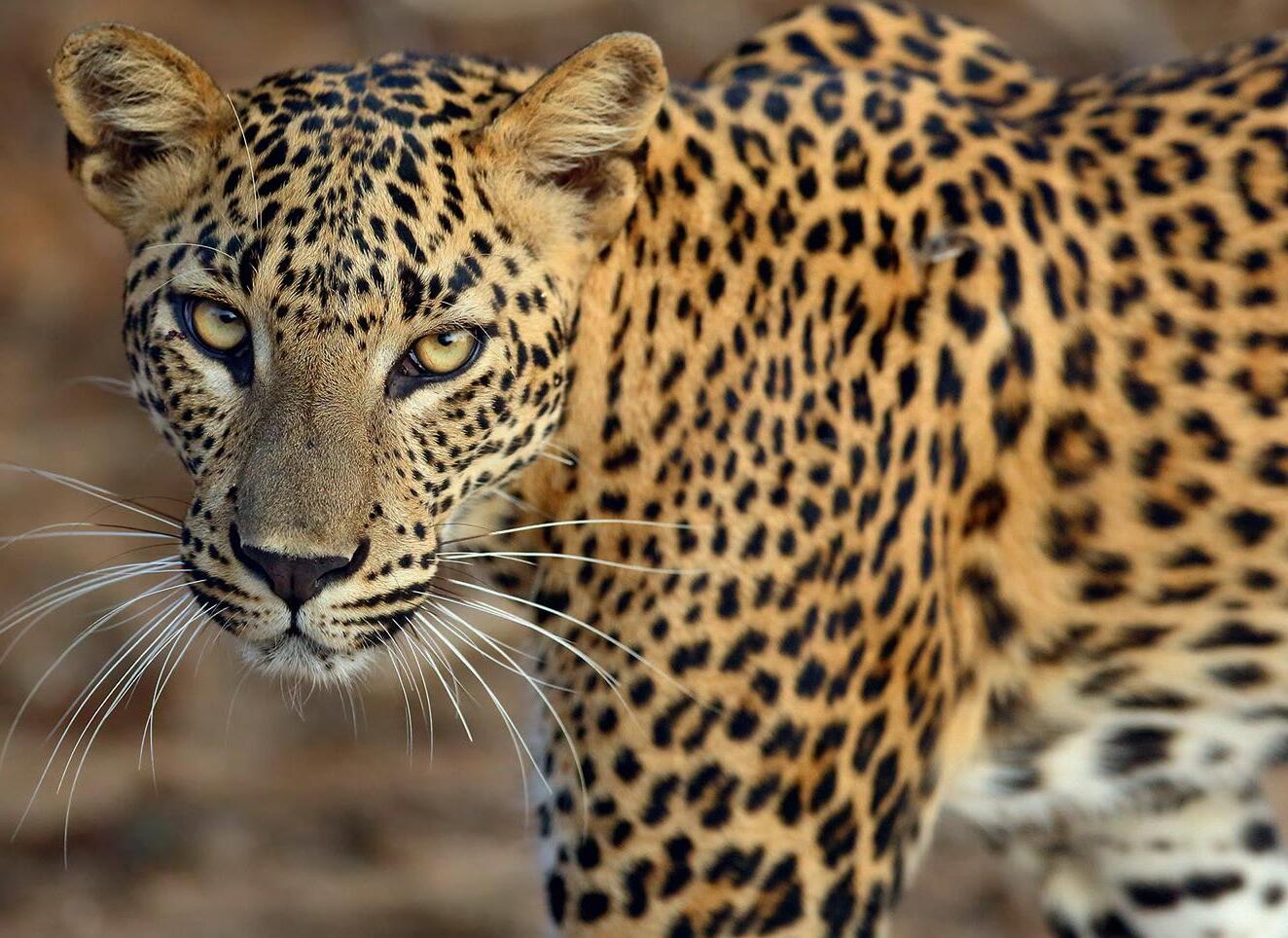
• Creatures: leopard, toad, hawk, lobster, dolphin
• Feelings: joy, sadness, love, anxiety, disgust, fear
• Qualities: creativity, intelligence, enthusiasm, loyalty
Nouns that name people
Write the name of the person who:
1. repairs cars
2. cares for people’s teeth
3. studies the stars
4. mends water pipes
5. rides race horses
6. looks after sheep
Nouns that name animals
7. flies an aeroplane
8. writes books
9. designs buildings
10. learns a trade
11. sells flowers
12. searches for new lands
Write the names of the animals that make each of the following sounds.
1. the quacking of a
2. the cooing of a
3. the barking of a
4. the neighing of a
5. the hooting of an
6. the grunting of a
7. the croaking of a
8. the gobbling of a
9. the purring of a
10. the braying of a
11. the trumpeting of an
12. the buzzing of a
Nouns that name places
Write the nouns for the places where:
1. experiments are conducted
2. fruit trees are grown
3. a dog is housed
4. pupils are educated
5. criminals are detained
6. books are kept
Nouns that name things
7. films are shown
8. fish are cared for
9. aeroplanes are kept
10. cars are kept
11. plays are performed
12. cows are milked
Complete each of these expressions by inserting the name of the missing object.
1. the radius of a
2. the flames of a
3. the mattress of a
4. the spokes of a
5. the rungs of a
Nouns that name qualities
6. the petals of a
7. the icing of a
8. the chapter of a
9. the summit of a
10. the yolk of an
Write the nouns that name these qualities. The first one has been done to help you.
1. A foolish man shows his
2. An honest politician values
3. A wise person speaks with
4. A lazy person displays
5. A determined student has
6. A famous actor has achieved
7. A weary traveller feels
8. A kind person shows
9. A curious student shows
10. An obedient dog shows
Types of nouns
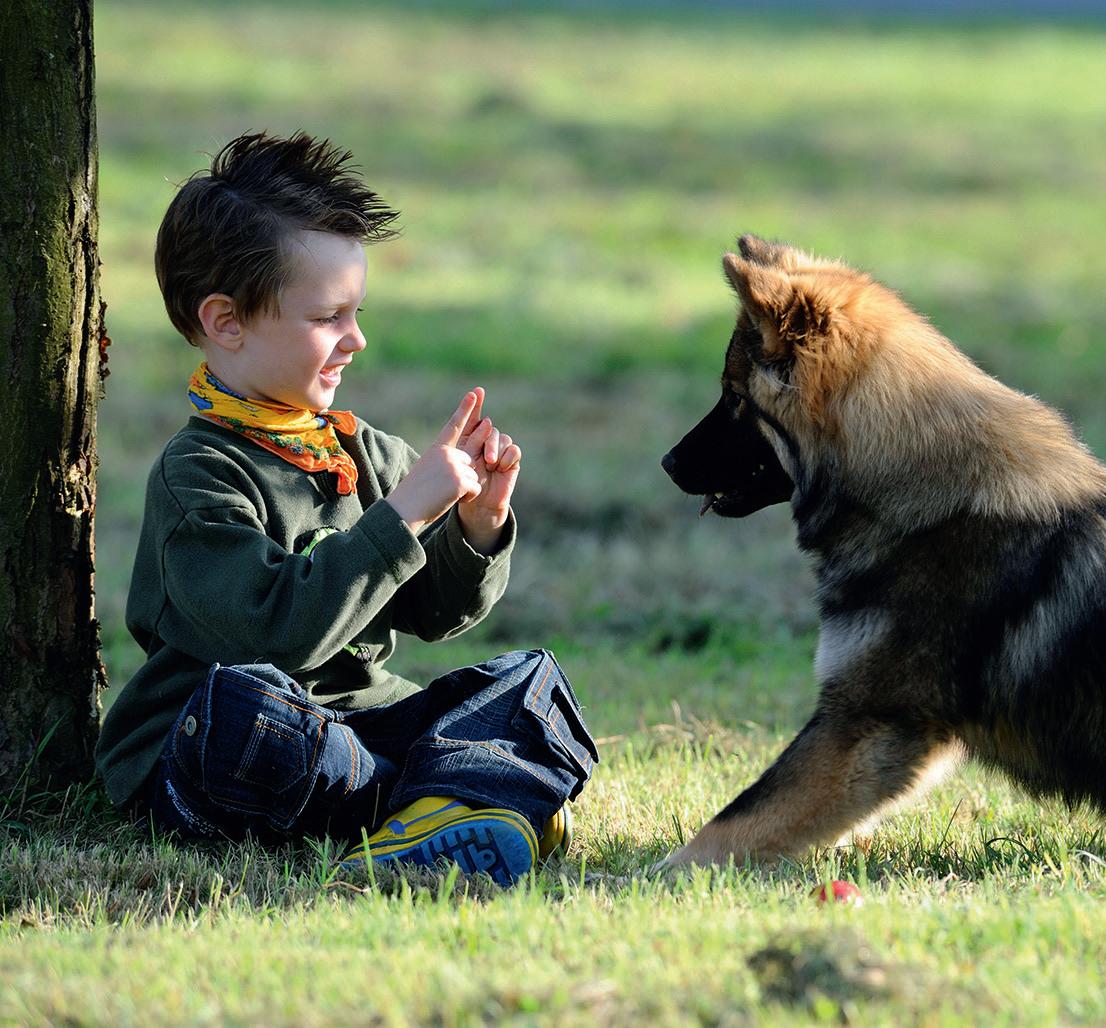
There are four types of nouns.
Common nouns
Most nouns are common nouns. A common noun names a person, place, animal, thing, emotion or quality. Common nouns do not begin with a capital letter unless they start a sentence.
girl train leopard book river orange day
Proper nouns
Proper nouns are used to name a specific person, place, thing or creature. They always begin with a capital letter.
Jacob France Tuesday Toyota Lassie Ava
Collective nouns
Collective nouns are used to name a collection or group of similar people, things or creatures.
flock of birds bouquet of flowers fleet of ships litter of puppies
Abstract nouns
Abstract nouns are used to name feelings, emotions, qualities or ideas. They are things you cannot see or touch.
beauty success love bravery sadness fear anger loyalty
Proper and common nouns match-up

Proper nouns always begin with a capital letter. Match the proper nouns in the box with the common nouns below.
London Saturn Coca-Cola Cleopatra Nile Apple Tesla Mozart Superman Vesuvius Shrek Emirates
1. city
2. composer
drink
car
computer
ogre
river
queen
airline
planet
mountain
hero
Collective nouns in action
Complete the phrases by choosing suitable collective nouns from the list. Use each collective noun once only.
galaxy fleet troupe choir school battalion plague staff team crew orchestra flock pack litter pride anthology bouquet forest hail library herd
1. a of trees
2. an of musicians
3. a of cricketers
4. an of poems
5. a of locusts
6. a of teachers
7. a of stars
8. a of bullets
9. a of singers
a of lions
10. a of wolves 11. a of flowers
Creating abstract nouns
a of sailors
a of soldiers
a of puppies
a of sheep
a of ships 18. a of acrobats 19. a of books 20. a of fish
Change the following words into abstract nouns. For example: free – freedom prosper – prosperity 1. admire 2. deceive
strong
angry
absent
cruel
sad
curious 9. proud
favourite
relieve
oppose 13. develop 14. attract 15. beautiful
friend
imagine 18. encourage 19. confuse
superior
satisfy 22. punctual
persuade
moral
just 26. know
hate
please 29. vain 30. various
Unit 3 Singular and plural nouns
A singular noun indicates one person, place or thing. For example:
boy girl child story thief
A plural noun stands for two or more people, places or things.
boys girls children stories thieves
Rules for forming plurals
1. Nouns form their plurals in a number of ways. The most common way is to simply add ‘-s’ to the singular form.
poet – poets dog – dogs
table – tables
2. For nouns whose singulars end in ‘s’, ‘sh’, ‘ch/tch’, ‘x’ or ‘ss’, the ending ‘-es’ has to be added to form the plural.
bus – buses clash – clashes match – matches fox – foxes class – classes
3. Nouns that end in ‘y’ preceded by a vowel (e.g. words ending with ‘ay’, ‘ey’ or ‘oy’) form their plurals by just adding an ‘-s’.
holiday – holidays donkey – donkeys boy – boys
4. Nouns that end with ‘y’ preceded by a consonant form their plurals by changing the ‘y’ into an ‘i’ and adding ‘-es’.
lady – ladies country – countries family – families puppy – puppies
5. Nouns that end with ‘f’ form their plural either by simply adding ‘-s’ or by changing the ‘f’ into ‘v’ and then adding ‘-es’.
roof – roofs chief – chiefs calf – calves wife – wives
6. Words ending with ‘o’ form their plurals by adding ‘-es’, ‘-s’ or sometimes either.
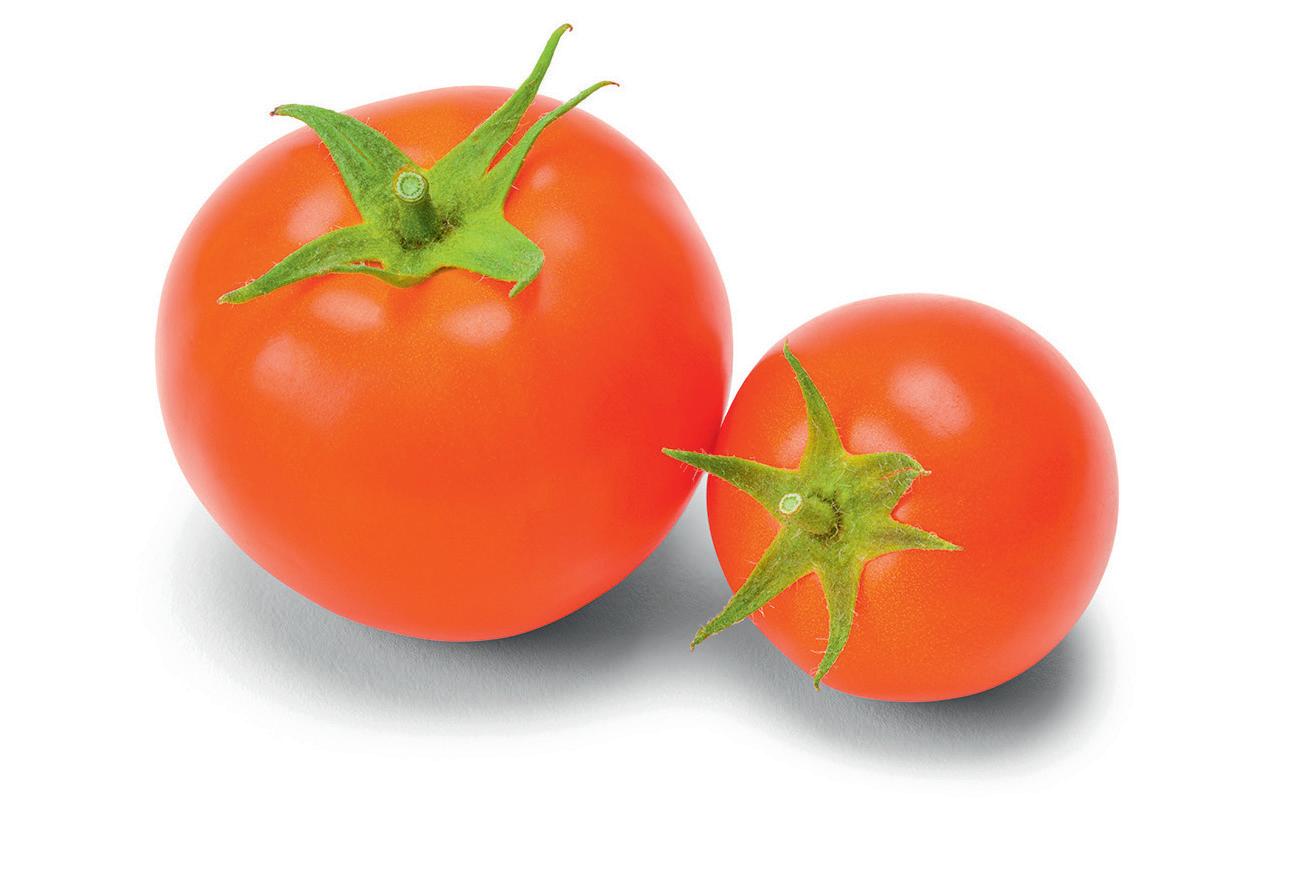
tomato – tomatoes kilo – kilos volcano – volcanoes/volcanos
7. Some nouns have the same form for the plural as for the singular.
deer – deer sheep – sheep salmon – salmon aircraft – aircraft
8. Some nouns have peculiar plurals that you’ll just have to learn as you meet them.
foot – feet
woman – women
opus – opera
mouse – mice radius – radii child – children
man – men tooth – teeth stimulus – stimuli
bacterium – bacteria crisis – crises quiz – quizzes
Forming plurals
Form the plurals of these nouns.
1. brush
2. valley
3. diary
4. piano
5. child
6. party
7. echo
8. domino
Forming singulars
9. library
10. chief
11. supply
12. leaf
13. tomato
14. paper
15. bus
16. bicycle
Write down the singular form of these plural nouns.
1. geese
2. women
3. cargoes
4. cities
5. potatoes
6. princesses
7. mice
8. babies
9. sheep
10. loaves
11. dresses
12. tragedies
13. journeys
14. teeth
15. peaches
16. pianos
17. thief
18. difficulty
19. country
20. woman
21. monkey
22. church
23. jockey
24. wolf
17. oxen
18. oases
19. foxes
20. volcanoes
21. dictionaries
22. studios
23. curricula
24. stimuli
Unit 4
What are adjectives?
Adjectives are words that add meaning to nouns. They describe people, places, things, creatures and feelings. Their main purpose is to give the audience a more graphic picture of nouns. This is shown in the following examples.
• size: huge boulders
• colour: a pink carnation
• number: three hours
• taste: an appetising dessert
• place: a sandy beach
• origin: a Spanish galleon
• appearance: pointed ears
• shape: a wide road
• sound: jingling coins
• direction: a westerly wind
• emotion: angry words
• touch: cold steel
Identifying adjectives

Identify all the adjectives in the following sentences.
1. The pop star was driving a flash, new car.
2. Among the bright coral swam little fish with quivering tails.
3. The dilapidated castle appeared eerie and menacing in the mist.
4. A cruel and evil witch lived in the enchanted forest.
5. In the haunted house, ghostly figures vanished into thin air.
6. After an arduous journey, the two exhausted explorers reached civilisation.
7. A dozen porpoises, skimming through the waves, chased the old ferry across the harbour.
Forming adjectives from the names of countries
Change into adjectives the name of the countries in brackets. The first one has been done to help you.
1. curry (India)
2. choir (Wales)
3. flags (Tibet)
4. cars (Japan)
Forming adjectives
5. cuisine (France)
6. beer (Germany)
7. silk (China)
8. soldiers (America) 9. music (Cuba) 10. butter (Denmark) 11. monarch (England) 12. guitars (Spain)
Form adjectives from the words in brackets to complete the phrases below. The first one has been done to help you.
1. a chair (comfort)
2. a fire (destroy)
3. an athlete (energy)
4. an moment (anxiety)
5. a army (victory)
6. an car (expense)
7. a rescuer (courage)
8. a sunset (gold)
Matching up adjectives and nouns
a decision (disaster)
flower (beauty)
saw (circle)
a decision (fortune)
a eruption (volcano)
a child (mischief)
a parent (pride)
a parrot (talk)
Choose the most suitable adjective from the list for each noun below. Use each adjective once only. sandy sparkling delicious fatal woollen poisonous meowing torrential villainous sharp stationary screeching
1. a meal
2. a coat
3. a pirate 4. a snake 5. a knife
Unit 5 Comparison of adjectives
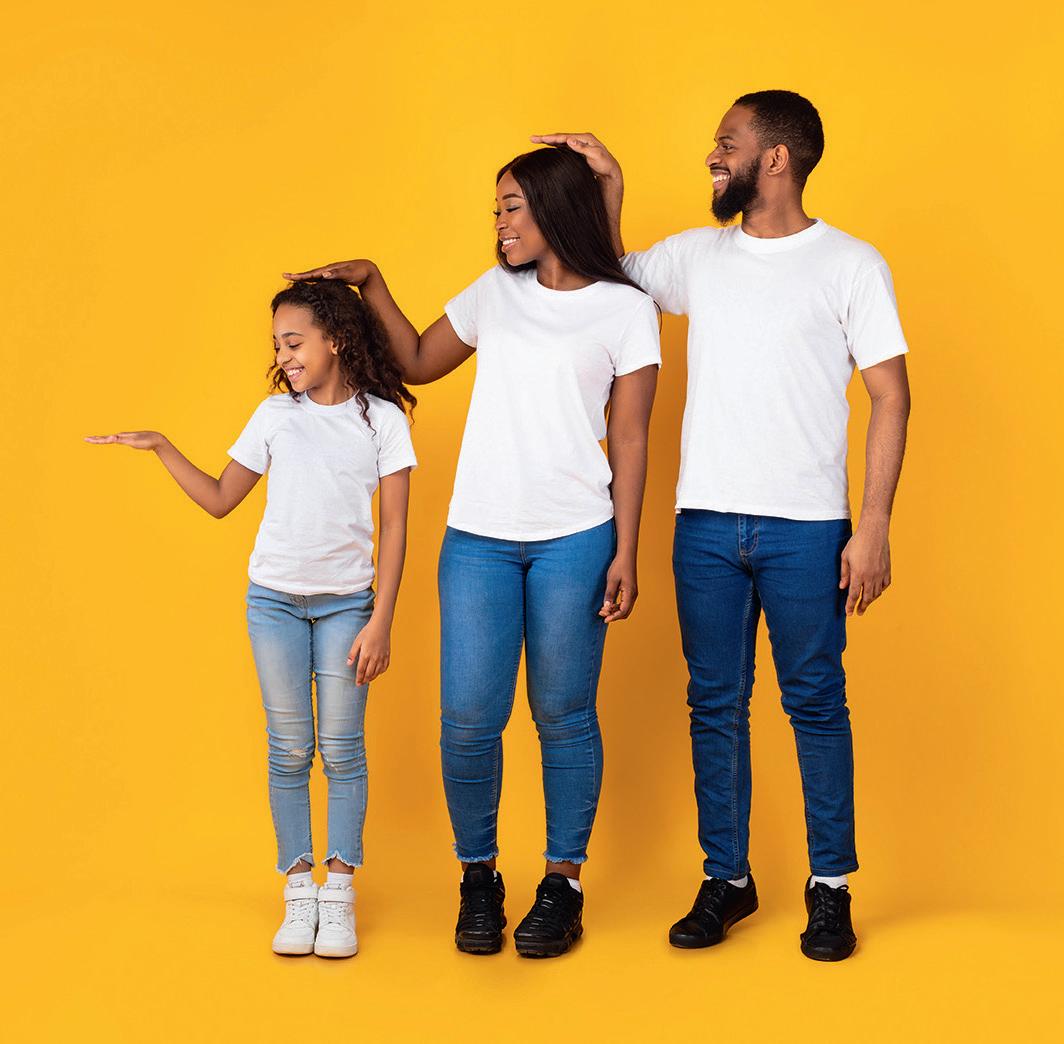
Look at these three sentences:
Andrew is tall.
Andrew is taller than Ali.
Andrew is the tallest boy in the class.
The first sentence is a simple statement about one person. The second sentence makes a comparison between two people. The third sentence compares more than two people.
Thus, adjectives have three degrees of comparison:
• positive (one) tall
• comparative (two) taller
• superlative (more than two) tallest
Rules for forming comparatives and superlatives
1. The comparative is formed by adding ‘er’ or ‘r’.
2. The superlative is formed by adding ‘est’ or ‘st’.
old – older – oldest late – later – latest
great – greater – greatest large – larger – largest
3. When the positive form ends with ‘y’ preceded by a consonant, the ‘y’ is changed to ‘i’ before adding ‘er’ or ‘est’.
angry – angrier – angriest lonely – lonelier – loneliest
4. When the positive form has only one syllable, and that syllable ends with a consonant preceded by a singular vowel, the consonant is doubled before the ‘er’ or ‘est’ is added.
sad – sadder – saddest slim – slimmer – slimmest
5. When adjectives have more than two syllables, their comparative and superlative degrees are usually formed by the addition of the words ‘more’ or ‘most’.
dangerous – more dangerous – most dangerous comfortable – more comfortable – most comfortable
Some adjectives do not follow these rules. You should learn the exceptions shown in the following table.
Positive Comparative Superlative good better best many more most little less least bad worse worst much more most
Table of comparisons
Complete the following table. The first row has been done to help you.
Positive Comparative Superlative sweet sweeter sweetest easy beautiful good pretty efficient bad noisy thin cautious angry
Completing the comparisons
Correctly insert the positive, comparative or superlative forms of each of the missing adjectives.
1. Big is to as is to smaller.
2. is to funniest as happier is to .
3. Good is to as is to worse.
4. Rich is to as is to poorer.
5. is to sweet as most sour is to .
6. Faster is to as is to slowest.
7. is to easiest as lucky is to .
8. is to drier as wet is to .
Unit 6
What are verbs?
Verbs express action. They are doing, being, feeling and having words. Verbs can tell us what is happening or what has happened. Every sentence must contain at least one verb. A verb can be just one word or it can be a number of words (a compound verb). Here are some of the types of verbs you regularly encounter:
• Action verbs: run, jump, eat, build, dance, arrive, swim, study Liam is working. They enjoy movies. We have returned.
• Saying verbs: speak, announce, scream, laugh, cry, argue, moan, cheer
We cheered. Emma is whispering. I will announce the winner.
• Thinking and feeling verbs: believe, wonder, imagine, suffer, love, remember Noah knew the answer. I was thinking. We all had agreed.
• Being and having verbs: am, is, are, was, be, being, been, has, had, have
I am a student. Mia has the books. You are late.
Verbs are very important in sentences. Look at the verbs the author Mary Shelley has used to create action in this scene in her novel Frankenstein. They are shown in heavy type.
Frankenstein’s monster
I looked at the wretch. The monster I had created glared back at me. His jaws opened Vague sounds came forth. He lifted a withered hand. Horrified, I rushed away. Now I am trembling downstairs.
from Frankenstein by Mary Shelley
Identifying verbs
Write the verbs from each of the following sentences. The first one has been done to help you.
1. The iPhone that I purchased online has arrived.
2. The travellers believed that they would reach their destination before nightfall.
3. It was raining so heavily that the golfers decided that they should abandon their game.
4. Many students are arriving late to school because their buses were delayed by heavy traffic. purchased, has arrived
5. After a series of victories in Britain, Julius Caesar said, ‘I came, I saw, I conquered’.
6. When it was launched, the rocket soared through space towards the moon.
7. The river overflowed its banks and most of the townspeople were evacuated.
8. Before the storm came, the lightning flashed and the thunder rumbled loudly.
9. In the farmyard, the hens were cackling and the chickens were cheeping.
10. The two kookaburras laughed loudly while they perched in the old gum tree.
11. It was snowing as the mountaineers reached the summit.
Forming verbs
Change the words in brackets to form past tense verbs to complete these sentences. The first one has been done to help you.
1. Our maths teacher the equation. (simple)
2. The council to widen the old road. (decision)
3. The engineers the bridge with steel girders. (strong)
4. A gas container during the fire. (explosion)
5. The students a very interesting novel to read. (choice)
6. The farmer the fields. (fertile)
7. The carpenter his tools. (sharp)
8. The poet the beautiful scene. (description)
9. The politician to a noisy audience. (speech)
10. The pupils for their exam. (study)
11. The economist the rising rate of inflation. (criticism) simplified

12. The guests to leave the hotel. (decision)
13. The builders the playground during the holidays. (large)
14. The new lights up the classroom. (bright)
15. The suspect he had not committed the crime. (proof)
Using better verbs
In your writing, try to use the best verbs you can. From the list below, select a better verb to replace ‘walk’, ‘walks’ or ‘walked’ in each of the following sentences and write it in the space provided. The first letter has been given to help you.
trudges limps shuffled strides waddle prowled plod paces toddled march
1. The lion walked through the forest. It p .
2. The ducks walk down to the pond. They w .
3. The horses walk slowly uphill. They p .
4. The tiger walks to and fro in its cage. It p .
5. The weary labourer walks home. He t .
6. The soldiers walk in time to the band. They m
7. The baby walked to its mother. She t .
8. The principal walks up to the microphone. She s .
9. The injured runner walks from the field. She l .
10. The old man walked around in slippers. He s
Unit 7 Verbs tell time
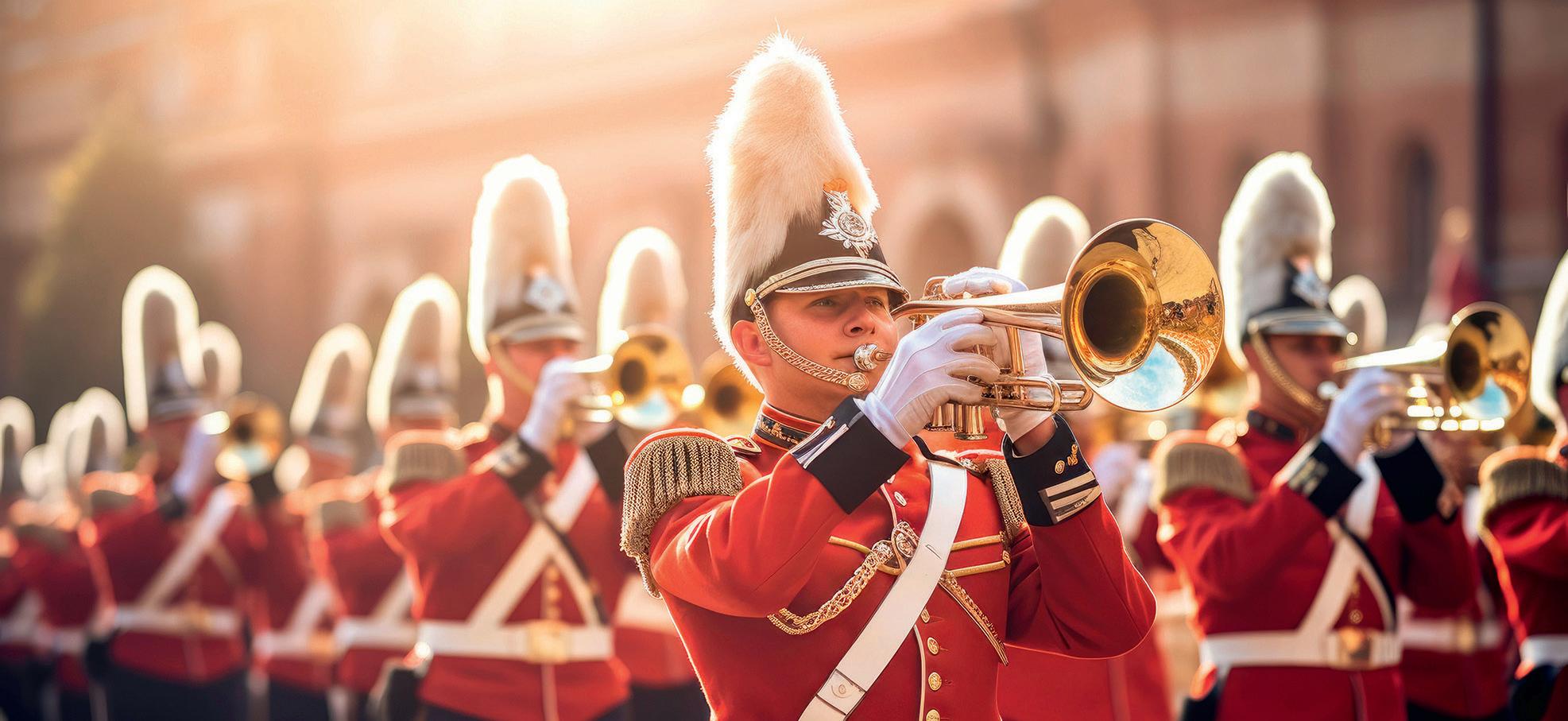
Verbs not only create the action in a sentence, they also tell the time when the action occurred. This is known as the ‘tense’ of a verb. Look at the following sentences that show how verbs are used to indicate time.
• Present tense The lesson begins. The teacher is speaking. The students are listening.
• Future tense The whales will surface soon. The tourists will be taking photos.
• Past tense The runner crossed the line. She had won. The crowd was cheering.
There are three tenses a verb can have. They can be present, future or past tense.
• Present tense I talk. I am talking.
• Future tense I will/shall talk. I will/shall be talking.
• Past tense I talked. I have talked. I have been talking. I was talking. I had talked. I had been talking.
Choosing the correct tense
Select verbs from the box to complete each of the following sentences. The tense indicated in the brackets at the end of each sentence will help to guide you. will screen raced am learning is being adopted predicts landed are watching will be replaced attended will arrive was speeding will be sailing
1. At the moment, I Japanese. (present tense)
2. The bushfire towards the old house. (past tense)
3. The weather forecast rain for tomorrow. (present tense)
4. A large number of young people the concert yesterday. (past tense)
5. The stray dog by our neighbour. (present tense)
6. Their old car soon. (future tense)
7. The ambulance towards the hospital. (past tense)
8. Tomorrow their relatives from overseas. (future tense)
9. We a documentary about scientific discoveries. (present tense)
10. Humans first on the moon in 1969. (past tense)
11. Next week, cinemas a new Star Wars movie. (future tense)
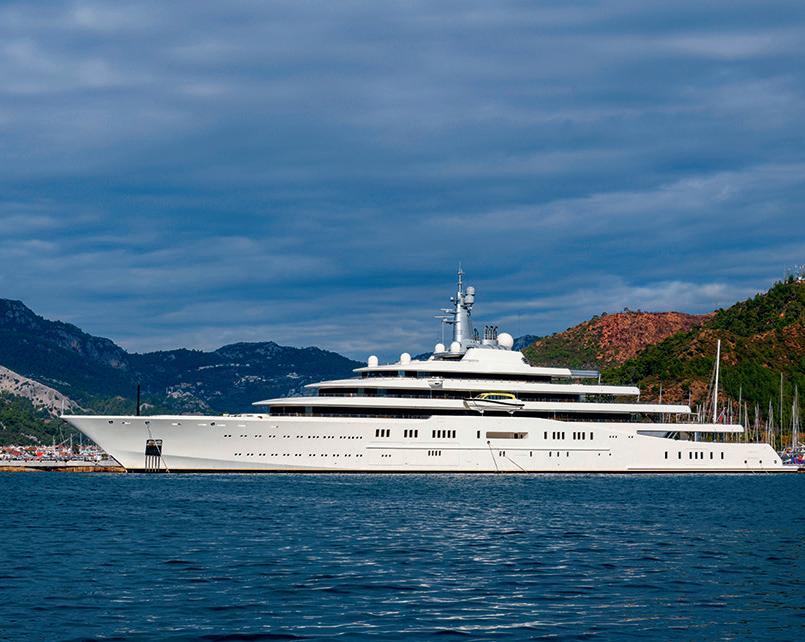
12. The new super yacht into the harbour tomorrow. (future tense)