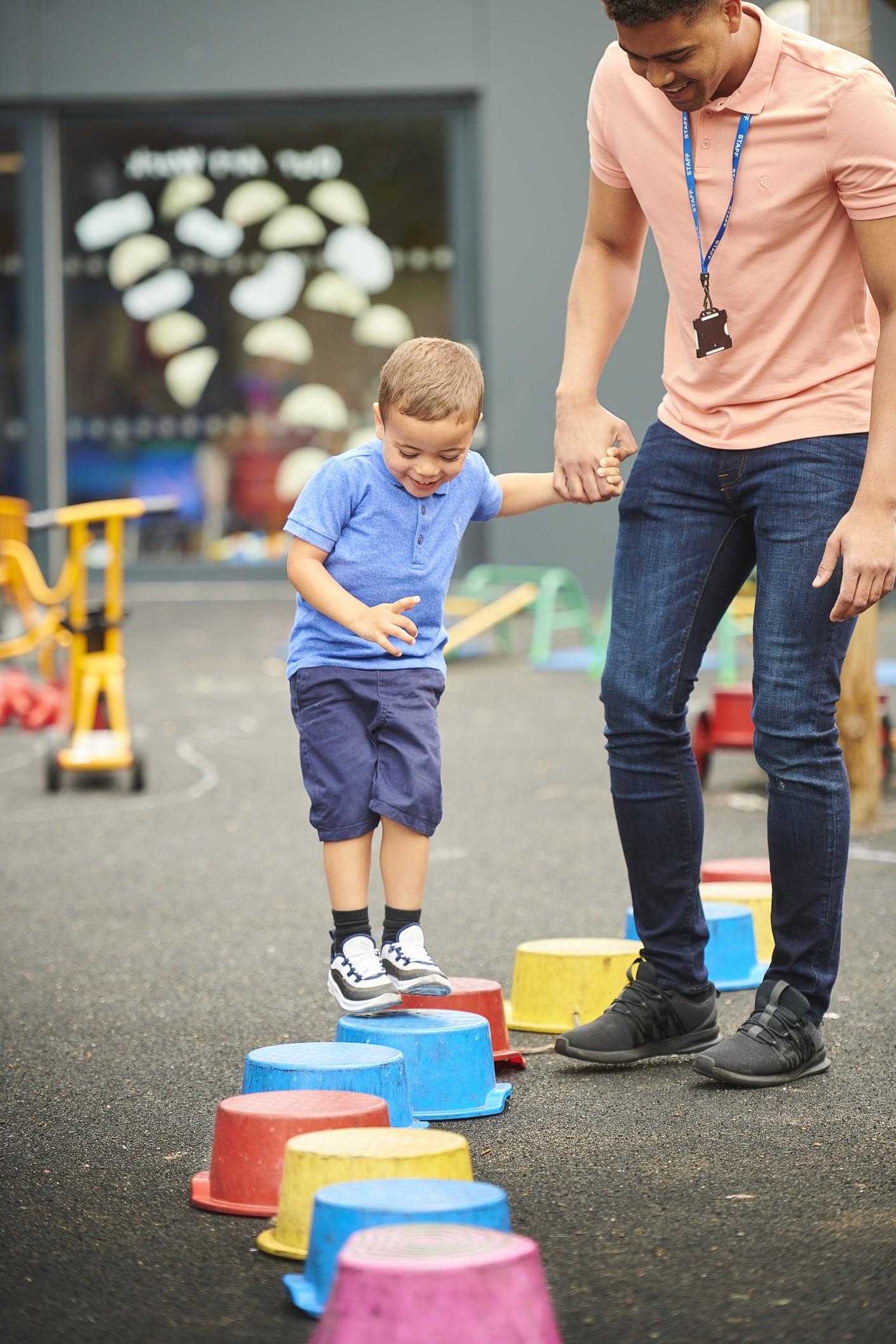
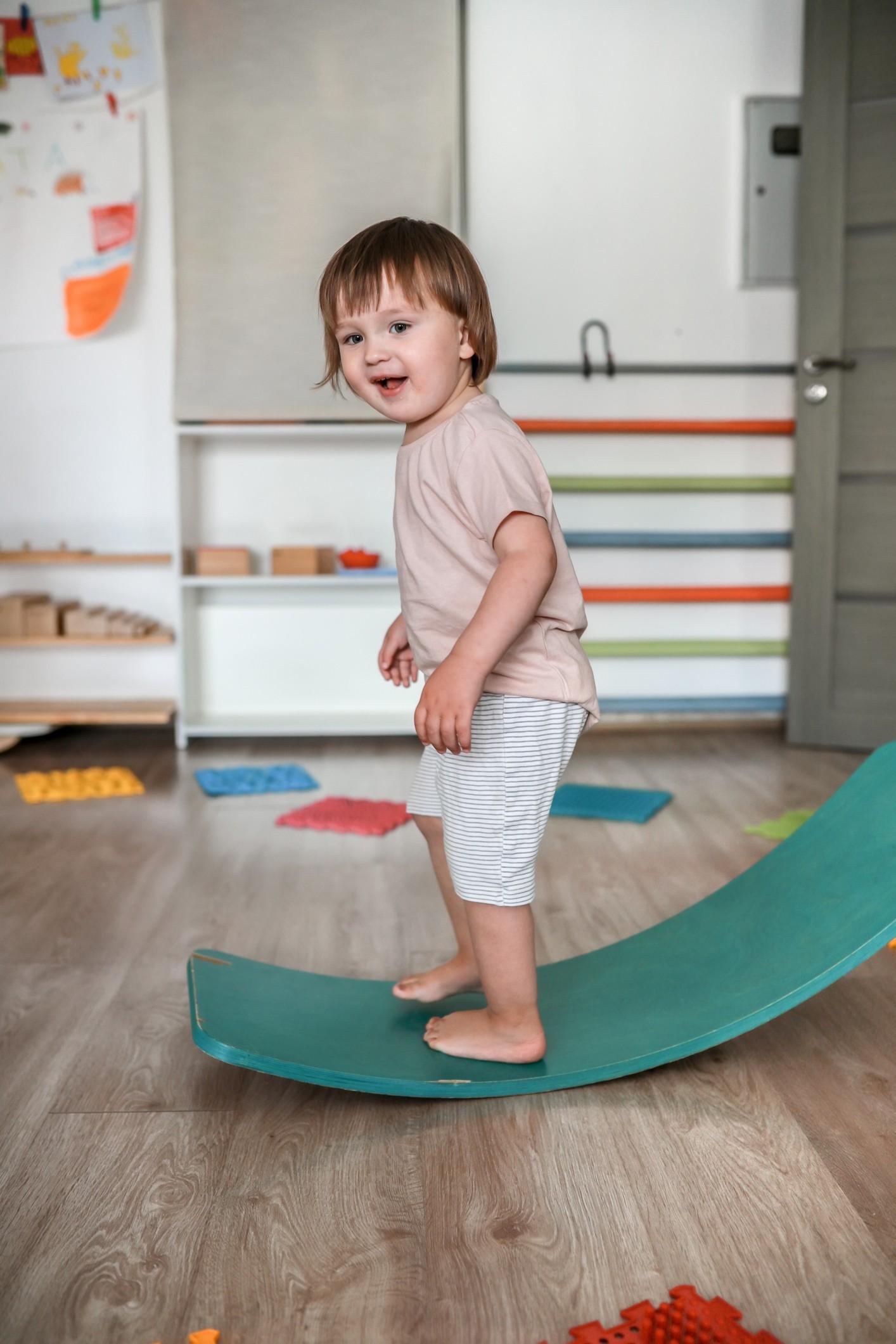
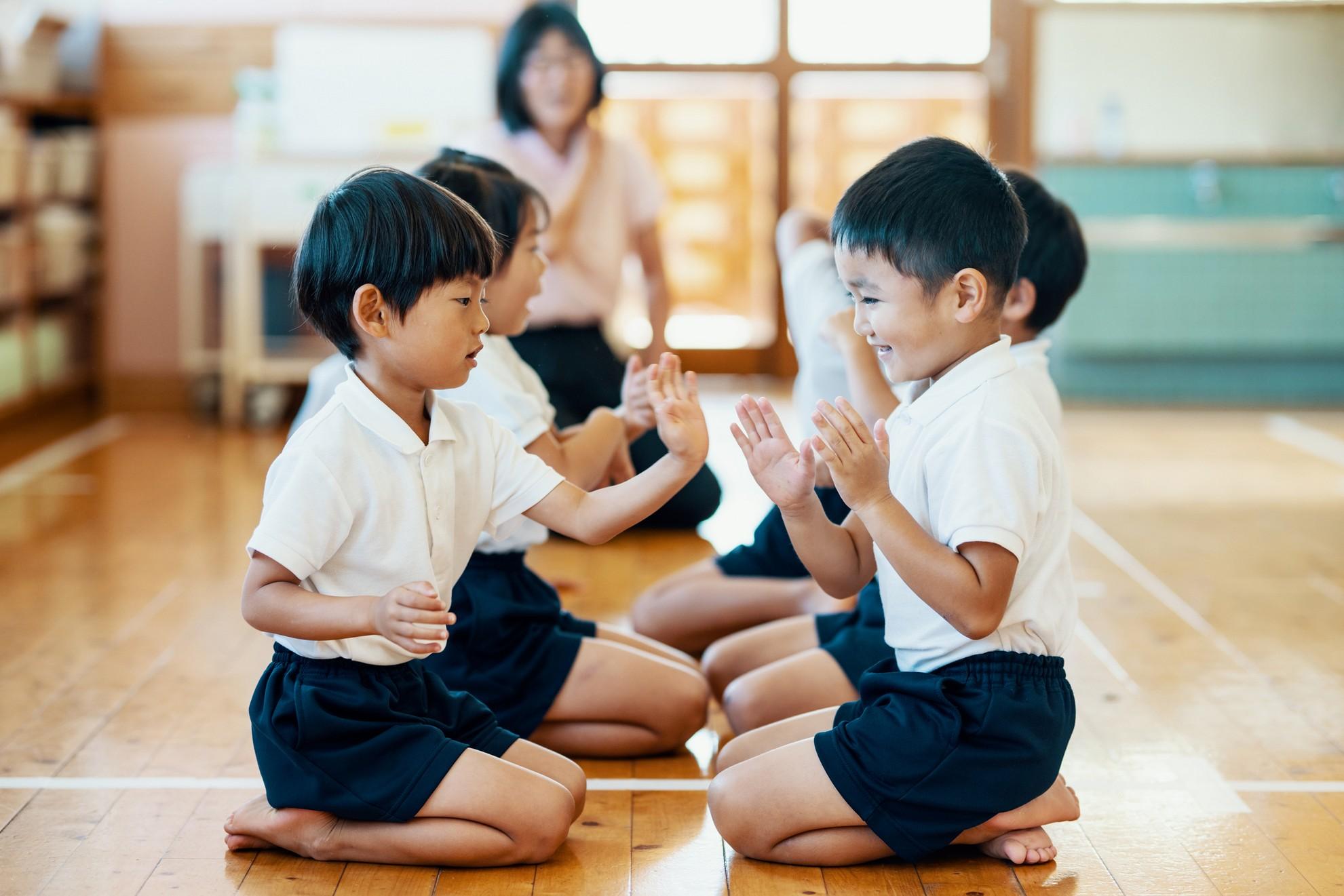
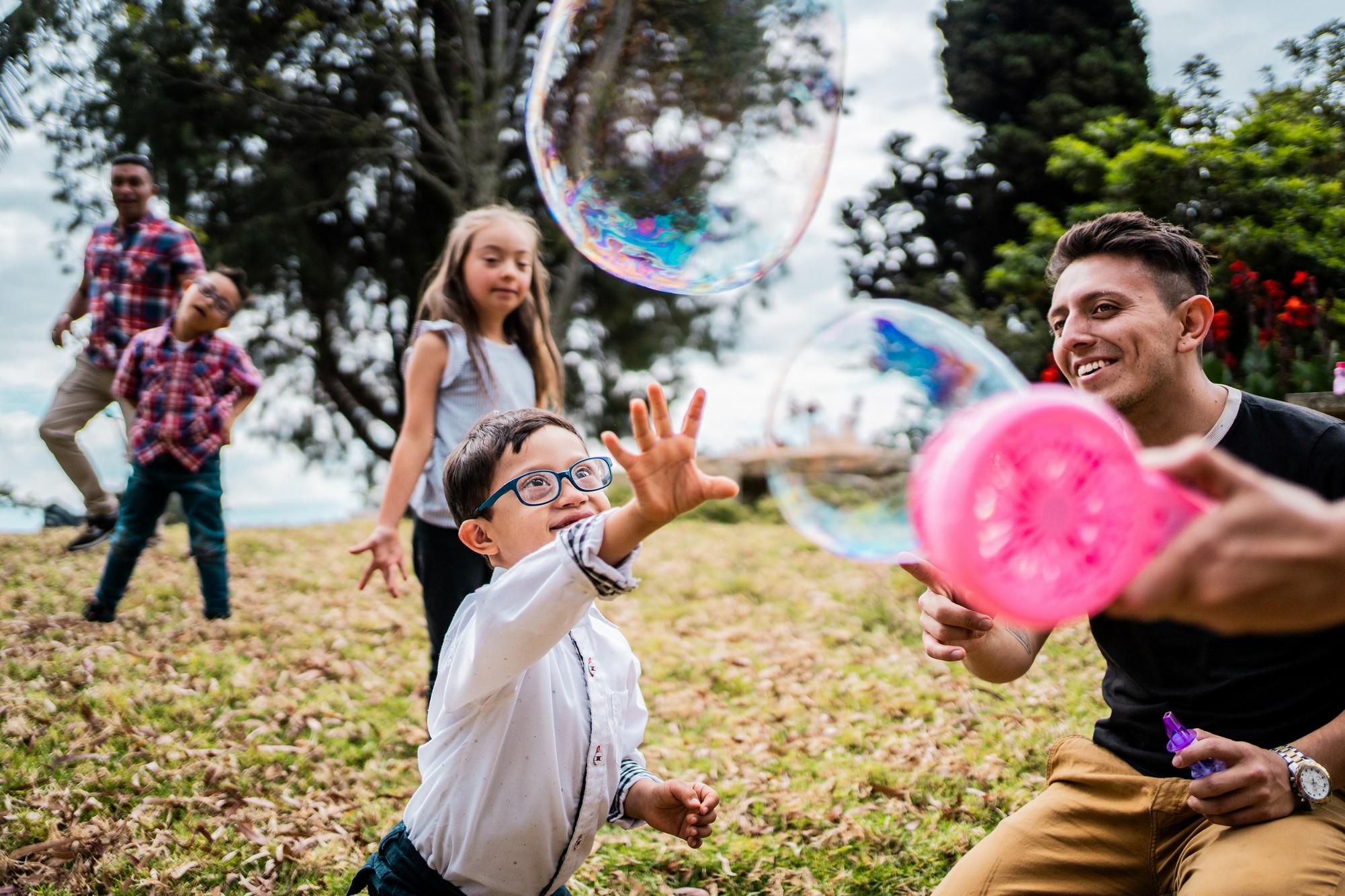
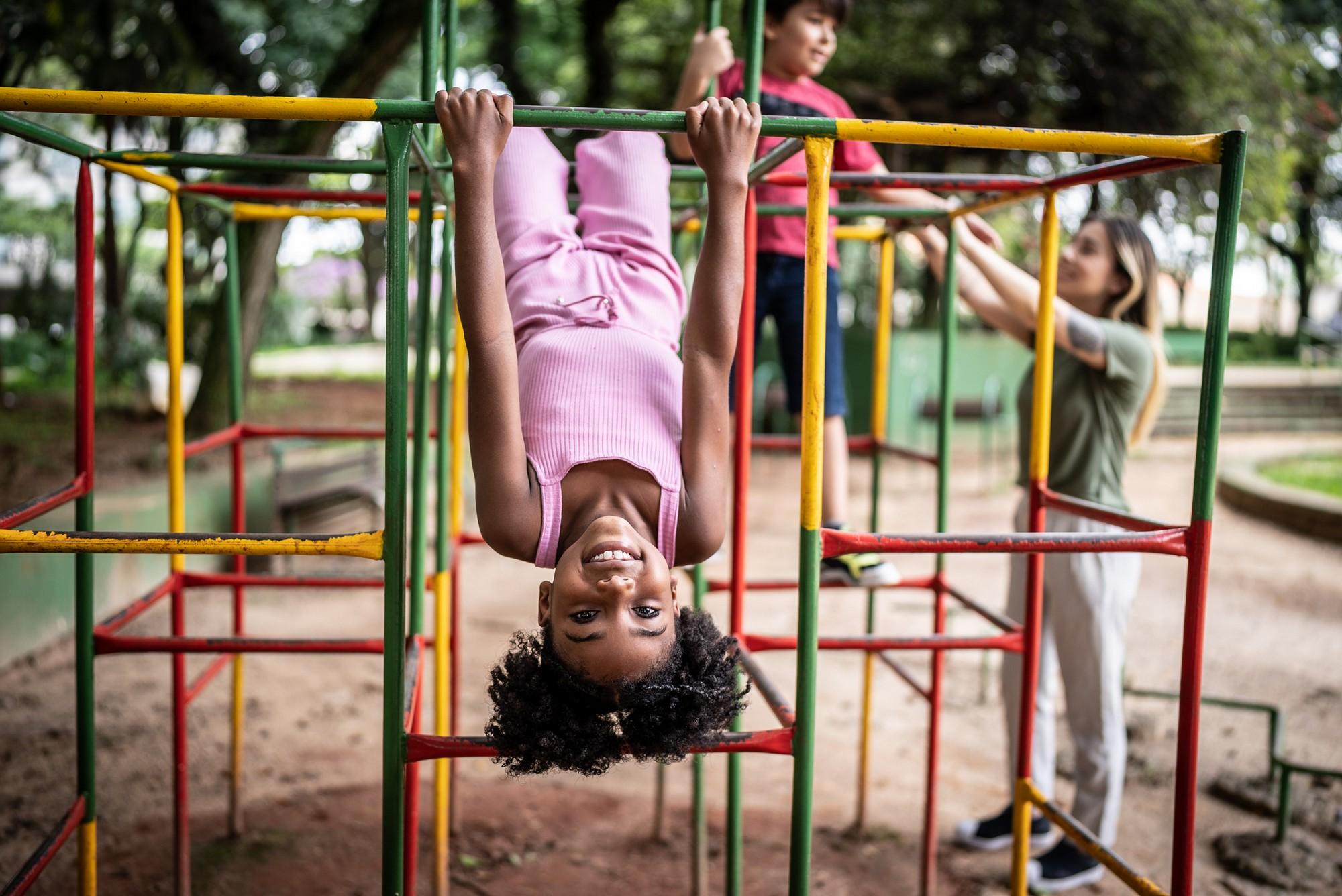
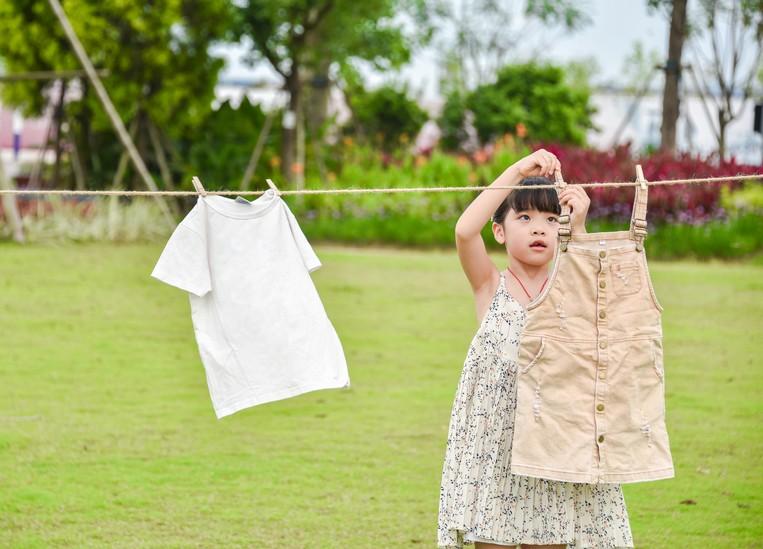
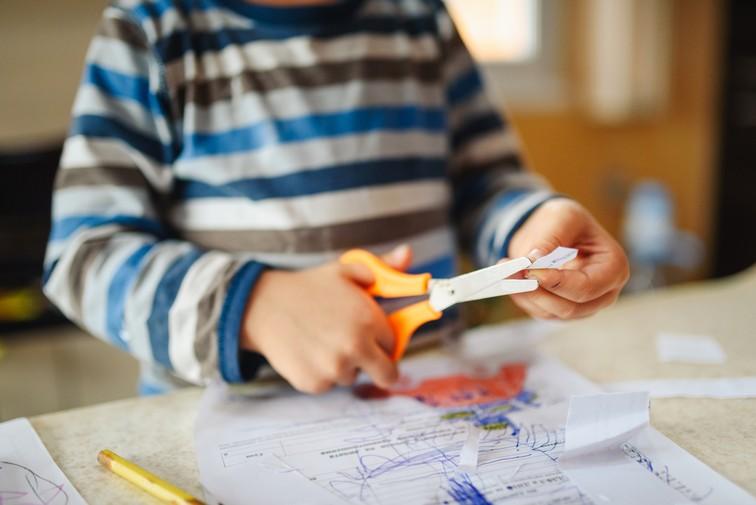
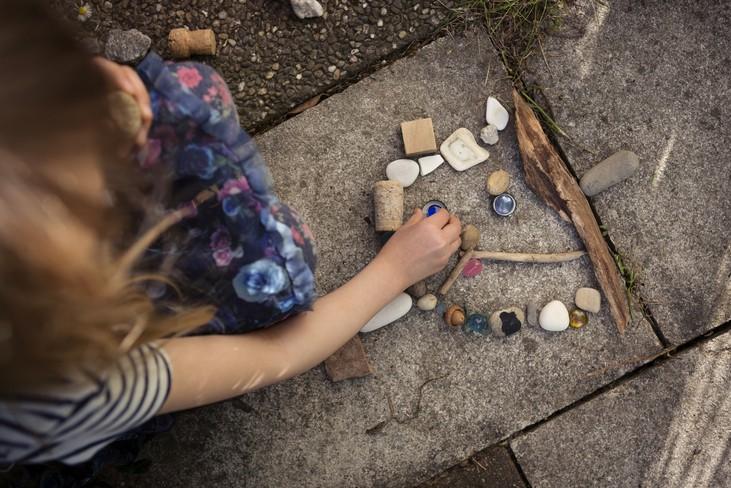
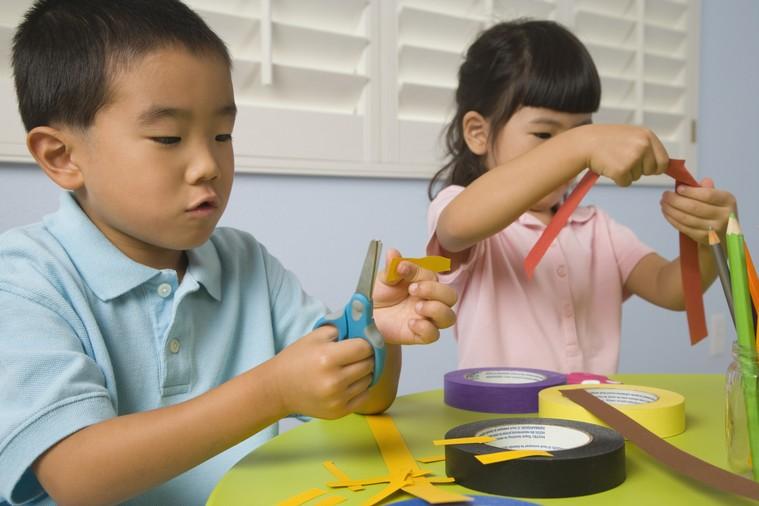
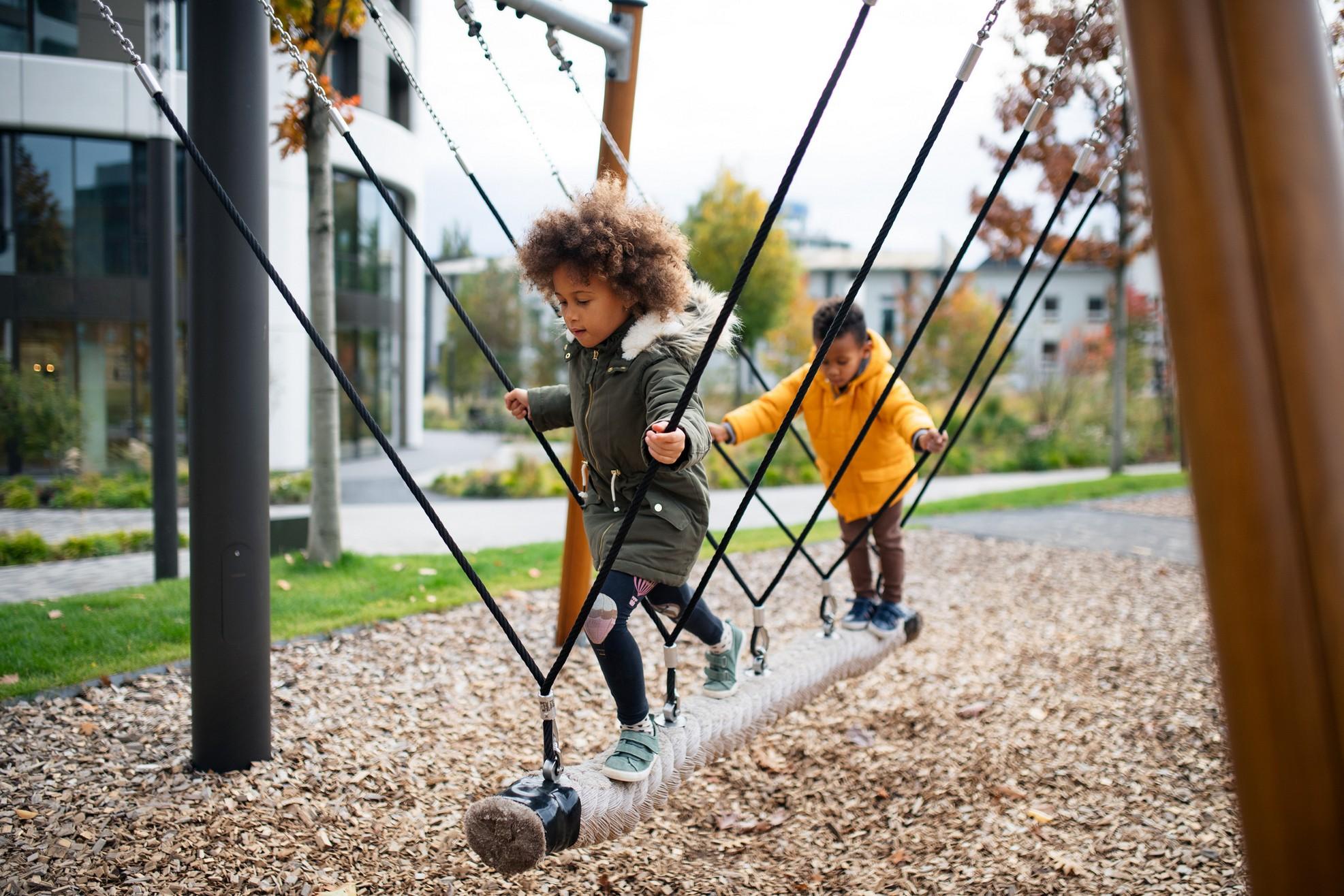
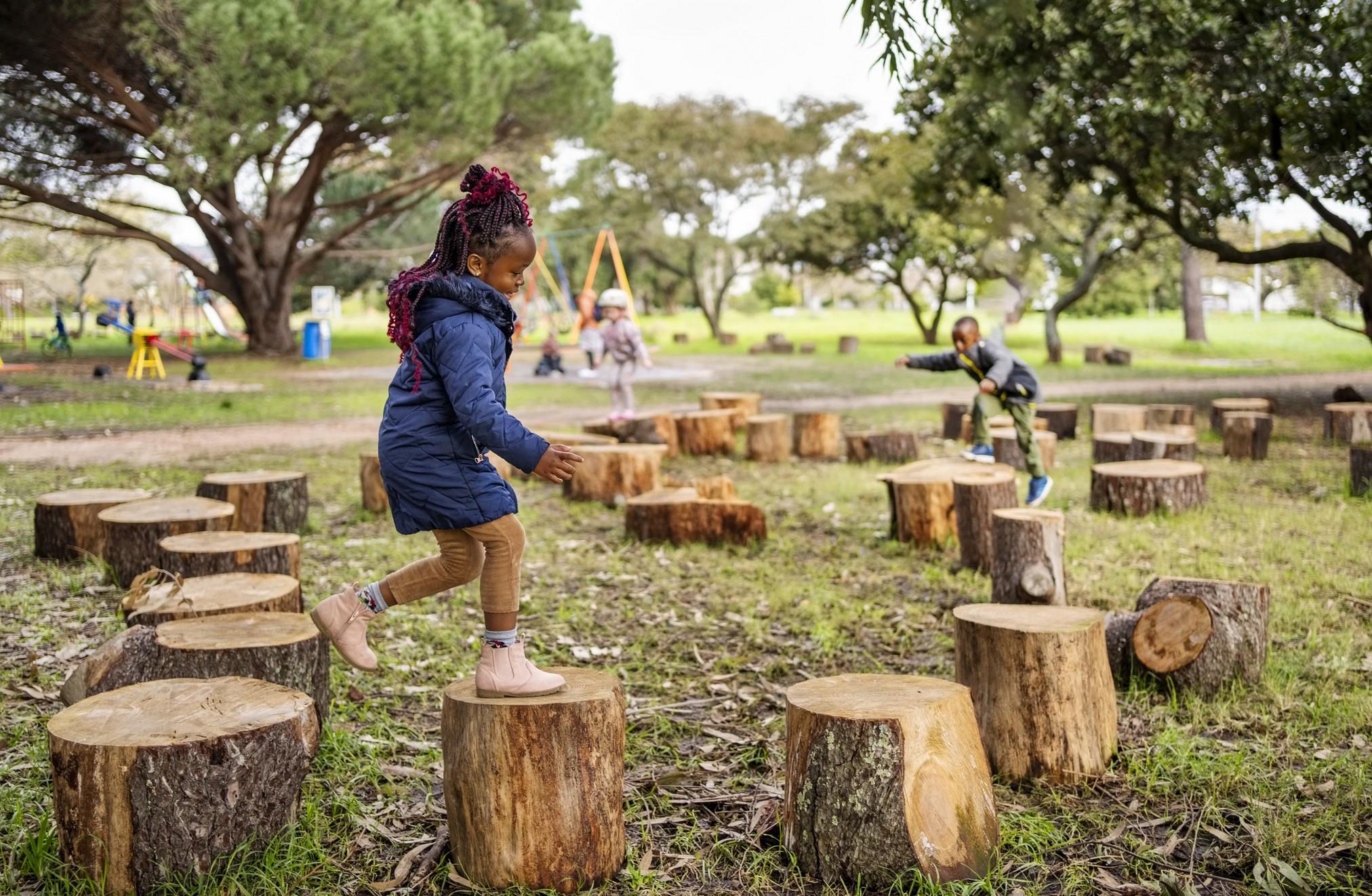
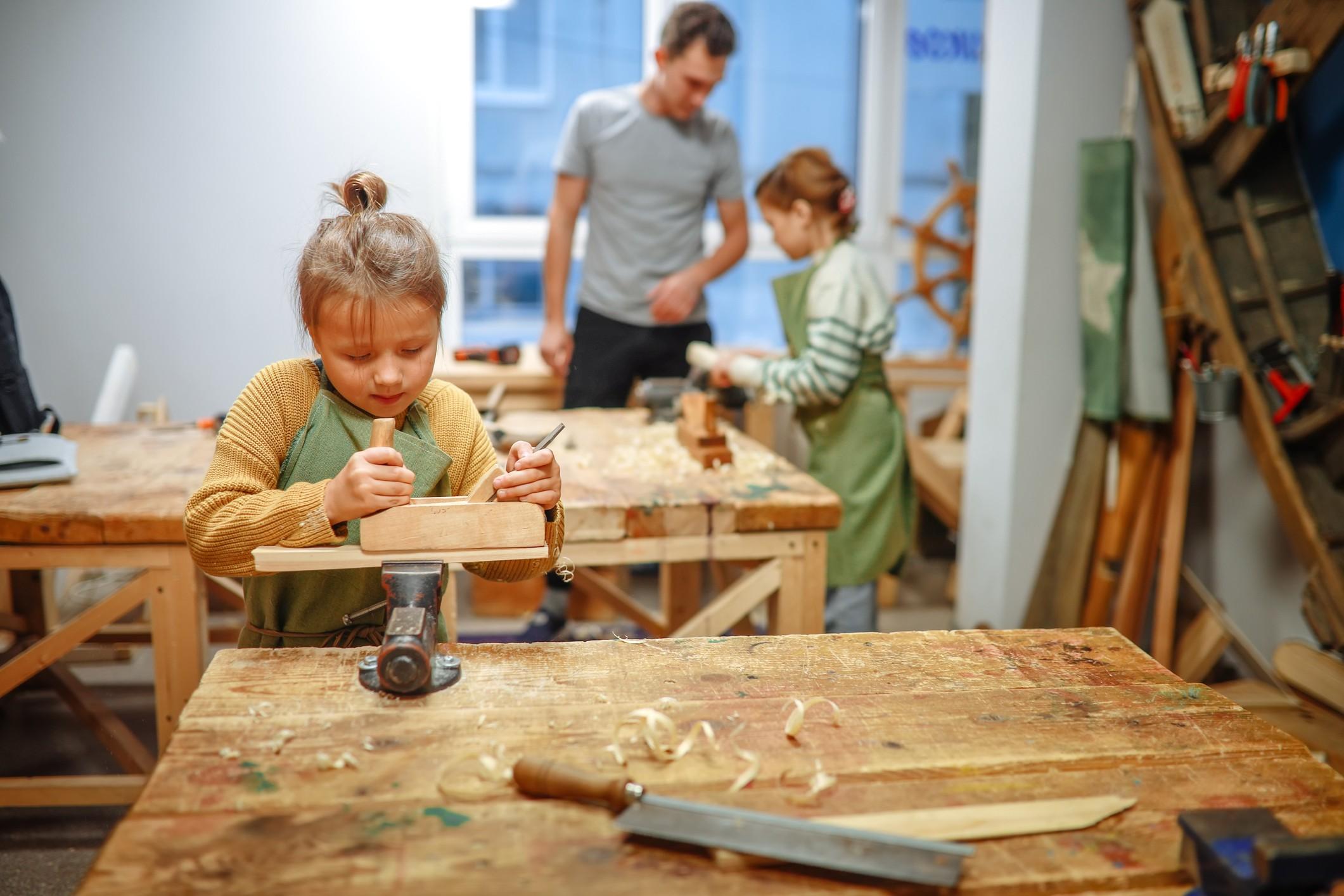
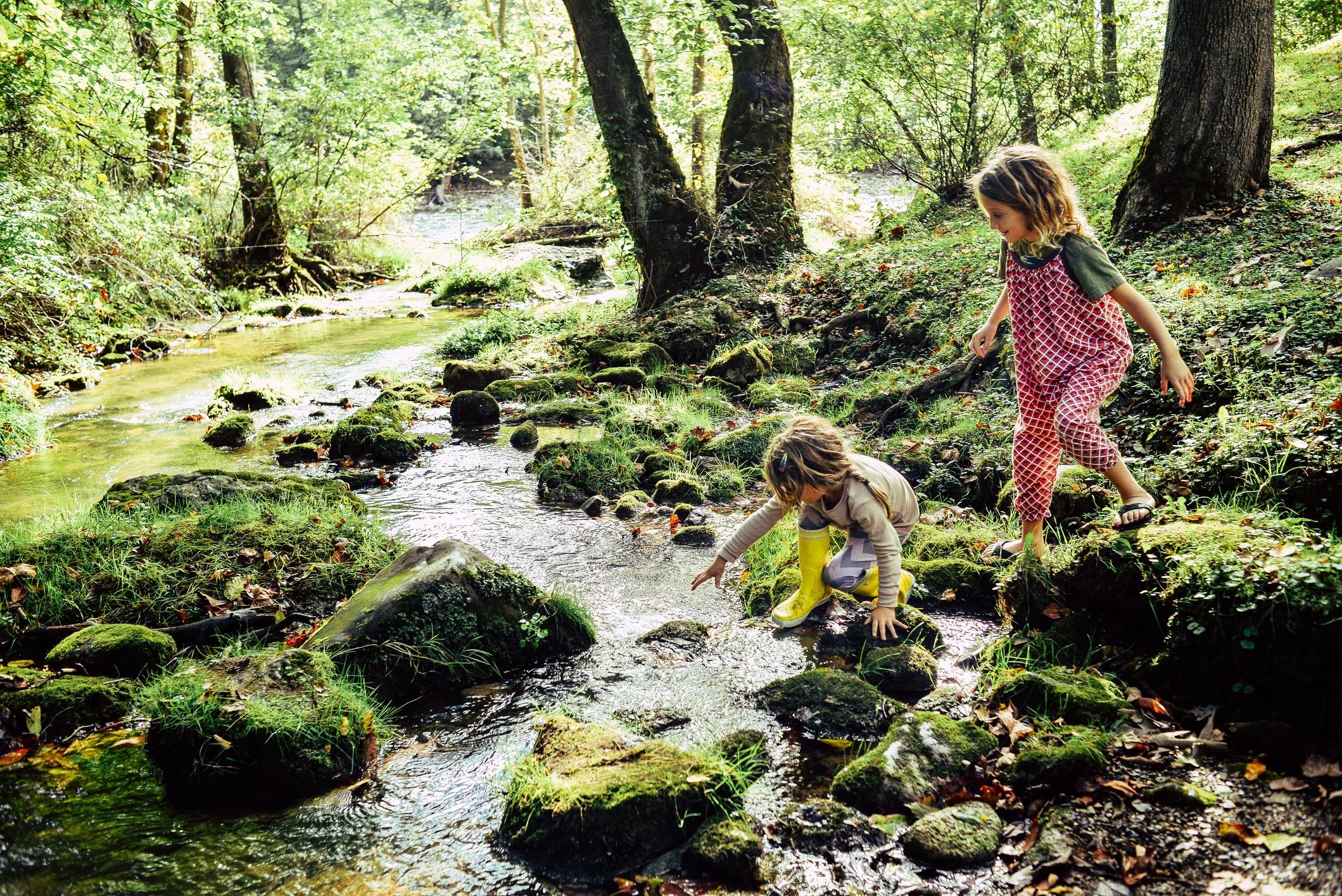
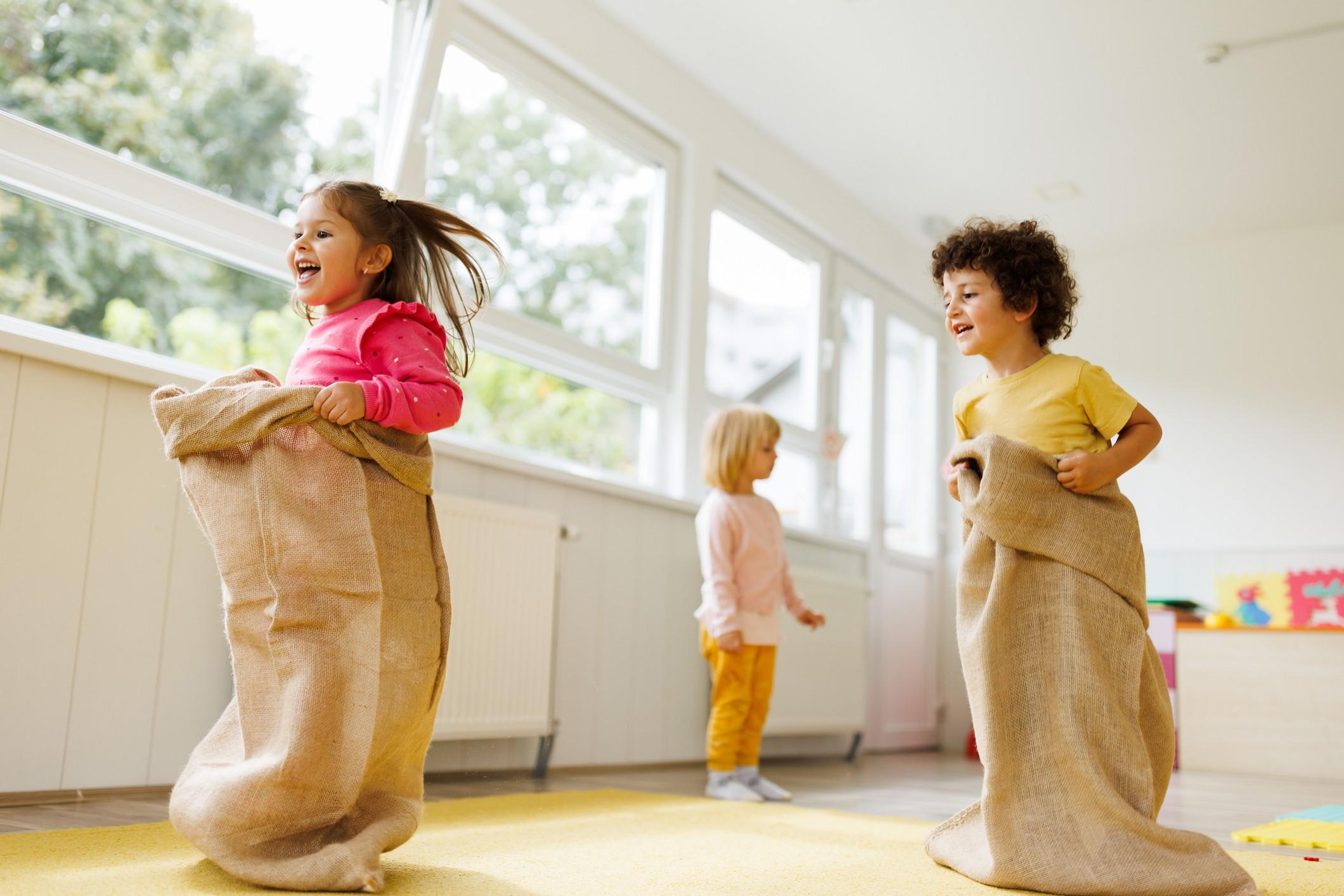
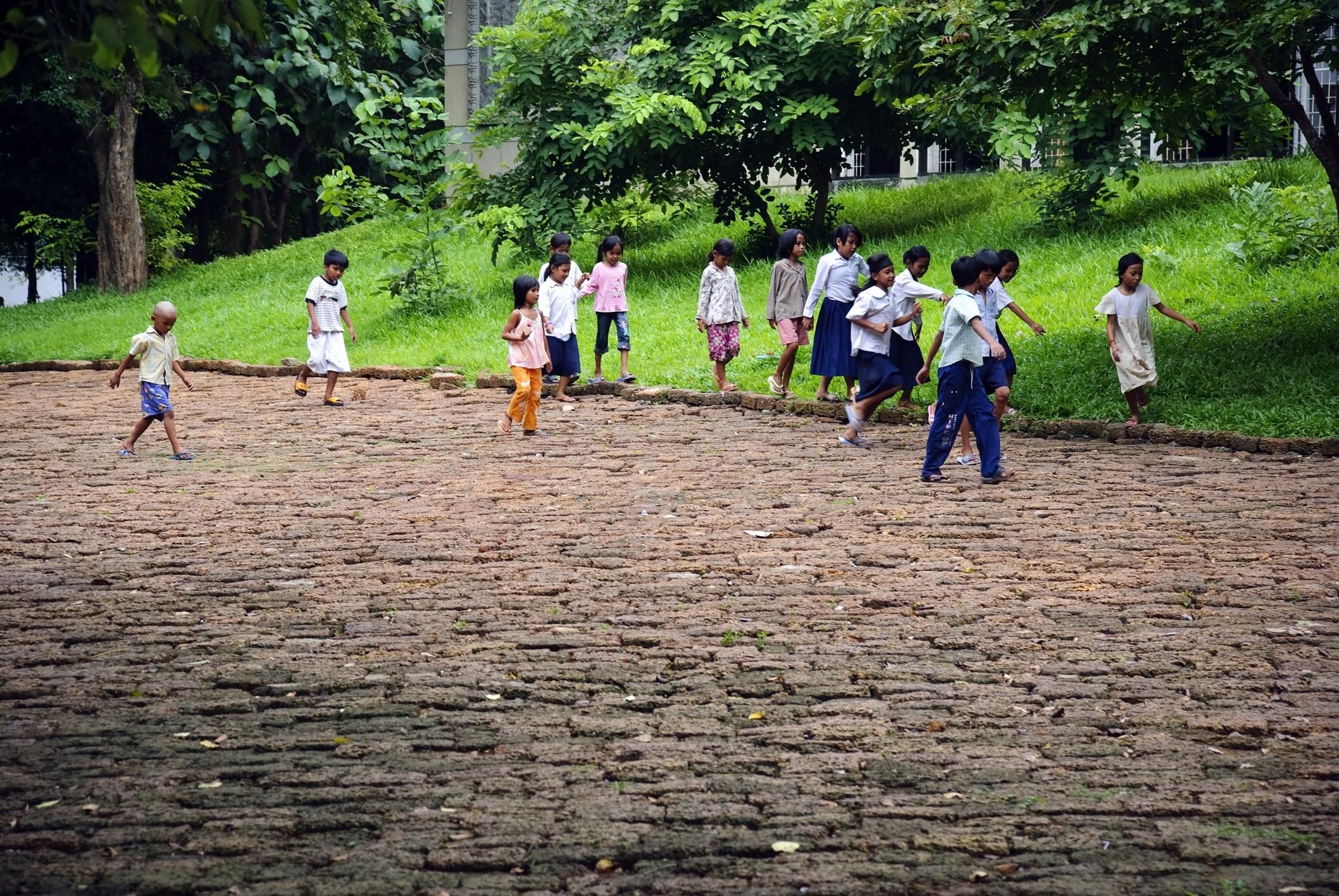
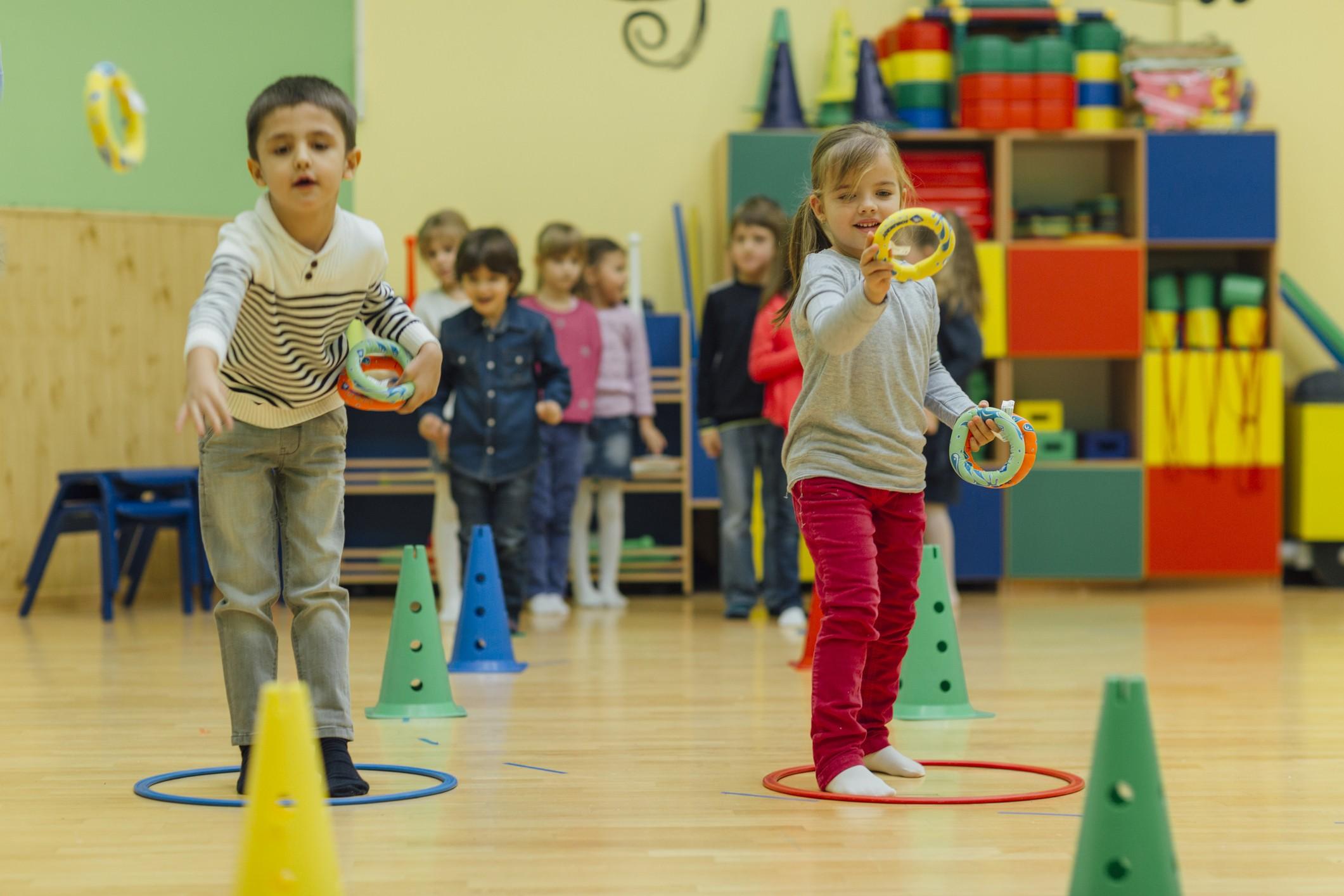
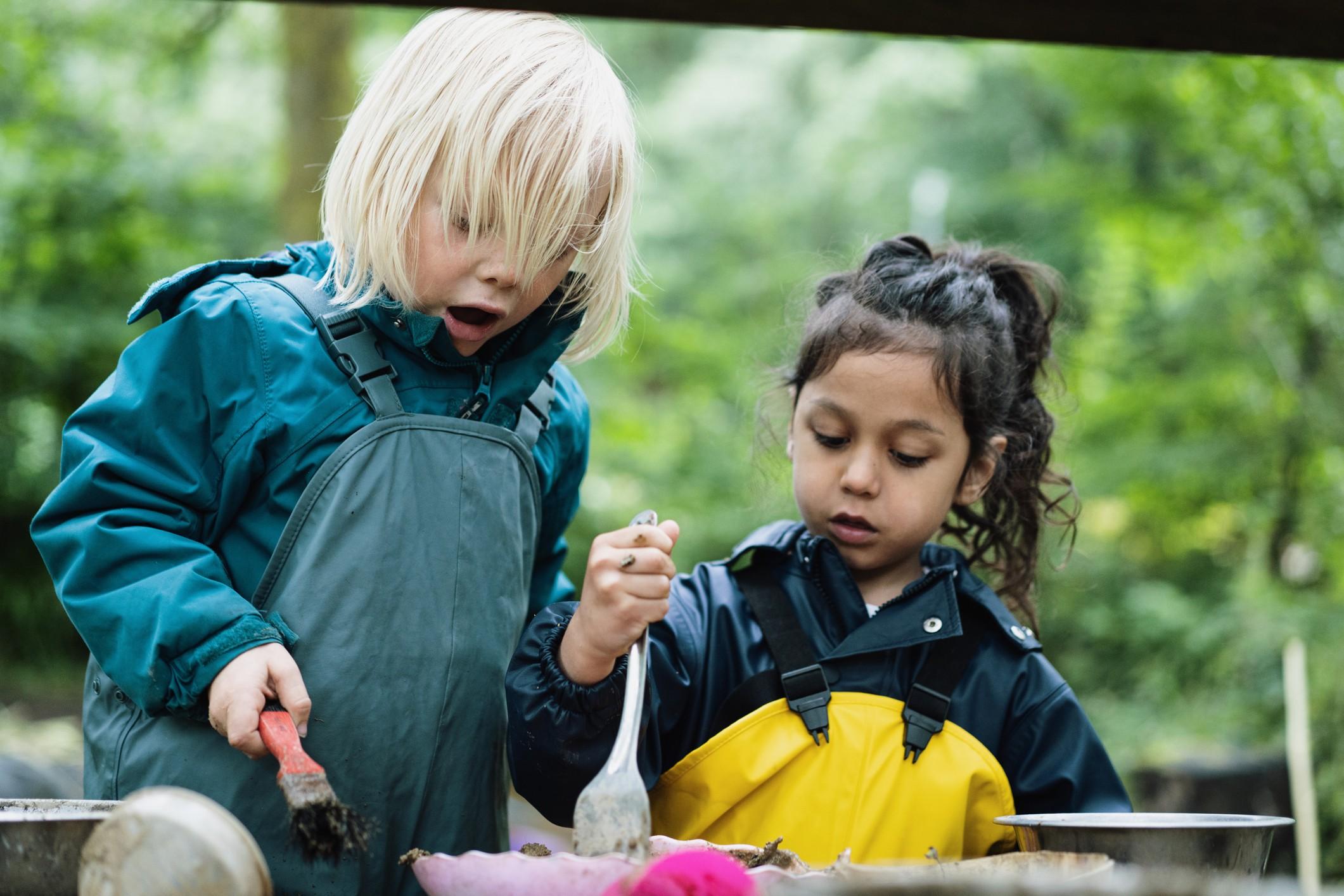
Physical development generally includes – gross motor skills (walking, running, climbing) and fine (manipulative) motor skills.
Cambridge curriculum
This curriculum area builds on the physical development that occurs naturally during children’s play. It promotes development of three categories of movement skills:
• Iocomotor skills for moving from place to place, for example; walking, running and jumping.
• body control, for example, balancing, twisting, stretching.
• object control, for example, catching, throwing, kicking.
How can I support children’s physical development?
Supporting physical development
Know and understand how children learn and develop.
Provide optimum conditions:
• Consistent and continuous provision
• Environment
• Resources
• Active and calm moments
• Time
• Support children to be healthy and safe
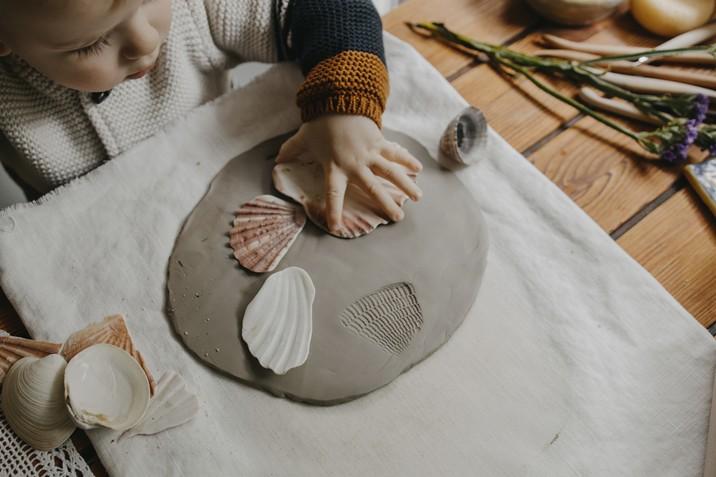
Supporting fine motor skills
Everyday, accessible materials
Playdough/clay Loose parts
Feathers
Craft sticks
Shells
Natural materials
Small world toys
Gems
Pegs
Risky play Large and small Craft
Scissors
Knives for cutting
Tools
Bubbles
Transient art
Rock painting
Ripping
Junk
Threading
Elastic bands
Tweezers
Sticky
Ribbon
Stickers
Risky play
Risky play
More risky play ideas
• Tools
Equipment • Nature
• Water
• Fire
• Rough and tumble
• Hide and seek
Reflect - What risky play could you bring into your settings?
• Personal attitude towards risk
• Know the children
• Plan the environment
• Supporting children
• Safety, supervision and professionalism
• Communication and collaboration
• Reflect on learning
• Improve your practice
What if I do not have an outside space or cannot go outside?
Use what you have available
Use what you have available
• Go outside when possible
• Use simple equipment
• Use music and movement
• Use fitness or yoga videos
• Offer ideas to parents
How can I link children’s interests to physical development?
Physical development goes beyond the session
• Dramatic play – dressing-up, shopping trolley, baskets, doll buggies, bikes or trikes, mud kitchen, stage for performing.
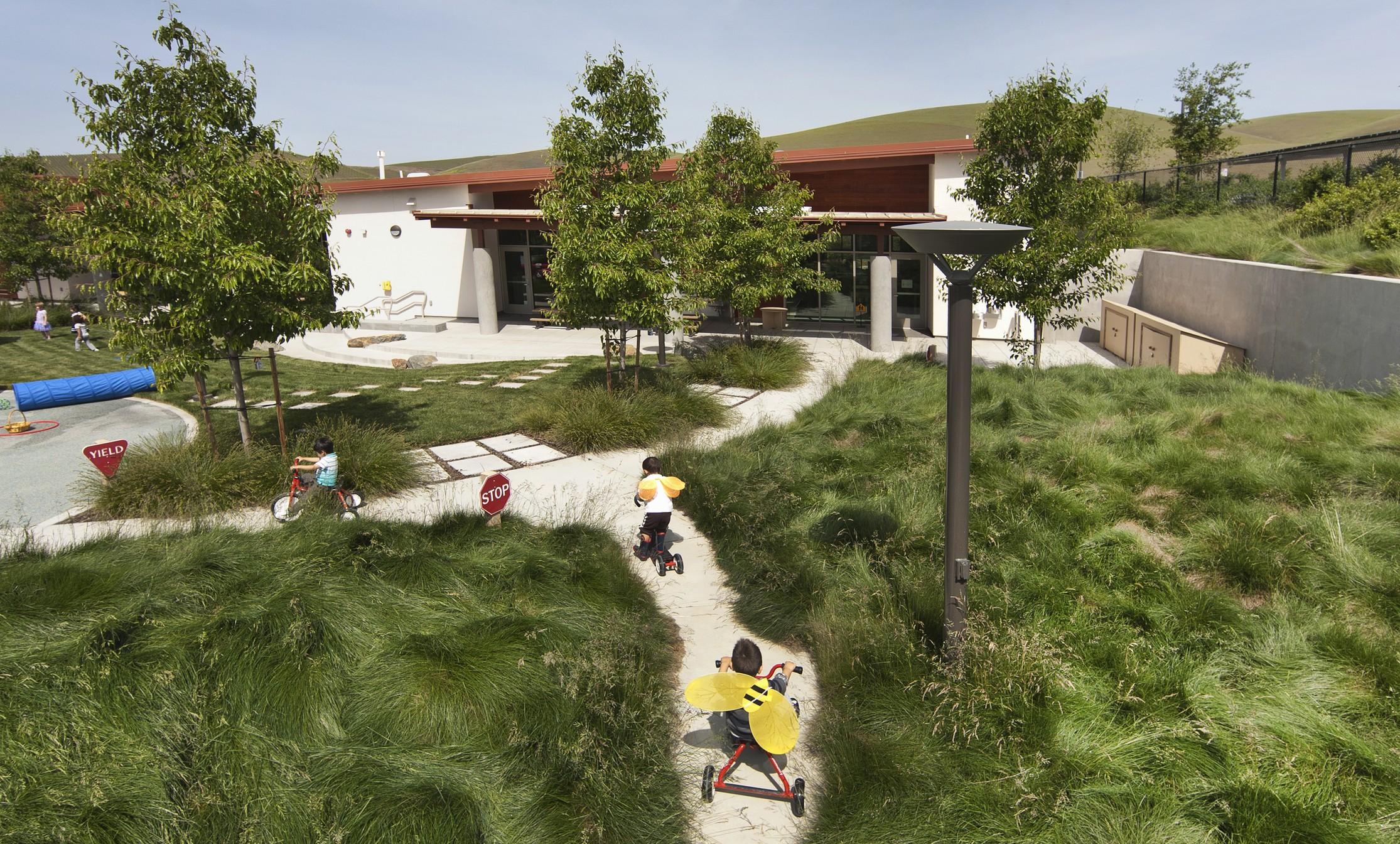
• Physical play – puddle jumping, races, sport games, rolling, skipping, jumping, balancing, bikes/trikes, space, paddling pools/swimming (supervision), hide and seek, exploring local areas.
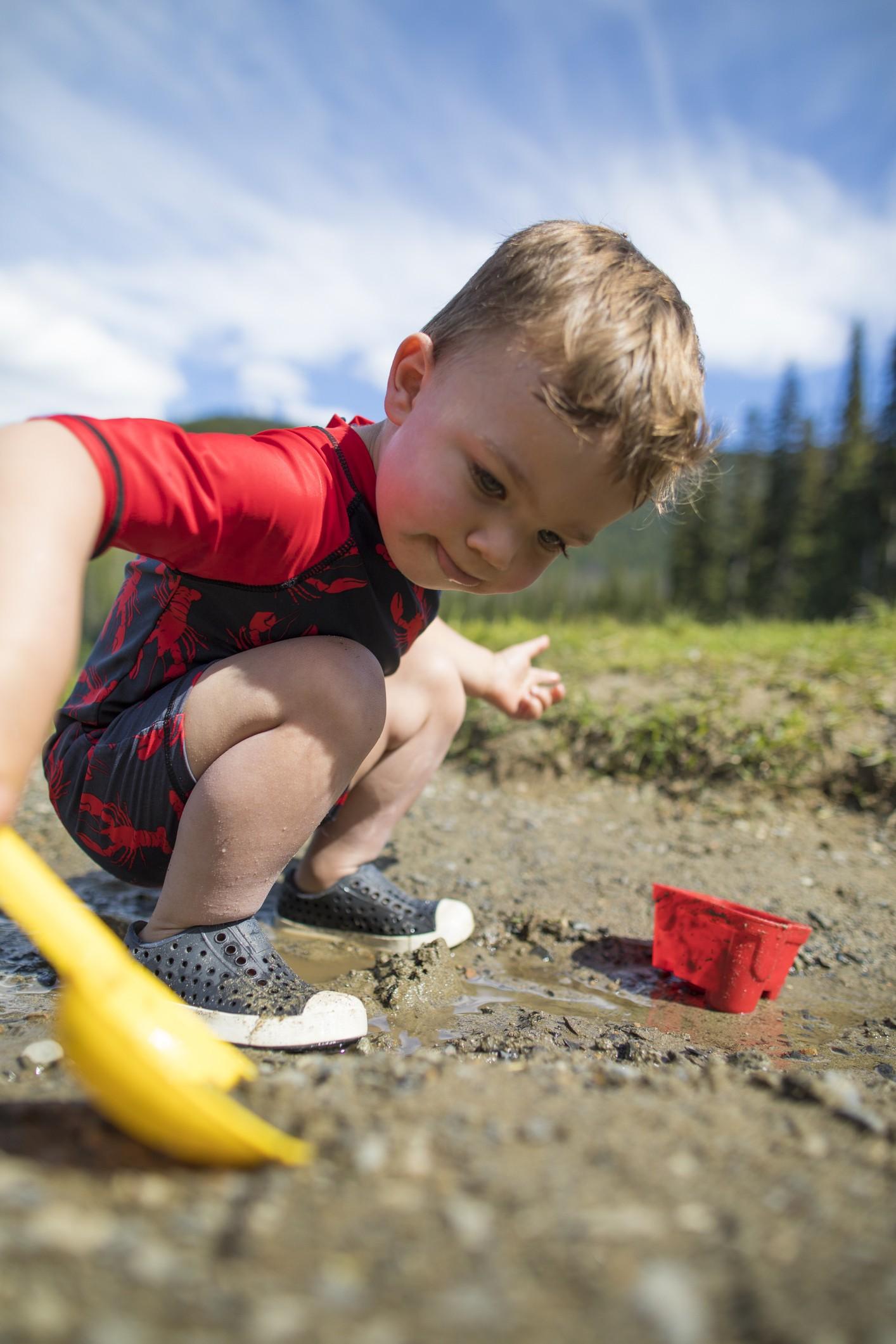
• Building and sensory play – buckets, spades, sand, water, mud, large blocks/bricks, toy diggers/dumpers/trucks, dressing-up, tools and materials. Smaller bricks, pencil and paper. Different materials for sensory experiences.
• Arts and crafts – large paintbrushes and buckets of water, large fabric or paper with large or long brushes, large chalks, drawing around each other's bodies, crafting it.
• Transport – bikes and trikes. Large resources for children to build and create their chosen mode of transport. Toy vehicles, garages, ramps, tracks, floor maps, play people.
• Animals – masks, obstacle course to move like an animal, puppets, toy animals in sensory materials, floor mats for animal yoga, animal hunt in the local area, puzzles.
• Music – scarves, ribbons (or pieces of fabric/craft paper), space to dance, floor mats, music playing, instruments.
What can I do next?
• 3 hours of physical activity per day for setting and home. Promote it to parents.
• Includes indoor and outdoor activities.
• 1 hour of moderate to vigorous physical activity.
• The more activity the better!
Next steps:
• Audit
• Survey children, parents and staff
• Reflect and create an action plan
Next steps
Getting started with play-based learning in early years