

Why reading stories matters
• Identity and belonging
• Social-emotional life
• Foundation of language skills
• Role of oracy


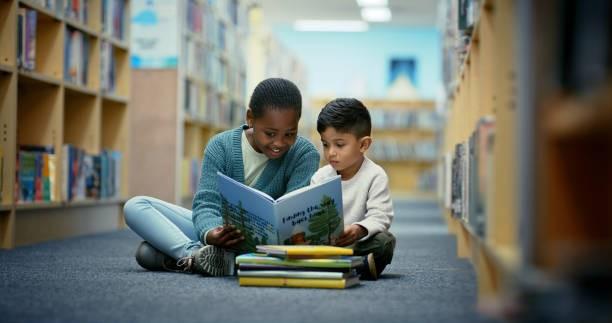
The link between Oracy and Literacy
• Multilingual language
• Oral language and literacy
• Dialogic interactions
• Structured talk and development
• Educational priorities
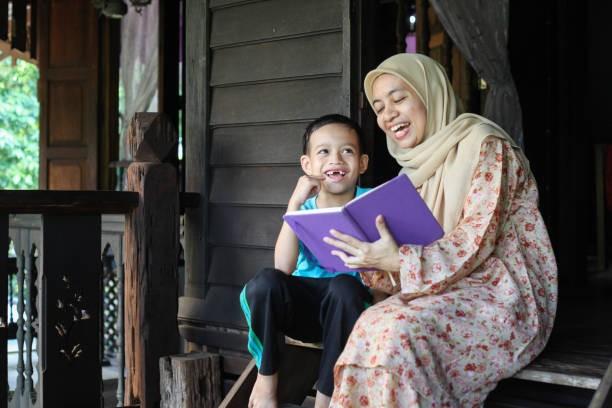
What we know works
• Conversational turns matter most
• Early storybook exposure predicts later comprehension
• Narrative play deepens understanding
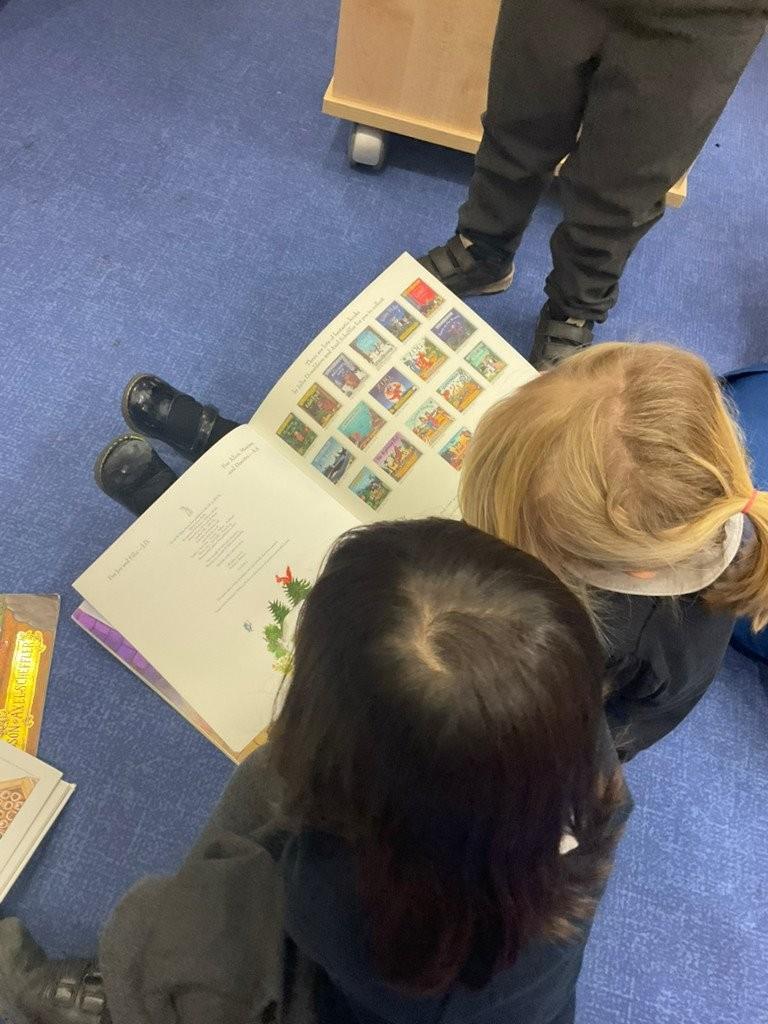
• Story-rich practice
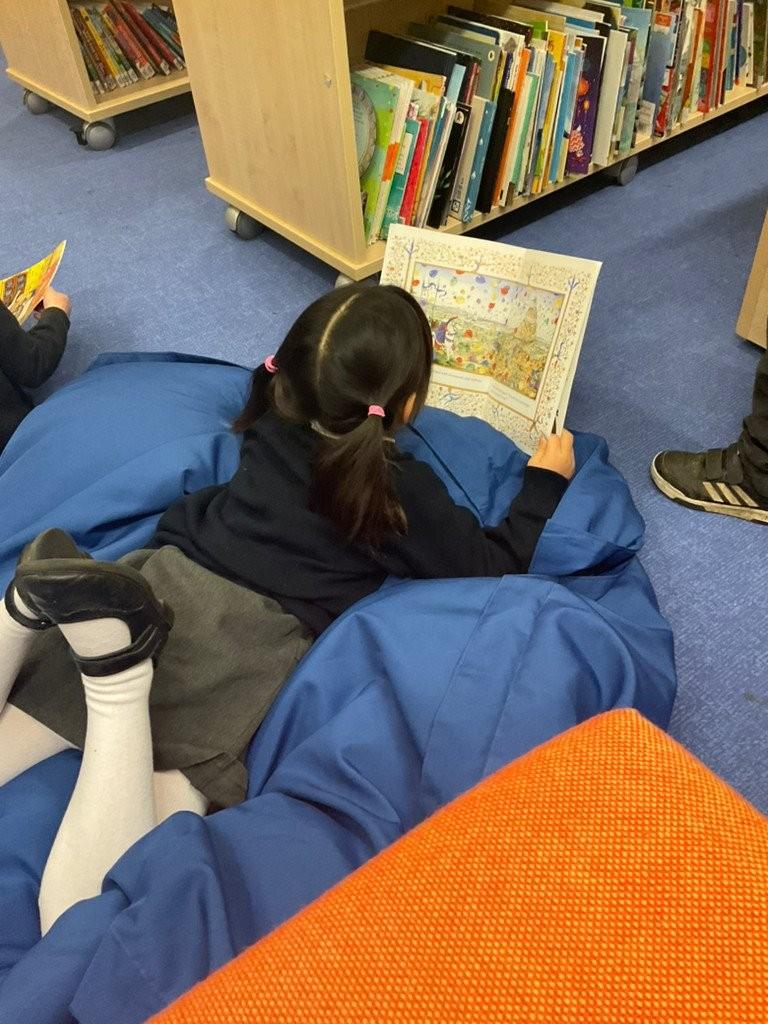

Voices of young readers
‘I like it when my teacher reads the story because the pictures go whoosh in my head!’
‘I love finding out new facts and pretending to be someone too!’
‘Daddy reads me the same book every night and I know all the words; it’s my favourite book!’
‘When we do stories at school, I get to be the dragon!’
‘Me and Marta tell the story together. I do the beginning and she does the end!’
The power of stories
• Emotional and social growth
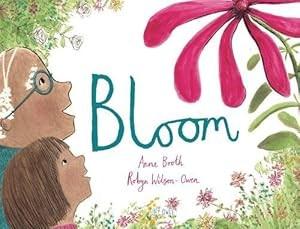

• Language and literacy development
• Thinking and understanding the world




The power of stories
• Imagination, creativity and play
• Identity and culture


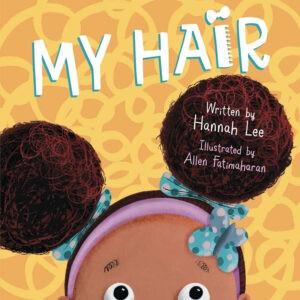

The story culture at school
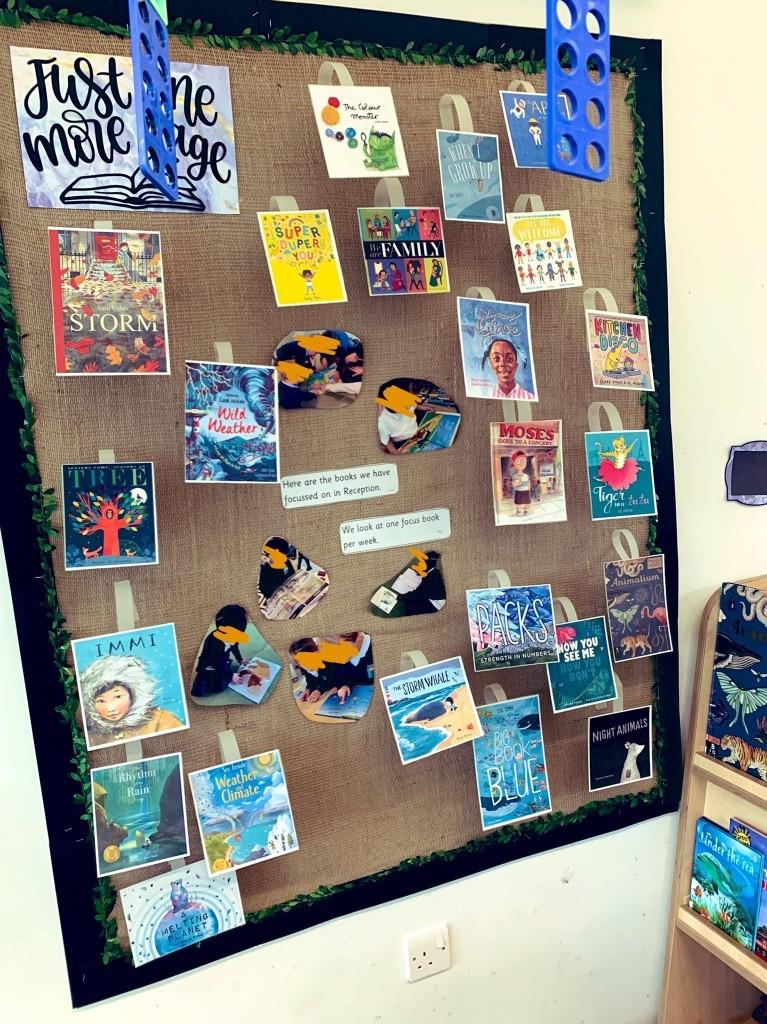
Consider...
• How many different ways do children encounter stories in our setting?
• Do all children have the chance to contribute during story experiences?
• Is story telling during the day adult or child led?
• Whose stories are being represented and whose are missing?
• How often do children initiate storytelling through play, drawings, or talk, beyond formal story time?


Story telling in practice
Props and puppets
Using props and puppets brings characters to life and increases engagement during storytelling.

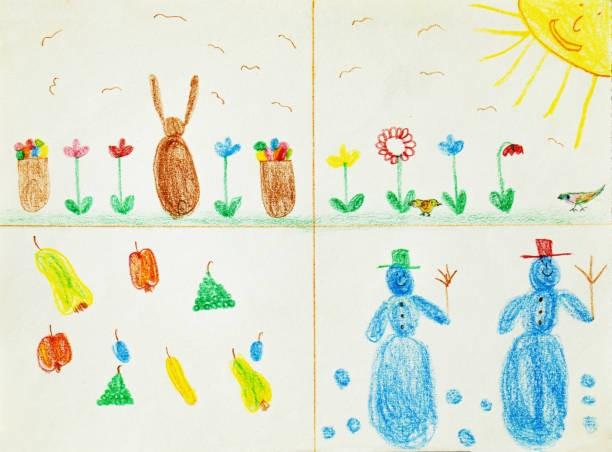
Interactive story maps
Visual story maps help support narrative structure and make retelling stories easier and more interactive.

Actions and soundscapes
Incorporating movement and sounds enhances memory retention and oral language skills in storytelling.


Sequencing
games
Sequencing games improve cognition by helping children understand story order and logical progression.


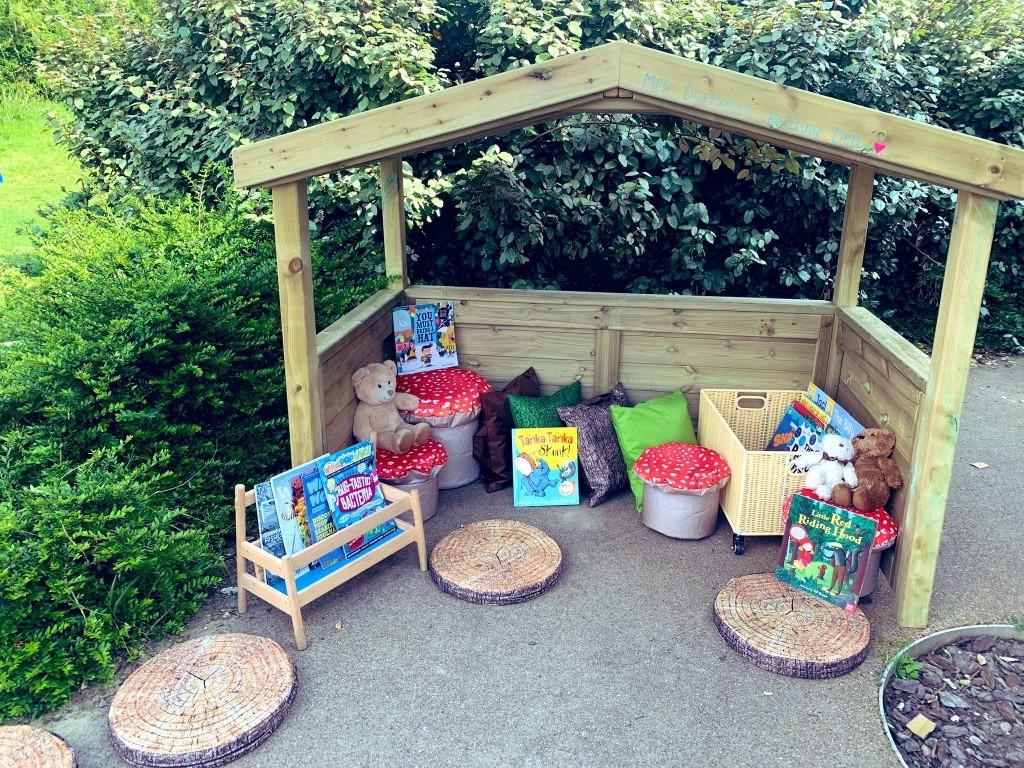
Story corners Cosy story corners create inclusive spaces that invite participation and cultivate a love for reading.


Inclusion, representation and variety
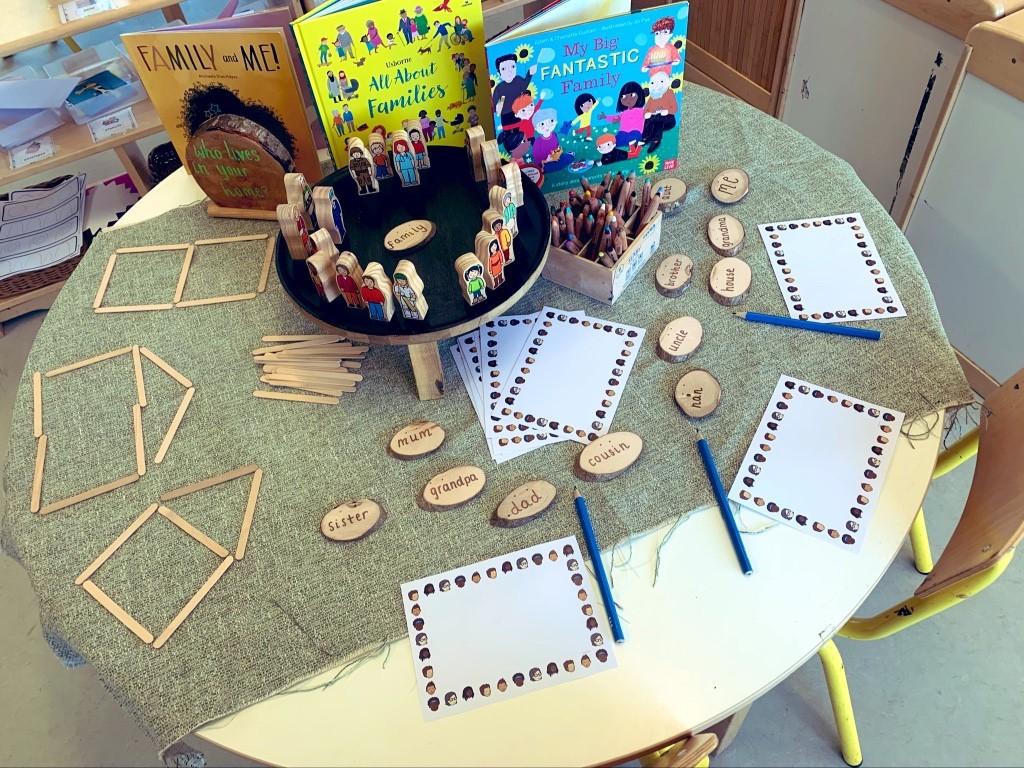

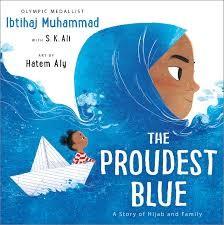


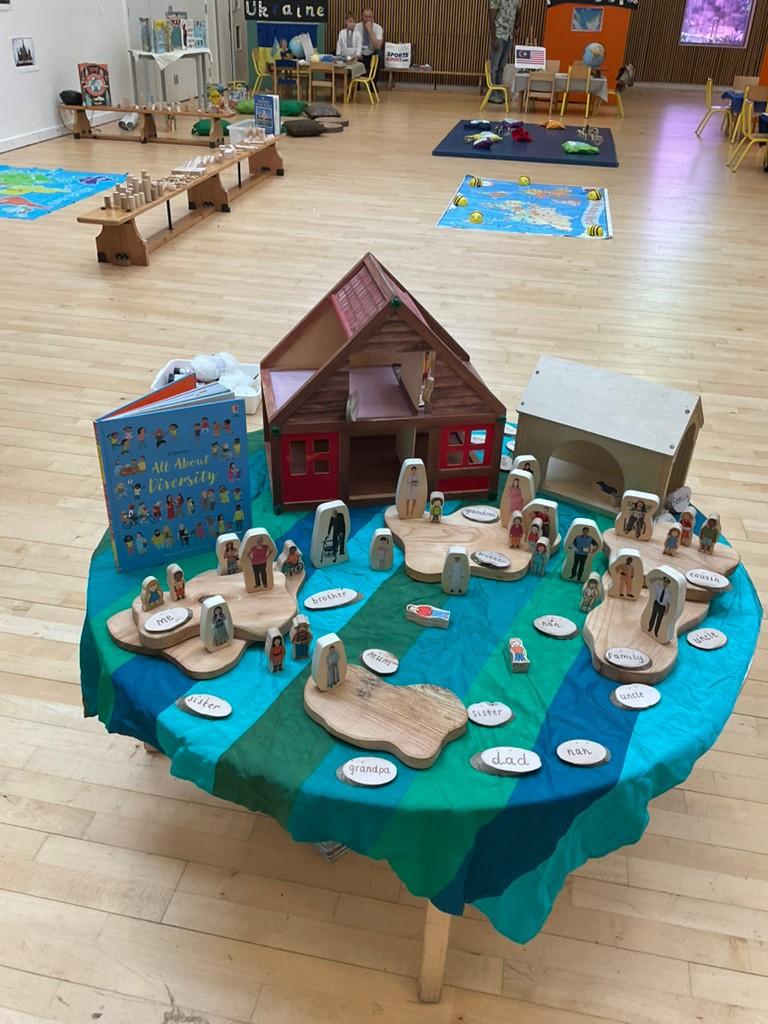
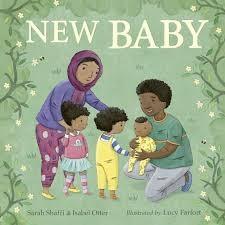

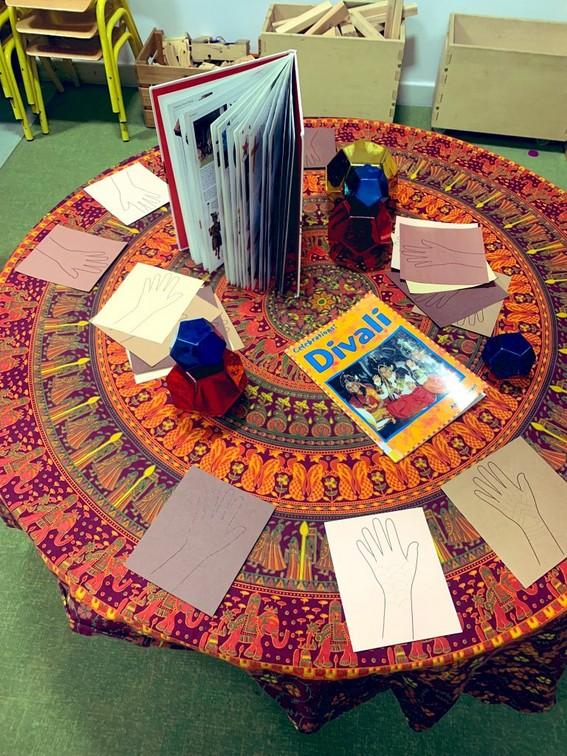

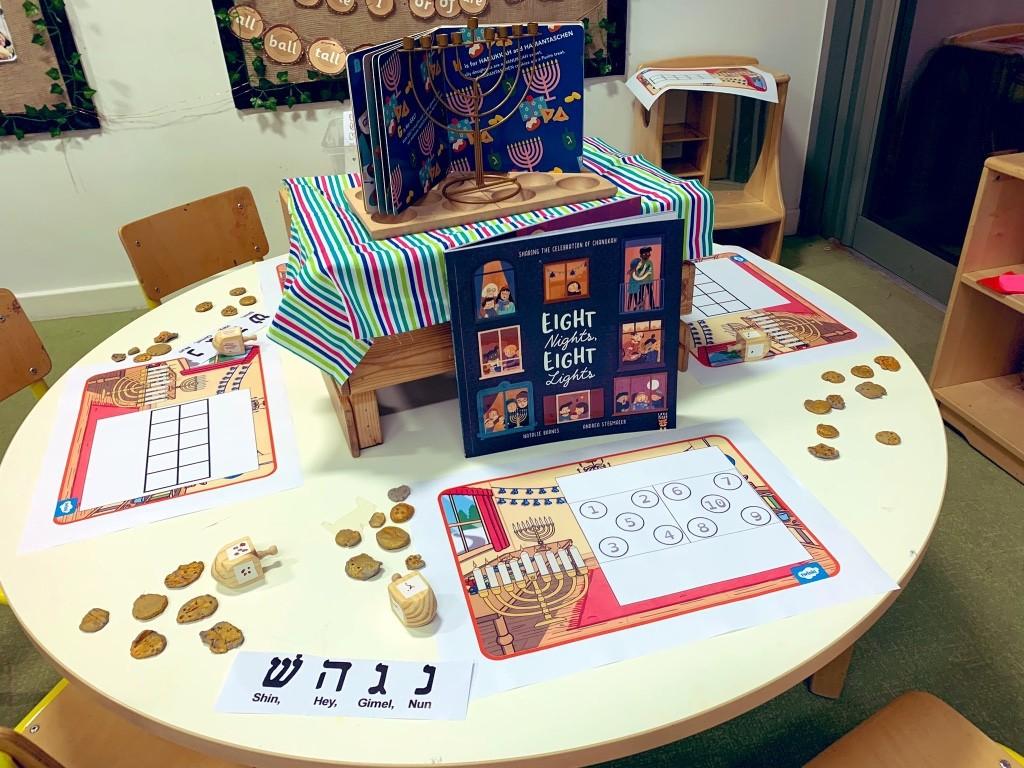

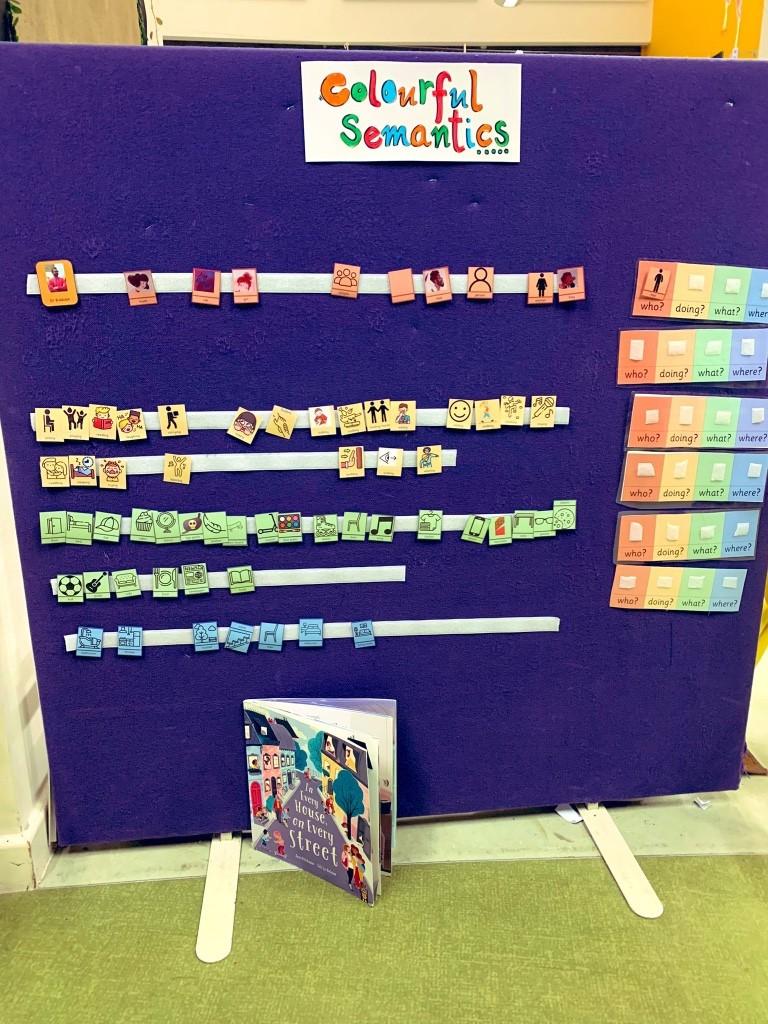
Inclusion, representation and variety

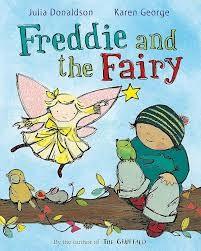

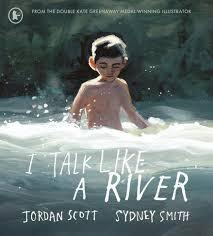
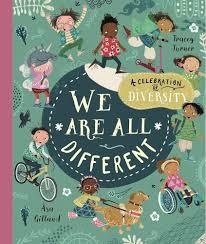


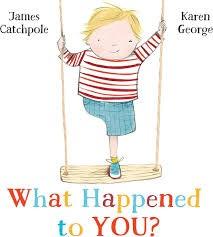

Inclusion, representation and variety
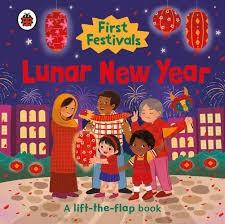

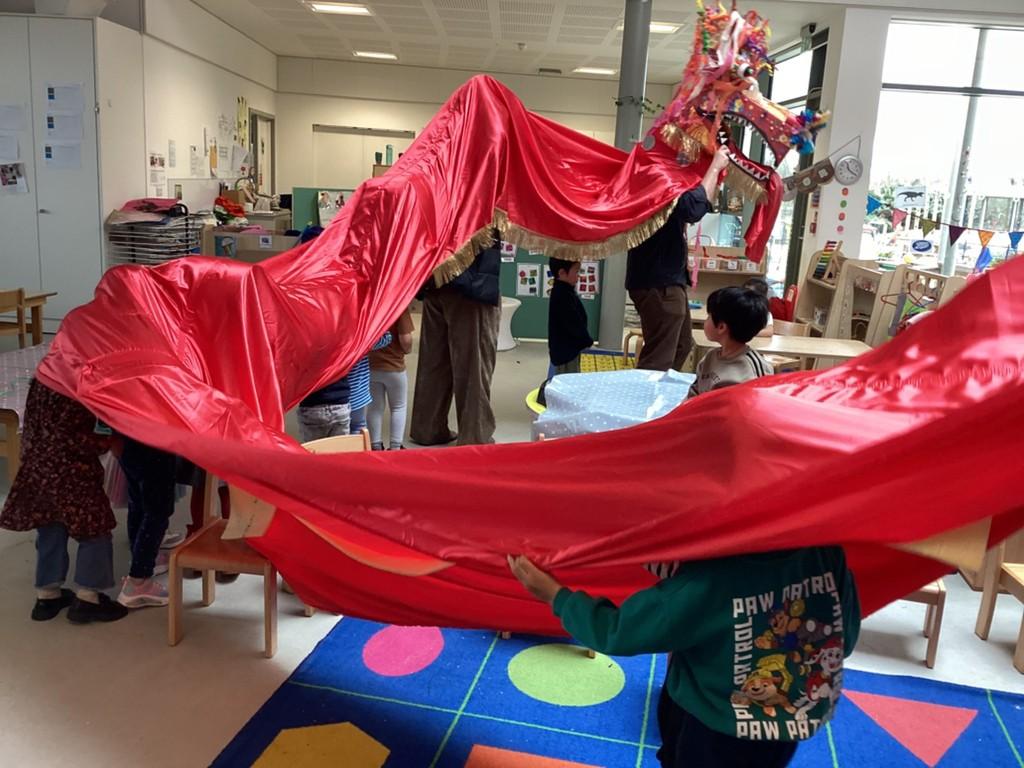

Are you all sitting comfortably? Then I’ll begin…

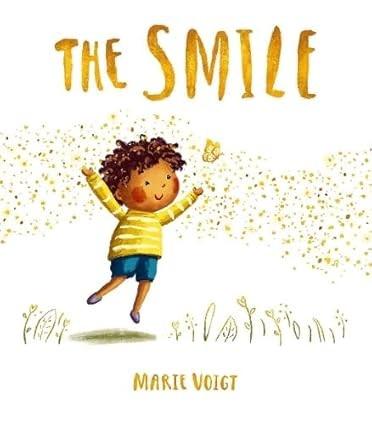
Are you all sitting comfortably? Then I’ll begin…

What happens next…


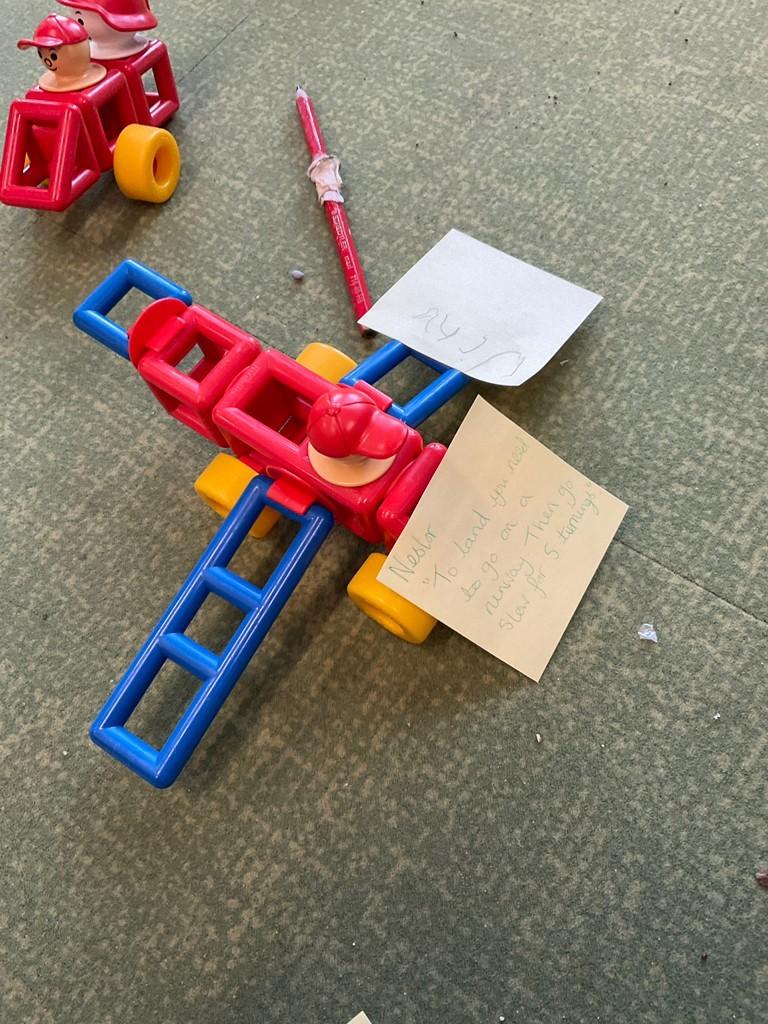
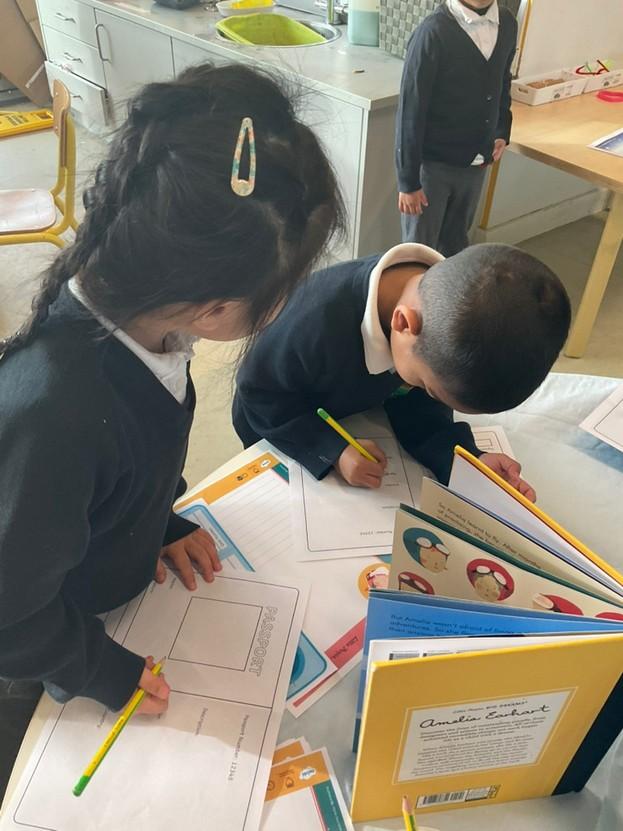
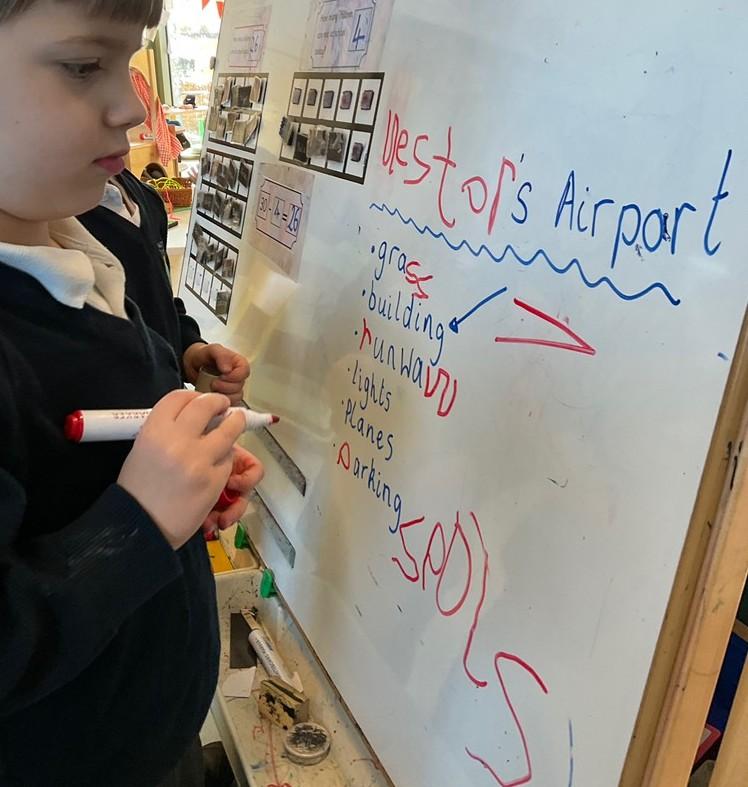


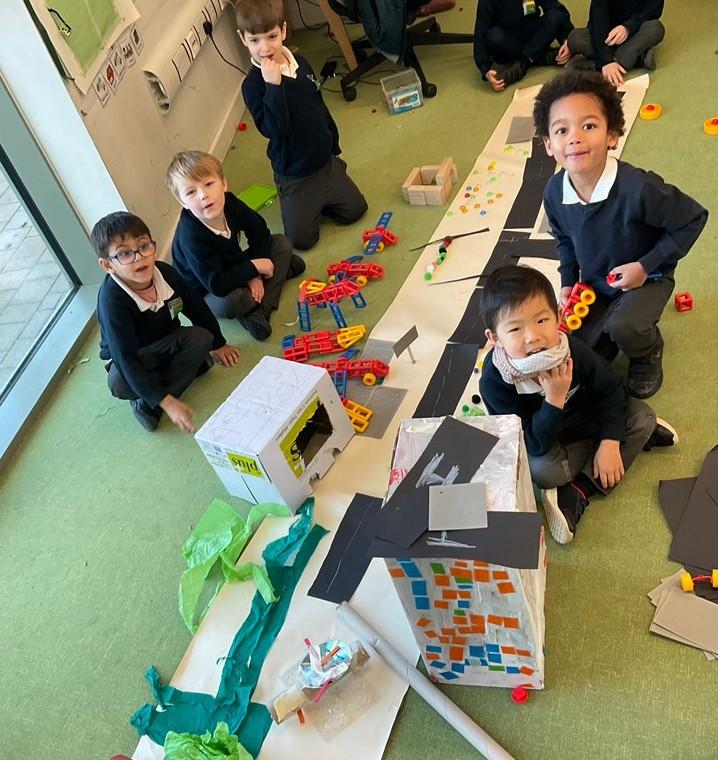

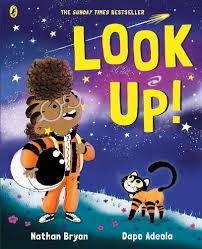

Story making not just story telling
• Loose parts
• Storytelling baskets
• Role play ‘props’ as story starters
• Outdoor trails
• Shadow theatre
• Sound-story baskets
• Photo sequencing

Progression in storytelling
• Re-telling
• Sequencing
• Vocabulary use
• Invention

The language of story telling
• Parental engagement
• Bilingual story times
• Inclusive to all levels of language
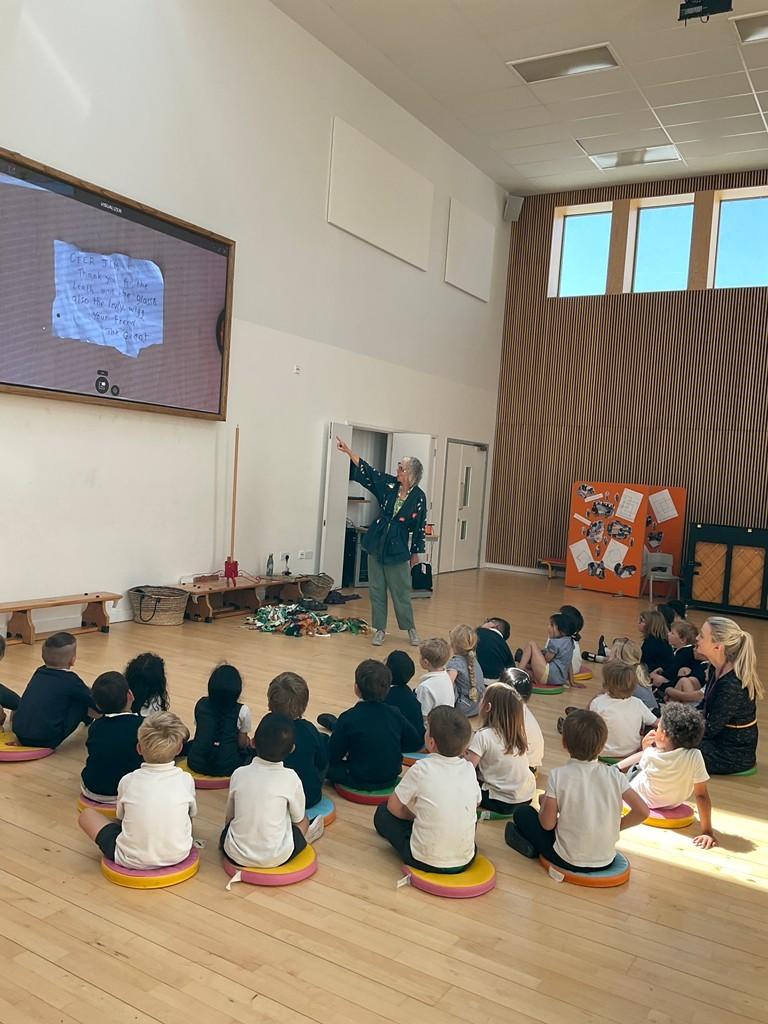
Parents as partners
• Parents shape children’s earliest attitudes
• Sharing stories at home builds connection, comfort and language at home
• Simple reading routines and high impact story chat, have a positive effect
• Celebration of reading in all languages
• Partnerships create a consistent culture between home and school

Growing readers, story tellers and thinkers
• Stories shape the whole child
• Playful storytelling brings learning alive
• Diverse stories build belonging
• Progression grows through practice
• Families are powerful partners


“I declare after all, that there is no joy like reading. How much sooner one tires of anything other than a book!”
Jane Austen
What are your key takeaways for today?

How might you adapt your practice?

What changes might you make to your learning environment?

How might you support everyone working in your setting to develop confidence with this strand?

What action do you need to take and how can SMT support?




Next steps
Getting started with play-based learning in early years https://cambrid.ge/play-based-learning-getting-started

Explore Cambridge Early Years www.cambridgeinternational.org/earlyyears