Session 5 - Playful parenting: Supporting parents to understand the power of play

Page 1


What is play?

Types (after Whitebread)

Physical play

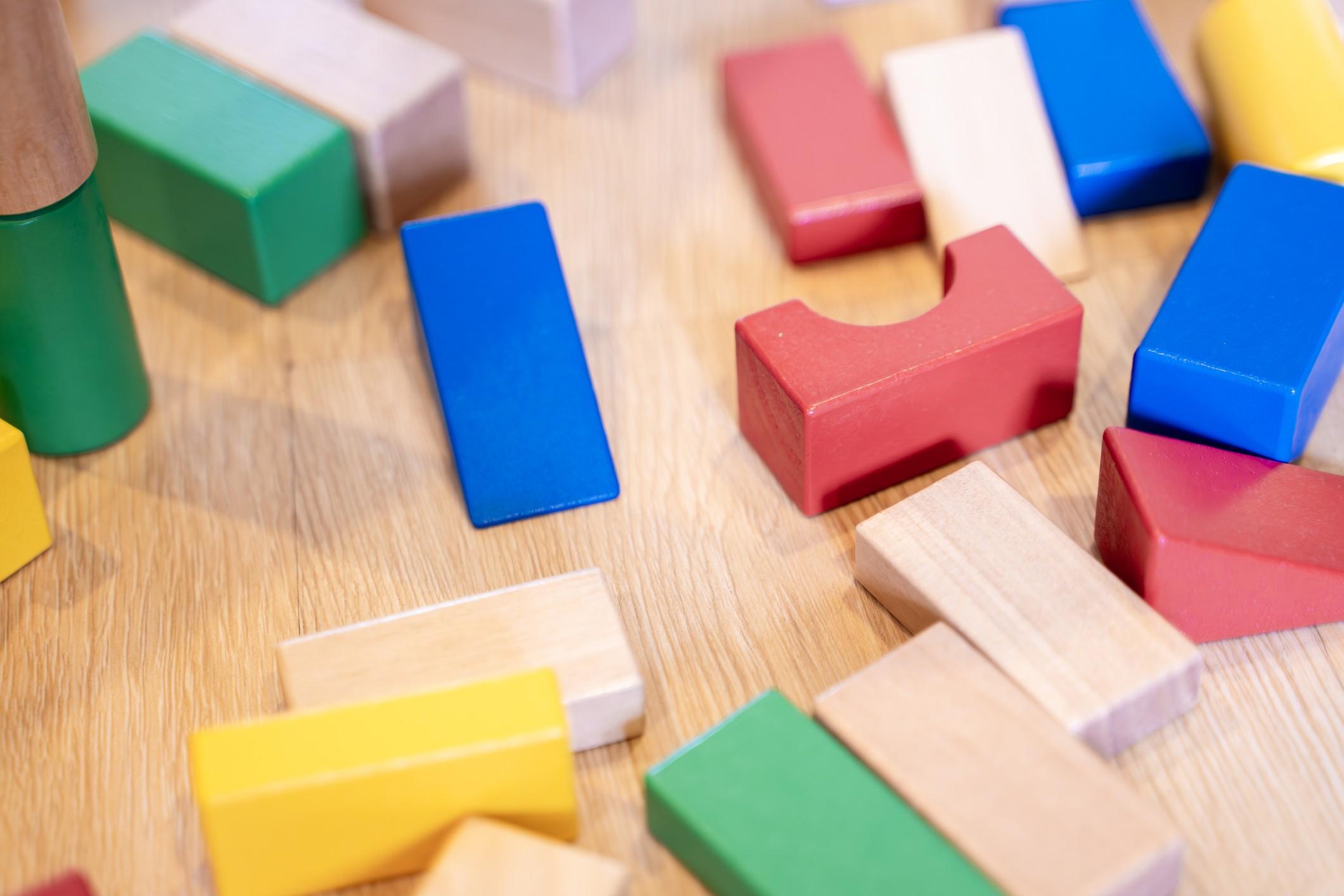
Play with Objects

Symbolic play

Pretence/Socio-dramatic play

Games with rules

Characteristics (after LF)

Joyful

Actively engaging

Socially interactive

Meaningful

Iterative

What is play?

Play - Children’s play is any behaviour, activity or process initiated, controlled and structured by children themselves; it takes place whenever and wherever opportunities arise…

The key characteristics of play are fun, uncertainty, challenge, flexibility and non-productivity.

2. Play has huge potential benefits

Play benefits

• Physical play – health and fitness

• Early parent-child play – strengthening core attachment relationships and socioemotional development

• Peer play – improved social relationships and self-regulation

• Pretend play – cognitive skills and creativity

NB Separating out play deprivation from other deprivations is difficult.

3. Play is central to children’s lives and experiences, but often marginalised by adults

When children are asked…

“thematic analysis identified 25 priorities across four domains; Feeling able and enthusiastic for school; navigating friendships and victimization; supportive environments with opportunities to play; bridging school and family life”

O’Farrelly et al, (2020), Early Childhood Research Quarterly

Reconstructing Readiness: Young Children’s priorities for their early school adjustment.

When children are asked…

• The Big Conversation – Children’s Commissioner (England)

• Play was the most commonly used word

• Recommendation 19 (of 33)

When children are asked…

Don’t allow the word to become a barrier.

Recap: 3 things we know about play and its benefits.

1. Play has many types and meanings

2. Play has huge potential benefits

3. Play is central to children’s lives and experiences, but often marginalised by adults

How can we use what we’ve learnt about child development and play to better inform and support parents?

Take time to observe, go at children’s pace and follow their interest

1. Play to understand children’s communication and build relationships

Intervention: VIPP-SD

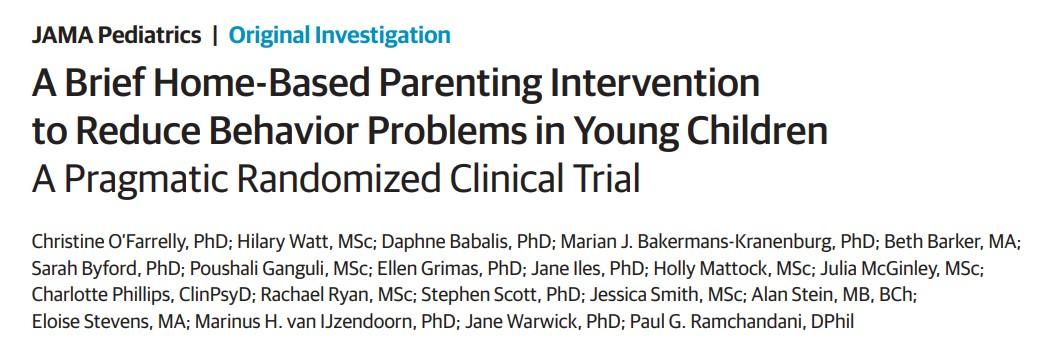
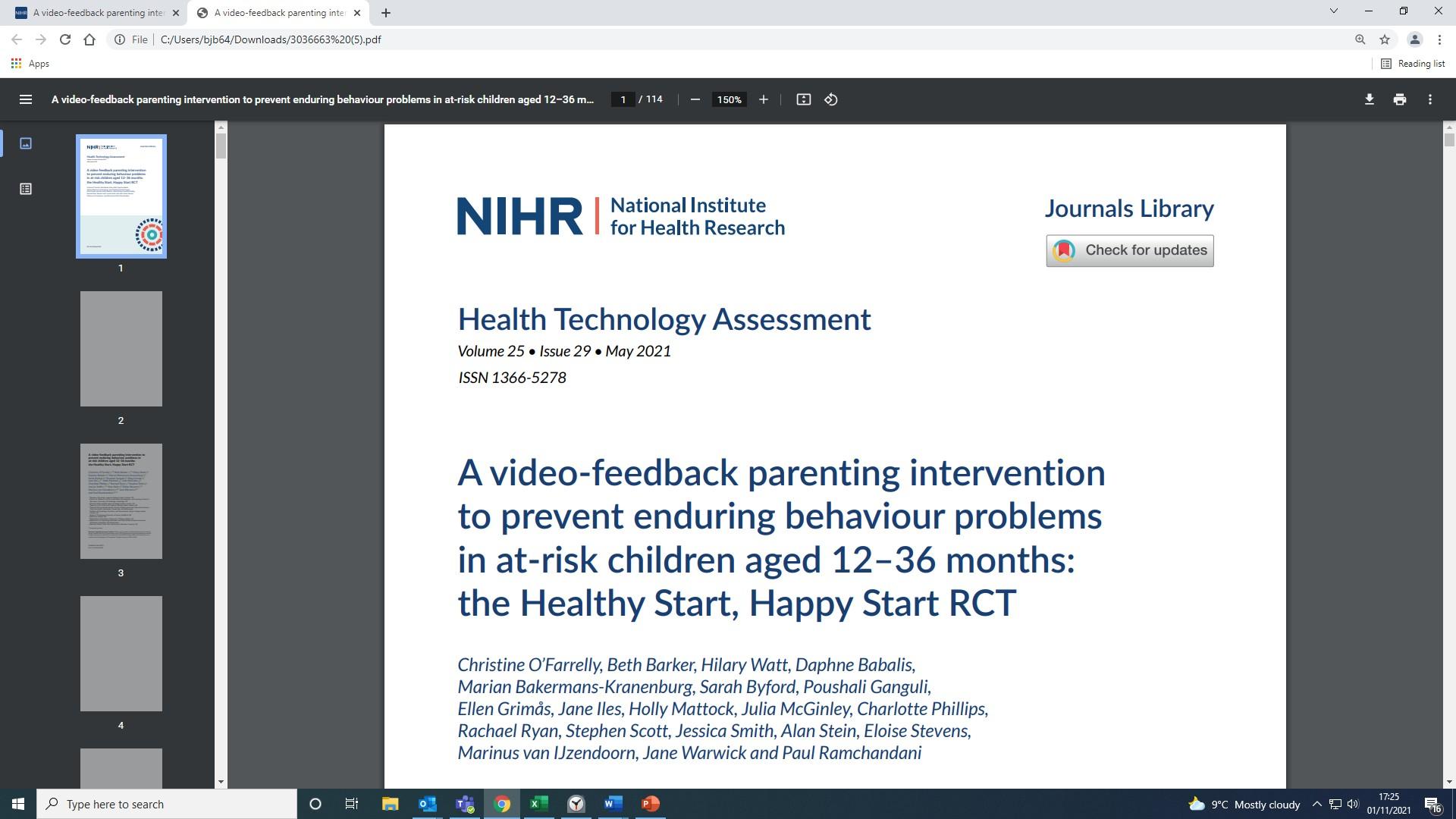
• Video Feedback Intervention to promote Positive Parenting and Sensitive Development (VIPP-SD) developed in the Netherlands.

• Underpinned by attachment theory and social learning theory

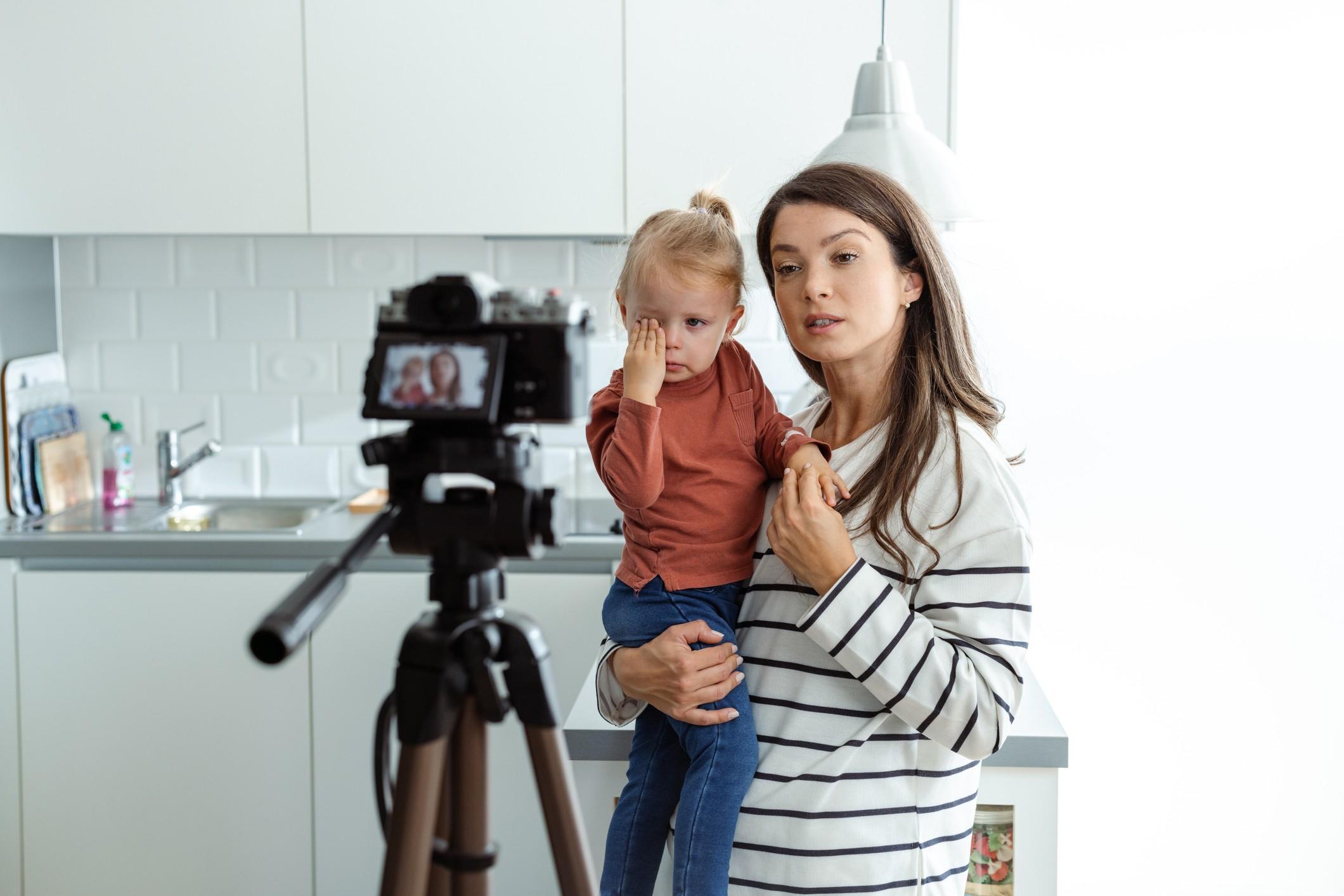
• Parent-child interaction is filmed and played back to parents with a focus on positive interactions.

• Sessions promoting parents’ capacity to identify and respond sensitively to exploratory behaviour and attachment cues.

The programme

Video-feedback Intervention

to promote Positive Parenting & Sensitive Discipline
Study Design

Two-group, researcher-blind, pragmatic randomised controlled trial

Programme Baseline (children aged 2 years)

Control

5-month follow-up

2-year follow-up (aged 4)

6-year follow-up (aged 8)

Study Design

Externalising behaviour

Internalising behaviour

Prosocial behaviour

MEASUR

Parental sensitivity

Parental discipline
Parent mental health

Coparenting

Executive function

Temperament

Delay of gratification Story stems

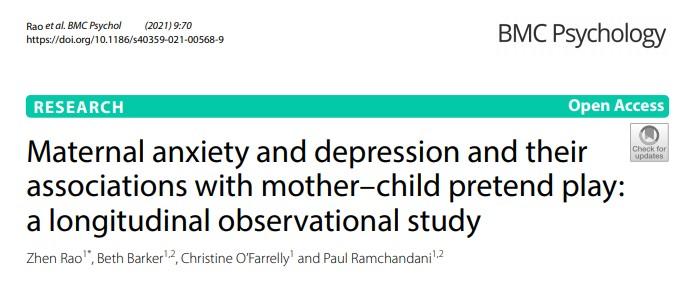
Pretend play

Parental

playfulness

Study Design

Externalising behaviour

Internalising behaviour

Prosocial behaviour

MEASURE

Parental sensitivity

Parental discipline
Parent mental health

Coparenting

SExecutive function

Delay of gratification Story stems

Temperament

Pretend play

Parental playfulness

Read more

Play as fun and engagement

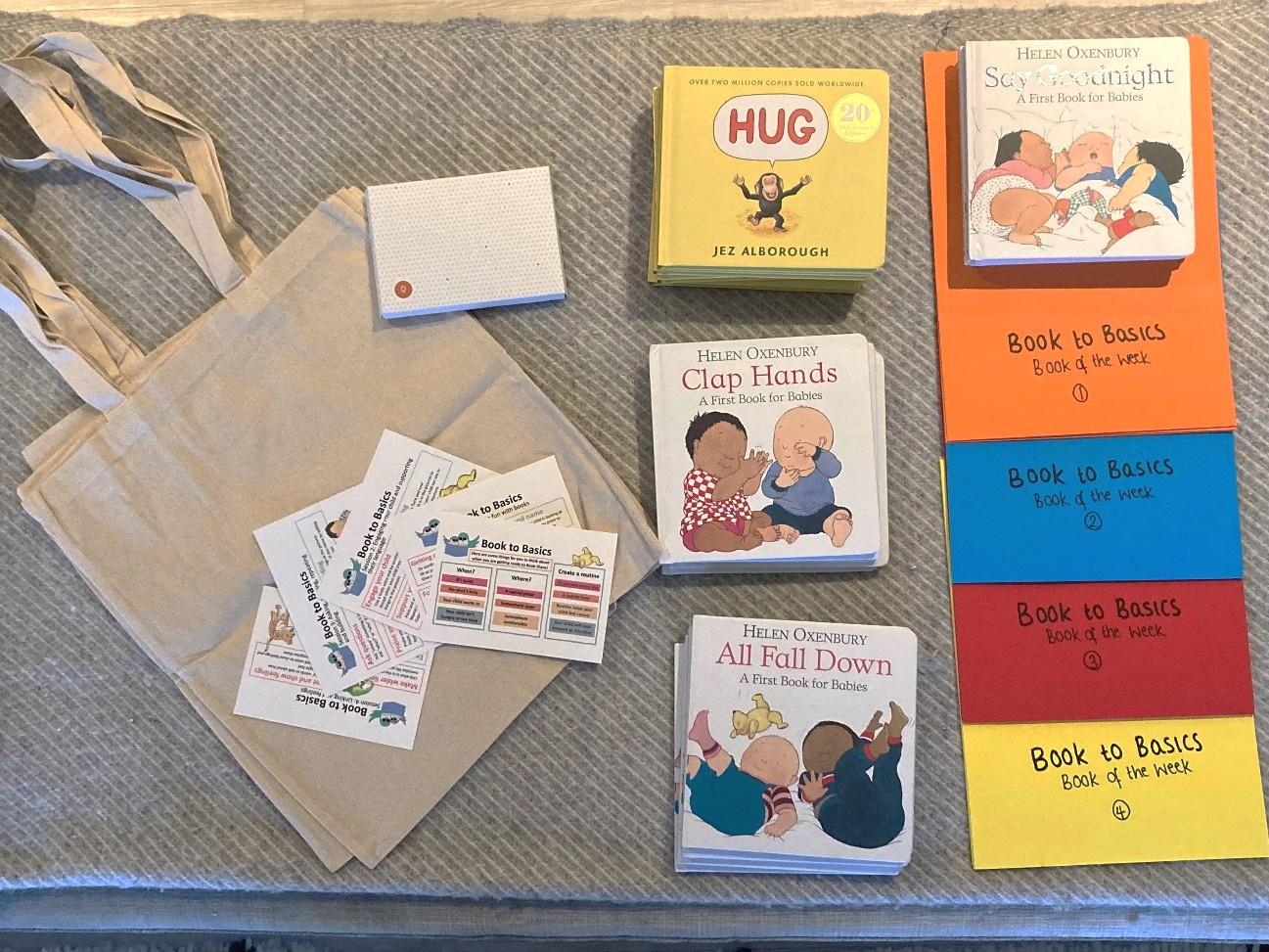
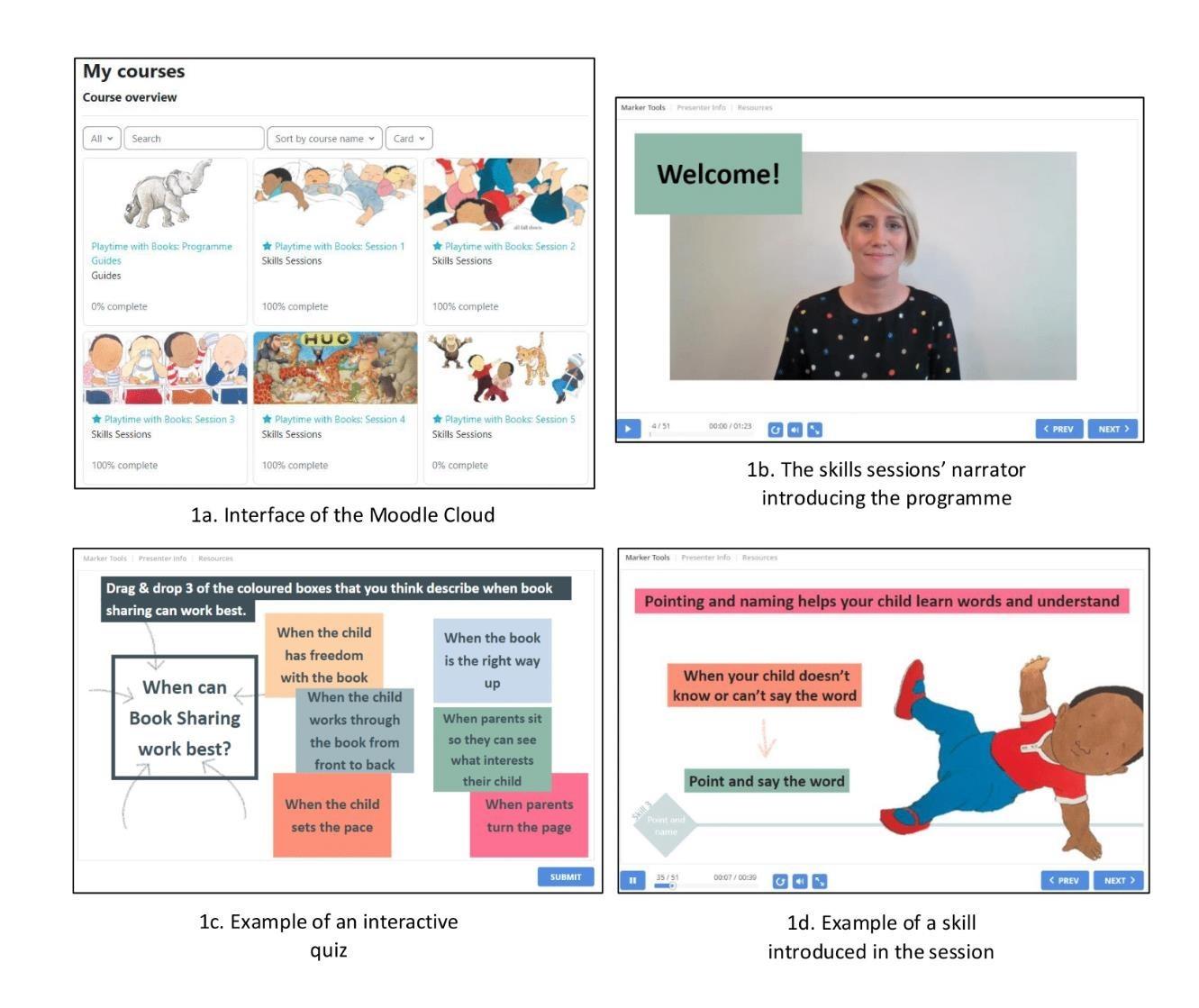
2. Play to build a love of reading and book sharing

Playtime with Books

Book packs

Online skills session
The power of inquisitiveness and exploration

3. Guided Play to improve children’s learning

The spectrum of learning through play

• Free play • Guided play • Direct instruction Child choice and freedom to explore Structure and adult control

Guided play

• Model

• Give hints & prompts

• Make suggestions

• Ask open-ended questions

• Set challenges

• Co-play

• Be sensitive to children’s individual interests & needs

1 Child choice

2 Learning goal

3 Adult guidance

Guided play

Effectiveness trials

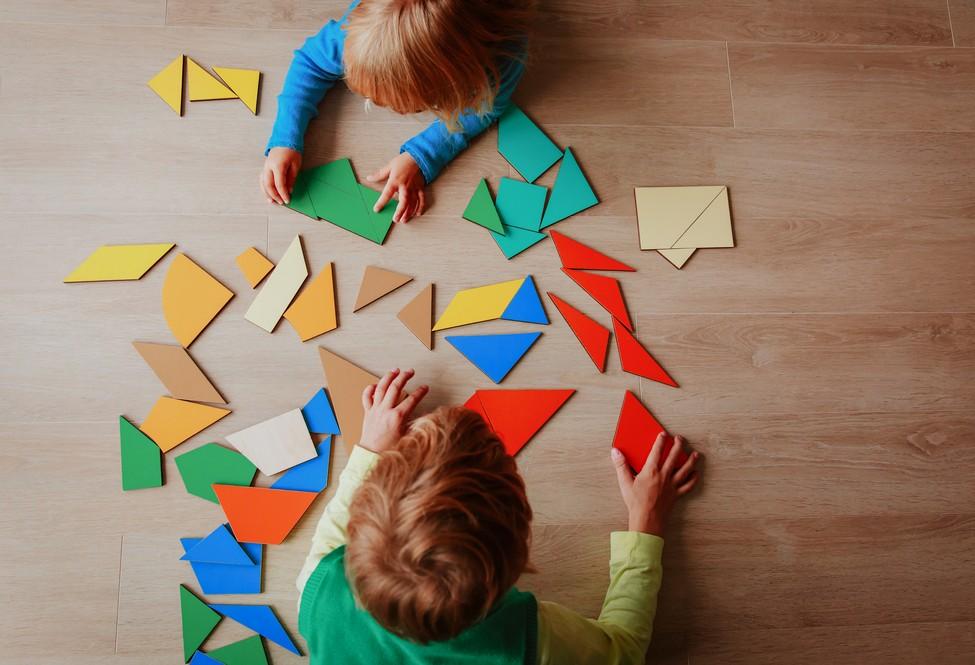
• Guided play: ‘Detectives’ discovering the ‘secrets of shapes’ + adult support

• Direct instruction: Children given information about shape properties

• Free play: Children freely played with shapes

Fisher et al. (2011; 2013)

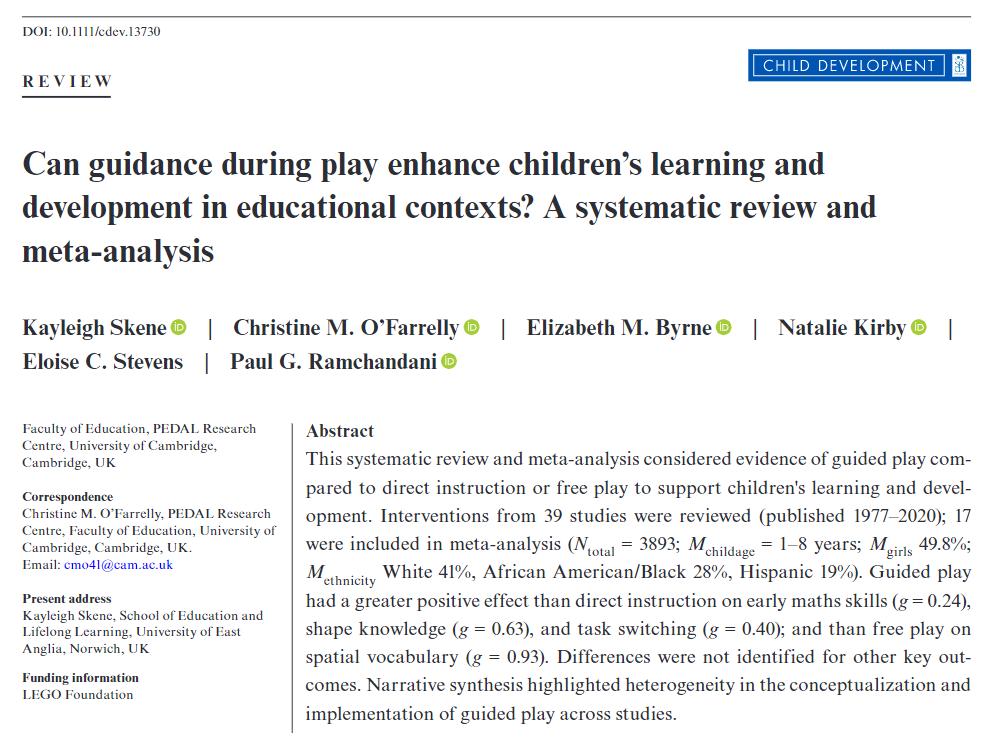
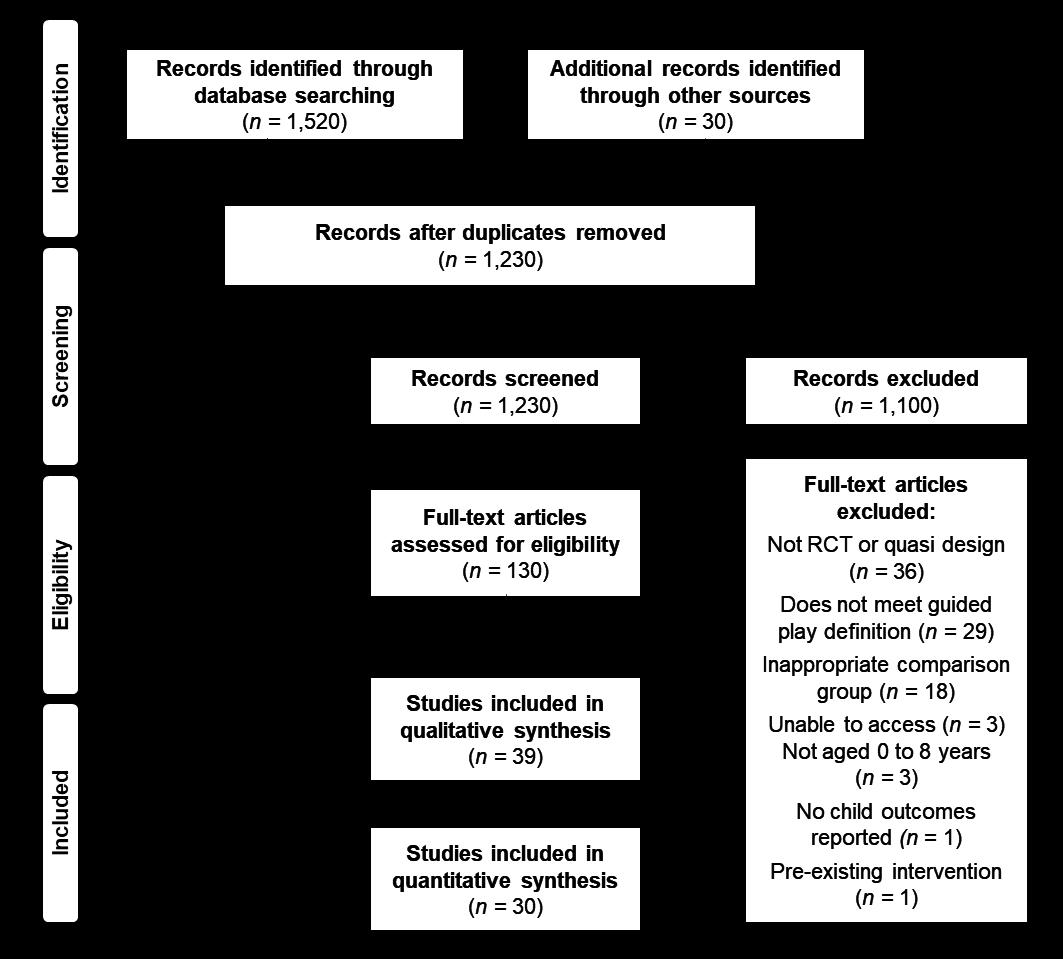
Systematic review - method

GUIDED

PLAY INTERVENTI ON

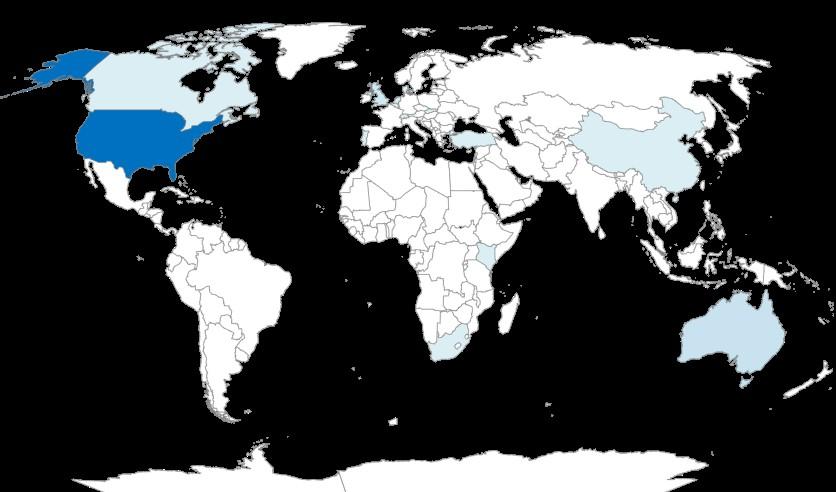
Study characteristics

Summary of findings

• Guided play worked as well as formal teaching in several areas (e.g., numeracy, literacy, social skills, executive functions).

• Guided play helped children master skills in some areas of maths better than direct instruction.

• Heterogeneity in the delivery of guided play across studies.

Three things we know about play and its benefits.

01

Play has many types and meanings

02

Play has huge potential benefits

03

Play is central to children’s lives and experiences, but often marginalized by adults

Three ways we can use what we’ve learnt about play to improve what we do for children in research and practice

Take time to observe, go at children’s pace and follow their interest

Fun

and engagement

The power of inquisitiveness and exploration

Next steps

Getting started with play-based learning in early years https://cambrid.ge/play-based-learning-getting-started

Explore Cambridge Early Years www.cambridgeinternational.org/earlyyears

Turn static files into dynamic content formats.

Create a flipbook
Session 5 - Playful parenting: Supporting parents to understand the power of play by Cambridge International Education - Issuu