Primary Mathematics
Vietnam edition
Learner’s Book Grade 1
Cherri Moseley & Janet Rees
Shaftesbury Road, Cambridge CB2 8EA, United Kingdom
One Liberty Plaza, 20th Floor, New York, NY 10006, USA
477 Williamstown Road, Port Melbourne, VIC 3207, Australia
314–321, 3rd Floor, Plot 3, Splendor Forum, Jasola District Centre, New Delhi – 110025, India
Cambridge University Press & Assessment is a department of the University of Cambridge. We share the University’s mission to contribute to society through the pursuit of education, learning and research at the highest international levels of excellence.
www.cambridge.org
© Cambridge University Press & Assessment 2026
This publication is in copyright. Subject to statutory exception and to the provisions of relevant collective licensing agreements, no reproduction of any part may take place without the written permission of Cambridge University Press & Assessment.
First published 2026
20 19 18 17 16 15 14 13 12 11 10 9 8 7 6 5 4 3 2 1
Printed in Vietnam by FAHASA Printing House
ISBN 978-1-009-89138-7 Paperback with Digital Access (1 Year)
Cambridge University Press & Assessment has no responsibility for the persistence or accuracy of URLs for external or third-party internet websites referred to in this publication, and does not guarantee that any content on such websites is, or will remain, accurate or appropriate.

Projects and their accompanying teacher guidance have been written by the NRICH Team. NRICH is an innovative collaboration between the Faculties of Mathematics and Education at the University of Cambridge, which focuses on problem solving and on creating opportunities for students to learn mathematics through exploration and discussion https://nrich.maths.org.
NOTICE TO TEACHERS
The photocopy masters in this publication may be photocopied or distributed electronically free of charge for classroom use within the school or institution that purchased the publication. Worksheets and copies of them remain in the copyright of Cambridge University Press, and such copies may not be distributed or used in any way outside the purchasing institution.
Cambridge International copyright material in this publication is reproduced under licence and remains the intellectual property of Cambridge Assessment International Education.
Test-style questions have been written by the authors. In Cambridge Checkpoint tests or Cambridge Progression tests, the way marks are awarded may be different. References to assessment and/or assessment preparation are the publisher’s interpretation of the curriculum framework requirements and may not fully reflect the approach of Cambridge Assessment International Education.
©CambridgeUniversityPress& Assessment
Introduction
Lời mở đầu
WelcometoGrade1of Cambridge Primary Mathematics Vietnam edition.
Chào mừng các bạn đến với chương trình Toán Tiểu học Cambridge lớp 1 phiên bản Việt Nam.
Mathematics is everywhere. Everyone uses mathematics every day. Where have you noticed mathematics?
Toán học hiện hữu ở khắp mọi nơi. Mọi người hay sử dụng Toán học trong
cuộc sống hằng ngày. Vậy em nhận thấy nơi nào thường có sự hiện diện của
Toán học?
Have you ever wondered about any of these questions?
Em có bao giờ đặt ra cho mình những câu hỏi dưới đây chưa?
• Are the numbers we use when measuring the same as the numbers we count with?
Các số chúng ta dùng khi đo có giống với các số chúng ta dùng khi đếm không?
• Why are the same 10 digits used to make all numbers (0, 1, 2, 3, 4, 5, 6, 7, 8 and 9)?
©CambridgeUniversityPress& Assessment
Tại sao tất cả các số đều được tạo thành từ 10 chữ số (0, 1, 2, 3, 4, 5, 6, 7, 8 và 9)?
• What is the difference between 2D and 3D shapes?
Sự khác biệt giữa hình dạng 2D và 3D là gì?
• How do you describe a pattern?
Làm thế nào để mô tả một quy luật?
• How do you measure the passage of time?
Làm thế nào để đo thời gian trôi qua?
• How do you solve a mathematics problem?
Làm thế nào để giải một bài toán?
You will work like a mathematician to find the answers to some of these questions. It is good to talk about the mathematics as you explore, sharing ideas. You will reflect on what you did and how you did it, and think about whether you would do the same next time.
Em sẽ làm việc như một nhà Toán học để tìm ra câu trả lời cho một số câu hỏi ở trên. Việc trao đổi về Toán học trong khi em khám phá và chia sẻ các ý tưởng sẽ vô cùng thú vị. Em sẽ suy ngẫm mình đã làm gì và làm như thế nào, và nghĩ xem lần sau em có nên thực hiện lại như thế hay không.
You will be able to practise new skills and check how you are doing and also challenge yourself to find out more. You will be able to make connections between what seem to be different areas of mathematics.
Em sẽ được thực hành các kĩ năng mới, kiểm tra mình đang làm việc như thế nào, đồng thời thử thách bản thân khám phá nhiều hơn nữa. Em cũng có thể liên kết các nội dung kiến thức Toán học tưởng như là tách biệt nhau.
We hope you enjoy thinking and working like a mathematician.
Chúng tôi hi vọng em sẽ cảm thấy lí thú khi được tư duy và làm việc như một nhà Toán học.
©CambridgeUniversityPress& Assessment
Cherri Moseley and Janet Rees
Contents Mục lục
©CambridgeUniversityPress& Assessment
Page
Trang Unit
8How to use this book
Hướng dẫn sử dụng sách
10Thinking and Working Mathematically Tư duy và Làm việc theo Toán học
141 Numbers to 10
Các số trong phạm vi 10
1.1 Counting sets of objects
Đếm các nhóm đồ vật
1.2 Reading and writing to 10
Đọc và viết số trong phạm vi 10
1.3 Number words Tên gọi các số
322 Working with numbers to 10
Thực hành với các số đến
2.1 Addition as combining
Phép cộng dưới dạng kết hợp
2.2 Subtraction as take away Phép trừ giống như bị lấy đi
533 Numbers to 20
Các số trong phạm vi
3.1 Counting to 20
Đếm đến 20
3.2 Counting, comparing and ordering
Đếm, so sánh và sắp xếp
3.3 Counting on and counting back
Đếm tăng và đếm giảm
Number Các số
Number Các số
Number Các số
Page
Trang
824 Working with numbers to 20 Luyện tập với các số trong phạm vi 20
4.1 Addition by counting on Phép cộng bằng cách đếm tăng
4.2 Subtraction by counting back Phép trừ bằng cách đếm giảm
4.3 Solving word problems
Giải các bài toán có lời văn
1055 Numbers to 100 Các số trong phạm vi 100
5.1 Numbers to 100 Các số trong phạm vi 100
5.2 Counting up to 100 objects
Đếm đến 100 sự vật
5.3 Comparing and ordering numbers
So sánh và sắp xếp các số
1336 Working with numbers to 100 Thực hành với các số đến
6.1 Addition
Phép cộng
6.2 Subtraction
Phép trừ
6.3 Adding and subtracting two 2-digit numbers
Cộng và trừ hai số có hai chữ số
1577 Shapes
Hình khối
7.1 3D shapes
Hình dạng 3D
7.2 2D shapes
Hình dạng 2D
©CambridgeUniversityPress& Assessment
Number Các số
Number Các số
Number Các số
Geometry and measure
Hình học và đo lường
Page Trang Unit
1708 Position and direction Vị trí và hướng
8.1 Position Vị trí
8.2 Position and direction Vị trí và hướng
1889 Length Độ dài
9.1 Length
dài
9.2 Measuring length Đo chiều dài
9.3 Drawing and measuring lines Vẽ và đo đường thẳng
21510 Time Thời gian
10.1 Time Thời gian
229 Glossary 253Acknowledgements
©CambridgeUniversityPress& Assessment
strand
Geometry and measure Hình học và đo lường
Geometry and measure Hình học và đo lường
Geometry and measure Hình học và đo lường
How to use this book Hướng dẫn sử dụng sách
In this book you will find lots of different features to help your learning: Quyển sách này bao gồm nhiều phần khác nhau
học tập của em.
Questions to find out what you know already.
Các câu hỏi kiểm tra kiến thức em đã biết.
What you will learn in the unit.
Những nội dung em sẽ học trong học phần.
Important words that you will use.
Từ vựng quan trọng em sẽ sử dụng
Questions to help you think about how you learn.
Các câu hỏi giúp em tư duy về cách học tập
©CambridgeUniversityPress& Assessment

There are often many different ways to solve a problem.
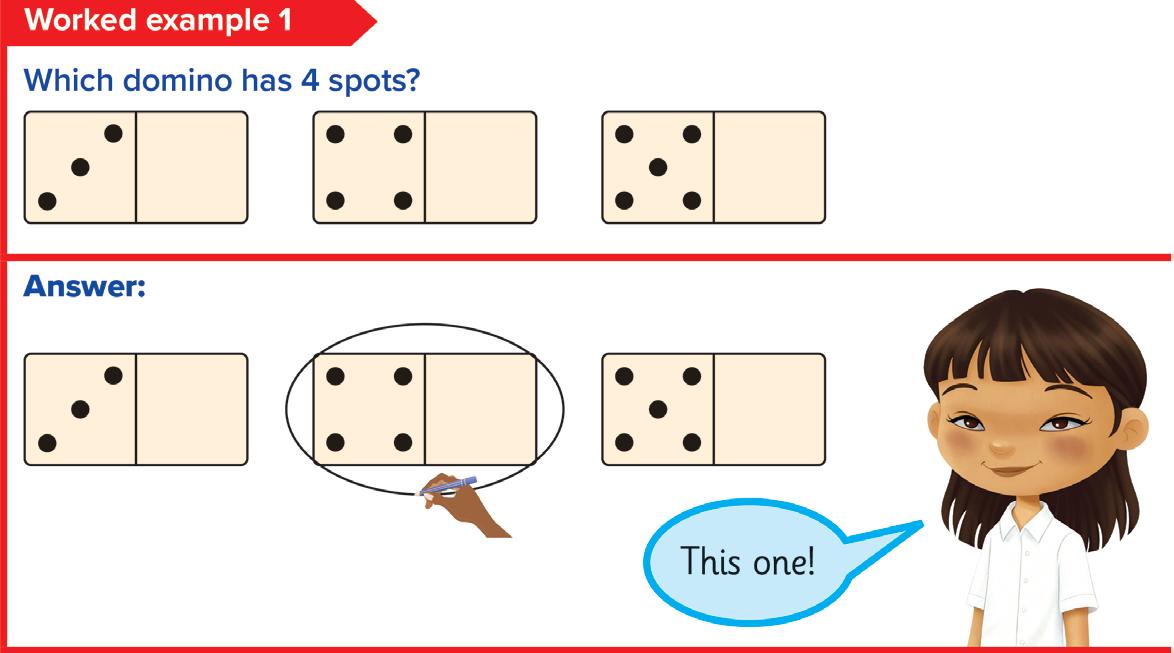
Step-by-step examples showing a way to solve a problem.
These questions will help you develop your skills of thinking and working mathematically.
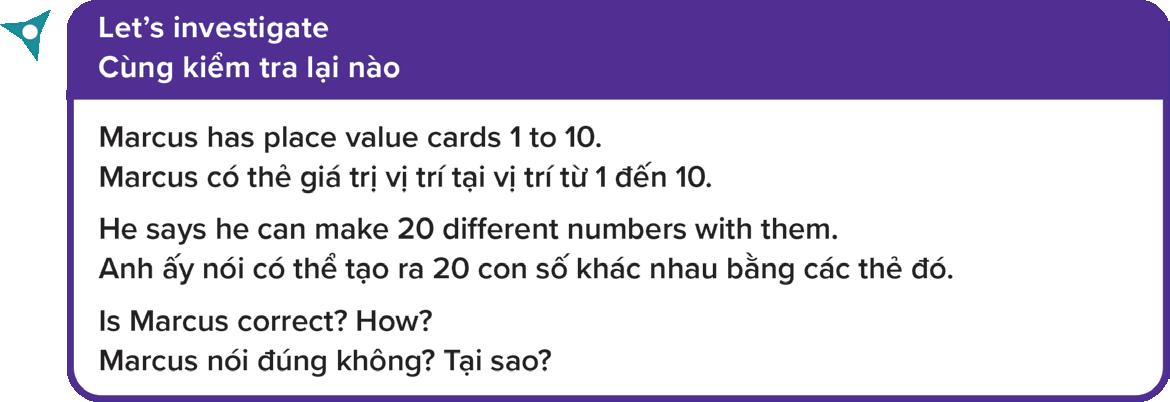
An investigation to carry out with a partner or in groups. This will help develop your skills of thinking and working mathematically.
Một nghiên cứu em sẽ
Assessment

thực hiện với một bạn cùng lớp hoặc theo nhóm. Phần này sẽ giúp em phát triển kĩ năng Tư duy và Làm việc theo Toán học.
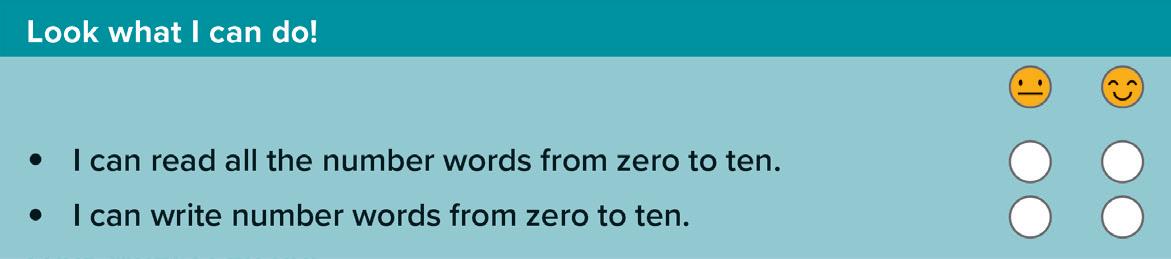
What you have learned in the unit. Tick the column to show how you feel about each thing.
Questions that cover what you have learned in the unit.
©CambridgeUniversityPress&
Thinking and Working Mathematically Tư duy và Làm việc theo Toán học
There are some important skills that you will develop as you learn mathematics.
Em sẽ phát triển một số kĩ năng quan trọng khi học toán.

©CambridgeUniversityPress& Assessment
Specialising is when I test examples to see if they fit a rule or pattern.
Cụ thể hoá là khi em kiểm tra các ví dụ để xem chúng có phù hợp với một quy tắc hay quy luật không.
Generalising is when I can explain and use a rule or pattern to find more examples.
Khái quát hoá là khi em có thể giải thích và sử dụng một quy tắc hoặc quy luật để tìm kiếm thêm ví dụ.
Characterising is when I explain how a group of things are the same.
Đặc điểm hoá là khi em giải
thích một nhóm các sự vật giống nhau như thế nào.
©CambridgeUniversityPress& Assessment
Classifying is when I put things into groups and can say what rule I have used.
Phân loại là khi em sắp xếp
các sự vật thành nhiều nhóm và phát biểu được mình
đã sử dụng quy tắc nào.


Critiquing is when I think about what is good and what could be better in my work or someone else’s work.
Phản biện là khi em suy nghĩ về những điểm tốt và những điểm
có thể cải thiện trong bài làm
của mình hoặc bài làm của bạn.
©CambridgeUniversityPress& Assessment
Improving is when I try to make my maths better.
Cải tiến là khi em cố gắng
để việc học Toán của mình có kết quả tốt hơn.
Conjecturing is when I think of an idea or question linked to my maths.
Phỏng đoán là khi em suy nghĩ về một ý tưởng hoặc câu hỏi liên quan đến kiến thức Toán học của mình.
©CambridgeUniversityPress& Assessment
Convincing is when I explain my thinking to someone else, to help them understand
Thuyết phục là khi em giải thích cách tư duy của mình với người khác để giúp họ hiểu được.

1 Numbers to 10 Các số trong phạm vi 10
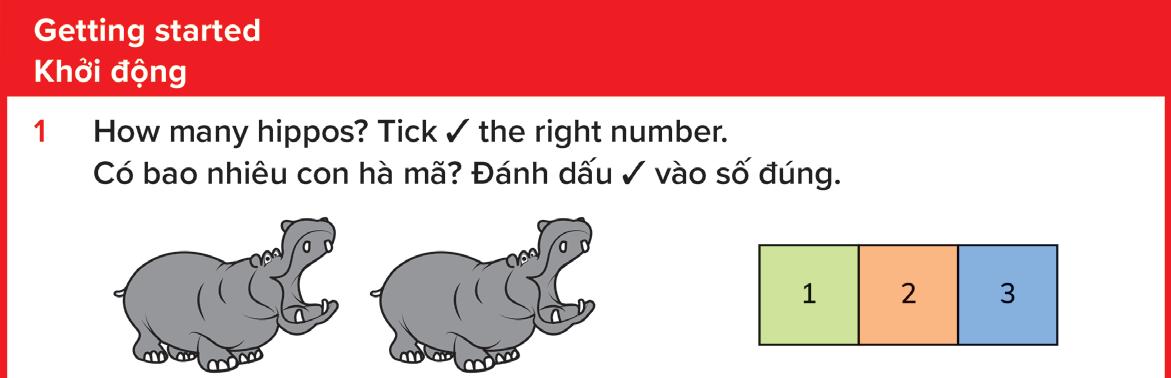
Getting started
1 How many hippos? Tick ✓ the right number. Có bao nhiêu con hà mã? Đánh dấu ✓ vào số đúng. 1 2 3
2 Count the toys and write the numbers.
số đồ chơi và điền các số.
©CambridgeUniversityPress& Assessment
CONTINUED
TIẾP THEO
3
Write numbers in the space below.
Viết các số vào khoảng trống phía dưới
Find objects in the classroom. Tell your partner how many objects.
For example: I have 2 pencils!
Tìm các đồ vật trong lớp tương ứng với những số đó. Hãy nói cho bạn
bên cạnh biết có bao nhiêu đồ vật. Ví dụ: Tôi có 2 chiếc bút chì!
Numbers are all around us.
Các số hiện diện khắp nơi xung quanh ta.
Sometimes a number is a label, for example the number on a football shirt or the number on a bus.
Đôi khi, một con số có thể là một nhãn, ví dụ như số ghi trên áo cầu thủ? hoặc số xe buýt.
How many orange shirts are there in the pack in the picture?
Có bao nhiêu chiếc áo màu cam trong nhóm (hoặc bộ) trong hình?
©CambridgeUniversityPress& Assessment
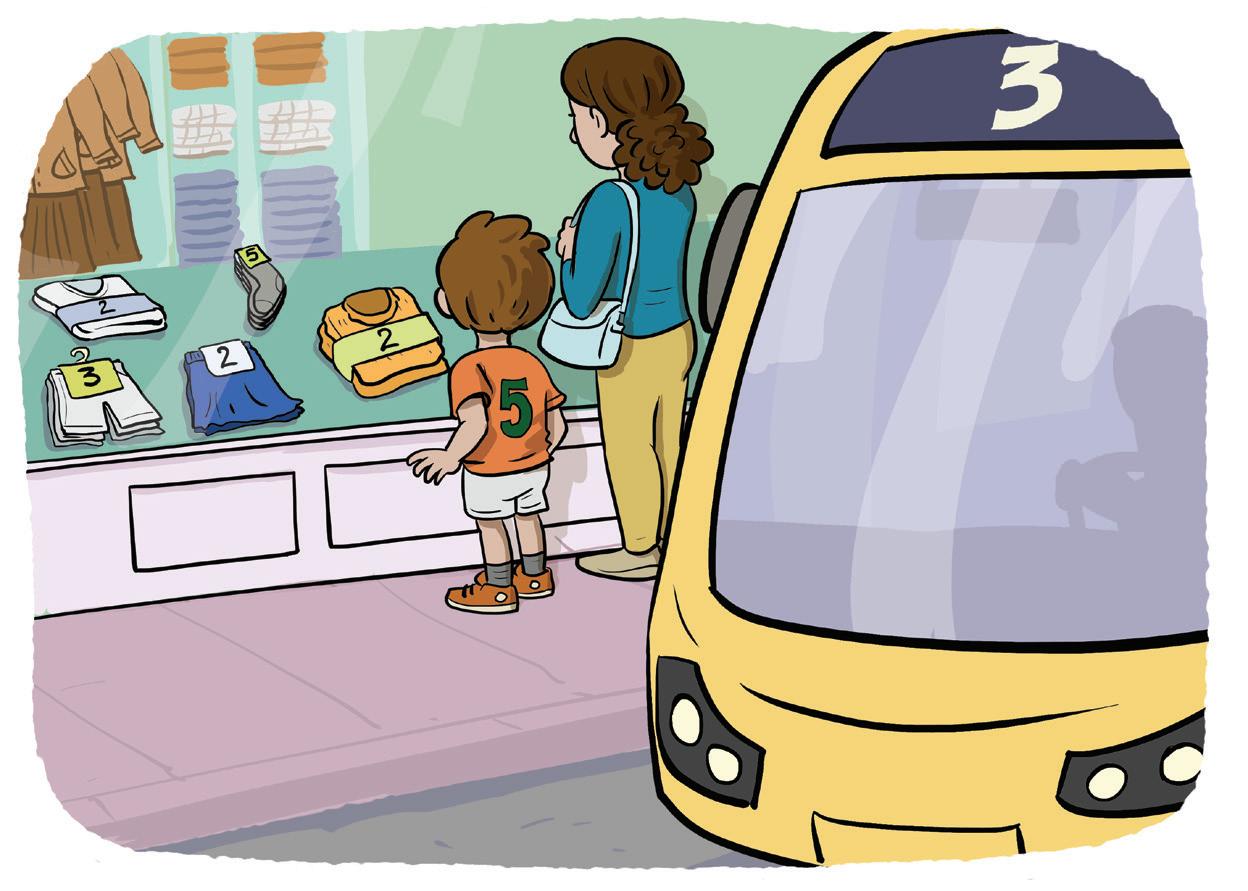
How many balls in the box in the picture?
Trong hình, có bao nhiêu quả bóng
được đặt trong hộp?
1.1 Counting sets of objects
Đếm các nhóm đồ vật
We are going to: Chúng ta sẽ:
• Count sets of objects. Đếm các nhóm đồ vật.
Count how many order set total Đếm có bao nhiêu thứ tự nhóm tổng
To count objects, start with 1 and say numbers in the correct order. Để đếm các đồ vật, hãy bắt đầu từ số 1 và đọc số theo đúng thứ tự.
The last number tells you how many objects there are. Số cuối cùng cho bạn biết có tất cả bao nhiêu đồ vật.
©CambridgeUniversityPress& Assessment
Exercise
1 Count together. 1 2 3 4 5 6 7 8 9 10 1 2 3 4 5 6 7 8 9 10 ©CambridgeUniversityPress&
2 Draw some objects in the box. Count your set of objects. How many in total?
I counted to the same number each time!
©CambridgeUniversityPress& Assessment
Draw your objects in a row. Count again. How many in total?
3
Draw 3 counters in the grid below.
Draw 6 buttons in the grid below.
3
©CambridgeUniversityPress& Assessment
Draw 0 counters in the grid below.
6
Worked example 1
Worked example 1
Which domino has 4 spots?
Answer:
4 Which domino has 5 spots?
Circle the correct domino.
5 Which domino has 9 spots?
Circle the correct domino.
©CambridgeUniversityPress& Assessment

Check with your partner. Is it the same?
7 Draw 7 bananas in a row.
©CambridgeUniversityPress& Assessment
Look at your answer to question 7. Hãy xem câu trả lời của bạn cho câu hỏi số 7.
Is it easy to count in a row?
Đếm theo hàng ngang có dễ hơn không?
Let’s investigate Cùng kiểm tra lại nào
Work with a partner.
Thực hành cùng bạn.
Make a poster about a number.
Vẽ một bức hình
về một con số.
Talk about your poster with your class.
Nói về bức tranh của
bạn cho các bạn cùng lớp.
Look what I can do!
©CambridgeUniversityPress& Assessment

• I can count objects and write the matching number.
• I can find or draw the correct number of objects.
1.2 Reading and writing to
10
We are going to: Chúng ta sẽ:
• Say, read and write numbers and number words to 10. Nói, đọc
Exercise 1.2
1 Say this number rhyme together. 1, 2, 3, 4, 5.
Once I caught a fish alive! 6, 7, 8, 9, 10.
Then I let it go again! Why did you let it go?
Because it bit my finger so. Which finger did it bite?
This little finger on the right.
©CambridgeUniversityPress& Assessment
2 Say your favourite number rhyme to a partner.
3 Count to 10. Point to the number as you say it.
Worked example 2
Which number is missing?
Answer:
1, 2, 3, 4, 5, Once I caught a fish alive! 6, 7, . . . I said 6 then 7, so 7 is the missing number.
4 Count to 10. Write the missing numbers.
©CambridgeUniversityPress& Assessment

5 Are all the numbers in the right place? Write the wrong numbers in the box.
6 Write the number that comes after.
7 Write the number that comes before.
©CambridgeUniversityPress& Assessment

Look what I can do!
• I can count to 10 and find a missing number.
• I can say some number rhymes.
• I can read and write the numbers 1, 2, 3, 4, 5, 6, 7, 8, 9 and 10.
1.3 Number words
Tên gọi các số
We are going to:
Chúng ta sẽ:
• Say, read and write numbers and number words to 10. Nói, đọc và viết các số và tên gọi các số đến 10.
zero: 0 one: 1 two: 2 three: 3 four: 4 five: 5
six: 6 seven: 7 eight: 8 nine: 9 ten: 10
không: 0 một: 1 hai: 2 ba: 3 bốn: 4 năm: 5
sáu: 6 bảy: 7 tám: 8 chín: 9 mười: 10
We can write numbers in words.
Chúng ta có thể viết số bằng chữ.
©CambridgeUniversityPress& Assessment
One Two Five Ten
Coins often have words instead of numbers on them.
Trên tiền xu thường ghi chữ thay cho số.
We often use words instead of numbers in a story.
Chúng ta thường viết bằng chữ thay vì bằng số trong truyện.
Exercise 1.3
1 Count the spots and read the number words.
2 Write the missing words or numbers in the grid. There is an example for you.

3 Match the sets to the number words.
five seven nine one zero two three six four eight ten
Which words do not have a matching set of fruit?
4 Draw eight apples in a row.
©CambridgeUniversityPress& Assessment
5 Draw a basket with zero fruit in it.
6 Write the number word after. one four eight
7 Write the number word before. one four eight
Can you read and write all the number words now? Bây giờ bạn có thể đọc và viết tất cả các chữ số không?
Did you like the activities? Why?
Bạn có thấy hoạt động này thú vị không? Vì sao?
Number word ‘one’ has 3 letters.
Từ ‘one’ có 3 chữ cái.
How about number words from 2 (two) to 10 (ten)? Check carefully.
Từ 2 (hai) đến 10 (mười) có bao nhiêu chữ cái? Kiểm tra thật kỹ.
Let’s investigate Hãy nghiên cứu nào! ©CambridgeUniversityPress&
Which number words have the same number of letters? For example ‘one’ and ‘two’ both have 3 letters.
Những từ chỉ số nào có số chữ cái giống nhau? Ví dụ, số ‘một’ và ‘hai’ cùng có 3 chữ cái.
Look what I can do!
• I can read all the number words from zero to ten.
• I can write number words from zero to ten. Check your progress
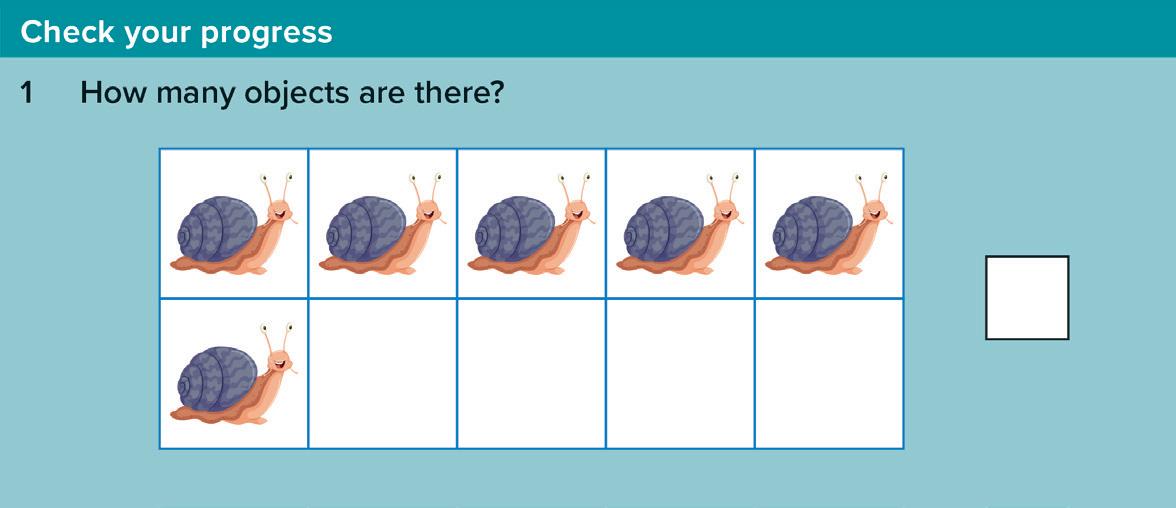
1 How many objects are there?
©CambridgeUniversityPress& Assessment

CONTINUED
2 Write the number under each picture.
©CambridgeUniversityPress& Assessment
2 Working with numbers to 10 Thực hành với các số
Getting started
1 Count out loud to 10. Đếm to các số đến 10
2 How many? Write the number in the box. Có bao nhiêu vật thể ở đây? Viết số lượng vào ô trống.
©CambridgeUniversityPress& Assessment
2 Working with numbers to 10 Thực hành với
CONTINUED
TIẾP THEO
3 Draw 6 spots in a domino pattern.
Vẽ 6 chấm theo hình quân cờ domino.
When you put two groups together, you add them.
Khi các bạn gộp hai nhóm lại với nhau, bạn cộng chúng lại.
We want to know how many we have altogether. Chúng tôi muốn biết tổng cộng có bao nhiêu.
©CambridgeUniversityPress& Assessment
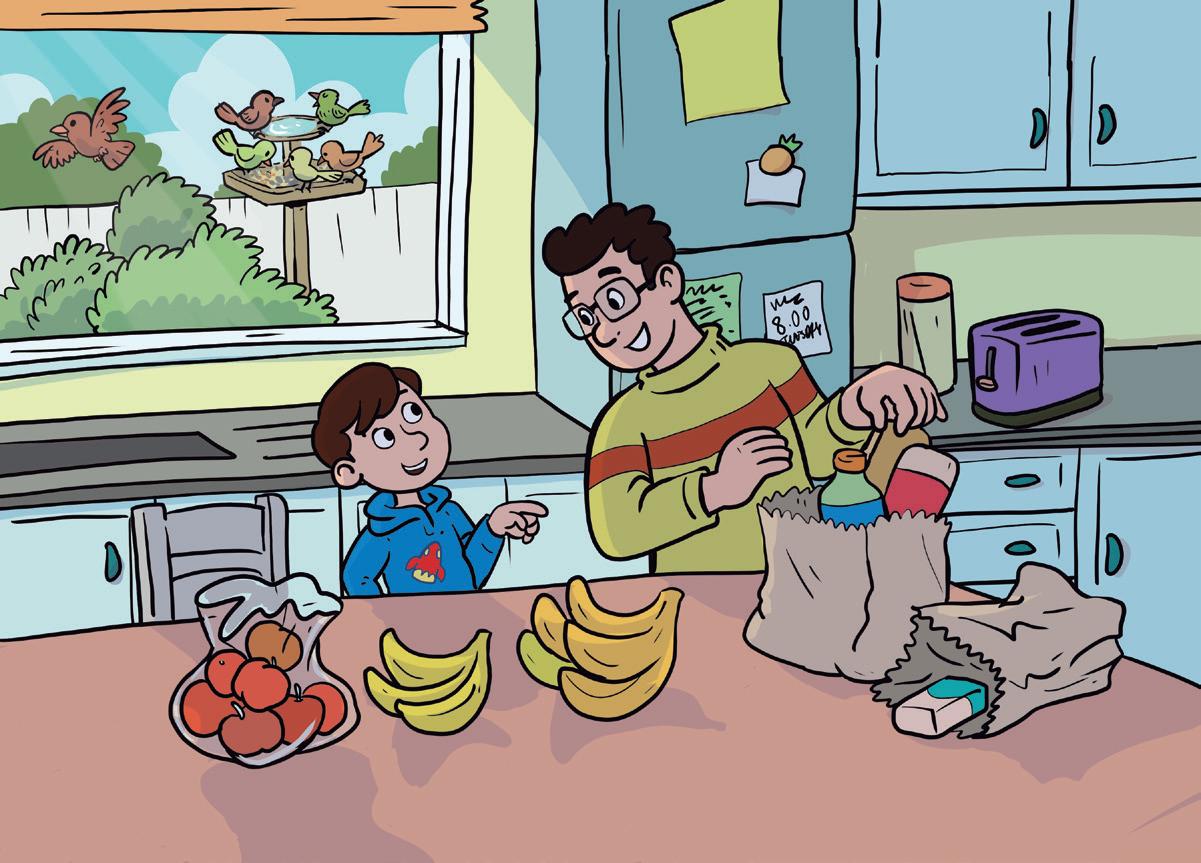
If we have many and we take some away, we want to know how many are left. Nếu chúng ta có nhiều vật thể và lấy đi một số, chúng ta muốn biết còn lại bao nhiêu.
2.1 Addition as combining Phép
cộng dưới dạng kết hợp
We are going to:
Chúng ta sẽ:
• add quantities together by combining two sets (groups) cộng các số lượng với nhau bằng cách kết hợp hai tập hợp (nhóm)
• begin to remember some number bonds. bắt đầu ghi nhớ một số liên kết số.
Add two groups together to find out how many you have.
Cộng hai nhóm lại với nhau để tìm ra tổng số bạn có.
How many apples altogether?
You can write a number sentence to help you remember. Bạn có thể viết một phép tính để giúp bạn ghi nhớ.
3 add 2 equals 5.
3 cộng 2 bằng 5.
Exercise 2.1
1 Draw 1 more block.
Count how many objects there are now.
©CambridgeUniversityPress& Assessment
Complete the number sentence.
add altogether number bond part-whole number sentence
cộng tất cả / tổng cộng liên kết số một phần-tổng thể câu phép tính
3 add 1 equals .
Draw 1 more blue counter.
Count how many counters there are now.
Complete the number sentence.
Worked example 1
5 add 1 equals
Put 5 counters on a ten frame.
Add 1 more. That’s 6, I know it. 5 add 1 equals 6.
2 Use counters and a ten frame to help you add 1 more.
Answer: 5 add 1 equals 6 6 add 1 equals 7 add 1 equals 8 add 1 equals 9 add 1 equals
©CambridgeUniversityPress& Assessment

Let’s investigate Cùng kiểm tra lại nào
Sofia says when you add 1 more, you make the next counting number.
Sofia nói rằng khi bạn cộng thêm 1, bạn sẽ
Is Sofia correct?
Sofia nói đúng không?
Discuss with your partner.
Hãy thảo luận với bạn của bạn.
Worked example 2
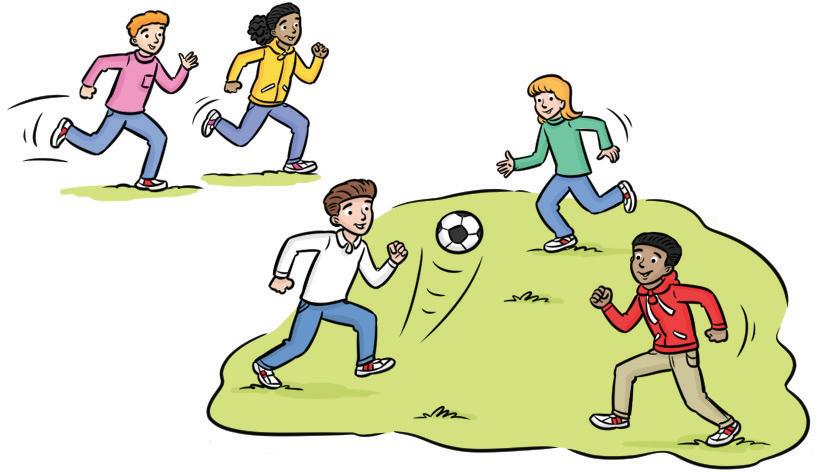
Write a number sentence for the story.

tiếp theo.
©CambridgeUniversityPress& Assessment
+
then,

3 add 2 equals 5 3 + 2 = 5 First, there are 3 children playing football. Then, 2 more children join them. Now, there are 5 children playing football. 3 add 2 equals 5. The number sentence is 3 + 2 = 5.

3 Complete the number sentence for this story.
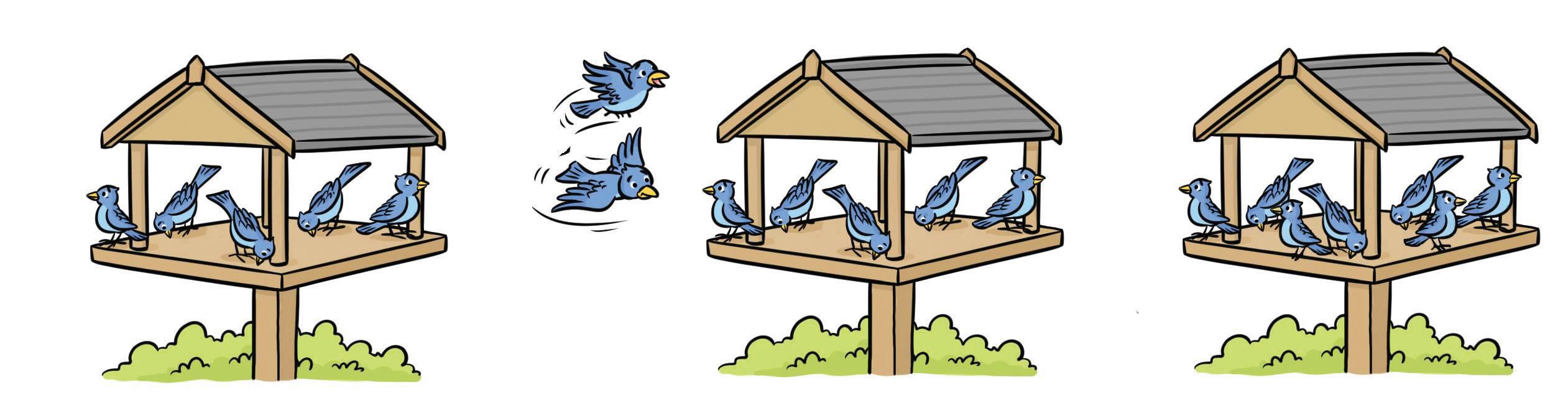
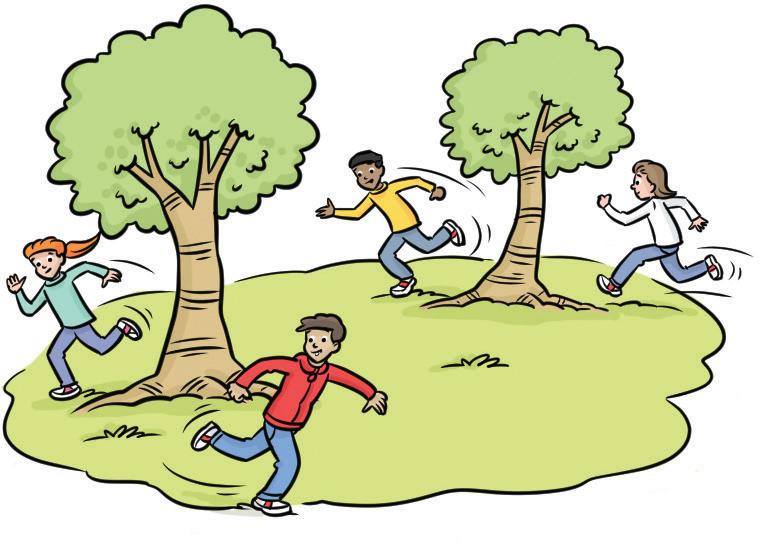
4 Tell your partner what is happening in this story. Write the number sentence.

©CambridgeUniversityPress& Assessment

2 Working with numbers to 10 Thực
Worked example 3
3 add 2 equals 3 + 2 = 3
How many altogether in this part-whole diagram?

A part-whole diagram is an image where two or more components (parts) make a total (whole).
Put the counters on a ten frame to find out.
Write the number sentence.
Answer: 3 add 2 makes 5.
3 + 2 = 5
©CambridgeUniversityPress& Assessment
I combined all the counters on the top row. I counted 1, 2, 3, 4, 5. 3 + 2 = 5
5 How many counters are there?
Combine the parts to find the whole. 4 2
4 add 2 equals .
4 + 2 = How many altogether?
6 Use the part-whole diagram to combine the parts. Use the ten frame to help you find how many objects there are. This is called the total.
©CambridgeUniversityPress& Assessment
7 Find the total number of spots on each domino. Write your number sentence for each one.
8 Complete each part-whole diagram.
Write a number sentence for each diagram.
How did you find the missing part? Ask your partner what they did.
Assessment
9 Complete
10
If 10 is the whole, find the two parts.
Use counters to help you find all the different ways to make 10. For example 6 + 4, 7 + 3.
These are called number bonds for 10. + = 10 + = 10
©CambridgeUniversityPress& Assessment
+ = 10
Explain to your partner why your number sentences are correct.
A number bond is two numbers that add together to make a total. These are the number bonds for 10.
2 Working with numbers to 10 Thực hành với các số
Let’s investigate
Cùng kiểm tra lại nào
Work with a partner. Choose a number from 5 to 9.
Hãy thực hành với bạn bên cạnh. Chọn một số từ 5 đến 9.
Make a poster showing all the number bonds for your number.
Hãy làm một tấm áp phích thể hiện tất cả các liên kết số của số bạn đã chọn.

My number is 6. 5 + 1 = 6 is a number bond for 6
How do you show each number bond?
Làm thế nào để bạn thể hiện từng liên kết số?
How do you know that you have found all the number bonds for your number?
Làm thế nào bạn biết rằng bạn đã tìm thấy tất cả các liên kết số của số bạn?
Look what I can do!
• I can add numbers together by combining two sets.
• I am beginning to remember some number bonds.
©CambridgeUniversityPress& Assessment
2.2 Subtraction as take away Phép trừ là lấy đi
We are going to: Chúng ta sẽ:
• subtract by taking away a part from the whole (total) trừ bằng cách lấy một phần ra khỏi tổng thể (tổng)
• start to add and subtract some numbers.
bắt đầu cộng và trừ một số số.
You can subtract (take away) to find out how many you have left.
Bạn có thể dùng phép trừ (trừ đi)
để tìm ra số lượng còn lại.
You can write your subtraction in words or in a number sentence.
Bạn có thể viết phép trừ bằng
chữ hoặc bằng phép tính.
Exercise 2.2
©CambridgeUniversityPress& Assessment

subtract take away phép trừ lấy đi
1 Cross out 1 bead and 1 counter. Count how many there are now.
7 take away 1 equals take away = I will take away one and eat it. How many will be left?
Let’s investigate
Cùng kiểm tra lại nào
Put 9 counters on the table in the domino pattern.
Đặt 9 nút đếm lên bàn theo quân cờ domino.
Take one counter away to make the domino pattern for 8.
Lấy đi một nút đếm để tạo thành quân cờ domino 8 điểm.
Take another counter away to make the domino pattern for 7.
Lấy đi một nút đếm nữa để tạo thành quân cờ domino 7 điểm.
Repeat until there are no counters left.
Lặp lại cho đến khi không còn nút đếm nào.
Marcus says when you take away 1, you make the counting number before. Marcus nói rằng khi bạn lấy đi 1, bạn sẽ tạo thành số đếm liền trước số đó.
Is this correct? Why? Tell your partner why it is correct.
Điều này có đúng không? Tại sao? Hãy giải thích cho bạn bên cạnh tại sao đúng.
The counting words go ‘seven, eight, nine’. When I take 1 away from 9 I get 8.
Worked example 4
Write a sentence for the story.
©CambridgeUniversityPress& Assessment


First


Continued First 5 First, then 5 take away 2 5 − 2
First, then, now
Answer:
5 take away 2 equals 3
5 − 2 = 3
First, there were 5 ducks in the pond.
Then, 2 ducks left the pond.
Now, there are 3 ducks left in the pond. 5 take away 2 equals. The number sentence is 5 − 2 = 3.
2 Tell your partner what is happening in this story. Write the number sentences.
©CambridgeUniversityPress& Assessment

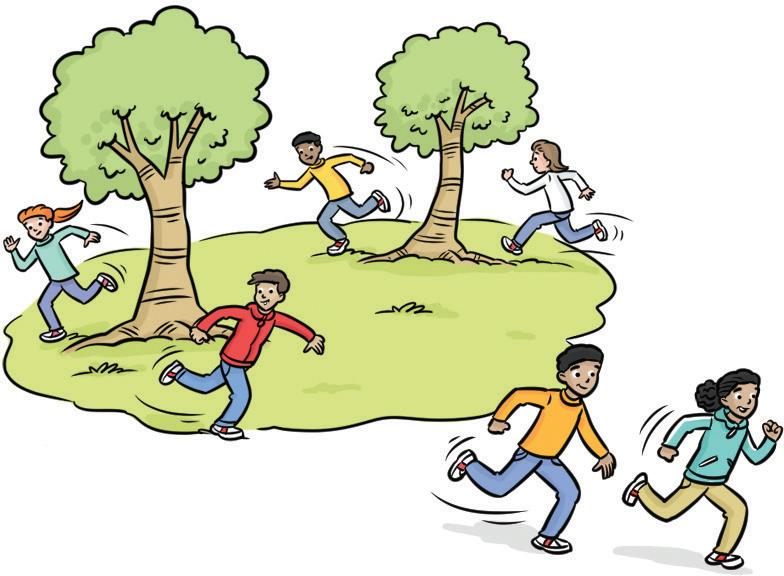
take away equals .
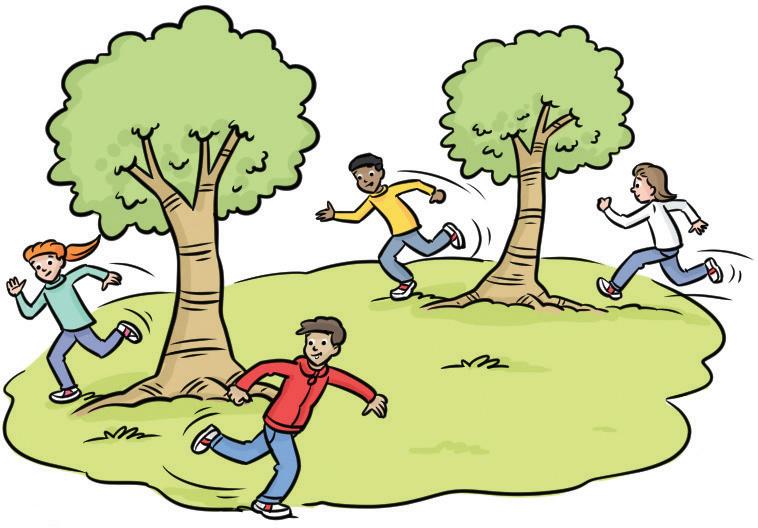
3 Write the number sentence for this story.
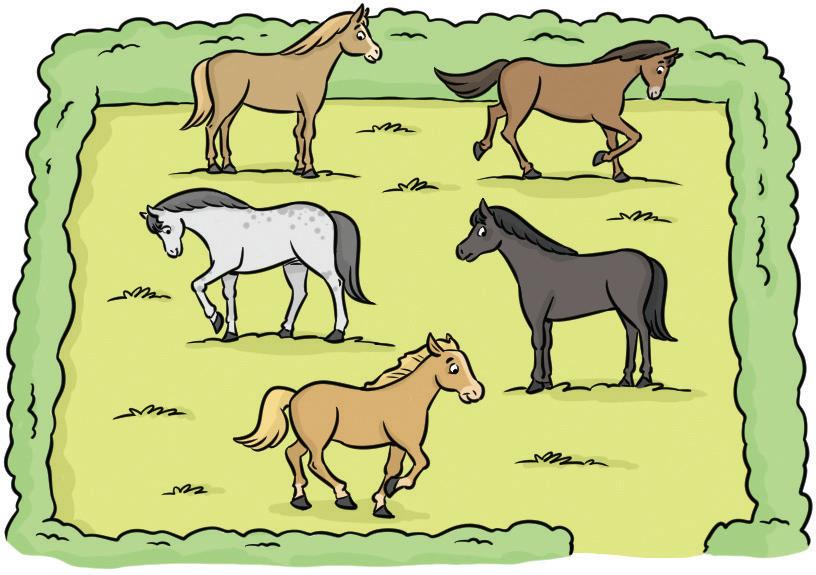
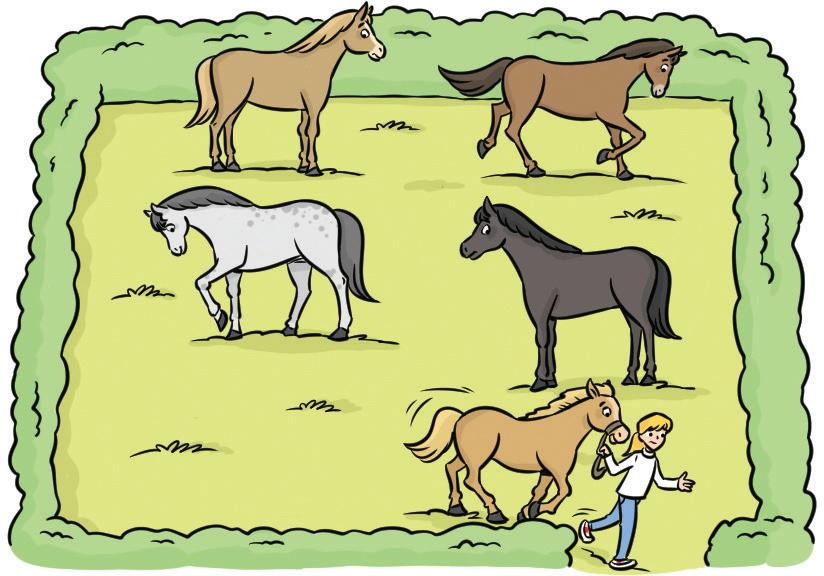
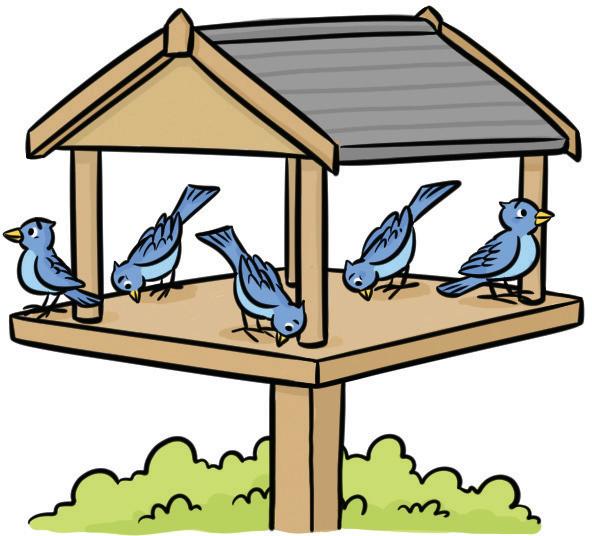
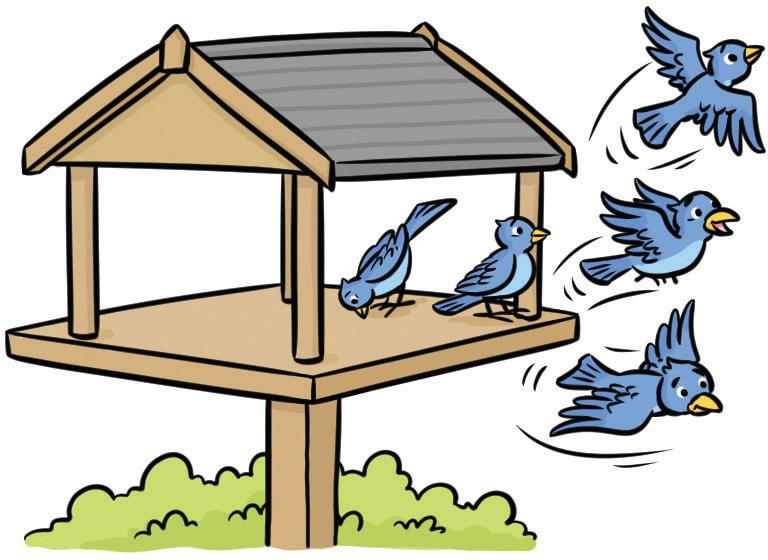
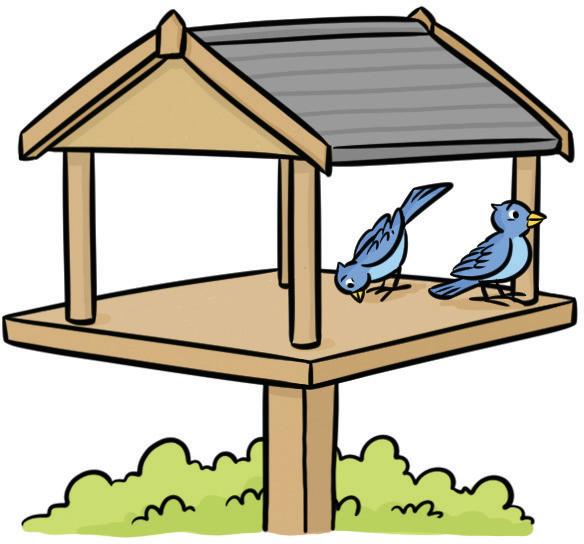
First Then Now
5 take away 1 equals 4. − =
4 Write the number sentence for this story.
©CambridgeUniversityPress& Assessment
First Then Now take away equals .
I have 4 counters. I want to take away 3, so I can put 3 counters in the first part circle.
Assessment

counters are parts now, not the whole. The whole is 4. 1 is left, so I put 1 into the other part circle.

2 Working with numbers to 10 Thực
5 Find out how many are left after taking a part away from the whole.
Use the diagram to help you.
Assessment
Can you take away a smaller number from a larger number? Bạn có thể lấy một số nhỏ hơn từ một số lớn hơn không?
Is the part-whole diagram helpful? Sơ đồ mối quan hệ giữa từng phần-toàn bộ có hữu ích không?
6 Complete each part-whole diagram.
Write a number sentence for each diagram. 3 7 − =
Are these part-whole diagrams the same or different? Why?
Do you use each diagram in the same way? Bạn có sử dụng mỗi sơ
7 Complete each subtraction wall.
Choose one of these numbers…
and subtract one of these numbers. và trừ đi một trong những số này.
Do this 4 times.
©CambridgeUniversityPress& Assessment

Subtract is another way of saying take away.
Worked example 6
Use your fingers to see how many different ways you can make 5. Then complete the number sentences without counting.
5and0make5 0and5make5
4and1make5 1and4make5
5 + 0 = 0 + 5 = 5 − 0 =
3and2make5 2and3make5
4 + 1 = 1 + 4 = 5 − 1 = 5 − 4 =
3 + 2 = 2 + 3 = 5 − 2 = 5 − 3 =
I know that 3 and 2 make 5. So I can say 3 + 2 = 5. I don’t need to count.

8 Use your fingers to see how many different ways you can make 4. Then complete the number sentences without counting.
4 + 0 = 0 + 4 = 4 − 0 =
©CambridgeUniversityPress& Assessment
3 + 1 = 1 + 3 = 4 − 1 = 4 − 3 = 2 + 2 = 4 − 2 =
Let’s investigate Cùng kiểm tra lại nào
Sofia says that if she knows 4 + 1 = 5, she can find 4 + 2 without counting.
Sofia nói rằng nếu cậu ấy biết 4 + 1 = 5, cậu ấy có thể tìm ra 4 + 2 mà không
cần đếm.
Do you agree with her? Why?
Bạn có đồng ý với bạn
ấy không? Tại sao?
I know 2 is one more than 1. This can help me find 4 + 2.
Look what I can do!
• I can subtract by taking away a part from a whole.
• I can add and subtract some numbers without counting.
©CambridgeUniversityPress& Assessment


2 Working with numbers to 10 Thực
Check your progress
1 Complete each part-whole diagram. Write a number sentence for each diagram.
2 Find all the number bonds for 7. What will you use to help you?
3 Complete
3 Numbers to 20 Các số trong phạm vi 20
Getting started
Khởi động
1 How many spiders are there? Có bao nhiêu con nhện?
2 How many in each set?
Mỗi bộ có bao nhiêu cái?
©CambridgeUniversityPress& Assessment
3 Numbers to 20 Các số trong phạm vi 20
CONTINUED TIẾP THEO
3 Write the missing numbers on the number track. Viết các số còn thiếu vào dãy số.
Then say and write the number names. Sau đó, hãy đọc và viết tên các số.
The missing numbers are and . Các số bị thiếu là
You have already explored numbers to 10. Bạn đã tìm hiểu các số trong phạm vi 10 rồi.
Now you will explore numbers to 20 (teen numbers). Bây giờ bạn sẽ tìm hiểu các số tiếp theo đến 20 (các số từ 11 đến 19).
©CambridgeUniversityPress& Assessment
3.1 Counting to 20
Đếm đến 20
We are going to:
Chúng ta sẽ:
• say, read and write numbers and number words to 20
Nói, đọc và viết các số và các từ chỉ số trong phạm vi 20
• recognise that teen numbers are made up of a ten and some ones.
Nhận biết rằng các số từ 11 đến 19 đó được tạo thành từ một chục và một số đơn vị.
In this unit you will look at numbers to 20.
Trong bài học này, bạn sẽ tìm hiểu về các số trong phạm vi 20.
number line number track place value card represent teen numbers eleven: 11 twelve: 12 thirteen: 13 fourteen: 14 fifteen: 15
sixteen: 16 seventeen: 17 eighteen: 18 nineteen: 19 twenty: 20
trục số dãy số thẻ giá trị vị trí biểu diễn các số từ 11 đến 19
mười một: 11 mười hai: 12 mười ba: 13 mười bốn: 14 mười lăm: 15
mười sáu: 16 mười bảy: 17 mười tám: 18 mười chín: 19 hai mươi: 20
Here is a number track for 1 to 20.
Đây là một dãy số từ 1 đến 20.
20 is the name for two tens. 20 còn được gọi là hai chục.
Count

3 Now count from 0 to 20. This is one way to show the numbers 0 to 20. It is called a number line. Write the missing numbers. Use a number line to help you.
0123456789101112131516171820
This is one way to show the numbers 0 to 20. It’s called a number line.
Worked example 2
Show 16 using place value cards (cards that help you to build numbers or separate them into tens and units)
16 is written with a 1 and a 6.
The 1 means 1 ten.
This is 10 shown with place value cards.
The 6 means 6 ones.
This is shown with place value cards.
©CambridgeUniversityPress& Assessment
So this is 16.
There is a 1 in the tens place and a 6 in the ones place.
4 Which numbers do these place value cards show?
5 Which number do these place value cards make?
6 Which place value cards are missing to make this number?
Let’s investigate Cùng kiểm tra lại nào
Marcus has place value cards 1 to 10. Marcus có thẻ giá
10.
He says he can make 20 different numbers with them.
Anh ấy nói có thể tạo ra 20 con số khác nhau bằng các thẻ đó. Is Marcus correct? How?
Marcus nói đúng không? Tại sao?
©CambridgeUniversityPress& Assessment
Worked example 3 Say 15. Write the word. fifteen 15. It sounds like fif and teen, fifteen.
7 Say each number. Write the word.
8 Here are parts of a number track written in words. Write the missing number words.
9 Complete these part-whole diagrams (an image showing a whole and its components).
10
What are the different ways you can represent the number 19?
Write or draw one way in each square.
Look what I can do!
Represent is a special word for ‘show’. We use it to talk about showing a number or calculation.
• I can say, read and write numbers and number words to 20.
• I can show that teen numbers are made up of a ten and some ones.
3.2 Counting, comparing and ordering
Đếm, so sánh và sắp xếp
We are going to:
Chúng ta sẽ:
• count up to 20 objects đếm đến 20 vật thể
©CambridgeUniversityPress& Assessment
• compare sets of objects and numbers so sánh các nhóm vật thể và số lượng
• order quantities sắp xếp theo số lượng
3 Numbers to 20 Các số trong phạm vi 20
It is important to understand what each number means.
Điều quan trọng là phải hiểu ý nghĩa của từng con số.
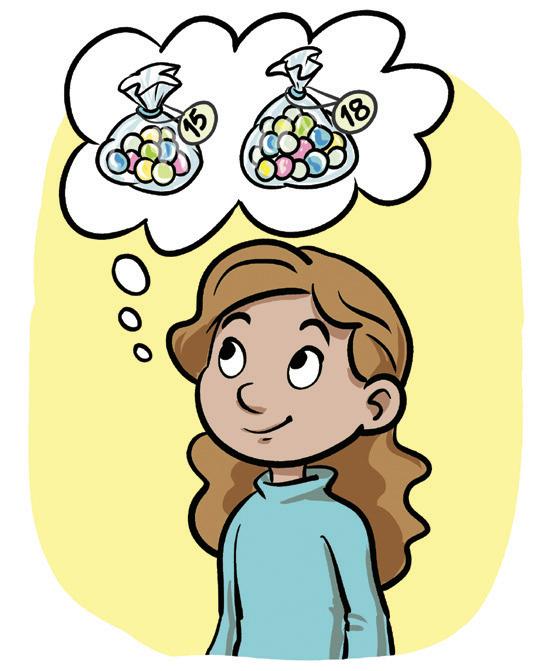
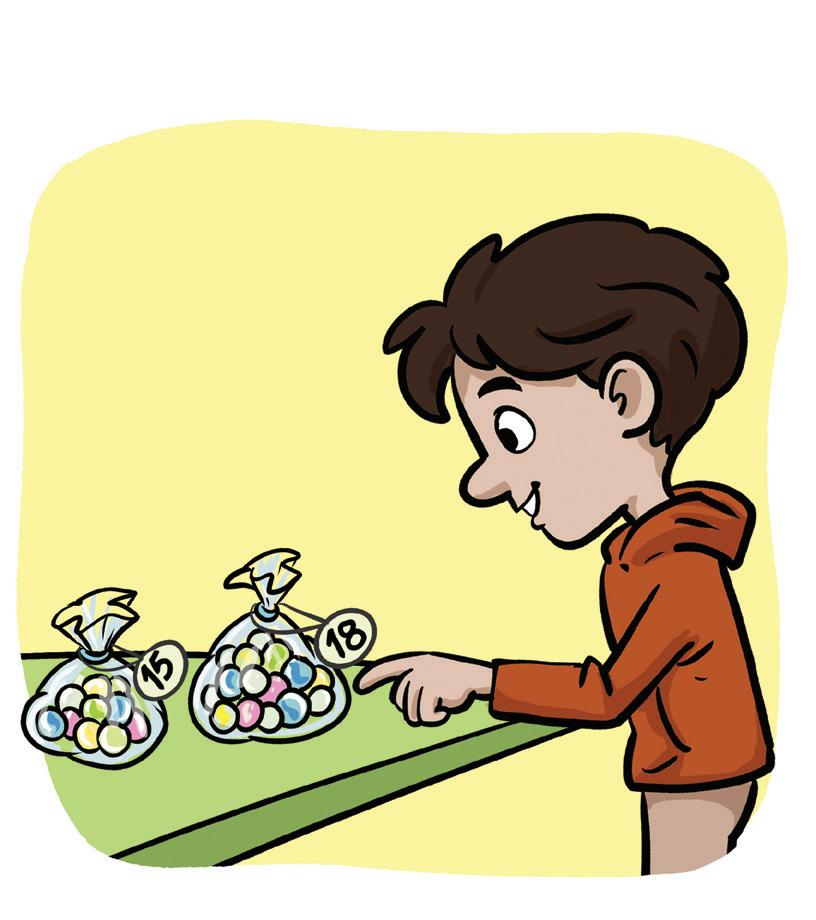
Now that you know about some numbers. Which pack of marbles do you want to buy?
Giờ bạn đã biết một vài con số rồi.
Bạn muốn mua gói bi nào?
Exercise 3.2
Worked example 4
How many?
This one has more.
Assessment
Answer:
1 How many objects are there? Write each number. Use place value cards to help you.
2 Draw the correct number of counters.
©CambridgeUniversityPress& Assessment
3 This is a bead string.
The first 10 beads are red.
The next 10 beads are white.
How many beads are there in total on the string?
©CambridgeUniversityPress& Assessment
How many beads can you see on each bead string?
You can compare different sets (groups) of objects. You can say which set has more, fewer or the same number of objects as another set.
Bạn có thể so sánh các tập hợp (nhóm) vật thể khác nhau. Bạn có thể nói tập hợp nào có số lượng vật thể nhiều hơn, ít hơn hoặc bằng so với tập hợp khác.
Fewer is smaller. For example a set of 3 marbles has fewer marbles than a set of 6 marbles.
Ít hơn có nghĩa là nhỏ hơn. Ví dụ, một tập hợp 3 viên bi có ít bi hơn một tập hợp 6 viên bi.
More is bigger/greater. For example a set of 8 marbles has more marbles than a set of 5 marbles.
Nhiều hơn có nghĩa là lớn hơn/to hơn. Ví dụ, một tập hợp 8 viên bi có nhiều viên bi hơn một tập hợp 5 viên bi.
Same is = . For example a set of 3 marbles is the same as another set of 3 marbles.
Bằng nhau có nghĩa là =. Ví dụ, một tập hợp 3 viên bi bằng với một tập hợp 3 viên bi khác.
©CambridgeUniversityPress& Assessment
compare fewer less greater more same between so sánh ít hơn kém hơn lớn hơn nhiều hơn bằng nhau giữa.

Exercise 3.3
Worked example 5
Compare the two sets. Are they the same or different?
Tick ✓ the set that has more objects.
Answer:
1 Compare the sets.
©CambridgeUniversityPress& Assessment
I can match each shape in one row with a shape in the other row.
There is no match for the last shape in the top row, so there are more shapes in the top row than in the bottom row. I need to tick the top row.

Tick ✓ the set that has fewer objects.
2 Compare the sets.
Tick ✓ the set that has fewer objects.
3 Compare the sets.
Tick ✓ the set that has more objects.
4 Compare the sets.
Tick ✓ the sets that have the same number of objects.
©CambridgeUniversityPress& Assessment
5 Compare the sets. Complete the sentences.
3 Numbers to 20 Các số trong phạm
There are
There are
There are more than , so there are fewer than .
6 Compare the sets.
Complete the sentences.
©CambridgeUniversityPress& Assessment
There are
There are
There are fewer than so there are more than .
7 Look at question 6.
How many spiders?
How many snails?
What is the difference?
So how many more spiders?
How many fewer snails than spiders?
Use the number track to help you answer questions 8 to 10.
8
Write a number that is greater than 4.
9
10
©CambridgeUniversityPress& Assessment
Write a number that is less than 5.
Circle the correct number to complete each sentence.
To find a number that is more than another number, look along the number track towards the 1 or 10.
To find a number that is less than a given number, look along the number track towards the 1 or 10.
Let’s investigate
Cùng kiểm tra lại nào
Work with a partner or on your own.
Luyện tập với bạn cùng nhóm hoặc tự luyện tập.
Take 3 objects.
Lấy 3 vật thể.
Take 1 more.
Lấy thêm 1 vật thể nữa.
How many do you have now?
Bây giờ bạn có bao nhiêu vật thể?
Take 1 more.
Lấy thêm 1 vật thể nữa.
How many do you have now?
Bây giờ bạn có bao nhiêu vật thể?
Repeat until you have 10 objects. What do you notice?
Lặp lại cho đến khi bạn có 10 vật thể. Bạn nhận thấy điều gì?
You have 10 objects.
Bạn có 10 vật thể.
Put 1 back.
Lấy lại 1 vật thể.
How many do you have now?
Bây giờ bạn có bao nhiêu vật thể?
Put another 1 back.
Lấy lại 1 vật thể nữa.
How many do you have now?
©CambridgeUniversityPress& Assessment
Bây giờ bạn có bao nhiêu vật thể?
Repeat until you have 0 objects left. What do you notice?
Lặp lại cho đến khi bạn không còn vật thể nào. Bạn nhận thấy điều gì?
Can you find the answer in a different way?
Worked example 6
There are more yellow cars than red cars. 15 is greater than 13.
©CambridgeUniversityPress& Assessment
15 is after 13 in the number line so it is greater. 13 is before 15 in the number line so it is smaller.
We use greater and smaller when we compare numbers.

11 Are there more marbles or stickers?












01234567891011121314151617191820
Write a number in each gap.
There are marbles.
There are stickers. is greater than .
There are more than .
12 Are there fewer lollipops or children?
©CambridgeUniversityPress& Assessment
01234567891011121314151617191820
Write a word in each gap.
There are lollipops.
There are children. is less than .
There are fewer than .
Can every child have a lollipop?
01234567891011121314151617191820
Write less or greater to complete the sentences.
19 is than 16. 16 is than 19. 11 is than 15. 15 is than 11.
Worked example 7
Count the butterflies. Write how many. Then tick one box.
Between 00and1010Between10and2020
Answer: Between 0and10 ✓ 010Between10and2020 butterflies
I counted 8 butterflies. 8 is greater than 0 and less than 10. We can say 8 is between 0 and 10.

14 Count the dragonflies. Write how many.
Then tick one box. Use a number line to help you. 01234567891011121314151617191820 Between
15 Mark 3 and 18 on the number line.
Let’s investigate Cùng kiểm tra lại nào
Choose any 3 numbers from 10 and 20.
Chọn bất kỳ 3 số từ 10 đến 20
Put them in order from smallest to greatest.
Xếp các số đó theo thứ tự từ bé đến lớn.
Now look at your numbers on the number line. Talk to your partner about what you notice.
Nào, hãy xem các số của bạn trên trục số. Hãy nói cho bạn của bạn điều gì
bạn đã nhận ra.
©CambridgeUniversityPress& Assessment
Repeat with 3 new numbers.
Lặp lại với 3 số khác.
Talk with your partner about your investigation.
Nói với bạn cùng nhóm về phát hiện của bạn
Answer all the questions in the diagram. Trả lời tất cả các câu hỏi trong
What have I learned?
What am I being asked to do?
Look what I can do!
Did I do a good job?
What can I use to help me?
Have I answered the question?
• I can count up to 20 objects.
• I can compare two sets of numbers.
• I can say which set has more or fewer (or greater or less).
©CambridgeUniversityPress& Assessment
• I can recognise when two sets have the same number of objects.
• I can order quantities.
3.3 Counting on and counting back Đếm tăng và đếm giảm
We are going to: Chúng ta sẽ:
• count on and back in ones from any number to 20
đếm tăng và đếm giảm các số tăng giảm 1 từ bất kỳ số nào tới 20
• count on and back in twos
Đếm tăng và đếm giảm các số tăng giảm 2
• count on and back in tens from any number to 20.
Đếm tăng và đếm giảm các số tăng giảm 10 từ bất cứ số nào đến 20. counting back counting on tens ones twos
Đếm giảm Đếm tăng Tăng giảm 10 Tăng giảm 1 Tăng giảm 2
You can already count towards 10 and 20. Now you will count starting at any number.
Bạn đã biết đếm đến 10 và 20 rồi. Bây giờ bạn sẽ đếm bắt đầu từ bất kỳ số nào.
You will also count in twos and tens. You will count on and back.
Bạn cũng sẽ đếm theo tăng giảm hai và mười. Bạn sẽ đếm tăng và đếm giảm.
©CambridgeUniversityPress& Assessment
2, 4, 6, 8, 10, 12! I counted in twos.
Exercise 3.4
1 Start at 7 and count on to 15.
+1+1+1+1+1+1+1+1
01234567891011121314151617191820
2 Start at 13 and count back to 4.
01234567891011121314151617191820 –1–1–1–1–1–1–1–1–1
3 Start at 0 and count on to 10 in twos. Then count on to 20.
Let’s investigate Cùng kiểm tra lại nào
Sofia says she can count to 20 faster by counting in tens. Sofia nói rằng bạn ấy có thể đếm đến 20 nhanh hơn bằng cách đếm tăng giảm 10
01234567891011121314151617191820 +10+10
©CambridgeUniversityPress& Assessment
Circle each number Sofia says on the number line. Khoanh từng số trên trục số mà Sofia nói. What do you think ‘counting in tens’ means? Tell your partner. Theo bạn đếm tăng giảm 10 nghĩa là gì? Hãy nói cho bạn trong nhóm biết.
01234567891011121314151617191820 +2+2+2+2+2+2+2+2+2+2 0, 10 , 20.
Worked example 8
Count on one ten from 3. Write the missing number. tenmore 3 01234567891011121314151617191820
Answer: tenmore 313
3, 13 13 is ten more than 3.
4 Count on or back one ten. Write the missing numbers. Use a number line or number track to help you.

Look at the number line and the number track.
Hãy nhìn vào trục số và dãy số.
They both show 10 fewer and 10 more.
Cả hai đều thể hiện ít hơn 10 đơn vị và nhiều hơn 10 đơn vị.
Which one do you like best?
Bạn thích cái nào nhất?
Explain why to your partner. Which one does your partner like best? Why?
Hãy giải thích lý do cho bạn cùng nhóm. Bạn cùng nhóm của
bạn thích cái nào nhất? Tại sao?
5 Count in twos to find out how many pencils.
6 Bicycles have 2 wheels.
I have 3 bicycles. How many wheels?
A bicycle maker has 14 wheels.
How many bicycles can she make?
©CambridgeUniversityPress& Assessment
Worked example 9
Write the missing numbers. two fewer two more 12
Answer:
Count back 2 from 12 to find 2 fewer. 2 fewer than 12 is 10. Count on from 12 to find 2 more. 2 more than 12 is 14. Continued
7 Write the missing numbers.
8 Lan wanted to find out how many wheels are on 9 bicycles. She drew some jumps of 2. How many wheels are there? Draw Lan’s jumps.
Look what I can do!
• I can count on and back in ones from any number to 20
• I can count on and back in twos
• can count on and back in tens from any number to 20.
Check your progress
1 Fill in the missing numbers on the place value cards.
©CambridgeUniversityPress& Assessment
CONTINUED
2 Write how many fish in each tank. Circle the tank with fewer fish. Draw a star on the tank with more fish.
3 There are 6 pairs of shoes on the shelf in the shoe shop. (‘pair’ means 2. For example a pair of shoes means 2 shoes, 2 pairs of shoes means 4 shoes). How many shoes in 6 pairs?
Show how you found out on the number line.
4 Write the missing numbers.
Working with numbers to
1 Complete the diagram.
Write a number sentence for each diagram.
2
4 Working with numbers to 20 Luyện tập với các số trong phạm vi 20
3 Use the number line to help you compare these numbers.
Sử dụng trục số để so sánh các số này với nhau.
Write less or more to complete the sentences.
Viết “ít hơn” hoặc “nhiều hơn” để hoàn thành các câu sau
01234567891011121314151617191820
9 is than 12. 12 is than 9.
9 is hơn 12. 12 is hơn 9.
16 is than 11. 11 is than 16.
16 is hơn 11. 11 is hơn 16.
You can add or subtract in different ways (methods).
Bạn có thể cộng hoặc trừ theo nhiều cách (các phương pháp) khác nhau.
You will use a number line to help you count.
Bạn sẽ sử dụng trục số để hỗ trợ việc đếm.
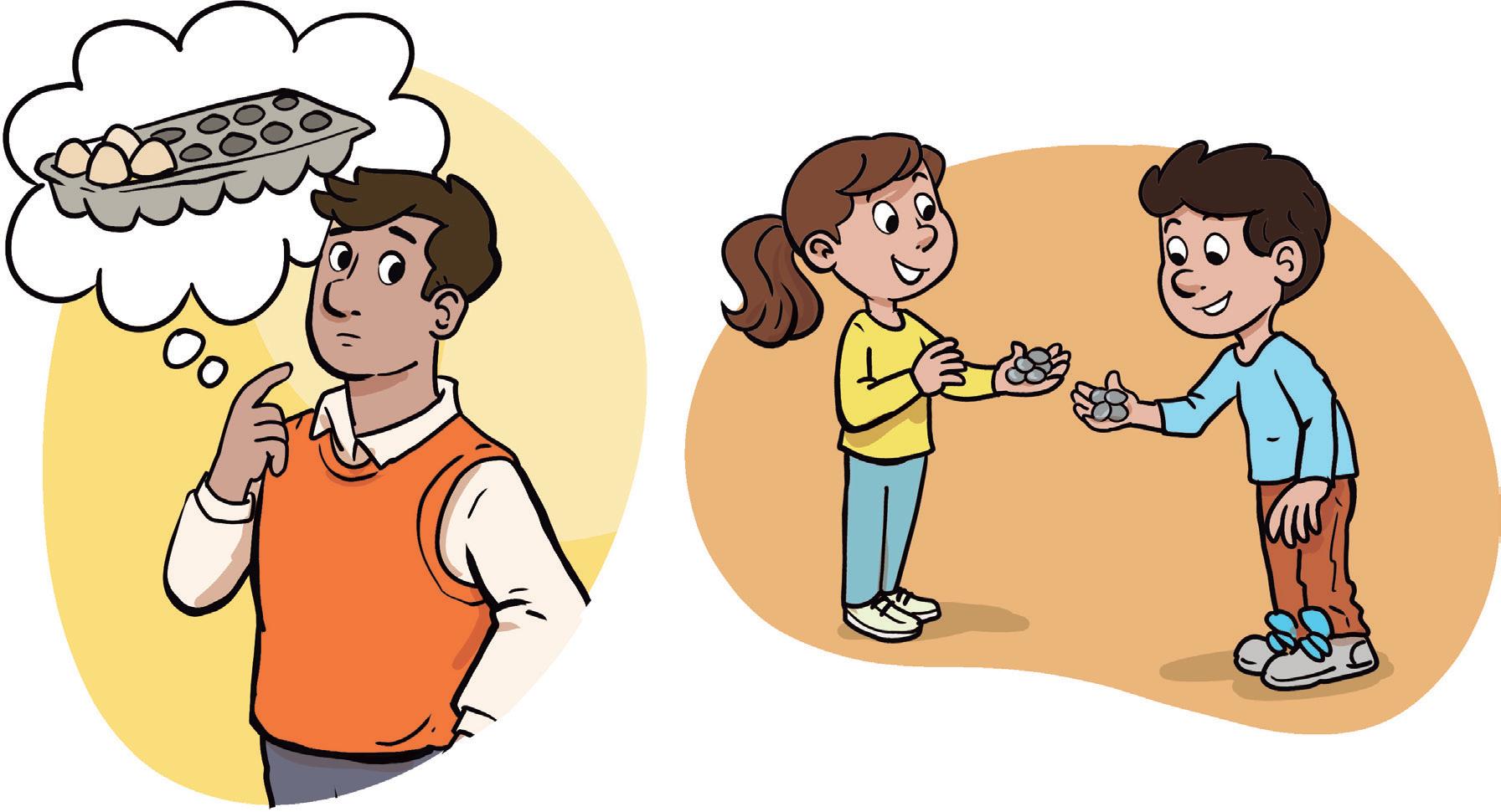
I must remember to buy more eggs.
How many pebbles do we have altogether? What is the best method to find out? CONTINUED
©CambridgeUniversityPress& Assessment
4.1 Addition by counting on Phép cộng bằng cách đếm tăng
We are going to:
Chúng ta sẽ:
• add by counting on, using a number line to help làm phép cộng bằng cách đếm tăng, sử dụng trục số để hỗ trợ
• regroup numbers into smaller numbers to help with addition nhóm lại các số thành các số nhỏ hơn để hỗ trợ phép cộng
• use complements of 10 to help with addition. sử dụng các số bổ sung vào 10 để hỗ trợ phép cộng.
We often add some more to what we have.
Chúng ta thường cộng thêm vào những gì mình có.
If you have 9 marbles and win 4 in a game, it is better to count on 4 from 9. This means you start from 9 and count forwards 4 — so 10, 11, 12, 13. You will have 13 and there is no need to count them all.
Nếu bạn có 9 viên bi và thắng được 4 viên
trong trò chơi, cách tốt hơn hãy đếm tăng từ 9
thêm 4 số nữa. Nghĩa là bạn bắt đầu đếm từ 9 và đếm tiếp 4 số nữa như vậy sẽ có 10, 11, 12, 13. Bạn sẽ có số 13 mà không cần phải đếm lại tất cả từ đầu.






©CambridgeUniversityPress& Assessment




calculation complement method regroup phép tính số bù phương pháp nhóm lại 01234567891011121314151617191820
Using a number line to help, you will be able to count on from a number instead of having to count everything. Sử dụng trục số để hỗ trợ, bạn sẽ có thể đếm thêm từ một số thay vì phải đếm lại tất cả từ đầu.
Exercise 4.1
Worked example 1
11 + 6 =
Answer: 11 + 6 = 17
01234567891011121314151617191820 +1 +1+1+1+1+1 12, 13, 14, 15, 16, 17. 11 + 6 = 17 Draw a ring around 11. Count on 6.

1 Count on in ones. Draw your jumps (see Worked example 1).
13 + 4 = 01234567891011121314151617191820
9 + 7 = 01234567891011121314151617191820
2 Here is Chi’s number line. What is the calculation?
©CambridgeUniversityPress& Assessment
4 Working with numbers to 20 Luyện
Worked example 2
12 + 7 =
Answer: 12 + 7 = 19
3 Count on in ones.
Draw a ring around 12. Count on 1, 2, 3, 4, 5, 6, 7. Draw 1 jump. Drawing one jump is quicker than drawing 7 jumps! 12 + 7 = 19.
Draw and label one jump to find each total (see Worked example 2).
6 + 9 =
4 Here is An’s number line.
What is the calculation?
01234567891011121314151617191820 +9
Let’s investigate Cùng khám phá nào
What happens when you add 0 to a number?
Điều gì xảy ra khi bạn cộng thêm 0 vào một số?
How can you add numbers to 0 on a number line? For example, 0 + 4.
Bạn có thể trình bày cách bạn thêm 0 vào một số trên trục số được không?
Ví dụ, 0 + 4.
01234567891011121314151617191820
Worked example 3
2 + 7 = 9
2 and 7 are complements of 9 because if you add them together, they make 9.
3 + 6 = 9
3 and 6 are also complements of 9.
We can also say that we can regroup 9 as 2 and 7 or as 3 and 6.
©CambridgeUniversityPress& Assessment
4 Working with numbers to 20 Luyện
Continued
Regroup 9 stars in two different ways.
Answer:
©CambridgeUniversityPress& Assessment
I can regroup 9 into 4 and 5. 4 + 5 = 9 This is another way to regroup 9. 6 + 3 = 9 6 and 3 are complements of 9.
5 Regroup 15 in two different ways. Write numbers in the empty circles. Complete the sentences. 1515 and arecomplementsof15. and arecomplementsof15.
Worked example 4
7 + 6 =
Answer: 7 + 6 = 13
I have added 3. I need to add 3 more. That’s another jump of 3. 7 + 6 = 13.
©CambridgeUniversityPress& Assessment
Draw a ring around 7. 7 and 3 are complements of 10. Regroup 6 into 3 and 3.

6 Use complements of 10 to help you add.
8 + 7 = 01234567891011121314151617191820
9 + 5 = 01234567891011121314151617191820
Is the number line useful when adding by counting on? Why?
Trục số có giúp bạn dễ đếm khi làm phép cộng không? Tại sao?
Share your ideas with a partner. Trao đổi các ý tưởng với bạn cùng nhóm.
Let’s investigate Cùng khám phá nào
Work in a small group to make a poster to show the three ways (methods) you have used to add using a number line: 1 counting on, 2 using complements, 3 regrouping.
Hoạt động theo nhóm nhỏ để tạo một hình vẽ thể hiện ba cách (ba phương pháp) mà bạn đã sử dụng để cộng bằng trục số: 1 đếm tăng, 2 sử dụng số bù, 3 nhóm lại.
Can you make the poster easy to understand for a friend?
©CambridgeUniversityPress& Assessment
Bạn có thể làm cho hình vẽ dễ hiểu hơn cho bạn của bạn không?
7 Thu drew a jump of 3 and a jump of 2. She started from number 7. What was her calculation?
8 Choose a number from each circle to add together on a number line. Write your number sentence. Choose which method to use and do the calculation. Do it again. 01234567891011121314151617191820
6 + 9 = 15 7 + 8 = 15
6 + 9 = + Answer:
6 + 9 = 7 + 8
©CambridgeUniversityPress& Assessment
The addition before the equals sign must have the same value as the addition after the equals sign. They are equal.
6 + 9 = 15 and 7 + 8 = 15

9 Work in a group of 4.
Use the calculations from question 8 to help you find similar additions.
Let’s investigate Cùng khám phá nào
Sofia says you can always choose one of the three methods to add on a number line. It does not matter what the numbers are. Sofia nói rằng luôn có thể chọn một trong ba phương pháp để cộng trên trục số. Bất kể các số đó là bao nhiêu.
Do you agree? Explain why to your partner. Bạn có đồng ý không? Hãy giải thích cho bạn cùng nhóm.
10 You have 9 marbles and win 4 in a game. How many do you have altogether?
Act out this sentence with a partner. Say what method you use.
Look what I can do!
• I can add by counting on, using a number line to help.
• I can split numbers into smaller numbers to help with addition.
• I can use complements of 10 to help with addition.
©CambridgeUniversityPress& Assessment

4.2
Subtraction
by counting back Phép trừ bằng cách đếm giảm
We are going to: Chúng ta sẽ:
• subtract (find the difference) by counting back, using a number line to help trừ (tìm hiệu) bằng cách đếm giảm, sử dụng trục số để hỗ trợ
• split numbers into smaller numbers to help with subtraction tách số thành các số nhỏ hơn để hỗ trợ phép trừ
• use complements of 10 to help with subtraction. sử dụng số bù của 10 để hỗ trợ phép trừ.
Sometimes we need to find how many objects are left (remain). Đôi khi, chúng ta cần tìm xem có bao nhiêu vật thể còn lại.
If there are 14 biscuits and you eat 9, how many are left (how many do you still have)? What is the difference? Nếu có 14 cái bánh quy và bạn ăn 9 cái, vậy còn lại bao nhiêu cái? (bạn vẫn còn bao nhiêu cái)? Kết quả là bao nhiêu?
find the difference tìm kết quả 01234567891011121314151617191820 –1–1–1–1–1–1–1–1

Exercise 4.2
Worked example 6
11 – 6 =
Answer: 11 – 6 = 5 01234567891011121314151617191820
Continued
©CambridgeUniversityPress& Assessment
Count back
1, 2, 3, 4, 5, 6. I drew a jump each time I counted.11 – 6 = 5
01234567891011121314151617191820 –6
Count back 1, 2, 3, 4, 5, 6. I drew one jump of 6. 11 – 6 = 5 Both methods work.
4 Working with numbers to 20 Luyện
1 Count back. Draw your jumps.
13 − 4 = 01234567891011121314151617191820
9 − 6 = 01234567891011121314151617191820
2 This is Phong’s number line. What is the calculation (subtraction)?
01234567891011121314151617191820 –6
3 This is Khang’s number line. What is the calculation? 01234567891011121314151617191820 –1–1–1–1
4 Working with numbers to 20 Luyện
Worked example 7
18 − 13 =
Answer: 18 − 13 = 5
01234567891011121314151617191820 –10 –3
Continued

©CambridgeUniversityPress& Assessment
01234567891011121314151617191820 –3 –10
18 is 10 + 8, so it is easy to jump back 10 (18 − 10 = 8). Then I jump back again (subtract) 3 (8 − 3 = 5): 18 −13 = 5.
13 is 10 and 3. I counted back 3 first. Both methods work.
4 Working with numbers to 20 Luyện tập với các số trong phạm vi 20
Let’s investigate Cùng khám phá nào
What happens when you subtract 0 from a number?
Điều gì xảy ra khi bạn lấy một số trừ đi 0?
How can you show subtracting 0 on a number line?
Bạn có thể thể hiện phép trừ 0 trên trục số như thế nào?
6 Choose a number from each circle.
Subtract the small number from the large number.
Write your number sentence.
Choose which method to use and do the calculation (subtraction).
Do it again.
Share your work on question 6 with your partner. Hãy chia sẻ bài làm cho câu 6 với bạn cùng bàn.
Did you do the calculations in different ways?
Hai bạn có thực hiện các phép tính theo những cách khác nhau không?
Talk about your methods.
©CambridgeUniversityPress& Assessment
Hãy thảo luận về các phương pháp của bạn.
Is one method better? Có phương pháp nào tốt hơn không?
Worked example 9
Find the difference between 18 and 14.
Answer: 18 − 14 = 4.
Start from 18 and count back 4 = 14.
Start from 14 and count on 4 = 18.
The difference between 18 and 14 is 4. 18 is 4 more than 14. 14 is 4 less than 18. The difference between 18 and 14 is 4.
Assessment
01234567891011121314151617191820
7 Find the difference.
01234567891011121314151617191820
9 − 4 = The difference between 8 and 11 is . The difference between 3 and 9 is .
8 If there are 13 oranges and you eat 8, how many are left (what is the difference)?
Say this sentence to a classmate. Say what method you use.
Draw a picture to show your calculation.
Look what I can do!
• I can subtract by counting back, using a number line to help.
• I can split numbers into smaller numbers to help with subtraction.
• I can use complements of 10 to help with subtraction.
4.3 Solving word problems
Giải các bài toán có lời văn
We are going to: Chúng ta sẽ:
• use what we know about addition and subtraction to solve word problems. sử dụng những gì đã biết về phép cộng và phép trừ để giải các bài toán có lời văn
When you use addition and subtraction, it is usually to solve a problem you have.
Khi bạn sử dụng phép cộng và phép trừ, thường là để giải quyết một vấn đề nào đó.
solve word problem
giải bài toán có lời văn
Problems are often in words. You can use a number sentence to help solve word problems. Các vấn đề thường được trình bày bằng lời. Bạn có thể sử dụng phép tính để giúp giải quyết các bài toán có lời văn.
©CambridgeUniversityPress& Assessment
Exercise 4.3
1 Solve these calculations. 01234567891011121314151617191820 8
2 Your target (final result) is 15. Find your own way to reach 15 starting from 0.
01234567891011121314151617191820
Write your number sentences.
3 Start at 11. Your target is 0.
Find your own way to reach 0 starting from 11.
01234567891011121314151617191820
4 Write the number sentence for each word problem. Solve your number sentence.
©CambridgeUniversityPress& Assessment
01234567891011121314151617191820
There are 3 biscuits in the tin.
Mum added a packet of 10 biscuits into the tin.
How many biscuits are in the tin now?
First there were 14 socks on the washing line.
Then 5 socks fell to the ground.
How many socks are left on the washing line now?
BISCUIT
4 Working with numbers to 20 Luyện tập với các số trong phạm vi 20
Do you think using a number line is better than counting objects?
Bạn có nghĩ rằng sử dụng trục số sẽ tốt hơn việc đếm các vật
thể không?
Explain why to your group or partner.
Hãy giải thích lý do cho nhóm hoặc bạn cùng nhóm của bạn.
Look what I can do!
Assessment
• I can use what I know about addition and subtraction to solve word problems. Check your progress
CONTINUED
2 Subtract 7 from 12.
3 Regroup the number you are subtracting. Draw your jumps. 17 − 13 =
4 Write the number sentence for this word problem. Then solve your number sentence.
First there were 16 cookies on a plate.
If you eat 9, how many cookies are left on the plate now?
©CambridgeUniversityPress& Assessment
Now there are cookies left on the plate.
5 Numbers to 100 Các số trong phạm vi 100
68, 69, 70, 71. I’ve got 71 stickers!


In this unit you will explore numbers to 100.
Trong bài học này, bạn sẽ khám phá các số đến 100.
You might live at house number 47, read a book with 64 pages in it and collect 71 stickers.
©CambridgeUniversityPress& Assessment
Bạn có thể sống ở nhà số 47, đọc một cuốn sách có 64 trang và sưu tầm được 71 hình dán.
You use numbers every day, in many different ways.
Bạn sử dụng các con số mỗi ngày, theo nhiều cách khác nhau.
5.1 Numbers to 100 Các số trong phạm vi 100
We are going to:
Chúng ta sẽ:
• say, read and write numbers from 0 to 100 nói, đọc và viết các số từ 0 đến 100
• know the value of each digit in a 2-digit number
biết giá trị của mỗi chữ số trong một số có 2 chữ số
• count on and back in ones and tens using the 100 square for support
đếm thêm và bớt theo từng đơn vị và từng chục bằng cách sử dụng bảng
100 ô để hỗ trợ
• count on and back in twos using the 100 square for support.
đếm thêm và bớt bằng cách sử dụng bảng 100 ô để hỗ trợ.
100 square column digit row sequence
100 ô cột chữ số dòng dãy số liên tiếp
There are many patterns to discover in the numbers to 100. You will find out how many tens and how many ones there are in each number to help you to understand the order of the numbers.
Có rất nhiều quy luật để khám phá các số trong phạm vi 100. Bạn sẽ tìm ra có bao nhiêu chục và bao nhiêu đơn vị trong mỗi số để giúp bạn hiểu được thứ tự của các số.
©CambridgeUniversityPress& Assessment
This is the 100 square. The numbers 10 to 99 all have 2 digits. For example, 24 is a 2-digit number. 2 is a digit. 4 is a digit.
Numbers 1 to 10, 11 to 20, etc. are on a row
Numbers 1 to 91, 2 to 92, etc. are in a
Worked example 2
This is a column from the 100 square. Write the missing numbers.
©CambridgeUniversityPress& Assessment


Let’s investigate Cùng kiểm tra lại nào
What stays the same in every row in the 100 square?
Điều gì không thay đổi ở mỗi hàng trong bảng 100 ô vuông?
What changes?
Điều gì thay đổi?
Talk about what you notice with your partner or in a small group.
©CambridgeUniversityPress& Assessment
Hãy thảo luận về những gì bạn nhận thấy với bạn cùng nhóm hoặc trong một nhóm nhỏ.
Worked example 3
Choose a row of the number square. Count back in ones along the row. Then count on and back in twos along the row.

4 Choose a different row of the 100 square. Count on and back in ones along the row.
Then count on and back in twos along the row.
5 Marcus counts from 0 to 100 in twos.
Circle any numbers he says.
Worked example 4
Choose a column of the number square. Count back in tens up the column.
©CambridgeUniversityPress&
Going up the column, we count back in tens.
6 Choose a different column of the 100 square. Count back in tens up the column.
Let’s investigate
Cùng kiểm tra lại nào
Put a finger on a number on the 100 square.
Đặt một ngón tay lên một số trên ô vuông 100.
Put another finger on a number below it.
Đặt một ngón tay khác lên một số bên dưới nó.
Now count on and back in ones between your fingers.
Bây giờ hãy đếm tăng và giảm một đơn vị giữa các ngón tay của bạn.
What happened at the end of the first row. Why?
Điều gì đã xảy ra ở cuối hàng đầu tiên? Tại sao?
Worked example 5
A number sequence starts at 58. It counts back in twos and stops at 50. What are the numbers in this sequence?
Answer: 58, 56, 54, 52, 50.
©CambridgeUniversityPress& Assessment
7 A number sequence starts at 37. It counts on in tens and stops at 77.
What are the numbers in the sequence?
All the numbers have 5 tens.
8 Sofia’s number sequence is 74, 64, 54, 44, 34. Complete the description of Sofia’s number sequence. at 74. Count in tens. Stop at .
9 Which 2-digit numbers are represented below?
©CambridgeUniversityPress& Assessment
10
Draw a different representation of the number shown. Can you find different components?
Compare your representation with your partner’s.
How are they the same? How are they different?
11 Here are some pieces of a 100 square. Write the missing numbers.
5 Numbers to 100 Các số
Compare with a partner how you found your answers in question 11.
So sánh với bạn bên cạnh và nói cách các bạn tìm ra câu trả lời cho câu hỏi số 11.
What did you do the same?
Những gì bạn làm giống nhau?
What did you do differently?
Những gì bạn làm khác nhau?
12 Write in words each of the numbers represented. a
©CambridgeUniversityPress& Assessment
13 Read the number words and write the number.
a forty-two
b seventy-six
c twenty-five
d sixty-eight
14 Use these number words to write some 2-digit numbers in words. How many different numbers can you write?
twenty seventy forty eight nine
How does understanding place value help you to write a number in words? Discuss with your partner or in a small group.
©CambridgeUniversityPress& Assessment
Look what I can do!
• I can say, read and write numbers from 0 to 100.
• I can say and represent the value of each digit in a 2-digit number.
• I can count on and back in ones and tens from any number, using the 100 square for support
• I can count on and back in twos, using the 100 square for support.
5.2 Counting up to 100 objects
We are going to: Chúng ta sẽ:
• represent 2-digit numbers in tens and ones biểu diễn các số có 2 chữ số theo hàng chục và hàng đơn vị
• use counting in ones, twos and tens to find how many. sử dụng cách đếm tăng giảm 1, hai và từng chục để tìm số lượng.
©CambridgeUniversityPress& Assessment
accurate accurately collection order chính xác một cách chính xác tập hợp thứ tự
Now that you know the order of the numbers to 100, you can use them to count how many objects there are. Bây giờ bạn đã biết thứ tự các số đến 100, bạn có thể sử dụng chúng để đếm xem có bao nhiêu đồ vật.
Counting in tens helps you to count larger collections (sets) of numbers quickly and accurately (correctly).
Đếm theo từng chục giúp bạn đếm các
chóng và chính xác (đúng).
Exercise 5.2
1 The grid shows some tens numbers. They are not in order.
Which tens number is missing from the grid?
Write the tens numbers in order, from 10 to 100.
2 Circle the representations of tens numbers.
©CambridgeUniversityPress& Assessment
3 Marcus and Sofia make some numbers.
Marcus chooses the tens. Sofia chooses the ones.
Write each number they make in a part whole diagram.
Let’s investigate
Cùng kiểm tra lại nào
What if Sofia chose zero ones?
Nếu Sofia chọn hàng đơn vị là không thì sao?
What can you say about those numbers?
Bạn nói gì về những con số đó?
What if Marcus chose zero tens?
Nếu Marcus chọn hàng chục là không thì sao?
©CambridgeUniversityPress& Assessment
What can you say about those numbers?
Bạn nói gì về những con số đó?
Discuss your answers with a partner.
Hãy thảo luận câu trả lời của bạn với bạn cùng nhóm.
4
How many in each collection?
Circle groups of 10 objects and count in tens. Circle the tens number you say last on the table.
Then count the left over ones. Circle the ones number you say last on the table.
Then write how many objects.
©CambridgeUniversityPress& Assessment
Tens102030405060708090100 Ones123456789
There are beans.
Tens102030405060708090100
Ones123456789
Tip
Mẹo tính
Now try counting in twos instead.
Bây giờ hãy thử thay bằng đếm tăng thêm 2.
There are cubes.
Let’s investigate
Cùng kiểm tra lại nào
Sofia says it was easy to count the cubes in twos.
Sofia nói rằng đếm các khối lập phương tăng
thêm 2 thì dễ hơn.
She says it was better to count the beans in tens.
Cô ấy nói rằng đếm các hạt đậu theo cách tăng
thêm 10 thì dễ hơn.
Do you agree? Tell your partner why or why not.
Bạn có đồng ý không? Hãy cho bạn cùng nhóm
biết lý do tại sao có hoặc tại sao không.
©CambridgeUniversityPress& Assessment
How did you explain to your partner?
Did your partner understand your thinking?
đã giải thích với bạn của mình như thế nào? Bạn của bạn có hiểu được suy nghĩ của bạn không?
Look what I can do!
• I can represent 2-digit numbers in tens and ones.
• I can use counting in ones, twos and tens to find how many.
5.3 Comparing and ordering numbers
We are going to: Chúng ta sẽ:
• use what you know about place value to compare and order numbers sử dụng những gì bạn đã biết về giá trị vị trí để so sánh và sắp xếp các số
• find out how to say and use ordinal numbers. tìm hiểu cách nói và sử dụng số thứ tự.
close, closer ordering ordinal numbers gần, gần hơn sắp xếp thứ tự số thứ tự
Now that you know about numbers to 100, you can use them to compare quantities (look at how they are the same or different).
Bây giờ bạn đã biết về các số đến 100, bạn có thể sử dụng chúng để so sánh số lượng (xem chúng giống nhau hoặc khác nhau như thế nào).
©CambridgeUniversityPress& Assessment
36 is more than 24, so there are more marbles in the box of 36 marbles than in the bag of 24 marbles.
36 lớn hơn 24, như vậy trong hộp 36 viên bi có nhiều bi hơn so với túi 24 viên bi.
Exercise 5.3
1 Show 29, 65 and 82 on this number line.
0102030405060708090100
Worked example 6
Compare 34 and 43. Which is the greater number?
©CambridgeUniversityPress& Assessment
43 has 4 tens and 34 has 3 tens, so 43 is bigger (greater).
34 is between 0 and 43 so it is closer (at a shorter distance) to 0 than 43.
Answer: 43 is the greater number.
10s 1s
2 Compare 75 and 57.
Which is the greater number?
Use a number line or place value grid to help you.
3 Order these numbers from smallest to greatest. 34 42 67 86
You could use a place value grid or a number line to help you.
Let’s investigate Cùng kiểm tra lại nào
Sofia says, ‘You only need to look at the tens number to order numbers’. Sofia nói, ‘Bạn chỉ cần nhìn vào hàng chục để sắp xếp các số’.
Is this always true or sometimes? Điều này luôn đúng hay chỉ đôi khi?
©CambridgeUniversityPress& Assessment
Talk to a friend. How did they find their answer? Did you do the same or differently.
Hãy hỏi một người bạn. Họ đã tìm ra câu trả lời như thế nào? Bạn đã làm giống hay khác?
4
Order these numbers from smallest to greatest.
72323773
Ordinal numbers help you to see the order that you do things in.
For example, 1st you wake up, 2nd you get out of bed.
Ordinal numbers tell us the position of numbers or objects. They don’t tell us how much there is or how many things there are.
Exercise 5.4
Worked example 7
The hot air balloons are flying. Which position is each balloon in (1st to 10th)?
Then circle the 7th balloon.
©CambridgeUniversityPress& Assessment
There are 10 balloons. Their positions are 1st, 2nd, 3rd, 4th, 5th, 6th, 7th, 8th, 9th, 10th. I count 7 along to find the 7th balloon.
1 Look at the cars. For each question, write the position as a number and a word. For example: 1st and first.
What position is the orange car?
What position is the white car?
What position is the pink car?
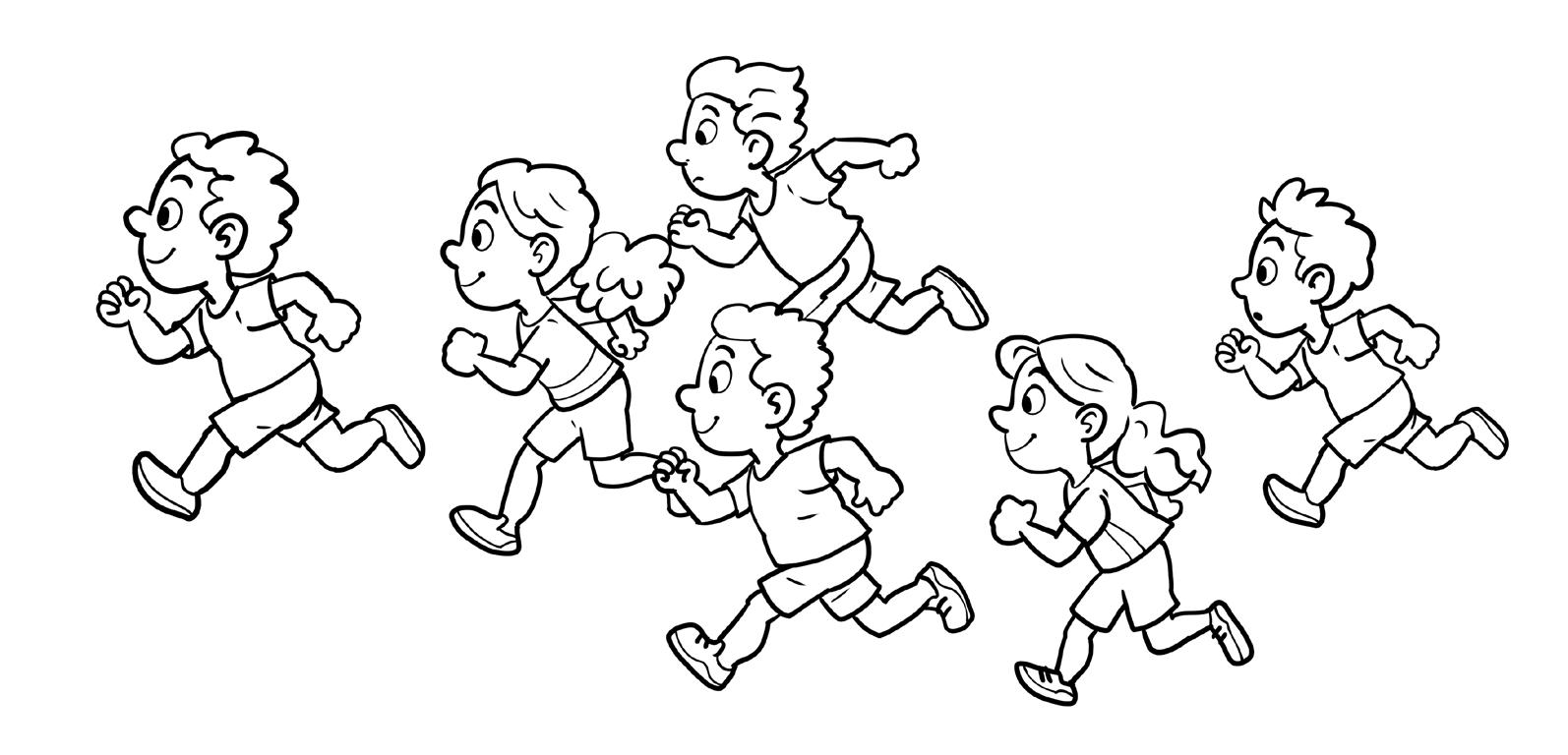
2 Circle the child who came 1st in the race. Colour the child who was 5th.
©CambridgeUniversityPress& Assessment
3 Write the ordinal number of the coloured cake in each row of cakes. The first one is done for you.
3rd
4 Start at the bus stop. Circle the 2nd monster. Draw a line under the 6th monster. Tick (✓) the 3rd monster.
©CambridgeUniversityPress& Assessment
Check your progress
1 Complete the missing numbers on these pieces from the 100 square.
2 Phong’s number sequence is 70, 68, 66, 64, 62. Complete the description of his number sequence. at 70. Count in . Stop at .
3 Show 18, 56 and 92 on this number line. Then write the numbers as words.
CONTINUED
4 Order these numbers from smallest to greatest.
Use a place value grid or a number line to help you.
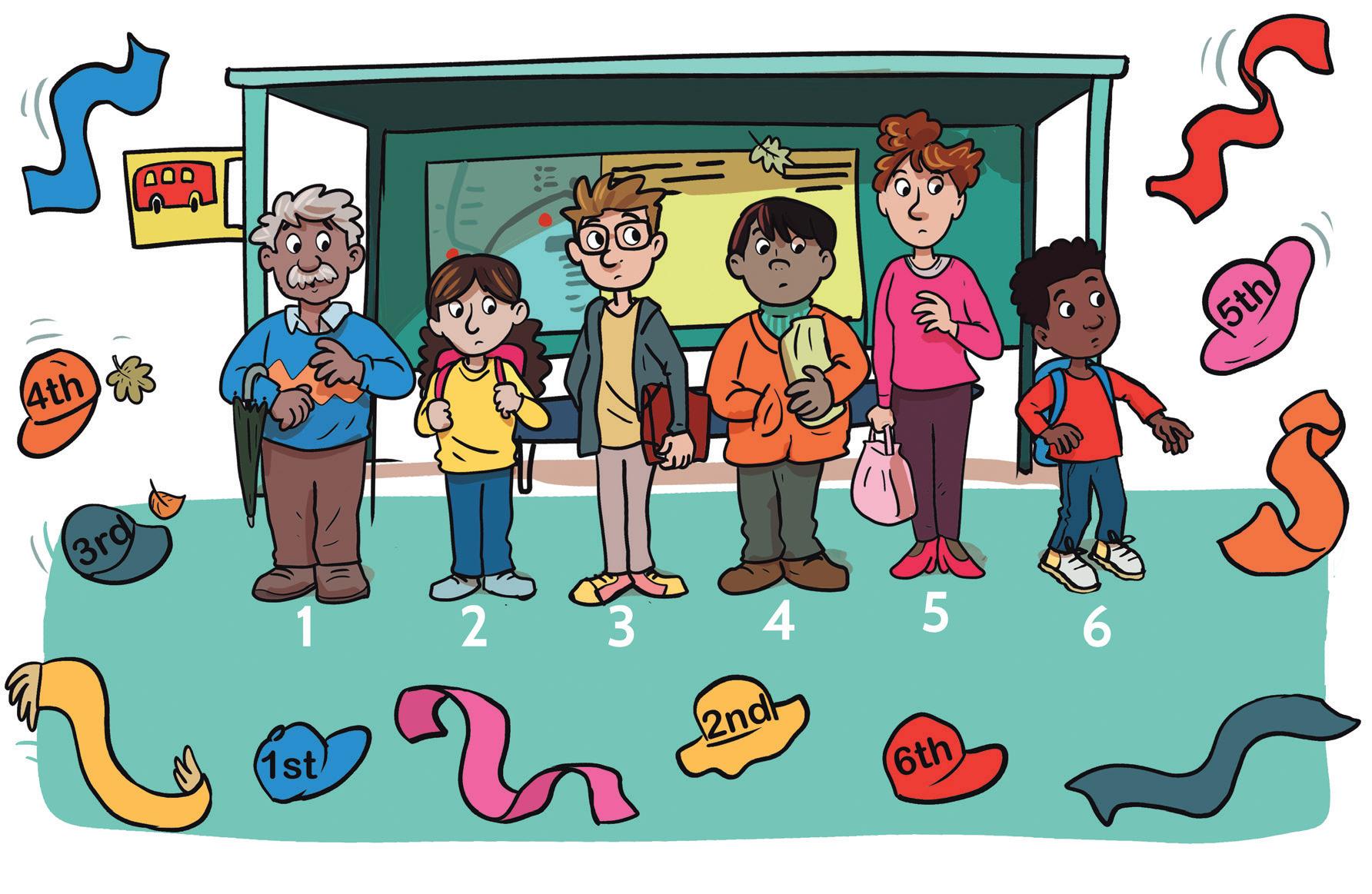
5 Join the hats and scarves to the correct people. Use the ordinal numbers on the hats to help you.
©CambridgeUniversityPress& Assessment
Getting started
1 Write all the number bonds for 10. Viết tất cả các liên kết số của 10.
2 Add 8 and 7. Write your number sentence. 8 cộng 7. Viết phép tính của bạn. 01234567891011121314151617191820
6 Working with numbers to 100 Thực
3 Subtract 5 from 14. Write your number sentence. Lấy 14 trừ đi 5. Viết phép tính của bạn. 01234567891011121314151617191820
©CambridgeUniversityPress& Assessment








We calculate every day. We add to find out how many altogether. We subtract to find out how many are left. Chúng ta làm phép tính mỗi ngày. Chúng ta cộng
6.1 Addition
Phép cộng
We are going to: Chúng ta sẽ:
• add tens together
cộng các số hàng chục với nhau
• add ones or tens to a 2-digit number
cộng hàng đơn vị hoặc hàng chục vào một số có hai chữ số
• add 3 or more small numbers together.
cộng 3 hoặc nhiều số nhỏ với nhau.
column addition complement place value grid swap phép cộng cột phần bù bảng giá trị vị trí hoán đổi
You will often need to add two amounts together to find out how many altogether.
Bạn sẽ cần cộng hai số lại với nhau để tìm ra tổng số.
As the numbers get larger, counting takes too long and it is easy to make a mistake. A place value grid will help you to calculate.
Với các số lớn hơn, nếu đếm sẽ mất rất nhiều thời gian và dễ nhầm.
bảng giá trị vị trí sẽ giúp bạn tính toán.
©CambridgeUniversityPress& Assessment
1 Draw two different components for 7 on the ten frames.
Use your arrangements for 7 to find the totals.
2 Find the totals using other arrangements.
3 Find the totals.
Worked example 1 Find the total.
60 + 20 =
Answer:
60 + 20 = 80 Each counter represents one. 6 + 2 = 8 Instead the counters could represent tens. 6 tens + 2 tens = 8 tens.
4 Find the totals.
5 6 + 4 = 10. Use this to help you write one number sentence to show complements of 100 using tens numbers.
6 Use the number bonds for 5 to help you write number sentences to show the complements of 50 using tens numbers.
©CambridgeUniversityPress& Assessment

6 Working with numbers to 100 Thực
Worked example 2
4 tens + 1 ten is 5 tens
42 + 10 =
The ones have not changed. 42 + 10 = 52
Assessment
Answer: 42 + 10 = 52 Jump on 10 on the number line. 42 + 10 = 52
7 Find the totals.
8 Find the totals.
Is it easier to find the total when the calculation is written as a number sentence (for example, question 5 or 6) or in a column addition (for example, question 8)?
Tìm tổng bằng cách nào dễ hơn: khi các phép tính được viết thành hàng ngang (ví dụ: bài toán 5 hoặc 6) hay cột dọc (ví dụ: bài toán 8)?
Why? Share your ideas with your partner. Tại sao? Hãy chia sẻ ý kiến
9 Trang has a pack of 45 balloons and one pack of 3 balloons. How many balloons does she have altogether? 45 + 3 = 45 + 3
Trang has balloons altogether.
10 Nam had a collection of 40 sea shells. Then he went to the beach and collected 17 more. How many sea shells does he have now?
©CambridgeUniversityPress& Assessment
Worked example 3
Find the total of these three numbers.
4 + 5 + 6
4 + 5 + 6 =
4 + 6 = 10
10 + 5 = 15
Answer: 4 + 5 + 6 = 15
11 Find the totals.
6 and 4 equal 10. If you add 5, you make 15.
Write some calculations to add 4 single-digit numbers. Ask your partner to find the total. Swap calculations.
What made the calculations hard or easy? Discuss with your partner.
Let’s investigate Cùng kiểm tra lại nào
Keep adding three single-digit numbers in the same increasing pattern.
Tiếp tục cộng ba số có một chữ số theo cùng một quy luật tăng dần.
1 + 2 + 3 = 6 2 + 3 + 4 = 3 + 4 + 5 = . . .
©CambridgeUniversityPress& Assessment
What do you notice?
Bạn nhận thấy điều gì?
Can you say why? Discuss with your partner or in a small group.
Bạn có thể giải thích lý do không? Hãy thảo luận với bạn cùng nhóm hoặc trong một nhóm nhỏ.
Look what I can do!
• I can add tens together.
• I can add ones or tens to a 2-digit number.
• I can add 3 or more small numbers together.
6.2 Subtraction
Phép trừ
We are going to:
Chúng ta sẽ:
• subtract ones from a 2-digit number
trừ hàng đơn vị từ một số có hai chữ số
• subtract tens from a 2-digit number
trừ hàng chục từ một số có hai chữ số
• subtract two numbers from a small number
trừ hai số từ một số nhỏ
• identify whether to add or subtract to solve a word problem.
xác định xem nên cộng hay trừ để giải một bài toán có lời văn.
You will often need to subtract one number from another to find out how many are left.
Bạn thường xuyên phải trừ một số này cho một số khác để tìm ra số còn lại.
©CambridgeUniversityPress& Assessment
As the numbers get larger, counting takes too long and it is easy to make a mistake. A place value grid will help you to calculate.
Khi các số càng lớn, nếu đếm sẽ mất rất nhiều thời gian và dễ nhầm. bảng giá trị vị trí sẽ giúp bạn tính toán.
column subtraction operation
phép trừ theo cột phép toán
1 Find the missing numbers.
37 – 5 =
2 Find the answer.
Assessment
Did you know some of the answers without much difficulty? Which number bonds did you use? Bạn có biết một số câu trả lời mà không cần tính toán phức tạp không? Bạn đã sử dụng các cách tính nào?
3 Find the missing numbers. a 8 – 2 = 6 b 10 – 7 = 3 c 7 – 5 =
Worked example 4
53 – 10 = 10s 1s
5 tens – 1 ten is 4 tens
The ones have not changed. 53 – 10 = 43
Answer: 53 – 10 = 43
4 Find the missing numbers.
Jump back 10 on the number line. 53 – 10 = 43
5 Find the answer.
Let’s investigate
Cùng kiểm tra lại nào
Choose a row from the bottom half of a 100 square. Subtract 20 from each of your numbers. What do you notice about your answers? Will the same thing happen, whichever row you choose? Share your ideas with your partner.
Chọn một hàng từ nửa dưới của một hình vuông 100 ô. Trừ 20 khỏi mỗi số
bạn chọn. Bạn nhận thấy điều gì về kết quả của mình? Liệu điều tương tự có
xảy ra bất kể bạn chọn hàng nào? Hãy chia sẻ ý kiến của bạn với bạn
cùng nhóm.
©CambridgeUniversityPress& Assessment

Worked example 5
Find the missing numbers.
10 – 3 – 1 =

10 – 3 = 7
7 – 1 = 6
10 take away (subtract) 3 equals 7. 7 take away another 1 equals 6. I need to take away 3 and then take away 1. So I take away 4 altogether. 10 take away 4 is 6.
10 – 4 = 6
Answer: 10 – 3 – 1 = 6
Find the missing numbers.
15 – 2 – 5 =
15 – 5 = 10
10 – 2 = 8
Answer: 15 – 5 – 2 = 8
©CambridgeUniversityPress& Assessment
15 take away 5 equals 10. 10 take away another 2 equals 8.

6 Find the missing numbers.
Worked example 6
Find the missing numbers.
10 + 6 – 2 =
10 + 6 – 2 =
10 + 6 = 16
16 – 2 = 14
Answer: 10 + 6 – 2 = 14
Find the missing numbers.
17 – 7 + 3 = 17 – 7 = 10
10 + 3 = 13
Answer: 17 – 7 + 3 = 13
I go from left to right. I add 6. Then I take away 2.
©CambridgeUniversityPress& Assessment
7 Find the missing numbers.
8 Choose the correct operation (add or subtract) to solve (find the answer to) each word problem. Write and solve your number sentence.
a Dad bought a bag of 24 red apples and a bag of 10 green apples.
How many apples did Dad buy?
b There are 64 empty seats on the bus. Then 30 people get on the bus. How many empty seats are there now?
c There are 28 pages in Huy’s book. He read 6 pages.
How many pages does he have left to read?
d A baker made 32 chocolate cookies and 20 raspberry cookies. How many cookies did he make altogether?
9 Tick the correct calculations. Correct any mistakes.
©CambridgeUniversityPress& Assessment
Are some mistakes in question 9 easier to notice than others? Why?
10 Draw a ring around the calculation that does not have the same answer as the others. 39 – 6
Look what I can do!
• I can subtract ones from a 2-digit number.
• I can subtract tens from a 2-digit number.
• I can subtract two numbers from a small number
• I can choose when to add or subtract to solve a word problem.
6.3 Adding and subtracting two 2-digit numbers
Cộng và trừ hai số có hai chữ số
We are going to:
Chúng ta sẽ:
• add two 2-digit numbers cộng hai số có hai chữ số
• subtract a 2-digit number from another 2-digit number trừ số có hai chữ số cho số có hai chữ số khác
©CambridgeUniversityPress& Assessment
• find the difference between two 2-digit numbers. tìm hiệu của hai số có hai chữ số.
6
You add or subtract numbers almost every day for lots of reasons. Now you will add and subtract tens and ones in the same calculation.
Bạn cộng hoặc trừ các số gần như mỗi ngày vì nhiều lý do. Giờ đây, bạn sẽ cộng và trừ hàng chục và hàng đơn vị trong cùng một phép tính.
Exercise 6.3
1 Add two 2-digit numbers.
Use some objects on the place value grid to help you calculate. a 21 + 47 =
+ 62 =
©CambridgeUniversityPress& Assessment
+ 32 =
Worked example 7
67 – 32 = 67 – 32
©CambridgeUniversityPress& Assessment
= 60 – 30 and 7 – 2 = 30 and 5 = 35 67 – 32 35
Cross out 3 of the tens beans.
Cross out 2 of the ones beans.
I have crossed out 32. I can count what I have not crossed out to find the answer.
I split each number into tens and ones.
60 – 30 = 30 and 7 – 2 = 5 30 + 5 = 35
I like to write the calculation out in the same way as the place value grid. I subtract the ones then the tens.
2 Solve each number sentence. Show your steps.
3 Complete each subtraction. Use some objects on the place value grid to help you calculate.
©CambridgeUniversityPress& Assessment
4 Use the 100 square to help you add or subtract to find the missing numbers.
5
a Subtract a number in the second cloud from a number in the first cloud. Write your number sentence. Which method will you use?
Do this 3 times.
b Which calculation will give you the greatest answer?
c Which calculation will give you the smallest answer?
Let’s investigate Cùng kiểm tra lại nào
Choose a number from the grid.
Chọn một số từ bảng ô số.
Swap the digits in the number to make a new number.
Đổi chỗ các chữ số trong số đó để tạo thành một số mới.
Add the two numbers together.
Cộng hai số lại với nhau.
For example: 35 + 53 = 88.
Ví dụ: 35 + 53 = 88.
©CambridgeUniversityPress& Assessment
What do you notice? Can you explain why this happens? Discuss what you notice with your partner or in a small group.
Bạn nhận thấy điều gì? Bạn có thể giải thích tại sao điều này xảy ra không?
Thảo luận những gì bạn nhận thấy với bạn cùng nhóm hoặc trong nhóm nhỏ. 161514 262524 363534
Marcus says that it is easier to record addition and subtraction in columns. What do you think Marcus means by ‘easier’? Do you agree with Marcus?
©CambridgeUniversityPress& Assessment
Write the number sentence. Use a number line or a 100 square to help you.
7 The difference between two numbers is 14. If one of the numbers is 45, what could the other number be? Did you find the same answer as your partner? Is there more than one possible answer?
Look what I can do!
• I can add two 2-digit numbers.
• I can subtract a 2-digit number from another 2-digit number.
• I can find the difference between two 2-digit numbers.
Check your progress
1 Find the answer.
2 Find the missing numbers.
©CambridgeUniversityPress& Assessment
CONTINUED
3 Write the number sentence you use to solve each problem.
a There are 37 children in Class 1 when everyone is here, but 5 children are away. How many children in Class 1 today?
©CambridgeUniversityPress& Assessment
b There are 10 socks on the washing line. Son adds 8 more socks to the washing line. Then 3 socks blow away. How many socks are on the washing line now?
c Class 1 had 48 tubes of paint. They use up 16 tubes of paint. How many tubes of paint do they have left?
7 Shapes Hình khối
Getting started
1 Talk to your partner about these shapes.
Hãy thảo luận với bạn cùng nhóm về những hình dạng này.
What can you see?
Bạn nhìn thấy gì?
What do you know about these shapes?
Bạn biết gì về những hình dạng này?
2 How many?
Có bao nhiêu?
©CambridgeUniversityPress& Assessment
There are green shapes.
Có hình màu xanh lá cây.
CONTINUED TIẾP THEO
©CambridgeUniversityPress& Assessment
There are blue shapes.
Có hình màu xanh dương.
There are red shapes.
Có hình màu đỏ.
You are learning about 2D and 3D shapes so that you can use them in different ways.
Bạn đang học về các hình dạng 2D và 3D để có thể sử dụng chúng theo nhiều cách khác nhau.
We live inside 3D shapes, like a house, and we fill our homes, villages and towns with 2D shapes (like a piece of paper) and 3D shapes (like a chair or a desk).
Chúng ta sống trong các hình dạng 3D, ví dụ như ngôi nhà, và chúng ta lấp đầy nhà cửa, làng mạc và thị trấn của mình bằng các hình dạng 2D và 3D (như bản đồ hoặc bàn làm việc).
7.1 3D shapes
Hình dạng 3D
We are going to: Chúng ta sẽ:
• recognise and name some 3D shapes nhận biết và gọi tên một số hình khối 3D
• explore and build with some 3D shapes. khám phá và xây dựng với một số hình khối 3D.
3D cube cuboid
hình khối 3D hình lập phương hình hộp chữ nhật
We live inside 3D shapes. Chúng ta sống bên trong những hình khối 3D.
©CambridgeUniversityPress& Assessment

We have 3D shapes all around us.
Chúng ta có các hình khối 3D xung quanh mình.
You can hold a 3D shape in your hand.
Bạn có thể cầm một hình khối 3D trong tay.
Pick up a cube (sides are the same) and a cuboid (sides are different).
Hãy cầm một hình lập phương và một hình hộp chữ nhật lên.
How are they the same?
Chúng giống nhau ở điểm nào?
How are they different?
Chúng khác nhau ở điểm nào?
Where can you see cubes and cuboids in your classroom?
Bạn có thể thấy hình lập phương và hình hộp chữ nhật ở đâu trong lớp học của mình?
Exercise 7.1
1 Look at the pictures of 3D shapes. Join the shapes that are the same.
©CambridgeUniversityPress& Assessment
2 Draw a ring around the cubes. Colour the cuboids.
3 Draw a ring around the shape that will roll. Tick the shapes that you can stack (pile up to make a tower).
©CambridgeUniversityPress& Assessment
Think about playing with bricks and balls.
4 Take a cube and a cuboid.
Put one on top of the other.
How many different ways can you do this?
5 Take two cubes. Can you make a cuboid with them?
Let’s investigate
Work with a partner to build a tower.
Hãy cùng bạn cùng nhóm xây một tòa tháp.
You can use any shapes.
Bạn có thể sử dụng bất kỳ hình dạng nào.
Talk about your tower and the shapes you will use.
Hãy thảo luận về tòa tháp của bạn và các hình dạng mà bạn sẽ sử dụng.
©CambridgeUniversityPress& Assessment
Which shape is good to start with?
Hình nào thích hợp để bắt đầu?
Which shape is better at the top of the tower?
Hình nào tốt hơn để đặt ở đỉnh tháp?
How many cubes did you use?
Bạn đã sử dụng bao nhiêu hình lập phương?
How many cuboids did you use?
Bạn đã sử dụng bao nhiêu hình hộp chữ nhật? CONTINUED
Where did you use a cube? Why? Where did you use a cuboid? Why?
Bạn đã sử dụng hình lập phương ở đâu? Tại sao? Bạn đã sử
dụng hình hộp chữ nhật ở đâu? Tại sao?
Look what I can do!
• I can recognise and name some 3D shapes.
• I can explore and build with some 3D shapes.
©CambridgeUniversityPress& Assessment
7.2 2D shapes
Hình dạng 2D
We are going to: Chúng ta sẽ:
• recognise and name some 2D shapes nhận biết và gọi tên một số hình dạng 2D
• explore and make pictures with some 2D shapes khám phá và tạo hình ảnh với một số hình dạng 2D
• describe 2D shapes using the number and types of sides. mô tả các hình dạng 2D bằng cách sử dụng số lượng và loại cạnh.
2D circle curved rectangle side square straight triangle
2D hình tròn cong hình chữ nhật cạnh hình vuông thẳng hình tam giác
2D shapes are flat. 3D shapes are different because they take up space. Hình khối 2D là các hình phẳng. Hình khối 3D thì khác vì chúng chiếm không gian.
Playing with 2D shapes and making pictures using 2D shapes will help you to learn much more about them.
Chơi với các hình dạng 2D và tạo hình ảnh bằng các hình khối 2D sẽ giúp bạn học hỏi được nhiều điều hơn về chúng.
©CambridgeUniversityPress& Assessment
Exercise 7.2
Worked example 1
How
How
Answer:
©CambridgeUniversityPress& Assessment
Squares have 4 sides. Triangles have 3 sides.
A circle has one curved side.

2
A circle has curved sides.
A square has straight sides.
Draw a ring around the correct word in each sentence.
A rectangle has 4 curved / straight sides.
A triangle has 1 / 2 / 3 / 4 straight sides.
3 Match each shape to the correct clouds. Are the sides straight or curved?
©CambridgeUniversityPress& Assessment
Count the shapes for each cloud. Write the number in these boxes.
4 Use squares, circles, triangles and rectangles to draw a rocket.
Use as many of each shape as you want.
How many shapes did you use?
Is your partner’s rocket the same or different? Why?
Let’s investigate Cùng kiểm tra lại nào
You will need some shapes.
Bạn sẽ cần một số hình dạng.
Choose 10 shapes and make a picture of an object.
©CambridgeUniversityPress& Assessment
Chọn 10 hình dạng và tạo thành một bức tranh về một vật thể.
Tell your partner about your picture.
Hãy kể cho bạn cùng nhóm về bức tranh của bạn.
CONTINUED
TIẾP THEO
What does each shape show in your picture?
Mỗi hình dạng đại diện cho điều gì trong bức tranh của bạn?
Why did you choose each shape?
Tại sao bạn chọn mỗi hình dạng đó?
Which shapes did you use most?
Bạn đã sử dụng những hình dạng nào nhiều nhất?
Which shapes did you put next to each other?
Bạn đã đặt những hình dạng nào cạnh nhau?
What did you find easy about 2D shapes?
Bạn thấy phần nào dễ khi học về hình học 2D?
What did you find difficult?
Bạn thấy phần nào khó?
Look what I can do!
• I can recognise and name some 2D shapes.
• I can explore and make pictures with some 2D shapes.
• I can describe 2D shapes using the number and types of sides.
©CambridgeUniversityPress& Assessment

1 Draw a ring around the cube.
2 Which shapes can you use to build a tower? Draw a ring around the words.
3 Match the shape names to the shapes. square triangle rectangle circle
4 Draw a ring round the shape that has 4 sides. Tick the shape that has 1 side.
5 If you put these squares together so they touch what can you see?
Draw your answer in the space below and write the shape name. They make a .
8 Position and direction Vị trí và hướng
Getting started
1 Write the missing shape name.
Viết tên hình còn thiếu.
There is a next to the square. Có một ở bên cạnh hình vuông.
2 Draw a ring around the number before 6.
Khoanh tròn số trước số 6.
Colour the number after 6.
Tô màu số sau số 6.
3 Draw a ring around the cars that are next to the green car.
Vẽ một vòng tròn xung quanh những chiếc xe nằm cạnh chiếc xe màu xanh lá cây.
©CambridgeUniversityPress& Assessment

You are learning about position and direction. Các em đang học về vị trí và hướng.
We can use position words, like above and below, to say where something is.
Chúng ta có thể dùng các từ chỉ vị trí, như trên và dưới, để nói một vật ở đâu.
We can use position and direction words to say which way to go.
Chúng ta có thể dùng cả từ chỉ vị trí và hướng để nói đi theo hướng nào.
©CambridgeUniversityPress& Assessment
Who is in front?
I’m above!
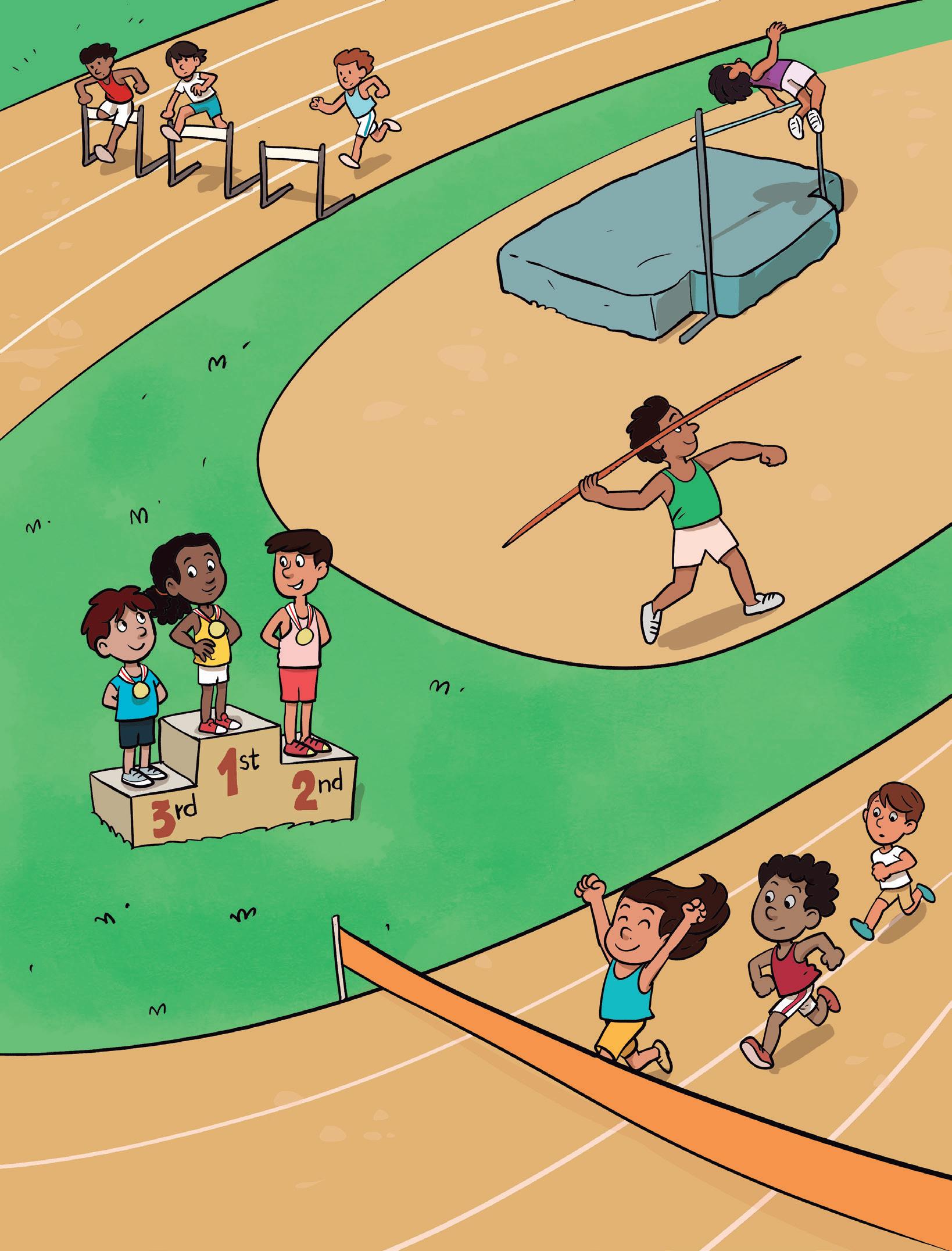
I’m below.
Who is in front?
I’m at the back.
8.1 Position
Vị trí
We are going to:
Chúng ta sẽ:
• use new words to describe position. sử dụng từ mới để mô tả vị trí.
above behind below beside between in front of phía trên phía sau phía dưới bên cạnh ở giữa phía trước at the front next to on position under at the back in the middle ở phía trước bên cạnh ở trên vị trí bên dưới ở phía sau ở giữa
We need to know about position so that we can understand instructions.
Chúng ta cần biết về vị trí để có thể hiểu
được các chỉ dẫn.
We need to tell other people where we have put objects.
Chúng ta cần cho người khác biết mình
đã đặt đồ vật ở đâu.
©CambridgeUniversityPress& Assessment
Please stand at the front.
I put my ball under the chair.
Exercise 8.1
Worked example 1
Circle the balloon that is above the other.
Tick the balloon that is below the other.
Answer:
The red balloon is higher so it is above the blue balloon. We circle the red balloon.
The blue balloon is lower so it is below the red balloon. We tick the blue balloon.
1 Circle the bird that is above the house.
Tick the bird that is below the house.
©CambridgeUniversityPress& Assessment
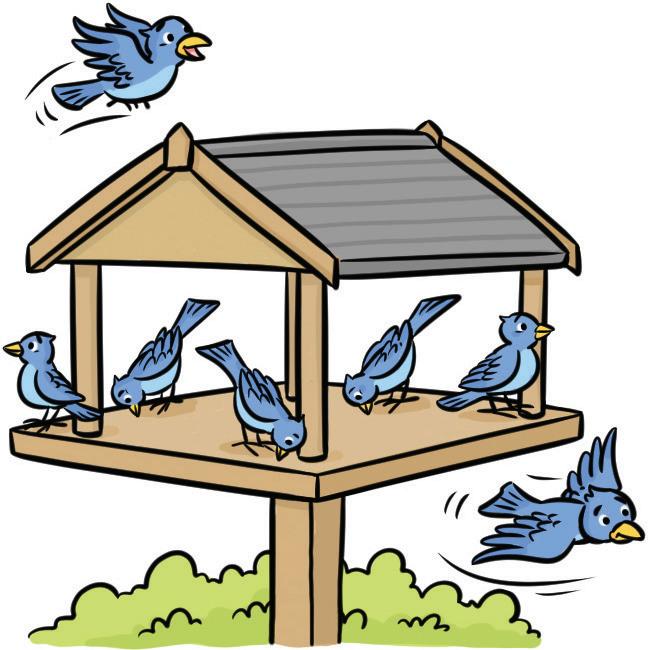
Worked example 2
The cars are in a race.
Circle the car that is at the front.
Tick the car that is at the back.
Draw a line under the car that is in the middle.
Answer:
Car 1 is at the front. We circle that one. Car 3 is at the back. We tick that one.
So, car 2 is in the middle. We draw a line under that one.
2 Colour the toy that is at the front.
Circle the toy that is at the back.
©CambridgeUniversityPress& Assessment
3 The animals are having a race. Circle the animal that is at the front. Tick the animal that is at the back.
Draw a line under the animal that is in the middle. Start
4 Match the words and the position of the animals. above below at the front at the back in the middle
5 Match the words and the position of the fox. onnext to inbehindin front of
©CambridgeUniversityPress& Assessment
8 Position and direction Vị
6 Match the words and the position of the ball. above below between
7 Draw a line from the word to the object. on under in next to Fill in the missing words.
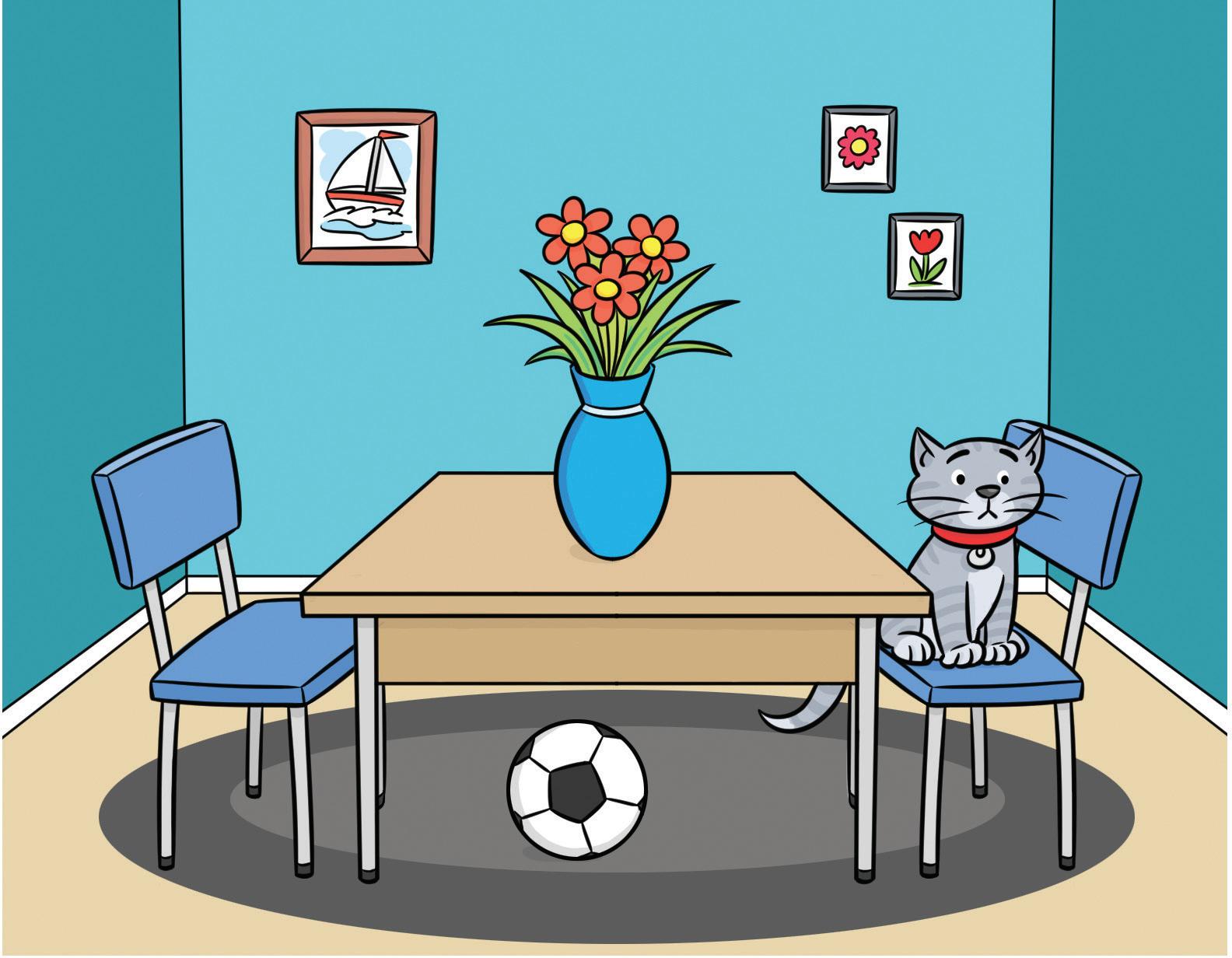
©CambridgeUniversityPress& Assessment
The cat is the chair .
The chair is the table .
The ball is the table .
The flowers are the vase .
Let’s investigate Cùng kiểm tra lại nào
You will need a square, a circle, a triangle and a piece of paper like this.
Bạn sẽ cần một hình vuông, một hình tròn, một hình tam giác và một tờ giấy như thế này.
Put the shapes on the paper like this.
Đặt các hình lên giấy như thế này.
Can you change the position of the shapes, but keep the square at the front?
Bạn có thể thay đổi cách sắp đặt của các hình cho hình vuông ở phía trước không?
You could have Bạn có thể có
Find different ways to put the shapes:
Tìm các cách khác nhau để
đặt các hình:
• with the circle at the front
với hình tròn ở phía trước
• with the triangle at the front.
©CambridgeUniversityPress& Assessment
với hình tam giác ở phía trước.
CONTINUED
TIẾP THEO
Draw the different ways you have positioned the shapes.
Hãy vẽ lại các cách sắp xếp
mà bạn đã tạo ra.
Then choose one of the drawings in secret. Describe it to your partner using the words:
Sau đó, hãy bí mật chọn một trong những bức vẽ. Mô tả bức vẽ đó cho bạn
cùng nhóm bằng những từ ngữ sau:
• at the front
ở phía trước
• in the middle
ở giữa
• at the back.
ở phía sau.
Can your partner draw it?
Bạn cùng nhóm của bạn có thể vẽ được không?
Look what I can do!
• I can use new words to describe position.
©CambridgeUniversityPress& Assessment
8.2 Position and direction
Vị trí và hướng
We are going to: Chúng ta sẽ:
• use words and actions to describe direction sử dụng từ ngữ và hành động để miêu tả hướng
• use words to describe position. sử dụng từ
There are other words we can use to talk about positions and directions, for example left and right. Chúng ta có thể dùng những từ khác để nói về vị trí và
hướng đi, ví dụ như trái và phải. I’m on the left of the page. And I’m on the right. left right trái phải
©CambridgeUniversityPress& Assessment

Left, right, forwards and backwards can also tell you which way to go (= direction). Trái, phải, tiến và lùi cũng có thể cho bạn biết hướng đi (= phương hướng).
©CambridgeUniversityPress& Assessment
Colour her left hand red.
Colour her right hand blue.
Colour her left shoe blue.
Colour her right shoe yellow.
Colour the left flower red.
Colour the right flower yellow.
Worked example 3
You have these symbols.
Use the examples above to put the symbols in the right place.
1. The is on the right.
2. The is left of the .
3. The is right of the .
Answer:
©CambridgeUniversityPress& Assessment
The circle is on the right.
The cross is left of the circle. It could go here...
...or here.
But the cross is right of the tick.
2 You have these symbols.
Use the examples above to put the symbols in the right place.
1. The is on the left.
2. The ? is left of the tick.
3. The ? is right of the cross.
3 Work with a partner.
Colour the squares.
Orange is below green.
Yellow is in the middle of green and purple.
Yellow is above blue.
Red is to the right of blue.
4 Work with a partner.
Fill in the missing words. next to above below between
The green square is the red square.
©CambridgeUniversityPress& Assessment
The blue square is the yellow square.
The yellow square is the blue square.
5 Make your own puzzle. You can use colours, shapes or symbols.
Ask your partner some questions about your puzzle.
6 Look at the positions of shapes.
©CambridgeUniversityPress& Assessment
Draw the shape that is:
above the below the between the and the next to the above the
8 Position and direction Vị
7 Give directions to your partner to get from the start to the finish.
For example, take 2 steps forward and then turn right.
start finish
8 Work with a partner. Colour the path Nguyên takes to get to her house without touching the objects.
Follow the grey sections as an example.
Find 2 other ways and colour one green and the other one blue.
©CambridgeUniversityPress& Assessment
start
Can you describe the path to the house to your partner?
Bạn có thể mô tả đường đi đến nhà cho bạn của mình
được không?
Can you use words like left and right?
Bạn có thể sử dụng các từ như trái và phải không?
Look what I can do!
• I can describe position using objects.
• I can describe direction using left and right.
Check your progress
1 Colour the child who is at the front. Circle the child who is at the back.
Tick the child who is in the middle.
©CambridgeUniversityPress& Assessment
CONTINUED
2 Draw or write what you see.
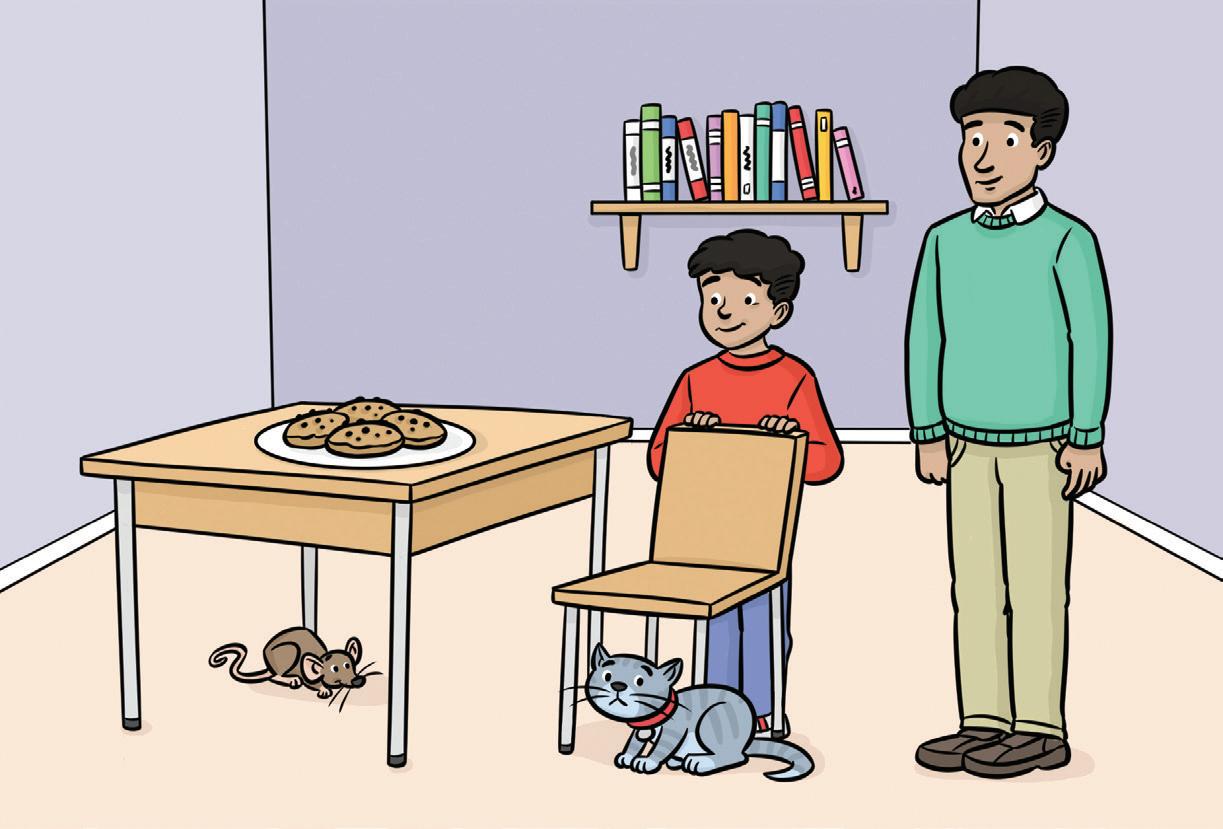
What is on the table?
What is under the table?
What is above the boy?
What is behind the chair?
What is below the bookshelf? What is in front of the chair?
©CambridgeUniversityPress& Assessment
What is between the man and the table? on under above between behind below in front
CONTINUED
3
Give directions to your partner to get from the start to the finish.
Use a small car to help you. start finish
4 Where is Long?
Follow the directions to show Long the path.
Forward 2. Turn left.
Forward 1. Turn left.
Forward 2. Turn left.
Forward 2. Turn left.
Forward 2. Turn left.
Forward 1. Turn left.
Forward 2.
Where is Long?
©CambridgeUniversityPress& Assessment
Draw a picture of Long at the end of his journey. start

9 Length Độ dài
Getting started
Khởi động
1 Tick the long animal. Draw a ring round the short animal. Chọn tích vào con vật dài. Khoanh tròn vào con vật ngắn.
2 Draw a ring around the shorter house in each pair. Khoanh tròn vào ngôi nhà ngắn hơn ở mỗi cặp hình ảnh.
Knowing about length helps us to measure.
Hiểu biết về độ dài giúp chúng ta có thể đo đạc.
©CambridgeUniversityPress& Assessment
There are many different words for length. Có rất nhiều từ khác nhau để nói về độ dài.
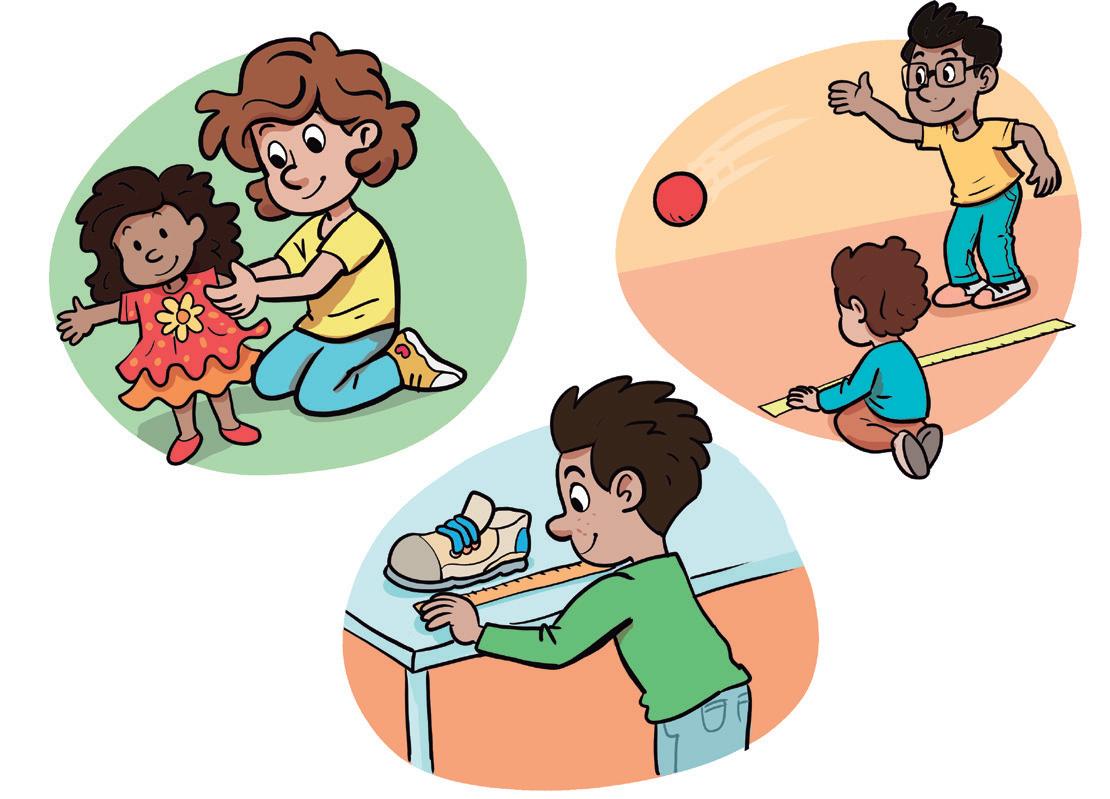
9.1 Length
dài
We are going to:
Chúng ta sẽ:
• explore length khám phá độ dài
• compare lengths and use the words “longer” and “shorter” so sánh độ dài và sử dụng các từ “dài hơn” và “ngắn hơn”
• use the correct words for different kinds of lengths. sử dụng từ ngữ chính xác cho các loại độ dài khác nhau.
We can measure how long things are. We can use special words to compare how long things are.
Chúng ta có thể đo được một vật dài bao nhiêu. Chúng ta có thể sử dụng những từ
đặc biệt để so sánh độ dài của những vật đó.
©CambridgeUniversityPress& Assessment
We can measure and describe how tall or short things are or how far apart they are.
Chúng ta có thể đo và miêu tả
độ cao thấp của các vật hoặc khoảng cách giữa chúng.
SuslO/GI

Length is the measurement of something from one end to the other. Chiều dài là khoảng cách
length long short longer shorter tall high height thin wide độ dài dài
Exercise 9.1
1 The length of something is how far it is from one end to the other.
The bus is longer than the car.
The car is shorter than the bus.
Write the word longer or shorter under each picture in the pairs below.
©CambridgeUniversityPress& Assessment
Draw 2 different objects.
Write longer or shorter under each picture.
2 Which is longer, your foot or your hand?
How can you find out?
My is longer than my . foot hand
Worked example 1
Look at these pencils.
Which is the longest? Which is the shortest?
Draw a ring around the longest and colour the shortest.
Answer:
3 Which is shortest, your finger, your nose or your hand?
How can you find out?
My is shorter than my . nose finger hand
©CambridgeUniversityPress& Assessment
4 Draw a ring around the taller animal in each pair.
5 The height of something is how far it is from the bottom to the top, or how high it is. The tree is taller than the flower. Write the word taller or shorter below each object.
6 Talk to your partner.
Use the words taller, longer and shorter to describe objects in your classroom.
©CambridgeUniversityPress& Assessment
Worked example 2
C A
Colour the tallest tower of blocks red. Colour the shortest tower of blocks blue.
Answer:
©CambridgeUniversityPress& Assessment
Tower B is taller than the others, so it is the tallest tower.
Tower C is shorter than the others, so it is the shortest.
B
7 How many cubes tall is each character?
Huy

Who is taller than Huy?
Who is shorter than Marcus?
Put the characters in order from shortest to tallest.
Label them 1, 2, 3 or 4.
Now put the characters in order from tallest to shortest.

©CambridgeUniversityPress& Assessment
Label them a, b, c or d.
Marcus
cubes cubes cubes cubes
8 Draw your family.
Draw them in order from the shortest to the tallest.
9 Which river is wider? Tick ✓ the correct answer.
©CambridgeUniversityPress& Assessment
Which lollipop is the thinnest? Tick ✓ the correct answer.
©CambridgeUniversityPress& Assessment
This is a wide door.
Draw a door that is thinner.
Let’s investigate Cùng kiểm tra lại nào
Work with a partner to build a straight path.
Hãy cùng bạn xây một con đường thẳng.
Use a spinner to choose the block colour.
Sử dụng con quay để chọn màu khối.
Take turns to spin the spinner and take a block to add to your path.
Lần lượt quay con quay và lấy một
khối để thêm vào đường đi của mình.
If there are no blocks left of that colour, miss your turn.
Nếu không còn khối nào cùng màu, bạn sẽ bị mất lượt.
Keep playing until all of the blocks have been used.
Tiếp tục chơi cho đến khi tất cả các khối đã được sử dụng.
Who has the longest path?
Ai có con đường dài nhất?
Who has the shortest path?
Ai có con đường ngắn nhất?
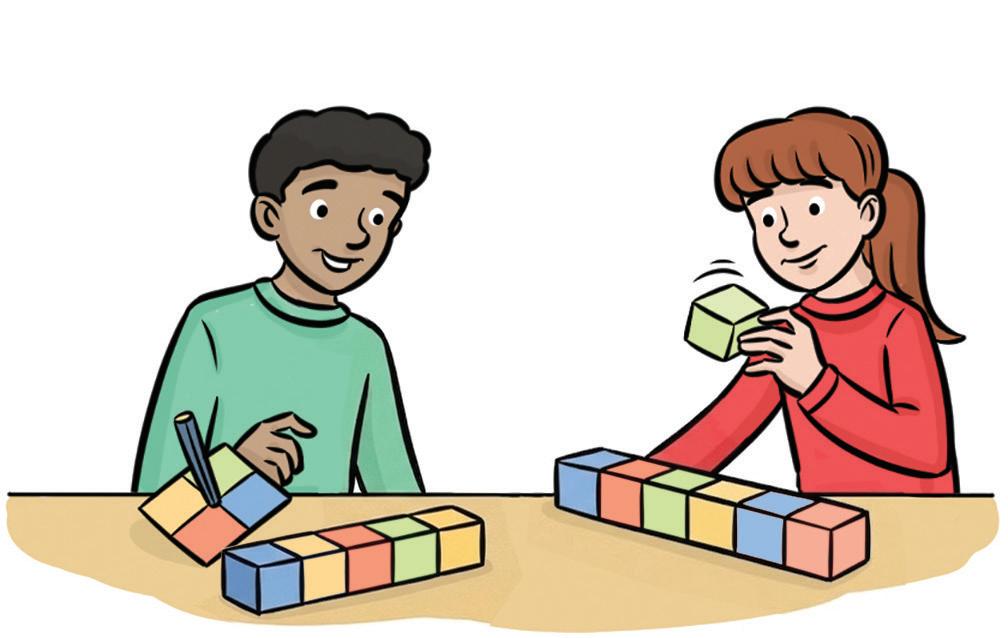
©CambridgeUniversityPress& Assessment
Put the blocks back on to the table and play the game again.
Đặt các khối trở lại bàn và chơi lại trò chơi.
Did you learn anything new about length?
Bạn đã học được điều gì mới về độ dài?
What was easy to do and what was difficult?
Điều gì dễ thực hiện và điều gì khó?
Look what I can do!
• I can explore length.
• I can compare lengths and use the words longer and shorter.
• I can use the correct words for different kinds of lengths.
9.2 Measuring length
Đo chiều dài
We are going to:
Chúng ta sẽ:
• estimate and measure lengths using hands, fingers and centimetres ước lượng và đo độ dài bằng tay, ngón tay và centimet
• use a ruler to measure length sử dụng thước kẻ để đo độ dài
• solve problems about lengths. giải các bài toán về độ dài.
©CambridgeUniversityPress& Assessment
In this section you will learn more about length. You will say how long you think something is without measuring. This is called estimating.
Trong phần này, bạn sẽ tìm hiểu thêm về độ dài. Bạn sẽ nói bạn
nghĩ một vật dài bao nhiêu mà không cần đo. Cách này gọi là
ước lượng.
You will measure things using your hands and fingers. You will measure things using centimetres and learn how to use a ruler.
Bạn sẽ đo các vật bằng tay và ngón tay. Bạn sẽ đo
các vật bằng xen-ti-met và học cách sử dụng thước kẻ.
Look at these two rulers.
Hãy nhìn vào hai chiếc thước kẻ này.
This ruler begins at the edge on the left.
Thước này bắt đầu từ cạnh bên trái.
We measure from the edge.
Chúng ta đo từ cạnh.
The mark for 0 is not at the edge.
Vạch số 0 không nằm ở cạnh.
We measure from 0. Chúng ta đo từ số 0.
Each number on your ruler stands for a centimetre.
Mỗi số trên thước của bạn tương ứng với
một centimet.
Mẹo tính
Look at the edge of your ruler. Which type do you have?
Hãy nhìn vào cạnh
của thước kẻ.
Thước kẻ của bạn thuộc loại nào?
centimetre distance estimate ruler height width
xen-ti-mét khoảng cách
ước lượng thước kẻ
chiều cao chiều rộng
©CambridgeUniversityPress& Assessment
The length of an object is the distance from one end of it to the other, along its longest side.
Chiều dài của một vật là khoảng cách từ đầu này đến
kia của vật đó, dọc theo cạnh dài nhất của nó.
Tip
Measuring the shortest side (across) gives us the width of the object. When we measure how tall or high something is, we are finding its height. Đo cạnh ngắn nhất (chiều ngang) cho ta chiều rộng của vật. Khi chúng ta đo độ cao của một người hay một vật, chúng ta đang tìm chiều cao.
Exercise 9.2
Worked example 3
How long is your table?
Estimate first and then measure.
©CambridgeUniversityPress& Assessment
1 hand-width
I think the table is about 30 hand-widths long. That’s my estimate.
I measured it and it is 26 hand-widths long.
I estimate that it is about 25 or your hand-widths long.
They were both good estimates. My estimate was closer.
1 Estimate the length of a shelf or whiteboard in your classroom in hand-widths.
Estimate: hand-widths
Now measure it.
Measure: hand-widths
How close was your estimate?
Was your measurement the same as your partners? If not, why do you think it is different? Kết quả đo của bạn có giống với kết quả của các bạn cùng lớp không? Nếu không, tại sao bạn nghĩ lại có sự khác biệt?
2 Estimate and then measure the length of these pictures in finger-widths.
©CambridgeUniversityPress& Assessment
3
Estimate and then measure the length of these pictures in centimetres. Use a ruler.

©CambridgeUniversityPress& Assessment
4 These rulers are in centimetres. Find out the length of each coloured bar using the rulers underneath.
a
©CambridgeUniversityPress& Assessment
b
c
The bars do not all start at 0. Start measuring from where the bars start.
5 These toy ladders can be joined together (piled up) to make different heights.
8 centimetres 11 centimetres 20 centimetres 6 centimetres 14 centimetres
Which ladders are joined together (piled up) to make exactly these heights?
a 14 centimetres
b 26 centimetres
c 25 centimetres
d 31 centimetres
e 20 centimetres
6 A string (rope) is 24 centimetres long.
If 14 centimetres of string (rope) is cut off, how long is the rope now?
The difference between 24 and 14 is
The rope is now centimetres long.
Let’s investigate Cùng kiểm tra lại nào
How long is a piece of string?
Một đoạn dây dài bao nhiêu?
You will need: a piece of string that is less than 100 centimetres long; a pair of scissors; a ruler; paper for writing.
Bạn cần chuẩn bị: một đoạn dây ngắn
hơn 100 cm; một cái kéo; một thước kẻ;
giấy để ghi kết quả.
Work with a partner. Take turns to cut off a piece of string.
Thực hành với bạn cùng bàn.
Lần lượt cắt một đoạn dây.
Estimate the length that you cut off, then measure it.
Ước lượng độ dài đoạn dây đã cắt, sau đó đo lại.
Repeat the estimating and measuring.
Lặp lại quá trình ước lượng và đo.
Make 3 cuts each.
Mỗi người cắt 3 lần.
Estimate and measure the length of string that is left now.
Ước lượng và đo lại độ dài đoạn dây còn lại.

Tip Chú ý
When you measure length it is important to measure from the start of the measuring scale.
Khi đo chiều dài, điều quan trọng là phải đo từ điểm bắt đầu của thước đo.
©CambridgeUniversityPress& Assessment
I think you cut off 18 centimetres of string.
I think I cut off more than that. I think I cut off 24 centimetres of string.

If we start again with the same string but we make more cuts, is it possible to keep the same length left?
Nếu ta bắt đầu lại với cùng một sợi dây nhưng cắt thành nhiều
đoạn hơn, liệu có thể thu được chiều dài như ban đầu không?
Look what I can do!
• I can estimate and measure lengths using hands, fingers and centimetres.
• I can use a ruler to measure length.
• I can solve problems about length.
9.3 Drawing and measuring lines
Vẽ và đo đường thẳng
We are going to:
Chúng ta sẽ:
• measure lines using centimetres
đo độ dài các đoạn thẳng bằng xen-ti-mét
• draw lines using centimetres
vẽ các đoạn thẳng bằng xen-ti-mét
• make a ruler and use it to measure things.
làm một cái thước và dùng nó để đo các vật.
©CambridgeUniversityPress& Assessment
In this section you will use what you know about measuring with centimetres. It is important to remember how to use your ruler when drawing and measuring.
Trong phần này, bạn sẽ sử dụng những kiến thức đã biết về đo bằng xen-ti-mét.
Điều quan trọng là phải nhớ cách sử dụng thước kẻ khi vẽ và đo.
Exercise 9.3
1 Which line is longer?
I think the line is longer.
Which line is shorter?
I think the line is shorter.
2 You will make strips of paper of different lengths and widths. You will need an A4 piece of paper. Use your ruler and, starting from the top, draw a line that is 5 centimetres below the longest edge of your paper (see the bottom line in strip 1 in the picture below).
Measure the length of this line and draw the next strip 5 centimetres shorter and 1 centimetre thinner.
Keep measuring 5 centimetres shorter and 1 centimetre thinner for each new strip, until you have drawn 4 strips.
Strip 1
Strip 2
Strip 3
Strip 4
Cut along the lines you have drawn. You now have 4 strips of paper. Bend them round and stick the edges together.
©CambridgeUniversityPress& Assessment
You now have 4 rings.
Can they fit inside each other?
Now you are ready to decorate them.
3 Let’s make a ruler!
Make a rod of 15 (or more) centimetre cubes. Cut a strip of paper.
Put the cubes in a row on top of your paper.
Make sure you put the edge of a cube at the left edge of the paper.
©CambridgeUniversityPress& Assessment
This left edge will be 0. (There is no space to write 0 on your ruler.)
Where 2 cubes meet, draw a line on your paper.
Keep on adding cubes. Keep on drawing lines until you reach the end of your paper.
centimetres
Write numbers on your ruler. Write ‘centimetres’ on your ruler.
Use your ruler to measure lots of different things at home and at school.
Let’s investigate Cùng kiểm tra lại nào
Is your height the same as the length of your arms when they are stretched out (your arm span)?
Chiều cao của bạn có bằng chiều dài sải tay khi duỗi thẳng không?


If the length of your arm span is larger than your height, you are a wide rectangle.
Nếu chiều dài sải tay của bạn lớn
hơn chiều cao, bạn là hình chữ nhật rộng.


©CambridgeUniversityPress& Assessment
If the length of your arm span is the same as your height, you are a square.
Nếu chiều dài sải tay của bạn bằng chiều cao, bạn là một hình vuông.
If the length of your arm span is smaller than your height, you are a tall rectangle.
Nếu chiều dài sải tay của bạn nhỏ hơn
chiều cao, bạn là một hình chữ nhật cao.


Draw a picture of yourself. What shape are you?
©CambridgeUniversityPress& Assessment
Hãy vẽ một bức tranh về bản thân. Bạn có hình dạng gì? I am
Do you think that everyone in the class is the same shape as you? How could you find out? Bạn có nghĩ rằng tất cả mọi người trong lớp đều có hình dáng giống bạn không? Làm thế nào bạn có thể tìm ra điều đó?
Look what I can do
• I can measure lines using centimetres.
• I can draw lines using centimetres.
• I can make a ruler and use it to measure things.
Check your progress
1 Draw a ring around the shortest frog.
2 Draw a ring around the tallest ostrich.
©CambridgeUniversityPress& Assessment
3 Draw a ring around the longest crocodile.
4 Estimate and measure the lengths of these lines in centimetres.
Estimate Measure
©CambridgeUniversityPress& Assessment
Estimate Measure
CONTINUED
5 Draw 2 things that you would measure using a ruler. Draw one of them to show height. Draw one of them to show length.
©CambridgeUniversityPress& Assessment
CONTINUED
6 Measure the length of these rectangles using centimetres.
©CambridgeUniversityPress& Assessment
Draw a shorter line than the shortest rectangle. Draw a longer line than the longest rectangle. Measure and write their lengths.
10 Time Thời gian
Getting started Khởi động
1 When do you get up? Bạn thức dậy lúc mấy giờ?
©CambridgeUniversityPress& Assessment
2 When do you go to bed? Bạn đi ngủ lúc mấy giờ?
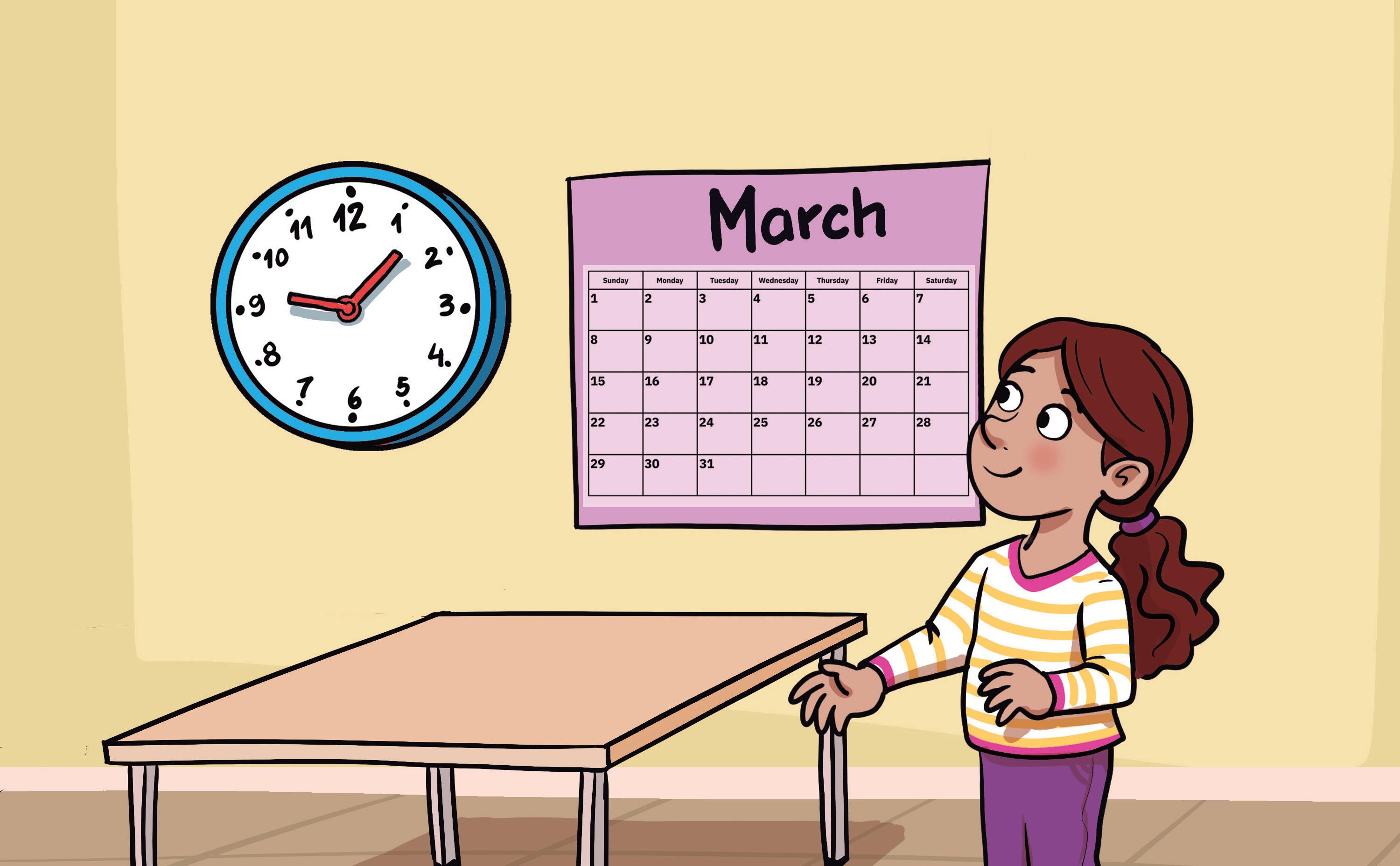
Being able to tell the time and work with time is very important.
Việc biết cách xem giờ và sử dụng thời gian rất quan trọng.
You will be learning about the days of the week and about clocks.
Các em sẽ học về các ngày trong tuần và đồng hồ.
A clock has numbers and hands.
Đồng hồ có các con số và kim chỉ giờ.
The long hand is the minute hand.
Kim dài là kim phút.
The short hand is the hour hand.
Kim ngắn là kim giờ.
On a clock we measure time in minutes and hours.
Trên đồng hồ, chúng ta đo thời gian bằng phút và giờ.
On a calendar we measure time in days.
Trên lịch, chúng ta đo thời gian bằng ngày.
There are 7 days in a week.
Một tuần có 7 ngày.
©CambridgeUniversityPress& Assessment

10.1 Time
Thời gian
We are going to:
Chúng ta sẽ:
• learn about clocks tìm hiểu về đồng hồ
• learn how to tell the o’clock and half past times học cách xem giờ chẵn và giờ rưỡi
• learn about the days of the week tìm hiểu về các ngày trong tuần
• recognise and use the repeating patterns of the days of the week nhận biết và sử dụng các quy luật lặp lại của các ngày trong tuần
• use a calendar to say what day and date it is. sử dụng lịch để biết hôm nay là thứ mấy và ngày bao nhiêu.
©CambridgeUniversityPress& Assessment
afternoon calendar clock date evening half past hands hour minute morning o’clock today tomorrow week yesterday Monday Tuesday Wednesday Thursday Friday Saturday Sunday
Telling the time is important and to know how to do it can be very useful. Clocks can help you:
Biết cách xem giờ rất quan trọng, và kỹ năng này có thể rất hữu ích. Đồng hồ có thể giúp bạn:
• wake up in time for school
thức dậy đúng giờ đi học
• tell you when it is time for lunch cho bạn biết khi nào đến giờ ăn trưa
• tell you when your favourite TV show is about to start. cho bạn biết khi nào chương
Once you have learned how to read a clock, you can use it every day of your life.
Một khi bạn đã học được cách xem giờ, bạn
dụng nó trong cuộc sống hàng ngày.
Exercise 10.1
Answer:
©CambridgeUniversityPress& Assessment
1 Draw a ring around the correct time.
2 Write the time under these clocks.
3 What time does the clock show?
4 The long hand is pointing to 6.
What half past time does the clock show?
5 The long hand is pointing to 6.
What half past time does the clock show?
6 What time is it? Write the time in words below each clock.
Let’s investigate
Work with a partner.
©CambridgeUniversityPress& Assessment
All of these clocks have a hand missing.
Sometimes it is the minute hand.
Đôi khi đó là kim phút.
Write the time you think the clock is showing.
Hãy viết thời gian mà bạn nghĩ đồng hồ đang chỉ.
How do you know that you have made the right choices? Làm sao bạn biết mình đã đưa ra những lựa chọn đúng?
©CambridgeUniversityPress& Assessment
7 What time is it?
Write the time in words below each clock.
These clocks only have one hand.
Write the time in words below each clock.
Is it easier to tell the time on a clock with one hand or two hands? Xem giờ trên đồng hồ một kim hay đồng hồ hai kim dễ hơn?
Why do you think that is? Tại sao bạn nghĩ như vậy?
8 Cà has an appointment at the dentist at 4 o’ clock.
When she arrives at the dentist the clock looks like this.
Is Cà in time for her appointment?
Tick one box.
Yes No
Explain your answer to your partner.
9 Hiến is looking at the clock in class. It looks like this.
The teacher says lunch will be at the next o’clock time.
What time is lunch?
10 There are 7 days in a week. Write the missing days.
Use the list to help you.
11 Complete each sentence by drawing a line from the word to the space.
12 All the days of the week have ‘day’ at the end of their name. Write one day of the week in each box.
13 If today is Monday. What day will it be tomorrow?
Today is Friday. What day was it yesterday?
Today is Thursday. What day will it be in 2 days’ time?
Today is Monday. What day was it yesterday?
14 Complete these sentences. There are days in a week.
©CambridgeUniversityPress& Assessment
Two days of the week begin with S. They are and .
Worked example 2
Sofia has circled the date of her birthday on the calendar. What day and date is her birthday?
Answer:
Thursday 4th March
The first letter of each day is written along the top.
I can see that my birthday is on Thursday. March is the name of the month. You will learn more about months in Grade 2.
My birthday is on Thursday 4th of March.
15 Write the circled dates. Then say them.
©CambridgeUniversityPress& Assessment
Look what I can do!
• I can tell the o’clock time and the half past time.
• I can solve problems using clocks.
• I can say the days of the week in order.
• I can use a days of the week wheel.
• I can use a calendar to say what day and date it is.
Check your progress
1 Dung wrote the days of the week in the wrong order. Write them in the correct order.
Tuesday
Thursday
Saturday
Monday
Friday
Wednesday Sunday
2 A shop has opened a café. It only opens on Tuesday, Wednesday and Thursday. Colour the days when the café is closed.
©CambridgeUniversityPress& Assessment
MondayTuesdayWednesdayThursday FridaySaturdaySunday
CONTINUED
4 Complete the sentences. If today is Tuesday ... Yesterday was and tomorrow will be . Today is Friday. Yesterday was and tomorrow will be .
5 Trí’s favourite TV show is on from 4 o’clock to 5 o’clock. When he gets home from school, the clock looks like this.
©CambridgeUniversityPress& Assessment
Is Trí on time for the TV show? How much time of his TV show is left to watch? Tick one box. all of it some of it none of it
CONTINUED
6 What day is 1st October on this calendar? Write the name of the day.
©CambridgeUniversityPress& Assessment


Glossary
Term
©CambridgeUniversityPress& Assessment
100 square
Bảng 100 ô vuông a representation of the numbers 1 to 100, in rows and columns
2D a flat shape, such as a square
3D a shape that isn’t flat, such as a cube một hình dạng không phẳng, chẳng hạn như hình
above bên trên over the top of something else – the chicken is above the box
chính xác, một cách
chính xác
add cộng
©CambridgeUniversityPress& Assessment
put amounts together to find how many altogether
©CambridgeUniversityPress& Assessment
in the middle - the numbers between 1 and 5 are 2, 3 and 4
©CambridgeUniversityPress& Assessment
in the middle – the chicken is between the boxes
using mathematics to work something out, on paper or in your head
an organised arrangement of the days, weeks and months, usually for 1 month or 1 year
©CambridgeUniversityPress& Assessment
column cột
arrangement of shapes or numbers, one below another, sometimes in a grid
sự sắp xếp các hình dạng hoặc các số, cái này ở dưới cái kia, đôi khi theo dạng bảng/lưới
©CambridgeUniversityPress& Assessment
column addition phép cộng theo cột
arrangement of numbers, placing all tens values in one column and all ones values in another column, to support the calculation sắp xếp
Term
Thuật ngữ
column
subtraction
phép trừ theo cột
Định nghĩa
placing all tens values in one column and all ones values in another, to support the calculation
©CambridgeUniversityPress& Assessment
compare so sánh
complement số bù
sắp xếp tất cả các giá trị hàng chục vào một cột và
tất cả các giá trị hàng đơn vị vào một cột khác để hỗ trợ việc tính toán 28 24 4
check whether two things are the same or different kiểm tra xem hai thứ có giống nhau hay khác nhau
pairs of numbers which add to the given value. One number in the pair is the complement of the other. For example, complements to 10 are the same as number bonds, or number pairs that total 10. 7 and 3 are complements to 10 because
7 + 3 = 10
một số trong cặp là phần bù của số kia. Ví dụ, số bù của 10 cũng giống như các liên kết số hoặc các cặp số cộng lại bằng 10. 7 và 3 là số bù của 10 vì 7 + 3 = 10
count
đếm
counting back
đếm giảm
say the number names in the correct order, often to find out how many objects
đọc tên các số theo thứ tự đúng, thường để tìm ra số lượng đồ vật
counting down from a larger number to a smaller number đếm giảm từ một số lớn hơn đến một số nhỏ hơn 12, 11, 10, 9, 8…
3.3
date ngày
©CambridgeUniversityPress& Assessment
chữ số
a 3D shape with rectangular faces
a numbered day in a month and sometimes also in a year, for example, Tuesday 8th March 2021 or 8/3/2021
một ngày được đánh số trong tháng và đôi khi
cũng trong năm, ví dụ: Thứ Ba, ngày 8 tháng 3 năm 2021 hoặc 8/3/2021
0, 1, 2, 3, 4, 5, 6, 7, 8, 9 are all digits 0, 1, 2, 3, 4, 5, 6, 7, 8, 9 đều là các chữ số
Term
Thuật ngữ
distance
khoảng cách the length of space between two things độ dài của không gian giữa hai vật
©CambridgeUniversityPress& Assessment
eleven: 11
mười một: 11
twelve: 12
mười hai: 12
thirteen: 13
mười ba: 13
fourteen: 14
mười bốn: 14
fifteen: 15
mười lăm: 15
sixteen: 16
mười sáu: 16
seventeen: 17
mười bảy: 17
eighteen: 18
mười tám: 18
nineteen: 19
mười chín: 19
twenty: 20
hai mươi: 20
a sensible guess, using what you know
evening buổi tối the end of the day, usually 6 o’clock to bedtime
©CambridgeUniversityPress& Assessment

a clock has two hands which show the time, an hour hand and a minute hand
©CambridgeUniversityPress& Assessment
the distance from the top to the bottom of

how many? có bao nhiêu? a question asking you to find out the number of objects
©CambridgeUniversityPress& Assessment
©CambridgeUniversityPress& Assessment
Monday
Thứ Hai
Tuesday
Thứ Ba
Wednesday
Thứ Tư
Thursday
Thứ Năm
Friday
Thứ Sáu
Saturday
Thứ Bảy
Sunday
Chủ Nhật
©CambridgeUniversityPress& Assessment
©CambridgeUniversityPress& Assessment
number track dãy số
the counting numbers in order, one number in each space các số đếm theo thứ tự, mỗi số nằm trong một ô
©CambridgeUniversityPress& Assessment
o’clock giờ đúng
used after a number from one to twelve to say the time when it is exactly that hour dùng sau một số từ một
when we do something to a number. The four operations are addition (+), subtraction (–), multiplication (×) and division (÷) khi ta thực hiện việc gì đó với một số. Bốn phép toán đó là phép cộng (+), phép trừ (–), phép nhân (×) và phép chia (÷)
tự a list of people, objects or numbers from first to last một danh sách người, vật hoặc số từ đầu đến cuối
ordering sắp xếp thứ tự listing numbers from smallest to greatest or greatest to smallest liệt kê các số từ nhỏ nhất đến lớn nhất hoặc từ lớn nhất đến nhỏ nhất
Term
Thuật ngữ
ordinal numbers
các số thứ tự
part-whole một phần-tổng thể
Định nghĩa
numbers that tell the position of things: 1st, 2nd, 3rd, 4th, 5th, 6th, 7th, 8th, 9th, 10th
các số chỉ vị trí của vật: thứ nhất, thứ hai, thứ ba, thứ tư, thứ năm, thứ sáu, thứ bảy, thứ tám, thứ chín, thứ mười
an image where two or more components (parts) make a total (whole) một hình ảnh trong đó hai hoặc nhiều thành phần (các bộ phận) tạo thành toàn bộ (tổng
©CambridgeUniversityPress& Assessment
place value cards
thẻ giá trị vị trí
cards used to show the value of each digit in a number các thẻ được sử dụng để hiển thị giá trị của mỗi chữ số trong một số
place value grid
chart used to represent numbers in tens and ones to support understanding of a number and calculating
©CambridgeUniversityPress& Assessment
put a finger on or towards something
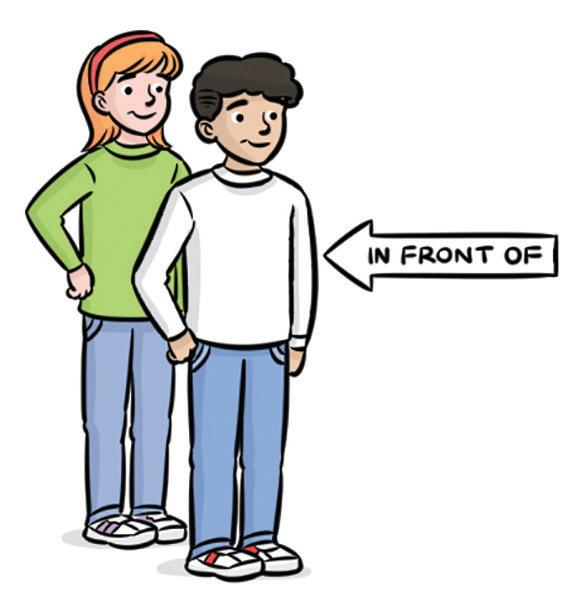
a 2D shape with 4 sides, the opposite sides are
regroup nhóm lại
separate a number into different parts. 5 can be regrouped into 2 + 3, 4 + 1, 1 + 2 + 2 and so on.
tách một số thành các phần khác nhau. Số 5 có thể
using a picture or model of something
©CambridgeUniversityPress& Assessment
row hàng ngang
an arrangement of shapes or numbers, side by side, sometimes in a grid
kẻ
an object used to draw straight lines and measure short distances
same bằng nhau
when we compare sets or numbers, both sets are equal in size, shape or value khi so sánh các tập hợp hoặc các số, cả hai tập hợp
©CambridgeUniversityPress& Assessment
sequence chuỗi
đều bằng nhau về kích thước, hình dạng hoặc giá
a list of objects or numbers that appear in a special order một danh sách các
a collection of objects that have something that is the same – here is a set of animals that all have spots or stripes
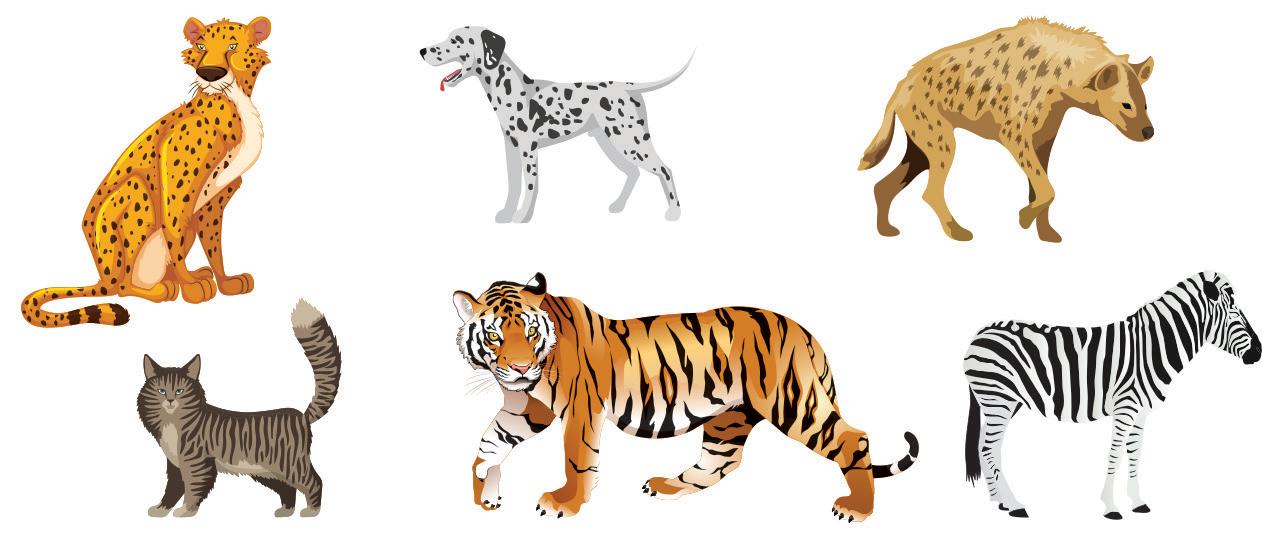
side cạnh
the line joining each vertex to the next vertex on a 2D shape
đường thẳng nối mỗi đỉnh với đỉnh tiếp theo trên một hình dạng 2D
©CambridgeUniversityPress& Assessment
work out the answer to a calculation, for example 2 + 3 = 5, 10 − 2 = 8 tìm ra đáp án của một phép tính, ví dụ: 2 + 3 = 5, 10 − 2 = 8
square Hình vuông a flat shape with 4 straight sides the same length
trừ take a number or amount from another number or amount. Methods of subtraction include take away and counting back lấy một số hoặc một khối lượng từ một số hoặc một khối lượng khác. Các phương pháp trừ bao gồm lấy đi và đếm giảm
swap hoán đổi
exchange one thing for another. For example, when you swap the digits in 37, it becomes 73 trao đổi cái này cho cái khác. Ví dụ, khi bạn đổi chỗ các chữ số trong số 37, nó trở thành 73
©CambridgeUniversityPress& Assessment
remove one or more things from a set
the numbers 11, 12, 13, 14, 15, 16, 17, 18, 19 các số 11, 12, 13, 14, 15, 16, 17, 18, 19
seven days: Monday, Tuesday, Wednesday, Thursday, Friday, Saturday, Sunday
©CambridgeUniversityPress& Assessment
the distance across something or along its shortest side
bài toán có lời văn
a problem written in words rather than in a number sentence
©CambridgeUniversityPress&
zero: 0 one: 1
two: 2 three: 3
four: 4 five: 5
six: 6 seven: 7
eight: 8
nine: 9 ten: 10
không: 0 một: 1
hai: 2 ba: 3
bốn: 4 năm: 5
sáu: 6 bảy: 7
tám: 8
chín: 9
mười: 10
Acknowledgements
The authors and publishers acknowledge the following sources of copyright material and are grateful for the permissions granted. While every effort has been made, it has not always been possible to identify the sources of all the material used, or to trace all copyright holders. If any omissions are brought to our notice, we will be happy to include the appropriate acknowledgements on reprinting.
Thanks to the following for permission to reproduce images:
Cover byOmarArandaandIliasArahovitis(BeehiveIllustration); Inside Unit 1 NTMW/GI;CarolYepes/ GI; Unit 2 Westend61/GI;Nenov/GI; Unit 3 The_Burtons/GI; Unit 4 ThomasVogel/GI;PeterDazeley/GI; Unit 7 SMXRF/StarMax/GI; Unit 9 SuslO/GI; Unit 10 UtamaruKido/GI;SCIEPRO/GI;Francesco RiccardoIacomino/GI(x2)
Key: GI=GettyImages