Mathematics CAMBRIDGE PRIMARY
Learner’s Book Grade 1
Learner’s Book Grade 1
©CambridgeUniversityPress&
Shaftesbury Road, Cambridge CB2 8EA, United Kingdom
One Liberty Plaza, 20th Floor, New York, NY 10006, USA
477 Williamstown Road, Port Melbourne, VIC 3207, Australia
314–321, 3rd Floor, Plot 3, Splendor Forum, Jasola District Centre, New Delhi – 110025, India
Cambridge University Press & Assessment is a department of the University of Cambridge. We share the University’s mission to contribute to society through the pursuit of education, learning and research at the highest international levels of excellence.
www.cambridge.org
© Cambridge University Press & Assessment 2026
This publication is in copyright. Subject to statutory exception and to the provisions of relevant collective licensing agreements, no reproduction of any part may take place without the written permission of Cambridge University Press & Assessment.
First published 2026
20 19 18 17 16 15 14 13 12 11 10 9 8 7 6 5 4 3 2 1
Printed in Vietnam by FAHASA Printing House
ISBN 978-1-009-89138-7 Paperback with Digital Access (1 Year)
Cambridge University Press & Assessment has no responsibility for the persistence or accuracy of URLs for external or third-party internet websites referred to in this publication, and does not guarantee that any content on such websites is, or will remain, accurate or appropriate.

Projects and their accompanying teacher guidance have been written by the NRICH Team. NRICH is an innovative collaboration between the Faculties of Mathematics and Education at the University of Cambridge, which focuses on problem solving and on creating opportunities for students to learn mathematics through exploration and discussion https://nrich.maths.org.
The photocopy masters in this publication may be photocopied or distributed electronically free of charge for classroom use within the school or institution that purchased the publication. Worksheets and copies of them remain in the copyright of Cambridge University Press, and such copies may not be distributed or used in any way outside the purchasing institution.
Cambridge International copyright material in this publication is reproduced under licence and remains the intellectual property of Cambridge Assessment International Education.
Test-style questions have been written by the authors. In Cambridge Checkpoint tests or Cambridge Progression tests, the way marks are awarded may be different. References to assessment and/or assessment preparation are the publisher’s interpretation of the curriculum framework requirements and may not fully reflect the approach of Cambridge Assessment International Education.
WelcometoGrade1of Cambridge Primary Mathematics Vietnam edition.
Chào mừng các bạn đến với chương trình Toán Tiểu học Cambridge lớp 1 phiên bản Việt Nam.
Mathematics is everywhere. Everyone uses mathematics every day. Where have you noticed mathematics?
Toán học hiện hữu ở khắp mọi nơi. Mọi người hay sử dụng Toán học trong cuộc sống hằng ngày. Vậy em nhận thấy nơi nào thường có sự hiện diện của
Toán học?
Have you ever wondered about any of these questions?
Em có bao giờ đặt ra cho mình những câu hỏi dưới đây chưa?
• Are the numbers we use when measuring the same as the numbers we count with?
Các số chúng ta dùng khi đo có giống với các số chúng ta dùng khi đếm không?
• Why are the same 10 digits used to make all numbers (0, 1, 2, 3, 4, 5, 6, 7, 8 and 9)?
Tại sao tất cả các số đều được tạo thành từ 10 chữ số (0, 1, 2, 3, 4, 5, 6, 7, 8 và 9)?
Introduction Lời mở
• What is the difference between 2D and 3D shapes?
Sự khác biệt giữa hình dạng 2D và 3D là gì?
• How do you describe a pattern?
Làm thế nào để mô tả một quy luật?
• How do you measure the passage of time?
Làm thế nào để đo thời gian trôi qua?
• How do you solve a mathematics problem?
Làm thế nào để giải một bài toán?
You will work like a mathematician to find the answers to some of these questions. It is good to talk about the mathematics as you explore, sharing ideas. You will reflect on what you did and how you did it, and think about whether you would do the same next time.
Em sẽ làm việc như một nhà Toán học để tìm ra câu trả lời cho một số câu hỏi ở trên. Việc trao đổi về Toán học trong khi em khám phá và chia sẻ các ý tưởng sẽ vô cùng thú vị. Em sẽ suy ngẫm mình đã làm gì và làm như thế nào, và nghĩ xem lần sau em có nên thực hiện lại như thế hay không.
You will be able to practise new skills and check how you are doing and also challenge yourself to find out more. You will be able to make connections between what seem to be different areas of mathematics.
Em sẽ được thực hành các kĩ năng mới, kiểm tra mình đang làm việc như thế nào, đồng thời thử thách bản thân khám phá nhiều hơn nữa. Em cũng có thể liên kết các nội dung kiến thức Toán học tưởng như là tách biệt nhau.
We hope you enjoy thinking and working like a mathematician.
Chúng tôi hi vọng em sẽ cảm thấy lí thú khi được tư duy và làm việc như một nhà Toán học.
Cherri Moseley and Janet Rees
Page
Trang Unit
8How to use this book
Hướng dẫn sử dụng sách
10Thinking and Working Mathematically
Tư duy và Làm việc theo Toán học
141 Numbers to 10
Các số trong phạm vi 10
1.1 Counting sets of objects
Đếm các nhóm đồ vật
1.2 Reading and writing to 10
Đọc và viết số trong phạm vi 10
1.3 Number words Tên gọi các số
322 Working with numbers to 10
Thực hành với các số đến
2.1 Addition as combining Phép cộng dưới dạng kết hợp
2.2 Subtraction as take away Phép trừ giống như bị lấy đi
533 Numbers to 20
Các số trong phạm vi
3.1 Counting to 20
Đếm đến 20
3.2 Counting, comparing and ordering
Đếm, so sánh và sắp xếp
3.3 Counting on and counting back
Đếm tăng và đếm giảm
Number Các số
Number Các số
Number Các số
824 Working with numbers to 20 Luyện tập với các số trong phạm vi 20
4.1 Addition by counting on Phép cộng bằng cách đếm tăng
4.2 Subtraction by counting back Phép trừ bằng cách đếm giảm
4.3 Solving word problems
Giải các bài toán có lời văn
1055 Numbers to 100 Các số trong phạm vi 100
5.1 Numbers to 100 Các số trong phạm vi 100
5.2 Counting up to 100 objects
Đếm đến 100 sự vật
5.3 Comparing and ordering numbers
So sánh và sắp xếp các số
1336 Working with numbers to 100 Thực hành với các số đến
6.1 Addition
Phép cộng
6.2 Subtraction
Phép trừ
6.3 Adding and subtracting two 2-digit numbers
Cộng và trừ hai số có hai chữ số
1577 Shapes
Hình khối
7.1 3D shapes
Hình dạng 3D
7.2 2D shapes
Hình dạng 2D
Number Các số
Number Các số
Number Các số
Geometry and measure
Hình học và đo lường
Page
1708 Position and direction Vị trí và hướng
8.1 Position Vị trí
8.2 Position and direction Vị trí và hướng
1889 Length
dài
9.1 Length
dài
9.2 Measuring length Đo chiều dài
9.3 Drawing and measuring lines Vẽ và đo đường thẳng
21510 Time Thời gian
10.1 Time Thời gian
229 Glossary 253Acknowledgements
Geometry and measure Hình học và đo lường
Geometry and measure Hình học và đo lường
Geometry and measure Hình học và đo lường
In this book you will find lots of different features to help your learning: Quyển sách này bao gồm nhiều phần khác nhau
học tập của em.
Questions to find out what you know already.
Các câu hỏi kiểm tra kiến thức em đã biết.
What you will learn in the unit.
Những nội dung em sẽ học trong học phần.
Important words that you will use.
Từ vựng quan trọng em sẽ sử dụng
Questions to help you think about how you learn.
Các câu hỏi giúp em tư duy về cách học tập


There are often many different ways to solve a problem.
Step-by-step examples showing a way to solve a problem.
These questions will help you develop your skills of thinking and working mathematically.
An investigation to carry out with a partner or in groups. This will help develop your skills of thinking and working mathematically.
Một nghiên cứu em sẽ

thực hiện với một bạn cùng lớp hoặc theo nhóm. Phần này sẽ giúp em phát
triển kĩ năng Tư duy và Làm việc theo Toán học.
What you have learned in the unit. Tick the column to show how you feel about each thing.
Questions that cover what you have learned in the unit.
There are some important skills that you will develop as you learn mathematics.
Em sẽ phát triển một số kĩ năng quan trọng khi học toán.

Specialising is when I test examples to see if they fit a rule or pattern.
Cụ thể hoá là khi em kiểm tra các ví dụ để xem chúng có phù hợp với một quy tắc hay quy luật không.
Generalising is when I can explain and use a rule or pattern to find more examples.
Khái quát hoá là khi em có thể giải thích và sử dụng một quy tắc hoặc quy luật để tìm kiếm thêm ví dụ.
Characterising is when I explain how a group of things are the same.
Đặc điểm hoá là khi em giải
thích một nhóm các sự vật giống nhau như thế nào.
Classifying is when I put things into groups and can say what rule I have used.
Phân loại là khi em sắp xếp
các sự vật thành nhiều nhóm và phát biểu được mình
đã sử dụng quy tắc nào.


Critiquing is when I think about what is good and what could be better in my work or someone else’s work.
Phản biện là khi em suy nghĩ về
những điểm tốt và những điểm
có thể cải thiện trong bài làm
của mình hoặc bài làm của bạn.
Improving is when I try to make my maths better.
Cải tiến là khi em cố gắng
để việc học Toán của mình có kết quả tốt hơn.
Conjecturing is when I think of an idea or question linked to my maths.
Phỏng đoán là khi em suy nghĩ về một ý tưởng hoặc câu hỏi liên quan đến kiến thức Toán học của mình.
Thuyết phục là khi em giải thích cách tư duy của mình với người khác để giúp họ hiểu được. Thinking and
Convincing is when I explain my thinking to someone else, to help them understand

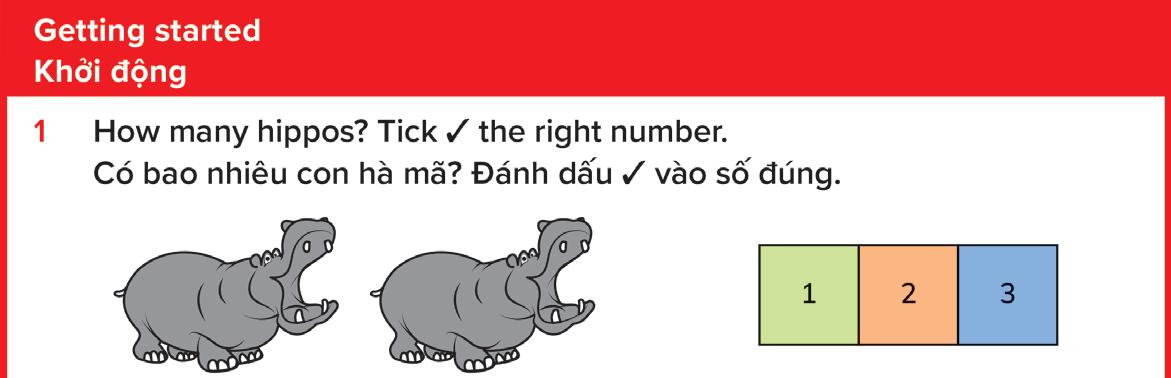
Getting started
1 How many hippos? Tick ✓ the right number. Có bao nhiêu con hà mã? Đánh dấu ✓ vào số đúng.
2 Count the toys and write the numbers. Đếm số đồ chơi và điền các số.
123
CONTINUED TIẾP THEO
3
Write numbers in the space below.
Viết các số vào khoảng trống phía dưới
Find objects in the classroom. Tell your partner how many objects.
For example: I have 2 pencils!
Tìm các đồ vật trong lớp tương ứng với những số đó. Hãy nói cho bạn
bên cạnh biết có bao nhiêu đồ vật. Ví dụ: Tôi có 2 chiếc bút chì!
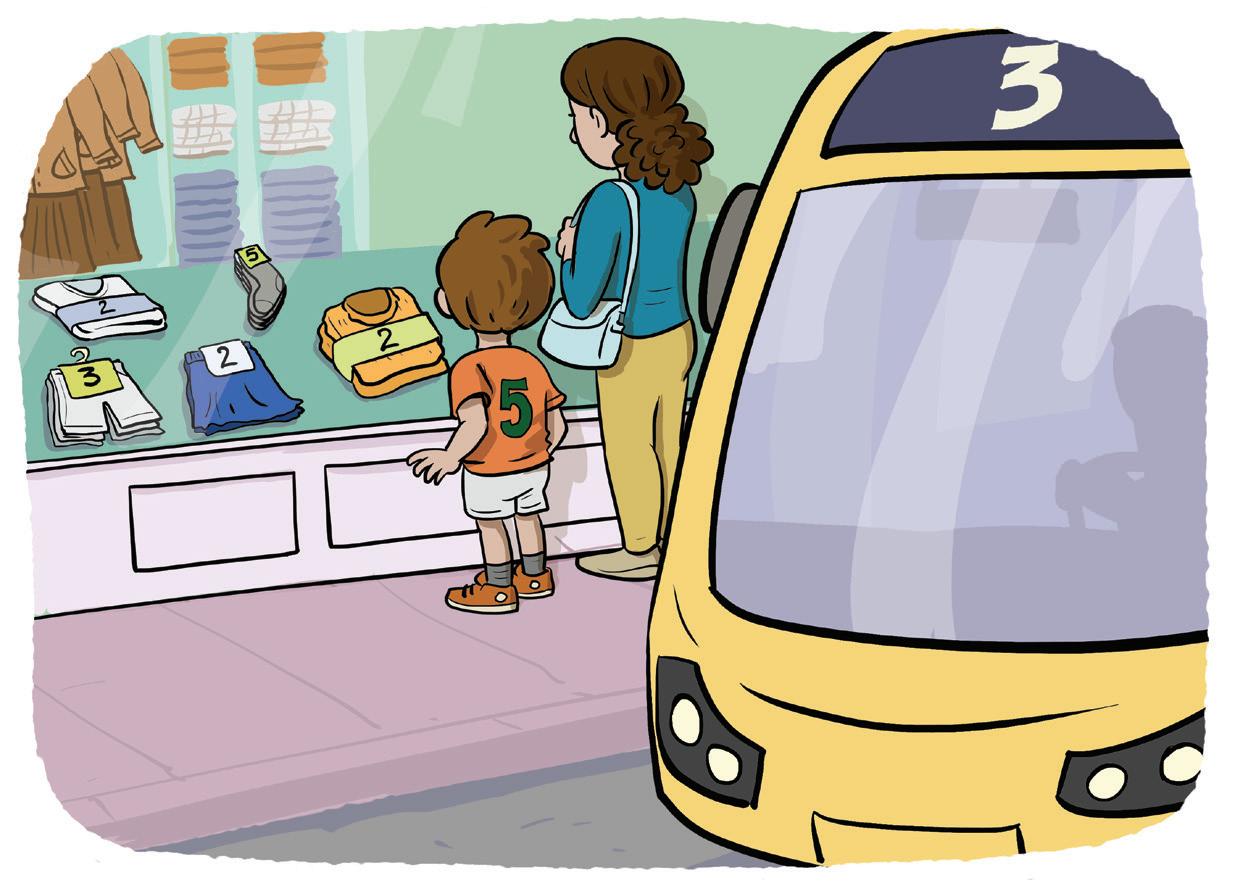
Numbers are all around us.
Các số hiện diện khắp nơi xung quanh ta.
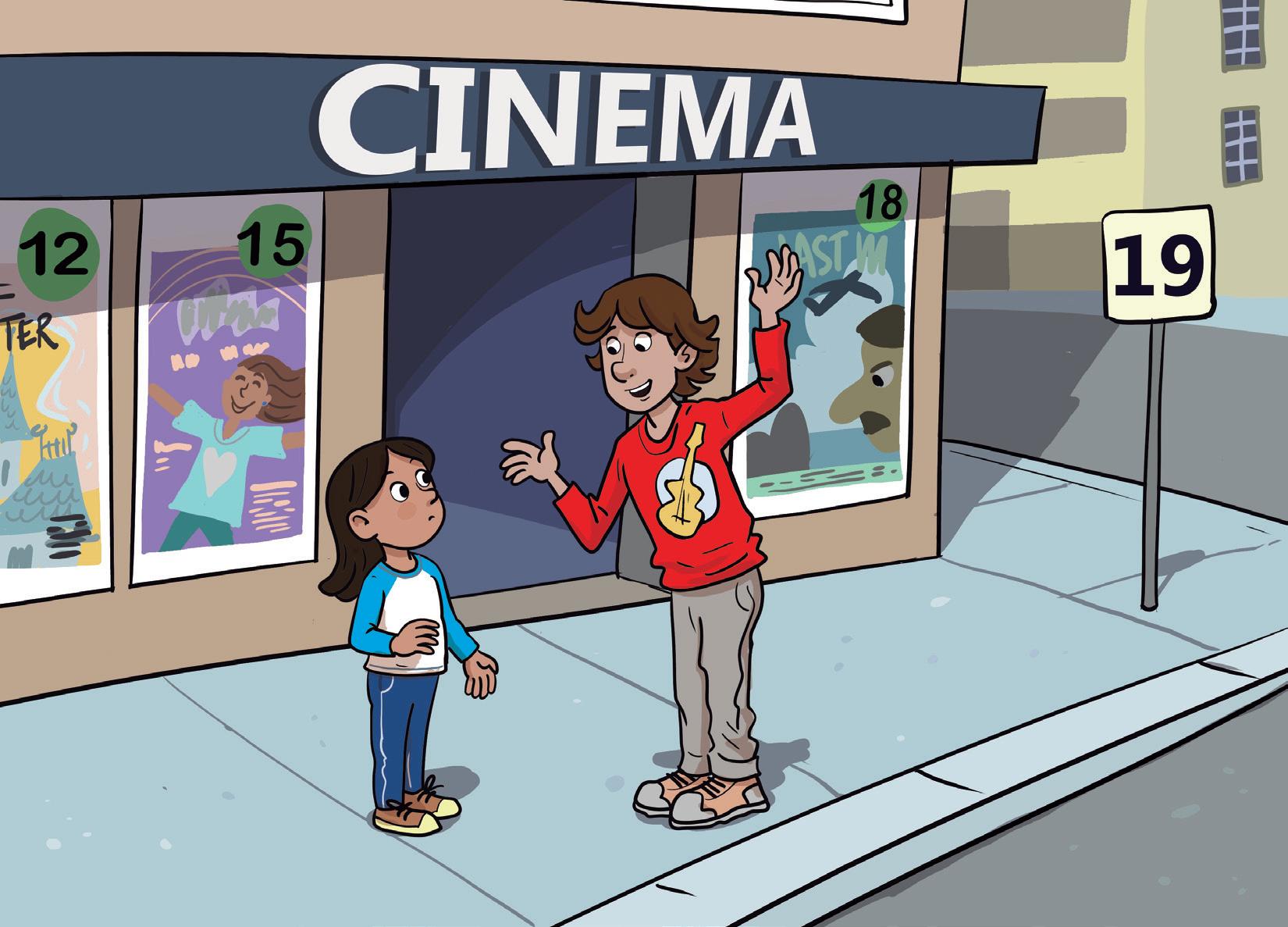
Sometimes a number is a label, for example the number on a football shirt or the number on a bus.
Đôi khi, một con số có thể là một nhãn, ví dụ như số ghi trên áo cầu thủ? hoặc số xe buýt.
How many orange shirts are there in the pack in the picture?
Có bao nhiêu chiếc áo màu cam trong nhóm (hoặc bộ) trong hình?
How many balls in the box in the picture?
Trong hình, có bao nhiêu quả bóng
được đặt trong hộp?
1 Numbers to 10 Các số trong phạm vi 10
We are going to: Chúng ta sẽ:
• Count sets of objects. Đếm các nhóm đồ vật.
Count how many order set total Đếm có bao nhiêu thứ
To count objects, start with 1 and say numbers in the correct order. Để đếm các đồ vật, hãy bắt đầu từ số 1 và đọc số theo đúng thứ tự.
The last number tells you how many objects there are. Số cuối cùng cho bạn biết có tất cả bao nhiêu đồ vật.
Exercise 1.1
1 Count together. 1 2 3 4 5 6 7 8 9 10 1 2 3 4 5 6 7 8 9 10
2 Draw some objects in the box.
Count your set of objects. How many in total?
I counted to the same number each time!
Draw your objects in a row. Count again. How many in total?
3
Draw 3 counters in the grid below.
Draw 6 buttons in the grid below.
Draw 0 counters in the grid below.
3
6
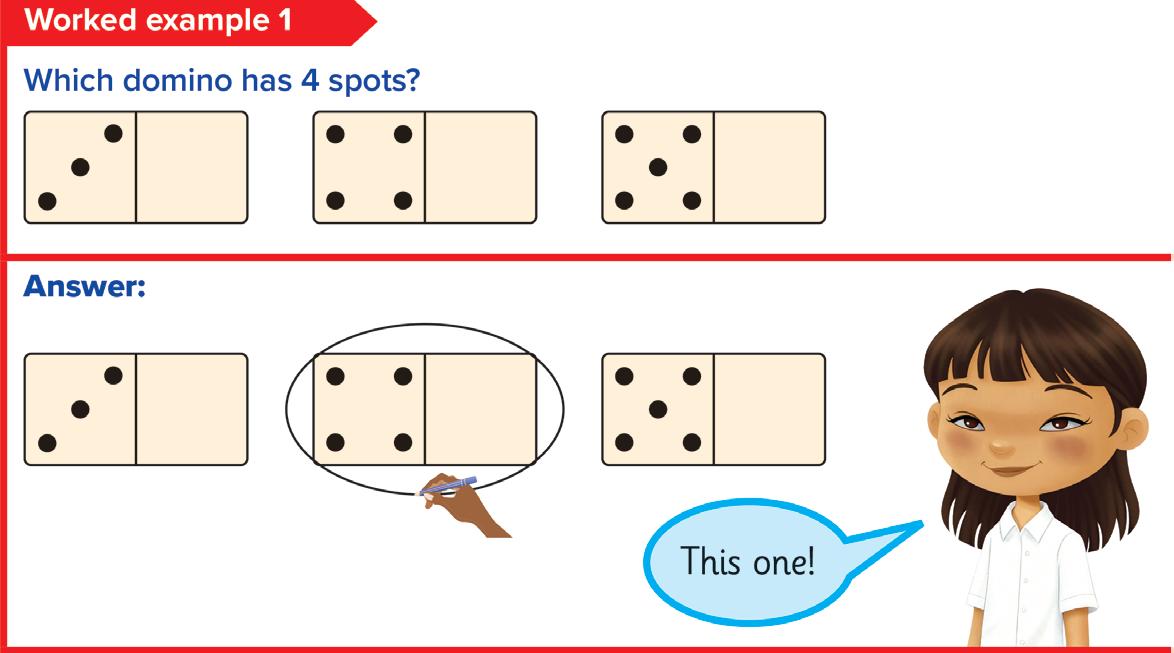
Worked example 1
Worked example 1
Which domino has 4 spots?
Answer:
4 Which domino has 5 spots?
Circle the correct domino.
5 Which domino has 9 spots?
Circle the correct domino.

6 Match each picture to the correct number.
Check with your partner. Is it the same?
7 Draw 7 bananas in a row.
1 Numbers to 10 Các số trong phạm vi
Look at your answer to question 7.
Hãy xem câu trả lời của bạn cho câu hỏi số 7.
Is it easy to count in a row?
Đếm theo hàng ngang có dễ hơn không?
Let’s investigate Cùng kiểm tra lại nào
Work with a partner.
Thực hành cùng bạn.
Make a poster about a number.
Vẽ một bức hình
về một con số.
Talk about your poster with your class.
Nói về bức tranh của
bạn cho các bạn cùng lớp.
Look what I can do!

• I can count objects and write the matching number.
• I can find or draw the correct number of objects.
We are going to: Chúng ta sẽ:
• Say, read and write numbers and number words to 10. Nói, đọc và viết các số và chữ số trong phạm vi 10.
Exercise 1.2
1 Say this number rhyme together. 1, 2, 3, 4, 5.
Once I caught a fish alive! 6, 7, 8, 9, 10.
Then I let it go again! Why did you let it go?
Because it bit my finger so. Which finger did it bite?
This little finger on the right.
2 Say your favourite number rhyme to a partner.
3 Count to 10. Point to the number as you say it.
Worked example 2 Which number is missing?
1, 2, 3, 4, 5, Once I caught a fish alive! 6, 7, . . . I said 6 then 7, so 7 is the missing number.
4 Count to 10. Write the missing numbers.

5 Are all the numbers in the right place? Write the wrong numbers in the box.
6 Write the number that comes after.
7 Write the number that comes before.

1 Numbers to 10 Các số trong phạm vi 10
Look what I can do!
• I can count to 10 and find a missing number.
• I can say some number rhymes.
• I can read and write the numbers 1, 2, 3, 4, 5, 6, 7, 8, 9 and 10.
We are going to:
Chúng ta sẽ:
• Say, read and write numbers and number words to 10.
Nói, đọc và viết các số và tên gọi các số đến 10.
zero: 0 one: 1 two: 2 three: 3 four: 4 five: 5
six: 6 seven: 7 eight: 8 nine: 9 ten: 10
không: 0 một: 1 hai: 2 ba: 3 bốn: 4 năm: 5
sáu: 6 bảy: 7 tám: 8 chín: 9 mười: 10
We can write numbers in words.
Chúng ta có thể viết số bằng chữ.
One Two Five Ten
Coins often have words instead of numbers on them.
Trên tiền xu thường ghi chữ thay cho số.
We often use words instead of numbers in a story.
Chúng ta thường viết bằng chữ thay vì bằng số trong truyện.
Exercise 1.3
1 Count the spots and read the number words.
2 Write the missing words or numbers in the grid. There is an example for you.

1 Numbers to 10 Các số trong
3 Match the sets to the number words.
five seven nine one zero two three six four eight ten
Which words do not have a matching set of fruit?
4 Draw eight apples in a row.
5 Draw a basket with zero fruit in it.
6 Write the number word after. onefoureight
7 Write the number word before.
Can you read and write all the number words now? Bây giờ bạn có thể đọc và viết tất cả các chữ số không?
Did you like the activities? Why?
Bạn có thấy hoạt động này thú vị không? Vì sao?
Let’s investigate Hãy nghiên cứu nào!
Number word ‘one’ has 3 letters.
Từ ‘one’ có 3 chữ cái.
How about number words from 2 (two) to 10 (ten)? Check carefully.
Từ 2 (hai) đến 10 (mười) có bao nhiêu chữ cái? Kiểm tra thật kỹ.
Which number words have the same number of letters? For example ‘one’ and ‘two’ both have 3 letters.
Những từ chỉ số nào có số chữ cái giống nhau? Ví dụ, số ‘một’ và ‘hai’ cùng có 3 chữ cái.
1 Numbers to 10 Các số trong phạm vi 10
Look what I can do!
• I can read all the number words from zero to ten.
• I can write number words from zero to ten. Check your progress
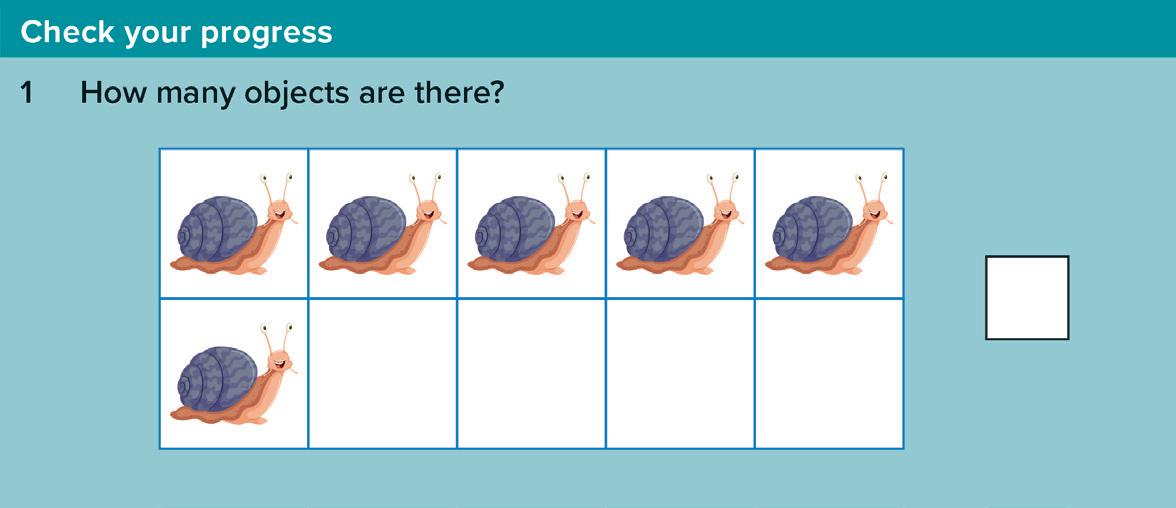
1 How many objects are there?

2 Write the number under each picture.
Getting started
1 Count out loud to 10. Đếm to các số đến 10
2 How many? Write the number in the box. Có bao nhiêu vật thể ở đây? Viết số lượng vào ô trống.
2 Working with numbers to 10 Thực hành với
CONTINUED
TIẾP THEO
3 Draw 6 spots in a domino pattern.
Vẽ 6 chấm theo hình quân cờ domino.
When you put two groups together, you add them.
Khi các bạn gộp hai nhóm lại với nhau, bạn cộng chúng lại.
We want to know how many we have altogether. Chúng tôi muốn biết tổng cộng có bao nhiêu.
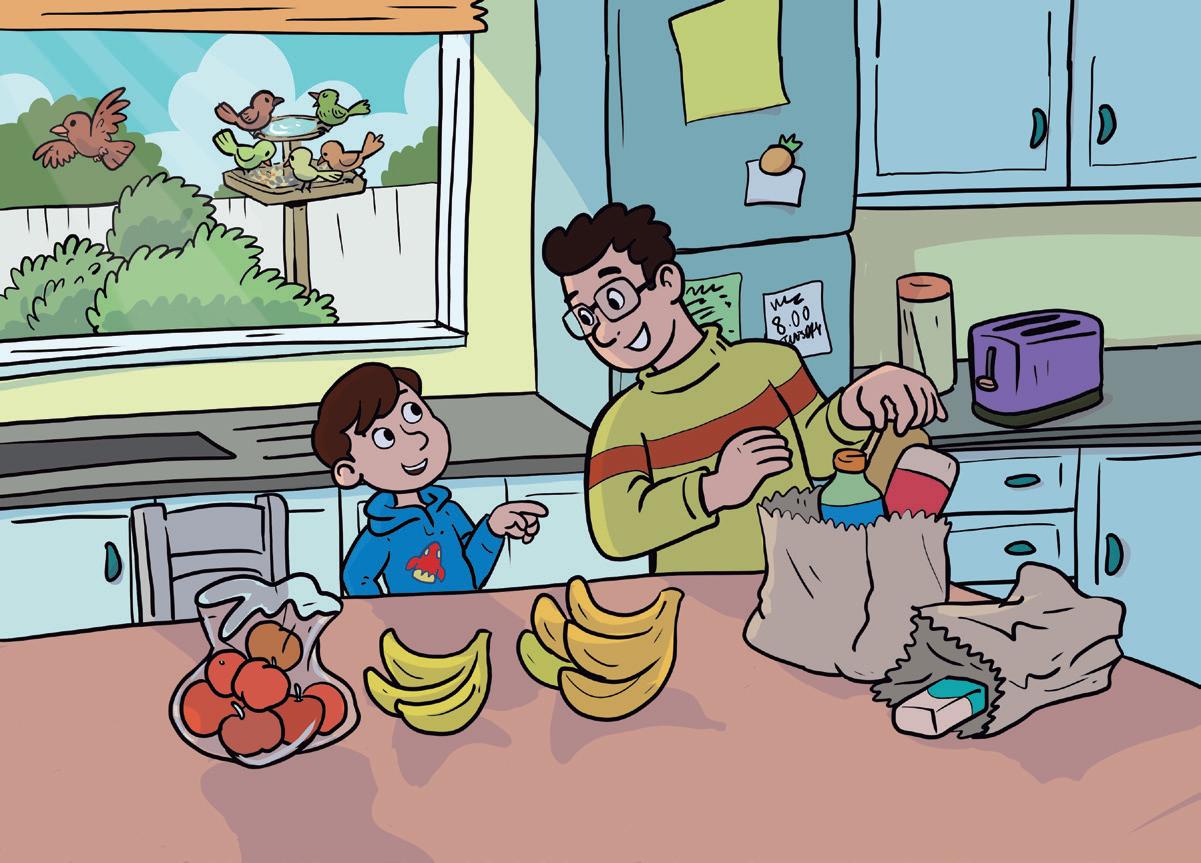
If we have many and we take some away, we want to know how many are left. Nếu chúng ta có nhiều vật thể và lấy đi một số, chúng ta muốn biết còn lại bao nhiêu.
We are going to:
Chúng ta sẽ:
• add quantities together by combining two sets (groups) cộng các số lượng với nhau bằng cách kết hợp hai tập hợp (nhóm)
• begin to remember some number bonds. bắt đầu ghi nhớ một số liên kết số.
Add two groups together to find out how many you have.
Cộng hai nhóm lại với nhau để tìm ra tổng số bạn có.
How many apples altogether?
You can write a number sentence to help you remember.
Bạn có thể viết một phép tính để giúp bạn ghi nhớ.
3 add 2 equals 5.
3 cộng 2 bằng 5.
Exercise 2.1
1 Draw 1 more block.
Count how many objects there are now.
add altogether number bond part-whole number sentence
cộng tất cả / tổng
Complete the number sentence.
cộng liên kết số một phần-tổng thể câu phép tính
3 add 1 equals .
Draw 1 more blue counter.
2 Working with numbers to 10 Thực
Count how many counters there are now.
Complete the number sentence.
Worked example 1
5 add 1 equals
Put 5 counters on a ten frame.
Add 1 more. That’s 6, I know it. 5 add 1 equals 6.
Answer: 5 add 1 equals 6
2 Use counters and a ten frame to help you add 1 more.

2 Working with numbers to 10 Thực
Let’s investigate Cùng kiểm tra lại nào
Sofia says when you add 1 more, you make the next counting number.
Sofia nói rằng khi bạn cộng thêm 1, bạn sẽ
Is Sofia correct?
Sofia nói đúng không?
Discuss with your partner.
Hãy thảo luận với bạn của bạn.
Worked example 2
Write a number sentence for the story.


tiếp theo.

+ 2 = 5 First, there are 3 children playing football. Then, 2 more children join them. Now, there are 5 children playing football. 3 add 2 equals 5. The number sentence is 3 + 2 = 5.

3 Complete the number sentence for this story.
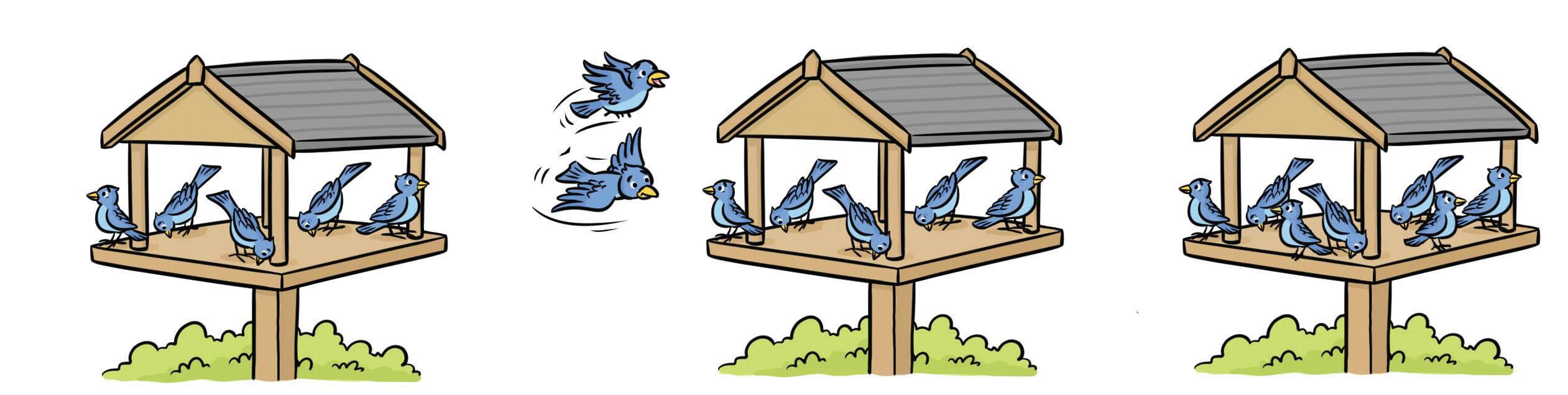
4 Tell your partner what is happening in this story. Write the number sentence. First Then Now


2 Working with numbers to 10 Thực
Worked example 3
3 add 2 equals 3 + 2 = 3
How many altogether in this part-whole diagram?

A part-whole diagram is an image where two or more components (parts) make a total (whole).
Put the counters on a ten frame to find out.
Write the number sentence.
Answer: 3 add 2 makes 5.
3 + 2 = 5
I combined all the counters on the top row. I counted 1, 2, 3, 4, 5. 3 + 2 = 5

5 How many counters are there?
Combine the parts to find the whole.
4 add 2 equals .
4 + 2 =
How many altogether?
6 Use the part-whole diagram to combine the parts. Use the ten frame to help you find how many objects there are. This is called the total.
2 Working with numbers
7 Find the total number of spots on each domino. Write your number sentence for each one.
8 Complete each part-whole diagram.
Write a number sentence for each diagram.
How did you find the missing part? Ask your partner what they did.
9 Complete each addition
10
If 10 is the whole, find the two parts.
Use counters to help you find all the different ways to make 10. For example 6 + 4, 7 + 3.
These are called number bonds for 10.
= 10 + = 10
A number bond is two numbers that add together to make a total. These are the number bonds for 10.
Explain to your partner why your number sentences are correct.
2 Working with numbers to 10 Thực hành với các số
10
Let’s investigate
Cùng kiểm tra lại nào
Work with a partner. Choose a number from 5 to 9.
Hãy thực hành với bạn bên cạnh. Chọn một số từ 5 đến 9.
Make a poster showing all the number bonds for your number.
Hãy làm một tấm áp phích thể hiện tất cả các liên kết số của số bạn đã chọn.

My number is 6. 5 + 1 = 6 is a number bond for 6
How do you show each number bond?
Làm thế nào để bạn thể hiện từng liên kết số?
How do you know that you have found all the number bonds for your number? Làm thế nào bạn biết rằng bạn đã tìm thấy tất cả các liên kết số của số bạn?
Look what I can do!
• I can add numbers together by combining two sets.
• I am beginning to remember some number bonds.
We are going to: Chúng ta sẽ:
• subtract by taking away a part from the whole (total)
trừ bằng cách lấy một phần ra khỏi tổng thể (tổng)
• start to add and subtract some numbers.
bắt đầu cộng và trừ một số số.
You can subtract (take away) to find out how many you have left.
Bạn có thể dùng phép trừ (trừ đi)
để tìm ra số lượng còn lại.
You can write your subtraction in words or in a number sentence.
Bạn có thể viết phép trừ bằng
chữ hoặc bằng phép tính.
Exercise 2.2
I will take away one and eat it.
How many will be left?

subtract take away phép trừ lấy đi
1 Cross out 1 bead and 1 counter. Count how many there are now.
7 take away 1 equals
take away =
2 Working with numbers to 10 Thực hành với
Let’s investigate
Cùng kiểm tra lại nào
Put 9 counters on the table in the domino pattern.
Đặt 9 nút đếm lên bàn theo quân cờ domino.
Take one counter away to make the domino pattern for 8.
Lấy đi một nút đếm để tạo thành quân cờ domino 8 điểm.
Take another counter away to make the domino pattern for 7.
Lấy đi một nút đếm nữa để tạo thành quân cờ domino 7 điểm.
Repeat until there are no counters left.
Lặp lại cho đến khi không còn nút đếm nào.
Marcus says when you take away 1, you make the counting number before. Marcus nói rằng khi bạn lấy đi 1, bạn sẽ tạo thành số đếm liền trước số đó.
Is this correct? Why? Tell your partner why it is correct.
Điều này có đúng không? Tại sao? Hãy giải thích cho bạn bên cạnh tại sao đúng.
The counting words go ‘seven, eight, nine’. When I take 1 away from 9 I get 8.
Worked example 4
Write a sentence for the story.




First
First
5 First, then 5 take away 2 5 − 2
First, then, now Answer:
5 take away 2 equals 3
5 − 2 = 3
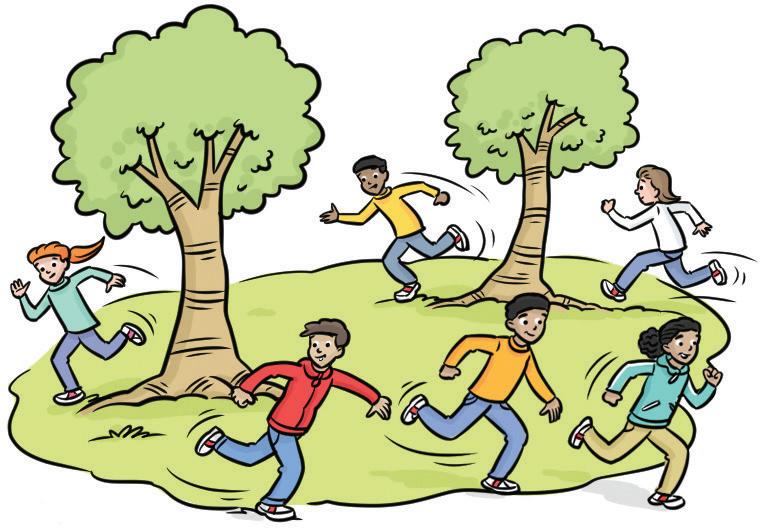
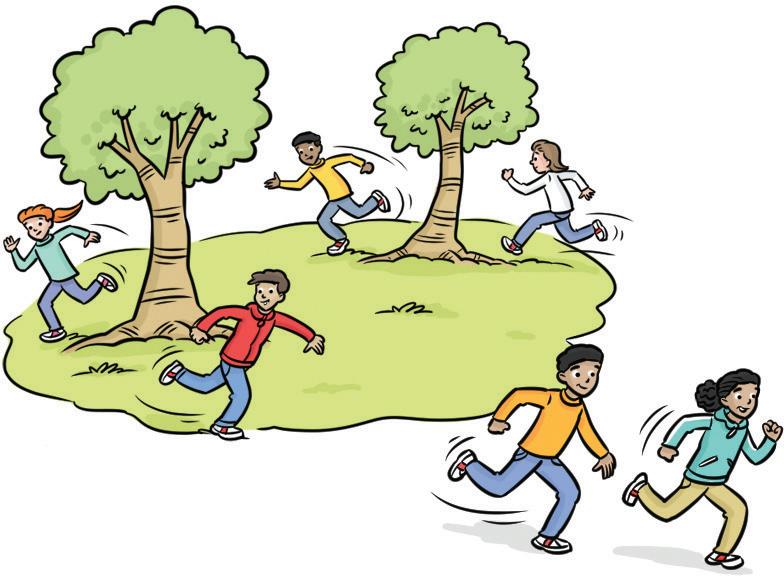
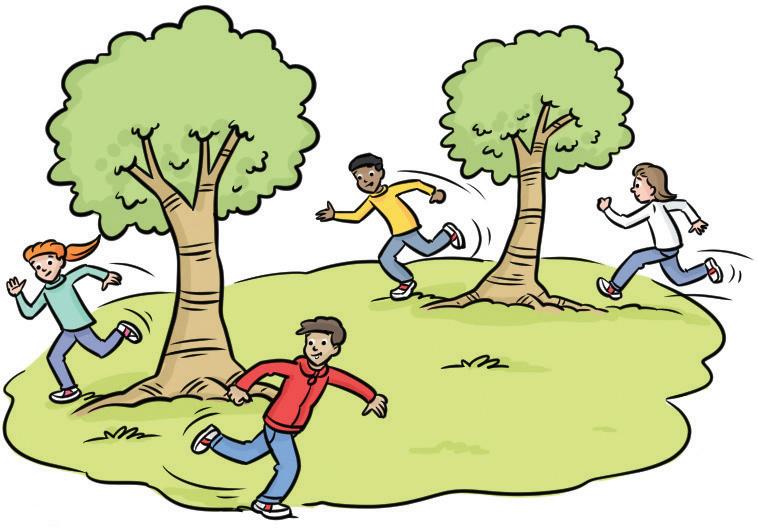
First, there were 5 ducks in the pond.
Then, 2 ducks left the pond.
Now, there are 3 ducks left in the pond. 5 take away 2 equals. The number sentence is 5 − 2 = 3.

2 Tell your partner what is happening in this story. Write the number sentences.
2 Working with numbers to 10 Thực
3 Write the number sentence for this story. First Then Now
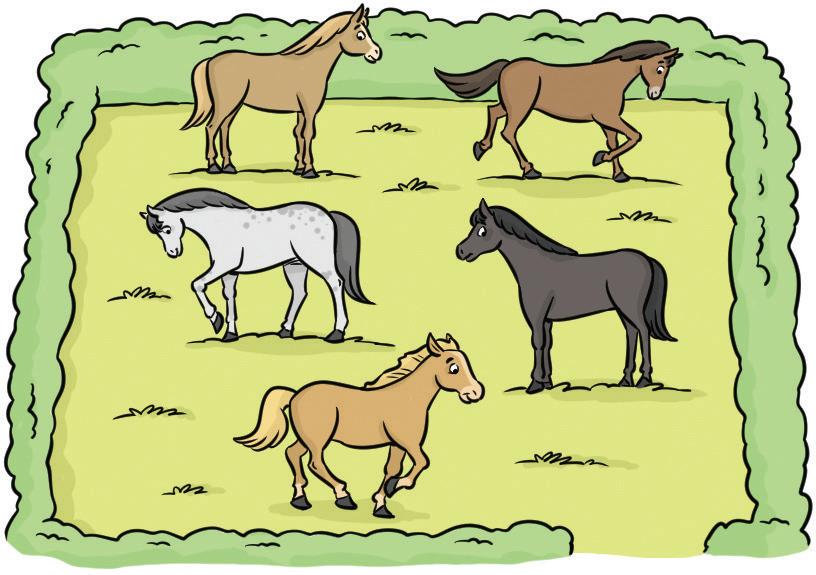
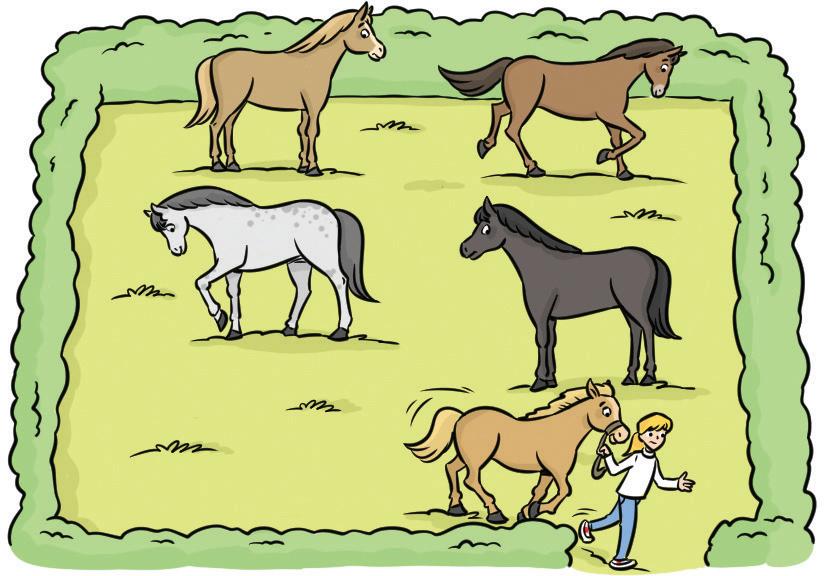
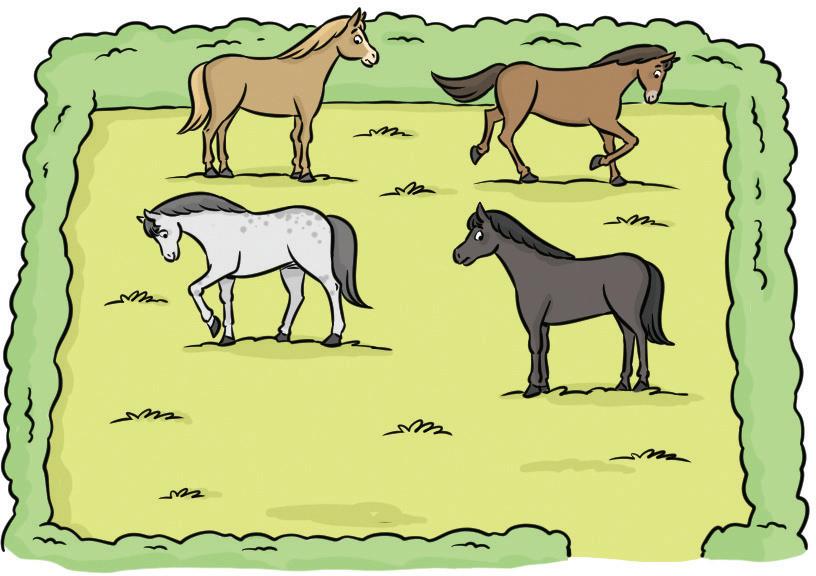
5 take away 1 equals 4.
4 Write the number sentence for this story. First Then Now take away equals .
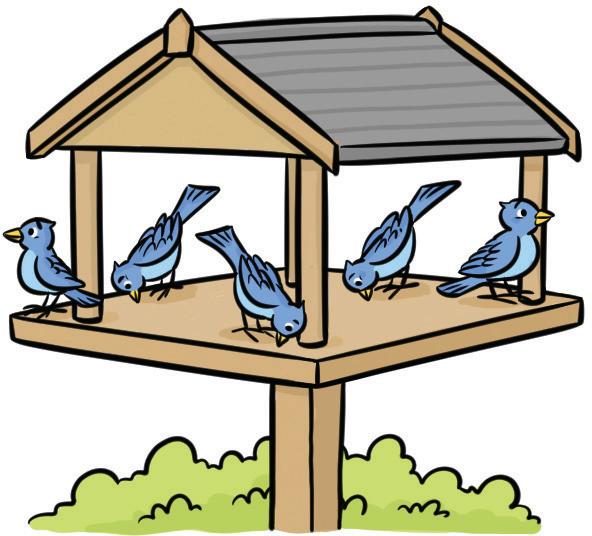
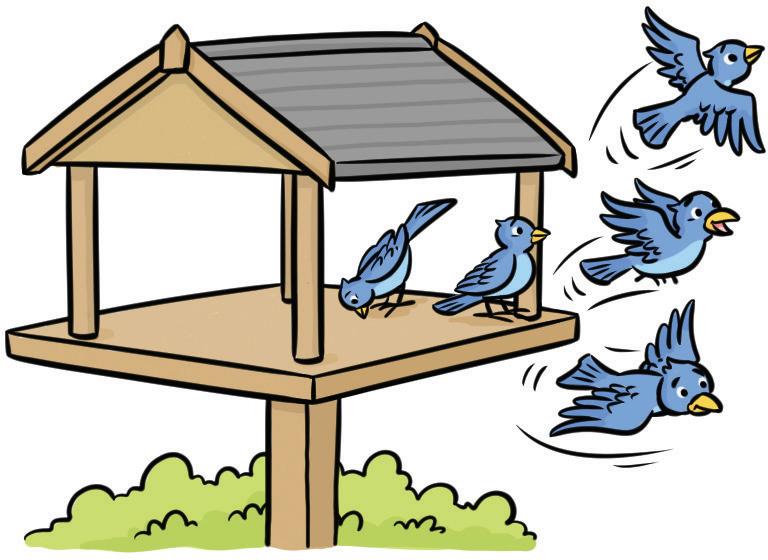
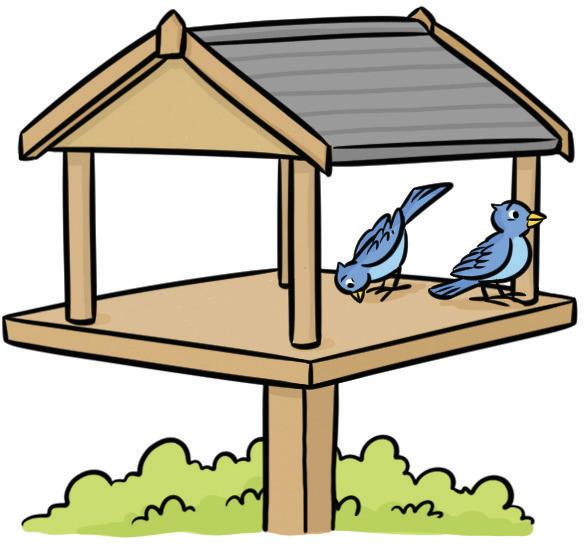
I have 4 counters. I want to take away 3, so I can put 3 counters in the first part circle.


2 Working with numbers to 10 Thực hành
5 Find out how many are left after taking a part away from the whole.
Use the diagram to help you.
Can you take away a smaller number from a larger number? Bạn có thể lấy một số nhỏ hơn từ một số lớn hơn không?
Is the part-whole diagram helpful? Sơ đồ mối quan hệ giữa từng phần-toàn bộ có hữu ích không?
6 Complete each part-whole diagram.
Write a number sentence for each diagram. 3 7 − = − = 4 10
Are these part-whole diagrams the same or different? Why?
Do you use each diagram in the same way? Bạn có sử dụng mỗi sơ đồ theo cùng một cách không? 6 624 24
7 Complete each subtraction wall.
Choose one of these numbers…
and subtract one of these numbers. và trừ đi một trong những số này.
Do this 4 times.

Subtract is another way of saying take away.
2 Working with numbers to 10 Thực
Use your fingers to see how many different ways you can make 5. Then complete the number sentences without counting.
5and0make5 0and5make5
4and1make5 1and4make5
5 + 0 = 0 + 5 = 5 − 0 =
3and2make5 2and3make5
4 + 1 = 1 + 4 = 5 − 1 = 5 − 4 =
3 + 2 = 2 + 3 = 5 − 2 = 5 − 3 =
I know that 3 and 2 make 5. So I can say 3 + 2 = 5. I don’t need to count.

8 Use your fingers to see how many different ways you can make 4. Then complete the number sentences without counting.
4 + 0 = 0 + 4 = 4 − 0 =
3 + 1 = 1 + 3 = 4 − 1 = 4 − 3 = 2 + 2 = 4 − 2 =
2 Working with numbers to 10 Thực hành
Let’s investigate Cùng kiểm tra lại nào
Sofia says that if she knows 4 + 1 = 5, she can find 4 + 2 without counting.
Sofia nói rằng nếu cậu ấy biết 4 + 1 = 5, cậu ấy có thể tìm ra 4 + 2 mà không
cần đếm.
Do you agree with her? Why?
Bạn có đồng ý với bạn ấy không? Tại sao?
I know 2 is one more than 1. This can help me find 4 + 2.

Look what I can do!
• I can subtract by taking away a part from a whole.
• I can add and subtract some numbers without counting.
2
Check your progress
1 Complete each part-whole diagram. Write a number sentence for each diagram.
Getting started
1 How many spiders are there?
Có bao nhiêu con nhện?
2 How many in each set?
Mỗi bộ có bao nhiêu cái?
3 Numbers to 20 Các số trong phạm vi 20
3 Write the missing numbers on the number track. Viết các số còn thiếu vào dãy số.
Then say and write the number names. Sau đó, hãy đọc và viết tên các số.
The missing numbers are and . Các số bị thiếu là
You have already explored numbers to 10. Bạn đã tìm hiểu các số trong phạm vi 10 rồi.
Now you will explore numbers to 20 (teen numbers). Bây giờ bạn sẽ tìm hiểu các số tiếp theo đến 20 (các số từ 11 đến 19).
Đếm đến 20
We are going to:
Chúng ta sẽ:
• say, read and write numbers and number words to 20
Nói, đọc và viết các số và các từ chỉ số trong phạm vi 20
• recognise that teen numbers are made up of a ten and some ones.
Nhận biết rằng các số từ 11 đến 19 đó được tạo thành từ một chục và một số đơn vị.
In this unit you will look at numbers to 20.
Trong bài học này, bạn sẽ tìm hiểu về các số trong phạm vi 20.
number line number track place value card represent teen numbers eleven: 11 twelve: 12 thirteen: 13 fourteen: 14 fifteen: 15
sixteen: 16 seventeen: 17 eighteen: 18 nineteen: 19 twenty: 20
trục số dãy số thẻ giá trị vị trí biểu diễn các số từ 11 đến 19
mười một: 11 mười hai: 12 mười ba: 13 mười bốn: 14 mười lăm: 15
mười sáu: 16 mười bảy: 17 mười tám: 18 mười chín: 19 hai mươi: 20
Here is a number track for 1 to 20.
Đây là một dãy số từ 1 đến 20.
20 is the name for two tens.
20 còn được gọi là hai chục.

3 Now count from 0 to 20. This is one way to show the numbers 0 to 20. It is called a number line. Write the missing numbers. Use a number line to help you. 0123456789101112131516171820
This is one way to show the numbers 0 to 20. It’s called a number line.
Show 16 using place value cards (cards that help you to build numbers or separate them into tens and units)
16 is written with a 1 and a 6.
The 1 means 1 ten.
This is 10 shown with place value cards.
The 6 means 6 ones.
This is shown with place value cards.
So this is 16.
There is a 1 in the tens place and a 6 in the ones place.
4 Which numbers do these place value cards show? 11+= 11+17= 17
5 Which number do these place value cards make? += 1021
6 Which place value cards are missing to make this number?
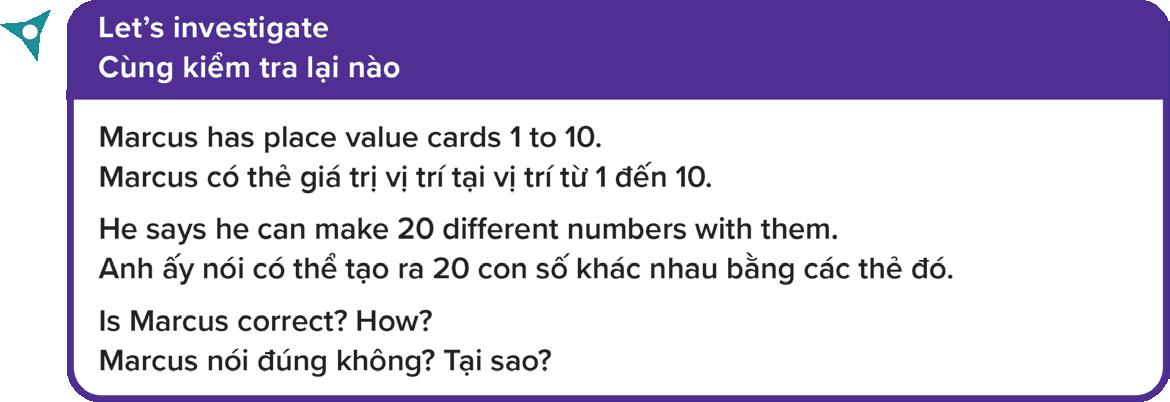
Let’s investigate
Marcus has place value cards 1 to 10. Marcus có thẻ giá
He says he can make 20 different numbers with them.
Anh ấy nói có thể tạo ra 20 con số khác nhau bằng các thẻ đó. Is Marcus correct? How?
Marcus nói đúng không? Tại sao?
example 3
Say 15. Write the word. fifteen 15. It sounds like fif and teen, fifteen.
7 Say each number. Write the word.
8 Here are parts of a number track written in words. Write the missing number words.
9 Complete these part-whole diagrams (an image showing a whole and its components).
10
What are the different ways you can represent the number 19?
Write or draw one way in each square.
Look what I can do!
Represent is a special word for ‘show’. We use it to talk about showing a number or calculation.
• I can say, read and write numbers and number words to 20.
• I can show that teen numbers are made up of a ten and some ones.
Đếm, so sánh và sắp xếp
We are going to:
Chúng ta sẽ:
• count up to 20 objects đếm đến 20 vật thể
• compare sets of objects and numbers so sánh các nhóm vật thể và số lượng
• order quantities sắp xếp theo số lượng
3 Numbers to 20 Các số trong phạm
It is important to understand what each number means.
Điều quan trọng là phải hiểu ý nghĩa của từng con số.
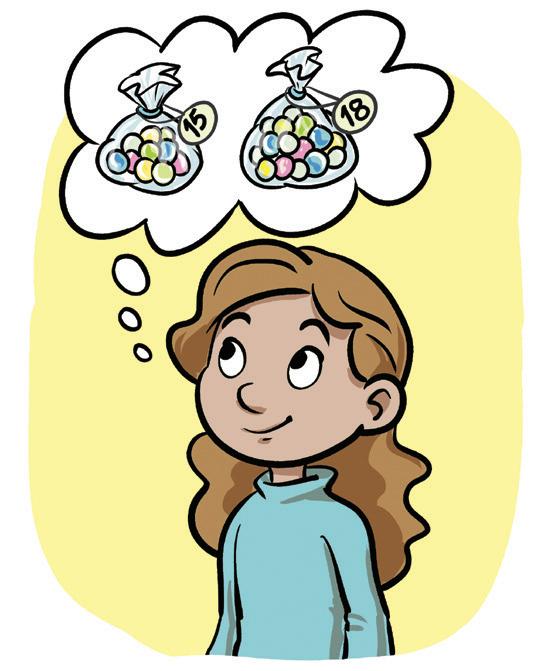
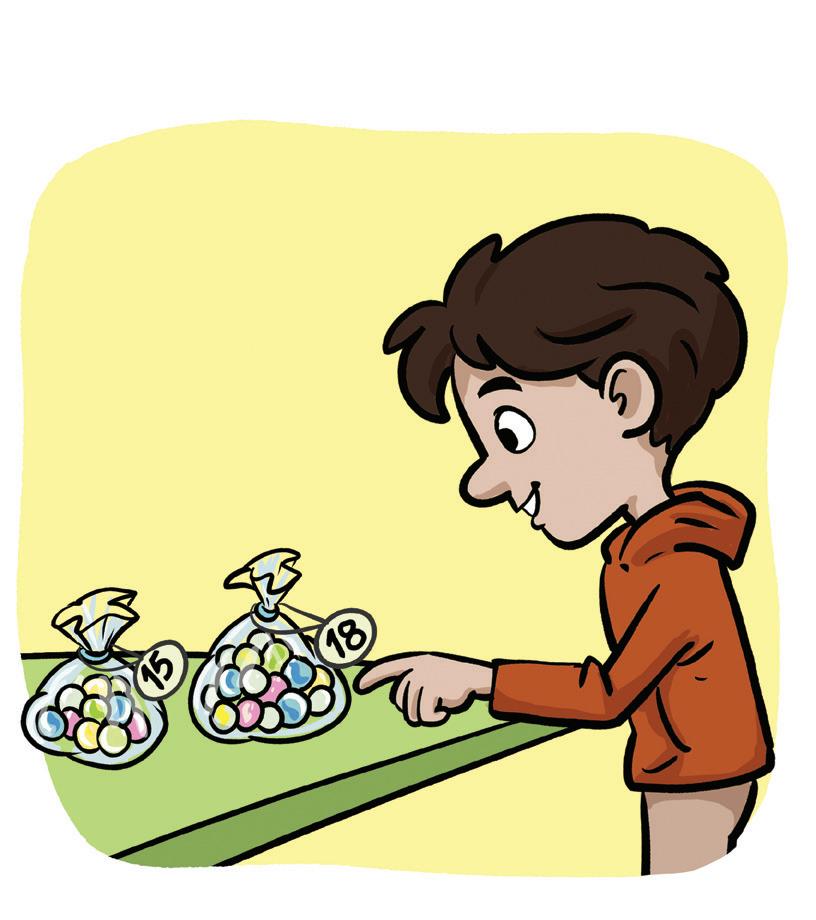
Now that you know about some numbers. Which pack of marbles do you want to buy?
Giờ bạn đã biết một vài con số rồi.
Bạn muốn mua gói bi nào?
Exercise 3.2
Worked example 4
How many?
This one has more.
Answer:
1 How many objects are there? Write each number. Use place value cards to help you.
2 Draw the correct number of counters.
3 This is a bead string.
The first 10 beads are red.
The next 10 beads are white.
How many beads are there in total on the string?
How many beads can you see on each bead string?
You can compare different sets (groups) of objects. You can say which set has more, fewer or the same number of objects as another set.
Bạn có thể so sánh các tập hợp (nhóm) vật thể khác nhau. Bạn có thể nói tập hợp nào có số lượng vật thể nhiều hơn, ít hơn hoặc bằng so với tập hợp khác.
Fewer is smaller. For example a set of 3 marbles has fewer marbles than a set of 6 marbles.
Ít hơn có nghĩa là nhỏ hơn. Ví dụ, một tập hợp 3 viên bi có ít bi hơn một tập hợp 6 viên bi.
More is bigger/greater. For example a set of 8 marbles has more marbles than a set of 5 marbles. Nhiều hơn có nghĩa là lớn hơn/to hơn. Ví dụ, một tập hợp 8 viên bi có nhiều viên bi hơn một tập hợp 5 viên bi.
Same is = . For example a set of 3 marbles is the same as another set of 3 marbles.
Bằng nhau có nghĩa là =. Ví dụ, một tập hợp 3 viên bi bằng với một tập hợp 3 viên bi khác.
compare fewer less greater more same between so sánh ít hơn kém hơn lớn hơn nhiều hơn bằng nhau giữa.

Exercise 3.3
Worked example 5
Compare the two sets. Are they the same or different? Tick ✓ the set that has more objects.
I can match each shape in one row with a shape in the other row.
Answer:
There is no match for the last shape in the top row, so there are more shapes in the top row than in the bottom row. I need to tick the top row.
1 Compare the sets.
Tick ✓ the set that has fewer objects.

2 Compare the sets.
Tick ✓ the set that has fewer objects.
3 Compare the sets.
Tick ✓ the set that has more objects.
4 Compare the sets.
Tick ✓ the sets that have the same number of objects.
5 Compare the sets.
Complete the sentences.
3 Numbers to 20 Các số trong phạm
There are
There are
There are more than , so there are fewer than .
6 Compare the sets.
Complete the sentences.
There are
There are
There are fewer than so there are more than .
7 Look at question 6.
How many spiders?
How many snails?
What is the difference?
So how many more spiders?
How many fewer snails than spiders?
Use the number track to help you answer questions 8 to 10.
8 Write a number that is greater than 4.
9 Write a number that is less than 5.
10 Circle the correct number to complete each sentence.
To find a number that is more than another number, look along the number track towards the 1 or 10.
To find a number that is less than a given number, look along the number track towards the 1 or 10.
Let’s investigate
Cùng kiểm tra lại nào
Work with a partner or on your own.
Luyện tập với bạn cùng nhóm hoặc tự luyện tập.
Take 3 objects.
Lấy 3 vật thể.
Take 1 more.
Lấy thêm 1 vật thể nữa.
How many do you have now?
Bây giờ bạn có bao nhiêu vật thể?
Take 1 more.
Lấy thêm 1 vật thể nữa.
How many do you have now?
Bây giờ bạn có bao nhiêu vật thể?
Repeat until you have 10 objects. What do you notice?
Lặp lại cho đến khi bạn có 10 vật thể. Bạn nhận thấy điều gì?
You have 10 objects.
Bạn có 10 vật thể.
Put 1 back.
Lấy lại 1 vật thể.
How many do you have now?
Bây giờ bạn có bao nhiêu vật thể?
Put another 1 back.
Lấy lại 1 vật thể nữa.
How many do you have now?
Bây giờ bạn có bao nhiêu vật thể?
Repeat until you have 0 objects left. What do you notice?
Lặp lại cho đến khi bạn không còn vật thể nào. Bạn nhận thấy điều gì?
Can you find the answer in a different way?
Worked example 6
Are there more red cars or more yellow cars?
There are more yellow cars than red cars. 15 is greater than 13. We use greater and smaller when we compare numbers. 15 is after 13 in the number line so it is greater. 13 is before 15 in the number line so it is smaller.

11 Are there more marbles or stickers?












01234567891011121314151617191820
Write a number in each gap.
There are marbles.
There are stickers. is greater than .
There are more than .
12 Are there fewer lollipops or children?
01234567891011121314151617191820
Write a word in each gap.
There are lollipops.
There are children. is less than .
There are fewer than .
Can every child have a lollipop?
01234567891011121314151617191820
Write less or greater to complete the sentences.
19 is than 16. 16 is than 19. 11 is than 15. 15 is than 11.
Worked example 7
Count the butterflies. Write how many.
Then tick one box.
Between 00and1010Between10and2020
Answer:

14 Count the dragonflies. Write how many.
Then tick one box. Use a number line to help you. 01234567891011121314151617191820
15 Mark 3 and 18 on the number line.
Let’s investigate Cùng kiểm tra lại nào
Choose any 3 numbers from 10 and 20.
Chọn bất kỳ 3 số từ 10 đến 20
Put them in order from smallest to greatest.
Xếp các số đó theo thứ tự từ bé đến lớn.
Now look at your numbers on the number line. Talk to your partner about what you notice.
hãy xem
bạn đã nhận ra.
Repeat with 3 new numbers.
Lặp lại với 3 số khác.
3 Numbers to 20 Các số trong phạm vi 20
Talk with your partner about your investigation.
Nói với bạn cùng nhóm về phát hiện của bạn
Answer all the questions in the diagram.
Trả lời tất cả các câu hỏi trong sơ
Whathave Ilearned?
WhatamIbeing askedtodo?
Look what I can do!
DidIdoagood job?
WhatcanIuseto helpme?
HaveIanswered thequestion?
• I can count up to 20 objects.
• I can compare two sets of numbers.
• I can say which set has more or fewer (or greater or less).
• I can recognise when two sets have the same number of objects.
• I can order quantities.
We are going to: Chúng ta sẽ:
• count on and back in ones from any number to 20
• count on and back in twos Đếm tăng và đếm giảm các số tăng giảm 2
• count on and back in tens from any number to 20.
tăng và
20. counting back counting on tens ones twos
Đếm giảm Đếm tăng Tăng giảm 10 Tăng giảm 1 Tăng giảm 2
You can already count towards 10 and 20. Now you will count starting at any number.
Bạn đã biết đếm đến 10 và 20 rồi. Bây giờ bạn sẽ đếm bắt đầu từ bất kỳ số nào.
You will also count in twos and tens. You will count on and back.
Bạn cũng sẽ đếm theo tăng giảm hai và mười. Bạn sẽ đếm tăng và đếm giảm.
2, 4, 6, 8, 10, 12! I counted in twos.
3 Numbers to 20 Các số trong phạm vi 20
1 Start at 7 and count on to 15.
+1+1+1+1+1+1+1+1
01234567891011121314151617191820
2 Start at 13 and count back to 4.
01234567891011121314151617191820 –1–1–1–1–1–1–1–1–1
3 Start at 0 and count on to 10 in twos. Then count on to 20.
Let’s investigate Cùng kiểm tra lại nào
Sofia says she can count to 20 faster by counting in tens. Sofia nói rằng bạn ấy có thể đếm đến 20 nhanh hơn bằng cách đếm tăng giảm 10
01234567891011121314151617191820 +10+10
Circle each number Sofia says on the number line. Khoanh từng số trên trục số mà Sofia nói. What do you think ‘counting in tens’ means? Tell your partner. Theo bạn đếm tăng giảm 10 nghĩa là gì? Hãy nói cho bạn trong nhóm biết.
01234567891011121314151617191820 +2+2+2+2+2+2+2+2+2+2 0, 10 , 20.
3 Numbers to 20 Các số trong phạm
Worked example 8
Count on one ten from 3. Write the missing number. tenmore 3
01234567891011121314151617191820 +10
Answer: tenmore 313
3, 13 13 is ten more than 3.
4 Count on or back one ten. Write the missing numbers. Use a number line or number track to help you.

3 Numbers to 20 Các số trong phạm vi 20
Look at the number line and the number track.
Hãy nhìn vào trục số và dãy số.
They both show 10 fewer and 10 more.
Cả hai đều thể hiện ít hơn 10 đơn vị và nhiều hơn 10 đơn vị.
Which one do you like best?
Bạn thích cái nào nhất?
Explain why to your partner. Which one does your partner like best? Why?
Hãy giải thích lý do cho bạn cùng nhóm. Bạn cùng nhóm của
bạn thích cái nào nhất? Tại sao?
5 Count in twos to find out how many pencils.
6 Bicycles have 2 wheels.
I have 3 bicycles. How many wheels?
A bicycle maker has 14 wheels.
How many bicycles can she make?
Worked example 9
Write the missing numbers. twofewertwomore 12
Continued
Answer:
3 Numbers to 20 Các số trong
Count back 2 from 12 to find 2 fewer. 2 fewer than 12 is 10. Count on from 12 to find 2 more. 2 more than 12 is 14.
twofewertwomore
01234567891011121314151617191820
twofewertwomore 101214
7 Write the missing numbers.
twofewertwomore 10
twofewertwomore 16 twofewertwomore 4
8 Lan wanted to find out how many wheels are on 9 bicycles. She drew some jumps of 2. How many wheels are there?
Draw Lan’s jumps.
01234567891011121314151617191820
3 Numbers to 20 Các số trong phạm vi 20
Look what I can do!
• I can count on and back in ones from any number to 20
• I can count on and back in twos
• can count on and back in tens from any number to 20.
Check your progress
1 Fill in the missing numbers on the place value cards.
2 Write how many fish in each tank. Circle the tank with fewer fish. Draw a star on the tank with more fish.
3 There are 6 pairs of shoes on the shelf in the shoe shop. (‘pair’ means 2. For example a pair of shoes means 2 shoes, 2 pairs of shoes means 4 shoes).
How many shoes in 6 pairs?
Show how you found out on the number line.
4 Write the missing numbers.
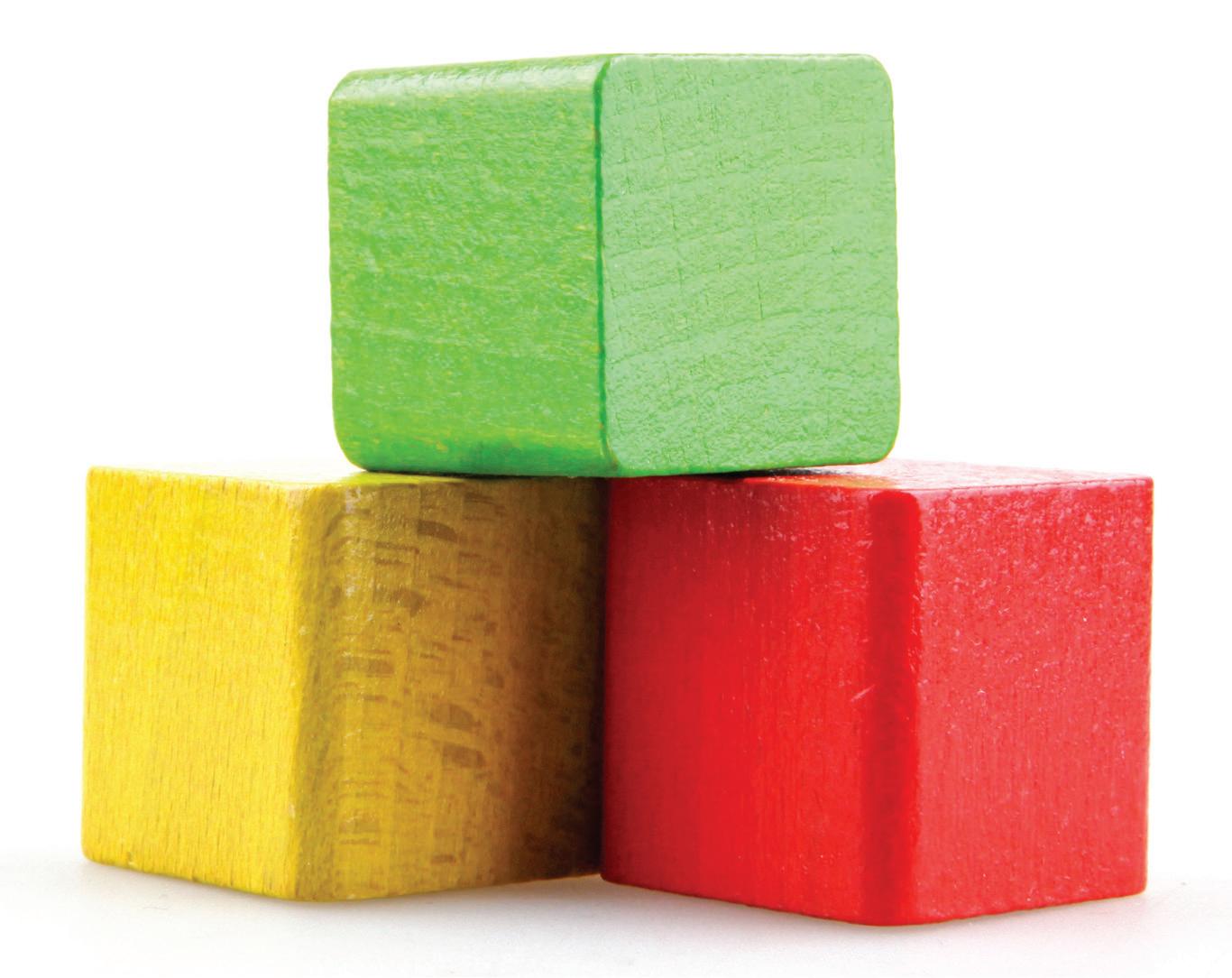
Whether they are learning about numbers with dominoes or using 3D shapes to create a tower, Cambridge Primary Mathematics helps your learners develop their mathematical thinking skills. They’ll be fully supported with worked examples and plenty of practice exercises, while projects throughout the book provide opportunities for deeper investigation of mathematical concepts – including making their own snakes to develop comparison skills.
With key word boxes, clear diagrams and supporting illustrations, the course makes maths accessible for second language learners.
• Get learners thinking about what they already know with ‘Getting Started’ boxes
• Help your learners think and work mathematically with clearly identified activities throughout each unit
• ‘Let’s investigate’ provides learners with investigation activities
• ‘Look what I can do!’ statements in each section and the ‘Check your progress’ exercise at the end of each unit help your learners reflect on what they have learnt
• Answers for all activities can be found in the accompanying teacher’s resource
For more information on how to access and use your digital resource, please see inside front cover.
Registered Cambridge International Schools benefit from high-quality programmes, assessments and a wide range of support so that teachers can effectively deliver Cambridge Primary.
Visit www.cambridgeinternational.org/primary to find out more.