The Corne¬ Daily Sun
The Sun’s 144th Editorial Board
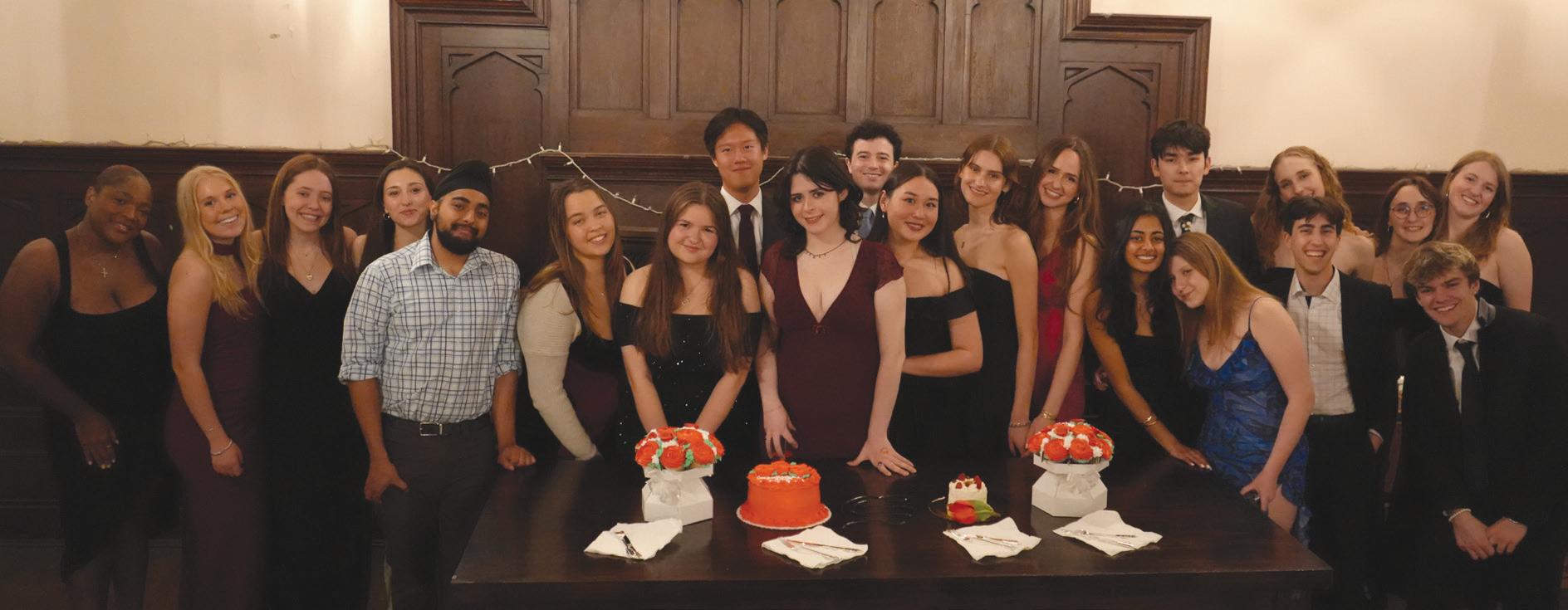
Reunion Edition Staff
Varsha Bhargava ’27 / Managing Editor
Kate Turk ’27 / Assistant Managing Editor
Everett Chambala ’27 / Assistant News Editor
Cover: Ashlin Kwong ’26 / Graphics Editor
Crossword: Tavan Bhatia ’27 / Games Editor
161 Graphics: Ashlin Kwong ’26 / Graphics Editor, Hannia Arevalo ’27 / Graphics Senior Staffer

A listing of free reunion events
Class Check-Ins Noon, North Campus residence halls
Beebe Lake Walk
2 - 3:30 p.m., Martin Y. Tang Welcome Center
Happy Hour: Cornell Club of Ithaca Reunion
5 - 7 p.m., Collegetown Bagels, 420 College Ave
Toni Morrison Breakfast
7 - 10:30 a.m., Toni Morrison Dining Hall (Free for classes of 1991, 2011, 2016)
Campus Bus Tour
9 - 9:45 a.m., Uris Hall Bus Stop
Garden Highlights Tour
9 - 10 a.m., Nevin Welcome Center
Open House: Anthropology & Archaeology Collections
9 - 11:30 a.m., B66 Olin Library
Movie Magic at Cornell Cinema
10 - 11:30 a.m., Cornell Cinema
Food as Medicine: For People, Planet and Communities
10:30 - 11:30 a.m., 121 Atkinson Hall
A&S Talk: AI and Conspiracy Beliefs: Can Minds Change?’
3 - 4 p.m., Bailey Hall
The Future of the American University: A Panel Discussion with Higher Education Leaders
3 - 4 p.m., Bailey Hall
Mix and Mingle
4 - 5:30 p.m., Physical Sciences Building
Tent Parties
Music and dance party, 21+
9 p.m. - 1 a.m., Arts Quad
Toni Morrison Breakfast
7 - 10:30 a.m., Toni Morrison Dining Hall (Free for classes of 1966, 1991, 2021)
Breakfast and College Update: College of Arts & Sciences
8:30 - 9:30 a.m., KG80 Groos Family Atrium, Klarman Hall
Episcopal/Lutheran Celebration of Holy Communion
9 - 10 a.m., 112 Anabel Taylor Hall
Campus Bus Tour
9 - 9:45 a.m., Uris Hall Bus Stop
Garden Highlights Tour
9 - 10 a.m., Nevin Welcome Center
State of the University Address with President Michael Kotlikoff 11:30 a.m. - 1 p.m., Willard Straight Hall Music Room
Coffee Hour: Sorority & Fraternity Life
1:30 - 3:30 p.m., Arts Quad
‘Fun in the Sun’ Family Festival 1:30 - 3:30 p.m., Arts Quad
Cornell Daily Sun Alumni Reunion
2 - 4 p.m., Willard Straight Hall Music Room
Movie Magic at Cornell Cinema
2:30 - 4 p.m., Cornell Cinema
Cornelliana Night
An evening of song and celebration with C.U. Glee Club and Chorus
9 - 10:15 p.m., Bailey Hall
Redstock Alumni concert
9 - 11 p.m., Alice Statler Auditorium, Statler Hall
Toni Morrison Breakfast
7 - 10:30 a.m., Toni Morrison Dining Hall (Free for class of 2011)
Open House: Dilmun Hill Student Organic Farm 9:30 a.m. - 12:30 p.m., 709 Dryden Rd
Roman Catholic Mass 11 a.m. - Noon,
Cornell Students Skin Bear in Communal Dorm Kitchen
By ANJELINA GONZALEZ Sun Senior Writer
This story was originally published on Sept. 8.
Two Cornell students legally hunted a bear and processed the animal in a Ganedago Hall kitchen on Sept. 6, according to a University spokesperson.
The University spokesperson wrote in an email to The Sun that the students had valid New York State hunting licenses used to hunt and bring a bear into Ganedago Hall over the weekend.
“A police report was made when a complaint was filed late Sunday night, but no charges have been filed,” the spokesperson wrote.
A report of Cornell students skinning a bear in a Ganedago Hall kitchen area prompted a response from the Cornell University Police Department on Sunday evening, according to a post on the Tompkins County Scanner Beat Facebook group.
Comments within the thread varied between degrees of backlash and humor in response to the report. Some expressed discomfort with the situation, others applauded the students for their “skill” and one user questioned the legality of their actions.
Black bear hunting season begins as early as Sept. 6 in
Kotlikof Drives Into Student
By VARSHA BHARGAVA, MARY CAITLIN CRONIN and SOPHIA DASSER Sun Managing Editor, News Editor and Editor-in-Chief
This story was originally published on May 1.
President Michael Kotlikoff drove his car into a Cornell student and ran over the foot of a recent graduate following a Cornell Political Union debate on the Israel-Palestine conflict on the evening of April 30, according to video footage obtained by The Sun.
In a May 1 email to the Cornell community, Kotlikoff described being followed to his car after the debate and “accosted” by a group of students and non-students who he wrote were “shouting,” “blocking the car” and “banging on the windows” before he left the parking lot. Kotlikoff described the encounter as a “harassment and intimidation incident” and wrote that he “waited until [he] saw space behind the car.” Kotlikoff did not mention any collision between the vehicle and the individuals.
Video footage obtained by The Sun shows Students for a Democratic Cornell members Aiden Vallecillo ’26 and Hudson Athas ’27 being struck by the car. In the video, no person can be seen touching the vehicle before it drove into Vallecillo and Athas.
The Sun spoke to Vallecillo, who said that he, Athas, SDC president Sophia Arnold ’26 and SDC member Aislyn Berg ’27 followed Kotlikoff to ask about free expression on campus after the event. After entering his car, Kotlikoff “rapidly backed into” Vallecillo and Athas and then drove off, according to Vallecillo.
The two have not been contacted by the University since the incident, Vallecillo told The Sun. Kotlikoff’s email was released without reaching out to any students involved for a statement or to fact check, he added.
When reached for comment by The Sun on the contents of the footage — including the footage that disproved Kotllikoff’s claim that students “bang[ed] on” his vehicle — a University spokesperson acknowledged the new information and affirmed that the University still stands by Kotlikoff’s email statement.
The Incident
The incident occurred after CPU’s “Israel Was Not Justified in its Response to Oct. 7” debate featuring guest speaker Norman Finkelstein on the evening of April 30, where Kotlikoff presented
an opening statement. After the event ended, four SDC members — and bystanders not recognized by Vallecillo — followed Kotlikoff from Goldwin Smith Hall to his parked car near Day Hall, Vallecillo told The Sun.
Vallecillo said that he and the three SDC members attended the debate to listen to Finkelstein speak, and were not aware that Kotlikoff would be present.
“We decided to converse with Kotlikoff after Finkelstein — as well as a number of student debaters and Kotlikoff, himself — encouraged the proliferation of free speech on campus,” Vallecillo said.
The SDC members asked Kotlikoff about the Expressive Activity Policy, temporary suspensions on campus, the referendum and free speech during the five-minute walk to Kotlikoff’s car, Vallecillo said. In his email, Kotlikoff wrote that the individuals “loudly shouted” questions at him and refused to stop recording after he indicated that he did not want to engage further.
“We weren’t all shouting at him — it was mostly one person who was talking with him and just trying to have a conversation,” Athas told The Sun. “I feel that he violated his own proclaimed philosophy of free and open discussion, and I don’t believe it was anything that could remotely be classified as harassment.”
Vallecillo described the president as “dismissive,” “disinterested” and “disrespectful” in response to their questions.
As he approached his car, Kotlikoff said “good night” to the students and got into his car as the SDC members continued to attempt to speak with him, according to video footage obtained by The Sun.
Kotlikoff wrote that these individuals “surrounded”, “block[ed]” and “bang[ed]” on his car. According to video footage obtained by The Sun, students surrounded the car and one student blocked the rear of the vehicle by standing behind the car, but no one touched the vehicle.
Video footage showing no students touching the vehicle leading up to Kotlikoff striking Athas and Vallecillo. (Courtesy of Students for a Democratic Cornell)
SDC wrote in a statement to The Sun that “there was no attempt to intimidate Kotlikoff, physically or verbally and students consistently remained a safe distance away from him.”
the southern zone of the state for early firearms, according to the N.Y. State Department of Environmental Conservation. For Ithaca and Tompkins County, early bowhunting of black bears does not begin until Oct. 1. The Sun could not confirm where the bear was hunted.
The first-floor kitchen is currently closed until further notice, according to a sign in the area.
Since Sunday evening, images of the bear carcass on top of a kitchen counter began circulating on Reddit and Sidechat as students expressed concerns. One Reddit user stated, “I am a fan of hunting. But this kid needs to see someone and if protesting is a suspendable offense, this should be also……. This is not okay.”
Several Reddit users commented on the size of the bear in the image, speculating that the bear was a cub. It is illegal to shoot a bear cub while hunting in the southern zone.
Others commented on the potential health hazard of skinning the bear in a communal space.
“Really shouldn’t butcher bear meat in a shared space. They’re one of the few remaining trichinosis vectors - and that concrete floor doesn’t look sealed…,” one Redditor wrote.
Anjelina Gonzalez can be reached at agonzalez@cornellsun.com.
University Reaches $30 Million Settlement With Trump Admin
By GABRIEL MUÑOZ Former Sun City Editor
This story was originally published on Nov. 7.
The University reached a settlement with the federal government to restore over $250 million in federal funds, according to a statement sent by President Michael Kotlikoff to the University community on Nov. 7.
Cornell has agreed to give $30 million to the federal government and invest an additional $30 million into research to strengthen U.S. agriculture over the next three years.
The settlement stipulates that all funding to Cornell will be restored for grants that were paused and those that were yet to be funded. Grants that were previously deemed ineligible for funding will also be restored in full.
The federal government also agreed to close all ongoing Civil Rights Title VI investigations into Cornell. The University does not admit to any wrongdoing and “expressly denies liability with respect to the subject matter of the Investigations,” according to the settlement.
Under the agreement, the University must provide the federal government with anonymized undergraduate admissions data, including race, grade point average and standardized test scores broken down by specific colleges on a quarterly basis in compliance with existing regulations. The data will be subjected to a “comprehensive audit by the United States.” However, the information will be “maintained confidentially and exempt from public disclosure,” according to the agreement.
The settlement states that “no provision of this Agreement, individually or taken together, shall be construed as giving the United States authority to dictate the content of academic speech or curricula.”
However, Cornell agreed to include the Department of Justice’s “Guidance for Recipients of Federal Funding Regarding Unlawful Discrimination,” released on July
29, as a training resource for all faculty and staff. The memo announcing the guidance says, “The federal government will not stand by while recipients of federal funds engage in discrimination,” noting the “significant legal risk of initiatives” such as diversity, equity and inclusion programs and the allowance of transgender athletes to compete on women’s teams.
The federal government initially froze funding for Cornell in April 2025. The freeze came after the Office of Civil Rights announced a Title VI investigation into Cornell and 44 other universities.
The New York Times had reported that the Trump administration froze over $1 billion in federal funding for Cornell, according to anonymous U.S. officials.
However, administrators later clarified that the cuts amounted to approximately $250 million in stop-work orders and grant terminations and that about $80 million was additionally owed to Cornell from the federal government for “programs for which we’ve made expenditures and we haven’t been reimbursed.”
Since February 2025, Cornell has seen over 120 stop-work orders leveraged against the University. Provost Kavita Bala confirmed that the number of active stop-work orders had remained essentially unchanged in an October interview with The Sun.
Stop-work orders are directions from a contracting officer to a contractor to stop all or parts of work “for a period of 90 days after the order is delivered.”
Kotlikoff explained that as a land-grant university for New York State and as a “global pioneer in agricultural research and innovation,” Cornell is “proud to lead efforts in supporting American farmers,” with the $30 million agriculture research investment. The $30 payment towards the federal government will serve as a “condition for ending pending claims that have been brought against the university,” according to Kotlikoff.
Engineering College Renamed to David A. Dufeld College of Engineering
By VARSHA BHARGAVA Sun Managing Editor
This story was originally published on Jan. 22.
The University has renamed the College of Engineering to the David A. Duffield College of Engineering, following a historic donation pledge from its namesake, according to the Cornell Chronicle. At $371.5 million, David Duffield’s ’62 MBA ’64 pledge is the largest single gift in University history.
Duffield’s pledge will be divided between three initiatives at the engineering college — $250 million will establish the Duffield Legacy Fund to aid the college’s strategic operations, $71.5 million will start the Duffield Launch Fund to advance and renovate the college and $50 million will go toward promoting “educational excellence,” according to the Chronicle.
After Duffield’s graduation from the University, he founded six enterprise companies, including PeopleSoft, which Cornell uses to manage its student services, admissions data, faculty and alumni relationships, and Workday, Cornell’s interface for human resources and workforce management.
He currently chairs his most recently founded company, Ridgeline. Duffield’s net worth is currently valued at $11 billion, according to Forbes.
Duffield is also one of only two founding company CEOs in the United States to have led two businesses to initial public offering value of $1 billion or higher, according to the Chronicle.
In 2018, Duffield was the first recipient of the Cornell Engineering Distinguished Alumnus Award, and was named Cornell Entrepreneur of the Year in 1996.
Duffield’s $371.5 million pledge adds to a list of gifts he has given to the University over time, including his $100 million commitment to the University in March 2025, funding the expansion of Duffield Hall which was first built in 2004 after Duffield provided major funding for the facility.
Totalling $550 million in overall giving to Cornell, Duffield is among the University’s all-time donors, according to the Chronicle.
Duffield said that he gives back to his alma mater because of his parents, who did not have the opportunity to pursue four-year college degrees. His donations are a “testament to their par-
enting,” Duffield told the Chronicle.
“Many Cornell graduates have gone on to make incredible contributions to society through their innovations,” President Michael Kotlikoff told the Chronicle. “Among this esteemed group, Dave Duffield stands out for his transformational accomplishments and his determination to do the greatest good.”
Duffield’s donation was a contribution to the University’s “To Do the Greatest Good” fundraising campaign, according to the Chronicle. The campaign aims to raise $5 billion for the University by 2026.
The pledge also comes amid the University receiving a $1.5 million grant from The Gordon and Betty Moore Foundation, which will add a post doctoral appointment to the engineering college.
“I welcome the opportunity to help advance technological research, innovation and leadership at Cornell,” Duffield told the Chronicle. “It’s a privilege to give back to my alma mater in ways that strengthen the university’s commitment to excellence.”
Varsha Bhargava can be reached at vbhargava@cornellsun.com.
Hegseth Moves to Ban Military Tuition Aid
By MADELEINE NAUMOFF Sun Staff Writer
This story was originally published on Feb. 22.
Secretary of War Pete Hegseth has moved to bar the use of military tuition assistance at dozens of top universities, according to a CNN report. A preliminary list compiled by the U.S. Army classifies Cornell as being at “moderate to high risk” of losing eligibility due to alleged “bias” against the military.
Military tuition assistance provides service members up to $4,500 a year to help cover the costs of graduate-level education. The Tuition Assistance Top-Up program then works to bridge the gap, covering the remaining tuition costs that exceed $4,500 at more expensive universities. More than 230,000 service members utilize the assistance provided by these programs.
If Hegseth’s policy is enacted, military service members will be unable to receive tuition assistance from the Pentagon to pursue their higher education at any graduate-level programs offered by Cornell or other top universities.
“We train warriors, not wokesters.”
Pete Hegseth
The list produced by the Army includes all Ivy League Schools except Dartmouth, along with other top universities including Massachusetts Institute of Technology, New York University, Stanford, Duke, Vanderbilt and nearly 30 others, including a school in London.
The discussion regarding these universities was preceded by a memo released by Hegseth on Feb. 6, which cut ties between the Pentagon and Harvard University for the 2026-2027 academic year. Going forward, the Department of War will no longer fund any graduate-level military education, fellowships or certificate programs in conjunction with Harvard.
Following Hegseth’s announcement, the military was ordered to examine “all existing graduate programs at Ivy-League universities and any other universities that similarly diminish critical thinking and have significant adversary involvement” with the Chinese Communist Party.
Additionally, the military
was told to determine whether these programs “deliver cost-effective strategic education for future senior leaders when compared to public universities and military masters’ programs,” a source familiar with the memo told CNN.
In a video made public on Feb. 6, Hegseth elaborated on the reasons to discontinue relationships with Harvard and other Ivy League institutions.
“Too many of [the military’s] officers come back looking too much like Harvard, [with] heads full of globalist and radical ideologies that do not improve our fighting ranks,” Hegseth said in the video. “The Ivy league as a whole has pervasive institutional bias and a lack of viewpoint diversity.”
Hegseth said that the Army, Navy and Air Force would evaluate graduate programs at all Ivy League and similar universities. So far, the U.S. Army is the only branch announced to have made their evaluation of these graduate programs. He concluded the announcement by stating, “We train warriors, not wokesters.”
Hegseth’s crack-down on tuition assistance follows funding cuts under the Trump administration to Cornell and top universities across the U.S., most of which are also included in the Army’s list. Cornell and other Ivy League schools have since reached agreements with the Trump administration to restore funding to their academic programs and research.
When asked whether the University has been in communication with the Department of War or if they have a response to Hegseth’s comments about Ivy League universities, a Cornell spokesperson responded that “Cornell University has proudly educated active-duty military and veterans since its founding and is the only Ivy League institution designated a Purple Heart University for supporting veterans injured in combat,” in an email statement to The Sun.
“In addition to a robust ROTC program, Cornell educates active-duty officers pursuing graduate business, law and engineering degrees with financial support from their branches of the military,” the spokesperson wrote. “We look forward to continuing this important relationship.”
Madeleine Naumof can be reached at mn635@cornell.edu.
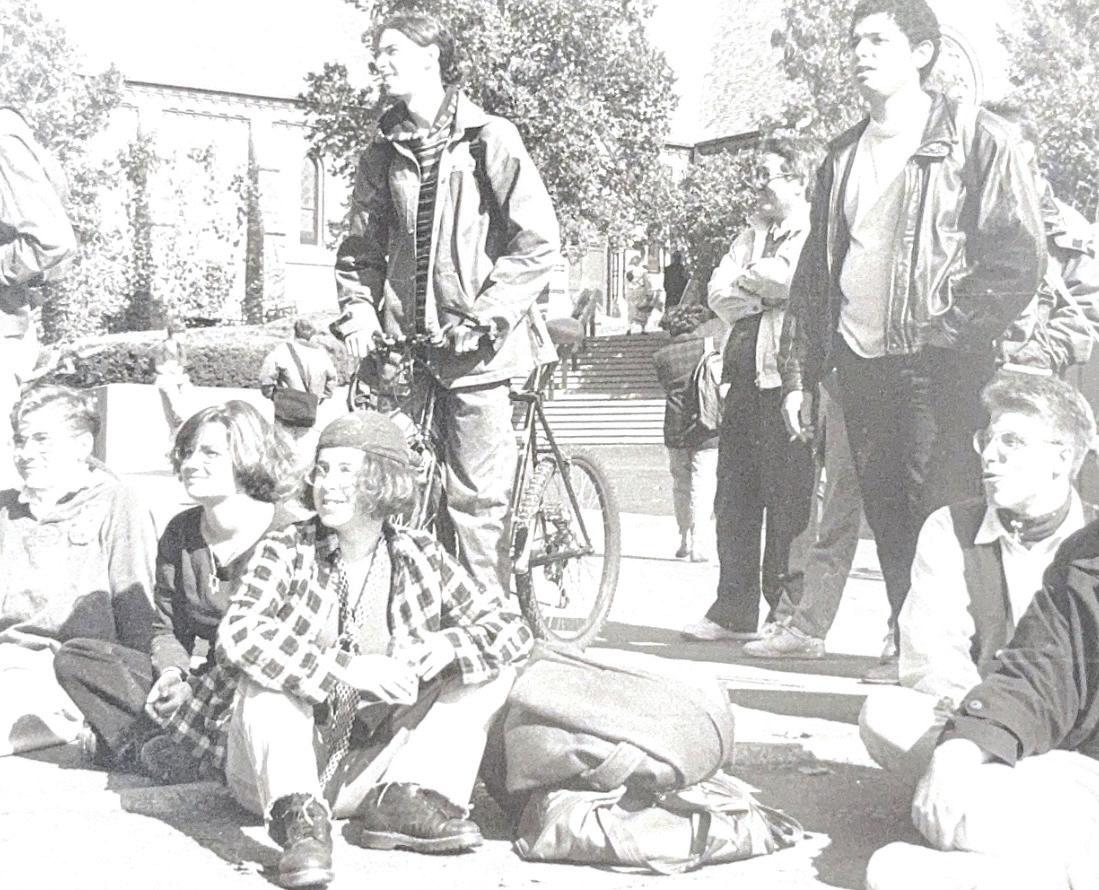
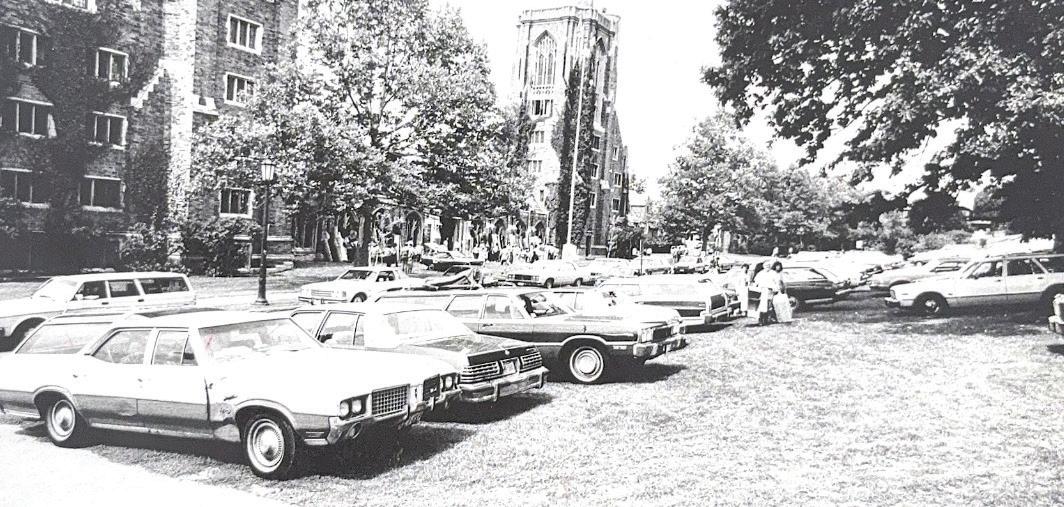
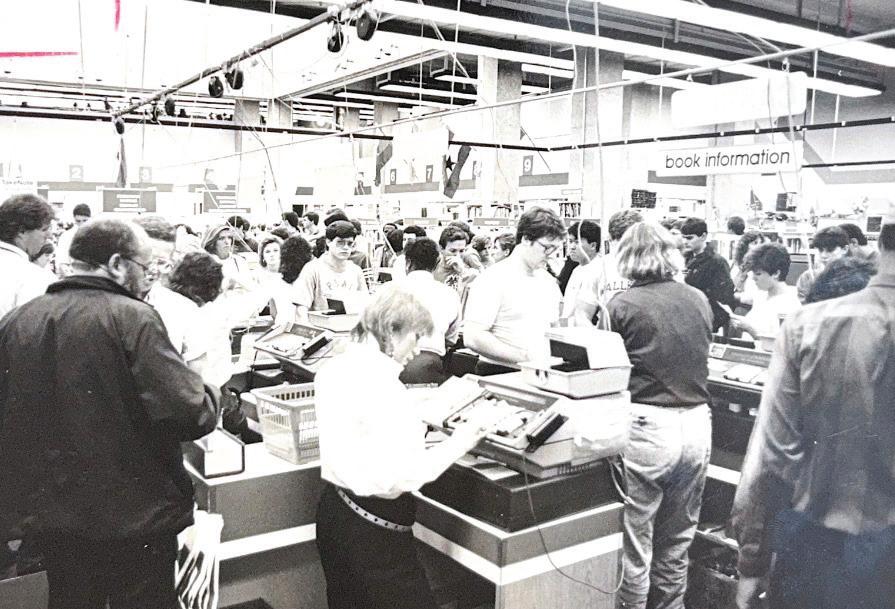
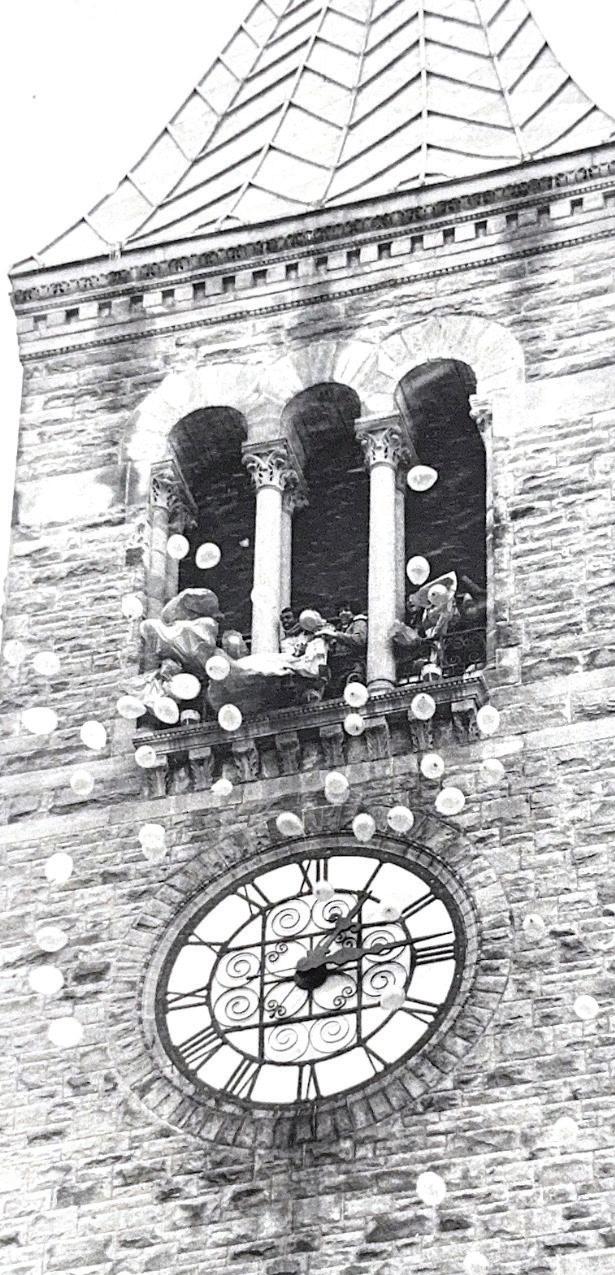
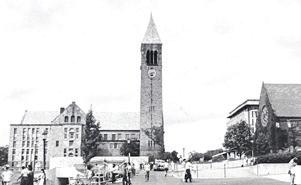
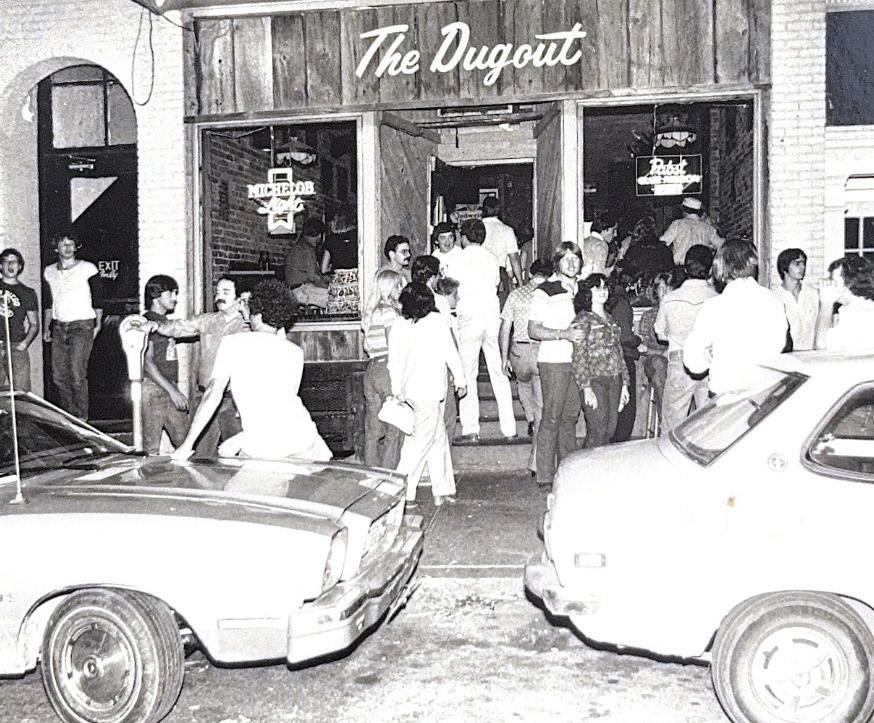
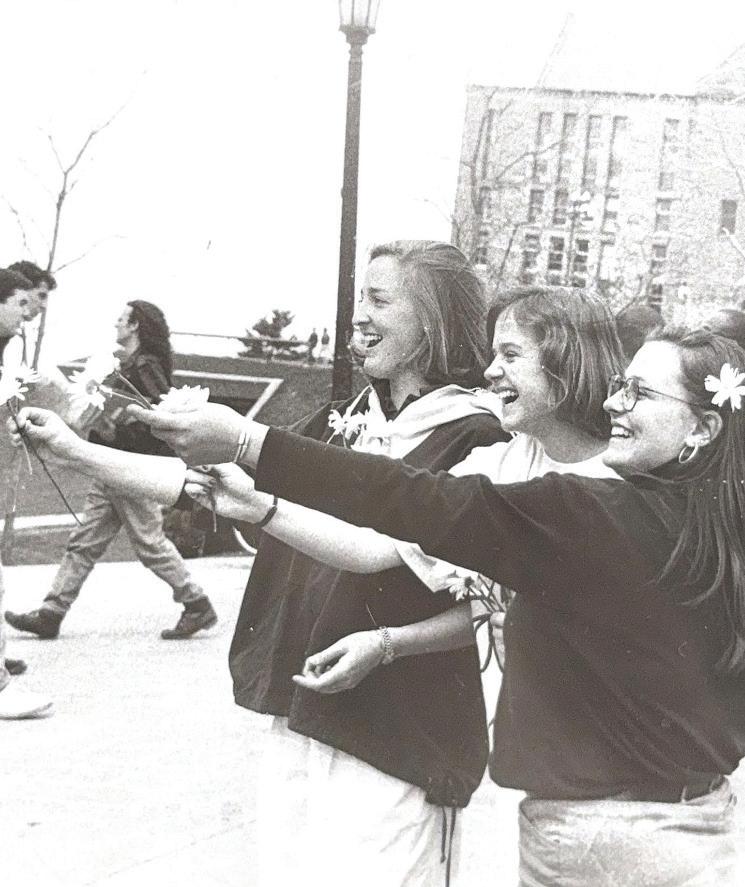
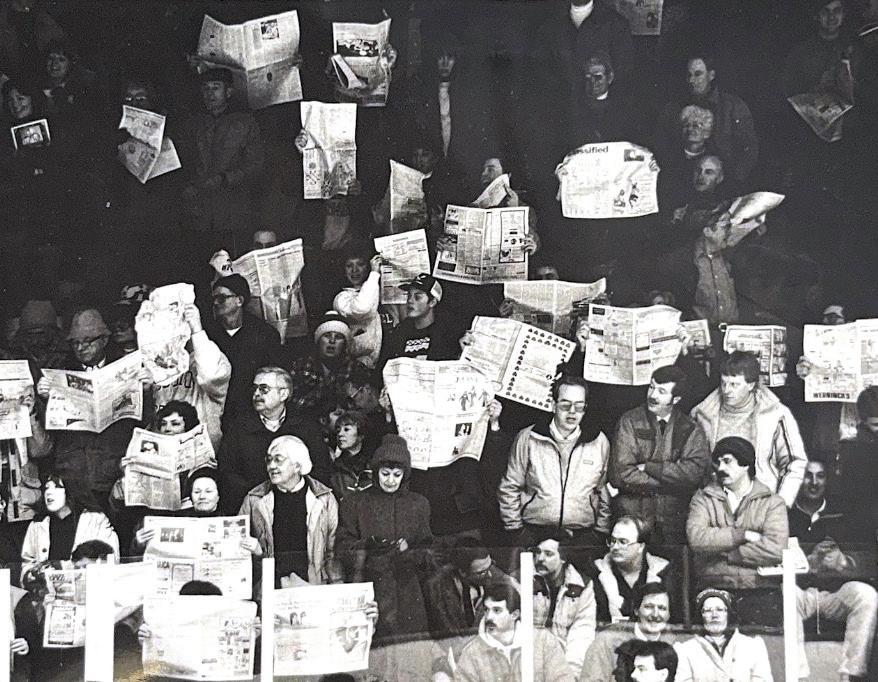
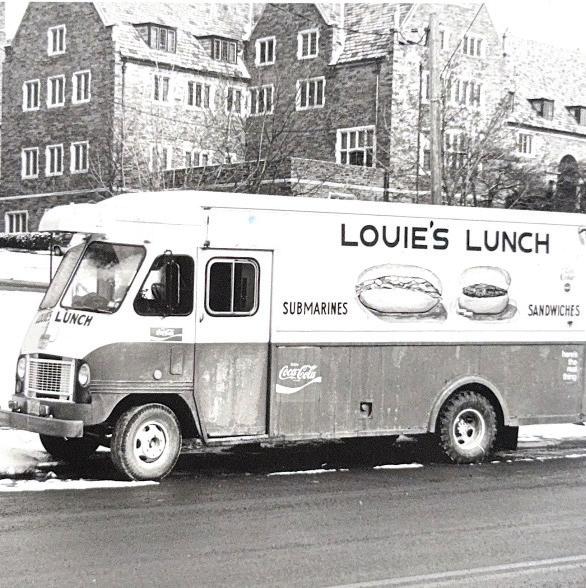
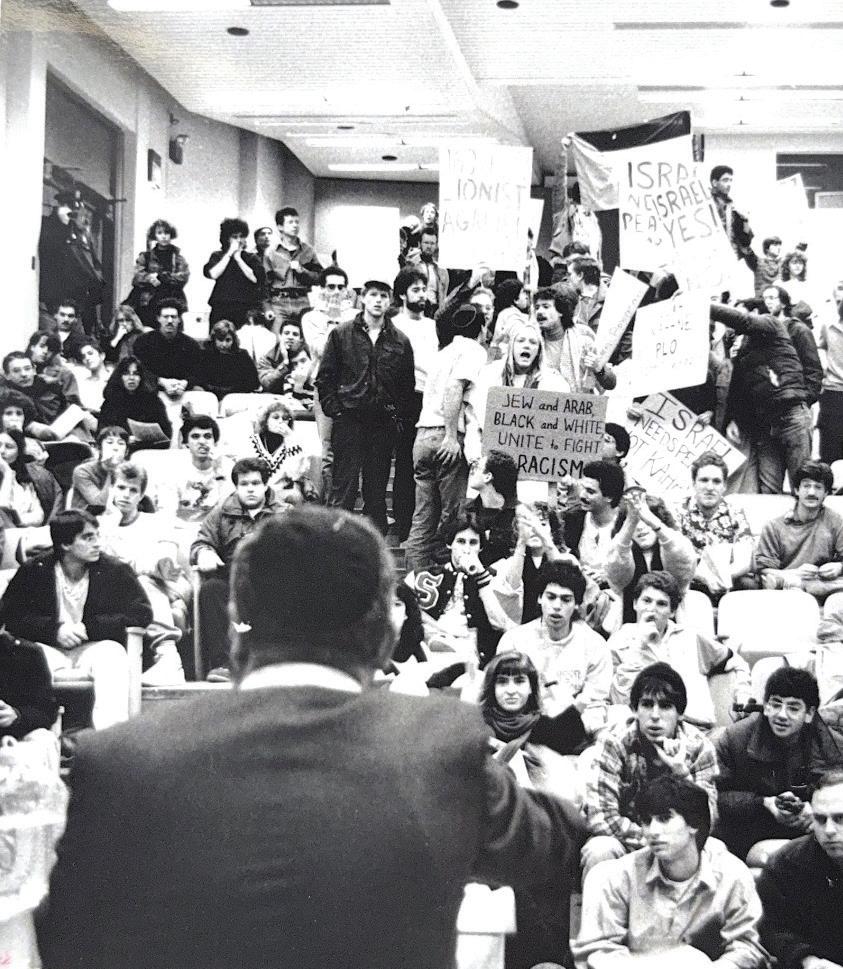
Travel Back in Time
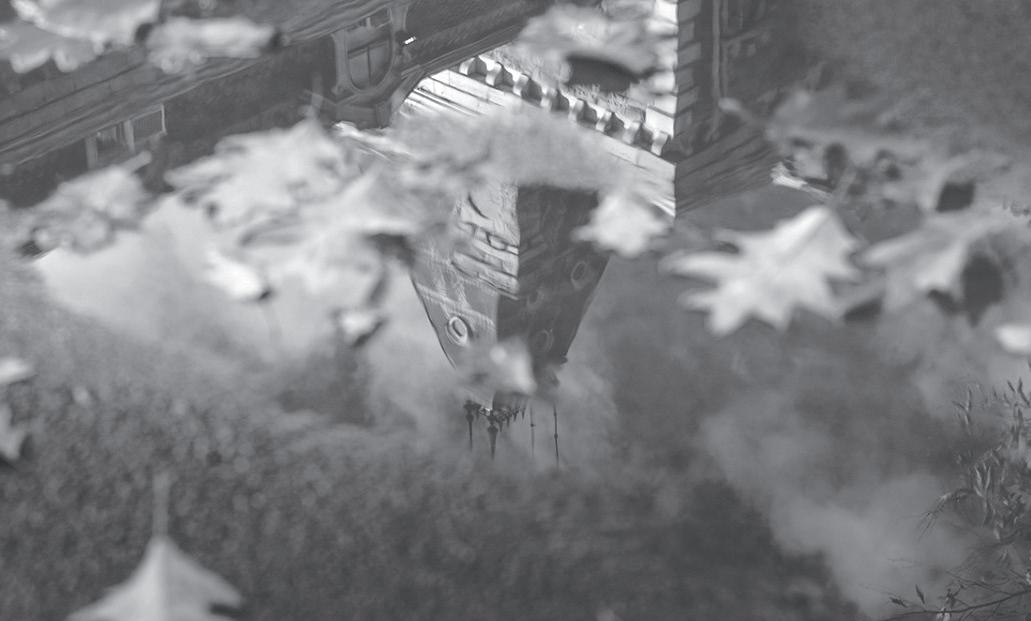
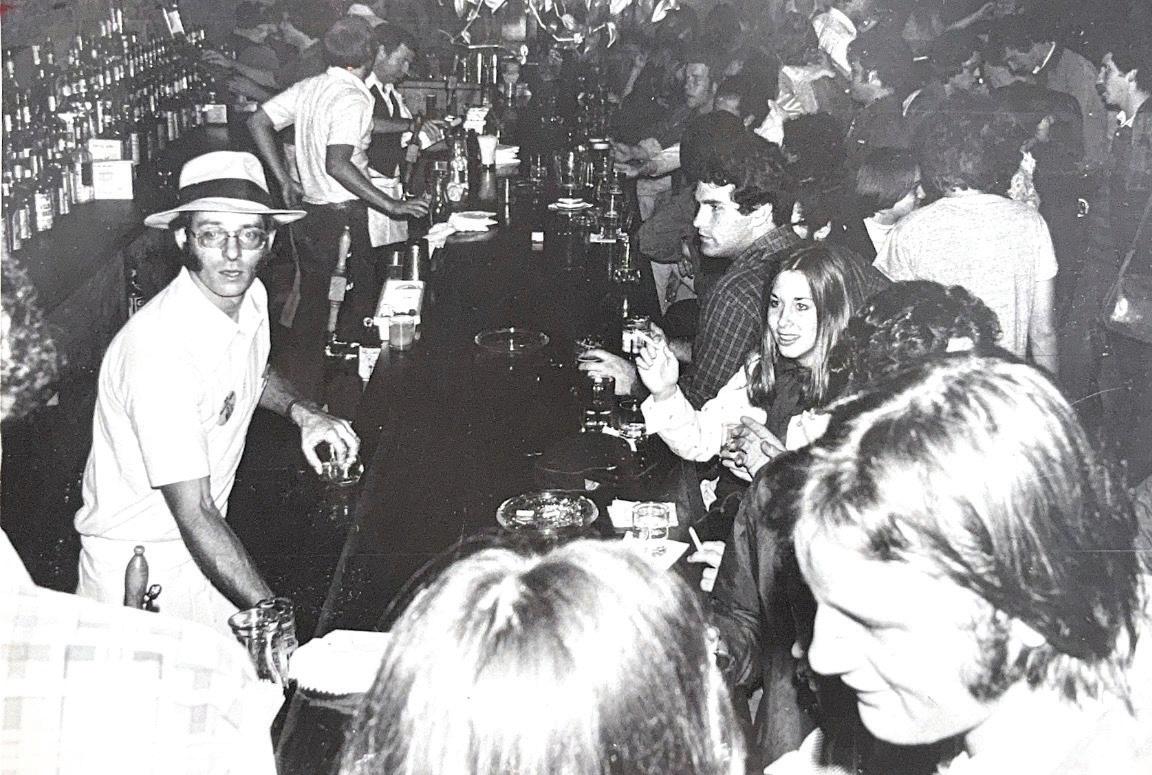
Explore campus life, good eats, sunny days, game-day traditions and more through The Sun’s archive. These images span decades on the hill, commemorating generations of Cornellians.
ARTS & CULTURE
T e Legend of Sugarfoot: An Interview With Michael Jackson’s Drummer
By AIDEN GADDIS Arts and Culture Contributor
What is the first thing that comes to mind when you think of Michael Jackson? The moonwalk, a single rhinestone glove, black loafers with white socks (which he somehow made work), mirrored sunglasses, the red Beat It jacket, Neverland Ranch, Sugarfoot, Bubbles the chimpanzee … What? You were with me until Sugarfoot?
Is it possible that you remember Michael Jackson’s androgynous voice, his gravity-defying dancing and his iconic beats — but don’t recognize “Sugarfoot”?
Let’s try this a different way. What do The Jacksons, Madonna, Elton John, Lionel Richie, Janet Jackson and Michael Jackson all have in common?
Come on … you know this.
Sugarfoot, of course.
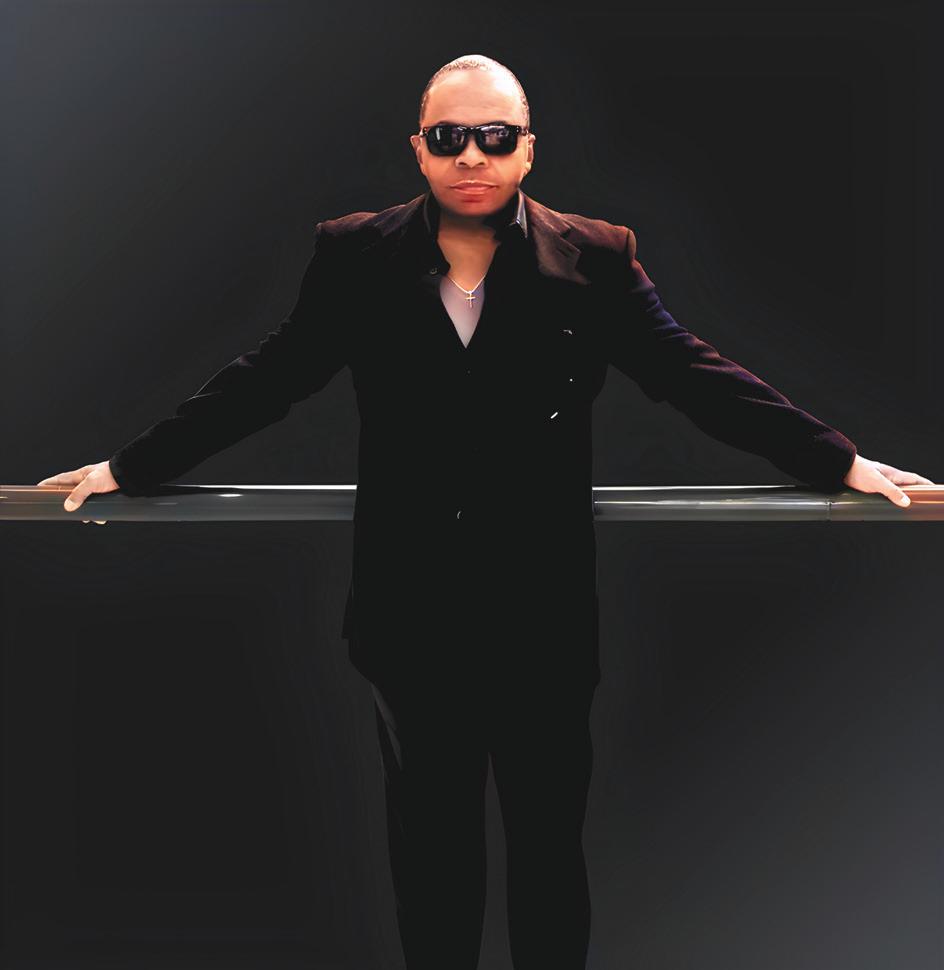
Sugarfoot, or otherwise known as Jonathan Moffett, is the legendary drummer behind some of the most iconic live performances in modern music, whose relationship with Michael Jackson and his family spanned more than 30 years. In addition to the Jacksons, he played for many other artists, including Madonna for five years, George Michael for two years and Elton John for two years, on some of their most defining tours.
His drumming wasn’t just accompaniment, it was timing, tension, energy. Rhythm! His beats shaped performances, penetrated souls and made you, or your parents, move — whether that meant dancing, or for those of you that lack rhythm, just nodding along. Sugarfoot was the force at the center of the spectacle — the nuclear fusion that made the stars shine.
With the new Michael Jackson biopic Michael on the horizon, I wanted to talk to someone who was part of that world, and that someone is Sugarfoot.
Prior to speaking with him, I put my world-class investigative skills to work by typing his name into Google. There, I found YouTube videos of Sugarfoot playing in front of a gazillion people with Madonna at Live Aid at JFK Stadium in Philadelphia in 1985, as well as a full performance from the Jacksons’ 1984 “Victory Tour,” where I watched him hold down center stage behind the relentlessly energetic, single-gloved Michael Jackson.
After decades in the music business, countless drum strikes and playing for crowds in excess of 100,000, Jonathan Moffett sat down with me to talk about his life and the upcoming movie Michael.
My first question was, “Why Sugarfoot?” In reply, Moffett politely smiled indicating that this was not the first or last time he would be asked that question. “I got that
nickname when I was young,” he answered. “I was playing in a band and the leader said everyone had to have a nickname. He said the way I worked the pedal for the bass drum was sweet, so he named me Sugarfoot. I hated it. That didn’t sound cool at all. I wanted something tougher like Ace or Duke or Titan, but he insisted on Sugarfoot, and it stuck.”
As someone who has always wanted to play the guitar, but has yet to invest much time in it, I asked him how he learned to play the drums. He explained that he was self-taught, learning by ear — listening to records featuring drumming legends like Ringo Starr of the Beatles and Charlie Watts of the Rolling Stones and playing along with their songs. Although he cannot read music, this method gave him a highly sensitive ear. That ability to pick up notes audibly turned into a skill that allows him to learn songs quickly.
Having watched some of his performances on YouTube, I asked him what the most intense concert he ever played in was. “All of them,” he answered. “I kind of get into a zone when I play, so for me, they are all intense. However, I will say that as far as the shows themselves go, Michael played every concert like it was the most important one of his life. He put everything into every performance. He learned something from every performance, each one building upon the next, getting better, inching closer to perfection as he went along.”
Sugarfoot hasn’t just played with famous musicians; he’s played with icons. I was curious how that happened. For
example, how did he go from playing with The Jackson’s “Victory Tour” in 1984 to Madonna’s “The Virgin Tour” in 1985? His answer indicated the economic reality of musicians. If the star is not performing, then touring musicians are not working. He explained that Madonna had heard him play and reached out to him about traveling with her, stating, “Since Michael was working on preparing for his Bad Tour, I had time, so I told her yes.” Most musicians would be lucky to work with one legend during their lifetime; however, Sugarfoot effortlessly moved from one to the next. Still, Michael was his clear favorite. In fact, he told me that he had been rehearsing with Michael Jackson for his “This Is It” residency, which was set to take place at London’s O2 Arena the night before Michael died.
“We were rehearsing the night before he died,” Sugarfoot recalled. “After rehearsal, we spoke, we told each other we loved each other, and then we hugged. That was the last time I saw him. At least I got to tell him how I felt.”
After a sullen moment, I shifted the interview to the new movie. I asked how he felt about watching something in a movie theater that he lived through. “I’m just excited to see Jaafar play Michael,” Sugarfoot responded. “He’s Jermaine’s son, I’ve known him most of his life. It must be surreal for him to play his uncle in a movie.”
I asked him what he knew about the movie itself and how he felt about it.
“I was invited to the set, so I went to check it out,” he answered. “I saw Jaafar there. We hugged. It was a deeply emotional moment for both of us. It’s a lot of pressure to play the greatest entertainer of all time, but I think he’s definitely the right guy to do it.”
As a collector of vinyl records and a self-proclaimed music expert, interviewing Sugarfoot provided me with an insider’s perspective of not only what it is like to perform at concerts, but also what it is like to make music. If you want to hear Sugarfoot right now, just open Spotify and play Madonna’s song “Like a Prayer.” That’s him playing the drums.
So, the next time you think of Michael Jackson — the moonwalk, the glove, a grown man holding a chimpanzee — listen a little closer.
Because somewhere beneath it all is a beat you’ve heard before.
You just didn’t know its name.
But now you do.
Sugarfoot.
Aiden Gaddis is a member of the class of 2027 in the College of Arts and Sciences. He can be reached at ajg335@ cornell.edu.
Video Killed T e Radio Star
By ABIGAIL
In Carl Sagan’s Contact, aliens discover and connect with us here on Earth by intercepting radiowaves. As a DJ, it’s a nice thought; maybe aliens will tune in to my set, hear me play Pearl Jam for an hour and be so impressed by my taste that they decide to make contact. In reality, I can tell you that, for the most part, being a DJ feels like speaking into the void. I can imagine my voice carried off into the distant vacuum of space, reaching only the ears of a couple middle aged dads on the way, if I’m lucky.
It’s not surprising that radio is something of a dying art. The advent of music streaming has long caused the decline of physical media, such as vinyls and CDs, and radio is experiencing a similar phenomenon. For a while, radio still had something going for it: It was an expected feature embedded in most cars. Now, Apple Carplay and other forms of Bluetooth listening have taken over, and many cars are being built without radio capabilities entirely, meaning radio is at an all-time listening low.
When it comes to analog media, it’s a fine line as to whether or not something will be effectively saved by the younger generation. For example, vinyl records have been deemed cool by the masses, so — while they are perhaps not being bought at the rate they once were —
they’re still a pretty prosperous market. The same can be said for CDs, though on a slightly lesser scale. On the contrary, DVDs and VHS tapes have fallen largely out of favor. Radio, which is something people can’t physically show off, doesn’t have the same overt social benefits as collectible media. Maybe one day a viral TikTok creator will influence the Gen Z crowd to save radio. Until that day, what’s to be done?
In a realistic, though perhaps pessimistic view, it can be a bit hard to conceptualize why people may care to revive radio at all, especially student-run stations when they’re largely incompatible with our daily lives. Cornell’s student radio WVBR FM 93.5, for example, has a streaming app, but why would students choose to listen to this when they could instead listen to their own playlists on Spotify or Apple Music? In the past, before the advent of cell phones, college radio stations were a powerful center for student protest, voice and thought. Today, if I want to know what my peers think about something, I can just hop on Fizz. Although many student-run stations take initiative to renew student interest by hosting performances or parties, the actual act of listening to the station is difficult to convince people to do.
The truth is that tuning into the radio requires effort, and people are increasingly disinclined to put effort into anything, echoing the phrase: “Everyone wants a village,
but no one wants to be a villager.” Radio stations are the absolute epitome of community, especially in college. Your DJ peers are going on-air and carefully selecting music to play for you every hour, sharing their thoughts on each song. Local businesses get on and boost special events, not to mention celebrity appearances and giveaways. Just listening to the same thing as other people in your area creates a sense of community, especially when you consider the fact that each station has a limited reach, meaning listeners are your friends, your neighbors and even your professors. Music is a cultural tool, and Cornell’s unique culture can best be felt and embraced by listening to the music your peers play for you.
The reason radio matters isn’t because one day aliens might use the waves generated to rescue humanity, though I supposed they might. It matters because it encapsulates a sensation that we are increasingly losing in modern times: community. College can be one of the loneliest times in a person’s life, especially as we take refuge online instead of in public spaces. Thus, radio becomes a kind of third space for students to connect with one another, so long as we don’t fall into the trap of not putting in a little effort.
Abigail Winsett is a member of the class of 2027 in the College of Arts and Sciences. She can be reached at agw66@cornell.edu.
WINSETT Arts and Culture Contributor
COURTESY OF MHISSAMI/WIKIMEDIA COMMONS
From
A Record That Remembers
The Cornell Daily Sun has been Cornell’s record of itself since 1880, which is to say that for 145 years a rotating cast of undergraduates has walked into a downtown office and decided, against most reasonable advice, that the protests and the elections and the snowstorms and the Saturday games and the meetings nobody else sits through are worth writing down.
Many of you are in this record somewhere, as a quoted source or a byline or a smiling face in the background of a candid or a Sunnie who closed the paper at 2 a.m. This record, your record, is not stored away in some sealed vault but lives on cornellsun.com and in the bound volumes stacked upon on another throughout our office.
Reunion is the weekend the record walks back through its own door. You will pass McGraw Tower and the slope and the gorges and the line at CTB, and somewhere in our archive is the version of you that did the same thing five or 15 or 50 years ago, preserved in a paragraph or a picture nobody thought to save and yet we saved anyway.
Our record keeps going because readers like you decide it should, and The Cornell Daily Sun has stayed independent since 1880, with no financial or editorial ties to the University and no one to answer to but you, because of that decision repeated across generations of readers, editors and writers. There are two ways to keep that going this weekend. You can donate directly at cornellsun.com/page/donate, or you can carry The Sun with you by picking up merch from our store. Either way, you are telling our community that independent, student-driven journalism matters and that it belongs to you.
So long as The Sun continues to rise, the record keeps growing, and you are, this weekend and every weekend, a part of it.
- Sophia Dasser 321-203-6550
Joseph Schatz | Sun Alumni Look Back
When I joined the Daily Sun as a sports reporter in 1994, I had no designs on a journalism career — I was honestly just homesick and trying to find my place as a Cornell freshman. Three decades later, as I help shape the next chapter of political and policy journalism at POLITICO, I can’t imagine my career without the Sun.
I spent two years reporting on everything from wrestling to ice hockey before Adam Thompson ‘97 and Brad Sherman ‘98 pushed me to become an assistant sports editor in my junior year. At the time I was worried that I simply couldn’t take on an editing job and still pull off a demanding computer and government double major, but I took the leap and got hooked on the rhythms and energy of a daily newsroom, and the adrenaline rush of pulling an edition together on a 3 a.m. deadline.
“The Sun prepared me not just for journalism, but for the choices and skills my career has demanded since.”
Joseph Schatz ’98
There’s a direct line between that experience and my work now. But at this moment of dizzying change in the economy, politics and journalism, it’s worth noting that my journalism career hasn’t been a direct line — it’s been decidedly nonlinear. Upon graduating in 1998, I still didn’t think of journalism as the profession for me. But after a two-year detour into a government tech job, I desperately missed the excitement and sense of shared purpose of a newsroom — and my passion for politics and elections wouldn’t go away. So I made a gamble, parlayed my Daily Sun sports clips into a junior reporter job offer at Congressional Quarterly, took a pay cut, alarmed my
Hilary Krieger | Sun Alumni Look
The Cornell Daily Sun was my classroom, my fraternity, my dining hall – my home. I surely spent more hours in the cramped second-floor offices on S. Cayuga Street than in any other place at college, including my bedroom. I’d wanted to be a journalist before I ever set foot in Ithaca – I chose Cornell in part because of the warm welcome and scrappy newsroom I experienced at the Daily Sun as a visiting pre-frosh.
“Perhaps most importantly, [The Sun] has provided a continual well of inspiration that journalism itself is worth fighting for, that the old-school standards have enduring value and that a newsroom is more than a workplace.”
Hilary Krieger ’98
The Sun took my vision of my future and made it a reality. So in that way it was a dream come true. And it didn’t disappoint.
father and began nearly a decade covering Capitol Hill during the George W. Bush and Obama administrations. Along the way, I made other gambles: quitting good journalism jobs in Washington to go overseas with my wife, first as an Associated Press stringer and journalism teacher in Zambia, and then as freelancer for the Washington Post in Myanmar. Both times I wasn’t remotely sure whether there was a career for me on the other side — and in both cases, I wouldn’t trade those experiences for the world.
At POLITICO, where I now work as Deputy Editor in Chief and help guide a global newsroom of more than 600 journalists, my Sun experience has shaped the way I lead. Starting as POLITICO’s first tax editor, I was quickly drawn to entrepreneurial roles — launching newsletters, and then teams and eventually becoming intimately involved in helping build POLITICO into a strong and durable transatlantic publication — particularly in the growth of our successful state capital operations in California, New York, Florida and New Jersey. I’ve had the great fortune to direct coverage of state politics, Congress and federal policymaking — and often draw on my editing experience at the Sun, where I got my first taste of motivating and editing reporters who might be a little too precious about the copy they’d filed. Managing a publication in this era requires a strong stomach and the ability to pivot and think on your feet. Above all, it means operating in the chaos of a newsroom while keeping your cool — something those late nights in downtown Ithaca taught me in spades.
In ways I never anticipated, the Sun prepared me not just for journalism, but for the choices and skills my career has demanded since.
Joseph Schatz ’98 is a former assistant sports editor of
The lessons I received in that messy, greasy, run-down office suite were not just Journalism 101. They were a master’s class in why journalism was the best job in the world – the impact, the adrenaline, the collegiality, the creativity, the irreverence, the invitation into the lives of everyone in the community around us.
The Sun also had a wonderful rigidity to its rules, necessitated by the yearly turnover of graduation, that made it adhere to a purer ethics and journalistic soundness than I’ve witnessed at any of the dozen professional media organizations I’ve worked for: Three sources for a story! No involvement with politics! No anonymous sources that haven’t received an editor’s approval!
The Cornell Daily Sun has shaped everything about the reporter and editor I am today. Perhaps most importantly, it has provided a continual well of inspiration that journalism itself is worth fighting for, that the old-school standards have enduring value, and that a newsroom is more than a workplace.
Hilary Krieger ’98 is a former editor-in-chief of The Sun.
My first night as a compet, a message came across the police scanner that a body had been found in a gorge on campus. The newsroom sprang into action: Reporters and a photographer were dispatched to the scene while others jumped on phones and started hammering at keyboards. All the ageold journalistic challenges reverberated: how to confirm elusive facts, how to meet impossible deadlines, how to cover a shattering tragedy, how to serve a grieving community.
Jay Branegan | Sun Alumni Look Back
Two of the biggest upheavals in Cornell’s recent history, the 1969 Straight takeover and the pandemic shutdown in 2020, were separated by 51 years. But they shared one thing in common — the Cornell Sun was there to provide students, faculty and others with timely information on those momentous events.
“With everyone looking for answers, The Sun scrambled to provide them.”
Jay Branegan ’72
I was a newly-minted freshman member of the Sun news board when black students seized the Straight on the eve of Parents Weekend, throwing the campus into turmoil. As rumors swirled and tensions flared, Sun staffers rushed to cover the story from all angles. Then of course there was no online edition and the print paper appeared only five days a week. But The Sun pulled out all the stops to publish a special weekend edition, and continued with extensive coverage as the crisis unfolded in the following days and weeks.
In keeping campus up-to-date during the fast-changing situation, The Sun performed a vital function in squelching rumors, providing accurate information on the actions of the occupying students, university administrators and the police, and giving voice to the students, faculty and activists reacting to events. By providing unbiased, accurate reportage, I believe The Sun helped prevent a volatile situation from spinning out of control.
Five decades later, I happened to be in Ithaca on March 13, 2020, when the administration, with no warning, cancelled classes and told students to go home because of COVID-19. Chaos and confusion reigned. With everyone looking for answers, The Sun scrambled to provide them. Editor-in-Chief Maryam Zafar ‘21, who had assumed the job just a week before, rallied her troops, who were soon spread across eight time zones, to keep working the phones and provide regular
online updates on the University’s ever-fluctuating plans and COVID protocols.
The Sun’s online traffic soared to unprecedented levels as parents, staff, students and incoming students struggled to learn what was happening with classes, exams, graduation, admission, dorm assignments, employment, room and board payments, and all the rest. Again, the Sun proved to be a key resource for Cornellians. I mention this history not to brag on The Sun (or, not just to brag on The Sun), but to highlight the importance of the traditional media in providing reliable, fact-checked reporting about major events. These broadcast and print outlets once provided a common platform for debate which was spirited, contentious, but civil. As the late New York Sen. Daniel Patrick Moynihan famously said, “Everyone is entitled to his own opinion, but not his own facts.”
Today, of course, that doesn’t seem to be true. The traditional media — the networks, the newspapers, including my former employers, the Chicago Tribune and TIME — have been largely displaced by a cacophony of online information sources of dubious reliability: social media, bloggers, partisan websites, etc. People now gravitate to the “news” they want to hear, and everyone is working from a different set of alleged “facts.” Over time, this has led to the distrust of institutions, harsh partisanship and polarization in society today.
Of course, many of the traditional media outlets — including The Sun — have moved online, too. They best still have top-notch editors and reporters who work hard every day to provide high-quality, balanced journalism. The trouble is that audiences are so locked into their different silos that most never hear what the mainstream media is saying. The only thing to do, I say to my old friends and colleagues in the business — and to my young friends in The Sun — is keep doing quality work you can be proud of and the audiences will find you.
Jay Branegan ’72 is a former associate editor of The Sun.
The Sun.
The Corne¬ Daily Sun
Independent Since 1880
144th Editorial Board
SOPHIA DASSER ’28
Editor in Chief
SOPHIA ROMANOV IMBER ’28
Associate Editor
RAYEN ZHOU ’29
Opinion Editor
ZARA CHEEK ’28
Opinion Editor
JADE DUBUCHE ’27
Multimedia Editor
BENJAMIN LEYNSE ’27
Multimedia Editor
SOPHIA TORRES LUGO ’26
Business Manager
DOROTHY FRANCE-MILLER ’27
Marketing Manager
KENDALL MURPHY ’28
Advertising Manager
VICTORIA WROBLEWSKI ’28
Human Resources Manager
MELISSA MOON ’28
Arts & Culture Editor
JAMES PALM ’27
Assistant Arts & Culture Editor
MATTHEW RENTEZELAS ’28
Assistant Arts & Culture Editor
HAZEL TJADEN ’28
Assistant Arts & Culture Editor
MARC STAIANO ’27
Assistant Arts & Culture Editor
KATELYN HALVERSON ’28 Lifestyle Editor
AVA BETNAR ’29
Assistant Lifestyle Editor
SANIKA SARAF ’28
Assistant Lifestyle Editor
KATHERINE ISTOMIN ’29
Social Media Editor
JOIE JEAN-PAUL ’29
Assistant Social Media Editor
ASHLIN KWONG ’28
Graphics Editor
TAVAN BHATIA ’27 Games Editor
VARSHA BHARGAVA ’27
Managing Editor
KATE TURK ’27
Assistant Managing Editor
CORAL PLATT ’29 News Editor
ATTICUS JOHNSON ’28 News Editor
MARY CAITLIN CRONIN ’28 News Editor
EVERETT CHAMBALA ’27
Assistant News Editor
SHUBHA GAUTAM ’28
Assistant News Editor
GISELLE REDMOND ’28
Assistant News Editor
ANGELINA TANG ’28
Science & Technology Editor
TANIA HAO ’28
Science & Technology Editor
SIMRAN LABORE ’27
Weather & Climate Editor
MATTHEW LEONARD ’28
Sports Editor
GRACE REUBEN ’28
Sports Editor
JANE HAVILAND ’28
Features Editor
NATHAN ELLISON ’28
Photography Editor
NATHAN BO ’28
Assistant Photography Editor
ADELAIDE CHOW ’29
Assistant Photography Editor
MIA SOFIA ORENGO ’28
Video Editor
DEAN THAKUR ’28
Newsletter Editor
SMRITHE RAJESH ’29
Newsletter Editor
AMELIA GARCIA ’27
Data Editor
RENA GEULA ’28
Layout Editor
HUNTER PETMECKY ’28
Layout Editor

Leslie Steinau | Sun Alumni Look Back
For most of us (like me), The Sun was and is our defining affinity group activity while at Cornell. We are all part of a great tradition of serving the oldest independent college newspaper in the country, even at the expense of studies and keeping normal hours.
While I did not go into journalism or become a writer, I did become a book publishing lawyer. Over the years I have written hundreds of contracts involving publishers and authors. My experiences at The Sun have been invaluable.
In those long-gone years, the newspaper was produced by linotype hot-metal machine. Part of the job of the night editor was to proofread the entire next-day’s edition, including advertisements and classifieds, once a week starting at 9 p.m. and ending at 2 a.m. normal closing time (or sometimes even later in the event of a late-breaking story). The pay for those five hours of proofing was 50 cents an hour, not nearly enough to pay for a fraction of law school. But it did teach me to proofread, and that skill has come in handy reviewing legal documents for “typos.”
The Sun also taught me to be a better writer, a lifelong skill that translates into almost every endeavor of working life, whether or not one becomes a journalist or an author. In those days long before PC’s and word-processing, stories had to be written directly on the typewriter, in descending order of importance, often against a deadline. No time to first write out in longhand and then transcribe. Little did I know at the time, but this skill has transferred seamlessly into word processing without having first to go through multiple contract drafts.
My most memorable experience, however, occurred in the spring of my junior year while I was competing for managing editor at The Sun. At the time I was tak-
I2 - 4 p.m. Saturday , June 6 in the Willard Straight Music Room Reception and Tour
4:30 - 6:30 p.m. Saturday , June 6 at 139 W State Street, downtown
REUNITE WITH FORMER COLLEAGUES, SWAP STORIES WITH SUNNIES OF DIFFERENT GENERATIONS — AND DON’T MISS THE SUN’S HOME!
ing a Shakespeare course taught by Arthur Mizener, a well-known professor in the English Department and an expert on F. Scott Fitzgerald. The course consisted of two papers and a final exam, each counting onethird of the grade. Professor Mizener had one major requirement … each paper had to be handed in on time, at the risk of a five-point deduction for each late day. I did reasonably well on the paper, an 80, but wound up with a 35 because it was nine days late. And that was one-third of my grade for the course! I ultimately passed the course by doing very well on the next paper and okay on the final exam.
“The Sun also taught me to be a better writer, a lifelong skill that translates into almost every endeavor of working life, whether or not one becomes a journalist or an author.”
Leslie Steinau
’78
When I went to talk to Professor Mizener about the grade on the paper, he taught me a valuable lesson that I carry with me to this day. Sometimes in life, we have to make decisions where two desired outcomes are not possible. In my case, submitting the paper on time or competing for an editorship. Part of becoming an adult, I learned, is making the decision we think is right for us at the time, while accepting responsibility for the choice not made. After all, isn’t that what “Freedom with Responsibility” is all about?
Leslie Steinau ’65 is a former assistant managing editor of The Sun.
David Goldston | Sun Alumni Look Back
worked as a full-time journalist for only my first three years after college, but I’ve never stopped drawing on the skills and mindset I developed at the Sun. Indeed, even now when editing a document, my mind may drift back to those late nights of copy editing (although none of it was digital then. Candidates running for managing editor used to promise to buy new typewriter ribbons.)
I’ve had a somewhat varied career in the policy world – working in the Congress on environmental policy and science policy, running government affairs for an environmental NGO and finally running federal affairs for MIT. All those jobs have involved a lot of writing and editing – everything from press releases to legislation – and I could not have done any of that as well without my Sun experience. I also wouldn’t have been able to write and edit as quickly without the Sun, with its old newsroom sign “This is a daily not a weekly.” I remain someone who works best – maybe works only – on deadline. (Sadly, I was not as good at deadlines on academic papers. A friend once asked if “incomplete” was my average.)
“My time at the Sun affected more than my writing.”
David Golston ’78
All that writing also opened unexpected doors. When I left Capitol Hill, the journal Nature asked me to write a monthly column on science policy that it was initiating. I had that gig for three years, until I took a job that presented a conflict – and I still miss it.
But my time at the Sun affected more than my writing. Thanks to the Sun, I’ve always felt comfortable with journalists –maybe more comfortable than with anyone else – which is not so typical in the roles I’ve had in Washington. That helped me shape the news that shaped policy outcomes, and I also got to benefit from all the information
reporters share in conversation.
The Sun reporter in me has also meant that I’ve been the skeptic in each organization where I’ve worked, raising concerns from an outsider’s perspective when colleagues could otherwise tend toward group think. One of the first things I did when I stepped down from MIT earlier this year was reach out to journalists covering higher ed at major newspapers so we could have a fuller discussion about the impact of Trump on universities.
The Sun could also pop up in unlikely ways. In the late 1990s, I was staffing an ad hoc Congressional committee that was trying to find common ground on environmental issues between the most conservative and most moderate Republicans. (There were still truly moderate, pro-environment Republicans then, and they determined the outcome of House votes.) A reporter asked me what the volatile meetings of the committee were like. I said, thinking back to contentious Sun elections, “It’s like a college newspaper.” The reporter understood and laughed. He came back the next day and said that his editor was one of my former Sun colleagues (with whom I’d fallen out of touch). The reporter said, “My editor said to tell you she knows who you’re thinking of.” I said, “Then she knows it’s not her.”
Which brings me to perhaps the most important thing the Sun gave me – lifelong friends. While I am in only occasional touch with that editor, many of my closest friends are people I met on the Sun.
In these challenging times for journalism and politics, the Sun is needed more than ever for the Cornell community and beyond. But it also has an immeasurable and maybe unexpected impact on each of us who worked there. I wish the Sun and all those connected with it many more years of success.
David Golston ’78 is a former assistant managing editor of The Sun.
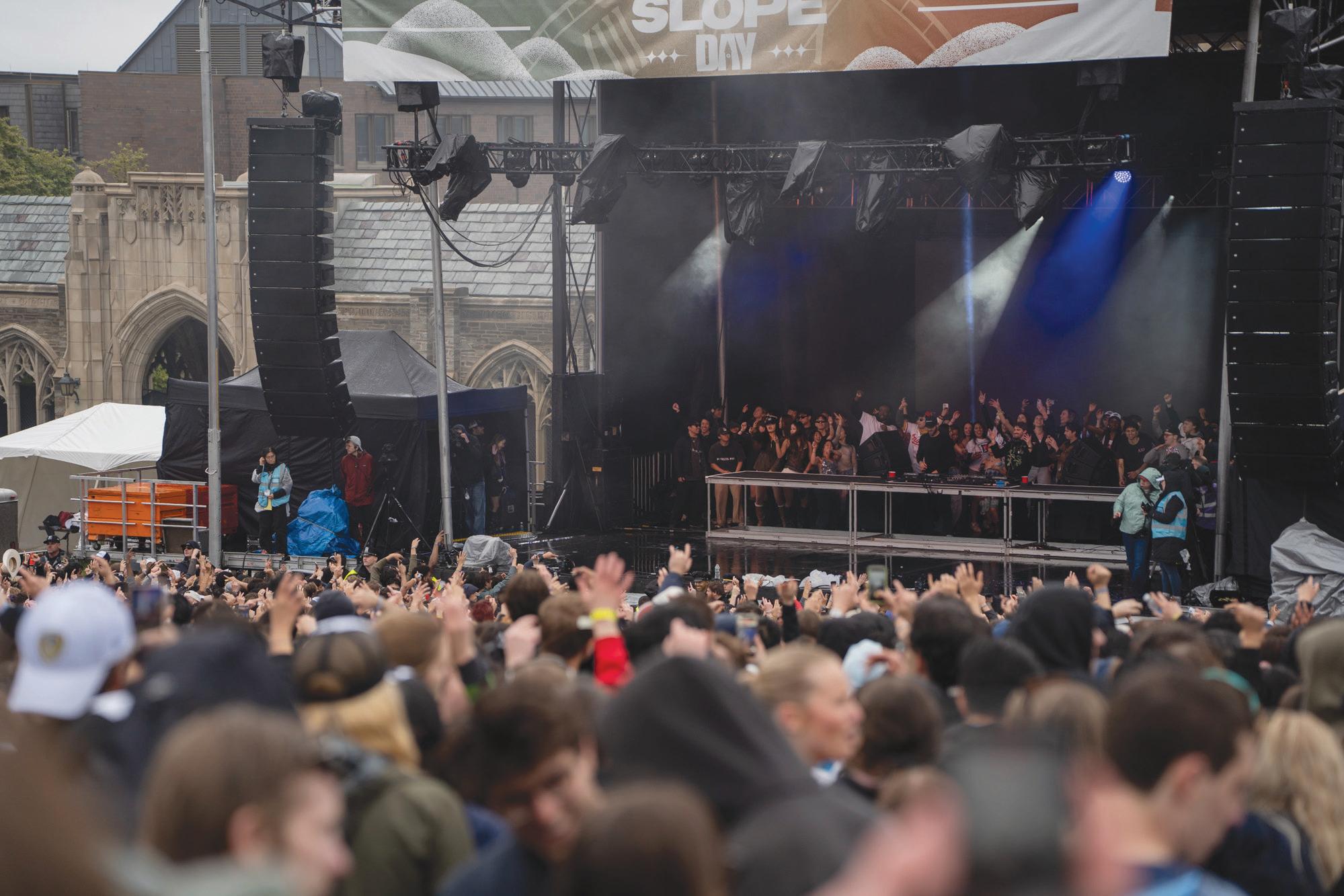
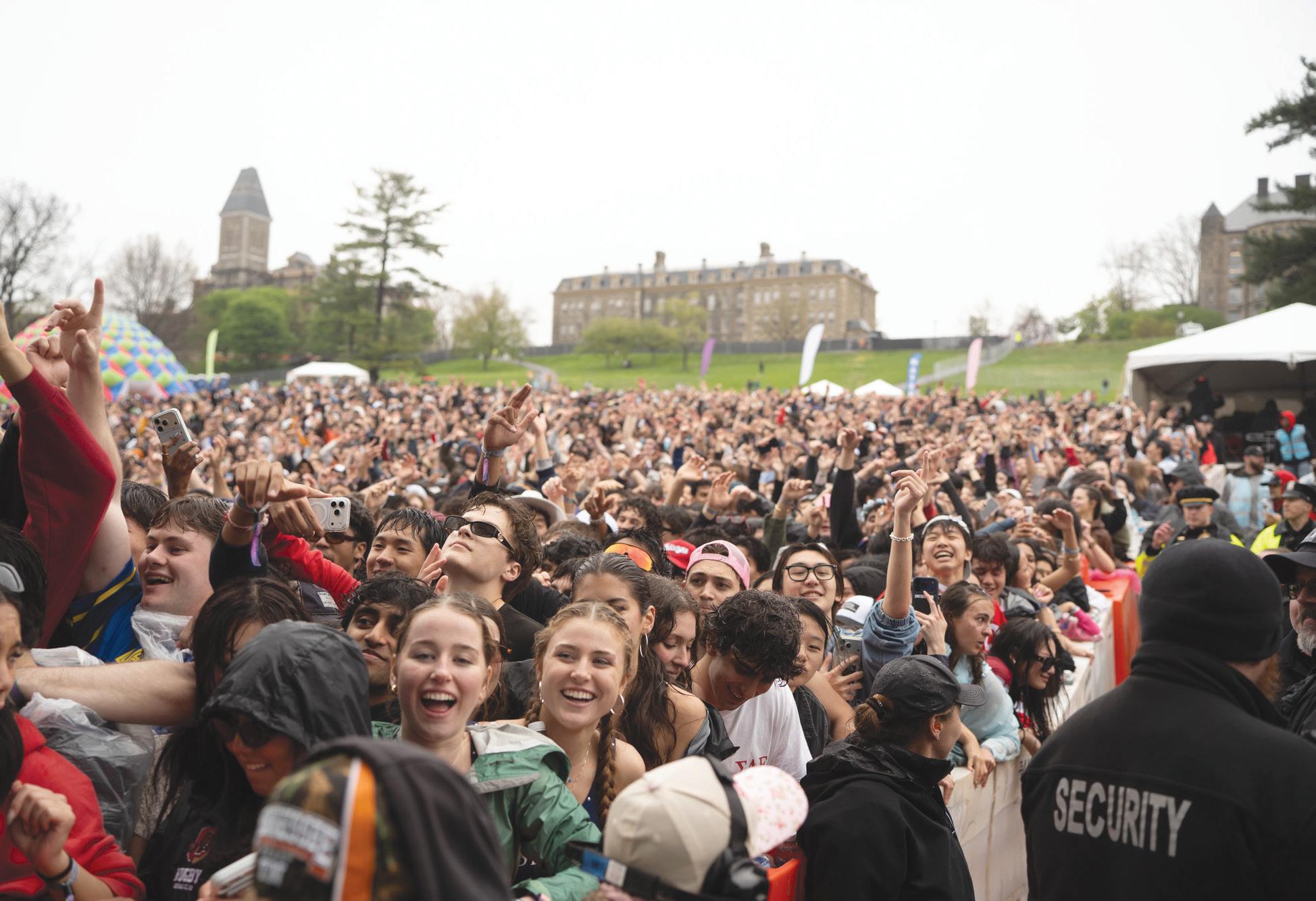
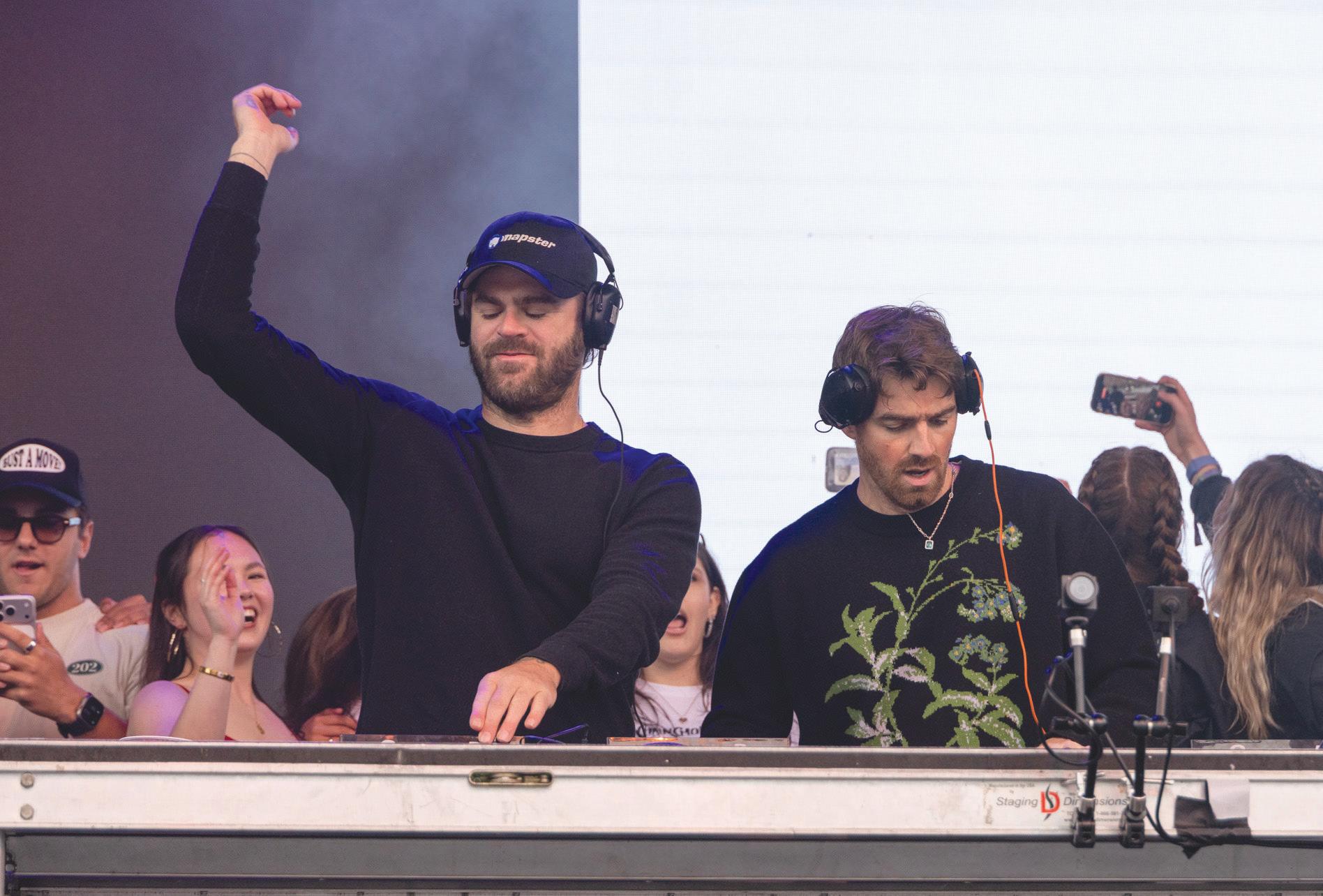
SLOPE DAY 2026
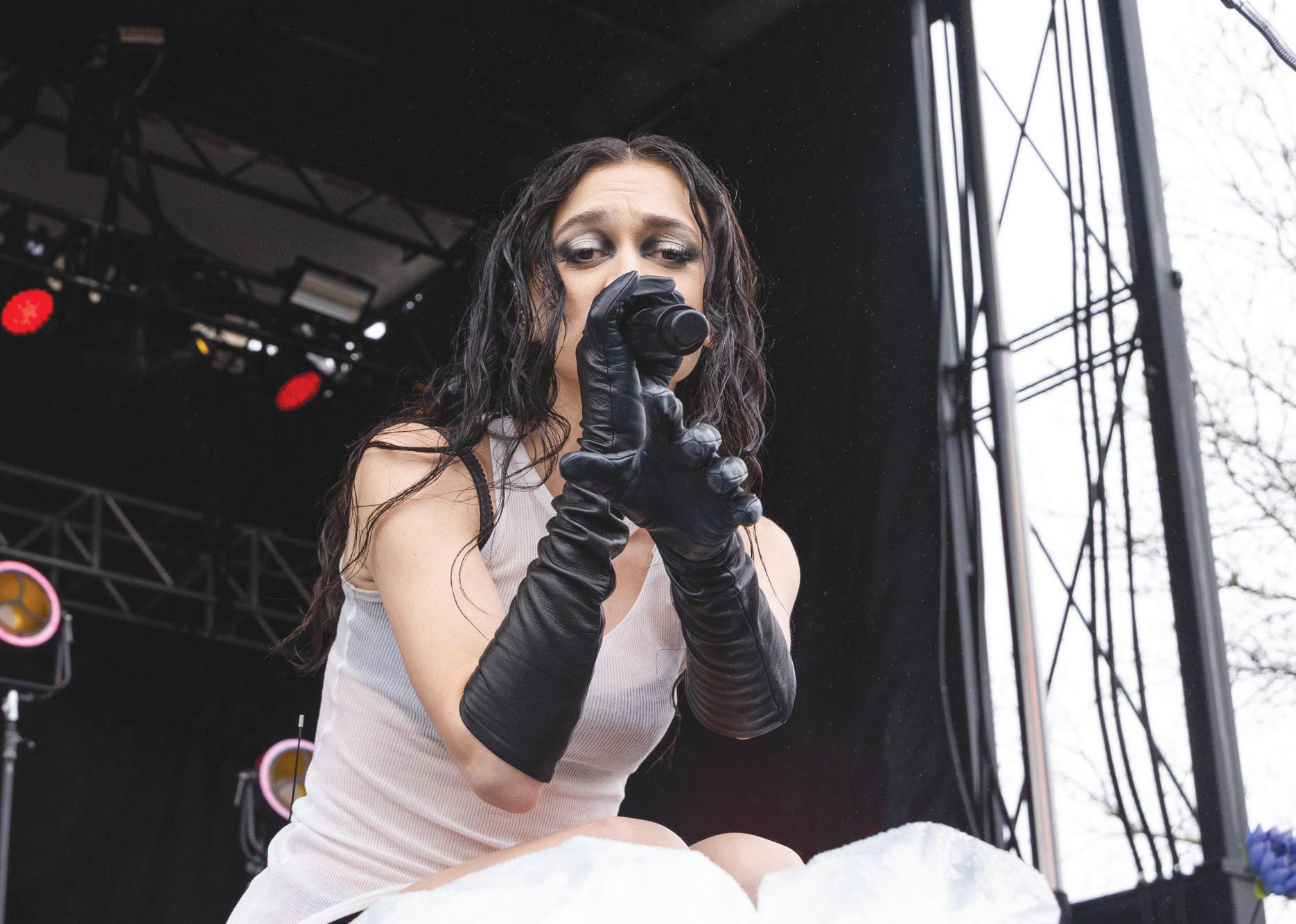
The Chainsmokers headlined Slope Day with supporting act Daya in a rainy concert.
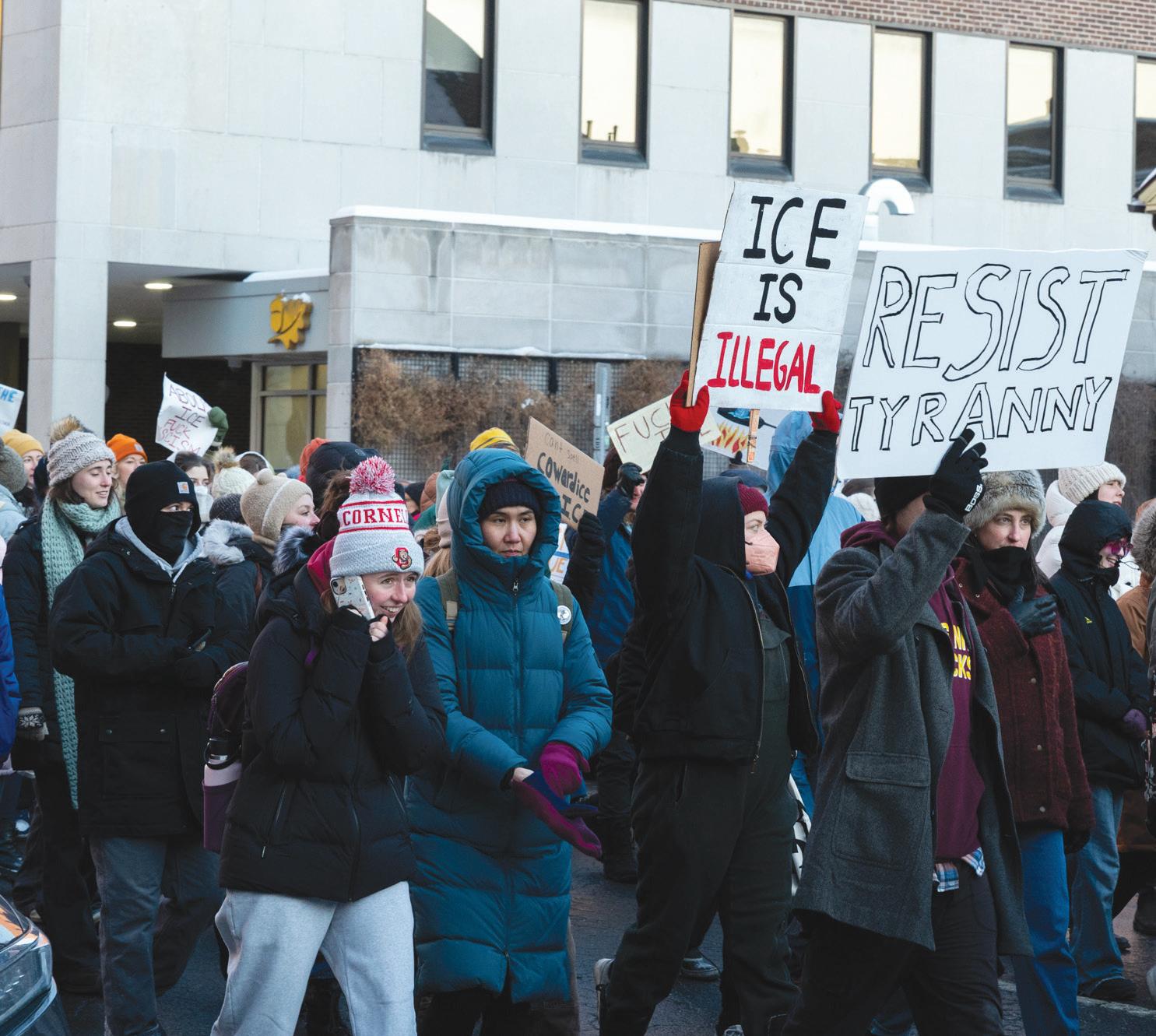
“ICE
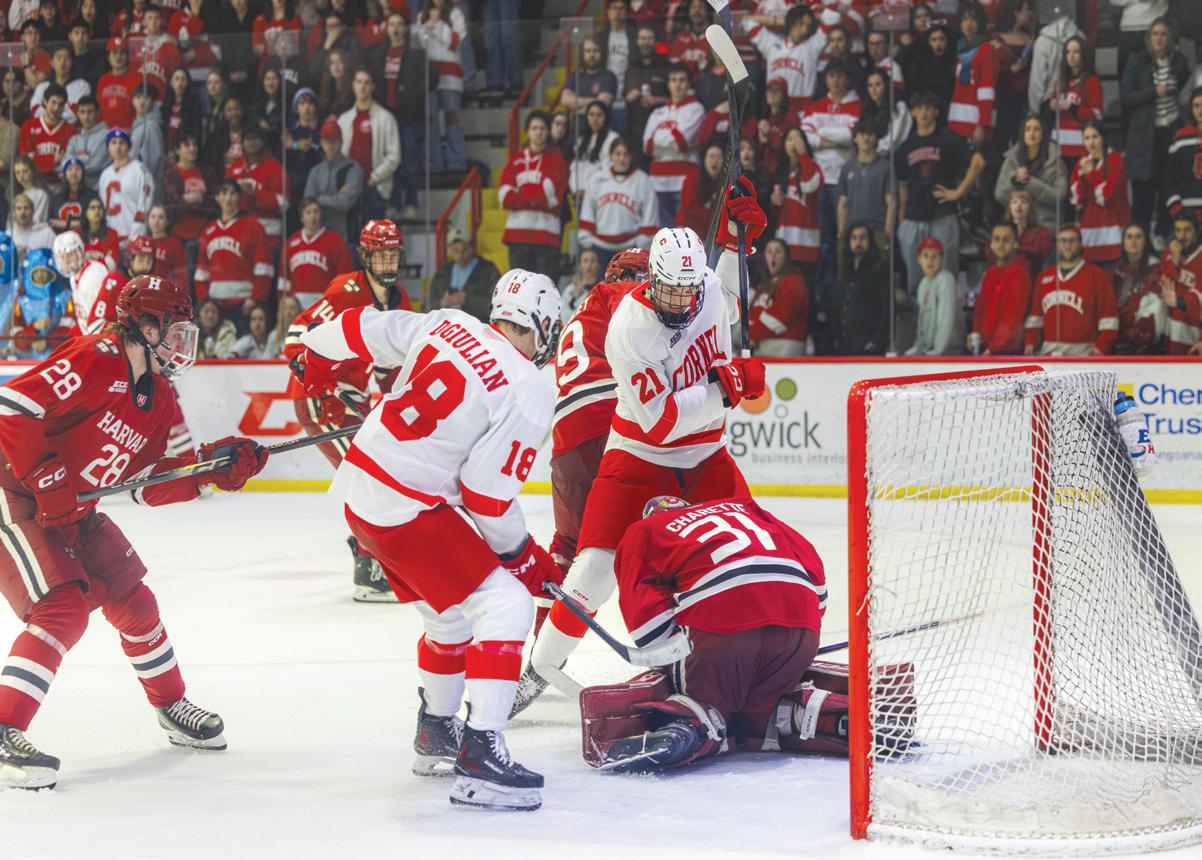
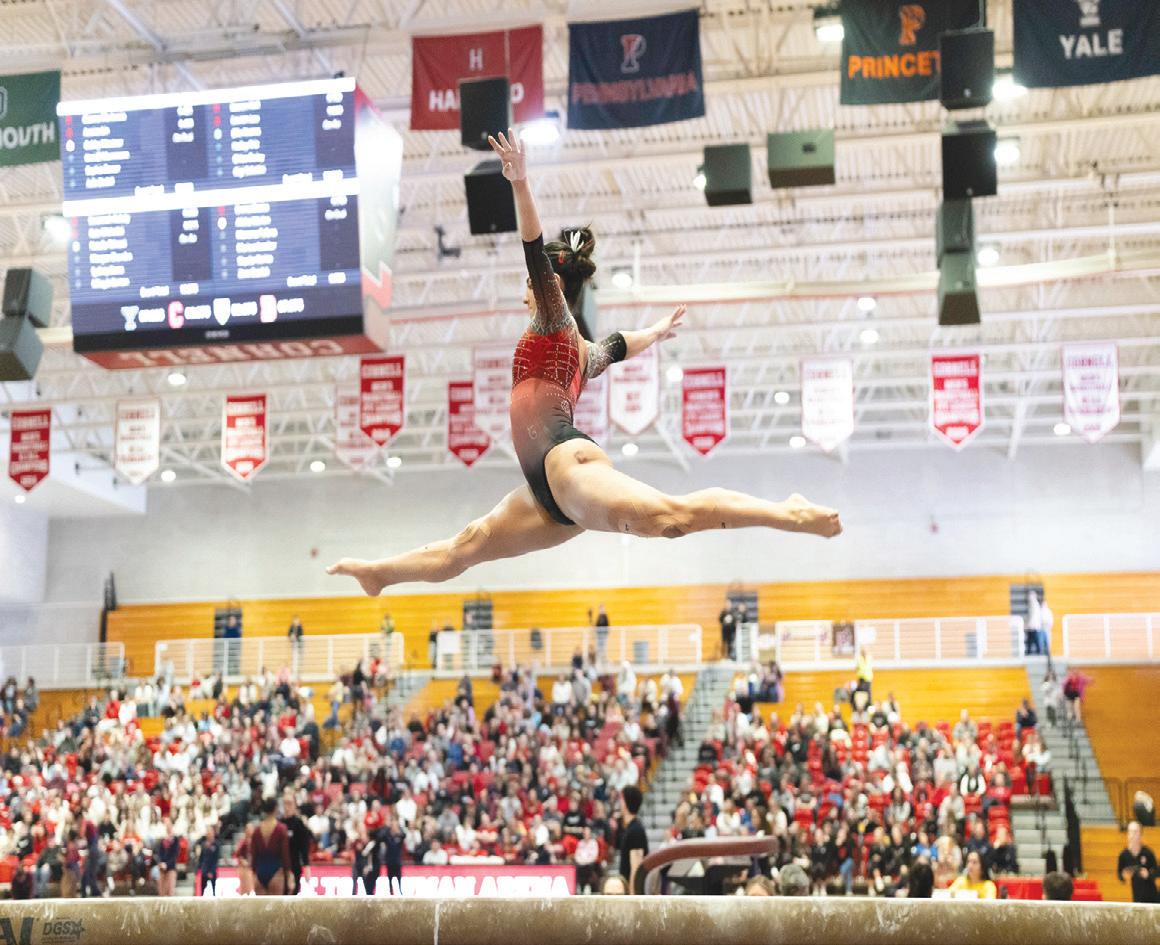
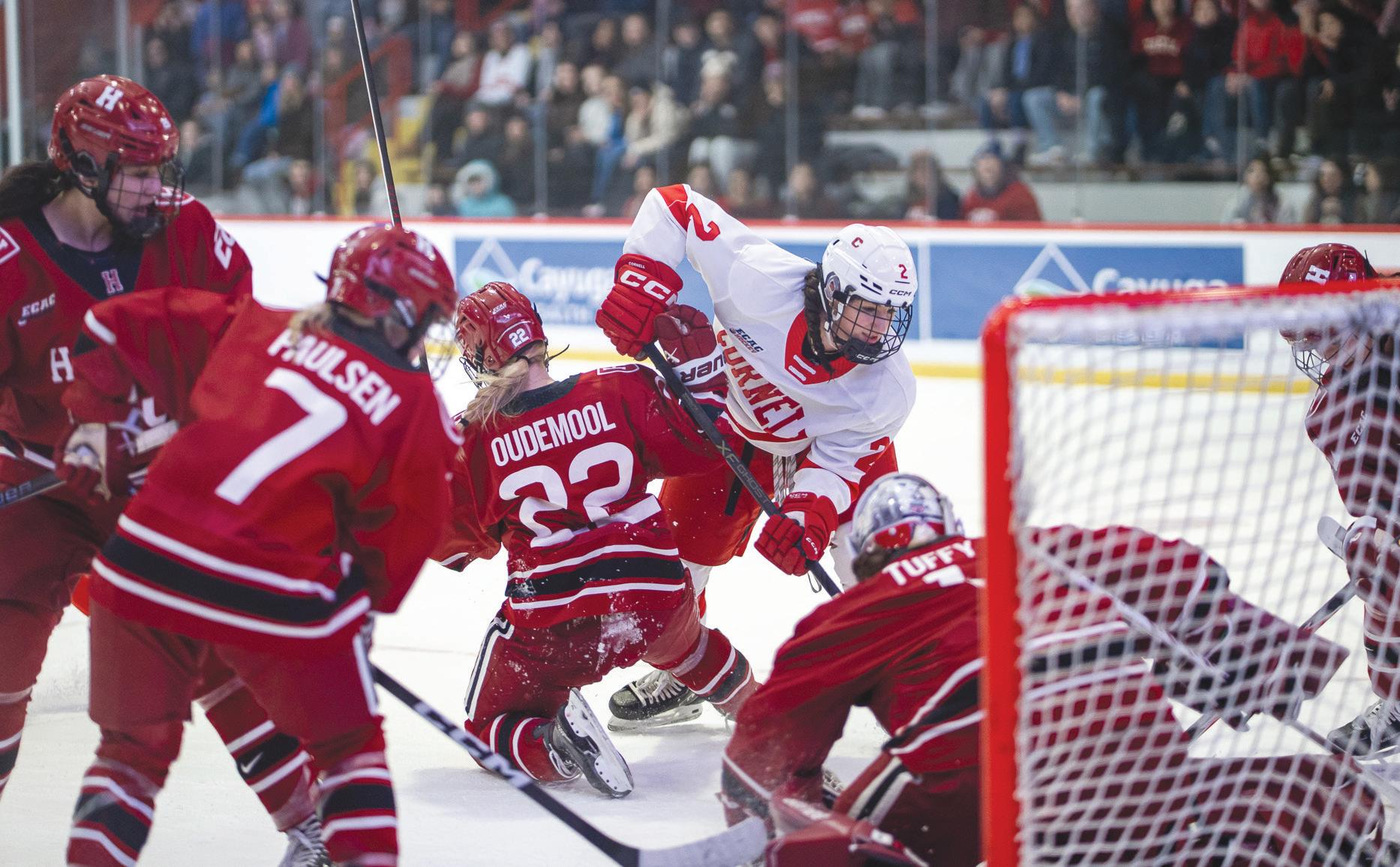
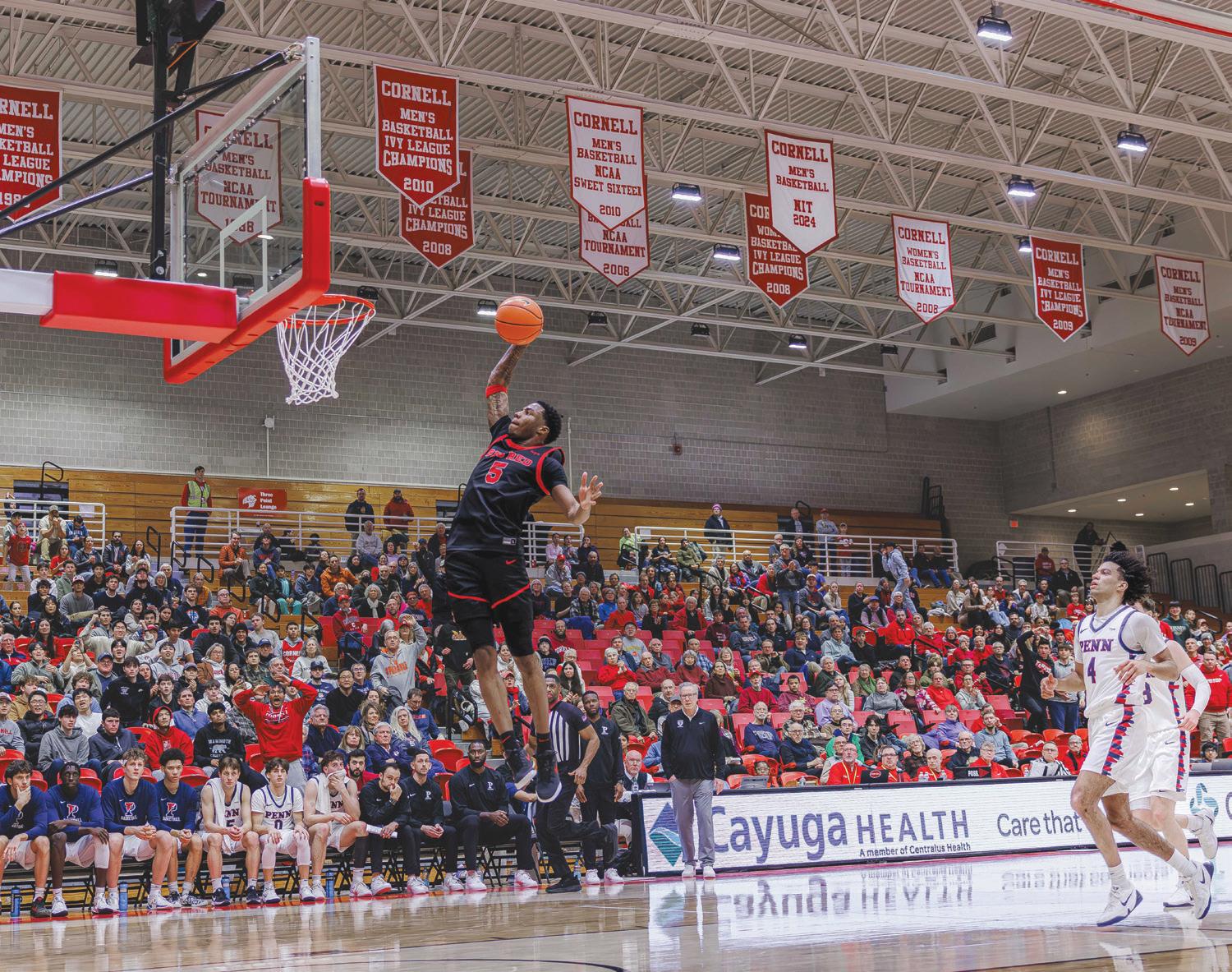
Student athletes showed off their talents in stiff competitions all year long.
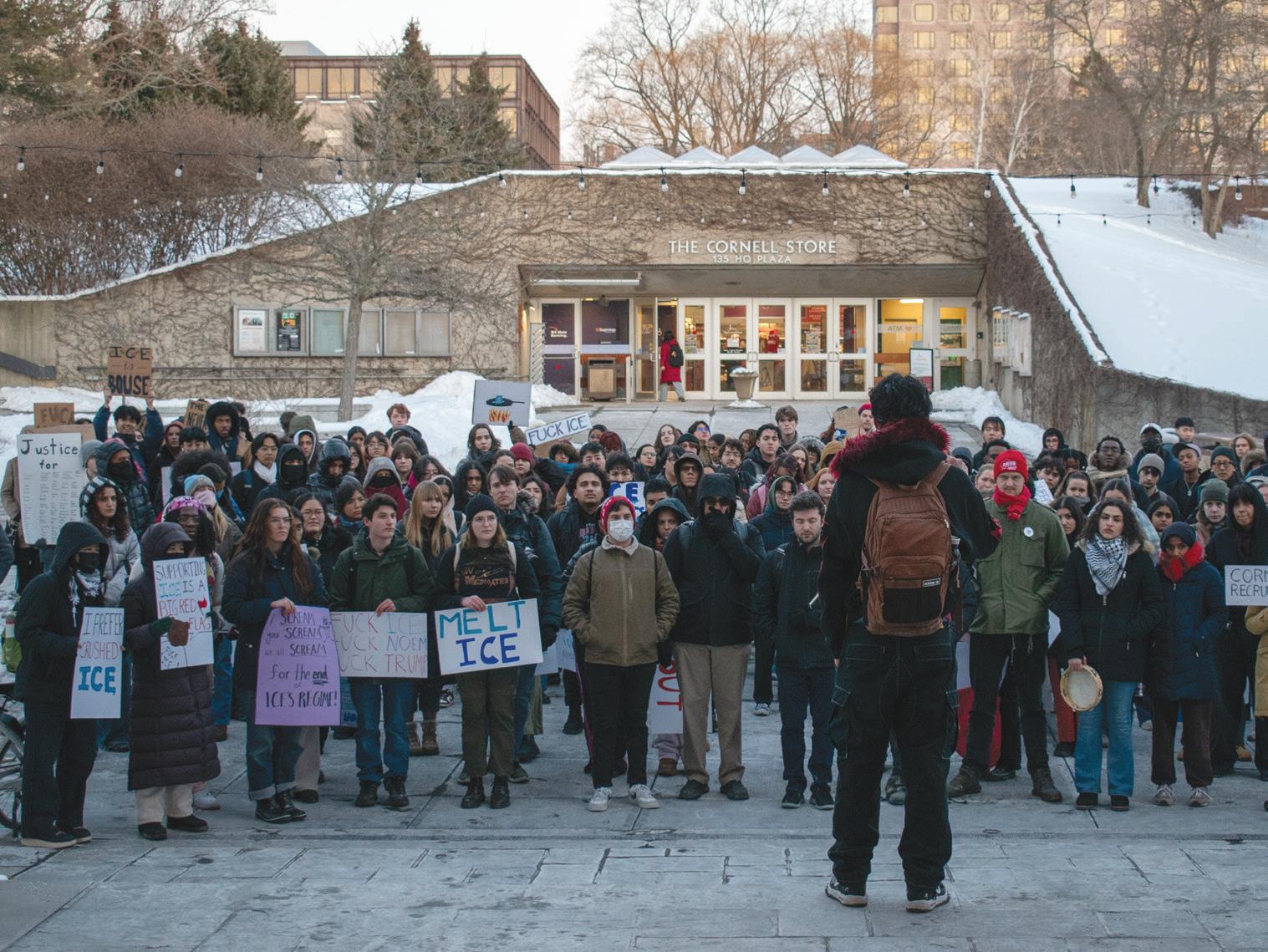
OUT”
Cornellians rallied against ICE on and off campus this year.
IN PHOTOS
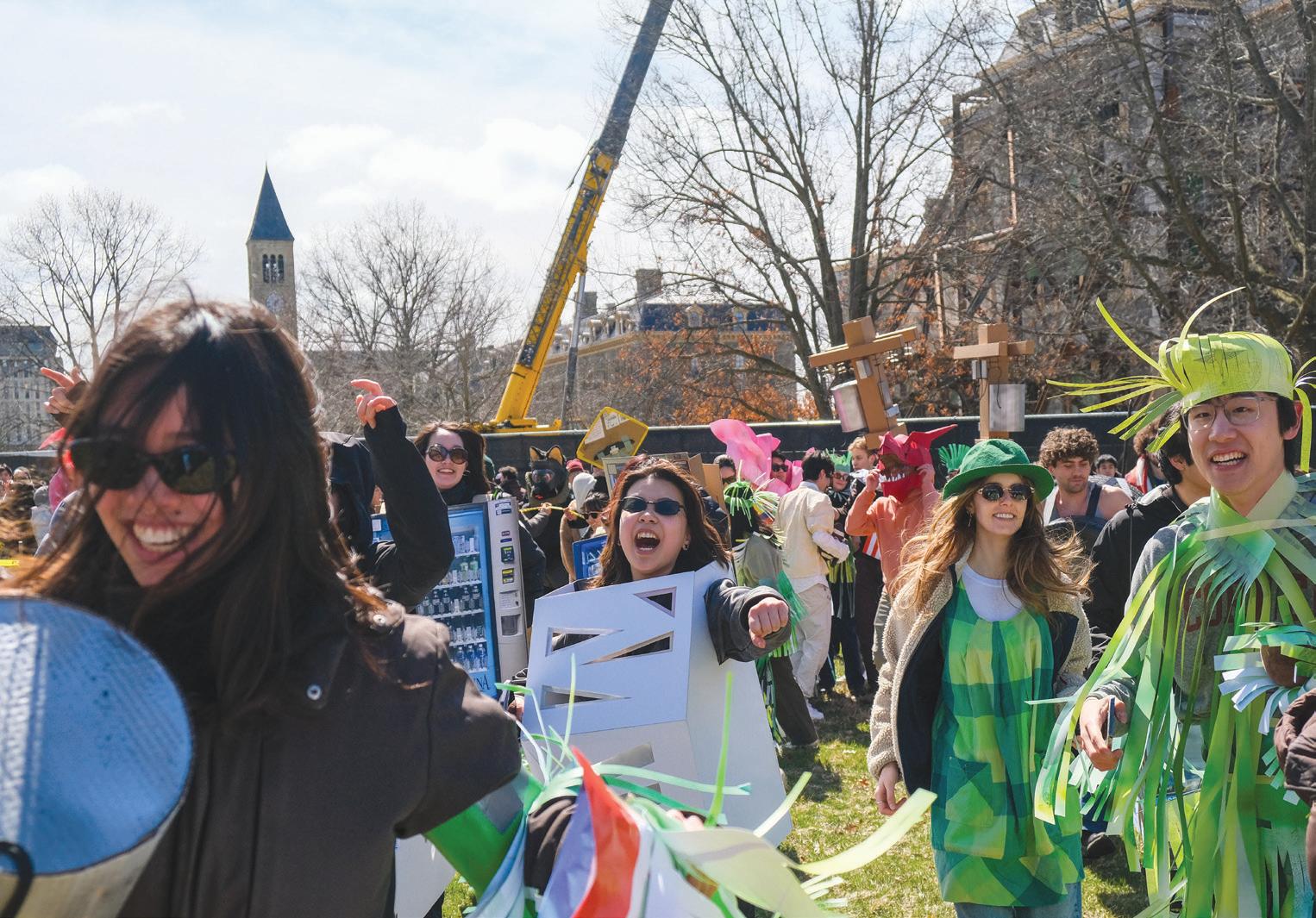
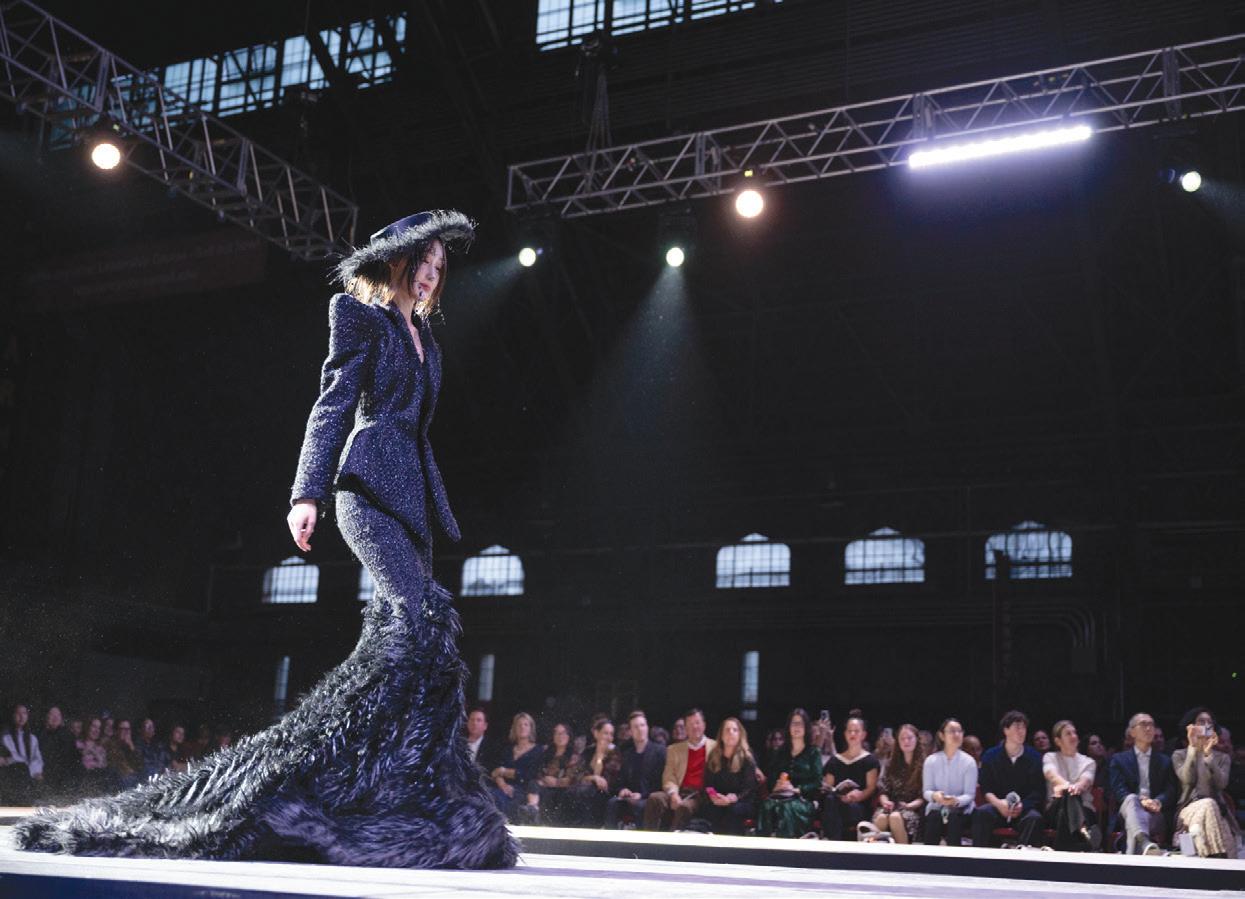
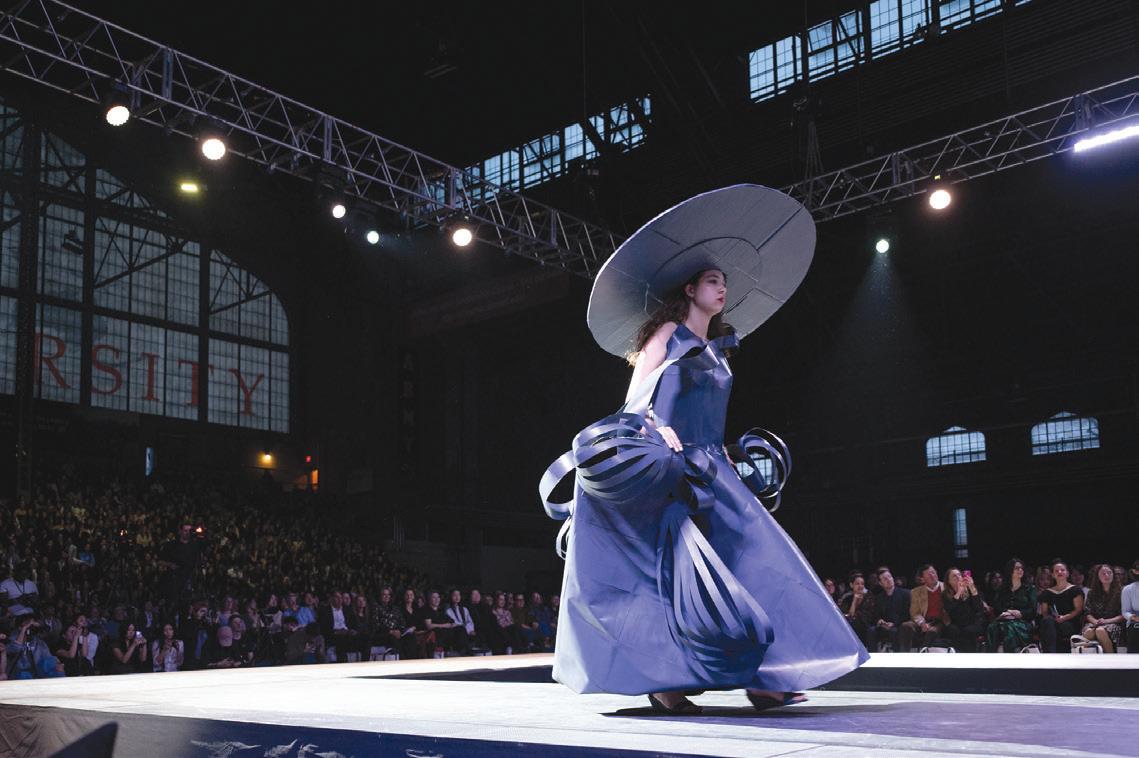
Cornell Fashion Collective Spring Runway
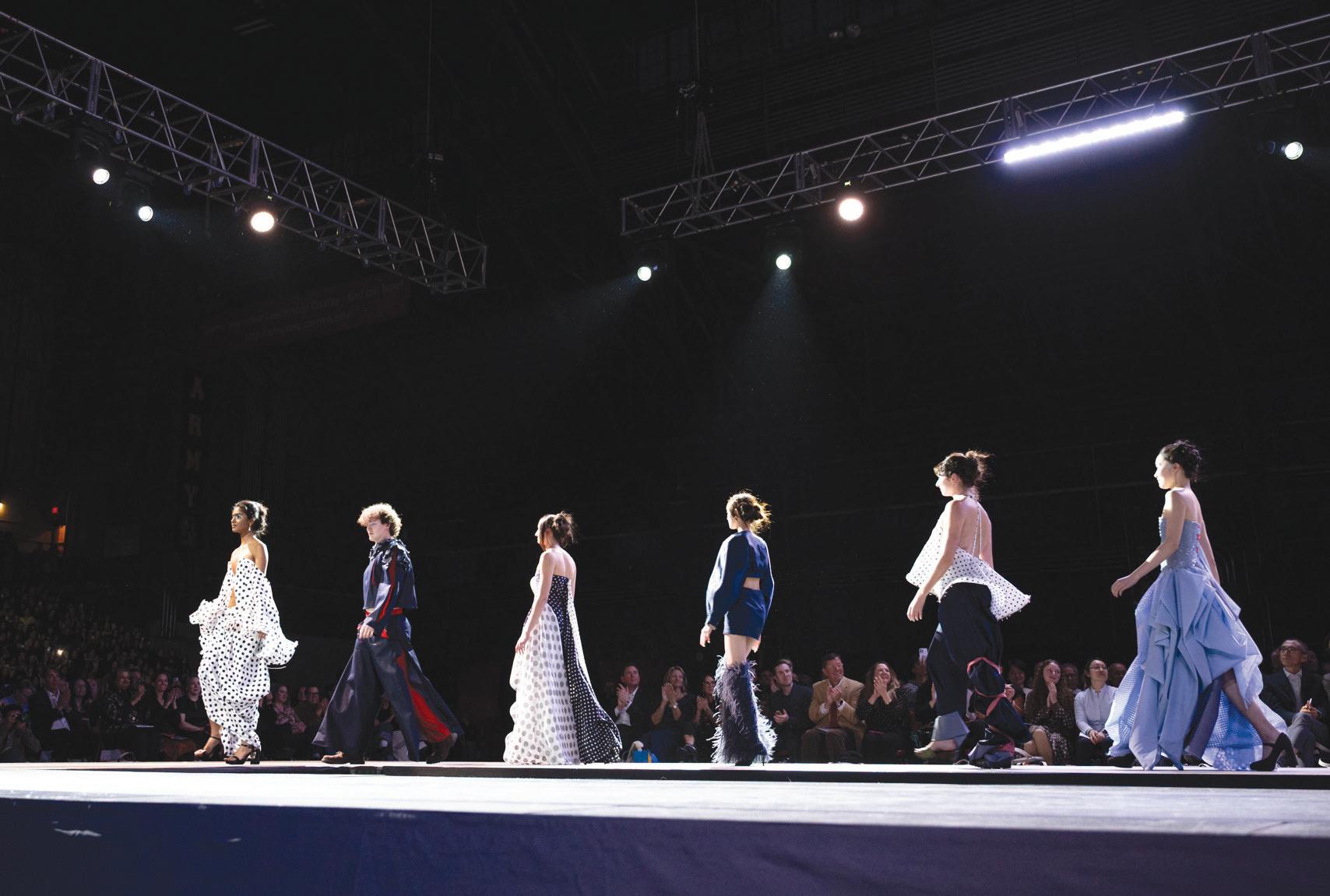
Cornell Fashion Collective’s 42nd annual runway show was held on March 21 and featured designs from four different levels, all with different themes. The show is the second largest annual student-run event on campus, and hosted over 3,000 attendees this year.
Campus Tours to Commencement
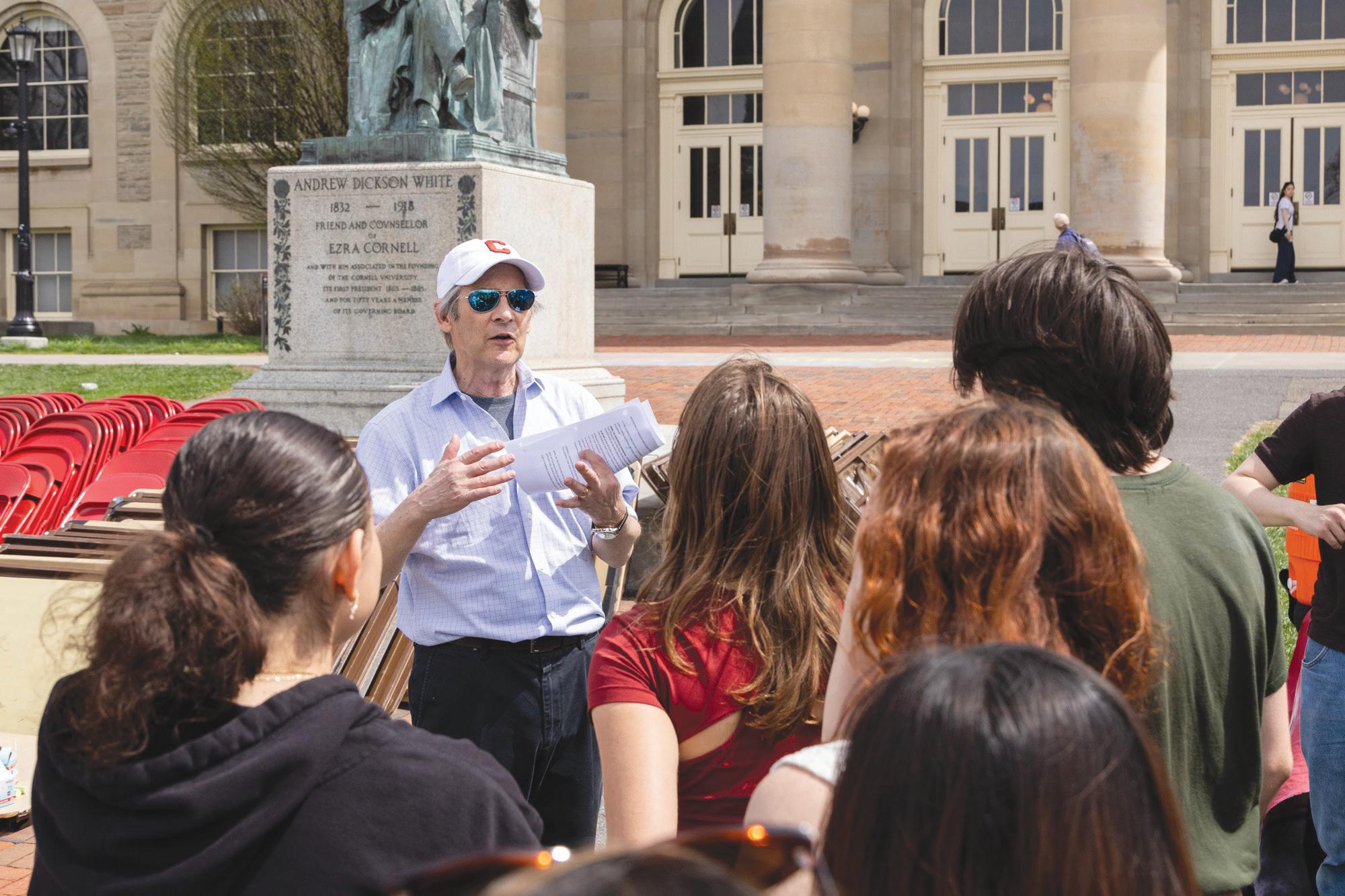
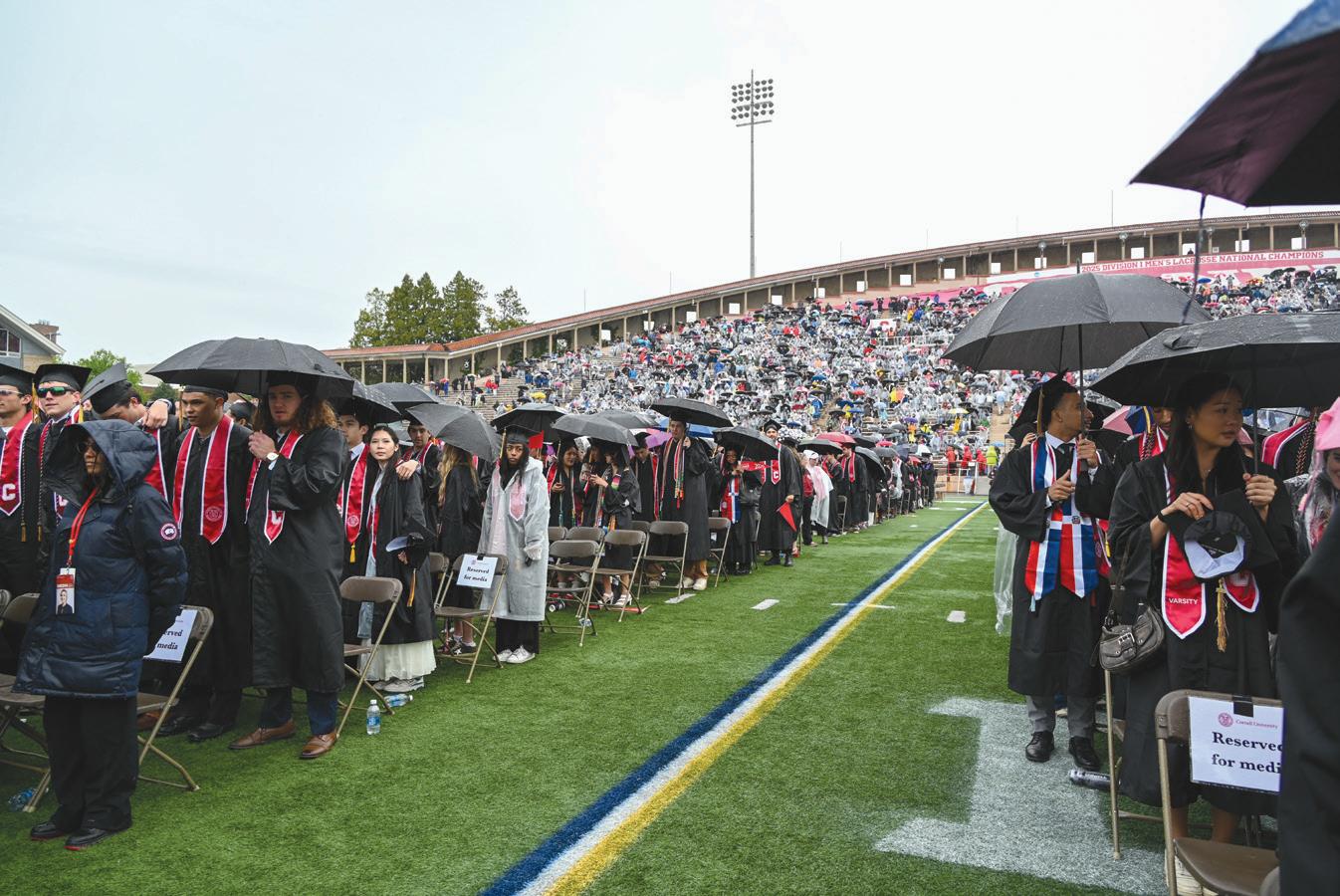
Cornellians of all ages litter campus, with prospective students touring at the beginning of the year and the graduating class gathering to be sent off at the May 23 commencement ceremony.
Any Person, Every Milestone:161 Things Every Cornellian Should Do
20 years. Thousands of memories. 161 traditions. Two decades after the original list debuted, the outgoing 142nd Editorial Board revamped our famous list, updating the quintessential experiences that define life on the Slope. So grab a carnelian colored pen (or steal one from the A.D. White House), and get to checking!
o 1. Make the library into your bedroom and have sex in the stacks
o 2. Go to the Cornell-Harvard men’s hockey game and throw fish on the ice
o 3. Go to Zeus after class. Sit on a bench because all the tables are being used or coffee chats
o 4. Take off to NYC for Fall Break, being sure to post on Instagram about it at least twice
o 5. Sled down Libe Slope during a snow storm
o 6. Take Hotel Administration 4300: Introduction to Wines
o 7. Take AMST 2000 and learn some Cornell history from Corey Earle ‘07
o 8. Streak across the Arts Quad
o 9. Go sake bombing at Plum Tree
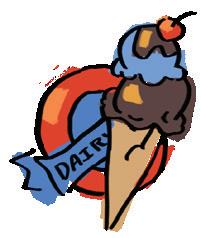
o 10. Order ice cream at the Dairy Bar
o 11. Climb the rock wall in Bartels Hall
o 12. Listen to a full chimes concert from the clock tower. Guess the songs played
o 13. Order the same thing off the Collegetown Bagels menu all four years
o 14. Register for classes during Freshman Pre-Enroll, then switch out of every single one by the time Add/Drop ends
o 15. Dress for 70 degree weather. Cry as you walk home in the freezing cold that night
o 16. Steal a vegetable from the Cornell Botanic Gardens. Savor it
o 17. Go to the Fuertes Observatory on North Campus and gaze at meteor showers
o 18. Enroll in BIOEE 1540: Introductory Oceanography as a joke, then fall in love with Bruce Monger and attend every class
o 19. Have a snowball fight in May
o 20. Stick your hand inside a fistulated cow
o 21. Skip class to play SpikeBall on the Arts Quad

o 22. Bury a bottle of Barton’s on the Slope. Dig it up on Slope Day.
o 23. Enjoy golden hour from the Cornell Botanic Gardens
o 24. Attend the Apple Festival on the Commons
o 25. Flirt with your professor
o 26. Bomb a prelim
o 27. Ace the next one to save your grade

o 28. Steal a bunch of cups from the dining hall and never give them back
o 29. Attend Hotelie prom
o 30. Take a selfie with Happy Dave from Okenshield’s
o 31. Take three finals in two days because they were just over 24 hours apart
o 32. Get heartburn at the Chili Cook-off on the Commons
o 33. Enjoy Ithaca’s two months of warm weather — spend a summer here!
o 34. Go to a Shabbat dinner at 104West!
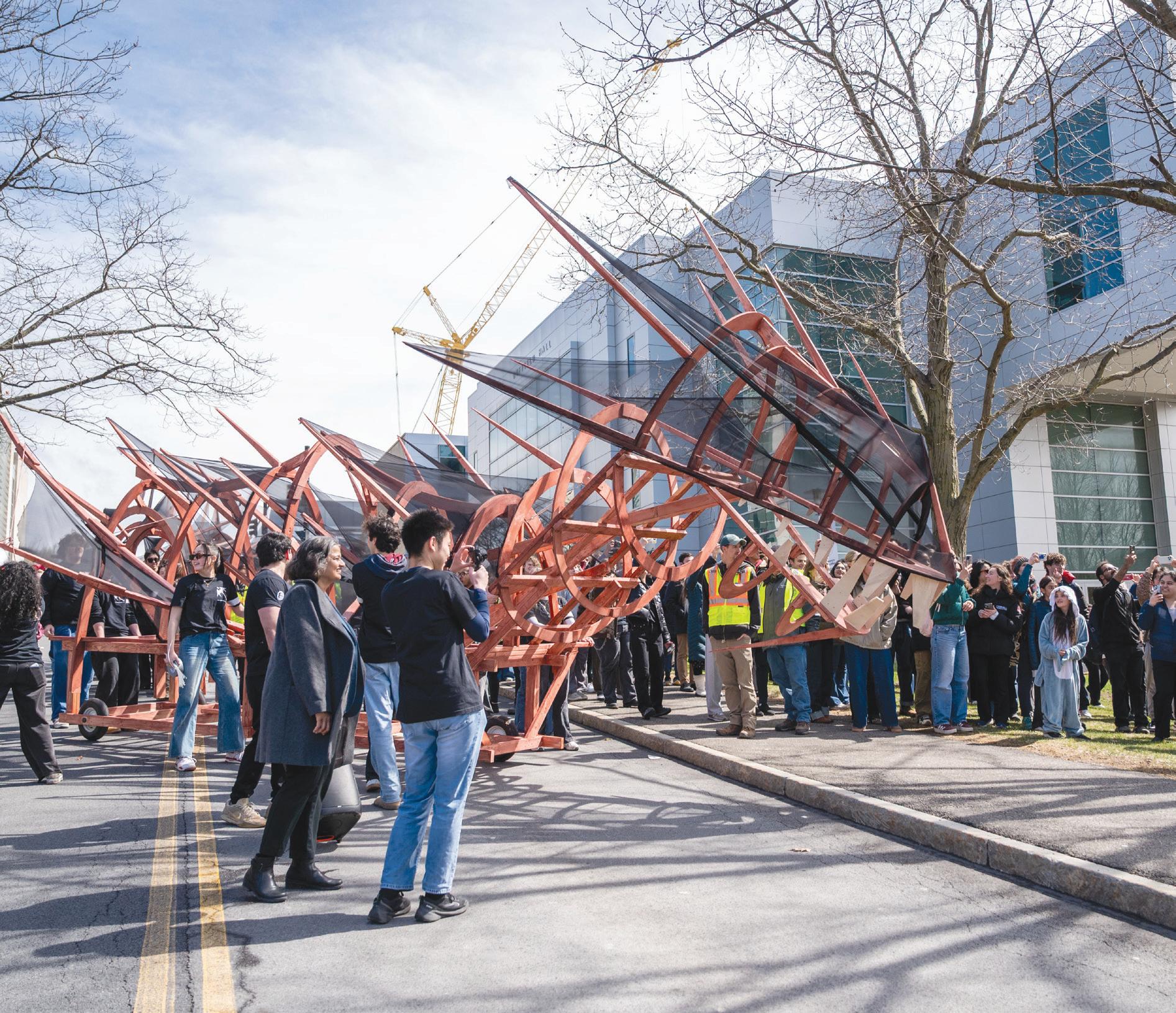
o 35. Watch the AAP students parade down East Avenue on Dragon Day
o 36. Walk out of class to warm weather and immediately get a beer at CTB
o 37. Build a snow penis or count how many you see around campus
o 38. Dress up and view The Rocky Horror Picture Show at Risley
o 39. Take a class you think is impossible just for fun
o 40. Go to Catherine Valley for a wine tour
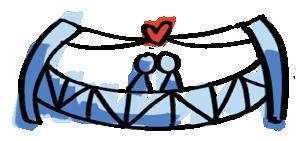
o 41. Kiss on the suspension bridge at midnight
o 42. Take Plant Pathology 2010: Magical Mushrooms, Mischievous Molds
o 43. Shop at the Friends of the Library Book Sale
o 44. Get a University parking ticket, then sweet-talk your way out of it
o 45. Buy an Ithaca Is Gorges t-shirt, then get sick of wearing it and buy a dumb variation (Ithaca Is Gangsta, Vaginas Are Gorges, Ithaca Is Long Island…)
o 46. Learn the “Alma Mater,” “Evening Song” and “Give My Regards to Davy.” Hum them when you hear the chimes
o 47. Attend an opening at the Herbert F. Johnson Museum of Art
o 48. Smuggle food from the dining hall and run for your life as they try to get back your stolen cookies
o 49. Make the Walk of Shame. See an ex on your way home
o 50. Have dinner at a professor’s house
o 51. Get wasted at a professor’s house
o 52. Take a selfie with a Cornell president
o 53. Play a game of tag in the Kroch Library stacks
o 54. Take a class that meets outside
o 55. Start your freshman year pre-med. Graduate from Dyson.
o 56. Kayak or canoe on Beebe Lake
o 57. Watch dancers fly through the air at Pao Bhangra show
o 58. Have a midnight picnic in the Ag Quad

o 59. Wait in line for half an hour for an orange chicken burrito at Terrace
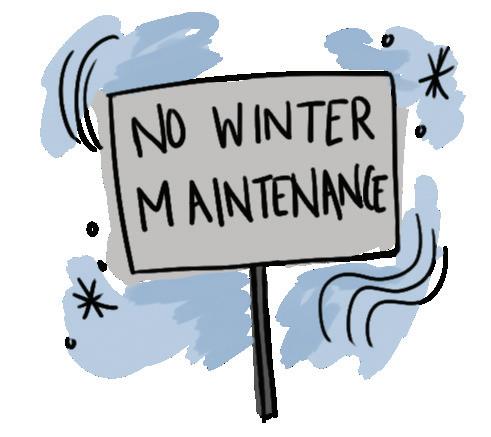
o 60. Ignore the “No Winter Maintenance” signs … slip and fall down the stairs
o 61. Sit in Libe Café when you have no work to do and watch worried students down gallons of coffee
o 62. Write an angry letter to the editor of The Sun
o 63. Get swarmed by freshmen as they migrate back to north
for the final, wish you had taken notes instead
o 80. Go ice skating at Lynah Rink
o 81. Request a song to be played on the clock tower
o 82. Watch the ginger run
o 83. Walk to class in the snow, uphill both ways

o 64. Explore the secret underground tunnel between Uris and Olin libraries
o 65. Request an item from the library’s Rare and Manuscript Collection.
o 66. Pretend you are Harry Potter and study in the A.D. White Reading Room
o 67. See the brain collection in Uris Hall
o 68. Use all your CityBucks at 7-11 on Keystone and Twisted Tea Light
o 69. Submit a guest column for Sex on Thursday about your raunchy sexcapades
o 70. Eat your way through the Farmer’s Market
o 71. Sleep through your alarm for a 1:25 p.m. class
o 72. Take part in a psychology experiment and get a measly number of SONA credits
o 73. See Ezra Cornell’s body in the crypt
o 74. Occupy Willard Straight or storm Day Hall
o 75. Watch as a virgin crosses the Arts Quad at midnight and A.D. White and Ezra Cornell walk towards each other to shake hands on Halloween
o 76. Live through an Ithaca blizzard and tell your friends you survived frostbite
o 77. Throw a flaming pumpkin into the gorge
o 78. Join an intramural sports team. Take it too seriously and get matching uniforms
o 79. Spend all your lectures figuring out the Wordle and Connections. While sitting
o 84. Hook up with someone in your dorm and then see them every day afterward
o 85. Write dirty messages with rocks in the gorge
o 86. Eat a chicken parm sandwich from Louie’s Lunch
o 87. Walk the runway as a model in the Cornell Fashion Collective’s annual fashion show
o 88. Sleep through pre-enroll and change your major as a result
o 89. Gain the freshman 15. Pay $145 for a gym membership and don’t go.
o 90. Play trivia at Collegetown Bagels on Tuesday nights
o 91. Go bowling at Helen Newman Lanes
o 92. Get a ticket for peeing on the Law School
o 93. Have a friend’s parents take you out to eat at Thompson and Bleeker or Simeon’s
o 94. See a concert at Barton Hall
o 95. Order off the secret menu at Louie’s Lunch
o 96. Cheer on your friends as they perform at the Schwartz Center
o 97. Pick next year’s ice cream flavor
o 98. Nap in every library on campus
o 99. Get too drunk before homecoming. Miss the game
o 101. See Yamatai bang it out at Clubfest
o 100. Take a midnight nap in Uris Library Cocktail Lounge and wake up 3 days later
o 102. Visit Ithaca Mall, realize it is severely lacking, then drive to Destiny USA Mall in Syracuse
o 103. Take a night prelim near the vet school, walk back in the dark
o 104. Get thrown out of Balch Hall
o 105. Attend a show at the State Theatre or Hangar Theatre
o 106. Go to an a cappella concert
o 107. Walk to a fraternity party with your entire freshman floor. Get turned away
o 108. Put on a swimsuit and jump into the cold water at Second Dam
o 109. Take part in Holi and get colorful
o 110. Eat at each dining hall at least once
o 111. Try to order pizza from a Blue Light phone
o 112. Have a traumatic OurBus experience. Never return
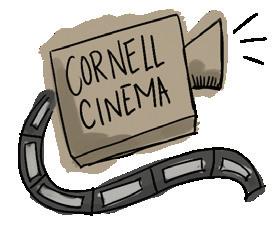
o 113. See a film at Cornell Cinema
o 114. Ride a horse at Oxley Equestrian Center
o 115. Take the BASICS program. Do it with a beer in hand
o 116. See how long you can go without doing laundry
o 117. Get lost during O-week as a freshman, and end up in the Commons
o 119. Check out a charger from Olin. Don’t give it back
o 120. Lose a friend over signing a lease in Collegetown
o 121. Walk holding hands around Beebe Lake
o 122. Buy a Cornell-grown apple from a vending machine
o 123. Get tapped for a secret society
o 124. Go skinny dipping in a gorge
o 125. Get more downvotes than upvotes on Sidechat
o 126. Host a prefrosh
o 127. Drive your car up and down Libe Slope
o 128. Make a chalking. Weep when it rains that night
o 129. Attend a Sun meeting
o 118. Have the Hideaway bartender take a picture of you because your fake doesn’t scan
o 130. Take photobooth pics at Hideaway and post them on your Instagram story
o 131. Eat hungover brunch at Morrison or Appel
o 132. Turn down a flyer at Ho Plaza and say “I already got one”
o 133. Rush a fraternity/sorority or mosey a Co-op during your freshman spring
o 134. Meet Bill Nye ’77, “The Science Guy,” and give him a hug
o 135. Ski at Greek Peak
o 136. Crash a political rally on Ho Plaza
o 137. Get on the wrong TCAT and end up at Ithaca College
o 138. Watch women’s hockey dominate any team who steps on the ice
o 139. See how many people you can cram into your dorm room
o 140. Order Wings Over after 2 a.m.
o 141. Make the trek down the hill: go to a townie bar
o 142. Tell a professor what you really think of his/her class
o 143. Drink with your R.A.
o 144. Go to the sex shop, called the “Adult Outlet,” on the Commons. Gawk
o 145. Run out of BRBs in March. Live off campus events’ free food for the rest of the year
o 146. Heckle your tour guide friend as they’re leading a group of prospective students around campus
o 147. Get asked if you are pregnant at Cornell Health
o 148. Attend a show at the State Theatre or Hangar Theatre
o 149. Go to ClubFest as a first-year and sign up for a dozen clubs that you’ll never go to
o 150. Complain about the Slope Day headliners
o 151. Ask for an extension on a term paper
o 152. Walk to class in the snow, uphill both ways
o 153. Accidentally rip a poster at the poster sale. Tell no one
o 154. Play mini golf at the Sciencenter
o 155. Hook up with your hot T.A.

o 156. Go swimming at Treman State Park, Buttermilk Falls or Second Dam
o 157. Furnish an apartment entirely with items from Ithaca Reuse and the Dump & Run
o 158. Walk to a fraternity party as a senior; convince yourself you were never one of them
o 159. Fail your swim test, just for kicks
o 160. Eat a Pinesburger, then watch water flow over Taughannock Falls, the highest single-drop waterfall east of the Rockies
o 161. Climb all 161 steps to the top of McGraw Tower

Alpha Phi Alpha’s Leadership Commends First Months of New Institute, Residence Hall
By INGA WOOTEN-FORMAN
Staff Writer
This story was originally published on Feb. 25.
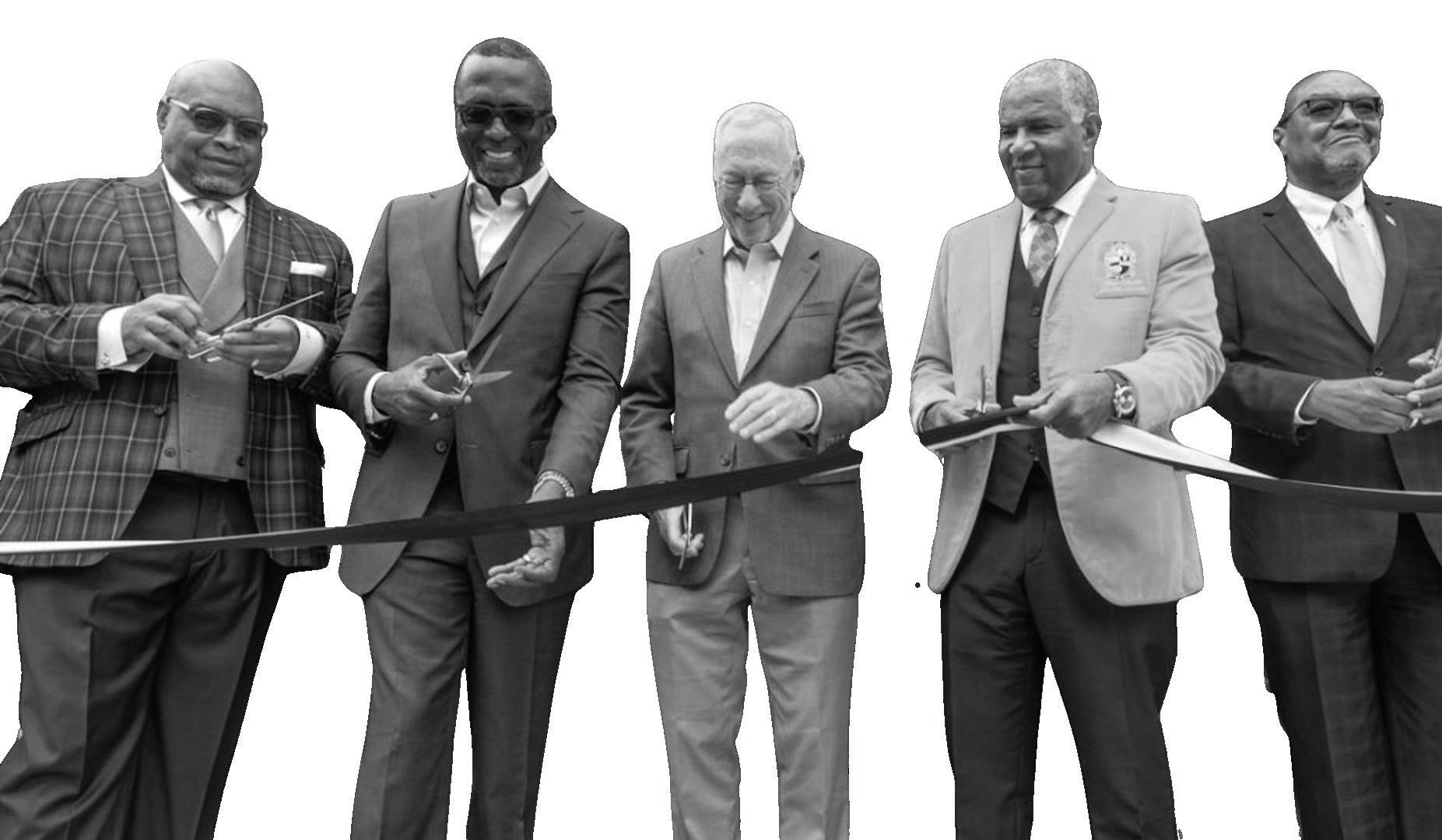
Cornell’s chapter of the Alpha Phi Alpha fraternity established a new facility on campus that houses both a community hub and residence hall associated with the fraternity in October. Alpha Phi Alpha, the first Black Greek-letter organiza tion in the U.S., was
Cornell in 1906 and comprises 90,000 current members.
The new facility, named the House of Alpha Leadership Institute, serves as a “destination for dialogue” and boasts a community that uplifts people of color, according to the Alpha Light Fund, an Ithaca-based nonprofit that manages the institute.
HoALI offers 13 resident rooms and a multi-purpose space used for educa-
Willard Straight Hall Celebrates 100 Years
By RUTHIE BEHRENDT Sun Contributor
This story was originally published on Nov. 21.
Willard Straight Hall, one of the first student unions in North America, has had a rich 100-year history evolving from the earliest dances, recitals and art exhibitions to the momentous protests that reshaped campus life.
On Friday, Cornell will celebrate the 100th anniversary of the Straight with an event titled “Centennial Celebration: 100 Years of Willard Straight Hall.” The event will feature historical displays and archival materials, student performances and other activities for students, faculty, staff and alumni.
The Sun recounted the Straight’s history as a home to everything from dances and recitals to armed takeovers and the ongoing negotiation between tradition and progress on campus.
Opening on Nov. 18, 1925, Willard Straight Hall was donated by Dorothy Whitney Straight Elmhirst, widow of Cornell 1901 graduate Willard Dickerman Straight, who died in World War I. At the time, Willard Straight was intended to be a place where students could gather, study and form community.
John Hunter Detmold ’43, co-chairman of the Willard Straight Browsing Library Reading Hour Committee, noted that the building made life easier for students during finals, which included “dancing coffee, tea, and cookies free to all at the Straight,” according to a History of Willard Straight video.
Throughout the years, WSH has evolved to include some of Cornell’s most historic events, including the Willard Straight Takeover of 1969.
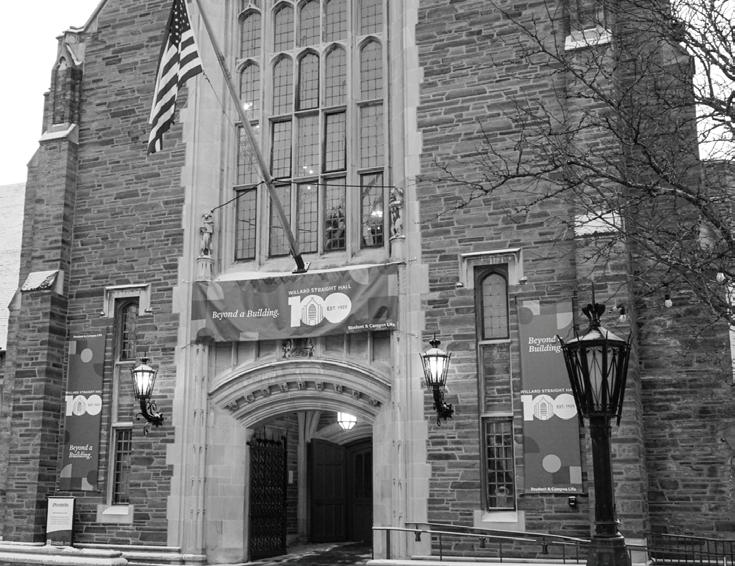
One Takeover Triggers Campus Reforms WSH’s history is not only about creating community, but has also been a site of activism. In April 1969, students occupied the building, protesting racial inequality on campus and across the country. Tom Jones ’66, who participated in the takeover, explained that students chose to occupy the Straight because it was “the symbolic ‘heart’ of Cornell” and that they wanted to ensure that their “actions and demands could not be ignored,” in an email statement to The Sun.
Jones also described the tense standoff during the takeover with Delta Upsilon fraternity members, who, according to him, snuck into WSH and confronted the protesters, arguing that they had “no right to occupy” the Straight.
“This was a statement that the days of blacks being intimidated by white vigilantes were over,” Jones wrote in an email statement to The Sun. “That’s how WSH became the site of the only armed building occupation in Cornell history.”
“[The Straight was] the symbolic heart of Cornell.”
Tom Jones ’66
Ed Whitfield ’70, a former leader of the Cornell Afro-American society, which is now the Cornell Black Students United, helped to organize the occupation. He previously told The Sun that, weeks leading up to the takeover, there had been deeply troubling incidents targeting black students.
In one incident, a cross was burned outside the Wari House, a cooperative for black women, an act that Whitfield said felt reminiscent of Ku Klux Klan tactics. He also reflected on the takeover and described that it was a “principal expression of defiance.”
He told The Sun the initial plan was not to bring firearms. The weapons were introduced only after white fraternity members forced their way into the building.
To continue reading this story, please visit www.cornellsun.com.
Ruthie Behrendt can be reached at rb967@ cornell.edu.
HoALI’s events and programming center around the institute’s seven pillars, which encompass “issues facing emerging leaders,” such as healthcare and corporate inclusion.
Alpha Phi Alpha has also hosted events by Black Students United, Black Student Empowerment and other student organizations on campus.
“[The creation of HoALI] is a huge step in the right direction, and a very important step for the legacy of the fraternity and … for minorities and Black men on campus,” said Christian Flournoy ’27, president of Cornell’s Alpha Phi Alpha chapter, in an interview with The Sun.
The HoALI is the first of its kind for the fraternity and the entirety of the Divine Nine — a group of nine historically Black Greek-letter organizations, including Alpha Phi Alpha, that make up the National Pan-Hellenic Council.
Gavin Mosley, Cornell’s Alpha Phi Alpha chapter advisor, and Shawn Lee, leader of the Alpha Light Fund, emphasized the significance of HoALI in a joint statement to The Sun.
“It is creating a space where
scholarship meets civic responsibility, where dialogue becomes action, and where young leaders are equipped with the tools to shape society,” wrote Mosely and Lee.
As the fraternity’s founding chapter, Alpha Phi Alpha at Cornell is called the “Alpha chapter.” Its members are informally called the “Alphas.”
Alpha Phi Alpha was founded at Cornell with the goal to “further brotherly love … to destroy all prejudices, [and] to preserve the sanctity of the home,” according to the fraternity’s constitution.
At the time of the chapter’s founding, Black students were excluded from fraternities, which hindered their involvement in on-campus student engagement, according to a 2019 research paper.
In response to this discrimination, seven Black Cornell students, called the fraternity’s Seven Jewels, founded Alpha Phi Alpha. Students have since founded over 680 Alpha Phi Alpha chapters at universities across the U.S. and the world.
To continue reading this story, please visit www.cornellsun.com.
Inga Wooten-Forman can be reached at irw7@ cornell.edu.
A Look Into Artifcial Intelligence in Classrooms
By HOPE THOMAS Sun Staff Writer
This story was originally published on March 6.
Various Cornell classes across departments have begun integrating artificial intelligence to supplement students’ learning and improve efficiency.
Cornell recently appointed Prof. Thorsten Joachims, computer science and information science, to the new position of vice provost for artificial intelligence strategy on Jan. 1.
In a statement to The Sun, Joachims wrote that when he taught CS 3780: “Intro to Machine Learning,” he allowed the use of generative AI for projects. Instead of students spending many hours “stumping the TAs” while trying to debug challenging code, students were able to ask questions relevant to the course content.
“I saw fewer struggles, and they could engage with the TAs on the interesting machine learning questions — not why their code was throwing some mysterious error,” wrote Joachims.
Vice Provost for Academic Innovation Prof. Steven Jackson, information science, wrote that the use of chatbot tools has allowed students to receive immediate answers for simple questions, mitigating the need for them to rely on office hours for minor questions.
“We expect these experiments [of classes using chatbot tools] to continue and potentially expand as we see evidence
“We expect these experiments [of classes using chatbot tools] to continue and potentially expand as we see evidence that they strengthen sudent learning and engagement.”
Prof. Steven Jackson
that they strengthen student learning and engagement,” Jackson wrote in a statement to The Sun.
While the use of AI for supplementing instruction increases, the Cornell GenAI
Education Working Group, including faculty, staff and students is where questions regarding AI in the classroom are discussed. This group is part of the University’s AI Advisory Council. Their goal is to ensure that students receive quality education, feedback and grading to their students.
“[Generative AI] is designed to give you answers fast, to solve your problems fast, and that is not desirable in education, where learning is a process that requires learners to engage in effort-ful deliberative, intentional processes.”
Prof. Rene Kizilcec
These goals are implemented through conducting surveys on GenAI, campus-wide programs regarding Critical AI Literacy and working with Cornell Information Technologies and researchers to assess new software, according to its website.
One newly incorporated AI is HiTA, which has been utilized by departments including language, information science and computer science programs, and across schools including the S.C. Johnson College of Business and Weill Cornell Medicine, according to Prof. Rene Kizilcec, information science.
HiTA, which provides academic assistance for higher education through teaching and learning according to its website, operates differently from generative AI platforms like ChatGPT, Microsoft Copilot and Google Gemini.
“[Generative AI] is designed to give you answers fast, to solve your problems fast, and that is not desirable in education, where learning is a process that requires learners to engage in effortful deliberative, intentional processes,” Kizilcec said in an interview with The Sun.
To continue reading this story, please visit www.cornellsun.com.
Hope Tomas can be reached at hthomas@ cornellsun.com.
Sun
SOPHIA ROMANOV IMBER / ASSOCIATE EDITOR
COURTESY OF JASON KOSKI / CORNELL UNIVERSITY
‘Te Pride of Every Cornellian’s Heart’: McGraw Tower Troughout the Years
By JANE HAVILAND
This story was originally published on Nov. 19.
Today, the McGraw name evokes the image of Cornell’s iconic clock tower, newly renovated as of July 30. But the family name holds the history of more — a Supreme Court lawsuit, a great pumpkin mystery, a feminist philanthropist and a day one Cornell tradition, the Cornell Chimes.
To honor McGraw Tower’s recent restoration, The Sun took a trip down memory lane and uncovered a chronicle of quintessentially Cornell moments in time that are marked by the clock tower’s presence.
Constructing McGraw Tower
Today’s McGraw Tower and Uris Library were once a unified establishment known as The University Library, which opened in October 1891. The library project was funded by Trustee Henry Sage and the building was designed by William Henry Miller, Class of 1872, who also designed Barnes Hall, according to both University Architect Margaret McFadden Carney ’81 BArch ’81 and Corey Earle ’07, an American studies lecturer.
The official library took 23 years after the University’s 1868 opening to be constructed, since classrooms and student housing were being built. Massive
debates took place between the involved trustees, benefactors and University administrators on the final location of the library. The discussion lingered throughout Cornell’s first president, Andrew Dickson White’s, presidency and into President Charles Kendall Adams’ term, the University’s second president.
Carney shared an anecdote that illustrated how the current home of McGraw Tower and Uris Library was chosen.
“While walking one evening [Adams] found himself standing at the crest of Libe slope, looking towards the lake and the lights of houses on West Hill and was moved by the powerful beauty of the site,” Carney wrote in a statement to The Sun. “‘Here the Great Library will stand’, he said with great emphasis to the faculty member with whom he was walking.”
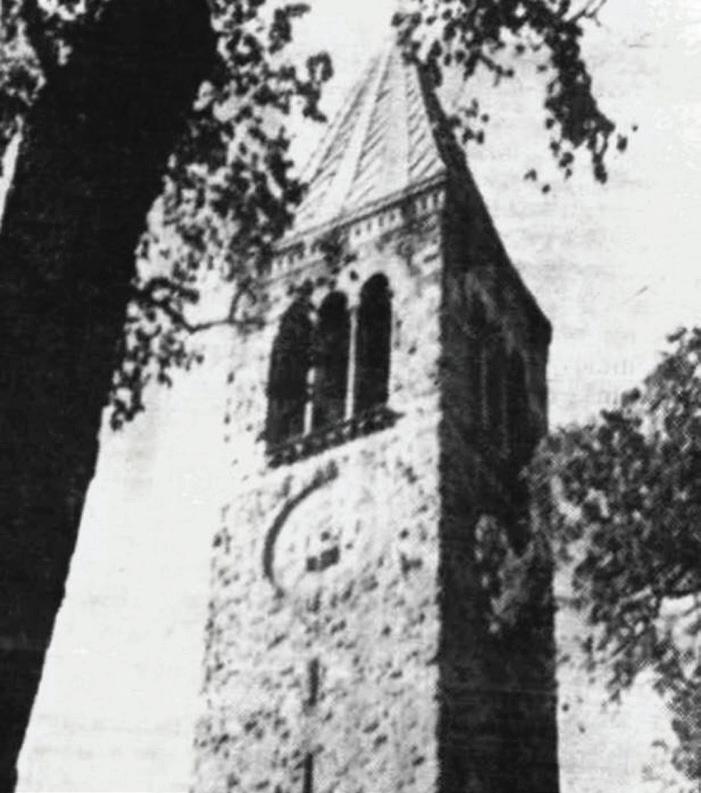
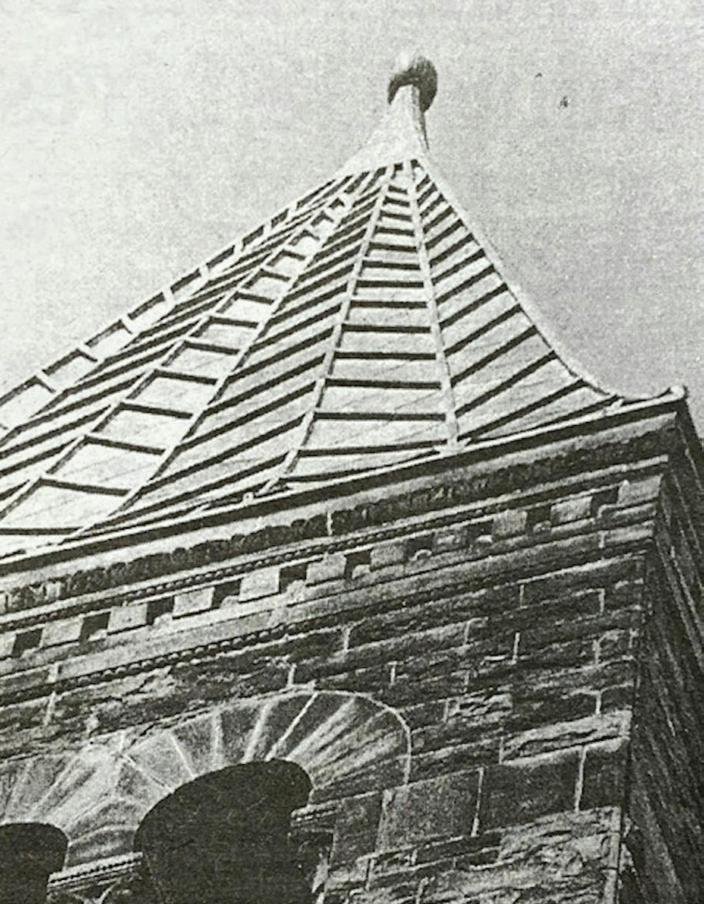
Before the official library was constructed, McGraw Hall, which was built in 1872, served as the campus library. McGraw Hall’s tower was the Chimes’ first home.
“[McGraw Hall] initiated a tradition of inseparable partnership between the books and the chimes, the most important central resource that defined the purpose of the institution — The symbolic core of the university and the beginning of an icon,” Carney wrote.
Earle highlighted the connection between the ringing chimes and the books.
“It was White who first suggested a tower be incorporated into the building plan,” Earle wrote in a statement to The Sun. “White felt that books were the
heart of a modern nonsectarian university, and so the most iconic and prominent building should be the library, not the chapel.”
After several years of project development and delay, a competition between architects Henry Van Brunt and Miller began in 1888. The judgement of Trustees and the Library Committee that oversaw the building plans would determine the final architectural designs and lead architect.
Van Brunt’s concept featured the building in more of a “Cathedral configuration,” as described by Carney. President Adams and AD White rejected this design due to its “cruciform plan” and “overly complex ornamentation,” according to Carney.
“In great contrast, the Miller design featured a simple and elegant tower, appealing aesthetically and more functional than Van Brunt’s, incorporating an innovative plan,” Carney continued, “The tower’s delicate connection to the rest of the library was a key factor, as it allowed the tower to stand apart, graciously, from the mass of the building, maintaining a high level of visibility from all sides of the campus and from the town at the base of the hill.”
To continue reading this story, please visit www.cornellsun.com.
Unemployment Is a ‘Full-Time Job’ For Recent Grads
By SOFIA LOAYZA Sun Senior Writer
This story was originally published on Nov. 19. Sofia Loayza received the 2025 Region 1 Mark of Excellence Award in Feature Writing from the Society of Professional Journalists for this article.
Each morning, Jake Fishman ’25 opens his laptop to repeat the same ritual. Scrolling through Handshake, LinkedIn and Indeed, he submits countless cover letters and resumes that, according to him, rarely get a response.
Since graduating from Cornell’s Nolan School of Hotel Administration in May, Fishman estimates that he has applied to more than 300 jobs and has only heard back from five.
“Despite being unemployed, I’m somehow busier than ever,” Fishman said. “Basically, applying for a job is a full-time job.”
While Fishman tells himself that he is bound to find a job as a Cornell graduate, months of unanswered applications made him question that assumption.
“Cornell is such a great school that everyone gets hired eventually … at least that’s what I tell myself,” Fishman said. And yet, he finds himself wondering, “Was it really worth it?”
Rising Unemployment Rates
Fishman’s frustration echoes a growing national trend among college graduates.
The U.S. unemployment rate for recent college graduates rose from 4.3 percent in June 2023 to 4.6 percent in June 2024 and to 4.8 percent
in June 2025, according to the U.S. Census Bureau and U.S. Bureau of Labor Statistics. Additionally, unemployment rates for recent college graduates have been consistently higher than the average unemployment rate of all workers aged 16 to 65 since January 2021.
“Cornell is such a great school that everyone gets hired eventually ... at least that’s what I tell myself.”
Jake
Fishman ’25
The University’s data mirrors this national trend. According to the Cornell Student Outcomes website, 88 percent of the Class of 2024, for all degree levels, reported being employed or in graduate school within six months of graduation. This is a decrease of 5.5 percentage points from the reported 93 percent of the Class of 2023 who were employed or in graduate school within six months of graduation, according to the Career Services 2023-2024 Annual Report.
Prof. Evan Riehl, economics, said that national data reflect structural shifts in the labor market.
“The share of the long-term unemployed who are college graduates is … growing,” Riehl said. “So it seems like something is changing.”
One likely explanation is technological displacement, says Riehl.
According to reporting by The New York Times, the rise of artificial intelligence has created a misalignment between the skills employers demand and the skills workers
possess. This technological shift is now affecting white-collar workers, including college graduates, by automating tasks that previously required a college education, Riehl explained.
“For college graduates, traditionally, they have good employment prospects because they’re knowledge workers,” Riehl said. “But of course, with the recent advances in AI … a lot of those skills are now possible to do with technology.”
According to Riehl, the most dramatic recent change has been in computer science.
“It’s kind of ironic, because what AI is particularly good at is coding,” Riehl said. “So you could potentially be replacing entry-level coders.”
‘Applying for jobs is a full-time job’
Fishman began applying for jobs in Fall 2024 as he started his senior year. Since then, he hasn’t stopped. Of the hundreds of applications Fishman sent out, he said he heard
“Honestly, I feel like the Cornell name definitely is helpful, but I thought it would be stronger than the way it’s been.”
Jake Fishman ’25
from less than 2 percent of them.
“It was just very frustrating,” Fishman said. “Because I would meet with Cornell and their career center, and they told me, ‘Oh, your resume looks great. You have so much experience.’”
Fishman spent the summer working as a nightlife manager and host to help bolster his resume, describing
it as a “great experience,” but said that “still nothing really is working.”
After unsuccessful online applications, Fishman decided to pitch himself in person. He described going to hotels around New York City to drop off physical copies of his resume to potential employers.
“I did a little elevator pitch,” Fishman said. “‘Hi, I’m Jake. I just graduated from Cornell’s Hotel School. I have several years of hospitality experience, and I’m really interested in working at your hotel.’”
Even this more personal approach yielded little improvement, with only one hotel responding.
Navigating the job market led Fishman to reconsider the real value of a prestigious degree.
“Honestly, I feel like the Cornell name definitely is helpful, but I thought it would be stronger than the way it’s been,” Fishman said.
Riehl, however, emphasized that Cornell’s reputation will likely continue to hold weight.
“Employers are often receiving hundreds of applications, so you need some way to get your resume pulled out of the stack, and a Cornell degree is one thing that can help with that,” Riehl said. “Cornell students will still do well, but the labor market they’re entering is fundamentally different than even five years ago.”
Despite nearly a year of job hunting, Fishman continued to apply for new positions.
“Applying for a job is a full-time job,” Fishman said. “Every day [I] wake up and apply to jobs [and I hope] something new is posted.”
Sun Features Editor
SUN FILE PHOTO
SUN FILE PHOTO
Jane Haviland can be reached at jhaviland@ cornellsun.com.
Weill Cornell Medicine in Qatar Goes Remote
By SHUBHA GAUTAM Sun Assistant News Editor
This story was originally published on Mar. 4.
Weill Cornell Medicine in Qatar transitioned to remote learning and work on March 2 due to ongoing military actions in the region, according to a Cornell spokesperson.
The decision follows the shelter-in-place directive issued by the U.S. Embassy in Qatar on Sunday. In the directive, the embassy recommended all Americans in Qatar to follow the directive “as the Iranian government and its proxies may seek to target Americans in retaliation for U.S. strikes against Iran.”
Qatar saw dozens of explosions over the past week. According to a report released by its Ministry of Defense on March 3, 101 ballistic missiles and 39 drones were detected flying towards its airspace since Saturday. The nation’s airspace is currently closed due to ongoing attacks and threats to Hamad International Airport, according to a spokesperson from the Ministry of Foreign Affairs.
According to a Cornell spokesperson, Weill Cornell Medicine - Qatar campus facilities will be closed “until it is deemed safe to open.”
“We are closely monitoring the situation and following guidance from the State Department and the Government of Qatar,” the spokesperson stated. “Cornell is providing support services for U.S.-based students from affected regions. We are also maintaining communication with members of our community traveling on university business in the Middle East.”
The spokesperson did not specify what support services Cornell is providing.
The school, a joint venture between the Qatar Foundation and Cornell, opened its doors in 2001 and currently comprises 348 students, offering both six-year and four-year medical school programs. It has 89 faculty members, who teach and provide medical care at various Qatar healthcare facilities, and 31 active research laboratories.
A March 3 statement released by President Michael Kotlikoff and Robert Harrington, Stephen and Suzanne Weiss dean for Weill Cornell, stated that the two have been communicating with Weill Cornell MedicineQatar Dean Javaid Sheikh and “will continue to provide support to his administration as needed.”
Along with Weill Cornell, multiple U.S. higher education institutions operate campuses in Qatar, including Georgetown, Northwestern, Virginia Commonwealth, Texas A&M and Carnegie Mellon. All five are conducting campus operations and classes remotely until at least the end of this week.
Kotlikoff and Harrington’s statement stated that the “well-being of every member” of the University remains a priority.
“To our students and colleagues in Qatar, and those with friends and relatives across the region, know that you are in our hearts and thoughts during this challenging time,” Kotlikoff and Harrington wrote.
Shubha Gautam can be reached at sgautam@cornellsun.com.
Files Show Epstein Corresponded With Former Undergraduate
By ATTICUS JOHNSON Sun News Editor
This story was originally published on Feb. 1.
Convicted child sex offender and financier Jeffrey Epstein maintained a correspondence in 2016 with then-Cornell undergraduate David Karp ’16, son of Brad Karp, the chairman of powerful law firm Paul Weiss, according to emails released by the Department of Justice on Jan. 30.
In the emails, Epstein connected Karp, an aspiring filmmaker, to meet with Woody Allen, the controversial actor-director, through Karp’s father, Brad Karp.
Throughout the exchanges, there seems to be no evidence that David Karp engaged in anything illegal with Epstein, or that he traveled to Epstein’s private island, Little St. James, though Epstein had already been convicted in 2008 for child prostitution.
At Cornell, David won the “MyCornell” sesquicentennial video contest and his photography was featured on Cornell’s Facebook account.
Brad Karp also communicated with Epstein through his representation of Apollo chairman Leon Black, writing in 2015 to Epstein that he “can’t thank you enough for including me in an evening I’ll never forget,” and that it was “‘once in a lifetime’ in every way, though I hope to be invited again.”
Though Brad emailed Epstein in June 2016 asking for David to work on Woody Allen’s new movie, Wonder Wheel, David was already connected with Epstein as early as January 2016, and attended another Allen screening in May 2014. It is not clear from the released emails when David got in contact with Epstein.
On Jan. 3, 2016, David emailed Epstein 20 questions for Woody Allen, who he was to have dinner with on Jan. 7. Epstein emailed back asking David to “give me your top ten tonite if possible.”
In a March 2016 email, Lesley Groff — Epstein’s longtime assistant and planner — wrote to Epstein to say that “Jeffrey will
Kotlikof Inaugurated as Cornell’s 15th President
By ISABELLA HANSON Sun Senior Writer
This story was originally published on Oct. 28.
President Michael Kotlikoff was formally inaugurated as Cornell’s 15th president during a ceremony in Barton Hall on Oct. 24. Following his appointment as interim president on May 9, 2024, Kotlikoff was named President in March 2025, eight months into his two-year interim term.
The inauguration, which took place during the Trustee-Council Annual Meeting, followed a dinner for trustees, council members and guests.
In his presidential inauguration speech, Kotlikoff shared that “being named Cornell’s 15th president has been a humbling experience, as it adds my own to a list of names that have shaped and defined Cornell for the past 160 years.”
He added that “It’s a different thing to be inaugurated as president of the University where you’ve spent most of your career — when you’ve been asked to help shape the future of an institution that is already your home, and to which you owe a debt of gratitude impossible ever to repay.”
Anne Meinig Smalling ’87, chair of the Board of Trustees, opened the event. She was assisted by life trustee Ezra Cornell ’70, the great-great-great grandson of the University’s founder, who presented the University charter to Kotlikoff, employee-elected trustee Hei Hei Depew, who bore the
University seal and faculty-elected trustee Durba Ghosh, who bore the University mace.
“Over his quarter-century at Cornell, Mike [Kotlikoff] has experienced every facet of the University. As a professor, lab director, teacher and mentor, researcher, department chair, dean and then as the longest serving provost in Cornell history,” Smalling said. “It’s no surprise that Mike brings to the office and to the role of the presidency both an unrivaled institutional knowledge and an unwavering commitment to academic freedom and Cornell’s core values.”
Following remarks from friends of Kotlikoff, including Prof. Rick Cerione, molecular medicine, and Prof. Emeritus Glenn Altschuler, Ph.D. ’76, American studies, Smalling invited Kotlikoff to the stage for the official investiture ceremony.
“The college presidency is one of the most influential of all positions because the future leaders of the world sit in our classrooms,” Smalling said.
As Cornell displayed the University charter on stage, Smalling emphasized its weighty significance.
“Let it be for your constant reminder of our mission of service to the people of the state, the nation and the world,” Smalling said.
To continue reading this story, please visit www.cornellsun.com.
Isabella Hanson can be reached at ihanson@cornellsun.com.
Cornell Renames Ofce of Academic Diversity Initiatives
screen Woody Allen’s new movie today at 3pm...he is asking if David (Karp) could join him for this...please let me know!”
Thirty minutes later, David emailed back to say, “So excited for the screening! My girlfriend is out of town, but I will be there. Thank you so much!”
Later that year, in June, Brad emailed Epstein asking for David to work on Woody Allen’s new movie, Wonder Wheel, writing “Can I raise a personal issue with you concerning my son David? … He would love to work, in any capacity, with Woody on his upcoming film project, if that’s a possibility. He certainly doesn’t need to be paid and he’s a really good, talented kid.”
Epstein listened, texting Allen in August, “Re David he’s 22 and worked on Scorsese production of Vinyl,” and writing 10 minutes later, “He will do anything and does not need to get paid.” Finally, Allen texted Epstein the number of his assistant, Helen Robin.
David met with Robin on Aug. 22, emailing Epstein immediately after, “she’s going to put me in contact with the assistant directors so I can function as an additional production assistant on days with big shoots.”
“Thank you again for setting this up, it means a lot to me that you’ve taken such an interest in helping my film career,” he wrote.
Epstein and David remained connected through 2018, when Epstein asked Brad, “does your son have time to screen woodys new movie with me today at 2 pm. ?” According to email exchanges, David attended the viewing of A Rainy Day in New York, and after 2018, there are no further correspondences or mention of David in the files released by the Justice Department.
David Karp co-founded Thrice Cooked Media, a music and film production company, in 2018 and now works as a creative director at the company.
Atticus Johnson can be reached at ajohnson@ cornellsun.com.
By ZEINAB FARAJ Sun Senior Editor
This story was originally published Aug. 2.
Cornell has officially renamed its Office of Academic Diversity Initiatives to the Office of Academic Discovery and Impact as of Aug. 1, according to an email sent to Pre Professional Programs scholars by Kristin Dade, director of OADI.
The Aug. 1 email, which was signed off by OADI Director William “Woodg” Horning, Dade and the entire OADI team, describes that the “very exciting” name change followed “think[ing] strategically about who we are and how all students see us across campus.”
The new name “aligns with the OADI mission and vision and the key goals of the Vice Provost for Undergraduate Education curiosity and connection,” according to the email obtained by The Sun.
The office wanted to maintain the “signature moniker of ‘OADI’” due to its Arabic and Swahili meaning, according to the email. OADI’s website states that the word “refers to a cool protected passage route/valley through a desert, often formed by a seasonal river.”
The new name highlights OADI’s centering of “‘discovery’ for scholars as they approach and proceed through their academic journey” and the “‘impact’” each scholar brings to campus, according to the email.
According to its website, OADI works to ensure all students have equal access to educational and pre-professional programs and resources by offering academic support, scholarships, mentorship and community events. OADI’s origin spans back to 1963, through the historic Committee on Special Education Projects, which has been renamed and reorganized several times since.
“The new OADI emerged as a way for students to see themselves in our space be they first generation, low income, foster youth, Veterans, non-traditional, trans -
fer, students from diverse backgrounds and/or any other student that finds space in our community,” the email reads.
In March, the University temporarily removed its diversity, equity and inclusion references and discrimination resources from its Equal Education and Employment Opportunity Statement. However, the University quickly adjusted the statement back to its near-original condition and explained the original revision as a “clerical error.”
“Our commitment to equal opportunity remains steadfast,” a University spokesperson wrote in an email to The Sun.
The OADI name change comes amid reported settlement talks between the Trump administration and the University to resume frozen federal funds.
The New York Times reported in April that the Trump administration had frozen over $1 billion in federal funding for Cornell, based on accounts from two unnamed U.S. officials. Cornell President Michael Kotlikoff told The Sun in early May that the University had seen approximately 120 stop-work orders until that point, along with the termination of grants over political concerns.
The University did not respond to a request for comment on why the name was changed or if it was linked to the ongoing agreements with the Trump administration by time of publication.
The office’s name switch follows similar changes at peer institutions. Harvard renamed its Office of Equity, Diversity, Inclusion, and Belonging to the Office for Community and Campus Life. Syracuse University recently closed its Office of Diversity and Inclusion, folding operations into a new unit called People and Culture.
“Our OADI team have expertise in supporting students from all walks of life and we look forward to doing so for the next 50+ years,” the email reads.
Zeinab Faraj can be reached at zfaraj@ cornellsun.com.
CAR INCIDENT
Continued from page 4
Kotlikoff then “waited until [he] saw space behind the car” and used his “car’s rear pedestrian alert and automatic braking system” to “slowly maneuver” out of the parking spot, Kotlikoff wrote in his email to the Cornell community.
The footage shows 15 seconds passed between Kotlikoff entering the vehicle and backing out of the parking spot.
While leaving the parking spot, Kotlikoff backed into Athas with his car and ran over Vallecillo’s right foot after Athas asked “am I allowed to stand here?” while standing behind Kotlikoff’s car, according to video obtained by The Sun.
Kotlikoff drove away without saying anything to them while Vallecillo yelled to Kotlikoff, “You just rolled over my f*cking foot, oh my god,” according to Vallecillo’s statement to The Sun and video footage obtained by The Sun.
Following the incident, the SDC members called the Cornell University Police Department, who responded to the call, took statements from the SDC members and called for Cornell Emergency Medical Services.
Cornell EMS were dispatched to the Day Hall parking lot at 8:31 p.m., mentioning a “college male” whose “foot was run over by a vehicle,” according to an audio recording of the Tompkins County police scanner.
Vallecillo told The Sun he was seen on site by Cornell EMS, but has not received any further medical treatment. As of May 1 he told The Sun that his right foot is “painful … to walk on.”
No charges have been pressed, and Vallecillo
said he feels “fearful” and “intimidated” of pressing charges with CUPD “considering Michael Kotlikoff is the boss of CUPD” and has released a statement that includes “false information about us and our actions,” he said.
In his May 1 email, Kotlikoff described the individuals involved as students and non-students who “are known to Cornell for their past conduct” and have “a long history of ongoing verbal and online abuse” towards members of Cornell’s administration and staff” and “disruptive protest.”
President Michael Kotlikoff sent an email blast to the Cornell community titled “Harassment and intimidation incident at Day Hall” on the morning of May 1, after Students For a Democratic Cornell members followed him out of a Cornell Political Union debate and questioned him on Thursday evening.
Vallecillo described Kotlikoff’s characterization of the individuals as a “deliberate lie” and said all four SDC members who were in the Day Hall parking lot have “no prior conduct record.”
“[On April 30,] Michael Kotlikoff made it clear that he would rather violently attack students than engage with us,” Athas wrote in a press release sent to The Sun. “This is representative of the culture that Cornell’s administration cultivates on campus, where students are afraid to speak out against University administration for fear of repression.”
Varsha Bhargava, Mary Cailtin Cronin and Sophia Dasser can be reached at vbhargava@cornellsun, mcronin@cornellsun and sdasser@cornellsun.com.
SETTLEMENT
Continued from page 4
The settlement comes after Cornell ranked second-highest among the Ivy League universities in federal lobbying spending in the year thus far, following Q3 filing. The University was also reportedly close to a $100 million settlement deal earlier this year, according to Bloomberg. Kotlikoff denied this claim in an interview with The Sun, saying, “I wouldn’t agree that we’re necessarily very close to a settlement, and I wouldn’t agree with a number that was published.”
Cornell is the fourth Ivy to strike a deal with the federal government to restore funding, following the University of Pennsylvania, Brown University and Columbia University.
“The months of stop-work orders, grant terminations, and funding freezes have stalled cutting-edge research, upended lives and careers, and threatened the future of academic programs at Cornell,” Kotlikoff wrote. “I am grateful for the dedication and resilience of the faculty, staff, and students who have found ways to continue moving critical work forward throughout these unprecedented events.”
The settlement is effective until December 31, 2028.
“With this resolution, Cornell looks forward to resuming the long and fruitful partnership with the federal government that has yielded, for so many years, so much progress and well-being for our nation and our world,” Kotlikoff wrote.
Gabriel Muñoz can be reached at gmunoz@cornellsun.com.
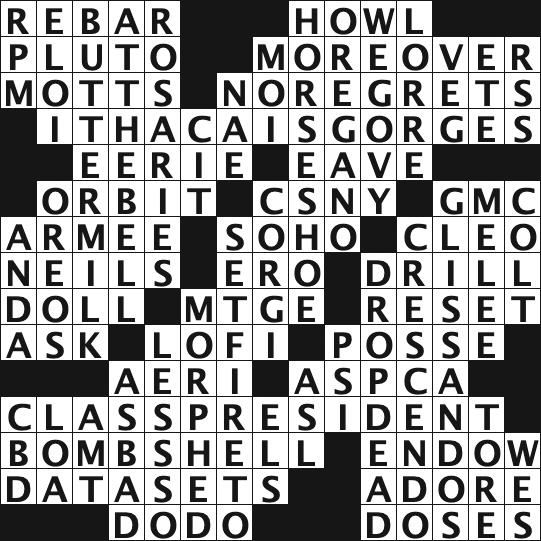
UNEMPLOYMENT
Continued from page 15
Fishman’s nearly year-long job search finally paid off — in an update shared after his interview with The Sun, Fishman says he has since accepted a job as a travel and lifestyle member services associate at Atlas.
The role came through networking, a pathway Riehl said remains a key factor in today’s job market.
“There’s a lot of research in economics showing that a lot of hiring is done through referrals and networking,” Riehl said. “Part of the value that students get from going to places like Cornell is getting tapped into that alumni network, and that will continue to have value for many years to come.”
Fishman said that turned out to be true for him.
“I feel like people always say to utilize your network but that was honestly the key,” he wrote in a text to the Sun. “If you want something, reach out to the people that can make it happen. It all works out.”
Federal Hiring Freeze Shakes Post-Grad Plans
For Ava LaGressa M.P.A. ’25, her attempts to find work were met with the effects of a federal hiring freeze.
LaGressa initially applied to five federal positions through USAJobs, including what she called her “dream job” as a program evaluator at the National Gallery of Art.
“I got a response back asking for an interview,” LaGressa said. “And then when Trump was inaugurated and announced the federal hiring freeze, they closed the job completely.”
After the federal hiring freeze, LaGressa pivoted and began applying to city government jobs, nonprofits and private organizations. As of this fall, LaGressa says she has applied to nearly 80 jobs spanning many sectors.
Widespread government cuts have pitted entry-level applicants like her against long-serving government workers now seeking the same positions, according to LaGressa.
“Entry-level jobs are being taken by people who have years and years of experience, because they have that knowledge, they have that expertise and they’re willing to take the pay cut to be able to support themselves and their family,” LaGressa said. “I don’t really stand a chance next to someone who has 10 plus years of experience.”
LaGressa began applying to jobs in January 2025 as she approached graduation. She recalled her first semester at Cornell and said that the highlight of the M.P.A. program at the time was that 90 percent of M.P.A. graduates graduate with a job.
“So I [thought], ‘I’m going to graduate [from] this program with a job.’” LaGressa said. “I thought that the effort [I’ve been] putting in … would be enough for me to have a job.”
The federal hiring freeze and cascading layoffs changed that reality for graduates like LaGressa, who hoped to enter the government and policy field.
LaGressa said she has repeatedly reset her job-search strategy — from mass applying to jobs, to networking, meeting alumni,
building a website and publishing LinkedIn articles — but has heard back from only about a fourth of the positions she applied to.
“You feel like you’re living [in] Groundhog Day,” LaGressa said. “[Every day] I’m getting up … and I’m just searching for jobs for five hours. Or I’m writing another cover letter … you have to keep going and switching it up so you don’t fall into a depression of not having a job.”
A move home helped ease some of the financial pressure, LaGressa said, but she still has bills to cover while balancing two part-time jobs with her concurrent job search.
“Working these jobs at the same time as I’m trying to apply to jobs and trying to network is proving difficult,” LaGressa said. “I put in so much work to get to where I am today, and I feel like I want my salary, my benefits to show for that, and I also want to work in an organization that I actually care about.”
LaGressa seeks a role that matches the effort she has invested in her education. However, the constant pressure to find a job has taken an emotional toll.
“It took a lot for me to get here to Cornell,” LaGressa said. “It took a lot of money to pay for this degree, and I feel like I’m almost letting my family down by not … having a job and showing that my education was worth it.”
A Different Path: Balancing Two Jobs After Graduation Miguel Barrera ’24 has taken a different path to employment, one that he did not anticipate. Barrera studied plant science and worked as an undergraduate research assistant during all four years of college. He imagined he would pursue a Ph.D. after graduating.
Ultimately, when the plant science programs he had been accepted into weren’t his first choice, Barrera decided that he wanted to try again the following year.
He then found temporary lab work, then full-time employment in Ithaca, where he has remained since graduation.
“Since graduating, I’ve been working here in Ithaca. My plans changed, I realized that I didn’t want to go to grad school for plant science,” Barrera said. “I actually want to go to law school, so that’s kind of my trajectory right now.”
Barrera currently works in Prof. Greg Vogel’s, plant breeding and genetics, lab while also serving two consecutive resident advisor roles in the Sigma Pi fraternity and Phi Tau fraternity houses. He now juggles the responsibilities of two jobs.
“I work a nine-to-five, and so that’s Monday through Friday,” Barrera said. “And then I have the miscellaneous responsibilities of being an RA.”
Barrera’s current working situation looks different than he had expected.
“Graduating college, I did expect to just find a traditional full-time nine-to-five job,” Barrera said.
To continue reading this story, please visit www.cornellsun.com.
CORNELL BY THE NUMBERS
U.S. News & World Report Rankings
Cornell University Cornell Law School
No. 12
Best university in the country.
No. 16
Best university in the world.
No. 13
Best law school in the country.
No. 1
“Law Schools With the Most Graduates at Big Law Firms” in the country.
American Bar Association Ranking
Cornell Law School posted the highest legal employment rate among U.S. law schools for its 2025 graduating class.
99.49%
Legal employment rate for the 2025 graduating class.
All but one out of Cornell Law’s 197 juris doctor graduates in 2025 secured full-time, long-term employment requiring or anticipating bar passage within 10 months of graduation, according to ABA.
Class of 2030
Ivy Day at Cornell was a typical early-spring March 26 in Ithaca, with a sunny start and a rainy end. Architecture students cobbled together their 125th wooden Dragon Day sculpture, and Cornellians began driving, flying, busing and biking away for a break from campus.
And, at approximately 7 p.m., applicants to Cornell opened their decision letters to the sound of Cornell’s alma mater, welcoming them to join the 5,776 students in Cornell’s admitted Class of 2030.
The newly-minted admits to the Cornell community — hailing from all 50 states and 102 countries — will join a community of students studying nearly 80 majors across eight different colleges.
From A.D. White Library’s study nooks to spikeball tournaments on the Arts Quad to checking boxes on the 161 Things list, the Cornellian experience awaits the newly admitted class.
The number of students admitted in the Class of 2030 decreased by 0.8% from the Class of 2029’s acceptances. Last year’s acceptances by Ivy Day totalled 5,824, 48 admits more than this year’s batch.
There were several changes to the Cornell application process since the Class of 2029’s admission cycle.
For the first time since 2020, Cornell applicants were required to submit their SAT and/or ACT test scores.
Additionally, following the November settlement between Cornell and the Trump administration to restore over $250 million in federal funding to the University, Cornell is now required to provide “anonymized undergraduate admissions data” to the federal government, according to the settlement. The data will be broken down by “individual schools, race, grade point average and standardized test performance.”
Early decision applicants were notified of their acceptances on Dec. 18, and are fully committed to attending Cornell with the exception of financial concerns.
Million-Dollar Alumni Donations
Cornell received five major donations that resulted in name changes in its colleges and schools in the past six years, exceeding the amount of similar donations in the past 30 years, according to figures published in the Cornell Chronicle.
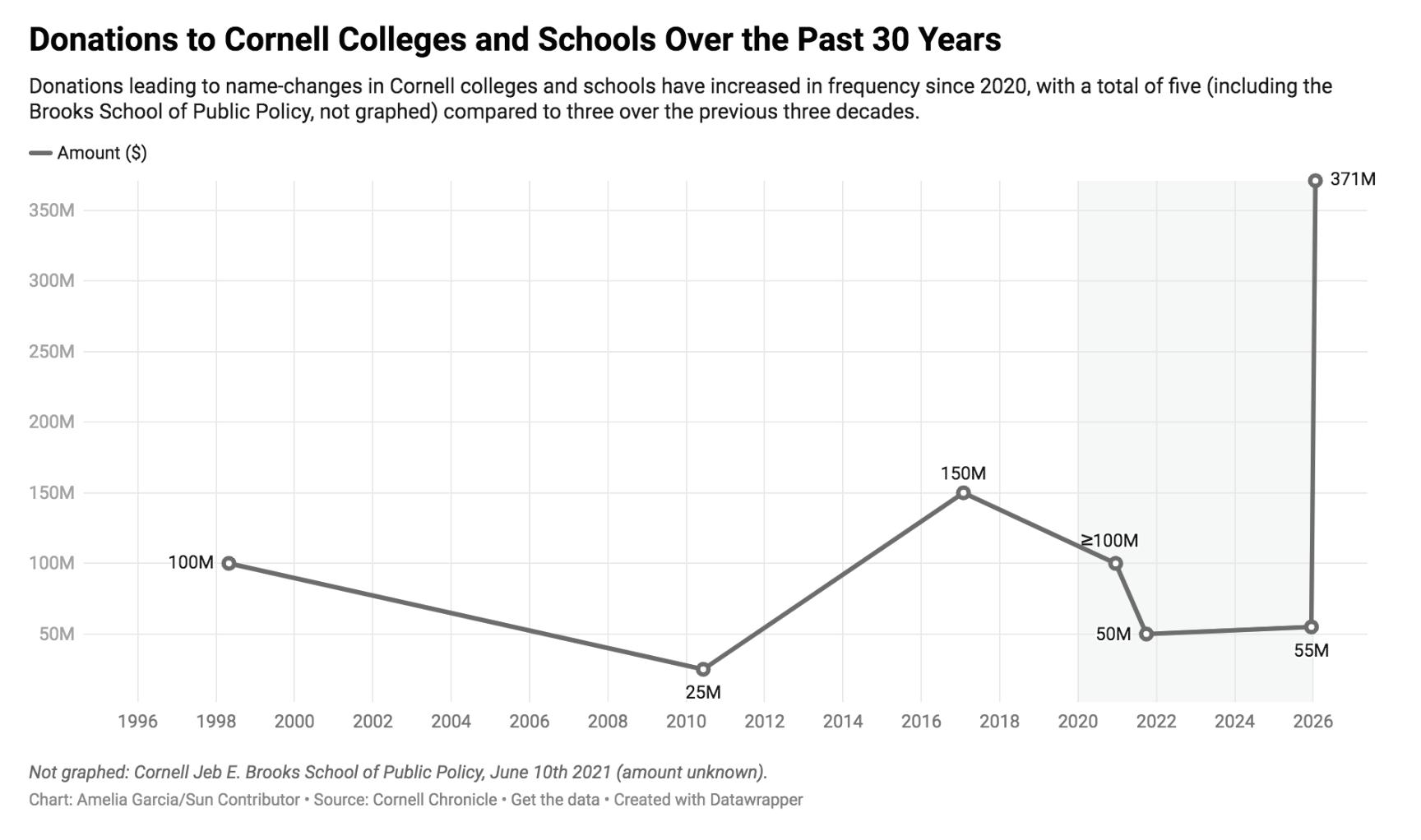
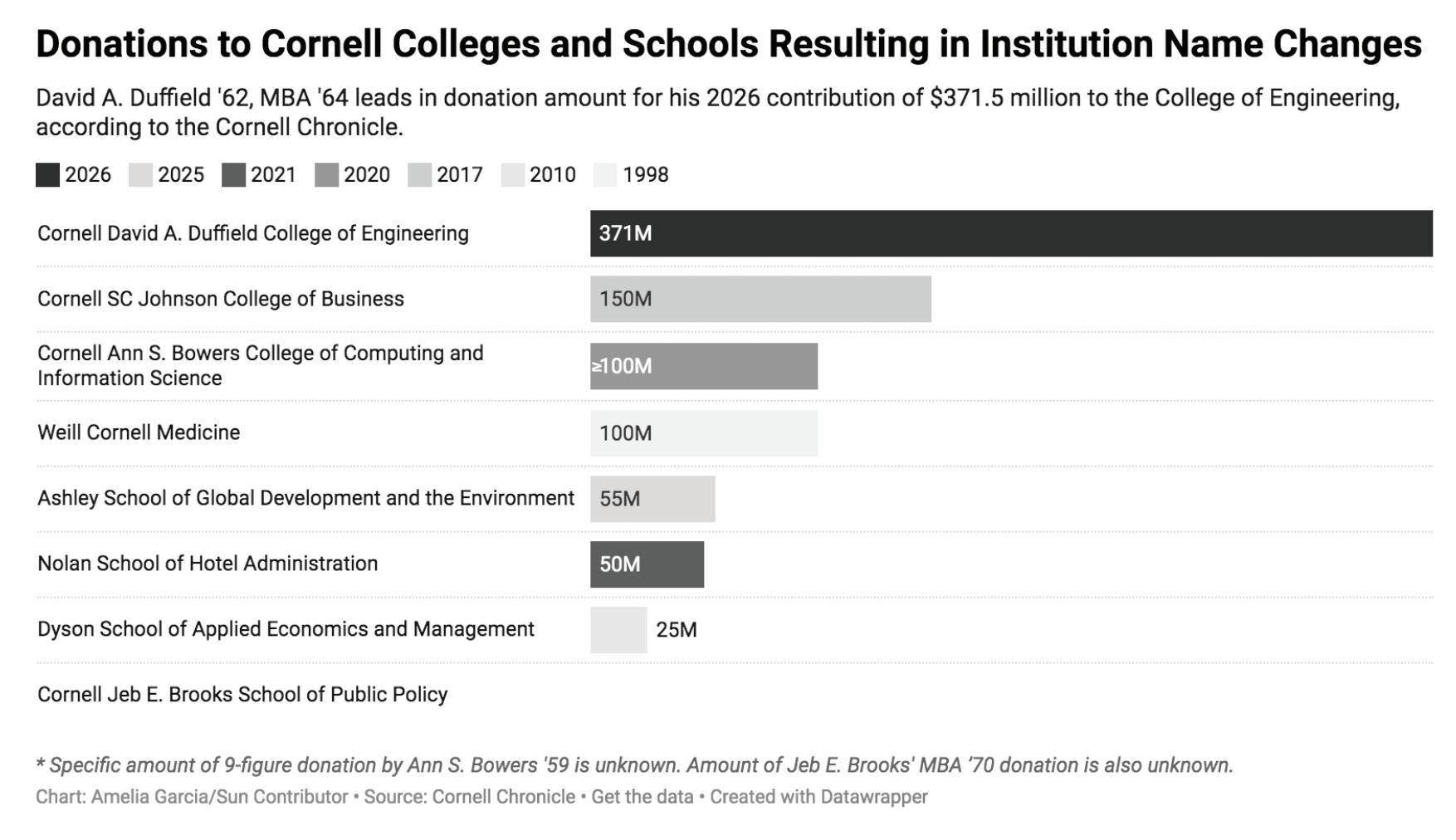
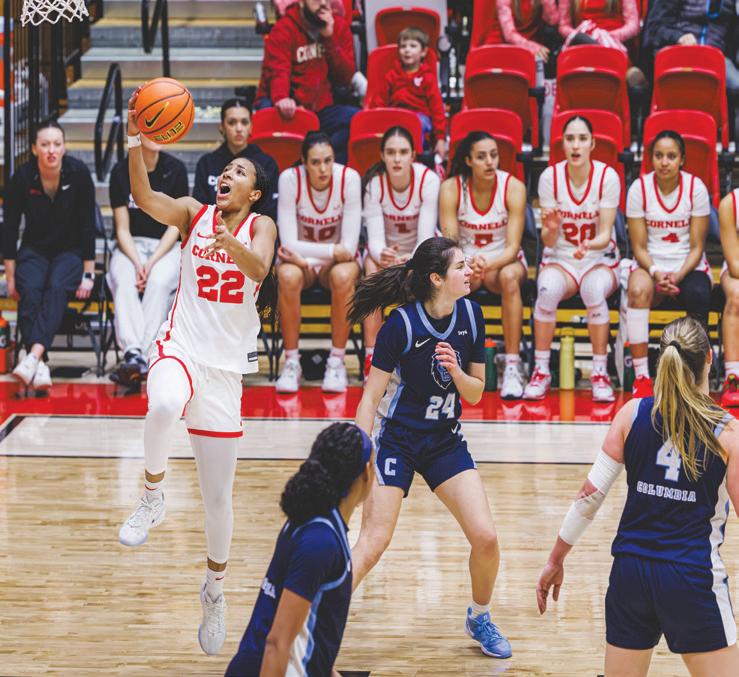
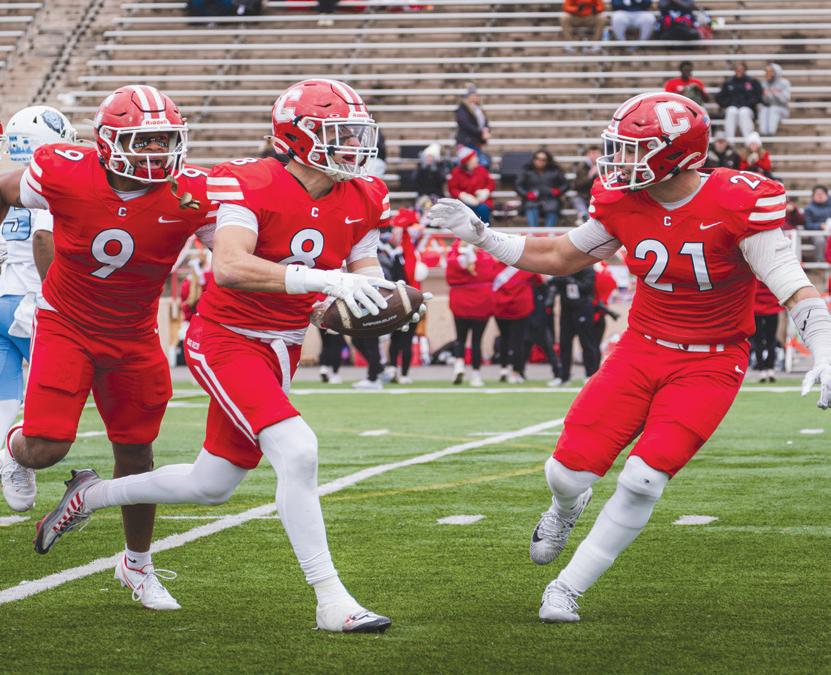
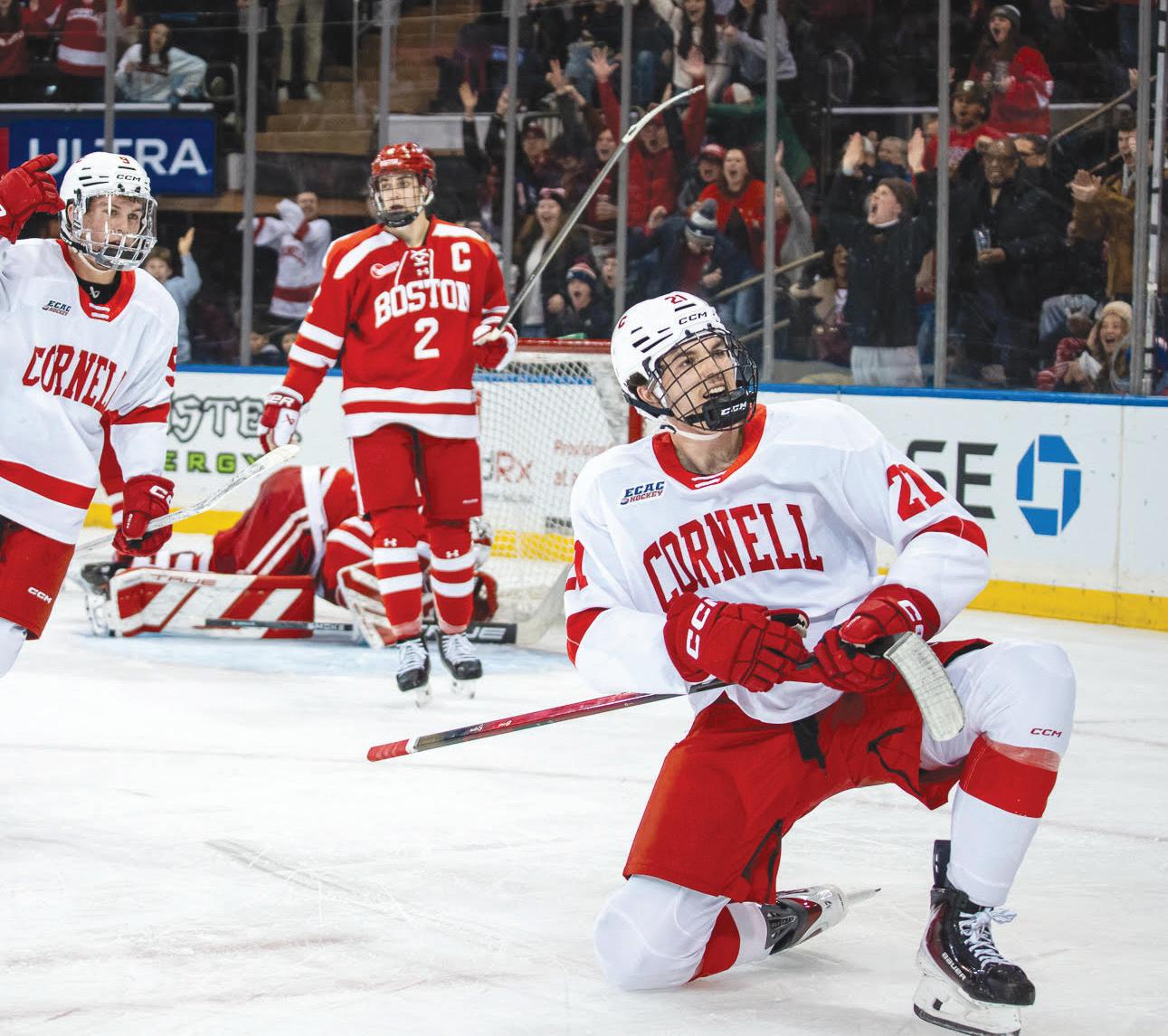
2025-2026 in Sports
June 24: Two women’s hockey players in the Class of 2025 are selected in the PWHL Draft, headlined by Rory Guilday ‘25 picked in the first round.
Sept. 5: Legendary men’s hockey goaltender and NHL Hall of Famer, Ken Dryden, dies at 78 after a battle with cancer.
Sept. 26: Field hockey shuts out No. 17 Yale, 2-0, in the first-ever game at the new Marsha Dodson Field.
Sept. 27: Men’s soccer stages a come-from-behind victory to top Yale for the first time in 10 years.
Nov. 8: Football downs Penn, 39-17, at Franklin Field to claim the Trustees Cup and extend its winning streak to four for the first time since 1999.
Nov. 29: Boston University reclaims the Kelley-Harkness cup as the Terriers defeat men’s hockey, 2-1, at Red Hot Hockey at Madison Square Garden.
Jan. 19: Men’s basketball’s senior guard Cooper Noard becomes the 29th player in program history to hit the 1,000 point benchmark.
Feb. 8: Senior Ketki Ketkar becomes Cornell’s first individual Ivy League champion in program history after securing the epee title.
Feb. 19: Rory Guilday ‘25 wins an Olympic gold medal in Milan as Team USA downs Team Canada in the women’s hockey gold medal game. Brianne Jenner ‘15 and Kritin O’Neill ‘20 earned silver medals for Canada.
March 6: Women’s hockey’s season ends in the ECAC Tournament semifinals with a 7-2 loss. After reaching the Frozen Four the year prior, Cornell is the first team out of the NCAA Tournament.
March 14: With Cornell hosting Ivy Madness at Newman Arena, men’s basketball fell to top-seeded Yale in the semifinals. The loss marked the fourth year in a row that the Red had its season ended by the Bulldogs.
March 15: Men’s hockey defeats Harvard in the deciding Game 3 of the ECAC quarterfinals at Lynah Rink, punching its ticket to Lake Placid.
March 27: Men’s hockey’s season ends in the NCAA Tournament regional semifinal after a 5-0 loss to Denver in Loveland, Colorado. Two juniors ink NHL contracts in the days following.
April 25: Men’s tennis secures its first Ivy League title since 2017 after a 4-3 win over fellow Ivy leader Columbia. Rodrigo Fernandes defeated the two-time NCAA singles champion in the process.
April 25: Women’s lacrosse defeats Yale, 11-10, on senior day. The Bulldogs were previously unbeaten in Ivy League play and topped the conference standings.
April 27: With her 19th home run of the 2026 season, senior Lauren Holt sets the Ivy League single-season home run record. Softball concludes its season with a 21-22 record, its best since 2013.
May 9: Men’s lacrosse’s national title defense falls short as it falls in overtime to Johns Hopkins in the first round of the NCAA Tournament held at Schoellkopf Field.
Jonathan Castagna: Te NHL’s Newest Diamond in the Rough
By JANE McNALLY Sun Senior Writer
This story was originally published on April 27.
It unfolds in the blink of an eye. If you look away too long, you might miss it.
It begins with a blocked shot, and a couple of bounces later, a powerful stride to break past two opposing defensemen. He’s down the sheet of ice in mere seconds before executing a silky stickhandle and snappy release.
Hands in the air, he barrels into the boards, rival fans hushed to stillness. It was a perfect move, and everyone knows it.
But make no mistake — that’s not Connor McDavid tearing in at speed, or Patrick Kane deking or Cole Caulfield picking his corner and finishing.
That’s Jonathan Castagna.
“He’s just a terror,” said associate head coach Sean Flanagan. “He’s a high-paced player, and he just makes things happen offensively. It’s really hard for guys to stop him.”
Castagna, an alternate captain and men’s hockey’s most coveted offensive weapon, is a player unlike any other. Besides the numbers from his breakout junior campaign — 15 goals, 34 points and an NCAA-best 65.2% faceoff win rate that blew away the rest of the competition — he is a combination of all the exciting things you see in your favorite players.
“He’s a pretty dynamic player for us,” said head coach Casey Jones ’90. “His speed is so good, the pace of play. He’s so competitive. He hasn’t left anything on the table in terms of development. He gets after it. He wants to do that. He’s in.”
Castagna’s tenacity did not go unnoticed even before his time at Cornell, which came to an end on March 30 when he inked a three-year entry-level contract with the Calgary Flames. It’s rooted inside him.
“His feet never stop.”
Sean Flanagan, associate head coach
“He’s got this hunting mentality,” said David Manning, head Varsity hockey coach at St. Andrew’s College in Ontario, where Castagna played prep hockey for two seasons before arriving at Cornell in 2023. “He’s just always on the hunt. He’s just always trying to make something happen and be on his toes.”
Castagna never relents — not for one shift, forechecking hard, backchecking harder.
But step off the ice, and you’ll be met with something completely different — a polite, well-spoken Canadian kid, who is quietly humble despite becoming one of the Calgary Flames’ shiniest new prospects.
It’s night and day from the player on the ice.
“He’s got that gift, I would say, that when he steps over the boards and on the ice, he flips the switch,” Manning said. “He’s got a quiet confidence. He doesn’t need to tell you anything about himself. … And for how aggressive and how offensive he is on the ice, he definitely takes his time and is careful with how he interacts. I think that’s a big part of his personality.”
‘He always had this presence about him’ Castagna and Manning don’t exactly have their stories straight.
“He probably didn’t tell you,” Castagna said with a grin.
It was October 2021. Castagna was on his official visit at St. Andrew’s College, perched up in the stands of La Brier Family Arena as practice wore on.
Castagna was sporting a cast on his wrist. He had broken it at an Ontario Hockey League summer camp a few months prior with the London Knights, the organization that had drafted him to play Major Junior hockey, on his very first shift at camp. Had Castagna not broken that wrist, he might have joined the Knights organization, forgone college hockey and never stepped foot on Cornell’s campus.
Serendipitous, but besides the point. It was not a typical visit — Castagna was already playing in the Ontario Junior A Hockey League, set to return to the ice as soon as his wrist would let him. The school year at St. Andrew’s was underway, and Castagna was not on the team. Yet.
“A little bit before that, I had spoken with Coach Manning at SAC because of just mutual connections as well,” Castagna said, “and he actually said no.”
In his conversation with The Sun, Manning — who has spent 18 years as the head Varsity coach at St. Andrew’s — did not mention his initial reluctance to bring Castagna onto the team. But considering how under-the-radar Castagna has flown in his career, it’s not too surprising.
But a couple of months into the season, Manning changed courses, and phoned a disbelieving Castagna.
“[Manning]’s like, ‘You want to come to SAC?’ I was like, ‘Hell no, you said no to me, what’s going on here?’” Castagna laughed. “And then he’s like, ‘Come on, just come check out campus, just give it a chance. You owe it to yourself.’ So I go check it out, and it was one of the coolest things I’d ever seen at the time. Once I saw the campus, it was just impossible to turn the opportunity down.”
“I remember running the practice, and him and his family were here watching, and I came to see him afterwards,” Manning recalled. “We were chatting, and the way he responded … I always called him an old soul. He’s a very thoughtful young man, he chooses his words carefully. He always had this presence about him.”
When Castagna officially enrolled, there was a lot of
“In 25 years, I might have one Jonathan Castagna.”
David Manning, head varsity coach at St. Andrew’s College in Ontario
work to be done. Castagna’s uncontainable energy is evident in every shift — it is what makes him a game-changer. But he needed to learn how to contain it, and Castagna’s first year at St. Andrew’s — a so-so 10-10–20 in 35 games — was proof of that.
“[Castagna] had a good [first] year, but it wasn’t a great year,” Manning said. “I think the big thing for the draft was his motor, his energy. And then it became, is he skilled enough? Is he refined enough?”
Worries melted away quickly when Castagna, in his second year at St. Andrew’s, played his way onto NHL draft boards.
And even after Castagna posted a 29-43–72 stat line in his second and final year at St. Andrew’s — a mountainous improvement — there was more to be done.
Enter the NHL Scouting Combine, where Castagna — up against now-established NHL players like Connor Bedard and Will Smith — placed in the top 10 in six different categories, from bench press to the Wingate Test to agility.
“He continued to get better as the season wore on. That’s really what it came down to,” Manning said. “And so I think when [NHL teams] see a player with that engine who’s getting more refined, and he’s a super athlete — that, I would say, was the last little nudge to get him over the hump.”
“That was probably the best thing that could have happened for me that year in terms of the NHL draft, because I ended up killing the combine,” Castagna said. “As a kid whose name wasn’t even on the radar for most teams at that point, and [who] was a nobody at the beginning of the year, I’m sure it was an eye-opener for NHL teams to see. ‘Hey, this kid’s legit, let’s take a look at him.’”
When NHL Central Scouting released its preliminary rankings in October 2022, Castagna was tabbed as a C-rated prospect — a player that could maybe get selected in the fourth or fifth round. By June, he was a third-round pick and bound for Division I hockey.
“I had no idea that that was even an option for me at that point, so that wasn’t even in my mind,” Castagna said. “I just had a little more experience, was a little more comfortable, was moving into a larger role at SAC in hockey terms, because of all of our graduating seniors. Just a classic example of having a little more experience and confidence.”
‘He just goes’
So, what exactly makes Castagna so formidable on the ice?
“I think he’s just kind of always got his feet moving,” said freshman forward Aiden Long, Castagna’s winger. “His motor is always going.”
“His feet never stop,” Flanagan said. “I think his best games are when he is playing with pace, but he’s also distributing the puck. It’s on his stick, off his stick and guys can’t handle his skating.”
“You see him play, his feet never stop,” Manning said. “He just goes, like he’s just got a motor that not many players have.”
His feet.
“I’m sure I was born with a little bit of God-given talent in skating, and maybe all the other sports I did, like lacrosse, helped me with agility and footwork,” Castagna said. “But there was a lot of work that was put in when I was younger, just establishing a great foundation and all these habits and skating that I could still notice when I’m on the ice today.”
To continue reading this story, please visit www.cornellsun. com.
Sports
Men’s and Women’s Hockey Both Take Ivy League Championship Titles
By JANE McNALLY Sun Senior Writer
This story was originally published on Feb. 17.
It’s not every day that the top two teams in the country have the chance to square off before the final dance.
At this moment, Cornell is the best hockey school in the Ivy League.
It took the help of out-of-town results, but the men’s and women’s hockey programs — both ranked No. 11 in the nation — earned their respective 2025-2026 Ivy League championships over the weekend.
The pair of titles brings the total to 45 earned between the
“We needed some help here in the last week, but we did our part,” said women’s hockey head coach Doug Derraugh ’91. “I’m proud of the girls to be able to get the Ivy League Championship this year. It was a lot of teams that were com peting for that and it was a real close run right until the end, and so for us to come out on top is huge.”
The men’s program took a slightly different path to its 27th Ivy League championship and first since 2024. Still with another Ivy game to play — at Princeton on Saturday — and two weeks left in the regular season, a bevy of clinching sce narios were at play this past weekend.
Neck-and-neck with Dartmouth, the Red needed the nationally-ranked Big Green to collect fewer than three points against middling Yale and Brown teams to secure the championship outright.

A Dartmouth shootout win over Yale on Feb. 13 (two points), coupled with Brown’s upset regulation win over the Big Green (zero points) the following night, clinched the title for Cornell on Feb. 14, despite the Red falling 4-1 to Union that same evening.
The championships for both the men and women are notable because of the Ivy League’s parity this season — since the COVID-19 pandemic, Ivy League programs have struggled to return to their former prominence, before the age of fifth-years and recruiting troubles.
Until this year. The Ivy League has four teams — on both the men’s and women’s sides — with winning records (above .500). The race to both crowns saw an unprece dented amount of competition, levels not seen since before the 2019-2020 NCAA season was cut short.
On the men’s side, the Ivy League has not seen more than two of its teams achieve winning records in a single season since 2018-2019 (three), and four Ivies have not been above .500 in one campaign since
2015-2016. This season — though there are still some games to play — looks to change that, as four squads (Cornell, No. 14 Dartmouth, Harvard, Princeton) boast winning records heading
The numbers are eerily similar on the women’s side — the four Ivy League teams above sion (Cornell, No. 8 Yale, No. 9 Princeton, Brown) are the most since the
It is the pursuit of the title — what it takes to get there — that makes the end result all that
“I don’t think [the Ivy League] has just returned to form. I think it’s taken another step from where it was,” men’s

good teams. That’s the exciting part.”
Jane McNally can be reached at jmcnally@cornellsun.com.
Men’s Tennis Nets Ivy League Title for First Time in Nearly a Decade
By AUSTIN CURTIS Sun Staff Writer
This story was originally published on April 27.
Sophomore Rodrigo Fernandes didn’t have time to process what he had just done.
The moment the ball left his racket on the final point — a smashing volley at the net to close out a three-hour war — his teammates stormed the court. The sophomore had just stunned two-time NCAA singles champion and professional tennis player Michael Zheng, lifting the Red past No. 22 Columbia 4-3 in a match that carried everything on the line: an Ivy League title, an automatic NCAA Tournament bid and a Senior Day farewell that neither of the team’s two seniors will ever forget.
“I was in shock for a few seconds, but I didn’t have much time to think because I saw all my teammates running to me and celebrating,” Fernandes said.
For the first time since 2017, Cornell seized the Ivy League tennis title.
The stakes entering Saturday’s match at Reis Tennis Center were clear: Columbia had already clinched at least a share of the Ivy League title with a conference-leading 6-0 record. Cornell, at 5-1, needed a win to tie Columbia for first, co-owning the crown. This head-to-head victory earned a berth to the National Tournament for the Red. The Lions had roared into Ithaca with a 19-match Ivy League winning streak — but Cornell silenced them.
An Auspicious Start
Cornell drew first blood by taking the doubles point, with freshman Rethin Pranav Senthil Kumar and sophomore Rushil Khosla claiming the No. 2 spot 6-4 and junior Felipe Pinzon and senior Petar Teodorovic doing the same at No. 3, also 6-4. The No. 1 doubles match was left unfinished,
since the Red already clinched two of three matches to earn the first point. It was a critical early foothold — one the Red would need.
1-0 Cornell.
Singles play followed, and the match quickly became a seesaw.
Pinzon fell at the No. 5 singles spot 6-3, 6-1. But his teammate Kumar had his back, continuing his brilliant spring at No. 4 with a 6-4, 6-2 triumph against his Columbia adversary. The freshman has now gone 14-1 in his last 15 matches, winning 13 matches straight.
Cornell ahead 2-1.
“I was in shock for a few seconds, but I didn’t have much time to think because I saw all my teammates running to me and celebrating.”
Sophomore Rodrigo Fernandes
Lions Roar Back
Columbia, however, answered. Its No. 2 player defeated Teodorovic in straight sets, 7-6 (7), 6-3. Senior and team captain Aman Sharma fell in a three-set battle at No. 6, losing 6-3 in the decisive set, despite winning the second 6-4. Suddenly, Columbia led 3-2 with two matches remaining, one win away from claiming the title outright.
Verdes Keeps the Dream Alive
Junior Eric Verdes stood between Cornell and elimination.
At No. 3 singles, Verdes dropped the first set and fell behind a break in the second before steadying himself, taking the set and forcing a deciding third set. Serving for the
match at 5-4 in the third, while managing cramps in his wrist, Verdes attacked the net relentlessly, hitting clean volley winners to close it out 4-6, 6-3, 6-4.
The packed Reis Center crowd turned its full attention to the one remaining match: No. 1 singles.
Fernandes Stuns Grand Slam Veteran
What followed was three hours of college tennis at its highest level as Fernandes faced off against Zheng.
Zheng is not just a two-time NCAA singles champion, but a professional, currently ranked 154th in the world, who even competed in this year’s Australian Open and won a main draw match. When Zheng and Fernandes last met, at the ECAC Championships in February, the Columbia star triumphed over Fernandes with a 6-3, 6-3 victory.
Saturday’s rematch told a different story.
Fernandes won the first set in a tiebreak, 7-4, after both players served well and endured grinding points. The second set was identical — another tiebreak — but this time Zheng claimed it 7-5.
A third set would decide the match — and a ticket to the NCAA Tournament.
Fernandes broke Zheng to take a 5-3 lead, then served out the match. He finished on a volley winner, and right as the ball left his racket, his teammates had already stormed the court. The final score: 7-6 (4), 6-7 (5), 6-3.
“It means a lot to me,” Fernandes said. “It shows that all the work, all the hours on and off the court have been paying off and allowing me to get better. It was really good to have a match like this, so I can understand what the level is like and what I’m capable of, especially competing with a guy that is top 150 in the world for three hours.”
To continue reading this story, please visit www.cornellsun.com.
Austin Curtis can be reached at acurtis@cornellsun.com.