



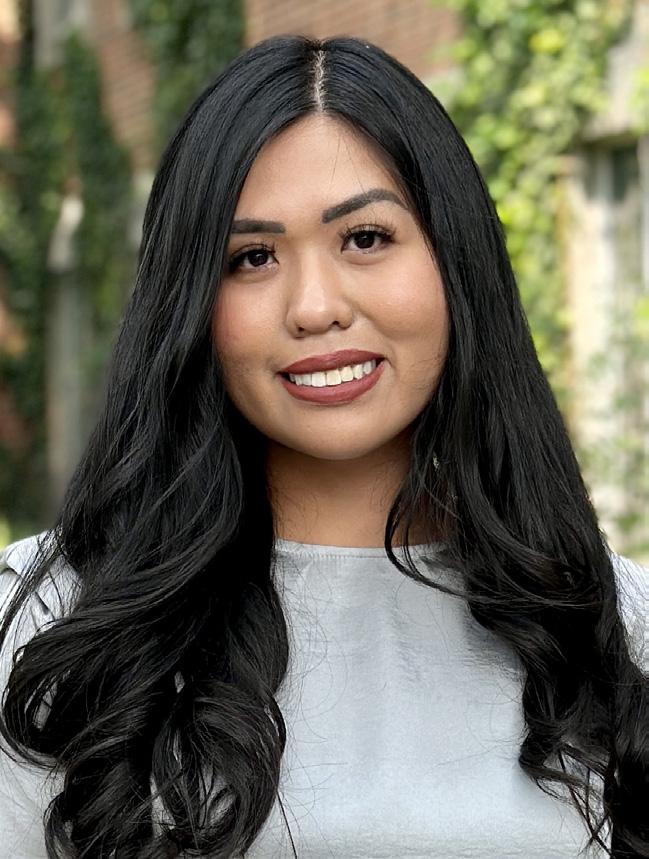
Patricia Acosta (she/her/hers)
Station #7:
Why I Chose STEM
Cohen Research Team, BC Children’s Hospital Doctoral Student, Land and Food Systems, UBC Research Area: Obesity and nutrition
Patricia is PhD/MND Student who also has experience working in industry.
Dr. Puja Biswas (she/her/hers)
Station #3: Inside the Lab – A Day in the Life of a Researcher
Devlin Research Team, BC Children’s Hospital Postdoctoral Fellow, Department of Pediatrics, UBC Research Area: Cardiovascular diseases and diabetes
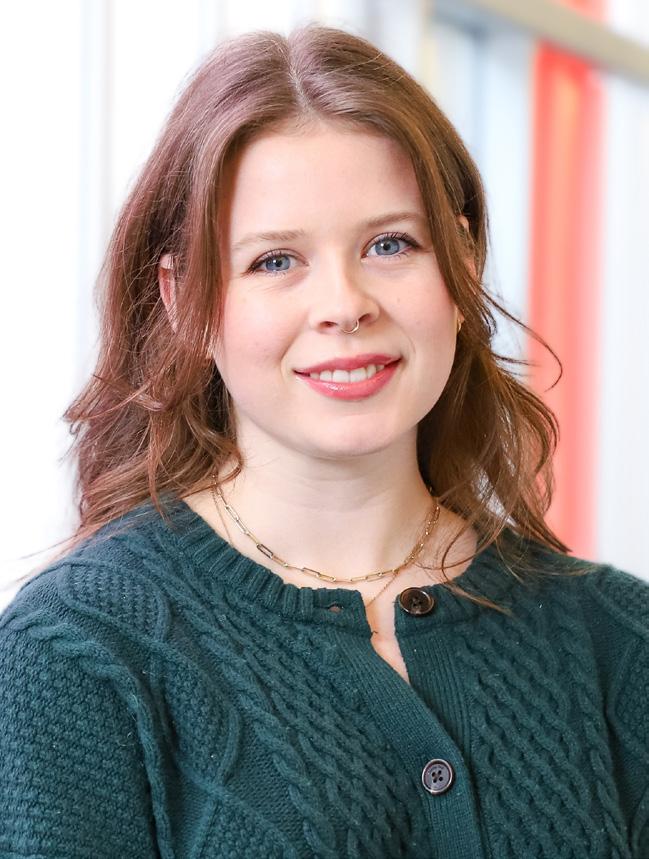
Puja enjoys exploring a variety of model organisms. During her graduate studies, she worked with cell lines and fruit flies, and she now conducts research using model systems and humans. These diverse experiences enable her to translate basic scientific discoveries into clinically relevant insights.
Makenna Cameron (she/her/hers)
Station #7:
Why I Chose STEM
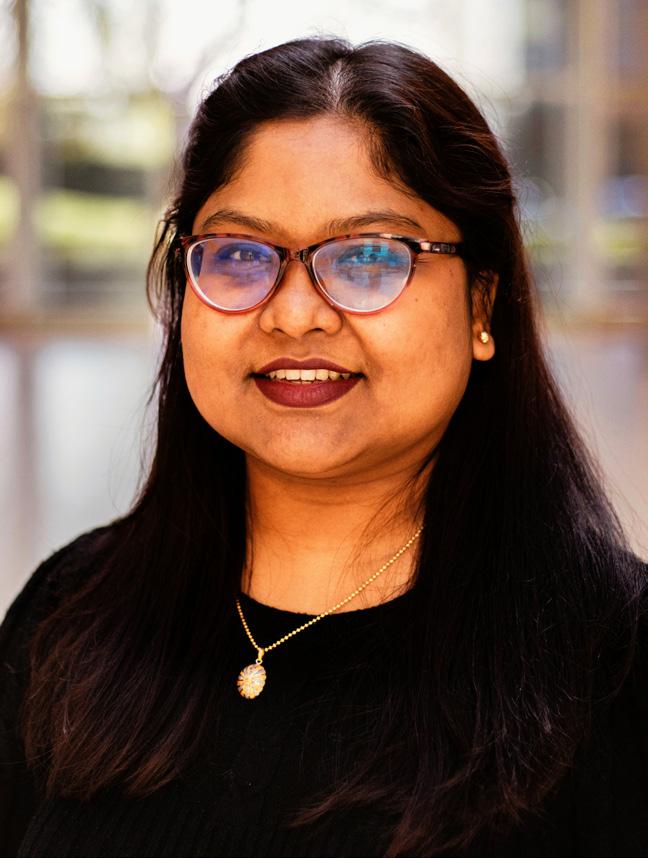
Gibson Research Team, BC Children’s Hospital Research Assistant, Department of Medical Genetics, UBC Research Area: Epigenetics
Makenna’s first research experience was in an entomology lab, cutting emerald ash borers out of trees – proof that most people don’t end up where they start!
Rosalyn Carr (she/her/hers)
Station #2: Finding Your Path in STEM
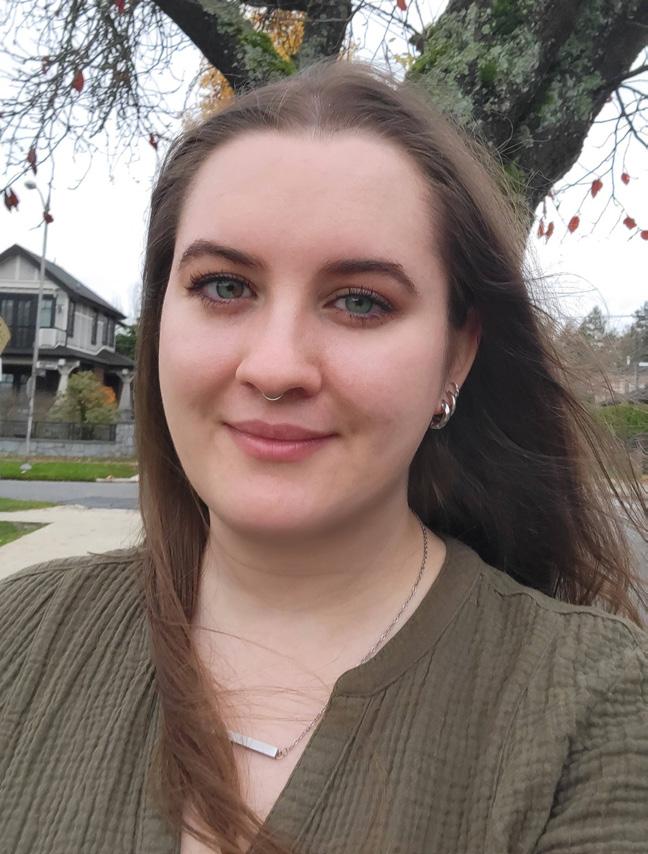
Digital Health Innovation Lab, BC Children’s Hosptial Doctoral Student, School of Biomedical Engineering, UBC Research Area: Human factors engineering
In the final semester of her undergraduate degree, Rosalyn took a course that completely reshaped her research interests. After years in one field, she decided to pivot entirely and is now pursuing a PhD in a completely new area.
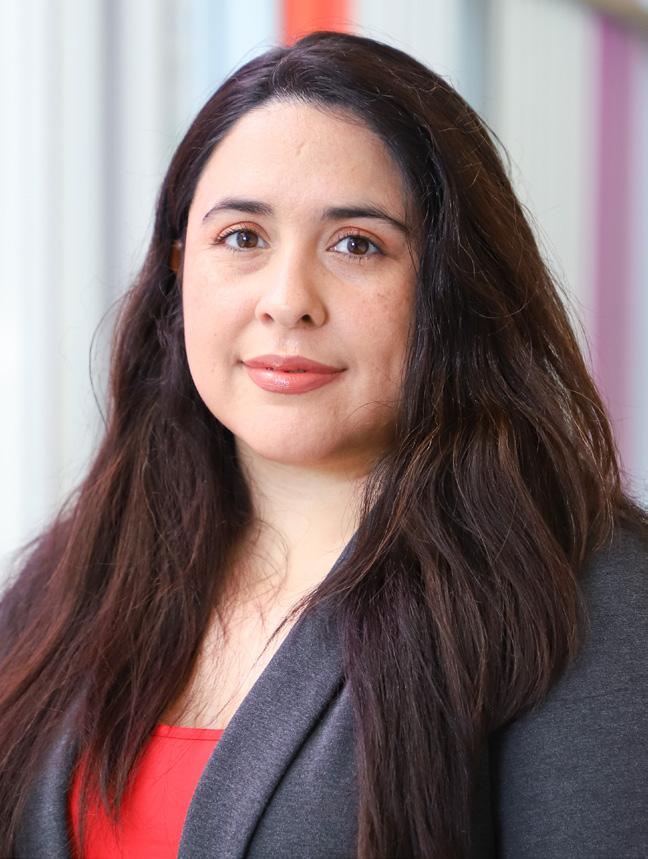
Dr. Julieta Conti (she/her/hers)
Station #15: Why I Chose STEM
Elango Research Team, BC Children’s Hospital Clinical Fellow, Department of Pediatrics, UBC Research Area: Neonatal nutrition
Julieta was the first in her family to graduate from both high school and university. Coming from a vulnerable background has given her a deep understanding of what people truly need from healthcare: compassion, respect, and hope.
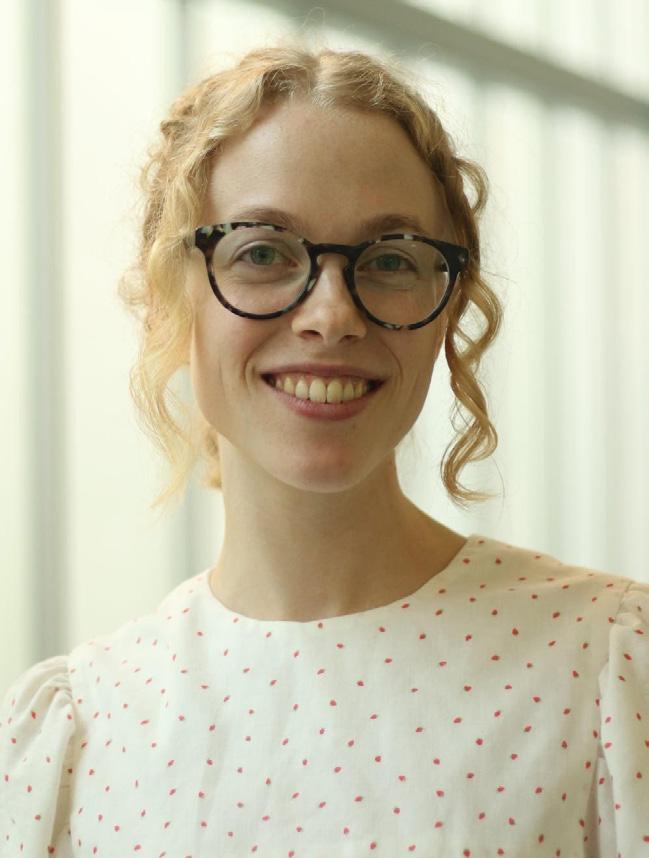
Dr. Duneesha De Silva (she/her/hers)
Station #5: The Impact of Global Health Studies
Mulpuri Research Team, BC Children’s Hospital Research Assistant, Department of Experimental Medicine, UBC Research Area: Orthopedics
It’s okay to switch paths! Duneesha was initially interested in basic science but changed direction after learning more about clinical research.
Mia Frier (she/her/hers)
Station
#2: Finding
Your Path in STEM
Conibear Research Team, BC Children’s Hospital Doctoral Student, Department of Medical Genetics, UBC Research Area: Cell biology
Mia uses genes from baker’s yeast, mice, viruses, jellyfish, llamas, and bacteria to understand biology that is central to brain health.
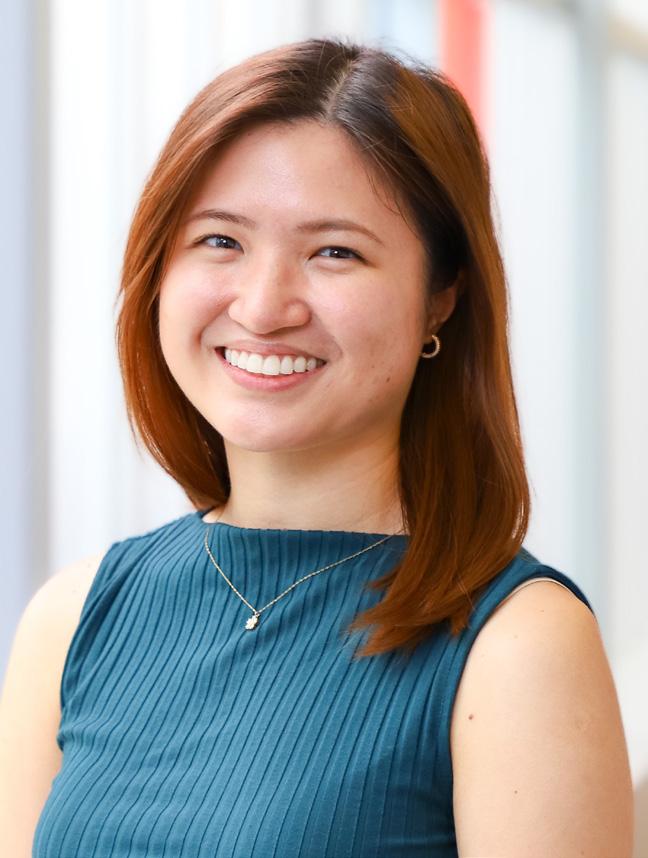
Elaine Huang (she/her/hers)
Station #6: Thriving in University
Devlin Research Team, BC Children’s Hospital Master’s Student, Women+ and Children’s Health Sciences, UBC Research Area: Pediatric diabetes
Elaine completed her undergraduate studies at the University of Toronto, double majoring in Nutritional Sciences and Health and Disease. After graduation, she worked as a research assistant in Dr. Devlin’s lab at BC Children’s Hospital for one year before becoming a graduate student at UBC.
Zelyn Lee (she/her/hers)

Station #6: Thriving in University
Doan Research Team, BC Children’s Hospital Master’s Student, Women+ and Children’s Health Sciences, UBC Research Area: Youth mental health
Zelyn attended the University of Toronto for her undergraduate studies, where she double-majored in Physiology and Neuroscience.
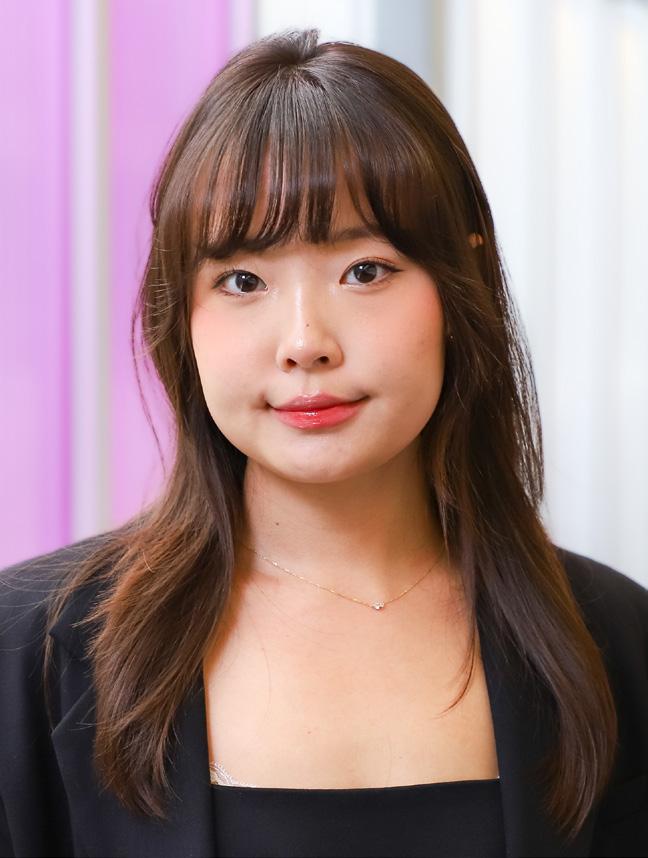
Jasmin Lee (she/her/hers)
Station #9: Imposter Syndrome in STEM
Dennis Research Team, BC Children’s Hospital
Doctoral Student, Department of Medical Genetics, UBC Research Area: Bioinformatics and genetic epidemiology
Jasmin is an international student who had to navigate grant and award opportunities that differed from those available to Canadian citizens and permanent residents.
Cynthia Li (she/her/hers)
Station #1: Breaking Barriers – Challenging Stereotypes in STEM
Selvanathan Research Team, BC Children’s Hospital
Master’s Student, Women+ and Children’s Health Sciences, UBC Research Area: Brain injury in preterm infants
Cynthia didn’t immediately know where her research path would lead, but exploring different opportunities helped her discover spaces where she could challenge expectations and grow.
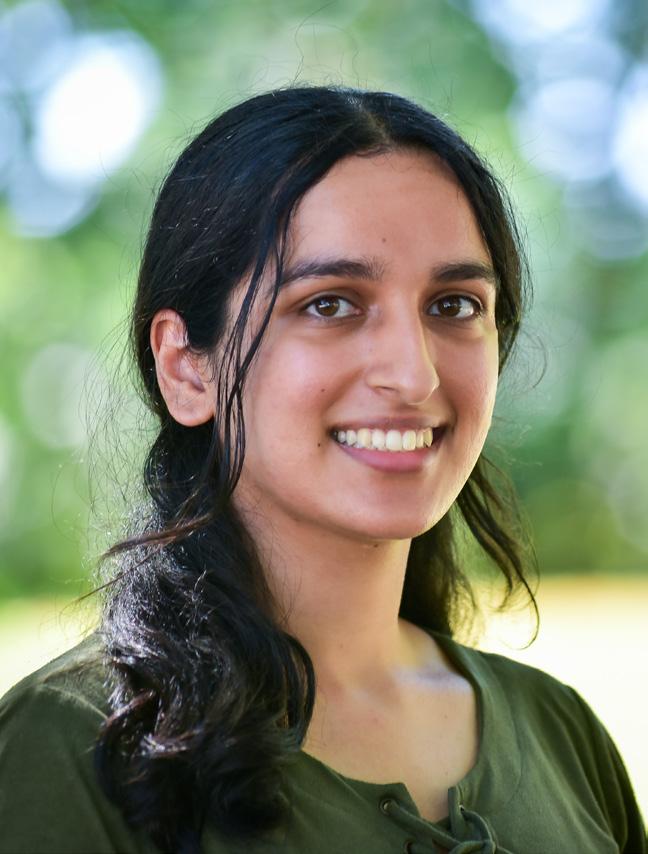
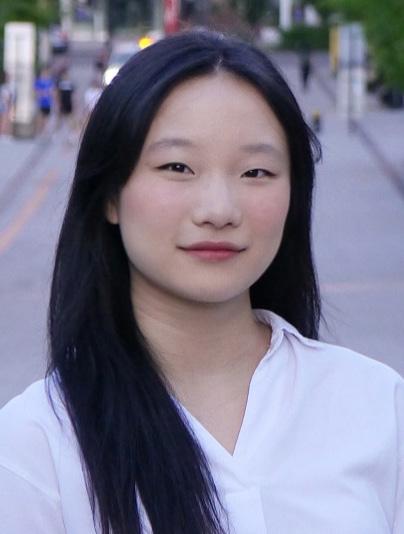
Sonya Mangat (she/her/hers)
Station #1: Breaking Barriers – Challenging Stereotypes in STEM
Levings Research Team, BC Children’s Hospital
Doctoral Student, Department of Surgery, UBC Research Area: Immunology and autoimmunity
Sonya completed her undergraduate degree in general biology, where she explored a wide range of topics, from evolutionary biology and genetics to neuroscience. She discovered a passion for immunology, which she is now pursuing as her career focus.
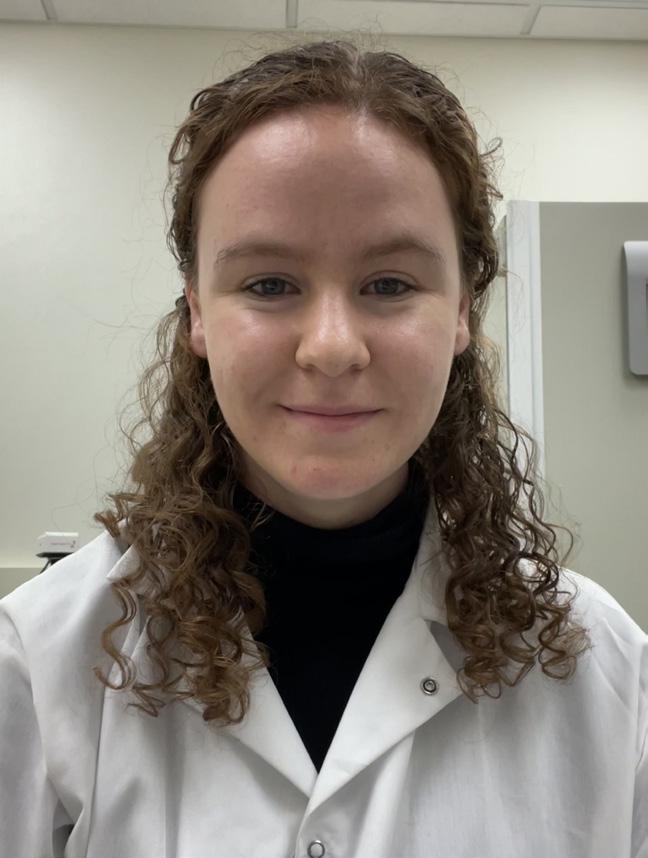
Jenna Rever (she/her/hers)
Station #4: Representation Matters – Women and Minorities in STEM
Maxwell Research Team, BC Children’s Hospital Doctoral Student, CELL Program, UBC Research Area: Cell and molecular biology
Jenna spent a few years in plant science before transitioning to cancer biology research.
Emily Schraeder (she/her/hers)
Station #8: Breaking Barriers – Challenging Stereotypes in STEM
Ranger Research Team, BC Children’s Hospital
Master’s Student, Women+ and Children’s Health Sciences, UBC Research Area: Neonate and preterm brain development
In high school, Emily had no idea what she wanted to major in at university. She took a wide range of science courses to explore different fields and discover what interested her, ultimately realizing she had a passion for biology.
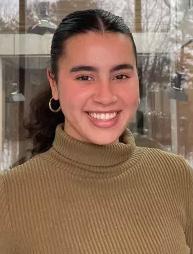
Isabella Vreux (she/her/hers)
Station #4: Representation Matters – Women and Minorities in STEM
Doan Research Team, BC Children’s Hospital Master’s Student, Women+ and Children’s Health Sciences, UBC Research Area: Youth mental health screening
Isabella recently moved from Toronto to join this program because it aligned so well with her interests and experiences, and offered the opportunity to make breakthroughs in her field as a woman of colour.
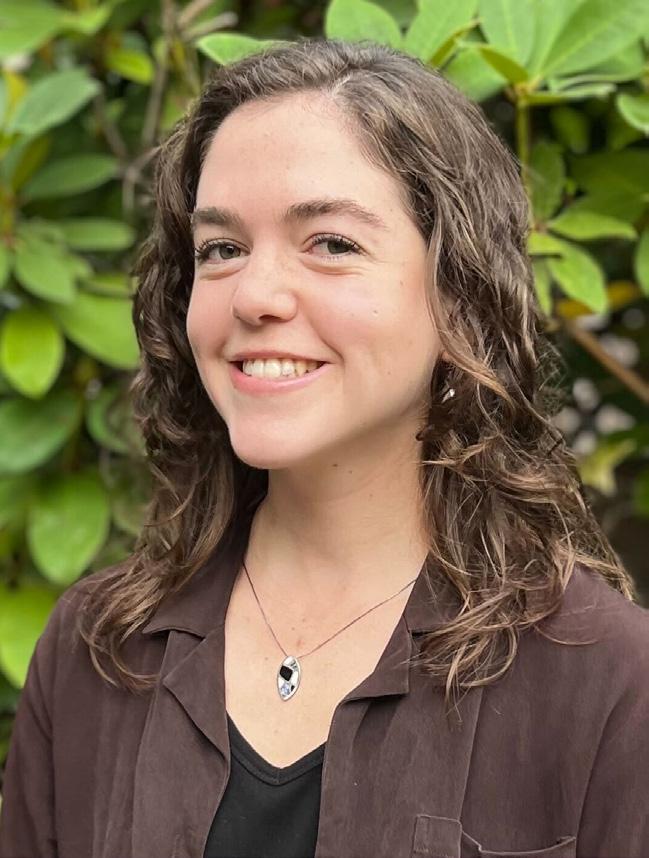
Hannah Waldman (she/her/hers)
Station #3: Inside the Lab – A Day in the Life of a
Researcher
Kobor Research Team, BC Children’s Hospital Master’s Student, Department of Medical Genetics, UBC Research Area: DNA methylation population studies
During her undergraduate degree, Hannah worked on two distinct projects: one in the lab where she learned to work with the model organism C. elegans, and another focused on food sovereignty in Panamá.
Dr. Kaitlin Winter (she/her/hers)
Station #10: Why I Chose STEM
Sadarangani Research Team, BC Children’s Hospital Postdoctoral Fellow, Department of Pediatrics, UBC Research Area: Preclinical vaccine design
Kaitlin loves the research she does. She finds her work enjoyable and believes it’s important to do what you love.
At BC Children’s Hospital Research Institute, Women’s Health Research Institute and BC Mental Health & Substance Use Services Research Institute, we are proud to support the next generation of health scientists.
At this unique event, you will have the opportunity to connect with inspiring leaders and mentors who are making groundbreaking discoveries and innovations in research.