2023-24

Annual Grant Request to BC Children’s Hospital Foundation Research Allocation

February 15, 2023

Confidential - not for distribution
2023-24
Annual Grant Request to BC Children’s Hospital Foundation Research Allocation
February 15, 2023


BC Children's Hospital Research Institute (BCCHR) is grateful to operate on the traditional, ancestral, and unceded territory of the Coast Salish peoples — xʷməθkʷəyəm (Musqueam), Sḵwx̱ wú7mesh (Squamish) and Səlílwətaʔ/Selilwitulh (Tsleil-Waututh) Nations.
BCCHR is a part of the Provincial Health Services Authority (PHSA). In 2015, PHSA leaders, the B.C. health authorities and the Minister of Health signed the Declaration of Commitment on Cultural Safety and Humility in Health Services Delivery for First Nations and Aboriginal people in B.C. This agreement acknowledges the commitment to embedding cultural safety within health services. In late 2022, PHSA outlined actions it is taking to address problems identified in the report In Plain Sight: Addressing Indigenous-specific Racism and Discrimination in B.C. Health Care
At BCCHR, members of the community are completing San'yas Indigenous Cultural Safety Program, and investigators are working in partnership with Indigenous communities to examine health issues they have identified as priorities. Representatives of the Research Institute are active on the Oak Street Campus Research Institutes Equity, Diversity and Inclusion (EDI) Working Group, which aims to increase learning related to EDI among the research community and improve EDI practices in research.
Research has always been the ultimate affirmation that teamwork can turn the smallest seed of an idea into something incredible. At BC Children's Hospital Research Institute, I have witnessed this many times over — each new discovery accelerates even more breakthroughs, ultimately transforming care for children and families, and saving lives.
That is why the first time I saw the BC Children's Hospital Foundation's powerful new "Small is Mighty" ad campaign, it resonated so deeply with me. Day in and day out, our more than 1,500 researchers and staff take the smallest pieces of genetic code, the tiniest molecules in a protein, the whispers of theories formulated from years of experience in the clinic, and turn them into the next advancements, which then translate into further discoveries.

Your belief and faith in our work inspire us to keep working hard to tackle health challenges facing children and families — pediatric cancer, mental health, diabetes, neurodevelopmental disorders, genetic anomalies and every big and small issue in between.
I recognize that none of this is possible without attracting and retaining the most brilliant minds, so we have been making concerted efforts to cultivate the seeds of growth in our research community. Coming through the height of the COVID-19 pandemic, it has become even more clear that we need to foster the human relationships that fuel all our endeavours.
We know that women, people of colour and people from under-represented groups benefit from mentoring programs. Since we launched our Mentorship Program less than two years ago, we have already seen success in building inclusion and engagement within our organization.
Another important pillar to nurturing our community is ensuring we create a culture where everyone feels heard and valued, and where our membership accurately reflects the communities we serve. We are prioritizing the removal of systemic barriers to ensure the full participation of all individuals in the advancement of knowledge and research. Learn more about our Equity, Diversity and Inclusion (EDI) Working Group and important research in this area in our EDI Spotlight (page 13).
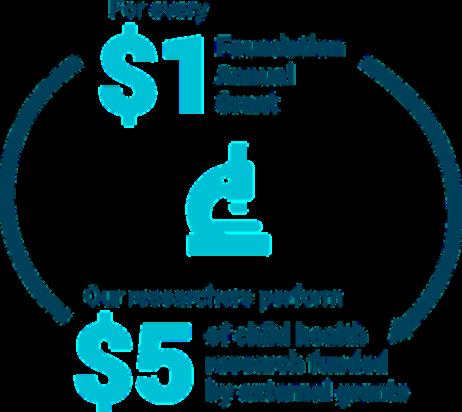
Your foresight and generosity provide our investigators the resources they need to continue world-class research. You have heard before that for every $1 received through BCCHR's Annual Grant, BC Children's investigators conduct $5 of child health research funded by external grants. I am so grateful to your donors and proud that we continue to be good stewards of their donations.
The coming fiscal year will bring a year of renewal and new beginnings. My term as the interim Senior Executive Director of BCCHR comes to an end in
August. I look forward to assisting with a seamless transition to a new leader, knowing we have laid the groundwork to ensure we can sustain a healthy, strong and supportive research community.
I have never doubted what small can do. Together, with the support of BCCHF and its donors, we can reach new and even greater distances, one small step at a time. We are showing the world that small is mighty.
Sincerely,
Quynh Dr. Quynh Doan PhD, MHSc, MDCM, FRCPC Interim Senior Executive Director Investigator, Pediatric Emergency Physician Director of Clinical Research BC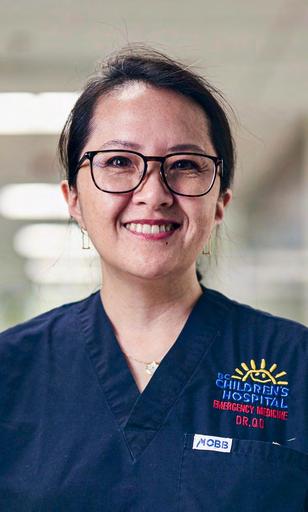
Children's Hospital
Department of Pediatrics, University of British Columbia
Associate Professor,
At BC Children's Hospital Research Institute, we advance the frontiers of scientific knowledge and translate research into clinical care with the ultimate aim of improving child and family health in B.C. and beyond. The Research Institute's base budget relies on the research allocation of the Annual Grant from BC Children's Hospital Foundation to BC Children's Hospital.
The Annual Grant supports BC Children's Hospital Research Institute's four research themes, core platforms and research administration and infrastructure.


Annual Grant 2023-2024
Total: $11,848,000
The Research Institute follows the Canadian Public Sector Accounting Standards (PSAS) and as such, the 2023-2024 Annual Grant allocation to research themes, research partners and core platforms includes investigators' salary and establishment support, as well as administration and infrastructure support.




More than 1,500 members of the research community are affiliated with BC Children's Hospital Research Institute — this includes 372 principal investigators who support more than 400 postdoctoral fellows, doctoral and master's degree students.
Our achievements
Our researchers currently hold:
2 distinguished scholar/leadership awards
4 national investigator, scholar and clinician scientists awards
15 Canada Research Chairs
1,500+ BCCHR research community members
3 national chairs in science and research
6 young investigator/early career awards
20 Michael Smith Health Research BC scholar and health professional investigator awards
in research funding
$66.8M* awarded to researchers affiliated with BCCHR
+5% increase compared to previous year
*The total research funding figure doesn't include the small percentage of researchers affiliated with Simon Fraser University or other institutes.
1,284 academic publications produced by our investigators in 2021
To facilitate collaboration and innovation, our researchers are grouped into four themes. Within every theme are four groups with more targeted research focuses. While the themes are permanent, the groups are dynamic and designed to evolve in response to changing funding opportunities, scientific developments and investigator expertise. Each investigator is a member of a single theme, but may join multiple groups, including groups within other themes.
Brain, Behaviour & Development
Mental Health & Behaviour
Neurodevelopmental Disorders
Pain & Stress in Child Health
Visualizing the Brain
Childhood Diseases includes two prestigious donor-funded programs: the Michael Cuccione Childhood Cancer Research Program and the Canucks for Kids Childhood Diabetes Laboratories

Childhood Cancer & Blood Research
Diabetes
Immunity in Health & Disease
Rare Diseases
Evidence to Innovation
Changing Behaviours: Knowledge Discovery to Translation
Clinical & Community Data, Analytics & Informatics
Clinical Pharmacology
Clinical Practice, Outcomes & Innovation
Healthy Starts
Global Health & Innovation
Pathways to Healthy Birth
Origins of Child Health & Disease
Vaccines, Infections & Host Defenses

Research awards
1
Graduate students are eligible for up to two years of funding at $22,000 per year.
In 2022-2023, four new trainees received funding through this award.
In 2023-2024, we anticipate three new trainees will receive this funding.
2
Postdoctoral fellows are eligible for up to two years of funding at $40,000 per year, with an additional $1,500 travel allowance.
In 2022-2023, two new trainees received funding through this award.

In 2023-2024, we anticipate two new trainees will receive postdoctoral fellowships from BCCHR.
3
BCCHR partners with Michael Smith Health Research BC to leverage partnerships and research funding to co-fund a research trainee award for one postdoctoral fellow for a threeyear funding award of $45,000 per year, with an additional $4,500 travel allowance.
4
5
Trainees can apply for a Trainee Travel Grant of up to $1,200 to attend conferences and present their research, learn and engage with other researchers in their field, and grow their own research network.
In 2022-2023, 19 trainees received funding to attend conferences.
We anticipate funding up to 20 trainees in 2023-2024.
The Research Methodology
Training Grant of up to $1,200 helps defray the costs of travel and living expenses for trainees who wish to pursue specialized training opportunities that are unavailable in the Lower Mainland.
In 2022-2023, we awarded grants to five trainees.
In 2023-2024, we anticipate funding five trainees.
Through the BCCHR Summer Student Research Program for undergraduate students and medical school students, we offer stipends of up to $4,750 for students completing an eight-, 10- or 12-week research program.
In the summer 2022 program, 16 students were funded.
In the summer 2023 program, we anticipate funding up to 17 students

To go beyond symbolic, tokenistic and verbal commitments towards equity, inclusion and reconciliation, all four research themes and the Office of Research Services have been developing a proposal for a new equity, diversity and inclusion position at BCCHR. The role would connect, build and support resources, programs and initiatives aimed at easing access and safety, and increasing engagement of diverse trainees, staff and faculty based at the Oak Street campus.
Even without this position, steps are being taken to boost equity, diversity and inclusion in training and research at the Research Institute.
Here are a few examples of training opportunities under development:
The INtegrated undergraduate Student Program In Research Education (INSPIRE) program provides research training and practical experiences in child health research to university students during the academic year. For students who can't afford to volunteer their time, BCCHR will set up a fund to alleviate the financial burden of seeking the necessary training to pursue a career in health sciences.
The UBC Summer Science Program is a one-week cultural, health and science program for Indigenous students in Grades 8 to 11. BCCHR is exploring ways to sponsor Indigenous students who have a specific interest in child health research.
In partnership with a private secondary school in Vancouver, the Research Institute is proposing a pilot project to engage high school students in health research with an equity matching component. For each student that participates, the school will provide funds to support an Indigenous high school student to participate. BCCHR is working with the Indigenous success advisor of the Sea to Sky School District in Squamish and Pemberton to ensure the research experience will be culturally safe and welcoming. UBC and PHSA are developing training and resources on incorporating EDI principles into our hiring process. This will provide us with the tools to be more just, equitable and inclusive in our recruitment practices.
Research projects that promote inclusion are underway at BCCHR. Here are a few examples:
Dr. Brenden Hursh aims to maintain the delivery of high-quality health care for trans youth in the Gender Clinic at BC Children's Hospital. To this end, Dr. Hursh and his team conducted research during the pandemic that showed trans youth and their families want to continue virtual care after the COVID-19 pandemic has ended. Most would prefer to have two-thirds of their future gender clinic visits conducted virtually.
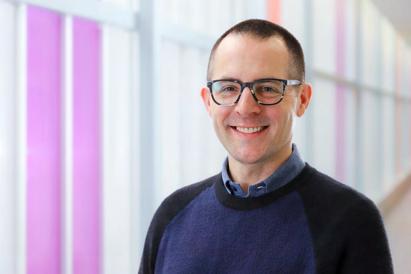
"Respondents in our study rated virtual visits as safe, useful, easy to use and capable of facilitating high-quality interactions with physicians and multidisciplinary care teams. Virtual care can increase feelings of safety, reduce travel-related costs and time taken off work or school, and contribute to greater accessibility of care." says Dr. Hursh. "The feedback we have received from trans youth and their families has helped to establish the need for ongoing virtual care in the gender clinic."
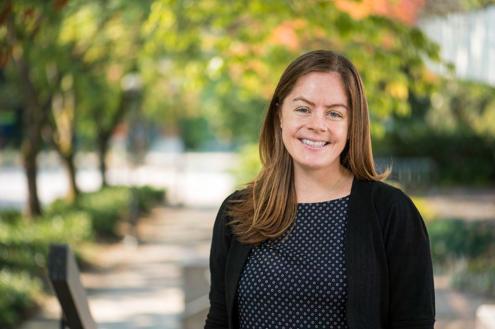
Ms. Jennifer Murray is amplifying the voices of Indigenous women. Working under the supervision of Dr. Patricia Janssen, Ms. Murray is collaborating on a study called "Far too many preterm births in Cowichan Tribes communities: Generating knowledge to inform service delivery and strengthen motherhood journeys," which was initiated and is co-led by Cowichan Tribes. Most premature babies do well, but some — especially those born very early — experience medical complications such as cerebral palsy, developmental delay, learning disability, physical disability, lung or gastrointestinal problems and vision or hearing loss. The research team, with the guidance of Cowichan Tribes, has been conducting semi-structured interviews with women in the community and combining their narratives around pregnancy experiences with medical record data. Elders and community members led a collaborative ethics review on Cowichan Tribes territory with Island Health and the First Nations Health Authority to align with the Cowichan snuw'uy'ulh, or teachings, from Elders.
"It's really easy as researchers to be aggressive and just move your agenda forward, but you always want to make sure you're checking in, being led by the community and responding and listening to its members," says Ms. Murray.
Dr. Quynh Doan is investigating language as a barrier to participation in research. Her research team has reviewed Research Ethics Board (REB) submissions for inclusion of participants with low English proficiency in studies to assess the current situation and identify best practices that can be supported so that they can be incorporated into other studies. Researchers are conducting interviews with patient families with low English proficiency at BC Children's Hospital and BC Women's Hospital + Health Centre, as well as investigators, REB executives and leaders to learn how to facilitate inclusion and cultural diversity in research. Investigators are assessing whether they could use the live multi-language interpreter services currently used at the hospital to support research. During the pilot phase, they're establishing agreements on the processes and costs of having research documents translated into other languages.
"We need to make it inviting for families with low English proficiency to participate in research so they can be represented in study outcomes," says Dr. Doan.
Dr. Doan is also investigating ways to include more children and youth with mental health difficulties in all types of research. Health-care professionals often presume children or youth who come to the hospital with acute or underlying mental health concerns don't have the capacity to consent to participate in research. Researchers are now trying to find ways to support young people with mental health difficulties to participate in research, with the understanding that a young person with an acute mental health problem can still consent to share data with researchers, even if they are not able to make decisions about hospitalization.
"Our thinking has changed," says Dr. Doan. "We want to facilitate participation in research for kids who have traditionally been excluded. We can't provide evidencebased care to a population if we don't include them in the research."
Dr. Shazhan Amed is working to improve clinical care for all children and youth living with diabetes — no matter where they live. As the nominated principal investigator of the CAnadian PediAtric diabetes ConsortIum (CAPACIty), she is developing Canada's first national childhood diabetes registry, with input from young people with diabetes, caregivers, doctors and other health-care providers. Diabetes is one of the most common lifelong disorders affecting approximately 40,000 children and adolescents in Canada. The disease is on the rise, especially among Indigenous youth and those of non-European origin. Some patients live far from health centres, so getting to appointments can be challenging. Health risks associated with childhood diabetes, such as heart and kidney disease and blindness, tend to be amplified in disadvantaged or underserved populations.
"Our goal is to provide more equitable diabetes care for children and youth in Canada, and ensure quality and consistency of care across the nation," says Dr. Amed.
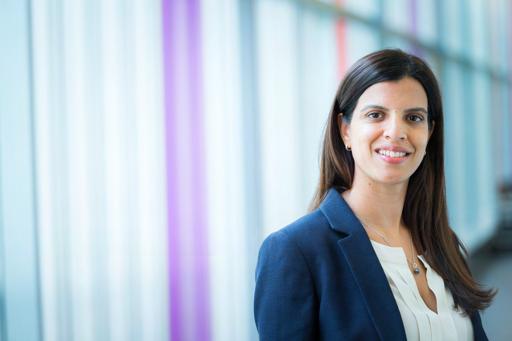
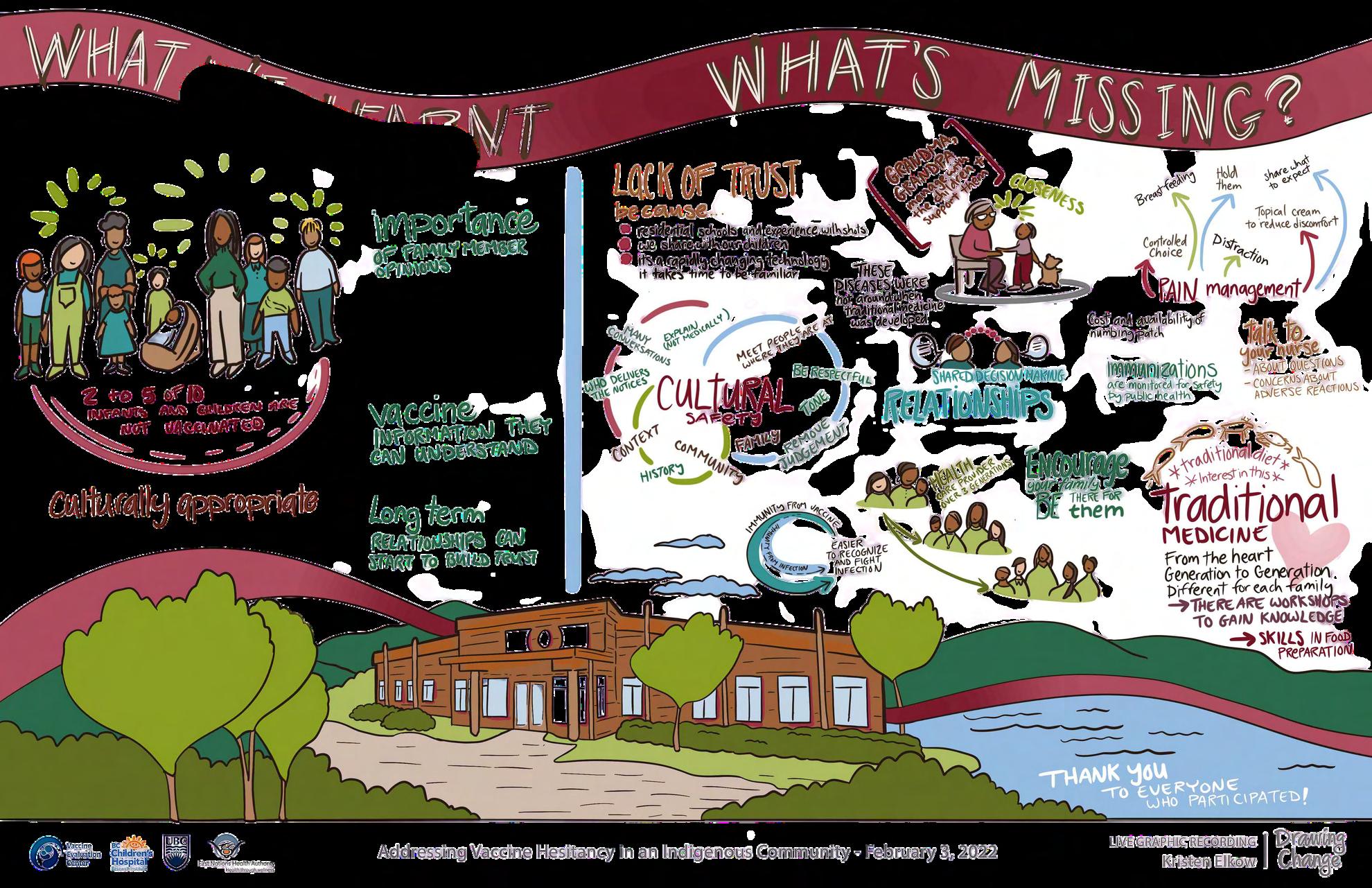
Dr. Julie Bettinger is working in partnership with a coastal, semi-urban Indigenous community in B.C. to learn more about vaccine hesitancy in the community and to build capacity for communitybased research. In recent years, fewer people in the community are getting their children vaccinated. Researchers spoke with community members and service providers to understand how people decide whether to get vaccinated. Factors identified include a lack of trust, the need for easy-tounderstand information about vaccines, shared decision-making and cultural safety. Adjacent is part of an infographic that was created with the community.
 Dr. Shazhan Amed
Representatives of BCCHR are also active with the Oak Street Campus Research Institutes Equity, Diversity and Inclusion (EDI) Working Group, which aims to support BCCHR, the Women's Health Research Institute and the BC Mental Health and Substance Use Services Research Institute in identifying needs, recommending policies and promoting constructive change to enrich respect, diversity and inclusion within our community. The Working Group is composed of 17 representatives across the research spectrum, including trainees, administrative and lab staff, investigators and three ex-officio members to support the group's activities.
Since its inaugural meeting in December 2021, the Working Group has focused on:
Building ways to better disseminate existing materials, workshops and activities delivered by our affiliated institutes, including PHSA, UBC and SFU, and investigating ways to deliver our own activities and events
Assessing the needs of the community to inform future initiatives, activities and policies
Investigating the current level of EDI in research with the goal to improve EDI practices in research across the Oak Street campus



Annual Grant
$1,666,000
Donor-designated funding
$218,000
BCCHF total funding
$1,884,000
Other infrastructure funding
$880,000
Research grants and awards from other sources
$3,900,000
The Brain, Behaviour & Development (BB&D) Theme brings together neuroscience, mental health and child development researchers through basic, clinical, population and public health research. We care for children with complex medical, physical, developmental and mental health needs.
Dr. S. Evelyn StewartMD, FRCPC
Theme Director, Brain, Behaviour & Development
Investigator and Physician
Medical Director, Provincial OCD Program
Medical Director, Mental Health Research
BC Children's Hospital
Professor, Department of Psychiatry
University of British Columbia
CIHR Project Grants were awarded to nine studies led by BB&D theme investigators in spring 2022. The projects include gene editing for neurological disorders, a study of the health and neurodevelopmental trajectories of children and adolescents born at preterm and between 37 and 42 weeks, and a project to engage stakeholders and link data to monitor and promote youth mental health and well-being beyond the pandemic.
We funded a precision health pilot project through a second and final Establishment Fund Competition. This project will link four large datasets to study a group of patients with a rare genetic disorder called tuberous sclerosis complex (TSC). TSC is characterized by a variety of neuropsychiatric conditions such as drug-resistant epilepsy, intellectual disability, and mood and behavior disorders. A central database will help address the health needs of people with rare diseases in British Columbia and establish a framework for future investigations.
For our annual research day in November 2022, the BC Children's Hospital Centre for Mindfulness co-hosted a keynote speaker who focuses on designing and testing prevention programs to promote the psychological and physical well-being of children, youth and families. This event was followed by lightning talks and a poster session with more than 25 presentations from trainees and research personnel and more than 85 attendees. A UBC Work Learn student is creating graphic abstracts of findings from new publications to share on various platforms to publicize our research.
We hosted workshops based on theme member needs, including sessions on scientific writing, posters and visual thinking. We will continue to host the Cannabis Working Group and the Magnetic Resonance Imaging (MRI) Journal Club to promote networking, engagement, collaboration and learning with members across BCCHR.
"Our groundbreaking research is focused on innovating neuroimaging, discovering impacts of COVID-19 on pediatric mental health, and improving treatment of neurodevelopmental disorders. Our researchers are involved in provincial, national and international networks."
Graduate Studentship competition: This award is intended for highly qualified individuals at BC Children's who wish to pursue a health-related research career and work to improve the health of children and families.
Research in Progress Seminar Series: These seminars bring together investigators and trainees for interactive sessions. The MRI Journal Club, for example, meets monthly to discuss emerging MRI technologies and clinical and scientific applications.
Catalyst Grants: We provide grants up to $20,000 to be split between two investigators who have not previously collaborated with the aim of overcoming silos in research.
Trainee Boost Awards: We help the next generation of researchers develop innovative projects in child mental, developmental and behavioural health, and build their careers as scientists. Postdoctoral fellows within the theme who are not applying for an award are invited to act as reviewers so they can experience this process from a reviewer's perspective.
BCCHR Pre-Grant Brainstorming Sessions: We will build on the success of the cross-theme
Pre-Grant Brainstorming Sessions that were developed with the Research & Technology Development Office in 2022 to connect researchers submitting grants with a review panel experience. We will organize additional sessions for the spring to maximize the ability of faculty to attract external research funds.
Summer Studentships: These awards ensure the next generation of investigators can contribute to cutting-edge projects under the mentorship of theme investigators. Five Summer Studentships were awarded in 2022, including a study into a home-based research platform and a multi-centre retrospective study comparing the effectiveness of treatments for Down syndrome patients with infantile spasms.
Dyslexia is the most common learning disability in children that can lead to serious consequences such as higher risk of psychosocial and mental health challenges. Up to one in eight people have dyslexia, a neurodevelopmental disorder that involves difficulty reading and is often associated with problems identifying speech sounds. About 70 to 85 per cent of children who are placed in special education classes have dyslexia.
Dr. Deborah Giaschi, Dr. Hee Yeon Im and Ms. Zahra Kheradmandsaadi will analyze functional MRI scans of brains of children with dyslexia and those without to see which part of their brains are activated while at rest. This will help them better understand how brain regions work together. The researchers will also examine how parts of the brain related to motion perception are connected to reading regions.
Functional MRI scans showed kids who received any kind of learning assistance had improved activation in brain areas associated with reading. Kids who spent three months at a school district's literacy centre enjoyed improved word recognition and decoding fluency immediately after the program and a year later.
The brains of children with dyslexia featured more disruption in connectivity between the different parts of the brain related to reading — which are mostly in the left hemisphere — but children who had improved reading after three months of intervention showed an increased connectivity in their right brain hemisphere, which may mean their brain is trying to compensate for not working as well in the left hemisphere.
This research could help educators develop programs that would greatly improve the reading skills of kids who struggle with dyslexia. Competence in this basic building block of learning would help improve the self-esteem of children with dyslexia and help them develop more positive feelings about education. In addition, providing evidence-based interventions for children with dyslexia could lead to improved psychosocial and mental health in adulthood, further educational opportunities, as well as better job prospects.
"We continue to study brain structures and functions related to dyslexia to help determine the most effective ways of significantly improving reading skills to help children live happier, productive lives," says Dr. Giaschi.
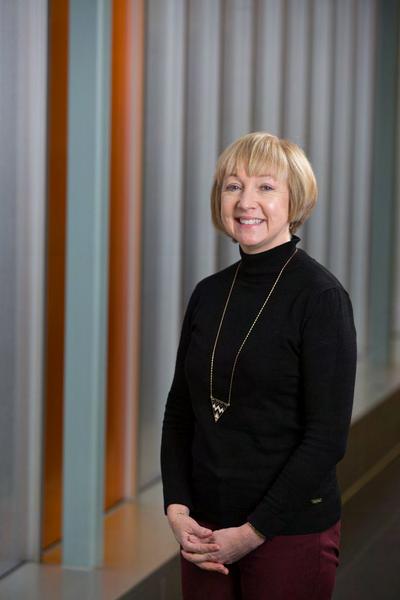 Dr. Deborah Giaschi
One in five adolescents and young adults in Canada are affected by mental illness each year. Many stressors in a youth's life contribute to mental disorders, including discrimination and income inequality, the climate crisis and the COVID-19 pandemic. Social and emotional learning and positive childhood experiences can prevent mental illness or delay the onset or severity of symptoms, yet 95 per cent of health-system funding is allocated to specialized, hospital-based or downstream services.
Working with youth and partners in health and education, Dr. Hasina Samji and her research team developed the Youth Development Instrument (YDI). The YDI is a questionnaire that measures mental health and well-being of Grade 11 students at the population-level in B.C. Researchers aim to investigate how childhood experiences impact mental health through adolescence into adulthood and identify skills and structural supports that can promote positive developmental outcomes.
Data were collected from Grade 11 youth in 22 (out of 60) school districts from all parts of B.C. with over 9,000 respondents.
Youth reported that connecting with friends, physical activity and exercise, and spending time outdoors were the activities that help them cope with distressing events like the COVID-19 pandemic.
Half of those screened had generalized anxiety or depression, and 42 per cent rated their mental health as fair or poor.
40 per cent of surveyed youth sought help for a mental health concern over a six-month period and reported an unmet mental health-care need.
Using the YDI and its findings, the team will continue to annually monitor youth mental health and well-being provincially; share findings with schools, districts, health authorities and other key partners; determine early life risk and protective factors of mental illness; identify changes in well-being during the pandemic; and inform the development of collaborative data-to-action strategies in school, community and health-system settings to improve youth mental health and well-being.
"Early intervention may prevent or reduce the impact of mental health disorders, but this requires an understanding of the various factors that impact a youth's mental health and well-being," says Dr. Samji. "We will use data from the YDI in conjunction with other data sources to plan programs and implement strategies to better support youth in B.C."
 Dr. Hasina Samji
Inherited pediatric neurodevelopmental disorders are major causes of disability and death worldwide. Developing treatments for these conditions is very difficult due to the complexity of the human brain and the challenge of bypassing the blood-brain barrier to reach the brain with medications.
Dr. Blair Leavitt researches new treatments for neurodevelopmental and neurodegenerative diseases. His goal is to develop personalized gene therapy treatments for children with unique pediatric genetic disorders.
Dr. Leavitt and his team work directly with a local patient's family, including them in the research and in decision-making processes. They have created a human stem cell model system of the child's disorder based on their specific genetic mutation. Researchers will then use this model to explore how the mutation affects brain cells. From there, they will develop a gene therapy approach specific to this child's genetic mutation using the latest gene editing technologies such as CRISPR-Cas9.
The development of this novel therapy is made possible by technology developed alongside industry partners to enable genome editing treatments to be delivered directly to brain cells. This same technology — a lipid nanoparticle-based delivery platform — has received FDA approval for a drug called Onpattro and for the COVID-19 mRNA vaccines developed by Moderna and Pfizer, demonstrating the safety and effectiveness of this approach.

This treatment approach has the potential to improve or save the life of this child and many others with the same genetic disease. Additionally, knowledge gained by establishing targeted CRISPR-based treatments will advance the future development of curative therapies for similar neurodevelopmental disorders.
"The innovative delivery system for gene editing that we have developed represents a very real opportunity to permanently cure many rare neurodevelopmental diseases," says Dr. Leavitt. "This work will also expand on researchers' understanding of how certain genetic mutations contribute to neurodevelopmental and neurodegenerative disorders, and potentially provide further insights on how the brain functions."
Suicide is among the leading causes of death for young people, preceded only by accidents. Preventing suicide by identifying reliable early indicators could save many lives.
Dr. Ali Eslami is a child and adolescent psychiatrist whose research uses artificial intelligence (AI) techniques to identify predictors of mental health crises in at-risk youth. Working together with the UBC Data Science Centre, Dr. Eslami's team is examining whether social sensing could help gather more accurate information. Social sensing refers to AI-based data collection that can learn to predict someone's behaviour — similar to a phone app that gets to know someone's routine or websites that present targeted ads based on online activity. Dr. Eslami is hoping this type of data collection can also be used to notice life patterns and trigger an alert if an adolescent is likely experiencing an acute mental health crisis.
So far, Dr. Eslami's research has shown that such life patterns can include sudden extreme shifts in behaviour or gradual losses in overall function. An example could be a sudden decline in motivation to go out and see friends or a sudden downturn in academic and school performance.
This research is currently funded by generous donors through the BC Children's Hospital Foundation. Parents and caregivers know their child best and if they have a reasonable concern that their child has suicidal thoughts then they should ask their child about it promptly. But the team hopes to eventually create a tool that could better and more accurately predict suicidal ideation, taking some of the burden off parents and preventing suicide attempts before they happen.
"Identifying reliable predictive factors of suicide is the holy grail of psychiatric research. Since suicide is preventable, identifying the causes or early indicators could save many lives," says Dr. Eslami.
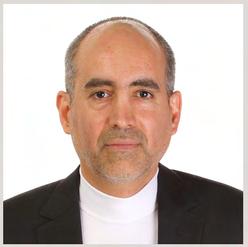
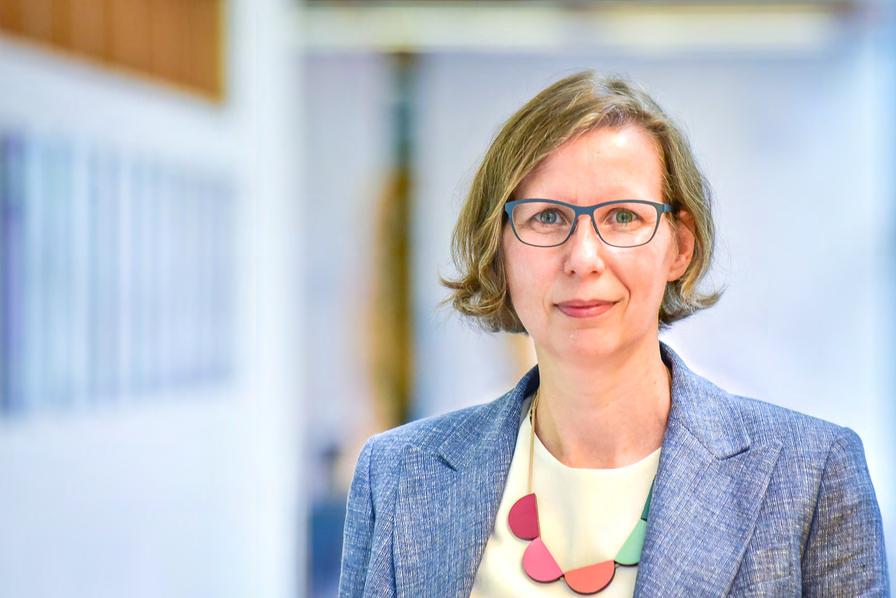


BCCHF total funding $5,993,000
Annual Grant
$2,979,000
Donor-designated funding
$3,014,000
Other infrastructure funding
$1,281,000
Research grants and awards from other sources
$13,300,000
Investigators with the Childhood Diseases Theme explore immunity, rare diseases, childhood cancer, blood disorders and diabetes. The theme is also home to the Michael Cuccione Childhood Cancer Research Program and the Canucks for Kids Fund Childhood Diabetes Laboratories. We're dedicated to discovering how the body responds to illness, and to developing and testing new ways to diagnose and treat a wide range of childhood diseases and disorders.
Dr. Megan Levings PhD
Theme Director, Childhood Diseases Investigator
BC Children's Hospital
Professor, Department of Surgery and School of Biomedical Engineering
University of British Columbia
The Childhood Diseases Theme held a research symposium in October 2022 to highlight amazing outcomes over the last seven years. Some projects achieved substantial outcomes from relatively small investments. Work on these projects continued in the last fiscal year. Here are some examples:
Dr. Edmond Chan and Dr. Vishal Avinashi have been working on a project looking at biomarkers for pediatric eosinophilic esophagitis, an increasingly common food allergy of the esophagus. They received 2016 and 2020 Seeds Grants and a 2017 Applied Health Grant. This work has received additional awards and improved patient care at BC Children's.
Dr. Gregor Reid has been leading work on a new area of research examining the mechanisms of neonatal immune modulation in pediatric acute leukemia since receiving a Seed Grant in 2016. The research team subsequently secured a large CIHR Operating Grant.
Dr. Jonathan Rayment received a 2018 Seed Grant for his project "From theory to Practice: Multiple breath washout testing after pediatric stem cell transplant." This work has changed clinical practice and improved patient care at BC Children's.
With the help of a 2017 Catalyst Technology Grant, Dr. Laura Sly has worked on a new area of research related to the microbiome and discovered a potentially new treatment method for inflammatory bowel disease.
With the help of a 2017 Platform Technology Award, Dr. Francis Lynn developed a Tissue Disease Modelling Core (TDMC) and secured UBC Faculty of Medicine funding. From 41 patients, the TDMC has generated approximately 480 cell lines, supporting 15 research programs. It's also benefiting 30 genome editing projects and nine related research programs.
Work by Dr. Li Wang and Dr. Tom Blydt-Hansen to validate a new non-invasive biomarker test to detect kidney transplant rejection has led to this test now being used at BC Children's.

"Our trailblazing research furthers understanding of immunity and the diseases that affect children. Our work improves diagnosis and treatment, and adds to knowledge that helps children and youth live healthy lives."
BCCHR Pre-Grant Brainstorming Sessions: We will build on the success of the cross-theme
Pre-Grant Brainstorming Sessions to continue providing researchers who want to submit grants with opportunities for peer feedback. These sessions help faculty hone ideas to optimize their potential to attract external research funds.
PITCH Seminar Series: With travel open again, we will focus on inviting visiting scientists for our Progress in the Theme of Childhood Diseases (PITCH) Seminar Series for researchers, which happens every two weeks from September through June.
BCCHR Immunology Collective: In partnership with the Healthy Starts Theme, we are building upon the success of the institute-wide and trainee-run Immunology Journal Club to foster more collaboration and connections between the diverse human immunology programs at BCCHR.
Trainee Omics Group: Biomedical research is increasingly requiring skills in data science to process, analyze and interpret high-dimensional datasets. These skill sets are often not included in undergraduate training, so trainees must acquire them independently. The Trainee Omics Group is a trainee-led group of researchers that facilitates learning in this area and enhances collaborations and connections across themes. We will continue to support this trainee group and help them connect with researchers for mentoring and training in complex data analysis.
Seed Grants: This program will support research projects designed to catalyze new areas of investigation.
Inherited heart arrhythmia conditions, or inherited heart rhythm disorders, are relatively rare diagnoses for children, but they can lead to serious complications, including organ damage and sudden death. Currently, a major barrier to understanding arrhythmias and developing targeted therapies is accurate human physiological models of the heart, which can help determine effectiveness and side effects of treatments specific to each child. Many promising drugs are difficult to derive relevant results in animal models, and subsequently show poor outcomes in humans.
A new high-speed optical mapping system that captures images at 1,000 frames per second, along with the world's first robotic stem cell technology, are transforming the knowledge and understanding of heart arrhythmias. Both technologies are supported by the Foundation. Dr. Glen Tibbits and his team manufacture stem cells using the robot, convert those stem cells into heart cells and then build three-dimensional structures called "cardioids", or mini hearts, that mimic the architecture of a heart chamber.
Dr. Tibbits and Dr. Shubhayan Sanatani can pinpoint the severity of an individual's arrhythmia with incredibly detailed data from the new optical mapping system that was never before available. This paves the way for personalized medicine. The ability to manufacture many cardioids at the same time allows researchers to test multiple treatments before prescribing them to the patient. For example, one arrhythmia drug, flecainide, can actually cause arrhythmia in certain patients. Researchers can now test flecainide on a patient's cells in a Petri dish, providing vital information on what works and doesn't work for that particular person.

Another project using these technologies will focus on children who have undergone aggressive cancer treatment. About one in five of these kids end up with heart failure as adults, a side effect from toxic chemotherapy. Dr. Tibbits and other collaborators are looking at genetic variants that increase a child's risk for future cardiac problems.
The team is seeking further funding to continue expanding the automation process for stem cell research. Converting the stem cells to different types of tissue cells, such as heart cells, is still a manual process.
"We currently have the most sophisticated stem cell manufacturing pipeline in Canada, but we want to keep improving on it and stay at the top of this field," says Dr. Tibbits.
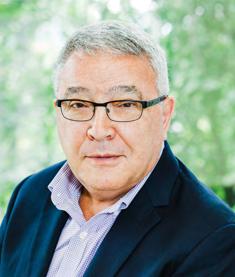 Dr. Glen Tibbits
Dr. Shubhayan Sanatani
Dr. Glen Tibbits
Dr. Shubhayan Sanatani
Type 1 diabetes, or T1D, is an autoimmune disease that prevents the pancreas from making insulin. Insulin is an important hormone that regulates the amount of sugar in your blood. Without insulin, blood sugar levels can spike, leading to serious health problems or even death if not treated.
Dr. Bruce Verchere, Dr. Megan Levings and Dr. Ramon Klein Geltink have formed a unique collaboration to examine why the immune system attacks islet cells, the cells in the pancreas that produce insulin. To do this, they are using immunometabolism — the study of how the availability and use of certain nutrients can influence immune cell activity.
Metabolic pathways were first discovered over a century ago, but technology is now available to study these at the single-cell scale.
The field of immunometabolism has transformed our understanding of how immune cell function changes in health and disease.
Immunometabolism research in cancer has shown the importance of the metabolic environment for effective immunotherapy. This will be the first time it is studied in diabetes.
Up until now, much of the focus of current research has been on finding a cure, such as implanting insulin-producing cells grown from stem cells. But as Dr. Verchere points out, that doesn't change the underlying autoimmune condition. A true cure for T1D requires the immune system to be reset so it no longer attacks the pancreas and the insulin-producing beta cells can be replaced or regenerated.
This will be the first research to look at what is happening when immune cells attack islet cells, and if what the immune cells "eat" increases damage to the pancreas. Exploring metabolic pathways will uncover new insights into how islet cell immunometabolism changes in T1D. This could provide a new way to treat diabetes and potentially even prevent it from happening.
"Essentially, we are trying to understand what goes on at the interface of the immune system and pancreatic islets in T1D. We have assembled a 'dream team' with world-leading experts in their fields to come together and study this new idea," explains Dr. Verchere.
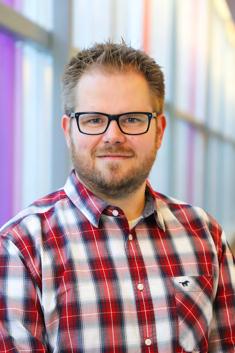
 Dr. Bruce Verchere
Dr. Megan Levings
Dr. Bruce Verchere
Dr. Megan Levings
Acute lymphoblastic leukemia (ALL), a type of blood cancer that originates in white blood cells, is the most common cancer in children. While the overall five-year survival rate for children with ALL is 94 per cent, the survival rate for those with relapsed ALL is only 30 to 50 per cent. Patient-specific approaches for disease monitoring and treatment development are urgently needed to prevent and treat relapsed ALL.
A patient-derived xenograft (PDX) is a common personalized oncology tool for studying cancer and treatment response, and involves implanting a patient's cancer cells into an immunodeficient mouse. The PDX model mirrors the unique ways a patient's cancer behaves and responds to drugs. These cancer models can identify cancer cell populations that are most resistant to treatment and most likely to lead to relapse.
Dr. Gregor Reid, Dr. Nina Rolf, Dr. Suzanne Vercauteren and their team have developed a translational flow cytometry platform to determine the accuracy of patient-derived xenografts in terms of the markers or antigens that are present on or inside the cells. PDX advancements at BC Children's are making the models better able to reflect the distinctive changes that occur in each individual's cancer.
These advancements stand to improve relapse prediction, increase understanding of cancer progression in each individual patient, and improve identification of personalized and targeted treatments.
If the predictive power of PDX modelling can be validated with a larger number of patients, this approach could provide a new method for identifying the children most at risk of relapse and provide insights into the drug sensitivity of the cells that are present when the leukemia returns.
"Incorporating our platform into clinical pediatric ALL studies could greatly expand the use of PDX for assessing treatment options to target cancer cells that could lead to relapse in kids," says Dr. Reid. "Ultimately, this could reduce the chance of relapse and increase treatment options, targeting treatments to each individual patient."
The researchers are developing additional faster methods for modelling pediatric cancers.
 Dr. Gregor Reid
Dr. Nina Rolf
Dr. Gregor Reid
Dr. Nina Rolf
Chronic lung diseases present a serious health challenge for Canadian children and youth. For example, cystic fibrosis (CF) shortens life expectancy and carries an enormous treatment cost. Asthma affects nearly one in seven Canadians under age 20. Unfortunately, traditional tools used to measure lung health can be unreliable, especially in younger children and those with early disease, impairing care and treatment.
Dr. Jonathan Rayment and his team use functional pulmonary magnetic resonance imaging (fpMRI) to detect and quantify lung disease in children. fpMRI scans can create detailed regional maps of lung function, which are more sensitive than traditional lung function techniques. fpMRI scans can quantitatively pinpoint specific areas of concern early on in the course of various pediatric lung diseases.
In collaboration with the BC Children's Hospital MRI Research Facility, and with the support of the Foundation, Dr. Rayment performed the first hyperpolarized xenon (Xe) gas-enhanced fpMRI scan on the west coast of North America in early 2020. (Dr. Rayment's son was the first pediatric participant, three days after his fifth birthday!)
In the largest ongoing fpMRI study of its kind, Dr. Rayment is using fpMRI to monitor how children with CF respond to treatment with a revolutionary new class of medications called CFTR modulators.
Dr. Rayment is an active member of the steering committee of the Xe-MRI Clinical Trials Consortium, an international group dedicated to finding ways to use fpMRI in clinical care of people with lung disease.
More than 150 Xe-enhanced fpMRI scans of the lungs of children as young as five years of age with a variety of lung diseases — including cystic fibrosis, asthma, primary ciliary dyskinesia, congenital diaphragmatic hernia and others — have now been conducted at BC Children's. Looking forward, many clinics and collaborators outside of the Division of Respiratory Medicine are interested in accessing the fpMRI platform to better detect, understand and monitor lung disease in children, and ultimately improve children's health and lives.
"Understanding the patterns of regional lung function in children with different conditions can give us hints on how best to treat them," Dr. Rayment says. "This concept of 'treatable traits' is central to our advanced diagnostics program in Respiratory Medicine at BC Children's, and I'm very excited to see how far we've come in such a short time."


BCCHF total funding
$3,496,000
Annual Grant
$2,859,000
Open call funding
$54,000
Donor-designated funding
$583,000
Other infrastructure funding
$1,111,000
Research grants and awards from other sources
$7,500,000
The Evidence to Innovation (E2i) Theme's mission is to generate evidence to innovate clinical and community practices and policies that improve health and well-being for children and families in B.C. and beyond.
Dr. Ian Pike

BSPE, MSc, PhD
Theme Director, Evidence to Innovation Investigator, BC Children's Hospital Professor, Department of Pediatrics, University of British Columbia Director, BC Injury Research and Prevention Unit (BCIRPU) Scientific Director and Spokesperson
The Community Against Preventable Injuries
Dr. Rod Rassekh

MHSc, MD
Theme Director, Evidence to Innovation
Investigator, Michael Cuccione Childhood Cancer Research Program
BC Children's Hospital
Clinical Associate Professor, Department of Pediatrics University of British Columbia
Since April 2022, the Genomic and Outcomes Databank for Pharmacogenomic and Implementation Studies (Go-PGx) pharmacogenomics project, co-funded by the Foundation, has tested more than 300 children with cancer in B.C. and across Canada. Led by Dr. Bruce Carleton, Go-PGx provides patientspecific information on the risk of side effects to cancer medication based on each patient's genetics. By the end of November 2022, the GoPGx project had tested approximately 1,250 children with cancer across Canada. The project was extended by the granting agency for another two years.

Dr. Shelina Babul and the BC Injury Research and Prevention Unit created new e-learning courses on concussion. The Concussion Awareness Training Tool (CATT Athletes university-level) has been mandated by 28 Canadian institutions for varsity-level athletes, and CATT Youth (high school athletes) was created in collaboration with the national SHRed Concussions program. Both courses educate young athletes on recognizing a concussion and managing recovery.
During anesthesia training, residents are involved in non-routine clinical events, including actual and near-miss patient safety incidents, as well as other physical and emotional stresses that occur during patient care. Dr. Zoë Brown's preliminary study examined stress levels among residents at BC Children's. In an effort to promote wellness and prevent burnout, she implemented Better REsident Wellness (BREW) rounds, a weekly guided peer discussion among anesthesia residents, which she is evaluating with a pre- and postintervention survey. So far, almost all respondents found the rounds helpful and 63 per cent felt their subsequent care of children had improved.
"Our pragmatic and groundbreaking research is contributing to the prevention of chronic health problems, advancing the safe and effective use of medications, improving family and community health and well-being, and preventing injuries and deaths in Canada and beyond."
Seed Grants: We will award approximately 10 Seed Grants for a total of $100,000 to jumpstart impactful research projects with a strong potential to improve care at BC Children's and beyond. Each year, E2i receives an average of 15 Seed Grant proposals, requiring careful consideration and adjudication of awards. This means some valuable and innovative projects go unfunded. We are expecting challenges postpandemic as our ever-increasing numbers of researchers return to their research spaces and programs.
Early Career Seed Grants: We will award approximately three Seed Grants for a total of $30,000 to investigators in the first five years of their careers. These grants assist investigators to establish their research programs and successfully complete their first projects.
Support for clinical research: Since our theme has the largest number of clinician investigators at the Research Institute, we will continue to offer staffing support and workshops for clinical researchers who conduct research while also maintaining a busy schedule of patient care.
Statistical and library support: We will continue to offer vital statistical support to BC Children's investigators to help locate studies and other literature through a consulting program with theme biostatisticians and a part-time librarian. Workshops and seminars: We will foster collaboration and knowledge sharing by continuing to offer workshops and seminars on a wide array of topics. This includes our Methodology Rounds seminar series to highlight new and complex research methodologies, E2i Research Forums to share updates on E2i Seed Grant-funded research, and trainee presentations with stakeholders across the theme. E2i Research Day showcases research from all theme members.
BCCHR Pre-Grant Brainstorming Sessions: We will build on the success of the cross-theme Pre-Grant Brainstorming Sessions that were developed with the Research & Technology Development Office in 2022 to provide researchers submitting grants with a review panel experience. We will organize additional sessions for the spring to maximize the ability of faculty to attract external research funds.
One in five children experience persistent pain up to 12 months after their surgery, which can impact their quality of life and lead to increased use of pain medication, reduced trust in the health-care system and more frequent hospital visits. While physicians often discuss post-surgical pain risks with family members, the information shared is sometimes not specific enough to each child. Additionally, the information may not be retained, especially during a potentially stressful time while preparing for surgery.
Every child has a different set of risks for experiencing long-term post-surgical pain. Some characteristics that might increase the chance of post-surgical pain complications include anxiety, past pain experiences, and pain catastrophizing. Research has shown that individual pain risk is not adequately communicated to families of pediatric surgery patients, but the use of paper- or app-based pain risk communication tools can help.
Dr. Matthias Görges and his team recently defined the requirements and features needed for the development of a pediatric pain risk communication tool prototype. They designed an easy-to-use pain risk communication tool to communicate children's risk of post-surgical pain to both clinicians and family members. The full version of this tool will help improve current processes used to communicate children's pain risk and may suggest individualized intervention strategies to reduce that risk. In a recent study, family members indicated they would like to receive pain risk information delivered before surgery as opposed to the day of their child's surgery.
The use of a post-surgical pediatric pain risk communication tool will help ensure that both clinicians and family members have the information they need to best support children in preparing for their hospital visit and when recovering at home. Most importantly, the tool will help kids return to their normal activities more quickly and comfortably after surgery.
"We want to make a pain risk communication tool that is accessible, accurately indicates the individual child's pain risk, includes discussion prompts for clinicians and families, and highlights personalized risk reduction strategies," says Dr. Görges.
The researchers' next step is to recruit additional health-care workers and families to assist in design improvements and testing of the pediatric pain risk communication tool, which will be devised in both paper- and app-based forms, for maximum accessibility and ease of use.
Dr. Matthias GörgesCerebral palsy (CP) is a term used to describe a group of disorders affecting body movement and muscle coordination. About one out of every 500 Canadians is affected. Brain injuries in early life are the cause of CP in many children. However, many kids with CP have additional health issues, similarly affected family members, or other clues that the underlying cause of their CP may be due to a genetic change.
There are 100 BC Children's Hospital families now enrolled in the IMAGINE project, or Diagnosis Using Integrated Metabolomics And Genomics In Neurodevelopment, led by Dr. Jan Friedman and Dr. Clara van Karnebeek. Each child has two types of testing: genomic sequencing and metabolomic testing. The advanced level of genetic tests for the study are not available clinically.
Just over half the kids in the study have received a genetic diagnosis. That number will increase as researchers re-analyze the data as new information becomes available. The IMAGINE team has published several papers, including an extensive overview of research showing that the development of optimal treatment will require finding the genetic causes of CP.
Researchers have discovered a biomarker for identifying some genetic causes of CP, which will allow a faster, less expensive way to diagnose children. There has also been work done to support families undergoing genetic testing, including the development of a patient- and family-oriented booklet to help families understand their test results.

A specific diagnosis is the first step in being able to improve care. For these families and children, it means an end to a lot of tests searching for an answer. Having a diagnosis could signal the start of precision medicine options by opening doors to new therapies that may improve treatments for specific symptoms, or prevent additional symptoms from appearing. It also helps families to understand the genetic mechanism behind their child's symptoms. And importantly, a genetic diagnosis can provide a key support network by allowing families with rare conditions to connect with each other around that world.
"The more genes we are able to discover and the more rare conditions we can link to those genes, the easier it will be for other families in the future. They won't have to wait years to get a diagnosis," says the project's genetic counsellor Ms. Colleen Guimond.
 Dr. Jan Friedman
Dr. Clara van Karnebeek
Dr. Jan Friedman
Dr. Clara van Karnebeek
Outdoor free play is unstructured time outdoors where children have the freedom to play how they want. Children get to engage with all their senses and develop creativity, problem-solving skills and selfconfidence. Outdoor play encourages lifelong healthy behaviours, helps reduce uncomfortable feelings such as anxiety, and contributes to children's physical, mental, emotional and social development.
While daycare centres are key sites where children can engage in this important activity, many centres currently struggle to provide highquality and engaging outdoor playtime.
Several YMCA daycare sites in Greater Vancouver participated in the first phase of the project. The second phase just launched and will involve a partnership with First Nations and Métis child care organizations. Dr. Mariana Brussoni's team co-develops outdoor play supportive strategies with the daycares, including training and mentoring educators and administrators, developing outdoor play-friendly policies, and engaging with families. The final component involves remaking the outdoor spaces of each site based on each daycare's needs.
Studies have shown significant positive impacts from increased time spent outside, including reduced depressive symptoms, anti-social behaviours and anxiety. Children quickly experimented and learned valuable physical skills such as climbing and balancing.
Staff at participating daycares observed children independently expressing creative behaviours, such as building and creating games. Early childhood educators were empowered to spend longer periods of time outdoors, creatively plan outdoor activities for children, and become more confident in communicating children's outdoor play stories to their families.
Outdoor play provides a host of developmental benefits for children, but perceptions that it is dangerous and unnecessary have decreased opportunities for outdoor play across generations. This study plays a major role in reversing this trend. With the information collected through this project, researchers can devise policies and strategies that other daycare centres can follow.
"The importance of outdoor play has never been more evident than during the pandemic," says Dr. Brussoni.
Since the legalization of recreational marijuana in October 2018, more and more families have been turning to cannabis. For example, parents are using cannabis to help their kids manage symptoms from intensive cancer treatments, or to harness any potential anticancer effects for cancers that have no curative option. There are currently no evidence-based guidelines for medical marijuana use in pediatric patients.
Dr. Rod Rassekh focuses on research that will lead to scientifically based guidelines on medical marijuana for pediatric patients and their families. One pilot study, in collaboration with Dr. Amanda Li, measures cannabinoids in the blood of pediatric patients after they take a dose of cannabis so researchers can learn what is actually being absorbed by each child.
The initial results of the pilot study measuring cannabinoids show that a variety of cannabis products are being used, and that blood levels are quite varied between children. Dr. Rassekh and Dr. Li hope to use this initial data to understand cannabis dosing with the goal of a more robust clinical trial.
A study on family experiences using medical cannabis for children showed parents sought cannabis out of desperation and responsibility to their child. Parents also said they lacked guidance from health-care providers and turned to social media, industry and other families for advice.
Dr. Rassekh, along with Dr. Hal Siden and research manager Ms. Marissa Gibbard, are about to launch a study across the entire hospital to get an idea of how many children are using medical marijuana. This information will help researchers and clinicians understand which patients are being treated with cannabinoids, and to see what doses and products are currently being used.
The anonymous questionnaire will be given to families on iPads, first in the oncology unit before launching across the hospital. The survey will also explore where parents are getting their information about cannabis, as well as where they are sourcing their products.
"This is happening in such a backwards way, but we need to make cannabis use safer," Dr. Rassekh says. "We think there is a higher prevalence of use than people are aware of, as cannabis is gaining a lot of traction in the autism community, and for behavioural issues and anxiety."
Active play is defined as moderate to intense physical activity that significantly raises children's heart rates. Active play improves balance and coordination, helps build strong bones and muscles, and increases children's concentration and learning skills. Preschoolers should get a minimum of three hours of physical activity each day, and one of those hours should be active play. Unfortunately, recent findings show that preschoolers are only getting an average of 15 minutes of active play per day.
To help ensure adequate physical activity in young children attending licensed child care centres, the British Columbia provincial government implemented mandatory Active Play Standards that went into effect in 2017. Dr. Louise Mâsse and her team measured the effects of the Active Play Standards on related written policies and practices in child care centres throughout B.C.
The researchers surveyed 1,459 managers and staff from 970 licensed child care facilities serving children aged two to five years, and also looked at policies related to healthy eating. Before the Active Play Standards went into effect, eight to 43 per cent of child care centres had written physical activity and sedentary behaviours policies — such as amount of daily outdoor active play or amount of screen time. These numbers rose to 17 to 77 per cent after the standards were implemented and enforced. The child care centres reported only modest changes in actual practices related to physical activity levels and sedentary behaviours.
The researchers think the modest changes in actual practices could be explained by the relatively high levels of self-reported practices at the start of the study, meaning many centres claimed they were already performing quite well in this area even before the standards went into effect.

"The extent to which current physical activity practices impact health outcomes for children will be the subject of future studies, as well as examining how the COVID-19 pandemic has impacted the practices of child care providers," says Dr. Mâsse.
 Dr. Louise Mâsse


BCCHF total funding
$2,907,000
Annual Grant
$2,580,000
Open call funding
$111,000
Donor-designated funding
$216,000
Other infrastructure funding
$1,236,000
Research grants and awards from other sources
$15,100,000
Investigators in the Healthy Starts Theme work to better understand how child development is influenced before birth and in early childhood, with the aim of preventing lifelong health challenges as well as infectious and chronic diseases.
Dr. Angela Devlin
 PhD, BSc
Theme Director, Healthy Starts
Investigator, BC Children's Hospital
Co-Director, Women+ and Children's Health Research Graduate Program
Professor, Department of Pediatrics
University of British Columbia
Research commenced on four new collaborative projects supported by Healthy Starts Catalyst Grants of $40,000 each. This includes research by Dr. Matthew Wiens to prevent child deaths from severe infection globally by establishing a new way to spot harmful bacteria in stored blood from sick infants in East Africa. Dr. Jill Zwicker and Dr. Angela Devlin are working to determine the impact of maternal micronutrient status during pregnancy on brain and motor development in children.
Our investigators are world leaders in research on COVID-19 immune responses and vaccine safety and hesitancy in children and their families. Studies include investigations of COVID-19 transmission in school settings by Dr. Pascal Lavoie, vaccine hesitancy in minority groups and COVID-19 vaccine safety for pregnant women by Dr. Julie Bettinger, and human immune responses to COVID-19 vaccines by Dr. Manish Sadarangani.
The Foundation-funded project, Childhood Diabetes: From Beta Cells to Bedsides, led by Dr. Devlin in collaboration with Dr. Dina Panagiotopoulos, Dr. Bruce Verchere and Dr. Francis Lynn, aims to improve health outcomes in children with type 1 diabetes and keep them healthy and out of hospital.
Research by Dr. Alexander Beristain, Dr. Wendy Robinson, Dr. Michael Kobor, Dr. Stuart Turvey, Dr. Manon Ranger, Dr. Devlin and Dr. Rajavel Elango is focused on understanding the developmental origins of child health and disease (DOHaD) by determining how prenatal and early postnatal factors shape child health and diseases such as asthma, neurodevelopmental disorders and diabetes. Dr. Robinson was a key organizer of the DOHaD World Congress held in Vancouver in August 2022.
"Our world-class research is contributing to the prevention of chronic health problems, ensuring the safety of vaccines and improving the health of children in Canada and worldwide."
Catalyst Grants: We will provide grants of up to $40,000 through our annual competition to initiate collaborative and cross-disciplinary research projects to improve child health. Trainee support: In demonstration of our commitment to research training, we will offer Studentship Awards at master's, doctoral and postdoctoral levels. We will also issue Travel Awards ($500 each) to support trainees in attending conferences for career development and to disseminate Healthy Starts research.
Healthy Starts Research Day: We will host our annual symposium-style event to highlight new research and innovations in child health research within the theme, and celebrate the accomplishments of Healthy Starts investigators and trainees over the year.
BCCHR Pre-Grant Brainstorming Sessions: We will build on the success of cross-theme PreGrant Brainstorming Sessions that were developed with the Research & Technology Development Office in 2022 to provide researchers an opportunity to discuss their grants with peers before submission. We will also develop additional support sessions to maximize the ability of faculty to attract external research funds.
Healthy Starts Postdoctoral Fellow Group: We have created a group for our postdoctoral fellows to connect, network and discuss career development. We will continue to provide support and develop opportunities for this group to enable members to pursue careers in improving child health.
BCCHR Human Immunology Collective (BIC): In partnership with the Childhood Diseases Theme, we have created a community to increase synergy and collaboration between immunology researchers at BCCHR. We will continue to support the collective through events and trainee grant competitions, for example, in order to catalyze new areas of investigation and generate preliminary data for future external funding opportunities.
UBC Research Excellence Clusters: Healthy Starts investigators lead and participate in many UBC Research Excellence Clusters, including Action on Sepsis (led by Dr. Mark Ansermino), Advancing the Science of Physiologic Birth (led by Dr. Patti Janssen), and The Social Exposome Cluster (led by Dr. Michael Kobor). The theme administrative team will continue to support planning and development for existing and new clusters.
In Canada, approximately eight per cent of children are born preterm, and up to 10 per cent of infants are admitted to the neonatal intensive care unit (NICU). Preterm infants face a higher risk of developing neurodevelopmental disorders, and the earlier gestation at birth, the greater the risk. Previous studies examining this issue were hospital-based and included a relatively small number of children whose development was followed from infancy to adolescence.
Dr. Sarka Lisonkova and her research team aim to analyze rich population data sources from B.C. and Sweden. They will identify risk factors associated with increased medical complications in infants, including the reasons for preterm delivery and postnatal interventions, which influence the occurrence of neurodevelopmental disorders in childhood and early adulthood.

Neonatal mortality has declined substantially during the last decades, especially in infants born preterm, which is primarily due to the highly specialized care provided in NICUs. Canada's preterm birth rate is 7.9 per cent, compared to Sweden's at 5.6 per cent. Even among low-risk pregnancies, birth before full-term gestation is associated with an increased risk of stillbirth, infant mortality and neurological conditions.
Birth at 39 to 40 weeks' gestation is associated with reduced risks compared with late-term and post-term births.
The research team will create a virtual cohort of approximately 3.7 million infants and follow their development throughout childhood and adolescence, up to 22 years of age. They will use artificial intelligence (machine learning) to create prediction models to identify factors that place preterm infants at a greater risk of death or illness later in life. Researchers will also investigate the differences in risk factors between boys and girls and siblings using special analytical designs.
Dr. Sarka LisonkovaOne of Dr. Jessica Dennis' primary goals is to learn about the genes associated with mental health conditions in children such as attention-deficit/hyperactivity disorder (ADHD). Currently, how placental function genes affect a baby's risk of developing ADHD is unknown. Answering this question will help scientists better understand the biology of ADHD to improve diagnosis and develop early prevention and treatment strategies to give children the best start in life.
The last decade has seen an explosion of genomic and health-related data. Statistical methods can be used to link many different types of large genomic and health datasets. Dr. Dennis and her team will use these data to examine the genomic mechanisms underlying the prenatal and early childhood origins of ADHD in children with the aim of improving patient care.
Genetic data can be used to identify the risk of developing certain diseases and disorders. Genetics play a significant role in the chance of developing ADHD. Preterm birth is associated with greater likelihood of having ADHD. DNA variants in genes or regulatory sequences (segments of DNA which control gene expression) are associated with greater likelihood of having ADHD.
Researchers can now measure genetic variation across the whole genome and relate it to gene expression and epigenetic marks in multiple cells and tissues. Genomic and health-related data can advance precision medicine, but only if the right analyses are applied.
"We aim to identify how genes influence the risk of developing ADHD by integrating lots of big datasets," says Dr. Dennis. "These big datasets give us a more complete picture of a person's health and environment, which helps us identify the elements that are contributing to or associated with a disorder. Once these elements have been identified, we can move towards specific personalized prevention strategies and therapies."
During the pandemic, it has been crucial to understand the extent of SARS-CoV-2 transmission in schools. How likely are students and staff to be reinfected? What has the health impact been on the safety of the school system? With the rise of new variants and the advent of reinfections, these are key questions that remain unanswered.

In early 2021, Dr. Pascal Lavoie, Dr. Louise Mâsse and Dr. David Goldfarb led a study to establish whether school staff and students were at increased risk of being infected with SARS-CoV-2. This study has now been expanded for the 2022-2023 school year to further assess the health impact of the pandemic among school staff.
The findings from the 2020-2021 school year were published in a peer-reviewed journal in April 2022 and showed that, with appropriate mitigation strategies in place, in-person schooling was not associated with increased risk of SARS-CoV-2 transmission for classroom-based staff compared to members of the general population. Before publication, the results of the study were shared with the public health offices of B.C. and Canada, and the BC Centre for Disease Control, and were critical to helping guide school-related public health policy in B.C. Asymptomatic testing of school-based contacts of COVID-19 cases identified additional cases, but the study still found that most of the transmission occurred outside of the school setting.
The new stage of this study will be expanded to include additional school staff members from school districts in the Lower Mainland, including the Vancouver, Delta and Richmond school districts. The goals of this next phase are to assess the risk of reinfection with SARS-CoV-2, the immunological response to previous infection and vaccination, and the health impact of COVID19 reinfections among staff. This research will likely inform future school-related public health policy.
"Our research shows that SARS-CoV-2 transmission in schools, with appropriate mitigation in place, typically mirrors transmission from family and community contacts," says Dr. Lavoie. "In our expanded study, we are assessing whether these transmission patterns have changed due to the Omicron wave or other variants in the past year. We are also looking into the longer-term health impacts of COVID-19 infections or reinfections among school staff, such as long-COVID or additional immunological protection over the vaccine."
 Dr. Pascal Lavoie
Dr. Louise Mâsse
Dr. David Goldfarb
Dr. Pascal Lavoie
Dr. Louise Mâsse
Dr. David Goldfarb


Annual Grant
$13,000
Donor-designated funding
$500,000
Researchers with the Centre for Molecular Medicine and Therapeutics (CMMT) aim to reduce the burden of genetic disease in children and families. CMMT investigators will accomplish this by translating discoveries into new tools and effective therapies that may improve health and quality of life.

Director, Centre for Molecular Medicine and Therapeutics
Investigator, BC Children's Hospital
Professor, Departments of Pathology & Laboratory
Medicine, and Surgery
Irving K. Barber Chair in Diabetes Research
University of British Columbia
We have completed a CMMT strategic plan that will guide the direction of the centre over the coming years as we work to grow, build community and accelerate outstanding genetic disease research.
Growth is a major strategic goal at CMMT and, as part of this initiative, we extended invitations to a diverse group of UBC researchers to present to CMMT faculty. We will recruit four or five new researchers to join CMMT from this presenter group. By expanding the research diversity of CMMT, we will enhance the centre's world-renowned research in the genetics of human disease and child health.
Dr. Elizabeth Simpson's CRISPR gene editing program developed cell lines needed to correct genetic blindness in children.
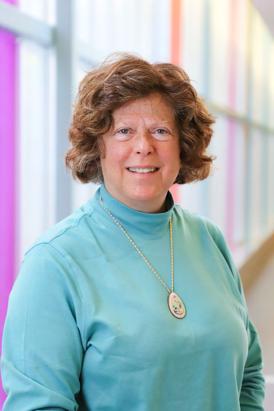
Dr. Michael Kobor worked to better understand the epigenetics surrounding immune system development and function, analyzing DNA methylation in over 800 children as part of the CHILD (Canadian Healthy Infant Longitudinal Development) Cohort Study. DNA methylation is one of several ways gene expression is regulated.

 Dr. Elizabeth Simpson
Dr. Michael Kobor
Dr. Elizabeth Simpson
Dr. Michael Kobor
"Foundation support is critical in helping us lay the groundwork for further discoveries and breakthrough therapies from CMMT investigators in the year ahead, promising healthier lives for children and families affected by genetic diseases."
We are searching for an outstanding scientist to join our community as the Donald Rix British Columbia Leadership Chair in Genetic Medicine, a prestigious appointment supported by the Leading Edge Endowment Fund (LEEF).
Dr. Simpson will continue her CRISPR gene editing program, which aims to correct diseasecausing genetic variants such as the rare eye disease aniridia. Aniridia is characterized by a complete or partial absence of an iris and results in blurred vision or blindness in part of the field of vision.
The CMMT Trainee Committee is working to expand research and training opportunities for graduate students and postdoctoral fellows.
Dr. Kobor will begin work on a pediatric blood clock to calculate epigenetic age using a subset of CHILD Cohort Study samples in combination with 15 other cohorts, representing a wide pediatric and youth age range of 0 to 22 years. Epigenetic clocks are bioinformatically based tools that calculate epigenetic age, an individual's degree of aging based on patterns of DNA methylation. Currently, most blood clocks are trained and developed on adult samples and are not accurate in pediatric populations. A pediatric buccal (cheek swab) clock exists, but it isn't accurate for blood samples. The blood clock could be used to measure and monitor childhood growth and potentially allow for an earlier diagnosis of lifealtering developmental disorders.

Annual Grant
$711,000
$117,000
$671,000
The Advanced Technology Platforms are three state-of-the-art facilities: Histology and Imaging, Metabolomics, and Flow Cytometry. These platforms provide researchers at BC Children's with specialized equipment that's operated by highly qualified technical staff to enable and facilitate scientific discoveries through the analysis of genes, proteins and cells.
These facilities are part of the Research Services portfolio under the management of Dr. Vidhu Sharma, who works to ensure we remain efficient, effective and at the forefront of technical innovations. She partners with the scientific lead of each facility to bring in new technologies and expand services while ensuring the sustainability of the platforms for years to come.
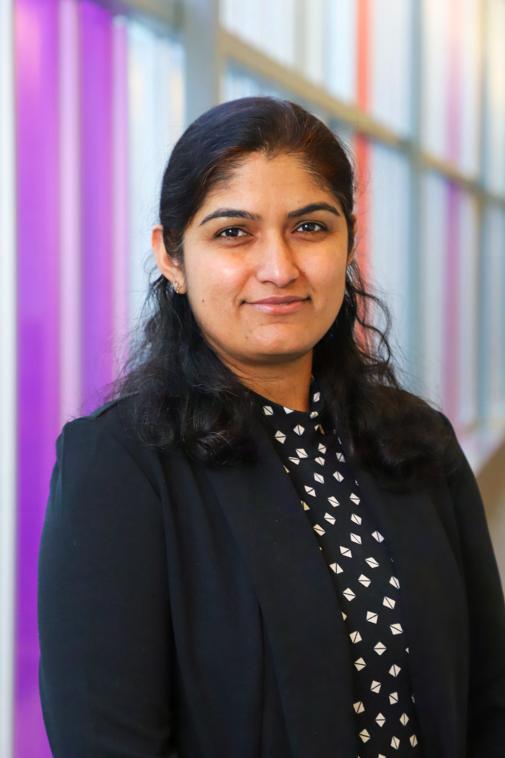 Dr. Vidhu Sharma
Donor-designated funding
Other infrastructure funding
Dr. Vidhu Sharma
Donor-designated funding
Other infrastructure funding
The Histology and Imaging Cores allow researchers to study the anatomy of cells at the microscopic level at high resolution. The Histology facility offers tools for processing delicate and valuable tissue samples, and the Imaging facility features three powerful microscopes and a specialized computer for analysis that are used to study tissue sections and other samples.
More than 150 students, trainees and research staff from over 40 research groups use the Imaging Core. The Histology Core is used by more than 120 students who are trainees from more than 35 lab groups.
Histology Core is used by from over 35 research groups

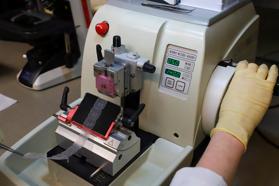
more than 120 students, trainees, research staff
Dr. Francis Lynn used confocal microscopy from the Imaging Core this year to investigate human islet cells and how they differ between populations, and what this reveals about their maturity and function.
A collaborative project between multiple research teams, including Dr. Pascal Lavoie, Dr. Kevan Jacobson and Dr. Bruce Vallance, used the Histology Core to develop an experimental model of the neonatal gut using 3D organoids. This model could be used to study the impact of developmental changes in the newborn intestine.
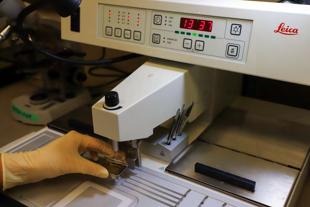
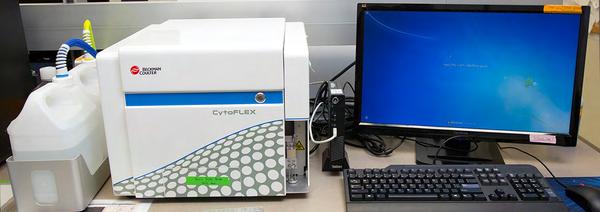
The Flow Cytometry Core facility gives researchers access to state-of-the-art technology for characterizing, analyzing and sorting cells. Flow cytometry measures and analyzes multiple physical characteristics of cells as they move in a fluid stream through beams of high-powered lasers. This produces extremely detailed data and can sort cells into different compartments, such as differentiating diseased cells from healthy cells, for further study.
The facility currently supports more than 36 research groups. It serves around 120 researchers, including trainees and research staff. A full-time expert technologist provides full-service sorting, as well as one-on-one training for self-serve use.
Flow Cytometry Core supports 120 researchers 36+ research groups +

Dr. Vallance and his research team used the Histology and Flow Cytometry cores to develop a highly sensitive method to measure intestinal barrier dysfunction in an experimental model of colitis that could potentially be used in the clinic.

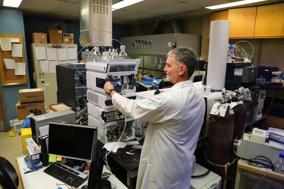
The Analytical Core for Metabolomics and Nutrition (ACMaN) allows researchers to analyze and track biological compounds such as nutrients as they're processed in the human body. This technology allows researchers to better understand how the body responds to disease and develop new diagnostic tools and therapies. ACMaN plays an integral role in research on metabolic diseases, hormones and the effects of nutrition on childhood development. The ACMaN core was used by 38 lab groups this year. ACMaN supports various research areas ranging from understanding the role of different micronutrients in various disorders, to developing analytical assays and measuring biomarkers to predict the development of disease.
ACMaN was used by 38 lab groups

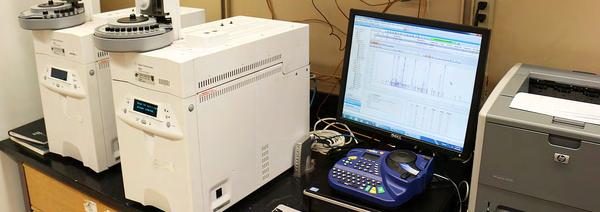
Dr. Hongbing Yu, a research associate in the Jacobson and Vallance Research teams, used the ACMaN core to track metabolites in the gut. His work found that a molecule secreted by neurons could recruit immune cells to the gut. The ACMaN facility helped reveal how this molecule regulates the production of metabolites, such as vitamin A, which increases the recruitment of immune cells.

Annual Grant
$1,040,000
BCCHF total funding
$1,293,000
Approximately 70 per cent of our researchers work as physicians and health professionals and are perfectly positioned to lead studies that transform care and save lives.
The Translational Research Platform, mainly comprising the Clinical Research Support Unit (CRSU), works to alleviate administrative burdens and serves as a supportive hub of information so that busy clinicians and trainees can engage in research while also providing the highest quality of clinical care.
Donor-designated funding
$253,000
Other infrastructure funding
$576,000
70% of our researchers are also physicians and health professionals
Research highlights
Dr. Tim Oberlander is leading a first-of-its-kind multi-centre study into the tolerability of a cannabidiol-enriched herbal extract for chronic headaches in adolescents across Canada.
Dr. Nassr Nama is leading a study validating the clinical prediction rules for infants with brief resolved unexplained events, such as stopping breathing, with the goal of achieving a more accurate risk prediction than the currently available practice guideline. The study is the first of its kind in Canada.
Dr. Tom Blydt-Hansen is investigating a urinary biomarker to detect early stages of kidney transplant rejection so that children don't require invasive biopsies.
Consultants in Biostatistics, led by Mr. Jeffrey Bone, assist with research project development, study design and methodology, statistical analysis and data management.
Accomplishments of this fiscal year
Biostatistics has expanded to support more than 50 investigators from across the Research Institute with more than 100 research publications and abstracts, including many related to the COVID-19 pandemic. Biostatistics continued to support several long-term collaborations leveraging large population-based administrative data to improve our understanding of child health outcomes. The team has been involved in building data dashboards and management for reporting on a province-wide diabetes registry. A six-part annual biostatistics course has been developed and provided for trainees, as well as a statistical working group, to better connect statisticians from the BC Children's Hospital campus and beyond.
Expand the biostatistical team to further support incoming large-scale projects. Set up quarterly or biannual statistics learning opportunities for intermediate topics for research staff at BCCHR. Topics will be selected based on community interest, collected via survey, and sessions will feature a mix of concepts and application, such as coding. Expand our collaboration with other PHSA and UBC statisticians to create more learning opportunities for the team, and to find ways to continue to optimize our services to the community.
The Clinical Research Support Unit, managed by Ms. Jennifer Claydon, provides consultative and practical support for researchers conducting sponsor-initiated or investigator-initiated clinical research and trials. Qualified research staff are available for hire for investigators seeking part-time or temporary support for their research studies.
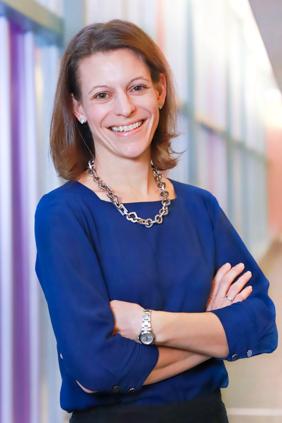
Accomplishments of this fiscal year
A team of eight supported 35 investigators on 74 different projects over the last year and provided consultative advice to another 12 projects. Since the INtegrated undergraduate Student Program in Research Education (INSPIRE) started in 2019, 49 university students have completed this program that provides research training and practical experiences in child health research during the academic year. Students are matched with a mentor and contribute to a project as part of a research team. Every student and mentor found the experience valuable, with meaningful contributions to research. A video entitled Improving Patient Care and Outcomes Through Research was created to help foster a culture of inquiry and research among front line healthcare professionals. Over the coming year, the video will be integrated into the general hospital orientation for all staff and shared with existing staff during discipline-specific education days.
Key initiatives
Develop more educational programming for INSPIRE and expand the program over the next three years so that every undergraduate student working on campus — paid or volunteer — can participate. Improve equity, diversity and inclusion by working towards increasing the number of studies that include families with low English proficiency as participants by reducing barriers and increasing access to translation and interpretation services for research.
Centralize financial management of campus research services, including support for pharmacy, laboratory services, medical imaging and other hospitalbased research services in order to improve efficiencies, streamline processes and better use limited resources.
Develop an electronic platform (ePUP) that will enable researchers to complete a streamlined online application for institutional approval, ensure thoughtful implementation of studies in hospital programs, provide program leaders with a clear sense of the studies and related resource utilization happening in their area, and make it easier for the hospital to track research activities happening in various departments.
CRSU supported
35 investigators on more than
70 projects
Ms. Jennifer ClaydonThe Research Informatics department was established in 2021 to bring together all informatics support activities. Research Informatics includes:
Information technology (help desk, networks, IT services)
Data analytics and visualization (biostatistics, bioinformatics, imaging, advanced computing)
Clinical research informatics (data management, integration, standardization, registries)
Digital technology and innovation (digital health application, virtual health)
Research Informatics works to improve study quality, data integrity and patient safety by offering expertise, resources and support for computing needs, data management and analysis activities. The team also contributes to digital tools used to improve care.
Dr. Tibor van Rooij is the new director of Research Informatics.
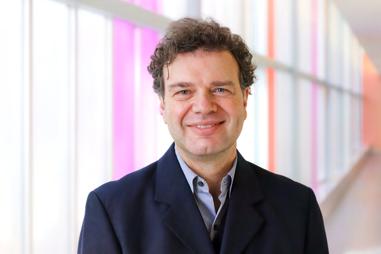
Key initiatives for 2023-2024 include:
Collaborate with the CRSU team to continue supporting the CST Cerner system, which was launched across campus in February 2022 and provides new capabilities such as centralizing health records for patients and research participants so all health-care providers can access the information. Optimize and modernize BCCHR IT infrastructure. Implement the PANDA Research Platform — the Platform for Analytics and Data initiative that leverages our clinical and research data assets to help improve patients' lives, initially focusing on patients with epilepsy in collaboration with the Data Analytics, Reporting and Evaluation (DARE) department of PHSA, and the BC Cancer Research Institute. Migrate team collaborative software, chats, messenger and calendars to cloud services accessed over the internet. Improve the BCCHR directory and staff onboarding and offboarding.
Dr. Tibor van Rooij
In 2023-2024, we will continue moving forward with ongoing key initiatives and undertake new projects with the aim of supporting research excellence and furthering the vision for the organization laid out in the previous strategic plan. We will also start the important work of developing our next five-year plan once the new senior executive director (SED) is in place. As we move forward, a key focus will be planetary health and sustainable research practices. We recognize there is no child health without planetary health and we must prioritize this to ensure the wellness of children, youth and families into the future.
As part of the 2016-2021 strategic plan, three strategic initiatives were launched in 2018 to create innovative solutions to some of the biggest health challenges facing children in B.C. and beyond: Precision Health, Digital Health Research and Healthy at Home. Each initiative brings together emerging areas of research, innovative projects and world-class investigators to transform care and advance child health. They provide unique opportunities to establish BC Children's Hospital Research Institute as a national and international leader in these fields.

Support researchers in the ongoing transition to CST Cerner for patient medical records. This includes hiring a senior business analyst to work with the PHSA Data Analytics, Reporting and Evaluation team to build capacity and ensure research continues to be a priority. This position will also be instrumental in setting up and launching the PANDA Research Platform — the Platform for Analytics and Data (see Transfer Knowledge section on page 69 for more details on PANDA).
1 2 3 4
The CRSU is developing an electronic platform, ePUP, that will enable researchers to complete a streamlined study application for institutional approval. ePUP will ensure studies in hospital programs are implemented thoughtfully and provide program leaders with a clear sense of the resources needed and how to track research activities happening in various departments.
The CRSU and Finance team are working together to build infrastructure to support centralized financial management processes for research at the BC Children's and Women's Hospital campus.
Currently, each hospital department is independently responsible for providing research support and billing services. While the volume of research in clinical areas has increased, infrastructure to support this work has remained the same.
The new infrastructure will standardize and oversee research-related procedures across the hospital, providing sustainability, efficiency, innovation, knowledge translation and, most importantly, development of an integrated research culture within clinical care delivery.
Expand the biostatistics team to meet the demands of our community to support research activities.
Focus on furthering the work of the Equity, Diversity and Inclusion (EDI) Working Group, a cross-campus initiative. (Please see the special EDI section on page 13.)

Analyze results from the needs assessment survey conducted in the fall to identify barriers and enablers in promoting EDI culture in the research community, and ensure that programming reflects our community. Develop guidelines on how to make research more inclusive.
Continue to build inclusion and engagement through the BCCHR Mentorship Program, which has now established several projects that have received very positive feedback from the community.
Mentorship-Connect: To help connect mentors with mentees, this platform displays the profiles of BCCHR community members who are interested in being a mentor. It includes trainees, research staff, administrative staff and investigators.
Healthy Teams Workshops: These interactive workshops for team leaders help build healthy teams and have been very popular, especially the session on conflict resolution, which will be offered to the community again.
Mentoring for Leadership Cafés: These are informal, discussion-based gatherings led by local leaders on a variety of topics. Previous topics have included work-life balance, graduate supervision and collaboration in a competitive environment.
Other events and initiatives include a "speed dating" event to match mentors and mentees, three awards for mentorship at the Celebrating Research Excellence event each November, and informal drop-in coffee chats.
The Research Project Management Unit (RPMU) has recently established a project management community of practice that provides a venue for staff, students and faculty to connect, share experiences and knowledge, and enable site-wide projects.

The community of practice will facilitate learning and collaboration opportunities over the coming year via a series of lunchand-learn events.
The RPMU provides project templates for community use, and is continually developing more based on feedback. In the next fiscal year, it will complete the majority of BCCHR-targeted project management templates.
4
Recruit excellent early career investigators who will build leading-edge research programs at the Oak Street campus.
5
Explore a partnership with SFU to recruit a health economist to support research.
6
Move to a new productivity platform — MS 365. This Microsoft service bundles many of the software that we are currently using into one platform on the cloud. It will help streamline the way we work and allow researchers and admin/support staff to focus on research.
7
Launch IT projects to transition provision of some services to outside vendors. This will allow BCCHR IT to concentrate on specialized services for researchers, maximizing the research-focused skill sets of our IT team.
8
Explore a shared vision and strategy for digital health across the Children's and Women's campus. This will ensure less duplication of services and support and offer alignment on digital health initiatives for investigators across the campus.
9
Support the PHSA Research Roadmap, a three-year strategic plan aimed at strengthening PHSA's overall research enterprise.
Support the launch of the BC Children's Knowledge Centre in coordination with the hospital, Child Health BC, PHSA and other partner organizations. The centre will deliver reliable and evidence-informed tools and health information resources to children, youth and families across B.C. and the professionals who support them.
Goals for the upcoming fiscal year include: establishing the Knowledge Centre's governance structures, processes and workflows; bringing on core staff members; establishing family/patient, professional advisory and steering committees; evaluation and communications planning; and establishing priority initiatives.

Develop the research component of the Platform for Analytics and Data, or PANDA. The platform has been advanced by the DARE (Data Analytics, Reporting and Evaluation) team at PHSA, and it will house all of PHSA's clinical data. Combining research data with clinical data will uncover new insights and enable the implementation of clinical decision support systems across research institutions. The BCCHR pilot project of PANDA will:
Predict which children with epilepsy would be the best candidates for surgery. Create unique data insights into childhood brain health by developing a scalable big data platform designed to integrate diverse data sets and enable data-driven analytics and innovation in B.C. Apply advanced analytics to extract meaningful information from data to improve the health of children with epilepsy. Eventually it will be scaled up to include other complex conditions.
Advance the Missing Middle project to address the mental health needs of young adults who are too old for pediatric care at BC Children's, but too young for traditional adult care at hospitals. Often these young adults aren't well enough to receive treatment as outpatients, but their condition would not be best managed in hospital. The project is funded by the Foundation and is a combination of care innovation and research.
4
Launch a refreshed external website to help raise the public profile of BCCHR and improve engagement within the research community. Better navigation, simplification and optimization of content creation, and integration with our internal research study catalogue will offer a much more robust user experience, as well as more opportunities to transfer knowledge to the public.
Develop a media training program for researchers and trainees to increase their transferable communications skills. This will ensure our community is prepared to deliver their key messages as clearly as possible, using language that will inspire the public and donors, demonstrate impact and showcase their research and expertise.



Dr. Jill Zwicker is the Research Institute's representative for the Healthy at Home strategic initiative, which aims to keep children and families out of hospital and happy and healthy in their home communities. This initiative is a patient and familyfocused effort to develop new solutions to promote health and well-being for children and youth across B.C.
The Healthy at Home initiative aims to encourage children and families to participate in studies and give clinicians and scientists their unique perspectives on health-care challenges and solutions. The initiative will develop infrastructure to help families find answers to their questions and access services they need. This initiative aspires to guide national and international health policy on topics that include nutrition, sleep, physical activity, mental wellness, chronic pain, vaccinations, infections, community interventions and support.
In 2023-2024, Healthy at Home project manager Ms. Bonnie Barrett will work with a number of research leads and working groups to:

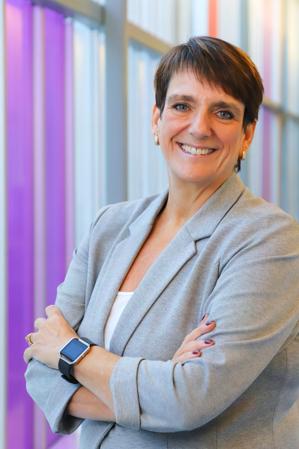
Build on the legacy of the Slocan Street site by supporting the creation of research programming and infrastructure that will enable co-operative engagement between families, health-care practitioners and researchers. This will be achieved by identifying and collaborating with current BCCHR investigators whose research is consistent with the vision for this site, determining where new faculty recruitments may fill research gaps, and meeting with researchers, clinicians and families to develop a collaborative plan for research-integrated care on the Slocan site. Develop research plans that enable co-operative engagement between families, health-care practitioners and researchers in community settings to develop innovative approaches to keep children and youth healthy at home (e.g., scaling the TrustSphere project).
Continue to explore opportunities to work with the newly developed BC Children's Knowledge Centre on building integrated and innovative knowledge translation models and pathways that will enable and increase capacity for families, community partners, health-care practitioners and researchers to collaborate across the province in support of community, child, youth and family health, research and health literacy in key priority areas.
Dr. Jill Zwicker Ms. Bonnie BarrettPrecision Health investigates how the latest technologies and each child's unique set of characteristics — including their genomic, cellular, environmental and lifestyle factors — can be used to provide the right treatment for the right child at the right time.
Under the leadership of Dr. Stuart Turvey and with support from staff scientist Dr. Phillip Richmond, the Precision Health initiative will bridge clinical and research groups across BC Children's with a focus on integrating processes and state-ofthe-art technologies surrounding precision health research. The initiative will engage patients at BC Children's who have run out of clinical care options and require more precise research-based diagnostics and therapy options. Precision Health will facilitate deeper investigations to help inform diagnosis and disease management with care that's tailored to biological, environmental and lifestyle factors.
In 2023-2024, project manager Mr. Russell Bonaguro will continue working with investigators and staff across the Research Institute and the hospital to build a strong foundation for precision health research and clinical translation of discoveries through the following key activities:

Establish a new pathway that will improve our ability to diagnose rare diseases through advanced sequencing and analysis methods, and continue to increase the capacity for precision health access and education for clinicians and researchers at BC Children's. These activities will be co-developed with staff scientist Dr. Richmond, who is spearheading the clinical education programs and computational support processes. The Foundation is fundraising, via the Mining for Miracles program, to support the Precision Health initiative for these activities. Mr. Bonaguro will be co-ordinating the most effective use of these funds to help kids and families at BCCH.
Continue to expand our cell and tissue modelling capacity, enabling researchers to develop any cell type from a single sample of a patient's blood. In 2022-2023, Mr. Bonaguro managed the development and submission of a multi-million-dollar Canada Foundation for Innovation funding proposal in this area. If that proposal is successful in June, he will be driving the execution of this project, including integrating it into current BCCHR research and services. Support the development of an immunology research program focused on tailoring vaccines to better protect kids from infections, and developing cellular immunotherapy to treat infections in immunocompromised kids. This will enable a better understanding of how to help this population of kids now, but will also protect kids from future infections.
Dr. Stuart TurveyDigital Health Research leverages new technologies and big data to fuel innovation, transform clinical care, and empower and enable patients to become partners in care.
The Digital Health Research strategic initiative, led by Dr. Tibor van Rooij, is building an innovation pathway from research to clinical care that aims to increase equitable access to high-quality care and improve the physical and mental health of children and families in B.C. Digital Health Research can bridge social and distance barriers, serve as a pathway to prevention, and provide an opportunity for impactful, real-time patient coaching. To be most effective, patients and their families need to be involved in the development of services.
Dr. Tibor van Rooij
In 2023-2024, Digital Health project manager Dr. Beth Payne will work closely with the initiative lead and steering committees to:

Formally launch the Digital Health Research & Implementation Roadmap (endorsed by the Digital Health Strategy Office at Ministry of Health, the PHSA Office of Virtual Health, and BC Children's Hospital and BC Women's Hospital + Health Centre Virtual Health Steering Committee and piloted last year) to support implementation and evaluation of digital health innovations developed by BCCHR investigators.
Support investigators at the Research Institute with Digital Health Accelerator Grants. The funding model has been updated based on learning from the first round of grants in 2021 and now includes two tiers of support with award amounts of $50,000 or $150,000.
Build out funding opportunities with industry (e.g., Canada's Digital Technology Supercluster, Innovate BC) and research funding bodies (e.g., NSERC, CIHR, Genome BC) and develop grant proposals in support of BCCHR investigators' ongoing or new research.
Develop additional areas of collaboration with the Women's Health Research Institute (e.g., through our jointly held Michael Smith Health Research Convening and Collaborating award to set and pursue an integrated C&W perinatal digital health strategy).
Further Canada's Digital Technology Supercluster-funded projects: TrustSphere, a new digital tool that can safely store important diabetes information in one place and be accessed by patients and their health-care team
Create greater opportunities for collaboration and community building between investigators, clinicians, industry, patients and families through patient advisory group activities and continuing professional development programs (e.g., Digital Health Research Week events, monthly educational workshops).
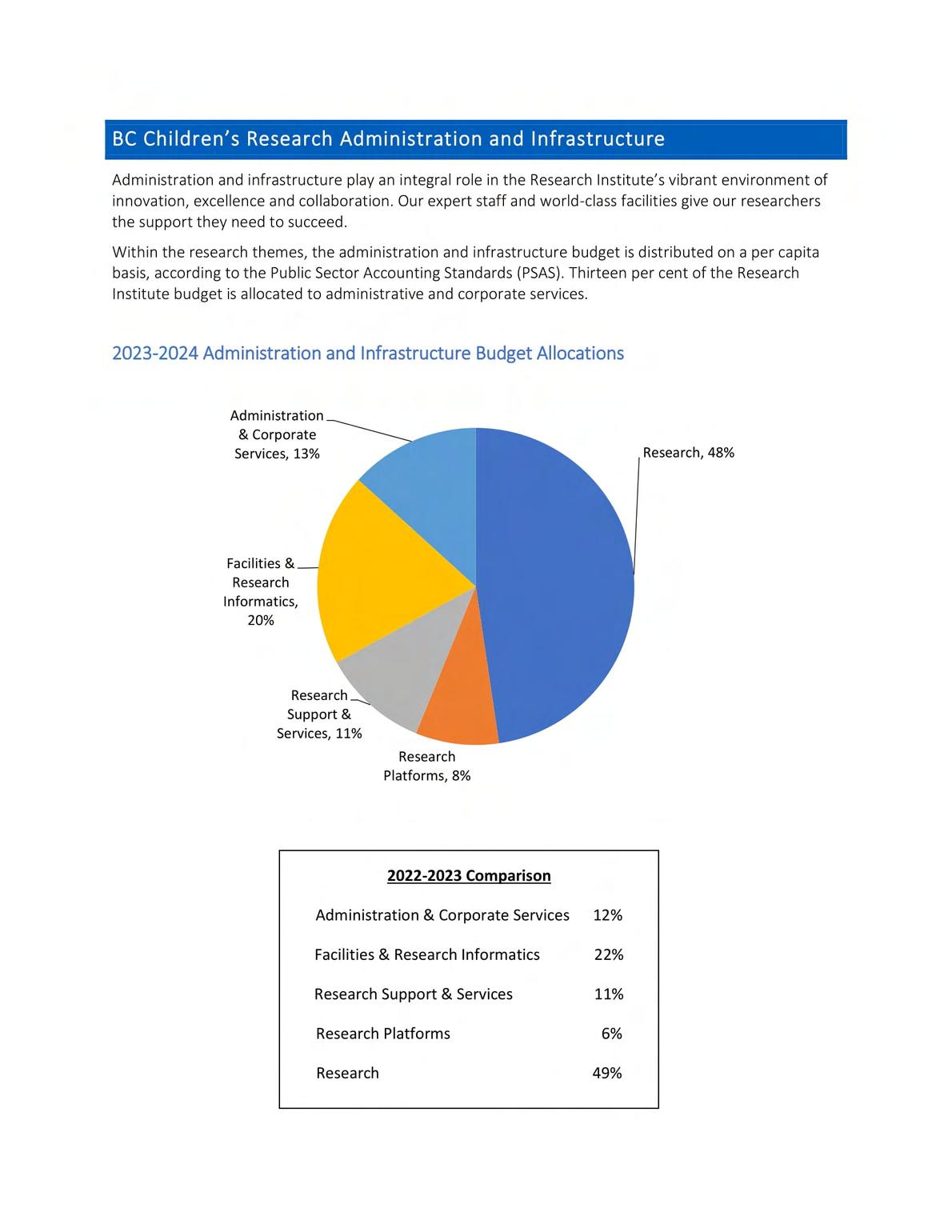

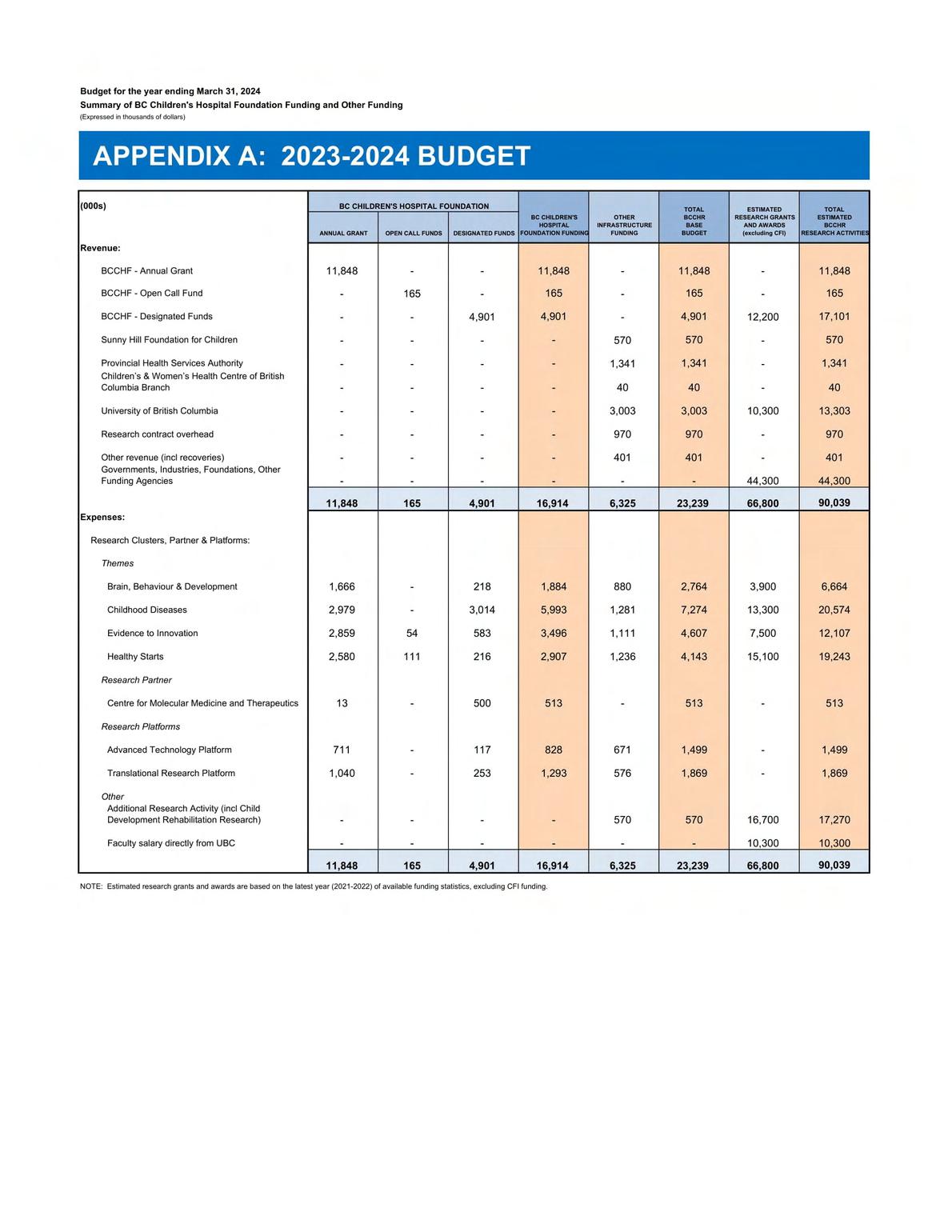

Budget for the year ending March 31, 2024
Summary of BC Children's Hospital Foundation funding and other funding (Expressed in thousands of dollars)
NOTE: Estimated research grants and awards are based on the latest year (2021-2022) of available funding statistics, excluding CFI funding.



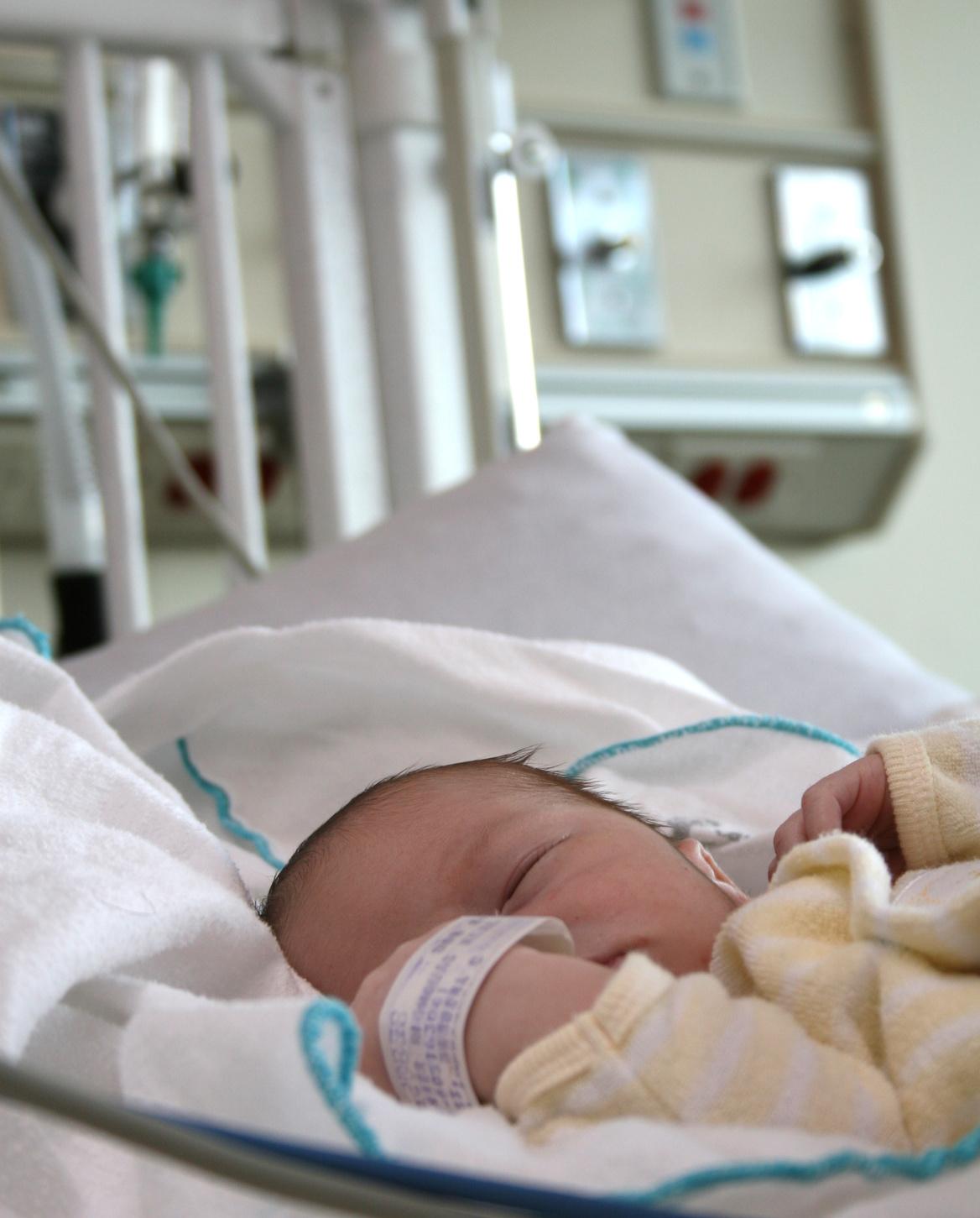
In large part due to your generosity, BC Children’s Hospital (BCCH) provides the most specialized pediatric care to children and youth in our province. BC Children’s also serves as the leading teaching and research facility for child health in Western Canada, and the related benefits for children and families extend beyond B.C.’s borders. Despite having to confront additional challenges these past few years, we haven’t wavered from our mission of achieving results through caring, leading and learning together.
Unfortunately, BC Children’s continues to contend with ongoing COVID-19-related hardships and, more recently, the surge in respiratory syncytial virus (RSV) and influenza cases in kids. This highly demanding environment is straining our system and health-care workers. Due to the recent highpatient workloads, we are facing challenges in the supply of health-care personnel, while also experiencing unprecedented levels of burnout and lower retention rates. We are addressing these problems by further investing in our staff. We will investigate best practices for staffing and recruitment in Canada and across the world, and identify ways to support existing staff and encourage future clinicians to enter this exciting field. Our specialty-trained staff are essential in our ability to provide this level of clinical service. We have added new projects and project management support to this year’s funding request to address these critical needs.
We also recognize the need to increase our capacity and ability to work with and support Indigenous families at BC Children’s and across B.C. In partnership with our Indigenous Health
team, we are dedicated to increasing programming and peer support, and creating culturally sensitive tools and resources. We are excited to be embarking on this journey together.
In addition to highlighting initiatives to better support Indigenous children and families, other key areas of focus include intensifying investments in digital health, increasing support for families at home, and continuing to support our patients and families through patients-as-partners programming.
The Annual Grant ensures BC Children's can provide expert health care for the most seriously ill and injured children from across B.C., lead in teaching and research, offer education and capacity building for children, youth and families and be a key contributor to global child health. Thank you for your assistance in supporting healthy, vibrant children and youth across the province.
Sincerely,
Sarah Sarah Bell BA, Executive MBA, RN, CHE Chief Operating Officer BC Children’s Hospital and Sunny Hill Health Centre
In 2023-2024, the capital allocation as prioritized by the capital committee will be utilized by various programs across BC Children’s Hospital. There will also be a focus on refreshing the equipment in the Teck Acute Care Centre (Teck ACC). Since the Teck ACC was built, there have been many technology advancements in medical equipment that provide enhanced care, increase safety for staff and patients, and lead to better outcomes.
"With the support from the BC Children’s Hospital Foundation, health professionals have been able to access industry-leading technology and medical equipment to provide enhanced outcomes for all patients. Your support has made a significant change in pediatric care. On behalf of all of the staff and patients at BC Children’s, thank you for all of your support."
— Mr. Reuben Liu Director of the Business Management Office for Inter-Campus Operations
Capital equipment prioritization 2023-2024
Total $2,146,780
Near-infrared spectroscopy (NIRS; OR)............................................
Bone mill.................................................................................................
Tomofix set.............................................................................................
Split leg positioner.................................................................................
4K monitor upgrades...........................................................................
Skin graft mesher...................................................................................
Cautery machine....................................................................................
Fluid waste management system.........................................................
Ultrasound machines...........................................................................
Spinal surgery top..................................................................................
Video recording device for ENT Scopes..............................................
Laparoscopes.........................................................................................
Videolaryngoscopes (PICU)................................................................
Power exam bed.....................................................................................
Patient scale.............................................................................................
Tonometer..............................................................................................
Orthopedic drill set..............................................................................
Flexible bronchoscopy equipment.....................................................
Simulation equipment............................................................................
Fluid infuser............................................................................................
Portable dental X-ray...............................................................................
X-ray processor......................................................................................
Flexible reamer set.................................................................................
Patient floor scales................................................................................
NIRS (anaesthesia)................................................................................
Business planning..................................................................................
$314,522 $24,572 $44,457 $13,142 $165,412 $14,124 $11,441 $52,928 $257,201 $10,177 $78,778 $13,945 $106,519 $28,153 $6,905 $12,028 $476,685 $245,426 $12,357 $62,659 $9,399 $32,128 $16,191 $17,173 $45,458 $75,000
This state-of-the-art equipment provides continuous non-invasive monitoring of oxygen levels in the brain for children undergoing various procedures including cardiac surgery. Its ability to capture real time subtle changes in oxygenation makes it a critical piece of equipment for surgical teams across the hospital.
An upgrade for the OR monitors is needed to enhance the visual capacities for endoscopic surgeries. The upgrades include higher resolutions and increased frames per second meaning picture and video captures look smoother to the eye. Better visualization for surgical teams may reduce surgery times and ease decision-making, thereby improving patient outcomes.

This is a vital attachable accessory for surgical tables. It assists in positioning pediatric patients of various sizes for laparoscopic, leg, and vascular procedures. By utilizing the split leg positioner, both the surgeon and imaging equipment have the clearest view possible of the surgical area helping to ensure safety and the best results possible.
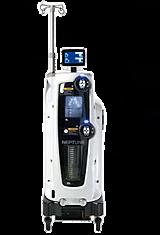
The Emergency department requires point-of-care ultrasound machines. This type of ultrasound provides high-quality portable imaging using improved penetration and greater resolution technology. Its ability to resolve small structures allows clinicians to confidently diagnose patients and enhance care. These ultrasound machines offer a suite of tools that provide diagnostic information quickly and help clinicians provide the highest standard of care in fast-paced environments such as the Emergency department.
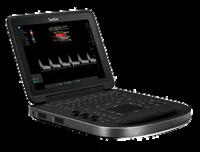
A fluid infuser is used to administer blood products and fluids at rapid rates to critically ill patients, including those children undergoing blood-loss during surgery or entering the Ledcor Emergency because of a traumatic accident. The ability to administer fluids quickly and safely saves dozens of lives every year.
This system works as a collection unit for fluid or surgical smoke during surgery. With virtually no physical touch points, lids, handles or houses, it works as a standalone solution. It replaces many bulky canisters that are currently being used as the standard of care. A three layer security system keeps biohazard materials away from staff and clinicians and allows for easier storage and transport.
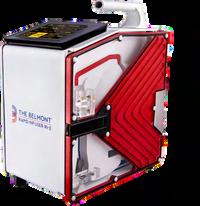
The patient scale will be used for infants being cared for at the Diabetes clinic. For these young patients, it is imperative for clinicians to know their exact weights in order to administer medication safely. This scale is user friendly with a programmable display and has the option to be mobile allowing it to be easily transported and located in different rooms and clinics.
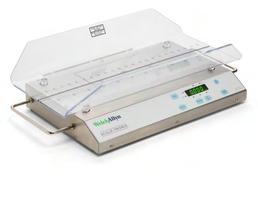
The specialized surgical top provides a convenient and stable method of maintaining patients in a flexed position for various spinal procedures including disc surgery and decompression procedures. The carbon fibre frame delivers unrestricted radiolucency at the operating site meaning it doesn’t interfere with imaging during procedures. It can be easily mounted on any general surgery table.

The Diabetes clinic also requires a new power exam bed. This type of exam bed significantly improves patient accessibility as it can be lowered to wheelchair height and for kids with other mobility issues. Additional accessories such as safety rails, stirrups and cabinets assist clinicians and help patients feel safe and comfortable during routine procedures.

Recruitment and retention $1,000,000 BCCHF total funding $1,500,000
Global child health
The COVID-19 pandemic and ongoing health-care staff shortages have made recruitment and retention activities more essential than ever. In addition to supporting leadership development, these activities will strengthen the relationship between BC Children’s and Children’s Healthcare Canada — a national association that brings together leaders in child health to create systemwide change. These funds will promote flexibility in BC Children’s recruitment processes and create opportunities for staff appreciation, recognition and team building. Additionally, they will strengthen the educational, growth and development opportunities available to BC Children’s staff and leadership.
Good leaders are in part responsible for improved staff retention across teams. Creating strong leaders through investments in educational opportunities, mentorship programs, and effective work processes for specialized health-care providers will support quality improvement, recruitment and retention."
— Ms. Sarah Bell Chief operating officer of BC Children’s Hospital
These funds enabled leaders at BC Children’s to attend the 2022 Children’s Healthcare Canada Annual Conference, enhance professional leadership skills through participation in leadership development days, develop a guide to recruitment and retention in health care on the knowledge and library services platform and hire project managers to support priority projects.
BC Children’s to co-host the 2023-2024 Children’s Healthcare Canada Annual Conference in Vancouver. Increased staff and leadership engagement through ongoing learning and professional development opportunities, such as the Professional Practice and Learning and Development teams retreat. In alignment with BC Children’s senior leadership priorities, three project managers are assigned to lead quality improvement, recruitment and retention projects. Project managers will support initiatives and systems improvements across campus to address urgent recruitment and retention needs as well as shifting staffing demands. These projects will support ongoing clinical development, human resources activities, peer support functions, capacity building and evaluation. Embedding these supports into the various organizational structures at BC Children’s will ensure use of best practices to provide high-quality patient experiences and ensure success for the next generation of health-care talent. The knowledge and library services platform will continue to provide the latest research and literature to help health care providers and senior leaders at BC Children’s to improve recruitment and retention and address moral distress and burnout.
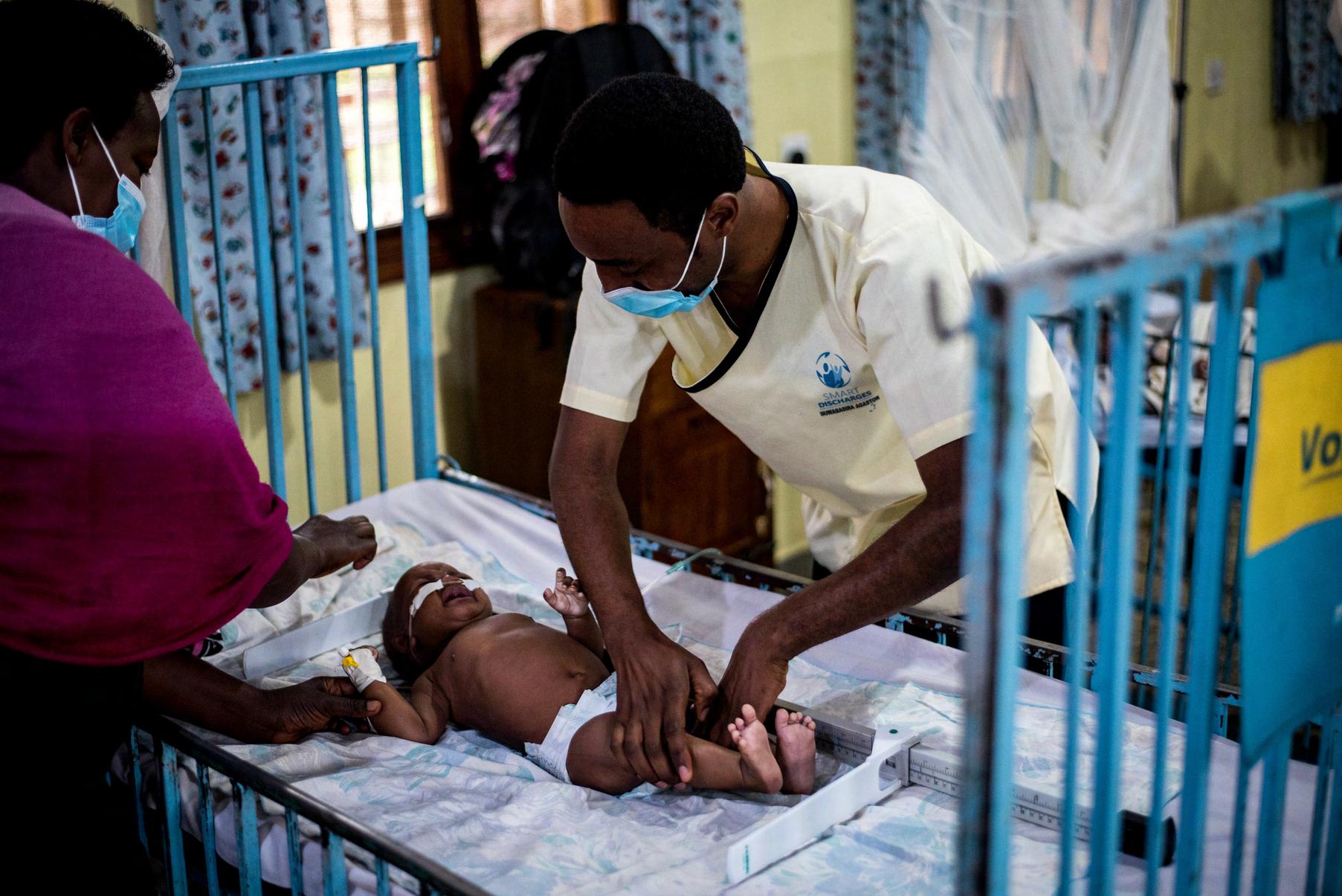
BC Children’s is committed to generating and sharing knowledge that improves the lives and health of children living in remote and rural communities of B.C. and around the world. Thanks to the Foundation, BC Children’s established the Centre for International Child Health (CICH) in 2004 to coordinate international initiatives and strategically position BC Children’s as a key contributor to global child health. Annual grants enable CICH to commit to innovative projects and strengthen local and international capacity through research, education and partnerships.
Nursing and allied health: A global health research nurse developed global sepsis and quality improvement materials and enhanced the quality of care and triage practices at six Ugandan hospitals.
OptiDev: Over 1,900 neurodevelopmental assessments were completed by frontline workers in rural Uganda in 2022-2023 using this culturally appropriate neurodevelopmental screening tool.
Smart Triage and quality improvement: More than 70,000 children in Kenya and Uganda were successfully triaged using a digital system developed by researchers at BC Children's, resulting in a six to eight per cent reduction in admission rates and a two per cent reduction in death.
Smart Discharges for children: The program trained 1,083 facility and community health workers and assessed over 5,300 children for post-discharge vulnerability.
"I used to be very worried when I brought my child to the hospital because I didn’t think the nurses cared. The prioritization system set up by BC Children’s global health team has tremendously improved the quality of care at the Ibanda Hospital. I have told all mothers in my community to come here."
— Mary Mother in Ibanda, UgandaPediatric Sepsis Data CoLaboratory: Three priority projects will be launched to improve appropriate distribution and use of scarce oxygen in pediatric populations; facilitate data collection for facility quality improvement using eHealth solutions; and embed digital applications solutions for clinical decision making, risk stratification and outcome prediction.
Developing institutional partnerships: CICH Partnerships Committee will conduct a feasibility study to explore potential impacts of CICH partnerships with the University of Rwanda, Holy Innocents Children’s Hospital (Uganda) and Kenya Medical Research Institute, and identify opportunities to benefit patients and families globally.
Strengthen collaborations across BC Children's and build a community of practice in global health: In collaboration with the pediatric and women’s oncology teams, CICH will host the 2023 annual Global Health Conference. CICH will improve BC Children’s standing as a global leader in pediatric care by developing a didactic curriculum, at least four global health lunch and learns, one international stakeholder workshop and four new global health projects. CICH will publish more than 40 global health articles, mentor five to 10 medical trainees and 20 global health trainees, and develop educational modules for trainees and professionals travelling to the global south. Build global health research programs: The following priority research programs will be continually implemented and advanced: Smart Discharges for children up to six months, Smart Discharges for mother-infant dyads and Smart Triage quality improvement in Uganda and Kenya; neurodevelopmental screening tool (OptiDev) for children under five years; saline gargle collection in Botswana; a pilot safety and feasibility study in the Democratic Republic of Congo examining adrenaline-based septic shock reversal in children; development and evaluation of a potential vaccine for Klebsiella infections in children in Uganda; and Developmental Dysplasia of the Hip - Care Pathway project in China.
BC Sepsis: In collaboration with Child Health BC, BC Children’s will develop province-wide pediatric sepsis guidelines and train health-care workers on the use of sepsis protocols and screening tools. A qualitative and feasibility study will implement molecular diagnostics in rural and remote First Nations communities and review barriers and mitigation strategies to implementing community-based testing programs. Post-discharge sepsis guidelines will be developed and the Pediatric Sepsis CoLab will build a community of practice to share data and digital health solutions across BC Children's and its related research institutes.

BC Children’s is committed to providing high-quality and culturally safe care for Indigenous patients and families. To meet Indigenous cultural safety (ICS) standards presented in Truth and Reconciliation Commission of Canada: Calls to Action and In Plain Sight reports, BC Children’s is strengthening connections with Indigenous teams across B.C., incorporating Indigenous knowledge and health approach across services, and expanding the team to support Indigenous patients and families.

Here are a few examples of Indigenous health focused opportunities under development.
BCCHF total funding
$410,000
Indigenous Patient Navigator
$85,000
Interprofessional practice leader
$135,000
Project manager
$105,000
Kelty Mental Health Resource Centre
Indigenous Engagement Lead
$85,000
Indigenous Patient Navigators (IPN) provide care to Indigenous populations. A surge in referrals and increased demand for these services is expected due to the IPN’s support of patients with Patient Care Quality Office complaints and the ability of families to self-identify through the Clinical & Systems Transformation (CST) project. These funds will support a specialized IPN position to address increasing demands.
An ongoing support group for patients and two grief and loss support groups for parents
Culturally sensitive resource kits for patients
Outreach services across B.C., including consultations via a patient support call line
Meet-and-greets across BC Children’s departments to foster collaborative practices
Two in-service workshops for the Emergency Department and Healthy Minds Centre
The interprofessional practice leader will influence and improve the health-care environment for Indigenous families and staff and the broader community at BC Children’s. This role will support special projects that align with organizational Indigenous health strategic direction and participate in BC Children’s committees for professional practice, quality and safety, culture, and equity and anti-racism. The leader will advance ICS initiatives by facilitating a pilot project for team-based Indigenous patient advisers and consulting with Indigenous community of practice. By positively impacting ICS, the leader will improve Indigenous employee retention on campus.
Policy reviews: Address anti-Indigenous racism within health-care policies and implement ICS with a focus on children; review BC Children's policies and practices for ICS implementation
Program support: Provide support with ICS program innovation and educators, develop talking circles with a focus on BC Children's staff, develop Indigenous and ICS community of practice, redevelop Slocan site with professional practice and ICS supports
Training: Identify key partners for ICS education and training; develop practicum placement program and nursing mentorship program
Education: Develop and deliver ICS educational framework and Indigenous health program tracking framework
Evaluation: Complete B.C. behavioural competency audit and develop ICS assessment framework
Resource development: Develop guides, toolkits, policies and resources list for Indigenous health and cultural safety
"BC Children’s is positively impacting health-care access and services for Indigenous patients and families by making Indigenous-led policy commitments outlined in the Declaration on the Rights of Indigenous Peoples, the Truth and Reconciliation Commission of Canada: Calls to Action, Reclaiming Power and Place: The Final Report of the National Inquiry into Missing and Murdered Indigenous Women and Girls, and In Plain Sight report. These actions help heal colonial harms, rebuild trust and support Indigenous-led health-care services for Indigenous families across B.C."
— Ms. Dawn Tisdale
Indigenous senior professional practice lead at Children's & Women's Health Centre of B.C. (C&W)
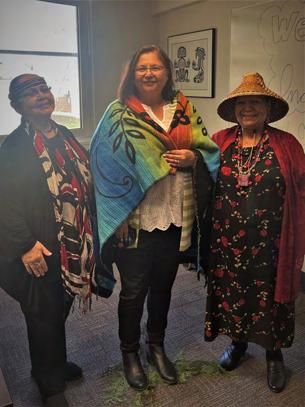

In 2023, BC Children’s will hire an Indigenous health project manager to oversee meaningful engagement with Indigenous communities and provide culturally safe spaces across the hospital, Sunny Hill and the Healthy Minds Centre. The project manager will ensure alignment with organizational strategies to improve care for Indigenous patients, families and caregivers.
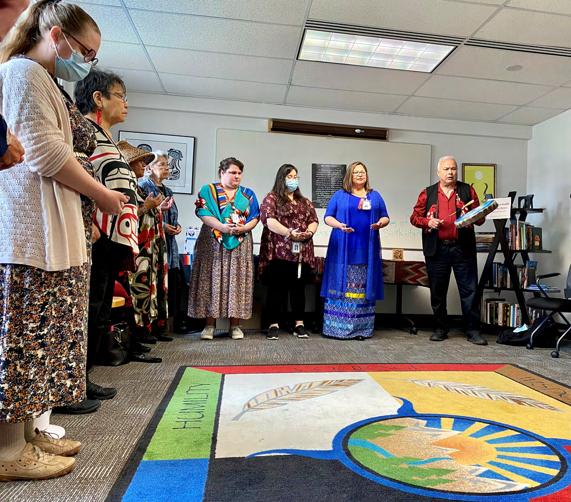
Talking circles and healing circles for Indigenous health professionals and staff
Regular engagement with three sovereign nations and Métis Nation communities, and implementing their recommendations for community partnerships
Ceremonies for support, healing, socializing and learning, such as a tea dance, cultural teachings, and medicine wheel
Create orientation package for Elders, knowledge keepers and healers
Collect data on Elders’ skills and strengths, their nation, availability and capacity to work with Indigenous health professionals
Work conducted in partnership with the Indigenous health team highlighted the need for a new role to lead Indigenous engagement at the Kelty Mental Health Resource Centre. The position description has been tailored based on input provided by the Indigenous health team and is being finalized.
Establish key connections with Indigenous families and communities in B.C. Design navigation and educational resources specifically for Indigenous families and communities
Strengthen partnerships between the Indigenous health team and the Health Promotion and Health Literacy team
Open house

Clinical fellowships
$950,000 BCCHF total funding
$1,000,000
Clinical scientist’s program
$50,000
Clinical fellowship opportunities are provided to internationally trained physicians seeking to enhance their skills and bring new insights and knowledge to their home countries upon their return. Clinical fellows promote cultural diversity in the healthcare setting and also enrich the academic and clinical community. They share new perspectives on global health and alternate preventive, diagnostic and therapeutic approaches to pediatric clinical care. As demonstrated throughout the COVID-19 pandemic and during the rapid surges in respiratory illnesses in children, these trainees are instrumental in the provision of health-care services to children in hospitals, clinics and communities across B.C.
The first responders team is an essential component of BC Children’s patient safety plan that aims to improve detection of patient deterioration. First responders provide out-of-hours support to Teck Acute Care Centre inpatients experiencing acute clinical deterioration until the subspecialty or surgical staff arrives at the hospital. The responders also review all high-risk surgical patients transferred from the Hudson Family Pediatric Intensive Care Unit to the surgical wards to identify any unstable patients before they may deteriorate. This level of patient monitoring can help decrease the need for transfer to higher-acuity units, reduce hospital lengths of stay and costs, and improve survival rates.
Enhance capacity in the medical transport team and provide medical advisory services in the unit
Enrich research endeavours and encourage knowledge translation in the clinical setting while also informing scientific and regulatory policy
Enhance outreach programs in B.C., Canada and internationally to improve health care in underserved communities and developing countries
Develop leadership and management skills through experiential learning and access to leadership and mentors
Advance quality improvement initiatives to improve patient outcomes in their practice settings
"The group of first responders consists of many talented pediatricians from around the world who come to Vancouver to obtain high-quality subspecialty training. This provides a sound network for future collaborations."
— Dr. Kevin MeestersPediatric infectious diseases fellow at BC Children’s Hospital
Empowering Next-generation Researchers in Perinatal and Child Health (ENRICH) is a national network of Canadian child and youth health research centres committed to training perinatal and child health clinician scientists of the future. Current funding provided to ENRICH supports three clinicians working to build a strong research program through mentorship and training.
Throughout her fellowship, Dr. Katelynn Boerner has: Worked on a number of research projects with the overall goal of improving equitable care and knowledge regarding pediatric pain, somatic and psychiatric symptoms in youth

Co-led the Living Lab at Home initiative with Dr. Tim Oberlander, which works with patients and families to establish in-home data collection systems suitable across the developmental spectrum Led research using longitudinal data on the developmental origins of somatic and psychiatric symptoms to identify parent and child risk factors that can be targets for early intervention
Funding provided to ENRICH supported Dr. Jonathan Rayment, Mr. Brock Williams, and Mr. Scott Ramsay to build a strong research program through mentorship and training
Continued support by the ENRICH centre leader to guide clinician scientists’ careers
Access to perinatal and child health and well-being focused mentorship events and opportunities

BCCHF total funding
$1,036,813
Kelty Mental Health Resource Centre
$230,000
Ambulatory and community family engagement advisor
$135,000
$135,000
Patient and family engagement
$103,783
Interprofessional clinical research leader
$90,530
Digital literacy
$125,000
Family Support and Resource Centre
$100,000
Clinical information reporting
$27,500
Children’s Heart Centre
$90,000
The Office of the Pediatric Surgical Evaluation & Innovation
The Parent Peer Support Worker (PPSW) program at the Kelty Mental Health Resource Centre (KMHRC) provides support to parents and families of children facing mental health challenges. Thanks to the Foundation, program staff are able to provide information, resources and help navigating the mental health and substance use care system by drawing on their own lived experiences.
Progress to date
Provided peer support, assistance with system navigation, and resources to families and community care providers
Reviewed and developed key Kelty Centre resources, including the Kelty Centre podcast and mindfulness resources for parents and caregivers
Future impact
Continue providing parents and caregivers with resources and mentorship opportunities to navigate mental health and substance use systems
Provide outreach to parents, families, and professionals, and provide a parent perspective through committee/advisory work
Attend professional development opportunities related to supporting parents of children with mental health challenges
"There is such a need for support and knowledge. It has been a relief to get some practical and immediate support on who to see and how to ask all the questions I have about my child. Thank you for being there for our family."
— Parent
PPSW program at the Kelty Mental Health Resource Centre
The project manager is responsible for developing resources and tools for youth and their families to support their mental health and wellbeing, and leading Kelty Centre website data evaluation and redevelopment.
Progress to date
Developed a comprehensive eating disorders strategy
Conducted a full review of the Kelty Centre website and redeveloped content for the OCD, pain and mental health, and alcohol sections
Developed new resources including a webinar, podcast and stories series
Future impact
Provide leadership for the collection, organization and provision of evidencebased information and resources from across the province in a user-friendly manner
Develop a new “Empowered Parenting” section on the Kelty Centre website including topics related to supporting children’s social-emotional development and caregiver well-being
Analyze Kelty Centre website data and redevelop the website according to key trends to best meet the needs of B.C. families and technological standards
The Specialized Pediatrics — Health Complexity project aims to improve the experience of children living with health complexity (CHC) and their families, inform service delivery through coordination of family needs and enhance family partnership with program services. The family engagement advisor (FEA) will provide peer-to-peer support for families and guardians of children and youth with health complexity. The FEA will facilitate a trusting, transparent and collaborative therapeutic relationship between families, clinicians and administration with a shared goal to improve and create innovative services and service delivery for CHC.
FEA recruitment and role development in partnership with the Patient Experience team
Peer-to-peer support with a focus on parental emotional well-being and coping, self-efficacy and capacity building through networking and navigation assistance including development of list of family-driven and family-focused resources
Partner with families to identify quality indicators, metrics and quality improvement initiatives important to families; quality indicators will be integrated into respective program strategic plans for 2023-2024. Develop and implement family survey and feedback process for portfolio services; feedback will inform family meetings, collaborations and service delivery where appropriate and within the programs’ mandates and service delivery models
Initiate a solutions-focused parent-program partnership to identify areas of opportunity for discussions with parent representatives
Create a newsletter to enhance communication with families about program services

Participate in department staff meetings and represent family voices in program planning and decisionmaking
Liaise and participate in service delivery planning with the Slocan site redevelopment team Represent families’ perspectives on care and care delivery with a focus on quality and safety

"The health-care teams supporting families and children living with health complexity are grateful for the opportunity to improve services that ensure children and their families remain central to service delivery. The ability to offer peer-to-peer connection through similar lived experience will provide additional support for families while guaranteeing family voices are represented at all levels of program planning and quality improvement."
— Ms. Tamara Crozier Provincial Director of Specialized Pediatrics — Health Complexity
With data from over 200 pediatric intensive care units (PICUs), the Virtual Pediatric Systems (VPS) database enables data sharing, benchmarking and best pediatric practices for critically ill children. Through continuous data analysis, health-care providers are able to measure patient outcomes and assess the safety and effectiveness of care provided. Recognizing that care must be efficient, timely and equitable for a high-achieving healthcare system, VPS data provides a platform that documents the performance of BC Children’s in these vital areas.
Quarterly completion of interrater reliability tests measuring the degree of agreement among independent raters
Quarterly updates of VPS comparative data to assess PICU quality of care
Annual comparative quality report
"Funding for VPS gives us the ability to identify areas for quality improvement. Without this funding, we would have no way of accessing this critical information."
— Mr. Gordon Krahn Research and quality initiatives coordinator at BC Children’s Hospital
As one of the largest undergraduate research programs on the Oak Street campus, the Office of Pediatric Surgical Evaluation and Innovation (OPSEI) continues to provide strategic operational analysis data to the Department of Pediatric Surgery for access to care and wait times analysis, perioperative efficiency, patient safety, quality of care initiatives and program development. In addition, OPSEI provides project management for faculty and trainee (postgraduate and undergraduate) research and educational initiatives.
Progress to date
Science co-op students evaluated familial social determinants of health, community food security, innovative food rescue programs and hand hygiene health promotion; and helped establish efficient pathways for processing 20,000 surgical instruments needed to support timely children’s surgery.
Clinical fellows within the Department of Pediatric Surgery provided innovative ideas and new perspectives in patient care, clinical research and teaching.
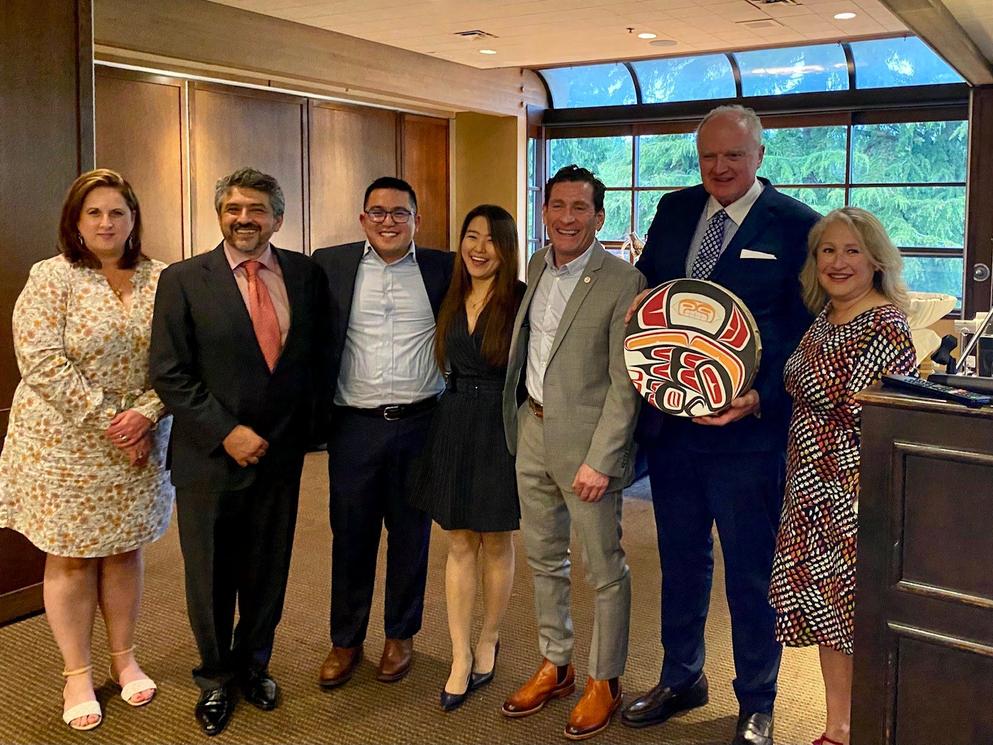
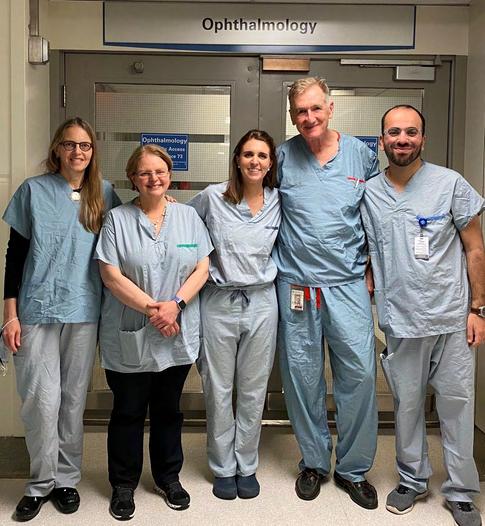
Evaluation and clinical research: Students serve as patient and family study recruiters across a number of clinical research projects in surgery.
Teaching and learning: Medical students attend educational workshops and presentations including monthly academic rounds, surgical suites grand rounds, aerodigestive rounds and a variety of special events. In addition, four co-op and work learn students under the supervision of experts will work on clinical research and quality improvement projects on campus. Quality improvement: OPSEI will conduct patient and family satisfaction surveys and studies on social determinants of health to address barriers to care for surgical families. Program development: Brighter Smiles is an innovative service-learning initiative which allows for pediatric residents, pediatric dental residents and pediatric otolaryngology residents under the supervision of faculty to partner with remote First Nations communities. OPSEI supports Brighter Smiles in advancing child health, promotes staff wellness, onboards new faculty and provides annual orientations to fellows.
"The future is very bright for Pediatric Surgery at BC Children’s Hospital with the recruitment of many talented faculty, staff and trainees who will help us journey forward in our commitment to advancing high-quality surgical care for children and families."
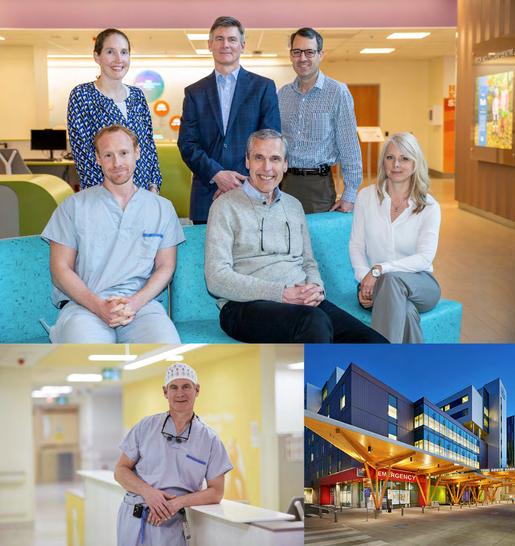 — Mr. Damian Duffy Executive director of the Office of Paediatric Surgical Evaluation and Innovation

Patient and family engagement advisors are instrumental in engaging patients and families to improve quality of care, collaboration, management of care conflicts and system navigation. These individuals facilitate on-site events for patients and families and provide evaluation and feedback. Advisors also liaise with Indigenous health partners to ensure culturally safe engagement.
Increased support for patients and families, including food and clothing services, navigation to sibling services, pet therapy and therapeutic clowning
Developed the Patient and Family Engagement
Toolkit and Family Resource Guide
Increased the number of patient and family engagement activities by 50 per cent
Facilitated the growth of patient and family advisories and committees by 60 per cent
The advisors will continue to oversee non-monetary donations of approximately $3 million from an annual giving program, and manage hundreds of calls and emails from patients, their families, donors and the public each month.
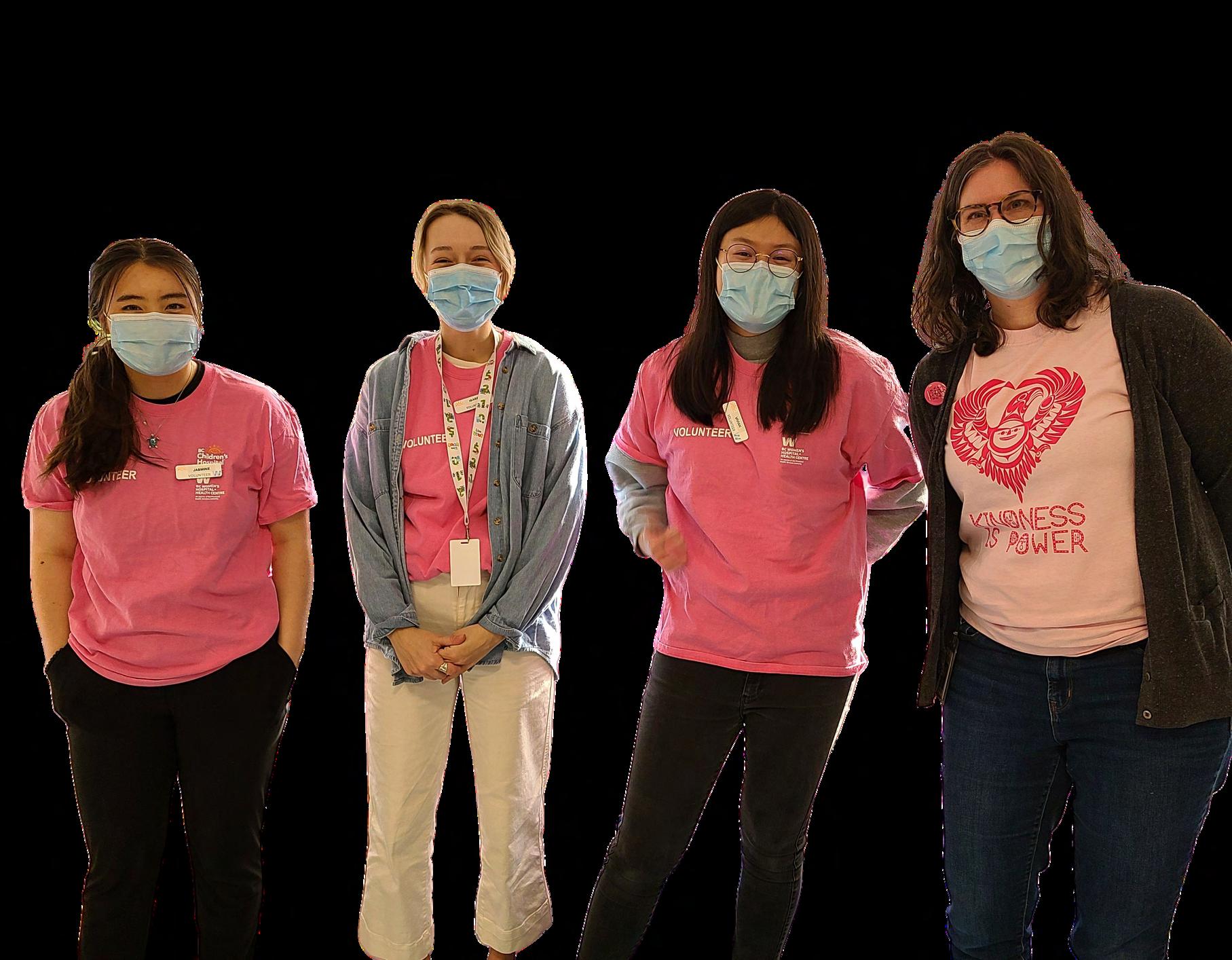
These roles facilitate donor and grants management and sustain engagement partnerships and opportunities between patients, their families and caregivers, and health-care providers and teams across BC Children’s.
"These positions directly improve quality of care, increase patient and family access to necessary goods and services, and facilitate timely access to certification and accreditation for health-care professionals."
 — Ms. Mary MacKillop Director of Patient Experience

The Patient and Family Engagement Fund is an annual grant of up to $30,000. BC Children’s programs, research and project teams can apply for up to $2,500 to support patient and family engagement.
Progress to date
Examples of successful engagement grant applicants include:
Child Health Quality & Safety Committee
Pathology & Lab Medicine Patient-Family Council
Nurse Key Worker in BC Children's Complex Care Program
BC Children's Mental Health Self Harm Care Pathway Initiative
Future impact
As a direct result of this grant, hundreds of patients and families across BC Children’s have actively engaged in quality improvements, project design, redevelopment, advisories, research grants, journey mapping, focus groups and stakeholder sessions.
The Digital Lab is an integrated unit of BC Children's and UBC’s Department of Pediatrics that aims to improve child health and the delivery of health care through digital innovation and technology. This funding enhances technology-focused health literacy, health promotion and digital mental health programs through core infrastructure and resources that enable a stronger partnership between the Digital Lab and the Health Promotion and Health Literacy (HP&HL) team.
Recruited a digital learning designer to develop digital education tools, knowledge products, media and HP&HL resources
Developed HP&HL digital product management framework
Implement the digital product management framework
Launch a new service offering support for novel digital education projects at BC Children’s

Develop and implement an evaluation framework for new and existing digital programs within the HP&HL portfolio
Launch and manage digital products currently under development including a renewed Compass Mental Health website, Balancing Our Minds, MyCarePath and the Cardiac Education Portal
"BC Children’s is transforming its approach to digital tools and resources to improve how patients and families learn about their conditions, navigate care and increase self-efficacy for better health outcomes in a digital world."
— Mr. John Jacob Executive director of C&W and head of the Digital Lab at BC Children's
The health literacy information specialist is part of the Family Support and Resource Centre team and develops and provides health education and resources to empower patients, families, supporters and community members so they can make informed health decisions. These funds will also help to provide subject matter expertise in graphic design and visual communications to advance BC Children’s strategic and operational priorities.
"Accessible and current health information is essential to parents and families making healthcare decisions. Your donations support clinicians and staff to create resources that place families at the heart of their child’s care."
— Ms. Pam Harrison Health literacy information specialist at the Family Support and Resource CentreEngage with interprofessional teams including patients, advisory committees and external partners
Collaborate with the resource centre project manager to continue providing health education and instruction to clinicians, staff and patients and develop health literacy services resources

Identify and review patient and family education standards at tertiary and quaternary care sites
Create benchmarking processes, including identifying leaders in patient education production among Canadian institutions, for the purpose of providing the best educational materials possible
Supplement learning using health literacy materials
Create questions, decision points, sustainability and evaluation planning guides to be included in process maps that guide the development of patient and family resources
Enhance content on inclusive language in staff-directed plain-language subject guide
Plan, design and produce visual content for BC Children’s initiatives and campaigns led by the communications team
The Children’s Heart Centre is dedicated to providing state-of-the-art care to children with heart conditions and their families throughout B.C. and Yukon. The program offers education, surveillance and medical management with the overall goal of preventing tragic cardiac events in children and youth. By establishing a team with cardiac expertise and focus, the Heart Centre can continue delivering excellent patient care and improve outcomes for patients.
Recruited a pediatric cardiac surgeon to serve as the division head to provide direct oversight to the cardiology faculty as well as medical leadership to diagnostic and clinical services
Increased medical leadership on the operational side to improve stability within the program
Creating a team that will help the program grow, especially with the brain-heart collaboration and ongoing work in the Cellular and Regenerative Medicine Centre
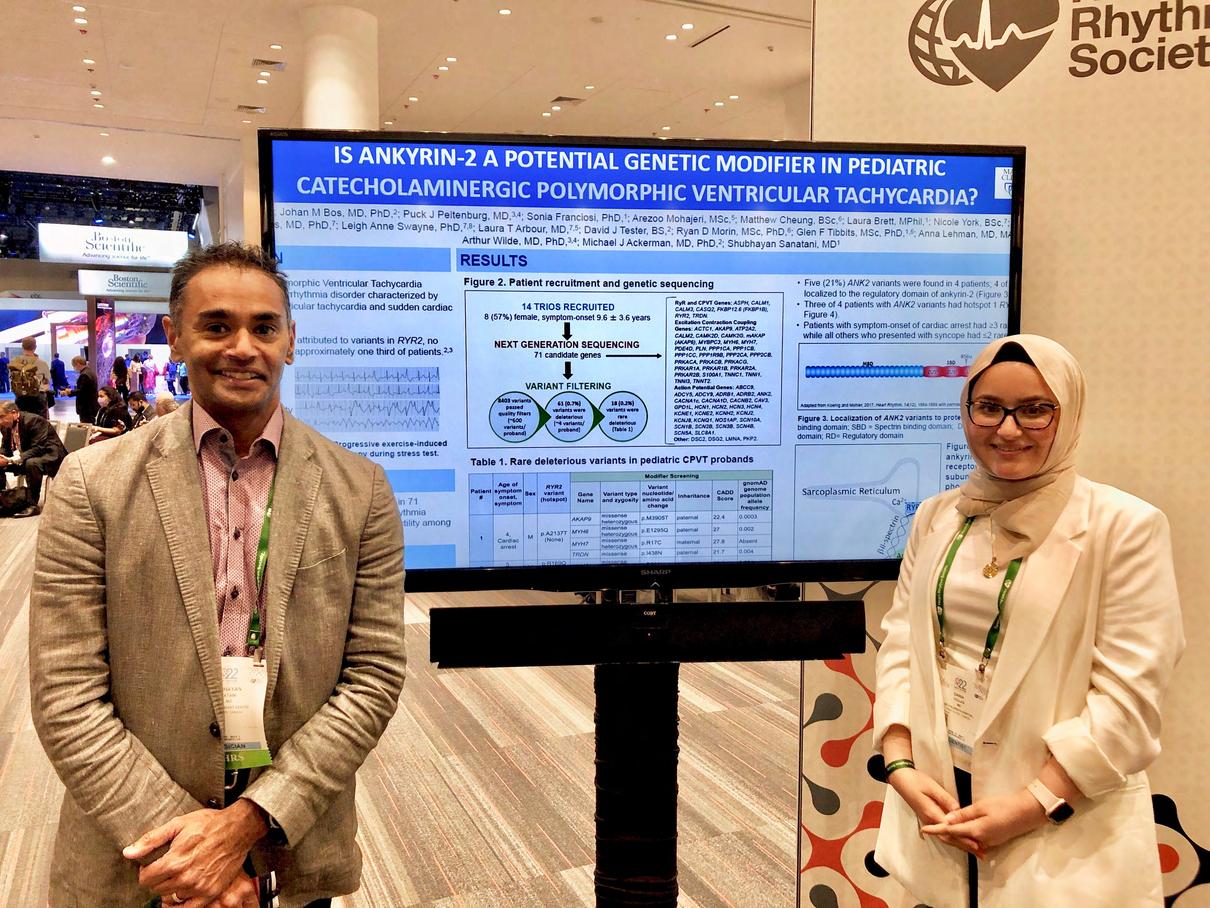
Funding will support a part-time position to establish and develop the skills of direct care staff (i.e., nursing and allied health) involved in research in the clinical setting. This will improve the quality of care and scientific rigour, and will allow clinical teams to innovate clinical practice.
Cross-site stakeholders have been engaged to raise awareness of this new role and initiative. Funding provided by the Foundation has enabled partnerships with the BCCHR and the Women’s Health Research Institute to support point-of-care staff to engage in clinical research.
The clinical research leader will support point-of-care research projects by:

Creating the process for education, training and ethics application support
Planning a research advisor committee
Developing a process to facilitate engagement with patient partners
Selecting two research projects to develop and implement
"The community of health-care professionals and staff are incredibly grateful to the donors for enabling us to advance research based on the needs arising in the care environment across B.C. Thank you for supporting the advancement of best practices and care for all children and families."
— Ms. Sandy Tatla Director of New Knowledge and Innovation
Research
$476,566
Education
$240,000
Leadership
$155,000
Program development & innovation
$504,264
This funding supports research at BCCHR directly related to Sunny Hill Health Centre (SHHC), with a focus on child development. The funding supports the salaries, benefits and operating expenses of investigators, research support staff and trainees.
Invested in long-term research core infrastructure to build capacity to support a wide range of clinical investigators
Recruited a research manager to review the research needs of the community
Accelerated SHHC research collaborations across BC Children’s and BCCHR

Created a research assistant position to coordinate clinical data assembly, ethics compliance and data analysis, and to support researchers investigating stress regulation and mood in childhood
Supported SSHC members and subspecialty resident training in research methods and study design
Recruiting early career investigators and core research staff to build research infrastructure
Accelerate innovations and build capacity in child development research
Facilitate collaboration that promotes inclusivity in related research across BC Children’s and BCCHR
and"We are sincerely grateful to the donors for recognizing the urgent need to improve clinical care built on knowledge discovery, career advancement and innovative training for the new generation of interdisciplinarians."
— Dr. Tim Oberlander
Investigator
developmental pediatrician at BC Children's Hospital
The UBC subspecialty residency program in Developmental Pediatrics provides advanced clinical and research training to academic pediatricians. The program provides opportunities to trainees to expand their knowledge of a particular subspecialty area and develop leadership roles.
In July 2022, the Division successfully recruited two candidates for the next two-year training program:
Dr. Natalia Diaz
Driven to improve the health of children with developmental conditions in Columbia, Dr. Diaz continued her education by pursuing her fellowship in developmental pediatrics at UBC
Dr. Alison Faber
As an International Board-Certified Lactation Consultant, Dr. Faber is looking to further her expertise by joining the Developmental Pediatrics fellowship program

Researchers at the Motion Lab presented their experience with new technology at the 2022 annual meeting of the Gait and Clinical Movement Analysis Society – a multi-disciplinary organization working to advance scientific knowledge, technical capabilities and clinical practice in the field of human movement
Continuous training of academic pediatricians through the Developmental Pediatrics program with unique, in-depth expertise in child development and behaviour from the prenatal period to late adolescence
Enable residents to gain proficiency in the assessment and management of a full spectrum of neurodevelopmental conditions, including cerebral palsy, autism, intellectual disability and learning disorders, and the neurobehavioral effects of prenatal substance exposure and environmental poverty
Staff and clinicians to develop and learn new skills and knowledge through workshops at SHHC, and through attendance at conferences and education sessions
Funding provided by the Foundation is used for leadership and educational support within the Division of Developmental Pediatrics, and for coordination of advanced learners within the Division and SHHC. Leadership and training for the clinical and medical leads in areas such as neuromotor, autism, complex developmental behavioural conditions and education are funded from this allocation, and training programs change depending on need.
Staffing changes have resulted in new physicians taking the lead. Leaders are supported in time and coaching, and they are encouraged to attend conferences to learn and grow in their respective roles.
Ongoing education for trainees, Developmental Pediatric faculty and provincial developmental pediatric training
Supporting leaders to attend the Quality Improvement Physician Academy and related conferences so they can continue providing provincial quality improvement initiatives
"To gain the necessary skills to work locally, regionally and nationally, physician leaders require dedicated time, coaching and opportunities to learn."
— Dr. Angie Ip Interim division head of Developmental Pediatrics
Sunny Hill Health Centre is dedicated to providing specialized developmental assessments and rehabilitation services to BC Children’s patients and families.
Here are a few examples of Sunny Hill projects and services under development:
The centre incorporates new research into clinical practice and provides health-care professionals with evidence-informed knowledge translation (KT) tools to build capacity and make informed decisions.
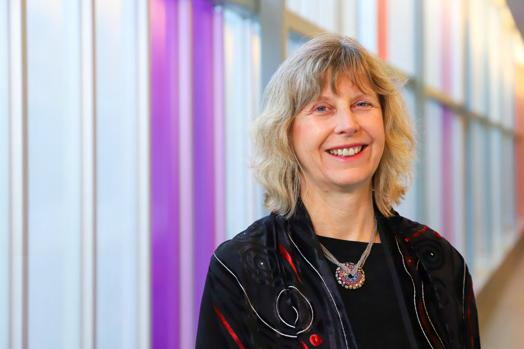
Future impact
KT capacity-building at point-of-care: pilot KT learning curriculums and a community of practice; create KT casebook with examples of strategies to improve the quality of education, practices and policy changes; and establish a KT challenge to provide easy to access KT resources, mentorship and funding to healthcare professionals
Create microsites for the KT Resource Toolkit to provide quality improvement and evidenceinformed KT strategies and BC Pediatric Services Decision Tool to assist families, caregivers and health-care professionals with navigating pediatric services in B.C. and support clinical decision-making
"The Child Development and Rehabilitation (CD&R) website is a trusted source for comprehensive development, rehabilitation, support and resources, and enables health-care professionals and families to make evidence-informed decisions."
— Ms. Kimberly Miller Manager of CD&R Evidence Centre
Quality improvement is embedded in SHHC’s program development to advance innovation and facilitate safe patient care.
Future impact
Pilot project to increase early identification of autism and access to autism assessments
Ongoing quality improvement of the Complex Development Behavioral Conditions program to increase capacity and reduce wait times
Hire Indigenous leader to support quality improvement initiatives for Indigenous patients and families
SHHC aims to implement early cerebral palsy (CP) detection and intervention by establishing the CP Early Diagnosis Clinic (CPEDC) and Early Motor Assessment Clinic (EMAC), and initiating several knowledge translation projects.
Future impact
Pilot clinics: expand capacity of CPEDC and EMAC clinics; assess infants at ultra high risk of CP and refer them to early intervention
Knowledge translation: identify key barriers and facilitators of CP early diagnosis pathway; train community pediatricians and therapists on early CP diagnosis
CP registry: enroll five new patients per month and support ongoing research projects
"Although there’s no easy way to tell parents their child is diagnosed with CP, the clinic team offered a safe and comfortable environment and saved our child from being assessed multiple times."
 — Parent SHHC
The clinical technology program uses readily available technology to support the needs of patients and service providers.
Future impact
Use animation technology to track functional changes as children progress through rehab experiences
Implement virtual health infrastructure for pre-appointment screening and postappointment monitoring
Implement virtual health solutions and American sign language interpreting service
Launch a digital device loaning program with games to encourage children to play and record kinematic data of their joints to help clinicians see progress and adjust rehab exercises
Prototype smart home environments using readily available technologies, accessibility gaming and eye tracking technologies with augmented and alternative communications applications
The Indigenous advisor will collaborate with Indigenous families, leaders and community providers to understand how to best provide diagnostic assessments in a culturally sensitive manner and ensure Indigenous children and families get the care they need.
Future impact
Establish an Indigenous family focus group for feedback on services
Work with an Indigenous social worker to build cultural safety into the referral process, assessment pathway and resources
Engage with federal partners to conduct needs assessment and ensure Indigenous patients and families can access the products, services and supports they need