


But what does the Lord require of you but to do justice, to love mercy, and to walk humbly with your God?
Micah 6:8
of the Cooperative Baptist Fellowship of North Carolina

But what does the Lord require of you but to do justice, to love mercy, and to walk humbly with your God?
Micah 6:8
by Larry Hovis, CBFNC Executive Coordinator
We have just completed a year of our Fellowship’s life together exploring the topic of Fit Church. We have examined several dimensions of ecclesial fitness. One dimension we did not address was the admonition of the prophet Micah, “But what does the Lord require of you but to do justice, to love mercy, and to walk humbly with your God?” (6:8).
We avoided this dimension, not because it isn’t vital to our discipleship but because we are devoting a full year to focus on this critical concept. Our directive for this exploration comes from the 2014 CBFNC Vision Statement, The Road Ahead, which identified four “areas of focus” as worthy of exploration. We have already addressed three of these and now turn our attention to “Showing Mercy and Seeking Justice,” described in the document as follows:
As we live and share the Good News of God’s rule and reign, we will show mercy and seek justice in our local communities and beyond those communities in regional, national, and global contexts. We will respond with compassionate help to people who do not have the fullness of life God intends for them, and we will address systemic causes of injustice. We live in diverse communities which have unique and ever-changing needs. In collaboration with local congregations and other partners, CBFNC will explore, implement, and provide training and resources for ministry initiatives which serve the marginalized and vulnerable, which work for justice, and which seek the restoration of all creation. We commit ourselves to form holy friendships with the people whom we serve, to learn from them, and to raise awareness of their concerns and hopes.
For many years, CBFNC Coordinators have met in retreat in late summer to develop ministry plans for the coming year. Last year, on the campus of Mars Hill University, we studied Scriptures related to this theme. We decided that the injunction to “do justice and love mercy” is not only a prophetic command but was also at the heart of Jesus’ life and ministry. We determined that practicing justice and mercy is not optional for those of us who profess Jesus as Lord. Though there are many dimensions of mercy and justice as Jesus-followers, we will give attention to the following in The Gathering issues in the coming months:
Mercy (May/June)
What is mercy, biblically and theologically? How are churches and the CBFNC community engaged in ministries of mercy, locally and beyond? How do mercy ministries help us and others walk humbly with God?
(July/August)
What is justice, biblically and theologically? How are churches and the CBFNC community engaged in ministries of justice, locally and beyond? How do justice ministries help us and others walk humbly with God?
Who are the vulnerable and marginalized in our communities, state, and world? How are we ministering to these populations? How can churches better recognize and respond to the marginalized and vulnerable in their midst?
We have historically been more faithful to engage in ministries of compassion than to address their root causes. We have been more focused on helping individuals than opposing the “powers and principalities” (Ephesians 6:12) that harm God’s children and God’s creation. How are we (and how can we do more) addressing the systemic causes of suffering in our communities and world?
(January/February 2019)
The people to whom we administer mercy and justice aren’t objects, but human beings. Much of our missions activities and compassion ministries have not led us to establish relationships with those to whom we minister. How can we cultivate holy friendships with those God is calling us to serve?
2019)
How is the CBF community (in NC and beyond) engaging in ministries of advocacy? How can congregations become more involved in advocacy — locally, nationally, and globally — thus helping to address the systemic causes of suffering and injustice? What resources are available to help congregations strengthen their advocacy efforts?
In the current issue, we are exploring what it means to “Love Mercy.” The word, “mercy,” appears 224 times in the NRSV. The Interpreter’s Dictionary of the Bible states:
When applied to God or to Jesus Christ, [mercy] can denote an inner feeling of sympathy or love which is expressed outwardly in helping action. God’s ultimate act of mercy was made manifest in his gift of salvation through Jesus Christ. Jesus had mercy for people (Mt. 9:27, 15:22, 17:15, 20:30-34; Mk. 5:19, 9:22, 10:47; Lk. 17:13).
The well-known parable of the Good Samaritan, found in Luke 10:25-37, concludes with Jesus asking the question, “Which of these three, do you think, was a neighbor to the man who fell into the hands of the robbers?”
The man replied, “The one who showed him mercy.”
Jesus concluded by saying, “Go and do likewise.”
And so must we.
On a warm Saturday in February, I stood by the main street of Black Mountain and watched as the motorcade bearing Billy Graham’s body passed by. To see a body in a pine box has a way of focusing the mind. It forces one to ask, “Why are we doing what we do?”
For example, why is CBFNC focusing on Equipping Ministers and Churches? We are focusing on this so that healthy churches and healthy ministers in healthy partnerships with each other can share the good news that real life comes through following Jesus as Lord. That is our theme today, “Fit Church.” Through Jesus there is true health and real life, both on this side of the grave and beyond.
And why are we focusing on Embracing Our Neighbors through Missions? Because the world is coming to North Carolina. Because our neighborhoods are changing. Once they looked like Mayberry. Now they look more like the United Nations. Many of our new neighbors are in such transition that their old ways of coping with life are not working anymore. They need a transforming encounter with Jesus, who makes a way beyond all the death-dealing divisions and tribalisms of our world into the life-giving unity of his Spirit.
Besides the challenge of limited funds, we also face the challenge of faithfully and effectively channeling those funds. Our Mission Resource Plan has done wonderful things for Baptist ministries statewide and worldwide. Now that the MRP has served us for more than a decade, we are realizing that there are ways to direct those funds that can be more consistent, less confusing, and more responsive.
We face the challenge of honest disagreements about things that matter, such as human sexuality. Again, this is the usual story of the church ever since the Jerusalem Conference that was recorded in the Book of Acts. We have always had to work out how to keep true to what makes us distinct and obedient people of God, yet also how to be responsive to what God’s Spirit is doing among us.
2018 Annual Gathering Report by Doug Murray, CBFNC Moderator
And why are we focusing on Engaging Students and Young Adults? Because passing the faith on to our children and our young adults is a matter of life or death. Because the college campuses that stretch across our state are mission fields ripe for harvest. Those students hate fake, self-serving institutions, but they crave authentic spiritual experience that will make a difference in this world.
And why are we expanding the impact of our Annual Gathering? Because North Carolina needs a gathering like this. Because there is nothing else quite like it. Because when we gather together like this, we go home more alive because we have connected more closely with each other and with the One who is the Vine that gives life to our branches.
As we do this, there are some limitations and some challenges we face.
Funds are limited now. The flush times of the fifties were an unusual fluke in our history. Now we are returning to the more usual story of Christendom, when there have always seemed to be too few loaves and fishes to nourish the Church. At CBFNC, we have faced that reality by making most of our staff positions part-time. This has required significant sacrifices from our staff.
Our younger generations are watching how we do this. They don’t expect us to be perfect. But as I’ve mentioned, one thing they cannot abide is us being fake. They expect us to be authentic and genuine in our discussions and actions. The Illumination Project has sought to do that, even as Baptists continue to disagree passionately. And remember, we also disagree autonomously. While CBF Global has altered its policy and practice, your church is autonomous and free to chart its own course. Likewise, CBFNC is autonomous and has not changed its policies and operations. So let us keep on being the kind of Baptists who can speak truth in love to each other while continuing to cooperate together in every area where integrity and conscience will allow. In essential things, unity. In all things, charity.
Like I said, when you see a body in a pine box passing by, it focuses the mind. Why do we do all this – balancing strong convictions with generous cooperation, figuring out staffing and funding? Why are we so focused on Equipping Ministers and Churches, Embracing our Neighbors through Missions, Engaging Students and Young Adults, and Expanding our Annual Gatherings? Because what we’re about is a matter of life or death. It’s a matter of passing on this life-giving way of Jesus on to the next generation. It’s a matter of sharing Christ, in whom there is no East or West, with the nations who are streaming into our neighborhoods. It’s a matter of passing the faith on to our children and our children’s children. May the Lord grant us strength and courage for the living of these days.
by Rick Jordan, CBFNC Church Resources Coordinator
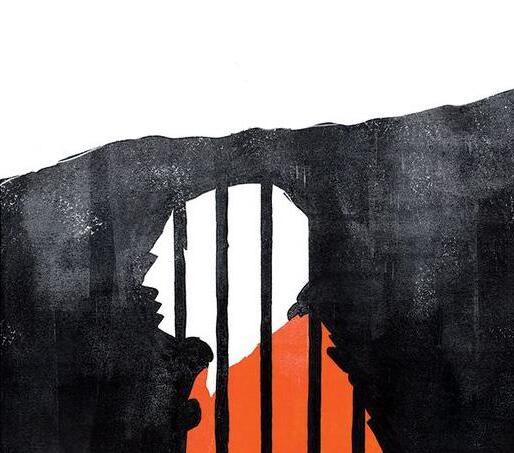
The thick door closed behind us in the sally port with a very loud clank. “Are you okay?” Terri Stratton asked me. “I think so,” I said. As the next slider opened into Death Row, she said, “That sound causes a little anxiety in some folks.”
Terri, a CBF-endorsed chaplain, has been a chaplain for the state of North Carolina since 2010 and has been the Senior Chaplain of Central Prison in Raleigh since January 2014. The duty of a prison chaplain is to promote equality, fairness, justice, and mercy, and to offer spiritual guidance, not to convert offenders to one faith group or the other. North Carolina has 15 approved faith groups but because the needs of the institution come first, worship services are not always available to the offenders.
I visited with Terri early on a Monday morning, in time to observe the American Indian worship service. Eleven men – some Indian, some white, some black – gathered in a circle created by large stones. They sat on pea gravel facing a small stoned circle. One of the offenders played a drum as another “smudged” the air above four colored rocks which represented the four directions. Each offender had a pipe. They did not speak. They listened to a CD of American Indian chants as they offered their prayers to the Great Creator. After smoking, one offender read from a book of visions, then the group discussed the meaning of this vision.
“Some people think the men on Death Row will look different from those on the streets. They aren’t monsters; they are just people. They have done horrible things and made very bad choices,” says Terri. This is where they will spend the rest of their lives. The most recent inmate came in 2016. One has been on Death Row for 33 years.
“Do you know what they have done?” I asked. “Some of them, I do, but only because they have shared their story with me. I’m human and I don’t want their crime to influence my thinking when it comes to offering a listening ear or spiritual guidance.”
“Do they respect you?” “I’ve found that for many of these men, there are two persons they respect: their mamas and their preachers. For some, I am both to them. Even those who are my age and older need to have a mother-figure. I am a safety net for these guys. They can tell me things that they won’t tell officers. Personal things. And they know I see them as they are. They have two legs, not four. They are human beings, not animals. We have to look past what they did and explore what they can do now. I ask questions like, ‘Where are you in your spiritual walk? How can

I help you walk that path while you are here?’ My goal is to help guide them to a better place, spiritually, than when they got here. Not to be their savior but to listen as they share their deepest thoughts and concerns. To give them an ear and a soft tissue.”
Of course, not all prisoners are Christian. There are fifteen different faith groups represented at Central Prison. “Chaplains love them enough to respect their faith and we care enough to learn about their faith – how it motivates, helps, and guides them. We try to help them find a faith mentor. Even those who claim Christianity as their faith may not know what they believe, just like people in the outside world. So, a mentor can help them with that. Some are seekers, so we ask, ‘What do you believe in? What do you want to believe in?’ Sometimes, they just want to believe that there is somebody who cares. Certainly, from my faith perspective, I’d love for them all to become Christians, but I must honor what they believe in and we walk together the path of what we have in common.”
Merciful caring is personified by the chaplains. Terri says, “When you ask about their family, they know that you care about what they care about. They miss their wife, their children, their grandparents. I recently made a call about a sick grandmother. The inmate hadn’t been able to reach her and was worried she was back in the hospital. She was doing fine but had a new phone and didn’t know how to work it. That is one way to show mercy here. I have learned more mercy by being on the inside.”
“But,” I said, “this place is where we want them, right?” “Maybe this is where the ones who don’t have a relationship with Christ will find it; maybe they will seriously consider what they believe and choose their own faith walk. Maybe this is the only safe place that will allow them to worship. We’ll never know. We do know that some of these men had a hard home life, some were abandoned as children, and some never had anyone to show the love of God to them. Once they are here, it is our God-called duty to let them know that they are a creation of God, a child of God. Even for the evil ones – and some here are evil – God loves them enough to keep giving them their breath. There is still a purpose for their life, and, if they’ll let us, we’ll help them find that purpose.”
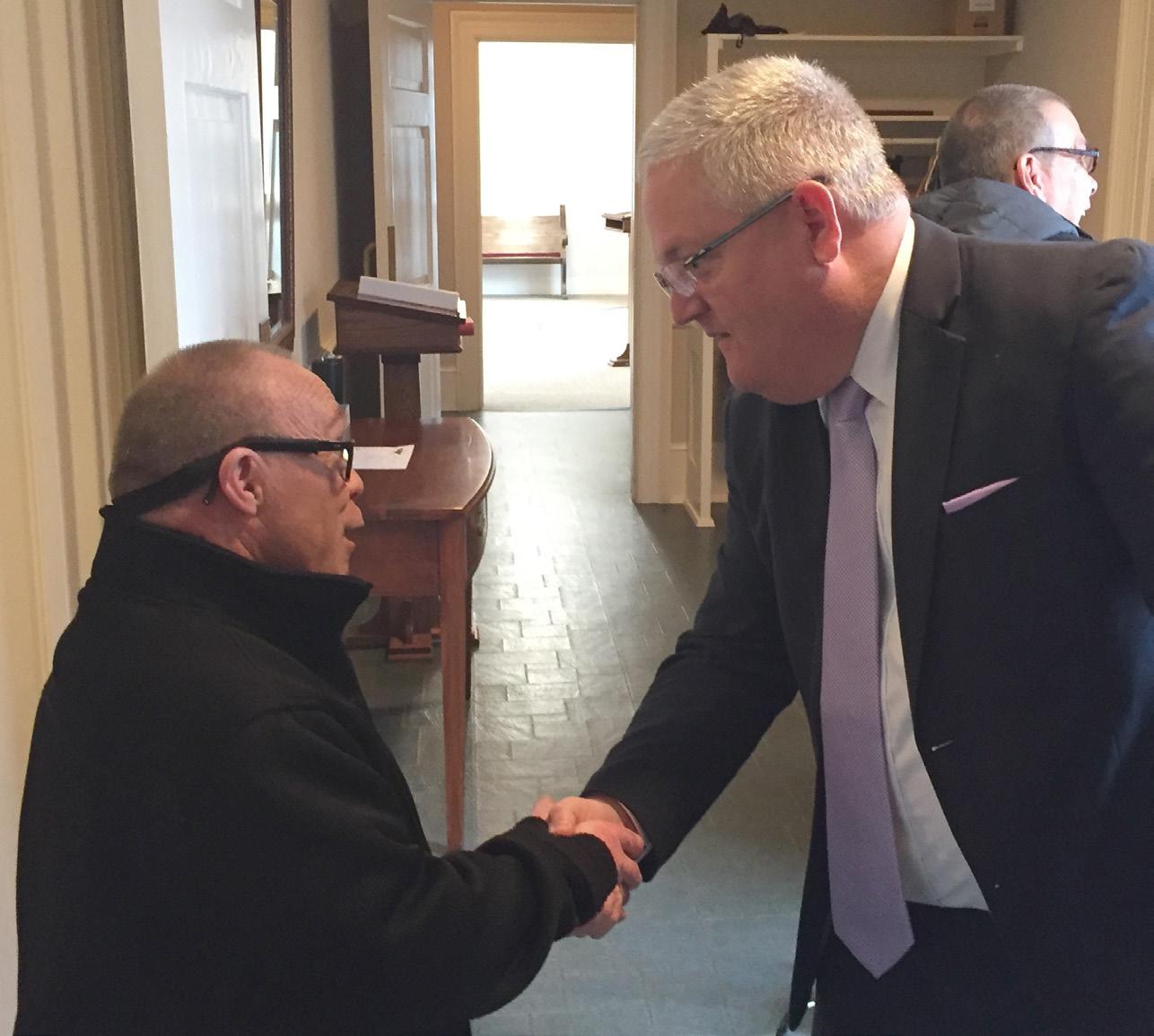
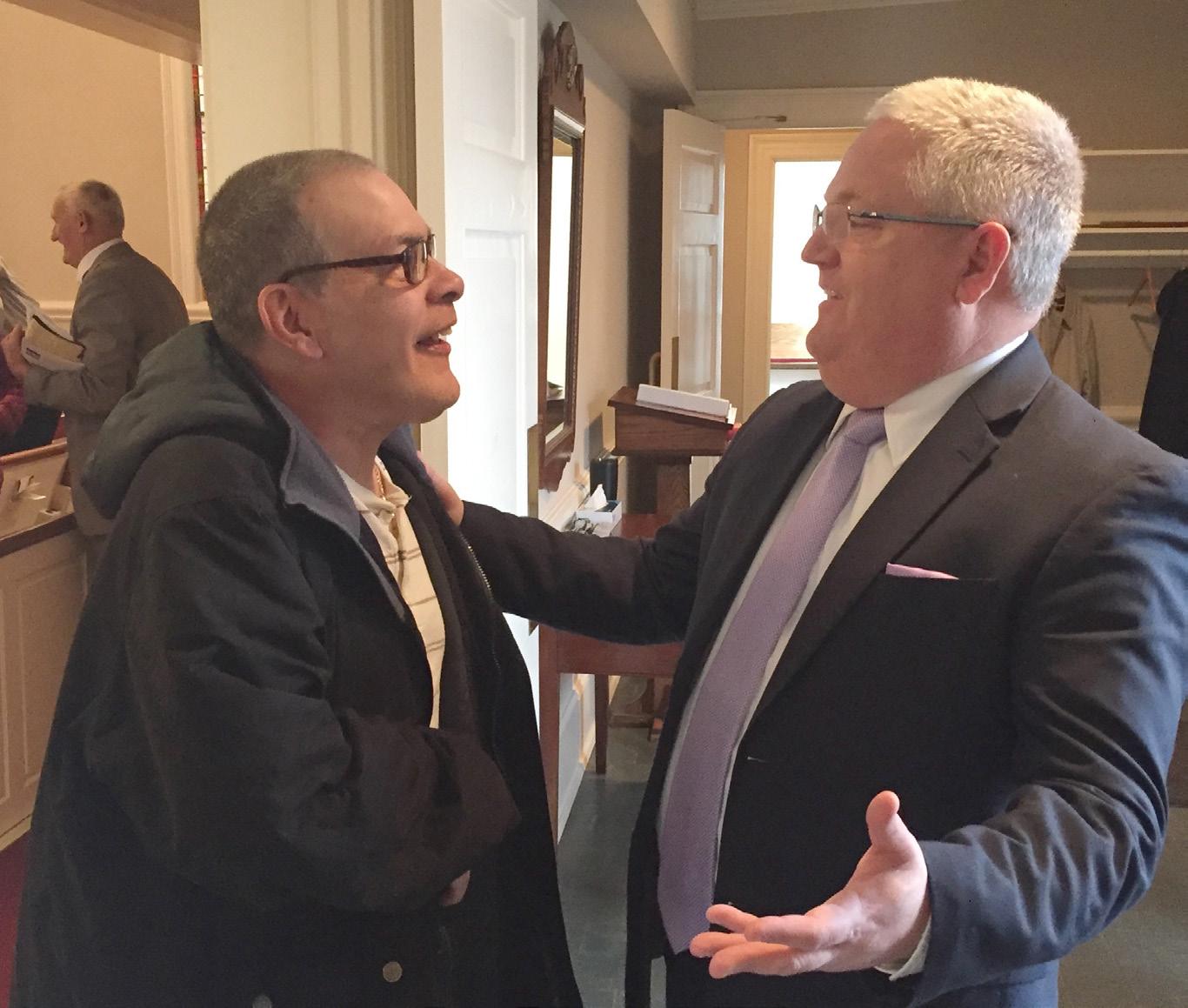
First, Mocksville, completed a building project in 2015. We are still figuring out how to pay for it all, but the checks are coming in and things are going well. The very first check toward a pledge for our new building came from an unexpected source.
For a while now, and certainly for several years prior to my coming here, First, Mocksville, has made a group of people part of who they are as a church. Davie County has three different group homes and many of the residents of those homes call First, Mocksville, their church home.
My experience tells me, unfortunately, that when people are different from the normal — even a little — not many of society’s institutions know how to handle that. The church, sadly, has never been much different. That makes me even prouder of the fine folks at First, Mocksville.
What is most amazing is that our church really doesn’t “do” anything to accommodate that group. Actually, beyond giving them space to meet and providing a teacher for their Sunday School class, we don’t treat them any differently at all. When we have meals, they are invited. They worship with us. They attend special services and are part of our directory.
by Shane Nixon, Senior Pastor, First, Mocksville
Let me be clear in saying that we don’t deserve an award and we need not break our own arms patting ourselves on the back here. We are merely doing what Jesus commanded us to do. Treating people like people regardless of how they look, what they are mentally capable of, or if they can get around by themselves is not something a church deserves a trophy for.
Being Christ-like is its own reward.
Many of our folks know them by name, and they know our folks by name too. Even the workers who bring them to church have been welcomed, but not in some way that called for fanfare. They too have been treated just like the rest of us.
While our church doesn’t do much to treat them differently, I think treating them the same as everyone else is amazing.
The fact that this amazes me, even in a good way, is far more a statement about me than either these wonderfully amazing people or the church I serve that welcomes them. Why would I think any differently? Jesus was crystal clear about how we are supposed to treat our neighbors. It doesn’t matter what kind of home those neighbors live in, even, and perhaps especially if that is a group home.
I mentioned that the first gift to the building fund came from an unusual source. The day we started the campaign, one of the group home workers stopped by the office. She was bringing a check from one of her residents who is a faithful part of our family of faith. To protect his privacy we’ll call him Rick. Rick had heard me talking about the kick-off of the giving campaign at church the day before and wanted to “do his part.” I can’t tell you how much was in his envelope — I didn’t look and I don’t know. But I can tell you that him giving anything was a sacrifice at a level that, if we all followed his lead, would have our building paid for.
For a couple hours, I thought about how I might thank Rick. Then it occurred to me. Just do what you’d do to anyone who gives. Treat him like everyone else ... a child of God, loved by God.
There is something special about that.
The best workshop takeaway for me is a quote from the leader of a session: “Most of our spaces [in churches] are made for education and not conversation.”
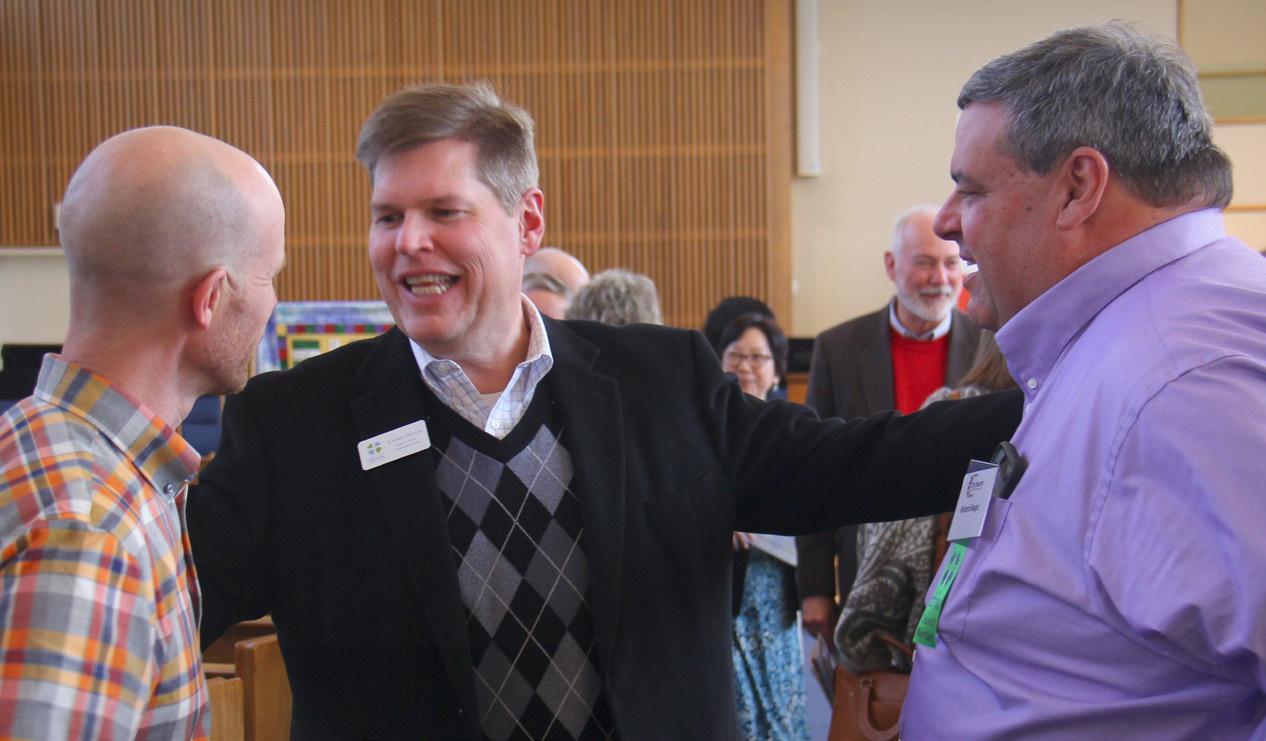
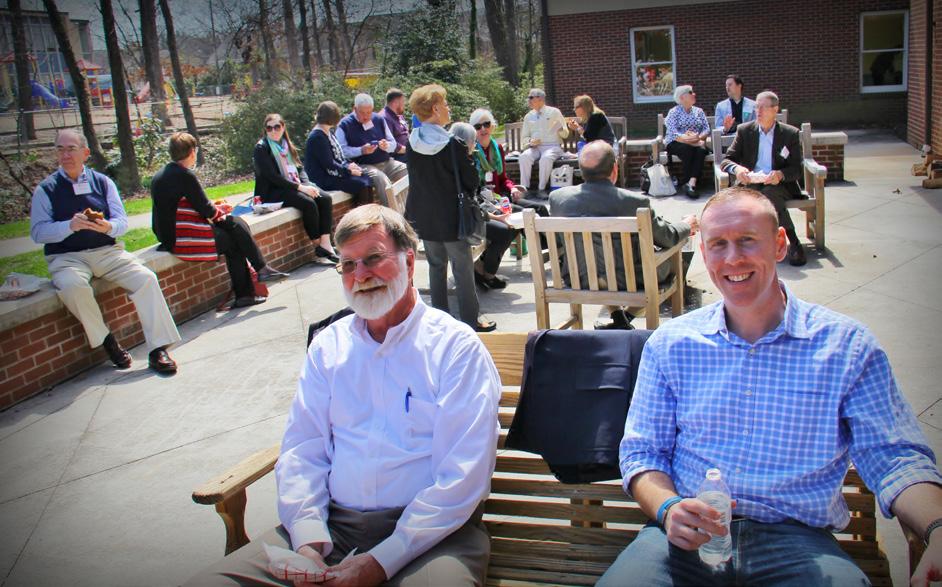
I chose to attend the 2018 Annual Gathering because it is a time of connection. A time to catch up with old friends, and make new friends. A time to be challenged, affirmed, and encouraged as a CBFer, minister, and student. A time to be the Fellowship.
Michael Sizemore, CBFNC Collegiate Ministry Intern
March 15-17, 2018 Knollwood, Winston-Salem

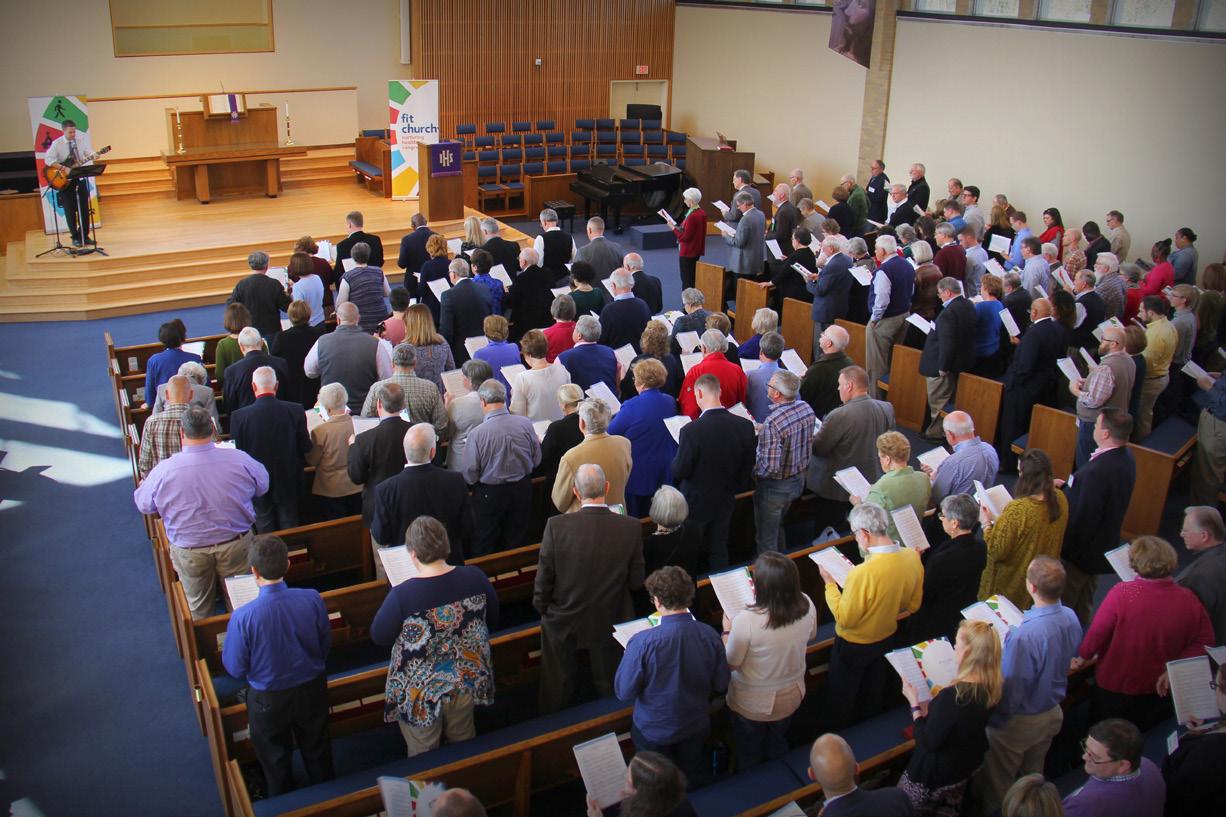
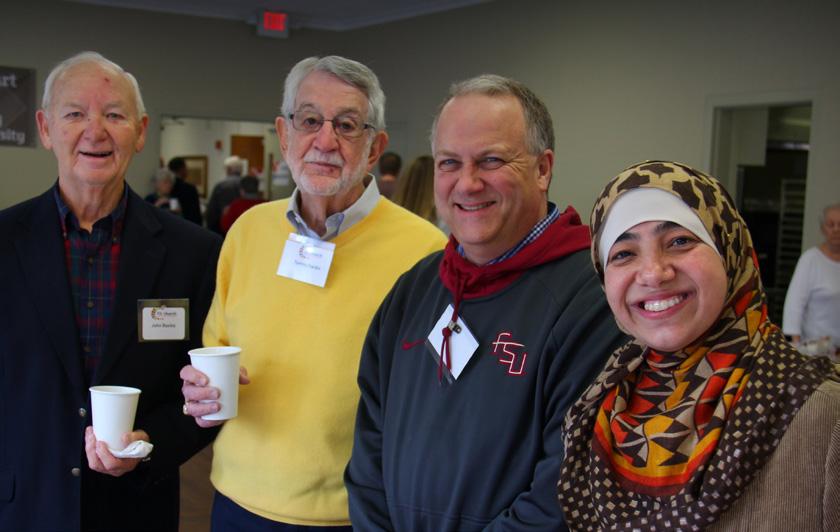
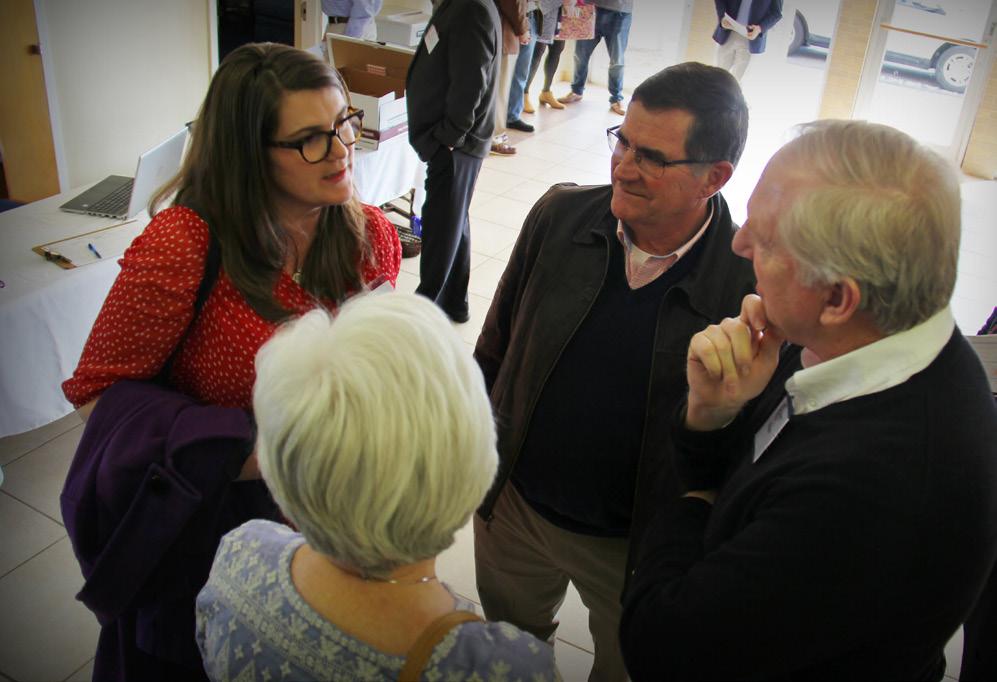
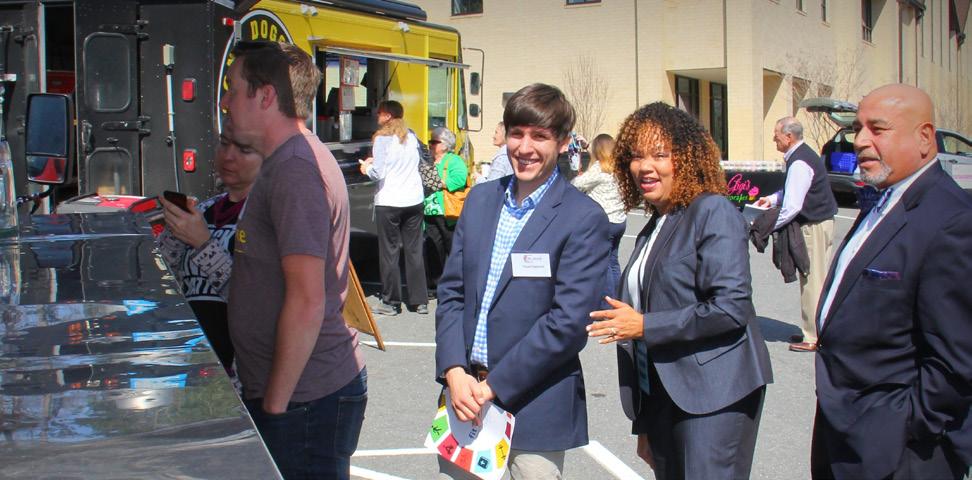
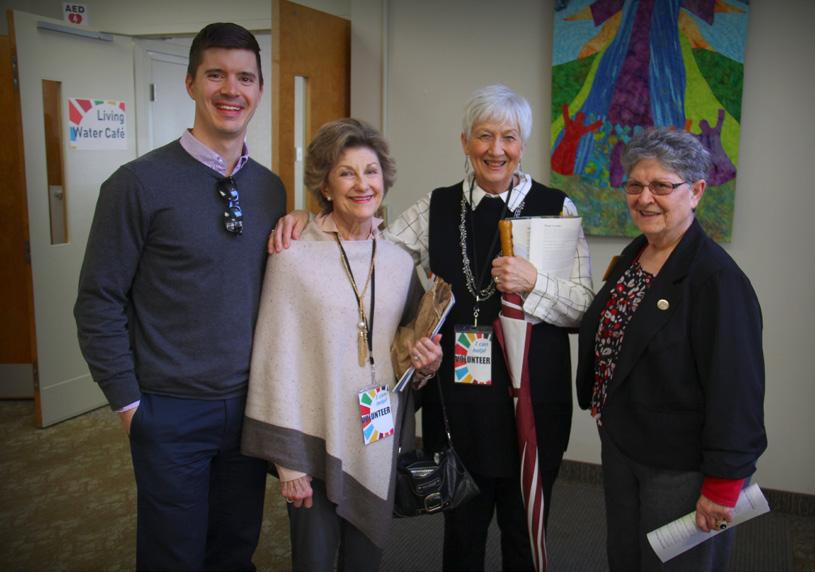
Best moments: Connections with old and new friends from all around the state that warmed us; Tunes and Tales that lifted our spirits with laughter and song; workshops that equipped us with specific information to use in our churches; worship services that inspired us to pursue our ministry opportunities; and the strong ties of the Fellowship that hold us together!
Carolyn
Dickens, Laity, First, Raleigh
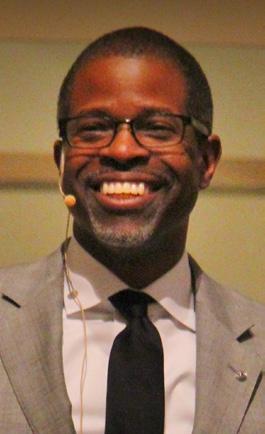
I was deeply moved by Richard Joyner’s account of the work in Conetoe. A touching and hilarious story of God bringing hundreds of children into a church that was once inwardly focused but became an oasis of health and hope for its community.
And I was moved by Suzii Paynter’s passion in the CBF Global workshop. Amid strong disagreements, she helped us see that CBF is one of the best movements in U.S. Christianity today.
Doug Murray, CBFNC Moderator
Leigh Curl from Duke Divinity led us in a Divinity Student Experience activity which helped us understand our callings and why we do what we do. It is special to see Divinity Students gather together, all in the same space, to contemplate our same sacred callings.
Emily Davis, Divinity Student
The theme exceeded my expectations — all parts of the Gathering really spoke to holistic healthiness. I came home refreshed and hopeful.
I loved getting to hear and meet Rev. Richard Joyner.
Lou Ann Gilliam, Chowan University



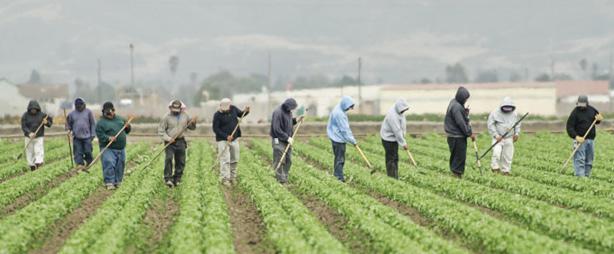
According to the NC Department of Administration, “Human trafficking is one of the fastest growing crimes in the United States. The prevalence of human trafficking in North Carolina is due to many factors including the major highways (40, 85, and 95) that run through our state, a large, transient military population surrounded by sexually oriented businesses, numerous rural agricultural areas with a high demand for cheap labor, and increasing number of gangs.” The National Human Trafficking Hotline lists North Carolina as the state with the 10th highest call volume in the United States.
Human trafficking is a modern-day form of slavery. Innocent persons looking for work, freedom, or just fun are exploited through force, fraud, or coercion. Some of this has to do with the sex trade, but the vast majority involves labor trade. There are an estimated 313,000 victims of human trafficking in Texas alone, according to Nell Green, a CBF missionary in Houston. 234,000 of them are being trafficked for labor, not for sex. A major part of her ministry is addressing human trafficking. Labor trafficking includes manual-labor jobs, such as migrant workers or day laborers, but it also includes persons working in the hospitality industry, restaurants and food service, nail salons, spas, domestic work, construction industry, and manufacturing. There are even school teachers who are being trafficked.
Nell helped form the Coalition to Combat Human Trafficking (www.cchttx.com). “Texas is an entry point for all the United States. This includes Latinos and even Asians as they cross the Rio Grande. Immigration, trafficking, and smuggling are all linked, so we have to address it all.” Nell is an advisor from CCHT to the mayor’s office which has devised a city-wide plan. The plan was active during the Super Bowl and also during Harvey’s flooding when construction-labor trafficking was high.
“Victims show up in convenience stores to shop or to use the restroom, so we put up signs with the hotline number,” Nell says. The mayor’s office developed “cot cards” – so named because volunteers would go from cot to cot in shelters with information and offers of help. Now, volunteers go door-todoor in the poorest neighborhoods giving them out. Nell will soon be partnering with the Faith and Justice Working Center
by Rick Jordan, CBFNC Church Resources Coordinator
and United Against Human Trafficking. They will go into neighborhoods with health and safety training that will include information on sex and labor trafficking.
Green lists five ways to address human trafficking:
• Identify the victims where they work and live.
• Provide services for victims and advocate for laws.
• Provide training for volunteers and raise awareness.
• Care about the problem at the grassroots level. Call the National Human Trafficking Hotline at (888) 373-7888 to report a problem.
• Address the fuel of human trafficking, such as poverty, education, gender bias, and racism.
It is possible that you and I have been complicit in allowing human trafficking. It is also possible that you and I can address human trafficking in simple, daily choices. “Pay attention to what you purchase. Look for the Fair Trade seal on products or use the Free2Work app which allows you to scan product barcodes for information. It can be overwhelming, and we can’t worry over every product, so focus on one or two products at first,” says Nell.
She also has suggestions for churches. “Serve only Fair Trade coffee and display posters or leaflets explaining why this is important. If you are buying t-shirts, make sure the manufacturer is using ethically sourced cotton. Look for a statement on their website. Consider hosting an Equal Exchange fundraiser to help support small farmers around the world.”
Nell could also use help from CBFers in NC. “Come help us distribute ‘cot cards’ door-to-door. We could also use volunteers from a distance. We need help with social media, graphic design, and marketing/media campaigns.”
Find CBF resources at www.Cbfinternationals.org. Watch webinars, particularly one titled, “We Are A Fair Trade Church.” Two organizations in North Carolina that provide more resources and victim aid are the Triad Ladder of Hope (www. triadladderofhope.weebly.com) and Eastern North Carolina Stop Human Trafficking (www.encstophumantrafficking.org).
by Wanda Kidd, CBFNC Collegiate Engagement Coordinator
Between You and Me by Ta Nehisi Coates
I recently read an article that states that mega churches are losing their African-American members because they have failed to understand that the realities of their lives are very different from the culture of the white church. It’s become apparent that work needs to be done to share a faith space with people of color. It is also imperative that we understand that we are called to honestly look at our role in these issues.
The book, Between You and Me, by Ta Nehisi Coates is the reflection of an African-American father to his teenage son. It is poetry written with a scalpel and, while it is sometimes painful to hear the reality of the author’s life, it makes it all the more important for us to read.
In CBFNC’s year of Mercy and Justice, it is our hope that we will look at issues that are complicated and even uncomfortable for us to examine. For us to move toward the New Testaments teachings of Christ, we will need to walk through doors that make us anxious and reach out hands to people we never even thought to speak to. This book is a good introduction to the honest reality of people whose life experiences are very different from ours.
Troubled Minds by Amy Simpson
In general, the issue of mental health is shrouded in shame, fear, and an inability to know how to effectively address it. If that is how we handle the reality of mental health in the general population, then the way the church talks about it and offers Christ-infused grace is even more convoluted.
The reality of mental health is not a burden that is carried only by the person suffering from the disorder; it impacts everyone who is in relationship with the person, be it family, lovedones, co-workers, or church members.
Troubled Minds by Amy Simpson is the story of a father who is a pastor, a mother who struggles with schizophrenia, children who are caught up in the family crisis, and a church that has no idea how to respond. This book explores issues and conversations that would be helpful and healing for us to undertake within our church families.
by Jim Hylton, CBFNC Business Administration Coordinator
“The parable of the talents is familiar to many of us. I have preached it on many occasions. Usually, I confess that most of us are not five-talent people. We may be more like one-talent people, or maybe two. There aren’t many five-talent people. But Agnes Yost may have been a five-talent person.” These are the words of David Hailey, pastor of Hayes Barton, Raleigh. David had the pleasure of knowing and working with Agnes at her home church.
David continued, “Agnes was a brilliant student. She was a magna cum laude graduate of Atlantic Christian College (now Barton) in Wilson. She majored in English and later moved to Houston where she earned an MA in English. She was a gifted teacher.
Build thee more stately mansions, O my soul,
As the swift seasons roll!
Leave thy low-vaulted past!
Let each new temple, nobler than the last, Shut thee from heaven with a dome more vast, Till thou at length art free,
Leaving thine outgrown shell by life’s unresting sea!

Oliver Wendell Holmes, Sr.
Agnes taught English at the high school and university levels. She more than once said, ‘I loved teaching in schools and college, and also loved teaching the Bible and religion in church.’”
Perhaps the greatest tribute a teacher can receive comes from their students. One of her students wrote, “The progress of the human race depends upon the knowledge passed to each successive generation. Let all humankind aspire to learn, revering always those who teach.” Another wrote about Agnes, “Your method of teaching is unique, Mrs. Yost, for although you may think you are just teaching English, you are teaching us, in a beautiful way, how to live by setting yourself as an example.”
In addition, Agnes was a wife of 66 years and a devoted follower of Christ. So maybe she was a five-talent person.
Several months ago, with no prior notice, CBF of North Carolina received a letter from a lawyer’s office in Raleigh. The letter was a “Notice to Beneficiary.” Upon talking with the lawyer, we discovered that Agnes had left CBFNC a sizeable estate gift. The instructions we received from Agnes were simple: use the gift in accordance with the mission of CBFNC.
Agnes is a wonderful example that few things bring more joy to philanthropic people of faith than making meaningful contributions to their favorite charitable organizations. Like Agnes, many have discovered the added pleasure of knowing they can continue to support our mission beyond their lifetimes by arranging to make gifts to CBFNC in their estate plan. It is our hope that more and more of our constituents will find the same satisfaction that Agnes found in this selfless act of charity.
Contact Jim Hylton at (336) 759-3456 for more information about estate giving.
Collegiate Ministry by Glen and Greer Clayton, Durham in memory of Jim Wayne
WCU Collegiate Ministry by Jeff Mathis, Sylva in honor of Wanda Kidd
Collegiate Ministry by Barbara Huggins, Raleigh in memory of Jim Greene
CBFNC by Helen Bunton, Winston-Salem in memory of Russell Chappell
CBFNC by Taylor Simmons, Charlotte in honor of Michael Sizemore
CBFNC by Teena Deer, Beaufort, SC in memory of Russell Chappell
Conetoe Family Life Center by Will Watson, Winston-Salem in honor of Mandi and Finleigh Watson
Lolly Fund for Theological Education by Rena and Bill Henderson, Black Mountain in memory of Dutch Coulter
Our encouragement and support go to the following ministers who have recently moved:
Ka’thy Gore Chappell to BWIM of North Carolina as Executive Director
Chris Cherry to First, Greensboro, as Associate Pastor of Youth and Families
David Cole to First, Henderson, as Associate Minister of Music
Chris Hensley to Covenant, Gastonia, as Pastor
Greg Lundberg to First, Southern Pines, as Minister of Music and Senior Adults
Sherry Shaw to Pritchard Memorial, Charlotte, as Minister to Children and their Families
Courtney Willis to First, Greensboro, as Associate Pastor of Spiritual Formation
Jonathon Shattuck to Lamberth Memorial, Roxboro, as Pastor
When you make a move or know of someone who has changed places of ministry, let us know by e-mailing us at cbfnc@cbfnc.org
For assistance to search committees and ministers seeking vocational discernment, visit our reference and referral page on our website at www.cbfnc.org or call (336) 759-3456 or (888) 822-1944.
February 2018 Contributions Undesignated: $85,027
Designated: $168,514
March 2018 Contributions Undesignated: $94,189 Designated: $172,637
April 2017 - March 2018
Monthly Undesignated Goal: $110,269
February 2018 - March 2018
Angier, Angier Crabtree, Raleigh Edenton, Edenton First, Asheville First, Forest City First, Lexington First, Mount Airy First, North Wilkesboro First, Sylva Hillsong, Chapel Hill
Iglesia Bautista Misionera Roca Fuerte, Pittsboro
Knollwood, Winston-Salem
The Memorial, Greenville Oakmont, Greenville Providence, Hendersonville
Ross Grove, Shelby
St. John’s, Raleigh Westwood, Cary
CBFNC ministry coordinators are available to visit your church to speak, preach, teach, consult, lead, and minister. Contact the CBFNC office for more information.
of the Cooperative Baptist Fellowship of North Carolina
phone: 336.759.3456 • phone: 888.822.1944 • fax: 336.759.3459 • cbfnc@cbfnc.org • www.cbfnc.org
LHovis@cbfnc.org
Leadership Development Coordinator KChappell@cbfnc.org
............ RJordan@cbfnc.org
........................ LJones@cbfnc.org
Jim Hylton Business Administration Coordinator JHylton@cbfnc.org
Regional Coordinators
Western: Gail Coulter coulterjg@bellsouth.net
Foothills: Jay Robinson ............................ revjay313@gmail.com
Triad: Bill Leathers .................................. wleathers@triad.rr.com
South Central: (open)
Ministerial Transitions Facilitators
Western: Terry Hamrick ........................... terryrhamrick@gmail.com
Central: Jack Causey .............................. jcausey@cbfnc.org
CBFNC College Ministers
NCSU and Raleigh-Area Campuses ......... Lawrence Powers, lpowers@cbfnc.org
UNC-Chapel Hill and Duke University ..... Lawrence Powers, lpowers@cbfnc.org
UNC-Asheville and Western Carolina David Stone, dstone@unca.edu
Coordinating Council
Doug Murray, Moderator
Andy Jung, Moderator-Elect
Lisa Rust, Past Moderator
Heather Folliard, Recorder
Mike Queen, Treasurer
Beth Thompson
Becky Keesler
Shane Nixon
Mary Cunningham
Jeff Harris
Seth Asbill
Stacy Nowell
Jason Cogdill
Wanda Kidd Collegiate Engagement Coordinator WKidd@cbfnc.org
Seth Hix Church Engagement Coordinator Seth.Hix@cbfnc.org
Eddie Hammett .. Church and Clergy Coach ................. EHammett@cbfnc.org
Gail McAlister .... Financial Manager .......................... GMcalister@cbfnc.org
Sarah Mitchell Communications Manager SMitchell@cbfnc.org
Ansley Fennell Programs Manager AFennell@cbfnc.org
North Central: Randy Carter randycarter@fbchillsborough.org
Capital: Kathy Driver driver.kathy@gmail.com
Triangle North: Ron Cava roncava@fbchenderson.net
Southeast: Dennis Atwood datwoods@nc.rr.com
Northeast: Brad Smith .............................. smithb@tmbc.org
Eastern: Michael Cogdill cogdill@campbell.edu
Southeastern: Mike Queen mikequeen316@gmail.com
Appalachian State University Curtis Privette, curtisdprivette@gmail.com
UNC-Greensboro Adam Horton, adam.horton@cbfnc.org
East Carolina University Lauren Halsey, lmhalsey@ncsu.edu
Wake Forest University Chris Towles, towlescj@wfu.edu
Faith Formation Ministry Council
Scott Thrailkill, Chair
Louisa Ward, Chair-Elect
Susan McConnell
Elizabeth Edwards
Jayne Davis
Paul Raybon
Mary Elizabeth Hill Hanchey
Richard Wood
Tom Allen
Josh Owens
Leadership Development Ministry Council
John Daniels, Chair
Stacey Grimm, Chair-Elect
Leah Reed
Helms Jarrell
Garin Hill
Nelson Granade
Laura Roach
Brian Lockamy
Allen Ingram
Missions Ministry Council
Greg Burriss, Chair
Mason Smith, Chair-Elect
Christa Warise
Donna Bissette
Paul Burgess
Linda Winslow
David Hawes
Josh Lail
Amy Grizzle Kane
Daniel Sostaita
Collegiate Ministry Team
Renee Pouloit Bridges
Lee Colbert
Kevin Moore
Ashley Mangrum
Tommy Justus
Tyler Ward
Tiffany Seaford
888-822-1944 www.cbfnc.org
Return Service Requested
CBFNC Webinar: Moving Casual Conversations into Christ-Focused Conversions
May 1, 2018, at 3:00pm
CBFNC Webinar: Baptist Trends
May 15, 2018, at 11:00am
CBFNC Webinar: Healthy Small Groups Matter!
May 31, 2018, at 11:00am
Establishing a Dynamic Coaching Relationship (502)
June 11-12, 2018
Christmount Conference Center, Black Mountain
CBF Global General Assembly
June 11-15, 2018
Dallas, TX
CBFNC Webinar: Sustainable Community Development and Partnerships in Rural Communities
June 26, 2018, at 11:00am
CBFNC Webinar: Making Church a Safe Place to Talk About Dangerous Things
July 26, 2018, at 11:00am
Growing Young Regional Workshop
August 18, 2018 First, Mocksville
Youth Beach Retreat
September 7-9, 2018 Fort Caswell
Elevating Preaching
September 17, 2018
Wake Forest School of Divinity, Winston-Salem
Growing Young Regional Workshop
October 20, 2018
First, Lumberton
Growing Young Regional Workshop
November 10, 2018
First, Black Mountain