THE RENT IS TOO DAMN



HIGH P . 4 LONGMONT COUNCIL




DRAMA P . 9 BOULDER'S NAUGHTY + NICE P . 19












































































































































































Another local artist forced out by high rent
BY DENISE PERREAULT
DECEMBER 5, 2024
Volume 32, Number 16
PUBLISHER: Stewart Sallo
PUBLISHING CONSULTANT: Francis J. Zankowski
EDITORIAL
EDITOR-IN-CHIEF: Shay Castle
ARTS EDITOR: Jezy J. Gray
REPORTERS: Kaylee Harter, Tyler Hickman
FOOD EDITOR: John Lehndorff
CONTRIBUTING WRITERS: Jamaal Abdul-Alim, Rob Brezsny, Michael J. Casey, Zoe Jennings, Dan Savage, Denise Perreault, Gabby Vermeire, Sara Wilson
COVER: 2024 Boulder Star Card by Kristen Ross
SALES AND MARKETING
MARKET DEVELOPMENT MANAGER: Kellie Robinson
SENIOR ACCOUNT EXECUTIVE: Matthew Fischer
ACCOUNT EXECUTIVES: Chris Allred, Tony Camarda, Austen Lopp
SPECIAL PROJECTS MANAGER: Carter Ferryman
MRS. BOULDER WEEKLY: Mari Nevar
CREATIVE DIRECTOR: Erik Wogen
GRAPHIC DESIGNER: Chris Sawyer
CIRCULATION MANAGER: Cal Winn
CIRCULATION TEAM: Sue Butcher, Ken Rott, Chris Bauer
BUSINESS OFFICE
BOOKKEEPER: Austen Lopp
FOUNDER / CEO: Stewart Sallo
That’s the acronym artist, photographer and acronym-conjurer Russell McDougal created to describe his feelings about this year’s sale of the Walnut Business Center, where he’s rented his Boulder photography and art studio for 30 years.
Russell has until the end of the year to vacate the 1,200-square-foot highceilinged industrial building he’s worked in. The windowless studio has been perfect for photo shoots, and an ideal space for creating the photomontages that accompany the hundreds of acronyms he’s created over 40 years. Even if you don’t know his name, you have likely seen McDougal’s work: during Open Studios and various art shows, on t-shirts and greeting cards at local shops, or in his Isle of View line of boxed insight cards or small books
featuring his beloved acronyms alongside split or collaged photos.
One of his favorites? A collage/acronym combo called ART: Arrange Reality Tastefully.
“I love the magical symmetry of combining acronyms with photomontages to create wonderful connections,” he said. “If I have the items, I can recycle them into illuminating visual magic.”
Many local artists have depended on McDougal through the years to photograph their artwork. Other clients, including Gov. Jared Polis, have utilized his talents for portraits, product photos and acronym memes.
McDougal began collecting 50 years ago with iconic pieces from flea markets, antique shows and yard sales. His vast collection served to illustrate his acronyms. The floor of his studio couldn’t hold his growing collection, so an architect friend
As Boulder County’s only independently owned newspaper, Boulder Weekly is dedicated to illuminating truth, advancing justice and protecting the First Amendment through ethical, no-holds-barred journalism and thought-provoking opinion writing. Free every Thursday since 1993, the Weekly also offers the county’s most comprehensive arts and entertainment coverage. Read the print version, or visit boulderweekly.com. Boulder Weekly does not accept unsolicited editorial submissions. If you’re interested in writing for the paper, please send queries to: editorial@ boulderweekly.com. Any materials sent to Boulder Weekly become the property of the newspaper.
1495 Canyon Boulevard, Suite CO 1, Boulder, CO 80302
Phone: 303.494.5511, FAX: 303.494.2585 editorial@boulderweekly.com www.boulderweekly.com
Boulder Weekly is published every Thursday. No portion may be reproduced in any form without written permission from the publisher. ©2024 Boulder Weekly, Inc., all rights reserved.
Boulder Weekly welcomes your correspondence via email (letters@boulderweekly.com). Preference will be given to short letters (under 300 words) that deal with recent stories or local issues, and letters may be edited for style, length and libel. Letters should include your name, address and telephone number for verification. We do not publish anonymous letters or those signed with pseudonyms. Letters become the property of Boulder Weekly and will be published on our website.
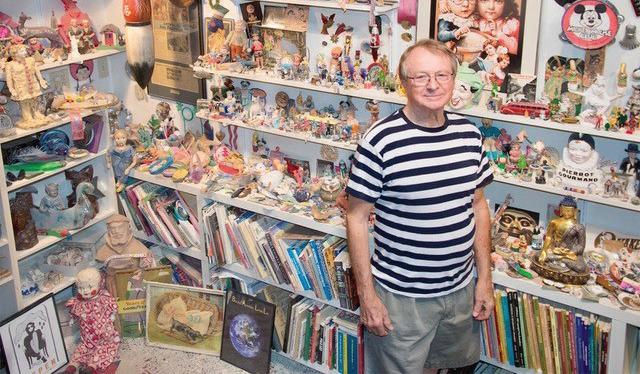
helped him build stairs and two additional levels filled with shelving to house it all.
McDougal’s collection — along with a sizable library, a rolling cart piled high with large sheets of handmade decorative papers, file cabinets brimming with slides and CDs, 150,000 unsold greeting cards, sculptures and artwork traded for photography services, and plastic bins filled with feathers, mirrors, seashells, fabric scraps and much more — has ballooned to fill every niche and surface.
One wall holds shelves displaying antique packaging. Other shelves display thousands of antique and vintage finds: mechanical banks, tin toys, nun dolls, matchboxes, plastic animals, magic lantern and celluloid cartoon slides, Bakelite bracelets, cowboy and Indian figures, porcelain glove forms, button cards, paper die-cuts, Buddhist deities, cartoon and cave man characters, Disney collectibles, old calendars, political pins, novelty business freebies, Statue of Liberty souvenirs and glass Christmas ornaments.
“I love ornaments depicting iconic personalities, and they’re sparkly,” said McDougal during a recent tour.
Hundreds of antique postcards and scrapbooks filled with Valentine’s cards ooze from boxes and file cabinets. Peppered throughout are “lots of kitsch and novelty items,” as McDougal described them. Glass candies. Miniature crowns. Ceramic aquarium decorations. Tin milagros. Long fish kites. Gumball prizes. Masks. A tiny plastic TV with a secret erotic scene. A glittery heartshaped rotary phone.
“Each item tells a story about the mood of an era. They’re artifacts that influenced our collective identity and helped shape our view of the world,” McDougal said. “They represent our historical, cultural and artistic heritage. That’s what makes this collection so valuable and magical. It’s great to have things from a saner, less-cynical time.”


Selling his vast collection is a daunting task, but he can’t afford to just give it away. Where to sell his expensive art and design books? Who will buy his fat stack of handmade papers? Who’s willing to take 150,000 greeting cards off his hands? (“Even 50 cents each would be fine,” he said.)
McDougal is unsure how many pieces he owns, and has never had them appraised.
“It’s bittersweet to part ways with this motherlode of living art and history,” he said. “It’s been an incredible and inspiring resource.”
His dream is to sell the collection as a whole “so others can enjoy its artistic mosaic. I hope I can find a home for it that allows students and other creative people to access the wealth of imagery and ideas that come from such an inspiring segment of our heritage. Most people don’t know this stuff exists.”
McDougal has less than 30 days to unload his earthly wares and exit the Walnut studio forever. There goes another longtime Boulder artist, but that’s the disconcerting evolution of our town.
Denise Perreault is the founder of Art Parts Creative Reuse Center. She’s a 40+ year member of the Boulder arts community as a weaver, seed-bead artist and antique beadwork restorer: DenisePerreault.com.
Interested in helping or acquiring some of McDougal’s collection? Contact Russell McDougal at 303-947-4547 or russell@russellmcdougal.com



















What your local officials are up to this week
BY BOULDER WEEKLY STAFF
At the Dec. 12 study session, council will:
• Discuss traffic signal practices for the 2023-2027 Vision Zero Action Plan. Adopted in 2014, the project has the goal of reducing traffic deaths and serious injuries to zero by 2030. Read more about Boulder and Longmont’s Vision Zero efforts at bit.ly/VisionZeroBW.
• Discuss waterwise landscaping and wildfire hardening, a council priority for the 2024-25 term that involves reviewing and updating regulations and codes to focus on reducing wildfire risks for homes and other buildings.
• Reaffirm their commitment to council’s rules of procedures, part of a 70-page handbook for the self-governing body. “[W]e have been a bit lax with following a few of our council rules/procedures,” council member Matt Benjamin wrote in an October public email.
A Dec. 10 public hearing for parks and
open space real estate management has been canceled.
On Dec. 11, commissioners will:
• Formally adopt the 2025 budget at 9:30 a.m. The total recommended budget is $644.4 million, about $8.7 million less than for 2024. The county has faced criticism for cuts to human services providers and distribution of funds for housing initiatives. No public comment will be taken at this meeting. If for any reason the meeting is canceled, a backup time is scheduled for 1 p.m. Thursday, Dec. 12.
• Hold an executive session at 11 a.m. Governing bodies are required by state law to disclose the topic of any executive session. A county spokesperson said the topic of sessions is typically announced at the business meeting before the session, which would be the Dec. 10 meeting. Executive sessions can be held only for specific topics such as personnel matters, conference with an attorney and transfers of property interests.
On Dec. 12, commissioners will:
• Meet with the Downtown Boulder Business Improvement District, a 49-block taxing district that aims to “cultivate a cleaner, safer and more vibrant downtown community.”
On Dec. 3, council:
• Accepted the resignation of seven-year
Ward 2 representative Marcia Martin effective Dec. 31. The councilmember has been participating remotely since May. In July, council motioned to end her ability to participate remotely starting Dec. 2, triggering her decision to resign. Full story on p. 9.
• Approved an additional $2.4 million in funds for 2024, raising next year’s budget to $697 million. Changes include a mixture of previously unbudgeted expenses, updates to three capital improvement projects and expenses that will be offset by grants and donations.
On Dec. 3, council:
• Took a second and final vote on exempting precious metal bullion and coins from sales taxes.
• On a 5-2 vote, moved to postpone until Dec. 17 changes to city ordinances banning camping and tents on public and private property. The update comes after the Grant’s Pass ruling from the U.S. Supreme Court, which allows local governments to penalize people for living in public spaces.
• Received a staff presentation on the city’s $50,000 water bill assistance program. In 2024, 50 customers received a monthly $7.50 credit on their bill. In August, council approved allocating $15,000 to emergency shutoff assistance. Staff hopes to increase enrollment by improving promotion and increasing
the credit to $15. Funding for 2025 could support up to 175 customers.
• Held a public hearing and preliminary vote on local zoning regulations for natural medicine healing centers, which will be allowed in industrial and business zones at least 1,000 feet from schools and childcare facilities. The state will begin issuing licenses in 2025, in accordance with Proposition 122, which decriminalized the personal use and possession of certain psychedelic plants and fungi.
• Held an executive session to discuss a performance review for the city administrator, Kady Doelling.
On Dec. 3, council:
• Held an executive session to discuss an undisclosed personnel matter.
• Approved local zoning regulations for natural medicine healing centers after a long discussion.
• Postponed a decision on enhanced incentives for businesses until Jan. 7. Read more: bit.ly/Nov26GovtWatch.
Louisville City Council will hold special meetings at 5:30 p.m. Tuesday, Dec. 9 and Wednesday, Dec. 10. Agendas for these meetings have not yet been released.
All agendas are subject to change. Karen Norback and Mark Cathcart contributed to this reporting.












BY BOULDER WEEKLY STAFF
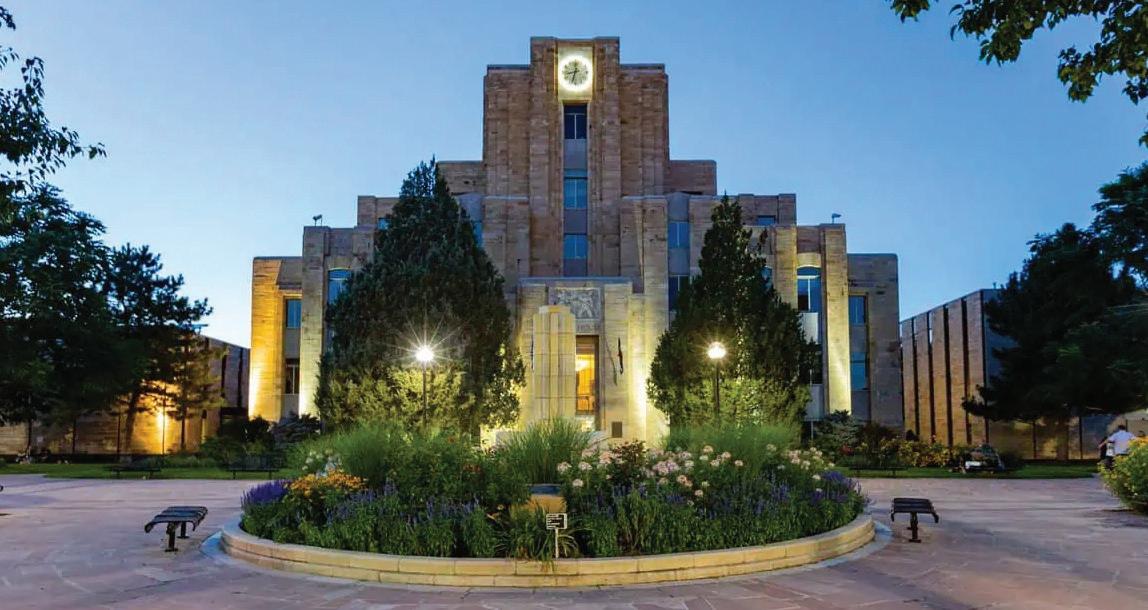
Marcia Martin, Longmont’s Ward 2 representative to city council, during Tuesday’s meeting announced she will be resigning effective Dec. 31.
Martin, who ran unopposed in 2021, has been participating in meetings virtually from New York since May while she cares for her daughter who is experiencing a mental health crisis.
“During this difficult time, I’ve done my best to serve my constituents,” Martin said in her address to residents and council. “Now I hope to surrender my office as seamlessly as possible.”
Martin’s decision to resign comes after council motioned in July to end her ability to participate in meetings remotely effective Dec. 2. The date was significant, and intentional. The city charter dictates council must call a special election if a vacancy occurs when more than a year remains in a term. Council’s deadline left a year and three days in Martin’s term — but her official resignation date misses this window, meaning council will have to appoint a replacement.
council would put up with,” councilmember Sean McCoy said in a phone call with Boulder Weekly.
Council unanimously approved a motion in May to allow Martin to participate in meetings remotely until she is able to return. The subsequent motion to impose the Dec. 2 deadline on her virtual attendance came after she revealed to council she had signed a lease in New York.

“This council has been very compassionate to councilor Martin’s situation,” Mayor Joan Peck said during a July 23 meeting. “[B]ut when she told me that she had signed a 13-month lease in New York, that brought up a lot of questions about residency and representation of Ward 2, including her intent to return.”
city attorney Eugene Mei. This will be the first vacancy since the 2022 vote to replace Joan Peck after she was elected mayor.
A 73-year-old pedestrian died after a Nov. 24 collision with a 34-year-old cyclist, Boulder police announced last week. The two men were traveling along the multiuse path when they collided near the intersection of Boulder Creek and Foothills Parkway, according to a city press release.
Both men’s heads struck the cement when they fell; the cyclist was wearing a helmet and was uninjured. The runner, Richard E. Poley, died of his injuries at the hospital two days later.
“Holding a special election would have cost the city an amount running to six figures,” Martin said. “I wanted to make sure that [council] had the time to do the process right, and undertake that trust to the city.”
Council has 30 days after Martin’s resignation date to appoint a replacement for Ward 2. The new council member will need a 4-2 majority vote with only six sitting members of council remaining.
Concerns from members of council and residents about her extended absence and the standard it sets for future council members created controversy in the last few months of Martin’s tenure.
“She set a precedent that no other
At the time of this motion, several council members, including McCoy and Diane Crist, advocated for an earlier deadline to align a potential vacancy with the General Election in November. But Martin’s experience was seen as too valuable an asset to lose as the city approached its 2024 budget review. “We need her vote,” Peck said in the July meeting.
Several members of the public expressed gratitude for Martin in recent months. After her announcement Tuesday, Longmont resident Dan Sorrells called Martin a “tireless advocate for making the city a much better version of itself, and for more and better housing opportunities for everyone.”
There have been six appointments to Longmont city council since the creation of Longmont’s city charter, according to
Charges will not be filed, the release stated.
Severe collisions between pedestrians and cyclists are rare. In a study of Boulder crash data from 2015-2019, there were no incidents that resulted in serious injury or death.
Boulder County election results were certified Wednesday, Nov. 27, and three recounts are on tap for local races.
Ballots will be re-tallied for the Town of Superior trustees. The second- and thirdplace candidates, Heather Cracraft and Sandie Hammerly, respectively, are separated by just 13 votes.
House District 19, which spans Boulder and Weld Counties, will also receive a recount, as ordered by the Colorado
Secretary of State. Republican Dan Woog is currently leading Democrat Jillaire McMillan by 109 votes, according to state results.
Andrew Sawusch, a candidate for Erie Town Council’s District 1, is self-funding a recount of that race. Sawusch is currently trailing John Mortellaro by 20 votes, below the threshold for an automatic recount.
Although the City of Boulder’s ballot question 2E qualifies for an automatic recount, officials waived that right as allowed by state law. The measure would have given the city council more control over resident boards and commissions. It was rejected by a margin of 65 votes.
Boulder County’s recount began Tuesday, Dec. 3 at 9 a.m. Results were expected Wednesday evening or Thursday, according to the county clerk’s office, after Boulder Weekly’s publication deadline. The HD19 recount must be completed by Thursday, Dec. 6. Visit bit.ly/2024ElectionResultsBW for the most recent information.

• Lafayette’s Oatmeal Festival has ended after 27 years, the city’s chamber of commerce announced last week. The annual event was held in January and sponsored by Quaker Oats.
• Boulder County has contracted with nonprofit Via Mobility Services to add one morning and one afternoon bus to the Nederland-Boulder route. The additional service will be offered MondayFriday through Jan. 17. Learn more: bit.ly/NedBusBW.
BY SARA WILSON, COLORADO NEWSLINE
Editor’s note: This story includes discussions of suicide. If you or someone you know needs help, the national suicide and crisis lifeline in the U.S. is available by calling or texting 988. There is also an online chat at 988lifeline.org. TransLifeline also provides a hotline for transgender people run by peers at 877-565-8860.
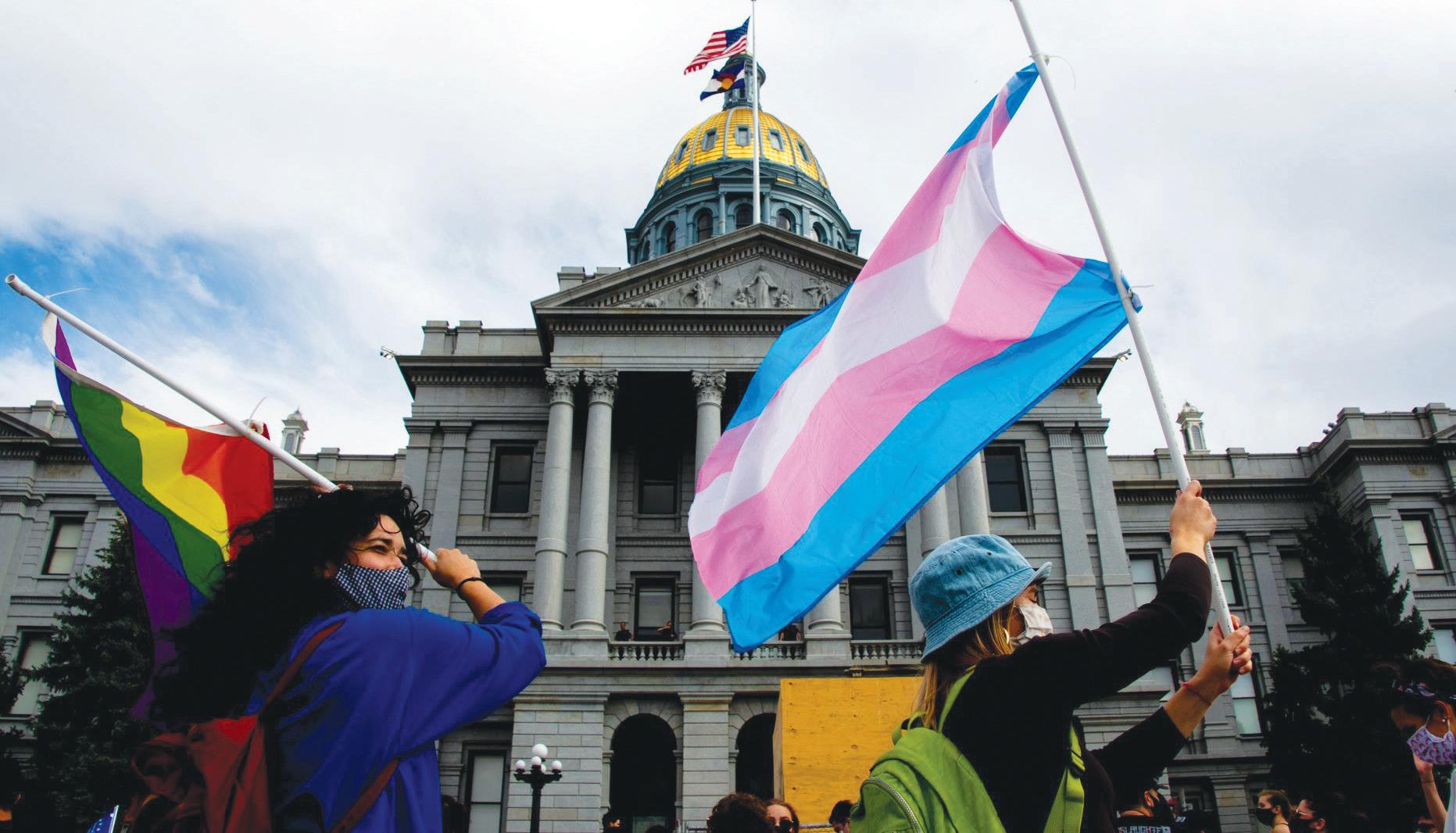
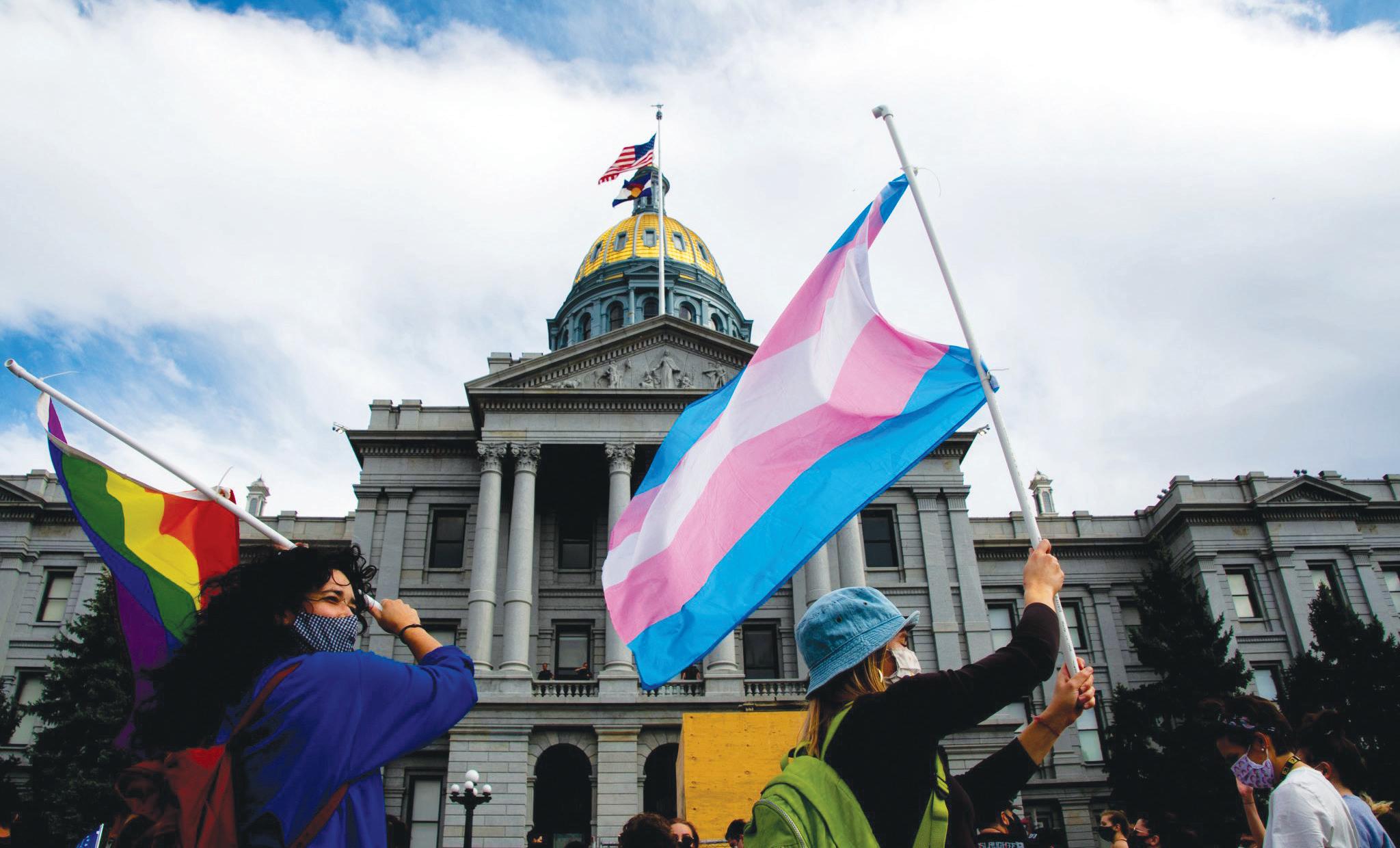
Colorado LGBTQ+ advocacy groups and health care providers are bracing for what a second administration under President-elect Donald Trump could mean for transgender people, and they are pledging to strengthen existing community support systems.
“We had done scenario planning a few months ahead [of the election] to try and get ahead of it. What would it mean if Republicans won? So we at least have a bit of a starting point,” said Mardi Moore, the executive director of Rocky Mountain Equality.
“I’ve been trying to have the mindset that this isn’t a ‘winner takes all’ situation. There are smaller battles to be won,” she said. “We survived the first round — which felt surprising to a lot of us — and we know we can survive this second round. We’re smarter going into it.”
Still, she said the day after Trump won the presidential election, there was a “continuous stream of people coming in for hugs” at the organization’s Boulder center as the community processed an incoming conservative presidential administration that has vilified large swaths of the LGBTQ+ community.
In campaign policy documents and speeches, Trump promised to roll back transgender rights, restricting their ability to participate in sports teams, join the mili-
tary and receive gender-affirming care, among other things.
Gender-affirming care, endorsed by both the American Medical Association and the American Academy of Pediatrics, can range from non-medical interventions like haircuts and name changes to services like hormone therapy and surgery to support the patient’s gender identity.
Specifically, Trump has pledged to end the “left-wing gender insanity” when it comes to transgender youth and cut federal funding, including Medicaid and Medicare, to health providers that offer gender-affirming care. Advocates also fear an attempt to completely ban gender-affirming care at the federal level and weaponization of executive agencies that regulate health systems.
“We should take Donald Trump and the incoming members of his administration seriously when they tell us they want to ban this care,” said Jack Teter, the regional director of government affairs for Planned Parenthood of the Rocky Mountains (PPRM).
Those policy speculations are coupled with increased transphobic and antiLGBTQ+ rhetoric from the political right. The Colorado GOP executive committee launched an anti-LGBTQ+ attack during Pride Month this year, including a call to burn Pride flags. In the closing days of the presidential election campaign, advertisements for Trump against gender-affirming care and transgender rights dominated the airwaves. And this month, Republican leaders in Congress moved to ban the first openly transgender lawmaker, Democratic Rep.-elect Sarah McBride of Delaware, from using the women’s bathroom in the U.S. Capitol.
“I think patients and families are terrified right now,” said Dr. Liz Kvach, the medical director for Denver Health’s LGBTQ+ Health Services. “We’ve been flooded with phone calls and messages from patients asking if we’re going to continue to provide care, if they are going to be able to access the hormone therapy — which are medically necessary and life saving treatments for gender diverse people — or if they need to make plans to move out of the country because of hostility and transphobia they’re experiencing.”
She responds to those anxious patients with the reassurance that as of now, there are strong Colorado laws that protect providers who offer genderaffirming care and that she hopes work will continue in the state even in the event of a restrictive national policy.
Rex Fuller, CEO of The Center on Colfax, said some transgender people are scrambling to get certain things done before Trump retakes the White House, such as updating their birth certificate with their correct name and gender and sorting prescriptions with their health care provider.
He also expects the transgender support community at The Center to continue its growth. A few years ago, he said, it had four regularly scheduled peer support groups. Now, it hosts 16 for different sub-demographics, including women, men, non-binary people, significant others and family members. The youth-centric Rainbow Alley program at The Center has also seen an increase in gender-diverse participants, and Fuller worries for them.
“The incoming administration has been especially vocal in its opposition to gen-
der-affirming care for youth. I mean, they’re not friendly to anybody, but youth have been so specifically targeted,” he said. “We have seen real increases in anxiety and depression and all kinds of negative stress for everyone in the trans program, but especially our youth.”
The Trevor Project, a crisis intervention organization for LGBTQ+ youth, saw a 700% volume increase on Nov. 6, the day after the election, than in the weeks prior. Last year, the organization found that 90% of LGBTQ+ youth felt that the current political environment negatively affects their well-being.
Kvach predicted an increase in youth suicide rates if transgender youth are cut off from care during the next presidential administration.
“We know people are being negatively impacted by even just the idea of the next presidential administration. But I think if discriminatory and hateful policies actually start to take place, we’re going to see the impacts of that,” she said. “Legislators are playing with the lives of kids.”
Since the election, the Trans Continental Pipeline (TCP), a group that provides assistance to transgender people hoping to relocate to Colorado out of fear of hostile policies, has received about 550 requests for help.
Even if the organization can’t give financial support for everyone looking to relocate, it can provide a comprehensive list of resources and an invitation to join an established community of transgender people and allies. Richards is helping organizers in other states with welcoming policies to create a similar blueprint for new arrivals.
“There’s people coming anyway. Even if you can’t provide the relocation management and the support to get there, at least they can have the resource list once
care, specifically for youth. So it’s just really causing a real strain on the system already,” he said. “There’s some worry and nervousness about what’s to come.”
In 2023, Colorado enacted a shield law to protect providers and patients seeking gender-affirming care from out-of-state investigations. There are currently 26 states that restrict access to genderaffirming care for minors, and some families travel to states like Colorado for care.
“We are so lucky to live in Colorado, because there are protections. We have court systems that work. Even though there’s great disappointment and there’s backward tracking, we’re OK. At the same time, there are so many unknowns right now,” Moore said.
Those laws create a strong foundation for Colorado to continue its ascendance as a sanctuary state for transgender people seeking care, and there could be more changes coming during next year’s legislative session.

they get into town,” she said.
“It feels like the walls are closing in, and they don’t know what will happen next,” said Keira Richards, TCP’s executive director.
The organization became a nonprofit in April, and Richards said it was not prepared to absorb its current caseload. Ideally, case managers would be able to help people get to Colorado, find housing and work if needed and help them settle into the community. That takes money, partnerships and manpower TCP does not currently have.
“I was not anticipating TCP to be in the position that it is now so quickly, but our two options are crumble or rise to the occasion. So we’re trying to do the latter,” Richards said.
Over 40% of transgender adults have considered moving because of antiLGBTQ+ laws in their state, according to a 2023 poll from the left-leaning think tank Data for Progress. Reliable data on that question for families with transgender children is scarce, though Teter said PPRM is already seeing patients uprooting their lives to come to Colorado for consistent care.
Fuller, at The Center, also anticipates a “new class of refugees” coming from states with hostile LGBTQ+ policies, people who would be looking for jobs, housing and health care in an already stressed social support system.
“We’re one of the few areas for about 1,000 miles where there are health care providers addressing gender-affirming
Since Denver Health started offering care to patients in surrounding states in 2023, Kvach said that about 30% of new youth patients for LGBTQ+ services are not from Colorado. The hospital’s CEO is also supporting funding for an expansion at a second site for a multidisciplinary gender clinic.
“We have support at the highest level to expand our capacity for this care,” she said. “We’re preparing for a potential increase in volume.”
Colorado also requires private insurance to cover gender-affirming care. Additionally, it includes sexual identity and gender expression in its anti-discrimination law. Last year, lawmakers approved a bill that requires school staff to use a student’s preferred name, even if it is not their legal name.
That could mean more protections for health insurance coverage and making it statutorily required, said Teter with PPRM. Other legislative efforts could focus on the state’s prescription drug monitoring program, an electronic database that tracks interstate controlled substance prescriptions. It is helpful for providers to identify patients who might abuse prescription medication such as opioids by getting prescriptions in multiple states. The worry, however, is that the system could be weaponized against people who cross state lines to take testosterone for gender-affirming care, since the drug is a controlled substance and subject to PDMP disclosure. Teter said a draft bill could prevent Colorado from sharing information about legally protected care on the PDMP.
“In talking with folks in other safe haven states about this over the past several months, I think there’s a growing consensus that this is something that should be adopted into the gold standard of the shield protections,” Teter said.
Despite the post-election gloom, he thinks Colorado will emerge as a leader for transgender care and protection.
“Colorado has an incredible health care infrastructure. We have incredible health care providers,” he said. “I think that our infrastructure will grow where needed and adapt where needed to be able to serve the number of patients who are coming in.”
Colorado Newsline is a nonprofit, nonpartisan, independent source of online news. See coloradonewsline.com for more.

By Louisa May Alcott
Adapted and Directed by
Jessica Robblee

Bring your family to the Dairy this holiday season and spend some time with the March family. Relive their adventures, their passionate loves, their ups and downs and their joy in being together.
Dec. 5 – Dec. 29
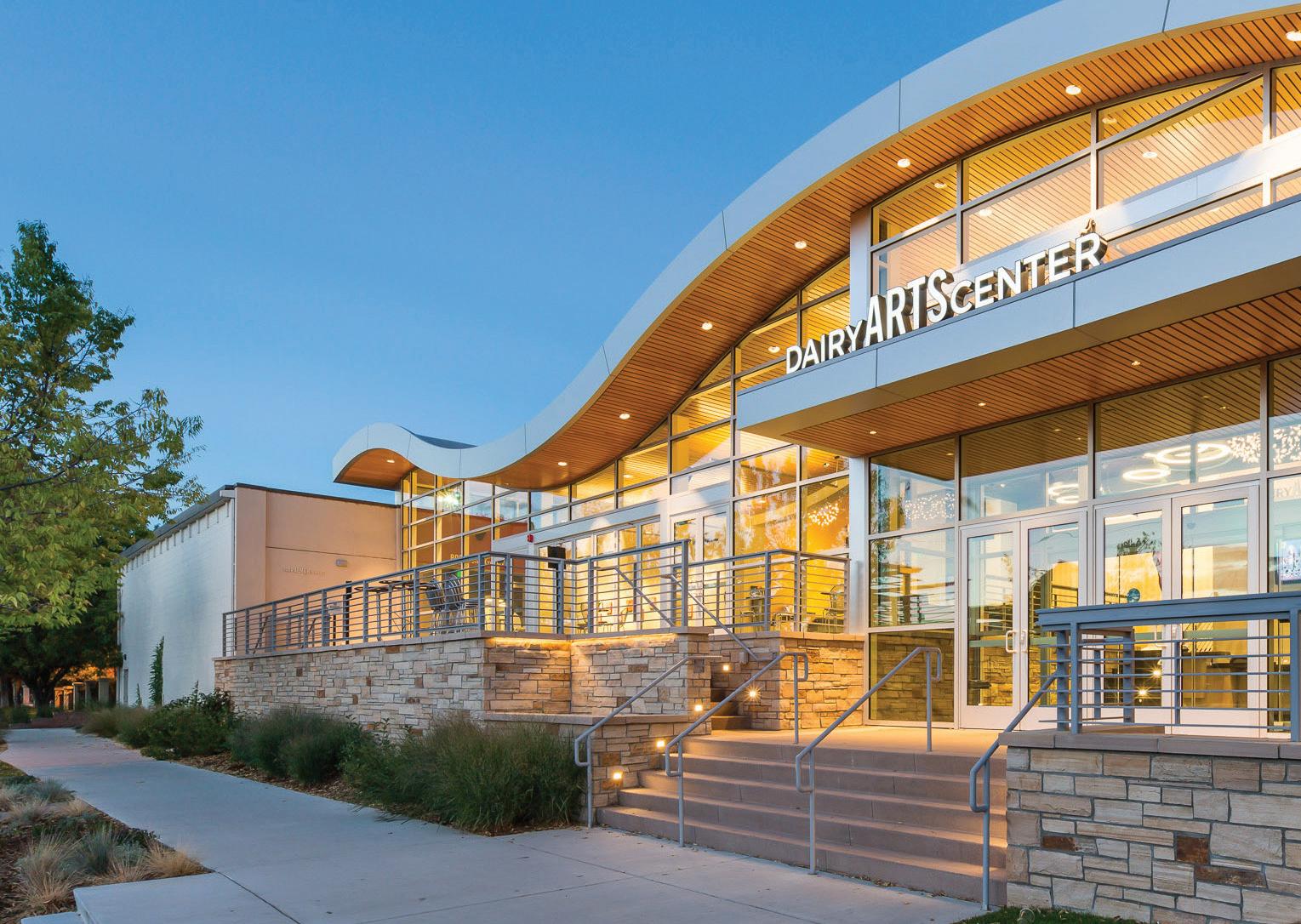
Dairy Arts Center | Boulder
SUBSCRIPTIONS & TICKETS at BETC.ORG
BoCo groups say renter protection makes it harder to end homelessness
BY SHAY CASTLE
Alaw meant to keep renters more stably housed is making it harder for people exiting homelessness, two Boulder County nonprofits say.
The law in question is HB-1098, passed last session. It mandates that renters can only be evicted “for cause,” such as nonpayment of rent and other lease violations. If tenants don’t break any rules, landlords — with few exceptions — have to keep renting to them for as long as they want to stay.
That has ensnared providers of transitional housing, who are now being forced to cut the amount of time they allow people in their programs or allow tenants to stay indefinitely in heavily subsidized units meant to serve as temporary homes for subsequent clients.
“I don’t think people at this point are aware or are fully grasping the magnitude of HB-1098,” said Tim Rakow, executive director of Longmont-based nonprofit The Inn Between. “It essentially put an end to transitional housing.”
Clients typically stay at The Inn Between for 18-20 months, Rakow said.
Emergency Family Assistance Association (EFAA), which helps low-income families in Boulder County, runs a two-year transitional housing program.
Under the law, tenant protections begin at 12 months. Both organizations are now limiting their transitional leases to 11 months to ensure that the units they own can be available for future clients.
“We have really long wait lists right now with families with kids,” said Julie Van Domelen, EFAA’s executive director. “We don’t want to be a long-term landlord. It’s not why we’re there.”
EFAA’s staff are worried the shorter leases will make it harder for families to get and stay permanently housed.
“Our programs people think it will do harm in the sense of being able to have a successful exit,” Van Domelen said. “There’s long wait lists for vouchers and affordable housing. It takes a long time to get out from bad credit, save up money.”
EFAA operates 35 units of transitional housing. The Inn Between has 50.
“We have several families here today that should be exiting, but we don’t have a mechanism for them to leave,” Rakow said. “There is no path legally … to end that lease.”
The law has impacted the organizations in other ways. Both nonprofits now have to meticulously document any late or nonpayment of rent — both criteria for nonrenewal of a lease. That removes flexibili-
The legislation was sponsored by Democratic Representatives Javier Mabrey, D1, and Monica Duran, D23, and Senators Julie Gonzales, D34, and Nick Hinrichsen, D3.
In an interview, Hinrichsen said he was unaware of the impacts to transitional housing. Lawmakers “sat down with … literally hundreds of landlords in the private and nonprofit sector … over the course of the two years we worked” on the bill.
“It is impossible to account for every kind of lease and how it would be treated,” Hinrichsen said. “It sounds like there may be some really narrow and nuanced application that the policy needs more nuance to address as well. If that is indeed the case, certainly we should be looking at that, too.”

Rakow agrees: “A year is not enough for most people.”
Some of EFAA and The Inn Between’s existing clients are taking advantage of HB-1098 to stay in what were supposed to be transitional homes.
“If you are already in there,” Van Domelen said, “you have acquired the right to stay. The lease can no longer end.”
ty to work with struggling clients while adding legal costs and complexity.
In the past, “if you had someone that paid late, we’ll give you a little grace. We’ve always been able to provide payment plans,” Van Domelen said. Now, “it has to be documented legally; it has to be legally noticed.”
“It’s a lot more lawyer-y and legal than it’s ever been, which raises costs.”
Mabrey and Gonzales did not respond to requests for comment. Duran was not available before Boulder Weekly’s publication deadline, a representative wrote via email.
Van Domelen and Rakow are working with local landlords, via the Boulder Area Rental Housing Association (BARHA) and Boulder County to form a coalition that can petition for a legislative fix. Until that happens, they’re anxiously watching to see what the fallout will be for Boulder County’s most vulnerable residents.
“None of this was intended,” Van Domelen said. “But I don’t know how hard it will be to change.”

BY ZOE JENNINGS
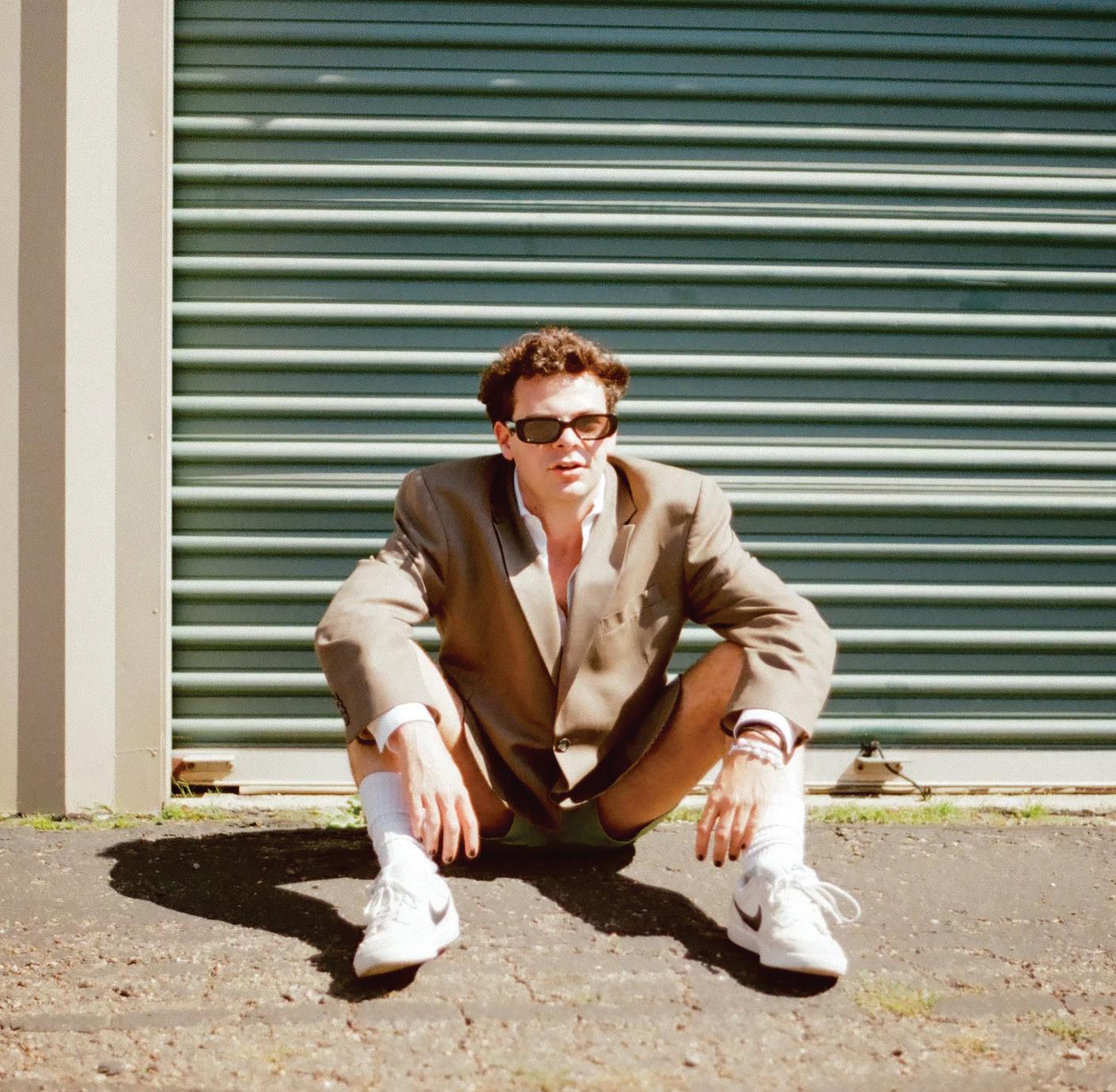
Boulder musician Drew Hersch describes his upcoming album SUNBURNS as a glass of white wine.
“[It] can be dangerous when you’re heartbroken,” he says. “Is it going to calm you down? Make you laugh? Make you cry?”
Like any good intoxicant, Hersch’s sophomore LP might just do all three. It’s a genre-defying breakup album touching on the stages of grief following a romantic split. His biggest fear with the project? Being perceived as a bummer.
That might sound surprising for an artist who titled his 2020 debut sad boy summer, a freewheeling collection of bedroom indie-pop tracks covering themes like unrequited crushes. Hersch considers the all-caps SUNBURNS a sequel to his lowercase debut with a bigger, more experimental sound.
The 23-year-old is the sole creative vision behind his work, directing his own music videos and doing his own cover art and marketing. Since launching the project in 2018, Hersch says the object has always been to shake things up — but that mission took on a new urgency with SUNBURNS
“I tend to make my arrangements theatrical, jarring and dramatic, which I played into on this album because it was inspired by a very painful breakup,” says the former theater kid. “I wanted the album to capture the intensity of that emotion.”
Processing that level of feeling on his own has come at a cost. Carrying the creative load on his shoulders means taking longer than he might like to bring his work
to audiences, stretching his creative limits in the process.
“I started some of these songs in the fall of ’23, and I’m just finishing them,” Hersch says. “Doing it all myself is a commitment because of how heavy the theme was. It tested my loyalty to my art. I wanted to give up so many times and just stop writing about this.”
Without much of an audience to share his art with, Hersch questioned why he was drawn to a project involving his most profound heartache. He sometimes wondered if it was worth locking himself into album mode for a year, especially when friends and family became tired of hearing him talk about it.
“What am I doing this for?” Hersch asked himself throughout the process. “And why am I so inclined to make an hour and 20 minute-long project that’s about my deepest pain, when I should be just moving on?”
Hersch’s family implored him to do just that, assuming the album was a sign he hadn’t processed his previous relationship. Although Hersch felt moved on from the relationship itself, he didn’t feel done with SUNBURNS
“Making songs about emotions I didn’t feel anymore was interesting,” he says. “I recorded some of the saddest songs I wrote a year ago toward the end of the process, with a total smile on my face because of how good they sounded.”
“What am I doing this for?” Hersch asked himself while mining the
Sierra Young
Although Hersch thinks he’s done making breakup albums for the foreseeable future, he hopes SUNBURNS will inspire listeners to put more of themselves out into the world. That’s why he provided “a song for everyone,” commenting on the distinct moods and phases that come with a romantic meltdown.

He crafted an ode to the postbreakup promiscuous phase with club bangers “PPM” and “Harlow’s Pit of Despair.” The period of sentimental reflection is represented by the weepy twang of tracks like“Summer Again.”
The anger stage of grief is personified through big drums and electric guitar in “Miss Universe” and the title track.
“I love when genres represent emotions, especially with a breakup album,” Hersch says. “You feel the whole spectrum of grief.”
A 2023 CU Boulder graduate and current resident of the People’s Republic, the city’s surrounding
landforms and seasons also inspire Hersch’s art.
“I want some of my songs to sound like running up the creek path in the summer,” he says. “I want some of my songs to sound like driving along Canyon in the winter. It’s a beautiful place to base music around.”
But while the end result on his latest album is embedded in heartbreak, the last thing Hersch wants at his upcoming release celebration at Trident on Dec. 6 is to elicit pity from the audience. He hopes his live performance can provide everything from reflection and catharsis to a celebratory dance party. Whatever your poison, he’s got a concoction for you.
“It’s a very white wine album,” Hersch says. “But it’s also whiskey. It’s also tequila. It’s everything.”
ON THE BILL: Drew Hersch SUNBURNS album release show. 6 p.m. Friday, Dec. 6, Trident Booksellers and Cafe, 940 Pearl St. Free


BY BOULDER WEEKLY STAFF
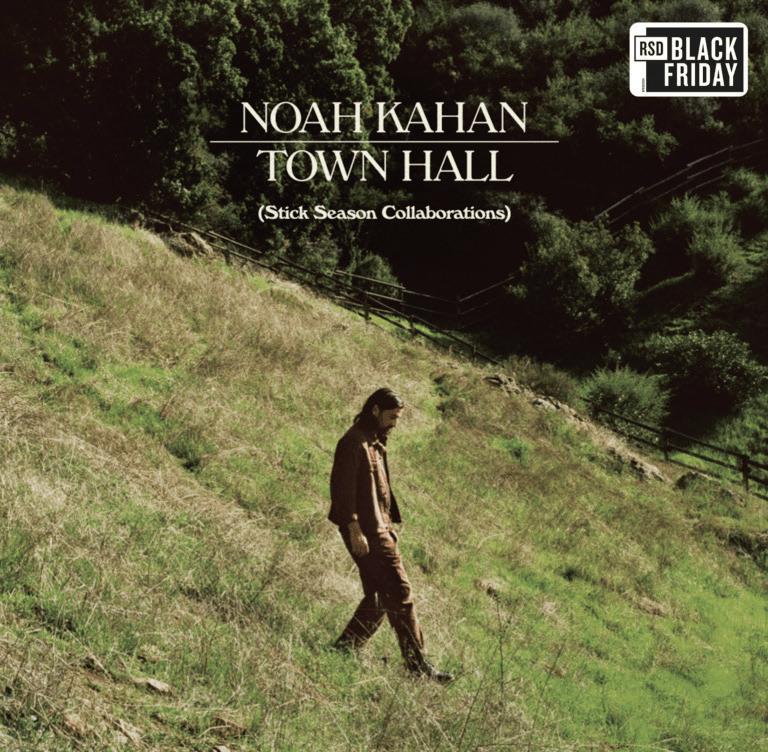
For many of us, the day after Thanksgiving means sleeping off the holiday feast or fighting for deals at your local big-box retailer. But for true sound hounds, it means one thing: Record Store Day. This year’s high holiday for vinyl heads brought a bevy of limited-release treasures to Paradise Found Records and Music (1646 Pearl St.) — from an expanded edition of Olivia Rodrigo’s GUTS to a 1977 set from Boulder’s favorite band, The Grateful Dead. These are the Record Store Day finds that flew off the shelf last weekend in the People’s Republic.
Veterans Memorial Coliseum, New Haven, CT - 5/5/77
14TH | 11 AM - 3 PM
4.
5.
Electric on the Eel: August 29th, 1987
You may not know the name Christian Lee Hutson, but you know his work. Over the past decade, the 34-year-old songsmith has written material for era-defining indie acts like boygenius and Phoebe Bridgers — who co-produced his latest full-length, Paradise Pop. 10, released this fall via ANTI- Records. Hutson’s third LP is another lush and deeply felt exploration of human relationships, built on a bedrock of wry lyricism and delicate guitarwork. One spin and you’ll be a fan for life. For a primer, check out a Boulder Weekly profile on the artist at bit.ly/HutsonBW – Jezy J. Gray, arts and culture editor
Head down to the Pearl Street Mall and join us for a celebration of winter with Downtown Boulder's own Freezie the Snowman! Enjoy FREE train rides, reindeer games (arts and crafts) and visits with Santa & Freezie!
New this year, take a stroll around downtown during the inaugural Cookie Crawl. Head into participating businesses for a sweet treat:
Ana’s Art Gallery
Art Mart Gifts
Art Source International
Barbara & Company
Capital One Café
Cotopaxi
Dish Gourmet
Flower Wild
Helly Hansen
High Country
by:
Lindsay’s Boulder Deli at Häagen-Dazs My Neighbor Felix
Nomad Bead Merchants / Adorned Norrøna
Organic Sandwich Company
Ozo Co ee - both locations
Pedestrian Shops
Pendleton
Peppercorn
Savannah Bee Company
Presented by:

Sponsored by:














‘Queer’ is an odyssey worth taking
BY MICHAEL J. CASEY
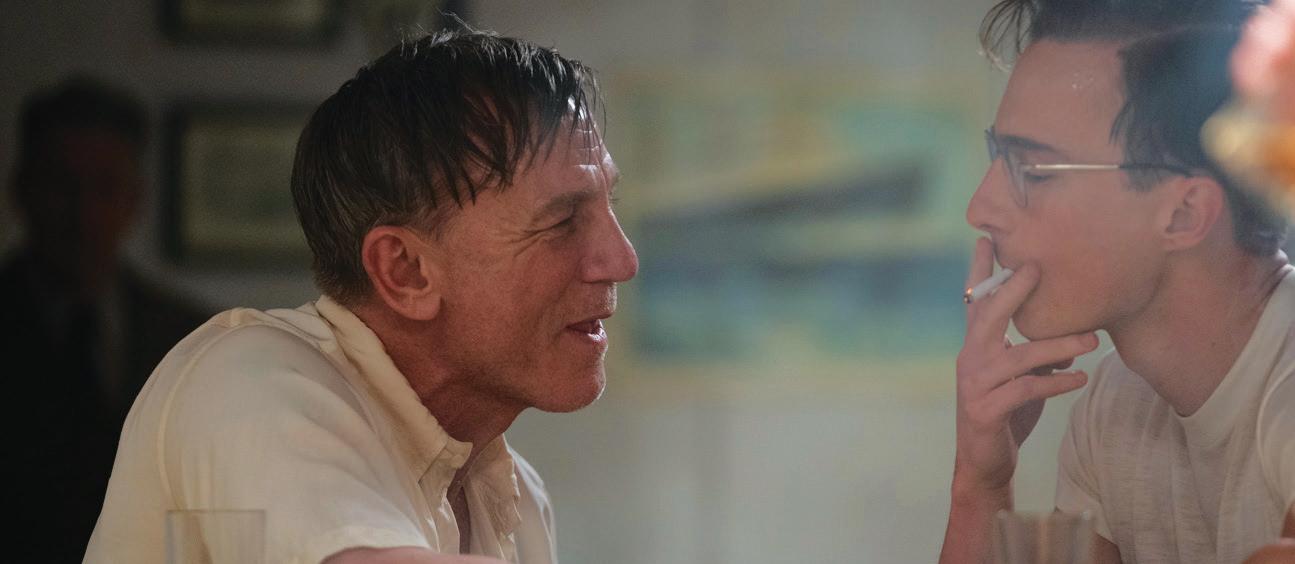
Queer knows how to hide its secrets. The film opens with William Lee (Daniel Craig) in a Mexican village. Like his fellow expats, Lee spends most of his days drinking and cruising for sex. Later, he reveals he had to leave the States because of “his disease.” (He’s gay, and this is the 1950s.) So Lee became a gentleman of leisure, rocking rumpled off-white linen suits perpetually soaked in sweat.
Lee’s not what you would call out and proud, but he’s not exactly the self-loathing type either. He cruises the same half-dozen bars, spends most of the day drinking with the same men — his relationship with the pleasantly plump Joe Guidry (Jason Schwartzman) is the closest Queer gets to a romantic relationship — and not working. Lee’s a writer, mostly likely a mirror of the source material’s author, William S. Burroughs, but you never see him write. You do see him drink. A lot.
Lee’s a drunk, but he’s also a junkie. Heroin is his drug of choice, and though director Luca Guadagnino teases that bit of information in the movie’s opening credits, Queer takes its time getting back to it. When Lee shoots up, cinematographer Sayombhu Mukdeeprom’s camera hangs over Lee slipping into a pleasant junk haze while New Order’s “Leave Me Alone” plays uninterrupted for almost four minutes.
You may find yourself repulsed by Lee — his haircut screams neo-Nazi, and his name echoes the Confederacy — but he is charismatic, and whiling away the afternoon in these Mexican bars isn’t an unpleasant experience. But once Lee takes a young lover, Eugene Allerton (Drew Starkey), we see how far down the opium rabbit hole he’s gone and how desperate he’s willing to be.
Adapted from Burrough’s novella of the same name, Queer plays like Luca Guadagnino’s 2001: A Space Odyssey — another movie that approached its material with a deliberate pace. In both, the narrative provides enough room for the audience to wonder where the story is heading next. It also allows time to reconfigure those assumptions.
And Queer’s final third will require an awful lot of reconfiguring. Throughout the movie, Lee speaks of a South American root he read about in a magazine — yagé — that can induce telepathy. The Russians are using it for mind control, or so he believes, as is the CIA, or so he surmises. Lee is very interested in yagé. He claims he wants telepathy but never says why. Maybe he wants to know what Eugene really thinks of his older, more demanding patron. Or maybe Lee is looking for the next great high. This isn’t like a high you’re used to, Doctor Cotter (Lesley Manville) assures him. But Lee doesn’t care.
The consumption of the yagé — or ayahuasca, as it’s commonly known — unmoors Lee. Nothing he sees or hears from this moment on will be grounded in any sort of reality. Ditto for the viewer. Guadagnino, Mukdeeprom and editor Marco Costa craft images that are distinctly unreal and uncertain. But wasn’t that always the case? Those Mexican streets Lee stumbled across from cantina to cantina never looked like real Mexican streets, did they? Were those characters sitting at that table in the corner ever there? And where did that pool table come from?
But by the time Lee finds his bedroom beyond Jupiter, you wonder if any of this ever really happened.
ON SCREEN: Queer is currently in limited release and opens wide on Dec. 13.
The Sie FilmCenter celebrates DENZ-EMBER
BY MICHAEL J. CASEY
He’s one of our greatest living actors, and Denver’s Sie FilmCenter is here to prove it with a 10-plus-four film series tracing the range and charisma of the incomparable Denzel Washington.
The series kicked off Dec. 1 with Malcolm X — followed by Training Day on Dec. 4 — but you still have a chance to see Virtuosity (Dec. 6-7), Mississippi Masala (Dec. 7), Devil in a Blue Dress (Dec. 8), Inside Man (Dec. 11), Fallen (Dec. 13-14), Philadelphia (Dec. 14), Fences (Dec. 15) and Much Ado About Nothing (Dec. 21). As for the
Choudhury) and Demetrius (Washington).

plus four, DENZ-EMBER culminates on Dec. 22 with a four-movie secret marathon.
All are must-sees, but the one that often gets overlooked is an earlier entry into the Washington canon: 1991’s Mississippi Masala from filmmaker Mira Nair.
Befitting of the word “masala” in the title, Nair’s international and intergenerational drama is a collision of forced immigration and prejudice, beautifully illustrated in the car crash that instigates the meetcute between Mina (Sarita
Of Indian heritage, Mina and her family were forced out of their home in Uganda when Idi Amin took power in the early 1970s. Now, they live in and run a roadside motel, like many other Indian immigrants in the Deep South. And like the others, Mina exists on a thin margin, as does Demetrius, who owns a carpet cleaning business. Demetrius is successful, but only because of a tenuous relationship between the Indians running the motels and the white bankers running Mississippi. But as significant as that background is, and Mississippi Masala devotes an adequate amount of time to it, the heart of this story revolves around the sweet and sexy romance of Mina and Demetrius. Washington is downright radiant in his youth and command. He was roughly 10 years into his career when he made Masala, yet here he is, in all his Washington glory, a true force of conviction softened by those sparkling eyes and that disarming smile.
ON SCREEN: Mississippi Masala screens as part of DENZ-EMBER. Noon Saturday, Dec. 7, Sie FilmCenter, 2510 E. Colfax Ave., Denver. $12






Your burning Boulder questions, asked and answered
BY GABBY VERMEIRE
We all have questions and need advice, but sometimes the pseudo therapy in the Instagram stories of astrology girlies doesn’t cut it. Or maybe the gate-keeping culture of adventure bros has you fearing the judgment that comes with revealing yourself as a newbie at anything. This advice column exists to hold space for you and your Boulder queries (especially the uncool ones).
Do I still need to water my outdoor plants when there’s no precipitation even though it’s cold?

According to the most cutting edge research RFK Jr. supplies to the most lack-of-critical-thinking-ass men you know, bodies are able to *self-heal* if we’d only let them. Just like the mainstream media tells us that we need “sunscreen” and “vaccines” to thrive (uh, have you ever heard of nutrition and natural immunity??) they’ll also tell you plants still “need water” even when it’s vewy vewy cowd out. As it turns out, the bodies of plants are like, soooo wise, and if they really craved water during those cold temperatures, they can actually just suck harder through their roots to really get all that groundwater! That’s the correct term, right? Don’t roots suck up water like straws?
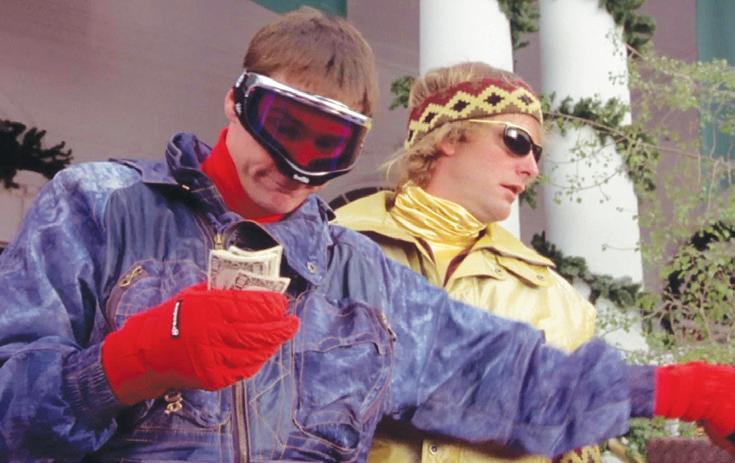
My boyfriend wants to teach me to ski. Is that illegal?
There are two types of people in this world: ski people and ski-ambivalent people. While ski people do comprise the majority of our town, they wear the attitude of an oppressed minority hobby: “The others, they just do not understand … yes, we must teach them.”
I hate to say it, but it’s a tacit hint that his love for you is conditional, and it is conditioned on you being a “ski person.” To your question, in addition to being emotionally manipulative and highly selfish of him, it is also considered false imprisonment and can be considered a felony in Colorado depending on how many hours of traffic on I-70 he’ll make you endure.
What’s the etiquette for making out at the Boulder Star?
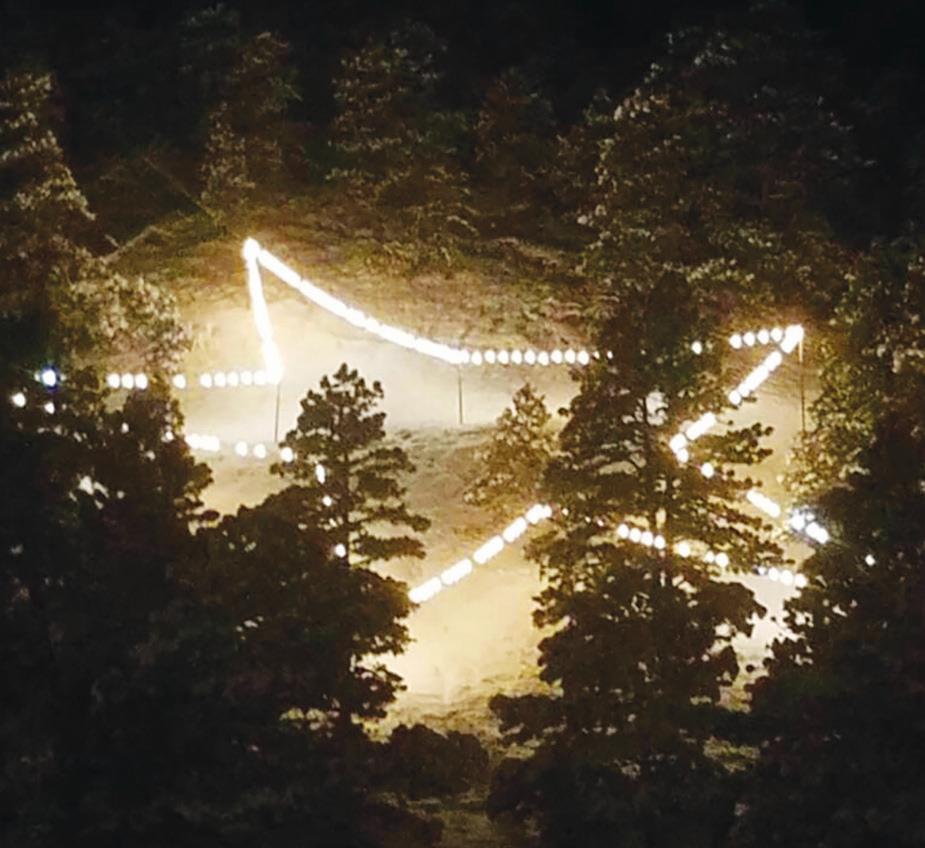
My only personal experience making out at the star was when it was re-lit during the first month of COVID lockdown to give us light in the darkness of what we were assured would be a very temporary situation, which doesn’t actually count as a true star-make-out experience. That being said, the same general etiquette applies to smooching at the star as smooching anywhere: start slow with tongue but then use a lot, Leave No Trace at the Flagstaff lookout and accept that Boulder High students are sucking face at the same time in uncomfortably close proximity.
How can I become one with winter when single digits harsh my outdoorsy high?
I have a hunch there is a mass delusion at hand in Boulder that
would find you very much not alone in your sentiment. It can’t be that everyone who seemingly happily continues to do their normal adventure shit in the winter aren’t like, pretty uncomfortable all the time? No, I’m quite positive everyone actually feels the same, and a collective action problem prevents anyone from having the vulnerability to admit that being cold is hard, OK?? Or maybe Outdoor Research is actually as scientific as its name sounds and wearing an OR-branded hat makes you completely immune to low temps? Try this and report back.
Why do Californians shit a brick when the road gets wet?
Are you tired of your SoCal friends always having “car trouble” when it’s their turn to drive to a rainy-night Gold Hill Inn show? Have some grace for their poor, anxious, 15 mph-on-mountain-roads hearts; Gavin Newsom has overregulated and coddled their precious nerves to the point that being faced with a little black ice up on the canyon shakes them to their Barrehoned little core.
1. Bike-trailer dads with e-bikes but it’s their entire personality
Listen, no one is saying you’re not a “real man” if you can’t fly up the Mapleton Hill section of 9th Street with two small humans in tow using just your legs and a single speed. (I mean, several people are probably saying that, but their opinions don’t matter.) What I am saying is nothing is more appalling than the most obnoxious dad you know pulling up outside Beleza on a Sunday morning on his 750-watt “bicycle” wielding his annoying (and annoyingly cute) progeny like props in his grand entrance to the coffee scene as the #BestBoulderDad.
“Hey asshole, you left your e-bike unlocked!” He can’t hear you — he’s already five minutes deep in a one-sided conversation with the 20-year-old barista about how e-bikes are actually an incredible workout.
2. Pretending to like shit
Why, to be cool? I promise, it’s way cooler to actually like wine with a sweet finish than to fake-like wine with a dry finish. To impress someone? Sorry to break it to you, but if he’s only dating you because he thinks you like [insert brotastic hobby that you adopted out of a need for affection] as much as he does, then he wasn’t that invested to begin with. Note: The exception to this rule is pretending to like children’s shitty drawings, because this is of an authentic heart.
3. Ecstatic dance predators
Nice
1. Sunsets from the Whole Foods parking lot on Table Mesa
2. Consistently correct-looking Pearl Street Santas
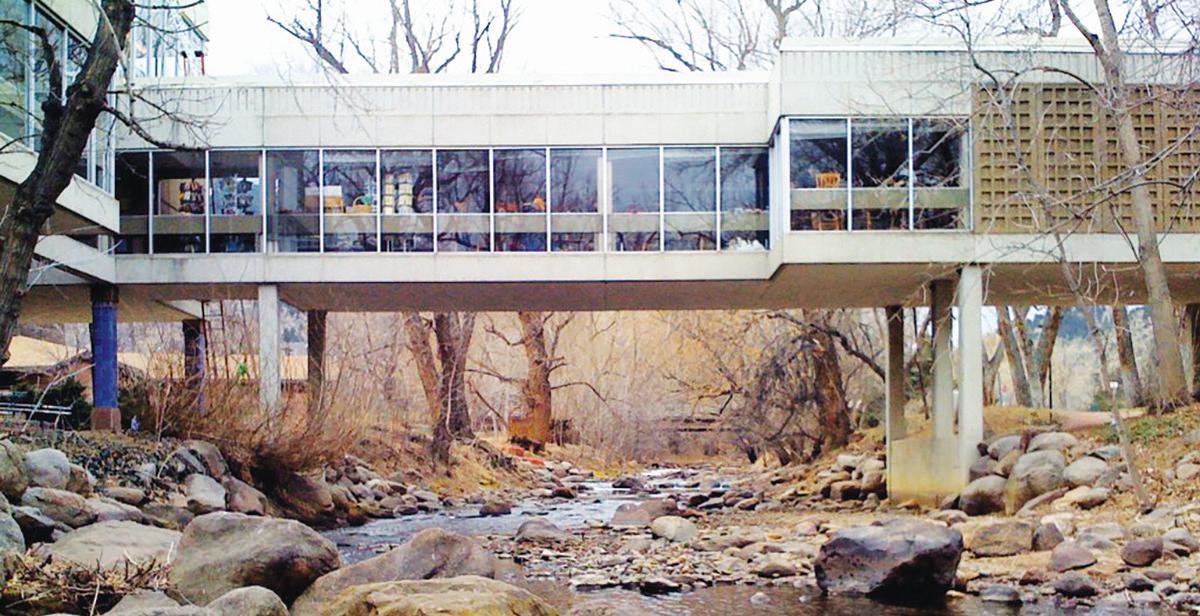
3. The Mary Oliver-poem-ass quality of light on Boulder Creek on a December afternoon as viewed from the small bridge by the library, which makes you momentarily question if it’s illegal to live in a place so beautiful. It’s not, but it’s pretty unaffordable.

7-9 p.m., Thursday, Dec. 5, Muse Performance Space, 200 E South Boulder Road, Lafayette. $25
Join an all-women lineup of hilarious comics and captivating storytellers for an evening of unapologetic expressions of womanhood. Host and comedian Zoe Rogers says having kids is like “dealing with the cutest and craziest hecklers you’ve ever met,” and delivers side-splitting stand up for parents and non-parents alike.

5-10 p.m. Thursday, Dec. 5, The Velvet Elk Lounge, 2037 13th St., Boulder. Free
Break out your gaudiest knitwear and grab a cup of holiday cheer at Velvet Elk Lounge for a holiday celebration benefiting our friends at community radio station KGNU. Themed drinks will be on tap and DJs will be spinning all night. The event is free, but donations for KGNU or an unwrapped toy for the toy drive are encouraged.

10 a.m. to 6 p.m. Thurs.-Sun, Dec. 5-7, Chautauqua National Historic Landmark, 900 Baseline Road, Boulder. $23-$31
Boulder’s annual holiday tradition returns to Chautauqua for another round of wintertime magic. Horse-drawn carriage rides, live music and festive food and drink are just part of the fun — this immersive experience also includes a winter fairy forest along with opportunities to visit Santa’s cottage and take your own cookie decorating class.
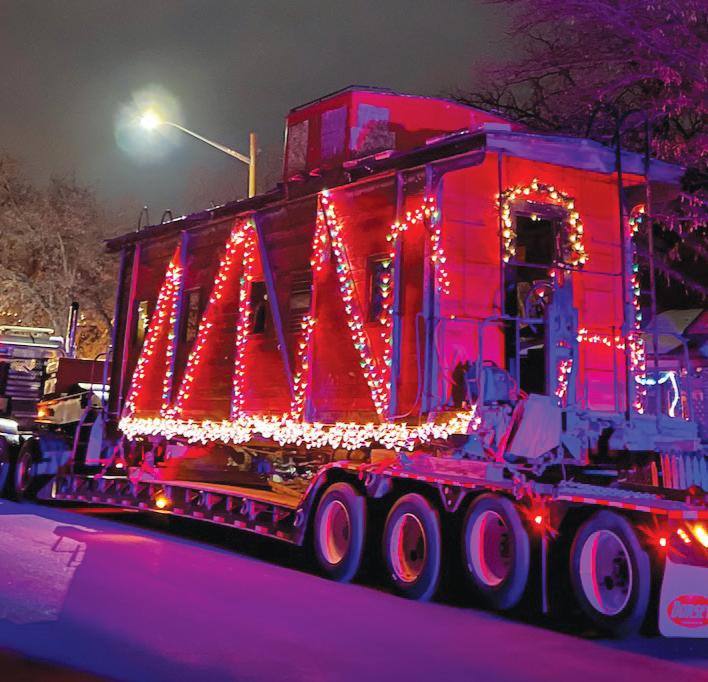
PARADE OF LIGHTS
5:30-11 p.m. Friday, Dec. 6, Main Street, Louisville. Free
All will be merry and bright at Louisville’s annual parade of lights. Main Street will close to cars at 5 p.m. for a particularly festive First Friday and the parade will kick off at 7 p.m. from the south end of the street. Choirs, a live nativity and Santa Claus himself will all be on hand to make for a holly jolly night.


5-8 p.m. Friday, Dec. 6, BookCliff Vineyards Tasting Room, 1501 Lee Hill Road, Unit 17, Boulder. Free
Drop by BookCliff Vineyards Tasting Room to take home a bottle of blended red featuring Boulder Star artwork by Kristen Ross, benefiting the city’s iconic seasonal tradition. Boulder’s own Liberty Puzzles will be on hand with a matching jigsaw for purchase.



Various times. Fri.-Sun., Dec. 6-8, Macky Auditorium Concert Hall, 1595 Pleasant St., Boulder. $25-$87
Bring the whole family to celebrate the season at CU Boulder College of Music’s annual holiday tradition featuring student choirs, bands and orchestras alongside world-class faculty performers at the university’s historic Macky Auditorium.

10 a.m. to 3 p.m. Saturday, Dec. 7, Superior Community Center, 1500 Coalton Road. Free
With more than 50 vendors selling handmade goods, art and food, there’s plenty of stocking stuffers to be found at Superior’s Holiday Bazaar. A portion of the proceeds will go toward the town’s Sister City project with Khandbari, Nepal, which fosters the exchange of ideas, resources and understanding between the two cities.
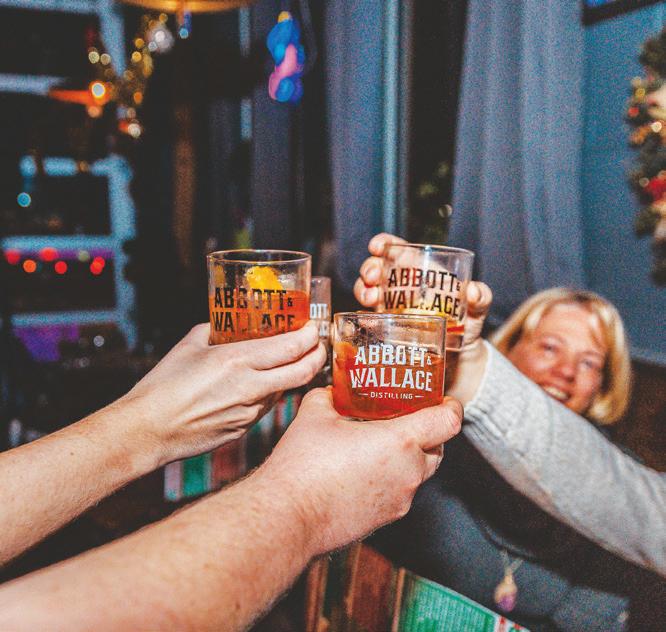
6-10 p.m. Saturday, Dec. 7, Abbott & Wallace Distilling, 350 Terry St., Unit 120, Longmont. Free
Travel back in time and party like it’s 1933 — the year prohibition was abolished, that is. Don your best early century attire for a night of classic cocktails, swing jazz from Onnika & the Obsession and old-timey hors d’oeuvres. The best dressed flappers and bootleggers will be up for prizes throughout the night.
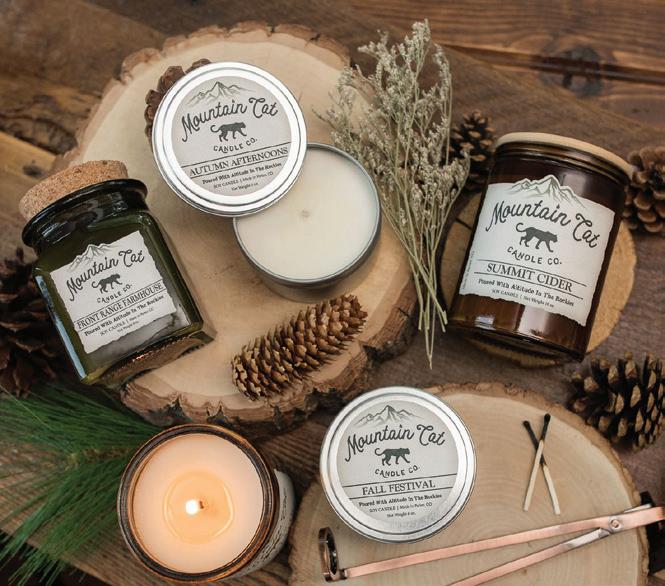
10 a.m. to 4 p.m. Saturday and Sunday, Dec. 7-8, Lyons Elementary School, 338 High St. Free
Support local artists and check off your shopping list with goods from more than 60 carefully selected vendors. Santa himself will be in-house from 2-4 p.m. The parade starts Saturday at 6:30, followed by a drone show from 7:15-7:30.
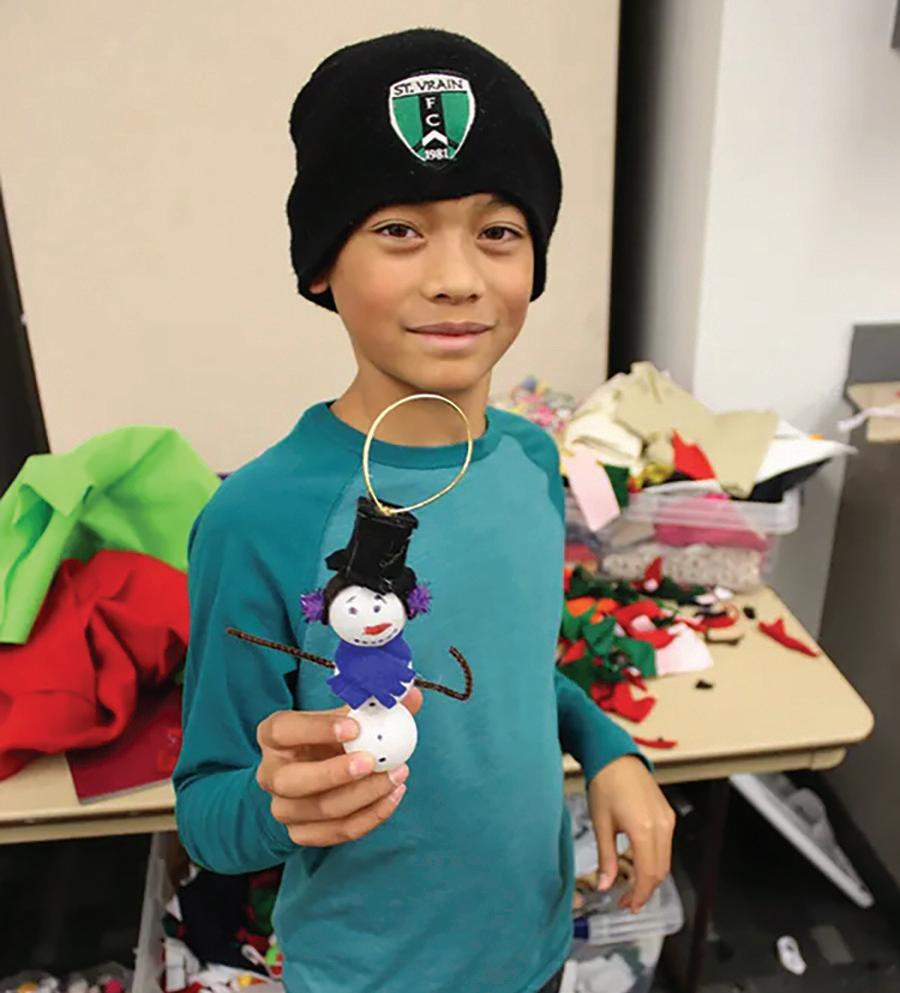
1 p.m. and 2:30 p.m. Sunday, Dec. 8, Longmont Museum, 400 Quail Road. $10
Create new family memories during this hands-on workshop at Longmont Museum where you’ll craft keepsakes to last a lifetime. Children ages 5 and up are welcome with a registered and participating adult. Register at bit.ly/ OrnamentWorkshopBW or by calling 303-651-8374.



Noon to 3 p.m., Sunday, Dec. 8, Nissi’s, 1455 Coal Creek Drive Unit T, Lafayette. $10
Celebrate the LGBTQ+ pillars of the community over the age of 50 at this annual recognition event. MC Miss Jessica brings an afternoon of food, fun, dance and door prizes for attendees who come to honor the county’s rainbow elders. To nominate someone for a community award, fill out a form here: bit.ly/ LavenderGalaBW

6 p.m. Sunday, Dec. 8., Boulder Theater, 2032 14th St. Sold out: Resale $64+
Fresh off his Emmy-nominated turn on Hulu’s Welcome to Chippendales, the newly buff movie and television star Kumail Nanjiani — best known for his role in HBO’s Silicon Valley and his 2017 film screenwriting debut The Big Sick — returns to his comedy roots with a standup set at Boulder Theater.


Want more Boulder County events? Check out the complete listings online by scanning this QR code.



THURSDAY, DEC. 5
DEN PLAYS WITH STRANGERS 6 p.m. Bootstrap Brewing, 142 Pratt St., Longmont. Free
BOULDER OLD-TIME JAM. 6 p.m. Trident Booksellers and Cafe, 940 Pearl St. Free
ELECTRIC CONDOR WITH IN THE VARIANT AND THE ETIQUETTES. 7 p.m. Hi-Dive, 7 S. Broadway, Denver. $10+
CELTIC WOMAN: WHITE CHRISTMAS SYMPHONY. 7 p.m. Denver
Performing Arts Complex - Boettcher Concert Hall, 1000 14th St., Denver. $70+




FRIDAY, DEC. 6
TAKEN! 6 p.m. Bootstrap Brewing, 142 Pratt St., Longmont. Free
GREET DEATH WITH PRIZE HORSE AND CHERISHED 8 p.m. Hi-Dive, 7 S. Broadway, Denver. $15+ BW PICK OF THE WEEK
ZEAL & ARDOR WITH GAEREA AND ZETRA. 7 p.m. Gothic Theatre, 3263 S. Broadway, Englewood. $30+
BARCLAY CRENSHAW WITH LYNY, MARY DROPPINZ, STRATEGY AND SHANGHAI DOOM. 7 p.m. Mission Ballroom, 4242 Wynkoop St., Denver. $40+
RAY VOLPE WITH JIQUI, SORA AND NIKADEMIS. 9 p.m. Ogden Theatre, 935 E. Colfax Ave., Denver. $38+
DREW HERSCH. 6 p.m. Trident Booksellers and Cafe, 940 Pearl St. Free STORY ON P. 14
SHAKEDOWN STREET. 7 p.m. Boulder Theater, 2032 14th St. Free before 9 p.m. / $14+
CEDRIC BURNSIDE, MARGO CILKER AND TEMPLE GRANDIN 7 p.m. eTown Hall, 1535 Spruce St., Boulder. $33+
THE CUSTOM SHOP 6 p.m. Bootstrap Brewing, 142 Pratt St., Longmont. Free
THE RAILBENDERS WITH EDDIE SPAGHETTI. 8 p.m. Gothic Theatre, 3263 S. Broadway, Englewood. $26+
LESLIE ODOM, JR 7:30 p.m. Denver Performing Arts Complex - Boettcher Concert Hall, 1000 14th St., Denver. $40+
HENHOUSE PROWLERS WITH BRANDYWINE & THE MIGHTY FINES 8 p.m. Velvet Elk Lounge, 2037 13th St., Boulder. $21
KING BUFFALO WITH RICKSHAW BILLIE’S BURGER PATROL 7 p.m. Fox Theatre, 1135 13th St., Boulder. $20+
TVBOO WITH SHLUMP, SMITH., MPORT AND CANVAS. 8 p.m. Mission Ballroom, 4242 Wynkoop St., Denver. $35+
GIRL NAMED TOM: THE JOY OF CHRISTMAS 8 p.m. Bluebird Theatre, 3317 E Colfax Ave., Denver. $35+
SUNDAY, DEC. 8
CHUCK SITERO OF HIGH LONESOME 8 p.m. Velvet Elk Lounge, 2037 13th St., Boulder. Free
BEER & CAROLS. 6 p.m. Bootstrap Brewing, 142 Pratt St., Longmont. Free
CHELSEA CUTLER & JEREMY ZUCKER WITH PAIGE FISH. 7:30 p.m. Mission Ballroom, 4242 Wynkoop St., Denver. $56+
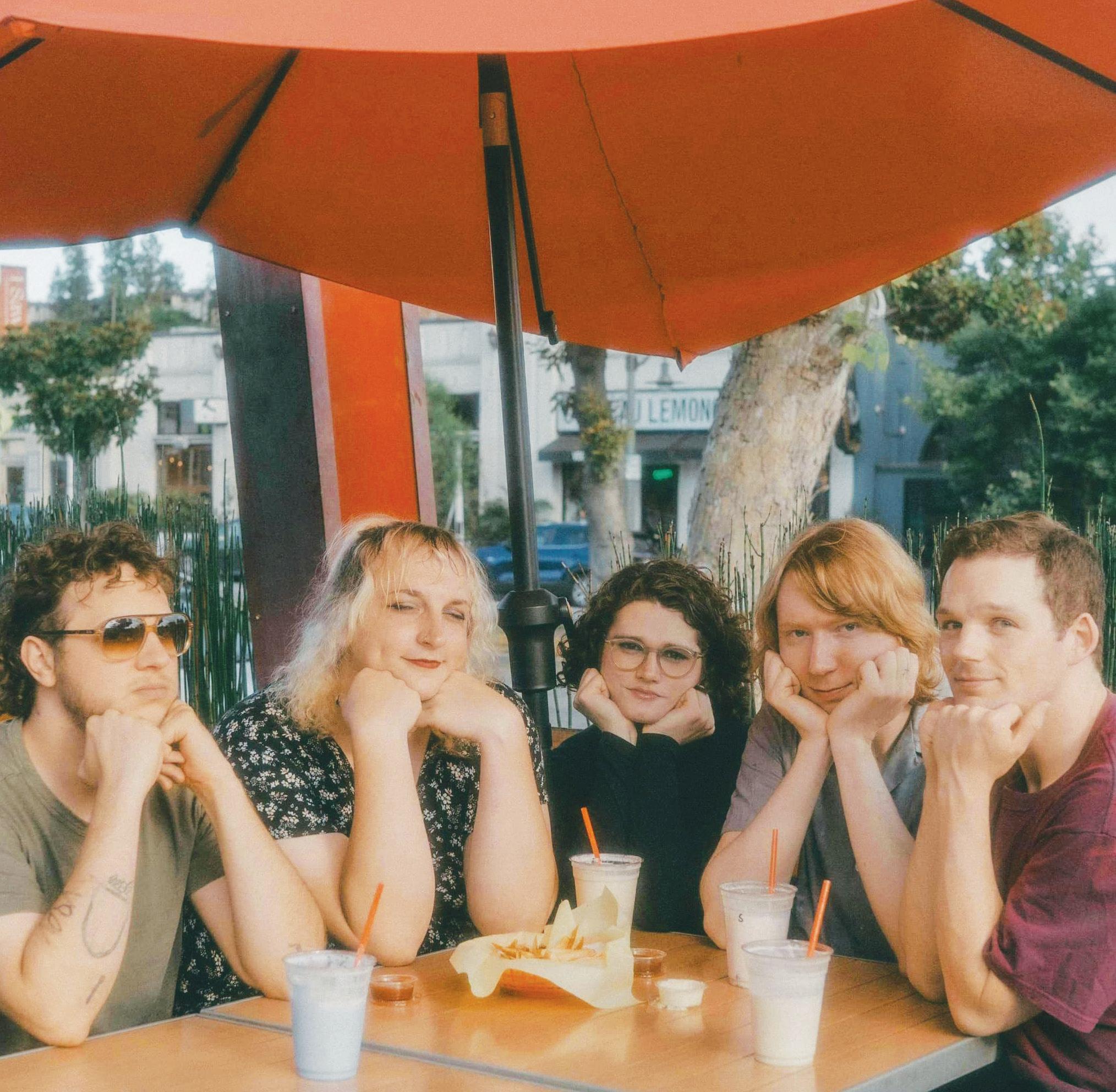

Michigan-based shoegaze bruisers Greet Death bring their signature swirl of darkwave indie rock to Hi-Dive in Denver on Dec. 6 with support from Prize Horse and Cherished. The genre-scrambling outfit comes to the Front Range on the heels of their latest EP, New Low, out now via Deathwish, Inc. See listing for details
MONDAY, DEC. 9
RILEY GREEN TIGIRLILY GOLD, BRYCE LEATHERWOOD 7:30 p.m. Mission Ballroom, 4242 Wynkoop St., Denver. $55+
WEDNESDAY, DEC. 11
OCEAN BLOOM WITH PORANGUÍ, LIQUID BLOOM, SAMUEL J, SHAWN HEINRICHS AND BLOOMURIAN. 6:30 p.m. Boulder Theater, 2032 14th St. $40+
VELVET VINYL WITH PARADISE FOUND Velvet Elk Lounge, 2037 13th St., Boulder. Free
BOURBON, BLUES AND GROOVES: THE DREAM TEAM 7:30 p.m. Nissi’s, 1455 Coal Creek Drive, Unit T, Lafayette. Free
THURSDAY, DEC. 12
BEGGARS UNION WITH SPITTING IMAGE AND HARLOTTS 7 p.m. Fox Theatre, 1135 13th St., Boulder. $15+
FACE VOCAL BAND: JOY TO THE WORLD. 7:30 p.m. Nissi’s, 1455 Coal Creek Drive, Unit T, Lafayette. $50
FRANZ FERDINAND WITH ALMOST MONDAY AND LOSERS
CLUB. 7 p.m. Ogden Theatre, 935 E. Colfax Ave., Denver. $25+
WHIPKEY! 6 p.m. Bootstrap Brewing, 142 Pratt St., Longmont. Free

















BY ROB BREZSNY
ARIES (MARCH 21-APRIL 19): Blaming others for our problems is rarely helpful. If we expend emotional energy focusing on how people have offended and hurt us, we diminish our motivation to heal ourselves. We may also get distracted from changing the behavior that ushered us into the mess. So yes, it’s wise to accept responsibility for the part we have played in propagating predicaments. However, I believe it’s also counterproductive to be relentlessly serious about this or any other psychological principle. We all benefit from having mischievous fun as we rebel against tendencies we have to be dogmatic and fanatical. That’s why I am authorizing you to celebrate a good-humored Complaint Fest. For a limited time only, feel free to unleash fantasies in which you uninhibitedly and hilariously castigate everyone who has done you wrong.
TAURUS (APRIL 20-MAY 20): What you are experiencing may not be a major, earth-shaking rite of passage. But it’s sufficiently challenging and potentially rewarding to qualify as a pivotal breakthrough and turning point. And I’m pleased to say that any suffering you’re enduring will be constructive and educational. You may look back at this transition as a liberating initiation. You will feel deep gratification that you have clambered up to a higher level of mastery through the power of your intelligent love and feisty integrity.
GEMINI (MAY 21-JUNE 20): You are now about halfway between your last birthday and next birthday. In the prophecy industry, we call this your Unbirthday Season. It is usually a time when you receive an abundance of feedback — whether you want it or not. I encourage you to want it! Solicit it. Even pay for it. Not all of it will be true or useful, of course, but the part that is true and useful will be very much so. You could gather a wealth of information that will help you fine-tune your drive for success and joy in the months to come.
CANCER (JUNE 21-JULY 22): Legend tells us that the Buddha achieved enlightenment while meditating beneath the Bodhi Tree in Bihar, India. He was there for many weeks. At one point, a huge storm came and pelted the sacred spot with heavy rain. Just in time, the King of Serpents arrived, a giant cobra with a massive hood. He shielded the Buddha from the onslaught for the duration. Now I am predicting that you, too, will receive an unexpected form of protection and nurturing in the coming weeks. Be ready to open your mind about what help looks and feels like. It may not be entirely familiar.
LEO (JULY 23-AUG. 22): In written form, the Japanese term oubaitori is composed of four kanji, or characters. They denote four fruit trees that bloom in the spring: cherry, plum, peach and apricot. Each tree’s flowers blossom in their own sweet time, exactly when they are ready, neither early nor late. The poetic meaning of oubaitori is that we humans do the same: We grow and ripen at our own unique pace. That’s why it’s senseless to compare our rate of unfoldment to anyone else’s. We each have our own timing, our own rhythm. These ideas are especially apropos for you right now, Leo.
VIRGO (AUG. 23-SEPT. 22): I hope you will hunker down in your bunker. I hope you will junk all defunct versions of your spunky funkiness and seek out fresh forms of spunky funkiness. In other words, Virgo, I believe it’s crucial for you to get as relaxed and grounded as possible. You have a mandate to explore ultimate versions of stability and solidity. Shore up your foundations, please. Grow deeper roots. Dig down as deep as you can to strengthen and tone your relationship with the core of your being.
LIBRA (SEPT. 23-OCT. 22): Every one of us is a hypocrite at least some of the time. Now and then, we all ignore or outrightly violate our own high standards. We may even engage in behavior we criticize in others. But here’s the good news for you, Libra. In the coming weeks and months, you may be as unhypocritical as you have ever been. According to my analysis of the astrological omens, you are likely to be consistently faithful to your ideals. Your actual effects on people will closely match your intended effects. The American idiom is, “Do you practice what you preach?” I expect the answer to that question will be yes as it pertains to you.
SCORPIO (OCT. 23-NOV. 21): Author George Orwell advised us that if we don’t analyze and understand the past, we are likely to repeat the mistakes of the past. Alas, few people take heed. Their knowledge of our collective history is meager, as is their grasp of recurring trends in their personal lives. But now here’s the good news, dear Scorpio: In the coming months, you will have exceptional power to avoid replicating past ignorance and errors — if you meditate regularly on the lessons available through a close study of your life story.
SAGITTARIUS (NOV. 22-DEC. 21): In his song “Voodoo Child,” Sagittarian musician Jimi Hendrix brags, “Well, I stand up next to a mountain / And I chop it down with the edge of my hand.” I encourage you to unleash fantasies like that in the coming days, Sagittarius. Can you shoot lightning bolts from your eyes? Sure you can. Can you change water into wine? Fly to the moon and back in a magic boat? Win the Nobel Prize for Being Yourself? In your imagination, yes you can. And these exercises will prime you for an array of more realistic escapades, like smashing a mental block, torching an outmoded fear and demolishing an unnecessary inhibition or taboo. To supercharge your practical power, intensify your imagination’s audacity.
CAPRICORN (DEC. 22-JAN. 19): The name of my column is “Free Will Astrology” because I aspire to nurture, inspire and liberate your free will. A key component in that effort is to help you build your skills as a critical thinker. That’s why I encourage you to question everything I tell you. Don’t just assume that my counsel is always right and true for you. Likewise, I hope you are discerning in your dealings with all teachers, experts and leaders — especially in the coming weeks and months. You are in a phase of your cycle when it’s even more crucial than usual to be a good-natured skeptic who poses exuberant, penetrating questions. To serve your soul’s health, refine your practice of the art of creative rebellion.
AQUARIUS (JAN. 20-FEB. 18): Be like a beautifully made fountain that people love to visit, Aquarius. Not like a metaphorical geyser or stream or waterfall out in the natural world, but a three-tiered marble fountain. What does that entail? Here are hints. The water of the fountain cascades upward, but not too high or hard, and then it showers down gently into a pool. Its flow is steady and unflagging. Its sound is mellifluous and relaxing. The endless dance of the bubbles and currents is invigorating and calming, exuberant and rejuvenating. Be like a fountain.
PISCES (FEB. 19-MARCH 20): Around this time of year, persimmon trees in my neighborhood have shed their leaves but are teeming with dazzling orange fruits. Pomegranate trees are similar. Their leaves have fallen off but their red fruits are ready to eat. I love how these rebels offer their sweet, ripe gifts as our winter season approaches. They remind me of the current state of your destiny, Pisces. Your gorgeous fertility is waxing. The blessings you have to offer are at a peak. I invite you to be extra generous as you share your gifts with those who are worthy of them — and maybe even a few who aren’t entirely worthy.
What’s the sexiest holiday food to eat off someone’s body?
While food can be sensuous, you don’t eat food off someone’s body unless you’re fucking or about to fuck. Fucking on a full a stomach is uncomfortable, which is why I’m always urging people to #FuckFirst on Valentine’s Day (and their wedding days, birthdays, anniversaries).
Like many people, I made the mistake of incorporating food into foreplay when I first became sexually active. Putting whipped cream on our tits made me and my first boyfriend feel like we were doing something naughty and sophisticated without either of us having to open up about our actual kinks. And as we both quickly learned, whipped cream quickly liquifies as it rises to body temperature, and then you look and smell like an infant barfed all over you.

Everyone should enjoy holiday food and holiday sex — but not at the same time, and not in that order.
How do we sneak in some quick sex while we’re staying with the whole family?
You offer to do a coffee run for the whole family, you head to the nearest “drive-through” Starbucks in the miserable suburb where you were raised, you park your car and go inside. You place your order at the counter, you head for the restroom — which is empty and clean, as very few people get out of their cars — and then you have sex (quickly!) standing up while your family’s enormous coffee order is being prepared.
What are the best Christmas-themed positions?
Christmas isn’t sexy. You can have sex on Christmas — because of course you can (and not just in the bathroom at Starbucks). But just as we all eventually learn that whipped cream isn’t a sex toy, we all eventually learn that mixing up
BY DAN SAVAGE
“positions” isn’t adventurous or kinky. We find the positions that work for us and our partners and they become our go-tos. (Ideally, they become our work-uptowards after a lot of foreplay.) So, whatever positions work for you and your partner when it’s not Christmas are the same positions that will work for you and your partner when it is Christmas.
P.S. When people talk about “positions,” they mean positions for penetrative sexual intercourse (usually PIV, sometimes PIB), e.g., missionary, doggy, wheelbarrow, cowgirl/boy/hand, etc. So, if you’re the kind of person who thinks about sex as a range of possible “positions” for penetrative sex, taking PIV and PIB off the menu — doing something else for once — is the single best way to discover something new.
Being around family is a turn-off for me. Any suggestions?
Don’t move back in with mom and dad, if you can help it, and head to the nearest drive-through Starbucks when you’re feeling desperate.
How do I explain being poly to my rural Kansas (but Midwestern nice!) extended family?
Matter-of-factly — and if any of your relatives have divorced or been widowed and remarried (or even gone steady more than once), they already understand that a person can have more than one committed romantic partner over the course of their life. You’re doing it concurrently instead of sequentially, but you’re not doing anything most of them haven’t done.
In other words: serial monogamy is a form of polyamory.
Email your question for the column to mailbox@savage.love or record your question for the Savage Lovecast at savage.love/askdan. Podcasts, columns and more at Savage.Love


EMERALD CITY WAREHOUSES
First Friday DECEMBER 6 | 6-9 pm
Saturdays + Sundays DECEMBER 7+8, 14+15, 21+22 | 11-4 pm
4929 North Broadway, Boulder and surrounding galleries/studios



Stuff your family’s stockings with tasty local candy, spirits and hot sauces
BY JOHN LEHNDORFF
Not to panic you, but Christmas, Hanukkah and Kwanzaa will be celebrated only about 20 days from today. In the meantime, those who celebrate have the Winter Solstice (Dec. 21) and Festivus (Dec. 23), not to mention white elephant holiday parties and various fests.
Many of those holly-jolly gatherings call for gifting. This annual need to please could cause anxiety and some bad language, but there is a simple solution. When in doubt, forget the trinkets and feed your family, friends, co-workers and neighbors. Nobody will ever complain if you give them food and drink they love. Rather than wrap generic national brands or grab a restaurant gift card, choose to go local with your shopping.
It’s not “settling” for something crafted
locally but surprising folks with the impressive array of signature tastes made in Boulder County and Colorado. Some of the following gift suggestions and other local foods can be found at neighborhood markets, on the Boulder Farmers Market online ordering site and through Pinemelon, a local grocery delivery service that functions like a yearround Colorado farmer/maker market.
Longmont’s Dry Land Distillers offers a truly artisan gift set for crafting whiskey and rye dark chocolate cookies. The kit includes a bottle of Dry Land’s smooth antero wheat whiskey, plus chocolate from Denver’s Bibamba Chocolates, white Sonora and ryman rye flours milled at Dry Storage in Boulder, with flaked salt, vanilla bean paste and a cookie recipe. Details: drylanddistillers.com
Hot Ones is a popular web series featuring celebrities being interviewed while consuming increasingly spicy chicken wings. Gift friends who love fiery food a lineup of Boulder County hot sauces to stage your own episode at home. Include bottles of Seed Ranch Co. umami reserve, Boulder Hot Sauce smokey serrano sauce, Green Belly yellow hot sauce and Chiporro wicked hot sauce.

bean-to-bar chocolate company, offers organic ceremonial cacao infused with functional mushrooms including reishi, cordyceps, lion’s mane, maitake, turkey tail and chaga. mokshachocolate.com
There is a world of yeasts beyond the two bland varieties available at supermarkets. Boulder

Fermentation Supply, 2510 47th St., stocks dozens of yeasts that homebrewers love for ales. The same yeasts add flavor to breads. The store stocks kits for making cheese, yogurt, pickles and kombucha.
Impress the oenophile on your list with the top Colorado vintages blind-judged for the 2024 Colorado Governor’s Cup Collection. Tasty winners include Alfred Eames Cellars 2019 Collage; Carboy Winery 2021 Chambourcin; OBC Wine Project 2023 Colorado Red; Sauvage Spectrum Bodega Dessert Wine; and Snowy Peaks Winery 2022 Cabernet Franc. More wine winners: coloradowine.com
McGuckin Hardware and Peppercorn in Boulder stock large selections of sauces hot enough to make you sweat.
The expansive world of fungi fascinates many locals who enjoy everything from mushroomenhanced coffee (Myco Cafe) to mycelium-based protein (Meati) and psychedelic pursuits. Moksha, Boulder’s
Finding something to surprise a deeply nerdy backyard gardener can be vexing. Try giving them the chance to propagate a rare Colorado heritage apple tree. The Montezuma Orchard Restoration Project finds, saves and ships cultivars of forgotten varieties like the Colorado orange apple. montezumaorchard.org
If you love great toffee, it’s well worth the scenic drive to Red Rocks Toffee Company, 19336 Goddard Ranch Court in Morrison. The company handcrafts several varieties of deeply caramelized crave-able toffees. Besides the original toasted almond variety, Red Rocks makes toffees featuring roasted hazelnuts. Some bars are coated in dark chocolate and dipped in coffee nibs or pecans. Also available: bags of crushed toffee. redrockstoffee.com
The celebrated Laws Whiskey House in Denver is bottling Ralphie’s reserve straight bourbon from heirloom Colorado grains and El Dorado Springs water. Some proceeds support the Ralphie Live Mascot Program caring for CU’s bison mascots. Bottles are available at local liquor stores.
For foodies on your list who love cooking and appreciate locally produced ingredients, sign them up for a CSA (community supported agriculture) share. Many Boulder County farms are now offering 2025 weekly shares of produce, meat and local foods. Popular CSAs are often sold out well before spring. Consider Cure Organic Farm (cureorganicfarm.com), Ollin Farms (ollinfarms.com), Aspen Moon Farm (aspenmoonfarm.com), Benevolence Orchard (benevolenceorchard.com) and Black Cat Farm (blackcatboulder. com).
For more local farms, visit bit.ly/ FarmStandsBW.
The following recently published cookbooks offer distinctive tastes of Colorado’s culinary landscape.
• Cocina Libre: Immigrant Resistance Recipes (University of Denver) by Denver authors Julia Roncoroni and Delio Figueroa (available in Spanish and English)
• Friuli Food and Wine (Ten Speed Press) by Bobby Stuckey and Lachlan Mackinnon-Patterson, founders of Boulder’s Frasca Food & Wine, and Meredith Erickson




• The Asian Hot Pot Cookbook (Tuttle) by Boulder’s Amy KimotoKahn
• Foraged and Grown: Healing, Magical Recipes for Every Season (Norton) by Tara Lanich-LaBrie, coowner of Esoterra Farms


What’s the tea? The Boulder Tea Company’s advent calendar is filled with 24 individual tea bags as well as a Tea of the Month Club. boulderteaco.com
Wired bike rides: Boulder’s Coffee Ride offers subscriptions of freshly roasted beans delivered locally every month by bicycle. thecoffeeride.com
Sustainable art: Boulder Colors crafts watercolor paints extracted from local farm vegetables and flowers. bouldercolors.com
Spaced-out sweets: Boulder-based Astronaut Products packs melt-in-yourmouth freeze-dried ice cream treats. astronautfoods.com
Pucker preference: Treat your pickle-loving friends to award-winning Mountain Girl
Pickles crafted in Boulder, such as pickled okra, peach salsa, garlic dills and pickled beets. mountaingirlpickles.com
Keto Cleanliness: Longmontbased Fatworks is a nationally known source of fats ranging from duck fat and ghee to Wagyu tallow and pure chicken fat. The company also produces animal-based body products like the Fatbar, a juniper and citrusinfused soap made from grass-fed beef tallow. fatworks.com
Romero’s K9 Club & Tap House in Lafayette is one of the top 20 beer bars in the world in 2024, according to Craft Beer & Brewing Magazine, which also praised Lafayette’s Westbound & Down for its IPAs and Cellar West for brewing saisons.
Meta Burger, the award-winning plant-based eatery, has closed at 1905 29th St., Boulder.
Perennial Best of Boulder winner Busaba Thai has opened its fifth eatery at 2343 Clover Basin Drive in Longmont.
Farm-to-table food truck La Musette, parked by Niwot’s The Wheel House, will close Dec. 15, owner/operator Skyla Olds told Left Hand Valley Courier Olds is undergoing double knee replacement in January.
We recently asked Boulder Weekly readers if they had a personal relationship with their sourdough starter. Marcie Howell of Boulder shared the following: “Doughra, my sourdough starter, was born in August 2017. It was created by my son Collin, chef/owner of The Moody Rooster in Westlake Village, California. He even took Doughra on vacation so she could be fed and cared for in her early days. When I went to the restaurant and tasted the bread for the first time, I was hooked. Collin sent me back to Colorado with some Doughra, which leaked out into my suitcase. I make bread about every 10 days, and Collin uses Doughra as the foundation for his pita bread and buns. We definitely talk to her and take good care of her.”
John Lehndorff hosts Radio Nibbles and Kitchen Table Talk on KGNU. Comments: nibbles@boulderweekly.com.









BY JAMAAL ABDUL-ALIM THE CONVERSATION
As more states legalize marijuana, researchers are examining the effects of legalization on society. Angus Kittelman, an assistant professor of special education at the University of Missouri-Columbia, and Gulcan Cil, a senior statistician at Oregon Health & Science University, decided to look at the effects of cannabis dispensaries being located near schools.
They discuss their research in the following Q&A with education editor Jamaal Abdul-Alim. Answers have been edited for length and clarity.
Is it bad when a school is located near a dispensary?
Yes, it’s not good for a couple of reasons. When cannabis dispensaries are near middle schools, students are more likely to receive office discipline referrals for substance use. When students get sent to the office, they lose valuable instructional time in the classroom.
Adolescent cannabis use is also associated with many negative health effects,
such as poorer cognitive functioning and increased risks for developing mental health or substance use disorders. Students who use cannabis are also less likely to complete high school or go to college.
With the legalization of recreational cannabis sales in many U.S. states, there are more cannabis outlets and greater access, which can be concerning for families and schools. In our recent study, for example, we found that the number of office discipline referrals for substance use increased in middle schools after legalization of recreational cannabis in the state of Oregon in 2015. But this increase was only when there were recreational outlets within a 1-mile radius of the schools.
Middle school students receiving an office discipline referral for substance use is relatively rare. An average middle school had three to four referrals of substance use per year. But those near an outlet experienced a 44% increase after legalization and had one to two additional referrals on average each year.
with the trends in similar states with no legal cannabis at the time. We then examined whether having a cannabis dispensary within a 1-mile radius was associated with an increase in referrals.
We cannot say with certainty that the increase in all substance use referrals were from cannabis use. However, we know that cannabis is among the most common substances adolescents report-
Isn’t a 1-mile radius a rather large area?
Students often travel a mile or two to get to school. And those in middle schools are more likely to walk to school compared with students in elementary or high school. Therefore, even though adolescents are too young to legally buy cannabis themselves, having a cannabis outlet nearby makes it easier for them to obtain it from a friend or purchase it from a stranger.

ed using. In a nationwide survey, for example, 8.3% of eighth graders reported using cannabis. That’s compared with 12% for vaping nicotine/tobacco and 15.2% for alcohol.
What’s causing the increase in referrals?
Great question. We analyzed student substance referrals after excluding referrals for tobacco and alcohol. We observed increases in substance referrals in Oregon schools after the statewide legalization of cannabis in 2015, compared




Besides potentially providing easier access to the product, when there are more legal cannabis stores in certain neighborhoods — and increases in signs and flyers advertising for it — it may make kids ignore or downplay the health risks. Increases in exposure to cannabis marketing is associated with adolescents being more likely to use cannabis.
What can be done?
We recommend that school staff look for patterns in student discipline referrals for substance use. If the substance use is occurring in certain school locations, such as playgrounds, hallways or bathrooms, staff can then supervise these areas better. Schools may consider implementing proactive and preventive strategies to support students engaging in substance use. These can include having school counselors provide drug resistance skills training programs or programs that teach students how to manage emotions and to resist stressful situations.
Angus Kittelman is an assistant professor of special education at the University of Missouri-Columbia. Gulcan Cil is a senior statistician at Oregon Health & Science University. The Conversation is an independent, nonprofit newsroom.