



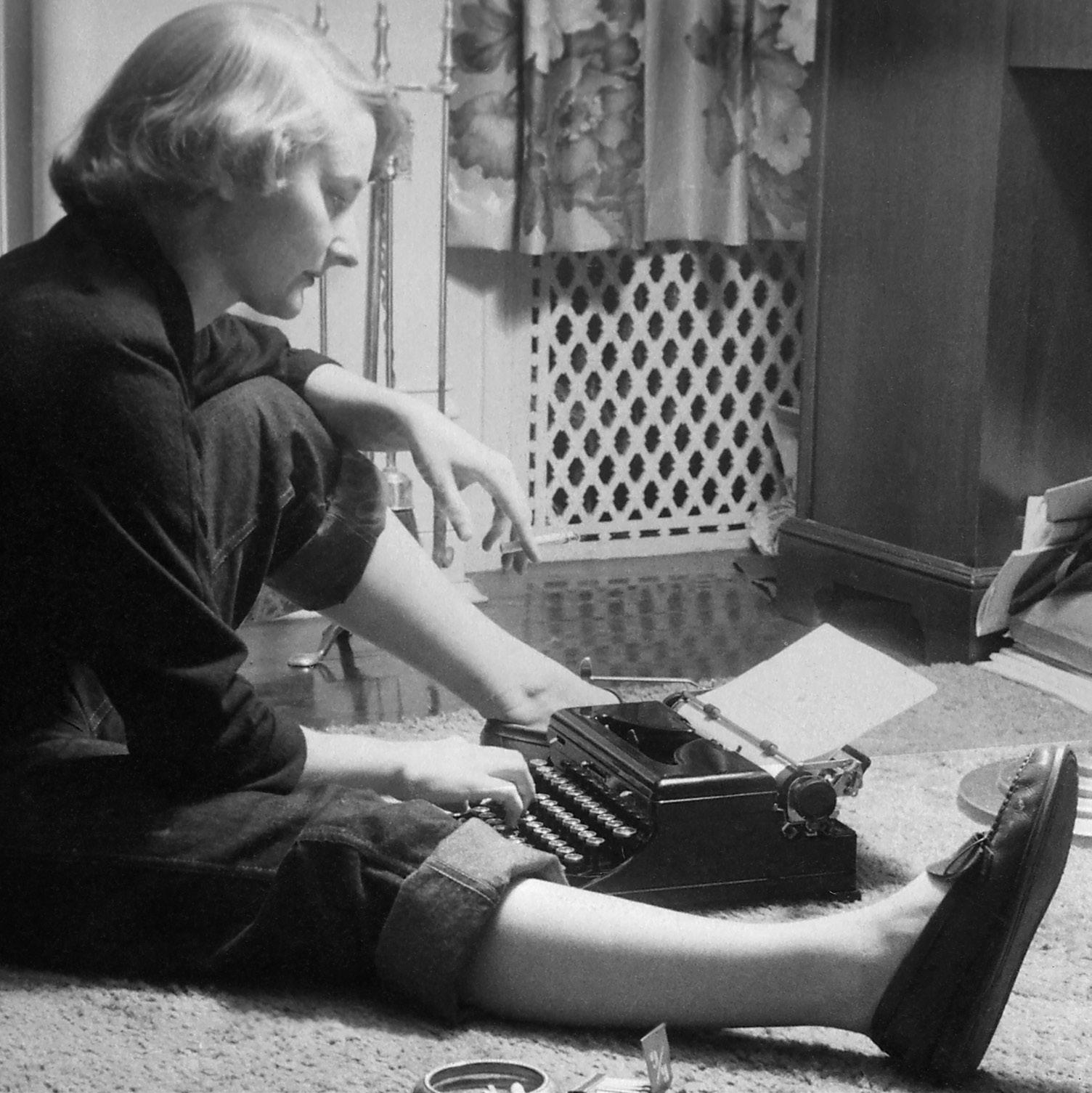
Before Betsy Plank became executive vice president of Edelman, or director of public relations at AT&T and the first female president of PRSA, and prior to her many other accomplishments and accolades, including having an entire center of academic study named in her honor at the University of Alabama, she was a student at Bethany College in West Virginia in the early 1940s. (Courtesy of Plank Center for Leadership in Public Relations)



75 Years of Impact and Influence — People, Places and Moments in Public Relations History
Copyright © 2022 by the Public Relations Society of America, Inc. All rights reserved. No part of this book may be reproduced or transmitted in any form or by any means, electronic or mechanical, including photocopying, recording, or by any information storage and retrieval system, without permission in writing from the:
Public Relations Society of America, Inc.
120 Wall Street, 21st Floor New York, NY 10005-4024
Commemorative Book Managing Director
Felicia Blow, Ph.D., APR
Editor-in-Chief
Anthony D’Angelo, APR, Fellow PRSA
Senior Editor
Maureen Walsh
Deputy Senior Editor
Teresa Hein
Contributing Editors
Gary McCormick, APR, Fellow PRSA
Mickey G. Nall, MAMC, APR, Fellow PRSA
BOOKHOUSE GROUP, INC.
Managing Editor
Rob Levin
Senior Writers
Michele C. Marill
Cayce Myers, Ph.D., LL.M., J.D., APR
Tom Unger, APR, Fellow PRSA
Copy Editor
Tom Unger, APR, Fellow PRSA
Book Design
Rick Korab
Amy Thomann
Cover Design
Rick Korab
Production and Archival Management
Renée Peyton
Book Development
Bookhouse Group, Inc. www.bookhouse.net
PRSA offers a special note of thanks to HUNTER for the design of our wonderful book marketing campaign, and to The Museum of Public Relations for opening up its archival collections.
Printed in the Republic of Korea
ISBN 978-1-5323-3926-4


In August 2014, key executives at Tumblr accepted the ALS Ice Bucket Challenge during the ringing of the opening bell at the Nasdaq MarketSite in New York City. Similar challenges were accepted worldwide, steamrolling into a yearslong public relations coup and raking in over $100 million in donations to fight the disease.
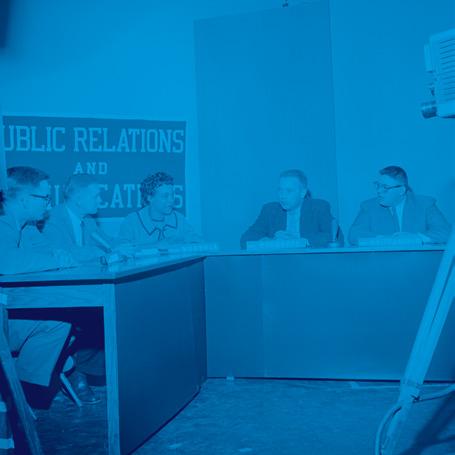


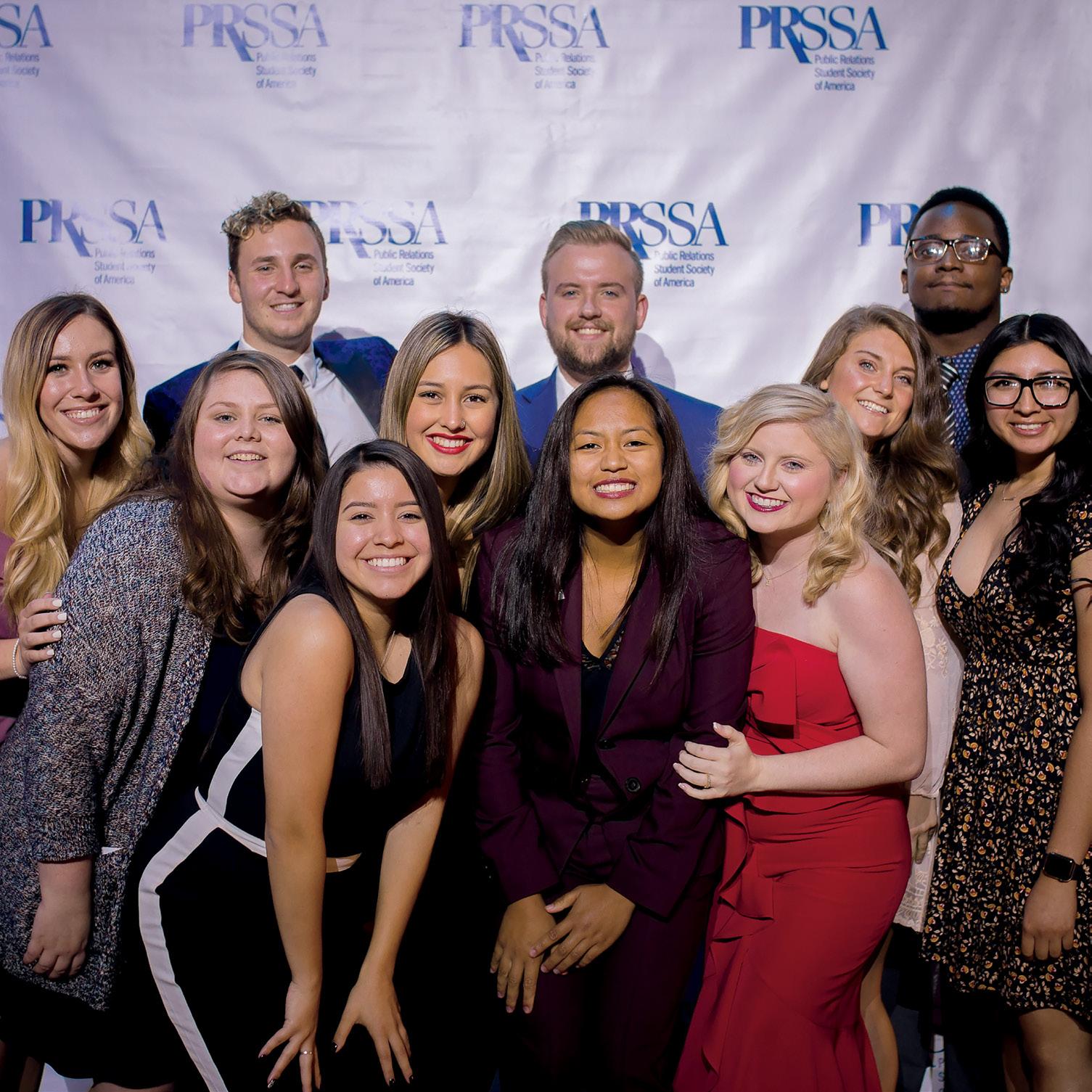
PRSA established the Public Relations Student Society of America (PRSSA) in 1967 for students interested in public relations and communications. Today, PRSSA includes nearly 7,000 students and advisers in over 300 Chapters in the United States, Argentina, Colombia and Peru.
Over the past 75 years, we have seen great change in our nation and world. There have been remarkable technological advancements, societal shifts, and major cultural movements. A few include the integration of our public-school systems, the growth of the feminist movement, establishment and expansion of LGBTQ+ rights, innovations in space exploration, advances in digital and mobile technologies, and groundbreaking change in healthcare.
For many, if not all of these moments, the practice of public relations and strategic communications has been an essential catalyst. To recognize the contributions made by our industry to society, this 75th Anniversary coffee table book was conceived. This book presents 25 of the key moments in public relations history that have contributed to the betterment of our society. This book also honors 28 leaders central to the growth and development of the strategic communications and public relations profession. These influential milestones and people are presented in an artful, timeless format.
A dedicated team of curators worked for nearly one year to consider the moments and leaders presented. Crowd sourcing methods were also utilized to augment the work of the curators. The curation team included business leaders, academicians, historians, and public relations powerhouses — who are all named within this publication. These individuals selflessly supported this important endeavor and faithfully considered the following criteria to assess the top moments for inclusion: Were the events and people remembered, revealing, remarkable, resonant, and/or did they result in change?
Several of the moments presented were instrumental in establishing new standards for our profession or have had profound and lasting effects on how public relations is practiced. Also, many of the notables identified are hidden figures of public relations due to their relative obscurity within the profession and/or society. It should not come as a surprise that women and minorities were not originally given due credit, as one would hope when considering our history, and we’re proud to recognize at least some of them here.
Will this book capture all moments in PR history? No, but it is my hope that this book will initiate thoughtful dialogue and will help readers understand the power of the public relations profession.
Finally, by presenting “75 Years of Impact and Influence — People, Places and Moments in Public Relations History,” we wish to honor PRSA’s 75th anniversary in a long-lasting and impactful way. Leading the endeavor to bring forth PRSA’s first coffee-table history book has been a pleasure of my life. I hope you enjoy.
Sincerely,

Managing Director, Commemorative Book Project 2022 PRSA National Chair
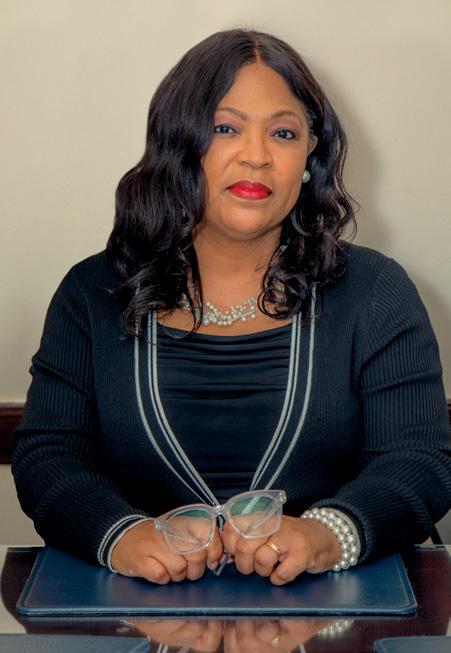


“ A data-driven approach to PR will continue to be a must. Emerging channels like podcasts will continue to grow in influence, which means PR pros have to become more fluent in strategically pitching and forming relationships in these channels. And that requires good data.”
— Mike Schneider
“ Effective public relations is ever-evolving, and at its core will continue to drive impact when we listen and engage with stakeholders and back up our words with action.”
“ We’re helping the world’s most respected brands not only articulate but design enterprise commitments to societal value creation. This is powerful work on an expanded terrain, and it puts a premium on our expertise and counsel.”
— Torod B.
Neptune
— AndyPolansky “ You simply can’t get employees to rally behind a vision and the role they play in the company’s success without effective internal communications.”
— David Grossman
The publication of this book and the 75th-year celebration of PRSA would not have been possible without the generous support of these sponsors. Here they offer their insights on the ever-evolving public relations profession.
“Agility and flexibility have become mandatories for businesses for those working in public relations and communications. The messages we create and the channels we choose allow us to tell important stories and demonstrate corporate character and values. However, there is a great lack of clarity in today’s society. Technology provides a spotlight to anyone that aspires to be an influencer and the resulting cacophony is overwhelming. Deciphering what is fact, fiction or feeling can feel impossible. This presents a prime opportunity for the public relations profession.”
— Chris Kuechenmeister



“ In our 2022 State of Journalism survey, we found that 71% of journalists believe a story is more shareable when the subject is connected to a trending story. As the public relations practice continues to evolve, there will be an even greater need for PR pros to find new ways to connect their brand to big-picture stories to reach the right people with their message.”
— Mike Schneider
“ Future success will revolve around championing a more diverse range of perspectives, gathering feedback and insights in real-time, and engaging in dialogue with stakeholders to deliver better outcomes.”
— AndyPolansky

“ Credibility has always been a factor for our work, but it has become fluid based on factors that may or may not be legitimate. Today, credibility is a sliding scale that moves predictably at times and unexpectedly at others, and it is our unique opportunity to create stability.”
— Chris Kuechenmeister
“ Many top leaders now recognize the critical role of effective internal communicators — in partnership with senior leadership — to get to the heart of issues, unite and inspire people, and move them to action.”
— David Grossman
“ But we can’t shrink from this moment. Our elevated remit and resulting stature come in the midst of an unbelievably complex business environment, widening trust deficit and increasing global uncertainty.”
— Torod B. Neptune
“ Technology has been the single greatest driver of change and the impact on our craft. The transition from analog to digital has allowed us to reach more people, with greater precision and speed than most of us could have ever imagined.”
— AndyPolansky
“ To demonstrate the value of their work, PR pros will need to focus more on analytics and be able to report on the metrics that matter, including media placements and social media engagement.”
— Mike Schneider
Major Sponsor Representatives
Mike Schneider VP of Marketing Muck Rack
David Grossman, APR, Fellow PRSA
Founder & CEO
The Grossman Group
Chris Kuechenmeister
Senior Vice President, Communications PepsiCo
Andy Polansky
Chairman and CEO of IPG Dx TRA
Executive Chairman and former CEO of Weber Shandwick
Torod B. Neptune
The Torod & Sabrina Neptune Family Foundation
PUBLIC RELATIONS SOCIETY OF AMERICA
75 YEARS OF IMPACT AND INFLUENCE
By Cayce Myers, Ph.D., J.D., APR
The Public Relations Society of America is celebrating its 75th anniversary. For the Society, it’s a time to celebrate our history as an organization and profession. As with any anniversary, this time allows us to take stock, re-evaluate, and look back on where we are and where we started.
Seventy-five years ago, PRSA was formed in post-World War II America at a time when public relations was establishing new norms of practice, embracing new technology and making a mark on the communications field as a stand- alone profession. In fact, the establishment of
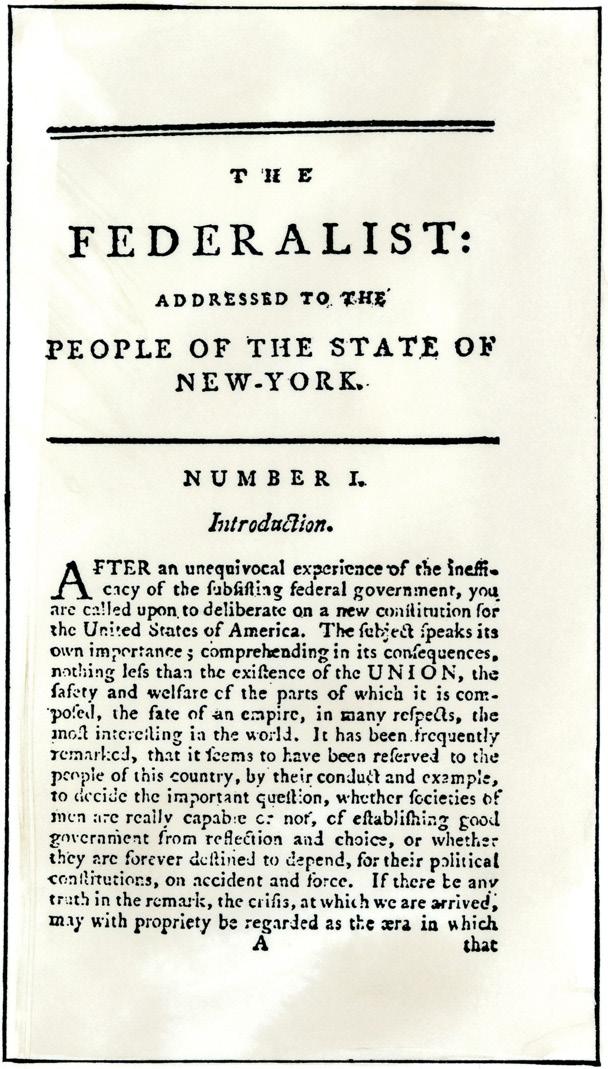
The Federalist Papers examined the proposed U.S. Constitution and advocated for its ratification in the 1770s. Many thought that this series of 85 essays was the turning point for shaping public opinion in favor of ratifying the Constitution. (North Wind Picture Archives / Alamy Stock Photo)
PRSA and similar organizations is one of the hallmarks of a respected and recognized profession.
However, looking back to 1947, when PRSA was formed, the PR profession already had a rich and diverse history. That history included a cross section of good public relations work done in corporations, agencies, social movements, political campaigns, entertainment and religion.
What we seek to do here is provide a condensed history of public relations prior to PRSA’s founding. This history demonstrates how public relations as a field has a rich tradition of ethics, innovation, relationships and quality communication with publics.
In the digital era of public relations in the 2020s, reading a history of public relations begs the question, “Does this matter?” After all, public relations work done 75 years or more ago looks very different than the field today because of the changes in society, technology and business. However, the history of public relations is frequently prescient of the professional issues facing practitioners today. Since the late 19th century, PR practitioners have had to ask questions such as: How do I best serve my organization’s publics? What is ethical communication? How does PR make the best use of new technology? What is public relations’ role within this organization?
In short — history matters. It matters because it provides perspective. It matters because it provides context. It matters because it provides lessons learned. It matters because it serves as a benchmark for where public relations is today as a profession and practice.
Writing the history of public relations presents unique challenges. Writing the early history of public relations is in some ways made even more difficult because of the lack of a standardized definition of the field. PRSA’s own definition of public relations has evolved over the years from the 1982 definition (Public relations helps an organization and its publics adapt mutually to each other) to the current one (Public relations is a strategic communication process that builds mutually beneficial relationships between organizations and their publics).
Prior to 1947, the definition of the public relations field was not clear either. If we were trying to provide a definition of the field between the late
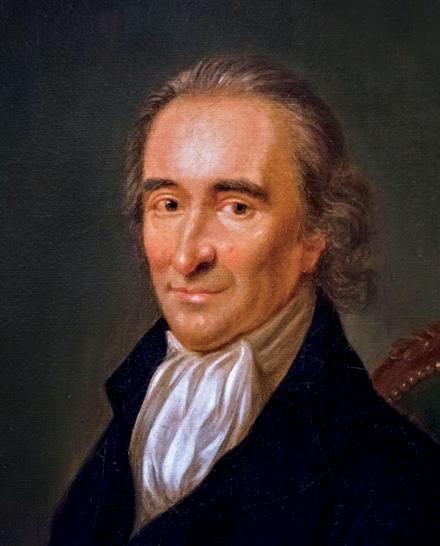
Figures such as Thomas Paine (1737–1809) influenced anti-crown public debate during the 1770s in his writing, such as the bestselling pamphlet, “Common Sense,” first published in January 1776, advocating for American independence from Great Britain. (IanDagnall Computing / Alamy Stock Photo)
19th century to 1947, the field could be best described as advocacy for clients and press relations. Depending on the industry, this advocacy took various forms including all-out publicity in political campaigns and entertainment, to careful media management of corporations. The definition of “public relations” as a term was different than what the field uses today.
In writing a brief overview of the history of public relations in America, it is impossible to capture all the events and figures that lived, worked and communicated prior to 1947. Nor is the goal of this commemorative book to describe the history of public relations in its entirety. Instead, this work is a snapshot of where the field has been and where it is headed. It focuses on the major events and people that shaped the profession and demonstrates how public relations became the highly innovative, diverse and complex field it is today.
When did public relations begin? That is always a difficult question historically because public relations as a form of communication encompasses so many things. It encompasses advocacy for organizations and clients, relationship management, media relations, organizational communication and internal communication, just to name a few.
In history, public relations is frequently thought of as both an action and profession. As an action, public relations can be traced back to the origins of communication itself. The act of advocacy was refined as far back as ancient Greece, so
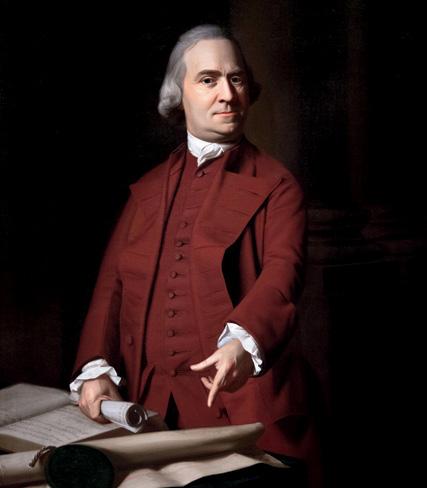
Samuel Adams (1722–1803), a political activist and state legislator, authored numerous articles, pamphlets and letters to encourage resistance to British rule. (IanDagnall Computing / Alamy Stock Photo)
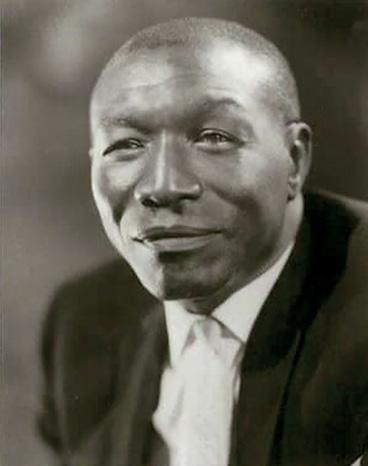
1908–1993
Joseph Varney Baker formed his public relations firm in 1934. It was the first known Black public relations firm in the United States and the first Black agency to serve national accounts. Baker was elected president of PRSA’s Philadelphia Chapter in 1958, the first African American to hold that position. In addition, he was the first African American to earn APR accreditation from PRSA. Baker was also active in politics for many years. He served as an assistant on Richard Nixon’s campaign staff when Nixon ran for president against John F. Kennedy.
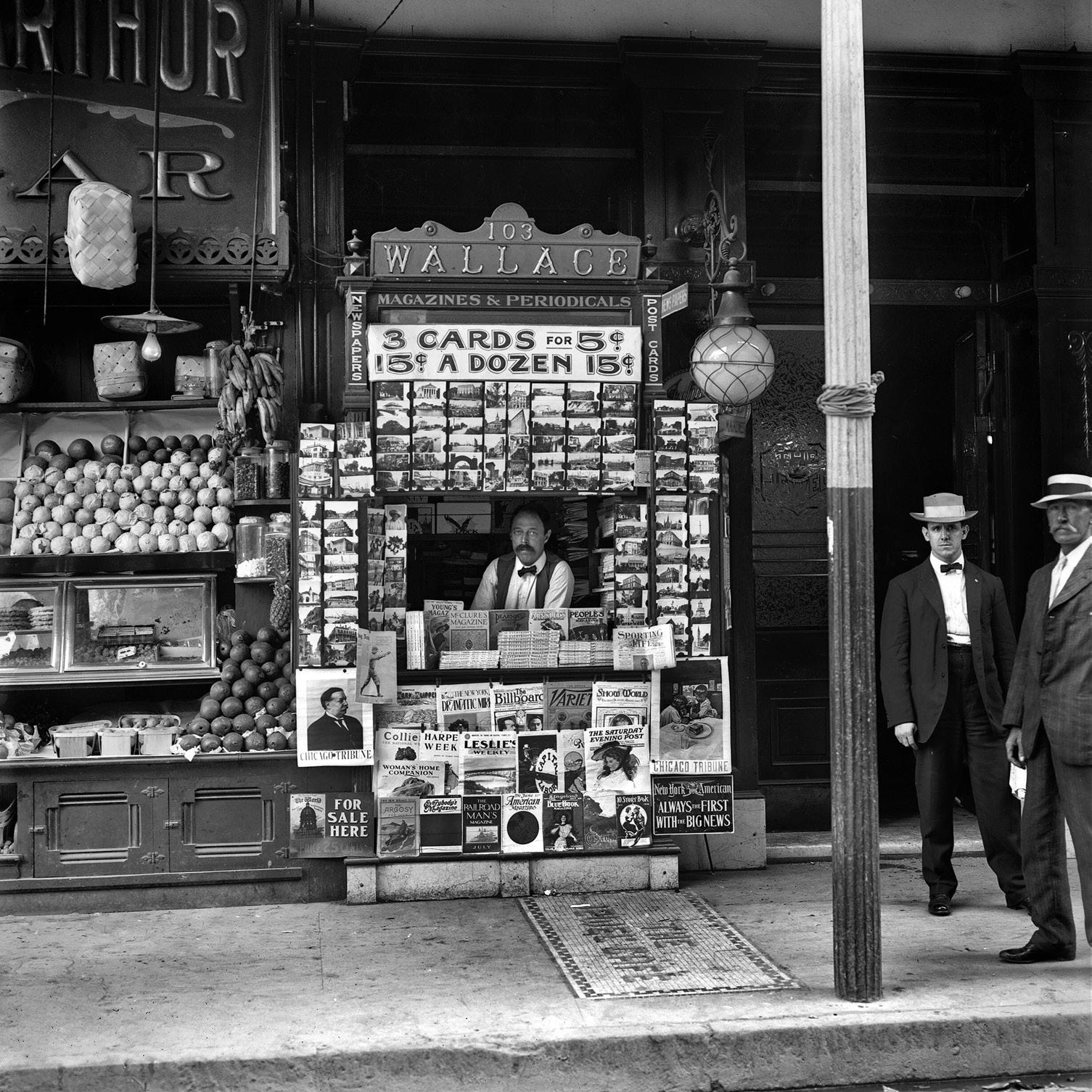
In the early 1900s, before the advent of radio and television, Americans counted on newspapers and the growth of the penny press as their primary news sources. And public relations practitioners counted on newspaper story placements to advance their causes. (Shawshots / Alamy Stock Photo)
for some historians public relations has deep roots in world history. As a profession, however, public relations is much more recent. Public relations in the United States developed in tandem with multiple sectors including politics, education, business, entertainment and religion.
Political communication in America is one of the first iterations of what would later be recognized as public relations. Colonial history has numerous examples of how effective advocacy created a pro-independence culture among colonists. Pamphlets were a major form of published communication during the era. Figures such as Benjamin Franklin, Thomas Paine, Alexander Hamilton and Thomas Jefferson used anti-British writings to influence public debate and opinion during the 1770s. During the ratification of the U.S. Constitution, the Federalist Papers, which totaled 85 essays and editorials, examined parts of the proposed Constitution and advocated for ratification. It is thought by some that these papers were the turning point for shaping public opinion in favor of ratifying the Constitution.
However, looking at American politics, the role of public relations as a practice and concept began to gain traction in the early 1800s. This coincided with many changes going on in American society, including increasing literacy, an expanding electorate and the rise of the penny press. These factors led to a more engaged society that had the time and ability to read and reflect on the political issues of the day. President Andrew Jackson is credited with appointing a staff member assigned to political public relations (Amos Kendall).
In the mid-19th century, political culture also underwent a change. Constituent relations became an aspect of political life that had increasing importance. In fact, the term “public relations” was sometimes used to
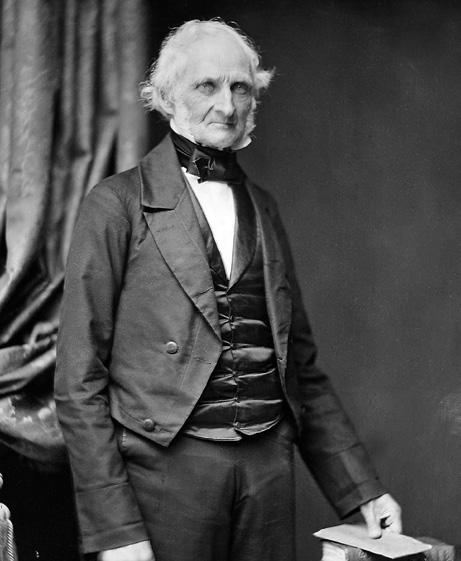
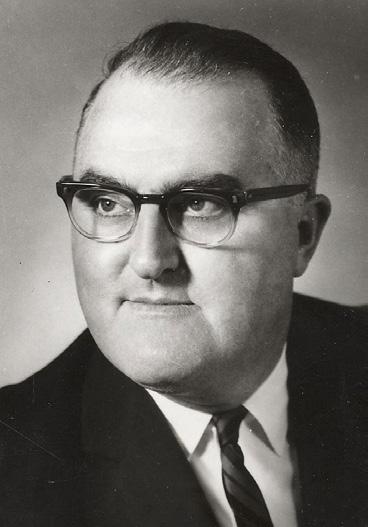
1915–2000
Scott Munson Cutlip was a pioneer in public relations education. In 1952, he co-wrote the first edition of “Effective Public Relations” with Allen H. Center, APR, Fellow PRSA. This continues to be one of the most important textbooks in the study of public relations and communications. The book presents the first detailed history of public relations from 1900 through the 1960s. Cutlip received PRSA’s Gold Anvil Award in 1995. (Photo courtesy of Wisconsin Newspaper Association)
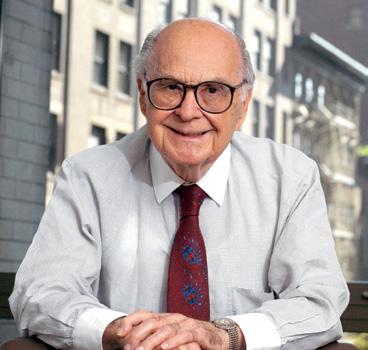
Harold Burson and Bill Marsteller co-founded Burson-Marsteller in 1953. They created the concept of integrated marketing, which became an industry standard. The duo built their agency into one of the world’s largest PR firms, developing a reputation for deft crisis management that made Burson a favorite of embattled corporations and foreign governments. Burson contributed to the public relations industry and worldwide community as a member and leader of several organizations. He received PRSA’s Gold Anvil Award in 1980 and was in the inaugural class of the College of Fellows. The man PRWeek named “the most influential PR figure of the 20th Century” summarized the lessons of his career in “The Business of Persuasion,” published when he was 96. (©Allan Hunter Shoemake)
mean constituent relations between a member of Congress and the voters. Political campaigns became more sophisticated during the 1800s, and the communication efforts of presidents became more tailored to the realities of the press.
The political press also created a new reality for many politicians and ushered in the need of having press relations by the mid-1880s. In 1885, W.W. Price became one of the first full-time reporters to cover the White House. His journalistic work laid the foundation for the White House press corps that exclusively covered the president of the United States and the politics of the day.
Personal secretaries and later spokesmen, such as McKinley’s George Cortelyou and Theodore Roosevelt’s William Loeb, served as an intermediary between the president and the press. Even in Roosevelt’s cabinet there were innovations in communicating with the press. Gifford Pinchot, chief of the U.S. Forestry Service from 1905 to 1910, established a press bureau to communicate directly with journalists.
Political communication was not limited to elected officials. Religious groups in the 19th century frequently promoted political messages with their religious ones. Their public relations efforts frequently took the form of political advocacy through staged events and member publications. Groups such as the Women’s Christian Temperance Movement used public relations to promote social causes.
The Women’s Christian Temperance Union’s first president, Annie Wittenmyer, wrote numerous articles, hymns and books to grow the movement and her various social causes.
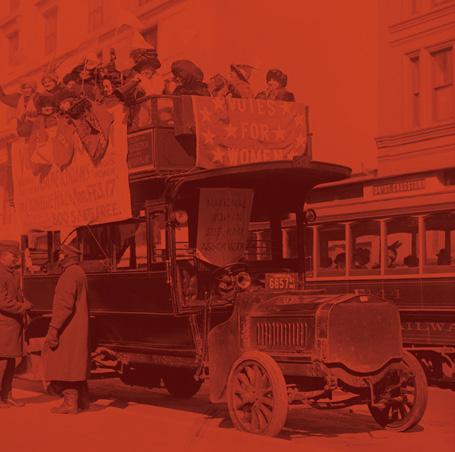
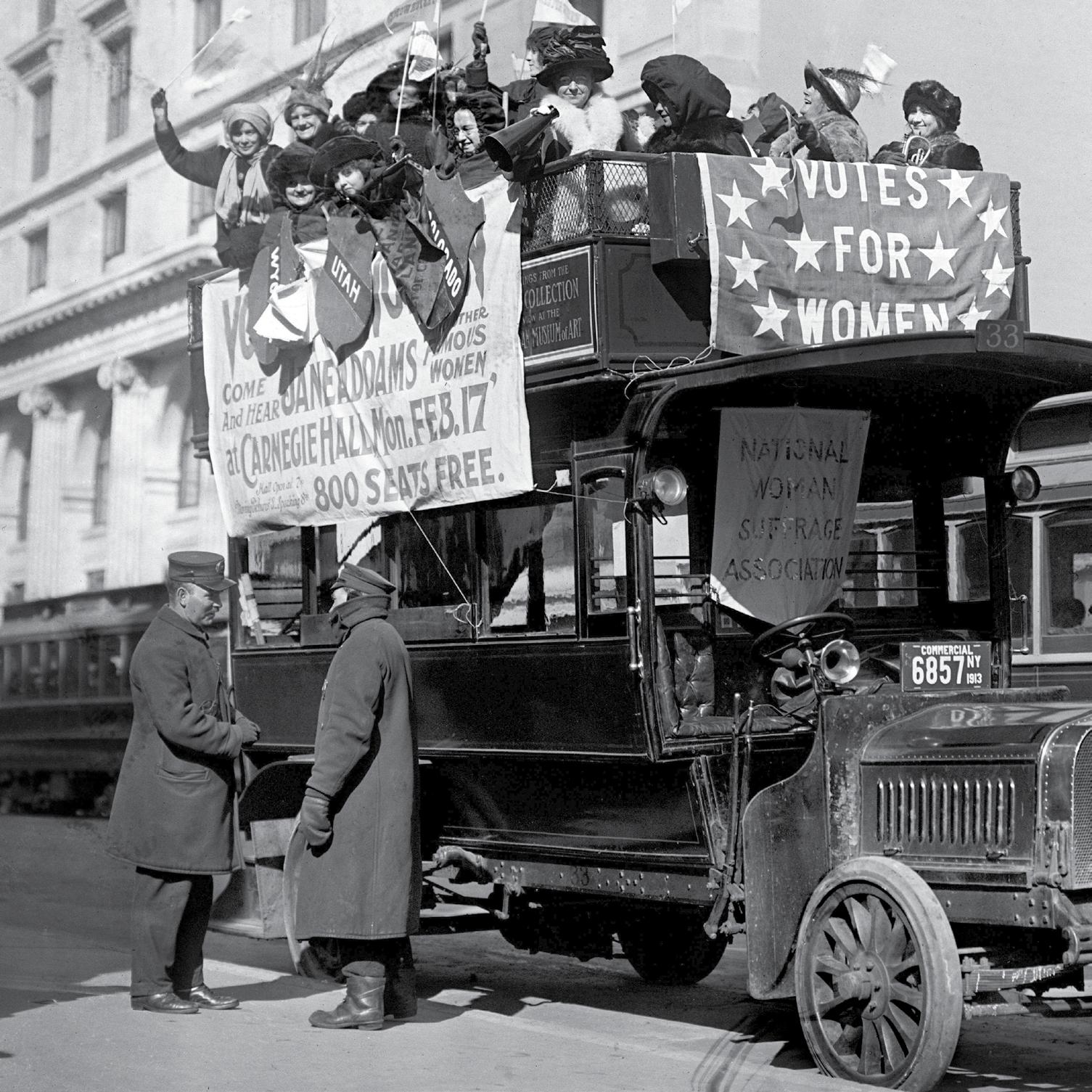
The women’s suffrage movement also garnered widespread support through communication. Groups such as the National American Woman Suffrage Association advocated for political causes through publications, as did state organizations. Suffrage organizations organized special events, notably parades, to promote voting rights.
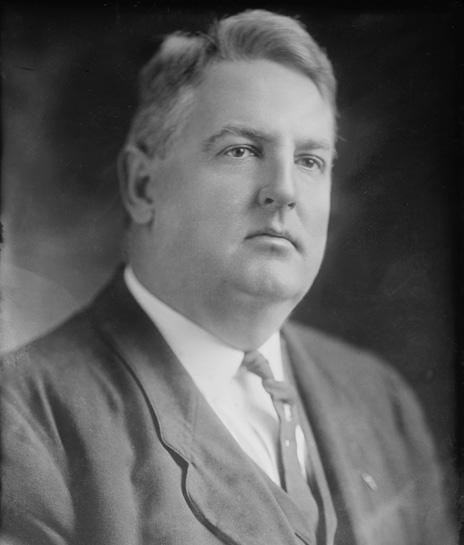
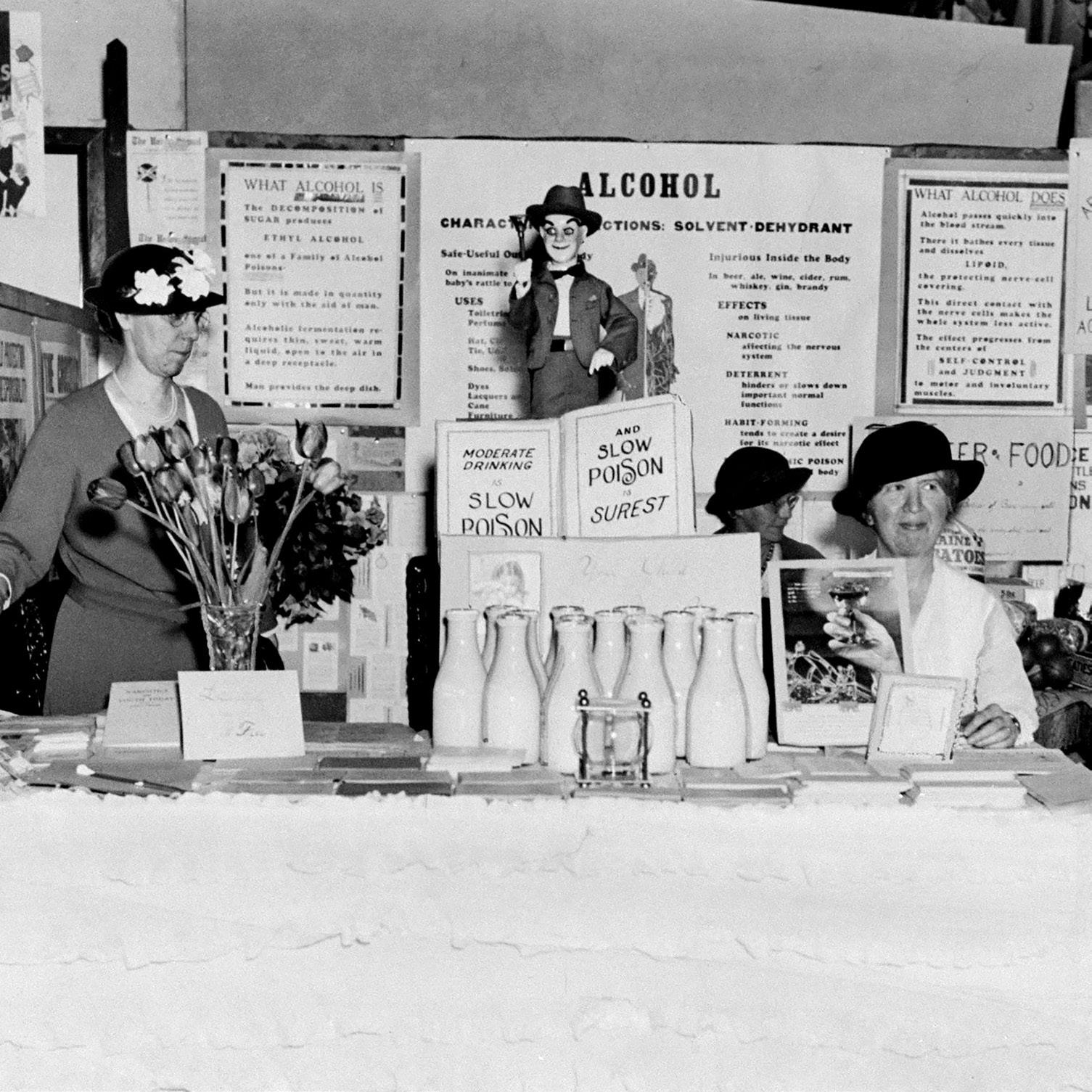
Their original goal was to rid America of alcohol, and to that end, the Women’s Christian Temperance Union was quite savvy in the adoption of public relations tools of the time to get their message out. Using the media, posters, hand-distributed flyers and even parades, they waged an unrelenting PR campaign until Prohibition, through the 18th Amendment, was passed in 1919. (Daily News, L.P. (New York) / Getty Images)
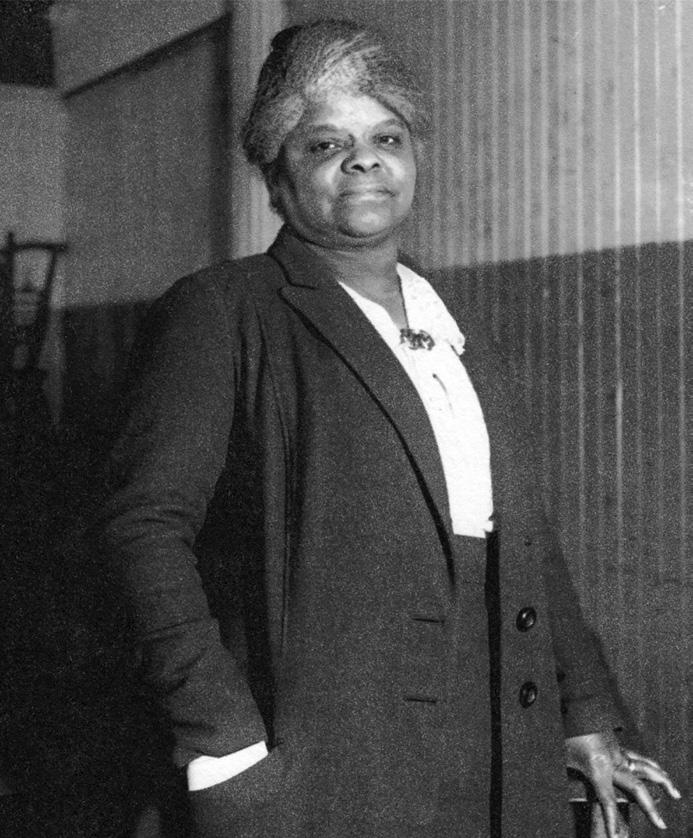
Journalist and early civil rights activist Ida B. Wells used her journalism training to galvanize public opinion on civil rights for African Americans, women’s suffrage, education reform and criminal injustice. Born into slavery, Wells became a leading figure in the early 20th century civil rights struggle. She used her writings and lectures to promote social reforms and combat racial prejudice in the United States.
As political public relations developed, corporate and entertainment communication also grew. The 19th century press agent is typically the figure that is shown as the prototype of public relations practice from this era. The press agent is maligned in some sectors of PR history. However, the truth is the press agent was similar to the corporate public relations practitioner in that they used press relations as a major component of their communication strategy.
The United States fundamentally changed with advancements in railroads, telegraphs and mass production. These innovations in the late 1800s allowed for large corporations to emerge, and with them a new line and column structure of management. It was in that management structure that the first professional public relations practitioners emerged.
The yellow journalism of the 19th century that focused on sensational stories gave way to the muckraking journalism of the early 1900s that focused on corporate accountability and reform. In that environment, early public relations practitioners such as Ivy Lee first emerged as spokespersons for corporations and business figures. Lee especially understood the importance of credibility of communication and the value of ethics in the field. This led him to pen the Declaration of Principles, which promoted values such as understanding publics, accuracy in communication, transparency and relationship management.
Lee, however, was not the only corporate public relations figure to impact the practice in the early 20th century. In fact, many early public relations practitioners operated in much the same way.
Beginning in the early 1900s, corporations began establishing in-house press or publicity bureaus to deal directly with press inquiries. Utilities were especially involved in communicating directly with publics. This led to companies utilizing
public relations more frequently. In 1900, the Publicity Bureau, headquartered in Boston, became the first public relations agency. After World War I and into the 1920s, PR firms proliferated, such as Ivy Lee & Associates and later Hill & Knowlton.
Fundraising and charitable causes also grew in tandem with corporate expansion. The YMCA movement, which began in Great Britain, came to the United States, and with it its fundraising techniques, which were co-opted by American organizations.
The techniques of building relationships with donors and communicating about charitable causes allowed for an expansion of public relations work for nonprofit organizations, such as the American Red Cross. Wealthy industrialists, including Andrew Carnegie and John D. Rockefeller, began using their fortunes to support certain charitable causes, including colleges, universities and libraries.
Because of this movement in charitable giving, the job of donor relations became more important. By the late 19th century, the idea that college administrators, especially college presidents, would fundraise for their institutions began in earnest. College press bureaus that focused on alumni and donor relations followed suit.
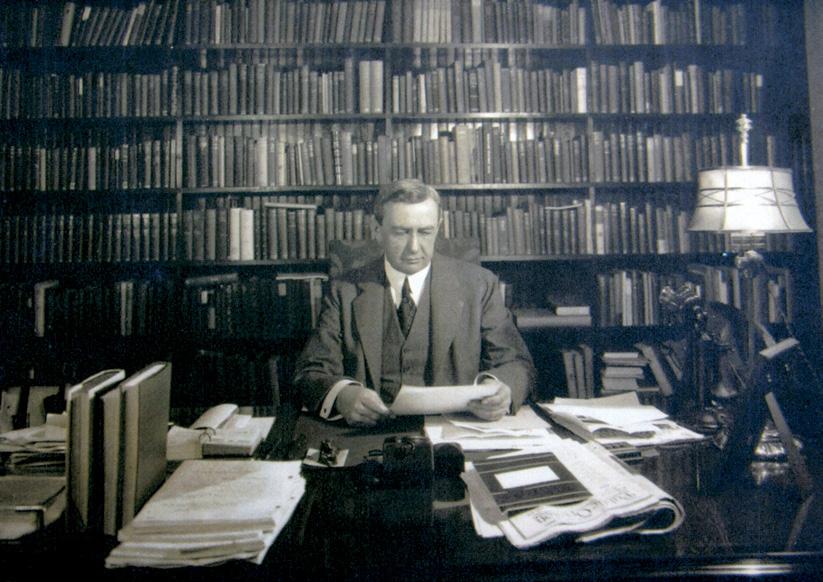
Ivy Lee was a spokesman for corporations and he intrinsically understood the value of credibility and ethics. Unsurprisingly, he also authored the Declaration of Principles, which declared the value of transparency, accurate communications and relationship management. (Courtesy of the Museum of Public Relations)
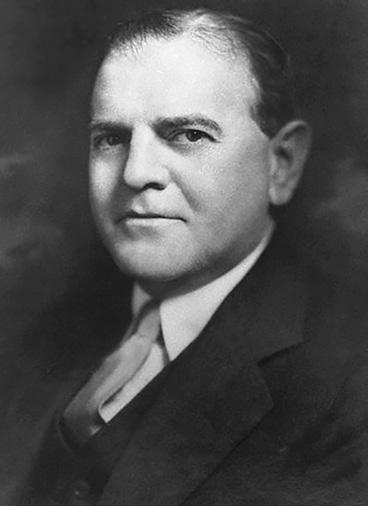
1888–1957
Although rarely noted in textbooks, Carl Byoir was one of the “founding fathers” of public relations. An early pioneer during and after World War I, he created and organized one of the world’s largest public relation firms. From his early days as a newspaper editor to chief planner of charity birthday balls for President Franklin D. Roosevelt, Byoir constantly looked for what drove public opinion to support his clients’ objectives. (Bettmann Archive / Getty Images)
GEORGE EDWARD CREEL
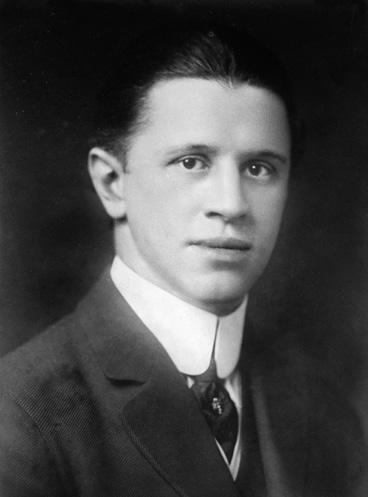
By the time the United States entered World War I in 1917, the role of public relations, although not called that yet, was established. However, World War I would prove to be a watershed moment for the field because it highlighted the power of media and the importance of public opinion.
President Woodrow Wilson established the Committee on Public Information (CPI), commonly referred to as the Creel Committee because its head was George Creel. Controversial by today’s ethical standards, the CPI would serve as a major professional development experience for many notable PR figures of the 20th century, such as Carl Byoir and Edward Bernays.
The CPI led to a whole new generation of public relations professionals that dominated the 1920s. During this time public relations practitioners solidified themselves as the established profession we are familiar with today.
One of the best-known PR figures of this time was Edward Bernays, who advocated throughout his career for public relations to be a professionalized, stand-alone practice. He coined the term “public relations counsel.” He is credited with teaching a public relations course at New York University in 1923. Bernays’ numerous articles and books on public relations addressed contemporary issues that still resonate in the field, including licensing, professional standards, the importance of industry research and the innovative use of social science to address communication issues.
1876–1953
George Edward Creel was an American investigative journalist and writer, a politician and government official. He served as the head of the United States Committee on Public Information, a propaganda organization created by President Woodrow Wilson during World War I. For two years, he rallied the American public to the cause of war and sold the globe President Wilson’s vision of America and plans for a world order. (Everett Collection Historical / Alamy Stock Photo)
Doris Fleischman, who was married to Bernays, worked with him on a wide array of public relations campaigns for various clients ranging from corporations and social reform groups to politicians. An advocate for women’s rights and member of the Lucy Stone League, Fleischman gained media notoriety by using her maiden name. Throughout her career she was business partners with Bernays, writing much of the firm’s content and publishing articles on women’s issues (specifically women’s careers).
Political public relations also became more sophisticated by the 1920s. Political strategies frequently used staged events for
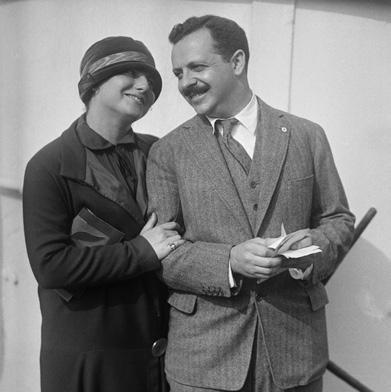
One of the best-known PR figures of all time was Edward Bernays (1891–1995), who coined the term “public relations counsel.” His wife, Doris Fleischman (1891–1980), collaborated with him on many campaigns. She was an accomplished writer who insisted on using her maiden name — rare at the time. (Bettmann Archive / Getty Images)

The March of Dimes, one of the most successful campaigns of all time, began in 1938. It was an early, innovative example of small-donation fundraising.
APR, Fellow PRSA
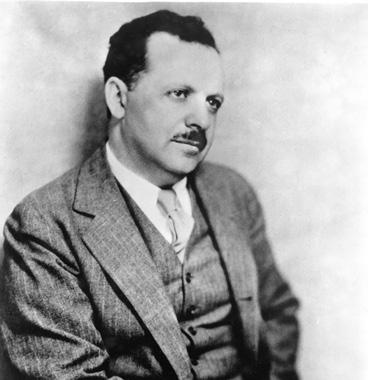
Edward Louis Bernays is referred to as “the father of public relations.” He’s generally considered to have been the first to develop the idea of the professional public relations counselor (someone who draws on the social sciences to motivate and shape the response of a general or particular audience). As Sigmund Freud’s nephew, Bernays combined psychology with public relations to promote everything from bacon to cigarettes. His 1923 book “Crystallizing Public Opinion” helped define and shape the profession. In 1990, LIFE magazine named Bernays one of the “100 Most Influential Americans of the 20th Century.” He received PRSA’s Gold Anvil Award in 1976. He was in the inaugural class of the College of Fellows. (Courtesy of the Museum of Public Relations)
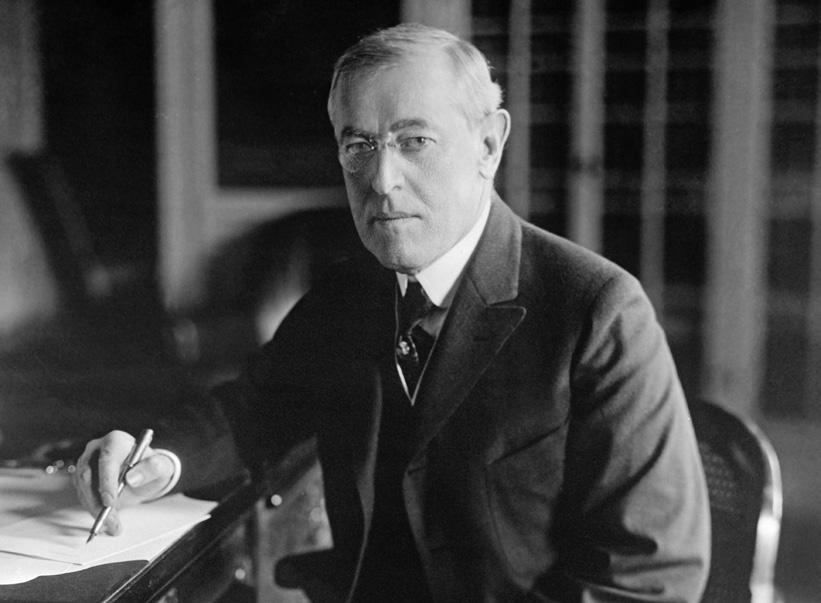
campaign purposes. Notably President Woodrow Wilson’s Western Tour promoting the League of Nations utilized a series of staged events and scripted speeches to garner American support for joining the League.
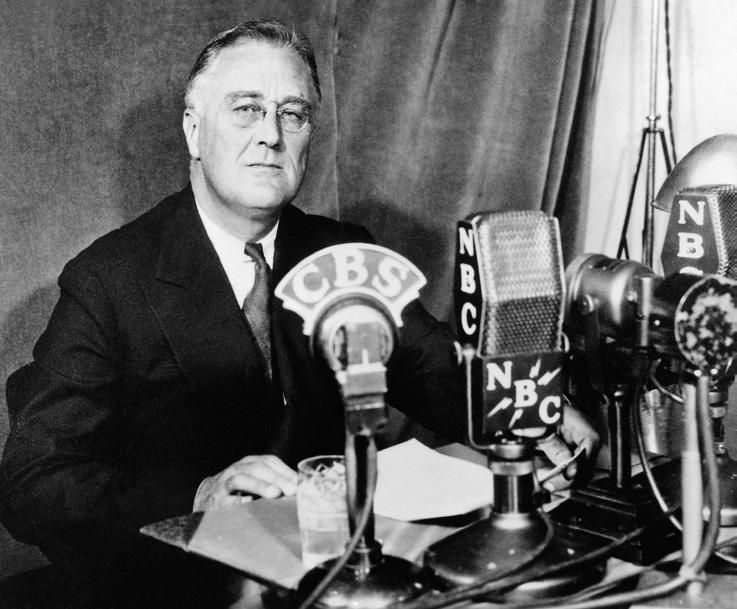
By the 1930s, President Franklin Roosevelt’s administration established new norms of presidential communication. These included the famed fireside chats, which helped Roosevelt gain popular support for his New Deal.
With the economic disparity caused by the Great Depression, corporate public relations strived to fashion a company voice that would resonate with Americans during the 1930s. This led to the rise of public relations counsels hired by companies to craft and maintain their corporate image. Nonprofits also gained a level of sophistication in public relations work. The March of Dimes, one of the most successful fundraising campaigns, began in 1938 and was an innovative example of small-donation fundraising.
By the 1940s, public relations had become part of almost every major American business. The formal study of public relations also grew with Rex Harlow becoming an early PR academic. According to Harvard Business School historian N.S.B. Gras, by 1945 trade publications
including Public Relations News and The Public Relations Directory and Yearbook (containing 6,000 names), demonstrated how the PR field had proliferated.
This is only a brief overview of American PR history prior to 1947. There are so many events and figures that played a role in public relations development that an entire book could have been written about each of them. It is important to note that the history of public relations, like many histories, struggles to be complete. There are many men and women whose contributions have been lost to history and, unfortunately, we will never know their stories.
It’s also critical to know that the contributions of women and people of color to the formative years of the profession were commonly overlooked in historical accounts, an omission that must continue to be addressed. Historians today work to include their overlooked contributions to the field to create a more inclusive, diverse and comprehensive public relations history.
Of course, a key point here is to showcase where the field has been and where it is going. So many of the issues of the past are still with us today, including transparency, relationship management, ethics, technology, PR practitioners’ role within organizations and the evolving definition and role of public relations. Perhaps most timely is the role of ethics in the profession and how, as practitioners, our duties to clients and publics, regardless of the era, enable informed decision-making.
The history of public relations also demonstrates the power of the field. Public relations work has been at the forefront of many of the major moments of American history, including presidential elections, social change and corporate growth.
Like any powerful force, communication can be used for good and bad. Because of that, we made a conscious choice in the pages that follow to showcase what is good and right about public relations. We want readers to see how public relations promotes change for good, embraces the new, strives for innovation for positive impact, gives voice to the voiceless and provides communication that preserves and enhances democracy.
About the Author: Cayce Myers, Ph.D., J.D., APR, is director of graduate studies and an associate professor at Virginia Tech’s School of Communication, where he teaches public relations and communication law.
PUBLIC RELATIONS SOCIETY OF AMERICA
75 YEARS OF STAYING ON MESSAGE
25
During the past 75 years, America has experienced tremendous growth, technological innovations and social changes. And outstanding public relations professionals have played a key role every step of the way. As the world has changed, so, too, has public relations. From the way
it’s taught at universities to how it’s practiced and measured, the public relations profession has continually evolved and advanced.
The first moon landing. MLK Jr.’s March on Washington. The fall of Nixon (and his re-emergence as a statesman) and the Tylenol tampering. The 9-11 attacks and the rise of Obama. The iPhone debut and fighting disinformation about the COVID-19 pandemic. These are among the 25 “Critical Moments, Major Movements and Pivotal People” featured in these next five sections: Advancing the Profession; At the Intersection of Social Justice and Public Relations; High Tech, Major Impact; From Crusades to Crisis Communications — Corporate PR Flexes Its Muscle; Truth Telling in Government and Politics.
Each section includes five fascinating examples of how public relations affected the course of our nation for the better.
Some of the brave and savvy public relations professionals who blazed new trails for us all are also featured, such as Ofield Dukes, Muriel Fox and Cathy Renna. Our profession would not be where it is today without their contributions.
As an industry, we have so much to look back on and be proud of. We’ve changed the way people communicate with their target audiences — and each other.
And we have often changed the course of history and continue even today to evolve and create change for the better.
As America ushered in an era of prosperity and consumerism after World War II, a new academic field emerged at Boston University. On May 27, 1947, Boston University created the original degree program in public relations — a master’s level study taught by faculty members with expertise in political science, sociology and economics.
The School of Public Relations aimed to modernize PR, moving beyond the “free publicity hounds, paid propaganda hirelings or one-track mind researchers” of the old-style practitioners, founding Dean Howard LeSourd told the New York Times.
“The modern public relations worker will try to interpret to the public the ideals and policies of the institution for which he works,” he said.
Students specialized in public relations for corporations, nonprofit organizations, higher education or government, says Professor Emeritus Otto Lerbinger, APR, Fellow PRSA, who came to BU in 1954 after receiving a doctoral degree in economics from the Massachusetts Institute of Technology. He was drawn to this opportunity to shape an emerging profession.
“I thought it was an important field that should be represented in education, and we should try to develop it. We did that,” says Lerbinger, who retired in 2004 after 50 years at BU.
The perception of public relations climbed substantially in 1947 when Boston University created the original degree program in the field. Howard LeSourd, the founding dean, told The New York Times that PR needed to be more than “free publicity hounds” and “paid propaganda hirelings.” (Courtesy of Boston University Photography)

The legal battle between the trucking and railroading industries went all the way to the U.S. Supreme Court, but perhaps the ultimate victor was the public relations industry, which won constitutional protections in efforts to influence legislation. (123RF stock image)
In the post-World War II years, Americans developed an insatiable demand for consumer goods. Truckers began hauling more and more tons of products on the nation’s byways and back roads — and they lobbied state legislatures to allow them to put heavier trucks on the roads.
The truckers’ new political muscle irked another powerful force: the railroads. And in 1949, the Eastern Railroads Presidents Conference hired public relations professionals to promote its cause, including the successful but controversial publicist Carl Byoir.
To stir concerns about raising truck weight limits in Pennsylvania and other states, Byoir planted articles in major magazines about “The Giants That Wreck Our Highways.” The PR campaign enlisted “grassroots” groups, which were actually funded by the railroads, and smeared truckers as a threat to public safety. The truckers hired their own PR firm to counter the claims.
“The Railroad-Truckers Brawl,” as Fortune magazine called it, culminated in an anti-trust lawsuit by the truckers against the Eastern Railroads Presidents Conference and Carl Byoir & Associates. A federal judge in Pennsylvania ruled for the truckers in 1957, calling the campaign by the railroads and Byoir PR firm “one large, ever-growing conspiracy” to stifle competition and a violation of the Sherman Antitrust Act.
Byoir’s firm and the railroads appealed. In 1961, the U.S. Supreme Court issued a unanimous opinion that gave constitutional protection to public relations efforts to change laws. Justice Hugo Black wrote that while the PR campaign fell “far short of the ethical standards generally approved in this country,” the First Amendment gave the railroads the right to petition — to use publicity materials and news articles to try to influence legislation.
M. BROOM Ph.D.
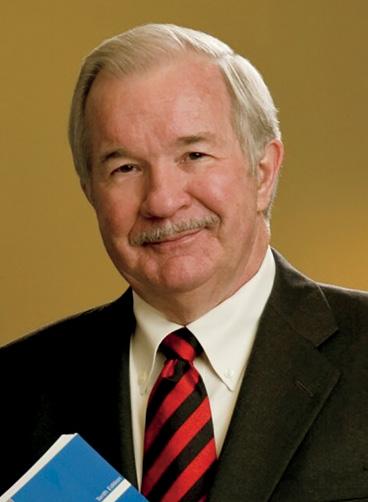
1941–2019
Glen M. Broom was the lead author for the last six editions of “Effective Public Relations.” When Broom died, an obituary in the Chicago Tribune stated, “Through his work as a professor and administrator at San Diego State University, and through his co-authorship of a textbook that has been the industry’s bible for almost 70 years, Broom ushered PR from the realm of press releases into the daily decision-making of companies, the military, nonprofits and other institutions.” (Courtesy of Glen M. Broom Center for Professional Development in Public Relations)
Ph.D.
At the time of the 1973 founding of the Commission for Public Relations Education, the nation was in the midst of seismic social change. Corporate America faced new demands for social responsibility, including concerns about the environment, worker safety, food safety and consumer protection.
To address the need for a strategic approach to public relations, a group of PR educators and practitioners came together to define standards for higher education in the maturing field.
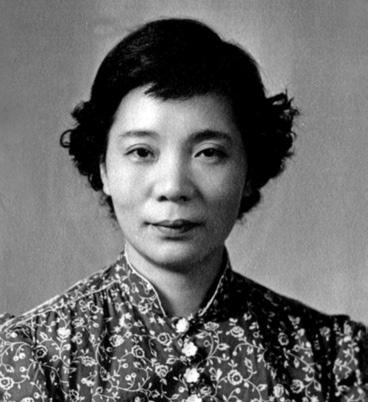
Mabel Ping-Hua Lee was a ChineseAmerican women’s rights activist and minister who campaigned for women’s suffrage in the United States. Ping-Hua Lee received a bachelor’s degree and master’s degree from Barnard College of Columbia University, and later a doctorate in economics from Columbia University in 1921, becoming the first Chinese woman in the United States to earn a doctorate in economics. She became a Baptist minister in 1924, and went on to run New York City’s First Chinese Baptist Church for 40 years, while also becoming a leader within the American Baptist Home Mission Society. (Science History Images / Alamy Stock Photo)

H. Frazier Moore created the Commission for Public Relations Education (CPRE) in 1973 while on the faculty at the University of Georgia. CRPE’s goal was to set and define academic standards at a time when the profession and the country were going through many changes. (Courtesy of the Peabody Awards)
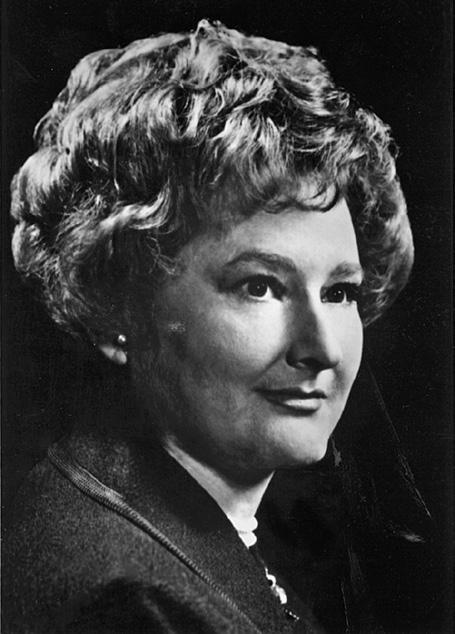
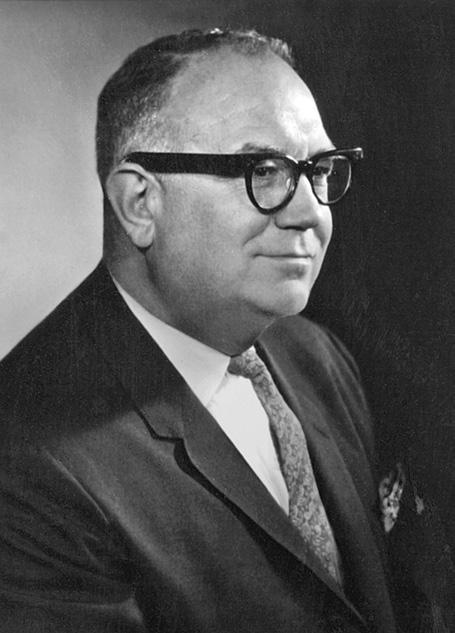
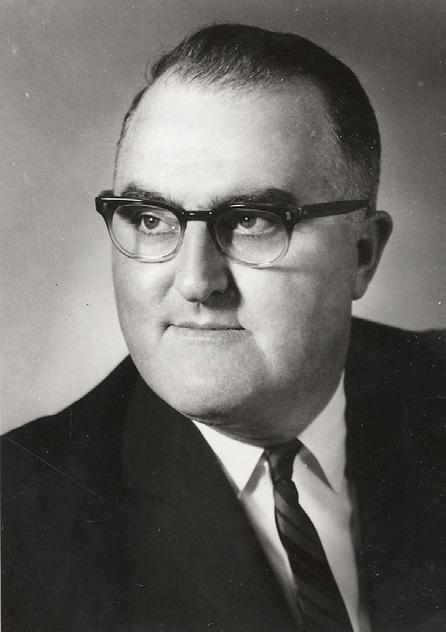
H. Frazier Moore, a PR professor at the University of Georgia and then-president of the PR Division of the Association for Education in Journalism, created the Commission in 1973. PRSA quickly became a joint sponsor with the support of then-PRSA President Betsy Plank, who served on the Commission at its inception and championed its work for decades.
J. Carroll Bateman, APR, a legendary PR professional, and Scott Cutlip, APR, Fellow PRSA, a pioneer of PR education, identified an essential problem in a seminal 1975 Commission report: the PR field was populated by too many self-taught, old-style publicists.
“The need for qualified, competent, professional assistance in this field was never greater than it is today,” they wrote.
The report outlined a PR curriculum for undergrad and master’s students, described the “ideal faculty” as a blend of educators and practitioners and urged a greater commitment to PR research. The Commission took on that charge, and over the years further defined the essential elements of a quality PR education.
Almost five decades after the founding of the Commission, the “Creed for Public Relations” espoused by Bateman continues to ring true: “I believe that sound public relations comprises policies and deeds as well as words; that it should deal in truth rather than deception; and that it should seek to clarify the issues of our times rather than to confuse them.”
JAMES C. HAGERTY
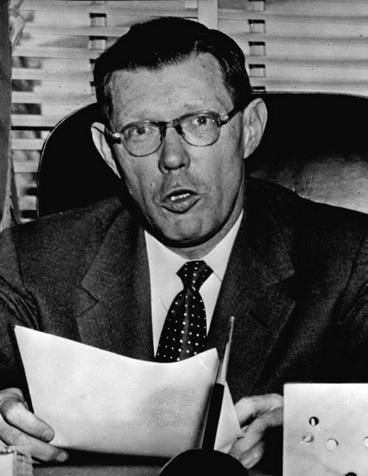
James Campbell Hagerty served as White House press secretary from 1953 to 1961 under President Dwight D. Eisenhower. Hagerty was known for providing much more information on the lifestyle of the president than previous press secretaries had. For example, he covered Eisenhower’s medical condition in great detail. Hagerty instituted the practice of holding regularly scheduled presidential news conferences. Hagerty abolished the longstanding practice that the president could not be directly quoted without specific permission. (=Keystone Press / Alamy Stock Photo)
At the cusp of the new millennium, tens of thousands of protestors swarmed the streets and clashed with police in what came to be known as the Battle of Seattle. They sought to oppose globalization by disrupting the 1999 meeting of the World Trade Organization.
This was an opening salvo of the contentious internet age. Sensing a fundamental shift in the “trust compact” between the populace and societal institutions, Daniel Edelman, APR, Fellow PRSA, and his public relations firm sought to probe that fraught realm of trust, favorability and credibility. (His son, Richard, now serves as president and CEO.)
The first Edelman Trust Barometer, in January 2001, involved surveys of “thought leaders” from Europe, Australia and the United States. Non-governmental organizations emerged as the most reliable source on environmental and social issues. Americans placed greater trust in business than did their counterparts in Europe and Australia, and overall in the US, trust in government and the media lagged behind.
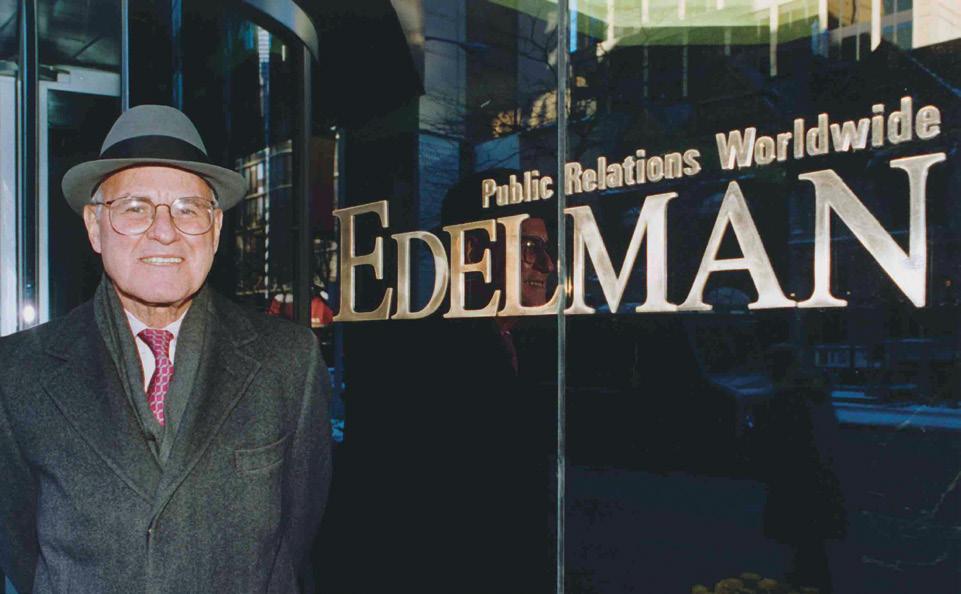
Daniel Edelman, APR, Fellow PRSA (1920–2013), founded his eponymous agency in 1952. With over 6,000 employees and more than 60 offices, it has become the world’s largest independently held public relations firm. (Courtesy of Edelman)
The Edelman agency created the Edelman Trust Barometer in 2001, surveying “thought leaders” from Europe, Australia and the United States. Major news outlets, politicians and academics often cite the annual survey. (Courtesy of Edelman)
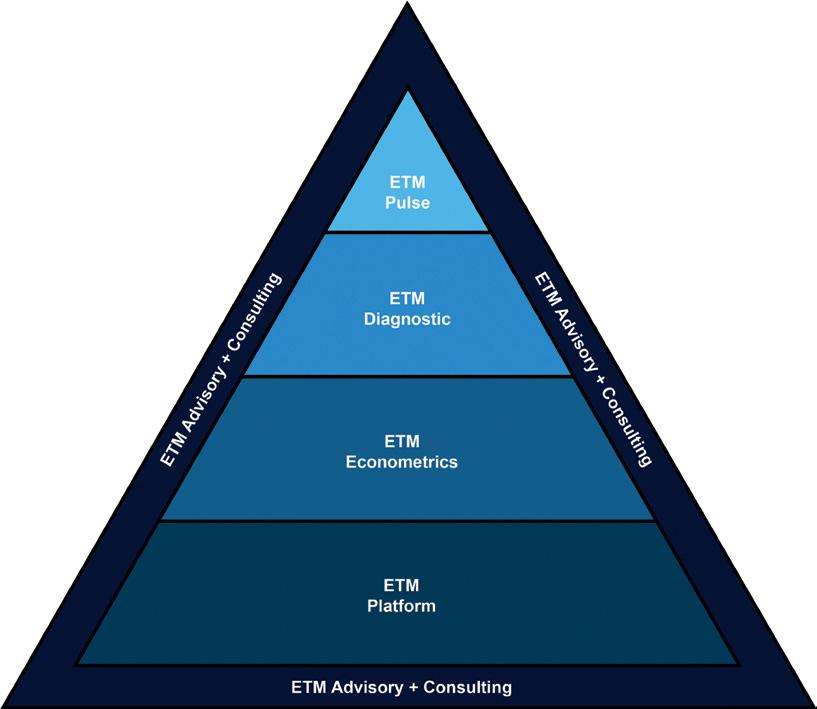
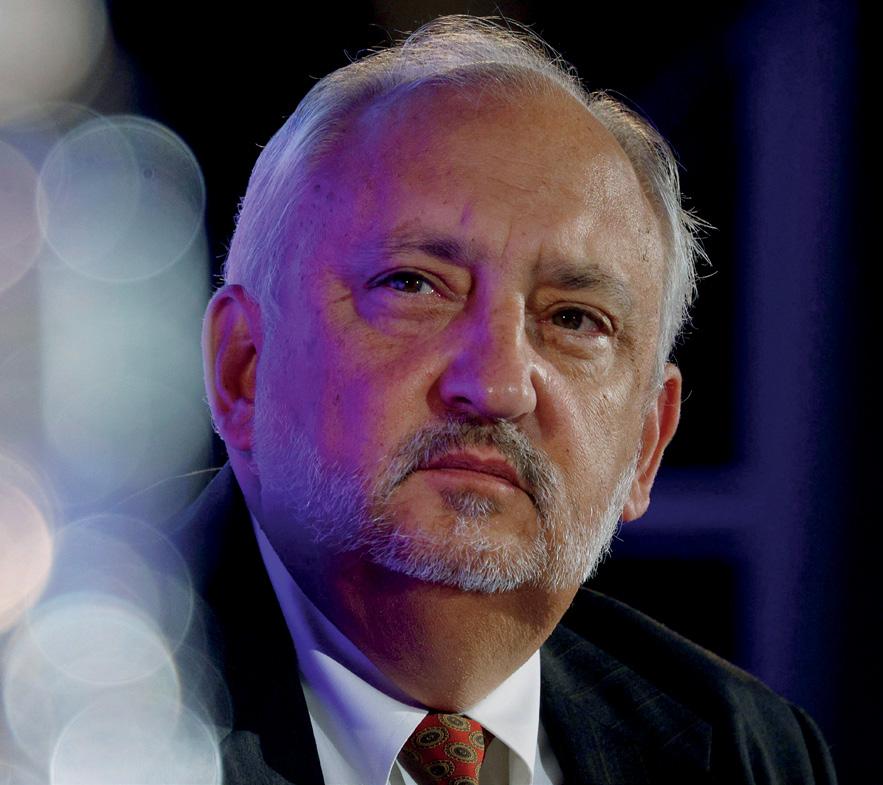
For 20 years, the Edelman Trust Barometer has often been cited by major news outlets, politicians and academics. Trends emerge, such as the slide in trust in government that began in 2011. By 2014, the trust gap was larger than ever as business significantly outscored government. In a commentary, Richard Edelman noted: “Government lacks the long-term thinking and popular support to keep up with innovation.”
The 2022 report, based on 30-minute online surveys, encompassed more than 36,000 respondents from 28 countries, including from Asia, Africa and South America. It revealed a “cycle of distrust” in which two-thirds of respondents said they were worried that journalists and government leaders “are purposely trying to mislead people by saying things they know are false or gross exaggerations.”
In a silver lining, Edelman noted that business and non-governmental organizations could lead the way to positive change, and “good information can help close the societal divide.”
Trailblazers Mabel G. Flanley and Sally Woodward founded the first all-female public relations firm in 1944. The agency was among the earliest to practice targeted marketing communications. Their specialty was female audiences. Flanley and Woodward created a path for women, contributed to the development of professional standards and influenced other practitioners to target women audiences. Their inclusion initiatives paralleled those of other groups based on diversity of race, ethnicity and gender.
Seeking a return on investment is a bedrock of business.
Public relations supports that mission by impacting market share, corporate reputation, employee engagement and other vital business goals. Yet for many years, the PR profession lacked a clear and consistent way to measure its own worth.
That problem vexed David Rockland, who then led Ketchum’s Global Research Network and served as CEO of the PR firm’s change management consulting arm, Ketchum Pleon Change. So, he stepped up to fix it.
With a background in analytics and a global platform as chairman of the U.S. Agency Research Leaders Group for the International Association for Measurement and Evaluation of Communications, he gathered a workgroup and planned a summit. The participants pondered an overriding question: How should the PR industry define its value?
On June 18, 2010, delegates from 33 countries gathered in Barcelona and endorsed the Barcelona
Declaration of Research Principles, the first global standard to measure PR. Seven statements provided a framework that emphasized the need for goal setting, measurement of social media and both qualitative and quantitative measures.
The principles were updated in 2015 and again in 2020. The Barcelona Principles 3.0 are designed to be useful for a broad scope of communications work — by practitioners with differing platforms, clients and goals:
Setting goals is an absolute prerequisite to communications planning, measurement and evaluation.
Measurement and evaluation should identify outputs, outcomes and potential impact.
Outcomes and impact should be identified for stakeholders, society and the organization.
Communication measurement and evaluation should include both qualitative and quantitative analysis.
Advertising Value Equivalents are not the value of communication.
Holistic communication measurement and evaluation includes all relevant online and offline channels.
Communication measurement and evaluation are rooted in integrity and transparency to drive learning and insights.
CRITICAL MOMENTS, MAJOR MOVEMENTS AND PIVOTAL PEOPLE
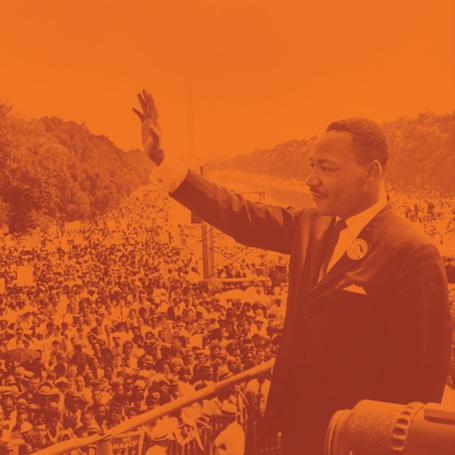
When Martin Luther King Jr. stepped to the podium at the March on Washington, his words of hope resonated from the steps of the Lincoln Memorial into the future: “So even though we face the difficulties of today and tomorrow, I still have a dream. It is a dream deeply rooted in the American dream . . .”
Behind the scenes, this pivotal event hinged on the strategy and savvy of Bayard Rustin, an aide to civil rights leader and march organizer A. Philip Randolph. Rustin was not a public relations professional, but he understood the power of peaceful demonstration and the importance of a strong message.
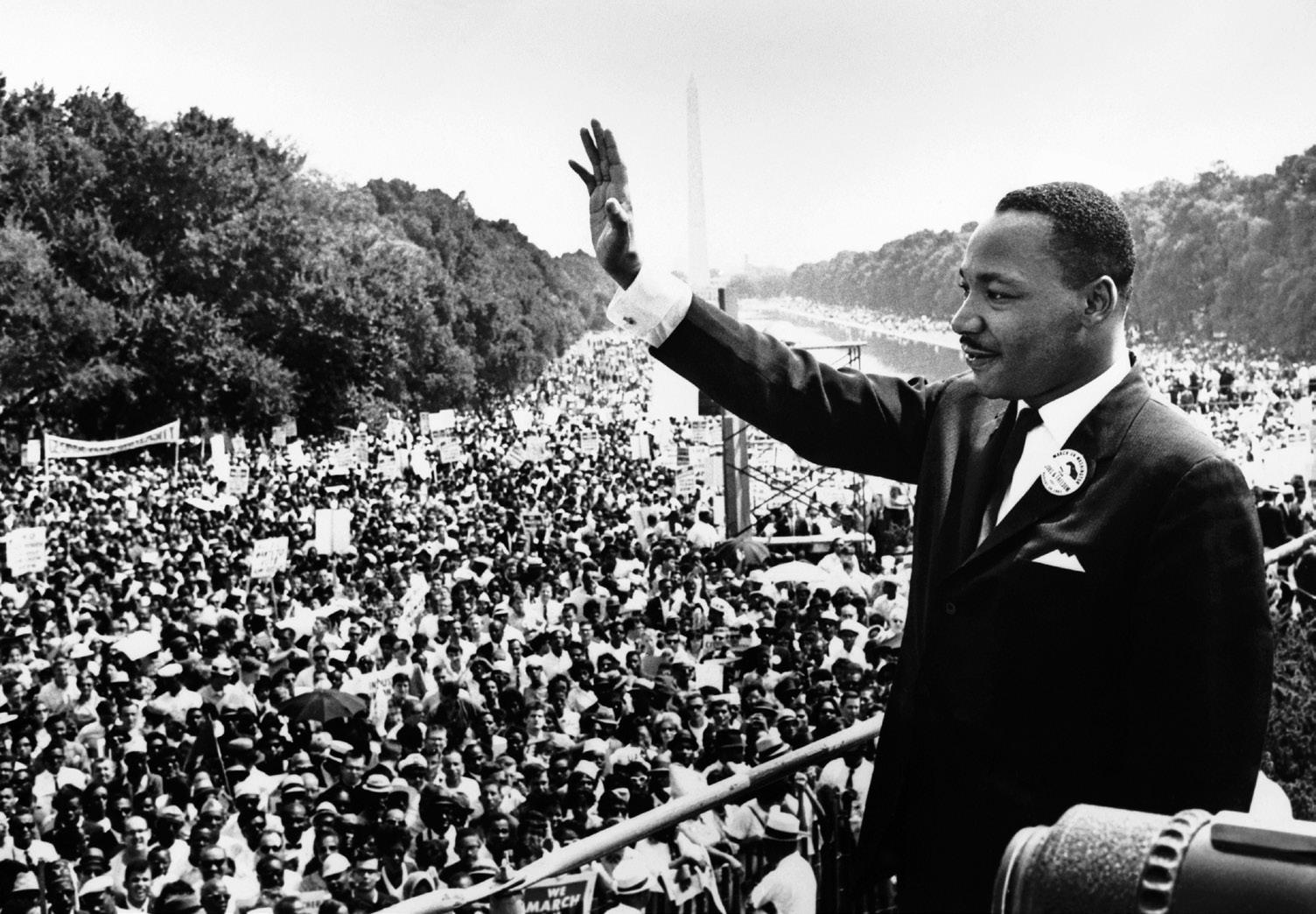
While Martin Luther King Jr. stood before the microphones at the August 1963 March on Washington, its success hinged on the strategy of Bayard Rustin, who understood the importance of a strong message. (Corbis via Getty Images)
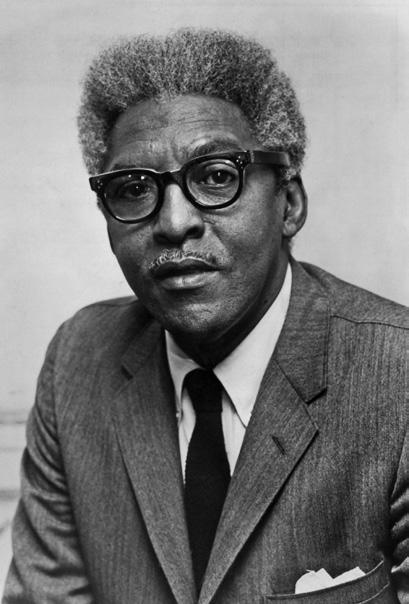
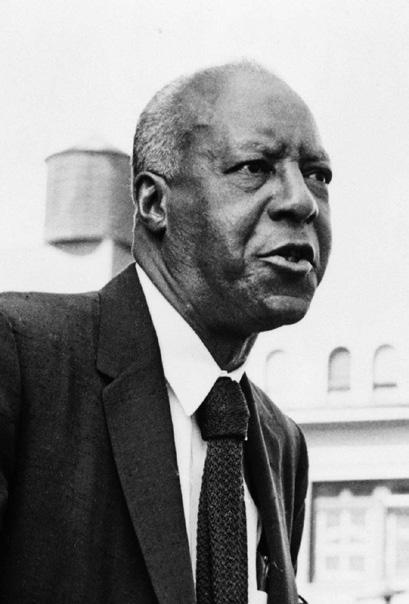
Putting words to that message fell in part to speechwriter Clarence B. Jones, who was also King’s personal lawyer and adviser. Jones is credited with composing the first seven paragraphs of the epic speech.
Rustin had traveled to India in 1948, where he studied the Gandhian philosophy of nonviolence. He shared those tenets with King during the Montgomery bus boycott in 1956. Throughout the Civil Rights Movement, marchers were trained in peaceful protest.
During the Children’s Crusade in Birmingham in May 1963, Birmingham police unleashed attack dogs and high-powered water hoses. The images shocked the nation and propelled the planning for a national march.
Rustin coordinated efforts of the nation’s six leading civil rights organizations and helped craft an organizing manual, with an explanation of “Why We March,” including a focus on “jobs and freedom.”
The night before, Rustin and Jones met with King and other advisers to hash out the important points. Jones went back to his hotel room and, in the late-night hours, wrote a draft of the speech. (Rustin died in 1987. Jones is a scholar-in-residence at Stanford University and has received numerous awards for his legal and communications work for the civil rights movement.)
King began by speaking the paragraphs written by Jones, but then gospel singer Mahalia Jackson, seated with other dignitaries behind him, shouted, “Tell them about the dream, Martin!” King slid the remaining speech aside and, like a preacher uplifting a weary congregation, spoke the words that have inspired generations.
1891–1980
Doris Fleischman worked as a newspaper reporter and editor before going to work as a writer for Edward Bernays in 1919. She spent the next 61 years working with him. The couple married in 1922. An ardent feminist, Fleischman made history as the first American married woman issued a passport in her own name. She was a member of Theta Sigma Phi, the national sorority of women in communications, and received its Headliner Award in 1972. She is remembered as someone who blazed a trail for women in the public relations industry and society overall. (Courtesy of the Museum of Public Relations)
DANIEL J. EDELMAN
APR, Fellow PRSA
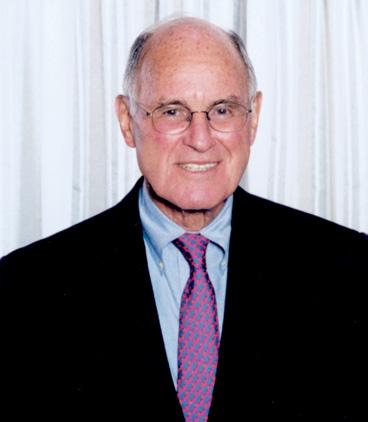
Daniel Joseph Edelman was an American public relations executive who founded Edelman, the world’s largest independently held public relations firm. Edelman had a significant influence on the methodology of public relations. When he began practicing, public relations was a rudimentary practice dominated by a handful of firms employed primarily as press agents and publicists. A former journalist and World War II public information officer, Edelman had a greater vision. He dreamed of offering clients a range of superior public relations services that had never been seen before. He received PRSA’s Gold Anvil Award in 1999. (Courtesy of Edelman)
While civil rights activists were marching in the streets and staging sit-ins at segregated lunch counters, Ofield Dukes, APR, Fellow PRSA, was promoting equal opportunity near the seat of power — in the White House.
Months after winning writing awards for work in the well-regarded African American newspaper the Michigan Chronicle in 1964, Dukes was offered a post in President Lyndon Johnson’s administration as deputy director of information for the President’s Committee on Equal Employment Opportunity.
Dukes traveled to educational institutions around the country to promote emerging job opportunities for minorities. He also became a conduit to the White House for African American journalists. That was just the beginning of Dukes’ lifelong commitment to equal opportunity.
In 1966, he moved to the staff of Vice President Hubert Humphrey, who had steered the landmark Civil Rights Act of 1964 through Congress, and he played a key role in Humphrey’s 1968 presidential campaign. When Humphrey lost, Dukes founded his public relations firm, Ofield Dukes & Associates. Motown Records was his first client.
Though he became well-known for his famous clients, including Stevie Wonder, Diana Ross and “Roots” author Alex Haley, Dukes always worked for inclusion and opportunity for African Americans. He organized the first Congressional Black Caucus Dinner in 1971, founded the Black Public Relations Society of Washington and worked with the National Cancer Institute to implement the first public education campaign to reduce cancer risk among African Americans.
Dukes used his PR skills to advance the years-long effort to establish a national holiday honoring Martin Luther King Jr. With Stevie Wonder, he organized a new March on Washington in 1981, building momentum that led to Congressional approval of the holiday in 1983. (Federal celebration of MLK Day began in 1986.)
“Public relations is synonymous with human communication,” Dukes often said. In 2001, his contributions were recognized as he became the first African American to win the Gold Anvil, PRSA’s highest honor. In 2014, he was inducted posthumously into the PRWeek Hall of Fame.

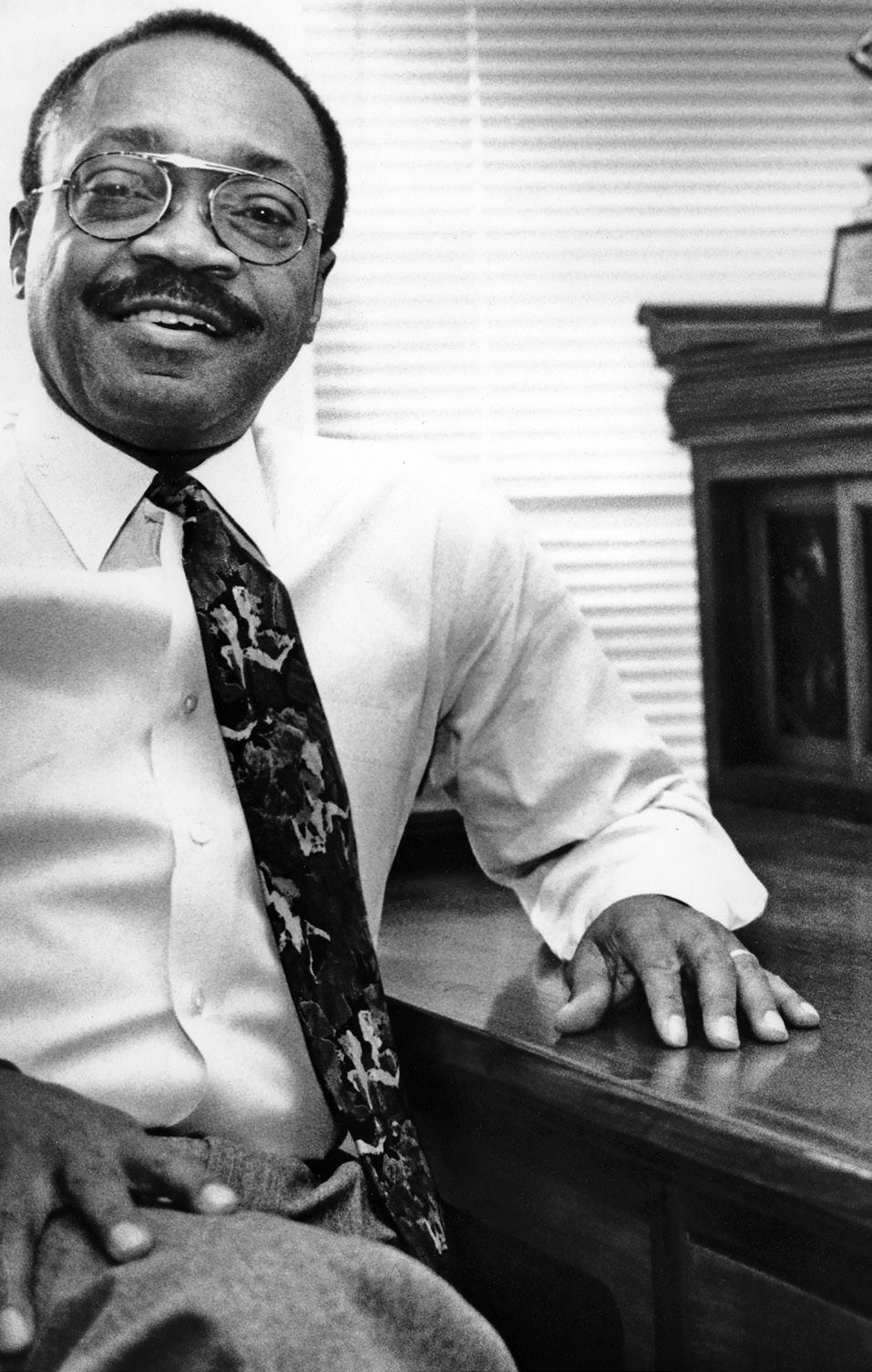
Ofield Dukes, APR, Fellow PRSA, used his public relations skills to help establish a national holiday honoring Martin Luther King Jr. His storied career including working for Vice President Hubert Humphrey, launching his own PR firm (with Motown Records as his first client), and founding the Black Public Relations Society of Washington. (2011 The Washington Post / Getty Images)
Ph.D., APR, Fellow PRSA
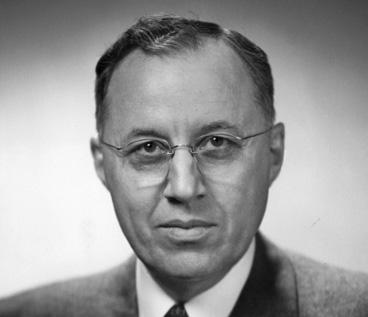
Rex Francis Harlow joined the faculty of Stanford University in 1939 as a public relations instructor. He advocated social responsibility, including a code of ethics, and promoted the use of sociological and psychological research. He founded and became president of the American Council on Public Relations in 1939. Later, he merged it with the National Association of Public Relations Counsel to form the Public Relations Society of America, where he was a director. Harlow earned his doctorate from Stanford University, where he later developed and taught public relations courses from 1940 to 1944. He started the Public Relations Journal in 1945. In 1948, he founded and headed the Public Relations Institute of the West. Harlow authored 75 books, and is noted for developing a widely used, comprehensive definition of public relations following extensive research of earlier attempts. He was in the inaugural class of the College of Fellows. (Courtesy Wisconsin Historical Society)
Despite the monumental social and civic changes occurring in the 1960s — and the wording of the Civil Rights Act of 1964 that prohibited discrimination on the basis of “race, color, religion, sex, and national origin” — Muriel Fox knew first-hand that discrimination against women in the workplace remained commonplace and accepted.
In 1950, two years after graduating from Barnard College in New York, Fox applied for a job at Carl Byoir & Associates, then one of the nation’s most prominent public relations firms. The response: “We don’t hire women writers.”
Fox persisted and ultimately landed a job there, rising to become the firm’s youngest vice president. Yet she was acutely aware of ongoing barriers. She found herself bumping up against a glass ceiling at Byoir, where she was told she couldn’t go higher because “corporate CEOs can’t relate to women.” (She eventually became executive vice president.)
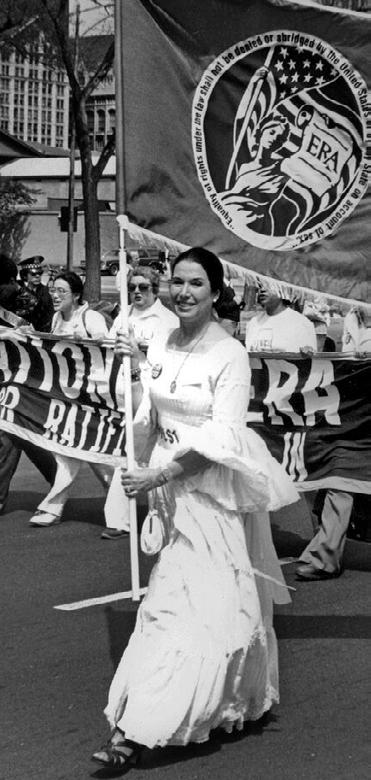
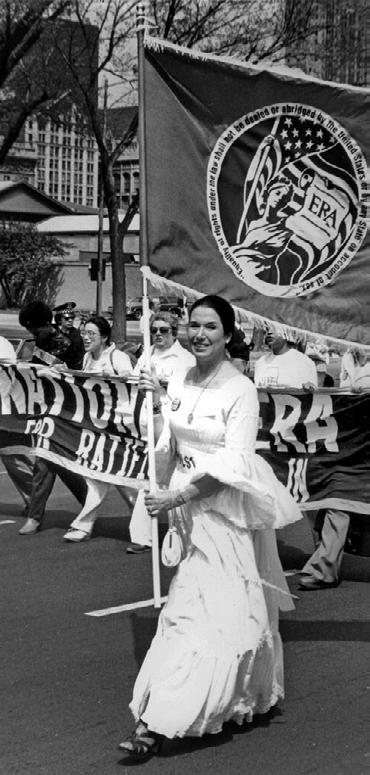
Women’s rights advocate and PR professional Muriel Fox, shown here leading a parade, helped create the National Organization for Women in 1966. (Courtesy of the Museum of Public Relations)
When Fox invited Betty Friedan — author of “The Feminine Mystique” — to speak at a meeting of American Women in Radio and Television, she remarked in her subsequent thank-you note, “If you ever start an NAACP for women, count me in.” That’s how Fox ended up as one of the founders of the National Organization for Women (NOW) in 1966. She helped draft, print and deliver its first press release to newspaper offices.
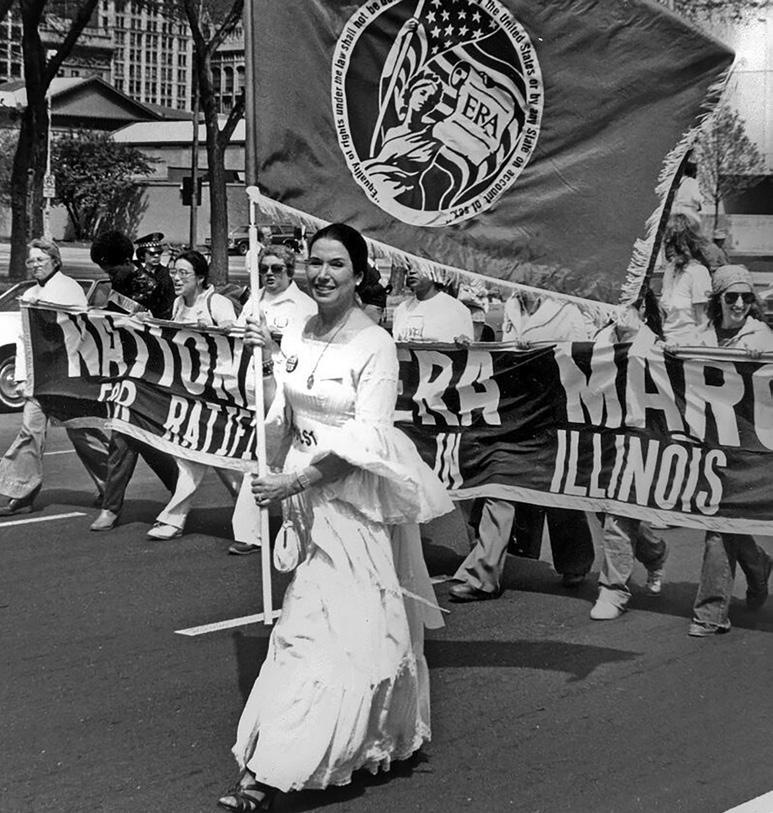
Fox chaired NOW’s first Public Relations Task Force, served on its board and was elected chair of the board in 1971. When she couldn’t bring a client and a journalist to lunch at the Oak Room at New York City’s Plaza Hotel because women weren’t allowed, she organized a NOW picket.
With other feminist leaders, Fox later picketed the New York Times for segregating its classified ads into “help wanted male” and “help wanted female.”
Behind the scenes, Fox drafted influential documents for NOW, including a letter urging President Lyndon Johnson to add “sex” to an executive order on affirmative action and asking the Equal Employment Opportunity Commission to prohibit sex-specific job ads. Her work helped expand job opportunities for all women.
Fox continued to support NOW, helped found other women’s organizations and serves as chair of the board of Veteran Feminists of America, which seeks to preserve and honor the history of the feminist movement. In her many speeches, she urged women who were successful in business to say, “Yes, I am a feminist” — declaring feminism as an asset, not an epithet.

Earth Day 1990 mobilized 200 million people in 141 countries. It was the precursor to the campaign to address global climate change, which continued to involve the vital role of PR professionals. (Credit: Art Fleury / Alamy Stock Photo
Twenty years after the first celebration of Earth Day, the campaign for planetary preservation needed a PR makeover.
The first Earth Day on April 22, 1970, launched the modern environmental movement and led to the creation of the Environmental Protection Act. The Clean Air Act passed the following year. But in the wake of the environmental disaster caused by the leaking Exxon Valdez oil tanker in 1989, environmental leaders wanted Earth Day to engage a truly global response.
Political organizers and consultants, as well as advertising and PR professionals, joined forces to promote the event — and Earth-friendly actions individuals could take.
“We are trying to generate as much interest as we can for people to start doing things immediately — at home, at work and at school,” said Diana Aldridge, on leave from Hill & Knowlton to serve as Earth Day communications director. The event’s slogan: “Who says you can’t change the world?”
E. Bruce Harrison, APR, Fellow PRSA, known as the “father of environmental PR,” promoted corporate commitment to a balance between economic growth and environmental protection. By 2005, that concept had evolved. A United Nations initiative encouraged the integration of environmental, social and governance factors in investment decisions.
Former Vice President Al Gore’s documentary on climate change, “An Inconvenient Truth,” galvanized public attention — thanks in part to the work of three PR professionals: Megan Colligan of Paramount Vantage, Buffy Shutt of Participant Productions and Michael Feldman of Glover Park Group.
When that PR team won PRSA’s Silver Anvil award in 2007, Gore lauded their vital role. “The filmmakers took a slide show and made it a movie. Publicity took that movie and helped make it into a movement,” Gore said.
BARBARA C. HARRIS
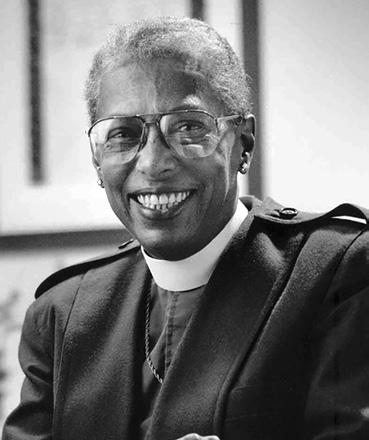
Barbara Clementine Harris began her career at Joseph Baker’s public relations agency in Philadelphia. During her tenure there, Harris developed a Division of Women’s Information and edited a monthly publication for homemakers. She rose in rank at the firm, becoming its president in 1958. Harris was elected president of PRSA’s Philadelphia Chapter in 1973. Harris went to work for Sun Oil Company in 1968 where she held high-level public relations positions until 1977. She was among the few African American women to hold such senior public relations positions at the time. Harris also served as an American bishop of the Episcopal Church in the United States. She was the first woman consecrated a bishop in the Anglican Communion. (Courtesy of The Archives of the Episcopal Church)

Some events shake the national conscience, serving as a fulcrum between life before and after. The fatal beating of Matthew Shepard in Laramie, Wyo., in October 1998 was such a moment in the history of LGBTQ+ rights.
Cathy Renna, then national news media director of the Gay and Lesbian Alliance Against Defamation, arrived in Laramie when Shepard was still clinging to life in a hospital. Reporters were descending on the college town.
She worked to provide context to the hate crime so the stories would reflect the real-life experiences of the LGBTQ+ community.
“In 1998, this was the first time the news media was really paying attention to this issue in a way that was substantial,” Renna recalled in a 2014 TEDxClaremontColleges talk.
Renna describes the Shepard killing as a watershed moment. She has since been involved in many LGBTQ+ issues, including the fight for marriage equality and the repeal of the Don’t Ask, Don’t Tell policy, which had barred gay, lesbian and bisexual Americans from openly serving in the U.S. military.
In 2019, Renna worked with NYC Pride to help coordinate media coverage of World Pride/Stonewall 50, the 50th anniversary of the 1969 riots that followed a police raid on the Stonewall Inn. The first annual Pride parade took place the next year in 1970.
Renna is communications director of the National LGBTQ Task Force and co-founder of the PR firm Target Cue. She often explains why it’s important to tell individual stories.“At the end of the day, my work is about visibility and lifting up stories of people who don’t have that visibility,” she says.

The beating of Matthew Shepard at this spot outside of Laramie, Wyoming, and his subsequent death in October 1998, was instrumental in refocusing the nation’s attention on LGBTQ+ rights. Cathy Renna’s astute determination made sure the media and world knew about it. (Steve Liss / Getty Images)
JOHN W. HILL
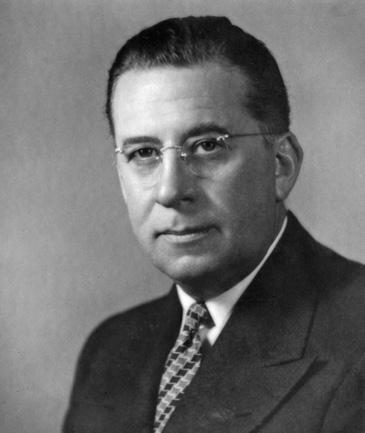
John Wiley Hill was an American public relations executive. He co-founded Hill+Knowlton Strategies with Donald Knowlton in 1933. Beginning with the establishment of the New York headquarters, Hill headed what was once the world’s largest PR agency for about 30 years. He participated in client policy making for major trade associations such as in the steel, tobacco and aviation industries. He also represented multinational corporations, including Procter & Gamble, Texaco and Gillette. Hill+Knowlton was the first American agency to establish an international network. Public relations practitioners and journalists alike have ranked Hill+Knowlton highly. (Courtesy of The Media School at Indiana University)
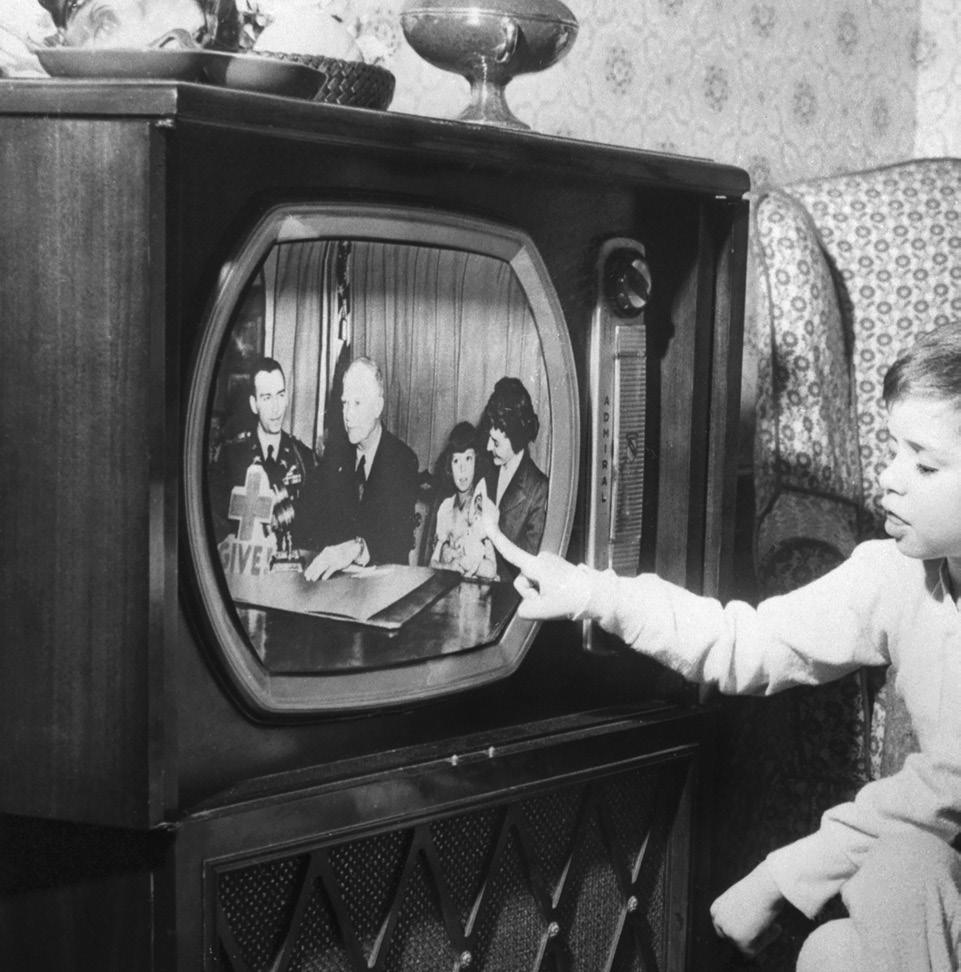
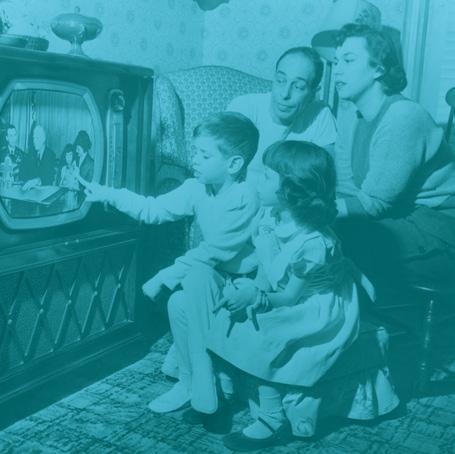
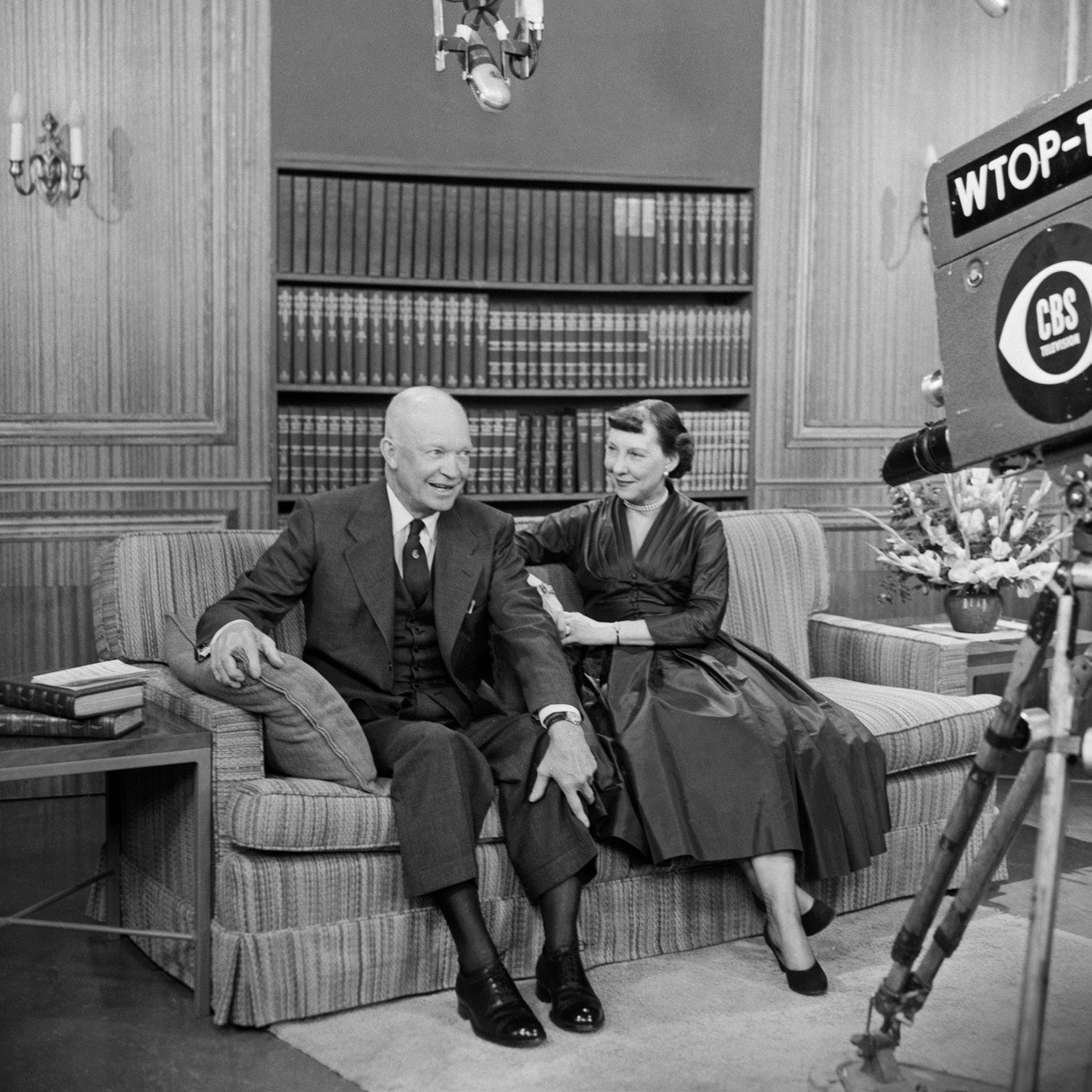
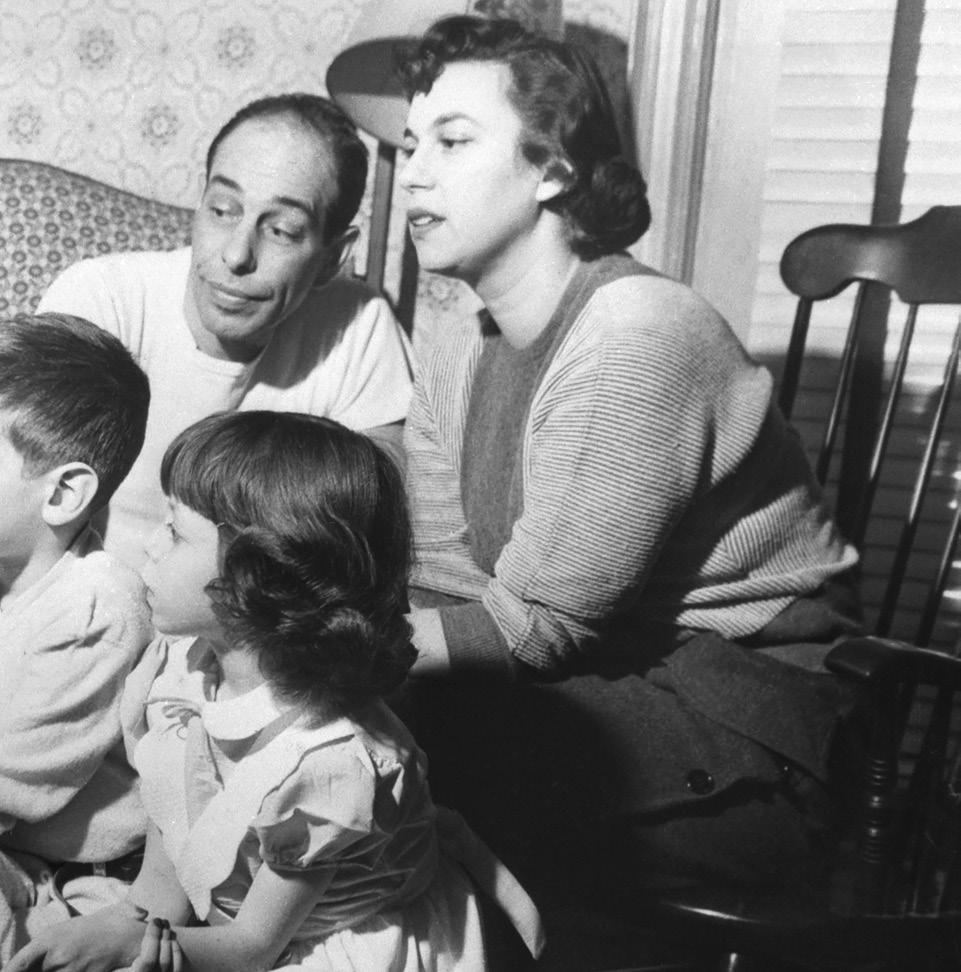
Families across America tuned in to watch President Dwight D. Eisenhower address the nation. The former fivestar general commanded the U.S. Army but came across as stiff on live television, prompting many of his appearances to be prerecorded. One of his top public relations advisers was the legendary Arthur W. Page. (Bettmann Archive / Getty Images)
It’s not surprising that John F. Kennedy is often regarded as the nation’s first television president. He was youthful, photogenic and at ease before the camera, all of which helped him in the first-ever televised presidential debate against Richard Nixon in 1960.
But the TV title arguably belongs to Dwight D. Eisenhower, the first presidential candidate to air television ads and the first to televise press conferences, which were taped for later broadcast.
One Eisenhower campaign ad, crafted by Walt Disney Studios, featured an animated Uncle Sam followed by an elephant and supporters marching with IKE banners. The ad had
an upbeat, catchy tune, created by the iconic songwriter Irving Berlin: “You like Ike, I like Ike, everybody likes Ike for president . . .”
When he gave lengthy speeches, Eisenhower came off as stiff, so his communications advisers devised a different strategy to convey his ideas. Short TV spots featured “ordinary Americans” posing questions. To one woman, he responds, “Yes, my Mamie gets after me about the high cost of living. It’s another reason why I say, ‘It’s time for a change.’”
As the former supreme commander of Allied forces in World War II, Eisenhower was already a popular figure. He won landslide elections against Democrat Adlai Stevenson in 1952 and 1956. Among his advisers was the legendary PR figure, former AT&T executive Arthur W. Page.
From then on, television played a major role in presidential campaigns, reaching a record high in 2020, when almost $1 billion in broadcast TV ads aired in the presidential general election.

1875–1950
Known as the founder of Black History Month, Carter Godwin Woodson was an American historian, author and journalist. He also founded the Association for the Study of African American Life and History. Woodson was one of the first scholars to study the history of the African diaspora, including African American history. (Science History Images / Alamy Stock
PATRICK J. JACKSON APR, Fellow PRSA
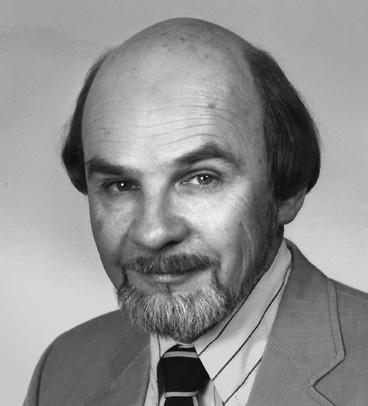
1932–2001
Patrick John Jackson was one of the 20th century’s most widely known and respected public relations practitioners. Often called the “public relations counselor’s counsel,” he was committed to teaching practitioners about the direction the profession was going and the strategy, techniques and philosophy needed to get there, and he championed stakeholder behavior change as the profession’s goal. He formed Jackson, King and Griffith with two experienced colleagues. In 1956, it became Jackson Jackson & Wagner. From 1979 to 2001 he published pr reporter, an influential industry newsletter. Awarded PRSA’s Gold Anvil in 1986, Jackson later co-chaired a PRSA committee that led to the creation of the College of Fellows (he was in the original group of inductees). PRSA created the Patrick Jackson Award in his honor. (Courtesy of the Museum of Public Relations)
Email as a PR tool is taken for granted today, but it was relatively late in the 20th century before it changed the game. Until then, typewriters, and printing, postal and wire services remained the essential tools. It was slow going.
The public had no way to access the emerging networks of computers until the invention of the World Wide Web in 1990. But in 1978, Gary Thuerk, a marketing manager at Digital Equipment Corp., had a novel idea. He wanted to invite potential customers to a product demonstration of Digital’s new T series of VA x computers, which was being introduced later that year. And he didn’t want to send old-style paper invitations.
Thuerk sent an unsolicited mass email to 397 customers over the ARPANET, a computer network that was the precursor to the internet, on May 1, 1978. The response was mostly positive. The campaign generated about $13 million in sales, although some people did complain about receiving an unwanted email — and he got reprimanded by the ARPANET administrators.
Guinness World Records credits Thuerk with sending “the world’s oldest spam,” but that’s not how he looks at it. “I think of myself as the father of e-marketing. There’s a difference,” Thuerk told Computerworld magazine.

Guinness World Records credits Gary Thuerk with sending the world’s first spam email in 1978. He sent an unsolicited mass email to 397 customers. But Thuerk preferred to cast himself instead as the father of
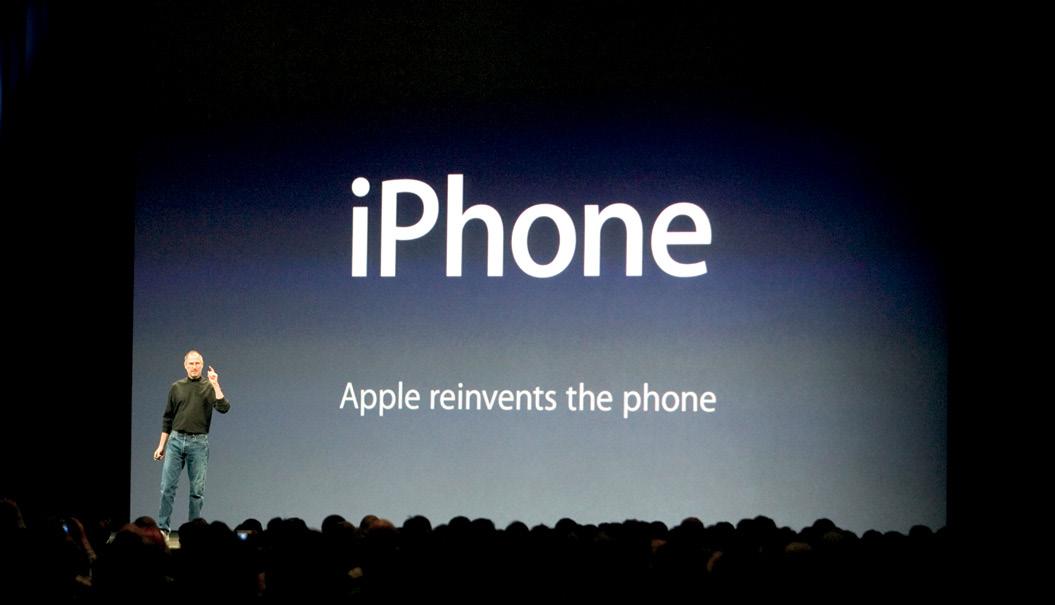
On Jan. 9, 2007, Steve Jobs walked on stage at a Macworld conference wearing his iconic black turtleneck and jeans. Standing before a glowing projection of the Apple symbol, he held something in his hand. “Every once in a while, a revolutionary product comes along that changes everything,” he began.
Apple’s public relations strategy added to the suspense of the moment, as Jobs went on to describe the iPhone as three products in one: “a widescreen iPod with touch controls . . . a revolutionary mobile phone . . . and a breakthrough internet communications device.”
The company had managed to keep this new device secret for 30 months and decided to announce its debut before filings with the Federal Communications Commission would have become public.
“Apple reinvents the phone with the iPhone,” the first press release declared.
That first iPhone worked on one mobile network (Cingular), had a 2-megapixel camera and 15 apps. It cost $499 for 4G of storage ($599 for 8G).
Thousands of people lined up outside Apple stores for the June 29 product release; within 74 days, Apple had sold a million iPhones.
The product was truly transformative — a sleek pocket-sized computer that was a tool for communication, information and entertainment. The Apple public relations team helped bring that concept to life and set an enduring standard for new product introductions.
“Our mission was to tell the story of how our innovative products were giving customers the power to unleash their creativity and change the world,” Apple communications strategist Craig Cameron wrote in the Harvard Business Review
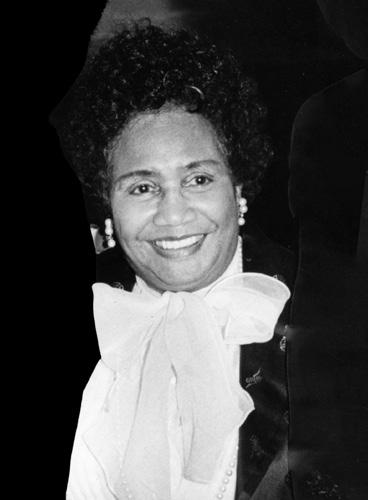
Inez Yeargan Kaiser opened her own public relations firm, Inez Kaiser & Associates, in 1957 in Kansas City, Mo., to serve national clients, becoming the first African American woman to do so. Her first account was the Jenkins Music Company. It wasn’t long before her firm was serving clients such as 7Up, Sterling Drug, Burger King Corporation, Southwestern Bell Telephone Company and Sears, Roebuck and Co. Kaiser opened her agency at a time when businesses were becoming more interested in reaching Black consumers, which was one of her strengths. (Courtesy of the Museum of Public Relations)
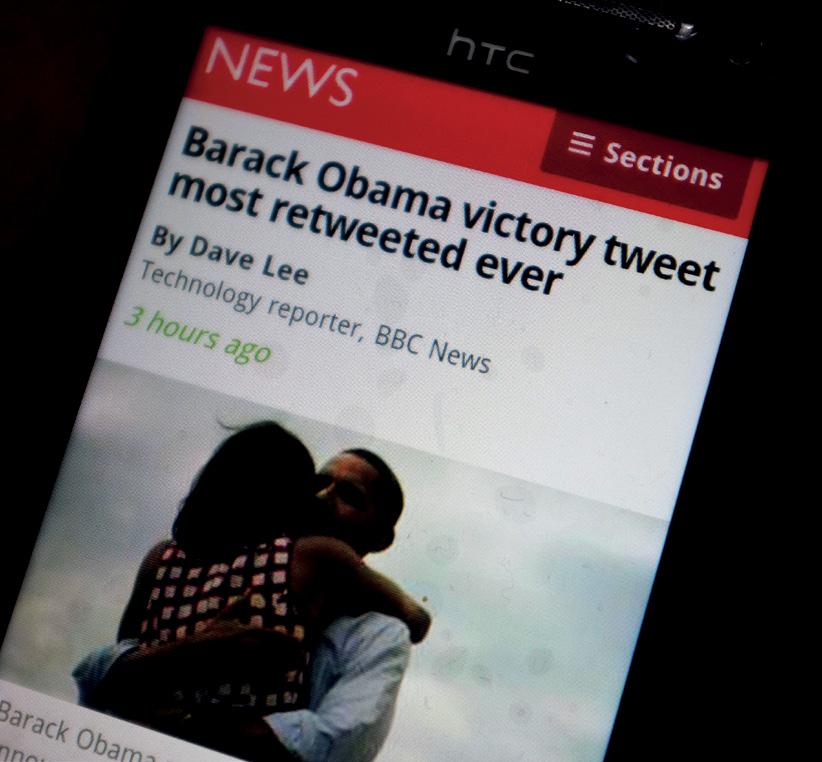
Barack Obama was a junior U.S. senator from Illinois in 2007 when he announced his candidacy for president. It was a long-shot bid against Democratic frontrunner Hillary Clinton, but he had a message of change and tools for a new generation of politics. For the first time, social media became the centerpiece of presidential campaign strategy.
When Obama announced his candidacy, he launched his own social network, www. my.barackobama.com (MyBO), a place where registered users could build profiles, share comments, chat with other users, sign up for events, donate money or view blogs, videos or other content. The Obama campaign also had a presence on 15 external social network sites, including MySpace, Facebook, LinkedIn and YouTube. Supporters could text HOPE to sign up for text messages from the campaign.
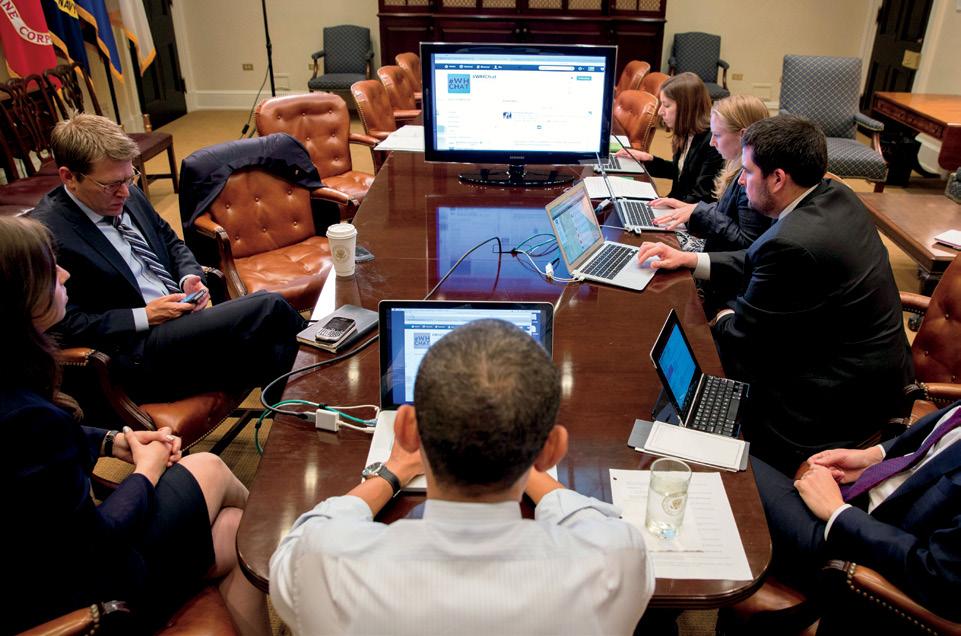
President Barack Obama was the first president to turn heavily to social media to help attract voters. With his back to the camera, he’s seen here responding to questions in a live tweet session. (White House Photo / Alamy Stock Photo)
While the Obama campaign still relied on traditional events, such as rallies and a doorto-door canvassing program that was known as Walk for Change, social media unleashed a massive grassroots effort. For example, with the Neighbor-to-Neighbor feature on MyBO, volunteers could access lists of undecided voters in their area to contact.
The Pew Research Center later reported that 55% of U.S. adults — 74 percent of all internet users — had been “online political users” in the 2008 election. They had gone online for political or campaign news, to share or receive campaign or political messages or to talk with others about politics.
When Obama won on Nov. 4, 2008, he sent a text message to a million followers: “All of this happened because of you. Thanks, Barack.”
MOSS H. KENDRIX
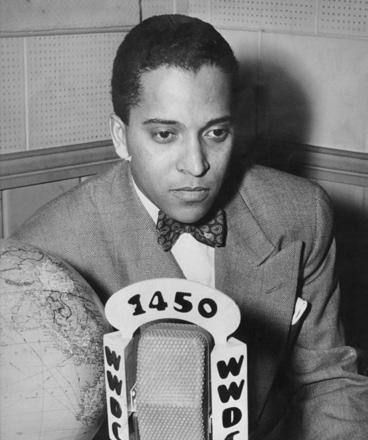
Moss Hyles Kendrix was a public relations pioneer who left a lasting legacy and a major imprint on the way African Americans are portrayed in advertising. Entertainer Lena Horne was one of his close childhood friends. Kendrix later attended Morehouse College in Atlanta, a respected HBCU men’s college. He designed public relations and advertising campaigns that promoted African American visibility for news organizations, entertainers and corporations. His clients included Carnation, Ford Motor Company and The Coca-Cola Company. Kendrix educated his clients about the buying power of the African American consumer. He helped the U.S. realize African Americans were more complex than the derogatory images previously depicted in advertising. (Courtesy of Alexandria Black History Museum)
What began as an offbeat exchange among friends was transformed through social media into a multi-faceted campaign that revolutionized fundraising as the Ice Bucket Challenge raised more than $115 million for ALS. Initially, the association didn’t even know about it. But the challenge became an object lesson in the power of social media: When a cause “goes viral,” it can engage thousands or even millions of people.
Pro golfer Chris Kennedy was tagged by a friend to be in an ice bucket challenge. Participants had 24 hours to dunk themselves in ice water or give $100 to a charity of their choice (or they could do both).
Kennedy chose amyotrophic lateral sclerosis (ALS). On July 15, 2014, he poured a pail of ice over his head and posted the video on YouTube. He then challenged three friends, including his wife’s cousin, whose husband had the degenerative neurological disorder.

The challenge spread in upstate New York to the family and friends of Pat Quinn and then to Pete Frates, both of whom had ALS. Frates, a former captain of the Boston College baseball team, posted to a large following on Facebook with the hashtag #StrikeOutALS and #Quinnforthewin, sparking a phenomenon in Boston. By August 5, the ALS Association noticed a $50,000 bump in fundraising.
The spectacle was silly, heart-warming and very effective. The ALS Association sent out its first press release on August 12, expressing gratitude for the “compassion, generosity and sense of humor that people are exhibiting as they take part in this impactful viral initiative.”
Celebrities joined in. Facebook founder Mark Zuckerberg tagged Microsoft founder Bill Gates. “The Tonight Show” host Jimmy Fallon accepted the challenge from musician Justin Timberlake. New York Yankee Derek Jeter, actor Leonard DiCaprio, former President George W. Bush and even the animated hapless hero Homer Simpson all took part.
At its peak, the ALS Ice Bucket Challenge generated 1,887 tweets per minute. More than 17 million people posted videos online. It raised more than $115 million for the ALS Association, which has used the money to fund research and services to patients.
A 12-year-old girl with a bothersome cold took a capsule of Extra-Strength Tylenol to get some relief. A 27-year-old postal worker felt chest pain and took a capsule. They were the first victims of a horrific product tampering.
Between Sept. 29 and Oct. 1, 1982, seven people in the Chicago area died after ingesting Tylenol capsules that had been laced with cyanide.
Robert Andrews, assistant director for public relations at Johnson & Johnson, the parent company of the maker of the top-selling pain reliever, learned about the crisis when a call came in from a Chicago news reporter.
“In that first call, we learned more from the reporter than he did from us,” Andrews later recalled.
James Burke, then J&J’s CEO, immediately created a strategy team of medical, public relations and security experts, who prioritized public safety above concerns about the reputation of the hugely successful brand. The company stopped production and advertising of Tylenol, alerted the public not to ingest Tylenol capsules and set up a 1-800 line for consumers.
Executives held press conferences that were broadcast nationally through a live television feed, an achievement of technology and communication coordinated by Harold Burson, APR, Fellow PRSA, and his associates. For people who already had bought Tylenol, the company offered to swap capsules with solid caplets. The company also provided counseling and financial support to the families.

On October 11, barely two weeks after the first deaths, the Washington Post declared in a headline: “Tylenol’s maker shows how to respond to crisis.” Contrasting the Tylenol scare to other disastrous events, the writer said, “What J&J executives have done is communicate the message that the company is candid, contrite and compassionate, committed to solving the murders and protecting the public.”
By December 6, J&J released Tylenol with tamper-proof packaging, including a foil seal. The company introduced a “caplet,” a tablet with a coating that made it easier to swallow, providing the benefit of a capsule without the risk of tampering.
The product’s market share rebounded and the Tylenol brand was saved, establishing the bestknown case study of crisis communication.
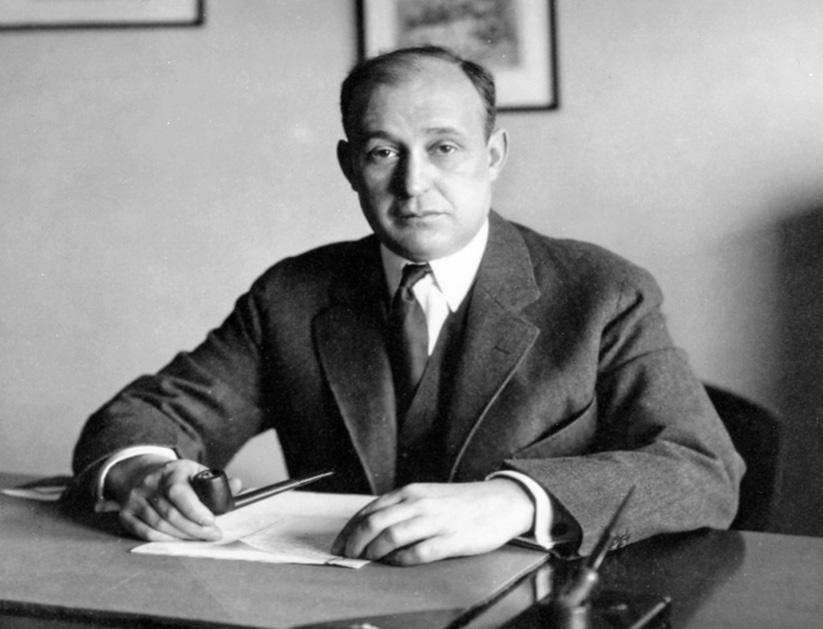
Arthur W. Page (1883–1960) worked for AT&T from 1927 to 1946. He initially turned down the job, accepting it only after he was assured he could make it a policy-making rather than a publicity role. Page became known as “the father of corporate public relations.” (Courtesy of the Museum of Public Relations)
Arthur W. Page came to AT&T in 1927 with well-formed ideas about the relationship between a business and the public. He believed that corporations should act in the public interest and strive to be good corporate citizens. He viewed all employees as “public relations” representatives.
“Public relations, therefore, is not publicity only, not management only; it is what everybody in the business from top to bottom says and does when in contact with the public,” he once said.
As the first to hold a position as “vice president of public relations,” Page became known as the father of corporate PR. In his years at AT&T until his retirement in 1946, he created a model for how to inform the public about the policies and practices of a company.
Page died in 1960, but his legacy lives on. In 1983, after the breakup of AT&T, a group of former regional vice presidents of public relations met and shared their thoughts and advice, based on his ideals. They formed the Arthur W. Page Society, since rebranded Page, which developed principles for the conduct of corporate PR: Tell the truth. Prove it with action. Listen to the customer. Manage for tomorrow. Conduct public relations as if the whole company depends on it. Realize a company’s true character is expressed by its people. Remain calm, patient and good-humored.
1939–2010
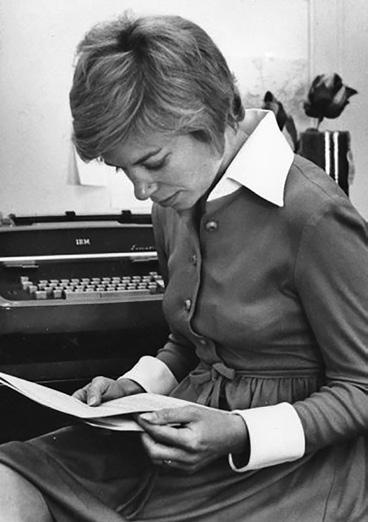
Marilyn Laurie was the first woman to become a chief communications officer of a Fortune 10 company. She began her career in public relations by writing and supervising all communications for New York City’s inaugural Earth Day celebration in 1970. AT&T hired her in 1971 to start an employee environmental program. She became chief communications officer there in 1987. Laurie was the highest-ranking woman in the company’s history and one of its highest-paid employees.
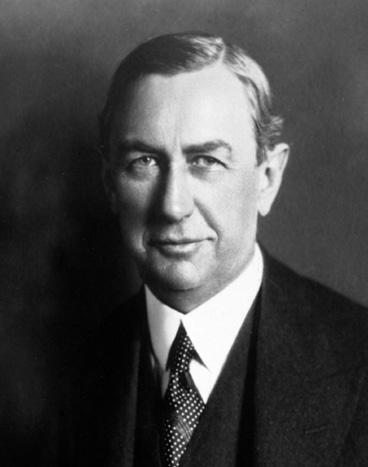
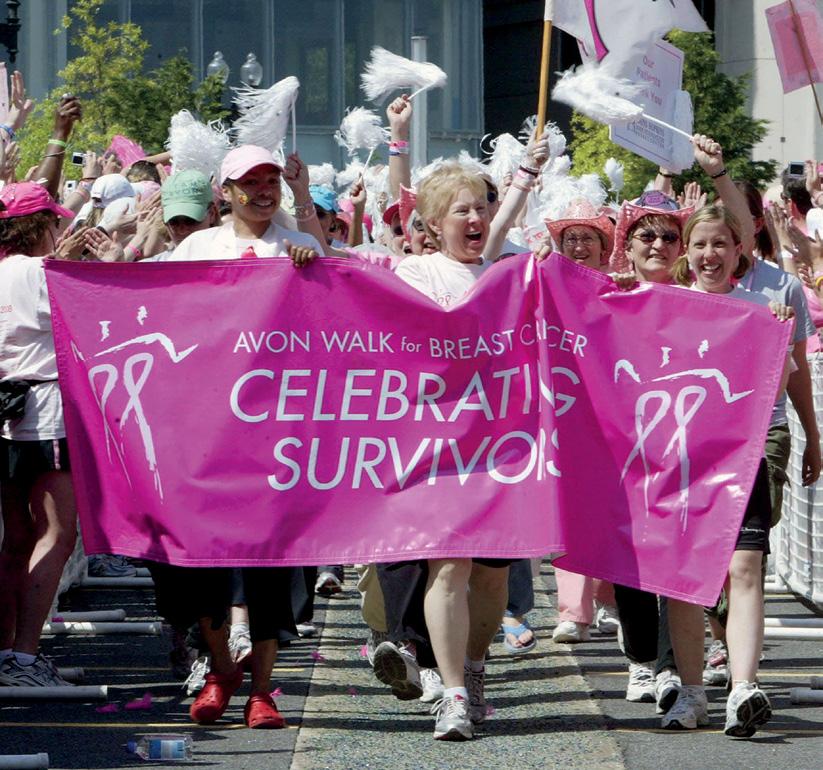
Ivy Lee was an American publicity expert and a founder of modern public relations. Lee and his business partner, George Parker, opened a public relations agency in 1904. Their clients included the Rockefeller family, the Pennsylvania Railroad and the American Tobacco Company. In 1906, Lee issued a Declaration of Principles, which helped press agentry and publicity eventually evolve into public relations. Lee was an American pioneer of 20th century communications methods. He persuaded various business clients to woo public opinion and to use honesty and candor in their public relations. (Courtesy of the Museum of Public Relations)
Avon Products cosmetics company long prided itself on building a special connection with its customers through its sales representatives, but in 1992, then-CEO James Preston wanted to broaden that commitment with cause-related marketing.
Working with an Avon marketing team led by Joanne Mazurki, PR professional Carol Cone helped identify a compelling cause: breast cancer prevention.
Then, as now, breast cancer was the second-deadliest cancer among U.S. women; in an Avon survey, women named it their No. 1 health concern. Yet breast cancer organizations were still in their infancy, and low-income and uninsured women in particular faced barriers to mammography screening.
Avon raised awareness and funds, initially focusing on early detection of breast cancer among medically underserved women. When Avon launched its 3-Day Walk in California in 1998, it was the first multi-day fundraising event of its kind.
Over three decades, through the Avon Foundation for Women, Avon raised more than $939 million for breast cancer causes, funded 16 million cancer screenings and educated an estimated 180 million people. Since 2004, the company also has raised $80 million for its End Violence Against Women campaign.
Avon’s Breast Cancer Awareness Crusade won the PRSA Silver Anvil award in 1997, and Cone became known as a pioneer in PR for a social purpose. Cause-related marketing has since become a common part of corporate social responsibility. “When the cause is well chosen, the commitment genuine, and the program well executed, the cause helps the company, and the company helps the cause,” she wrote in the Harvard Business Review.
The success of these Walks generated blisters, hungry walkers and great camaraderie — not to mention raising over a billion dollars for breast cancer causes and End Violence Against Women campaigns. Such cause-related marketing is now common in demonstrating social responsibility. (Bob Kreisel / Alamy Stock Photo)
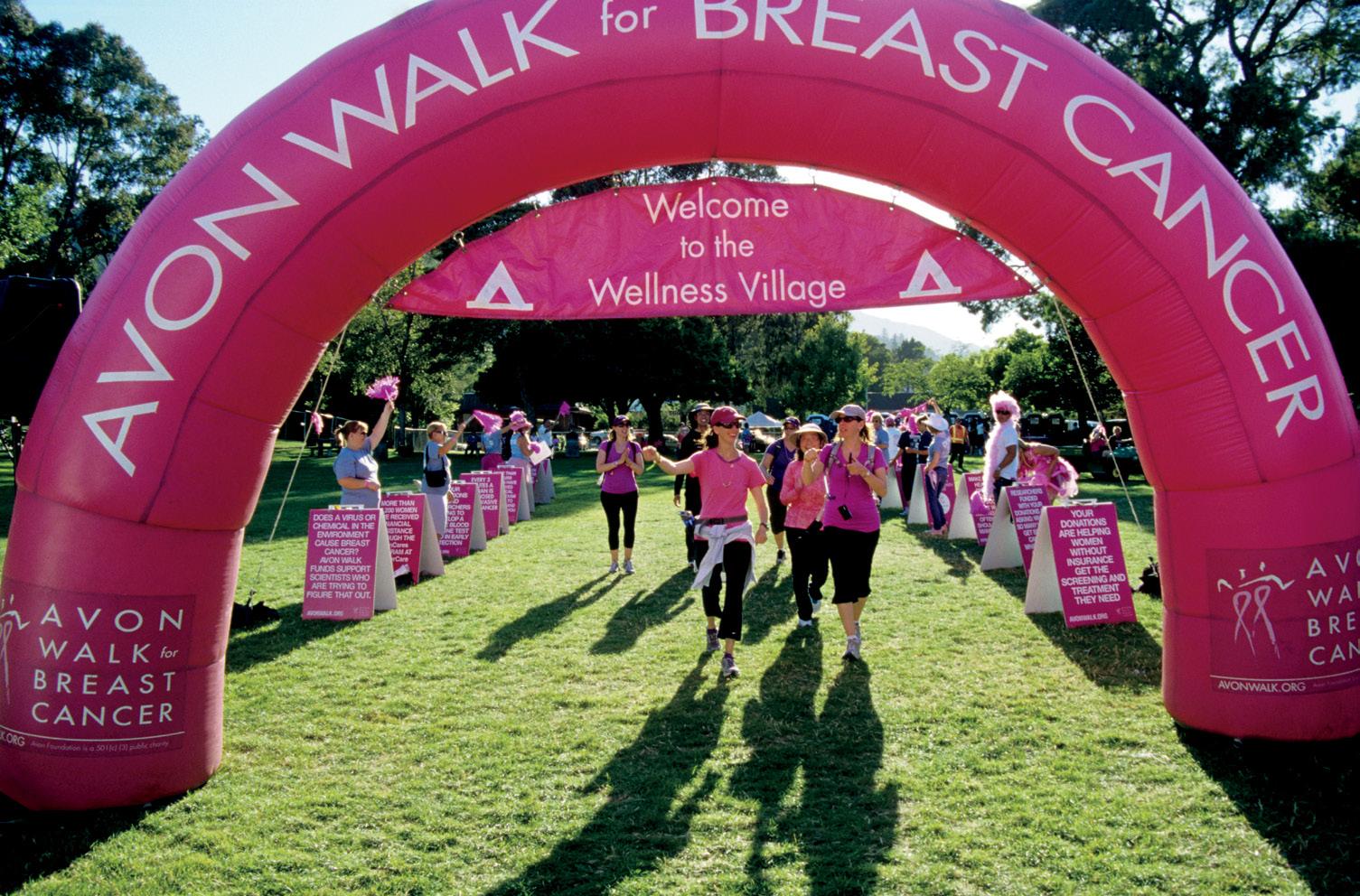
With the 21st century came technologies that created a converging communications environment encompassing Paid, Earned, Shared and Owned (PESO*) media channels that PR professionals have embraced and advanced. An enduring example is Dove’s Real Beauty campaign, which changed the way beauty and personal care products could be marketed.
When Unilever sought to launch a new Dove line, women working on the campaign pushed back against beauty stereotypes and the assumption that women find them appealing. Their position was affirmed when StrategyOne, Edelman’s opinion research division, conducted a survey of 3,200 women in 10 countries and found that only 2 percent considered themselves beautiful. Women had a problem with body image.
The campaign team interviewed psychologists and learned about self-esteem. The Campaign for Real Beauty launched with billboards that didn’t even show the product. Instead, they featured photos of women with tick-box questions, such as “extra-large? extra-sexy?” Women were encouraged to “join the beauty debate” online.


This Dove Campaign for Real Beauty asked readers to check whether a woman with silver hair was “grey” or “gorgeous?” The question underneath wondered: “Why can’t more women feel glad to be grey?” The effect wasn’t lost on readers who generated more than 630 million impressions. (Credit: Retro AdArchives / Alamy Stock Photo)
That was followed by another billboard campaign featuring a diverse group of women (and body types), smiling as they stood together in their underwear. The message: Be happy and comfortable with your body and looks. Underscoring that was a 2006 Dove-produced video titled Evolution, which showed an ordinary-looking woman being turned into a supermodel with makeup, hair styling and Photoshop.
The Campaign for Real Beauty was a blockbuster. In the summer of 2005 alone, it generated more than 630 million impressions and almost four hours of broadcast time, including segments on “The Today Show” and “Good Morning America.” The Campaign for Real Beauty won a Silver Anvil award from PRSA in 2006.
Its impact reached far beyond the product. Through the Dove Self-Esteem Project and a partnership with the Girl Scouts, the campaign seeks to build body confidence among girls. Most importantly, the campaign started a national conversation and inspired other brands to rethink their definition of “beauty.” Women were encouraged to “join the beauty debate online,” a shared media strategy that — coupled with paid advertising space — earned far-reaching publicity.
*The PESO model was created by Gini Dietrich, a PRSA member, author and founder of the agency Spin Sucks.
PAUL M. LUND
Paul M. Lund joined Illinois Bell in Chicago as an advertising supervisor in 1947. He left in 1955 to join the J. Walter Thompson Company advertising agency as a vice president. He returned to Illinois Bell in 1963. He then moved to AT&T in 1971 as vice president of public relations and employee communications. Lund’s extraordinary contributions to PRSA and public service remain a legacy. He received PRSA’s chairman’s citation for meritorious service in 1973 and 1974. PRSA created the Paul M. Lund Public Service Award in his honor. It is given to a PRSA member “whose participation as a volunteer in important public activities has increased the common good and reflected credit on the Society.”
In 2017, amid a growing movement for racial justice, Procter & Gamble aired a powerful ad about the multi-generational struggle with racial bias. Dubbed “The Talk,” the video portrays Black mothers talking to their children about offensive, unfair or even dangerous situations they might face. In one scene, a mother tells her daughter, who is a new driver, “Now, when you get pulled over . . . ”
The girl protests: “Mom! I’m a good driver, OK? Don’t worry.”
“This is not about you getting a ticket,” the mother says firmly. “This is about you not coming home.”
The campaign, created by the EGAMI Group, an award-winning multicultural marketing and communication agency, and the BBDO advertising agency, was part of P&G’s ongoing “My Black is Beautiful” program, an online community for Black beauty that was developed by a group of visionary Black women and had lasted 10 years and attracted more than 2.5 million members. To develop the new campaign, EGAMI convened focus groups of multicultural influencers and engaged African American employees at P&G.

Critics called “The Talk” anti-police or even racist against Whites — pushback that P&G had expected. The company continued to use #TalkAboutBias in a social media campaign and to foster real-life conversations about race. P&G even partnered with the ABC television network to focus an episode of the popular TV show “black-ish” on “The Talk.”
“The Talk” garnered more than 1.8 billion media impressions and won a Primetime Emmy for Outstanding Commercial and a 2018 PRSA Silver Anvil award. The EGAMI Group became the first agency of color to win a Cannes Lion Grand Prix. In 2019, P&G launched a new line of “My Black is Beautiful” products, developed by and for Black women, “to acknowledge and uplift Black community and culture through the lens of Black beauty.” And the company produced another video titled “The Look” to further raise awareness about racial bias.
With its bold campaign, P&G showed that corporate public relations can advance important and difficult national conversations. As “The Talk”said in blue type on its final frames, “Let’s all talk about ‘The Talk’ so we can end the need to have it.”
The dawning of the Space Age was a cosmic Cold War battle for the future, waged by engineers and astronauts in the United States and the Soviet Union. In 1957, the Soviet Union’s launch of Sputnik, the world’s first artificial satellite, rattled American confidence.
Twelve years later, the Apollo 11 mission to the moon rewrote the narrative into a U.S. triumph viewed around the world, thanks in part to the work of Julian Scheer, assistant administrator for public affairs with the National Aeronautics and Space Administration (NASA).
Scheer, a former newspaper reporter, understood the need to build public support for a program that cost as much as $4 billion a year (about $32 billion in 2022 dollars) to assert American dominance in space. With the support of then-NASA Administrator James Webb, he connected reporters with astronauts and even engineers and technicians. Each launch, whether manned or unmanned, generated new enthusiasm.
Despite concerns about adding to the payload of the Apollo 11 mission, Scheer insisted that the moon landing must be televised for the world to watch. It wasn’t going to be a secretive endeavor. “One thing I kept emphasizing was, ‘We’re not the Soviets. Let’s do this thing the American way,’” Scheer later said.
At 3:17 p.m. Central time on July 20, 1969, when the lunar module detached from the main spacecraft and landed in the moon’s Sea of Tranquility, Commander Neil Armstrong’s voice crackled through speakers at mission control in Houston: “Houston, Tranquility Base here. The Eagle has landed.”
Julian Scheer (center) worked at NASA and helped build public support for the space program. He insisted the 1969 moon landing be televised globally and that NASA be transparent and openly boastful of its accomplishments. (©JMH-Galaxy-Contact - www.agefotostock.com)
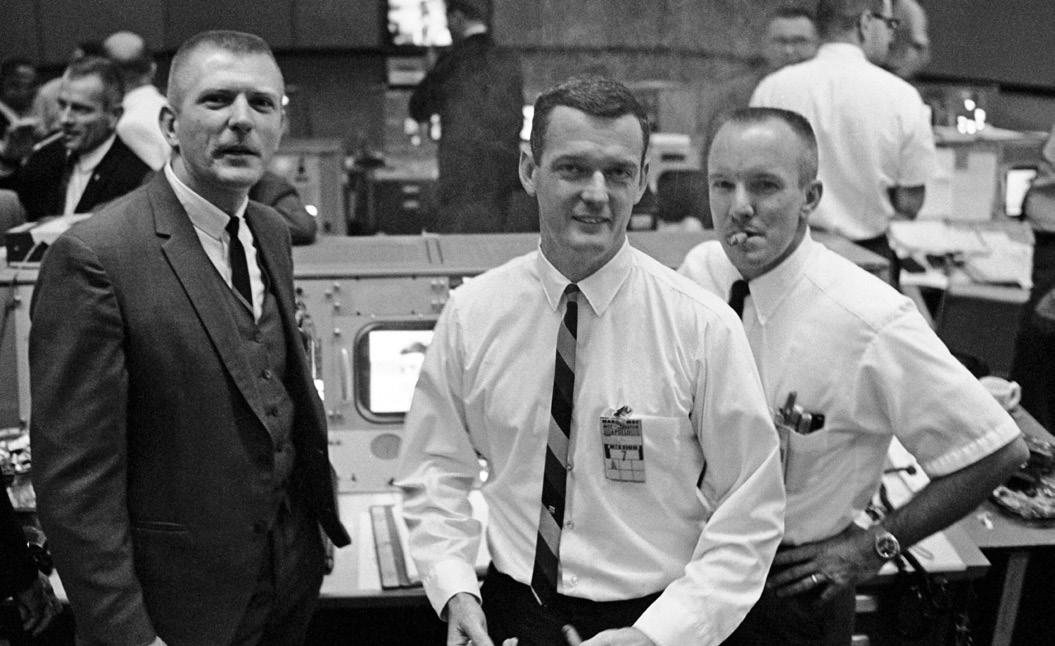
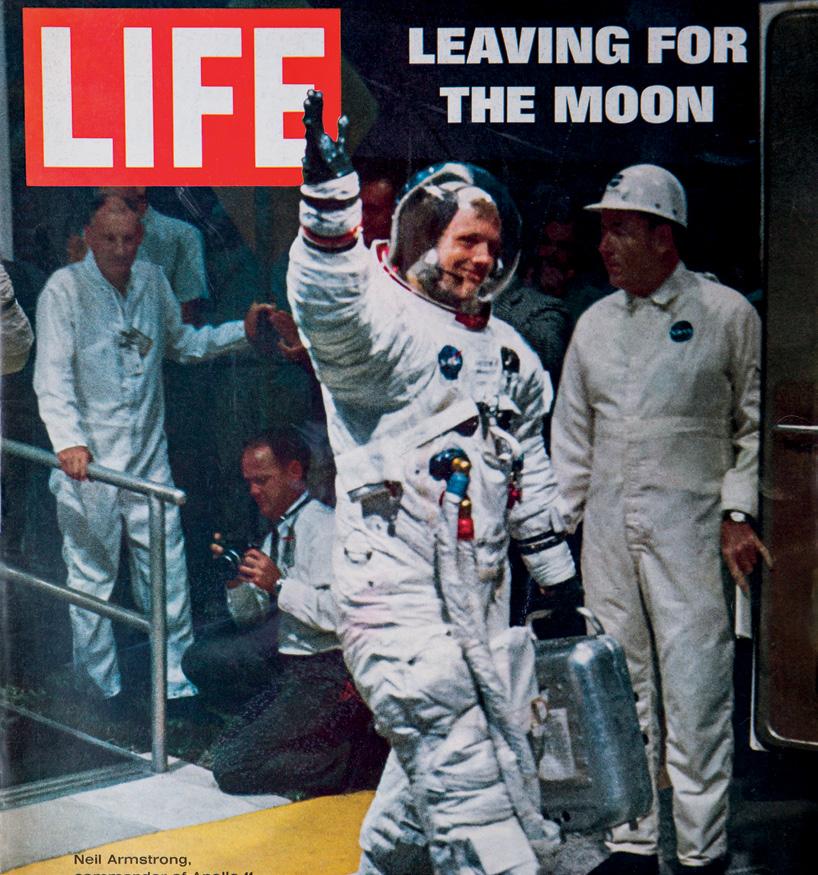
It was a giant leap for public relations. For his work promoting the space program, Julian Scheer received NASA’s highest recognition: a Distinguished Service Medal. (© Kmm7553 / Dreamstime.com)
A few hours later, a black-and-white Westinghouse camera with a 16 mm lens transmitted a grainy image of Armstrong emerging from the module. He famously said, “That’s one small step for man, one giant leap for mankind.”
Armstrong and lunar module pilot Buzz Aldrin spent 21 hours on the surface of the moon as Michael Collins orbited in the command module. CBS broadcast the Apollo 11 mission continuously for 31 hours. About 600 million people — one-fifth of the world’s population — watched Armstrong’s first steps on the moon.
Scheer understood the enduring power of the moment, but he let the story speak for itself. “We don’t put out publicity releases. We put out news releases,” said Scheer, who died in 2001.
After the astronauts returned, they were welcomed as heroes in ticker-tape parades. They went on a round-the-world “Giantstep” goodwill tour to two dozen countries. Scheer later received NASA’s highest recognition: a Distinguished Service Medal.
1946–2012
Diana Munatones is a Hispanic pioneer who impacted the field of public relations. Munatones started her broadcast career in 1973 at a CBS television station as host of “Bienvenidos” and co-host of “It Takes All Kinds.” She became a reporter, associate producer and host of the “Today Show.” Munatones also went on to become an associate producer for the Emmy Awardnominated “Noticiero Estudiantil,” a staff teacher for the Emmy Award-winning “Student News” and host and producer of “Summer Faire” for the local PBS channel. By 1977 she was the director of community broadcast relations for KNXT and director of special projects for CBS, Inc., making her the highest-ranking Latina in broadcast management. She also served on the Foreign Policy Advisory Commission under President Jimmy Carter. Munatones was well known for her involvement in many civic and religious groups.
DONALD G. PADILLA
1921–1992
Donald Gabino Padilla devoted his career to helping a range of community organizations communicate better with their audiences. He founded his agency, Padilla & Spears (now Padilla), in Minneapolis in the 1970s. Padilla was diligent in teaching his clients about best practices and the many benefits of community stewardship. He was widely recognized for his excellence in public relations. In 1986 Padilla received one of PRSA’s highest honors: the Paul M. Lund Public Service Award. His other honors included The King’s Medal from King Carl XVI Gustaf of Sweden, The Medal of St. Olav from Norway and the Minnesota Press Club’s Distinguished Service Award. PRSA’s Minnesota Chapter created the Donald G. Padilla Community Excellence Award in 1996 to recognize an individual who has demonstrated outstanding leadership and contributions to the profession, contributed to the PRSA mission and volunteered for their community. (Courtesy of Padilla)
President Richard Nixon was famously sensitive about his image and combative with the press. To assert greater control, in 1969 he created the White House Office of Communications and limited his spontaneous press encounters in favor of organized events.
President Nixon hired former public relations executive William Safire as his speechwriter and advertising executive H.R. Haldeman as his campaign manager and presidential chief of staff.
Nixon started each day by reading news summaries, often writing angry notes in the margins. After the New York Times published the “Pentagon Papers,” a confidential U.S. Department of Defense recounting of the Vietnam War, the Nixon White House created a covert “plumbers” unit to plug information leaks. “The plumbers” orchestrated a break-in of the Democratic National Committee headquarters in the Watergate complex. The ensuing coverup led to Nixon’s impeachment and resignation.
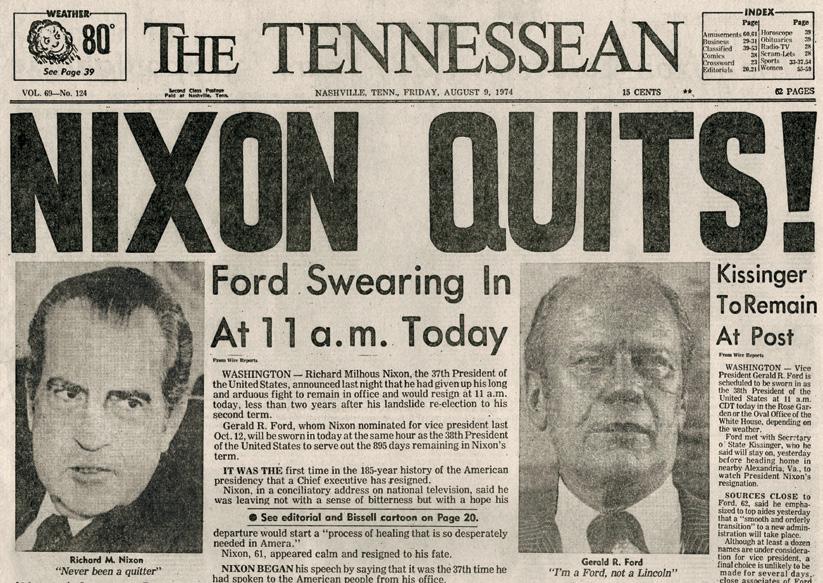
When President Richard M. Nixon resigned, it made instant front-page, top-of-the-fold news around the globe as he tumbled from the most visible perch in the world. The rebuilding of his reputation and character would take some time. (Shawshots / Alamy Stock Photo)
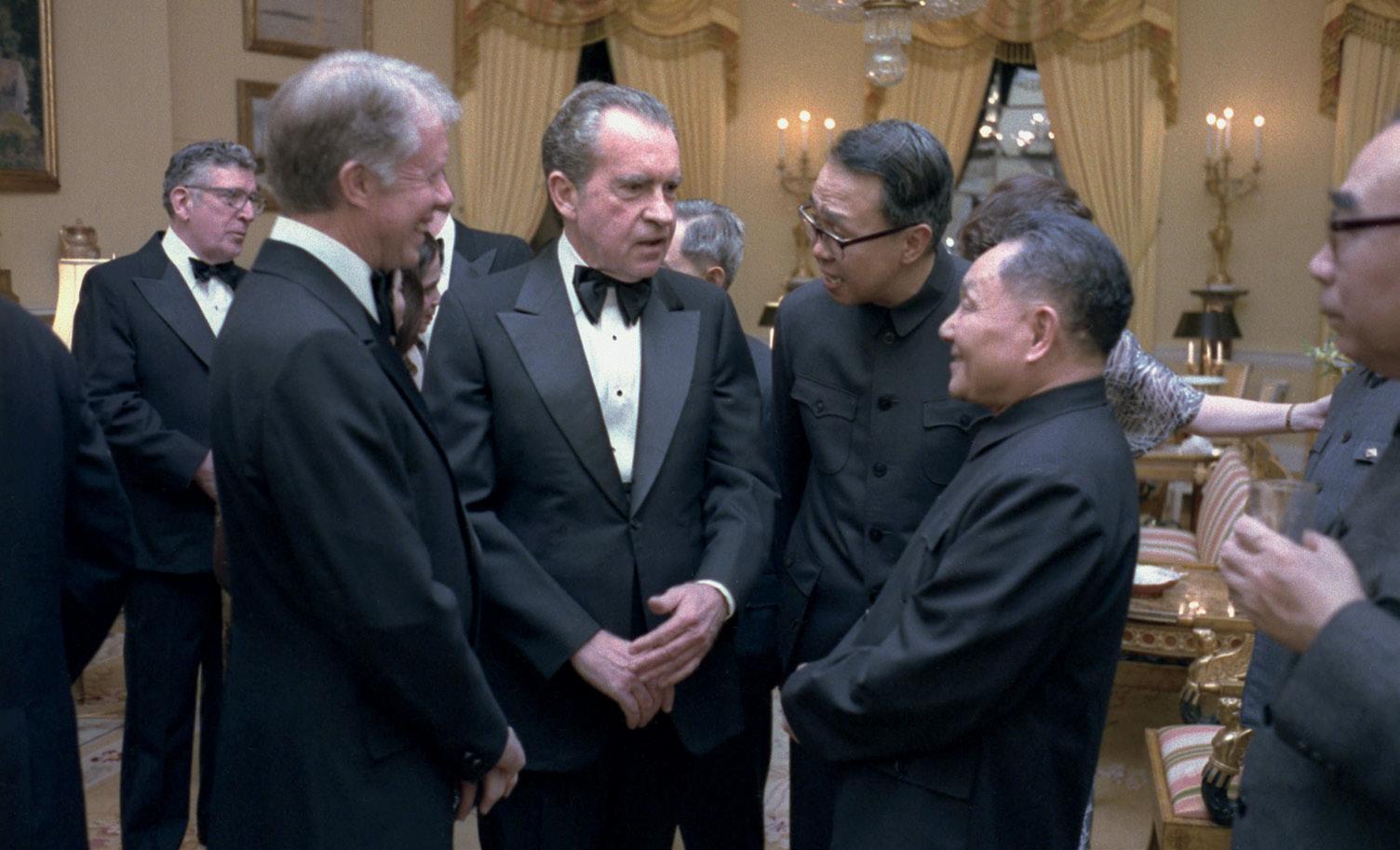
Seeking to burnish his post-presidential image, Nixon hired Hill & Knowlton and regained some stature as an expert on international affairs. Meanwhile, as Watergate contributed to a long, deep slide in public trust in government and other institutions, the public relations field placed a renewed focus on ethics and integrity.
Betsy Plank, APR, Fellow PRSA, was the Society’s president in 1973. She stated that public relations’ “primary mission is to forge responsible relationships of understanding, trust and respect among groups and individuals — even though they often disagree.”
In his memoir, President Nixon expressed regret about the way he had responded as the Watergate scandal unfolded.
“I felt sure that it was just a public relations problem that only needed a public relations solution,” he wrote, adding, “I worried about the wrong problem . . . I did not see it then, but in the end, it would make less difference that I was not as involved as [White House counsel John] Dean had alleged than that I was not as uninvolved as I had claimed.”
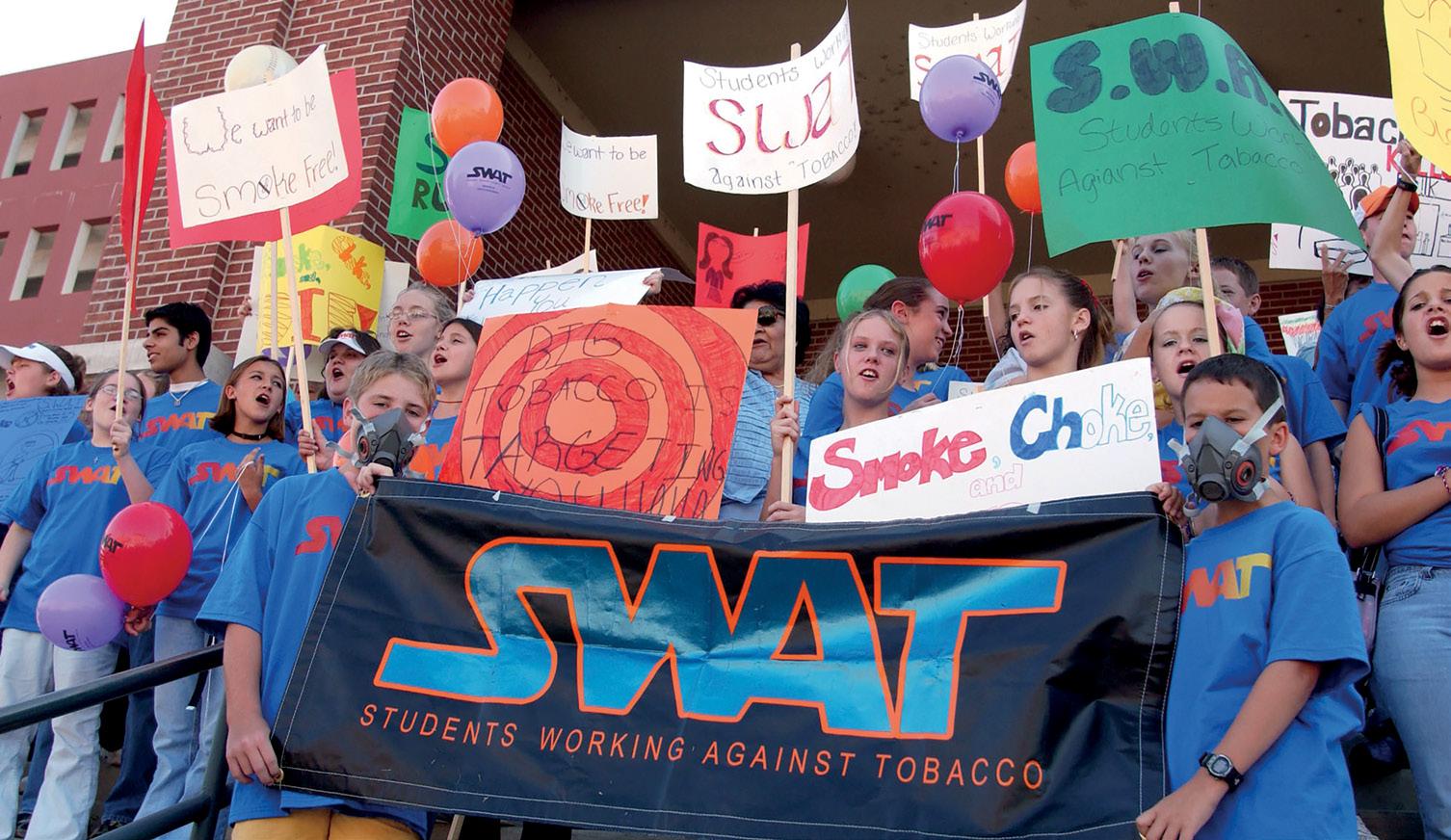
Students Working Against Tobacco (SWAT) teams formed to visit schools and teen events and joined a tour dubbed the “truth train.” Ads offered “truths” to counter claims of tobacco companies. The goal was to make it cool not to smoke. (©2002 Shutterstock)
A new era of smoking prevention emerged in 1998 from a $206 billion-dollar landmark legal settlement between the nation’s major tobacco companies and 46 state attorneys general. Florida became the first state to launch an anti-smoking campaign targeting young people. Teens shaped the campaign, called “truth,” through a summit and advisory board. Communications professionals patterned the messaging after the branding of teen fashion.
SWAT (Students Working Against Tobacco) teams formed to visit schools and teen events and joined a tour dubbed the “truth train.” Ads offered “truths” to counter claims of tobacco companies. The goal was to make it cool not to smoke.
In 1999, “truth” went national with the launch of the American Legacy Foundation (now called Truth Initiative) as a direct offshoot of the settlement agreement. The Porter Novelli agency was hired to handle media relations and assist with building grassroots youth activism.
An “Outbreak Tour” in 2001 featured orange vans and Lincoln Navigators crisscrossing the country, carrying “ambassadors” who were rappers, graffiti artists, skateboarders and other teen influencers. The vans were outfitted with turntables, video monitors, Sega video games, internet access and lounge chairs. The tour ambassadors gave out “truth” swag, such as T-shirts and bandanas. Edgy TV spots highlighted the dangers of tobacco.
Settlement funding ended in 2003, but Truth Initiative continues its campaign to prevent smoking, vaping and other nicotine use among young people. In 2017, Truth Initiative won a PRSA Silver Anvil award for CATmaggedon, a montage of cat videos with a message: “Fact: Cats are twice as likely to get cancer if their owner smokes . . . Be the generation that ends smoking. Because smoking kills pets too.”
The “truth” campaigns have helped to greatly reduce youth smoking; about 23 percent of teens ages 12 to 17 smoked in 2000 compared to less than 5 percent in 2021.
The national Truth Initiative campaign won a PRSA Silver Anvil award in 2017 after helping to greatly reduce youth smoking.
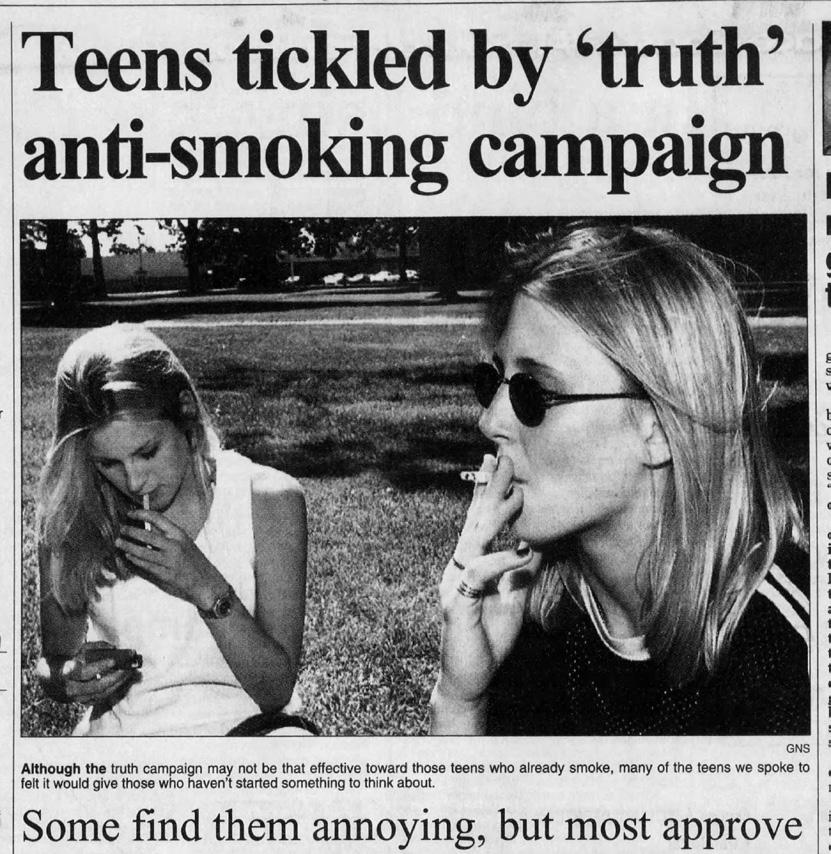
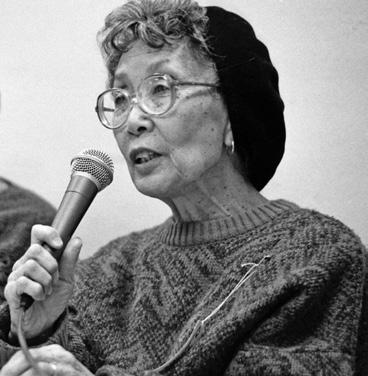
1921–2014
Yuri Kochiyama was an activist dedicated to social change through social justice and human rights movements. In 1943, the detainment of her family at an Arkansas internment camp forged Kochiyama’s awareness of governmental abuses. In the early 1960s, she participated in the Asian American, Black and Third World movements for civil and human rights, and against the Vietnam War. Kochiyama was a fixture in support movements involving organizations such as the Harlem Community for Self Defense and was founder of Asian Americans for Action, through which she sought to build a morepolitical Asian American movement linked to the struggle for Black liberation. An ally of Malcom X, she joined the Organization for Afro- American Unity and was present the day Malcolm X was killed, with photos depicting her cradling his head. (Courtesy of the Asian American Journalist Association.
Photo by Corky Lee)
On the morning of Sept. 11, 2001, New York City Mayor Rudy Giuliani was just a couple of blocks away from the burning twin towers of the World Trade Center in a makeshift police command center, waiting for a phone call from Vice President Dick Cheney, when the building began to shake and the phones cut out. The first tower had collapsed.
Giuliani emerged onto the street, a surreal scene of billowing ash, devastation and dazed New Yorkers. He walked two miles north to a deserted fire station in Greenwich Village where he phoned a television station to urge calm. Three hours later, Giuliani and New York Gov. George Pataki held a news conference.
The public affairs response understandably gets less attention than other aspects of that day. But providing information to the media and directly to the public was critical.
The Federal Emergency Management Agency (FEMA) set up a Joint Information Center at the Javits Convention Center in Manhattan, about three miles north of Ground Zero.
President George W. Bush visited Ground Zero in downtown Manhattan to address rescue and recovery workers in the aftermath of the 9/11 attack in 2001. FEMA took the lead on getting the word out and setting up a Joint Information Center. (Hum Historical / Alamy Stock Photo)

To let New Yorkers know how to get help, FEMA posted its 1-800 number for disaster assistance in huge print on the NASDAQ building in Times Square. Later, posters in subway cars advertised FEMA services.
There were communications lapses. For example, the Environmental Protection Agency’s initial press releases reassured New Yorkers it was safe to breathe the air in Lower Manhattan, even though analysis of possible toxins was still underway, the EPA Office of Inspector General later found.
Sharing the 9/11 story became an important legacy of the day. “I know I speak for all responders to this first attack of the war on terrorism when I say that a passion grew in all of us to contribute to the greater good by telling the stories of the real heroes so that the American public could understand the catastrophe that enveloped Manhattan and the U.S.,” Larry Rosenberg, a public affairs officer for the U.S. Army Corps of Engineers, later recalled of the 9/11 response.

The advent of COVID-19 was a challenge to public information officers who strived to communicate accurate information about the pandemic in its early days in 2020. Two years later, federal and local health officials were still battling a relentless disinformation campaign, though enormous strides had been made by many entities, including PRSA, which developed the Voices4Everyone initiative with support from recognized authorities around the world. (Daniel danielfela / Alamy Stock Photo)
Misinformation about COVID-19 began spreading rapidly as soon as the first novel coronavirus cases emerged in China. In February 2020, the World Health Organization warned of a “massive infodemic” that would hurt the pandemic response. That was a prescient statement.
Some early and enduring falsehoods: the coronavirus was a “plandemic” created by China or by the Bill and Melinda Gates Foundation. COVID-19 is no worse than the annual flu. The government is exaggerating COVID deaths. Vaccines contain microchips — or alter your DNA.
Misinformation and disinformation (intentionally false or misleading statements) hurt vaccine confidence. One national survey found that almost two-thirds of unvaccinated people believed four or more common false statements about COVID-19 and the vaccines.
More than two-thirds of Americans identified disinformation as a major problem in society and said they believed it would prolong the pandemic, according to a March 2022 Disinformation in Society Report by the Institute for Public Relations. Also that month, the U.S. Surgeon General formally asked “Big Tech,” such as social media platforms and search engine providers, to provide data and analysis about COVID-19 misinformation on their sites.
Throughout the pandemic, public agencies, academic centers, journalists and PR professionals worked to combat misleading and false statements. Voices4Everyone, a PRSA initiative launched in April 2021, offers online resources with strategies and a variety of tools for public relations professionals. Among its aims is to promote healthy civic dialogue and to counter misinformation and disinformation.
BETSY A. PLANK APR, Fellow PRSA
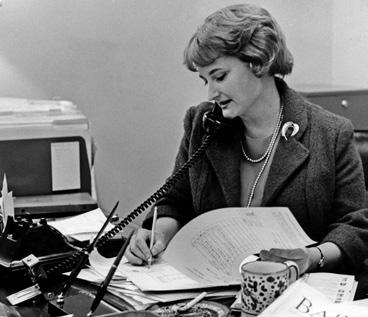
Betsy Ann Plank served as executive vice president of Edelman before becoming director of public relations planning at AT&T. She later worked as director of external affairs at Illinois Bell. She was the first woman to head an Illinois Bell division and to serve as PRSA president. She helped establish PRSSA and co-founded Champions for PRSSA. Plank co-chaired a commission to develop guidelines for an undergraduate public relations curriculum. She served on accrediting teams at several universities. The PRSA Foundation established the Society’s first-ever scholarship in her name. The University of Alabama established The Plank Center for Leadership in Public Relations. She was the first person to receive three PRSA top individual honors: the Gold Anvil Award, the Paul M. Lund Public Service Award and the Patrick Jackson Award for Distinguished Service to PRSA. She was in the inaugural class of the College of Fellows.
PUBLIC RELATIONS SOCIETY OF AMERICA
75 YEARS OF IMPACT AND INFLUENCE
1947
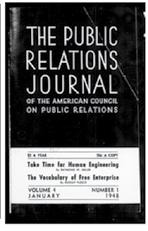
1948
The Public Relations Journal is a peer-reviewed, academic journal covering public relations and communication studies. It was established in 1945 by Rex Harlow (American Council on Public Relations). After the council merged with the National Association of Public Relations Counsel to form PRSA in 1947, it became a monthly publication.
First PRSA Chapters chartered: San Francisco, Los Angeles, New York, Hawaii, Detroit and Chicago.
The first PRSA Annual Conference, now known as ICON, is held in Chicago in 1948.
1949
PRSA publishes its first code of professional standards, addressing “responsibility for the good character and reputation of the public relations professional.”
1950
PRSA adopts its first Code of Ethics to provide members with guidance on the ethical practice of the profession (it’s been updated multiple times). The code is designed to anticipate and accommodate ethical challenges that might arise.
1952
The first edition of Cutlip and Center’s “Effective Public Relations” is published. It paved the way for the development of hundreds of college-level PR courses, said Boston University professor Don Wright.
1956
PRSA creates the nonprofit IPR.
1961
PRSA and APRA merge in 1961. As a result, the prestigious Silver Anvils awards program becomes part of PRSA.
1964
The Accreditation in Public Relations (APR) credential is established. The designation signifies a high level of skill and competency.
1967
The Public Relations Student Society of America (PRSSA) is established for students interested in public relations and communications. It advocates rigorous academic standards for PR education, high ethical principles and diversity in the profession.
1968
First PRSSA Chapters chartered at eight qualified schools: University of Florida, University of Houston, University of Maryland, The Ohio State University, San Jose State University, University of Southern California, University of Texas at Austin and Utica College.
1969
The Bronze Anvil Awards, which honor outstanding public relations tactics, are established.
1973
Betsy Plank is installed as PRSA’s first female president.
Educators and practitioners create the Commission on Public Relations Education to recognize the importance of university-level public relations education. It led to the establishment of PRSA’s certification of education in public relations (CEPR).
1977
PRSA revises its Code of Ethics with a new Declaration of Principles reflecting a commitment to human rights.
1982
PRSA adopts the following definition of public relations: “Public relations helps an organization and its publics adapt mutually to each other.”
1988
PRSA adopts a three-part code of ethics, adding a pledge of professional conduct and a detailed list of appropriate behaviors for PR practitioners.
1989
PRSA creates its College of Fellows.
PRSA launches a scholarship program for students of African American/Black, Hispanic/Latino, Asian, Native American, Alaskan Native and Pacific Islander ancestry.
1990
PRSA bestows the first-ever D. Parke Gibson Award. This award is PRSA’s highest individual honor presented to a public relations leader who has contributed to the increased awareness of public relations within multicultural communities and participated in the promotion of issues that meet the special informational and educational needs of these diverse communities.
The PRSA Foundation is founded as an independent 501(c)3 charitable organization with the primary goal of attracting and supporting a diverse range of outstanding student talent in the industry.
1994
PRSA publishes its first newspaper, Public Relations Tactics, in July.
1995
The Strategist debuts in the spring.
Luis W. Morales, APR, Fellow PRSA, becomes the first Hispanic president of PRSA.
Debra A. Miller, Ed.D., APR, Fellow PRSA, becomes the first woman of color, first African American president and first educator to lead PRSA.
Seneca University in Canada receives PRSA’s first International Certification in Public Relations Education. (Gaertner / Alamy Stock Photo)

Del Galloway becomes PRSA’s first openly gay president. He establishes its National Diversity Committee.
Diversity & Inclusion takes on greater prominence within PRSA as the Multicultural Section and National D&I Committee are combined to better focus and coordinate efforts.
PRSA conducts a yearlong crowdsourcing campaign to modernize the definition of public relations.
PRSA adopts the following definition of public relations: “Public relations is a strategic communication process that builds mutually beneficial relationships between organizations and their publics.”
PRSA unveils Strategies & Tactics, a monthly news magazine in print and online. PRSA retires “PR Tactics” and “The Strategist.”
PRSA approves its first three-year Diversity & Inclusion Strategic Plan; launches first-ever virtual ICON during COVID-19 pandemic.
PRSA launches two new D&I programs: Black Voices Affinity Group and Hispanic-Latino Affinity Group.
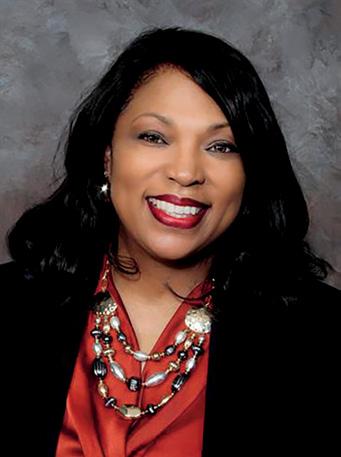
As PRSA chair in this special milestone year, Dr. Felicia Blow has championed the celebration of PRSA as an organization, and the importance of the larger profession.
Dr. Blow has been instrumental in designing the programs and initiatives to mark the occasion, and has contributed countless hours of her time and talents in supplying leadership to the 75th Anniversary Task Force as the initiatives have taken shape.
During her many years in PRSA, Felicia Blow has been a constant volunteer and has contributed greatly to the organization, particularly with her work in the DE&I space in recent years.
When asked to describe her vision for marking the 75th anniversary, here is what Dr. Blow shared with John Elsasser, editor in chief of Strategies & Tactics: “The 75th anniversary observance will acknowledge PRSA’s history and will focus on how the past has informed the present and how it will shape the future. Through it we will honor and recognize the contributions of the organization, the profession and past, current and future generations of practitioners. We will highlight the importance of ensuring the profession is diverse, equitable and inclusive, and its celebration will demonstrate the need for active embrace of industry-changing innovations.”
1948–1950
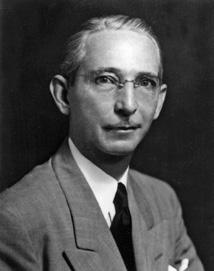
1950 J. Handly Wright APR, Fellow PRSA
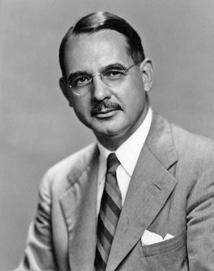
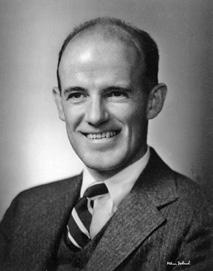
1951
Milton Fairman
APR
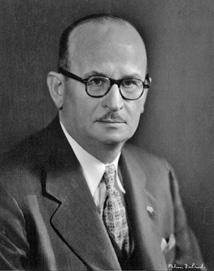
1952
Ed Lipscomb
APR, Fellow PRSA
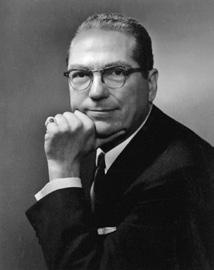
1953
William G. Werner
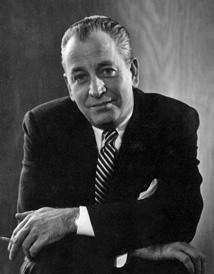
1954
Frederick Bowes Jr.
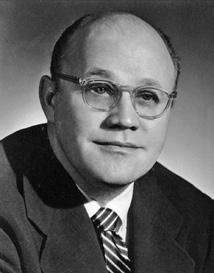
1955
George M. Crowson
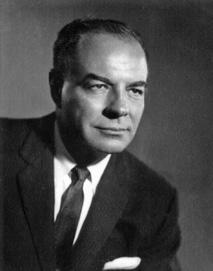
1956
W. Howard Chase APR, Fellow PRSA
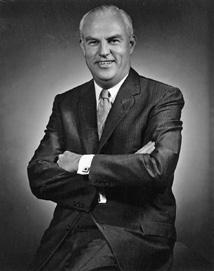
1957
Dan J. Forrestal APR, Fellow PRSA
1959
Carroll R. West
APR
1960
Kenneth Youel APR, Fellow PRSA
1958
Kenneth W. Haagensen
APR
75 YEARS OF PRSA PRESIDENTS AND CHAIRS
1961
H.B. Miller
APR
1962
Walter W. Belson
APR
1963
Ward B. Stevenson
APR
1964
Thomas F. Robertson
APR
1965
Ovid R. Davis
APR
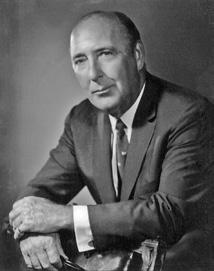
1966
Robert B. Wolcott Jr.
APR, Fellow PRSA
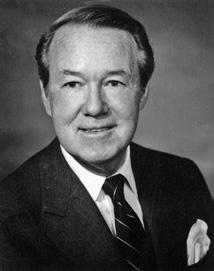
1967
J. Carroll Bateman
APR
1969
George Hammond
APR, Fellow PRSA
1968
Edward P. VonderHaar
1970
Donald McCammond
APR, Fellow PRSA
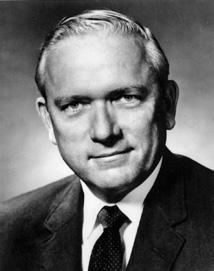
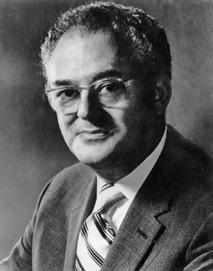
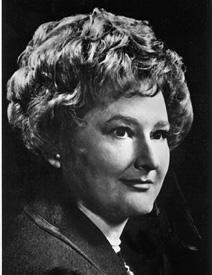
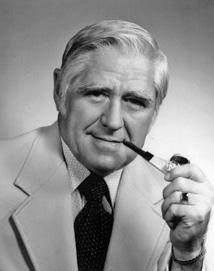
1971
Jon B. Riffel
APR
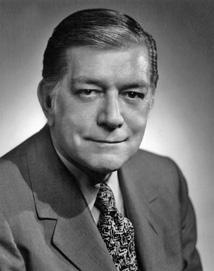
1972
Kalman B. Druck
APR, Fellow PRSA
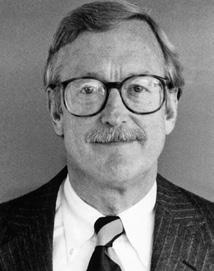
1973
Betsy Ann Plank
APR, Fellow PRSA
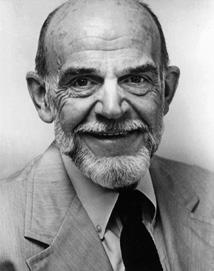
1974
Carl F. Hawver, Ph.D.
APR, Fellow PRSA
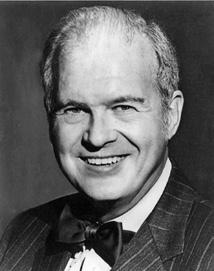
1975
James F. Fox
APR, Fellow PRSA
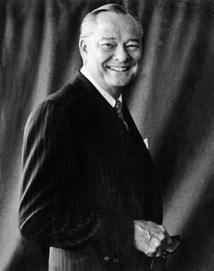
1976
Jay Rockey
APR, Fellow PRSA
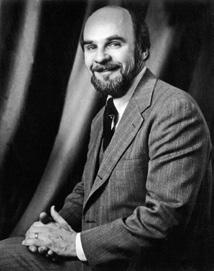
1977
Kenneth Owler Smith
APR
1978
Frank W. Wylie
APR, Fellow PRSA
1979
Kerryn King
APR
1980
Patrick Jackson
APR, Fellow PRSA
75 YEARS OF PRSA PRESIDENTS AND CHAIRS
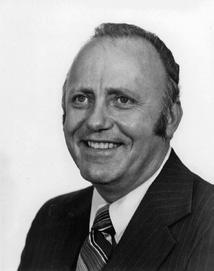
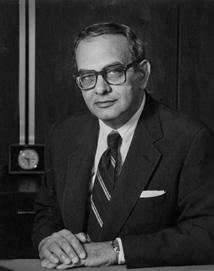
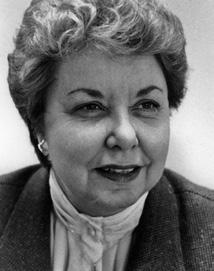
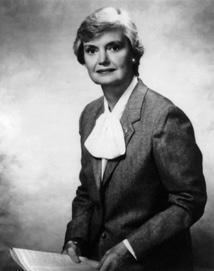
1981
James A. Little
APR, Fellow PRSA
1982
Joseph F. Awad
APR, Fellow PRSA
1983
Judith S. Bogart
APR, Fellow PRSA
1984
Barbara W. Hunter
APR, Fellow PRSA
1985
David Ferguson
APR, Fellow PRSA
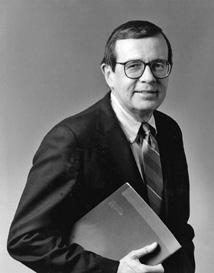
1986
Anthony M. Franco
APR
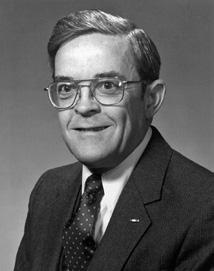
1986–1987
John W. Felton
APR, Fellow PRSA
1989
John L. Paluszek
APR, Fellow PRSA
1988
Dwayne Summar
APR, Fellow PRSA
1990
H.J. (Jerry) Dalton Jr.
APR, Fellow PRSA
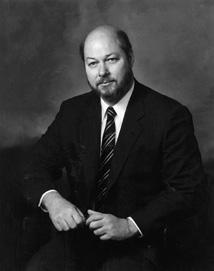
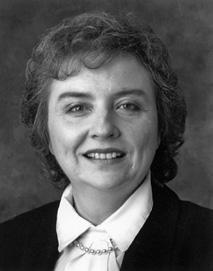
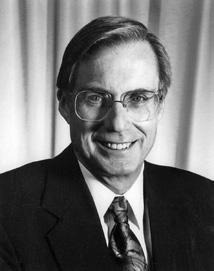
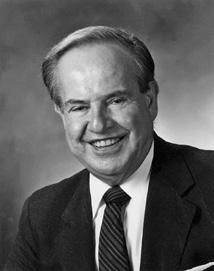
1991
Joe S. Epley
APR, Fellow PRSA
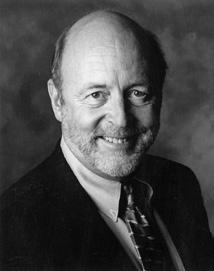
1992
Rosalee A. Roberts
APR, Fellow PRSA
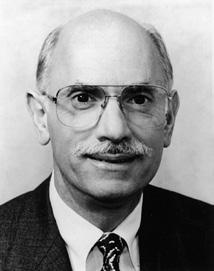
1993
Harland W. Warner
APR, Fellow PRSA
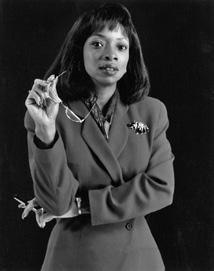
1994
Joseph A. Vecchione
APR, Fellow PRSA
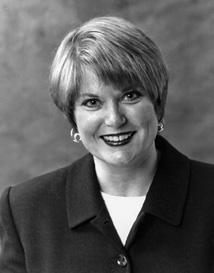
1995
John Beardsley
APR
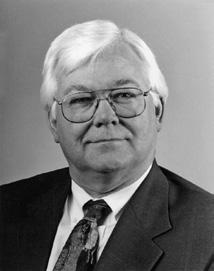
1996
Luis W. Morales
APR, Fellow PRSA
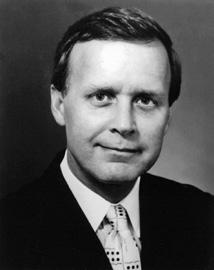
1997
Debra A. Miller, Ed.D.
APR, Fellow PRSA
1999
Samuel L. Waltz Jr.
APR, Fellow PRSA
1998
Mary Lynn Cusick
APR
2000
Stephen D. Pisinski
APR, Fellow PRSA
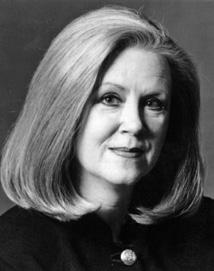
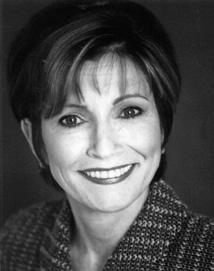
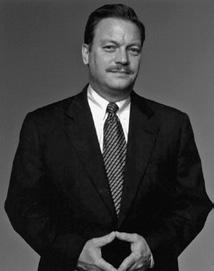
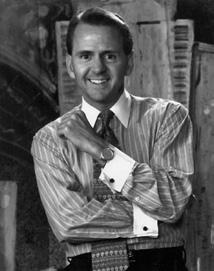
2001
Kathleen Larey
Lewton
APR, Fellow PRSA

2002
Joann E. Killeen
APR, Fellow PRSA
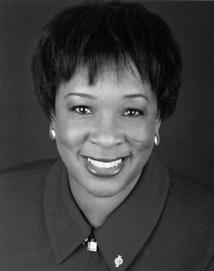
2003
Reed Bolton
Byrum Sr.
APR, Fellow PRSA
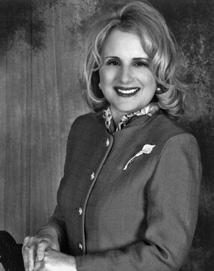
2004
Del Galloway
APR, Fellow PRSA
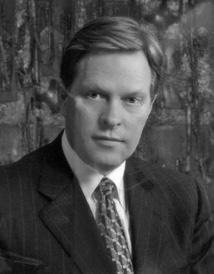
2005
Judith T. Phair
APR, Fellow PRSA
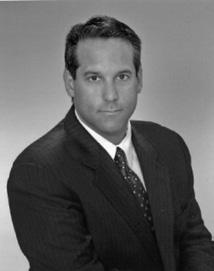
2006
Cheryl I. ProcterRogers
APR, Fellow PRSA
2007
Rhoda Weiss, Ph.D.
APR, Fellow PRSA
2009
Michael G. Cherenson
APR, Fellow PRSA
2008
Jeffrey P. Julin
APR, Fellow PRSA
2010
Gary D. McCormick
APR, Fellow PRSA

2011
Rosanna M. Fiske
APR, Fellow PRSA
2012
Gerard F. Corbett
APR, Fellow PRSA

2013
Mickey G. Nall
APR, Fellow PRSA
2014
Joseph E. Cohen
APR
2015
Kathy Barbour
APR, Fellow PRSA

2016
Mark McClennan
APR, Fellow PRSA
2017
Jane Dvorak
APR, Fellow PRSA
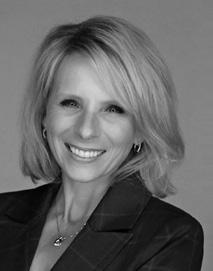
2018
Anthony W. D’Angelo
APR, Fellow PRSA 2019
Debra D. Peterson
Garland Stansell
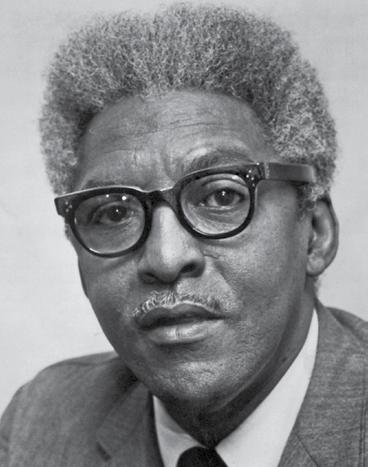
Bayard Rustin was a civil rights activist. Much of his organizing work involved public relations strategies and tactics. His work was a model of event planning, which is often the responsibility of public relations practitioners. He also was an African American leader in social movements for civil rights, socialism, nonviolence and gay rights. Rustin worked with A. Philip Randolph to organize the March on Washington Movement in 1963 to press for an end to racial discrimination in employment.
TASK FORCE CO-CHAIRS
Felicia Blow, Ph.D., APR
2022 National PRSA Chair
Associate Vice President for Development
Hampton University, Virginia
Denise Hill, Ph.D., APR
Associate Professor, School of Communications
Elon University, North Carolina
Gary McCormick, APR, Fellow PRSA
2010 National PRSA Chair
Principal
GMc Communications LLC, Tennessee
COMMEMORATIVE BOOK MANAGING DIRECTOR
Felicia Blow, Ph.D., APR
2022 National PRSA Chair
Associate Vice President for Development
Hampton University, Virginia
EDITOR-IN-CHIEF
Anthony D’Angelo, APR, Fellow PRSA
2018 National PRSA Chair
Professor of Practice, Public Relations, Director, Master’s Program, Communications Management Syracuse University, New York
CONTRIBUTING EDITORS
Gary McCormick, APR, Fellow PRSA
2010 National PRSA Chair
Principal
GMc Communications LLC, Tennessee
Mickey G. Nall, MAMC, APR, Fellow PRSA
2013 National PRSA Chair
Professional in Residence
University of Florida, Florida
ANNIVERSARY COMMITTEE
J.W. Arnold, APR, Fellow PRSA
Principal
PRDC Public Relations, Florida
Jorge D’Garay
President and CEO
MXUS Public Relations, Mexico
Lea-Ann O’Hare Germinder, APR, Fellow PRSA President + Founder Germinder + Associates, New York
Andrew Graham Founding Partner Clear PR Agency, New York
Heide Harrell, APR Vice President, Communications Director Stephens Inc., Private Wealth Management Division Little Rock, Arkansas
Aaron Kwittken Founder & Chairman KWT Global, New York
Olga Mayoral Wilson, APR, Fellow PRSA Senior Lecturer, School of Journalism & Mass Communication, (Retired) Texas State University, Texas
Maureen Walsh – Staff Liaison Chief Marketing and Sales Officer PRSA, New York
CONTENT CURATORS
Jinx Broussard, Ph.D.
Bart R. Swanson Endowed Memorial Professor Louisiana State University, Louisiana
Rear Admiral Charlie Brown Chief of Information United Stated Navy, Washington, D.C.
Ray Day Vice Chair Stagwell, New York
Mike Fernandez
SVP, Public Affairs, Communications and Sustainability & Chief Communications Officer Enbridge, Calgary, Alberta, Canada (Global Headquarters)
Patrick Ford Professional in Residence University of Florida, Florida
Karen Garnik, APR President
Global Vision Marketing & Communications, Puerto Rico
Karla K. Gower, Ph.D. Director, Plank Center for Leadership in Public Relations Behringer Distinguished Professor The University of Alabama, Alabama
Denise Hill, Ph.D., APR Associate Professor
Elon University, North Carolina
Michael Kempner Founder and CEO
MikeWorldWide (MWW), New York
Bill Imada
Chairman and Chief Connectivity Officer IW Group, Inc., California
Margot Opdycke Lamme, Ph.D., APR
Professor Emerita, The University of Alabama New Mexico
Grace T. Leong, APR CEO
Hunter, New York
Tina McCorkindale, Ph.D., APR President & CEO Institute for Public Relations, Florida
Cayce Myers, Ph.D., LL.M., J.D., APR Director of Graduate Studies and Associate Professor Virginia Polytechnic Institute, Virginia
John L. Paluszek, APR, Fellow PRSA National PRSA Chair, 1989 Executive Editor
Business In Society, New York
Andy Polansky
Executive Chairman
Weber Shandwick, New York (Global Headquarters)
Karen Miller Russell, Ph.D.
Jim Kennedy Professor of New Media, Josiah Meigs Distinguished Teaching Professor University of Georgia, Georgia
Shelley Spector
Founder and Director Museum of Public Relations, New York
Natalie T. J. Tindall, Ph.D., APR
Professor and Director of the Stan Richards School of Advertising & Public Relations University of Texas at Austin, Texas
Norris P. West
Director of Strategic Communications
The Annie E. Casey Foundation, Maryland
ZENO Group
New York, New York (Global Headquarters)
OFFICERS
Felicia Blow, APR, Ph.D., Chair
Associate Vice President for Development Hampton University Hampton, Virginia
Michelle Egan, APR, Fellow PRSA, Chair-Elect
Chief Communications Officer
Alyeska Pipeline Service Co. Anchorage, Alaska
Joseph Abreu, APR, Treasurer
Chief Communications Officer
Clerk of the Court & Comptroller of Lee County Fort Myers, Florida
Jane N. Law, APR, Secretary
Internal Communications Manager New Hampshire Housing Finance Authority Bedford, New Hampshire
Michelle Olson, APR, Immediate Past Chair CEO
Lambert Phoenix, Arizona
DIRECTORS
Jacqueline Clark, APR, Fellow PRSA
West Regional Government Relations & Public Affairs
LafargeHolcim NA Lees Summit, Missouri
Karen “KC” Crabtree
Global Public Relations Senior Manager Bluetooth SIG Kirkland, WA
Jennifer Day, APR
Great Lakes Regional Coordinator
National Oceanic and Atmospheric Administration — U.S. Department of Commerce Ann Arbor, Michigan
Ray Day
Vice Chair
Stagwell Inc. Detroit, Michigan
Angela Walters Eveillard, APR
Director of Marketing and Strategic Communications
Hillsborough Community College Tampa, Florida
Jessica M. Graham, APR, Fellow PRSA President
Fionix Consulting LLC Indian Trail, North Carolina
Heide Harrell, APR
Vice President, Communications Director
Stephens Inc., Private Wealth Management Division Little Rock, Arkansas
David Marshall, Ph.D., APR
Professor and Chair
Department of Strategic Communication Morgan State University Baltimore, Maryland
Joshua Poupore, APR
Senior Vice President Corning Place Communications Albany, New York
James Shackelford, APR
President & Chief Executive Officer SomaComm
New York, NY
Kaye Sweetser, Ph.D., APR+M, Fellow PRSA Professor San Diego State University School of Journalism & Media Studies San Diego, California
Jeff Wilson, APR
Vice President, Workplace Culture Padilla Richmond, Virginia
SENIOR COUNSEL
Christopher T. Kuechenmeister
Senior Vice President, Communications PepsiCo
Chuck Wallington, Ph.D.
Executive Vice President - Chief Marketing & Communications Officer Cone Health
PRSA CHIEF EXECUTIVE OFFICER
Linda Thomas Brooks
ABC, APR, Fellow PRSA
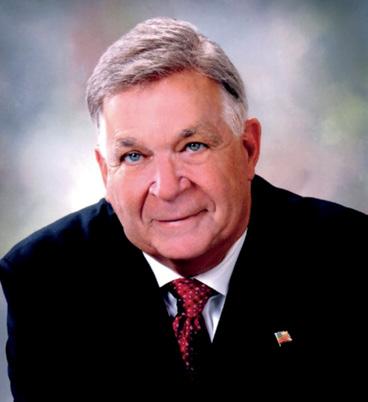
1935–2020
Many communicators consider Fernando Valverde the “father of public relations in Puerto Rico.” He was the first professional there to earn APR accreditation. In 1992, PRSA inducted Valverde into the College of Fellows. He was a friend of the late Edward Bernays and organized two visits of Bernays to Puerto Rico. These included presentations to students, media interviews and participation in the awards held by the Puerto Rico Public Relations Professionals Association. Valverde served as president of the association, which later renamed its annual Presidential Award in his honor. His book, “Public Relations in Action,” is a benchmark of successful case studies. Valverde worked as a professor in a master’s degree program for public relations, which he created at Universidad del Sagrado Corazón.
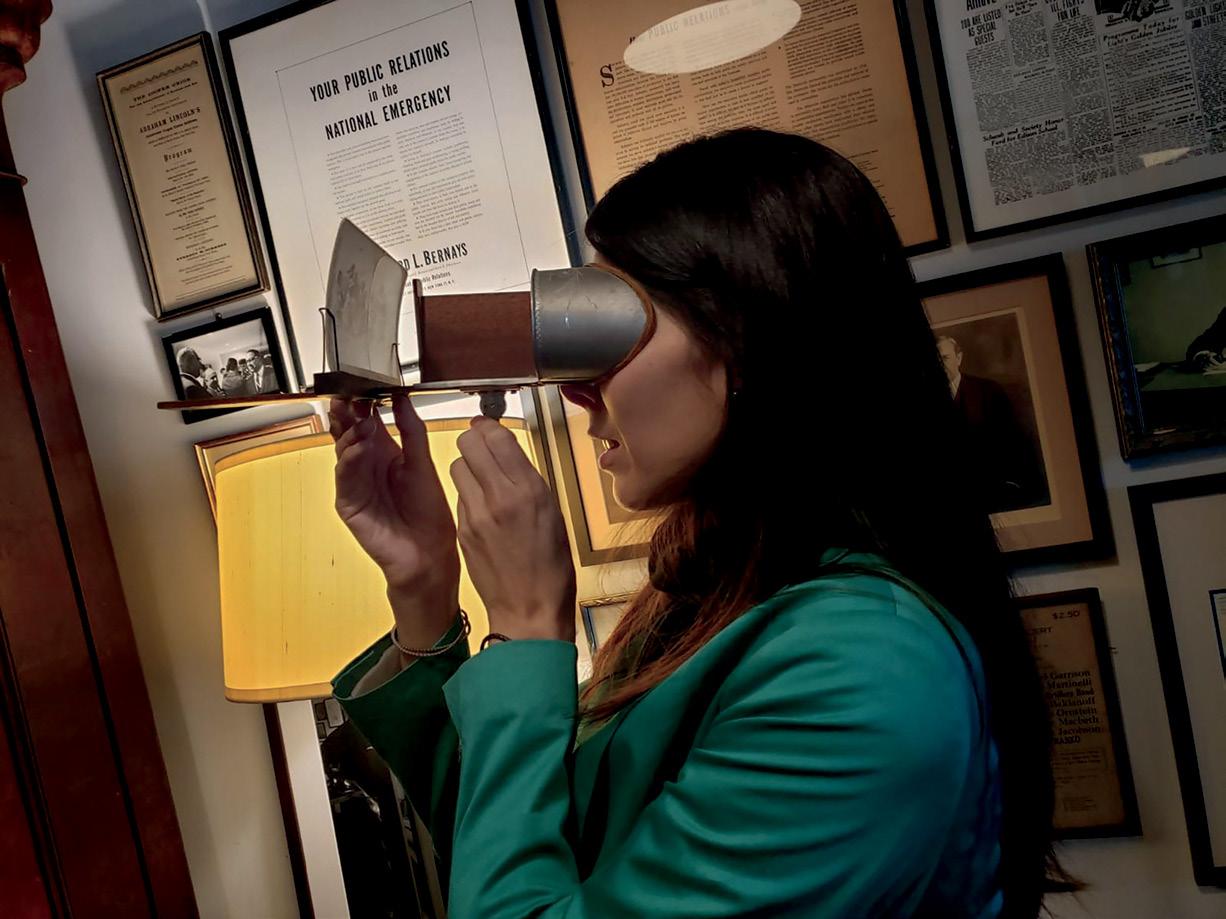
A visitor to the Museum of Public Relations in New York City uses an antique stereoscope to view an archival image in three dimensions. Opened in 1997 by Shelley and Barry Spector, the Museum is the first of its kind in the world, and features exhibits, research materials, conferences, historical and cultural activities, podcasts and more. PRSA thanks the Museum of Public Relations for its support, including access to hundreds of images for “75 Years of Impact and Influence — People, Places and Moments in Public Relations History” as we celebrate our profession’s past and turn our eyes to the future. (Courtesy of the Museum of Public Relations)