
THE AIR MALTA IN-FLIGHT MAGAZINE #122 FEBRUARY 2023 8 Visit the quaint village of Siġġiewi. 33 Come dance with us. 45 Meet Malta's Prince Charming.

COME
36 MUSICIAN OF THE MONTH
Dylan Debono is our musician of the month - hear about his new tracks.
40
OPERA THIS SEASON
The national theatre is home to a different version of Tosca in March, see how the opera has been reimagined.
44 CARNIVAL!
Carnival is on! Celebrate with colour and music in the capital.

45
MEET MALTA’S PRINCE CHARMING
Meet Malta’s Prince Charming Citoyen Port; historybounder extrordinare.

48
HERALDRY AND HISTORY
Palazzo Falson opens up more of Olof Golcher’s collection.
50 EVENTS CALENDAR
Current and upcoming events and book releases detailed here.
54
A SPECTACULAR SPORT
Kiteboarding gets put under the spotlight by sports writer, Deirdre Farrugia.

56 ROTARY IN MALTA
Read about what local Rotary Club Malta are doing at home and overseas.
60
A TASTE OF THE PAST
When chocolate was introduced to Malta, by ColourMyTravel.
62
FOOD GLORIOUS FOOD!
Restaurant round-up and our monthly seasonal recipe.
68
AIR MALTA NEWS
A round-up of this month’s events and news.
73
DESTINATION INFORMATION
See our route map with new destinations.
74
FLIGHT AND COMPANY INFORMATION
All you need to know about flying with Air Malta.
76
ELECTRONIC DEVICE INFORMATION
Information with regards to phone, laptop and tablet usage on board.
contents
VISIT A VILLAGE
seduced by Siġġiewi. Resident Maria Muscat takes us around her locale. 12 SIX TOP IDEAS Get some ideas for things to do and places to go to celebrate love and friendship. 14 AIR MALTA DESTINATION: NICE Take a walk around one of Air Malta’s new destinations with Eric Tenin. 22 A COLLABORATIVE EXHIBITION Christine Cassar reviews the exhibition of a collective of architects. 26 INSPIRATIONAL ARTISAN
a look at this month’s artisan, Ebru Cinar Erdogan; she embroiders photographs. 32 HEAD IN THE CLOUDS
in art and literature are featured in this month’s magazine. 33
8
Get
Take
Clouds
DANCE WITH
dance? See how one woman’s passion has inspired and still inspires people in Malta to learn a multitude of genres. 8 33 54
US Love
ON THE COVER
One of the biggest events in the Maltese calendar is Carnival which this year runs between the 17th and 21st of February.

MEET THE TEAM
EDITORIAL AND DESIGN
TBWA\ANG
EXECUTIVE EDITOR
Monique Chambers
SALES AND BUSINESS
DEVELOPMENT
TBWA\ANG
CONTRIBUTORS
Air Malta

Christine Cassar
Colour My Travel
Deirdre Farrugia
Duncan Barry
Eric Tenin
Festivals Malta
Finesse Group
Fondazzjoni Patrimonju Malti
John de Giorgio
Lauren John
Maria Muscat
Monique Chambers
Nicole Parnis
Thames Parnell
Visit Gozo
COVER PHOTOGRAPHER
Frank Kirchner
PHOTOGRAPHERS
Alpaca Walks Gozo
Connect2Gozo
Dancel
Eric Tenin
Frank Kirchner
Joseph Caruana
Kenneth Galea
Peter Bartolo Parnis
Rachel Micallef Somerville
Sarah Cachia Falzon
(White Noise Malta)
Sebio Aquilina
Visit Gozo
ILLUSTRATOR
Bryan Wolfgang Reiter
WOULD YOU LIKE TO BE FEATURED ON IL-BIZZILLA?
For advertising opportunities and restaurant listings, get in touch with TBWA\ANG on sales@il-bizzilla.com or (+356) 2131 0608. For anything related to editorial or photography, contact Monique on editor@il-bizzilla.com
The publisher, authors and contributors reserve their rights with regards to copyright. No part of this magazine may be reproduced or copied by any means without the written consent of the publisher. Editorial features and opinions expressed in il-Bizzilla do not necessarily reflect the views of Air Malta, the publisher, or the editorial team. Both Air Malta and the Publisher do not accept responsibility for commercial and advertising content. Although the authors and publisher have made every effort to ensure that the information in this magazine was correct before going to print, the author and publisher do not assume and hereby disclaim any liability to any party for any loss, damage, or disruption caused by errors or omissions, whether such errors or omissions result from negligence, accident, or any other cause. Special thanks to the Malta Tourism Authority, Air Malta, Shutterstock and ViewingMalta.com for the provision of photographic material. Printed in Malta by VelPrint Ltd. All magazine rights are reserved by Air Malta PLC.


FIFTY NINE REPUBLIC St George’s Square, Valletta T: +356 79264613 fiftyninerepublic.com @59republic
FROM THE CHAIRPERSON...
FROM THE EDITOR...
Dear travellers,
A warm welcome on-board to all our passengers.
As we enter the month of February, are seeing some clear early indications of boo king trends emerging for 2023. During the period April to December 2022, Air Malta carried 1.4 million passengers. Early bookings for 2023 are already significantly ahead of the year prior and all indicators suggest we are going to beat 2022 and the post-COVID demand for travel is likely to continue into Summer 2023.
In addition to the routes operated in 2022, four new destinations have already been added to the Air Malta network, these being Naples, Nice, Palermo and Tel Aviv. We are now pleased to announce that we are further expanding our network to include Portugal, by adding Lisbon as our fifth new route for Summer 2023. Effective as from Monday 26th June, Lisbon will operate twice weekly on Monday and Thursdays, through until Thursday 26th October.
This expanded growth in Summer scheduled operations will see Air Malta increase its network to an average of 157 rotations (314 flights) per week, linking Malta with 23 major cities across Europe and the UK.
We will continue to remain focused on serving key European cities which provide strong connectivity links with our wide range of codeshare partner airlines, facilitating onwards connectivity to other parts of the world.
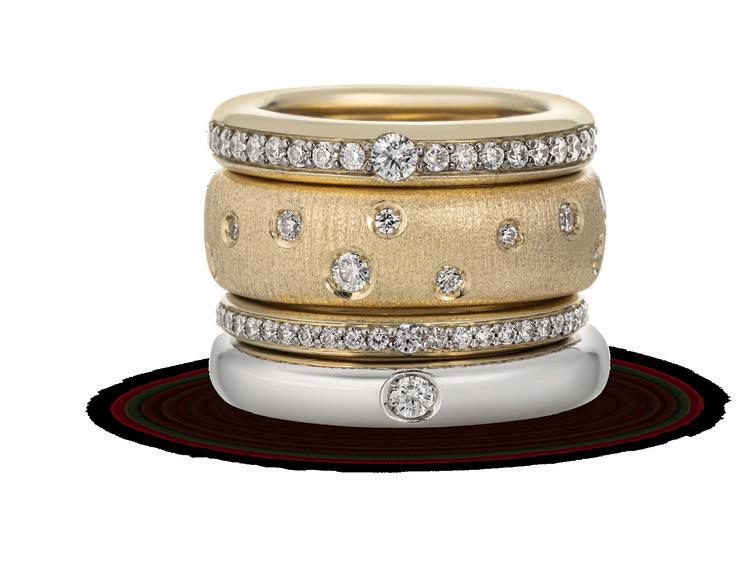
This month we are pleased to be launching our new Buy-on-Board programme. This supplement can be found in your seat pocket, featuring new jewellery items by Maltese designer Bijou Michiko, gifts and perfumes, as well as an extensive variety of menu options. In addition to reserving your preferred seat choices and booking additional baggage, you can also pre-order your preferred meal selection on airmalta.com. Value and comfort are at the centre of our commitment to you and we strive to be your natural choice of airline to the Maltese islands.
For more information about Air Malta and our flight schedules please visit www.airmalta.com and www.facebook.com/AirMalta and join our newsletter mailing list to receive offers directly in your inbox. Every few weeks we come out with exciting promotional offers and you need to be registered to our newsletter to be able to get notice of our promotions.
I hope you have a great flight!
David G Curmi EXECUTIVE CHAIRMAN, AIR MALTA

There’s so much to love about Malta at any time of year, and in this edition, we are sharing some fabulous spots and ideas to celebrate Galantine’s – the relatively new unofficial day of celebration for friendships on February 13th, and for those wishing to celebrate their romantic relationship, St Valentine’s which falls on February 14th with you too.
To gain points for an unusual date, try a trek with a gorgeous family of alpaca’s in Gozo, take a picnic to a secluded or stunning spot from our list, or have your cake and eat it from a plate you design and fire, in a rural setting!
There’s Tosca at the Manoel Theatre – even a tour is a treat, and Valletta comes alive with colour, music and performances with Carnival from the 17th-21st of the month.
If you haven’t planned anything and want to do something speci al, why not take a look at Nice? We explore this new Air Malta destination with a man that knows it well and takes us to corners of the city that your average guidebook misses. It’s worth a trip on its own merit – and it screams elegance and romance without the kookily dresse d youngsters mimicking a certain Paris-based TV show!
We con tinue our series on locals’ passions; this month with a dancer who has won many a competition and now teaches over 140 children various disciplines of dance. We also meet Malta’s very own Prince Charming; Citoyen Port, a wonderful young man who creates and wears historically accurate, incredibly beautiful clothing from the 1750’s to 1800, and a young woman who is transforming old photogra phs with her imagination ad embroidery skills.
We look back at the introduction of chocolate to Malta and celebrate food with a seasonal recipe and restaurant listings to satiate your appetite. Check them out for yourself with brunch, lunch or dinner…
Wishing you a wonderful trip!
Monique Chambers EDITOR
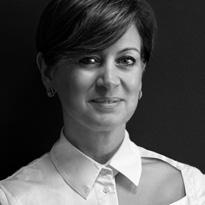
WELCOME
Merħba,
4


 Oracle Casino and Portomaso Casino are owned and operated by Tumas Gaming Ltd and licensed by the Malta Gaming Authority License number MGA/B2C/103/2000. A minimum age of 25 years for Maltese citizens and 18 years for non-Maltese citizens is required. First time registrations must present a vaild document. Gambling can become a problem. PLAY RESPONSIBLY. For assistance visit www.rgf.org.mt or call helpline 1777. PLAY RESPONSIBLY
 Oracle Casino and Portomaso Casino are owned and operated by Tumas Gaming Ltd and licensed by the Malta Gaming Authority License number MGA/B2C/103/2000. A minimum age of 25 years for Maltese citizens and 18 years for non-Maltese citizens is required. First time registrations must present a vaild document. Gambling can become a problem. PLAY RESPONSIBLY. For assistance visit www.rgf.org.mt or call helpline 1777. PLAY RESPONSIBLY

DESTINATION 8
Xaqqa Cliffs
WORDS MARIA MUSCAT
SECLUDED SIGGIEWI
SIĠĠIEWI IS ONE OF THE LUCKY ONES - ONE OF THE LUCKY FEW VILLAGES IN MALTA WHICH THANKS TO ITS GEOGRAPHY AND ITS PEOPLE’S ENDURING TIES TO THE SURROUNDING LAND, HAS REMAINED RELATIVELY INTACT IN ITS LOOKS AND IN ITS PRINCIPLES. BUT I ERR IN CALLING IT A VILLAGE - SIĠĠIEWI IS ACTUALLY A CITTÀ
Grand Master Ferdinand Von Hompesch elevated the village and bestowed it with the honour of his name in 1797 and who are we to take it up with a Grand Master of such calibre. On this island of villages adjacent to towns and overlapping another couple of villages, Siġġiewi remains buffered by stretches of land owned primarily by its locals and passed on from one generation to the next. This humble città stands a kilometer and a half (tops) from its closest neighbours, doing its thing and persevering in its ways because, quite frankly, it could and still can.
Not much has been written about this yellowed-hued village. I haven’t seen it listed in any top 10 things to do in Malta clickbait lists; and what an absolute blessing! On an island so tiny and so historic, every nook and cranny has had so much written about it, its beauty exalted to a fault, and its excursion-worthiness splayed across the pages of travel sites and guidebooks.
To this day, Siġġiewi has thankfully managed to exist happily in a liminal space of sorts. Surrounded by some of the most sought-
after and untouched spots on land and sea, its beating heart of a village core still revolves largely around its unmarked square which sprawls downhill from an elegant Baroque church and porticoed parvis built in honour of the patron saint, St Nicholas. To this day, a statue of him stands proudly across from a fuel station, his back to the outside world, his eyes feasting on so grand and towering a gesture in his honour.
Every 6th of December, a procession of children leaves the village school and walks to this very square accompanied by the local band clubs and a firework display. This is, as any local will proudly tell you, but a taster of the more popular June appointment celebrating the beloved saint.
Vantage points of choice (and we suggest the kampnar if you’re lucky enough to get access) give you 360° lookouts onto the imposing and stylishly lit-up old capital of Mdina; the Laferla Cross, atop a hill scaled yearly by candle-lit pilgrims during Holy Week; and Verdala Palace, an official residence of the President’s overlooking
DESTINATION
9
Buskett - one of the few woodland areas on the island. A short drive –or – scratch that, make it a pleasant hour-long stroll out of the village core gets you to Għar Lapsi – the locals’ favourite summer spot for a quick dip or a more Mediterranean-paced Sunday by the sea.

By way of a disclaimer, I do not hail from here. Siġġiewi adopted me the second time I ever visited. I had only been once before - hard to believe on an island so small. Siġġiewi’s charm won me over when I came to check on a quaint (read: tiny) house I had come across on a badly designed property site. I fell in love instantly and decided to make it my home. The more I thought about it the more I realised that what I had actually fallen in love with was not the house’s potential (or its attractive price tag – Siġġiewi property prices remained relatively stable for a long time after prices everywhere else skyrocketed). What I fell in love with was a place and a people that, blessed with what I’ve always considered to be the luxury of
having the space to roam freely, are too happily occupied with their own lives to be interfering in yours.

Architecturally speaking, compromises have been made along the years – there’s no denying or glossing over these – but Siġġiewi is one of the lucky survivors. Its core has survived relatively untouched, its Parish still active by contemporary standards, its square still alive thanks to charming watering holes and regular fairs and appointments, its traditions practiced and passed on with pride by its residents - natural, adopted or otherwise. The small shops still stand to serve the residents - very few travel here to run errands or do business. Siġġiewi is quiet and those who come do so explicitly as the village itself is not exactly on anyone’s route to anywhere else. What can I say? Do drop by, explicitly or otherwise, and I promise you’ll fall in love in small as well as in big ways.

DESTINATION 10
Saint Nicholas statue at the main square
View across crop fields towards Siġġiewi
Siġġiewi parish church

WE'VE PICKED A HANDFUL OF LOVELY PLACES AND EXPERIENCES TO SHARE THIS GALENTINE'S AND VALENTINE'S - ACTUALLY - THEY ARE WONDERFUL ANY TIME!

12 LOCAL
SIX TOP THINGS TO DO
WHY NOT TRY ROMANTIC PLACES AND EXPERIENCES?
GARDJOLA GARDENS
Gardjola Gardens is at the end of the promontory of Senglea in the Three Cities. The ‘gardjola’ itself is from the period of the knights and is adorned with the sculpture of an eye, ear and a crane bird in the stone. With views of Valletta and Vittoriosa, this has to be one of the most special gardens in Malta. Arrive by ferry from Valletta for extra points!
XEWKIJA, GOZO
Get the awwww factor with this all 5-star review Airbnb Experience. Head to Ix-Xewkija and make time for an afternoon with Gozo Alpaca Walks, a memorable and surely instagrammable event which neither of you will forget!

DINGLI CLIFFS
Dingli Cliffs really are spectacular; a few benches give those who make the effort to go there, privacy to enjoy the peace and spectacular views of the sea. Stop by the St Mary Magdalene Chapel and on the way back, stay have dinner at one of the quaint village’s restaurants.

GHAJN TUFFIEHA
Għajn Tuffieħa, known as Riviera by locals, has the best vantage point for sunset. Walk to the tower for seclusion or down the steps to the sandy beach which is said to be the most beautiful in Malta. The whole area is quite spectacular with a nature reserve behind the hotels in the next bay.


GOZO
Instead of buying flowers for that next special occasion; why not try out painting using their pigments? Connect2Gozo offers classes at their secluded outdoor studio or you can even choose to raku fire a plate and eat your dessert from it!

TOP OF THE WORLD
Top of the World is a dog walkers’ paradise; up in the wilds of Għargħur, it is as close to nature as it is to the bustling nightlife of St Julian’s. It has been known as a romantic spot for decades. See the beginning of the Victoria Lines and perhaps plan to walk them another day.
13
LOCAL

14 TRAVEL
Giuseppe Garibaldi statue at Place Garibaldi in Nice
WORDS ERIC TENIN
WALK WITH ME THROUGH NICE
EX-PARISIAN, ERIC TENIN FELL IN LOVE AT FIRST SIGHT WITH NICE. AFTER LIVING THERE FOR SOME TIME, HE GLADLY ACCEPTED TO SHARE THE REASONS WHY HE LOVES THIS CITY SO MUCH.
Being a typical Parisian, I have to confess that I didn’t think much of Nice and the Riviera. I was convinced that it was a place for retirees and jet-setters and that there was nothing to get so excited about. And then I spent some time there… Never in my life have I been proven so wrong! Nice is a stunning city, with a fascinating history, beautiful architecture and a very active cultural life. Today, the city is a cosmopolitan blend of French, Italian, and Russian influences, with a vibran t arts scene and a rich culinary tradition. No wonder it is now the most visited city in France, after Paris, with about 5 million visitors per year.
You will have heard of La Promenade des Anglais, the walk named after the English tourists who helped to popularise the city in the 19th century. This iconic seven-kilometer stretch of road and pavement running proudly between the Mediterranean Sea and the city deserves its fame and popularity. Whether you look to the city side where your eyes will undoubtedly spot some
elegant Art Déco buildings, or to the seaside, you will never grow tired of it. Neither do the locals who run, bicycle, walk their dog, enjoy the sunrise or sit on one of the many benches and chairs that are at the disposal of passers-by.
I love the promenade, but my favorite place is undoubtedly the old town of Nice, Le Vieux-Nice, or simply “Le Vieux ”, as the locals call it. This enchanting neighborhood that started as a Greek trading post called Nikaïa (yes, you guessed it right, that’s where the city got its name from!) is now a bustling area filled with narrow, winding streets, colourful houses, and some of the city's best restaurants, bars, and markets - don’t miss the Cours Saleya and its Marché à la brocante (flea market) on Mondays and flowers and food the rest of the week. Even if I’ve walked down these streets dozens of times, I always enjoy strolling Le Vieux and its notable landmarks, like the Cathédrale Sainte-Réparate, a beautiful Baroque-style cathedral, and the Place Rossetti, a lively square lined with outdoor cafes and street performers.
15 TRAVEL
Don’t go thinking that Nice is only about the past. It’s also a living city, always reinventing itself and turning the old into new. Hence the recently created Promenade du Paillon, a magnificent park that separates the old town from the modern one. Here young couples like to amble hand in hand and parents play with their children right in the middle of the c ity. I love it in every season, but most particularly during Christmas and a bit later, in February for Carnival when this area turns into a magical and festive ground where everybody meets for a moment of joy.
Likewise, the Port area, once considered rough, is now a new upand-coming place to hang out and enjoy a drink or two among the young crowd. On the way back to town, I never miss the magnificent Place Garibaldi, a square built in 1773 surrounded by ochre facades, beau tifully renovated - including incredibly realistic trompe-l’oeil that adds to the magic of the place. Beauty is everywhere in Nice… In the streets, but also in the museums. If you enjoy indoor activities, head over to the magnificent Marc Chagall National Museum. As colourful, but quite different from the ceiling of the Paris Garnier opera house, here you will get
Air Malta operates regular flights to Nice. More information on www.airmalta.com

a glimpse of his unique Biblical-themed paintings, drawings, sculptures and stained glass… of this multi-talented artist. I personally love the inside as much as the outside of this venue; a true spiritual journey.
If you’re more of a modern art person, plan a visit to the Musée d'Art Moderne et d'Art Contemporain, also known as the MAMAC. A stunning collection of modern and contemporary art awaits you there, including works by artists such as Yves Klein, Andy Warhol, and Jean-Michel Basquiat, in addition to the temporary exhibitions of course.
Last, but not least, another great advantage of Nice is that it is the perfect gateway to neighbouring hot spots such as the highly perched village of Èze, the incredible Villa Ephrussi de Rothschild in Saint-Jean-Cap-Ferrat, the superb Saint-Paul-de-Vence village, the cute town of Menton or even Monaco. All this is very easily accessible by bus or tramway for a very affordable price…
These are just some of my favourite things to see and do in Nice, but there is so much more... Oh wait, did I mention the food?

16
TRAVEL
TRAVEL
Promenade du Paillon

WORDS VISITGOZO / MINISTRY FOR GOZO
TOP LANDMARK SITES IN GOZO:
EVEN WHEN COMPARED TO MALTA, GOZO’S A TINY ISLAND. THE APPEAL OF THE SMALLER HOLIDAY DESTINATION IS NOT OVERRATED, ESPECIALLY WHEN ONE KEEPS IN MIND THAT WHEN IT COMES TO LANDMARKS, GOZO OFFERS A VARIETY OF WORLD-KNOWN SITES LIKE THE CITADEL AND ĠGANTIJA, ALONG WITH A SET OF UNIQUE SPOTS THAT MAKE THE VISIT TO THE ISLAND MEMORABLE.
Here’s a list of 8 extraordinary sights to visit and explore while you’re on holiday in Gozo. Make sure your list of things to do in Gozo includes some of these ideas.
HIDDEN BEACH – BEMBERIN
If you’re up for a rough walk along the coast, you can take a trip to Bemberin beach, located off an arduous path that starts at Hondoq ir-Rummien Bay. Trudging to the inlet, which has its own cave and pebbly beach, requires proper footwear, but it is one of those views that few ever set their eyes on. If such walks are too stressful, you can opt to check out the more accessible hidden beach San Filep. These hidden and remote Gozo beaches are amazing things to see while on the island.
MEDIEVAL TIME CAPSULE –LUNZJATA VALLEY
It’s easy to miss the fertile Lunzjata Valley especially if this is your first holiday in Gozo. Nestled between Victoria and the village of Kerċem, Lunzjata Valley was originally a hunting spot for the Knights of St. John. The valley has an arched entrance, quaint chapel and water fountain where farmers wash their produce for the market. On the right-hand side of the valley, a steep staircase leading to the village of Kerċem chiselled out of the rock gives the place the feeling of looking at times gone by.
A WINDMILL ADVENTURE –EIGHT-POINTED WINDMILL
Since the Xewkija windmill is planted on a main road, it is impossible to miss the
300-year-old octagonal structure that comes complete with sails. Stopping by to explore the recently-restored inside is another experience as you will get a glimpse of an engineering feat, and you might also get a feel of Gozitan folklore.
A PERFECT HUB –IT-TOKK SQUARE IN VICTORIA
There’s no denying that the hub of the island is Independence Square. Its Maltese name, It-Tokk, means meeting place, as this was the de facto place where the islanders met. At the foot of the Citadel, this square was also the marketplac e in Rabat. Marked also by the Christ the King memorial honouring the Gozitan victims of World War II, this square remains the perfect spot for a coffee or catching up with friends.
FOLLOWING THE ARCHES – THE AQUEDUCTS
The way to Ta’ Pinu is undoubtedly marked by the aqued ucts that are standing today. They are the remains of a channel that transported freshwater from the hill of Għar Ilma to reservoirs in Victoria. The aqueduct, a British engineering feat, is earmarked for restoration, and in the meantime, the arches provide the perfect backdrop for the Gozitan countryside snapshot!
THE LORE OF THE SEMAPHORE –TA’ KENUNA TOWER
If you’re keen on capturing views, head to Ta’ Kenuna Tower in Nadur. Like other towers of its era, the tower is built on a vantage point. The semaphore tower was once part of a mechanical system for
relaying messages from Gozo to Valletta. This tower was in direct line of sight of the signalling stations of Selmun and Ħal Għargħur in Malta. The colonial times are an important part of Gozo’s history, and the semaphore, along with the Aqueducts, the lighthouse and other structures, dating back to that time.
SO MANY DIFFERENT FACES –THE CLIFFS OF TA’ ĊENĊ
Ta’ Ċenċ cliffs which keep stringing and rumbling onto Sanap cliffs, eventually leading to Xlendi bay, are a favourite haunt of many. Nature lovers, photographers, adventure enthusiasts and poets on holiday in Gozo should all take time to visit. The plateau is like an unreal place where land, sea and sky meet, and it has a vibe that changes according to the weather and time of day. The stillness of daybreak, the insect hum at noon, the occasional scree ch of the seagulls and the various bird calls culminate at sunset when the fiery red sun fizzes into the sea.
A COLONIAL CONSTRUCTIONTHE LIGHTHOUSE
A short but steep walk leads to the recently restored lighthouse on Ta’ Ġurdan Hill, where the lighthouse that was built by the British colonial government still operates. The 21 kerosene lamps, which beamed out to more than 60 kilometres, are today replaced by modern technology. Still, it testifies to Malta’s strategi c location serving as a Mediterranean naval hub and trading post.
18 GOZO
EIGHT SPOTS YOU SHOULD NOT MISS OUT ON WHILE ON HOLIDAY IN GOZO
Aqueducts


INSERT TEXT HERE 19 GOZO
Xewkija Windmill
Lunzjata Valley
A HOLIDAY IN GOZO – MORE THAN JUST A DAY TRIP

MANY AGREE THAT GOZO IS MALTA’S BEST-KEPT SECRET. IF YOU’RE PLANNING TO HOLIDAY IN MALTA, MAKE SURE THAT GOZO IS NOT JUST A ONE-DAY TRIP ON YOUR ITINERARY. WITH SO MANY THINGS TO DO, IT’S EASY TO UNDERSTAND WHY YOU NEED TO STAY FOR AT LEAST 3 NIGHTS.
IT’S ABOUT THE CALM VIBE OF ISLAND LIFE
Some decades back, the Gozo post office had a stamp that said “Gozo - the island where time stood still”. While that might no longer be the case, and the island has moved on and embraced modern times, there is something about the island that is still not rushed. Today the island is busy and the hum of modern society is part of the fabric, but this is an island where in summer people return home after a day’s work and then head off to the beach to spend the late hours of the afternoon with their friends at the water’s edge. Gozo is an island where escaping to the countryside or the beach is always literally two minutes away…. If you’re coming on holiday to the island and you want to absorb the calm vibe immersed in serenity, then this means that you cannot follow an itinerary where everything has been crammed and dotted down to the last minute. If you’re staying on the island for at least a couple of nights, there’s the bonus of witnessing the ethereal sunrises and sunsets. There’s magic in waking up to the dawn of the island and if you’re not an early riser, make sure you capture the fiery aura and energy of the sunsets from vantage points like Dwejra or Xlendi.
AN OVERFLOWING TREASURE CHEST OF PLACES TO VISIT AND THINGS TO DO
Gozo is a like a treasure trove of historic and interesting places, all waiting to be discovered. Take time to research the places you’d like to visit or ask your guide for more information as this will make the whole experience more enriching. It’s crucial to make specific plans about what to see in Gozo and things you want to do while on the island. Visting centres like Ġgantija, the Citadel and the city of Victoria, the old windmill of Xewkija along with places like Ta’ Ġordan lighthouse and Ta’ Pinu Sanctuary cannot be done in one morning or afternoon. These are among few of Gozo’s must see. If one adds beaches and coastal zones like Ramla l-Ħamra, the inland sea of Dwejra and the jaw-dropping Ta’ Ċenċ cliffs, the salt pans of Xwejni and magical
inlets of Wied il-Għasri or Mġarr ix-Xini, one has to factor a stay-over of at least a couple of nights. Furthermore, activities like a visit to an eco-farm, boat trips, kayaking, abseiling, and Segway tours cannot be condensed into minutes. Naturally if you’re visiting Malta to dive or to hike or bicycle around the countryside, then there’s no doubt that you need to make Gozo the base of your holiday.
A VIBRANT CALENDAR OF EVENTS
Spread across the seasons, Gozo is a destination where culture, music and art are part of the scene. This can be easily verified by having a quick look at the typical Gozo event calendar. Whilst musical concerts, art exhibitions and shows are always present, the seasons and special feasts pile on extra pizzazz. The summer season is notorious for the village feasts and the vibrant celebrations, autumn is the opera season whilst winter is associated with a wide array of Christmas activities and the revelries typical of Carnival (celebrated between 17 – 21 February 2023 – visit www.visitgozo.com for more details). Gozo’s calendar of events also has a dedicated Easter programme. Other regular events such as wine fests and the honey festival are intrinsically tied to the agricultural year. This means, that whatever time of year you visit the island, you need to check what’s on in Gozo and you’ll have the opportunity to mingle with the local crowd and get an authentic taste of the island’s fare.
Don’t be beguiled into thinking that Gozo’s just a stopover!
You cannot be satisfied by a day trip or a breezy walkthrough. That is only for those who want to see one aspect or just get a taste of what Gozo is all about. The best way to holiday in Gozo is by living the island life and finding one’s inner inspiration and muse that is revitalising. After all, this is the island where the Greek hero Ulysses lingered not for 7 nights but for 7 years...
20 GOZO
WORDS VISITGOZO / MINISTRY FOR GOZO


www.publictransport.com.mt
Malta
Pay as you go with Explore Flex card starting from €6 Get your Explore Flex card from our ticket office in the Airport Welcomers’ Hall
Explore
and Gozo by Bus

ART 22
WORDS CHRISTINE CASSAR
COLLABORATIVE EXHIBITION
AEXPERIMENTS IN ENTROPY
EXPERIMENTS IN ENTROPY IS AN EXHIBITION THAT COMBINES THE COLLABORATIVE EFFORTS OF 11 ARCHITECTS WHO FIRST CROSSED PATHS AT UNIVERSITY, 10 YEARS AGO.
Whilst their practices differ, Maria Azzopardi, Andrew Borg Wirth, Isaac Buttigieg, Lucia Calleja, Jean Ebejer, Suzi Mifsud, Tracey Sammut, Feliċ Micallef, Matthew Scerri, Nick Theuma, and Mike Zerafa investigate their role as architects and how they are forging the future of their careers during a time when construction, climate adaptation, planning, real estate, and monument-making have taken centre stage.
As described by Borg Wirth—who is also the curator of this exhibition—entropy is most commonly associated with chaos, uncertainty, decay, waste, and a state of disorder. To put this into the context of this exhibition, we see how the role of the architect is challenged and how it is juxtaposed in an art space such as the one where it is being held—Valletta Contemporary.
Although all architects taking part in this exhibition have presented individual works, they are intertwined. Spectators are instantly transported into the architects’ minds whilst they interpret their reactions and personal experiences with entropy through
media works, installations, everyday objects, flat works, design experimentation, datascapes, as well as a soundscape.
Experiments in Entropy is divided into five sections; Prologue: Notes on Entropy, Elsewhere, On Our Gaze, An All-Encompassing Sameness, Artifice and Edifice, and A Cosmic Opera. I felt that each artwork displays a deeply personal experience that the architects witness on the job. Some of these include the dilemmas and choices they dwell on, how our values have shapeshifted over time, our heritage, how the sounds from construction sites have become part of our lives, the loss of time, and how the world is constantly manipulated by man.
From the eyes of a spectator, I feel I am able to relate to most of the work that is presented by the architects. For starters, you cannot ignore Maria Azzopardi’s soundscape which most certainly makes its presence known throughout the whole duration of the tour. The noise only gets louder and louder as time goes by, thus showing how impactful the chaos is.
INSERT TEXT HERE
23
ART
I was also quite intrigued by Isaac Buttigieg’s Reveal your Modus operandi, Perit! comic strip. Here the dilemmas mentioned previously are presented in such a way that allows us—the spectators—to question the choices architects have to make. In turn, this leads to an even bigger discussion regarding the anxieties they are faced with due to their values and the complexity that comes with this practice. This is somewhat echoed in Borg Wirth’s exhibit; Monuments to Sleep On. The red glass pane and the words “This is not a nightmare” detail Borg Wirth’s experiences, his blocked vision, and how he often finds himself in a helpless position.
Lucia Calleja’s Postcards of Progress is both a documentative and performative piece that enacts her thoughts about preservation and depletion. The postcards present architectural fragments; the beautiful, the problematic, and the ever-changing, creating a juxtaposition.

Alongside Calleja, Mike Zerafa’s installation dwells on the loss of time. As its title suggests, Everything not saved will be lost, outlines thoughts of the discomfort of the responsibility that comes with the role and how our heritage’s legacy is either built or left behind.

Moving on to the next sections of the exhibition, Suzi Mifsud’s Vessels showcases four plastic containers that have now been concealed with a new exoskeleton of pigmented limestone dust, gypsum cement and acrylic binder. Through this exhibit, Mifsud raises the point of how plastic continues to negatively affect our environment. By concealing the plastic in the chosen media, Mifsud gives them a new life, whilst hig hlighting a society’s cultural development.
In A RKA , Feliċ Micallef not only pays homage to the triumphal arch but also to Malta’s infancy as a nation. Through the chisel
marks inscribed on the exhibit, he explores how the stone was once such an important substance, that has now been reduced to a layer of cladding.
Spectators are also invited to dwell on the subject of taste and the fundamentals of beauty. In Edifice, Jean Ebejer’s mirror allows room for discussion on the aforementioned topic and its role in today’s ever-changing culture. Stories are framed within the walls of the gold aluminium. In this respect, the architect is interested in the way spectators react to them, and in turn proposes an exploration of the self through the mirror. Similarly, Nick Theuma’s Training Data, World System creates a space that explores how as humans, we generate so much data through our biases.
Finally, the Cosmic Opera room presents “the tale of two acts.” As I step on Matthew Scerri’s exhibit of sifted dust in Synthetics 3/3, Borg Wirth explains how the architect’s intention was to showcase how as spectators, we take it elsewhere and how we play an important role in its repositioning. Scerri’s work sharply contrasts that of Tracey Sammut. Her Excavations from Our Well explores the soul gaze in being human. Through the clutter unearthed from an excavation in Żabbar, Sammut makes an important point on how we are also creating a new landscape through our manipulation. Bearing this in mind she wants to reposition us and in turn, separate the two worlds.
The individual thoughts unpacked in this body of work, present the architects’ mutual understanding of “where and how entropy persists - and when and why architecture needs to perform”.
24
ART
Experiments in Entropy, curated by Andrew Borg Wirth, is on at Valletta Contemporary until 18th February 2023.
Tickets from
festivals.mt
WORDS MONIQUE CHAMBERS
SEW RELAXING
TURKISH-BORN EBRU CINAR ERDOGAN, HAS A BACKGROUND IN SALES AND MARKETING, BUT, TO RELAX AFTER WORK, SHE TOOK UP EMBROIDERY AND DRAWING WHICH SHE HAD ALWAYS HAD AN APTITUDE FOR.
“I started embroidery in 2016. I was living in Istanbul at that time. The fatigue from working and the city life forced me into reflecting back to the handicrafts taught by my mother when I was little. Since then, I have come this far by improving my skills mostly in the sphere of embroidery.
Everything inspires me. It's just what you look at that matters. If I'm just looking at something, without even realising it, I only see what exists superficially, but if I stop and think, and dig deep, I find what gives meaning and emotion to me and what excites me.
I usually choose artists who were in black and white movies and embellish photographs of them. By combining nostalgia with the art of nostalgia, I bring life to pieces in a modern form. The combination of my embroidery and photography makes me feel as if that photograph is being renewed. It is
wonderful that the embroidery adds dimension to the picture, and contributes to the overall aesthetic and feeling of t he photograph, and enhances its integrity.
Sometimes I get energy from a photograph and I can start by designing it with my eyes. Colours can also be a starting point. I am interested in colour and I want to base my composition on it. The material can also affect my process too. When I start thinking, pictures pop up in my head after another. I get carried away and the show ends with me. Each of my objects gives birth to another object, and each series gives birth to another series and this interaction has a great place in my works.
Each piece goes through different stages. For example, I choose a picture, then I choose the pattern, then I decide on the thread colours and what kind of embroidery I will do. Sometimes I
26 ARTISAN

INSERT TEXT HERE 27 ARTISAN
@byebrucinar
add beads and acrylic paint. If the collaboration I made is not good for me, i.e., if I don't like it, I remove it and focus on something different. The work that I create mus t first satisfy and impress me.
First, I embroidered on fabric, paper, canvas, wood, and tulle. Next is to combine ceramics and embroidery. But for

this, I first have to melt the ceramic and then combine the two. It's not easy at all, but I like the challenge.
I generally work on female characters, but I don't know why, the aesthetics and beauty attract me more. In the future, I want to work with male artists and have people loo k at them from a different perspective.
I have a group of artist friends and whenever we get together, we get crazy ideas. We are constantly trying to experience the untested and to gain clarity in the details of the project. It is a great feeling to be together and support while producing. At the moment, we are trying to lay the foundation of the business rather than the production phase. Watch this space.
28 ARTISAN
@byebrucinar

DESPITE ITS DIMINUTIVE SIZE, THE MALTESE ARCHIPELAGO IS BURSTING WITH HISTORIC SITES, IDYLLIC SPOTS, CULTURE AND TRADITION. THE MALTESE ISLANDS ARE LIKE NOWHERE ELSE. HERE YOU’LL FIND FOSSIL-STUDDED GEO FORMATIONS, PREHISTORIC TEMPLES, INTRIGUING DIVING OPPORTUNITIES, AND A RICHLY WOVEN HISTORY OF REMARKABLE INTENSITY. HERE’S A HANDY GUIDE ON WHAT TO LOOK OUT FOR DURING YOUR STAY.
ISLAND HIGHLIGHTS
DRAGONARA CAVE (CORAL LAGOON), L-AHRAX POINT, MALTA
One of Malta’s best-kept secrets. Venture off the beaten track to discover one of Malta’s natural wonders, located in the limits of Aħrax and Little Armier Bay.

UPPER BARRAKKA AREA, VALLETTA, MALTA
If you’re into architecture, this is the perfect spot to snap some pictures of some of the traditional Maltese balconies, and capture spectacular views of the Grand Harbour.

30 TOP LOCATIONS
MDINA, MALTA
Interested in taking a journey through time? Mdina has it all - a long history, medieval and baroque architecture, and prestigious treasures that are part of our cultural heritage.


NADUR BELVEDERE, NADUR, GOZO
One of the best spots in Nadur to experience the sun rising.
XWEJNI SALT PANS, MARSALFORN, GOZO

The distinct Xwejni salt pans are truly a must-see. Sea-salt production is one of the oldest Gozitan traditions that has been passed down from one generation to another.

TA’ PINU SANCTUARY, GHARB, GOZO


An architectural masterpiece that must be seen to be believed. Dedicated to Our Lady of Ta’ Pinu, the sanctuary is visited by both locals and tourists alike, who wish to pray or simply admire the art, architecture and magnificent designs.

INSERT TEXT HERE 31 TOP LOCATIONS
HEAD IN THE CLOUDS
WHILST RESEARCHING THIS PIECE FOR OUR SERIES ON CLOUDS, I LOOKED UP ‘SONGS WITH CLOUD IN THE LYRICS’ AND GOT A LIST OF OVER 105,000 SUGGESTIONS. KATE BUSH, ZACH SOBIECH, LSD, THE TEMPTATIONS AND LIL’ WAYNE, STING AND MORRISSEY HAVE ALL TOPPED THE CHARTS WITH THEIRS.
Composers like Mozart and Debussy have used them to create big, sweeping pieces that evoke a sense of awe and wonder. Often, clouds are used to create a feeling of longing and melancholy. But it’s not only in music that clouds make an appearance.
Literature is rich with references and one that repeats itself is that of the ‘threatening cloud’. This image often appears in works that deal with themes of danger or menace, such as Jules Verne's ‘20,000 Leagues Under the Sea’, in which a giant squid attacks the submarine Nautilus. In this case, the threatening cloud represents the danger lurking beneath the surface.
Clouds also often appear in works of fantasy and science fiction, where they can take on a variety of different meanings. In J.R.R. Tolkien's The Lord of the Rings, for example, the dark clouds that gather over Mordor are a sign of the evil forces that are gathering there. In contrast, the white clouds that surround the island of Numenor in Tolkien's work represent the hope and purity of that place.
Clouds are also be used to represent the transitory nature of life. In Shakespeare's Macbeth, for example, the title character reflects on
the fleeting nature of life when he sees clouds ‘race by’ in the sky. This image is often used to remind us that life is short and that we should make the most of it.
One early example is the painting ‘The Hay Wagon’ by American painter Andrew Wyeth, which features a wagon filled with hay bales under a cloudy sky. ‘Cloud Gate’ by Anish Kapoor, which is a large, concave sculpture made from stainless steel that reflects the clouds and sky above it, is a more recent homage.

Clouds have always been a popular subject for visual art, from the classical masters of painting to the more modern digital illustrators. Artists often capture the beauty and mystery of clouds in their work by playing with light and color. From Monet’s dreamy Impressionist canvases to Hokusai’s iconic ‘Great Wave off Kanagawa’ to the surrealist landscapes of Salvador Dali, clouds often provide atmosphere and can even be seen as part of the composition itself.
Whatever the emotion, artists have long been inspired by these majestic formations in the sky. So slide up the blind, and be inspired or just explore the beauty of nature from this enviable angle.
32 GENERAL INTEREST WORDS
MONIQUE CHAMBERS
WORDS THAMES PARNELL
DANCING DREAM
WHILST STRICTLY COME DANCING IS HEADING TOWARDS IT’S 20TH YEAR, DANCING IN MALTA IS A PASTIME AND PROFESSION THAT HAS BEEN ENJOYED BY MANY FOR DECADES.

CELAINE BUHAGIAR OF DANCEL DANCE STUDIO, TELLS US THE STORY OF HOW HER PASSION IS FUELLING DANCE IN YOUNG PEOPLE
“I started dancing at age 4, with ballet and moved on to modern and tap too and by the age of 12, was selected to attend a monthlong series of workshops, intensive training and competitions at a school in Biggin Hill in Kent, to eventually take part in the group formation teams for Ballroom and Latin American in Blackpool and Wales. After this experience I took up Ballroom and Latin American professionally and by the year 2000, my dance partner and I were the local Latin dancing champions and took the next step in our journey, opening a school.
We continued to dance and I went to Kuala Lumpur-Malaysia twice to compete in International Dance Championships – all whilst I was studying communications at the University of Malta.
My dance partner decided to sell the studio and so at the about the same time as Strictly hit the screens for the first time, I was opening my own school – which I converted from a toy factory back in 2005. I had over 100 students at the time, and my parents really supported me, so that I could continue to teach them in the highest level of facilities.
At the same time, I was graduating and from my studies and had secured a job at Campus FM, as the Malta University Broadcasting station as a junior producer. I worked my way through various roles over the years, became programmes coordinator and today I am a professional voice over artist for corporate entities and Station Manager. It’s a busy job with
INSERT TEXT HERE LOCAL 33


34 LOCAL
three recording studios and a full schedule of programmes to broadcast; but after my day job is finished, I head to my other studio, the dance studio, to teach along with my dance assistants who have been training within the school since their early years, and are now involved in choreographies and teaching kids.
Th e school is open from 4pm each day and at weekends, and there are 140 students aged from 4 to 30, quite a handful but it gives me incredible satisfaction!
We have a varied range of practice and troupes perform modern freestyle for television and theatre and we put on a number of shows too. Every year, we take selected students overseas to places like Pineapple Performing Arts Centre in Covent Garden in London, to have workshops.
We have been to San Remo and performed at Teatru Ariston, during RAI’s production Un Bosco per Kyoto, a festival of music , literature and dance. We were also the opening acts for Malta’s song for Europe, the local Sports Awards, The Malta Television Awards, choreographed work for Gold at Teatru Manoel and also performed in various occasions during Malta’s EU Presidency.
We have worked with dancers from Disney’s Aladdin and Mamma Mia to mention a few, and this month, we are heading to DanceWorks in London for a 4-Day dance camp.

Over the years the demographics of the students have changed, the age range is wider and we have a number of nationalities too. Dancing is enormous fun, but it takes and teaches discipline, technique and with it comes an appreciation for music and set design; in fact, my husband Pierre is a lighting producer so the school has an invaluable asset and the students understand the importance of this aspect of performing.
Running the school is more than just teaching dance though, you get really involved with the students and you can tell if they are passing through something difficult as when you dance, your emotions are completely transparent, and whilst the show must go on, we pride ourselves in our relationships and two-way trust we have and that we are there to help them through these moments. It really is like having a family!
My next goal is to take the Masters in Dance Studies – well, I am not sure, but that would be strictly for me though, for my own self-satisfaction!”
BUSINESS OR PLEASURE?
Scuba Adventures! Join us for an action-packed morning or afternoon! If you love the sea, then join us and experience what Malta has to offer below the surface. Our instructors are ready to take you on your first Scuba Adventure, with easy walk-in dive sites, crystal clear waters, and beautiful underwater scenery. A super activity for all the family to enjoy.
Already qualified?
Sign up for one of our day trips to dive locations spread all over the island. If you love wrecks, then Malta is the number one destination for wreck-diving!

INSERT TEXT HERE 35
We have worked with dancers from Disney’s Aladdin and Mamma Mia to mention a few, and this month, we are heading to DanceWorks in London for a 4-Day dance camp.
WHATEVER YOUR REASON IN VISITING THE MALTESE ISLANDS, WE HAVE A WEALTH OF PRODUCTS OR SERVICES FOR YOU.
MALTAQUA
Mosta Road, St Paul’s Bay + 356 2157 1111 | + 356 2157 2558 | + 356 9957 1111 dive@maltaqua.com www.maltaqua.com
ELECTRO POP GOES GLOBAL
‘THERE’S A LOT OF NOISE OUT THERE, AND YOU HAVE TO BE REALLY ORIGINAL TO CUT THROUGH.’ DYLAN DE BONO TALKS ABOUT HIS DEBUT ALBUM ‘LOOSE WIRE’, AND THE ADVENTURES HE HAS PLANNED FOR 2023.
“There’s something so inspiring about just packing your bags, and leaving everything behind to dedicate 100% of your energy to your art, and seeing people’s reaction to it.” This is exactly what Dylan De Bono plans to do in 2023, with musical adventures planned across Europe, and hopefully the US and Asia in the works. Is this something of an impulse, or more a shift in priorities for this qualified doctor and singer-songwriter? With his debut album and its singles gaining recognition, I asked Dylan about achieving balance in his life, and what bought about the decision to dedicate all his time and energy to his music.
“For a long time, I’ve managed to balance work, music, and life. Of course, the more ‘life’ you have, the more inspired you are to do music. So, it’s important to experience life, go out, make mistakes, and have adventures. I love my job and for a long time, I’ve been very dedicated and motivated about it. However, at the moment I have reached the point where it is no longer possible to strike the balance, and music has taken over my priorities. So, this is why I came to the hard decision of leaving everything behind to hit the road for 2023.”
Although Dylan is about to tour as a solo artist, his music career in Malta started as one half of a duo called ‘Royals’. After building something together, his friend eventually moved away from music, so a solo career seemed the logical next step, although it wasn’t an easy one. “To tell you the truth, I was very insecure about starting a solo career and representing myself with my name, but I do feel more comfortable now as a solo artist, and of course, it has its advantages. For example, more artistic freedom to explore a vision which is personally yours.” Dylan may be the one out there on stage, but he freely gives credit to his co-writer, who plays a big part in this solo project. “Though I call myself a solo artist, that does not mean I work in solitude. I work very closely with my partner in this project David Vella. He’s worked with some of the greats, and let’s face it, he’s a genius producer. Everything he touches is golden.”
Dylan says that “there’s something special when two creative minds come together”, and he is excited about the album he created with David, and the response to it so far, particularly when it comes to its first single ‘Feeling So S*** Right Now’. “This was released at the height of the COVID pandemic, so I think a lot of people
36 MUSIC
WORDS LAUREN JOHN
believed the song had so mething to do with this situation. It’s a track about being down, yet at the same time celebrating with the acknowledgement that being sad is a universal human emotion. Although initially never earmarked as a single, it has been a commercial success and one that has helped Dylan gain international attention. Dylan comments that Youtube and his “curiosity-provoking” music video were instrumental in this, adding that “people from all over the world started commenting on the song and video. You know how Youtube is, you get both good and bad comments, but the bottom line is it started to gain attention. So, from there the radio stations started to take notice. I was interviewed by radio stations in Italy, and the song was put into regular rotation in several European countries.
Dylan loves m usic from the ’70s and ’80s and says listeners can expect to hea r those inf luences throughout his album ‘Loose
Wire’. Artists reflected in his sound include Chic, David Bowie, Marvin Gaye, Prince, and Tears for Fears. Whether you listen to the ‘Loose Wire’ album and classify it as retro pop, or as Dylan says “electro pop, alternative pop, dream pop, dark wave pop, or acoustic pop”, he is just “trying to write the most infectious, c atchy, and hooky pop music while giving so me individual twists”.

202 3 looks set to be an exciting year, as Dylan co nfirms his European and global gig dates, and he may even showcase some of the new material he has been working on with Macedonian m usician Kristjan. In the meantime, Dylan De Bono very much has a home on his mind. “Malta and the Islands are very dear to my heart. I love this place, the people, the scenery, and the lifestyle. I love that Malta is a very international place, and you meet people from all around the world here.”

INSERT TEXT HERE 37 MUSIC
“There’s something so inspiring about just packing your bags, and leaving everything behind to dedicate 100% of your energy to your art, and seeing pe ople’s reaction to it.”
a

“Fancy
McDonald’s?” #RaiseYour Arches
Order, pay ahead and collect just outside Malta International Airport
 WORDS LAURA BONNICI
OPERA, INNOVATED
MALTA’S TEATRU MANOEL WILL SOON STAGE PUCCINI’S TOSCA – WITH A DIFFERENCE.
LAURA BONNICI SPEAKS WITH OPERA STAR JOSÉ CURA TO FIND OUT HOW THE PRODUCTION PIONEERS AN INNOVATIVE APPROACH TO OPERA DESIGN.
Rebooting a much-loved annual tradition on Teatru Manoel’s almost 300-year-old stage, a new production of Giacomo Puccini’s Tosca will be a turning point both for Malta’s national theatre and operatic home, and the world of opera.
Starring, directed and designed by Argentine tenor José Cura, Tosca marks the Manoel’s first full opera since the pandemic and the genesis of a new operatic stage design.
“Tosca involves an orchestra of no less than 60 musicians. The Manoel’s pit fits a maximum of 40. Adding the fact that the stage is narrow – limiting the number of performers to the minimum –then something ‘drastic’ must be done to increase the Manoel’s operatic offering,” explains Cura. “There are only two solutions. Either we cut the orchestra in half, with the resulting loss of dynamic range and the orchestration palette – unthinkable consequences when working in a professional theatre – or we try the solution devised for this production: put the orchestra on stage and the action in front of it, with both ‘worlds’ divided by
a decorated curtain. The resulting nearness of the actors to the audience will create such a sense of intimacy that people will have the impression they are part of the story.”
This innovation has nevertheless posed logistical challenges, as Cura highlights: “First among many, the fact of not being in direct contact with the conductor, who we see through monitors, while he hears us through a speaker system. The conductor is the connecting ‘fuse’ between the stage and the pit, so this is an issue we must get used to. Another challenge has been the necessary technical preventions to smooth out the set changes that cannot take place behind the intimacy of a closed curtain.”
An all-star cast of local and international opera stars overcomes these challenges, supported by breath-taking costumes designed by Silvia Collazuol. The Teatru Manoel and Valletta Cultural Agency co-production, in collaboration with Bank of Valletta, features Cura as Cavaradossi, Tanya Ivanova as Tosca and Carlos Almaguer as Scarpia, alongside top Maltese performers including Alan Sciberras,
40 CULTURE

INSERT TEXT HERE Floriana, Malta 31/32, St. Anne Str. +35621233715 +35621222949 Pietà, Malta 178, Marina Str. +35620103715 +35620102949
“For this first experience, we needed a piece that could be designed around the technical complications, including the unwanted traffic jams on the small stage,” Cura shares, shedding light on their choice of Tosca, with its tragic story of passion, jealousy, murder and political intrigue. “Of course, there are operas that do not have a choir and whose number of performers is small enough to fit the Manoel, but these are not part of that handful group of pieces the public is longing to see. So, Tosca had to be the one.”
Following the recent renovation of this architectural gem, Teatru Manoel’s stage design for Tosca also opens doors for other small yet historic theatres worldwide to host major operas.
“We humbly hope – if the result is a winner – that this will enable the Manoel to stage other big operas in the future,” Cura concludes.

“We do not aim to ‘preach’ about the wonders of upsetting the established order. I have been a rebel as long as I can remember, but an honest rebellion can only take place against what’s wrong, not against what works. The Manoel is a space conceived for the representation of other styles. May the efforts of this production show that Malta needs a venue with the technical characteristics that permit the staging of large productions, not only in summer. This would enable the Manoel to dedicate its efforts to those productions that are naturally meant for such a beautiful jewel box that sits proudly in the centre of Valletta.”
Giacomo Puccini’s Tosca will perform at Teatru Manoel in Valletta on 5, 8, 10 and 12 March 2023, with all performances at 7.30pm. This production is suitable for audiences aged 14 and above. Tickets are available via email to bookings@teatrumanoel.mt, telephone on (+356) 2124 6389 or from www.teatrumanoel.mt.
42 CULTURE
Albert Buttigieg, Louis Cassar and Nadia Vella. KorMalta’s choir with choir master Riccardo Bianchi and the Malta Philharmonic Orchestra conducted by Mario De Rose enhance Puccini’s romantic score in this fan-favourite.
José Cura, Opera star
‘The best name in Malta property’


Luxury & style in a cosmopolitan setting with incredible sea views Fort Cambridge | €1,395,000 | Ref: FA602703
3 Bedrooms 2 Bathrooms
A luxuriously finished SEAFRONT APARTMENT enjoying breath taking sea views from its large front terrace ▪ Spacious accommodation throughout ▪ Sought-after location - close to all shops, offices, cafes & restaurants ▪ Large communal swimming pool Hallway ▪ Open plan sitting/dining room & fitted kitchen/breakfast area bathrooms ▪ Laundry room ▪ Balconies ▪ Underlying 2-car lock-up garage

HEAD OFFICE: (+356) 2131 0800 ST. JULIANS: (+356) 2131 0088
A newly restored ‘Maisonette’ in an iconic side street Valletta | €395,000 | Ref: MA600364


1 Bedroom


1 Bathroom
A newly restored MAISONETTE ▪ This stunning 1 bedroom, 1 bathroom dwelling has been fully restored to its former glory ▪ Located in a quaint alley just off the Grand Harbour entrance ▪ Restroom on the ground floor ▪ Grand staircase leading up to the living quarters Bright & airy luxurious bedroom leading to a gorgeous traditional Maltese balcony offering partial sea views of the Grand Harbour ▪ Fully equipped kitchen original features ▪ Short walk to city centre, amenities, shops & transport links
A unique’Villa’ in this prime location Madliena | €2,600,000 | Ref: SV600188

perched on high grounds in a quiet road
Spacious open plan accommodation leading onto a good-sized garden Fitted kitchen/breakfast area & sunroom overlooking Drive-in for 4 cars & 2 individual garages
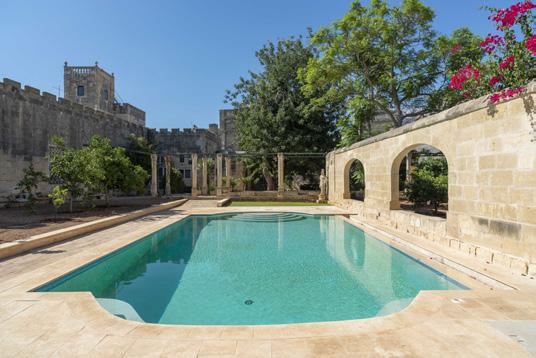
A spectacular PERIOD COTTAGE benefitting from an abundance of character & personality ▪ Use of over 1000m2 of gardens & grounds ▪ Outstanding private swimming pool & terraces ▪ Electric gate access ▪ Paved driveway with parking for 4 cars ▪ Spacious living room with a wood burning fireplace ▪ Fully fitted & equipped kitchen/dining area ▪ 3 bedrooms & 2 bathrooms ▪ Beautifully designed interiors
A delightful ‘House of Character’ in this sought-after village Balzan| €725,000 | Ref: HC600746

3 Bedrooms
2 Bathrooms
located in an unspoilt urban conservation area (UCA) in this Open plan kitchen/sitting/dining area leading out onto the garden 3 bedrooms (including a spacious master bedroom that overlooks the garden) Washroom & private roof area with the potential to add an extra room
A spacious 3 bedroom ‘Apartment’ with balconies & a garage For Rent | Swieqi | €1950 monthly | Ref: FA602741
A bright & modern APARTMENT within a smart building ▪ Recently finished & furnished to high standards ▪ Open plan kitchen/lounge/dining area leading onto a spacious front terrace ▪ 3 double bedrooms (main with ensuite & walk-in closet) ▪ 2 bathrooms ▪ Storeroom ▪ 2 front balconies ▪ Lock-up garage ▪ Close to all local amenities including the park, shopping areas & Verdala International School Malta
▪ Collect your free copy of our latest ‘Perry Magazine’ from the displays in the baggage reclaim area ▪
▪ Our Letting department also offers a wide selection of both prime commercial & residential properties for lease ▪ perry.com.mt

INSERT TEXT HERE
EXCLUSIVE TO PERRY
EXCLUSIVE TO PERRY EXCLUSIVE TO PERRY
2-car garage EXCLUSIVE TO PERRY
WORDS FESTIVALS MALTA
CARNIVAL IN VALLETTA –A COLOURFUL TRADITION
THE MALTA CARNIVAL RETURNS WITH A BANG, FEATURING A FIVE-DAY PROGRAMME BUSTLING WITH COLOUR AND CELEBRATIONS, BETWEEN THE 17TH AND 21ST OF FEBRUARY IN THE HEART OF VALLETTA, MALTA’S CAPITAL CITY.


Carnival is an age-old tradition celebrated all over the world, traditionally known for its vibrant colours, exuberant atmosphere, and satire. Il-Karnival ta’ Malta (Malta Carnival) is renowned for its grandiose triumphal floats, and its elaborate costumes.
Predating the Knights of St John’s occupancy, the first recorded carnival activities in Malta date back to the 1400s. With the arrival of the Knights of Jerusalem, particularly during the reign of Grand Master Pierino Del Ponte, Carnival shot in popularity with the birth of ‘The Carnival Mad Days’, during which knights and nobles hosted opulent balls in Birgu.
The commoners celebrated their own version of Carnival, who took to the streets and dressed up in sheets, sacks, grotesque masks, and colourful clothes. Carnival evolved throughout the years and was extended to five days of celebrations around the streets of Valletta and Floriana, which have become a melting pot of cultural activities. This staple event also gave birth to several traditions, some of which are still celebrated to this day, such as il-Parata; a dance representing the battle between the Turks and the Knights, il-Qarċilla; a farce about a fictitious wedding strongly rooted in satire, that is performed on the streets, and il-Kukkanja; a greasy pole challenge whereby par ticipants try to collect as many presents as they can while they climb up a pole overcoming the obstacles they encounter – although this is no longer held in Malta, it is still quite popular in Gozo.
Organised by Festivals Malta, this year, Carnival will return in full force after two years of abridged editions. The programme, spread over five days, between Friday 17 and Tuesday 21 February, includes various float parades and dance competitions, with the main activities taking place in St George’s Square, Valletta. The carnival parades will pass through the main streets of Valletta, namely Republic Street, Castille Square, and Merchant Street, as well as the Granaries in Floriana and St Anne’s Street.
As part of the Carnival celebrations, Festivals Malta will also be organising various fringe events; a costumes exhibition featuring past Carnival costumes and two live renditions of il-Qarċilla in collaboration with Spazju Kreattiv, a marching band parade in Ħamrun, and a variety of activities at Ta’ Qali Crafts Village.
A modern element which has been recently added to the Carnival activities is the Ballu Tritoni, which consists of street celebrations in Triton Square. These celebrations will feature the participation of DJB and DJ Ryan Spiteri who will be accompanying these events with their music.
Make your winter stay one to remember with Carnival celebrations in Valletta.
For tickets and the full programme of events visit: www.festivals.mt/karnival
44 LOCAL
WORDS
MORE THAN DAPPER
HAVE YOU EVER HEARD OF THE TERM “DOPAMINE DRESSING”? A GOOD FRIEND OF MINE RECENTLY INTRODUCED ME TO THE PHRASE THROUGH A COMMENT UNDER A PARTICULARLY QUIRKY OUTFIT I’D THROWN TOGETHER AND POSTED ON INSTAGRAM. SHE WAS RIGHT, I DID FEEL GOOD THAT DAY.
One person who’s taken the art of dressing well to feel good, and making others feel a sense of joy in the process, is a gentleman known by the name of Citoyen Port. Port, short for Portelli, is a historybounder, whose preferred style of dress happens to be the Regency era (circa 1795-1820 - talk about vintage!) and his unusual mode of self-expression is rooted in his deep appreciation for the past.


Once he’s shelved the nine-to-five, Citoyen Port holds court in his preferred stomping grounds of Valletta, dressed up to the nines in meticulously chosen pieces designed
by the wearer himself. We’re talking waistcoats, frocks, breeches, walking sticks and riding boots, which makes for a fabulous first impression.
Nothing is bought off the shelf, instead, Port designs his custom glad-rags and has them made to measure by his trusted tailors. The process is a long one and takes months of research, sketching and sourcing of historically-accurate fabric. Everything from footwear to headgear is taken into account by the wearer, and the results are head-turning to say the least. He has a button seamstress and perruquier in the UK,
and a hat maker in Germany. It’s safe to say that this Maltese maverick has an eye for detail, and his passionate planning makes for a feast for the eyes.
In an architecturally rich capital city like Malta’s Valletta, which is often described by visitors as being akin to an ‘open air museum’, Citoyen Port has ample opportunity to make the most of the many photo-ops the location provides. Photographers flock to take his portrait in the majestic ballrooms that once hosted aristocratic functions from the very timeframe he adores, and, when
INSERT TEXT HERE
45 ARTISAN
NICOLE PARNIS

46 ARTISAN
sashaying down the boulevards of the city, even strangers will stop him in his tracks, eager to find out more. He readily obliges to photo requests. Onlookers are, on the most-part, encouraging, curious and perhaps even a little motivated by Port’s accomplishment to break the mould of humdrum appearances. Citoyen Port’s interest in de-modernising his wardrobe is his own way of countering fast fashion by resorting to clothing made of organic fabrics which are durable and last a lifetime. He is even currently looking into launching an entrepreneurially-related venture later this year!
As a person, Citoyen Port is an avid music lover, activist and a non-conformist. Even his other hobbies are out of the ordinary, and include archery, horseback riding and adventuring out of town to historical

places of interest such as battlegrounds and fortifications, both in Malta and abroad. His many tales of backpacking and sightseeing to far-off lands such as Uzbekistan and Sudan, and recently the island of Elba to visit the residences of the exiled Emperor Napoleon, make magnificent conversation pieces for friends and tourists on his encounters in his beloved city, who he relishes in meeting at his favourite jazz bars, frequented by similar bohemian, philosophical types.
Citoyen Port feels most at home on his trips overseas to historical costuming festivals such as Venice Carnival in February and this year’s Jane Austen Festival, which will be held in Bath, England, come September. These opportunities to meet like-minded people have been waited on with bated breath by the historical costuming community, which has

thankfully been kept alive and kicking throughout the pandemic. In fact, solitary time has given folk even more encouragement to lean into their own interests and sartorial preferences, and platf orms like Instagram and TikTok have been of immeasurable importance for building a sense of belonging for people with shared interests. “I think it’s nice when you brighten someone’s day up like that, who in turn encourage you in what you do,” Port says, adding: “I also receive direct messages on my Instagram account from time to time, from people telling me that they enjoy my content and are inspired to do the same- this is also a goal of mine.
By sharing this hobby I hope to engage others and encourage them to take it up, and not necessarily fashion of this era.” Baroque-on, Port!
INSERT TEXT HERE 47 ARTISAN
One person who’s taken the art of dressing well to feel good, and making others feel a sense of joy in the process, is a gentleman known by the name of Citoyen Port.
HERALDRY AT PALAZZO FALSON MUSEUM, MDINA

PALAZZO FALSON HISTORIC HOUSE MUSEUM IS SPONTANEOUSLY IDENTIFIED WITH MDINA. YOU CANNOT MISS THIS GEM OF A MUSEUM AS YOU WALK ALONG THE NARROW STREETS OF THE OLD CAPITAL CITY OF MALTA.
On my first visit to this House Museum I was immediately impressed by the mosaic of cultural magic that Olof Gollcher bequeathed to the Maltese people. The seventeen rooms in the Palazzo are a showcase of Olof’s versatility as an avid collector of objets d’art, jewellery and furniture. Philanthropy and painting were second nature to Olof as an individual with a strong civic sense.
However, my main interest regarded Olof Gollcher’s decision to decorate the friezes of the Sale Nobili – comprising the Drawing Room, the Sitting Room and the Dining Room on the first floor – with coats of arms and colourful designs of flowers, fruit and foliage. His flair for painting and sketching and his affection for Malta’s history in connection with the period of the Knights of the Order of St. John of Jerusalem came to the fore in this area.
There are sixteen coats of arms each one with the Order’s flag at the top. Three of them are authentic in design and these belong to Richard Shelley – a diplomat and last grand prior of the knights in England; Oliver Starkey – Latin Secretary to Grand Master de Valette; and William Weston – last prior of the Order in England before the dissolution of the Langue of England in mid-16th century. The rest can be classified as a combination of Olof’s knowledge of the basics of heraldry and, at the same time, of his fertile imagination and talent for painting. They represent a mixture of parts of authentic coats and of parts indicating the importance of colour and shape of the shields.
Delving into the museum’s archives I came across a file containing a series of paper cuttings, sketches and decorations. Following a

48 LOCAL WORDS ANTHONY AZZOPARDI
Sketch in Archives Portfolio
Coat of Arms painted in the Sale Nobili at Palazzo Falson Historic House Museum
process of identification and categorisation each item was then wrapped in acid-free paper for conservation. It eventually turned out that most items were replicas of what I saw in the Sale Nobili
Paper cuttings of lions and eagles, and carbon cuttings of coats of arms together with handwritten notes revealed the connection that emerged between items in the public eye and those behind the scene.


However, Olof Gollcher’s colourful life does not end with his ability to paint and to collect. Before purchasing part of the Palazzo in 1927, he had distinguished himself in the British Army having served in both World Wars. He had a particular interest in Underwater Archaeology and the preservation of Maltese historical sites.
Olof was also attracted to Freemasonry. A collection of Freemasonry regalia showcased in the Small Collections Room is evidence to this. It can be revealed from his diaries held in the Archives section of the Pala zzo that he was also a philanthropist extraordinaire.
In view of the diverse items of interest and attraction, there are enough good reasons for a visit or two to the Palazzo.
Anthony Azzopardi was the founder and first Head of the Department of Youth and Community Studies at the University of Malta. He is also a research volunteer at Palazzo Falson Historic House Museum.
Palazzo Falson Historic House Museum is open from Tuesday to Sunday from 10:00am to 5:00pm (last entrance at 4:00pm). Audio guided tours are available in the following languages: Maltese, English, Italian, French, German and Spanish. For inquiries please contact us on +356 21454512 or email bookings@palazzofalson.com.
We recommend that you visit our website and read our health and safety guidelines before visiting the museum: http://www.palazzofalson.com/
Palazzo Falson Historic House Museum is managed by Fondazzjoni Patrimonju Malti, a non-profit heritage foundation aiming to spread awareness about our heritage through museums, publications, exhibitions and events.
INSERT TEXT HERE
Us in Sliema
108, Triq Manwel Dimech, Sliema, Malta maltasouvenirs souvenirsthatdontsuck.mt
Find
and Valletta!
8, Misraħ San Ġwann, Valletta, Malta
A space where creativity meets craft to highlight the local charm
CHECK OUT THESE EVENTS HAPPENING IN MALTA THE NEXT FEW MONTHS!
MARCH 4 - 5
TOI TOI KIDS
Meet Cute - A jukebox musical for ages 8+ www.teatrumanoel.com.mt

MARCH 24 - APRIL 6
ORDER OF MALTA NATIONAL ART EXHIBITION
The exhibition shall feature both established and upcoming artists. www.orderofmalta.mt
APRIL 1
XTERRA MALTA
Start training now for the most picturesque off-road triathalon in Europe.
www.xterraplanet.com
APRIL 9
TOI TOI KIDS
Easter Family Show
Teatru Manoel, Valletta. www.teatrumanoel.com.mt
APRIL 21 -23
DARK MALTA FESTIVAL
Celebrating all that is Gothic, Industrial and Metal. www.darkmalta.com
APRIL 21 - 30
WONDERLAND WIVES
MADC Playhouse, Sta Venera
A hilarious take on the lives of fairy tale favourites including Cinderella, Prince Charming, Snow White and Belle. www.madc.com.mt
EVENTS
BABY SERIES: OPERA BITES
VENUE:
Teatru Manoel Studio Theatre, Valletta
DATE:
10th - 11th February 2023
ONLINE: www.teatrumanoel.mt
The second in a four-part Baby Series, Opera Bites introduces opera to young children, with experienced operatic Mezzo Soprano Clare Ghigo leading this playful journey from Mozart all the way to contemporary writing. Ages 0-4
MISERY
VENUE:
Blue Box, M Space, Msida
DATE:
18th -26th February 2023
ONLINE: www.masquerademalta.com
MISERY follows the successful romance novelist Paul Sheldon, who is rescued from a car crash by his “number one fan,” Annie Wilkes, and wakes up captive in her secluded home. While Paul is convalescing, Annie reads his latest book and becomes enraged when she discovers the author has killed off her favourite character, Misery Chastain… This spine-tingling stage adaptation traps you in the room with Paul as he must outsmart Annie if he hopes to escape. Based on Stephen King’s best-selling novel, the tense cat-and-mouse game will grip you until the very end. Misery by William Goldman, based on the book by Stephen King, stars Alan Paris, Isabel Warrington and Victor Debono, and is directed by Stephen Oliver.

Even the most ordinary life can be stirred by encounters with extraordinary people.
'Strangers I'll Never Forget' (MJ Camilleri, 2021) is a fascinating portrayal of some of the remarkable events, mishaps and adventures experienced during three decades of the author's journey through life. This kaleidoscope of anecdotes captures memories in short, enjoyable stories from the sunny island of Malta, and beyond. Available in paperback from Ede Books and BDL Books (Malta) and as an ebook from Amazon.

50 EVENTS
FEBRUARY IS UPON US, AND THE SOCIAL AND CULTURAL CALENDAR CONTINUES WITH GUSTO! PERUSE OUR TOP PICKS FOR THIS MONTH'S DIARY.
“WHAT’CHU LOOKING AT? WHO YOU SPEAKING WITH?” A GAZING ALL ROUND
AN EXHIBITION OF CONTEMPORARY ART FROM AN INTRICATE ENTITY

VENUE:

SPACE A, SPAZJU KREATTIV, Pjazza Kastilja/ Castile Place, Valletta
DATE:


21st January - 5th March 2023
CONTACT:
+356 2122 3200, +356 9984 4653
ONLINE: https://www.kreattivita.org/events/
The continent known as Africa is a complex, intricate and unfathomable entity. There has always been this futile quest, particularly in the west, to tentalise Africa. We are adequately informed, especially through the work of the multitude of creatives that operate from Africa and her Diaspora, that it is impossible to do so. So, in what ways are contemporary African artists expressing their many lived realities across a continent made up of 54 countries in this current experience? With what materials, media, techniques and technologies are their ideas being wrought into objects, situations and complex aesthetic propositions? What, in terms of globality, constitutes our collective becomingness and imagination in the recent experience of the world? This exhibition proposes an investigation of some of the possible responses to the above stated questions in a variety of novel and audacious forms. This exhibition with 10 participating African artists and curated by Dr Bernard Akoi-Jackson will open from the 27th January to 5th March 2023 at Spazju Kreattiv in Valletta.
INSERT TEXT HERE EVENTS
C M Y CM MY CY CMY K GS-Bizzilla-Half_Magazine-190x133mm-V2.pdf 1 12/01/2023 14:54


04 Illustrations are the artist’s impressions only and cannot be regarded as representations of facts or accurate locations. THE SHORELINE Suite 407, Level 4, Block SCM01, Smart City, Kalkara, Malta. Contact us on (+356) 2180 8895 Email: sales@theshorelineresidence.com www.theshorelineresidence.com 03 Portomaso Casino, Level -1 Portomaso Business tower Portomaso, St Julian's. Free Transport. Free Parking. Free Wi-Fi. Open 24 hours. Contact us on (+356) 2138 3777 www.portomasocasino.com 02 Oracle Casino, Isle Promenade Qawra. SPB 2508. Free Wi-Fi. Open 24 hours. For info and free transport contact us on (+356) 2157 0057 www.oraclecasino.com 01


HAVE AN Pope yemalt a79 Pope ye Village Malt a www pope yemalt a com +356 21 524 782 Bus Number: 101 04 02 03 01
KITEBOARDING IN MALTA
MALTA’S CRYSTAL-CLEAR WATERS ATTRACT THOUSANDS OF VISITORS TO OUR ISLANDS EVERY YEAR. A PERFECT NATURAL ELEMENT, THE WIND, OFFERS OPPORTUNITIES TO ENJOY THE SEA IN A VARIETY OF WAYS
Being an island in the middle of the mid-latitude depressions path, in a band of pressure difference means that wind in the Maltese Islands is very common. On average, 92% of all days experience winds of at least Force 2. The predominant wind direction is the Northwest, whilst the windiest months of the year are between early October and late February, when gale force winds are quite common.
One of the few wind water sports practiced in Malta are kiteboarding, and kite-surfing. Also known as kiting, this exciting sport is a blend of wakeboarding, surfing, windsurfing, snowboarding, paragliding, and skateboarding.
Seasoned local kiteboarder and adrenaline junkie, Kenneth Galea, explains. Harnessed to a large hand-controlled kite and powered by the wind, the kiteboarder uses a surf or twin-tip board (similar to a snowboard, wakeboard, or skateboard) to ride and glide across the water. The basic kite gear used is a board, a kite, a harness, and a
bar with lines. The kite is inflatable and is connected to the rider via a set of power and steering lines attached to ‘the bar’. The bar is, in turn, hooked onto a harness worn across the rider’s waist. Most of the kite’s power is handled by the harness, with the arms only controlling power and steering.
Kiting conditions in Malta are not the easiest. Ideally the sport is practiced with a side-shore blowing wind, but this requires wide open beaches, where the wind blows cleanly and unobstructed across the bay. Our beaches are all located in semi-enclosed bays, which means that kiting is always practiced with an on-shore wind. This means that should something go wrong, the rider is blown towards the shore. Kite boarders get to practice their adrenalinepumping sport in a number of beaches across Malta and Gozo. The beach used is always determined by the wind direction.
Ġnejna Bay, Golden Bay, MellieħaBay, Little Armier, White Tower Bay, St Thomas Bay, and Ir-Ramla l-Ħamra in Gozo are all
54 SPORTS WORDS DEIRDRE FARRUGIA
frequented by kiters during the winter months. All the spots with favourable conditions are closed off as swimming zones in the warmer months, so unfortunately, there is not really anywhere close to shore where one can set-up, launch, and land the kite safely during the Summer season. Colder water temperatures and windchill factor during the winter months means that a wetsuit needs to be worn. Kites vary in size, and different sizes are used for different wind conditions. A smaller kite is used in stronger wind conditions, while a larger kite will provide more pull in the lighter winds. Rider weight, rider ability, and board size also determine what size kite would be ideal for the conditions presented. As opposed to kite boarding, kite surfing is more of a wave riding style. The largest waves are usually formed across Riviera Bay, Golden Bay, and Ramla l-Ħamra in Gozo.
The kite boarding community in Malta is quite small. Many take on the challenge of learning this exciting extreme sport. Gearing up requires quite an investment. Safety gear, such as helmets, impact vests, and gloves, are highly recommended, especially in

rougher conditions. Some riders prefer wild conditions created by strong force 6-7 winds. Laun ching and landing the kites usually requires the assistance of an acquaintance, as it is not safe to selflaunch and self-land.
As yet, no official kite boarding association has been formed, and the small community of locals usually know where and when to go to kite. Kite equipment is not locally available for rent, but there are a few local suppliers that sell the equipment. There are also few certified instructors that teach the art of kite boarding. The best months to practice the sport would be between October and May, but visiting tourists would need to bring their own equipment due to the absence of gear rental spots.
All in all, although it is quite a demanding sport in its early learning stages, kite boarding is extremely pleasurable. The adrenaline rush of gliding across the waves in such extreme conditions, hearing nothing but the wind and the gliding of the board on the water is a feeling hard to describe!
INSERT TEXT HERE 55 SPORTS
WORDS JOHN DE GIORGIO
WITH EVERY PROJECT, ROTARY IS CHANGING THE WORLD FOR THE BETTER
ROTARY - A SERVICE CLUB WHICH ENABLES MEMBERS TO PROVIDE ASSISTANCE TO LOCAL COMMUNITIES AS WELL AS TO THOSE FAR AWAY – IS AN ORGANISATION REPRESENTED BY 1.4 MILLION MEMBERS IN ALMOST EVERY COUNTRY IN THE WORLD.
Rotary clubs are run by an annually elected board and the Malta clubs form part of District 2110 (Sicily and Malta) which has over 3,600 members in 100 clubs. Malta has two clubs and there is also one in Gozo. The first was Rotary Club Malta, which was established in 1967.
You may notice information boards which showcase projects which have been sponsored by the various local clubs, including respite homes, sensory rooms, natural habitat planting, a children’s ambulance to name but a few.
Furthermore, the Rotary Foundation transforms financial gifts and funds raised into service projects that change lives both close to home and around the world. The Rotary Foundation
helps Rotary members to advance world understanding, goodwill, and peace by improving health, providing quality education, improving the environment, and alleviating poverty. Since it was founded more than 100 years ago, the Foundation has spent more than $4 billion on life-changing, sustainable projects. Rotarians celebrate the Foundation on February 23rd.
A CURRENT MALTA-BASED PROJECT
Hospice Malta has embarked on an ambitious project to build a new in-patient care facil ity in Santa Venera which is being called St Michael's, to accommodate sixteen in-house patients. Rotary Club Malta, together with Rotary Club La Valette, are working to raise the € 120,000 required to equip and furnish all the bedrooms. This project is being undertaken
56 LOCAL


INSERT TEXT HERE 57 LOCAL
with the support of a grant from the Rotary Foundati on, as well as the support of companies and individuals that have assisted Rotary in its fund raising.
ONGOING WORK
Dar il-Kaptan was Malta's first Respite Home for the Disabled and allows parents of children with disabilities the opportunity to leave their children in the care of professionals for those short periods when they are unable to provide the care themselves. The club has funded all sorts of equipment, specialist beds and three equipped vans, three extensions to the existing building, and is currently working on a cold store. The home has also benefited from maintenance days where volunteers from the community and local companies worked together to refurbish facilities and individual members have dedicated their time by offering their own professional skills to help with these projects and to run the operation on a day-to-day basis over the years.
HELPING COMMUNITIES OVERSEAS

Recently, Rotary Club Malta completed a project to build the Rotary Malta Parents Primary School in the village of Kankuji, in the District of Luwero, Uganda which is providing education to over 450 local children.
This is the second school the club has built and is the result of an investment by the club of over €130,000, of which €72,000 was provided by the Government of Malta’s Overseas Development Aid fund, managed by the Ministry for Foreign and European Affairs and Trade and the rest was through fund-raising activities.

The project involved the preparation of the land, the design and construction of the classrooms and administrative block and toilet facilities, as well as all the fixtures and furnishings. As a part of Rotary’s Empowering Girls initiative, a particular focus was also placed on the washroom facilities for girls, who would otherwise be disadvantaged in their schooling.
WE’RE THIS CLOSE
S ince 1985, Rotary has led its primary project for the global eradication of Polio which has reduced annual infections from 360,000 to 30 in 2022. Polio is a debilitating contagious disease, usually effecting children and results in severe disability or death but can be halted through mass vaccination programmes. Together with its partners, the World Health Organisation, UNICEF, CDC and the Bill and Melinda Gates Foundation, nearly three billion children worldwide have been vacc inated.
VISITING ROTARIANS ARE WELCOME TO ATTEND ANY OF THE CLUBS’ MEETINGS:
Rotary Club Malta: Corinthia San Gorg - Monday, 19:00hrs
Rotary Club La Vallette: Intercontinental Hotel - Thursday, 19:00hrs
Rotary Club Gozo: Calypso Hotel, Marsalforn - Thursday, 19:30hrs
58 LOCAL

INSERT TEXT HERE 59
CULINARY
SOME GOOD FOOD FOR THOUGHT
HOW CHOCOLATE CAME TO BE IN MALTA
BUILT BY THE KNIGHTS OF ST JOHN IN THE MID-16TH CENTURY ON THE STRATEGICALLY LOCATED MEDITERRANEAN ISLAND OF MALTA, VALLETTA QUICKLY BECAME A VERY IMPORTANT AND COSMOPOLITAN HARBOUR CITY, AND A PERFECT PLACE THROUGH WHICH FOREIGN CULINARY PRACTICES AND NEW EXCITING INGREDIENTS WOULD HAVE BEEN ABLE TO ENTER THE ISLAND.
And, through the influence and strong links that the multi-national Knights enjoyed with overseas regions, some ingredients were able to come into Malta relatively earlier when compared to other parts of Europe. One example of this was chocolate.
Malta was among the pioneering countries to have introduced the drinking of chocolate in Europe. Originating in Mexico, cocoa beans were probably introduced into our island by the Spanish knights. In the mid-1600s, a certain Francesco Buonamico wrote the Trattato della Cioccolata, claiming that “our island can truthfully boast of having been a forerunner in the coffee and chocolate drinking crazes that swept across Europe in the 17th century”.
Born in Valletta, Francesco Buonamico was by profession a medical doctor, but as was the custom for intellectuals at the time, he also specialised in other fields too: he was a botanist, antiquarian, linguist, scientist, poet, writer, theologian and enlightened traveller - best described as a post-Renaissance genius. Buonamico wrote extensively and is best known for his travelogue, written over a decade that he spent visiting 69 cities all over Europe. It was while studying in France, at the age of just nineteen, that he wrote what is considered as one of the earliest treatises on chocolate.
In this eight-page manuscript, Buonamico claimed that South American Indians resorted to chocolate drinking because they had
no wine! This highlights the fact that at the time, chocolate was a drink. The treatise provides us with a drinking chocolate recipe that included orange peel, spices, nuts and aniseed. We also know that in Malta, cocoa beans were used as the principal ingredient for the preparation of a cold drink, a granita, a sorbet, and even an ice cream. By the late 1700s, chocolate wrapping paper started to be printed in Malta, indicating that by this point, chocolate had started to be consumed also as a solid.
Due to its expensive market value and exotic nature, chocolate was primarily consumed by the nobility, but despite its limited market, it continued to attract the attention of scientists interested in discussing its nutritional benefits. Although not all of them agreed that it had any, it was still recognised as a precious treat, and there are various references where chocolate was offered to dignitaries visiting our island. Grand Master Pinto presented chocolate as a reward to a group of individuals who managed to infiltrate a network of organised smuggling from the Order’s bakery. Grand Master de Rohan had a personal chocolatier who worked at the palace, while a number of Inquisitors of Malta are also known to have treated their high-ranking guests with this sophisticated drink. In an inventory of the Inquisitor’s Palace compiled in 1798, no less than three copper chocolate pots, among other specialised equipment, are listed, with the sole purpose of satisfying the Inquisitor’s chocolate cravings!
60 FOOD & DRINK WORDS COLOURMYTRAVEL
You

INSERT TEXT HERE 61 FOOD & DRINK
KNOW
GOOD TO
can discover more about food at the time
the Knights and in Malta in general with a food
Valletta which is
Mondays, Wednesdays and Fridays at 10am. Book at coulourmytravel.com
of
tour around
held on
WE BRING YOU THE BEST THAT THE MALTESE KITCHEN HAS TO OFFER WITH RECIPES INSPIRED BY MEDITERRANEAN AND EUROPEAN CUISINE.
YOUR DELICIOUS MONTHLY RECIPE

From passionate foodies to professional chefs, Mediterranean Culinary Academy, gives students the technical abilities to excel in any culinary role. We offer a wide range of courses, workshops, private events and products. We are continuously looking into new ways to get people to learn more about the food they eat and how to cook dishes that use local and sustainably-sourced ingredients.
To see available workshops, please visit www.mcamalta.com

62 CULINARY
Why not learn to cook something special together using locally sourced ingredients?
You will already see fresh frawli – strawberries, which are grown in the Mġarr region which also puts on a festival for these fine fruits later in the spring.
Shaped like a heart, strawberries have long been associated with love and romance, and here we share we share a simple, but decadent dessert with you for Galentines, Valentines or indeed any other night!
MILLE-FEUILLE
INGREDIENTS
1 puff pastry sheet
200g Crème diplomat
25g flaked almonds, toasted icing sugar as needed
1 punnet of fresh strawberries, diced
METHOD
Roll out pastry as thinly as possible. Place flat on a tray and freeze (about 30 minutes). Using a knife cut out 6 rectangular sheets.
Dust heavily with icing sugar and bake between two baking trays (to keep them flat) for approximately 12 minutes. Allow to cool and dust with more icing sugar.
To assemble, place a layer of pastry, pipe Crème diplomat around edge working inwards. Place another sheet on top and repeat. Place diced strawberries in centre and layer another pastry sheet on top.
Dust with icing sugar and garnish with more strawberries.
63 CULINARY
TA’ MARIJA – YOUR GASTRO MALTESE KITCHEN

Constitution Street, Mosta
Established in 1964, Ta’ Marija is one of the island’s most historically rich restaurants. Head to their Folklore Dinner shows held every Friday and other evenings for a touch of Maltese liveliness


Transport can also be arranged. Their gastro menu is bursting with creativity with what is locally traditional while adding their own signature flavours of sumptuousness. From smallsized appetizers and platters ideal for those of you looking to experience a variety of different flavours, to traditional homemade ravioli, bringing you your favourite Maltese dishes in a way you never imagined. Mains include traditional and signature Maltese dishes ranging from popular rabbit selection, seasonal fish and shellfish in season, local meats and the famous ‘Whisper’ chargrilled steaks … also specials offered on the day. Be sure to leave room for their mouth-watering home-made desserts.
+356 2143 4444
www.tamarija.com
info@tamarija.com
TA' KRIS RESTAURANT & MALTESE BISTRO
80, Fawwara Lane, Sliema
Set in one of Sliema’s oldest bakeries, Ta’ Kris is all about providing a genuine mix of affordable Maltese and Mediterranean dishes in a homely fashion and rustic surroundings. Ta’ Kris offers a varied menu of traditional Maltese food such as braġioli, rabbit, octopus stew, bebbux (snails), balbuljata (corned beef hash), baked lamb, daily specials, pasta dishes, a selection of fresh fish on a daily basis and mouth-watering steaks. Ta’ Kris also offers take away & delivery service and set menus can be designed for special occasions. Advance booking is recommended and may be done through our website, via email, by phone, or on Facebook. Ta’ Kris is open from Monday to Sunday, from 12:30pm till 11pm.
+356 21 337 367 | +356 79 337 367
www.takrisrestaurant.com
takrisrestaurant@gmail.com
SKY17
St George’s Bay, S Julian’s, ix-Xatt Ta’ San Ġorġ
Looking for a place to enjoy shisha in Malta with stunning sea views? Look no further than SKY17, located opposite St George's Bay in Paceville. This cosy lounge has everything you need for a perfect evening out, including tasty food and cocktails, and a great selection of music to set the mood. Whether you're looking to relax with friends or celebrate a special occasion, SKY17 is the perfect spot.
+356 7798 4704
www.sky17.com.mt
sky17_malta
TAL-BUDELLA
No 6, Misraħ Awrekarja, San Ġwann
Our dishes are a mixture of genuine recipes developed and passed down from one generation to another within our family. All full of flavour and prepared using fresh, locally sourced ingredients. At Tal-Budella we are committed to serving reasonably priced authentic Maltese food.
For bookings:
https://bookia.mt/restaurants-malta/tal-budella-san-gwann

+356 7948 9322
www.talbudella.com
talbudella
talbudella
CULINARY 64
ANDREW’S BAR

St. George’s Bay, St. Julian’s Andrew's Bar is a freshly re-opened venue where fun is not optional, good food is compulsory, and building great memories is essential! Steeped in legacy, this is, in fact, Malta's oldest bar! The place is a go-to, and you're simply going to love indulging in the extensive menu with a great local cuisine focus with traditional Maltese dishes and modern dishes such as pizza or pasta. Ideal for breakfast, lunch, dinner, or also for a quiet drink or two!

+356 2138 8031
info@andrewsbar.com
TA' KOLINA
151, Tower Road, Sliema

Ta’ Kolina is a quaint, family run restaurant on Tower Road (one of Sliema’s most popular spots) and has been open since 1974. Ta’ Kolina is a typical Maltese restaurant with it traditional Maltese interior and décor. A set menu comprising of traditional Maltese food offers a choice of starter, main dish, dessert, and coffee for €24 per person. There is also a vibrant a la carte menu and daily display of fresh local fish. Dining here is a true Maltese experience for a reasonable price. We are open for both lunch and dinner from 12:00hrs – 22:30hrs.
+356 2133 5106
www.takolina.mt
+356 2010 5590

info@beachgardenmalta.com
Beach Garden Hotel, St. George's Bay, St Julian's, STJ 3302, Malta

65
GULULU – KCINA MALTIJA
133, Spinola Bay, St. Julian’s
Gululu - Kċina Maltija is ideally located on the water’s edge in the picturesque Spinola Bay in St. Julian’s. Gululu prepares both classic Maltese dishes and more contemporary ones using only typical ingredients and sourced locally. The service at Gululu is efficient and friendly - one is assured great value for money. The mood is casual and relaxed. A tasting menu includes eight different local dishes. Malta’s national dish, the Fenkata, is a speciality of the house. Gululu has won the award for best Maltese Restaurant in 2022 - three times in the last five years. Welcome to Gululu, we promise you a great time.

St Julian's +356 2133 3431
www.gululu.com.mt info@gululu.com.mt gululumalta gululurestaurant
HAMMETT’S MESTIZO
Triq Schreiber, San Ġiljan
Hammett's Mestizo is a vibrant Meso-South Americaninspired fusion social dining and drinking experience, with culinary influences expanding from Central America to the Caribbean and from the Andes to Amazon and Patagonia. The menu is constructed by a multi-award-winning team, led by talented Venezuelan Head Chef Rommer Ochoa and directed by Chef and restaurateur Chris Hammett.
+356 2779 5099
www.hammettsmestizo.com
hammettsmestizo
hammettsmestizo

Gozitano Agricultural Village, Mġarr Road, Xewkija, Gozo
Vini e Capricci by Abraham’s is the answer to every gourmand’s prayers, and an experience in its own right. A truly innovative gastrodome, home to exquisite food and award-winning wine and spirits. A concept which integrates a strong educational element, where the public not only can purchase, but will also experience products first-hand. A landmark in the Maltese Islands with constant attention to detail and a passion for the good things in life. This what makes Vini e Capricci a unique culinary destination. À la Carte, Wine & Tapas, Platters and Events. For bookings or more information on our offerings:

+356 2156 3231
www.viniecapricci.com
viniecapricci@abrahams.com.mt
abrahamsgozo
abrahamsgozo
SAMIZU
Marina Di Valletta, Pieta
A modern and airy bistro right by the water's edge at the foot of the majestic fortifications of Valletta and Marina Di Valletta. SA/MI/ZU boasts a gorgeous setting for indoor or al fresco dining with a tasteful design, spectacular seasonal menus, and impeccable service. From long weekend lunches to romantic date nights and afternoon cocktails in the sun, we'll meet you at SA/MI/ZU.

+356 7972 64981
www.samizu.mt
www.facebook.com/SAMIZU.MT
www.instagram.com/samizu.mt/
For advertising opportunities and restaurant listings, get in touch with us on sales@il-bizzilla.com or (+356) 2131 0608 LOCAL RESTAURANTS
VINI E CAPRICCI BY ABRAHAM’S
EVENTS & NEWS
THE FOLLOW ING PAGES WILL GIVE YOU AN INSIGHT ON WHAT’S GOING ON AT AIR MALTA. THE BEHINDTHE-SCENES AND HIGHLIGH TS OF PAST MONTHS AND FORTHCOMING ONES.
MALTA’S NATIONAL AIRLINE TELLS IT LIKE IT IS, ENSU RING ALL AIR MALTA CUSTOMERS ARE WELL-INFORMED WHILE SOARING HIGH IN THE SKY.

AIR
MALTA IS FLYING TO LISBON!
A NEW DESTINATION TWICE WEEKLY FROM JUNE 2023 TO OCTOBER 2023
LISBON STARTING FROM €83 ONE-WAY

www.airmalta.com
AIR MALTA MAKES TRAVELLING WITH PETS EASIER
Travelling with pets on board Air Malta flights just got easier with the release of a new online function on airmalta.com that enables travel bookings for cats and dogs.

Travelling with pets has become increasingly popular with Air Malta, carrying over 2,500 pets every year, 2,000 of which are carried in the cabin.
The new online feature is one of the latest online ancillary products and services launched by Air Malta that are aimed to deliver an enhanced customer experience. The new function is available as part of the flight booking process and gives customers peace of mind that their pets are confirmed at the time of booking.
Only cats and dogs up to 10 kgs including carrier can be carried in the aircraft cabin. Larger cats and dogs and other pets can be carried in the aircraft hold. More information is available here: airmalta.com/en-mt/flight-extras/pets. Terms and conditions apply.
68 AIR MALTA NEWS

THROUGH THE LENS OF A FREQUENT FLIER
WE TALK TO THE PHOTOGRAPHER BEHIND THIS ISSUE’S COVER PHOTO
Frank Kirchner, a photographer from Germany, first paid a visit to Malta in 1989 to capture images for two books; one on Valletta and one on Carnival. Ever since, “my heart is beating for this island”.
Since 2016, he has flown on Air Malta 5 or 6 times a year and to date, has been a customer for 50 flights!
Frank believes that Carnival, which is held in February, is one of the major events in the cultural landscape of Malta, a central part of its heritage. “It’s more than an event, more than a piece of the lifestyle. It’s the icon of the real world, the true meaning of culture, with feelings and passio n.”
Looking at Frank Kirchner’s portfolio you will find that, besides the actual Carnival events, he manages to document the whole process, the activities that go on for months behind the scenes; tireless training units of the Carnival sessions, the logistics and assembly and dismantling.
He enjoys being an eyewitness of the hustle and bustle, the electric atmosphere, where he can witness thousands of hands working together to create the spectacle.
His visual and emotional “journey” is accompanied with a deep, honest gratitude to a lot of locals who, over the past seven years have opened their doors for him to see inside the warehouses where
the preparation work is done, giving him the opportunity to see the real stars of the show.
He likes to capture images and shoots candid shots, orientated to tell the story of the different aspects of Maltese Carnival, showing the great dedication to the the event which he believes is unknown to many.
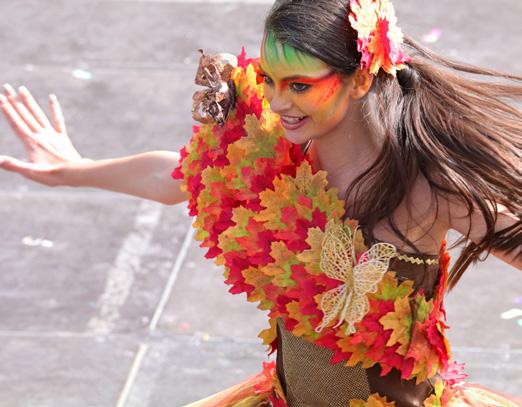
Inspired by the magnificient costumes, breathtaking dance choreographies and fantasy floats, he held an exhibition in 2022 on the subject of Carnival ‘Through The Eyes Of A Friend’, and plans one on his other subject, Valletta, in 2023.

Share Franks journey via www.frank-kirchner-photography.com

70 AIR MALTA NEWS


Your One-Stop Shopping Destination.
Beyond Flying
IL-BIZZILLA TALKS TO STEVE CAMILLERI
HEAD OF PROCUREMENT & CONTRACTS MANAGEMENT
HOW LONG HAVE YOU WORKED AT AIR MALTA AND IN WHAT ROLES?
I have been employed with Air Malta for the past 28 years, with the longest contributions being in Projects Management, as Head of Crew Resources and now as the Head of Procurement & Contracts Management.
WHAT DO YOU ENJOY MOST ABOUT YOUR CURRENT ROLE?
Airline operations have carved in me an appetite for solving complex problems in a very fast-paced environment. On top of that, currently I have the luxury of working in a very dynamic environment, surrounded with people who aspire for continuous improvement.
AND WHAT’S THE MOST CHALLENGING ASPECT?
Focus and prioritization is a key aspect of the job. One moment you are approving procurement of office stationery, the minute after you’re reviewing a multi-million aircraft leasing contract.
WHAT DO YOU LIKE TO DO IN YOUR FREE TIME?
I am not generally bothered with big gatherings or complex plans. The perfect day generally is when I manage to have my wife and the kids on a long drive, stopping for lunch or a coffee along the way and having a good conversation.

WHICH IS YOUR FAVOURITE EUROPEAN DESTINATION AND WHY?
I like travelling and simply fell in love with Sweden the moment I arrived.
DO YOU HAVE A FAVOURITE LANGUAGE?
My closest and dearest will confirm that I do not believe in a quick answer for an easy question. What I find most captivating is body language - the balance of speech with silence.
FAVOURITE MOVIE?
Absolutely not a movie person and I’d rather watch a good documentary.
FAVOURITE GENRE OF MUSIC?
I love all sorts of music dependent on the time of the day or the mood. Orchestra and instrumental when in need of concentration, whereas club music helps when in need of motivation.
DREAM HOLIDAY DESTINATION?
I’d like to believe that one day I will have time and opportunity to travel to the Far East, the likes of the Kazakh regions and Nepal.
WHERE WOULD YOU RECOMMEND VISITING WITHIN THE MALTESE ISLANDS?
Probably the west coast including Rabat, Dingli and Buskett offer the most beautiful views. For those who love Summer then, the bays in the surroundings of Mellieħ a together with spots in Gozo and Comino are an absolute bliss.
PREFERRED MALTESE DISH? Mum’s pork stew.
FAVOURITE MALTESE EXPRESSION?
"Insomma mela” which translates into a sort of “whatever”. Mostly used by my wife to tell me off, whenever I take more time than the ‘necessary’ to make a point!
AIR MALTA NEWS AIR MALTA NEWS 72
London LHR
AIR MALTA DIRECT FLIGHTS
Amsterdam
London LGW
Paris CDG
Brussels
Paris ORY
Geneva
Lyon
Nice
Berlin
Dusseldorf
Prague
Zurich
Munich
Vienna
Madrid
Lisbon
Routes and schedules may vary.
Milan
Rome
Naples
Palermo
Catania
Malta
Tel Aviv
73 AIR MALTA NEWS FLIGHT INFO
FLIGHT & COMPANY INFORMATION
AIR MALTA FLEET

AIRBUS 320CEO
QUANTITY: 3 IN FLEET
NUMBER OF SEATS: 168/180
ENGINES: CFM56-5B4/P

MAXIMUM TAKE OFF WEIGHT: 75.5 / 77 METRIC TONS
OVERALL LENGTH: 37.57M
WINGSPAN: 34.1M
CRUISING SPEED: MACH 0.78 (450KNOTS, 833 KM/HR)
RANGE: 5,200 KM, 2,800 NMI, 3,250 SMI
ALCOHOL CONSUMPTION
AIRBUS 320NEO
QUANTITY: 4 IN FLEET
NUMBER OF SEATS: 180
ENGINES: CFM LEAP-1A
MAXIMUM TAKE OFF WEIGHT: 77 METRIC TONS
OVERALL LENGTH: 37.57M
WINGSPAN: 35.8M
CRUISING SPEED: MACH 0.78 (450KNOTS, 833 KM/HR)
RANGE: 6,500 KM, 3,500 NMI, 4,025 SMI
Alcohol consumed at high altitude can have a stronger effect than usual. Cabin crew are legally empowered to refuse to serve any alcohol to an intoxicated passenger and anyone under the age of 18. In extreme cases, crew may also temporarily confiscate the passenger‘s own drinks so that the passenger does not become a nuisance to the other passengers and crew. Furthermore, Air Malta is bound by international regulations which prohibit the embarkation or the carriage of drunken passengers. However, since you are reading this article, Air Malta‘s Flight Safety Committee is confident that you are a law-abiding and exemplary passenger. Indeed, the cabin crew may need your assistance to restrain another passenger in the unlikely event that he or she may act irresponsibly during the flight. The consumption of one’s own alcoholic beverages inflight goes against Air Malta policy.
SMOKING
Smoking is prohibited from when you leave the departure terminal building until you reach the arrival terminal building. Smoking is allowed in designated areas only. Smoking is not allowed during any phase of the flight and in any area of the aircraft. Should you be aware of a passenger who has smoked in the toilet during the flight, please inform the cabin crew immediately so that they can check for any undetected fires. The use of electronic cigarettes (e-cigarettes) is not allowed on board Air Malta flights. Similarly, the use of naked flames on and around the aircraft is also prohibited.
FACE MASKS
The Airline requires all passengers to follow the necessary regulations pertaining to the wearing of approved medical or cloth face masks, starting from boarding, for the duration of the flight, through to disembarkation. You might also be required to wear a mask within the airport building, before and during check-in, upon arrival, when collecting baggage, and up to the point that a passenger leaves the airport building. As per the Government of Malta Legal Notice 402 of 2020, children under three (3) years of age and persons with severe cognitive, physical, mental, or respiratory impairments who have difficulties tolerating a mask as certified by a licensed medical practitioner are exempted from wearing masks. Certified individuals shall always carry the relevant medical certificate exempting them from wearing a mask. Passengers risk fines if they fail to comply.
PHOTOGRAPHY
The users of Air Malta services are obliged to comply with the European Regulation 679/2016 on the protection of personal data as well as the Chapter 586 of the Laws of Malta (Data Protection Act). It is the sole responsibility of the user to comply and in any case of non-compliance for payment of any penalties arising from such non-compliance. Based on the above-mentioned laws it is strictly forbidden to take photos or videos of passengers or the crew (without their explicit consent) and uploading them to the web.
74 FLIGHT INFO
ENHANCE YOUR TRAVEL EXPERIENCE
SURVEY
Customer satisfaction is of the utmost importance at Air Malta and we are always looking for ways to improve your experience. Visit our website to answer a few short questions.
Visit www.airmalta.com/wearelistening
JOIN OUR BUSINESS CLASS
NEWSLETTER
Subscribe to our newsletter or like our Facebook page to learn about our promotions, with fares starting from as low as €44 including taxes.
Visit www.airmalta.com for more information.
Upgrade to Air Malta’s Business Class for priority service. Members can make use of the special check-in counters for more leisurely and efficient boarding, enjoy access to the La Valette Lounge at Malta International Airport, and get more privacy with a separate inflight cabin area.
CARRY MORE WITH YOU
Are you worried about not being able to fit everything you need into your suitcase? Stop stressing out and check out our extra baggage service. Simply book your extra baggage online and get the most out of your trip. Visit www.airmalta.com/excess-baggage-en-gb
FLY IN COMFORT
Enhance your comfort with extra legroom during your flight. This option gives you more space to relax in preparation for your trip.
Visit www.airmalta.com/information/services-by-air-malta/seat-selection
GET SPORTY
Are you passionate about a sport? We make it easy to travel and take your specialised equipment with you at a very minimal cost. Visit www.airmalta.com/excess-baggage-en-gb
GROUPS
We also cater for large groups who want to travel together. If your group is larger than 10 adults, contact our Group Bookings team for special rates that you can’t get anywhere else. Email groups@airmalta.com
WEB CHECK-IN
Skip the line and check-in before you get to the airport. You may check-in online before you get to the airport, up to 24 hours prior to departure up until one hour before your flight.
Visit www.airmalta.com/information/check-in
75 FLIGHT INFO
USE OF PORTABLE ELECTRONIC DEVICES ON BOARD
TRANSMITTING PORTABLE ELECTRONIC DEVICES (PEDS)
Devices that can send or receive data by wireless means, such as mobile-phones and tablets, may be used during all phases of the flight provided their transmit/receive capabilities such as GSM & Wi-fi are switched off. Devices working on Bluetooth wireless connectivity are allowed. If the device has ‘Flight Mode’ capability, this must be enabled. Such devices shall be safely secured in the customers’ hand (handheld) or a pocket during taxi, take-off and landing. Larger devices (e.g. laptops) shall be switched off and stowed away safely during taxi, takeoff and landing. Accessories, such as headphones, must not obstruct access to the aisle. If the data transmission capability cannot be switched off (whilst the device is operating), the device itself must be switched off for the duration of the flight.
NON-TRANSMITTING PORTABLE ELECTRONIC DEVICES (PEDS)
These could include, but are not limited to, items such as DVD players, electronic games, music players and personal cameras. Such devices shall be safely secured in the customers’ hand (handheld) or a pocket during taxi, take-off and landing. Larger devices shall be stowed away safely during taxi, take-off and landing.
ARE THERE TIMES WHEN I CANNOT USE MY ELECTRONIC DEVICES?
Under certain circumstances, your Flight Crew or Cabin Crew may ask you to switch off all Personal Electronic Devices. This may happen during automatic landings, low visibility takeoff or landing, or during emergency situations.
I SHOULD INFORM THE CABIN CREW WHEN …
Your portable electronic device is damaged, becomes hot, produces smoke, is lost, or falls into the seat structure. If safe to do so, the device must be switched off immediately.
LAPTOPS AND NOTEBOOKS
Such devices may be used during boarding and during flight but not during taxi, take-off and landing. Any built-in data connectivity such as Bluetooth or Wi-Fi must be disabled. These devices must be stowed away safely during taxi, take-off and landing since they could hinder an emergency evacuation
CAN I USE HEADPHONES?
Personal headphones can be used during all phases of the flight. However, we ask you to remove your headphones during the safety briefing. For safety reasons, customers sitting in an emergency exit row must refrain from using headphones during taxi, take-off and landing.
If you require more information, please refer to the table below which includes a list of Personal Electronic Devices (PEDs) which can be used onboard Air Malta flights by phase of flight. Please do not hesitate to contact any member of our cabin crew if you have any further questions. Safety Notice: The carriage of damaged, defective or recalled lithium batteries or devices is prohibited
ELECTRONIC DEVICES
on-board Air Malta aircraft.
Boarding Extended Ground Delay (when instructed by Flight Crew or Cabin Crew) Taxi-out for Take-Off During Safety Briefing Demonstration Take-Off Cruise Circa 10 minutes to landing (Cabin Crew PA) Landing Taxi to Stand PHASE HAND HELD PEDS (e.g. smart phones and tablets) LARGER PEDS (e.g. laptops and notebooks) HEADPHONES WI-FI, TEXT & PHONE CALL FUNCTIONS YES YES YES YES YES YES YES YES YES NO YES NO YES NO NO NO YES NO YES NO YES YES YES NO YES NO YES NO YES NO YES NO YES NO YES YES 76


