Unless stated otherwise, the information in this report covers Fiscal Year 2025, which ran from August 4, 2024 - August 2, 2025.

Unless stated otherwise, the information in this report covers Fiscal Year 2025, which ran from August 4, 2024 - August 2, 2025.
The UNFI Foundation is proud to share our first Annual Report, a reflection on the work we accomplished together in Fiscal Year 2025 to help build a more sustainable and equitable food system.
Since our founding in 2012, we’ve partnered with communities, nonprofit organizations, UNFI associates, suppliers, and customers to expand access to healthy, affordable, and sustainably produced food. Our collective impact is much greater than anything we could achieve alone and we are grateful for the partnerships we’ve made on this journey. It’s in this collaborative spirit that we reflect on our impact this past year. We’re excited to share what we have accomplished together, and to highlight the impact our nonprofit grantee partners are making in their communities.
Building on the launch of our five-year strategic plan in Fiscal Year 2024, we deepened our commitment to collaborative philanthropy by working closely with partners, grantees, and fellow funders, while intentionally aligning the Foundation’s efforts with UNFI’s Better for All sustainability commitments. We also introduced our impact investing strategy to help us scale our resources to generate measurable, long-term results.
Together, these initiatives are enabling us to direct resources and expertise toward innovative programs that expand access to healthy food, strengthen food recovery systems and local food economies, and also advance regenerative agriculture and improve soil health.

The challenges facing our food system and our grantee partners are complex and dynamic. As we deepen our commitment to empowering community changemakers, we know that meeting these challenges will require continued partnership, and a willingness to learn and adapt.
On behalf of the UNFI Foundation Board of Directors and the Foundation team, thank you for joining us in this journey and for your shared commitment to building a better future.
-Matt Echols, Board Chair, UNFI Foundation and Chief Corporate Affairs Officer, UNFI
Our Mission:
Empowering changemakers to build a more sustainable and equitable food system.
Our Vision:
We envision a future where food is a catalyst for healthy communities and environments, and is equally accessible to all.
Since our beginning, the UNFI Foundation has worked to transform how healthy, affordable and sustainably produced food reaches communities. We partner with organizations advancing regenerative agriculture, food access, food equity, and local food economies.
Our approach has earned recognition from trusted industry partners, including the FMI Community Uplift Award in Social Impact and the Progressive Grocer Impact Award for Innovative Philanthropy

These numbers represent lasting systems change taking root in fields, on store shelves, and throughout communities in the U.S. and Canada.


$1.6 million granted to nonprofits aligned with our mission
$15+ million awarded since 2012, supporting hundreds of changemakers
$200,000 deployed in impact investments to support farmers transitioning to regenerative or organic production
38 states and 2 Canadian provinces reached across urban, suburban, and rural communities, with a focus on underserved areas
78 grantee organizations supported this year, working at every level of the food supply chain (39 nominated by UNFI associates)
Learn more about our grantees at www.unfifoundation.org
This year, we deployed capital through two complementary programs designed to support both grassroots innovation and systems-level change.
Community Grant Program
Supporting community-based organizations where UNFI associates live and work
$335,000 granted to 38 nonprofits
Average grant size: $8,800
Focus: Local solutions to local challenges
Invite-Only Grant Program
Targeting larger, high-impact initiatives and scaled partners
$1,265,000 granted to 40 nonprofits
Average grant size: $31,600
Focus: Sustained systems change at scale
These programs work in tandem—grassroots organizations surface innovative approaches that can be scaled, while larger partners create the infrastructure for systemic transformation.
In addition to traditional grantmaking, the UNFI Foundation is deploying patient capital to accelerate and scale change.
Through impact investing, we aim to support new and innovative initiatives while generating capital that can be reinvested into mission-driven projects.
These investments demonstrate our commitment to using a mix of tools, not just grants, to transform the food system.
$200,000 in mission-aligned investments deployed.
MadCapital Perennial Fund II: supporting farmers transitioning their operations to organic farming and regenerative ranching.
Steward Regenerative Capital: providing flexible finance to help sustainable farms and food businesses meet immediate needs like equipment repairs, feed purchases, and operating expenses—and build toward long-term sustainability.

Our grantmaking is guided by four strategic priorities:
• Climate-Smart Agriculture
• Food Access Innovations
• Local Food Economies
• Food Equity
The following stories help illustrate the impact our support is having. All metrics come directly from our nonprofit grantees, who report their outcomes to us each year. These stories demonstrate what is possible through partnership and investment in organizations driving change across the food system.
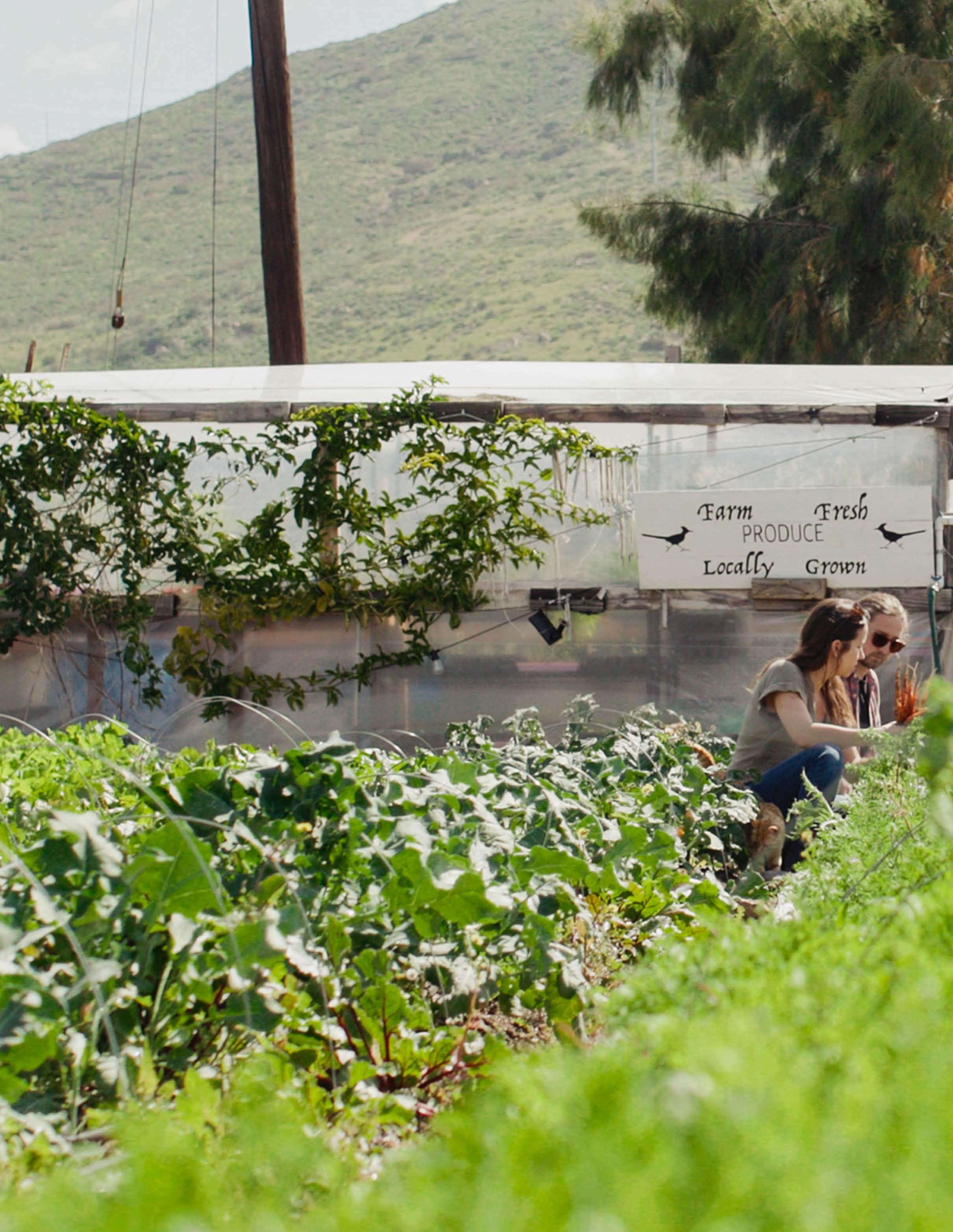

Ranchito Milkway Farm participates in the San Diego Food System Alliance’s Local Food Economy Lab, a program supported by the UNFI Foundation that supports sustainable and equitable food businesses.

Priority Area:
Supporting regenerative producers growing healthier food
Challenge
Farmers need upfront capital and technical support to transition from conventional to regenerative practices, yet traditional lenders view these transitions as risky. We are working toward a future where sustainably produced food starts with healthy soil and farmers are equipped to steward land for generations. Our grants and impact investments help producers adopt regenerative practices, rebuild ecosystems, and strengthen their businesses.
Regenerative agriculture is a holistic farm-led approach that actively restores soil health, biodiversity, and ecosystem resilience while producing nutritious food. It goes beyond sustainability by not only maintaining existing resources, but actively improving them. We support this by rebuilding soil, enhancing natural ecosystems, and strengthening the long-term well-being of producers and their communities. The UNFI Foundation Board and experts across UNFI have identified clear expectations for our grantees and the farmers they support, as they transition to regenerative or certified organic practices.
Grantee Impact: 1
477,690 acres of regenerative farmland supported through grantee programs and impact investments
7,000 farmers supported through mini grants, technical assistance, and mentorship

Oregon
a
Foundation
advances biologically sound and socially equitable organic agriculture through certification, education, and advocacy to build a sustainable food system for people and the planet.
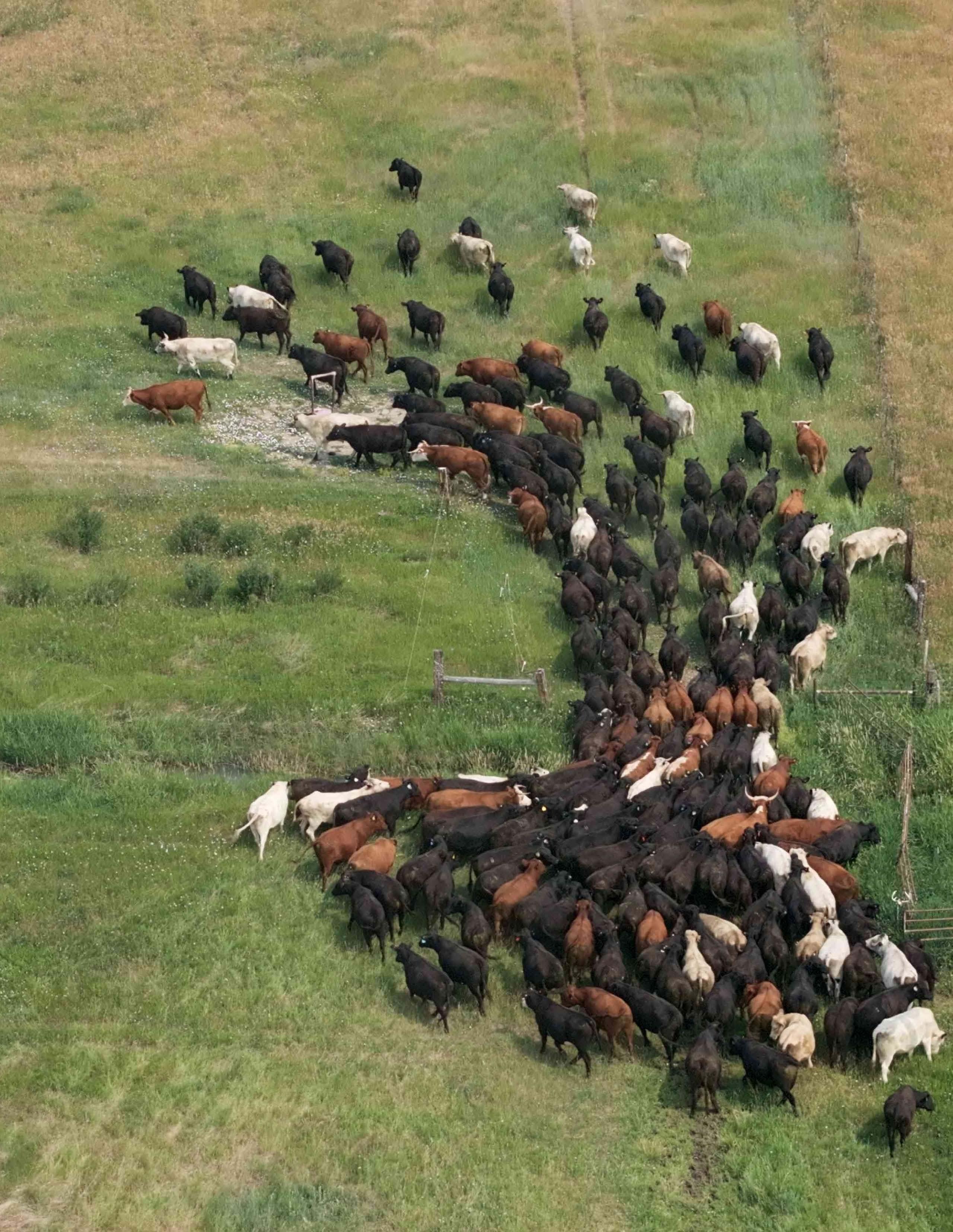

This year, the UNFI Foundation made strategic impact investments with two leading funds, providing catalytic capital and technical expertise to help farmers transition from conventional to regenerative agricultural practices. For the second year in a row, we invested in MadCapital’s Perennial Fund II, which provides tailored loans to U.S. farmers transitioning their operations to organic farming and regenerative ranching. This fund supports farmers with flexible financing for land, equipment, and operating expenses to help rebuild soil health, increase biodiversity, and ensure long-term farm resilience.
We also invested in Steward Regenerative Capital, a fund dedicated to financing farmers and ranchers who implement regenerative land management practices. Steward provides accessible capital to producers advancing soil health, carbon sequestration, and climate resilience while fostering equitable and sustainable food systems.
There is a critical need for affordable, patient capital to help farmers adopt regenerative practices. Through our impact investment activities, the UNFI Foundation helps lower barriers for producers by broadening access to
flexible financing. By participating in this ecosystem-building work, we complement the innovative strategies of our grantees, including farmer training, market expansion, and peer-to-peer learning. This collaboration helps more farmers access the resources, networks, and financial tools required to implement regenerative practices and build lasting farm and community resilience.
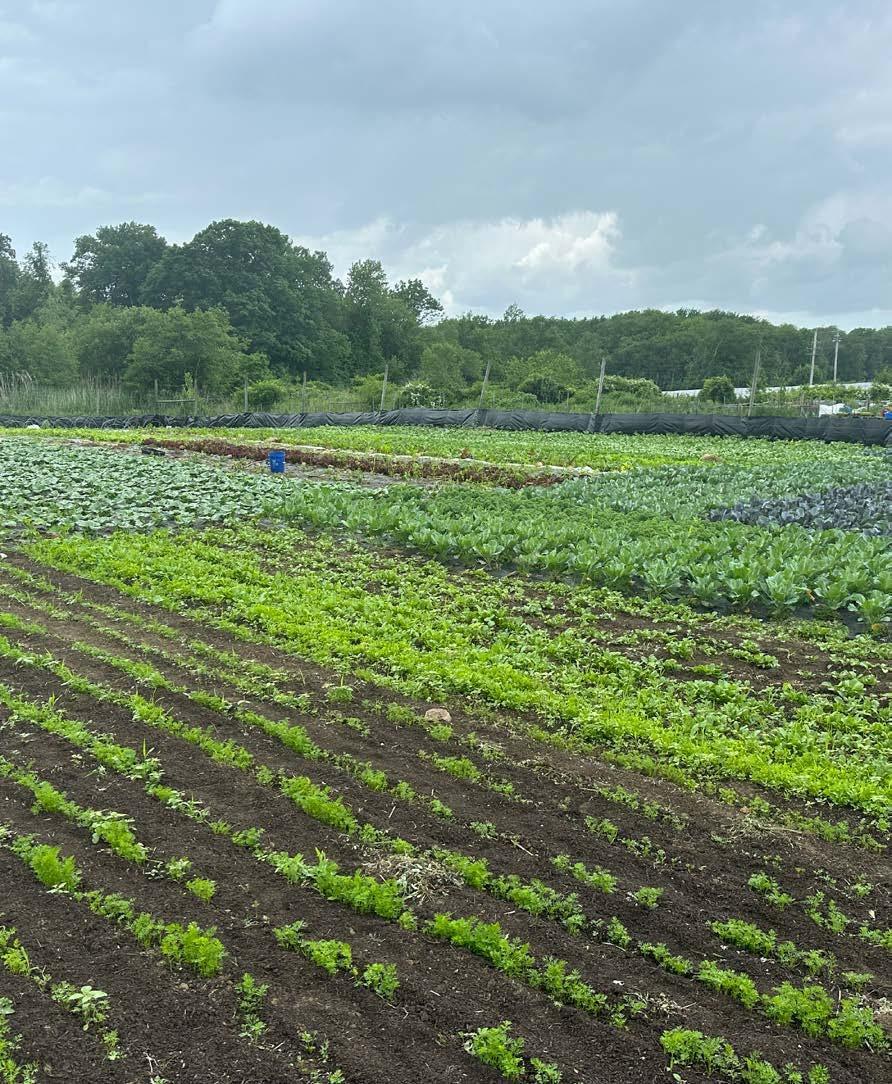
Meeting hunger with dignity through innovative programming
The Challenge
While 40% of U.S. food goes to waste,2 13.5% of Americans face food insecurity.3
Our Approach
We fund nonprofit organizations that develop innovative solutions to redirect quality surplus food to communities, expand purchasing power through nutrition incentives, and create new distribution models to reach beyond traditional food pantries.
In addition to the 35 million pounds of food donated through UNFI, the UNFI Foundation enhances this effort by funding nonprofits working to broaden access to fresh, healthy food in communities across the country.
Grantee Impact: 4
22 million pounds of food distributed
18 million pounds of food diverted from waste
$1.4 million in nutrition incentives provided
2 ReFED, “From Surplus to Solutions: 2025 ReFED U.S. Food Waste Report,” February 25, 2025. Available: refed.org/us-food-waste-report-2025
3 USDA, “Food Security in the US – Key Statistics and Graphics,” January 8, 2025. Available: ttps://www.ers.usda.gov/topics/food-nutrition-assistance/food-security-in-the-us/key-statistics-graphics
4 Impact metrics based on grantee reporting provided to the Foundation.

UNFI Foundation grantees FoodRecovery.org and RePlate use technology and logistics to redirect surplus food from landfills to tables. FoodRecovery.org’s Palletized Food Recovery program streamlines large-scale donations while RePlate’s AI-powered platform revolutionizes food rescue through automated matching and delivery. FoodRecovery.org also partners with UNFI grantee Food Forward, a relationship that proved especially impactful during the 2025 California wildfires.
In response to the fires, Food Forward mobilized truckloads of rescued produce to affected communities, including 23,550 pounds of food rescued and donated by FoodRecovery.org. Collectively, these efforts demonstrate how innovative food recovery solutions can reduce waste, feed vulnerable populations, and build more resilient food systems.
Priority Area:
Building resilient, community-based, and inclusive food systems
The Challenge
Local food businesses are often confronted with significant barriers to success due to insufficient infrastructure for transporting, storing, and distributing local food to nearby markets.
Our Approach
We invest in local food economies by supporting the people, organizations, and infrastructure that connect locally grown and produced food to the communities where it’s consumed. This approach fosters economic opportunity, food security, and culturally relevant food access, empowering local economies to thrive.
Grantee Impact: 5
$10,269,660 in direct grantee purchases to local farmers, boosting farm revenue and strengthening regional agricultural economies

5 Impact metrics based on grantee reporting provided to the Foundation.

This year, the UNFI Foundation tapped into UNFI associate expertise to support the growth and success of our nonprofit partners working in the food distribution space. We connected Ray Bradford, General Manager of UNFI’s Hopkins Distribution Center with UNFI Foundation grantee The Good Acre, the largest nonprofit food hub in Minnesota, for hands-on operational guidance and mentorship.
Ray volunteered his time, strengthening The Good Acre’s capacity for purchasing and distributing local food while simultaneously donating fresh produce to hunger relief organizations.
Through this partnership, we’re demonstrating how strategically applying business expertise can significantly amplify nonprofit impact and strengthen local food systems.
Giving back to community organizations like The Good Acre is an honor. It’s rewarding to use my experience to support a UNFI Foundation grantee and help build capacity for such a crucial local resource. Contributing time and know-how is one of the most meaningful ways I can make a difference.
—Ray Bradford, General Manager, UNFI’s Hopkins DC
Right: UNFI associate Ray Bradford visits The Good Acre, a UNFI Foundation grantee expanding market access and support for local farmers across the Midwest.



The mentorship from Ray has helped us unlock new potential for our operations and the community we serve.
—Theresa Schneider McCormick, Executive Director of The Good Acre
Advancing economic well-being through inclusive food business development
Despite diverse-owned food entrepreneurs having a substantial representation in the food industry, these groups face barriers to accessing capital, achieving certification, and expanding their markets.6
Our Approach
We strategically fund entrepreneurial support organizations that provide under-resourced food entrepreneurs with essential technical assistance, mentorship, and access to flexible funding. This approach empowers historically underutilized entrepreneurs to build thriving food businesses and strengthens the overall food system.
Grantee Impact: 7
1,500 diverse-owned food businesses supported $3.8 million in grantee purchases went directly to diverse farmers and producers
6 Foodwise, “14 Bay Area BIPOC Women Food and Craft Entrepreneurs to Celebrate and Support,” March 28, 2025. Available: https://foodwise.org/articles/14-bay-area-bipoc-women-food-and-craft-entrepreneurs-to-celebrate-and-support/
7 Impact metrics based on grantee reporting provided to the Foundation.
The UNFI Foundation provided funding to the NMSDC’s Acres program, supporting agricultural entrepreneurs in navigating market certification processes and expanding their business capabilities. The program emphasizes mentorship and technical assistance to help farmers meet quality and safety standards such as GAP certification, enabling access to institutional markets. Participants have leveraged these resources to secure growth capital and enter broader supply chains, contributing to a more inclusive and competitive agricultural economy through merit-based advancement.
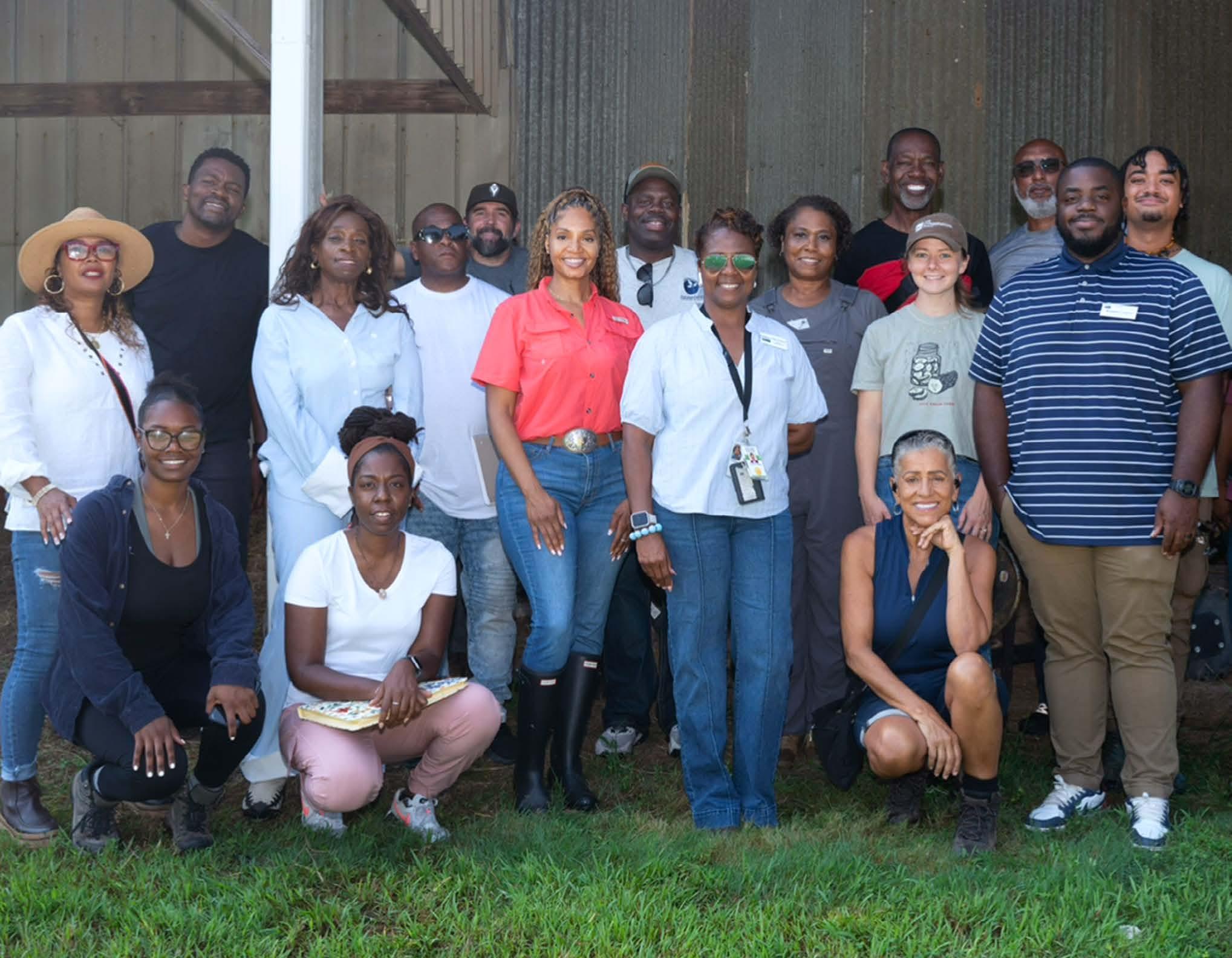
UNFI associates are at the heart of the UNFI Foundation’s work. They volunteer to provide technical expertise, direct grants, and help advance the Foundation’s mission.
The true value of our work extends beyond dollars. UNFI associates amplify our impact through the activities below, representing countless hours given in-kind to support the UNFI Foundation and grantees.
Serving on investment and fundraising committees to guide funding decisions
Reviewing and scoring grant proposals
Providing technical assistance to grantees
Offering board service and ongoing mentorship
Volunteering with grantee organizations
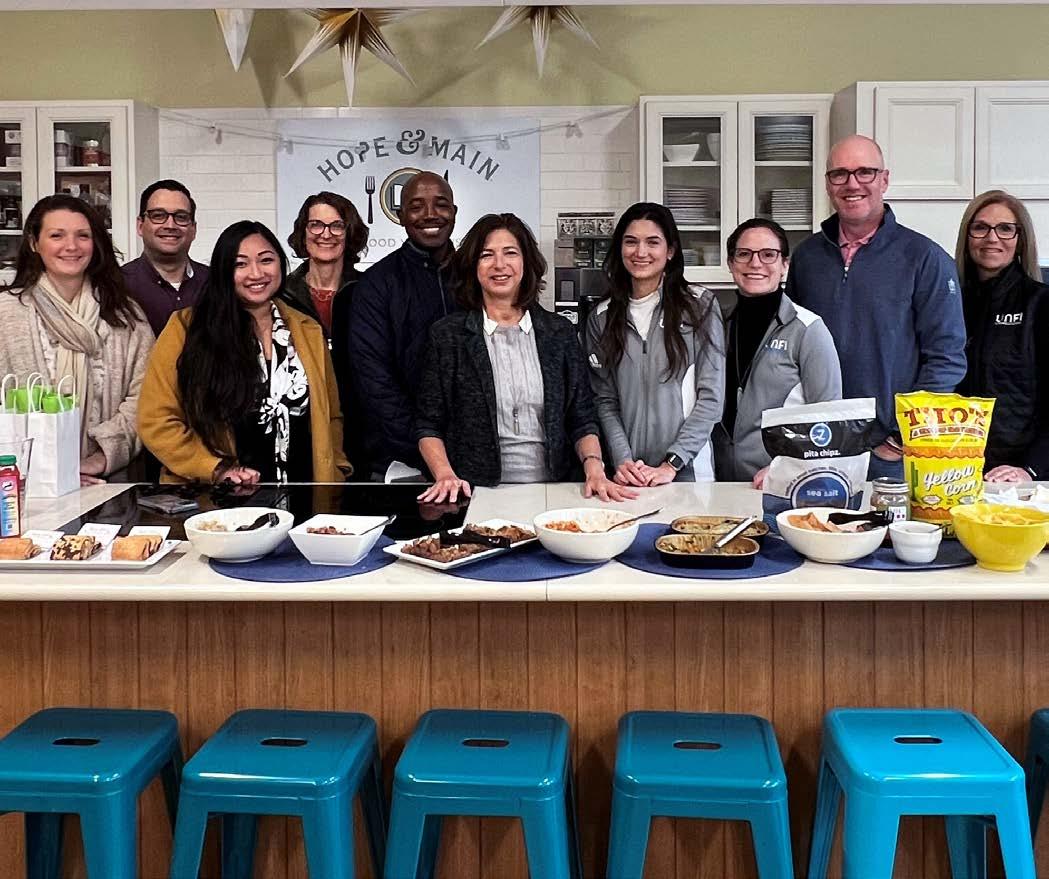
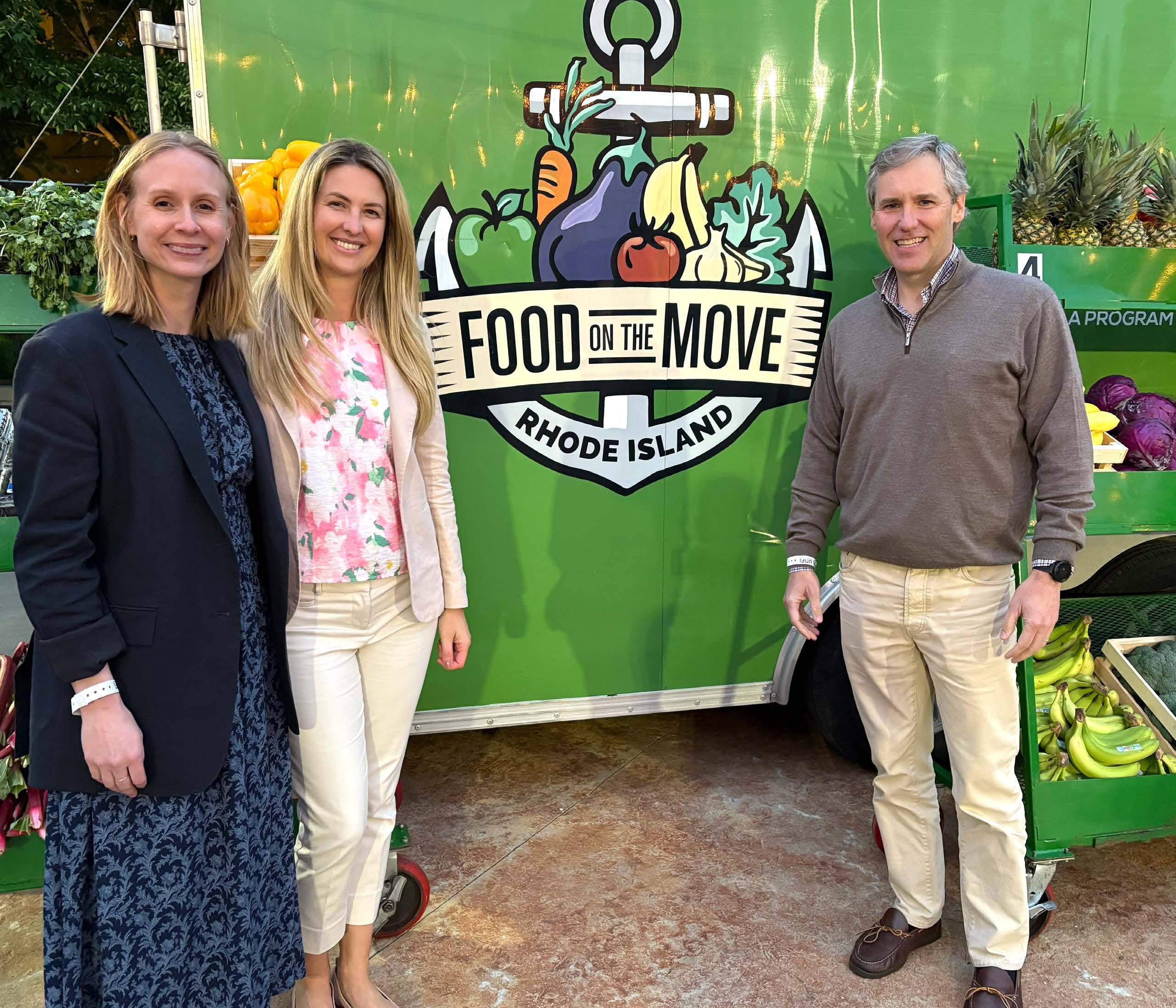
UNFI associates visit Hope & Main, a UNFI Foundation grantee empowering emerging food entrepreneurs and leading community-based hunger relief programs in Rhode Island.
Associates play an important role in our grantmaking efforts by identifying and selecting organizations to fund. This unique model ensures our investments reflect the needs of communities we serve.
Each year, over 30 associates collaborate to direct our funding.
UNFI associates identify organizations making a difference in their communities, ensuring authentic local knowledge drives our decisions.
Associates screen nominations against our strategic priorities and invite qualified organizations to apply.
Foundation Ambassadors and additional Grant Reviewers from diverse UNFI departments evaluate applications for mission alignment and impact potential.
This process brings together warehouse associates, buyers, data analysts, and executives— each contributing unique perspectives to build a stronger, more equitable food system. By putting funding decisions in the hands of those closest to the work, we are helping create meaningful change where it’s needed most.
$1.8 million in direct funding, strengthened by immeasurable associate expertise and commitment.
As we build on this year’s momentum, we plan to introduce new initiatives that address both immediate needs and long-term systems change.
Our 2026 programming complements our existing strategies—grantmaking, impact investing, in-kind contributions while reflecting what we’re learning from grantees and where we can uniquely add value. We’re moving beyond traditional grantmaking to:
Share expertise as well as funding opportunities
Build infrastructure for long-term sustainability

Connect networks across our value chain
Test and scale innovative models
We believe that creating an equitable, resilient food system requires more than grants—it demands strategic deployment of all our assets: funding, expertise, relationships, and influence.
As we look toward 2026 and beyond, we remain committed to listening to our partners, learning from our work and adapting our approach to meet the evolving challenges facing our food system. The path ahead requires patience, persistence and partnership. We’re grateful to walk it with you.
Kristine Creveling, UNFI Foundation Executive Director