aae2016 Research Based Education - Volume Two
449
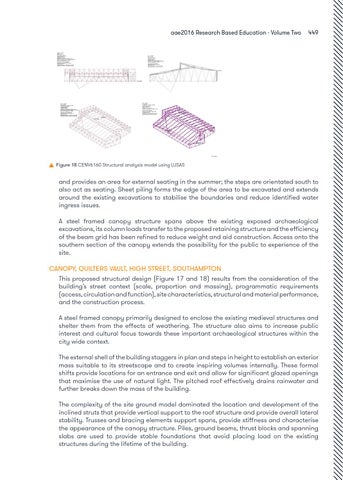
Figure 18 CENV6160 Structural analysis model using LUSAS
and provides an area for external seating in the summer; the steps are orientated south to also act as seating. Sheet piling forms the edge of the area to be excavated and extends around the existing excavations to stabilise the boundaries and reduce identified water ingress issues. A steel framed canopy structure spans above the existing exposed archaeological excavations, its column loads transfer to the proposed retaining structure and the efficiency of the beam grid has been refined to reduce weight and aid construction. Access onto the southern section of the canopy extends the possibility for the public to experience of the site.
CANOPY, QUILTERS VAULT, HIGH STREET, SOUTHAMPTON This proposed structural design (Figure 17 and 18) results from the consideration of the building’s street context (scale, proportion and massing), programmatic requirements (access, circulation and function), site characteristics, structural and material performance, and the construction process. A steel framed canopy primarily designed to enclose the existing medieval structures and shelter them from the effects of weathering. The structure also aims to increase public interest and cultural focus towards these important archaeological structures within the city wide context. The external shell of the building staggers in plan and steps in height to establish an exterior mass suitable to its streetscape and to create inspiring volumes internally. These formal shifts provide locations for an entrance and exit and allow for significant glazed openings that maximise the use of natural light. The pitched roof effectively drains rainwater and further breaks down the mass of the building. The complexity of the site ground model dominated the location and development of the inclined struts that provide vertical support to the roof structure and provide overall lateral stability. Trusses and bracing elements support spans, provide stiffness and characterise the appearance of the canopy structure. Piles, ground beams, thrust blocks and spanning slabs are used to provide stable foundations that avoid placing load on the existing structures during the lifetime of the building.