3 minute read

from swimming lessons
Next Article

how to choose a pathway that actually works
People don’t usually fail swim instructor training because it’s too hard. They stumble because they validate the pathway too late—after enrolling, paying, or discovering their qualification doesn’t line up with local expectations. This step is about checking fit before commitment.
In brief
The most reliable pathway is the one already accepted by employers where you intend to teach. Validation means confirming three things early: the qualification is nationally recognised, the practical hours are achievable in your context, and your compliance (CPR and Working With Children Check) aligns with state rules. When those match, certification tends to be straightforward. When they don’t, delays and rework are common.
Does the qualification match local employer expectations?
Yes—if you check first. In practice, many pools and swim schools default to a familiar credential because it simplifies insurance, supervision ratios, and audit processes. National recognition matters, but local acceptance matters more.
A quick way to validate is to scan job listings or speak directly with the swim schools you’d realistically work for. Ask which certifications they currently onboard without extra bridging.
Decision clue: if multiple local employers name the same qualification, that’s your signal.
Are the practical teaching hours realistic for you?
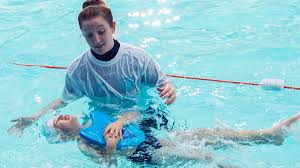
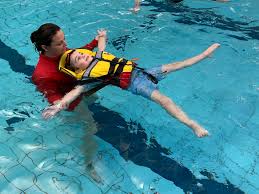
They are achievable when placements are organised early. Most entry-level certifications require supervised, on-deck teaching hours. This is where otherwise solid candidates stall—especially those not already employed by a swim school.
I’ve commonly seen people complete theory quickly, then wait weeks for pool access.
Constraint to note: availability of supervisors varies seasonally.
What to do differently: confirm where and how you’ll complete practical hours before enrolling.
Do compliance requirements line up with your state?
CPR renewal is annual across Australia, but Working With Children Checks differ by state and territory in processing time and validity period. These aren’t hard barriers, but timing matters.
Popular advice is to “do everything at once.” That often backfires when a check expires before the qualification is issued.
Trade-off: applying too early risks expiry; too late delays employment.
Practical implication: time your checks to finish shortly before or during practical training.
How do you assess course quality without overthinking it?
Course content is standardised, but delivery isn’t. Look for clear assessment criteria, structured workshops, and transparent support during placements. Overly fast-tracked options can work for confident swimmers, but they leave less room to adjust if teaching doesn’t come naturally at first.
Context changes outcomes here. Someone with coaching or childcare experience adapts faster than someone new to instruction.
Validation signal: ask how assessment feedback is handled if you don’t pass on the first attempt.
Where one recognised pathway fits most situations
For many Australians entering general learn-to-swim programs, a nationally recognised qualification from AUSTSWIM aligns cleanly with employer, insurance, and compliance expectations. Their structure reflects what most pools already run operationally, which reduces friction during onboarding. You can review current course options and requirements directly via AUSTSWIM mid-way through your decision process, once you’ve confirmed local acceptance.
Grounded takeaway: validation isn’t about choosing the “best” badge. It’s about choosing the pathway that fits your local market, your access to pools, and your timing. When those align, certification becomes a formality rather than a hurdle.