


Aico, the European market leader in home life safety, has announced its new Platinum Partner initiative – a prestigious recognition programme designed to elevate industry standards and reinforce a commitment to excellence across the company’s installer network.
Building on the success of the Gold Standard Installer programme, Aico says that its Platinum Partner status represents the ‘next tier of excellence’. To qualify, organisations must meet stringent criteria, including City & Guilds-certified training, ISO 9001 accreditation, site visits with Aico, and active involvement in sustainability and corporate social responsibility efforts.
The first Platinum Partner was announced at Housing 2025 in Manchester in June – a fitting stage for this landmark initiative that aims to transform industry expectations.
Backed by enhanced support, strategic collaboration, and increased visibility, Platinum Partners will help set the standard for safer homes and stronger communities. As building regulations tighten and safety expectations rise, Aico’s new initiative signals a bold step forward in raising installation standards across the UK.
Read the full article in this month’s issue to learn how Aico’s Platinum Partner programme is shaping the future of fire and carbon monoxide alarm installation.
Turn to page 12 for the full story.






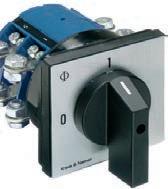
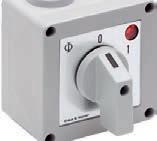


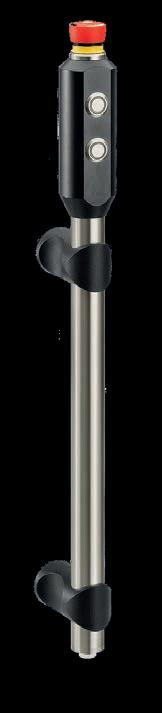
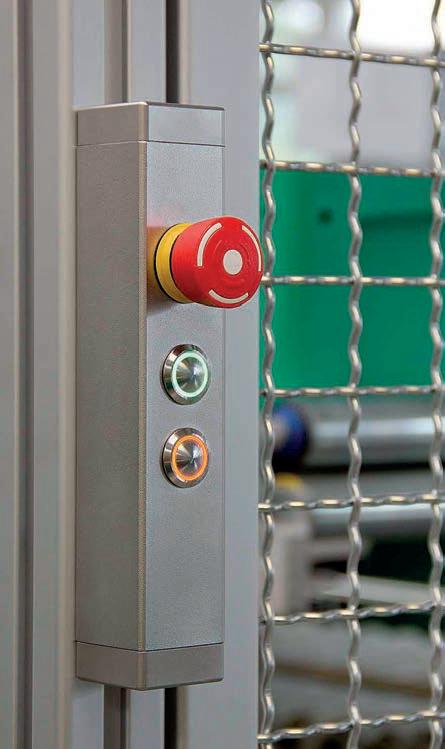
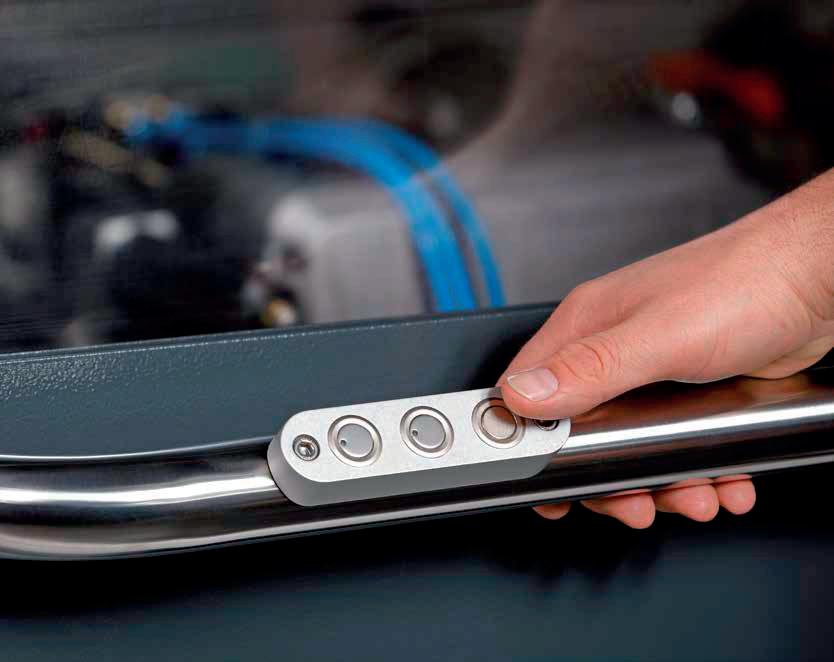
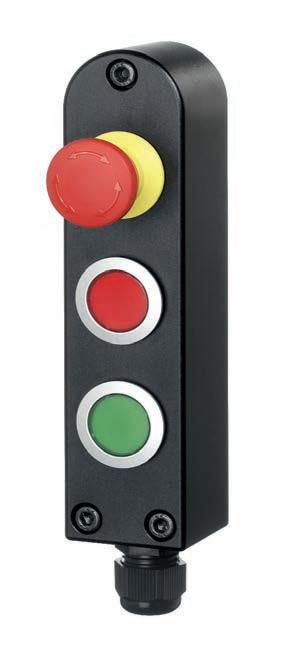
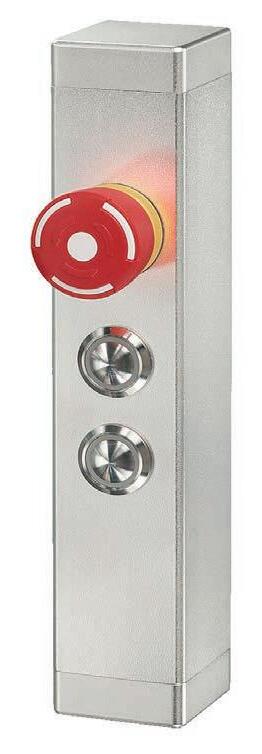
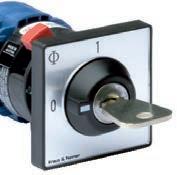
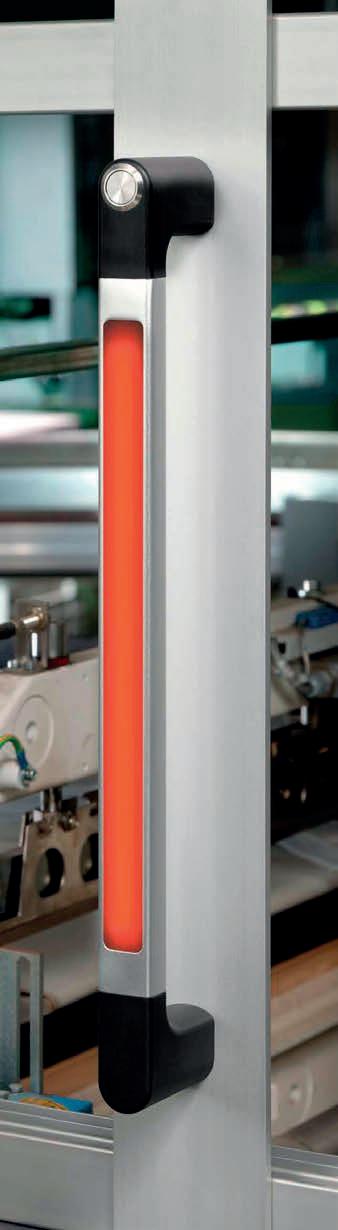
Kompaktes Aluminium-Funktionsgehäuse mit elektrischer
(illuminable) push buttons and emergency stop
Werkstoff und Oberfläche:
Gehäuse aus Aluminium AlMgSi 0,5; gleitgeschliffen und naturfarben oder schwarz eloxiert.
Befestigungsarten:
frontseitige Befestigung
rückseitige Befestigung
Rohre mit Durchmesser 30 oder 40 mm
Funktionselemente ab Werk:
Drucktaster mit grüner LED (Schließer)
Drucktaster mit roter LED (Schließer)
Drucktaster mit LED (Schließer)
Anschluss:
Anschlussleitung 5 m aus dem Funktionsgehäuse herausgeführt
Schutzart:
Anfrage:
Andere Längen, Ausführungen und Beschriftung












Hello, and welcome to the July issue of ECN!
As many of you will have spotted, we’ve had a little bit of a change around here at ECN HQ in recent weeks, with former Editor, Carly, vacating the editorial hotseat at the beginning of last month – and we wish her all the best for the future following a hugely impactful time working here at ECN.
When one door closes another opens, and – following my previous spell on the magazine which came to an end in 2020 – I’m fortunate to once again be serving as Editor of the title. A huge thanks for those of you who have reached out with all your warm words of welcome over the past few weeks. It really does feel like a true homecoming.
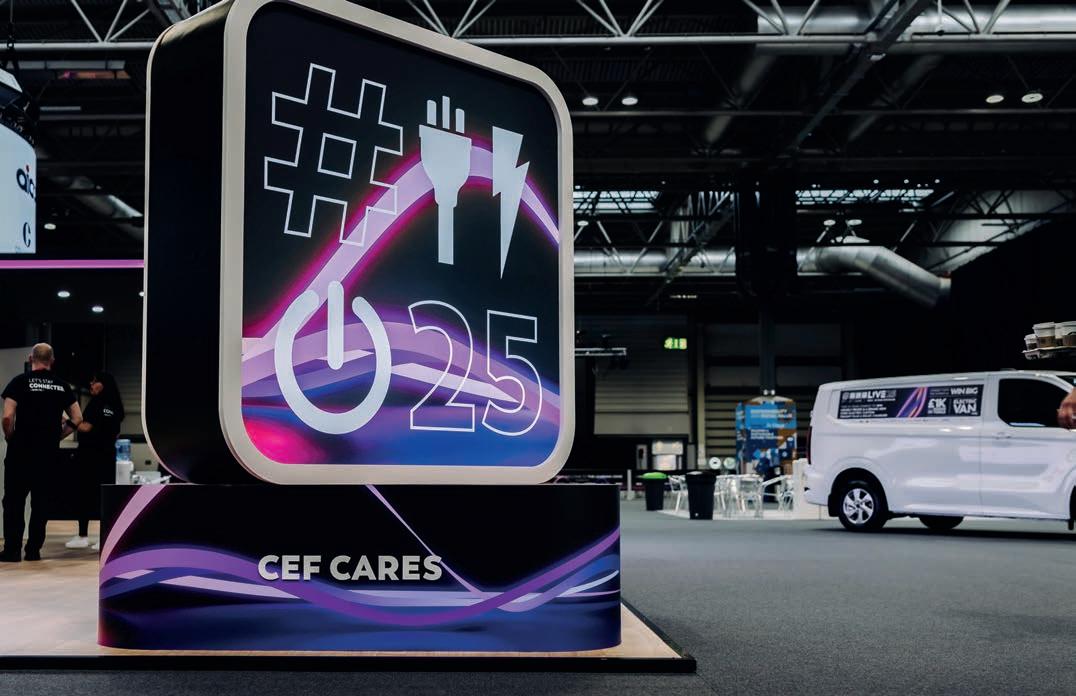
I’ve wasted no time getting back in the swing of things, and at the start of June the ECN team made the road trip up to Birmingham for the latest instalment of CEF Live, which once again took place front of a packed and enthusiastic crowd across the two exhibition days. With all the industry’s key players convening under one roof, it’s no stretch to say that the sector is definitely buoyant, and there was undoubtedly a sense of
optimism in the air too. I also had the opportunity to attend CEF Live’s press event, which is always a highlight of the show’s festivities, and it once again shed light on the company’s plans and perspectives for the future. A round-up of these developments, and our day at the show in general, can be found on page 69.
It’s a busy year ahead for us here at ECN, and plans are already well underway for the upcoming ECN Awards 2025 – and, with entries officially opening at the start of June and already coming through thick and fast, now’s the perfect time to get your entries in across the numerous product categories we have available. This year’s glittering ceremony is once again taking place at the Heart of England Conference and Events Centre in Coventry, this time on 27 November, and with 25 prizes up for grabs, it promises to be another fantastic evening celebrating the industry’s very best. For more information, and to submit award entries, visit electricalcontractingnews.com/awards.
I hope you enjoy the content we’ve packed into this month’s issue, and we’ll see you back here in a month’s time for our August edition. Fingers crossed that this unseasonably warm British weather continues in the meantime!
GROUP EDITOR: SIMON ROWLEY
T: 01634 673163
E: simon@allthingsmedialtd.com
DEPUTY EDITOR: JOE PECK
T: 01634 673163
E: joe@allthingsmedialtd.com
SALES DIRECTOR: KELLY BYNE
T: 01634 673163
E: kelly@allthingsmedialtd.com
STUDIO: MARK WELLER
T: 01634 673163
E: mark@allthingsmedialtd.com

CEO: DAVID KITCHENER
T: 01634 673163
E: david@allthingsmedialtd.com
MANAGING DIRECTOR: IAN KITCHENER
T: 01634 673163
E: ian@allthingsmedialtd.com
ACCOUNTS
T: 01634 673163
E: susan@allthingsmedialtd.com






















Drivers in their thirties look set to spearhead the switch to electric vehicles in the UK, according to a CTEK survey of more than 1,000 UK drivers by Find Out Now, which reveals 30 to 39 year olds are the generation most primed to buy EV and ditch petrol and diesel cars first.
The survey found almost two thirds (61%) of drivers currently in their thirties foresee they will be driving an EV in the year 2035, when they will be in their forties. Only one in six (17%) thirty-somethings think they will still be driving an ICE (purely petrol or diesel) vehicle in a decade’s time, with the remainder of people surveyed saying they don’t know.
Even by 2030, a majority (59%) of what CTEK is terming ‘Generation E’ will be driving a Battery Electric Vehicle (BEV) or a hybrid. Just over a fifth (21%) think they will be driving an ICE car.
Including all age groups of drivers, 2030 could see 45% driving an EV, outnumbering the 34% who imagine they will be powered by the diesel or petrol in an ICE vehicle. The ICE drivers are expected to fall to a quarter (25%) by 2035.
CTEK, ctek.com
Fire and life safety products manufacturer, Advanced, has won an award at the 2025 Fire & Security Matters (FSM) Awards, recognising its achievements in fire safety, customer service, innovation, and sustainability.
At the ceremony, held at Coventry’s CBS Arena on 5 June, Advanced won the award for Fire Safety Project of the Year, and was also commended in the Fire Safety Manufacturer of the Year category.
These accolades follow Advanced’s double win at last year’s FSM Awards, and the company says that it marks a “significant milestone” in its ongoing mission to create a safer, more sustainable future.
Advanced’s installation of its AdvancedLive system at Blists Hill Victorian Town earned the company Fire Safety Project of the Year. Delivered in partnership with Chubb Fire & Security, the project showcased how cutting-edge technology can be tailored to meet the challenges of a historically sensitive, multi-structure site.
Meanwhile, the judging panel commended the strength and innovation behind Advanced’s next-generation MxPro 5 fire panel, which played a key role in earning recognition in the Fire Safety Manufacturer of the Year category.
The 2025 FSM Awards brought together over 400 fire and security professionals to celebrate innovation and achievement across the sector. Advanced, advancedco.com


NICEIC , the UK’s leading certification and training body for the electrical industry, has announced a significant expansion of its Experienced Worker Assessment (EWA) provision.
This includes the introduction of a new EWA route for domestic electricians and the launch of the EAL Electrical Underpinning Knowledge and Understanding Test, designed to give experienced professionals without a Level 2 qualification access to the EWA pathway.
This expansion comes in response to increasing demand from electricians seeking formal recognition of their skills. With industry standards evolving and customer expectations rising, NICEIC is committed to supporting professionals in future-proofing their careers.
Following the success of the EWA Installation Electrician route, NICEIC is now introducing the EWA Domestic Electrician route, enabling even more experienced electricians to gain a recognised Level 3 qualification and unlock new career opportunities.
New regulations that will require online marketplaces to finance recycling of electrical waste were published on 3 June 2025.
The new waste electrical and electronic equipment (WEEE) regulations laid before Parliament close a crucial loophole that has allowed non-compliant product to be sold via online marketplaces.
Commenting on the news, Recolight CEO, Nigel Harvey, says, “For over a decade, online marketplaces have facilitated the sale of WEEE non-compliant products on an industrial scale. The consequences have been very damaging for legitimate UK businesses. The sellers of non-compliant products have gained an unfair advantage because they do not pay their share of recycling costs. But to add insult to injury, that has in turn meant that WEEE costs to compliant businesses have been higher than needed.”
The new regulations mean that online marketplaces must report all household electricals within the scope of the existing WEEE regulations from non-UK suppliers. As a consequence, online marketplaces will incur some additional WEEE costs in 2026, with full costs being allocated from 2027.
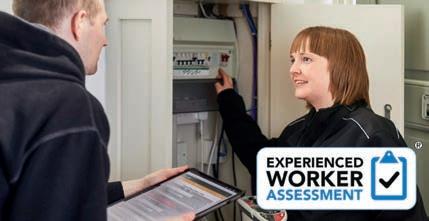
In addition, the Electrical Underpinning Knowledge and Understanding Test, which launched in June, offers a new pathway for electricians who typically have over 10 years of experience and want to undertake the EWA, but lack a Level 2 qualification. The first exam window will open in July 2025, with NICEIC leading the way as the first approved centre to deliver this new test.
To learn more about the EWA or to register your interest, visit niceic.com/EWA.
NICEIC, niceic.com

The lighting industry has been particularly impacted by the scale of freeriding on online marketplaces. A survey by the UK WEEE Scheme Forum showed that 76% of LED lamps offered for sale on a major marketplace were not registered for WEEE. The regulations will need to pass through both Houses of Parliament, and can be seen in full on Recolight’s website. Recolight, recolight.co.uk
Protect everything that matters with the Fort range of Smart Security products, featuring alarm kits, cameras, sensors & more







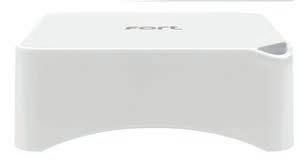

Every device can be controlled from anywhere using the Click Smart+ app.





The Electrical Contractors’ Association (ECA) has welcomed the publication of the UK’s Modern Industrial Strategy – the long-awaited strategic plan for the next decade, which promises to bring down industrial electricity costs, ensure projects receive timely connections to the grid, and support small- and medium-sized businesses (SMEs) by tackling late payments from large firms to SMEs.
Rob Driscoll, ECA’s Director of Legal and Business, says, “Tackling the culture and practice of late payments within the industry has been a cornerstone of ECA’s advocacy for a number of years. We welcome the Government’s commitment to unlock growth and go further, faster, solving this pernicious issue, and look forward to working in partnership with them to end poor payment practices.”
ECA’s Blueprint for Electrification calls for improving grid connections and
removing barriers to planning in order to speed up electrification.
“The Industrial Strategy – Clean Energy Industry Sector Plan outlines a commitment to growing Britain’s electricity network supply chains, so clean power projects can connect to the grid,” comments Jane Dawson, ECA’s Head of External Affairs.
“We see this as a positive step to speeding up the energy transition, as outlined in the Blueprint for Electrification. ECA Member firms will also welcome the promise to remove planning barriers, an often-cited obstacle to new projects.”
While ECA says it welcomes the reduction in the price of industrial electricity for selected businesses, it continues to call for a review of historical taxation on electricity which would reduce the price of clean energy for everyone.
Home life safety expert, Aico, has achieved the prestigious Platinum rating from EcoVadis, the trusted provider of business sustainability ratings. Aico is now ranked in the top 1% of more than 150,000 companies assessed globally, which is an impressive milestone that highlights the company’s commitment to Corporate Social Responsibility and sustainability.
EcoVadis assesses companies on 21 sustainability criteria across four core themes: environment, labour and human rights, ethics, and sustainable procurement. Aico says that its rating is a testament to the company’s comprehensive and values-driven approach to sustainable practices.
The Platinum rating marks a significant progression from Aico’s previous silver medal standing, which had already placed the company in the top 13% of global businesses. The achievement reflects the company’s continued commitment to sustainability, demonstrated through a range of initiatives aimed at reducing its environmental footprint and promoting greener practices.
These include the installation of 10 electric vehicle charging points to encourage low-emission transportation, the addition of 406 solar panels to generate renewable energy on-site, and the planting of over 4,000 plants and shrubs to enhance biodiversity and improve local air quality.
Further initiatives include the elimination of single-use plastics in dispatch operations since 2019, as well as Aico’s eco-fit range, plastic packaging and cutting paper and cardboard use by 58%.
Aico, aico.co.uk


Starkey Electrical, a family-run electrical contractor based in the West Midlands, has been named ‘Electrical Contractor of the Year 2024/25’ at the Central England Prestige Awards in recognition of its positive reviews, testimonials, engagement with customers, and for having built up a loyal customer base in its local area of Stourbridge.
The win marks the fourth consecutive award Starkey Electrical has received at the annual ceremony – which this year took place at Moor Hall Hotel in Sutton Coldfield on 26 May – and the second time the team has won in this category.
The company, which was founded in 2009 by husband-and-wife team Stuart and Lisa Starkey (pictured), has previously been awarded ‘Sustainable Electrician Company of the Year’ and ‘Electrician of the Year.’
Stuart Starkey, Managing Director at Starkey Electrical, comments, “To be recognised for an award once is a huge achievement, but four times is incredible. As a small company, we have always strived to provide a world-class, exceptional end-to-end customer service and, of course, do an excellent job in the process.
National Grid, the UK’s largest electricity distribution network, is starting work on its new Uxbridge Moor substation in Buckinghamshire, which will connect over a dozen new data centres to its network.
The new site forms part of National Grid’s upgrade to its transmission network to meet growing demand for electricity, ensuring it can continue to support the growth of new sectors such as data centres as well as the economic and employment benefits they can bring.
The site will feature two substations – one 400kV and one 132kV – both of which will be indoor gas-insulated facilities (GIS), reducing the footprint of the development by around 70% and minimising its impact on the environment.
Uxbridge Moor will be among the first GIS substations in the country to be free of sulphur hexafluoride (SF6), a commonly used electrical insulator that is also a potent greenhouse gas. Using an alternative insulating gas means the project marks another key step towards National Grid’s ambition to reduce SF6 emissions from its network by 50% by 2030.

“Our team continues to grow from strength to strength, and this award is testament to the exceptional talent of our team, who always go above and beyond for our customers – a commitment that has now been recognised and rewarded four-fold.”
Starkey Electrical, starkeyelectrical.com

Principal contractor, Murphy, will build the Uxbridge Moor substation, as well as delivering ancillary facilities, underground cabling, and associated work to connect the 400kV substation to the nearby overhead transmission line.
National Grid is planning £35 billion of investment between 2026 to 2031 to connect both large sources of demand (such as data centres and gigafactories) and new sources of electricity generation (such as wind and solar).
National Grid, nationalgrid.com







A remarkable first quarter sales performance for UK electrical manufacturers has flown in the face of low business confidence amongst SMEs.
New figures show the average small-medium UK electrical manufacturer made 152% more sales revenue in Q1 2025 than Q4 2024, and 55% more year-on-year.
The findings – based on direct data from over 600 UK firms using inventory management software provider Unleashed’s service – show pessimism amongst the business community may be unfounded.
Recent Q1 business confidence surveys show overall confidence turned negative for the first time since 2022 on the back of tax rises, inflation, weak growth, and increased global uncertainty.
However, the stellar sales performance in the electrical industry – alongside a 70% uptick in profitability against Q4 – suggests international market turmoil has created a silver lining for UK electrical businesses.
Joe Llewellyn, GM of ERP Small Business at The Access Group, the parent company of Unleashed, says the unusual
UK Power Networks is adopting new technology for overhead line reinforcement, enhancing the resilience of its electricity networks across the South East and East of England.
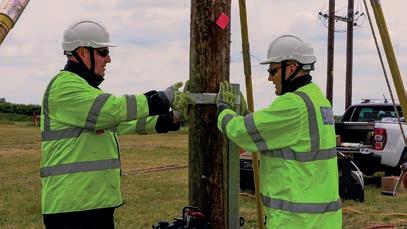
In what is reportedly a UK-first, the electricity firm is investing in innovative pole-support technology to bring security and resilience to existing overhead power lines. The new steel support trusses are driven six feet into the ground, hugging the side of the pole and strengthening it against prevailing winds and third-party damage.
UK Power Networks, which delivers electricity to 8.5 million homes and businesses across London, the South East and the East, uses more than 45,000 kilometres of overhead lines across rural areas. Over time, wooden poles can decay and get damaged by debris during storms, and if they move it can cause power cuts for local communities.
The new support trusses can safely be installed while the network is carrying live electricity, compared to replacing a whole pole, which needs the electricity to be turned off so operators can work.
So far, around 8,000 pole supports have been installed in locations including Luton, King’s Lynn, the Norfolk coast and in rural Kent as part of an ongoing investment in upgrading 70,000 poles, more than 10% of the electricity network.
UK Power Networks, ukpowernetworks.co.uk

business conditions of the first three months of the year had generally played out well for the country’s smaller producers, as had falling bank rates.
He comments, “Anecdotally, what we’re hearing from some of our customers is that Q1 brought welcome windfalls. Some tariff-affected international customers have turned to UK firms to do business, while others raced to order more before tariff pauses
Building automation specialist, B.E.G. , is marking its 50th anniversary this year and celebrating five decades of innovation, quality, and commitment to energy-efficient building automation.
Founded in 1975 as a family-owned business in Lindlar, Germany, B.E.G. (Brück Electronic GmbH) has grown from a pioneering lighting electronics manufacturer into a globally recognised company in presence and motion detectors, DALI systems, KNX solutions, and building automation technologies.
With subsidiaries and partners in over 30 countries, the manufacturer continues to influence the future of smart lighting across industrial, commercial, and residential sectors.
Paul Jones, B.E.G. Director for UK & Ireland, says, “Reaching our 50th anniversary is a testament to the trust our customers, partners, and employees have placed in us. We’ve always been driven by the belief that lighting should be intelligent, efficient, and human-centric. This milestone reflects our dedication
came off. That’s delivered a shot in the arm for some firms but, more importantly, we’re hearing that steadily falling bank rates are starting to stimulate the economy, which obviously is very welcome to UK manufacturers who’ve posted a really strong start to the year.”

to sustainable innovation and high-quality engineering.”
Over the last five decades, B.E.G. has launched numerous industry-first products, including some of the earliest presence detectors, and continues to lead in technologies such as Bluetooth enabled lighting control, daylight harvesting, and fully integrated building management systems.
Lucy Electric has welcomed Mark England as Digital Solutions Director, as the company looks to expand its new digital solutions offering. Mark brings over 30 years of industry experience to the role.
ESP has welcomed two new members to its sales team. Darren Baker has taken up the position of Area Sales Manager for the Southwest, while Dan Brown has been appointed as Area Sales Manager for the West Midlands and South Wales regions.
Paul adds, “Our vision for the future remains anchored in sustainability, smart integration, and responsiveness to market needs.
“AI-driven systems, wireless technologies, and user-focused design will ensure that the next 50 years will be even more impactful than the last.”
B.E.G., beg-luxomat.com
CU Phosco has announced the promotion of Stuart Murray to the role of Contracts Director Designate. Bob Gaskell, overall Director of the Contract Services Division, remains within the business and will support Stuart during the transition.
Scolmore Group has appointed Charlotte Clarkson as Area Sales Manager for the Hereford, Worcester, Warwickshire, and Staffordshire regions. Charlotte will be responsible for driving sales growth and nurturing client relationships.
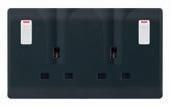
A perfect blend of elegance and modern appeal. This new refined Matt Bronze finish adds a touch of timeless sophistication to any interior, making it an ideal choice for both domestic and commercial spaces.


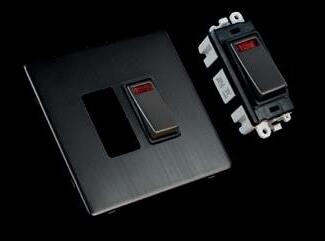
All Definity™ Complete switch plates are modular as standard, allowing you to create virtually any switch plate you require. The modules are all easily and quickly exchanged or mounted onto unfurnished plates by means of a simple single screw fixing.
Aico has launched a Platinum Partner initiative to elevate standards in fire and carbon monoxide alarm installation.
Aico, the European market leader in home life safety, is proud to unveil its Platinum Partner initiative, a prestigious new recognition programme designed to raise the bar for fire and carbon monoxide (CO) alarm installation. This initiative aims to elevate professional standards, ensure best-in-class safety practices, and reinforce Aico’s unwavering commitment to excellence across its installer network.
The initial Platinum Partner was scheduled to be formally announced at one of the UK’s most significant housing sector events, Housing 2025, which took place in Manchester from 24 to 26 June. This milestone will mark a new chapter in Aico’s mission to strengthen the foundations of fire safety through strategic partnerships and consistent industry leadership.
The Platinum Partner initiative builds upon the well-established Gold Standard Installer programme, regarded as a benchmark of quality and competence within the sector. While the Gold Standard recognises a high level of professional capability, the Platinum tier goes even further, identifying elite organisations that actively lead by example in terms of compliance, professional development, and corporate responsibility.

To qualify for this prestigious status, organisations must meet a rigorous set of criteria, demonstrating both operational excellence and a forward-thinking approach to safety and sustainability. These requirements include:
• Gold Standard compliance: Full adherence to all existing Aico Gold Standard Installer requirements.
• City & Guilds training: Employment of a verified number of City & Guilds 2426-01 trained professionals, with representation extending into the senior leadership team to promote a culture of learning.
• Site visits: Participation in agreed joint site visits with Aico and end users, which facilitates transparency, real-time quality assurance, and hands-on collaboration.
• Factory visits: Engagement of senior teams in Aico factory visits, offering insight into the manufacturing process and deeper alignment with Aico’s values and quality expectations.
• Quality management: Holding ISO 9001 accreditation, underlining the partner’s robust quality systems and commitment to continual improvement.
• Corporate Social Responsibility (CSR): Active involvement in CSR initiatives, working closely with Aico to deliver positive social impact.
• Sustainability commitment: Agreement to take part in an annual sustainability review, reinforcing environmental goals.
• Standards compliance: Possession of an up-to-date copy of BS 5839 Part 6, ensuring current and complete compliance with fire detection and alarm installation standards.
Attaining Platinum Partner status is a mark of trust, professionalism, and leadership. It provides participating organisations with the opportunity to distinguish themselves in the marketplace, while also reinforcing public confidence in the safety and reliability of their installations.
Platinum Partners will be supported with exclusive resources, increased visibility, and opportunities for strategic collaboration with Aico. These advantages are designed to strengthen relationships, support continued professional development, and ensure alignment with Aico’s core values of quality, safety, and community impact.
Organisations that achieve this prestigious status become visible champions of installation excellence, setting a positive example for others in the sector. Their involvement further promotes best practices, reinforces high standards, and contributes meaningfully to Aico’s mission of delivering safer homes through trusted partnerships.

Steve Trafford, Sales Director at Aico, comments on the significance of the initiative, “Introducing the Platinum Partner initiative reflects our ongoing commitment to raising the bar. By recognising and supporting organisations that go above and beyond in training and quality, we’re not only promoting excellence, but also enhancing safety standards across the industry. This is about building long-term partnerships that deliver real value to communities.”
This long-term vision is particularly vital in the context of evolving regulations and increasing expectations around building safety, especially within social and affordable housing. With the introduction of the Building Safety Act and greater scrutiny on compliance and responsibility across the supply chain, the importance of trusted, qualified partners has never been greater.
The Platinum Partner Initiative positions Aico at the forefront of this evolution, driving progress through leadership, innovation, and collaboration. It sets a clear example of how manufacturers can work hand-in-hand with installers and housing providers to create safer environments and stronger communities.
As Aico continues to pioneer new standards and support its network of professionals, the Platinum Partner status serves as a key pillar in its broader mission: to ensure that every home is protected by high-quality, expertly installed life safety systems.
For more information about the Platinum Partner initiative and how to become involved, visit Aico’s website or get in touch with your local Relationship Manager.
Aico, aico.co.uk
City & Guilds training is essential for qualifying for the new Partner Programme

#Alarms Save Lives
#Alarms Save Lives
#Alarms Save Lives
Ei3030
Ei3030
Ei3030
MULTI-SENSOR FIRE & CO ALARM
MULTI-SENSOR FIRE & CO ALARM
MULTI-SENSOR FIRE & CO ALARM

The latest addition to the technologically advanced 30 0 0 Series, the Ei3030 combines individual Optical, Heat and CO sensors for the ultimate fire and CO response, while maintaining the simplicity that Installers love.
The latest addition to the technologically advanced 30 0 0 Series, the Ei3030 combines individual Optical, Heat and CO sensors for the ultimate fire and CO response, while maintaining the simplicity that Installers love.
The latest addition to the technologically advanced 30 0 0 Series, the Ei3030 combines individual Optical, Heat and CO sensors for the ultimate fire and CO response, while maintaining the simplicity that Installers love.
Smart, connected and future-proof.
Add the Ei3000MRF for wireless interconnection and data extraction via the Ei1000G Gateway
Add the Ei3000MRF for wireless interconnection and data extraction via the Ei1000G Gateway
Add the Ei3000MRF for wireless interconnection and data extraction via the Ei1000G Gateway
Smart, connected and future-proof.
Smart, connected and future-proof.

Scan here to learn more about the Ei3030
Scan here to learn more about the Ei3030
Scan here to learn more about the Ei3030

Views across Kent’s Stour Valley have been transformed by a power line undergrounding project.
UK Power Networks has invested £485,000 to remove 2km of overhead cables and 27 poles from Kent Downs National Landscape at the historic, picturesque village of Wye.
The power lines ran parallel with a country lane at the entrance to the village, and passed through Grade II registered parkland in front of Olantigh House, in an area popular with walkers on the Stour Valley Walk and North Downs Way National Trail.
The scheme was achieved through UK Power Networks’ power line undergrounding initiative to enhance the natural beauty of Britain’s National Landscapes and National Parks.
Carl Bennett, a surveyor at UK Power Networks, says, “UK Power Networks’ investment has enhanced the visual amenity and natural character of the area, opening up stunning vistas for the enjoyment of both locals and visitors alike. The removal of the electrical lines has made a positive impact on the local area, which has enhanced people’s enjoyment of the Kent Downs.”
Tim Owen, Senior National Landscape Manager at Kent Downs National Landscape, adds, “Whilst these

projects take a while to come to fruition, it’s certainly well worth the wait. Seeing the unimpeded views across the Stour Valley and through the historic parkland is such an impressive change. This area of the National Landscape is rich in history, and the landscape breathtaking. This investment in the landscape has definitely improved the area for everyone.”
NG Bailey, an independent services and engineering company, has completed work on the electrification of First Bus’s Hengrove depot in Bristol as it continues to support the company’s commitment to have a zero-emission fleet by 2035.
The new depot has capacity to charge the 74 new electric buses joining the city’s network, with each bus saving about 75 tonnes of CO2 each year. The upgrade comes as part of a £37.4m investment by First Bus at the Hengrove depot and is supported by £6.6m of government funding through its Zero Emissions Bus Regional Areas 2 (ZEBRA2) scheme.
NG Bailey led on the development and installation of all the electric vehicle (EV) chargers at the site, including all associated low voltage (LV) electrical infrastructure and civils work.
This included the installation of five 70m overhead gantry structures that minimise any loss of parking and allow cables to be lowered automatically to the vehicles.
The new depot features 26 Heliox Flex 180 kW chargers with 77 reels and six Heliox Rapid 36kw all-in-one chargers, both of which deliver consistent power and maximum uptime while reducing energy wastage. Now completed, it means the site is one of the largest EV gantry installations in the UK.
The successful completion at Hengrove builds on NG Bailey’s expertise in delivering electrical infrastructure and EV technologies, with the company currently working on several EV charging hub projects across the UK. NG Bailey, ngbailey.com

UK Power Networks planned and agreed the route for new underground cables and a substation with landowners before the new underground cables and equipment were installed, and then the overhead lines and poles were switched off and dismantled.
UK Power Networks, ukpowernetworks.co.uk
Marshall-Tufflex’s range of Basor metal cable management has been utilised extensively for the refurbishment of Lincolnshire County Council’s Orchard House. Specialist electrical contractor, Brook & Mayo, required a robust product that was competitively priced and, importantly, could be supplied in line with the short project timescales.
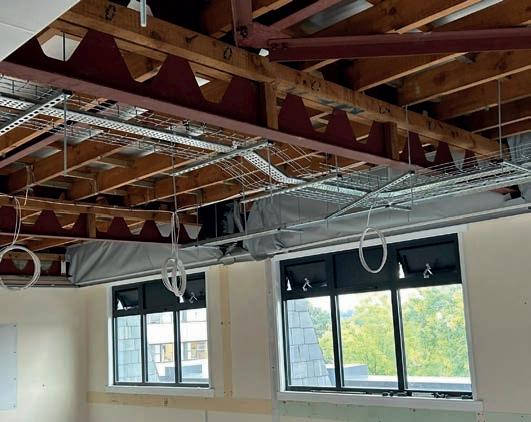
The newly opened Orchard House in the centre of Lincoln includes both the city’s new, larger registry office, along with office accommodation for Lincolnshire County Council staff. However, before Orchard House could fulfil this role, the council needed to undertake a refurbishment of the building. A key part of this was installing new cabling to ensure the five floors of 600m2 office space had the power and data connections required, as well as connections for fire alarms and emergency lighting throughout the building.
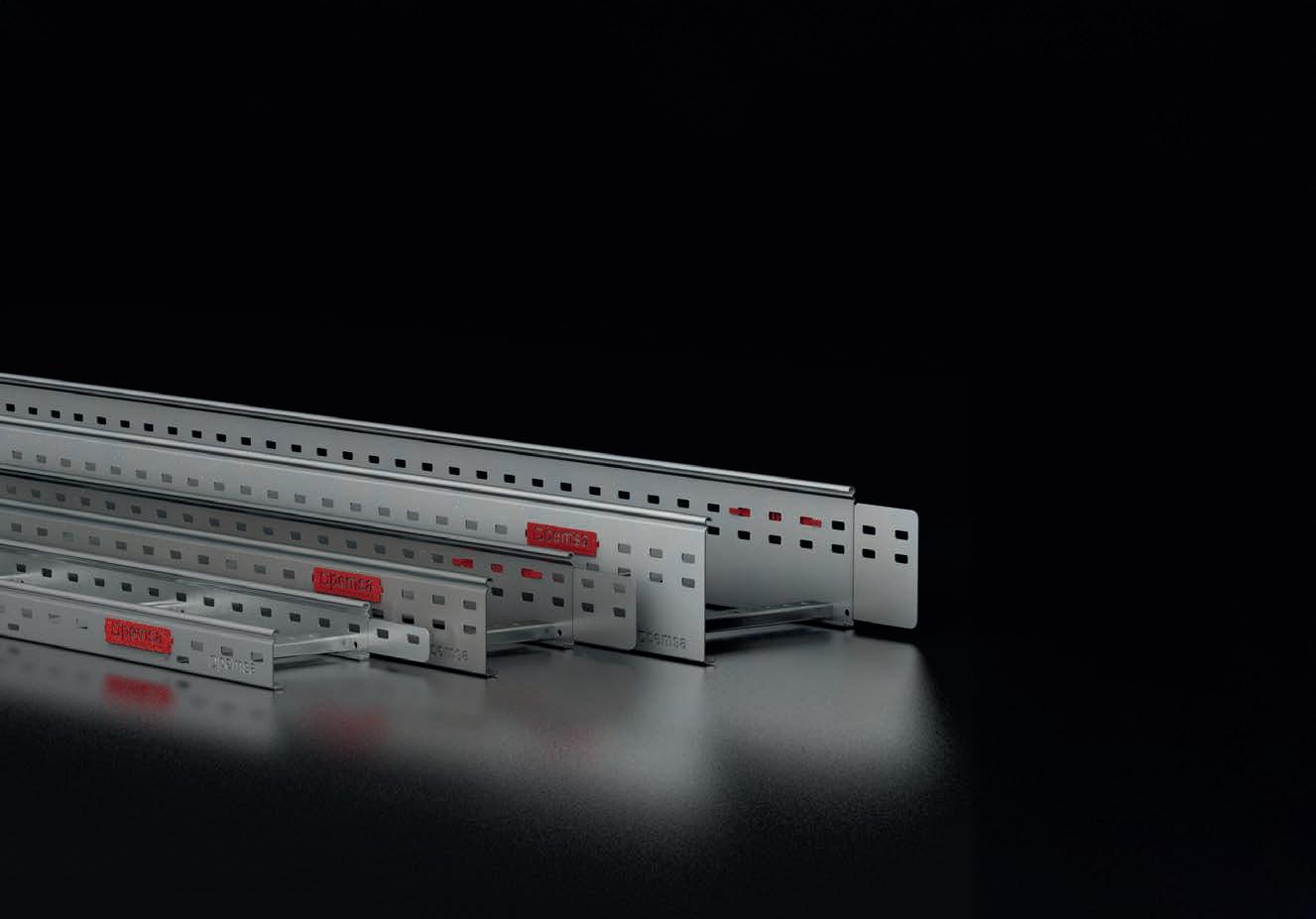
Brook & Mayo, which received the contract to carry out the electrical installation, looked at the cable management options available, and selected Basor metal cable tray, both medium and heavy duty, and Basor fast fit wire basket.
The Basor metal cable tray, ideal for commercial and industrial applications, features a fast-coupling design that allows the sections to be simply bolted together with no need for separate couplers, saving significant time across an installation.
For the Orchard House project, Marshall-Tufflex supplied a range of fittings including equal tee, 90-degree flat bend and four-way equal cross sections. The Basor wire basket, suited to lighter cable loads, also includes a fast-coupling system with integral couplers for a simple and easy connection that can be completed in just two steps. The unique rippled design of the basket enhances its strength and resistance to flexing.
Basor products are exclusively supplied in the UK by cable management specialist, Marshall-Tufflex. Marshall Tufflex, marshall-tufflex.com
Following the huge success of the 2024 ECN Awards, we have added new awards for 2025. There are 24 awards up for grabs, covering all areas of the electrical contracting industry.

PRODUCTS
• Cable Management Product of the Year
• Cable Product of the Year
• Circuit Protection Product of the Year
• Fire Safety Product of the Year
• HVAC Product of the Year
• Lighting Product of the Year
• Software/App of the Year
• Test Equipment Product of the Year
• Trade Tool of the Year
• Wiring Accessories Product of the Year
SUSTAINABLE PRODUCTS
• EV Charging Product of the Year
• Power (including Solar PV) Product of the Year
• Smart Buildings/Sustainability Product of the Year
PROJECTS
• EV Project of the Year
• Lighting Project of the Year
• Sustainable Project of the Year
• Overall Project of the Year
TRAINING
• Training Provider/Initiative of the Year
• Apprentice of the Year
COMPANIES
• Manufacturer of the Year
• Independent Wholesaler/Distributor of the Year
• Chain Wholesaler/Distributor of the Year (three stores or more)
• Contractor of the Year (turnover under £5m)
• Contractor of the Year (turnover over £5m)


UK lighting manufacturer, Whitecroft Lighting, has successfully delivered a major smart lighting upgrade for the Department for Work & Pensions (DWP), dramatically reducing energy consumption across its UK-wide estate.
The project has reportedly delivered unprecedented efficiencies for the government department, reducing lighting energy consumption by around 80% across 129 modernised sites.
In partnership with facilities management provider, Mitie, Whitecroft Lighting replaced outdated lighting systems with modern LED luminaires and smart building technology.
This provided a more energy-efficient, sustainable offering that enhances workplace comfort and delivers long-term carbon savings for the DWP.
Whitecroft’s intelligent, sensor-driven lighting system, Organic Response,
was central to the project’s success. Its exclusive daylight harvesting system automatically adjusts lighting levels based on natural light availability. By intelligently monitoring lighting levels, Organic Response maximises the value of natural light and drives up carbon and cost efficiency.
Whitecroft’s systems play an important role in the DWP’s ambitious 45% carbon reduction target, aligning with the UK government’s wider Public Sector Decarbonisation Scheme, aimed at helping the public sector drive efficiency and reduce carbon emissions.
With over 54,300 individual lighting products installed, such as luminaires, seniors and nodes, the DWP upgrade is one of the biggest projects in its 80-year history.
All 129 sites were completed within just a two-year time frame, and to
Sureserve, a provider of renewable energy, energy efficiency and compliance services for social housing, and Kensa, a networked Ground Source Heat Pumps (GSHPs) manufacturer, have announced a new partnership designed to help social housing providers and public bodies across the UK accelerate the decarbonisation of heating and reduce residents’ energy bills.
The partnership’s joint mission is to reduce fuel poverty for thousands of residents, cut carbon, and improve energy efficiency at scale across the UK.
The UK-based collaboration combines Kensa’s expertise in networked Ground Source Heat Pumps (GSHPs) with Sureserve’s strength in installations and maintenance to deliver low-carbon, affordable heating at scale, especially in flats and housing clusters where it makes the most significant impact.
Together, they will deliver a complete end-to-end offering – from feasibility, design and funding support, to quality installation and long-term servicing and maintenance.
Kensa has manufactured close to 20,000 ground source heat pumps, including the Shoebox model, which introduced GSHPs to flats via networked GSHPs. Sureserve installs over 6,000 renewable energy systems each year and maintains over 1.2m heating systems, putting the company in a pivotal position to guide housing providers on the energy transition.
This partnership allows both companies to grow their impact; delivering more projects, more efficiently, to more communities. By combining Kensa’s Networked GSHP technology with Sureserve’s installation and maintenance capabilities, the partnership aims to improve quality, increase cost-effectiveness, and support access to vital funding for low carbon heating. Kensa, kensa.co.uk


minimise disruption to DWP staff and visitors, Whitecroft was assigned specific timeslots for out-of-hours installation. Its pre-engineered, plug-and-play innovations were then selected to ensure a fast and efficient installation process.
Based in Greater Manchester, Whitecroft Lighting designs and manufactures all of its commercial lighting products in the UK.
Rigid ducting from Domus Ventilation has been installed at a new luxury aparthotel in one of York’s most architecturally renowned streets, Micklegate, as part of the Mechanical Ventilation with Heat Recovery (MVHR) system installed throughout the new development.
Situated within York’s central historic core conservation area, Micklegate has been designed with a contemporary interpretation of the medieval streetscape. A new addition to the Supercity Aparthotel portfolio, it features 46 apartment suites designed for luxury, practicality, and comfort, along with a ground floor restaurant and bar.
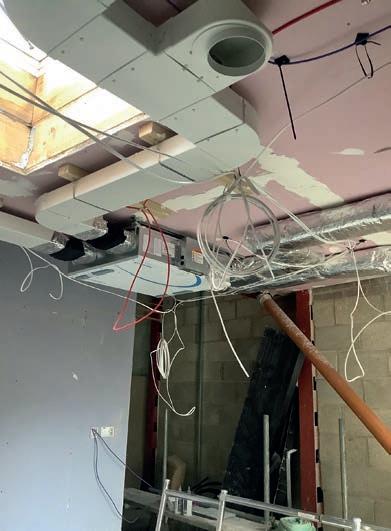
Contributing to the comfort of guests, the MVHR system in place extracts stale air, and transfers the heat from it to the fresh air drawn into the building. But an MVHR can only perform to its best ability when paired with suitable, quality ducting. Domus Ventilation ducting has exacting tolerances, and connects together for minimal air and moisture loss, and maximum system efficiency. The ducting has been designed to work in harmony as part of a system, and has been third-party tested for end-to-end system performance.
Domus 204x60 Rigid Duct and fittings have been used at the new Micklegate aparthotel throughout, along with Domus sound attenuators. The latter absorbs sound over a range of audible frequencies travelling through ductwork, such as the MVHR fan, external traffic noise or room-to-room-cross talk, making it an ideal addition in a hotel.
York based M&E contractor, J. H. Shouksmith & Sons, is a long-standing Domus Ventilation customer and was responsible for specifying and installing the ducting on this project.
Domus Ventilation, domusventilation.co.uk
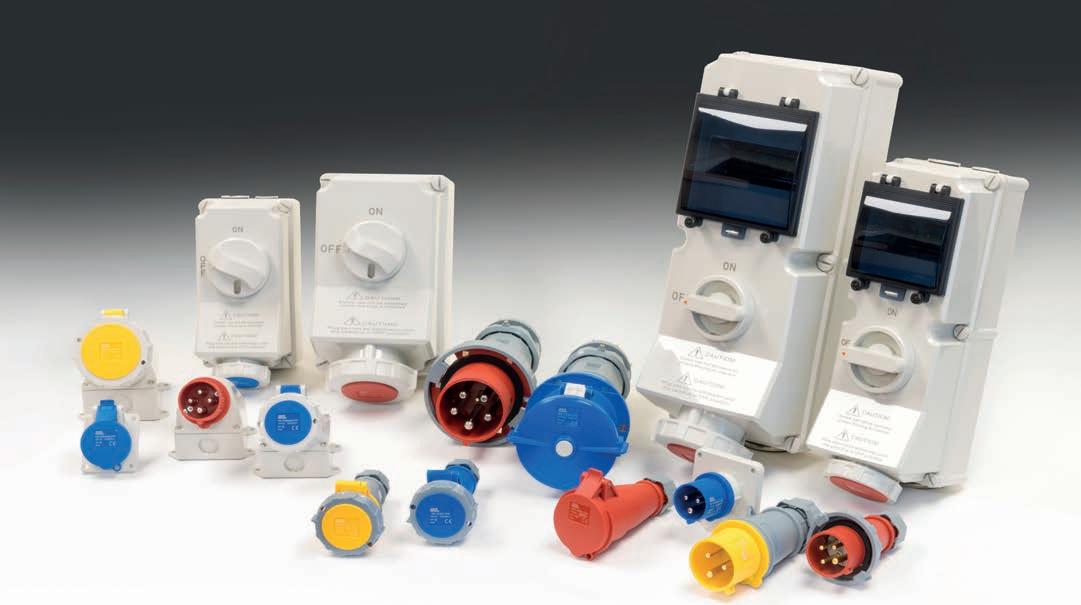


• In-Line Plugs & Sockets
• CEE IEC 60309 (BS4343) Standard
• IP44 or IP67 Ingress Protection
• Colour coded: 110V Yellow, 240V Blue, 415V Red
• Available in 3, 4 & 5 Pin
• Easy installation, high reliability & long life
• Metric cable entries on Surface Mount Sockets & Interlocked Sockets



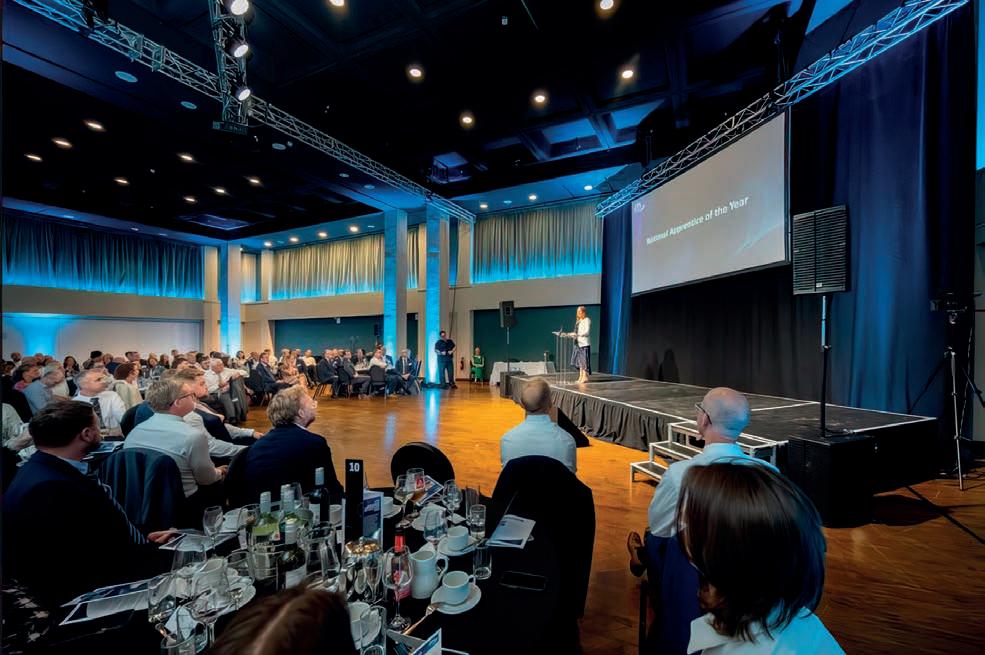
JTL, one of the UK’s leading apprenticeship providers in the building services engineering sector, proudly announced the winners of its 2025 National Apprenticeship Awards at a prestigious ceremony held at the Royal Armouries Museum in Leeds, where top apprentices, employers, tutors and training officers from across England and Wales were recognised for their exceptional contributions.
The event celebrated the remarkable achievements of apprentices, employers and training staff from across England and Wales, highlighting their contributions to the future of the building services industry – from electrical and plumbing excellence to mentorship and employer partnership.
Daniel Brown from Brentwood was named as the winner of the Paul McNaughton Electrical Apprentice of the Year Award. Daniel completed his apprenticeship with T-Clarke and earned top recognition for his technical performance and professionalism.
Meanwhile, Dominic Walton from Retford received the inaugural Rising
Star of the Year award, reflecting his early career promise and passion for renewable energy technologies while working with Wright Renewable Heating.
The ceremony also recognised the crucial role employers play in apprenticeship success, awarding Employer Recognition Awards to a diverse group of partners: J & R Electrical (Halifax), Chris Bowker Ltd, Lowe & Oliver,
Darren Jones (pictured centre), MP for Bristol North West, recently visited the NAPIT Training Centre in Avonmouth to see the work being done to train and upskill electricians and installers of low carbon technologies.
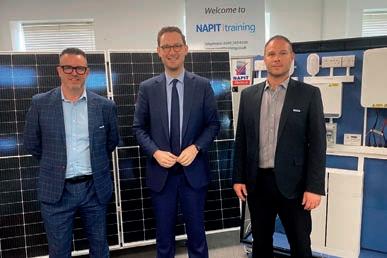
NAPIT, a UK-based certification and registration body for electrical, plumbing, heating, and renewable energy installers and contractors, represents over 20,000 skilled installers across the UK’s electrical, heating, plumbing, ventilation, microgeneration, and building fabric sectors, and has been in the electrical industry for over 30 years.
The training centre offers courses in solar PV, fire detection, and fire alarm systems, energy storage systems, electric vehicle charging installations, and essential electrical safety and regulations.
Stephen Melton, Commercial and Compliance Director at NAPIT, says, “We are grateful to Mr Jones for taking the time to visit our centre in his constituency. NAPIT and its members will be key to ensuring there are sufficient skilled installers in the electrical, heating, plumbing, ventilation, microgeneration trades and will be on the front line of the transition to net zero.
“We are keen to promote the growth opportunities to our members from the Government’s housebuilding and clean energy initiatives and are pleased to be able to support those wanting to upskill and take advantage of those opportunities here in Bristol.”
Darren Jones MP comments, “The transition to net zero is in the DNA of this government because it is the route to energy security, lower bills, and good jobs for this country.
“I was delighted to hear about the work that NAPIT is doing here in Bristol North West to certify, train, and upskill people for the skilled jobs that will be created.”
NAPIT, napit.org.uk
Cromer Electrical, Cardinal Electrical, and Quartzelec (Wrexham).
JTL says that these businesses have demonstrated exceptional commitment to nurturing emerging talent and supporting apprentices in both technical development and professional growth.
Chris Claydon, Chief Executive of JTL, says, “Our awards showcase the extraordinary talent and dedication
found throughout the apprenticeship journey – from learners achieving personal and professional milestones, to the training teams and employers who support them every step of the way. This year’s winners are shaping the future of the sector, and we’re proud to celebrate their success.”
JTL, jtltraining.com
New College Durham (NCD), a further and higher education college in County Durham, and DEWALT, a Stanley Black & Decker brand and power tool manufacturer, have announced their partnership to support growing skills for tradespeople in the UK.
This partnership is part of DEWALT’s ‘Grow the Trades’ initiative – a $5 million (£3.65m) commitment to close the skilled trades gap in Europe by helping provide greater accessibility and resources for trades training.
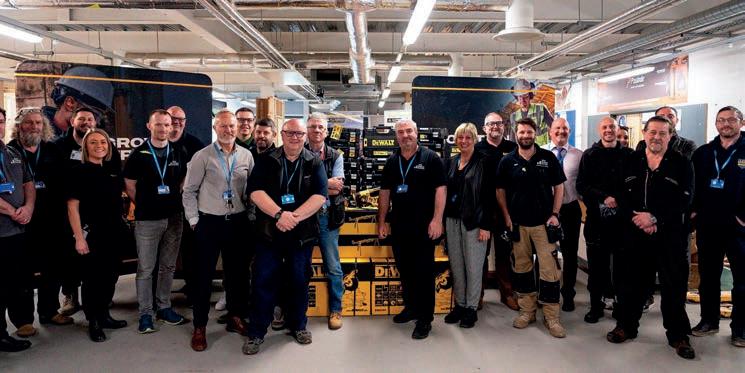
As part of the Grow the Trades partnership with DEWALT, NCD is the first of 10 colleges in the UK to partner with the newly-formed DEWALT Academy, a group of DEWALT product experts who provide hands-on guidance on how to use tools on the jobsite with a focus on trade education, including mechanical maintenance and joinery. The
DEWALT Academy is supporting the school’s vocational courses and apprenticeships by providing additional training and free tools for its aspiring trade professionals.
“The construction industry alone in the UK is expected to lose 500,000 skilled workers over the course of the next decade due to retirement,” says David Osborne, Vice President of Commercial Excellence at Stanley Black & Decker. “To help fill these critical roles and inspire the next generation of tradespeople, DEWALT, through our Grow The Trades initiative and partnership with NCD, is focused on providing students access to training, high-quality tools, and equipment to empower them with the skills, confidence, and hands-on experience needed to thrive in their future careers.”
DEWALT, dewalt.co.uk







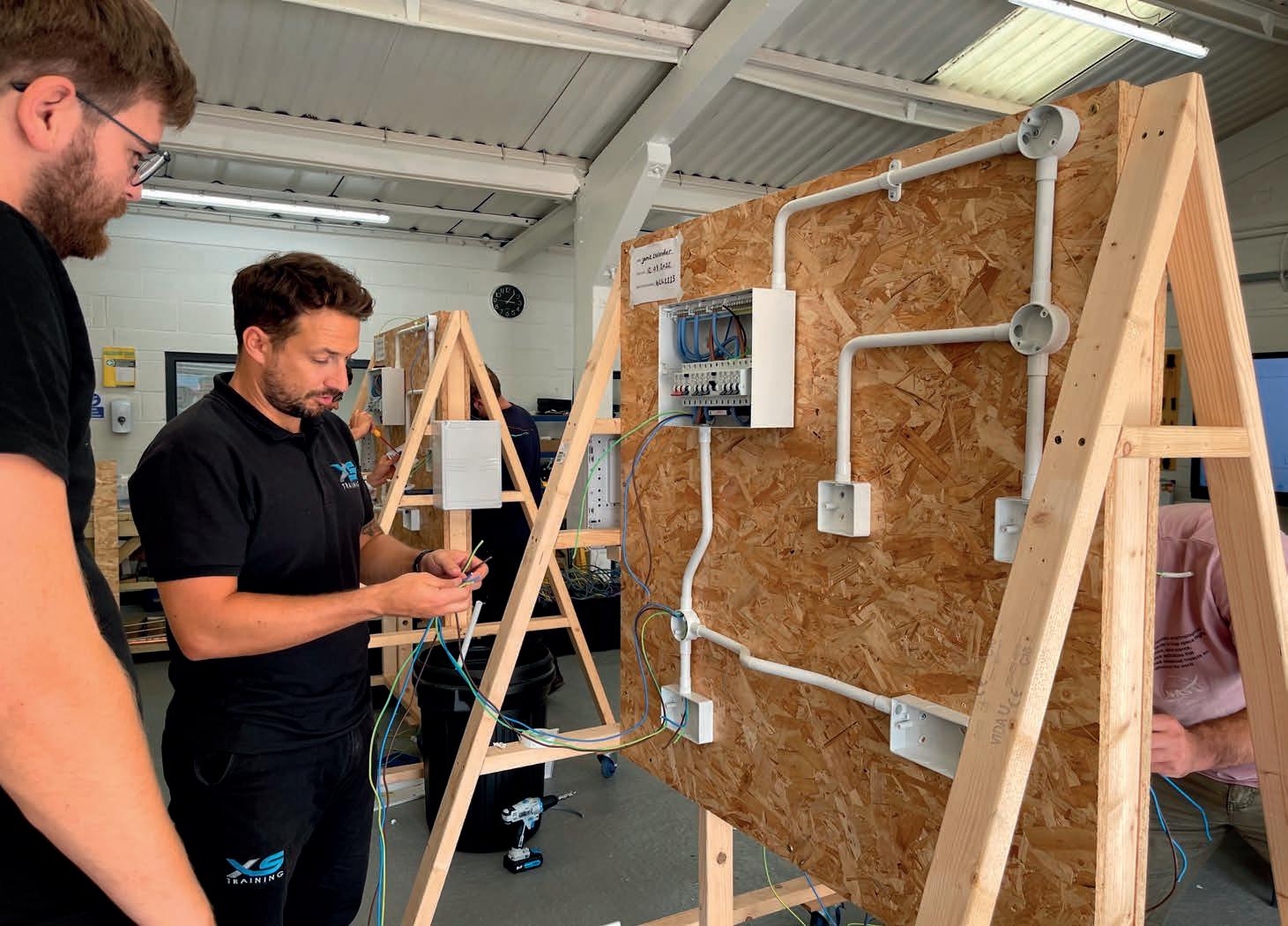
Mike Frain CEng FIET MCMI continues on from last month’s key issue feature by offering details on managing arc flash hazards. While part one addressed UK electrical safety legislation, part two directs readers to reliable information to help duty holders comply with that legislation.

As discussed in part one, UK legislation is risk-based and non-prescriptive. It is unlikely that the HSE will create specific guidance like the American NFPA 70E Standard for Electrical Safety in the Workplace, and using NFPA 70E directly in the UK without proper adaptation is unwise. Risk control measures should align with UK law, focusing on prevention. The following documents and online tools can help manage this hazard.
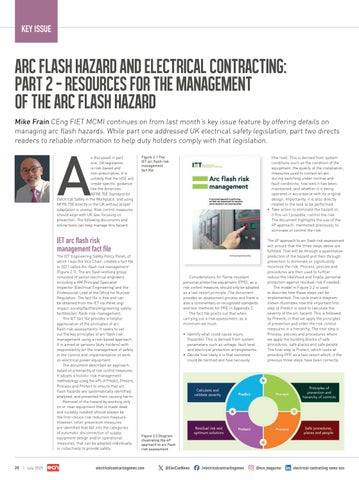
The IET Engineering Safety Policy Panel, of which I was the Vice Chair, created a fact file in 2021 called Arc flash risk management (Figure 2.1). The arc flash working group consisted of senior electrical engineers including a HM Principal Specialist Inspector (Electrical Engineering) and the Professional Lead at the Office for Nuclear Regulation. The fact file is free and can be obtained from the IET via theiet.org/ impact-society/factfiles/engineering-safetyfactfiles/arc-flash-risk-management.
The IET fact file provides a helpful appreciation of the principles of arc flash risk assessments. It seeks to set out the key principles of arc flash risk management using a risk-based approach. It is aimed at persons (duty holders) with responsibility for the management of safety in the control and implementation of work on electrical power equipment.
The document describes an approach, based on a hierarchy of risk control measures. It adopts a holistic risk management methodology using the 4Ps of Predict, Prevent, Process and Protect to ensure that arc flash hazards are systematically identified, analysed, and prevented from causing harm.
Removal of the hazard by working only on or near equipment that is made dead and suitably isolated should always be the first-choice risk reduction measure. However, other prevention measures are identified that fall into the categories of automatic disconnection of supply, equipment design and/or operational measures, that can be adopted individually or collectively to provide safety.

Considerations for flame resistant personal protective equipment (PPE), as a risk control measure, should only be adopted as a last resort principle. The document provides an assessment process and there is also a commentary on recognised standards and test methods for PPE in Appendix 2.
The fact file points out that when carrying out a risk assessment, as a minimum we must:
• Identify what could cause injury (hazards). This is derived from system parameters such as voltage, fault level and electrical protection arrangements.
• Decide how likely it is that someone could be harmed and how seriously
(the risk). This is derived from system conditions such as the condition of the equipment, the quality of the installation, measures used to contain an arc during switching under normal and fault conditions, how well it has been maintained, and whether it is being operated in accordance with its original design. Importantly, it is also directly related to the task to be performed.
• Take action to eliminate the hazard or, if this isn’t possible, control the risk. The document highlights the use of the 4P approach, mentioned previously, to eliminate or control the risk.
The 4P approach to arc flash risk assessment will ensure that the three steps above are fulfilled. That will be through a quantitative prediction of the hazard and then through prevention to eliminate or significantly minimise the risk. Process, policies and procedures are then used to further reduce the likelihood and finally, personal protection against residual risk if needed.
The model in Figure 2.2 is used to describe how these steps can be implemented. The cycle matrix diagram shown illustrates how the important first step of Predict is used to calculate the severity of the arc hazard. This is followed by Prevent, in that we apply the principles of prevention and order the risk control measures in a hierarchy. The next step is Process, policies and procedures where we apply the building blocks of safe procedures, safe places and safe people. The final step is Protect, which looks at providing PPE as a last resort which, if the previous three steps have been correctly
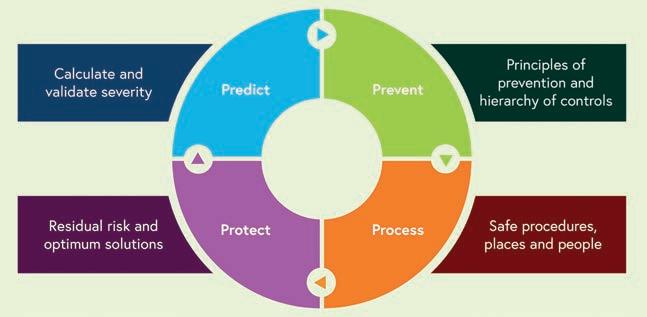





applied, will deal with residual risk only and lead to more lightweight solutions.
By applying the 4P principles, it has been shown repeatedly that the need for PPE has sometimes been removed entirely or reduced to a comfortable and unrestrictive level.
The IET Arc flash risk management fact file is based on the principles from my book, The European Arc Flash Guide. For a detailed study on managing arc flash in the UK/Europe, you can find the book at most book stores, or the IET library for members.
The mission is to “Inform and influence duty holders, designers and service providers to reduce danger from electrical arcing, by providing quick, simple, accessible and accurate predictive tools coupled with practical advice.”
The book is essential reading for anyone responsible for designing or putting workers to task on, or near, large power electrical systems and is especially relevant where local health and safety law uses a risk-based approach to electrical safety such as in the UK and Europe.
It is based upon a bedrock of risk management methodology using the 4Ps mentioned above to ensure that arc flash hazards are systematically identified, analysed, and prevented from causing harm. There are chapters that are dedicated to myths and mysteries, as
well as separate chapters for electrical utilities, duty holders, service providers, contractors, legislation and data collection.
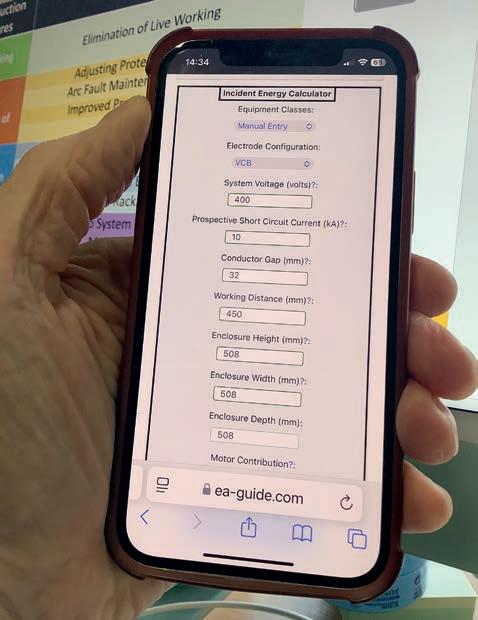
Alongside the book, there is a set of calculators and charts that require a small subscription to give access to tools to allow simple but accurate prediction of hazard severity.
These can be accessed online through ea-guide.com and can be managed from phones, tablets and PCs. The purpose of the calculators is to help the reader to do dynamic risk assessments on a case-by-case basis.
• IEEE 1584:2018 Incident Energy Calculator
• LV Circuit Breaker Calculator
• Incident Energy HRC Fuse Charts
• LV Devices (Fuses and MCBs) up to 125 A Calculator
• DC Incident Energy Calculator
• Blast Pressure Calculator
• DGUV Box Test Algorithm Calculator
• Prospective Short Circuit Current Calculator Tool
• LV HRC Fuse Time Current Curve Tool
• IDMT Time Current Curve Calculator
• Arc Flash Risk Assessment Form
Registration with the EA-GUIDE site will give free online access to all the step-bystep written instructions and videos, plus the first seven chapters of The European Arc Flash Guide
The following are credible sources of information in the UK for the management of the hazard.
• The IET Arc flash risk management fact file – Free online at theiet.org/impact-society/ factfiles/engineering-safety-factfiles/ arc-flash-risk-management
• The European Arc Flash Guide – by Mike Frain CEng FIET MCMI
• European Arc Guide Calculators –ea-guide.com.
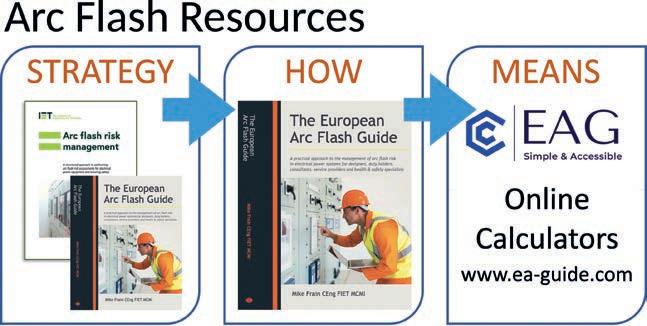
As you can see here, I’ve ordered the available resources into three categories: firstly, the strategy or what you should do, secondly, the how to do it, and thirdly, the means to carry it out using simple and easily accessible tools and calculators.
The greatest prevalence of arc flash injuries is among electrically qualified workers. Therefore, it is important that this group of workers are made aware of the hazard and the safeguards. Electrical Safety UK runs a superb course on Arc Flash Awareness. Use the IET Fact File on Arc flash risk management as an appreciation of the principles of arc flash risk assessments. For a deeper understanding, consult The European Arc Flash Guide Carry out a risk assessment using the tools that are available to understand the severity of the hazard and the risk. Secondly, take action to eliminate the hazard or, if this isn’t possible, control the risk. Make sure that control measures follow a hierarchy, putting elimination of the hazard first, and that those control measures follow the local secondary legislation.
Exercise caution if considering the implementation of NFPA 70E into UK facilities and seek competent advice where necessary.
Mike Frain is the author of The European Arc Flash Guide and expert for the British Standards Institute and International Electrotechnical Commission (IEC) TC 78: Live Working Committees. He is the Convenor for the IEC arc flash working group (TC 78 WG 15) and the Team Leader for the IEC arc flash end user guidance project team.
He is the former Vice Chair of the IET Engineering Safety Policy Panel and led the IET Arc Flash Working Group. He is a Chartered Engineer, a Fellow of the Institution of Engineering and Technology, and a Corporate Member of the Chartered Management Institute.


♦ Quad digital person detector with adjustable photocell and time lag functions
♦ A range of versions for different mounting options, detection areas and mounting heights
♦ Versions for Mains Switching, DALI or 0-10V dimming
♦ All settings and adjustments made via the DANLERS ISI app
♦ Programmable time-outs, setback light levels and fade rates
♦ Security settings available to avoid unauthorised programming
♦ Corridor hold function, group control function and copy function to replicate settings
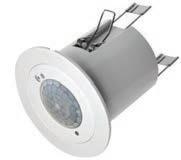
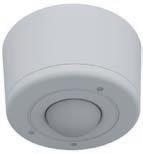
Ceiling flush-mounted versions. Ideal for false or plasterboard ceilings.



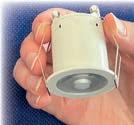
Versions with mini detector head. Ideal for false or plasterboard ceilings, or for fitting into a luminaire. Separate power pack with connector.

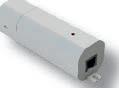
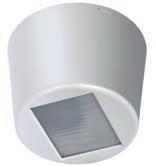
Batten-mounted versions with 20mm threaded spout for fitting onto a luminaire.
Ideal for energy-saving automatic lighting control
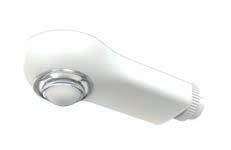
A range of surface mounted versions for high bay applications or for regular mounting heights.
For mounting onto a solid ceiling or onto a range of different mounting boxes. Options for wide area detection and for storage aisles.



For



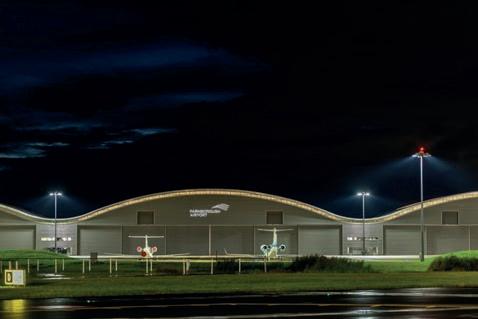
ECN looks at how lighting designer and manufacturer, CU Phosco, has delivered a high mast lighting installation for Farnborough Airport as part of the Domus III project.
CU Phosco, in collaboration with ATG Airports, has successfully installed a state-of-the-art high mast lighting system at Farnborough Airport. This project, part of Farnborough Airport’s commitment to maintaining world-class operational standards and sustainability, involved the installation of 13 high masts equipped with advanced FL800D luminaires. The new lighting system ensures exceptional visibility on the new apron, supporting the Airport’s sustainability milestones.
Farnborough Airport, the birthplace of British aviation and Europe’s number one business aviation airport, has long been a symbol of excellence in aviation infrastructure.
The Airport handles around 31,000 aircraft movements annually. With the opening of Domus III last year, a state-of-the-art 175,000ft 2 hangar facility, Farnborough Airport continues to set benchmarks in aviation innovation and sustainability.
The Domus III project was overseen by McLaughlin and Harvey as the Principal Contractor. CU Phosco, acting as a sub-contractor, was responsible for designing and delivering a comprehensive high mast lighting solution that met the specified standards. As a preferred supplier for Farnborough Airport, CU Phosco has been involved in various projects at the airport for several years.
The project was pivotal in supporting Farnborough Airport’s environmental goals, minimising energy consumption while using more energy efficient lighting, and follows a series of successful milestones in recent years at the airport. In 2024, Farnborough Airport was awarded Level 4+ carbon accreditation status by the Airport Carbon Accreditation (ACA) scheme, one of only five UK airports and the only business aviation airport to achieve such recognition.

Also last year, Farnborough Airport completed one of the largest light-weight solar installations in the South East, enabling the Airport to generate 25% of its own power. In 2022, for a two-week trial period in the lead up to the Farnborough International Airshow, Farnborough Airport became the first airport in the world to offer SAF at the same price as standard Jet A1 fuel, after it took a major step in driving the adoption of SAF by offering it to all customers the year prior. Also in 2022, Farnborough Airport made a commitment to be net zero by 2030 or sooner for emissions within its control, setting one of the most ambitious targets in the aviation industry.
CU Phosco collaborated with ATG Airports to provide a turnkey solution that optimised lighting across the Airport’s new apron. A total of 13 high masts, manufactured at CU Phosco’s Bradford facility, were equipped with 50 FL800D luminaires. The luminaires, designed for superior thermal management and high lumen output, ensure exceptional visibility while minimising energy consumption.
Each high mast features the CU Phosco Raise and Lower System, enabling safe and efficient maintenance without the need to close large areas of the apron. This innovative system lowers the luminaire carriage to ground level in one smooth operation, reducing disruption to airport operations and enhancing safety.
The FL800D luminaires, equipped with Samsung CSP LEDs and the
AeroFlow Cooling System, deliver consistent performance and longevity. This combination of advanced optics and robust construction ensures the lighting system meets the stringent requirements set by the Civil Aviation Authority (CAA) and Farnborough Airport.
The project supports Farnborough Airport’s sustainability objectives by reducing energy usage and maintenance costs. The self-contained FL800ds luminaires, with their superior thermal management and high lumen output, ensure optimal illumination with minimal environmental impact.
Gary Stone, Project Manager at ATG Airports, comments, “The high mast lighting system installation was seamless, thanks to CU Phosco’s robust design and efficient team. The quality of the finish and ease of maintenance provide a safe and reliable lighting solution that aligns perfectly with Farnborough Airport’s high standards.”
Stephanie Bishop, Head of Infrastructure at Farnborough Airport, notes, “CU Phosco is a well-known and reputable supplier at Farnborough Airport, consistently delivering high-quality products for several years. Recently, they played a crucial role in the Domus III project, managed by Principal Contractors McLaughlin and Harvey, by providing 13 high mast lights of exceptional quality.”
CU Phosco, cuphosco.com















Fernando de la Cruz Quintanilla, UK & Ireland Area Manager of Airzone Control, looks at how data collection and smart diagnostics can make a big impact on HVAC maintenance, both in the home and beyond.

The global HVAC maintenance service market is worth over $78.4 billion (£57.6bn) and is expected to grow at a CAGR of around 5.7% until 2032. This is no surprise, with heating and cooling systems being omnipresent in almost every building, from offices and homes to warehouses and schools. When they break down, the results can be uncomfortable, costly or even unsafe.
That is why air conditioning systems with an effective rated output of more than 12kW must be inspected every five years by UK law, according to TM44 inspection regulations. For installers, this all means one thing: maintenance is not optional, it is expected, enforced and constant.
Right now, most systems are serviced only when something goes wrong. A tenant notices it is too hot or too cold, the fan starts making noise, or the unit stops working altogether. The installer gets called in to assess the problem, identify the fault and replace or repair the part. If they do not have the part, they return again. It works, but only just – because this approach to maintenance is full of inefficiencies.
First, it is reactive. The issue has already disrupted the user before help is even called. That can mean downtime for
businesses, lost hours for installers, and unhappy clients. Second, it is inefficient. Engineers often arrive without any context, meaning more time spent investigating the fault. Third, it lets small problems build up. Dirty coils, for example, do not stop the system outright but can reduce efficiency and use more energy than clean coils. Finally, it creates pressure on service teams. Emergency visits mean dropping scheduled work, which affects planning and profits.
That is why many believe AI-powered predictive maintenance is the future of the HVAC industry. Rather than changing the entire system, the data that connected products are already gathering can be used to anticipate maintenance issues before they even occur. Smart thermostats already track temperature, humidity and user habits in real time.
Looking ahead, combining these historical and real-time data sets with advanced analytics and machine learning, climate control systems will be able to identify patterns and help flag early warning signs of impending malfunctions. A drop in airflow, longer heating cycles or unusual energy use might all point to a fault.
Rather than wait for a full system failure, the system could send an alert to maintenance teams itself. With predictive maintenance and smart diagnostics capabilities, engineers could also see how long parts are lasting and schedule replacements before breakdowns.
This data collection will also support customer service. A cloud-based log of the system’s performance gives engineers the full picture of the HVAC control system before even stepping foot on the premises – and in many cases, will allow technical issues to be resolved remotely, without the need for an on-site visit.
This is not just about avoiding callouts. When an on-site visit is required, predictive maintenance can help improve HVAC safety, preventing dangerous equipment failures that expose workers to unnecessary risks –and therefore minimising accidents.
In addition, predictive maintenance will help extend the lifespan of HVAC systems – which typically last between 10 and 20 years – alerting engineers to potential issues and addressing them before they become expensive repairs, and delaying the costly expense of a full replacement. We’re still a few years away from this becoming a reality, but the sector is rife with opportunities for digital transformation and improved efficiency.
Airzone Control, airzonecontrol.com

In this special feature, ECN takes a close look at LEDVANCE’s new UK warehouse and distribution centre close to Birmingham, before exploring the company’s first ever appearance at the recent CEF Live exhibition.
LEDVANCE, a global provider of lighting technologies, has announced the opening of a new warehouse and distribution centre just outside of Birmingham, UK. The centrally located warehouse will provide customers across the UK with swift access to LEDVANCE’s extensive line of intelligent and efficient lighting solutions for commercial, industrial and residential applications. The vast range of lighting products being stocked at the new warehouse includes LED lamps and luminaires, LED strip lighting, smart lighting, and light management systems.
Jean-Marc Vogel, CEO Europe West at LEDVANCE, says, “With the UK being the second largest market in Europe, our ambitions are to develop LEDVANCE lighting and renewable business in the UK. A new warehouse will support our portfolio extension and establish LEDVANCE as a lighting market leader, and at the same time increase our market presences and be closer to our customers in the UK.”
LEDVANCE UK Managing Director, Nelo Neves, comments, “Until now, our stock was housed and distributed solely from our central warehouse and distribution facility in Molsheim, France, with a lighting portfolio that caters to the whole of Europe. However, the increasing awareness of sustainability and energy-saving technologies has driven the decision for us to establish a local warehouse to help meet customer demand more efficiently and cost-effectively by importing our UK-specific lighting solutions directly to the UK.”
Lee Hickling, Logistics and Warehouse Manager at LEDVANCE, adds, “We wanted a UK-based warehouse to streamline our logistics and reduce lead times for deliveries to our wholesale customers across the UK. Any improvement in service levels greatly increases customer satisfaction. Another plus is that our UK warehouse reduces shipping costs and lowers import tariffs, which leads to significant savings in transportation expenses. It also gives us full control of our local stock. All these benefits ultimately accrue to our valued customers in the UK.”
LEDVANCE also took part at this year’s CEF Live exhibition, marking the first time the company has ever attended this important event for the electrical sector.
Held at the NEC in Birmingham on 5-6 June, CEF Live once again brought together thousands of professionals from across the electrical sector, including a wealth of manufacturers. The location of the exhibition in the centre of the UK provided a well-placed platform for LEDVANCE to profile its recently opened local warehouse and share its journey with the thousands of visitors on hand at the event.
The LEDVANCE team also took the opportunity to unveil a number of exciting new products to complement the company’s existing portfolio. This includes the Bulkhead Combo, a compact and robust lighting offering designed for both general indoor and industrial applications.
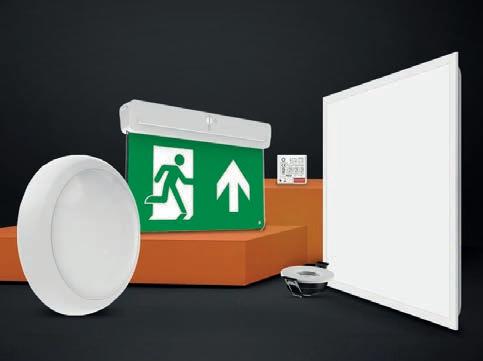
The new Bulkhead Combo uses an innovative and easy Plug & Upgrade system, which ensures effortless integration of sensors and emergency modules – making it a future-proof solution. Upgrading the Bulkhead Combo with emergency lighting and sensor add-ons takes just seven minutes, making it exceptionally time efficient.
LEDVANCE also showcased at CEF Live its new Panel Compact 600 TP(a). This premium LED panel is designed for modern office and commercial environments. Featuring a TP(a) rated diffuser, the panel provides enhanced fire safety compliance, while delivering up to 120 lm/W efficiency.
A look at LEDVANCE’s new product range for 2025


Completing the new product line-up is the new Emergency Bulkhead, a reliable and durable emergency lighting innovation designed to provide essential illumination during power failures. With an emergency duration of three hours, the Emergency Bulkhead ensures that critical areas such as corridors, stairwells, and basements remain illuminated when needed most.
In addition, LEDVANCE showcased its Fire Rated Spotlight, which is a high-performance lighting innovation specifically designed for applications requiring both safety and reliability. It is ideal for areas where fire resistance is a priority, providing both security and energy efficiency.
All of these innovations will be available for distribution from the new Midlands-based LEDVANCE warehouse.
The exhibition marked the start of a busy summer for LEDVANCE, which also had further product launches scheduled for June. This new addition to the LEDVANCE range offers further options for professionals across the electrical sector, adding to its already extensive portfolio.
LEDVANCE, ledvance.com
FITS RIGHT IN. FITS YOUR STANDARDS, EXCEEDS YOUR EXPECTATIONS.
FITS RIGHT IN. FITS YOUR STANDARDS, EXCEEDS YOUR EXPECTATIONS.
FITS RIGHT IN. FITS YOUR STANDARDS, EXCEEDS YOUR
FITS RIGHT IN. FITS YOUR STANDARDS, EXCEEDS YOUR
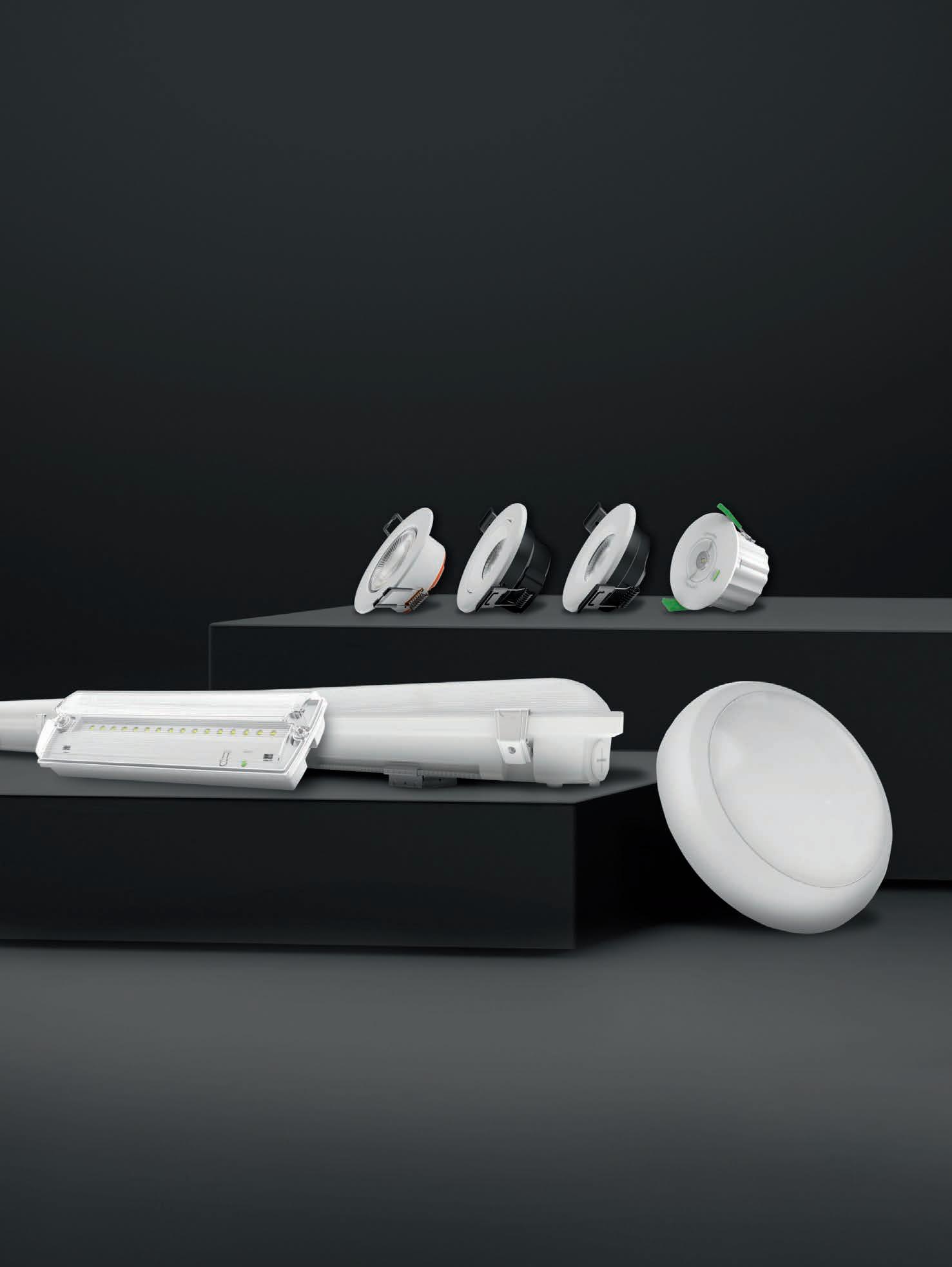
Our new dedicated UK range is tailored to meet British installation requirements. Every product is designed to make every installers job easier. A complete range that fits right into your daily work – because that‘s exactly what we built it for. For more information on this range visit www.ledvance.co.uk
Our new dedicated UK range is tailored to meet British installation requirements. Every product is designed to make every installers job easier. A complete range that fits right into your daily work – because that‘s exactly what we built it for. For more information on this range visit www.ledvance.co.uk
Our new dedicated UK range is tailored to meet British installation requirements. Every product is designed to make every installers job easier. A complete range that fits right into your daily work – because that‘s exactly what we built it for. For more information on this range visit www.ledvance.co.uk
Our new dedicated UK range is tailored to meet British installation requirements. Every product is designed to make every installers job easier. A complete range that fits right into your daily work – because that‘s exactly what we built it for. For more information on this range visit www.ledvance.co.uk

Marshall-Tufflex is offering one lucky reader the chance to win a prestigious Virgin Experience Day worth £200.
Marshall-Tufflex, a leading UK cable management manufacturer, is introducing new Meter Box Hockey Sticks to its range. Designed for durability and versatility, the new product offers reliable protection for electricity supply cables from the cable duct into the meter box.
Made from white high-quality PVC-U, this new product is compatible with most domestic electric meter boxes. The Meter Box Hockey Sticks are 1,450mm long and are
available in two sizes: 38mm and 44mm. Additionally, the new Hockey Sticks are manufactured to BS EN 61386-1/61386-21 standards, ensuring reliable high-quality professionals can rely on.
To celebrate the launch of its latest product, Marshall-Tufflex is giving one lucky reader the chance to win a Magenta Virgin Experience Day, worth £200.
To view Marshall-Tufflex’s Meter Box Hockey Sticks, visit marshall-tufflex.com.
Marshall-Tufflex, marshall-tufflex.com
To be in with a chance of winning the Virgin Experience Day, simply answer the following questions correctly:
b) 1,500mm c) 1,535mm
3. True or false – Marshall-Tufflex’s new Meter Box Hockey Sticks are manufactured to BS EN 61386-1/61386-21 standards. a) True b) False
The winner of the May competition – a Trade Tub bundle courtesy of
All entries must be returned by 31 July 2025. The editor’s decision is final. For the full terms and conditions, visit electricalcontractingnews.com/ competition-terms.
The name of the winner will be published in the September issue of ECN.
*Prize not exchangeable.



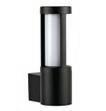
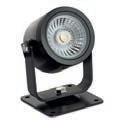

AMA research shows that the demand for sustainable outdoor lighting is growing. Mitchel Waite, Product Manager at Collingwood Lighting, explores how to meet the needs of people, businesses, and the environment.

Outdoor lighting is vital for safety, and people need it for a number of reasons as it gets dark, both functional and for aesthetics.
But whether it is for a logistics hub loading vehicles, for safe passage, to highlight architectural or planting for a landscape in a hospitality business or a private garden, there is an increasing demand for a sustainable solution.
Indeed, many local councils demand that any new scheme complies with their DarkSky requirements and that we become good neighbours for people, the wider environment and wildlife.
A well-designed lighting scheme using the right luminaires and controls means that we can achieve the wishes of our customers and be good to the local environment.
So faced with an outdoor lighting scheme, how do you ensure that it sustainable?
The first question is, does the application need lighting? And if the answer is yes, what needs lighting and what can be left in shadow? Ask your customer how much or how little they need and when they need it.
A sustainable lighting scheme will direct the right amount of light where it is needed and avoid any spillage or glare. It will do so using minimal energy and only provide light when your customer needs it. Remember our eye is drawn to light, and a good design balances this with darkness.
For landscape and architectural lighting, it’s worth remembering that our eye is drawn to light, and a good design understands how to balance this with shadow. A uniformly bright lighting scheme is uninspiring and will create the wrong impression.
Some areas will need light for safety or security, people may want to highlight features, and for hospitality businesses or a private garden, entertainment areas need to create an ambience. Good lighting

design creates a layered look that can bring all these elements together. So, for example, a path or steps may need functional lighting but can contribute to the overall feel by helping to draw the eye.
Energy efficiency is at the top of most people’s minds when it comes to sustainability, and LED lighting is the most efficient artificial light source you can use, but some luminaires are better than others.
Many still think about wattage as a measure for lighting, but we should concentrate on lumens, which measures the amount of visible light that comes from a source.
For energy efficiency, you need to look at the product’s lumens per watt; and the higher the figure, the more efficient it is. As a quick check, just like other products, luminaires must display their energy efficiency rating on a label, using a scale from A to G.
It’s well worth checking a product’s energy efficiency regularly because manufacturers bring out new, more efficient ranges all the time. For example, our new landscape lighting range has improved its efficacy by up to 50%.
While LED lighting reduces the amount of energy that your customer uses, they should still only use outdoor lighting when and where they need it.
Lighting control enables them to use lighting more sustainably by managing how much and when we use it. It can be as simple as PIR sensors on luminaires or electrical circuits, light sensors, on/off switching or a timer.
Alternatively, you can specify a smart bridge that allows your customer to connect their outside lighting for control via a smartphone. This allows them to control different zones, set schedules, and turn the lighting on and off remotely to both save energy and create different scenarios depending on how they use the space.

While we want to enjoy or need to light the outdoors as it gets dark, we must also be good neighbours and not affect others, the night sky or nocturnal animals. To reinforce this, many local councils insist that any installation meets their DarkSky initiatives.
It means that any specification must accurately light the area that needs it while avoiding any light spillage, which causes glare. Check that the lights you specify have hoods or shielding so that they can target the light.
You also need to think about the beam angle that you need for an application. A narrow angle of 15° or 25° is ideal for illuminating specific areas with pinpoints of light, such as columns on buildings or a tree; while medium angles of 38° or 45° are better for illuminating wider areas, and this can go up to wide beam angles of 60° or 80°. The key is to contain the light within the area that you are lighting to avoid spillage into the surrounding areas that don’t need it.
The luminaires should also avoid light spilling upwards to prevent the nighttime glow that we see above urban areas. To do so, you need to check a fitting’s upward light output ratio (ULOR). This is the percentage of light that it emits above the horizontal plane. For DarkSky approval, it should have an ULOR of less than 0.5% or 50 lumens.
If you do need to use uplights to highlight a feature, then make sure they contain the light to the area being lit. Luminaires with asymmetric beams will focus the light in one direction, making it easier to achieve this.
Another factor to consider is the colour temperature of the light source. For DarkSky compliance, the light source needs to be 3000K or warmer, even if a customer finds a product that has 0% ULOR.
There will still be some applications where you can use a bluer light to aid concentration and accurately identify products – such as in a warehouse loading bay if it is outside a DarkSky area.
Generally, though you should consider a warmer light source, a colour temperature of 3000K or lower is less likely to scatter in the atmosphere than higher colour temperatures. This helps prevent light pollution or the night glow above urban areas, and it also reduces its effect on wildlife.
Certainly, for hospitality or private gardens – in fact, anywhere that you are trying to create a relaxing atmosphere – the lower the colour temperature, the better. We often recommend specifying 2700K or even 2200K light sources.

And finally, when thinking about the environment and landscape lighting, we need to take a closer look at how sustainable the lighting products are that you are installing.
Customers want to move away from the throwaway culture of the past. It means that you should have an eye on the expected lifespan of a product and question how easy it is to repair, and replace parts to extend its life.
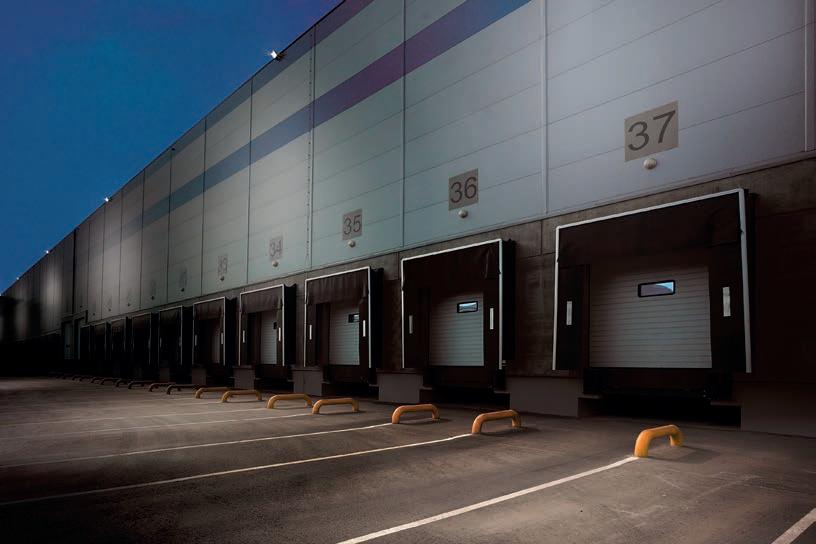
Good manufacturers will have adapted their production to use modular parts. This makes it easier to upgrade a product in the future and simpler to replace worn out parts, and it makes it easier to recycle materials and reuse parts at the end of the product’s life.
Sustainable solutions and products have a huge influence on a specification as both individuals and businesses become more aware of our responsibilities for the climate.
If you can demonstrate a keen understanding about what it takes to deliver a sustainable outdoor lighting scheme while meeting the needs of your customer, then you are more likely to win their business.
After all, a solution that is better for the environment will save them money and make them a better neighbour. Ultimately, everyone wins.
Collingwood Lighting has produced a Guide to Designing and Specifying Sustainable Landscape Lighting. For a free copy contact customerservice@ collingwoodgroup.com.
Collingwood Lighting, collingwoodlighting.com




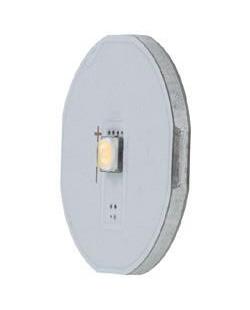
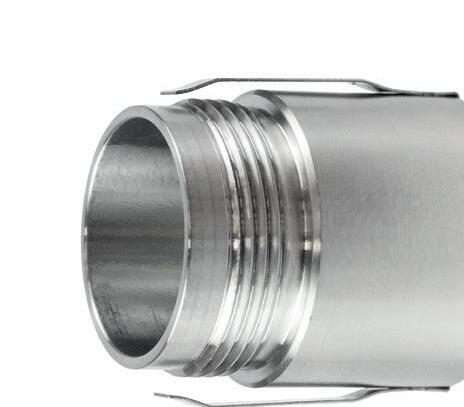
Greenlight Connexions provides an overview of exterior lighting approaches that meet performance demands and minimise environmental impact.
Exterior lighting is essential for both urban and rural environments.
It illuminates walkways, enhances building facades, deters crime, and provides safe travel after dark. When appropriately designed, outdoor lighting contributes to public safety, functionality, and aesthetics. However, with the growing awareness of light pollution and environmental sustainability, the challenge is no longer just about brightening the night; it’s about doing so responsibly.
Skyglow, as seen from the countryside (making it difficult to see the night sky or stars)
In recent years, Dark Sky initiatives have gained momentum, encouraging lighting professionals, architects, local councils, and homeowners to rethink how exterior lighting can serve its purpose while preserving the beauty of the night sky. We must ensure we get the right light in the right place and at the right time. Many children growing up in cities have never seen the Milky Way. On a clear night sky, they will see the moon but not the stars.

• Safety and security: One of the most critical functions of exterior lighting is to ensure people’s safety. Proper illumination of pathways, staircases, entrances, and car parks reduces the risk of accidents. It also helps deter criminal activity by removing areas of darkness where threats can hide. However, providing more lighting does not always equal more safety. Poor lighting conditions, such as intense glare or excessive illumination, can form deep shadows, diminishing visibility and potentially increasing vulnerability.
• Wayfinding and usability: Outdoor lighting assists users in navigating spaces during the night. Clear and consistent lighting enhances orientation and comfort, whether it’s a residential driveway, a public footpath, or a commercial car park. It extends the usability of outdoor areas beyond daylight hours, improving the quality of life and supporting evening commerce and recreation.
• Aesthetic enhancement: Lighting also plays an artistic role. Architectural lighting can emphasise building textures, highlight landscape features, and create mood. Warm, subtle lighting can transform a space, making it more inviting and cohesive. Increasingly, lighting designers are tasked not only with functional objectives, but also with crafting memorable visual experiences.
Despite the numerous benefits of exterior lighting, there is a growing concern regarding its environmental costs.
Light pollution refers to excessive or misdirected artificial light that brightens the night sky, disrupts ecosystems, obscures stars, and adversely affects human circadian rhythms.
According to the International Dark-Sky Association (IDA), over 80% of the world’s population lives beneath light-polluted skies. Wildlife, particularly nocturnal animals such as bats, are

especially susceptible. Migratory birds, sea turtles, and insects rely on natural light cues for navigation and reproduction. Unnatural light levels can disrupt these behaviours, leading to population declines.

Dark Sky-friendly products are able to limit light pollution
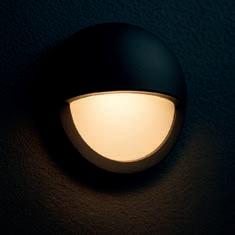


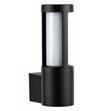
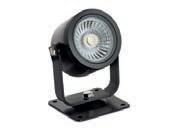


Designers and installers can adhere to Dark Sky’s best practices to reduce light pollution while still enjoying the benefits of outdoor lighting. The IDA and other organisations have established guidelines and certification schemes to ensure that lighting is both effective and environmentally responsible.
• Use fully shielded fixtures: The most important step is to utilise fully shielded luminaires that direct light downwards instead of into the sky or across property lines. This prevents uplight and reduces glare, ensuring illumination is focused only where it is needed.
• Limit colour temperature: Cool white or blue-rich light sources (above 3000 Kelvin) are more likely to contribute to skyglow. Warmer coloured LEDs (ideally 2700K–3000K) minimise environmental disruption and reduce glare. Newer LED technologies also enable fine-tuned spectral control, providing a significant advantage. Cree and Lumileds have recently partnered to develop an LED lamp
that replicates the characteristics of high-pressure sodium lamps. This new product will maintain the same colour temperature of 1900K, offer an improved colour rendering index (CRI) of 50, compared to the CRI of 20 typically found in sodium lamps, and exhibit a near-absence of blue light. The companies state that this light source, 19K5, was explicitly created to significantly reduce blue light emissions from outdoor lighting applications while delivering optimal illumination and energy performance. With an efficacy of 171 lm/W, it surpasses traditional high-pressure sodium lamps that range from 75 to 140 lm/W. The 19K5 targets local authorities and regions sensitive to blue light, where reducing light pollution and its impact on people, wildlife, and the night sky is a priority.
• Minimise light levels: More light is not always better. Install only the necessary amount of light for the task. Excess light wastes energy and creates harsh contrasts and deeper shadows. Utilise lighting controls such as dimmers, motion sensors, and timers to lower light levels when areas are unoccupied.
• Avoid uplighting unless essential: Uplighting is frequently employed for decorative purposes, but should be avoided unless necessary. When it is utilised (e.g. for monuments or trees), shielded and well-aimed fixtures must ensure minimal light spills into the sky.
• Cut-off hours and controls: Integrating time controls, motion detectors, and daylight sensors can significantly reduce unnecessary lighting. Residential, commercial, and municipal settings can benefit from ‘curfews’, where non-essential lighting is dimmed or turned off after certain hours.
Several municipalities and national standards bodies have introduced codes to limit light pollution. In the UK, the Institute of Lighting Professionals (ILP) provides guidance in its Guidance Notes for the Reduction of Obtrusive Light, while planning regulations increasingly reference Dark Sky standards. Dark Sky-friendly products certified by the IDA are now available for those seeking to demonstrate their commitment. These fixtures ensure compliance and can be valuable when applying for environmental certifications such as BREEAM or LEED.
Exterior lighting is not only a practical necessity; it is also a powerful design tool and a responsibility. As awareness of light pollution increases, so does the significance of thoughtful, efficient, and environmentally sensitive lighting design. By embracing Dark Sky principles, professionals and property owners can create safe, attractive outdoor spaces while preserving the night environment for future generations.
Greenlight Connexions, greenlightconnexions.co.uk
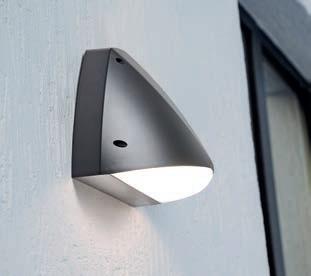

Episode Radiance belongs to the ADI | SnapOne family. At ADI | Snap One, we design, manufacture, and distribute smart solutions for homes and businesses to make life better

Exterior lighting plays a crucial role in the safety, security, and aesthetics of residential, commercial, and public spaces. Mike Collins, Managing Director of Scolmore Group company, Ovia, looks at some of the key considerations for electrical contractors working on exterior lighting projects.

For electrical contractors, ensuring that outdoor lighting systems are functional, efficient, and compliant with regulations involves a combination of technical expertise, planning, and environmental awareness.
Understanding the specific goals of the lighting system and the lighting purpose and application is the first step in any exterior lighting design project. Exterior lighting can serve many purposes. Safety and security is a key area. Illuminated perimeters and
well-lit driveways, pathways, entrances or staircases will help deter intruders and minimise accidents, making homes and business premises safer environments.
Aesthetic enhancement is another consideration. Strategic lighting highlights architectural features and landscaping, helping to boost curb appeal and transforming outdoor spaces. Lighting enables the use of outdoor spaces after dark – patios, hot tubs and decking, for example. Each project warrants different design strategies, fixture types and control systems, so thorough consultation and planning are key.
Today’s exterior lighting market offers a wide range of solutions, with LED fixtures, smart lighting and solar lighting options available. The continual advancement in LED technology has improved brightness, colour quality, and efficiency, and features like remote control, dimming, and colour adjustment make LEDs a preferred choice for modern households and businesses.
LEDs consume up to 80% less energy than traditional bulbs and have a longer lifespan, reducing electricity costs and carbon emissions. Many businesses are



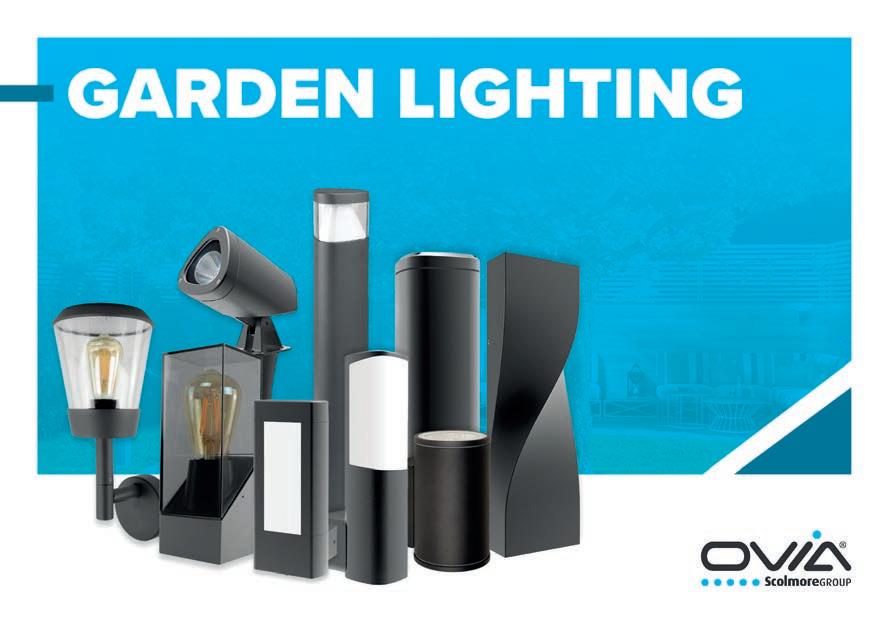
investing in sustainable technologies, including LED lighting, to meet Environmental, Social, and Governance (ESG) targets.
Solar is widely considered to be the most effective form of renewable energy, and the technology is advancing every day. Solar street lights provide complete independence from the power grid, and, due to low maintenance and minimal operator costs, solar lighting has emerged as a popular and reliable source to power street lights.
There are many benefits to solar street lighting, with the main advantages being their energy efficiency and the ability to provide significant cost savings over time. Conventional street lights are dependent on electricity from the grid, which is often generated from non-renewable sources and can therefore contribute to air pollution.
Other benefits include no cabling or excavation, resulting in easy installation and no risk from power outages. Ovia introduced its first solar power lighting solutions last year, with a solar powered LED security floodlight and two solar powered LED street lights joining the company’s growing portfolio of exterior lighting innovations.
The use of appropriate lighting controls can further boost savings. The installation of timers, photocells or motion detectors will ensure that lighting is only active when it is required, thus increasing energy savings and convenience.
Exterior lighting can be subject to harsh environmental conditions, and therefore factors to consider include IP ratings, materials and temperature rating. Fixtures need to be rated appropriately for outdoor
use, with sufficient protection against dust and water. Corrosion resistant materials such as aluminium, stainless steel or composite polymers are ideal.
When it comes to exterior lighting design and layout, there are various aspects to consider. A good lighting design scheme will ensure optimal light distribution and efficiency. Light levels need to be evenly distributed to avoid dark spots, especially in areas like car parks and pathways. Strategic placement will help minimise shadows and maximise coverage. Excessive brightness can cause glare, light trespass, and energy waste.
A well-executed design can enhance both form and function. Layered lighting can help create depth and enhance usability. This can be achieved using a mix of lighting techniques – uplighting, downlighting, accent lighting and pathway illumination. The choice of colour temperate is another important aspect to consider, with warmer tones (2700K-3000K) reducing the disruption to wildlife and improving visual comfort. Whereas cooler tones (4000K+) are better for security.
Exterior lighting is more than just installing lights – it’s about creating safe, efficient, and visually pleasing environments. For electrical contractors, it’s about balancing design goals, technical requirements, and regulatory demands while embracing new technologies that drive innovation and sustainability.
Ovia, oviauk.com

Introducing the Inceptor Milli range of fire rated downlights with switchable wattage and colour temperature
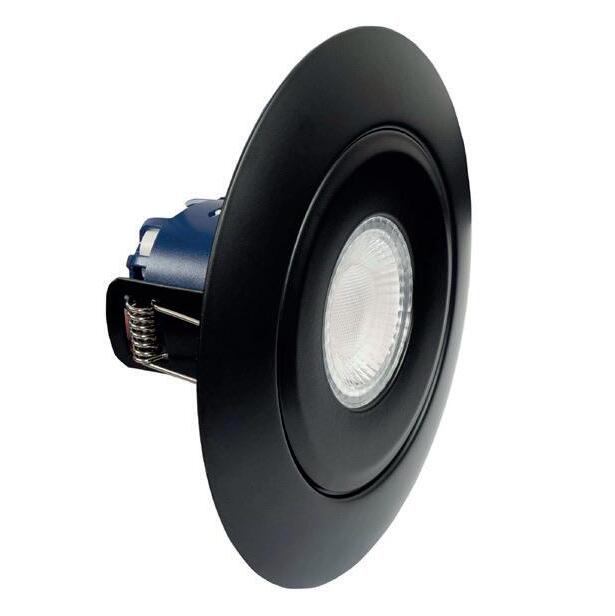
Convertor Plates now available for retrofitting into ceilings that have cut-outs bigger than Ø75mm, up to a max cut-out of Ø120mm.




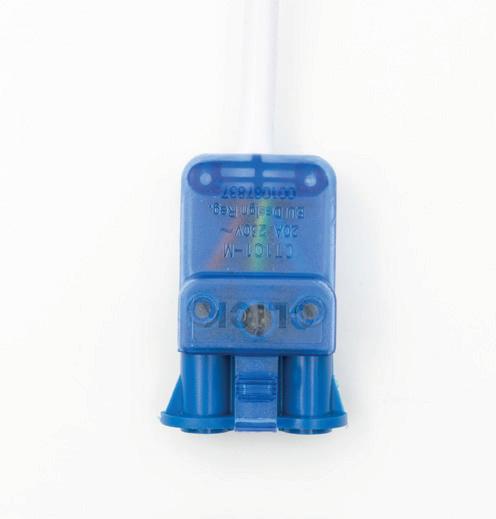

Spennymoor Market Place and Consett Middle Street, renowned locations in Durham, have been revitalised using Thor lanterns and customisable gobo projectors from Thorn Lighting Here’s an overview of how the project unfolded.
Town centre regeneration is essential for boosting local economies and fostering vibrant communities. In line with its ongoing county-wide improvement efforts, Durham County Council has delivered projects to transform the town centres of Spennymoor and Consett.
The council’s vision is to create spaces that attract more shoppers, businesses, and community gatherings. Thorn Lighting’s products have been instrumental in achieving this vision, offering an engaging and adaptable lighting scheme that supports events throughout the year.
Lighting can dramatically change how a space is perceived, especially in town centres. Thorn Lighting’s Thor lanterns,

combined with gobo projectors mounted on bespoke columns, provide a blend of aesthetic appeal and functionality, allowing for tailored lighting themes that change with the seasons and significant events.
The adaptive lighting has helped to create welcoming hubs in Spennymoor Market Place and Consett Middle Street, where people can gather for local events such as Christmas festivities and Remembrance Sunday commemorations. From snowflakes at Christmas to poppies for Remembrance Week, each projection fosters a sense of place and community identity.
Thorn’s Thor lanterns offer high performance and versatility. These LED smart urban lanterns offer comfortable lighting quality and compatibility with any existing management control systems via ZHAGA sockets. Mounted on bespoke columns with illuminated heads, the Thor lanterns seamlessly integrate into both Spennymoor and Consett’s streetscapes, creating an appealing ambience. Additionally, gobo projectors allow for customisable, event-specific lighting, showcasing symbols like the Coronation emblem when King Charles ascended to the throne.
Paul Gleadow, Durham County Council’s Street Lighting and Operational Support Manager, says, “As part of our ongoing regeneration of County Durham’s towns and villages, we wanted to create spaces that were not only welcoming and functional, but also felt unique to the community. This partnership has allowed us to commemorate key events in a way which engages with residents, creating a strong sense of pride and belonging. Seeing people enjoy these areas since we have made these enhancements has been incredibly rewarding.”
Implementing the schemes in Spennymoor and Consett required precision and care to ensure the lighting system fitted both the aesthetic and functional needs of the spaces. In Spennymoor, aligning the gobo projections to cover the intended floor space required multiple site visits and careful adjustments to the positioning and angles of the columns. For Consett, illuminating specific building facades meant careful spacing and placement to achieve consistent coverage without overpowering the area. Through extensive on-site adjustments, the team was able to optimise the positioning of the columns and projectors, ensuring the lighting scenes landed exactly where intended. The final arrangement enables residents to fully enjoy the vibrant gobo scenes, which draw attention without distracting from the area’s natural beauty.
Thorn’s lighting has quickly become a source of pride for residents, the company tells us. It states that the adaptable gobo projections have helped transform the town centres into dynamic spaces that reflect seasonal changes and important community events, helping residents and visitors connect with these revitalised areas. The Thor lanterns also contribute to a welcoming, well-lit environment, enhancing safety and encouraging more foot traffic in these regenerated town centres.
The projects in Spennymoor and Consett also demonstrate how lighting can help revitalise a community. Residents have responded enthusiastically, with many expressing appreciation for the attention to detail and the focus on creating a space that reflects the town’s character. As footfall increases, the council’s investment into a sustainable, community-focused lighting system is expected to benefit local businesses and foster an enduring sense of pride. Thorn Lighting, thornlighting.co.uk
An in-depth look at how Acrospire has delivered sustainable solar lighting for the Hampton Beach Housing Development.
The Hampton Beach development by Barratt Redrow (including Barratt and David Wilson Homes) now features off-grid, solar-powered Defender lanterns from Acrospire.
Delivered in partnership with GM Briton, the installation supports the housebuilder’s net zero ambitions while enhancing resident safety with high-performance lighting that’s cost-efficient, low-maintenance and entirely powered by the sun.
Hampton Beach, a newly developed community in Peterborough by Barratt Redrow, is designed to balance modern convenience with sustainability. Situated around the picturesque Teardrop Lake, the development provides residents with scenic views, expansive green spaces, and easy access to essential amenities. With Barratt Redrow’s strong commitment to achieving net zero carbon emissions by 2040, sustainability was a key factor in shaping the infrastructure of Hampton Beach.
To support these environmental goals while ensuring safe, well-lit communal spaces, Acrospire, in partnership with GM Briton, was chosen to provide an energy-efficient street lighting system. The project aimed to install low-carbon, off-grid lighting that would enhance visibility, improve safety, and align with the sustainable ambitions of the UK’s largest housebuilder.
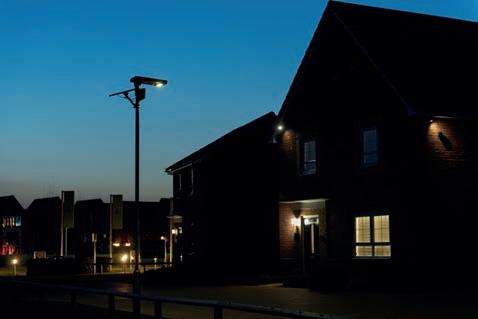

Acrospire supplied and installed Defender solar luminaires, an all-in-one solar street lighting system. Specifically designed for the UK market, Defender was selected for its strong performance, delivering up to 10,285 lumens and offering up to five nights of autonomy on a single charge. With a large-capacity battery and an expansive solar panel footprint, Defender ensures uninterrupted lighting, even during prolonged periods of low sunlight.
The solar lighting innovation significantly reduces Hampton Beach’s carbon footprint, while providing bright, evenly distributed illumination across footpaths and communal areas. By operating independently of the power grid, these luminaires help lower long-term energy costs, eliminate the need for trenching and cabling, and reduce ongoing maintenance requirements. The choice of solar lighting not only enhances safety and security for residents, but also aligns with the broader sustainability strategy of Barratt Redrow, reinforcing its commitment to building eco-friendly communities.
James Brooker, Area Sales Manager at Acrospire, comments, “With today’s astronomical electricity costs, solar lighting solutions like the Defender make perfect sense for new build developments. By removing the need for trenching and wiring, they pay for themselves quickly – offering a long-term, environmentally friendly investment with no ongoing energy costs. The ability to deliver high-quality lighting without relying on the grid is a game-changer for housebuilders looking to meet their sustainability targets while keeping operational expenses low.”
A spokesperson at Barratt and David Wilson Homes adds, “We are delighted to work with Acrospire to provide energy efficient street lighting at our Hampton Beach developments. Finding more sustainable ways of living is a priority for us as a leading housebuilder, and we are pleased to be making strides to becoming net zero.”
Acrospire, acrospire.co

Environmental monitoring experts and the AKCP partner for the UK & Eire.
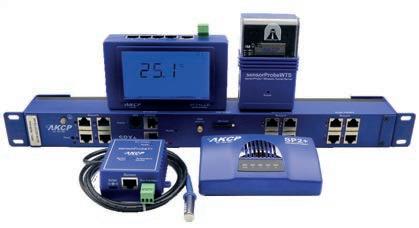
Contact us for a FREE site survey or online demo to learn more about our industry leading environmental monitoring solutions with Ethernet and WiFi connectivity, over 20 sensor options for temperature, humidity, water leakage, airflow, AC and DC power, a 5 year warranty and automated email and SMS text alerts. 0800 030 6838 projects@serverroomenvironments.co.uk



Here, ECN explores the ways an illuminated façade from Pharos Architectural Control has added controls and a splash of colour to Cardiff’s Central Quay development.
Abrand-new car park facility in Cardiff is making a dramatic impact as night falls thanks to an illuminated façade controlled by Pharos Architectural Controls.
As a key part of the vibrant Central Quay development in Cardiff, the eight-storey car park is immediately notable for its sleek and contemporary design. The facility also boasts an enviable location, next to Cardiff Central Station. Offering spacious parking, electric vehicle charging stations and bicycle racks, the site supports effortless transitions between different modes of transport, as well as Cardiff’s soon to be completed metro line.
A concept was created to illuminate the façade of the new facility, adding to the site’s appeal and making it visually striking during darker hours. The contractor for the project, Goldbeck Construction, partnered with LED lighting provider, LITE, to specify and supply the technology to fulfil the design. The lighting needed to be fully programmable and colour controllable, so LITE turned to lighting controls specialist, Pharos Architectural Controls, specifying products from its Designer range.
The LITE team selected a Pharos Designer LPC 4 (Lighting Playback Controller 4) as the ideal technology for the project, in conjunction with a 5G router for remote connectivity. A trusted partner of Pharos, LITE was able to specify the best technology for the installation, underpinned by a recognition of the reliability and capability of the control solutions.
The installation is connected to Pharos Cloud, providing simple, secure remote lighting installation control and management, from any internet-connected device, anytime, anywhere in the world.
The Designer LPC features individually controllable and independently running timelines and scenes. It offers the freedom of real-time manual overrides, with the versatility of powerful show control and integration features. With its compact form, robust construction and minimal power requirements, the LPC can be installed virtually anywhere.

The LPC is controlling a high number of Studio Due luminaires; in total, 88 of the manufacturer’s RGBW Compactbars (150cm) were used on the installation. Through the LPC, the lighting can be changed effortlessly from one colour to another, while multiple colours, patterns and arrays are also available at the touch of a button.
An on-site demonstration was carried out with the selected products part-way through the car park’s construction, at which the detailed definition and highlighting of the surface textures not only satisfied, but exceeded the brief for all key stakeholders.
Ryan Sainsbury, Regional Sales Manager for UK & Northern Europe at Pharos Architectural Controls, says, “While it is easy to think of a car park simply as a functional facility, the vision for Central Quay’s development has seen beyond that. The lighting during darkness is a stunning addition to the area, bringing an array of colours that are incredibly visually appealing. The LPC is the ideal solution for
a lighting project on this scale, so we are delighted our technology has been chosen to deliver these remarkable results.”
Paul Taylor, Director at LITE, adds, “When exploring the brief for a fully programmable and colour controllable lighting system at the Central Quay car park, we immediately knew the LPC from Pharos Architectural Controls would deliver everything we needed. The power and versatility of the LPC never ceases to impress us. From its reliability to its custom web interfaces, compact form and minimal power requirements, we are always completely confident in specifying the Designer LPC to our clients.”
The result is clear for all to see – the visual effects champion the architecture, adding to the appeal of Cardiff as a place to live, work and visit even as darkness falls.
Pharos Architectural Controls, pharoscontrols.com



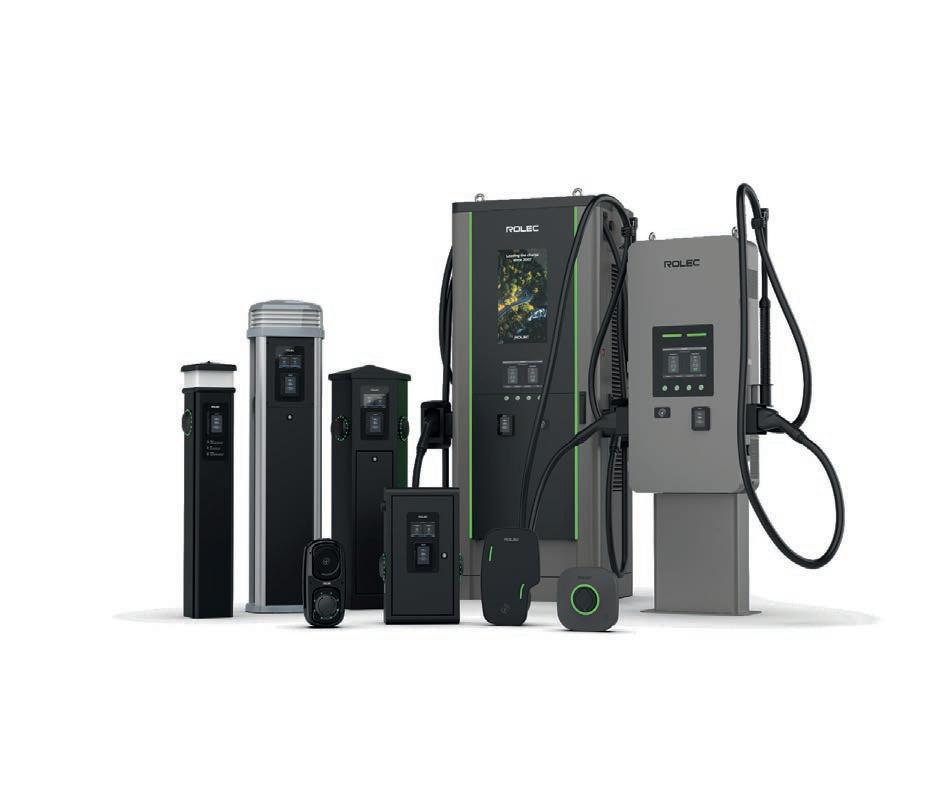
Rolec has launched a new and improved UltraCharge DC Charging Range in strategic partnership with EVbee, a company specialising in innovative EV product design. ECN provides a comprehensive overview of how the partnership is set to revolutionise the EV charging landscape.
As a UK manufacturing leader with over six years of expertise in DC rapid and ultra-rapid charging, Rolec has proudly launched its upgraded UltraCharge range, in a strategic partnership with EVbee. The collaboration brings together two forward-thinking companies with a shared mission: to accelerate the rollout of EV infrastructure. EVbee, a high-profile Dutch design and







Rolec’s offering is now even more compelling, with an improved standard specification that delivers greater value without increasing costs. Installers will be pleased to know the new units offer a smaller footprint and easier installation, from initial configuration to continued maintenance and servicing – firmly cementing Rolec as a commercial charging powerhouse.
Packing a lot of juice into a smaller unit, the UltraCharge 40 is a compact, sophisticated, and low-investment DC charger delivering up to 40kW. It is ideal for small businesses, workshops, and workplaces requiring rapid charging. Either wall or post mounted, this charger is comfortable in any commercial space.
All of this makes it well suited as an option for fleet and public charging, with contactless payment options to combine speedy charging with seamless payment.
A familiar name in Rolec’s scalable DC range, the UltraCharge 80 is a great option for businesses looking to future-proof their charging network, and it now has a sleeker look. This is a dual output model with intelligent power sharing. It is best suited for busy commercial and public transport sites, dealerships, and depots.
This unit delivers up to 80kW of charging potential and maximises space without limiting power – offering dual charging capabilities using intelligent, dynamic power sharing via 5m 250A Peak and 150A Nominal charging cables capable of delivering 80kW charge rate to a standard 400V vehicle. It adaptively designates charge to the vehicle with less battery.
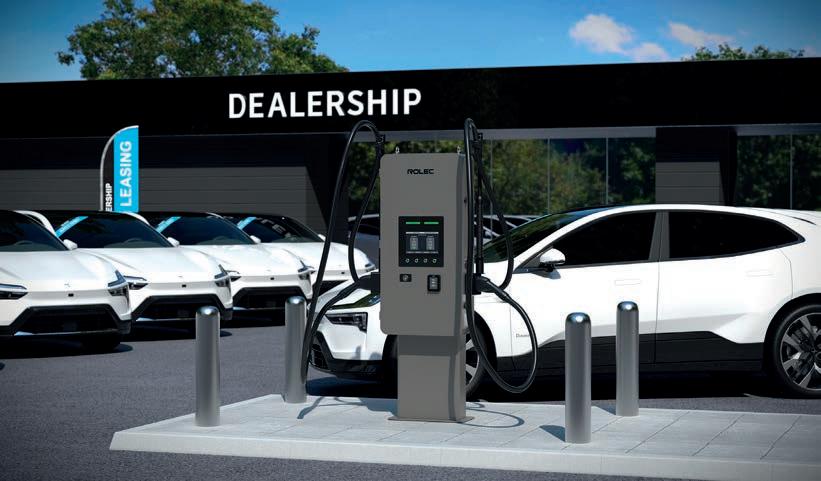
The UltraCharge 180 is a high-performance charger built for high-traffic environments such as motorways, retail outlets and shopping centres, featuring an integrated advertising screen as standard for additional ROI. It is capable of simultaneous vehicle charging via dual 5m 350A peak and 250A nominal CCS2 universal charging cables. Fully tolerant to the needs of your site, the unit can be upgraded or downgraded in 30kW increments, from 120kW up to 180kW of power.
Like the rest of the range, the UltraCharge 180 is fitted with the latest safety features, including under/over voltage, DC overcurrent, over-temp and surge protection and built-in 30mA Type A RCD protection as standard, IK10 impact protection rating, and IP54 weatherproofing.



The UltraCharge 400 delivers ultra-rapid charging at scale, with modular power upgrades from 200kW up to 400kW, supporting dual-vehicle charging. Thanks to its 150V-1000V dual power output segment, the unit has an improved power utilisation ratio, speeding up charging times and maximising revenue by decreasing vehicle downtime. Additionally, this means the UltraCharge 400 can not only meet the low voltage charging needs of conventional EVs, but also meet the requirements for charging larger commercial vehicles such as
It can deliver up to 80% charge in under 10 minutes.
Each unit is built for reliable performance, with future-ready connectivity (Wi-Fi, ethernet and 4G), and full compliance with PAS 1899 standards, making it easy to use for every EV driver.
For additional flexibility to your network, charging can be controlled either via plug and go, RFID, any OCPP app of your preference, or contactless payment for pay-to-charge functionality.
Frequent over-the-air updates also allows the chargers to receive the very latest features, ensuring a resilient, secure and available product 24/7. Meanwhile, robust construction and versatile mounting options ensure broad site compatibility. All models integrate effortlessly with Rolec’s 40+ charge point management partners, supporting businesses and organisations of every size and scale with their needs.
Frankie Mellon concludes, “Our new UltraCharge lineup reflects Rolec’s commitment to delivering flexible, cost-efficient, and future-focused solutions that meet the evolving demands of fleet and public EV infrastructure. We’ve upgraded the standard specifications while maintaining competitive pricing. This portfolio combines advanced functionality with a broader range of power outputs – designed to maximise performance, scalability, and ROI. We’re proud to offer an improved solution that gives our customers long-term value and complete confidence as they power the future with us.”


The EV revolution is accelerating, with almost one in five van fleets expected to go fully electric by 2030. For fleet operators, however, this transition presents challenges. Phil Wiltshire, Contracts Manager for Pensdown, explains further.
The UK Government has set ambitious targets to decarbonise transport, with a ban on the sale of new petrol and diesel vehicles by 2030. Van fleets, a significant contributor to road emissions, are under growing pressure to adopt cleaner alternatives. Financial incentives, such as grants for EV purchases and tax benefits, are helping to make the switch more appealing. Electric vans are also rapidly evolving.





In this article, Paul Collins, Technical Director at NICEIC, discusses how the electric vehicle (EV) market has changed over recent years and the impact it’s having on the electrical industry.

In January 2024, the UK’s Zero Emission Vehicle mandate officially came into effect, meaning that by 2030, all new cars and vans sold will have to produce zero harmful emissions. While 2030 is still a few years off, the EV market has responded incredibly quickly. Sales of new BEVs (Battery Electric Vehicles) increased by 42.6% from 2024 to 2025 (year-to-date) [1], now commanding over 20% of the total new car market. That’s not including PHEVs (plug-in hybrid electric vehicles) and HEVs (hybrid electric vehicles).
The car market has shown itself to be more adaptable than many had initially expected. This has likely been in part thanks to the number of incentive schemes offered by the UK Government to encourage such transitions, including the Government Workplace Charging Scheme, in which the government contributed up to £350 per socket towards the commercial purchasing and installation of EV charging points (EVCPs). Similarly, the government has made strides in improving the public EV charging infrastructure. From May 2024 to May 2025, the government has increased the total number of charging devices from 61,056 to 79,326 [2], an increase of nearly 30%.
The infrastructure necessary to accommodate the shift to EV is coming into place. The question now is around the availability of capacity and skills to ensure that growth continues as the market matures. The training required to install EVCPs, for example, has been formalised as a qualification thanks to courses such as the EAL Level 3 Award in the Requirements for the Installation of Electric Vehicle Charging Points, offered by NICEIC. Whilst the market has changed with EV ownership becoming more mainstream, the demand for a qualified and competent workforce to install EVCPs remains a challenge.
One of the reasons for this is the growth in the second-hand EV market. Demand has continued to rise for used BEVs, up 57.4% last year and reaching a new high in terms of market share at 2.5%[3]
This is itself an indicator of the overall EV market’s potential for independent success. Purchasing a new EV frequently includes the additional extra of a bespoke charge point installation paid for by the manufacturer and managed by an installer partner. Naturally, in a second-hand EV purchase, this is usually not the case, and leaves second-hand buyers in need of an EVCP.

As new consumers try EVs via the second-hand market, the disparity between the number of EVCPs and the number of EVs is growing. The disparity is even more acute when viewed geographically, with urban areas seeing better infrastructure build-out than rural areas.
This makes the work of qualified electricians even more important. It is essential that electricians have the correct qualifications that make themselves distinct to consumers. Second-hand cars entering the EV space signifies a massive change within consumer behaviour, and with it appearing to adequately feed increasing consumer demand, it is a positive indicator of the overall development of the EV space.
This has been bolstered by the addition of the Part S Building Regulations brought in by the government in 2023 that requires any new build homes to have the infrastructure needed for EVCPs in England. With ambitious targets for new housing across the UK, this means that qualified electricians will be in even greater demand.
This new phase we are entering, in which a considerable second-hand market is emerging, invites in the most potential for disruption. One of the major obstacles that can stand in the way of future progress is a lack of competent and skilled individuals who can facilitate this transition’s infrastructure build out. This relies on contractors spotting the new opportunities, but also on the wider industry ensuring that the right training provisions are in place to make it easy for those that wish to upskill to find the opportunity to do so.
To find out more about NICEIC and the EV charging training available, visit NICEIC’s website.
NICEIC, niceic.com
[1] https://www.smmt.co.uk/vehicle-data/electric-vehicle-registrations/
[2] https://www.gov.uk/government/statistics/developing-faste r-indicators-of-transport-activity#:~:text=Monthly%20total%20 number%20of%20electric%20vehicle%20public%20charging%20 devices%20available%20in%20the%20UK
[3] https://www.smmt.co.uk/demand-for-used-evs-rises-to-record-
Say goodbye to bulky, unsightly EV chargers with our latest in-wall EV charging solution which combines a slim, aesthetically pleasing design with robust and reliable functionality.
• Only 37mm deep when recessed
• Retrofittable & Easy to install
• Integrated circuit protection, no need for extra upstream devices
• Available recessed or surface-mounted

Scan the QR code to view the complete range
The Sync Energy App Designed for effortless commissioning, smooth handover, and easy everyday use
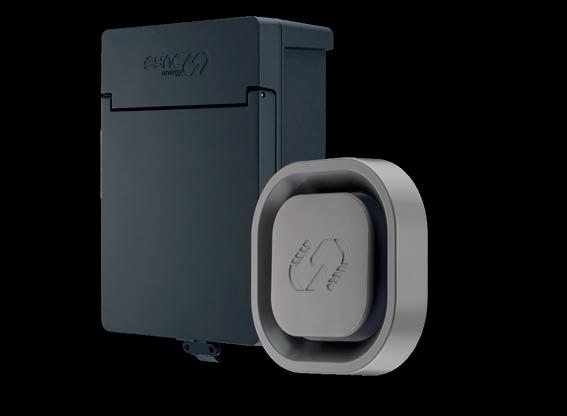


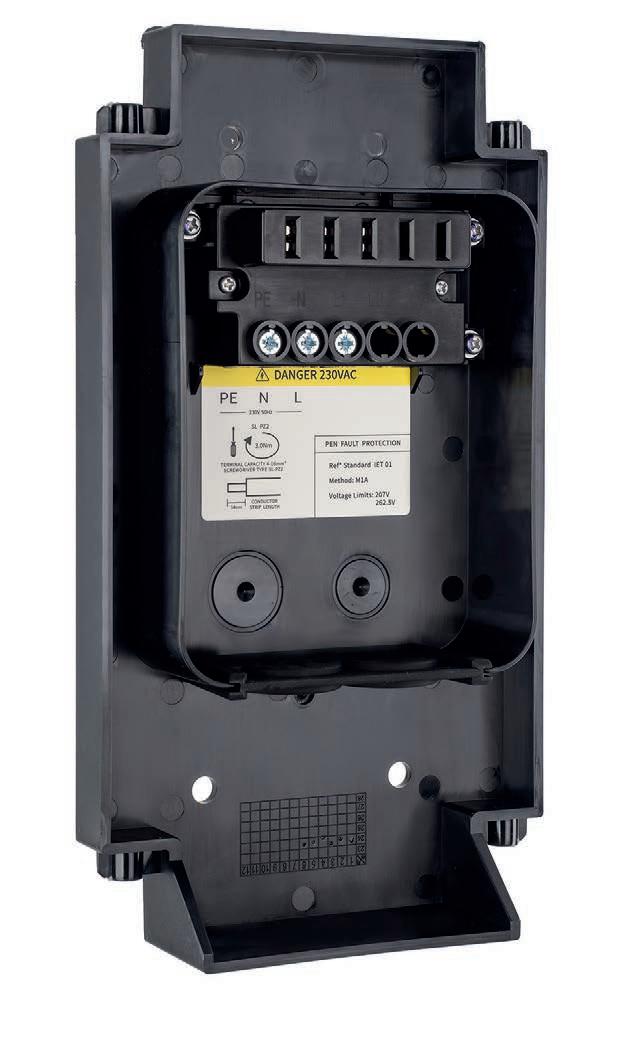
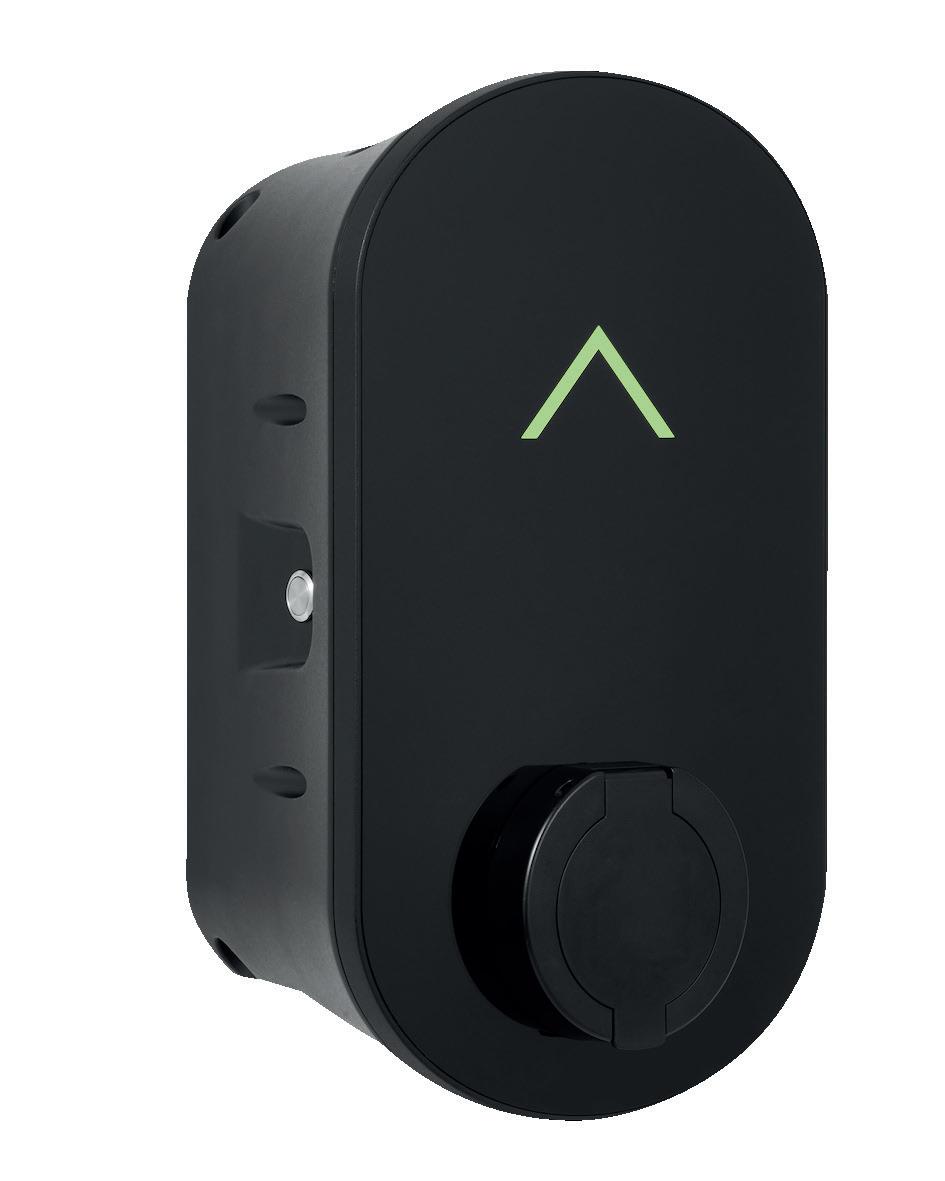

Understanding the end-to-end EV charging ecosystem is increasingly essential, but by turning to a power distribution specialist such as Lewden, electrical contractors can help power the next generation of transport.
As the EV transition gathers pace across the UK, the spotlight is shifting not just onto the sleek new cars hitting the roads, but onto the unseen infrastructure powering them. Charging is no longer a luxury or an afterthought – it is essential. For homeowners, businesses, fleet operators, and the electricians who support them, the quality of a charging setup does more than influence convenience. It shapes the entire electric driving experience.
But installing a reliable and regulation-compliant EV charging system
operation, grid responsiveness, and cyber security protections.
Some manufacturers have responded by creating products that integrate these requirements as standard. For example, Lewden’s Siena charger is available in 7.4 kW single phase and 22 kW three phase options. It includes built-in PEN fault protection, compatibility with solar systems, full regulatory compliance, and optional built-in 4G connectivity.
safety and compliance
An effective EV system requires more than

The benefits of hands-on experience when it comes to EV charge point installation training cannot be underestimated, says Cris Chapman, Managing Director of Sevadis

If installers and society are to maximise the benefits of a comprehensive, national EV infrastructure that allows us to transition away from fossil fuels, mass training is needed to deliver the skilled trades necessary to tackle this important work.
The influx of EVs from mass manufacturers such as BYD has made ownership increasingly affordable and bolstered the market. Electric vehicles now have around 20% share in the motor industry, and there are over 1.4m such vehicles registered in the UK (with over 380,000 registered in 2024, including 20,000 vans).
Challenges to uptake remain, particularly around anxiety about the lack of charging infrastructure and the shortage of installers able to keep up with installation demand. Consequently, there is a significant business opportunity for progressive installers to upskill into EV charge point installation or – by undergoing training at Sevadis – broaden the range of charger brands they’re able to fit.

Central
to charge
point
installation
training should be the opportunity to install a unit in person, Cris believes

Central to any charge point installation training should be the opportunity to install a unit in person. Many manufacturers take a purely classroom based approach, yet experience shows the quality of learning is massively enhanced by getting hands on with the charger and then installing the software.
In the case of Sevadis, our charge points are the easiest and fastest to install on the market, and a morning’s hands-on training – in a group of no more than eight – makes this very clear. Obviously, the advantage of fast and easy installation is the increased productivity it brings –making for more efficient working and increased profit opportunities.
The feedback we receive from our training sessions is truly fantastic, particularly when it comes to the practical element – electricians can’t praise it enough.
The advantage of fast and easy installation is
the increased
Similarly, a properly structured training session removes any of the potential worries associated with installation. Beyond the actual installation exercise, presentations on a typical course would cover types of electric vehicle; types of connectors and modes of charging;
software and commissioning; installation considerations such as location, connectivity and cabling requirements; and, finally, relevant legislation such as the Electric Vehicles (Smart Charge Points) Regulations 2021 and the Public Charge Point Regulations 2023.
Such training builds confidence and lessens concerns about charge point installation, especially those around commissioning and software which appear to be a barrier to entry for some, though it need not be.
The Government has obviously put its full weight behind EVs, not least with it banning the sale of new petrol and diesel vehicles from 2030, and new hybrids from 2035. It is also supporting the switch away from fossil fuels with grant initiatives and increased regulation.
The direction of travel is only one way, and working with Sevadis to obtain the necessary skills to exploit the demand of EV charge points can only be good for business, the environment and the installer’s profits.
If you’d like to become a Sevadis Certified Installer, visit sevadis.com/installer-training.
Lee Sutton, Co-Founder and Chief Innovation Officer at home energy technology manufacturer, myenergi, explores the continued success of the Workplace Charging Scheme, explains the government’s decision to extend the initiative, and discusses the resulting opportunity for OZEV-approved installers to take advantage of funding.

Back in 2016, the UK government unveiled a multi-millionpound grant to help businesses manage the cost of investing in EV charging infrastructure. The




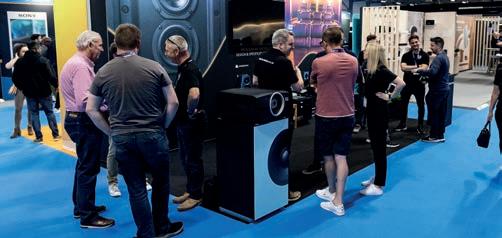






It’s time for installers to be proactive about the WCS opportunity, Lee explains
Let me explain. While the WCS is by no means new, the businesses who are in prime position to take advantage are unlikely to be experienced in electrification. Instead, the vast majority will be on the edge of switching to electric and busily researching the marketplace. From vehicle choices and contract options, to maintenance schedules and driver training requirements, there’s a lot to learn in a short amount of time. As such, grant funding could be an important detail missed.
If you’re already targeting commercial customers through your business development activity, it’s important to raise awareness of the WCS and educate them about the application process. Being able to take them through the steps – from application through to claim – saves them money and offers added value.
Even if they have come across the grant, your proactive outreach could prove the timely nudge needed to book in the job and put your business in the driving seat for installations. It’s a win-win situation.
But while education is one thing, savvy installers should also be using the WCS as a sales tactic. After all, for a business maxing out the ceiling of 40 chargers installed simultaneously, the difference between using grant funding and not could be upwards of £14,000.
By highlighting the cost savings available, flagging the closing date of the scheme and positioning yourself as a facilitator, you can accelerate customer thinking and leverage the scheme for the most business benefit. A proactive approach is essential here – demonstrating your knowledge, ability and partnership approach will deliver the best possible results.

The WCS process is incredibly straightforward. Businesses apply through an online portal on the government website and receive a voucher code via email. The code is valid for 180 days, with any OZEV accredited installer approved to undertake the work. Once complete, the installer can use the code to claim the grant.
In short, you don’t need anything specific to take advantage of the WCS. You don’t need to apply, you don’t need to fill out any forms, and you don’t need to be approved. You simply need to be OZEV accredited, fully qualified to fit EV chargers and work in-line with the latest wiring legislation. With such minimal paperwork needed, it’s a guaranteed way to drive revenue into your business and save customers money.
As the transition to electrification continues at pace, the government is committed to supporting the adoption of EVs, but is equally conscious of letting the industry stand on its own two feet. With vehicle prices falling, battery ranges increasing and charging infrastructure improving, EVs are beginning to dominate new vehicle registrations.
As such, come April 2026, we’re unlikely to see either of the grant schemes extend any further. Reactive installers will see this as a hit – inbound enquiries could drop as a result. The proactive installers, however, will have spent the previous 12 months leveraging the WCS to build relationships, accelerate their brand and position themselves as a driving force in the transition to electrification.
What’s more, they’ll have built relationships with wholesalers, kept up-tospeed with the latest devices available and undertaken the latest manufacturer training courses.
In the short-term, it’s a guaranteed sales tactic. In the long-term, it’s a helpful way to make EV charger installations a key capability of your business. But with just 12 months left until the opportunity disappears for good, there’s no time to waste.
For more information about myenergi and its latest range of eco-smart home energy tech, visit the company’s website.

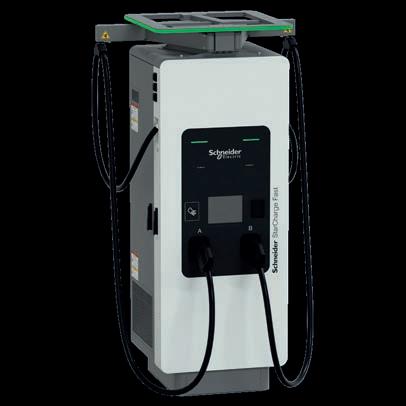
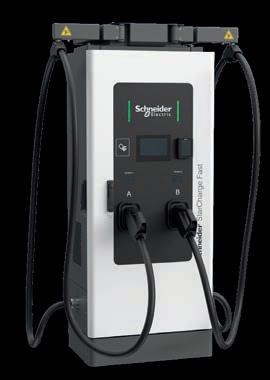

With energy demands changing, the need to develop flexible solutions to meet growing

Half day in person course
• Practical, hands-on learning with charge points
• Commercial EVCP installations focus
• Hardware installation & software configuration
• Load balancing and connectivity
• Back-office management
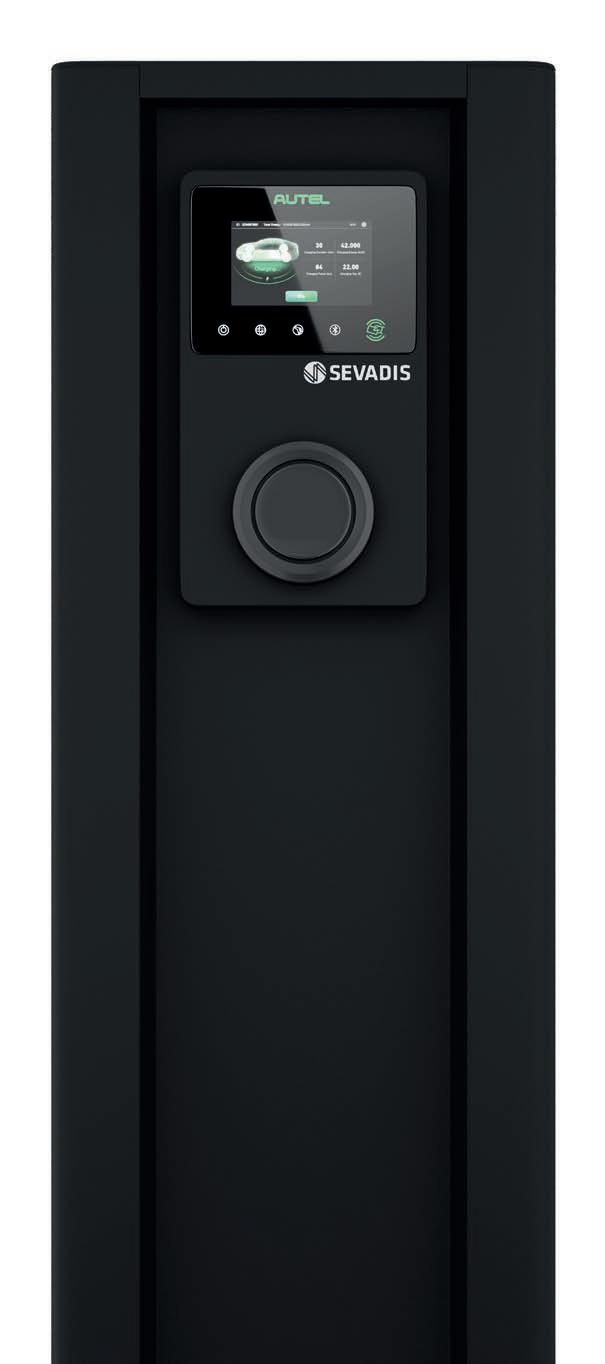
Hot off the launch of its expanded DC range, Rolec has announced the introduction of HEX – a major addition to its commercial AC portfolio.
Drawing on nearly two decades of experience in the EV charging industry, Rolec, a UK manufacturing expert, has created a brand new unit to meet the growing demands of businesses and organisations across the globe.
Developed and manufactured in the UK, HEX is the latest and most intelligent electric vehicle charging pedestal on the market, Rolec believes – and this distinctive new offering prioritises space like no other. Its unique and innovative quad-outlet design is ideal for centrally located parking bays, reducing groundwork and installation requirements while maximising charging availability for EV drivers.
Constructed of robust steel and created with a small footprint, HEX is purpose-built for commercial, workplace, and public charging environments. The same attention to design continues internally: effortless OCPP integration, optional plug & go, and a choice of two- or four-way 22kW charging makes for a fully configurable and seamless solution.
Payment flexibility is also a key feature, with options for RFID, pay-tocharge, and a single contactless payment terminal that can serve all four sockets. An optional 5” LCD screen displays real-time charging status, while built-in MID-approved energy metering provides accurate consumption reporting, which is essential for sites looking to recover costs or generate profit. Compatible with Rolec’s 40-plus CPMS partners, a smart back-office platform enables operators to set custom tariffs and unlock new revenue streams.
HEX is installer-friendly too. It offers easy access from both sides, includes a front lockable access door as standard, supports split phase supply, and is engineered with compactness and deployment efficiency in mind.
Additional features include small, diffused LED amenity lighting for accessibility in low-light locations. The unit also conforms to the PAS 1899 accessible charging standard,

HEX is not only a smart choice for infrastructure, but also a smart choice for funding. Eligible for four separate government grants, its four-socket design provides excellent value and investment potential for businesses, local authorities, and destination venues.
Frankie Mellon, Managing Director at Rolec, comments, “HEX represents the next natural step forward in Rolec’s product evolution. Robust, powerful, and packed with the latest features, it’s the pinnacle of what customers have come to expect from our commercial lineup. It also reflects Rolec’s ongoing commitment to delivering flexible, cost-efficient, and future-focused innovations that meet the growing needs of sustainable transport and public infrastructure.”
Rolec has launched this unit specifically to meet the requirements of demanding, high-use environments to provide reliable, simultaneous charging for up to four vehicles from one compact pedestal. It reduces the need for large scale installation by providing charging on all four corners, all of which is supported by dynamic load balancing and power distribution
HEX includes small, diffused LED amenity lighting for accessibility in low-light locations
HEX combines advanced functionality and visibility through real-time status displays, with exceptional performance, designed to maximise user experience, ROI, flexibility, and scalability. It is adaptable to the requirements of your site, through optional and varied payment methods that provide support after transactions.
HEX is available now for pre-order. Speak to the Rolec team for more information on how the company can expand your EV charging network and boost your return on investment. For more about HEX, visit rolecserv. com/ev-products/hex.
Rolec, rolecserv.com


Charge up to 4 vehicles at 22kW




ROLEC’s latest intelligent EV charging pedestal is engineered to minimise groundworks and streamline installation. Its compact, robust steel construction maximises space e ciency and features integrated LED amenity lighting, ideal for commercial, workplace, and public car parks. HEX is available in dual and quad outlet models, with the quad design perfectly suited for centrally positioned parking bays.

InstallerSHOW will return to the NEC, Birmingham on 23-25 June 2026 and is the prime opportunity to connect with our electrical community.
As the UK’s must-visit event for professionals in the heat, water, air and energy space, the pathway to Net Zero means that electrification sits firmly at the heart of the show.
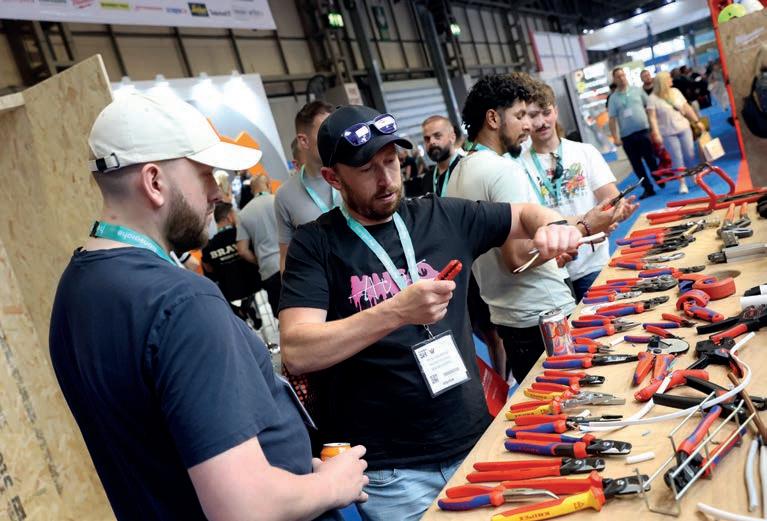
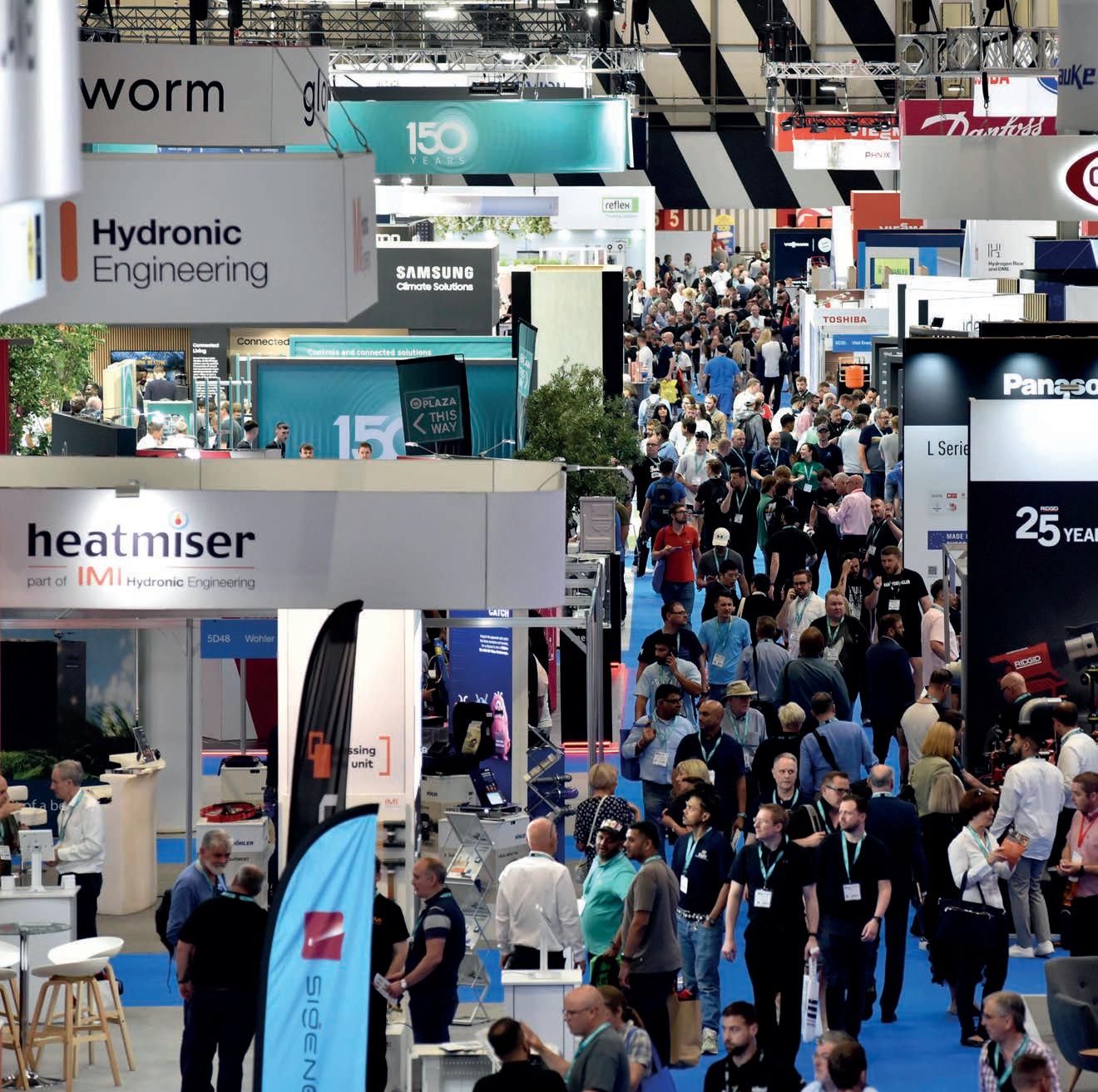
23-25 June 26
NEC Birmingham

The site’s evolution took an electrifying turn when Alex approached Dean Clough with a proposal to install EV chargers. “We grabbed it with both hands, because our ethos is very much about the forward-looking element of the site and its amenities,” Jeremy recalls.
What makes Dean Clough particularly well-suited for EV charging infrastructure?
According to Alex, who lives near the 22-acre, mixed-use site in Halifax, it’s the site’s diverse ecosystem.
“What really put Dean Clough on the map as a location for EV charge points was its diversity in terms of demographics and amenities. It’s got its own micro population of workplace, retail, food and beverage, gym and fitness, and hotel accommodation.”
Another crucial factor was the local housing landscape. The high density of terraced housing in the Calderdale area presents limited scope for people to install at-home chargers. The area has a general lack of EV charging facilities, and Mer’s eight ultra-fast charge points more than doubled the existing EV charging infrastructure.
This combination of factors makes Dean Clough an ideal opportunity to boost EV adoption in the region. “I believe it could
“When we put chargers centrally into an environment where they become accessible to residents, it removes the barriers to owning an EV. It has the beneficial impact of stimulating visitors to the shops, cafes, businesses, and all the other amenities on a commercial site.”
Once the home of Crossley Carpets, the world’s largest carpet manufacturer in the Victorian era, Dean Clough is a thriving 22-acre, mixed-use mill complex. Its 16 Grade II listed Victorian mills have been sensitively converted into a community where people come to work, eat and drink, enjoy culture, health and wellbeing, to shop, celebrate, recharge, and even marry.
The path to implementation wasn’t without obstacles. The heritage status of the site presented particular challenges. “We had to build a brick-built substation in keeping with the local surroundings,” explains Alex. “We had to make sure that we didn’t create an eyesore and that we tried to be as in keeping with the historic background as possible, while creating this modern infrastructure.”
Construction was met with additional, unforeseen complications. “When we started to dig on the site, the surveys and radar hadn’t picked up underground potholes, culverts, and all sorts of structural challenges,” Alex recalls.
For Jeremy, these challenges actually strengthened the partnership between Mer and Dean Clough. He says, “Precisely because it’s not been a straightforward process, it demonstrates people’s tenacity and their resilience to see something through, and that builds trust.”
Once the chargers went live, the teams at Mer and Dean Clough thought there would need to be a period of time to raise awareness and generate enthusiasm. But the installation immediately skyrocketed to within the top five highest-performing sites on the Mer network.
The utilisation statistics tell a compelling story. Within the first two months of operation, the charging stations have powered enough e-miles to drive over three times around the circumference of the Earth, according to Mer’s data. That’s equivalent to driving the full length of the UK 100 times, or from London to Dean Clough (in Halifax) 415 times.
On a typical day, seven of the eight bays are regularly occupied, showing the significant pent-up demand in the area.
The heritage status of the site presented challenges, but the companies worked together to find a resolution
2,500km of EV driving – every day. Jeremy says the ‘beauty’ of the project is that, “We don’t have to persuade people to use the chargers. We just have to make sure people know the facility is there, because there are lots of people who want to use it.”
The charging stations have created a self-reinforcing ecosystem of benefits. “It’s great for the 3,500 people who work on the site,” Jeremy explains. “It’s also great for our food and beverage outlets, because someone thinking ‘I need to charge my car’ can either sit in their car or get out and enjoy a coffee in a nice cafe.”
One of Mer’s key missions is to make electric mobility accessible to everyone. As the demographic makeup of EV drivers expands to include more women, older people, people with disabilities, and mums wrestling with toddlers and buggies, driver expectations change to focus on things like ease of use, convenience and safety. This is something that Dean Clough has actively taken into consideration in its choice of Mer as its charging partner, and through the provision of 24-hour access in a secure environment. “All the car parks have got the Park Safe award,” Jeremy says. “Providing an inclusive and safe-feeling environment is massively important for us.”
As electric vehicles continue to gain momentum, Dean Clough stands as an example of how historic sites can embrace new technologies while honouring their heritage, providing essential infrastructure that supports both the local community and the transition to a more sustainable future.
Mer UK, uk.mer.eco
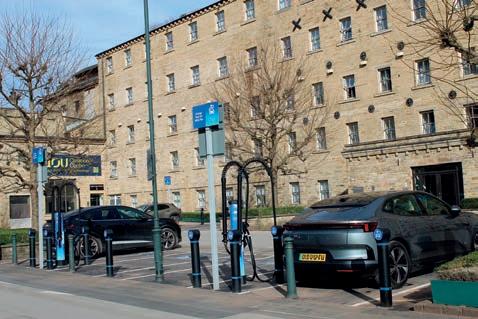
At the start of June, ECN made the trip up to Birmingham for the latest edition of CEF Live –the biennial event which has once again reaffirmed its place as one of the most important industry events in the calendar. Here’s our review, featuring just some of this year’s many highlights.
CEF Live once again returned to the Birmingham NEC on 5-6 June 2025, drawing thousands of electrical professionals, suppliers, and manufacturers for two days of networking opportunities, CPD-accredited learning seminars, and cutting-edge technology shaping the future of the industry.
Hosted by architect and TV presenter George Clarke, the event delivered expert insight, exclusive giveaways, major brands, and a deep dive into the issues shaping the electrical industry today.
A key focus of this year’s event was on driving progress across sustainability, skills development, and cross-industry collaboration. Through a packed agenda of TechTalks, expert-led panels, and practical demonstrations, CEF reinforced its commitment to supporting the entire supply chain – particularly smaller manufacturers navigating increasingly complex environmental expectations.
Chris Ashworth, CEO of CEF, said during the press conference held at the event, “Smaller suppliers need help and guidance. There’s a massive gap in sustainability support, and we’re stepping up to fill it – starting with webinars for over 70 suppliers and a growing programme to upskill the industry.”
Sustainability was a core theme, with CEF reaffirming its commitment to working closely with both large and small manufacturers. Through partnerships with organisations like EcoVadis, suppliers are being equipped with accessible scorecards to understand their impact and improve their practices.

This year’s event once again included CEF Live’s popular series of TechTalks and expert-led panels
This collaborative ethos extended across the event, with recognition that the industry can no longer operate in silos, and CEF calling for deeper cooperation between wholesalers, manufacturers, and the wider supply chain.
Chris continued, “We take our role as experts seriously. Our business and our industry must remain professional and prepared. This is a dynamic sector, and we’re here to help everyone – from apprentices to seasoned pros – navigate the change.”
CEF Live also highlighted significant investments in education and training, addressing fast-changing regulations, a national skills shortage, and the need for ongoing professional development. The popular TechTalks returned, with over 12,000 attendees participating across the two days, and CEF unveiled the launch of a new online learning platform offering CPD-accredited content and live sessions for remote learning.
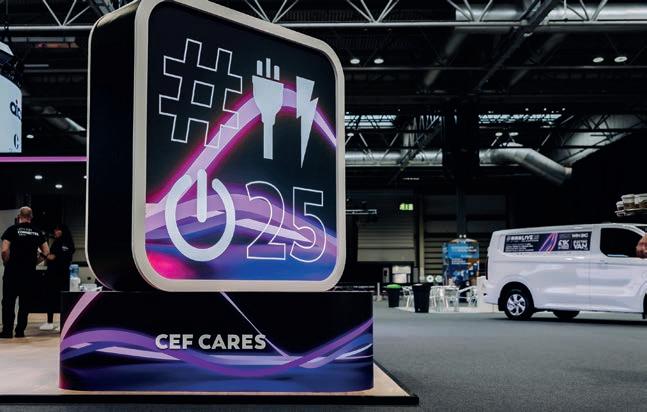
durable emergency lighting innovation designed to provide essential illumination during power failures.
• Contactum, the renowned provider of circuit protection and wiring accessories, attended CEF Live for the second time as platinum exhibitors.
Across the two days of the show, the company shared insights into its newest and most recognised innovations, including a focus on commercial solutions, such as the robust 125A Power and Lighting Board, the Defender 250A, and 125A B Boards.
The Defender 2.0 also made an appearance, providing the opportunity for visitors to get hands-on and ask questions about the Consumer Unit that brings flush and surface mounted options together with a wide range of supporting circuit protection devices like Bi-Directional RCBOs and AFDDs.
• Power tool and cordless garden machinery manufacturer, Makita UK, used the two-day event to showcase its range of cordless equipment under both its LXT and XGT battery platforms. A key highlight at the show was the Makita DLX6131TX1 18V 6 Piece bespoke Electrician’s Kit with five tools, torch, three 5.0Ah batteries, fast charger, and kit bag. The comprehensive selection of Makita LXT cordless power tools is ideal for electricians for completing a range of tasks and, during the event, CEF Live also gave away a number of Makita DLX6132TX1 power tool kits to several lucky attendees.
“This isn’t about a defined ROI – it’s just the right thing to do,” Chris concluded. “When you get the best people in every discipline working together, great things happen. CEF Live 2025 proves that.”
• As mentioned in detail on page 28 of this month’s issue, LEDVANCE was at CEF Live for the first time ever, and used the opportunity to unveil a number of new products.
Included were the Bulkhead Combo, a compact and robust lighting innovation designed for indoor and industrial applications; the new Panel Compact 600 TP(a), a premium LED panel designed for modern office and commercial environments; and a new Emergency Bulkhead, a reliable and
• Marshall-Tufflex was on hand to speak to visitors about its complete, one stop solution of cable management products, as well as its drive for all PVC-U products installed within buildings to be manufactured using 50% recycled material by 2028. Visitors were also able to learn more about the company’s innovative manufacturing techniques that use recycled content for its PVC-U trunking and conduit as a way to lower carbon emissions and divert waste from landfill.
As the exclusive distributor for Basor in the UK, Marshall-Tufflex also showcased this popular range of products including Basor cable trays, ‘Fast Fix’ wire basket and cable ladder.
CEF Live is scheduled to return in 2027, with organisers promising that the event will be “even bigger, better, and packed with more of what you love.”
CEF Live, ceflive.co.uk


PROTECTION FROM FIRE LIKE NEVER BEFORE PROVEN FALSE ALARM REDUCTION
FULLY CERTIFIED TO EN 54 Parts 3, 5,7,13,17, 23, 29 & 31
HEAT DETECTION SMOKEMULTIDETECTIONSENSOR DETECTION
C-3-9.4 WHITE VAD 92DB(A) SOUNDER VOICE SOUNDER CO FIRE DETECTION ALL IN ONE DEVICE !
O-C-1.9-4 RED VAD

ENABLED




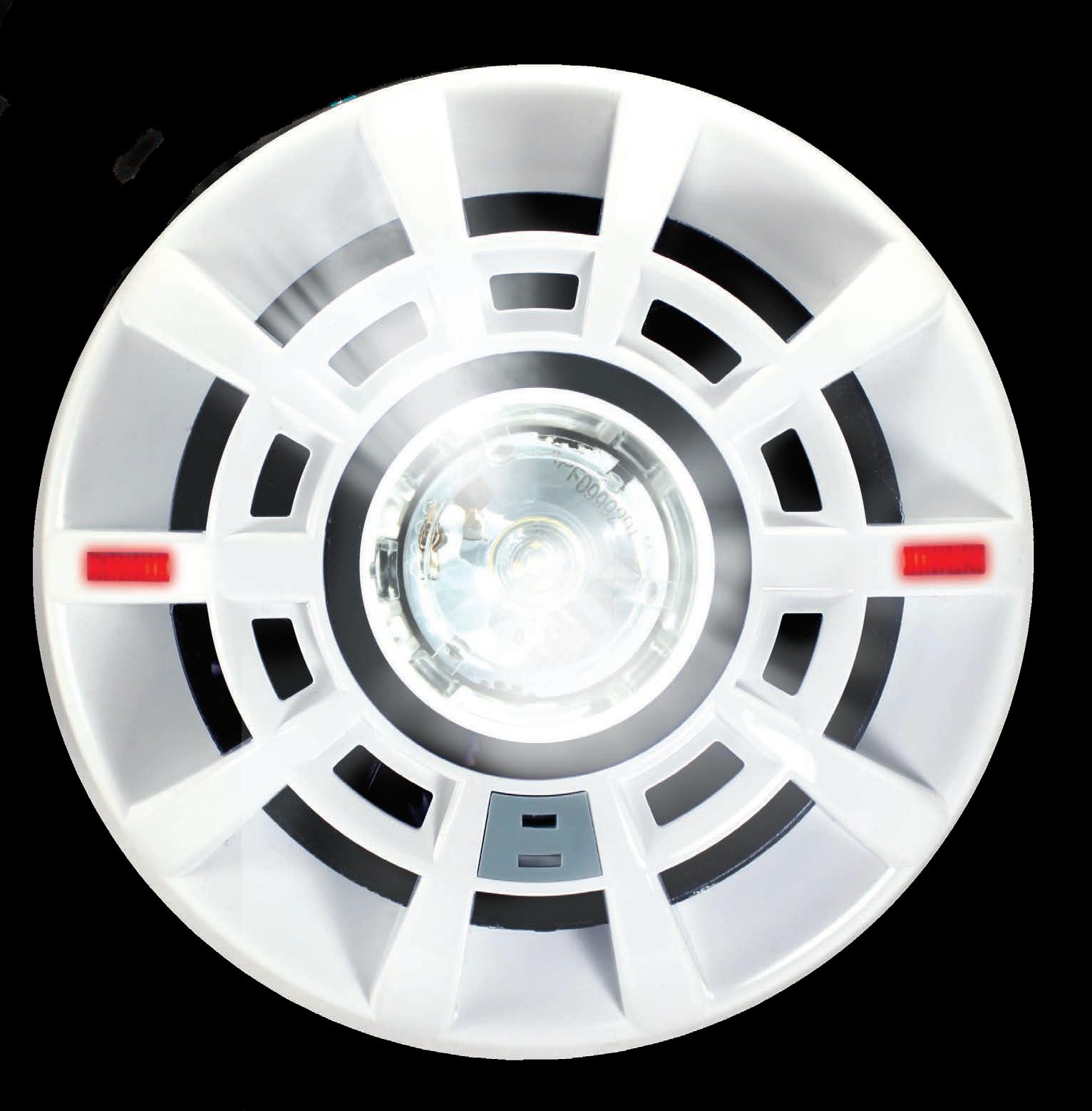

Hemal Morjaria, Managing Director for Renewables, Electrical and Site Temp at City Plumbing, introduces the company’s brand new ElecStore brand, and explains why it’s important for merchants and distributors to support customers at every stage.

As the electrification of heat becomes commonplace, the boundaries between plumbing, heating and electrical trades are increasingly shifting too.
Daily, we are seeing tradespeople across different disciplines upskilling to meet the growing demand for low carbon technologies like heat pumps and electrical heating, such as electrical radiators or storage heating. In fact, recent research from City Plumbing found that nearly half (48%) of plumbers and heating engineers have already trained in electrical work, with a further 37% planning to upskill within the next 12 months.
As many installers begin to diversify their services to meet growing demand, it’s crucial for wholesalers and distributors like City Plumbing to do so likewise.
That’s why City Plumbing has recently launched ElecStore, our new brand for electricals that offers more than 12,000 electrical products as well as in-brand expert advice, across our 360 plus branches nationwide. We’ve also created 36 ElecStore dedicated electrical trade counters that are supported by an experienced electrical manager who can give in-depth, expert product guidance.
Sites will also stock a vast product range, including switches and sockets, cable and cable management, consumer units, EV charging solutions and temporary site power equipment, with products from trusted brands such as Dimplex, Scolmore, Aico, Kosnic, BG and Hispec.
Our main aim with ElecStore is to help customers who work across multiple trades to be more efficient. For a renewable heating installation such as an air source
City Plumbing is providing customers with training, tools and help at every stage


heat pump or solar PV system that typically includes a significant electrical element, our research found that installers spend an average of 3.44 hours per week sourcing products. That’s nearly 10% of a standard 37.5-hour working week, or over £170 of potentially chargeable time, just trying to find the right parts.
Most tradespeople are time-poor, so being able to source everything for a project, from electrical components to plumbing parts, in one place saves valuable time that could be better spent on the tools and boosts project efficiency.
As well as making it easier for trades to get the products they need, faster, City Plumbing has also improved its range of online tools, which, again, helps streamline the installer’s workload.
One example of this is the industry’s first heat pump kit-builder tool, which enables installers to specify and source all products required for a heat pump installation online, with the added reassurance that all items are compatible.
Found at heatpumpkit.com, the tool helps users identify a suitable heat pump system for a home in four simple steps. Once the heat loss is calculated, heatpumpkit.com gives the user a choice of brands before presenting a range of heat pump options that provide sufficient output. The final step is choosing the cylinder size before a complete kit is built for the installer, with options for collection or delivery from their local City Plumbing branch and visibility of the exact cost and stock availability.
Following the success of our heat pump kit builder, we’ve also created solar PV and underfloor heating versions to help installers save time and ensure product compatibility, streamlining both quoting and ordering.

Online tools, such as the heat pump kit-builder, are helping installers with their ordering process
Training is another area where we’re helping trades build their skills to make the most of the electrification of heat and the growth of renewables.
By partnering with GTEC, we offer a subsidised air source heat pump installation course at sites across the UK.
The accredited course provides the knowledge, skills and competency

required to design, specify, install, commission, and maintain domestic and small commercial air source heat pumps. Participants who hold an NVQ Level 2 in plumbing and an unvented hot water cylinder certificate are able to receive practical training on purpose-built live ASHP rigs and achieve the MCS (Microgeneration Certification Scheme) recognised LCL Awards Level 3 Certificate at the end of the three-day course.
Then, to help installers turn their heat pump training into an everyday, profitable part of their business, we’ve joined forces with VitoEnergy to launch a new heat pump installation umbrella scheme, offering non-MCS accredited installers a fully supported route to access government grants, plus added benefits, including trade account prices and financial flexibility. This partnership was created with the understanding that there can be barriers to heat pump installations, such as the confidence to apply training to actual jobs, cash flow, financial, or administrative complexities associated with MCS accreditation. This scheme solves those issues.
Through our GTEC partnership, we also offer training in solar thermal, PV, EV charging and battery storage.
As the electrical and plumbing industries evolve and become more intertwined, and the electrification of heat becomes a reality, it’s hugely important that merchants and distributors are truly supporting their customers – not just with products, but with the training, tools and help they need at every stage.
The degree to which people are ambitious for their electrical business varies, with some just wanting to make a good living and others keen on growth. Benjamin Dyer of Powered Now provides top tips to grow your business and realise your ambitions.

It may seem counterintuitive, but if you want to grow your business, you need to make sure you charge enough. One reason is that you need to always maintain quality and have some scope for fixing any issues.
70% of work comes from recommendation or repeat work, so the first rule of growing your business is to keep a great reputation. You need a decent margin to ensure this.
The second reason is that additional profit can be used to fund marketing and provide the working capital for your expansion.
Mark Goodchild of Electric Call says, “If someone else has priced a job, I don’t bother quoting for it because I don’t wish to compete on price.”
If you don’t have one, create a logo and use it. You can actually do this with AI image generation, using the free version of ChatGPT where you must register first.
Then use a prompt something like: “Create a modern logo for an electrical company called ‘ElectricFlow’. I want it to include a lightning sign, with bold text
in blue and orange. The design should be clean, simple, and suitable for use on vans, websites, and workwear.” A good logo is the first sign to prospects that you are a serious business.
On your van, put your logo, business name, what you do and contact details. Keep the van clean. Every little thing helps you to be remembered and will leave an impression.
Get some workwear, and again, put your logo and contact details on it. It gives a smart impression and if it has your logo, it can be claimed against tax.
If you are doing a big job, ask for the customer’s permission and put up a board advertising your services facing the road.
If a personal recommendation has huge power, then reviews, testimonials and pictures of your tidy work aren’t far behind. That’s why doing all that you can to encourage these is such a big part of a successful electrician’s expansion plans. It goes without saying that once you have these materials, you should exploit them as much as possible. So, use them
on your website and business Facebook account if you have them. And add the best and most relevant to any quotes that you produce. They will all influence your conversion to sales rate.
There are a number of ways you can generate business using services which are mostly paid. Some of these are Which? Trusted Traders, Checkatrade, Rated People, My Builder and Bark. This won’t work for everyone, but they have been around long enough to show that they do add value for some people. It does require commitment to getting some great reviews through the platform, as they don’t work until you have some of these under your belt.
It’s possible to generate business through both Google and Facebook. It does require some learning, and it isn’t easy to compete with the big boys. Unfortunately, there’s not enough room here to give the full details, but there are lots of online resources that can help.
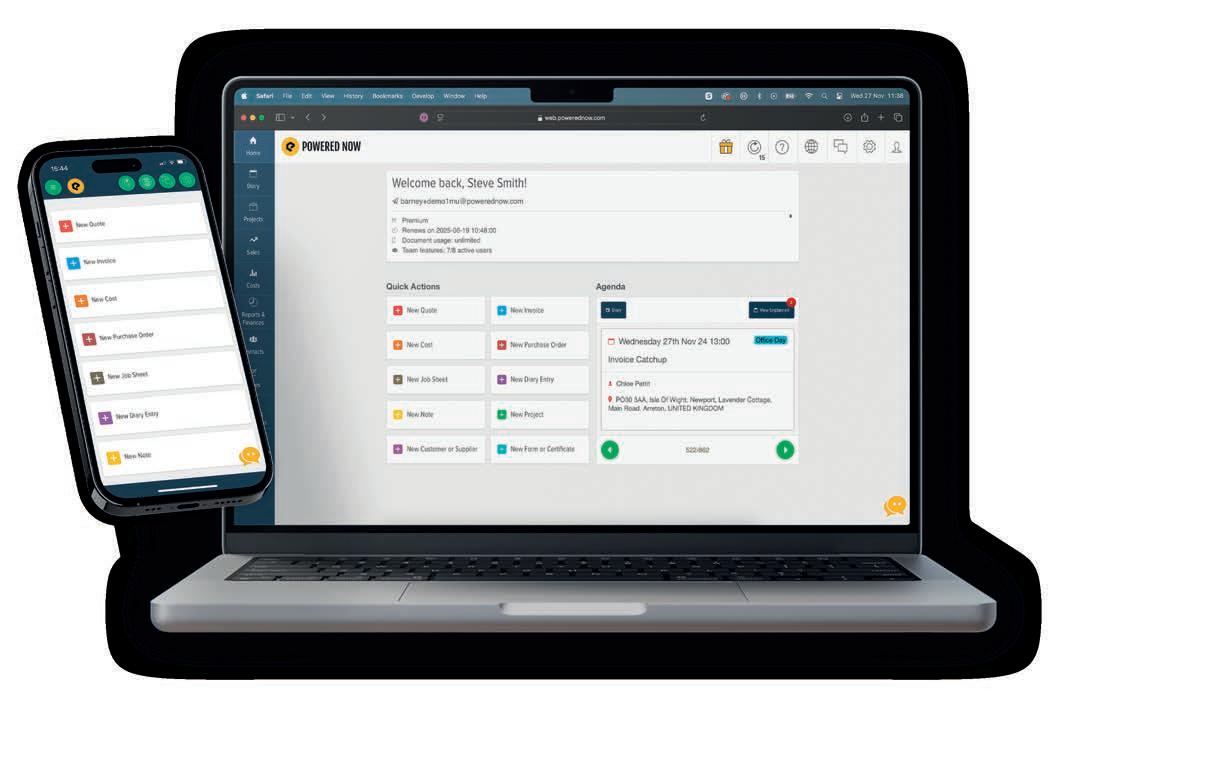
Running my previous business, we had tens of thousands of small companies using our software. Many of these started from nothing. Some of them went on to make tens of millions of pounds. What stood out about them was a willingness to invest for success.
As you first start in business, you absolutely must watch your costs, or you will not last long. And this is something that is an important discipline even after you have successfully got going. However, you must be willing to invest when the time or opportunity is right.
Otherwise, you will never get beyond being a small business scraping a moderate living. You need to invest in people, tools, training and marketing, but marketing should be the top priority. All the best with your efforts!
Powered Now, powerednow.com

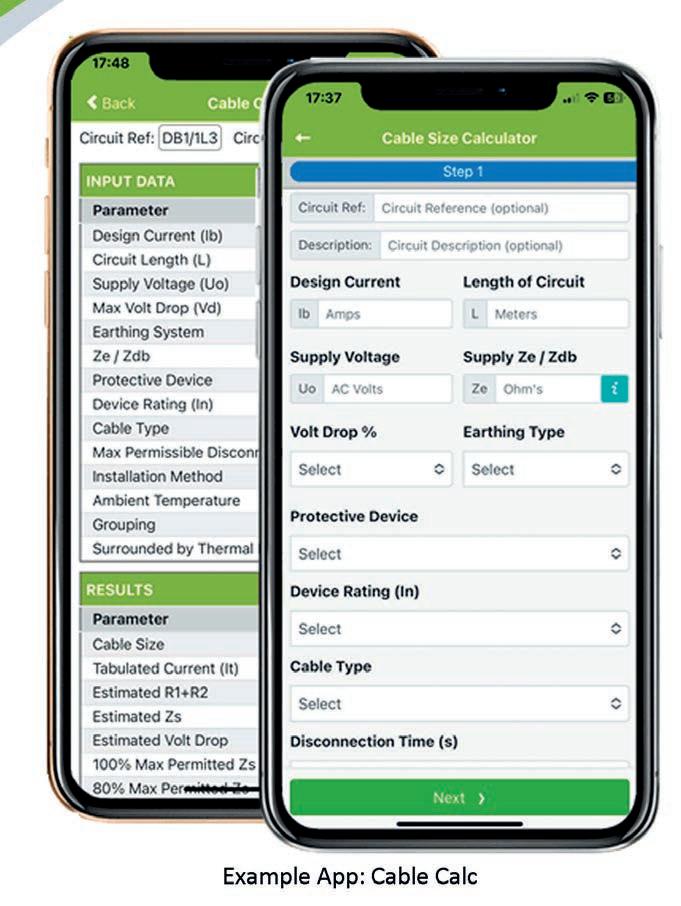


When the jobs start rolling in, the paperwork can build up just as quickly. Dan Pollard, Founder of Fergus and a former tradesperson himself, shares five tips to help contractors streamline their days with job management software so they can stay organised, get paid faster and grow their electrical business.
Running an electrical contracting business is as much about managing workflow as it is about wiring and circuits. As your client list grows, so do the demands, from paperwork and pricing to scheduling and quoting. The good news is you don’t need to tackle everything manually. Here are five key ways to get your business ready for growth without getting buried in admin.
Admin often piles up quietly in the background until it becomes a major time drain. Tracking ongoing jobs, updating customers, chasing paperwork, and managing team schedules can start to feel like a job in itself. Using job management software to centralise everything can transform the way your business operates. With all information stored centrally, you can quickly send out quotes and invoices, chase payments, allocate jobs to team members, and find details about every
project in seconds. E&P Electrics (Bedale) in North Yorkshire made the switch and hasn’t looked back.
“Before job management software, we’d have to go out, sort the jobs, fill all the paperwork out, and put it into a file somewhere that potentially got lost,” says Ian Wilkinson, Operations Manager. “Trying to follow up that kind of work was difficult. This [software] has saved us so much time. I can find any job on the system that we’ve created, and I can find any key bit of information. If the lads are on site and

The Product Selector is your go-to online tool designed to help you find the perfect Schneider Electric product - and all its compatible accessories - in just a few clicks.
Whatever Schneider range you’re working with, the Product Selector makes it easy. Just answer a few simple questions, and the tool will guide you to the ideal solution tailored to your needs.
Find the right product fast
Add compatible accessories instantly
Use across Schneider Electric ranges
Save time and reduce errors
Start selecting smarter today - with the Schneider Electric Product Selector.
Scan to find out more
they’re struggling to get access, we can find phone numbers, contact details, and areas that we can and can’t work in. It’s great.”
Late payments can stall progress fast. Staying on top of your cashflow is just as important as winning work in the first place. That means accurate, timely invoicing, and flexible ways for customers to pay.
With job details and materials already logged, job management software lets you raise invoices quickly, even before you’ve left the site. Adding features like Tap to Pay means customers can settle up instantly via card or contactless, whether they use Apple Pay, Google Pay, or Samsung Pay. Xceed Electrical saw a huge shift after changing how it handled payments.
“We were doing all our invoicing manually,” says Jayson, who runs the business with his wife, Carla. The process meant more paperwork, lost time, and delays in payment. “Now, by the end of the job, payments are getting taken straight away.”
Pricing can be tricky. If you go too low, you’re working for less than you should be; while if you go too high, you risk losing the job. Getting it right means understanding your real costs, and that takes more than guesswork. With job management software, you can set hourly rates based on your real costs and profit targets, track how long jobs take, and compare estimates with actual time spent. That gives you the confidence to quote accurately and, over time, you can adjust as needed.
Keeping up with material prices is just as important. Small increases can eat into
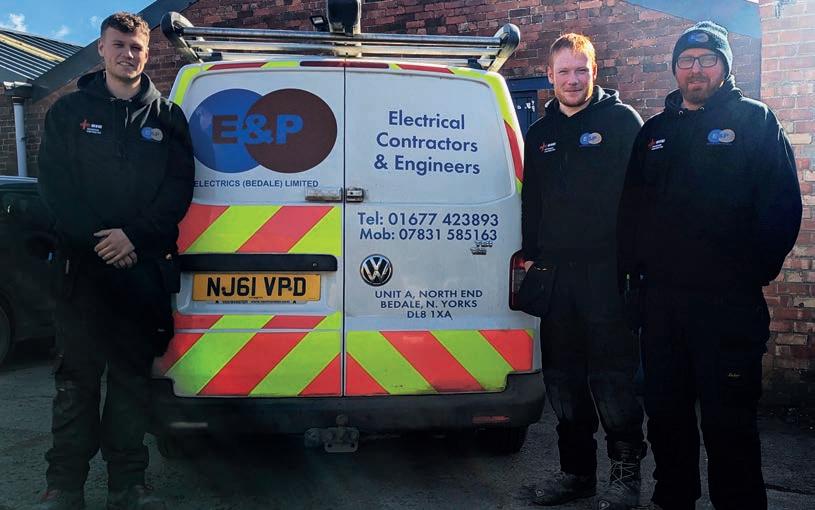
your margin if your quotes don’t reflect them. Job management software that offers price book integration allows you to upload supplier prices directly, so every quote is accurate and up to date.
You can’t grow a business if you’re the bottleneck. The good news is that delegating doesn’t have to mean losing control. With the right setup, you can hand over quoting, scheduling, and customer contact without losing visibility.
At JCE Contracting, which covers Bath, Bristol, Somerset, and Wiltshire, digital scheduling has been a big upgrade from its old system.

E&P Electrics (Bedale) in North Yorkshire made the switch to Fergus software and hasn’t looked back
“It’s like our old whiteboard, but way better because it’s digital,” says Office Manager, Liam Brown. “If a job’s going to take longer, we just extend it on the calendar. It’s a huge improvement.”
Live dashboards let users check progress, reassign tasks, or spot issues without chasing their team. Meanwhile, quote templates and pricing libraries allow trusted staff to build quotes without always waiting for approval.
Being responsive can often win you the job, but only if you don’t miss the enquiry in the first place. Busy teams can easily lose leads when emails, calls or messages come in from multiple places or at awkward times. That’s where Enquiry Management comes in. It gives you one simple place to capture and act on every new lead, without needing to manually create job records. Liam from JCE Contracting says this feature has made a noticeable difference to the team’s efficiency.
“As soon as an enquiry comes in, it pops up, and we can create a job from it straight away,” Liam says. “It’s brilliant, because it means we’re not juggling different systems anymore.”
With custom forms embedded into your website or social channels, all new leads flow straight into the system ready to be scheduled and assigned to the right person without delay.
Dan Pollard,
Founder of Fergus job management software
Growth doesn’t happen overnight, but with faster admin, smarter pricing, clearer oversight and better enquiry handling, you can make sure your electrical business is set up for success. Whether you’re a solo operator looking to streamline, or a growing team ready to scale, job management software helps take the pressure off so you can focus on the work that matters.
Fergus, fergus.com
Since 1905, the Electrical Industries Charity has been a cornerstone of support for those in need within the electrical and energy industries. We are grateful that we have been able to support our industry for 120 years.
As part of our celebrations we are looking to raise an additional £120,000. Whether through fundraising, volunteering or spreading awareness, there are many ways to be a part of our anniversary celebrations.
By rallying 1,000 individuals to stand together and each contribute £120, we can make a significant impact. Every contribution counts, helping us provide vital support to those in need while breaking down stigma. Together, we can create meaningful change.




Benjamin Dyer, CEO of Powered Now, looks at the upcoming government-mandated Making Tax Digital (MTD) legislation and provides an overview of how the company’s software can help businesses navigate these changes.
It’s not that often, but every once in a while a law comes along that leads to a significant business change. Making Tax Digital, or MTD, fits into that. The good news is that it only impacts some people, but the bad news is that it will eventually impact all businesses.
The MTD programme has been going for some years, but so far only VAT registered businesses have been affected.
The Making Tax Digital project is an attempt to bring all businesses out of the stone age. Broadly speaking, it compels businesses to keep digital records and commits HMRC to make the information that they already hold about taxpayers available to those taxpayers.
• Keep digital records of all sales and costs
• Submit a quarterly report summarising these records to HMRC using their new MTD system
• Submit a final tax return to HMRC, again using their new MTD system.
The current phase of MTD only impacts sole traders. Partnerships and limited liability companies aren’t, at this stage, included. Compliance happens over a three-year period. It’s based on total sales (not profit) of your electrical business, plus any rental income you have from property in the UK or overseas. Add this up for the latest tax year and then:

• If sales are over £50,000, you have to comply from 6 April 2026
• If over £30,000, the compliance date is 6 April 2027
• If over £20,000, the compliance date is 6 April 2028.
It doesn’t look likely that the requirement will ever go below £20,000.
Yes, your accountant or bookkeeper can help you to comply with MTD. Your digital records would have to be kept on their system, so you would need to regularly send them sales and costs so that they can keep up-to-date records. Details of any rents received would need to be sent too, and they could do your quarterly and annual returns. They are likely to charge you a higher fee as a result.
Yes, you can keep your digital records on your own computer, provided the system is able to submit MTD for IT quarterly returns. Your accountant could still help you at the tax year end, if that is what you do today.
Alternatively, if you already do your own tax returns, you can continue to do that. You just need a system which is fully MTD compatible.
Most of the major accountancy software packages, and all of the ones targeting small businesses, will enable you to comply with MTD. Of course, the problem is that accountancy products are mostly designed for accountants and won’t help much in running your day-to-day electrical business.
All providers of job management systems capable of running your electrical business are sure to have a plan for how their customers can comply with MTD. Most commonly, this is to connect to an accountancy package.
If you don’t yet use a job management system, this may be the time to take the plunge. Having your customer records, invoices, bills, diary and certificates all in one place has major benefits – just ask a friend or colleague who uses one. Job management systems will fall into two categories when it comes to MTD:

• Those that require an accounting system to be connected
• Those that support MTD natively and can do all of the submissions straight from the system without going through an accounting system.
My company, Powered Now, fits into the second category.
Digitisation generally makes things more efficient; that’s why every large business uses computers and we all have smartphones. Keeping your records up to date is generally easier, as it’s hard to remember what some expenses were for if you handle them months later. Finally, knowing what HMRC thinks they know about you and being able to get an estimate of your tax bill every quarter may make it easier to control cash flow. Either way, MTD is the law, so it’s a waste of energy to complain about it.
Powered Now, powerednow.com
Having your customer records, invoices, bills, diary and certificates all in one place can have major benefits
If you don’t yet use a job management system, this may be the time to take the plunge, Benjamin writes

A flexible and reliable solution for managing home energy needs
• Stackable or wall-mountable hybrid inverters (3.6kW or 6kW)
• Expandable, stackable battery storage
• Solar power diverters to reduce waste and boost efficiency
• Full eco system home energy, battery storage and EV charging all seamlessly controlled to maximise savings Engineered for quick installation, and reliable performance.

Scan the QR code to view the complete range
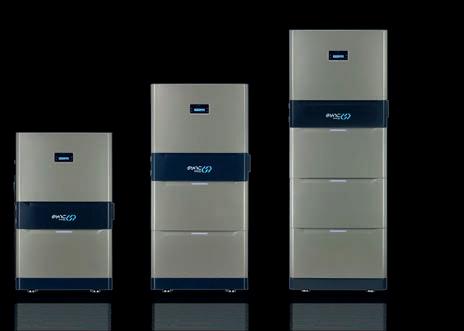
Sync Energy has unveiled ‘Flow’ – a complete home energy management system for smarter, sustainable living.
Sync Energy, part of the Luceco Group, has launched ‘Flow’, a next-generation, fully integrated home energy system that unites hybrid inverters, modular battery storage, solar power diverters, and EV chargers, all intelligently connected via the intuitive Sync Energy app.
With an increasing focus on energy independence and smarter sustainability, Sync Energy Flow arrives as a flexible, future-ready ecosystem for residential energy management, ideal for both new builds and retrofit projects.
“We designed Sync Energy Flow to be more than just hardware; it’s a connected energy lifestyle,” says Robert Stuart-Walker, New Product Development Manager at Sync Energy. “By combining our hybrid inverters, scalable battery storage, intelligent EV charging, and intuitive app control, we’re making whole-home energy optimisation simple, smart and accessible to everyone.”
At the heart of the Sync Energy Flow range is a modular platform built for scalability and simplicity, available as individual components or in pre-bundled all-in-one kits for ease, and all brought together in one easy to use app.
Key system components:
Hybrid Inverters available in 3.6kW or 6kW, wall-mountable or stackable. These enable real-time solar use, battery integration, and grid import/export.
Modular Battery Storage is available in 5.12kWh battery packs, expandable up to 35.84kWh, offering 90% depth of discharge using advanced LiFePO4 technology, renowned for safety and long lifespan.
Solar Power Diverters intelligently redirect surplus solar generation to prevent wastage, ideal for water heating, boosting self-consumption.
Combined with EV Chargers for the full package, including the ultra-slim, wall-integrated Link Charger for discreet,
From setup to daily use, the Sync Energy App unifies the entire home energy system in one intuitive platform

socketed charging, or the customisable Wall Charger 2, available in socketed or tethered, both offering dynamic 7.4kW charging with OCPP 1.6J compatibility and no earth rod required.
All products are seamlessly integrated through the Sync Energy app, which enables real-time monitoring, energy automation, Tariff Sense for tariff-based optimisation, and full remote control from a single interface.
Installers will appreciate Sync Energy’s thoughtful, installer-friendly design.
Features such as hidden battery handles for easy positioning, plug-and-play connectors to reduce wiring time, a dedicated cabling area for neat, professional finishes, and adjustable mounting feet to ensure a level installation even on uneven floors, are features which all contribute to faster, cleaner installations.
Whilst homeowners enjoy a system that’s as clean and refined on the outside as it is expertly engineered within, the professional-grade finish not only complements modern living spaces but is purpose-built for outdoor performance. Rated
IP65 and IK10 for durability, and equipped with integrated dynamic temperature control, it delivers reliable functionality in all weather conditions. Meanwhile, the streamlined setup ensures the system is up and running quickly, with minimal disruption to the home.
The system is backed by an intuitive commissioning and handover process, supported by Sync Energy’s dedicated UK-based technical support team, on hand to ensure a smooth experience and complete peace of mind.
Sync Energy, sync.ergy/flow
Sync Energy is dedicated to making sustainable living simpler. With a mission to design connected, user-friendly energy systems that reduce carbon emissions and put control back in the hands of homeowners, Sync Energy is empowering a new era of smarter, greener living.
Sync Energy is part of the Luceco Group, which is internationally recognised as one of the market leaders across all the key electrical categories.

SPONSORED
Solar installs demand speed, precision and tidy cable prep, and that’s exactly what the new KNIPEX ErgoStrip PV (16 95 03 SB) gives you.
As part of a growing focus on renewable energy tools, KNIPEX continues to expand its range to meet the needs of solar professionals. The ErgoStrip PV is the latest addition, designed to handle the specific challenges of photovoltaic installs.
Based on the KNIPEX ErgoStrip but engineered specifically for photovoltaic work, this compact cable stripping tool is a serious upgrade for anyone regularly dealing with solar wiring. It strips and skins cables cleanly, quickly and consistently even in awkward, confined spaces – just the sort of conditions installers face daily.
It is ideal for 4mm² and 6mm² PV cables like H1Z2Z2-K and all common round and damp-proof installation cables, including NYM types from 3 x 1.5 mm² to 5 x 2.5 mm². The slim, conical tips make access behind panels or within mounting systems much easier.
The ErgoStrip PV is ideal for repetitive jobs. Its adjustable length stop (from 6mm to 18mm) reliably strips cables to the exact length needed for MC4 and MC4 EVO 2 connectors – no measuring, no rework. Circular and longitudinal cuts are quick and controlled, and there’s also a dedicated stripping notch for PVC single cores from 0.2mm² to 4mm².
Comfort hasn’t been overlooked either; a pistol-style grip, soft-touch zones, spring-loaded action and locking

catch all help reduce strain and improve precision and safety – especially handy on long installations.
For a full-on solar setup, the ErgoStrip PV is also available as part of the KNIPEX PV Installation Set (00 31
July 2025 will see the CED Group launch a new complete, safe and secure Consumer Unit range by Axiom. This new VAULT collection features both Standard and Surge Protection Consumer Units presented in attractive sleek enclosures.
Starting with Standard Boards, there are eight sizes from 4 way up to 18 way, each fitted with a 100A 2P main switch, whilst the four Surge Protection Units consisting of 10, 14, 16 and 18 way, have a main switch plus SPD T2 40KA Single Module.
31 V01), which includes PreciForce PV crimping pliers for reliable connector crimps every time. For more information, visit knipex.com/p/16-95-03-SB.
Knipex, knipex.com
VAULT Units have a solid metal construction and are built with a whole range of key features designed for both ease of fitting and use. These include being double clamped, with aligned 32mm entry points, avoiding the need to bend cables, having full MCB blanks and a Terminal Cover with no direct busbar access.
The twist – every VAULT Unit comes with a Gold Ticket and a unique code, and every ticket is a winner, with prizes ranging from tools to £500.
CED Electrical, cedelectrical.co.uk

Raising the bar in style and practicality, Ansell Lighting’s brand-new outdoor lighting range, Foliar Connect, is ideal for high-end residential lighting projects.
Consisting of three contemporary, spike-mounted luminaires and a centralised control hub, the 24V, low voltage lighting system combines sleek design with outstanding performance and ease of installation.

Available in either black or natural green finishes, all products in the Foliar Connect range blend effortlessly into outdoor environments.
Foliar’s Planter Spike is perfect for flower beds and other planting areas, providing subtle, low-level lighting, whilst the Mini Flood Spike delivers a wider spread of light in larger areas. Finally, the Spot Light Spike has been specifically designed to provide more targeted illumination, perfect for drawing attention to specific features or architectural details.
A major attraction of the Foliar Connect range is its highly innovative plug-and-play setup and centralised control.
All luminaires in the Foliar Connect range are IP66-rated, making them robust, weather-resistant, and built to perform reliably in all outdoor conditions.
Ansell Lighting, ansell-lighting.com
Ovia , part of the Scolmore Group of companies, has expanded its popular Inceptor Milli domestic downlights range with the addition of new Converter Plates. Designed to offer a simple and stylish retrofit solution, these plates make it easier to fit the Inceptor Milli Standard Fitting into ceilings with pre-existing larger holes.
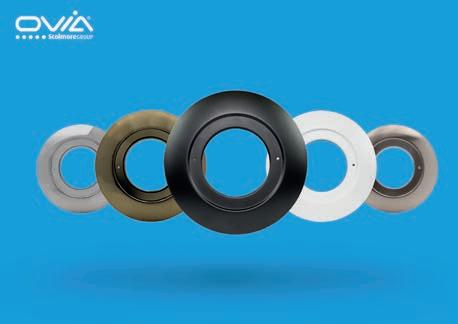
The new Inceptor Milli Converter Plates allow the standard Milli fitting (which requires a Ø64-75mm cut-out) to be retrofitted into ceiling cut-outs up to a maximum size of Ø120mm. This makes them an ideal solution for upgrading or replacing lighting in spaces where ceiling holes are larger than the original fitting’s specifications.
The new Converter Plates are available in five distinctive finishes: White, Matt Black, Chrome, Satin Chrome, and Antique Brass.
Inceptor Milli is a range of 4W and 6.4W dimmable fire-rated LED downlights, available in both standard and baffle designs.
A brochure featuring the full Inceptor Milli range can be viewed on the Ovia website –www.oviauk.com – and the Scolmore Group app. Ovia, oviauk.com
BG Electrical, part of the Luceco Group, has launched its latest DC Isolator Switches, designed to meet the growing demand for safe, reliable, and future-ready solutions in photovoltaic (PV) installations.
With compliance to IEC 60947-3 and 18th Edition BS7671 standards, these isolators ensure high performance, safety, and ease of installation.
The BG DC Isolator Switches are available in two variants (25A and 32A), covering installations requiring 16A, 25A, and 32A. This streamlined product range reduces stocking complexity for wholesalers and provides contractors with a universal solution for both 1 and 2 string PV applications.
Fully certified to IEC 60947-3, the BG DC Isolator Switch ensures safe and compliant operation, with a padlockable OFF position for added security. The IP66-rated enclosure offers superior dust and water protection, making it suitable for both indoor and outdoor installations in demanding environments.
BG is part of the Luceco Group, which also includes the Sync Energy and Masterplug brands, as well as commercial and domestic lighting.
BG Electrical, bgelectrical.uk

Leading power tool manufacturer, Makita UK, is enhancing its standard factory warranty policy on batteries from one to two years. Since 1 April 2025, any genuine Makita battery purchased will automatically qualify for a two-year standard warranty without requiring any product registration, and this applies to XGT, LXT and CXT battery platforms.
Makita offers an extensive collection of power tools, cleaning machines, landscaping equipment, and more. Developed using market-leading battery technology, the Makita range provides professionals with the ability to work flexibly, and for long periods of time. The increase in the standard factory warranty offers further confidence to users in the quality and reliability of Makita batteries.
“Makita batteries are developed using the latest technology to ensure products are powerful and built for tough, long-term professional use,” comments Tony Coleman, Technical Services Manager at Makita UK. “The new warranty applies to all genuine Makita batteries purchased in the UK from 1 April 2025 onwards, and these batteries will automatically qualify without the need to register them.”
Makita, makitauk.com
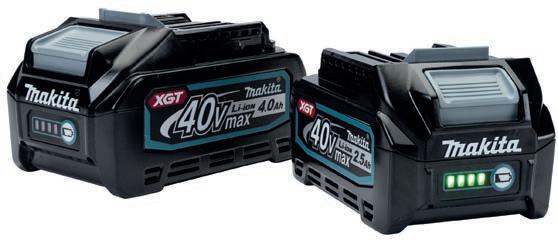
Designed for maximum safety in an evolving energy landscape, the Elucian Type B RCCB offers comprehensive protection against all types of earth fault currents –AC, pulsating DC, and smooth DC faults – making it ideal for use in today’s demanding applications.
It provides high reliability and advanced protection for installations with equipment that may produce continuous DC currents, such as solar inverters, electric vehicle charging stations, and other specialised electronic systems.

With the growing use of electronics that produce smooth DC residual currents, conventional Type A or AC RCCBs are no longer sufficient. The Elucian Type B RCCB ensures full-spectrum protection, safeguarding people and property in today’s increasingly complex electrical environments.
The new Type B RCCB is available in multiple current ratings and sensitivities to meet diverse installation needs.
• 2 pole and 4 pole – 25A 30mA (Type B) RCCB
• 2 pole and 4 pole – 40A 30mA (Type B) RCCB
• 2 pole and 4 pole – 63 A 30mA (Type B) RCCB
Elucian, elucianuk.com
From setup to daily use, the Sync Energy App unifies the entire home energy system in one intuitive platform
The BATM range of single colour and tri-CCT, quad-wattage modular LED battens from Knightsbridge – one of the UK’s leading manufacturers of wiring accessories and lighting – is versatile, efficient and easy to install. Knightsbridge uses advanced modular design to meet a wide range of lighting needs with fewer parts, reducing stock requirements for suppliers and installers.
The BATM’s flexible design allows for easy conversion to emergency, microwave, or a combination of both using plug-and-play accessories. This adaptability ensures the product can be customised quickly and simply, without the need for extra components or complex processes. It is also an innovative replacement for the BATS LED battens, delivering the same reliable performance with enhanced versatility.

Installation is quick and straightforward thanks to push-fit terminals, loop-in/loop-out wiring, rear and end 20mm conduit entries, and standard 600mm fixing centres. BESA box compatibility and a hinged gear tray further enhance convenience, ensuring a retrofit-friendly installation that saves both time and effort. Knightsbridge, mlaccessories.co.uk
Unicrimp, part of the Scolmore Group, has expanded its comprehensive Q-Fire range of fire-rated products with the introduction of new sizes of its popular stainless steel metal cable ties.
This enhancement provides installers with greater flexibility and choice when working in demanding, safety-critical environments.
Stainless steel cable ties are widely used as a secure and versatile fastening solution for bundling and supporting cables, wires, and components – particularly in settings where high strength, durability, and fire resistance are essential.
Already part of the Q-Fire product offering, the stainless steel cable ties have now been made available in additional sizes – 200mm x 4.6mm, 300mm x 4.6mm and 360mm x 4.6mm. With these additions, the Q-Fire range now includes metal cable ties in sizes from 150mm x 4.6mm up to 840mm x 7.9mm, offering greater flexibility for diverse installation requirements. All sizes comply with BS7671 IET Wiring Regulations.
The Q-Fire brochure is available to download from unicrimp.com and on the Scolmore Group app. Unicrimp, unicrimp.com
C-TEC has announced that CAST-PRO, the company’s integrated ‘all in one’ fire detection and alarm device, has been named Fire Innovation of the Year at the FSM Awards.
Fully compatible with C-TEC’s ZFP and XFP CAST addressable fire panels, CAST-PRO is a UK manufactured, EN 54-certified heat, smoke and CO fire detector with a tone or voice sounder and onboard visual alarm device. Packed full of features, many of them patented, CAST-PRO doesn’t just reduce installation costs, it reduces false alarms effectively, detects real fires reliably, and indicates true alarm conditions decisively.

At the heart of the CAST-PRO design is the MASC miniature advanced smoke detection chamber. Featuring computer designed airflow layers and a revolutionary nonfocal non-linear prismatic angular bandpass filter, it was specifically designed to allow space for reliable heat and CO detection, a 92 dB(A) tone or 86 dB(A) voice sounder, and a C-3-9.4 visual alarm device – all in the same attractive, compact device.
To request a demo, visit c-tec.com/cast-pro-info-request.
C-TEC, c-tec.com
Leading lighting designer and manufacturer, Ansell Lighting, has unveiled its S18 product catalogue, showcasing a host of new lighting innovations, enhanced customer services, and expanded support tools for electrical wholesalers and contractors.
The S18 catalogue introduces nine brand new lighting solutions and updates to 12 existing product lines, offering a total of 212 new SKUs. These additions reflect Ansell’s commitment to continuous innovation.
Featured product launches include:
• Tornado EVO – A relaunch of one of Ansell’s most popular industrial battens, the revamped Tornado EVO features a host of new enhancements designed to improve performance and ease of installation.
• Foliar Connect – Blending plug-and-play convenience with feature-focused illumination, the Foliar Connect range redefines residential outdoor lighting.
• LuxMed – A sleek, modern bedhead luminaire designed specifically for healthcare environments such as hospital wards.
Ansell continues to enhance its customer service support through the popular On-Site Warranty of up to three years, which provides on-site repair or replacement for registered products.
The S18 brochure can be downloaded at ansell-lighting.com/ en/downloads.
Ansell Lighting, ansell-lighting.com
ESP is raising the bar in home safety with its Espire Dual CO and Heat Alarms – developed specifically for spaces where the risks of both fire and carbon monoxide are present. Ideal for kitchens, utility rooms, and garages, this multi-sensor unit simplifies protection with advanced, dual-threat detection in one compact device.

The Espire CO and Heat Alarms incorporate independent sensors for carbon monoxide and heat detection, allowing each threat to be monitored and managed separately. Certified to BS EN 50291-1 and BS 5446-2, the alarms are third-party approved and backed by a five-year warranty.
The Espire dual CO and Heat Alarms are to be installed in accordance with BS EN 50292.
Installers can choose from two power options to suit varying project requirements:
• Powered by mains with a sealed tamper-proof 10-year lithium battery.
• Powered by a sealed tamper-proof 10-year lithium battery.
Both models feature ESP’s signature lock-in base, hush function, auto sensor self-test, and 24-hour alarm memory.
More information can be found on the Espire website, espireuk.com, and the Scolmore Group app.
ESP, espuk.com
Click Scolmore’s Essentials wiring accessories range is a versatile and dependable collection of products designed to meet a variety of installation needs. The comprehensive range includes durable galvanised steel back boxes, weatherproof switches and sockets, and metal-clad accessories, ensuring reliable and secure installations.

The Aquip66 range of IP66-rated, easy-to-install 10A and 20A weatherproof outdoor switches and sockets allows electricians to bring power safely to the outdoors. These heavy-duty polycarbonate sockets are ideal for a variety of applications including sheds, hot tubs, and office spaces, offering easy installation and long-lasting durability. Unfurnished enclosures are also available for use with Click’s MiniGrid and GridPro modules.
The Metal Clad and Metal Clad Pro ranges offer heavy-duty, high-performance solutions for demanding installations. Both feature durable electrophoretically coated plates and back boxes. The Metal Clad Pro range provides a modern upgrade, with a curved profile and three finishes – Polar White, Metal Clad Grey, and Matt Black.
Click Scolmore, scolmore.com
C-TEC has announced that all its CAST-powered products will have a new five-year warranty from 1 May 2025.
CAST (C-TEC Addressable System Technology) is C-TEC’s own proprietary life-safety system protocol. Hailed as the world’s most-advanced distributed intelligence fire alarm system protocol with features designed to facilitate fast installation, servicing, maintenance and operation, CAST powers all the manufacturer’s flagship systems. Hence the new warranty will cover not only its XFP and ZFP CAST addressable fire systems, but its EVAC-ALERT BS 8629 evacuation alert system, its HUSH-PRO BS 5839-6 Grade C residential fire alarm

systems, and its new range of CAST-PRO combined detection and alarm devices.
Peter Butterworth, C-TEC’s Manufacturing Director, says, “We are incredibly proud of our manufacturing capabilities and our continued investment in cutting-edge technology and third-party certification. The decision to offer a five-year warranty on our CAST-powered systems stems from the confidence we have in our manufacturing process quality and employee expertise.
“Every single one of our products is designed, manufactured and tested here at C-TEC to give us complete control over our processes and give our customers the confidence that our systems will work seamlessly in any situation.”
Charlotte Manley, C-TEC’s Sales Director, adds, “Our CAST powered life-safety systems are proving to be a huge success not just in the UK but overseas too. The addition of a five-year warranty across the entire range, combined with the EN54-13 system certification we have had on our XFP and ZFP CAST fire systems for some time,

will hopefully provide the reassurance everyone in the supply chain needs that our systems are the right choice for multiple applications. Whatever the situation, CAST can help, and I would urge anyone with an upcoming original project to get in touch as we have some
From
very special project pricing available for first time CAST purchasers.”
The five-year warranty will apply to all CAST products manufactured after 1 May 2025.
C-TEC, c-tec.com



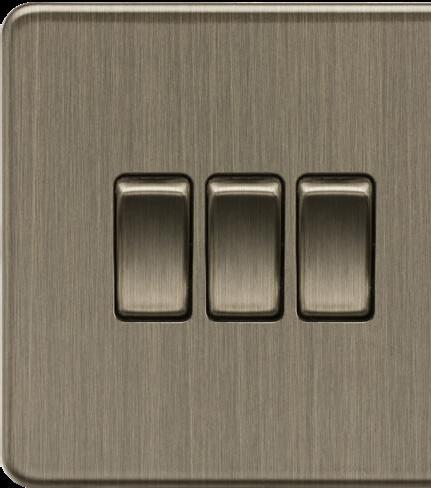
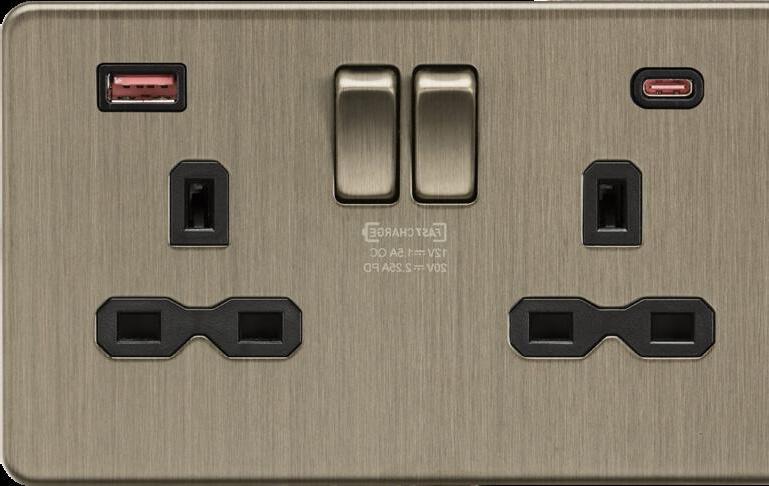




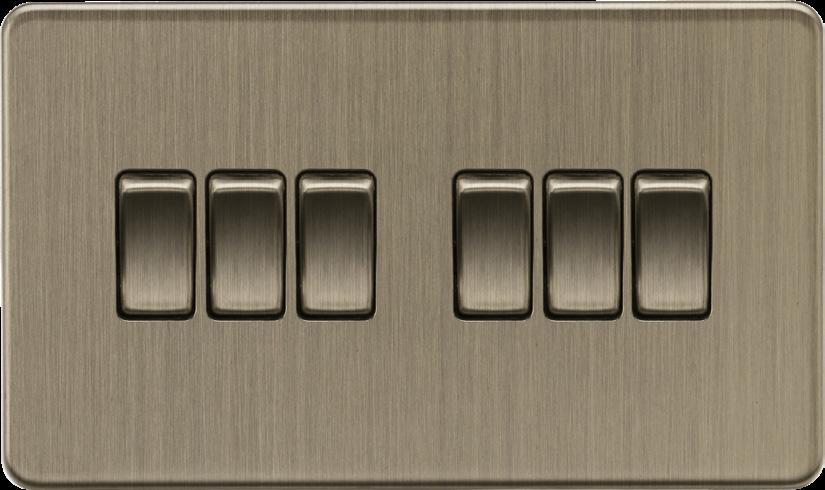
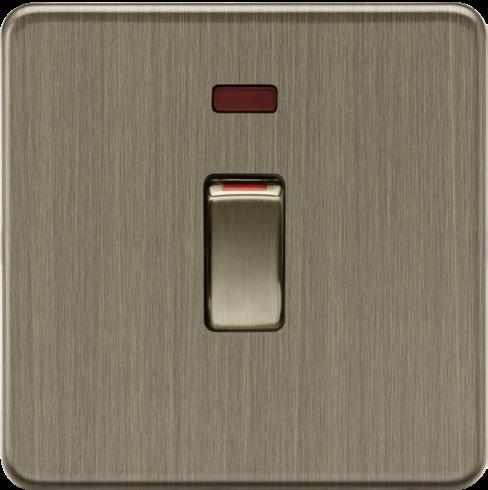

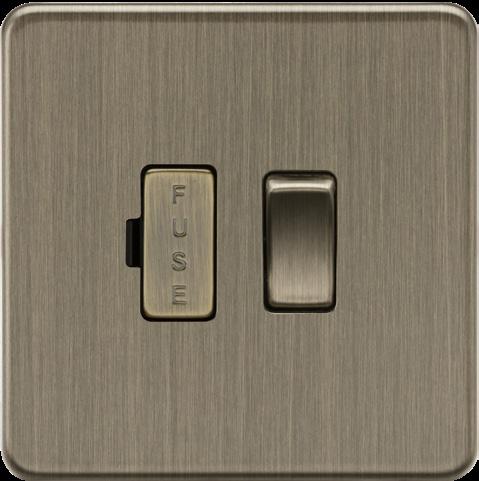


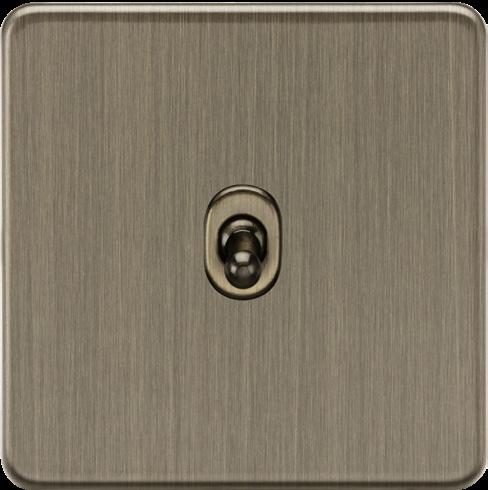
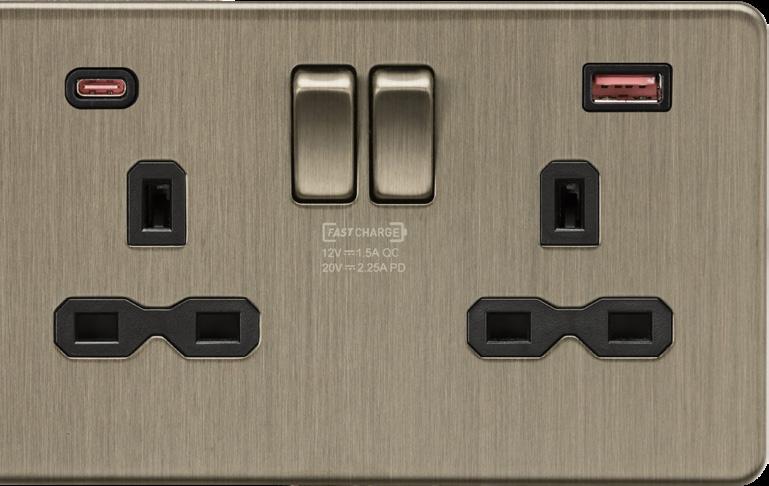
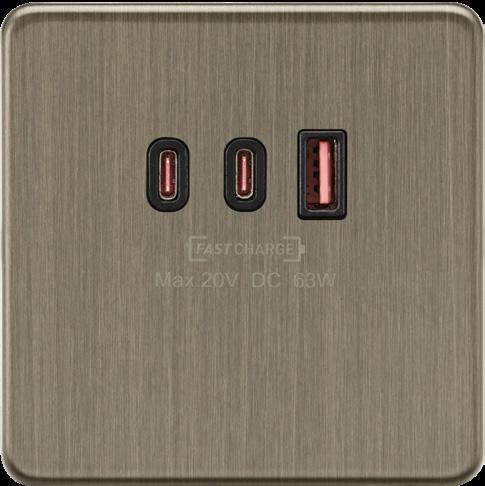






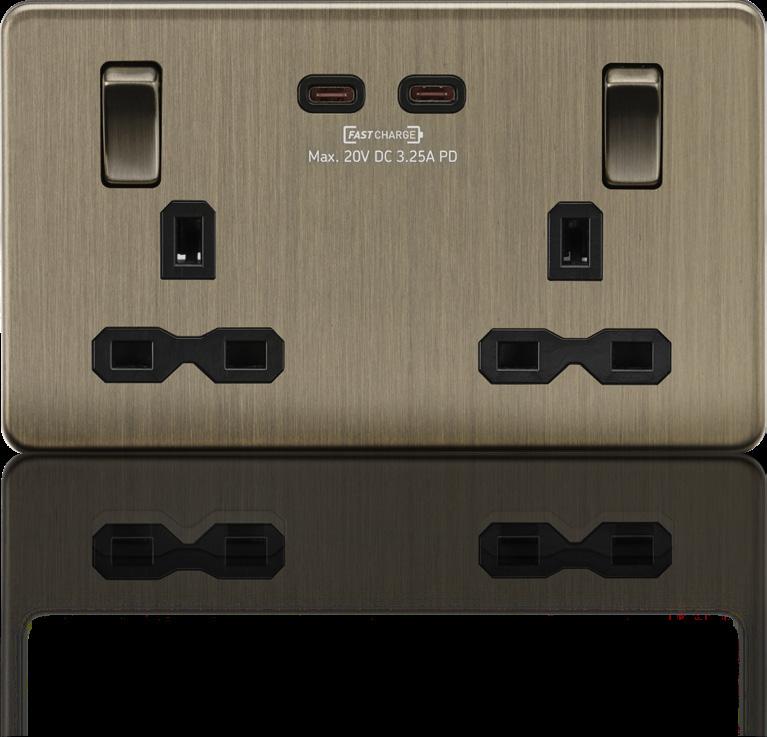

INTRODUCING OUR 65W DUAL WHICH HAS ADVANCED GaN TECHNOLOGY FOR FAST, EFFICIENCT CHARGING. DUAL USB-C OUTPUTS, USB PD/PPS COMPATIBILITY, AND IT EFFORTLESSLY POWERS DEVICES LIKE SMARTPHONES AND LAPTOPS!
SUPPORTS USBPD/PPS CHARGING PROTOCOL BEST FOR LAPTOPS OR PORTABLE DEVICES (MAX. 65W) USB-C PORTS
CHARGE LAPTOPS DIRECTLY DUAL
SIMULTANEOUSLY CHARGE TWO DEVICES WITH 18W/45W POWER SPLIT FOR EFFICIENT PERFORMANCE