
Time for School Atlanta Parent August 2023 / atlantaparent.com Let’s Talk Tech: Managing Screen Time Field Trip Planner




















It’s Time for Back to School! A S TA G E FOR EVERY AG E Now enrolling for fall classes. alliancetheatre.org/classes 1280 PEACHTREE STREET NE // ATLANTA, GA 30309 TheWalkerSchool.org 770-427-2689 TheSpanishAcademy.com 770-751-3646 CallanwoldeDance.com 404-872-5338 WESLEYANSCHOOL.ORG 770-448-7640 AtlantaDanceandMusic.com 404-877-0005 WorldofGymnasticsandCheer.com 770-516-6898 NCCHRISTIAN.ORG 770-975-0252 McGINNISWOODS.org 770-664-7764 KidChess.com 770-575-5802 ATLMusicLessons.com 678-833-3903 AtlantaAcademy.com 678-461-6102 TrinityATL.org 404-231-8100 BrookhavenChildrensDentistry.com 404-719-4300 tcsatl.org 404-873-6985 aischool.org 404-841-3840 mountvernonschool.org 404-252-3448 MovingintheSpirit.org 404-624-5295 NiaDentistry.com 770-479-9999











AUG 21 - 23 WE BRING THE HEAT AND THE HOMERS! Secure your tickets to enjoy some exciting match-ups and giveaways this month at BRAVES.COM/PROMOS AUG 1 FRED McGRIFF “HALL OF FAME” BOBBLEHEAD *FIRST 15,000 FANS AUG 18 - 20 AUG 20 BLOOPER SOFT SQUISHY PLUSH* *FIRST 3,000 KIDS AUG 22 MICHAEL HARRIS II “ROOKIE OF THE YEAR” BOBBLEHEAD *FIRST 15,000 FANS PRESENTED BY JUL 31 - AUG 2 AUG 14 - 16 AUG 18 - 20




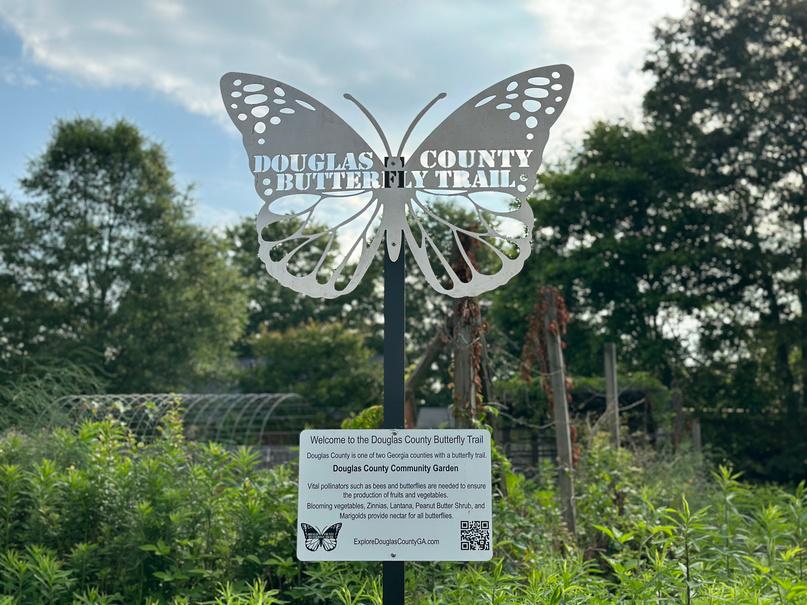

ENTER FOR A CHANCE TO WIN A PRIZE ! Step 3: Email your photo, name, and county where you live to Douglas County Travel and Tourism at Info@ExploreDouglasCountyGA.com July 28 - September 4, 202 July 28 - September 4, 202 Step 1: Log on to ExploreDouglasCountyGA.com and click the Exploration Challenge link on the top right of the screen to locate the complete rules. Step 2: Choose a location on the Douglas County Butterfly Trail to explore the Monarch Butterflies and then take a selfie next to the Butterfly Trail sign. Visit ExploreDouglasCountyGA.com for more information
n School-Year Ups and Downs
n Shop Smart: Go Green

n Surviving Middle School
n Kids’ Fall Activity Guide * *Special Advertising Section
Managing

Learn
Family
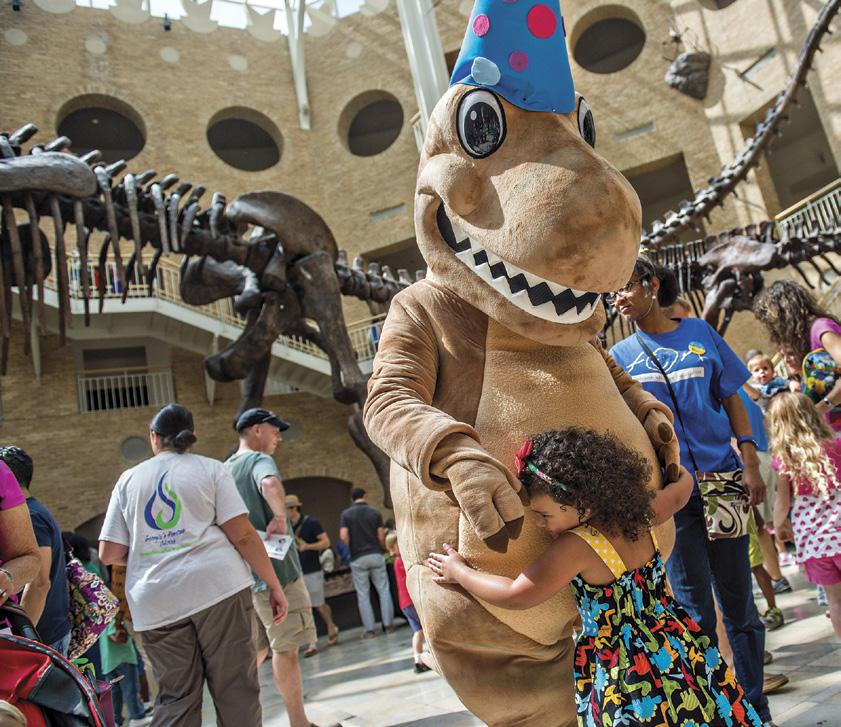
The best August events, shows, festivals and not-to-miss experiences. Plus, Labor Day weekend fun, dinosaurs and more!


Fun
From evening hikes to outdoor concerts and shooting stars, keep the summer fun going with these nighttime events and attractions.

SPONSORED CONTENT

August 2023 Atlanta Parent 5 atlantaparent.com 39 YEARS OF ATLANTA PARENT Inside 11 47 52 Publisher’s Note / 8 Good Stuff / 9 For the Fridge / 62 Fall Vacation Getaways / 17 Field Trip Planner / 32
23 It’s Time for School! August
Page
Your Kids’ Screen Time
about the
screen time
set limits/boundaries
Talk Tech.”
impact of
and how to
in Atlanta Parent’s new series, “Let’s
Fun Guide
When the Sun Goes Down
Like us on Facebook; facebook.com/ AtlantaParentMagazine
PUBLISHER Liz White lwhite@atlantaparent.com
ASSOCIATE Laura Powell PUBLISHER lpowell@atlantaparent.com
ACCOUNT Carolyn Haushalter EXECUTIVE chaushalter@atlantaparent.com
ACCOUNT Genie Lockeretz EXECUTIVE glockeretz@atlantaparent.com
ACCOUNT Alyssa Gerold EXECUTIVE agerold@atlantaparent.com

STAFF WRITER Emily Webb and DIGITAL ewebb@atlantaparent.com
CONTENT CREATOR
COPY EDITOR Mary Williams
EDITORIAL Sheri Taylor-Emery ART DIRECTOR creative@atlantaparent.com
PRODUCTION Robin Mintz
ADMINISTRATIVE Amanda Allen ASSISTANT
MARKETING Felicia Barman MOM
Sign Up For Our e-Newsletter at AtlantaParent.com



Like Us on FACEBOOK



Atlanta Parent magazine is published monthly by Atlanta Parent, Inc., 2346 Perimeter Park Drive, Atlanta, GA 30341. Telephone 770-454-7599, Fax 770-454-7699. Atlanta Parent magazine is available free of charge throughout the metro area and as a digital issue at atlantaparent.com. Atlanta Parent magazine welcomes letters, articles, artwork and photographs from its readers and the community. Atlanta Parent magazine is not responsible for the return of unsolicited materials. All rights reserved. Any reproduction in whole or in part, is prohibited without written permission.
© Atlanta Parent, Inc. 2023

6 Atlanta Parent August 2023 atlantaparent.com
Nominate today! For more information call 770-454-7599 ATLANTA PARENT’S MOM-APPROVED Atlanta Parent is looking for you to tell us about the best OB/GYN, midwife and fertility specialists in the Atlanta area. Nominate them today. Tell us about your favorite OB/GYN, midwife and fertility specialists. Go to atlantaparent.com/nominate Nominations end soon!
WANNA HANG OUT?
SUMMER EXHIBIT CLOSES SEPT. 4!
Discover surprisingly slow ways animals survive in a fast-paced world.

See Live Animals!
Sloth • Boa constrictor • Iguana
Sponsored
locally by Additional
support provided by the Frances Wood Wilson Foundation.
of the Slowest is designed and offered by Little Ray’s Nature Centres in collaboration with the Canadian Museum of Nature.
FOR MEMBERS!
@FernbankMuseum
Hedgehog • Tortoise • and more! Atlanta’s Science and Nature Experience
Survival
FREE
FernbankMuseum.org
A WORLD OF WOW
It hardly seems possible — August is here, summer is flying by and and it’s time to start making back-to-school plans. My kids and I always look forward to shopping for school supplies. It’s fun to have fresh notebooks, backpacks and pencils but we do try to recycle items we have left from the prior year. Our August back-to-school story has some fun ideas for an eco-friendly approach; give them a try and go “green” this fall.

I’m excited about Atlanta Parent’s new series on kids and technology, “Let’s Talk Tech.” It’s such a relevant topic, especially as kids and families are getting back into the fall routine. This month, we’re focusing on screen time and the effect, positive and negative, it has on kids, and suggestions for parents on setting reasonable limits. As adults, we know how easy it is to become addicted to our phones! Kids need us to lead by example, cutting down on our own screen time as well as theirs. I’m trying to hold off on getting my kids their own phones a difficult task when they tell me “everyone else in the world” has them. Look for stories on online safety, bullying and more in future issues.


Today’s kids have lots of options for after-school activities, from sports to art, music, dance and more. So how do parents help kids narrow down their choices? Our Kids’ Activity Guide offers plenty of ideas. Just as important as helping kids choose an activity is knowing whether they’re enthusiastic after they start and knowing when to let them quit if they lose interest or feel frustrated. Growing up is all about experimenting.
Our Family Fun Guide has lots of ideas for fun things to do as summer winds down. There are still plenty of new things happening, from theater productions to exhibits to dinosaur encounters. At the top of my family’s list are all the things to do when the sun goes down. Check out the great ideas on page 52, along with a few date night ideas for grown-ups.
Wishing you a smooth transition from the lazy days of summer to the back-to-school routine.
8 Atlanta Parent August 2023 atlantaparent.com Marietta Square Labor Day Weekend Sat – Mon, 10AM – 5PM 200+ Fine Art Booths Children’s Art Alley Acoustic Music The Chalk Spot Family Fun Outdoor Dining ArtParkMarietta.com A
Art
Fine
Festival Publisher’s Note Associate Publisher
How to Reach us: We welcome your views and comments. Letters that appear in the magazine may be edited for content and space. Telephone 770.454.7599 Fax 770.454.7699 Snail Mail 2346 Perimeter Park Drive Atlanta, Georgia 30341 Email lwhite@atlantaparent.com Website www.atlantaparent.com
StUff G oo d
THINGS
by Emily Webb
WE LIKE
Everything in Its Place
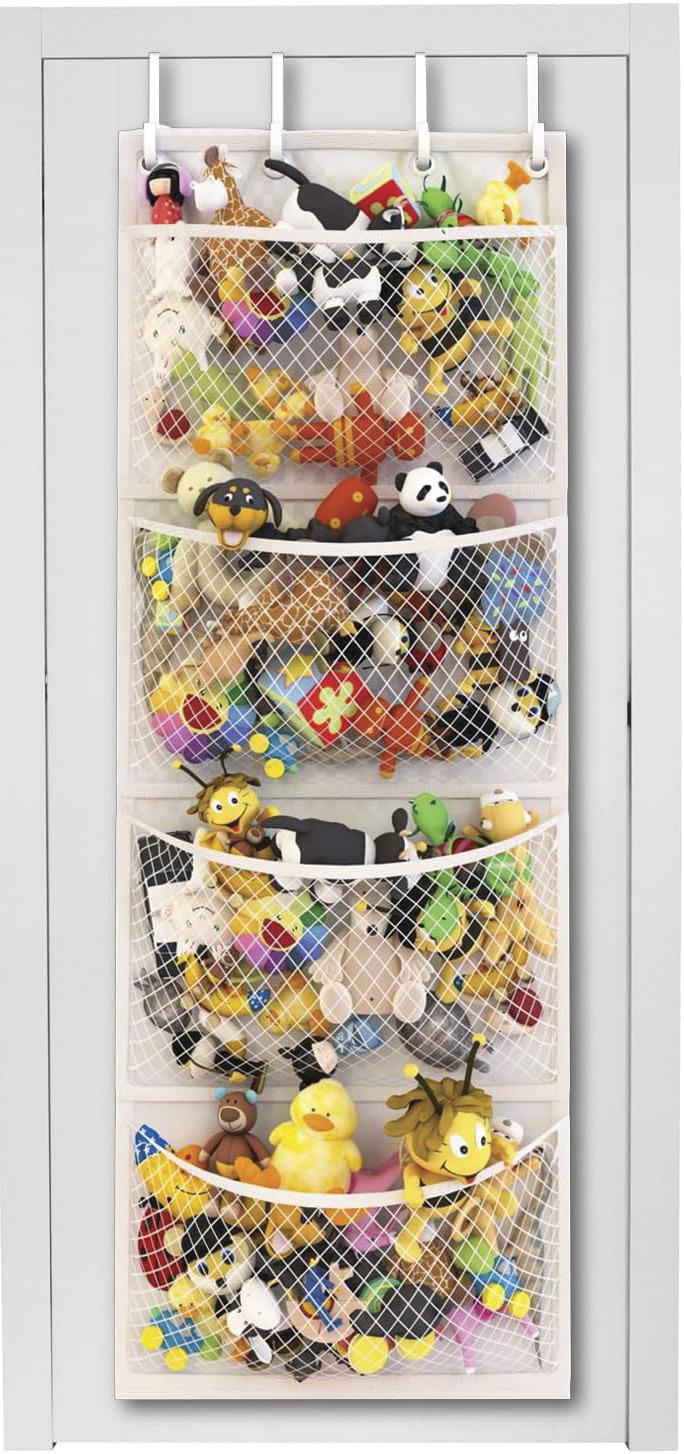
Organize your child’s stuffed animals with the over-the-door The Original Stuffed Animal Storage. With four mesh pockets, keep animals easily accessible for your child’s playtime. Once she’s done, there’s plenty of space to store all her toys out of the way. Match your style or space with six different colors. Available at honeyera.com for $34.95.
CONQUER THE KID CLUTTER
For the Bookworm
Does your little one love to read? Keep his books organized with the Book Rack from 3 Sprouts. Featuring an owl, dragon or lion, this cute bookshelf will keep all his books secure and is at eye-level for little readers. The four pockets can also hold puzzles or board games. Available at containerstore.com for $49.99.


A Little Nifty
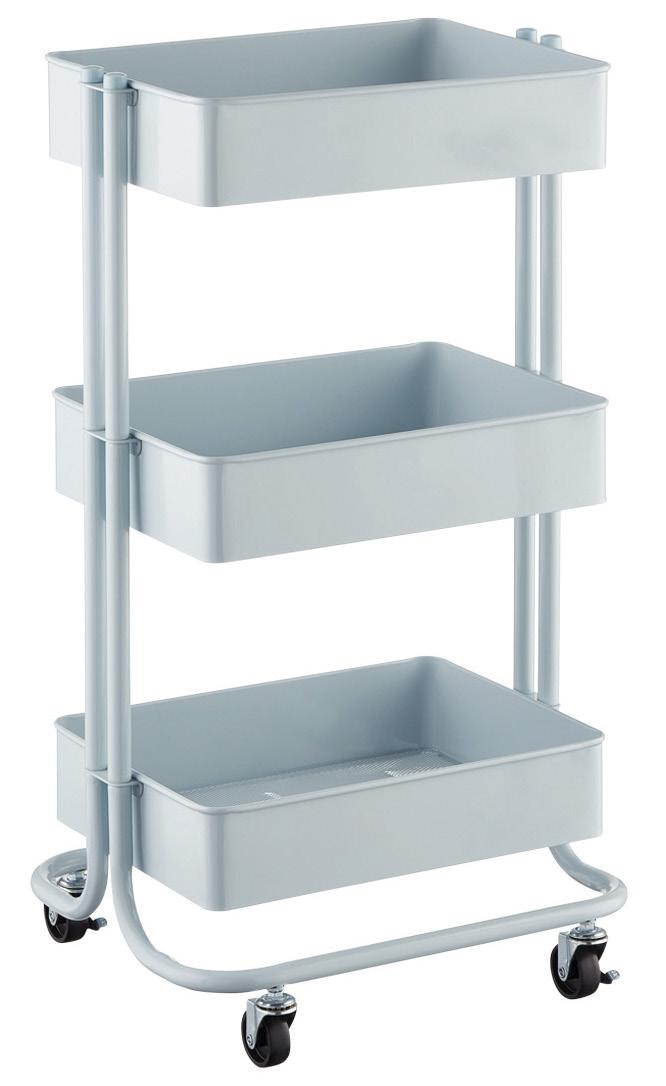
For all the small spaces where you need a little extra storage, check out The Container Store’s 3-Tier Rolling Cart. Sort toys, craft supplies, towels, hair accessories, makeup and more. To make the cart work for you, you can also purchase accessories, including a ribbon holder, organizer trays, dividers, pegboard attachments and more. Available in eight colors at containerstore.com for $39.99.
Hanging Out
The Basumee Stuffed Animals
Hammock is a cute and creative way to store your child’s toys and stuffed animals. The three tiers are convenient for storing items, such as plush animals, toys or laundry. If you’re not using the holder, it’s easy to fold up, giving you more space if you need it. Available in four different colors (including rainbow!) at amazon.com for $14.99.

On the Wall
Show off your child’s creativity with the KraftyKids Art Frame. If your little artist loves creating projects, this frame will hang on the wall or stand on the table for a sweet display. With an elastic retaining band, you can change out the artwork as often as you want for up to 20 drawings, and the frame closes magnetically. Available at amazon.com for $22.99.
August 2023 Atlanta Parent 9 atlantaparent.com
DID YOU KNOW?
All students in Gwinnett County Public Schools already have a library card. They can use their student ID number at any of our 15 branches and online.

gwinnettlibrary.org
LET’S TALK TECH LET’S TALK TECH
by Tali Benjamin
Technology — many of us have a love/hate relationship with this necessity of modern life. But, how does it really affect our kids?

On average, school-aged children spend 7.5 hours in front of a screen for entertainment each day, which amounts to 114 full days, not including time spent on screens at school or for homework. This accounts for a 17% increase
since the pandemic.
In this series, Atlanta Parent will explore the impact of screen time and offer practical tips for managing it at various stages of development. Future topics will include online safety, cyberbullying, social media and when the right time to introduce devices because, as we all know, these things are unavoidable.
August 2023 Atlanta Parent 11 atlantaparent.com SMARTPHONES LAPTOPS TIKTOK INSTAGRAM YOUTUBE CYBERBULLYING SCREEN TIME More in This Series: September/Online Safety and October/Devices 101
Cont’d on next page
LET’S TALK TECH LET’S TALK TECH
Part 1: Screen Time
Find Your Power Button
In 1895, residents in Paris were first entertained by moving pictures on a screen; by 1951, 12 million American homes had television sets. In the 1980s, computers entered homes and, in 1997, the iPhone was introduced.
Screens — no matter the size or function — are here to stay making the management of time spent in front of them a key part of daily life. There is no one size fits all solution; consider your own comfort level with technology and screen time, as well as the age(s) of your child(ren).

Recognizing the impacts of screen time as a whole is also essential. It is proven that when the number of hours in front of a screen goes up, psychological function goes down. This can make children more edgy, leading to depression and anxiety. More screen time also means less time to practice in-person social skills and be active. Finally, using screens more gives children a false sense of immediacy and the ability to control things, neither of which exist in real life.
Age Matters
“Technology has changed almost every aspect of childhood,” says Katherine Martinko, author of the new book, “Childhood Unplugged: Practical Advice to Get Kids Off Screens and Find Balance,” “from how kids spend their time, to what they expect from life, to what we as adults expect of them, to what and how they learn and love.”
Screen time matters for every age and stage. “When looking at guidelines and thinking about what is right for your family, I urge people to ask themselves a few questions,” says Jody Baumstein a Child Advocacy Program Specialist in Behavioral and Mental Health with Children’s Healthcare of Atlanta. “What is important at each stage of life? What types of things are kids missing when they are on screens? Are we overall healthy and mentally well? Are we making quality connections with our family members and friends?”
12 Atlanta Parent August 2023 atlantaparent.com
The American Academy of Pediatrics (AAP) has staggered guidelines regarding screen time for children based on brain development and other criteria since it can negatively impact sleep, attention, focus and language skills.

n Babies: It’s important to start here. “Babies learn from people not screens,” says Baumstein. “Interaction with the parents is a baby’s foundation for healthy relationships and trust.” The AAP’s guidelines note that children ages 2 years and younger should have no screen time, except an occasional video chat with out-of-town family.
While this might sound daunting to a new parent, Martinko notes an important point: Babies don’t need devices to be distracted. “It’s too hyper-stimulating for them and they won’t know what they are missing if you don’t introduce screens.”
n Toddlers: The AAP says one hour per weekday and three hours daily on the weekends of quality, co-viewed screen time is appropriate for children ages 2-5. The challenge here is that when parents are busy, screens are an easy babysitter. “Sure, the device keeps them calm and contained in the moment, but that
Screen Time Limit List
Here are some key guidelines to follow:
n Limits must be clear. When and where can it be used? How can it be used — public or private?
n Co-view shows, videos, and apps to build responsibility during screen time.
n No devices in their bedrooms.
n Create screen free zones in your home or rules such as no screens at the dinner table.
n Gradually reduce screen time by 30 minutes each week to get to where you want to be.
n Be consistent.
n Remember, it’s okay for kids to be bored!
n When you are talking to your kids about screen time rules, ask them:
• What do we gain by reducing screen time?
• How do you feel after you’ve been on your screen for a while? How does your body feel? What are you thinking about?
• What can we do instead of being on a screen? Let’s get creative!
can backfire,” says Baumstein. “They don’t know how to control emotions or be creative when they spend all their time in front of a screen.”
n School Age: “The strategy for kids once they start school is delay, delay, delay,” says Martinko. The AAP suggests that this is the stage when teaching proper habits for screen time is key and to keep screens out of bedrooms and disallow use 30-60 minutes before bedtime, even for teens. “Within your home, set strict boundaries and promote imaginative play and projects,” she notes. Baumstein urges parents to think about balance for older children. “If school tech has been busy on a certain day, free time on screens isn’t a must. Screen time is a want.”
Cont’d on next page
August 2023 Atlanta Parent 13 atlantaparent.com
Using screens more gives children a false sense of immediacy and the ability to control things, neither of which exist in real life.
LET’S TALK TECH LET’S TALK TECH

Setting Limits
“If you think parenting is tough, parenting a child AND their technology is even harder,” says Ben
Halpert
Founder, President of Savvy Cyber Kids, an Atlanta-based non-profit founded in 2007 to provide parents the tools they need to educate and empower their children to make appropriate decisions in today’s world filled with technology. “Parents need to let their kids know that they, the parents, are in charge (really!), but that they are their partner in making sure they have safe online experiences. Setting ground rules is key.”
Why are limits and ground rules so important? Because kids don’t have the ability to self-regulate until their mid-20s when their brains are fully developed. “It’s our responsibility to create these limits,” says Baumstein. “We have to be thinking about the long-term impact, not the short-term goals of stop crying, don’t bother us. If we want our kids to be able to function in real-life situations, we can’t shove a screen in their faces.”



For parents with babies and toddlers,
having structure can help set limits. “Create a daily routine,” says Martinko. “It’ll help the child to be less bored and help parents fill the time without devices. The smile reflex can’t develop without face-to-face interactions, so it’s critical to development that babies get face time with their parents and other loved ones, not screen time.”

According to Halpert, limits and rules have to be clear and set up in advance of getting a device or changing screen time allowances. He suggests using a tool like a pledge to keep everyone on the same page and safe. Savvy Cyber Kids offers a free, customizable one online at savvycyberkids.org/technology-pledge.
When setting limits for screen time, especially if this is a reset for your family, be sure to use the opportunity as a teaching tool and not to punish or control. Baumstein suggests explaining “the why” for setting

screen time limits; kids are naturally curious and when they understand why guidelines are being set, they are likely to accept things more quickly and adapt the good habits. Remember that you are the adult and screen time is a privilege not a right, so reducing screen time doesn’t make you a mean parent. Modeling is also key for helping create healthy screen time habits and setting limits with kids. “We, adults included, are attached to our phone and it limits our ability to be present and interact with the people around us,” says Baumstein. “The screen becomes an impulse and an addiction. We can’t just experience the normal feeling of discomfort. Kids aren’t learning to keep their eyes up and engage in small talk; they are looking down on their phones and avoiding these feelings because they don’t know how to work through them.”

14 Atlanta Parent August 2023 GET BACK TO SCHOOL GRAB YOUR LIBRARY CARD TODAY! READY Sign up for your Library card today and unlock amazing resources for students of all ages! fulcolibrary.org/register with FulcoLibrary! research watch read & listen study Hoopla | Kanopy Access Video Just for Kids Hoopla | Libby eREAD Kids | Freegal WorldBook Online Paper.co Mango Languages Learning Express Library Wordbook for Kids World Almanac for Kids Infobase
Remember that you are the adult and screen time is a privilege not a right, so reducing screen time doesn’t make you a mean parent.
Alternative Options
We are all so attached to technology, it can be difficult to think of other activities to keep the kids (and the adults) busy and happy. Here are some fun and simple offline things to do:

n Read or tell stories
n Do an arts and crafts project
n Play board games
n Go outside for a nature walk or family bike ride
n Play sports
n Bake a cake
Martinko recommends giving children reasons for your phone or device usage. “Explain that you’re making plans to see grandma later or looking up a recipe for dinner,” she says. “It gives the action purpose and also helps you be more aware of your own scrolling behaviors.” She also says to embrace offline habits such as reading, doing arts and crafts and going outside.
Creating structure around screen time for the family is another way to model healthy screen time habits. “The whole family can take a technology Shabbat,” says Martinko. “This is a 24-hour period where everyone takes a break from technology and uses the time to reconnect as a family.” Do it once a week, once a month, or even once a year. For older kids and teens, she also recommends developing seasonal leisure plans, which are highly tangible and doable. “Have your child set a large goal such as getting fit before a sports season starts, earning money for a trip or getting a job. Then, they make a schedule per week for managing their
APS is caring
Caring for parents and students.
n Plant herbs or flowers in the yard
n Schedule an old-fashioned, in-person playdate
n Put on a skit
n Paint a family portrait
n Let everyone get bored… who knows what creative ideas will be born!
time to achieve that goal. It helps them build character and develops muchneeded time management skills, while keeping them off of their screens.”
Whether it’s building a routine or just being more mindful, remember that kids are always watching. More often than not, they do what you do, not what you say. “When you are constantly on your phone or always have the TV on, what does that say to your kids silently?” notes Baumstein. Even if being more aware is just a decrease in screen time, that’s still a positive change and good modeling for your children.
“I am pro technology,” says Martinko. “The internet and smartphones have enabled so much — research, learning, communication, entertainment — my concern is around what is lost when screen time takes over too much time.”
The bottom line, healthy screen time habits that are developed while they are young will help children be more productive, happy and welladjusted adults.

Do you know a child who resides within the city of Atlanta in need of special education services?
APS Department of Special Education services can open a window of hope for a brighter future for children and young adults identified with a disability or developmental delay.

Department of Special Education
Ages 3-5: 404-802-1690
Ages 6-21: 404-802-2636
atlantapublicschools.us

August 2023 Atlanta Parent 15 atlantaparent.com

16 Atlanta Parent August 2023 atlantaparent.com Get away to paradise. Come play on miles of white-sand beaches, splash in turquoise water and explore endless family fun, eco-adventures, nonstop thrills and romantic escapes. Exhilaration awaits. Make it yours. PLAN YOUR ULTIMATE BEACH VACATION NOW AT VisitPanamaCityBeach.com/MAKE-IT-YOURS MAKE IT A GETAWAY. MAKE IT YOURS.
Great Fall Getaway Destinations
n Your Small Town Getaway
With the summertime crowd diminished, the late summer and early fall season on Lake Sinclair is the perfect time for those hoping for a more relaxed, laid-back getaway. Lake days linger until October in this neck of the woods, luring families and friends to escape for one last summer retreat to Milledgeville’s Lake Sinclair. So, pack your bags and make plans to enjoy breezy lake days, cocktails with a view, and beautiful sunsets out over the water. visitmilledgeville.org
Milledgeville was founded in 1803 and named for John Milledge, then governor of Georgia.
Lake Sinclair was created by Georgia Power in 1953 and boasts more than 500 miles of scenic shoreline.
Milledgeville was the capitol of Georgia from 1804 to 1868.

August 2023 Atlanta Parent 17 atlantaparent.com Cont’d on next page SPONSORED CONTENT
Road trip? Need something to look forward to this fall? With the milder weather, enjoy great local dining, sightseeing and more at these familyfriendly lakes and beaches.
Great Fall Getaway Destinations
n Ultimate Beach Vacation
Panama City Beach is a perfect blend of coastal fun, outdoor adventures and local events that are fun for everyone. Known for its 27 miles of sugarsoft sand and sparkling turquoise waters, it is the ultimate family beach vacation destination. Attractions include state parks, championship golf courses, great food and much more. PCB events are about fun for everyone in the family. Check out what is happening at visitpanamacity.com/events and plan your getaway now. visitpanamacitybeach.com/make-it-yours
The white sand on the beach resulted from quartz crystals that were washed down from the Appalachian Mountains centuries ago. Over the years, the crystals were bleached, ground, smoothed and polished.
How to Make Travel Easier: Check out these items to make packing a breeze.

n Keep all your bathroom essentials together with
L.L.Bean’s
Personal Organizer
Toiletry Bag. Made with water-resistant, abrasion-resistant fabric, this bag hangs for easy access in the bathroom and contains a removable mirror and shower caddy. The organizer is available in four sizes, including a family size, and comes in multiple colors. Available at llbean.com for $29.95-$59.95.


n Instead of buying single-use toiletries, carry your routine with you with Cadence This leakproof, magnetic and customizable capsule system is designed to make traveling with your skincare easier. The containers are TSA-compliant, and each capsule is made from recycled materials. Available at keepyourcadence.com for $76-$143.
n EzPacking’s transparent designs make organizing your suitcase easy, so you can find all your clothes and items quickly. The cubes’ modular construction makes stacking in your suitcase easy, and there’s even a TSA Approved Toiletry Bag for flights. Find cubes, sets, bags, pouches and more at ezpacking. com from $8-$167.

18 Atlanta Parent August 2023 atlantaparent.com SPONSORED CONTENT
Panama City Beach is home to one of the highest concentrations of Atlantic bottlenose dolphins anywhere.
 Essay by Gina Rich
I’m the Mom, Not the Referee
My kids fight. A lot.
While I know sibling rivalry is normal, lately the bickering seems to have increased dramatically, and in turn, so has my stress as a parent.
Last week, as I sat with my daughters in a neighborhood restaurant and they began to squabble over who got to color in which activity book we brought along, I leaned forward in my seat, my jaw clenched as a stream of ingrained responses tumbled out of my mouth:
“Stop taunting your sister!”
“Give her some space; you’re crowding her.”
“Kids, this is a restaurant: be-have!!”
Grudgingly, they backed away from each other, but I knew the reprieve was only temporary. As I slumped back to sip my iced tea, I felt drained. And I started to think about how often my interactions with my kids involve me correcting or critiquing their behavior.
On a typical day, how many times do I break up a fight? 10? 20?
As parents, we’re wired to intervene when our kids are fighting, not only to stop them from hurting each other, but also to teach them appropriate and respectful behavior. This is normal.
But lately, I’ve wondered if I’m too involved in my daughters’ squabbles. Most days I feel like an over-caffeinated referee in some bizarre game, stuck in a LEGO- and pajama-strewn arena with two adorably unruly creatures who have a penchant for pushing each other’s buttons. When my kids play together, I can’t seem to relax because I know a fight is likely to break out, and I’ll end up intervening.
The second I hear conflict brewing, I’m like Johnny-on-the-spot, ready to enforce rules and call out penalties.
“ILLEGAL THEFT OF SISTER’S TOY. PENALTY: LOSS OF ONE STUFFED ANIMAL.”
“INTENTIONAL SHOVING! PENALTY: SOLITARY CONFINEMENT IN THE BEDROOM FOR 15 MINUTES.”
Besides sapping my energy and (remaining) sanity, I wonder if my efforts to maintain the peace have a bigger cost. By injecting myself into so many of my children’s battles, am I depriving them of the opportunity to learn to work things out themselves? Would my kids actually benefit from me being less involved?
There are situations in which I’ll always intervene, like when things get physical and when there are overly hurtful verbal exchanges or name-calling. But for now, I’ve decided it might be a worthy experiment to refrain from getting involved in my kids’ garden-variety spats. Instead, I’ll take a step back and try to keep my mouth shut.
What might that look like? Maybe it will mean leaving the room during an argument or even pulling over and stopping the car, until they work things out independently.
Will my kids develop better interpersonal and conflict resolution skills as a result? That remains to be seen.
But this I know for sure: The less time I spend as my kids’ referee, the more time I can enjoy being their mom.

20 Atlanta Parent August 2023 atlantaparent.com
By injecting myself into so many of my children’s battles, am I depriving them of the opportunity to learn to work things out themselves?

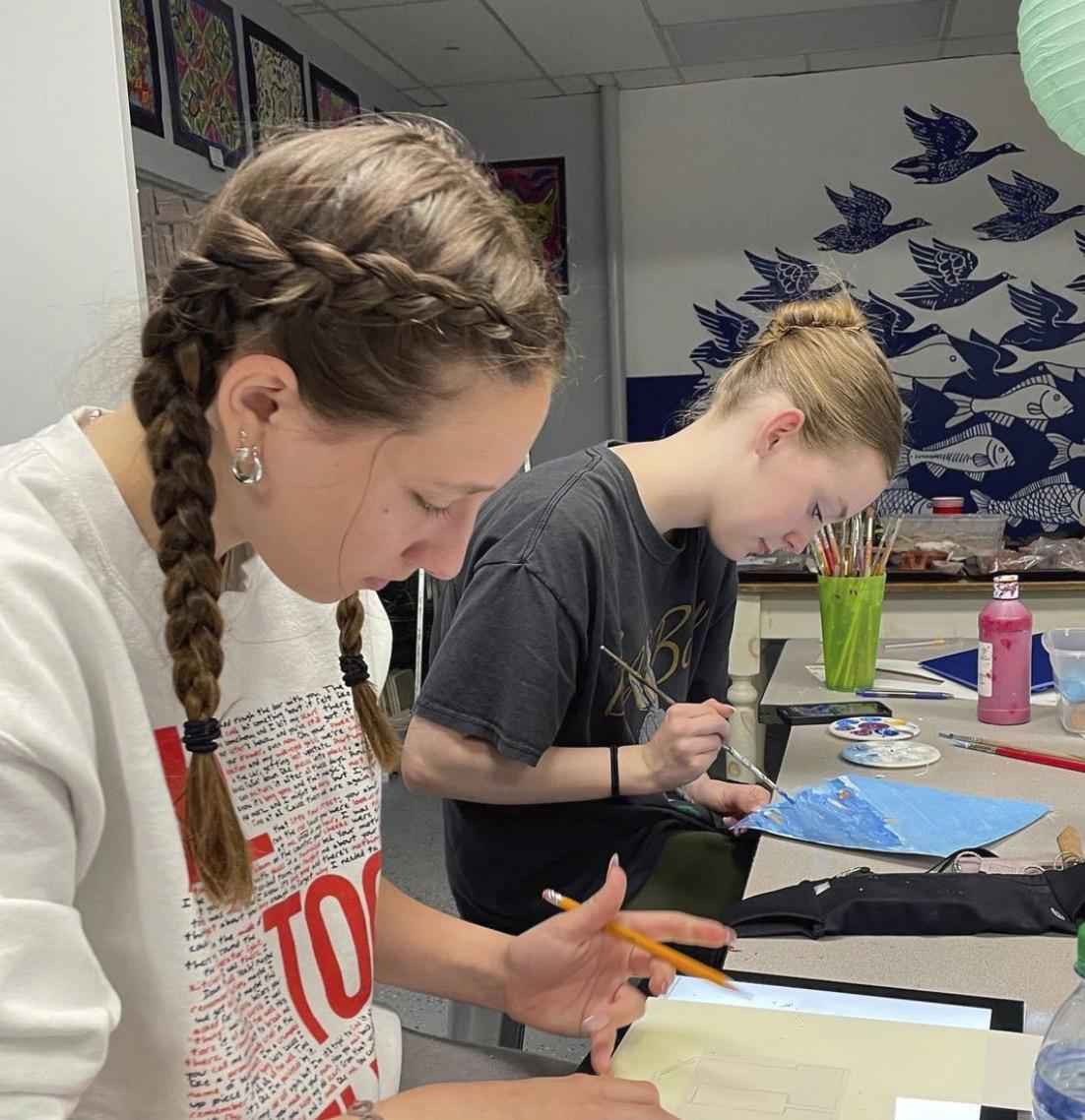
Providing families the experience and structure of a traditional school, but with the flexibility for students to explore their passions in music, arts, drama, athletics and more.
Founded in 2008
Grades 5-12
3-Day School Week College Prep
AdvancED Accredited
PURSUE
22 Atlanta Parent August 2023 atlantaparent.com
INQUIRE TODAY 404.458.5160 • capstoneacademy.com 1934 Cli Valley Way • Atlanta, 30329
YOUR PASSION WITHOUT ACADEMIC COMPROMISE
Navigating the UPS AND DOWNS of the School Year
by Christina Katz
Afew weeks into the school year, kids hit their first fatigue hurdle. Challenges crop up. Everything starts to feel a lot less new and shiny. Teachers are giving a lot of homework. Math is harder. Social circles may be in flux. Friends can all be together in other classes. Auditions and tryouts have come and gone with unexpected results. Here are some ways to help your child maintain positive momentum as the school year clicks into gear.
n Attitude check
The view you have towards school and teachers is going to be mirrored by your children. If you criticize and disrespect teachers and administrators at home, don’t be surprised if your child does the same at school. Are you friendly with teachers? Do you volunteer at the school? Show your child that teachers deserve respect, support and appreciation and that school is a safe and fun place to learn. Attend parent-teacher night, meet your child’s teachers, and make sure they know you are an education ally.
n Ask about the day
Don’t lose track of kids’ emotional states. Ask and listen without phones within reach. Don’t sacrifice a daily check-in for a too-hectic schedule. Before or after dinner can be a good time to chat, especially when there are after-school activities and plenty of homework. In fact, the more hectic the schedule, the more important it is to increase family down time. Try to have longer conversations about how school is going on the weekends, while you kick back and relax. Be sure to spend at least a half to a full day each week relaxing.
n Make school a good fit
If your child is bored in school, maybe classes are not rigorous enough. On the flip side, if academics are too challenging, your student may constantly be struggling to keep up. Talk to the school counselor to see what options you have for making adjustments. Placement in the proper level classes is crucial for student happiness at school. Don’t let school become a breeze or a punishment.

n Check grades regularly
It’s wise to let students keep track of their own progress in school. Touch base with them about grades often enough to help troubleshoot any problems that might crop up. The frequency of chats can vary depending on age and maturity level. Encourage kids to talk to teachers at the first sign of an academic problem. Asking for help from older adults is an important life skill, and self-advocacy is usually rewarded. Cont’d on next page
August 2023 Atlanta Parent 23 atlantaparent.com
Navigating the UPS AND DOWNS of the School Year
n Review annual goals
Help your student establish academic goals that serve their vision of the future at the beginning of the school year and re-visit them intermittently as the year progresses. If you sense they are getting off track or distracted, simply say, “What are your goals for the year again?” Briefly chatting about goals can reinvigorate kids to put energy into achieving them. If kids are not keen on their goals, make sure they set their goals and not yours.
n Keep social commitments in balance
There are kids who keep their social calendars booked, rarely taking any down time. Try to remember that self-care is taught rather than innate, and don’t allow your child’s hyper-social friends to make them feel like they are constantly missing out. For some kids, having a few close friends and hanging out one-onone may be better than being part of an extended group.
n Notice moods
Kids should be reasonably happy to get out of bed each morning and go to school. The beginning of the school year, the change in season or after the holiday break are good times to get involved in new activities. Having fun activities to look forward to can significantly improve a child’s mood. Getting enough sleep and eating three healthy meals plus snacks are also critical for maintaining a cheerful attitude and good health.
n Be alert for bullying
Sometimes aggression between children is so subtle that parents don’t pick up on it. Kids who are being bullied may not realize it, or if they do, they may be ashamed to confide in parents or other adults. When your kids are younger, volunteer at school once in a while and check out the social dynamics. Even children who have known each other for years can suddenly turn on each other, especially if they sense popularity is at stake. With tweens and teens,, make sure to regulate screen time, social media use and check devices regularly.
n Watch for red flags
If your child has an appropriate schedule but is still showing signs of being disengaged or not wanting to get out of bed in the morning, get some help. If your child is suffering from depression or anxiety, talk to a health care professional. Your pediatrician can ask the right questions and discuss treatment options to get your child back on track. Childhood anxiety and depression continue to be on the rise, especially since the pandemic. Make sure your child is ready for that transition by instilling a positive attitude and encouraging slow and steady momentum that will pay off during the first twelve years of school and beyond.
Bringing Learning to Life
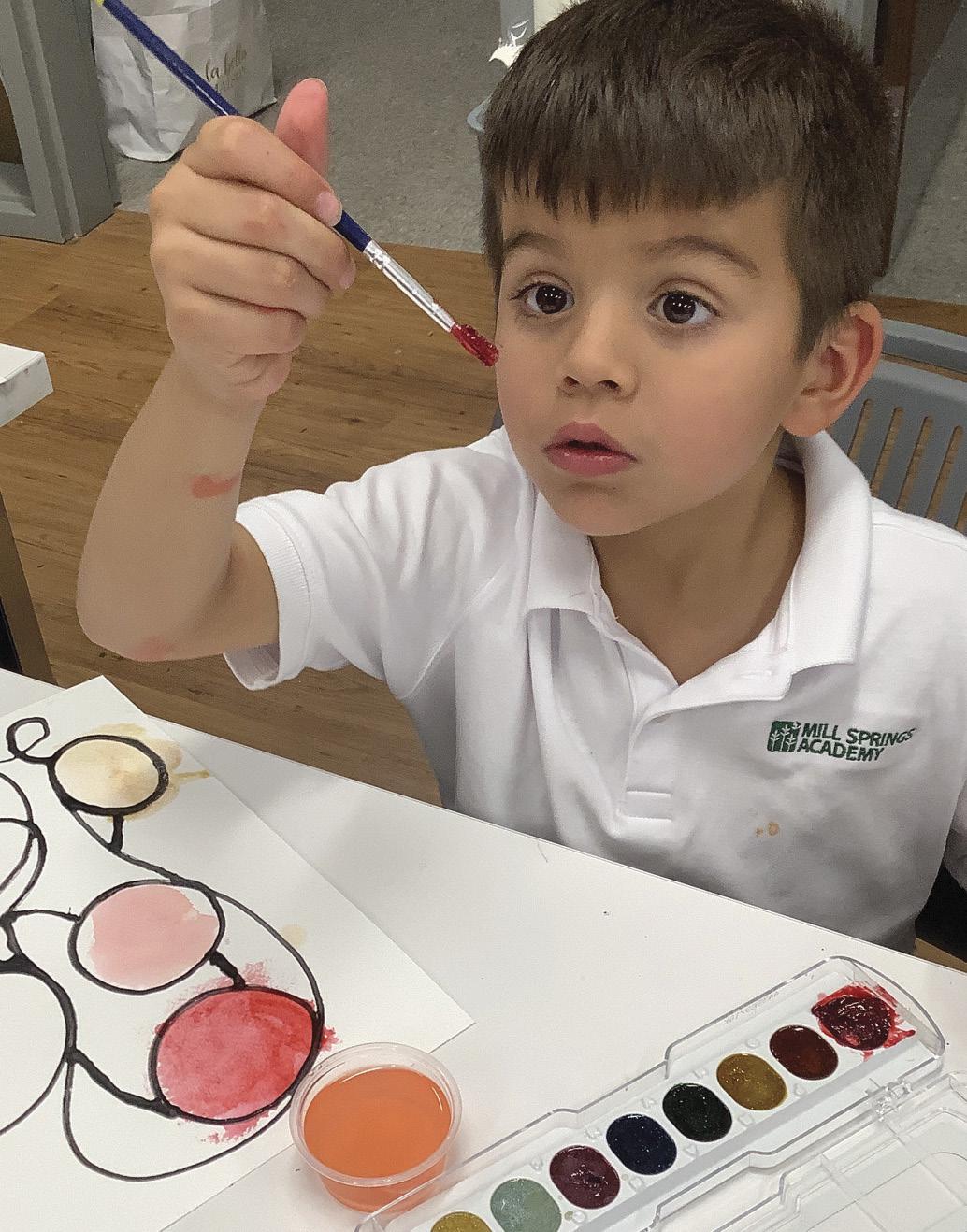
• Private non-parochial education for infants through 8th grade

• Nurturing environment featuring outstanding teachers, small class sizes with assistants, 1-to 1-iPad environment, hands-on academics, STEM and frequent eld trips. After
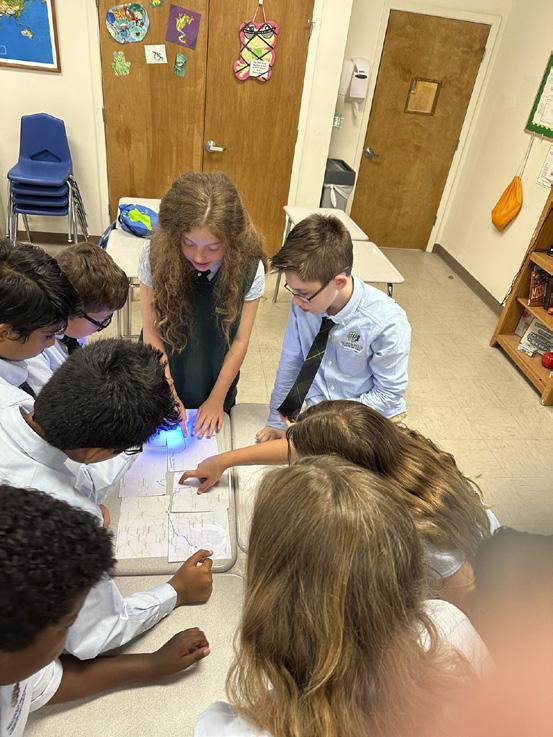
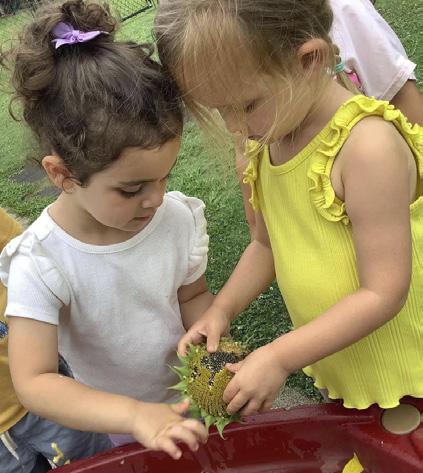
include robotics and middle school sports.

24 Atlanta Parent August 2023 atlantaparent.com Mill Springs Academy meets student’s individual needs by providing a small, supportive, and structured environment allowing students to discover their unique talents. millsprings.org/visit Serving Students in K-12 with Learning Differences 13660 New Providence Rd., Alpharetta 30004 • 770-360-1336
school programs
5380 Faircroft Drive, Alpharetta, GA 30005 www.mcginniswoods.org • 770-664-7764 SACS, GAC and NAEYC Accredited NOW ENROLLING FOR 2023-2024
Show your child that teachers deserve respect, support and appreciation and that school is a safe and fun place to learn.
Where authentic Christian mission and academic excellence aren’t mutually exclusive WHY WESLEYAN? Scan to learn more!


August 2023 Atlanta Parent 25 atlantaparent.com v v EXPLORE WESLEYAN AT WWW.WESLEYANSCHOOL.ORG/ADMISSIONS
Go Green This School Year
by Emily Webb
One of the most exciting parts about heading back to school is shopping for school supplies. Before you buy everything on your checklist, consider making a few purchases that’ll make your haul more sustainable. First, see what didn’t get used last year before you start repurchasing everything. You might find stashes of notebooks, pens and highlighters that you can start this school year with. To keep the green vibes going, search online for how you can recycle old materials to give them new life.
AT LUNCH
Lunchbox Love
Crafted with 100% recycled textile, lunch will stay cool all day with the Insulated Recycled Lunch Box from Ten Little. Made with a waterproof lining, the fully insulated main zipper compartment features an interior mesh pocket for convenient storage. Available in two colors for $22 at tenlittle.com.

Hit the Books
Family-owned and operated company Michael Roger designs and produces super cute and eco-conscious products. Recycled notebooks include spiral-bound, college ruled, lined, dot grid, composition and more for writing, sketching and graphing for any class. You can also shop binders, filler paper, pencils and pens. At decomposition.com for $6-$16.99; sets available for $60-$192.

Keep the Charge
Help make electronics and accessories, like your wireless computer mouse, more sustainable with Better Battery Co. They’ve created the first carbon neutral battery with a built-in recycling program, and you can find different batteries, including AA and AAA, at betterbattery.co for $31.99-$44.99.

Creative Coloring
Bring color to class with eco-kids’ beeswax crayons. The eight vibrant natural crayons are nontoxic, safe and packed in a reusable cardboard tube, and their triangular shape keeps them from rolling off the table. Available at ecokidsusa.com for $6.99.

Food Storage Shop
ECOlunchbox’s collection of plastic-free lunchboxes for products made entirely from stainless steel for an easy way to pack lunches. The Blue Water Bentos have steel container bases and silicone noleak lids. Along with bento boxes, shop snack sets, insulated canisters, cutlery and more. Available at ecolunchboxes.com for $5-$92.50.

Chew on It
Keep your kids from using and disposing of plastic cutlery with a reusable set from EKOBO. These colorful spoons, forks and knifes are made from responsibly-sourced bamboo for on-thego meals. Sets are available in multiple colors for $12-$14 at by-ekobo.com.


26 Atlanta Parent August 2023 atlantaparent.com
Gardening Tool

Writing will bloom with SproutWorld. Sourced from natural products, these carbonneutral pencils have a second life as plants. Plant the pencil stub after use to grow herbs, flowers and more. Available at sproutworld.com for $11.99-$49.99.

Ready, Set, Learn
Onyx + Green is a company offering tons of products for back to school. Shop sustainable backpacks, laptop bags, binders, folders, notebooks, dividers, glues, pens, pencils and more, such as The Recycled Newspaper Backpack, scissors made from corn plastic or calculators made from recycled plastics. Shop at onyxandgreen.com.
Check Your Schedule
Help your child keep track of all their assignments and responsibilities with Worthwhile Paper’s Worthwhile Recycled Paper Planner. The intentionally blank dates of this 17-month planner allow your child to maintain weekly plans, take notes, track habits and more. Available at worthwhile.com for $31.99.

Subject Supply
Samsill’s Earth Choice Binders are made from plant-based plastic, and the boards used to give the ring binders structure are made using 100% recycled material. Available in multiple colors with options for 1-inch to 4-inch binders at samsill.com for $6.37-$34.59.


The Necessities
Shop sustainable supplies with agood company. They have sustainable stone paper notebooks, and their natural grass pens and pencils are made of eco-conscious materials; items are also refillable, which reduces waste. For every item sold, the company donates up to 500 liters of water through charity: water. At agood.com for $4-$40.
Fresh Water
Reusable water bottles are an easy way to start being sustainable. The Yeti Rambler Jr. for kids has double-wall vacuum insulation for keeping drinks cold as ice. The stainless steel material can take a tumble when your kid makes a mess, and the included straw cap is leak resistant. Available in five colors for $25 at yeti.com.

Printed Bag
Swap singleuse bags with reusable bags with Bee’s Wrap. Bags and wraps feature cute prints for an adorable lunch. Made from waxed organic cotton, once it’s time to let it go, you can compost it. Available at beeswrap.com for $6.49$39.99.


Carry-All
JanSport’s Restore Pack is made from recycled waste fabric, surplus webbing and cording and 100% recycled polyester labels. The bag has a water bottle pocket and a laptop sleeve. Available in five colors for $55 at jansport.com. If you have a child heading off to college, check out their Surplus Laundry Bag to make laundry day easier.

The Right Temp
Keep food cold with reusable ice packs. Thrive’s ice packs help keep food and beverages fresh all day long, and the double-walled design prevents leakage and breakage. Packs are guaranteed to stay frozen for up to eight hours. With six different styles, it’s easy to find a set that your whole family will love and use. At amazon.com for $16.95.
August 2023 Atlanta Parent 27 atlantaparent.com
CONSIDERING A SCHOOL CHANGE?
Considering a School Change?
Charting the Right Course

Learn more about these top charter schools and their enrollment deadlines.
It’s not too late and these schools can hold the key to a successful academic year.
Considering a School Change?
Atlanta International School (AIS) offers the esteemed International Baccalaureate (IB) program to all of their 1,300+ students, from three-year-old Kindergarten through Grade 12. AIS families come from the Atlanta area, the wider US and countries all over the world. Rigorous academics are enriched by a world-class language acquisition program, which begins will full immersion programs. Beyond the classroom, AIS students participate in award-winning performing and arts opportunities, competitive athletics, and global experiential learning. Learn more today about AIS and limited spacing today!

It’s not too late and these schools can hold the key to a successful academic year.
2890 N. Fulton Dr., Atlanta l 404-841-3840 l aischool.org
Considering a School Change?
Capstone Academy is a fully accredited, college prep school serving students in grades 5-12. Their innovative structure delivers high-quality college-prep education while also empowering students with the flexibility they need to pursue extracurricular passions without sacrificing family-life balance. Capstone Academy is fully operational with investments in new technology, protocols and air quality enhancements. Limited openings. Visit their website or call today for enrollment information.
It’s not too late and these schools can hold the key to a successful academic year.
GRACEPOINT is a private, Christian school committed to equipping dyslexic students in grades 1-8 with the skills needed to become independent, confident learners bringing out their God glorifying brilliance. A comprehensive, high-quality education program combines remediation with enrichment and acceleration, allowing students to transition into a more traditional educational environment. GRACEPOINT utilizes the Orton-Gillingham method, a multisensory approach woven into all subject areas. Located in an independent building on the campus of Piedmont Church in Marietta. Schedule a tour to learn more.

SPECIAL ADVERTISING
McGinnis Woods School offers a rich Preschool – 8th grade education. The beautiful school campus located in Forsyth County includes a Nature Explore outdoor classroom. Instruction is student-centered and hands-on with a focus on STEM. The school is a 1:1 iPad environment and features small classes with teacher assistants and superior academics that inspire a love of learning. Field trips, extra-curricular offerings and leadership opportunities round out the curriculum. After school programs including robotics and middle school sports are available. Learn more at mcginniswoods.org. 5380

28 Atlanta Parent August 2023 atlantaparent.com SPECIAL ADVERTISING
Faircroft Drive, Alpharetta
SPECIAL ADVERTISING
l 770-664-7764 l mcginniswoods.org
1934 Cliff Valley Way NE, Atlanta
capstoneacademy.com
l 404-458-5160 l
570 Piedmont Road, Marietta l 678-756-8897 l gracepointschool.org
It’s not too late. These schools can hold the key to a successful academic year.
Pinecrest Academy is an independent PreK3-12 college preparatory Catholic school. Their atmosphere of academic rigor and critical thinking takes place in a Christ-centered environment. With small class sizes for personalized attention, Pinecrest implements Integral Formation®, developing human, intellectual, spiritual and apostolic dimensions of each child. They are ranked the #1 Catholic High School in Georgia by Niche.com and are a Cardinal Newman Society Catholic School of Excellence. Their mission: to form Christian leaders who will transform society. Schedule a tour today.

955 Peachtree Parkway, Cumming l 770-888-4477 l pinecrestacademy.org
Woodward Academy is Atlanta at its very best. Intentionally bringing together students from diverse backgrounds, perspectives, and experiences, Woodward creates a richer learning community with exceptional academic opportunities. Their students and graduates are caring and compassionate global citizens who are a microcosm of what the world should be. Making a commitment to do their best and use differences to nurture conversation and understanding is the Woodward Way. woodward.edu/visit

1662 Rugby Ave., College Park l 404-765-4000 l woodward.edu
MY GA CHARTER SCHOOL
SPECIAL ADVERTISING
Georgia Charter Schools: Public. Free. Open to All.

Learn more about public charter schools in Georgia and find a charter school today in your community.
565 Boles Rd., Johns Creek l 404-765-4490 l woodward.edu FindAGaCharter.org
August 2023 Atlanta Parent 29 atlantaparent.com Considering a School Change?
It’s not too late and these schools can hold the key to a successful academic year.
I
Make Your Child’s Middle School Years Super
by Emily Webb
Homework, friendships, crushes, puberty — the list of middle school woes can seem intimidating. The middle school years can be a challenging time for both you and your child. Despite their bad reputation, you don’t have to dread these upcoming years.
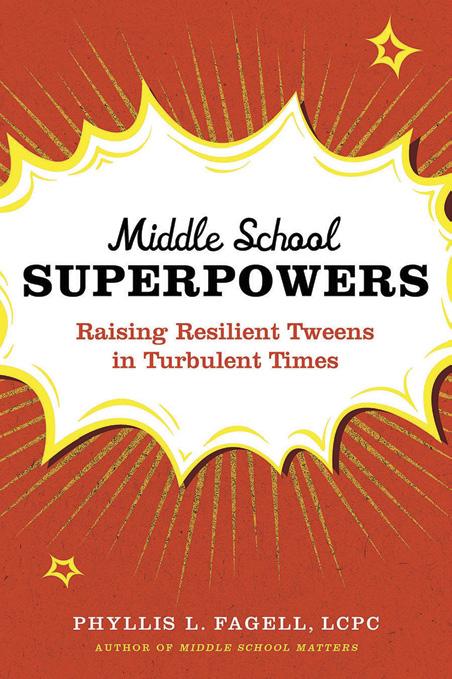
Atlanta Parent talked to Phyllis L. Fagell about her new book “Middle School Superpowers: Raising Resilient Tweens in Turbulent Times.” Fagell is a licensed clinical professional counselor and a certified professional school counselor; her book offers practical information for parents to help tweens navigate these formative years. The book features 12 superpowers including agency, daring and optimism that parents can help middle schoolers develop, and each chapter ends with talking points to help you bond with your tween.
Q:
Why is middle school a universally difficult time?
One of the things I try to do in my books is challenge the negative cultural rhetoric around middle school. It is a very unique developmental phase. You experience the negatives as more painful, as you are at a point where you have little life experience and perspective. You’re also experiencing puberty, so everything is a 100 on a scale of 1 to 10. You’re pulling away from your parents at the same time that you’re trying to find a place with your peers. You’re suddenly acutely aware of how you stack up to others, and you have this sense everyone is judging you. It makes the bumps and bruises middle schoolers experience more painful, more difficult, more memorable. It’s not that the kids themselves are meaner. Middle schoolers have the reputation that they’re mean and drama-seeking, but they’re still learning and their empathy is still developing. It’s inevitable that they’re going to make mistakes, but they are good people.
Q:
What about today’s time makes it even more challenging?
Even before you factor in what’s happened with the pandemic, there’s a 24/7 news cycle with graphic images and upsetting information before they have media literacy. Kids struggle with anxiety for things that were routine a generation ago — a fire alarm didn’t set off alarm bells. They were all born after 9/11, and they’re growing up in a world in which shootings and school violence are daily occurrences. They’ve grown up through a pandemic, and they’re coping now with the aftereffects. They’re growing up in the midst of culture wars and identity issues, when they have a developmental imperative to figure out who they are and if they’re good enough, so it’s an insecure and sensitive time.
Q: What are some positives about the middle school years?
Middle schoolers are so funny and impressionable. Middle school is the last best chance. It’s an opportunity for parents to make a massive difference in turning out a good human. They’re sophisticated enough to understand what we’re saying, and they want to please the adults in their life — even if they don’t seem like they’re interested in our opinion. Middle school is a unique time to coach them and set them up to thrive. As difficult as the challenges can be, we are available for discussions; it is safe for them to fail and come to us for advice. It’s a very fun phase as a parent that we don’t appreciate until it’s over. It’s a time when parents can grow very close to their kids and be a part of their life.
Q:Why is helping your kids develop the superpowers in your book important?
I was writing this book as we were emerging from the pandemic. I was no longer dealing with a typical middle schooler, but instead dealing with “extreme tweens.” The things that used to work were no longer working. Using universal design — the concept that if you design for extremes, you’re actually designing for everyone — so these strategies for extreme tweens could be helpful for any tween. The book is very concrete in terms of evidence-based strategies to impart these superpowers to help kids get through the toughest times. In the midst of societal turmoil, you’re going to raise a resilient adult. These strategies might apply just as much to adults, and I want adults to have the same skills, so they can model them for their kids.
30 Atlanta Parent August 2023 atlantaparent.com
Q: What advice would you give parents about technology and social media?
It’s unrealistic to think that anyone will make their way through adolescence without social media exposure. We want kids to develop self-awareness within the boundaries we’re setting. If middle schoolers think their parents are lecturing them, they’ll shut down. They want agency. Sit next to each other and go through your feeds together. Find that one comment or post that makes you feel uncomfortable in retrospect. Both of you talk about what the conditions were when you made that decision: Were you trying to fit in with people who are only sometimes nice to you? Angry? Jealous? Rather than lecturing, you’re teaching them how to set themselves up for success. You want to give them metacognition about what does or doesn’t work for them and curate their use. You can set limits and take away their phones, and in situations where you have to intervene, help them develop critical thinking skills.
Q: How can you balance being open to communication with your child without steering the conversation?
When you’re communicating with a middle schooler, you have to do it on their terms, even if it’s at 10:30 when you’re tired. When they’re ready to talk, you’re ready to listen. They are not ready to talk when you pick them up from school, as they’ve had interactions all day and are flat-out exhausted. All the time, I hear, “My kid is in their room, and they won’t come out; when do I need to worry about them?” When parents pester kids with what’s wrong or why aren’t you talking, it can feel very judgmental and confrontational. Instead, approach with curiosity. Stay connected and present. Practice your poker face, so you can listen without reacting. Don’t process your own emotions with your child. Spend far more time listening to understand rather than giving advice. Take the small stuff seriously, because to them, it is the big stuff. It may not seem like the same kind of catastrophe that they didn’t get invited to a party compared to their best friend from age 2

moving away, but it feels like an equal catastrophe to them. If you validate and empathize, rather than trying to talk them out of their feelings, you’ll be more successful. It doesn’t mean you agree, but you understand.
Q:
As a parent, how can you be more open to topics of conversation, even if they’re difficult?
Just because a child isn’t talking about it doesn’t mean they’re not exposed to it. They have the world in their pocket if they have a phone. You can gauge what they know with, “Here’s this news article; is that something you’ve heard about?” It’s opening it up to talk with you if they want to. Understand that when they’re 11 or younger, they can’t handle violent images. If they see news of a school shooting on one network, and when you change the channel, it’s on another network, they interpret it as happening in multiple places. You don’t want to overexpose them. Figure out what they’re anxious about and address those specific concerns to the best of your ability. Help them feel a sense of safety, hope and optimism.
Q:
How can you use media to open up conversations with your tween?
As a middle schooler, everything is too personal, even questions that aren’t personal. Books, movies and music lyrics come in handy. Talking about characters that are not them gives them emotional distance. It can also make them more empathetic when you’re grounding them in a fictional context.
As an example, my kids would watch “The Bachelor,” and I hated it. It’s an unrealistic perception of how people bond and what a good relationship looks like. My kids thought it hilarious that I would yell at the TV. It was funny, and it was a relaxed way to talk about what a healthy relationship looks like in the context of a TV show.
August 2023 Atlanta Parent 31 atlantaparent.com
BOOK YOUR SCHOOL FIELD TRIPS NOW
These great field trips build on classroom learning and inspire students. Make these destinations part of your 2023-24 school year plan.

n Delve Into Science and Nature
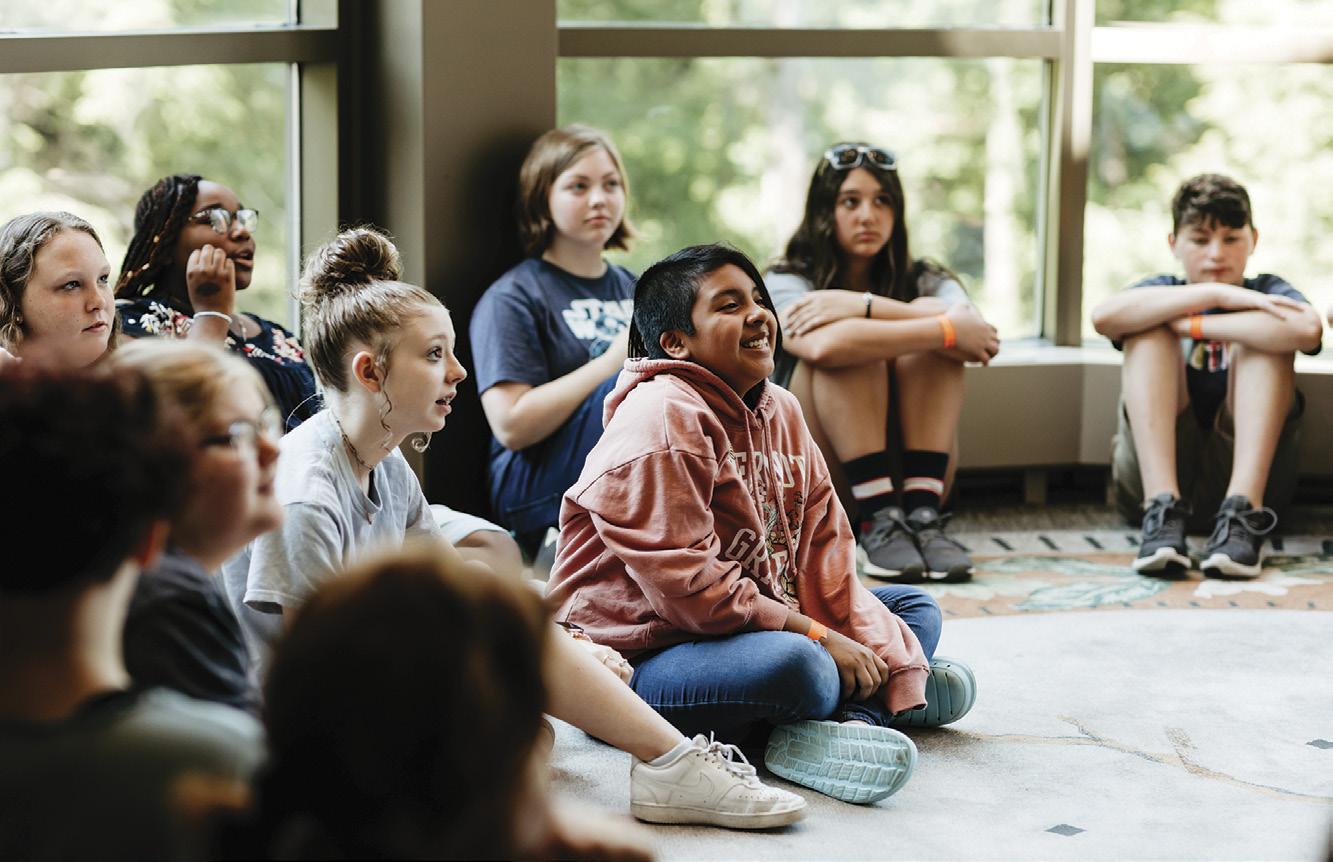
Keep your students engaged with an interactive STEAM field trip at Fernbank Museum that will inspire curiosity through adventures in science, nature and human culture. Students can explore three floors of interactive exhibits, explore new places through science documentaries in the four-story Giant Screen Theater, and discover 75 acres of outdoor nature explorations in WildWoods and Fernbank Forest. Education admission also includes access to a film or field trip program designed by Fernbank educators and covers a variety of earth and life science topics. Virtual program and homeschool field trip options are available. Book now! Visit fernbankmuseum.org, call 404-929-6320 or email fieldtrips@ fernbankmuseum.org.
n Support Your Classroom Curriculum
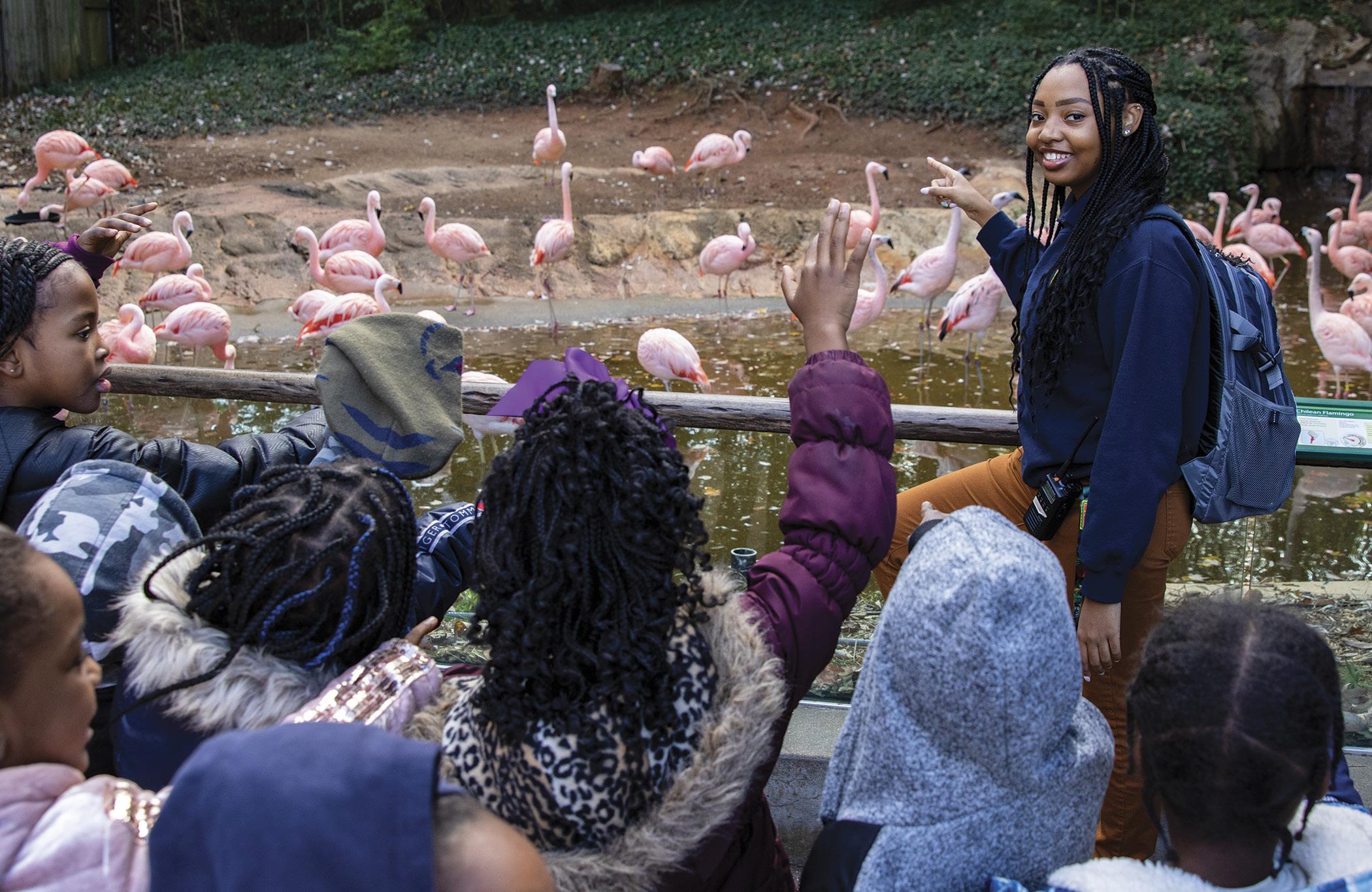
Connect your students to animals, careers, conservation, and all things Zoo Atlanta through a variety of field trip options, such as Self-Guided, Wild Walks, and Zoo Challenge Programs. Students can also take a trip to the Zoo without getting on a bus with Virtual Field Trips. All of Zoo Atlanta’s programs align with the Georgia Standards of Excellence (GSE) and connect students to issues affecting wildlife and wild places. Make your reservations now for the next school year, as dates fill up fast! Visit zooatlanta.org or call 404-624-5822.
32 Atlanta Parent August 2023 atlantaparent.com SPONSORED CONTENT
Fernbank Museum
Zoo Atlanta
n Bring Learning to Life
As Atlanta’s premiere destination for learning through play, Children’s Museum of Atlanta offers a wide range of programs geared toward students in pre-K through third grade. Led by the Museum’s professionally trained educators to support your curriculum, CMA’s programs bring learning through play to your students in fun, handson, immersive ways. Whether it’s on the Museum floor or delivered directly to your classroom or child development center, CMA offers a variety of opportunities to spark the imaginations of your students through the power of play! For more information, visit childrensmuseumatlanta.org.

n Experience the Magic of Live Theater
The Alliance Theatre offers developmentally appropriate field trips for preschool through 12th grade. Working with the country’s top theater talents, these world-class productions create the powerful experience of shared theatre for a diverse audience. Independent research from the University of Arkansas’ National Endowment for the Arts Research Lab showed students who attend multiple arts field trips have higher levels of social-emotional skills, stronger school engagement and higher standardized test scores. Title I and group discounts are available. Find more information at alliancetheatre.org/fieldtrips.

n Take a Backstage Tour
Enjoy a storytelling experience with a Chick-fil-A Backstage Tour! Students will learn the story of the company’s history, from its start in the 1960s to the present day. They’ll hear about the values and vision of S. Truett Cathy, an entrepreneur who launched one of the most successful chicken restaurants in the United States. Plus, on the Deluxe two-hour tour, they’ll get a sneak peek into the future and an inside look at Chick-fil-A’s test kitchen and Training center. One- and two-hour tours are available weekly. Learn more and schedule your tour at tours.chick-fil-a.com.
Cont’d on next page

August 2023 Atlanta Parent 33 atlantaparent.com
Alliance Theatre
Children’s Museum of Atlanta
Chick-fil-A Backstage Tour
n Experience History Firsthand
Atlanta History Center offers multidisciplinary and interactive guided tours for students of all ages that are educational and engaging. Students are encouraged to interact with historical objects while touring award-winning exhibitions, historic houses and gardens. Teachers and homeschool families have the additional option for self-guided tours. For the 20232024 school year, Atlanta History Center offers packaged promotions and special discounts. School tour booking begins in August. Visit atlantahistorycenter. com/schooltours or email schooltours@ atlantahistorycenter.com to learn more.
n Harness the Creative Possibilities of LEGO®
LEGO® Discovery Center inspires students’ imaginations with educational play! LEGO® Discovery Center’s workshops incorporate the LEGO® Education BricQ Motion Essential sets to engage students in the exploration of physical science and help foster an understanding of forces, motion and interactions by providing easy hands-on learning experiences. Field trips offer a wonderful balance of learning and fun. Discount rates are available. Visit legodiscoverycenter.com/atlanta or email atlanta@legodiscoverycenter.com to start your booking.

n Face the World with Curiosity
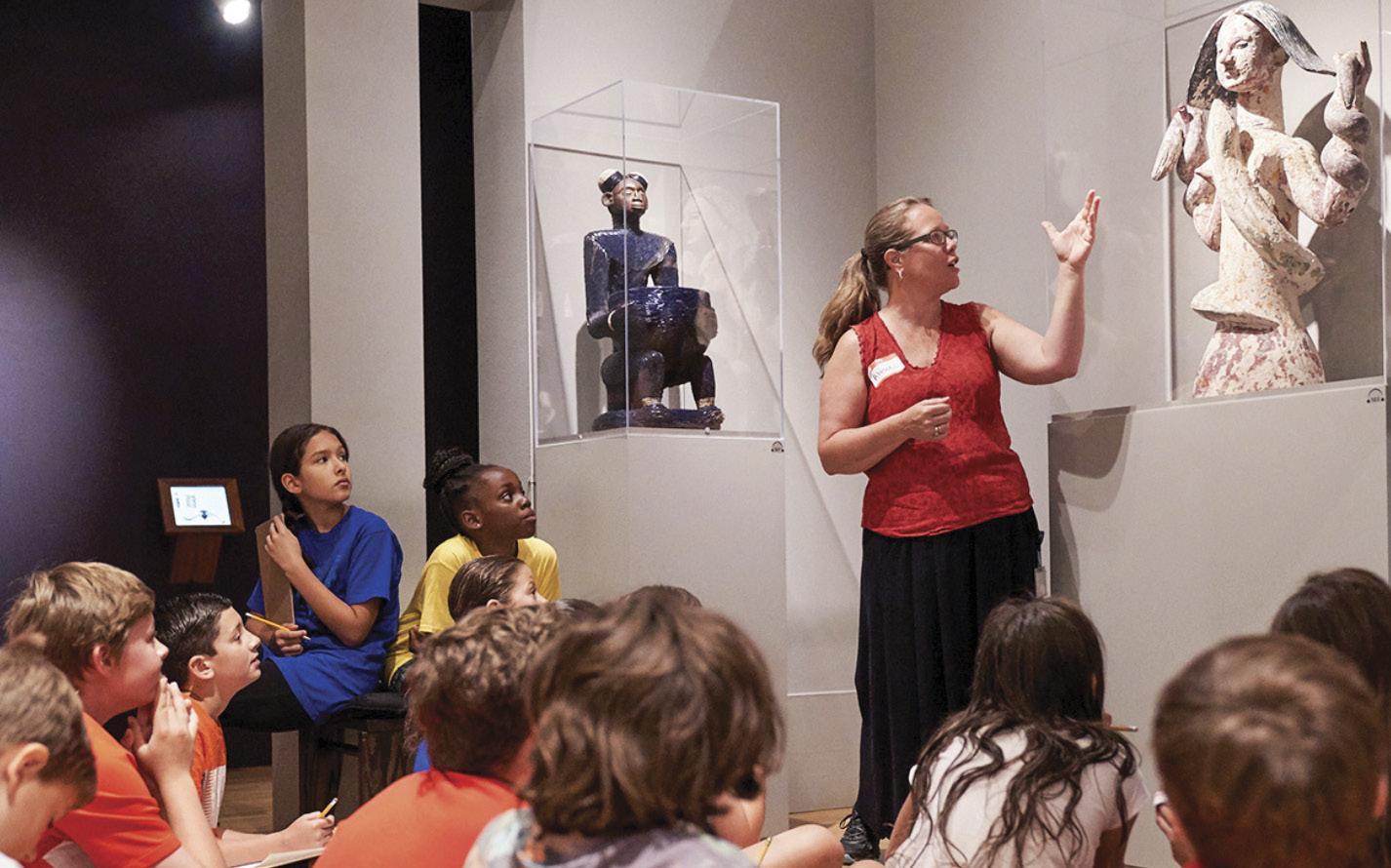
Immerse yourself in the vibrant world of art and culture at Emory’s Michael C. Carlos Museum. Through interactive and interdisciplinary thematic tours, students explore Africa; ancient Egypt, Nubia, and the Near East; ancient Greece and Rome; the Indigenous Americas; and South Asia. Highly trained docents facilitate inquiry and discussion by encouraging observation, analysis, communication and critical thinking. Embark on a captivating journey across cultures throughout time at the Carlos Museum. To learn more, visit carlos. emory.edu/tours or call 404-727-3187.
34 Atlanta Parent August 2023 atlantaparent.com SPONSORED CONTENT
Michael C. Carlos Museum
Atlanta History Center
LEGO® Discovery Center
n Inspiring and Building Leaders
Discover the Chick-fil-A College Football Hall of Fame — an unforgettable field trip for educators and students alike! Immerse your students in the rich traditions and pageantry of college football while gaining valuable lessons in teamwork, leadership and hard work. With more than 50 interactive experiences, witness the greatness of legendary players and coaches. The free STEAM curriculum aligns with classroom learning, integrating real-world experiences and academic concepts. Don’t miss this comprehensive and enriching opportunity. Unlock endless possibilities and inspire the next generation of leaders and champions! Plan your group field trip today at cfbhall.com or call 404-880-4800.
n Discover the Wonders of the Ocean
Georgia Aquarium’s school programs give students a chance to share an amazing aquatic learning experience. They’ll connect with nature and each other as they explore an 11-milliongallon playground featuring sea lions, dolphins. whale sharks and beluga whales. Instructor-led programs allow them to learn, ask questions, and problem solve with the guidance of Georgia Aquarium Educators. These programs are 30 minutes for pre-K and 45 minutes for grades K-12 with free time to explore more exhibits at the end. You can also bring Georgia Aquarium to your school through our outreach or Virtual Programs. Learn more today at georgiaaquarium.org/schoolprograms

Cont’d on next page

August 2023 Atlanta Parent 35 atlantaparent.com
Chick-fil-A College Football Hall of Fame
Georgia Aquarium
n For Kids Who Want to Change the World
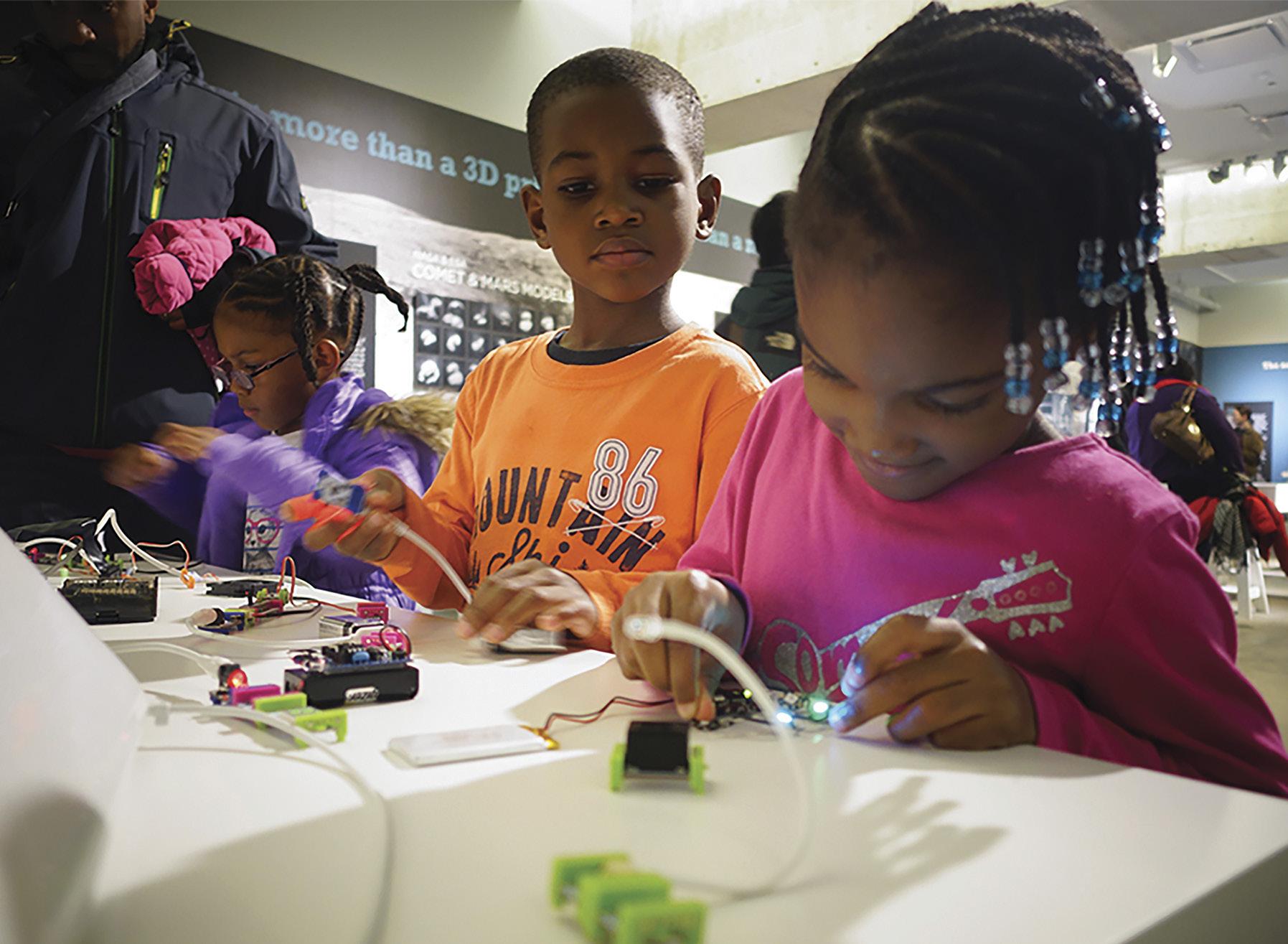
Museum of Design Atlanta has IRL and virtual field trips and workshops for every class, and they’re free for Title I Schools! Students learn design and STEM skills so they can become tomorrow’s changemakers. Whether students are designing cities, playgrounds or schools; learning about biomimicry, architecture or game design; or trying out new technologies like CAD modeling, 3D printing or coding, they’ll learn to think like a designer while honing problem-solving skills and exploring a diverse range of career fields. Reach out with questions or to discuss specific needs in your school or classroom. All school programs are aligned to Georgia Standards of Excellence. Visit museumofdesign.org or call 404-979-6455.
For More Information:
n The Alliance Theatre alliancetheatre.org/fieldtrips
n Atlanta History Center atlantahistorycenter.com/schooltours
n Chick-fil-A Backstage Tour tours.chick-fil-a.com
n Chick-fil-A College Football Hall of Fame cfbhall.com
n Children’s Museum of Atlanta childrensmuseumatlanta.org
n Fernbank Museum fernbankmuseum.org
n Georgia Aquarium georgiaaquarium.org/school-programs
n LEGO® Discovery Center legodiscoverycenter.com/atlanta
n Find the Wonders of Nature in the Heart of Atlanta
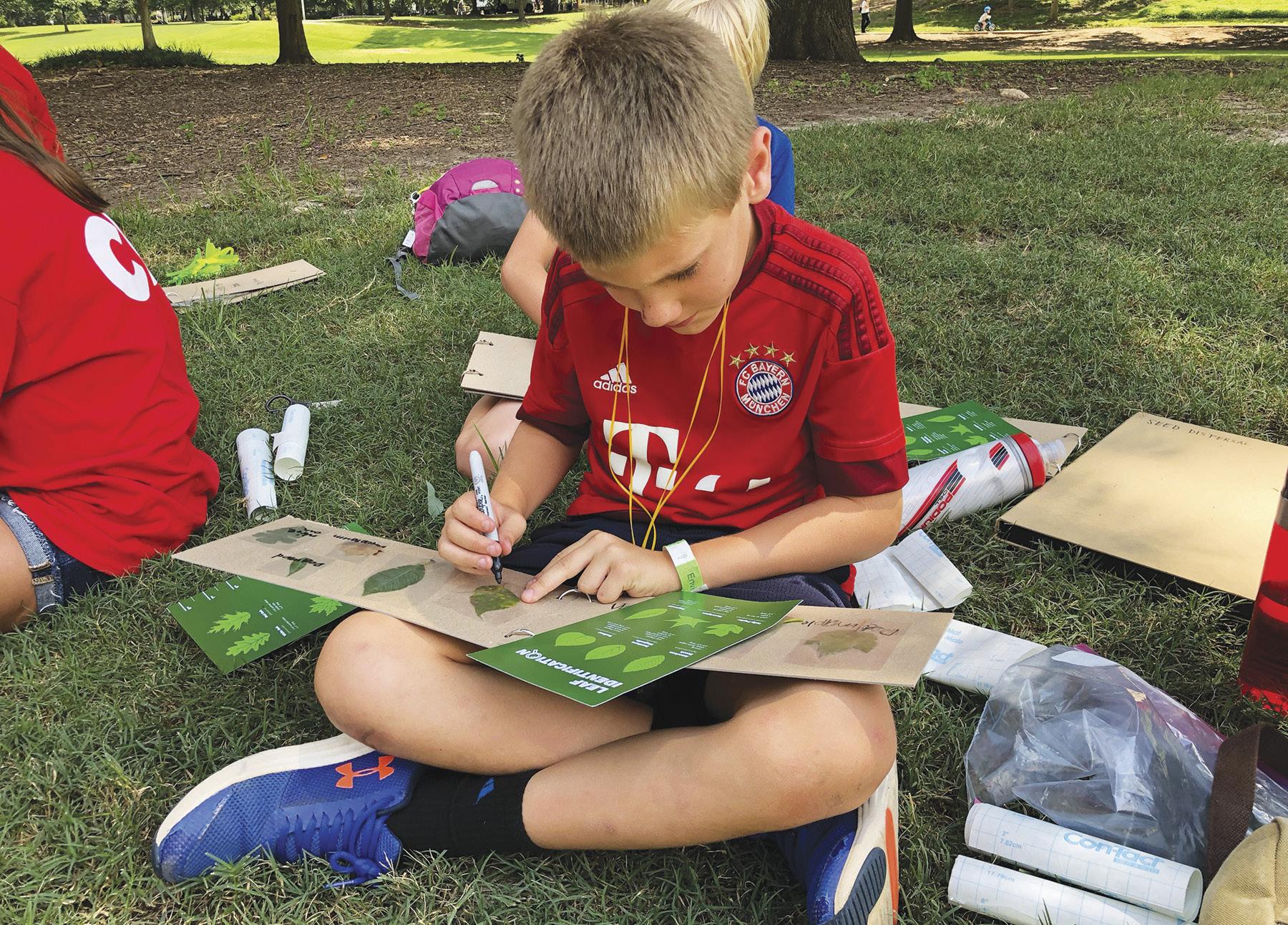
Piedmont Park Conservancy field trips are STEM-based and aligned to Georgia Standards of Excellence. From hands-on experiments to educational hikes and outdoor games, the Park’s carefully crafted programs will captivate students of all ages. Choose from an on-site field trip in the green heart of Atlanta, or have an environmental educator come to your classroom for an exciting outreach program! Also, be sure to check out the new Traveling Trunk curriculum, designed to bring the best of the Park to the schools in the community. Visit piedmontpark.org/learn or call the Education Team at 404-875-7275, ext. 325.
n Michael C. Carlos Museum carlos.emory.edu/tours
n Museum of Design Atlanta museumofdesign.org
n Piedmont Park Conservancy piedmontpark.org/learn
n Zoo Atlanta zooatlanta.org
36 Atlanta Parent August 2023 atlantaparent.com SPONSORED CONTENT
Museum of Design Atlanta
Piedmont Park Conservancy
Successful Field Trip Tips
Plan, Plan, Plan
n Pick a destination that fits the area of interest you plan to explore. Schedule the trip as far in advance as you can. Some venues offer group discounts, so ask how many you need in a group to qualify. For popular destinations, visits made early in the week will be less crowded.
n If you’re taking a group, talk with your guide in advance to tailor the visit to your group’s interests.

n Make sure you have enough chaperones for your group – a good ratio is one adult per five children – and make sure the chaperones know the itinerary. Have a list of each child’s name and a list of the items each child should see. Make sure the kids know where and when to meet if the group splits up.
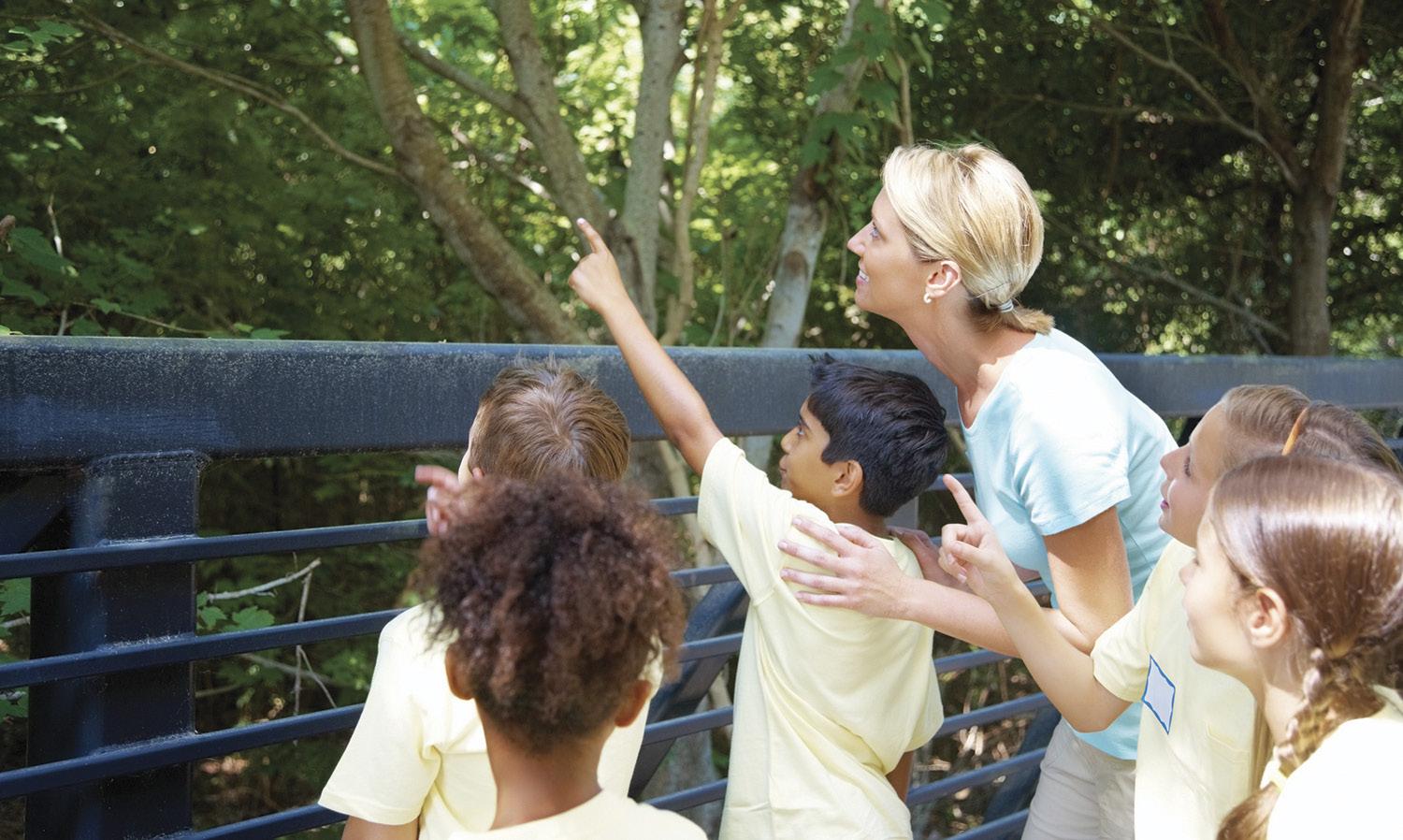
n If taking a large group, outfitting the kids in their school shirts or fluorescent T-shirts will help chaperones keep track.
n Before the field trip, gather information from the destination’s website, read books, watch videos or take virtual field trips. Make sure the kids have a basic knowledge of the place they’ll be visiting and why they’ll be there.
n Follow the visit with a discussion that reinforces what they saw first-hand.
One Week Ahead
n Call the location and confirm the trip. Make sure the directions are correct, and ask if there are routes that will avoid traffic snarls. Be sure you know where to park, particularly if you’ll be arriving by bus. Set some ground rules for behavior for your group, and make sure everyone knows them – and the consequences of acting out. Decide how you’ll do lunch – you’ll need to make reservations in advance with the venue or a restaurant for a large group, or you might ask each child to pack a sack lunch.
August 2023 Atlanta Parent 37 atlantaparent.com A SMITHSONIAN AFFILIATE SouthernMuseum.org • 770-427-2117 Monthly Homeschool Workshop Weekly Preschool Program Virtual Outreach Field Trips All aboard for museum fun!
– Sue Price and Amanda Miller Allen
Exploration. This is Y.
AT THE Y, AFTER-SCHOOL HOURS ARE FOR EXPLORING, ADVENTURE AND EXCITEMENT! Children will find new opportunities to learn and grow in a welcoming and accepting environment. With an enhanced curriculum, a focus on social emotional learning, engaging clubs and so much more, the Y has reimagined afterschool!
VISIT YMCAATLANTA.ORG/AFTERSCHOOL

MORE AND REGISTER NOW. Hurry – space is limited!
When school is OUT, the Y is IN!
School Break Camps are available at the Y!


38 Atlanta Parent August 2023 atlantaparent.com
KIDS’ ACTIV IT Y GUIDE

Extracurricular activities enhance your child’s educational experience. In our guide you’ll find a wide variety of programs, including drama, music and sports.



Art
n Callanwolde Fine Arts Center callanwolde.org
50 years of art excellence, located in the historic Druid Hills neighborhood. Fine Arts programs for kids (ages 5-12) and teens (ages 13-17). Financial aid available. 404-872-5338.
Dance
n Atlanta Ballet Centre for Dance Education centre.atlantaballet.com
Dance classes for all ages, interests and experience levels. Studios are conveniently located in West Midtown, Buckhead and Virginia-Highland. Register today! 404-873-5811.
n Atlanta Dance & Music Academy atlantadanceandmusic.com
Atlanta Dance & Music Academy offers ballet, jazz/hip-hop, tap, contemporary and creative dance for ages 3 and older. Join them for their 25th season! Fall registration is open. 404-877-0005.
n Callanwolde School of Dance callanwoldedance.com
Located in the historic Druid Hills neighborhood. Inclusive program, open to ages 3-18, offering a wide variety of classes, with public performances throughout the year.

n Moving in the Spirit movinginthespirit.org
Dynamic classes focused on Modern Dance, Creative Movement, Ballet, Hip Hop and Leadership Training. Ages 3-18. 1458 La France Street Northeast, Atlanta. 404-624-5295.
n Terminus Ballet School terminusmbt.com
Learn the art of dance while making friends and developing confidence. Ballet, pointe or boys’ technique and contemporary dance; opportunities to perform throughout the year.
n Tutu Ballet at Halcyon tutuschool.com
Weekly ballet classes, parties and camps for children 18 mos.-8 yrs. Located in Alpharetta at Halcyon; locations coming soon to Brookhaven and Decatur. 678-658-1219.
Cont’d on next page

August 2023 Atlanta Parent 39 atlantaparent.com MUSIC - ART - DRAMA - DANCE email lpowell@atlantaparent.com for more information Advertise your Classes to Atlanta families.
SPECIAL ADVERTISING SECTION
KIDS’ ACTIVITY GUIDE
Drama
n Alliance Theatre
Acting Classes
alliancetheatre.org/classes
Build character, confidence, and creativity. Enroll your young actor in classes for youth and teens at the Tony Award-winning Alliance Theatre. 404-733-4600.
n British Academy of Performing Arts
bapa.us
Dance, Musical Theatre, Acting, weekly classes – FREE 7 Day Class Pass. Ages 2-18. Book a tour: 770-578-8272 / bapa.us.


n Forefront Arts forefrontarts.com


Perform in “Frozen,” “The Sound of Music,” youth show choir, comedy troupe and more! Classes for ages 3-18 in tap, jazz, hip-hop, storybook adventures, movie acting and theater skills. Multiple locations. 770-864-3316.
Educational Enrichment
n Kid Chess kidchess.com
Chess makes children smart and Kid Chess makes it fun. Kid-friendly coaches provide engaging and fun lessons and utilize professionally-produced cartoons containing entertaining additional instruction. 770-575-5802.
Music
n ATL Music Lessons atlmusiclessons.com/atlanta-parent Unlock musical potential and connect with a vibrant community of everyday music lovers of all ages. Creative and personalized music lessons foster growth, resilience and the joy of learning. 678-833-3903.
n Atlanta Boy Choir atlantaboychoir.org
Be a part of the Grammy Award-winning Atlanta Boy Choir. Open to boys ages 5-13. In-person and virtual rehearsals offered.
n Atlanta Young Singers atlantayoungsingers.org
Love to sing? Internationally renowned Atlanta Young Singers, celebrating 49 years, welcomes all voices grades 2-12 to audition and join 140+ singers! For an appointment, call 404-873-3365.
Community Music Centers of Atlanta
n cmcatlanta.com


Private lessons, high school conservatory, music immersion aftercare and more; in-person and online options. Ages 4+, beginners through preprofessional. Decatur, Dunwoody, Little 5/Inman Park, N. Druid Hills/Brookhaven. 404-614-0466.

40 Atlanta Parent August 2023 atlantaparent.com Spreading the Joy of Dance and Inspiring Future Dancers The Offi cial School of Atlanta Ballet Now Enrolling for Fall 2023 Classes start August 7! Dance classes for all ages, interests and experience levels. Classes available at three convenient locations. More information at centre.atlantaballet.com Michael C. Carlos Dance Centre in West Midtown 404.873.5811 ext 1225 kcooper@atlantaballet.com Buckhead Centre at Chastain Square 404.303.1501 abearden@atlantaballet.com Virginia-Highland Centre in Amsterdam Walk 404.883.2178 nadams@atlantaballet.com CREATIVE MOVEMENT AGES 2 TO 7 STUDENT DIVISION AGES 7 AND UP Call or email now to register! Structured classes focus on dance technique, vocabulary, fl exibility and coordination. Students develop rhythm, coordination and confi dence in a fun environment.
Photos by Shocarra Marcus
SPECIAL ADVERTISING SECTION
n European School of Music and Chess euroschoolmusic.org


30 years of best teaching methods for piano, violin, guitar, clarinet, saxophone, drums, voice and chess. Significantly develops musical and intellectual abilities, focus, memory. Ages 5+. Buckhead/Sandy Springs. 404-255-8382.

n The Music Class themusicclass.com/atlanta
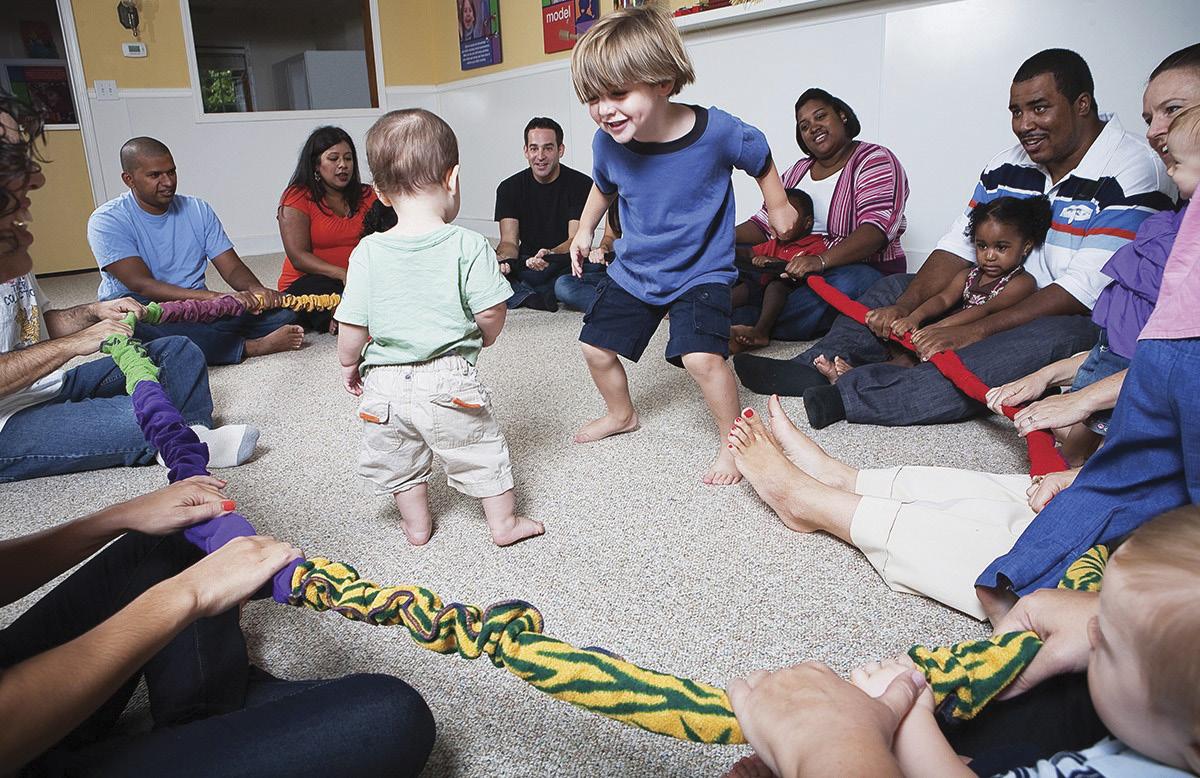
Fun-filled, developmental, interactive music classes, featuring award-winning music and engaging activities led by inspiring music teachers. For infants, toddlers, preschoolers. Nine Atlanta locations and online. 770-645-5578.



Sports
n Marietta Parks and Recreation mariettaga.gov/parksrec
Basketball leagues for ages 6-12, including boys, girls and co-ed teams. Skills assessment Sept. 19-23, practices begin Oct. 2. Registration is now open! 770-794-5630.
n World of Gymnastics & Cheer worldofgymnasticsandcheer.com
World of Gymnastics provides quality time spent in developing your child’s strength, flexibility, coordination, confidence and selfesteem while increasing their gymnastics or cheer abilities.
Scouting
n Cub Scouts atlantabsa.org/join-cub-scouts
Fun, family, friends, and adventures!
Cub Scouts is for kids in pre-K through fifth grade, and has flexible experiences that fit your family’s schedule. Join today at atlantabsa.org/join-cub-scouts.
n Girl Scouts of Greater Atlanta joingirlscoutsatl.com
Meet forever friends. Dream up adventures. Make the world sparkle with your magic. Visit joingirlscoutsatl.com to learn what it means to be a Girl Scout. Get started today!
YMCA Afterschool
n YMCA Afterschool ymcaatlanta.org
Y Afterschool offers academic assistance, outdoor activities, social-emotional learning, STEAM and more! Full- and part-time options available. Y Afterschool is a CAPS provider; financial assistance is available.
August 2023 Atlanta Parent 41 atlantaparent.com Immerse your child in the language of
The Music Class® is an early childhood music program designed to unleash the musical potential of children from birth to age six. Parent + child classes feature award winning music, engaging activities and anytime-access to the music on our app. Classes start August 12-18. Join the fun this fall at one of our 9 convenient locations. 770-645-5578 themusicclass.com/atlanta MusicLessonsATL.com EuroSchoolMusic.org SANDY SPRINGS 404-255-8382 Private Lessons: Music & Chess 4 years – adult Piano Violin Guitar Drums Saxophone Clarinet Voice Chess Our unique instructional method develops both musical and intellectual abilities, memory focus, creativity and critical thinking which help students reach their full potential. Now you can become one with the music Scholarships for Needy Students. Multi-Lingual Instruction Available BEST METHOD 30 YEARS
music.










42 Atlanta Parent August 2023 atlantaparent.com register today now enrolling ages 3-18 www.callanwoldedance.com At Moving in the Spirit, children and teens study the art of dance, make friends, and develop the skills they need to thrive. Now registering boys and girls ages 3-18, beginner to advanced. www.movinginthespirit.org
SPOTLIGHT ON KIDS’ PROGRAMS
SPOTLIGHT ON KIDS’ PROGRAMS
ATLANTA BALLET CENTRE FOR DANCE EDUCATION
404-873-5811 / centre.atlantaballet.com
SPOTLIGHT ON KIDS’ PROGRAMS
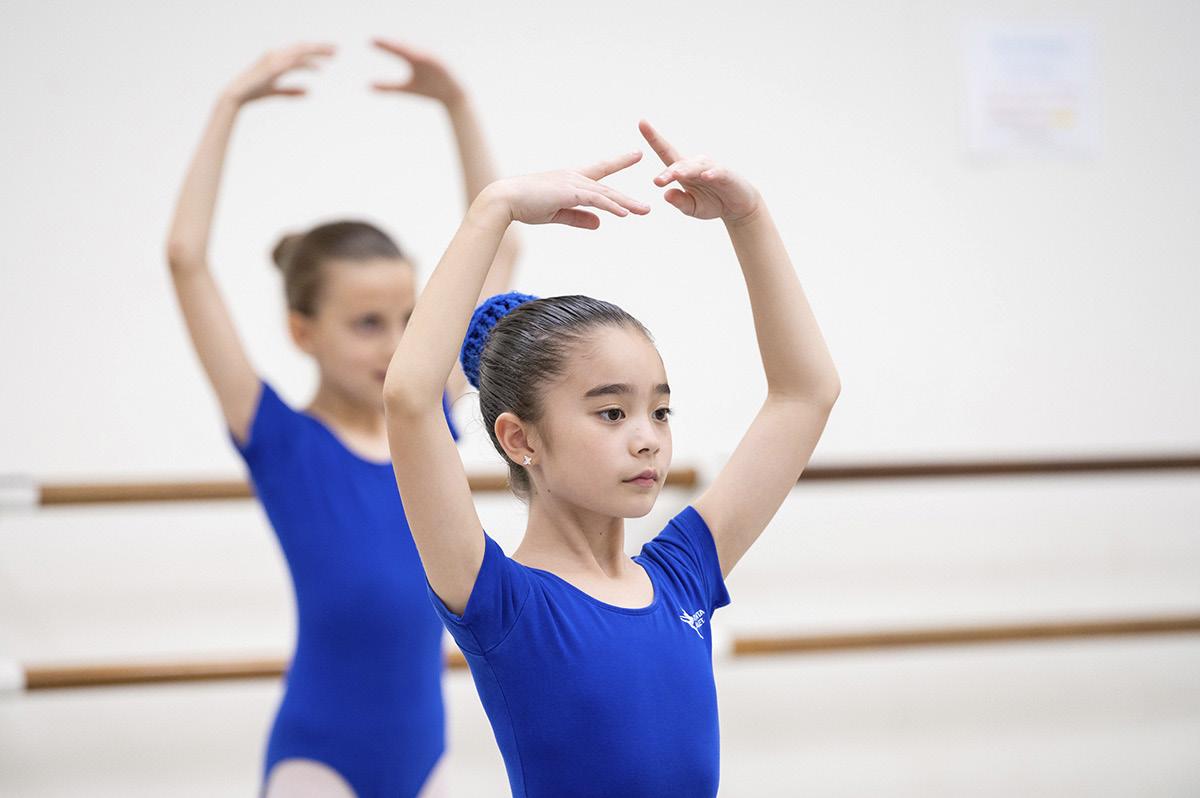
Discover the joy of dance at Atlanta Ballet Centre for Dance Education. Creative Movement classes introduce young children to dance in a fun and safe setting, while developing rhythm, coordination and confidence. Intermediate students enjoy ballet technique classes and explore other dance styles and genres, including pre-pointe/pointe, jazz, tap and modern. Fall enrollment now open at three locations, in West Midtown, Buckhead and Virginia-Highland. For details and to register, visit centre.atlantaballet.com.
COMMUNITY MUSIC CENTERS OF ATLANTA

404-614-0466 / cmcatlanta.com / Four Locations
CMC Atlanta’s professional faculty offers music education programs in classical jazz, rock, folk and roots music, from beginner to preprofessional, ages 4 and older. With four convenient locations, the comprehensive program catalogue includes private lessons, after-school programs, day camps, workshops, gap programs, an accredited high school conservatory, apprenticeship and artist residency programs. Register today: Little Five Points/Inman Park, Decatur, Dunwoody, Brookhaven.
SPOTLIGHT ON KIDS’ PROGRAMS
FOREFRONT ARTS
770-864-3316 / ForefrontArts.com
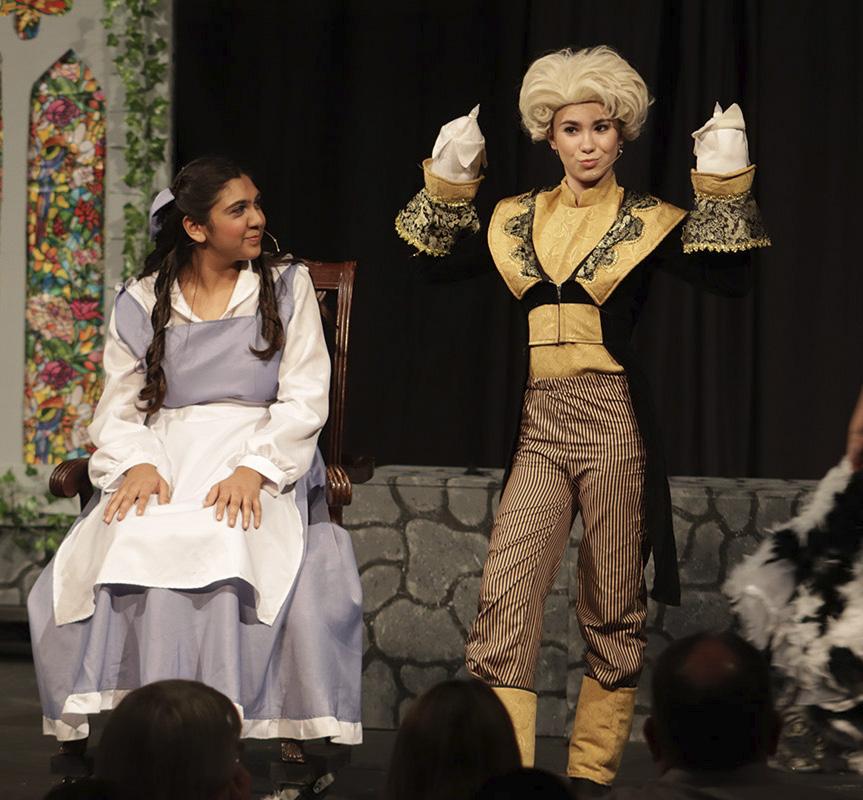
Ages 3-18 can perform FROZEN, SOUND OF MUSIC, MATILDA, GUYS & DOLLS, PADDINGTON BEAR, LITTLE WOMEN, & NEWSIES! Love to sing? Join the Youth or Elementary Show Choirs to perform in concerts & community events! Enjoy improv? Check out our 4th-8th grade Comedy Troupe! Performing Arts classes include Tap, Jazz, Musical Theatre, Preschool Drama, Film Acting, and Theatre Skills. Private lessons in Voice, Dance, Acting, and Audition Prep. Multiple locations throughout metro-Atlanta including Atlanta/Buckhead and Alpharetta. We offer InSchool classes & shows too ~ bring us to your school! Enroll today!
GIRL SCOUTS OF GREATER ATLANTA
800-771-1139 / JoinGirlScoutsATL.com
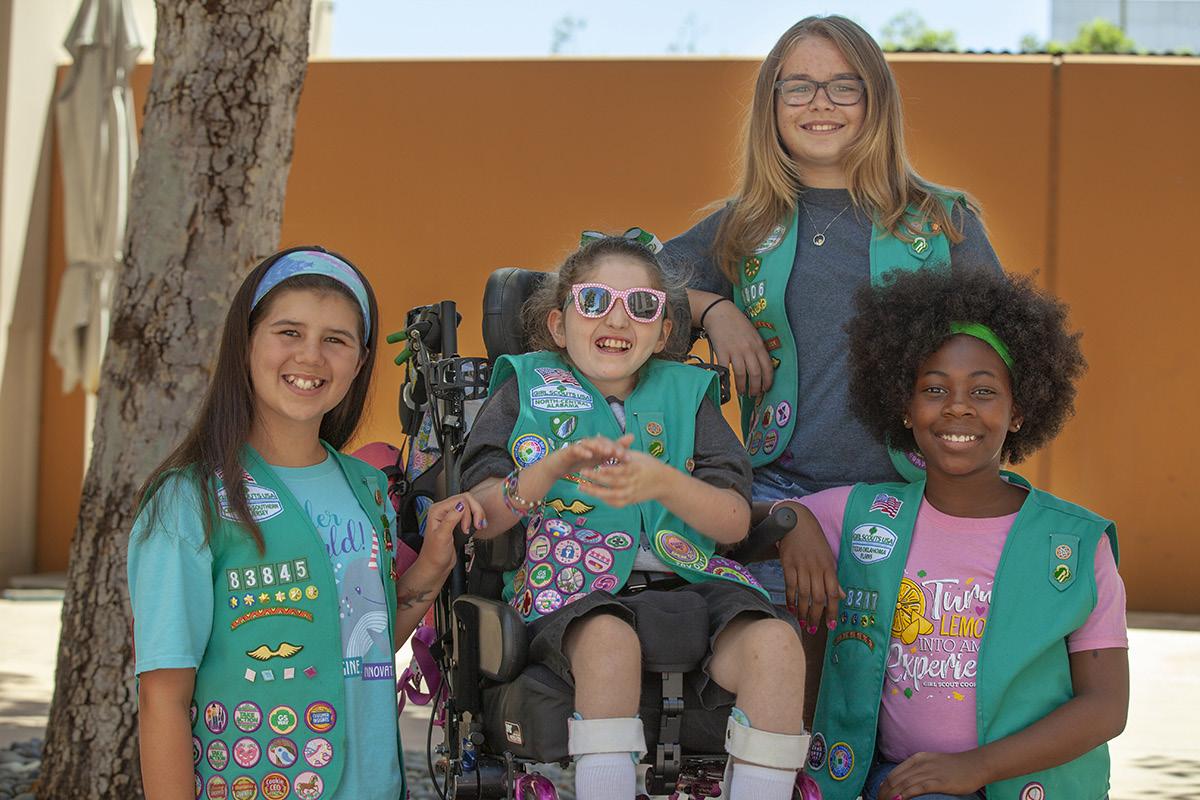
What’s it like being a Girl Scout? It’s late-night laughter on an overnight trip with her besties. It’s teaming up with her troop to help her town. It’s starting her own business and learning how to make her dreams come true. Now is time to join the fun! As a Girl Scout, she’ll discover hidden talents, explore the outdoors, go on adventures, and—most importantly—find the space to be truly, totally herself. Become a Girl Scout today!
August 2023 Atlanta Parent 43 atlantaparent.com
ADVERTISING SECTION
SPECIAL
2 Atlanta Parent <ISSUE> <DATE> atlantaparent.com
SPECIAL ADVERTISING SECTION
SPOTLIGHT ON KIDS’ PROGRAMS
SPOTLIGHT ON KIDS’ PROGRAMS
MOVING IN THE SPIRIT
404-624-5295 / movinginthespirit.org
At Moving in the Spirit, boys and girls ages 3-18 study the art of dance, make friends, and develop the skills they need to thrive. Classes offered in modern dance and creative movement, with opportunities to study ballet, hip hop, jazz, and West African dance. Artistic content focuses on unity and making a difference in the world. Sliding scale tuition is available. Open House on Saturday, August 26 from 10 a.m. - 2 p.m

SPOTLIGHT ON KIDS’ PROGRAMS
THE MUSIC CLASS
770-645-5578 / themusicclass.com/atlanta
9 Locations in Metro Atlanta
Fun-filled, developmental, interactive music classes. Featuring award-winning music and led by inspiring music teachers, you and your child will be swept into playful singing, dancing, and instrument play in a joyful and nurturing environment. For infants, toddlers and preschoolers. Call for class times or visit our website.
TERMINUS BALLET SCHOOL
terminusmbt.com
At Terminus Ballet School, students learn the art of dance while making friends and developing their confidence. The curriculum includes ballet, pointe or boys’ technique, and contemporary dance with opportunities to perform throughout the year. Student creativity is encouraged whilst strengthening their technical foundation. Led by a team of professional dancers, the faculty brings an elite understanding to the classroom and creates a safe and nurturing environment. For boys and girls ages 8+. For questions please contact c.welker@terminusmbt.com.
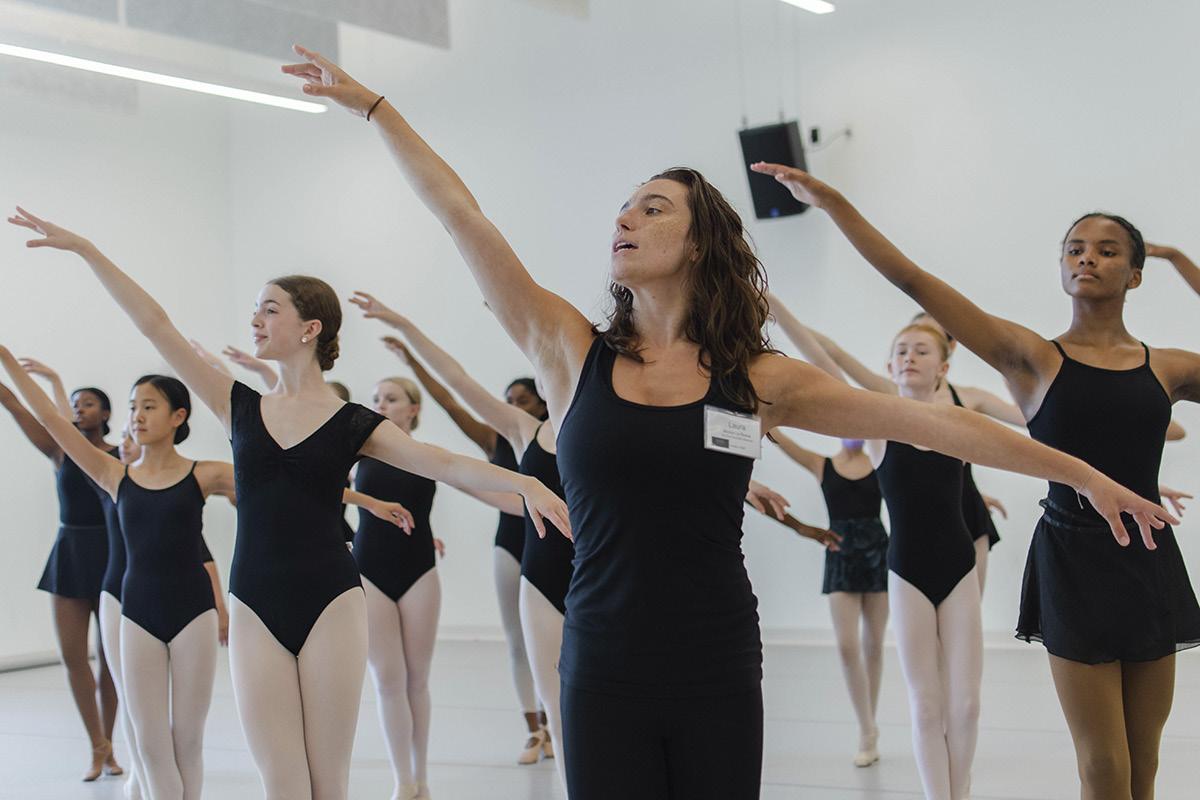
Choosing the Right Activity
The metro area offers a variety of enriching opportunities for every child, but how do you know which program is the right fit? Here are some questions and tips to help you begin your search.
Know your child’s interests: First determine your child’s interests. Younger children should be exposed to a variety of activities to develop interests, while older kids can be given options such as sports, dance, music or art.

Find out the costs: Make sure you understand what the costs are up front. Determine the length and cost of each class. Consider extra expenses such as costumes and gear.
Attend a class: One of the best ways to determine whether a program is a good fit for your child is to visit with the instructor and watch a class.
Progress: Find out how students are evaluated. Ask whether the instructor will do an evaluation before classes start to make sure your child is properly placed.
atlantaparent.com
44 Atlanta Parent August 2023 atlantaparent.com
Atlanta Parent
SPECIAL ADVERTISING SECTION
2 Atlanta Parent <ISSUE> <DATE>
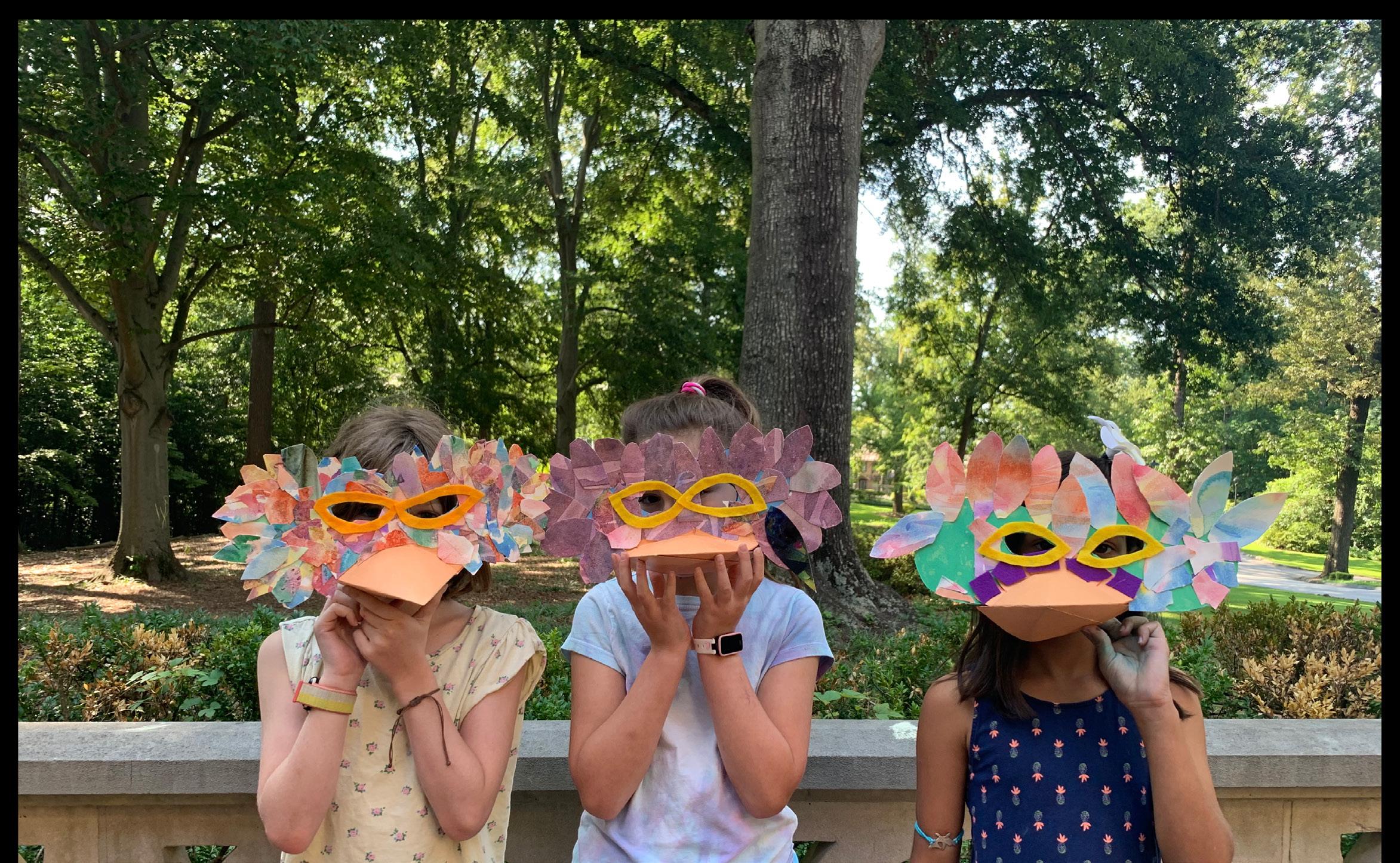










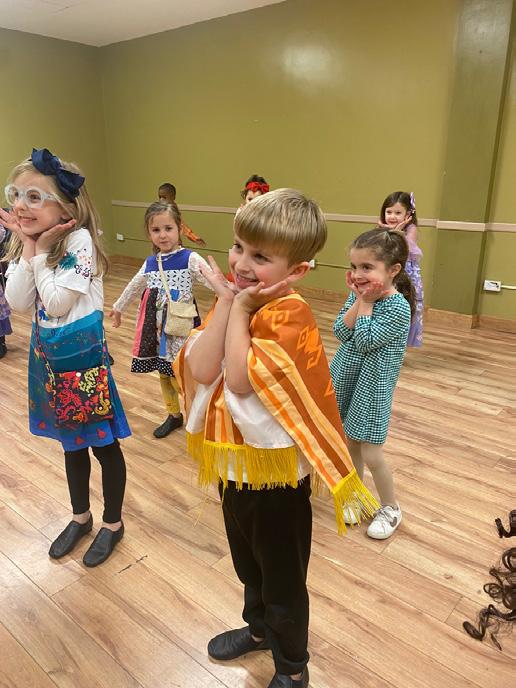

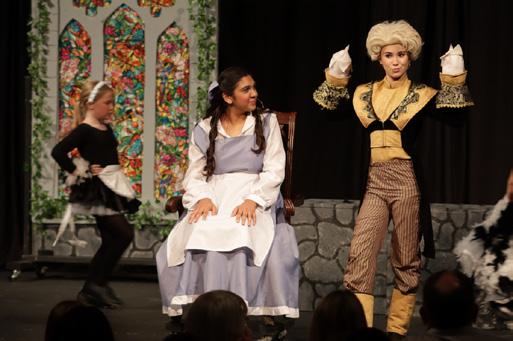



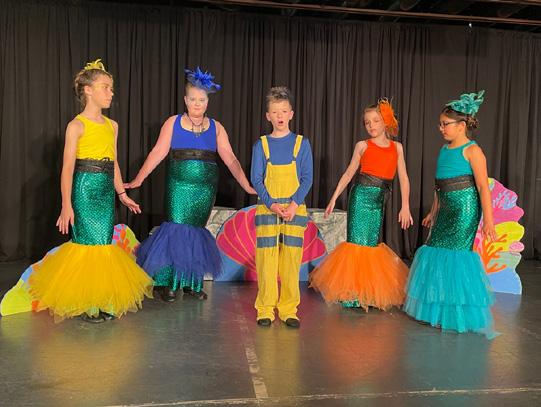

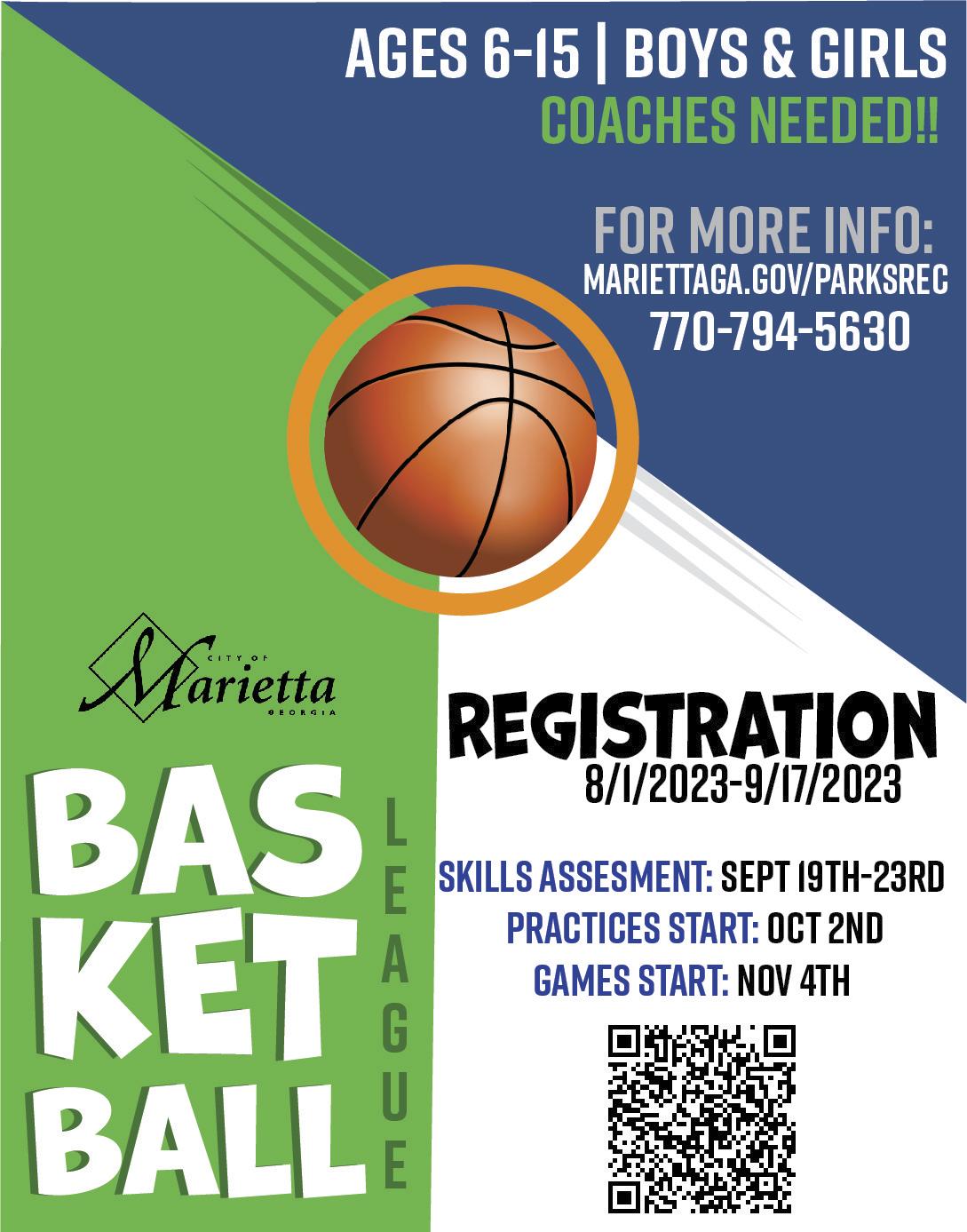
August 2023 Atlanta Parent 45 atlantaparent.com Fine Arts programs for kids on the Explore classes at www.callanwolde.org/classes Children’s programs for ages 5 - 12 Teen programs for ages 13 - 17 980 Briarcliff Road NE, Atlanta, Georgia, 30306 ormances My Firs Dance: Jazz, Tap, HipHop Musical Theatre Movie Acting Club Improv & Comedy Troupe Acting & Theatre Skills Show Choir ages 3-18 ~ 15 locations ~or bring us to your school~ www.ForefrontArts.com Cla FIND YOUR PLACE ONSTAGE!


46 Atlanta Parent August 2023 atlantaparent.com DisneyOnIce.com STATE FARM ARENA SEPT 20 – 24 GAS SOUTH ARENA SEPT 28 – OCT 1


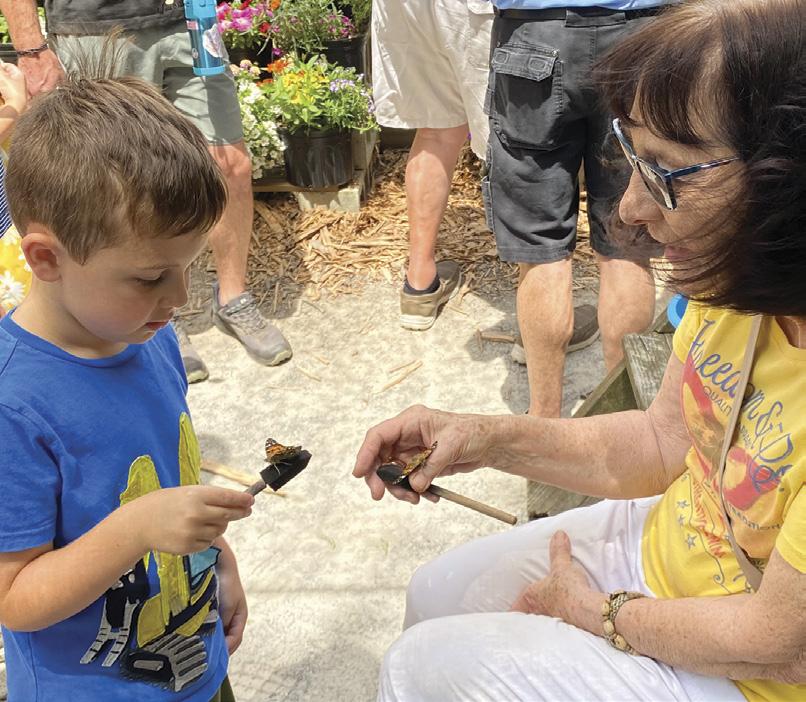

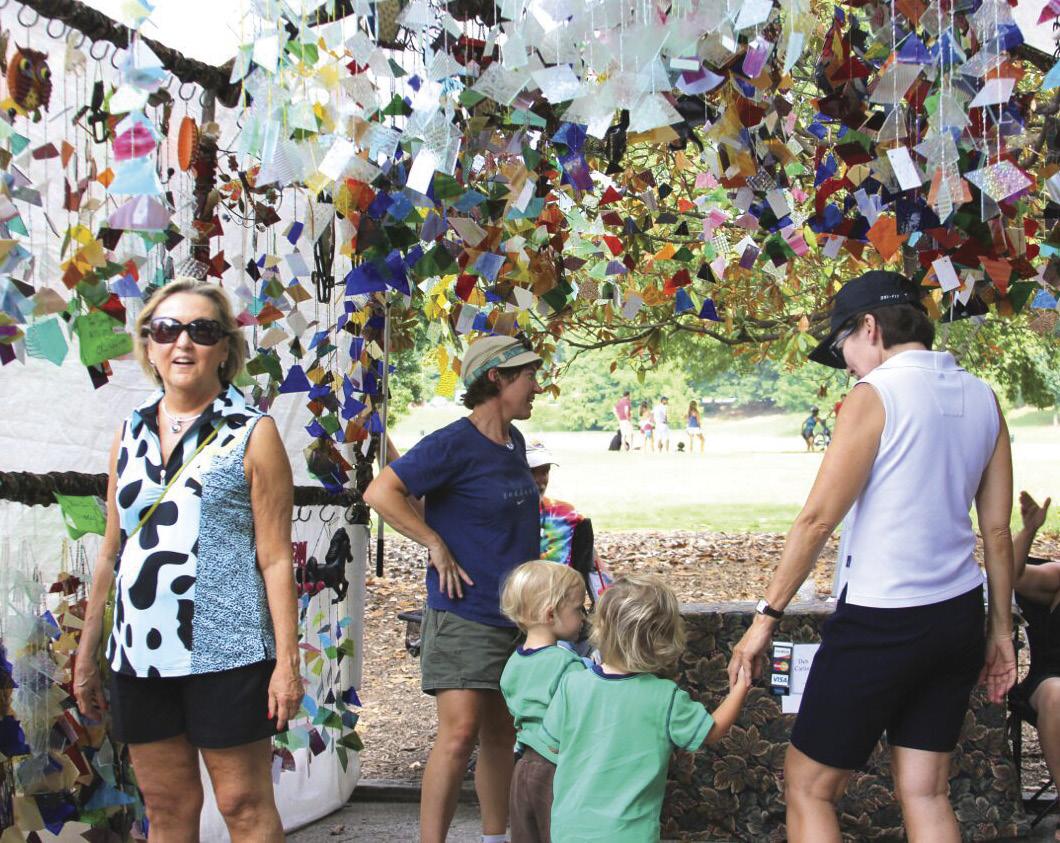
August 2023 Atlanta Parent 47 atlantaparent.com Family Fun Guide
month Top Events l Summer Festivals l Exhibits Labor Day Fun l Dinosaur Adventures l Last Chance
AUGUST: Things to do this
Dinosaur Birthday Bash
Trolls: Save the Humans by Thomas Dambo
Butterfly Encounter
TinyCON
Piedmont Park Arts Festival
AUGUST TOP EVENTS
Events may be cancelled or changed after our deadline. Please check before visiting to confirm. Full calendar online at atlantaparent.com
Back to School Bash — A National Night Out Event

City Springs
Aug. 1, 6 p.m.
Take a peek inside police cars and fire trucks, dance to DJ Dad, climb the inflatable obstacle course and more. 1 Galambos Way, Sandy Springs. 770-730-5600. Free admission. sandyspringsga.gov
Say Goodbye to Summer
Avalon
Aug. 4, 2-9 p.m.
Celebrate the end of summer with a luauthemed bash featuring special deals, live music and Hawaiian-themed cocktails. 400 Avalon Blvd., Alpharetta. 770-765-1000. Free admission. awesomealpharetta.com
Rise and Dine with the Animals
Zoo Atlanta
Aug. 5, 8:30-9:30 a.m.
Enjoy an early morning view of the reptiles, amphibians and fish as you dine in Georgia eXtremes, and see how the animal care team starts their day. 800 Cherokee Ave. SE, Atlanta. 404-924-9453. $60; ages 2 and younger, free. zooatlanta.org
Parliament of Owls Parade
Colony Square
Aug. 5, 8-10 p.m.
This black-and-white themed parade is based on community participation. Make an owl lantern and fly through the streets of Midtown. 1197 Peachtree St. NE, Atlanta. 404-879-2250. Free admission. colonysquare.com
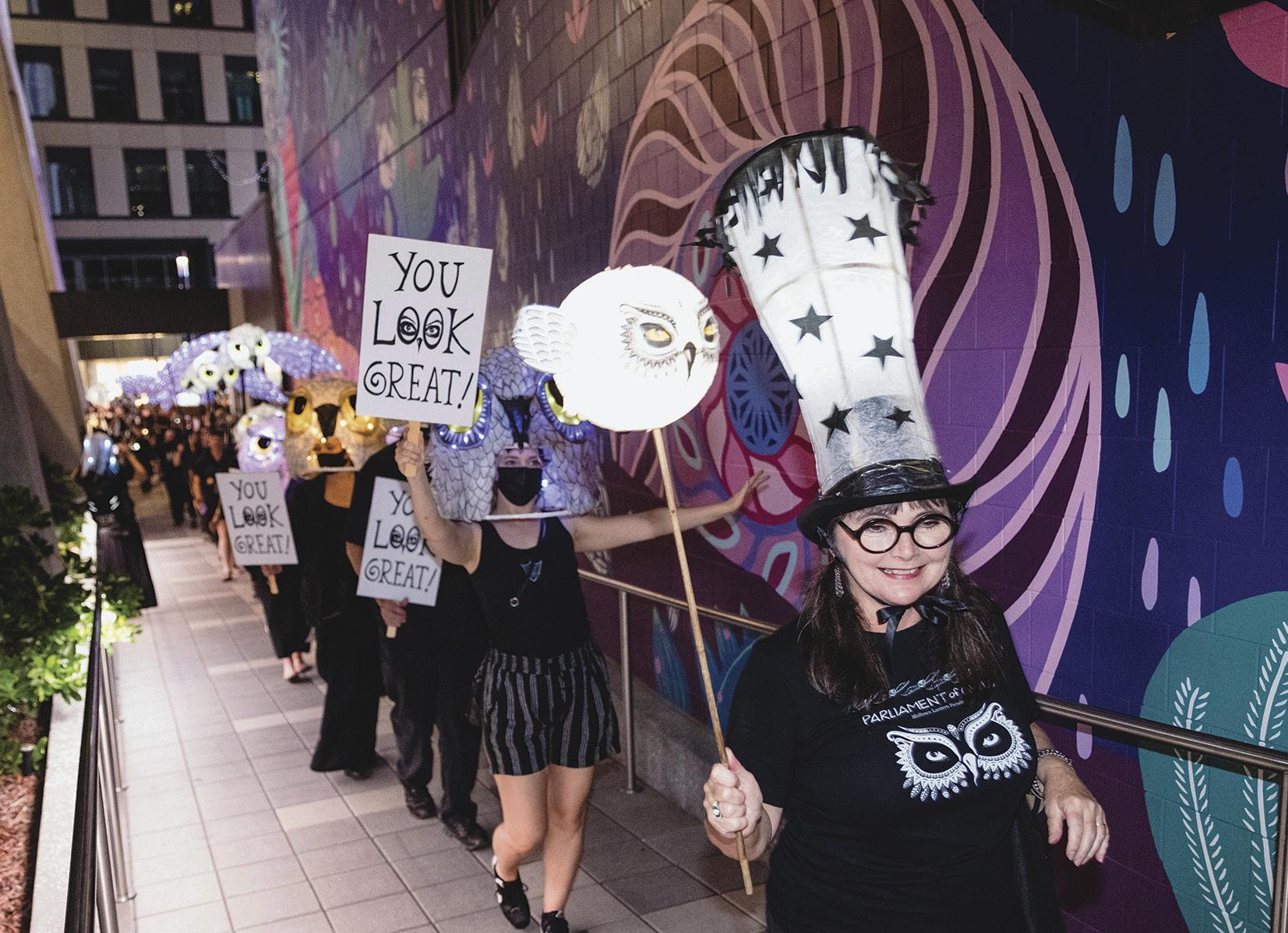
Emmett Till & Mamie Till-Mobley: Let the World See Atlanta History Center
Aug. 5-6, 9 a.m.-4 p.m.
Receive complimentary admission to celebrate the opening of the touring exhibit “Emmett Till and Mamie Till-Mobley: Let the World See.” Registration required. 130 W. Paces Ferry Rd. NW, Atlanta. 404-814-4000. Free admission. atlantahistorycenter.com
Triple T!
Southeastern Railway Museum
Aug. 5, 10 a.m.-5 p.m. and Aug. 6, 1-5 p.m.
View an assortment of trucks and tractors of different vintages, and go on hayrides and cab rides on the historical Southern E8 locomotive. 3595 Buford Hwy., Duluth. 770-476-2013. $18; ages 2-12, $12; ages 1 and younger, free. train-museum.org
Adventure Cubs
Zoo Atlanta / Aug. 5 and 15, 9:30-10:30 a.m.
Learn all about orangutans with an engaging activity and a story. Create a take-away memory. 800 Cherokee Ave. SE, Atlanta. 404-924-9453. $24; each additional child, $5. zooatlanta.org

48 Atlanta Parent August 2023 atlantaparent.com Family Fun Guide
Adventure Cubs
Parliament Of Owls Parade
Say Goodbye to Summer
Aanika’s Elephants
Center for Puppetry Arts
Aug. 17-Sept. 3. See website for showtimes. Aanika is a young African girl who grows up with Little, an orphaned baby elephant, and her courage is put to the test in order to save Little and her new family from poachers. 1404 Spring St. NW at 18th, Atlanta. 404-873-3391. $22-$27. puppet.org

Great Southeast Pollinator Census
Aug. 18-19
This citizen science project created by the University of Georgia is designed for everyone to participate and make a difference for pollinator conservation. The Chattahoochee Nature Center, Atlanta Botanical Garden in Gainesville and SmithGilbert Gardens are some of the metro Atlanta spots participating in the event. ggapc.org
Dinosaur Birthday Bash
Fernbank Museum
Aug. 19, 10 a.m.-1 p.m.
Celebrate the birthdays of some of the world’s biggest dinosaurs with themed crafts and activities. Registration required. 767 Clifton Rd., Atlanta. 404-929-6300. $25.95; ages 3-12, $23.95; ages 2 and younger, free. fernbankmuseum.org
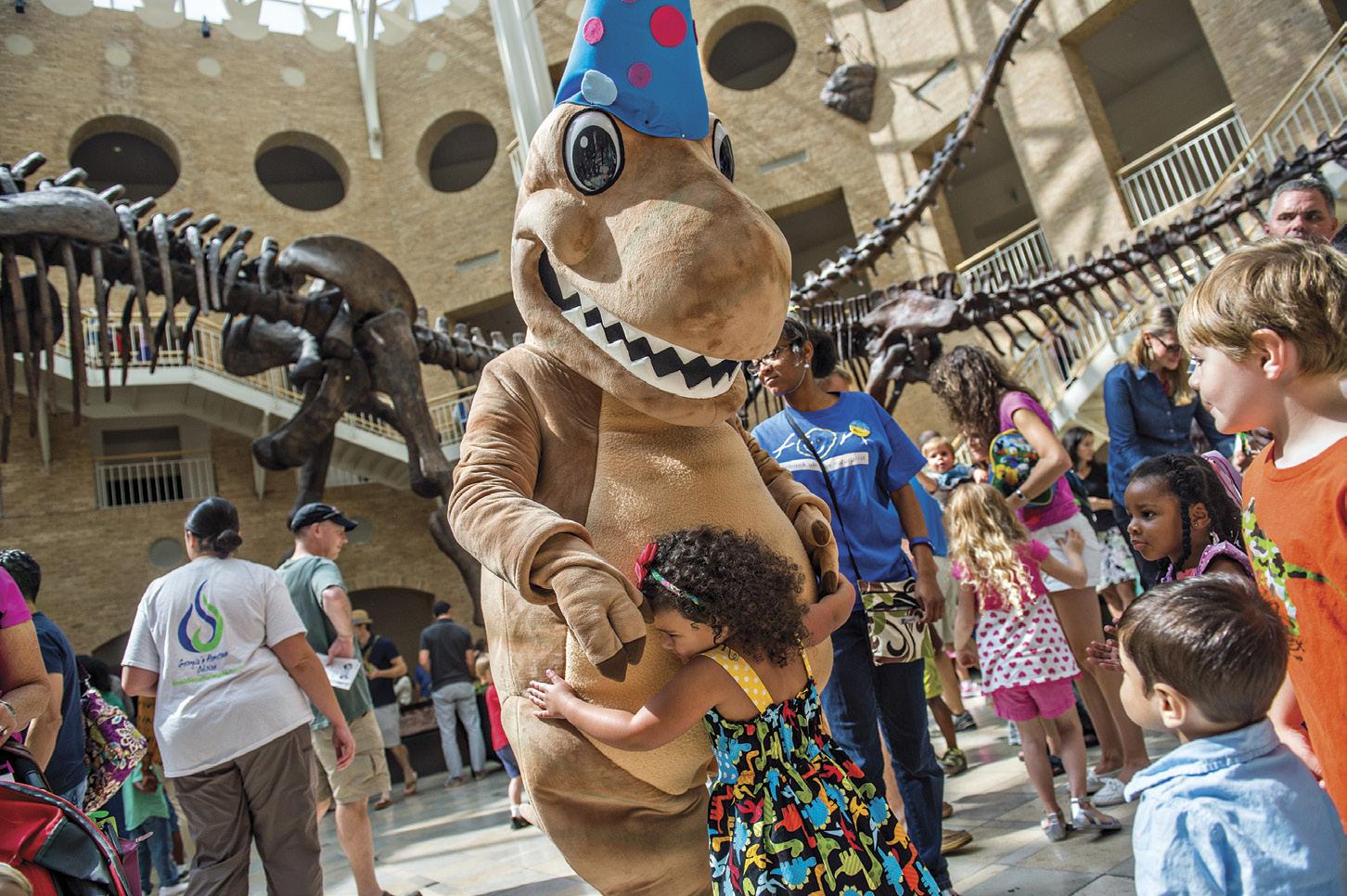
Pop-in for Family Fun
Marietta History Center
Aug. 19, 10 a.m.-4 p.m.
Enjoy family fun activities themed around “Bugs & Flowers.” 1 Depot St., Marietta. 770-794-5710. Free admission. mariettahistory.org
Summer Adventures Day
Chattahoochee Nature Center
Aug. 20, noon-4 p.m.
Enjoy a day full of adventure with canoeing, paddle boarding, archery, water activities and new skills to help you learn how to be a good steward of the great outdoors. 9135 Willeo Rd., Roswell. 770-9922055. $15; ages 13-18, $11; ages 3-12, $9; ages 2 and younger, free. chattnaturecenter.org
Coca-Cola Summer Film Festival
Fox Theatre
Aug. 26-31. See website for times. See multiple movies on the big screen, including celebrating the 10th anniversary of “Frozen” with a sing-along and the 40th anniversary of “Star Wars Episode VI: Return of the Jedi.” 660 Peachtree St. NE, Atlanta. 855-285-8499. $15. foxtheatre.org
Sweet 16 Community Day
Cobb Energy Performing Arts Centre
Aug. 27, noon-5 p.m.
See performances from The Atlanta Opera and Atlanta Ballet, as well as student performances, and enjoy children’s activities, food trucks, performing arts classes, behind-the-scenes tours and giveaways. Registration required. 2800 Cobb Galleria Pkwy., Atlanta. 770-916-2852. Free admission. cobbenergycentre.com
Spider-Man: Into the Spider-Verse
Live in Concert
Atlanta Symphony Hall
Aug. 31, 7 p.m.
Watch the movie as it is paired with live musicians and a DJ. 1280 Peachtree St. NE, Atlanta. 404-733-4800. $50-$90. aso.org
Douglas County Butterfly Trail
Exploration Challenge
Douglas County Community Garden
Through Sept. 4
Spot Monarchs, Black Swallowtail and other butterfly species as you walk along this trail of gorgeous gardens, and take a selfie next to a Butterfly Trail sign for the chance to win a prize. 6770 Selman Dr., Douglasville. 678-741-5356. Free admission. douglascountytrails.com
August 2023 Atlanta Parent 49 atlantaparent.com Family Fun Guide
Aanika’s Elephants
Dinosaur Birthday Bash
IT’S THE SUMMER OF SAMURAI AT THE HIGH!
Visit the High Museum of Art for family-friendly events and activities themed to their current exhibit, “Samurai.” With more than 150 helmets, swords, and other objects spanning almost nine centuries, including 20 complete sets of armor, the exhibition reveals the culture, lifestyle and artistic legacy of the samurai warrior in Japanese society.


Toddler Saturday
August 5, 10 a.m.-1 p.m.
Children ages 15 months-3 years can explore their creativity through self-guided tours and drop-in Samurai-themed art activities.
UPS Second Sunday
August 13, noon-5 p.m.
Special family-friendly programming includes origami making, special performances and access to the permanent and special exhibits. Free; reservations recommended.
Teen Night
August 25, 5:30-8:30 p.m.

Exhibition tours, Samurai-inspired performances, origami stations, block printing and more activities for teens.
n The Details
Reservations recommended. 1280 Peachtree St. NE, Atlanta. 404-7334400. $18.50; Teen Night, $5. high.org
50 Atlanta Parent August 2023 atlantaparent.com Family Fun Guide
A Dino-mite Adventure!
Go back in time to the world of dinosaurs with these experiences.
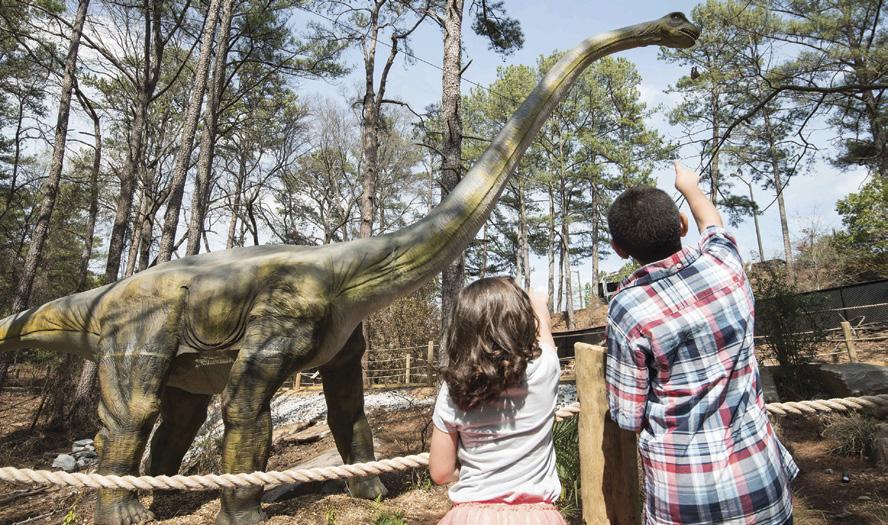
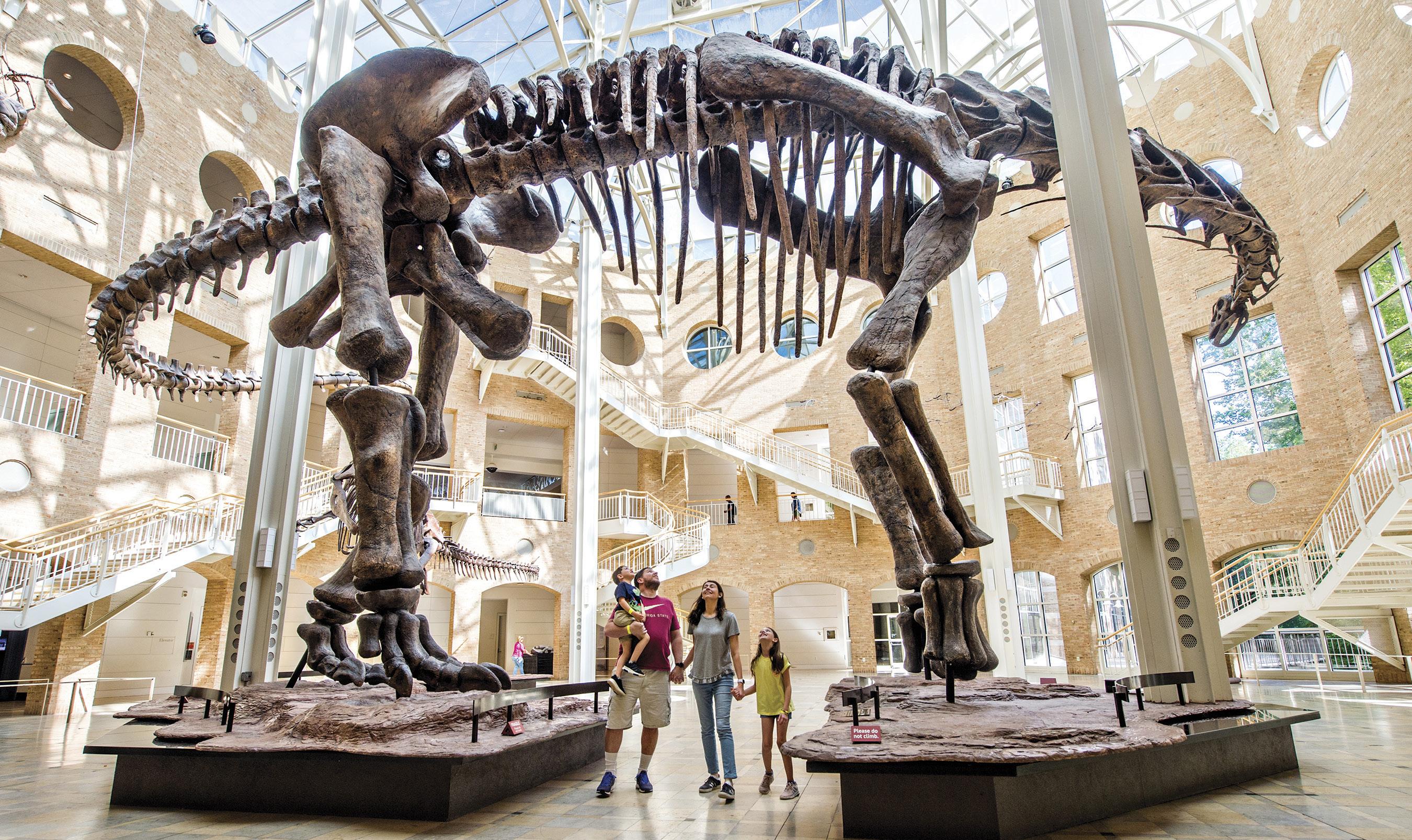
Dino Safari: A Walk Thru Adventure
North Point Mall / Through Sept. 4
Grab a passport to Pangea to feel the thrill of standing next to giant moving dinosaurs from all over the world on this expedition featuring the T. rex, Spinosaurus, fossils and more. 1000 N. Point Cir., Alpharetta. 888-850-8718. $13+; ages 1 and younger, free. dinosafari.com

Jurassic World: The Exhibition
Pullman Yards / Through Nov. 12
Travel to Isla Nublar to walk in the land of Jurassic giants, come face-to-face with ferocious raptors, get close to a Tyrannosaurus rex and more. 225 Rogers St. NE, Atlanta. $21.99-$29.99; ages 3-15, $24.99-$27.99; ages 2 and younger, free. jurassicworldexhibition.com/atlanta
Fernbank Museum of Natural History
View the dinosaurs that once lived in areas of Georgia with murals, life-sized models, dinosaur skeletons and other displays depicting the Mesozoic Era, and stand beneath some of the world’s largest dinosaurs as you enter prehistoric Patagonia. 767 Clifton Rd., Atlanta. 404-9296300. $25.95; ages 3-12, $23.95; ages 2 and younger, free. fernbankmuseum.org
Dinosaur Birthday Bash!
Fernbank Museum
Aug. 19 10 a.m.-1 p.m.
Stone Mountain Park
Dinosaur Explore features 20 life-size dinosaurs that move and roar just like their ancient ancestors, as well as interactive paleontology tents. Play in the Dinotorium with super slides, trampoline floors, climbing structures and more than 65 interactive games for your Dino Rangers-in-training. 1000 Robert E. Lee Blvd., Stone Mountain. 800-401-2407. $39.95; ages 3-11, $34.95; ages 2 and younger, free. stonemountainpark.com
Tellus Science Museum
Stare into the mouth of a Tyrannosaurus rex and walk through the history of dinosaurs, reptiles and giant mammals in the Fossil Gallery. After, visit the Fossil Dig to uncover fossils of all shapes and sizes. 100 Tellus Dr., Cartersville. 770-606-5700. $19; ages 3-17, $15; ages 2 and younger, free. tellusmuseum.org
August 2023 Atlanta Parent 51 atlantaparent.com Family Fun Guide
Fernbank Museum of Natural History
Dino Safari: A Walk Thru Adventure
Dinosaur Explore at Stone Mountain Park
WHEN THE SUN GOES DOWN
The fun doesn’t have to end just because it’s dark outside! Push bedtime back a bit to enjoy these special summer nighttime events and attractions.

Check websites for more information. Most events require a reservation.
Lights, Lasers and Drones
Stone Mountain Park’s all-new Music Across America Drone & Light Show features more than 100 songs for a musical journey across the country. As part of the new experience, the light show features 250 color-changing drones, flame-shooting cannons and a fireworks finale. This event is perfect for the family; be sure to bring a blanket to sit on and a picnic or snacks. Prices start at $5 with $20 parking. The show will be held on Saturdays in August, on Labor Day Weekend and on September 9. stonemountainpark.com.

Glow Up
Light Up the Corners! is a glowing, flashing, blinking, shining nighttime running party. Blinking lights will illuminate the way for the 4 Mile Run or Twilight Trot 1K; you can also participate in contests to be the “glowiest” champion. Held on August 12, the cost for running is $35$45. This fundraiser benefits less fortunate children and families in the community. lightupthecorners.com

Shooting Stars
The Perseids is a popular meteor shower. This year, it will be active until September 1, with peak rate around August 13. Head away from city lights, look opposite the moon, and see how many stars you can spot. Hard Labor Creek State Park is hosting a Perseid Shooting Star Party on August 12-13 or head to Victoria Bryant State Park on August 12 for A Walk to the Stars; gastateparks.org. On August 24, the moon will pass in front of Antares to create a lunar occultation. To see this event, begin viewing shortly after sunset to see the red star next to the moon’s dark edge. To learn more, check out earthsky.org.
52 Atlanta Parent August 2023 atlantaparent.com Family Fun Guide
Music Across America Drone & Light Show
Light Up the Corners!
Flashlight Fun
Go on a nighttime hike to see what it’s like to be a nocturnal creature.

n Fernbank Museum’s Fernbank Forest Night Walk on August 25 is a guided walk as the sun sets. Tickets are $20. fernbankmuseum.org.
n At Chattahoochee Nature Center’s Family Night Hike, explore the sights and sounds of the forest, experience an animal encounter and roast marshmallows over a relaxing campfire on August 12. Tickets are $12. chattnaturecenter.org.
n Georgia’s State Parks & Historic Sites offer multiple opportunities for nighttime explorations. Mistletoe State Park hosts a Night Hike (August 5) and a Blue Moon Hike (August 30). Both events are $5 with $5 parking. Each month, hike to the suspension bridge at Tallulah Gorge State Park to watch the moon rise above the gorge. Tickets are $10 with $5 parking. On September 9, head to Panola Mountain State Park to watch the sun set from the top of Panola. This hike is for ages 10 and older and costs $15 with $5 parking. gastateparks.org.
Paddle with Wildlife

With Chattahoochee Nature Center’s Weekend Guided River Canoe Trips, take a leisurely evening 2.5-hour paddle to learn about the environment of the Chattahoochee River. Who knows what sights, sounds and animals you’ll spot? Trips are held on Saturdays and Sundays in August starting at 6 p.m. For ages 8 and older. Tickets are $35 and all equipment is provided. chattnaturecenter.org.
Animals After Dark
Go on a nocturnal adventure with Zoo Atlanta’s Twilight Trek and Twilight Tots programs. Twilight Trek, held on August 4 and 12, features an inspiring tour of the Zoo afterhours to learn the ways accredited zoos help animals survive and thrive. $25; ages 3 and younger are free. Designed for ages 5 and younger, Twilight Tots includes a mini tour, songs, stories and dance to help your little one learn about the animal kingdom. The next event will be held on August 19 and costs $24; each additional child is $5. zooatlanta.org.
Take in the View
Towering nearly 20 stories above Centennial Park, SkyView is open after sundown for a panoramic nighttime view of Downtown. Enjoy a climate-controlled, private gondola as you take in the city on this Ferris wheel ride. The attraction is open until 10 p.m. from Monday to Thursday and on Sundays, and is open until 11 p.m. on Fridays and Saturdays. Tickets are $17 and $12 for ages 3-12. skyviewatlanta.com.
Continued

August 2023 Atlanta Parent 53 atlantaparent.com Family Fun Guide
on next page
Chattahoochee Nature Center
SkyView
WHEN THE SUN GOES DOWN
Movies & Music Al Fresco
Grab your lawn chairs and blankets for a free movie or concert, depending on your family’s preference. In Peachtree Corners, see “Willy Wonka & the Chocolate Factory” on August 5, “Coco” on September 2 and “Hocus Pocus” on October 7, and watch tribute bands perform on the last Saturday of the month (peachtreecornersga.gov). Johns Creek will feature “Ferris Bueller’s Day Off” on August 11, with musical performances on August 5 and September 9 and 30 (johnscreekga.gov). Colony Square shows movies on select Thursdays and musical performances every Friday (colonysquare.com). In Dunwoody, see “Ready Player One” on August 4 and concerts on August 12, September 9 and October 14 (dunwoodyga.gov). Sandy Springs will have movies on August 11 and 25 and September 1, and watch performances with Concerts by the Springs and City Green Live (citysprings.com). On August 5, see “Moana” in Newnan, and watch a performance on August 10 (ganewnan.civicplus.com). Find a full list of events at atlantaparent.com.
At the Drive-In
Catch the latest releases through a throwback experience with StarLight Drive-In Theatre. The $10 ticket (and $1 for ages 5-9) allows you admission for two movies playing on the same screen. Open seven nights a week year-round, plan to arrive early as parking spaces are first-come, first-serve. starlightdrivein.com.
Counting Starfish
Georgia Aquarium’s Sleep Under the Sea includes a specialized behind-the-scenes tour. Learn about aquatic animals and their habitats with a night filled with excitement, exploration, presentations and activities before bed. The next morning, have breakfast and see the aquarium before it opens to the public. Sleepovers are available on August 4, 5 and 12 starting at 6:45 p.m. Participants must be age 7 or older. Tickets are $110.99 per person. georgiaaquarium.org.

Walk with Ghosts
Spooky sightings don’t just happen in October! Get in touch with the spirits on a local ghost tour.
n In Covington, walk around a city rich with haunted history and get a taste of the “Hollywood of the South” while visiting haunted sites and filming locations. This walking tour lasts approximately 2.5 hours and is available on Fridays and Saturdays for $30. covingtonghosttours.com.

n Walk through Decatur’s Historic Town Square and the Old Decatur Cemetery for a paranormal exploration. Tours are held on Saturdays at 8 p.m. and cost $20 with ages 10 and younger at $12. decaturghosttour.com.
n Marietta’s haunted ghost tours are held Fridays, Saturdays and Sundays. You’ll hear stories based on documented sightings, firsthand experiences and history. Tickets are $20 for adults and $15 for ages 12 and younger. toursofmarietta.com.
n During a ghost tour of Roswell, visit old mansions, the Founders Cemetery and mill worker’s apartments as paranormal investigators thrill, educate and enlighten you. Tours are held Friday and Saturday nights at $20 with ages 12 and younger, $10. roswellghosttour.com.
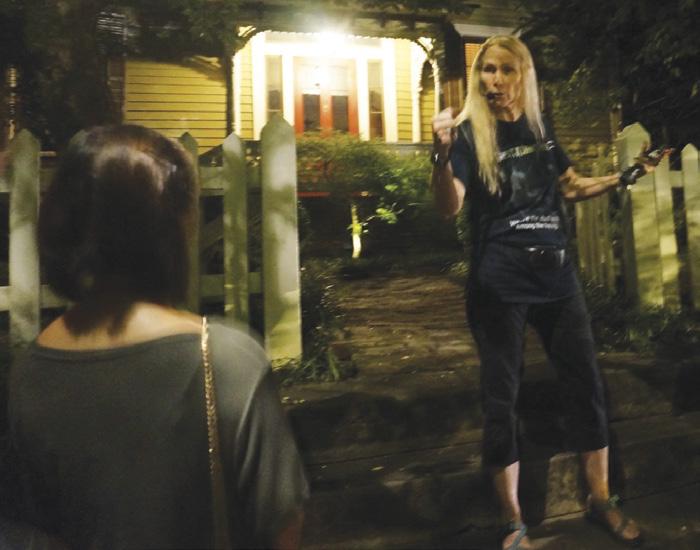
54 Atlanta Parent August 2023 atlantaparent.com Family Fun Guide
Decatur Ghost Tour
Georgia Aquarium’s Sleep Under the Sea
A GROWNUP NIGHT OUT
Hire a babysitter for an evening of fun without the kids.

n Offered the second Friday of each month, Fernbank After Dark presents a variety of unique after-hours experiences for grown-ups with exhibits, live music, full bars, a tapas menu, science demonstrations and more. On August 11, enjoy themed experiences around your senses for experiments that will test your eyes, ears and brain. fernbankmuseum.org.
n Bring your own chair and picnic dinner for Chattahoochee Nature Center’s Sunset Sips for musical performances on August 10 and 24 and September 14. chattnaturecenter.org.
n Enjoy the beauty of nature, cocktails and live entertainment at Atlanta Botanical Garden’s Cocktails in the Garden offered on Thursdays to Saturdays through September. atlantabg.org.
n Held on September 15-16, enjoy Midnight Market, an all-night happy hour for foodies who love to eat, drink and dance. You’ll get to try food from more than 30 vendors and food trucks, along with shopping an artisan market, playing games, roller skating and more. atlanticstation.com.
n Head to Hardman Farm Historic Site for their Harvest Moon Dance on September 23 to enjoy live 1930’s jazz music, delicious food, local beer from Tantrum Brewing Company and a night of dancing. gastateparks.org.

n Explore animals from around the world and enjoy an adults-only evening at Zoo Atlanta’s Savanna Nights. With a specialty welcome cocktail and fun entertainment, the August 18 event is themed 90’s Block Party for fashion, learning how to double dutch, creating your own sand art and more. Tickets are $40. zooatlanta.org/event/savanna-nights.
n Take in a panoramic view of the skyline at THE ROOF at Ponce City Market. After 7 p.m., access is for ages 21 and older for delicious cuisine, drinks, mini golf and more. Through September 4, enjoy the Endless Summer Beach for special cocktails inspired by the beach and the sea and to see a gorgeous sunset. Tickets are $15-$30. poncecityroof.com.
Fernbank After Dark
A Taste of Nigeria
Westside Cultural Arts Center
Aug. 5, noon-7 p.m.
Explore the magic of Nigeria with art, music, dance, comedy shows, a fashion show, markets and more. 760 10th St. NW, Atlanta. $10-$20; ages 12 and younger, free. atasteofnigeria.com/atlanta
BeREGGAE Music & Arts Festival
Piedmont Park
Aug. 11, 1-11 p.m. and Aug. 12-13, noon-11 p.m.





This festival celebrates international Black culture with music, art, food and businesses. 1320 Monroe Dr. NE, Atlanta. Free admission. atlreggaeinthepark.com

Pigs & Peaches
BBQ Festival
Adams Park
Aug. 18, 6-10 p.m. and Aug. 19, 10 a.m.-10 p.m.
Enjoy a barbecue cook-off, listen to live music, play in the Kid Zone, and watch the spectacular fireworks finale. 2600 Park Dr., Kennesaw. 770-422-9714. Free admission. kennesaw-ga.gov


56 Atlanta Parent August 2023 atlantaparent.com Family Fun Guide 5343 Roberts Dr dunwoodynature org 770-394-3322 Butterfy Experience September 9 & 10, 2023 10:00 a.m. - 4:00 p.m. Tickets: $18 | $15 for DNC Members Ages 3 and under FREE Inspire their sense of wonder
Photo by Sher Pruitt
Have fun under the sun at these seasonal celebrations.
Piedmont Park Arts Festival
SUMMER FESTIVALS
Nominate today! ATLANTA PARENT’S MOM-APPROVED Atlanta Parent is looking for you to tell us about the best OB/GYN, midwife and fertility specialists in the Atlanta area. Nominate them today. Tell us about your favorite OB/GYN, midwife and fertility specialists. Go to atlantaparent.com/ nominate For more information call 770-454-7599 Nominations end soon!
Summer Shade Festival
Piedmont Park Arts Festival

Piedmont Park
Aug. 19, 10 a.m.-5 p.m. and Aug. 20, 11 a.m.-5 p.m.
This two-day outdoor event focuses on the visual arts and family fun. 1071 Piedmont Ave. NE, Atlanta. Free admission. piedmontparkartsfestival.com

African American Culture and Arts Festival

Suwanee Town Park
Aug. 26, 2-8 p.m.
Bring a blanket or chair to sit on the lawn to enjoy live music, poetry and dance performances, and support local artists and vendors by shopping their products. 330 Town Center Ave., Suwanee. 347-623-3793. Free admission. aacaf.net
Cobb County International Festival
Jim R. Miller Park
Aug. 26, 10 a.m.-6 p.m.
Explore a variety of local and international music and art, eclectic dancing, delicious culinary options, imaginative crafts, jewelry and more as you celebrate the unique cultural differences within the community. 2245 Callaway Rd. SW, Marietta. 770-5092759. Free admission. cobbcounty.org
Summer Shade Festival
Grant Park / Aug. 26-27
Explore a variety of regional and local artists, food vendors and music entertainment. 840 Cherokee Ave. SE, Atlanta. 404-521-0938. Free admission. summershadefestival.org
August 2023 Atlanta Parent 57 atlantaparent.com Family Fun Guide
Photo courtesy of Grant Park Conservancy
EXHIBITS
Learn, play and step into new worlds with these immersive experiences and exhibits.

Ancient Nubia: Art of the 25th Dynasty
High Museum of Art
Through Sept. 3
For nearly three thousand years, a series of kingdoms flourished in the Sudanese Nile Valley, and you can view the wealth of these kingdoms with displays of jewelry, pottery, metalwork and more. 1280 Peachtree St. NE, Atlanta. 404-733-4400. $18.50. high.org
Survival of the Slowest
Fernbank Museum
Through Sept. 4
Learn how animals’ traits of being slow, small or weak work to their advantages. 767 Clifton Rd., Atlanta. 404929-6300. $25.95; ages 3-12, $23.95; ages 2 and younger, free. fernbankmuseum.org


Shaun the Sheep: Flock This Way!
Children’s Museum of Atlanta
Through Sept. 4
Explore the world of Shaun the Sheep and Mossy Bottom Farm by playing in the barn, creating stop motion animation and more. 275 Centennial Olympic Park Dr. NW, Atlanta. 404-659-5437. $15.95-$19.95; ages 11 months and younger, free. childrensmuseumatlanta.org
How People Make Things
Tellus Science Museum
Through Sept. 4
Inspired by the factory tour segments from “Mister Rogers’ Neighborhood,” enjoy hands-on activities to explore four manufacturing processes and how things are made. 100 Tellus Dr., Cartersville. 770-606-5700. $19; ages 3-17, $15; ages 2 and younger, free. tellusmuseum.org
58 Atlanta Parent August 2023 atlantaparent.com Family Fun Guide
Survival of the Slowest
Trolls: Save the Humans by Thomas Dambo
Van Gogh: The Immersive Experience
Samurai: Armor
High Museum of Art / Through Sept. 17
With more than 150 helmets, swords and sets of armor, view a collection of samurai armor from Japan. 1280 Peachtree St. NE, Atlanta. 404-733-4400. $18.50. high.org
Trolls: Save the Humans
by Thomas Dambo
Atlanta Botanical Garden / Through Sept. 17
These folklore-inspired sculptures are built from reclaimed materials and range from 15 feet tall to 25 feet wide. 1345 Piedmont Ave., Atlanta. 404-876-5859. $26.95-$29.95; ages 3-12, $23.95-$26.95; ages 2 and younger, free. atlantabg.org
Van Gogh: The Immersive Experience
Exhibition Hub, Atlanta Art Center
Through Sept. 29
This immersive digital art experience brings you into the paintings of Vincent van Gogh with virtual reality, atmospheric light and spectacular sound. 5660 Buford Hwy. NW, Atlanta. $34.90-$59.90; ages 4-12, $20.90-$43.90; ages 3 and younger, free. vangoghexpo.com/atlanta

Electricity: Powering the World
Tellus Science Museum
Through Feb. 25, 2024
Learn how the use of electricity has revolutionized our lives. 100 Tellus Dr., Cartersville. 770-606-5700. $19; ages 3-17, $15; ages 2 and younger, free. tellusmuseum.org
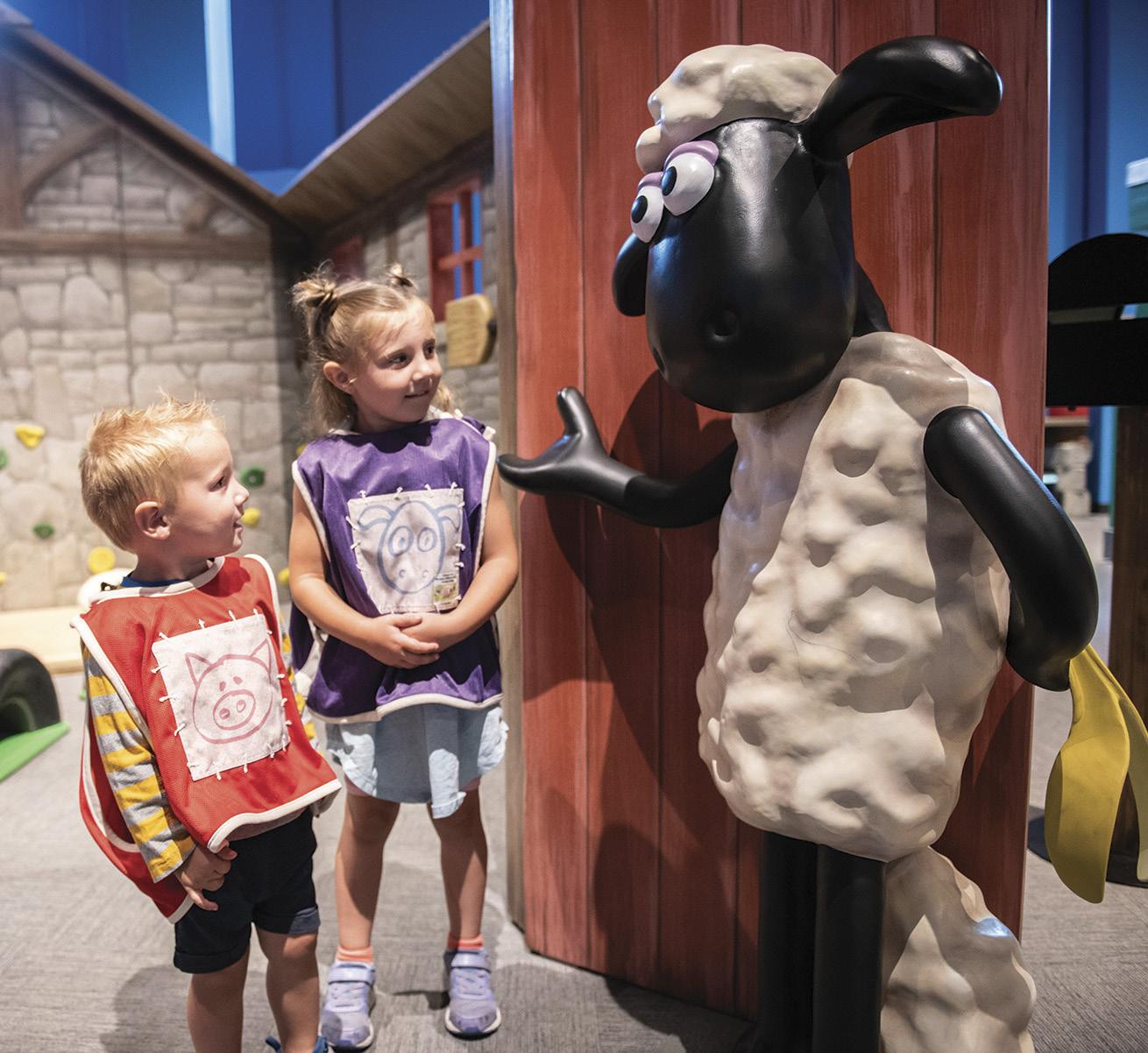
August 2023 Atlanta Parent 59 atlantaparent.com Family Fun Guide Marietta Square Labor Day Weekend Sat – Mon, 10AM – 5PM 200+ Fine Art Booths • Children’s Art Alley Acoustic Music • The Chalk Spot Family Fun • Outdoor Dining ArtParkMarietta.com A Fine Art Festival
Shaun the Sheep: Flock This Way!
LABOR DAY
Entertain your family on this three-day weekend at these events.

Dragon Con
Downtown Atlanta / Aug. 31-Sept. 4
This popular culture convention focuses on science fiction, fantasy, gaming, comics, literature, art, music and film with featured guests, performers, gaming, an art show and more. The highlight of the con is the parade, which will be held on Sat. at 10 a.m. Peachtree St., Atlanta. 404-669-0773. $20+; ages 6 and younger, free; 5-Day Membership, $175. dragoncon.org
Pioneer Days Festival
Sam Smith Park / Sept. 1, 4-11 p.m.; Sept. 2-3, noon-11 p.m. and Sept. 4, noon-10 p.m.
This family-oriented festival features arts and crafts, carnival rides, fair food, game concessions and more. 1155 Douthit Ferry Rd., Cartersville. $10; ages 10 and younger, free. pioneerdaysga.com
TinyCON
Children’s Museum of Atlanta / Sept. 1-4. See website for schedule. Costumes are encouraged at this con just for kids, which is a multi-day celebration of fantasy, science fiction and fantastic fictional universes with potions classes, Jedi training and more. 275 Centennial Olympic Park Dr. NW, Atlanta. 404-659-5437. $19.95. childrensmuseumatlanta.org
Labor Day Weekend
Callaway Resort & Gardens / Sept. 1-3
During the day, have your face painted, visit a caricature artist and more, and at night, see the illuminated Hot Air Balloon Glow and fireworks over Robin Lake Beach. 17800 US-27, Pine Mountain. 800-225-5292.$35.95; ages 2 and younger, free; two- and three-day tickets available. callawaygardens.com
Marietta Art in the Park
Marietta Square / Sept. 2-4, 10 a.m.-5 p.m.
Celebrate the arts with a juried show, art displays, demonstrations, makeand-take crafts, the Chalk Spot for creating chalk masterpieces and more. 50 N. Park Sq., Marietta. 404-966-8497. Free admission. artparkmarietta.com
Labor Day Weekend
Stone Mountain Park / Sept. 2-4
Honor everyday working heroes with family-friendly attractions, the all-new Music Across America Light Show and a fireworks finale. 1000 Robert E. Lee Blvd., Stone Mountain. 800-401-2407. $39.95+; ages 3-11, $34.95+; light show only, $5+. stonemountainpark.com
LAST CHANCE
Don’t miss these events ending this month!
Butterfly Encounter
Chattahoochee Nature Center
Through Aug. 6
Join hundreds of live butterflies for pretty photo opportunities with these creatures and their nectar and host plants. 9135 Willeo Rd., Roswell. 770-992-2055. $15; ages 13-18, $11; ages 3-12, $9; ages 2 and younger, free. chattnaturecenter.org
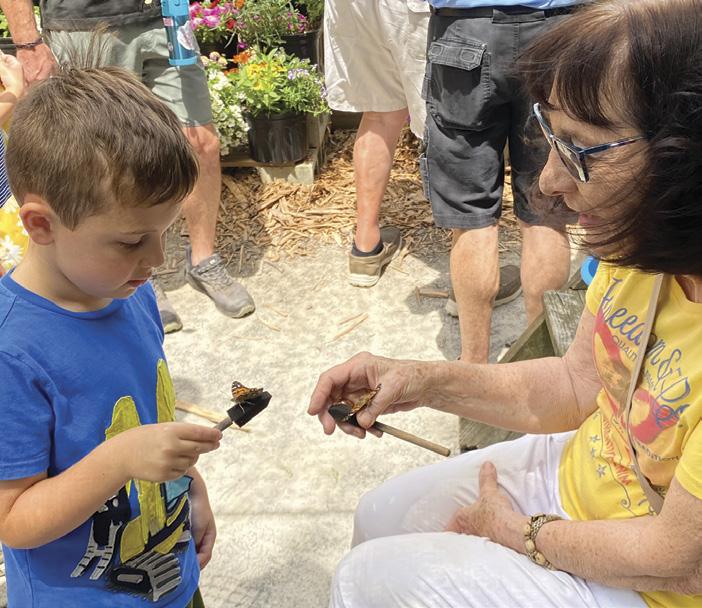
Old MacDonald’s Farm
Center for Puppetry Arts
Through Aug. 13. See website for showtimes. Help out the newest farmhands on Old MacDonald’s farm as you learn about farm animals, growing crops and more at this interactive show for ages 2-5. 1404 Spring St. NW at 18th, Atlanta. 404-873-3391. $22; ages 1 and younger, free. puppet.org

Flora, Fauna & Flight
Fernbank Museum
Through Aug. 27
Discover how plants and animals defy gravity with this artistic outdoor exhibit featuring photos and sculptures. 767 Clifton Rd., Atlanta. 404-929-6300. $25.95; ages 3-12, $23.95; ages 2 and younger, free. fernbankmuseum.org

60 Atlanta Parent August 2023 atlantaparent.com Family Fun Guide
TinyCON
TKT Playtime
tktplaytimeinflata.com
Now open 20,000 sq ft facility, the largest indoor “Inflata park” in Georgia providing fun and excitement for all ages! Obstacle course, mega slides, dodge ball, gamers zone and more. Visit today for the best jumping fun! 404-343-2764.
BIRTHDAY PARTY PLANNER
Yellow House Parties
yellowhouseparties.com
Customized spa parties! Experience our beautiful venue where your princess will enjoy a pampering spa experience in spa robes, receive edible facials, mini manis & pedis, glitter makeovers, have a runway show and more. 470-301-3485.

Altitude Trampoline Park

altitudeeastcobb.com
Altitude Trampoline Park is the place for kids to freeplay! Parties are indoor adventures that will have guests bouncing, soaring, tumbling and battling their way to a one-of-kind experience. Call today! 770-693-7627.
Circus Camp
circuscamp.org
Celebrate your child’s birthday with our trained professionals. One-on-one instruction. Magic shows, balloon sculpting, juggling, face painting and other extras available. Register online Dunwoody and Decatur, 404-370-0001.



Dream Friends Entertainment
dreamfriendsentertainment.com
Birthday parties, corporate and themed entertainment. Favorite kids characters, circus, fire, holiday, DJs, dance acts and more for all ages at your location. Atlanta Based Since 2001. 275 entertainment options to choose from.
Sky Zone Roswell
skyzone.com/roswell
Sky Zone offers party packages that can be customized to meet your needs with jumping, dodgeball, Warrior Course, Sky Slam, Wipe Out, Sky Tower, VR, Party Space, Pizza, beverages and more! 678-745-9900.
Bucks Sports and Circus Barn
BucksSportBarn.com
Buckhead’s top spot for private parties and camps! More than 300 costumes and epic performers. Themes: Circus, Sports, Crafts, Superheros, Princesses, American Ninja Warrior and more.

Jason’s Music Party
jasonsmusicparty.com
A Birthday Concert for Your Child. Interactive live kids music for all occasions. Performing classics and new favorites, percussion jams, singing, dancing and more. Options for every budget. Easy set-up, best for ages 1-8.

August 2023 Atlanta Parent 61 atlantaparent.com
SPECIAL ADVERTISING SECTION
IT’S ALWAYS SOMEONE’S BIRTHDAY! Make sure party-planning parents know about your business. Be a part of our Birthday Party Planner. In print, 24/7 and online for a full year. For more info, contact Genie Lockeretz at 678-938-8116 or glockeretz@atlantaparent.com
for the fridge

62 Atlanta Parent August 2023 atlantaparent.com
“The key to everything is patience.
You get the chicken by hatching the egg –not by smashing it.”
ARNOLD GLASOW
Urgent care can’t wait, and now it doesn’t have to. DriveThru Urgent Care treats patients with time-sensitive medical needs in the comfort and convenience of their own cars.

Created by the veteran ER team behind Viral Solutions, which tested and vaccinated millions of people during the COVID-19 public health crisis, we bring transformative efficiency to every aspect of urgent care.
From carside check-in and in-car exams to on-site labs and medications, we provide modern medical treatment that’s quick, convenient, and accessible.
DriveThru Urgent Care helps patients Get Better Faster.
Abscesses
Acute Rash
Allergic Reactions
Asthma
Broken Bones
COVID-19
Ear Infection
Flu
Head Injury/Concussion
Lacerations
Pink Eye
Respiratory Infections
Sinus Inflammation
Skin Infections
Sore Throat
STDs
Strep Throat
Toothache
Urinary Tract infections
Vaccinations
1605 Howell Mill Rd, Atlanta, GA 30318 DriveThruUrgentCare.com
Our Team of Expert Clinicians is on Call to Address Your Urgent Healthcare Needs