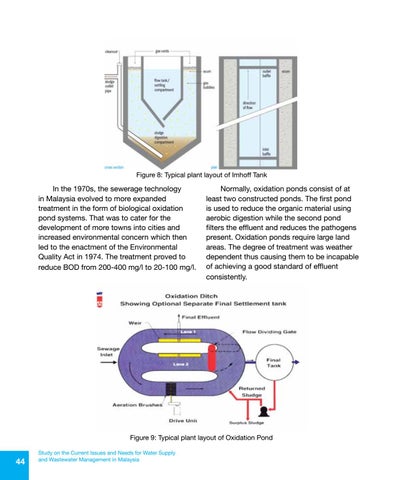
Figure 8: Typical plant layout of Imhoff Tank
In the 1970s, the sewerage technology in Malaysia evolved to more expanded treatment in the form of biological oxidation pond systems. That was to cater for the development of more towns into cities and increased environmental concern which then led to the enactment of the Environmental Quality Act in 1974. The treatment proved to reduce BOD from 200-400 mg/l to 20-100 mg/l.
Normally, oxidation ponds consist of at least two constructed ponds. The first pond is used to reduce the organic material using aerobic digestion while the second pond filters the effluent and reduces the pathogens present. Oxidation ponds require large land areas. The degree of treatment was weather dependent thus causing them to be incapable of achieving a good standard of effluent consistently.
Figure 9: Typical plant layout of Oxidation Pond
44
Study on the Current Issues and Needs for Water Supply and Wastewater Management in Malaysia