10 minute read
Make it in the Emirates

Make It in The Emirates is a first of its kind campaign in the UAE to encourage investors, innovators, and developers to benefit from the facilities and incentives offered by the country’s industrial sector and to fulfill their ambitions of developing, manufacturing and exporting their products.
It is an open invitation to contribute to the UAE’s industry and advanced technology strategy, ‘Operation 300Bn’ which aims to raise the industrial sector’s contribution to GDP from AED 133 billion to AED 300 billion by 2031.
Advertisement
The programme allows companies to benefit from the UAE economy’s unique value proposition by investing in future industries and exporting UAE products to new global markets.
The UAE’s industrial ecosystem is conducive to growth, as industrialists can easily access financial, advisory and technical support to establish and develop their businesses. Topping regional and global indices in logistics, transport and communications, the Emirates’ advanced infrastructure comprises ten civilian airports, 105 cargo companies, and 12 sea and commercial trading ports capable of handling more than 17 million tonnes with a cargo capacity of 80 million tonnes annually.
The UAE ranks high in global indicators that measure economic performance and ease of doing business and enjoys a strong credit rating. The country’s legislative framework is considered the most advanced in the region, and its strategic location makes it a global link. From the UAE, it is possible to reach international markets spanning five billion people via flights that do not exceed eight hours.
A partnership between the Ministry of Industry and Advanced Technologies (MoIAT) and Emirates Development Bank (EDB) enables industrial investors, innovators and entrepreneurs to receive significant financial and advisory support from EDB. The bank is the financial driver of Operation 300Bn and
provides many services to industrial players. These include financing advanced technology and equipment, sponsoring machinery and equipment upgrades (especially those involving Fourth Industrial Revolution (I4.0 applications), green finance, business expansion, structured financing and capital investment, feasibility studies and business incubators.
TOP FOR TECH A recent study finds that with some of the most thorough initiatives supportive of emerging technologies – blockchain, crypto, and AI – Dubai has garnered global attention. The Economist’s Digital Cities Index 2022 report ranks Dubai as first in the Middle East and 18th globally in a new ranking of most digitalised cities in the world.
The United Arab Emirates—96% of whose tech workforce is composed of immigrants— exemplifies the benefits of a well-planned, comprehensive strategy for developing a top tech hub.
In a report titled ‘Turning a Tech Hub into a Talent Magnet’, Boston Consulting Group (BCG) studied 11 tech hubs worldwide that continue to
thrive by attracting digital talent from beyond their borders.
“Successful digital hubs need lots of digital talent—an increasingly scarce commodity. The global shortage of technology workers will reach 4.3 million by 2030, and that was before the onset of Covid-19, which heightened the demand for digital services. The government of Dubai recognised this appeal early in the game, attracting tech experts from the four corners of the world,” said Faisal Hamady, Managing Director and Partner, BCG.
According to the report, a major catalyser in talent attraction is Dubai’s ongoing visa offerings which are a first in the region and further grounded the hub as one of excellence. These include business visas under which foreigners can obtain a long-term visa as part of the Golden Visa system, but also remote work visas and their assigned virtual working program for start-ups and entrepreneurs wishing to reside in the UAE, while working outside the UAE.
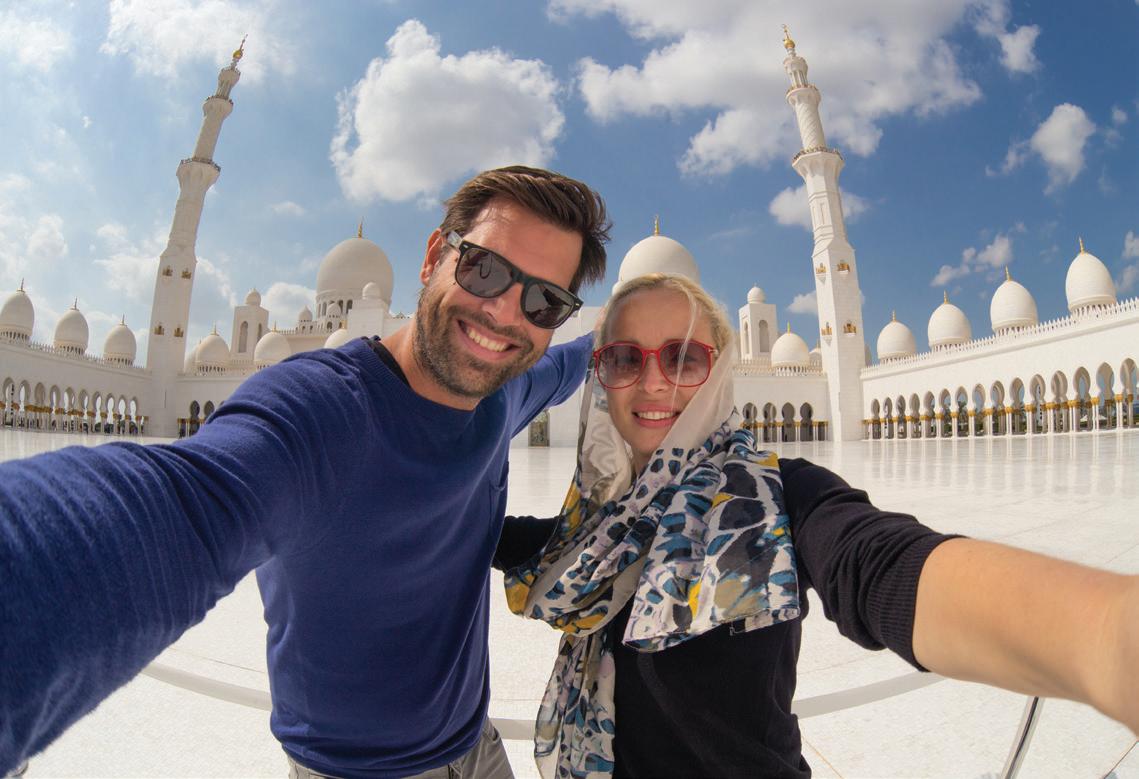
The survey also pointed to the fact that Dubai stands out as a leader in several areas by combining short and long-term levers. It has successfully attracted leading technology companies with an aggressive corporate tax rate incentive capped at zero and smaller tech companies followed, with UAE operations. Moreover, it boasts a UAE Golden Visa and a pathway to citizenship for international investors and top talent from around the world, providing them with visas for up to 10 years – next to a recent work visa scheme that enables employees worldwide to work remotely from the UAE. The one-year visa, considered the first of its kind in the region, allows entrepreneurs and talents to innovate in the UAE’s attractive business environment with access to all the necessary services, including world-class utilities and telecoms.
DIGITAL TALENT CHALLENGE Several initiatives have been launched to attract talent with the skills needed by industries targeted by the government. These include agricultural technology within the city’s 10-point action plan for Dubai Future District - a new space dedicated to developing the future economy - and an AED 1 billion fund to support new economy companies that can power Dubai’s future growth. For the longer term, the government encouraged leading international universities to establish local campuses to attract top students and encourage the children of current workers to remain in the UAE for their higher education.
According to the ‘Turning a Tech Hub into a Talent Magnet report,’ a feature of successful hubs is a range of policy tools. Policymakers need a clear vision of their hub’s current strengths, the key industrial sectors they aim to develop, and the workforce they need. And Dubai has done just that. The region’s leading tech hub, Dubai Internet City is home to Fortune 500 and a host of major global tech players. DIC offers businesses of all sizes the environment, platform, and tools required to innovate and grow. Its enabling ecosystem and infrastructure have become a magnet for the world’s most promising companies and brightest minds.
To attract new talent, select start-ups can avail of office space with two years free rent and health insurance for employees, all the while making it easier for incoming talent to attain work visas. Among other initiatives, it established incubators such as Dubai’s Area 2071 and recruited venture capital firms from around the world to establish local offices - a testament to Dubai’s commitment to act as a sustainable global centre of excellence.
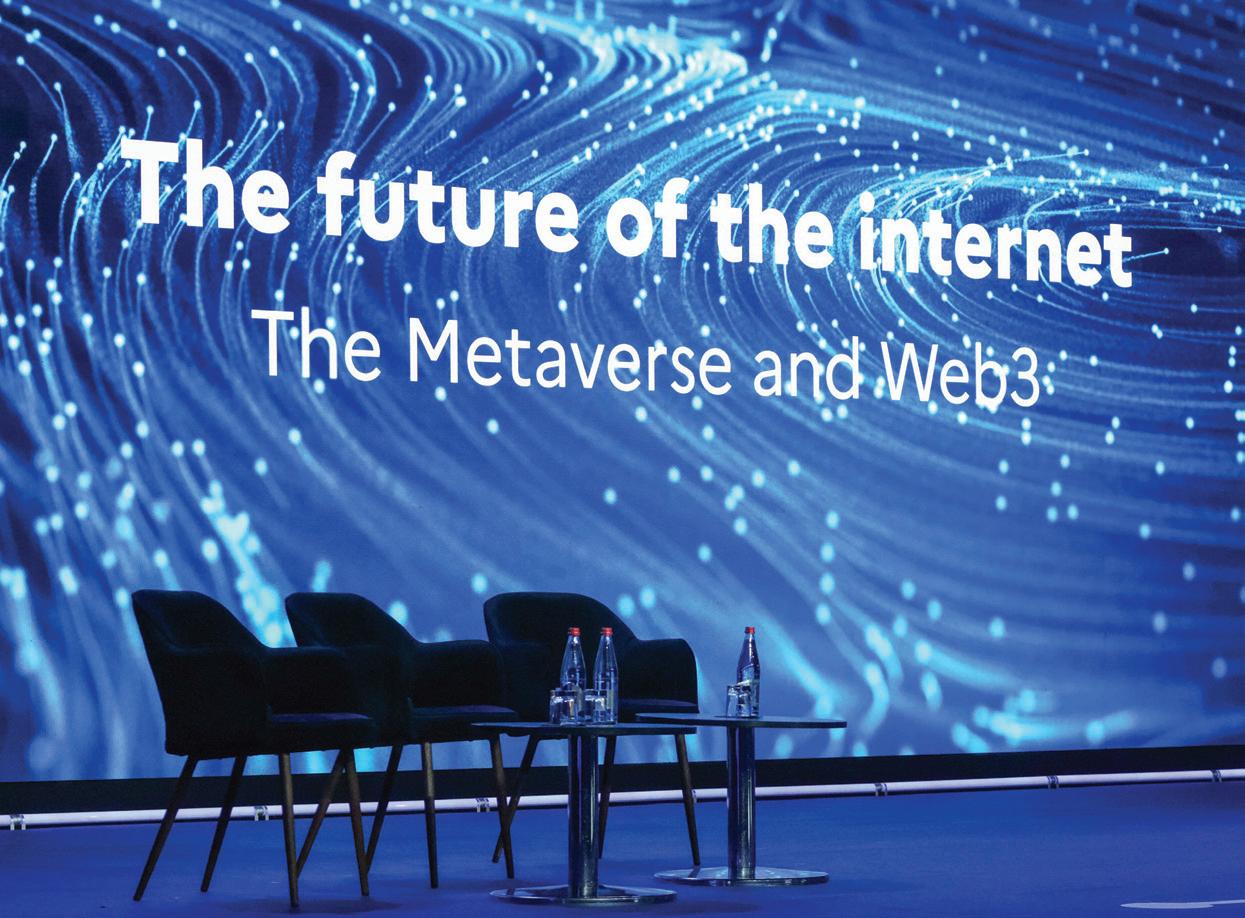
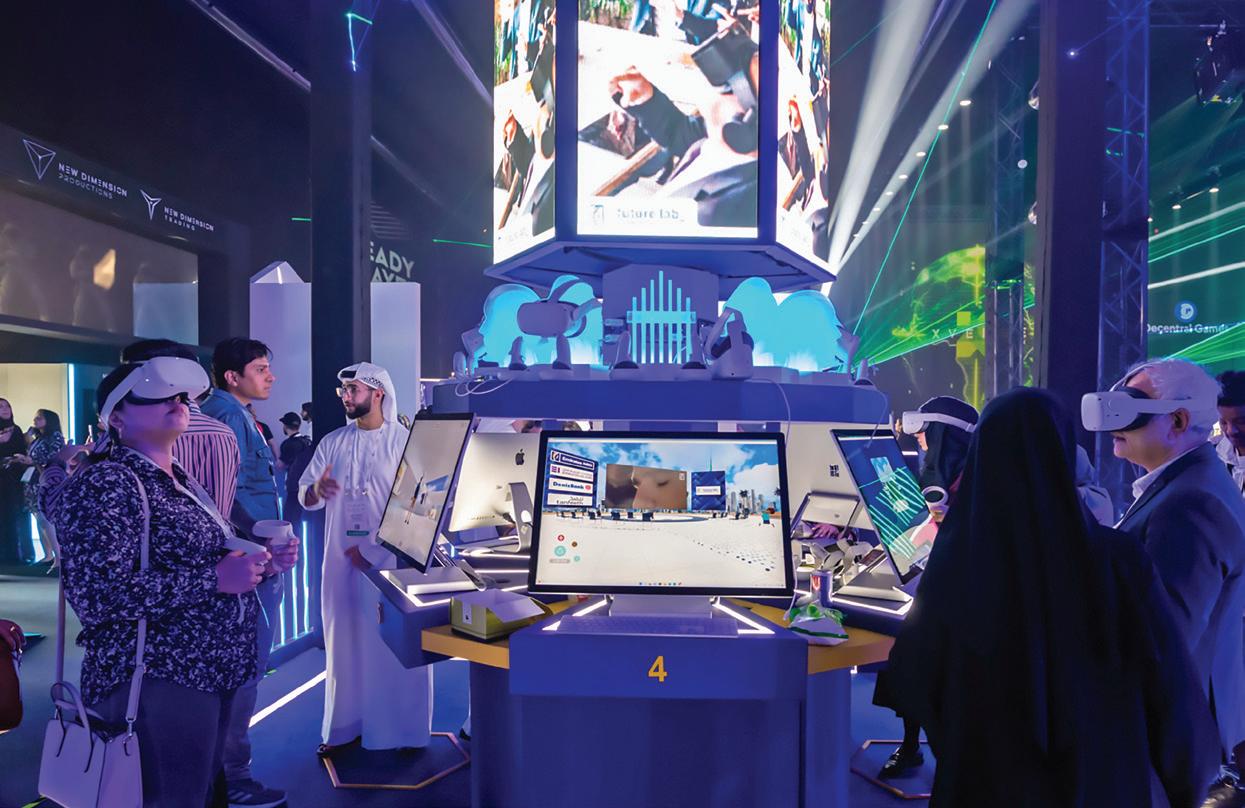
Dipping or rather diving into the virtual world, His Highness Sheikh Mohammed bin Rashid Al Maktoum, Vice President and Prime Minister of the UAE and Ruler of Dubai, directed the formation of a higher committee to prepare the Dubai Metaverse Strategy. It will enhance Dubai’s status as the best city in the virtual space, thanks to innovative services and its advanced regulatory and legislative framework.
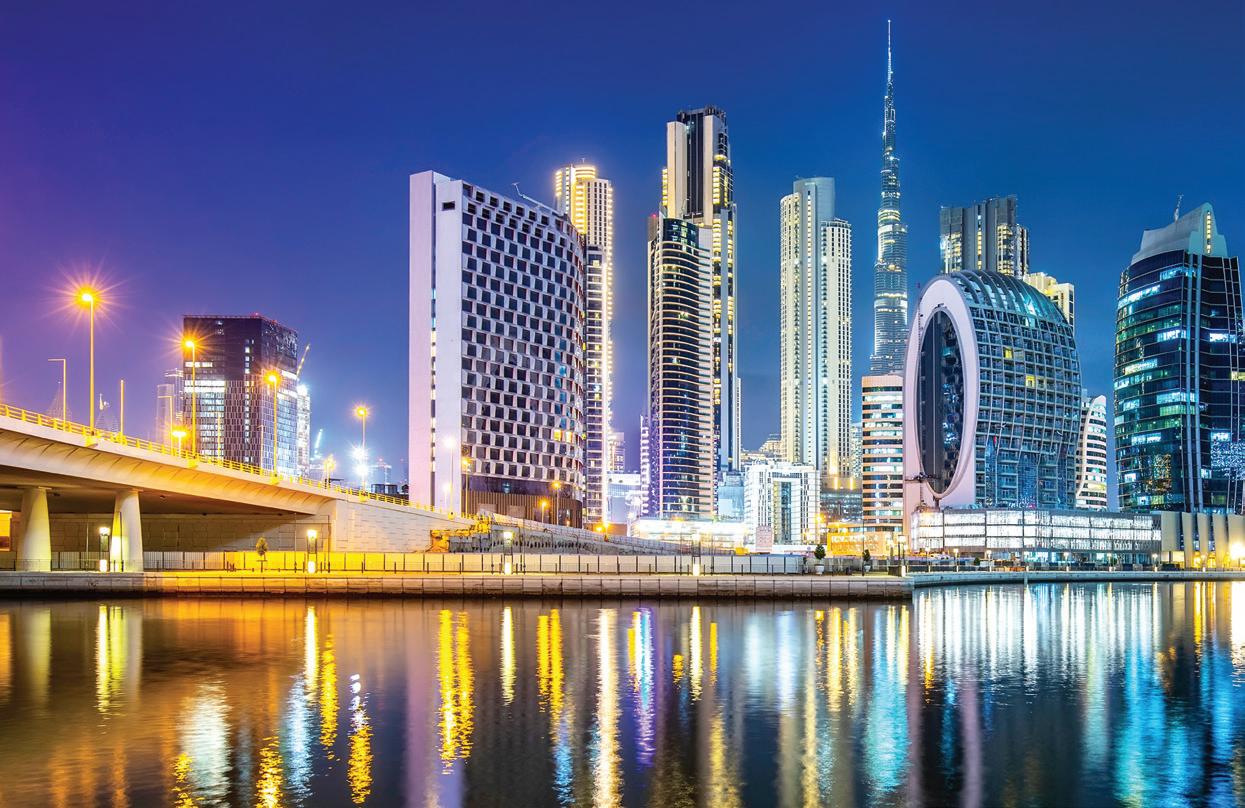
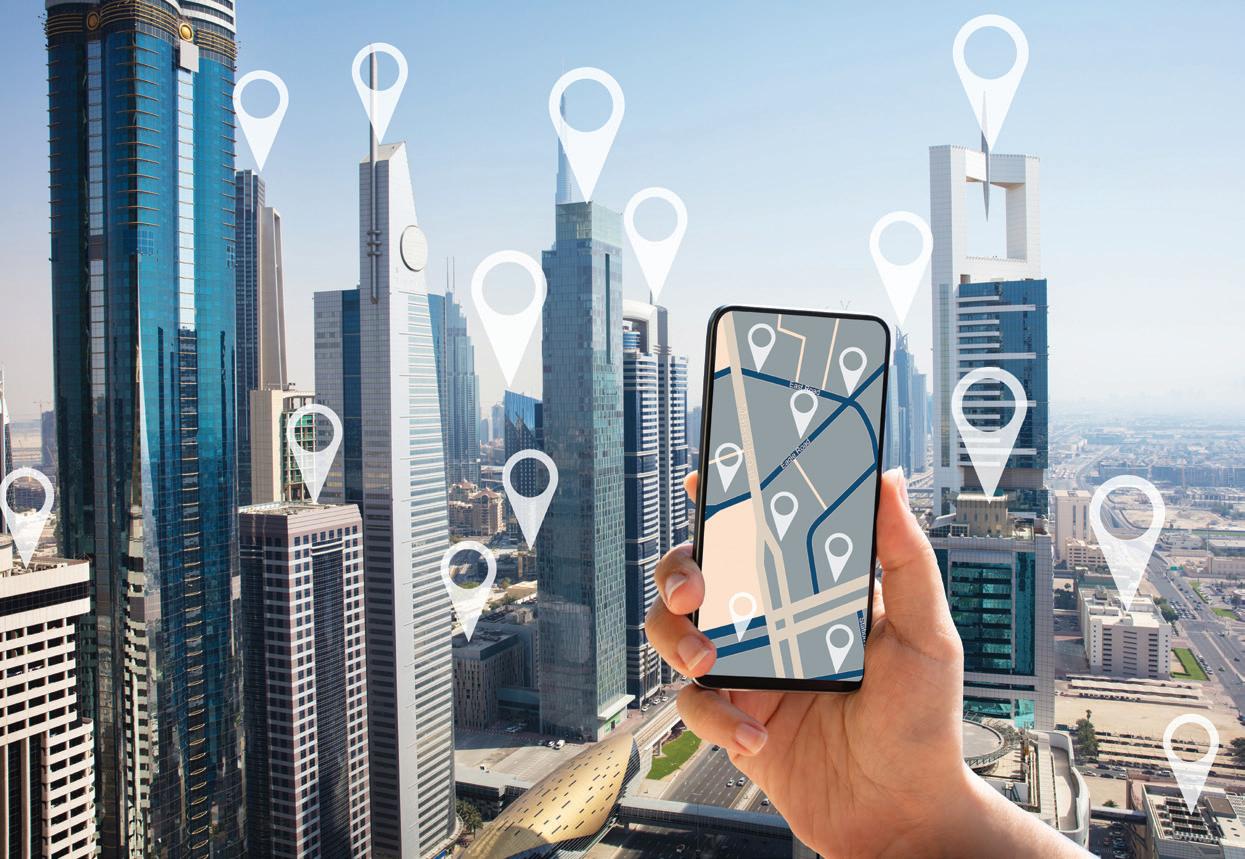
Known as ‘the city of the future,’ Dubai’s progressive government has visionary plans and long-term strategies across AI, blockchain, 3D printing, Internet of Things (IoT) and concepts including Hyperloop technologies.
In the words of His Highness Sheikh Mohammed Bin Rashid Al Maktoum, “The future belongs to those who can imagine it and execute it. It isn’t something you await, but rather create.

An Industrial Revolution
The Fourth Industrial Revolution, 4IR, or Industry 4.0, conceptualizes rapid change to technology, industries, and societal patterns and processes in the 21st century due to increasing interconnectivity and smart automation.
With the launch of a UAE Strategy for the Fourth Industrial Revolution and the establishment of the Ministry for Artificial Intelligence, the UAE has solidified its position as one of the most serious and robust jurisdictions for global technological advances and innovation.
Its leaders have embraced the potential for new technologies; for example, the country's largest financial free zones – Abu Dhabi Global Market and the Dubai International Financial Centre – have established advanced fintech ecosystems, ideal for start-ups and new business, cooperating alongside established businesses so that both sides can reap the benefits. The country also supports technology for Small-Medium Enterprises in the industrial sector and considers the latter the backbone of the economy.
In 2021, the UAE launched its industrial strategy, "Operation 300bn", a comprehensive 10-year strategic plan to establish the UAE's industrial sector as a success story of driving a sustainable economic model. More than 13,500 micro and small enterprises will benefit from financial and policy support through the newly introduced strategy, creating a subsidiary real economy.
The Abu Dhabi Advanced Technology Research Council, the first research council in the Middle East, was established to shape research and development for transformative technology outcomes. The establishment of the Technology Innovation Institute (TII) is another action that contributes towards placing the UAE firmly on the map of tech-savvy nations.
SMART CITIES A smart city is a municipality that uses information and communication technologies ( ICT) to increase operational efficiency, share information with the public and improve the quality of government services and citizen welfare. According to research compiled by Spain's IESE Business School, Dubai ranks 4th in the technology dimension for smart cities and number one for technology in the Middle East.
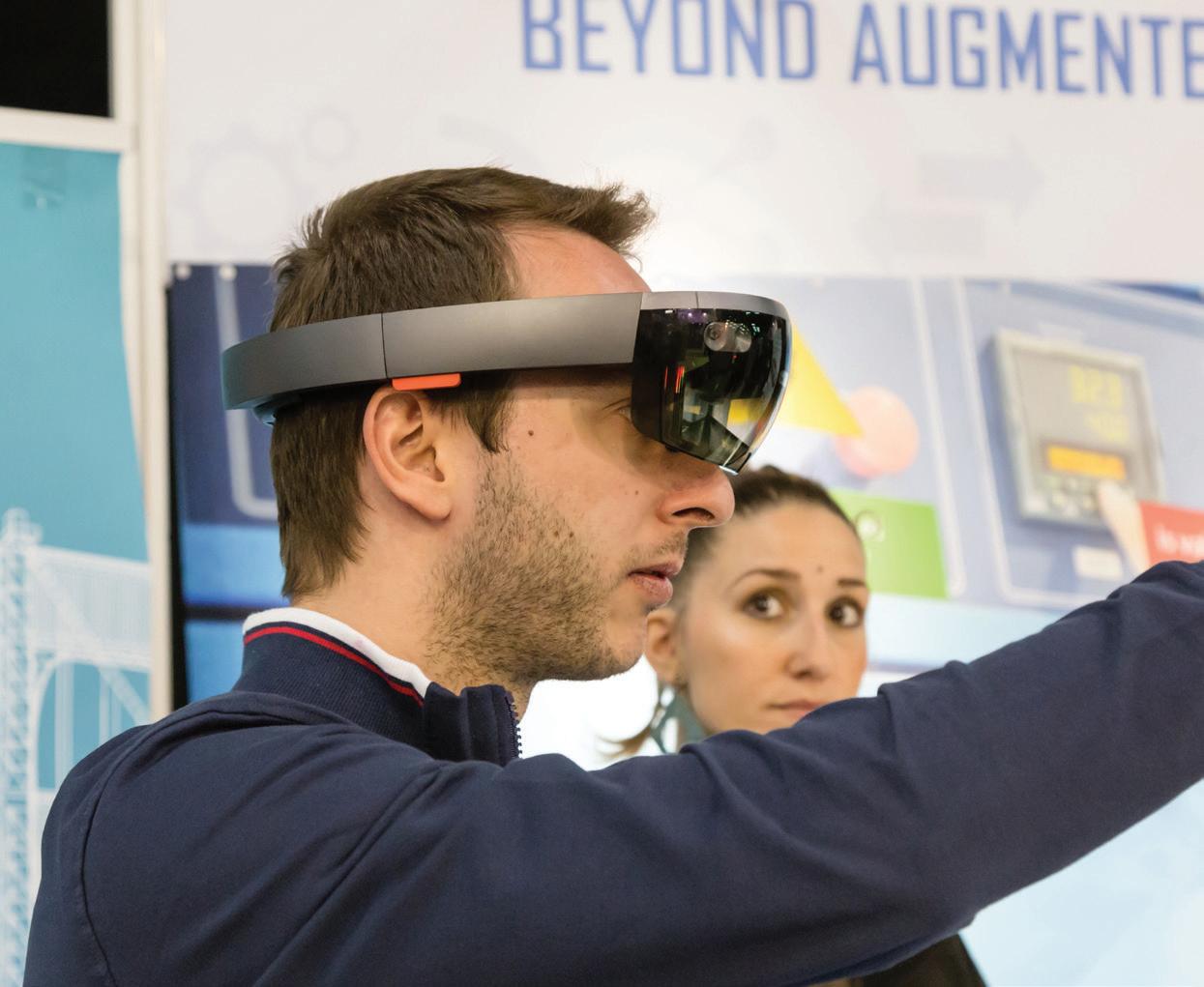
The high level of digitisation at private and public levels is integral in classifying the UAE as a nation that invests in growth and sees value in technology. Silicon Park is one example of how the UAE is positioning itself as a dedicated provider of technologically smart spaces that contribute to the happiness index of citizens and entrepreneurs alike. By bringing together people, data, and Artificial Intelligence (AI), the UAE is solving not only financial but also social challenges, such as the reduction of crime, the introduction of models of sustainable farming for underprivileged groups and the creation of more urban space for a better quality of life in the cities.
The UAE has also made remarkable progress in advancing specialised industries such as aviation, military, mining, renewable energy, and information and communication technology through ground-breaking technology use. Research suggests that by 2030 the number of devices connected to the internet is estimated to reach 1 trillion globally, with the UAE alone expected to reach this figure by 2050.
As a transit country connecting the East and the West with a pro-business environment, the UAE has become a technology hub for the Internet of Things (IoT) in all applications enabling digital transformation in airports, cargo and logistics. In addition, with 100% nationwide smartphone penetration (5G now present) and a range of Government initiatives and strategies being implemented, the UAE is well placed to double the size of the country's digital economy in the next 10 years, which currently contributes about 4.3% of the GDP of the UAE, valued at AED 100 billion. Known as the 'Silicon Valley of Europe', Ireland is the European base for some of the largest tech companies in the world. Adding €16bn to the economy each year, the nation is second only to the USA in terms of software service exports.
Through government support, alongside a vibrant global pool of human resources and the various incentives that bring together the public and the private sector, the UAE is a frontrunner in technology, not only in the region, but also globally.
According to Mohamed Shahin, Senior Market Advisor at Enterprise Ireland MENA, the UAE has cemented its status as an ICT innovation hub by leveraging its strategic location, worldclass infrastructure, strong connectivity and business-friendly environment. As a result, global companies are setting up their headquarters in Dubai and Abu Dhabi, attracting new talent and sophisticated technologies to the region.
LIKE MINDS Ireland, like the UAE, is putting tech innovation at the core of its economic strategy. Known as the 'Silicon Valley of Europe,' Ireland is the European base for some of the largest tech companies in the world. Adding €16bn to the economy each year, the nation is second only to the US in terms of software service exports. Leo Varadker,
Irish Tánaiste (Deputy Prime Minister) and Minister for Enterprise, Trade and Employment, Leo Varadker, says: “We are an open economy and small; a country on the edge of the Atlantic and at the heart of the European Union; a bridge between Europe and the USA, where the big firms of tech meet the world’s most creative minds, where cutting edge research and industry work hand in hand.”
Ireland and the UAE recognise the significant mutual benefits that arise from collaboration and mutually beneficial partnerships. Both nations are entrepreneurial by nature, a key factor in driving a business mindset that is agile and can overcome challenges.
“The hand of friendship extended by both countries is ever-present,” notes Conor Fahy, Regional Director for India, Middle East and Africa at Enterprise Ireland. “The relationship with Ireland is strong and enduring at both a Federal and Emirate level, and it is also continuing to grow further. Both governments continue to work closely together through the existing bilateral relationships to share best practices, build expertise and embrace innovation.”